


Lou Hennessy
-
Posts
12 -
Joined
-
Last visited
3 Followers


Lou Hennessy's Achievements


-
 Earlier this week, we talked about some more obvious trade candidates to be moved this offseason, possibly even during next week’s Winter Meetings in Orlando. These usual suspects provide fun speculation for baseball fans, but their inclusion in trade chatter is starting to get, dare I say, kind of stale. For fans who want to get a little more creative in their offseason speculation rumors, here are a handful of under-the-radar candidates that could feasibly be traded in the near future. 2B Ketel Marte One of the premier second basemen in the game may be a hot name on this year’s trade market. Marte (.283 AVG, .893 OPS, 28 HR) is a middle-of-the-order type bat that can play solid defense at a premium position. Sure, he just signed a long-term deal with the Diamondbacks last winter that is set to pay him $117 million through 2030, but the snakes find themselves in a tricky spot in their loaded division, and if they wait too much longer, Marte will earn 10-and-5 rights (10 years of service time, last five with the same team), which means he’ll have to approve any trade after that point. And at 32 years old, the Diamondbacks may want to sell high. Possible fits: Seattle Mariners, Toronto Blue Jays, Los Angeles Dodgers RF Wilyer Abreu The young outfielder may not be a marquee name around the league, but Abreu (110 wRC+, 2.4 fWAR in 2025) has quietly been a very strong performer for the Red Sox since making his debut in 2023. Over the last three years, he has had a combined .791 OPS, paired with elite defense in right field, and his improvement looks legitimate when you look under the hood. Abreu displayed strong bat speed, which led to more hard contact in 2025, and he improved his strikeout and walk rates over the year prior. If the Red Sox can reel in one or more of their free agent bat targets, they could look to sell high on someone like Abreu, who is heading into his age-27 season and is under club control through 2029. Understandably, the Sox would most likely have a pretty high asking price for their young left-handed outfield stud. But if a team comes calling with, let’s say, a front-end starting pitcher, it could create an interesting match. Possible fits: Seattle Mariners, Kansas City Royals, Milwaukee Brewers OF/DH George Springer The veteran slugger had a resurgent season in 2025, but the Blue Jays could look to unload the 36-year-old in the final year of his contract, where he’s due $25 million. Springer (166 wRC+, 5.2 fWAR) showed that there’s still plenty to like about his game, even after being relegated to mostly playing designated hitter in the second half of the season. But his bat may impress enough that it really doesn’t matter if a team wants to try and hide him in right field or accept that he should stick as the DH at this point in his career. Springer was among the top hitters in the American League in both his surface-level numbers and the underlying metrics, and with just one year remaining on his deal, he could be of interest to a plethora of teams looking to add a pure hitter. It’s hard to say whether the Blue Jays would be pushing to move their leadoff man, who led them to the World Series last year. But if they can reel in Kyle Tucker to a mega deal, it could behove them to explore a Springer trade as long as it brings something exciting in return while clearing some of that $25 million. Possible fits: Detroit Tigers, Boston Red Sox, New York Mets 1B/C Ben Rice I would imagine this would be a long shot, but if the Yankees are able to sign Pete Alonso or Muneteka Marakami to a long-term deal, Rice (133 wRC+, 3.0 fWAR) would make for a fascinating trade piece. The 26-year-old slugger had a breakout season in 2025, belting 26 home runs and getting on base at a .337 clip. He wasn’t a standout defender at first base, but he was passable there and even has the ability to catch, though he may not have a long-term future behind the dish. Many teams would be drooling at the thought of having Rice in the middle of their lineup for the next five seasons, making the minimum salary for the next two. He’s a prime-aged, baseball savant darling, and a return package to the Yankees would need to dazzle. Maybe that’s an ace-caliber pitcher, or a sizable prospect haul. Possible fits: Minnesota Twins, Milwaukee Brewers, Cincinnati Reds OF Oneil Cruz He may not be the star on the Pittsburgh Pirates that many were hoping to see in trade speculation (ahem… Paul Skenes), but their electric outfielder could be a solid get for teams looking for long-term help in the outfield. Cruz (86 wRC+, 1.6 fWAR) still managed to hit the ball harder than anyone (100th percentile average exit velocity, 97th percentile hard-hit rate) despite a generally down year compared to expectations heading into 2025. The 27-year-old is still a force to be reckoned with on the basepaths (38 SB) and as a plus defender in center field (with some experience at shortstop, to boot). Cruz is entering his first year of arbitration and is projected to make around $3.6 million. If the frugal-minded Pirates continue their trusted churn and burn ways with their young stars, and they stick to their word about hanging on to Skenes for 2026, then it could point to Cruz being among their big-ticket items on the trade market. Possible fits: Los Angeles Dodgers, Kansas City Royals, New York Mets C Harry Ford With MVP runner-up Cal Raleigh entrenched behind the plate in Seattle for years to come, the Mariners don’t have much room for one of the best MLB-ready catching prospects in the game. Ford (125 wRC+ at Triple A in 2025) is a consensus top 100 global prospect and made his MLB debut in September. He’s an on-base machine who has one of the strongest catcher arms in this prospect class, and his emerging power at the plate makes him a triple-threat. He could be a team’s catcher for the next seven seasons, and has All-Star upside if all goes well. The Mariners could ask for a star-level slugger in return, with second base, third base, and right field standing out as clear areas for improvement. They have an enviable starting rotation, but a playoff-caliber starting pitcher to pair with Bryan Woo and Logan Gilbert could be a welcome return, especially if they try to trade Luis Castillo and the $42 million left on his deal. Possible fits: Minnesota Twins, Philadelphia Phillies, Tampa Bay Rays What do you think? Do any of these names stand out to you as under-the-radar trade candidates? Who else could you see surprising folks on this winter’s trade market? Let us know your thoughts in the comments, and as always, stay sweet. View full article
 -
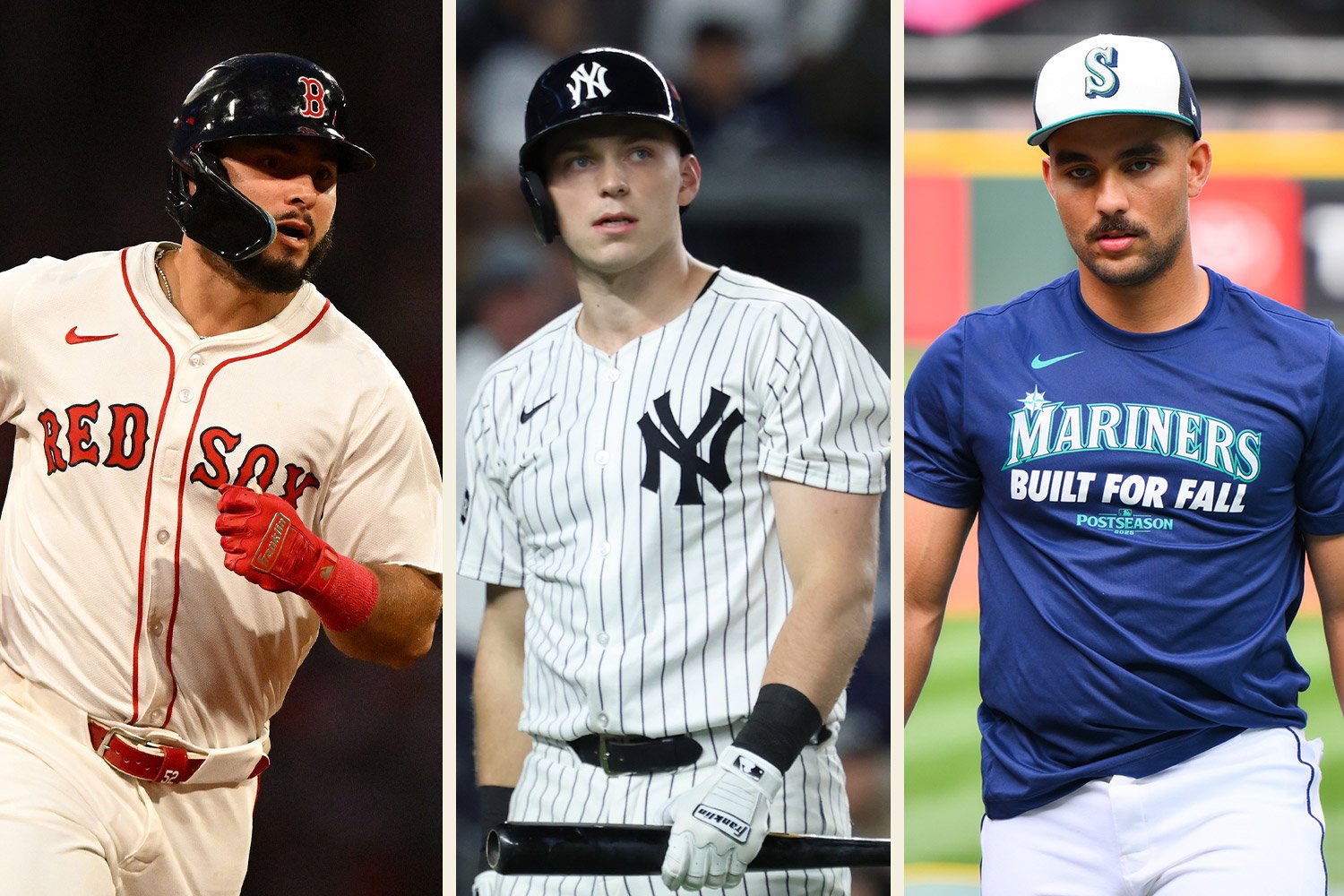 Earlier this week, we talked about some more obvious trade candidates to be moved this offseason, possibly even during next week’s Winter Meetings in Orlando. These usual suspects provide fun speculation for baseball fans, but their inclusion in trade chatter is starting to get, dare I say, kind of stale. For fans who want to get a little more creative in their offseason speculation rumors, here are a handful of under-the-radar candidates that could feasibly be traded in the near future. 2B Ketel Marte One of the premier second basemen in the game may be a hot name on this year’s trade market. Marte (.283 AVG, .893 OPS, 28 HR) is a middle-of-the-order type bat that can play solid defense at a premium position. Sure, he just signed a long-term deal with the Diamondbacks last winter that is set to pay him $117 million through 2030, but the snakes find themselves in a tricky spot in their loaded division, and if they wait too much longer, Marte will earn 10-and-5 rights (10 years of service time, last five with the same team), which means he’ll have to approve any trade after that point. And at 32 years old, the Diamondbacks may want to sell high. Possible fits: Seattle Mariners, Toronto Blue Jays, Los Angeles Dodgers RF Wilyer Abreu The young outfielder may not be a marquee name around the league, but Abreu (110 wRC+, 2.4 fWAR in 2025) has quietly been a very strong performer for the Red Sox since making his debut in 2023. Over the last three years, he has had a combined .791 OPS, paired with elite defense in right field, and his improvement looks legitimate when you look under the hood. Abreu displayed strong bat speed, which led to more hard contact in 2025, and he improved his strikeout and walk rates over the year prior. If the Red Sox can reel in one or more of their free agent bat targets, they could look to sell high on someone like Abreu, who is heading into his age-27 season and is under club control through 2029. Understandably, the Sox would most likely have a pretty high asking price for their young left-handed outfield stud. But if a team comes calling with, let’s say, a front-end starting pitcher, it could create an interesting match. Possible fits: Seattle Mariners, Kansas City Royals, Milwaukee Brewers OF/DH George Springer The veteran slugger had a resurgent season in 2025, but the Blue Jays could look to unload the 36-year-old in the final year of his contract, where he’s due $25 million. Springer (166 wRC+, 5.2 fWAR) showed that there’s still plenty to like about his game, even after being relegated to mostly playing designated hitter in the second half of the season. But his bat may impress enough that it really doesn’t matter if a team wants to try and hide him in right field or accept that he should stick as the DH at this point in his career. Springer was among the top hitters in the American League in both his surface-level numbers and the underlying metrics, and with just one year remaining on his deal, he could be of interest to a plethora of teams looking to add a pure hitter. It’s hard to say whether the Blue Jays would be pushing to move their leadoff man, who led them to the World Series last year. But if they can reel in Kyle Tucker to a mega deal, it could behove them to explore a Springer trade as long as it brings something exciting in return while clearing some of that $25 million. Possible fits: Detroit Tigers, Boston Red Sox, New York Mets 1B/C Ben Rice I would imagine this would be a long shot, but if the Yankees are able to sign Pete Alonso or Muneteka Marakami to a long-term deal, Rice (133 wRC+, 3.0 fWAR) would make for a fascinating trade piece. The 26-year-old slugger had a breakout season in 2025, belting 26 home runs and getting on base at a .337 clip. He wasn’t a standout defender at first base, but he was passable there and even has the ability to catch, though he may not have a long-term future behind the dish. Many teams would be drooling at the thought of having Rice in the middle of their lineup for the next five seasons, making the minimum salary for the next two. He’s a prime-aged, baseball savant darling, and a return package to the Yankees would need to dazzle. Maybe that’s an ace-caliber pitcher, or a sizable prospect haul. Possible fits: Minnesota Twins, Milwaukee Brewers, Cincinnati Reds OF Oneil Cruz He may not be the star on the Pittsburgh Pirates that many were hoping to see in trade speculation (ahem… Paul Skenes), but their electric outfielder could be a solid get for teams looking for long-term help in the outfield. Cruz (86 wRC+, 1.6 fWAR) still managed to hit the ball harder than anyone (100th percentile average exit velocity, 97th percentile hard-hit rate) despite a generally down year compared to expectations heading into 2025. The 27-year-old is still a force to be reckoned with on the basepaths (38 SB) and as a plus defender in center field (with some experience at shortstop, to boot). Cruz is entering his first year of arbitration and is projected to make around $3.6 million. If the frugal-minded Pirates continue their trusted churn and burn ways with their young stars, and they stick to their word about hanging on to Skenes for 2026, then it could point to Cruz being among their big-ticket items on the trade market. Possible fits: Los Angeles Dodgers, Kansas City Royals, New York Mets C Harry Ford With MVP runner-up Cal Raleigh entrenched behind the plate in Seattle for years to come, the Mariners don’t have much room for one of the best MLB-ready catching prospects in the game. Ford (125 wRC+ at Triple A in 2025) is a consensus top 100 global prospect and made his MLB debut in September. He’s an on-base machine who has one of the strongest catcher arms in this prospect class, and his emerging power at the plate makes him a triple-threat. He could be a team’s catcher for the next seven seasons, and has All-Star upside if all goes well. The Mariners could ask for a star-level slugger in return, with second base, third base, and right field standing out as clear areas for improvement. They have an enviable starting rotation, but a playoff-caliber starting pitcher to pair with Bryan Woo and Logan Gilbert could be a welcome return, especially if they try to trade Luis Castillo and the $42 million left on his deal. Possible fits: Minnesota Twins, Philadelphia Phillies, Tampa Bay Rays What do you think? Do any of these names stand out to you as under-the-radar trade candidates? Who else could you see surprising folks on this winter’s trade market? Let us know your thoughts in the comments, and as always, stay sweet.
 -
The main course of baseball’s offseason meal will be served next week as the Winter Meetings take place in Orlando. MLB executives, team officials, free agents, and their representation will all take their seats at the table, ready to feast on some much-needed offseason content with juicy storylines. The meatiest bites of this meal will surely be the activity on the trade market, with multiple competitive teams carrying a big appetite. There are bound to be a few surprises on this year’s market, but there are also a handful of high-end players that already see their names on the menu. Here is a quick rundown of some of the more frequently mentioned names that could be prime candidates to be shipped to a new home. Joe Ryan/Pablo López After a fire sale at the trade deadline that decimated their bullpen contingent and sent lineup cornerstone Carlos Correa back to the Houston Astros for salary relief, many are speculating that the Twins could be looking to continue selling off over the winter. If they decide to go that route, their two best starting pitchers would surely stir up plenty of interest around the league. López (2.74 ERA, 23.4% strikeout rate in 14 starts) battled a shoulder injury last year. Still, when healthy, he showcased a talented arm that can reasonably lead a competitive rotation, or be relied upon to start a playoff game if given the opportunity. He’s recovered from the injury now and will be owed just under $44 million over the next two seasons. Ryan (3.42 ERA, 28.2% strikeout rate in 31 starts) made his first All-Star Game in 2025 after a stellar first half, pitching to a sterling 2.72 ERA. He stayed healthy through the end of the season (also a first for him), but his performance fell off in the final six starts of the season. Ryan is a strikeout machine who rarely walks anyone (career 4.86 K/BB), and he could fetch the Twins a haul in any trade thanks to his two remaining years of arbitration eligibility. It remains to be seen what direction the Twins will take heading into next year, but it's likely they could trade one of their front-of-the-rotation starters, if not both, given their rotation depth, which is filled with players making the minimum salary. Possible fits: Boston Red Sox, New York Yankees, San Francisco Giants Tarik Skubal The two-time reigning Cy Young winner in the American League could be pricing himself out of a long-term future with the Detroit Tigers. That’s the only reasonable explanation for why he finds himself in so many trade predictions this offseason. Skubal (2.21 ERA, 32.2% strikeout rate over 31 starts) is arguably the best starter in the league thanks to his explosive fastball and a back-breaking changeup, both paired with pinpoint control. Assuming he’s healthy again in 2026, he’ll command one of the largest free agent deals in MLB history next winter. Look for some of the premier contending teams to offer the Tigers a king’s ransom for him on the trade market. Possible fits: New York Mets, New York Yankees, Chicago Cubs Freddy Peralta Despite having the league's best record last season, recent reports suggest the Brewers could be looking to offload salary heading into 2026. If that’s the case, there’s only a handful of players who make enough to make that juice worth the squeeze. Among those names, Peralta (2.70 ERA, 28.2% strikeout rate in 33 starts) stands out as a player who could fetch a significant return. The Brewers exercised his $8 million option for 2026, making him one of the more affordable front-end starting pitchers in the game. Over the last three years, he’s been one of the most consistent and durable performers in the league, making at least 30 starts with an ERA of 3.86 or below in each campaign. His affordability makes him enticing for nearly any contending team. Possible fits: Baltimore Orioles, Atlanta Braves, Houston Astros Jarren Duran The Sox are rumored to be interested in multiple premier bats on the free agent market, including Pete Alonso, Kyle Schwarber, and Alex Bregman. That would create quite a roster crunch in their lineup, and it could push them to explore trading their former All-Star outfielder. Duran (.256 AVG, .774 OPS, 16 HR) is a strong outfielder with a plus bat with ample speed to boot (82 stolen bases over the last three years). He has three more years of team control and is set to make around $7.7 million via arbitration next year. Duran is an elite defender in left field, but he can also play a passable center field, which could be intriguing for some notable contending clubs. Possible fits: New York Mets, Philadelphia Phillies, Los Angeles Dodgers, Kansas City Royals Sandy Alcantara The former Cy Young winner may not be the same guy he was four years ago, but the veteran righty will still warrant plenty of interest next week. Alcántara (5.36 ERA, 19.1% strikeout rate across 31 starts) simply couldn’t put it together last year. While his surface-level numbers were pretty abysmal, some of his numbers under the hood suggested he was closer to mediocre. He still has good zip on his fastball, which is important for somebody who is just a couple of years removed from Tommy John surgery, and he still gets plenty of ground balls. To Alcántara's credit, he finished the 2025 campaign with eight strong starts, posting a 2.68 ERA and better strikeout and walk rates. Maybe interested teams will see this as a return to form for the former ace, and if so, he’d be a welcome addition to almost any rotation. He’s under control for one more year, with a club option for 2027. Possible fits: Houston Astros, San Francisco Giants, San Diego Padres Nick Castellanos Even though the Phillies may end up watching their primary designated hitter depart via free agency, they may not want to fill that role with their defensively challenged right fielder. Castellanos (.250 AVG, .694 OPS, 17 HR) is no longer the cleanup hitter he once was, but he could still hold value as a right-handed bat that is not long removed from being an above-average hitter with pop. He's going into the final year of his extension that will pay him $20 million, but it's realistic to think the big-market Phillies could be willing to eat some of that salary if they move him. The club could look to fill his shoes by making a push for another big bat on the free agent market, whether that means resigning Schwarber or going after someone like Kyle Tucker. But either way, it feels like the Castellanos era of Phillies baseball is reaching its end. Possible fits: Chicago Cubs, Kansas City Royals, Seattle Mariners What do you think about these trade candidates? Who else could be moved at the Winter Meetings this year? Who would you want your team to target? Let us know your thoughts in the comments, and as always, stay sweet. View full article
-
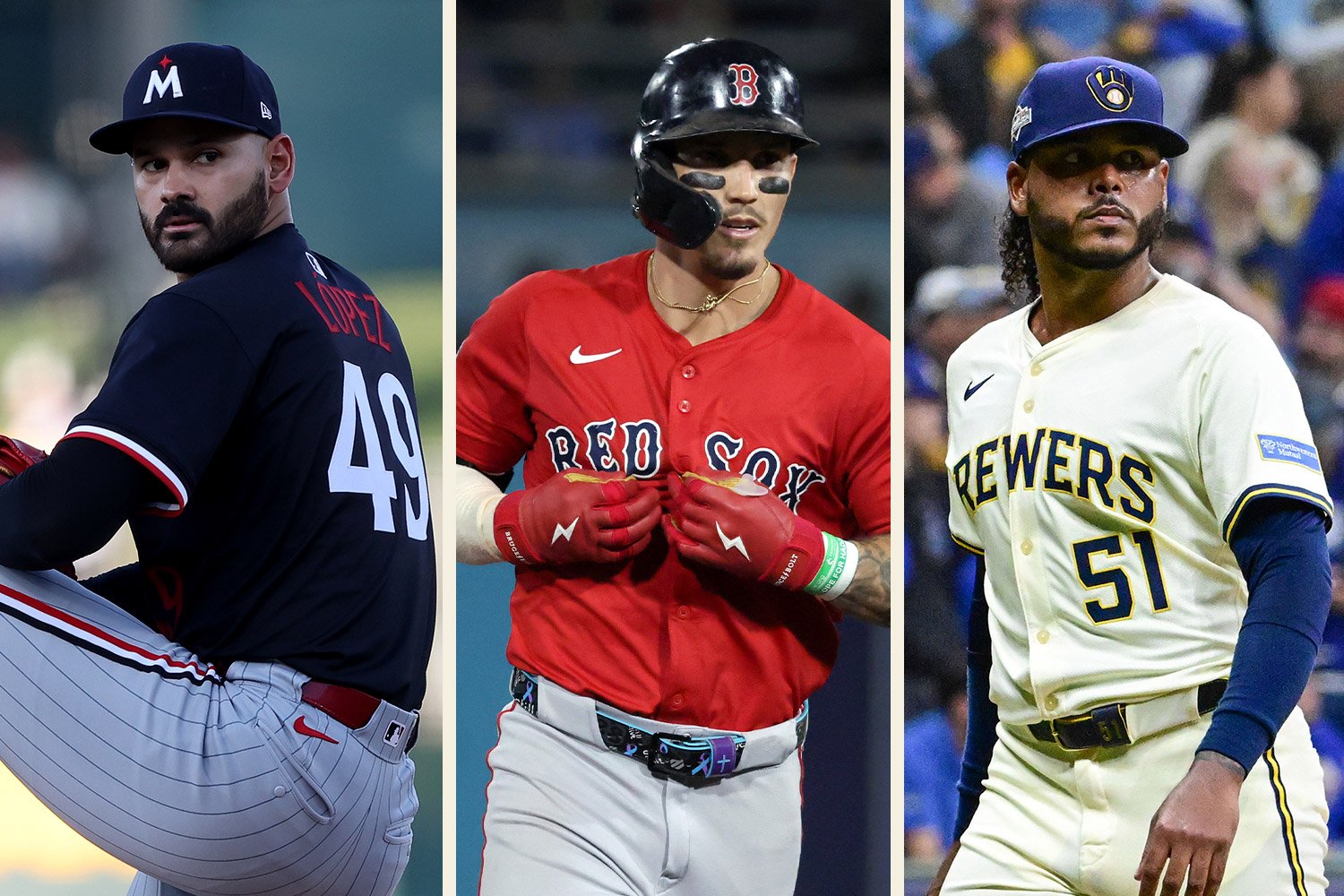 The main course of baseball’s offseason meal will be served next week as the Winter Meetings take place in Orlando. MLB executives, team officials, free agents, and their representation will all take their seats at the table, ready to feast on some much-needed offseason content with juicy storylines. The meatiest bites of this meal will surely be the activity on the trade market, with multiple competitive teams carrying a big appetite. There are bound to be a few surprises on this year’s market, but there are also a handful of high-end players that already see their names on the menu. Here is a quick rundown of some of the more frequently mentioned names that could be prime candidates to be shipped to a new home. Joe Ryan/Pablo López After a fire sale at the trade deadline that decimated their bullpen contingent and sent lineup cornerstone Carlos Correa back to the Houston Astros for salary relief, many are speculating that the Twins could be looking to continue selling off over the winter. If they decide to go that route, their two best starting pitchers would surely stir up plenty of interest around the league. López (2.74 ERA, 23.4% strikeout rate in 14 starts) battled a shoulder injury last year. Still, when healthy, he showcased a talented arm that can reasonably lead a competitive rotation, or be relied upon to start a playoff game if given the opportunity. He’s recovered from the injury now and will be owed just under $44 million over the next two seasons. Ryan (3.42 ERA, 28.2% strikeout rate in 31 starts) made his first All-Star Game in 2025 after a stellar first half, pitching to a sterling 2.72 ERA. He stayed healthy through the end of the season (also a first for him), but his performance fell off in the final six starts of the season. Ryan is a strikeout machine who rarely walks anyone (career 4.86 K/BB), and he could fetch the Twins a haul in any trade thanks to his two remaining years of arbitration eligibility. It remains to be seen what direction the Twins will take heading into next year, but it's likely they could trade one of their front-of-the-rotation starters, if not both, given their rotation depth, which is filled with players making the minimum salary. Possible fits: Boston Red Sox, New York Yankees, San Francisco Giants Tarik Skubal The two-time reigning Cy Young winner in the American League could be pricing himself out of a long-term future with the Detroit Tigers. That’s the only reasonable explanation for why he finds himself in so many trade predictions this offseason. Skubal (2.21 ERA, 32.2% strikeout rate over 31 starts) is arguably the best starter in the league thanks to his explosive fastball and a back-breaking changeup, both paired with pinpoint control. Assuming he’s healthy again in 2026, he’ll command one of the largest free agent deals in MLB history next winter. Look for some of the premier contending teams to offer the Tigers a king’s ransom for him on the trade market. Possible fits: New York Mets, New York Yankees, Chicago Cubs Freddy Peralta Despite having the league's best record last season, recent reports suggest the Brewers could be looking to offload salary heading into 2026. If that’s the case, there’s only a handful of players who make enough to make that juice worth the squeeze. Among those names, Peralta (2.70 ERA, 28.2% strikeout rate in 33 starts) stands out as a player who could fetch a significant return. The Brewers exercised his $8 million option for 2026, making him one of the more affordable front-end starting pitchers in the game. Over the last three years, he’s been one of the most consistent and durable performers in the league, making at least 30 starts with an ERA of 3.86 or below in each campaign. His affordability makes him enticing for nearly any contending team. Possible fits: Baltimore Orioles, Atlanta Braves, Houston Astros Jarren Duran The Sox are rumored to be interested in multiple premier bats on the free agent market, including Pete Alonso, Kyle Schwarber, and Alex Bregman. That would create quite a roster crunch in their lineup, and it could push them to explore trading their former All-Star outfielder. Duran (.256 AVG, .774 OPS, 16 HR) is a strong outfielder with a plus bat with ample speed to boot (82 stolen bases over the last three years). He has three more years of team control and is set to make around $7.7 million via arbitration next year. Duran is an elite defender in left field, but he can also play a passable center field, which could be intriguing for some notable contending clubs. Possible fits: New York Mets, Philadelphia Phillies, Los Angeles Dodgers, Kansas City Royals Sandy Alcantara The former Cy Young winner may not be the same guy he was four years ago, but the veteran righty will still warrant plenty of interest next week. Alcántara (5.36 ERA, 19.1% strikeout rate across 31 starts) simply couldn’t put it together last year. While his surface-level numbers were pretty abysmal, some of his numbers under the hood suggested he was closer to mediocre. He still has good zip on his fastball, which is important for somebody who is just a couple of years removed from Tommy John surgery, and he still gets plenty of ground balls. To Alcántara's credit, he finished the 2025 campaign with eight strong starts, posting a 2.68 ERA and better strikeout and walk rates. Maybe interested teams will see this as a return to form for the former ace, and if so, he’d be a welcome addition to almost any rotation. He’s under control for one more year, with a club option for 2027. Possible fits: Houston Astros, San Francisco Giants, San Diego Padres Nick Castellanos Even though the Phillies may end up watching their primary designated hitter depart via free agency, they may not want to fill that role with their defensively challenged right fielder. Castellanos (.250 AVG, .694 OPS, 17 HR) is no longer the cleanup hitter he once was, but he could still hold value as a right-handed bat that is not long removed from being an above-average hitter with pop. He's going into the final year of his extension that will pay him $20 million, but it's realistic to think the big-market Phillies could be willing to eat some of that salary if they move him. The club could look to fill his shoes by making a push for another big bat on the free agent market, whether that means resigning Schwarber or going after someone like Kyle Tucker. But either way, it feels like the Castellanos era of Phillies baseball is reaching its end. Possible fits: Chicago Cubs, Kansas City Royals, Seattle Mariners What do you think about these trade candidates? Who else could be moved at the Winter Meetings this year? Who would you want your team to target? Let us know your thoughts in the comments, and as always, stay sweet.
 -
Image courtesy of © Jerome Miron-Imagn Images Major League Baseball often gets bemoaned over the slow burn of its offseason every year. Free agency for the NFL and NBA happens as a flurry of transactions in the span of about a week, whereas baseball takes its sweet time in the four-plus months between its seasons. While notable moves still can happen in the first month after the end of the World Series, they’ve become few and far between. But the real meat and potatoes of the winter go down in the first week of December, when the baseball world comes together for its annual Winter Meetings. Interested in more than the Winter Meetings? Check out our comprehensive offseason guide. What happens? Above all else, the Winter Meetings should be seen as the biggest networking event for the entire baseball industry. League executives, front-office representatives, managers, free agents, player representation, reporters, and other media entities, and even prospective job seekers, all gather for four days to rub elbows and conduct necessary business. This can include free-agent signings, trades between teams, hiring events, and interviews with national and local outlets. Other notable events include the lottery drawing that determines next year’s draft order, scheduled for December 9. The Rule 5 draft, where qualifying players that were not added to a team’s 40-man roster can be selected by another organization that is willing to add them, will take place on December 10. These meetings are also an opportunity for Commissioner Rob Manfred and other executives to discuss league-wide issues, including rule changes and impending modifications to the collective bargaining agreement. This will be something for fans to keep an eye on, as the league is implementing the ABS system heading into the 2026 season, which will mark the end of the current CBA. A looming lockout could be a hot talking point at this year’s meetings. Another aspect of these gatherings is the onslaught of job seekers looking to find a position in baseball for the 2026 season and beyond. MLB hosts a job fair from December 9-13, and there is a Workforce Development Career Networking Reception on December 8. These events are a way for prospective employees to network with clubs, including their minor league affiliates, to get their names out there for job openings. These fairs require advance registration, and all other Winter Meetings events are closed to the public. Notable recent transactions While they aren’t a certainty by any means, it has become increasingly common for major transactions to take place at these meetings. It’s an easy opportunity for high-end free agents to set the market for premier players in a circuit, and the fact that every organization has representation in one location makes it an easy passage to making trades. Here are some notable transactions over the last few years that all took place during their respective Winter Meetings: Just last year, the Boston Red Sox swung a trade with the Chicago White Sox for Garrett Crochet. He would go on to finish as the runner-up for the American League Cy Young award. In 2023, the New York Yankees reeled in Juan Soto in a trade with the San Diego Padres. He had another stellar campaign in his contract year and would sign the largest deal in MLB history the following winter. At the 2022 meetings, Justin Verlander agreed to a record-setting two-year contract with the New York Mets for a whopping $86 million guaranteed, with a $35 million option for a third year. On the final day of those meetings, the crosstown Yankees were able to sign superstar Aaron Judge to a nine-year pact worth $360 million (the Giants narrowly missed out on signing Arson Judge a few days earlier). The Yankees also made a splash at the 2019 meetings by signing starting pitcher Gerrit Cole to a $324 million deal. It surpassed the previous high-water mark for free-agent starting pitchers, set by Stephen Strasburg ($245 million over seven years to return to the Washington Nationals), signed just days before. The Bronx Bombers also made waves in 2017 (are you noticing a trend?), when they traded for the reigning National League MVP, Giancarlo Stanton, who was only three years into a 13-year pact with the small-market Miami Marlins. Expectations for this year’s meetings This year’s meetings could include some larger free-agent deals, with names like Kyle Tucker, Alex Bregman, and Kyle Schwarber all seeking long-term contracts after strong 2025 campaigns. Dylan Cease is already off the market after signing a seven-year, $210 million pact with the Toronto Blue Jays, but he may have set the market for other top arms such as Framber Valdez and Ranger Suarez to follow suit in the coming weeks. This year’s free agent class also features some top-tier international talent, with slugging infielders Muneteka Murakami and Kozuma Okamoto expected to land long-term deals, along with starter Tatsuya Imai. Their posting window technically isn’t open until early January, but the Winter meetings could be a prime opportunity for them to secure a deal that meets their expectations. Regardless, next week’s meetings will offer an oasis of rumors and headlines in the middle of a long winter where fans can often feel starved for MLB content. What do you think? What are you hoping to see from this year’s Winter Meetings? Let us hear your predictions in the comments, and as always, stay sweet. View full article
-
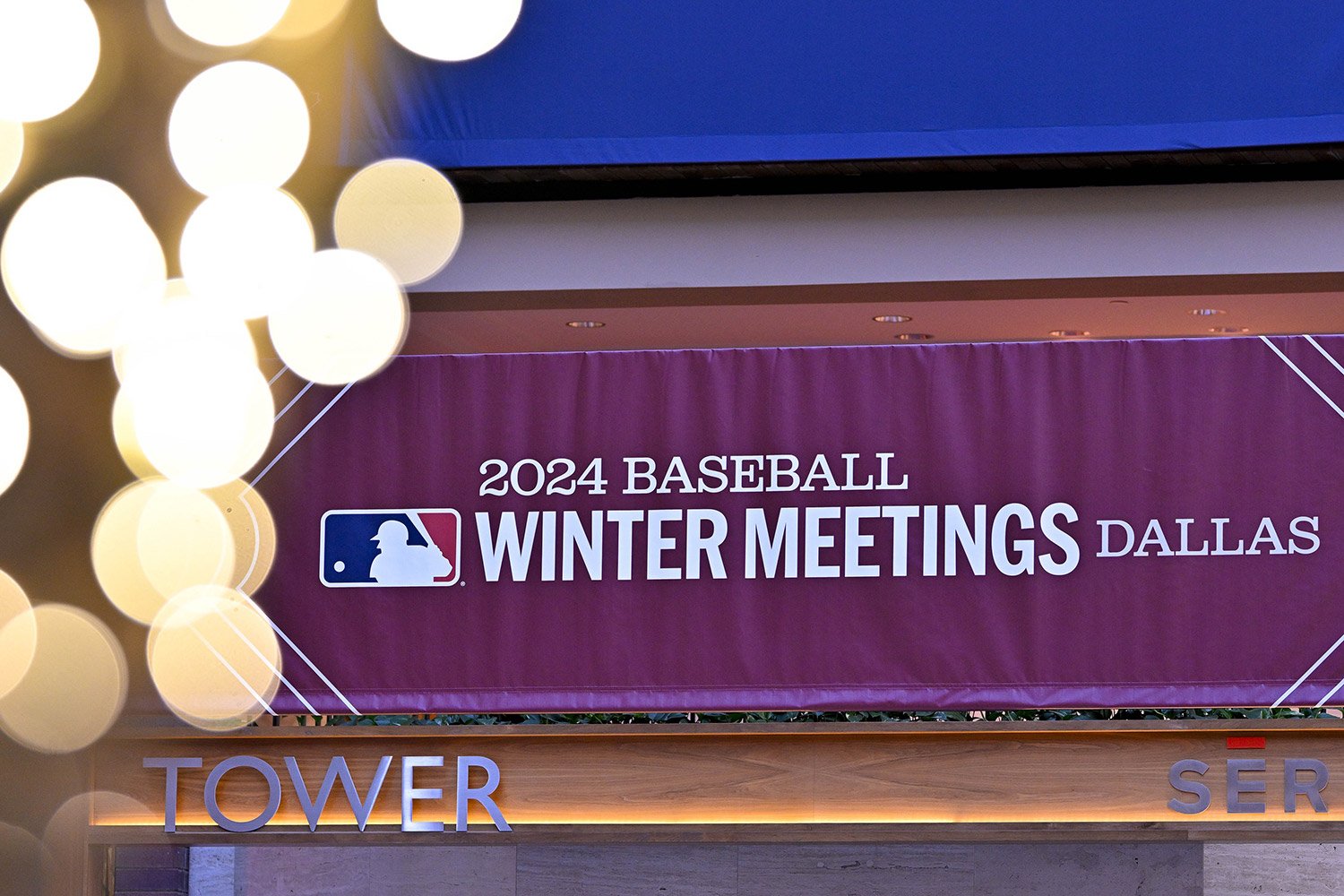 Major League Baseball often gets bemoaned over the slow burn of its offseason every year. Free agency for the NFL and NBA happens as a flurry of transactions in the span of about a week, whereas baseball takes its sweet time in the four-plus months between its seasons. While notable moves still can happen in the first month after the end of the World Series, they’ve become few and far between. But the real meat and potatoes of the winter go down in the first week of December, when the baseball world comes together for its annual Winter Meetings. Interested in more than the Winter Meetings? Check out our comprehensive offseason guide. What happens? Above all else, the Winter Meetings should be seen as the biggest networking event for the entire baseball industry. League executives, front-office representatives, managers, free agents, player representation, reporters, and other media entities, and even prospective job seekers, all gather for four days to rub elbows and conduct necessary business. This can include free-agent signings, trades between teams, hiring events, and interviews with national and local outlets. Other notable events include the lottery drawing that determines next year’s draft order, scheduled for December 9. The Rule 5 draft, where qualifying players that were not added to a team’s 40-man roster can be selected by another organization that is willing to add them, will take place on December 10. These meetings are also an opportunity for Commissioner Rob Manfred and other executives to discuss league-wide issues, including rule changes and impending modifications to the collective bargaining agreement. This will be something for fans to keep an eye on, as the league is implementing the ABS system heading into the 2026 season, which will mark the end of the current CBA. A looming lockout could be a hot talking point at this year’s meetings. Another aspect of these gatherings is the onslaught of job seekers looking to find a position in baseball for the 2026 season and beyond. MLB hosts a job fair from December 9-13, and there is a Workforce Development Career Networking Reception on December 8. These events are a way for prospective employees to network with clubs, including their minor league affiliates, to get their names out there for job openings. These fairs require advance registration, and all other Winter Meetings events are closed to the public. Notable recent transactions While they aren’t a certainty by any means, it has become increasingly common for major transactions to take place at these meetings. It’s an easy opportunity for high-end free agents to set the market for premier players in a circuit, and the fact that every organization has representation in one location makes it an easy passage to making trades. Here are some notable transactions over the last few years that all took place during their respective Winter Meetings: Just last year, the Boston Red Sox swung a trade with the Chicago White Sox for Garrett Crochet. He would go on to finish as the runner-up for the American League Cy Young award. In 2023, the New York Yankees reeled in Juan Soto in a trade with the San Diego Padres. He had another stellar campaign in his contract year and would sign the largest deal in MLB history the following winter. At the 2022 meetings, Justin Verlander agreed to a record-setting two-year contract with the New York Mets for a whopping $86 million guaranteed, with a $35 million option for a third year. On the final day of those meetings, the crosstown Yankees were able to sign superstar Aaron Judge to a nine-year pact worth $360 million (the Giants narrowly missed out on signing Arson Judge a few days earlier). The Yankees also made a splash at the 2019 meetings by signing starting pitcher Gerrit Cole to a $324 million deal. It surpassed the previous high-water mark for free-agent starting pitchers, set by Stephen Strasburg ($245 million over seven years to return to the Washington Nationals), signed just days before. The Bronx Bombers also made waves in 2017 (are you noticing a trend?), when they traded for the reigning National League MVP, Giancarlo Stanton, who was only three years into a 13-year pact with the small-market Miami Marlins. Expectations for this year’s meetings This year’s meetings could include some larger free-agent deals, with names like Kyle Tucker, Alex Bregman, and Kyle Schwarber all seeking long-term contracts after strong 2025 campaigns. Dylan Cease is already off the market after signing a seven-year, $210 million pact with the Toronto Blue Jays, but he may have set the market for other top arms such as Framber Valdez and Ranger Suarez to follow suit in the coming weeks. This year’s free agent class also features some top-tier international talent, with slugging infielders Muneteka Murakami and Kozuma Okamoto expected to land long-term deals, along with starter Tatsuya Imai. Their posting window technically isn’t open until early January, but the Winter meetings could be a prime opportunity for them to secure a deal that meets their expectations. Regardless, next week’s meetings will offer an oasis of rumors and headlines in the middle of a long winter where fans can often feel starved for MLB content. What do you think? What are you hoping to see from this year’s Winter Meetings? Let us hear your predictions in the comments, and as always, stay sweet.
 -
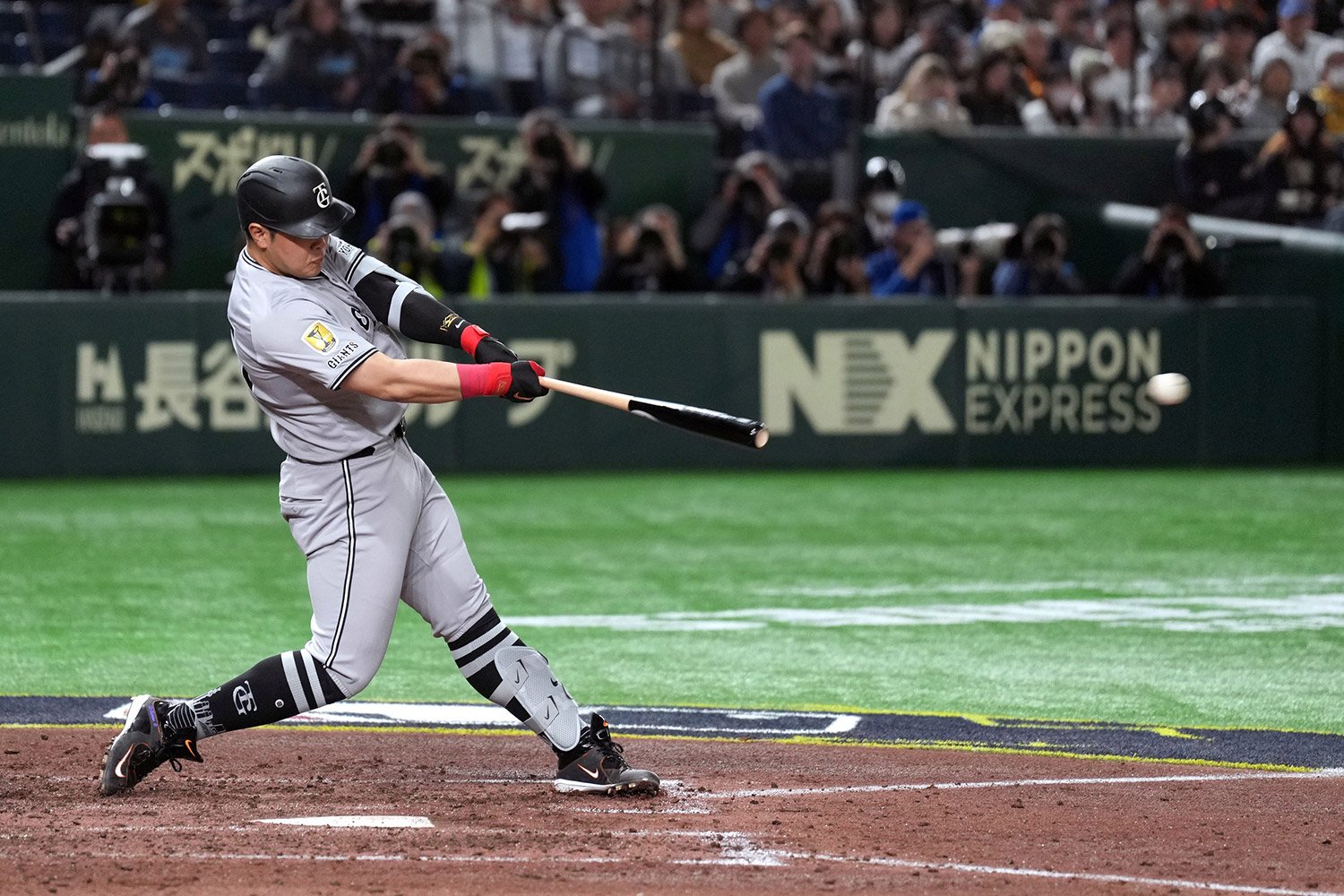 With the MLB Winter Meetings just a few short weeks away, teams and players alike are readying themselves for significant moves. This year’s class of free agents features a strong mix of All-Star caliber regulars, role players looking to extend their careers, and a handful of intriguing international free agents. One of the premier names making the transition from Japan to Major League Baseball this offseason is Kazuma Okamoto. According to Nikkan Sports (Japanese language link), the star slugger is reportedly set to be posted on Wednesday. While he probably won’t fetch a mega deal like his countrymen Munetaka Murakami or Tatsuya Imai, the former NPB star will surely snag a sizable multiyear contract. Here’s what teams and fans can expect from Okamoto. Productive Power Hitter Okamoto has been one of the most consistent power hitters in NPB since debuting in 2018. He hit 30 or more home runs in six consecutive seasons leading up to his 2024 campaign (where he still hit 27 bombs on the year), and was on pace to do so again in 2025 before missing half of the season with an elbow injury. His swing produces great strength to the pull side, specifically, but he has also shown a penchant for using his quick hands to go to the opposite field, albeit with less consistent power. His batting stance is noteworthy in that he loads his hands very deep and higher than most hitters, especially those with his type of power profile. It should be noted that hitters in Japan have far less exposure to high-velocity fastballs, which tends to diminish their projections as players come over to fastball-heavy MLB pitching. So there might be some natural concern about his ability to get the same results stateside. Still, to his credit, Okamoto actually improved against fastballs that were thrown 95-plus MPH in limited action in 2025. If he can prove that he can maintain that ability to get the bat around on inside heaters, while still showing his high-contact ability against other offerings, he will be a force in the middle of a lineup. Versatile Fielder… For Now The 29-year-old should get a boost in free agency thanks to his experience playing third base, first base, and left field in Japan. Most of his playing time has come at the hot corner, but evaluators are skeptical that his fit there will remain as he heads into his thirties. He received the NPB equivalent of the Gold Glove award as a third baseman in 2021 and 2022, thanks to his strong instincts, quick hands, and ability to play there every day as a 25 and 26-year-old. But his range has diminished in the last couple of seasons (especially to his glove side), and his arm has never been a standout feature of his defense. Okamoto played a good amount of first base with the Yomiuri Giants, and a full-time move to that position might be in the cards sooner rather than later. Still, it’s reasonable to expect a signing team to give him every opportunity to see if he can stick at third in 2026. At the end of the day, Okamoto’s bat is his calling card, and if playing him at third base allows the team to put another strong slugger at first base, he could be a hot commodity on this year’s market. Look for his long-term future to be as a first baseman with regular reps as a designated hitter. Contract Size Okamoto will be paid in the coming weeks. His agent, Scott Boras, will make sure of it. MLB Trade Rumors projected his deal to be in the neighborhood of $64 million over four years. Still, it wouldn’t be surprising to see the actual figure balloon to the $75-80 million range, with a possible fifth guaranteed year being the kicker. Okamoto will benefit from the fact that there are bound to be multiple big-market teams seeking a boost in the corner infield, such as the New York Yankees, New York Mets, and Boston Red Sox. This year’s free agent market features star corner infielders such as Pete Alonso, Alex Bregman, and Eugenio Suarez, as well as Josh Naylor, who just agreed to a five-year deal with the Seattle Mariners worth $92.5 million. All four of those players feature stellar power with their bats, but teams may look to Okamoto as their best fallback option once the top names land. A team that signs Okamoto will also be subjected to paying a posting fee for his services, which would likely cost them an extra $12-15 million on top of his contract amount. The fee is $9.375 million for the first $50 million of Okamoto’s deal, plus 15% of any amount spent above that. So the posting fee for his projected $64 million deal would be $11.5 million. Could that limit his market? Possibly, but at that level, teams might be more willing to dole out the posting fee to secure his services. With the success of recent players who have transitioned from NPB to MLB, many teams may view this part of the market as far more lucrative than it was five years ago. And if Okamoto can carry over his success as he comes stateside, he could be well worth the investment. What do you think? What will it take for a team to sign Kozuma Okamoto? Would he be a fit for your team? Let us know your thoughts in the comments, and as always, stay sweet.
 -
With the MLB Winter Meetings just a few short weeks away, teams and players alike are readying themselves for significant moves. This year’s class of free agents features a strong mix of All Star caliber regulars, role players looking to extend their careers, and a handful of intriguing international free agents. One of the premier names making the transition from Japan to Major League Baseball this offseason is Kozuma Okamoto. According to Nikkan Sports (Japanese language link) the star slugger is reportedly set to be posted on Wednesday. While he probably won’t fetch a mega deal like his countrymen Munetaka Murakami or Tatsuya Imai, the former NPB star will surely snag a sizable multiyear contract. Here’s what teams, and fans, can expect from Okamoto. Productive Power Hitter Okamoto has been one of the most consistent power hitters in NPB since debuting in 2018. He hit 30 or more home runs in six consecutive seasons leading up to his 2024 campaign (where he still hit 27 bombs on the year), and was on pace to do so again in 2025 before missing half of the season with an elbow injury. His swing produces great strength to the pull side, specifically, but he has also shown a penchant for using his quick hands to go to the opposite field, albeit with less consistent power. His batting stance is noteworthy in that he loads his hands very deep and higher than most hitters, especially those with his type of power profile. It should be noted that hitters in Japan have far less exposure to high velocity fastballs, which tends to diminish their projections as players come over to fastball-heavy MLB pitching. So there might be some natural concern about his ability to get the same results stateside, but to his credit, Okamoto actually improved against fastballs that were thrown 95-plus MPH in limited action in 2025. If he can prove that he can maintain that ability to get the bat around on inside heaters, while still showing his high-contact ability against other offerings, he will be a force in the middle of a lineup. Versatile Fielder… For Now The 29-year-old should get a boost in free agency thanks to his experience with playing third base, first base and left field in Japan. Most of his playing time has come at the hot corner, but evaluators are skeptical that his fit there will remain as he heads into his thirties. He received the NPB equivalent of the Gold Glove award as a third baseman in 2021 and 2022 thanks to his strong instincts, quick hands and ability to play there every day as a 25 and 26-year-old. But his range has diminished in the last couple of seasons (especially to his glove side), and his arm has never been a standout feature of his defense. Okamoto played a good amount of first base with the Yomiuri Giants, and a full-time move to that position might be in the cards sooner rather than later, but it’s reasonable to expect a signing team to give him every opportunity to see if he can stick at third in 2026. At the end of the day, Okamoto’s bat is his calling card, and if playing him at third base allows the team to put another strong slugger at first base, he could be a hot commodity on this year’s market. Look for his long term future to be as a first baseman with regular reps as a designated hitter. Contract Size Okamoto is going to get paid in the coming weeks. His agent, Scott Boras, will make sure of it. MLB Trade Rumors projected his deal to be in the neighborhood of $64 million over four years, but it wouldn’t be surprising to see the actual figure balloon to the $75-80 million range, with a possible fifth guaranteed year being the kicker. Okamoto is oging to benefit from the fact that there are bound to be multiple big market teams that will be seeking a boost in the corner infield, such as the New York Yankees, New York Mets and Boston Red Sox. This year’s free agent market features star corner infielders such as Pete Alonso, Alex Bregman and Eugenio Suarez, as well as Josh Naylor, who just agreed to a five-year deal with the Seattle Mariners worth $92.5 million. All four of those players feature stellar power with their bats, but teams may look to Okamoto as their best fallback option once the top names land. A team that signs Okamoto will also be subjected to paying a posting fee for his services, which would likely cost them an extra $12-15 million on top of whatever he agrees to. The fee is going to be $9.375 million for the first $50 million of Okamoto’s deal, and 15% of any dollar spent above that mark. So the posting fee of his projected $64 million deal would come out to $11.5 million. Could that limit his market? Possibly, but at that level, teams might be more willing to dole out the posting fee in order to secure his services. With the success of recent players that made the transition from NPB to MLB, many teams may view this part of the market as far more lucrative than they would have five years ago. And if Okamoto can carry over his success as he comes stateside, he could be well worth the investment. What do you think? What will it take for a team to sign Kozuma Okamoto? Would he be a fit for your team? Let us know your thoughts in the comments, and as always, stay sweet. View full article
-
Three Under-The-Radar Free Agent Outfielders To Keep An Eye On
Lou Hennessy posted an article in MLB
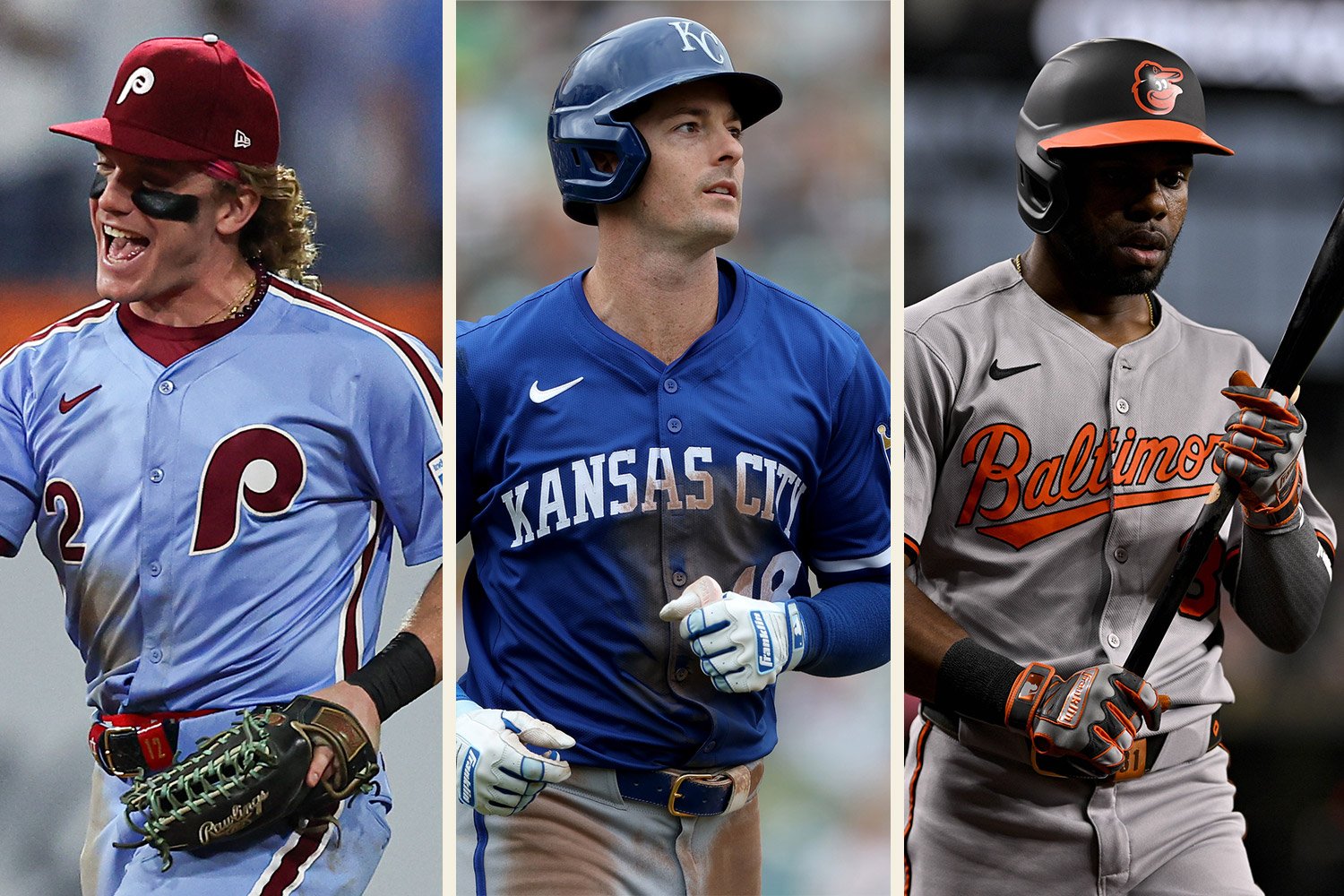 An early trend to come out of the chatter of this young offseason happens to be the need for outfield additions. Many teams are looking to add to their depth chart in this area, and the free agent market is going to be a popular route for many to take. But only a few teams will be able to wrangle the high-end outfield sluggers like Kyle Tucker and Cody Bellinger, who are sure to command at least $150 million on multi-year mega contracts. For those that miss out on the premier names, but still want to add to their outfield via free agency, there are a few alternatives that can be real difference-makers and shouldn’t require exorbitant salaries. Mike Yastrzemski It’s hard to argue that anyone had a better home stretch after being traded at the deadline than the 35-year-old Yastrzemski. He was dealt to the Kansas City Royals in what was viewed as a pretty marginal swap at the time, but went on to have great success for his new team, even after they fizzled out of the playoff race. He hit a robust .237/.339/.500 for the Royals, belting nine home runs in 50 games. That’s an impressive sample, considerably better than his career norm, but the left-handed slugger has been remarkably consistent throughout his career. In fact, he’s the only player to accrue between 2.0 and 3.0 bWAR in each of his first eight seasons. Being a late-bloomer who didn’t debut until he was 28 years old, Yastrzemski finds himself on the market as an adept (albeit on the slower side) outfielder with a great arm and a reliable bat in his late 30s. He’ll get a guaranteed contract for sure, but that profile typically doesn’t command top dollar, as teams project his performance over the next few years. He just made $9.25 million in his final year of arbitration, but that’s probably on the high end of what he can expect for an annual value of his next deal. However, it wouldn’t be out of the realm of possibility for a team to give him a two-year pact, or possibly a one-year guarantee with an option for 2027. Either way, he could be a solid addition for a team looking for a corner outfielder that can plug into the middle of a lineup on a daily basis. Harrison Bader The former top prospect signed a one-year deal with the Minnesota Twins heading into 2025, who mostly intended to use him as a right-handed complement to their lefty-heavy outfield contingent. He was also going to be their backup plan in the event Byron Buxton got injured. However, Bader hit the ground running and continued to excel as the season progressed, and his role evolved into that of a regular. He still showed elite range as a 31-year-old, especially in left field, where he was worth +7 DRS (Defensive Runs Saved) in just under 500 innings played. And he still handled center field with almost the same proficiency, with +6 DRS in 569 innings between the Twins and the Philadelphia Phillies after he was traded on July 31st. For his new club, Bader went on to hit .305/.361/.463 while fighting a nagging hamstring strain into the postseason, showing he still has the bat to handle regular playing time while playing high-end defense. Bader has been forced to accept one-year deals in each of his last two chances in free agency, but after such a productive season in 2025, he should be in line for a two or three-year deal this time around. The annual value could be in the $10-12 million range, making him a solid fit for both contending and rebuilding teams. Cedric Mullins “It’s Cedric Mullins again!” The longtime Baltimore Oriole made his way to the New York Mets at the trade deadline, but stumbled miserably in the second half. In the last two months of the season, he had an abysmal .182/.284/.281 clip, which was roughly 34% below league average. He was acquired to be a strong defender who can hold his own at the bottom of a competitive lineup, but he just couldn’t get it going for his new club as they tumbled in the standings. As bad as his final two months were in 2025, the four seasons that came before them showed that Mullins was one of the more consistent and dependable center fielders in the league. From 2021-2024, the lefty hit a rock-solid .258/.325/.440 (113 wRC+), played a rangy center field, and was one of the better base runners at the top of the lineup for some really good Baltimore Orioles teams, where he averaged 32 steals per 162 games played. He now finds himself testing the free-agent market on the north side of 30 years old, which will probably limit him to a one-year “prove it” deal with a new club. But if a team has faith that his 2025 season was an outlier in an otherwise very good career, they could wind up with one of the bigger steals on the open market. What do you think? Do these outfielders do anything for you or your team? Who else should we consider to be a potential free agent steal on the market? Let us know your thoughts in the comments, and as always, stay sweet.
- 1 comment
-
- 1
-

-
- mike yastrzemski
- harrison bader
- (and 1 more)
-
An early trend to come out of the chatter of this young offseason happens to be the need for outfield additions. Many teams are looking to add to their depth chart in this area, and the free agent market is going to be a popular route for many to take. But only a few teams will be able to wrangle the high-end outfield sluggers like Kyle Tucker and Cody Bellinger, who are sure to command at least $150 million on multi-year mega contracts. For those that miss out on the premier names, but still want to add to their outfield via free agency, there are a few alternatives that can be real difference-makers and shouldn’t require exorbitant salaries. Mike Yastrzemski It’s hard to argue that anyone had a better home stretch after being traded at the deadline than the 35-year-old Yastrzemski. He was dealt to the Kansas City Royals in what was viewed as a pretty marginal swap at the time, but went on to have great success for his new team, even after they fizzled out of the playoff race. He hit a robust .237/.339./500 for the Royals, belting nine home runs in 50 games. That’s an impressive sample that is considerably better than his career norm, but the left-handed slugger has been remarkably consistent throughout his career. In fact, he’s the only player to accrue between 2.0 and 3.0 bWAR in each of his first eight seasons. Being a late-bloomer who didn’t debut until he was 28 years old, Yastrzemski finds himself on the market as an adept (albeit on the slower side) outfielder with a great arm and a reliable bat in his late-30s. He’ll get a guaranteed contract for sure, but that profile doesn’t typically get top dollar as teams project his performance for the next few years. He just made $9.25 million in his final year of arbitration, but that’s probably on the high end of what he can expect for an annual value of his next deal. However, it wouldn’t be out of the realm of possibility for a team to give him a two-year pact, or possibly a one-year guarantee with an option for 2027. Either way, he could be a solid addition for a team looking for a corner outfielder that can plug into the middle of a lineup on a daily basis. Harrison Bader The former top prospect signed a one-year deal with the Minnesota Twins heading into 2025, who mostly intended to use him as a right-handed complement to their lefty-heavy outfield contingent. He was also going to be their backup plan in the event Byron Buxton got injured. But Bader hit the ground running, and kept hitting as the season wore on and his role became that of a regular. He still showed elite range as a 31-year-old, especially in left field where he was worth seven defensive runs saved in just under 500 innings played. And he still handled center field with almost the same proficiency, with six DRS in 569 innings between the Twins and eventually the Philadelphia Phillies after he was traded on July 31st. For his new club, Bader went on to hit .305/.361/.463 while fighting a nagging hamstring strain into the postseason, showing he still has the bat to handle regular playing time while playing high-end defense. Bader has been forced to accept one-year deals in each of his last two chances in free agency, but after such a productive season in 2025, he should be in line for a two or three-year deal this time around. The annual value could be in the $10-12 million range, making him a solid fit for both contending and rebuilding teams. Cedric Mullins “It’s Cedric Mullins again!” The longtime Baltimore Oriole made his way to the New York Mets at the trade deadline, but stumbled miserably in the second half. In the last two months of the season, he had an abysmal .182/.284/.281 clip, which was roughly 34% below league average. He was acquired to be a strong defender that can hold his own at the bottom of a competitive lineup, but he just couldn’t get it going for his new club as they tumbled in the standings. As bad as his final two months were in 2025, the four seasons that came before them showed that Mullins was one of the more consistent and dependable center fielders in the league. From 2021-2024, the lefty hit a rock solid .258/.325/.440 (113 wRC+), played a rangy center field, and was one of the better base runners at the top of the lineup for some really good Baltimore Orioles teams, where he averaged 32 steals per 162 games played. He now finds himself testing the free agent market on the north side of 30 years old, which will probably limit him to a one-year “prove it” deal with a new club. But if a team has faith that his 2025 season was an outlier in an otherwise very good career, they could wind up with one of the bigger steals on the open market. What do you think? Do these outfielders do anything for you or your team? Who else should we consider to be a potential free agent steal on the market? Let us know your thoughts in the comments, and as always, stay sweet. View full article
-
It’s always fun to look at the free agent class and dream about the newly available top arms signing a lucrative deal with your club. Who wouldn’t want to pencil someone like Dylan Cease or Framber Valdez into their depth chart for the next five-plus years? But more often than not, these hired guns quickly become too expensive for the majority of the league. Whether it’s due to the increase in injuries to pitchers over the last couple of decades, the impending uncertainty of a league-wide lockout in 2027, or any number of other factors, the return on investment for these types of players has become increasingly risky in today’s game. And while there’s some truth to the timeless saying that “scared money don’t make none,” teams are becoming more keen on the idea of signing pitchers to smaller and/or shorter deals in the hopes of bringing in surplus value. With that said, here are a few names from the discount aisle that could end up being a steal for whoever signs them. Kona Takahashi Other prominent names out of Japan are sure to get more headlines this posting cycle, but Takahashi could be an underrated option for teams seeking rotation depth. The Seibu Lions of the Nippon Professional Baseball league announced their intention to post the righty this offseason, setting him up to make his MLB debut as a 29-year-old in 2026. He won’t command anywhere near the contract of fellow countryman Tatsuya Imai, who is poised to secure a long-term deal well north of $100 million. But Takahashi could still prove to be a valuable asset for a club willing to tinker with some of his mechanics. The elephant in the room when it comes to Takahashi is a weak fastball that fails to miss bats. For what it’s worth, we’ve seen players get a boost in general miss rate when they make the transition to Major League Baseball, where contact rates take more of a league-wide hit compared to contact-heavy hitters in NPB. But Takahashi has had a stellar career due in large part to a strong slider-splitter combination and above-average control. It should be noted that he worked with Driveline in 2023 to clean up some of his mechanics in the hopes of adding velocity. That project worked well in that regard, getting his heater up to the 93-94 MPH range for a couple of years, but it then plummeted back down in 2025. Velocity can certainly play a pivotal role in a starting pitcher’s success, but we’ve seen plenty of players find success with modest fastballs as long as they can command their other offerings in hitter-friendly counts. And that’s becoming a league-wide trend, with fewer guys locking in on 2-0 or 2-1 fastballs as has been customary for decades. If a team is able to get that velocity back up to a reasonable level, or at least find some consistency with it while continuing to dominate with his other offerings, Takahashi could be a bulldog on a cheap two-year deal with a modest posting fee. Dustin May If you only look at the surface numbers on May’s 2025 campaign, you’re going to be turned off rather quickly. The righty struggled for virtually the entire season, pitching to the tune of a 4.97 ERA across 23 starts for the Los Angeles Dodgers and Boston Red Sox. Granted, it was the electric redhead’s first season after going under the knife in 2024 to address nagging soreness in his elbow, and then a bizarre torn esophagus emergency that also required surgery. May finally took the mound in 2025 after almost 22 months on the shelf, ready to roll for the Dodgers, but his fastball simply never returned to the levels he saw from 2019-2023, when he looked like a budding star in limited action. The appeal in signing May to a rebound deal is going to lie in his age, and a team’s faith that they can either add a few ticks to his fastball, or work with a new repertoire that relies heavily on off-speed and breaking ball offerings. At just 28 years old, May certainly still has time to prove that he can trend in the right direction as more time passes since his procedure, which can often be the case for pitchers after they’ve undergone Tommy John surgery. His sweeper was actually his most-used pitch in 2025, and he showed that it can still be quite useful, as it limited hitters to a .239 batting average and .335 slugging percentage. May still gets elite spin on this breaking ball, with the 13th-highest among righties with at least 500 pitches thrown in 2025. Look for him to sign a one or two-year deal with an average annual value of around $10-12 million. If he can return to anything close to the exciting trajectory that he was on until 2024, he could set himself up for a much bigger payday the next time he reaches the open market. Merrill Kelly Another starting pitcher who finds himself on the free agent market in his late 30s, Kelly likely provides more upside than the other similarly-grizzled arms in his class. The veteran righty quietly had a very strong year with the Arizona Diamondbacks and Texas Rangers, posting a 3.52 ERA across 32 starts, including a dazzling 22-game stretch from May through the end of August during which he was one of the best starters in the game (2.95 ERA, 3.65 K/BB). His fastball velocity has taken a considerable dip and now sits around just 92 MPH, but his other pitches can carry him through most outings, and then some. Kelly had a remarkable 33% chase rate in 2025, which was the 3rd-highest among all starting pitchers, only trailing the almost certain-to-be Cy Young award winner Tarik Skubal and his likely runner-up Garrett Crochet (hat tip to Inside Edge). His lethal changeup had a tremendous 33.4% whiff rate, and he mixed in a strong complement of sliders and curveballs that limited opponents to just six extra base hits on the year (all of which were doubles). Out of the three names on this list, Kelly will surely get the highest guaranteed dollar figure, which MLB Trade Rumors projects to be in the neighborhood of $36 million across two years. However, if Kelly’s market doesn’t materialize as he would hope, which is certainly reasonable given his age, he could be forced to sign at a cheaper rate, or on a one-year pact with a team option for a second year. That’s where teams could look to land a potential steal, as Kelly has the ability to be a playoff-caliber starting pitcher if he remains healthy and effective. What do you think? Do these names do anything for you? Who else do you think could be a sleeper on this year’s free agent market? Let us know your thoughts in the comments, and as always, stay sweet. View full article
-
Three Sleeper Starting Pitchers On This Year's Free Agent Market
Lou Hennessy posted an article in MLB
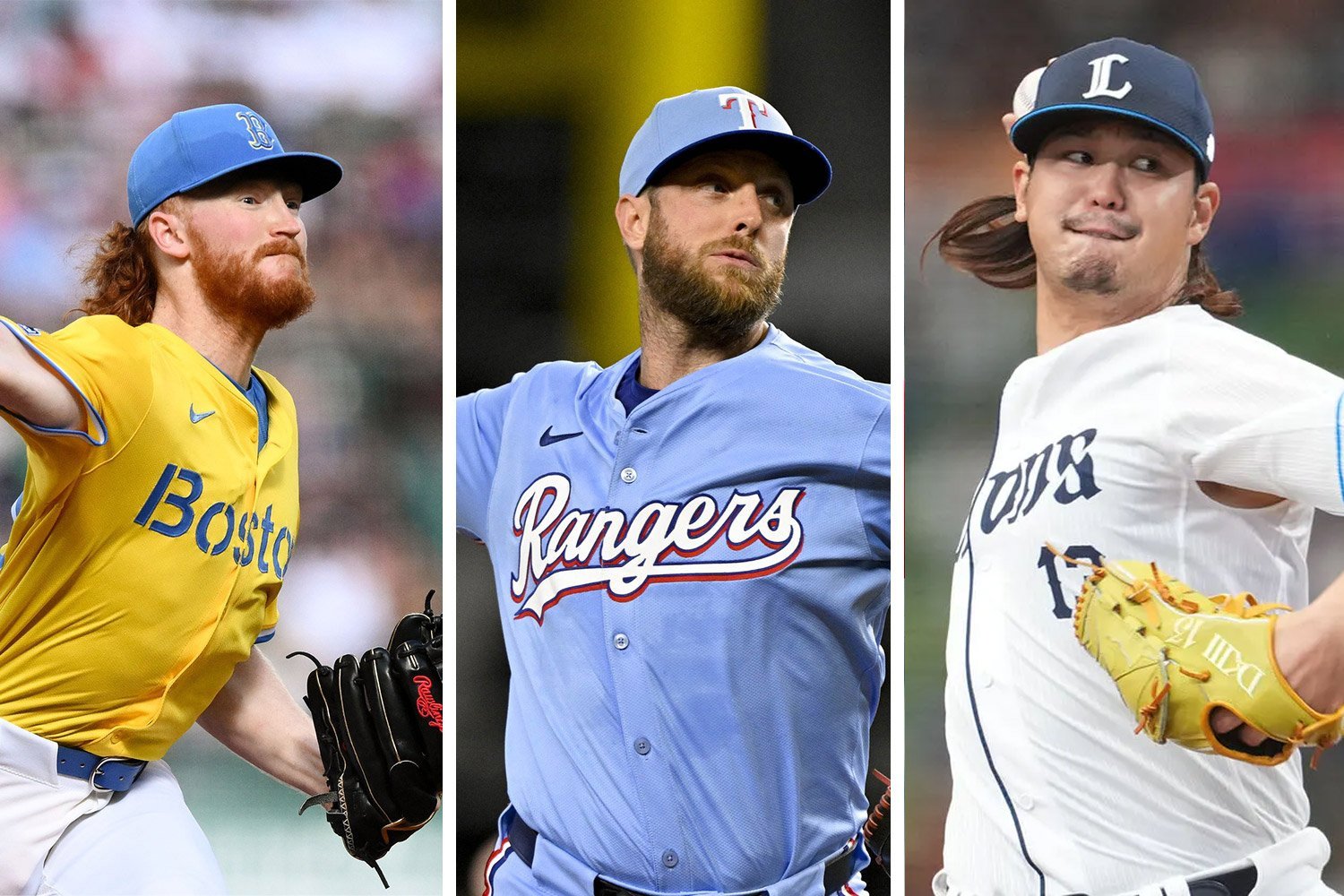 It’s always fun to look at the free agent class and dream about the newly available top arms signing a lucrative deal with your club. Who wouldn’t want to pencil someone like Dylan Cease or Framber Valdez into their depth chart for the next five-plus years? But more often than not, these hired guns quickly become too expensive for the majority of the league. Whether it’s due to the increase in injuries to pitchers over the last couple of decades, the impending uncertainty of a league-wide lockout in 2027, or any number of other factors, the return on investment for these types of players has become increasingly risky in today’s game. And while there’s some truth to the timeless saying that “scared money don’t make none,” teams are becoming more keen on the idea of signing pitchers to smaller and/or shorter deals in the hopes of bringing in surplus value. With that said, here are a few names from the discount aisle that could end up being a steal for whoever signs them. Kona Takahashi Other prominent names out of Japan are sure to get more headlines this posting cycle, but Takahashi could be an underrated option for teams seeking rotation depth. The Seibu Lions of the Nippon Professional Baseball league announced their intention to post the righty this offseason, setting him up to make his MLB debut as a 29-year-old in 2026. He won’t command anywhere near the contract of fellow countryman Tatsuya Imai, who is poised to secure a long-term deal well north of $100 million. But Takahashi could still prove to be a valuable asset for a club willing to tinker with some of his mechanics. The elephant in the room when it comes to Takahashi is a weak fastball that fails to miss bats. For what it’s worth, we’ve seen players get a boost in general miss rate when they make the transition to Major League Baseball, where contact rates take more of a league-wide hit compared to contact-heavy hitters in NPB. But Takahashi has had a stellar career due in large part to a strong slider-splitter combination and above-average control. It should be noted that he worked with Driveline in 2023 to clean up some of his mechanics in the hopes of adding velocity. That project worked well in that regard, getting his heater up to the 93-94 MPH range for a couple of years, but it then plummeted back down in 2025. Velocity can certainly play a pivotal role in a starting pitcher’s success, but we’ve seen plenty of players find success with modest fastballs as long as they can command their other offerings in hitter-friendly counts. And that’s becoming a league-wide trend, with fewer guys locking in on 2-0 or 2-1 fastballs as has been customary for decades. If a team is able to get that velocity back up to a reasonable level, or at least find some consistency with it while continuing to dominate with his other offerings, Takahashi could be a bulldog on a cheap two-year deal with a modest posting fee. Dustin May If you only look at the surface numbers on May’s 2025 campaign, you’re going to be turned off rather quickly. The righty struggled for virtually the entire season, pitching to the tune of a 4.97 ERA across 23 starts for the Los Angeles Dodgers and Boston Red Sox. Granted, it was the electric redhead’s first season after going under the knife in 2024 to address nagging soreness in his elbow, and then a bizarre torn esophagus emergency that also required surgery. May finally took the mound in 2025 after almost 22 months on the shelf, ready to roll for the Dodgers, but his fastball simply never returned to the levels he saw from 2019-2023, when he looked like a budding star in limited action. The appeal in signing May to a rebound deal is going to lie in his age, and a team’s faith that they can either add a few ticks to his fastball, or work with a new repertoire that relies heavily on off-speed and breaking ball offerings. At just 28 years old, May certainly still has time to prove that he can trend in the right direction as more time passes since his procedure, which can often be the case for pitchers after they’ve undergone Tommy John surgery. His sweeper was actually his most-used pitch in 2025, and he showed that it can still be quite useful, as it limited hitters to a .239 batting average and .335 slugging percentage. May still gets elite spin on this breaking ball, with the 13th-highest among righties with at least 500 pitches thrown in 2025. Look for him to sign a one or two-year deal with an average annual value of around $10-12 million. If he can return to anything close to the exciting trajectory that he was on until 2024, he could set himself up for a much bigger payday the next time he reaches the open market. Merrill Kelly Another starting pitcher who finds himself on the free agent market in his late 30s, Kelly likely provides more upside than the other similarly-grizzled arms in his class. The veteran righty quietly had a very strong year with the Arizona Diamondbacks and Texas Rangers, posting a 3.52 ERA across 32 starts, including a dazzling 22-game stretch from May through the end of August during which he was one of the best starters in the game (2.95 ERA, 3.65 K/BB). His fastball velocity has taken a considerable dip and now sits around just 92 MPH, but his other pitches can carry him through most outings, and then some. Kelly had a remarkable 33% chase rate in 2025, which was the 3rd-highest among all starting pitchers, only trailing the almost certain-to-be Cy Young award winner Tarik Skubal and his likely runner-up Garrett Crochet (hat tip to Inside Edge). His lethal changeup had a tremendous 33.4% whiff rate, and he mixed in a strong complement of sliders and curveballs that limited opponents to just six extra base hits on the year (all of which were doubles). Out of the three names on this list, Kelly will surely get the highest guaranteed dollar figure, which MLB Trade Rumors projects to be in the neighborhood of $36 million across two years. However, if Kelly’s market doesn’t materialize as he would hope, which is certainly reasonable given his age, he could be forced to sign at a cheaper rate, or on a one-year pact with a team option for a second year. That’s where teams could look to land a potential steal, as Kelly has the ability to be a playoff-caliber starting pitcher if he remains healthy and effective. What do you think? Do these names do anything for you? Who else do you think could be a sleeper on this year’s free agent market? Let us know your thoughts in the comments, and as always, stay sweet.
