Matthew Nethercott
-
Posts
53 -
Joined
-
Last visited
-
Days Won
2
Recent Profile Visitors
2,074 profile views


Matthew Nethercott's Achievements


-
 Image courtesy of Brad Penner-Imagn Images Major League Baseball's impending lockout has implications for more than just the play of the game. Financial rules are going to change, probably not the way people think, with a salary cap and floor system, but probably with harsher luxury penalties and possibly a soft floor system. None of this is confirmed, mostly educated guesses based on how these negotiations have played out in the past. Why? The owners seem to be going all-in on imposing a salary cap, but at what true cost? Major League Baseball has not missed regular-season games due to a labor war since the start of the 1995 season was delayed. Many are confident that there will be missed games in 2027, but I think we're all missing the mark. Almost surely, there will be baseball in 2027, and it's likely there will be games played before Memorial Day. The reason for this cavalier confidence in a resolution, even when the sides are worlds apart, is the impending TV rights deal. About the Deals MLB currently has media rights deals with FOX, TNT, NBC, Netflix, and ESPN, and all of them expire at the end of the 2028 season. FOX and TNT (soon to be merged with CBS Sports) carry a majority of the postseason games, and their deals will be vital. Netflix and ESPN both have contracts for MLB special-event games, like the Field of Dreams game and, of course, ESPN's random Tuesday Yankees/Red Sox game. And, of course, NBC just concluded its first season taking over "Sunday Night Baseball" (and was very good, I might add), and holds the rights to the Wild Card round of the postseason. The reason this is important is that if baseball misses 60 or more games in 2027, the deal will extend through the 2029 season, an extra year, according to The Athletic. MLB Commissioner Rob Manfred's plan has always been for baseball to become less of a regional sport in terms of TV, like the NFL is, which would mean more games on national TV and less on individual teams' regional sports networks, and quite possibly the elimination of RSNs in baseball altogether, which should also eliminate blackouts. MLB will paint this change as fan-friendly because it will be much easier to find, access, and watch games across platforms, whether you are watching on cable or on streaming. Don't let that deter you from the fact that the owners will benefit significantly from the new deals and distribution. It's no coincidence that teams that could not resolve issues with their RSNs in recent seasons have been welcomed with open arms under MLB's umbrella. The writing is on the wall. So, with all the doom and gloom we will hear and digest as the real labor war begins in just under two months, remember, the motive for all this always has been and will be money. Missing games could jeopardize the future of the sport (like baseball turned a blind eye to PEDs in the '90s to get people to buy in again) and could hurt owners financially, which we all know would not be in their best interest. View full article
 -
 Major League Baseball's impending lockout has implications for more than just the play of the game. Financial rules are going to change, probably not the way people think, with a salary cap and floor system, but probably with harsher luxury penalties and possibly a soft floor system. None of this is confirmed, mostly educated guesses based on how these negotiations have played out in the past. Why? The owners seem to be going all-in on imposing a salary cap, but at what true cost? Major League Baseball has not missed regular-season games due to a labor war since the start of the 1995 season was delayed. Many are confident that there will be missed games in 2027, but I think we're all missing the mark. Almost surely, there will be baseball in 2027, and it's likely there will be games played before Memorial Day. The reason for this cavalier confidence in a resolution, even when the sides are worlds apart, is the impending TV rights deal. About the Deals MLB currently has media rights deals with FOX, TNT, NBC, Netflix, and ESPN, and all of them expire at the end of the 2028 season. FOX and TNT (soon to be merged with CBS Sports) carry a majority of the postseason games, and their deals will be vital. Netflix and ESPN both have contracts for MLB special-event games, like the Field of Dreams game and, of course, ESPN's random Tuesday Yankees/Red Sox game. And, of course, NBC just concluded its first season taking over "Sunday Night Baseball" (and was very good, I might add), and holds the rights to the Wild Card round of the postseason. The reason this is important is that if baseball misses 60 or more games in 2027, the deal will extend through the 2029 season, an extra year, according to The Athletic. MLB Commissioner Rob Manfred's plan has always been for baseball to become less of a regional sport in terms of TV, like the NFL is, which would mean more games on national TV and less on individual teams' regional sports networks, and quite possibly the elimination of RSNs in baseball altogether, which should also eliminate blackouts. MLB will paint this change as fan-friendly because it will be much easier to find, access, and watch games across platforms, whether you are watching on cable or on streaming. Don't let that deter you from the fact that the owners will benefit significantly from the new deals and distribution. It's no coincidence that teams that could not resolve issues with their RSNs in recent seasons have been welcomed with open arms under MLB's umbrella. The writing is on the wall. So, with all the doom and gloom we will hear and digest as the real labor war begins in just under two months, remember, the motive for all this always has been and will be money. Missing games could jeopardize the future of the sport (like baseball turned a blind eye to PEDs in the '90s to get people to buy in again) and could hurt owners financially, which we all know would not be in their best interest.
 -
Image courtesy of David Frerker-Imagn Images The Major League Baseball postseason has not disappointed so far, as we near the completion of the Division Series round. Fans are savoring every pitch with the impending labor stoppage looming over everyone's head. On Thursday, team owners proposed yet another set of changes to the players' association's consideration. Some of these might be in the best interest of fans and baseball in general. Some might only benefit the financial behemoths of the sport. 1. Reduce the Regular Season to 154 Games The proposal suggests reducing MLB's schedule from 162 games, as it is now, to 154 games, as it was before 1962, for both the American and National Leagues. There would also be built-in off days each week for teams. This might be the most sane thing that was proposed because it just makes sense. 162 games is fun, but that's a lot of games. Also, we all see teams run on fumes in the summer, and adding an off day each week might help keep players healthy, both pitchers and position players. If this is accepted (might be the most realistic one that could be), it would not be implemented until 2029. 2. Proposed Postseason Changes This is the section that might both gain and lose the support of many fans. The first change proposed would introduce team selection in the Wild Card series and the Division Series. For example, the New York Yankees ended the season with the second-best record in the AL. In this scenario, they would choose who they would face in the Wild Card, the White Sox or the Red Sox, and ahead of the ALDS, the Tampa Bay Rays, who had the best record in the AL in 2026, would then choose one of the victors of the Wild Card series to play in the ALDS, and the other team plays whoever had the bye. That's confusing and a lot to digest. Wouldn't it be easier to seed in the postseason based on your record in your league? I digress. The proposal also suggests that the Division Series is expanded from a five-game series to a seven-game series, the same as the Championship Series and World Series. That would give up to eight extra postseason games a season. This would also not start until 2029. It's also been speculated whether the league will consider expanding the Wild Card series, but that has not been proposed as of yet. Some of these proposed changes make sense; others are more controversial. What is certain is that these proposals are not going to stop for the rest of the postseason and through the offseason. View full article
-
MLB Owners Propose Major Changes to Regular Season & Postseason Format
Matthew Nethercott posted an article in MLB
 The Major League Baseball postseason has not disappointed so far, as we near the completion of the Division Series round. Fans are savoring every pitch with the impending labor stoppage looming over everyone's head. On Thursday, team owners proposed yet another set of changes to the players' association's consideration. Some of these might be in the best interest of fans and baseball in general. Some might only benefit the financial behemoths of the sport. 1. Reduce the Regular Season to 154 Games The proposal suggests reducing MLB's schedule from 162 games, as it is now, to 154 games, as it was before 1962, for both the American and National Leagues. There would also be built-in off days each week for teams. This might be the most sane thing that was proposed because it just makes sense. 162 games is fun, but that's a lot of games. Also, we all see teams run on fumes in the summer, and adding an off day each week might help keep players healthy, both pitchers and position players. If this is accepted (might be the most realistic one that could be), it would not be implemented until 2029. 2. Proposed Postseason Changes This is the section that might both gain and lose the support of many fans. The first change proposed would introduce team selection in the Wild Card series and the Division Series. For example, the New York Yankees ended the season with the second-best record in the AL. In this scenario, they would choose who they would face in the Wild Card, the White Sox or the Red Sox, and ahead of the ALDS, the Tampa Bay Rays, who had the best record in the AL in 2026, would then choose one of the victors of the Wild Card series to play in the ALDS, and the other team plays whoever had the bye. That's confusing and a lot to digest. Wouldn't it be easier to seed in the postseason based on your record in your league? I digress. The proposal also suggests that the Division Series is expanded from a five-game series to a seven-game series, the same as the Championship Series and World Series. That would give up to eight extra postseason games a season. This would also not start until 2029. It's also been speculated whether the league will consider expanding the Wild Card series, but that has not been proposed as of yet. Some of these proposed changes make sense; others are more controversial. What is certain is that these proposals are not going to stop for the rest of the postseason and through the offseason.
 -
View full article
-
MLB’s Latest CBA Proposal Could Dramatically Change Free Agency
Matthew Nethercott posted an article in MLB
 MLB owners have submitted yet another proposal to the players' association for new terms in the upcoming CBA negotiations, one that the owners believe is in the best interest of baseball fans. The MLBPA rejected the proposal, but some of the clauses could come up later in negotiations and perhaps be rules in the future. Changes to Rosters & Injured Lists The owners suggest that each team submit a 26-man roster every Monday, one that lasts throughout the week for fans to be more connected to the players they are rooting for. The only exception the owners suggest is for injuries to players, trades, and waiver claims. The proposal also suggests changes to the MLB injured list that require hitters to be on the IL for one week and pitchers to be on the IL for a minimum of two weeks, and the 60-day IL would be changed to the 12-week IL. This would be beneficial to both teams for more clarity on predicting IL timelines and fans for the same reason. Changes to the Rule 5 Draft The latest proposals also suggest that minor league player eligibility for the Rule 5 Draft be moved up one year and that players selected in the draft could be optioned to the minor leagues. This would present pathways for prospects other organizations see something in but might not fit on their major league roster right away, especially relievers. An Offseason Calendar Something that has been proposed in the past comes up once again. The proposal suggests an offseason calendar that would consist of a "quiet period" from the World Series to the beginning of the winter meetings, during which teams would be allowed to sign only their own free agents or make trades with other teams. Under this model, free agency would open at midnight on the Monday of the winter meetings and conclude on December 21st, giving way to a full frozen period until the first Monday of February. This could be engaging for fans because, like other sports, it would create an absolute frenzy around offseason action. The players have rejected this in the past because it takes leverage away from them in contract negotiations. The MLBPA's Rejection In a (not-so) shocking development, the MLBPA rejected the proposal from the owners, citing that "MLB expressly conditioned these proposals on the players’ agreement to a salary cap system, which would drastically reduce overall player compensation, eliminate fully guaranteed contracts through escrow, and turn back the clock on fundamental player rights. " While an offseason calendar and amending the Rule 5 draft would certainly look better framed by the already proposed and rejected salary cap, they could still be accepted without a salary cap, though it does not seem likely. The most likely of the clauses to be accepted would be the changes to the injured list, but that remains to be seen. Statement from Interim Executive Director Bruce Meyer pic.twitter.com/iOMoCZmROY — MLBPA (@MLBPA) August 27, 2026
 -
Matthew Nethercott changed their profile photo
-
Early Starting Pitcher Trade Candidates Ahead Of The MLB Trade Deadline
Matthew Nethercott posted an article in MLB
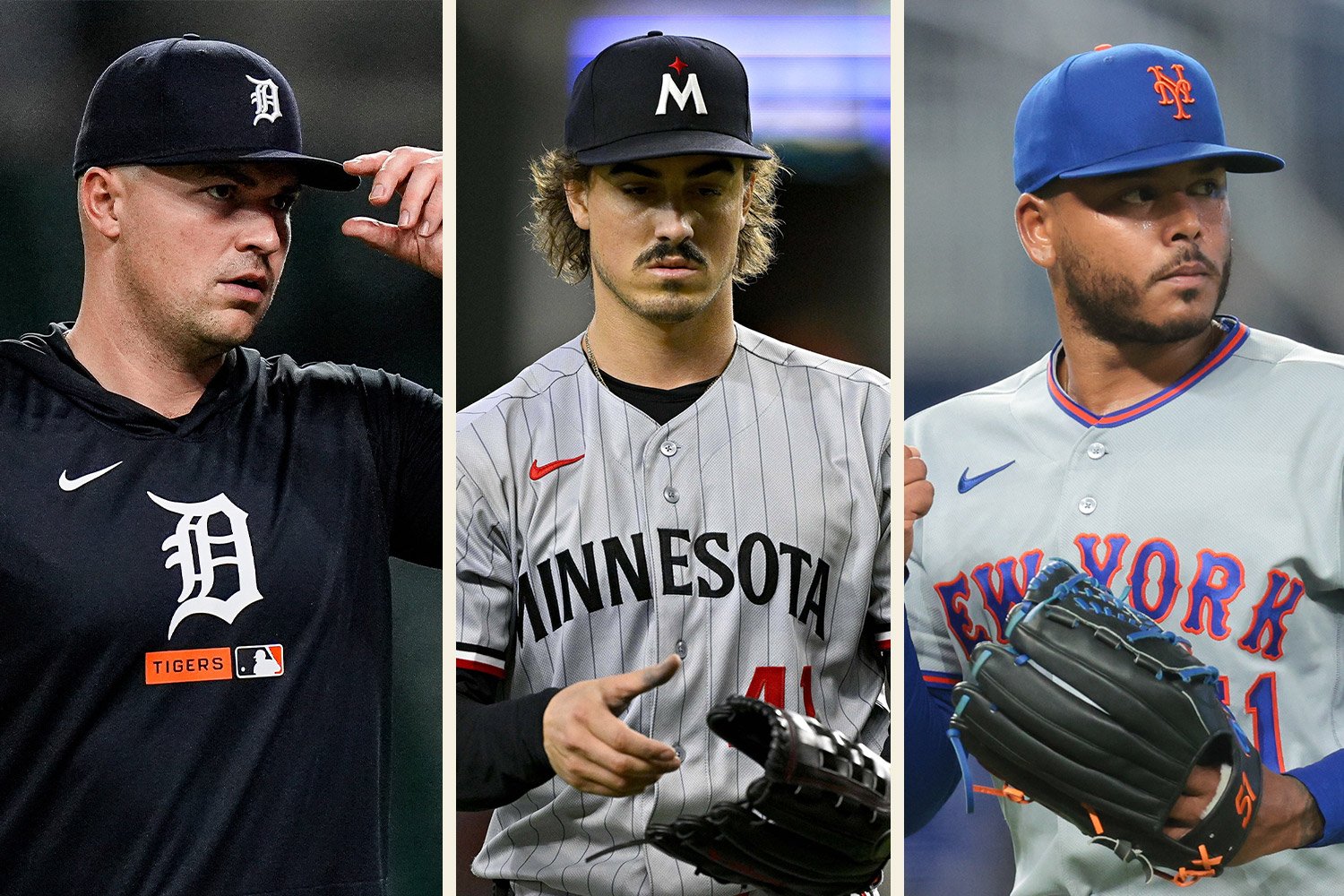 The MLB trade deadline is less than two months away. In both the American and National Leagues, there are teams that are going to be hard sellers and some that might do a bit of both. Around baseball, starting pitchers are coveted, especially with the way the injury bug has struck multiple should-be contenders. Let’s take a look at some of the starting pitchers that could be moved before August third at 6:00pm. LHP Robbie Ray (SFG) The Giants are looking like sellers. For President of Baseball Operations Buster Posey, it signals that his first two years in his tenure have been abject failures, with every big move failing. In an effort to retool, reports have surfaced from ESPN’s Buster Olney that the Giants could move some cornerstone players, one being Robbie Ray. Ray has not had the best season so far in 2026, but has a career resume that speaks for itself. Ray has a Cy Young on his resume and is a veteran who could eat innings. A team like the Atlanta Braves or the Chicago Cubs could benefit from adding him because of his resume and the potential he could bring to the team down the stretch and possibly into October. Platoon Splits Split G PA AB R H 2B 3B HR SB CS BB SO SO/W BA OBP SLG OPS TB GDP HBP SH SF IBB ROE BAbip tOPS+ sOPS+ vs RHB 15 254 219 31 50 9 0 13 13 4 30 53 1.77 .228 .316 .447 .764 98 3 0 1 4 0 1 .236 105 117 vs LHB 14 83 73 4 18 3 1 1 2 0 8 21 2.63 .247 .317 .356 .673 26 2 0 1 1 0 0 .327 84 84 vs RHB as LHP 15 254 219 31 50 9 0 13 13 4 30 53 1.77 .228 .316 .447 .764 98 3 0 1 4 0 1 .236 105 108 vs LHB as LHP 14 83 73 4 18 3 1 1 2 0 8 21 2.63 .247 .317 .356 .673 26 2 0 1 1 0 0 .327 84 98 Provided by Baseball-Reference.com: View Original Table Generated 6/18/2026. RHP Freddy Peralta (NYM) Let’s face it, the Mets are most likely going to be selling some parts at the deadline this season. The part that will give them the biggest return is Freddy Peralta. Peralta has had a rocky 2026 season, with his max exit velocity sitting in the bottom six percent of baseball. He’s posting a 22.7 strikeout percentage, good for league average. Last season with the Brewers, Peralta was dominant. This season so far he has a 1.301 WHIP against him, which is not the best, but he is still getting outs and has looked better over his most recent starts for the Mets. What is going to make Peralta so appealing is his low salary for the remainder of the season, which could give the Mets a bigger return. Teams like the aforementioned Chicago Cubs or their crosstown rival, the White Sox, could be good fits to land Peralta’s services. Platoon Splits Split G PA AB R H 2B 3B HR SB CS BB SO SO/W BA OBP SLG OPS TB GDP HBP SH SF IBB ROE BAbip tOPS+ sOPS+ vs RHB 15 122 105 6 22 4 0 1 1 0 12 27 2.25 .210 .311 .276 .588 29 1 4 0 1 0 0 .269 70 71 vs LHB 15 235 212 24 53 11 1 9 1 1 21 54 2.57 .250 .316 .439 .755 93 2 0 1 1 0 2 .293 114 103 vs RHB as RHP 15 122 105 6 22 4 0 1 1 0 12 27 2.25 .210 .311 .276 .588 29 1 4 0 1 0 0 .269 70 75 vs LHB as RHP 15 235 212 24 53 11 1 9 1 1 21 54 2.57 .250 .316 .439 .755 93 2 0 1 1 0 2 .293 114 100 Provided by Baseball-Reference.com: View Original Table Generated 6/18/2026. RHP Joe Ryan (MIN) Another frontline starter that could be moved is the Twins' Joe Ryan. Ryan has been among the most dominant starters over the past two seasons, but his savant page is bright red, which is a good thing. Ryan has posted a 27.7 strikeout rate with a stellar 4.8 walk rate. In short, this means Ryan is throwing strikes and lots of them, getting outs and not giving up free passes. It’s going to take a lot for the Twins to pull the trigger on dealing their ace and entering full teardown mode, but a decent package might entice them. Teams that could be interested include the Blue Jays, Cubs, and Braves, all of whom could use a starter of Ryan’s caliber. Platoon Splits Split G PA AB R H 2B 3B HR SB CS BB SO SO/W BA OBP SLG OPS TB GDP HBP SH SF IBB ROE BAbip tOPS+ sOPS+ vs RHB 15 136 126 13 28 8 0 1 5 1 8 40 5.00 .222 .265 .310 .574 39 2 0 0 2 0 1 .310 92 65 vs LHB 15 196 183 20 38 8 0 7 8 2 8 52 6.50 .208 .260 .366 .626 67 0 5 0 0 0 2 .250 106 69 vs RHB as RHP 15 136 126 13 28 8 0 1 5 1 8 40 5.00 .222 .265 .310 .574 39 2 0 0 2 0 1 .310 92 68 vs LHB as RHP 15 196 183 20 38 8 0 7 8 2 8 52 6.50 .208 .260 .366 .626 67 0 5 0 0 0 2 .250 106 66 Provided by Baseball-Reference.com: View Original Table Generated 6/18/2026. RHP Reid Detmers (LAA) While it’s unlikely he will be moved, Reid Detmers should be mentioned as one of the top starters who could be moved in July. It’s been a breakout year for Detmers, who has posted a 28.2 strikeout percentage in his first season in the Angels rotation. He’s also posting a .262 xwOBA, which is in the top 9% of all starters in baseball. It could be in the best interest of the Angels to move him at the deadline to net a return that could change the outlook and future of the organization. It’s going to take a team with a really deep farm system, like the Milwaukee Brewers or the Tampa Bay Rays, to offer a king's ransom to get a deal done. Still, if the right team comes calling, the Angles might consider a deal. Platoon Splits Split G PA AB R H 2B 3B HR SB CS BB SO SO/W BA OBP SLG OPS TB GDP HBP SH SF IBB ROE BAbip tOPS+ sOPS+ vs RHB 15 264 240 28 49 14 1 6 6 1 18 77 4.28 .204 .259 .346 .604 83 4 1 0 4 0 4 .267 108 72 vs LHB 15 91 81 5 15 1 0 1 2 1 6 23 3.83 .185 .264 .235 .498 19 1 3 0 1 0 0 .241 75 38 vs RHB as LHP 15 264 240 28 49 14 1 6 6 1 18 77 4.28 .204 .259 .346 .604 83 4 1 0 4 0 4 .267 108 66 vs LHB as LHP 15 91 81 5 15 1 0 1 2 1 6 23 3.83 .185 .264 .235 .498 19 1 3 0 1 0 0 .241 75 48 Provided by Baseball-Reference.com: View Original Table Generated 6/18/2026. LHP Tarik Skubal (DET) It is indisputable that Tarik Skubal, if he’s moved, will be the best starter to be moved at the deadline. Skubal missed a majority of the season so far after getting bone spurs removed from his shoulder, but is healthy and pitching now. Skubal, when pitching, is the best pitcher in baseball. This season, Skubal has a 35.7% chase rate, a 26.2% strikeout percentage, and a 48.8% ground ball rate. Skubal is going to cost a lot in terms of prospects, but it will be worth it. There are few starters that are as dominant as Skubal, and if a contender has a chance to acquire his talent, you do it. Teams like the Dodgers will be involved, but a sleeper team that could be ready to strike is the Milwaukee Brewers, with a deep farm system and a path to glory as open as any. Platoon Splits Split G PA AB R H 2B 3B HR SB CS BB SO SO/W BA OBP SLG OPS TB GDP HBP SH SF IBB ROE BAbip tOPS+ sOPS+ vs RHB 8 146 137 13 26 10 0 1 3 0 5 41 8.20 .190 .228 .285 .512 39 8 2 1 1 0 3 .260 69 47 vs LHB 8 41 39 3 14 0 1 2 1 0 2 8 4.00 .359 .390 .564 .954 22 1 0 0 0 0 0 .414 211 157 vs RHB as LHP 8 146 137 13 26 10 0 1 3 0 5 41 8.20 .190 .228 .285 .512 39 8 2 1 1 0 3 .260 69 41 vs LHB as LHP 8 41 39 3 14 0 1 2 1 0 2 8 4.00 .359 .390 .564 .954 22 1 0 0 0 0 0 .414 211 178 Provided by Baseball-Reference.com: View Original Table Generated 6/18/2026.
-
- 1
-

-
- freddy peralta
- joe ryan
- (and 3 more)
-
The MLB trade deadline is less than two months away. In both the American and National Leagues, there are teams that are going to be hard sellers and some that might do a bit of both. Around baseball, starting pitchers are coveted, especially with the way the injury bug has struck multiple should-be contenders. Let’s take a look at some of the starting pitchers that could be moved before August third at 6:00pm. LHP Robbie Ray (SFG) The Giants are looking like sellers. For President of Baseball Operations Buster Posey, it signals that his first two years in his tenure have been abject failures, with every big move failing. In an effort to retool, reports have surfaced from ESPN’s Buster Olney that the Giants could move some cornerstone players, one being Robbie Ray. Ray has not had the best season so far in 2026, but has a career resume that speaks for itself. Ray has a Cy Young on his resume and is a veteran who could eat innings. A team like the Atlanta Braves or the Chicago Cubs could benefit from adding him because of his resume and the potential he could bring to the team down the stretch and possibly into October. Platoon Splits Split G PA AB R H 2B 3B HR SB CS BB SO SO/W BA OBP SLG OPS TB GDP HBP SH SF IBB ROE BAbip tOPS+ sOPS+ vs RHB 15 254 219 31 50 9 0 13 13 4 30 53 1.77 .228 .316 .447 .764 98 3 0 1 4 0 1 .236 105 117 vs LHB 14 83 73 4 18 3 1 1 2 0 8 21 2.63 .247 .317 .356 .673 26 2 0 1 1 0 0 .327 84 84 vs RHB as LHP 15 254 219 31 50 9 0 13 13 4 30 53 1.77 .228 .316 .447 .764 98 3 0 1 4 0 1 .236 105 108 vs LHB as LHP 14 83 73 4 18 3 1 1 2 0 8 21 2.63 .247 .317 .356 .673 26 2 0 1 1 0 0 .327 84 98 Provided by Baseball-Reference.com: View Original Table Generated 6/18/2026. RHP Freddy Peralta (NYM) Let’s face it, the Mets are most likely going to be selling some parts at the deadline this season. The part that will give them the biggest return is Freddy Peralta. Peralta has had a rocky 2026 season, with his max exit velocity sitting in the bottom six percent of baseball. He’s posting a 22.7 strikeout percentage, good for league average. Last season with the Brewers, Peralta was dominant. This season so far he has a 1.301 WHIP against him, which is not the best, but he is still getting outs and has looked better over his most recent starts for the Mets. What is going to make Peralta so appealing is his low salary for the remainder of the season, which could give the Mets a bigger return. Teams like the aforementioned Chicago Cubs or their crosstown rival, the White Sox, could be good fits to land Peralta’s services. Platoon Splits Split G PA AB R H 2B 3B HR SB CS BB SO SO/W BA OBP SLG OPS TB GDP HBP SH SF IBB ROE BAbip tOPS+ sOPS+ vs RHB 15 122 105 6 22 4 0 1 1 0 12 27 2.25 .210 .311 .276 .588 29 1 4 0 1 0 0 .269 70 71 vs LHB 15 235 212 24 53 11 1 9 1 1 21 54 2.57 .250 .316 .439 .755 93 2 0 1 1 0 2 .293 114 103 vs RHB as RHP 15 122 105 6 22 4 0 1 1 0 12 27 2.25 .210 .311 .276 .588 29 1 4 0 1 0 0 .269 70 75 vs LHB as RHP 15 235 212 24 53 11 1 9 1 1 21 54 2.57 .250 .316 .439 .755 93 2 0 1 1 0 2 .293 114 100 Provided by Baseball-Reference.com: View Original Table Generated 6/18/2026. RHP Joe Ryan (MIN) Another frontline starter that could be moved is the Twins' Joe Ryan. Ryan has been among the most dominant starters over the past two seasons, but his savant page is bright red, which is a good thing. Ryan has posted a 27.7 strikeout rate with a stellar 4.8 walk rate. In short, this means Ryan is throwing strikes and lots of them, getting outs and not giving up free passes. It’s going to take a lot for the Twins to pull the trigger on dealing their ace and entering full teardown mode, but a decent package might entice them. Teams that could be interested include the Blue Jays, Cubs, and Braves, all of whom could use a starter of Ryan’s caliber. Platoon Splits Split G PA AB R H 2B 3B HR SB CS BB SO SO/W BA OBP SLG OPS TB GDP HBP SH SF IBB ROE BAbip tOPS+ sOPS+ vs RHB 15 136 126 13 28 8 0 1 5 1 8 40 5.00 .222 .265 .310 .574 39 2 0 0 2 0 1 .310 92 65 vs LHB 15 196 183 20 38 8 0 7 8 2 8 52 6.50 .208 .260 .366 .626 67 0 5 0 0 0 2 .250 106 69 vs RHB as RHP 15 136 126 13 28 8 0 1 5 1 8 40 5.00 .222 .265 .310 .574 39 2 0 0 2 0 1 .310 92 68 vs LHB as RHP 15 196 183 20 38 8 0 7 8 2 8 52 6.50 .208 .260 .366 .626 67 0 5 0 0 0 2 .250 106 66 Provided by Baseball-Reference.com: View Original Table Generated 6/18/2026. RHP Reid Detmers (LAA) While it’s unlikely he will be moved, Reid Detmers should be mentioned as one of the top starters who could be moved in July. It’s been a breakout year for Detmers, who has posted a 28.2 strikeout percentage in his first season in the Angels rotation. He’s also posting a .262 xwOBA, which is in the top 9% of all starters in baseball. It could be in the best interest of the Angels to move him at the deadline to net a return that could change the outlook and future of the organization. It’s going to take a team with a really deep farm system, like the Milwaukee Brewers or the Tampa Bay Rays, to offer a king's ransom to get a deal done. Still, if the right team comes calling, the Angles might consider a deal. Platoon Splits Split G PA AB R H 2B 3B HR SB CS BB SO SO/W BA OBP SLG OPS TB GDP HBP SH SF IBB ROE BAbip tOPS+ sOPS+ vs RHB 15 264 240 28 49 14 1 6 6 1 18 77 4.28 .204 .259 .346 .604 83 4 1 0 4 0 4 .267 108 72 vs LHB 15 91 81 5 15 1 0 1 2 1 6 23 3.83 .185 .264 .235 .498 19 1 3 0 1 0 0 .241 75 38 vs RHB as LHP 15 264 240 28 49 14 1 6 6 1 18 77 4.28 .204 .259 .346 .604 83 4 1 0 4 0 4 .267 108 66 vs LHB as LHP 15 91 81 5 15 1 0 1 2 1 6 23 3.83 .185 .264 .235 .498 19 1 3 0 1 0 0 .241 75 48 Provided by Baseball-Reference.com: View Original Table Generated 6/18/2026. LHP Tarik Skubal (DET) It is indisputable that Tarik Skubal, if he’s moved, will be the best starter to be moved at the deadline. Skubal missed a majority of the season so far after getting bone spurs removed from his shoulder, but is healthy and pitching now. Skubal, when pitching, is the best pitcher in baseball. This season, Skubal has a 35.7% chase rate, a 26.2% strikeout percentage, and a 48.8% ground ball rate. Skubal is going to cost a lot in terms of prospects, but it will be worth it. There are few starters that are as dominant as Skubal, and if a contender has a chance to acquire his talent, you do it. Teams like the Dodgers will be involved, but a sleeper team that could be ready to strike is the Milwaukee Brewers, with a deep farm system and a path to glory as open as any. Platoon Splits Split G PA AB R H 2B 3B HR SB CS BB SO SO/W BA OBP SLG OPS TB GDP HBP SH SF IBB ROE BAbip tOPS+ sOPS+ vs RHB 8 146 137 13 26 10 0 1 3 0 5 41 8.20 .190 .228 .285 .512 39 8 2 1 1 0 3 .260 69 47 vs LHB 8 41 39 3 14 0 1 2 1 0 2 8 4.00 .359 .390 .564 .954 22 1 0 0 0 0 0 .414 211 157 vs RHB as LHP 8 146 137 13 26 10 0 1 3 0 5 41 8.20 .190 .228 .285 .512 39 8 2 1 1 0 3 .260 69 41 vs LHB as LHP 8 41 39 3 14 0 1 2 1 0 2 8 4.00 .359 .390 .564 .954 22 1 0 0 0 0 0 .414 211 178 Provided by Baseball-Reference.com: View Original Table Generated 6/18/2026. View full article
-
For now, the prospect of changes to the domestic draft and a brand-new international draft is interesting, to say the least, but the proposal might need more work to get across the finish line. View full article
-
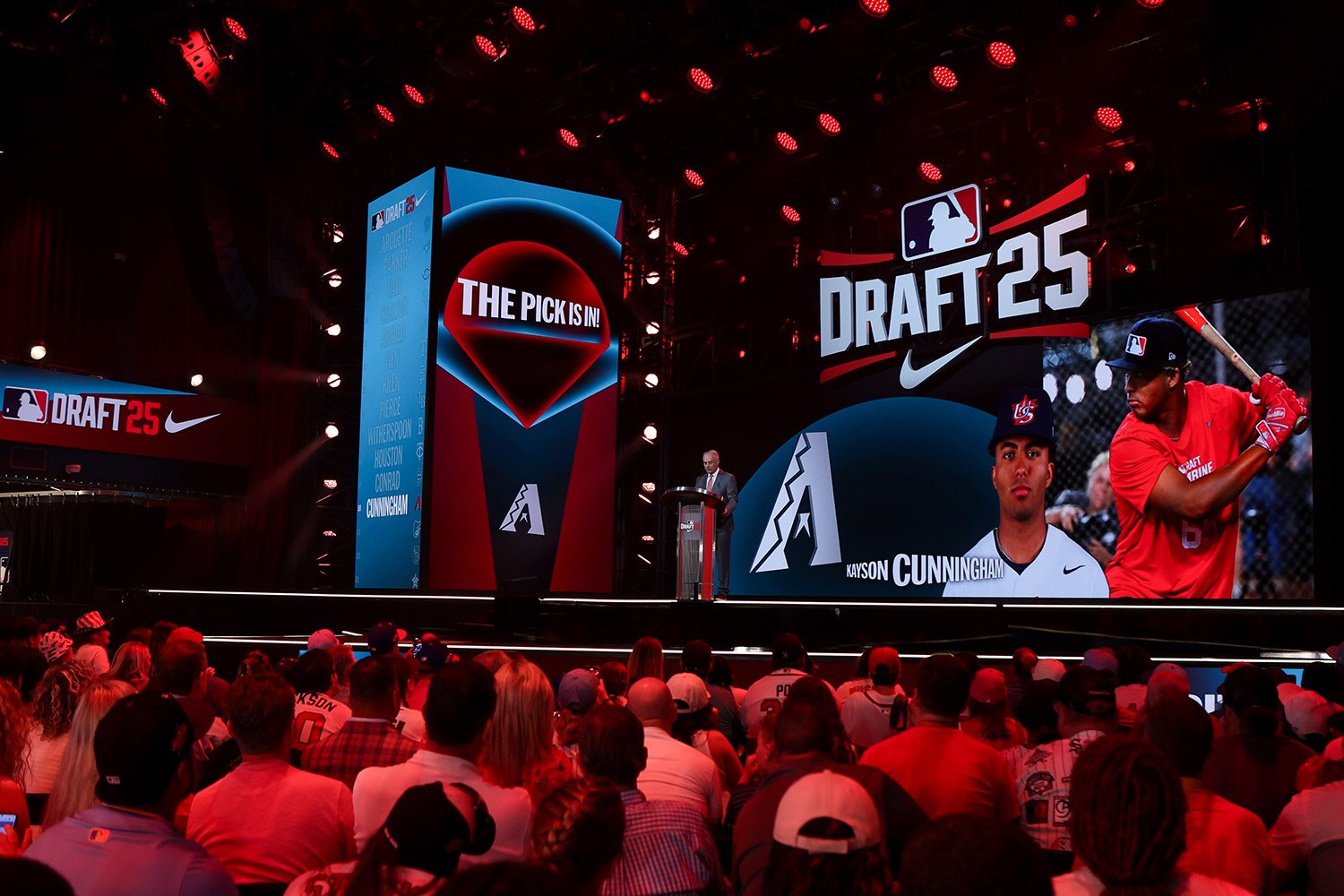 Yet another wrinkle in the collective bargaining drama has unfolded. ESPN reported earlier today that Major League Baseball has proposed an international draft to the MLB Players Association as part of the new CBA. The current CBA agreement expires on December 1st, 2026, and with months of negotiations ahead, the owners continue to make tall demands before deciding on an official agreement. Domestic Draft Proposal MLB seeks to eliminate prospects coming straight out of high school and right into the minor leagues as part of the changes to the existing MLB Draft. Prospects would need to be 20 on September 1st of that draft year and two years removed from high school graduation. MLB also seeks to shorten the domestic draft to 12 rounds. The idea is to make NCAA baseball an extension of the minor leagues, which could limit the time a prospect spends in the minors within a professional organization before making their MLB debut. "By creating a draft system centered around college-aged players and making most college players eligible one year earlier," a statement from MLB read Thursday, "more players will benefit from both a college education and an elite development environment while reaching professional baseball—and ultimately the major leagues—more quickly. We believe these changes will strengthen college baseball and deepen fans' connection to the next generation of major league stars." What Is An International Player Draft? Currently, MLB only has one draft for amateur players in the United States, Puerto Rico, and Canada, and allows teams to draft and develop those players in their organizations. Over time, this has evolved with MLB adding the draft lottery to disincentivize tanking to get a higher pick, as we see in the NFL. The owners propose that the international draft would consist of twelve rounds, like the domestic draft, with eligible players older than 18 as of September 1st of that draft year. Currently, each team is allotted a set amount of money based on their market and standing in the luxury tax bracket, totaling $358,662,500 for the sport in 2026, though the proposal would lower this to $200M. When players are drafted and sign their initial deals with teams, the largest bonus they can initially sign for is $10,000. Once they complete a full season in an affiliated minor league, the total could go to $30,000. This is a significant drop-off from the hundreds of thousands of prospects one now gets from the international market, because there is no limit to what a single player could get from a particular team. The owners did propose an international draft in 2022, the last time we underwent these labor wars, wanting a twenty-round draft and a pool totaling $191 million. "It is long past time to reform the international amateur system in ways that would address longstanding challenges and benefit future players." Read a statement from MLB on the matter. "The enhanced transparency of the International Draft that we are proposing is a common-sense step forward that best addresses the root causes of corruption in the current system. Our vision for the new international system reduces the pressure on young athletes by giving them the chance to grow and develop, keeps kids in school longer while they pursue a career in baseball, and creates more playing opportunities for the older players who are left behind in today's system." Why Do MLB Owners Want An International Draft? The whole shitkick from the owners in these CBA negotiations is competitive balance, though when you look at the current standings and see the White Sox in first place, the point becomes more and more moot. Nonetheless, the owners want to eliminate the handshake agreements that currently exist in international markets, which can create an unfair advantage for teams with better international scouting departments and larger bonus pools. An international draft would even the playing field for all teams. This will also limit one team from dominating a specific market, like the Dodgers' takeover of Japan. It's important to note that this is just the first proposal for an international draft this time around, and the MLBPA will surely react and counter at some point, as it limits the amount of money international prospects could sign for, not to mention the age limitation. The MLBPA already issued a statement responding to what MLB proposed: For now, the prospect of changes to the domestic draft and a brand-new international draft is interesting, to say the least, but the proposal might need more work to get across the finish line.
 -
Neither the owners nor the players want to miss games, but it seems like some sort of inevitability with just how far apart both sides are. The fight for a new CBA has begun. View full article
-
 The owners of Major League Baseball teams have made their counterproposal to what the players association lobbied for yesterday. With the rejection that MLB made to the players' association last night and what they countered with today, it seems we might be in for a long labor war that could cost games in 2027. 1. A Salary Cap/Floor We all saw it coming. MLB owners have requested a salary cap with a ceiling set at $245.3M. This would mean seven teams --- The Dodgers, Mets, Yankees, Blue Jays, Phillies, Braves, and Astros --- would all need to lower their payrolls as they already exceed the cap, according to Spotrac. It's been known for years that the owners were going to fight for a salary cap to close the gap in money given to teams that have it in terms of competitive balance. The proposal also includes a salary floor, which would be the minimum a team has to spend on payroll in a given season. The proposal has the floor set at $171.2 million per team. This would mean that fourteen teams --- The Royals, Angels, Reds, Brewers, Rockies, Pirates, Twins, Cardinals, Nationals, Athletics, Rays, White Sox, Marlins, and Guardians --- would all have to raise their payrolls to conform. Some teams, like the Guardians and Marlins, would have to increase their payrolls by between $85 and $100+ million per season. 2. Centralizing TV Revenue Another thing baseball has been trying to do for years is get rid of the Regional Sports Networks and house all the broadcasts under one national umbrella. This is because teams like the Yankees (YES Network) or the Dodgers (SNLA) own their own networks and profit from them. Because the teams own these networks, the money they make can be reinvested into that team, and a lot of the smaller market teams, like the Reds or Brewers, don't have this. We have already seen half the league join MLB's umbrella of broadcasts, but MLB wants all 30 teams under its umbrella. With this, the league would evenly distribute the money made by the RSNs among all 30 teams, even though some teams would have more viewers than others (like the Dodgers, who draw more eyes to their games than the Marlins). The MLBPA's Response Naturally, Bruce Meyer, the head of the MLB Players Association, issued a statement responding to what was outlined above. He focuses on the salary cap side, citing that the last time the owners pushed for a cap, "it led to the longest work stoppage in MLB history". Neither the owners nor the players want to miss games, but it seems like some sort of inevitability with just how far apart both sides are. The fight for a new CBA has begun.
 -
Image courtesy of Peter Aiken-Imagn Images The MLB labor fight is getting underway as the current collective bargaining agreement expires on December 1st. On Wednesday, the MLB Players Association made its first proposal of what it would like a CBA to look like, and it's what we would expect from the players' side. 1. Significant increases to major league minimums The players' association wants the minimum player salary for players on the major-league roster to rise from $780,000 per season to $1.5 million per season. This would include more bonuses for pre-arbitration players. An example of that would be boosting salary if a pre-arbitration player wins the MVP or Cy Young. With the 40-man minimum changes proposed, the players' association also proposes that new rules be implemented to stop teams from manipulating a player's service time. That could be keeping players that could help the MLB team win in the minors for additional eligibility, or keeping a player down for a certain number of games would not give them enough MLB time, maximizing their rookie status to possibly receive a compensation pick if the player wins the Rookie of the Year award. 2. Elimination of the qualifying offer This would be one of the biggest changes to the MLB free agency process, and it would benefit both sides. The qualifying offer is something teams can attach to a player entering free agency for a sum of money (around $23 million currently) for the player to return to the team on a one-year deal. If the player declines, the team that made the offer would receive a compensation pick in the draft if they sign with another team. This seriously hinders the market of the player in free agency, which is why the players want to see it go. The memo also proposes that players who turn 30 and have five or more seasons of service time should be automatically eligible for free agency. This would also help with MLB's issues with service time manipulation, as there would be less incentive for teams to keep their players down if they would hit free agency sooner due to age and service time. 3. Increased benefits for lower-revenue clubs who lose players to free agency A lot of times in free agency, teams that can't afford to keep their homegrown talent, as we will likely see this upcoming offseason with Tarik Skubal and the Detroit Tigers. This proposes that small market teams that lose their players to big market teams will receive some other compensation, most likely picks, but that was not outlined in the memo. 4. “Luxury Tax” threshold increases and removal of non-monetary penalties The players' association would like to raise the luxury tax threshold from $244 million to $300 million. There is very little chance that teams like the Yankees or the Dodgers would accept a proposal that would require them to pay that much in luxury tax penalties each season. 5. A new “Competitive Integrity Tax” This would be appealing to most big-market owners because one of the biggest issues in baseball is small-market teams getting away with not spending much on payroll and being known for their farm systems. This would be a tax that, if the team did not have a minimum payroll of $150 million, they would be penalized in some form or fashion, whether it's money or draft picks. In other words, this would act as a soft salary floor, much like how the luxury tax acts as a soft salary cap. Under this framework, the revenue-sharing system would undergo significant overhauls to incentivize winning and narrow the gap between markets. High-revenue clubs would face a substantial increase in sharing their local media revenues to funnel broadcast dollars directly to lower-revenue organizations. To reward on-field success rather than just subsidizing tanking, tens of millions in additional revenue-sharing pools would be explicitly directed toward low-revenue franchises that achieve a winning record or secure a postseason berth. At the same time, clubs would be permitted to retain a larger percentage of their own stadium-related revenues, creating a direct financial incentive for all teams to invest in their fan experience and drive local ballpark attendance. 6. Expanded draft lottery to further disincentivize tanking This would further incentivize smaller market teams to spend money in free agency. This would give those teams draft picks and other benefits for signing players in free agency. This would go in line with spending at least $150 million in payroll to be competitive, and they will receive draft picks. This would also mean that teams can still be competitive while ensuring they get good picks in the draft each year. MLB's Response While the MLB will not submit its proposal until tomorrow, MLB spokesman Glen Caplin released a statement to the media: "We appreciate the union making a set of proposals, and we look forward to continuing the bargaining process and working towards solving the competitive balance problem our fans are telling us needs to be addressed. We understand their proposals are designed to benefit players. Unfortunately, they do not address and, in fact, exacerbate the competitive balance problem our fans are telling us we must address. The MLBPA’s proposal would reduce the amount transferred to lower-revenue Clubs, weaken the Competitive Balance Tax, and lead to even more payroll disparity than exists today. For example, under the Union’s proposal, the Dodgers would pay less in luxury tax payments, giving them an additional $70 million to spend on payroll.” This looks like we're in for a long fight of labor wars between the two sides. View full article
-
MLB Labor Wars Reignite: Breaking Down the Players' New CBA Demands
Matthew Nethercott posted an article in MLB
 The MLB labor fight is getting underway as the current collective bargaining agreement expires on December 1st. On Wednesday, the MLB Players Association made its first proposal of what it would like a CBA to look like, and it's what we would expect from the players' side. 1. Significant increases to major league minimums The players' association wants the minimum player salary for players on the major-league roster to rise from $780,000 per season to $1.5 million per season. This would include more bonuses for pre-arbitration players. An example of that would be boosting salary if a pre-arbitration player wins the MVP or Cy Young. With the 40-man minimum changes proposed, the players' association also proposes that new rules be implemented to stop teams from manipulating a player's service time. That could be keeping players that could help the MLB team win in the minors for additional eligibility, or keeping a player down for a certain number of games would not give them enough MLB time, maximizing their rookie status to possibly receive a compensation pick if the player wins the Rookie of the Year award. 2. Elimination of the qualifying offer This would be one of the biggest changes to the MLB free agency process, and it would benefit both sides. The qualifying offer is something teams can attach to a player entering free agency for a sum of money (around $23 million currently) for the player to return to the team on a one-year deal. If the player declines, the team that made the offer would receive a compensation pick in the draft if they sign with another team. This seriously hinders the market of the player in free agency, which is why the players want to see it go. The memo also proposes that players who turn 30 and have five or more seasons of service time should be automatically eligible for free agency. This would also help with MLB's issues with service time manipulation, as there would be less incentive for teams to keep their players down if they would hit free agency sooner due to age and service time. 3. Increased benefits for lower-revenue clubs who lose players to free agency A lot of times in free agency, teams that can't afford to keep their homegrown talent, as we will likely see this upcoming offseason with Tarik Skubal and the Detroit Tigers. This proposes that small market teams that lose their players to big market teams will receive some other compensation, most likely picks, but that was not outlined in the memo. 4. “Luxury Tax” threshold increases and removal of non-monetary penalties The players' association would like to raise the luxury tax threshold from $244 million to $300 million. There is very little chance that teams like the Yankees or the Dodgers would accept a proposal that would require them to pay that much in luxury tax penalties each season. 5. A new “Competitive Integrity Tax” This would be appealing to most big-market owners because one of the biggest issues in baseball is small-market teams getting away with not spending much on payroll and being known for their farm systems. This would be a tax that, if the team did not have a minimum payroll of $150 million, they would be penalized in some form or fashion, whether it's money or draft picks. In other words, this would act as a soft salary floor, much like how the luxury tax acts as a soft salary cap. Under this framework, the revenue-sharing system would undergo significant overhauls to incentivize winning and narrow the gap between markets. High-revenue clubs would face a substantial increase in sharing their local media revenues to funnel broadcast dollars directly to lower-revenue organizations. To reward on-field success rather than just subsidizing tanking, tens of millions in additional revenue-sharing pools would be explicitly directed toward low-revenue franchises that achieve a winning record or secure a postseason berth. At the same time, clubs would be permitted to retain a larger percentage of their own stadium-related revenues, creating a direct financial incentive for all teams to invest in their fan experience and drive local ballpark attendance. 6. Expanded draft lottery to further disincentivize tanking This would further incentivize smaller market teams to spend money in free agency. This would give those teams draft picks and other benefits for signing players in free agency. This would go in line with spending at least $150 million in payroll to be competitive, and they will receive draft picks. This would also mean that teams can still be competitive while ensuring they get good picks in the draft each year. MLB's Response While the MLB will not submit its proposal until tomorrow, MLB spokesman Glen Caplin released a statement to the media: "We appreciate the union making a set of proposals, and we look forward to continuing the bargaining process and working towards solving the competitive balance problem our fans are telling us needs to be addressed. We understand their proposals are designed to benefit players. Unfortunately, they do not address and, in fact, exacerbate the competitive balance problem our fans are telling us we must address. The MLBPA’s proposal would reduce the amount transferred to lower-revenue Clubs, weaken the Competitive Balance Tax, and lead to even more payroll disparity than exists today. For example, under the Union’s proposal, the Dodgers would pay less in luxury tax payments, giving them an additional $70 million to spend on payroll.” This looks like we're in for a long fight of labor wars between the two sides.
 -
Image courtesy of Morgan Tencza-Imagn Images The New York Yankees finished the 2025 season with a 94-68 record, coming up second in the AL East. They lost the division on a tiebreaker to the Toronto Blue Jays, after struggling against them in the regular and postseason. This season, the vibes are high around the Yankees going into the season. Yankees Offseason Moves The Yankees ran it back this offseason. They brought back many of the same players from 2025 because of how good Aaron Boone and the rest of the organization felt about the team. They brought back Cody Bellinger on a five-year, $162 million deal, which was their biggest splash of the offseason. They also brought back Amed Rosario, Paul Goldschmidt, Ryan Yarbrough, and Paul Blackburn to round out the roster. The only notable offseason additions the Yankees added to the roster that were not on the 2025 roster include lefty starter Ryan Weathers and bullpen arm Cade Winquest, and possibly Randal Grichuk. The Yankees also acquired Angel Chivilli from the Rockies this offseason, but he will start the season in Triple A. Projected Yankees Lineup (via FanGraphs) Trent Grisham (L, CF) Aaron Judge (R, RF) Cody Bellinger (L, LF) Ben Rice (L 1B) Giancarlo Stanton (R, DH) Jazz Chisholm Jr. (L, 2B) Austin Wells (L, C) José Caballero (R, SS) Ryan McMahon (L, 3B) In 2025, the Yankees' lineup ranked among the top offenses in baseball, leading the league in multiple categories, including home runs. Judge is still in his prime and should continue to do Judgian things, as he is still the odds-on favorite to be the AL MVP. Stanton, while getting older and still suffering from tennis elbow, was very good for the Yankees when he returned from injury in 2025, and has looked really good in spring training. Rice and Wells are the keys to the Yankees' lineup. Rice was productive in 2025 and hit a bit of bad luck all season. If that bad luck evens out for Rice, even a little bit, his production for the Yankees will be that much better. Wells has struggled to this point in his career offensively, but both he and the team believe there is more in the tank. He showed that potential in the WBC playing for Team Dominican Republic and coming through with a lot of big hits in the Classic. If he carries some of that production over to the Yankees in both the regular and postseason, the team will be even better offensively. The Yankees will also begin the season with Anthony Volpe on the injured list and Caballero as the starting shortstop. This should benefit the Yankees offensively, as Caballero was better offensively than Volpe in 2025, especially with the Yankees. Caballero also did work in the offseason with Driveline, which may help his approach at the plate. Projected Yankees Rotation (via FanGraphs) Max Fried (L) Cam Schlittler (R) Will Warren (R) Ryan Weathers (L) Luis Gil (R) The Yankees' rotation has potential. Fried was a Cy Young contender in 2025, aside from a few summer starts when he pitched through a blistered finger. Schlittler, who took the league by storm in 2025, will get a full season in the Yankees' rotation. Schlittler is adjusting his pitch mix in an attempt to remain effective as the league gets more of a look at him and his stuff. Warren has had a good spring so far, and his stuff looks good. Warren taking the next step would be a huge deal for the Yankees. He made 32 starts in 2025, but struggled against some of the better teams in baseball, including the Dodgers and Blue Jays. Weathers has good stuff, but locating his pitches needs work. This is something the Yankees coaches will work with Weathers over time to fix his location issues. The biggest issue with the rotation breaking camp is Gil. He has had a really poor spring for the Yankees, and there are a lot of concerns around him and his drop in velocity. The Yankees have not yet ruled out starting Gil in Triple-A because of their early-season schedule. It could give Gil some time to work out his issues while not facing big-league hitters. The real potential of the Yankees will come later in the year with Carlos Rodón and Gerrit Cole returning from injuries. Rodón began throwing to live batters earlier this week in his ramp-up. He is targeting a return in mid-April or early May. Cole, on the other hand, pitched one inning in a spring training game on Wednesday. His fastball velocity was up to 98 MPH, and his curveball looked nice and crisp. Cole is still targeting a late May, early June return as he recovers from Tommy John surgery. If both Rodón and Cole come back healthy with the rest of the rotation clicking, the Yankees rotation could be a force to be reckoned with in the second half of the season. View full article