


rstuedem945
-
Posts
10 -
Joined
-
Last visited
Content Type
Profiles
Forums
Events
News
Tutorials & Help
Major League Baseball Videos
Guides & Resources
Store
Downloads
Gallery
Everything posted by rstuedem945
-
Image courtesy of © Rick Scuteri-Imagn Images The Brewers finished 2025 with the best record in baseball, 97-65, and eventually lost to the Dodgers in the NLCS. However, Milwaukee went into the offseason and sent away some key contributors, including their Opening Day starter from 2025, who is in a contract year. However, this is how the Brewers operate, and we will see whether their roster-building approach works again in 2026. Notable Brewers Offseason Moves The biggest move the Brewers made this offseason was trading Freddy Peralta, their clear number one starter, along with Tobias Myers, to the Mets for prospects Jett Williams and Brandon Sproat. Peralta led the National League in wins this past season, to go along with a 2.70 ERA and 204 strikeouts. He has started 30 games each of the past three years, and that consistent level of great pitching will benefit the Mets' rotation greatly. As for the return, Williams can play shortstop, second base, and the outfield, and is currently the no. 3 prospects in the Brewers’ system. He should see time at the big-league level this year. Sproat is currently the no. 5 prospect in the Brewers’ system and will look to build off his first four starts made with the Mets last season. With the departure of Peralta and the injury to Quinn Priester, Sproat could play a bigger role in the rotation sooner rather than later. There were two other significant trades the Brewers made, the first of which was trading outfielder Isaac Collins and right-handed pitcher Nick Mears to the Royals for left-handed reliever Angel Zerpa. Collins finished 4th in NL Rookie of the Year voting, hitting .263/.368/.411 with 9 homeruns and 16 stolen bases. Zerpa had a 4.18 ERA with 58 strikeouts in 64 2/3 innings. Trusting the Brewers to develop pitching and suitable position players is fair given their track record, and some belief in that is especially necessary before the season. The other trade the Brewers made was a rather surprising one, as they sent Caleb Durbin, Andruw Monasterio, Anthony Seigler, and Competitive Balance Round B Draft Pick for left-handed pitcher Kyle Harrison, infielder David Hamilton, and left-handed pitching prospect Shane Drohan. Durbin finished third in the Rookie of the Year vote last year, hitting .256/.334/.387 with 11 home runs and 18 stolen bases. Monasterio and Seigler were both depth infielders. As for Harrison, he was the former #1 prospect in the San Francisco Giants system. Like Sproat, Harrison will look to contribute to the rotation early. Hamilton projects to be the utility infielder coming off the bench, while Drohan could find a role later this year. The Brewers ended their offseason by reuniting with catcher Gary Sanchez to be the backup and signing former Angel Luis Rengifo to be the starting third baseman. These two will both look for bounce-back seasons at the plate. Projected Brewers Lineup (MLB.com) Jackson Chourio, LF Brice Turang, 2B William Contreras, C Christian Yelich, DH Andrew Vaughn, 1B Sal Frelick, RF Luis Rengifo, 3B Garrett Mitchell, CF Joey Ortiz, SS The infield is very similar when compared to 2025, with Rengifo as the only newcomer. Joey Ortiz will look to re-find the hitting ability he saw in 2024, and Brice Turang will continue to be one of, if not the Brewers' most valuable player at the second base spot. As for first base, it’ll likely be a split between Andrew Vaughn and Jake Bauers depending on the opposing starter, and these two should make for a decent platoon duo. As for the outfield, the departure of Collins allows Garrett Mitchell to slide in as the starting center fielder, and Blake Perkins could see time there as well if Mitchell doesn’t stay healthy. Jackson Chourio will be the primary left fielder, while Sal Frelick will lock down right field. Former MVP Christian Yelich could see time in the outfield as well, but he will be the primary DH for the Brew Crew this year. William Contreras will once again be the starting catcher for the Brewers this year. Contreras spent much of last season dealing with a broken middle finger on his catching hand, so he’ll look to stay healthy and produce once again for the Brewers in 2026. As for the backup role, that’ll be held by Sanchez and potentially Reese McGuire at some point if he sticks around in the minor leagues. Projected Brewers Rotation Jacob Misiorowski, RHP Chad Patrick, RHP Brandon Sproat, RHP Kyle Harrison, LHP Brandon Woodruff, RHP The rotation looks a little shaky with the loss of Peralta. The veteran of the group, Brandon Woddruff, accepted a qualifying offer and is back in Milwaukee for 2026 after returning in 2025 from shoulder surgery back in 2023. Jacob Misiorowski was an All-Star in his 15 games last year and will look to be more consistent in 2026, while Chad Patrick is confirmed to be in the starting rotation, according to Pat Murphy. That leaves the last two spots to Sproat, Harrison, or Aaron Ashby, who is being stretched out as a starter in camp. Quinn Priester will factor into the mix at some point as well when he is healthy. The Brewers did trade away talent this offseason, but the core pieces of their lineup are still intact. Pair that with a few young, exciting arms and a good bullpen, and it wouldn’t be a shock if the Brewers won the N.L. Central again in 2026. View full article
-
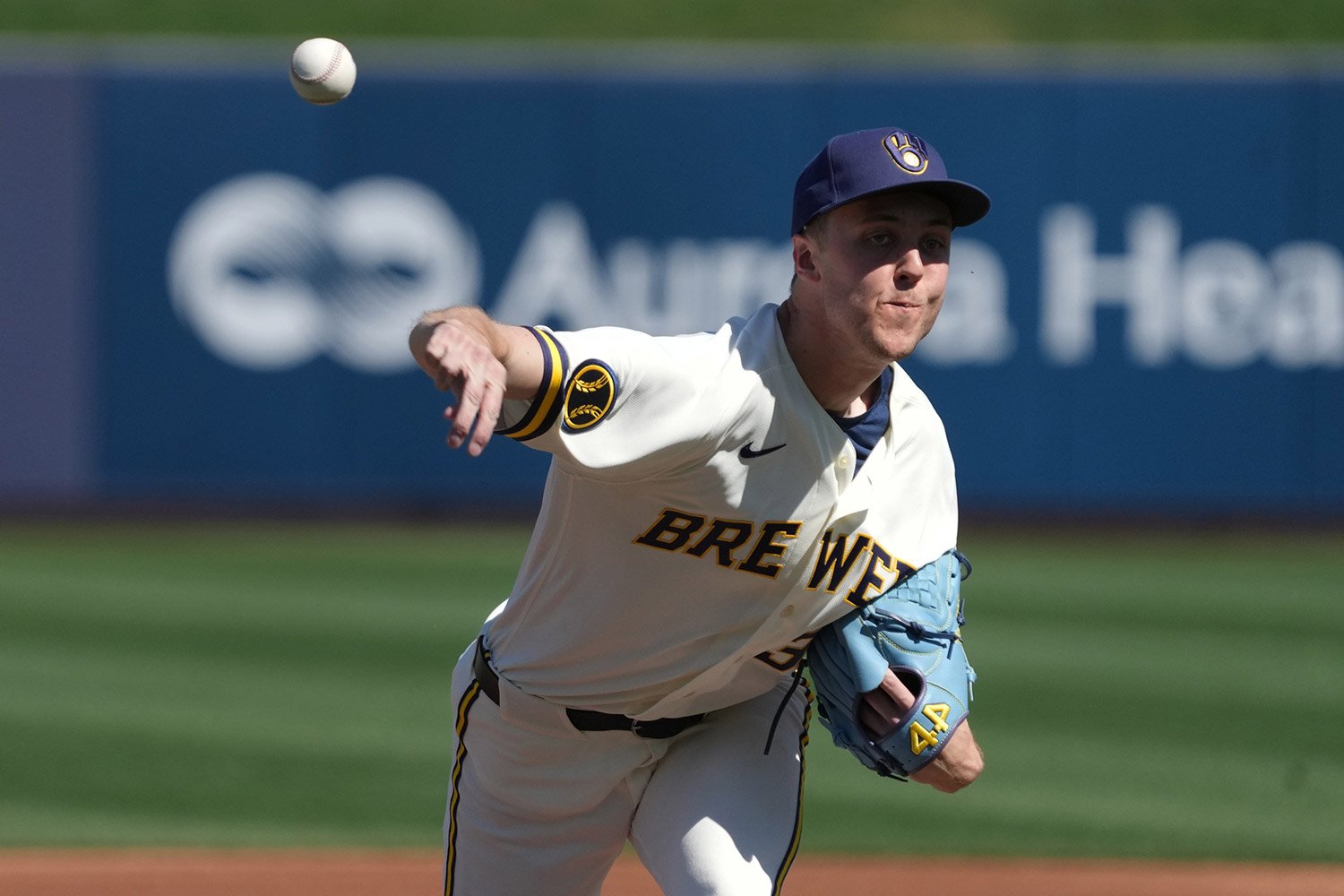 The Brewers finished 2025 with the best record in baseball, 97-65, and eventually lost to the Dodgers in the NLCS. However, Milwaukee went into the offseason and sent away some key contributors, including their Opening Day starter from 2025, who is in a contract year. However, this is how the Brewers operate, and we will see whether their roster-building approach works again in 2026. Notable Brewers Offseason Moves The biggest move the Brewers made this offseason was trading Freddy Peralta, their clear number one starter, along with Tobias Myers, to the Mets for prospects Jett Williams and Brandon Sproat. Peralta led the National League in wins this past season, to go along with a 2.70 ERA and 204 strikeouts. He has started 30 games each of the past three years, and that consistent level of great pitching will benefit the Mets' rotation greatly. As for the return, Williams can play shortstop, second base, and the outfield, and is currently the no. 3 prospects in the Brewers’ system. He should see time at the big-league level this year. Sproat is currently the no. 5 prospect in the Brewers’ system and will look to build off his first four starts made with the Mets last season. With the departure of Peralta and the injury to Quinn Priester, Sproat could play a bigger role in the rotation sooner rather than later. There were two other significant trades the Brewers made, the first of which was trading outfielder Isaac Collins and right-handed pitcher Nick Mears to the Royals for left-handed reliever Angel Zerpa. Collins finished 4th in NL Rookie of the Year voting, hitting .263/.368/.411 with 9 homeruns and 16 stolen bases. Zerpa had a 4.18 ERA with 58 strikeouts in 64 2/3 innings. Trusting the Brewers to develop pitching and suitable position players is fair given their track record, and some belief in that is especially necessary before the season. The other trade the Brewers made was a rather surprising one, as they sent Caleb Durbin, Andruw Monasterio, Anthony Seigler, and Competitive Balance Round B Draft Pick for left-handed pitcher Kyle Harrison, infielder David Hamilton, and left-handed pitching prospect Shane Drohan. Durbin finished third in the Rookie of the Year vote last year, hitting .256/.334/.387 with 11 home runs and 18 stolen bases. Monasterio and Seigler were both depth infielders. As for Harrison, he was the former #1 prospect in the San Francisco Giants system. Like Sproat, Harrison will look to contribute to the rotation early. Hamilton projects to be the utility infielder coming off the bench, while Drohan could find a role later this year. The Brewers ended their offseason by reuniting with catcher Gary Sanchez to be the backup and signing former Angel Luis Rengifo to be the starting third baseman. These two will both look for bounce-back seasons at the plate. Projected Brewers Lineup (MLB.com) Jackson Chourio, LF Brice Turang, 2B William Contreras, C Christian Yelich, DH Andrew Vaughn, 1B Sal Frelick, RF Luis Rengifo, 3B Garrett Mitchell, CF Joey Ortiz, SS The infield is very similar when compared to 2025, with Rengifo as the only newcomer. Joey Ortiz will look to re-find the hitting ability he saw in 2024, and Brice Turang will continue to be one of, if not the Brewers' most valuable player at the second base spot. As for first base, it’ll likely be a split between Andrew Vaughn and Jake Bauers depending on the opposing starter, and these two should make for a decent platoon duo. As for the outfield, the departure of Collins allows Garrett Mitchell to slide in as the starting center fielder, and Blake Perkins could see time there as well if Mitchell doesn’t stay healthy. Jackson Chourio will be the primary left fielder, while Sal Frelick will lock down right field. Former MVP Christian Yelich could see time in the outfield as well, but he will be the primary DH for the Brew Crew this year. William Contreras will once again be the starting catcher for the Brewers this year. Contreras spent much of last season dealing with a broken middle finger on his catching hand, so he’ll look to stay healthy and produce once again for the Brewers in 2026. As for the backup role, that’ll be held by Sanchez and potentially Reese McGuire at some point if he sticks around in the minor leagues. Projected Brewers Rotation Jacob Misiorowski, RHP Chad Patrick, RHP Brandon Sproat, RHP Kyle Harrison, LHP Brandon Woodruff, RHP The rotation looks a little shaky with the loss of Peralta. The veteran of the group, Brandon Woddruff, accepted a qualifying offer and is back in Milwaukee for 2026 after returning in 2025 from shoulder surgery back in 2023. Jacob Misiorowski was an All-Star in his 15 games last year and will look to be more consistent in 2026, while Chad Patrick is confirmed to be in the starting rotation, according to Pat Murphy. That leaves the last two spots to Sproat, Harrison, or Aaron Ashby, who is being stretched out as a starter in camp. Quinn Priester will factor into the mix at some point as well when he is healthy. The Brewers did trade away talent this offseason, but the core pieces of their lineup are still intact. Pair that with a few young, exciting arms and a good bullpen, and it wouldn’t be a shock if the Brewers won the N.L. Central again in 2026.
 -
Image courtesy of © Rick Scuteri-Imagn Images The Cubs finished 2025 with a 92-70 record, 5 games behind the Brewers for 1st in the N.L. Central. They went into the playoffs as the four seed, beating the San Diego Padres in a three-game series before losing to the rival Brewers 3-2 in the divisional round. After a critical offseason that saw them lose a big bat as well as gain one, the Cubs will look to retake the N.L. Central crown. Cubs Offseason Moves The Cubs had an active offseason, with two sizable moves overshadowing the rest. First, the Cubs signed third baseman Alex Bregman to a 5-year, $175 million deal. The former Red Sox and Astro played 114 games for Boston this past season, hitting .273/.360/.462 with 18 home runs. Bregman is a three-time All-Star and will bring a consistent bat and glove to the Cubs lineup in 2026. The other major addition was the acquisition of Edward Cabrera from the Miami Marlins. The Cubs sent their no. 1 prospect, outfielder Owen Caissie, their no. 11 prospect, infielder Cristian Hernandez, and another prospect, infielder Edgardo De Leon. Cabrera brings a career 4.07 ERA (4.45 FIP) to Chicago’s rotation, and he had arguably his best year in 2025 while throwing the most innings he has in his MLB career with 137.2. Cabrera had a 3.53 ERA (3.83 FIP) in 2025, going 8-7 and finishing with 2 fWAR for the 79-win Marlins. Cabrera will be a middle-of-the-rotation arm for the Cubs this year and hopes to build on his strong 2025 season for his team. As for Caissie, the outfielder appeared in only 12 games for the Cubs in 2025, hitting .192/.222/.346 with 1 homerun, and the former second-round pick will look to find his footing in the majors with the Fish, probably from one of the corner outfield spots. The last big move to discuss isn’t an addition but a subtraction: perhaps the biggest free agent of the offseason, Kyle Tucker, left the Cubs to head out west and join the overwhelmingly powerful Dodgers. Tucker was acquired by the Cubs back in December 2024 for Isaac Paredes, Hayden Wesneski, and Cam Smith. He hit .266/.377/.464 with 22 home runs in his only season with the Cubs, and he left big shoes that Chicago will have to fill this summer. Projected Lineup (MLB.com) Michael Busch, 1B Alex Bregman, 3B Ian Happ, LF Seiya Suzuki, RF Pete Crow-Armstrong, CF Nico Hoerner, 2B Moisés Ballesteros, DH Dansby Swanson, SS Carson Kelly, C The Cubs have a strong infield with three returning players. Michael Busch is coming off a breakout 2025 after hitting 34 home runs. The rest of the infield should be strong too, with returners Nice Hoerner and Dansby Swanson up the middle day in and day out, and Bregman manning the hot corner. Matt Shaw will be the primary utility man on the roster after spending lots of time at third base last year; he’ll potentially get time in both the infield and outfield. The Cubs signed Tyler Austin in free agency this year as a right-handed option at first base, but he had surgery for a right patellar tendon debridement in late February, so he won’t factor in until later in the year. The outfield may get worse with the loss of Tucker, but there are three capable names to hold down the outfield spots. Ian Happ will enter his tenth season in Chicago as the everyday left fielder, and Pete Crow-Armstrong will look to build on his success from 2025 and aims to be more consistent this season. Finally, Seiya Suzuki will move back to right field after spending the majority of last year in the DH spot. He has never had a positive fielding run value in his career, so right field defense will be a bit of a question mark this season. However, Happ and Crow-Armstrong are both Gold Glove-caliber outfielders, which should help the team’s defense overall. In terms of catching, Carson Kelly, Miguel Amaya, and Moises Ballesteros will handle the work behind the dish. Kelly is coming off a resurgent year for the Cubs, hitting 17 home runs. Miguel Amaya will switch off with Kelly occasionally, while Ballesteros is a bat-first top prospect for the Cubs who demonstrated he could hit already in his 20 games with the team last year. These three should form a formidable trio behind the plate. Projected Cubs Rotation (MLB.com) Cade Horton, RHP Matthew Boyd, LHP Edward Cabrera, RHP Shota Imanaga, LHP Jameson Taillon, RHP In terms of the rotation, the return of Justin Steele at some time this season should benefit this group. Matthew Boyd threw his most innings since 2019, and will look to continue his resurgence, but health should be a factor to watch with him. Cade Horton finished second in the N.L. Rookie of the Year vote and will look to build on his strong rookie season. Cabrera will provide consistent innings if he is healthy, as should Shota Imanaga, who accepted a qualifying offer from the Cubs this past offseason. Finally, Jameson Taillon will look to be a consistent inning-eater from the back end of the rotation. The Cubs were a very good baseball team in 2025, and even without Kyle Tucker, they should be able to challenge the Brewers for the N.L. Central title and make a deeper playoff run by the end of the 2026 season. View full article
-
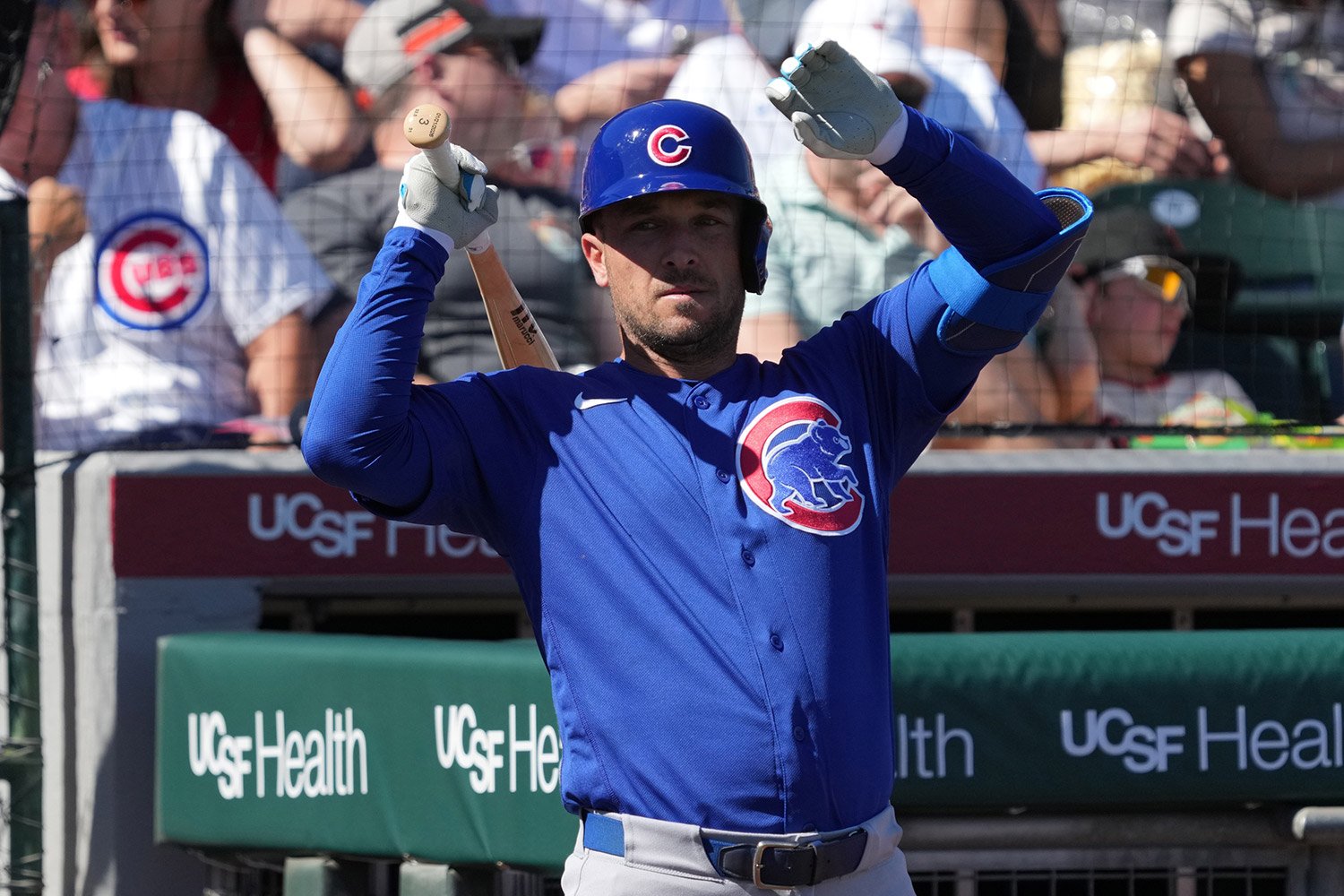 The Cubs finished 2025 with a 92-70 record, 5 games behind the Brewers for 1st in the N.L. Central. They went into the playoffs as the four seed, beating the San Diego Padres in a three-game series before losing to the rival Brewers 3-2 in the divisional round. After a critical offseason that saw them lose a big bat as well as gain one, the Cubs will look to retake the N.L. Central crown. Cubs Offseason Moves The Cubs had an active offseason, with two sizable moves overshadowing the rest. First, the Cubs signed third baseman Alex Bregman to a 5-year, $175 million deal. The former Red Sox and Astro played 114 games for Boston this past season, hitting .273/.360/.462 with 18 home runs. Bregman is a three-time All-Star and will bring a consistent bat and glove to the Cubs lineup in 2026. The other major addition was the acquisition of Edward Cabrera from the Miami Marlins. The Cubs sent their no. 1 prospect, outfielder Owen Caissie, their no. 11 prospect, infielder Cristian Hernandez, and another prospect, infielder Edgardo De Leon. Cabrera brings a career 4.07 ERA (4.45 FIP) to Chicago’s rotation, and he had arguably his best year in 2025 while throwing the most innings he has in his MLB career with 137.2. Cabrera had a 3.53 ERA (3.83 FIP) in 2025, going 8-7 and finishing with 2 fWAR for the 79-win Marlins. Cabrera will be a middle-of-the-rotation arm for the Cubs this year and hopes to build on his strong 2025 season for his team. As for Caissie, the outfielder appeared in only 12 games for the Cubs in 2025, hitting .192/.222/.346 with 1 homerun, and the former second-round pick will look to find his footing in the majors with the Fish, probably from one of the corner outfield spots. The last big move to discuss isn’t an addition but a subtraction: perhaps the biggest free agent of the offseason, Kyle Tucker, left the Cubs to head out west and join the overwhelmingly powerful Dodgers. Tucker was acquired by the Cubs back in December 2024 for Isaac Paredes, Hayden Wesneski, and Cam Smith. He hit .266/.377/.464 with 22 home runs in his only season with the Cubs, and he left big shoes that Chicago will have to fill this summer. Projected Lineup (MLB.com) Michael Busch, 1B Alex Bregman, 3B Ian Happ, LF Seiya Suzuki, RF Pete Crow-Armstrong, CF Nico Hoerner, 2B Moisés Ballesteros, DH Dansby Swanson, SS Carson Kelly, C The Cubs have a strong infield with three returning players. Michael Busch is coming off a breakout 2025 after hitting 34 home runs. The rest of the infield should be strong too, with returners Nice Hoerner and Dansby Swanson up the middle day in and day out, and Bregman manning the hot corner. Matt Shaw will be the primary utility man on the roster after spending lots of time at third base last year; he’ll potentially get time in both the infield and outfield. The Cubs signed Tyler Austin in free agency this year as a right-handed option at first base, but he had surgery for a right patellar tendon debridement in late February, so he won’t factor in until later in the year. The outfield may get worse with the loss of Tucker, but there are three capable names to hold down the outfield spots. Ian Happ will enter his tenth season in Chicago as the everyday left fielder, and Pete Crow-Armstrong will look to build on his success from 2025 and aims to be more consistent this season. Finally, Seiya Suzuki will move back to right field after spending the majority of last year in the DH spot. He has never had a positive fielding run value in his career, so right field defense will be a bit of a question mark this season. However, Happ and Crow-Armstrong are both Gold Glove-caliber outfielders, which should help the team’s defense overall. In terms of catching, Carson Kelly, Miguel Amaya, and Moises Ballesteros will handle the work behind the dish. Kelly is coming off a resurgent year for the Cubs, hitting 17 home runs. Miguel Amaya will switch off with Kelly occasionally, while Ballesteros is a bat-first top prospect for the Cubs who demonstrated he could hit already in his 20 games with the team last year. These three should form a formidable trio behind the plate. Projected Cubs Rotation (MLB.com) Cade Horton, RHP Matthew Boyd, LHP Edward Cabrera, RHP Shota Imanaga, LHP Jameson Taillon, RHP In terms of the rotation, the return of Justin Steele at some time this season should benefit this group. Matthew Boyd threw his most innings since 2019, and will look to continue his resurgence, but health should be a factor to watch with him. Cade Horton finished second in the N.L. Rookie of the Year vote and will look to build on his strong rookie season. Cabrera will provide consistent innings if he is healthy, as should Shota Imanaga, who accepted a qualifying offer from the Cubs this past offseason. Finally, Jameson Taillon will look to be a consistent inning-eater from the back end of the rotation. The Cubs were a very good baseball team in 2025, and even without Kyle Tucker, they should be able to challenge the Brewers for the N.L. Central title and make a deeper playoff run by the end of the 2026 season.
 -
Image courtesy of © Mark J. Rebilas-Imagn Images The Reds were the last team from the National League Central to make the playoffs in 2025, with an 83-79 record, and they lost to the eventual World Series champion Dodgers in the opening round. A team where pitching led the way, Cincinnati finished with a below-average team OPS and was 12th in team ERA compared to the rest of the league. One could then assume many of their additions this offseason were to assist their offense in scoring, and that would be correct. Reds Offseason Moves The biggest move the Reds made this offseason was reuniting with Eugenio Suarez. He signed a one-year deal with the Reds, and there is a mutual option for 2027. The 34-year-old spent time with the Mariners and Diamondbacks last year, hitting 49 home runs, which was tied for his career high. Suarez will slot into the DH spot for the Reds this year primarily and will provide power and veteran leadership, and that is about it. The Reds made three other significant additions of position players. They signed former first-round pick JJ Bleday to a one-year deal and first baseman Nathaniel Lowe to a minor league deal. They also acquired outfielder Dane Myers in a trade with the Marlins. Bleday, a left-handed center fielder, has had limited success in the majors, with one above-average season in 2024 with the Athletics. Bleday will look to recapture the magic of that season with the Reds this year. Lowe, on the other hand, has had more sustained major league success, having an above-average OPS every year of his seven-year career besides 2025. Lowe will look to bounce back from a down year with the Nationals and Red Sox to make the Opening Day roster. Finally, Myers was acquired in late December for minor league outfielder Ethan O’Donnell. The 30-year-old has only one season with over 100 games played, and that was last year; Myers hit .235/.291/.326 with 6 homeruns. His main calling cards are speed and defense. Myers stole 18 bases last season and had 78th-percentile sprint speed and, defensively, an above-average Outs Above Average (OAA) of +2 and 97th-percentile arm strength. Myers should be an adequate bench outfielder and starter versus lefties, as he hit .286/.359/.419 off them in 2025. Additional additions were primarily relievers to bolster the bullpen. The Reds retained Emilio Pagan on a two-year deal, signed Pierce Johnson and Caleb Ferguson to one-year deals, and acquired Brock Burke via a three-team trade with the Angels and Rays. These relievers should provide value and depth for the Reds in 2026. In terms of departures, utility player Gavin Lux was traded away in the three-team trade mentioned earlier. Austin Hays and Miguel Andujar signed with the White Sox and Padres, respectively, while pitchers Zach Littell, Brent Suter, Scott Barlow, and Nick Martinez found free agent deals elsewhere. Projected Reds Lineup (MLB.com) TJ Friedl, CF Matt McLain, 2B Elly De La Cruz, SS Eugenio Suárez, DH Spencer Steer, LF Sal Stewart, 1B Tyler Stephenson, C Noelvi Marte, RF Ke'Bryan Hayes, 3B Projected Rotation (MLB.com) Andrew Abbott, LHP Nick Lodolo, LHP Brady Singer, RHP Rhett Lowder, RHP Chase Burns, RHP The infield will remain consistent from last year, with a hopeful bounce back from second baseman Matt McLain. De La Cruz is one of the most electric talents in MLB when he is on, and hopefully, limited errors and strikeouts can bring out his full potential. Sal Stewart is a top prospect hoping to make his mark on the team, while Ke’Bryan Hayes is one of the best third basemen in baseball with his glove, but not with his bat. The catching tandem will be the same as last year, with Tyler Stephenson as the likely Opening Day starter with veteran Jose Trevino as the backup. The outfield will remain primarily unchanged from a starting perspective. Spencer Steer will likely be the left fielder most of the time, with TJ Friedl in center, and Noelvi Marte in right. Bleday and Myers will be backups for those spots and could slot in given matchups, while Will Benson should provide depth for the corner outfield spots as well. As for the rotation, there were no significant additions or losses this offseason besides Zach Littell and Nick Martinez, but the big news out of spring training is that ace Hunter Greene will be out until July due to arthroscopic right elbow surgery. Abbott, Lodolo, and Singer all threw 156+ innings this past season, and they will hopefully keep up that consistently good play in 2026. The last two spots will likely go to top prospect Rhett Lowder, currently No. 4 in the Reds system per MLB.com, and Burns, the second-overall pick in 2024. The Reds' rotation is the strong suit of the team, and that likely won’t change this year with some help from the younger guys. The Reds have enough pitching talent to lead them to the postseason again, but hopefully, the addition of Eugenio Suarez and the development of younger bats will allow the offense to become potent. This could make Cincinnati a true threat in the National League in 2026. View full article
-
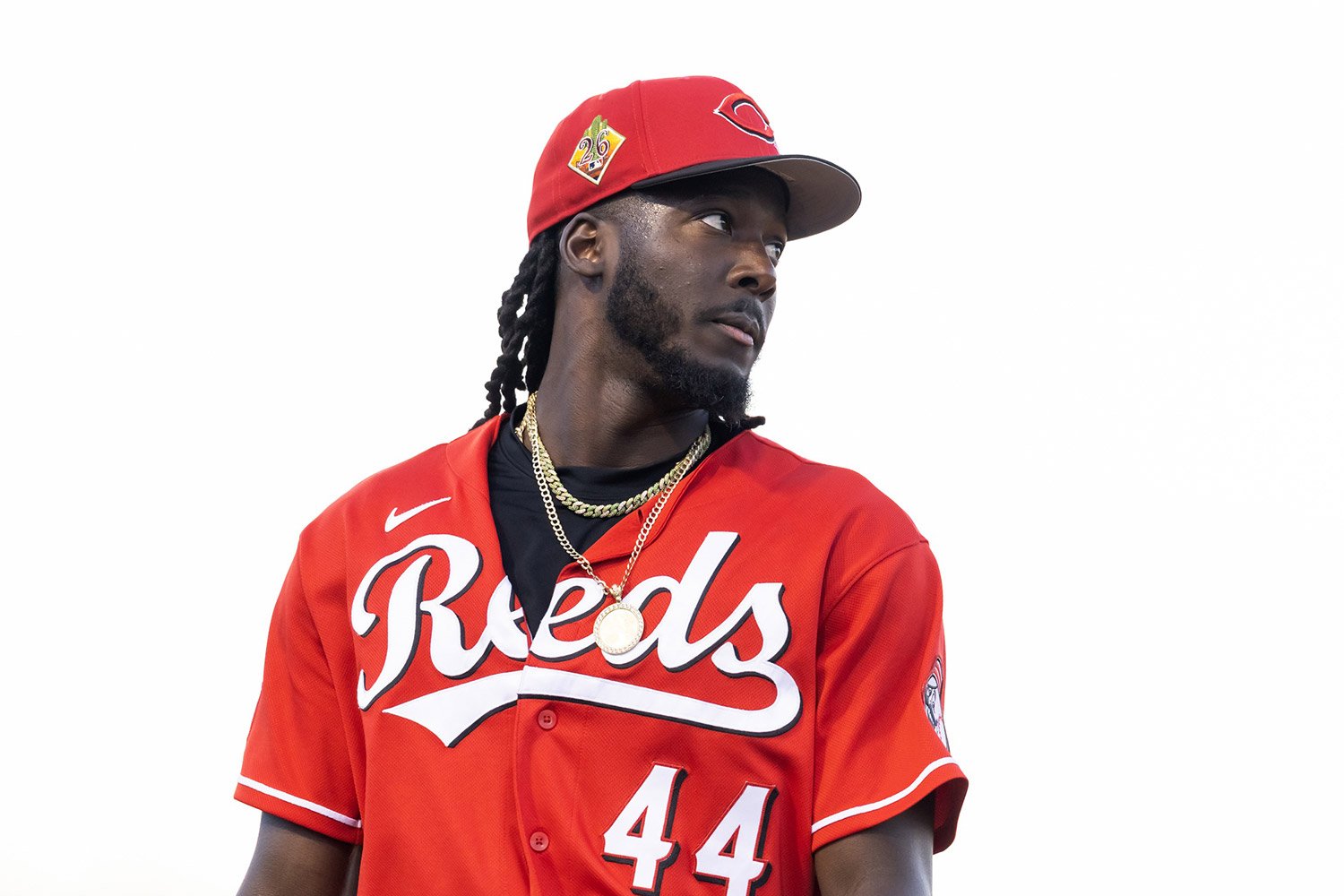 The Reds were the last team from the National League Central to make the playoffs in 2025, with an 83-79 record, and they lost to the eventual World Series champion Dodgers in the opening round. A team where pitching led the way, Cincinnati finished with a below-average team OPS and was 12th in team ERA compared to the rest of the league. One could then assume many of their additions this offseason were to assist their offense in scoring, and that would be correct. Reds Offseason Moves The biggest move the Reds made this offseason was reuniting with Eugenio Suarez. He signed a one-year deal with the Reds, and there is a mutual option for 2027. The 34-year-old spent time with the Mariners and Diamondbacks last year, hitting 49 home runs, which was tied for his career high. Suarez will slot into the DH spot for the Reds this year primarily and will provide power and veteran leadership, and that is about it. The Reds made three other significant additions of position players. They signed former first-round pick JJ Bleday to a one-year deal and first baseman Nathaniel Lowe to a minor league deal. They also acquired outfielder Dane Myers in a trade with the Marlins. Bleday, a left-handed center fielder, has had limited success in the majors, with one above-average season in 2024 with the Athletics. Bleday will look to recapture the magic of that season with the Reds this year. Lowe, on the other hand, has had more sustained major league success, having an above-average OPS every year of his seven-year career besides 2025. Lowe will look to bounce back from a down year with the Nationals and Red Sox to make the Opening Day roster. Finally, Myers was acquired in late December for minor league outfielder Ethan O’Donnell. The 30-year-old has only one season with over 100 games played, and that was last year; Myers hit .235/.291/.326 with 6 homeruns. His main calling cards are speed and defense. Myers stole 18 bases last season and had 78th-percentile sprint speed and, defensively, an above-average Outs Above Average (OAA) of +2 and 97th-percentile arm strength. Myers should be an adequate bench outfielder and starter versus lefties, as he hit .286/.359/.419 off them in 2025. Additional additions were primarily relievers to bolster the bullpen. The Reds retained Emilio Pagan on a two-year deal, signed Pierce Johnson and Caleb Ferguson to one-year deals, and acquired Brock Burke via a three-team trade with the Angels and Rays. These relievers should provide value and depth for the Reds in 2026. In terms of departures, utility player Gavin Lux was traded away in the three-team trade mentioned earlier. Austin Hays and Miguel Andujar signed with the White Sox and Padres, respectively, while pitchers Zach Littell, Brent Suter, Scott Barlow, and Nick Martinez found free agent deals elsewhere. Projected Reds Lineup (MLB.com) TJ Friedl, CF Matt McLain, 2B Elly De La Cruz, SS Eugenio Suárez, DH Spencer Steer, LF Sal Stewart, 1B Tyler Stephenson, C Noelvi Marte, RF Ke'Bryan Hayes, 3B Projected Rotation (MLB.com) Andrew Abbott, LHP Nick Lodolo, LHP Brady Singer, RHP Rhett Lowder, RHP Chase Burns, RHP The infield will remain consistent from last year, with a hopeful bounce back from second baseman Matt McLain. De La Cruz is one of the most electric talents in MLB when he is on, and hopefully, limited errors and strikeouts can bring out his full potential. Sal Stewart is a top prospect hoping to make his mark on the team, while Ke’Bryan Hayes is one of the best third basemen in baseball with his glove, but not with his bat. The catching tandem will be the same as last year, with Tyler Stephenson as the likely Opening Day starter with veteran Jose Trevino as the backup. The outfield will remain primarily unchanged from a starting perspective. Spencer Steer will likely be the left fielder most of the time, with TJ Friedl in center, and Noelvi Marte in right. Bleday and Myers will be backups for those spots and could slot in given matchups, while Will Benson should provide depth for the corner outfield spots as well. As for the rotation, there were no significant additions or losses this offseason besides Zach Littell and Nick Martinez, but the big news out of spring training is that ace Hunter Greene will be out until July due to arthroscopic right elbow surgery. Abbott, Lodolo, and Singer all threw 156+ innings this past season, and they will hopefully keep up that consistently good play in 2026. The last two spots will likely go to top prospect Rhett Lowder, currently No. 4 in the Reds system per MLB.com, and Burns, the second-overall pick in 2024. The Reds' rotation is the strong suit of the team, and that likely won’t change this year with some help from the younger guys. The Reds have enough pitching talent to lead them to the postseason again, but hopefully, the addition of Eugenio Suarez and the development of younger bats will allow the offense to become potent. This could make Cincinnati a true threat in the National League in 2026.
 -
Image courtesy of © Tim Vizer-Imagn Images The Cardinals finished 2025 with the 4th-best record in the NL Central at 78-84. Heading into the offseason, rumors swirled around many Cardinals trade pieces. Almost all of them have now found new homes as we approach Opening Day, as the Cardinals head into a bit of a rebuild as an overall younger team. Cardinals Notable Offseason Moves The Cardinals traded three position players and one starter this offseason. Two of those trades were with the Red Sox, so let us start with those. First, the Cardinals sent starter Sonny Gray to Boston in exchange for left-handed pitcher Brandon Clarke and right-handed pitcher Richard Fitts. Gray pitched in two seasons for the Cardinals, compiling a 4.07 ERA (3.24 FIP) with 404 strikeouts in total. Clarke is a former fifth-round pick of the Red Sox back in 2024, and he hasn’t made it past High-A, but he has potential as the current number seven prospect for the Cardinals. Fitts, on the other hand, was stellar during his short debut season in 2024, posting a 1.74 ERA over four starts. He wasn’t nearly as good in 2025 but will look to rebound in a new environment in 2026. About a month later, the Cardinals and Red Sox reconnected as St. Louis sent first baseman Willson Contreras to Boston for right-handed pitchers Hunter Dobbins, Yhoiker Fajardo, and Blake Aita. Contreras had been a Cardinal since 2023, hitting .261/.358/.459 in 344 total games with the club. Dobbins will open the season on the injured list after 4 solid starts with the Red Sox in 2025. Fajardo is currently the no. 13 prospect in the Cardinals’ system, while Aita is another young pitcher who split time between A and High-A last year. The next player to be traded was Nolan Arenado. He was sent to the Diamondbacks in mid-January for right-handed pitcher Jack Martinez, who was an eighth-round pick in 2025. This was primarily a monetary move as Arenado was due $42 million over the next two seasons. The ten-time Gold Glove winner has seen his offensive production steadily decrease in the past few years and will attempt to rediscover his once-elite hitting ability in Arizona. Finally, in early February, the Cardinals traded Brendan Donovan to the Mariners in a three-team trade that also included the Rays. In return, St. Louis received pitching prospect Jurrangelo Cijntje, outfielder Tai Peete, outfielder Colton Ledbetter, and two Competitive Balance Round B picks. Cijntje is the current fifth-ranked prospect for the Cardinals, and is famous for being able to throw with both arms. He split time between High-A and Double-A last year. Peete was a former CB-A pick of the Mariners in 2023; he struggled at High-A last year and will look to find his footing in the Cardinals system. Ledbetter comes over from Tampa Bay and was a former second-round pick in 2023. He had a .715 OPS at Double-A in 2025 and will look to build on that for a push towards the majors. Overall, the Cardinals received some young prospects over the offseason who should hopefully be building blocks in 2026 and beyond. Projected Cardinals Lineup (MLB.com) Lars Nootbaar, LF (currently rehabbing for heel surgeries) Masyn Winn, SS Alec Burleson, 1B Iván Herrera, DH Nolan Gorman, 3B Jordan Walker, RF JJ Wetherholt, 2B Pedro Pagés, C Victor Scott II, CF The infield has mainly returners from last year. Alec Burleson will slot into the first base role with Contreras gone, as he is looking to earn a second straight Silver Slugger. JJ Wetherholt will be the primary second baseman; he is currently the Cardinals' top prospect and the 7th overall pick in 2024. Masyn Winn will look to find the offensive success he had in 2024 and bounce back from the rough 2025 season. Similar to Wynn, Gorman will look to find his success from 2023, when he hit 27 home runs. Jose Fermin and Ramon Urias will also come off the bench to play third and second. As for the outfield, Victor Scott II is penciled in as a defense-first centerfielder. Jordan Walker will be the starting right fielder even though his offensive numbers have slowly deteriorated since his debut season. The left field spot has been a bit of a question mark with Nootbaar injured to start the year, as Fermin, Nelson Velazquez, and others have seen time there during spring training. That will be a big question mark during the opening weeks of the season until Nootbaar returns. The Cardinals will likely carry three catchers on their roster. Pedro Pagés and Yohel Pozo will handle most of the behind-the-plate duties, while Iván Herrera is more of a bat-first player, having the highest OPS on the Cardinals in 2025. Projected Cardinals Rotation (MLB.com) Matthew Liberatore, LHP Dustin May, RHP Andre Pallante, RHP Michael McGreevy, RHP Kyle Leahy, RHP The rotation is filled with lots of younger pitchers, along with free agent signing Dustin May. May will look to bounce back after a rough year with the Dodgers and Red Sox. Liberatore and Pallante both threw over 100 innings for the Cardinals last year, with McGreevy just below that. Liberatore and McGreevy were both solid in their age 25 and 25 seasons respectively, while Pallante is looking to improve after a year worth -1.2 bWAR. Finally, the last rotation spot will probably be Kyle Leahy, who was good as a reliever for the Cardinals last year with a 3.07 ERA. The Cardinals have sent away much of their major league talent, and their 2026 season shouldn’t be judged on how many games they win but on what they find out about their young talent, such as Wetherholt. Read other NL Central previews: Pittsburgh Pirates View full article
-
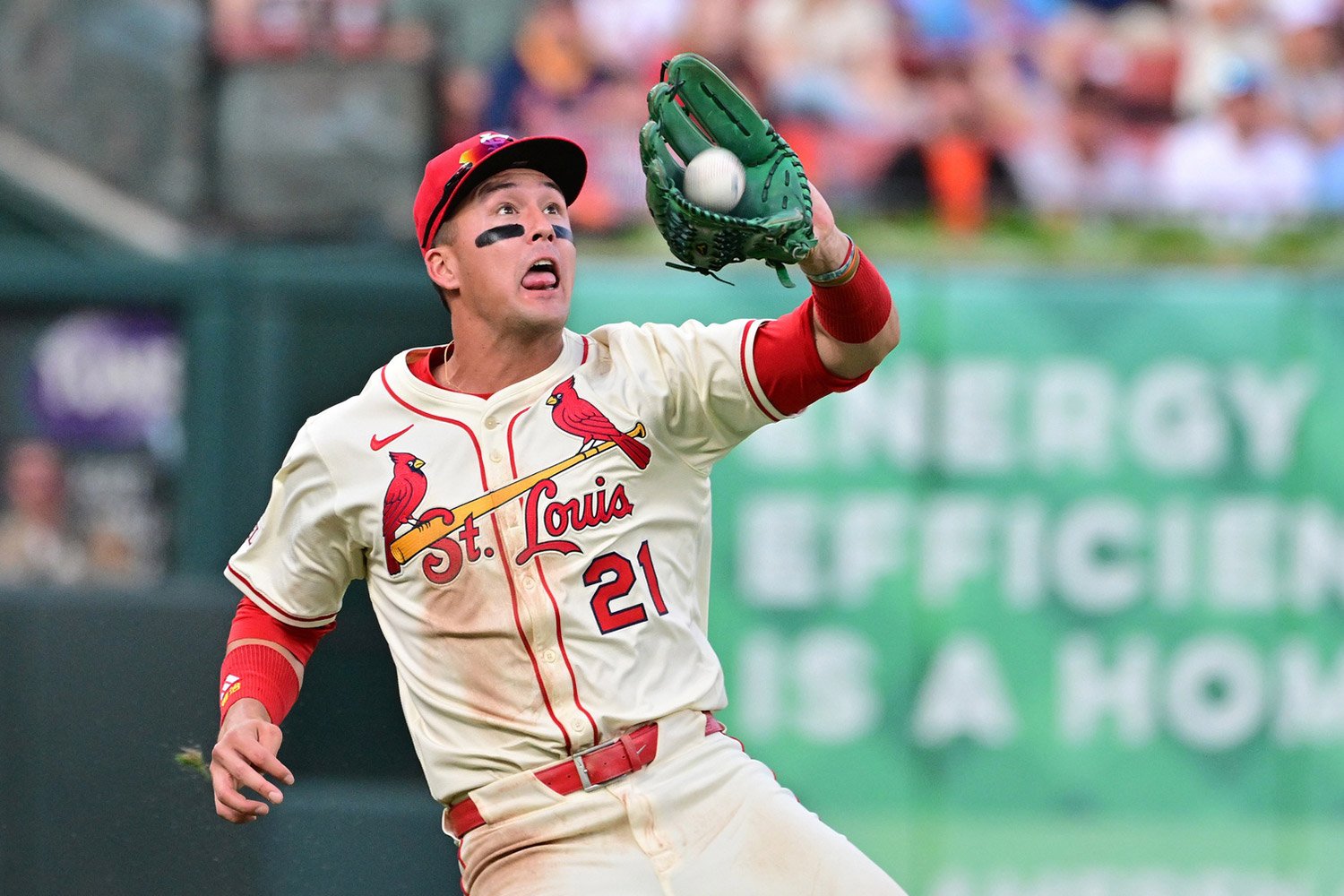 The Cardinals finished 2025 with the 4th-best record in the NL Central at 78-84. Heading into the offseason, rumors swirled around many Cardinals trade pieces. Almost all of them have now found new homes as we approach Opening Day, as the Cardinals head into a bit of a rebuild as an overall younger team. Cardinals Notable Offseason Moves The Cardinals traded three position players and one starter this offseason. Two of those trades were with the Red Sox, so let us start with those. First, the Cardinals sent starter Sonny Gray to Boston in exchange for left-handed pitcher Brandon Clarke and right-handed pitcher Richard Fitts. Gray pitched in two seasons for the Cardinals, compiling a 4.07 ERA (3.24 FIP) with 404 strikeouts in total. Clarke is a former fifth-round pick of the Red Sox back in 2024, and he hasn’t made it past High-A, but he has potential as the current number seven prospect for the Cardinals. Fitts, on the other hand, was stellar during his short debut season in 2024, posting a 1.74 ERA over four starts. He wasn’t nearly as good in 2025 but will look to rebound in a new environment in 2026. About a month later, the Cardinals and Red Sox reconnected as St. Louis sent first baseman Willson Contreras to Boston for right-handed pitchers Hunter Dobbins, Yhoiker Fajardo, and Blake Aita. Contreras had been a Cardinal since 2023, hitting .261/.358/.459 in 344 total games with the club. Dobbins will open the season on the injured list after 4 solid starts with the Red Sox in 2025. Fajardo is currently the no. 13 prospect in the Cardinals’ system, while Aita is another young pitcher who split time between A and High-A last year. The next player to be traded was Nolan Arenado. He was sent to the Diamondbacks in mid-January for right-handed pitcher Jack Martinez, who was an eighth-round pick in 2025. This was primarily a monetary move as Arenado was due $42 million over the next two seasons. The ten-time Gold Glove winner has seen his offensive production steadily decrease in the past few years and will attempt to rediscover his once-elite hitting ability in Arizona. Finally, in early February, the Cardinals traded Brendan Donovan to the Mariners in a three-team trade that also included the Rays. In return, St. Louis received pitching prospect Jurrangelo Cijntje, outfielder Tai Peete, outfielder Colton Ledbetter, and two Competitive Balance Round B picks. Cijntje is the current fifth-ranked prospect for the Cardinals, and is famous for being able to throw with both arms. He split time between High-A and Double-A last year. Peete was a former CB-A pick of the Mariners in 2023; he struggled at High-A last year and will look to find his footing in the Cardinals system. Ledbetter comes over from Tampa Bay and was a former second-round pick in 2023. He had a .715 OPS at Double-A in 2025 and will look to build on that for a push towards the majors. Overall, the Cardinals received some young prospects over the offseason who should hopefully be building blocks in 2026 and beyond. Projected Cardinals Lineup (MLB.com) Lars Nootbaar, LF (currently rehabbing for heel surgeries) Masyn Winn, SS Alec Burleson, 1B Iván Herrera, DH Nolan Gorman, 3B Jordan Walker, RF JJ Wetherholt, 2B Pedro Pagés, C Victor Scott II, CF The infield has mainly returners from last year. Alec Burleson will slot into the first base role with Contreras gone, as he is looking to earn a second straight Silver Slugger. JJ Wetherholt will be the primary second baseman; he is currently the Cardinals' top prospect and the 7th overall pick in 2024. Masyn Winn will look to find the offensive success he had in 2024 and bounce back from the rough 2025 season. Similar to Wynn, Gorman will look to find his success from 2023, when he hit 27 home runs. Jose Fermin and Ramon Urias will also come off the bench to play third and second. As for the outfield, Victor Scott II is penciled in as a defense-first centerfielder. Jordan Walker will be the starting right fielder even though his offensive numbers have slowly deteriorated since his debut season. The left field spot has been a bit of a question mark with Nootbaar injured to start the year, as Fermin, Nelson Velazquez, and others have seen time there during spring training. That will be a big question mark during the opening weeks of the season until Nootbaar returns. The Cardinals will likely carry three catchers on their roster. Pedro Pagés and Yohel Pozo will handle most of the behind-the-plate duties, while Iván Herrera is more of a bat-first player, having the highest OPS on the Cardinals in 2025. Projected Cardinals Rotation (MLB.com) Matthew Liberatore, LHP Dustin May, RHP Andre Pallante, RHP Michael McGreevy, RHP Kyle Leahy, RHP The rotation is filled with lots of younger pitchers, along with free agent signing Dustin May. May will look to bounce back after a rough year with the Dodgers and Red Sox. Liberatore and Pallante both threw over 100 innings for the Cardinals last year, with McGreevy just below that. Liberatore and McGreevy were both solid in their age 25 and 25 seasons respectively, while Pallante is looking to improve after a year worth -1.2 bWAR. Finally, the last rotation spot will probably be Kyle Leahy, who was good as a reliever for the Cardinals last year with a 3.07 ERA. The Cardinals have sent away much of their major league talent, and their 2026 season shouldn’t be judged on how many games they win but on what they find out about their young talent, such as Wetherholt. Read other NL Central previews: Pittsburgh Pirates
 -
Image courtesy of © Charles LeClaire-Imagn Images The Pirates finished with a 71-91 record in 2025, finishing dead last in the N.L. Central. They finished dead last in runs per game with 3.60, while the pitching staff was fifth in the league, only giving up 3.98 runs per game. The front office knew this, and so the offseason was primarily focused on getting bats to shore up the lineup. Pirates Notable Moves Three notable bats were acquired this offseason. In free agency, the Pirates signed 1B/OF Ryan O'Hearn to a two-year deal and signed DH Marcell Ozuna to a one-year deal. O’Hearn played for both Baltimore and San Diego last year, hitting .281/.366/.437 in 144 total games. O’Hearn was good against both righties and lefties, and he should be in the lineup every day. As for Ozuna, the 35-year-old comes to Pittsburgh after six years in Atlanta. He last played outfield in 2023, which limits the roster's overall positional flexibility. However, his bat is still important, even after a down 2025 season in which he hit .232/.355/.400 with 21 home runs. Ozuna will help fill the production void left by the departure of Pirates legend Andrew McCutchen to the Rangers. These two should vastly improve the Pirates’ ability to score runs this year. The other major bat was acquired via trade, as Brandon Lowe came over from the Rays in a three-team trade with Tampa Bay and Houston. The Pirates also acquired outfielder Jake Mangum and lefty reliever Mason Montgomery in the deal, giving them more depth in the outfield and the bullpen. Back to Lowe: he is a two-time All-Star who hit .256/.307/.477 with 31 home runs. Lowe will be the everyday second baseman for the Pirates as he looks to continue the sustained success he had in his eight years with the Rays. Other acquisitions included a trade with the Red Sox for outfielder Jhostynxon Garcia in a five-player trade that sent Johan Oviedo to Boston ,among others. Garcia is currently the no. 6 prospect in Pittsburgh’s farm system and could be in line for a bench outfield spot in 2026. Besides that, the Pirates signed pitchers Jose Urquidy and Gregory Soto. Urquidy should compete for the 5th spot in the rotation, while Soto will be a solid left-handed reliever after a tough second half with the Mets post-trade deadline. Projected Pirates Lineup (MLB.com) Oneil Cruz, CF Spencer Horwitz, 1B Bryan Reynolds, LF Marcell Ozuna, DH Ryan O'Hearn, RF Brandon Lowe, 2B Joey Bart, C Jared Triolo, 3B Nick Gonzales, SS The lineup looks significantly better overall with the additions I mentioned above. In terms of the infield, Jared Triolo is one of the better defensive third basemen in baseball, with a Fielding Run Value of +5, which was good for the 81st percentile in baseball. Nick Gonzales will look to improve offensively this season with a switch to shortstop after primarily playing second base. Waiting behind him is the number one prospect in baseball, Konnor Griffin, and while there is a chance Griffin makes the Opening Day roster, Gonzales will need to perform to keep his starting spot. The right of the infield is stronger, with Lowe at second and Horwitz at first. Horwitz was the Pirates’ best hitter last year in terms of OPS and should be a mainstay in the top half of the lineup. As for the outfield, this lineup construction will have it very limited defensively. Oneil Cruz and Bryan Reynolds didn’t grade out well for the Pirates last year, while O’Hearn is better as a first baseman. Look for Mangum to come off the bench as a defensive substitution in later innings; he should help the group’s overall defense as well and will get a fair amount of playing time with injuries and off days. As for catchers, Joey Bart and Henry Davis will be the catching duo again this year. Bart was a better hitter than Davis last year, so look for him to start more of the games. Davis will look to live up to the hopes the Pirates had for him when they took him number one overall back in the 2021 draft. Projected Pirates Rotation (MLB.com) Paul Skenes, RHP Mitch Keller, RHP Bubba Chandler, RHP Braxton Ashcraft, RHP José Urquidy, RHP The rotation is the strength of the team, as reigning Cy Young award winner Paul Skenes leads the way and will look to add to his growing awards collection. Behind him, Mitch Keller has been an All-Star before and is a very consistent arm for the Bucs. Bubba Chandler is the no. 2 prospect in the Pirates system and should grow into a good MLB arm, and Ashcraft will look to build on his very good, though limited, 2025 season. Urquidy will look to get back to his former form, but he may just be a placeholder until Jared Jones returns later in the year. Cameron Mlodzinski will look to get starts as well. While the Pirates have added offensive talent to their lineup, it will be interesting to see the effects of the “more offense, less defense” plan the Pirates are seemingly going for here. However, with pitching talent this good, keep an eye on the Pirates as a team that could sneak into the playoffs if the bats hit as projected. View full article
-
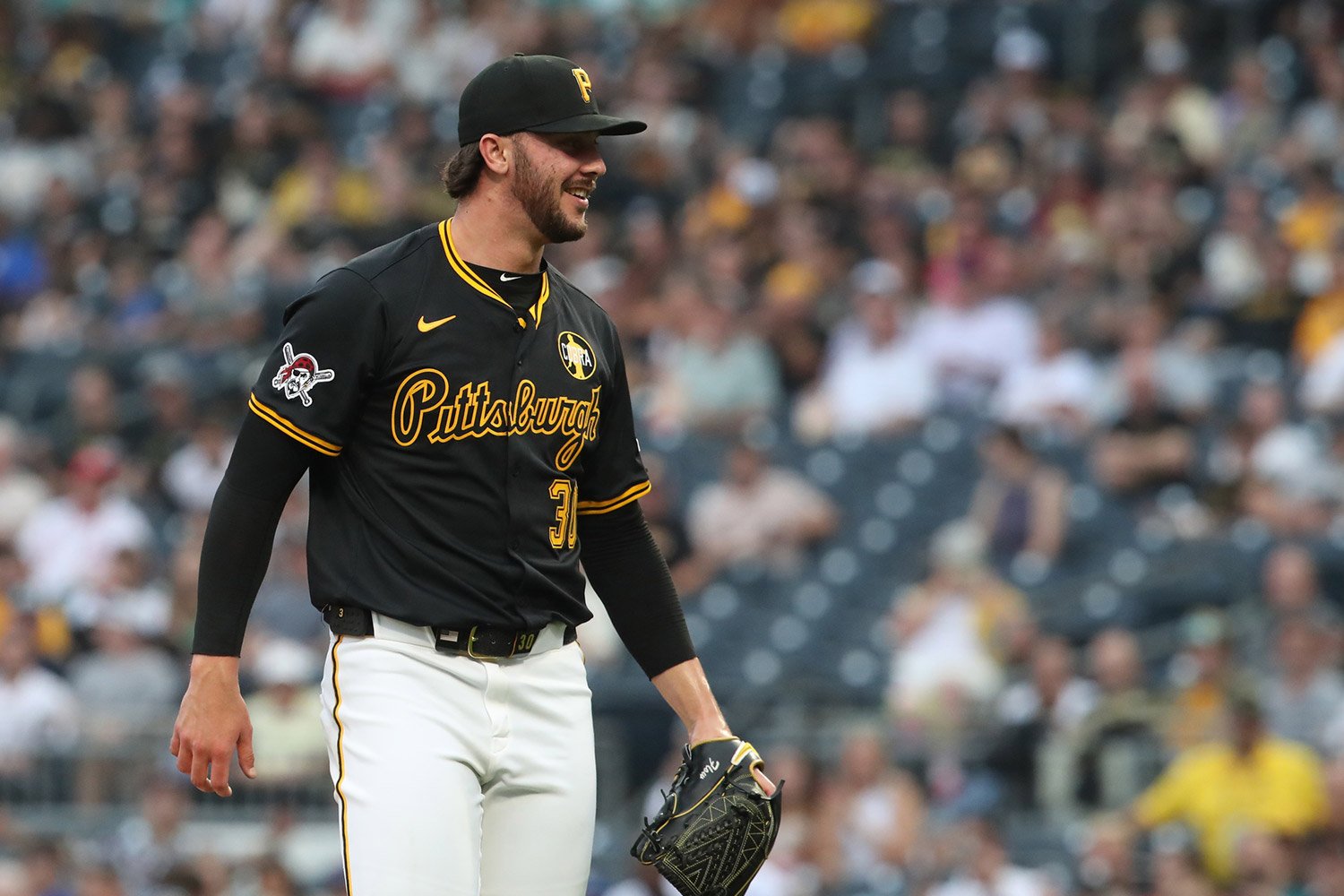 The Pirates finished with a 71-91 record in 2025, finishing dead last in the N.L. Central. They finished dead last in runs per game with 3.60, while the pitching staff was fifth in the league, only giving up 3.98 runs per game. The front office knew this, and so the offseason was primarily focused on getting bats to shore up the lineup. Pirates Notable Moves Three notable bats were acquired this offseason. In free agency, the Pirates signed 1B/OF Ryan O'Hearn to a two-year deal and signed DH Marcell Ozuna to a one-year deal. O’Hearn played for both Baltimore and San Diego last year, hitting .281/.366/.437 in 144 total games. O’Hearn was good against both righties and lefties, and he should be in the lineup every day. As for Ozuna, the 35-year-old comes to Pittsburgh after six years in Atlanta. He last played outfield in 2023, which limits the roster's overall positional flexibility. However, his bat is still important, even after a down 2025 season in which he hit .232/.355/.400 with 21 home runs. Ozuna will help fill the production void left by the departure of Pirates legend Andrew McCutchen to the Rangers. These two should vastly improve the Pirates’ ability to score runs this year. The other major bat was acquired via trade, as Brandon Lowe came over from the Rays in a three-team trade with Tampa Bay and Houston. The Pirates also acquired outfielder Jake Mangum and lefty reliever Mason Montgomery in the deal, giving them more depth in the outfield and the bullpen. Back to Lowe: he is a two-time All-Star who hit .256/.307/.477 with 31 home runs. Lowe will be the everyday second baseman for the Pirates as he looks to continue the sustained success he had in his eight years with the Rays. Other acquisitions included a trade with the Red Sox for outfielder Jhostynxon Garcia in a five-player trade that sent Johan Oviedo to Boston ,among others. Garcia is currently the no. 6 prospect in Pittsburgh’s farm system and could be in line for a bench outfield spot in 2026. Besides that, the Pirates signed pitchers Jose Urquidy and Gregory Soto. Urquidy should compete for the 5th spot in the rotation, while Soto will be a solid left-handed reliever after a tough second half with the Mets post-trade deadline. Projected Pirates Lineup (MLB.com) Oneil Cruz, CF Spencer Horwitz, 1B Bryan Reynolds, LF Marcell Ozuna, DH Ryan O'Hearn, RF Brandon Lowe, 2B Joey Bart, C Jared Triolo, 3B Nick Gonzales, SS The lineup looks significantly better overall with the additions I mentioned above. In terms of the infield, Jared Triolo is one of the better defensive third basemen in baseball, with a Fielding Run Value of +5, which was good for the 81st percentile in baseball. Nick Gonzales will look to improve offensively this season with a switch to shortstop after primarily playing second base. Waiting behind him is the number one prospect in baseball, Konnor Griffin, and while there is a chance Griffin makes the Opening Day roster, Gonzales will need to perform to keep his starting spot. The right of the infield is stronger, with Lowe at second and Horwitz at first. Horwitz was the Pirates’ best hitter last year in terms of OPS and should be a mainstay in the top half of the lineup. As for the outfield, this lineup construction will have it very limited defensively. Oneil Cruz and Bryan Reynolds didn’t grade out well for the Pirates last year, while O’Hearn is better as a first baseman. Look for Mangum to come off the bench as a defensive substitution in later innings; he should help the group’s overall defense as well and will get a fair amount of playing time with injuries and off days. As for catchers, Joey Bart and Henry Davis will be the catching duo again this year. Bart was a better hitter than Davis last year, so look for him to start more of the games. Davis will look to live up to the hopes the Pirates had for him when they took him number one overall back in the 2021 draft. Projected Pirates Rotation (MLB.com) Paul Skenes, RHP Mitch Keller, RHP Bubba Chandler, RHP Braxton Ashcraft, RHP José Urquidy, RHP The rotation is the strength of the team, as reigning Cy Young award winner Paul Skenes leads the way and will look to add to his growing awards collection. Behind him, Mitch Keller has been an All-Star before and is a very consistent arm for the Bucs. Bubba Chandler is the no. 2 prospect in the Pirates system and should grow into a good MLB arm, and Ashcraft will look to build on his very good, though limited, 2025 season. Urquidy will look to get back to his former form, but he may just be a placeholder until Jared Jones returns later in the year. Cameron Mlodzinski will look to get starts as well. While the Pirates have added offensive talent to their lineup, it will be interesting to see the effects of the “more offense, less defense” plan the Pirates are seemingly going for here. However, with pitching talent this good, keep an eye on the Pirates as a team that could sneak into the playoffs if the bats hit as projected.
