


DiamondCentric
-
Posts
2,631 -
Joined
-
Last visited
Never
Content Type
Profiles
Forums
Events
MLB News, Rumors & Analysis
DiamondCentric Tutorials & Help
Major League Baseball Videos
MLB Fan Guides & Resources
Store
Downloads
Gallery
Everything posted by DiamondCentric
-

Lethal Dominican squad backs Marlins' ace, wins Pool D
DiamondCentric posted an article in Fish On First
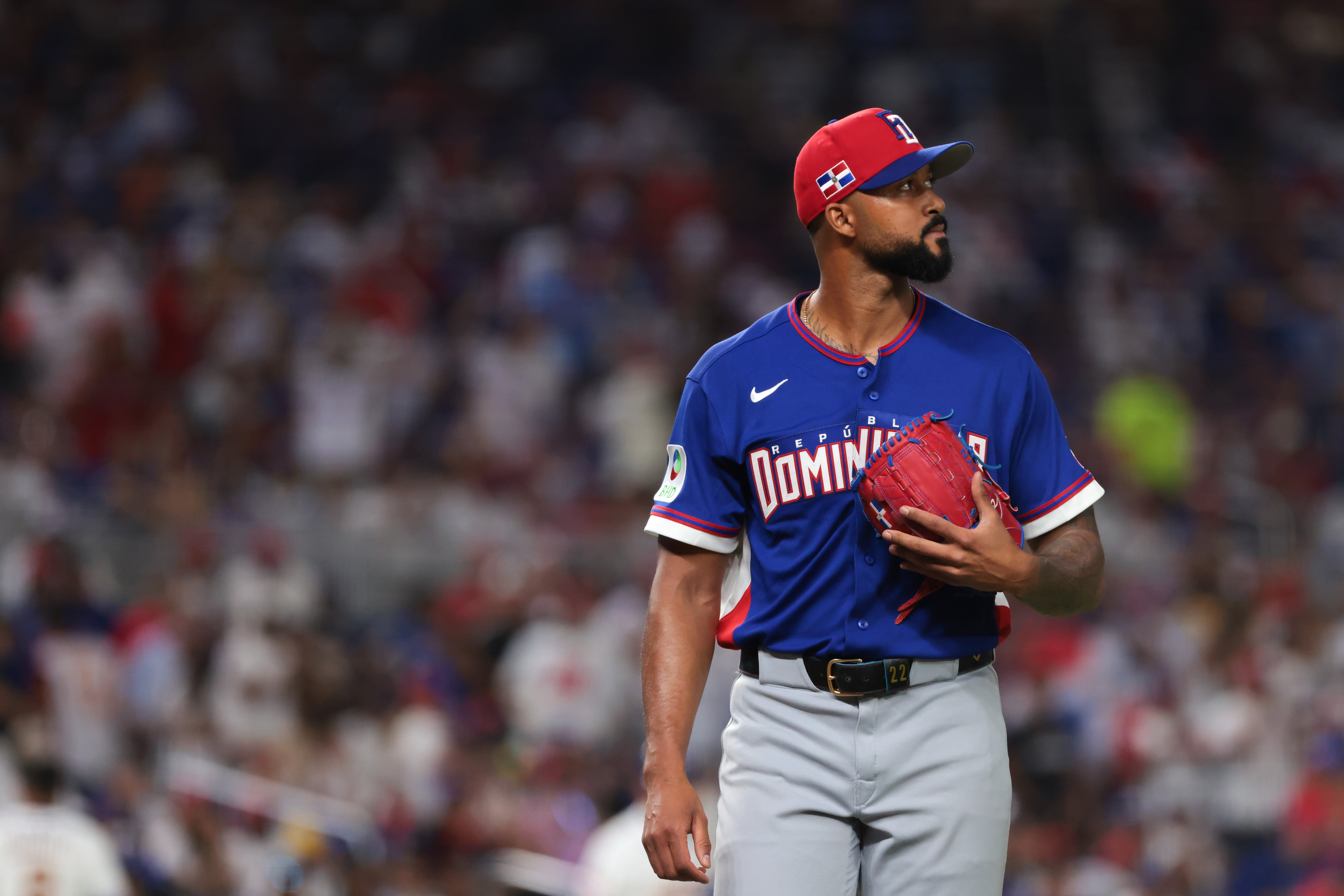 MIAMI—Sandy Alcantara found himself in an unfamiliar setting prior to his start on Wednesday night in Miami. While the Dominican Republic was set to face off against Venezuela in his home ballpark in Little Havana, Alcantara warmed up in the visiting bullpen at loanDepot park—something he had only done once before: during his start in the World Baseball Classic in 2023, which also came against Venezuela. Despite an uneven outing from Alcantara, the Dominican Republic lineup did what it has done all tournament long—show off the “plátano power.” By the end of Wednesday night’s marquee pool play matchup, the Dominicans added four more home runs to their tally, bringing their tournament total to 13. The most home runs hit by a team in a single Classic is 14, set by Mexico in 2009, according to Sarah Langs. Several members of the Marlins organization were also in attendance to watch Miami’s ace take the mound. Manager Clayton McCullough was joined by players Esteury Ruiz, Eury Pérez, Xavier Edwards, Christopher Morel, Deyvison De Los Santos and Ronny Henriquez at loanDepot park for the matchup. In front of a boisterous, sold-out crowd in Miami, the “visiting” Dominicans got off to an electric start in the top of the first inning. Outfielder Juan Soto launched a mammoth two-run shot, sending the DR fans into a frenzy. The home run was the first of two allowed by Venezuelan starter Eduardo Rodríguez. Given early run support, Alcantara was unable to deliver a shutdown inning in the bottom half of the frame. Following a single by Maikel García and a walk to Luis Arraez, Willson Contreras delivered an RBI single to cut the Dominican lead in half. As they have throughout the tournament, the Dominican lineup answered with more fireworks in the third inning. All-Star Ketel Marte crushed a 403-foot solo shot to restore the two-run lead. Later in the inning, Vladimir Guerrero Jr. followed with a two-run homer to give the DR a 4-1 advantage. Alcantara ran into trouble during what would be his final inning of work. After issuing a leadoff walk to division rival Ronald Acuña Jr., the Dominican right-hander surrendered back-to-back doubles, allowing two more runs to score for Venezuela. Alcantara’s final line: 3 IP, 5 H, 3 ER, 2 BB, 3 SO on 44 pitches (28 strikes)—a stat line strikingly similar to his lone previous WBC start on March 11, 2023. “I thought he threw the ball well,” Dominican manager Albert Pujols said postgame. “I think the early run support let him breathe a little bit, but he unfortunately ran into a little bit of trouble in the third.” The right-hander told reporters postgame that he plans to be available for his country in whichever way they may need him. “I’ll be available to start or relieve, you name it,” Alcantara said. “We are here for one cause: to represent our country, the Dominican Republic...I’m here.” Fortunately for Miami’s ace, the Dominican offense continued to provide breathing room. In the top of the fourth inning, Fernando Tatis Jr. joined in on the fun, crushing his second homer of the tournament—a three-run shot that extended the DR lead to 7-3. The score held until the ninth inning, when Venezuela made things interesting. Three consecutive walks issued by Abner Uribe brought the tying run to the plate in the form of Arraez, who lifted a sacrifice fly to trim the deficit to three. Moments later, Contreras chopped a ball toward new pitcher Elvis Alvarado, who misfired a throw into center field. The error cut the lead to 7-5 and brought the potential winning run to the plate with just one out. However, Salvador Pérez grounded into a game-ending double play to seal the victory for the Dominican Republic. The Dominicans finish atop Pool D and will face South Korea in the quarterfinals on Friday night. Venezuela, the runner-up in the group, will take on defending champion Japan on Saturday night. View the full article
-
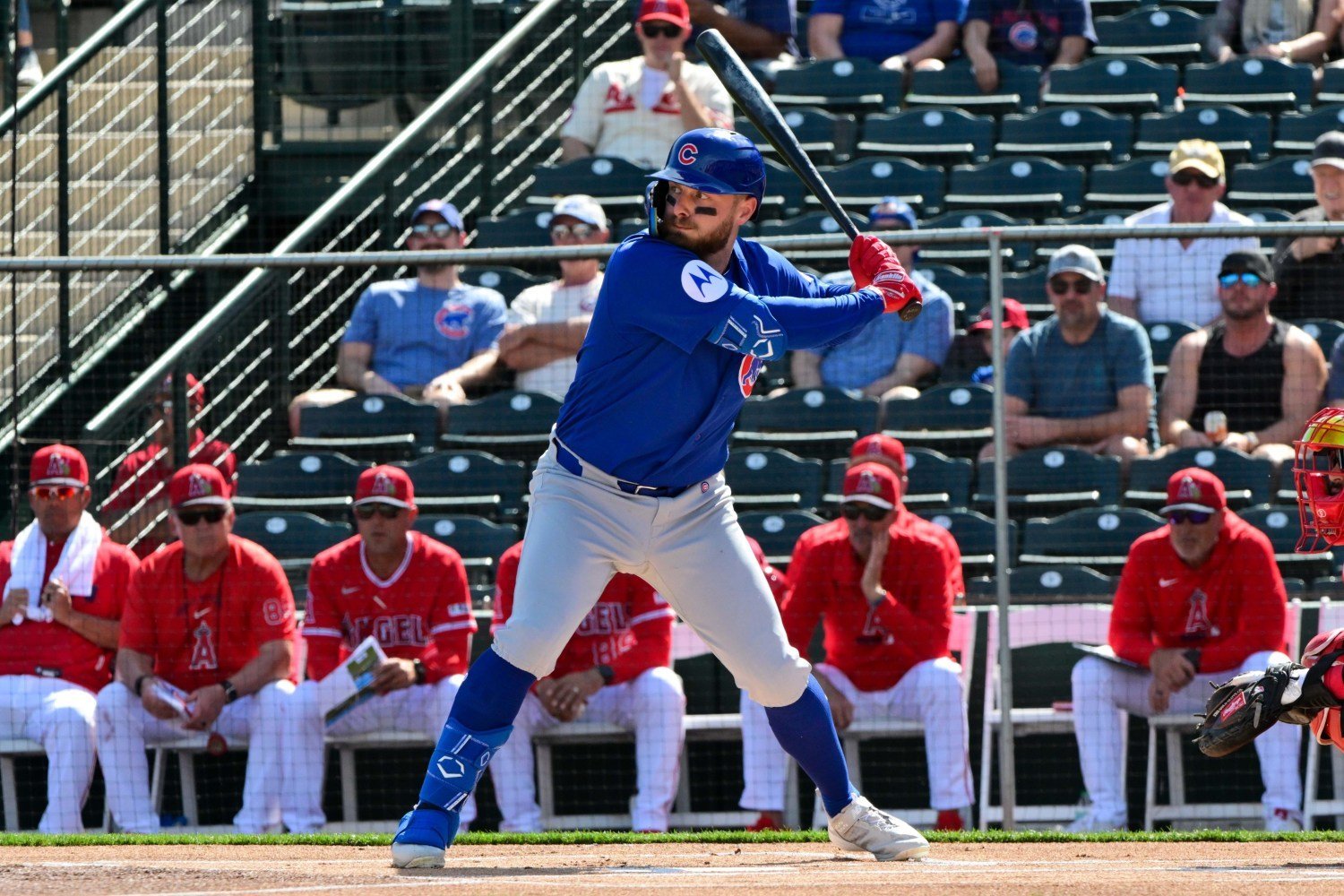 Michael Busch has only challenged two calls this spring under the new ABS system, but he's won both times. Just as importantly, he's mounted them, even though (based on the array of pitches he's seen and taken) Statcast's model for predicting how many challenges each hitter would utilize only expects him to have challenged 0.8 pitches—and to have won 0.5 of those 0.8. Meanwhile, only one challenge has been issued against him, and it was lost. Obviously, the data set is far to small to say for certain that Busch has a skill when it comes to challenging. Besides, the magnitude of added value we're talking about here is quite small. Busch flipped called strikes on an 0-1 and a 1-1 pitch to balls, and saw one 2-1 pitch stay a ball despite a challenge. The total number of added calls in his favor, relative to the model's expectation, is 3.5, which isn't a big deal, unless the calls in question are hugely high-leverage. There's a bit of bonus value in taking away one of the other team's challenges by getting them to challenge in error, but that, too, is a small thing. So, why is this worth discussing? Firstly, it seems virtually certain that someone will benefit significantly from the ABS system this year, both at a team level and at an individual one. Last season, Triple-A players successfully overturned 4,628 calls, which is a lot of accumulated impact, even if it came in tiny increments. The value of those changes will accrue unevenly, based on good plate discipline for batters, good command by pitchers, and (yes, still) good framing by catchers, plus great gameplanning and strategic communication by teams and their coaches. Secondly, though, there's some reason to believe that Busch will be uniquely good at utilizing this system. First, he's 5-foot-11, which appears to be an advantage in a world with an ABS system. Pitchers will go through an adjustment period to recalibrate the top of the zone, but it's lower under ABS than it often was before that system went into effect, and for shorter hitters, that will include an especially apparent shift. Furthermore, though, Busch has a particular combination of stance and movement in the batter's box that could make the system very valuable to him. Though it's subtle, Busch hits from a moderate crouch. (See the first image above, on the left.) That won't determine where his strike zone stops and starts, as it would have in the past—ABS sets an identical zone based on height for each batter. It does, however, set the pitcher's sights a bit, and it's still likely to influence the umpire somewhat. Once Busch gets moving, an even more pronounced effect happens. Though he's not a huge leg-kick guy and starts with his feet only moderately far apart, he takes a longish stride. By his contact point (see the middle image), the center of his front foot is over 3 1/2 feet in front of the center of his back foot. Combine the crouch and the length of his stride, and Busch gets very deep into his legs. Again, refer to that center image, and note how low his left shin gets to the ground. That's part of his natural stroke, but it sets a low bottom rail for his zone, visually. Though his knees are bound to be lower than those of the towering Oneil Cruz, when you compare a composite animation of those two players' swings, you can immediately see that more than height separates them. The umpire isn't consciously looking at the way Busch's body moves into his hitting position when they decide whether the pitch is at the knees or below them, but there's a sense impression happening even in that instant of ball reaching mitt and a call needing to be made. This hasn't been a huge problem for Busch, but because he also dips that back leg and sinks into his hitting position even on takes (see the image on the right, above), he sometimes gets balls called strikes just below the zone. akQ5ZVpfV0ZRVkV3dEdEUT09X0JWUlJYUUlNQlFzQUFGQUhYd0FIVkZJRUFBTURWRmtBQ3dCWFV3Y05Vd1pkVmxFSA==.mp4 This year, Busch will get a chance to challenge those. On the rare occasions when an umpire is fooled, the sharp-eyed Busch can rectify the problem, knowing his own zone and what distortion might have led to a bad call. On the other hand, the catcher is in position to get fooled more than the umpire—which could be great for the Cubs. It's not a natural thing to think of much in terms of the ramifications of implementing this system, but Busch took 109 pitches for balls along the bottom edges of the zone last year that were actually balls, but not by much. He has a patient approach and a good feel for that part of the zone. He could frustrate opposing pitchers and catchers, though, because they often thought they deserved a strike, even when they didn't. NHlNNU9fWGw0TUFRPT1fQndNQVhBQldYMWNBV1ZzSFZBQUhWQVJRQUZsWFZ3SUFWQUZVVkZVRlZGSlZVbE5m.mp4 Some of that is just Busch's great approach, but another piece is the way he stands in the box and moves toward the ball, even on non-swings. He's going to draw a higher-than-average number of mistaken challenges this year, and each lost challenge by an opponent has big value for the team. Even one such loss forces the other side to get more conservative in their challenges, and a second one robs them of the right to challenge at all the rest of the way. We've only really talked about the bottom of the zone, because the effects at the top of the zone seem fairly straightforward. There, too, though, Busch will get the benefit of some calls, because he strides so low that even more pitches look high than actually are. He might draw some bad challenges that way, too, since (again) the top of the ABS zone is a ball's width or so lower than most players are used to. The Cubs have to be good at the little things this year. Winning more challenges and/or inducing bad challenges by opponents will be one way to carve out the advantages they need. Busch looks like one of the players best positioned to do just that. View the full article
-
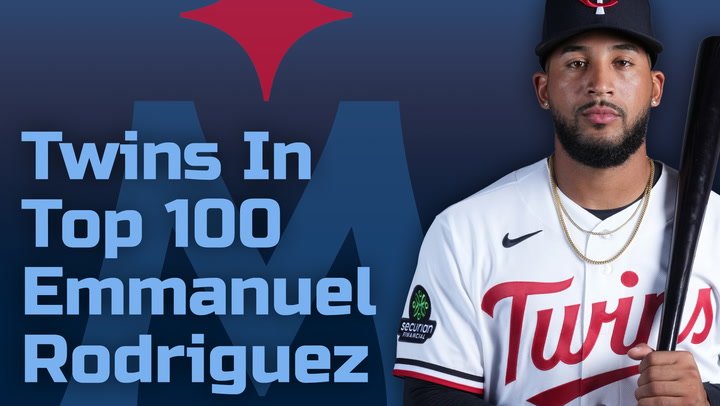 A look at what makes Emmanuel Rodriguez one of the best centerfield prospects in baseball and why the Twins should bring him up as soon as possible. View the full article
-
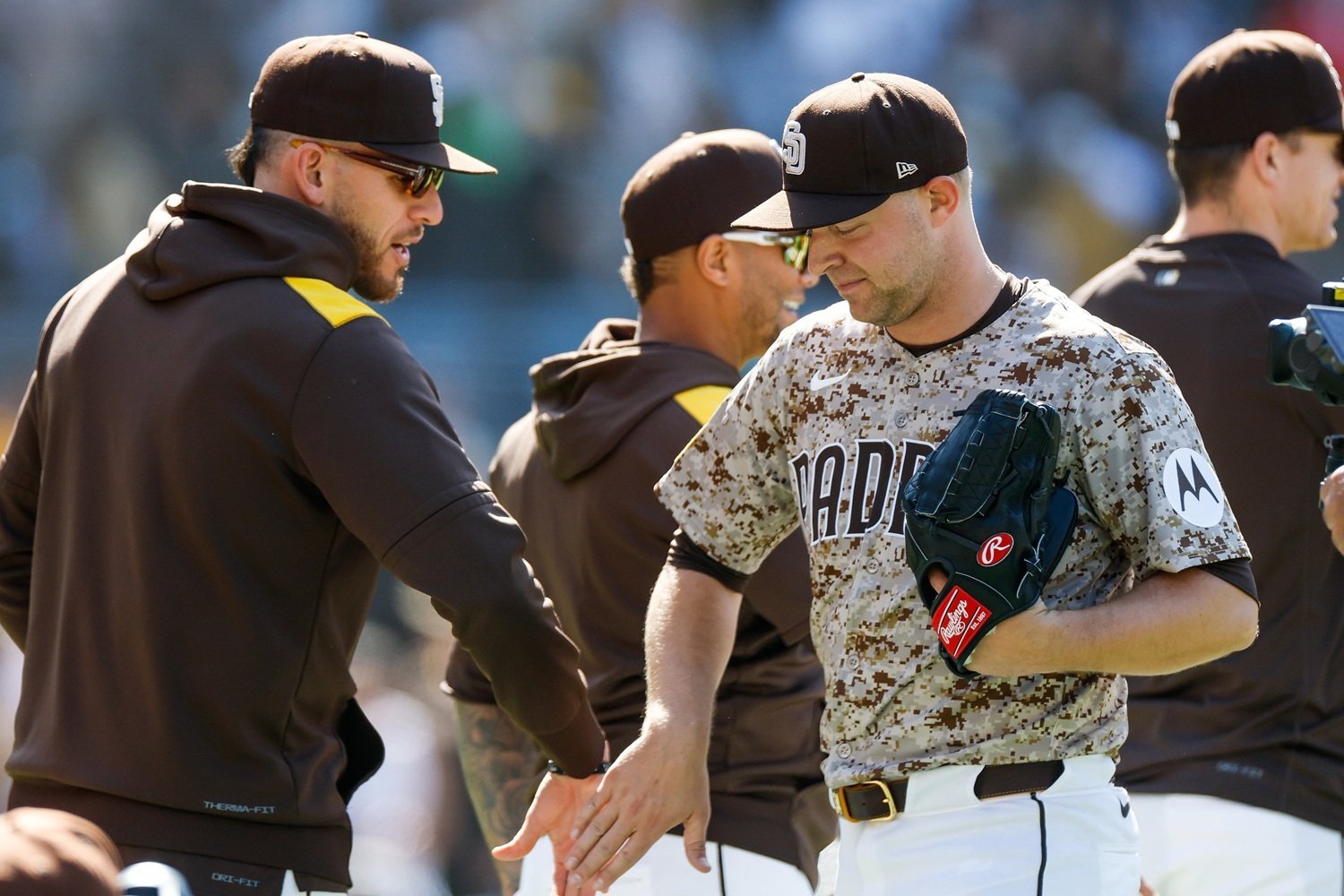 When spring training started, the San Diego Padres could pencil in three names to their 2026 starting rotation for Opening Day: Nick Pivetta, Michael King and Joe Musgrove. The other two spots? A few question marks. At that time, barring anything unforeseen, Musgrove was the only one with slight concerns about his status, as the right-hander was coming off Tommy John surgery, which took place after making his lone postseason start in October 2024. The timeframe of him returning from the procedure to the Friars' active roster made it very possible that March 26 vs. the Detroit Tigers was in play. But every road has a slight curve(ball). Now, as we sit two weeks from Opening Day at Petco Park, the normal things that happen in spring training are happening to the Padres' starting rotation. And it begins with Java Joe's status. Following his start last week in a World Baseball Classic exhibition against Great Britain, his first appearance in a game this spring, Musgrove hasn't recovered as expected, with the Friars giving him extra time before making his second start. Teams usually ease pitchers back into action following Tommy John surgery, but Musgrove threw 60 pitches vs. Great Britain. Several days later, Musgrove said of his right arm: "It feels like I had surgery." It is not unusual for any pitcher, much less one coming back from a significant surgery, to experience arm issues in spring training. Right-hander Nick Pivetta, the presumed Opening Day starter, had his start Sunday skipped due to arm fatigue, but threw a "touch and go" bullpen Tuesday. He has another bullpen session scheduled for Thursday. Presuming that goes well, Pivetta will return to the rotation over the weekend. So, where does all of this leave the Padres' starting rotation? King is still a lock as he appears fully healthy after being limited to 15 starts in 2025 due to a rare nerve issue in his right shoulder and then knee inflammation. Fellow right-hander Randy Vasquez has been the best starter this spring, putting a stranglehold on his place in the rotation. Provided Pivetta comes out of Thursday's bullpen fine and keeps making starts in spring training, that is three spots spoken for. Right-hander German Marquez, the former Colorado Rockies ace signed as camp started, has turned in a solid first two appearances this spring and is the default option having signed a major-league contract. That leaves it up to Musgrove's status to determine the final starter. With right-hander Griffin Canning, like Marquez signed to a major-league contract, still making his way back from a ruptured left Achilles sustained in June and ticketed for the injured list to begin the season, the next logical candidate is former Los Angeles Dodgers right-hander Walker Buehler. Signed to a minor-league contract, Buehler has been encouraging in his first two starts this spring. He recently said he was pain-free following his own Tommy John surgery that affected how he pitched last year for the Boston Red Sox and Philadelphia Phillies. His pedigree, as long as his stuff holds up, would fit very nicely into the Friars' starting give. If not, Buehler does have the ability to opt-out of his contract if not included on the Opening Day roster. Another option, if Musgrove is able to go Opening Day but not quite built up to where he needs to be, would be carrying an extra starter. This would bode well for someone like left-hander Kyle Hart, who has been building up his innings this spring as a "bridge" reliever, as first-year manager Craig Stammen said. Hart's chances are also bolstered if another left-hander, Yuki Matsui, is not available by Opening Day due to his strained left groin. Regardless, the Friars seem to be in a decent position to absorb whatever happens to Musgrove and Pivetta between now and Opening Day. View the full article
-
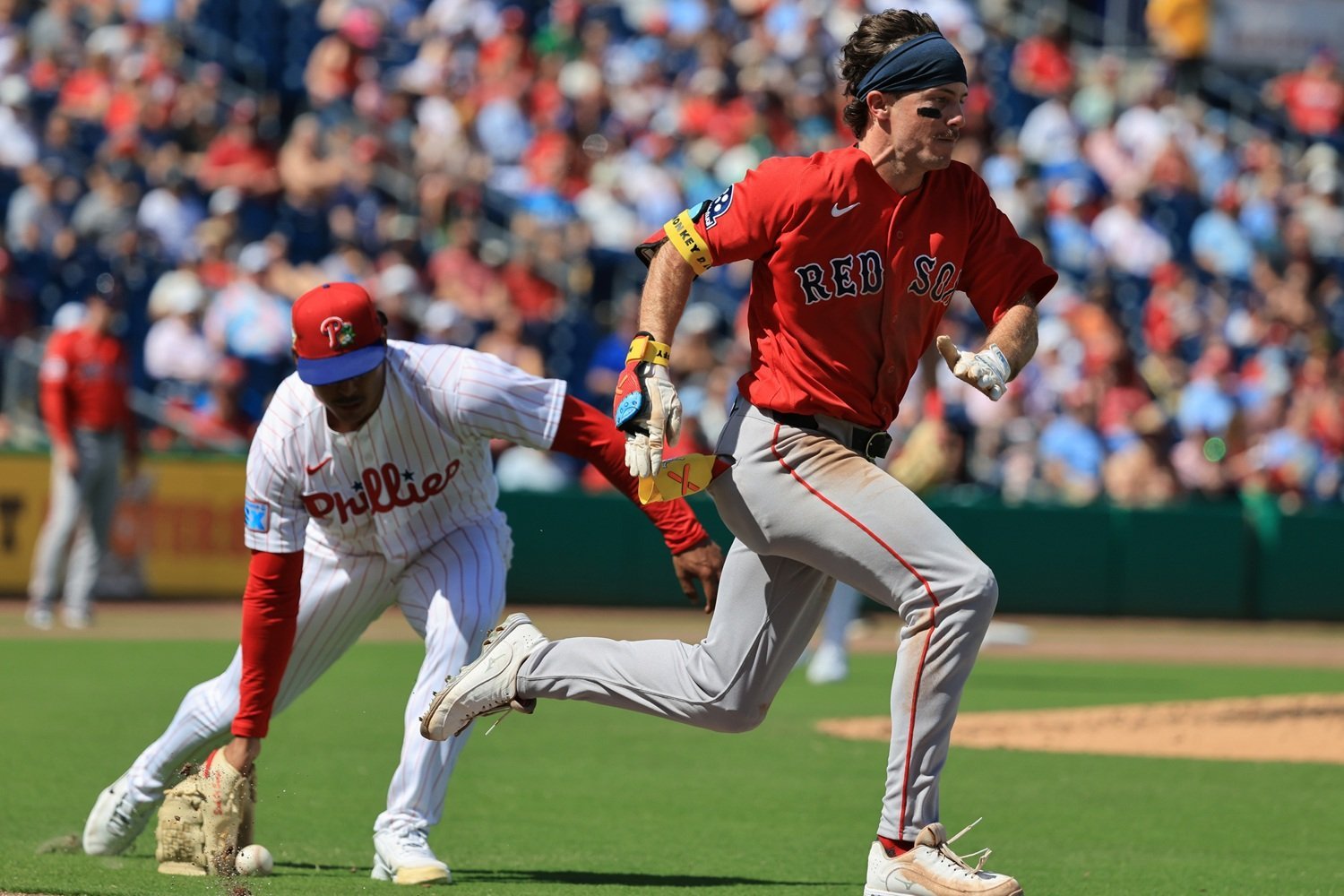 If you were to have Braiden Ward and Usain Bolt (at his peak) race, some Boston Red Sox fans may say that the former would have a chance to win that matchup. As hyperbolic as that sounds, that’s just how exciting Ward has looked while on the basepaths this spring. Nearly halfway through march, Ward has taken advantage of the ample playing created by virtue of the Red Sox having so many players (including all the outfielders expected to be on the Opening Day roster) participating in the World Baseball Classic. As of this writing, Ward has appeared in 15 games and managed to utilize his speed to produce otherworldly numbers; he’s hitting .448/.543/.483, good for a 180 wRC+. Using his speed to get on base, Ward has immediately shown the kind of threat he can be on the basepaths, racking up 16 stolen bases, including two during Tuesday’s game against the Detroit Tigers. With those 16 stolen bases, Ward leads all of baseball during spring training and it isn’t close — Jared Oliva of the San Francisco Giants currently sits in second place with seven. Entering the 2021 Draft, Ward was viewed as not just the best athlete out of the Pacific Northwest, but very likely the fastest player in the entire draft class. Dating back to his 2019 season in the Cape Cod League, Ward had been clocked at 6.20 seconds for a 60-yard dash. When he was running out of the box, he would regularly post times between 4.0 and 4.1 seconds. If he began running mid-swing, his times typically clocked in between 3.8 and 3.9 seconds. In conclusion, he's fast. Ward himself proves that the old adage "speed makes errors" is absolutely correct with how he's terrorized teams on the basepaths this spring. Ward was acquired for Brennan Bernardino in what many viewed as a trade with the Colorado Rockies to simply clear up a 40-man roster spot. Now, with his performance so far in spring training, Ward may be earning a long-term place within the organization. The outfielder may not have much power (just one double in 29 at-bats this spring), but his game was never built around being a slugger. Instead, he’s known for his contact skills thanks to a short swing that is direct to the ball. Each time he comes to bat, he attempts to put the ball in play and let his speed create chaos, something he’s been able to do this spring. Prior to being traded, Ward had spent five seasons in the Rockies organization, appearing in 414 games and hitting .275/.395/.382 with 53 doubles, 18 triples, 14 home runs and 118 RBIs. He also stole 211 bases during that span, including 57 just in 2025. Ward isn’t just about his speed, capable of playing great defense in center field as well. Since being drafted, he’s showcased defensive versatility as he’s been able to play all three outfield positions along with some second base and third base. With the Red Sox, he’ll likely stick to just the outfield with Worcester barring injuries, since his speed and athleticism help him display great range on the grass. Though he's not quite a big-league caliber hitter just yet, Ward is very much a candidate to help the team down the stretch, much like fellow outfielder Nate Eaton did last year. Given Ward’s speed, it wouldn’t come as a surprise to see him on the major-league roster once they expand to 28 players in September. His speed is so valuable to have at a moment's notice, and he would fill the same role the likes of Quintin Berry and Dave Roberts provided in the playoffs: a speedster off the bench to put pressure on the opposing team late in the game. Someone like Ward could be a weapon off the bench that could impact games even without getting an at-bat. Between his speed and defense, Ward is the kind of player teams look for once September, and more importantly, October, roll around. Indispensable with the different combinations they provide to a manager in the late game, his presence would give the Red Sox another path to generating runs if the offense is stagnating. Ward is going to spend most of the year with Worcester, but don’t be surprised when his name is announced as an eventual call-up. It may not be for a long stint, but seeing him run around the outfield grass and bases at Fenway Park will be a highlight for fans in 2026. View the full article
-
 We're looking for front-page contributors to write Red Sox content for the 2026 season! If you’ve ever wanted an audience for your Red Sox takes, this is the perfect place. While we generally lean into analytics and analysis, we also take a “come as you are” approach to baseball and give writers a lot of leeway to write about the game in a way that interests them. That could manifest in historical pieces, previews, or regular series. It’s a matter of finding your niche in the fandom and carving out a space for it. Right now, our primary need is minor-league coverage and major-league analysis. If this is the kind of baseball talk that interests you, please reach out via email at brock.beauchamp@talksox.com or reply to this article. It is also noteworthy that we pay our content creators. It’s certainly not enough to quit your day job. So don’t do that. However, it might be enough to show that we value your time, talent, and effort. If you know someone who might be interested in creating Red Sox content as a side job, please share this with them! View the full article
-
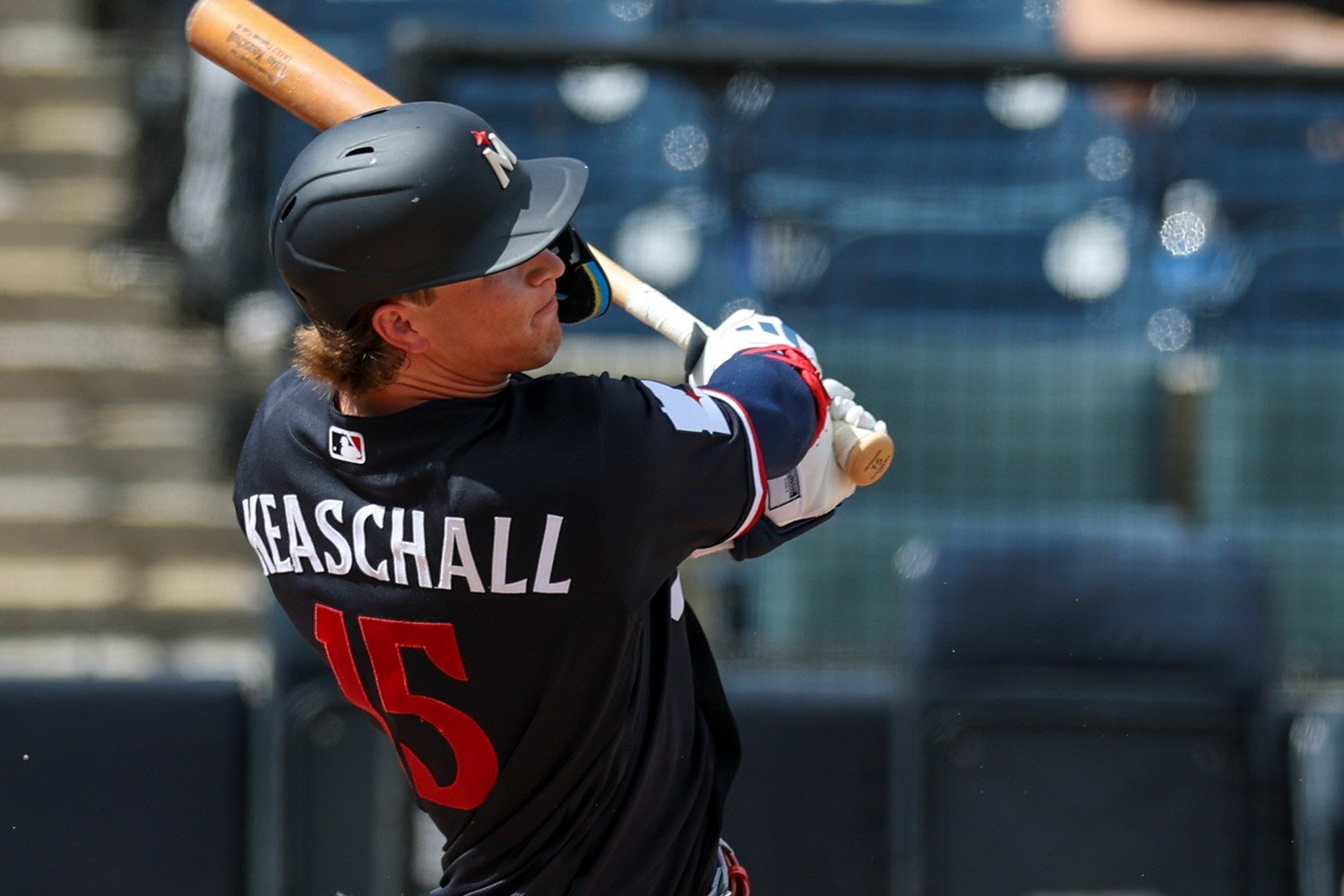 It’s been a good few days of baseball to start the week for the Twins. After a tough 9-8 loss on Monday against the Braves, they followed it up with a 6-5 win over the Rays on Tuesday and a 2-1 walk-off victory over the Tigers on Wednesday. Wins and losses don’t carry a ton of weight this time of year, but the individual performances behind them can still be telling. With the calendar moving deeper into March, outings are getting longer, and players are starting to build real rhythm as roster battles continue to take shape. With that in mind, here’s a quick temperature check from the past few days of Twins action. Who’s Hot? 🔥 Luke Keaschall The Twins’ second baseman has had a great start to the week, going 3-for-5 with a double and a triple, along with a stolen base. Keaschall has made consistent hard contact throughout the spring, and that trend has continued over the past few days. If he can keep it up, he has the potential to be one of the most impactful bats in the Twins’ lineup this season. Matt Wallner Wallner had a very slow start to the spring, but he might just be starting to find things at the plate. He has two hits over his last four at-bats, including a home run on Tuesday and a hard-hit single on Wednesday. Both came off the bat at 108 mph, showing the kind of impact contact he’s capable of when he squares one up. There’s still some swing-and-miss present, but it’s encouraging to see him starting to drive the ball again. Taj Bradley The battle for a starting rotation spot has been fierce this spring, and Bradley showed Wednesday exactly why he deserves one. He needed just 69 pitches to get through five innings, allowing only one run on three hits and two walks while striking out seven. His fastball topped out at 98.8 mph and showed some sharp horizontal movement throughout the outing. Most notably, he limited hard contact as well as he has all spring against a lineup that featured several Tigers regulars. It was a strong performance for Bradley and another reminder that he has the kind of stuff to make a real impact in the Twins’ rotation. Josh Bell It’s been a good start to the week at the plate for Josh Bell. In six plate appearances, he’s gone 2-for-4 with a home run and a pair of walks. Three of the four balls he’s put in play have come off the bat at 95 mph or harder, classifying them as hard contact. There’s no need to read too much into Bell’s spring performance either way, given his long MLB track record. But it’s always nice to see a key piece of the lineup hitting the ball hard. Who’s Not? 🧊 Eric Wagaman It hasn’t been a great stretch for Eric Wagaman this week, and the timing isn’t ideal. He’s 0-for-6 with a pair of strikeouts, and none of the balls he’s put in play have left the infield. Wagaman’s defensive versatility is something that could really help the Twins, but a disappointing spring at the plate might make it harder for him to stick around. Zebby Matthews I considered leaving Zebby Matthews out, but his outing in Monday’s loss ended up being a costly one. He was pulled midway through the first inning after allowing three earned runs, leaving with the bases loaded and two outs. The reliever who came in allowed all three inherited runners to score, inflating Matthews’ final line. Because of spring training rules, Matthews was able to re-enter the game in the bottom of the second inning and eventually finished the fourth before being taken out for the second and final time. Over 3 ⅔ total innings, he allowed six earned runs on six hits and two walks while striking out five. While he looked better after re-entering the game, it wasn’t the outing Matthews needed at this point in camp, especially with the Twins likely facing some tough decisions about the final rotation spots in the coming weeks. Spring training is ultimately about progress, and the Twins are starting to see clearer signals from both sides of the roster. Some players are building momentum at the right time, while others are still trying to find their footing before decisions start getting finalized. With Opening Day getting closer, the next couple of weeks will likely go a long way in shaping how the roster comes together. View the full article
-
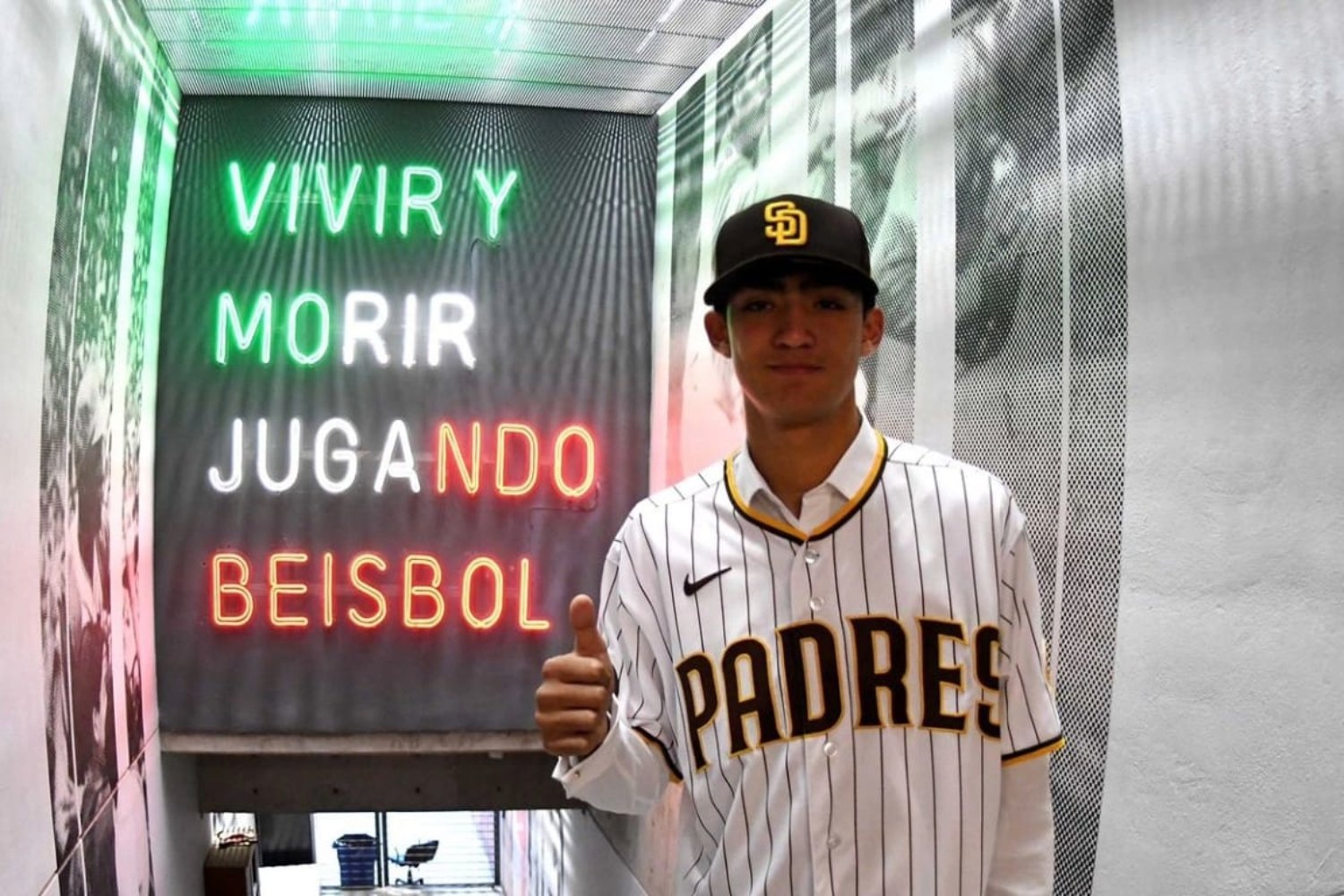 Padres Mission's countdown of the top 20 San Diego Padres prospects for the 2026 season, as voted on by our staff writers, is nearing the top five. Check out prior entries in the ranking here: No. 8: Ty Harvey No. 9: Ryan Wideman No. 10: Kale Fountain Nos. 11-15 Nos. 16-20 No. 7: Humberto Cruz (Low-A, Lake Elsinore Storm) Humberto Cruz was frequently linked to the San Diego Padres during the build up to his international free agent class, but then the Friars blew $4.2 million on Leo De Vries. In order to facilitate a Cruz signing, the front office traded Blake Dickerson to the Tigers for international signing money, convincing the teenage right-hander out of Mexico to join the organization on a $750,000 signing bonus. Since then, Cruz hasn't pitched much for the Padres. He made two truncated appearances in the Arizona Complex League in 2024 and opened the 2025 campaign at the same level. Though the results were far from pretty (8.31 ERA, 6.57 FIP), the Padres pushed him up to Low-A Lake Elsinore. He made 14 total starts covering 38 innings across both stops, but Cruz's season ended prematurely when he went down in mid-August with an elbow injury. It later required an internal brace procedure, knocking him out potentially for all of 2026. That surgery, in conjunction with his poor results last year — 7.58 ERA, 6.78 FIP, 20.5% strikeout rate, 9.9% walk rate — paints a grim picture for the 19-year-old. However, his raw talent remains tantalizing, and he's got a lot of time on his side. Last measured at 6'1", 170 pounds, Cruz is stilling filling out his lanky frame. He'll certainly put on more bulk throughout his rehab process, lending hope that he'l eventually have the build to withstand a starter's workload over a full season. Cruz's fastball is viewed as run of the mill at the moment, possessing mid-90s velocity with an average amount of run. A little more spin and two-seam action would help it play up better in the zone, as would another jump in velocity upon his return from injury. His best pitch is undoubtedly his slider, which has a lot of vertical brake and is much closer to a slurve than a sweeper. That pitch generated a 58% whiff rate in Low-A last year, which suggests even the 55-grade it has received may be a bit outdated. If he can elevate his fastball more frequently, Cruz could find himself in a situation where he simply abuses even the best hitters down in the zone with his slider. He accentuates his arsenal with a fading changeup designed to get lefties out, which has shown good shape but inconsistent location. It'll be a key developmental piece for him down the road — with three above-average offerings, Cruz can remain in the rotation. Otherwise, his fastball-slider combo will function nicely in a high-leverage bullpen role. Expected to miss most, if not all, of the 2026 season as he rehabs his elbow, Cruz's timeline has taken a hit since the start of last year. The potential to become a mid-rotation starter remains, but he'll need to prove healthy and capable of ascending quickly if he hopes to remain on the top-prospect radar in the future. However, seeing as he won't turn 20 until December, the Padres have no incentive to rush him back. View the full article
-
Bailey Ober Is Poised For A Major Bounce-Back Season
DiamondCentric posted an article in Twins Daily
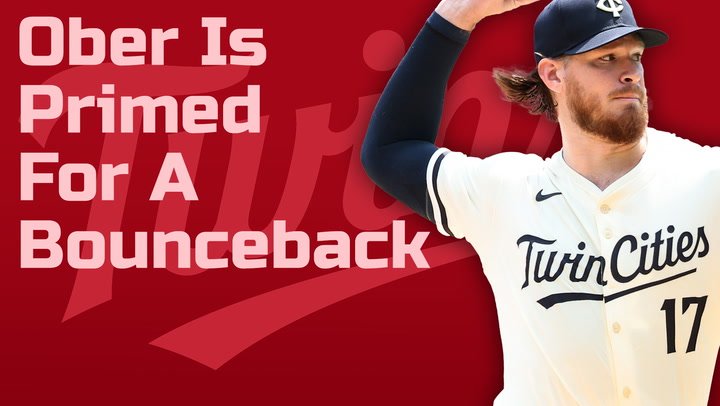 Bailey Ober’s 2025 season looked rough on the surface. But the underlying reasons for the struggles might actually make him one of the Twins’ best bounce-back candidates this year. View the full article
-
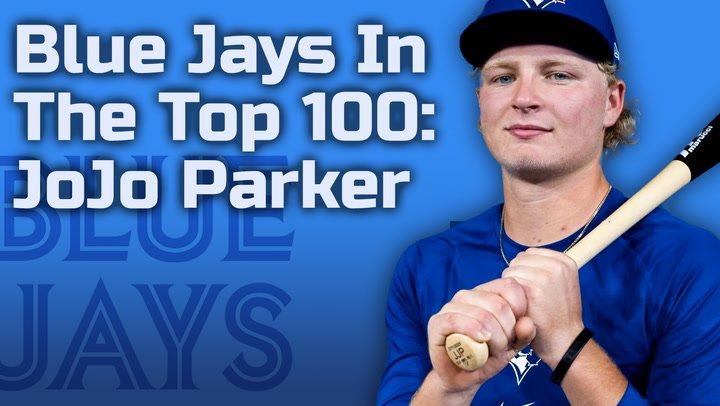 One of the best pure hitters in the 2025 MLB Draft class, JoJo Parker offers an exciting blend of both a solid floor and upside. View the full article
-
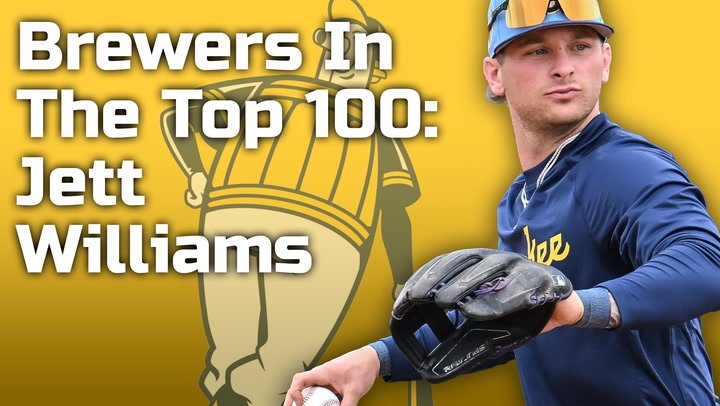 Acquired in the Freddy Peralta trade, Jett Williams is quickly turning heads in the Brewers organization and could fill an assortment of different roles for the team in 2026. View the full article
-
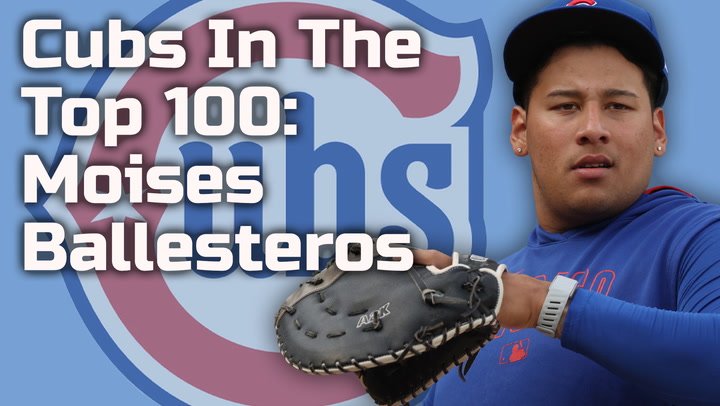 One of the best prospect hitters, Moises Ballesteros, is primed to help a Cubs team in win-now mode in 2026. How exactly does he fit in? View the full article
-
Minnesota Twins 2026 Position Analysis: Designated Hitter
DiamondCentric posted an article in Twins Daily
 Last year, Josh Bell led the Washington Nationals in starts at designated hitter with 97. Trevor Larnach led the Twins with 78. Victor Caratini ranked third on the Astros with 29 starts at DH. This year, all three are poised to get a share for Minnesota, with others like Matt Wallner, Ryan Jeffers and Royce Lewis slotting in occasionally. For the 2026 Twins, designated hitter is a position of defensive tradeoffs and limited upside, albeit one with a reasonably stable veteran floor. TWINS DESIGNATED HITTERS AT A GLANCE Starter: Josh Bell Backup: Trevor Larnach Depth: Victor Caratini, Matt Wallner, Eric Wagaman Prospects: Gabriel Gonzalez, Kala'i Rosario, Ricardo Olivar Twins fWAR Ranking Last Year: 17th out of 30 Twins fWAR Projection This Year: 20th out of 30 THE GOOD Bell is the kind of player you want at DH, so long as he can harness the offensive form he showed last year following his slow start. Bell's OPS was below .600 in late May before he turned a corner and slashed .278/.358/.478 with 16 homers in his last 95 games, anchoring the No. 3 and 4 spots in Washington's lineup in the second half. As a switch-hitter, Bell gives you a matchup-proof veteran bat to write into the middle of the order, and using him at DH prevents his sub-par defense from taking a negative toll. The position is designed for guys like him. It's an open question how often the Twins will be able to use him there, given the presence of Larnach on the roster and the lack of a clear starting-caliber first baseman. But no matter how things transpire around him, Bell is going to be available as a quality bat to plug into this bat-only spot. Larnach offers another quality bat suited for the purpose. As we discussed in the left field breakdown, he's a reliably solid hitter against right-handed pitching, and like Bell, his value plays up when you don't have to use him in the field. Therein lies a bit of quandary, because playing one of Larnach or Bell at DH means accepting the defensive tradeoff with the other. Divvying up DH playing time will largely be a matter of deciding which guy gives the Twins more (or takes away less) by playing his position. I'd expect to see a fairly balanced mix of Larnach and Bell here (until one or both get traded), with Caratini — another switch-hitter — also mixing in sporadically. Against left-handed starters, we're probably looking at Caratini at DH and Bell at first base, or vice versa, to maximize righty bats in the lineup. Eric Wagaman also could enter the mix if he's on the roster. All perfectly fine hitters. There's ample functionality to this experienced group that should make it easy to keep the DH position occupied by a respectable hitter with a non-terrible matchup every night. THE BAD Like several other positions for the Twins, this is one where a sturdyish floor is offset by a pretty unexceptional ceiling. Over the past two years, Bell's OPS+ is 104, Larnach's is 106 and Caratini's is 105. These are slightly above-average hitters who haven't shown much capability to rise above that in recent seasons. They are also among the highest-paid players on the low-spending Twins, for whatever that's worth. By tendering a contract to Larnach for nearly $5 million while also signing Bell and Caratini for a combined $21 million, Minnesota's front office invested in having enough legit bats on hand to ensure the DH position is never totally wanting. That's worth something. With that said, these investments didn't bring a great deal of upside, and the byproduct of spending on bat-first players is that you're not improving the defense or athleticism of the team. To the contrary: These are very slow runners who will clog the basepaths when they get on, and in the cases of Bell and Larnach, will hurt you in the field when they're not at DH. Hopefully they can deliver enough power to make up for it. THE BOTTOM LINE Pairing the lefty-swinging Larnach with multiple switch-hitting options gives Derek Shelton flexibility with the lineup and adds a certain amount of stability at DH. These are known quantities, for better or worse. Ideally you'd like to have a little more explosive potential in some of the bats rotating through the position, but there's something to be said for experience and competence. Catch up on the rest of our roster preview series: Twins 2026 Position Analysis: Catcher Twins 2026 Position Analysis: First Base Twins 2026 Position Analysis: Second Base Twins 2026 Position Analysis: Third Base Twins 2026 Position Analysis: Shortstop Twins 2026 Position Analysis: Left Field Twins 2026 Position Analysis: Center Field Twins 2026 Position Analysis: Right Field View the full article
-
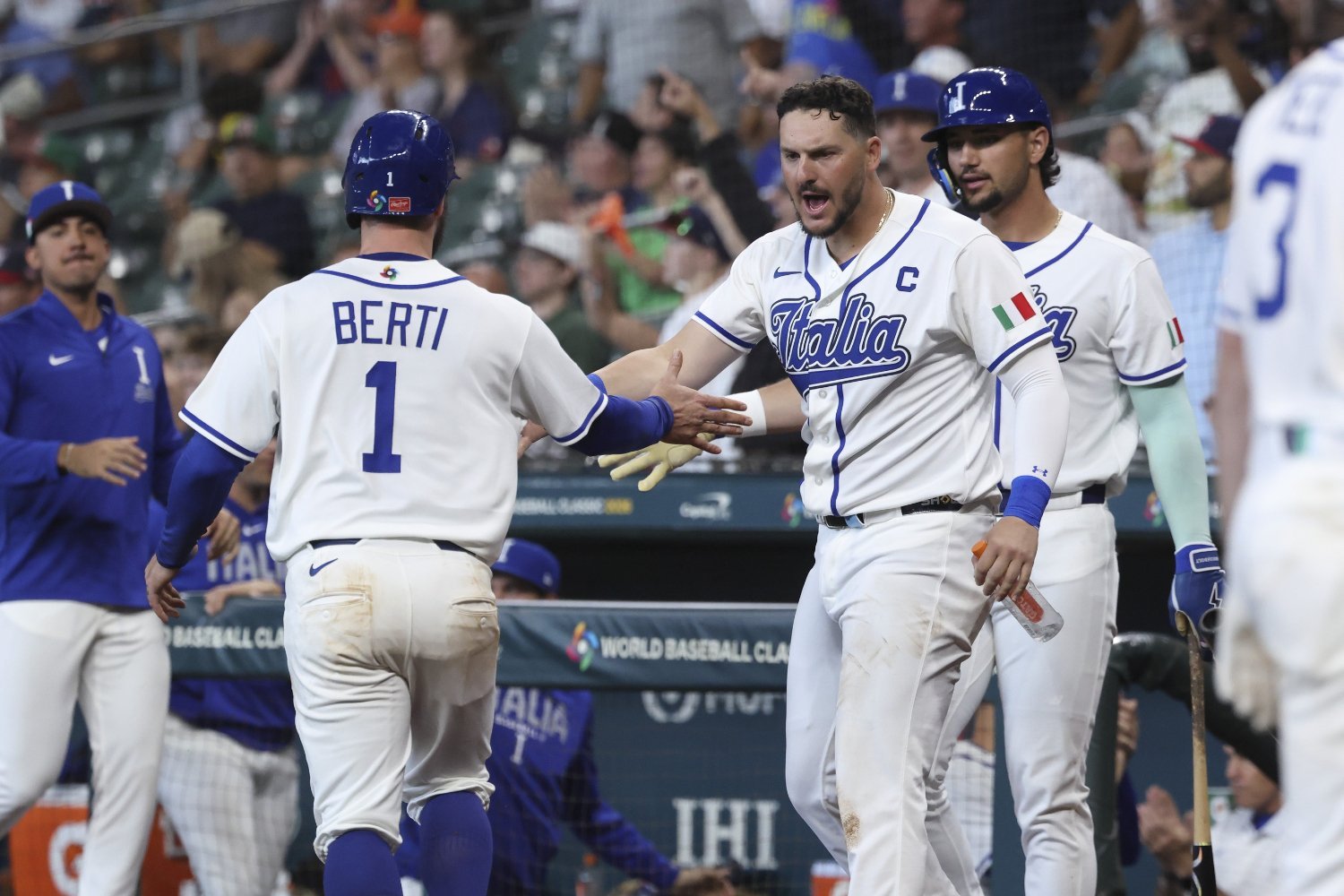 Team Italy has been one of the many fantastic stories of the World Baseball Classic. Despite being seen as an underdog by most outlets and baseball experts, Italy went 4-0 in pool play, with impressive victories over the USA and Mexico on consecutive nights. While the odds are still long for them when it comes to winning the WBC, they may be one of the hottest teams remaining in the field. One of the biggest forces for Italy has been Vinnie Pasquantino, the Royals' first baseman and Italian team captain. This is Pasquantino's second appearance in the WBC, as he played on the team eliminated in pool play in 2023. It made sense that Italy made Pasquantino the team captain for this edition of the WBC. The "Pasquatch" had a huge season in 2025, hitting .264 with a .798 OPS in 682 plate appearances. In addition to posting a career high in plate appearances with the Royals, he also hit 32 home runs and collected 113 RBI, also career-bests. He only produced a 1.5 fWAR in 2025 due to lackluster baserunning and fielding metrics. However, that didn't stop the Royals from awarding Pasquantino a modest two-year extension this offseason. While he hasn't produced much on the fWAR end, Pasquantino is a slugger who provides incredible leadership in the clubhouse. Thus, Italy made him the captain because of those two factors, and their decision has paid off tremendously, as demonstrated by Italy's strong performance in pool play. With Italy moving on to the knockout stage of the WBC, let's examine the impact Pasquantino has had for Team Italy on the field and in the clubhouse, especially on Wednesday night, as he made WBC history. Pasquantino's Historic Night Against Mexico Coming into Wednesday's "elimination" game against Mexico, Pasquantino had not collected a single hit for Italy. He also had a slow start in Spring Training in Arizona. In six games and 17 plate appearances in Cactus League play, he was slashing .200/.294/.267 with one double, an RBI, two walks, and four strikeouts. His combined Cactus League/WBC stats have been rough. Entering Wednesday night's game, he had a .121 average and .491 OPS in 38 plate appearances. Furthermore, his Statcast percentiles this spring weren't all that impressive, as shown below by TJ Stats. However, on Wednesday, the Italian captain broke out in a big way. Pasquantino went 3-for-4 with three home runs and three RBI in the 9-1 victory. As Jeff Passan noted on Twitter, Pasquantino is the first player in WBC history to hit three home runs in a single game. Vinnie's home runs went a distance of 342, 349, and 337, respectively, and also had exit velocities of 101.8 MPH, 95.3 MPH, and 90.9 MPH. Here's a look at the spray chart of his three home runs in Houston, and notice how Vinnie not just pulled them, but took advantage of Daikin Park's lefty-friendly (and hitter-friendly in general) dimensions. Not only did Pasquantino hit three home runs, but he also downed three espresso shots during the game. The espresso shot has been a tradition for Italian players after a home run, and the Italian captain partook in the tradition and then some on Wednesday night after mostly distributing espresso shots to his teammates in the first three games in pool play. Pasquantino has traditionally been known to be a slow starter at the plate. Last season, he hit .177 with a 49 wRC+ in 124 plate appearances in March/April, according to Fangraphs splits. That said, he was fine for the remainder of the year, as evidenced by his 116 wRC+ in 2025. It was the same story in 2024 to a degree. His 96 wRC+ in March/April was the worst monthly wRC+ of the 2024 season (his overall wRC+ was 109). Perhaps the World Baseball Classic has allowed Pasquantino to knock off the rust earlier in the spring (he has more at-bats to go in the knockout round, as they play Puerto Rico in the first round). Hopefully, with this experience and historic surge at the plate, he will be more ready to produce in the first month of play for the Royals, which would be atypical of his career norms. Pasquantino's Impact in the Italian Clubhouse Vinnie has definitely made his presence known in the WBC thanks to his big three-homer performance on Wednesday. That said, before that game, he was still making a tremendous impact on the squad, even if he wasn't producing at the plate. Italian shortstop Sam Antonacci was interviewed after Italy's upset win over the USA, when a reporter asked who the "Team MVP" was. Here's the quote, as shared from MLB.com Royals beat writer Anne Rogers. Antonacci mentioned several characteristics that Royals fans have been quite accustomed to seeing with Pasquantino: "made us all feel comfortable," "he's the reason we're so tight," and "he's a great leader." It can be easy to overlook Pasquantino's impact in the Royals clubhouse sometimes. After all, Bobby Witt Jr. is the superstar of the franchise, and Salvador Perez is the captain and longest-tenured player. When it comes to the favorite player or "face of the franchise", those two are often selected for those honors. And yet, there's an ease Pasquantino brings to any clubhouse. Since Vinnie returned from injury in 2024, they have had a winning record each season, with a playoff berth in 2024. Now, we're seeing the same intangibles from Vinnie having an immediate impact with Team Italy. Not only did they win their pool, but they beat two of the best teams in the WBC in the process. It also seems like Pasquantino has had a strong impact on Royals teammate Jac Caglianone. The 2024 Royals first-round pick hit .375 with a 1.458 OPS in pool play and absolutely crushed a huge home run against Team USA pitcher Ryan Yarbrough, a huge momentum booster at the time for Team Italy in the fourth inning. Obviously, Pasquantino is not swinging the bat for Caglianone. However, he's been a familiar face who has hyped up the promising Royals slugger during these first four games. With renewed confidence and sensational tools, Caglianone could be due for a breakout season in Kansas City in 2026. What Does This Mean for the Royals? The Royals haven't exactly been all that sharp in Spring Training. After split-squad losses to the Cubs and Giants, Kansas City is 6-12, the second-worst record in Cactus League play (only the Mariners are worse at 5-13). That said, Royals fans have seen the team produce Cactus League championships, only for those results to fail to translate to the regular season. Granted, the poor record could be credited to so many of their key players participating in the WBC. Right now, the Royals' lineup has consisted of players like Brandon Drury, Kevin Newman, and Connor Kaiser at the top of the lineup, which isn't exactly "dangerous" by any means. Safe to say, none of those three will be major factors on the Kansas City roster in 2026. However, the experience the Royals have gotten in the WBC cannot be understated, especially for a player like Vinnie. Italy's run to the WBC has allowed Pasquantino not only to gain more competitive at-bats but also to develop his leadership ability and voice during this period of play. That will only help the Royals in 2026, especially as they look to return to the postseason after missing out a year ago. Pasquantino is just the tip of the iceberg when it comes to positive WBC development stories. Cags showed great plate patience in the last two games after being too free-swinging in his WBC debut. Witt has demonstrated that he may be Kansas City's solution at leadoff this season. Maikel Garcia had a four-hit game against a loaded Dominican Republic team. The WBC has been a positive and formative experience for the Royals players. And this experience will only benefit the Royals once the regular season starts on March 27th. Michael Wacha, who returned from the WBC this week, seemed to confirm that thought as well, according to Rogers. Perhaps Vinnie can bring the "espresso" home run celebration to the Royals clubhouse when he returns to the squad, just to add to these vibes for the Boys in Blue in the upcoming season. View the full article
-
Chicago Cubs 2026 Top 20 Prospects, No. 5: Jonathon Long
DiamondCentric posted an article in North Side Baseball
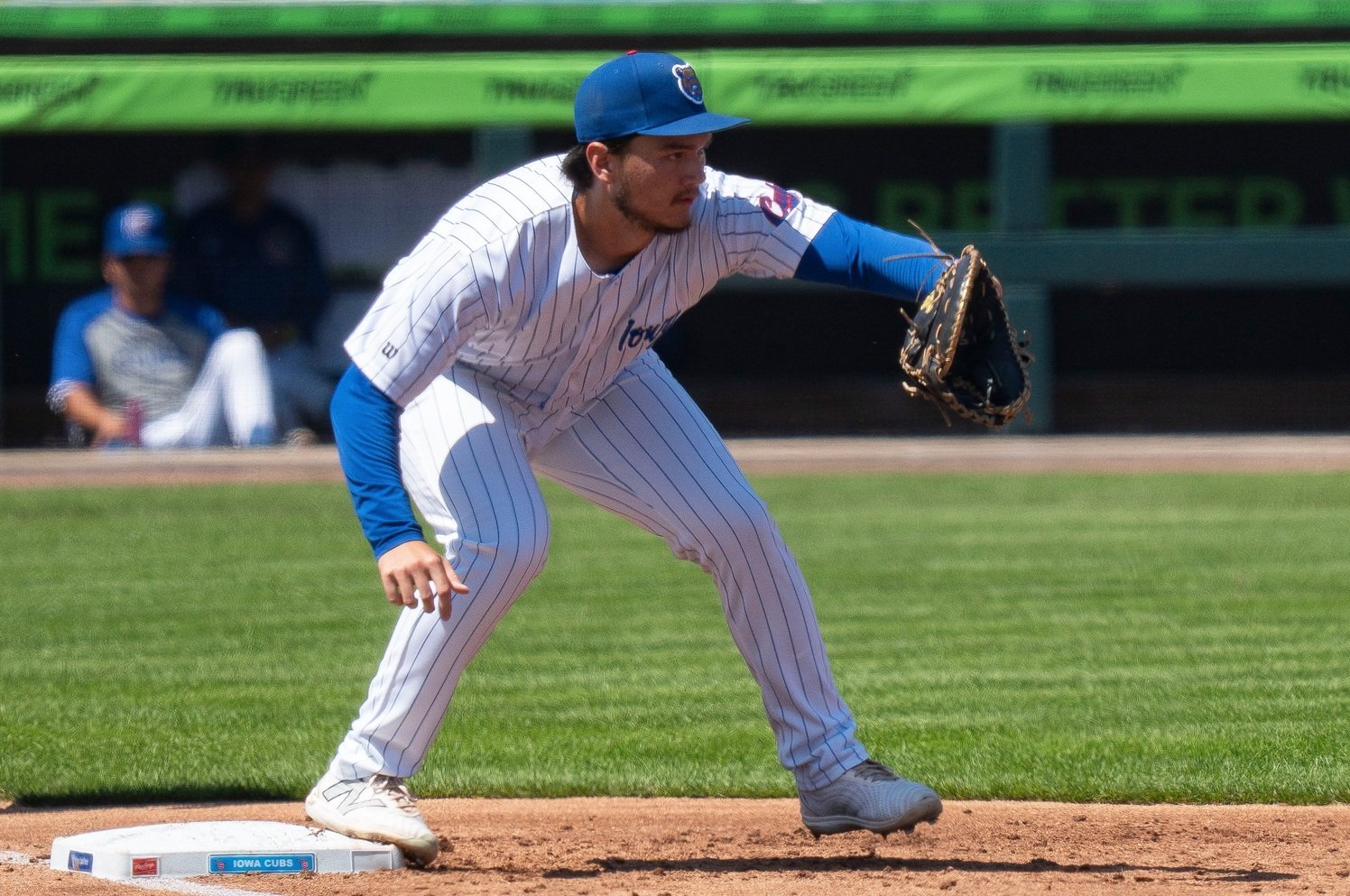 North Side Baseball's top-20 prospect rankings for the Chicago Cubs have reached the final quarter. That rundown continues today, with a look at our No. 5 prospect: corner infielder Jonathon Long. Don't forget to catch up on our previous pieces before you jump into our next installment! Prospects #20-16 Prospects #15-11 Prospect #10 - James Triantos Prospect #9 - Josiah Hartshorn Prospect #8 - Kane Kepley Prospect #7 - Pedro Ramirez Prospect #6 - Ethan Conrad No. 5: Jonathon Long (Triple-A Iowa) After splitting time between two levels in 2024, Long saw his first taste of Triple-A last year. He proved that he could hang around to the tune of a .305/.404/.479 batting line, a 19.1 percent strikeout rate against a 13.0 walk rate, and a 131 wRC+ across more than 600 plate appearances. Home runs were a fixture in his game, as he swatted 20 of them, including a multi-homer outing on July 4th of last year: It's an interesting profile, but one that needs just a bit more refinement before we start projecting a regular role for him at Wrigley Field. What To Like As evidenced by the above video, Long has plenty of pop in his game. His advanced approach allows him to create quality contact with a certain steadiness. As such, there's plenty to like in what Long turned in on the percentile side with the Iowa Cubs last year: Such an output is indicative of both the approach and the contact generated by it. The quality in the approach begets the quality of contact. However, as we've seen at the top level with the likes of Seiya Suzuki, there's also a line where the patience goes too far. Nevertheless, Long demonstrated a healthy balance between the two more often than he hasn't. In addition to driving the ball, he's also able to avoid strikeouts and draw walks. Which is important, since we don't always see those aspects collaborate in such a way as they did with Long last season. There's a significant amount of offensive upside in that bat, with the ability to log time at either corner. What To Work On The knock on Long's game is in the elevation and his lack of pull-side power. Sure, he popped 20 homers in 2025, but he also only ISO'd .173. Much of that is due to the fact that he put the ball on the ground to such a heavy extent. The rest of it comes a result of a virtually even split between pull and opposite field contact. Long pulled the ball at a 36.4 percent clip last year while going the other way 35.7 percent of the time. It speaks to the power upside that exists that Long was able to turn in such quality in his line even with each of those factors working against him. There's an obvious benefit in being able to drive the ball to all fields. But there's an even more obvious one in being able to elevate to the pull side, and Long's Pull-AIR rate falling at the extreme-low-end of the spectrum is going to pin those numbers down quite a bit until he adjusts. Employing such a patient approach should at least make such an adjustment a matter of pitch or zone selection rather than anything mechanical, though. What's Next Despite the fact that the bat is just about where it needs to be, Long doesn't have an obvious path to playing time with the Cubs. He logged time at first base, third base, and left field last year, but only 15 of those appearances combined came at either of the latter two spots. Which means that, for all intents and purposes, Long is blocked by Michael Busch. Craig Counsell is also more likely to rotate out the designated hitter spot or give something closer to a full-time look to Moisés Ballesteros, given how right-handed the Cubs' starting group currently figures to be. That doesn't mean that Long is too far off, however. While it'd be a tough sell to have one of your higher upside offensive prospects riding pine for much of the week, there may be just enough versatility that he could crack the roster for at least a cup of coffee at some point in 2026, barring injury or a reconfiguration of the roster that creates spots elsewhere that could lead to an extended stay. Ultimately, though, the positional aspect of Long might make him too rigid a prospect to see for an extended run on the North Side anytime soon. The offensive profile is certainly intriguing enough, but the Cubs lack the opening or the logistics on the roster that will instead result in Long logging a heavy share of his time back in Iowa for the foreseeable future. Should one of the longer-term scenarios arise, that could leave just the sliver of roster space that Jonathon Long needs to make his big-league debut. View the full article
-
 In 2025, the Red Sox were plagued by the injury bug. Entering 2026, a number of Red Sox players are in question for the season due to injuries, but Craig Breslow made sure that Alex Cora has plenty of options to stay competitive. Today, we will cover injured players Triston Casas, Romy Gonzalez, Patrick Sandoval, Vinny Nittoli, Kutter Crawford, Tanner Houck, and Brendan Rodgers. View the full article
-
Milwaukee Brewers 2026 Top Prospects, No. 1: Jesús Made
DiamondCentric posted an article in Brewer Fanatic
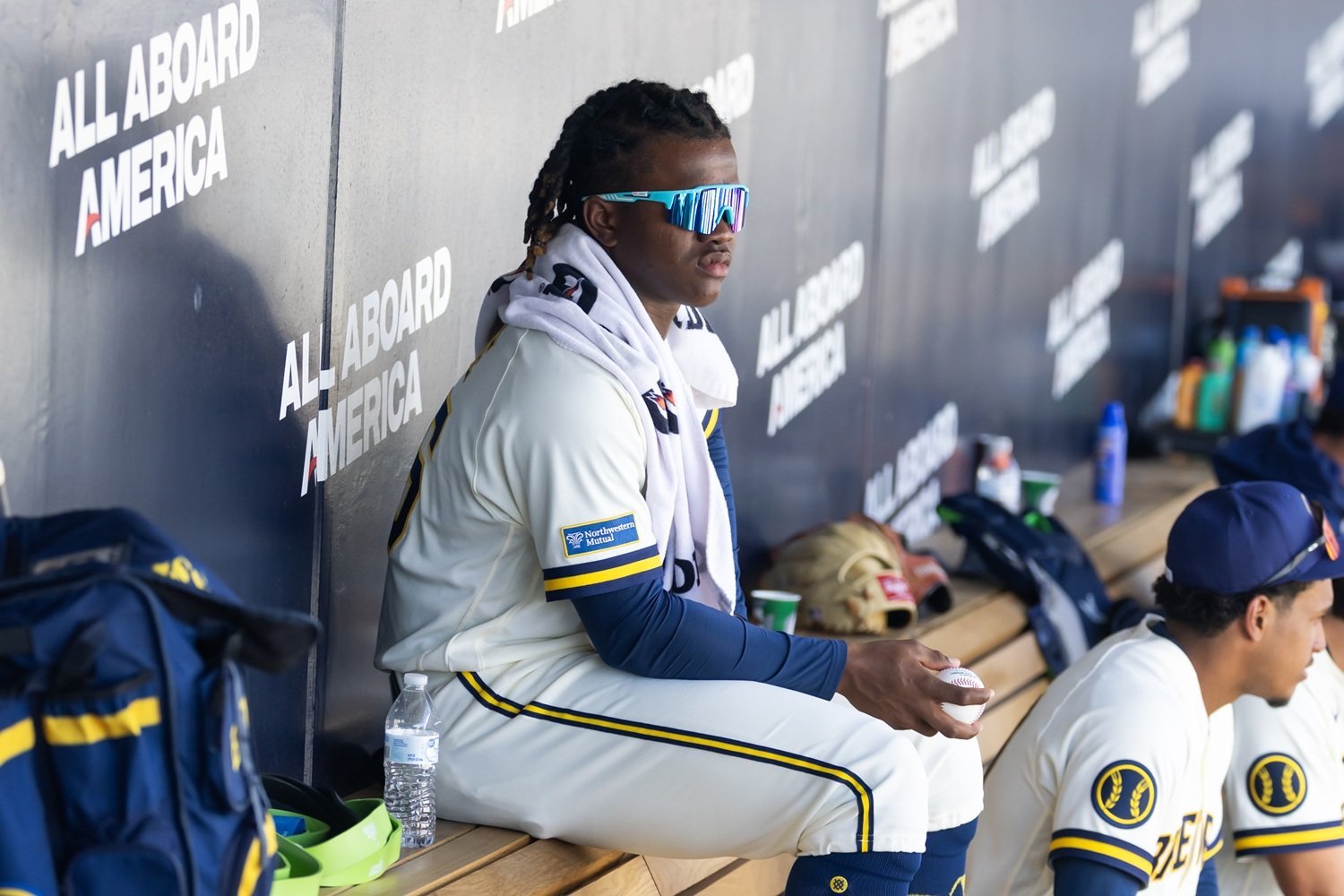 #1 Jesús Made (Carolina Mudcats, Wisconsin Timber Rattlers, Biloxi Shuckers) Made earns the top spot on this list because of the rare upside he brings to the table, along with the strong production he put up as a 17- and 18-year-old between three levels in 2025. PA H 2B 3B HR OPS wRC+ wOBA K% BB% SwStr% Whiff% PULL% CENT% OPPO% LD% GB% FB% IFFB% SB CS SB% 90th EV 525 129 28 6 6 .792 128 .385 20.6% 12.8% 9.0% 23.9% 40.5% 26.1% 33.3% 24.8% 43.7% 31.6% 28.0% 47 13 78% 105.2 What to Like Jesús Made is an explosive athlete with the potential for plus or better tools across the board. From a physical standpoint, he already looks the part, and he recently reported to camp looking even stronger, adding noticeable muscle to a frame that was already trending in the right direction. Offensively, the switch-hitting ability is one of the most exciting parts of his profile. His swings from both sides of the plate are nearly mirror images, and his bat speed is similar whether he is hitting right-handed or left-handed. That level of symmetry is uncommon and gives him a very strong foundation at the plate. The hit tool projects as plus, due to his bat-to-ball ability and capacity to use the whole field. There's also real power upside. Made already shows the strength and bat speed needed to drive the ball with authority, and has posted a 90th-percentile exit velocity of 105.2 MPH, which would be above-average even in MLB. This spring, his EV90 is 108 MPH, and he's hit one ball 110.8 MPH. As he continues to mature physically, the power should continue to develop. If he begins to consistently lift the ball and convert hard contact into damage, the offensive ceiling becomes extremely high. A switch-hitting bat with plus hit and plus power potential is rare, especially at a premium defensive position. Defensively, Made has the tools to remain at shortstop for the long term. He shows strong instincts, good hands, and a plus arm. His athleticism allows him to cover ground, and he has the body control to make plays from different angles. While there are still moments of youthful inconsistency, the physical tools and flashes of high-level defense suggest the potential for above-average or better performance at shortstop, or either second or third base. Made can also really run, posting plus times from home to first, and he does it with an effortless glide to his gait. He stole 47 bases in 2025, and has the type of speed to be a big-time threat in that regard. When combining the athleticism with the offensive and defensive tools, the overall ceiling is extremely high. Few players in all of baseball possess this level of upside on both sides of the ball. What to Work On The primary offensive area for improvement is launch angle and overall batted-ball profile. Made already hits the ball hard, but maximizing his power output will require lifting more of those hard-hit balls into the air. Improving that aspect of his swing would unlock more consistent extra-base production and allow his raw strength to show up more often in games. Defensively, consistency will be the main focus. While the tools are evident, routine plays and throwing accuracy need refinement. Cleaning up inaccurate throws and maintaining focus from pitch to pitch will help him turn flashes of high-end defense into the steady defense that is required of any Brewers infielder. Made flashes plus speed, but he does have some work to do in terms of his jumps on stolen bases—he was caught stealing 13 times in 2025—as well as his reads off the bat, if he is going to maximize the value he can bring on the bases. What’s Next Made is expected to begin back in Double-A, where he finished briefly in 2025. He has the chance to make his way to Triple-A at some point, and it’d be foolish to completely rule out a 2026 MLB debut, though 2027 seems far more likely. Given his combination of switch-hitting ability, power upside, defensive tools, and athleticism, he has the profile of a franchise-level player if everything clicks. The 2026 season will be another key step in his development, particularly in seeing how the added strength translates into in-game production. If it’s seamless, it wouldn’t be a shock to see Made in Milwaukee by September. What are your thoughts on Made? What are you hoping to see from him in 2026? Let us know in the comments! View the full article
-
Twins Daily 2026 Top Prospects: #2 Kaelen Culpepper, SS
DiamondCentric posted an article in Twins Daily
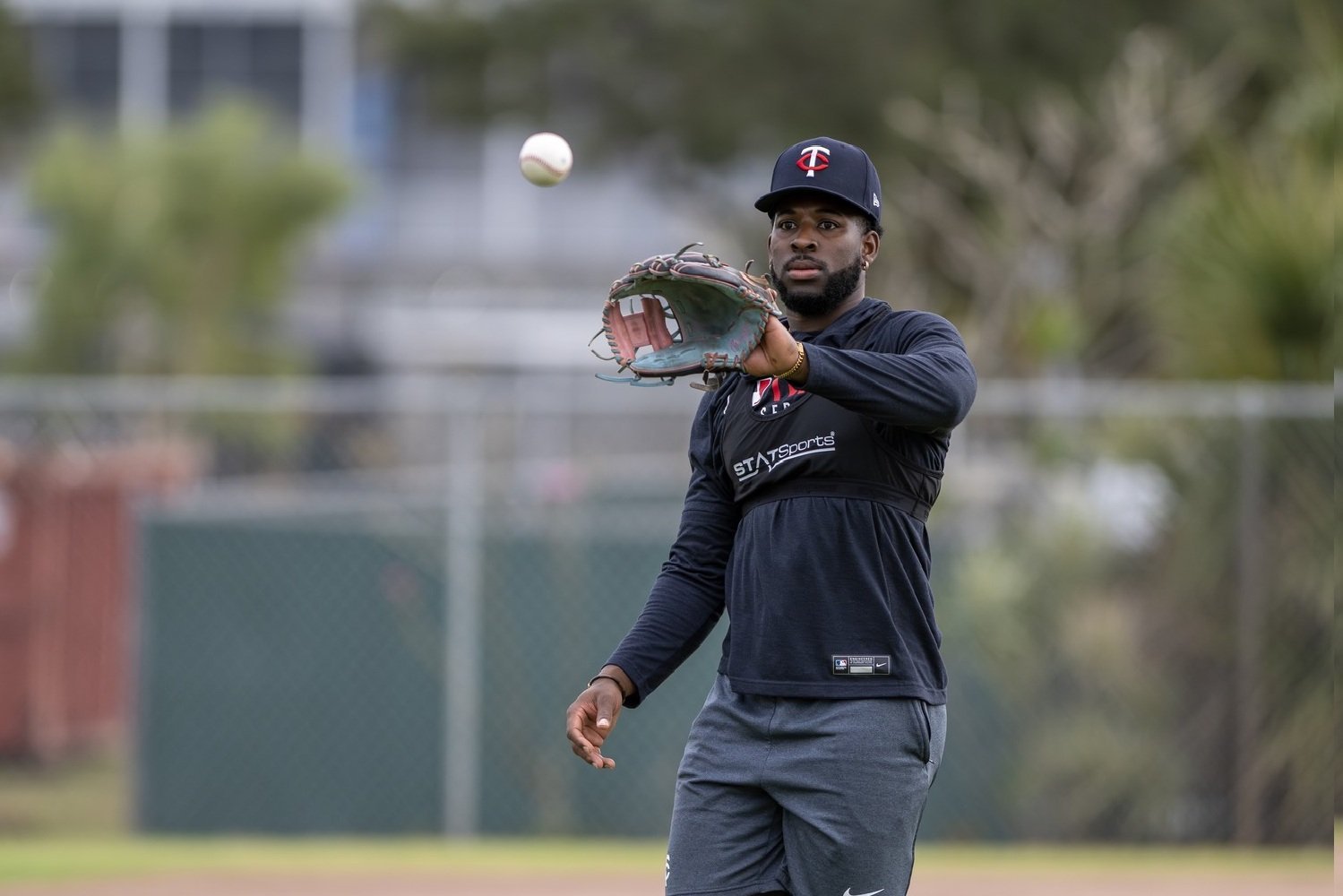 Kaelen Culpepper Bats: R / Throws: R Age: 23 Stats in 2025: (High-A, Double A) 517 PA, .289/.375/.469, 16 2B, 3 3B, 20 HR, 25 SB Rule 5 Eligible: After 2027 Season ETA: Late 2026 2025 Ranking: 3 National Top 100 Rankings BP: 71 | MLB: 52 | ATH: 82 | BA: 74 | ESPN: 79 It’s easy to see the upside that the Twins banked on when they selected Culpepper with the 21st overall pick in the 2024 draft. He was coming off of a fantastic campaign with the Kansas State Wildcats where he flashed plus speed, slick fielding and some noticeable pop. And after his first full season of professional ball, that vision of a high performing middle infielder has become even clearer. Culpepper started the 2025 season with the Cedar Rapids Kernels, where he raked to the tune of an .864 OPS (147 wRC+) while displaying his acrobatic defense calling card. It took just 54 games for the Twins to determine that it was time for Culpepper to face steeper competition at the Double A level, and the shortstop continued to deliver with the Wichita Wind Surge. His performance earned him a selection to the MLB Futures Game, where he shared the field with the game’s other top prospects. He’s likely to begin his 2026 campaign in Double A, but if he maintains this blistering pace while refining his offensive approach, he could make the case for a promotion to the Twin Cities in short order. What to Like Culpepper’s profile is certainly enticing, especially when you consider the question marks surrounding the top of the organization’s depth chart at the shortstop position. In fact, his strengths so far in his young career seem to counter the weaknesses of Brooks Lee, the presumed starting shortstop for the Twins. Culpepper has shown strong defensive range up the middle thanks to his plus speed and highlight reel-worthy athleticism–something Lee has struggled to develop. A future at the shortstop position is certainly possible given his 60-grade arm, but even if he requires a move to a new defensive home at some point, there’s confidence that he could be a strong everyday second or third baseman. Culpepper also tapped into some power that wasn’t necessarily a given when the Twins drafted him a year prior. He popped 20 home runs in 113 games played in 2025, leading to a very strong .469 slugging percentage. That’s a 28-homer pace across 162 games, which is something Lee never displayed at any level in his career. And while it’s unrealistic to expect that sort of powerful production from KC as he continues to develop, it’s going to be hard to forget that he flashed this type of in-game pop while still adding size and strength as a 22-year-old. And even if that strength dips, a strong defensive middle infielder with 15-20 home run power and plus speed on the base paths would make him an extremely valuable commodity. What to Work On While Culpepper was still able to make a decent amount of contact with his swings, evaluators are worried about his penchant to chase out of the strike zone. This mostly comes from a lack of breaking ball recognition, especially on sliders low and out of the zone. Like Lee, Culpepper has good enough bat-to-ball skills that he’s able to reach down and make contact with pitches below the zone, but there’s a reason we didn’t mention this in the “what to like” portion of his write-up. He was able to get away with this at the collegiate level, but that flaw is only going to get further exacerbated as he faces steeper competition. If Culpepper isn’t able to make an adjustment for this part of his offensive skillset, it’s hard to project him as a plus hitter at the game’s top level. But evaluators are willing to give him the opportunity to improve in this regard before writing him off, given his clear high-end talent. Culpepper has shown enough to suggest he’ll continue to be viewed as a starting caliber shortstop, but scouts don’t seem to love his quick-twitch reaction on hard hit balls. This could be due to his pre-pitch setup, which is something that can certainly be adjusted and improved with time. But if he can’t stick up the middle, his bat profile might not be a great fit at the hot corner. Are these warts enough for him to not be considered the best shortstop prospect in the system? Probably not, but last year’s first round pick, Marek Houston, was the clear-cut best collegiate shortstop in his draft class and may be hot on his heels. What to Look For in 2026 Culpepper is going to be one of the must-see youngsters in the Twins’ system, and a couple good breaks could find him making his MLB debut by the end of the season. It’s certainly not a lock to happen since he only has about two months of experience in the upper levels of the minor leagues. But he held his own in that time, slashing a strong .285/.367/.460 (129 wRC+) against competition that was roughly two years older on average. Say he starts the year back with Double-A Wichita and continues to display strong defense while maintaining that level of offensive production, a promotion to Triple-A St. Paul could come along pretty quickly, and then it’s mostly a matter of opportunity that would determine his call to the Twins. The Twins aren’t going to rush him to the big leagues as some sort of knight in shining armor, ready to propel them back into contention. But anything can happen for a top prospect in their early-20s, who is healthy, performing, and making necessary adjustments to their game. View the full article
-
Boston Red Sox 2026 Top Prospects Rankings: Mikey Romero (No. 6)
DiamondCentric posted an article in Talk Sox
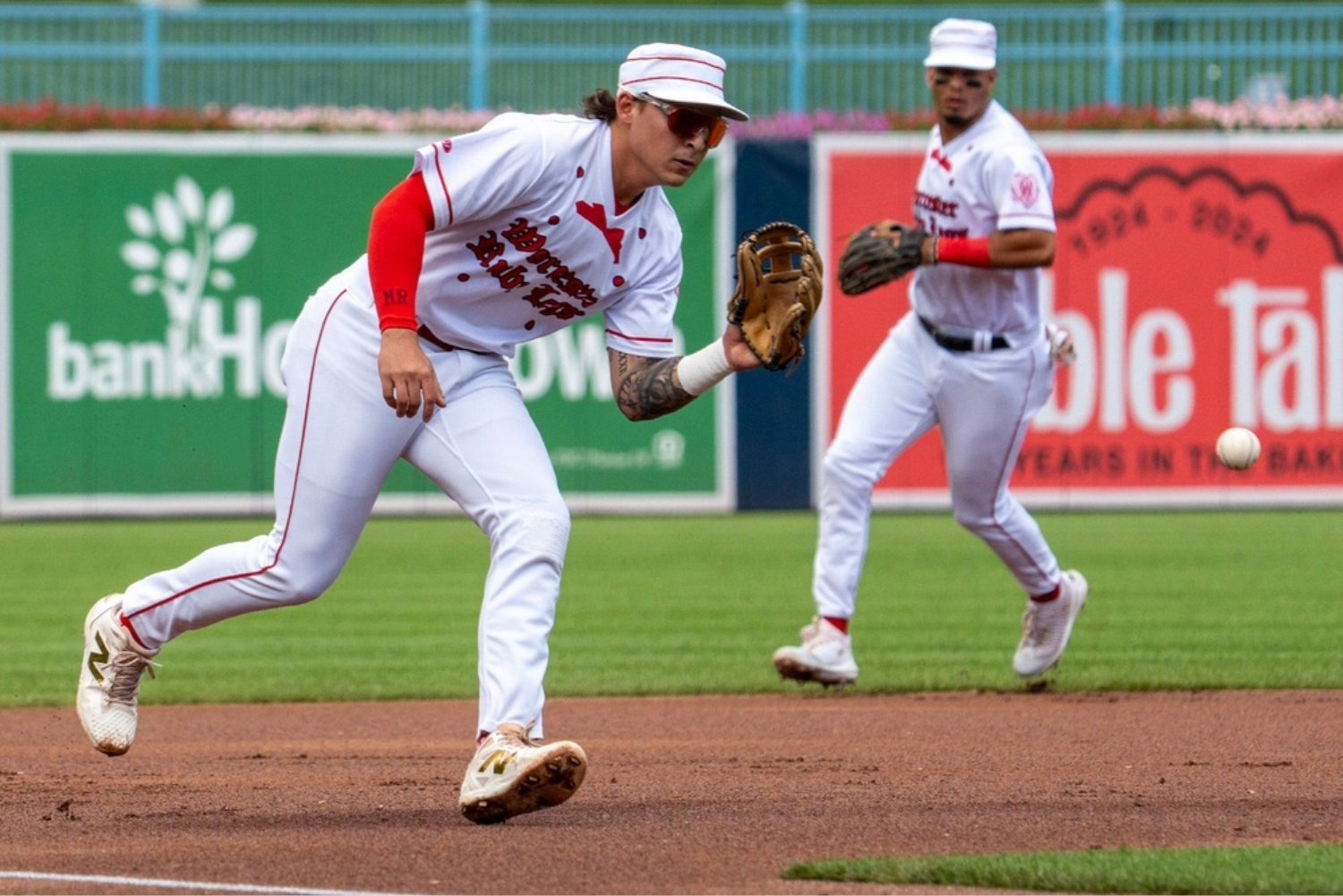 Talk Sox's top prospect rankings have reached their latter half, now focusing on the Boston Red Sox's top 10 prospects heading into the 2026 season. Be sure to check out our previous rankings here: Part 1 (Nos. 16-20) Part 2 (Nos. 11-15) Part 3 (No. 10) Part 4 (No. 9) Part 5 (No. 8) Part 6 (No. 7) Boston Red Sox Top Prospects: No. 6 Mikey Romero It’s been a long and hard road for Mikey Romero since being a first-round pick by the Red Sox back in 2022. The infielder, who was drafted as a shortstop, only got to play in 19 games after getting drafted, finishing red hot for the Salem Red Sox with a .349/.364/.581 stat line along with four doubles, three triples and 11 RBIs. The 2023 season wouldn’t go as well for the infielder, as he suffered a back injury heading into spring training that would end up becoming a stress fracture and cost him nearly the entire season. In total, he would only appear in 34 games between the Florida Complex League, Low-A Salem and High-A Greenville, where he hit a combined .214/.294/.286 with five doubles, two triples and 13 RBIs. Then, 2024 began in much the same fashion, with Romero opening the year on the injured list before beginning to look like a first-round prospect. He hit .271/.312/.509 in 78 games between the Complex League, High-A Greenville and Double-A Portland. He also finally showcased his power potential with 24 doubles and 16 home runs. Now, after a 2025 season that saw Romero appear in a career-high 111 games where he hit a combined .245/.300/.452 between Portland and Worcester, he is knocking on the door of the majors. Offensively, Romero is an aggressive swinger who tries to hunt fastballs early in the count while also occasionally chasing secondary pitches. He needs to work on limiting his chase rate. However, he’s been able to make solid contact despite his aggressive approach, especially against right-handed pitching. His hit tool could improve with a better approach, but he'll likely never be an annual .300 hitter. Power wise, Romero had been described as having “sneaky power," though after back-to-back seasons of 16 and 17 home runs (all while playing no more than 111 games), that “sneaky” title may need to be removed from the description of his game. The strength he added prior to 2025 also helped him tap into his power as he hit a career-high 33 doubles. He can really drive the ball when he manages to pull it; a larger focus on ideal launch angles and elevation will be key for him to jump into the 20-homer tier of prospect. Defensively, Romero has not had the cleanest of developments in the minor leagues. While drafted as a shortstop, due to his average hands and fringy range along with a barely average arm, he was moved off of shortstop while with Portland. Since then, he’s split time at second base and third base, with they keystone being his most likely final destination due to his arm being more passable there. It also doesn't help that his speed is below average, but he can get around it due to his great baserunning instincts. With this being his first non-roster invite to spring training, Romero will have plenty of time to make an impact with the major-league coaching staff, especially with a large portion of the major league team having left for the World Baseball Classic. However, as has been shown with many talented players, the issue will be if Romero can stay on the field for large portions of the season. Already he’s missed time in spring training due to back tightness, but he returned to game action as of March 8. Romero may not be the player many envisioned when he was drafted, but the talent is still there for him to be a bat-first second baseman who can give you double digit home runs on an annual basis. He just needs to remain healthy. Romero, barring a string of injuries to the major-league roster, will open the season with Triple-A Worcester. He'll get plenty of playing time between second base and third base, and unless he's traded, will likely make his major-league debut at some point this season. Romero provides the team with quality infield depth that they'll be able to call upon when either an injury or poor performance strikes the major-league team. View the full article
-
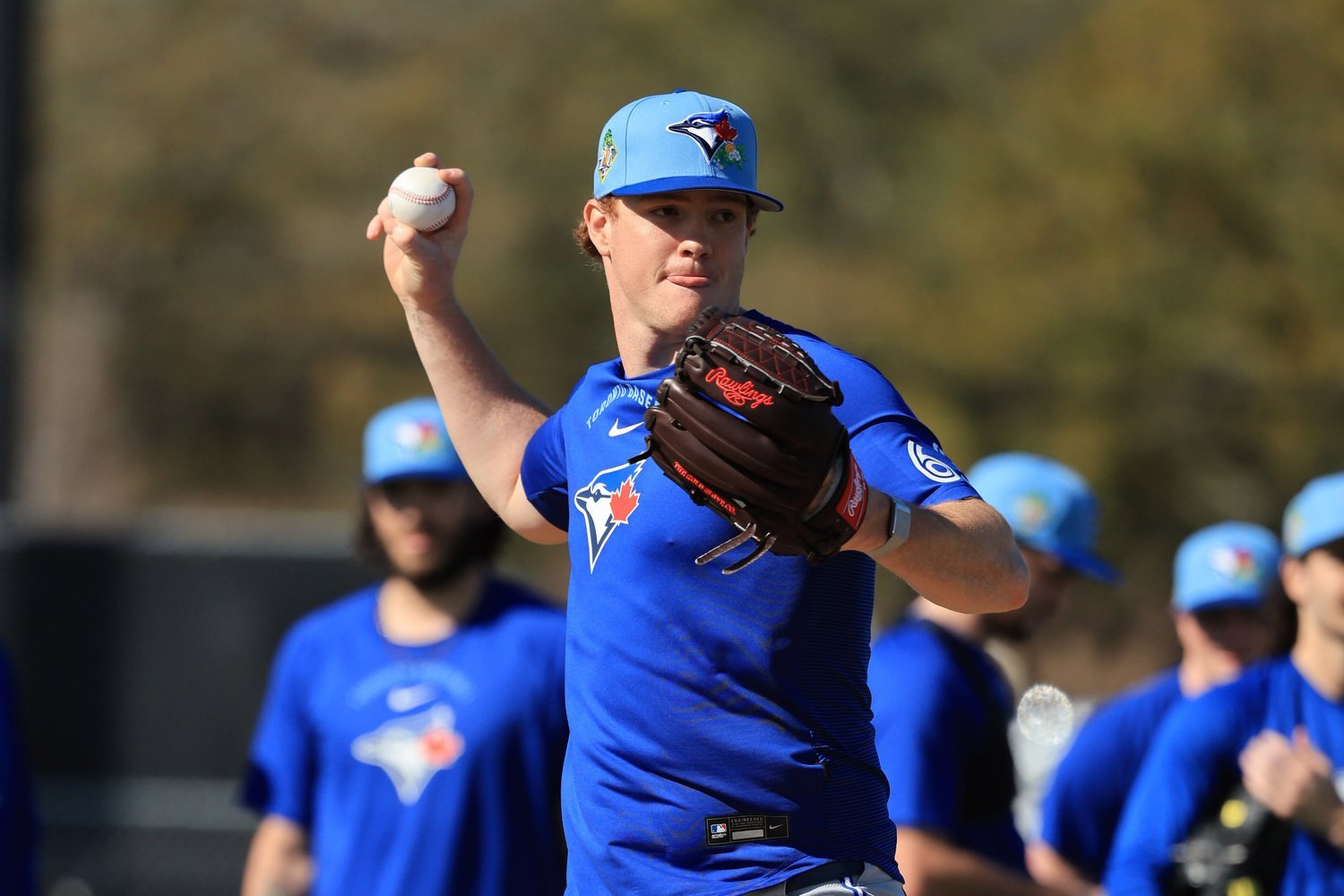 The natural state of a major league bullpen features a lot of in-season personnel turnover thanks to injuries, matchup planning for a given series, and the relative expendability of pitchers who fill a short-inning role. Thanks to the Blue Jays' ample starting pitching depth, as well as the fact that they have multiple Rule 5 draft picks (Angel Bastardo and Spencer Miles) fighting to break camp in the bullpen, Braydon Fisher is on the bubble to start the regular season in Toronto. He has three minor league options remaining and pitched mostly in low-leverage spots by the time the postseason rolled around in 2025. Yes, there were multiple proven closers on the free agent market after a year in which Rogers reaped the financial benefits of a World Series run. Yes, the Blue Jays signed none of them, but this will still be the strongest bullpen they've had to start a season in quite some time. Behind Jeff Hoffman, John Schneider will have Tyler Rogers, Louis Varland, and a new-and-improved Brendon Little at his disposal in the late innings. The dependability of Rogers and a full season of Varland are especially encouraging additions, considering the bullpen the Jays entered 2025 with. Fisher's current status, then, is far more a testament to the group around him than his own shortcomings. I frankly don't know how many other teams would even have to question whether Fisher would make their Opening Day roster. In exactly 50 innings in 2025, he did more things really well than you might realize. He was part of a group of just 32 pitchers (of the 339 that threw at least 50 innings) that had a strikeout rate above 30% and an average exit velocity below 90 mph. It's how he got those results, though, that stands out. You see, Fisher's arsenal features an almost exclusive slider-curveball dependence. Only Atlanta's Tyler Kinley threw a higher percentage of breaking balls in 2025. Fisher's fastball has decent velocity at 95-96 mph, but its movement patterns (high-carry, cutting action) are pretty much exactly in line with what you'd expect given his arm angle and propensity for spinning the ball. So, he just doesn't throw it very often. He's extremely curveball-heavy to lefties and slider-heavy to righties, and it has worked out for him so far. MLB Breaking Ball Usage% Leaders, 2025 Rank Pitcher Breaking Ball Usage% 1 Tyler Kinley 75.4% 2 Braydon Fisher 74.4% 3 Pierce Johnson 71.3% 4 Anthony Bender 67.5% 5 Tristan Beck 67.0% min. 500 pitches; source: Statcast Together, his 12-6 curveball and bullet slider frequently vexed opposing hitters. A ~75th-percentile average exit velocity against doesn't do Fisher's quality contact suppression skills justice; pitchers have little influence over that anyway. His overall groundball rate was only 36.4% in 2025, well below-average, but at the pitch type level, we can see there was an element of strategy to that. His curveball was actually quite efficient at generating grounders, while his slider (along with his four-seamer, when he used it) was a popup machine. His overall popup rate for the season was 11%. That's elite territory. A fairly large proportion of total contact against Fisher's two primary pitches is essentially guaranteed to be harmless. Fisher's GB% and PU% by Pitch Type, 2025 Batted Ball Type Curveball Slider GB% 56.8% 36.7% PU% 0.0% 16.3% Source: Statcast There aren't many pitchers who can morph from a groundball arm against one handedness to a popup inducer against the other. Depending on who's at the plate, his plan of attack in terms of missing barrels could be completely different from the at-bat before, but he still gets weak contact – and misses bats – in either scenario. This feels like a good time to remind everyone that Fisher was the lone piece of the return package when the Blue Jays traded Cavan Biggio to the Dodgers in 2024. At the time of the trade, Fisher had all of 11.2 innings above Double A to his name, and some pretty severe walk issues plagued him throughout the minors. The results didn't immediately get better in Buffalo either, but he made one key change to his approach: getting a head start. Fisher's Command Indicators, Triple-A, 2024 Organization First-Pitch Strike% Zone% LAD 49.1% 48.5% TOR 58.7% 50.7% Source: Statcast through FanGraphs Sometimes, throwing strike one more often really does allow everything else to fall into place. When Fisher started 2025 in Buffalo, that first-pitch strike rate climbed to 55%. In the big leagues, it sat just a hair under 60%. This is a guy who walked between 13% and 18% of batters he faced at essentially every step of the minors, and out of nowhere in 2025, he learned to throw strikes with consistency. The pitch models back that up as well, as his location was given perfectly average grades by both Cameron Grove's PitchingBot and Eno Sarris's Stuff+ model. As a former fourth-round pick out of high school in 2018, the stuff was never a big question. Whatever the Jays did to fix his command has proved consequential, to say the least. There were occasions in 2025 when Fisher was thrown into the fire out of necessity. In hindsight, his two-inning, four-strikeout masterclass at Steinbrenner Field in Tampa to seal a 2-1 win for the Blue Jays in 11 innings on September 15 stands out as one of the team's most pivotal moments on their way to an AL East title. In fact, his strikeout of Junior Caminero to end that game was the second-most important strikeout by a Jays pitcher all regular season, according to Statcast win probability, behind only Mason Fluharty's famous ambush of Shohei Ohtani in August. That night in Tampa accounts for a large percentage of Fisher's total high-leverage work as a big leaguer (only 8.1 innings, beware of small sample size), but he does have a 1.22 FIP and a 2.88 xFIP in those spots. He has been up to the task when he has been needed most. And yet, with the Blue Jays exhausting every possible option as they look to bring that elusive championship home in 2026, it's far from a lock that he'll be in the building to face the Athletics on March 27. It won't be Fisher's fault if he doesn't make the cut. Things have gone mostly according to plan so far this spring through the first 16 batters he's faced (as of March 10): Fisher's Key Indicators, 2025 vs. 2026 Spring Training Stat 2025 2026 ST CSW% 33.9% 29.0% Zone Miss% 14.6% 25.0% Chase% 28.9% 24.2% Zone% 49.9% 52.2% Source: FanGraphs It sounds crazy at first that a 25-year-old reliever who misses bats, generates weak contact of all kinds, and excelled in his first taste of high-leverage action for a pennant-winning team might not make the cut next spring, but in their treatment of Braydon Fisher so far, the Blue Jays have exemplified the ways in which they've improved their player management over the past couple of years: They took a flier on a high-ceiling relief prospect hoping to find a silver lining after one of their most tenured hitters didn't pan out, oversaw significant improvements to his command and projectability, gave him the big league run time he had earned, and still amassed contingency plan after contingency plan for the bullpen following his first season. Fisher's flexibility with respect to his minor league options makes him a wholly undeserving candidate to be the odd man out on Opening Day, but again, that's just how the modern bullpen works. He showed more than enough in 2025 to convince the organization that he could be a key part of their relief corps for the immediate future, and if breaking camp isn't in the cards, he will surely arrive at the first sign of injury or underperformance. A young pitcher with plus stuff and damage suppression skills can't be held down for long. View the full article
-
 It's time to begin our walkthrough of Jays Centre's Top 20 Toronto Blue Jays Prospects, as voted on by our writers! This video breaks down Landen Maroudis, Yeuni Munoz, Brandon Barriera, Sean Keys, and RJ Schreck with everything from injury history to defining strengths and drawbacks. Enjoy! View the full article
-
 Padres Mission has come out with its top 20 prospects list for San Diego's Pipeline, and in this video, as review no. 20 through 16! Francis Pena, Eric Yost, Deivid Coronil, Truitt Madonna, and Kavares Tears all start us off. View the full article
-
Twins Cut Two Former First-Round Picks from Spring Roster
DiamondCentric posted an article in Twins Daily
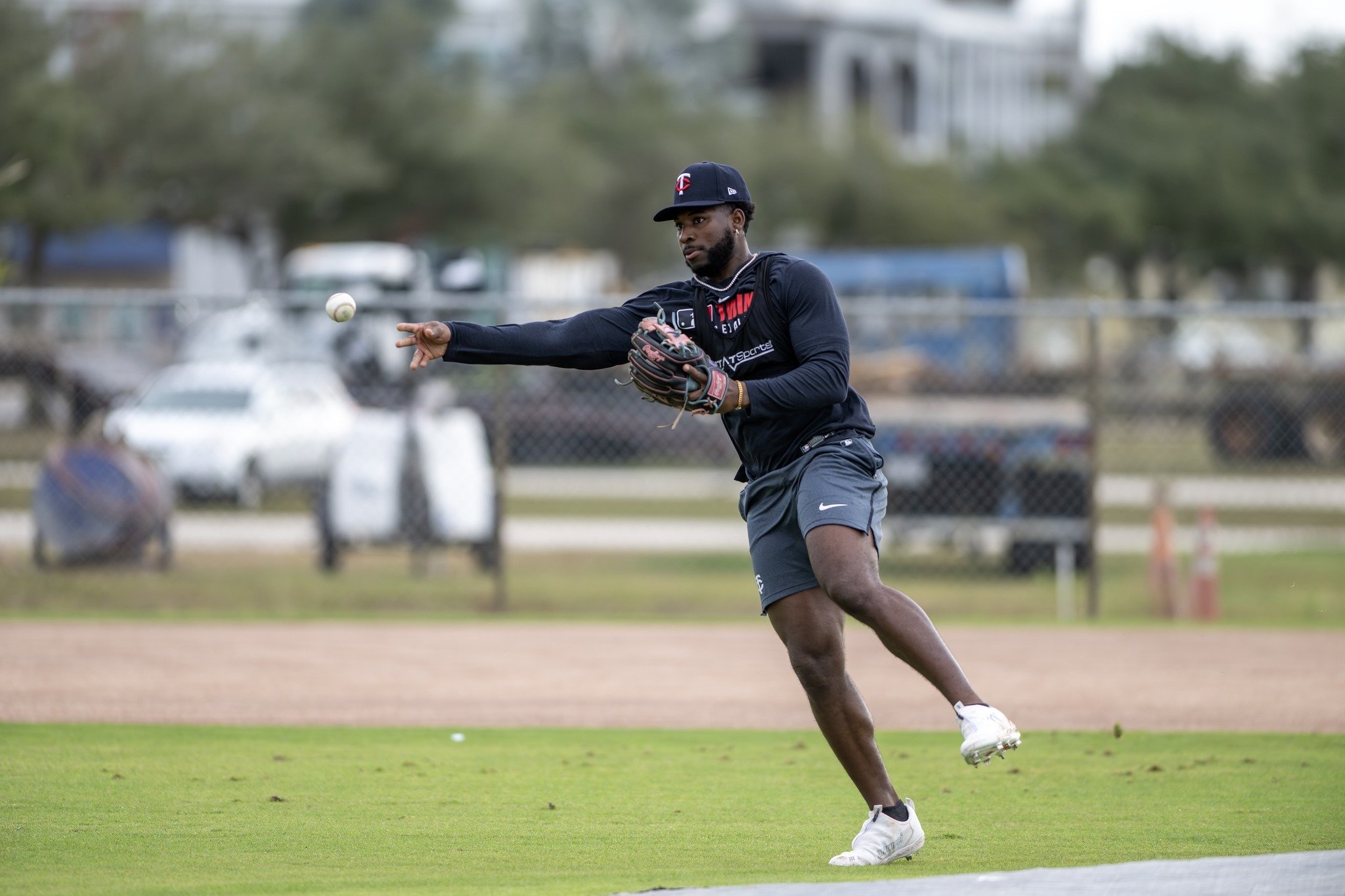 The calendar is inching closer to Opening Day for the Minnesota Twins. In just over two weeks, the club will begin the 2026 season on March 26 in Baltimore. Until then, the focus remains on getting through the final stretch of spring training in Fort Myers. As the big league roster begins to take shape, the Twins have continued trimming their camp roster. Earlier this week, Minnesota made another round of roster moves, bringing the total number of players in camp down to 49. With minor league games beginning on the back fields, those teams need players as well, especially prospects who need regular at-bats and innings. After Wednesday’s 2-1 Grapefruit League win over the Detroit Tigers, the Twins made another pair of cuts. Kaelen Culpepper and Aaron Sabato were both reassigned from big league camp, bringing the camp roster down to 47 players. Both players entered camp as non-roster invitees, but they arrived in very different spots in their development. Culpepper, 23, was Minnesota’s first-round pick in the 2024 draft and has quickly become one of the organization’s most exciting prospects. The shortstop is already a consensus top 100 prospect across the industry, and his first experience in a major league camp offered an encouraging glimpse of what could be ahead. He made the most of his opportunities this spring. Culpepper finished camp batting .316 with a .749 OPS across limited action, collecting six hits in 19 at-bats. He added a double, drove in two runs, walked once, and struck out five times. His final appearance was also his most productive. Culpepper went 2-for-2 on Wednesday with a walk-off hit. However, the Twins announced his reassignment shortly after the game. The decision to send him down was never much of a surprise. Culpepper has not yet played at Triple-A, and the organization would prefer he get everyday reps rather than sporadic appearances late in Grapefruit League games. Still, his performance reinforced the belief that he may not be far away. Last season, he played 113 games between High- and Double-A, producing an .844 OPS that came with a blend of contact ability, emerging power, and the defensive profile to remain in the middle of the infield. He will open the 2026 season with Triple-A St. Paul, where the next step will be proving that his bat can handle upper-level pitching. If that happens, it would not be surprising to see Culpepper enter the conversation for a big league opportunity sometime this summer. Sabato’s path has been much different. The first baseman was the 27th overall pick in the 2020 MLB Draft, selected largely for the offensive upside he showed in college. The Twins hoped his power bat could eventually anchor the middle of a lineup. While there have been flashes, the production has not fully materialized. Sabato reached Triple- A last season and finished the year on a strong stretch, but his overall numbers still left questions. Across the season, he hit .245 with a .741 OPS. This spring, he appeared in 12 games and hit .231 with a .718 OPS. The power potential remains intriguing, but he has yet to consistently show the type of offensive impact that would force the Twins to clear a spot for him at the big league level. For Culpepper, the assignment to St. Paul feels more like a step along the path rather than a setback. The Twins wanted to see how one of their most promising young players handled his first big league camp. The answer was encouraging. Now the next challenge begins in Triple A, where Culpepper will try to prove that his impressive spring was just a preview of what is still to come. If that happens, the conversation about when he reaches Minnesota could arrive sooner than later. View the full article
-
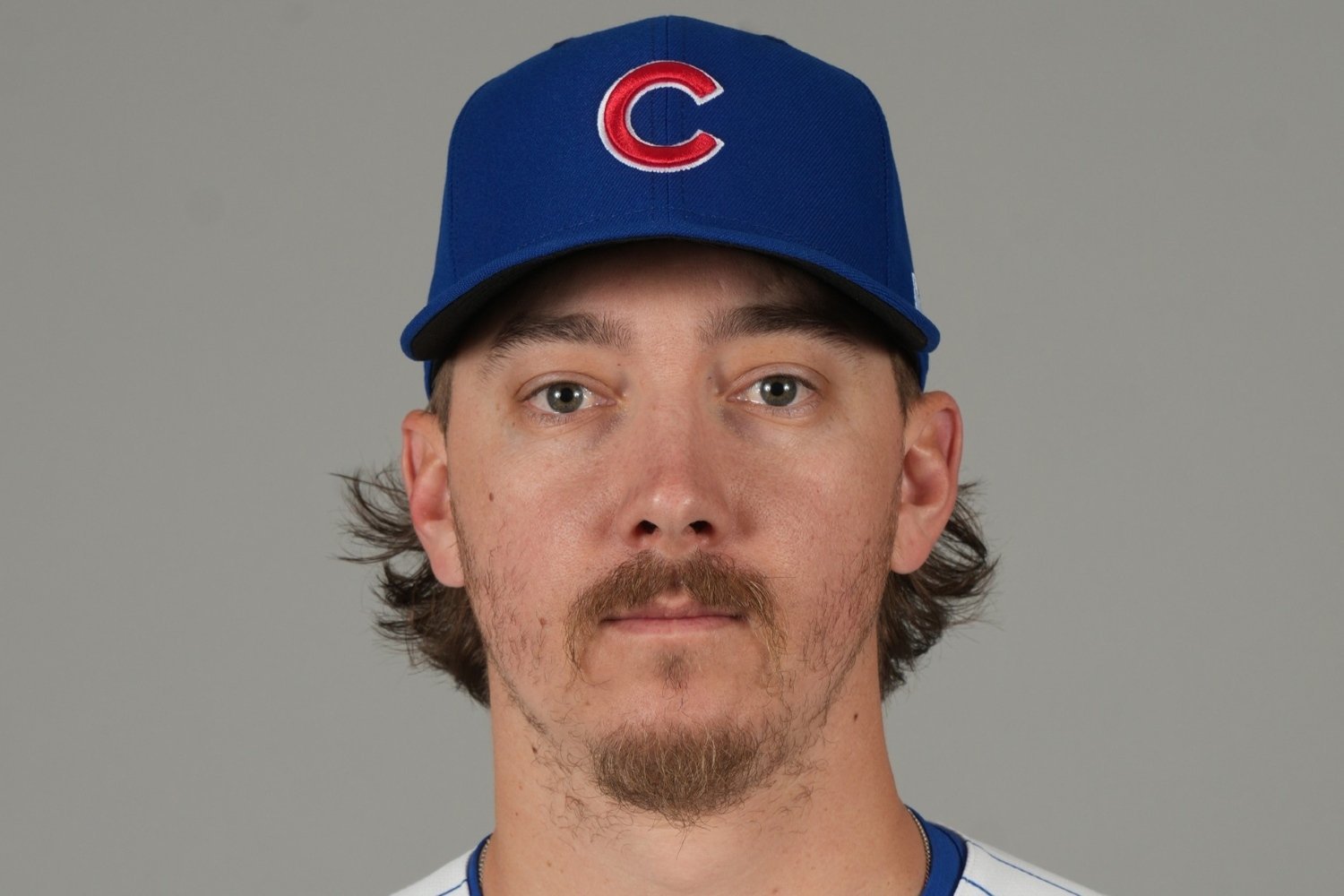 When healthy, Hunter Harvey has consistently demonstrated the ability to dominate big-league batters. He has a 3.11 career ERA and has struck out 26.8% of the hitters he's faced. However, good health never seems to last long for him, which made him available relatively cheaply this winter. The Cubs pounced, signing him to a deal worth $6 million in guaranteed money and up to $1.375 million more in incentives. It wasn't a minor deal; that's a significant outlay for a team that rarely ponies up for relievers. Harvey didn't allow an earned run in any of his 12 appearances last year, but making only 12 appearances tells the story. Strains of his teres major (a back/shoulder muscle) and adductor (groin) cost him all but about a month in the middle of the season. They also cut into his raw stuff a bit. Harvey hit 98 miles per hour or higher on the radar gun 60 times in a much healthier 2024; he didn't get there at all in 2025. This spring, the fully healthy version of Harvey has reported for duty. On Wednesday, he averaged 98.1 miles per hour with his heater, and threw four of his six heaters at 98 or higher. That much velocity makes him a nightmare for opposing batters. To be fair, Wednesday's game was Harvey's first time on a Cactus League mound since Mar. 1. He'd been working in side sessions in between, but the long layoff probably helped him ramp up the velocity the way he did. Nor is his splitter showing the depth that makes it a bat-misser so far. His slider has been solid, but not spectacular. If he can sustain anything close to this kind of heat, though, he's going to be the dominant setup man to closer Daniel Palencia for as much of the season as he can hold up for. If Harvey can stay healthy and maintain this velocity over a substantial chunk of the season, he'll probably meet most of the incentive thresholds in his contract—because that version of Harvey would also get plenty of chances to close games as the season wears on. For now, it's only wise to modulate expectations. Harvey is healthy and firing on all cylinders right now, but that can change at a moment's notice. On balance, we should still expect Phil Maton to be the best setup man on the team, despite Harvey's demonstrated upside. However, spring is about optimistic stories like this. It's not just velocity. Harvey's fastball has impressive shape, too, with rising action and a bit less run than it showed last year. His secondaries still have to fall into line, and he has to pass the daily test of availability over a long season. If he were a good bet to do that, given the stuff he's flashing already in mid-March, he would not have been available at anywhere near as good a price as the Cubs got on him. Still, the proof of concept represented by an outing like Wednesday's is cause for celebration. The Cubs' bullpen will be a key to their efforts to topple the mighty Milwaukeeans in the NL Central; Harvey looks ready to lead the charge. View the full article
-
 Khadim Diaw just barely makes a couple of top 20 Twins prospect lists as 2026 is underway. He was limited to just 42 games due to injuries, but showed just enough that he will be a must-follow for prospect die-hards in 2026. View the full article
