


DiamondCentric
-
Posts
2,631 -
Joined
-
Last visited
Never
Content Type
Profiles
Forums
Events
News
Tutorials & Help
Major League Baseball Videos
Guides & Resources
Store
Downloads
Gallery
Everything posted by DiamondCentric
-

Sandy Alcantara on closing games, desire to stay with Marlins
DiamondCentric posted an article in Fish On First
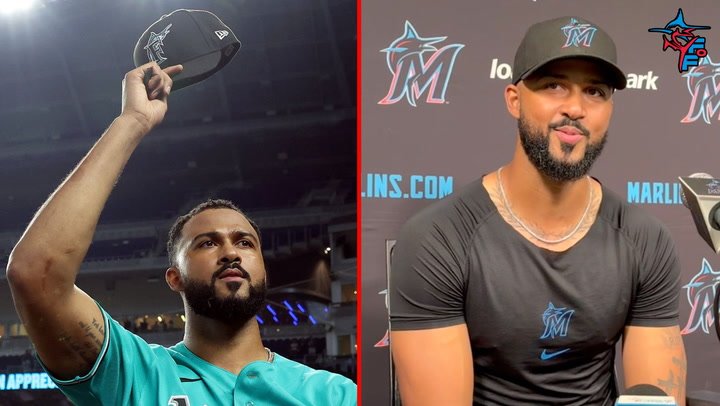 Marlins right-hander Sandy Alcantara speaks with the media following Sunday's win about embracing pitching out of the bullpen in between starts and wanting to stay in Miami for the 2027 season and beyond.View the full article
 -
Who will Marlins build around for 2027 and beyond?
DiamondCentric posted an article in Fish On First
 Fish On First staffers react to the latest Miami Marlins series and prepare you for what lies ahead. Sunday's show was hosted by Ely Sussman and featured panelist Kevin Barral. The following topics were covered: Eury Pérez's brilliant shutout on Friday Rich Waltz surprises Tommy Hutton with return to broadcast booth Sandy Alcantara saves another game Marlins 40-man roster overview Notable players projected for significant pay raises next season Previewing the Wild Card Series matchups Crowning our 2026 Prediction Time champion You can find Fish Unfiltered and Fish On First LIVE on the Fish On First YouTube channel, Apple Podcasts, Spotify or wherever else you get your pods. The specifics of our FOF LIVE offseason schedule are still to be determined, but rest assured, we'll be covering all things Marlins-related with the same thoroughness and fairness that you've grown accustomed to. View the full article
 -
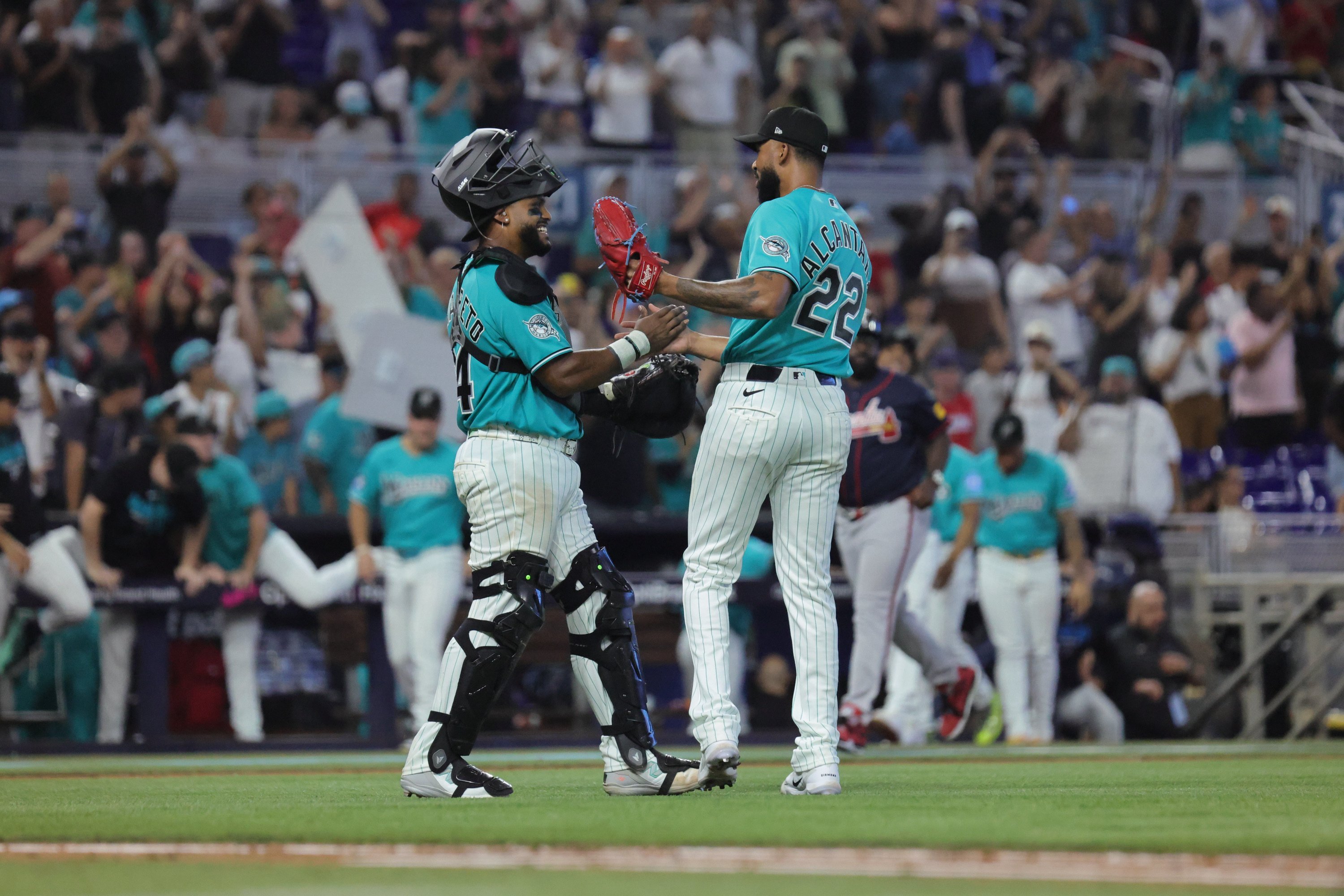 The 2026 season has come and gone for the Miami Marlins. While the year brought its many ups and downs, there will be ample time to reflect this offseason. Before they bid adieu to their 34th season of play, the Marlins had the goal of winning the final series against the NL East champion Atlanta Braves. Thanks to a combination of Janson Junk, a pair of home runs, and new part-time closer Sandy Alcantara, they did just that, ending the year with a 5-3 victory over Atlanta. How It Started As he has consistently done this season, Janson Junk put forth a strong effort, striking out five in his 4 ⅔ innings of work. The 30-year-old ends his 2026 season with career bests in innings pitched (123 ⅔) and strikeouts (89). Junk allowed two or fewer runs in 18 of his 25 starts, finishing with a 4.22 ERA. The lone blunder on Junk's afternoon came on a Mauricio Dubón solo home run in the top of the third. Clutch Pop Sitting on 24 home runs on the final day of the season, Heriberto Hernández tied the score in his second plate appearance with a solo home run of his own. Since returning to the big leagues on May 7, Hernández hit a team-leading 25 home runs. In the bottom half of the seventh and his final plate appearance, Griffin Conine showed the light-tower power that looks to see him be a regular in the 2027 lineup. It was remarkably well-timed, just as longtime play-by-play broadcaster Rich Waltz made a surprise appearance in the TV booth, joining his former partner Tommy Hutton, who was working the final game of his career. Hutton, who has called Marlins games across two stints since 1997, teamed up with Waltz in 2005, a year when the club had another Conine, Griffin's father, Jeff, on the roster. The Closer Adding to the ending on a high of it all, Marlins manager Clayton McCullough turned to Sandy Alcantara in the bottom of the ninth to end it where it all started. Speaking before the game, McCullough hinted at the move with a wry, "we hope things line up that way." Alcantara, the major league leader in innings pitched at 213, entered seeking his third save of the season. The previous two came during the Marlins' last road trip. The last time any player had a season of at least 200 innings pitched and three or more saves came in 1980 via Jerry Reuss. As he had the prior two such outings, Alcantara wasted little time, needing just 10 pitches to lock down the win for Miami while notching save number three in the process. His final pitch, a 92 mph changeup, resulted in a swinging strikeout of Dashawn Keirsey Jr. "After a bad season last year...I'm very happy with myself because I finished strong. I finished healthy—I got 200-plus innings," noted Alcantara. In his first season off Tommy John surgery in 2025, Alcantara pitched a 5.36 ERA, though he still threw 174-plus innings in the process. He ends 2026 with a much more Sandy-like 3.87 mark. Now through the final year of a five-year extension he signed following the 2021 season, Alcantara will, in his own words, "wait on the couch until the team calls" to confirm whether they are picking up his $21M club option for 2027. "I want to keep myself here with the Marlins. I've been with this club for nine years...I love this organization so much." Miami concludes 2026 with an 80-82 record. At a run differential of plus-3, this year's club ties 2008's Florida Marlins for the fifth-best mark in franchise history, a 92-run improvement year-over-year. Their 168 home runs are the most since they hit 194 in 2017. "A lot of high moments," reflected McCullough, now through two seasons as manager. "We certainly had to navigate through quite a bit of adversity." Marlins president of baseball operations Peter Bendix is scheduled to hold his end-of-season press conference at loanDepot park on Tuesday. View the full article
 -
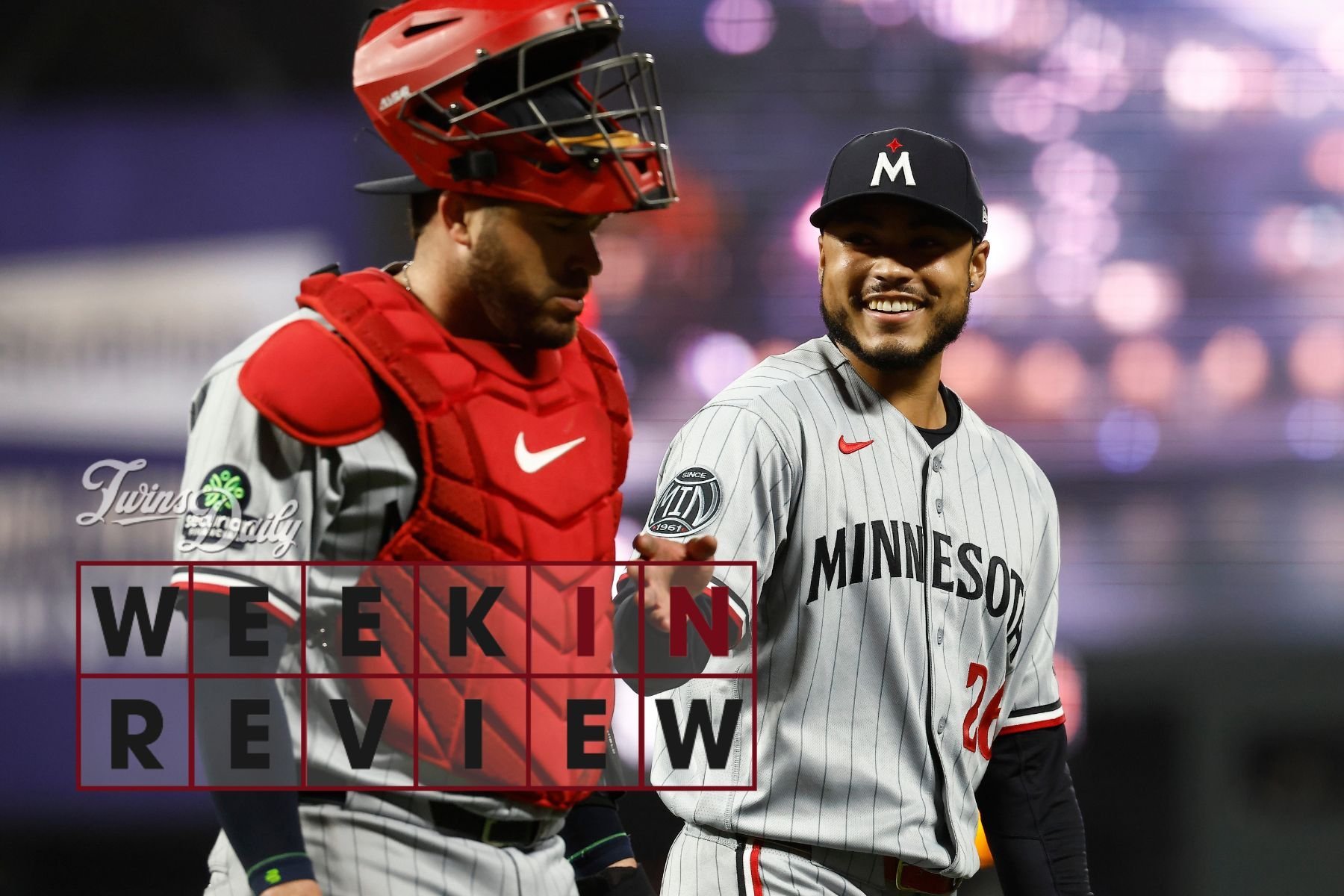 The Weekly Nutshell: Naturally, Minnesota's first winning week since July came immediately after they were officially eliminated from contention, and losses became more strategically valuable than victories. At the expense of their 2027 draft position, the Twins finished on a relative high note, winning both of their last two series and playing spoiler against the Texas Rangers to close out their campaign. The wins weren't very meaningful, but the performances that drove them were: young building blocks stepping up and finishing the year strong to send the Twins into this offseason with a sense of momentum, especially relative to last year. Weekly Snapshot: Mon, 9/21 through Sun, 9/27 *** Record Last Week: 4-2 (Overall: 77-85) Run Differential Last Week: +6 (Overall: -58) Final Standing: 3rd Place in AL Central (8.0 GB) Latest Game Results Game 157 | SF 5, MIN 2: Matthews Struggles Early, Offense Held to Two Solo Homers Matthews: 5 IP, 5 ER, 8 H, 0 BB, 9 K Game 158 | MIN 3, SF 2: Bradley, Bullpen Shut Down Inexperienced Giants Lineup Bradley: 6 IP, 1 ER, 3 H, 3 BB, 6 K Game 159 | MIN 4, SF 2: Twins Pitch Their Way to First Road Series Win of Second Half Twins bullpen: 3.2 IP, 0 R, 1 H, 1 BB, 4 K Game 160 | MIN 10, TEX 2: Keaschall Keys Offense with 4 Hits as Ryan Finishes Strong Keaschall: 4-5, 3 R, 3 RBI Game 161 | TEX 6, MIN 2: Twins and Ober Crash Back to Reality Against Urgent Rangers Ober: 5 IP, 6 ER, 10 H, 1 BB, 5 K Game 162 | MIN 6, TEX 4: Kremer Spins a Gem to Close a Losing Season with a Victory Kremer: 7 IP, 1 R, 3 H, 0 BB, 4 K NEWS & NOTES The final week of the season was all about creating opportunities and looking ahead to what's next. It started with Aaron Sabato's promotion to the big leagues on Monday. The 27-year-old Sabato is far from a top prospect at this point, but earned the nod through back-to-back strong showings at Triple-A and six years of grinding in the minors. Sabato went hitless with three strikeouts in six at-bats. Alex Jackson, Minnesota's scarcely-used third catcher, was designated for assignment to make room. For a third time this season, he passed through waivers unclaimed, meaning the Twins will be able to bring him back as their No. 2 catcher if they so choose. That has seemingly been the motivation behind their odd handling of Jackson throughout much of the year. On Saturday, Kaelen Culpepper was activated from the injured list following a minimum-length stay for his mild hammy strain. It was nice to see him return for one more quick glimpse at season's end as he prepares to take over as full-time shortstop in 2027. He went 2-for-8 in two games over the weekend. The corresponding move was a bit ominous: Jeff Hoffman landed on the IL with right forearm inflammation. Hopefully nothing serious, and that's the indication coming from the team, but given his immense importance to the bullpen picture next year, it's unsettling to see him end the year with an arm issue that often has elbow-related implications. As a case in point, look no further than Mick Abel. He went down in April with elbow inflammation that was initially deemed "not too serious" and he never ended up making it back, undergoing arthroscopic surgery in July. A promising update on that front, however: Abel threw a bullpen session at Target Field over the weekend, signaling that his progression toward 2027 readiness is on track. HIGHLIGHTS The Twins rotation was generally not great this year, ranking 23rd among MLB teams in ERA, 16th in FIP and 19th in fWAR. At the same time, starting pitching is pretty clearly the biggest strength for the club looking ahead to next year. In the final week of this 2026 season, we saw some reasons why. Taj Bradley and Connor Prielipp were massive bright spots in September, pitching to a 3.00 ERA and 2.36 ERA respectively while setting new workload benchmarks. Each closed out his season with gusto. On Tuesday, Bradley held the Giants to one run on three hits over six innings, striking out six to surpass 200 Ks for the year. One day later, Prielipp allowed two runs over 5 ⅓ to help secure a series victory in San Fran. These two have established themselves as rotation building blocks going forward. Oh, then there's that Joe Ryan guy. Another shaky second half wore the luster off his season, but we're talking about a guy who has made two straight All-Star teams and looked like an ace for long stretches. He mostly did not shown that form after the break, entering his final start with an 0-5 record and 7.62 ERA, but looked more like his best version on Friday night when he struck out eight over six innings of two-run ball. I would've fully expected the Twins to trade Ryan this offseason, and still believe they'll be open to the idea, but his struggles down the stretch might temper his market to a point where it makes sense to bring him back for his walk year. Asset management aside, that's an exciting proposition with Prielipp and Bradley looking like outstanding mid-rotation options, and Pablo López — who departed for Miami over the weekend to ramp up his Tommy John rehab — retaking his place atop the unit. Luke Keaschall is another major source of optimism for the team's 2027 outlook. He has solidified his standing as a prototypical leadoff man, putting a stamp on a strong sophomore season with a stellar final week: 6-for-18 with a double, two triples, a homer, six RBIs and 10 (!) runs scored scored. Keaschall has been getting on base relentlessly all year, ranking 14th in the majors in OBP, but what I find especially heartening about his finish is the power we've seen emerge. That was on full display with six extra base hits over these final six games. I'm excited to see what Keaschall can do as the table-setter in a 2027 lineup that will surely include Walker Jenkins and Emmanuel Rodriguez, who both homered last week. They'll mix in with returning veterans like Kody Clemens, who batted third or fourth routinely against right-handers in September, reflecting the level of trust Derek Shelton has in his bat. Clemens kept delivering on that trust in last week: he went 6-for-22 with his team-leading 27th home run, closing out a season that fully solidified his status as a starting-caliber big leaguer. A great story and a great find for the Twins. The bullpen is sure to be an area of focus for the front office this offseason — it was generally a weakness for the 2026 team both before and after they addressed it at the deadline. The relief corps did finish on a high note however, combining for 16 ⅔ shutout innings across five games before a hiccup in the season finale. That included: 3 ⅔ scoreless frames from Travis Adams, who struck out seven with one walk allowed. It's a nice end cap to a second half that has strongly bolstered Adams' case to be a part of next year's bullpen. From July 1st onward, he posted a 3.13 ERA and 3.50 FIP across 37 ⅓ innings. Adams showed the ability to get a lot of chase and a lot of whiffs this year. Kody Funderburk also experienced a resurgent second half that strengthened his place in the team's plans. He led the staff in WPA after June, posting a 2.93 ERA with 38 strikeouts in 30 ⅔ innings, and closed things out with two scoreless appearances Yoendrys Gómez and Andrew Morris, whose late-season struggles have forced the Twins to rethink their roles moving forward, both at least ended their seasons on the upswing. Gómez, coming off a nightmarish week, picked up the win on Wednesday in San Francisco and was perfect across 2 ⅔ innings, retiring all eight batters faced. Morris gave up an ultimately inconsequential two-run homer in the ninth inning Sunday, but struck out three across two shutout innings previously. Finally, we've got to shout out Taylor Rogers. Unlike the guys above, he's not vying for a spot in next year's bullpen picture, but he did a solid job this year as a veteran placeholder. The final week saw him make his team-leading 63rd, 64th and 65th appearances, throwing strikes and shutting down the opposition. He deserves a tip of the cap for what he brought to the table on a one-year, $2 million deal. LOWLIGHTS With our focus now fully geared toward 2027, I suppose it's a positive that most of the players who ended this season in a funk are not likely part of the future plans. Impending free agent Josh Bell homered and drove in five last week to push his season total to 95 RBIs, but went just 3-for-17 and finished the season with an unexceptional .738 OPS. Ryan Jeffers, who's also about to hit the open market, went 3-for-15 with six strikeouts, punctuating an ugly finish to his walk year. Will his September downturn affect the team's decision-making with regards to a qualifying offer? We'll see. Royce Lewis is not due for free agency, but will probably be moving on anyway. He went 4-for-19 with six strikeouts, and finishes September with a 27-to-3 K/BB ratio. Lewis did homer in the season's last game, just his second in 44 games, but finished with a .227 average and .667 OPS. The Twins need to get a lot more production out of first base and Lewis has given us little reason to believe he's capable of it anymore. Bailey Ober got rocked in what may have been his last start as a Twin on Saturday, surrendering six earned runs on 10 hits in five innings against the Rangers. Ober allowed a ton of hard contact, including two home runs. It's a major credit to him that he largely avoided outings like this over the course of the season despite failing to crack 90 with his fastball, but it's a performance that underscores the risk in continuing to count on him going forward. If the Twins want to invest in bringing back a veteran No. 5 starter next year, Dean Kremer (who was brilliant in his final start on Sunday) would seem to be the better choice. If this is it for guys like Jeffers, Lewis and Ober, then we are reaching the end of an era. They are among the team's longest-tenured players. It's unfortunate to see them play poorly on the way out, but I'll remember and appreciate the many highlights we saw from each over many years. TRENDING STORYLINE An interesting offseason lies ahead. The possibility (inevitability?) of an impending MLB lockout looms over everything, but beyond that, the Twins and their front office have some stuff to figure out. The transitional 2026 season is over and now it's time to push. That begins with finding ways to reinforce a lineup that will be losing two of its most productive bats in Bell and Jeffers, who ended the season batting third and fourth. Counting on young and inexperienced hitters like Jenkins, Rodriguez and Culpepper to carry the weight of catalyzing the offense is a dangerous gambit. And then of course there is a the bullpen. Hopefully Hoffman comes back healthy, and they've got plenty to work with in the middle innings, but the Twins do seem to need at least one more trusted high-leverage arm. We're going to need to see much more ambition and urgency here than we did last winter. The baseball ops group that will be navigating this key offseason is in flux. We saw Thad Levine and Derek Falvey depart in the past couple of years, and more recently the Twins parted ways with assistant GM Daniel Adler and longtime scouting exec Deron Johnson. What does the future hold for Jeremy Zoll? WIll he remain atop the decision-making hierarchy, or will the club seek out a new front office leader? Much to be decided. Now that the vaunted prospects have arrived, and the rotation is built for success, there are no excuses. The 2027 season needs to be a legitimately competitive one. But first, the league and its players association will need to get aligned. The CBA is set to expire on December 1st. LOOKING BACK As always, I've really enjoyed bringing you these recaps each Sunday night. I appreciate all the feedback I've received and all the great conversations sparked in the comments. I told myself at the beginning of the season that — while the likelihood of missing the playoffs was evident — it would be important to analyze meaningful big-picture developments and celebrate the wins where we could. I think we've done that, continually surfacing highlights for a team that didn't have too many winning weeks, while also recognizing the many areas for improvement. We'll be back at with the Week in Review next year. My hope is that we'll have a more relevant and consistently successful team to dissect, but one way or another we'll keep breaking down all the highlights, lowlights, and storylines that matter all season. As always, if you have suggestions or requests for things you'd like to see in these columns, I always love to hear it. Thanks for following along. View the full article
 -
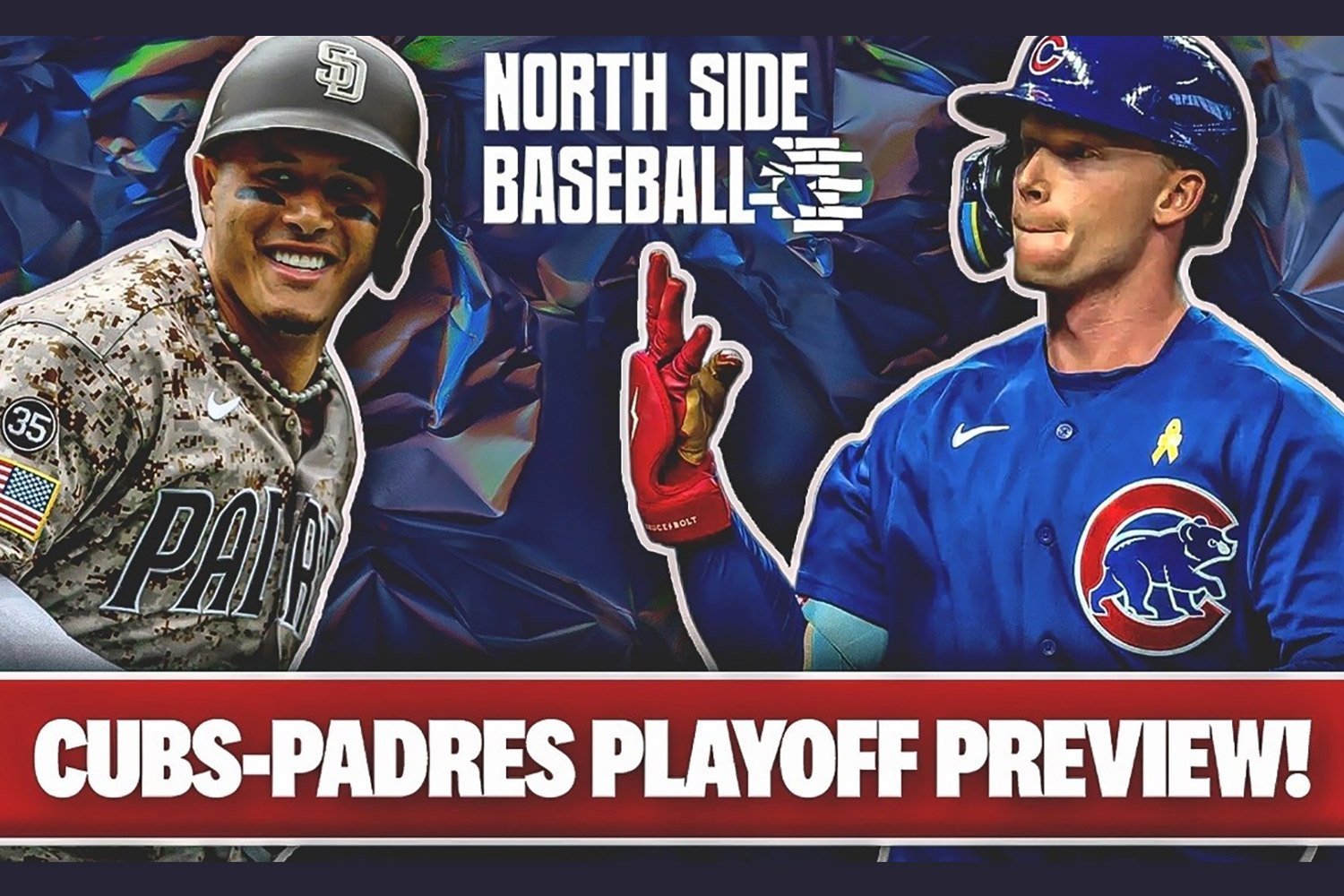 It's a rematch from last year as the Chicago Cubs will take on the San Diego Padres in the Wild Card Round of the MLB Playoffs! Let's break it down! Listen on Apple Podcasts: https://podcasts.apple.com/us/podcast/the-north-side-baseball-podcast/id1798599313 Listen on Spotify: https://open.spotify.com/show/75wMGhBwlrDDYPt3kaF453 Listen on iHeartRadio: https://www.iheart.com/podcast/263-the-north-side-baseball-po-268998437/ Listen on Pocket Casts: https://pca.st/eey7h6ih Watch on YouTube: https://www.youtube.com/@northsidebaseball View the full article
 -
The Main Breakdowns The Royals’ Offense Failed To Fix
DiamondCentric posted an article in Royals Keep
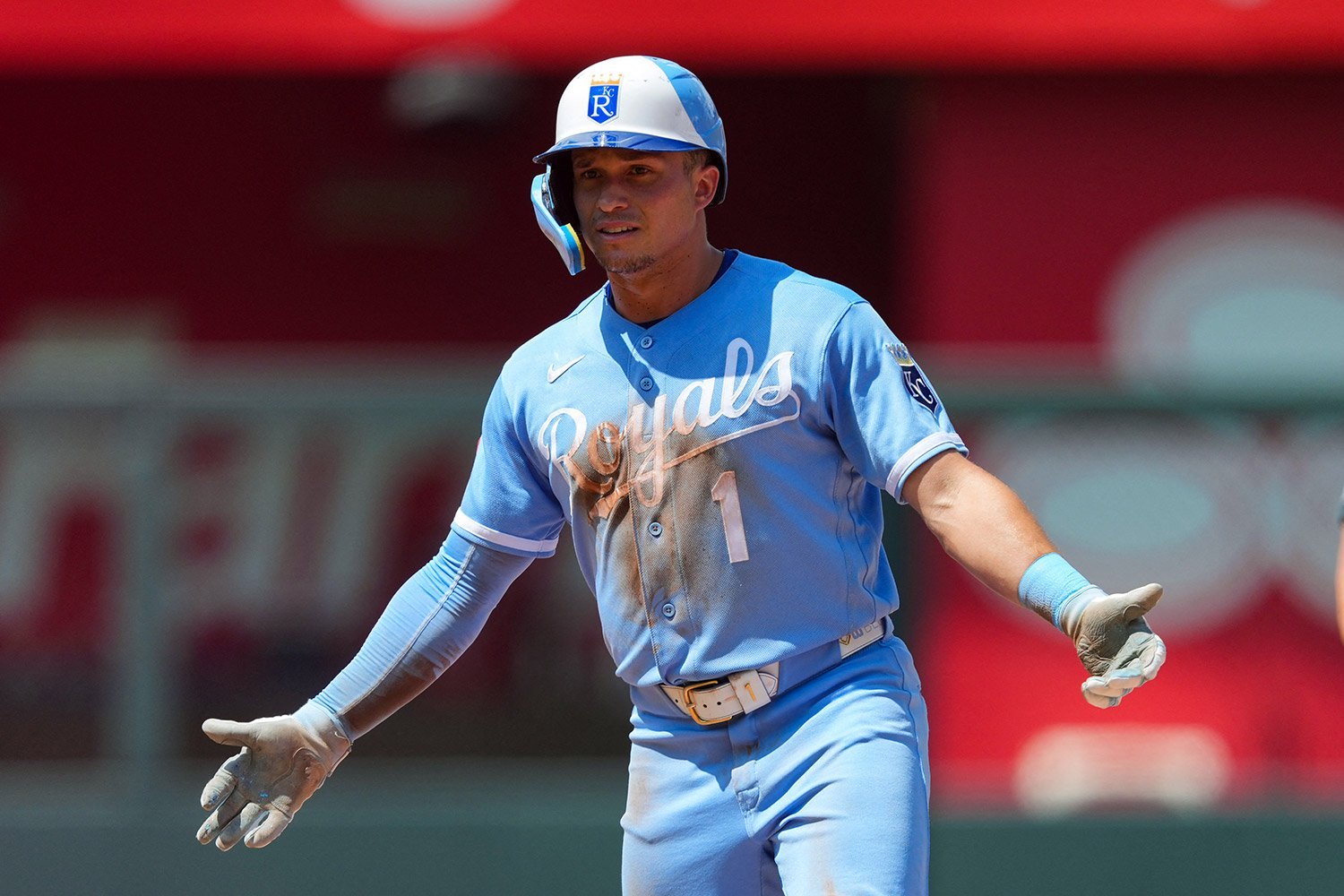 The Kansas City Royals’ offense, even with what they have, could have been better. It is clear that they need their main players to be healthy and to add power to the lineup. However, I have felt throughout the year that the Royals have been close to changing many games, but they have not been able to achieve enough consistency in key moments. So there are many things to discuss about the team’s main offensive breakdowns, but before that, I want to bring you this challenge. Below, I selected a Royals team from one of the last 15 seasons and compiled some interesting combined records for its players, such as the number of hitters with 15 or more home runs, 100 or more strikeouts, and 15 or more stolen bases. I will be comparing them with this 2026 team, so you will have to guess which team option A and B are. Year Lg W L Finish R/G R H 2B 3B HR SB CS BB SO BA OBP SLG OPS Rank 2026 AL Central 68 90 5 10 10 5 1 8 11 4 8 10 13 4 7 9 9 7.8 2015 AL Central 95 67 1 6 6 2 3 4 14 2 8 15 15 2 7 8 7 7.1 As you can see, Team A has a better average in these rankings that I chose, and if you still have doubts, yes, it is this year’s team. Now, what will probably surprise you is that Team B is the 2015 team that finished by winning the division and then the World Series against the New York Mets. Of course, these are only some combined offensive numbers, but they have not been that far apart in the impact both had within the league in their respective years. TEAM 1.0+ bWAR 15+ HR 20 HR+ 15+ SB 100+ H 50+ R 100+ K 10+ GDP Rank A 9 5 2 2 6 4 5 3 27 B 9 5 3 3 6 6 2 7 32 If there is one thing both teams have stood out in, it is their ability to make contact. The 2015 Royals were the second team in Contact% in 2015, and this year’s team appears in second place, behind the Tampa Bay Rays. So this 2026 version is not as far off as perhaps one might think and, as the rankings in each statistic show, the biggest difference has been in the ability to score runs. The 2015 team was sixth, and that small difference between 4.47 and 4.25 runs scored per game was enough to get better results with the complement of pitching and defense. That is why I still believe that, in a certain way, the Royals can be much better with what they have if they can focus better on run production and, above all, get their main hitters to lead the team in the situations that define games. Here is an important part of the assignments that remained unfinished for the Royals’ offense and became the biggest breakdowns throughout the season. Late & Close and Tie Game Player sOPS+ PA HR RBI BB SO BA OBP SLG OPS BAbip Nick Loftin 158 74 3 12 10 10 .270 .370 .540 .910 .280 Michael Massey 157 68 3 10 2 11 .354 .368 .538 .906 .385 Bobby Witt Jr. 142 97 3 14 16 20 .291 .412 .430 .843 .351 Salvador Perez 116 90 4 16 6 16 .253 .303 .458 .761 .270 Jac Caglianone 103 75 2 10 6 24 .261 .320 .391 .711 .372 John Rave 98 27 1 5 2 8 .240 .296 .400 .696 .313 Vinnie Pasquantino 97 73 3 13 3 17 .242 .260 .439 .700 .260 Lane Thomas 86 58 1 8 9 15 .213 .345 .298 .643 .281 Carter Jensen 84 91 4 13 11 32 .179 .286 .359 .645 .233 Kyle Isbel 51 61 1 5 0 20 .214 .228 .304 .532 .314 Isaac Collins 40 99 2 6 12 28 .136 .260 .222 .483 .173 Maikel Garcia 29 55 0 6 6 11 .167 .255 .188 .442 .211 Josh Rojas 23 15 0 3 0 4 .214 .214 .214 .429 .300 Starling Marte -23 31 0 0 2 6 .103 .161 .103 .265 .130 Tyler Tolbert -23 17 0 0 2 6 .071 .188 .071 .259 .125 These were two of the situations in which Kansas City let the most opportunities to change the story of games slip away. In Late & Close situations, the Royals have recorded the second-worst OBP in all of the Majors at .299, and the fourth-lowest OPS+ in the American League. In those situations at the end of games, on-base percentage is just as important as hitting a key hit, since it allows the team to keep pressuring the opponent and gets closer to the possibility of putting together a rally. The Royals did not accomplish it throughout the year, despite hitters who are somewhat undervalued, such as Nick Loftin and Michael Massey, leading the lineup with the highest adjusted OPS figures. Instead, key hitters such as Vinnie Pasquantino and Carter Jensen fell below expectations. If you look further down the table, Kyle Isbel and Isaac Collins appear with a combined OPS of 45. They were usually at the bottom of the lineup more regularly than other hitters, and they have been some of the easiest outs in the entire league in that situation. The low production in Late & Close also combines with the second-lowest on-base percentage in the Majors when the game is tied. Player sOPS+ BAbip PA HR RBI% Lane Thomas 162 .380 86 5 19.8% John Rave 103 .300 34 1 14.7% Salvador Perez 95 .288 165 5 14.5% Josh Rojas 93 .364 26 0 11.5% Michael Massey 85 .300 97 3 10.3% Bobby Witt Jr. 111 .298 199 7 10.1% Carter Jensen 82 .236 173 8 9.2% Vinnie Pasquantino 105 .287 136 3 8.8% Isaac Collins 94 .297 104 1 8.7% Nick Loftin 85 .243 104 2 8.7% Jac Caglianone 75 .267 135 4 7.4% Starling Marte 30 .286 32 0 6.3% Maikel Garcia 102 .305 107 2 4.7% Tyler Tolbert 153 .333 23 1 4.3% Kyle Isbel 40 .256 64 1 3.1% Matthew Lugo 14 .200 8 0 0.0% Jonathan India -5 .125 13 0 0.0% Andrew Velazquez -6 .200 6 0 0.0% Elias Díaz -100 .000 4 0 0.0% Luke Maile -100 .000 4 0 0.0% Kameron Misner -100 .000 4 0 0.0% In this situation, Lane Thomas was the most productive hitter before being traded at the trade deadline to the Atlanta Braves. Pasquantino’s drop in RBI% also stands out, as do Jensen and Jac Caglianone in OPS+, who are part of the power core Kansas City needs in decisive moments. Once again, Salvador Perez and Bobby Witt Jr. remain steady, Massey is close to average in OPS and has one of the best RBI%, while John Rave’s timely hitting is also surprising. The Lost Value of Taking an Extra Base If we had to evaluate the Royals’ baserunning by their +5 Baserunning Runs, with +1 through extra bases taken and +4 through stolen bases, then we would come to the conclusion that they have been able to take advantage often in baserunning after a defensive lapse. However, the story here goes beyond that and reflects two different points: Kansas City has had success stealing bases, but not trying to take extra bases when the ball is put in play, which are two very different situations. In that regard, the Royals have let many opportunities to score runs slip away this year, despite accumulating 634 total advancement attempts, the highest figure in MLB. They have not been able to take advantage of those big opportunities with inefficient decisions. The team has recorded -15 runs from runners being thrown out while trying to advance and another -15 from opportunities in which they did not advance when they could have, two of the most negative figures in the Major Leagues in those categories. By not being able to take extra bases, a large number of opportunities to produce runs are lost throughout games, even with the possibility of taking advantage of outs that could have been productive. Each of these points was especially key in the 47 losses the Royals have suffered this year by two or fewer runs, including the three shutouts they have suffered. There have been an incredible number of games that slipped away at the end, with the 10 walk-off losses standing out so far, seven of them in the first half of the season, and the same number in the ninth inning. Kansas City has averaged 4.25 runs per game, but the slim gap between 4.25 and 5.00 has made a notable difference in their results, as the team has a 45-18 record when they score at least five runs. Heading into 2027, it is clear that the Royals need to rethink many aspects, but one of the most important will be working to get more quality at-bats when every situation that can change the game arises. View the full article
 -
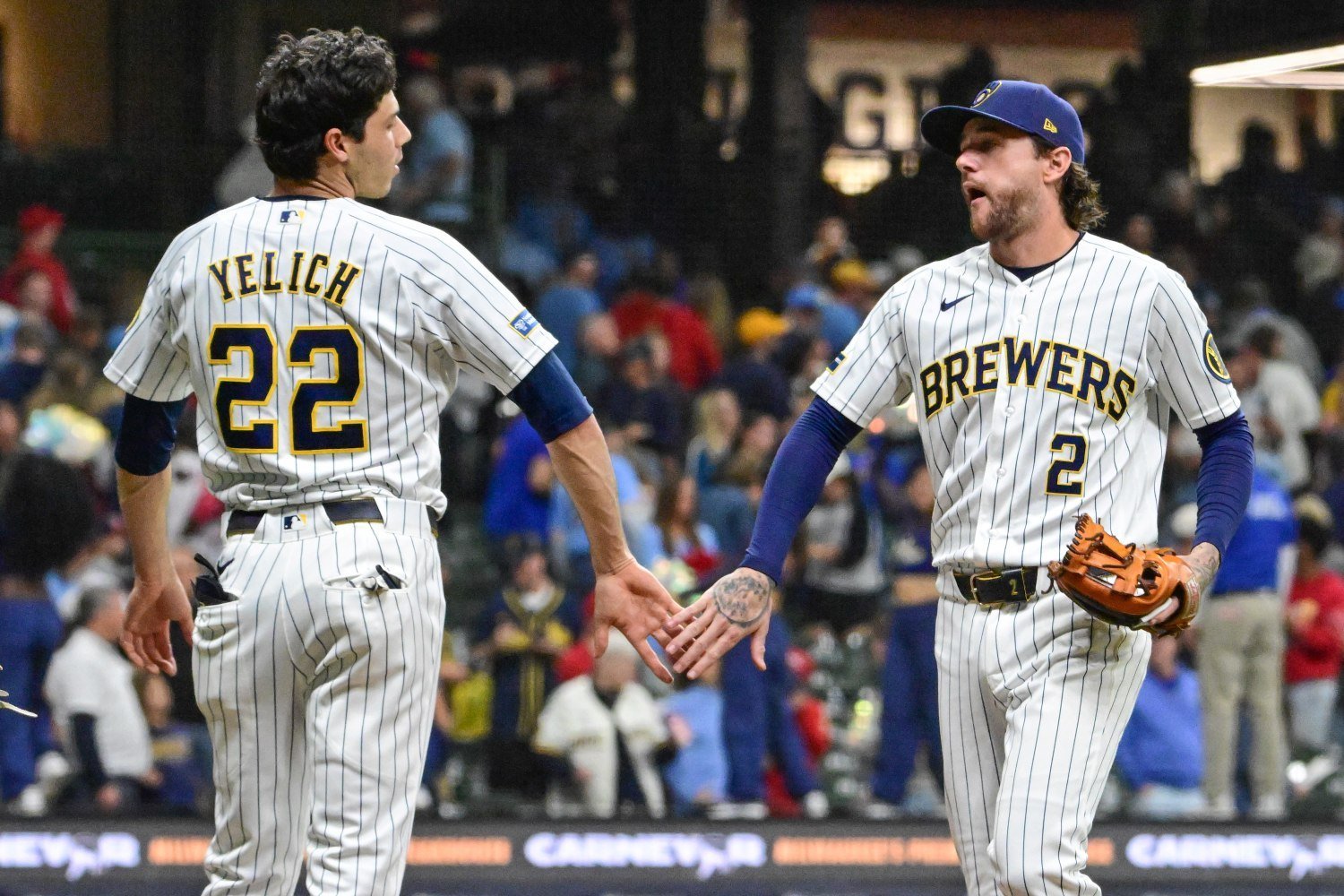 Weekly Snapshot: Record Last Week: 5-1 (Overall: 103-59) Runs Scored Last Week: 30 Runs Surrendered Last Week: 18 Standing: 1st in NL Central Game 157 (9/22) | PHI 6, MIL 4 Game 158 (9/23) | MIL 4, PHI 1 Game 159 (9/24) | MIL 5, PHI 1 Game 160 (9/25) | MIL 8, STL 4 Game 161 (9/26) | MIL 3, STL 2 Game 162 (9/27) | MIL 6, STL 4 Game 157 | Phillies 6, Brewers 4 MIL Starter: Dustin May (2.0 IP, H, 2 BB, 2 ER, 2 K) Top Performers: Colton Gordon (5.0 IP, 4 H, BB, 2 ER, K) William Contreras (H, 3 RBI) It was a rather forgettable start of the week on Tuesday, as the Crew kicked off their week in Philadelphia. However, Colton Gordon was effective in his Brewers debut, chewing through five innings in what would be the team's final loss of the 162-game championship season. Game 158 | Brewers 4, Phillies 1 MIL Starter: Logan Henderson (5.0 IP, 4 H, 3 BB, ER, 3 K) Top Performers: Brice Turang (2 H, 2B, HR, RBI) William Contreras (H, 2 RBI) Christian Yelich (H, HR, RBI) The Brewers rebounded on Wednesday, and did so behind yet another strong start from Logan Henderson. The offense, meanwhile, did just enough to beat Aaron Nola, getting two big swings off the bat of Christain Yelich and Brice Turang en route to a 4-1 win. Yeli goes yard (+10.0 WP%) Game 159 | Brewers 5, Phillies 1 MIL Starter: Shane Drohan (2.2 IP, 3 H, 2 BB, ER, 2 K) Top Performers: Aaron Ashby (2.0 IP, 0 H, 0 BB, 0 ER, 2 K) Jake Bauers (2 H, 2B, BB, RBI) Sal Frelick (H, 2B, 2 BB, RBI) The Brewers won the rubber match on Thursday to claim their final road series of the year, using five different arms and some late offense from Jake Bauers and company, eventually winning 5-1. Jake Bauers’s go-ahead single (+14.9 WP%) Game 160 | Brewers 8, Cardinals 4 MIL Starter: Robert Gasser (6.0 IP, H, BB, ER, 9 K) Top Performers: Brice Turang (3 H, 2B, 3 RBI) Jake Bauers (H, 2 RBI) Jackson Chourio (H, BB, RBI) The final three games of the regular season shifted back to Milwaukee, with the Cardinals coming to town to face off against Robert Gasser. And the Brewer lefty was up to the challenge, turning in one of his finest starts of the season and setting a career high for single-game strikeouts along the way. Meanwhile, the Brewer offense mounted another late surge, scoring four runs in the fourth and putting the game away 8-4. Gasser’s 9 K’s Game 161 | Brewers 3, Cardinals 2 MIL Starter: Dustin May (3.0 IP, 3 H, BB, 2 ER, 5 K) Top Performers: Kyle Harrison (2.0 IP, 0 H, 0 BB, 0 ER, 4 K) JoJo Romero (1.2 IP, 0 H, 0 BB, 0 ER, 3 K) Brice Turang (H, BB, HR, 2 RBI) Once again, the Brewers used a quintet of pitchers to propel themselves to a win, this time with Dustin May getting the start. However, it was Kyle Harrison who garnered some attention, looking like the Harrison of old when he struck out four in his two innings of relief behind May. Then, Turang stole the headline with the bat, flipping the scoreboard for good in the 5th with a towering home run off of Quinn Mathews, as the Brewers won their 102nd game 3-2. Brice Turang flips the scoreboard (+29.6 WP%) Game 162 | Brewers 6, Cardinals 4 MIL Starter: Jacob Misiorowski (5.1 IP, 2 H, 2 BB, 0 ER, 5 K) Top Performers: Jackson Chourio (3 H, 2 RBI) Gary Sánchez (H, HR, 2 RBI) Shane Drohan (1.2 IP, 0 H, 0 BB, 0 ER, 2 K, SV) Win No. 103 on the year assured the Brewers ended the year the way they started it; by sweeping a series at American Family Field. They did it behind the man who started game No. 1, too, as Jacob Misiorowski capped off his historic campaign with yet another gem. Gary Sánchez goes deep (+8.7 WP%) Transactions: 09/25/26 - Placed 1B Andrew Vaughn on the 10-day injured list with an illness. (Retroactive to September 22, 2026) 09/25/26 - Activated RHP Bryse Wilson from the 15-day injured list. 09/25/26 - Designated RHP Lyon Richardson for assignment. 09/25/26 - Recalled LF Brandon Lockridge from Nashville Sounds. 09/23/26 - Optioned LHP Colton Gordon to Biloxi Shuckers. 09/23/26 - Selected the contract of RHP Lyon Richardson from Nashville Sounds. Looking Ahead: Saturday, 10/3 - NLDS Game 1 - Start time TBD Sunday, 10/4 - NLDS Game 2 - Start time TBD Tuesday, 10/6 - NLDS Game 3 - Start time TBD Wednesday, 10/7 - NLDS Game 4 - Start time TBD Friday, 10/9 - NLDS Game 5 - Start time TBD View the full article
 -
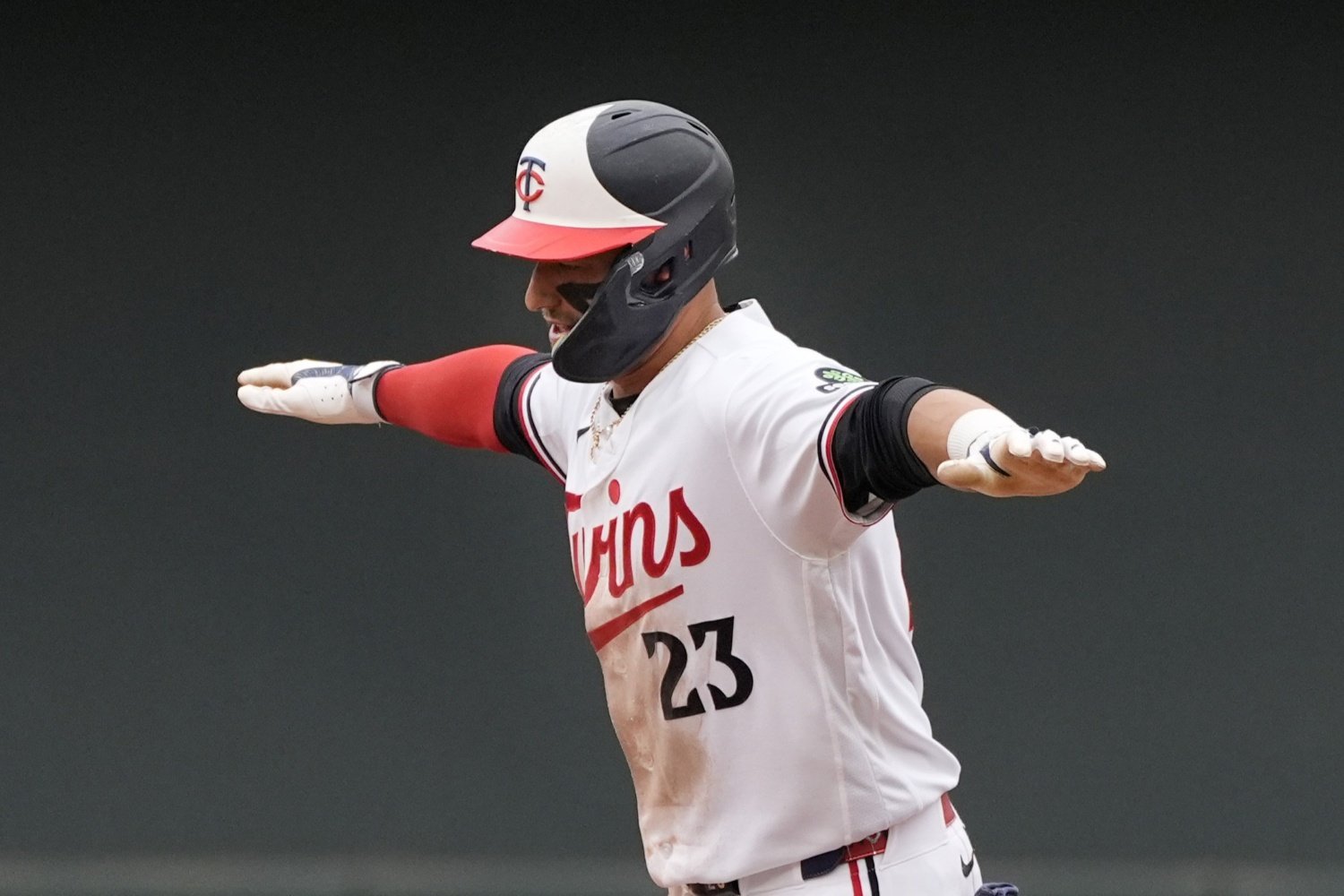 Box Score: Starting Pitcher: Dean Kremer: 7 IP, 3 H, 1 ER, 0 BB, 4 K (74 Pitches, 49 Strikes, 66.2%) Home Runs: Josh Bell (21), Royce Lewis (15) Top 3 WPA: Bell (0.23), Kremer (0.22), Luke Keaschall (0.09) Win Probability Chart (Via BaseballSavant): It’s the final day of the regular season, and some of the games still mattered, including the Twins' tilt against the Rangers at Target Field. A Rangers win paired with an Astros loss would have meant Texas had a ticket to the playoffs, albeit as a sub-.500 team. There isn’t a lot to like about this Texas team, as they trotted out MacKenzie Gore to start in this must-win game. Gore has flashed some upside in the past—enough for the Rangers to target him over the offseason—but he’s never posted an ERA+ over 104. He was only allowed to face the Twins one turn through the lineup, and gave up a sacrifice fly to Josh Bell in the first following a Luke Keaschall walk and a Kaelen Culpepper single. Dean Kremer got the ball for the Twins, and looked pretty sharp in spotting his cutter and splitter on both sides of the zone. He allowed a rocket home run to Danny Jansen in the third, but was otherwise in control, continuing his run of being very Carl Pavano-ish. Had the rest of the team fulfilled their end of the bargain post-trade deadline, his acquisition would have been seen as quite the coup. There's little doubt left about whether he'll be back next year, anyway. After the Rangers lifted Gore with one out in the third, Chase Silseth came on and plunked Keaschall, before allowing a soul-crushing home run to Bell. Silseth was demonstrative after that result, but brother, it was a fastball middle-in, and you’re Chase Silseth, not Mariano Rivera... or Neftali Feliz... or heck, even Yoendrys Gómez. The venerable Jakob Junis came on for the fifth inning, allowed a single to Walker Jenkins and then walked three in a row to officially tank a sad, dumb season for the Rangers. The score stayed there until Elias Díaz homered off of A.J. Minter to start the eighth. By that point, Houston had built a commanding lead against the A's and the game had taken on a more exhibition-like feel. It ended rather quietly, despite a late Royce Lewis homer and a blow by Corey Seager to bring Texas back within striking distance in the ninth. Stuff I’m Tracking: Bell seemed to really want that 100th RBI, despite coming in needing seven to attain that number. He sure gave it a run, with three RBIs over the first three innings. Justin Morneau in the booth seemed really set on Brooks Lee being team MVP. A sub-.300 OBP would be my argument against that, but I do agree that he could be a starting third baseman on a winning team. You just don’t want him to be a focal point of said team. Keaschall now has a 122 OPS+ in over 800 plate appearances as a big-leaguer, with a .374 OBP. Have we considered putting him at first base next year? He’s been worth 3.0 fWAR, despite the defensive struggles. Lewis was caught stealing for the first time this year, making him 16-for-17. Hey, at least he's done all the little things besides be a good hitter, since apparently that’s off the table. His homer came in his final at-bat, which might be the last he takes as a Twin. Did anyone else find it weird how Texas was getting cute with matchups, lifting Gore early and using six pitchers over the first five innings? We’re not talking about a San Diego or Milwaukee bullpen here, just a lot of Kody Funderburk equivalents and a decent closer (Jacob Latz). It felt desperate, but then again, their situation was that and more. What’s Next: I have no idea. I’m intrigued by Byron Buxton getting his hip fixed after half a decade of playing through pain there. A lot of Victor Caratini. Some competent starting pitching on paper. Better defense on paper. Possibly a farewell to: Ryan Jeffers Bell Taylor Rogers Lewis Trevor Larnach Austin Martin Joe Ryan A.J. Minter Bailey Ober Tommy Nance Matt Wallner Maybe even Emmanuel Rodriguez if the Twins really shuffle the deck with him out of options Whatever's next, it's not coming right away. Today's a good day to savor the good memories this team gave us, and to lament the missed opportunity in such a wide-open American League. Postgame Interviews: Bullpen Usage Chart: WED THU FRI SAT SUN TOT Adams 0 0 0 40 0 40 Morris 23 0 0 0 16 39 Gomez 24 0 0 9 0 33 Rogers 0 0 8 14 0 22 Funderburk 0 0 19 0 0 19 Minter 7 0 0 0 9 16 Nance 0 0 11 0 0 11 View the full article
 -
Mick Abel Takes Another Step Forward in Elbow Recovery
DiamondCentric posted an article in Twins Daily
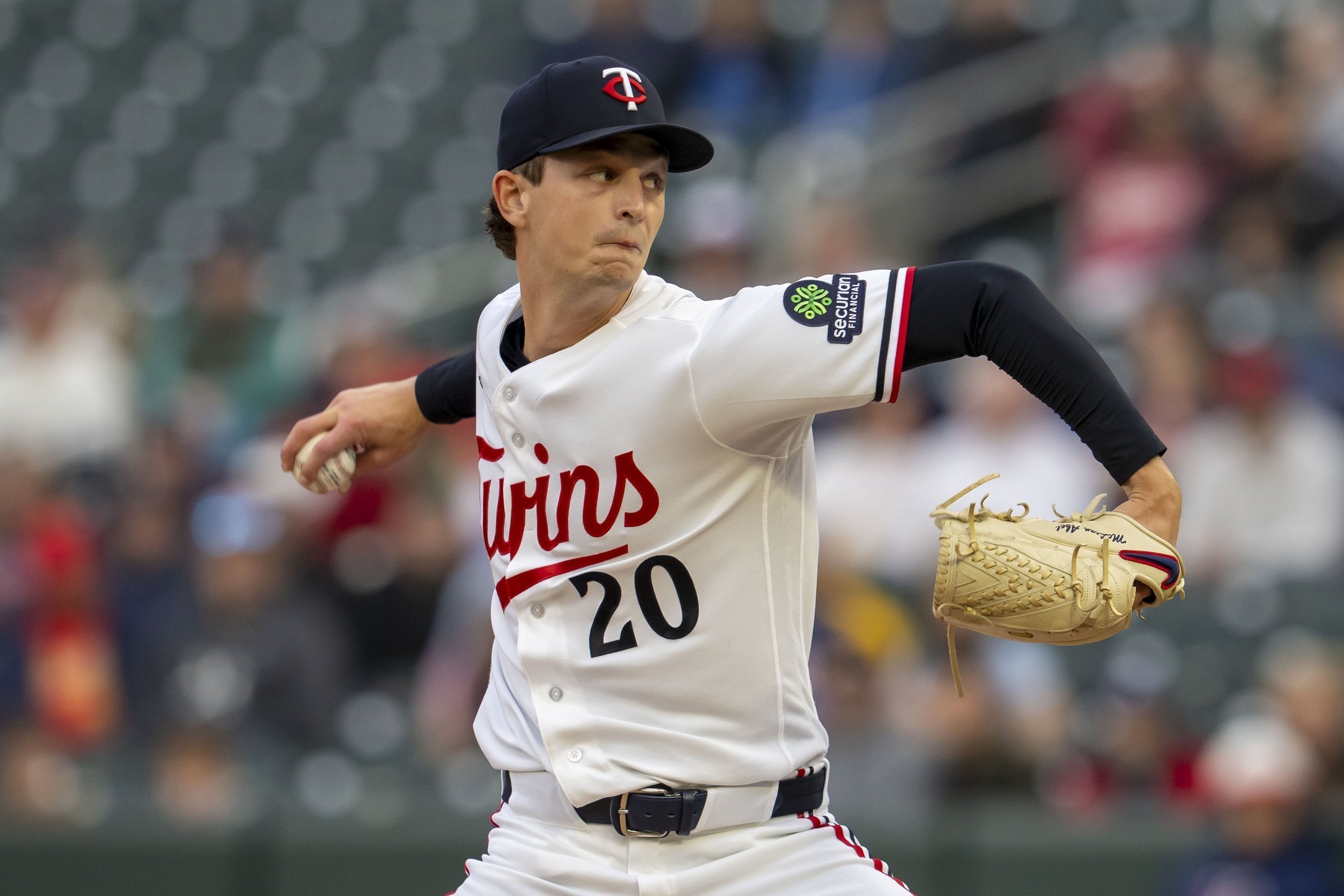 The Minnesota Twins have spent much of the 2026 season waiting for Mick Abel to get healthy. On Saturday, they received another encouraging sign in that process. According to The Athletic's Dan Hayes, Abel was seen throwing off the mound at Target Field on Friday. It is a small step in the overall rehabilitation process, but after months of setbacks, any progress is worth noting. Abel underwent arthroscopic surgery on his right elbow on July 1, performed by renowned orthopedic surgeon Dr. Keith Meister. The most important piece of news from that procedure was what doctors did not find: Abel's ulnar collateral ligament remained intact. This was not a Tommy John surgery situation, and an internal brace procedure was not necessary. Instead, the surgery was intended to address the recurring discomfort that repeatedly interrupted Abel's rehabilitation. That discomfort had already turned what looked like a promising season into a frustrating one. From Breakout to Setback When the Twins acquired Abel from the Philadelphia Phillies as part of last summer's Jhoan Duran trade, they were betting on upside. The former first-round pick had struggled to find consistency early in his professional career, but the talent that made him a highly regarded prospect was still there. That talent began showing itself during Spring Training. Abel's fastball had more life, his secondary pitches generated more swing-and-miss, and he looked like someone capable of finally establishing himself as a long-term member of Minnesota's rotation. The early regular season results only added to that optimism. Through his first 20 1/3 innings, Abel struck out 23 batters with a 2.73 FIP and a 1.57 WHIP. His command remained inconsistent (10.8 BB%), but opposing hitters were having trouble squaring him up and were increasingly chasing pitches outside the strike zone. Then the elbow became an issue. Abel landed on the injured list in April, and what initially appeared to be a relatively manageable setback turned into a much longer process. Twice, he appeared to be approaching a return. Twice, renewed discomfort stopped him. Additional imaging provided some positive news. His MRI showed no damage to the UCL or flexor tendon. However, the recurring discomfort ultimately led to the consultation with Meister and the decision to proceed with arthroscopic surgery. Now, Abel is taking another step toward getting back on the mound. There is still plenty of work ahead. But considering where Abel's rehabilitation stood just a few months ago, seeing him on a mound represents meaningful progress. The Twins need Abel as part of the starting pitching mix for spring training. For a season that has repeatedly stalled, that's a welcome sight. View the full article
 -
2026 Brewers Affiliate Season Recap: Double-A Biloxi Shuckers
DiamondCentric posted an article in Brewer Fanatic
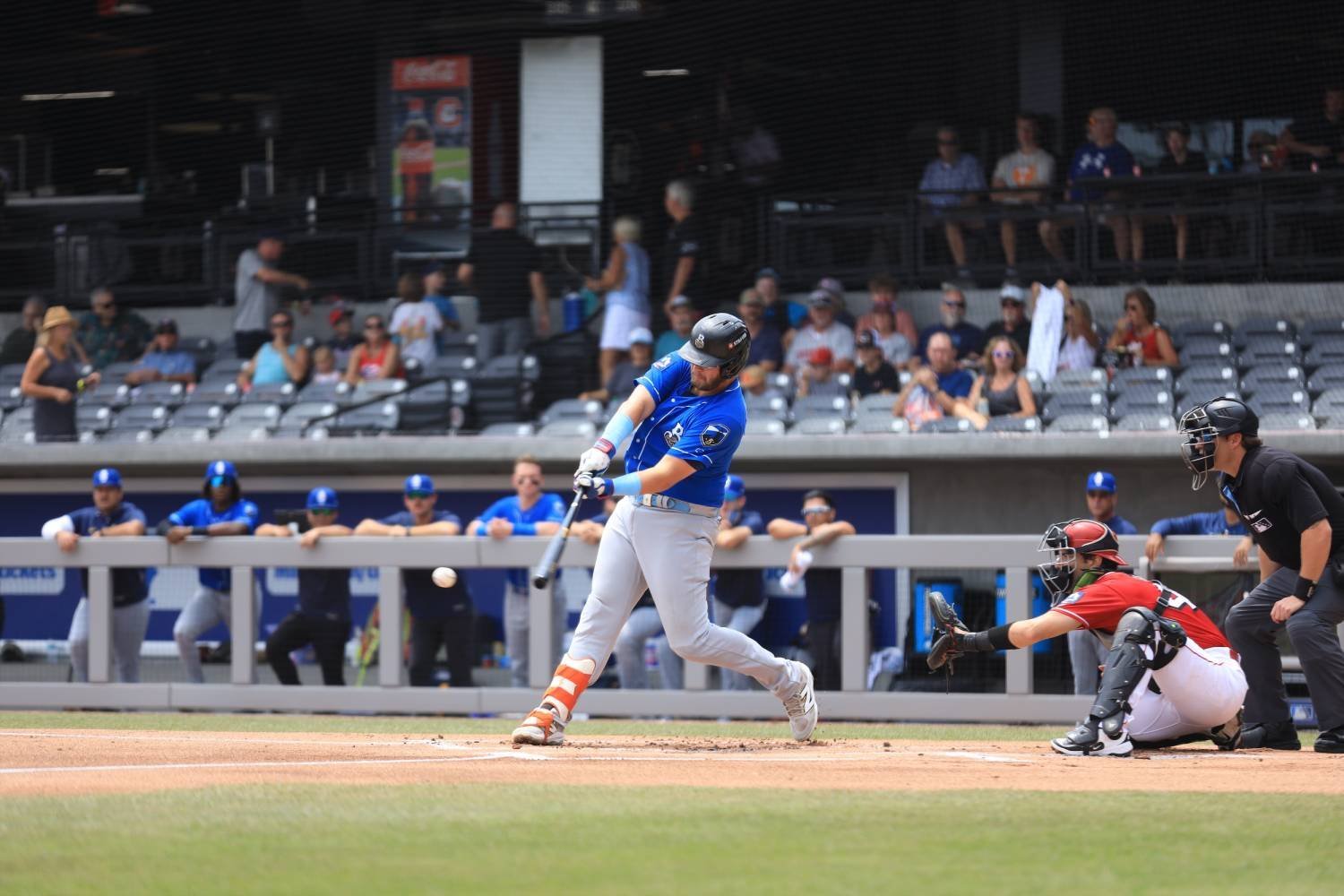 If you like home runs, watching the Double-A Biloxi Shuckers provided plenty of entertainment in 2026. Not only did Brock Burke hit 30 for the Shuckers before going up to Triple-A Nashville late in the season, but Andrew Fischer came up to Biloxi and crushed 28 in 72 games, giving him a minors-best 48 during the regular season. Fischer, Brewer Fanatic’s No. 5 prospect, did something no other Brewers prospect had done in nearly 50 years in leading the minors in homers. The last one to do so was Bill Foley, who hit 34 in 1978 for Class A Burlington. Then, Fischer added two more homers in the Southern League playoffs, with the Shuckers sweeping the Pensacola Blue Wahoos, then losing in the best-of-three Championship Series. Surprisingly, the Shuckers did not lead the Southern League in homers, finishing fourth, six behind the leader. But they did finish second in runs scored and batting average, while leading in OPS. The pitching side was not as fortunate. The Shuckers finished seventh in the eight-team league in ERA and sixth in batting average allowed. Still, the Shuckers won the South Division first-half title with a 35-30 record with a plus-40 run differential, which was the best in the league. The second half was not so kind, even with Fischer added to the roster. Biloxi finished last at 31-38 and were one of three teams with a negative run differential at minus-37. While those are some of the numbers behind how the Shuckers performed, this was a roster full of prospects. And that begins with Jesus Made, the No. 1 overall prospect in baseball as well as at Brewer Fanatic. Made spent the entire season with the Shuckers and posted a slash line of .271/.344/.430 with 14 homers and 91 RBIs, tying for the Southern League lead. Whether Biloxi was Made’s final stop in the minors before joining the major-league roster is something for the Brewers’ front office to think about this offseason. Burke (Brewer Fanatic's No. 6 prospect) was named the Southern League MVP after posting a .285/.367/.603 slash line with 88 RBIs in addition to the 30 homers. Second baseman-outfielder Josh Adamczewski (No. 3 prospect), center fielder Braylon Payne (No. 4 prospect), right-handed starter Bishop Letson (No. 11 prospect), catcher Marco Dinges (No. 12 prospect) and right-handed starter Jaron DeBerry were among the prospects who were with Shuckers this season. Stat Leaders League: Southern League South Division First half: 35-30, first place, 1 game ahead, plus-23 run differential Second half: 31-38, fourth place, 12½ GB, minus-37, run differential Hitting leaders (20 games minimum) Average: Jacob Hurtubise .317, Damon Keith .300, Josiah Ragsdale .292 Slugging percentage: Ragsdale .698, Andrew Fischer .637, Blake Burke .603 OPS: Ragsdale 1.127, Fischer 1.026, Burke .970 Runs: Jesus Made 87, Dylan O’Rae 80, Burke 68 HRs: Burke 30, Fischer 28, Matthew Wood 18 RBIs: Made 91, Burke 88, Wood 67 Pitching leaders (10 games minimum) ERA: Cameron Wagoner 2.03, Tanner Gillis 3.32, Mark Manfredi 3.63 Strikeouts: Jareon DeBerry 138, Manuel Rodriguez 115, Bishop Letson 99 WHIP: Wagoner 0.79, Gillis 0.96, Jack Seppings 1.14 Opponent average: Wagoner .161, Ryan Birchard .168, Gillis .200 Wins: Rodriguez 13, DeBerry 8, Letson 7 Saves: Wagoner 7, Stiven Cruz 4, Sam Garcia 3, Edwin Jimenez 3 View the full article
 -
 Marlins manager Clayton McCullough speaks exclusively with Fish On First about his second season in Miami, becoming more relaxed in his position, players he's most excited to see make a leap in 2027 and more.View the full article
 -
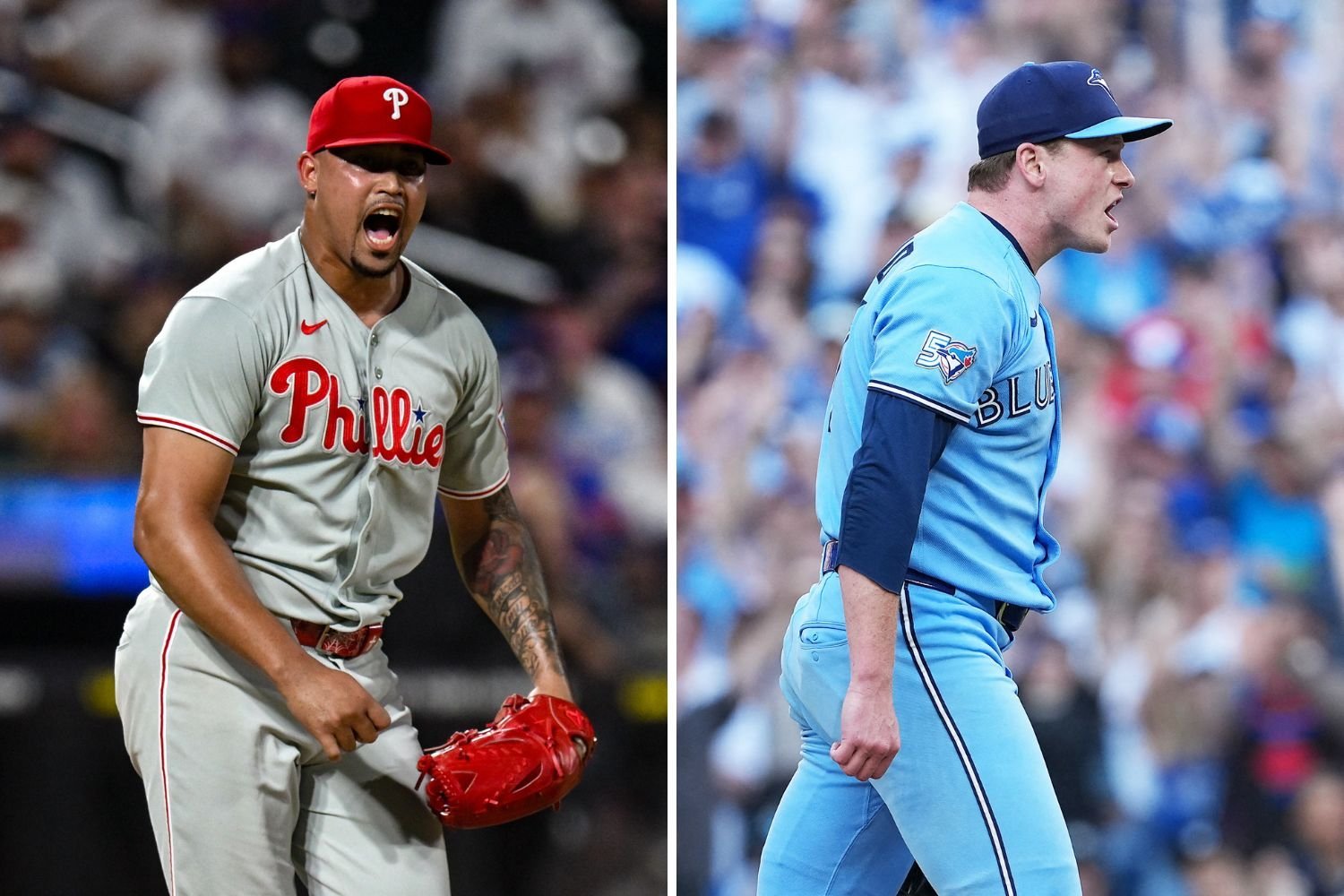 The 2026 Minnesota Twins were not supposed to be contenders. Heading into the season, expectations were low, and few people expected them to spend most of the year hanging around the American League playoff picture. Yet that is exactly what happened. The Twins were surprisingly in the playoff mix for roughly 80% of the season, were buyers at the trade deadline and even occupied a playoff spot midway through August. They were not mathematically eliminated until the middle of September. A big reason they remained relevant for so long was the weakness of the American League, but that should not take away from the fact that they had an opportunity in front of them. The Twins were playing meaningful baseball deep into the season, and the playoff spot was there for the taking. Unfortunately, the Twins could not take advantage of it. Despite becoming buyers at the trade deadline, Minnesota went on to become one of the worst teams in baseball over the final stretch of the season. The frustrating part is that this was not a roster that was completely incapable of competing. The Twins will likely finish the season with the second-most runs scored in the American League. Their starting rotation, despite its flaws, was not among the worst in baseball. The starters will finish 18th in MLB in fWAR and 14th in xERA. The defense was certainly a problem, but when looking at what ultimately kept the Twins from taking advantage of such a wide-open playing field, the bullpen stands out. The Twins bullpen was one of the worst in baseball for much of the season and will finish 26th in MLB in ERA. It also had the second-highest walk rate in baseball. Those numbers actually include the improvements Minnesota made at the trade deadline by acquiring A.J. Minter and Jeff Hoffman, meaning the full-season numbers make the bullpen look better than it was for much of the first half. Before the deadline, the Twins had the second-worst bullpen ERA in baseball. It took the front office most of the season to figure out what it wanted its bullpen to look like, from acquiring Yoendrys Gomez early in the season to turning Andrew Morris into a one-inning reliever in May and eventually adding Hoffman and Minter at the deadline. By the end, the Twins had finally put together some legitimate pieces, but all of that work still resulted in a bullpen that ranked near the bottom of the league in ERA, and well below average in metrics like FIP, WAR and WPA. That makes it difficult not to think about two star relievers who could have been in that bullpen all along. At last year's trade deadline, the Twins traded away their three best relievers in Jhoan Duran, Griffin Jax and Louis Varland. Jax has since transitioned into a starting role, so his situation is a little different. Duran and Varland, however, continued in the roles they had with Minnesota and turned in two of the best relief seasons in baseball. Duran was spectacular for the Phillies, posting Win Probability Added. He became exactly the type of high-leverage weapon Philadelphia hoped it was acquiring when it traded for him. Varland was even better. After showing flashes with the Twins, primarily in the bullpen, Varland took his career to another level after settling into a full-time relief role with Toronto. He posted a 1.29 ERA, trailing only Mason Miller for the best mark among MLB relievers. He was worth 3.1 fWAR and posted a 3.57 WPA, making him one of the most valuable relievers in baseball. Put the two seasons together and Duran and Varland were worth nearly six fWAR in 2026. That is an especially significant number when looking at the Twins' bullpen because Minnesota spent a large portion of the season relying on replacement-level players to fill innings. This bullpen needed significant help, while those two departed relievers combined to provide nearly six fWAR for other teams. Simply replacing some of the innings Minnesota gave to replacement-level relievers with Duran and Varland would have dramatically changed the quality of the bullpen. There is also a much bigger domino effect to consider. If Duran and Varland had been in Minnesota from the beginning of the season, the Twins certainly would not have blown as many games early in the year. A better bullpen would have meant a better record, which would have meant higher playoff odds at the trade deadline. Higher playoff odds could have led the front office to be more aggressive in July, potentially resulting in an even stronger roster for the final two months of the season. Instead of spending much of the year trying to figure out the bullpen, Minnesota could have spent those resources addressing other weaknesses. There is no way to know exactly how those alternate decisions would have played out, but the point is that the impact of keeping Duran and Varland would not have been limited to the innings they personally pitched. The other side of the equation is what the Twins actually received for the two relievers. Mick Abel, acquired in the Duran trade, barely had an opportunity to contribute before an injury ended his season. Alan Roden and Kendry Rojas, acquired in the Varland trade, also did not make a meaningful impact on the Twins' 2026 season. That does not mean those players cannot become important pieces for Minnesota in the future, and it would obviously be unfair to evaluate prospects solely on what they did in the first year after the trade. But it does make the opportunity cost of the trades much easier to see. The Twins gave up two relievers who became two of the best in baseball, and the players they received did not help them win games during a season in which the team was surprisingly close to the playoffs. That is the important distinction here. Trading Duran and Varland was much easier to justify if the Twins were convinced they were heading into a lost season and needed to prioritize the future. Both players were relatively inexpensive, had multiple years of team control remaining and had significant trade value. If the Twins had spent 2026 buried in the standings, nobody would be looking at these trades and wondering how many games they cost the team. Trading established relievers for promising prospects makes sense when a team is rebuilding. But the Twins insisted they were not rebuilding, and the 2026 season more or less proved that out. They were in the playoff race. They were buyers at the trade deadline. They were sitting in a playoff spot in August. They remained alive until September, despite having one of the worst bullpens in baseball. That is what makes the decision so much harder to swallow in hindsight. There is obviously no way to say that Duran and Varland would have guaranteed a playoff spot. Baseball does not work that cleanly, and there are too many variables involved to simply add their WAR to the Twins' win total and declare an alternate result. But it is difficult to look at the season the Twins just had and argue that those two players would not have made a significant difference. The offense was good enough. The starting pitching was good enough to keep the team competitive. The American League was vulnerable all season. The Twins remained in contention despite their bullpen being one of the biggest weaknesses on the roster. Maybe the Twins still would have fallen short with Duran and Varland. Maybe other weaknesses would have caught up with them. But considering how long they remained in the playoff race with a terrible bullpen, it is difficult not to wonder what would have happened if two of the best relievers in baseball had still been wearing Minnesota uniforms. So, what do you think? If the Twins had kept Jhoan Duran and Louis Varland instead of trading them last season, would Minnesota have made the playoffs in 2026? Leave a comment below and start the conversation! View the full article
 -
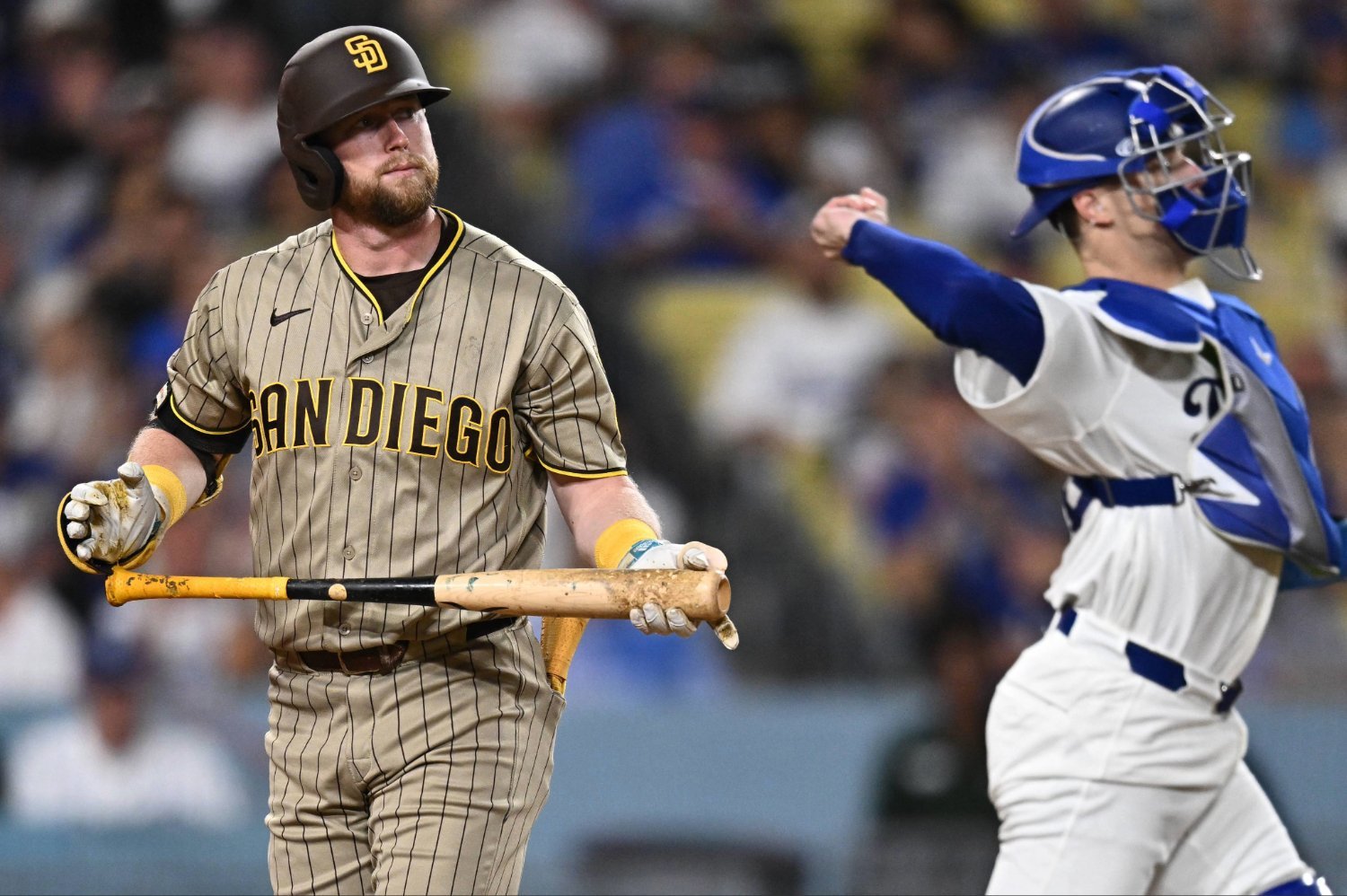 No team really has a way to control the pace. Over a long season, you never know how they will arrive in October in terms of rhythm and injuries. The mere fact of being able to compete in September should be a reason for celebration for many organizations. But there are others that were built to reach the postseason stage, and the San Diego Padres have been one of them. Nothing less was expected, and the way they are playing baseball at the doorstep of the playoffs has raised expectations even further. It is almost certain that the Padres will face the Chicago Cubs in one of the National League Wild Card Series, an opponent who has given them lots of trouble recently. Chicago has won five of six games this season while posting an enormous +27 run differential. That would not be an ideal matchup given the strength of their offense. But even if they dodge that bullet as the Cubs quietly collapse down the stretch, there are some pressing questions this team must answer before officially starting their quest for a World Series trophy. Let’s break down some of the most important ones. Who should be the Game 2 starter after Michael King? Let’s start at the beginning of the chaos. When the trade deadline ended, this question seemed less complicated. The Padres reinforced themselves with 2021 American League Cy Young winner Robbie Ray and All-Star Casey Mize. Both arrived in San Diego with the goal of aiding a rotation besieged injuries that was surviving thanks to the great strength and durability of the bullpen. Even so, Padres starters posted a 4.62 xFIP and 4.3 fWAR in 112 starts during the first half of the season. The numbers have worsened to a 4.70 ERA and only 1.6 fWAR since. The two arms that were expected to be a strength have been precisely the most vulnerable. In 17 starts, Mize and Ray have combined for –0.5 fWAR, a 5-5 record and a 5.72 ERA with 55 strikeouts, 43 walks and 17 home runs allowed. Only five of the 17 starts have been quality starts, and thanks to the Padres’ dominant relief corps, those numbers have not looked worse in the final results of the games. In Mize’s nine starts, the Padres are 6-3 and have been able to salvage two of the outings in which he allowed at least four runs. Ray, although he has also been bombarded, has at least recorded five innings in six of his eight starts. His status as a left-hander could also fit against lineups with several left-handed hitters like the Cubs, but with what we have seen from both pitchers, the Padres will have to decide whether they feel comfortable trusting either in a short series. So, it is very likely that Walker Buehler or Nick Pivetta will compete for that spot as the Game 2 starter. Pivetta just returned from the injured list and had not pitched since April, but he has looked good in his return with a pair of wins and a 1.93 ERA in three starts. I don’t think Pivetta is a bad option for Game 2 considering that the Padres have a deep bullpen, especially if they can get a deep start out of King in Game 1. But there is one factor that makes the difference: historically, he has pitched much better against the Cubs. Buehler is 1-4 with a 5.83 ERA in nine appearances—eight as a starter—against Chicago in his career. The situation has gotten worse this season, with a 0-1 record, an 11.42 ERA, three home runs and 11 runs allowed in just 8 2/3 innings. Five of the Cubs’ regular hitters have driven in at least two runs against Buehler and four have hit home runs: Dansby Swanson (2), Michael Conforto (2), Seiya Suzuki and Miguel Amaya. Pivetta, on the other hand, has fared better. He is 2-2 with a 3.96 ERA and has recorded at least five innings in four of his five starts. The last time he faced Chicago in the regular season was in April 2025, when he pitched six innings of one-run ball to earn the Padres’ 4-2 victory. He followed that up with a strong outing (two earned runs over five innings) in last year's Wild Card Round. Again, Swanson and Conforto appear in the matchups with two home runs each, but among them only Ian Happ (3-for-10 with a double and six strikeouts) and Carson Kelly (3-for-6, triple and RBI with three strikeouts) have been able to produce against Pivetta’s pitches. Pivetta appears to be the best option here, unless the Padres decide otherwise against the dangerous Cubs lineup that has been relentless against them this year. Is Jake Cronenworth Worthy of Starting Every Day? In many offensive terms, Jake Cronenworth has not had a more puzzling season than this one. His power had disappeared along with a sudden lack of quality contact. In a way, that can be forgivable in a hitter, and some good at-bats can hide those problems when those hits change the course of games. Cronenworth has never been known as the type of hitter made for clutch moments, but when his swing is right and he does not chase too much, he often shows up. He is getting it done these days after a completely quiet first half of the season. In high-leverage situations, Cronenworth has a career 91 wRC+, so it was inevitable to be surprised by his –12 wRC+ in the first part of the season. It’s not that he has been that good in those situations since the All-Star break, but he has a 77 wRC+, his OPS has risen from .259 to .623, and he finally broke out of his puzzling power outage in clutch moments. After dropping from a 119 wRC+ in July to 75 in August, Cronenworth’s swing has produced a 101 mark this September and he is at his best point of the season combining contact and power. He should probably be in the lineup in every postseason game the Friars play, barring a particularly tough matchup. Are Dustin Harris and Samad Taylor ready to overcome the pressure of the postseason? The answer for the Padres could be in the rhythm Cronenworth can maintain, and how much they are willing to risk defensively for Gavin Sheets’ bat. Both Taylor and Harris have been revelations who have brought contact and speed to the lineup. The metrics have Taylor at –2 Fielding Run Value, the same as Cronenworth, while Sheets has –4 and the worst range of the entire Padres' defense this year. Harris has the best numbers among them, but he is still an average fielder. So, the Padres have to decide which formula could work best. If they keep Cronenworth at second base with his range issues to preserve his bat in case he stays hot, the only consolation at this point is that he has been a better contact hitter against left-handed pitchers. The other option is to bring Fernando Tatis Jr. to second base, as they have also experimented with recently, and keep Harris in right field. The other decision would be who remains the starter in left field, but I don’t think there is much discussion at this point considering the way Taylor is playing. With Tatis at second base, the Padres would have one of the best defensive infields we could see in these playoffs, and the all-important defensive equation would be much more fortified. Over the last few weeks, Cronenworth has appeared at every infield position, which seems like a preview of the role he will have. In the postseason, every pitch, every out and every detail counts. So, finding the best initial defensive setup could be the key, and something I love about these Padres is that they have the versatility to make any number of combinations work. View the full article
 -
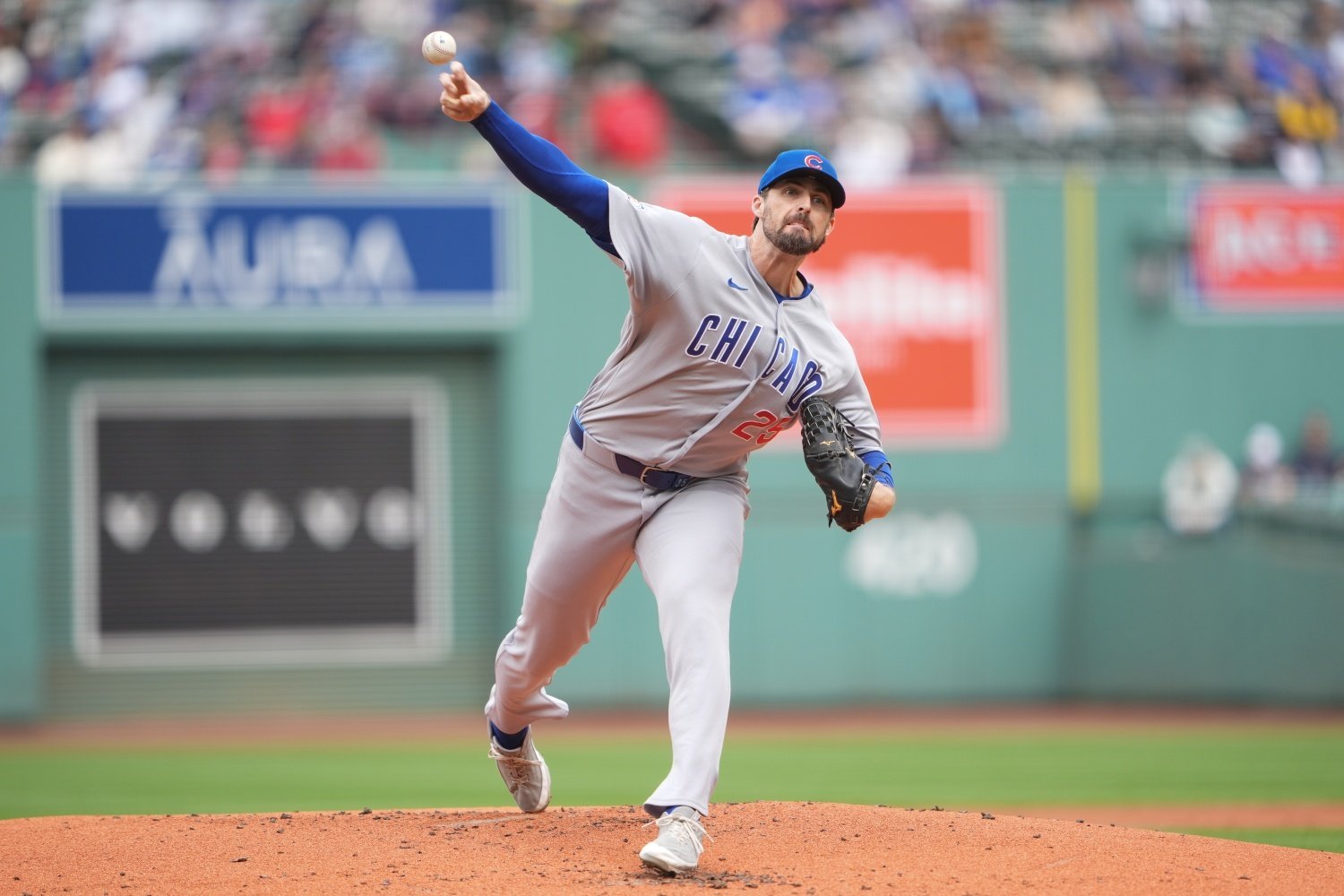 Clay Holmes has had some bright moments since coming to the Cubs. In a four-start stretch in August, he allowed just one run in 25 innings pitched, racking up outs with ruthless efficiency by keeping it in the park and in front of the team's excellent defense. He didn't strike out many, even in that hot streak, but he also didn't walk many, and he seemed almost home run-proof. No Cubs starter has been better over a similar stretch this year. That memory is pleasant, but it's distant, now. In four starts this month, Holmes has faced the same number of batters (93) that he faced in those previous four, but he's walked 15, instead of 7. He's given up two home runs and struck out just 15. His 8.24 ERA looks bad, but the reality of the situation is worse. He's also allowed two unearned runs, meaning that opponents are scoring more than a run for every three outs Holmes gets. He's utterly lost, at the worst possible time. Plainly, walks are a huge part of the problem. Walking one of every six batters you see is a recipe for disaster. But that's not all that's wrong, at this point. Holmes also isn't missing bats. He's not suddenly giving up tons of hard contact, but between the walks and a few more singles, he's always dealing with traffic. That makes whatever barrels he does run into more damaging. All of this could be happening as a product of dumb luck, really. It's not, though. Holmes has been a different pitcher since joining the Cubs than he was with the Mets, before getting hurt in May and being sidelined until just after the deadline. He's a different guy than he was in 2025, the first year of his transition from reliever to starter. The changes might be the Cubs' doing, or they might be Holmes's own ideas, or they might be him adjusting to and working around lingering issues from the broken leg that shelved him. Whatever the reasons, though, the effects of those changes have been catastrophic. First, there's the arm angle thing. Holmes's sinker is a remarkably heavy pitch, but the thing that's always made it especially deceptive is his high arm slot. Most sinkerballers throw from a lower arm angle than guys who rely on four-seam fastballs. Among hurlers who have thrown at least 250 sinkers in either of the last two seasons, the median arm angle on that pitch is just under 34°. Holmes's 43° angle last season put him in the 81st percentile for sinker arm angle, and that sample includes plenty of guys whose "sinkers" are really run-over-sink two-seamers. This year, though, his arm angle on sinkers is 38.5°. That's only in the 63rd percentile in the aforementioned sample. He's not throwing from an angle as unusual as the one he used to use for the pitch, so it's not stumping hitters as badly as it used to. And that change happened not over the offseason, but between when he last pitched for New York and when he took the bump for Chicago. The lower angle is a problem for the sinker, itself, but there are other problems afoot. Consider the changes in his pitch movement profile, too. Here's what that looked like in 2025: Here's the 2026 version of that same visual: What's changed? The biggest thing is this: Holmes's arsenal no longer has the same vertical disparities and differentials as it had a year ago. He's added a curveball that has considerable depth, but he doesn't have a true cutter anymore—the pitch still thus labeled is really his slider, with the same speed and depth as the one he threw last year—and he's all but abandoned the four-seamer. If the curve worked off the rest of the arsenal in the traditional way, that might not be as big a problem as it's actually been. Instead, Holmes only throws that pitch one way, really. He tries to land it on the outside edge to lefties, backdooring them. That's a neat trick, and he's shown better command of that pitch to that spot than most pitchers can achieve. But it's a standalone offering in that niche. It's not interacting with the rest of his stuff much at all, let alone setting up a vertical stretching of the zone that engenders whiffs. Thus, nothing's working. His four-seamer's getting hit. His cutter's getting hit. And his sinker isn't doing as well as it would need to be, to offset those issues. Not all of Holmes's walks are happening because he's truly wild. In fact, he's having some good battles with hitters lately. Two of the three walks he issued in his last start of the regular season, against the Red Sox, were eight-pitch plate appearances. Those become walks, instead, because Holmes can't get past hitters' lumber. They foul things off until he misses, and then they punish that miss if it's in the zone and they accept a walk if it's not. The Cubs talked to Holmes about changes they hoped to implement for him, before putting him on the mound in their uniform for the first time. Whether his performance over the last two months is purely a result of their influence or something done of his own volition, the results have been mixed. Lately, in fact, they've been lousy. This version of Holmes isn't good enough to merit a start in the Wild Card Series. Arguably, he shouldn't even be in the rotation if the team makes it to longer series beyond that one. He should be confined to shorter bursts and used in select matchups. Ideally, of course, the Cubs would be able to put the ball in his hand with the season on the line. That's why they gave up top prospect Jefferson Rojas to acquire him. Unfortunately, wishing doesn't make it so. Holmes is not himself right now. Some of that might be the Cubs' fault, or it might just be bum luck—a case of a bad outcome despite a good process. Either way, though, the team needs to reckon with reality. If they don't, Holmes might get shelled again, at a moment when that failure costs the club its chance to advance. View the full article
 -
Ranking the Next Minnesota Twins Core: Who Makes the Cut?
DiamondCentric posted an article in Twins Daily
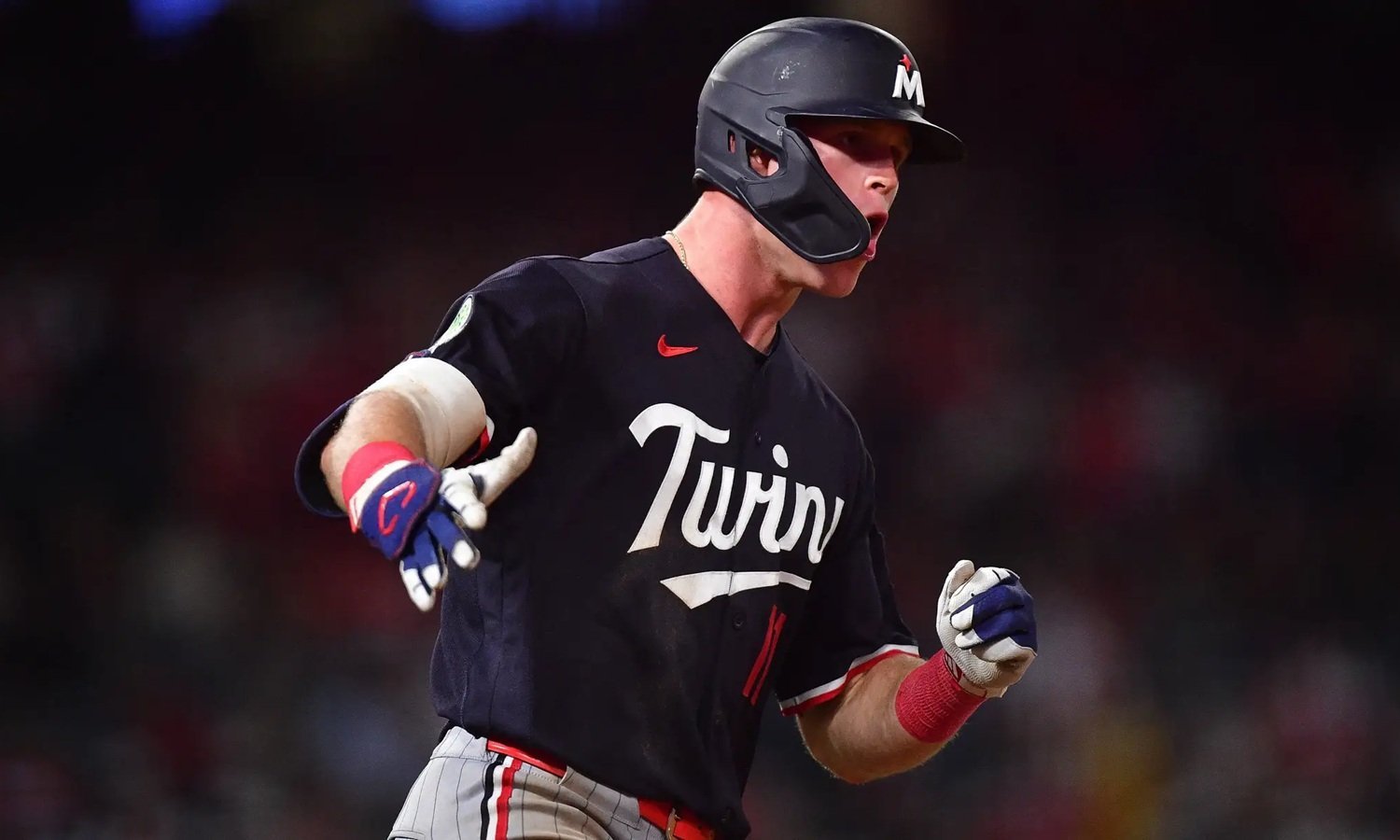 A new wave of young players has arrived in Minnesota. The group is headlined by several well-regarded prospects, and all 10 players featured here are 25 or younger. Emmanuel Rodríguez was the latest to debut, following 2023 first-round pick Walker Jenkins and 2024 first-round pick Kaelen Culpepper to the majors within the last six weeks. The Twins have spent plenty of time discussing what this group could eventually become. “We’ve spent a lot of time during the offseason, this season, talking about what this prospect group means and how much we think they can help us in the future,” Twins general manager Jeremy Zoll said. “We’re starting to see all that come together.” That process has accelerated since last year's trade deadline. After moving several established players, the Twins are transitioning toward a new foundation. These young players will have an opportunity to determine whether Minnesota can turn that transition into another competitive roster. Passing the Torch The Twins have gone through several waves of young talent over the last decade. The previous group included Royce Lewis, Trevor Larnach, Alex Kirilloff, Ryan Jeffers and Jhoan Duran. Before them came Byron Buxton, Max Kepler, Jorge Polanco, Miguel Sanó, Eddie Rosario and José Berríos. Some of those players became stars. Others never reached their expected ceilings. A few were eventually traded away as the organization attempted to build around the next group. Now, that next group is here. Ranking young players is never an exact science. Injuries, development and opportunity can change everything quickly. But when considering talent, future upside and how each player fits into Minnesota's next potential winning team, here's how these 10 players stack up. 10. RHP Mick Abel Abel's 2026 season was interrupted by arthroscopic surgery on his right elbow, creating some uncertainty heading into next year. He showed flashes of promise in limited opportunities, but the biggest question is what he will look like when he returns. Minnesota still has time to see whether Abel can become a rotation piece or eventually find a different role. For now, the uncertainty surrounding his health puts him at the bottom of this list. 9. RHP Andrew Morris Morris transitioned into a relief role this season and showed why the Twins could have a long-term bullpen piece on their hands. He was effective for much of the season before showing some fatigue down the stretch. That is understandable considering this was his first full season working primarily as a reliever. The Twins should give Morris an opportunity to establish himself as an important part of next year's bullpen. 8. LHP Kendry Rojas Rojas has taken an unusual path this season. He has worked as both a starter and a multi-inning bullpen option, giving Minnesota another interesting young arm to work with. The organization continues to view him as a starting pitcher, but his future may ultimately be in the bullpen. His ability to handle multiple innings makes him particularly intriguing. Whether that eventually translates into a rotation spot or a high-leverage relief role remains one of the more interesting questions surrounding his development. 7. LHP Connor Prielipp Prielipp has already taken a significant step toward establishing himself as a major-league starter. He pitched more than 140 innings between the minors and majors this season, finishing with a 4.87 ERA. That number doesn't completely capture what he accomplished, however, as several of his underlying statistics point toward better results than his surface numbers. The Twins need young starting pitching, and Prielipp has put himself in position to be part of the rotation for multiple seasons. 6. 3B Brooks Lee Lee's development has taken an interesting turn. After spending much of his professional career at shortstop, he has transitioned to third base and become one of the better defenders at the position. That defensive improvement has helped solidify his place on the roster. Offensively, Lee has hit 24 home runs while posting a 105 OPS+. There is still room for more consistency at the plate, but a 25-year-old infielder who can provide power and strong defense has plenty of value. Lee looks increasingly like a player the Twins can build around. 5. OF Luke Keaschall Keaschall's season has been a tale of two halves. After struggling early, he has emerged as one of Minnesota's better offensive players. His bat has given the Twins plenty of reasons to believe he can become an important part of the lineup. The defensive picture is less settled. Keaschall's long-term position remains something the organization will have to determine, but a corner-outfield role could eventually make the most sense. If his offensive production continues, the Twins will find a way to get his bat into the lineup. 4. OF Emmanuel Rodríguez Rodríguez was the last player from this group to make his major-league debut, but he has the type of skill set that could make him one of the most important pieces of the next Twins core. The power stands out immediately. Rodríguez also has the athleticism to play all three outfield positions, giving Minnesota flexibility as the roster develops around him. His path to the majors took longer than some of the other players on this list, but his upside remains considerable. The Twins need impact hitters. Rodríguez has a chance to become one. 3. SS Kaelen Culpepper Culpepper didn't need much time to show why the Twins selected him in the first round in 2024. He demonstrated the ability to impact the game on both sides of the ball before a hamstring injury interrupted his rookie season. His defensive versatility and offensive potential make him one of the more intriguing young players in the organization. More importantly, the Twins still view him as their shortstop of the future. Culpepper should have every opportunity to open next season as Minnesota's starting shortstop. 2. RHP Taj Bradley Bradley emerged as one of the biggest developments of the 2026 season. At the beginning of the year, there were legitimate questions about what his future would look like in Minnesota. By the end of the season, he had established himself as the Twins' top starting pitcher. Bradley also reached several milestones that may have seemed difficult to envision when the season began. Starting pitching is one of the most difficult things to acquire, develop and retain. If Bradley can build on his 2026 performance, Minnesota may have found a legitimate rotation anchor for the next competitive window. 1. OF Walker Jenkins Jenkins gets the top spot because of the combination of talent, age and upside. The former first-round pick has shown over the last week why evaluators have been so excited about his future. There are tools throughout his game that could eventually make him one of the best players on the roster. The Twins don't need Jenkins to become a superstar for the organization to have a successful rebuild. But if Minnesota is going to build a team capable of contending for years, having Jenkins become the player his talent suggests he can be would change the entire ceiling of the roster. He needs to be at the heart of the next great Twins lineup. The Next Twins Core There are no guarantees with young players. Some will develop into stars. Others will settle into complementary roles, become trade pieces or fail to reach the expectations placed upon them. That's the reality of building a roster around young talent. But the Twins have something they didn't have a year ago: a clearer look at the players who could become the foundation of their next contender. Jenkins, Bradley, Culpepper, Rodríguez, Keaschall and Lee give Minnesota a group of young position players with different skill sets. Prielipp, Rojas, Morris and Abel give the pitching staff several more potential pieces. The next step is turning potential into production. If enough of these players reach their ceilings, the Twins could have the foundation of another competitive roster. The organization will spend the next few seasons finding out exactly what this group can become. How would you rank Minnesota's under-25 players? Leave a comment and start the discussion. View the full article
 -
The Brewers’ October Run Rests On The Shoulders Of Brice Turang
DiamondCentric posted an article in Brewer Fanatic
 Brice Turang struggled to find his footing during Milwaukee’s postseason run last year, but he enters this October playing some of his best baseball of the season. Can he give Milwaukee more when it matters most this time around? View the full article
 -
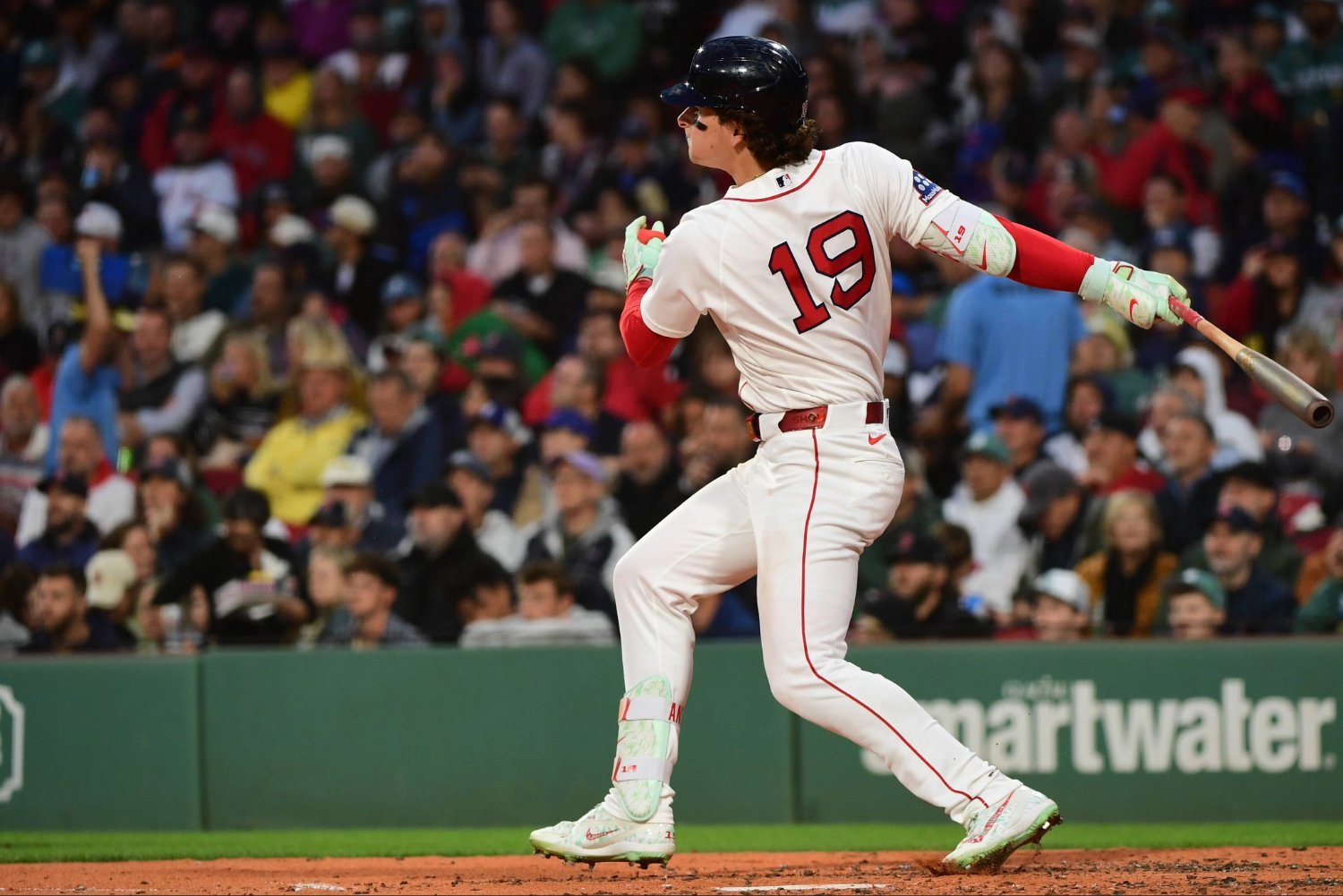 During their historic streak that changed the season between July 3 and August 7, the Boston Red Sox played to a 27-3 record and scored 180 runs, averaging six per game. The great comeback began when the Red Sox were playing to a 37-48 record and ended at 64-51, 13 games over .500. In just 36 days, the season took a complete turn and, from then on, the organization began thinking about the postseason. However, they have reached the end of the regular season in a very different situation. In their first 21 games of September, they have averaged 3.0 runs per game, half of what they achieved during that historic winning streak. Let’s explore here some of the most alarming trends the Red Sox offense is leaving us with at this end of the second half of the season. Wilyer Abreu Has Stopped Pulling the Ball In September Wilyer Abreu continues to make a difference as one of the Red Sox’s key hitters, especially during this second half, with a 122 wRC+ after recording a 109 mark in the first. His profile remains consistent against both sides, with a 104 wRC+ vs LHP and 130 vs RHP, but where he has stood out the most is in pressure situations, recording a 113 wRC+ with RISP and a 123 wRC+ in high-leverage situations. Abreu has found company in Caleb Durbin, another one of the bats that has responded best during this stretch, while Willson Contreras, the main man of the offense, has missed time on the injured list. However, the right fielder has fallen off this September, although the sample is still not enough to consider it concerning. After an August in which he hit .279/.384/.587 with seven home runs, his production fell to .225/.304/.352 this month, with just one home run on his ledger. The drop also appears in the quality of his contact, as his hard-hit rate went from 49.4% in August to 39.6% now. Abreu is seeing more pitches that prevent him from unleashing his ability to pull the ball, to the point that his Pull% fell from 43.5% to 26.4%. That may be the worst trend entering the postseason, as he's at his absolute best when slugging balls to right field. Adley Rutschman Is Failing Against Lefties and In the Clutch We know the great complement that Rutschman provides with his talent, bringing an elite bat and good defense at his best. But the backstop, even before arriving at the Red Sox at the trade deadline, was already going through many offensive problems. Right now, he is the clearest case of a devastating offensive decline. His wRC+ went from 115 in the first half of the season to 79 after the All-Star break, but the strongest signal is in his marked problems against lefties, against whom he has recorded a -21 wRC+ in 36 plate appearances (.139/.139/.194) in this second half of the season. Rutschman improves when he bats from the left side, and the hope is that he continues hitting righties as he has done in general, producing a 121 wRC+. But his problems at the plate do not end here, as he has not fulfilled his offensive role at least with the expectations the Red Sox had in the moments that define games. In high-leverage situations, he has collapsed to a -80 wRC+ in 15 plate appearances during this second half of the season, with a .067/.067/.067 slash line. The sample is small, but it could carry a lot of weight in a tense three-game Wild Card Series. Roman Anthony Has Gotten Too Aggressive The clearest signal in Roman Anthony's struggles is against lefties, precisely one of his strengths last year, when he averaged a solid .438 BABIP and 113 wRC+ in 98 plate appearances. In the second half this year, he has a 42 wRC+ in 39 PAs, to go along with a .189/.231/.297 slash line, .235 wOBA and .207 BABIP. The story changes against righties, with a 133 wRC+ and .366 wOBA. The difference is enormous. As you can see in this graph, since his return at the end of August, Anthony has had a high rate of swings and misses in the outside area, especially chasing pitches in several parts outside the strike zone. At the most important moment of the season, Anthony will need to show incredible maturity to rein in his aggressiveness at the plate. Can Jarren Duran Improve On Last Year's Postseason Slump? With the unfortunate injury to Mickey Gasper, Duran’s role could be more important than perhaps expected heading into October. His second half has been better than the first, but his recovery has been far from productive in the situations of greatest pressure. He had just 35 wRC+ in 27 high-leverage plate appearances, with a .130/.259/.304 slash, and could be considered the worst hitter on the team after recording a 60 wRC+ in 68 PAs with RISP during the second half of the season. In whatever role Boston plans for Duran as a starter, he will have to change that recent history. What seems a little contradictory is that Duran’s problem has not been against lefties, against whom he has averaged a 99 wRC+ since the All-Star break. Surprised? Well, yes, it has been the righties who have limited his swing to just a 71 wRC+ and an offensive line of .214/.279/.321. Duran will need to draw on his experience for this moment, as he entered last season's postseason run in a similar state of decline. What was the result? He finished 1-for-11 with four strikeouts and no walks against the pitching of the New York Yankees in the Red Sox’s loss in the Wild Card Series. View the full article
 -
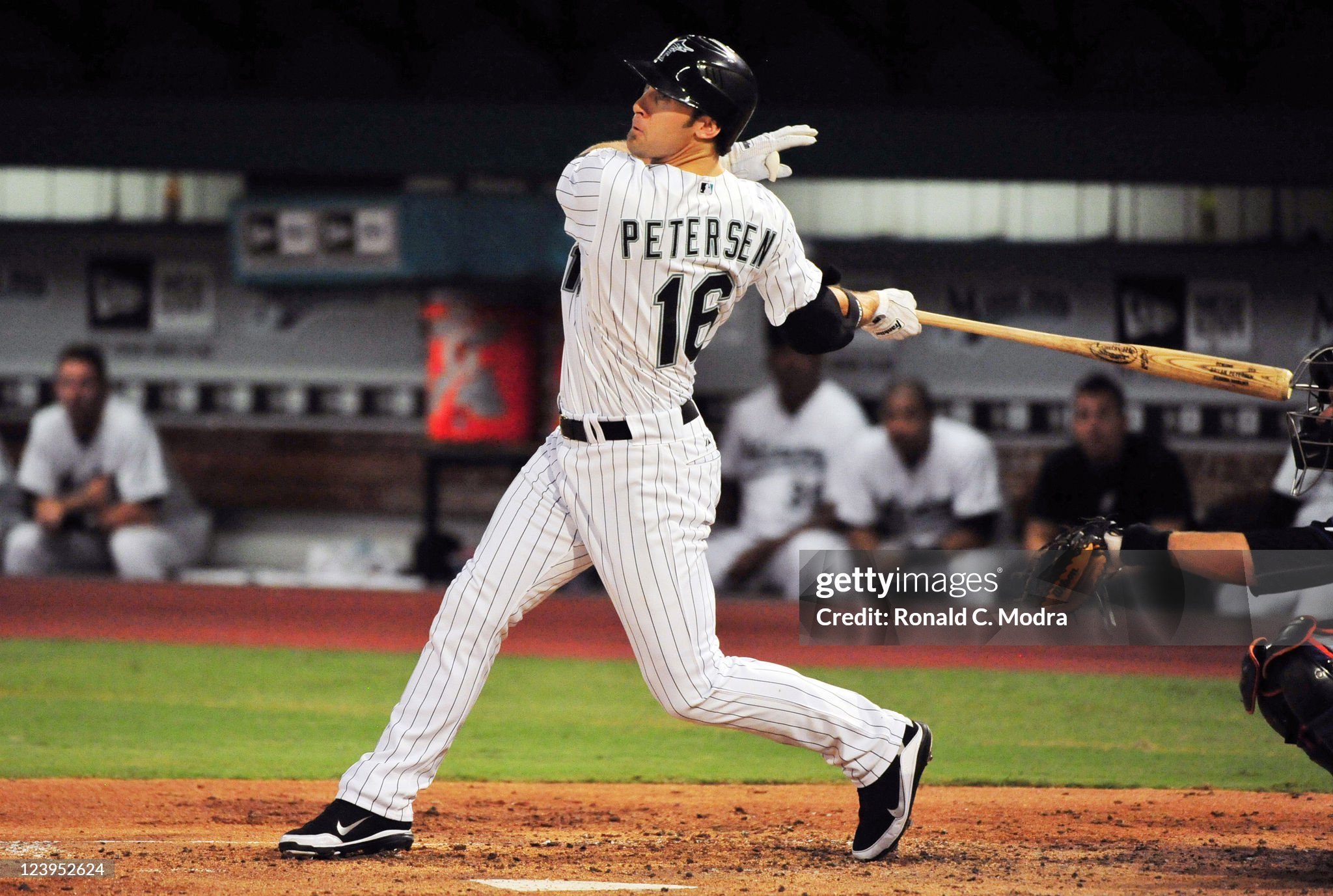 Known as Pro Player Stadium for a longer stretch of the Florida Marlins’ time at their original ballpark than by any other name, the club’s biggest home win at the original stadium came in walk-off fashion. The same was true for its final win there, which came on this day 15 years ago. In the next-to-last game of the season and next-to-last game at what was then Sun Life Stadium, Bryan Petersen was the unlikely hero on Sept. 27, 2011. His walk-off home run gave the Marlins their final home win at what was originally Joe Robbie Stadium and over the Washington Nationals, 3-2. With the score tied 2-2, the Marlins came to bat against Washington’s Doug Slaten in the bottom of the ninth. Slaten was able to get two quick outs, striking out Logan Morrison on three pitches before getting John Buck to fly out to center. With Petersen 0-for-2 with a strikeout to that point, extra innings seemed like an inevitability. Before anyone could blink, Petersen sent the crowd home happy for the final time. Petersen turned on the first pitch he saw from Slaten – a fastball left over the middle of the plate. Faster than it arrived, Petersen’s shot left. His blast was a no-doubter well into the right-field stands, giving Florida the victory. Prior to the walk-off bomb, the Marlins hadn’t led since the fourth inning when Emilio Bonifácio’s sacrifice fly plated Matt Dominguez. On the first pitch of the fifth, Mike Morse drew Washington even with a solo shot off Florida starter Javier Vázquez. After Ian Desmond singled home the go-ahead run for the Nationals in the top of the sixth, Bonifácio scored the tying run on a wild pitch in the bottom of the frame. While John Lannan gave the Nationals a quality start, Vázquez ended up going the distance for Florida, striking out nine. Lead-off men and shortstops Bonifácio and Desmond each had two of the five hits for their respective teams. Just 25 years old at the time, Petersen spent three seasons in the big leagues – all with the Marlins – and recorded just two career home runs. His last, however, will forever have the distinction of delivering the club its final win in its original stadium. It came on this day 15 years ago. View the full article
 -
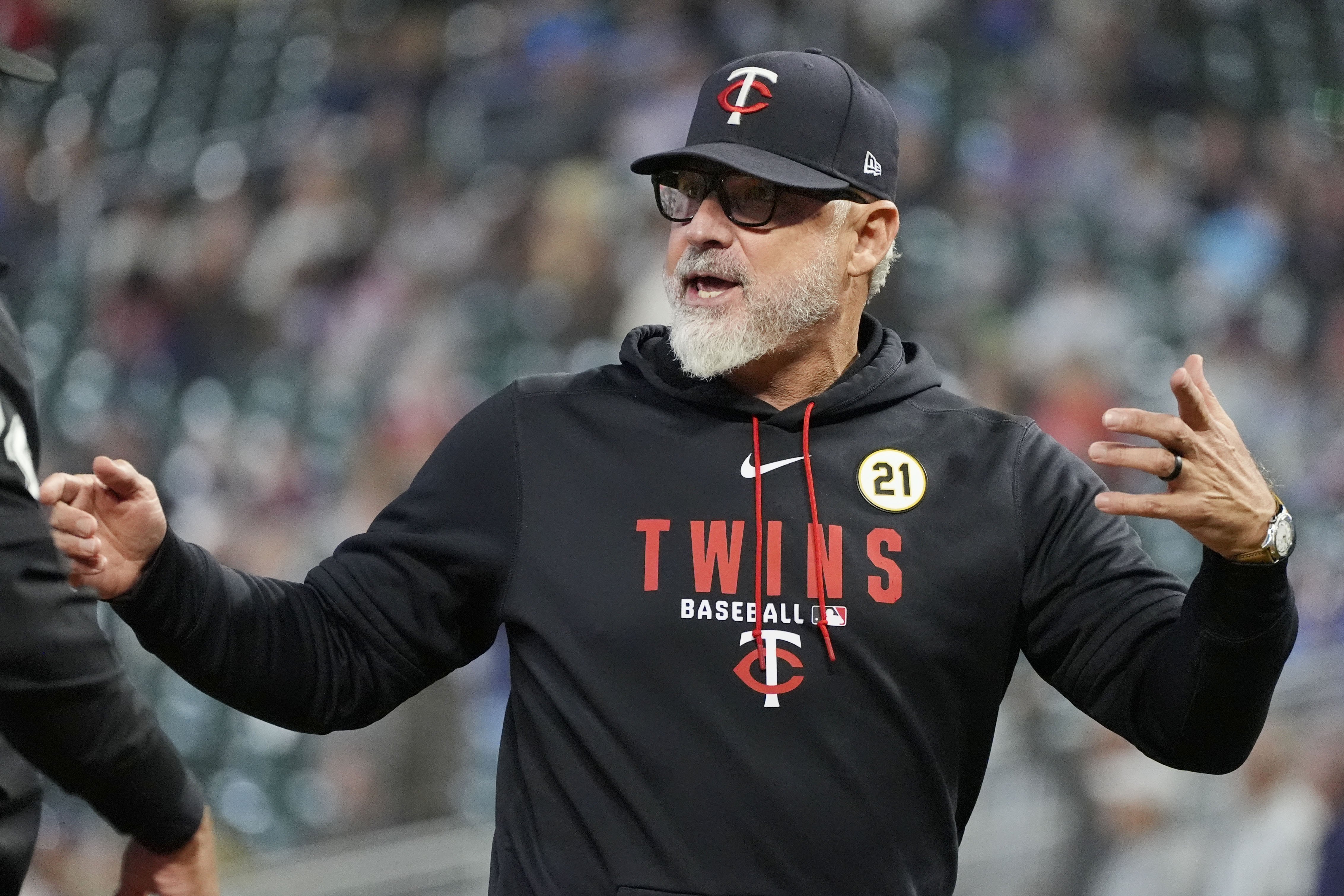 The Minnesota Twins were flying high coming off the 2023 season, but a demoralizing collapse in 2024 followed by a roundly disappointing 2025 erased their momentum and tanked fan morale. Attendance reached its lowest point in 25 years. When Tom Pohlad took over last offseason as the new face of ownership, he acknowledged the state of affairs and the core imperative: they needed to win back confidence. They needed to put a better and more inspiring product on the field. "It’s undeniable," Pohlad said, "that we haven’t won enough baseball games, the financial health of the club has been put in jeopardy, and we’ve got a fan base that has lost trust in us as owners — and, as a result, this organization and the direction it’s headed." No one was suggesting a 90-win campaign. The reality of this team's situation coming off a historic deadline firesale was plain to see. Pohlad, to his credit, was measured in his level-setting for the 2026 season. "We really like our team," he shared at the start of spring training. "We think we’ve got a good mix of veterans and really talented young people that want to make a statement. I think we’re going to exceed expectations.” That was a low bar. General expectations for the Twins were tempered to say the least, coming off 90 losses and carrying one of the league's skimpiest payrolls. The over/under in Vegas coming into this season was 72 to 73 wins (which Pohlad called "ridiculous"), whereas projection systems like FanGraphs viewed the team's outlook somewhat more favorably, pegging them in the 77-win range. With one game left, the Twins sit at 76 wins. They've already won money for the over bettors and it looks like they are going to nail their projection forecasts to a tee. I guess that's something to celebrate? It calls to mind a classic Calvin and Hobbes comic panel from the great Bill Watterson. Conversing with Calvin over the construction of a snowman, Hobbes ponders: “So the secret to good self-esteem is to lower your expectations to the point where they’re already met?” “Right,” Calvin responds. “We should take pride in our mediocrity.” Taking pride in mediocrity feels like a good way to synopsize any good vibes that this losing season might elicit. There's no better way to describe this 2026 Twins team than mediocre: okay, passable, neither very good nor very bad. They avoided elimination until the last week of September, but were above .500 for 13 days all season, and hung around on the fringe of contention only due to the sorry state of the American League at large. But hey, perception matters. This year's Twins team played almost in lockstep with last year's in the first half, hovering just below .500 for most of July before taking very different paths at the trade deadline. The contrast was twofold: In 2025, Detroit was running away with the Central, and being five games below .500 was not enough to put you in the Wild Card conversation. In 2025, the Twins were playing this mediocre brand of baseball with a roster that was at least co-favored to win the division, and with Carlos Correa being paid $35 million. Some view the latter as a bad thing. I get it. It's more frustrating to watch a good team lose. And it leads to more rancor: players grumbling, media melting down, "sell the team" chants erupting. Relatively speaking, there's been very little of that this year, because people know the deal. For me, I like to have some skin in the game. I like to feel the sweat, to revel in the dramatics. My sweat was never beading up in this 2026 season, even as the AL field did its best to keep things interesting. I was convinced from the outset this was going to be a bad team and it was indeed a bad team, albeit somewhat less bad than I feared. So, did the Twins surpass expectations? In my view yes, at least in terms of wins and losses, but only because mine were so low to begin with. And that very fact is why I struggled to ever feel truly engaged with this season. I never believed in the capability and potential of this team like I did in 2024 before the collapse, or in 2025's first half to a lesser degree. This team never won 12 or 13 straight games; it never won more than four straight. Not a single player had a truly star-caliber season. In that regard, the Twins didn't surpass my expectations at all. They were exactly what I expected. But at least they are giving me reason to expect more next year. Because, everything else aside, this team did finish on a much different note than the last two. Instead of watching a collection of disgruntled veterans play out the string, Twins fans got a September introduction to players who might actually be central to where this thing goes next. Walker Jenkins, Kaelen Culpepper and Emmanuel Rodriguez weren't just prospects looming somewhere off in the distance anymore. They were here, getting meaningful exposure to the majors and giving us a glimpse of what a younger, more dynamic Twins lineup could look like. On the pitching side, Taj Bradley and Connor Prielipp put the finishing touches on breakthrough seasons that established them as legitimate rotation fixtures. There are plenty of holes left to fill and questions left to answer, but the Twins will enter this offseason with a clearer picture of their young core than they had a year ago. Maybe that's the most meaningful way this team exceeded expectations. The 2026 Twins weren't particularly good, and they never gave us much reason to believe they would become good. But by the end, they gave us a few more reasons to believe what comes next might (finally) be different. I'd love to hear your thoughts. Did this team exceed your expectations? And where does this finish leave your expectations looking ahead to 2027? View the full article
 -
Padres Will Host NL Wild Card Series Against Cubs
DiamondCentric posted an article in Padres Mission
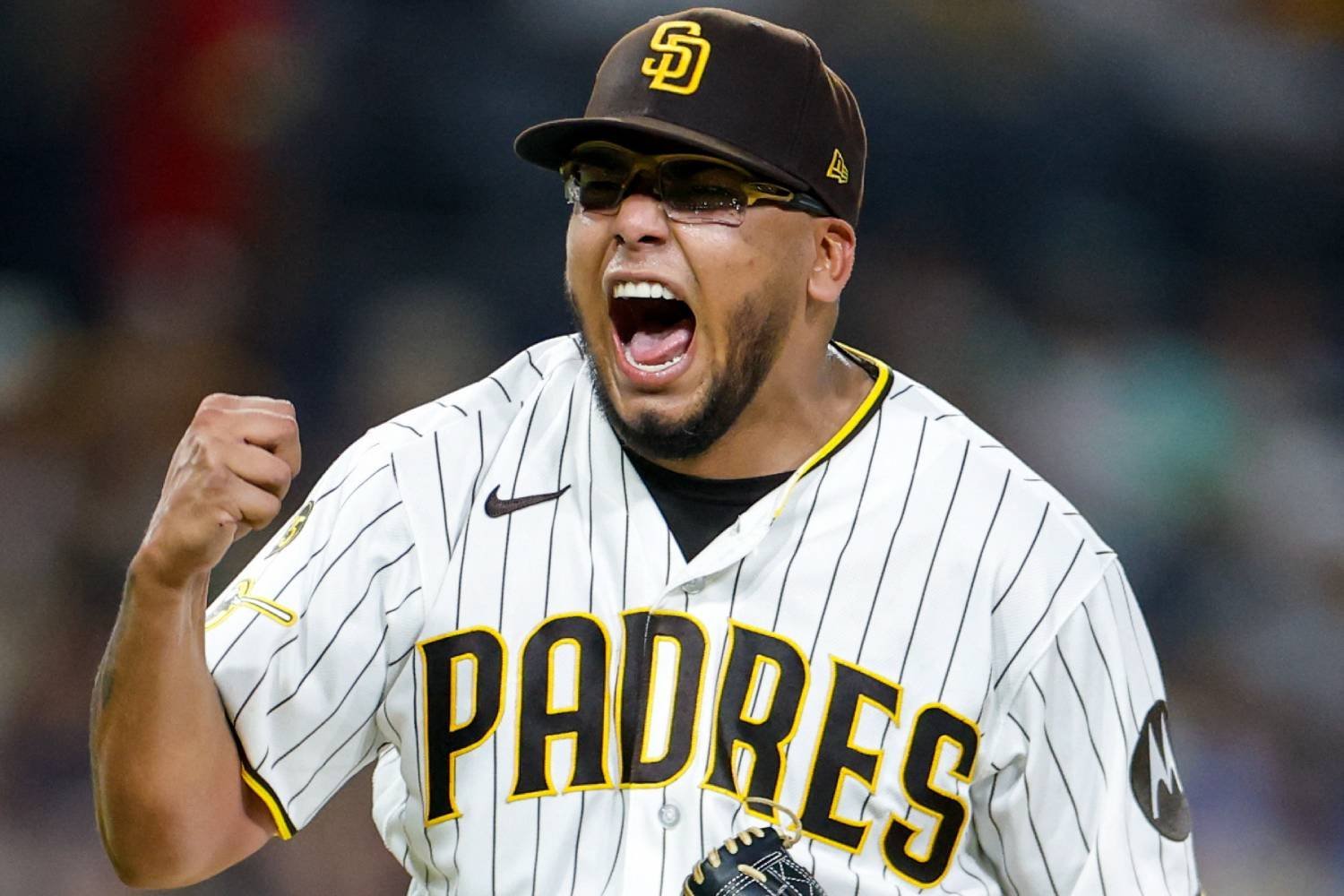 The unthinkable has become a reality. The San Diego Padres will be hosting the first round of the MLB postseason at Petco Park. That came to fruition as the Padres beat the Arizona Diamondbacks 10-7 Saturday, clinching the No. 1 NL wild card. The Padres, who wrapped up a playoff berth Thursday vs. the Los Angeles Dodgers, will face the Chicago Cubs in the best-of-three NL Wild Card Series, which will be Tuesday, Wednesday and, if necessary, Thursday at Petco Park. The winner of the Padres-Cubs series will face the Milwaukee Brewers, who have the best record in MLB at 102-59. The Padres and Cubs met in last's NL Wild Card Series at Wrigley Field, with Chicago winning in three games. The D'backs will still have something to play for Sunday as they are one game behind the Philadelphia Phillies for the final NL wild-card spot, with Arizona holding the tiebreaker. Whichever team gets that spot will face NL East champion Atlanta in the other NL Wild Card Series. View the full article
 -
Rangers 6, Twins 2: Twins and Ober Crash Back Down to Reality
DiamondCentric posted an article in Twins Daily
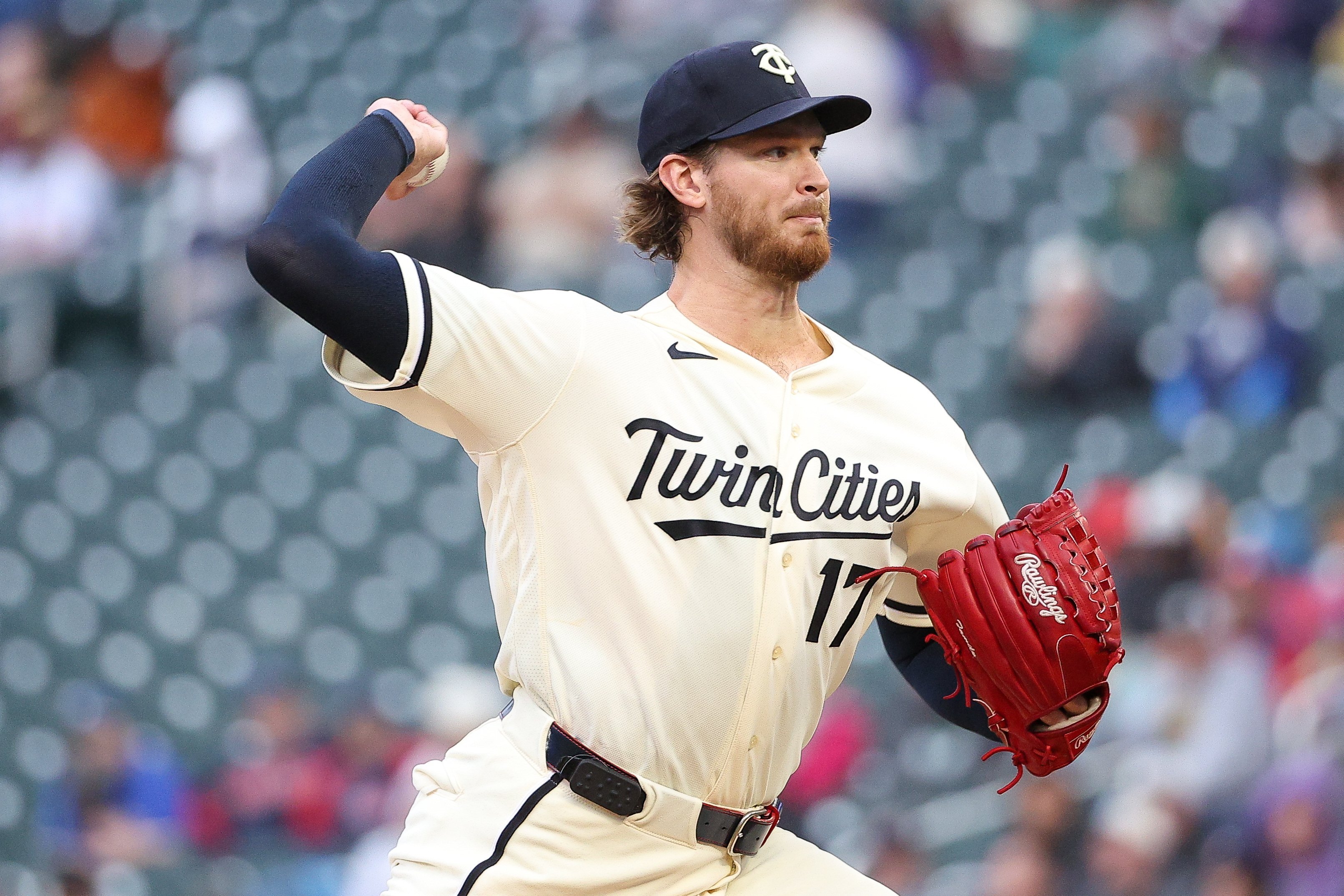 Box Score SP: Bailey Ober 5.0 IP, 10 H, 6 ER, 1 BB, 5 K (86 pitches, 53 strikes (62%)) Home Runs: N/A Bottom 3 WPA: Ober (-0.35), Royce Lewis (-0.09), Walker Jenkins (-0.06) Win Probability Chart (via FanGraphs) Bailey Ober started his last game of the season, and while his value can't be overstated, his future still is murky after a season of lower velocity and mixed results. With the Rangers needing to win in order to stay in the running for their division crown, they counted Nathan Eovaldi in hopes of accomplishing just that. After a laugher went the home team's way Friday night, could the Twins keep ruining the Rangers party planning? Keaschall Rakes, But Ober Breaks Luke Keaschall has claimed the leadoff spot and run wild with it. Tonight was no different, as he launched a double to kick-off the Twins offense yet again, and he scampered home on Kody Clemens' groundout, which notched Clemens' 80th RBI of the season. With a quick start and an early 1-0 lead, the Twins handed Ober a great chance to keep the good times rolling. Unfortunately, after Ober retired the first two men in the top of the second the wheels completely went off the rails. Nicky Lopez doubled, and then Danny Jansen worked a single out of a full count to knot the game up at one apiece. Then Ober and his 88 mph fastball and center-cut changeups gave up three straight doubles. After an inning of batting practice quality pitching, the Twins were now down 4-1. Twins Stay Down, While Rangers Take Flight The Twins got a walk from Keaschall and a double from Brooks Lee to put Eovaldi on the ropes in the bottom of the third. Clemens thought he had RBIs 81 and 82, but Brandon Nimmo robbed the potential extra-base hit and the threat went by the wayside. The Rangers immediately took that momentum and ran with it in the form of a Danny Jansen homer to start the fourth to make it 5-1. The top of the fifth saw another long ball from Texas, this time with Jake Burger taking advantage of Ober's slow fastball. Keaschall had runners at the corners with one out in the bottom of the fifth, but proved he was human with a double-play grounder to short. He proved himself superhuman with a leadoff triple in the eighth and came around to score the Twins second run of the game. But Luke can only do so much on his own, and the rest of the Twins couldn't mount a consistent effort against a desperate Rangers team. This 6-2 loss looked a lot like the other 84 losses so far this season. There is hope for next year, but if that hope doesn't get some help its going to be more of the same in Twins Territory. Did we see the last pitch from Taylor Rogers at Target Field tonight? Will outings like tonight help Travis Adams and Yoendrys Gomez maintain some presence in the bullpen mix in 2027? Only time will tell. Let's hope we aren't waiting until June or July to find out. What’s Next? The Twins finish their season with a Sunday matinee that hopefully will have playoff implications still in the mix (after the Astros and A's game Saturday night). Twins righty Dean Kremer (4-5, 4.97 ERA) looks to make a last impression in his final outing. The Rangers have all hands on deck in hopes of securing the playoffs, with their announced starter likely waiting for the result of Astros/A's. First pitch is scheduled for 2:10pm CDT either way. Postgame Interviews Bullpen Usage Spreadsheet TUE WED THU FRI SAT TOT Morris 19 23 0 0 0 42 Adams 0 0 0 0 40 40 Gomez 0 24 0 0 9 33 Funderburk 13 0 0 19 0 32 Rogers 0 0 0 8 14 22 Minter 9 7 0 0 0 16 Nance 0 0 0 11 0 11 View the full article
 -
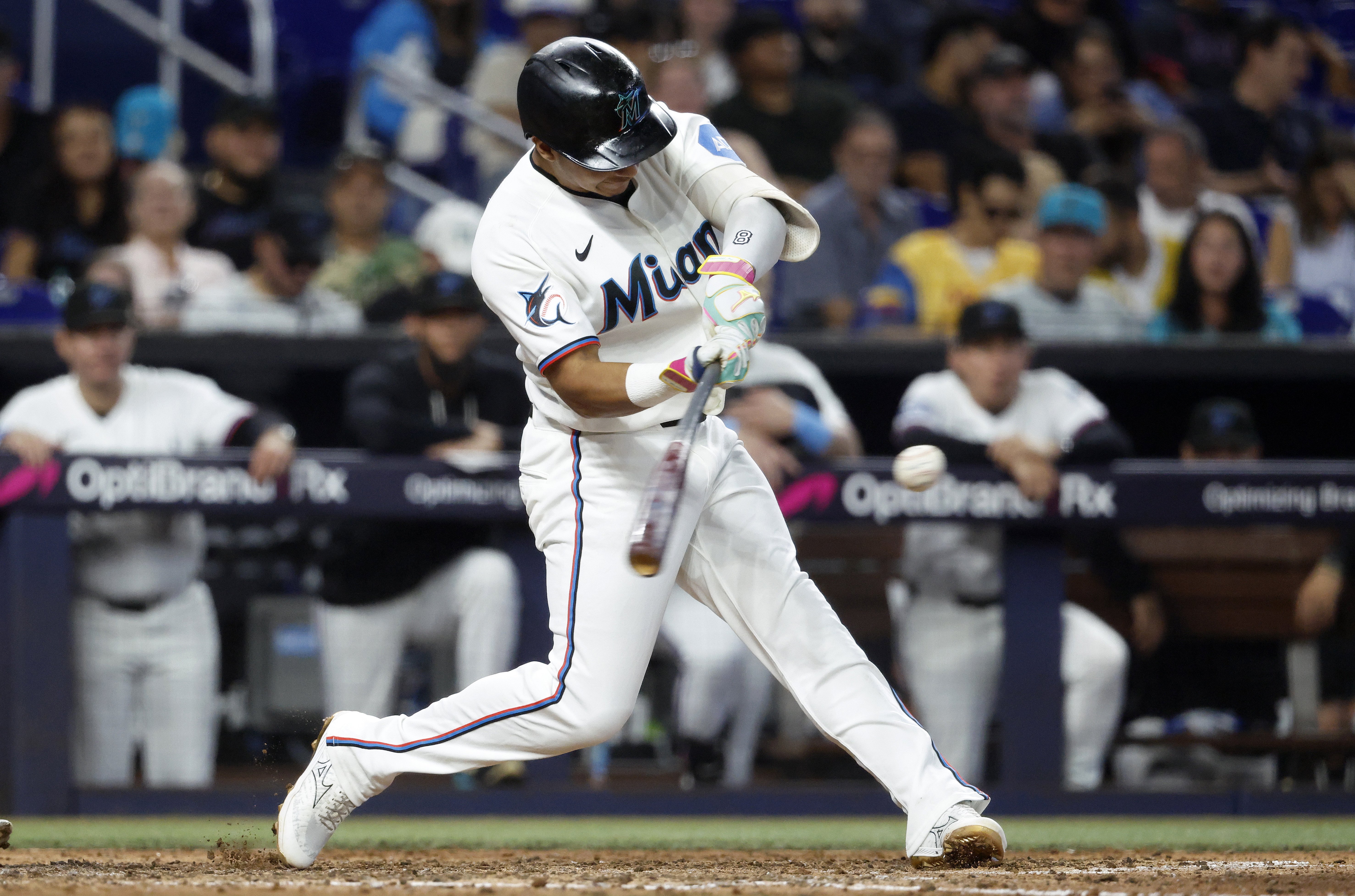 MIAMI — "Too small." "No power." "Utility player." Javier Sanoja has heard it all. Overlooked and undervalued as a prospect, there continued to be skepticism about Sanoja's ceiling coming off a solid rookie season in 2025. He has responded with easily the best stretch of his young career during the latter half of this season, providing value in ways that few thought possible. Sanoja went yard for the eleventh time on Saturday afternoon in Miami's 8-3 loss to the visiting Braves. Five of those have come since the calendar flipped to September. To put his spike of thump into perspective, Sanoja never homered more than seven times in any of his minor league seasons. In his first 111 games as a big leaguer between 2024 and 2025, he tallied seven. "Another ball they got elevating the zone and he put a great swing on it," said Marlins manager Clayton McCullough postgame. "it was definitely improved physicality from last year to this year. He is really, really locked in on what he's firing at, particularly in early counts. His timing and his bat path is as good a place as they they've been for two years, and then also the improved decision-making early in counts, it's a big reason why the production rate came in such a positive way." Since returning from the All-Star break, Sanoja's numbers are gaudy. A .320/.357/.507 slash line with 25 extra-base hits has flipped what was a solid second full season into a great one. In addition to the newfound pop, his 24-game on-base streak is the longest for a Miami Marlin since Jon Berti in 2022. Also, Sanoja's trademark glove has maintained its pedigree after earning the utility National League Gold Glove a year ago. Taking on a growing role at third base, Sanoja's advanced defensive metrics have remained outstanding. A plus-5 Defensive Runs Saved and plus-6 Outs Above Average place "El Chiquito" in elite company amongst those at the hot corner. Perhaps most exciting about Sanoja is how much more time he has to get even better. Weeks removed from his 24th birthday, Sanoja ranks second on the team in bWAR behind only Otto López. After making an unplanned transition into an everyday player this season, he's made a compelling case to be a staple of the Marlins lineup moving forward. "He just keeps getting better," added McCullough. "And we're still seeing a very young player that is improving at the major league level in all factors...He's more than just a little player that can kind of move around." Miami's season finale in 2026 comes your way at 3:10 pm on Sunday afternoon. Janson Junk takes the ball for McCullough in Game 162. View the full article
 -
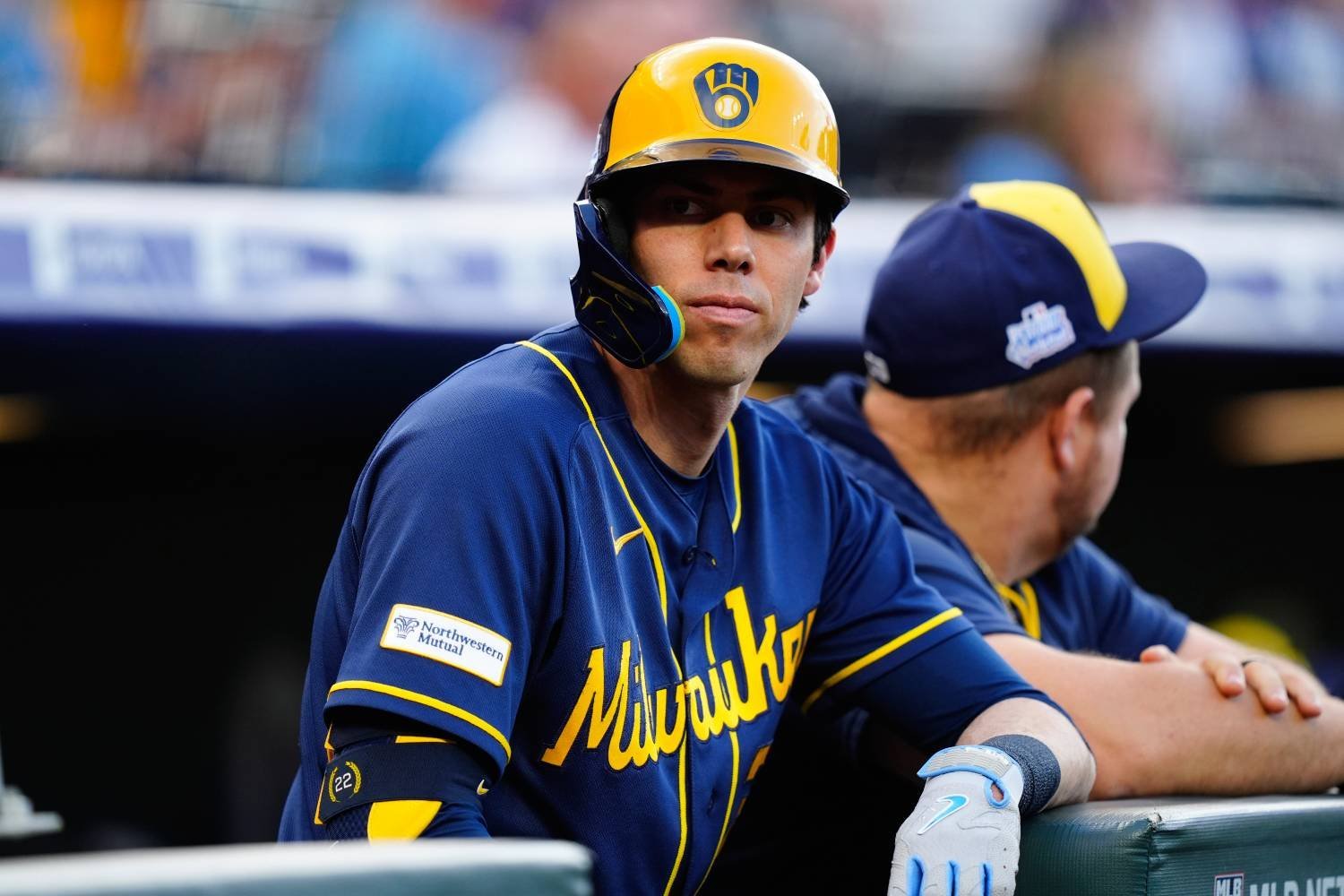 For the first time in Milwaukee Brewers history, they have a team captain. The Brewers on Saturday announced that Christian Yelich would be their captain and wear a C on the front of his uniform. Since joining the Brewers via a trade from the Miami Marlins before the 2018 season, the 34-year-old has produced on and off the field. Early on, it was a lot on the field, becoming the fourth player (fifth time) in Brewers history to win an MVP, taking the NL honor in his debut season with the Crew. Yelich followed that up with a better 2019, but a fractured kneecap in August sidelined him for the remainder of the season. That would be the first of a handful of injuries, mainly dealing with his back, that Yelich dealt with, with his offensive production not necessarily matching the nine-year, $215 million contract he signed in 2020. But he made up for whatever downswing in his stats with his leadership. Yelich has been a three-time All-Star with the Brewers, a three-time NL Silver Slugger and a two-time NL batting champion during his nine seasons in Milwaukee. He won an NL Gold Glove with the Marlins. The announcement was made to the team during a meeting before Saturday's game against the St. Louis Cardinals. Yelich also made sure to have the approval of Brewers legend Robin Yount, the Hall of Famer and two-time AL MVP. View the full article
 -
Padres Put Casey Mize On Injured List, Activate Gavin Sheets
DiamondCentric posted an article in Padres Mission
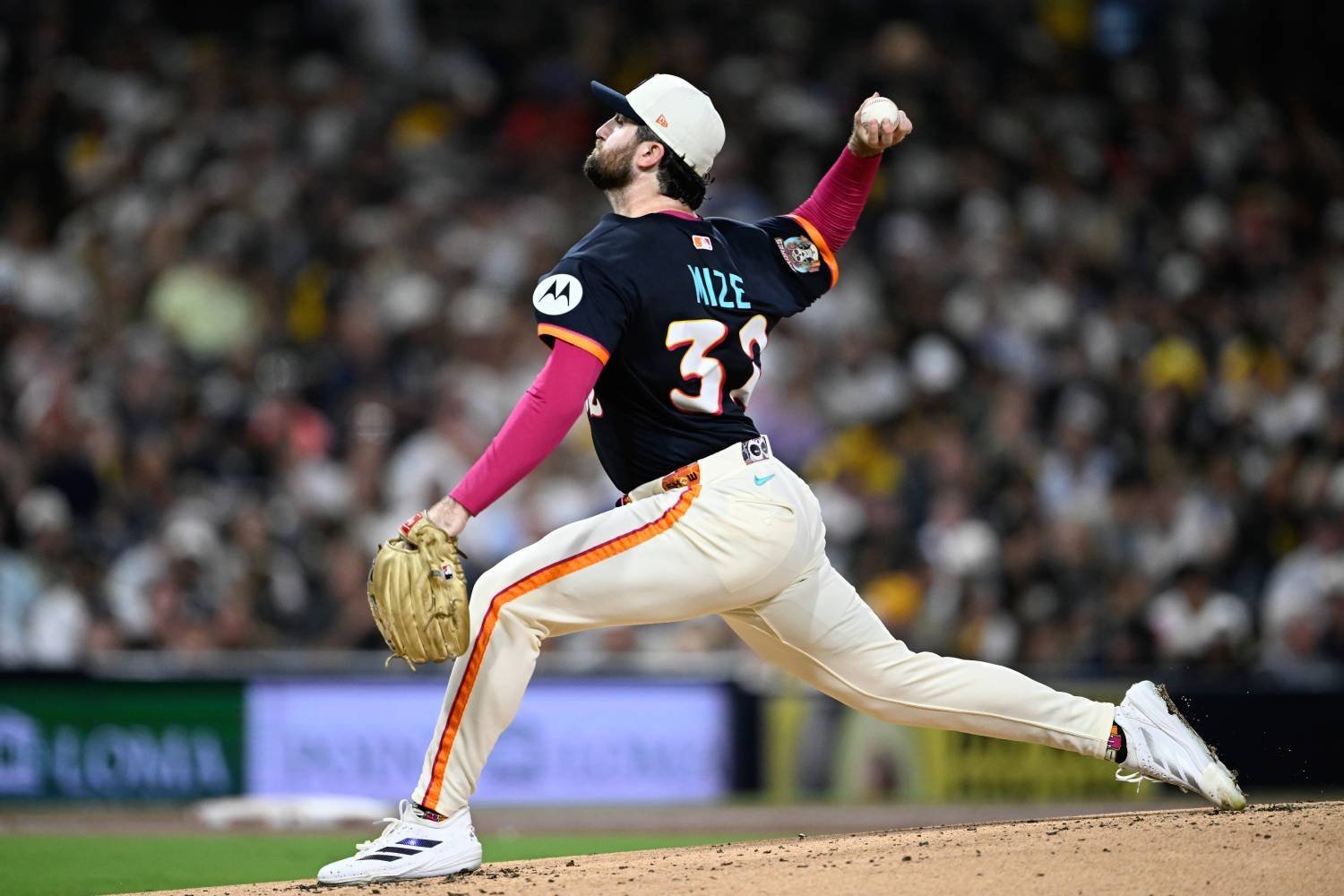 Following his latest struggles and postgame admission, the San Diego Padres are giving Casey Mize some time to get right. The right-handed starter was placed on the 15-day injured list Saturday with a sprained right ankle. In a big piece of good news, first baseman Gavin Sheets was activated off the 10-day IL and right-hander Griffin Canning was called up from the Arizona Complex League. Also, left-hander Kyle Hart was optioned to the ACL. Meanwhile, right-hander Alek Jacob, who was designated for assignment three days ago, cleared waivers and was outrighted to the ACL. Mize gave up seven runs in four innings during Friday's 11-4 loss to the Arizona Diamondbacks. He originally injured the ankle as he returned to the Padres' dugout after the second inning of his Aug. 22 start vs. the Minnesota Twins. He stumbled down the dugout stairs, but came out for the third inning, lasting only two more outs. Since then, Mize has surrendered 28 runs (23 earned) over 26⅔ innings. He said after Friday's game that the right ankle was still sore and affecting his mechanics. Mize, who has a 7.46 ERA in 10 starts since being acquired from the Detroit Tigers on Aug. 3, will be ineligible for the NL Wild Card Series and, if the Padres advance, the NL Division Series. Sheets is back after dealing with plantar fasciitis. He is hitting fifth for Saturday's game against the Arizona Diamondbacks. He went on the 10-day IL on Aug. 30, but has been working out recently at the Padres' complex in Peoria, Ariz. He is likely to have a bench role during the initial stages of the postseason. He has a .211/.313/.388 slash line with 16 homers and 46 RBIs in 123 games. Canning, who has been effective out of the bullpen, had been optioned to the ACL two days ago and was able to come back up so quickly due to Mize going on the IL. Hart's move is likely just to give him rest before the postseason. The Padres can clinch the No. 1 NL wild-card seed with a win in either of their last two games. View the full article
 -
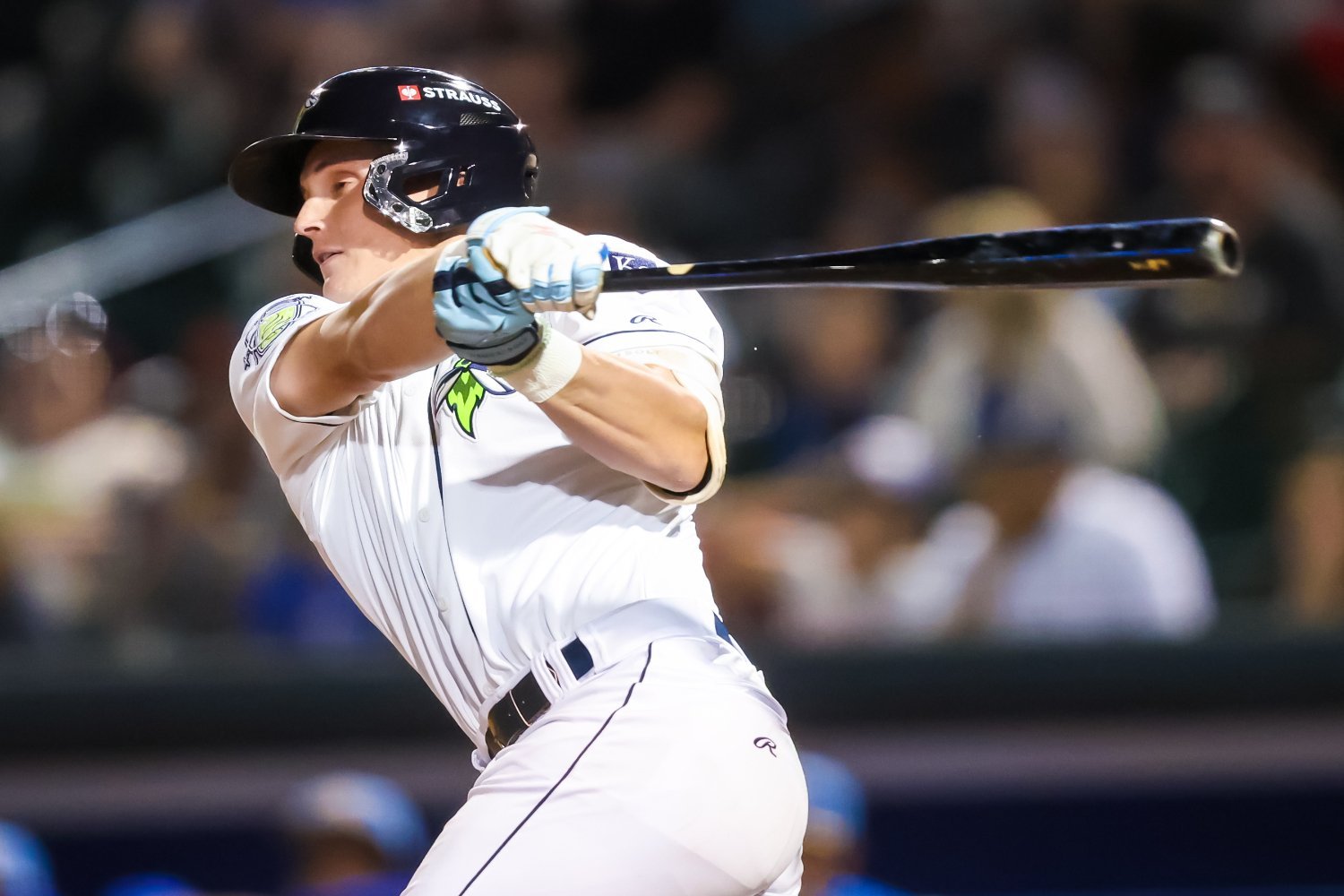 On Friday night, the Kansas City Royals acknowledged and celebrated the award winners in their Minor League system. That included not just players but also scouts and coaches. Overall, the Royals' farm system showed progress this season. Even though the system still isn't highly ranked, many prospects took positive steps forward this year, a sign the development and scouting team is improving under Royals President of Baseball Operations JJ Picollo. Six of those success stories were present and recognized on Friday night at Kauffman Stadium. In this post, I'll break down the four position-player prospects who earned awards from the Royals organization for their strong seasons, and what Royals fans can expect from them in 2027 and beyond. Willie Wilson Baserunner of the Year: Abel Gonzalez, OF, Quad Cities Gonzalez won his second Willie Wilson Baserunner of the Year Award, as he won the honor a year ago with the Columbia Fireflies. The 20-year-old stole 67 bases with an 84% success rate and also scored 91 runs with the River Bandits this year. In addition to being an excellent baserunner, Gonzalez is a solid center fielder. He made only three errors this year and is known for his strong range and ability to cover the outfield gaps. At a minimum, he has shown the speed and fielding tools to succeed at the Major League level. The big question for Gonzalez going forward is the bat. Gonzalez hit .262 with a .672 OPS and did have a 10.2% BB%. However, he struck out 25.4% and showed contact concerns this past year, as evidenced by a 78% Z-Contact%, which ranked in the 29th percentile. Scouts have been optimistic that Gonzalez can grow into his power, and he did hit two more home runs than a year ago. That said, he hit only one last year, and his .052 ISO was just one point higher than his 2025 ISO in Columbia. At 20, Gonzalez still has time to develop, and the tools and talent are there to become a big-league regular. The swing is a bit ugly-looking, though I wonder if that's partly due to his tall frame and long limbs. Gonzalez will matriculate to Double-A next year, and how his contact skills and power fare in the Texas League will determine whether the Royals should take him seriously as a prospect. Frank White Defensive Player of the Year: Carson Roccaforte, OF, Northwest Arkansas/Omaha Roccaforte is clearly the best defensive player in the Royals organization. He won the Frank White Award for a third straight season. Roccaforte is clearly good enough to be a late-innings outfielder for the Royals right now, even with Kyle Isbel and Tyler Tolbert on the active roster. While Roccaforte's defense was once again stellar, his offense in Northwest Arkansas and Omaha this year caught the attention of Royals fans. In 622 combined plate appearances with the Naturals and Storm Chasers, Roccaforte hit .257 with a .857 OPS. That included 35 home runs and 32 stolen bases. The former Louisiana-Lafayette product not only posted slugging marks of .500 or more in both Northwest Arkansas and Omaha, but also had a hard-hit rate in the 78th percentile, a LA Sweet-Spot% in the 94th percentile, and a Pull Air% in the 100th percentile. Roccaforte impressed fans all year long with majestic bombs, including this one in Springfield, shortly before his promotion to Omaha. Roccaforte is a candidate to be added to the 40-man roster this offseason, and Mike Gillespie on here broke down that possibility in a recent post. That said, his situation isn't easy. While he can handle the Majors defensively and is a strong (though not elite) baserunner, his contact ability is a huge red flag. In Omaha, he had a K% in the 8th percentile and a whiff% in the 4th percentile. Furthermore, Roccaforte amplified those numbers with a poor O-Swing%, as it ranked in the 23rd percentile. There's no question that Roccaforte can do damage when he connects with the ball. But will he make enough contact at the Major League level? That concern likely explains why he hasn't been promoted, even with the Royals having a down year. Kansas City will likely add Roccaforte to the 40-man roster this offseason. However, the opportunity he gets in 2027 will likely depend on how his contact and plate discipline develop and fare in Spring Training. Alex Gordon Heart and Hustle Award: Josh Hammond, SS, Columbia Hammond is our No. 3 prospect at Royals Keep, behind pitchers Kendry Chourio and David Shields. Even though 2026 was his first professional season and he was 19 years old, Hammond held his own in Low-A Columbia. In 110 games and 487 plate appearances, Hammond hit .286 with a .743 OPS. He also hit five home runs, stole 25 bases on 30 attempts, and scored 69 runs. His power stagnated a bit over the season, suggesting Hammond may have been fatigued in his first exposure to pro ball. That said, he continued to provide stellar defense, baserunning, and contact ability with the Fireflies, which is why he earned the Alex Gordon Award. Hammond has been a riser among many Royals prospect experts, and MLB Pipeline ranks him No. 67 on its Top-100 list. While he isn't a flashy tools guy, he's incredibly polished and mature for his age, and he's the kind of player who can lead a team in all areas of the game. It seemed like he focused more on hitting for average this year, opting for line drives to all fields rather than trying to sit on balls to pull for home runs (his Pull Air% ranked in the 24th percentile). Once he gets strong and he gets more comfortable at the plate, it wouldn't be surprising to see him as a 20+ HR threat. His raw power is a 40 grade now, but TJ Stats gives him 55 potential (ranking him No. 81 overall). He is still at least a couple of years away from making his MLB debut. However, Hammond showed strong progress in 2026 and could really break out in 2027, especially if the power tool clicks in High-A ball. George Brett Hitter of the Year and Mike Sweeney Award Winner: Brett Squires, 1B/OF, Northwest Arkansas and Omaha Squires won two awards: the George Brett Award, which goes to the best hitter in the Royals farm system, and the Mike Sweeney Award, which goes to the player who did the most community service in the Royals' organization. To be honest, no hitter was more deserving than Squires, who absolutely mashed with the Naturals and Storm Chasers this season. In 555 plate appearances between Northwest Arkansas and Omaha, Squires hit .277 with a .900 OPS. He launched 31 home runs, drove in 103 runs, stole 24 bases on 25 attempts, and scored 78 runs. In Omaha (more detailed Statcast percentiles), he ranked in the 77th percentile in Pull Air%, the 82nd percentile in wOBA, the 93rd percentile in Barrel%, the 79th percentile in Hard Hit%, and the 84th percentile in 90th EV. In terms of contact quality, few hitters in the Royals' farm system were better than Squires this year. That said, like Roccaforte, Squires' issue is MAKING contact. His whiff% ranked in the 4th percentile, his K% in the 20th percentile, his BB% in the 24th percentile, and his O-Swing% in the 20th percentile. This kind of approach can work against lackluster pitching in Triple-A. Against MLB hitters? It can be less successful, as CJ Alexander and Drew Waters have demonstrated in the past. Another problem is that nearly all of Squires' value is tied to his bat. If he's not hitting, he'll be a negative-value player on the roster. That likely explains why he hasn't gotten a shot this year, even though the Royals' offense could've used his bat at various points in the season. The Squires will be Rule 5 Draft-eligible this offseason, so it'll be interesting to see whether the Royals add him to the 40-man roster to protect him. If he goes unprotected, he would likely be selected if the Rule 5 Draft happens (it could be canceled due to a likely work stoppage). However, Squires doesn't have a clear spot on the roster, especially with Vinnie Pasquantino and Salvador Perez at first base and Jac Caglianone in right field. View the full article
