


DiamondCentric
-
Posts
2,631 -
Joined
-
Last visited
Never
Content Type
Profiles
Forums
Events
News
Tutorials & Help
Major League Baseball Videos
Guides & Resources
Store
Downloads
Gallery
Everything posted by DiamondCentric
-

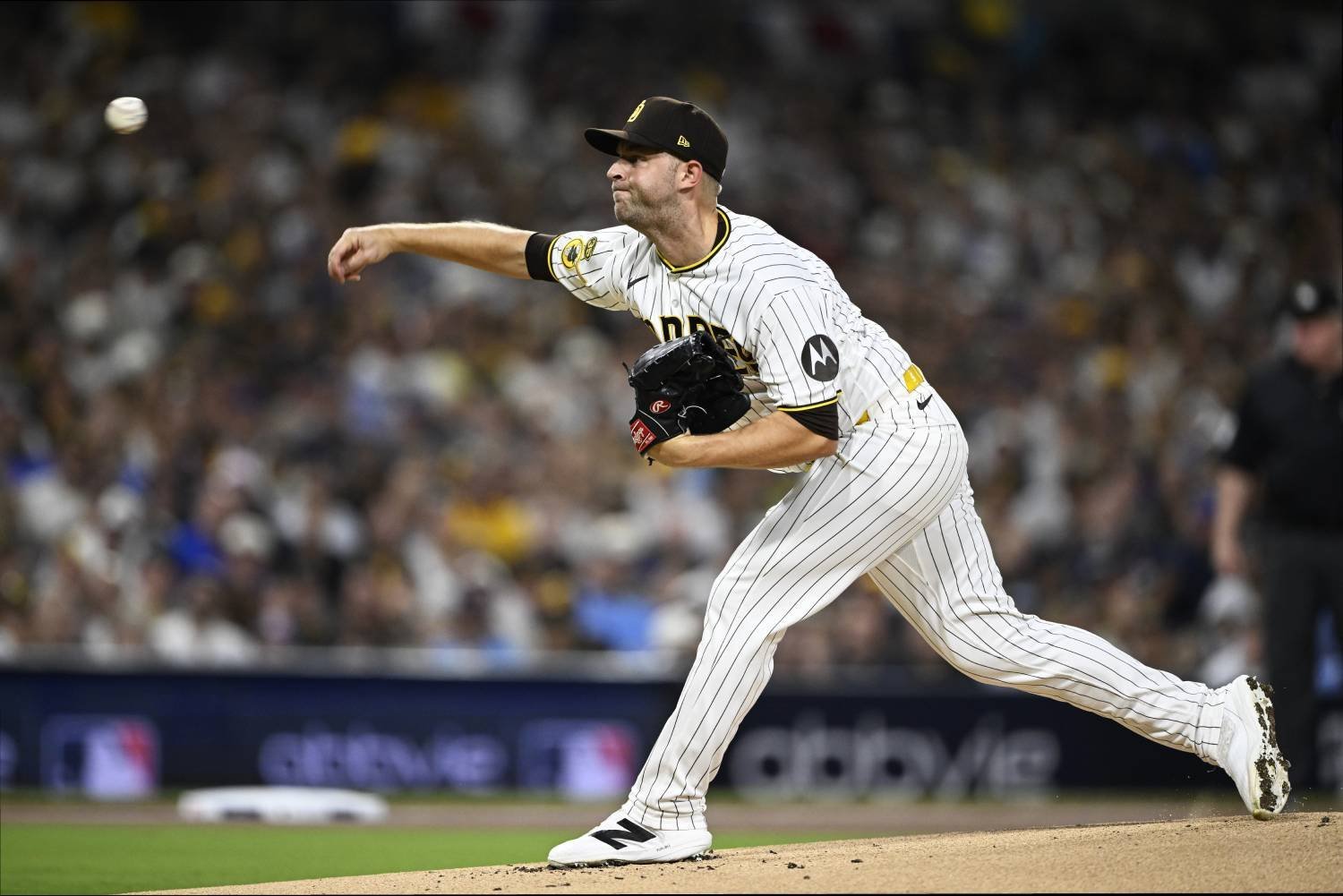 It didn't take long for you to know that this was going to be a special day for Michael King in Game 1 of the NL Wild Card Series. The San Diego Padres' right-handed starter, facing the all-but-official NL MVP leading off the game in Chicago Cubs star Pete Crow-Armstrong, zipped his first pitch of the night, a sinker, on the inside portion of the plate at 96.3 mph. Taken for a strike. The second pitch was a sweeper, a pitch that would prove devastating all night, at 86.4 mph. Swung through by Crow-Armstrong. Then came King's first four-seamer. With the Petco Park crowd revved up, King unleashed a 97.6 mph fireball that Crow-Armstrong got a slight piece of, but the ball ended up in Luis Campusano's mitt for his first strikeout. Talk about setting the tone. King would set down Alex Bregman on strikes, getting him to chase a sweeper for strike three. Seeing the carnage in front of him, Michael Busch didn't allow himself to get into a two-strike hole. He pulled a 1-1 four-seamer to first baseman Ty France, who made a nice stop to his right and tossed to King covering the bag to complete a perfect first inning. Slicing through the top three hitters of MLB's best offense like King did was a precursor for what would come over seven innings. King didn't allow a hit until the seventh inning, striking out eight in showcasing the wares that made him the Padres' ace this year, particularly in the second half. Backed by first-inning homers from Fernando Tatis Jr. and Manny Machado, the Padres cruised to an 8-0 victory in Game 1 of the NL Wild Card Series. It was the biggest shutout win by the Padres in franchise history, surpassing a 6-0 win over the New York Mets on Oct. 9, 2022. This is the King that the Padres were hoping to get when he re-signed for three years and $75 million when his market was lukewarm following a couple of injuries that curtailed his 2025. His first four-seamer to Crow-Armstrong, the one at 97.6 mph, was his fastest pitch since 2023 when he was primarily a reliever and still with the New York Yankees. Against Bregman, the next batter, King would clock a 97.5 mph sinker. King has been the biggest reward for the Padres in the Juan Soto trade following that 2023 season. While King had trouble cracking the Yankees' rotation, starting just 19 times in 115 games over five seasons, he has been an integral part of the Padres' plan in the last three years, starting all but one of his 78 games with the Friars. If things had worked out perfectly this year, King was slotted in as the Padres' No. 3 starter behind fellow right-handers Joe Musgrove and Nick Pivetta. But, as we all know, things went far from perfectly for the rotation this year. With Musgrove not throwing a pitch since spring training as his comeback from Tommy John surgery experienced obstacles and Pivetta then missing five months, it was up to King to be the leader, the stabilizer of the rotation. Which he was. King has been good the entire season, but in particular, he was sensational in the second half. He had 18 quality starts in his 32 games, including eight straight before that came to an end in his final regular-season start against the Los Angeles Dodgers. In Game 1, however, King turned in his best start as a Padre. It echoed back to his first postseason start with the Friars. That was Game 1 of the 2024 NL Wild Card Series against Atlanta in which King fanned 12 and didn't issue a walk over seven innings in a 4-0 win, also at Petco Park. He controlled Crow-Armstrong and Bregman, striking them out a combined five times in six trips. Crow-Armstrong walked on five pitches in the third inning, one of three free passes King issued. King's sweeper was huge. King racked up 16 whiffs, with seven coming off his sweeper, which was 2.5 mph higher than it was during the regular season at 84.5. His four-seamer was up 1.5 mph. The first hit didn't come until the seventh. Nico Hoerner pulled a ball down the third-base line that Manny Machado took four steps to his right and slid to stop, but couldn't get a handle on to attempt a throw. Even if he had handled the grounder, the speedy Hoerner would have been a tough out at first. King's 6⅓ innings was the longest postseason no-hit bid since Anibal Sanchez of the Washington Nationals went 7⅔ in Game 1 of the 2019 NL Championship Series vs. the St. Louis Cardinals. While his contract situation is likely the furthest from his mind, King has an opt-out after this season after making $17 million this year. He is slated to make $28 million in 2027 and $30 million in 2028 with another opt-out after next year. But if this is the type of performance the Padres are going to get out of King, he has certainly locked up a lucrative payday, perhaps as the No. 2 or No. 3 available free-agent starter. That is a concern for another day, though. For now, the Padres have a legit playoff No. 1 starter. The best offense, and its MVP candidate, found that out the hard way. It bodes well for what the Friars want to accomplish the rest of this postseason. View the full article
 -
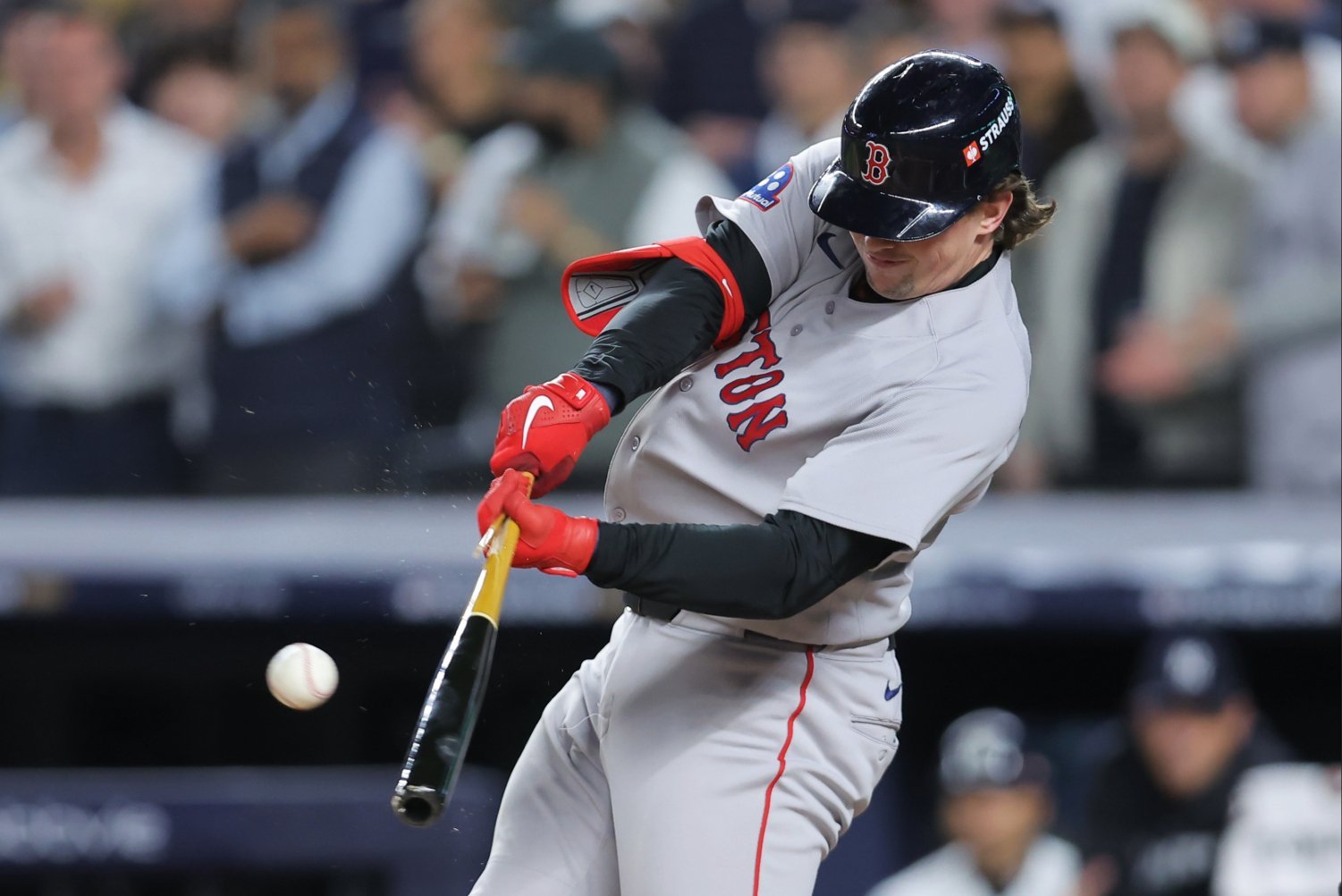 Cam Schlittler is, without a doubt, the AL Cy Young favorite. He led the AL in fWAR (6.2), ERA (1.95), xERA (2.85), and FIP (2.56) on the strength of a three-fastball mix. Over 33 starts and 193.2 innings, 89.3% of his pitches were either a four-seamer, cutter, or sinker. Entering Game 1 of the Wild Card Series, the Boston Red Sox were preparing to face a steady stream of the hard stuff. So, naturally, Schlittler leaned on his worst pitch to befuddle them all night long. Throughout the regular season, Schlittler’s curveball was his fourth pitch. He threw it 9.8% of the time, with his highest single-game usage at 20.4% (for a total of 19). And the reason why was very simple: it wasn’t particularly good. Based on run values, it was easily his worst pitch, and it even had a higher contact rate than his sinker. It would be one thing if the young right-hander threw a few curveballs in the first inning to keep the Red Sox guessing, but he came out firing and never stopped. All it took was four innings and 66 pitches for him to hit 19 curveballs, equaling his season high. By the time his night was done, he had thrown 32 curveballs, comprising 27.3% of his total pitches. It wasn’t just the volume of curves that stood out; it was the effectiveness. Fourteen were thrown for strikes, eight swinging, six called, four were fouled off, and only two were put in play. Schlittler's curveball propelled him to 6.1 innings of shutout ball with 10 strikeouts and only one walk. The Red Sox got caught with their pants down in Game 1. While Schlittler threw his curveball a little under 10% of the time on the season, his usage had inched up to 13.34% since June 30. It’s tough when an elite pitcher makes a wholesale shift out of the blue, though it's not like this was completely unexpected. Simply put, this team got out-prepared by the Yankees. The fact remains that the Sox were completely helpless against a pitcher who leaned into his worst pitch. The element of surprise should only get you so far. It was a gambit that paid off for New York, but it was also an opportunity missed for Boston. They got the presumptive Cy Young winner to abandon his terms and still came up empty. View the full article
 -
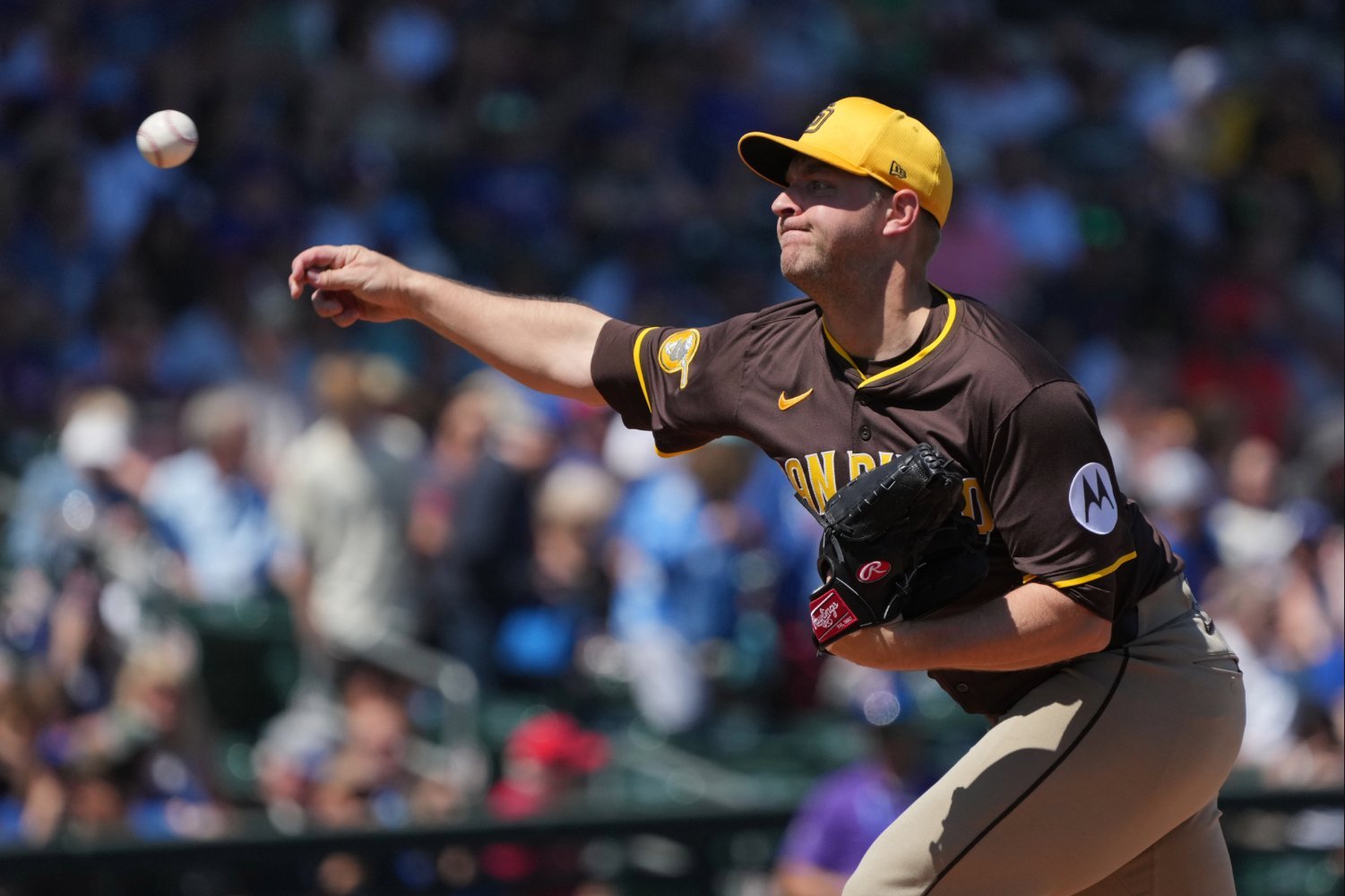 We’ve made it. The postseason is finally here, and after a season in which it looked like the San Diego Padres might not even make it to October, they’ll be hosting the Chicago Cubs in the Wild Card Round. Now, the Padres have a chance to make all of those ups and downs worth it. They’ll have home-field advantage for the series, but Game 1 will be especially important. Whoever comes out on top will be just one win away from advancing, while the losing team will have to play perfect ball over the next two games to avoid being eliminated. With that in mind, there are a few matchups that could ultimately decide who takes the first game of the series. Michael King vs. Cubs Lineup We have to start with Michael King against the Cubs’ lineup. There’s a reason Chicago is going to be such a difficult opponent for the Padres. The Cubs scored 850 runs during the regular season, the most of any team in baseball, and they have plenty of different ways to hurt an opposing pitching staff. They’re led by likely National League MVP Pete Crow-Armstrong, who posted a 40-40 campaign and dominated every facet of the game this season. But the Cubs aren’t simply a one-man offense. Seiya Suzuki, Alex Bregman and Michael Busch are all capable of flipping a game upside down with one swing, while Michael Conforto and Matt Shaw have been swinging a hot bat lately as well. There’s plenty of depth throughout the lineup, meaning King won’t have much room for mistakes. The right-hander has never started against the Cubs in his career. He’s faced them twice, but both appearances came in relief during his time with the New York Yankees. His first start against Chicago will come when the stakes are high. Pitching wins games in the postseason, and if San Diego is going to start the Wild Card Round with a victory, they’ll need a strong performance from their ace against the best offense in baseball this season. Padres Offense vs. Cubs Bullpen After that, we have to look at the Padres’ offense against Chicago’s bullpen. For as red-hot as the Cubs’ offense has been this season, their bullpen hasn’t been quite as consistent. There are some quality arms in Daniel Palencia and Ryan Zeferjahn who have been pitching well recently, but other names such as Ryan Rolison and Jacob Webb have been trending in the wrong direction. That could give the Padres an opportunity, especially if they can get into Chicago’s bullpen relatively early. Across their six regular-season matchups, the Padres scored 10 runs in 20 innings against the Cubs’ bullpen. Obviously, this isn’t exactly the same group they had earlier in the season, and regular-season results don’t necessarily carry over into October. Still, it shows that the Friars are capable of putting together productive at-bats against a middling group of relievers. The Padres have one of the biggest postseason strengths in baseball on their side when it comes to the bullpen. Their depth gives them plenty of options late in games, but that only matters if they have a lead to protect. Now, it’s on the offense to give that bullpen something to work with. Who Capitalizes With Runners in Scoring Position? The difference between winning and losing in the postseason can come down to one or two runs, and those runs often come from capitalizing when opportunities present themselves. A team can put together plenty of good at-bats, but if you leave runners stranded when you have a chance to score, you can find yourself in trouble. On the season, the Padres have the seventh-highest OPS in baseball with runners in scoring position at .768. The Cubs, meanwhile, rank 18th with a .748 OPS in those situations. That doesn’t guarantee anything in Game 1, but it does provide some context for how the two offenses have performed when they’ve had opportunities to drive in runs. If the home team is going to get the job done, they need to capitalize on those opportunities. And just as importantly, the Padres need to prevent Chicago from doing the same. That’s where having a deep bullpen could come in handy. There are plenty of arms available, meaning the Padres can be selective about who they use depending on the matchup. If a particular hitter or pocket of the Cubs’ lineup presents a difficult challenge, San Diego has the flexibility to make a move. And if one reliever gets into trouble, there are plenty of other options available to try to get out of the inning. Of course, all of this could change depending on how the starters perform. King could dominate the Cubs’ lineup and make much of this irrelevant. The Cubs could also get to him early and force the Padres to rely on their bullpen for a significant portion of the game. The same is true on the other side. But eventually, there’s a good chance both teams will find themselves in a situation where they need a big hit with runners in scoring position. In a postseason game between two teams capable of making a run, those late-game scoring chances could ultimately be the difference between winning and losing. For the Padres, the formula is fairly simple: get a strong start from King, take advantage of the Cubs’ bullpen, and capitalize when opportunities arise. If they can do that, they’ll put themselves in a good position to take the first game of the series and move one step closer to advancing. View the full article
 -
Three Seasons In, I Still Have No Idea What to Make of Brooks Lee
DiamondCentric posted an article in Twins Daily
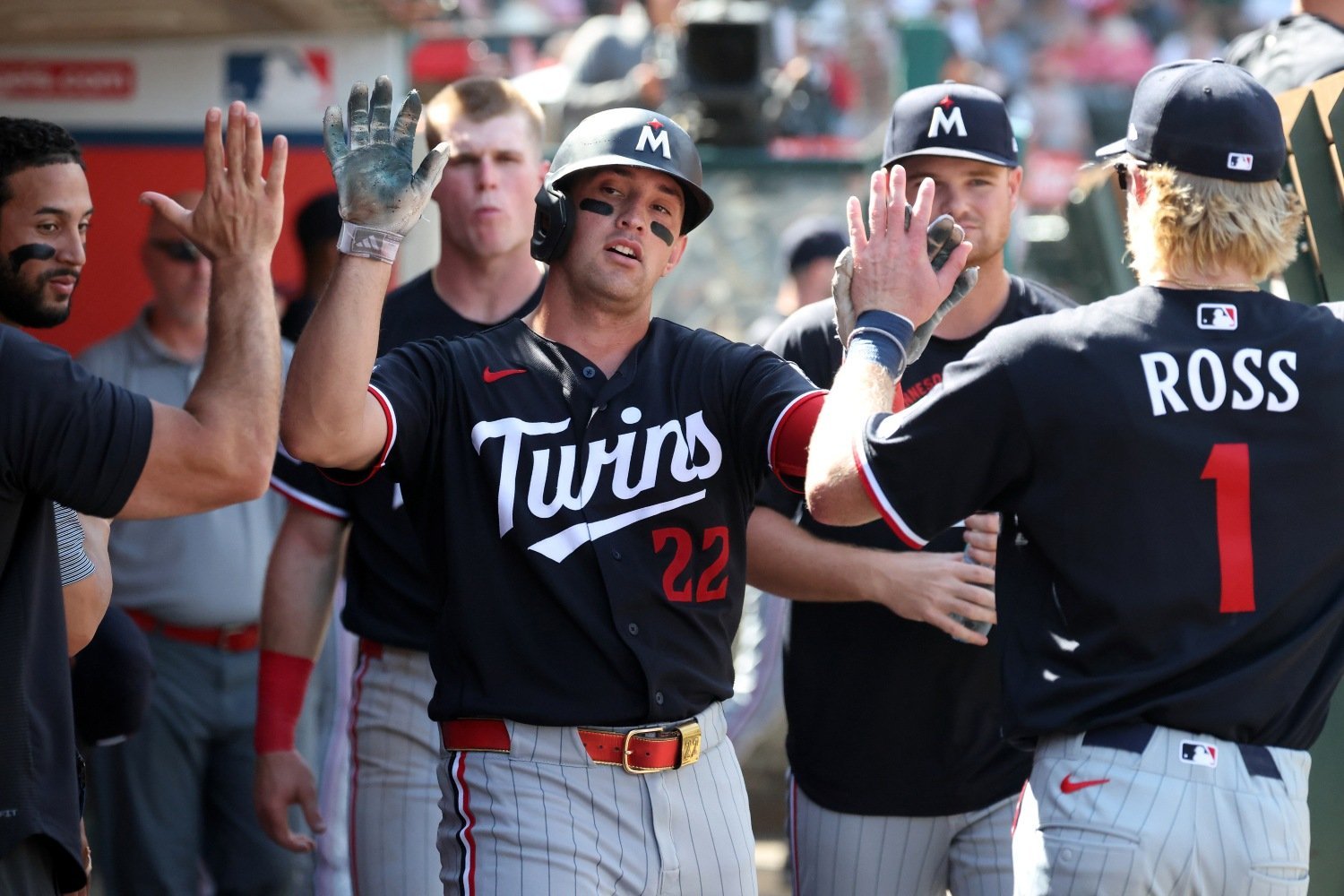 Brooks Lee broke out in 2026. There’s no debate around that. There is, howev debate about what qualifies as a “breakout campaign,” yes, but Lee’s case is clear-cut. Over his first 712 plate appearances, Lee managed only a 71 wRC+, where 100 is average and higher is better. He was similarly dreadful in the field, netting -6 Outs Above Average (OAA) while splitting his time between second base, third base, and short. As a result, the former first-round pick was worth 0.0 Wins Above Replacement at FanGraphs (fWAR) over 189 games. Despite being an offensive and defensive liability in his first two seasons in the majors, Lee flashed the raw talent that led to him getting selected eighth overall in the 2022 MLB Draft and to his rapid progression through the minors, showing plus power and plate discipline. His skill set was realized in 2026, with the 25-year-old hitting .253/.300/.407 with 24 home runs and a 101 wRC+ over 631 plate appearances. The driving factor behind Lee’s offensive turnaround was the switch-hitter’s ability to produce while hitting left-handed, earning a 120 wRC+ over 424 plate appearances in 2026 (compared to a combined 69 wRC+ over 482 plate appearances the prior two seasons). He regressed from the right side of the plate (63 wRC+ in 2026, compared to a combined 77 wRC+ the prior two seasons), but that failure is less consequential because he took roughly 200 fewer plate appearances from the right-handed batter’s box—no coincidence, of course, since most pitchers are right-handed. He also significantly improved defensively, transitioning from the primary shortstop to full-time third baseman in late May. Lee went from being one of the worst shortstops in baseball to an elite third baseman, netting 6 OAA over 284 attempts. Taking everything into account, Lee generated his first positive season at the plate and in the field, netting 2.9 fWAR. Lee generated the second-most fWAR on the Twins, second only to Luke Keaschall, who earned 3.0. If we strip away all context and analyze Lee’s performance by strictly looking at the metrics, he was the Twins' second-best player. Of course, that doesn’t feel true, and it probably isn’t. Byron Buxton is better than Lee, but he was hurt for a significant portion of the season. The same goes with Ryan Jeffers. Also, Joe Ryan is a better starting pitcher than Lee is a position player. However, injuries and a late-season collapse derailed his fWAR totals, placing him below Lee. Still, Lee was almost Minnesota’s most productive player this season. Yes, the club was bad, but that doesn’t happen by accident. He had to make meaningful improvements to take such a pronounced step forward—and he did, defensively. Yet, his underlying hitting metrics suggest he was largely the same player as in 2024 and 2025, making his 20-point jump in wRC+ feel unsustainable. He had poor bat speed again. He kept chasing pitches outside the zone. He rarely walked, and he made a ton of weak contact, similar to his first two seasons in the majors. So, what changed? Why was he a dramatically better hitter in 2026 than in 2025 and 2024? Despite most of his underlying metrics remaining unimpressive, he made a monumental shift in hitting philosophy in 2026, prioritizing quality of contact over contact itself. He matured into a quality-over-quantity bat. He was able to hit strikes in the air far more often in 2026 than the prior two seasons, resulting in more doubles and home runs (49) in 2026 than 2024 and 2025 combined (40). By seasoning his raw skills with a maturing approach at the plate, Lee became the hitter Twins Territory had long yearned for him to become. Combining that with an elite defensive profile, there’s no surprise he was almost a 3-WAR player. That said, his underwhelming underlying metrics shouldn’t be ignored. If his approach reverts to his pre-2026 form, he'll regress to a sub-replacement-level bat in 2027; that is a reality we must confront. And if that happens, there's a real chance he could hit his way out of being a full-time player. Moving to third and excelling at the position raises his floor, but still, a postseason-contending team can’t play a 69 wRC+ hitter every game. Alternatively, Lee could build off his breakout 2026 campaign, playing at an All-Star-caliber level early next season, solidifying himself as a core member of the next good Twins team. Either outcome is well within reason. Yes, this level of variance is (theoretically) possible for every major-league player. We just watched Cal Raleigh regress from an MVP-caliber catcher to one of the sport’s worst hitters in one season. Yet, Lee feels like one of the most volatile position players in baseball. Again, I say "feels" because this is largely a vibes-based analysis, but his underlying metrics make these doubts reasonable. Three seasons in, I don’t know what to make of Lee. He could regress into a bench bat; continue his current slightly above-average pace; or be the AL’s starting third baseman in the 2027 All-Star Game. None of these outcomes would shock me. That's not great news for the Twins, because it means one of their most-improved players this year can't be counted on to sustain that improvement next year. But it also underscores the upside of the roster, in microcosm. View the full article
 -
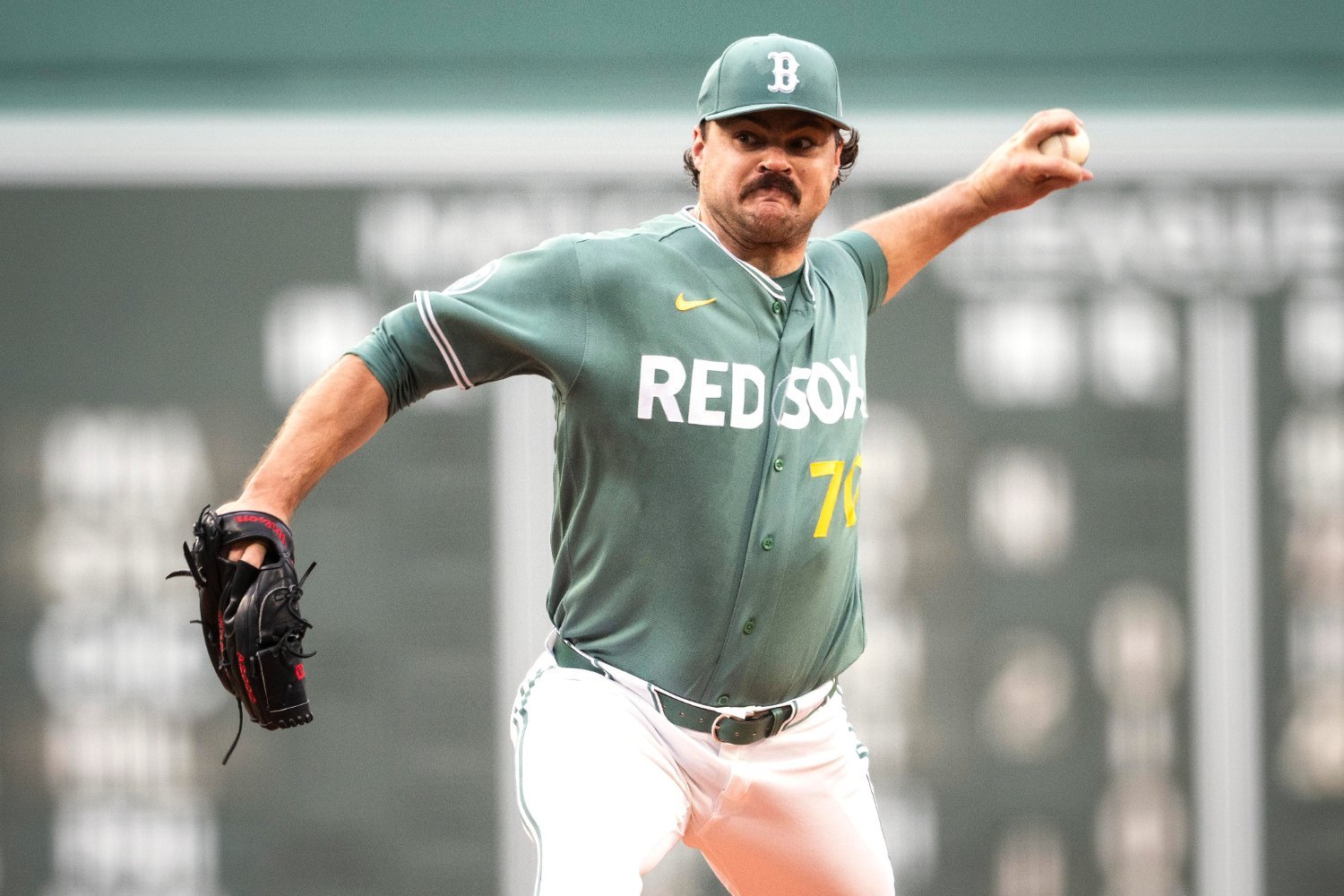 The Boston Red Sox made it official this week, naming rookie southpaw Payton Tolle the Game 1 starter for their Wild Card Round clash against the New York Yankees. While this is what I had been advocating for on recent episodes of the Talk Sox Podcast, there was a lot of debate amongst fans between which starter between Tolle or veteran Sonny Gray should get the nod to take the rubber in the opener. Manager Chad Tracy went with the rookie with the electric stuff and, judging by Tolle’s quotes from the first media availability on Monday afternoon, he’s up to the task. Since I’ve already profiled how the pitcher Tolle is squaring off against, Cam Schlittler, has fared against the Red Sox, I wanted to do the same for the hulking southpaw.. Starting with his overall season numbers, Tolle turned in 148.2 innings, a 28.4 K%, 6.6 BB%, 3.03 ERA, 3.04 FIP, and a 4.1 fWAR. He finished the season with 171 strikeouts to only 40 walks while only allowing 50 earned runs. His batting average allowed sits at an impressive .221 mark. If we shrink that down to just his starts on the road though, his numbers get even better. Road Tolle has been an absolute dog all season. He’s pitched 72 innings away from Fenway Park and has posted a 25.1 K%, 6.5 BB%, 2.50 ERA, and a 3.07 FIP. Plus, sis batting average allowed on the road shrunk down to an even more impressive .202. Tolle has been dominant all season, but he seems to shine even brighter when he’s challenging a hostile crowd. Luckily for him, the Wild Card Series takes place in the same location he first got a taste of the postseason last year. Before we dive into Tolle’s numbers against the Bronx Bombers, it needs to be said that he’s only made two starts against them this season, and both of those were at home. Still, the numbers at Fenway indicate that we’re in for an absolute gem of a start come Tuesday night. In Tolle’s first outing against the Yankees, he actually lined up against Schlittler and went almost pitch for pitch with him. Tolle tossed six innings of three-hit, one-run, 11-strikeout baseball. The lone sour mark on Tolle’ line came off a Pesky homer hit by Jazz Chisholm. Since this was the early season Red Sox, though, Tolle was handed a no-decision after the bullpen fell apart late in the game. The second time Tolle saw the Yankees, he was utterly dominant. He went seven shutout innings while walking two, striking out seven, and only allowing one hit. He was able to carry a perfect game into the sixth inning in this start, which came during the magical run of the summer. In these two starts against the Yankees, Tolle allowed a grand total of one run in 13 frames. He’s dominated Boston’s biggest rivals, and now it’s time for him to continue to do so under the bright lights of (almost) October. With those numbers in mind, it stands to reason that Payton Tolle is going to walk into Yankee Stadium on Tuesday night in primetime and be his usual dominant self. The Red Sox lost some firepower in the bullpen as the season was winding down, but Tolle has already provided quite a bit of length in his two starts against the Yankees; another deep outing could go a long way to giving Chad Tracy a full assortment of bullpen options in Games 2 and 3. It’s a lot of pressure to put on a rookie to walk into your rival’s stadium and out-duel the likely Cy Young winner, but Tolle only seems to get better when the challenge is greater. A win in this contest would set the Sox up perfectly to avenge their loss from one year ago. View the full article
 -
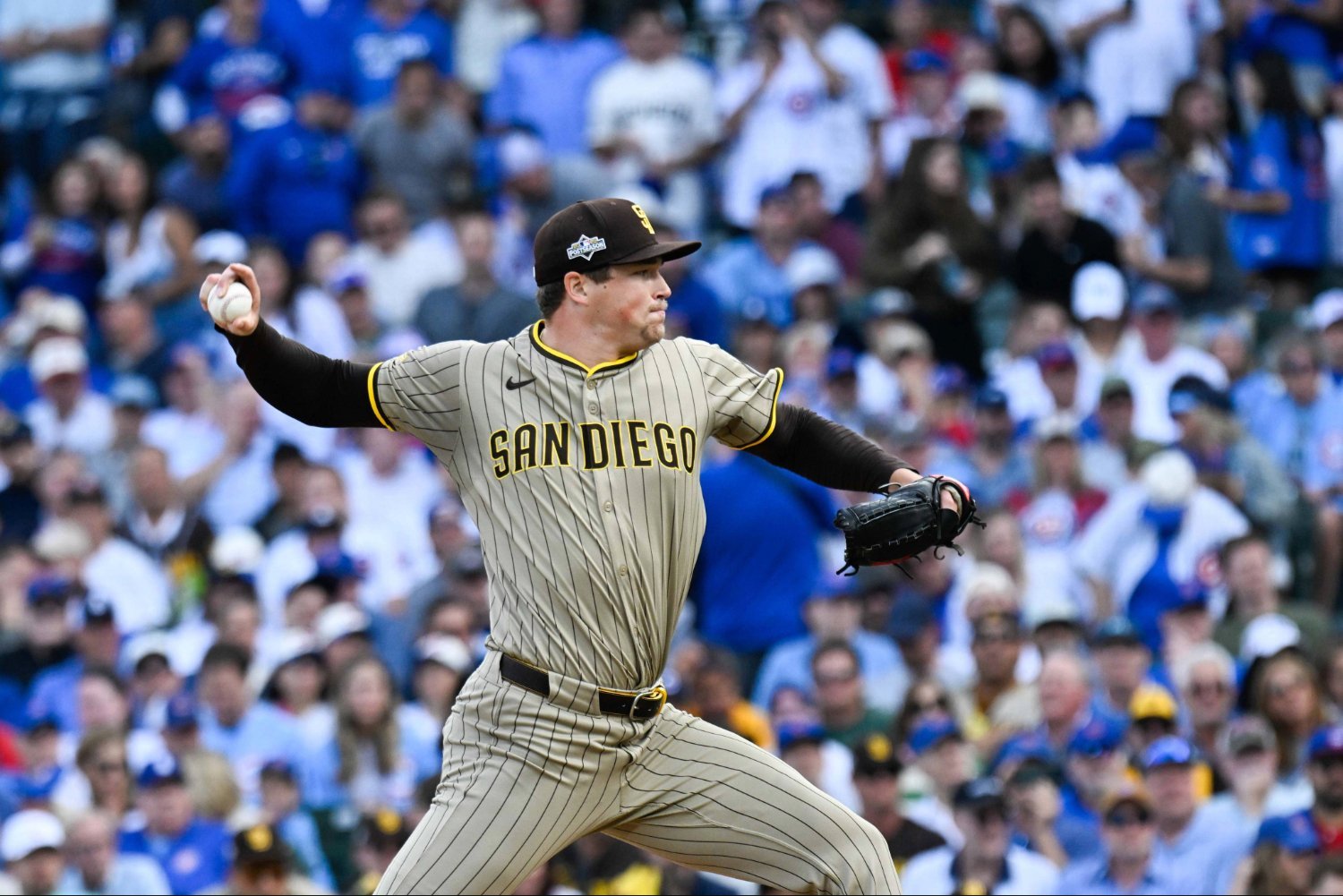 To survive in October, it is clear that the San Diego Padres will not be able to do it without the consistency of their bullpen. The starting rotation is still full of questions behind Michael King, so the bullpen will have to be prepared to take on a large number of innings if the starters cannot provide enough durability. The questions become even more concerning when we remember that the Padres lost four of their five games against the Chicago Cubs during the regular season, allowing 55 runs, 18 home runs, a 9.23 ERA, and a .420 wOBA. Tm ROLE G IP ERA TBF H 2B 3B R ER HR BB IBB HBP SO AVG OBP SLG SDP RP 20 24 9.75 120 31 4 0 27 26 9 16 0 1 20 .304 .400 .608 SDP SP 6 27.2 8.78 135 34 5 0 28 27 9 16 1 3 22 .293 .393 .569 Both the starters and relievers were punished, but that trend was unusual when it comes to the Padres’ bullpen. There are several pitchers who faced the Cubs during the regular season and others who are no longer in the Padres’ bullpen and, although the samples were small, there are several interesting points to analyze. Pitcher G IP ERA TBF H R ER HR SO AVG OBP SLG wOBA O-Contact% Z-Contact% Hard% Mason Miller 3 2.2 6.75 13 5 2 2 0 2 .417 .462 .417 .396 50.0% 81.8% 30.0% JP Sears 1 4.2 11.57 25 8 7 6 3 4 .364 .440 .773 .508 83.3% 82.8% 50.0% Wandy Peralta 2 2.2 10.12 12 4 3 3 1 0 .364 .417 .636 .454 100.0% 93.8% 36.4% David Morgan 1 0.2 13.50 4 1 1 1 0 1 .333 .500 .667 .490 0.0% 83.3% 0.0% Matt Waldron 1 5 5.40 22 6 3 3 1 1 .300 .364 .500 .377 58.3% 96.4% 15.8% Griffin Canning 1 4.1 4.15 20 5 2 2 0 3 .294 .400 .412 .366 42.9% 84.0% 28.6% Kyle Hart 3 3.1 18.90 19 4 8 7 3 6 .286 .421 .929 .518 0.0% 90.0% 55.6% Walker Buehler 2 8.2 11.42 45 10 11 11 3 10 .270 .400 .568 .410 60.9% 86.7% 44.4% Ron Marinaccio 2 3.2 4.91 19 4 2 2 2 2 .267 .421 .667 .456 57.1% 92.9% 30.8% Randy Vásquez 1 5 9.00 23 5 5 5 2 4 .250 .348 .550 .385 68.8% 89.5% 43.8% Jason Adam 3 3.1 5.40 14 3 2 2 1 3 .231 .286 .462 .323 37.5% 72.7% 44.4% Bradgley Rodriguez 2 2 0.00 10 2 0 0 0 2 .222 .300 .333 .285 33.3% 75.0% 0.0% Adrián Morejón 3 3.2 2.45 15 1 1 1 0 4 .083 .267 .167 .224 62.5% 89.5% 37.5% There are several alarms here. First of all, those terrible 13 matchups in which Mason Miller was bombarded by the Cubs, allowing a .396 wOBA, with just two strikeouts and an unusual 81.8% in-zone contact rate. But this has not just been a temporary streak, as Cubs hitters are batting .313/.378/.469 with a .847 OPS in 37 plate appearances against the All-Star closer. The statistics belong to Miller’s entire history against the hitters who have been on the Cubs’ roster this year. With the exception of Michael Busch and Miguel Amaya, all the other hitters on their roster who have faced him have collected at least one hit against Miller and, for being a small sample of matchups, several have had very good results against the best reliever in baseball. That said, most of the hits have been singles, and this year the hard-hit rate is just 30%. Even so, the mere fact that several hitters are putting the ball in play so frequently against Miller leaves us with an interesting situation that we should follow. Now, let’s keep something in mind. Miller relieved in three regular-season games against the Cubs, but he pitched only 2 2/3 innings. All three of his appearances came in the ninth, and he ran into trouble in two of them. On April 27 in San Diego, he entered with a 9-5 lead and allowed two runs in the ninth. In his last appearance, on June 29, he relieved Jason Adam in the ninth, but ended up allowing a walk-off single to Seiya Suzuki for Chicago’s 3-2 victory at Wrigley Field. Miller, of course, will have to make adjustments to secure those final outs as he has done throughout this season. But, to get to the right-hander, the Padres’ bullpen will have to battle the inconsistencies of the starters to carry the game into the eighth or ninth inning. For that reason, I still believe the biggest concern for the Padres will be the matchups in the middle of the game. And, for those moments, there are some pitchers who have been too vulnerable against Cubs hitters in their careers. T Pitcher PA AB H 2B 3B HR RBI BB SO BA OBP SLG OPS SO% BB% L Adrián Morejón 37 29 4 1 0 0 3 5 11 .138 .265 .172 .437 29.7% 13.5% L Wandy Peralta 66 59 11 1 0 2 6 6 11 .186 .258 .305 .563 16.7% 9.1% L Yuki Matsui 14 14 3 0 1 0 1 0 4 .214 .214 .357 .571 28.6% 0.0% R Jason Adam 44 37 8 1 0 1 2 5 11 .216 .302 .324 .627 25.0% 11.4% R Randy Vásquez 72 65 16 1 0 2 3 7 12 .246 .319 .354 .673 16.7% 9.7% R Bradgley Rodriguez 9 8 2 1 0 0 0 1 2 .250 .333 .375 .708 22.2% 11.1% R Griffin Canning 80 72 21 4 0 4 12 6 14 .292 .342 .514 .856 17.5% 7.5% R Mason Miller 37 32 10 2 0 1 4 4 9 .313 .378 .469 .847 24.3% 10.8% L Kyle Hart 27 18 7 1 0 3 9 8 7 .389 .577 .944 1.521 25.9% 29.6% The three most experienced left-handers in the bullpen—Adrián Morejón, Wandy Peralta and Yuki Matsui—have been among the most dominant arms against Cubs hitters. Pete Crow-Armstrong, Ian Happ, Michael Conforto and Michael Busch are a combined 1-for-16 with eight strikeouts and four walks against Morejón, who has allowed three RBIs without a hit. If we group Peralta and Matsui with Morejón, then the Cubs have a history of just .143/.246/.286 with a .531 OPS, only three extra-base hits, 14 strikeouts and six walks. Those only two home runs were hit by Crow-Armstrong off Peralta in five at-bats. As you can see, other right-handers such as Jason Adam, Randy Vásquez and Bradgley Rodriguez can also join the matchup strategy, as they have also been consistent. Either way, the Padres will have to make decisions about their rotation and determine which pitcher would move to reinforce the bullpen. They still have enough arms to try to stop the Cubs’ potent offense, but this will be one of the toughest tests this pitching staff has faced all year long. View the full article
 -
Cubs-Padres Wild Card Round Game 1 Matchup By The Numbers
DiamondCentric posted an article in North Side Baseball
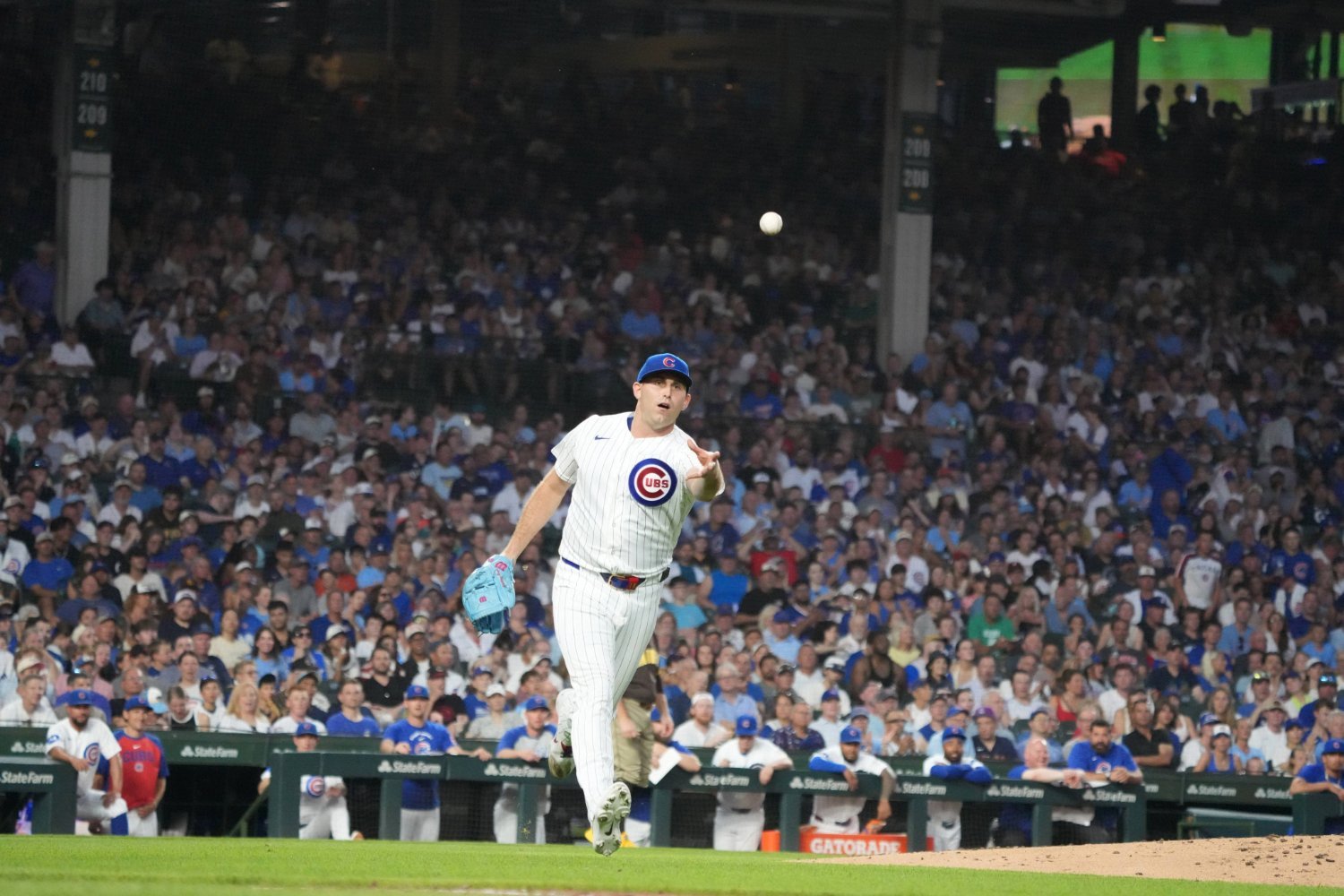 After a long 162-game grind, we're pretty much right back where we were one year ago. For the second consecutive season, the Chicago Cubs and San Diego Padres have ended up with the Nos. 4 and 5 seeds in the National League, setting them up for a best-of-three clash in the Wild Card Round. And, just like last year, the winner will get the right to travel to Milwaukee to face the top-seeded Brewers. The major difference this time around is that the Cubs will be the visiting team, with the Padres playing host. That doesn't mean too much for the North Siders (they went 43-38 away from the Friendly Confines this year), but it is a huge boon for the Friars, who went 51-30 at home compared to 40-41 on the road. In Game 1, the Padres will send their ace, Michael King, to the mound. He's been a rock-solid No. 1 starter this year, recording a 3.21 ERA over 185 innings in the regular season. His ERA estimators are less favorable (4.40 xERA, 4.13 FIP) but still indicative of a pitcher who can shut down an opposing lineup when he's on. He's a pretty unfamiliar opponent for the Cubs, who haven't seen him in the regular season since 2023 (when he was still with the Yankees). He tossed just one innings in last year's series, striking out the side in the middle of Game 3. Alex Bregman has routinely crushed King and will be a key part of the lineup on Tuesday night; in contrast, Michael Conforto has historically struggled in this matchup. Michael King vs. Chicago Cubs: Current Batters Table Rk Player B PA AB H 2B 3B HR RBI BB SO BA OBP SLG OPS SH SF IBB HBP GIDP 1 Michael Conforto L 14 11 1 0 0 1 1 3 2 .091 .286 .364 .649 0 0 0 0 0 2 Alex Bregman R 10 8 7 2 0 0 0 2 1 .875 .900 1.125 2.025 0 0 0 0 0 3 Gabriel Arias R 3 3 1 0 0 0 0 0 1 .333 .333 .333 .667 0 0 0 0 0 4 Ian Happ B 2 2 0 0 0 0 0 0 0 .000 .000 .000 .000 0 0 0 0 0 5 Tyrone Taylor R 2 2 0 0 0 0 0 0 1 .000 .000 .000 .000 0 0 0 0 0 6 Nico Hoerner R 1 1 0 0 0 0 0 0 1 .000 .000 .000 .000 0 0 0 0 0 7 Carson Kelly R 1 1 1 0 0 0 0 0 0 1.000 1.000 1.000 2.000 0 0 0 0 0 8 Seiya Suzuki R 1 1 0 0 0 0 0 0 0 .000 .000 .000 .000 0 0 0 0 0 Provided by Stathead: Found with Stathead. See Full Results. Opposite the right-hander will be Matthew Boyd, who is starting Game 1 of the Wild Card Round for the second consecutive year. He threw a tidy gem in that outing allowing just one run over 4 1/3 innings, though the Cubs' ace will have to overcome poor matchups with Manny Machado, Ty France, Fernando Tatis Jr., and Austin Hays in order to give his team a chance tonight. Matthew Boyd vs. San Diego Padres: Current Batters Table Rk Player B PA AB H 2B 3B HR RBI BB SO BA OBP SLG OPS SH SF IBB HBP GIDP 1 Xander Bogaerts R 22 20 4 0 0 1 3 2 3 .200 .273 .350 .623 0 0 0 0 1 2 Manny Machado R 20 19 9 4 0 1 5 0 3 .474 .450 .842 1.292 0 1 0 0 0 3 Ty France R 13 10 4 1 0 0 3 1 1 .400 .538 .500 1.038 0 0 0 2 0 4 Fernando Tatis Jr. R 12 12 3 0 0 1 2 0 2 .250 .250 .500 .750 0 0 0 0 0 5 Freddy Fermin R 11 11 3 2 0 0 2 0 4 .273 .273 .455 .727 0 0 0 0 0 6 Jackson Merrill L 9 9 2 0 0 0 1 0 1 .222 .222 .222 .444 0 0 0 0 0 7 Austin Hays R 6 6 3 0 1 0 2 0 0 .500 .500 .833 1.333 0 0 0 0 0 8 Samad Taylor R 5 5 2 0 0 0 0 0 1 .400 .400 .400 .800 0 0 0 0 0 9 Jase Bowen R 2 2 0 0 0 0 0 0 1 .000 .000 .000 .000 0 0 0 0 0 10 Jake Cronenworth L 2 2 0 0 0 0 0 0 1 .000 .000 .000 .000 0 0 0 0 0 Provided by Stathead: Found with Stathead. See Full Results. You can find a more comprehensive breakdown of this series as a whole -- and all the numbers behind the matchup -- over on our sister site, Padres Mission. Game 1 of the NL Wild Card Round between the Cubs and Padres will begin tonight, September 29, at 9:00pm Central Standard Time. View the full article
 -
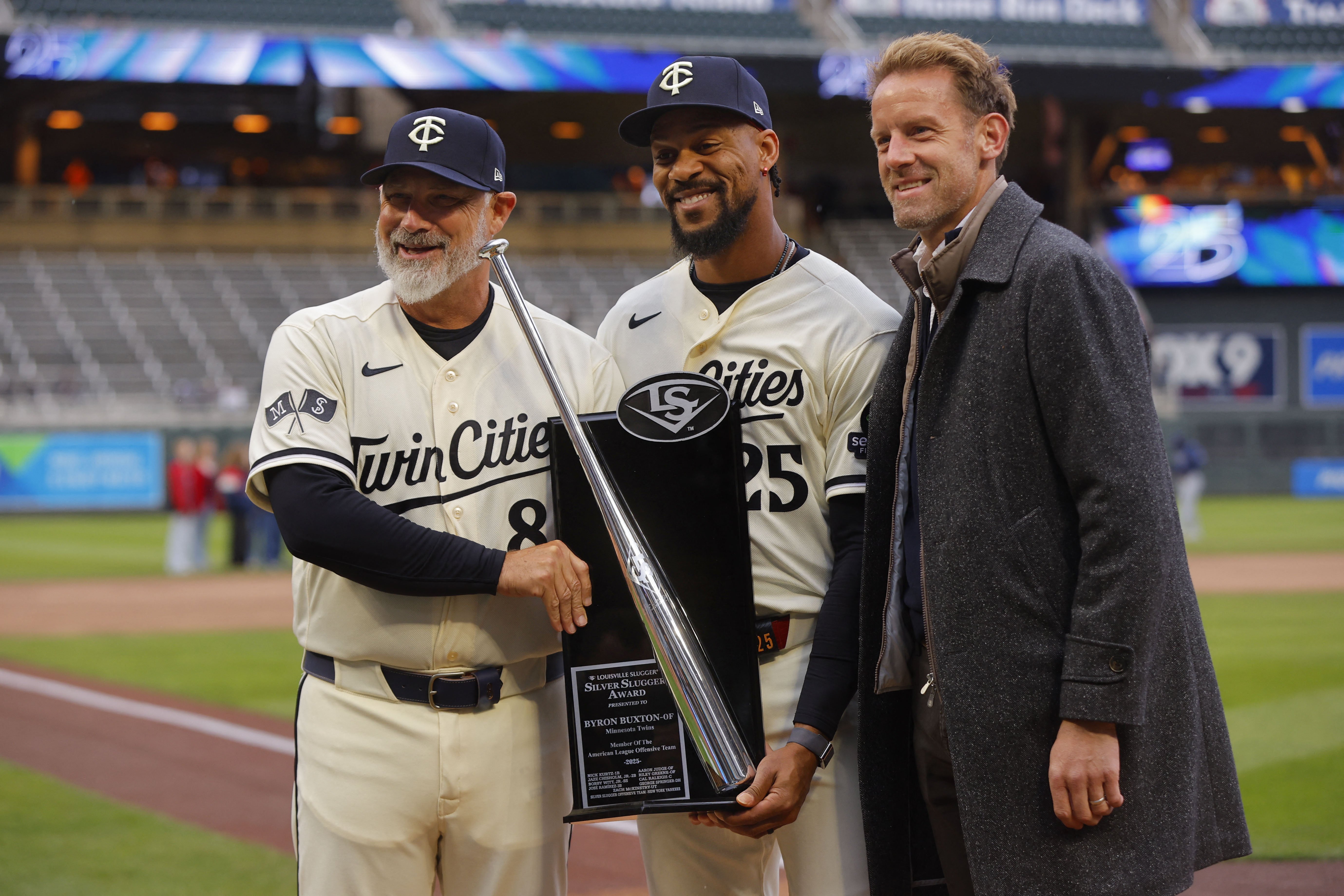 You don't build trust by saying things. Well, not on its own, anyway. You build trust by saying things and then doing them. It conditions people to believe what you say. It demonstrates conviction. To his credit, Tom Pohlad seems to recognize this. The team's alignment of messaging and approach at the trade deadline was seemingly guided by an edict to re-establish trust and credibility. In the weeks and days leading up, general manager Jeremy Zoll was surprisingly open about Minnesota's intention to add impact talent, specifically in the bullpen. This was a stark contrast from the vague double-speak we often heard from Derek Falvey, and the team's actions at the deadline also represented a departure from Falvey's hem-hawing front offices in recent years. The Twins did exactly what they said they were going to do, assertively adding three pitchers who performed very well, although it wasn't enough to keep the club from falling out of contention. All in all, a good first step. But only a first step. Now the real work begins, coming off a second straight losing season where attendance fell to a new 25-year low. At Tuesday's season-ending press conference at Target Field, Pohlad called this offseason "another opportunity for us to put action to words" and adding "I’m really excited about the month ahead." There's little that can happen from a team-building standpoint before the World Series ends, so I assume what Pohlad was really referencing is the one-month window in November where the offseason is underway, before a CBA lockout shutdown commences at the start of December. If the Twins want to demonstrate some genuine initiative, they need to strike with at least one big move during what is anticipated to be an active stretch of Hot Stove action. Pohlad insisted, in no uncertain terms, that's the plan. "We are going to be aggressive when free agency starts," he told reporters. Follow through on that, and he'll have another drop in the trust bucket. As that bucket fills, rancor toward ownership subsides and fans can once again start to buy in. When asked about his expectations for payroll, Pohlad shied away from specifics but ended with some remarks I find interesting: “Let me just say, I have been very vocal about what our ambitions are. I have been vocal, and to some degree critical, of where we’ve been. And so you can take some comfort in the fact that, with payroll, wherever we land is cognizant of both those things and will be commensurate with what we’re trying to accomplish.” I'm not sure anyone is going to take comfort in words. Not yet. The Twins have spent too many years conditioning fans to wait for the catch, the qualifier or the retreat. Pohlad has correctly identified that rebuilding trust requires breaking that cycle, and the trade deadline offered a promising start. Now comes a much bigger test. If the Twins are truly ambitious about restoring credibility and building a winner, November presents their first real opportunity to prove it. Pohlad has said they will be aggressive. He has said payroll will reflect their ambitions. At this particular moment, matching those words with action would carry weight well beyond whatever player they acquire or dollars they spend. It would give fans another reason to believe that, when this version of Twins ownership tells them something, they can actually trust it. View the full article
 -
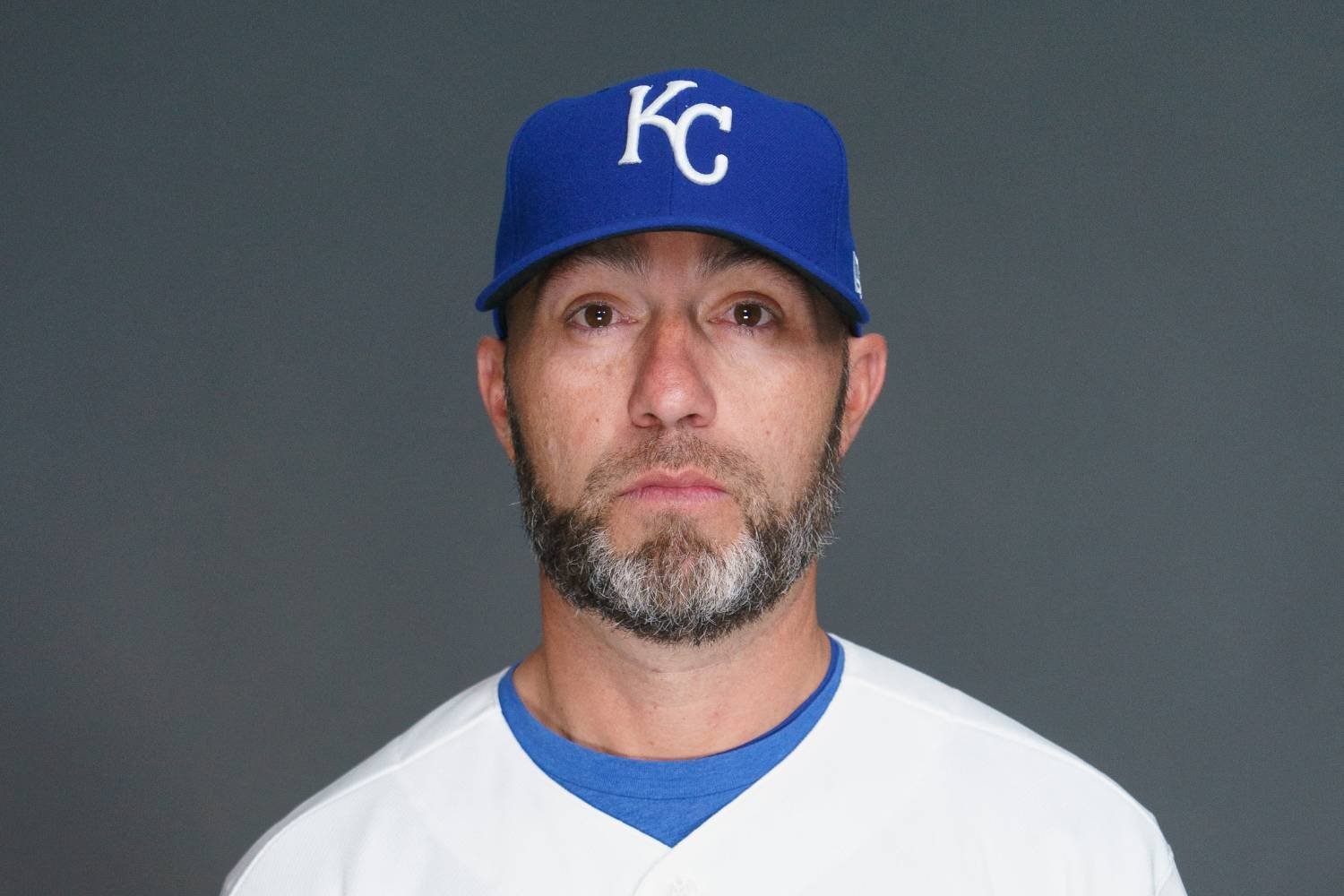 A disappointing season is resulting in at least one change on the MLB coach staff for the Kansas City Royals. Alec Zumwalt will not return as the Royals' hitting coach, although he remains in the system as the senior director of hitting performance, according to a report Tuesday by Ken Rosenthal of The Athletic. The Royals finished last in the AL Central at 69-93, the third-worst in the AL and fifth-worst in MLB. Hitters had a mixed bag in their performance this year. The team had the eighth-best batting average in MLB at .247, ranked 17th in on-base percentage (.316) and 16th in OPS (.718). Shortstop Bobby Witt Jr. may get some down-ballot AL MVP votes after a .281/.359/.441 slash line with 15 homers, 54 RBIs and 45 stolen bases. Right fielder Jac Caglianone also thrived in his first full MLB season, putting up a .289/.340/.494 slash line with 23 homers and 77 RBIs. But first baseman Vinnie Pasquantino (.249/.333/.428), who dealt with hamate bone surgery that hindered his performance, and key offseason acquisition Isaac Collins (.213/.320/.321), especially, were among the key underperformers. View the full article
 -
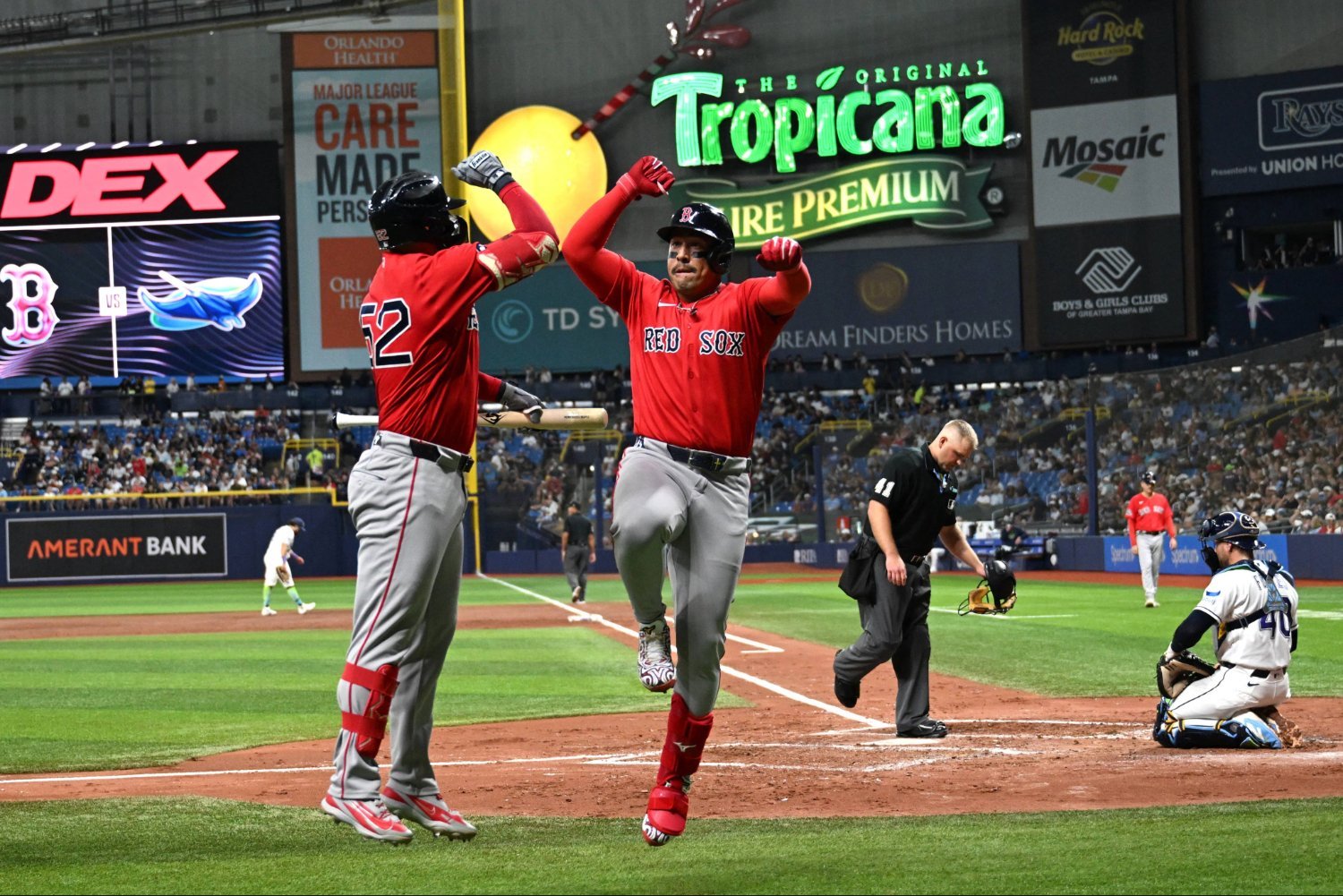 Cam Schlittler’s four-seamer averages 98 mph, almost four miles per hour faster than your typical right-handed pitcher. His 12-6 curveball has maxed out at 90.2 mph this year. In other words, the 6’6” Walpole native throws the ball ridiculously hard. Most analysts will tell you that his large frame gives him a biomechanics advantage to touch triple-digit velocity. I’m convinced some of it is fueled by his perpetual RBF. Schlittler isn’t the only high-octane Yankees pitcher the Boston Red Sox are going to see in the Wild Card Round. For instance, David Bednar anchors New York’s bullpen with a rising four-seamer (18” IVB) that averages 96.1 mph. So, it's probably pertinent to ask: How has the team fared against velocity this season? Mickey Gasper and Eli White feasted on hard pitches this year, posting OPS marks of 1.241 and .971, respectively, against premium velocity. Unfortunately, both players will miss the postseason. Gasper suffered from a right biceps strain, and White tore a ligament in his right foot on the center field garage door at Fenway. Jahmai Jones, who isn’t on the injured list, has handled 95+ just as well with a .977 OPS. Surprisingly, Roman Anthony .373 OPS ranks last among Red Sox batters. This is a significant drop from his .820 last year. Then there’s the weather. Over the Wild Card Series, the Bronx is expected to see a temperature range between 59 degrees and 67 degrees in the evening. As we get further into the week, the temperature starts creeping up. Tuesday night is expected to be the coldest game. If the series extends to Game 3, Thursday night’s game will be the warmest. Image courtesy of the National Weather Service There’s a ton of existing research on how weather impacts baseball and I’m not going to get into the weeds of humidity/temperature affecting pitch movement here. Instead, I want to look at something simpler: the Red Sox’s record across different temperature groups. During the Angels series earlier this month, I theorized that the team played worse in colder temperatures. I had forgotten about it until the Guardians series last week, so I pulled the data. I grouped every game this season by first-pitch temperature: Cold (59°F and below), Mild (60 to 74°F), and Warm (75°F and up). Temperature Bucket G W L Win% Run Diff RS RA Avg Temp Cold (59°F and below) 28 14 14 .500 +25 4.11 3.21 52.3°F Mild (60-74°F) 55 21 34 .382 -57 3.38 4.42 69.0°F Warm (75+°F) 79 52 27 .658 +110 4.91 3.52 81.5°F The Red Sox’s record didn’t support my theory. The “Cold” bucket consisted of 28 games, the fewest of the three and they played .500 ball with a +25 run differential in those games. Unsurprisingly, the team posted a .658 winning percentage and a +110 run differential in the “Warm” bucket, thanks in large part to the team’s historic 30-5 stretch in the middle of the summer. The “Mild” bucket contained the worst results: a .382 winning percentage and a negative run differential of -57. Back to the forecast, two of three games in the Wild Card Series land squarely in the “Mild” range, where they went 21-34. If the Red Sox want to advance to the division series, they need to win in the weather that’s plagued them all year. The Red Sox enter the first round of the playoffs as underdogs with velocity and weather working against them. They’ll face Schlittler’s triple-threat fastball mix tonight, sans Gasper and White. Fortunately, Schlittler is just one pitcher. As @Alex Mayes and I talked about on this week's Talk Sox podcast episode, once they get past Schlittler, Max Fried and a washed-up Gerrit Cole aren’t nearly as imposing. Anything can happen in the playoffs, and the Red Sox have thrived on chaos all season. body { background: #fff; color: #111; font-family: Arial, sans-serif; padding: 24px; } View the full article
 -
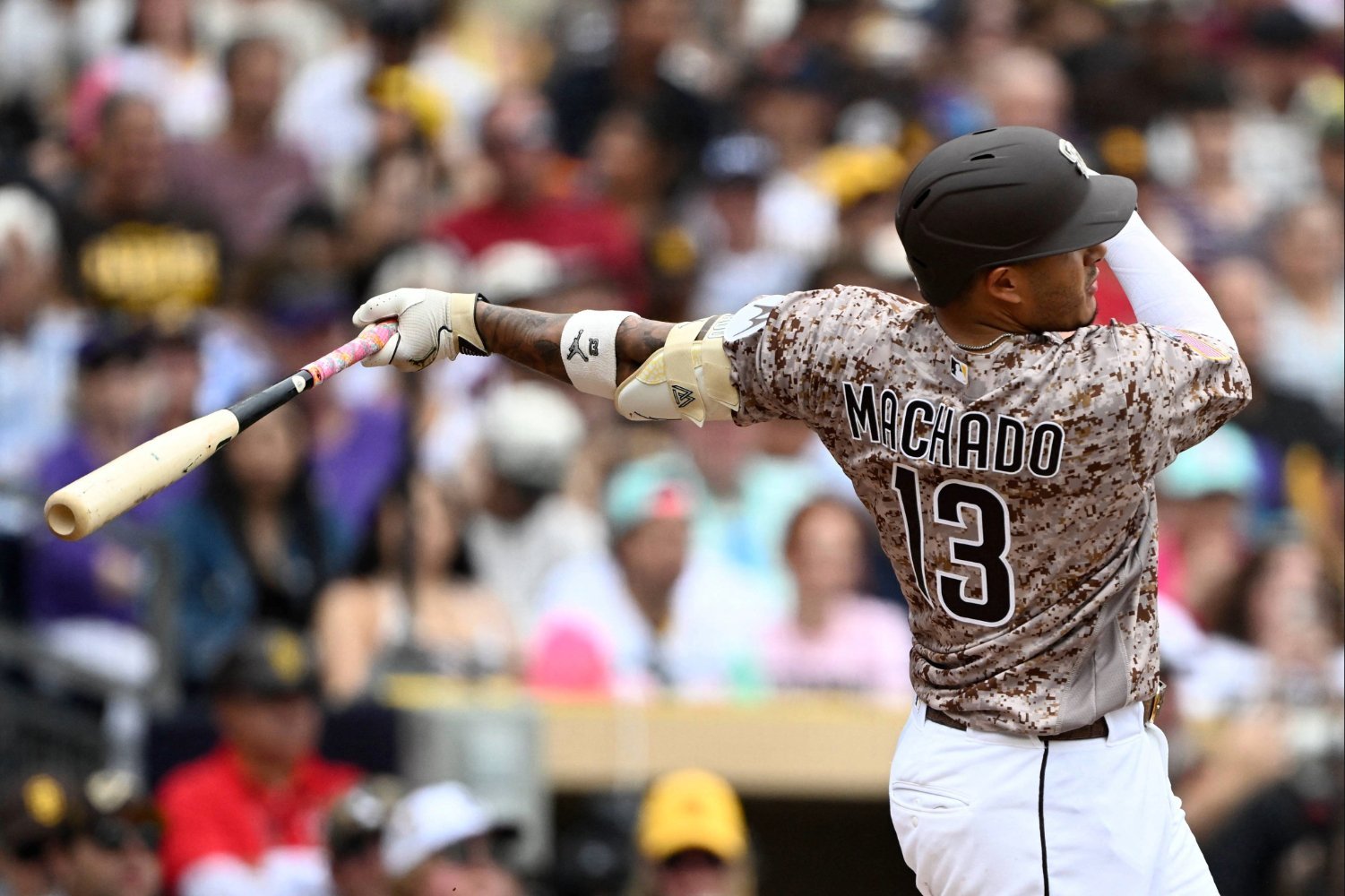 Manny Machado’s last two postseasons as a whole have been disappointing. In 40 plate appearances, he hit .158/.200/.342 with just a 51 wRC+ and a .542 OPS. Even so, he has had a couple of key moments, such as the two-run double that put the San Diego Padres ahead 3-1 in the second inning of Game 2 of the 2024 Wild Card Series against the Braves, and the two-run home run that increased the lead to 3-0 over the Cubs in the fifth inning of Game 2 of last year’s Wild Card Series. His best year in the playoffs since arriving in San Diego was in 2022, when he unleashed his power and hit four home runs and scored seven runs in 12 games. Two of those home runs were key to driving the Padres forward. First, the home run against Clayton Kershaw that opened Game 2 of the NLDS, in a series the Padres ended up winning 3-1 over the Dodgers in four games. Then, in the NLCS, he hit a solo home run in the first inning of Game 4 against the Phillies, which sparked a four-run rally after two outs. The four home runs Machado hit in that 2022 playoff run tied the franchise record for a single postseason, and his seven extra-base hits were the most in Padres history for a single year in the playoffs. However, over 51 postseason games, Machado has fallen short of expectations, producing a .209/.259/.423 offensive line, with a .682 OPS and an 85 wRC+. Regarding his recent inconsistencies, there are several interesting trends that we should explore. Here we have one key point: His combined performance over the final month of the regular season, compared to his results in the postseason. Season PA O-Swing% Z-Swing% Swing% O-Contact% Z-Contact% BB% K% Hard% AVG OBP SLG OPS wRC+ SEP/OCT (2024-2025) 291 28.9% 70.1% 51.7% 46.6% 84.0% 7.6% 22.7% 37.9% .230 .285 .457 .742 105 POSTSEASON (2024-2025) 40 39.8% 77.6% 57.3% 51.4% 81.4% 5.0% 30.0% 50.0% .158 .200 .342 .542 51 The first thing that catches my attention is how his aggressiveness at the plate spikes, taking many more swings and chasing more pitches outside the zone. This, without a doubt, is the fundamental part that has led him to strike out much more frequently, but his 12.1 percentage-point improvement in Hard% also stands out. His ground-ball rate also drops, so most of the balls put in play remain fly balls, but his averages show that those hard-hit balls have not made the difference. His slugging has seen a .115-point drop and OPS a .200 drop, which obviously includes his problems with taking walks and getting on base. Although there is nothing closer to the version of Machado we will see in the playoffs than the trends from his final month, it is worth highlighting that his swing was productive during the regular season against Cubs pitching. In 21 plate appearances, he produced a .300/.333/.600 offensive line with a 156 wRC+. His hard contact rate was 46.7% and that sounds great, but what is most concerning here is that an extreme pull hitter like the third baseman recorded a 26.7 Pull% rate, the lowest among Padres hitters with at least 20 plate appearances against Chicago. Machado chased 45.7% of the pitches against Cubs pitchers and, at times, what could be worse, made contact on 50.0% of his swings outside the zone. In the end, as we have seen here, that contact produced limited impact for the Friars. As you can see here, the Cubs have precisely marked where they want to pitch to the All-Star. Most of the pitches were outside the strike zone, well away, inside and outside in the lower part of the zone, and the lowest percentage, just 1.3%, has been on pitches middle-middle. In other words, his pitch selection will be key this series, as he will need a balance between being aggressive and much more patient, since in October every pitch and every swing decision can open up a range of possibilities. The Cubs will almost certainly draw up a similar strategy again. Perhaps this statistic explains it all: in 51 postseason games and 218 plate appearances, Manny has recorded just one game with two or more walks, when he received three walks in Game 3 of the NLDS against the Dodgers in 2022. His career BB/K rate has been 0.47, with 1,576 strikeouts and 739 walks, but in the postseason, it drops to 0.23. Plate discipline has been an important part of his offensive problems in the playoffs and has limited his ability to contribute as much as has been expected of him. Many times under the pressure of October, drawing a walk can become a key plate appearance, rather than failing in the attempt to try to solve everything with one swing. For Machado, deciding when to cross that thin line inside the batter’s box could lead to big results for the Padres this postseason. View the full article
 -
 In his annual end-of-season press conference, Marlins president of baseball operations Peter Bendix discusses experimental pitcher usage, hitting development, the future of Miami's coaching staff and much more.View the full article
 -
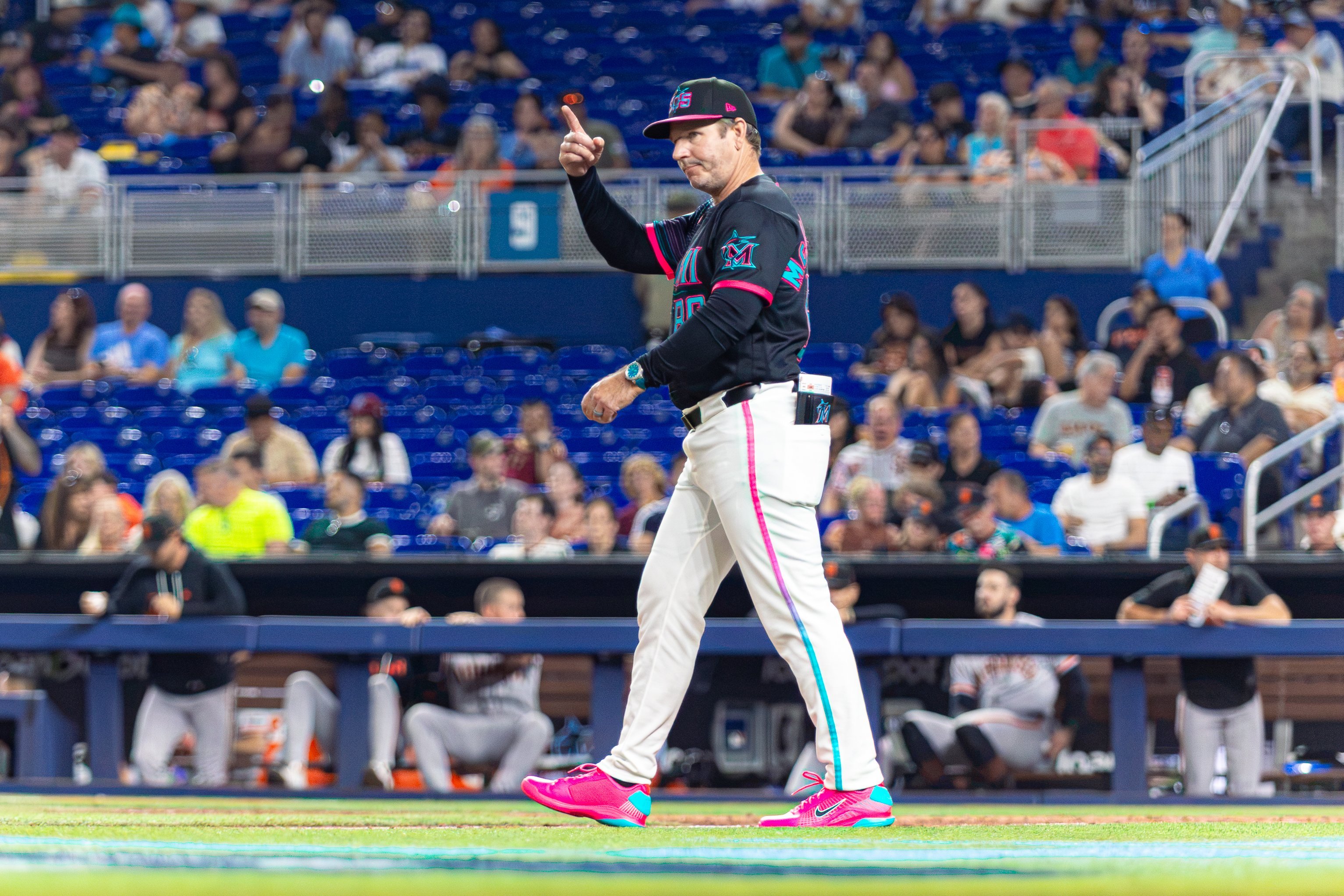 MIAMI, FL — On Tuesday, Miami Marlins president of baseball operations Peter Bendix announced that the club will be retaining manager Clayton McCullough, making the 2027 season his third with the organization. "I think Clayton showed a lot of growth and improvement in the way that a lot of people do in their second year," Bendix said. "Clayton and I are very aligned. Clayton is an excellent representative of the organization and an excellent voice of the organization. He has helped establish a fantastic culture in our clubhouse, he's an excellent communicator and very good at a very difficult job. I'm excited to continue to grow with him." The Marlins did not comment on whether his contract includes any guarantees beyond next season. McCullough was hired as the 17th manager in franchise history on November 11, 2024, fresh off winning a World Series title as first base coach of the Los Angeles Dodgers. Through two seasons, he has compiled a 159-165 record. His predecessor, Skip Schumaker, parted ways with the Fish after only two seasons, so McCullough will be their longest-tenured skipper since Don Mattingly. In McCullough's first year on the job, the 2025 Marlins posted a 79-83 record, staying in the postseason race up until the final week of the season. After a 44-51 record in the first half of that season, the team went 35-32 the rest of the way. Their midsummer hot streak was highlighted by a sweep of the New York Yankees following the MLB trade deadline, but they were never able to get over the hump with one of the league's most inexperienced rosters. Year two of the McCullough experience was even streakier. In June, the Marlins had their best month in franchise history and held a National League wild-card spot at the All-Star break with a 52-45 record. However, a 12-game losing streak that wrapped around the break was too much to overcome. McCullough's record was nearly identical at 80-82, though the Marlins had a positive run differential for the first time since 2010. The Marlins struggled on the road (33-48) and against teams over .500 (33-50). A couple of McCullough's in-game pitching decisions stood out for the wrong reasons. The first was against the Cincinnati Reds on April 7, when Sandy Alcantara was removed with one out in the ninth inning and the Marlins leading 2-0. Anthony Bender allowed both of the runners he inherited from Alcantara to score, sending the game to extra innings where the Reds ultimately won. Then there was the July 5 game against the Athletics. Starting pitcher Eury Pérez had thrown seven perfect innings and the Marlins held a comfortable 8-0 lead. Instead of letting him go out for the eighth, the Marlins deployed Lake Bachar, who was not able to record an out, allowing five runs on four hits and one home run. Closer Pete Fairbanks allowed three more runs in the ninth the Marlins narrowly beat the Athletics, 9-8, narrowly avoiding a historically embarrassing collapse. On the other hand, McCullough also got his starters to buy into the bold strategy of making high-leverage relief appearances in between starts. Alcantara, Pérez and Janson Junk combined for five such outings late in the season and pitched effectively every time. "I've been able to get in front of things sooner than I could last year," McCullough told Fish On First. "More relaxed in the position, the rhythm of the day, the expectations of the job and familiarity with our entire group. It's allowed me to shift focus at times more to other areas. I think I can always get better at messaging to our players and staff. That's not something that will be different each year...I still realized that I had some shortcomings. I did okay, and I just know that I need to be better next year than I was this year." View the full article
 -
Joe Musgrove Makes Return To Padres For Wild Card Series
DiamondCentric posted an article in Padres Mission
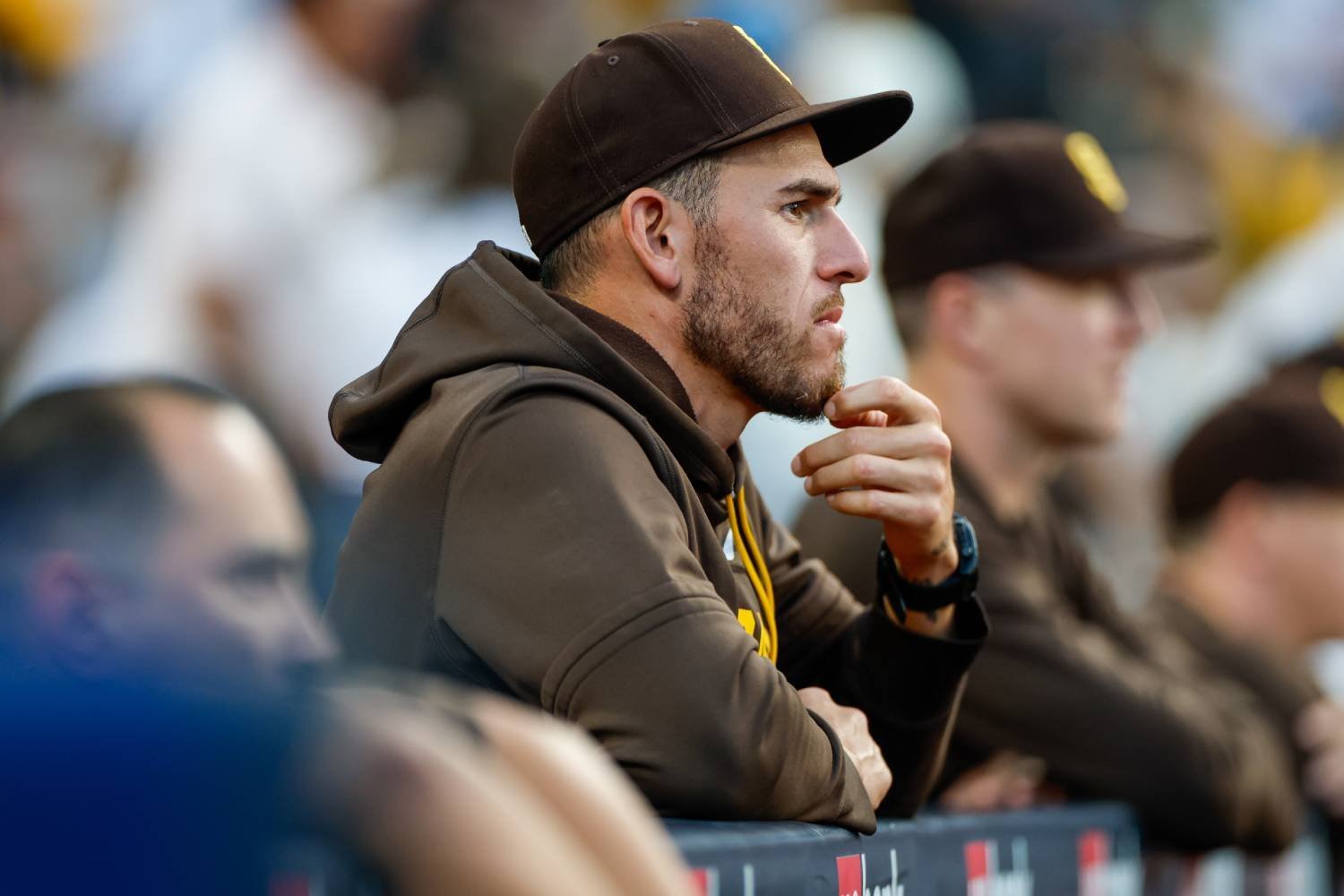 The San Diego Padres are getting two key reinforcements for the postseason. Right-hander Joe Musgrove and designated hitter Miguel Andujar were activated from the injured list Tuesday and included on the Padres' roster for the NL Wild Card Series against the Chicago Cubs. To make room on the 40-man roster for Musgrove, who was on the 60-day IL, Triple-A catcher Rodolfo Duran was placed on the 60-day IL. The minor-league season is over. Game 1 of the series is Tuesday at 7 p.m. Ethan Salas, the Padres' top prospect, is among the three catchers on the roster and will become the youngest catcher in a postseason game in MLB history. He is 20 years, 93 days old today. For the 33-year-old Musgrove, it marks the end of a long recovery period. It was nearly two years ago to the day that Musgrove pitched in his last MLB game. That was Game 2 of the NL Wild Card Series vs. Atlanta on Oct. 2. He would have Tommy John surgery and miss the entire 2025 season. Musgrove was on track to return early this season, but following an exhibition game against Great Britain, his first game appearance of spring training, his arm did not bounce back as expected. That led him to starting the season on the IL. It wasn't until August that Musgrove began a rehab assignment, alongside fellow right-handed starter Nick Pivetta. While Musgrove's initial outings went well and appeared set to rejoin the Padres' rotation, Pivetta's did not. But Musgrove again experienced a bounce-back issue with his right arm that paused his comeback, while Pivetta recovered from a brief scare and is now expected to start Game 2 of the Wild Card Series. Musgrove has been working out in Arizona and conditioning himself for a relief role. His arm has apparently been bouncing back well from the shorter outings. For Andujar, he was on the 15-day IL following a fractured right wrist that happened on a swing. He went on a two-week rehab assignment at Triple-A El Paso to conclude the minor-league season and then went to Arizona to get more swings. He did not participate in an MLB game since the injury. He is the second key bat to return to the Padres in the last week. First baseman Gavin Sheets came off the IL for the final regular-season series. Another late-season addition was right-handed reliever Jason Adam, who had been on the IL with a strained right shoulder. The fallout from those two is that right-hander Randy Vasquez and infielder Sung-Mun Song were not included on the postseason roster. Vasquez pitched six innings Sunday to save the bullpen, a plan that was likely contingent on knowing Musgrove would be ready for the postseason. Rosters can be adjusted between series. Injury replacements can also be made during a series, but with the injured player having to miss the next season. View the full article
 -
Padres-Cubs NL Wild Card Series Game 1 Matchup By The Numbers
DiamondCentric posted an article in Padres Mission
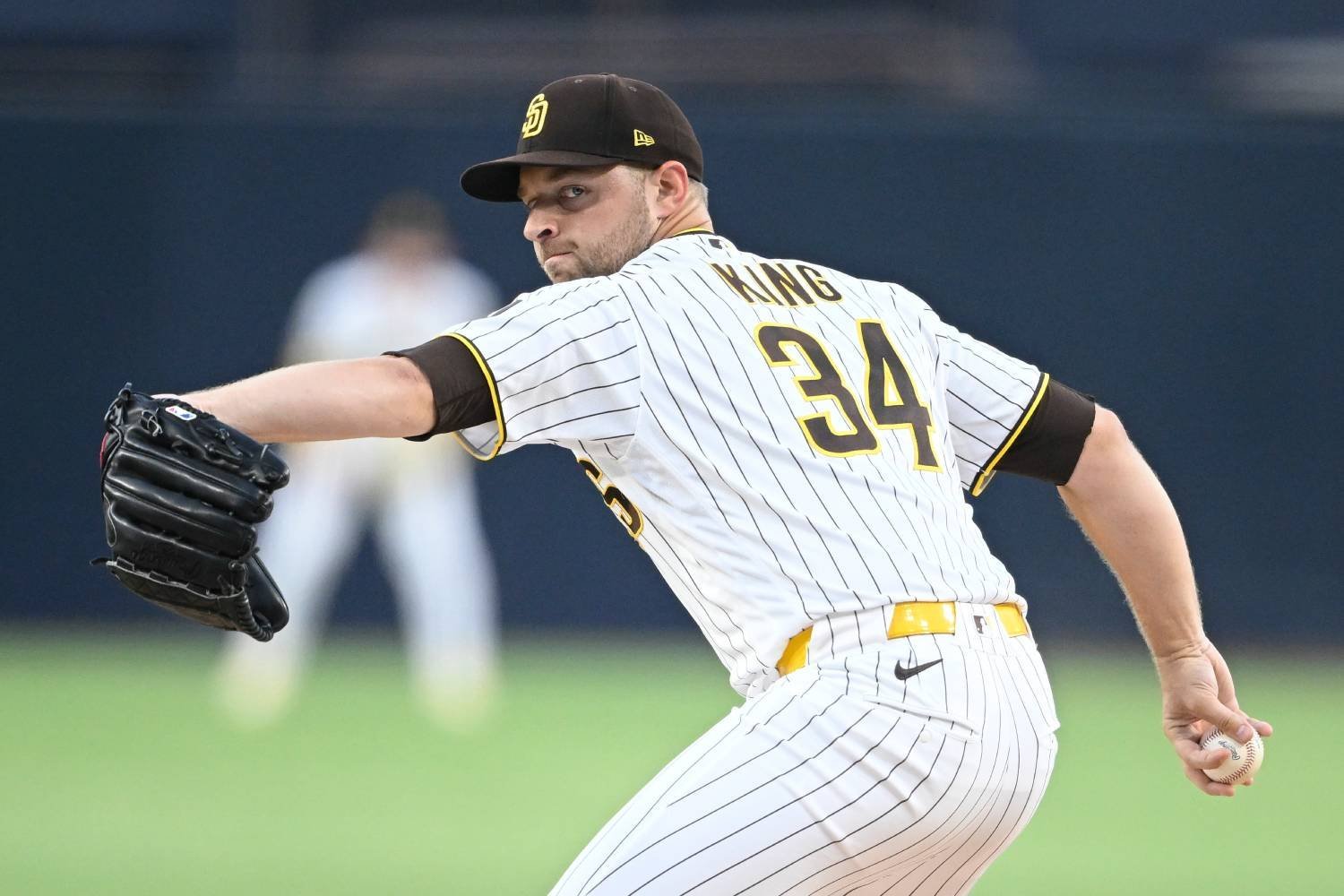 The San Diego Padres are sending out their best starting pitcher from the 2026 season to begin the NL Wild Card Series against the Chicago Cubs in a rematch of last year's postseason clash won by the Cubs. Right-hander Michael King is the biggest lock from the Padres' rotation entering the postseason. He has a 4.13 FIP (3.21 ERA) in 32 starts and 185 innings, both career highs. The 31-year-old has had a terrific rebound season after two injuries disrupted his 2025. King's walk rate of 9.2% and strikeout rate of 21% are down from his career averages (8.6%, 25.4%), but he has made up for that by limiting hard contact and inducing more groundballs. His groundball rate of 44% is his highest since 2022 when he was a reliever with the New York Yankees, while his hard-hit percentage is down to 32.9% and line drives at 20.6%, both also below career norms (34%, 24%). King had a streak of eight quality starts snapped in his final start of the regular season. His big second half, in addition to his 18 quality starts for the season, provided stability in a starting rotation that had been unstable up until the trade deadline. King did not face the Cubs in either of the two series between the clubs this year, with the Padres going 1-5. The Padres' bullpen is in tremendous shape after using right-handers Randy Vasquez and Griffin Canning in Sunday's regular-season finale. Superstar closer Mason Miller, who finished tied for third in MLB in saves with 38, got an inning Saturday, as did left-hander Adrian Morejon. Those two will be relied upon heavily to get the Padres through any tight games and in the biggest situations. Right-hander Bradgley Rodriguez proved himself a valuable arm and entered a late-inning role when another right-hander, Jason Adam, went down with an injury. With Adam coming back last week, that just deepens the arsenal that manager Craig Stammen has to work with. Those weapons will be necessary against a Cubs offense that led MLB in runs (5.25 per game) and were third in home runs. Leading that group is probable NL MVP Pete Crow-Armstrong, who posted a .280/.372/.570 slash line and an MLB-best 45 homers and 119 RBIs. Batting out of the leadoff spot, Crow-Armstrong can get the Cubs off to a quick start. He hit nine leadoff homers this season to lead MLB. He has hit 38 of his homers since the beginning of June, producing a 1.065 OPS (.302/.397/.668). Alex Bregman and Seiya Suzuki are the other top bats for the Padres to be cautious with. Bregman, a two-time World Series champion with the Houston Astros, famously took a foul ball off his face a week ago, resulting in multiple facial fractures, then stunningly returned to play in Friday's doubleheader and went 4-for-4 with two homers in Sunday's regular-season finale. For the season, Bregman is slashing .265/.355/.464 with 28 homers and 93 RBIs in his first season with the Cubs, while Suzuki has produced a .270/.368/.473 slash line with 26 homers and 86 RBIs in the best season of his MLB career. Michael King vs. Chicago Cubs: Current Batters Table Rk Player B PA AB H 2B 3B HR RBI BB SO BA OBP SLG OPS SH SF IBB HBP GIDP 1 Michael Conforto L 14 11 1 0 0 1 1 3 2 .091 .286 .364 .649 0 0 0 0 0 2 Alex Bregman R 10 8 7 2 0 0 0 2 1 .875 .900 1.125 2.025 0 0 0 0 0 3 Gabriel Arias R 3 3 1 0 0 0 0 0 1 .333 .333 .333 .667 0 0 0 0 0 4 Ian Happ B 2 2 0 0 0 0 0 0 0 .000 .000 .000 .000 0 0 0 0 0 5 Tyrone Taylor R 2 2 0 0 0 0 0 0 1 .000 .000 .000 .000 0 0 0 0 0 6 Nico Hoerner R 1 1 0 0 0 0 0 0 1 .000 .000 .000 .000 0 0 0 0 0 7 Carson Kelly R 1 1 1 0 0 0 0 0 0 1.000 1.000 1.000 2.000 0 0 0 0 0 8 Seiya Suzuki R 1 1 0 0 0 0 0 0 0 .000 .000 .000 .000 0 0 0 0 0 Provided by Stathead: Found with Stathead. See Full Results. Generated 9/28/2026. The Cubs will counter with left-hander Matthew Boyd. The 35-year-old had a tough start to his season with a pair of injuries, first a strained left biceps and then a torn meniscus in his left knee from a mishap at home. Once he returned in late June, Boyd had a 3.42 ERA in 17 starts. The Cubs' pitching staff in general has been decimated by injuries this year. Eight pitchers are currently on the 60-day injured list. Boyd's walk rate (7.5%) is right about where his career rate (7.3%), while his strikeout is notably down from 22.2% to 18.5%. It was 21.4% last year and 27.7% in 2024. Like King, Boyd has leaned into his defense this season with an increased groundball rate, up from 37.6% to 42.1% this year. Boyd faced the Padres once this season, a 9-7 Chicago victory June 30 at Wrigley Field. Boyd allowed three runs over five innings on eight hits and three walks with four strikeouts. The Padres' offense has been on fire in September. Fernando Tatis Jr. has slashed .337/.413/.652 with eight of his 25 homers. Manny Machado has belted six homers while the Padres have a team slash line of .281/.346/.469 and are averaging 5.6 runs per game. Six players have driven in 10 runs or more this month, led by Machado and Jackson Merrill. The running game has also been a key to the Friars' success. Tatis and Merrill are two of only six players with 25-homer, 25-steal seasons and are the only teammates on the list. The Padres have only four hitters who qualify for MLB batting leaders, but that is also part of their success. Other players such as Ty France (.295/.363/.502, 21 HRs), Dustin Harris (.322/.364/.422), Samad Taylor (.316/.390/.408) and what is now a three-headed catching situation—top prospect Ethan Salas joining Luis Campusano and Freddy Fermin—have been major contributors. Salas will make history as the youngest catcher in MLB history to appear in a postseason game. He will be 20 years, 94 days old for Game 1. Matthew Boyd vs. San Diego Padres: Current Batters Table Rk Player B PA AB H 2B 3B HR RBI BB SO BA OBP SLG OPS SH SF IBB HBP GIDP 1 Xander Bogaerts R 22 20 4 0 0 1 3 2 3 .200 .273 .350 .623 0 0 0 0 1 2 Manny Machado R 20 19 9 4 0 1 5 0 3 .474 .450 .842 1.292 0 1 0 0 0 3 Ty France R 13 10 4 1 0 0 3 1 1 .400 .538 .500 1.038 0 0 0 2 0 4 Fernando Tatis Jr. R 12 12 3 0 0 1 2 0 2 .250 .250 .500 .750 0 0 0 0 0 5 Freddy Fermin R 11 11 3 2 0 0 2 0 4 .273 .273 .455 .727 0 0 0 0 0 6 Jackson Merrill L 9 9 2 0 0 0 1 0 1 .222 .222 .222 .444 0 0 0 0 0 7 Austin Hays R 6 6 3 0 1 0 2 0 0 .500 .500 .833 1.333 0 0 0 0 0 8 Samad Taylor R 5 5 2 0 0 0 0 0 1 .400 .400 .400 .800 0 0 0 0 0 9 Jase Bowen R 2 2 0 0 0 0 0 0 1 .000 .000 .000 .000 0 0 0 0 0 10 Jake Cronenworth L 2 2 0 0 0 0 0 0 1 .000 .000 .000 .000 0 0 0 0 0 Provided by Stathead: Found with Stathead. See Full Results. Generated 9/28/2026. View the full article
 -
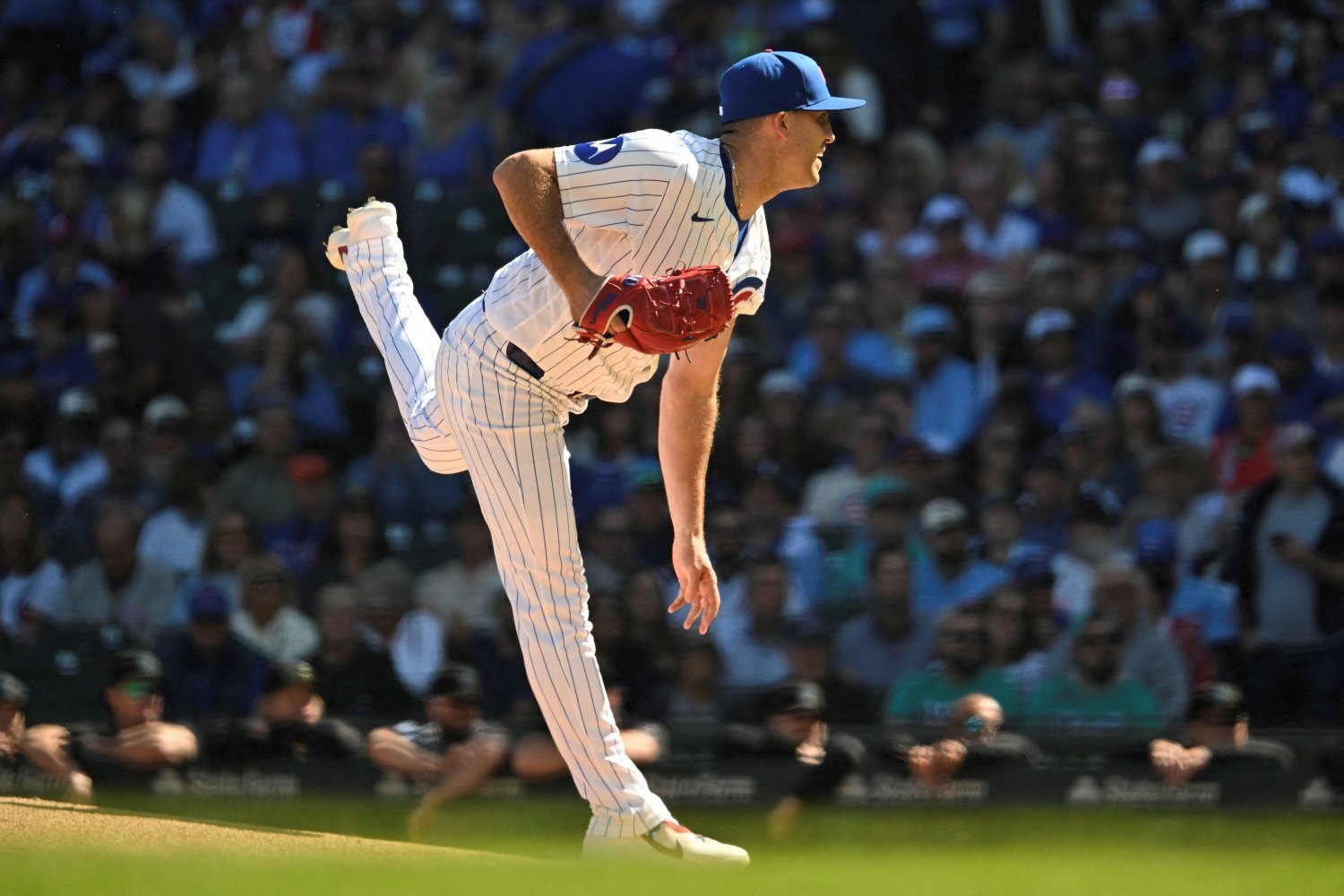 Maybe, if Kevin Gausman had been fully healthy and there were no questions surrounding him, you could have made a case for him to start Game 1 of the Cubs' Wild Card Series in San Diego this week. When Gausman sprawled to make a tag in his final regular-season start and ended up with a balky left shoulder, though, the writing was on the wall—and it probably should have been, anyway. Matthew Boyd was the right choice, and when Gausman suffered even a minor malady, the veteran lefty became the only choice. Boyd made two starts against the Padres this year. One came at Petco Park, in April, and it went poorly, but much of the trouble was caused by circumstances we're unlikely to see repeated Tuesday night. Boyd himself made a bad first-inning ABS challenge, and in the middle innings, catcher Moisés Ballesteros (yep) made another. Ballesteros struggled as a receiver all day, and being out of challenges for half the day ultimately cost the Cubs that game. Boyd also gave up key hits to Jackson Merrill and Ty France, against whom he'll have to execute much better Tuesday night, but he pitched better than his final line: 4 innings, 8 hits, 5 runs, 2 walks, 4 strikeouts. By the time he faced San Diego again at Wrigley Field during a scorching midsummer series, Boyd was finally getting untracked. He emerged, around then, as the Cubs' ace, and there have only been rare moments since in which anyone else seized that title. That day, Boyd gave up another 8 hits over 5 innings, but San Diego only scored 3 runs, thanks to two homers. One of those only left the park because, that day, everything was leaving the park. It was hot, and the wind was blowing out, and the teams combined for nine dingers. Even some of the hits on balls that stayed in the park didn't need to be; the Cubs' exceptional defense cracked a bit in the heat and with the ball jumping off bats the way it was. That series came at a weather and ball-liveliness nexus that won't be repeated this week. The ball was flying very well, with reduced drag, for a stretch in the middle of the season, but it's been much more like the early season at the end. It'll be pleasant in San Diego Tuesday night, but not hot, by any means. That should give Boyd some margin for error. He won't have to be quite as fine as he would have needed to be to hold the Padres down better than he did at the end of June, and anyway, replicating those results would be fine; the Cubs will need to win starts in which they get five innings of three-run ball in order to go anywhere this postseason. Boyd has pitched better of late than any other Cubs starter (save, arguably, David Peterson), but there's another reason why he was the obvious choice for this outing. The Padres' one weakness, even during their hot September, is that you can put them in the rocking chair a bit, particularly as a lefty. San Diego led the majors in OPS for the final month of the regular season. They're dangerous, and as Boyd learned right away on Opening Day this year, sometimes, hitters like these can guess right against him often enough to ruin his day. On the whole, though, the Padres' lineup is the kind you expect Boyd to thrive against. He should be able to induce them to swing early, earning some weak contact off the end of the bat and some whiffs. It's a tall order he faces. The hottest offense in the game awaits him, and the Cubs need length from him. The ABS-influenced smaller strike zone is unfriendly to pitchers who thrive on finesse, as Boyd does. The matchup is right, though, and throughout his two-year tenure in Chicago, Boyd has been as reliable as any pitcher on the team. He just has to execute; that's what playoff basebal is nearly always about. View the full article
 -
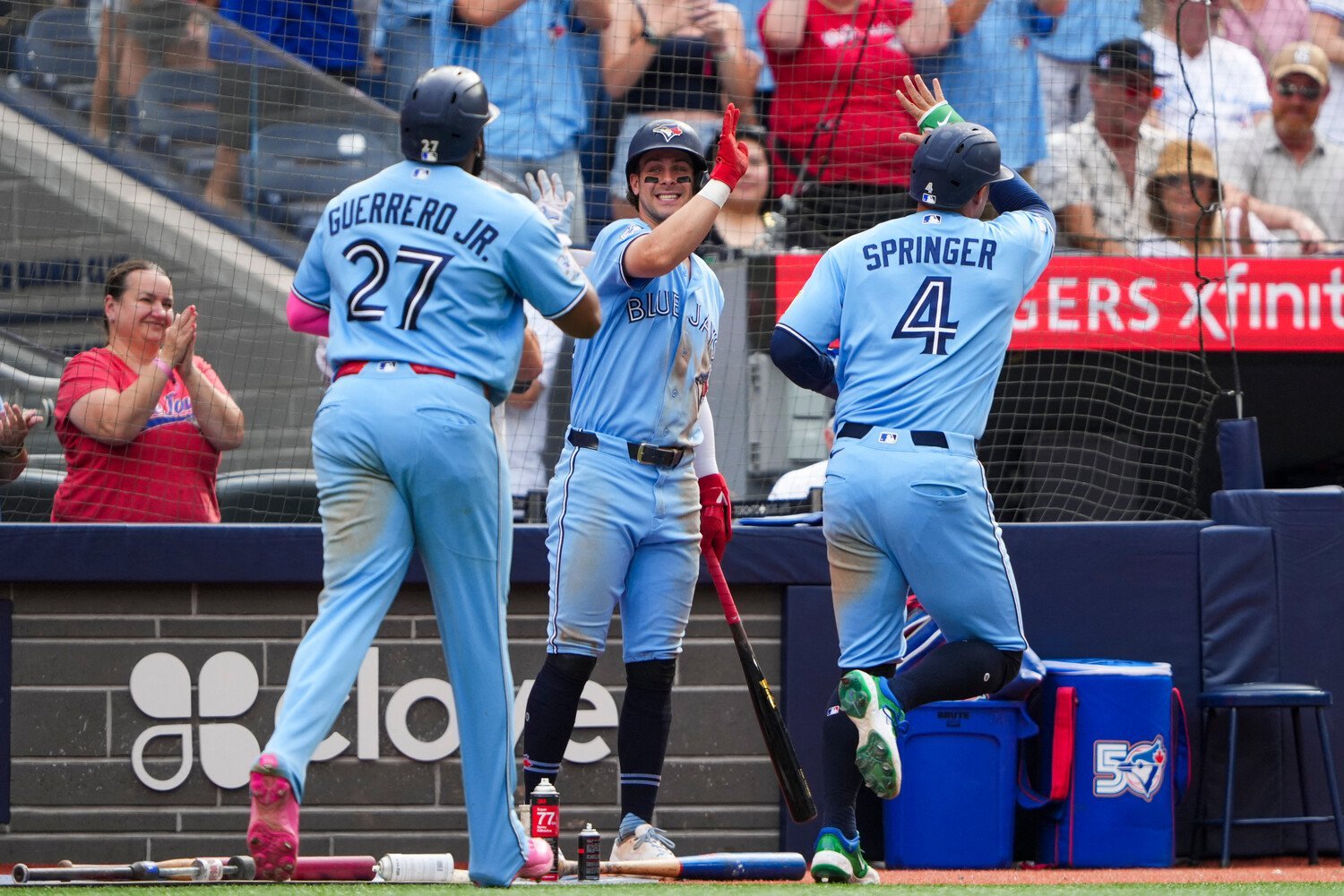 The Blue Jays spent last winter believing in the team that nearly won the World Series. The greater mistake may have been continuing to believe after the team sputtered out of the gate. Toronto finished 79-83, a rough reversal for a club that spent aggressively over the winter and entered the season expecting to contend. The problem wasn't one decision. It was a pattern. The front office and coaching staff repeatedly chose patience over disruption, trusting that established players, clubhouse chemistry and the memories of 2025 would eventually pull the club back into contention. The Jays are just the 10th MLB team in history to bookend a World Series appearance with losing seasons. The Rangers did it most recently in 2023. Sure, Toronto eventually traded Kevin Gausman, Daulton Varsho and Jeff Hoffman, but not until the trade deadline. George Springer and Ernie Clement remained. So did Shane Bieber and Max Scherzer. There were moments when it looked like the Jays would sneak into the playoffs, but they frequently acted as though the 2025 version of the team would rematerialize. It never did. Now, Springer will walk with nothing in return. Clement looked more like a journeyman than an All-Star during the second half. Trading him (and his team control) at his peak value ahead of the trade deadline might have provided a strong prospect haul. The Jays may have finished second in 2025, but they were not the second-best team in baseball from a talent and performance perspective. They managed to play mistake-free baseball for the most part while peaking at the right time. Toronto's 2025 position players led baseball with 44 Fielding Runs Above Average, and the Jays finished second in the American League in runs. Springer, Vladimir Guerrero Jr., Bo Bichette and Alejandro Kirk all produced a wRC+ of at least 115 and more than 3.0 fWAR, while Ernie Clement also topped three wins largely through his defensive value. It was almost magical how it came together. The team chemistry was out of this world. Every front office tries to replicate chemistry and the good vibes that come with winning, but the formula isn’t easy to unlock. The Jays didn’t take anything for granted in the offseason. Toronto committed hundreds of millions in new guaranteed money over the winter, more than any of their AL East rivals. They added Dylan Cease, Kazuma Okamoto and Tyler Rogers. Cease was supposed to offset Chris Bassitt. On the field, there is no question he eclipsed Bassitt. Whether he filled Bassitt's leadership role in the clubhouse is harder to determine. Okamoto had a fantastic rookie season, but he didn’t completely fill the void left by Bichette’s departure. In fact, the absence of Bichette in the lineup might have negatively impacted the types of pitches that Guerrero saw in 2026. Few expected Springer to repeat his 2025 performance. His line last season was .309/.399/.560 with 32 home runs and a .959 OPS. In 2026, he came back to earth: roughly .249/.321/.405 with 15 home runs in 517 plate appearances. There was still value there if the Jays could find a buyer. On July 30, the Jays were in last place in the AL East, 5.5 games from the final Wild Card and sitting at approximately a seven percent chance of reaching the postseason. Springer was a pending free agent, exactly the type of veteran a selling team normally attempts to convert into future value. General manager Ross Atkins provided a revealing explanation afterwards: "It was important for him to be here. We wanted him here as we continue to push forward." Some suggested that he stayed to keep advertisers happy. Perhaps both explanations can be true. Springer did possess 10-and-5 rights, giving him the ability to veto a trade. The franchise did a good job sending off Springer and Scherzer appropriately during the final game of the regular season, but one or both might have returned pieces capable of providing immediate or long-term help. Would an analytically disciplined organization have recognized that Clement's underlying offensive profile made his first-half production an opportunity to sell high? At the end of July, Clement was having a genuinely good season. Through 103 games, he was hitting .297 with eight home runs, 25 doubles and a 109 wRC+. He had also made his first All-Star team. Who would have guessed he’d hit .150 in September? He finished around .261/.286/.366, but underneath those numbers sat a .258 xwOBA, .241 xBA and .318 xSLG. His average exit velocity was just 84.3 mph, his hard-hit rate was 20.7 per cent and his barrel rate was 2.1 per cent. Was it realistic, given the start of the 2026 season, that either Springer or Clement would return to 2025 form? Good organizations aren't disloyal. They are ruthless about recognizing when the market values one of their players more highly than their own projections do. Tyler Heineman didn’t play all that much, but he was far from the backup who flirted with a .400 average early in 2025. Instead of bringing up Brandon Valenzuela early or finding another option, the Jays elected to give Heineman some space to rediscover his form. By May 3, with Kirk injured, Heineman was batting .176 with a .398 OPS and still had not collected an extra-base hit. Meanwhile, Valenzuela had been called up and had already homered in two of his previous three starts. Veteran leadership, pitcher preparation, game planning, communication and clubhouse influence largely go unseen by fans, but did the Jays wait too long to replace him out of loyalty? Teams know much more about those things internally than outsiders do, but there comes a point where respect for invisible value becomes an excuse for ignoring visible performance. The organization's preference for patience wasn't limited to personnel decisions. It showed up in the lineup, too. Cito Gaston found success putting out largely the same lineup, day after day. The rosters he had might have been a bit more consistent than the 2025 squad, but maybe not. John Schneider’s refusal to drop Guerrero in the lineup seemed at odds with his willingness to move everyone else around. Through late September, the first baseman carried a .260/.332/.356 line and only nine home runs across 609 plate appearances, good for a .688 OPS. His Statcast batting run value was minus-6. If he had been anyone else, he might have been batting sixth or seventh in the order. Schneider is a player’s manager, and he seems to have a good sense of what his players need, but his loyalty to the idea that Vladdy would return to form seemed overly optimistic and misguided. Guerrero's .331 xwOBA was considerably stronger than his actual results. His .280 xBA ranked in the 90th percentile. His 44.3 per cent hard-hit rate was in the 72nd percentile, his average bat speed in the 92nd percentile and his strikeout rate in the 92nd percentile. Dropping Guerrero in the order might not have fixed him, but it would have acknowledged that a different strategy was at play. It wasn’t just Guerrero's problem, either. As a team, the Jays grounded into the second-most double plays in baseball, with 129. The Athletics grounded into 130 double plays, while the Dodgers finished the regular season with 127. The difference between those teams and the Jays is that they consistently scored more runs. Even in 2025, the Jays had periods when they didn’t score. Atkins has always structured his rosters with pitching and defence at the centre. An offence built on contact but without much slugging either finds other ways to generate runs or it doesn't. In 2026, Toronto didn't. The Jays started the season with seven or eight viable starting pitchers and limped to the finish line with three or four at best. The bullpen was fantastic but overworked. A manager cannot rest his bullpen if his starters do not provide innings. Loyalty can help build a clubhouse. Sentimentality can prevent a front office from changing it when necessary. Being a franchise that values its players makes a difference when it comes to culture, but retaining players for that same rationale is a recipe for inconsistency. Do the Jays tear it all down and start over? Uncertainty surrounding next season because of labour negotiations won’t help. Do they try to re-sign Gausman? Do they pick up Myles Straw’s option? What do they decide to do with Anthony Santander? Can they get anything for Andrés Giménez in a trade? A championship-calibre organization should celebrate its heroes. It just can't let those memories fill out tomorrow's lineup card or dictate today’s strategy. View the full article
 -
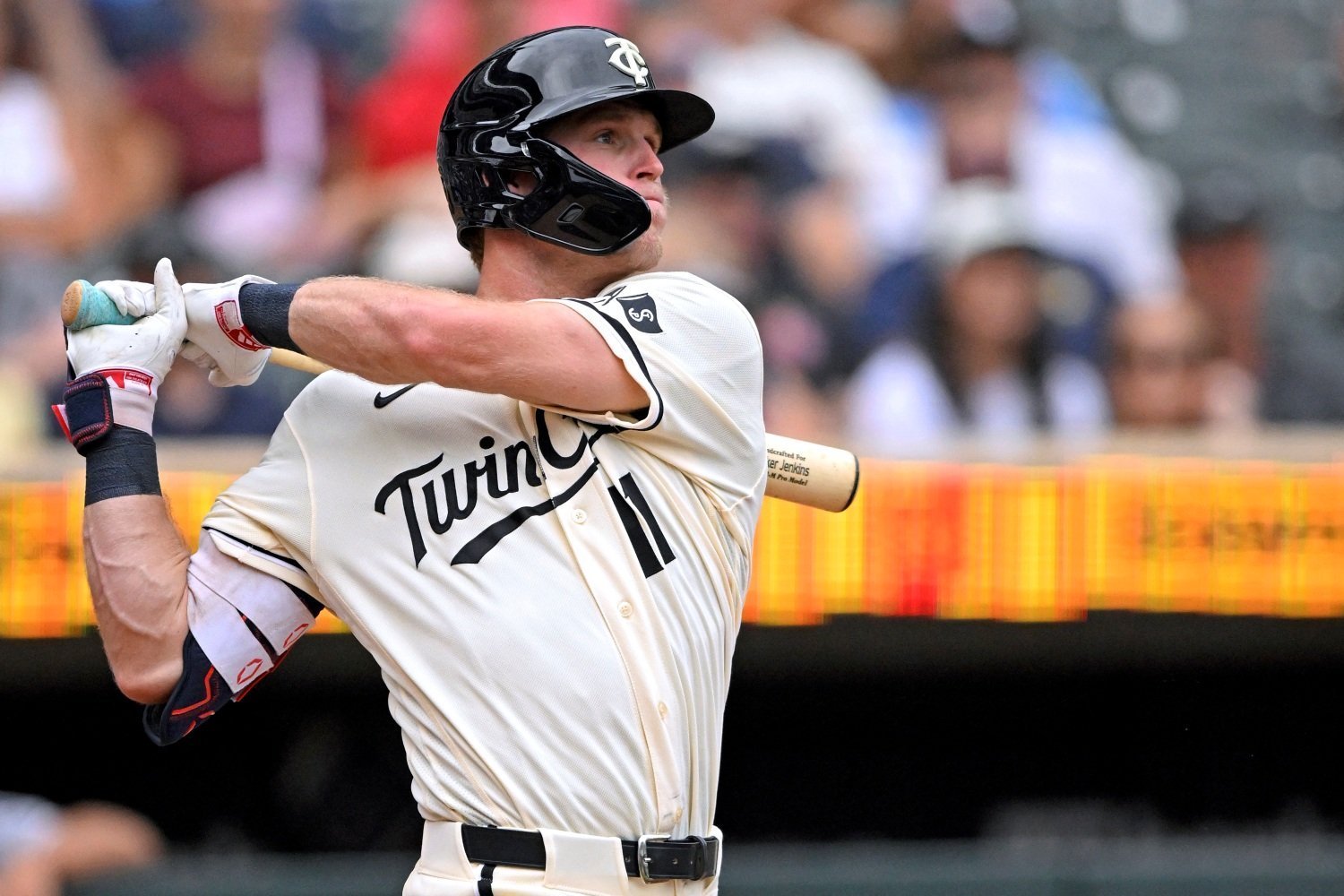 Walker Jenkins' first trip to the big leagues was never going to answer every question about his future. The former No. 5 overall pick arrived in Minnesota with enormous expectations, and his first 26 games offered a little bit of everything. There were stretches where Jenkins looked overwhelmed by the speed and quality of major-league pitching. There were also stretches where the talent that made him one of baseball's top prospects started to shine through. For a young player who has dealt with injuries throughout his professional career, simply getting to the majors and finishing the season healthy enough to contribute was important. His final 10 games were especially encouraging, while some of his underlying numbers point toward areas where he will need to improve. Here are three positives and three negatives from Jenkins' first taste of the big leagues. Up 1: A Strong Finish Jenkins' start to his big-league career was rough. In his first 16 games, he went just 4-for-45, good for a .085 batting average. He struck out 16 times while drawing six walks. Then something started to click. Over his final 10 games, Jenkins hit .385/.400/.615 for a 1.015 OPS. He added three home runs while striking out only three times and drawing one walk. That is a dramatic change in production and plate discipline in a very small sample, but it's exactly the kind of finish the Twins needed to see from him. Major-league baseball is faster. The breaking pitches are sharper. Mistakes are much thinner on the ground. Jenkins's early struggles can be viewed as part of the adjustment process, especially for a 21-year-old getting his first extended look against the best pitchers in the world. The hope is that the player who showed up late in the season is a better representation of what Jenkins can become. Up 2: Meteoric Rise Injuries have been a recurring obstacle for Jenkins throughout his professional career. He missed significant time again this season after hurting his shoulder while running into an outfield wall, and he has yet to play more than 100 games in a professional season. What makes this season encouraging is what Jenkins did once he returned. He did not allow another difficult stretch to derail his development. He got back on the field, worked his way into the lineup and eventually reached the major leagues. More importantly, Jenkins appeared to adjust quickly once he got there. His first 16 games were a major learning experience, but his final 10 games looked like a completely different hitter. That kind of improvement over such a short period is encouraging for a player seeing major-league pitching for the first time. Jenkins is still working toward the consistency and durability needed for a full major-league season, but his ability to make adjustments on the fly may ultimately prove to be one of his biggest strengths. Up 3: Fastball Power Jenkins showed a clear ability to do damage against fastballs. He posted a .289 batting average and a .500 slugging percentage against fastballs, accounting for nearly all of his damage at the plate. That's encouraging, because fastballs are the foundation of major-league pitching. If a hitter can consistently punish velocity, there's a path toward becoming a dangerous offensive player. Jenkins's swing has always had the potential to produce power, and seeing that power translate against major-league fastballs is an important piece of his development. The next step will be proving he can force pitchers away from their fastballs by handling everything else they throw at him. Down 1: The Walk Rate Dropped Patience was supposed to be one of Jenkins' calling cards. At Triple-A St. Paul this season, he posted a 13.7% walk rate. That number dropped to 7.5% in the majors. Some of that is understandable. Major-league pitchers are better equipped to attack hitters and are less likely to give away easy opportunities. Still, Jenkins' approach will be an important part of his development. When pitchers were ahead in the count, Jenkins went just 4-for-26, a .154 batting average, while striking out 10 times. That is an area where better pitch recognition and a more consistent approach could make a major difference. The Twins do not need Jenkins to walk at an elite rate every season, but they do need the disciplined hitter who appeared in the minors to carry over to the majors. Down 2: The Strikeout Rate Jumped Jenkins had a 15.6% strikeout rate with St. Paul. That climbed to 20.4% in the majors. Again, some increase should be expected when a young hitter takes the biggest jump in competition possible. But the increase is still worth monitoring. His 23.9% whiff rate also suggests there was more swing-and-miss in his game than many expected coming into the season. Jenkins' prospect profile was built in part around his ability to combine power with a quality approach. There will be growing pains, but limiting the strikeouts will be critical if he is going to become the middle-of-the-order hitter the Twins envision. The encouraging part is that his final 10 games featured only three strikeouts. That late-season improvement could be a sign that he was beginning to adjust. Down 3: Trouble With the Curve Breaking pitches gave Jenkins the most trouble during his time in the majors. He hit just .148 against breaking pitches while slugging .259. That is a significant weakness for any young hitter because opposing pitchers will continue to test him with sliders, curveballs and other breaking offerings if they discover he cannot consistently handle them. His success against fastballs makes the contrast even more noticeable. Pitchers may eventually try to exploit that difference by getting ahead with velocity before finishing at-bats with breaking stuff. Jenkins will need to show he can recognize and drive those pitches before they become a predictable part of the game plan against him. Jenkins' first taste of the big leagues was exactly that: a taste. There were plenty of questions left unanswered, but there were also signs of why the Twins remain so excited about his future. His hot finish, ability to handle fastballs and continued progress through another injury setback all provide reasons for optimism. At the same time, his walk rate fell, his strikeout rate climbed and breaking pitches gave him significant problems. That is a reasonable collection of strengths and weaknesses for a young player getting his first exposure to the majors. Jenkins does not need to have everything figured out yet. What matters most is whether he can take what he learned in these 26 games and carry it into 2027. If the player who finished the season is the player the Twins get next year, there could be some very exciting baseball ahead. What stood out about Jenkins in his first taste of the big leagues? Leave a comment and start the discussion. View the full article
 -
 In the 56-year history of Milwaukee Brewers baseball, three players have been honored as the league's Rookie of the Year. In 1992, shortstop Pat Listach beat out Cleveland’s Kenny Lofton for the American League honor, on the strength of a .290 average with 54 steals. Fifteen seasons later, third baseman Ryan Braun was named the National League winner, barely edging Colorado’s Troy Tulowitzki. Braun led the league in slugging at .634 and slammed 34 home runs in just 115 games. In the COVID-shortened 2020 campaign, reliever Devin Williams outpolled Philadelphia’s Alec Bohm and San Diego’s Jake Cronenworth on the basis of his impressive 0.33 ERA, 1375 ERA+, and 17.7 strikeouts per nine innings. This year, the Brewers have two rookies who have performed exceedingly well and could garner some votes, though neither will claim the prize. Shortstop Cooper Pratt was called up to Milwaukee in mid-June. After going 7-for-16 in a five-game stretch early on, crashed back to Earth, looking like another scared rookie as his OPS tumbled below .500. Then, around Independence Day, he heated up as the weather got hotter, and other than a stint on the IL, he never looked back. He finished with a slash line of .281/.350/.368 in 266 trips to the dish. His in-game power hasn’t arrived yet, as he had only three homers, but his speed (19 steals in 22 tries) and defense (2 Defensive Runs Saved) have shone brightly. Outfielder Luis Lara made his major-league debut on July 7, going 1-for-4 with two RBIs in a 10-2 blowout at St. Louis. He’s had his growing pains, but it was a solid freshman campaign. He batted .246/.311/.325 over 212 plate appearances. He’ll never be a big power hitter, and the Brewers are waiting to see his base-stealing prowess, as he had only three steals in five attempts. However, his forte has been his ability to make electrifying, leaping catches at the fence, forever reprising his Spider-Man impersonation. In just a fraction of a season, he was worth 11 DRS in the outfield. It's unlikely that Pratt or Lara will get first-place votes, as they placed 16th (Pratt) and 21st (Lara) according to bWAR for first-year players. JJ Wetherholt, Sal Stewart and Carson Benge are the top three candidates for the NL honors. Depending on how things shake out, Pratt should get some down-ballot points, while Lara is a dark horse. But we can hope! Brewers Rookie of the Year History (Ranking in parentheses) 2025: Caleb Durbin (3), Isaac Collins (4), Chad Patrick (7), Jacob Misiorowski (11) 2024: Jackson Chourio (3) 2020: Devin Williams (1) 2012: Nori Aoki (5) 2009: Casey McGehee (5) 2007: Ryan Braun (1) 2006: Prince Fielder (7) 2005: Rickie Weeks (6) 2003: Scott Podsednik (2) 2002: Alex Sánchez (9) 1996: Jeff D’Amico (7) 1995: Steve Sparks (9) 1994: José Valentín (9) 1992: Pat Listach (1), Cal Eldred (4) 1991: Doug Henry (8) 1988: Don August (4) 1985: Teddy Higuera (2), Ernest Riles (3) 1978: Paul Molitor (2) 1973: Pedro García (2), Darrell Porter (3) 1971: Bill Parsons (2) View the full article
 -
 Some 162 games ago, we were all anxious and downright curious as to what the Chicago Cubs 2026 season would look like. Well, the regular season has now concluded, and despite what occasionally felt like a disappointing season, Chicago managed to get into the postseason with a record of 89-73. That earned them the No. 5 seed in the National League, meaning they're on the road in the Wild Card Series against the San Diego Padres, in a rematch of the set last year at Wrigley Field. Chicago defeated San Diego 2-1 in the best-of-three series last season and will be looking to do the same again this season, to advance to the NLDS for a second consecutive season. Game 1 will feature left-hander Matthew Boyd taking the mound for the visitors. Boyd will be opposed by right-hander Michael King, in his first postseason start since the 2024 NLDS. Most Cubs hitters don't have a massive sample size to dig into, but there's one player in particular who's feasted against King, and there are other season-long trends to keep in mind when gearing up for Game 1. Here are three Cubs hitters that could play a major role. Alex Bregman Bregman has the second-most at-bats (eight) against King of any player likely to be on the roster. He's done quite well for himself in those eight at-bats. Bregman is 7-for-8 with an RBI, two doubles and two walks against King in his career. King did not face Chicago this season, so Bregman's last two at-bats against him came in August of last season. Both of those resulted in doubles to left field. If Bregman's 4-for-4 performance in Game 162 was any indication of how locked-in he is at the plate, then his performance in Game 1 has a chance to be game-changing. Pete Crow-Armstrong Of course, the favorite for NL MVP makes the list. Crow-Armstrong has just one at-bat (0-for-1, K) against King, but this matchup is more about King's pitch selection and Crow-Armstrong's ability to recognize pitches and lay off of them. King's best weapon, against lefties, is his changeup. Opponents hit just .204 on his changeup during the regular season, and they only hit four homers on it. Crow-Armstrong feasted on non-fastballs during the season. He slugged .531 with seven doubles and 14 home runs against breaking balls, and those figures were .621 with 10 doubles and eight homers against offspeed pitches. Knowing that, it's likely that King will try to attack him with fastballs up in the zone, as that's one spot where he's shown both the tendency to chase and a vulnerability to whiffs. The first at-bat of the game should tell a lot about San Diego's plan, and that will set the tone for what to expect the second time around. It's worth noting that King struck Crow-Armstrong out on an elevated fastball in Game 3 of last year's Wild Card Series, but that was not the same creature who'll step into the batter's box Tuesday night. Michael Conforto Conforto's inclusion in the lineup depends on Bregman's ability to play third base. If Bregman is able to return to his normal position, the DH spot would open up, and it would probably be Conforto who fills that role: he's put up gaudy numbers against pitches that match King's profile this year. On sinkers, sweepers and changeups from right-handed pitchers throwing from low arm slots in the vertical movement band King generates on his offerings, Conforto has been worth 5.6 runs above average per 100 pitches seen this year. Next-best on the team against that suite of traits is Crow-Armstrong, at 2.3. When an at-bat ends on one of those offerings, Conforto is hitting .476/.542/.952. The sample is small, and King is better than the average pitcher in this class, and there are a couple of other wrinkles in King's arsenal, but Conforto is an excellent matchup for the San Diego righty. He could strike a huge blow in this game, if Bregman's health makes room for him on the lineup card. cU93QTFfWGw0TUFRPT1fQVFOU0FWUUhCMWNBQzFjRkJ3QUhBd05VQUZsVUJWQUFVVjBGVVZFQ0ExVlJWUU1G.mp4 So, there it is, a look at three players that could define the game offensively for Chicago. If none of those three players are able to get good swings off against King, then it may have to be an unlikely hero stepping up and being the productive bat in what will a crucial Game 1 of the series. View the full article
 -
The 6 Longest Home Runs of the Minnesota Twins' 2026 Season
DiamondCentric posted an article in Twins Daily
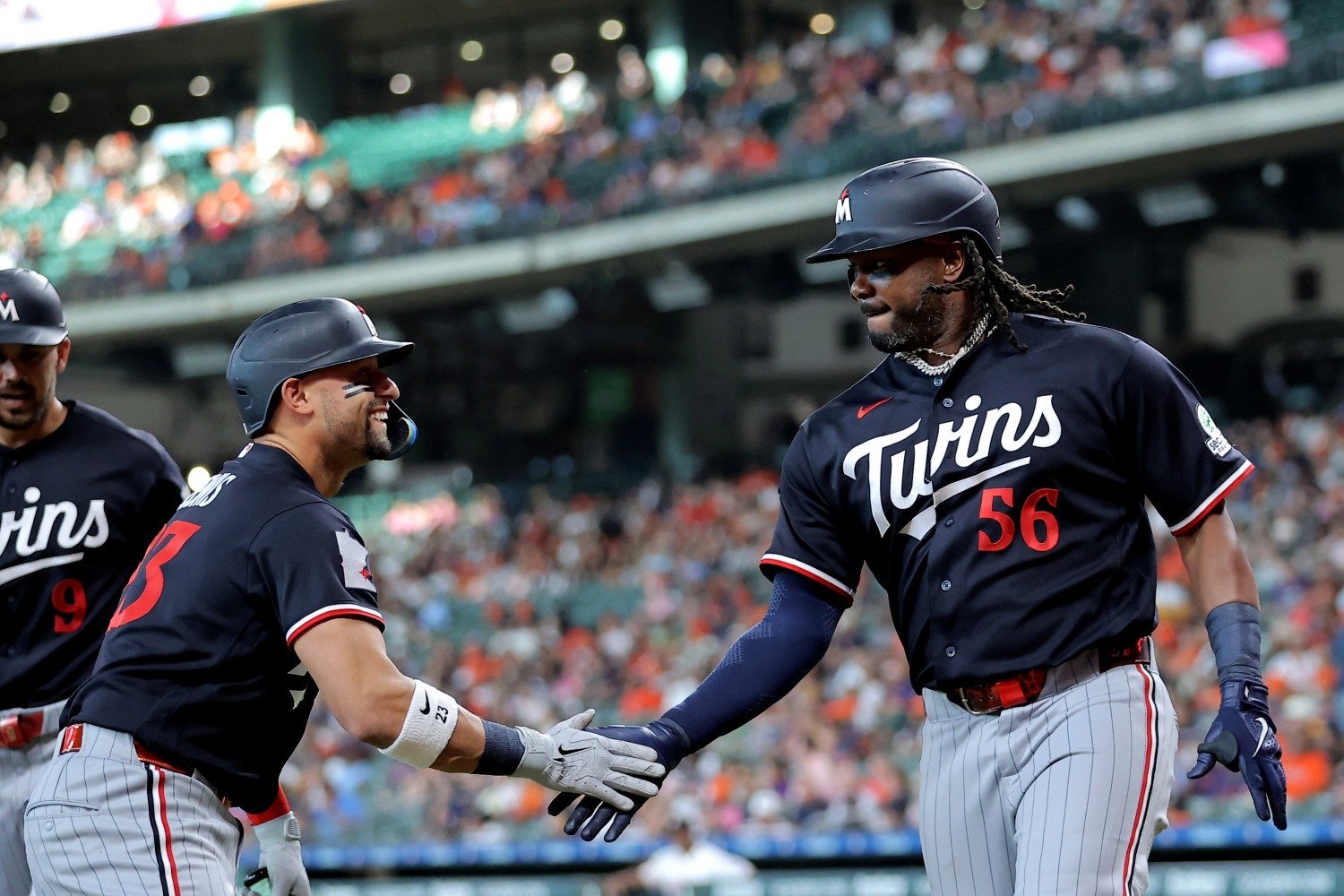 The 2026 season didn’t end the way Twins fans had hoped, but now that the season is officially in the books, there’s still plenty to look back on and remember fondly. There were big wins, breakout performances, unexpected contributors, and, of course, plenty of home runs. Everyone loves a good home run, but there’s something especially fun about watching one absolutely disappear. The Twins had one of the better offenses in the American League this season, finishing third in runs scored. They didn’t rank quite as highly in home runs, but they still finished 12th in baseball with 187 long balls. So, as we put a bow on the 2026 season, let’s take a look back at some of the biggest blasts of the year. Here are the five (technically six) longest home runs hit by a Twins player in 2026, based on projected distance. 5. Ryan Kreidler, 438 feet April 13 vs. Boston Red Sox When the Twins claimed Ryan Kreidler off waivers over the offseason, they did so primarily for his glove, not his bat. While that assessment turned out to be mostly accurate, Kreidler still managed to hit a career-high eight home runs during the season. None traveled farther than his solo blast against the Boston Red Sox on April 13. Kreidler came to the plate in the second inning with the Twins already holding a commanding 10-0 lead. He added to it in a hurry, launching a ball 438 feet for his third home run of the season and pushing the lead to 11-0. The Twins went on to win the game 13-6. It wasn't exactly a high-leverage home run, but it showcased what Kreidler is capable of, including some things he wasn't capable of before. He swung the bat at a lightning-fast 77.6 miles per hour, and the ball jumped off it at 109 MPH, with a 29° launch angle. 5. Byron Buxton, 438 feet April 14 vs. Boston Red Sox Kreidler wasn't the only Twin to hit a 438-foot home run in 2026—or even in that series. Byron Buxton did it one day later, also against the Red Sox. Buxton had the third-highest home run total of his career this season, and none traveled farther than his third home run of the season. Facing Boston's Jack Anderson (who later became a teammate), Buxton took a 2-0 slider that was well below the strike zone and somehow turned it into a 108-MPH, 438-foot blast. It was as close to a carbon copy of Kreidler's dinger as any ball can be of another, down to the launch angle and bat speed. It was part of arguably Buxton's best game of the season. He went 4-for-5 with two home runs and scored four runs as the Twins rolled the Red Sox. Unfortunately, injuries once again derailed Buxton's season, but when he was healthy, he remained one of the most impactful players in baseball. 4. Josh Bell, 442 feet June 7 vs. Kansas City Royals Josh Bell had a knack for hitting the ball a long way in 2026, and his first appearance on this list came during a ninth-inning rally against the Kansas City Royals on June 7. The Twins entered the ninth trailing 6-1, but after a walk and a single to open the inning, Bell stepped to the plate with an opportunity to bring the Twins back into the game. He did exactly that, launching a 442-foot blast into the right-field concourse at Target Field. Suddenly, the Twins were within two runs, and what had looked like a blowout was turning into a potentially dramatic comeback. It was a missile, launched such a long distance because it wasted no time rising or falling. A 78-MPH swing produced a 112-MPH exit velocity, at a frozen-rope 25° launch angle. The Twins scored another run later in the inning, but couldn't quite finish the job and fell 6-5. 3. Royce Lewis, 444 feet June 10 vs. Detroit Tigers Royce Lewis's 2026 season was a roller coaster, with a demotion to the minors, a red-hot return to Minnesota and a difficult finish to the season. Along the way, there were plenty of reminders of why the Twins have been so excited about Lewis throughout his young career. One of those came on June 10 against the Detroit Tigers. Lewis took left-hander Framber Valdez deep in the second inning, sending a solo shot 444 feet into the left-center-field seats. It was an impressive display of power against a typically stud pitcher. Lewis's bat speed fluctuated as he worked through mechanical issues, but on this offering, he got off an 81-MPH 'A' swing and connected cleanly enough to hit it 108 MPH at a 32° launch angle. Lewis finished the year with 15 home runs, the second-highest total of his Twins career. While the season didn't go exactly as he or the Twins would have hoped, blasts like this one showed the offensive upside that remains in his bat. 2. Josh Bell, 452 feet July 1 vs. Houston Astros Bell makes another appearance near the top of the list, this time with a 452-foot blast against the Houston Astros on July 1. He hit his 11th home run of the season that night, launching a ball over the batter's eye in center field at Daikin Park. It was another example of Bell, who's just a huge guy with a great feel for hitting, really, getting just enough air under one to send it soaring. He swished the stick at 78 MPH, launched it at 26°, and got a whopping 113 MPH of exit velocity behind it. Bell would finish the season with 21 home runs, fourth-most on the Twins in 2026. Three of those home runs ended up among the five longest blasts of the season. Wait, three? But that means... 1. Josh Bell, 460 feet September 4 vs. Chicago White Sox And finally, we have the longest home run hit by a Twin in 2026, and fittingly, it's another one from Bell. He launched a ball 460 feet into the right-center-field concourse, giving the Twins their longest home run of the season by a considerable margin. MLB's Statcast data measured the blast at 114 MPH off the bat. He swung the bat a little slower than on his other ferocious blasts (76 MPH), but connected more cleanly, and putting just a little more air under it (30°) let it carry farther than any of his other shots this year. And there you have it. Bell accounted for three of the five longest blasts, while Lewis, Buxton and Kreidler each contributed impressive ones of their own. The season may be over, but these are some of the moments that are fun to look back on. Which of these home runs was your favorite? View the full article
 -
 The San Diego Padres are hosting the Chicago Cubs in the NL Wild Card Series at Petco Park. Randy Holt and Steve Drumwright break down how the Padres got to this point with a strong second half, look into who should be the starting pitcher beyond Michael King, and what decisions need to be made about the roster before Game 1. They also offer their keys to the Padres winning the series and offer their predictions on who will win and how many games it will take. Listen on Apple Podcasts: https://podcasts.apple.com/us/podcast/padres-mission-podcast/id1896922834 Listen on Spotify: https://open.spotify.com/show/033xclmydmbLmEp0exYuYz Listen on iHeartRadio: https://www.iheart.com/podcast/1333-padres-mission-podcast-336930560 Watch on YouTube: https://www.youtube.com/@padresmission View the full article
 -
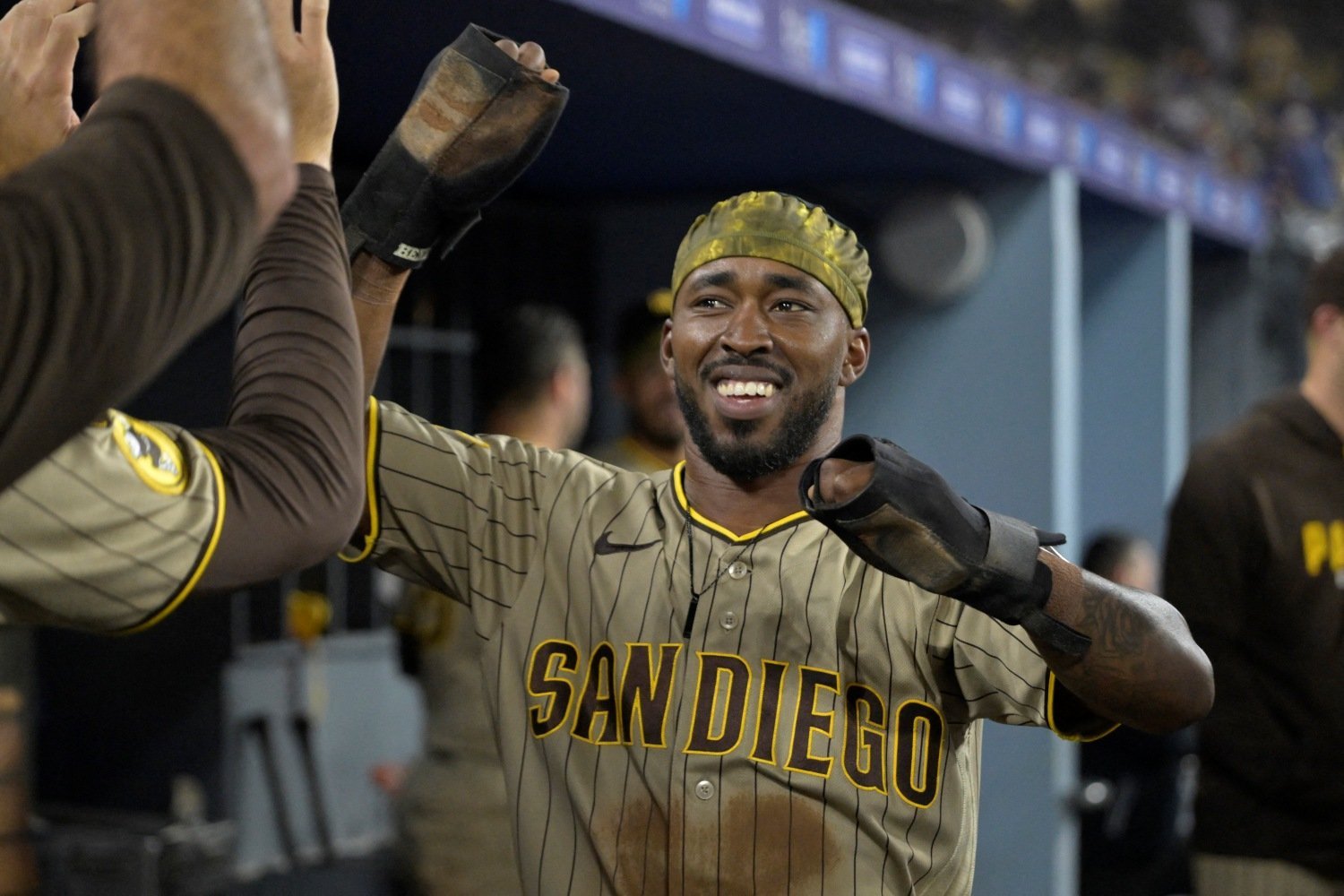 If Ramón Laureano stays healthy, we might never even see Samad Taylor get a legitimate chance to play for the Padres. As of early June, he was what he's been for his entire decade of professional experience: a fringe guy, barely catching anyone's notice and barely hanging onto Triple-A rosters. He signed a minor-league deal with the Padres in late January, after being outrighted for the second time in a year by the offense-needy Mariners and electing free agency, but he didn't crack San Diego's roster until the beginning of June. He's a former 10th-round pick who didn't debut in the big leagues until six years after being selected, and he's still never batted more than 175 times in the majors in any season. When Laureano suffered what's turned out to be a season-ending hip injury, though, Taylor was suddenly thrust into the fray. If Luis Rengifo stays healthy, we might never even see Dustin Harris get a legitimate chance to play for the Padres. When he signed his first minor-league deal for the team, they became his third organization of the season. That was in early July, though, and a month later, he'd yet to crack the big-league roster. The team released him just after the trade deadline, but the opportunities for him were so sparse that Harris turned right around and signed a new minor-league deal. This is the life he's used to, too. He was an 11th-round pick in 2019 and didn't debut until 2024. and then only excruciatingly briefly. He's belonged to the Oakland, Texas, Houston and White Sox organizations, but never found much of a foothold in any of them. He got the call to the majors on August 24, though, and when Rengifo hit the injured list for good a few days later, Harris became an emergency platoon starter in left field. Neither guy offers upside the way the game likes it served, these days. Each has 30-grade bat speed, by big-league standards. Neither is exceptional defensively, though both are fast and athletic enough to make up for the occasional misread. Since Harris made his Padres debut, though, this duo is hitting an aggregate .312/.363/.422. They're far from the sexiest part of the Padres' dramatic late-season offensive upswing, but they've been superb at the plate. They keep the line moving. They make things happen. And they do it in interesting, unusual ways. Taylor's is capable of filling up the big part of the field, with a swing geared for line drives back through the box. His signature move, though, is the bunt hit—and not even a typical one. Of his seven bunt singles this season, Taylor has pushed almost all of them toward first base. Normally, a righty trying to bunt for a hit will drag the ball up the third-base line, forcing the pitcher to pounce and make a play moving away from his target or a third baseman to charge quickly and make a clean pick and throw. That maneuver requires some skill, but it's as much about maximizing the space the defense has to cover and the length of the throw as anything else; the runner's speed is the most important element of the tactic. Not so with Taylor. He's developed a devilish skill of pushing the ball almost straight down, but managing the spin of it with his lumber. The ball hits the dirt in front of the plate and bounces high (but not far) toward first base, making a hard read for a pitcher coming off the mound and for a first baseman who might need to charge. Meanwhile. Taylor himself screens the catcher momentarily as he breaks from the box, and he drops his bat right in the path the catcher might take to the ball. It's difficult to do, but even harder to defend—and Taylor seems to have mastered getting it down. NnlNQXZfWGw0TUFRPT1fQkFkVlVRY0NWQW9BV1ZNQ0JRQUhCZ2RXQUFBRVcxRUFCMVpUVlZJTVZGVlZBd05Y.mp4 This skill is especially valuable when Taylor is in a platoon role, too. A lefty pitcher who falls off the mound toward third base is in even worse position to field that dribbler up the first-base line than a righty would be; the spatial puzzle becomes almost unsolvable for the defense. TDY1bG5fWGw0TUFRPT1fQmdaUlVBWlFYd01BQVZwWEJRQUhBMUpmQUZnTVd3QUFDbEJVVTFjRVZRY0VCRllF.mp4 Taylor's speed and bunting skills create chaos. So does Harris's management of space, in a different way. Like Taylor, he has a slow but short and direct swing. Unlike Taylor, he also stands as close to the front of the batter's box as just about any hitter in the league. His swing is not geared to generate any meaningful chance of extra-base hits. It's no coincidence that Harris has no home runs this year. However, he's also striking out at a 13.2% clip, and a healthy share of the balls he puts in play so relentlessly are line drives that feel indefensible, even if they never have a hope of being more than a single. WU9WeXJfWGw0TUFRPT1fVXdoVFVBQldVUWNBQ2dRQVVRQUhWUTVWQUZnR1YxVUFDbFpVQWdSUVV3TmNBZ2RR.mp4 For a pretty big guy to have so little power feels wrong. Again, Harris doesn't play great defense, despite his speed. It's easy to see why teams have been reluctant to give either Harris or Taylor significant playing time. As a tandem, though, they're part of a dynamic team that can beat you in a wide variety of ways. They're not just hitting for average. They move runners over. They've stolen 19 bases in 23 combined tries. It's tempting to say that a team like the Padres will go as far as its stars take it. Fernando Tatis Jr. and Manny Machado are the heart of the lineup and the roster, and Mason Miller, Adrian Morejon and the rest of that game-shortening bullpen make this team intimidating in a short series. October is beguiling, though. The game's history is chock-full of unlikely postseason heroes. Entering this postseason, it feels just possible that the X-factor for the Padres will be a left-field platoon cobbled together in response to injuries, comprising two guys several other teams didn't want and who have ridden a lot more buses than first-class flights. View the full article
 -
 The first round of the postseason is set, and the Cubs head to San Diego to take on the Padres. Let's preview the series at Petco Park!View the full article
 -
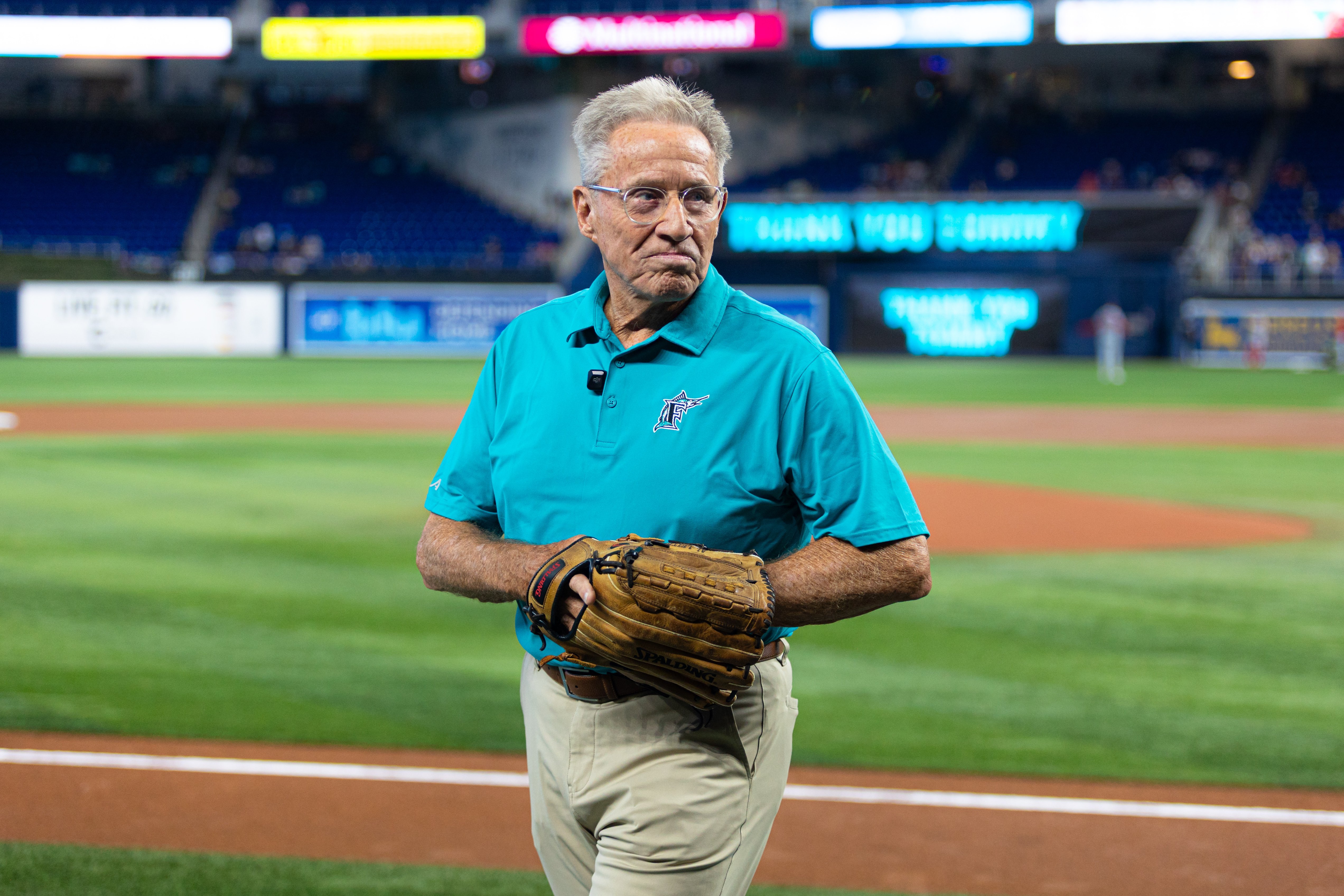 It's certainly been a wild few months for South Florida sports. Unremarkable on the field—the Heat, Marlins, and Panthers all missed the playoffs, while the Dolphins spent the summer projected to make a real run at going 0-17. However, there has been borderline cataclysmic change to the way sports is covered in this market. The Miami Herald was gutted in recent weeks, with Greg Cote and Michelle Kauffman headlining the layoffs. Three months prior, the Sun Sentinel fired Dave Hyde. Voices that shaped the way sports were understood in Miami for decades abruptly cast aside. It's been tough, and every writer let go this summer deserved better. At the same time all of this is going on, a Miami Marlins legend has also called it a career. Fortunately, he has gotten the opportunity to do so entirely on his own terms, featuring a full-season retirement tour and special pregame ceremony at loanDepot park. I'm speaking, of course, of Tommy Hutton. Aside from what we'll call the Wilderness Period of 2016 through early 2018, Hutton was a part of the Marlins broadcast crew since 1997. If you care about this team, follow them on any kind of a regular basis, then it's a safe bet that the way you know and love the game of baseball was shaped by his insight and passion. Back when the news first broke that this season would be Hutton's swan song, I made the case on another platform for him needing to be a lock for the 2027 Marlins Hall of Fame class. Suffice it to say, you can expect a refresh of that for this site this spring. Historically, it has been rare for anyone associated with this franchise to get a storybook ending to their tenure. Hutton's longtime broadcast partner Rich Waltz didn't get it, at least not until Sunday when the team helped facilitate his return to the booth for one last inning with Tommy. That emotional reunion coincided with a Griffin Conine home run; the moment would have only been more perfect for Marlins fans if the two had taken a moment to let us know his name wasn't DAN UGGLA. Sunday afternoon went a long way towards righting last decade's wrong of splitting up Waltz and Hutton. Everyone involved deserves a ton of credit for that. It was just great seeing a man so involved with so much of this team's history go out because he chose to do so at 80 years young, rather than having that choice forced on him. It was a moment that meant a lot on the Marlins fan front and quite a bit just in terms of the local sports coverage front as well. Congrats, Tommy, and thank you. View the full article
