


DiamondCentric
-
Posts
2,631 -
Joined
-
Last visited
Never
Content Type
Profiles
Forums
Events
MLB News, Rumors & Analysis
DiamondCentric Tutorials & Help
Major League Baseball Videos
MLB Fan Guides & Resources
Store
Downloads
Gallery
Everything posted by DiamondCentric
-

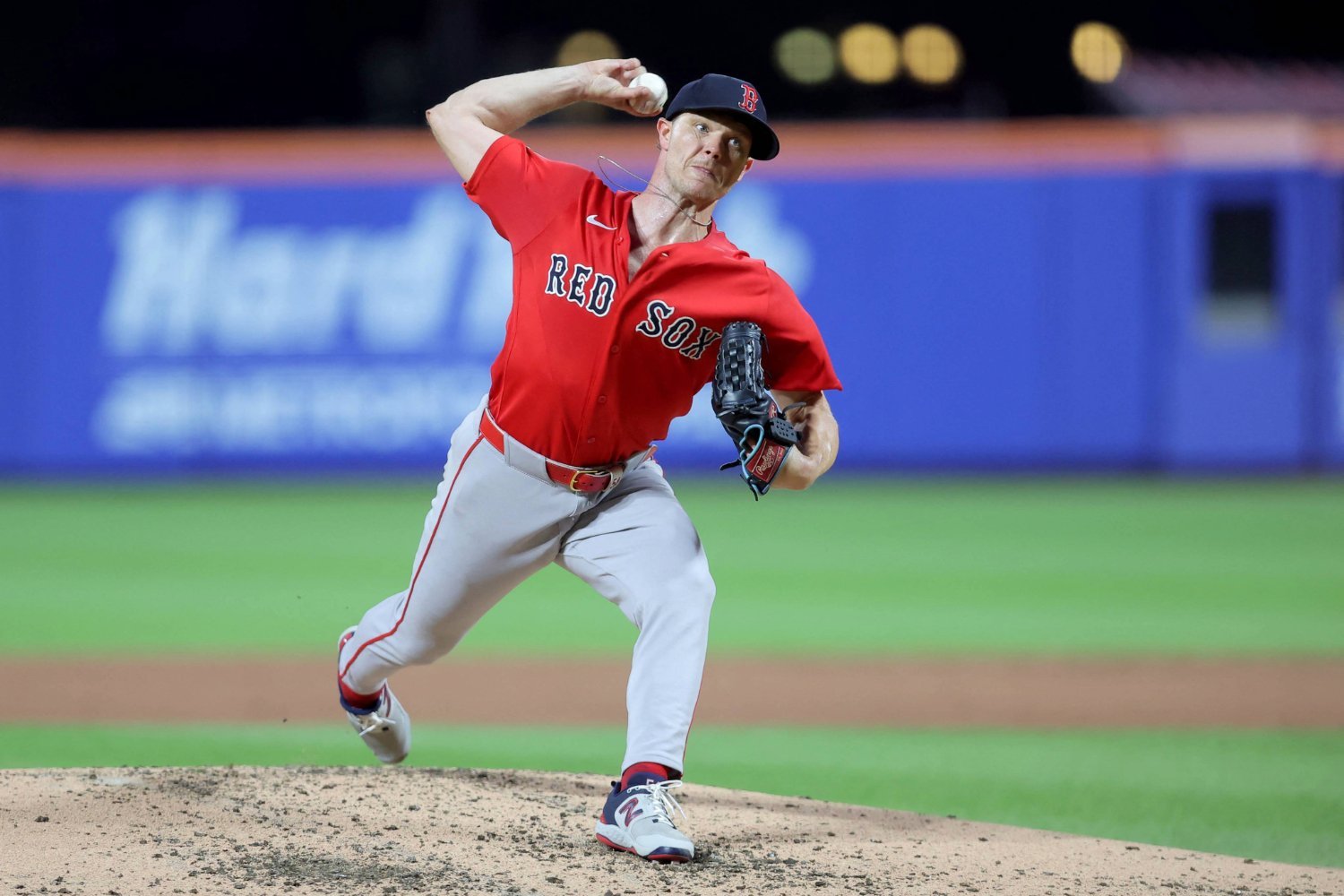 The New York Mets’ rotation has young arms with potential, but relying solely on their development to solve the group’s shortcomings is an unnecessary risk. It's clear that they need reinforcements after a 2026 season marked by performance and availability problems. There are several pitchers (hint: Tarik Skubal) who have been floated as good fits in Queens, and veteran Sonny Gray is one of the starters we should not rule out as one of the interesting alternatives after rejecting his $30 million player option for 2027 and becoming a free agent. If you need durability and an experienced pitcher still capable of performing like an ace, Gray is your man. He was one of the American League’s elite starters in 2026 and once again showed that he can hold a rotation together for a good part of the schedule. He is coming off a 2.72 ERA, the second-lowest of his career, in 169 innings, with 18 wins and 184 strikeouts. Why might the risk be worth it? The Mets are in need of leadership on the pitching staff, which is why they traded for Freddy Peralta last offseason. Unfortunately, the Dominican right-hander was never able to establish himself enough as the head of the rotation. On the other hand, Gray carried the Red Sox in a season that began full of turbulence, in which they could barely count on their ace Garrett Crochet. He has pitched at least 160 innings in each of the last four years and has done so eight times in 12 full seasons in the major leagues, never failing to reach 100 innings in a full season. Among the 54 qualified starters with at least 500 innings pitched since 2023, Gray ranks sixth in xFIP (3.31) and seventh in fWAR (16.2). That said, Gray’s biggest concern regarding his performance (aside from his age) has been his drop in strikeout rate from 10.1 K/9 in 2025 to 7.93, his worst since he recorded 7.23 in 2016 during his last full season with the Athletics. That made him dependent on the great defense of the Red Sox, which the Mets can't replicate quite yet. Gray compensated for a good part of that risk with better control of hard contact, reducing his home runs allowed from 25 to 15 and raising his ground-ball rate to 47.9%. However, it was not enough to avoid contact in general, as his whiff rate dropped from 27.5% to 23.1%, while hitters made contact on 90.4% of their swings inside the zone and 54.1% outside it. FanGraphs projects a 168-inning season, a 3.81 ERA, and 3.0 WAR for 2027, which would be really strong production for a 37-year-old. Some may balk at the Mets handing another aging starter big money (most projections have him around $25-30 million per year over two or three years), but Gray just keeps getting better as he gets older. Save for Skubal, he might be the best pitcher available this offseason. View the full article
-
 It was a tough week for the Mesa Solar Sox as they finished their final full week of the Arizona Fall League, going 2-3 as their record fell to 11-14-1. They are likely to finish fifth in the standings barring a perfect 2-0 in the final week, along with Salt River losing both of their games next week as well. Also of note: The Fall Stars Game took place on Sunday, along with the Home Run Derby on Saturday. The Red Sox had one representative, as Antonio Anderson was chosen for both events. Unfortunately, he failed to make it past the first round of the Derby; he fell to Brooks Bryan by one home run, the final score being 7-6. Now, onto the actual games from this week. Antonio Anderson 1B/3B/DH Anderson continued his fantastic play by going 5-for-11 with three doubles, three RBIs, six walks, and five strikeouts in three games played. Unfortunately, his hitting streak came to an end at 11 games, going 0-for-3 in his final game of the week. Anderson’s first hit of the week was a double in a 2-1 count. It came off of a 86.7 mph slider that he went to left field with. It also drove in a run to put Mesa on the board. The hit came against Alejandro Chiquillo of the Texas Rangers organization. His second hit was also a double, this time driving it to center field at 98.7 mph and driving in his second run of the night. The hit came on an 0-1 slider. He was facing 27-year-old Andrew Walling of the Philadelphia Phillies organization who made 11 appearances in Triple-A in 2026. The infielder’s third and final hit of the first game was a groundball single to left field at 97.5 mph. Anderson didn’t wait around, smacking a first-pitch fastball that caught too much of the plate. The single also drove in his third runner of the game. It came against Brendan Girton who is part of the New York Mets organization. He pitched in Double-A in 2026. In his second game of the week, his first hit came in the fifth inning. Taking an 87.7 mph changeup in a 1-2 count, Anderson reached for it off the plate and deposited it into center field. It came against Kannon Kemp of the San Diego Padres organization. He finished 2026 in High-A. Anderson’s final hit of the week was a double to center field. Swinging at a 1-0 fastball, Anderson hit it at 95.6 mph. It came against Adam Smith of the Seattle Mariners organization (and a former Portland Sea Dog). He split 2026 between High-A and Double-A. Overall, Anderson has played in 18 games in the AFL, slashing .353/.506/.603 with six doubles, one triple, three home runs, and 20 RBIs. Mason White 2B/SS The young infielder appeared in four games this week, making two appearances at shortstop and two at second base. Offensively, it was a tough week for White, as he went 1-for-10 with one RBI, three walks, and four strikeouts. He was also pinch hit for in two of his four games of the week after going 0-for-2 in both games. His lone hit of the week came in his third game of the week. In the fourth inning, White took an 0-2 sweeper on the outer third of the plate and pulled it into right field. The single drove in a run. It came against Emmett Olson of the Miami Marlins organization. He split the season between Low-A, High-A, and Double-A. Overall on the fall season, White has appeared in 18 games and struggled to the tune of a .153/.320/.237 line with one triple, one home run, and six RBIs. He also has five stolen bases. Nazzan Zanetello 2B/SS/3B/OF Zanetello continued to get playing time during the final full week of the Fall League as he appeared in four of Solar Sox's five games. Defensively, he was used all around the infield, appearing twice at both shortstop and second base while also playing one game at third base. Offensively, it was more of the same from Zanetello, who has struggled all fall; he went 0-for-12 with four walks and nine strikeouts. He has flashed some offensive potential early in the season but has also shown a lot of swing and miss. The Red Sox hope he can look closer to the player he was while healthy in 2026 compared to the offensive performance he’s showcased in the AFL. Overall on the season, he’s appeared in 18 games, hitting .123/.333/.246 with two triples, one home run, and seven RBIs. He’s also stolen three bases. Harry Blum Blum made two appearances this week, both multi-inning outings with decent results. Overall, he tossed four innings, allowing one run on five hits and two walks. He also struck out five batters. His first outing of the week came against the Surprise Saguaros, lasting two innings and allowing one run on four hits and a walk. He also struck out three. He came into the game in the seventh inning with two on base and immediately got two outs. Unfortunately, one of the runners scored on a single and he then walked the next batter. Blum managed to get out of the bases loaded jam with a ground-out. His second inning started with a leadoff single before back-to-back strikeouts. He then gave up back-to-back singles to give up a run. His velocity maxed out at 94.7 mph and he generated nine whiffs. His second outing saw him toss two scoreless innings while allowing just one hit and walk. He also struck out two batters. Blum entered in the sixth inning with two runners on and walked the first batter. He then allowed a sac fly and single before getting the next two batters out. His second inning was much cleaner, going 1-2-3. He tossed 28 pitches, 17 of them for strikes. His velocity topped out at 93.9 mph and he generated six whiffs. Overall, Blum has appeared in eight games and has a record of 0-1 with a 2.79 ERA. He’s tossed 9 2/3 innings and allowed 12 hits and eight walks while striking out 16. Madinson Frias Frias made one appearance this week, starting for Mesa, though he lasted just 1⅔ innings. In that span, he allowed four runs, three of them earned, on two hits and one walk. He also struck out one. In the outing, he tossed 40 pitches with 24 of them going for strikes. The first inning went well as Frias got the first two batters out before the third reached on an error. He avoided any trouble by getting the next batter out. It was the second inning where things went south; after striking out the first batter, Frias hit the next and then allowed a single, walk, and another single which resulted in a run. A fielder’s choice allowed everyone to be safe and make it 2-0 before a balk made it 3-0. A sac fly would be the last thing Frias allowed, leaving with two outs in the second and four runs having scored. His velocity topped out at 97 mph and he generated four whiffs. Overall, he’s appeared in five games and tossed 12 innings with the Solar Sox. Frias has an 0-2 record with a 6.00 ERA. He’s allowed 14 hits (one being a home run), has hit a batter, walked eight, and struck out 11. Caden Vire Vire made one appearance this week for Mesa, struggling as he allowed four runs on one hit and two walks in just ⅔ of an inning. He also struck out one. He needed a total of 26 pitches, with 11 of them being strikes. Vire entered with two outs in the fourth and managed to strike out his lone batter of the inning. Coming back out for the fifth, he struggled with his control as he walked the leadoff batter. He got the next out, but it was followed by another walk, a hit by pitch, and a single to drive in two runs. Vire was pulled but his two runners came around to score, leading to the ugly final line. His velocity topped out at 95.2 mph and he generated one whiff. Overall on the season, he’s made five appearances, tossing four innings while recording an 11.25 ERA. He’s allowed three hits, hit one batter, walked six, and struck out five. Nicholas Judice Judice appeared in two games this week, tossing a total of 2⅓ innings while allowing five runs on one hit and five walks. He also struck out one batter. In his first appearance, Judice entered in the fifth inning and immediately loaded the bases as he allowed two walks and hit a batter. He got the next batter out but a single followed to drive in a run. Judice then got out of the jam with two straight outs. He returned for the sixth inning but immediately allowed another walk and hit his second batter. He got the next batter to fly out before being replaced. His two runners would come around to score. His velocity topped out at 92.8 mph in the outing and he generated one whiff. His second outing of the week went much better; tossing one inning, Judice allowed one run on just two walks. He entered in the bottom of the eighth inning and promptly walked two batters. He then got three straight groundballs to get out of the inning with just one run scoring. His velocity topped out at 92.6 mph and he generated one whiff. Overall on the season, he’s made six appearances and has a 10.57 ERA in 7 2/3 innings. He’s given up six hits (one being a home run), hit two batters ,and walked eight while striking out five. Trennor O’Donnell O’Donnell had a rough week as he struggled in his two appearances. Tossing a total of 1⅓ innings, he allowed seven earned runs on four hits, five walks and two strikeouts. Getting the start in his first outing, O’Donnell failed to get out of the first inning. The game started with a walk before a strikeout of the next batter. After that, things went downhill quickly; a second walk was followed by stolen bases to put two in scoring position, after which a single drove both in. O’Donnell would get the next batter before walking his third of the inning and getting pulled. His velocity topped out at 92.7 mph and he generated one whiff. His second outing wasn’t much better. Lasting just ⅔ of an inning, he allowed four runs on three hits and two walks while striking out one batter. He needed 27 pitches, with 13 of them being strikes. He was greeted rudely, giving up a double and then a walk before mercifully getting a strikeout. A single then scored two runs before O’Donnell got the final out of the fifth inning on a fly out. He would return to the mound for the sixth inning but wouldn’t get a batter out, as a single and walk led to him being replaced. The cherry on top: both runners would come around to score. View the full article
-
 It was a tough week for the Mesa Solar Sox as they finished their final full week of the Arizona Fall League, going 2-3 as their record fell to 11-14-1. They are likely to finish fifth in the standings barring a perfect 2-0 in the final week, along with Salt River losing both of their games next week as well. Also of note: The Fall Stars Game took place on Sunday, along with the Home Run Derby on Saturday. The Red Sox had one representative, as Antonio Anderson was chosen for both events. Unfortunately, he failed to make it past the first round of the Derby; he fell to Brooks Bryan by one home run, the final score being 7-6. Now, onto the actual games from this week. Antonio Anderson 1B/3B/DH Anderson continued his fantastic play by going 5-for-11 with three doubles, three RBIs, six walks, and five strikeouts in three games played. Unfortunately, his hitting streak came to an end at 11 games, going 0-for-3 in his final game of the week. Anderson’s first hit of the week was a double in a 2-1 count. It came off of a 86.7 mph slider that he went to left field with. It also drove in a run to put Mesa on the board. The hit came against Alejandro Chiquillo of the Texas Rangers organization. His second hit was also a double, this time driving it to center field at 98.7 mph and driving in his second run of the night. The hit came on an 0-1 slider. He was facing 27-year-old Andrew Walling of the Philadelphia Phillies organization who made 11 appearances in Triple-A in 2026. The infielder’s third and final hit of the first game was a groundball single to left field at 97.5 mph. Anderson didn’t wait around, smacking a first-pitch fastball that caught too much of the plate. The single also drove in his third runner of the game. It came against Brendan Girton who is part of the New York Mets organization. He pitched in Double-A in 2026. In his second game of the week, his first hit came in the fifth inning. Taking an 87.7 mph changeup in a 1-2 count, Anderson reached for it off the plate and deposited it into center field. It came against Kannon Kemp of the San Diego Padres organization. He finished 2026 in High-A. Anderson’s final hit of the week was a double to center field. Swinging at a 1-0 fastball, Anderson hit it at 95.6 mph. It came against Adam Smith of the Seattle Mariners organization (and a former Portland Sea Dog). He split 2026 between High-A and Double-A. Overall, Anderson has played in 18 games in the AFL, slashing .353/.506/.603 with six doubles, one triple, three home runs, and 20 RBIs. Mason White 2B/SS The young infielder appeared in four games this week, making two appearances at shortstop and two at second base. Offensively, it was a tough week for White, as he went 1-for-10 with one RBI, three walks, and four strikeouts. He was also pinch hit for in two of his four games of the week after going 0-for-2 in both games. His lone hit of the week came in his third game of the week. In the fourth inning, White took an 0-2 sweeper on the outer third of the plate and pulled it into right field. The single drove in a run. It came against Emmett Olson of the Miami Marlins organization. He split the season between Low-A, High-A, and Double-A. Overall on the fall season, White has appeared in 18 games and struggled to the tune of a .153/.320/.237 line with one triple, one home run, and six RBIs. He also has five stolen bases. Nazzan Zanetello 2B/SS/3B/OF Zanetello continued to get playing time during the final full week of the Fall League as he appeared in four of Solar Sox's five games. Defensively, he was used all around the infield, appearing twice at both shortstop and second base while also playing one game at third base. Offensively, it was more of the same from Zanetello, who has struggled all fall; he went 0-for-12 with four walks and nine strikeouts. He has flashed some offensive potential early in the season but has also shown a lot of swing and miss. The Red Sox hope he can look closer to the player he was while healthy in 2026 compared to the offensive performance he’s showcased in the AFL. Overall on the season, he’s appeared in 18 games, hitting .123/.333/.246 with two triples, one home run, and seven RBIs. He’s also stolen three bases. Harry Blum Blum made two appearances this week, both multi-inning outings with decent results. Overall, he tossed four innings, allowing one run on five hits and two walks. He also struck out five batters. His first outing of the week came against the Surprise Saguaros, lasting two innings and allowing one run on four hits and a walk. He also struck out three. He came into the game in the seventh inning with two on base and immediately got two outs. Unfortunately, one of the runners scored on a single and he then walked the next batter. Blum managed to get out of the bases loaded jam with a ground-out. His second inning started with a leadoff single before back-to-back strikeouts. He then gave up back-to-back singles to give up a run. His velocity maxed out at 94.7 mph and he generated nine whiffs. His second outing saw him toss two scoreless innings while allowing just one hit and walk. He also struck out two batters. Blum entered in the sixth inning with two runners on and walked the first batter. He then allowed a sac fly and single before getting the next two batters out. His second inning was much cleaner, going 1-2-3. He tossed 28 pitches, 17 of them for strikes. His velocity topped out at 93.9 mph and he generated six whiffs. Overall, Blum has appeared in eight games and has a record of 0-1 with a 2.79 ERA. He’s tossed 9 2/3 innings and allowed 12 hits and eight walks while striking out 16. Madinson Frias Frias made one appearance this week, starting for Mesa, though he lasted just 1⅔ innings. In that span, he allowed four runs, three of them earned, on two hits and one walk. He also struck out one. In the outing, he tossed 40 pitches with 24 of them going for strikes. The first inning went well as Frias got the first two batters out before the third reached on an error. He avoided any trouble by getting the next batter out. It was the second inning where things went south; after striking out the first batter, Frias hit the next and then allowed a single, walk, and another single which resulted in a run. A fielder’s choice allowed everyone to be safe and make it 2-0 before a balk made it 3-0. A sac fly would be the last thing Frias allowed, leaving with two outs in the second and four runs having scored. His velocity topped out at 97 mph and he generated four whiffs. Overall, he’s appeared in five games and tossed 12 innings with the Solar Sox. Frias has an 0-2 record with a 6.00 ERA. He’s allowed 14 hits (one being a home run), has hit a batter, walked eight, and struck out 11. Caden Vire Vire made one appearance this week for Mesa, struggling as he allowed four runs on one hit and two walks in just ⅔ of an inning. He also struck out one. He needed a total of 26 pitches, with 11 of them being strikes. Vire entered with two outs in the fourth and managed to strike out his lone batter of the inning. Coming back out for the fifth, he struggled with his control as he walked the leadoff batter. He got the next out, but it was followed by another walk, a hit by pitch, and a single to drive in two runs. Vire was pulled but his two runners came around to score, leading to the ugly final line. His velocity topped out at 95.2 mph and he generated one whiff. Overall on the season, he’s made five appearances, tossing four innings while recording an 11.25 ERA. He’s allowed three hits, hit one batter, walked six, and struck out five. Nicholas Judice Judice appeared in two games this week, tossing a total of 2⅓ innings while allowing five runs on one hit and five walks. He also struck out one batter. In his first appearance, Judice entered in the fifth inning and immediately loaded the bases as he allowed two walks and hit a batter. He got the next batter out but a single followed to drive in a run. Judice then got out of the jam with two straight outs. He returned for the sixth inning but immediately allowed another walk and hit his second batter. He got the next batter to fly out before being replaced. His two runners would come around to score. His velocity topped out at 92.8 mph in the outing and he generated one whiff. His second outing of the week went much better; tossing one inning, Judice allowed one run on just two walks. He entered in the bottom of the eighth inning and promptly walked two batters. He then got three straight groundballs to get out of the inning with just one run scoring. His velocity topped out at 92.6 mph and he generated one whiff. Overall on the season, he’s made six appearances and has a 10.57 ERA in 7 2/3 innings. He’s given up six hits (one being a home run), hit two batters ,and walked eight while striking out five. Trennor O’Donnell O’Donnell had a rough week as he struggled in his two appearances. Tossing a total of 1⅓ innings, he allowed seven earned runs on four hits, five walks and two strikeouts. Getting the start in his first outing, O’Donnell failed to get out of the first inning. The game started with a walk before a strikeout of the next batter. After that, things went downhill quickly; a second walk was followed by stolen bases to put two in scoring position, after which a single drove both in. O’Donnell would get the next batter before walking his third of the inning and getting pulled. His velocity topped out at 92.7 mph and he generated one whiff. His second outing wasn’t much better. Lasting just ⅔ of an inning, he allowed four runs on three hits and two walks while striking out one batter. He needed 27 pitches, with 13 of them being strikes. He was greeted rudely, giving up a double and then a walk before mercifully getting a strikeout. A single then scored two runs before O’Donnell got the final out of the fifth inning on a fly out. He would return to the mound for the sixth inning but wouldn’t get a batter out, as a single and walk led to him being replaced. The cherry on top: both runners would come around to score. View the full article
-
 The last player on the roster had the biggest hit. Or at least the most important hit. San Diego Padres prospect Justin DeCriscio, who won a fan vote for the final spot on the NL roster, had a squeeze-bunt single in the eighth inning to lead the team to a 7-4 victory over the AL in the Fall Stars Game on Sunday at Salt River Fields at Talking Stick in Scottsdale, Ariz. DeCriscio's squeeze snapped a 3-3 tie and sparked a three-run inning. It was a good showing by the Padres' trio of prospects in the game with right-hander Kannon Kemp and Alex McCoy also contributing to the win. Yerlin Confidan of the Cincinnati Reds was named the game's MVP. DeCriscio came in to play second base in the top of the sixth and immediately got tested with back-to-back grounders, but none turned into outs as there was a low throw to first and then a high throw to second, trying to nab a speedy runner. At the plate, DeCriscio lined out to left in the sixth before coming up with his squeeze in the eighth, also scoring later in the inning. Kemp came on with two runs in during the third inning and a fielding faux pas. Kemp threw 99 mph on his first two pitches to get a long fly ball to end that threat. He came back for the fourth and pitched a perfect inning on a groundout, a strikeout and a flyout. McCoy, scratched from the original lineup, pinch-hit in the seventh inning and grounded into an inning-ending double play, then chiseled an opposite-field single in the ninth. McCoy was eliminated from Saturday's Home Run Derby in the quarterfinals. He entered as the No. 2 seed and hit six homers in the 90-second preliminary round, where hitters could build up their total that carried over to the quarterfinals. McCoy lost to Aaron Parker of the Toronto Blue Jays after managing to go deep just once in the head-to-head matchup. Parker went on to win the Derby. But McCoy left an impression with his majestic 503-foot shot in the prelims. View the full article
-
 The last player on the roster had the biggest hit. Or at least the most important hit. San Diego Padres prospect Justin DeCriscio, who won a fan vote for the final spot on the NL roster, had a squeeze-bunt single in the eighth inning to lead the team to a 7-4 victory over the AL in the Fall Stars Game on Sunday at Salt River Fields at Talking Stick in Scottsdale, Ariz. DeCriscio's squeeze snapped a 3-3 tie and sparked a three-run inning. It was a good showing by the Padres' trio of prospects in the game with right-hander Kannon Kemp and Alex McCoy also contributing to the win. Yerlin Confidan of the Cincinnati Reds was named the game's MVP. DeCriscio came in to play second base in the top of the sixth and immediately got tested with back-to-back grounders, but none turned into outs as there was a low throw to first and then a high throw to second, trying to nab a speedy runner. At the plate, DeCriscio lined out to left in the sixth before coming up with his squeeze in the eighth, also scoring later in the inning. Kemp came on with two runs in during the third inning and a fielding faux pas. Kemp threw 99 mph on his first two pitches to get a long fly ball to end that threat. He came back for the fourth and pitched a perfect inning on a groundout, a strikeout and a flyout. McCoy, scratched from the original lineup, pinch-hit in the seventh inning and grounded into an inning-ending double play, then chiseled an opposite-field single in the ninth. McCoy was eliminated from Saturday's Home Run Derby in the quarterfinals. He entered as the No. 2 seed and hit six homers in the 90-second preliminary round, where hitters could build up their total that carried over to the quarterfinals. McCoy lost to Aaron Parker of the Toronto Blue Jays after managing to go deep just once in the head-to-head matchup. Parker went on to win the Derby. But McCoy left an impression with his majestic 503-foot shot in the prelims. View the full article
-
2026-27 fall/winter ball updates on Marlins players
DiamondCentric posted an article in Fish On First
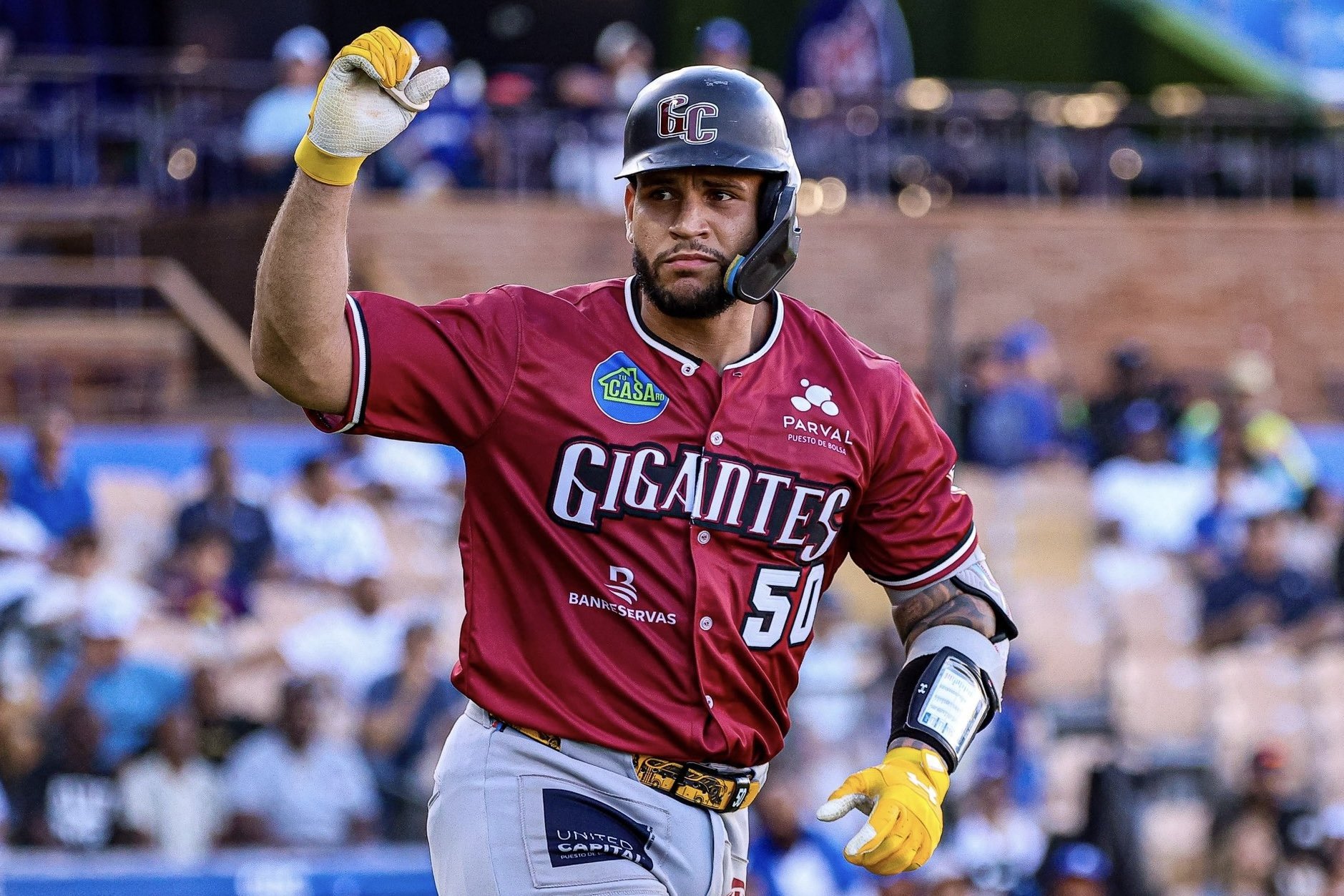 Over the course of the 2026-27 offseason, we will once again see players from the Miami Marlins organization travel the world and continue to get game reps, furthering their development and/or compensating for time they missed over the summer. In addition to the Arizona Fall League, expect them to latch on with teams in the Dominican Republic, Venezuela, Puerto Rico, Mexico and Australia. Any fall/winter ball participants who are employed by the Marlins organization will be included below. Players who depart the organization over the course of the offseason via free agency, trade or waivers will be removed. Player names are linked to their Baseball-Reference pages. Hitters are listed at the positions they played in fall/winter ball, even if they've been used differently by the Marlins organization. Click to see their full fall/winter ball history. 2026 Arizona Fall League - Marlins Hitters Player G PA R H TB 2B 3B HR RBI BB IBB SO SB CS AVG OBP SLG OPS SAC SF HBP GIDP Carter Johnson 15 56 6 9 13 1 0 1 3 7 0 13 0 0 .184 .286 .265 .551 0 0 0 0 Dillon Lewis 17 74 13 18 27 6 0 1 13 7 0 23 1 1 .277 .338 .415 .753 0 2 0 1 Max Williams 14 56 4 8 8 0 0 0 5 3 0 17 1 0 .157 .214 .157 .371 0 1 1 2 2026 Arizona Fall League - Marlins Pitchers Player IP ERA G GS GF H R ER HR HBP BB IBB SO WHIP WP GDP K/BB Samuel Carpio 7.0 12.86 6 1 0 7 11 10 1 1 9 0 9 2.29 1 0 1.00 Brayan Mendoza 8.0 10.13 8 0 4 9 9 9 1 1 5 0 11 1.75 1 0 2.20 Emmett Olson 15.1 11.74 5 4 0 16 22 20 4 3 11 0 20 1.76 0 0 1.82 Tristan Stevens 5.1 1.69 5 0 0 6 2 1 0 0 4 0 4 1.88 0 1 1.00 Alex Williams 14.0 3.86 5 4 1 9 6 6 2 1 7 0 18 1.14 0 1 2.57 2026-27 Winter Leagues - Marlins Hitters Player G PA R H TB 2B 3B HR RBI BB IBB SO SB CS AVG OBP SLG OPS SAC SF HBP GIDP Chris Arroyo 5 22 1 4 7 3 0 0 1 5 1 6 0 0 .235 .409 .412 .821 0 0 0 1 Deyvison De Los Santos 14 57 5 14 19 2 0 1 9 7 0 9 2 1 .280 .368 .380 .748 0 0 0 1 Jesús Hernández 7 12 1 2 2 0 0 0 1 3 0 1 2 0 .250 .417 .250 .667 0 1 0 0 Dylan Jasso 15 59 10 14 26 3 0 3 9 4 0 12 1 0 .264 .310 .491 .801 1 1 0 3 Agustín Ramírez 15 58 7 12 17 0 1 1 6 7 0 15 1 0 .240 .345 .340 .685 0 0 1 0 INF Maximo Acosta (Venezuelan Winter League, Tiburones de La Guaira) Finished 2026 minor league season at Triple-A Rehabbing from ankle injury and taking batting practice as of November 9 DH/1B Chris Arroyo (Puerto Rican Winter League, Leones de Ponce) Finished 2026 minor league at Low-A Made LBPRC debut on November 4 RHP Samuel Carpio (Arizona Fall League, Glendale Desert Dogs) Finished 2026 minor league season at Low-A Made AFL debut on October 11 OF Max Williams (Arizona Fall League, Glendale Desert Dogs) Finished 2026 minor league season at Double-A Made AFL debut on October 4 Ranks second-to-last among qualified AFL hitters in OPS View the full article
-
How Kade Snell Rose To Arizona Fall League Stardom
DiamondCentric posted an article in North Side Baseball
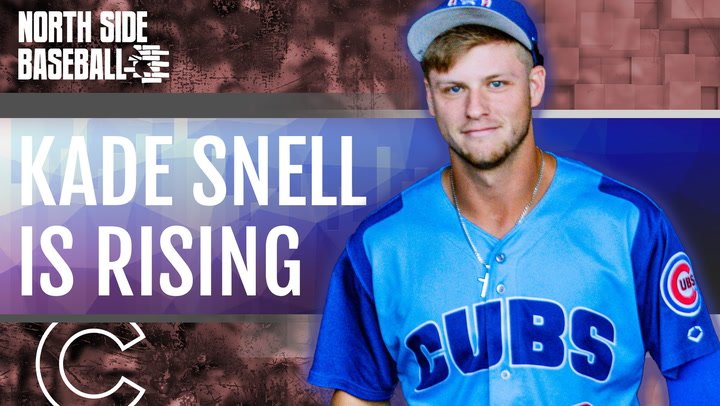 Kade Snell is a 24-year-old outfield prospect who had to reinvent himself a couple of years ago. The 2025 5th-round pick for the Chicago Cubs went from having Auburn cut him to switching positions, committing to the University of Alabama, and ultimately breaking into the pros. In this video, we dive into the rise of Kade Snell, an Arizona Fall League All-Star! View the full article
-
How Kade Snell Rose To Arizona Fall League Stardom
DiamondCentric posted an article in North Side Baseball
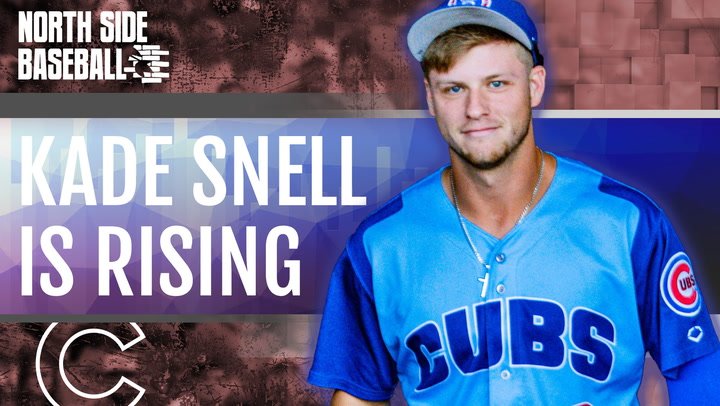 Kade Snell is a 24-year-old outfield prospect who had to reinvent himself a couple of years ago. The 2025 5th-round pick for the Chicago Cubs went from having Auburn cut him to switching positions, committing to the University of Alabama, and ultimately breaking into the pros. In this video, we dive into the rise of Kade Snell, an Arizona Fall League All-Star! View the full article
-
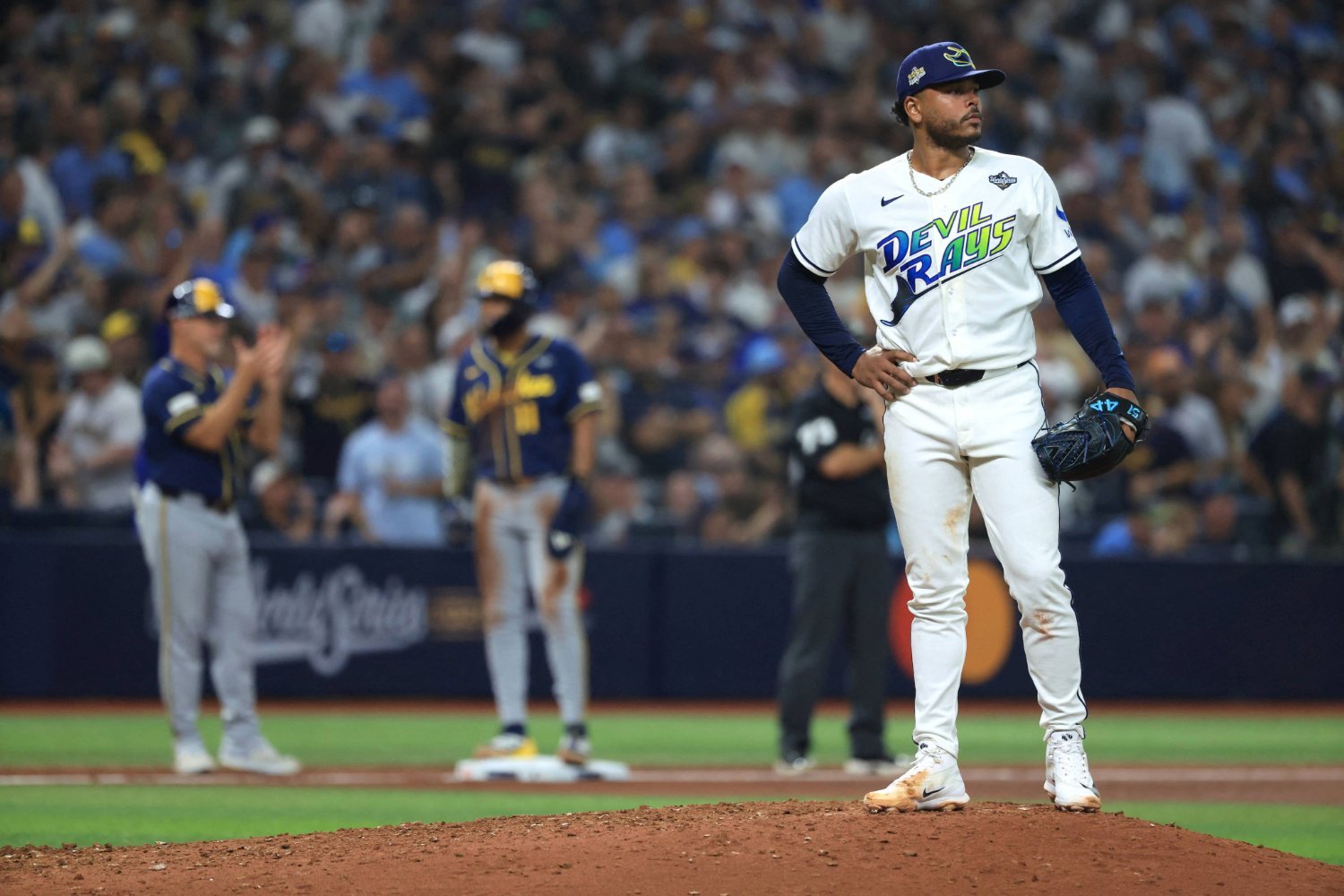 Freddy Peralta’s look from the Tampa Bay Rays’ dugout said more than a thousand words when Brice Turang picked up Richie Palacios’ ground ball, threw to Jake Bauers’ glove to get the final out, and the Milwaukee Brewers jumped out of the dugout to celebrate the first World Series title in franchise history. Peralta had been there with the Brewers during the first eight seasons of his career, became the rotation’s leading pitcher and one of the players most loved by the fan base, until he was traded to the New York Mets in January 2026. His time in New York was a disaster, to the point of finishing with an unrecognizable 4.99 ERA—although his xERA did not move that far away from his usual level, at 3.86—in 22 starts before being traded to the Rays at the deadline. Peralta kept working and, under the supervision of Rays pitching coach Kyle Snyder and one of the best analytical and scouting departments in baseball, quickly readjusted several aspects of his game. He altered his mechanics at the point of release, improved his push toward the plate, and increased his use of the changeup, which became a key weapon for generating swings and misses. The results were surprising, as he had a 3.25 ERA in 10 regular-season starts with the Rays before winning the ALCS MVP. From August 10 onward, counting his outings in the postseason, Peralta finished with a 7-3 record and a 2.46 ERA, completing at least five innings in six of his nine starts. The change erased part of the doubts his time in New York had left behind and has put him in a very good position to enter free agency as one of the most coveted starting pitchers on the market. He is one of only two starters who have made at least 30 starts for four consecutive years. From a pure baseball perspective, I would like to see him stay in Tampa, but I am not sure they can financially afford a signing at the level that signing him now would involve. For teams like the San Diego Padres, who might lose Michael King and declined Nick Pivetta’s club option, Peralta could fit perfectly into the rotation. Among free-agent starters, Peralta has the fifth-highest fWAR, at 5.5 over the past two years. He is projected to seek a contract of at least five years and $140 million, equivalent to $28 million annually. The investment would really be worth it. With his average of almost six innings per start over the last four seasons and the consistency Peralta has shown, his projections should improve even more by having the backing of one of the most dominant bullpens in all of baseball right now. The right-hander finished fifth in the 2025 National League Cy Young Award voting and has led the league since 2023 with 127 starts, tied with Logan Webb and Dylan Cease. Over that span, he has allowed the third-lowest BABIP (.271) and has the third-highest number of wins (50) among qualified pitchers with at least 600 innings. Despite carrying a poor start in New York, Peralta finished in the 81st percentile in barrel%, and his expected statistics were still strong, including finishes in the 63rd percentile in xSLG and the 62nd in xERA. He still generates swings and misses and chases at an above-average rate, too. A 30-year-old who is famously reliant on his fastball probably isn't the safest bet in the world, but the Padres need a frontline starting pitcher in the worst way this offseason. Even if it takes a slight overpay, acquiring Peralta would go a long way toward keeping the Friars competitive in the NL West. View the full article
-
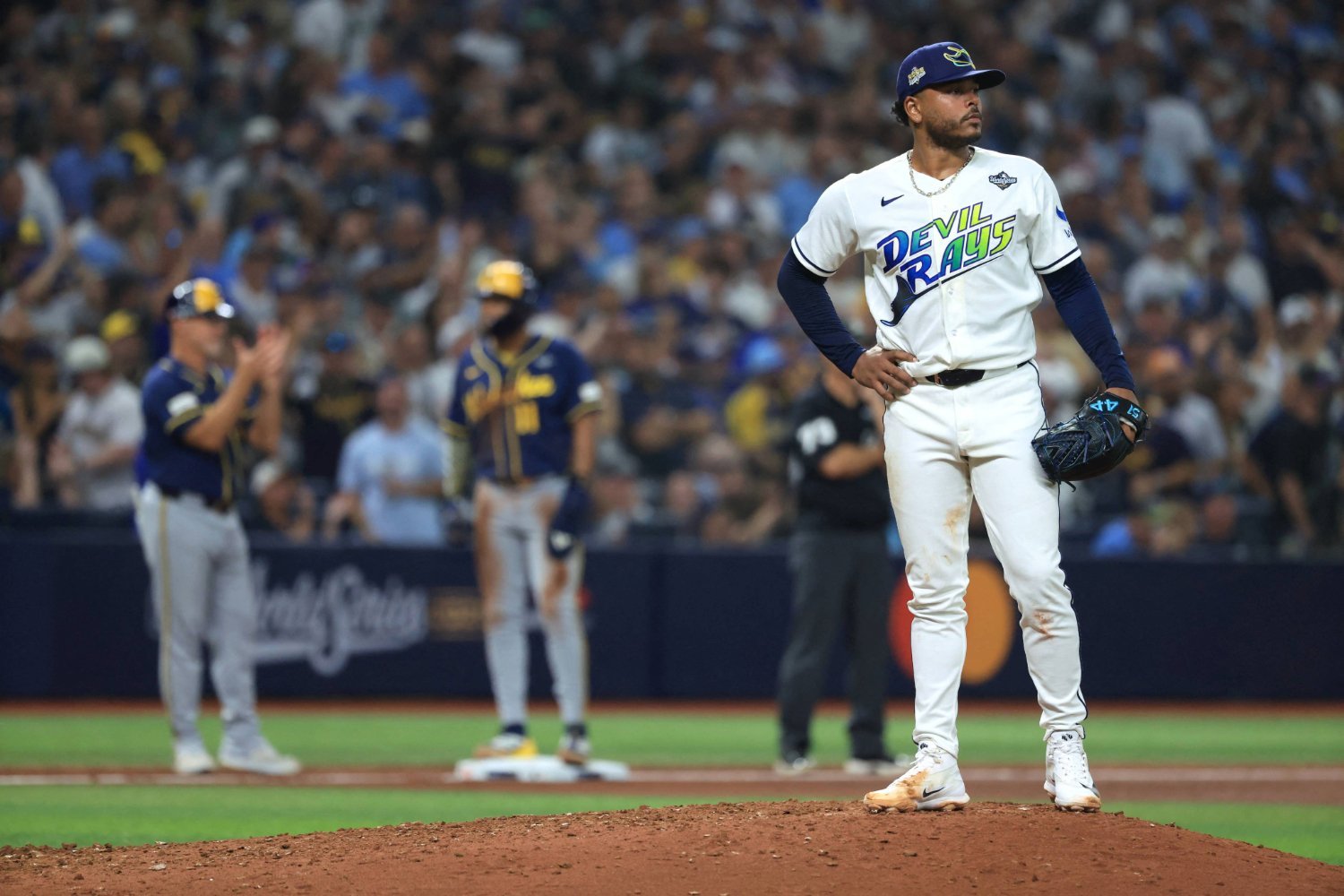 Freddy Peralta’s look from the Tampa Bay Rays’ dugout said more than a thousand words when Brice Turang picked up Richie Palacios’ ground ball, threw to Jake Bauers’ glove to get the final out, and the Milwaukee Brewers jumped out of the dugout to celebrate the first World Series title in franchise history. Peralta had been there with the Brewers during the first eight seasons of his career, became the rotation’s leading pitcher and one of the players most loved by the fan base, until he was traded to the New York Mets in January 2026. His time in New York was a disaster, to the point of finishing with an unrecognizable 4.99 ERA—although his xERA did not move that far away from his usual level, at 3.86—in 22 starts before being traded to the Rays at the deadline. Peralta kept working and, under the supervision of Rays pitching coach Kyle Snyder and one of the best analytical and scouting departments in baseball, quickly readjusted several aspects of his game. He altered his mechanics at the point of release, improved his push toward the plate, and increased his use of the changeup, which became a key weapon for generating swings and misses. The results were surprising, as he had a 3.25 ERA in 10 regular-season starts with the Rays before winning the ALCS MVP. From August 10 onward, counting his outings in the postseason, Peralta finished with a 7-3 record and a 2.46 ERA, completing at least five innings in six of his nine starts. The change erased part of the doubts his time in New York had left behind and has put him in a very good position to enter free agency as one of the most coveted starting pitchers on the market. He is one of only two starters who have made at least 30 starts for four consecutive years. From a pure baseball perspective, I would like to see him stay in Tampa, but I am not sure they can financially afford a signing at the level that signing him now would involve. For teams like the San Diego Padres, who might lose Michael King and declined Nick Pivetta’s club option, Peralta could fit perfectly into the rotation. Among free-agent starters, Peralta has the fifth-highest fWAR, at 5.5 over the past two years. He is projected to seek a contract of at least five years and $140 million, equivalent to $28 million annually. The investment would really be worth it. With his average of almost six innings per start over the last four seasons and the consistency Peralta has shown, his projections should improve even more by having the backing of one of the most dominant bullpens in all of baseball right now. The right-hander finished fifth in the 2025 National League Cy Young Award voting and has led the league since 2023 with 127 starts, tied with Logan Webb and Dylan Cease. Over that span, he has allowed the third-lowest BABIP (.271) and has the third-highest number of wins (50) among qualified pitchers with at least 600 innings. Despite carrying a poor start in New York, Peralta finished in the 81st percentile in barrel%, and his expected statistics were still strong, including finishes in the 63rd percentile in xSLG and the 62nd in xERA. He still generates swings and misses and chases at an above-average rate, too. A 30-year-old who is famously reliant on his fastball probably isn't the safest bet in the world, but the Padres need a frontline starting pitcher in the worst way this offseason. Even if it takes a slight overpay, acquiring Peralta would go a long way toward keeping the Friars competitive in the NL West. View the full article
-
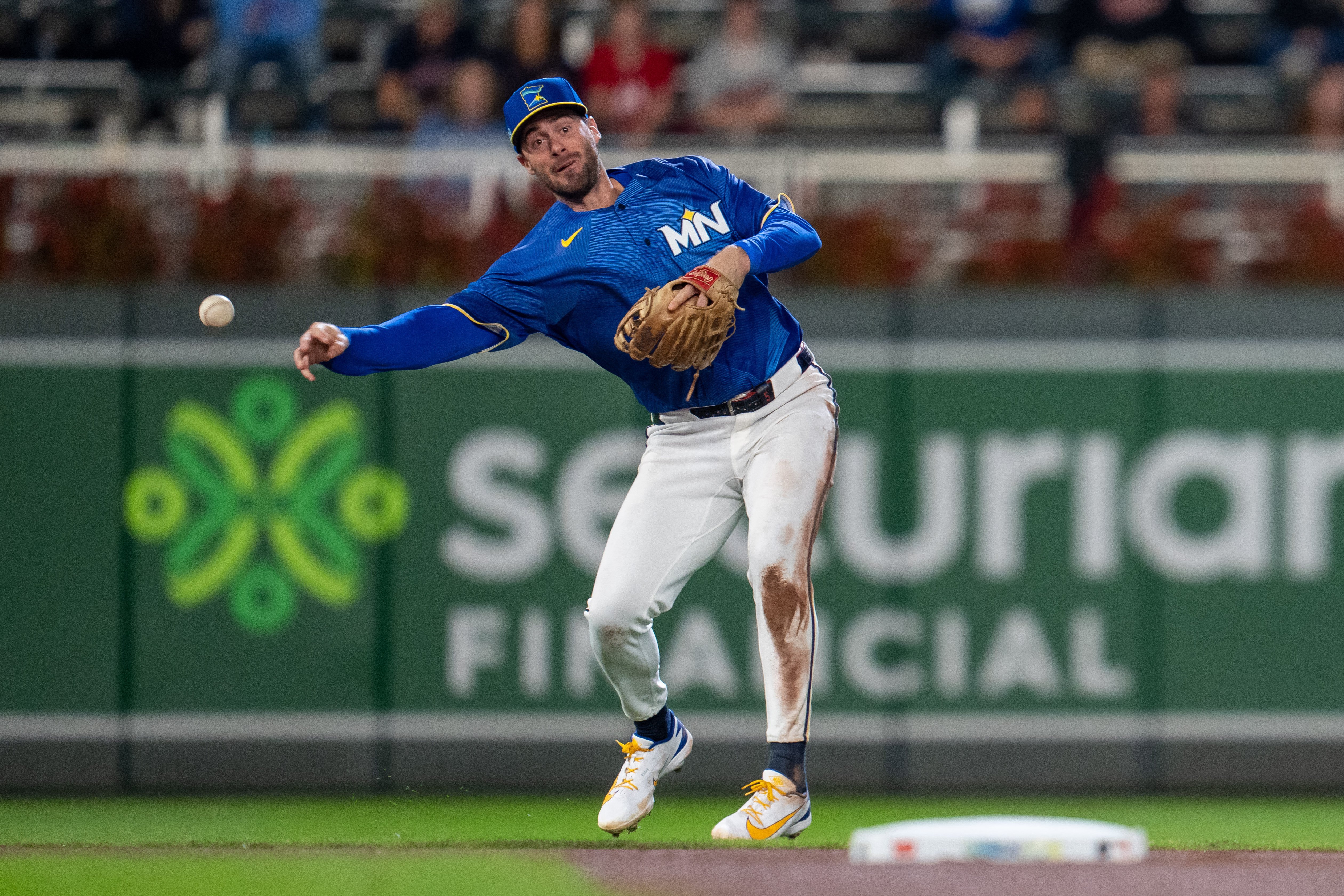 The Minnesota Twins entered the 2026 season with three different options to fill their utility role. Orlando Garcia, Tristan Gray, and Ryan Kreidler all got opportunities with the big-league club, but by the end of the season, it was Kreidler who had established himself as the team's primary utility man. The Twins claimed Kreidler off waivers last offseason, and the move wasn't necessarily made because of what he could provide offensively. It was his glove and defensive versatility that made him an intriguing option. Kreidler finished the 2026 season with an 85 OPS+ and eight home runs, which certainly isn't going to make anyone forget about his offensive limitations, but it was a respectable contribution from someone brought in primarily for his defense. Kreidler can handle shortstop and center field while providing additional defensive flexibility around the diamond. That combination made him a useful piece for the Twins, and with another year of pre-arbitration eligibility, Minnesota could bring him back for the league minimum in 2027. If the Twins want to keep things inexpensive, Kreidler is an obvious candidate to return as the team's backup shortstop and utility man. The argument for bringing Kreidler back becomes a little more complicated when looking beyond his overall season numbers. While an 85 OPS+ was better than anyone could reasonably have expected, it also masks just how much he struggled offensively down the stretch. After July 15, Kreidler posted a .558 OPS with just nine extra-base hits in 125 plate appearances. That's a pretty significant offensive drop-off, especially for a team that could already be losing some important production from its lineup. With Josh Bell likely no longer in the picture and Ryan Jeffers' future uncertain following his qualifying offer, the Twins can't afford to have too many spots in their lineup where opposing pitchers can expect little offensive resistance. Kreidler's glove is valuable, but there is a limit to how much offensive production a team can sacrifice for defensive versatility. The Twins also don't have an obvious internal replacement waiting in the wings. Ben Ross has potential, but trusting the 25-year-old with a regular big-league role right away would be a gamble. Marek Houston isn't quite ready to make that jump either. Meanwhile, Kody Clemens provides plenty of defensive flexibility and can move around the diamond, but the biggest need for Minnesota is someone who can reliably handle shortstop when Kaelen Culpepper needs a day off or is unavailable. If the Twins decide they don't want to rely on Kreidler in that role, the free-agent market offers a few interesting alternatives. There are three players in particular who could make sense for Minnesota heading into 2027. Mauricio Dubon (Diamond Centric's No. 22 ranked free agent) Mauricio Dubon (Diamond Centric's No. 22-ranked free agent) is perhaps the most natural fit from a defensive standpoint. The eight-year veteran is coming off the best offensive season of his career, posting a 98 OPS+ with 12 home runs. More importantly, Dubon can play just about anywhere on the diamond. He appeared in 62 games at shortstop last season and recorded six Outs Above Average at the position, making him a legitimate defensive option rather than someone who simply provides emergency coverage. At 32 years old, he's also an experienced player who wouldn't need much adjustment time to step into a utility role. MLB Trade Rumors projects Dubon to receive a two-year, $18 million contract. That's a decent chunk of change for a utility player, but his ability to contribute at several positions would give the Twins plenty of flexibility. Isiah Kiner-Falefa (No. 75) Isiah Kiner-Falefa (No. 75) is another familiar name who could make sense. Technically, Kiner-Falefa was a member of the Twins for about two days in 2022 after being acquired from Texas in the Mitch Garver trade. He was then included in the deal that sent Josh Donaldson to the Yankees before ever appearing in a game for Minnesota. Five years later, he could finally get an opportunity to wear a Twins uniform. Kiner-Falefa still offers a strong defensive presence and can handle shortstop, second base, and third base. He isn't going to provide much power, but he's a player who consistently puts the ball in play and can give a team competent at-bats without sacrificing much defensively. He wouldn't necessarily represent a significant offensive upgrade over Kreidler, but his track record and experience would make him a dependable option. J.P. Crawford (No. 76) J.P. Crawford (No. 76) might be the most interesting option of the group, particularly if the Twins are looking for someone who can provide more offensive upside. Crawford is coming off a down year at the plate in 2026, but he's a career 105 OPS+ hitter and is just one season removed from posting a 110 OPS+ with the Mariners in 2025. That season, he hit 12 home runs and posted a .352 on-base percentage. Crawford brings excellent plate discipline and has consistently demonstrated an ability to get on base. If he can recapture some of the power he has shown in previous seasons, he could provide a meaningful boost to the Minnesota lineup. He's also an experienced shortstop, although his defensive ability isn't on the same level as the other options listed here. Crawford would essentially be an offensive addition who could handle shortstop when needed, rather than someone the Twins would acquire primarily for his glove. His left-handed bat would also make for an interesting complement to right-handed Kaelen Culpepper . MLB Trade Rumors projects Crawford to receive a two-year, $16 million contract. Of the three players listed, Crawford is the one I'd be most interested in bringing to Minnesota. The defensive concerns are legitimate, and he doesn't offer the same versatility as Dubon, Kiner-Falefa, or even Kreidler. However, the Twins already have some flexibility with Clemens, and they don't necessarily need their backup shortstop to be someone who can play every position on the field. They need someone who can competently handle shortstop while providing a legitimate offensive threat when he's in the lineup. Crawford checks those boxes better than anyone else on this list. The Twins could certainly decide that Kreidler's defensive contributions and inexpensive contract make him the best option. There is something to be said for having a player who already knows the organization and has demonstrated that he can handle a big-league utility role. But with the potential for several offensive departures this offseason, Minnesota should be looking for ways to add more production rather than settling for another season of hoping a light-hitting utility player can do enough with his glove. Would you rather see the Twins stick with Kreidler and his inexpensive contract, or would you prefer they spend some money to bring in an established veteran? Of these three options, who would you want to see Minnesota pursue? Leave a comment below and start the conversation! View the full article
-
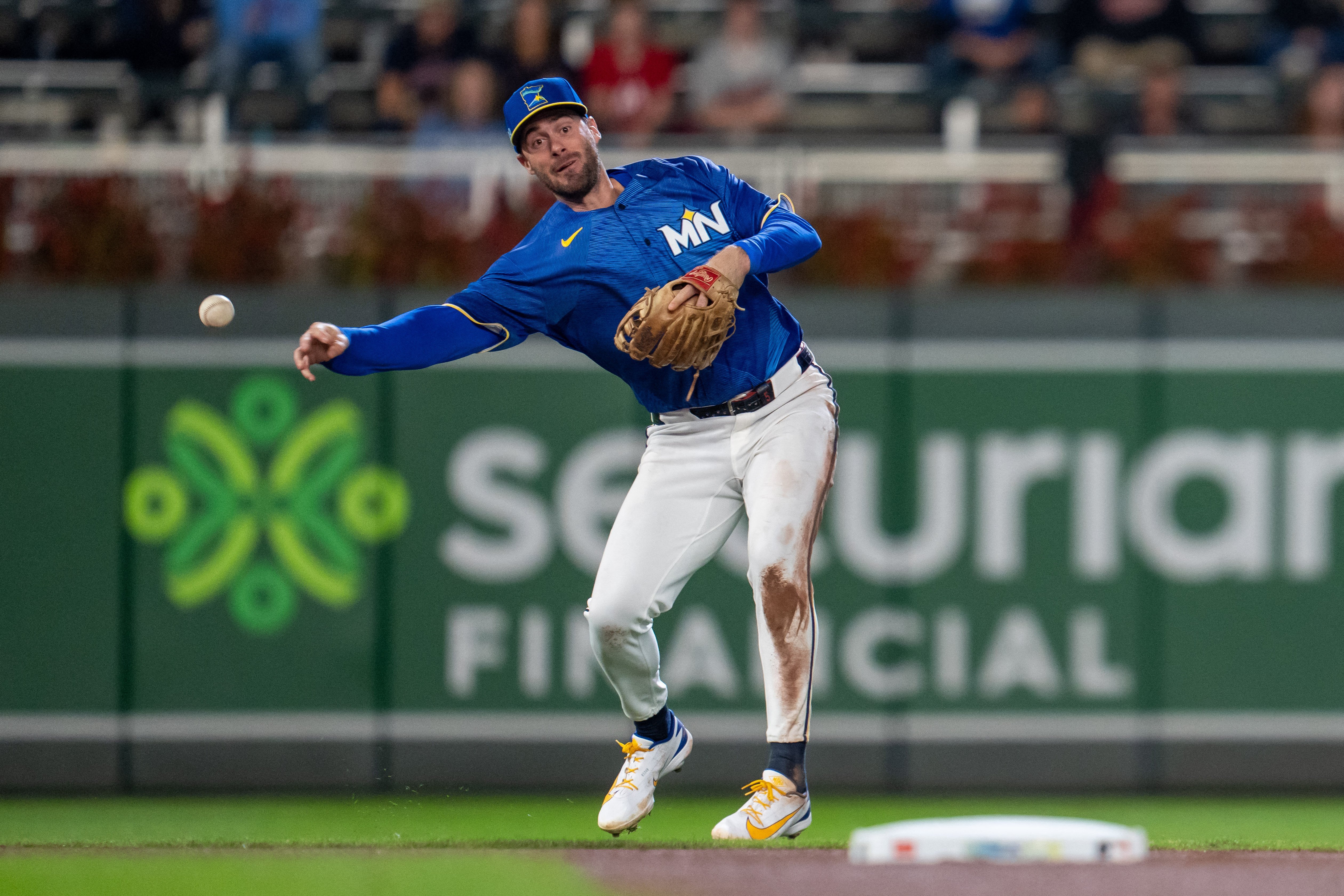 The Minnesota Twins entered the 2026 season with three different options to fill their utility role. Orlando Garcia, Tristan Gray, and Ryan Kreidler all got opportunities with the big-league club, but by the end of the season, it was Kreidler who had established himself as the team's primary utility man. The Twins claimed Kreidler off waivers last offseason, and the move wasn't necessarily made because of what he could provide offensively. It was his glove and defensive versatility that made him an intriguing option. Kreidler finished the 2026 season with an 85 OPS+ and eight home runs, which certainly isn't going to make anyone forget about his offensive limitations, but it was a respectable contribution from someone brought in primarily for his defense. Kreidler can handle shortstop and center field while providing additional defensive flexibility around the diamond. That combination made him a useful piece for the Twins, and with another year of pre-arbitration eligibility, Minnesota could bring him back for the league minimum in 2027. If the Twins want to keep things inexpensive, Kreidler is an obvious candidate to return as the team's backup shortstop and utility man. The argument for bringing Kreidler back becomes a little more complicated when looking beyond his overall season numbers. While an 85 OPS+ was better than anyone could reasonably have expected, it also masks just how much he struggled offensively down the stretch. After July 15, Kreidler posted a .558 OPS with just nine extra-base hits in 125 plate appearances. That's a pretty significant offensive drop-off, especially for a team that could already be losing some important production from its lineup. With Josh Bell likely no longer in the picture and Ryan Jeffers' future uncertain following his qualifying offer, the Twins can't afford to have too many spots in their lineup where opposing pitchers can expect little offensive resistance. Kreidler's glove is valuable, but there is a limit to how much offensive production a team can sacrifice for defensive versatility. The Twins also don't have an obvious internal replacement waiting in the wings. Ben Ross has potential, but trusting the 25-year-old with a regular big-league role right away would be a gamble. Marek Houston isn't quite ready to make that jump either. Meanwhile, Kody Clemens provides plenty of defensive flexibility and can move around the diamond, but the biggest need for Minnesota is someone who can reliably handle shortstop when Kaelen Culpepper needs a day off or is unavailable. If the Twins decide they don't want to rely on Kreidler in that role, the free-agent market offers a few interesting alternatives. There are three players in particular who could make sense for Minnesota heading into 2027. Mauricio Dubon (Diamond Centric's No. 22 ranked free agent) Mauricio Dubon (Diamond Centric's No. 22-ranked free agent) is perhaps the most natural fit from a defensive standpoint. The eight-year veteran is coming off the best offensive season of his career, posting a 98 OPS+ with 12 home runs. More importantly, Dubon can play just about anywhere on the diamond. He appeared in 62 games at shortstop last season and recorded six Outs Above Average at the position, making him a legitimate defensive option rather than someone who simply provides emergency coverage. At 32 years old, he's also an experienced player who wouldn't need much adjustment time to step into a utility role. MLB Trade Rumors projects Dubon to receive a two-year, $18 million contract. That's a decent chunk of change for a utility player, but his ability to contribute at several positions would give the Twins plenty of flexibility. Isiah Kiner-Falefa (No. 75) Isiah Kiner-Falefa (No. 75) is another familiar name who could make sense. Technically, Kiner-Falefa was a member of the Twins for about two days in 2022 after being acquired from Texas in the Mitch Garver trade. He was then included in the deal that sent Josh Donaldson to the Yankees before ever appearing in a game for Minnesota. Five years later, he could finally get an opportunity to wear a Twins uniform. Kiner-Falefa still offers a strong defensive presence and can handle shortstop, second base, and third base. He isn't going to provide much power, but he's a player who consistently puts the ball in play and can give a team competent at-bats without sacrificing much defensively. He wouldn't necessarily represent a significant offensive upgrade over Kreidler, but his track record and experience would make him a dependable option. J.P. Crawford (No. 76) J.P. Crawford (No. 76) might be the most interesting option of the group, particularly if the Twins are looking for someone who can provide more offensive upside. Crawford is coming off a down year at the plate in 2026, but he's a career 105 OPS+ hitter and is just one season removed from posting a 110 OPS+ with the Mariners in 2025. That season, he hit 12 home runs and posted a .352 on-base percentage. Crawford brings excellent plate discipline and has consistently demonstrated an ability to get on base. If he can recapture some of the power he has shown in previous seasons, he could provide a meaningful boost to the Minnesota lineup. He's also an experienced shortstop, although his defensive ability isn't on the same level as the other options listed here. Crawford would essentially be an offensive addition who could handle shortstop when needed, rather than someone the Twins would acquire primarily for his glove. His left-handed bat would also make for an interesting complement to right-handed Kaelen Culpepper . MLB Trade Rumors projects Crawford to receive a two-year, $16 million contract. Of the three players listed, Crawford is the one I'd be most interested in bringing to Minnesota. The defensive concerns are legitimate, and he doesn't offer the same versatility as Dubon, Kiner-Falefa, or even Kreidler. However, the Twins already have some flexibility with Clemens, and they don't necessarily need their backup shortstop to be someone who can play every position on the field. They need someone who can competently handle shortstop while providing a legitimate offensive threat when he's in the lineup. Crawford checks those boxes better than anyone else on this list. The Twins could certainly decide that Kreidler's defensive contributions and inexpensive contract make him the best option. There is something to be said for having a player who already knows the organization and has demonstrated that he can handle a big-league utility role. But with the potential for several offensive departures this offseason, Minnesota should be looking for ways to add more production rather than settling for another season of hoping a light-hitting utility player can do enough with his glove. Would you rather see the Twins stick with Kreidler and his inexpensive contract, or would you prefer they spend some money to bring in an established veteran? Of these three options, who would you want to see Minnesota pursue? Leave a comment below and start the conversation! View the full article
-
Report: Twins Could Still Pursue Long-Term Deal With Ryan Jeffers
DiamondCentric posted an article in Twins Daily
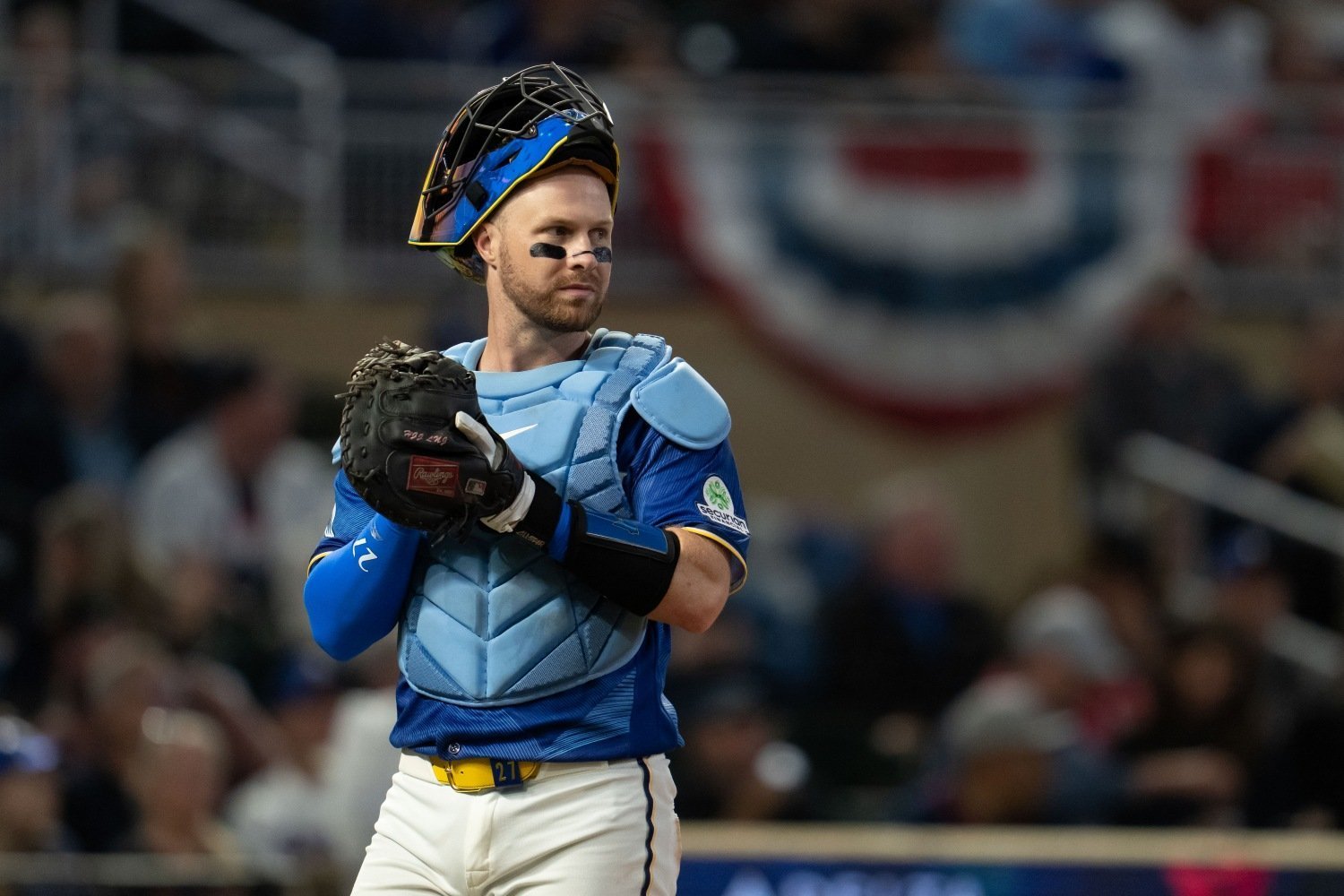 The Minnesota Twins have some important decisions to make behind the plate this offseason. Ryan Jeffers is coming off another productive season, but the organization allowed him to reach free agency without agreeing to a long-term extension. That decision doesn't necessarily mean his time in Minnesota is over. According to Dan Hayes of The Athletic, the Twins could still explore bringing Jeffers back on a multiyear contract. Hayes offered some insight into Minnesota's thinking, writing, “Even though the club didn’t re-sign Jeffers ahead of free agency, don’t be surprised if the Twins pursue him while he explores his options.” That possibility makes sense for a team looking to improve its roster without creating another significant hole. Jeffers Remains an Important Part of the Catching Market Minnesota made Jeffers one of eight players across Major League Baseball to receive a qualifying offer this offseason. The offer is a one-year contract worth $23.15 million, giving Jeffers a decision to make before the November 17 deadline. If he accepts, Jeffers would return to Minnesota on a lucrative one-year deal. However, he is expected to decline the offer and explore his options on the open market. If he signs with another team, the Twins would receive draft-pick compensation. Jeffers enters free agency as the top available catcher in a relatively thin market. Teams looking for an established option behind the plate won't have many alternatives with his combination of experience and offensive production. That could create a competitive market for his services, even if the qualifying offer makes his free agency more complicated. Many national outlets recently projected several possible contract outcomes for Jeffers. Those estimates ranged from a three-year contract worth $45 million to a four-year agreement totaling $75 million. The difference between those projections is significant, and Minnesota will need to determine how much it values keeping its veteran catcher. A Potential Fit With Caratini and Lackey The Twins already have some pieces in place behind the plate. Victor Caratini provides an experienced option, and Minnesota could pair him with another established catcher rather than relying on an inexperienced player to handle a significant workload. Re-signing Jeffers would give the Twins a familiar option who understands the pitching staff and has already established himself within the organization. He wouldn't need an adjustment period with a new coaching staff or teammates. That familiarity can be valuable, especially for a pitching staff looking to establish consistency. There is also a longer-term consideration involving Vahn Lackey, Minnesota's first-round selection in the 2026 MLB Draft. Lackey represents another potential catching option for the organization down the road, but he isn't someone the Twins should need to rush through the minor leagues. A multiyear agreement with Jeffers could provide stability while Lackey continues developing. Minnesota could maintain a productive catching tandem now without forcing its top young catching prospect into the majors before he is ready. The financial side will ultimately determine whether a reunion makes sense. The Twins have indicated they need to be more competitive with their payroll, but that doesn't mean they will spend without considering long-term value. A three-year agreement might be easier to justify than committing to four seasons at the higher end of the market. Hayes' reporting suggests Minnesota hasn't completely closed the door on Jeffers. The two sides didn't reach an agreement before free agency, but negotiations can continue as the market develops. The Twins have a clear need behind the plate, and Jeffers is arguably the most straightforward solution. If his asking price remains within a reasonable range, Minnesota could still find a way to bring him back. View the full article
-
Report: Twins Could Still Pursue Long-Term Deal With Ryan Jeffers
DiamondCentric posted an article in Twins Daily
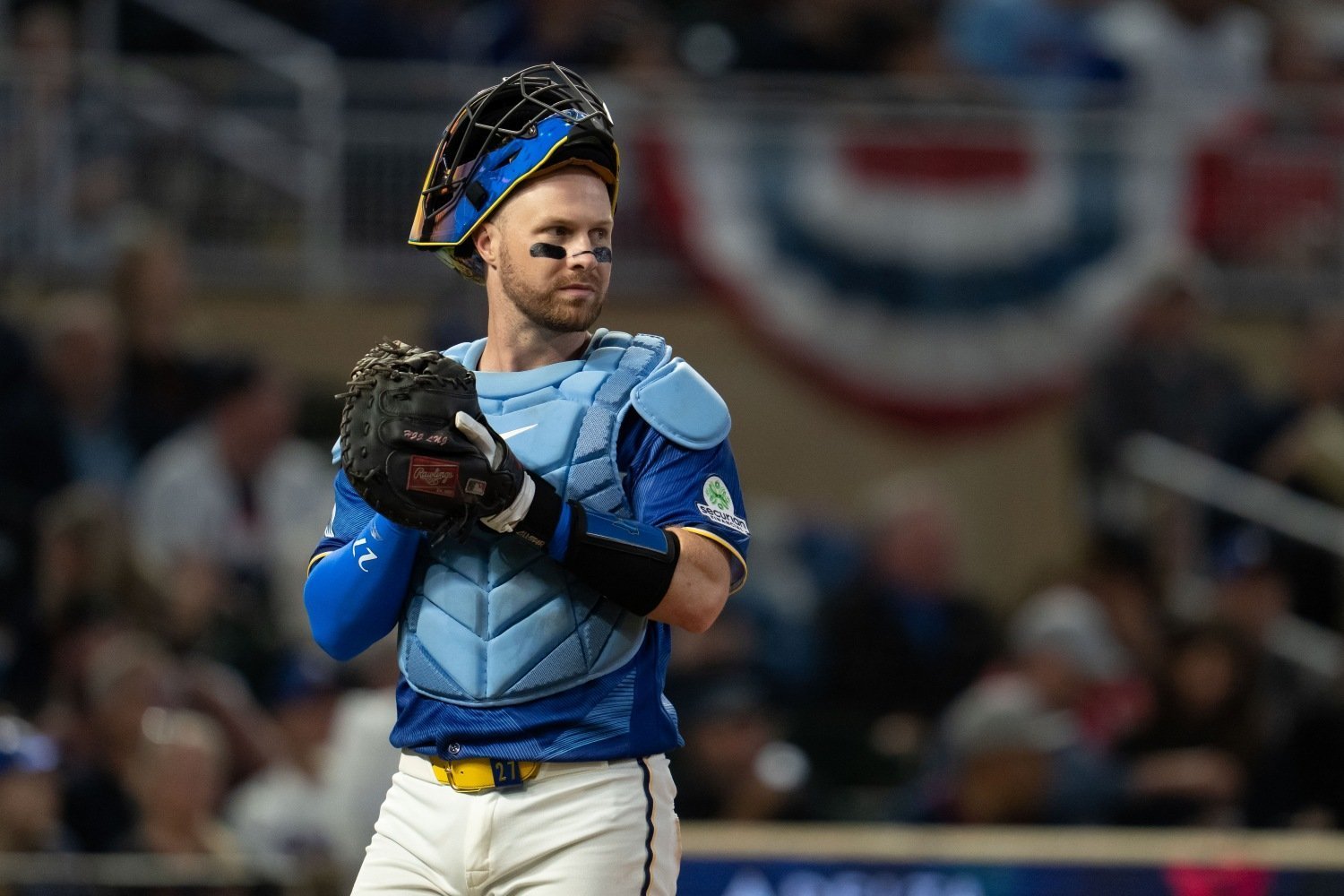 The Minnesota Twins have some important decisions to make behind the plate this offseason. Ryan Jeffers is coming off another productive season, but the organization allowed him to reach free agency without agreeing to a long-term extension. That decision doesn't necessarily mean his time in Minnesota is over. According to Dan Hayes of The Athletic, the Twins could still explore bringing Jeffers back on a multiyear contract. Hayes offered some insight into Minnesota's thinking, writing, “Even though the club didn’t re-sign Jeffers ahead of free agency, don’t be surprised if the Twins pursue him while he explores his options.” That possibility makes sense for a team looking to improve its roster without creating another significant hole. Jeffers Remains an Important Part of the Catching Market Minnesota made Jeffers one of eight players across Major League Baseball to receive a qualifying offer this offseason. The offer is a one-year contract worth $23.15 million, giving Jeffers a decision to make before the November 17 deadline. If he accepts, Jeffers would return to Minnesota on a lucrative one-year deal. However, he is expected to decline the offer and explore his options on the open market. If he signs with another team, the Twins would receive draft-pick compensation. Jeffers enters free agency as the top available catcher in a relatively thin market. Teams looking for an established option behind the plate won't have many alternatives with his combination of experience and offensive production. That could create a competitive market for his services, even if the qualifying offer makes his free agency more complicated. Many national outlets recently projected several possible contract outcomes for Jeffers. Those estimates ranged from a three-year contract worth $45 million to a four-year agreement totaling $75 million. The difference between those projections is significant, and Minnesota will need to determine how much it values keeping its veteran catcher. A Potential Fit With Caratini and Lackey The Twins already have some pieces in place behind the plate. Victor Caratini provides an experienced option, and Minnesota could pair him with another established catcher rather than relying on an inexperienced player to handle a significant workload. Re-signing Jeffers would give the Twins a familiar option who understands the pitching staff and has already established himself within the organization. He wouldn't need an adjustment period with a new coaching staff or teammates. That familiarity can be valuable, especially for a pitching staff looking to establish consistency. There is also a longer-term consideration involving Vahn Lackey, Minnesota's first-round selection in the 2026 MLB Draft. Lackey represents another potential catching option for the organization down the road, but he isn't someone the Twins should need to rush through the minor leagues. A multiyear agreement with Jeffers could provide stability while Lackey continues developing. Minnesota could maintain a productive catching tandem now without forcing its top young catching prospect into the majors before he is ready. The financial side will ultimately determine whether a reunion makes sense. The Twins have indicated they need to be more competitive with their payroll, but that doesn't mean they will spend without considering long-term value. A three-year agreement might be easier to justify than committing to four seasons at the higher end of the market. Hayes' reporting suggests Minnesota hasn't completely closed the door on Jeffers. The two sides didn't reach an agreement before free agency, but negotiations can continue as the market develops. The Twins have a clear need behind the plate, and Jeffers is arguably the most straightforward solution. If his asking price remains within a reasonable range, Minnesota could still find a way to bring him back. View the full article
-
Former Marlin Chris Paddack closes out 2026 Korean Series
DiamondCentric posted an article in Fish On First
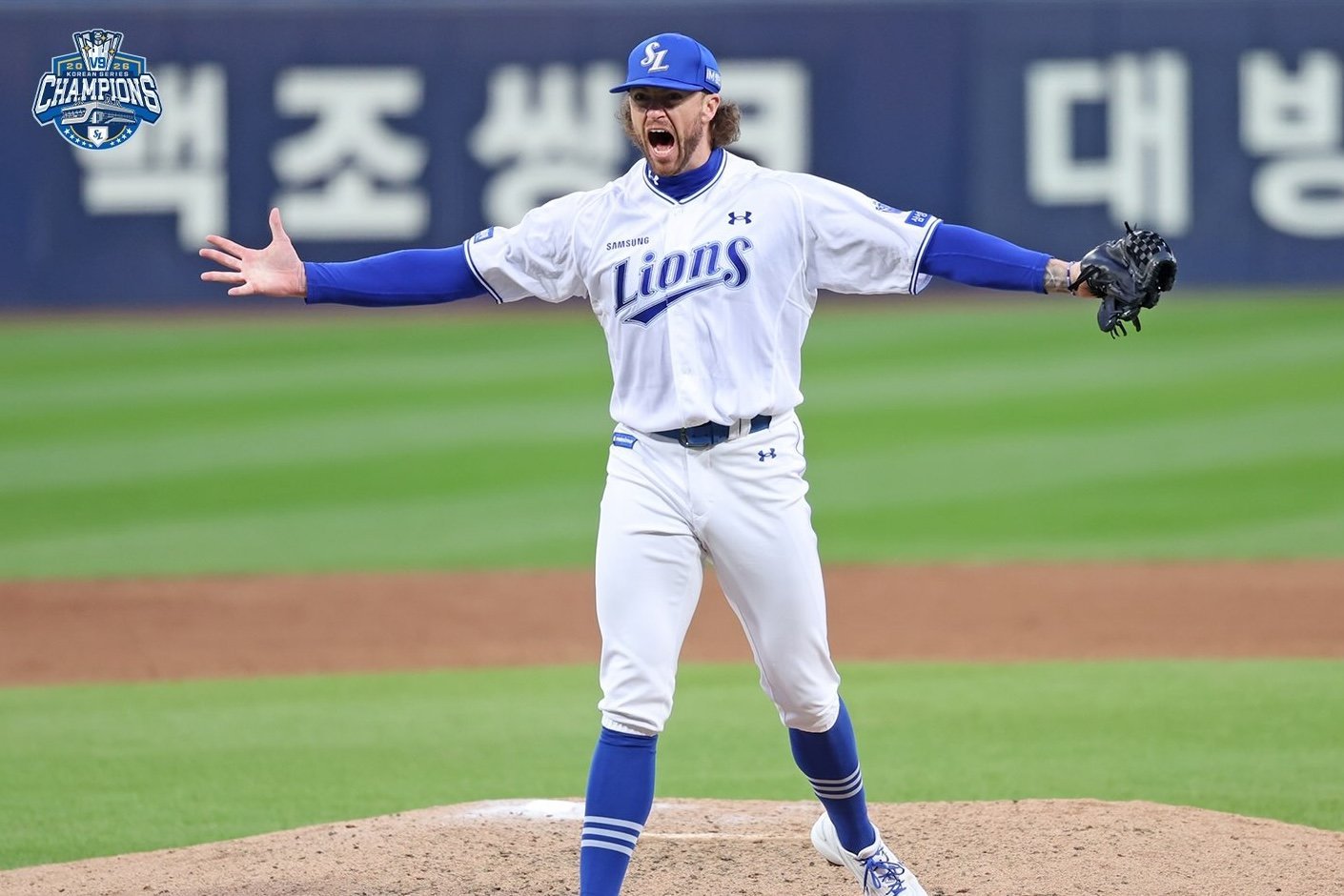 You know the saying about one man's trash. To be blunt, Chris Paddack was a trash signing for the Miami Marlins last offseason. Penciled into their starting rotation from the get-go, the veteran right-hander lasted barely a month into the 2026 regular season. He posted a 7.63 ERA and 4.96 FIP in 30 ⅔ innings pitched, with the Marlins losing all six of his starts. The notoriously thrifty Fish reluctantly flushed $4 million down the drain. After brief stints with the Cincinnati Reds and Texas Rangers, Paddack made the unorthodox midseason move overseas. He debuted with the Samsung Lions of the Korea Baseball Organization (KBO) on July 18. As humbling as it must have been for Paddack to drop down to a lower level of competition, the fit proved to be fantastic. He had a 2.95 ERA and 3.05 FIP in 13 games (12 starts) during the second half of the KBO campaign. His strikeout rate spiked from 15.0% to 26.4% and he allowed home runs half as often. The Lions finished second in the KBO League standings. On Wednesday in Game 2 of the Korean Series, Paddack pitched admirably (7.0 IP, 8 H, 1 ER, 1 BB, 3 K). He recorded a no-decision as the Lions won in extra innings. He returned to the mound on short rest during Sunday's Game 5, tossing four perfect innings of relief to clinch the league championship. The Lion roster featured another former Marlins player. Although a lousy hitter in the big leagues from 2020-22, Lewin Díaz is a KBO superstar. This season, he slashed .305/.384/.510 with 26 home runs, two stolen bases and a 134 wRC+. Since his arrival to the league in August 2024, no KBO player has driven in more total runs (306). The Dominican first baseman went 7-for-22 at the plate during the Korean Series. The Lions have a proud history, ranking second among all KBO teams with nine championships since entering the league in 1982. However, this victory snapped a 12-year title drought. View the full article
-
Former Marlin Chris Paddack closes out 2026 Korean Series
DiamondCentric posted an article in Fish On First
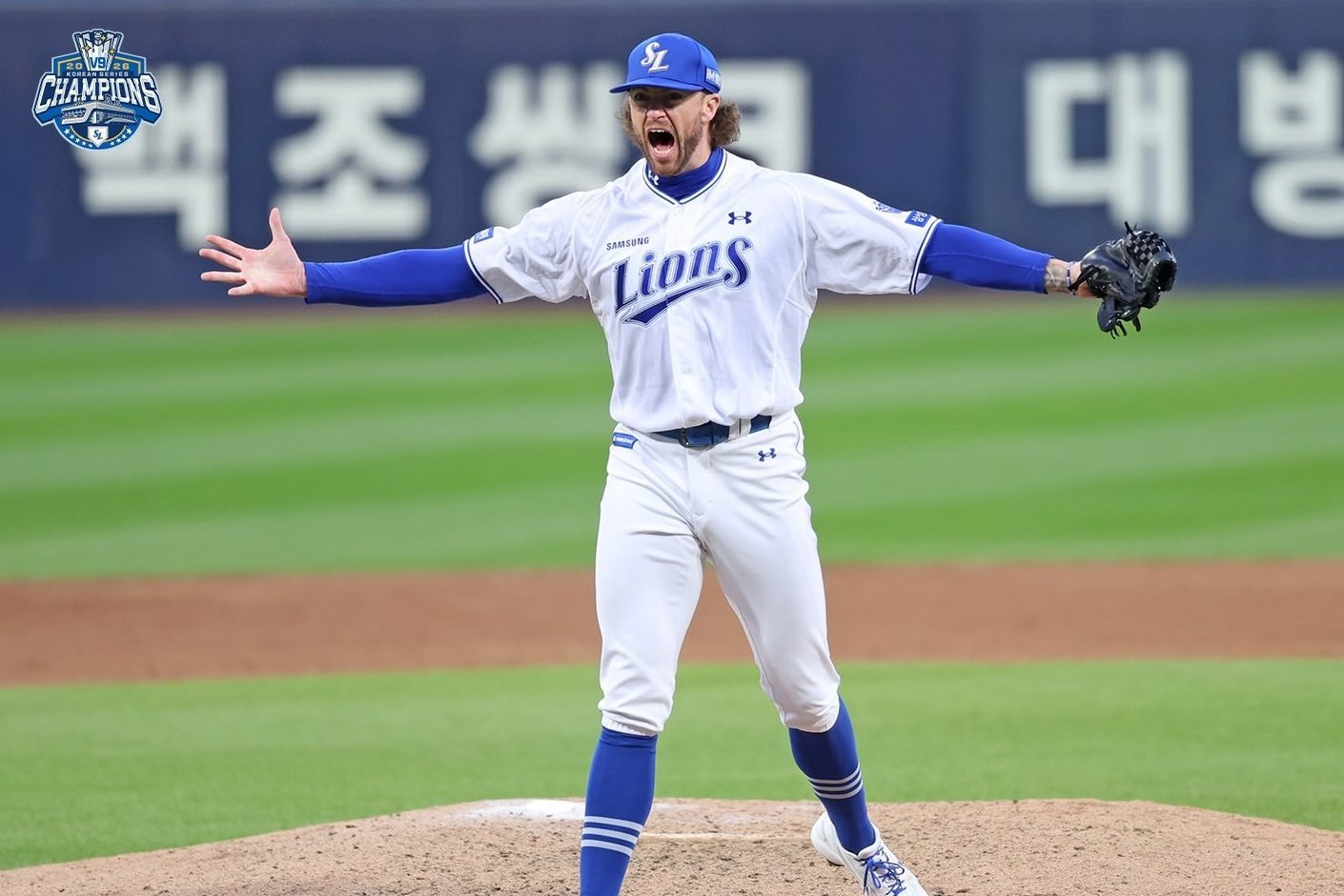 You know the saying about one man's trash. To be blunt, Chris Paddack was a trash signing for the Miami Marlins last offseason. Penciled into their starting rotation from the get-go, the veteran right-hander lasted barely a month into the 2026 regular season. He posted a 7.63 ERA and 4.96 FIP in 30 ⅔ innings pitched, with the Marlins losing all six of his starts. The notoriously thrifty Fish reluctantly flushed $4 million down the drain. After brief stints with the Cincinnati Reds and Texas Rangers, Paddack made the unorthodox midseason move overseas. He debuted with the Samsung Lions of the Korea Baseball Organization (KBO) on July 18. As humbling as it must have been for Paddack to drop down to a lower level of competition, the fit proved to be fantastic. He had a 2.95 ERA and 3.05 FIP in 13 games (12 starts) during the second half of the KBO campaign. His strikeout rate spiked from 15.0% to 26.4% and he allowed home runs half as often. The Lions finished second in the KBO League standings. On Wednesday in Game 2 of the Korean Series, Paddack pitched admirably (7.0 IP, 8 H, 1 ER, 1 BB, 3 K). He recorded a no-decision as the Lions won in extra innings. He returned to the mound on short rest during Sunday's Game 5, tossing four perfect innings of relief to clinch the league championship. The Lion roster featured another former Marlins player. Although a lousy hitter in the big leagues from 2020-22, Lewin Díaz is a KBO superstar. This season, he slashed .305/.384/.510 with 26 home runs, two stolen bases and a 134 wRC+. Since his arrival to the league in August 2024, no KBO player has driven in more total runs (306). The Dominican first baseman went 7-for-22 at the plate during the Korean Series. The Lions have a proud history, ranking second among all KBO teams with nine championships since entering the league in 1982. However, this victory snapped a 12-year title drought. View the full article
-
Could J.P. Crawford Be a Fit for the Twins' 2027 Infield?
DiamondCentric posted an article in Twins Daily
 The Minnesota Twins have several young infielders who could play important roles in 2027, but that does not mean the team should ignore opportunities to add an experienced major leaguer. With questions surrounding Royce Lewis and uncertainty about how the infield will look beyond next season, Minnesota could benefit from adding a player capable of handling multiple positions. That is where free agent J.P. Crawford enters the conversation. The longtime Seattle Mariners shortstop is coming off a disappointing season, but he still offers major league experience, on-base ability and some versatility. The Athletic's Jim Bowden identified the Twins as a potential landing spot for Crawford and projected a two-year, $20 million contract. There are reasons to question whether Crawford belongs in Minnesota, especially given the organization's existing infield options. However, the right combination of roster flexibility and affordability could make this an intriguing opportunity for the Twins. Crawford Brings Experience and a Familiar Skill Set Crawford entered professional baseball as a first-round pick of the Philadelphia Phillies in 2013. He made his big league debut in 2017 before joining Seattle in a trade following the 2018 season. Beginning in 2019, he became the Mariners' primary shortstop and eventually established himself as the franchise's all-time leader in games played at the position. At his best, Crawford combined reliable defense with an ability to reach base. He won a Gold Glove Award in 2020 and demonstrated throughout his career that he could work counts rather than simply swing for power. Since reaching the majors, he has produced a .245/.340/.367 batting line, an 18.8% strikeout rate and an 11.5% walk rate. His career 106 wRC+ indicates that he has been a slightly above-average offensive contributor overall. Crawford's recent production has been inconsistent. In 2025, he accumulated 2.8 fWAR with a 113 wRC+ across 154 games. His numbers declined in 2026, when he produced 1.2 fWAR and a 105 wRC+ in 116 games. He finished the season with a .221/.335/.352 line and 14 home runs. His ability to get on base remained a positive, even as his overall production slipped. Seattle also changed Crawford's defensive responsibilities during the 2026 season. The Mariners moved him to third base to open a spot for top prospect Colt Emerson, giving Crawford additional experience at the hot corner after years as the team's primary shortstop. That transition could help Minnesota, although Crawford's declining defensive metrics deserve attention. He recorded -12 Defensive Runs Saved and -13 Outs Above Average in 720 innings at shortstop in 2026. His numbers improved to zero in both categories across 254 1/3 innings at third base, but that is a relatively limited sample. Crawford is no longer the defensive player he was earlier in his career. The Twins would need to evaluate whether his current defensive ability translates to second base or whether he is best suited for a reduced role across the infield. Where Would Crawford Fit in Minnesota? At first glance, the Twins do not have an obvious vacancy for Crawford. Brooks Lee is positioned to handle third base, while Kaelen Culpepper could enter 2027 as the starting shortstop. Both players represent important parts of Minnesota's efforts to build around younger talent. Second base provides a more interesting possibility. Kody Clemens currently appears positioned to handle that assignment, but his versatility could be valuable if the Twins add another regular contributor. Minnesota could move Clemens between first base, second base and other positions as needed, creating opportunities to rest players without significantly weakening the lineup. Crawford has limited experience at second base, recording 32 1/3 innings at the position in 2017. That is not enough to guarantee he could successfully handle the spot every day, but it gives the Twins a reason to explore the possibility rather than dismissing him because the roster already includes a shortstop and third baseman. Royce Lewis is another important part of this equation. After three below-average seasons, Minnesota could consider moving on from the former first overall pick. If Lewis is no longer part of the long-term plan, the Twins would have another opening to address, and Crawford's ability to move around the infield could become more valuable. There is also the longer-term picture to consider. Marek Houston is an intriguing young shortstop prospect who could eventually push his way into the major league lineup. Signing Crawford would not need to block that development. Instead, a veteran infielder could help bridge the gap while allowing Minnesota to adjust its alignment as young players progress. The key is avoiding a situation where Crawford occupies a spot without providing a clear upgrade. The Twins need to establish his defensive home and determine how his presence would affect Lee, Culpepper and Clemens before making an offer. What Would Crawford Cost? Bowden's projected two-year, $20 million contract provides a reasonable starting point for evaluating Crawford's market. That would represent an average annual value of $10 million, a manageable commitment compared with the cost of signing some of the offseason's more prominent free agents. Crawford's 2026 performance could give the Twins some negotiating leverage. His offensive production declined from the previous season, and his defensive numbers at shortstop raise questions about how much value he can provide at that position. Those concerns could prevent him from receiving the kind of contract available to younger players or established impact infielders. At the same time, his experience and history of reaching base should appeal to a team looking for a dependable major league contributor. His 2025 season also offers evidence that he can still provide meaningful value when his bat is productive. Minnesota should not assume Crawford can return to his previous defensive form, nor should it pay for the player he was several years ago. Any contract needs to reflect the possibility that his best remaining role is as a second baseman and utility infielder rather than an everyday shortstop. Still, two years at $20 million would give the Twins a veteran with a lengthy major league track record without requiring an extended commitment. If Crawford performs well, he could become a dependable part of the lineup. If his production continues to decline, the contract would not tie Minnesota to him for several seasons. Should the Twins Pursue Crawford? The Twins have plenty of young infield talent, but having options is not the same as having every position solved. Lee and Culpepper need opportunities to establish themselves, Clemens offers useful versatility, and Houston could eventually change the infield picture again. Crawford would add another experienced player to that mix. His defensive decline makes him a less attractive candidate to serve as Minnesota's everyday shortstop, but his offensive approach, major league experience and ability to move around the diamond remain appealing. The Twins should be willing to offer Crawford the two-year, $20 million contract Bowden projects if other free agent options don't pan out. That price would represent a reasonable investment in a player who could provide lineup flexibility while the organization evaluates its younger infielders. However, it seems more likely for the Twins to be in the market for an infield bat with more upside. Minnesota would need a clear plan for getting Crawford regular playing time, particularly at second base. However, if the Twins can find that fit, Crawford could be a useful addition to the 2027 roster without preventing the organization's young players from earning their opportunities. Should the Twins pursue Crawford? How would he fit in the team’s infield plans? Leave a comment and start the discussion. View the full article
-
Could J.P. Crawford Be a Fit for the Twins' 2027 Infield?
DiamondCentric posted an article in Twins Daily
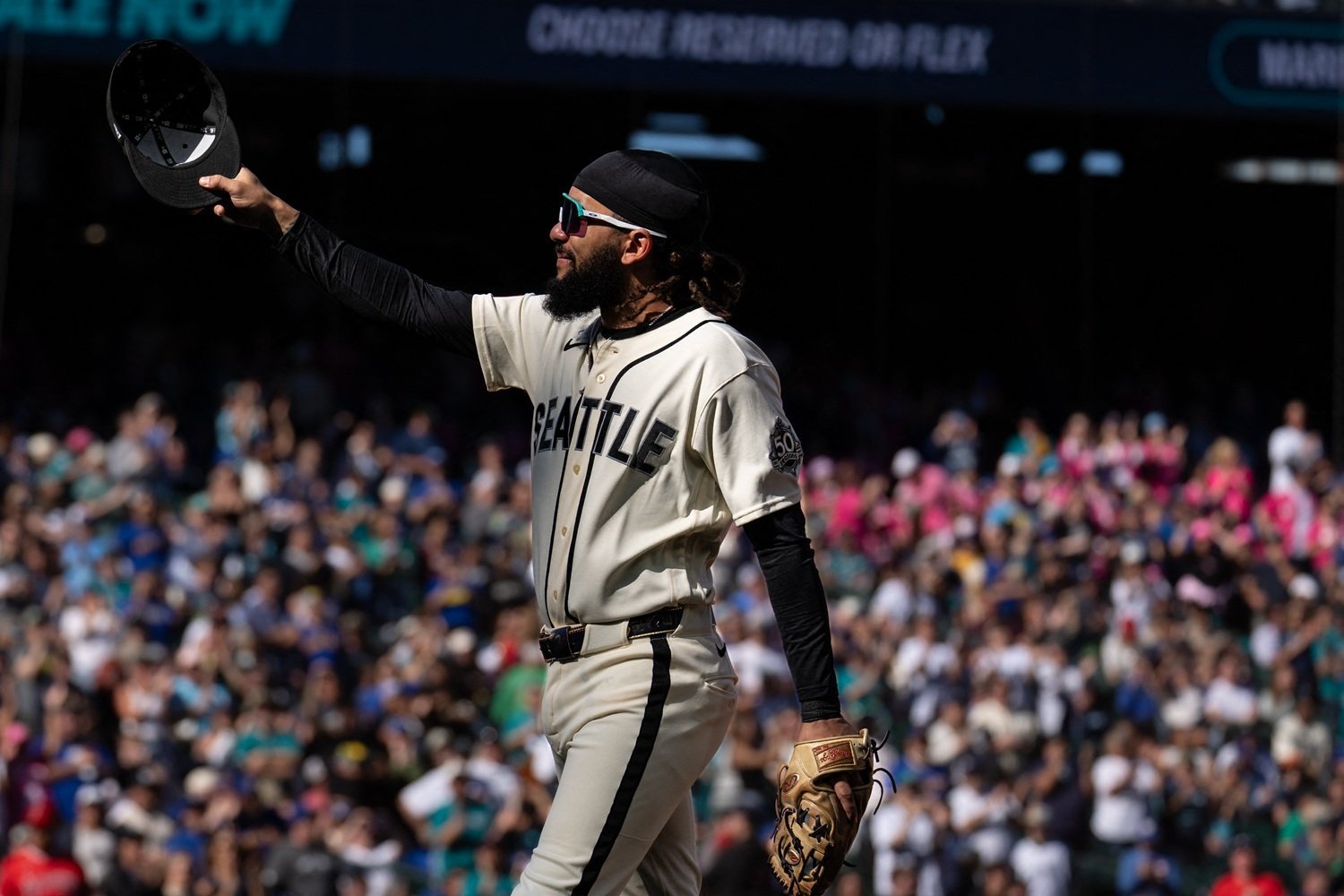 The Minnesota Twins have several young infielders who could play important roles in 2027, but that does not mean the team should ignore opportunities to add an experienced major leaguer. With questions surrounding Royce Lewis and uncertainty about how the infield will look beyond next season, Minnesota could benefit from adding a player capable of handling multiple positions. That is where free agent J.P. Crawford enters the conversation. The longtime Seattle Mariners shortstop is coming off a disappointing season, but he still offers major league experience, on-base ability and some versatility. The Athletic's Jim Bowden identified the Twins as a potential landing spot for Crawford and projected a two-year, $20 million contract. There are reasons to question whether Crawford belongs in Minnesota, especially given the organization's existing infield options. However, the right combination of roster flexibility and affordability could make this an intriguing opportunity for the Twins. Crawford Brings Experience and a Familiar Skill Set Crawford entered professional baseball as a first-round pick of the Philadelphia Phillies in 2013. He made his big league debut in 2017 before joining Seattle in a trade following the 2018 season. Beginning in 2019, he became the Mariners' primary shortstop and eventually established himself as the franchise's all-time leader in games played at the position. At his best, Crawford combined reliable defense with an ability to reach base. He won a Gold Glove Award in 2020 and demonstrated throughout his career that he could work counts rather than simply swing for power. Since reaching the majors, he has produced a .245/.340/.367 batting line, an 18.8% strikeout rate and an 11.5% walk rate. His career 106 wRC+ indicates that he has been a slightly above-average offensive contributor overall. Crawford's recent production has been inconsistent. In 2025, he accumulated 2.8 fWAR with a 113 wRC+ across 154 games. His numbers declined in 2026, when he produced 1.2 fWAR and a 105 wRC+ in 116 games. He finished the season with a .221/.335/.352 line and 14 home runs. His ability to get on base remained a positive, even as his overall production slipped. Seattle also changed Crawford's defensive responsibilities during the 2026 season. The Mariners moved him to third base to open a spot for top prospect Colt Emerson, giving Crawford additional experience at the hot corner after years as the team's primary shortstop. That transition could help Minnesota, although Crawford's declining defensive metrics deserve attention. He recorded -12 Defensive Runs Saved and -13 Outs Above Average in 720 innings at shortstop in 2026. His numbers improved to zero in both categories across 254 1/3 innings at third base, but that is a relatively limited sample. Crawford is no longer the defensive player he was earlier in his career. The Twins would need to evaluate whether his current defensive ability translates to second base or whether he is best suited for a reduced role across the infield. Where Would Crawford Fit in Minnesota? At first glance, the Twins do not have an obvious vacancy for Crawford. Brooks Lee is positioned to handle third base, while Kaelen Culpepper could enter 2027 as the starting shortstop. Both players represent important parts of Minnesota's efforts to build around younger talent. Second base provides a more interesting possibility. Kody Clemens currently appears positioned to handle that assignment, but his versatility could be valuable if the Twins add another regular contributor. Minnesota could move Clemens between first base, second base and other positions as needed, creating opportunities to rest players without significantly weakening the lineup. Crawford has limited experience at second base, recording 32 1/3 innings at the position in 2017. That is not enough to guarantee he could successfully handle the spot every day, but it gives the Twins a reason to explore the possibility rather than dismissing him because the roster already includes a shortstop and third baseman. Royce Lewis is another important part of this equation. After three below-average seasons, Minnesota could consider moving on from the former first overall pick. If Lewis is no longer part of the long-term plan, the Twins would have another opening to address, and Crawford's ability to move around the infield could become more valuable. There is also the longer-term picture to consider. Marek Houston is an intriguing young shortstop prospect who could eventually push his way into the major league lineup. Signing Crawford would not need to block that development. Instead, a veteran infielder could help bridge the gap while allowing Minnesota to adjust its alignment as young players progress. The key is avoiding a situation where Crawford occupies a spot without providing a clear upgrade. The Twins need to establish his defensive home and determine how his presence would affect Lee, Culpepper and Clemens before making an offer. What Would Crawford Cost? Bowden's projected two-year, $20 million contract provides a reasonable starting point for evaluating Crawford's market. That would represent an average annual value of $10 million, a manageable commitment compared with the cost of signing some of the offseason's more prominent free agents. Crawford's 2026 performance could give the Twins some negotiating leverage. His offensive production declined from the previous season, and his defensive numbers at shortstop raise questions about how much value he can provide at that position. Those concerns could prevent him from receiving the kind of contract available to younger players or established impact infielders. At the same time, his experience and history of reaching base should appeal to a team looking for a dependable major league contributor. His 2025 season also offers evidence that he can still provide meaningful value when his bat is productive. Minnesota should not assume Crawford can return to his previous defensive form, nor should it pay for the player he was several years ago. Any contract needs to reflect the possibility that his best remaining role is as a second baseman and utility infielder rather than an everyday shortstop. Still, two years at $20 million would give the Twins a veteran with a lengthy major league track record without requiring an extended commitment. If Crawford performs well, he could become a dependable part of the lineup. If his production continues to decline, the contract would not tie Minnesota to him for several seasons. Should the Twins Pursue Crawford? The Twins have plenty of young infield talent, but having options is not the same as having every position solved. Lee and Culpepper need opportunities to establish themselves, Clemens offers useful versatility, and Houston could eventually change the infield picture again. Crawford would add another experienced player to that mix. His defensive decline makes him a less attractive candidate to serve as Minnesota's everyday shortstop, but his offensive approach, major league experience and ability to move around the diamond remain appealing. The Twins should be willing to offer Crawford the two-year, $20 million contract Bowden projects if other free agent options don't pan out. That price would represent a reasonable investment in a player who could provide lineup flexibility while the organization evaluates its younger infielders. However, it seems more likely for the Twins to be in the market for an infield bat with more upside. Minnesota would need a clear plan for getting Crawford regular playing time, particularly at second base. However, if the Twins can find that fit, Crawford could be a useful addition to the 2027 roster without preventing the organization's young players from earning their opportunities. Should the Twins pursue Crawford? How would he fit in the team’s infield plans? Leave a comment and start the discussion. View the full article
-
Six Players Re-Sign With Blue Jays on Minor League Deals
DiamondCentric posted an article in Jays Centre
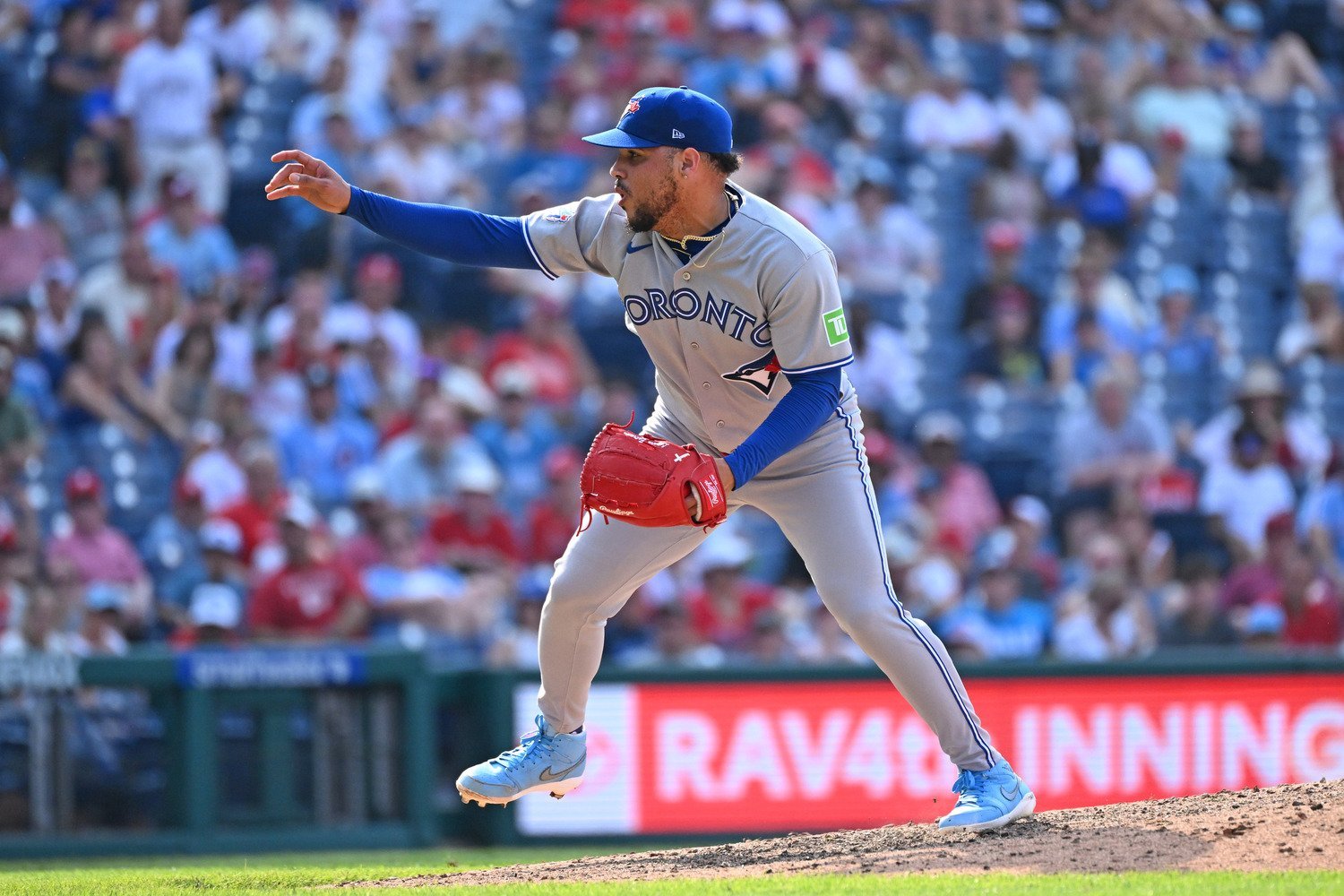 Earlier this week, Baseball America's Matt Eddy rounded up some minor league transactions from the beginning of the offseason. As part of his report, he noted that six players have re-signed with the Toronto Blue Jays on new minor league contracts: Lazaro Estrada, Josh Stephan, Adrian Pinto, Alexis Hernandez, Hedbert Perez, and Geovanny Planchart. Estrada, 27, is the only one of the six with MLB experience. He pitched 20.1 innings for the Jays between 2025 and '26. Injuries limited his playing time this past season, but when healthy, he can offer right-handed rotation/long-relief depth. Stephan, 25, came over along with Josh Smith at last summer's trade deadline, in exchange for Adam Macko. The righty made seven starts for Triple-A Buffalo in August and September. Pinto (2B), Hernandez (OF), Perez (OF), and Planchart (C) all reached Double-A New Hampshire last season. View the full article
-
Six Players Re-Sign With Blue Jays on Minor League Deals
DiamondCentric posted an article in Jays Centre
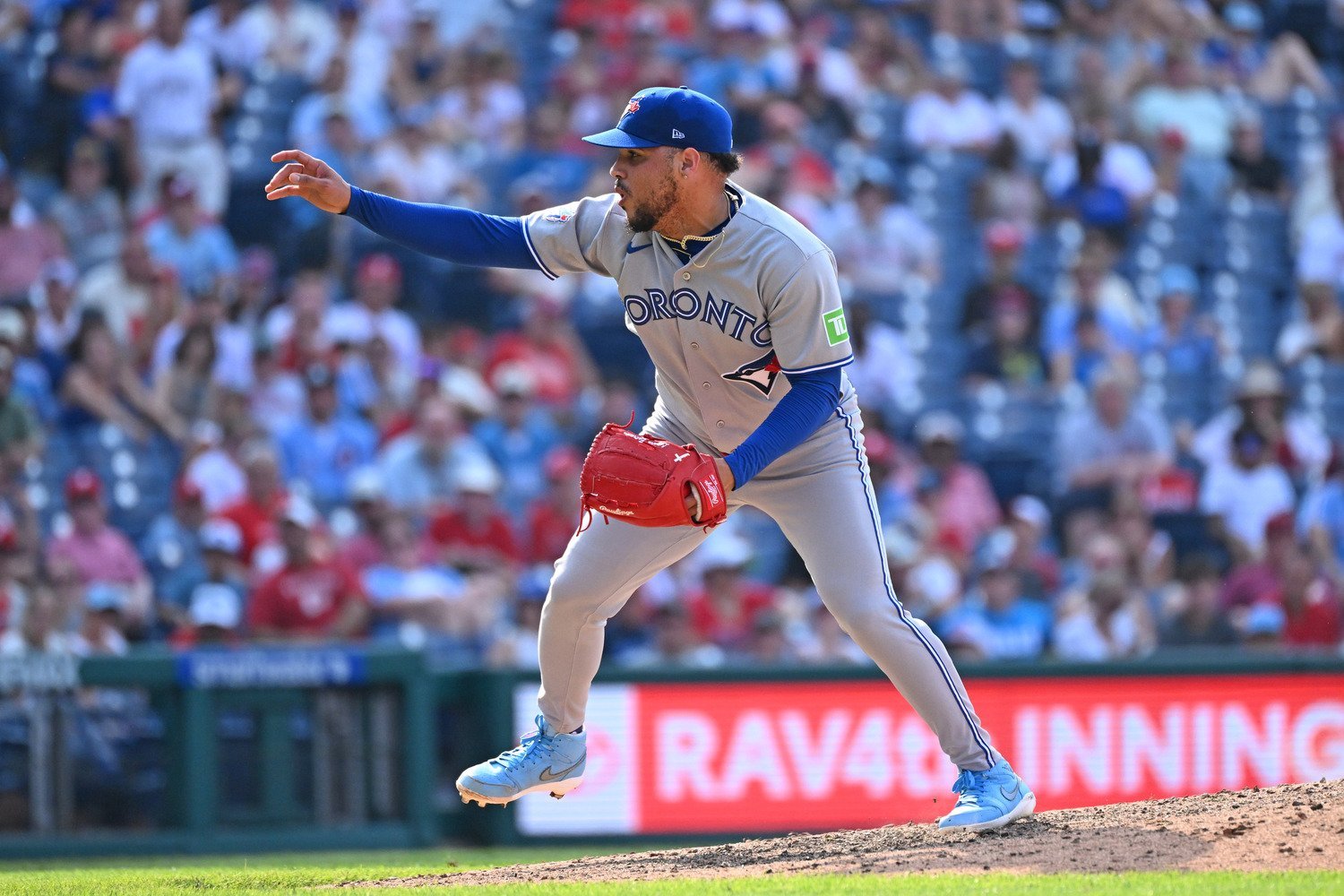 Earlier this week, Baseball America's Matt Eddy rounded up some minor league transactions from the beginning of the offseason. As part of his report, he noted that six players have re-signed with the Toronto Blue Jays on new minor league contracts: Lazaro Estrada, Josh Stephan, Adrian Pinto, Alexis Hernandez, Hedbert Perez, and Geovanny Planchart. Estrada, 27, is the only one of the six with MLB experience. He pitched 20.1 innings for the Jays between 2025 and '26. Injuries limited his playing time this past season, but when healthy, he can offer right-handed rotation/long-relief depth. Stephan, 25, came over along with Josh Smith at last summer's trade deadline, in exchange for Adam Macko. The righty made seven starts for Triple-A Buffalo in August and September. Pinto (2B), Hernandez (OF), Perez (OF), and Planchart (C) all reached Double-A New Hampshire last season. View the full article
-
Padres' Justin DeCriscio Earns Final Fall Stars Spot
DiamondCentric posted an article in Padres Mission
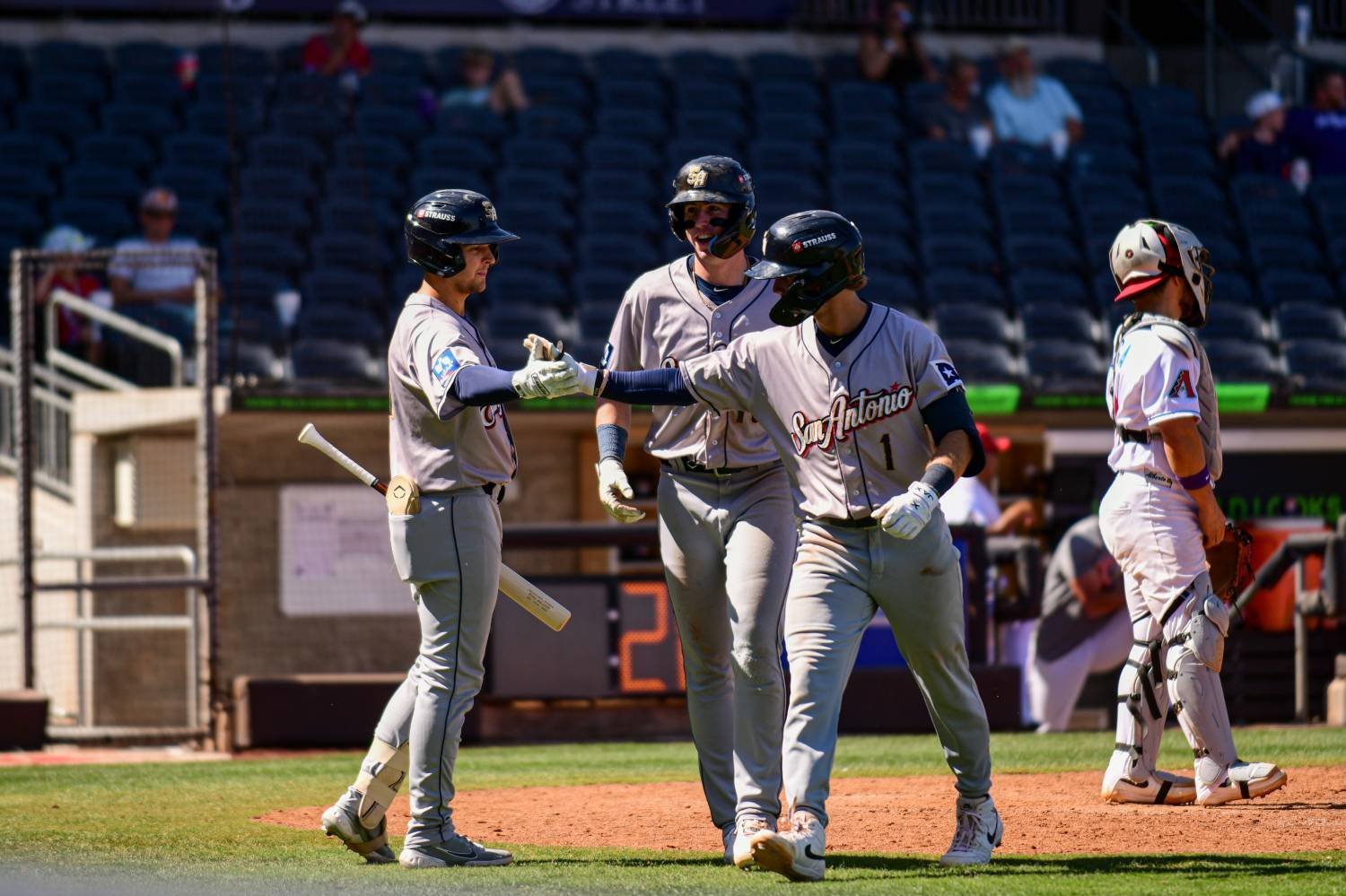 The San Diego Padres will indeed have a third prospect in the Fall Stars Game. Shortstop Justin DeCriscio was voted into the Arizona Fall League's all-star game, beating out two Los Angeles Dodgers for the final spot in Sunday's game. The Fall Stars Game will be Sunday at 5 p.m. PT on MLB Network. DeCriscio joins outfielder Alex McCoy and right-handed starter Kannon Kemp in the Fall Stars Game for the NL team. All three play for the Peoria Javelinas. McCoy is the No. 2 seed for Saturday's Home Run Derby. DeCriscio is slashing .245/.362/.490 through Friday's games with three homers and 14 RBIs. Two of those homers and six of those RBIs came in a single game last week as DeCriscio hit a grand slam. On a team filled with other top prospects, DeCriscio has seen plenty of action at shortstop, as with second base being his secondary position. He also has a game at third. Meanwhile, McCoy will square off against Aaron Parker of the Toronto Blue Jays in the eight-player Home Run Derby, which begins Saturday at 5:30 p.m. View the full article
-
Padres' Justin DeCriscio Earns Final Fall Stars Spot
DiamondCentric posted an article in Padres Mission
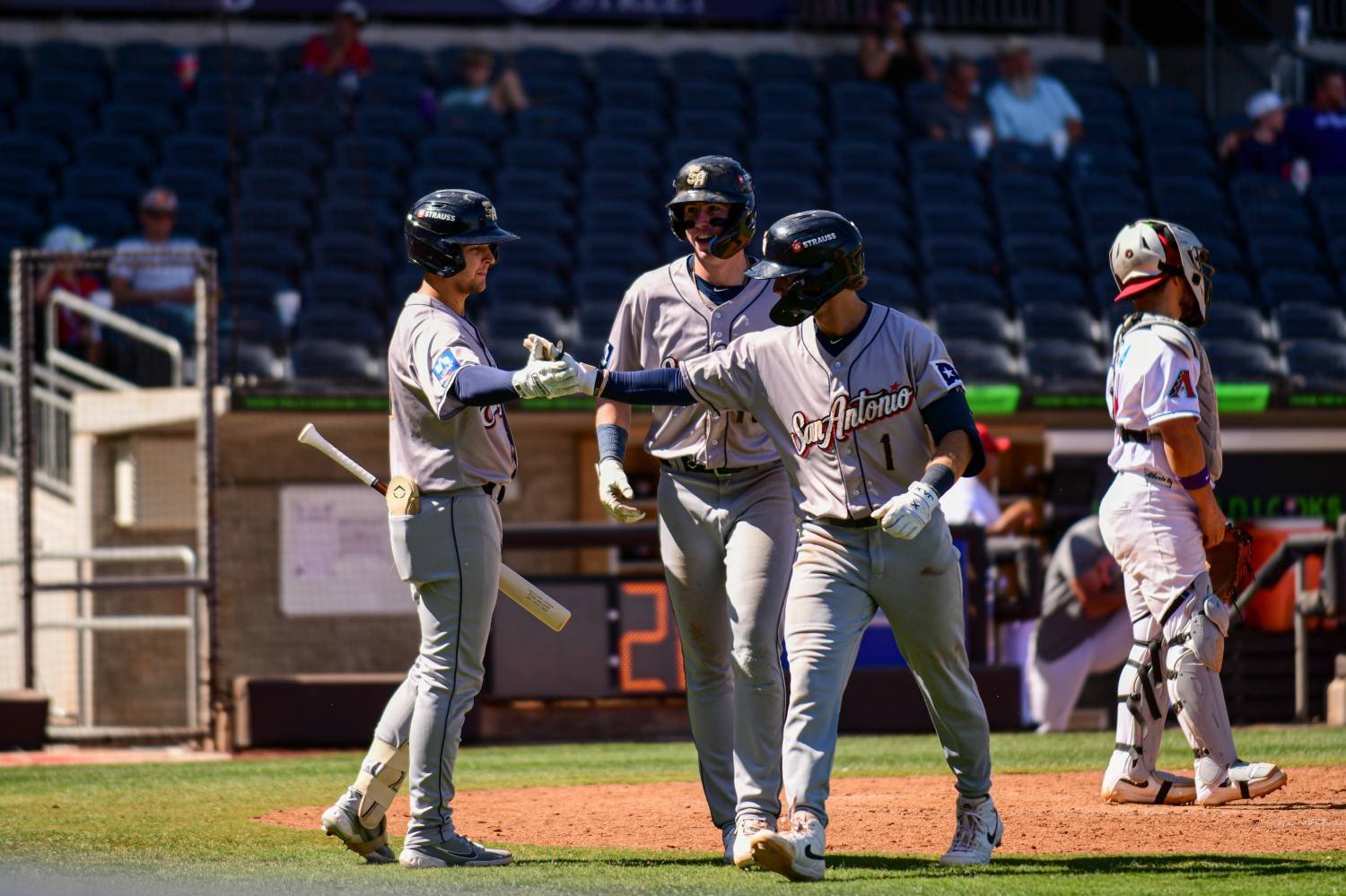 The San Diego Padres will indeed have a third prospect in the Fall Stars Game. Shortstop Justin DeCriscio was voted into the Arizona Fall League's all-star game, beating out two Los Angeles Dodgers for the final spot in Sunday's game. The Fall Stars Game will be Sunday at 5 p.m. PT on MLB Network. DeCriscio joins outfielder Alex McCoy and right-handed starter Kannon Kemp in the Fall Stars Game for the NL team. All three play for the Peoria Javelinas. McCoy is the No. 2 seed for Saturday's Home Run Derby. DeCriscio is slashing .245/.362/.490 through Friday's games with three homers and 14 RBIs. Two of those homers and six of those RBIs came in a single game last week as DeCriscio hit a grand slam. On a team filled with other top prospects, DeCriscio has seen plenty of action at shortstop, as with second base being his secondary position. He also has a game at third. Meanwhile, McCoy will square off against Aaron Parker of the Toronto Blue Jays in the eight-player Home Run Derby, which begins Saturday at 5:30 p.m. View the full article
-
 The Minnesota Twins are adding some major league experience to their minor league coaching staff. Former MLB outfielder José Martínez announced Friday that he is beginning a new chapter as a hitting coach in the Twins organization. The move brings a familiar name to baseball fans who followed his productive seasons with the St. Louis Cardinals. According to the reported hiring, Martínez will work as a minor league hitting coach. This will be his first coaching position in affiliated baseball. A Productive Major League Career Martínez is best remembered for his time in St. Louis from 2016 through 2019. He made his major league debut with the Cardinals late in 2016 before quickly establishing himself as a productive offensive option. In 2017, he hit .309/.379/.518 with 14 home runs and 46 RBI across 106 games. He followed that performance with a .305 batting average, 17 home runs, and 83 RBI in 152 games during the 2018 season.The 2019 campaign brought another 10 home runs, giving Martínez three consecutive seasons with double-digit home run totals. Across 432 games with St. Louis, Tampa Bay, and the Chicago Cubs, Martínez collected 360 hits, 43 home runs, and 182 RBI. His career slash line was .289/.356/.447. His 118 wRC+ indicates he produced offensively at a rate 18% above league average. Martínez wasn't a hitter who relied exclusively on home runs. His career batting average and on-base percentage point to someone who consistently found ways to reach base, while his power numbers show he could do damage when he connected. Young hitters in the organization will have an opportunity to learn from someone who experienced success against big league pitching. A New Chapter After an Unfortunate Injury Martínez's playing career also included some setbacks. After being traded to Tampa Bay, he split the 2020 season between the Rays and Cubs. He signed with the New York Mets before the 2021 season, hoping to compete for a roster spot, but suffered a torn meniscus during spring training. The injury happened as he pursued a batted ball and attempted to avoid a collision with the first base umpire. Martínez underwent surgery and missed the entire season. He never returned to the major leagues. He continued playing in Mexico and winter baseball in Venezuela before wrapping up his playing career in 2025. Now, he gets an opportunity to share those experiences with the next generation of players. What Martínez Brings to Minnesota The Twins have continued building out the staff responsible for developing their minor league talent. Adding a former major league hitter with Martínez's track record gives the organization another perspective in its efforts to help young players refine their approaches. His journey also provides an example for prospects working toward their own big league opportunities. Martínez worked through years of professional baseball before establishing himself in the majors. He understands the challenges of earning opportunities and making adjustments against increasingly difficult competition. His first assignment in affiliated coaching will be a new challenge, but his playing career gives him a strong foundation. The Twins are hoping that experience translates into helping the next wave of Minnesota hitters take another step toward the major leagues. View the full article
-
 The Minnesota Twins are adding some major league experience to their minor league coaching staff. Former MLB outfielder José Martínez announced Friday that he is beginning a new chapter as a hitting coach in the Twins organization. The move brings a familiar name to baseball fans who followed his productive seasons with the St. Louis Cardinals. According to the reported hiring, Martínez will work as a minor league hitting coach. This will be his first coaching position in affiliated baseball. A Productive Major League Career Martínez is best remembered for his time in St. Louis from 2016 through 2019. He made his major league debut with the Cardinals late in 2016 before quickly establishing himself as a productive offensive option. In 2017, he hit .309/.379/.518 with 14 home runs and 46 RBI across 106 games. He followed that performance with a .305 batting average, 17 home runs, and 83 RBI in 152 games during the 2018 season.The 2019 campaign brought another 10 home runs, giving Martínez three consecutive seasons with double-digit home run totals. Across 432 games with St. Louis, Tampa Bay, and the Chicago Cubs, Martínez collected 360 hits, 43 home runs, and 182 RBI. His career slash line was .289/.356/.447. His 118 wRC+ indicates he produced offensively at a rate 18% above league average. Martínez wasn't a hitter who relied exclusively on home runs. His career batting average and on-base percentage point to someone who consistently found ways to reach base, while his power numbers show he could do damage when he connected. Young hitters in the organization will have an opportunity to learn from someone who experienced success against big league pitching. A New Chapter After an Unfortunate Injury Martínez's playing career also included some setbacks. After being traded to Tampa Bay, he split the 2020 season between the Rays and Cubs. He signed with the New York Mets before the 2021 season, hoping to compete for a roster spot, but suffered a torn meniscus during spring training. The injury happened as he pursued a batted ball and attempted to avoid a collision with the first base umpire. Martínez underwent surgery and missed the entire season. He never returned to the major leagues. He continued playing in Mexico and winter baseball in Venezuela before wrapping up his playing career in 2025. Now, he gets an opportunity to share those experiences with the next generation of players. What Martínez Brings to Minnesota The Twins have continued building out the staff responsible for developing their minor league talent. Adding a former major league hitter with Martínez's track record gives the organization another perspective in its efforts to help young players refine their approaches. His journey also provides an example for prospects working toward their own big league opportunities. Martínez worked through years of professional baseball before establishing himself in the majors. He understands the challenges of earning opportunities and making adjustments against increasingly difficult competition. His first assignment in affiliated coaching will be a new challenge, but his playing career gives him a strong foundation. The Twins are hoping that experience translates into helping the next wave of Minnesota hitters take another step toward the major leagues. View the full article
-
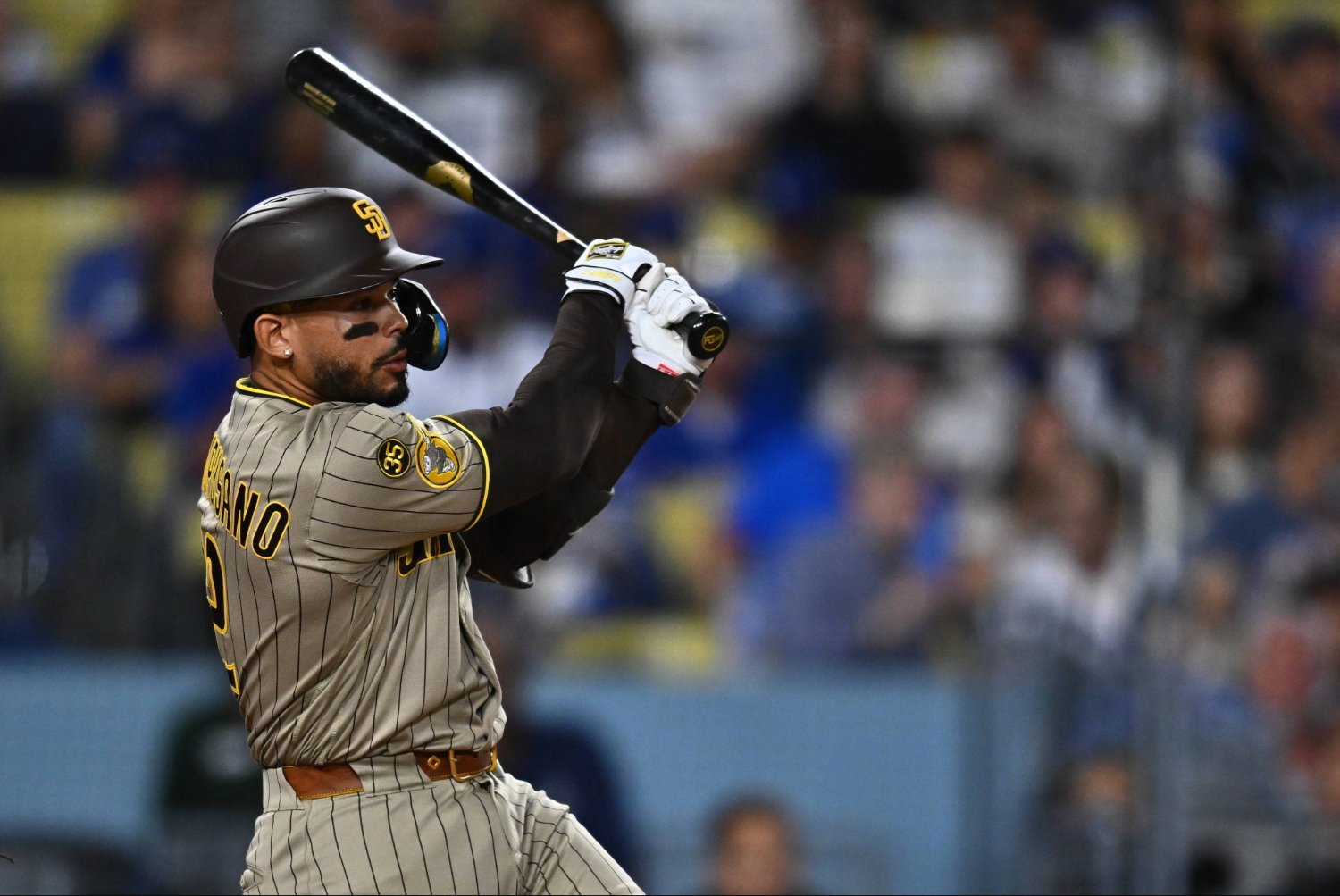 It's a silly exercise to do at the beginning of November, but if the season were to begin tomorrow, the San Diego Padres rotation would read something like this: Joe Musgrove, Randy Vásquez, JP Sears, and some mixture of Kyle Hart, Jhony Brito, and Yu Darvish. To say that this group is the most important to address this winter would serve as a massive understatement. The Padres need starting pitching in a way that is more pressing than that of any individual team in any individual phase of any roster. Actually acquiring help in the rotation, though, is easier said than done. The free-agent market is incredibly top-heavy, and it's not as if the Friars are going to be alone in their pursuit of starting arms. As the team also works with a depleted farm system, they're going to have to leverage at least a couple of names from the current big-league roster to satisfy their needs via trade. But who exactly is up for sale? The immediate assumption is that the team would look to move a catcher in such a deal. Ethan Salas arrived at the top level in September and considering the amount run he got down the stretch, it seems like a safe assumption to think that he'll begin 2027 as the No. 1 catcher. That means that, just as they finished 2026, the team would have three catchers on their roster when you take each of Freddy Fermin & Luis Campusano into account. That formula did, technically, work down the stretch. As Salas adjusted to the top level, the team ran him out until the late innings when Craig Stammen turned to Freddy Fermin. Campusano was mixed in as a regular starter too as he demonstrated significant defensive improvement and the most offensive upside of the trio. As such, it's not a situation that the Padres would necessarily want to rid themselves of. You have a blend of defensive and offensive upside in Salas, defensive excellence in Fermin, and reaching-average defensive quality combined with big power upside in Campusano. They don't have to move one. From a roster construction standpoint, however, it's going to be the best option. The catcher position is a rather starved one throughout the league. While Salas won't be included as part of any discussion, each of Fermin & Campusano present plenty of value for prospective teams that need help behind the plate in some form. Perhaps a team with solid organizational infrastructure can help Campusano take the final steps in his defensive growth while desiring to add his bat. Or the inverse, wherein a team needs to boost their glove work behind the plate and turns to someone like Fermin. Either way, this is where the Padres are going to be able to derive immediate value. One of them alone isn't going to net a starter for the front of the rotation, but someone who can handle innings in the latter half of it? Probably. The only other spot in the positional sense where the Padres could leverage their active roster is at second base. Jake Cronenworth feels like a prime change-of-scenery candidate; he hasn't realized the offensive upside he set forth in 2021 but still has a good approach and a bit of versatility to his game. His contract is far more reasonable than he gets credit for, with an $11.43 million AAV through 2030. The caveat with a Cronenworth deal is that where you're getting certainty in an addition like Fermin or Campusano, you're not getting it with him. He missed a chunk of time with a concussion last season and never really gained his footing afterwards. His approach is his hallmark, with power manifesting only occasionally. A team that takes on that contract isn't going to want to part with much. If anything, this would be something like your classic change-of-scenery swap wherein a pitcher with some upside and some team control could see Cronenworth on his way out. You have to squint far more to see this work than you would with the catchers, though. It also stands to reason that the Padres should utilize their relief arms to garner some help on the starting side. The bullpen isn't quite as robust as it was last winter given the imminent departures of Adrian Morejon & Jason Adam, but there are still some intriguing trade candidates. Don't forget that the Padres have been able to repeatedly develop arms for the late innings, which makes trading a leverage reliever now a little easier to stomach. There's a nuclear option here in Mason Miller that could yield a far more notable arm than the others. However, it's also possible that Jeremiah Estrada or David Morgan or Bradgley Rodríguez could be leveraged in some way as well, if not alone then as part of a larger package. This isn't nearly as obvious a route to take as it was last winter, but it remains possible nevertheless. That's kind of the whole list. The Padres aren't going to trade any of their core bats (nor is a team going to take on Xander Bogaerts, the one they actually would). Whether or not the Friars would be able to execute a 1-for-1 swap with any of the names that could, conceivably, be available is unclear. It may require a packaging of MLB players and prospects, depending on the caliber of arm. In any case, given just how many starters they need, the Padres will more than likely have to go through the trade market to acquire at least one. Their thin cache of assets will make that pursuit a little bit tougher than usual. View the full article
