


DiamondCentric
-
Posts
2,631 -
Joined
-
Last visited
Never
Content Type
Profiles
Forums
Events
News
Tutorials & Help
Major League Baseball Videos
Guides & Resources
Store
Downloads
Gallery
Everything posted by DiamondCentric
-

Brett Bateman Has Been a Home Run of a Trade Acquisition
DiamondCentric posted an article in Jays Centre
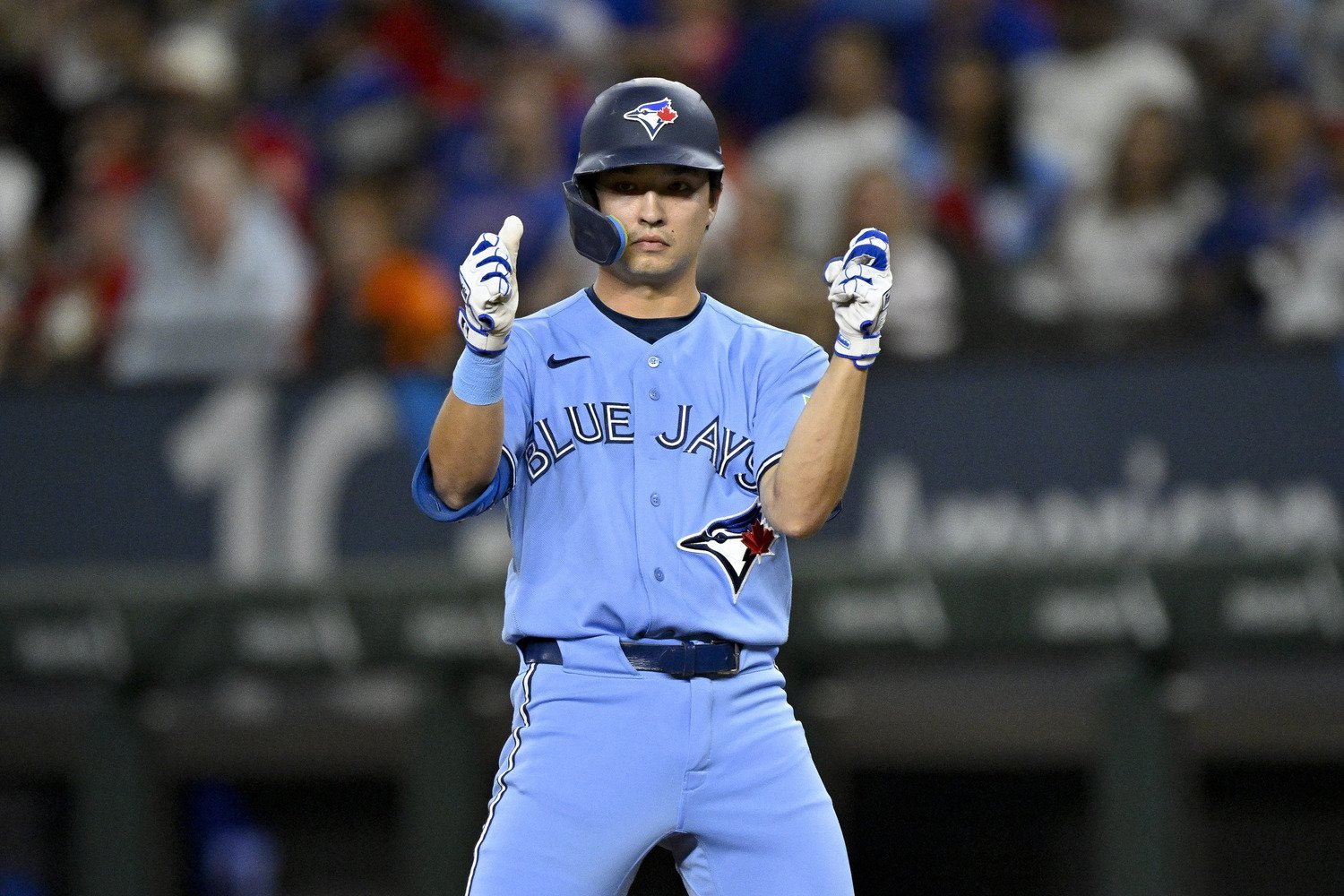 Editor's Note: This piece was written before Bateman exited last night's game due to injury. If this marks the end of his season, there's no question his debut campaign was a success. Some questioned the Toronto Blue Jays' decision to acquire Brett Bateman in the trade that sent Kevin Gausman to the Chicago Cubs. The Blue Jays desperately needed power and MLB-ready arms, but they acquired a contact-hitting, speed-based player who matched the profile of players already on the 26-man roster. Bateman was the 20th-ranked prospect in the Cubs’ organization and was thought to hopefully make an impact in 2027. However, injuries and poor play in the majors kept the prospect to just two games with Triple-A Buffalo. Since the rookie made his MLB debut on August 7, Toronto is 19-18. He’s been an everyday leadoff hitter, providing a consistent on-base threat from the left side of the plate – the kind of player the Blue Jays lacked in the role. Heading into Monday's game, he had slashed .322/.393/.416 with 26 runs, two home runs, 11 knocked in, and three stolen bases. Bateman has also been an upgrade over Daulton Varsho in center field. Compared to the other 24 batters in the majors currently who were traded at the deadline, Bateman has the highest fWAR rating. Liam Hicks of the Tampa Bay Rays is the only player remotely close to the Blue Jays rookie. Bateman also ranks tied for fourth among center fielders since August 7; Varsho ranks last among 20 qualified players. Hitters Traded at the Deadline Player Team fWAR Brett Bateman TOR 1.6 Adley Rutschman BOS 0.3 Luis Arraez PHI 0.4 Luis García Jr. NYY 0.6 Tyrone Taylor CHC 0.9 Liam Hicks TBR 1.3 Heliot Ramos NYY -0.3 Lars Nootbaar ARI 0.3 Taylor Ward SEA -0.8 Daulton Varsho HOU -0.3 Jo Adell CLE 0.3 Moisés Ballesteros LAA -0.6 Nathaniel Lowe CLE 0.1 Brenton Doyle CWS -0.1 Josh Smith TOR 0.7 Eli White BOS 0.1 Rece Hinds BAL -0.1 Hunter Feduccia LAD 0.2 Lane Thomas ATL -0.1 Bo Naylor MIL 0.1 Jake Rogers CHW -0.1 Logan O'Hoppe TEX 0.0 Jahmai Jones BOS 0.8 Ben Rortvedt LAD -0.2 The Blue Jays got a jolt after Bateman joined the lineup, getting back into the postseason picture. However, those hopes are nearly erased with six games remaining. They’re three games behind the Chicago White Sox for the third Wild Card spot, which is essentially a four-game deficit with the White Sox owning the tiebreaker. The best bet is that the Cleveland Guardians, who have a one-game lead in the AL Central, falter, since the Blue Jays own the tiebreaker over them. The Guardians finish the season with two road series against the Boston Red Sox and Kansas City Royals. The White Sox have an easier route to the postseason: a road series against the Royals and a home series against the Rockies. It's highly unlikely either falters enough for the Blue Jays to overtake them, but matchups with the Baltimore Orioles and Cincinnati Reds give Toronto an opportunity. However, looking at next season, if Bateman continues his success, the team has a piece they can rely on for a nearly everyday leadoff hitter. View the full article
 -
Mets Week in Review: Final Homestand Ends On A Sour Note
DiamondCentric posted an article in Grand Central Mets
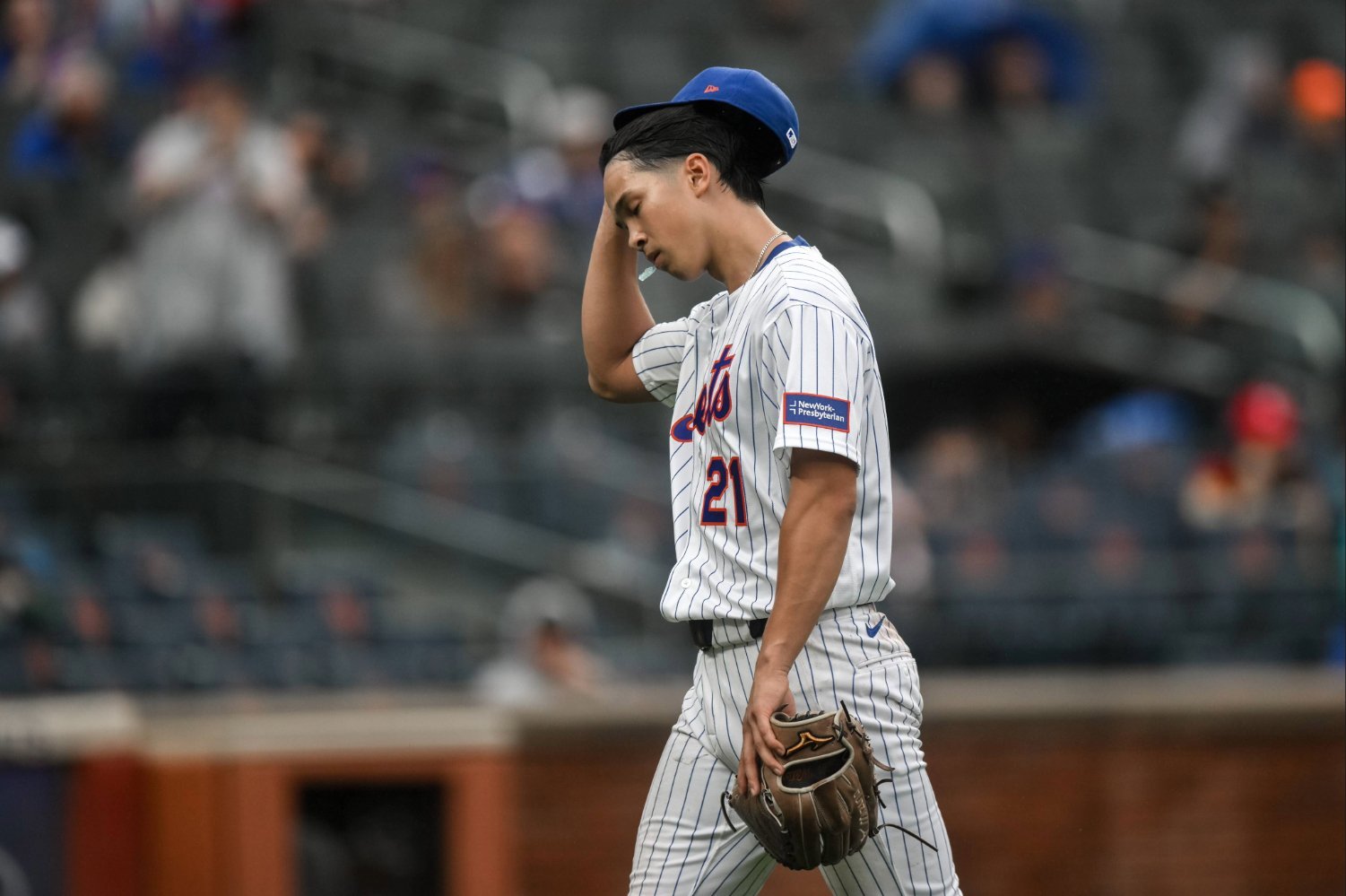 New York Mets Weekly Snapshot Record Last Week: 2-5 Runs Scored Last Week: 25 Runs Surrendered Last Week: 32 Standings 5th in NL East (71-85) 21.0 GB of 1st Place, 15.0 GB of a Wild Card — Eliminated Transactions September 15: Claimed SS Christian Cairo off waivers from the Philadelphia Phillies and optioned him to Triple-A Syracuse. September 16: Placed RHP Robert Stock on the 15-day IL, retroactive to September 13, with finger numbness. September 16: Placed RHP Daniel Duarte on the 15-day IL with a left hamstring strain. September 16: Recalled RHP Xzavion Curry from Triple-A Syracuse. September 16: Recalled LHP Jefry Yan from Triple-A Syracuse. September 17: Recalled RHP Cameron Weston from Triple-A Syracuse. September 17: Optioned RHP Xzavion Curry to Triple-A Syracuse. September 18: Placed 1B Jared Young on the 7-day concussion IL. September 18: Recalled SS Ronny Mauricio from Triple-A Syracuse. September 19: Activated LHP Cionel Pérez from the 15-day IL. September 19: Optioned RHP Cameron Weston to Triple-A Syracuse. Scores Game 150: BAL 2, NYM 1 Game 151: BAL 7, NYM 5 (11 innings) Game 152: BAL 7, NYM 1 Game 153: PHI 3, NYM 0 Game 154: NYM 6, PHI 3 Game 155: NYM 10, PHI 3 Game 156: PHI 7, NYM 2 Series Breakdown/Highlights Orioles Series: The Mets returned to Citi Field for their final homestand of the season, with Pete Alonso's first trip back to Queens as an opposing player providing the biggest storyline. Monday's opener was a pitching battle. Rookie Jonah Tong gave the Mets six strong innings, allowing only one unearned run while Baltimore's Brandon Young held New York to one run over five. A.J. Ewing tied the game with his 10th homer of the season in the fourth, but Gunnar Henderson broke the tie with a solo home run off Dedniel Núñez in the eighth. The Mets couldn't answer in the bottom of the ninth and fell 2-1, officially eliminating them from postseason contention. Alonso went 0-for-3 with a walk in his Citi Field return but received a lengthy ovation and pregame tribute from Mets fans. Tuesday produced one of the strangest and most memorable games of the season. The Mets carried a 3-2 lead into the ninth behind Carson Benge's solo homer and 5 1/3 solid innings from Sean Manaea. Then Alonso stepped in against Kodai Senga and blasted his 300th career home run, tying the game at three and receiving a curtain call from the same Citi Field crowd he had played in front of for seven seasons. Baltimore went ahead on a wild pitch in the 10th, but Marcus Semien answered with a game-tying double. In the 11th, Coby Mayo's drive to center turned into a three-run inside-the-park homer after A.J. Ewing crashed into the wall attempting to make the catch. Bo Bichette drove in one in the bottom half, but the Orioles held on for a wild 7-5 victory. The Orioles completed the sweep Wednesday with far less drama. Alonso homered in the first inning for career No. 301, and the Orioles followed with three more homers over the next two innings. Xzavion Curry, making a spot start after Robert Stock landed on the IL, allowed six earned runs in just three innings. Marcus Semien's fourth-inning RBI single accounted for New York's only run. One positive came from Jefry Yan, who retired all nine batters he faced and struck out the side in his first inning of three perfect relief frames, but the Mets fell 7-1. Phillies Series: The Mets were able to secure a series split against the Phillies in the final meetup with the rivals this season. Thursday's opener was overshadowed by a frightening injury. Nolan McLean kept the Mets in the game by allowing just one run over six innings, but in the sixth he accidentally kneed first baseman Jared Young in the head while trying to cover first base. Young briefly lost consciousness and was removed on a stretcher before being taken to a hospital. A CT scan was negative, although he was diagnosed with concussion symptoms and was placed on the IL the following day, ending his promising 2026 season. On the field, Aaron Nola scattered three hits across seven scoreless innings as the Phillies blanked the Mets 3-0, extending their losing streak to five. The Mets finally stopped the skid Friday. Carson Benge opened the scoring with an RBI single before A.J. Ewing drove in two more to give New York a 3-0 first-inning lead. Zac Thornton took advantage, allowing two runs across six innings while striking out four. Juan Soto then put the game away in the sixth with a three-run homer, part of a 3-for-5 night. Dedniel Núñez recorded the final four outs for his first save as the Mets ended its five-game losing streak with a 6-3 victory. Saturday brought the most encouraging performance of the week. Carson Benge homered in the second before Francisco Alvarez erased a 3-1 deficit with a three-run shot in the fifth. The Mets continued adding on, with Brett Baty driving in a run, Ronny Mauricio drawing a bases-loaded walk, and the offense erupting for four more runs in the eighth. Benge finished 3-for-4 with two RBIs and, with his eighth-inning RBI single, broke the Mets' franchise record for hits by a rookie. The bullpen held the Phillies scoreless after the fifth as New York rolled to a 10-3 win. The Mets couldn't complete the series win in Sunday's home finale. The Phillies scored twice in the first and twice more in the third against Jonah Tong, who finished with four earned runs allowed across 4 2/3 innings. Bo Bichette gave Citi Field something to cheer about with his 17th homer of the season in the sixth, and Baty added a pinch-hit RBI single in the seventh to cut the deficit to 4-2. Any hopes of a comeback disappeared in the eighth when Justin Crawford cleared the bases with a three-run triple off Kodai Senga. Cristopher Sánchez worked 6 1/3 strong innings as Philadelphia took the finale 7-2 and earned a split of the four-game series. Website Highlights Mark Vientos Has One Path To Remain In Mets' Plans For 2027 and Beyond Full Analysis of David Stearns' Tenure Proves Mets Were Right To Hire Him The Regression of Francisco Álvarez Could Pose A Dilemma for the Mets’ Future Looking Ahead September 21: OFF September 22: @ Texas Rangers — 8:05 p.m. September 23: @ Texas Rangers — 8:05 p.m. September 24: @ Texas Rangers — 2:35 p.m. September 25: @ Washington Nationals — 6:45 p.m. September 26: @ Washington Nationals — 4:05 p.m. September 27: @ Washington Nationals — 3:05 p.m. View the full article
 -
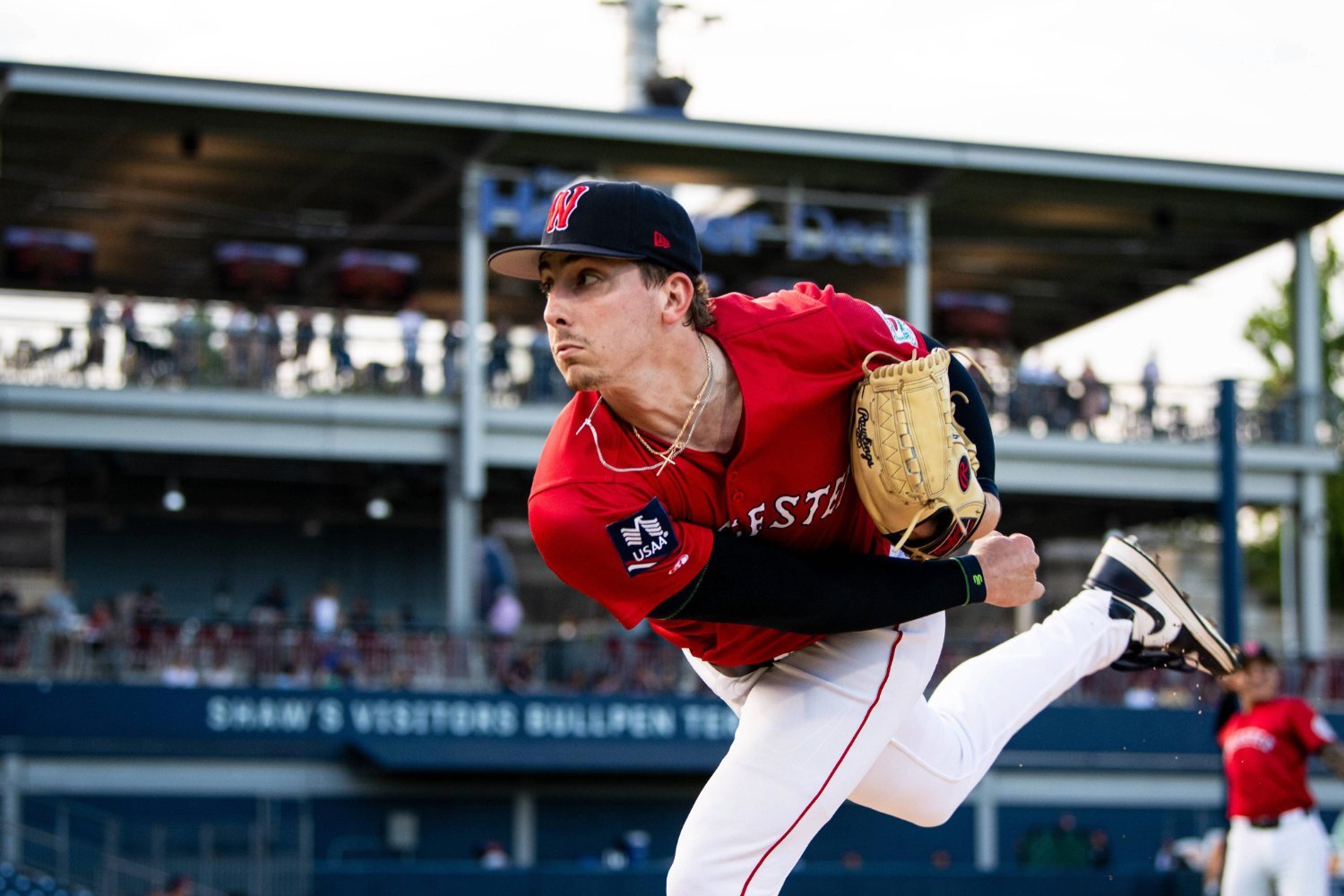 John Holobetz completed his 2026 season with the Worcester Red Sox in what may have been his most dominant outing since being promoted to Triple-A. Relieving Johan Oviedo in the third inning, the 24-year-old imposed his will on the mound, tossing 4 1/3 innings and allowing just two hits and two walks while striking out eight. Most impressive, however, was the manner in which he dominated. Leading with his fastball, Holobetz generated 20 total whiffs, with 14 of them from his heater. “Everything mechanically synced up and I felt great. It felt like a rubber band. I was just snapping it off and it was doing what it should have done. My fastball was electric that outing and I kind of rode with it until they proved they could hit it,” Holobetz said. The four-seamer was tossed 38 times in the outing, good for 58% of all pitches he threw, as it averaged 95.4 mph, up ever so slightly from his season average of 95 mph. It also maxed out at 97.5 mph. The right-hander has made nine appearances for Worcester with all but his final outing being as a starter. In 40 1/3 innings, he struck out 39 batters while walking just 11 (that's good for a 23.1% strikeout rate and a 6.5% walk rate). He held opponents to a .266 batting average and his ERA was a highly productive 3.57. Despite being a starter for the majority of the season, the change in routine didn’t affect Holobetz, who cited his previous experience as an opener while serving in a piggyback role a few times. Since coming to Boston, he’s made seven relief appearances with only one of them being less than four innings. The right-hander admitted that it was fun to be back in the bullpen, but he likes starting. His mindset for entering the game was a little different, admitting that when he entered he wanted to ‘try and blow everyone’s doors off’. And he did just that, as opposing batters only put seven balls into play, just two of which fell for hits. His warmup routine was only slightly modified as he pushed everything back from his usual start time by around five to ten minutes instead of when he would start a game. The year as a whole was a positive one for Holobetz, his first full year in the Boston organization. In 26 appearances between Double-A Portland and Triple-A Worcester, he tossed 119 1/3 innings, striking out 132 batters while finishing the year with a 4.07 ERA. Throughout the season, he was joined by fellow pitchers and friends Gage Ziehl and Blake Wehunt as the three grew together and all finished the year with Worcester. “We always try to push each other,” Holobetz admitted about the competitive energy the three brought with them from Portland. “We’re all best friends and try to hang out as much as possible, but when we’re on the field we just try and outdo each other every game. It’s fun to watch everyone compete.” Still, there are areas of growth left for Holobetz to strive for, the right-hander admitting that his sweeper will require a few offseason tweaks. When he arrived in Worcester, it had inconsistent movement, and so he got to work alongside WooSox pitching coach Dan DeLucia and bullpen coach Noah Junis to improve it. Even with development hurdles still in his path, his first taste of Triple-A was a positive one as the right-hander solidified himself as one of Boston’s top pitching prospects with a strong showing to close out the season. He should enter the offseason with his head held high, knowing that he's got the right mentality to push toward his MLB debut in 2027. “I’m happy to do anything if it makes the Red Sox better.” View the full article
 -
Giants 5, Twins 2: Aaron Sabato Debuts, But Zebby Matthews Stumbled
DiamondCentric posted an article in Twins Daily
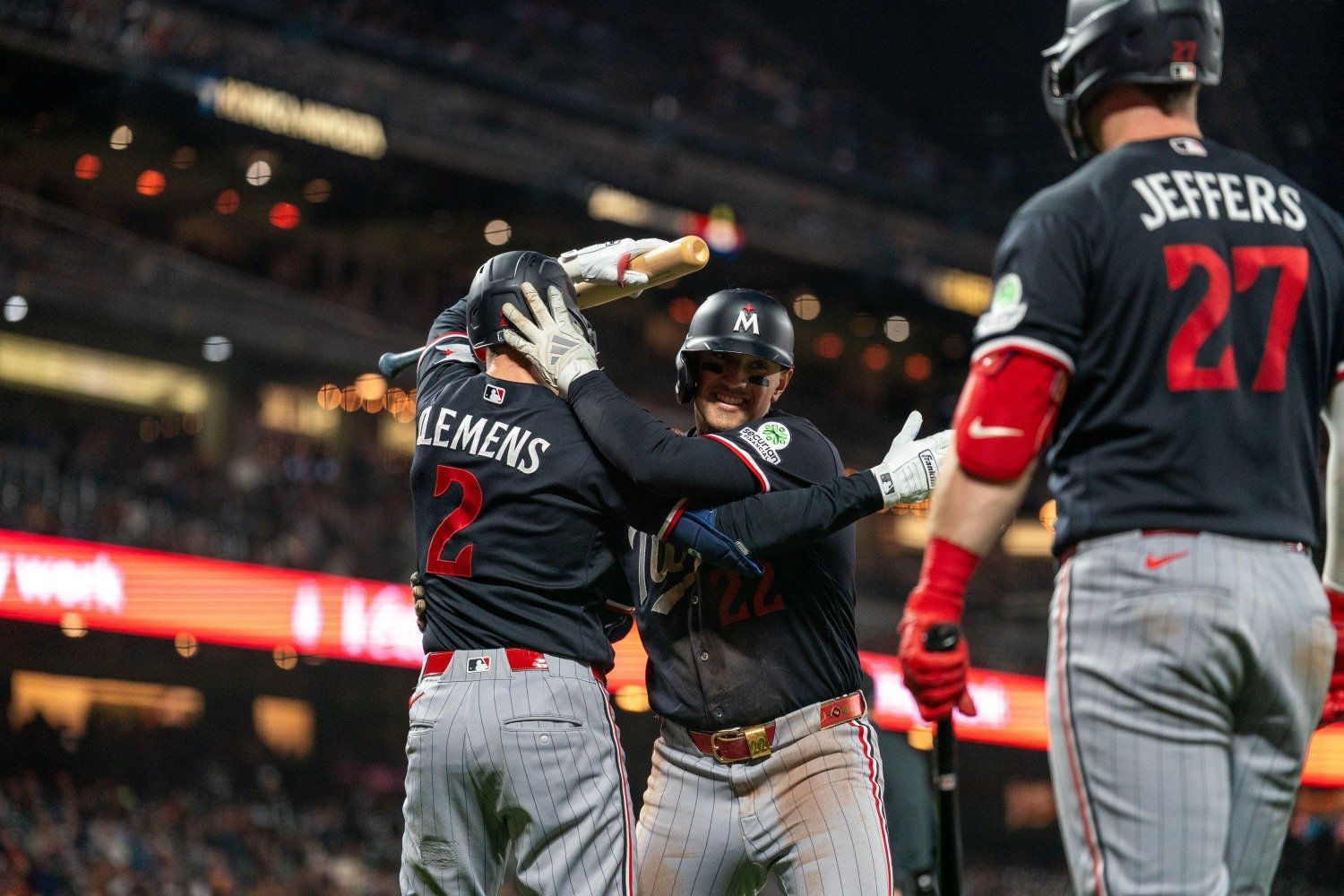 Box Score SP: Zebby Matthews 5 IP, 8 H, 5 ER, 0 BB, 9 K HR: Brooks Lee (24), Emmanuel Rodríguez (2) Bottom 3 WPA: Matthews -0.27, Ryan Jeffers -0.06, Luke Keaschall -0.05 Win Probability Chart (via FanGraphs): The Twins aren't playing for much these days. With just two series remaining in the 2026 season, the standings have largely stopped mattering. The Twins came into San Francisco having split a four-gamer in Anaheim over the weekend, but whether they win or lose these final games isn't particularly important. What does matter is what they can learn. Monday night's 5-2 loss to the San Francisco Giants provided plenty of features of interest, from another uneven outing for Zebby Matthews to the major-league debut of Aaron Sabato and an encouraging moment from one of the organization's most important young players, Emmanuel Rodríguez. The Twins are already looking toward 2027, and these final games give the organization an opportunity to evaluate players who could play important roles next season. Zebby Matthews's Uncertain Future There may not be a player on the Twins roster with a wider gap between his ceiling and his floor than Matthews. At his best, he's looked like a frontline starting pitcher. At his worst, he's looked like a pitcher who should eventually find himself in the bullpen. The Twins already have Joe Ryan, Pablo López and Taj Bradley locked into their rotation for 2027, leaving two spots that figure to be contested by Connor Prielipp, Mick Abel, Matthews and Dean Kremer. Matthews does not appear particularly likely to end up in the bullpen at this point, but a strong finish to the season could have helped his case for one of those final rotation spots. His start Monday did not do much to strengthen that case. Matthews allowed eight hits and five earned runs over five innings against a Giants lineup that looked more like a Triple-A corps than a major-league one. The damage started immediately in the first inning when Matthews allowed three consecutive hits, including a two-run single from Giants third baseman Brett Harris. San Francisco added two more runs in the second, on a two-run single from Minnesota native Drew Gilbert. Gilbert struck again in the fifth inning with his 11th home run of the season. There were some positives for Matthews. He generated 15 swings and misses and struck out nine batters, showing the stuff that has made the Twins believe there's still a significant ceiling here. The problem is that the quality of the Giants lineup makes those numbers a little more difficult to evaluate. Against this particular opponent, the five earned runs were ultimately more concerning than the strikeout and whiff totals were encouraging. Matthews may get one more opportunity to pitch before the season ends, but he currently sits with a 4.90 ERA over just over 130 innings. What the Twins decide to do with him this offseason could be one of the more fascinating pitching decisions of the winter. There's still a version of Matthews who looks like a major-league starter, but Monday was another reminder that getting that version consistently remains the challenge. Aaron Sabato Finally Gets His Chance The other major storyline entering the game was the long-awaited major-league debut of Aaron Sabato. The Twins selected Sabato with the 27th overall pick in the 2020 MLB Draft, and six years later, the first baseman finally made it to the majors at age 27. His path to the majors was winding. Sabato had to work his way out of the prospect bust conversation just to put himself in position to receive this opportunity. He posted a .877 OPS with 29 home runs in Triple-A this season, earning his call-up and finally getting the opportunity that had seemed increasingly unlikely throughout his minor-league career. His first night in the majors certainly did not go the way he dreamed it would. Sabato went 0-for-3 and saw just eight pitches. In his first plate appearance, he struck out swinging at an 84-mph sweeper. In his second, he flew out to center field on the first pitch he saw. His final at-bat came with runners on first and second, but he grounded into an inning-ending double play. That's obviously not the debut Sabato would have drawn up. But the important part is that he's here. After six years in the organization, Sabato finally has his name in the major-league record books, and he will have more opportunities to get that first career hit. For a player who had to work extremely hard to even get this opportunity, one 0-for-3 night does little to change the larger story. The Twins wanted to see what Sabato could do against major league pitching, and now they have the chance to find out. Emmanuel Rodríguez Keeps Getting Valuable Reps Brooks Lee provided some of the Twins' offense Monday, launching his 24th home run of the season as his power surge continues. But the biggest offensive highlight came from Rodríguez in the eighth inning. The rookie launched his second home run of the season, sending a ball into the deepest part of center field for an impressive reminder of the talent the Twins have invested heavily in. These games may be meaningless from a standings perspective, but they are anything but meaningless for Rodríguez. The Twins are going to need plenty from him next season. Getting him regular opportunities against major-league pitching, allowing him to make adjustments, and giving him the chance to experience success is an important part of his development. A home run like Monday's is exactly the sort of moment the Twins want to see as they evaluate what Rodríguez can become in 2027. The same can be said for many of the young players getting opportunities during these final games. The Twins aren't trying to salvage their 2026 season. They're trying to learn as much as possible before they have to start making decisions about the next one. The Twins ultimately fell to the Giants 5-2 and dropped to 73-84 on the season with five games remaining. What's Next The Twins will continue their series in San Francisco on Tuesday at 8:45 p.m. Taj Bradley will take the mound for Minnesota and face Giants righty Anthony Molina. Postgame Interviews Coming soon... Bullpen Usage Chart THU FRI SAT SUN MON TOT Rogers 0 0 26 0 25 51 Gomez 18 0 24 0 0 42 Adams 0 10 0 0 20 30 Morris 13 0 15 0 0 28 Hoffman 5 0 19 0 0 24 Nance 0 23 0 0 0 23 Minter 14 0 8 0 0 22 Funderburk 1 0 2 0 0 3 View the full article
 -
Fenwick Trimble 2026 Marlins Minor League Highlights
DiamondCentric posted an article in Fish On First
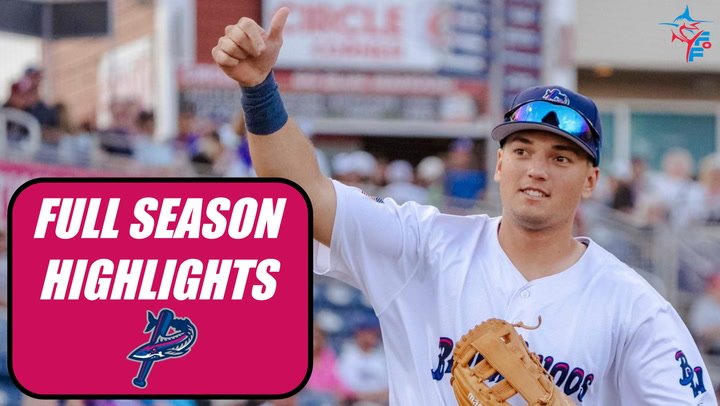 Here is the best of Fenwick Trimble's season with the Double-A Pensacola Blue Wahoos.View the full article
 -
Who Should the Brewers' Game 3 Playoff Starter Be?
DiamondCentric posted an article in Brewer Fanatic
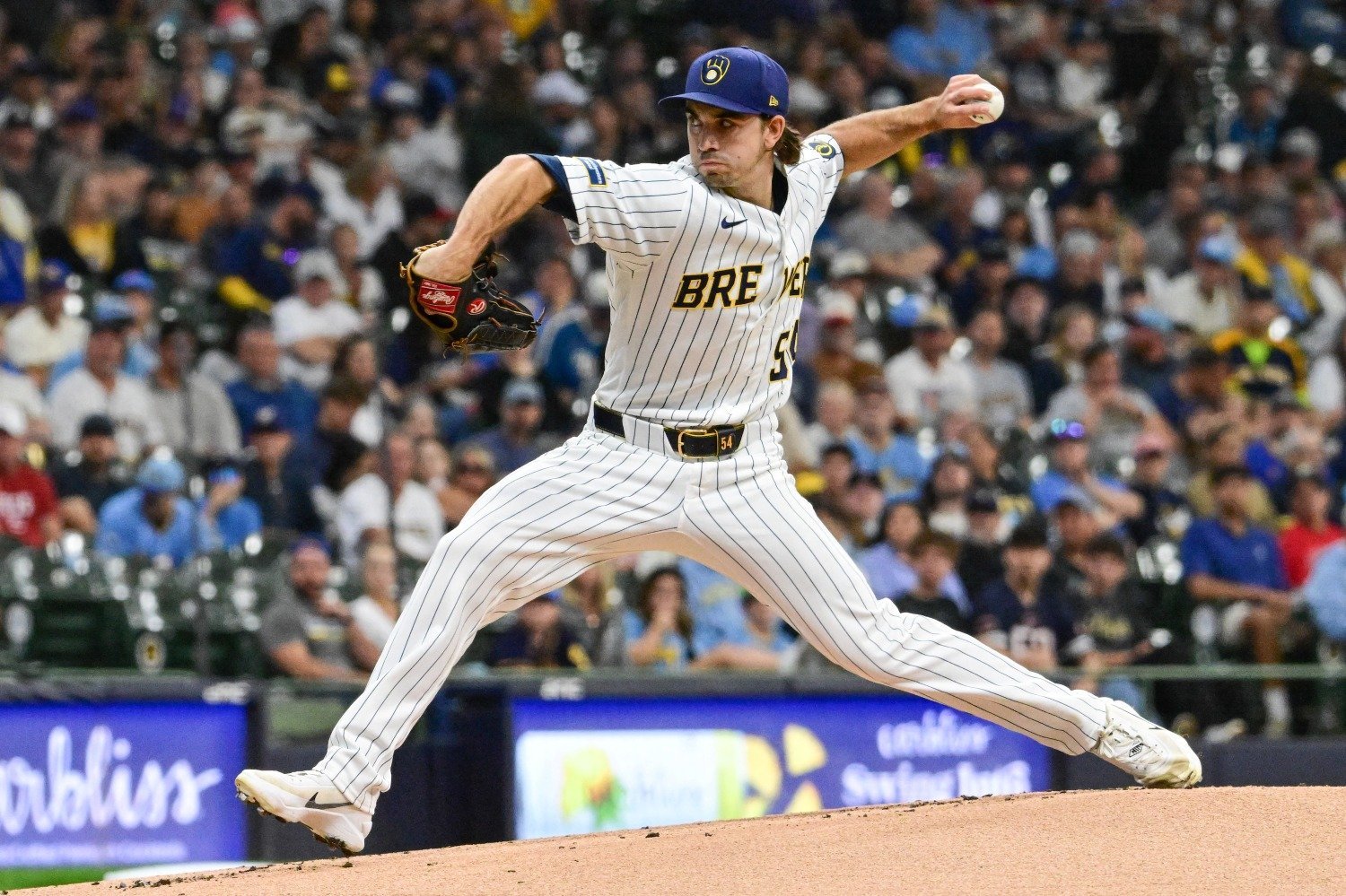 The Milwaukee Brewers’ pitching staff has been lights-out all season long. Only the Boston Red Sox and Los Angeles Dodgers have allowed fewer runs than Milwaukee this year, and there’s arguably no better team in baseball at getting the most out of its pitching staff. Jacob Misiorowski has developed into the best arm in the league and will win the NL Cy Young Award. Logan Henderson has also broken out as a rookie, looking like another potential frontline starter for the Brew Crew. But after those two, things get a little more interesting. It’s no secret that pitching wins games in the postseason, and with a 98-58 record, Milwaukee is in prime position to avoid the Wild Card round that begins next week. Whoever the Brewers face in the NLDS, Misiorowski will start Game 1, and Henderson will very likely take the ball in Game 2. The big question is what Milwaukee should do for Game 3. For most of the regular season, left-hander Kyle Harrison seemed like the easy choice. Harrison looked like a difference-maker during the first half of the season, posting a 3.01 ERA while striking out more than five batters for every walk. Even when he hit the injured list in July, the hope was that it would be a routine maintenance issue and that he'd return to the top half of the rotation. Unfortunately, things have gone in the opposite direction. His ERA has ballooned to 7.85 in the second half, and his struggles have his playoff role very much up in the air. A pitcher who looked like an obvious Game 3 candidate a couple of months ago now has a lot to prove before Milwaukee can feel comfortable even putting him on the playoff roster. Then there’s Dustin May. The Brewers acquired May from the Cardinals at the trade deadline alongside JoJo Romero, hoping he could provide some additional stability to their rotation. But there just hasn’t been a whole lot of consistency since he arrived in Milwaukee. He's made three quality starts since being acquired, which shows that there is still plenty of potential there. At the same time, he’s also had a handful of ugly outings that don’t leave you feeling overly confident about giving him the ball in a playoff game. That leaves Robert Gasser. Gasser and Harrison are both left-handed, which could give either one a slight advantage, considering Misiorowski and Henderson are both righties. Unlike Harrison and May, Gasser is also closing September strongly. The left-hander has allowed two or fewer earned runs in each of his last five starts, giving him the best recent stretch of the three candidates. That doesn’t mean Gasser has suddenly become a flawless option, though. Only one of those five starts lasted longer than 5 1/3 innings, and he's also issued a fair number of walks during that stretch. Those are both things Milwaukee will have to consider when deciding how much it can realistically expect from him in October. Still, of the three candidates, Gasser is the hot hand. If it were up to me, the Brewers’ Game 3 starter would be Gasser. Harrison simply hasn’t earned that opportunity. If Pat Murphy wants to use a left-handed starter in Game 3, Gasser feels like the safer option at this point. May would get my vote for Game 4, although it’s also possible Murphy uses him more as a bulk reliever than a traditional starter once October arrives. With May’s inconsistency and Gasser’s recent success, there are plenty of ways Milwaukee could structure its pitching staff beyond the first two games of the series. That flexibility could end up being one of the Brewers’ biggest advantages. Regardless of who winds up taking the ball in Game 3 of the NLDS, odds are good that the leash will be pretty short. Milwaukee has too many quality bullpen options to sit back and let a starter work through trouble simply because he was announced as the starter. After Misiorowski and Henderson set the tone at the top of the rotation, Murphy can lean heavily on that bullpen to navigate the later innings and shorten the game. But before the relievers take over, someone still has to take the ball in Game 3. That someone, barring a late change of some unforeseen kind, should be Gasser. View the full article
 -
A Way-Too-Early Minnesota Twins 2027 Opening Day Roster Projection
DiamondCentric posted an article in Twins Daily
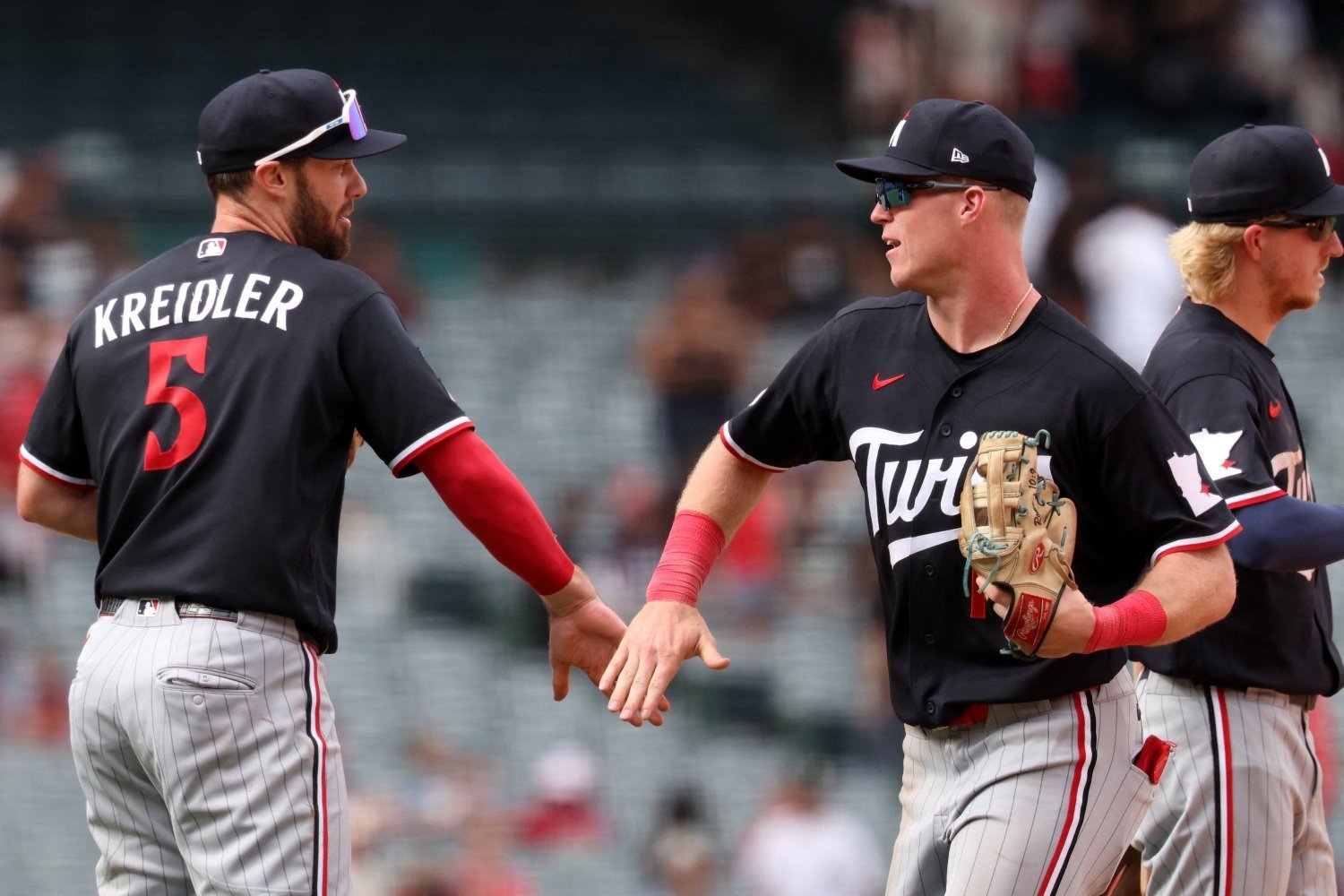 This 2026 Twins team makes me sad. The AL Central was more than winnable this year. But here we are, on track for another sub-.500 season. The vibe is much different, however, with top prospects Kaelen Culpepper, Walker Jenkins, and Emmanuel Rodríguez finally with the parent club, looking to guide them toward sustained postseason contention. Actually, yeah, let’s keep talking about the future. I don’t want to talk about the 2026 Twins anymore. Not even fluoxetine helps with my Twins-induced angst. Let’s get into projections! (Author’s note: Yes, yes, I know. Lockout, and all that. Still, baseball will happen in 2027. As Fred Durst so eloquently said, "You gotta have faith!") Catchers (2): Ryan Jeffers, Victor Caratini At this point, the consensus is that Minnesota will extend the qualifying offer to Jeffers, which will be around $23 million. Many believe he will decline it and pursue a more lucrative, long-term deal in free agency, which I understand. In fact, it’s what I think Jeffers should do. The Yankees could give him soooooooooooo much money. Still, I wouldn’t be shocked if he accepted the one-year qualifying offer, given the unique predicament players face this offseason. Admittedly, it would be a little anticlimactic for the Twins’ most substantial offseason investment to be a player already on the club. But there are worse things than rostering one of the best-hitting catchers in the sport on what is functionally a one-year, $23-million deal. If Jeffers returns, Caratini will again be his backup, completing the second season of a two-year, $14-million deal he signed last offseason. That’s fine. There are much, much worse tandems in the sport. Hey, at least the Twins aren’t paying J.T. Realmuto $15 million next season, right?! Regardless, one more season of Jeffers as the club’s primary catcher would be an ideal segue to Vahn Lackey taking over as the club’s long-term answer at the position. Infielders (6): Kody Clemens, Xavier Edwards, Brooks Lee, Kaelen Culpepper, Ryan Kreidler, Gabriel González The Twins can’t march into a 162-game season with Royce Lewis and Kody Clemens penciled in as the primary starters on the right side of the infield and expect to be serious postseason contenders—particularly Lewis. He’s been a below-average hitter for three seasons and is a defensive liability at every infield position, including first base. That being the case, I predict Minnesota will non-tender Lewis, redirecting the roughly $6 million he would have received in arbitration elsewhere. Minnesota could sign a free-agent first baseman (Jake Bauers, Ty France or Luis Arraez?) or trade for a high-ceiling option in St. Louis’s Alec Burleson. However, I’m predicting the club will acquire switch-hitting, speedy, high-OBP second baseman Xavier Edwards from the Miami Marlins to take over the position full-time, while shifting the power-hitting Clemens back down the defensive spectrum. Lee and Culpepper are the most exciting young left side of the infield since Miguel Sanó and Jorge Polanco in the late 2010s. Lee will be the primary third baseman, with Culpepper at short. Despite struggling at the plate, Kreidler is a plus defensive third baseman and shortstop, who will continue to mix in at second and in the outfield. He will also be out of minor-league options next season, giving him the inside edge over fellow utility infielder Ben Ross. González could mix in as a platoon partner with Clemens at first base, starting against left-handed starting pitchers, while also playing occasionally in the corner outfield spots. He'd probably be the 13th position player, seeing very little action and constantly at risk of being demoted to Triple-A St. Paul—unless the Twins wise up and learn how to use their whole bench, instead of just part of it. Outfielders (5): Byron Buxton, Walker Jenkins, Emmanuel Rodríguez, Luke Keaschall, Austin Martin There has never been a better opportunity to slide Buxton to a corner outfielder/designated hitter role. Both Rodríguez and Jenkins are viable major-league center fielders, with club decision-makers preferring Jenkins over Rodríguez at the position. Both are better defensive center fielders than Buxton at this point in their respective careers. Buxton will be on the other side of hip surgery by then, anyway; his days in the outfield might be numbered. Until (or if) that happens, however, the primary outfield configuration entering next season will probably be Jenkins, Buxton, and Keaschall, with Rodríguez mixing in at all three positions. This level of flexibility permits Twins decision-makers to move on from Trevor Larnach, non-tendering him this offseason. Martin could retain a similar platoon role as this season, starting in either corner outfield spot against left-handed pitching. As with Buxton, I’d prefer Keaschall receiving more DH opportunities, potentially taking over as the club’s primary option there with Josh Bell expected to depart. Being able to keep Keaschall’s bat in the lineup without worrying about defense would be a win-win for the player and the team. He will spend significant time in right field. However, it would be wise to give him and Buxton the majority of DH opportunities, thereby allowing Jenkins and Rodríguez to patrol two-thirds of the outfield almost every game. Starting Rotation (5): Pablo López, Joe Ryan, Taj Bradley, Dean Kremer, Mick Abel Much was made of the club’s inept bullpen and sluggish second-half offense. Yet, starting rotation woes were quietly the Twins' Achilles’ heel in 2026. So many games were quickly upended by early implosions from Bailey Ober, Zebby Matthews, Connor Prielipp, Mike Paredes, Kendry Rojas, Dean Kremer, and even frontline starters like Joe Ryan and Taj Bradley. Again, bad starts are a part of the sport. Every starter (not named Jacob Misiorowski) has them. Still, starting pitching needs to improve for Minnesota to return to the postseason in 2027. On paper, López, Ryan, and Bradley are a solid top of the rotation. At the same time, however, each could be viewed as an unknown quantity, with López returning from a torn UCL; Ryan undergoing another pronounced late-season fade; and Bradley having what is only his first above-average season as a major-league starter. Still, I'm confident these three can lead what could be a plus rotation. Abel impressed before undergoing arthroscopic surgery on his right elbow in July, and I'm optimistic he could thrive over a full, healthy season, potentially blossoming into a frontline starter. Despite having his worst season in the majors this year, Kremer has been steady since joining the Twins, all but guaranteeing the arb-eligible righty will be a member of Minnesota’s Opening Day 2027 starting rotation. Prielipp will probably be the organization’s sixth starting pitcher who could quickly join the parent club if performance concerns or injuries arise. (That is to say, he'll probably be in the rotation by Opening Day; I'm just not sticking my neck out as to which pitcher is going to get hurt.) Bullpen (8): Jeff Hoffman, Andrew Morris, Joe Jiménez, Yoendrys Gómez, Kody Funderburk, Tommy Nance, Anthony Banda, Zebby Matthews Beyond Jeffers returning and trading for Edwards, the bullpen is where the majority of Minnesota’s offseason activity could occur. Alternatively, it could look almost identical to how it does now. I’m predicting the latter will happen, with a few substantial shakeups. Twins decision-makers will make a splashy reliever addition this offseason, which I predict will be the club signing Joe Jiménez to a one-year deal. To preface, yes, I know Jiménez hasn’t pitched in the majors since 2024. However, his injury was leg-related, with him undergoing left knee articular cartilage surgery in November 2024. He missed this season with the same injury. However, he is now on a rehab assignment with Atlanta’s Triple-A affiliate, meaning he could be ready to pitch this postseason. When Jiménez last pitched, he was one of the best relievers in baseball. He also has the platonic ideal Twins reliever arsenal, throwing his four-seamer and slider a combined 96% of the time. I think Hoffman will enter next season as the club’s closer, given Gómez’s late-season struggles. Morris should continue operating in a high-leverage role, with the aforementioned Gómez also occupying a late-inning role early next season. Funderburk (out of minor-league options) and Banda could serve as a viable left-handed relief tandem, with Nance working in a mid-leverage role. Also, I project Matthews to earn the eighth and final bullpen spot. However, I expect Minnesota will continue to stretch him out as a starter, with him shuttling between Triple-A and the parent club as ever-important starting-pitching depth. Rojas, Paredes, David Festa, and Ryan Gallagher could occupy a similar role, with Travis Adams, Garrett Acton, Marco Raya, and potential offseason additions as priority Triple-A short-relief depth. View the full article
 -
What are your Marlins vs. Cubs series predictions?
DiamondCentric posted an article in Fish On First
 Once again in 2026, I will be monitoring Miami Marlins predictions from our valued SuperSubs, Fish On First staffers and livestream guests. Individual article pages like this one will be created prior to every Marlins series and featured prominently on the FOF site. Consistent participation is key if you want to win this annual contest. Submissions only take a few seconds. Scoring system A "perfect" series is worth three points: Earn one point for predicting which team will win the upcoming series Earn one point for predicting the precise number of victories for each team Earn one point for predicting the “Series MVP” who accumulated the highest win probability added (WPA) during the series as calculated by FanGraphs (could pick a player from either team) FOF SuperSub David Fernandez is currently atop the 2026 season leaderboard, which will be updated between every Marlins series. If you are a SuperSub, leave a comment with your Prediction Time picks on this page, or join the Marlins Discord Server and submit there. We'll feature them on the upcoming Fish On First LIVE episode and track your points throughout the season! Any picks submitted prior to the first pitch of the series opener will be counted. If you are not a SuperSub, please consider signing up here to support the FOF staff. Series preview notes Probable starting pitchers: RHP Janson Junk (MIA) vs. TBA (CHC) on Tuesday Projected to be RHP Kevin Gausman RHP Ryan Gusto (MIA) vs. TBA (CHC) on Wednesday Projected to be LHP Shota Imanaga RHP Tyler Phillips (MIA) vs. TBA (CHC) on Thursday Projected to be RHP Clay Holmes The Marlins rank 16th in MLB with a 100 wRC+ and 18th in MLB with a 4.17 FIP. They are 4-6 in their last 10 games and have a 31-47 record on the road this season. The following Marlins players are on the injured list: Anthony Bender (15-day IL), Owen Caissie (10-day IL), Pete Fairbanks (15-day IL), Ronny Henriquez (60-day IL), William Kempner (60-day IL), Adam Mazur (60-day IL), Andrew Nardi (60-day IL) and Robby Snelling (60-day IL). The Cubs rank first in MLB with a 115 wRC+ and 26th in MLB with a 4.66 FIP. They are 6-4 in their last 10 games and have a 45-33 record at home this season. The following Cubs players are on the injured list: Tyler Austin (60-day IL), Ben Brown (60-day IL), Hunter Harvey (60-day IL), Porter Hodge (60-day IL), Gavin Hollowell (15-day IL), Cade Horton (60-day IL), Riley Martin (60-day IL), Phil Maton (60-day IL), Shelby Miller (60-day IL), Justin Steele (60-day IL) and Trent Thornton (15-day IL). View the full article
 -
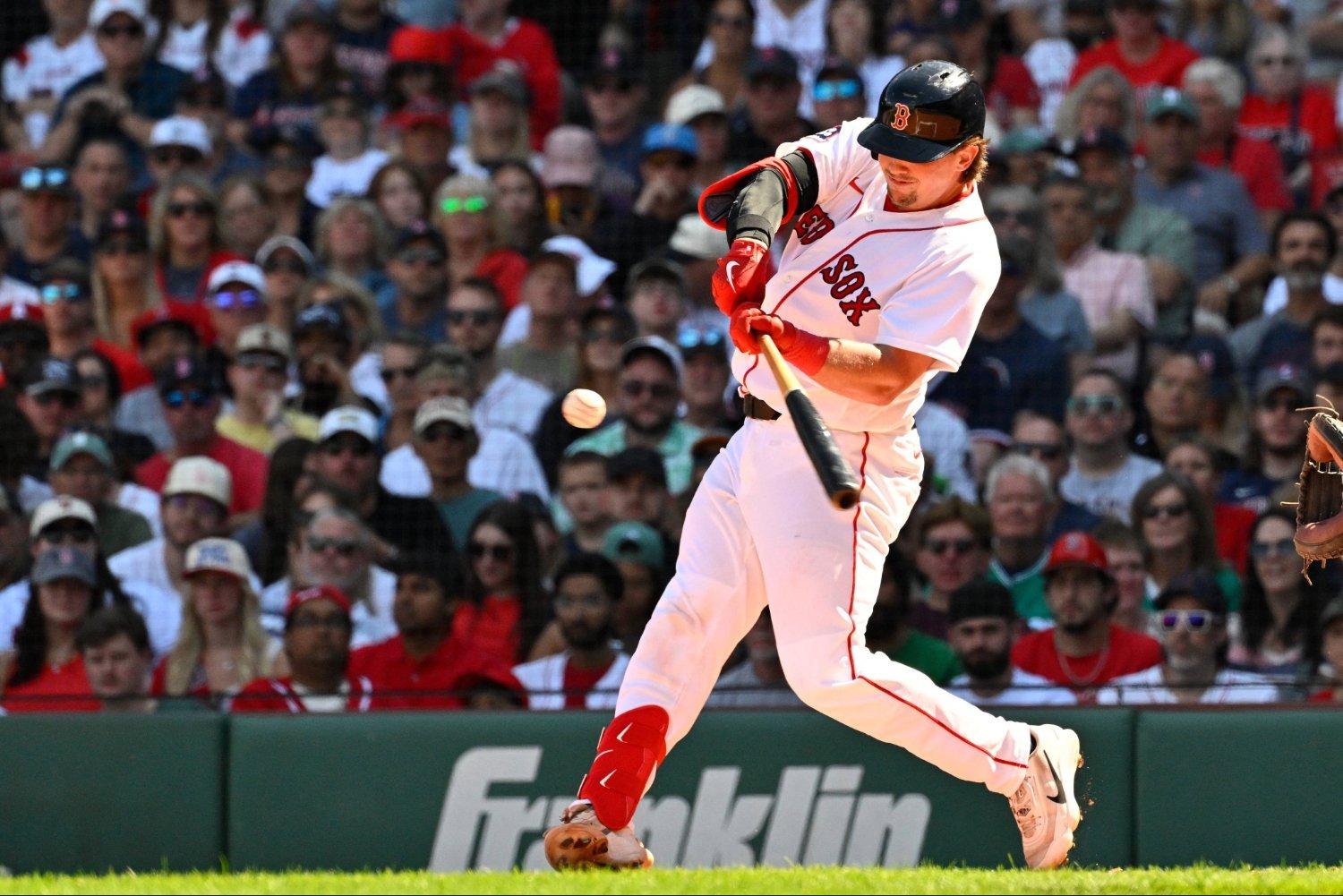 Boston Red Sox catcher Adley Rutschman had a hot start to the month of September, hitting three home runs in four games. Since then, Rutschman's batting average has tumbled, though he's maintained an excellent .500 slugging percentage. His September output presents another shift in what has been an up and down year offensively. To paint the picture, a good starting place would be to look at his wRC+ in each month of the season. March/April May June July August September 200 82 97 106 41 106 As you can see, his season has not been consistent. Two caveats to point out here are the obvious trade from Baltimore to Boston, and his extensive time on the injured list. Anytime you have those factors at play, it has the chance to lead to inconsistency. Still, in August, Rutschman had a slash line of .170/.254/.245 to go with an OPS of .500. Now in September, he has a .217/.250/.500 slash line and a .750 OPS. You can see that his average, slugging percentage, and OPS have increased sharply despite a drop in his on-base percentage. Now, of course, you will expect some fluctuation from month to month throughout the course of the season. But what has led to this latest shift in the star backstop's performance at the plate? Well, you've got a significant decline in walk rate (10.2% to 4.5%), which is owed to the fact that his swing rate has exploded (from 35.6% to 40.1%). He's simply taken on a more aggressive approach at the plate, which has created some fascinating discrepancies in his numbers. Against fastballs he has a .318 average and a .727 SLG while averaging a 94 mph exit velocity on balls in play. Against breaking balls, however, he has a .200 average and a .600 SLG with his exit velocity ticking down to 83.5 MPH. The statistics plummet even further against off-speed pitches, to the point where he has essentially produced nothing against them in September. When you get a hold of fastballs it can lead to extra bases, which it has in this case. When you can't produce well against an entire repertoire of pitches you will continue to see a lower batting average, low walk rate, and lower on-base percentage. There is also some luck leading to this output; his expected batting average and slugging percentage against fastballs this month are less impressive (.255 xBA and a .560 xSLG) that the actual results. Essentially, even what he has been doing well is a little inflated. All in all, Adley Rutschman has been better in September than any time since he arrived in Boston. That is a good sign, as the Red Sox will need him in the playoffs. But temper expectations for an October breakout—the underlying statistics are not indicative of a hitter who has fully found his stride at the plate. View the full article
 -
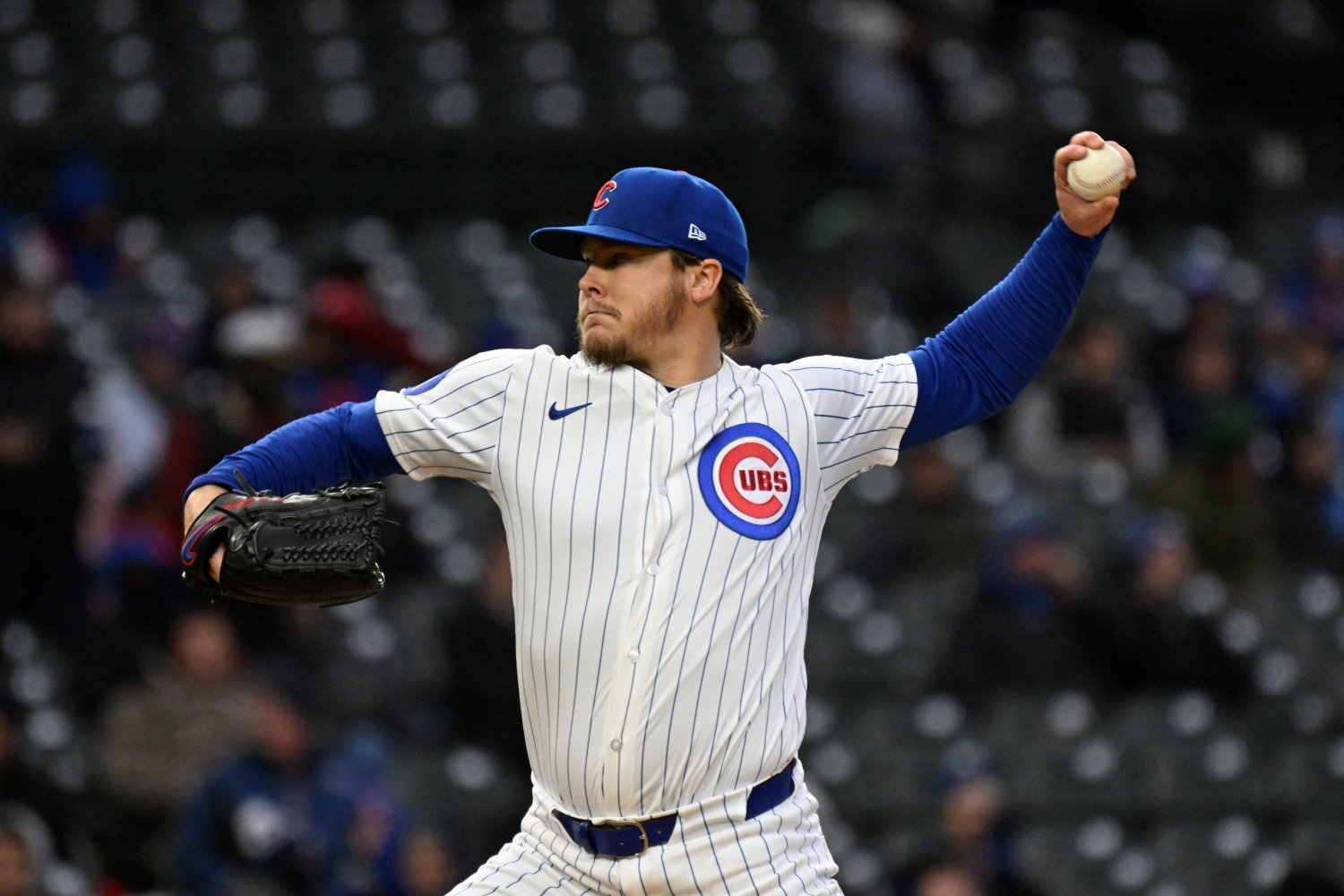 You might have seen the news, over the weekend, that veteran Cubs starter Justin Steele fired two shutout innings Friday for the Triple-A Iowa Cubs, striking out five in the process. It was the fourth official appearance of Steele's rehab assignment with Iowa, and the last one. It's time for Steele to rejoin the Cubs, if he's to continue pitching competitively this year, and the Cubs could sorely use a lively arm in the bullpen—especially one who's such a great competitor; who throws left-handed; and who has proved they can get out both lefties and righties in the majors. It's my sad duty to give you the straight dope: Steele is still very much diminished. If he's not permanently broken, he's at least out of commission, and more service will be needed to get him back online. Even in that latest outing (by far his best for Iowa), Steele was only sitting around 90 miles per hour with his fastball. At his best, from 2022-24, Steele sat 92 and touched 96; this is a tangible loss of velocity for a pitcher who didn't have it to spare. The lost velocity on Steele's slider matters, too, for its implications about his ability to miss bats against big-league hitters. The hard cutter that is his primary fastball has also picked up a troubling tendency to cut even more than it used to; that's going to make it less deceptive. Again, we all know Steele to be a great competitor and a skilled athlete. However, he's never had an especially deep arsenal, and the two pitches he's always leaned on are now markedly worse. To succeed in the majors with his present stuff, he'd have to be razor-sharp in terms of locations. Even as he sliced through a Triple-A lineup Sunday, though, Steele didn't show the ability to do that. The truth is that what little success he's had in the minors this fall needs to be chalked up to pitching in the minors; he's nowhere near a big-league-caliber pitcher right now. This is bad news on every possible level. If you were holding out hope that Steele would return to save the 2026 bullpen and become a playoff hero, you're out of luck. It gets worse still, though. He's almost 18 months removed from Tommy John surgery—his second. If this is the best he can muster even in a short stint, after that much time, it's very likely that Steele will be unable to help the 2027 Cubs. The team would have to pay him almost $7 million to keep him via arbitration this fall. They could strike a deal with him instead, bringing him back on an incentive-laden deal with a low base salary, but there's a real chance that Steele will depart the Cubs organization for good before Thanksgiving. It's just a confluence of the realities of his injury and the business of the game; he's a year from free agency and positioned to earn more money than he's likely to be worth. The team has showed their willingness to be frank and ruthless in such situations, even while being grateful for their pitchers' work. This is just a slightly higher-profile version of the sequence that saw Adbert Alzolay leave the organization two years ago. All of that sucks. It leaves only one small way for everyone involved to benefit. Steele should be called up to join the team at some point during the final home series against the Marlins. After the Cubs clinch a playoff berth (likely to happen Tuesday), Steele should get a chance to pitch once more in the majors for the team that drafted him, and to which he has belonged for 12 years. He can't give them a bullpen boost next month, and he can't be counted upon as a starter for 2027. Many fans aren't even thinking about that yet, and hopefully, Steele himself hasn't acceded to that way of thinking, either. It's all true, though. Looming on the horizon is the probable end of his tenure with the Cubs. The vibes around the Cubs are shaky right now. Alex Bregman's serious facial injury casts a pall even over the imminent clinch of a playoff spot. Barring a miraculous run from a few key guys, the pitching staff is too thin for the team to go win a World Series, and everyone knows it. And Steele, like Ben Brown and Cade Horton, has only an uncertain future in the game, not long after being an All-Star. It would do everyone some good—Steele, the fans, and the team itself—if Steele could climb the mound at Wrigley, hear the fans' raucous ovation, and check the box of making it back to the bigs after his second major elbow surgery. It sounds terribly small, and maybe it is, but it's the only way Steele will be able to help the club this fall—this and, perhaps, some roaring and cheering from the railing of the dugout next month, having at least nominally reclaimed his right to be there. View the full article
 -
6'9 and Full of Upside: Breaking Down Lefty Kruz Schoolcraft
DiamondCentric posted an article in Padres Mission
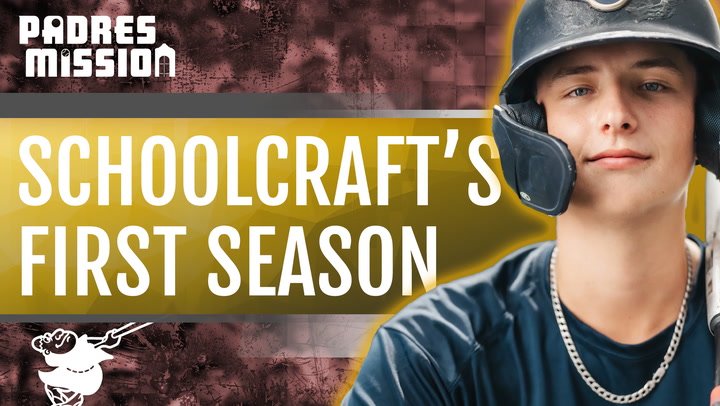 6'9 lefty Kruz Schoolcraft came with high expectations after being selected by the Padres in the first round in 2025. Thus far, he's struggled to meet them. What's gone well and what have the challenges been in his first full professional season? View the full article
 -
 As the regular season wraps up, Jake McKibbin and Jason Wang talk about what to expect from Milwaukee once the playoffs roll around. Apple Podcasts: https://podcasts.apple.com/us/podcast/the-brewer-fanatic-podcast/id1740648724 Spotify: https://open.spotify.com/show/5CY8mWsQayqjDXqw9OT2Td iHeartRadio: https://www.iheart.com/podcast/263-the-brewer-fanatic-podcast-166534588/ Pocket Casts: https://pca.st/ommzz627 Watch On YouTube: https://www.youtube.com/@brewerfanatic View the full article
 -
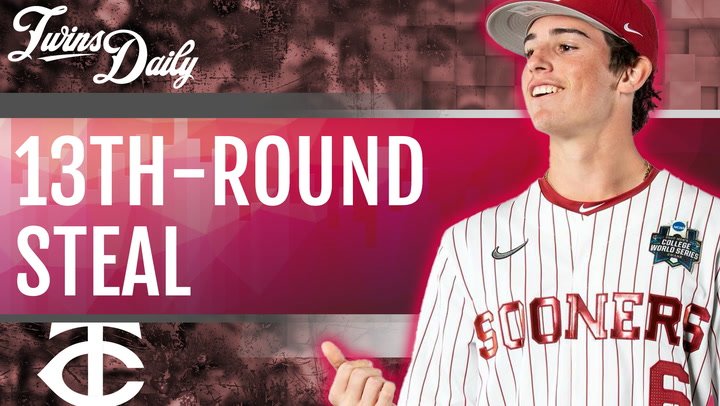 Twins 13th-round pick Isaiah Lane is off to a blistering start in professional baseball, putting up incredible numbers in a small sample at Single-A Fort Myers. What is the superpower that's helping him thrive in his first taste of professional baseball? View the full article
 -
 The Jays needed to make a statement and put up a fight for their playoff lives, but ultimately, they didn't. On this episode of the Jays Centre Podcast, Owen and Jesse lay out their grievances with the Toronto Blue Jays season, essentially saying goodbye to any playoff hopes, and explain why missing the postseason means more than a lost season. They share their thoughts on Dylan Cease's drop in velocity and whether there is any concern about the Jays misusing him and what it might mean going into 2027. They share some highlights of young surprises out of the bullpen before looking ahead to the last week of baseball before the off-season begins. Listen on Apple Podcasts: https://podcasts.apple.com/us/podcast/the-jays-centre-podcast/id1846108462 Listen on Spotify: https://open.spotify.com/show/3Bi7SzfpcqMo5xYWnbCeoL Listen on iHeartRadio: https://www.iheart.com/podcast/263-the-jays-centre-podcast-300304824/ Listen on Pocket Casts: https://pca.st/2qk9wqxd Watch on YouTube: https://www.youtube.com/@jayscentre View the full article
 -
Could David Peterson Be Chicago Cubs' Playoff Ace?
DiamondCentric posted an article in North Side Baseball
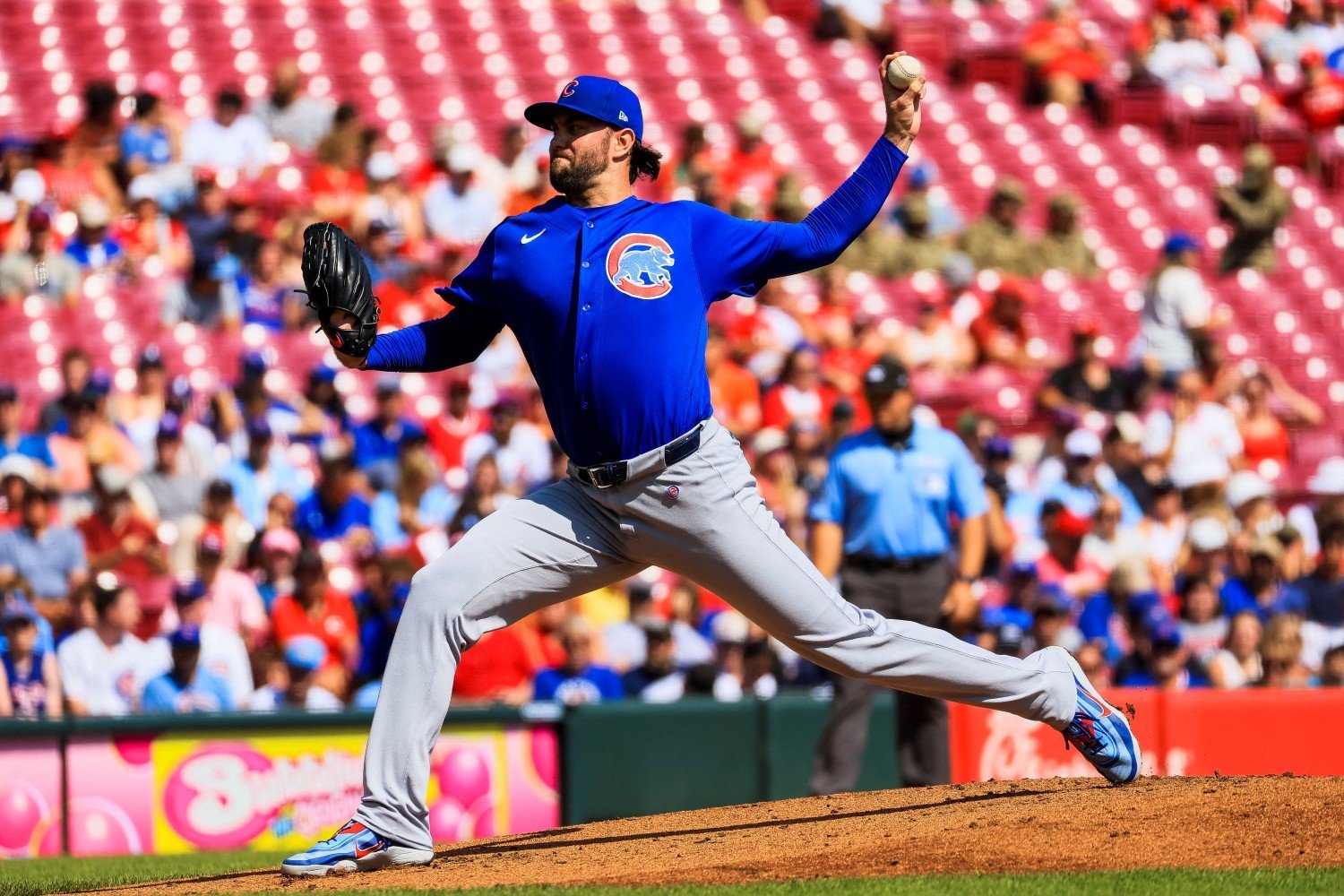 It's never going to look as good as a good day for Kevin Gausman, Clay Holmes, Matthew Boyd or Shota Imanaga. The dominance of which those guys are capable is not quite within David Peterson's reach. He misses more bats than most ground-ball guys, but in the end, he's still a ground-ball guy. If you can be a ground-ball guy who also minimizes walks, you can still be an elite starter, but that's never been Peterson. He's capable of good, but not of great. He misses too few bats for that, given that he'll still put runners on base and isn't completely immune to hard contact. The numbers don't lie, though. Over the last three starts, Peterson has been quite good. He fired six innings of one-run ball against the Reds Sunday, earning the Cubs a series win with his second straight quality start. He fanned seven and walked just one, after striking out another seven (and walking three) in six frames of equally strong work against the visitors from the Atlanta suburbs last week at Wrigley Field. Before that, he'd allowed just one run in a second straight start against the Brewers, at Uecker Field in Milwaukee. Craig Counsell was proactive with him that day, getting him out of the game after just 4 2/3 innings, but Peterson did his job: avoid damage and keep the team in the game. That will be the remit of whoever pitches Game 1 of the Wild Card Series for the Cubs next Tuesday. be it at Wrigley or in San Diego, Philadelphia or the shadows of the highway northwest of Atlanta. As surprising as this state of affairs is, Peterson is building a case to be that guy. Consider this table showing the performances of Cubs hurlers with 30 or more innings since July 4: Name K% BB% K-BB% BABIP LOB% ERA- FIP- xFIP- Aaron Civale 23.3% 8.3% 15.0% .250 83.8% 34 67 92 David Peterson 22.3% 10.6% 11.7% .282 83.3% 70 96 86 Clay Holmes 16.3% 11.4% 4.9% .240 65.6% 104 99 95 Shota Imanaga 25.1% 4.9% 20.2% .283 91.5% 75 105 88 Kevin Gausman 26.6% 5.3% 21.3% .297 70.7% 122 107 75 Matthew Boyd 16.1% 7.8% 8.3% .246 74.8% 89 111 110 Javier Assad 17.9% 8.0% 9.9% .268 91.5% 60 114 98 Colin Rea 17.5% 7.1% 10.4% .246 78.9% 93 117 107 Now, there are some lies nestled in here. Don't fall too in love with Peterson's adjusted ERA (ERA-, where 100 is average and lower is better), lest you miss the fact that he's stranded five of every six runners who reaches base over this span. As you can see, Gausman is at the opposite end of the spectrum. Gausman has been better at striking out batters and at filling up the strike zone, as has Imanaga. Because only Imanaga has had the combination of guttiness and good luck to leave most of the runners who get on against him out there, though, only Imanaga has had the superficial sheen of a frontline starter. Peterson is striking out a healthy number of hitters, which is more than Boyd or Holmes can say. However, he's also walking more batters than you'd like. The question is how willing you are to trust that Peterson can persistently outperform his FIP, by stranding runners (or eliminating them via the double play) and by keeping the ball in the park. That last bit is the key, though. What separates Peterson from everyone else on this list? He avoids giving up home runs—at least when he's going well. He's only allowed nine homers since coming to the Cubs; seven in his last 13 starts; and four in his last nine. Because he keeps the ball on the ground, he can frustrate power hitters who depend on hitting it in the air to generate value. The rest of this starting rotation candidate pool can't say that. If Gausman, Boyd and Imanaga come through their final starts looking healthy and pitching the way they each have of late, they're the most likely hurlers to be tabbed for starts in the Wild Card Series. In reality, though, Peterson might be as deserving of the chance as any of those three. That's not great news for the Cubs' starting staff. A World Series contender needs two starters who are clearly superior to Peterson, which is two more than the Cubs have. If they want to press deep into October, though, they might be well-advised to give the ball to a starter they acquired only in an emergency and have never really looked at as more than a back-end guy. View the full article
 -
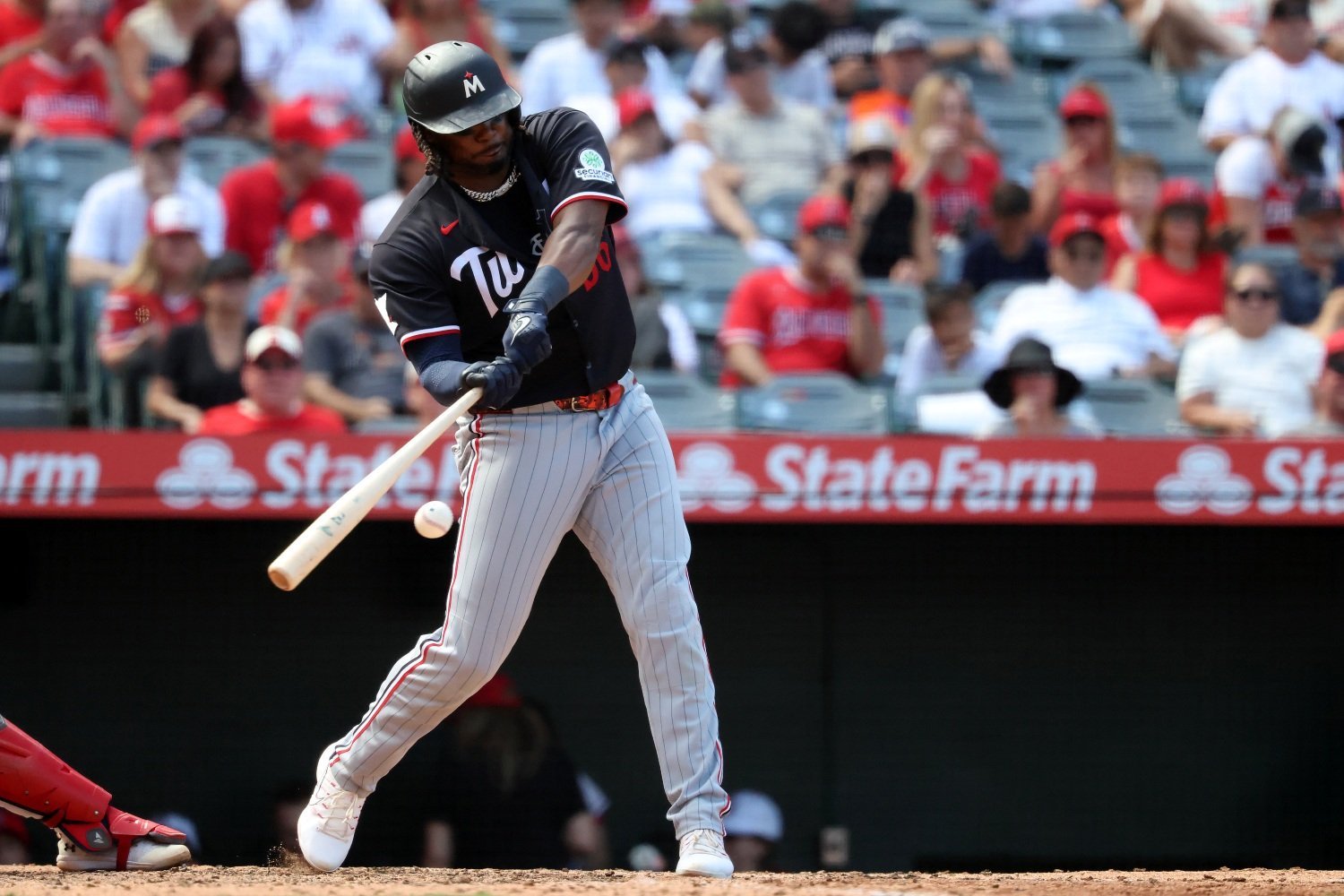 Josh Bell has provided the Minnesota Twins with a steady presence in the middle of their lineup throughout the 2026 season, but with the offseason approaching, the organization will have to decide whether he's done enough to earn another year in Minnesota. He's been a solid hitter, slashing .254/.316/.419 with 20 home runs in 605 plate appearances, primarily from the designated hitter spot. He struggled early in the season with a 73 wRC+ through the end of May. Since June 1, though, Bell has a 125 wRC+, with 15 of his 20 homers and a sturdy .281/.345/.471 line. He's famous for being good for just half of each season, but this is a 381-plate appearance stretch over which he's been very good. Replacing that kind of production wouldn't be easy. However, Bell's value is tied entirely to his offense. He barely played first base this season, only appearing in 141 innings at the position while it has been held down primarily by Royce Lewis, Kody Clemens, and Victor Caratini. As a designated hitter, his full-season line is pretty much average, relative to the league's performance at that spot (.241/.325/.414), so to believe he actively makes you better, he would have to be the good version of himself from the last few months. More importantly, retaining a full-time DH may limit the Twins’ flexibility in an unwelcome way. Byron Buxton will be coming off hip surgery, which may mean he needs time to ramp up to full-time center field duties—or that he never returns to them. The outfield is crowded even without Buxton, with Emannuel Rodríguez, Walker Jenkins, and Luke Keaschall projected to start there in 2027. Keaschall has struggled defensively at every spot the sport has invented. Some time at designated hitter for Keaschall may be best next year to get the most out of him. Between Keaschall, Buxton, Hendry Mendez, Gabriel González and Aaron Sabato, at the moment, the team has no shortage of bat-first or bat-only players. Bell would have to be shoehorned in, at the expense of someone else. The other aspect Bell brings is a veteran presence. While it may seem like that doesn’t matter much, Derek Shelton has raved about Bell, specifically citing the stability he brings to the clubhouse. With what should be a younger Twins team next year, that may be what Minnesota requires, with the uncertainty around Buxton’s start date and Ryan Jeffers headed elsewhere via free agency. Bell’s experience could be extremely valuable to younger players such as Rodríguez, Jenkins, and Kaelen Culpepper. Bell’s contract has a $10-million mutual option for 2027, with a $1.25-million buyout attached. Virtually all mutual options are declined by one side; this one is more likely to turned down by the team. The 2027 version of the Minnesota Twins should be focused on playing their young players as much as possible. Bell may be a better bat then most of the Twins’ younger talent right now, but if they're going to spend what it requires to keep him, they should do so on a player who more ineluctably (and more flexibly) upgrades the lineup. View the full article
 -
 Alex and Maddie sit down and celebrate the Red Sox’s postseason clinch. As always, they answer your forum questions, reviewing Tanner Houck’s rehab performance and Braiden Ward’s potential call-up. They salute Brayan Bello’s dominance in the rotation. Finally, they list their favorite moment from the beer/champagne showers at the Trop. Listen on Apple Podcasts: https://podcasts.apple.com/us/podcast/the-talk-sox-podcast/id1783204104 Listen on Spotify: https://open.spotify.com/show/3qPrPXEngu0CxgTmlf0ynm Listen on iHeartRadio: https://www.iheart.com/podcast/263-the-talk-sox-podcast-244591331/ Listen on Pocket Casts: https://pca.st/4tmd121v Watch on YouTube: https://www.youtube.com/@talksox View the full article
 -
Can Cubs Remain Afloat At Third Base Sans Alex Bregman?
DiamondCentric posted an article in North Side Baseball
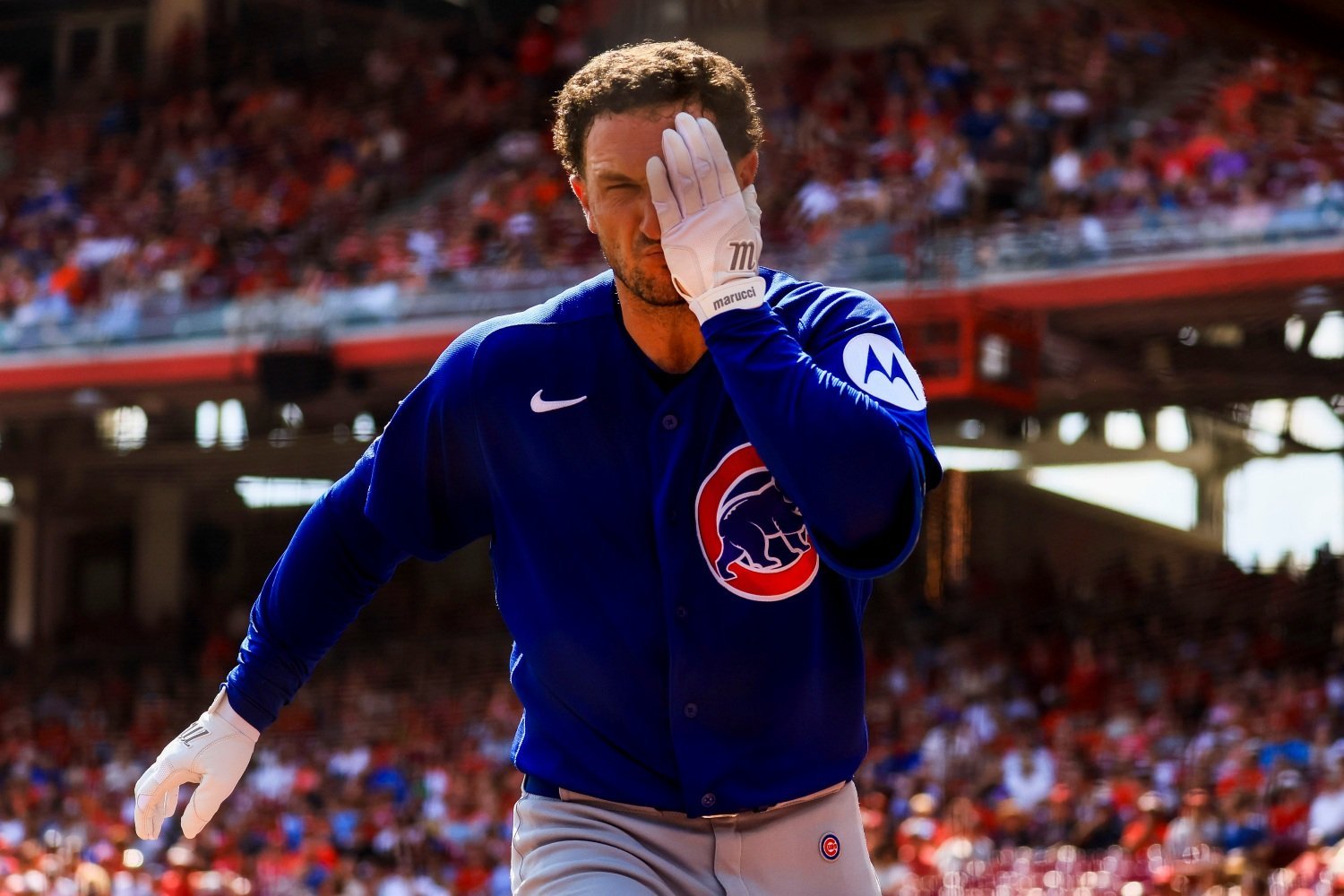 The Chicago Cubs look likely to be without Alex Bregman for a period of time following a freak accident on Sunday in which a foul ball from Michael Busch caught Bregman in the face while Bregman was standing in the on-deck circle. The timeline itself, however, remains unclear as Bregman is set to undergo additional testing. With such a tight window before the start of the postseason, though, the team has to at least plan to play playoff games without their star third baseman. If Bregman is out for the duration, big questions immediately emerge. He hasn't just been good since rebounding from a slow start, but exceptional—to the point where he's currently top-10 in position-player fWAR for all of Major League Baseball, at 5.2. Removing a player on this kind of heater is a catastrophe for the Cubs, regardless of Pete Crow-Armstrong's exploits or how good they've been at the plate as a collective. There are certainly broader implications for an extended absence from Bregman, but the immediate question shifts to how the Cubs will handle third base in his stead. When Bregman left the game on Sunday, Matt Shaw stepped in at his spot in the order, but with Pedro Ramírez flipping from the keystone over to third base. One imagines that it'll be some combination of these two manning the position for however long Bregman remains out. Given what each offers against the second-half production from Bregman, how big a dropoff are we looking at, here? Ramírez has logged 245 plate appearances this year with a .266/.324/.419 line (104 wRC+) and has played steady defense in a 101-inning sample at the position. Shaw, meanwhile, spent a great deal of time on the Injured List and has gone .238/.330/.419 (109 wRC+) in 188 plate appearances. He's only spent 35 innings at third this year, but he was a plus defender there last season. There's no tremendous disparity between the two right now. Ramírez has grown as a hitter throughout the year, with his second-half numbers (110 wRC+) proving better than the first (85 wRC+). Shaw offers a bit more in the shape of on-base, but it's dependent on a higher walk rate. Could they fit together as a platoon with Bregman-like upside? Against left-handed pitchers, Ramírez has offered a wRC+ of 172 in 2026. Against righties, however, he's only at 89. The samples are small and distorted, though; he's probably a better hitter as a lefty. Shaw's distribution is similar, which makes more sense in his case, since he's solely a right-handed batter. He owns a 132 wRC+ against southpaws and a mark of only 86 against right-handed throwers. If Craig Counsell were forced to make a decision over who gets the bulk of the work at third today, the edge may very well go to Ramírez. The upside he offers at the plate is more than that of Shaw, and against righties, he's likely to make pitchers more uncomfortable, even if he hasn't actually produced more in those matchups than Shaw has. It would also continue a season-long pattern of usage for each. Of Shaw's 73 games this year, only 40 have been starts. Counsell has preferred to use him as a bat off the bench and a late-game defensive substitute, mostly in the outfield. Defensively, these two should be adequate replacements for Bregman; the team won't suffer the same degree of fielding degradation they felt while Swanson was out. The question of whether the lineup can remain afloat is much more difficult to answer. This is one position where the team has wonderful depth; few clubs would have better stopgaps ready in the case of this kind of loss. But Bregman was such a linchpin of the offense's second-half surge that it's hard to imagine them sustaining their run production without him. Specifically, neither Shaw nor Ramírez brings the same kind of power Bregman has tapped into over the last two months. To go anywhere in October, the Cubs will need Crow-Armstrong to continue his torrid pace and get the kind of up-and-down-the-lineup contribution they got in Sunday's series finale against Cincinnati. If they want to win the World Series, though, they need this injury to be much less damaging than it looked, either immediately or in Bregman's later social media post. Either that, or Shaw and Ramírez need to become folk heroes on par with some of the most celebrated in team history. View the full article
 -
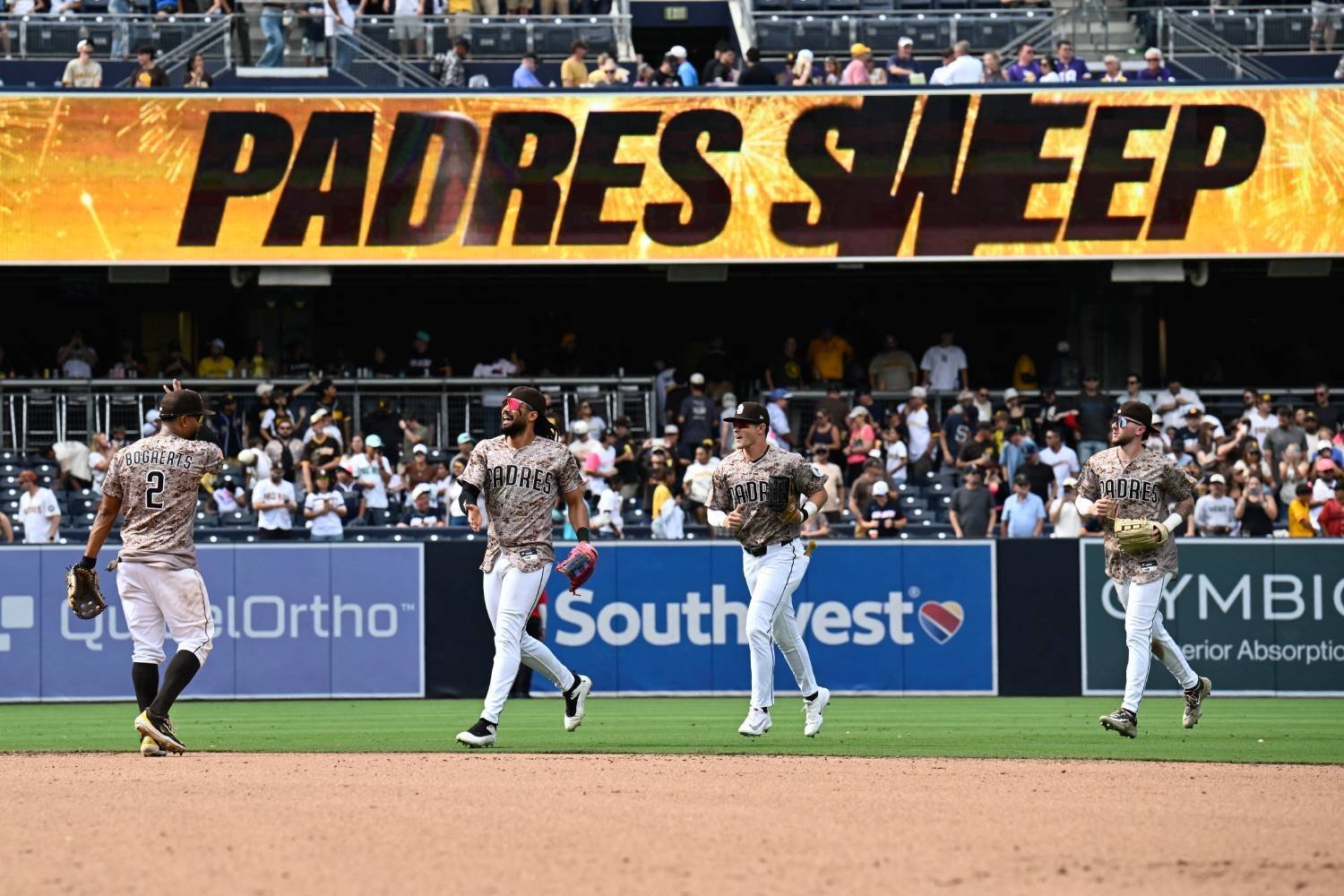 San Diego Padres Weekly Snapshot Record last week: 6-1 Runs scored last week: 51 Runs allowed last week: 32 (season run differential: plus-41) Scores Game 150 (Monday): Padres 8, Rockies 7 Game 151 (Tuesday): Rockies 9, Padres 3 Game 152 (Wednesday): Padres 9, Rockies 3 Game 153 (Thursday): Padres 9, Rockies 2 Game 154 (Friday): Padres 8, Marlins 2 Game 155 (Saturday): Padres 7, Marlins 6 (10) Game 156 (Sunday): Padres 7, Marlins 3 Week in Review and Highlights Rockies series Game 1: A game that felt like it was under control until it wasn't—it was Coors Field, after all—came out the way they needed it to. Manny Machado and Fernando Tatis Jr. homered, right-handed starter Casey Mize turned in five solid innings and Mason Miller was needed to close out a game the Padres led 6-1 early, pulling out an 8-7 victory. Ty France, who returned from the paternity list after the birth of twin daughters, and Jackson Merrill each had three hits as the Padres won their eighth straight. The Friars remained 2½ games ahead of the Arizona Diamondbacks in the battle for the No. 3 NL wild card. It was nearly 3½ if not for a D'backs walk-off victory over the Miami Marlins. The victory, their 82nd this year, also assured the Padres of a club-record fifth straight winning record. Machado set the tone with his solo homer in the top of the first, his 28th of the season and 397th of his career. It jumped to 5-1 in the second as Jake Cronenworth and Freddy Fermin drove in runs, then Tatis hit a 449-foot rocket for his 22nd homer of the season. Merrill made it 6-1 with an RBI single in the third. Mize made it through five innings, scattering eight hits and allowing two runs, also beginning a weird stat line for Padres pitchers by not striking anyone out. That trend would last until the ninth, when Miller punched out a pair. Things took a turn for the Padres when left-hander Kyle Hart coughed up three runs while getting just one out in the sixth, then right-hander Bradgley Rodriguez allowed a solo homer in 1⅔ innings. Left-hander Adrian Morejon, who had appeared in seven of the previous nine games, gave up a run in the eighth as the Padres' lead was trimmed to 8-7. While the Padres added on later, they could have done more, which is tough to say when they scored eight runs. France lined an opposite-field single to right to bring in put the Padres up 7-5, while the unheralded Dustin Harris laced an RBI double that hopped off the wall in right for an 8-6 lead in the eighth. After Morejon gave up the run, Miller, pitching for the sixth time in 10 games, nailed down his 37th save, allowing a one-out single. The final out came on a nice play by Machado, ranged way to his left to field a chopper and fired a bullet to first to just get the out. Game 2: When it comes to losses at this stage of a playoff race, timing is the key thing. If you are going to lose, you hope the teams you are leading or pursuing lose, too. With the Padres watching their eight-game winning streak come to an end with a 9-3 loss to the Rockies, they didn't gain or lose ground as all three teams still in the NL wild-card race lost, most notably the D'backs, who dropped a 4-2 decision to the Marlins in 11 innings. So the Friars remain 2½ games ahead of the D'backs for the No. 3 NL wild card, one game behind the Phillies for the No. 2 spot and 1½ behind the Cubs for the No. 1 position, which comes with home-field advantage for the Wild Card Series. This game turned in the sixth inning in which the Padres had a 3-2 lead entering and a 7-3 deficit exiting. Right-handed starter Walker Buehler had battled through 4⅔ innings, throwing 92 pitches. Left-hander Wandy Peralta took over and got the final out of the fifth, but couldn't get through the sixth. Peralta gave up a triple, a double and a single to the first three hitters that brought in two runs. After a strikeout, another single led to Perlata being replaced by right-hander Randy Vasquez. A flyout to right set the stage to get out of the inning. But Vasquez, in his third relief appearance since being removed from the rotation, lost a 13-pitch battle with former San Diego State star Cole Carrigg, who drilled a three-run homer to put the Padres down 7-3. Vasquez would give up another pair of runs in the seventh and finished the eighth. Offensively, it wasn't a great night despite getting 11 hits. Tatis opened the game with a second-pitch homer, a 455-foot blast to left for his 23rd of the season. Luis Campusano went deep for the eighth time this year in the second inning and Austin Hays also homered, his second with the Padres and third of the season, in the fifth. All came against Rockies right-hander Kyle Freeland, who just came off his third stint on the injured list this season and entered the game with a 6.37 ERA. This was his first start in nearly a month and kept the Padres off the board other than the three solo homers. Right-hander Ryan Feltner, typically a starter, piggybacked Freeland and, with his 5.88 ERA coming into the game, held the Friars scoreless for the final five innings. Missed opportunity to gain ground? Sure. But also they didn't lose any ground, only their second eight-game winning streak of the season. Game 3: The Ethan Salas game. Sure, it was against the NL-worst Rockies and it happened at Coors Field. But the 20-year-old catcher, who entered the game with one hit in 15 plate appearances, cranked out two homers and accounted for three RBIs in the Padres' 9-3 victory. With the D'backs dropping their second straight, the Padres increased their lead over Arizona to 3½ games with 10 games left to play for the final NL wild card, while remaining one behind the Phillies and 1½ behind the Cubs for the top two wild-card positions. The biggest advantage the Friars have over the D'backs is they are four up in the loss column. While the postseason scenario is of the utmost importance, the attention deservedly belongs on Salas in this game. He went deep for the first time in his 2½-week career when he ambushed a first-pitch 93.2 mph four-seamer from right-hander Mason Adams and drilled 426 feet out to center for a 3-1 Padres lead. Salas then helped trigger a four-run fifth inning when he launched a 96.2 mph fastball on an 0-1 count from right-hander Nick Frasso the snuck over the right-field wall, a 372-foot shot. That was a two-run shot that made it 8-1. At 20 years, 107 days, Salas is the youngest catcher in MLB history to hit two homers in a game and the youngest Padre in history to do so. The big game can only boost the confidence of Salas as he continues to get his feet wet in the majors, but also with the postseason approaching. Padres left-handed starter Robbie Ray turned in a typical Robbie Ray performance, which was encouraging with one start and possibly two left in the regular season. Ray went six innings, allowing three runs on three hits and two walks with six strikeouts. He did give up a sixth-inning solo homer. There was offense that came from sources other than Salas. Merrill continued his hot hitting with three singles, France doubled and drove in a pair of runs, Harris had two hits, including a triple, while driving in a run and scoring another and Samad Taylor had two singles, two RBIs and two runs scored. The margin of victory also allowed Morejon and Miller to rest for a second straight day. Game 4: Completing a seven-game road trip against teams they should beat, the Padres erupted for seven runs in the second innings, including a homer and triple by Bogaerts, to dispatch the Rockies 9-2. That gave the Padres three out of four in the series and a 6-1 road trip. It also gave the Friars, winners of 10 of their last 11, a comfortable four-game lead over the D'backs for the last NL wild-card berth and within one game of the Cubs and Phillies for the top two spots. The Padres' magic number for clinching is at six. While the offense was again a big star, let's not overlook what the pitching did. Right-handed starter Michael King continued his impressive second half with his eighth straight quality start and 18th of the season, spinning six innings and allowing just two runs, while scattering seven hits and two walks with six strikeouts. With the offense piling up runs behind him for one of the rare occasions, Matsui pitched a perfect seventh, striking out two, and right-hander Griffin Canning made his first appearance since Sept. 9, allowing two runs in two scoreless innings. Bogaerts came up a single shy of the cycle despite having two chances to get the fourth one in Padres history and the first in his career. It also would have been a reverse cycle as Bogaerts started his day by leading off the second inning with a homer, his 12th of the season, then capped the seven-run outburst with a two-run triple. Merrill also tripled in the second. Harris had three hits, three RBIs and a run scored, while France had three hits, Taylor had two hits, a walk, an RBI and two runs scored and Cronenworth two hits and two runs scored. Marlins series Game 1: Another day of big offensive production and another nice step forward by right-handed starter Nick Pivetta put the Padres in a position you couldn't have fathomed a little more than two months ago. With France using his newfound dad strength after the birth of twins last week to power a six-run fifth inning, the Padres stomped the Marlins 8-2 to create a three-way tie atop the NL wild-card standings. Their third straight win and 11th in 12 games have pulled the Friars even with the Cubs and Phillies with eight games remaining. The only bad news in that scenario is the Padres lose the tiebreaker to both as a result of losing the season series to each. That still would leave them in the No. 3 NL wild-card spot, which they now lead the D'back by five games after Arizona lost, reducing the Padres' magic number to four. That is certainly enough to be excited about. But Pivetta's performance is also worth praise. In his third start—and next-to-last before the postseason—since coming back from his right elbow injury sidelined him for five months, Pivetta looked sharper, allowing four hits and a solo homer over five innings, walking one and striking out four. That is the type of outing that you would take in the postseason. It was a day to mostly rest the three key arms in the bullpen. Morejon made an appearance to face a left-handed batter in the seventh inning and he struck him out. Otherwise, Peralta, right-hander David Morgan and Canning did the job out of the bullpen. Down 1-0, the Friars would score all the runs they would need in the fifth. Bogaerts had a leadoff double, Cronenworth singled and, after a pitching change, Taylor's safety squeeze ended up a base hit to load the bases. After Salas flew out to shallow center, Tatis singled home the first run and Harris had a go-ahead two-run single that caromed off the mound and bounced into center. Machado lined out, then France smashed his 21st homer, a three-run shot, into the second deck of the Western Metal Supply Co. building. That homer established a new career high for France. Merrill tacked on his 26th homer of the year, a solo shot, in a two-run eighth. Game 2: The kid rescued the closer. An inning after Miller gave up a stunning game-tying homer, Salas added another first to his scrapbook by grounding a single up the middle with one out in the bottom of the 10th, giving the Padres a thrilling 7-6 victory over the Marlins. With the Phillies losing and the Cubs winning, the Padres took possession of the No. 2 wild-card spot, one game ahead of Philadelphia. The Padres and Cubs are tied, but Chicago won the season series. The D'backs are four games behind the Phillies after walking off the New York Yankees. It was a strange game from the start. Mize didn't have command of his pitches, walking five and allowing five hits en route to five runs over three innings. But the bullpen settled things down, with Vasquez, Rodriguez and Matsui keeping the Marlins quiet. Morejon came in to get the final out of the seventh to get out of a first-and-third jam, protecting a 6-5 lead. He came back out for the eighth and struck out the first batter before a walk, two stolen bases and another walk put runners on the corners. Manager Craig Stammen went to his closer for a five-out save. Miller struck out the two batters in the eighth on nine pitches. In the ninth, Miller struck out the leadoff hitter on six pitches, then faced pinch-hitter Griffin Conine. The left-handed hitter took a slider for a first-pitch ball, then turned on a 102.1 mph four-seamer that was poorly located and drilled it into the right-field bleachers. Tie game, third blown save for Miller in 40 chances. It was the third homer given up by Miller this season, all in his nine appearances since Aug. 25. With Mize's rough start, the Padres faced 3-0 and 5-1 deficits in the early going. A three-run bottom of the third featured a bases-loaded walk to Cronenworth, a balk and Taylor's sacrifice fly. Tatis' second-half power surge continued as he blasted No. 24 in the fourth inning to tie the game 5-5, then Harris and France and sixth-inning doubles to take the lead. The 10th inning began with Cronenworth as the zombie runner and he took third on a wild pitch. Sung-Mun Song struck out to begin the frame, then Stammen put the 20-year-old Salas in to pinch-hit for Fermin. After getting into an 0-2 hole against right-hander Josh Ekness, Salas grounded a 98.7 mph four-seamer up the middle with the infield drawn in for his first walk-off of his 19-day-old MLB career. Salas is the fourth-youngest player to have a pinch-hit walk-off hit since RBIs became a stat in 1920. Game 3: Beware of the Crone Zone. On a day in which there was no movement among the current three NL wild-card teams, Cronenworth sparked the offense with two homers and five RBIs and Buehler carried a one-hit shutout into the seventh inning in a 7-3 victory over the Marlins, their 13th win in 14 games. In completing a three-game sweep and the six-game season series over the Marlins, the Padres reduced their magic number for clinching a postseason spot to two (combination of Friars wins and D'backs losses). This would be the third straight year, a club record, the Padres would qualify for the playoffs. The Cubs and Phillies each won, keeping the Friars tied with Chicago atop the NL wild-card standings (remember, Cubs hold the tiebreaker) and one game ahead of Philadelphia. Buehler made a huge statement in his bid to make a start in the NL Wild Card Series. He had not gotten an out in the seventh inning this year, then got two vs. the Marlins and was nearly through the frame when Javier Sanoa got a hold of a high cutter and drilled it for a three-run homer. Hart finished the seventh, then Rodriguez had a scoreless eighth. Miller, despite it not being a save situation and coming off a five-out, 26-pitch performance the day before, tossed a perfect ninth on just seven pitches. Cronenworth got the offense started with a two-run homer in the bottom of the second, then had back-to-back RBI doubles with Taylor in the fourth for a 4-0 lead. The homer off Buehler pulled the Marlins within 4-3 in the top of the seventh, Tatis homered in back-to-back games for the second time this week, hitting solo shot for his 25th of the season. It nearly stayed that way in the eighth, but Bogaerts drew a two-out walk and Cronenworth went deep for just the seventh time this year to make it 7-3. Cronenworth finished 3-for-5 with five RBIs and three runs scored. Taylor also had three hits as the Padres reached double digits in hits for the seventh straight time and 10th in 11 games. Marvelous Mason Miller Some of the amazing stats for the Padres' closer: Season stats: 5-2, 1.21 ERA, 63 games, 37 saves (40 chances), 67 IP, 33 H, 12 R, 9 ER, 23 BB, 123 K, .144 opponent average His 37 saves rank second in the NL and fourth in MLB. Bryan Baker of the Tampa Bay Rays leads MLB with 40 saves. Sunday marked the 50th of 87 victories he has finished this year. Of his 63 games, has not allowed a run in 53 of those. Random Stats Before this streak of five, the Padres had four consecutive winning seasons twice: 1982-85 and 2004-07. Fernando Tatis Jr.'s leadoff homer Tuesday was his fifth of 450 feet or greater this season, the most in MLB. The Padres' 52 hits vs. the Rockies were the most by any MLB team in any series this year. They were also the most by the Friars in a series since 2022 vs. the Cubs at Wrigley Field. The Padres did what they should do against the two worst teams in the division this season. They went 11-2 vs. the Rockies and 9-4 vs. the Giants. Xander Bogaerts' homer in the Rockies finale was the sixth consecutive game the Padres homered on the first pitch of an at-bat. The seven runs scored in the second inning vs. the Rockies was the most in a single inning by the Padres this year. The Padres completed their 11th sweep by taking the three games vs. the Marlins. Aside from their 18-win April, September is on the verge of being the Padres' second-best month. They are 13-4 this month, matching the second-most wins of any other month (May and July, neither of which was a winning record). Transactions Monday: Activated 1B Ty France from the paternity list. Monday: Optioned 2B Mason McCoy to Triple-A El Paso Chihuahuas. Website Highlights Can Padres say Machado's power-heavy season has been a success? — Randy Holt Padres' Vasquez is back on the upswing at the perfect time — Yirsandy Rodriguez Does Salas' two-homer game alter Padres' postseason plans at catcher? — Steve Drumwright Padres' incessant tinkering with Mize must have an endgame before playoffs — Yirsandy Rodriguez Harris is helping keep the Padres' bench afloat — Randy Holt Campusano's September slump has put Padres in precarious position — Randy Holt Affiliate season recap: Low-A Lake Elsinore Storm — Steve Drumwright Looking Ahead Monday: Off Tuesday: Padres (Michael King) at Dodgers (Yoshinobu Yamamoto), 7:10 p.m. Wednesday: Padres (Robbie Ray) at Dodgers, 7:10 p.m. Thursday: Padres (Nick Pivetta) at Dodgers, 7:10 p.m. Friday: Diamondbacks (Casey Mize) at Padres, 6:40 p.m. Saturday: Diamondbacks (Walker Buehler) at Padres, 5:40 p.m. Sunday: Diamondbacks (Michael King) at Padres, 12:10 p.m. View the full article
 -
 Chicago Cubs Minor League Report (September 21) Affiliate Overview Triple-A Iowa Cubs Series at Omaha Storm Chasers (Kansas City Royals): Cubs win, 3-2 Season Record: 63–82-1 Double-A Knoxville Smokies 2026 Season Record: 73-64 High-A South Bend Cubs 2026 Season Record: 77–51 Single-A Myrtle Beach Pelicans 2026 Season Record: 50–77 Triple-A: Iowa Cubs Season Record: 63–82-1 Series Opponent: Omaha Storm Chasers (65-81) Series Standing: Win, 3-2 Sept. 20: The Iowa Cubs ended the 2026 season with a 14-3 defeat to the Omaha Storm Chasers on Sunday at Werner Park. The Storm Chasers jumped out to a 4-0 after scoring twice in the first and second innings before Ben Cowles (1-for-4) cut the lead in half with a two-run homer, his ninth of the campaign. Omaha responded with a run in the home half of the fourth and would eventually 13-2 after seven. Jackson Cluff (1-for-3) picked up an RBI-single in the eighth before the Storm Chasers scored in the bottom of the inning to make it 14-3. Kohl Franklin got the start on the mound for the I-Cubs and suffered the loss, falling to 1-2 on the season. Franklin allowed four runs, two earned, on two hits over two innings of work, walked four and struck out one. Riley Martin, making his first rehab appearance with Iowa and first overall appearance since April 23, whiffed a pair of batters in his perfect inning in relief. Double-A: Knoxville Smokies 2026 Season Record 73-64 The Knoxville Smokies season came to an end last Thursday following a 13-3 defeat to the Rocket City Trash Pandas in game 2 of the Southern League Division Series. The Smokies finished the regular season with a 73-64 record, the second-best mark in the league. High-A: South Bend Cubs 2026 Season Record: 77–51 The South Bend Cubs season came to an end on Sept 11, falling to the Quad City River Bandits in game 2 of the Midwest League Division Series. The Cubs finished the regular season with a 77-51 record, a league best mark. Single-A: Myrtle Beach Pelicans 2026 Season Record: 50–77 The Myrtle Beach Pelicans’ season came to an end on September 4 after both of their contests on September 5 and September 6 were rained out. The Pelicans finished the 2026 season with a 50-77 record. View the full article
 -
 Syracuse finished a length and a half short in its run at an International League playoff berth. The Mets were eliminated from the second-half pennant race Sunday when Rochester clinched the title with a 15-8 victory over Buffalo. About a half-hour later, Syracuse lost 5-4 in 11 innings to Lehigh Valley. The Mets needed a win and a Rochester loss to sneak into the championship series. Instead, it will be Rochester vs. Memphis in the best-of-three beginning Tuesday in Memphis. Syracuse was poised to at least go out a winner in its final game, but Cameron Weston, who was optioned back to Triple-A from New York on Saturday, allowed the tying run in the top of the eighth. Lehigh Valley scored two in the 11th off Brian Metoyer and Tyler McLoughlin before Syracuse answered with one in the bottom half. It loaded the bases with one out, but D’Andre Smith hit into force play, which made It 5-4, and Jefferson Rojas, who was on fire in the first part of the week, flied out to left in foul territory to end an 0-for-5 day. But the Mets’ organization can still feel good about how the club finished its season. It went 29-11 over its last 40 games (including wins in the first five games of their final series) to finish 43-31 and third in the IL in the second half, 1 1/2 games behind champion Rochester. Indianapolis moved ahead of the Mets into second with a win Sunday. For the full season, Syracuse was 81-68 and tied for fourth in the league with Charlotte. Prospects Jonah Tong and Nick Morabito proved they were ready to return to the majors when rosters expanded on Sept. 1. Billy Amick, Emilien Pitre, D’Andre Smith, Jose Ramos, Nick Lorusso and Jonathan Santucci added depth to the roster after being promoted from Double-A. But this revamped squad won’t be playing postseason baseball this year. Mets End Season With Extra-Inning Loss Ramos homered, singled, drove in a pair and scored three runs in defeat. His two-run shot in the second opened the scoring. Lehigh Valley erased that lead in the fourth on two solo home runs off Saul Garcia, the second of seven Syracuse pitchers. The Mets went back ahead in the seventh when Ramos singled, moved up to second on a sacrifice bunt by Hayden Senger, advanced to third on a single by Zack Short and scored on a single by Christian Cairo. The IronPigs tied it in the eighth with a sacrifice fly following a leadoff triple. In the 11th, Metoyer struck out the first batter he faced but then allowed a single that scored the zombie runner. Tyler McLoughlin came on and gave up a run-scoring double that made the score 5-3. Ramos began the bottom half at second as the zombie runner. Kevin Parada flied out, but Short walked and Cairo singled to load the bases. Smith's grounder to deep third base brought Ramos home, but then Rojas flied out to end it. Syracuse stranded 12 runners in the game. The Mets went with another bullpen game to wrap up the season. Xzavion Curry opened with two scoreless innings. He allowed two hits, walked one and struck out one. Syracuse Batting Player AB R H RBI BB K D'Andre Smith 5 0 0 1 1 0 Jefferson Rojas 6 0 0 0 0 2 MJ Melendez 4 0 1 0 1 1 Eric Wagaman 4 0 0 0 1 2 Billy Amick 5 1 1 0 0 2 Jose Ramos 4 3 2 2 0 1 Hayden Senger 3 0 0 0 0 2 Kevin Parada 1 0 0 0 0 0 Zack Short 4 0 1 0 1 1 Christian Cairo 4 0 2 1 1 0 Syracuse Pitching Player IP H R ER BB K HR Xzavion Curry 2 2 0 0 1 1 0 Saul Garcia 2 2 2 2 0 2 2 Kevin Herget 1 0 0 0 0 2 0 Dylan Ross 2 1 0 0 0 2 0 Cameron Weston 2 1 1 1 0 2 0 Brian Metoyer 1 1/3 1 2 1 1 1 0 Tyler McLoughlin 2/3 1 0 0 0 1 0 New York Mets Transactions No Roster Moves Top-20 Prospect Performance Jonah Tong: MLB Jack Wenninger: DNP Elian Pena: DNP Mitch Voit: DNP Ryan Clifford: DNP Nick Morabito: MLB Jonathan Santucci: DNP Carson Wiggins: DNP Jacob Reimer: DNP Aiden Robbins: DNP Randy Guzman: DNP Wandy Asigen: DNP Chris Suero: DNP Jefferson Rojas: 0-for-6, 2 K Will Watson: DNP Shane Sdao: DNP Eli Serrano III: DNP Antonio Jimenez: DNP Emilien Pitre: DNP Dylan Ross: 2 IP, 1 H, 0 R, 0 BB, 2 K View the full article
 -
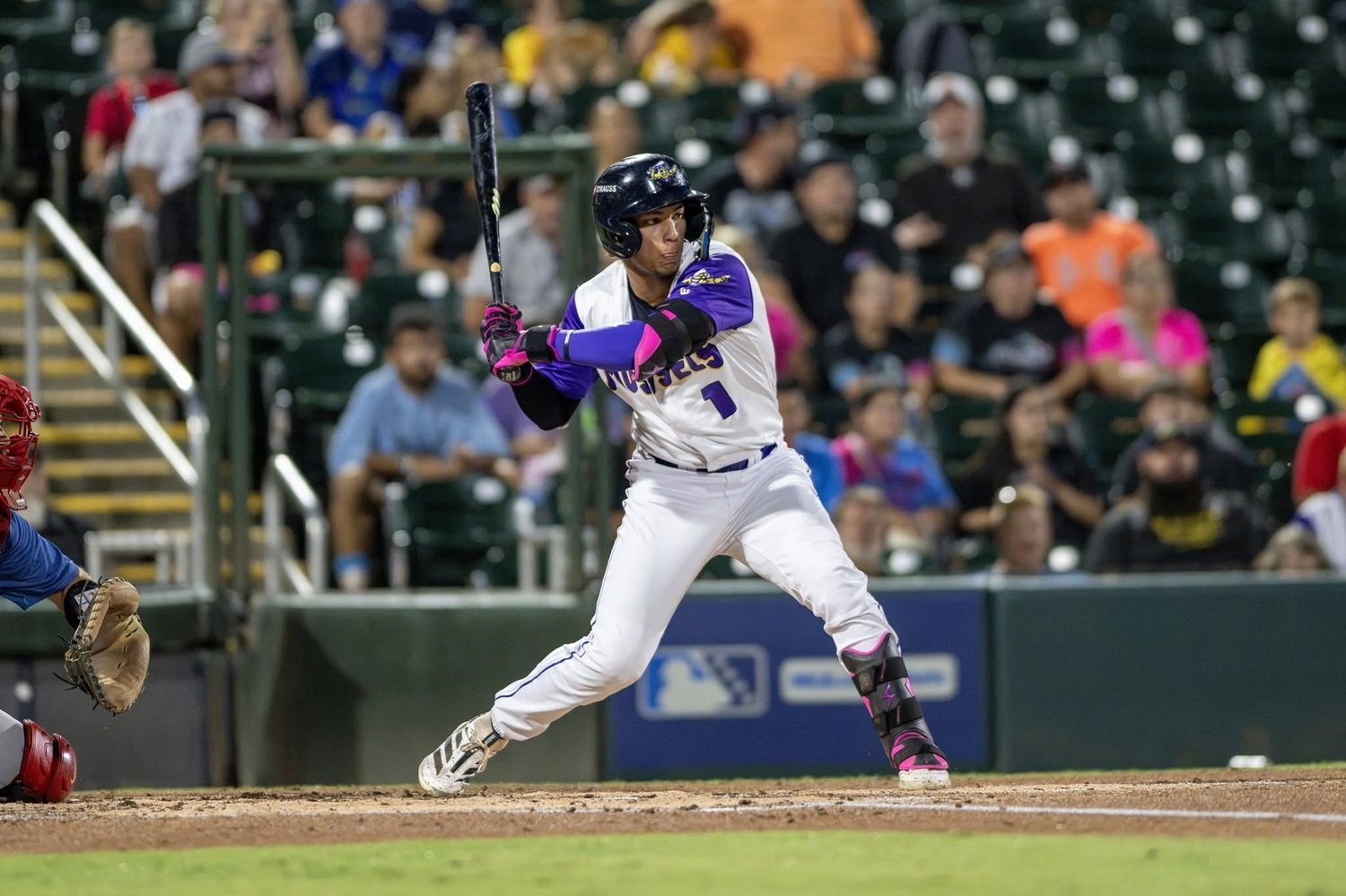 The Florida Complex League is where many of the youngest players in the Twins organization begin their professional journey. For international signees and recent draft picks, it can be their first opportunity to face professional competition on American soil. The short season also gives players a chance to make an early impression and quickly change the perception surrounding their prospect stock. Success in the FCL isn't guaranteed, though. The limited schedule leaves little room for extended slumps, and some players don't have enough opportunities to turn a difficult start around. Others make the level look too easy, giving the organization a reason to challenge them with a promotion before the season comes to an end. Several Twins hitters made their mark in Fort Myers this summer. Before getting to the top three, the Twins Daily minor league writers also gave consideration to the following players. Honorable Mentions Darwin Almanzar (45 G): .254/.482/.342 (.824), 6 2B, 2 3B, 139 wRC+, 27.7 BB%, 18.7 K%, 7 SB. Miguel Caraballo (43 G): .229/.366/.412 (.778), 9 2B, 5 HR, 102 wRC+, 15.1 BB%, 29.5 K%, 15 SB. Yilber Herrera (41 G): .240/.452/.333 (.785), 2 2B, 2 3B, 1 HR, 126 wRC+, 27.4 BB%, 25.2 K%, 14 SB. 3. OF Teilon Serrano 51 G, .211/.446/.398 (.844), 8 2B, 4 3B, 3 HR, 132 wRC+, 27.3 BB%, 30.4 K%, 14 SB Serrano's first season stateside came with some noticeable peaks and valleys. He opened and closed the season slowly, posting an OPS below .800 in both May and July. The middle portion of his season provided a much different picture. Serrano was outstanding in June, hitting .256/.515/.488 for a 1.003 OPS. He collected seven extra-base hits while drawing 23 walks compared to only 16 strikeouts. The ability to consistently reach base helped him remain productive even when the batting average wasn't particularly high. Age was also an important factor when evaluating Serrano's performance. He was one of the younger players in the league and faced older pitchers in all but two of his plate appearances. Those two trips to the plate against younger competition both ended in walks. Defensively, Serrano continued to provide versatility. He saw time at all three outfield positions, with more than half of his starts coming in left field. His overall numbers provide an intriguing combination of plate discipline, power, and speed for a young outfielder making his first trip through the organization. 2. OF Jhomnardo Reyes 49 G, .296/.409/.541 (.950), 12 2B, 3 3B, 7 HR, 138 wRC+, 14.0 BB%, 22.8 K%, 14 SB. Reyes quickly established himself as one of the more intriguing breakout prospects in the Twins system during the first part of the season. His production in May was particularly impressive, as he hit .378/.511/.892 for a 1.403 OPS across 13 games. Nine of Reyes' extra-base hits came during that remarkable month, giving him an early combination of contact ability and power that was difficult to ignore. While he didn't maintain that same level of slugging throughout the rest of the season, his ability to reach base remained a constant part of his offensive profile. Reyes reached base more than 36% of the time for the remainder of his FCL season. That consistency helped him remain productive even as the power numbers came back toward earth. The Twins promoted Reyes to Low-A on July 24, giving him an opportunity to test himself against tougher competition. That proved to be his final stop in the organization. Minnesota traded Reyes to the Baltimore Orioles at the trade deadline for starting pitcher Dean Kremer. His time in the Twins system ended with a strong FCL performance and a promotion that reflected the organization's belief that he was ready for a bigger challenge. Twins FCL Hitter of the Year: OF Yovanny Duran 52 G, .317/.458/.485 (.943), 8 2B, 4 3B, 4 HR, 118 wRC+, 18.5 BB%, 23.6 K%, 36 SB. Duran was the most consistent offensive player in the FCL Twins lineup, and his season became more impressive as the summer progressed. Rather than relying on one dominant stretch, he steadily improved from month to month before earning a promotion to Low-A. Duran opened the season by hitting .295/.371/.508 for an .880 OPS with six extra-base hits in 17 games. His on-base percentage took a significant jump in June, when he raised his batting average to .306 and reached base 47.6% of the time. Then came July. Duran hit .364/.532/.614 for a 1.146 OPS during the month, collecting seven extra-base hits in just 15 games. His ability to combine contact, plate discipline, and increasing power made him one of the FCL's most difficult hitters to contain. The Twins rewarded that production with a promotion to Low-A at the beginning of August. His speed was another major part of his offensive impact. Duran led the FCL Twins with 36 stolen bases, successfully converting 36 of his 47 attempts. Caraballo finished a distant second on the team with 15 steals. Duran also showed he could produce regardless of the pitcher standing in the batter's box. As a switch-hitter, he posted an OPS above .800 against both right-handed and left-handed pitchers. Even more impressively, 89.2% of his plate appearances came against older pitchers, and he posted an .818 OPS against that competition. There are always questions surrounding young hitters in the FCL. The competition is inconsistent, the sample sizes are small, and players are often facing opponents with significant differences in age and experience. Duran answered those questions by producing throughout the summer. He hit for average, consistently reached base, showed emerging power, and impacted games with his speed. Most importantly, his production improved as the season progressed. That combination made him the most complete offensive performer among the Twins' FCL hitters in 2026. The FCL is designed to be an introduction to professional baseball, but it can also serve as an important first checkpoint for a prospect's development. For the Twins, this year's group provided several encouraging performances. Serrano demonstrated an impressive ability to reach base despite facing older competition. Reyes turned a dominant opening month into a promotion and eventually became part of the return for an established major-league pitcher. Duran put together the most consistent season of the group while adding speed and continued improvement to his offensive profile. The next step will be seeing how these young hitters handle more advanced competition. The FCL numbers alone won't determine their futures, but each player gave the Twins a reason to keep watching closely as they move through the organization. What stands out about this group of players? Leave a comment and start the discussion. View the full article
 -
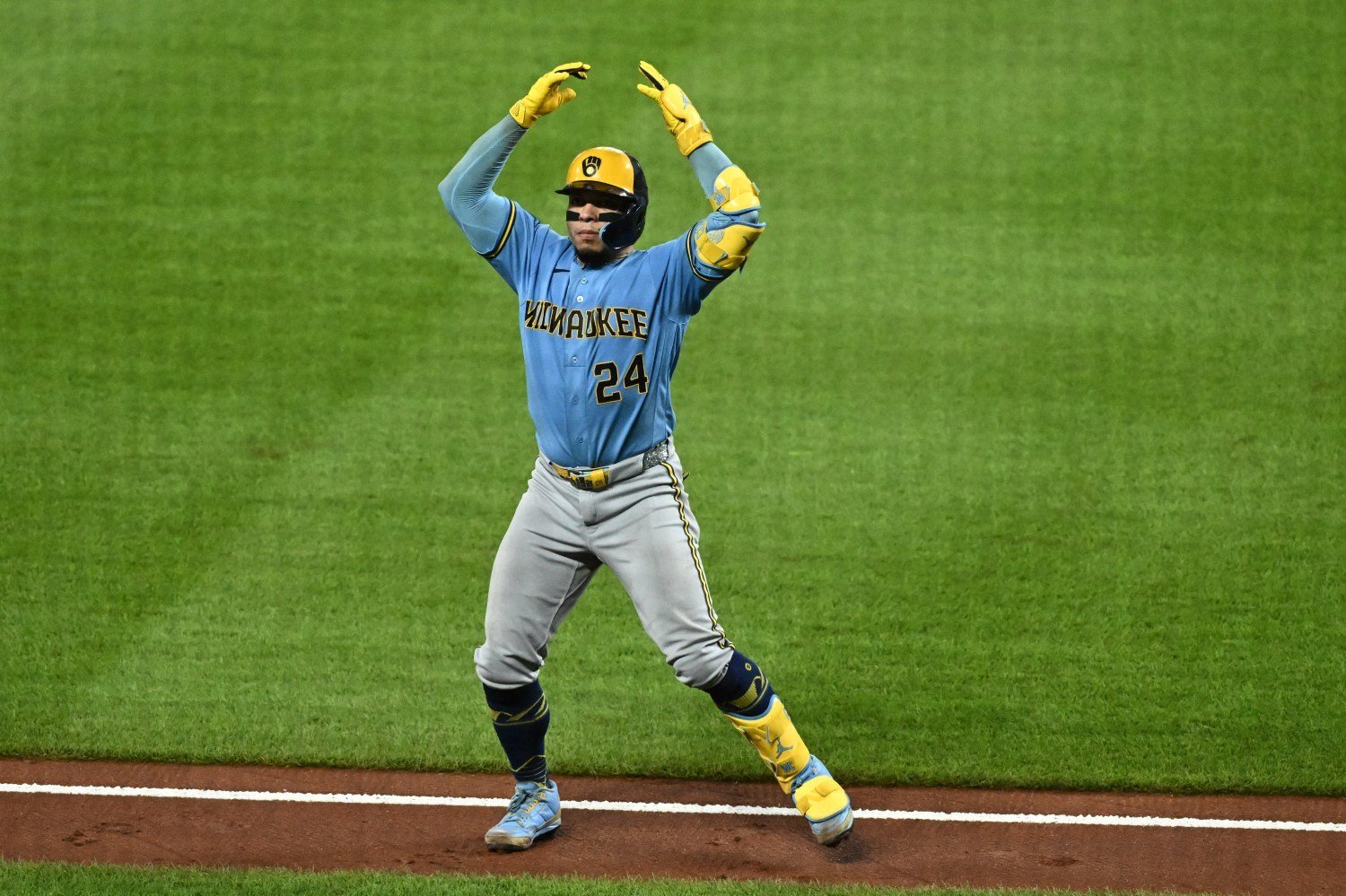 Since his arrival, William Contreras has been a staple in Milwaukee’s lineup, making the possibility of his departure a significant potential problem. The organization has shown a pattern of trading away star players when they reach their final year of team control, particularly when the front office determines that moving a player can provide greater long-term value than keeping him. With Contreras approaching that point in his Brewers tenure, his future in Milwaukee will be one of the organization’s biggest offseason decisions. First, to be clear: the Brewers still have control of the situation. Contreras signed a one-year, $9.4-million deal with the Brewers this past offseason with a club option worth $15.5 million for 2027. However, declining that option would not make Contreras a free agent. Instead, he would remain under team control and go through the arbitration process for the 2027 season. Milwaukee has used this type of contract structure before, including with Contreras last offseason and Devin Williams. Rather than go to arbitration with a player with whom they could not settle immediately, the Brewers can agree to a deal that is worth a little more than they would like to pay in the short term, while securing a team option for the following year. This gives the organization additional flexibility in the next arbitration cycle and puts a ceiling on what the player can earn through arbitration in that follow-on campaign. If Contreras were having an MVP-caliber season right now, the Brewers would likely pick up the $15.5-million option. Since his performance has been up-and-down this season, however, it's an interesting question whether Milwaukee believes he is worth that amount, or whether the team could get him for less by sending him back to arbitration via declining the option. After his 18th home run of the season Sunday night in Baltimore, Contreras enters the final week of the regular season batting .271/.342/.423. He’s pulling the ball in the air more, up to 16.2% of the time in 2026 (11.1% in 2025), and is striking out considerably less than his career average (14.5% this year, 20.3% overall). He’s been a consistent bat (and player, overall) for the Brewers throughout his tenure, worth at least 3.0 fWAR and with a wRC+ of at least 110 in each of his four seasons with the team. The 28-year-old is a three-time All-Star (two with Milwaukee) and has won two Silver Slugger Awards at catcher. It would be hard to move on from Contreras, but fans said the same thing in the past, including with Freddy Peralta and Corbin Burnes. The team has a history of doing this kind of transaction, and if they do it again, they do have some internal options to take the place of Contreras. The current backup catcher, Gary Sánchez, signed a one-year contract late last offseason with a mutual option for 2027. That option is unlikely to be picked up; it's just a way to roll a small part of his salary into next season via a buyout. Still, a reunion is hardly out of the question, given that this is already Sánchez's second stint with the team. He's slashed .209/.352/.419 in 264 plate appearances this year. Moving forward with him as the starter isn’t a viable option, but he’d be welcomed back as a backup catcher and occasional designated hitter. Bo Naylor is the other option currently on the major-league roster. Naylor was acquired from the Guardians on August 1 and called up to be a third catcher when the rosters expanded at the start of September. He hasn’t played much since then, amassing two hits in only eight plate appearances so far. He’s struggled offensively throughout his career, slashing .200/.280/.374 in over 1,000 plate appearances, but there are reasons to hope the Brewers could turn his offensive profile into something productive. He will enter his first year of arbitration in 2027, so he'll probably be around the organization. Jeferson Quero and Marco Dinges are solid prospects in Triple-A and Double-A, respectively, but both have spent more time at designated hitter than behind the plate this year. Neither can start the 2027 season as the full-time starter in the majors. As for options outside of the organization, top free-agent catchers this winter include Ryan Jeffers, Carson Kelly and Tyler Stephenson. It would make little sense to sign any of them in the stead of Contreras, though; they'd cost almost as much and require a multi-year commitment. If the team does trade Contreras, his replacement would probably have to be found in either that deal or a separate one, such as one that sends Trevor Megill elsewhere. Ultimately, the Brewers have several options available. The decision will come down to how Milwaukee evaluates Contreras’s production, his projected arbitration salary, and his importance to the team in ways that go beyond the numbers—as a leader, as a handler of the pitching staff, and as an exemplar of the toughness, work ethic and high standards of the club. This feels more like a Willy Adames situation than a Peralta, Burnes, or Williams case—but if the right offer presents itself, that could change. What are your thoughts? Will William Contreras be on the Brewers roster in 2027? If not, who will take his place as the primary catcher? View the full article
 -
Breaking: Twins Calling Up Former First-Round Pick Aaron Sabato
DiamondCentric posted an article in Twins Daily
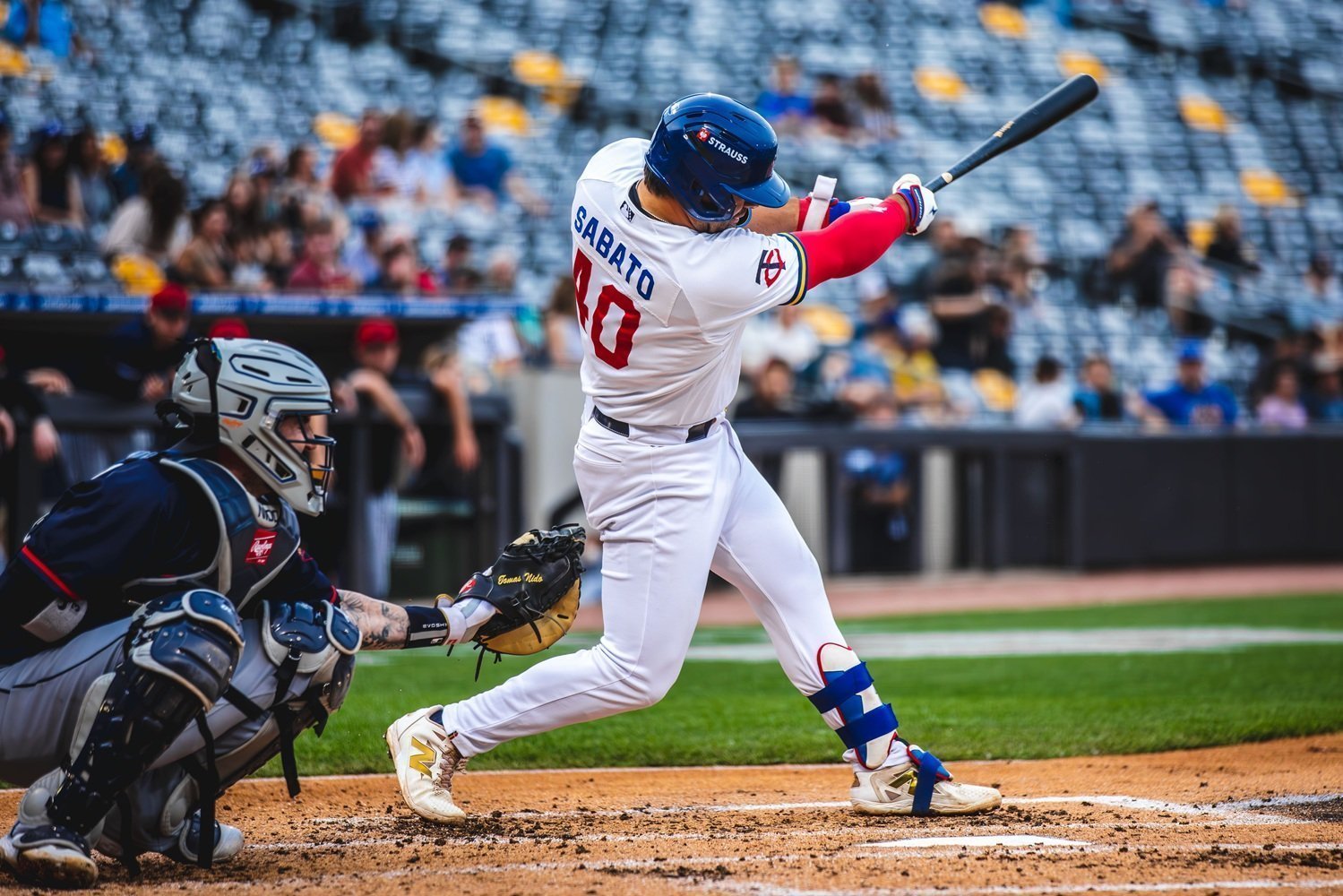 It's been a long journey for Aaron Sabato. There were probably plenty of moments over the last six years when the former first-round pick wondered if this day would ever come. Now, after grinding through the minor leagues and putting together the best season of his professional career, Sabato is finally getting the call. The Minnesota Twins are calling up Sabato, giving the 27th overall pick from the 2020 MLB Draft his first opportunity to play in the big leagues. Sabato's journey began during the strangest draft in baseball history. The event was shortened to just five rounds because of the COVID-19 pandemic, and the Twins used their first selection on a massive first baseman from the University of North Carolina. There was never much mystery about Sabato's calling card. It was his bat—and, specifically, his power. He entered professional baseball with significant raw power and a strong offensive track record. As a freshman at UNC, Sabato hit .343/.453/.696, with 18 home runs and 25 doubles in 64 games. The Twins believed his offensive ceiling could make him a middle-of-the-order threat. There was a catch. Sabato was always going to have to hit at a high level. He was primarily a first baseman and didn't have the defensive versatility that would have provided another avenue to playing time. The equation was relatively simple: The bat needed to carry the profile. For years, that equation didn't quite balance. Sabato eventually reached Triple-A, but his progression was slower than many expected from a first-round selection. The power was still there, but the overall offensive production wasn't consistent enough to force his way into the Twins' plans. His prospect stock didn't fade; it cratered. He fell off the radar of all but the most indomitable Twins fans. Then came 2026. Sabato turned his best tools into his best professional season. He established a new St. Paul Saints Triple-A franchise record with 25 home runs, while adding 25 doubles. Earlier this week, the Saints named him their 2026 Most Valuable Player. He finished his season with a .273/.349/.528 slash line, good for an .877 OPS and a 121 wRC+. Sabato also posted an 8.7% walk rate and a 25.3% strikeout rate over 113 games. Those numbers don't erase the questions that followed him throughout his professional career. They do, however, show why the Twins continued to give him opportunities. The power is legitimate, and that power could give Minnesota something it has been searching for. A Right-Handed Power Bat The Twins have needed more right-handed power for quite some time. That makes Sabato's opportunity particularly interesting. Minnesota doesn't need him to suddenly become the next superstar. He doesn't need to carry the offense. The Twins just need to determine whether the bat that made him a first-round pick can play against big-league pitching. The challenge will be making enough contact and controlling the strike zone against more formidable opponents. His strikeout rate shows there's still some swing-and-miss in his game. That's nothing new for a player whose offensive value is built around doing damage. But the Twins will get a chance to see whether his improved overall production can carry over. The timing makes sense. At this point in the season, the Twins have an opportunity to evaluate players who could factor into their future plans. Sabato has already spent years in the organization. There isn't much left for him to prove in Triple-A. He probably doesn't factor into the team's future, either, but bringing him to the majors is a feel-good story that also serves as an audition. For a former first-round pick who has spent most of his professional career waiting for this opportunity, that's more than enough. Sabato is finally a big leaguer. The long journey is over. Now the real test begins. What can the Twins expect from Sabato? Can he be a piece of the 2027 Twins? Leave a comment and start the discussion. View the full article
 -
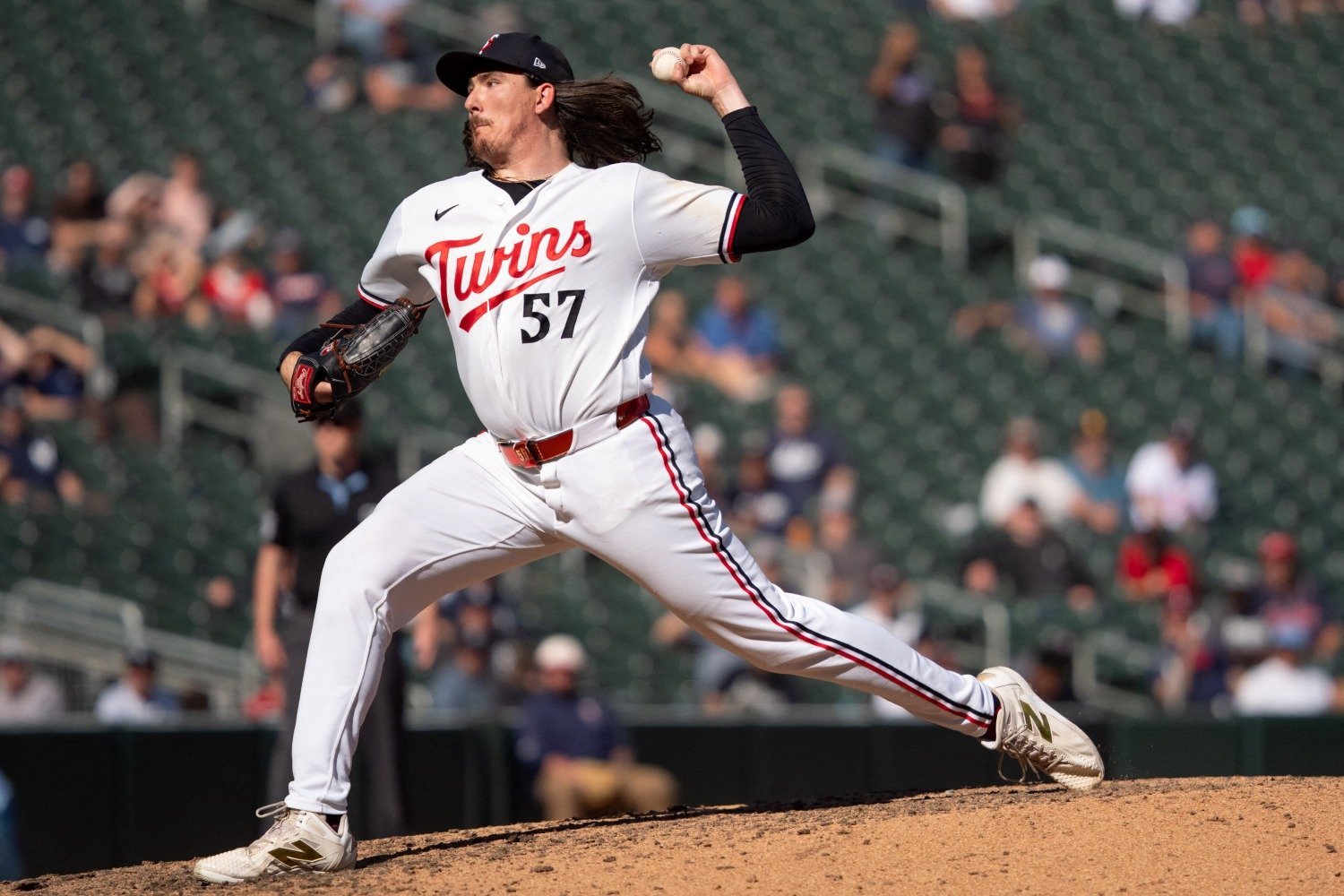 The Twins have to find better answers in the bullpen next season than they found this year, and that process starts now. There are some names that feel like they're written in pen for next year, including Yoendrys Gómez, Andrew Morris and Jeff Hoffman. Others appear likely to move on, including Taylor Rogers and A.J. Minter. Then there's a large group in between, where it's difficult to know exactly what the Twins will do. Two of those pitchers are right-handed reliever Cole Sands and left-handed reliever Kody Funderburk. Both have pitched well enough in the past to make a legitimate case for returning in 2027. At the same time, neither has established himself as a pitcher the Twins can confidently pencil into their bullpen for an entire season. That makes their situations precarious, because Funderburk will enter the 2027 season without any remaining minor-league options, while Sands is due to pass a second time through the arbitration process. Sands has spent five seasons with the Twins and owns a 4.42 career ERA. His 2024 season was by far his most encouraging, as he posted a 2.63 FIP while striking out 29% of opposing batters. That season gave the Twins reason to believe Sands could develop into a legitimate back-end bullpen weapon. Instead, Sands struggled in 2025, and his 2026 season was derailed by injuries. He threw just 12 innings this season, making it difficult to know exactly what the Twins will have when he reports to Spring Training next year on the other side of elbow surgery. There's still plenty to like. Sands's 2024 season wasn't a fluke, in the sense that he showed real swing-and-miss ability. Presumably, there's still a version of Sands who could regain that form and become a very useful reliever. But there are also legitimate reasons for concern. Sands will turn 30 next season, and his four-seam fastball velocity has dropped nearly three miles per hour from its peak in 2024. After two consecutive seasons that have raised questions about his performance and health, the Twins can't simply assume that the 2024 version of Sands is going to return. Funderburk has a somewhat different story, but the overall dilemma is similar. He has a 4.13 career ERA across four seasons with the Twins, and after struggling badly in 2024 with a 6.49 ERA, he's put together back-to-back seasons with an ERA below 4.00. This season has also been his most productive from an innings standpoint, and he has continued to show that he can be an effective option against left-handed hitters. But there are still questions surrounding Funderburk. Even with a career-high workload this season, he's only going to finish around 50 innings. Injuries and subpar control have prevented him from putting together a full season in the majors, and much of his best work has come in lower-leverage situations. He's never been given consistent responsibility in the biggest spots against the best hitters. Like Sands, Funderburk will turn 30 next season. The Twins have two pitchers who have shown enough to make you want to keep them, but not enough to make them sure things. Sands has the higher ceiling, particularly if he can get healthy and regain some of his velocity. Funderburk has the more recent track record of success, putting together his best two seasons in the past two years. Neither has established himself as a stable, high-leverage piece of a major-league bullpen. Normally, that wouldn't necessarily be a huge problem. A team can carry a pitcher like Funderburk or Sands and see how things go. If the pitcher struggles, the team can send him to Triple-A, let him work through whatever is wrong, and bring him back when he is ready. That's where the options issue changes the equation. Funderburk can't simply be sent to the minors in 2027. If the Twins decide they no longer want him on the major-league roster, they would have to designate them for assignment and expose him to waivers before they could send him to Triple-A. That means the Twins have to be more certain about Funderburk than they otherwise would—and it's hard to see how they could feel that confidence, given the way his season has unfolded. His is a particularly interesting case, because the Twins have used his minor-league options repeatedly throughout his career. He's spent parts of each of the past four seasons in Triple-A, and that flexibility has allowed the organization to move him back and forth depending on his performance and the needs of the roster. If he struggled in 2027, that would no longer be an option. Sands presents a different problem, but an equally salient one. He's making $1.1 million this season, after becoming arbitration-eligible for the first time last winter. Though he pitched for St. Paul on a rehab assignment, he was never actually optioned there this season, so he still has one more year of optionability, but at a certain point, that's just a technicality. The Twins would have to pay him at least $1.3 million to retain him without first non-tendering him and making him a free agent. That's a modest amount, but when a team pays even that much to a player, they expect to be able to keep them in the majors as long as they're healthy. It's no guarantee that, if the Twins are on the fence about Sands as a staple of their roster next year, they'll still be willing to pay him like a full-fledged big-leaguer. They might also have some concerns about doing so with a player whose health outlook has gotten so iffy. Heading into the offseason, the question isn't simply whether Sands and Funderburk are good enough to pitch in the majors. It's whether they're good enough to justify taking up a bullpen spot without the flexibility to send them down if things go wrong. Technically, they'll have that flexibility with Sands, but would they feel it? Will the slightly greater roster flexibility and the aforementioned high-leverage upside give Sands the edge, even though Funderburk will be $500,000 or so cheaper next season and is two years further from free agency than Sands is? The Twins can't afford to have an entire bullpen filled with question marks. If Gómez, Morris and Hoffman are part of the plan, and if (when?) the Twins add other relievers during the offseason, there are only so many spots available. Using two of those spots on Sands and Funderburk would mean committing one-quarter of an eight-man bullpen to pitchers who have never established themselves as dependable major-league relievers for an entire season, without the easily attainable upside or the roster flexibility teams prefer for that spot. There's a legitimate argument for keeping Sands because his 2024 season showed the possibility of having a legitimate back-end bullpen weapon. There is also a legitimate argument for keeping Funderburk. He gives the Twins a left-handed option who has shown he can get lefties out, and there is at least a chance that his recent success could lead to further improvement. The problem is that keeping both requires the Twins to make a pretty significant bet on two pitchers who still have a lot to prove. They might need to roll their dice in other directions. If you were calling the shots in the Twins' front office, what would you do with Cole Sands and Kody Funderburk? What do you think the Twins will do? Leave a comment below and start the conversation! View the full article
