


DiamondCentric
-
Posts
2,631 -
Joined
-
Last visited
Never
Content Type
Profiles
Forums
Events
News
Tutorials & Help
Major League Baseball Videos
Guides & Resources
Store
Downloads
Gallery
Everything posted by DiamondCentric
-

The Brewers’ Offense Has Something to Prove This October
DiamondCentric posted an article in Brewer Fanatic
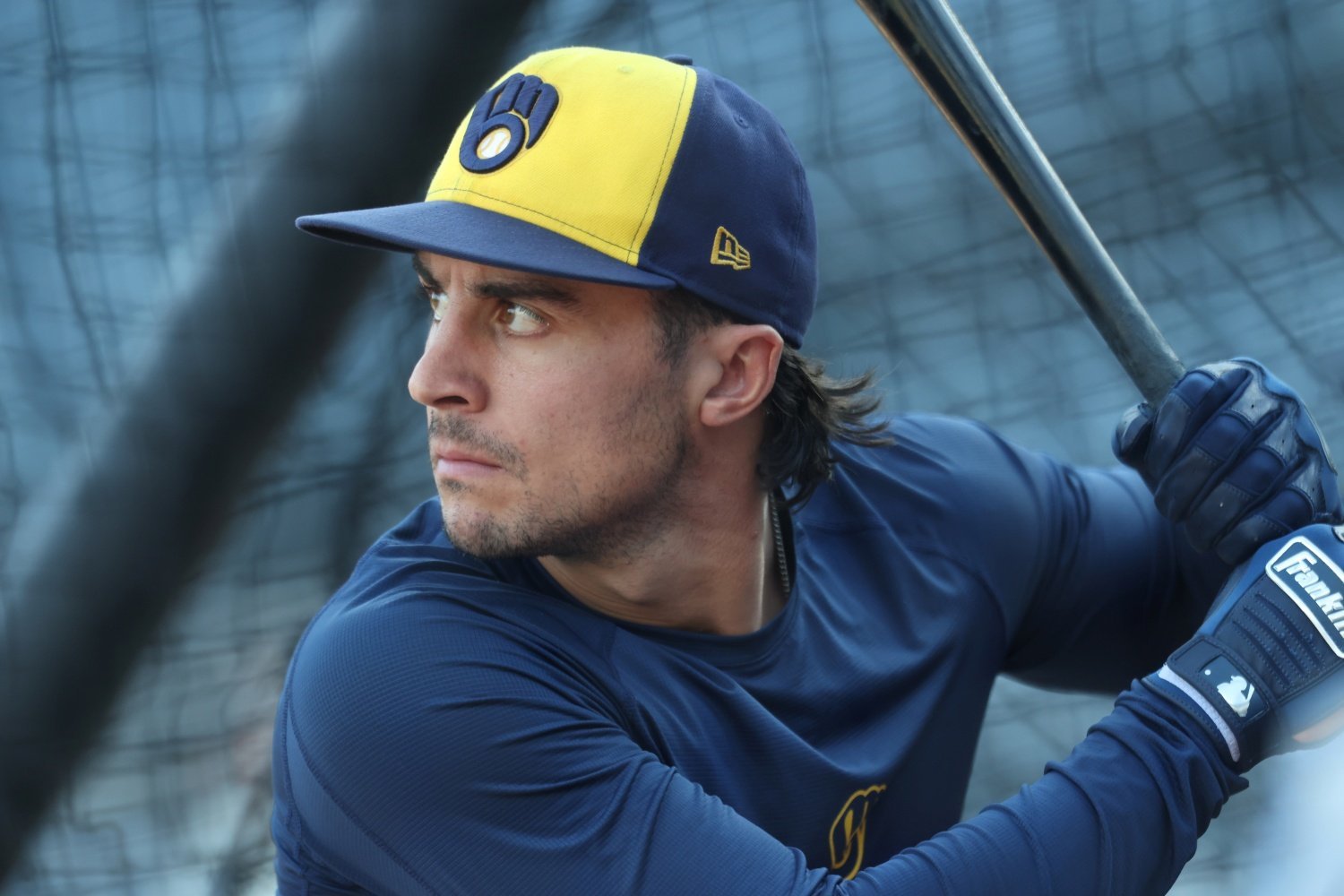 The MLB regular season is winding down, with the first round of the playoffs set to begin in less than a fortnight. At this point, the Milwaukee Brewers hold the best record in the National League and are in a very good position to earn a bye through the Wild Card round. It’s a spot this team is pretty familiar with: They entered last year’s postseason as the top seed in the NL, too. While the team took down the Chicago Cubs in the NLDS last year, though, the season came to an abrupt end in the NLCS when the Dodgers swept them in four games. The biggest reason for that? The offense couldn't solve Los Angeles's excellent starting pitchers. Milwaukee scored just one run in each game of the set. Their pitching staff actually did a pretty good job of keeping the Dodgers’ lineup in check for most of the games, but it didn’t matter, because the bats couldn’t give them anything to work with. That naturally raises the question heading into this postseason: Can the Brewers’ offense step up this time around? On paper: yes. Milwaukee has scored the second-most runs in baseball this season with 788, trailing only the Cubs. The offense has been especially productive lately, with the Brewers scoring at least eight runs in half of their games in September. There are plenty of reasons to believe the bats are getting hot at exactly the right time. But there’s also a little bit of déjà vu here. The Brewers had the second-most runs scored in baseball last season, too. They were the top seed in the National League and had been one of the best teams in baseball from start to finish. For much of the year, it felt like there wasn’t much that could get in their way. Then they got to the NLCS and went 14-for-119 at the plate across four games. That’s obviously a small sample size, but it was a disastrous one. Milwaukee couldn’t string together hits, couldn’t capitalize on opportunities, and ultimately gave itself no chance against the Dodgers. So why should this year be any different? Firstly, if you never step in the same river twice, you never take the same lineup to the playoffs twice, either. Guys like Brice Turang, Christian Yelich and Sal Frelick struggled mightily in that series. Turang went 1-for-15, while Yelich and Frelick combined to go 1-for-14. Those players now have another postseason run in front of them, and they have an opportunity to make sure the same thing doesn’t happen again. Experience obviously doesn’t guarantee better results, but in terms of both knowledge and emotion, each experience like losing a playoff series changes you—and opens up a new menu of adjustments and opportunities. The other reason I’m more confident in this Brewers offense is the way they’ve performed in high-leverage situations throughout the season. Milwaukee has the highest team batting average and on-base percentage in baseball in high-leverage spots. Their .781 OPS in those situations is just three points behind the Astros for the league lead. That’s a pretty significant development compared to last season. The Brewers weren’t nearly as successful in those moments a year ago, and eventually, that lack of production caught up with them in the postseason. This year’s team has shown a much greater ability to come through when the pressure is on. When you get into a playoff series where one or two hits with runners in scoring position can completely change a game, that can make a massive difference. If they've approached it correctly, this whole season can serve as a staging period and preparation for October. Every clutch hit next month is worth two or three of them in the regular campaign. The pitching staff can only do so much. Even if the Brewers get another strong postseason from their arms, they’ll need the offense to support them. After what happened at the end of last season, this feels like a group with something to prove. Milwaukee has already established themselves as one of the best teams in baseball over the course of the regular season. Now, they have another opportunity to prove that this team is capable of finishing the job. The offense will have a lot to do with whether they can. View the full article
 -
Dustin Harris Is Helping the Padres' Bench Stay Afloat
DiamondCentric posted an article in Padres Mission
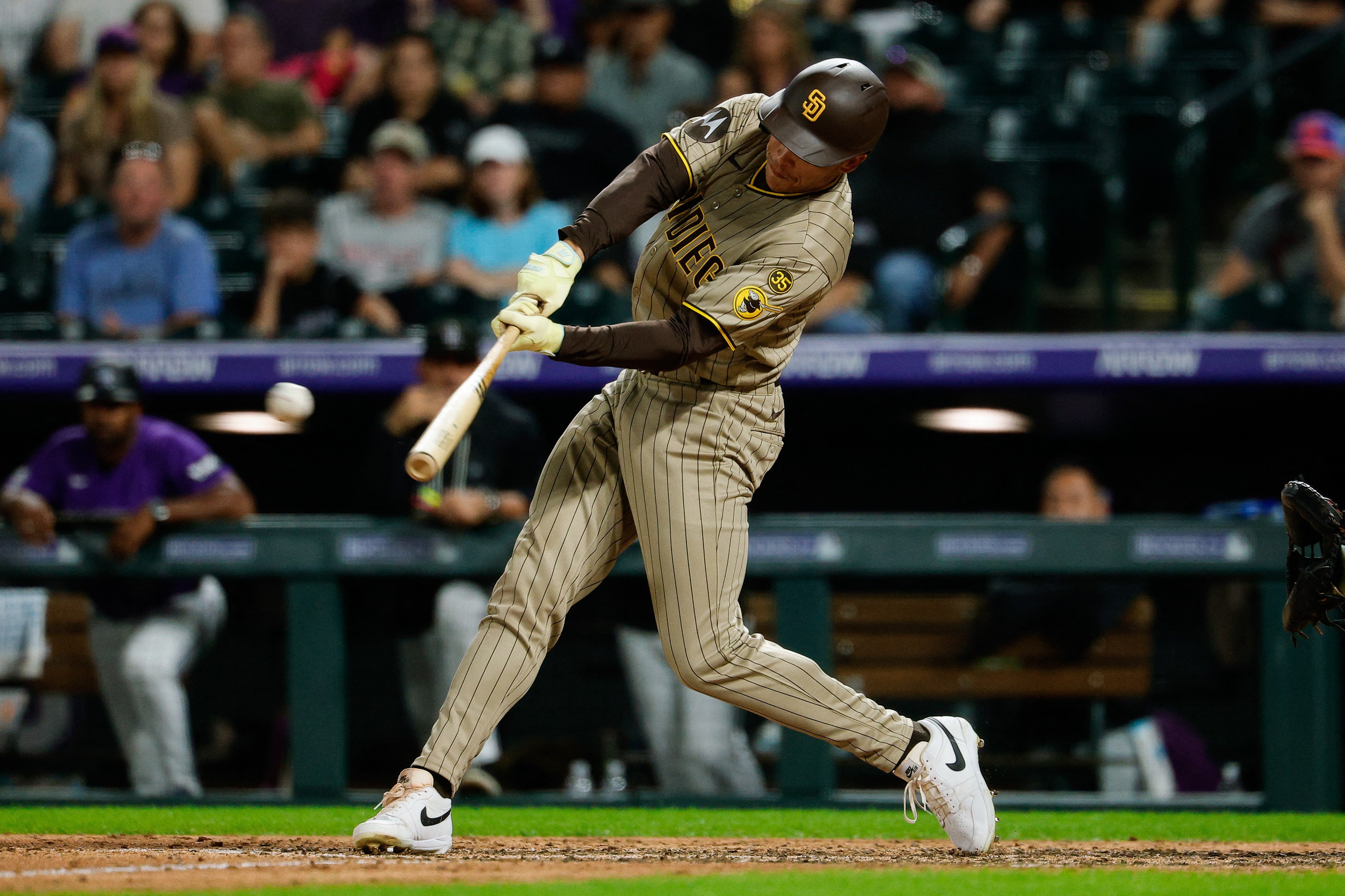 Given how offseason budget constraints forced the San Diego Padres to assemble their roster, the bench was always something of a question for the 2026 team. Sure enough, the progression of this season has been fraught with turnover via designation for assignment (Nick Castellanos), injury (Gavin Sheets, Samad Taylor), and underperformance (Sung-Mun Song). Luis Rengifo was sort of a saving grace upon his selection to the roster back in July, but a torn ACL brought his season to an unceremonious end as the team continued to struggle to piece together a reserve group. Enter Dustin Harris. A castoff of the Chicago White Sox and Houston Astros this season, Harris signed a minor-league deal with the Padres back in July. He lit up opposing pitching in El Paso to the tune of a .350/.422/.617 line before being selected to the major-league roster toward the end of August. In the wake of the injuries to Rengifo & Sheets (alongside the continued absence of Ramón Laureano), Harris has helped the bench remain afloat in a number of ways. It's not just that Harris has performed well, though he's certainly done so with a .347/.389/.469 line through his first 55 plate appearances. He's also added a pair of doubles, two triples, and four stolen bases on five attempts. Beyond the performance is the type of role he's been able to fill. While Harris has gotten regular work in left field given the myriad of injuries the team has faced, he's also played in both right and center while serving as a pinch hitter and pinch runner on multiple occasions. That flexibility also applies to the batting order, where Harris has hit in six different spots. Even without a power element in his game, his ability to create contact and work his way on base makes him a benefit to the lineup in any spot on a given day. What's particularly important about Harris' ability to move around both the outfield and the batting order is his relation to a lineup that doesn't feature a ton of flexibility. Their regulars are almost all locked into their specific positions, with Song representing the only reserve infielder capable of actually moving around. Harris performing as well as he has has allowed Craig Stammen to move Fernando Tatis Jr. back to second base on occasion and maintain some semblance of upside in the wake of big struggles from Song & Jake Cronenworth. It really is a crucial development for the Padres and Stammen's ability to manage the roster. Rengifo had played so well prior to his injury in a way that supplemented the roster as well as any one player can. Harris' performance through his first 50-ish plate appearances has allowed them to maintain that, to the point where FanGraphs has him grabbing over 50 percent of the time in left field moving forward. Such a development speaks to just how essential his presence has proven to be over the last handful of weeks and moving into the home stretch of the regular season. View the full article
 -
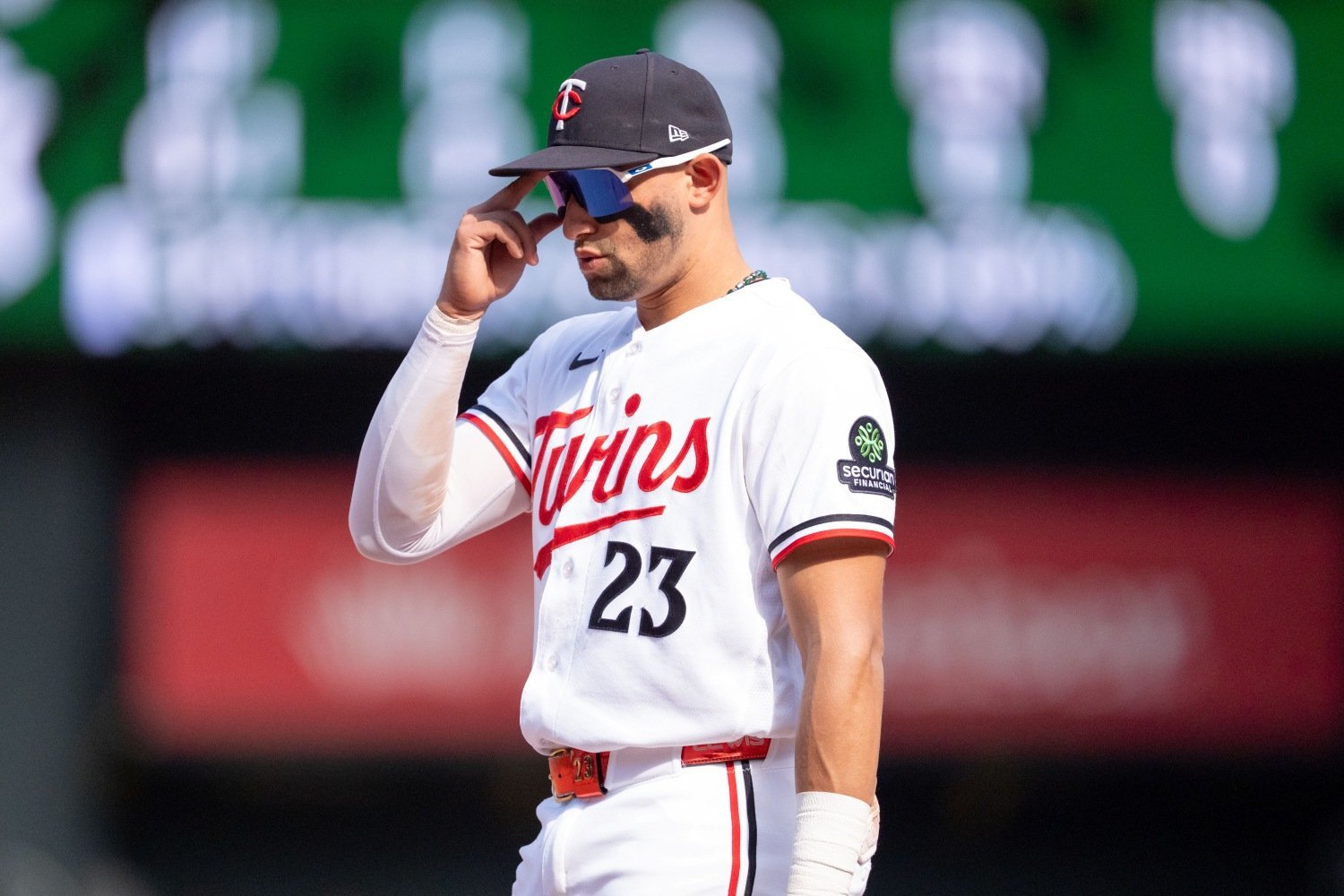 For a good portion of the 2026 season, the Minnesota Twins have had some pretty spotty defense at first base. Josh Bell, Victor Caratini and now Royce Lewis have all graded out as below-average defenders at the position this season. Bell is probably gone after this year, and Caratini could become the Twins’ primary catcher next season (if Ryan Jeffers leaves in free agency), anyway, There's a pretty obvious need for improvement at first base. That invites the question: Could the Twins already have their long-term answer somewhere in the organization? The most obvious candidate is, of course, Lewis. He's struggled a bit with the nuances of playmaking at his new position, but he's a plus receiver of throws, which makes up for some of the hiccups on grounders his way. The defensive numbers certainly aren’t encouraging. At the same time, Lewis is still a very good athlete who has shown flashes of brilliance at first. With an entire offseason to get more comfortable at the position, I don’t think it’s unreasonable to think he could become at least an average defender there. Less clear is whether Lewis’s bat can hold up at first base. First basemen need to be one of the most productive offensive players in a lineup, and Lewis currently owns a sub-.700 OPS. That obviously isn’t going to cut it long-term. Still, I think it’s too early to say with any certainty that Lewis has no future at first base. It's fairer to say that he can't be the whole plan at the spot next year; he'd have to be a platoon or utility option. The only other player in the upper levels of the Twins' system who has primarily played first base is Aaron Sabato. It’s been a rocky road for the Twins’ 2020 first-round pick, but as the saying goes, better late than never. Sabato has shown some legitimately encouraging signs this season, posting an .898 OPS at Triple-A St. Paul with 55 extra-base hits in 109 games. That’s the kind of offensive profile you’d expect from a quality first baseman, and perhaps more importantly, both his walk and strikeout rates have improved significantly. For a player whose plate discipline has been one of the biggest questions throughout his professional career, that’s a very promising sign. There are glaring weaknesses in his game, and there are still few scouts who think his success would translate to the big leagues, but if he stays in the organization this winter, it would signal that the Twins are at least keeping an open mind. Then there’s Gabriel Gonzalez, the least conventional of the plausible options. Gonzalez doesn’t have the traditional frame you’d expect from a first baseman, at just 5-foot-10, but sometimes, guys that size make it work at the spot. He's already made 42 starts at first base for St. Paul this season, and while some of that probably has to do with the sheer amount of outfield talent the Twins have had at Triple-A, they still chose him to get that work, rather than someone like Hendry Mendez. The Twins’ long-term outlook in the outfield leaves little space for Gonzalez, and it seems like the Twins realize that. Gonzalez doesn’t have the traditional offensive skill set of a first baseman, either. He’s more of a contact-oriented hitter than someone who’s going to provide huge amounts of power. But the fact that he has continued getting starts at first base even with Sabato on the same roster is worth paying attention to. If the Twins truly viewed Gonzalez as a long-term outfielder, it would be somewhat surprising to see them give him this many opportunities at first. Let's also consider Mendez. The Twins’ No. 7 prospect has spent basically all of his professional career playing the outfield corners, but that might not be his long-term home. Mendez went to the Arizona Fall League after the 2025 season, at least in part to get some reps at first base, and he also appeared there a couple of times at Double-A this year. Considering how many left-handed corner outfielders the Twins have in their system, someone is probably going to have to transition to another position eventually. That could be Gonzalez, but Mendez makes at least as much. He throws and bats left-handed. He's 6-foot-3. Like Gonzalez, he’s a contact-first hitter who can get on base, but Mendez has also shown an ability to consistently hit the ball hard, more so than Gonzalez. That combination gives him an offensive foundation that could work at first base if the Twins ultimately decide that’s his best path to the majors. Mendez could make his major-league debut in 2027, and it wouldn’t surprise me at all if that debut comes at first base. Of course, there’s always the possibility that the Twins look externally for their answer. First base is a position where they could find a veteran solution through free agency or a trade, and there’s no guarantee that any of these four players actually becomes the long-term answer. But I think Lewis, Sabato, Gonzalez and Mendez all have interesting (if speculative) cases for why they could be. The Twins don’t need to find their next first baseman this offseason. They might already have several options worth exploring. View the full article
 -
 Syracuse made it two wins in a row in its season-ending series against Lehigh Valley with a 5-4 victory Wednesday night. Some notes from the victory: Ryan Clifford Regaining His Footing? Ryan Clifford has come back strong after being inactive for two weeks on the development list. His September numbers improved some more on Wednesday. He hit his second home run of the month, a tie-breaking blast in the sixth inning, which stood up as the winning run. Six of his eight hits this month have gone for extra bases -- three doubles, a triple and the two homers. Wednesday's dinger, his 18th of the year, extended his hitting streak to five games. Between the streak and the four walks he has drawn in 32 plate appearances, the slash line in nine games this month looks good: .286/.375/.679. He reached base all four times up (3-for-3, walk) and was in the middle of Syracuse's two, two-run innings (he singled and scored in the first on Ronny Mauricio's double for a 1-0 lead). He's making a great first impression in the place he should call home for at least a part of next year Santucci Wraps Up Season Jonathan Santucci took the mound for the first time since being named Mets Player Development's Minor League Pitcher of the Year. It went well enough. The left-hander was charged with four runs (three earned) on three hits over 5 1/3 innings. He walked three, struck out six and allowed a home run. He left the game leading 4-3, but Kevin Herget allowed his inherited runner to score and denied Santucci a chance at a win. Santucci also committed a throwing error, which led to Lehigh Valley's first run of the game in the first inning. The homer was a two-run shot that cut the Mets' lead to a run the fifth. On the plus side, his fastball velocity averaged 94 mph, right in line with his season figure. That's a good indication he stayed healthy and strong late in the year. The K's gave him 163 in 125 innings between Binghamton and Syracuse (30.8 percent). Other Notes Left-hander Cionel Pérez pitched for a second consecutive night as his minor-league rehab continued. He allowed one hit in a scoreless eighth inning, setting up Chayce McDermott for his first save with Syracuse. . . . Amick's K rate jumped to 32.2 percent after three punchouts in an 0-for-4 night. . . . Mets batters struck out 14 times in all. D'Andre Smith completed the hat trick as well. Clifford, Mauricio and Jose Ramos each fanned twice. Syracuse Batting Player AB R H RBI BB K D'Andre Smith 3 0 0 0 1 3 Jefferson Rojas 3 2 3 2 1 0 Ronny Mauricio 4 1 1 1 0 2 Vidal Bruján 3 0 0 0 1 1 Eric Wagaman 4 0 1 1 0 1 Billy Amick 4 0 0 0 0 3 Ryan Clifford 4 1 1 1 0 2 Jose Ramos 3 1 1 0 0 2 Hayden Senger 3 0 1 0 0 0 Totals 31 5 8 5 3 14 Syracuse Pitching Player IP H R ER BB K HR Jonathan Santucci 5 1/3 3 4 3 3 6 1 Kevin Herget 1 2/3 1 0 0 0 2 0 Cionel Pérez 1 1 0 0 0 0 0 Chayce McDermott 1 0 0 0 0 2 0 Totals 9 5 4 3 3 10 1 New York Mets Transactions New York Mets placed RHP Daniel Duarte on the 15-day injured list. Left hamstring strain. New York Mets recalled RHP Xzavion Curry from Syracuse Mets. New York Mets recalled LHP Jefry Yan from Syracuse Mets. Top-20 Prospect Performance Jonah Tong: MLB Jack Wenninger: DNP Elian Pena: DNP Mitch Voit: DNP Ryan Clifford: 1-for-4, HR, R, RBI, 2 K Nick Morabito: MLB Jonathan Santucci: 5 1/3 IP, 3 H, 4 R, 3 ER, 3 BB, 6 K, HR Carson Wiggins: DNP Jacob Reimer: DNP Aiden Robbins: DNP Randy Guzman: DNP Wandy Asigen: DNP Chris Suero: DNP Jefferson Rojas: 3-for-3, HR, 2 R, 2 RBI, BB Will Watson: DNP Shane Sdao: DNP Eli Serrano III: DNP Antonio Jimenez: DNP Emilien Pitre: DNP Dylan Ross: DNP View the full article
 -
 Boston Red Sox Affiliate Recap (September 16) Triple-A Worcester Red Sox Season Record: 75-65 Worcester’s third straight win came on WWE Night, as the WooSox defeated the Durham Bulls (Tampa Bay Rays) 8-5. The WooSox collected 10 hits, with multi-hit games from Braiden Ward (3), Tsung-Che Cheng (2), and Allan Castro (2), who became the hero once again in back-to-back nights, and cracked two homers for his squad. While Worcester was facing a 3-0 hole in the third, they showcased perfect baseball. Cheng started things off with a single, then advanced to second on a Ward sacrifice bunt. Franklin Arias followed up with a single of his own, bringing in Cheng. Now with Arias aboard, Castro smacked his first of two homers, a two-run shot to tie the game 3-3. Another obstacle was in Worcester’s way in the seventh, now facing a two-run deficit. Singles from Cheng and Ward gave the Sox some life once again. After breaking the record for most stolen bases in Triple-A Red Sox history with 58, Braiden stole two bases, including his 60th, to put two runners in scoring position. Arias recorded his 2nd RBI of the night with a sacrifice fly, cutting the deficit to one run. Then came the hottest hitter on the team, Castro, who clobbered another two-run bomb, giving the Sox their first lead of the game, 6-5. In the eighth, Nate Baez gave the WooSox some comfort with a sacrifice fly, then Ward’s third hit of the night was a big one, extending the lead to 8-5 with an RBI single. Sam McWilliams shut the door in the ninth with a hitless inning, earning his second save of the season. Blake Wehunt, one of Boston’s top pitching prospects, pitched his last regular-season game. The right-hander was not at his best over his five-inning start, but he did not let the game get out of hand, allowing four runs on seven hits and three walks, with three strikeouts. Seth Martinez earned his fourth win out of the bullpen with a dominant seventh inning, striking out the side. Standout Performances: Allan Castro: 2-for-3, 2 HR, 2 R, 4 RBI, BB Braiden Ward: 3-for-4, R, RBI, 2 SB Franklin Arias: 1-for-3, R, 2 RBI, SB View the full article
 -
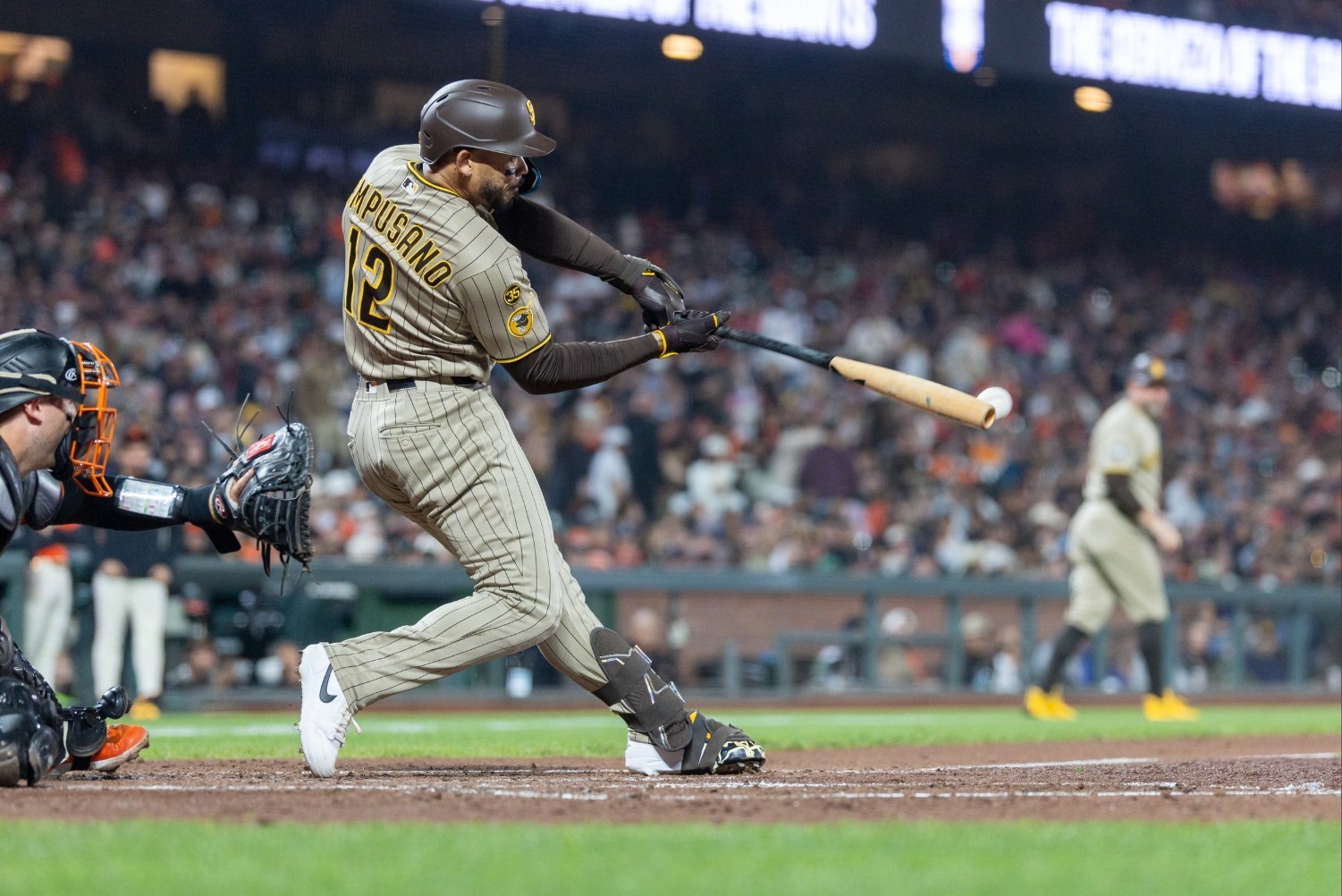 Prior to 2026, Luis Campusano had never really gotten his opportunity to solidify a role with the San Diego Padres. Previously looked at as a bat-first catcher, the most extensive run he got was 299 plate appearances in 2024 where he was almost entirely unplayable behind the dish. It's otherwise been a smattering of up-and-down travel from El Paso, none of it sustainable. This season, however, has represented a shift. While Campusano's 224 plate appearances won't represent a career-high, it's not due to a lack of faith from first-year manager Craig Stammen. Rather, that's the byproduct of a midsummer injury. Because when Campusano's been healthy, he's been in the mix. And Stammen has had every justification to run his No. 2 catcher out there as much as possible. Campusano's line on the season stands at .268/.366/.438. His wRC+ is at 130, his ISO is at .170, and he's shown enough defensive growth throughout the season to justify a place as the team's backup behind Freddy Fermin. His role as a pure bat has also expanded. With Gavin Sheets and Miguel Andujar each missing time in the season's second half, Campusano has gotten more run as the team's designated hitter; after appearing just once as a DH prior to the end of July, he's done it 10 times (two as a pinch-hitter) since the start of August. In general, it's all optimism around the output of Luis Campusano this season. But here at the midway point of September, some struggles are beginning to emerge in a way that they hadn't in the months prior. Much of the positive work Campusano turned in came in April & July, with the two months in between becoming a wash due to a fractured toe. On either end of the injury, though, he posted identical .326 averages, on-base figures of .380 & .456, and a combined wRC+ of 152. While there wasn't as much power in the latter of the two months, he walked more than 19 percent of the time and got plenty of fortune on batted balls. August is where we saw things slow down a touch. His wRC+ slipped to 112, but the power bumped back up (.115 ISO), and he continued to turn in strong numbers thanks to his plate approach (13.1 BB%). The calendar flipping over to September, however, hasn't left us with as much room for optimism. Midway through the month (52 plate appearances), Campusano's slash reads .229/.288/.438. His walk rate has fallen to below six percent. The power, at a .208 ISO, has become the only redeeming factor as his bat is just scratching above the average threshold (103 wRC+) in the first two weeks of the season's final month. While it's a concerning level of decline given what we saw over the first handful of months of the season, it's also not something that's particularly mysterious. Campusano has become more aggressive: His 54.4 percent swing rate is his highest in an individual month. With the exception of an even 50 percent back in April, it's actually startlingly higher than any other month. His chase rate has ballooned to 34.5 percent. It hasn't led to any decrease in the contact trends, but the quality of it has waned; his hard-hit rate of 28.9 percent is 14 percentage points lower than it was in July and seven points lower than it was in August. That has, in turn, led to a decline in his batted-ball fortune, where his BABIP is just .229 for the month. There are myriad reasons why this shift could be occurring, but it seems likely that Campusano is selling out for power. The increase in swing rate coupled with the fact that his 74.7 MPH bat speed this month is easily his fastest of the season is indicative of such a mindset. That he's not losing anything in terms of his contact rates speaks to his ability to make contact, but the loss of a mature plate approach has sapped him of actual production by decreasing the quality of said contact. This is something that Campusano will have to rein in down the stretch if he's to continue being a crucial supplemental bat for the Padres. There aren't any questions about what we saw earlier in the year, but that early success has wrought new expectations. At a time when the Friars need all the offense they can get, a more well-rounded approach from Campusano would go a long way toward lengthening the lineup. View the full article
 -
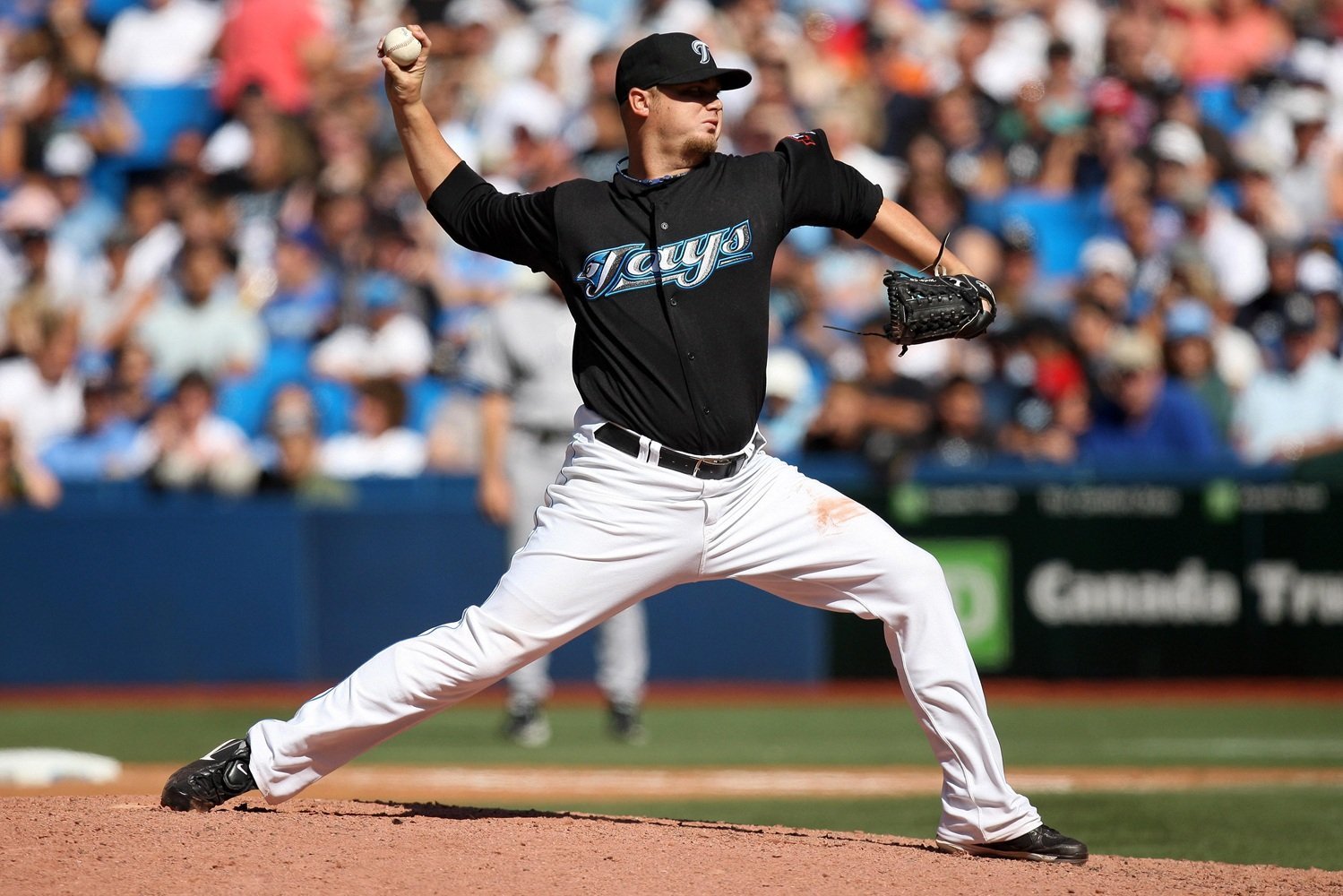 On Wednesday, Rachell Wolfe updated her Facebook page writing "I'm sorry to write this but after a really really difficult and torturous battle Brian Worlfe passed away early this morning." Brian Wolfe was just 45 years old. He never played in the big leagues with the Minnesota Twins, but he spent parts of six seasons in the Twins minor-league system. They drafted him in 1999 out of high school, and he climbed the organizational ladder slowly, reaching Triple-A. The Twins released him in May of 2005. Ten days later, he signed with the Brewers, and in January of 2006, he was traded to the Toronto Blue Jays in exchange for Corey Koskie. In 2007, he got off to a strong start at Triple-A Syracuse. Through 17 games and 26 innings, he had a 1.04 ERA and a 0.92 ERA. He was called up to the big leagues and went 3-1 with a 2.98 ERA over 45 1/3 innings. In 2008, he went 0-2 with a 2.45 ERA and a 1.09 WHIP in 20 games and 22 innings. In 2009, he pitched in 14 games and 15 1/3 innings for the Blue Jays. From 2010-2018 in Japan. He spent time with the Nippon Ham Fighters, the Softbank Hawks, and the Seibu Lions. In 1999, the Twins drafted him with their sixth round pick out of Servite High School in Anaheim. That draft, the Twins took high school players with their first four picks, then after taking a pitcher from Auburn, they took Wolfe out of the prep ranks too. The team's first-round pick was OF B.J. Garbe. He was in the organization until the trade deadline of 2004. In the second round, the Twins drafted prep catcher Rob Bowen. He was in the organization through the 2005 season and played in 24 games for the Twins between 2003 and 2004. The Twins third-round pick was another prep catcher, a Canadian named Justin Morneau. He debuted in 2003 and then was with the Twins until the 2013 trade deadline. He became one of the best Twins players in their history, a four-time All Star, two-time Silver Slugger, and the 2006 AL MVP. He's part of the Twins front office and the television booth. The Twins fourth-round pick was LHP Jeff Randazzo, a prep pitcher from Pennsylvania. He remained in the organization through the 2005 season, topping out at Double-A. Randazzo has been a long-time sports agent. In the last year, he began his own agency, Covenant Sports Group. Fifth-round pick RHP Brent Schoening was drafted out of Auburn. A pitcher, he remained in the Twins organization through the 2005 season. He spent the last two years in Triple-A Rochester. Eighth-round pick OF Matt Scanlon played for the Gophers. Like Wolfe, Scanlon remained in the Twins organization until early in the 2005 season. Others from that 1999 draft class that signed include: OF Kevin West (16th), Waseca High School infielder Barry Quickstad (18th), RHP Travis Bowyer (20th), RHP Willie Eyre (23rd), infielder Terry Tiffee (26th), RHP Jason Richardson (35th), I mention each of these players, noting that those that signed stuck in the Twins organization five or six seasons. These players get close, and even if they're at different levels, the relationships are still there. Then add in 1998 draft picks such as Tommy Watkins and Kevin Frederick. Or players from the 2000 draft such as Josh Rabe, J.D. Durbin , Jason Kubel, Jason Miller and others. Our thoughts turn to his wife Rachel who is likely in pain, and from how words, has been for quite some time. 72 big-league games for Toronto may not sound like a lot, but he pitched in nine games for the FCL Twins in 1999. He spent the 2000 and 2001 seasons in Davenport, IA, pitching in 59 games for Quad Cities. Between 2002 and 2005, he pitched in 32 games for the Ft. Myers Miracle, 42 games for New Britain, and another three games for Rochester. With the Brewers, he spent time in Brevard County, Florida and Huntsville, Alabama. He also represented the organization in the Arizona Fall League. With the Blue Jays, he pitched in Dunedin, New Hampshire, and Syracuse before his big-league time in Toronto. He also pitched some for Las Vegas in 2009 when it became the Triple-A affiliate of the Jays. Nine seasons in Japan. And, he did some coaching upon retirement. That's a pretty large baseball family. View the full article
 -
Jays Salvage Finale, But Lose Uninspiring Series to Tigers
DiamondCentric posted an article in Jays Centre
 Ugh. A heartbreaking game one and demoralizing game two overshadow a series salvaging win on Wednesday. Owen and Jesse talk bullpen decisions (always fun) and to steal or not to steal before getting into the state of the pitching staff (it's bad) and the bats going quiet again. In the end, Owen is still convinced the Jays are making the playoffs. Listen on Apple Podcasts: https://podcasts.apple.com/us/podcast/the-jays-centre-podcast/id1846108462 Listen on Spotify: https://open.spotify.com/show/3Bi7SzfpcqMo5xYWnbCeoL Listen on iHeartRadio: https://www.iheart.com/podcast/263-the-jays-centre-podcast-300304824/ Listen on Pocket Casts: https://pca.st/2qk9wqxd Watch on YouTube: https://www.youtube.com/@jayscentre View the full article
 -
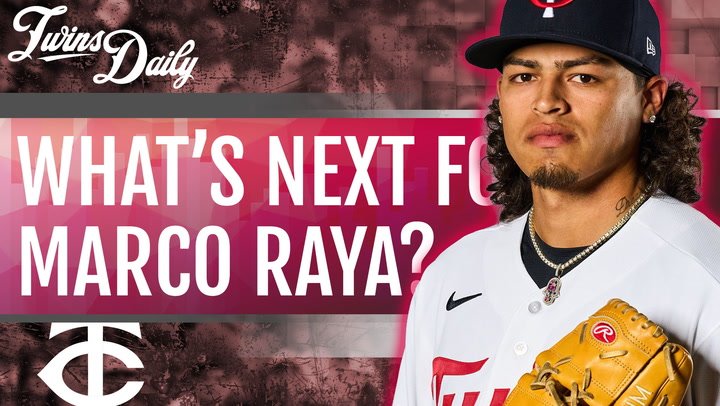 Marco Raya once looked like one of the Twins’ most promising pitching prospects, but his development has taken a very different path over the last couple of years. Now working out of the bullpen, he still has the stuff to potentially carve out a role in Minnesota. View the full article
 -
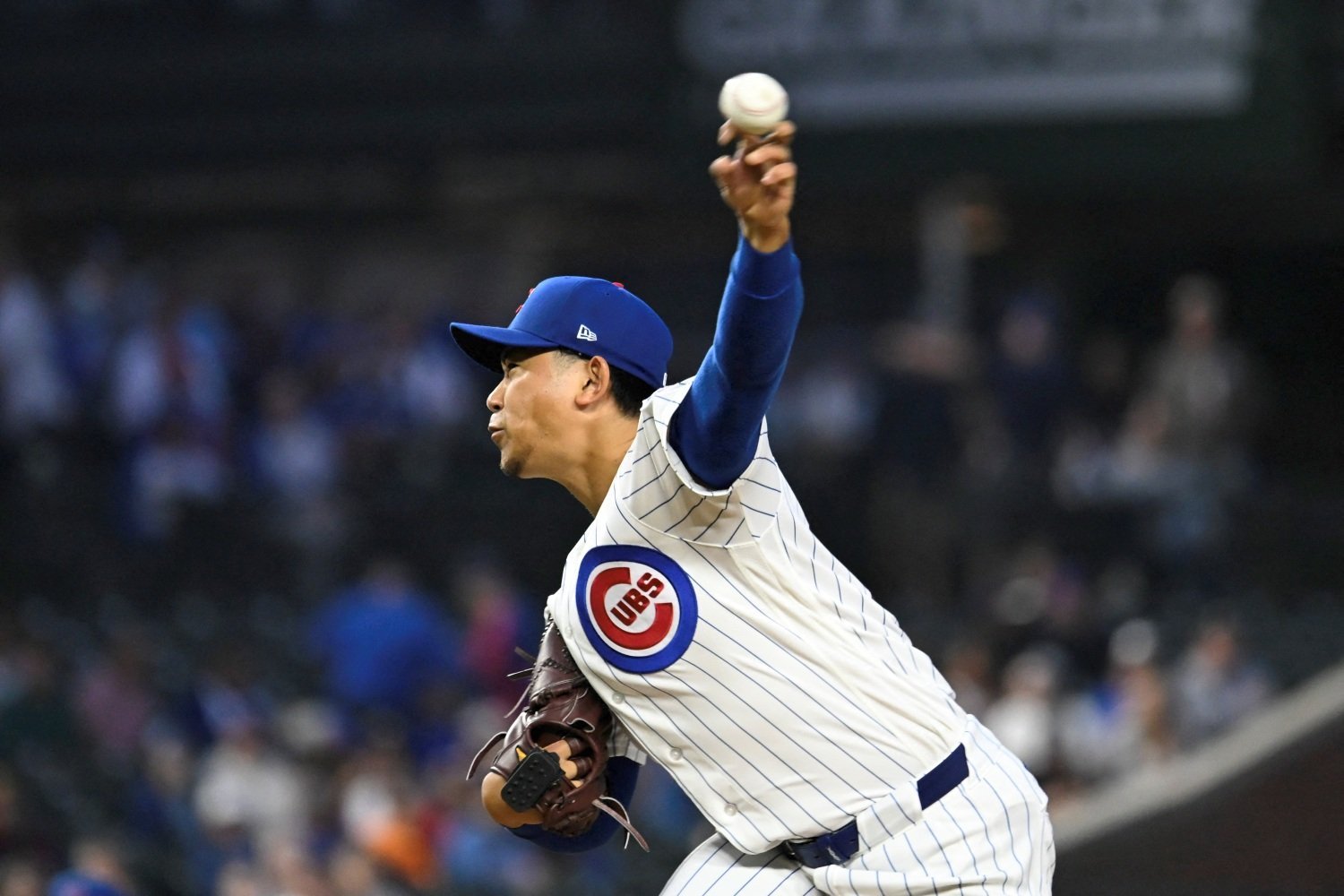 The watchword of this season, for hitters throughout the league, is conviction. As pitchers find new ways to make life in the batter's box hell via velocity and movement, batters need to find ways to get off their 'A' swing consistently; it's their only hope. To do that, they're working harder than ever to get a sense of what's coming—to study pitchers, anticipate their sequences, pick up on tells, and attack as if they'd been tipped off. It's a survival plan that relies on good intelligence. Often, what they're picking up on must actually be seen by a teammate or a base coach, who then relays it. As we've discussed, the Cubs are one of the best teams in the league at this; it's fueled their success at the plate. In the third inning of Wednesday night's game, though, we saw the flip side of Chicago's operation in this arena. Shota Imanaga fanned the fearsome Ronald Acuña Jr. to begin the frame, but Acuña took some extremely healthy cuts in the at-bat, especially against Imanaga's fastball. He also laid off a couple of splitters in a way that might have worried the Cubs; it was noticeable even for outsiders. The team has a counterespionage plan in place at all times. When the other team is picking something up and relaying it to batters, the Cubs don't attempt to enforce the unwritten rules and shame or intimidate the opponent into not doing so—as the Cardinals tried to do to the Brewers earlier this year, and as the Diamondbacks tried to do to the Cubs more recently, among other examples. Instead, any of the team's key leaders and decision-makers (a group that includes Craig Counsell and his coaching staff, but also veteran players, led by the incredibly sharp-eyed Alex Bregman) will initiate a conversation about how to thwart the other side's detection efforts. In this case, someone saw something from one of the visitors' base coaches, and a mound visit was commenced. Imanaga was tipping, and they needed to address it. Later in the game, Marquee play-by-play man Boog Sciambi and analyst Jim Deshaies highlighted that Imanaga had changed his ritualistic pre-pitch movement pattern. He'd begun turning away from the batter in an exaggerated way as he reached into the glove to grip the ball before each pitch. That movement was big and unmissable. Before making the switch to include it between innings, though, Imanaga also made a subtler adjustment within the third inning. There are multiple ways to fix a tell on the mound. He went with the Band-Aid at first, then got the problem properly treated between frames. The issue came when Imanaga reached into his glove to grip the ball. Setting up in the stretch (with his body facing first base), Imanaga starts with his left hand dangling at his hip. Once he settles on a pitch selection, he brings his hands together right in front of his belt, then brings them up to his chest. That sequence contained a slight giveaway early in his outing Wednesday night. When he was preparing to throw the splitter, he tensed his arms a bit more as he brought the hands together, and the pause at the belt was slightly longer. When he was throwing his fastball or sweeper, that pause wasn't there. Later in the game, to make it especially hard for players or coaches from the near-Atlantans to get a reliable read, Imanaga went to the more exaggerated set of moves shown above. That also reminded him, physically, not to fall into the pattern the team had identified. In the at-bats just after the mound visit from Tommy Hottovy, though, he had a more improvised fix, He just paused the same way on everything. He became almost imperceptibly more deliberate, and the extra movement opposing players or coaches were noticing with the splitter became indistinguishable from what he was doing otherwise. Remember Ryan Dempster's career as a starter? He turned the corner for the Cubs in 2008 when he realized that he was flaring his glove open in a noticeable way when he gripped his own splitter. To foil hitters trying to pick up on that, he began a ritual of wiggling his glove back and forth in a big, noisy way to begin his windup, regardless of what pitch he was throwing. It worked like a charm. But as Dempster acknowledged, the flutter was more than was really required. If he felt confident that he could always flare the glove the same way without doing that, he could just as easily have simply done that—something fans at home wouldn't even have seen, but which would have had the same result. Imanaga made an ad hoc tweak in that third inning, and then went a bit bigger later in the appearance. Whether he'll continue the shoulder turn in his future outings will be interesting to watch, but either way, we gained some insight Wednesday into how opponents try to pick up what's coming from him—and about how quickly and productively the Cubs are capable of responding. View the full article
 -
3 Big Royals Names Who Should Not Be In Club's 2027 Plans
DiamondCentric posted an article in Royals Keep
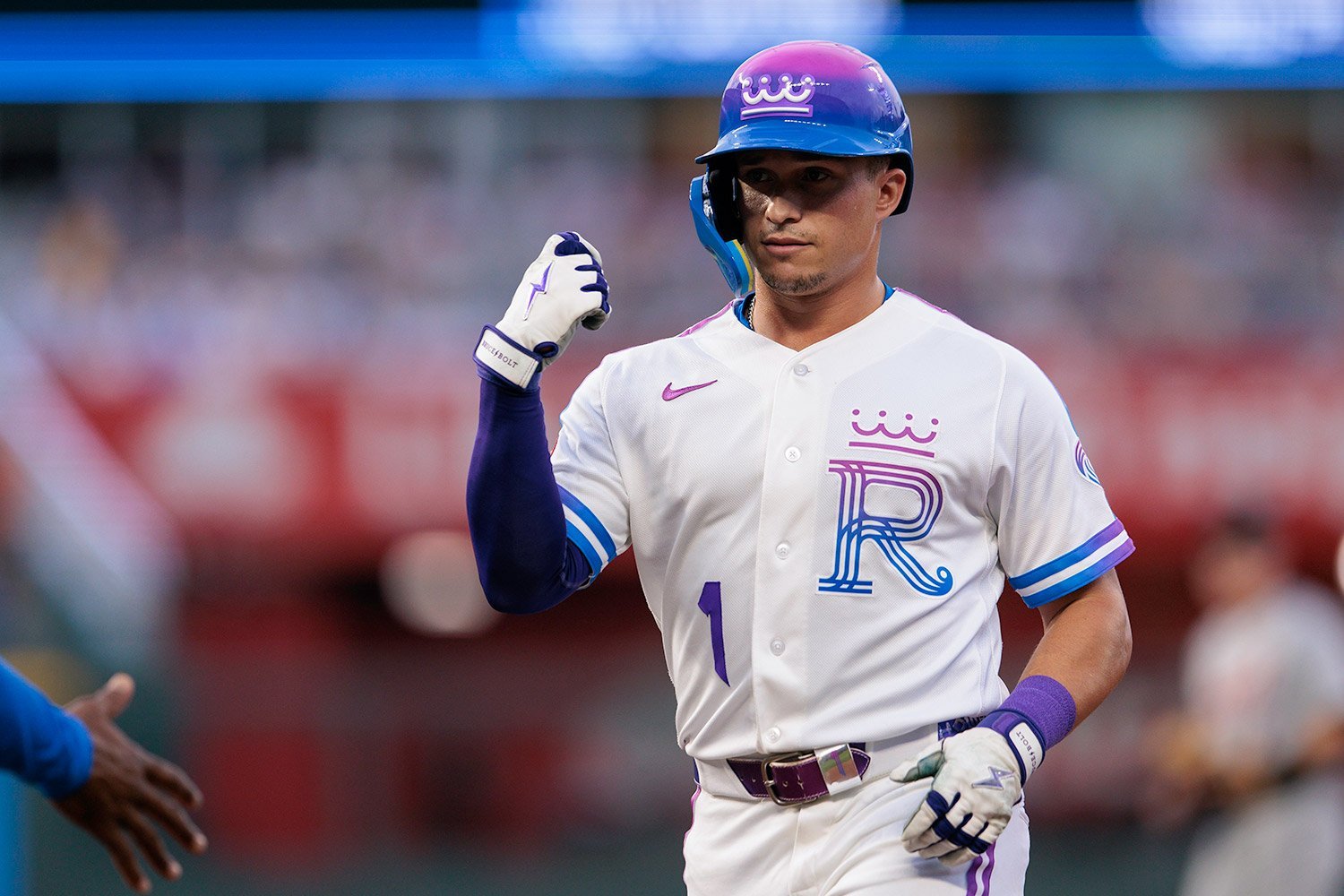 After a surprising trip to the playoffs in 2024, their first taste of postseason play since winning the 2015 World Series, that the Royals will miss October baseball for the second straight year was decided long ago. Now, all they have to fight for is avoiding a last-place finish in the American League Central, but even that could be a losing battle after Tuesday night’s series-opening loss at Houston left the cellar-dwelling Royals four games behind fourth-place Minnesota with 11 games to go. That puts next season front and center for general manager J.J. Picollo — even with an all-but-certain lockout looming large as the December 1 expiration of the major league collective bargaining agreement nears, Picollo and his front office lieutenants have no more pressing and formidable task than to make the roster adjustments necessary to bring winning back to Kauffman Stadium. Accomplishing that mission, especially because a lockout will block all transactions involving 40-man rosters, won’t be easy. Picollo must focus on his shaky bullpen and, aside from right fielder Jac Caglianone, an outfield short on productive hitters. Fixes require opening roster spots; at least a few Royals are on hot seats, and some won’t be back whenever the 2027 campaign begins. Here are three players Kansas City shouldn’t bring back. Isaac Collins Should Not Return To The Royals Picollo’s offseason quest to add pop to KC’s outfield corps produced Collins and Lane Thomas. Thomas is gone, dealt to Atlanta at the midsummer trade deadline, and Collins hasn’t produced enough to warrant a 2027 return. After going 0-for-2 against Houston Tuesday, he’s slashing .220/.326/.335 with six homers and 40 RBI in 135 games, and is hitting .133 this month, hardly the kind of numbers that inspire hopes of a big 2027. Yes, he walks a bit over 12% of the time, but that’s not enough for a club so lacking in big bats. And although he’s under team control through the 2030 season, the Royals need the roster spot he’d occupy if they bring him back. Triple-A outfielders Carson Roccaforte and Gavin Cross are enjoying good seasons — through Tuesday in a campaign split between the Storm Chasers and Double-A Northwest Arkansas, Roccaforte had 35 homers, 94 RBI, 30 steals, and was slashing .259/.341/.527 with an .868 OPS, and Cross had homered 17 times, driven in 52 runs, stolen 25 bases, and was slashing .248/.307/.437 with a .744 OPS in 114 games for Omaha. KC will have to find room for Roccaforte, Cross, or both, on next season’s 26-man roster — it’s time for each to get major league shots. Passing on Collins will free up one much-needed roster spot. The Royals Should (Perhaps Reluctantly) Cut Ties With Craig Kimbrel There’s a good argument to be made, as Royals Keep’s Yirsandy Rodríguez did recently, that Kimbrel, who trails only four relievers on baseball’s all-time saves list, is worthy of being a Royal in 2027. But he’s expendable, and Picollo can use the roster room. Kimbrel came to the Royals late, signing a free agent deal to join the club on August 10. He’s 1-3 with a save since then (through Tuesday), and although his 3.97 ERA is neither stingy nor overly generous, it isn't ideal for the kind of high-leverage reliever the Royals need. He does a nice job limiting hard contact (his 5.5 barrel rate ranks in the 83rd percentile per Baseball Savant), but his control is inconsistent, and he suffers from a sixth-percentile groundball percentage. And 2027 will be Kimbrel’s age-39 season. He’s done the Royals fairly well, but should the club continue to invest in a pitcher for whom retirement seems close? No. The Royals Should Not Pick Up Their Option On Carlos Estévez And that’s too bad. Kansas City picked the veteran right-hander up on a two-year deal with a club option for a third before the 2025 season, and he didn’t disappoint — he led the majors in saves with a career-high 42, and posted a 67-game, 66-inning 2.45 ERA. But Estévez pitched only once this season — after blowing a save and losing his club’s Opening Day game, he landed on the injured list with a foot contusion, suffered a rotator cuff injury before he could return to the majors, and underwent season-ending surgery for that issue earlier this month. Precisely when he’ll pitch again isn’t known. This was the final year of Estévez’s contract; the Royals can pick up the $13 million club option for his services for next season, or buy him out for $2 million. All things considered, it’s probably time to take the latter path. Uncertainty surrounds Estévez, and Kansas City can use the $11 million savings on a younger reliever (Estévez turns 34 in December), or elsewhere. There is, of course, another choice. The Royals could buy Estévez out, then try to sign him for far less than the $13 million required to pick up their 2027 option. It’s better to look for a replacement … but don’t be shocked if Kansas City takes a chance on him. View the full article
 -
Which Twins Players Are Playing Their Last Games in Minnesota?
DiamondCentric posted an article in Twins Daily
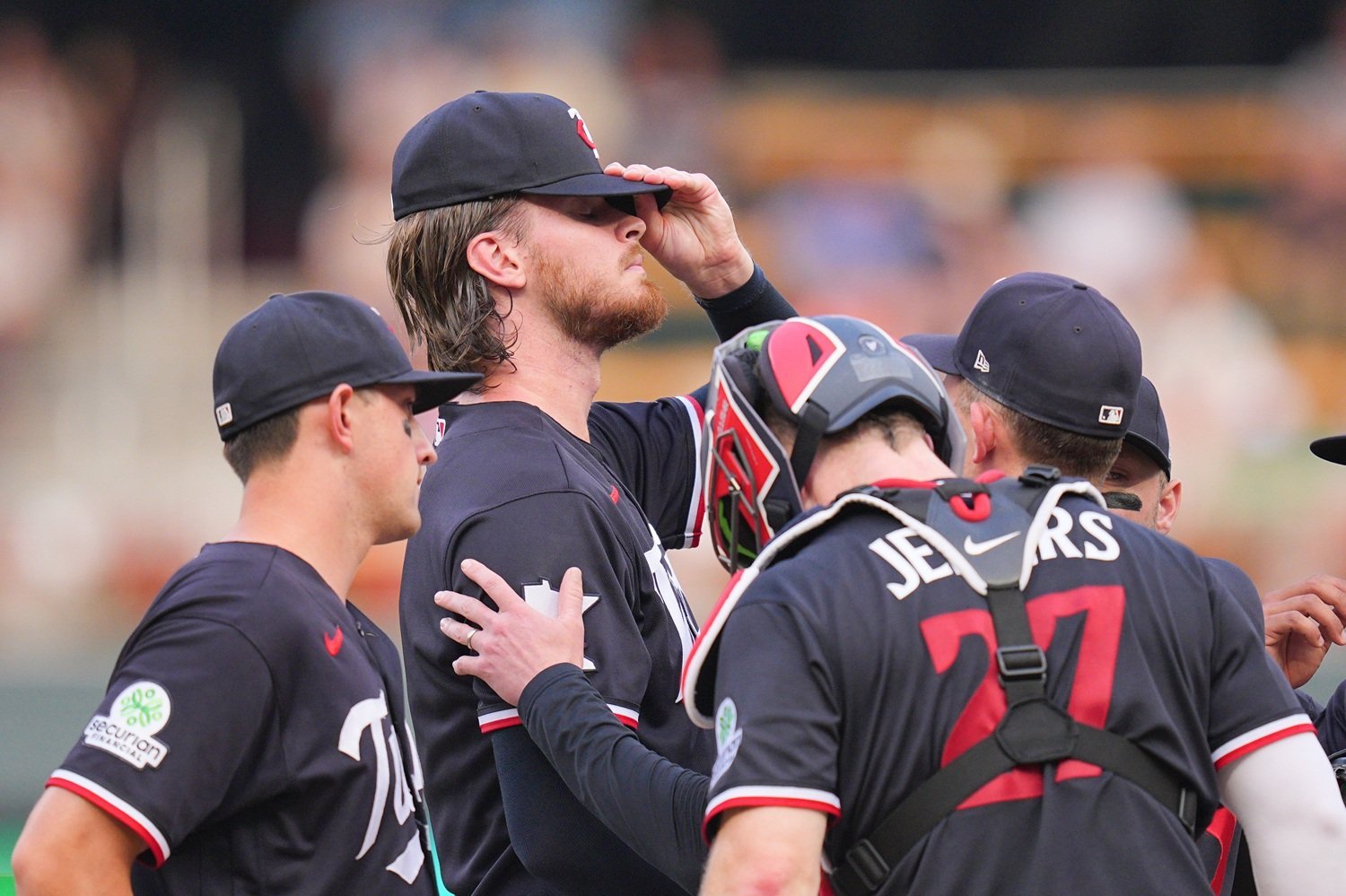 Even with games remaining on the schedule, the Twins' offseason roster decisions are beginning to take shape. Several players are approaching free agency, creating decisions about whether Minnesota wants to bring them back or let them test the open market. Others have struggled enough this season that offering them arbitration or committing another roster spot could be difficult to justify. Then there are players who haven't necessarily done anything wrong, but are watching younger players with more upside move past them on the organizational depth chart. That combination could lead to significant turnover this winter. The Twins have spent much of 2026 evaluating what their next competitive roster should look like. As the season winds down, that makes the final games more than just a conclusion to a disappointing year. They are also an opportunity to look at which players might no longer have a place on the next version of this team. So, with the offseason approaching, which Twins players could be playing their final games in Minnesota? Ryan Jeffers Jeffers is probably the most obvious player on this list from a contractual standpoint. The 29-year-old catcher is headed to free agency, which will offer the first opportunity to secure a multi-year deal. The Twins can make him a qualifying offer, but that's unlikely—and even if they did, Jeffers would probably turn it down, as he continues looking for guaranteed money and a longer commitment. Minnesota has a decision to make behind the plate, and Jeffers will have plenty of suitors when he reaches the open market. Josh Bell The Twins signed Bell hoping he could build on the improvements he showed during the second half of last season. That hasn't really happened. Bell has posted a 105 OPS+ this season, which sits 10 points below his career average. He doesn't provide defensive value, putting additional pressure on his bat to carry his roster spot. At this stage of his career, Father Time may be starting to catch up with Bell. The Twins could look for a younger option at first base and designated hitter this winter. Taylor Rogers Rogers wanted to finish his career where it started. He has accomplished another major milestone by reaching 10 years of MLB service time, which gives him the pension benefits associated with a decade in the majors. Now, retirement could be the next step. Rogers has had a remarkable career, including an All-Star appearance and years of being one of the game's more reliable left-handed relievers. This season, however, has been forgettable. Bailey Ober Ober's situation is more complicated, but there are legitimate questions about his future with the Twins. His fastball velocity hasn't returned to where it was earlier in his career, and the Twins have pushed his recent starts back multiple times. There have still been successful stretches, but starting pitching becomes much more difficult when a fastball consistently tops out in the high-80s. Ober has shown that he can pitch without overpowering stuff. It's less clear whether he can do it consistently enough to remain a rotation piece for a team trying to build its next contender. Matt Wallner Wallner has already played his final game for the Twins this season. He has been at Triple-A since May and has continued to produce at a high level, but the organizational depth chart has changed around him. Younger outfielders have moved ahead of him, and Wallner has publicly suggested that he doesn't expect to return. That makes him one of the more obvious offseason storylines. A player with his power could still attract interest elsewhere, especially after another productive season in St. Paul. Dark Horse: Royce Lewis This is where the exercise gets really interesting. Lewis has not produced at a high enough level (91 OPS+) to make his return to first base an automatic decision for 2027. The Twins have invested heavily in him over the years, but roster construction eventually has to be based on what a player is producing now rather than what everyone believes he can become. One possibility would be moving Lewis back to a platoon role at second base, pairing him with a left-handed hitter. But that creates another question: Is that actually a role in which Lewis can succeed? That makes him the dark horse on this list. It would be surprising to see the Twins move on, but the organization has plenty of decisions to make before next season. The final games of the 2026 season won't mean much in the standings for Minnesota, but they could provide important clues about the organization's plans. Free agents will make their own decisions. Veterans could retire. Younger players could force their way onto the roster. And the front office will have to determine which pieces still fit with the direction of the organization. Will any of these players be back next season? Leave a comment and start the discussion. View the full article
 -
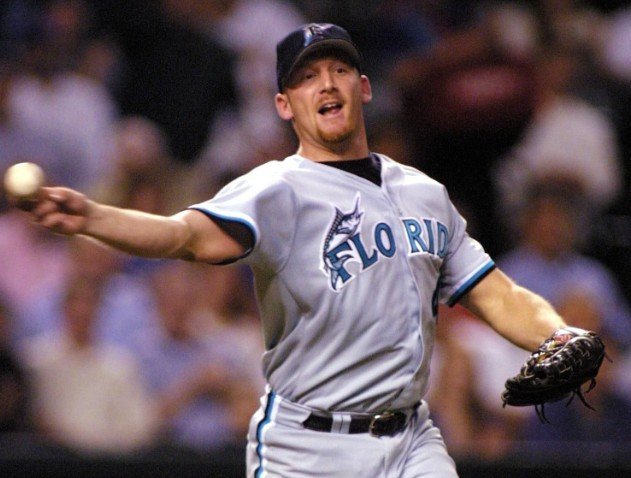 Throughout their 34-year history, the Florida/Miami Marlins have twice rallied from seven runs down to win a game. On this day 25 years ago, however, the Florida Marlins completed their biggest comeback…in Canada. Against the Montreal Expos, the Marlins' first game following the Sept. 11 attacks on the World Trade Center was on Sept. 17, 2001. The Marlins stunned the small, home crowd with 10 unanswered runs to erase a six-run deficit. Eight of those runs came in the sixth inning as Florida rallied for a 10-6 victory. It was scoreless halfway through the contest at Olympic Stadium. The Expos changed that in the bottom of the fifth with six runs. Few would have guessed that Montreal would have been behind the next time it came to bat. After an RBI triple from Montreal’s Peter Bergeron got the scoring started in the bottom of the fifth, Tim Raines and José Vidro came through with RBI singles to make it 3-0. Orlando Cabrera then doubled the lead with a bases-clearing double. During the big fifth inning, however, Expos starting pitcher Javier Vázquez was hit in the head by a pitch and forced to leave the game. Through five innings, the Marlins had managed just two hits against Vázquez. Britt Reames came in to pitch in relief for the Expos to open the sixth inning and left without ever recording an out. Florida opened the frame with seven straight hits. After Derrek Lee and Cliff Floyd each singled, Preston Wilson drove them home with a two-run double. He’d later come around to score as Mike Lowell doubled on the 10th pitch of the at-bat against Reames. With the score now 6-3, Kevin Millar and Charles Johnson kept the hit parade going with consecutive doubles. Johnson’s double to left plated two and just like that, the Marlins were within a run with the tying run on second and nobody out. Guillermo Mota was called on to relieve Reames, but he also struggled. Following an Álex González bunt single, Mota was able to get Andy Fox to fly out for the first out of the inning. Luis Castillo followed by giving the Marlins the lead with a two-run triple. Up 7-6, Castillo came around to score on Lee’s RBI single to increase the lead to two. Mota was relieved by Joey Eischen, who finally stopped the bleeding by striking out Floyd and Wilson. After eight runs and nine hits, the top of the sixth finally ended. The offense, however, was able to carry the momentum into the seventh. Vladimir Núñez worked a 1-2-3 bottom of the sixth inning for Florida on the mound. At the plate, the Marlins added two more runs in the seventh. Millar doubled home Lowell before scoring on González’s RBI single. Núñez threw three scoreless innings of relief. Juan Acevedo closed it out by facing the minimum in the ninth for the Marlins. Despite throwing just two pitches, culminating in a double play to end a disastrous fifth inning, Ricky Bones picked up the win for the Marlins. The Marlins finished with 18 hits, including 16 over the final four innings. González led the team with four knocks, followed by Floyd’s three. Lee, Wilson, Lowell, Millar and Johnson each added two hits. Vidro and Geoff Blum each finished with two hits for the Expos. The eight runs in the sixth and the six-run comeback each tied team records for the Marlins at the time. They came north of the border on this day a quarter-century ago. View the full article
 -
Roman Anthony Is Agonizingly Close To Breaking Out of His Slump
DiamondCentric posted an article in Talk Sox
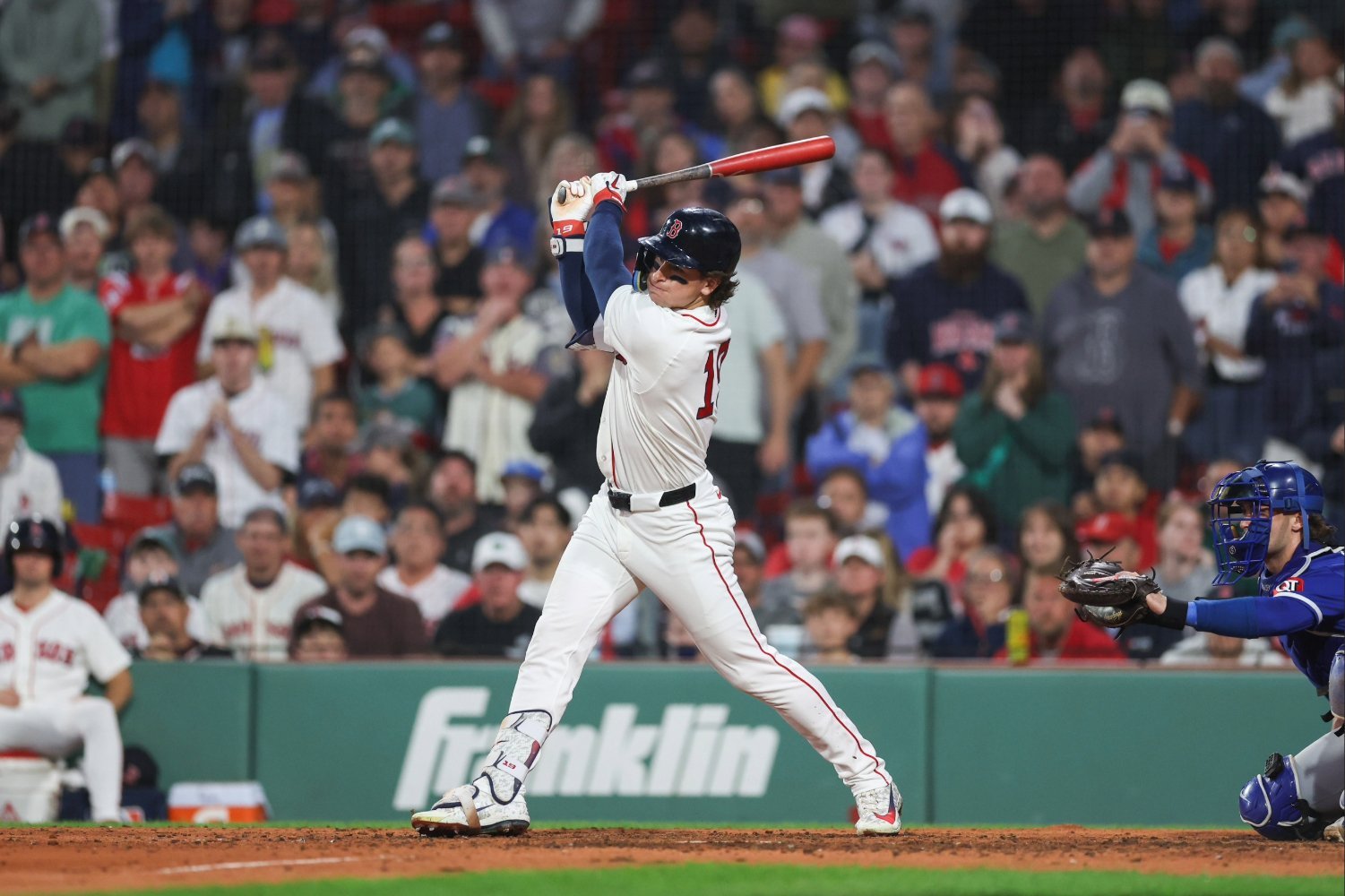 Roman Anthony couldn't put a ring on it. For more than two months, what had to have been one of the most annoying and nagging injuries kept Anthony out of the Boston Red Sox lineup. He had partially torn a ligament in his right ring finger. It wasn't some massive, noticeable, life-changing injury. It was just an ailment that made it really hard to swing a bat. The Red Sox handled business in the meantime. They went on that franchise record-tying 15-game winning streak. They watched Ceddanne Rafaela become an All-Star. They saw Mickey Gasper temporarily turn into Ted Williams. Then, in late August, Anthony came back. He was supposed to be the final piece to the puzzle. If the Red Sox were a good baseball team without Anthony, they could potentially be a great one with him -- at least, that's how the thinking went. The problem, though, is clear: Since Anthony has been back, he hasn't been quite right. He hasn't looked like a rising star. He's looked like a hitter who is recognizing that hitting is actually really, really hard. There's not a whole lot of time for Anthony to right the ship before the postseason, but there's just enough time for Boston fans to hold out hope that he has (or will find) a solution. If he's going to make fixes, it'll have to be in his approach at the plate, where he's whiffed at a 35% rate in September, including a stretch of 17 strikeouts in 35 plate appearances. Something clearly isn't quite right here, although it may not be as bad as you think. Roman Anthony's Swing Looks Different When It Matters One quick way to figure out what might be happening with a hitter who is striking out a lot is to fast forward directly to two-strike counts and see what's happening. First, though, take a look at what Anthony looks like on the first pitch of an at-bat with two runners on base. This clip shows a wide stance that's slightly open, a strong leg kick, and Anthony's signature ability to stay through the baseball and drive it the other way: Some hitters change their approach with two strikes -- contact hitters in particular often get lower and choke up on the bat to have the best chance of putting the ball in play. But the big and strong Anthony, if he's going to do that, better at least stick to a plan. And it seems like right now he doesn't have one. So we can see the video, and we can see the basic stats, but to further figure out what's been going wrong with Anthony, we decided to take a look at the metrics behind his swing itself. Clearly, coming back from a finger injury and a long layoff could make hitting harder, but this isn't just about Anthony's .226 average and .677 OPS in September. The Red Sox need to figure out what's going on so they can address it and improve those numbers the rest of the way. Lucky for us, Statcast has just about every metric you could possibly imagine, so it's possible to compare all sorts of things about Anthony's swing inputs and batted ball outputs from each month of his rookie season through right now. Take, for example, his attack angle. That's the vertical direction the sweet spot is traveling when it hits the baseball. This month, Anthony has an attack angle of 16 degrees. When he had a .946 OPS in July of last year, it was 14 degrees. The only time it has ever been this high before was last September in a super small sample size (26 pitches seen). And while it may seem like a minor difference, it can prevent the ideal line drive from coming off Anthony's bat. That's just one metric. The rest of his bat statistics actually seem fine. Nothing is weird about his bat speed or his swing length or his attack direction. There's nothing underlying there to be totally concerned about. This is the part, Red Sox fans, where the news gets good. Roman Anthony Is Actually Just Fine Anthony's swing, while maybe a little tilted from its optimal self, doesn't seem broken. He's just whiffing a bit more than you'd want. It's also worth considering what happens when Anthony doesn't whiff. When he's made contact the ball in September, Anthony has hit it harder than ever before. His previous best average exit velocity in a month was in July 2025, at 96.9 miles per hour. Entering this week, Anthony has averaged 97.0 miles per hour of exit velocity on his batted balls in this month. He's had a hard-hit percentage of 63.6%, right about his career average, and he has the third-best single-month barrel rate of his career. The Red Sox obviously can't afford for him to keep whiffing on more than a third of the swings he takes, but we can also recognize that Anthony is oh so close to putting it back together again. View the full article
 -
 Wasn't quite expecting a one-game Link Report detailing a lopsided defeat to include a ton of detail, but there's plenty to dig into here. Transaction: Milwaukee Brewers sent RHP Grant Anderson on a rehab assignment to Nashville Sounds. Nashville Pre-Game Media Notes Final: Memphis (Cardinals) 11, Nashville 1 Box Score and Game Log Via Cory Hilborne, Nashville's Communications Manager (Video clips, links and follow-up commentary via yours truly) Sounds Avoid Shutout Late in 10-Run Loss to Redbirds Brock Wilken Tallys 17th Home Run of the Season NASHVILLE – Nashville avoided the shutout loss on Wednesday night with a late home run from Brock Wilken as the Sounds fell 11-1 at First Horizon Park. Memphis scored nine of their 11 runs through four innings, including a five-run 2nd. Colton Ledbetter jumped on the very first offering of the night from Sounds' starter Carlos Rodriguez for a leadoff solo blast and the Redbirds never looked back. The Redbirds tacked on another five runs off Rodriguez in the second off three hits, three walks, and an error as they batted around in the inning. Rodriguez finished with six runs allowed (4 ER) on six hits with four walks. Lyon Ricardson stranded three as he struck out the first man he faced in relief of Rodriguez. The Sounds used six pitchers plus infielder Ethan Murray on the mound in the loss. None of the six true relievers worked more than 1.2 IP with Richardson and Cameron Wagoner getting the Sounds through the fifth inning. Despite 11 runs on 13 hits Memphis totaled on the night, Nashville had five different pitchers work a 1-2-3 inning. Richardson worked around a leadoff single in the third, and Wagoner struck out two in the top of the fifth. It was the start of four straight innings where Sounds' pitchers faced the minimum. Rob Zastryzny faced just three in his lone inning of work as did Grant Anderson in his first action of his most recent Major League rehab assignment and Jared Koenig in the eighth inning. That streak ended in the ninth as Murray allowed two runs on three hits, including the second Redbirds home run of the night. Offensively for the Sounds, Brandon Lockridge recorded another multi-hit game at the plate; his third in his last four games as he extended his hitting streak to six straight games. Jeferson Quero ended a run of 10 straight Nashville batters retired by Jurrangelo Cijntje with a leadoff single in the bottom of the fifth but was followed by a flyout and inning-ending double play. The Sounds threatened in the seventh with the bases loaded on two walks and a hit by pitch but failed to push their first run across. Wilken finally did so in the eighth with a no-doubter to left-center field to break up the shutout bid for the Redbirds and get his 17th home run of the season. Two at-bats later, Lockridge doubled for his second hit of the night and final knock of the game for Nashville, who finished with five or fewer hits in a game for the 37th time this season. The Sounds will look to bounce back on Thursday night with left-hander Tate Kuehner (2-2, 5.03 ERA) scheduled to get the start for Nashville against fellow southpaw Mason Molina and the Redbirds. First pitch is scheduled for 6:35 p.m. POSTGAME NOTES: BROCKET: Brock Wilken hit his 17th homer of the season on a solo bomb to left field as he finished the night 1-for-3 (HR, RBI, BB, R, K). Wilken's 17 homers on the year are tied for the second-most in his professional career along with his 2024 season for Double-A Biloxi. The solo shot was his second over his last eight games played when he homered during the last series at First Horizon Park on September 6 vs. Louisville. It was his 79th RBI for the Sounds, which leads the team and ranks sixth in the International League among qualified hitters this season. He also ranks sixth in RBI and now sits 10th in homers among minor league hitters in the Brewers' farm system. THAT'S A LOCK: Brandon Lockridge extended his hit streak and on-base streak to six consecutive games Wednesday night, posting a base hit in the bottom of the first inning. He ended the night going 2-for-4 with a double against the Redbirds. The six-game hit streak in the second longest-active streak on the team behind Bo Naylor (9). He is hitting .391 (9-for-23), adding three doubles, three RBI and two runs since the start of his streak on September 9 at Durham. In his second stint with the Sounds, Lockridge has tallied a hit in 14-of-the-17 games he has appeared in since August 23. Wednesday night was his second straight multi-hit game with Nashville; third in his last four games; and sixth overall in 22 games played for Nashville this season. LOAD THE WAGON: Cameron Wagoner extended his streak of not allowing an earned run to eight consecutive games (9.1 IP), allowing no hits and striking out two batters in 1.2 scoreless innings of work against the Redbirds Wednesday night. The 9.1 innings pitched for Wagoner is the second longest-active streak behind Joel Kuhnel (10.1 IP). Wagoner and Jared Koenig both got to eight straight games on Wednesday night, becoming the 10th & 11th different Sounds pitcher to go 8+ consecutive games without allowing an earned run this season and are tied for 12th in the International League among the active pitchers. FIVE BELOW: The Sounds were once again held to five hits or less in the 11-1 loss to Memphis Wednesday night. It was the 37th time Nashville has been held to five hits or less this season and the 18th time at home. The 37 games surpassed the 36 games from last year, but the Sounds recording 20-of-the-36 from a season ago at home and can avoid surpassing that number with 5+ hits in three of the final four games remaining this year. Nashville had 40 games with five or less hits during the 2024 season and have had 185 overall since joining the International League in 2021. Nashville has had 530 such games in the regular season overall since 2005, including 293 at home. Well, certainly not the way two-time Brewers Organization Pitcher of the Year (2022, 2023) Carlos Rodriguez wished to close out his career with the Crew. The Nicaragua native turns 25 years old in November, and if other organizations can look bast ghastly 2026 results (likely influenced by various injury setbacks), then "C-Rod" should find a new affiliated job. For better video memories of Rodriguez making his way through the Milwaukee system, here are a ton of clips. You'll notice that LHP Mason Molina was mentioned as the Redbirds' starter tonight. The Brewers' 7th round pick in 2024 netted Grant Anderson from the Rangers, and subsequently was part of a deal for another big-league reliever, Phil Maton, who went from St. Louis to Texas at the trade deadline in 2025. Another Crew connection was the opposing starter in Wednesday's game - 5.1 IP, 2 H, 0 R, 2 BB, 3 K, yes, the switch-pitcher who did not sign with Milwaukee in 2022 (18th round). You can see Cijntje's splits vs. batters from each side of the plate (by season) here. Cameron Wagoner, you are now officially a "lock" to be added to the Crew's 40-man roster this fall to protect you from Rule 5 (our thread). What an amazing return season for the young man. The game summary did a nice job detailing the rehab work of Grant Anderson, plus the results for Rob Z and Jared Koenig. I imagine "Mr. Scoreless" in the big leagues, Garrett Stallings, will provide length behind Kyle Peterson on Thursday, and we may then see some roster movement on the big-league level again. Nice to hear ticket sales are strong (3,500 thus far!) for Thursday's Game Two of the Shuckers' Southern League Division Series, as Biloxi returns home up 1-0 in the best-of-three. Interview with the Shuckers' David Blackwell via WLOX: Here's your scoreboard link for Nashville and Biloxi Thursday, Go Shuckers! Organizational Scoreboard including starting pitcher info, game times, MiLB TV links, and box scores Current Milwaukee Brewers Organization Batting Stats and Depth Current Milwaukee Brewers Organization Pitching Stats and Depth View the full article
 -
Padres Minor-League Transactions None. CAL LEAGUE CHAMPIONSHIP SERIES Storm Win 5th Cal League Title Behind Strong Pitching, Big Offense For the fifth time, the Low-A Lake Elsinore Storm are California League champions. Behind tremendous pitching and their trademark pressure offense, the Storm beat the host San Jose Giants 13-2 Wednesday in the decisive Game 3 of the California League Championship Series. The Storm have won the Cal League in two of the last five years (2022). They also won in 1996, 2001 and 2011. The 2001 title was shared with the Giants when the Championship Series was canceled due to the Sept. 11 attacks. The Giants, who won both halves of the North Division, were the defending Cal League champs. The Storm, who won the first half in the South and finished last in the second, had been swept by the Giants, who went 20-2 to close the regular season, in a six-game series at The Diamond just five weeks prior, being outscored 61-13, including a 21-2 loss. The Storm, who lost 11 straight as part of that Giants sweep, scored 26 runs in these three games. But this series was much different thanks to that offense and the Storm's pitching. The Giants had the Cal League's top offense, but scored just one run in the ninth inning of Game 1 and then two in Game 3. That was thanks to right-handers Coleman Borthwick and Lan-Hong Su. The 18-year-old Borthwick, the Padres' first-round draft pick this summer and Padres Mission's No. 3 prospect, started and struck out two over two shutout innings, allowing two hits and no walks in his second pro game. The 19-year-old Su struck out eight of the 15 hitters he faced, allowing a run on four hits with a walk. The eight strikeouts were the second-most of Su's debut season, having fanned nine in his last regular-season start over 4⅔ innings. A night after being no-hit in Game 2, the offense was also up to the big moment. Sixth-round draft choice Nu'u Contrades led off the second inning with a first-pitch homer and drove in three runs, while Qrey Lott had two doubles, a triple and a hit by pitch in four trips with two RBIs and three runs scored. Lott created a run in the third as he doubled and stole third and scored when shortstop Josuar Gonzalez threw wild to third. Second-round pick Elliot Lascelles (Padres Mission's No. 11 prospect) singled and scored on seventh-rounder Joe Tiroly's double to the left-center gap for a 3-0 lead. After Ty Harvey (Padres Mission's No. 5 prospect) reached on a one-out error in the third, Lott hit a flyball to left that got lost in the lights, winding up as an RBI triple. Lott scored on Tiroly's sacrifice fly to center. After the Giants got their first run in the bottom of the fourth, the Storm broke it open with a four-run sixth. Dawson Willis drew a leadoff walk and went to second on Harvey's groundout. Lott followed with his second double of the game, driving in Willis. Lott was caught off second, but a throwing error by the pitcher allowed him to score. Tiroly walked, stole second and fourth-rounder Alex Conover walked. Contrades followed with a two-run double and a 9-1 lead. Storm right-hander Jack Pineau, an undrafted free agent, allowed a run in one-plus inning, which could have been worse and left-hander Andrew Wright not induced the first batter he faced in the seven into a double play. After the RBI single, another single and a walk loaded the bases, but Wright got out of it with a popup to short. The Storm added a run in the eighth as Conover fouled out to left, with Lascelles, who had singled and took third on a throwing error, scoring to make it 10-2. In the ninth, the Storm added more cushion when Jorge Quintana (Padres Mission's No. 7 prospect) and Jose Verdugo singled, then Willis hit a single to center that was misplayed, leading to a Little League homer and a 13-2 advantage. Left-hander Rob Fitzpatrick, the Padres' eighth-round draft pick, closed out the ninth, allowing a one-out walk and seeing another runner reach on an error. But a flyout to right and a strikeout looking set off a Storm celebration. The Giants committed five errors, matching a season high. The Storm also drew seven walks. The Storm join Padres Gold, who won the Dominican Summer League, as Padres affiliates to win championships this season. LE1_0916.mp4 LE2_0916.mp4 LE3_0916.mp4 LE4_0916.mp4 LE5_0916.mp4 Player AB R H RBI BB K Elliot Lascelles 5 2 2 0 1 2 Joe Tiroly 4 1 2 2 1 0 Alex Conover 4 1 0 1 1 2 Nu'u Contrades 4 1 2 3 1 1 Jorge Quintana 4 1 1 0 1 2 Jose Verdugo 5 1 1 0 0 0 Dawson Willis 4 2 2 0 1 0 Ty Harvey 4 1 0 0 1 1 Qrey Lott 4 3 3 2 0 1 Player IP H R ER BB K HR Coleman Borthwick 2 2 0 0 0 2 0 Lan-Hong Su 3 4 1 1 1 8 0 Jack Pineau 1 3 1 1 1 1 0 Andrew Wright 2 3 0 0 1 2 0 Sean Fitzpatrick 1 0 0 0 1 2 0 Miguel Andujar Notches Only 2 Hits, Jason Adam Rocked For El Paso Rehabbing Padres designated hitter Miguel Andujar had the only two hits for the host Triple-A El Paso Chihuahuas, who got a strong starting pitching performance of their own in a 12-0 loss to the Oklahoma City Comets. The Comets clinched a spot in next week's Pacific Coast League Championship Series vs. the Las Vegas Aviators. Another Padre on a rehab assignment, right-handed reliever Jason Adam, gave up five runs on four hits without recording an out. He walked one and threw 20 pitches, 12 strikes in his second rehab outing. After grounding out in his first two at-bats, Andujar broke up the perfect game by Comets left-hander Jackson Ferris as he hit a slow chopper toward third that Ferris fielded, whirled and threw late to first. Andujar then added his fifth double of his rehab assignment with two outs in the ninth. Andujar, coming back from a fractured right wrist, is 9-for-30 (.300/.300/.467) in seven rehab games. Ferris struck out 13 in 7⅔ innings and only allowed that one hit as well as a walk. Chihuahuas left-handed starter Jagger Haynes, Padres Mission's No. 13 prospect, allowed a run on five hits and a walk while striking out three in his final start of the season. He finished with a 5.80 ERA. https://padresmission.com/san-diego-padres-top-prospect-rankings/jagger-haynes-r129/ The Chihuahuas turned the first triple play in club history covering 1,760 games. It came after Haynes allowed two singles to open the top of the fourth inning. With the runners going on the pitch, Hyesong Kim then hit a liner right at first baseman Marcos Castanon, who stepped on first for the second out and threw to shortstop Gage Workman at second base to easily complete the triple play. EP1_0916.mp4 EP2_0916.mp4 Player AB R H RBI BB K Mason McCoy 4 0 0 0 0 2 Miguel Andujar 4 0 2 0 0 0 Nick Solak 4 0 0 0 0 2 Marcos Castañon 3 0 0 0 0 1 Gage Workman 3 0 0 0 0 2 Rosman Verdugo 2 0 0 0 1 1 Braedon Karpathios 3 0 0 0 0 1 Victor Duarte 3 0 0 0 0 2 Oswaldo Linares 3 0 0 0 0 2 Player IP H R ER BB K HR Jagger Haynes 6 5 1 1 1 3 0 Jason Adam 0 4 5 5 1 0 0 Hans Crouse 1 1/3 3 4 4 3 1 0 Daison Acosta 1 2/3 2 2 2 0 3 1 Padres Mission's Top 20 Prospect Performance Ethan Salas: 2-for-4, 2 HR, 2 R, 3 RBI Ryan Wideman: On injured list Coleman Borthwick: 2 IP, 2 H, 0 R, 0 BB, 2 K Kruz Schoolcraft: DNP Ty Harvey: 0-for-4, R, BB, K Kale Fountain: Injured, out for season Jorge Quintana: 1-for-4, R, BB, 2 K Alex McCoy: DNP Braedon Karpathios: 0-for-3, K Lamar King Jr.: DNP Elliot Lascelles: 2-for-5, 2 R, BB, 2 K Tucker Musgrove: On injured list Jagger Haynes: 6 IP, 5 H, 1 R, 1 ER, 1 BB, 3 K, L Jake Cunningham: DNP Truitt Madonna: DNP Eric Yost: DNP Winyer Chourio: DNP Jesus Castro: DNP Michael Salina: On injured list Rosman Verdugo: 0-for-2, BB, K View the full article
-
Twins Minor League Report (9/16): Saints Remain Alive
DiamondCentric posted an article in Twins Daily
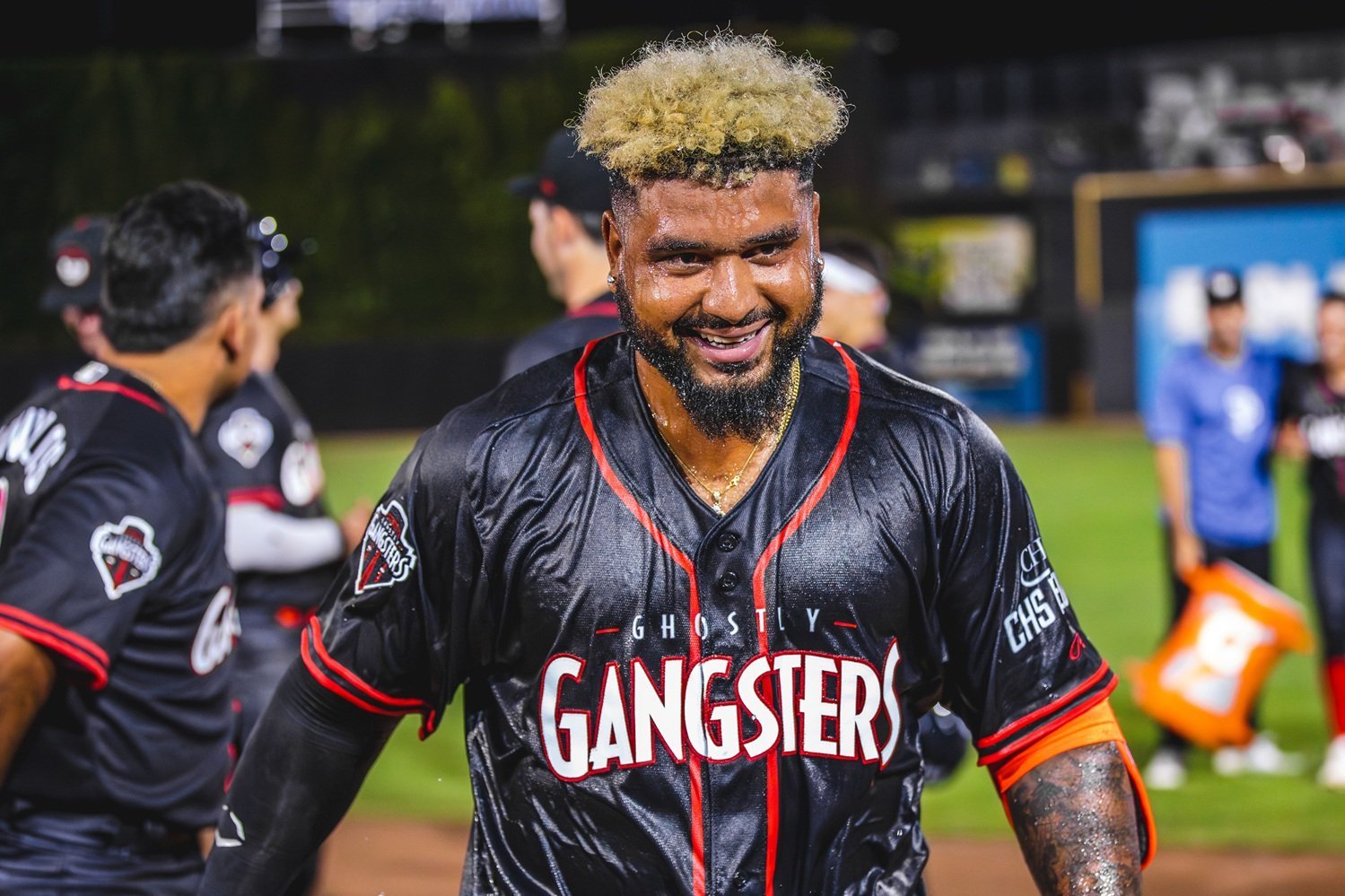 TRANSACTIONS INF Ben Ross recalled by Twins C Ian Daugherty activated from Development List (AAA St. Paul) Saints Sentinel St. Paul 3, Columbus 2 Box Score Aaron Rozek: 5 IP, 2 H, 1 ER, 1 BB, 5 K HR: None Multi-hit games: Alan Roden (2-for-4, 2B, R), Gabriel Gonzalez (2-for-4, 2B, R, RBI) The Saints netted a close win on Wednesday. All may be in limbo, as the Saints play out the rest of the season in vain hope for a playoff spot, but that didn’t stop Aaron Rozek from pitching one of his finest games of the season. The lefty was up to his crafty tricks; pounding his mid-80s funk like Prince with a deft and controlling sensibility. He whiffed five. Only one run scored against him. The Saints started the game with a trio of doubles, as Alan Roden, Gabriel Gonzalez, and Matt Wallner all stroked two-baggers to push across a pair before Clippers starter Logan T. Allen could net an out. None were hit particularly hard, with Gonzalez’s 92.6 MPH slash down the line serving as the relative screamer. Still, you hit them where they ain’t, and good things are going to happen. A third and final run arrived on a Wallner sacrifice fly in the fifth. Rozek gave way to Eric Orze, who wobbled in his frame, allowing a run before picking off a runner at second to end the inning. Matt Bowman then surrendered two hits before coaxing a bizarre double play that counted as a double for the batter yet resulted in two outs on the basepaths. Only in minor league baseball. Marco Raya blitzed through a crisp eighth with two strikeouts before Julian Merryweather netted the save, working around a walk in an otherwise harmless appearance. The win pushed the Saints to 80-65, an impressive total—best overall in the International League West—but one that likely won’t send them to the playoffs, as minor league postseason spots are based on first and second half performances. St. Paul finished third before the All-Star break and now find themselves four games back of Indianapolis with four to play. The Clippers are led by Ralphy Velazquez, the 31st overall prospect in MLB. The DH doubled once in four trips to the plate. Wind Surge Wisdom The Wind Surge season has ended. Come back in 2027 to read more about them. Kernels Nuggets The Kernels season has ended. Come back in 2027 to read more about them. Mussel Matters The Mighty Mussels season has ended. Come back in 2027 to read more about them. TWINS DAILY PLAYERS OF THE DAY Twins Daily Minor League Pitcher of the Day – Aaron Rozek Twins Daily Minor League Hitter of the Day – Alan Roden/Gabriel Gonzalez PROSPECT SUMMARY Here’s a look at how the Twins Daily Top 20 Twins Prospects performed: #1 – Walker Jenkins (Twins) - 0-0, R #6 – Emmanuel Rodriguez (Twins) - 0-4, BB, K #9 – Gabriel Gonzalez (St. Paul) - 2-4, 2B, R, RBI THURSDAY’S PROBABLE STARTERS St. Paul @ Columbus (5:35 PM) - LHP Kendry Rojas View the full article
 -
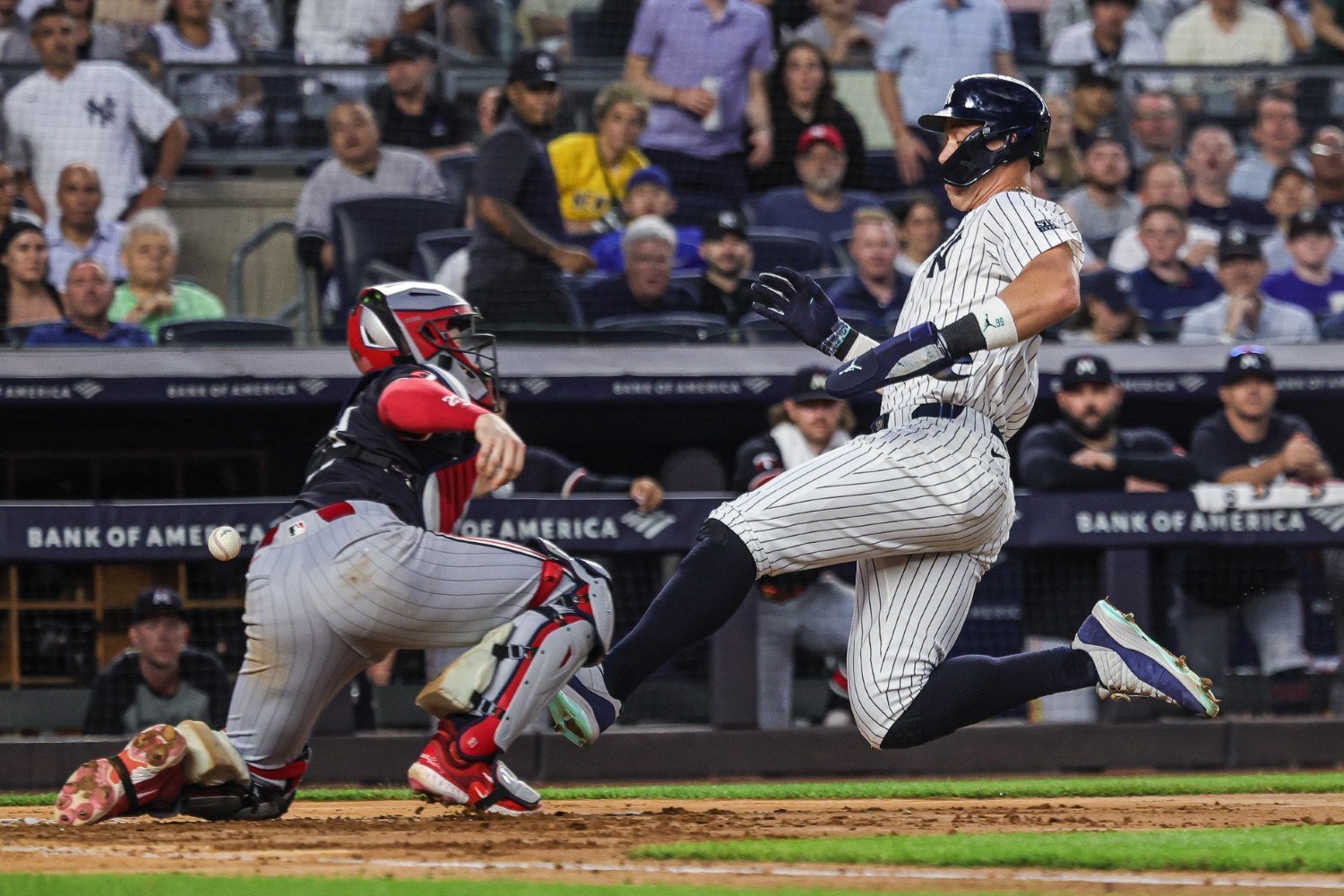 There are plenty of ways the Minnesota Twins have contributed to the history of the New York Yankees. Unfortunately for Twins fans, most of them involve postseason heartbreak, blown leads, devastating home runs and the general feeling that October baseball would be more enjoyable if New York simply stopped showing up. That history continued Monday night. The Yankees defeated the Twins 8-3 at Target Field, clinching a postseason berth in the process. Aaron Judge provided the knockout blow with a three-run homer in the eighth inning, turning what had been a competitive game into another familiar Minnesota loss. It was his first home run since May. Of course, there is an important distinction this year. The Twins won't be losing to the Yankees in the playoffs. They won't be in the playoffs. Instead, Minnesota has found a new and perhaps even more meaningful role in the annual Yankees postseason machine: providing the emotional fuel necessary for New York to make a deep October run. Think of the Twins as a charitable organization. They aren't necessarily winning games, but they are doing their part to make sure the Yankees feel really good about themselves heading into October. "It's something we're proud of," Twins manager Derek Shelton said. "We wanted to make sure the Yankees felt confident going into the postseason. If that means giving up a three-run homer in the eighth inning, that's the kind of sacrifice we're willing to make." The timing could not have been better for New York. Judge entered Monday's game still trying to shake off some rust after returning from a fractured rib. Then, against the Twins, he launched a three-run homer in the eighth inning that helped turn a 2-1 deficit into a 7-2 Yankees lead. It was his first home run since returning from the injured list. "Honestly, we were looking for a little confidence boost," Judge said. "Then we realized we were playing the Twins. That usually does the trick." There is a long history supporting this theory. The Twins have spent decades providing the Yankees with memorable postseason moments. Minnesota has been swept by New York. Minnesota has lost heartbreaking playoff games to New York. Minnesota has watched Yankees hitters celebrate at its expense. Now, apparently, Minnesota is helping the Yankees get ready for another postseason run before the playoffs even begin. Bailey Ober has embraced the responsibility. "There's a lot of pride in knowing you can help another team achieve its goals," Ober said. "We couldn't make the playoffs ourselves, so we're trying to make sure somebody has a really good October." That's team-first baseball. It also helps that Ober was scheduled to throw batting practice fastballs to the Yankees lineup on Tuesday night. The Twins' post-trade-deadline collapse has certainly made the arrangement easier. Minnesota bought at the trade deadline with hopes of remaining in the American League playoff race, only to stumble badly afterward. A.J. Minter, one of Minnesota's trade deadline acquis itions, did his best to give away the game on Monday. So perhaps this was the plan all along. Minnesota wasn't buying at the deadline to make the playoffs. It was buying to acquire the exact pieces necessary to provide New York with meaningful September competition. It was a long-term strategy. And judging by Monday night, it worked. The Twins still have two more games against the Yankees this week, giving Minnesota an opportunity to continue its important role as New York's unofficial postseason tune-up opponent. For Twins fans, it may not be the September baseball they wanted. But after years of losing to the Yankees in October, Minnesota has finally found a way to contribute without actually having to qualify. That's progress. View the full article
 -
Pete Alonso, the Mets, and What Could Have Been
DiamondCentric posted an article in Grand Central Mets
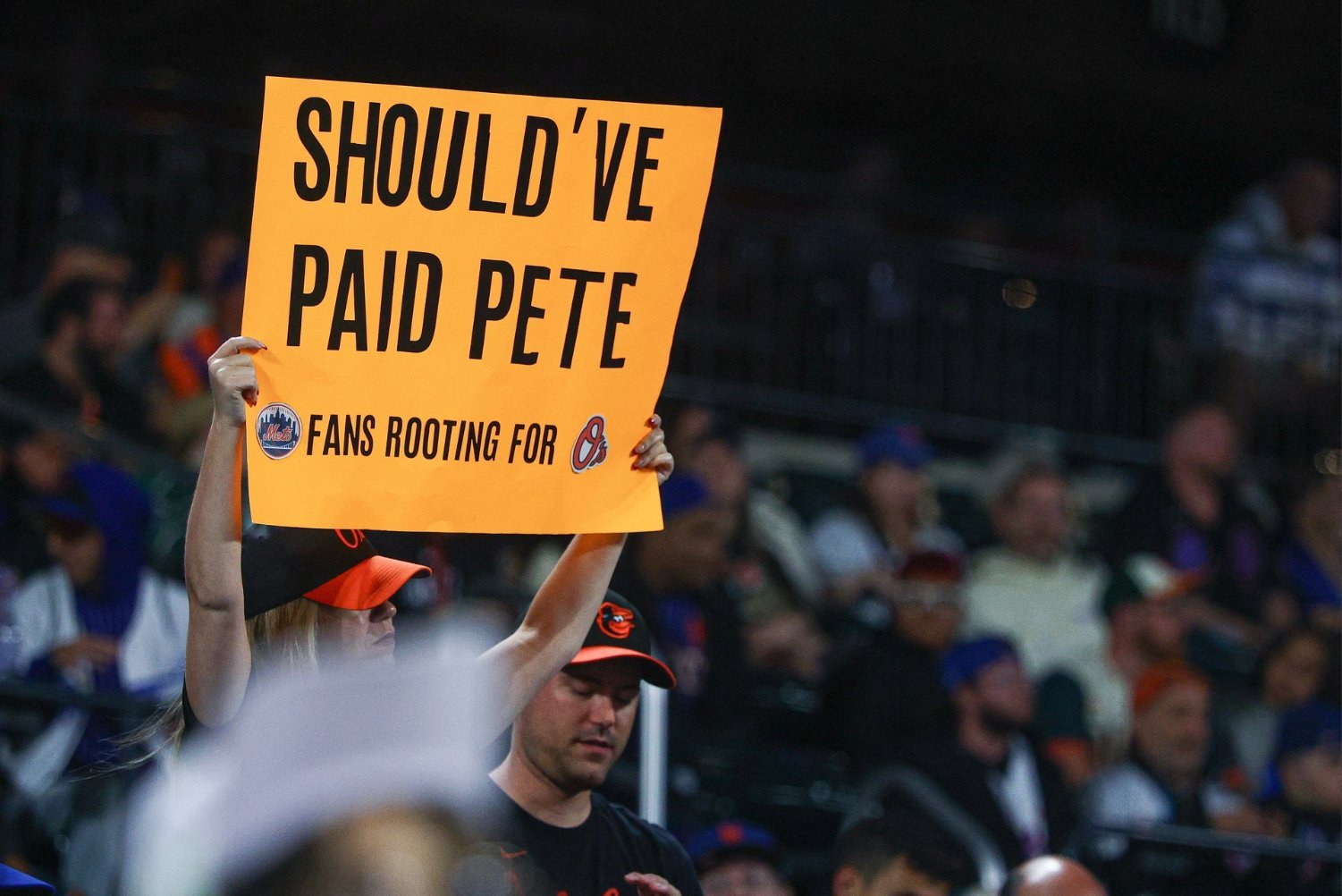 The New York Mets and the Baltimore Orioles opened a new series at Citi Field on Monday. Pete Alonso, who was drafted, developed, and became a star in Queens, is in the first season of a five-year, $155 million contract he signed in the past offseason with the O’s. On Tuesday, Alonso hit his 300th home run as a major leaguer, which is incredible considering he is just 31. A whopping 264 of them came while he was wearing a Mets uniform. Fans gave him a curtain call while they lamented what could have been. By now, it’s quite clear that Mets’ president of baseball operations David Stearns was always wary of offering Alonso a lucrative long-term deal. In fact, they never even sent him a formal offer once the bidding entered a zone in which they weren’t comfortable. The Mets’ highest offer to Alonso was a seven-year, $158 million extension back in June 2023, but Billy Eppler was the one in charge of baseball decisions back then, not Stearns. The evidence suggests that the former architect of the Milwaukee Brewers and current baseball head of the Mets wasn’t too keen on a long-term marriage with Alonso, and all that comes with it. His stance has some logic, if we’re fair. Alonso is 31 and has no defensive or baserunning value. He isn’t particularly athletic, either. There have been warning signs about a decline, which is hardly unusual for a power-dependent hitter in their thirties. Baseball, however, defies logic sometimes. Pete Alonso's Return To New York Brings Mostly Regret The ‘Polar Bear’ was a fan favorite in Queens, the franchise’s home run king, and a prolific power hitter with a really high offensive floor. He was the guy fans paid to watch him play. He brought people into the stadium, and his homers got fans out of their seats on countless occasions. He also had the clutch gene, producing his best when it mattered most. Monday at Citi Field served as the perfect setting for the crowd to let their feelings be known. They gave Alonso a standing ovation, which he happily received and acknowledged, and turned against Stearns, calling for him to be fired. It’s important to clarify that the Mets’ 2026 collapse can’t be completely chalked up to losing Alonso, as the team also failed with him on the roster in 2025. Plenty of other factors contributed to their demise this year, but that’s exactly where Stearns comes into play. He was, after all, the one who constructed the roster, the one who decided to bring in too many people to play out of position, and the one who failed to properly replace Alonso’s lofty production. And that’s why fans turned against him; had he put the Mets in a position to compete and consistently win, perhaps fans would have understood his call to not bring back the beloved slugger. Mets Left To Wonder What Could Have Been The situation is complex and many things need to be considered in the analysis, but letting Alonso walk without even being among the finalists to sign him seems to be an inflection point for the franchise. With their financial power, the Mets could have had a consistent 35-40-homer, 100-RBI, 130-140-wRC+ guy who doesn’t miss a game. Maybe the 2026 campaign would still have been a disaster with Alonso on the field as their starting first baseman. Or maybe not. It’s impossible to prove either way, but they would have had more of a chance, and they would have been much more entertaining. Alonso would have offered much, much more than what New York’s first basemen have done this year: a .235/.290/.392 line with an 89 wRC+ that was next-to-last in the entire league through Monday. Alonso? He is slashing .267/.362/.499 with 36 dingers, 101 RBI, and a 142 wRC+ after Tuesday’s game. In other words, fans still haven’t forgiven Stearns for not bringing back Alonso and rightfully so. The former’s tenure will be, in part, tied to the latter’s departure given the Mets' lack of success in the last two years. View the full article
 -
Jake Bauers May Be the Key to Getting Over the Hump in October
DiamondCentric posted an article in Brewer Fanatic
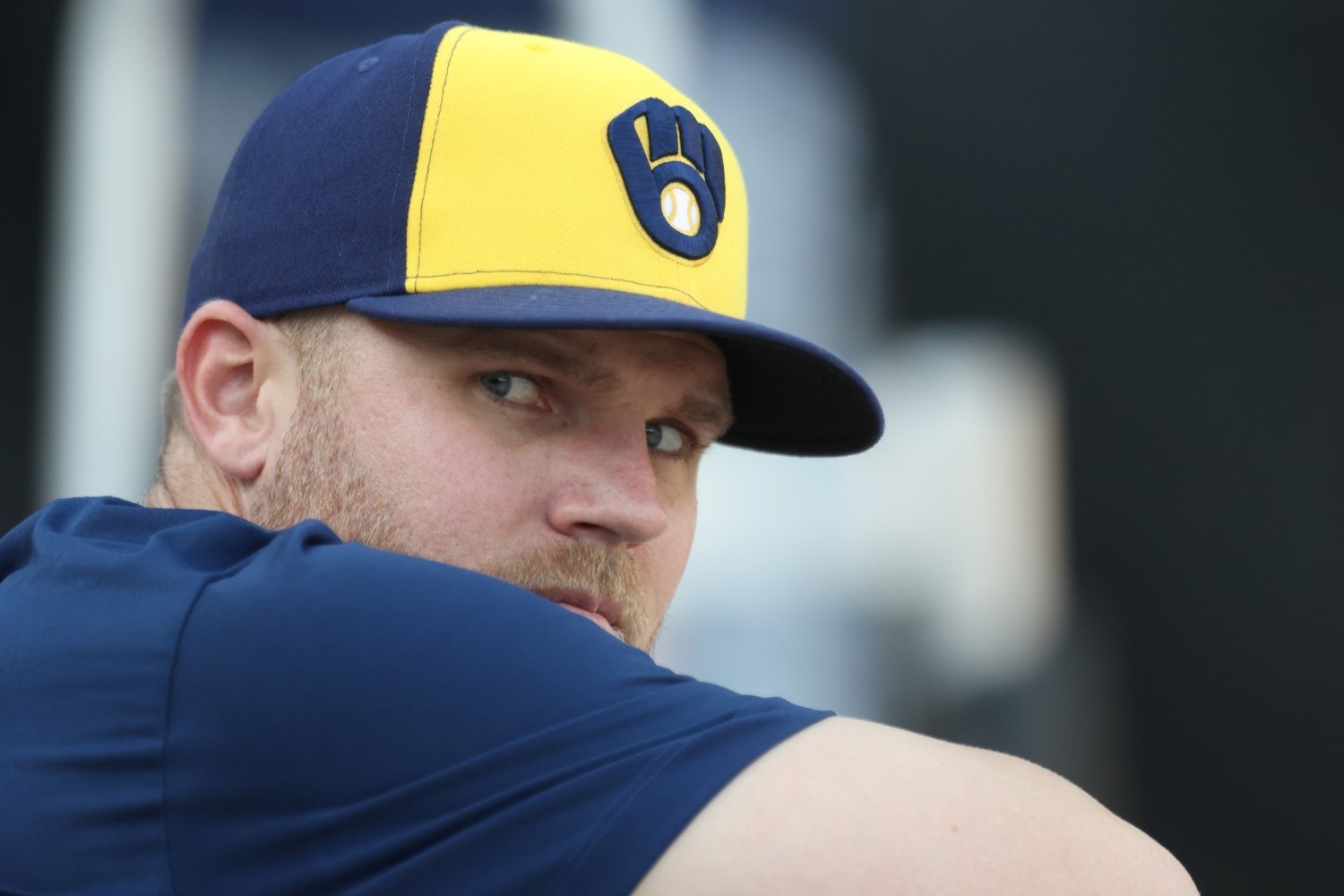 Jake Bauers has spent much of his career searching for a consistent home and for consistency at the plate. In 2026, he appears to have finally found it. The Milwaukee Brewers first baseman has emerged as the team’s most dangerous power bat, putting together a career-best season that makes him an important piece—if not the most important piece—of Milwaukee’s postseason hopes. His production is particularly valuable for a Brewers lineup looking for another reliable source of offense. With the postseason approaching, Bauers may be the key to the Brewers finally getting over the hump to reach the World Series and ultimately win it. After a strong finish to 2025, Bauers has statistically been one of the best hitters in baseball this season. The 30-year-old is currently 7th in MLB in OPS and 6th in wRC+, putting him among the league’s most productive offensive players. He's easily the best hitter on the Brewers, ranking first in OPS, wRC+, wOBA and isolated power while ranking second in walk rate. His underlying metrics back up this breakout: he ranks in the 93rd percentile or higher in bat speed, hard-hit percentage, and xwOBA. These numbers suggest that Bauers’s success is not simply the result of favorable outcomes or a hot streak, but rather a reflection of the quality of contact he has consistently produced—and of much-improved control of the strike zone. The question now becomes whether Bauers can carry this production into October. The regular season has given him plenty of opportunities to establish himself as a legitimate offensive threat, but the postseason presents a completely different obstacle. He has been a good playoff bat so far in his career, slashing .316/.350/.684. While that sample size is far too small to draw any definitive conclusions, it does provide an encouraging starting point. Bauers has shown that the moment isn't too big for him, which gives the Brewers reason to believe that he can handle the increased pressure of October baseball. Great bat speed also positions a player well to punish the mistakes that pitchers sometimes make under their own playoff pressure. More importantly, the version of Bauers we have seen this season is a much different hitter than the player who made those previous playoff appearances. He’s smarter, chasing less while punishing pitchers by pulling the ball in the air more frequently than he did last season, increasing his pull-air rate from 16.0% in 2025 to 19.2% in 2026. That change has unlocked more of Bauers’s natural power and allowed him to turn more of his hard contact into extra-base hits and home runs. Of course, expecting Bauers to replicate his amazing regular season in October would be unrealistic. Even the best hitters in baseball can struggle against postseason pitching, and opposing teams will crack down on his output by studying Bauers’s weaknesses and forcing the worst possible matchups. He's never before been the guy teams design pitching plans around; that's about to change. Still, Bauers could take over the game with one swing or over the course of multiple plate appearances, and he doesn’t need to match his regular season numbers to make an impact. His combination of patience and power is extremely strong, which will make the free agent-to-be an intriguing option during the upcoming offseason. Between now and then, though, he and the Brewers could change one another's lives forever, with a deep run in the playoffs powered by the most unlikely superstar slugger in the game. What are your thoughts on Bauers’s season so far? Will he be the Brewers’ best bat in October? View the full article
 -
Nothing the Cubs Have Tried with Edward Cabrera Has Worked
DiamondCentric posted an article in North Side Baseball
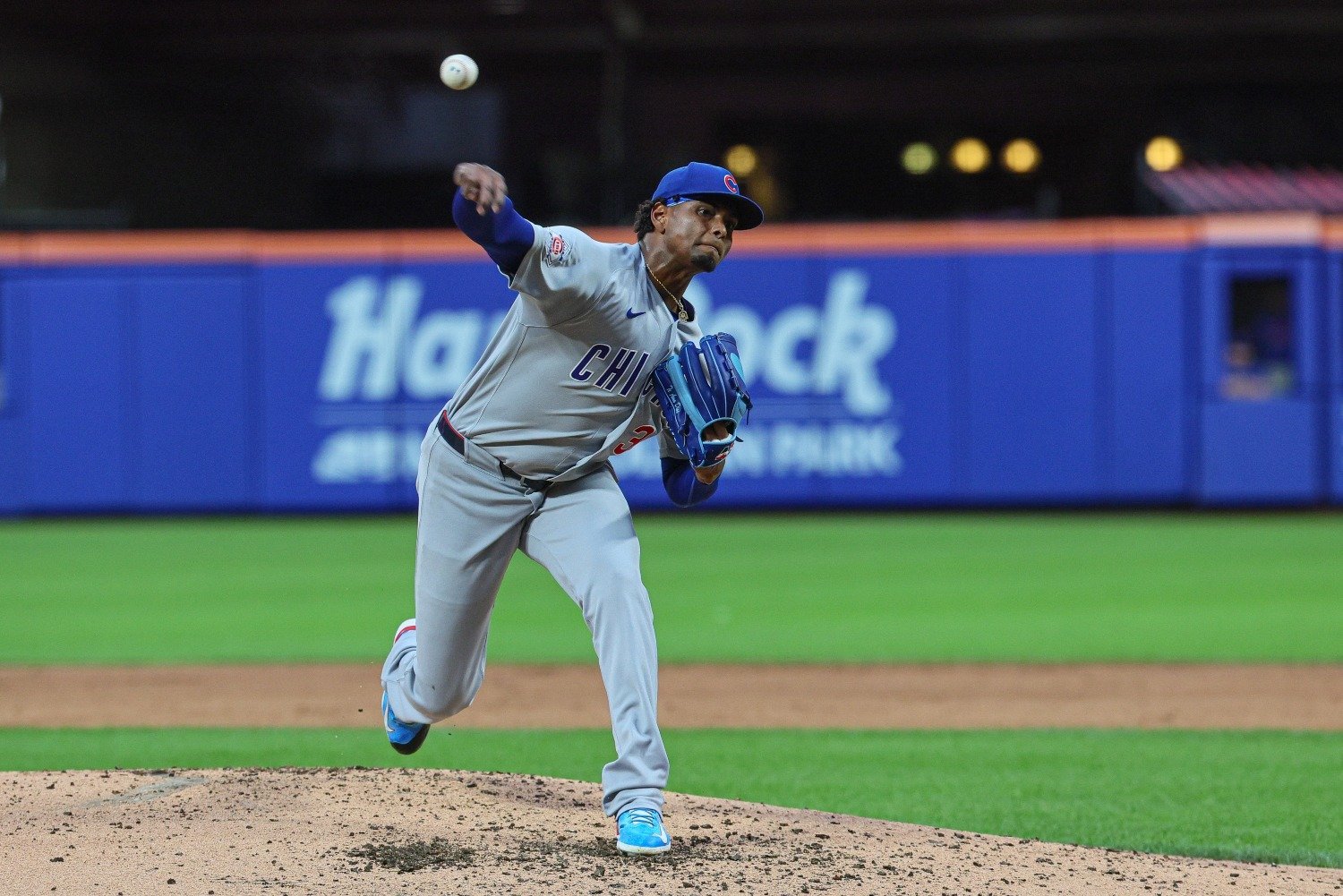 Edward Cabrera came to the Cubs with some well-known warts. His injury history is long and frightening, and there were lurking concerns about his elbow even entering last offseason. He also has shaky control, and neither his four-seam fastball nor his sinker has ever maintained a shape that allowed the heater to lead his arsenal. Instead, he's always had to lean on his changeup and curveball, which is part of why he's always had issues with walks. By trading top prospect Owen Caissie to land Cabrera, the Cubs made a forceful statement of their belief in themselves. They were betting on their pitching infrastructure, in which they take considerable (though not always earned) pride, to both keep Cabrera healthy and foster the development that saw him turn the corner in 2025. Caissie has hardly been a superstar in his rookie season with Miami, but nonetheless, it feels like the Cubs lost their gamble. They needed the Cabrera who pitched like a strong mid-rotation starter last year and showed the potential to be a true frontliner. Instead, recurring blister problems and a severe hamstring strain have limited Cabrera 78 1/3 innings—and he's been disastrously bad when he has been on the mound. Several things are happening at once within Cabrera's game. It's hard to tell which are products of the team's tinkering, and which are the result of Cabrera scrambling to fix what has repeatedly gone wrong or of him trying to protect himself from injuries. Whatever the causes, though, the following things have changed: He's throwing a bit less hard; his four-seamer has averaged 96.3 MPH, down from 97 in 2025. His four-seamer and changeup have become more prominent; he's reduced his usage of both of his breaking balls. Both breaking pitches, when he does throw them, are firmer and move less than they did last year. His arm slot, which he significantly lowered in 2025 en route to his best campaign, has gotten even lower; and As a result, his four-seamer has gotten more similar to his sinker, with more arm-side run but less carry. The sinker, meanwhile, has changed hardly at all. These changes haven't worked, but you already knew that. It's interesting, too, to note that it was never likely to work, according to pitch-modeling data. Cabrera's PitchingBot, Stuff+ and StuffPro have each gotten worse, on a pitch-by-pitch basis and in the grades for his overall arsenal. That he's missing fewer bats and still running right into barrels is no surprise. If these degradations had been mitigated by compensatory improvements in command and durability, it would be easy to understand and accept the changes. As it is, there's been no such tradeoff. Cabrera has just gotten worse at almost everything under the Cubs' stewardship. He's the highest-profile, highest-ceiling pitching acquisition the team has made since Marcus Stroman, and so far, he's a total bust. At this point, there's little hope for Cabrera helping the Cubs in 2026. He throws hard, but that's the only nice thing you can say about him without lying, and it's not enough—not nearly enough—to make up for all of the things he does poorly right now. The team will almost certainly change pitching coaches and shake some things up this winter; being this lousy has to cost someone their job. Cabrera is under team control through 2028, as long as the Cubs are willing to pay him escalating salaries via the arbitration process. It's too early to give up on him in any long-term sense. However long they play this fall, though, the team will have to look elsewhere for help on the mound—which is a glaring indictment of their front office and coaching staff, no matter how you slice it. View the full article
 -
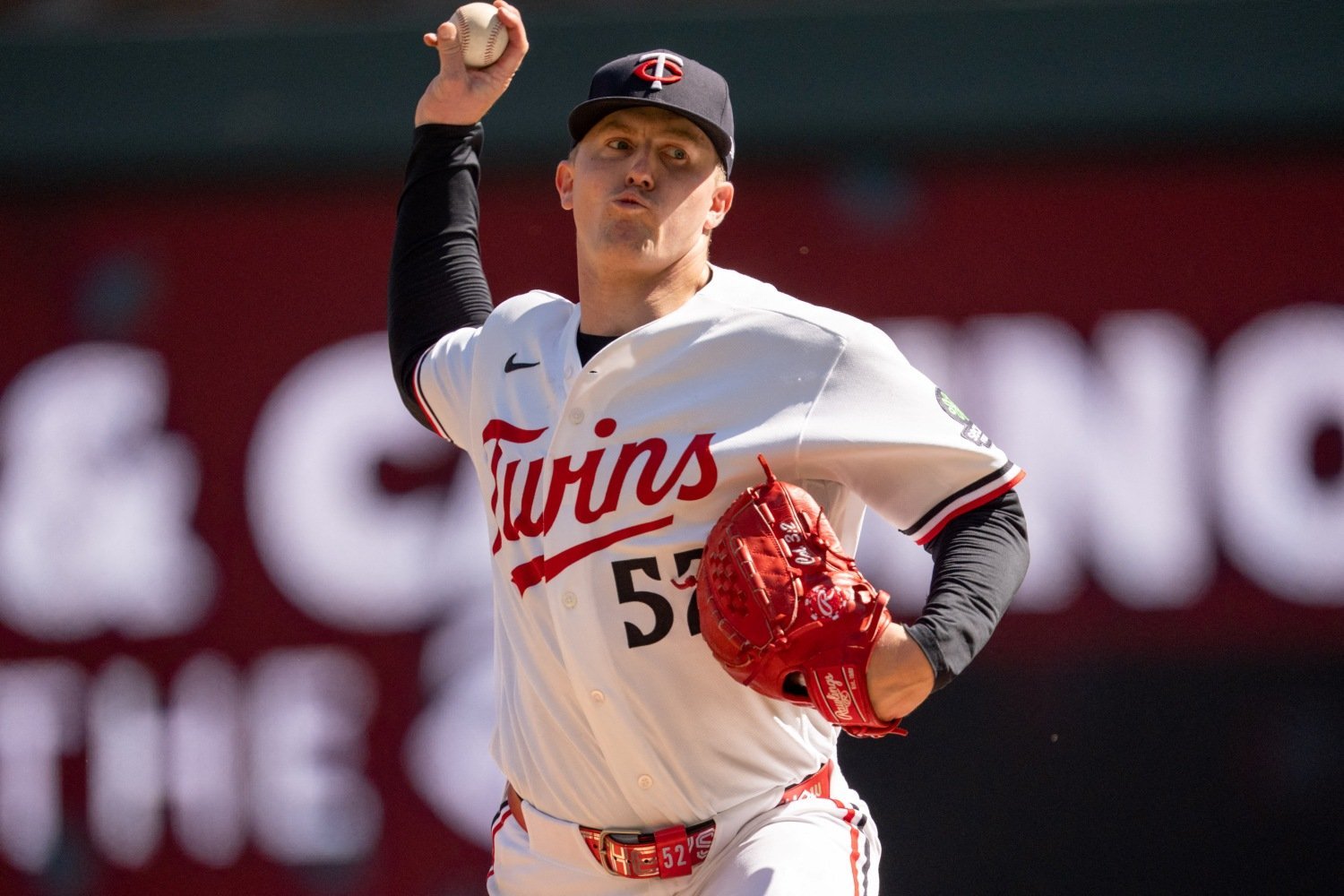 Box Score SP: Zebby Matthews - 6 IP, 2 H, 0 ER, 2 BB, 8 K (97 pitches, 63 strikes (65% strikes)) Home Runs: Ryan Kriedler (7) Top 3 WPA: Zebby Matthews (0.35); Luke Keaschall (0.16); Kody Funderburk (0.11) Win Probability Chart (via FanGraphs) Zebby Matthews has had a lot of trouble pitching on the road this season. At Target Field, however, he entered Wednesday with a 2.84 ERA in nine starts—and it only got better. Matthews's first inning was clean, only allowing Cody Bellinger on base. In the bottom of the first, Luke Keaschalle cracked a leadoff single and would come around to score—a theme that also echoed through the rest of the afternoon. The 1-0 score would last all the way to the bottom of the fifth inning, as Matthews sailed along. Ryan Kreidler doubled the Twins' advantage with a home run in the fifth, and Ben Ross—newly recalled to replace the injured Kaelen Culpepper and play some shortstop—got his first big-league hit, a double. Shaky baserunning denied the Twins a chance to further stretch their lead, though. (Yes, that, too, would repeat itself later.) For most of the day, it looked like Matthews would be the headliner of a shutout Twins win. He ended up working six nearly spotless frames, showing the tantalizing potential that keeps the Twins coming back to him as a rotation option. Jeff Hoffman came out in the seventh inning to protect the Twins’ slim lead, giving Minnesota a chance to add insurance. Hoffman struck out two in the middle of the Yankees’ order, bringing him just shy of 100 strikeouts on the season. The Twins pinch-hit Brooks Lee for Ross, and Lee delivered a single into right-center off Clarke Schmidt. Luke Keaschall worked through eight pitches before slapping an outside pitch into right, putting runners on the corners with two outs. The Yankees brought out Brent Headrick, who got the final out and stranded both runners. A.J. Minter replaced Hoffman in the eighth. The pressure mounted quickly after Anthony Volpe stole third for the fourth time in this series. Minter walked Ramos to load the bases with two outs, but Luis Garcia Jr. went down on Minter’s four-seamer, stranding three Yankees. Headrick returned for the bottom of the eighth and quickly moved through the Twins’ lineup, setting up Tremendous Yoendrys Gómez for a relatively easy save—or so it seemed. Gómez entered the ninth with a two-run lead. After singles by George Lombard Jr. and Paul Goldschmidt put the tying runs on base, Volpe continued his late-summer surge, crushing a double off the wall to score both Lopmbard and pinch-runner Jose Caballero. It was Gómez’s first blown save of the year, and even this one came only when Keaschall appeared to slightly misjudge the long fly ball. He jumped high enough to catch the ball, but was about four feet away from it as it came down and hit the wall. Derek Shelton pulled Gómez in favor of Kody Funderburk, who kept the game tied. The Twins had the bottom of their order in the bottom of the ninth, but Emmanuel Rodríguez made an immediate out. After Kriedler walked, Lee bounced into a double play. Extra innings. The Twins were down to two rested arms: Travis Adams and Tommy Nance. Adams worked the 10th, but a softly hit ground ball allowed Bellinger to score and gave the Yankees a 3-2 lead. Minnesota answered. Starting the inning with Lee on second, Keaschall (that man again) hit a sharp line drive to left that brought him home to tie the game at 3-3. The Twins had a chance to bring Keaschall home, too, but couldn't capitalize. Adams returned for the 11th. After New York managed to move the Manfred Man over, Caballero lifted a sacrifice fly to score Lombard, putting New York back ahead, 4-3. The Twins answered again. Kody Clemens lined a single up the middle, moving Walker Jenkins (who entered for the slow-footed Josh Bell) to third. Royce Lewis, 0-for-3 on the day, lifted a sacrifice fly to center to bring Jenkins home and tie the game at 4-4. Clemens got into scoring position in his own right, but again, the Twins couldn't cash in the game-winning run. Adams bravely came back out for his third inning. He struggled with command as the day got long on him, loading the bases with no outs, but Heliot Ramos grounded into a 1-2-3 double play, and the Twins execute idt perfectly. The ball was hit straight to Adams, who gunned it to Jeffers at home to cut down Volpe at the plate, then sent it straight to the glove of Lewis for the twin-killing. It was the third fine play Adams had made on comebackers since coming into the game; he fields his position like a true fifth infielder. From there, he escaped the jam and set up a walkoff win. The less said about the bottom of the 12th, alas, the better. Kreidler was picked off second base after an intentional walk to Lee. Keaschall then grounded into a double play, forcing a 13th inning. Tommy Nance replaced Adams in the 13th, and dominated the Yankees. The bullpen had, improbably, held serve through four tough extra frames. It was time for the offense to end this thing. Keaschall started on second base. All he would need is a little push to get home, and he got a shove! Victor Caratini came off the bench to bat for Austin Martin and hit into a ground ball that was missed by Lombard. As it trickled into center field, Keaschall scored, and the Twins walked off the Yankees. What’s Next? The Twins travel to Anaheim to play the Angels on Thursday at 8:38 CST. The Twins will send Taj Bradley (11-6, 3.81 ERA,) against a pitcher the Angels will determine later. Postgame Interviews Bullpen Availability Chart View the full article
 -
 Blue Jays Affiliate Overview (September 12-15) Triple-A Buffalo Bisons Series vs Charlotte Knights (Chicago White Sox): 2-3 Series vs Rochester Red Wings (Washington Nationals): 1-0 Season Record: 67-75 Double-A New Hampshire Fisher Cats Series vs Harrisburg Senators (Washington Nationals): 1-3 Season Record: 59-75 High-A Vancouver Canadians: Season Complete Single-A Dunedin Blue Jays: Season Complete FCL Blue Jays: Season Complete DSL Blue Jays Blue: Season Complete DSL Blue Jays Red: Season Complete Triple-A Buffalo Bisons Season Record: 67-75 Series vs Charlotte Knights (Chicago White Sox) September 12, Game 1: To wrap up the Charlotte series, Buffalo was set to take them on in a doubleheader on Saturday. The Bisons sent Grant Rogers to the mound in game one, and the Knights had a field day with his pitching. Charlotte scored multiple runs in three of the first four innings; nine were charged to Rogers, eight of them earned. While it was a bad day for Buffalo pitching, their bats were almost as bad. The Bisons only had four hits in the game, and Davis Schneider had two of those. Schneider launched a solo home run in the third inning and a single in the sixth. Lenyn Sosa and Rhylan Thomas each also provided singles, but Buffalo couldn't get either runner across the plate. The Bisons had no shot in this game, as they fell 10-1 in the opener of what was supposed to be a doubleheader. September 12, Game 2: Cancelled September 13: No game September 15: Buffalo kicked off the week Tuesday night with a game against the Rochester Red Wings. The Red Wings struck first with an RBI double by Cayden Wallace and an RBI from Riley Adams in the first inning. Shawn Ross and Daz Cameron answered with RBI singles in the bottom of the second inning, with Cameron's hit scoring three runs (aided by an error) and putting Buffalo up two. Jay Harry added a run in the fifth inning on a single to left, which would score Yohendrick Piñango. The Red Wings cut their deficit in half in the sixth inning with a run scoring on a single again. Cameron answered in the bottom of the inning, this time with a three-run double. Piñango added an RBI single to give Buffalo a 9-4 lead. After the Red Wings added a run on a single in the eighth inning, the game entered the ninth. Rochester scored three runs on a home run, walk, and a sacrifice fly. Then, Gage Stanifer entered with one out and the bases loaded. He struck out both batters he faced to earn the save and finish off the win for Buffalo. Buffalo won this one 9-8. Double-A New Hampshire Season Record: 59-74 Series vs Harrisburg Senators (Washington Senators) September 12: In what turned out to be the final game of the season for the New Hampshire Fisher Cats, Eli Willits and the Harrisburg Senators were taking center stage. In the third inning, Harrisburg got two runs on the board via an RBI single and a wild pitch. In the next inning, Kevin Bazzell launched a home run to give Harrisburg a three-run lead. Carter Cunningham and Tucker Toman erased much of that lead in the bottom of the inning, this time with RBI singles from each. The star hitters for Harrisburg then took over. Devin Fitz-Gerald and Willits crushed home runs in the next two innings, the big one being Willits’ three-run blast. Another home run would put Harrisburg up seven. Peyton Williams hit an RBI double in the eighth inning, which would turn out to be the last run for New Hampshire on the season. New Hampshire lost this one 9-3, ending their season. September 13: Cancelled High-A Vancouver Season Record: 64-66 Season Completed Single-A Dunedin Season Record: 62-66 Season Completed FCL Blue Jays Season Record: 38-20 Season Completed DSL Blue Jays Blue Season Record: 20-35 Season Completed DSL Blue Jays Red Season Record: 33-18 Playoffs: 2-1 Season Completed View the full article
 -
 Chicago Cubs Minor League Report - September 16 Affiliate Overview Triple-A Iowa Cubs Series at Omaha Storm Chasers (Kansas City Royals): Postponed Season Record: 59–81-1 Double-A Knoxville Smokies Southern League Division Series vs. Rocket City Trash Pandas (Los Angeles Angels): Trash Pandas lead, 1-0 Season Record: 73–64 High-A South Bend Cubs 2026 Season Record: 77–51 Single-A Myrtle Beach Pelicans 2026 Season Record: 50–77 Affiliate Highlights Triple-A: Iowa Cubs Season Record: 59–81-1 Series Opponent: Omaha Storm Chasers (64-77) Series Standing: Postponed Sept. 15: The Iowa Cubs had their series opener at the Omaha Storm Chasers postponed due to weather conditions. No date has been set for the contest to be made up. Double-A: Knoxville Smokies Season Record: 73–64 Southern League Division Series Opponent: Rocket City Trash Pandas (72–65) Series Standing: Trail, 1-0 Sept. 15: The Knoxville Smokies opened their Southern League Division Series against the Rocket City Trash Pandas with a 9-2 defeat on Tuesday night at Toyota Field. The Trash Pandas opened the scoring in the contest with two runs in the second but the Smokies cut the lead in half on Angel Cepeda’s (1-for-3) solo shot in the third. Carter Trice (1-for-3) made it 2-2 in the fourth with an RBI-double but Rocket City would go back in front with three runs in the sixth. The hosts then put the game away with four runs in the eighth to make it 9-2. Brooks Caple got the start on the mound for Knoxville and took the loss. Caple allowed three runs on four hits over 5 1/3 innings of work, walked two and struck out four. The Smokies offense was held to just three hits in the ballgame and would take just one at-bat with runners in scoring position, going 0-for-1. High-A: South Bend Cubs 2026 Season Record: 77–51 The South Bend Cubs season came to an end on Thursday, falling to the Quad City River Bandits in game 2 of the Midwest League Division Series. The Cubs finished the regular season with a 77-51 record, a league best mark. Single-A: Myrtle Beach Pelicans 2026 Season Record: 50–77 The Myrtle Beach Pelicans’ season came to an end on September 4 after both of their contests on September 5 and September 6 were rained out. The Pelicans finished the 2026 season with a 50-77 record. View the full article
 -
Ethan Salas Is Finding Out Just How Tough the Majors Can Be
DiamondCentric posted an article in Padres Mission
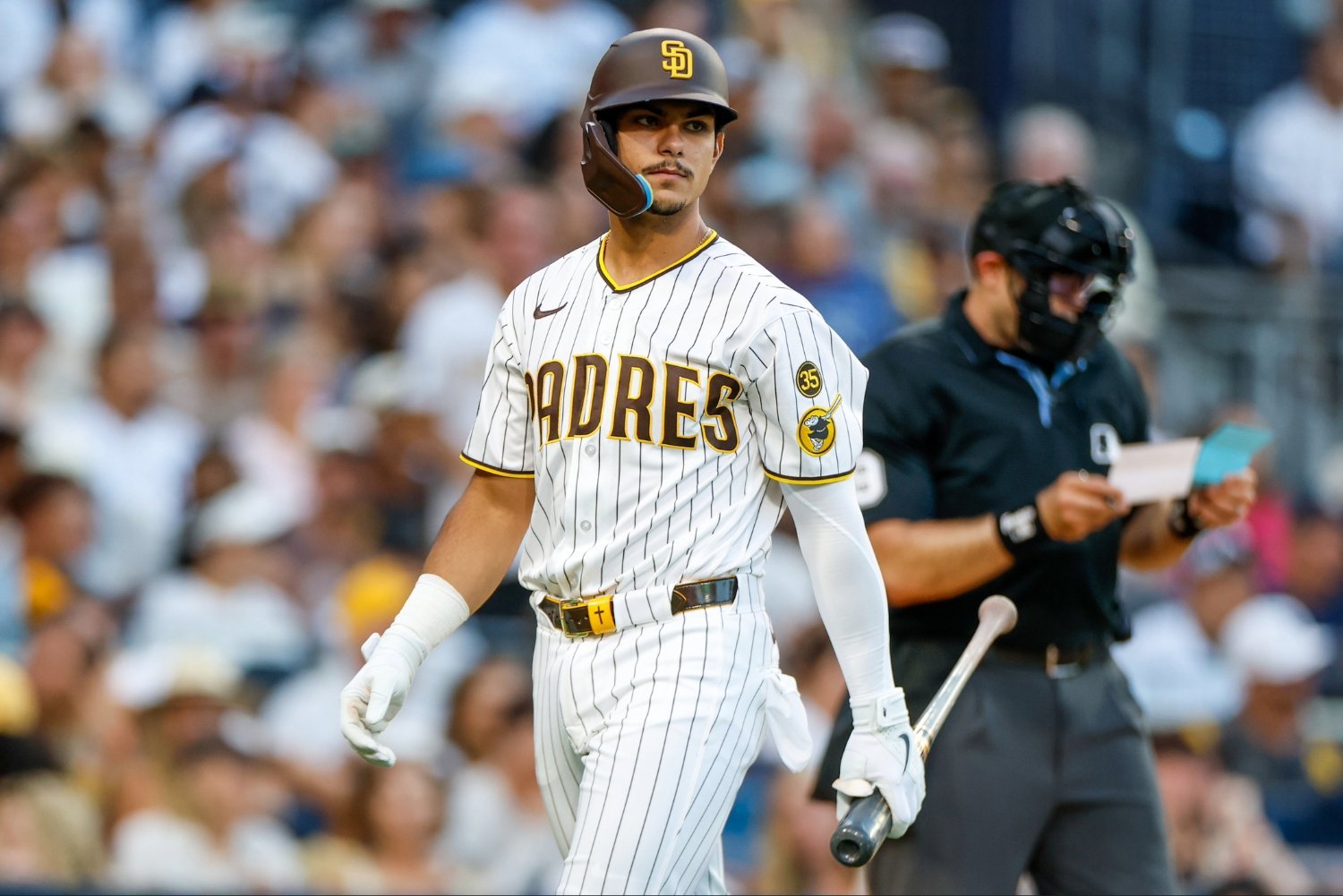 The jump from Triple-A to the major leagues is a tough adjustment for any young player, and the San Diego Padres’ top prospect, catcher Ethan Salas, is finding that out the hard way. Now before we get too far, it’s worth noting that we’re dealing with a very small sample here. Salas has only logged 17 major league plate appearances since being called up earlier this month, so there’s obviously not enough data to draw any meaningful conclusions about his future. But there hasn’t been a whole lot of success in those 17 trips to the plate. Salas has gone 1-for-17 in that span with no walks and seven strikeouts. His lone hit was a triple, and it would’ve been a home run at a handful of ballparks. But while you should definitely take any data in this small of a sample with a grain of salt, it’s not pretty. Just three of the 10 balls he’s put in play have been hard-hit. He’s also chasing out of the zone a lot more than he did in the minors, while making far less contact when he does so. After striking out in just 14.3% of his minor-league plate appearances this season, that number is up to 41.2% in his first cup of coffee in the majors. Although this is far from the start any of us were hoping for, it’s important to remember who we’re talking about here. Salas turned 20 in June. For probably 99.9% of professional baseball players, they’re not even sniffing the major leagues at that age. Let alone a catcher, where you have to be able to call the game and be in control of the diamond at a very high level. Catchers often take a while to work their way through the minor leagues because of everything they have to learn and manage at the position. Salas, meanwhile, has already worked his way through the minors and is now getting his first taste of major league baseball at just 20 years old. That’s not normal. It’s also worth remembering that we’ve already seen Salas have success against high-level pitching as recently as a few weeks ago. After being promoted to Triple-A El Paso, Salas posted a .949 OPS over 24 games. He also had 11 extra-base hits and walked more times than he struck out, showing a very well-rounded approach at the plate. That’s pretty much everything the Padres could have asked for from him at the highest level of minor-league baseball, and he can’t even buy himself a beer for nine more months. Again, that’s not normal. There’s a reason Salas has been regarded as one of the top prospects in baseball for so long. The Padres have watched him handle every challenge they’ve thrown his way at an extremely young age, and he has continued to move through the organization at a remarkable pace. Major-league pitchers are going to expose weaknesses that minor-league pitchers might not. They’re going to attack the strike zone differently, execute pitches more consistently, and force young hitters to make adjustments. Salas is getting his first look at that right now, and it hasn’t gone particularly well. But there’s a big difference between struggling in your first 17 plate appearances and struggling over an entire season. There’s an even bigger difference between struggling at 20 years old and struggling as an established major-league player. That’s why I don’t think there’s any reason to overreact to what we’ve seen from Salas so far. Obviously, the strikeout and chase numbers are worth monitoring as Salas gets more opportunities. If those issues continue over a much larger sample, then it will be fair to start looking more closely at what’s going wrong. But we’re nowhere near that point yet. San Diego doesn’t need him to take over the starting catcher duties for a playoff hopeful team right now. They don’t even need him to be the backup. This is about getting him a taste of what major league pitching looks like before he’s eventually thrust into a much more impactful role. View the full article
