


DiamondCentric
-
Posts
2,631 -
Joined
-
Last visited
Never
Content Type
Profiles
Forums
Events
News
Tutorials & Help
Major League Baseball Videos
Guides & Resources
Store
Downloads
Gallery
Everything posted by DiamondCentric
-

 Chicago Cubs Transactions No Roster Moves Iowa Cubs Score All Three Runs In The Fourth To Beat Omaha Iowa won 3-2 at Omaha, and the Cubs scored all three of their runs in the fourth inning. Owen Ayers opened the frame with a double to left, and Kevin Alcántara followed with a line-drive single to right that moved Ayers to third. Chas McCormick then doubled to left to score both runners. After James Triantos grounded out, Jordan Nwogu lifted a sacrifice fly to left that brought McCormick home for the third run. Iowa did not put another runner in scoring position the rest of the night, and the Cubs finished with four hits, no walks, and one runner left on base. Connor Noland was the reason the lead held up. He did not allow a hit over five innings, walked two, and struck out six. Jordan Wicks followed with 2 2/3 innings, allowing five hits and two runs, both earned, with one walk and two strikeouts. Omaha got a solo home run in the sixth and pushed a run across in the eighth on a double-play ground ball that Ben Cowles started. Eduarniel Núñez recorded the last out of the eighth, walking one and striking out one over 1/3 of an inning, and Gabe Klobosits pitched a scoreless ninth with a strikeout for his fifth save. Ayers and McCormick each doubled, and Alcántara and Cowles had the other two Iowa hits. Iowa Cubs Notable Defense Iowa played the game without an error and turned two double plays. Jackson Cluff started the first of them, throwing to Kevin Alcántara, and Ben Cowles started the second in the eighth inning, throwing to Cluff and on to Alcántara, which held Omaha to one run in the frame. Justin Dean recorded four putouts on fly balls in center field. Iowa Cubs Hitting Player AB R H RBI BB K Owen Miller, 3B 4 0 0 0 0 0 Owen Ayers, C 4 1 1 0 0 0 Kevin Alcántara, 1B 4 1 1 0 0 1 Chas McCormick, LF 4 1 1 2 0 1 James Triantos, DH 3 0 0 0 0 0 Jordan Nwogu, RF 2 0 0 1 0 1 Ben Cowles, 2B 3 0 1 0 0 0 Jackson Cluff, SS 3 0 0 0 0 2 Justin Dean, CF 3 0 0 0 0 1 Totals 30 3 4 3 0 6 Iowa Cubs Pitching Player IP H R ER BB K HR Connor Noland (W, 4-5) 5 0 0 0 2 6 0 Jordan Wicks (H, 1) 2 2/3 5 2 2 1 2 1 Eduarniel Núñez (H, 1) 1/3 0 0 0 1 1 0 Gabe Klobosits (S, 5) 1 0 0 0 0 1 0 Totals 9 5 2 2 4 10 1 Knoxville Smokies Eliminated By Rocket City After Early Deficit Knoxville lost 13-3 to Rocket City, and the visitors built the lead across the third and fourth innings. Rocket City scored four times in the third. The inning began with a fielding error by shortstop Karson Simas, and the next four batters produced a double, a sacrifice fly, another double, a hit by pitch, and a two-run double, all of it charged to Brody McCullough. Rocket City added three more in the fourth on a solo home run, a two-run home run, and a walk in between, with two of those runs coming against Dawson Netz. The visitors then closed the scoring with four runs in the eighth against Jackson Brockett on three singles and a sacrifice fly. Kane Kepley was the best of the Knoxville bats. He doubled in the eighth and tripled in the ninth to drive in Simas, and he also walked and was hit by a pitch. Ariel Armas went 2-for-3 with a walk and singled home Josiah Hartshorn in the sixth. Andy Garriola doubled home Kepley in the eighth, and Simas had two hits and a walk. Knoxville drew five walks and left 10 runners on base. Brody McCullough allowed five runs, three earned, over 2 1/3 innings with no walks and six strikeouts. Dawson Netz gave up four runs over 1 2/3 innings with a walk and two strikeouts. Tyler Ras followed with two hitless, scoreless innings, allowing one walk and striking out two. Jackson Brockett gave up five hits and four runs in 1 1/3 innings. Frankie Scalzo Jr., Kevin Valdez, and Luis Rujano combined for the final 1 2/3 innings without a run. Knoxville Smokies Notable Defense Kane Kepley recorded four putouts in center field, including a sacrifice fly in the third, and he fielded two doubles and two singles hit his way. Alex Ramírez also recorded four putouts in right field, including a sacrifice fly in the eighth. Knoxville Smokies Hitting Player AB R H RBI BB K Alex Ramírez, RF 5 0 1 0 0 2 Josiah Hartshorn, 1B 4 1 0 0 1 0 Kane Kepley, CF 3 1 2 1 1 1 Andy Garriola, DH 4 0 1 1 0 1 Ariel Armas, C 3 0 2 1 1 0 Carter Trice, LF 4 0 0 0 0 3 Alex Madera, 2B 3 0 1 0 1 1 Angel Cepeda, 3B 4 0 0 0 0 2 Karson Simas, SS 3 1 2 0 1 1 Totals 33 3 9 3 5 11 Knoxville Smokies Pitching Player IP H R ER BB K HR Brody McCullough (L, 0-1) 2 1/3 5 5 3 0 6 1 Dawson Netz 1 2/3 3 4 4 1 2 2 Tyler Ras 2 1 0 0 1 2 0 Jackson Brockett 1 1/3 5 4 4 1 1 0 Frankie Scalzo Jr. 1/3 0 0 0 1 0 0 Kevin Valdez 1/3 0 0 0 0 1 0 Luis Rujano 1 0 0 0 0 1 0 Totals 9 14 13 10 4 13 3 Top-20 Prospect Performance Josiah Hartshorn: 0-for-4, BB, R Cade Townsend: DNP Jaxon Wiggins: DNP Owen Ayers: 1-for-4, 2B, R Kane Kepley: 2-for-3, 2B, 3B, RBI, BB, HBP, R, K Ethan Conrad: DNP Caden Sorrell: DNP Kaleb Wing: DNP Myles Bailey: DNP Brooks Caple: DNP James Triantos: 0-for-3 Will Sanders: DNP Juan Cabada: DNP Jostin Florentino: DNP Derniche Valdez: DNP Grant Kipp: DNP Jose Escobar: DNP Ariel Armas: 2-for-3, RBI, BB Fernando Cruz: DNP Brandon Birdsell: DNP View the full article
 -
Taylor Rogers Should Be Twins’ Closer for Remainder of Season
DiamondCentric posted an article in Twins Daily
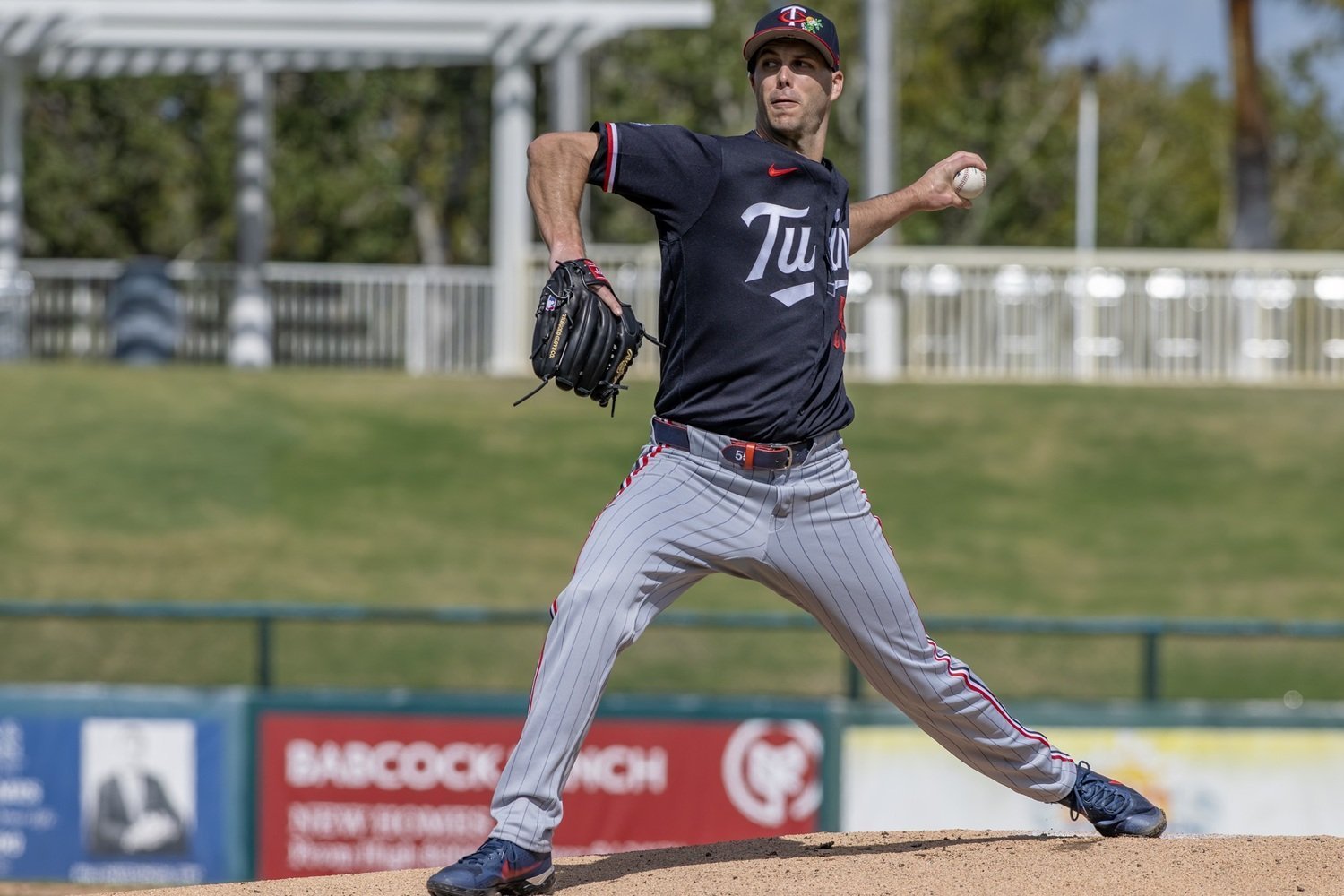 There isn't much left for the 2026 Minnesota Twins to accomplish. The postseason is no longer a realistic possibility, and the final days of the season are increasingly about evaluating young players, making decisions for 2027, and figuring out which pieces might still fit into the organization's next chapter. There is, however, one thing the Twins could do that would make these final games a little more meaningful: Give Taylor Rogers the baseball in the ninth inning. Rogers has mostly worked in lower-leverage situations since returning to Minnesota this season, and there have been some bumps along the way. That isn't particularly surprising. He's a 10-year veteran who is no longer the dominant reliever he was during his first stint with the organization. But this season was never really about Rogers returning to Minnesota and becoming the bullpen's next great closer. It was about coming home. Rogers is nearing the end of his playing career. His return to the Twins gave him an opportunity to reach 10 years of service time and (potentially) finish his career with the organization that drafted him. If that is, indeed, where this story is heading, Minnesota should give him a proper sendoff. There's a pretty simple way to do it. Let Rogers close games for the rest of the season. From Kentucky to Minnesota The Twins selected Rogers in the 11th round of the 2012 MLB Draft out of the University of Kentucky. At the time, he wasn't a bullpen prospect. Rogers worked his way through the Twins' minor-league system as a starting pitcher, posting a 3.33 ERA and 1.28 WHIP across parts of five seasons. Eventually, however, it became apparent that his future was in the bullpen. The move changed his career. Rogers made his major-league debut in 2016 and initially worked in lower-leverage situations. Over the next few seasons, he gradually climbed the bullpen hierarchy, becoming one of the most reliable left-handed relievers in baseball. From 2017 through 2019, Rogers posted a 2.75 ERA, 161 ERA+, and 1.07 WHIP. He averaged nearly 2.0 rWAR per season during that stretch. Then came 2019. The Bomba Squad won 101 games, and Rogers was an important part of the team's bullpen. He converted 30 saves, establishing himself as a legitimate ninth-inning option while helping Minnesota reach the postseason. The following two seasons weren't quite as dominant, but Rogers remained an effective reliever. From 2020 through 2021, he posted a 3.58 ERA, 120 ERA+, 1.26 WHIP, and 12.4 strikeouts per nine innings. In 2021, Rogers made the only All-Star team of his career. That offseason, everything changed. The Trade that Changed Everything Rogers entered the spring of 2022 as Minnesota's presumed closer. Then, on the eve of Opening Day, the Twins traded him to San Diego. Minnesota sent Rogers and Brent Rooker to the Padres in exchange for Chris Paddack, Emilio Pagán, and Brayan Medina. It was a trade that came back to bite the Twins in more than one way. Rogers's first chapter with the Twins was over. The next four years took him all over baseball. He spent time with the Padres, Brewers, Giants, Reds, and Cubs. He was traded twice at the MLB trade deadline during that stretch. There was even a unique chapter in San Francisco, where he got the opportunity to play alongside his twin brother, Tyler Rogers. Rogers also earned a significant payday during his time away from Minnesota. He's made more than $55 million during his career, with the largest portion coming from the three-year, $33-million contract he signed with the Giants. Eventually, though, Rogers found his way back to where it all started. One (or Two) More Saves Rogers currently has 52 saves as a member of the Twins. That puts him two saves away from tying Mike Marshall for 10th place on the franchise's all-time saves list. There's no guarantee Minnesota will even have two more save opportunities before the season ends. That's the unfortunate reality of asking a team with little left to play for to manufacture opportunities for a veteran reliever. But it would make for a pretty fitting ending. The Twins are scheduled to face the Angels three more times this weekend and head to San Francisco after that, before returning home next weekend for a series against the Texas Rangers. Give Rogers a chance to pick up No. 53 against the Angels. Then, if the opportunity presents itself, let him take the mound for one final save at Target Field against Texas. It doesn't have to be elaborate. It doesn't have to be a retirement ceremony. It doesn't even have to be particularly dramatic. Just give Rogers the ninth inning. Of course, the Twins still have to win the games. If Rogers is struggling, there's no reason to put a game in jeopardy simply to manufacture a milestone. But when the situation calls for a traditional closer, Rogers should be the guy. There is value in giving younger relievers opportunities, and Minnesota should absolutely continue evaluating its bullpen for next season. But there are also moments when baseball is about something other than the next transaction or projection. This is one of those moments. Rogers spent the first half of his career becoming a legitimate late-inning weapon in Minnesota. He helped anchor a 101-win team. He made an All-Star team. He left, traveled around the league, played alongside his brother, earned a life-changing contract, and eventually came back home. Now, his career may be coming full circle. The Twins don't know exactly how many games Rogers has left. They don't know if this will actually be his final season. They don't know whether another organization will offer him an opportunity in 2027. But they do know what he has meant to the organization. And they know exactly how to give him one more moment. Give Rogers the ninth inning. Even if it's only one more game. Should Rogers be Minnesota’s closer over the final week? Leave a comment and start the discussion. View the full article
 -
 Jack and Spencer reflect on the Brewers' sustained success after another NL Central title, what's next for Kyle Harrison after another rough outing, and more. Apple Podcasts: https://podcasts.apple.com/us/podcast/the-brewer-fanatic-podcast/id1740648724 Spotify: https://open.spotify.com/show/5CY8mWsQayqjDXqw9OT2Td iHeartRadio: https://www.iheart.com/podcast/263-the-brewer-fanatic-podcast-166534588/ Pocket Casts: https://pca.st/ommzz627 Watch On YouTube: https://www.youtube.com/@brewerfanatic View the full article
 -
 Following a 6-1 road trip to San Francisco and Colorado, the San Diego Padres are talking about magic numbers and improving their postseason seed. Steve Drumwright takes a look back at the road trip, which included Ethan Salas' first two-homer game of his young career, some games that were closer than they should have been and the offense putting up some runs. Steve also talks about how the concern over the back end of the bullpen has dissipated in the last few days after Bradgley Rodriguez, Adrian Morejon and Mason Miller were being worked a lot. He also goes over the postseason plan for the 20-year-old Salas and whether he should be starting, while also touching on the contributions of Dustin Harris and how realistic it is for the Padres to overtake the Philadelphia Phillies or Chicago Cubs for a better playoff seed. In the minors, Steve recaps how the Low-A Lake Elsinore Storm captured the California League championship. He finishes with a preview of the Marlins series and what to expect in the final nine games. Listen on Apple Podcasts: https://podcasts.apple.com/us/podcast/padres-mission-podcast/id1896922834 Listen on Spotify: https://open.spotify.com/show/033xclmydmbLmEp0exYuYz Listen on iHeartRadio: https://www.iheart.com/podcast/1333-padres-mission-podcast-336930560 Watch on YouTube: https://www.youtube.com/@padresmission View the full article
 -
 Jefferson Rojas has been quite the September call-up for Triple-A Syracuse this week. He's helping to fuel the club's last-ditch run to a spot in the International League playoffs. Rojas has now homered in each of his first three games with the Mets after going deep Thursday in a 9-8 Syracuse victory over Lehigh Valley. His solo shot in the third inning put Syracuse ahead 8-7. Lehigh Valley tied the game in the fourth but Syracuse took the lead for good in the fifth on Rojas' sacrifice fly. Rojas also had an RBI double in the second inning. In 14 plate appearances this week, the 21-year-old infield prospect is slashing .583/.643/1,417 for a 2.060 OPS, with the three homers and seven RBIs. He has walked once and struck out three times. Thursday's win kept Syracuse 1 1/2 games behind co-leaders Rochester and Indianapolis (both 43-29) in the International League second-half standings. An earlier cancellation has left the Mets (41-30) with one fewer game played, which means that, if all games are completed the next three days, Syracuse will need to win the title outright; it can't win on a tiebreaker. If games are canceled and tiebreakers do come into play, then head-to-head in the second half would be the first one in a two-way tie. Syracuse is 6-6 against Rochester in the second half. It did not play Indianapolis at all this season. In a three-way tie, winning percentage among the tied teams would be first. Syracuse and Rochester are at .500, while Indianapolis doesn't have a percentage because it didn't face Syracuse or Rochester. In that case, overall records would be used to break the tie. Rochester would get the nod as it has the best record in the league at 88-57, Syracuse is 79-67, while Indianapolis is 74-73. Rochester is wrapping up its season at Buffalo, while Indianapolis is finishing at Gwinnett. If the Mets pull off the improbable and win the second half, they'll face first-half champion Memphis in a best-of-three series for the Governors' Cup beginning Tuesday. The IL champion will face the Pacific Coast League champion, either Las Vegas or Oklahoma City, in the Triple-A National Championship Game on Sept. 26 in Las Vegas. Syracuse Outslugs Lehigh Valley Rojas' contributions were key Thursday, but Vidal Brujan and Eric Wagaman played big roles as well. Brujan singled in Rojas and Wagaman drove in two runs with a double to give Syracuse a 3-2 lead in the bottom of the first. Brujan put the Mets up 7-5 in the second with a sacrifice fly. Ronny Mauricio had the Mets' other RBI with a fielder's choice grounder in the second. A throwing error on the play brought in Rojas with a second run. Mets starter Jack Wenninger was knocked out in the second inning. He allowed five runs on six hits, walked two and struck out one. After Matt Seelinger gave up two runs in 1 1/3 innings and Ryan Lambert surrendered a run in his inning of work, Brian Metoyer (two innings), Dylan Ross (two-thirds of an inning), Matt Turner (one inning) and Zach Franklin (1 1/3 innings) combined for five scoreless innings of relief. Metoyer was credited with the win and Franklin earned the save. Syracuse Batting Player AB R H RBI BB K D'Andre Smith 5 2 2 0 0 1 Jefferson Rojas 4 3 2 3 0 0 Ronny Mauricio 5 1 0 1 0 1 MJ Melendez 4 1 1 0 1 1 Vidal Bruján 3 0 1 2 0 0 Eric Wagaman 4 0 2 2 0 0 Ryan Clifford 2 0 0 0 1 2 Christian Cairo 3 0 1 0 1 0 Kevin Parada 3 2 2 0 1 0 Syracuse Pitching Player IP H R ER BB K HR Jack Wenninger 1 2/3 6 5 5 2 1 1 Matt Seelinger 1 1/3 2 2 2 1 1 1 Ryan Lambert 1 1 1 1 2 0 0 Brian Metoyer 2 1 0 0 1 4 0 Dylan Ross 2/3 0 0 0 2 0 0 Matt Turner 1 1 0 0 0 1 0 Zach Franklin 1 1/3 1 0 0 1 2 0 New York Mets Transactions New York Mets optioned RHP Xzavion Curry to Syracuse Mets. New York Mets recalled RHP Cameron Weston from Syracuse Mets. New York Mets placed RHP Robert Stock on the 15-day injured list. Finger numbness. Top-20 Prospect Performance Jonah Tong: MLB Jack Wenninger: 1 2/3 IP, 6 H, 5 R, 5 ER, 2 BB, 1 K, 1 HR Elian Pena: DNP Mitch Voit: DNP Ryan Clifford: 0-for-2, BB, HBP, 2 K Nick Morabito: MLB Jonathan Santucci: DNP Carson Wiggins: DNP Jacob Reimer: DNP Aiden Robbins: DNP Randy Guzman: DNP Wandy Asigen: DNP Chris Suero: DNP Jefferson Rojas: 2-for-4, 2B, HR, 3 RBI, 3 R, HBP Will Watson: DNP Shane Sdao: DNP Eli Serrano III: DNP Antonio Jimenez: DNP Emilien Pitre: DNP Dylan Ross: 2/3 IP, 0 H, 0 R, 0 ER, 2 BB, 0 K View the full article
 -
Biggest Winners and Losers In Padres’ Farm System In 2026
DiamondCentric posted an article in Padres Mission
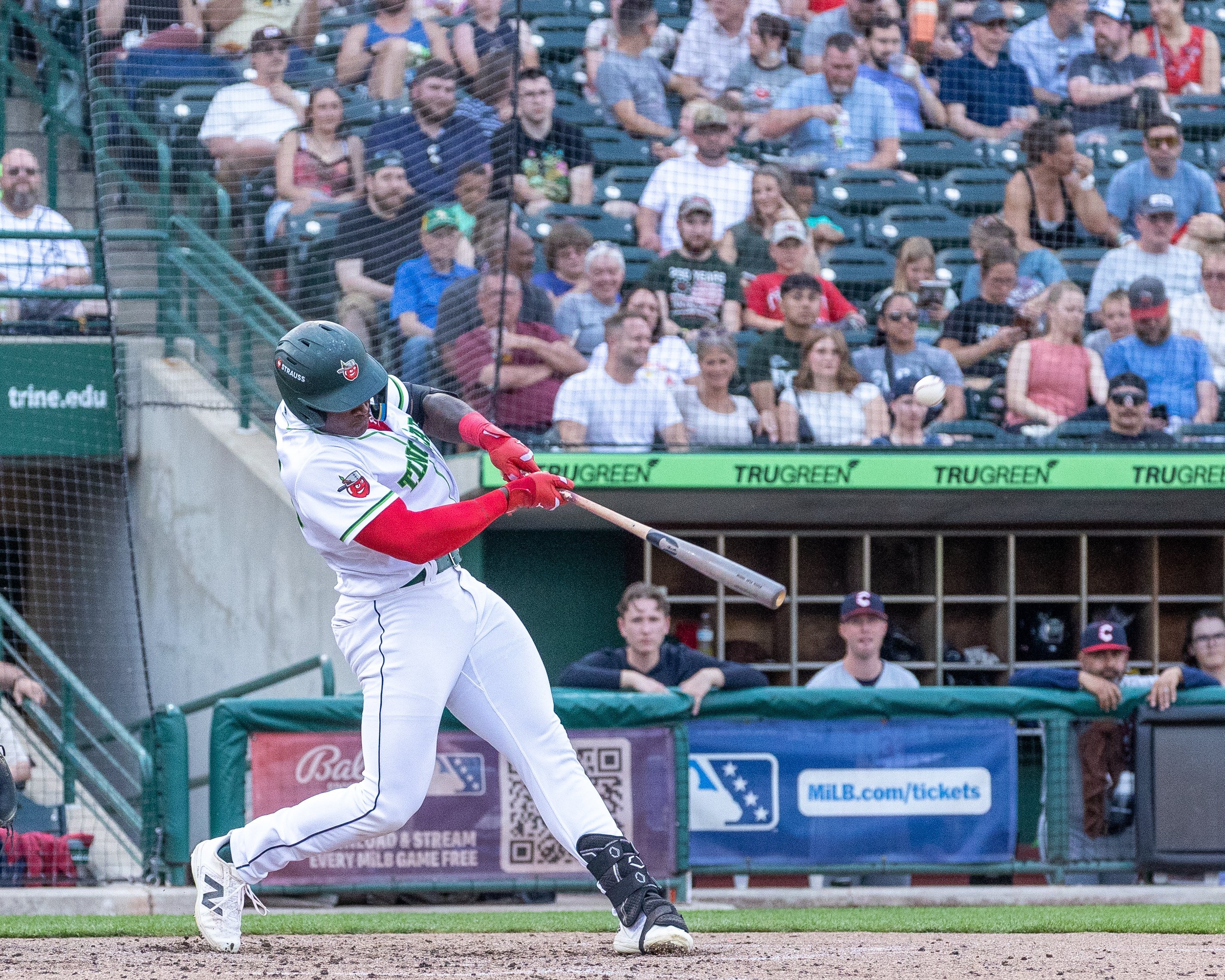 With the Minor League Baseball season starting to wrap up, now feels like a good time to zoom out and look at the San Diego Padres’ farm system as a whole. There was a lot of action across the organization this year, whether it was prospects making their way to the major leagues, players being moved at the trade deadline, or young players taking another step in their development. Some players and teams took advantage of their opportunities, while others struggled to find the consistency they were looking for. So with that, let’s take a look at some of the biggest winners and losers from the Padres’ farm system this year, starting with the winners. Padres' Biggest Farm System Winners (2026) The biggest winner, in my opinion, has to be the Padres’ Single-A affiliate, the Lake Elsinore Storm. The Storm dominated over the first half of their season, finishing with a 39-27 record. That was good enough to win the California League South Division and earn a spot in the postseason, putting Lake Elsinore in position to make a run at a championship. Things didn’t go quite as smoothly during the second half of the season, but the Storm managed to rally when it mattered most. They won their first round matchup against the Dodgers’ Single-A affiliate, the Ontario Tower Buzzers, and toppled San Jose to win the California League for the fifth time in franchise history. Considering how the second half played out, it's amazing that the Storm were able to rally to win the title. Lake Elsinore put themselves in a great position during the first half, and when the pressure ramped up in the postseason, the Storm found a way to deliver. That makes them an easy choice as one of the biggest winners in the Padres’ farm system this year. The other big winner for me is outfield prospect Alex McCoy. McCoy began the season outside of Padres Mission’s top 20 prospects, but he has completely changed his standing within the organization over the course of the year. He currently sits at number eight on that list, and it’s easy to see why after looking at what he accomplished. Across 123 games between High-A and Double-A, McCoy produced 51 extra-base hits and 24 stolen bases while posting an .822 OPS. That’s a pretty impressive combination of power and speed, especially for a player who entered the season without much prospect recognition. There are still some bat-to-ball concerns that McCoy will need to work through. His strikeout tendencies are something worth monitoring as he continues to climb the minor-league ladder, and that could ultimately determine how much of his offensive production carries over against major league pitching. But man, if he can get those concerns even slightly under control, the tools are there to eventually make a difference at the major-league level. Going from outside the top 20 prospects to number eight in the span of one season is a pretty significant jump, and McCoy has given the organization another interesting young outfielder to keep an eye on moving forward. Padres' Biggest Farm System Losers (2026) As for the losers, we’re going with the Padres’ High-A, Double-A and Triple-A affiliates. Unlike Lake Elsinore, it was not a particularly good year for Fort Wayne, San Antonio or El Paso. The three levels collectively went 173-229, and none of them qualified for the playoffs. Obviously, there is some context needed here. Some of those struggles can be attributed to the players San Diego traded away around the deadline, which naturally changed the makeup of several of these rosters. There are also going to be plenty of ups and downs at the minor=league level as prospects move between teams and organizations try to balance development with winning. But regardless of the reasoning, it still wasn’t a good year for any of these three affiliates. When your Single-A affiliate is making a deep postseason run while the three levels above it all miss the playoffs, that’s certainly an interesting contrast. It doesn’t necessarily mean the Padres’ farm system is in bad shape, but it does show that there were some clear struggles once you got beyond Lake Elsinore. The other loser I’ll mention is Padres pitching prospect Jagger Haynes. This was supposed to be an important year for Haynes, but the performance simply wasn’t there. He opened the season as San Diego’s number six prospect, but he currently sits at number 13. Haynes posted a 4.37 ERA at Double-A San Antonio, but that number jumped all the way to 6.55 once he was promoted to Triple-A. The promotion itself is obviously a good sign, as the Padres still believed he was ready for the challenge, but the underlying numbers took a pretty sharp step backward. His strikeout rate dropped to just 17.5%, while his walk rate hovered around 12%. Across both levels, his overall strikeout-to-walk ratio finished below two-to-one, which is not the kind of performance you want to see from one of your organization’s top pitching prospects. That doesn’t mean Haynes should suddenly be written off. He’s still fairly young and will turn 24 this weekend, giving him plenty of time to figure things out. Pitching development is rarely a straight line, and a difficult season can sometimes be part of the process. Still, this wasn’t the year the Padres wanted from Haynes. View the full article
 -
How Should the Twins Construct Their Lineup Down the Stretch?
DiamondCentric posted an article in Twins Daily
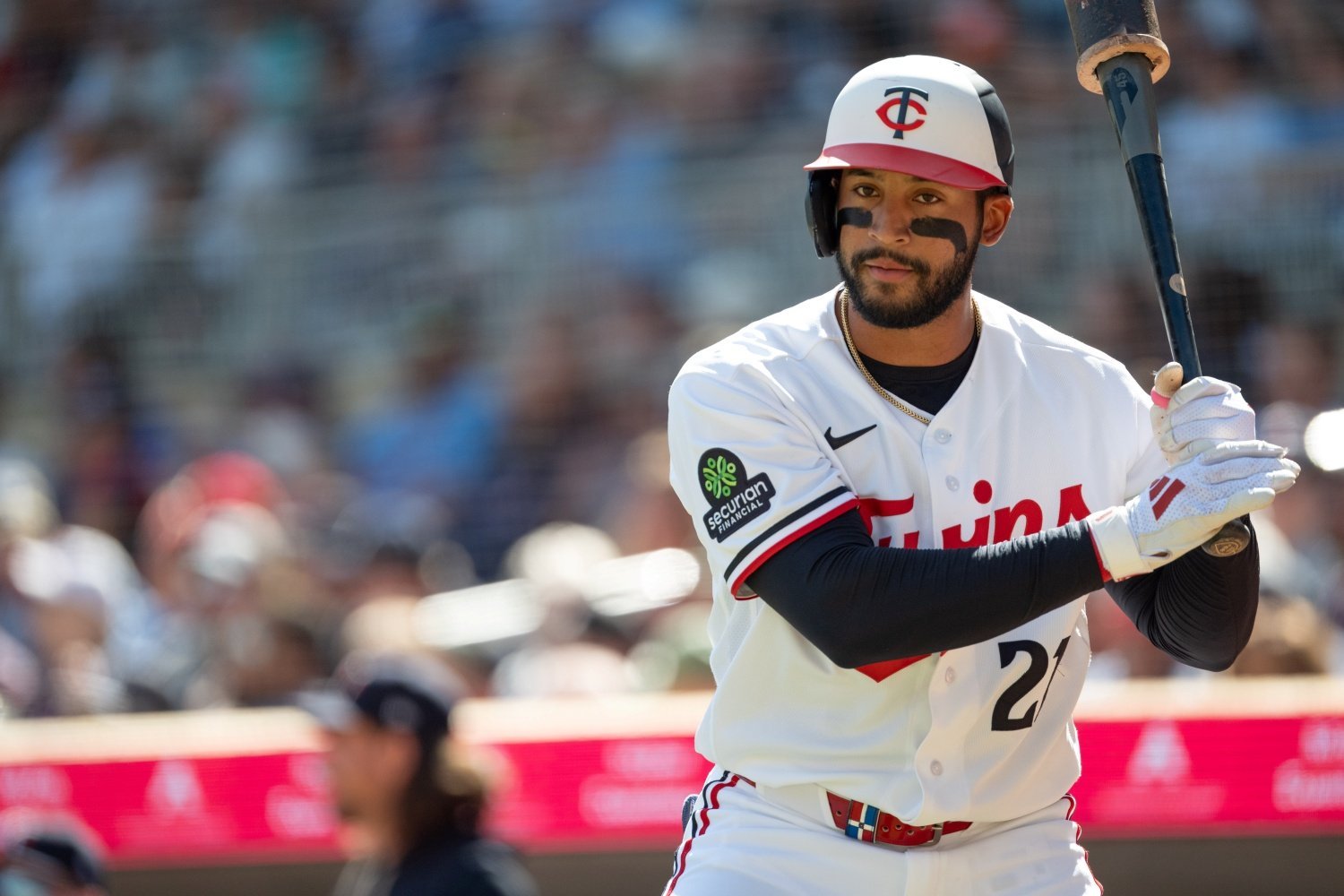 At long last, Emmanuel Rodríguez is in the major leagues. After years of waiting to see one of the most talented offensive prospects in the Twins’ system reach Target Field, Rodríguez has arrived, and he's taken up a flexible role in what remains a shifting outfield picture for the team. With Rodríguez joining Walker Jenkins and Kaelen Culpepper, the Twins suddenly have a pretty clear glimpse at what their offense could look like next season (although Culpepper will spend at least the bulk of the remaining games on the injured list). The challenge is figuring out how to get all of those young players on the field. There’s essentially no way for the Twins to continue rolling out their traditional lineup with Rodríguez in the mix. In broad strokes, Rodríguez has taken over in left field against right-handed starters and in center field against southpaws, but there are plenty of other options the Twins could explore over the remainder of the season. The focus should be on the future. At this point, there’s no reason Rodríguez, Jenkins, and Luke Keaschall shouldn’t be the everyday outfielders. Keaschall already was one, and this is the perfect opportunity to get Rodríguez and Jenkins as many major-league reps as possible before they’re thrust into much more meaningful roles in 2027 and (hopefully) beyond. The Twins didn't finish the season the way they wanted, but that doesn’t mean the final week-plus has to be meaningless. In fact, these could be some of the most important games of the year. The future is now, and the top priority has to be getting those young players on the field. Of course, doing that is going to have a ripple effect throughout the rest of the roster. Trevor Larnach and Josh Bell could be the biggest casualties. Bell was already operating primarily as the team’s designated hitter. If he's healthy enough to take them, Larnach could start claiming some of those at-bats. The whole point of this exercise should be getting the best young players on the field and figuring out what this roster can look like moving forward. Moving players around simply to squeeze veterans into the lineup would defeat the purpose. Bell is the easiest player to push to the side. He’s a free agent after the season. Unless the Twins intend to bring him back, they need not prioritize his playing time over a player who could still be part of the organization’s long-term plans. Larnach is a little more interesting. Many expected him to be moved at the trade deadline to clear a path for players like Rodríguez and Jenkins. The Twins even had a deal in place to send him to Houston, before the Astros backed out at the last minute. Now, the writing is on the wall. Larnach probably isn’t part of the Twins’ future. If Jenkins, Rodríguez and Keaschall are all viewed as long-term pieces (and Byron Buxton is presumably going to remain in the outfield mix next season, as well), Larnach is redundant. I’d be pretty surprised if Larnach is still in Minnesota when the 2027 season begins. That’s also why the Twins’ lineups over these final few games will be so interesting. They have an opportunity to get creative, but they also have a chance to stop worrying so much about squeezing every possible veteran at-bat out of a lineup that isn’t going to the postseason. Instead, they can start figuring out what comes next. There will be no playoff baseball for the Twins this season, but that doesn’t mean there isn’t plenty to be excited about. Rodríguez’s arrival (combined with Jenkins, Keaschall, Culpepper, and the rest of the organization’s young talent) gives fans a reason to look forward to what’s coming. The Twins can afford to prioritize tomorrow over today. The future is now, and while that might mean some veterans see their playing time squeezed, I don’t think anyone in Twins Territory will complain. View the full article
 -
Do You Trust Yoendrys Gómez? The Twins Have A Decision To Make
DiamondCentric posted an article in Twins Daily
 The results speak for themselves, but so do the underlying numbers. As the Twins look toward 2027, they’ll have to figure out how much they trust both sides of the Yoendrys Gómez equation. View the full article
 -
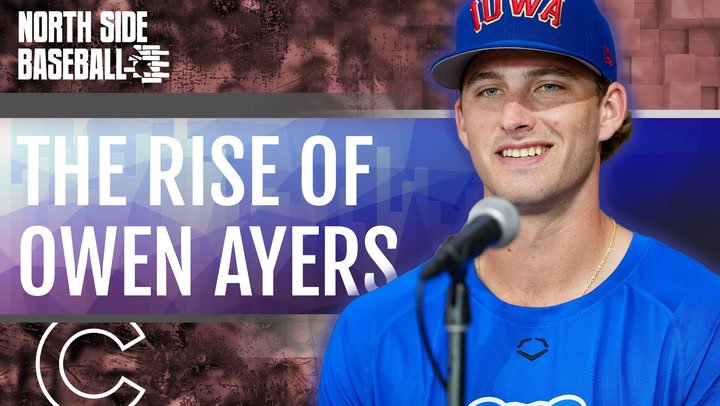 Owen Ayers was not on many people’s radar entering the 2026 season. After dominating his way through three levels of the minors, the Cubs have something special in their former 19th-round pick. View the full article
 -
Cubs Clinging To Playoff Spot In Stretch Run
DiamondCentric posted an article in North Side Baseball
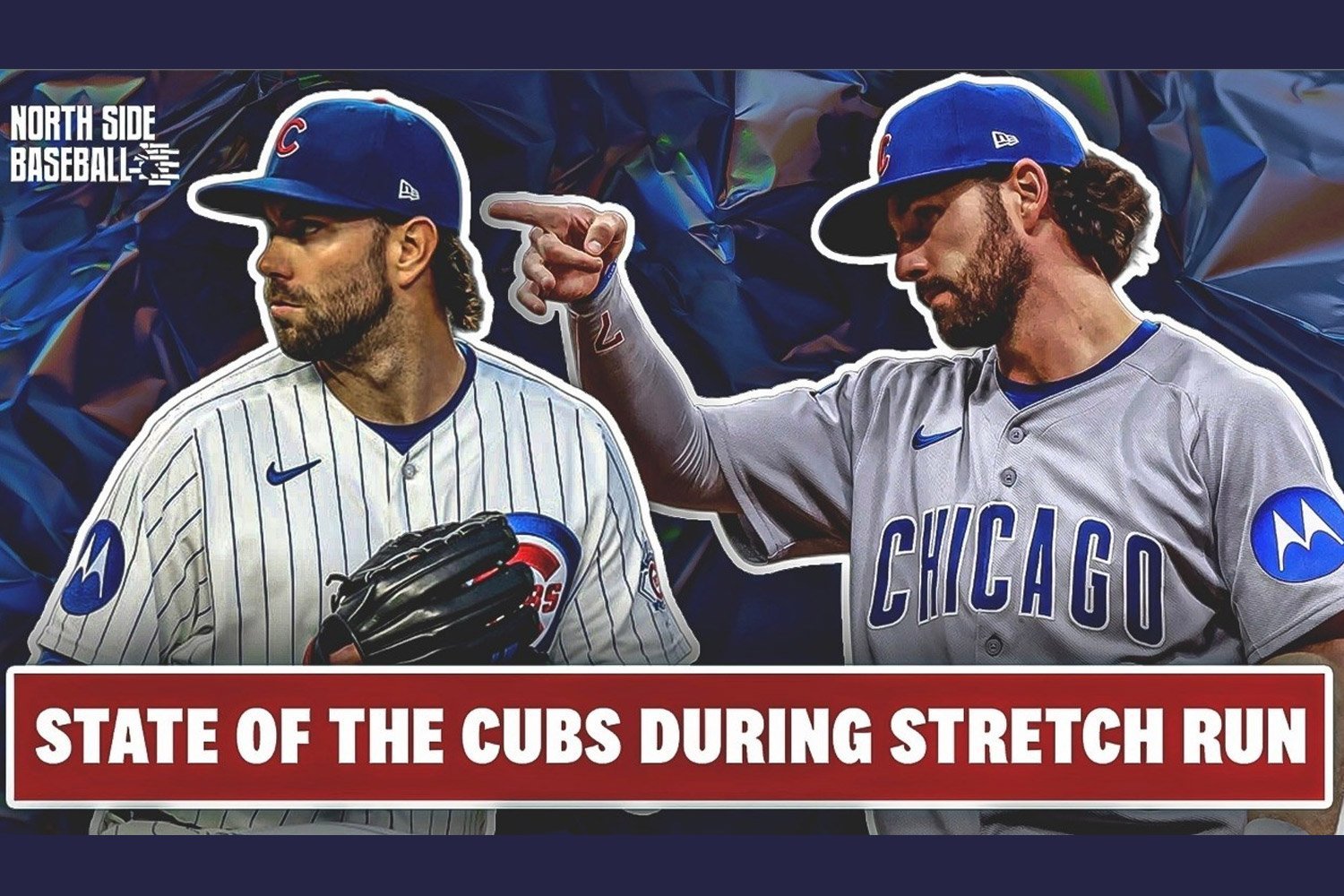 How sneaky good has David Peterson been for the Cubs? What will the return of Dansby Swanson mean? Can the Cubs cling on to a playoff spot? Listen on Apple Podcasts: https://podcasts.apple.com/us/podcast/the-north-side-baseball-podcast/id1798599313 Listen on Spotify: https://open.spotify.com/show/75wMGhBwlrDDYPt3kaF453 Listen on iHeartRadio: https://www.iheart.com/podcast/263-the-north-side-baseball-po-268998437/ Listen on Pocket Casts: https://pca.st/eey7h6ih Watch on YouTube: https://www.youtube.com/@northsidebaseball View the full article
 -
Bonnes Confirms Worst Loss of Season Was Spilled IPA
DiamondCentric posted an article in Twins Daily
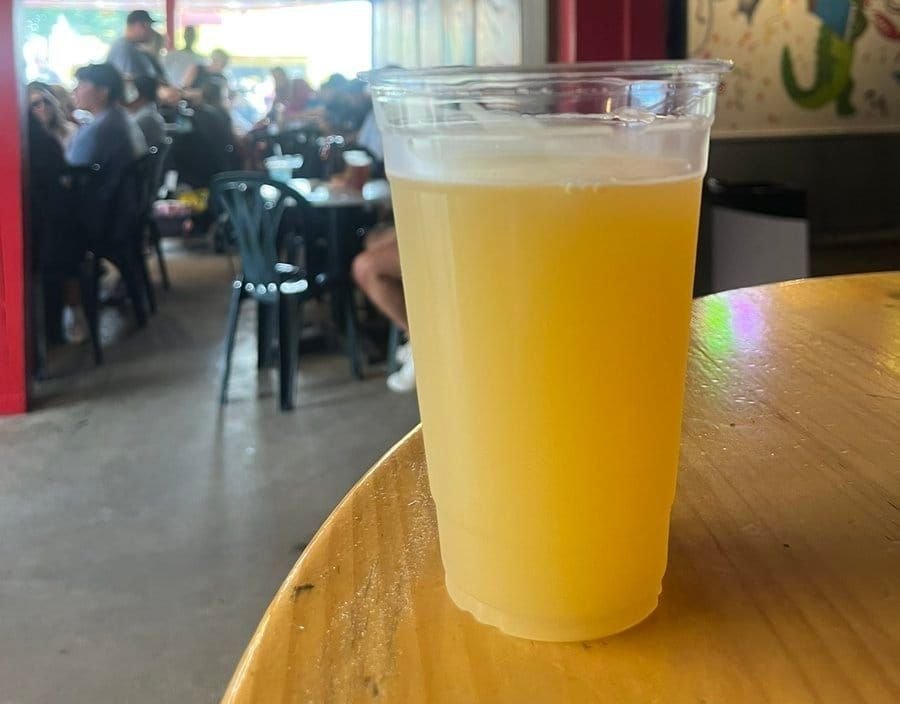 John Bonnes, proprietor of Twins Daily and co-host of Real Housewives fan podcast Gleeman and the Geek, is known for declaring a yearly Worst Loss of the Season for the local nine. It’s usually late in the season, and it’s usually a deciding factor in the team’s playoff push or lack thereof. As gutting losses piled up after the trade deadline, Bonnes was frequently asked if the most recent one was the Worst Loss of the Season. He’d reply, with an almost zen-like calm, “The Worst Loss of the Season hasn’t happened yet.” Now, with the team all but mathematically eliminated, his fellow fans are wondering if Bonnes missed the boat. As it happens, he misses his beer. “Friday, August 28th,” said Bonnes, in an exclusive sitdown with Twins Daily. “I was at The Ball Park Cafe at the State Fair. The Twins were losing to the White Sox at Target Field. I had just ordered a fresh, full-flavored Metrodome IPA from my friends at BlackStack Brewing. It was in my hands, and then it wasn’t. “That spilled beer was the Worst Loss of the Season. I think about it every day.” Sources close to Bonnes confirm this. “John had just gotten his beer when another patron accidentally hit his arm,” said Bonnes’s wife Chrissie. “He was super apologetic and offered to buy John a new one, but the keg had just kicked. The beer was gone. He had a Modelo instead. “He didn’t even finish it. The light had gone out of his eyes.” Bonnes says the whole incident was a blur. “This soft, hazy IPA that rides a Mosaic, Krush, and Strata Hyperboost hop bill was gone. I wish it had never been there. Knowing I could have had it is worse than it never being there at all. I’m just sick about it.” When asked if there was an actual game that qualified for Worst Loss of the Season status, Bonnes was defiant. “At the end of the day, these are just games. But when you lose a full beer, it marks you. The bready malt backbone, the orange/grapefruit aromatics, maybe even a little bit of pine and bitter citrus on the finish…and it’s gone in an instant. People overcome loss, but they don’t forget it.” View the full article
 -
Kyle Harrison and the Brewers Are Running Out of Time
DiamondCentric posted an article in Brewer Fanatic
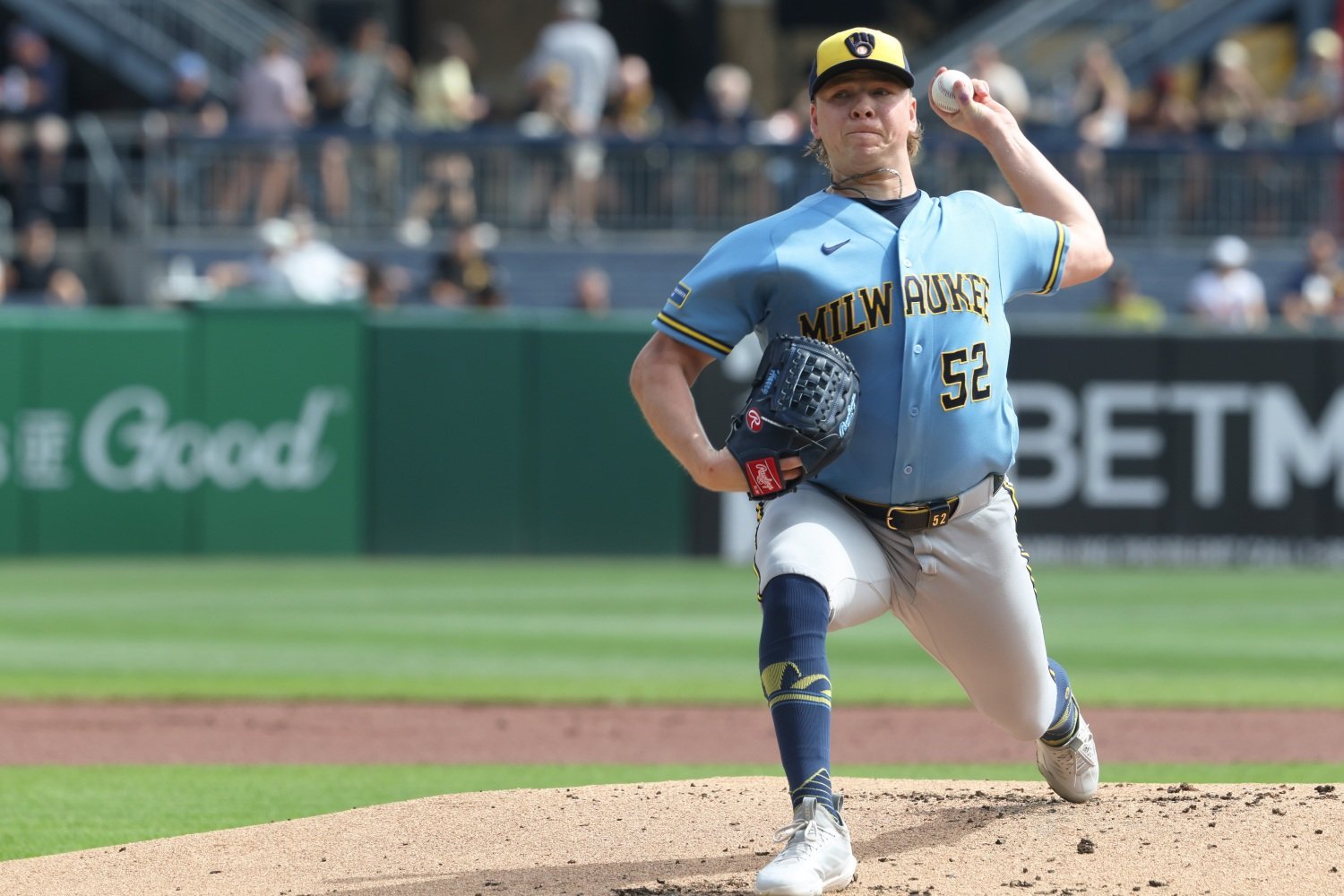 Kyle Harrison is effectively out of the Brewers' postseason rotation mix, and he probably has been for nearly two weeks. He made his last traditional start on September 6, after which the Brewers pivoted to a different approach for getting him back on track. The hope was that more side work and pitching out of the bullpen could reset Harrison, who needed to prove that he was postseason-ready in any capacity. Harrison appeared in relief last Saturday against the Reds, then made a truncated start on Thursday against the Pirates after the Brewers clinched the NL Central. His fastball velocity ticked back up, averaging north of 95 miles per hour in both outings after dipping to 93.6 MPH since his return from the injured list. Unfortunately, it also lost some of the movement that made it great. For the season, Harrison's fastball averaged 14.7 inches of induced vertical break. That number measures how much less his ball drops on its way to home plate due to backspin, which the hitter perceives as the "rise" that makes a fastball difficult to get on top of up in the zone. It was down to 13.9 inches in his relief appearance and 13.8 inches on Thursday. Both outings went poorly. Harrison failed to record an out against the Reds, while allowing four hits, including two hard-hit balls on fastballs. Against the Pirates, he couldn't get out of the second inning and induced just one whiff with his heater. The most telling at-bats were Konnor Griffin doubling on an inside 97-MPH fastball and Oneil Cruz singling on a 96-MPH fastball at the top of the zone, both with two strikes. Both were well-located pitches that once produced near-automatic outs for Harrison, but because his fastball lacked its usual carry, they were hittable. While Chris Hook and company have been working hard with Harrison to rediscover that livelier fastball, they also seem to be preparing for life without it. They've slid him even further toward the first-base edge of the rubber than they did at the start of the year, perhaps hoping to give Harrison's fastball an even more extreme angle across the zone for more deception. They're also emphasizing his secondaries more. Harrison has thrown his fastball less than 50% of the time in just three outings this year. Two of those times were in his last three outings, including Thursday's start. His slurve (which has typically had a big, loopy shape and only serves to get early swings when hitters sit on the fastball) has been slightly shorter in these last two outings. Harrison also threw his first cutter of the season on Thursday. Needing the secondaries to rescue his diminished fastball contributed to Harrison's downfall. He threw just 33% of his breaking balls and 14% of his changeups in the zone. After Cruz's single, he hit Bryan Reynolds with a changeup, then walked Rafael Flores Jr. and hit Brandon Lowe, both on slurves. Neither has been an in-zone pitch for Harrison all year, so asking them to fill that role now won't work. Reintroducing the cutter is also alarming. Because his hand struggles to work around the ball from his low arm slot, Harrison's cutter was a poor pitch last year. The Brewers scrapped it in spring training, knowing it was unnecessary if they could maximize his fastball. Reversing course suggests neither Harrison nor his coaches believe his heater is still good enough to be his only in-zone pitch. Pat Murphy said after Harrison's outing that the Brewers will give him more opportunities to get right. Whether he starts another game or pitches out of the bullpen has yet to be determined. It's the right call. While the Brewers have not yet secured baseball's top postseason seed, they have a six-game lead over Atlanta for a first-round bye. There's not much to lose compared to the upside of getting Harrison right, and if things click, it might not take much to prove he's back to form. The space between success and failure is thin for any pitcher, but it's especially thin for Harrison. At his best, he backspins his fastball with conviction and leans on it heavily. A small mechanical flaw can quickly turn that fastball from elite to average, and when that happens, the rest of his arsenal doesn't hold up. When mechanical issues have hurt Jacob Misiorowski's fastball, he's fallen back on a cutter and two great breaking balls. Harrison could be less out of whack than Misiorowski, but his effectiveness would suffer more. Harrison's velocity has increased while his movement has decreased, suggesting he's not generating that velocity correctly. He might be trying too hard to artificially create energy in his delivery by moving quickly, rather than creating it efficiently from the ground up. Metrically, Harrison's extension in September is the lowest it's been since April. More notably, his release height has increased by several inches, even though his arm slot has been no higher than his season average. Harrison has drop-and-drive mechanics, meaning he lowers his weight into his back leg before pushing off the rubber toward home plate. A higher release point suggests he's not dropping enough. Both stills below are taken from the final frame before Harrison starts driving forward. The left still is from late May, and the right is from his relief appearance against the Reds. On the left, Harrison is a bit less upright and slightly further into that back leg. On the right, Harrison is also moving quicker, and his stride is slightly less crossfire. The earlier delivery was free and easy, but the newer version looks more exaggerated, as if Harrison is trying too hard to move like his best self. The parts that should have more movement to create torque have become shorter. harrison.mp4 Those small differences could explain the change to his fastball shape. To backspin his fastball, Harrison's hand must be directly behind the baseball at release and work through it. That's what creates the pitch's carry. If his arm drags behind through that sped-up delivery, his hand will have a harder time reaching that position. On Thursday, Harrison worked exclusively out of the stretch. He came set more closed off with his hands further down toward his belt, adjustments that he told reporters were geared toward recapturing some of that crossfire stride. Those changes didn't work. Harrison needs something to click mechanically that syncs up his body so he can backspin the ball with velocity. If that happens, his early-season dominance will return as quickly as it left. The Brewers know that he's still just one or two good outings away from meriting a spot in their playoff bullpen. Time is running out, though, and with each attempted adjustment, Harrison risks drifting further away from what made him one of baseball's best pitchers in the first half. View the full article
 -
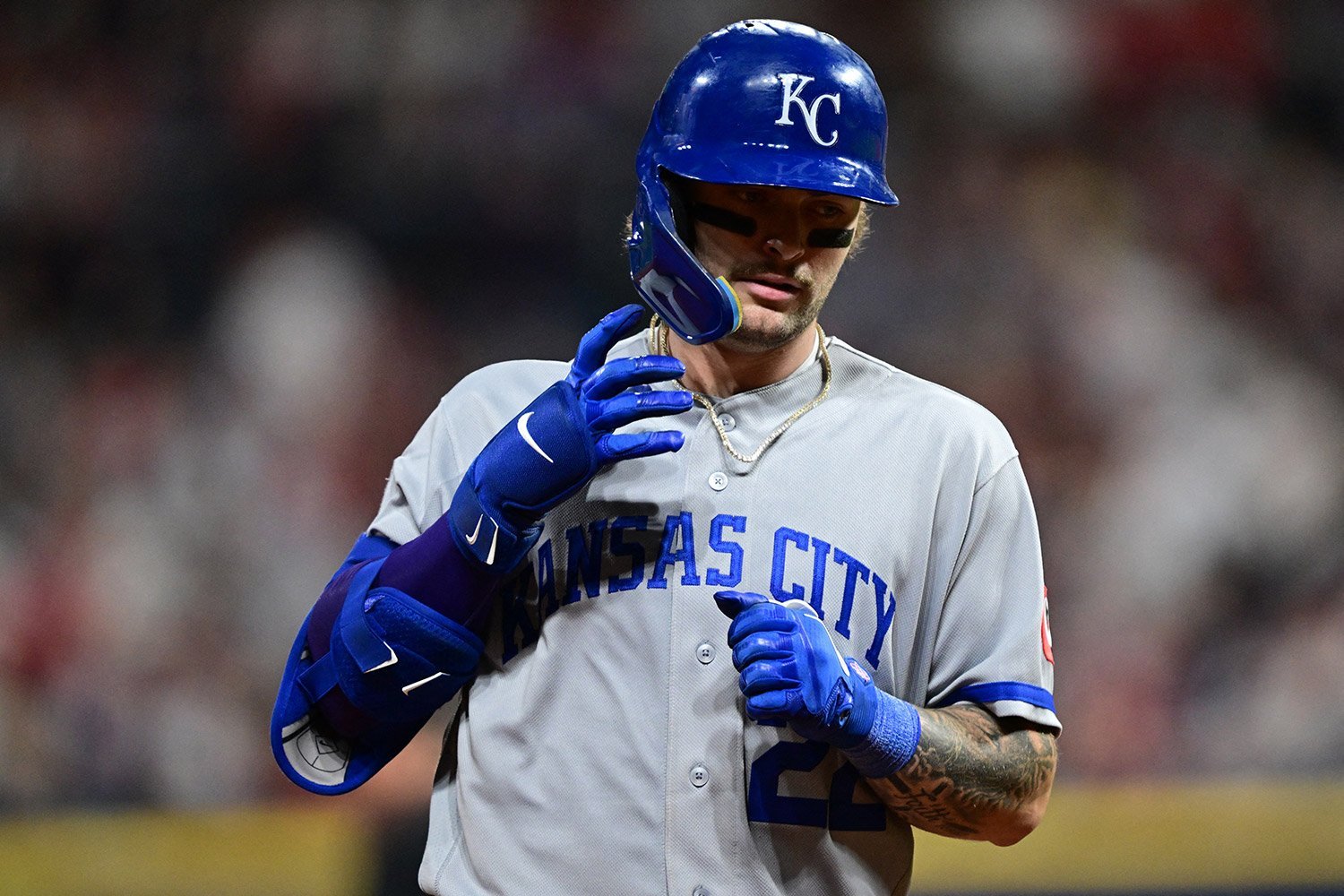 According to MLB.com , the Royals have the 19th-ranked farm system in MLB. While there is plenty of young talent in the system, most of the top-end talent is many years away from contributing at the major-league level. Of the top 11 prospects listed in the Royals Keep prospect rankings, only one of those players has progressed further than High-A Quad Cities. With very few of these prospects expected to make a push for the major-league roster in 2027, how should the Royals’ current mix of prospects impact their off-season strategy? In recent seasons, the Royals have been able to account for a top prospect to help plug a hole in the lineup. This season, Carter Jensen was the Opening Day starter at designated hitter and eventually became the everyday catcher by midseason. In 2022, Bobby Witt Jr. was the Opening Day third baseman before becoming the everyday shortstop later that year. As of now, no player appears ready to make the jump to becoming an everyday contributor. This raises a question about when the Royals’ “window” to compete is. J.J. Picollo and the Royals front office certainly think the Royals need to lean more towards win-now rather than rebuild since they decided not to trade away Wacha and Lugo. This was seen as a potential missed opportunity for the Royals to retool in a down season. However, without any top prospects waiting for their chance to be called up, losing both veteran pitchers would have left the Royals rotation very thin and potentially without a new wave of pitching talent ready to replace them. Season-ending injuries from Cole Ragans, Stephen Kolek, Luinder Avila, and Ryan Bergert already forced the Royals to call upon Daniel Lynch IV to move from the bullpen to the rotation to finish the season. These pitchers are also set to rejoin after their individual rehab schedules and return timelines. However, it would be reckless for the Royals to enter 2027 assuming that the returns of these pitchers will be enough to stabilize a rotation for a team that intends to compete for the postseason. Witt and Maikel Garcia are secured through at least 2030 via pre-arbitration extensions. Other key lineup fixtures, Jensen and Jac Caglianone, remain under team control through 2031. With the core of this lineup intact for at least the next four seasons, the Royals have a relatively clear window in which to build a competitive team. With many of their top prospects set to arrive in the majors closer to 2029, it may have made sense to retool and position themselves to make a push in a couple of years. MLB.com currently projects these top 10 prospects to reach the majors on the following timeline. .royals-prospect-table-wrapper{width:100%;overflow-x:auto;-webkit-overflow-scrolling:touch;margin:20px 0}.royals-prospect-table{width:100%;min-width:500px;border-collapse:collapse;font-family:Arial, Helvetica, sans-serif;font-size:15px;line-height:1.4;color:#333333;background-color:#ffffff}.royals-prospect-table th{background-color:#004687;color:#ffffff;font-weight:700;text-align:left;padding:11px 12px;border-bottom:4px solid #C09C5B}.royals-prospect-table td{padding:10px 12px;border-bottom:1px solid #d9e5ef}.royals-prospect-table tbody tr:nth-child(even){background-color:#f2f7fb}.royals-prospect-table tbody tr:hover{background-color:#e3f0fa}.royals-prospect-table td:last-child,.royals-prospect-table th:last-child{text-align:center;font-weight:700}.royals-prospect-table .near-mlb{color:#004687}.royals-prospect-table .eta-2027{color:#004687;font-weight:700}@media (max-width: 600px) {.royals-prospect-table{font-size:14px;min-width:450px}.royals-prospect-table th,.royals-prospect-table td{padding:9px 10px}} Player Position Current Level MLB ETA Kendry Chourio RHP A+ 2029 David Shields LHP A+ 2029 Josh Hammond SS A 2029 Blake Mitchell C A+ 2027 Sean Gamble OF/2B A 2029 Ramon Ramirez C A+ 2028 Zion Rose OF A+ 2029 Asbel Gonzalez CF A+ 2029 Carson Roccaforte OF AAA 2027 Taylor Rabe RHP Rookie 2029 These timelines are by no means set in stone, but the fact that so many of these top prospects are likely multiple years away from arriving shows that there will not likely be a roster boost from the farm system next season. There is also a big difference between a player arriving in the majors and being able to be an impact player. If the Royals do intend to compete as they are currently signaling, there is suddenly a lot of pressure on the front office to get free-agent signings and trades right to improve this team from (currently) last place in the division to playoff contention. One notable exception from this list is Roccaforte, who is currently in triple-A and is projected to make the MLB roster at some point in 2027. He was recently called up from double-A Northwest Arkansas on August 18. In 91 plate appearances since joining Omaha, he is slashing .286/.371/.558 with five home runs. While his strong start to triple-A has been noticed since his promotion, there is still a lot to improve on; his 32.5% strikeout rate, for example. One highly ranked prospect reaching triple-A doesn't suddenly change the Royals’ 2027 outlook. The Royals still lack a cohort of prospects that are able to fill or compete for multiple holes on the roster. Lugo and Wacha are both set to hit free agency after next season, pending decisions on their respective conditional club option and club option for 2028. This certainly puts extra pressure on the performance of next season. If 2027 turns out as this season has, the Royals will need to search for more solutions in the rotation with nothing to show for it other than possible regret that they were unable to get a decent return for either pitcher in a trade. The Royals’ decisions at the 2026 trade deadline indicate the team intends to make a push in 2027. Now it is up to Picollo to back up that decision with moves in the offseason to dramatically improve this roster. With the current set of prospects at least two years away, it will be sensible to build with 2028 and beyond in mind to become a more sustainable contender for when the top prospects begin to arrive. That is not an easy undertaking at all, especially for a small-market team that often has a payroll in the bottom half of the majors. View the full article
 -
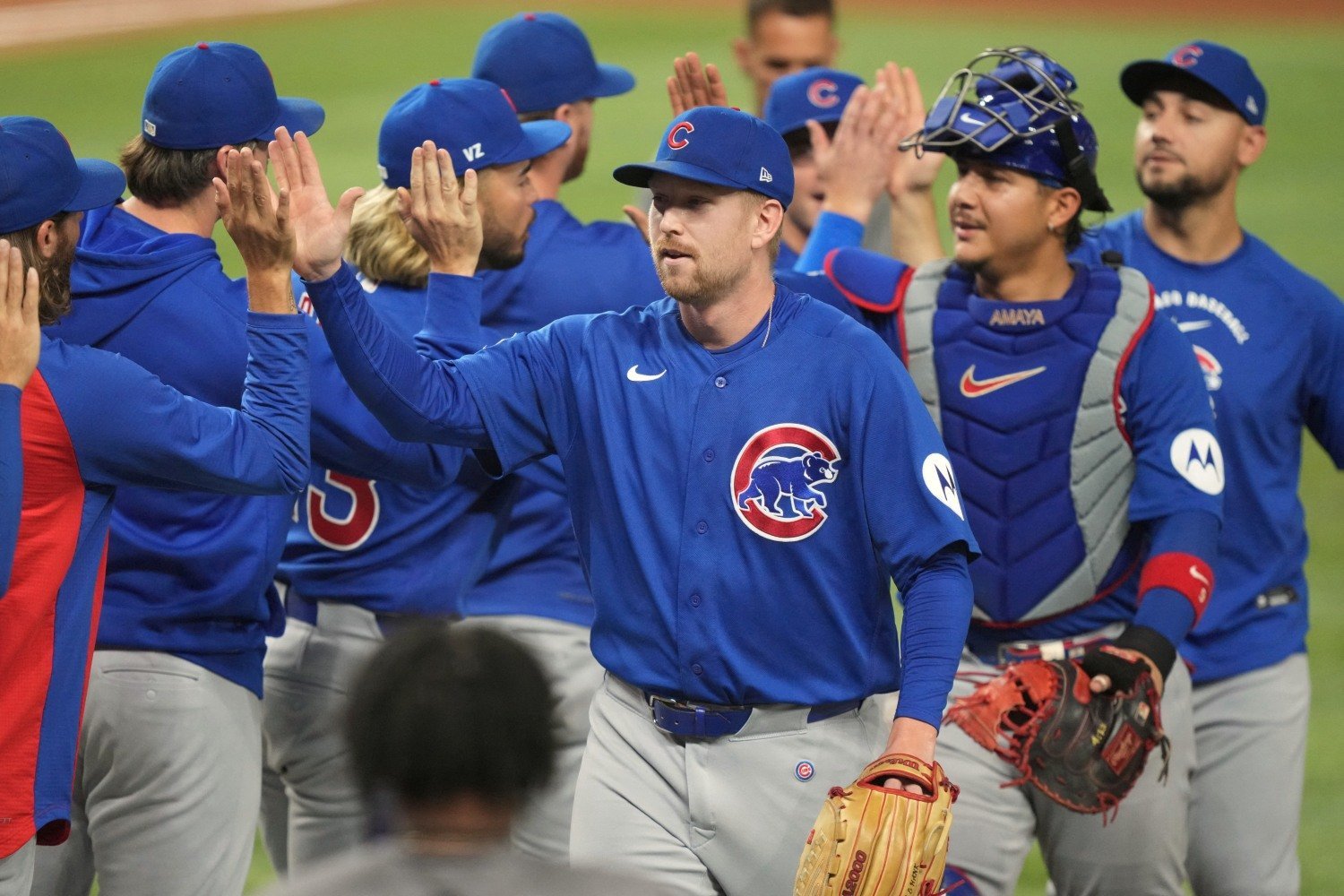 Powered (or is it propped up?) by a juggernaut offense that includes the presumptive National League MVP, the Chicago Cubs are firmly ensconced in a playoff position. They won back-to-back series on their just-completed homestand to secure their place, even as the Phillies and Padres have raised the pressure on them. With the division race over, the stretch run will be about trying to hold onto the first Wild Card spot, allowing the team to play at home in the Wild Card Series. This season, as a whole, has been as turbulent as any. The starting rotation has dealt with blow after blow since Cade Horton went down for the season in early April, but Matthew Boyd, Shota Imanaga, and trade acquisitions Clay Holmes, Kevin Gausman, and David Peterson have pitched well enough to keep them afloat. Each of them, when they're on, can provide quality starts and match up with just about anyone the Cubs will face in the playoffs. The major flaw on this roster—what has been the flaw nearly the entire season—is undoubtedly the bullpen. The bullpen sits 25th in baseball in xERA, 28th in fWAR, and 24th in saves, converting their save opportunities at a 59% clip. The pen's struggles have been especially disappointing, because Jed Hoyer tried take a slightly different tack this winter than is his wont. He signed Phil Maton, Hunter Harvey, Jacob Webb and Hoby Milner; he re-signed Caleb Thielbar. Those aren't household names, but that was a step up in investment in the relief corps, relative to what the Hoyer-led Cubs have usually done. At the deadline, he traded for Ryan Zeferjahn, one of the highest-ceiling arms who was available—though, to be far, not the most proven or reliable. At a certain point, though, the Cubs have to look themselves in the mirror. Spending more than was typical of him on the bullpen still left Hoyer spending less on it than he could have; he still eschewed the star relievers. Since Hoyer took over the president of baseball operations role from Theo Epstein prior to the 2021 season, he hasn't signed any reliever that would be considered a difference-maker. In that timeframe, top-of-the-market short-burst guys including Josh Hader, Liam Hendriks, Blake Treinen, Tanner Scott, Jeff Hoffman, Devin Williams, Edwin Díaz (twice), Robert Suarez, and Raisel Iglesias (twice) all signed elsewhere. The team only tried hard to sign one of them (Scott). Not all of these deals worked out, but the Cubs’ bullpen xERA in the Hoyer era ranks 25th in the league. The largest free-agent contract given to a reliever by the Cubs in that timeframe is the two-year, $14.5-million deal given to Maton. The last time Maton pitched was in July, and he has an ERA over 6.00 on the year. The second-largest contract Hoyer handed out was to Héctor Neris: a one-year, $9-million disaster penned before the 2024 season, the year the Cubs were supposed to turn back into a contender for the first time since the World Series core disbanded. Over the last three seasons, the Cubs have been one of the strongest defensive teams in the sport, and they added yet another Gold Glove winner to the infield with the signing of Alex Bregman over the winter. With this emphasis, it's easy to wonder if the philosophy in the Cubs’ front office is that an elite defense can support a lackluster bullpen. To their credit, it did work in 2025. The Cubs spent only $4.25 million to bring in both Brad Keller and Thielbar, who combined for 3.3 fWAR and played key roles in the playoffs, with Keller serving as the closer down the stretch. While the now 39-year-old Thielbar returned with a modest raise to $4.5 million, Keller joined the Phillies on a two-year pact worth $22 million, which has proved to be much too costly for Hoyer. Outside of those two, the Cubs once again caught lightning in a bottle with the in-season pickup of Drew Pomeranz. The veteran southpaw, who had not pitched in the majors since 2021, came out of nowhere to produce a 2.17 ERA across nearly 50 innings. The point here is that the penny-pinching approach (combined with the breakout of Daniel Palencia) allowed the 2025 Cubs to post a bullpen xERA of 3.90, which ranked 10th overall. However, assuming that same blueprint would again work for 2026 was iffy, and it hasn't worked. This year’s bullpen is worse than the 2024 version, where the only major-league signing was the aforementioned Neris. (That unit finished with the 21st-ranked xERA.) The 2024 Cubs barely missed the playoffs, but they had 3.0 fWAR come from Mark Leiter Jr., Porter Hodge, Tyson Miller and Jorge López. To put that into perspective, the 2026 bullpen’s top four, in comparison, includes Zeferjahn, Ryan Rolison, Webb, and Palencia. That quartet has a combined 0.5 fWAR, which is equal to what Miller had in 2024 alone. For those wondering why a team would pay Iglesias $16 million per season, Luke Weaver $11 million, or even Gregory Soto $7.75 million, it's because each of those players have accumulated more fWAR than the arms the Cubs will surely be leaning heavily on this postseason. The Cubs tried to play the numbers and sign the guys that offered the highest bang for relatively few bucks, instead of chasing the arms at top of the market. Even at the trade deadline, the only move was for a guy making under $1 million. Admittedly, Zeferjahn's long-term team control is valuable, but Weaver and Hoffman have a year of control, plus postseason experience. Zeferjahn, who could be the Cubs’ highest-leverage reliever in October, has been playing the most meaningful baseball of his life over the last month and a half, and has struggled. Thielbar and Palencia pitched well enough in their playoff roles last season, but this staff as a whole feels thinner. If one thing is certain in October, it's that nothing is, so the Cubs could win it all. Should they instead make an early exit, it’s way too easy to assume it will have had something to do with the pen. But you and I, we know that it will. View the full article
 -
For 2027, Twins Have a Gaping Hole Behind Home Plate
DiamondCentric posted an article in Twins Daily
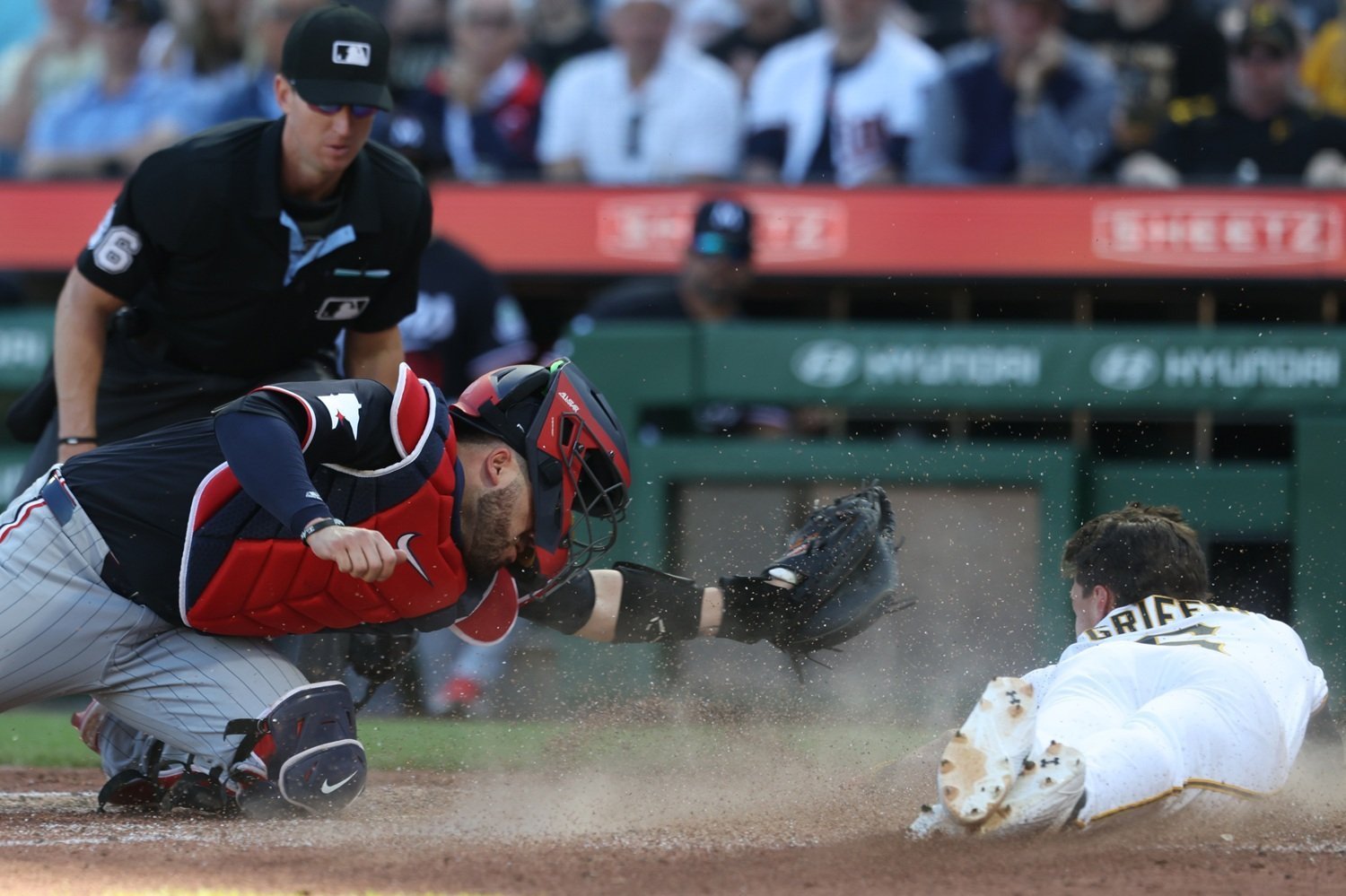 The Minnesota Twins had a clear plan when they entered last winter’s free-agent market. Christian Vázquez was leaving after an underwhelming three-year run in Minnesota, and the team needed someone capable of bridging the gap behind the plate. They landed on Victor Caratini. (Maybe the Twins should just stay away from veteran catchers from Houston.) Vázquez combined for just 0.1 rWAR and a 60 OPS+ across three seasons with Minnesota. Caratini was supposed to provide a more competent offensive option, while also giving the Twins some flexibility. The Twins signed Caratini to a two-year contract, knowing Ryan Jeffers was entering the final season of his team control. The idea was straightforward. Caratini could handle some of the workload, Jeffers would become more like a full-time starter, and Minnesota would have a veteran catcher under contract heading into 2027. Things haven't worked out quite that cleanly. Caratini struggled out of the gate, posting a .538 OPS through the end of May. Then, almost overnight, he became one of the best hitters in the Twins lineup. Jeffers landed on the injured list, forcing Caratini into an everyday role. He responded with one of the best offensive stretches of any Twins hitter this season. In 20 games during June, Caratini hit .338/.429/.631 for a 1.059 OPS, with five home runs and four doubles. That stretch made the decision for 2027 look a little easier. Then July arrived. Caratini has posted just a .494 OPS since July 1. His last extra-base hit came on July 20. The offensive production that made him look like a potential solution has largely disappeared. That's a problem, because Minnesota's catching depth chart for 2027 gets pretty thin if Caratini isn't able to rediscover the hitter he was in June. Organizational Catching Depth Behind him is Alex Jackson, who has been a serviceable backup. Jackson can provide some defensive stability and occasional offense, but asking him to become a primary catcher would be a significant gamble. The Twins don't have an obvious answer waiting at Triple-A, either. Ricardo Olivar, Noah Cardenas, and David Banuelos represent the organization's primary depth at the position. Olivar had a 131 wRC+ at Triple-A before suffering an injury, giving him the most intriguing offensive profile of the group. Cardenas has posted a 93 wRC+, while Banuelos has struggled to a 53 wRC+. There is still time for those players to change the conversation, but expecting any of the three to walk into Minnesota next season and become a reliable big-league catcher would be asking a lot. Could the Twins Bring Back Jeffers? That brings the conversation back to Jeffers. The Twins could make Jeffers a qualifying offer, which would put him in position to return on a one-year contract worth more than $24 million. That's a lot of money for a catcher, particularly for a team that has dramatically reduced its payroll over the last few seasons. At the same time, Jeffers would likely prefer the security of a multi-year contract. If he declines the qualifying offer and signs elsewhere, the team acquiring him would also have to surrender a draft pick. That could complicate his market, but it wouldn't necessarily prevent him from landing a significant deal. For the Twins, the question becomes whether Jeffers is worth the investment. And if Minnesota doesn't bring him back, the free-agent market doesn't exactly offer inexpensive alternatives. Free-Agent Catching Options There are several recognizable names who could be available, including Carson Kelly, Tyler Stephenson, Travis d'Arnaud, Kyle Higashioka, Gary Sánchez, and Jonah Heim. Some of those players have mutual options that could keep them off the market, but there should still be catching talent available. The problem is that good catching usually isn't cheap. The Twins have spent the last year trying to figure out how much they can get from their current roster, while keeping payroll under control. Catcher could force them to make a difficult decision. They could spend significantly to bring Jeffers back, pursue another veteran, or take a chance on their internal options. None of those choices is particularly comfortable. Caratini's contract gives the Twins one catcher for 2027, but it doesn't give them a definitive answer. Jackson is a backup. The Triple-A options remain unproven. Jeffers is almost sure to sign elsewhere, leaving a real void that must be filled somehow. The Twins spent last winter trying to bridge the gap at catcher. Now, they need to figure out how to build the position back up. If Caratini's June performance proves to be a last burp of effectiveness from a declining player, Minnesota could enter the offseason with one of the biggest holes on the entire roster sitting directly behind home plate. What should the Twins do at catcher? Leave a comment and start the discussion. View the full article
 -
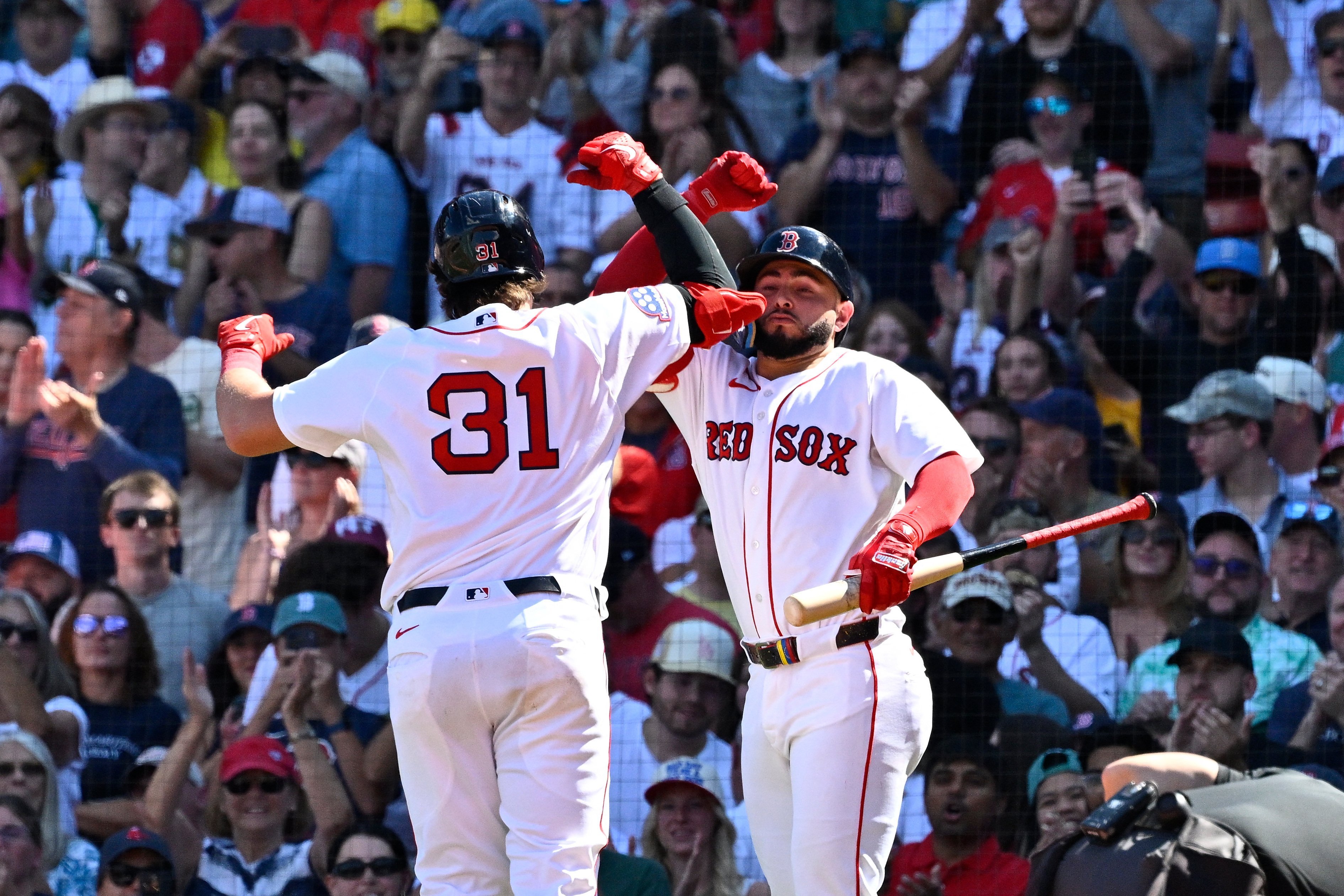 The Boston Red Sox are all but guaranteed to make the postseason in 2026. Technically, there’s a path to where they could be eliminated from postseason contention, but here at Talk Sox, we like to believe in this team (and statistical odds). For all intents and purposes, we're going to see this squad in the playoffs. There are really two direct paths for the team to take to be able to play meaningful baseball in October. First, we have the path they are currently on: they continue to hold the second Wild Card position and return to New York to face the Yankees in a best-of-three Wild Card round. There, the hope will be that Sonny Gray, Payton Tolle, and Ranger Suarez can pitch well enough to keep the ball on the ground and not over the short porch in right field, while the offense has to find a way to score at least a few runs per game against Cy Young hopeful Cam Schlittler, Gerrit Cole, and Carlos Rodon. That’s a tall task, but one the Red Sox likely won't shy away from. The moment that the Red Sox put the pedal to the floor during the summer came when they went into Yankee Stadium and promptly swept the Bronx Bombers. The teams that will meet at the end of September will be different—Aaron Judge has returned for the Yankees and there’s still a bit of uncertainty around Ceddanne Rafaela’s return timeline—but the Red Sox have to feel good about going back to New York for a shot at redeeming last year’s quick exit. Winning the Wild Card series would put the Red Sox facing the Rays in the American League Divisional Series, and then onto face either the Guardians, White Sox, or Astros in the Championship Series. Having to string together back-to-back series wins against AL East rivals will be difficult, but not insurmountable. The other path requires a bit of creativity, but it isn’t out of left field. I’ll start by saying that if the team is doing this (and with how they’ve played against the Rangers this week it’s certainly possible) they can’t admit it. The easiest path to the World Series, ironically, means tanking the end of the season to slide to the sixth seed in the playoffs. As of this writing, that would force the White Sox into playing the Yankees and the Red Sox would matchup against the Astros. While it wouldn’t be fair to say the Yankees should win the first two games of the Wild Card round against the White Sox, it’s a safe assumption. That would make the Yankees and Rays duke it out in the ALDS while the Red Sox meet up with the Guardians just a couple of weeks after they met at the end of the regular season. While the final series against Cleveland has yet to be played, the Red Sox currently lead the season series 2-1 and they have mostly dominated the AL Central all season. This would also save the juggernaut matchup with either the Yankees or Rays for the ALCS, when it would become must-see-TV, while sidestepping having to play both clubs en route to the World Series. Now, is it ethically dubious to "tank" for better playoff seeding, especially when you haven't already locked up a spot in the Big Dance? Absolutely. It behooves the Red Sox to win as much as possible down the stretch, knowing that they'd be walking into a very difficult path to make it to the Fall Classic. It's better to have some chance than no chance at all. But whether it comes via the No. 5 or No. 6 seed, the point is that the Red Sox control their own destiny as we approach the final week of the regular season. Right now, all paths lead to October. It’s up to the starting nine on the field to determine which path they are going to take. View the full article
 -
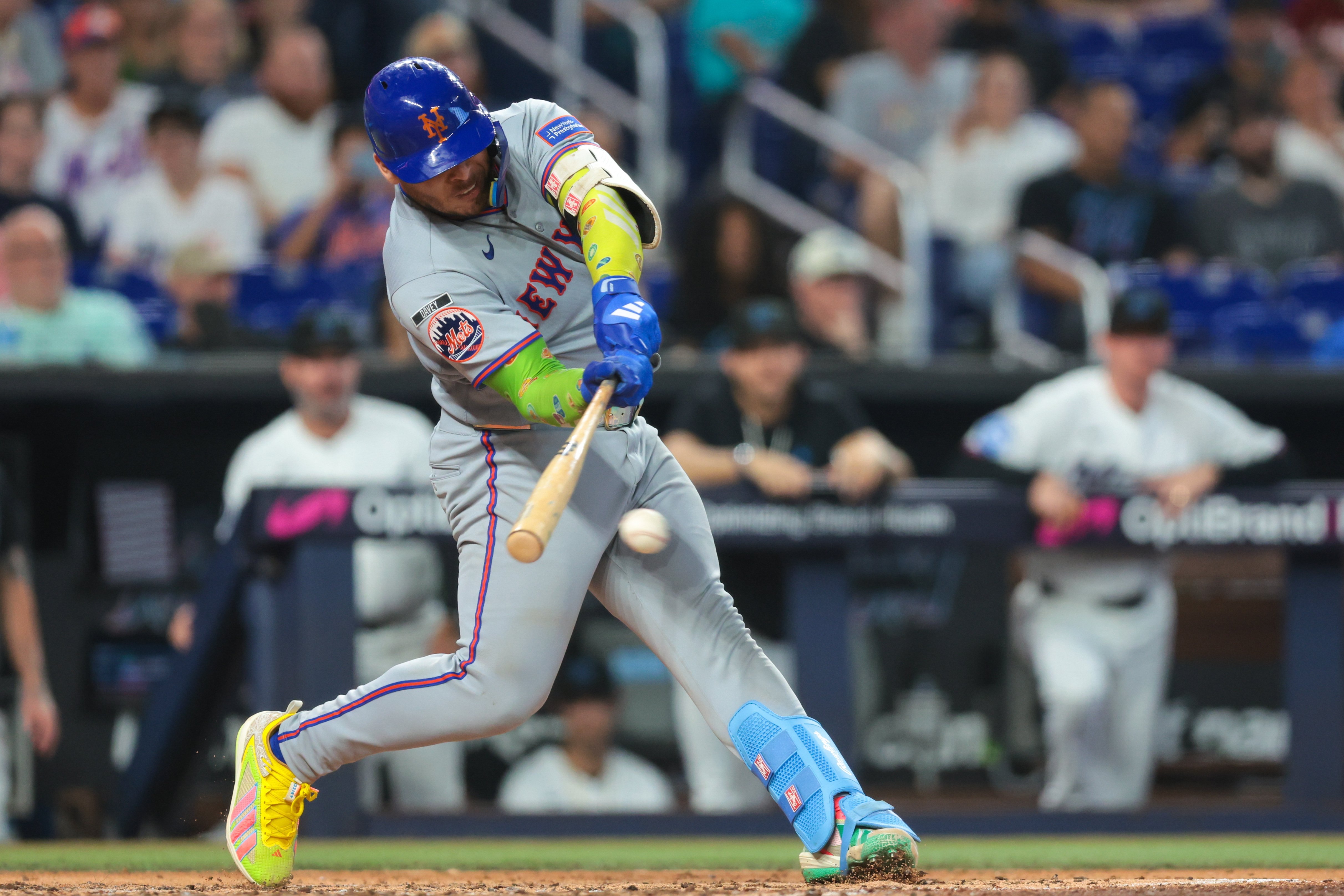 There was a moment in late July when Francisco Alvarez had found his best rhythm at the plate. Remember, he had suffered a right meniscus tear on May 12, 2026. He underwent surgery two days later and, although the New York Mets estimated that the absence would last between six and eight weeks, he returned in just four, after a brief rehab assignment. Then the Mets became sellers at the trade deadline, and the season took a turn from that moment on. The pressure of competing to reach the postseason had disappeared, which took away a great deal of pressure when facing the rest of the schedule. After posting a 124 wRC+ in June, Álvarez put together his best numbers in July when he hit .267/.405/.433, with a 138 wRC+ and a 17.6 BB% rate, his best rate of any month this season. Expectations seemed high for the rest of the season, especially after seeing how he was responding offensively after overcoming the injury that sidelined him in May. However, August arrived and Álvarez’s problems at the plate began to become more frequent. His strikeout rate jumped from 26.3% to 41.5%, his slugging fell 148 points, and his 116 wRC+ dropped to 51. The regression has not come from a decline in Álvarez’s quality of contact or a drastic change in his aggressiveness. His hard-hit rate between March/April and July was 39.6%, and since August it has risen slightly to 41.40%. Now, regarding his plate discipline, there are interesting details to highlight. Period O-Swing% Z-Swing% O-Contact% Z-Contact% K% ABR - JUL 34.7% 63.1% 55.6% 82.1% 26.3% AUG - SEP 34.0% 61.0% 48.2% 76.5% 41.5% As you can see here, Álvarez has maintained similar trends in both stretches regarding his swing decisions. The change has come in effectiveness, as he has fallen to a 7.4% rate in O-Swing% and 5.6% in Z-Swing%. This reduction in the reach of his swing leads us to the most concerning situation of all, his disproportionate 15.2% increase in his strikeout rate. Álvarez is having one of the worst seasons of his career against left-handed pitchers, posting just a 70 wRC+ this year, much of which is owed to his strikeout rate of 34.3% (which is nearly five percentage points above the 29.6% he has against right-handers). The turning point that illustrates the main breakdown is Álvarez’s terrible slump against fastballs. You probably still remember his 2023 season at age 21, when he became a revelation and hit 25 home runs. Of those, 15 came while crushing fastballs. His strikeout rates have always been high against velocity, and pitchers know it, but Álvarez used to compensate for the strikeouts with elite contact and high production. Part of that story has changed this season, and it has been the biggest problem for the Venezuelan catcher at the plate. Season PA HR HR/PA BA SLG xwOBA Whiff% K vs FB / Total K 2022 8 0 0.0% .167 .333 .427 31.3 25.0% 2023 226 15 6.6% .215 .485 .345 26.5 40.9% 2024 168 7 4.2% .310 .531 .369 22.3 43.0% 2025 145 6 4.1% .301 .488 .372 28.3 45.2% 2026 211 7 3.3% .230 .372 .331 31.4 55.4% The statistics are revealing: his whiff rate is at its highest point ever, his slugging fell from the minimum of .485 that he recorded in qualified seasons, and his home run rate also dropped to its lowest point. The K vs FB/Total K statistic shows us Álvarez’s average strikeouts against fastballs compared to his total strikeouts, and this has also been the worst year with a concerning rise to 55.4%. That means the league is striking him out exclusively with fastballs far more often than in 2025, when he had set his previous worst personal record in that regard. Although his injury at the beginning of the season is an unavoidable point here, Álvarez had shown that he was back, but the long-term results have not been sustainable. For the Mets, the impact of Álvarez’s regression has not been as catastrophic because Luis Torrens has had one of his best seasons in recent years. Torrens has posted a 101 wRC+ and 2.2 fWAR with nine home runs and 40 RBIs in 87 games, surpassing Álvarez’s contribution, who has 15 home runs and 37 RBIs, but has fallen to a 97 wRC+ and 1.4 fWAR. In terms of contribution, Torrens has also been superior with runners in scoring position, producing a 128 wRC+ compared to Álvarez’s mark of 68 (and he has not been able to hit home runs in those situations). Torrens’ case becomes even more unusual, as he is the hitter with the biggest difference in the entire league in terms of wRC+ in RISP situations compared to his production with the bases empty. In terms of defense as catchers, Torrens also has better results than Álvarez in terms of run prevention, allowing a 3.68 ERA compared to 4.61. Opponents have averaged a .683 OPS when Torrens is catching, compared to .747 with Álvarez. In addition, Torrens is also ahead in Catcher Framing Runs (6 to 3) and Catcher’s CS Above Average (4 to 2), although both belong to the elite group of catchers this season. Amid the chaos that Álvarez’s season has become since August, the good news for the Mets is that Torrens is emerging as a bona fide star. I still believe that Álvarez can be more consistent and deserves to be viewed as the long-term starter at the position, but it's impossible not to cede a little confidence to his veteran backup as the two trend in opposite directions down the stretch. View the full article
 -
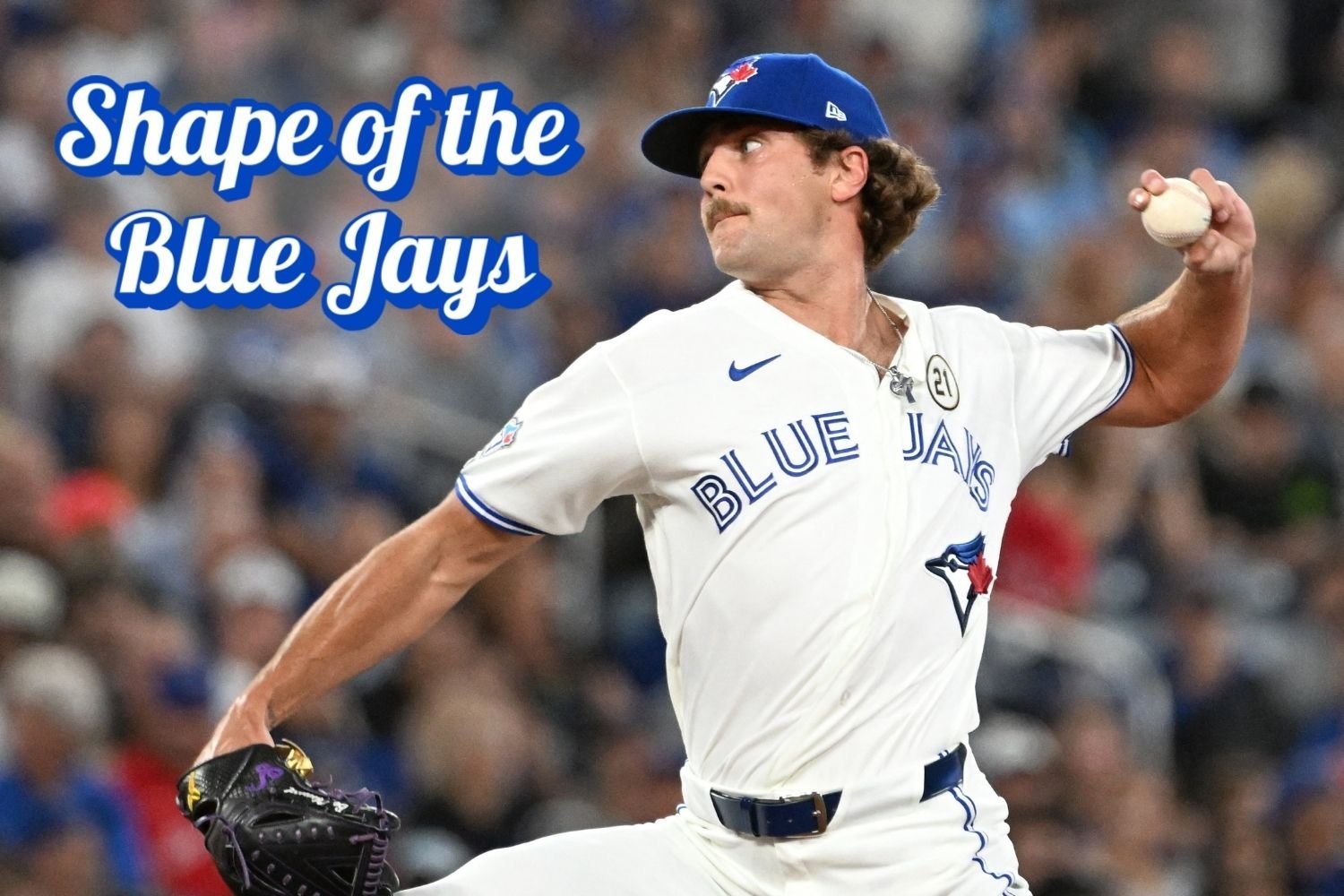 Welcome to Shape of the Blue Jays, my column where I dig into Statcast numbers to analyze recent pitch shape and swing shape trends for Toronto Blue Jays players and discuss how they have impacted their performance. Click here to read the last edition. All stats entering September 17, 2026, unless otherwise stated. Quick Hits: Trey Yesavage On Tuesday, Yesavage made his first rehab start since suffering a meniscus injury on August 4 in Houston, taking the hill for the Buffalo Bisons. The results weren't inspiring (0.2 IP, 2 R, 1 ER, 2 H, 0 K, 1 BB). The key physical indicators, though, were good, and that's what matters in rehab starts. Yesavage was lifted after 34 pitches, 20 of which were fastballs. The heater averaged 93 mph with 18.1" of iVB. Both are down from his MLB averages this year (94.3 mph, 19.5" iVB), but that isn't entirely surprising after just one rehab start. With the injury being a lower body one, I was curious to see how his extension would be affected. Yesavage isn't a big extension guy, as his release height makes his delivery enough of an outlier as is. He averaged 6.2 feet of extension in the majors this year. That was only slightly down to 6.1 feet on the 20 fastballs he threw. Ultimately, the knee didn't seem to have a notable effect on him. He's currently slated for a return on either Sunday or Monday, yet another incentive for the Jays to keep their heads above water for just a little bit longer. Brendan Cellucci The 28-year-old lefty was fantastic in his first big league outing, drawing into the bullpen game on Tuesday that would later go awry through no fault of his own (1.2 IP, 0 R, 0 H, 3 K, 0 BB). He has a four-seamer, a two-seamer, and two distinct slider shapes: One resembles a true bullet/gyro shape in the mid-80s, but the moneymaker is the sweeper, which he threw 44% of the time. Both stuff models at FanGraphs approve of the offering, as does mine (keep in mind that the two FanGraphs scores include the three gyro sliders he threw): Brendan Cellucci Sweeper Pitch Modeling, 9/15 Model Score Stuff+ (FG) 119 PitchingBot, 20-80 57 My Model, 20-80 73 It is a hard, high-lift, high-break monster. 83.8 mph is fast as far as sweepers are concerned, and it averaged 6.6" of iVB and 15.3" of glove-side action. That's more glove-side than the average sweeper gets despite Cellucci's 40° arm angle. Most pitchers who throw sweepers have lower arm angles, but not only does Cellucci manage, he gets a lot of horizontal movement on it. You might think the break patterns mean he has a unique talent for spinning the ball, but the pitch only averaged just over 2400 rpm on Tuesday. It's a seam-shifted wake sweeper: The direction of its break doesn't match what we'd expect based on the direction it spins. Brett Bateman Remarkably, Bateman has accrued 1.6 fWAR since getting traded to the Blue Jays, higher than any other position player traded at the deadline. He even hit his first big league homer last Friday against Baltimore and then promptly homered again the next day, a pleasant surprise for someone who hit six long balls in 317 career minor league games. He has a 138 wRC+ with Toronto. Six weeks ago, he looked merely like an option in the outfield, but his performance suggests he could be their center fielder of the future. He certainly has the tools for it. Highly regarded for his speed and defense at the minor league level, he's been worth 3 outs above average in the majors so far. His arm strength places in the 95th percentile among MLB fielders, and his sprint speed isn't far behind in the 84th percentile. In fact, he's one of just 20 players in MLB this season in the 90th percentile or better for arm strength and the 80th percentile or better for sprint speed. I'll be watching his bat carefully over these last few series. He's running a .419 BABIP and a wOBA 62 points higher than expectation. He's fast and pounds the ball on the ground a lot, usually a good recipe for a high BABIP, but .419 is quite the outlier. Louis Varland It's the middle of September and Varland's ERA is still under 1.50, he has 34 saves, and he's amassed 3.0 fWAR. It's arguably the best season a reliever has had in franchise history and may be the primary reason the Blue Jays haven't been eliminated from playoff contention yet. An uncommon wrinkle surfaced on Monday night, however, when he failed to complete a five-out save with multiple relievers not available in a one-run game against the Tigers. He took the loss after the go-ahead run scored when he dropped a throw from Vladimir Guerrero Jr. while covering first. Was it a good throw? Yes. Should he have caught it? Definitely! But, I can't help but feel the offense is indirectly to blame for his performance. The eventual winning run reached base via walk, and Varland's been walking more batters than usual lately. It came back to bite him during the loss he took in Sacramento last week too. His walk rate is at 12.1% this month, into the double-digits for the first month all season. To me, this is a sign of tiring. Throughout the year, maybe he could've been spared from pitching if the Jays had opened up greater leads a few more times? It's been an extremely busy season, right after an extremely busy postseason, for Varland. Maybe I'm struggling to blame him for his role in Monday's loss because of how outstanding he's been, but it's why I've harped on the fact that winning low-scoring games is unsustainable: A tired bullpen will often reveal itself come September, and it would be a shame if this uber-talented group of relievers didn't get a shot at the postseason. View the full article
 -
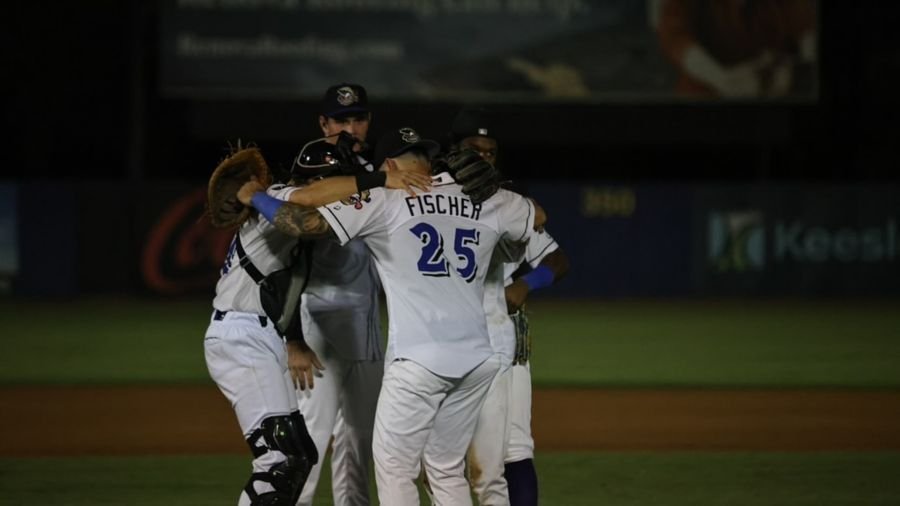 Jesus Made, Matt Wood and Braylon Payne each smacked two-run homers in support of JD Thompson’s fine start in Biloxi’s playoff victory. Nashville fell apart in the middle innings in a blowout defeat. Transaction: LHP Rob Zastryzny returned to Milwaukee from rehab and designated for assignment Game Action: Biloxi Pre-Game Media Notes Final: Biloxi 8, Pensacola (Marlins) 3 Box Score Via the Shuckers’ website, game details and we encourage readers to review affiliate write-ups as part of their Link Report routine: Shuckers Sweep Blue Wahoos, Advance to Championship for First Time Since 2019 - Biloxi Dominates Pensacola in Game 2 of Division Series to Secure Sweep Starting LHP JD Thompson (5 IP, 1 R, 2 H, 2 BB, 4 Ks) was dealing early and the Shuckers’ offense matched his domination by smacking three homers to grab a 6-0 lead by the second inning of their semifinal series-clinching victory. Homering heroes C Matt Wood (2-for-3, HR, walk, 4 RBIs), SS Jesus Made (2-for-4, HR, walk, 2 RBIs) and OF Braylon Payne (1-for-5, HR, 2 RBIs) drove in all eight Biloxi runs, with Wood also delivering two vital insurance runs in the 7th inning after Pensacola started to make things interesting. RHP Jaron DeBerry (1 2/3 IP, 2 R, 2 BB, 1 K) struggled a bit in his first relief outing since July 2025, as the Blue Wahoos were ultimately able to bring the potential game-tying batter to the plate trailing 6-3 with two outs in the 7th inning, but RHP Stiven Cruz (2 1/3 IP, 0 R, 3 H, 0 BB, 0 Ks) got that final out and then added two scoreless frames to earn the save. Shuckers’ Extras: 2B Dylan O’Rae has had a fantastic 2026 season, and he’s not done setting the table or running opposing defenses ragged. He delivered a leadoff first inning single and scored on Made’s blast, then later walked and stole his 65th base of the year. DH Mike Boeve (2-for-3) joined Wood and Made in the multi-hit club, while 3B Eric Bitonti (1-for-3, walk) reached base twice in a solid team effort. The box score will show that 1B Andrew Fischer struggled a bit (0-for-4, 3 Ks), but forum commenters noted some injustice on his 7th inning strikeout (which could have been a double or a walk instead). Championship Series outlook: Biloxi will host Game One of the best-of-three Southern League Championship Series against Angels’ affiliate Rocket City on Sunday evening (RHP Josh Knoth is the most likely starting pitcher), with Game Two to follow in Alabama on Tuesday. Nashville Pre-Game Media Notes Final: Memphis (Cardinals) 14, Nashville 1 Box Score The final score doesn’t reflect it, but starting LHP Tate Kuehner (4 IP, 1 R, 1 K) battled well to navigate traffic and limit Memphis to a single run, exiting after 89 pitches (54 strikes) and four innings with the game tied 1-1. He worked around five hits, three walks and two errors. Unfortunately, RHP Brandon Sproat (1 IP, 6 R, 2 Ks) then allowed three runs in the fifth inning on back-to-back two-out RBI singles before allowing the first three batters of the sixth inning to reach base (single, two walks), all of whom were inherited by and scored against RHP Brett Wichrowski. Wichrowski (1/3 IP, 5 R, 0 Ks) conceded hits to five of the six batters he faced, so the Sounds ultimately needed three pitchers to escape that nightmare eight-run frame. OF Tyler Black continued his late season surge with a 3-for-3 outing, including a double, walk and an RBI. He has a .943 OPS over his last 102 plate appearances, though supported by a .413 BABIP during that stretch. Sounds’ Extras: The Sounds collected two doubles, four singles and a hit-by-pitch, but drew zero walks against old friend Mason Molina and the Memphis staff. The Redbirds generously committed three errors, but Nashville batters failed to take advantage as they went 1-for-9 with runners in scoring position. SS Eduardo Garcia (1-for-2, HBP) reached base twice, while 2B Ethan Murray hit a double and tossed a scoreless ninth inning. The “pitcher” he replaced was none other than fellow 2B Daniel Guilarte, who took the mound for the 7th and 8th innings in this blowout. Nashville’s defense turned three double plays, but also committed two errors. Memphis went 5-for-5 on stolen base attempts. Friday’s outlook: LHP Colton Gordon (5 2/3 IP, 2 R, 7 Ks last week) gets the start, seeking to end his 2026 campaign on a positive note and lead Nashville to a series-tying victory at home. We hope that you enjoy the Minor League Link Report. On Friday, Nashville is the sole minor league affiliate in action, with a 6:35pm CST start time. The Milwaukee Brewers also play at the Orioles at 6:05pm CST. Organizational Scoreboard including starting pitcher info, game times, MiLB TV links, and box scores Current Milwaukee Brewers Organization Batting Stats and Depth Current Milwaukee Brewers Organization Pitching Stats and Depth View the full article
 -
Angels 5, Twins 4: Walker Jenkins's Big Moment Not Quite Enough
DiamondCentric posted an article in Twins Daily
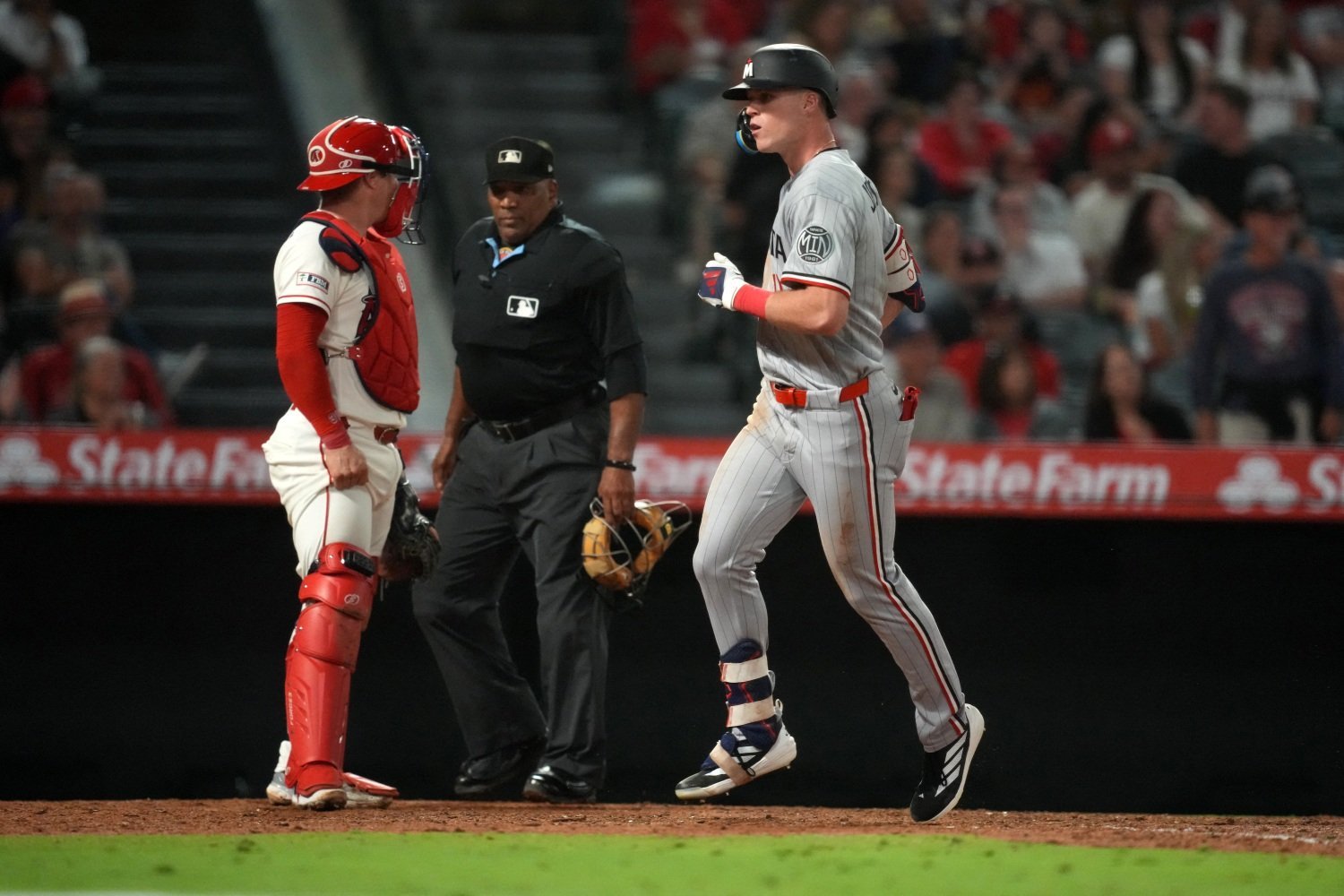 Box Score SP: Taj Bradley - 7 IP, 5 H, 3 R, 1 BB, 9 K (98 pitches, 65 strikes (66% strikes)) Home Runs: Walker Jenkins (2) Bottom 3 WPA: Yoendrys Gómez (-0.38), Kody Funderburk (-0.18), Josh Bell (-0.18) Win Probability Chart The Twins entered Thursday night's contest against the Angels looking to start their four-game set with a win. Instead, they found themselves in an early hole and spent most of the night trying to fight their way back. Los Angeles jumped on Taj Bradley for three runs in the first inning, but the right-hander settled in and completely shut the Angels down from there. Minnesota's offense, meanwhile, struggled to generate much of anything until the eighth inning, when a late rally finally gave them a chance. The Twins tied the game in the ninth on a massive Walker Jenkins homer, then took their first lead of the night in the 10th. Unfortunately, Los Angeles answered in the bottom half and walked it off, handing Minnesota a 5-4 loss and dropping the Twins to 71-82 on the season with just nine games remaining. TAJ BRADLEY TURNED THINGS AROUND AFTER A ROUGH FIRST Bradley couldn't have asked for a much worse start to Thursday night's game. After striking out Zach Neto on a curveball to begin the bottom of the first, Bradley walked Mike Trout and allowed Wade Meckler to single. That brought Moisés Ballesteros to the plate, and the Angels' catcher smoked a ball to center field to score Trout and give Los Angeles an early 1-0 lead. Things snowballed a bit from there. Denzer Guzman followed with another single to bring Meckler home before Oswald Peraza lined another ball into right field. Ballesteros scored on the play, and both Guzman and Peraza advanced on the throw to make it a 3-0 game. Bradley finally escaped the inning when José Siri struck out, but it took him 28 pitches to get through the first. After that, however, Bradley was outstanding. He retired the Angels in order in the second, getting Neto to swing through a curveball before Trout grounded out to Brooks Lee. He then worked another 1-2-3 inning in the third, retiring seven consecutive batters after the rough first. Bradley continued to cruise from there, striking out Neto for the third time in the fifth before retiring Trout and Meckler to end the inning. He then worked another quick 1-2-3 sixth and struck out Josh Lowe to end the seventh. After allowing three runs in the first, Bradley didn't allow another one. He finished his night with seven innings, three runs allowed and a staggering 20 whiffs on 98 pitches. Unfortunately, because the Twins' offense couldn't get anything going early, Bradley was still in line for the loss despite pitching seven dominant innings after the first. THE TWINS FINALLY FOUND SOME LIFE IN THE EIGHTH For most of the night, Minnesota's offense looked completely overmatched. The Twins managed just three hits through the first seven innings and couldn't put together a serious threat against Walbert Ureña. But that finally changed in the eighth. Walker Jenkins led off the inning with a single. Ben Ross ripped a double into left field. Suddenly, the Twins had runners on second and third with nobody out and their first real scoring opportunity of the night. Luke Keaschall couldn't capitalize, striking out looking, but Brooks Lee came through with a sacrifice fly to bring Jenkins home. That cut the deficit to 3-1. Kody Clemens then worked a walk to keep the inning alive, but Josh Bell struck out to strand two runners and end the threat. It wasn't quite the massive inning Minnesota needed, but it was enough to give the Twins some momentum heading into the ninth. And they would need every bit of it. WALKER JENKINS DELIVERED THE BIGGEST HIT OF HIS YOUNG CAREER The ninth inning provided the biggest moment of the night for the Twins. Ben Joyce came in looking to close out the game for Los Angeles, and he immediately showed why he's so difficult to hit. Emmanuel Rodriguez swung through a 102 MPH fastball for the first out before Royce Lewis got frozen by a 103 MPH heater on the outside corner. With the Twins down to their final out, Victor Caratini lined a single into center field to bring Jenkins to the plate as the tying run. He turned on a 101 MPH fastball and launched it out for a game-tying two-run homer, tying the game at three and giving him his third hit of the night on what was already the first multi-hit game of his major league career. It was a massive moment for the 22-year-old, especially considering how little the Twins' offense had been able to do throughout the first eight innings. Ross struck out to end the inning, but the damage had already been done. The Twins had come all the way back. And suddenly, extra innings were on the table. THE TWINS COULDN'T HOLD ON IN EXTRAS Minnesota finally took its first lead of the night in the top of the 10th. With Ben Ross starting the inning as the extra-inning runner, Keaschall opened the frame with a single through the left side. That kept Ross at third and put runners on the corners for Lee. Lee then smoked a 2-0 sinker into right field, bringing Ross home and giving the Twins their first lead of the night at 4-3. Clemens laid down a sacrifice bunt to move the runners up, but Bell popped out and the Angels intentionally walked Ryan Jeffers to load the bases for Lewis. Unfortunately, Lewis struck out to end the inning, leaving Minnesota with just a one-run lead to protect. Yoendrys Gómez got the ball in the bottom half and immediately found himself in trouble. Pinch-hitter Vaughn Grissom flew out to Austin Martin, but Siri tagged up and moved to third. Gómez then walked Neto, setting up a massive at-bat against Trout. Turns out, that's not the guy you want to face in a high-leverage spot. He lined a ball past Ross to score Siri and tie the game at four. That ended Gómez's night, with Kody Funderburk coming in to try to keep the game alive. Instead, the first pitch he threw was grounded into right field for a walk-off single. Just like that, the Twins went from finally taking their first lead of the night to walking off the field with a loss. Minnesota fought all the way back after trailing 3-0, tied the game in the ninth and took the lead in extras. But it wasn't enough. The Angels win 5-4. The Twins fall to 71-82, and with only nine games left in the season, Thursday's loss felt like another frustrating summary of how this season has gone for Minnesota. What’s Next? The Twins and Angels will continue their four-game series in Anaheim tomorrow night. Connor Prielipp is lined up to start for Minnesota, and he’s set to face off against right-hander Grayson Rodriguez. First pitch is set for 8:38 PM. Postgame Interviews Coming soon! Bullpen Availability Chart View the full article
 -
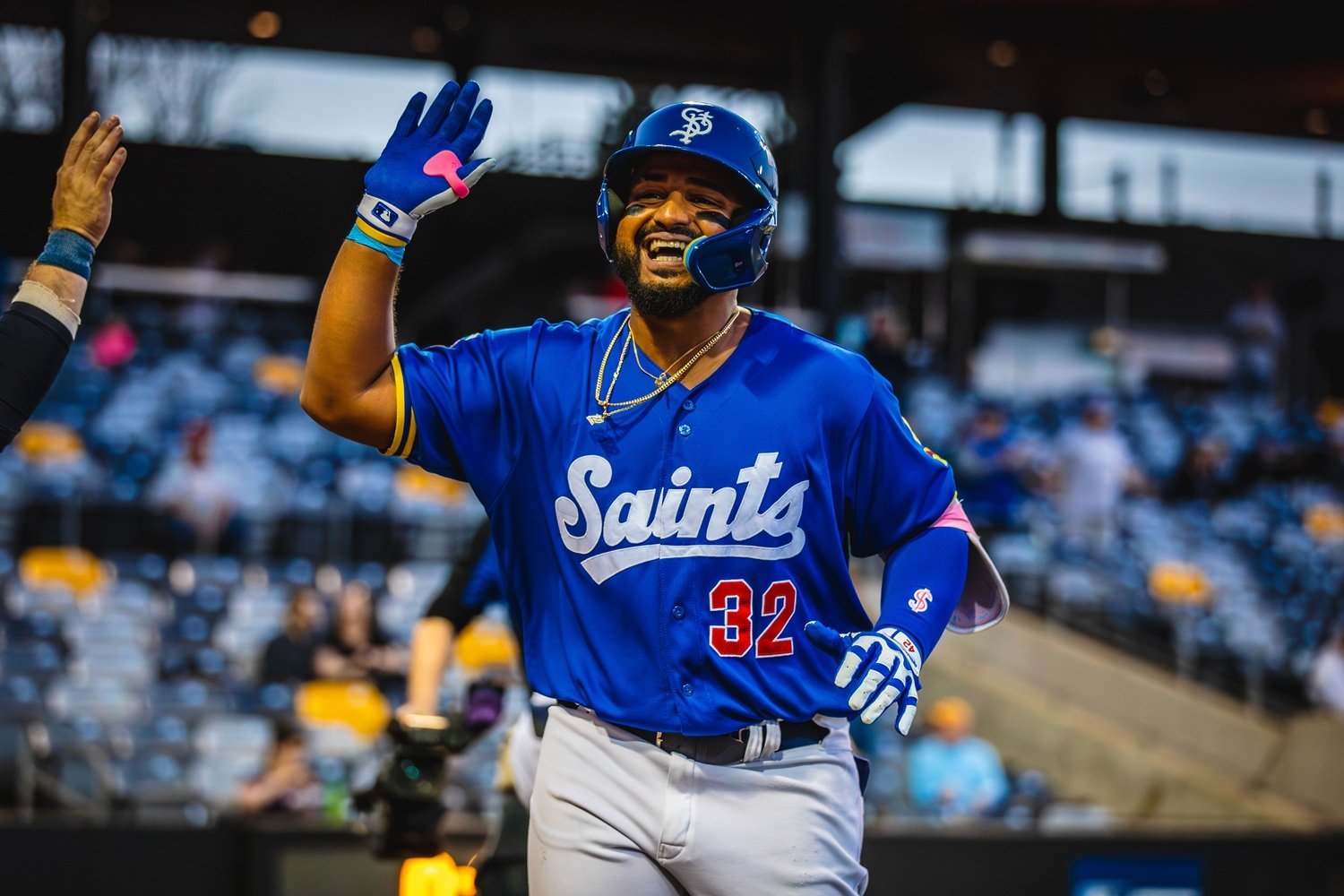 TRANSACTIONS No Transactions today. SAINTS SENTINEL St. Paul 16, Columbus 6 Box Score The Saints held a fairly comfortable lead throughout most of this game, but a seven-run eighth inning rally put it out of reach. Before the game started, the team knew that the Rochester Red Wings had already won an afternoon game which eliminated the Saints from playoff contention. So maybe a game like this, where everyone contributed something. Eight out of nine batters in the lineup had at least one hit, and five hitters had multi-hit games. After two scoreless innings, the Saints scored in six straight innings. Trent Baker made the start. He gave up one run on four hits and a walk in four innings. He struck out seven batters. C.J. Culpepper gave up three runs on three hits and a walk in the fifth inning. He struck out two batters. Ricky Castro came in and worked the final four innings. He was charged with two runs on four hits and two walks. He had four strikeouts. Hendry Mendez went 3-for-5 in the game with his 12th double. Jake Rucker went 3-for-4 with a walk and his first Saints double. Matt Wallner went 2-for-5, was hit by a pitch and hit his 17th double. He also hit his 25th home run of the season, tying him with Aaron Sabato for the Saints single-season home run record. With three more games to go, it will be interesting to see who wins that title. Gabriel Gonzalez went 2-for-4 and was hit by two pitches. He also hit his 16th home run of the season. Alan Roden led off and went 2-for-5 with a walk. Roden, Gonzalez, and catcher Ian Daugherty each drove in three runs in the game. Wallner, Rucker, and Cody Morissette each drove in two runs. Morissette went 1-for-3 and walked three times. PLAYERS OF THE DAY Hitter(s) of the Day Matt Wallner (St. Paul): 2-for-4, HBP, 2B(17), HR(25), 2 R, 2 RBI, 2 K. Walker Jenkins (Minnesota): 3-for-4, HR(2), 2 R, 2 RBI, K. Pitcher(s) of the Day Trent Baker (St. Paul): 4 IP, 4 H, 1 ER, 1 BB, 7 K PROSPECT SUMMARY Check out the Prospect Tracker for much more on our Twins Top 20 prospects. See how they did today. #1 - OF Walker Jenkins (Minnesota) - 3-for-4, HR(2), 2 R, 2 RBI, K (batted eighth, played CF) #6 - OF Emmanuel Rodriguez (Minnesota) - 0-for-4, 3 K (batted fifth, playing LF) #7 - OF Hendry Mendez (St. Paul) - 3-for-5, BB, 2B(12), 3 R (batted fifth, played LF) #9 - 1B/OF Gabriel Gonzalez (St. Paul) - 2-for-4, 2 HBP, HR(16), 3 R, 3 RBI (batted second, played 1B) UPCOMING PROBABLES Friday, September 18 St. Paul @Columbus (6:05 pm CT) - LHP Kendry Rojas (2-0, 3.00 ERA) CURRENT W-L Records Minnesota Twins: 71-81 (in progress) (Final Game 9/27) St. Paul Saints: 81-65 (Final Game (9/20) Wichita Wind Surge: 55-81 (Season Complete) Cedar Rapids Kernels: 48-82 (Season Complete) Fort Myers Mighty Mussels: 68-60 (Season Complete) FCL Twins: 33-26 (Season Complete) DSL Twins: 19-35 (Season Complete) Please feel free to ask questions about the teams, the rosters, and discuss today’s games, or anything else Twins minor-league related! View the full article
 -
What are your Marlins vs. Padres series predictions?
DiamondCentric posted an article in Fish On First
 Once again in 2026, I will be monitoring Miami Marlins predictions from our valued SuperSubs, Fish On First staffers and livestream guests. Individual article pages like this one will be created prior to every Marlins series and featured prominently on the FOF site. Consistent participation is key if you want to win this annual contest. Submissions only take a few seconds. Scoring system A "perfect" series is worth three points: Earn one point for predicting which team will win the upcoming series Earn one point for predicting the precise number of victories for each team Earn one point for predicting the “Series MVP” who accumulated the highest win probability added (WPA) during the series as calculated by FanGraphs (could pick a player from either team) FOF SuperSub David Fernandez and staffer Jeremiah Geiger are currently tied atop the 2026 season leaderboard, which will be updated between every Marlins series. If you are a SuperSub, leave a comment with your Prediction Time picks on this page, or join the Marlins Discord Server and submit there. We'll feature them on the upcoming Fish On First LIVE episode and track your points throughout the season! Any picks submitted prior to the first pitch of the series opener will be counted. If you are not a SuperSub, please consider signing up here to support the FOF staff. Series preview notes Probable starting pitchers: RHP Tyler Phillips (MIA) vs. RHP Nick Pivetta (SD) on Friday RHP Eury Pérez (MIA) vs. RHP Casey Mize (SD) on Saturday RHP Sandy Alcantara (MIA) vs. RHP Walker Buehler (SD) on Sunday The Marlins rank 16th in MLB with a 100 wRC+ and 18th in MLB with a 4.16 FIP. They are 5-5 in their last 10 games and have a 31-44 record on the road this season. The following Marlins players are on the injured list: Anthony Bender (15-day IL), Owen Caissie (10-day IL), Pete Fairbanks (15-day IL), Ronny Henriquez (60-day IL), William Kempner (60-day IL), Adam Mazur (60-day IL), Andrew Nardi (60-day IL) and Robby Snelling (60-day IL). The Padres rank 13th in MLB with a 101 wRC+ and 19th in MLB with a 4.19 FIP. They are 9-1 in their last 10 games and have a 46-29 record at home this season. The following Padres players are on the injured list: Jason Adam (60-day IL), Miguel Andujar (10-day IL), Jeremiah Estrada (15-day IL), Lucas Giolito (60-day IL), Bryan Hoeing (60-day IL), Ramón Laureano (60-day IL), Joe Musgrove (60-day IL), Luis Rengifo (60-day IL) and Gavin Sheets (10-day IL). View the full article
 -
Marlins play spoiler as Sandy Alcantara saves series finale
DiamondCentric posted an article in Fish On First
 Fish On First staffers react to the latest Miami Marlins series and prepare you for what lies ahead. Thursday's show was hosted by Ely Sussman and featured panelist Kevin Barral. The following topics were covered: Sandy Alcantara closing out Wednesday's win in relief Would another year of Pete Fairbanks make sense at the right price? Jakob Marsee cementing his place as Miami's everyday center fielder Where does Esteury Ruiz fit on the roster moving forward? How the San Diego Padres separated themselves from the Fish Previewing and predicting the next series You can find Fish Unfiltered and Fish On First LIVE on the Fish On First YouTube channel, Apple Podcasts, Spotify or wherever else you get your pods. Our next FOF LIVE episode will be on Sunday at approximately 7:30 p.m. ET following the Marlins-Padres series finale. View the full article
 -
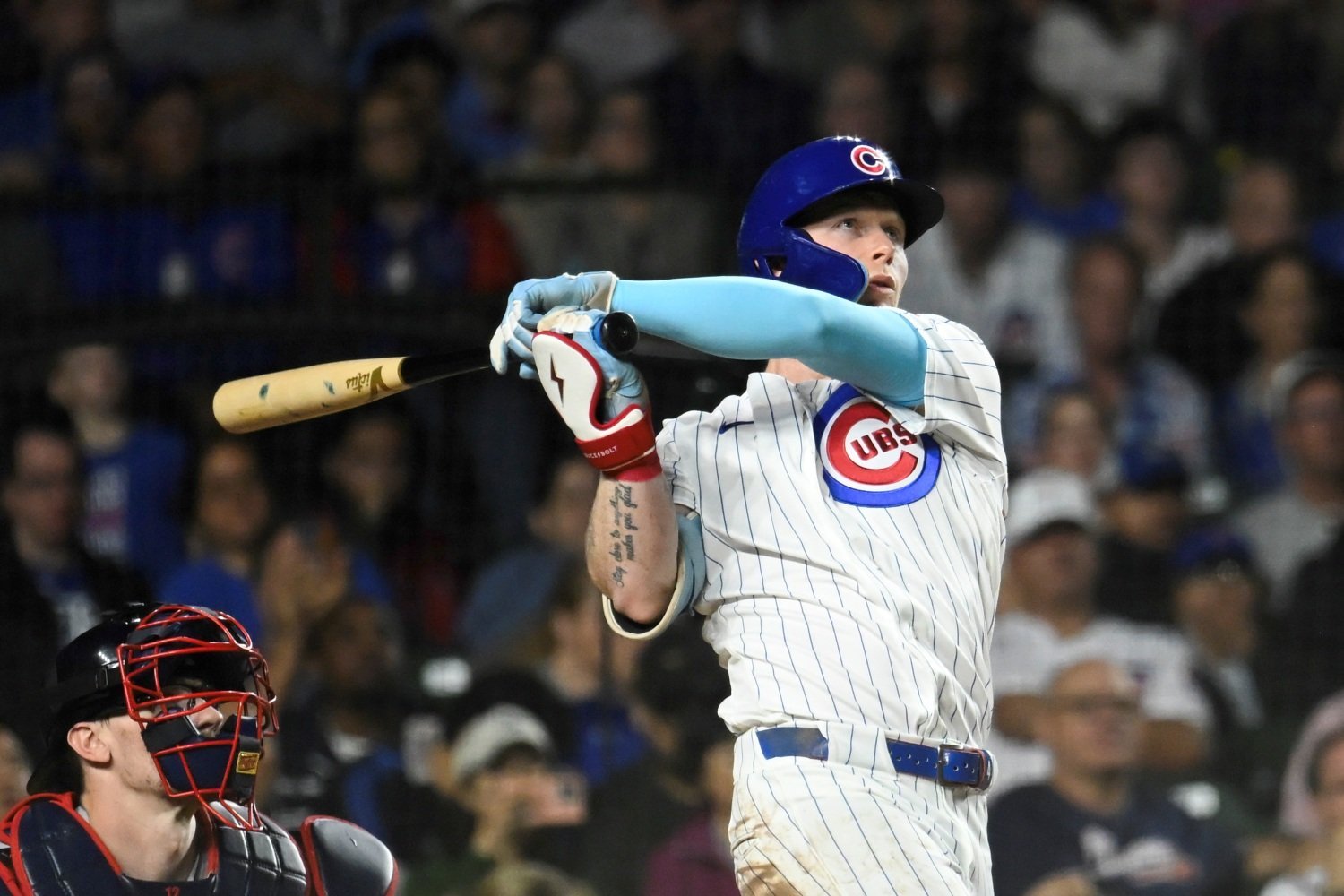 The first remit of the big-league batter is to be on time for the fastball. It's the bare minimum for any player hoping to stick around in the majors. It's necessary, but not sufficient, because there are plenty of guys who can do it. The real challenges are to do it without giving up your power by shortening your swing too much; to define 'on time' in a way that produces batted balls with real value; and to do it while still covering slower pitches, like sliders, curveballs and changeups. The name of the game is conviction; you have to swing with confidence to hit the ball with authority. Get overconfident, though, and all you've done is make yourself vulnerable to constantly being fooled. It's this balance that Pete Crow-Armstrong has struck with ferocious perfection over the last four months. In fact, he's been moving steadily toward that perfect balance not only since the middle of 2024, but even since the 2026 All-Star break. He's a unique case to study in this regard, because he forces us to answer an interesting question: Where the hell did the erraticism of his batting profile go, exactly? Real improvement is possible, of course. We live in the Golden Age of player development. Teams, independent facilities, and players themselves have gotten far better at adjusting and leveling up than they used to be. Still, there's a version of science's law of conservation of mass that applies to baseball, too. To borrow from a different discipline, there's no such thing as a free adjustment. Everything requires a tradeoff. When we're talking about hitters, that usually means trading contact for power (or vice-versa); being more patient but striking out more because you end up in deeper counts; or pulling the ball less often so as to wait longer and make better swing decisions. Add more tilt to your swing so that you can handle breaking stuff better and use the opposite field more, and you might be susceptible to the high fastball. Flatten it to cover the heater, and you're likely to hit more grounders and more pop-ups. How, then, is what Crow-Armstrong is doing possible? Consider this comparison of his last three seasons, and it's hard to see where he's traded anything for this massive change in production. Yes, he's striking out more, but it's a tiny bit more. That really doesn't count as a tradeoff—not when your walk rate has moved three times as much as your strikeout rate, and there's so much more production on balls in play, to boot. He's lost a tiny bit of speed and arm strength, as virtually every player does even throughout their early 20s, but we're not seeing him become materially less lithe in order to build the strength and generate the power we've seen from him. The Squared-Up% line is the only other one in which he's not currently at his best. At first, that looks like a small, even negligible difference, too. In fact, though, that's where he's made the hidden, vital tradeoff that has unlocked this version of him. Let's talk about how. First, you need to know what Squared-Up% is. It's simpler than it will sound, at first, so hang with me. To determine whether a ball is Squared-Up, by Statcast's reckoning: Collect the swing speed, the pitch velocity and the exit velocity for any given batted ball. Using a physics equation we laypeople don't need to memorize, find the maximum exit velocity that was possible on that pitch, given the swing speed and the pitch velocity. Divide the actual exit velocity by the maximum possible one. Then, to get to their Squared-Up%, take the number of batted balls on which the steps above return a result over 80%, and divide it by the player's total number of batted balls. That's not quite arbitrary, but it's a line they settled on; another way to report the same number would be to stop after the three steps above and take the average result on all their batted balls as the player's Squared-Up rate. There are pluses and minuses to each; it's hard to create a perfect version of this stat. For reference, here's a chart showing Crow-Armstrong's Squared-Up rate (over rolling 100-plate appearance windows) in that second way, throughout his career. It tells the same story: he's squaring it up a bit less this season than in the past. Ok, so that's what this number is. Why is it such a key to understanding Crow-Armstrong? Because it reveals what he's done to go from a hacktastic, erratic slugger to a more lethal one, even though it demonstrates less precision on his part. In the past, Crow-Armstrong was swinging under a bit more control—not in terms of whether he swung, unfortunately, but in terms of where and how he did so. He has slightly above-average feel to hit, and early in his career, his approach was geared toward using it. He wanted to pull and lift the ball, but he wanted to do it by being accurate with the barrel. Over the offseason, Crow-Armstrong and the Cubs decided to sacrifice that restraint for more bat speed. That's been the key to his season, and it's why his Squared-Up rate both betrays the underlying tradeoff he made and, in the grand scheme, doesn't matter very much. If you swing the bat 70.6 MPH on average, you need to square it up fairly well to hit for power. If you swing it 72.7 MPH, you have a bigger margin for error, but you're not yet at the point where you can do much damage without hitting it on the screws. If you swing it 75.0 MPH, though—and, at this point, Crow-Armstrong is really swinging it even faster than that most of the time—you've reached the point where your mishit balls still pose a threat. Since the All-Star break, Crow-Armstrong has put 13 balls in play on swings that were 81 MPH or faster. That's as many such swings as he connected on in his entire career before that. His bat speed is through the roof, and specifically, his bat speed on swings that result in balls in play has risen sharply. That means that he can miss the sweet spot a little bit and still hit it hard and far. Don't get me wrong. Any hitter is still going to find most of their value on batted balls on the swings that connect cleanly with the ball, resulting in Squared-Up contact by the Statcast definition. Crow-Armstrong just doesn't rely as much on that as most elite sluggers do. Here's a comparison of the timing profiles on hard-hit balls for the best offensive weapon of each of the last three seasons: 2024 Shohei Ohtani, 2025 Aaron Judge, and this year's version of Crow-Armstrong. Notice that, compared to the other two super-sluggers, Crow-Armstrong is exactly on time (the center panel) more often on his hard-hit balls, but more likely to hit it in toward the handle (left panel). Exit velocity is controlled most strongly by that left-hand image; getting the ball in the center of the barrel (rather than off the end of the bat or on the label) is the surest way to produce hard contact. But that's less true for Crow-Armstrong than for most hitters. He needs to be on time, but not as much on barrel. Balls hit either direction from the center of the barrel by more than about one baseball (2.9 inches) are rarely going to register as Squared-Up. But if you hit that ball with the bat square to it, and if you're on plane with it and/or working uphill at contact, and if you swing the bat 80 MPH as you do so, you don't have to produce Squared-Up contact to hit a screaming double, or even a homer. So, we circle back to what I said at the very beginning of this piece: a hitter's remit is to be on time for the fastball. That part is even truer of Crow-Armstrong than of most players, even though other general rules about a hitter's process don't seem to apply to him. That's exactly what Crow-Armstrong has done this season. Here's his set of swing timing visuals for each of the last three seasons, on four-seamers and sinkers only. Unsurprisingly, we see him being much more consistently on time this season, and late less often. The tradeoff here is that he's getting the ball in on the label much more often. We've already talked about this a bit. It's what he had to sacrifice to get on time by swinging faster, without being too early on the breaking stuff. Speaking of which, here's the same set of visuals for breaking pitches. He's early on spin as often as ever, but notice how he's moved into the sweet spot more often in terms of centering those pitches on his barrel. He probably wouldn't put it quite this way, but his swing is now designed to attack the fastball with brute force, worrying about colliding with it at speed but not about being precise with the barrel—while, because it works out given the locations and shapes of the respective pitches most of the time and because of the arc of his swing, he's getting more value on breaking pitches by getting from that inefficient contact point to an efficient one. This takes great pitch-recognition skills. It takes a hitter with above-average feel, which was always lurking in his skill set before, underutilized. It also takes a flexible approach, because once you show opponents that you can do all of this, they're going to adjust to you, too. Thus, even within the season, Crow-Armstrong is learning to time hurlers up slightly differently, to combat the different ways he's being pitched. Here are the same visuals as above, returning to fastballs, but this time, the breakdown is month by month throughout this season, rather than season by season. August marks a departure from what he did in the season up to that point. Crow-Armstrong moved slightly back toward letting himself be late on the fastball—not quite to actually being late, as he too often was in the past, but toward it. By letting the heater travel that tiny bit more and clipping the bottom half of it a bit more (right-hand panel), he was putting himself in a less exploitable position against softer stuff. These kinds of tweaks have kept him from being solved throughout what first looked like an incredible hot streak. Now, instead, it looks like a durable Hall of Fame breakthrough. Back in mid-May (just before he implemented the set of adjustments that lit the fuse on his rocket to superstardom), I wrote about the way Crow-Armstrong's newfound bat speed was actually getting in the way of being productive. That was because he hadn't learned to time pitches up right, given how much faster he was moving the bat; he was early too much. That was leading to lots of ground balls and lazy fly balls. To capitalize on swinging with such abandon, he needed to be on time more consistently. Even in noting the deficiencies, though, I said the following: What needed to happen was not more collision efficiency in Crow-Armstrong's swing, exactly, but better timing. His bat speed boost had rendered him capable of hitting it hard even when he didn't line everything up perfectly, and his unique directionality profile—the orientation toward pulling and lifting that made him an unexpected slugger even last year—meant that that hard contact was often going to be in the air, headed to the part of the park it would have a chance to leave. He just had to be on time, in order for that to happen. Shortly after that, Crow-Armstrong moved closer to the plate, altered his setup in the box, and—thanks to those changes, which forced his lower half to move differently as he loaded up for each hack—found his way to being on time. The rest is, without hyperbole, history. Moving closer to the plate exposed Crow-Armstrong to a little more risk of catching the ball up toward the handle from the sweet spot, of course, but as long as he was on time, that didn't matter too much. What's happened, ultimately, is that his much-improved swing decisions—a trend that started early this season, after he flipped the turbo switch on the swing but before the setup and timing changes—and his bat speed increase allowed him to make a 1-for-2 trade. He gave up efficiency of contact, for both more contact (especially more of it in the air and to the pull side) and more bat speed. Only a player with a perfect confluence of enormous talent, tenacity, intelligence and a great support system could pull this off. Crow-Armstrong owes much to his teammates and coaches, but in evolving this way—in avoiding a compensatory slump of any real length as he's been adjusted to and tested in new ways by opponents—he's showed the depth of his genius and his desire, as well as his ability. This is the most impressive season by any baseball player in at least 60 years, not only because of the physical prowess on display, but because the player who's achieving it had to be so diligent, obsessive and adaptable to do so. View the full article
 -
The Twins Don't Need a Full Rebuild. They Need a Direction.
DiamondCentric posted an article in Twins Daily
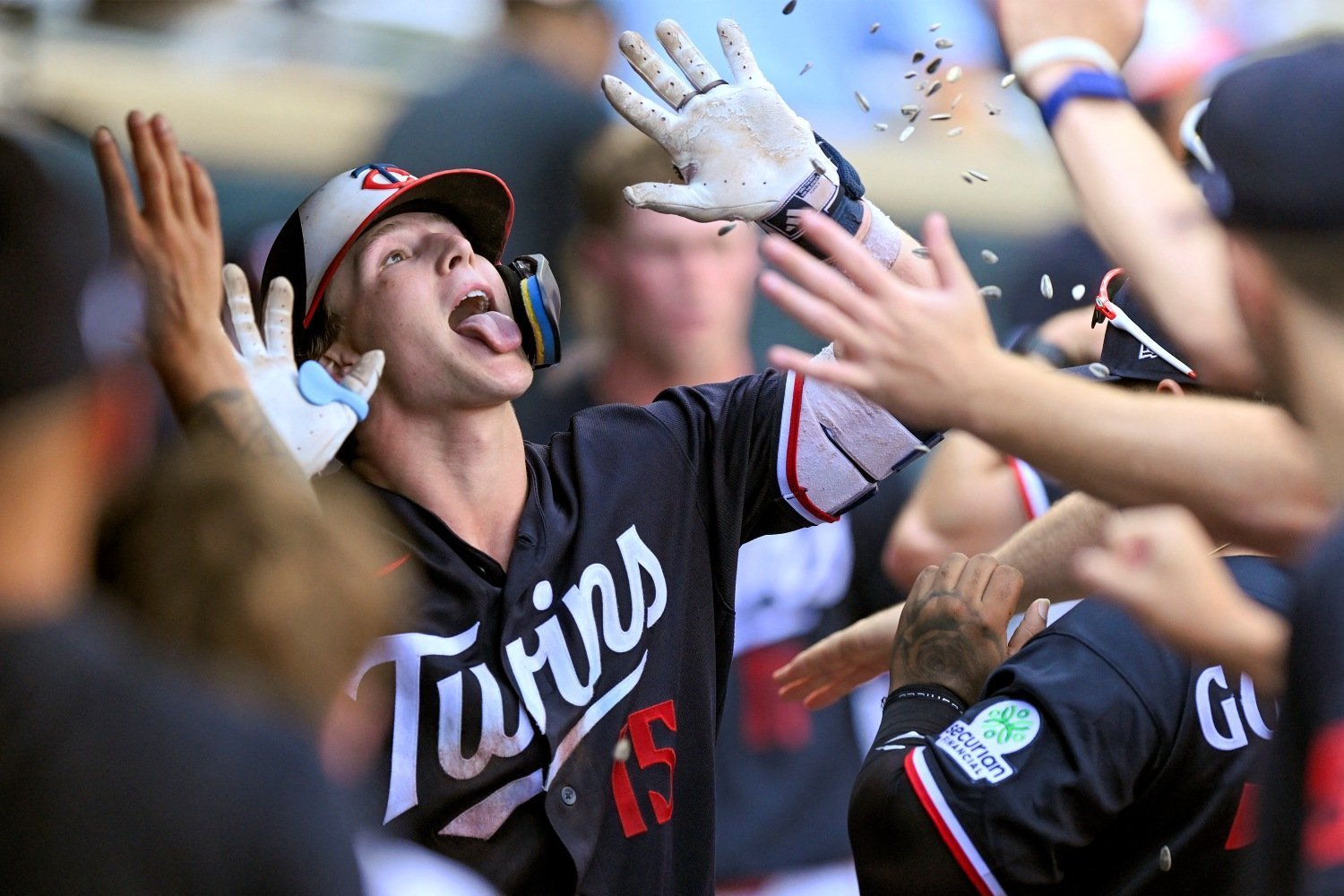 After a third straight second-half collapse, there's a temptation to look at the 2026 Minnesota Twins and assume the organization needs to tear everything down. The record certainly makes that argument easier. Minnesota entered the final stretch of the season out of the playoff picture after buying at the trade deadline, and the club has spent much of the second half looking more like a team searching for answers than one preparing for October. But a bad season does not automatically create the need for a full rebuild. The Twins aren't starting from zero. In fact, the organization has some things that many rebuilding teams would love to have: young players already contributing at the major-league level, premium prospects moving toward the big leagues, established stars under team control, and a pitching staff that could look considerably different with better health. So, what's missing? There Is a Foundation Luke Keaschall, Taj Bradley, Brooks Lee, and Connor Prielipp have all given the Twins reasons to believe they can be meaningful pieces of the next competitive team. None of those players should be treated as a guaranteed star. That's not how young player development works, and Major League success is never guaranteed. But Minnesota has multiple young players who have already reached the big leagues and have room to develop. Then there is the next wave. Walker Jenkins remains one of the organization's premier prospects. Kaelen Culpepper has already seen early success in the majors. Emmanuel Rodriguez represents another high-upside player who could become an important part of the lineup. And the Twins still have two established players who can serve as the centerpieces of a competitive roster in Joe Ryan and Byron Buxton. Ryan's second half has complicated the picture, but his first-half performance showed why the Twins have viewed him as a potential top-of-the-rotation arm. Buxton's health is always going to be part of the conversation, but when healthy, he remains one of the most impactful players Minnesota can put on the field. The Twins don't need to find an entire core. They need to determine what they are doing with the core they already have. The Rotation Could Have Real Depth Pitching health has been one of the biggest variables surrounding this organization. Pablo López is expected to return from Tommy John surgery. Mick Abel should also be part of the pitching picture after recovering from arthroscopic surgery on his right elbow. Those additions could significantly change the depth chart. A theoretical 2027 rotation picture could include Ryan, Bradley, López, Dean Kremer, and Prielipp, with Zebby Matthews, Abel, Kendry Rojas, David Festa, Mike Paredes, Ryan Gallagher, Riley Quick, and Adrian Bohorquez providing additional options. That's a lot of names, but the Twins saw how quickly that depth can evaporate in one season. Obviously, not all of them will become reliable Major League starters. Some could end up in the bullpen. Others could struggle with injuries or development. A few may never establish themselves in the majors. But that's the point. The Twins have pitching depth to work with. They don't have to manufacture an entire rotation from scratch. They need to figure out which pitchers belong in the rotation, which belong in the bullpen, and where the organization needs to spend money to stabilize the group. The Bullpen Doesn't Need to Be Rebuilt Either The bullpen is another area where the Twins should be in better shape entering next season. Yoendrys Gómez, Jeff Hoffman, and Andrew Morris could form the foundation of the late-inning group. Kody Funderburk and Tommy Nance can fill middle-inning roles. That doesn't mean Minnesota should simply declare the bullpen finished. It should add a couple of veteran pieces if the opportunity presents itself. Relievers are volatile, and having too many legitimate options is rarely a problem. But this is a much different starting point than the beginning of 2026. The Twins entered this season with a bullpen that was one of baseball's worst and actively cost the team games. The organization eventually had to spend resources fixing a problem that should have been addressed before the season. Minnesota shouldn't repeat that mistake. The Real Question Is the Direction This is where everything gets complicated. The Twins can build a competitive roster in 2027. That doesn't mean they will. There is a massive difference between having enough talent to compete and operating like an organization that intends to compete. If Minnesota wants to win next season, the path is relatively straightforward. Keep the young core together. Get López and the other injured pitchers healthy. Give the young players legitimate opportunities. Add veteran pitching. Improve the bullpen. Address the holes in the lineup. Spend enough money to turn the roster's potential into actual Major League production. It won't guarantee a playoff berth. But it would represent a coherent plan. The alternative is another year of half-measures. If the Twins aren't going to meaningfully increase payroll, they need to acknowledge that reality. If they are going to prioritize development, they need to make difficult decisions about veterans blocking younger players. If they believe this group can compete, they need to actually invest in making that happen. What cannot happen again is building a roster that is simultaneously too expensive to be a developmental team and not good enough to be a legitimate contender. That is how organizations get stuck. Minnesota Doesn't Need to Start Over The easiest thing to do after a disappointing season is to declare everything broken. The Twins aren't there. They have young Major League players. They have premium prospects. They have established stars. They have pitching depth. They have a bullpen that should be more functional. They have players returning from significant injuries. There are legitimate questions throughout the roster, but every organization has those questions. The biggest question isn't whether Minnesota has enough talent to build something. It is whether the people making the decisions believe this group is worth building around. If the answer is yes, then 2027 needs to look like it. That means spending money, filling holes, protecting the young talent, and making decisions with the goal of winning games rather than simply maintaining flexibility. If the answer is no, then the Twins need to be honest about that, too. A rebuild is a strategy. So is contention. What Minnesota cannot afford is another season without choosing a direction. Do the Twins need a full rebuild? How can the Twins contend next season? Leave a comment and start the discussion. View the full article
