


DiamondCentric
-
Posts
2,631 -
Joined
-
Last visited
Never
Content Type
Profiles
Forums
Events
News
Tutorials & Help
Major League Baseball Videos
Guides & Resources
Store
Downloads
Gallery
Everything posted by DiamondCentric
-

 After Friday’s results, Syracuse is very much alive for an out-of-nowhere International League second-half championship. The Mets pulled to a half-game behind co-leaders Indianapolis and Rochester with two games left in the regular season, part of a five-team battle for the flag. They dispatched visiting Lehigh Valley 6-2 while Rochester was getting drilled 7-1 at Buffalo and Indianapolis was losing 8-7 in 10 innings at Gwinnett after blowing a two-run lead in the ninth inning. Here’s how the clubs stand entering play Saturday: TEAM W L PCT GB Rochester 43 30 .589 -- Indianapolis 43 30 .589 -- Syracuse 42 30 .583 0.5 Scranton/Wilkes-Barre 40 31 .563 2 Worcester 40 31 .563 2 And while smart people will say that there’s no such thing as momentum in baseball, this Mets team is rolling. They have won the first four games of this week’s series and are 27-12 since the Aug. 3 MLB trade deadline. The club was 15-18, 8 1/2 games back and 15th in the league standings through Aug. 2. The Mets got another shot of energy this week with the promotion of infielder Jefferson Rojas. The 21-year-old homered in each of his first three games and then contributed with his legs on Friday. He manufactured an insurance run in the eighth as he reached on an infield error, stole second and advanced to third on a throwing error by the catcher, and scored on a double by MJ Melendez. Rojas became a more important player this weekend after New York recalled Ronny Mauricio on Friday to replace the injured Jared Young on the active roster. Syracuse could be percentage points ahead of Rochester before it takes the field Saturday (6:35 p.m. ET). The Red Wings will play the Bisons at 1:05 p.m. ET. Indianapolis will take on Gwinnett at 6:05 p.m. It’s a rare day of scoreboard-watching in the IL. A correction/clarification on tiebreakers is needed after Friday’s article: According to Minor League Baseball, the first tiebreaker remains head-to-head, and that applies in a two- or three-way tie, but the second tiebreaker is winning percentage over the last 20 games. If the clubs are tied after that, then the game threshold will increase by one (to 21, 22 and so on) until the tie is broken. Syracuse can’t be finish in a tie right now because it has played one fewer game than the clubs ahead of it. Bruján Homers, Syracuse Breaks Through In The Sixth Vidal Bruján is also having a big week. He’s 6-for-15 (.400) with a homer and eight RBIs in four games. He knocked in two big runs Friday. He hit a solo homer in the fifth to put Syracuse on top 2-1, and then an RBI groundout in the sixth to cap a three-run outburst that stretched the margin to 5-1. He also scored the Mets’ first run, scampering home on a Jose Ramos single in the fourth. The Mets took advantage of wildness by the Lehigh Valley bullpen to break the game open. A walk to Ramos, a single by Hayden Senger and walk to Zack Short loaded the bases with none out for D’Andre Smith. He came through with a two-run single to give the Mets a 4-1 cushion. Rojas popped out but MJ Melendez walked. Brujan followed with his run-scoring roller. Justin Hagenman was solid in his second consecutive four-inning start. He allowed a run on two hits, walked none and struck out two. Ben Simon followed with two hitless innings to earn the win. Kevin Herget allowed a solo homer in the seventh, but Saul Garcia worked a hitless eighth and Chayce McDermott got the final three outs, though not in a save situation. Syracuse Batting Player AB R H RBI BB K D'Andre Smith 4 0 1 2 0 1 Jefferson Rojas 5 1 1 0 0 1 MJ Melendez 4 0 1 1 1 1 Vidal Bruján 5 2 2 2 0 1 Eric Wagaman 5 0 1 0 0 0 Billy Amick 3 0 0 0 1 1 Jose Ramos 3 1 1 1 1 1 Hayden Senger 3 1 2 0 1 1 Zack Short 2 1 0 0 2 0 Totals 34 6 9 6 6 7 Syracuse Pitching Player IP H R ER BB K HR Justin Hagenman 4 2 1 1 0 2 0 Ben Simon (W, 5-4) 2 0 0 0 0 0 0 Kevin Herget 1 2 1 1 0 2 1 Saul Garcia (H, 1) 1 0 0 0 0 0 0 Chayce McDermott 1 0 0 0 0 1 0 Totals 9 4 2 2 0 5 1 New York Mets Transactions New York Mets placed 1B Jared Young on the 7-day injured list. Concussion. New York Mets recalled SS Ronny Mauricio from Syracuse Mets. Top-20 Prospect Performance Jonah Tong: MLB Jack Wenninger: DNP Elian Pena: DNP Mitch Voit: DNP Ryan Clifford: DNP Nick Morabito: MLB Jonathan Santucci: DNP Carson Wiggins: DNP Jacob Reimer: DNP Aiden Robbins: DNP Randy Guzman: DNP Wandy Asigen: DNP Chris Suero: DNP Jefferson Rojas: 1-for-5, K Will Watson: DNP Shane Sdao: DNP Eli Serrano III: DNP Antonio Jimenez: DNP Emilien Pitre: DNP Dylan Ross: DNP View the full article
 -
Jacob Lombard 2026 Marlins minor league highlights
DiamondCentric posted an article in Fish On First
 Here is the best of Jacob Lombard's season with the Low-A Jupiter Hammerheads.View the full article
 -
 Joe Ryan has been the subject of trade rumors multiple times over the last 14 months. Whether the rumors are substantiated or not, you can bet the national media will put him back on the block this offseason. But will the Minnesota Twins follow suit? View the full article
 -
Marlins officially eliminated from postseason contention
DiamondCentric posted an article in Fish On First
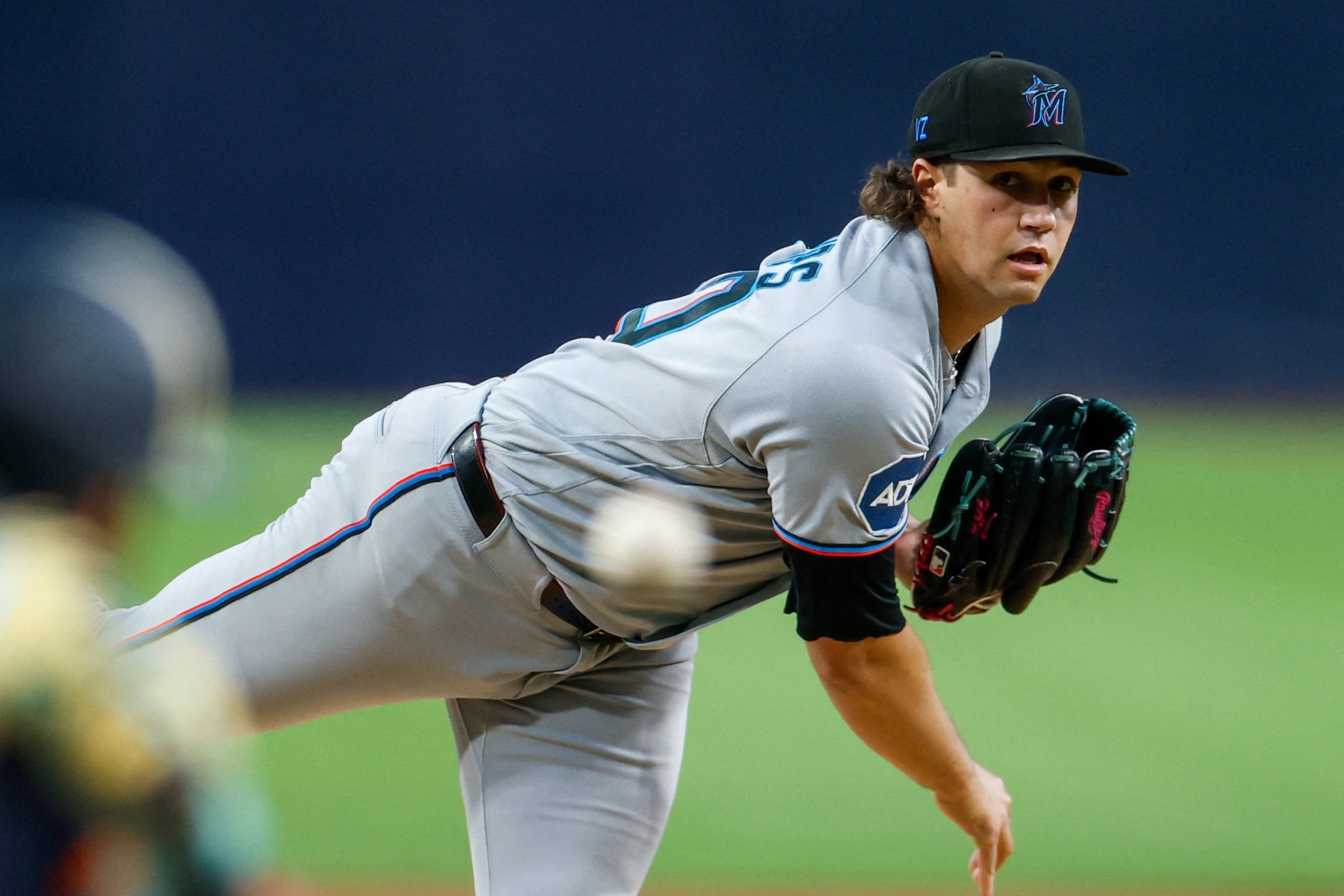 SAN DIEGO — Following a loss to the San Diego Padres team that they were chasing for the National League's final wild-card spot, the Miami Marlins have been mathematically eliminated from postseason contention. Miami’s series-opening loss was fittingly frustrating, as an all-too-common bullpen collapse made the difference on Friday night. Following 3 ⅔ scoreless innings from starter Tyler Phillips, manager Clayton McCullough went to his bullpen despite Phillips having thrown just 50 pitches. Relievers Cade Gibson and Tyler Zuber combined to allow six earned runs over the next inning and a third, highlighted by a gargantuan three-run home run from Ty France. Phillips, in his third major league season, has already significantly surpassed his career high in innings. Agustin Ramirez and Jakob Marsee provided excellent days at the plate, including Ramirez's fifth home run of the campaign. At 112.5 mph off the bat, it was the fourth-hardest hit homer of the season for Miami. Despite a very promising first half and several stretches of competitive ball, playoff baseball in Little Havana never felt particularly realistic. After reaching a season-high 10 games over .500 on July 9, Miami has gone 24-36, including Friday night’s demoralizing loss. “It’s a lot to process here right now. Hearing that, knowing what was at stake, we’re really disappointed. We came into this season expecting to be one of the six National League teams to play beyond the regular season, and it’s tough knowing we won’t be able to do that,” McCullough said postgame. “As far as examining this season as a whole, I’m not quite there yet. I’m still just thinking about tomorrow and trying to win as many games as possible the rest of the way.” What Went Wrong? After Miami’s historic month of June, in which the team went 20-6, July was a nightmare for McCullough and his staff. The last time the Padres faced Miami, they swept the Marlins to extend the team’s losing streak to a franchise-record 12 games. That ill-timed stretch played a major role in the Marlins’ decision to sell at the trade deadline rather than add key pieces to an incomplete roster. The trade of Liam Hicks appeared to hurt the lineup. Hicks was one of the few pure hitters on the roster who consistently put the ball in play and provided quality at-bats. At the time, however, the Marlins viewed themselves as dealing from an area of surplus, with a plethora of left-handed power bats throughout the organization.The Marlins saw an opportunity to sell high on a former Rule 5 pick. That said, the trade was quite unpopular among Marlins fans as it never hurts to have an excellent hitting catcher on the roster. Meanwhile, none of the three prospects received in exchange for Hicks have reached the majors yet. Perhaps a larger factor was Miami’s inability to win on the road. At home, the Marlins were one of the NL’s best teams at 45-33. On the road, they slipped to 31-45 on Friday night—a nearly 200-point difference in winning percentage. Miami’s struggles against quality opponents were another major factor. The Marlins are just 29-45 against teams at .500 or better this season, a .392 winning percentage. Rotation depth and injuries The Marlins entered the season with arguably one of the most talented 1-2 punches in baseball in Sandy Alcantara and Eury Pérez. The hope was that Max Meyer, Robby Snelling and Thomas White would round out one of the deeper rotations in the game. Instead, all three suffered season-ending injuries at various points during the season, forcing Miami to rely heavily on Tyler Phillips, Ryan Gusto and Janson Junk down the stretch. The lack of rotation depth became increasingly problematic as the season progressed, putting additional pressure on a bullpen that was already being asked to cover significant innings. With Alcantara and Pérez carrying much of the workload, the Marlins had little margin for error whenever one of their other starters failed to work deep into games, or weren’t permitted to even when pitching well. Injuries also plagued Miami’s bullpen, as Anthony Bender and Pete Fairbanks both missed significant time, forcing the Marlins to rely on younger arms late in the season, such as Josh Ekness, Jack Ralston and Tyler Zuber. More on their injuries later. Offensive regressions from the infield All-Star Otto Lopez and Xavier Edwards formed one of the best middle-infield combinations in baseball through the All-Star break. Lopez, selected to his first career All-Star Game, posted an .874 OPS while slugging .505. Both numbers have dropped by nearly 200 points in the second half. Edwards posted an .810 OPS with a 126 OPS+, putting himself in legitimate All-Star contention as well. His injury-riddled second half has been particularly damaging, as his post-break OPS sits at just .566 following Friday’s loss. Miami’s offense depended heavily on those two and Hicks. Overall, the team’s OPS has dropped nearly 50 points in the second half. Bright spots The Marlins saw Sandy Alcantara significantly boost his production following an uneven 2025 season. Leading the NL in innings, Alcantara has eclipsed the 200-inning mark for the third time in his career and the first since 2022, his Cy Young-winning season. He has made all 32 starts and posted a 3.84 ERA, 1.5 runs better than the year before. A former minor league free-agent signing, outfielder Heriberto Hernandez has emerged as a true everyday player. Since being recalled from Triple-A on May 7, Hernandez has posted an .819 OPS with a team-leading 24 home runs and a .500 slugging percentage. At times, he was Miami's only reliable source of right-handed power. Additionally, the positive development of Joe Mack, Griffin Conine and Javier Sanoja should give the Marlins plenty of hope, as they appear to have solidified a core to build around this offseason. That said, the 2026 season will be chalked up as a disappointment. After remaining in the postseason hunt until the final four days of the regular season in 2025, expectations were raised this year. Given that Miami was 10 games over .500 in early July and sitting comfortably in the second NL Wild Card spot, tonight’s outcome should be a tough pill for the Marlins’ brass to swallow. They can still match last year’s win total with three more wins over their next eight games and potentially finish at .500 with a 5-3 finish. Regardless of how they finish, this two-year stretch is the most successful for the franchise in terms of wins since the 2009-10 seasons. Nevertheless, expectations will be significantly higher for Peter Bendix in 2027, whenever that should take place. High-leverage relievers to undergo surgery Prior to Friday night’s series opener, the Marlins announced that Anthony Bender and Pete Fairbanks will each undergo surgeries. Fairbanks, a pending free agent, is going under the knife to address thoracic outlet syndrome. The 32-year-old has had three injured list stints this year related to nerve issues, with the most recent coming last Tuesday, when he was pulled one batter into a save opportunity in Arizona. “Feel bad for Pete with the way he finished up this year. He tried to come back, but something obviously wasn’t right. I guess the good thing is now hopefully he found a way for him to put this behind him, to get healthy and get through this,” McCullough said pregame. As for Bender, he will undergo surgery Wednesday to address the stress reaction in his shin. The Marlins’ back-end reliever has not pitched since June 27. “Anthony, he’s been grinding through this now for a couple of seasons, tried to give it rest, tried to come back and gave it a good go for most of the year, but it got to the point where he was having too much trouble. We’re all encouraged that hopefully this procedure will put this behind him and allow him to go into the ’27 season fully healthy,” McCullough added. View the full article
 -
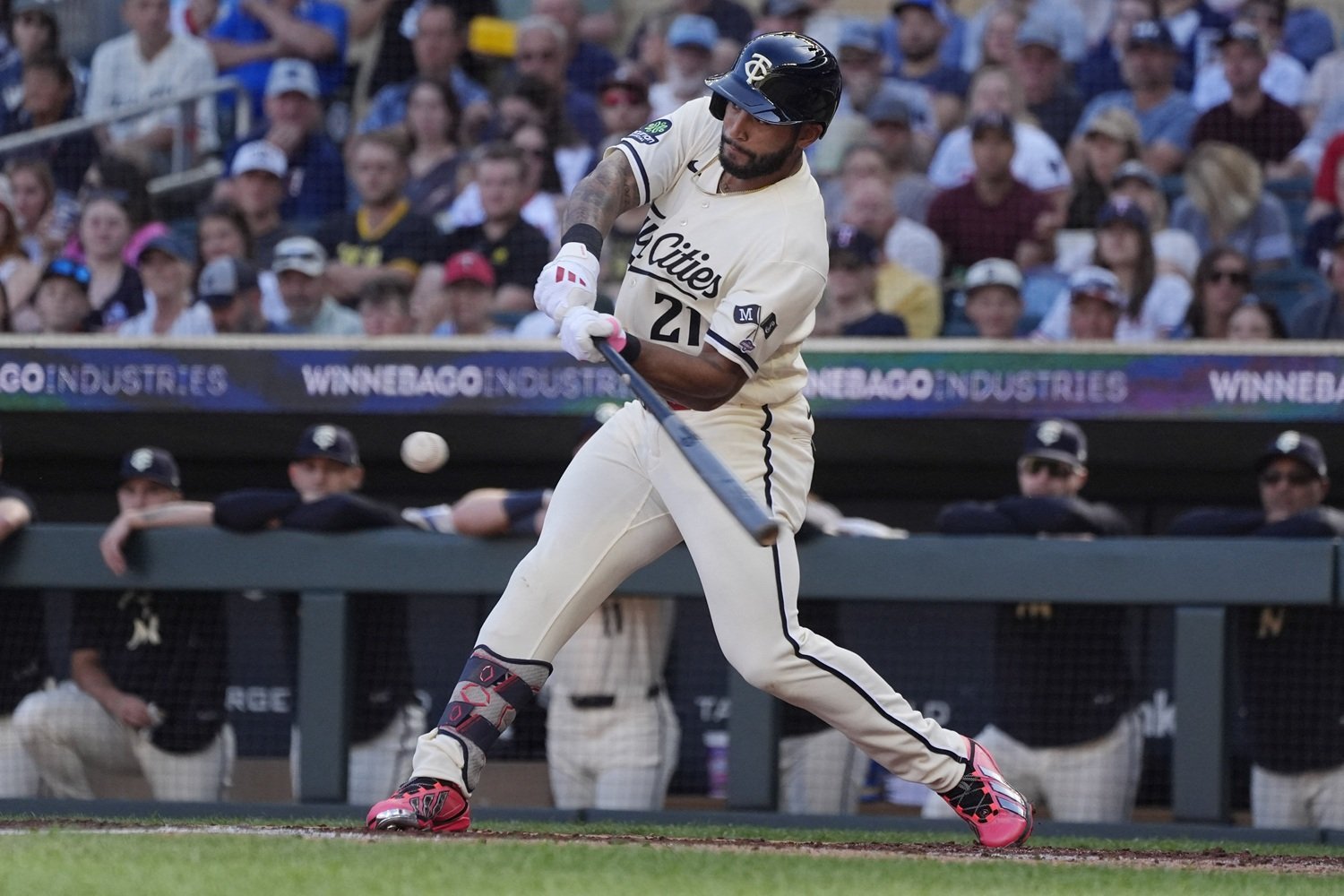 Emmanuel Rodriguez and Miguel Sano don't exactly look like the same type of baseball player. Sano stood 6-foot-4 and weighed more than 260 pounds during his time with the Twins. Rodriguez is listed at 5-foot-11 and 210 pounds. Their physical builds, positions, and paths through the organization are different. But there is one important similarity between the two. Both developed into what can be described as three true outcomes prospects. That isn't necessarily a bad thing. In fact, both players demonstrated the ability to produce tremendous offensive numbers because of their power and patience. But there is a danger when too many plate appearances end without the ball ever being put into play. And the Twins have already seen how that story can play out. What Are the Three True Outcomes? MLB defines a three true outcome hitter as a player whose plate appearances end almost exclusively in a home run, walk, or strikeout. These are considered "true" outcomes because defensive players aren't involved in determining the result. The pitcher and batter decide the outcome themselves. That profile has become increasingly common in modern baseball. Hitters are encouraged to hunt pitches they can drive, accept walks when pitchers won't give them something to hit, and live with strikeouts in exchange for power. The problem is that there can be a fine line between maximizing those strengths and becoming overly dependent on them. Rodriguez and Sano both walked that line as prospects. Comparing Rodriguez and Sano Sano and Rodriguez were both consensus Top 100 prospects as they moved through the Twins' farm system. Their minor-league numbers are remarkably similar in some ways, while also highlighting one major difference. Sano hit .280/.375/.559 for a .934 OPS in the minors. He struck out in 26.3% of his plate appearances while walking 12.3% of the time. Rodriguez hit .257/.424/.489 for a .912 OPS. His strikeout rate was considerably higher at 29.7%, but his walk rate was an incredible 21.2%. There are obvious differences. Sano hit for a much higher average and generated more power. Rodriguez, meanwhile, showed an extraordinary ability to get on base without putting the ball in play. That patience is one of Rodriguez's greatest strengths. It can also contribute to one of his biggest concerns. Patience Can Come with a Cost There is an important relationship between walks and strikeouts that can sometimes get overlooked. A patient hitter doesn't have to swing at a pitch simply because it is close to the strike zone. He can wait for something he believes he can drive. That approach can produce more walks, but it can also lead to deeper counts. And deeper counts create more opportunities for strikeouts. A hitter who regularly takes pitches can find himself in two-strike counts. Once that happens, the pitcher has more freedom to expand the strike zone, and the hitter has fewer opportunities to make an aggressive swing. Rodriguez's 21.2% minor-league walk rate is elite. But his 29.7% strikeout rate shows the other side of that approach. The goal isn't necessarily to eliminate strikeouts. Every hitter strikes out. The question is whether Rodriguez can maintain his exceptional plate discipline while putting enough balls in play to keep his offensive production from becoming overly dependent on walks and home runs. Sano never completely solved that problem. Sano's Major-League Warning Sano played parts of nine seasons in the majors, experiencing plenty of highs and lows along the way. His final major-league line was .233/.325/.477 for an .801 OPS. His 36.5% strikeout rate was dramatically higher than the 26.3% mark he posted in the minors, while his 11.6% walk rate remained relatively strong. The batting average dropped. The strikeouts climbed. The power, however, remained impressive. Sano had three seasons with at least 28 home runs, demonstrating exactly why the three true outcomes can be so appealing. A hitter doesn't necessarily need to hit for a high average if he can consistently get on base and punish mistakes. But Sano's career also demonstrated the downside. When the walks weren't enough to offset the strikeouts and the home runs weren't coming, there wasn't much else left to carry the offensive production. A player who rarely puts the ball in play has fewer opportunities to collect singles, doubles, productive outs, or hits that come from defensive mistakes. That is the concern with Rodriguez. What to Watch for With Rodriguez Rodriguez's profile is not identical to Sano's, and that distinction matters. His elite walk rate gives him an offensive skill that Sano never possessed at the same level. Rodriguez has also demonstrated impressive power and has been one of the more intriguing offensive prospects in the Twins system for years. But his minor-league batting average was lower than Sano's, while his strikeout rate was higher. That's the combination worth watching as Rodriguez establishes himself at the major-league level. The first thing to monitor is his contact rate. If major-league pitchers can consistently get Rodriguez into two-strike counts, his strikeout rate could climb even higher. The second is whether his walk rate holds up. A 21.2% walk rate is difficult to maintain against big-league pitching. If pitchers discover they can attack him in the strike zone without giving him pitches he can punish, Rodriguez could see fewer free passes. Finally, there is the power. The three true outcomes work best when the home run portion is significant enough to offset the strikeouts. Rodriguez doesn't need to become a .300 hitter to be productive, but he does need to turn enough of those favorable counts into hard contact and extra-base damage. That's where the comparison to Sano becomes particularly interesting. Three Outcomes, But More Than Three Possibilities There is nothing inherently wrong with being a three true outcomes hitter. Baseball has changed, and walks and home runs are valuable. A hitter who combines patience with power can be an incredibly dangerous offensive weapon. But there is a point where the balance becomes problematic. If Rodriguez walks 20% of the time and hits enough home runs to make the strikeouts manageable, the profile could work extremely well. If the walks fall, the strikeouts rise, and the power doesn't fully translate, the margin for error becomes much smaller. Sano's career provides a useful example of that risk without being a prediction of Rodriguez's future. The two players look completely different standing next to each other. One was a massive slugger who seemed built to hit baseballs into the upper deck. The other is a smaller, more compact outfielder whose calling card has been an extraordinary combination of patience and power. Yet their paths through the Twins' farm system produced a similar question. Can a hitter who lives on the edges of the strike zone generate enough damage when he does swing to compensate for all the times he doesn't put the ball in play? For Rodriguez, that's one of the biggest questions facing his transition to the majors. The three true outcomes can produce a superstar. They can also produce a hitter whose offensive floor is lower than the prospect pedigree suggests. Rodriguez has plenty of time to prove which path he will take. Should fans be worried about Rodriguez following Sano’s path? Leave a comment and start the discussion. View the full article
 -
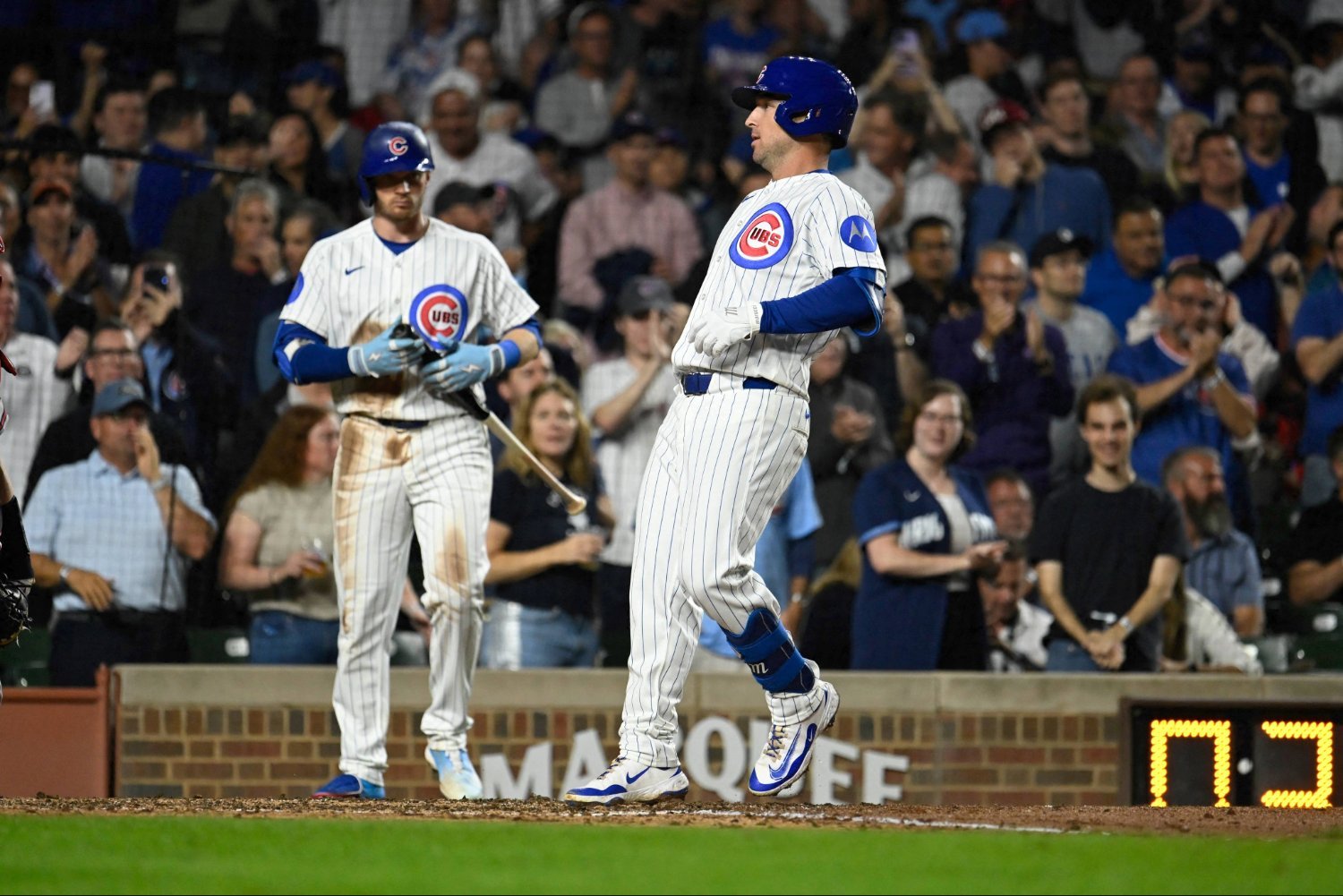 Early season struggles are not necessarily new to Alex Bregman. Throughout his career, the season has generally played out in varying levels of fine in the early-going before the production catches fire in July & August. In his first season with the Chicago Cubs, though, things certainly reached a point where we were all left wondering if that typical summer ascent was actually going to manifest. While Bregman's numbers were otherwise respectable throughout those first three months of the year, he also wasn't providing much in terms of impact. A .243/.343/.347 line kept him close to respectability (97 wRC+), but he also maintained an ISO of only .103 across more than 380 plate appearances. We heard plenty about adjustments being made, but the absence of notable contributions for a player consistently hitting in the two, three, or four holes in the lineup became a glaring shortcoming for the team. That was particularly true after June. In that month, Bregman slashed just .200/.348/.300 with a 16.5 percent walk rate serving as effectively the one thing keeping him afloat production-wise. Batted ball luck didn't help either, with Bregman going for a BABIP of just .211. Something happened when the calendar flipped over to July, though. Bregman has caught fire in a way that very few players throughout the league could match. In roughly 300 plate appearances since July 1, he's at a .291/.368/.598 line with 19 homers, a gaudy .307 ISO, and a 163 wRC+. He's been one of the best hitters the sport has to offer over that stretch, to the point where the whole season numbers land him in fifth among National League position players in fWAR (5.2). What's even wilder about the turnaround is that there haven't been a whole host of mechanical changes to indicate such a torrid pace since July, which one might typically expect when hearing a term like "adjustments." Instead, the mechanics have remained steady. Bregman's bat speed and tilt are each identical between his plate appearances into the end of June and the ones that have come since the start of July. His attack angle and attack direction have each shifted by about two degrees, with the swing getting flatter (15 degrees through June 30 vs. 13 degrees since) and favoring a direction closer to center (six degrees through June 30th and four degrees since). It's not a tremendous difference, but one that speaks to his biggest shift (to which we'll get in a moment) on some level. Further, he's moved within the box but only slightly, with each of his depth and distance from the plate increasing by barely more than an inch. None of these numbers are particularly notable in the grand scheme of things. Had the player been performing at a consistent level throughout the season, we may not have even noticed them at all. Instead, Bregman's shift since his inflection point at the June-July point in the calendar looks to be the result of timing more than anything else. This is Bregman's swing timing against the three main pitch groups through June 30th: Bregman was largely in the proper windows against fastballs, but struggles began to present themselves against the other two types. Notably, he was early on off-speed and breaking pitches while some of the contact against breaking pitches specifically spilled toward the end of the bat more frequently than one might like. Which is why it's no surprise that his ability to make quality contact was stifled quite a bit; in April & June, his hard-hit rate against breaking pitches checked in at only 25.9 percent. You're not going to find any level of batted ball luck that way. Here, however, is Bregman since July 1: The vertical component of his timing was never really in question against any pitch group. What Bregman has managed to do, though, is rein in the horizontal point of contact and generate swings that are more on time in terms of his bat's placement within the zone upon contact. The two subsequent months saw him increase his rate of hard contact against breaking pitches. In general, though, this is just a professional hitter doing professional hitter things. At no point this year has Bregman gotten out of his approach or overhauled his mechanics to look for a solution that didn't necessarily need to be found. The approach remained intact and continues to get even better, considering he's walking nearly twice as often this month (11.5 percent) as he's striking out (6.6 percent). This was almost all a matter of timing. It's not purely that—consider the slight change in his bat path—but it's allowed those changes that would otherwise be marginal or entirely unnoticed to actually have some level of impact. The reality is that we were always going to see this form from Alex Bregman eventually. Maybe not to this extent on the power side of things, but while we may have this perception of two different version of Bregman in 2026, he remains very much the same player he's always been. View the full article
 -
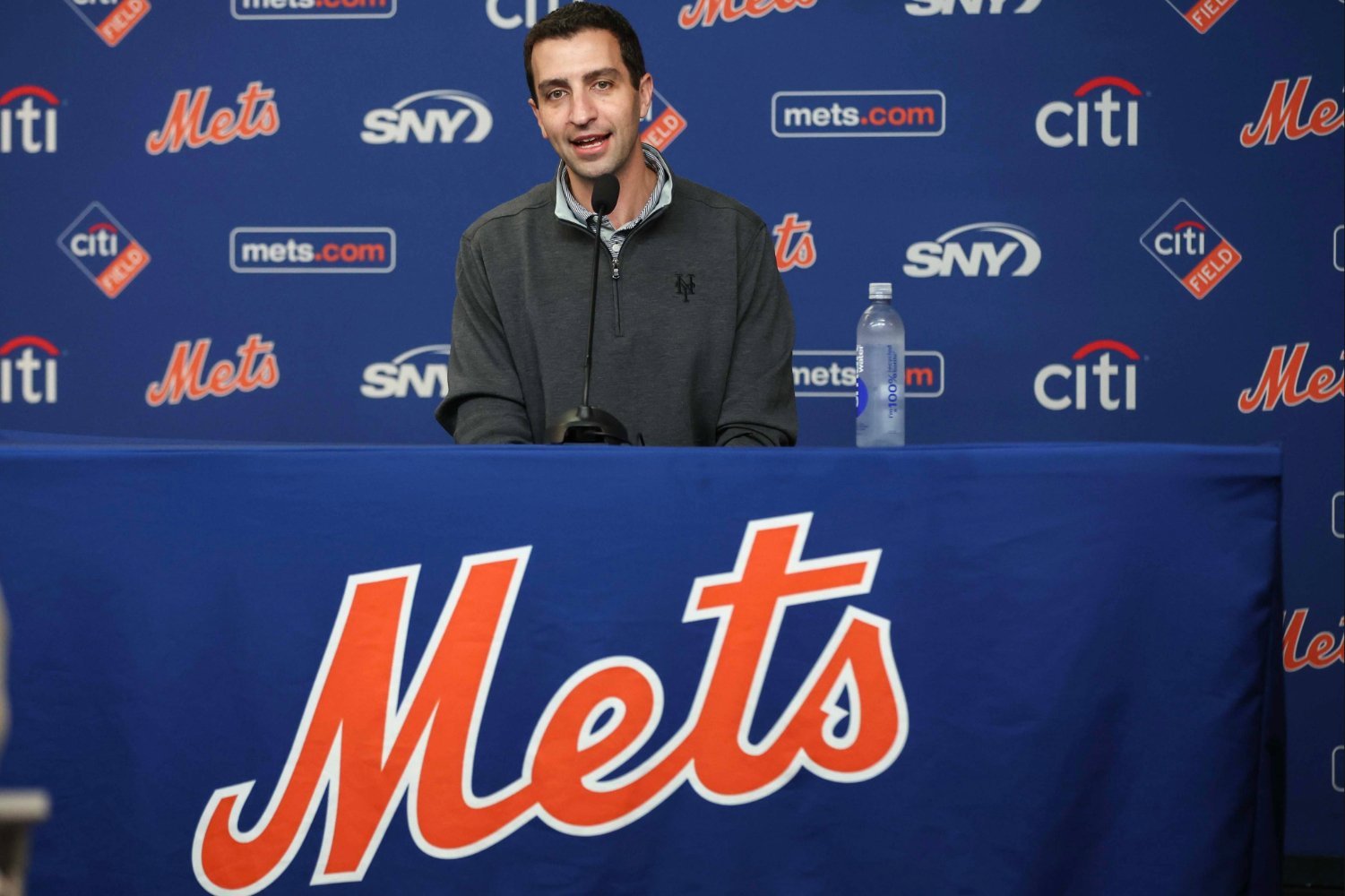 It’s usually not a good sign when your fans start actively cheering an opposing player, but that’s exactly where the 2026 New York Mets find themselves. Upon his return to Citi Field, the warm welcome Pete Alonso received is par for the course. If NBA teams will produce a "welcome back" montage for George Hill, then Alonso—who for seven seasons was at the heart of the Mets’ lineup, hit a franchise record 264 home runs, and slugged the to the 2024 National League Championship series—deserved a feature-length film. The thing is, Mets fans didn’t stop at a nice little ovation during his first plate appearance. They hoisted signs fit for Beatle-mania, booed when he was walked, and cheered so hard following a game-tying home run in the ninth inning that he, a visiting player, was granted a curtain call. But underneath the surface of this well-deserved love fest, another side came out. Alonso, who departed last fall in free agency, has come to embody fan resentment towards Mets’ President of Baseball Operations David Stearns. David Stearns was always walking into a difficult situation when he took over the Mets in the fall of 2023. His work in Milwaukee, where he built a perennial playoff machine with limited financial resources, gave him an aura of invincibility, and Mets owner Steve Cohen’s insistence on spending aggressively to chase a World Series raised expectations to a point where failure was always the most likely outcome. While not saving the Polar Bear has become the avatar of fan angst towards Stearns, the original sin was Cohen’s brash, unapologetic stance toward spending. Payroll is a superpower in baseball, but it isn’t a panacea. And while Cohen has spared no expense on the roster since taking over in 2020, it created an urgency for success that was antithetical to Stearns’ work in Milwaukee. In theory, bringing an executive so skilled at squeezing the most out of modest budgets and a firehouse of finances together seemed like a match made in heaven. But in practice, it’s a bit of oil and water. This isn’t to absolve Stearns of his work, but it is important context. He made his mark by creating an organizational infrastructure capable of continuously spitting out competent major league talent, which Milwaukee is still benefitting from, and then he was thrust into a win-now situation. As they say, Rome wasn’t built in a day, but after three seasons, it’s fair to ask: has Stearns laid the groundwork for the behemoth Mets fans were promised, or will the barbarians sack the city? B.S. (Before Stearns): 2023 Front offices are never granted a clean slate. Whatever messes the previous regime made, they have to clean up or wait out. The 2023 Mets followed up a 101-win campaign with a 75-87 stinker. They had the third-oldest average position player age (28.9) and the oldest pitcher age (31.9) in the National League. Simply put, Stearns inherited a morbidly expensive, geriatric roster that would need time to fully be flushed out. To make matters worse, the Mets’ signings of Justin Verlander and Max Scherzer to massive short-term deals followed them into 2024. In an effort to land better prospects when pulling the plug on 2023, the Mets paid down a combined $59.16 million of the pair’s 2024 salary. Upon taking the job, Stearns was saddled with an old, expensive roster, with some of its financial might tied behind its back, not to mention a mediocre minor-league system. It was far from an impossible situation, but the internal evaluation was almost certainly to tread water at the major-league level while the developmental infrastructure was built out. 2024: The Year Everything Went Right Look, sometimes a plan goes horribly right. The Mets called 2024 a bridge year and acted like it. Their offseason saw them sign 12 veteran free agents ostensibly to one-year deals, plus a host more to minor-league contracts. The lone exception to the one-year pact plan was Sean Manaea’s two-year deal, but even then the second year was a player option. Stocking up on bulk arms (Manaea, Luis Severino), middle relievers (Jake Diekman, Adam Ottavino, Jorge Lopez), and veteran stop-gaps (Harrison Bader, J.D. Martinez) isn’t particularly exciting, but they’ll keep the lights on and the powder dry. It shouldn’t be glossed over that the 2023-24 free agent class had Shohei Ohtani and Yoshinobu Yamamoto, which raises the question why the Mets weren’t more aggressive in their pursuit of true difference makers. Well, unfortunately, the Dodgers exist. They too have incredible financial resources, were coming off a 100-win season, and are geographically over 2,500 miles closer to Japan. The Mets were probably never seriously considered by either. That being said, the rest of the 2023-24 free agent class was pretty good. Excluding Aaron Nola, the Mets could have targeted Cody Bellinger, Sony Gray, Blake Snell, Matt Chapman, Shota Imanaga, Seth Lugo, Josh Hader, and Jung Hoo Lee. All of them came with their own question marks, but they either signed for short-term deals or had annual average values under $20 million. Unfortunately, the Mets’ lack of free agent fireworks didn’t doom them to a gap year. After a 22-33 start and a players only meeting, the Mets closed the season on a 67-40 run. They made the playoffs and then knocked off the Brewers and Phillies to make it to the NL Championship series where they would eventually lose to the Dodgers. For a gap year, it was perfect, but not entirely. The Mets were clearly, obviously in the early stages of reorienting their roster towards the future, and 2024 made them look like they were on the doorstep of a title. However, they still had the second oldest average position player (30.0) and pitcher age (31.0) in the National League and benefitted from some pretty unsustainable fortune. Three of their five starting pitchers made 30-plus starts, the four who hit 20-plus starts all had ERAs that beat their FIPs, and they got a 3.0 WAR season from Jose Iglesias, who had signed a minor-league deal to bolster their depth. The problem with lightning in a bottle is it doesn’t stay there. 2025: The Start of the Collapse The Mets entered 2025 as real contenders. They were coming off a fantastic run, returned a large chunk of the roster, added some guy named Juan Soto, and then got off to a fantastic start. On June 12, the Mets were 45-25, and looked poised to challenge the Dodgers for National League supremacy. Unfortunately, the wheels completely fell off from that moment on. They limped to a 38-56 finish, and missed the playoffs due to a tie breaker with the Cincinnati Reds. The reason for their complete and utter capitulation is as varied as it is mysterious, but a lot of it came down to bad luck. They had the run differential of an 86-76 team, and finished the season with the sixth-best position player WAR (28.1), tenth-best pitcher WAR (17.1), and fifth-best overall WAR (45.2), according to Fangraphs. Wins above replacement (WAR) has a very strong correlation to wins, hence the name, and the Mets underperformed their underlying production by a massive margin. Among teams with 40+ total team WAR, the lowest win total, excluding the Mets, were the Red Sox’s 89. Using a linear forecast model, the Mets underperformed their expected win total, based on WAR, by -8.6, the second largest underperformance in the league. Simply put, the front office built a very strong team that got ravaged by the baseball gods. Biggest WAR Underperformers 2025 Rk Team WAR (Pitch) WAR (Position) Total WAR Wins WAR Forecast Wins Forecast Wins - Wins 1 MIN 15.5 16.2 31.7 70 79.54 -9.54 2 NYM 17.1 28.1 45.2 83 91.60 -8.60 3 CHW 10.6 6.5 17.1 60 66.49 -6.49 4 COL 0.4 -3.1 -2.7 43 48.80 -5.80 5 ARI 9.5 27.2 36.7 80 84.01 -4.01 6 ATL 11.7 19.7 31.4 76 79.27 -3.27 7 PIT 19.4 5.7 25.1 71 73.64 -2.64 8 NYY 16.7 33.5 50.2 94 96.07 -2.07 9 LAD 20.2 28.8 49 93 95.00 -2.00 10 BOS 18.1 26.3 44.4 89 90.89 -1.89 A common refrain you’ll hear fans say when a team underperforms their underlying metrics is you can’t build a team in a spreadsheet. To that I say, “You only say that when things go wrong.” Every MLB team is built using statistics. Sometimes things go wrong, sometimes things go right, but baseball is an exceedingly random sport played on the finest of margins. The 2025 Mets were just a casualty of uncertainty, but 2026 has been a whole different ballgame. 2026: The Year Everything Went Wrong Giving the front office a mulligan for 2025 would be appropriate. The team was legitimately good, and in most worlds they coast to the playoffs. Unfortunately, the 2026 team has actually been awful, and few of Stearns' offseason moves have worked out. The signing of Bo Bichette has been an unmitigated disaster, Marcus Semien looks as cooked as burnt toast, and Pete Alonso has been exceptional in Baltimore. These three decisions have completely colored Stearns' tenure, but it’s probably not fair to say they were all bad ideas. First and foremost, Bichette’s struggles came completely out of nowhere. He has a career wRC+ of 118, was coming off a season with a wRC+ of 134, and was entering his age-28 season. Every team, finances permitting, would have signed him to that exact same three-year, $126 million deal the Mets did. His second-half wRC+ of 110 offers hope that should he exercise his player option the Mets will have the player they thought they signed. Trading Brandon Nimmo for Semien, and subsequently offloading Jeff McNeil, was about cleaning up the present and future of their finances while offering an opening for their young outfielders. Player Age (2026) 2026 2027 2028 2029 2030 Marcus Semien 35 $26,000,000 $26,000,000 $20,000,000 Brandon Nimmo 33 $20,500,000 $20,500,000 $20,500,000 $20,500,000 $20,500,000 Jeff McNeil 34 $15,750,000 $2,000,00 (Buy Out) With Nimmo out of the way, the Mets were able to promote Carson Benge—more on him later—and it also opened an avenue for A.J. Ewing in center. The hope that Semien still had something in the tank was a real risk, but his deal will be much more palatable to move or eat than Nimmo’s would have been. Unfortunately, letting Pete Alonso walk and replacing him with Jorge Polanco and the hope that Mark Vientos would stop being Mark Vientos has been an actual disaster. Committing $155 million to a first base, bat-only slugger entering their age-31 season is scary. The list of generationally awful contracts that have gone to players in that mold is a who’s who of regret: Albert Pujols, Miguel Cabrera, Chris Davis, and Ryan Howard, to name a few. On its face, Stearns decision is defensible, but the way it has played out has been about as bad as possible. Alonso has been fantastic this season, Polanco has either been injured and/or awful, and Vientos’ fantastic 2024 is looking like a total fluke. By the end of Alonso’s deal, Stearns will probably look vindicated, because he didn’t balk at $31 million in 2026, he balked at $31 million in 2030, but he’ll have to make it that far. Over Stearns' first three seasons at the helm, the on-field product has actually been solid. The problem is the implied trajectory. Going from 89 to 83 to 69 (and counting) wins does not inspire confidence that he is improving the team. Of course, that fails to acknowledge that MLB organizations are about more than the big-league club. The Hidden Rebuild Stearns was fundamentally brought in to rebuild the Mets. The hope was he could overhaul the Mets’ amateur scouting and development systems, while the big-league club stayed competitive, but he faced two serious challenges. The first was that the team he inherited was incredibly old, and the second was that the Mets' top prospects from the previous regime have largely faltered. Stearns has done an excellent job bringing the average age of the roster down. They were one of the oldest teams in the National League his first two seasons, but currently rank eighth in average position player age and fifth in average pitcher age. Considering the moves made at the deadline, there’s a good chance the team is even younger in 2027, and if it isn’t, that means veteran reinforcements. Season 2023 2024 2025 2026 Ave Pitcher Age 31.9 31 30.7 30.2 Ave Position Age 28.9 30 28.9 27.7 The youth movement might be underway, but the stagnation of Brett Baty and Francisco Alvarez has set the Mets back substantially in the short term. When Stearns took over in the fall of 2023, Baty was entering his age-25 season and Alvarez his age-23 campaign. They were supposed to be the heirs to the rapidly aging core, but both have struggled to make an impact. Since 2024, Alvarez has produced a total of 3.0 bWAR, at an average of 1.7 bWAR per 162 games, while Baty comes in at 4.3 for an average of 2.2 per 162 games. However, 3.0 of Baty’s bWAR came in 2025 alone, which means he’s been basically a replacement level player in two of the past three seasons. The truth is most prospects, even top ones, don’t become MVPs and All-Stars, but Baty at one point had a 55 grade and Alvarez a 60. Their current production, in particular Alvarez’s, is running well short of those grades, and it temporarily collapsed the Mets’ bridge to the future. This context is important because Stearns first draft was in 2024, which means few of his front office’s hand-picked players have had enough time to reach the bigs, except for one. The first pick Stearns made as the head of the Mets was Carson Benge, which seems to be working out pretty well. Time will tell about his other picks, but he has been able to build up the Mets’ farm system, without access to top tier draft picks. Farm System Overview Draft Picks Season Overall Rank Farm Value (in millions) Top-30 Picks Top-50 Picks Top-75 Picks Top-100 Picks Top-150 Picks 2023 6 $280 0 1 2 3 7 2024 16 $178 1 2 2 3 5 2025 7 $242 0 1 1 1 3 2026 6 $492 1 1 1 2 3 *Fangraphs organizational prospect rankings and value. In 2026 they changed their prospect valuation model The Mets have had a grand total of 11 picks within the top 150 since 2024, but have still managed to build and maintain a top-10 farm system. Part of that is down to the players he inherited, but they have done well in the international market, trades, and improved internal development. Stearns might not have drafted Nolan McLean, but he went from a third-round pick to the top pitching prospect under his watch. All told, Stearns has brought in six of the Mets current top-10 prospects, and dramatically improved the stock of countless pitchers already in the organization. So, while the big-league club has underperformed, the rest of the organization looks far healthier. The Blueprint and Finances However, the real question probably isn’t: Does David Stearns deserve to keep his job? The question is: What was his job? If Stearns was brought in to try and win a championship right away, then he’s failed. However, if his job was to build the infrastructure to consistently churn out major-league talent, then everything appears to be on track. That’s probably not a satisfying answer, but it’s the exact blueprint the Dodgers used to become the best team in baseball. They lost their cheap-o owners, brought in an Ivy league wiz to build an exceptional baseball development infrastructure, and then weaponized their financial resources to push them over the top. It’s easy to forget due to their decade-long run of dominance, but it took the Dodgers eight seasons to finally win a World Series. And while they were a perennial playoff team from the jump, they did have one sizable advantage over the Stearns-era Mets: money. When the Dodgers sold to Guggenheim Baseball Management in 2012, they had a payroll of $116.7 million, the ninth-highest in baseball, and over $100 million short of the Yankees' league-leading figure of $225.6 million. By 2013 (that’s one offseason for those that are counting) the Dodgers led baseball in payroll at $236.7 million. For as much as Cohen has talked about spending, and he has, Stearns never had the financial runway to completely remake the Mets' roster through cash. Season Total Salary RK 2023 $347,949,991 1 2024 $322,960,494 1 2025 $342,303,011 2 2026 $344,556,436 2 Truthfully, any team with a $300 million payroll should always be a playoff quality team, which makes 2026 such a disappointing, near-inexcusable season. But Stearns has positioned the Mets to have a ton of resources to quickly rebuild the squad for 202, assuming MLB doesn’t get their wish with a salary cap. Right now, the Mets have $267.7 million in guaranteed salary for 2027, which gives them over $70 million to add to the roster, should they maintain their current spending levels. The 2026-27 free agent class gets pretty thin after Tarik Skubal, but it is heavy on quality veteran arms. On top of that, the Mets’ long-term salary situation is pretty rosy. The only guaranteed contracts on their books for 2029 are Juan Soto and Francisco Lindor, two future Hall of Famers. While this doesn’t include any of their young core, they’ll all still be going through the arbitration process, meaning the Mets will be serious players to add high-end talent for the rest of the decade. Contrast that with the Dodgers, who have $238.5 million committed to seven players who will all be well into their 30s in 2029. While I completely understand the current fan sentiment towards David Stearns, it conveniently ignores all of the good he has done. The organization is in a much healthier place than when he took over. Their MiLB affiliates and development pipeline looks far better and their books are relatively clean going forward. Sure, he let Pete Alonso walk in free agency, but Alonso’s production wouldn’t have turned this team into a playoff team. Every front office makes mistakes. Stearns has made his. But he finally has the Mets looking like a sleeping giant ready to wake. View the full article
 -
 The loss in Nashville wasn't pretty; awkward roster circumstances didn't help. Two pitchers made AAA debuts with very different results. We bide time until Biloxi's Sunday finals opener, providing many Shuckers media links. Transactions: LHP Colton Gordon recalled by MLB Brewers from AAA Nashville RHP Garrett Stallings optioned to AAA Nashville from MLB Brewers RHP Edwin Jimenez assigned to AAA Nashville from AA Biloxi RHP Joshua Quezada assigned to AAA Nashville from AA Biloxi Nashville Pre-Game Media Notes (unavailable) Final: Memphis (Cardinals) 8, Nashville 6 Box Score and Game Log Via Cory Hilborne, Nashville's Communications Manager (Video clips, links and follow-up commentary via yours truly) Late Rally Falls Short Against Redbirds Jonathan Ornelas Records Three Hits, First Home Run as a Sound NASHVILLE – Nashville's late rally on Friday night fell just short against the Memphis Redbirds, dropping a third straight game to their in-state rivals. Seeing the Redbirds plate seven runs in the top of the sixth, Nashville scored three of the final four runs in the 8-6 loss, including a ninth inning home run for Jonathan Ornelas. For the second straight night, Nashville struck first as Akil Baddoo got the Sounds on the board with an RBI double in the bottom of the third inning (video). Following three consecutive singles to begin the bottom of the fifth, Brock Wilken cashed in with the bases loaded to give the Sounds a 2-0 lead on a sacrifice fly to deep left field (video). After holding the Redbirds scoreless through five innings, Memphis strung together seven runs on six hits off Nashville's Edwin Jimenez in the top of the sixth. Following a leadoff walk and flyout, each of the next six batters all reached base on five hits and a walk. The Redbirds batted around in an inning for the third straight game and Jimenez's night came to an end after a two-RBI double for Chase Davis to cap the seven-run inning. Jared Koenig struck out the lone batter he was asked to face in relief to push his consecutive appearances to nine without an earned run allowed. (VIDEOS: There are six clips posted to the Memphis 'X' feed, you'll notice that for five of them, in the scorebug in the lower-right, Edwin Jimenez is listed as the pitcher.) Nashville responded with a pair of runs in the bottom of the sixth. Baddoo started the inning with a walk off Austin Love in relief of Brandt Thompson. Back-to-back doubles for Tyler Black and Ethan Murray inched Nashville closer at 7-4 (video of the Murray RBI double). Ornelas walked to start the bottom of the seventh as he reached base in his third straight at-bat and scored on a two-out triple for Baddoo who earned his second RBI of the game to make it a two-run game (no video on the Baddoo triple). It was a quiet eighth for Nashville after infielder Daniel Guilarte pitched in relief for a second night in a row and allowed a run on two hits as Memphis pushed their lead back to three. Murray also made another relief appearance in the top of the ninth and tossed a 1-2-3 inning for a second night in a row. Ornelas greeted Ryan Fernandez into the game with a leadoff solo shot for his third hit and run scored and got his first home run as a member of the Sounds and first since July 29 when he was with Triple-A Las Vegas. Fernandez retired three straight on back-to-back strikeouts and a diving play stop at second base for Noah Mendlinger to officially thwart Nashville's comeback aspirations. The Sounds will look to end the three-game slide as the series continues Saturday night at First Horizon Park in the second-to-last game of the season for Nashville. First pitch is scheduled for 6:35 p.m. POSTGAME NOTES: 80-PIECE: Brock Wilken recorded his 80th RBI for the Sounds this season with his sac fly in the bottom of the fifth inning. Wilken ranks T-6th in the International League in RBI and 6th in the Brewers farm system this season. He is now the 10th different Sounds hitter to unload 80+ RBI in a single season and is T-9th for the most RBI in a single season since 2005. Matt Davidson's 101 RBI in 2019 are the most for Nashville over the span and finished as the 4th-most in a single-season overall in Sounds franchise history. DAILY DOS: Akil Baddoo went 2-for-4 on Friday night with a double and a triple, recording his 46th and 47th RBI of the season for the Sounds. Baddoo's 47 RBI are the third-most on the team behind Brock Wilken (80) and Jeferson Quero (69). He tacked on his third triple of the season and his 10th double, which is tied for the sixth-most with Luke Adams and Luis Lara for Nashville this season. It was the team's 39th triple of the season, which leads all 20 International League teams and is the fifth-most at the Triple-A level. Baddoo has now recorded the team's last two triples after also hitting one on September 11 at Durham. The 28-year-old posted his 16th multi-hit and 12th multi-RBI games for the Sounds this season and ties with Tyler Black for the second-most multi-hit games among the Sounds active roster behind Jeferson Quero (25). It was his second multi-hit game this week and the fifth in his last 10 games played. FIRST OF MANY: Jonathan Ornelas recorded his first multi-hit game since joining the Sounds on September 2 as he finished Friday night 3-for-4 with a home run, three runs, a RBI, and walk. The solo blast and the three-hit night marked his first long ball since July 29 at Oklahoma City when he was with Triple-A Las Vegas. Ornelas has tallied 12 homers across his three Triple-A stops this season between Scranton/Wilkes-Barre, Las Vegas, and Nashville. It marked his first three-hit night since June 9 against Lehigh Valley when he was with the RailRiders and went 4-for-4, posting a career-high four doubles in the game. He has now recorded three or more hits six times this season. CONTROLLING THE WAGON: Cameron Wagoner extended his streak to nine consecutive games without allowing a run in Friday's game, tossing a scoreless seventh inning with a strikeout and bringing his ERA down to 0.56 with the Sounds through his first 14 Triple-A games. Since the start of his streak on August 20, Wagoner has allowed five hits, struck out 14 hitters and walked three bringing his total innings pitched to 10.2 IP, which now surpasses Joel Kuhnel (10.1 IP) for the longest-active streak without an earned run by innings pitched on the team. Jared Koenig also extended his streak of not allowing a run to nine straight games (7.2 IP) after striking out the lone batter he faced on Friday night. Koenig has not allowed a hit over his last eight appearances (6.1 IP) and carries a 2.21 ERA through 23 total appearances for the Sounds this year. Over his last 13 games, he has surrendered just three hits over his last 13.0 IP with 11 strikeouts to three walks. The nine game streaks for Wagoner and Koenig are tied for the 11th-longest active streak in the International League with two games remaining in the season. So yes, once again Manager Rick Sweet grits his teeth knowing it's all for the sake of the big-league Crew, but his scheduled starting pitcher for this game, lefty Colton Gordon, was summoned to Milwaukee. That led to yet another bullpen mishmash trying to survive this final stretch of games and innings. Of course, Jimenez' implosion in his AAA debut didn't help the cause. Thus, we had position players entering to pitch with the Sounds down only 7-5 entering the 8th inning. Whether Daniel Guilarte and Ethan Murray pitched well or not (they did) isn't really the point. It's actually good given the situation that Nashville didn't need this game for a playoff chase. Murray has had to pitch eight times, each for exactly one inning. He has survived but still seeks his first strikeout, However, it was a fantastic AAA debut for 22-year-old RHP Joshua Quezada with 2.2 scoreless frames (some credit actually does go to Jimenez, who stranded two of Quezada's baserunners upon entering the game before the brutal following inning). Hopefully Quezada got to save his Biloxi jersey from his lone appearance there. The young man would then have a 2026 four-jersey collection, and it'll become five when he joins his Arizona Fall League team soon. Via Quezada's MiLB Player Page - Fireballing Cameron Wagoner will miss instructional contact with the team and then potential playing time if there's an extended lockout, but he's now a must-add to the 40-man roster this fall. We could definitely see him placed on the 28-man active roster to get a big-league look-see in the final week once the Brewers lock up playoff seeding. Blake Burke fanned at a 23.7 rate with Biloxi; it's now 32.2% with the Sounds. LHP Thomas Pannone looks to bounce back in his second start after perfect game glory, so expect something statistically between his most recent efforts. That game starts at 6:35 Central, Biloxi hosts Game One of the Best-of-Three Southern League Championship Series Sunday, also at 6:35 Central. Enjoy your Saturday, everyone! Organizational Scoreboard including starting pitcher info, game times, MiLB TV links, and box scores Current Milwaukee Brewers Organization Batting Stats and Depth Current Milwaukee Brewers Organization Pitching Stats and Depth View the full article
 -
2026 Twins Daily Dominican Summer League Hitter of the Year
DiamondCentric posted an article in Twins Daily
 The 2026 Dominican Summer League (DSL) season didn't yield a lot of positives, with the club needing a late season surge to even reach a 19-35 record. They were outscored by 113 runs over their 54-game season, but most of that statistic sits on the backs of sub-par pitching. The teenagers experiencing their first taste of professional ball actually raked a .282 average as a team and struck out far less than many of their peers. Power numbers were down comparatively to other clubs, but a few diamonds began to emerge out of the rough season as team average and runs produced ranked towards the top of the league. Of the 20 main international signings for the Twins in 2026, 13 of them were batters. The Twins poured almost $7.5 million dollars into a hopeful pool of international teenage prospects, and most of their highest paid hitting prospects did deliver accordingly and bring some hope up the pipeline into 2027. Here are the top DSL Hitters in terms of 2026 on-field performances according to our Twins Daily writers! Honorable Mention Jhon Gonzalez - 46 games, .299/.364/.437 (.800), 11-2B, 5-3B, 1-HR, 10-SB, 17-BB, 42-K. Juan Holmann - 46 games, .310/.533/.535 (1.069), 7-2B, 0-3B, 3-HR, 14-SB, 31-BB, 31-K. #3: (Tie) 1B/INF Daiyer Barboza & SS Enmanuel Merlo Barboza and Merlo tied amongst the voters, with each delivering positive signs of growth towards the end of the season. The 6' 2", 176 pounds, 17-year-old Barboza signed for only $130,000, and managed to hit above his expectations. The native Venezuelan was mainly utilized at first base, this infield prospect slashed a .272/.487/.412 (.899) line over 45 games and 197 plate appearances, which ranked second on the team. Barboza bats left-handed, and as his average increased over the summer, his power decreased. If the three-homer June can be rediscovered as he grows into his frame, it would be a hopeful development for the young corner infielder. Merlo signed out of Venezuela for a whopping $1.5 million, which was the highest deal handed out by the Twins during that signing cycle. The 6' 2", 190 pounds 17-year-old was courted by the Dodgers but eventually decided to take his talents to Twins Territory when the Dodgers got distracted signing every Major League Free Agent possible. Merlo blew up in August, batting .432 in his final month and stacking some power into his stat line after a slow start to the season. Merlo aims to lock down the shortstop position during his climb up the organizational ladder, and his .311/.422/.429 (.850) season are successful enough to deserve some close looks in 2027 for early promotion. When you invest this much in a teenager, it's always a gamble. The Twins are definitely glad that Merlo finished his season trending in the right direction. #2: Jeferson Abreu (C) The Twins have poured prospect capital into their catching pipeline over the past year, and yet their biggest steal might be the 17-year-old, 5' 10", 165-pound Dominican Abreu. The young right-handed bat signed for only $45,000, but instantly made his presence felt with a .279/.406/.519 (.925) season. Abreu only worked 36 games, but he led the team in home runs with five, while also drilling eight doubles and balancing his walks and strike outs perfectly at 31 apiece. The power is tantalizing, and hopefully Abreu can learn the craft behind the plate as well in order to keep his presence moving up the ladder. #1: Jendy Martinez (2B/SS) Martinez signed for $500,000 and carried a shortstop moniker at first, while playing at second base throughout the season as well. The 17-year-old switch-hitter from the Dominican Republic struggled through his first few months (.214 avg), before ending with a sensational August (.419 avg). He played in 47 games and hit .276/.483/.428 (.911) when it was all said and done. He hit 13 doubles, three triples, and one home run. Most importantly, the young Martinez managed 58 walks while only striking out 18 times! At 5-9 and 165 pounds, he has a long way to grow in order to add power to his arsenal, but the contact skills can't be ignored. Martinez ranked second in runs scored (45), towards the top of the squad in RBI (33), and first in stolen bases (22)! For these all-around reasons and the trajectory of his season the Twins Daily writers are proud to select him as this year's Dominican Summer League Hitter of the Year! As these prospects make the move up the ladder and onto the American minor league ballpark soil in 2027, we can't wait to see how their unique skill sets continue to grow. Congratulations to these players on a successful first pro season! View the full article
 -
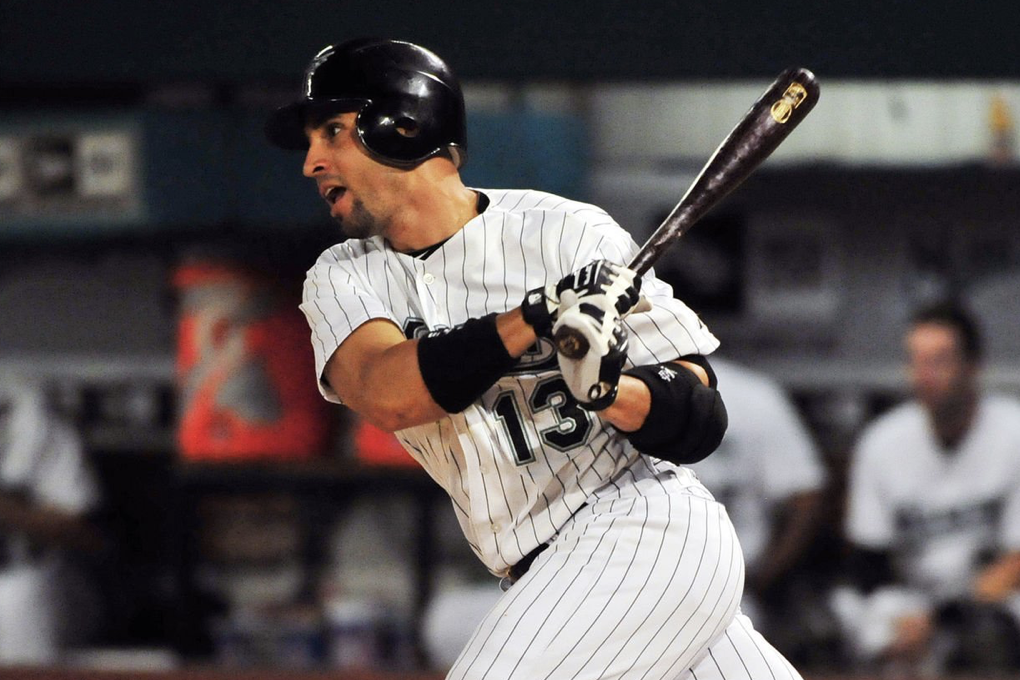 An All-Star for the Atlanta Braves in 2010, infielder Omar Infante never supplied a whole lot of power, hitting just 82 home runs over parts of 15 years in Major League Baseball. His only walk-off homer came as a member of the Florida Marlins and against his former team – on this day 15 years ago. Against the Braves, Infante played the role of hero at Sun Life Stadium on Sept. 19, 2011. His walk-off two-run home run atoned for an earlier fielding error and lifted Florida to a thrilling 6-5 win. Through six innings, the Marlins appeared in great shape, holding a 4-1 lead. Atlanta changed that with four runs in the top of the seventh. After former Marlins All-Star second baseman Dan Uggla homered off Ricky Nolasco to lead off the inning, the Florida starter was able to induce consecutive groundouts. That third out, however, proved to be elusive. Nolasco surrendered a two-out single to another former Florida infielder, Álex González, before yielding consecutive walks to Jason Heyward and Brooks Conrad. With the bases loaded and two outs, Florida turned to lefty Mike Dunn, a former member of the Braves. Dunn surrendered an infield single to Michael Bourn and then issued a game-tying four-pitch walk to Martín Prado. An error by Infante one pitch later allowed the go-ahead run to score and what had been a 4-1 lead for Florida when the inning started was now a 5-4 advantage for the Braves. Eric O'Flaherty stranded the tying run in scoring position in the bottom of the seventh inning and Jonny Venters worked a 1-2-3 eighth for Atlanta. Closer Craig Kimbrel was able retire Greg Dobbs and John Baker to open the bottom of the ninth, but an infield single by the speedy Emilio Bonifácio on an 0-2 pitch allowed Infante the opportunity to atone for his earlier error. After taking the first pitch for a ball, Infante turned around Kimbrel’s 96-mph fastball and put it well into the seats over the “teal tower” in left field for the first walk-off home run of his career and sixth homer of the season. An All-Star for the first time in 2011, it was Kimbrel’s first blown save in more than three months. For the night, all of the Marlins’ offense came via the home run. Giancarlo (then known as Mike) Stanton took Atlanta starter Mike Minor deep for solo home runs in the first and third innings to give Florida a 2-0 lead. After Heyward answered with a solo shot for the Braves in the top of the sixth, Logan Morrison gave the Marlins a 4-1 lead with a two-run blast in the bottom of the inning. At the top of the order, Bonifácio, Infante and Stanton each had two of the 10 hits for the Marlins. Stanton scored three times. Uggla had two of the six hits for the Braves. As for Infante, he enjoyed a solid 15-year career with four teams, hitting .271 with more than 1,400 career hits. While his only All-Star Game appearance came as a member of the Braves in 2010, his only walk-off blast came as a member of the Marlins. It happened on this day 15 years ago. View the full article
 -
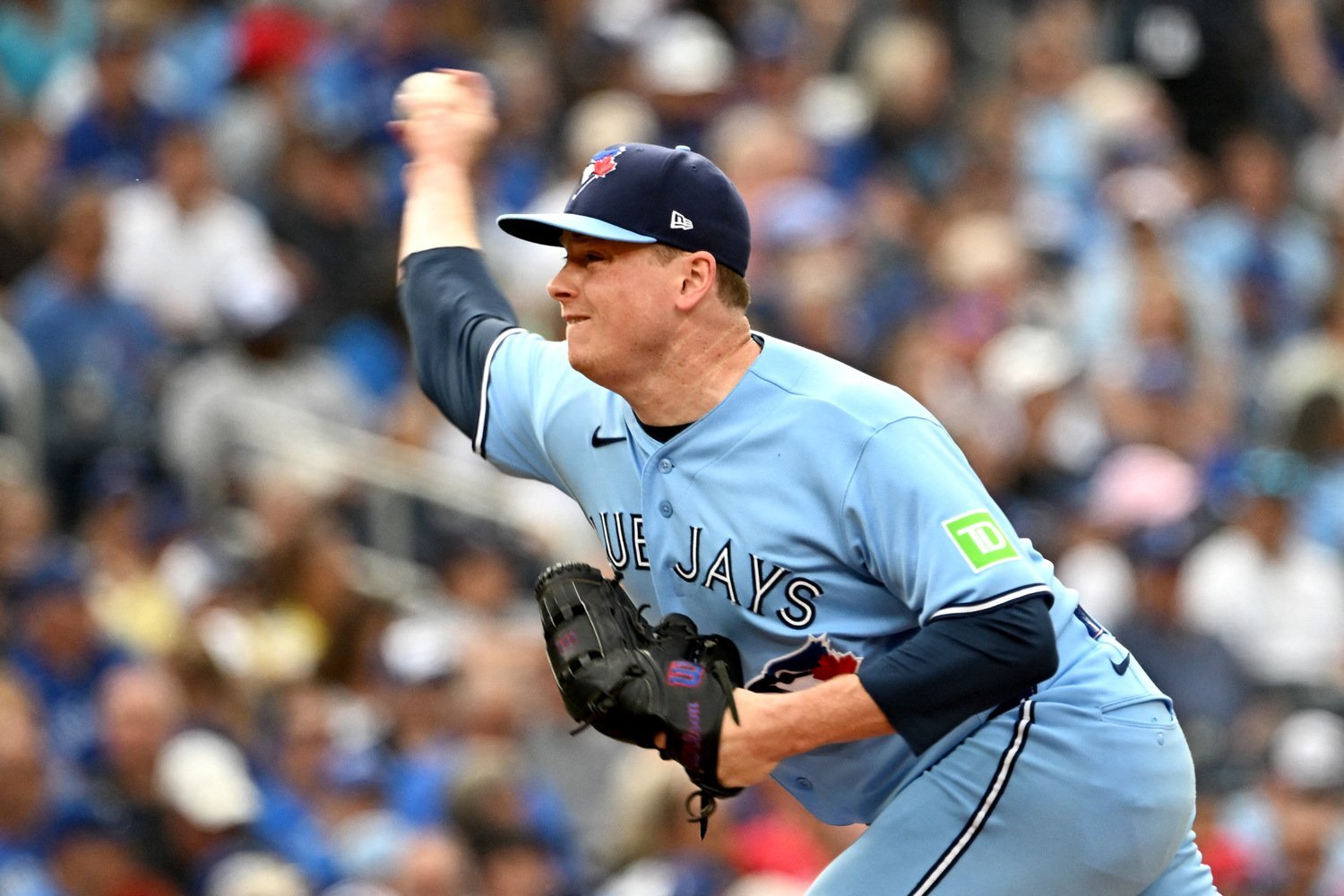 Louis Varland didn’t have the best showing after he joined the Blue Jays ahead of last season’s trade deadline. He had a 4.94 ERA, 28 strikeouts, and a 1.39 WHIP over 23 2/3 innings. Hitters were teeing off on him with a .273 batting average. The righty looked far different from the version of him that put up a 2.02 ERA over 49 innings for the Minnesota Twins, which is what enticed the Blue Jays to acquire the righty. However, Varland is currently having the best season of his five-year career. He has a 1.30 ERA over 76 innings with a 95:22 strikeout-to-walk ratio, and a 1.00 WHIP. He has converted 34 of 36 save opportunities. He’s also been nearly unhittable, holding batters to a .197 batting average against him. Varland started the season strong, allowing an earned run in only two of his first 33 appearances, resulting in an unimaginable 0.49 ERA. The closer’s Baseball Savant profile is full of red, with nine statistics in the 90th percentile or higher. Varland’s knuckle curve and changeup have been making hitters look silly, with a 35.8 and 37.8 percent whiff rate, respectively. The knuckle curve’s percentage is down three percent from last season, but it’s seven percentage points higher than 2024's whiff rate. The changeup is missing bats at the highest percentage of his career and is impressively nine points higher than it was in his second-highest season (2025).` This success should make Varland the clear favorite to win the inaugural Baseball Writers’ Association of America’s award for AL Reliever of the Year. The BBWAA has given awards for each league’s MVP, Cy Young (best pitcher), top rookie, and best manager since 1983. Writers began giving awards in 1911 with just the MVP Award; Ty Cobb and Frank Schulte were the first recipients. The association added the Rookie of the Year Award in 1947 (bestowed upon Jackie Robinson) and the Cy Young Award in 1956 (Don Newcomb). Although Varland seems the favorite this year, the BBWAA hasn’t always voted based on statistics. Many times, bias and questionable play have influenced the votes. For instance, Barry Bonds and Roger Clemens dropped off the Hall of Fame ballot after their 10 years of eligibility; many writers refused to consider them due to their connection to performance-enhancing drugs. However, David Ortiz had similar connections but was a first-ballot selection. There are also many cases of voters showing hometown bias or leaving leading deserving candidates off their ballots. The BBWAA has also drawn criticism for having full-time media members in other sports or for being completely out of the loop when it comes to baseball performances. There’s no transparency, so it's essentially a "do whatever you want” mentality with no set guidelines. With this uncertainty in mind, Bryan Baker of the Tampa Bay Rays could be a threat to steal votes from Varland and win the award. Baker leads the AL in saves (40) and has an impressive 1.52 ERA, though that ERA is higher than Varland's. The saves leader could change before the season ends, with the Cleveland Guardians’ Cade Smith only three saves behind Baker. Smith has a respectable 2.09 ERA. Whoever finishes the season with the saves lead could look like the top reliever for writers who aren’t aware of the other statistics. Pitcher IP Saves ERA SO FIP WHIP fWAR Varland 76 34 1.30 95 1.81 1.00 3.0 Baker 59 1/3 30 1.52 62 3.05 0.89 1.3 Smith 69 37 2.09 98 2.33 1.00 2.2 All stats from prior to games on September 18. Jeff Hoffman starting the season as the closer hurt Varland’s opportunity to earn additional saves. Varland took over the role in late April, after Hoffman’s struggles could no longer be overlooked. Although, Baker faced a similar situation, taking over the closer role early in the season due to injuries and poor performances on his team. Also, the Rays have been far more successful at reaching the ninth with a close lead. Varland has a few more chances to make a case for the award. Three series remain, and none is against a team with a winning record. However, the Texas Rangers and Baltimore Orioles are also vying for the last Wild Card spot. View the full article
 -
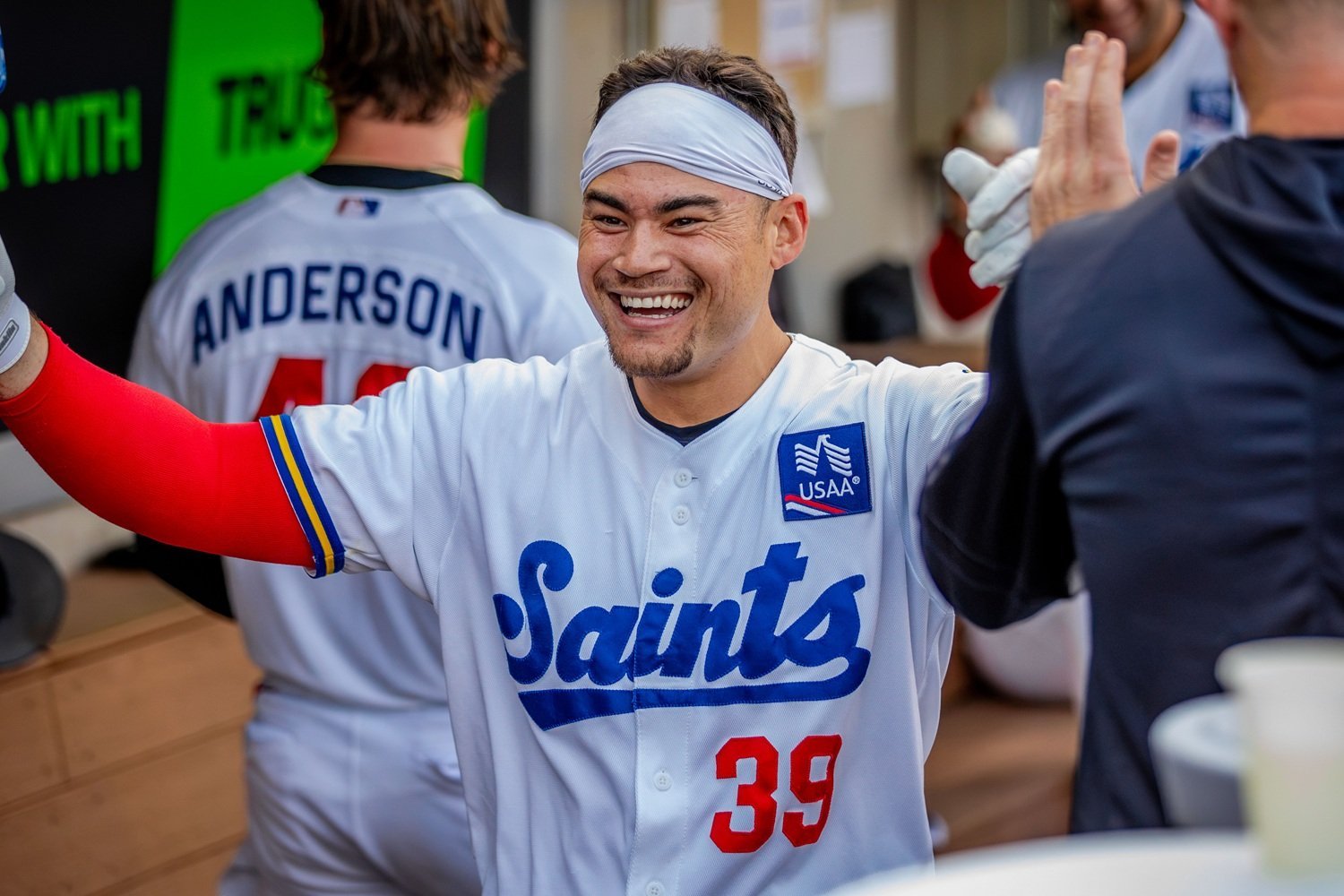 TRANSACTIONS The Twins placed OF Trevor Larnach on the Injured List. The corresponding move is OF Alan Roden returning to the Twins. SAINTS SENTINEL St. Paul 4, Columbus 3 Box Score Occasionally you will hear a Baseball Guy say that the hardest out to get is the 27th. And something that’s true even if you have 26 outs and two strikes. More on that later. The Saints got the scoring started in the top of the second inning when Cody Morissette hit his 17th home run of the season to make it 1-0. Kendry Rojas started for the Saints, and by design, he went two innings. He gave up one hit and walked one, but he gave up no runs. He also struck out three batters. Alejandro Hidalgo gave up one hit but struck out three batters in a scoreless inning. Ryan Gallagher came on and gave up just one run on three hits and two walks over four innings. Tied at 1-1 through five innings, the Saints reclaimed the lead in the top of the sixth inning. Aaron Sabato hit a one-out single. Then with two outs Kala’i Rosario doubled him in to make it 2-1. In the bottom of the eighth, Garrett Acton took over for Gallagher. However, things didn’t go great for him. The first batter he faced, Kody Huff, led off with his 23rd homer of the season to make it 2-2. Blake Perkins followed with a triple, and he scored on a Dom Nunez sacrifice fly that gave the Guardians Triple-A affiliate the 3-2 lead. But things started well for the Saints in the top of the ninth. Matt Wallner and Kala’i Rosario started the innings with singles. Morissette came up and grounded into a force out which left runners on first and third. Tristan Gray came up and lined out to shortstop for the second out. That brought Jake Rucker to the plate. The first pitch was a called strike at 99.3 mph. The second pitch was 98.8 mph and Rucker was able to just tip it. Down to the final strike, Carlos Hernandez tried to sneak one more fastball by Rucker. On 0-2, Rucker lined a 98.7 mph drive to left field. Wallner scored, and Morissette scored from first to give the Saints a 4-3 lead. Marco Raya came in for the bottom of the ninth. He got a groundout before issuing a walk. With Kyle Manzardo batting, Raya got ahead 1-2 before a changeup was grounded up the middle. Tristan Gray fielded it, stepped on second base and threw to first base to end the game. The Saints scored their four runs on eight hits and two walks. Rosario went 3-for-4 with his fifth double and an RBI. Hendry Mendez was 1-for-2 with two walks and his 13th double. Morissette’s homer was his 17th signing joining the Saints. Rucker’s double was his second with the Saints this year. The Saints named Aaron Sabato their team MVP for 2026. PLAYERS OF THE DAY Hitter(s) of the Day Kala’i Rosario (St. Paul): 3-for-4, 2B(5), 1 RBI. Pitcher(s) of the Day Kendry Rojas (St. Paul): 2 IP, 1 H, 0 ER, 1 BB, 3 K, 39 pitches, 26 strikes (66.7%) PROSPECT SUMMARY Check out the Prospect Tracker for much more on our Twins Top 20 prospects. See how they performed. #1 - OF Walker Jenkins (Minnesota) - 3-for-4, HR(3), R, RBI (batting eighth, playing CF) #6 - OF Emmanuel Rodriguez (Minnesota) - 0-for-4, 3 K (batting sixth, played LF, robbed a homer) #7 - OF Hendry Mendez (St. Paul) - 1-for-2, 2 BB, 2B(13) (batted second, played DH) #9 - 1B/OF Gabriel Gonzalez (St. Paul) - 0-for-4 (batted first, played LF) #15 - RHP Ryan Gallagher (St. Paul) - 4 IP, 3 H, 1 ER, 2 BB, 3 K, WP, 75 pitches, 50 strikes (66.7%). UPCOMING PROBABLES Saturday, September 19 St. Paul @Columbus (6:05 pm CT) - Jack Anderson (5-6, 4.84 ERA) CURRENT W-L Records Minnesota Twins: 72-82 (Final Game 9/27) St. Paul Saints: 82-65 (Final Game (9/20) Wichita Wind Surge: 55-81 (Season Complete) Cedar Rapids Kernels: 48-82 (Season Complete) Fort Myers Mighty Mussels: 68-60 (Season Complete) FCL Twins: 33-26 (Season Complete) DSL Twins: 19-35 (Season Complete) Please feel free to ask questions about the teams, the rosters, and discuss today’s games, or anything else Twins minor-league related! View the full article
 -
Padres Minor League Report: Chihuahuas Chalk Up 2 More Losses
DiamondCentric posted an article in Padres Mission
 Padres Minor-League Transactions None. Chihuahuas Drop Pair; Jason Adam struggles again Mason McCoy went 3-for-3 and three of the four pitchers for the host Triple-A El Paso Chihuahuas didn't allow an earned run, but the Oklahoma City Comets came away with a 4-3 victory in the second game Friday. The Chihuahuas dropped the completion of Thursday's suspended game 14-7. Rehabbing Padres right-handed reliever Jason Adam gave up four runs in one-third of an inning in the second game, his second outing in three days. He gave up three hits and a walk with a strikeout. He has given up nine runs while recording one out in these last two outings. He threw 18 pitches, including 10 strikes. Another Padre on the road back, Miguel Andujar, went 0-for-2 in the first game with two strikeouts and a sacrifice fly while playing left field. He only played the first four innings of the game before being replaced defensively. Andujar did not play in the second game. McCoy also walked and scored twice in the seven-inning game. No one else had multiple hits. Bryce Johnson and Nick Solak each had RBI singles for the Chihuahuas. Right-hander Jhony Brito started for the Chihuahuas and went two shutout innings, allowing two hits and no walks while striking out two. Right-hander Evan Fitterer gave up an unearned run on one hit with three walks and one strikeout over two innings, while Brent Honeywell allowed three runs on four walks and two hits in his lone inning. Right-hander Hunter Stratton pitched the final two innings, not allowing a run on three hits with a strikeout. Solak singled home McCoy, who had a leadoff single, in the bottom of the first. The Comets tied it in the third and took a 4-1 lead in the fifth. The Chihuahuas pulled within 4-3 in the bottom of the fifth as Victor Duarte and McCoy sandwiched walks around a flyout, then Johnson singled home the first run. A grounder put runners on the corners with two outs, when McCoy scored on a passed ball. McCoy tried to singlehandedly get the tying run home as he singled, stole second and third, giving him 39 on the season. Johnson walked and stole second before a strikeout and then a pitching change. Solak was walked intentionally to load the bases, but Nick Pratto struck out and Gage Workman flew out to end the game. In the completion of the suspended game, the Chihuahuas gave up six runs in the first two innings after play resumed. The game had been interrupted Thursday tied 5-5 in the fifth inning. Anthony Vilar went 3-for-3 with a walk and an RBI, Pratto went 2-for-4 with a triple, a walk, two RBIs and a run scored, Johnson also had two hits, an RBI and two runs scored and Marcos Castanon walked twice, doubled and scored twice. Chihuahuas left-handed starter Luis Gutierrez made it through just three innings, giving up five runs on seven hits with two walks and two strikeouts. EP1_0918.mp4 EP2_0918.mp4 COMPLETION OF SUSPENDED GAME Player AB R H RBI BB K Mason McCoy 4 0 0 1 0 2 Carlos Rodríguez 4 0 0 1 1 1 Miguel Andujar 2 0 0 1 0 2 Braedon Karpathios 2 0 0 0 0 1 Nick Solak 5 0 1 0 0 0 Marcos Castañon 3 2 1 0 2 1 Nick Pratto 4 1 2 2 1 0 Bryce Johnson 5 2 2 1 0 2 Rosman Verdugo 4 2 1 0 1 2 Anthony Vilar 3 0 3 1 1 0 Totals 36 7 10 7 6 11 Player IP H R ER BB K HR Luis Gutierrez 3 7 5 5 2 2 1 Sean Boyle 1 0 0 0 1 2 0 Logan Gillaspie (L, 6-7) 2 5 2 2 0 1 0 Jason Adam 1/3 3 4 4 1 1 1 Garrett Hawkins 2 2/3 3 3 3 1 3 1 Totals 9 18 14 14 5 9 3 SECOND GAME Player AB R H RBI BB K Mason McCoy 3 2 3 0 1 0 Bryce Johnson 2 0 1 1 1 1 Carlos Rodríguez 4 0 0 0 0 2 Nick Solak 3 0 1 1 1 0 Nick Pratto 4 0 0 0 0 2 Gage Workman 4 0 0 0 0 2 Anthony Vilar 2 0 0 0 0 1 Marcos Castañon 1 0 0 0 0 0 Victor Duarte 2 1 1 0 1 1 Braedon Karpathios 3 0 1 0 0 1 Totals 28 3 7 2 4 10 Player IP H R ER BB K HR Jhony Brito 2 2 0 0 0 2 0 Evan Fitterer 2 1 1 0 3 1 0 Brent Honeywell (L, 0-2) 1 2 3 3 4 0 0 Hunter Stratton 2 3 0 0 0 1 0 Totals 7 8 4 3 7 4 0 Top-20 Prospect Performance Ethan Salas, C: 0-for-4 Ryan Wideman, CF: Season complete Coleman Borthwick, RHP: Season complete Kruz Schoolcraft, LHP: Season complete Ty Harvey, C: Season complete Kale Fountain, OF: Season complete Jorge Quintana, SS: Season complete Alex McCoy, LF: Season complete Braedon Karpathios, RF: 0-for-2, K (first game); 1-for-3, K (second game) Lamar King Jr., C: Season complete Elliot Lascelles, SS: Season complete Tucker Musgrove, RHP: Season complete Jagger Haynes, LHP: Season complete Jake Cunningham, OF: Season complete Truitt Madonna, C: Season complete Eric Yost, RHP: Season complete Winyer Chourio, RHP: Season complete Jesus Castro, RHP: Season complete Michael Salina, RHP: Season complete Rosman Verdugo, SS: 1-for-4, 2 R, BB, 2 K (first game); DNP (second game) View the full article
 -
Twins 3, Angels 0: Connor Prielipp Dominates in Shutout Win
DiamondCentric posted an article in Twins Daily
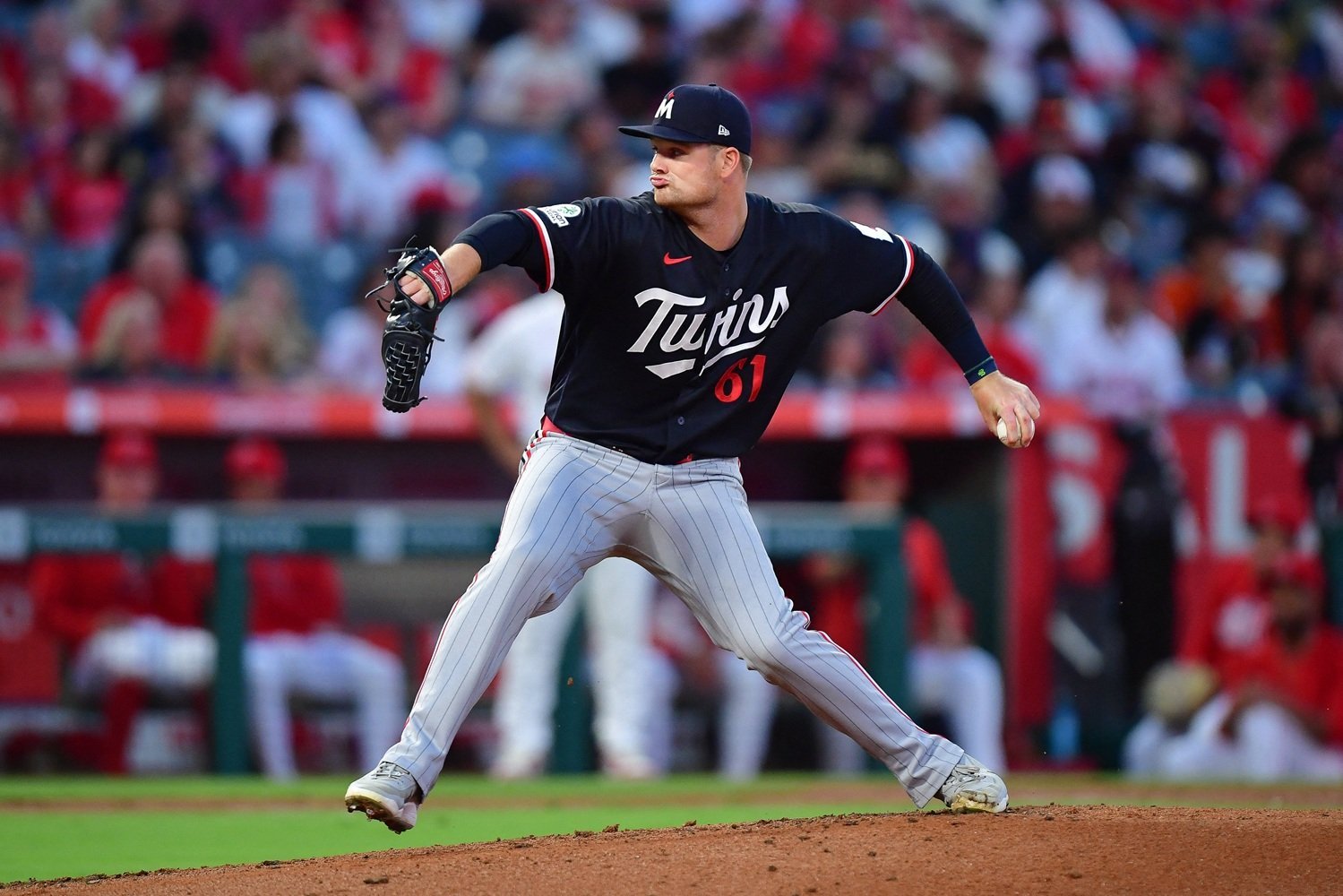 Box Score Connor Prielipp: 7 IP, 2 H, 0 ER, 2 BB, 8 K Home Runs: Walker Jenkins (3) Top 3 WPA: Connor Prielipp (.410), Walker Jenkins (.110), Brooks Lee (.090) Win Probability Chart (via FanGraphs) An aimless wandering; an exploration of parts unknown; the playing out of a season whose finality is understood and sealed. Though postseason hopes are stale and dead, the games ahead are an important test, allowing youngsters to prove that they can be a part of future solutions needed to fix current problems. How will that play out? We shall see. Matters started with the predictable: a Luke Keaschall hit by pitch, his 22nd of the year, a new Twins single-season record. A Brooks Lee single advanced our well-bludgeoned protagonist to third, and he was soon cut down at home on a Kody Clemens fielder’s choice. So it goes. The play sent Lee to third and Clemens to second, turning a well-struck Ryan Jeffers liner into a sacrifice fly, with Lee racing home. A Josh Bell single clanked off Mike Trout’s glove coaxed in a second run. The runs put Connor Prielipp in a great position to start, and he responded with vigor, punching out the side in order to start the game. Indeed, this was a game for pitchers. Bats entered with caution. Angels starter Grayson Rodriguez found a deep, dominating groove, only once allowing a runner to reach second until the seventh, as run-scoring attempts fell meagerly and rallies were squashed before they could begin. Prielipp was up for the battle, though, as he had tricks of his own against an impotent Angels lineup. Scattered baserunners in the second, third, and fourth portended nothing; he punched out two in a 1-2-3 fifth to right his efficiency ways. Zach Neto nearly lifted one of the lefty’s signature breaking balls out to left for a solo homer, but Emmanuel Rodriguez saw the sky-scraping shot the entire way, and cleanly robbed the shortstop of a home run. Thank god for short walls. The robbing perhaps ignited something in a stale Twins offense, as Walker Jenkins blasted a solo homer in the next half-inning. The shot was his sixth straight hit, and the second long ball in that span. Prielipp re-took the mound in the seventh with a regal elegance—and with a career benchmark on the line. The lefty had previously never crossed the six-inning threshold as a starter. It stood like the mighty walls of Jericho, blocking all attempts to pass. And here Prielipp stood, armed with metaphoric instruments and a mandate to go beyond the standard he had previously set for himself. Denzer Guzman flew out at the warning track. Oswald Peraza, struck out swinging. Then Travis d’Arnaud stared at three straight strikes to conclude the evening for Prielipp, the new owner of a career-high in innings pitched in a single game. Tommy Nance loaded the bases in the eighth but escaped unscathed. Travis Adams traveled a simpler route in the ninth, earning three quick outs to earn his third save of the season, and to end a firmly successful day for the Twins. Notes: Post-Game Interview: What’s Next? The Twins and Angels continue their late-night show excursions on Saturday, with first pitch coming at 8:38 PM. Joe Ryan is set to start against Reid Detmers. Bullpen Usage Spreadsheet MON TUE WED THU FRI TOT Nance 22 0 14 0 23 59 Morris 11 30 0 13 0 54 Minter 18 0 22 14 0 54 Gomez 0 10 24 18 0 52 Adams 0 0 34 0 10 44 Rogers 0 38 0 0 0 38 Hoffman 13 0 16 5 0 34 Funderburk 3 0 4 1 0 8 View the full article
 -
 Mets infield prospect Mitch Voit was the 38th overall draft pick in the 2025 draft out of the University of Michigan. He was the highest draft pick out of Michigan in 25 years. Voit grew up near Milwaukee and attended Whitefish Bay High School. The 21-year-old looks to become the second person from his high school to go to the big leagues. The other is Cubs manager Craig Counsell. The Counsell family still lives in Whitefish Bay. His eldest son Brady Counsell was one year ahead of Voit in high school. He went on to the University of Minnesota for three years and then spent a season at Kansas. He was the 10th round pick of the Arizona Diamondbacks in 2025. Jack Counsell was a year younger than Voit and when his time at Whitefish Bay came to an end, he followed Voit to Michigan. He spent the 2024 season with the Wolverines and has played the last two Big Ten seasons at Northwestern. Back to Voit, he was a starter for Michigan right away as a freshman. He hit .267/.338/.439 (.777) with nine doubles, a triple, and seven home runs. In addition, he pitched 36 innings over 19 games and was 4-1 with five saves and a 3.25 ERA. The next year, he hit .292/.373/.572 (.945) with 20 doubles, two triples, and 14 home runs. On the mound, he made 10 starts and went 5-3 with a 5.49 ERA over 62 1/3 innings. However, in July of that year, he had elbow surgery which ultimately ended his career as a pitcher. As a junior in 2025, fully focused on hitting, he hit .346/.471/.668 (1.140) with 17 doubles, four triples, and 14 home runs. The Mets liked what they saw enough to make him the 38th overall pick in the June 2025 draft. He ended the season with 22 games for St. Lucie. He began the 2026 season with 76 games in Brooklyn. He hit .242/.349/.396 (.745) with 12 doubles and 11 home runs. He also had 36 steals. In late July, he moved up to Double-A Binghampton and really took off as a prospect. In 29 games, he hit .347/.430/.517 (.947) with 12 doubles, a triple, two homers and nine stolen bases. He had multiple hits in 11 of those 29 games including five of his first eight games. In that eighth game, he went 5-for-6 and was hitting .594/.658/.969 (1.627) with seven doubles, a triple, and a home run. He had six walks and four strikeouts. He was also 4-for-4 in stolen base attempts. The Mets and prospect ranking sites were really liking what they have seeing of Voit as well. Here at Grand Central Mets, he jumped up to the team's #4 ranked prospect. Others noticed Voit too and liked what they saw. I know that his AA numbers were eyepopping, but we have box scores. We know they're real, even if some could argue that they were A.I. or something. Add TMZ to the list who have researched the topic. From the title of the TMZ article earlier this week, "Mets Prospect Mitch Voit; DANGEROUSLY GOOD LOOKS AREN'T A.I." data:image/gif;base64,R0lGODlhAQABAPABAP///wAAACH5BAEKAAAALAAAAAABAAEAAAICRAEAOw== data:image/gif;base64,R0lGODlhAQABAPABAP///wAAACH5BAEKAAAALAAAAAABAAEAAAICRAEAOw== Grok Confirms data:image/gif;base64,R0lGODlhAQABAPABAP///wAAACH5BAEKAAAALAAAAAABAAEAAAICRAEAOw== View the full article
 -
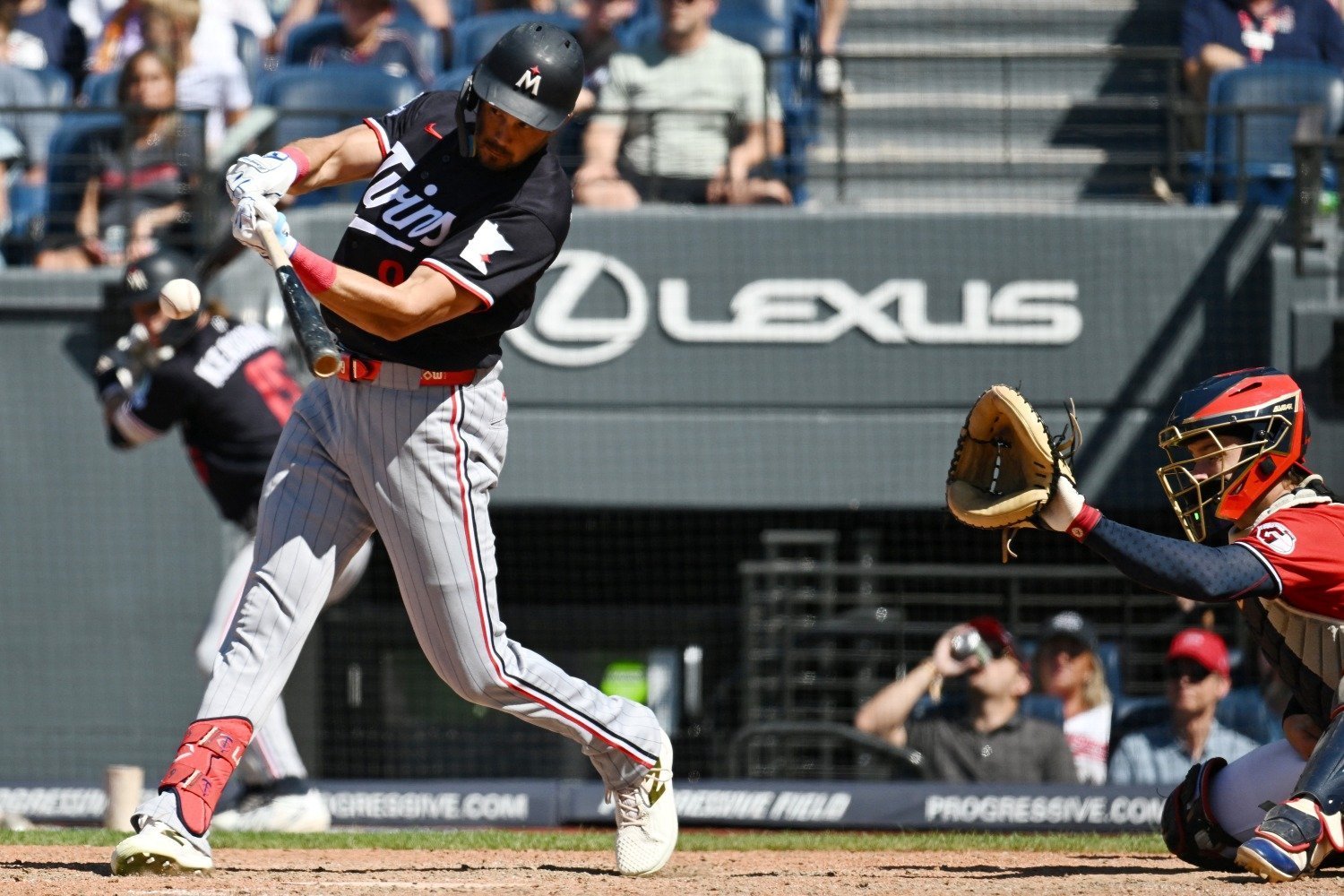 The Minnesota Twins are running out the final days of their 2026 season, and Trevor Larnach likely won't be part of them. Minnesota placed Larnach on the 10-day injured list Friday with a left wrist sprain. The move was made retroactive to September 15. To take his place on the roster, the Twins recalled outfielder Alan Roden from Triple-A St. Paul. Technically, Larnach could return for Minnesota's final series against the Texas Rangers at Target Field. Realistically, there isn't much reason to rush him back. The Twins are out of the playoff picture, and Larnach would be better served using the final days of the season to allow his wrist to recover rather than potentially making the injury worse. Larnach appeared in 122 games this season, hitting .269/.352/.436 (.788) with 13 home runs, 23 doubles, and a 121 OPS+. His opportunities were heavily tilted toward right-handed pitching, with all but 55 of his plate appearances coming against righties. That split could be an important consideration heading into the offseason. Larnach posted an .819 OPS against right-handed pitchers but just a .572 OPS against lefties. The Twins also have an offseason decision to make. Larnach is under team control through arbitration next season and is in line for a raise from his $4.475 million salary. At the same time, Minnesota has several younger outfielders who could make his roster spot less secure. Luke Keaschall, Walker Jenkins, and Emmanuel Rodriguez could all factor into the team's plans. That makes these final days particularly important for Roden. The 26-year-old has 79 big-league plate appearances this season, hitting .254/.333/.313 (.647) with four doubles. His Triple-A season was interrupted by a small labrum tear in his right shoulder, but he has produced when healthy. In 48 games with the Saints, Roden has posted an .853 OPS with nine home runs and nine doubles. Now, he'll have a handful of games to remind the Twins why he belongs in their plans. Larnach's injury isn't necessarily a reflection of where he stands with the organization, but the timing gives Minnesota another opportunity to evaluate its crowded outfield. The Twins have several decisions coming this winter, and every at-bat from Roden could matter when those decisions arrive. View the full article
 -
Ranking Best Alternate Uniforms Across Cubs' Farm System
DiamondCentric posted an article in North Side Baseball
 Across all levels of the minors, almost every team has multiple alternate uniforms that usually symbolize one of two things: Either representing the town the team is from or a fun promotion/theme night. The Chicago Cubs organization has had some good concepts in 2026, and this article ranks the top three. Please note that all of the jerseys that were in consideration are from the team stores online. #1 - SpongeBob SquarePants (South Bend Cubs, High-A) Who doesn't love SpongeBob? This jersey has the face of the titular star himself, and does a nice job of completing his whole outfit. I like how the team logos are still on the side to keep it somewhat relatable to the team's main identity. I just love the idea of the jersey and the way it was made. These jerseys were worn on August 8 in 2026. OVERALL - 4.5/5 #2 - Pelisaurus Rex (Myrtle Beach Pelicans, Low-A) Just like the one above, I will ask another question. As a little kid, who doesn't love dinosaurs? This jersey has a white Pelicans logo on the side which I like. Below the identity logo is a mix of green, blue, and yellow. That is a bit too much, but they make up for it with the jersey font and the dinosaur on the chest-plate. This concept was worn on both April 17 and August 21 this season. OVERALL - 4.2/5 #3 - Capital City Cubs (Iowa Cubs, Triple-A) I like how this jersey pays homage to Des Moines, the home of the I-Cubs and the capital city of Iowa. The navy and gold really mesh together, but the white at the bottom of the sleeves throws this off for me. However, the capitol building on the one side and the gold I-Cubs logo on the other make me excited about this jersey. I also do not like how the "S" in Moines is like the last letter on a Little League jersey with the swoop going to the beginning letters. This concept was first worn on June 6 and it was worn for all Saturday home games following that point. OVERALL - 3.8/5 Final Thoughts These are great uniform concepts that all mean different things. No matter if some of them are for fun or paying tribute to their home cities, most alternate identity concepts are fun. It certainly adds to the enjoyment of being a minor-league baseball fan when you get creative merch to buy into (or at least observe). View the full article
 -
Blue Jays DFA Michael Lorenzen, Call Up José Rodríguez
DiamondCentric posted an article in Jays Centre
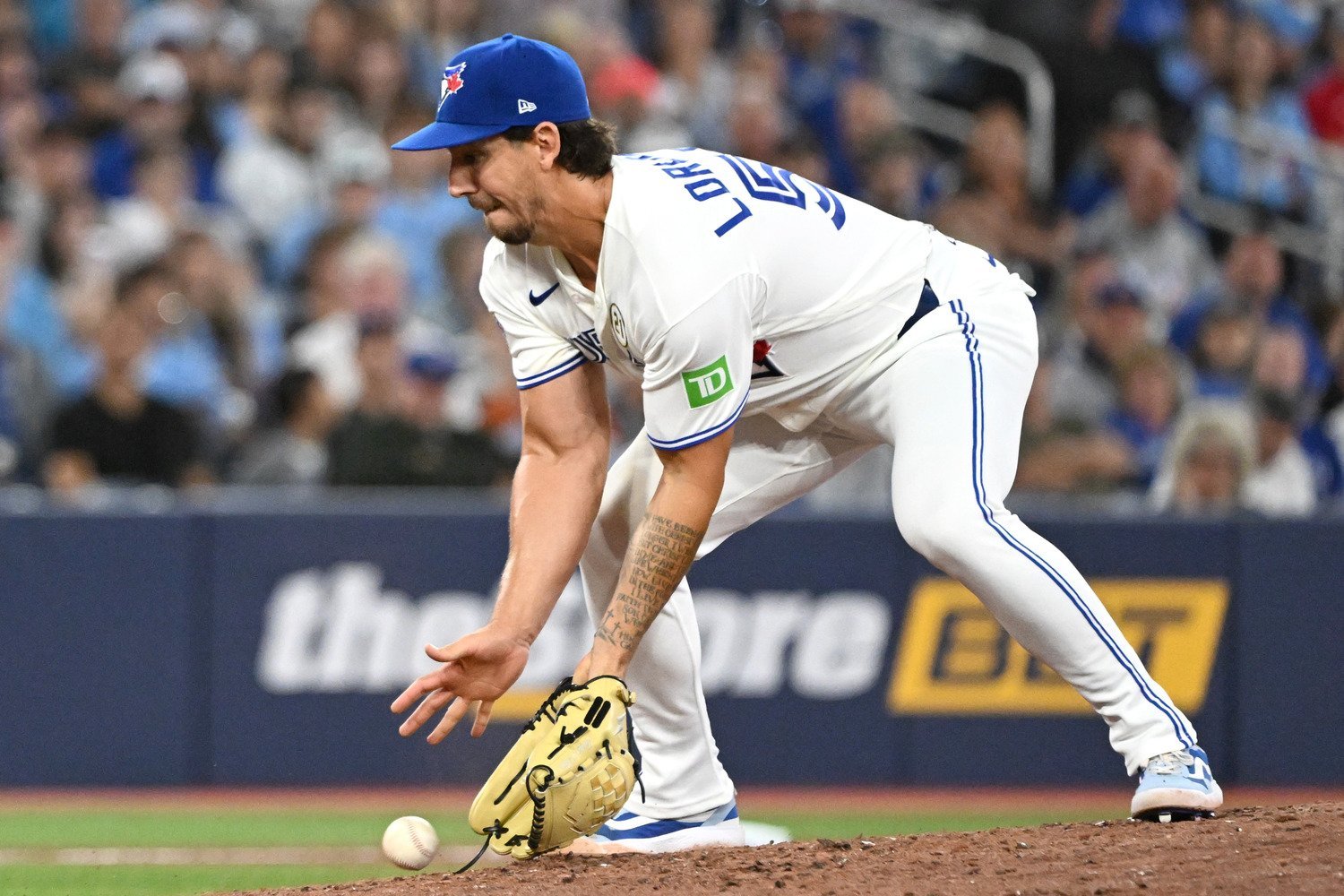 The Blue Jays announced a transaction ahead of their game tonight against the Rangers. Michael Lorenzen has been designated for assignment after six appearances for Toronto. He gave up 11 runs on 18 hits in 11.2 innings. He took the fall for two losses, but also earned his first save since 2023. In place of Lorenzen, the Blue Jays have added 25-year-old José Rodríguez to their bullpen. If he gets in a game, it will be his MLB debut. The right-hander owns a 3.79 ERA and 3.56 FIP in 38 innings this year between the Blue Jays' and Dodgers' minor league systems. Toronto acquired him earlier this month in exchange for fellow minor league right-hander Sebastian Rodriguez. View the full article
 -
Why 2026 season has been step forward for the Marlins
DiamondCentric posted an article in Fish On First
 The win-loss record looks almost identical to 2025, but this year's Miami Marlins were a much different team. AJ Ramos, Kevin Barral and Ely Sussman discuss how they feel the 2026 season went overall, whether Sandy Alcantara could stick around long term through the rest of his prime years and the urgency needed this weekend by the Fish to keep their faint playoff hopes alive. You can find Fish Unfiltered and Fish On First LIVE on the Fish On First YouTube channel, Apple Podcasts, Spotify or wherever else you get your pods. It's simple for the Marlins over their next three games: sweep the series or surrender. Just one head-to-head loss to the San Diego Padres would officially eliminate them from National League Wild Card contention. View the full article
 -
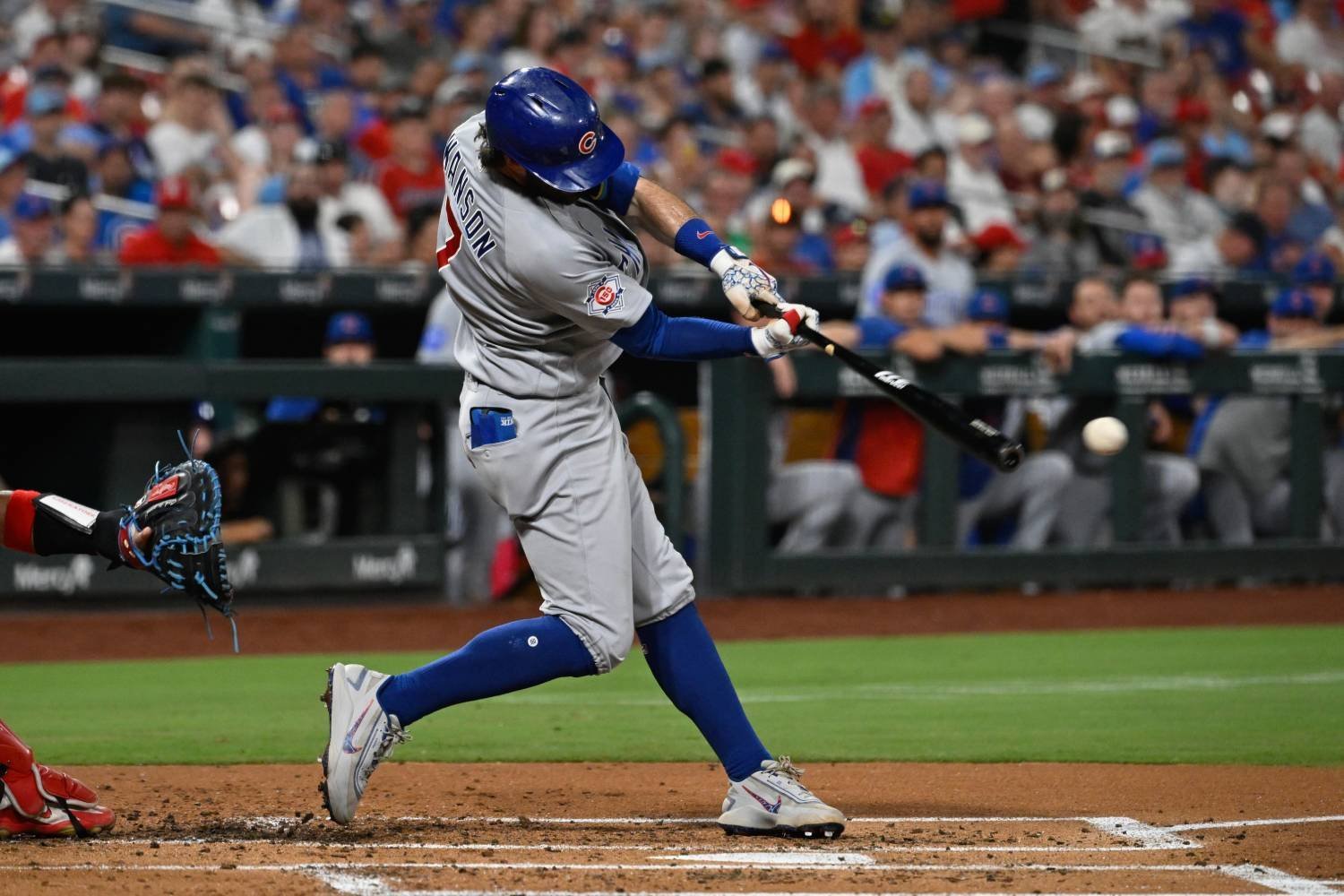 Following a month on the sidelines, the Chicago Cubs are getting a key player back for the final nine games of the regular season. Shortstop Dansby Swanson was activated from the 10-day injured list Friday by the Cubs, who optioned infielder B.J. Murray back to Triple-A Iowa. Swanson went on the IL Aug. 17 with a strained left oblique. While a terrific defender, Swanson has been disappointing this season offensively, putting up a .216/.300/.404 slash line with 18 homers and 66 RBIs. He returns to the Cubs as they are tied for the top NL wild-card spot with the Philadelphia Phillies. The Cubs open a three-game road series against the Cincinnati Reds on Friday, then finish against the Miami Marlins at Wrigley Field and then travel to Atlanta for the final three games of the regular season. The Phillies, meanwhile, are in a four-game road series against the New York Mets, then have three-game home series against the Milwaukee Brewers and Tampa Bay Rays, the probable No. 1 seeds in the NL and AL, respectively. The Cubs and the Phillies are also just one game ahead of the San Diego Padres, who hold the No. 3 NL wild card, four games ahead of the Arizona Diamondbacks. Murray was called up when rosters expanded Sept. 1, but has only played in seven games and gone 1-for-11 (.091) at the plate. View the full article
 -
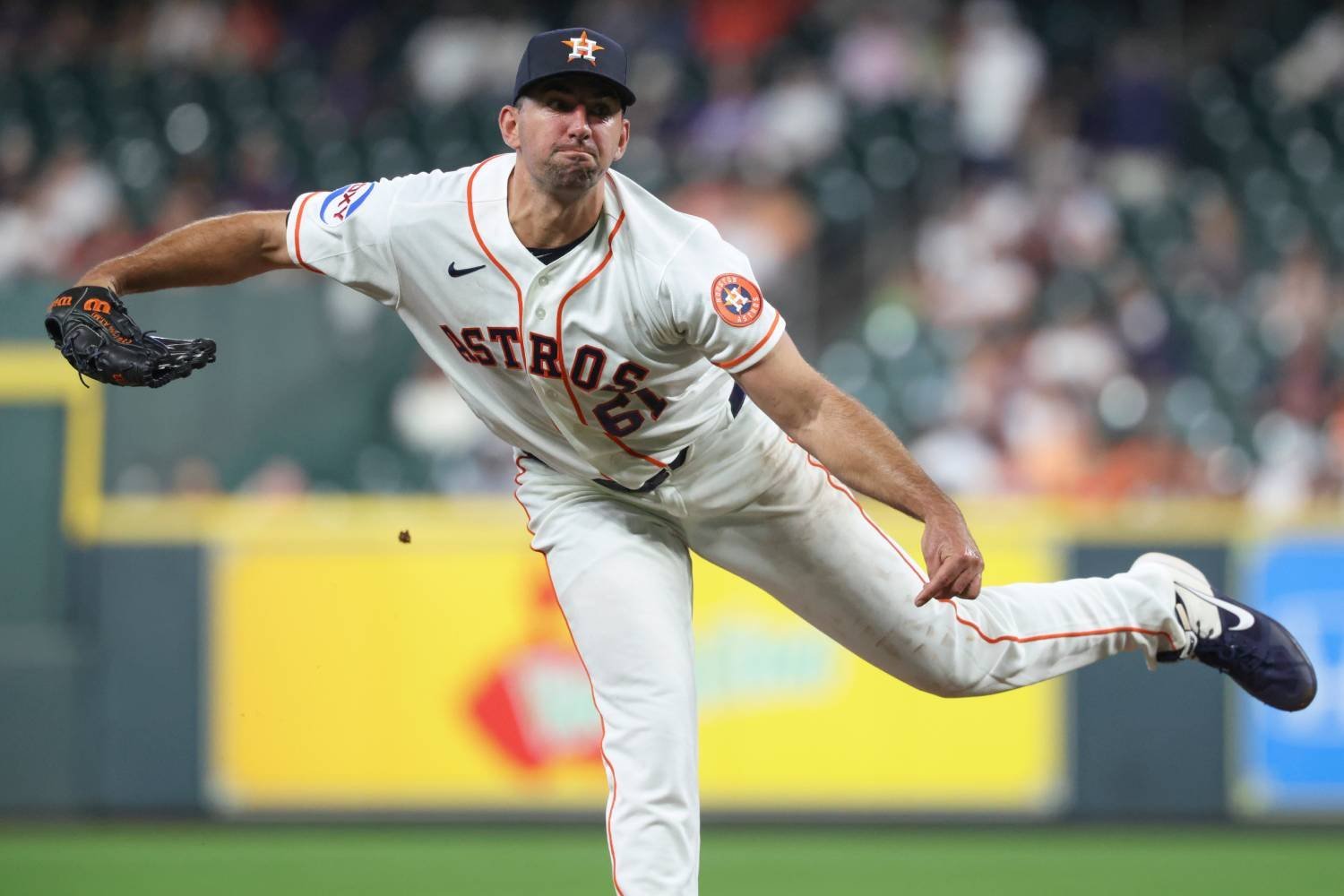 What is a reliever's reward for a stellar three-inning performance that saved other bullpen members? For right-hander Garrett Stallings, it is a trip back to the minors, but with great appreciation. Such is the life at the back end of the bullpen. Stallings was optioned back to Triple-A Nashville on Friday by the Milwaukee Brewers, who called up left-hander Colton Gordon from the Sounds. Stallings turned in his second three-inning outing in his most recent call-up in Thursday's 7-4 loss to the Pittsburgh Pirates. Stallings did not allow a run while striking out six and allowing just one hit and one walk. He hasn't allowed a run in any of his six appearances with the Brewers this year over 14 innings, giving up just four hits with 17 strikeouts and five walks, perhaps putting himself in the conversation for a spot on the postseason roster. Gordon comes up for the first time since the Brewers acquired him with Lance McCullers Jr. and cash on July 15 for minor-league outfielder Jadyn Fielder. Gordon has appeared in 24 MLB games with the Astros, including 15 starts. Only four of those appearances and one start came this year, allowing 12 runs in 9⅓ innings with three walks and 11 strikeouts. At Triple-A Nashville this year, he has made 10 starts and pitched 54 innings, with a 4.69 ERA, 6.1% walk rate and 20.9% strikeout rate. Meanwhile, the Brewers on Thursday designated left-hander reliever Rob Zastryzny for assignment. He was on the 15-day injured list due to a left trapezius strain and out on a rehab assignment. View the full article
 -
Gleeman & The Geek: Twins Limping to the Finish Line
DiamondCentric posted an article in Twins Daily
You can listen by downloading us from: iTunes, Spotify, YouTube, iHeartRadio, Stitcher, GleemanAndTheGeek.com, or by clicking this link, or by watching/listening below. 0:00 Intro 0:45 Why the game recaps have stopped: the Twins are playing out the string 2:21 Worst team in the American League down the stretch for a third straight year 3:50 15-27 since August 1: as bad as after the 2025 fire sale, and this time they were trying 6:38 John's counterpoint: at least there are rookies worth watching 9:02 "Something is fundamentally wrong": player development, injuries and defense 11:47 Derek Shelton, Jeremy Zoll, Tom Pohlad: new names, same organization 14:13 Are there basic philosophies that lead to the Twins fading every August and September? 16:48 The 72.5-win over/under, and the fear that a youth movement becomes an excuse not to spend 18:20 Ryan Jeffers as team MVP, and the veterans who won't be back in 2027 27:08 Byron Buxton hip surgery: what we know about the timeline for spring training 30:58 The play in Sacramento that ended Buxton's season 35:18 Buxton's contract: two years left, $15 million, full no-trade clause 37:43 Planning the 2027 Twins outfield: Buxton, Walker Jenkins, Emmanuel Rodriguez, Luke Keaschall, Alan Roden 40:19 The Twins need a bat at first base or DH, and they're losing Jeffers 42:17 Walker Jenkins breaks out: three hits and a game-tying homer off Ben Joyce's 101 mph fastball 44:21 Should the Twins be worried about Walker Jenkins? 51:11 Hrbek, Buxton, Koskie, Kepler: Twins who started just as badly 52:50 Emmanuel Rodriguez homers in his debut, then slumps. Life with rookies 55:15 Rodriguez and prospect "freezer burn": seven years on the radar and still only 23 59:36 How Walker Jenkins handled the media during his slump 1:03:46 Was 2026 a wasted season? Thumbs down on the post-hype prospects 1:05:18 Cleaning out the fridge: an empty fridge and a garbage can full of expired corn salad 1:07:25 Luke Keaschall is a leadoff hitter to build around, if they can find him a position 1:08:51 Brooks Lee's step forward: 25 homers and better defense at third base 1:10:14 Kaelen Culpepper holds his own; Matt Wallner washes out; Royce Lewis's brutal finish 1:14:19 Twins pitching: Taj Bradley and Connor Prielipp step up, Bailey Ober and Joe Ryan step back 1:15:09 Culpepper's hamstring injury, his defense at shortstop, and Marek Houston on the way 1:20:13 Why Culpepper staying under 130 at-bats helps the Twins' farm system rankings 1:22:23 Ben Ross auditions to be the backup shortstop: Ross vs. Ryan Kreidler 1:28:48 Kendry Rojas could return for a final outing or two 1:30:31 The last Twins games for Jeffers, Ober, Trevor Larnach, Lewis and Taylor Rogers? 1:32:59 The case for adding $50 million in payroll around a young, cheap core 1:37:54 Twins draft lottery watch: a top-seven pick is within reach 1:41:17 Wrap-up: John previews his trip to San Francisco and Oracle Park View the full article -
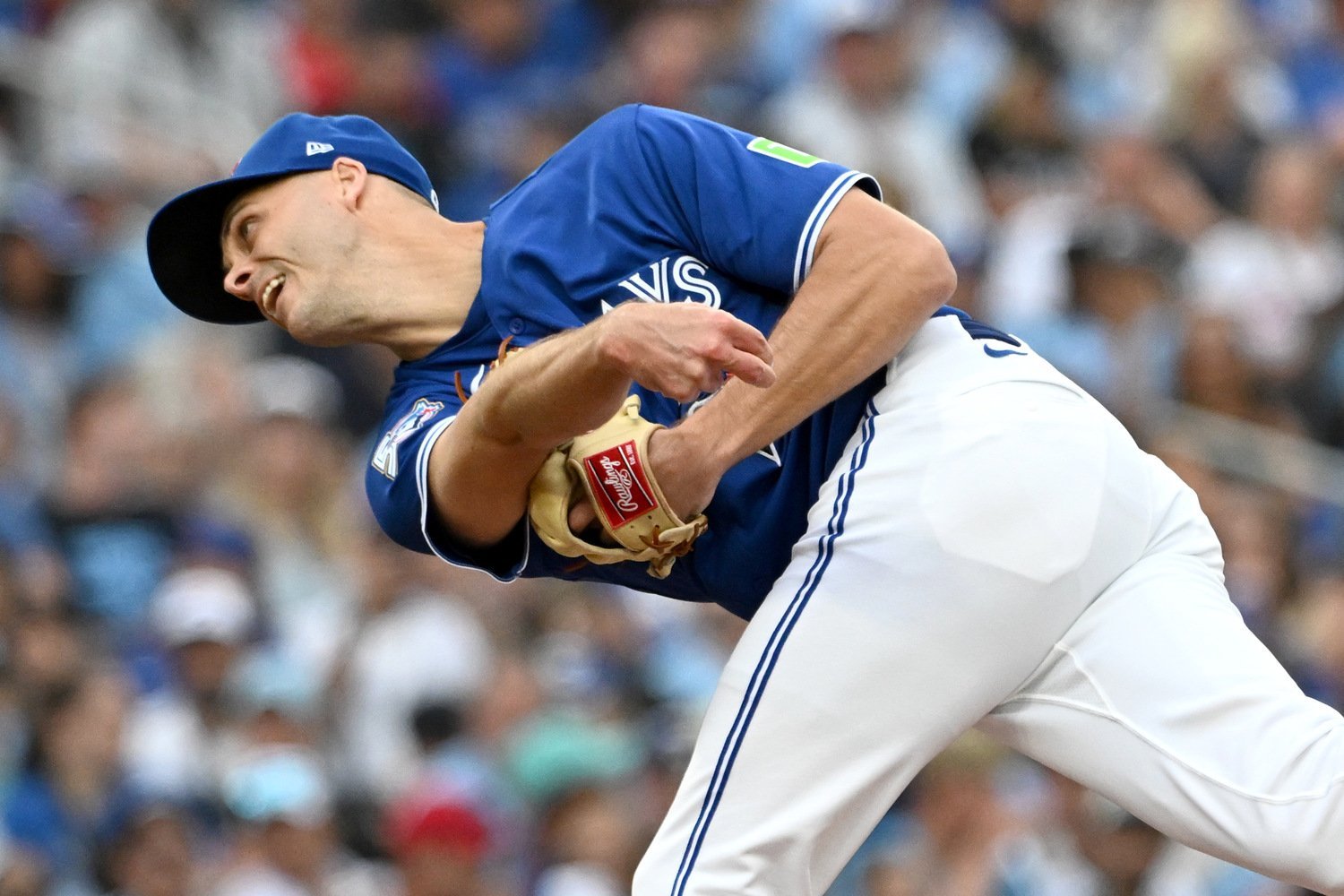 Over the winter, the Blue Jays signed Tyler Rogers to the richest relief pitcher contract in franchise history. If you weren't at least a little surprised by the $37 million guarantee he secured, you're either psychic, a Blue Jays front office employee, or a liar. The team at MLB Trade Rumors predicted he would sign a two-year, $18 million deal. Ben Clemens of FanGraphs was slightly higher on Rogers, proposing two years and $22 million. FanGraphs readers suggested a much lower number; their average prediction was $13.4 million guaranteed. The most lucrative projected contract I could find for Rogers (from a major media outlet) came from Kiley McDaniel at ESPN. Yet, even his relatively high guess – three years and $27 million – turned out to be $10 million too low. It's not that any of those sources doubted Rogers's talent. It's just that $37 million is a lot of money for a non-closer, and three years is a long guarantee for a reliever about to turn 35. According to the MLB Trade Rumors Contract Tracker, 24 relievers have signed a free agent contract worth at least $37 million in the last 20 years. The only one of them, besides Rogers, who wasn't an established closer was Jordan Hicks, and he doesn't really count. The Giants signed him to a four-year, $44 million deal with the goal of converting him into a starter. In that same 20-year span, just nine relievers have signed a three-year contract entering their age-35 (or older) season. Only three earned more than $25 million. The first was Mariano Rivera, the greatest closer of all time. The second was Robert Suarez, a two-time All-Star who led the NL in saves the year prior. The third was Tyler Rogers. From 2020-25, Rogers pitched more games and threw more innings than any other reliever in the league. He did so with a 2.84 ERA and 2.96 xERA. He was equal parts dominant and durable, thanks to a submarine delivery that helped him stifle opposing hitters without throwing high heat. Even so, his contract came as a surprise last winter. One season later, it's clear the Blue Jays knew exactly what they were doing. If anything, $37 million might not have been enough. Rogers has thrown 67.2 innings in 70 games for the Toronto. He owns a 1.73 ERA. He's pitching one of the greatest setup seasons the team has ever seen. Louis Varland is stealing most of the attention, and rightfully so. Yet, if it weren't for Varland, there's a good chance Rogers would have taken over the closing job when Hoffman struggled. If Rogers The Closer were to have anything like the success he's had as Rogers The Setup Man, he probably would have made his first All-Star team this summer. He probably would have earned consideration for the BBWAA Reliever of the Year Award this fall. That's how well Rogers has pitched this season – even if he's only the second best arm in his own bullpen. I'm not suggesting Rogers should resent Varland. The two owe each other a great deal of gratitude. Rogers has set Varland up for many of his 32 saves. Meanwhile, Varland taking over as the closer has allowed Rogers to continue rising up the holds leaderboard. Holds are not an "official MLB statistic", whatever that means. FanGraphs has data on holds dating back to 2002, and in that time, Rogers ranks 11th with 186 holds. He's one shy of cracking the top 10 and only 60 away from tying Tony Watson in first place. Rogers has already set the Blue Jays' single-season record (since 2002) with his 32 holds this year. His next hold this season will mark a new career high. He's never come particularly close to the league-wide record (41), but he is the only pitcher with five 30-hold seasons to his name. Scot Shields had four. David Robertson had four. Only a handful of pitchers have even reached 30 holds more than once. Perhaps it's a backhanded compliment to call Rogers one of the greatest setup men in recent history. Closers already have to deal with the "failed starter" criticisms. And you could say that setup men are just the guys who weren't good enough to be closers. That said, I don't think there's anything wrong with pointing out just how much Rogers has excelled at the job he's been asked to perform. He might be making a lot of money, but Tyler Rogers is absolutely holding up his end of the bargain. View the full article
 -
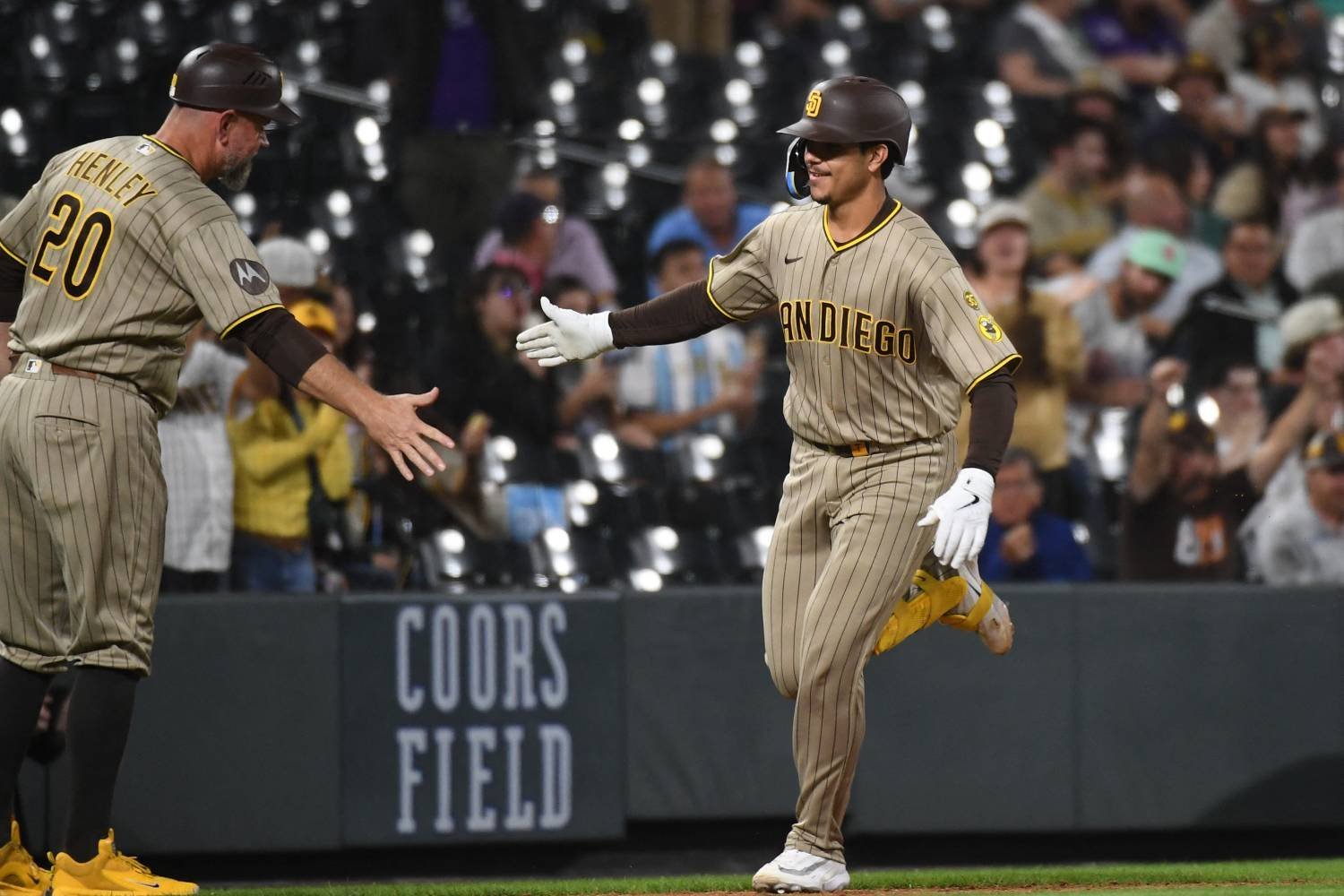 After hitting his first two homers in the same game, it is easy to jump to the conclusion that Ethan Salas should be the San Diego Padres' primary catcher during the postseason. But has he earned that right yet? Not so fast. Wednesday's 9-3 victory over the Colorado Rockies was the 20-year-old's fifth start behind the plate since being called up by the Padres. Padres Mission's No. 1 prospect started another game at designated hitter. He has played in nine of the Friars' 14 games entering Thursday's series finale against the Rockies. Working Salas into the lineup is tricky for manager Craig Stammen. The Padres have had Luis Campusano and Freddy Fermin split time all season and it has mostly worked out just fine. Campusano has the better bat of the two, while Fermin is the better defender. Salas has the upside to be a star catcher in MLB, but not the experience. He is 20 years old, after all. The biggest benefit of Wednesday's two-homer game, in which Salas became the youngest catcher to go deep twice in the same game (20 years, 107 days) and the youngest of any Padre to do so, was instilling confidence in the young backstop. He went 0-for-12 before hitting a flyball triple off the tall wall in San Francisco for his first MLB hit Sunday. Then came his two-homer game Wednesday. Stammen is looking for opportunities to give Salas experience, putting him in during a blowout without the pressure of a critical pennant-race at-bat. While trying to balance the need to win every game to clinch an NL wild-card berth and keeping his regular two catchers in form, it was telling that Salas was not in the lineup to conclude the Rockies series, even if it would have been as the DH. It was Jackson Merrill's turn to DH after Fernando Tatis Jr. did it the day before. Is it a missed opportunity to ride Salas' hot hand and build his confidence? Perhaps. But it also depends on the plan the Padres have internally for Salas. Sure, fans want to see the rookie phenom in these final regular-season games and then the playoffs. He is the future for the Friars behind the plate. But if you take a closer look at Salas' catching duties, you might get a clue as to what that plan is. In the four games Salas has started behind the plate, He has caught Nick Pivetta twice and Casey Mize and Robbie Ray once each. Pivetta makes a lot of sense as Salas caught the right-hander in Salas' last Triple-A game before his promotion. The Mize game was in Salas' MLB debut against the Cincinnati Reds, while the Ray start was Wednesday. Salas has also caught a bulk of the Padres' bullpen. However, three relievers Salas has not yet caught in a game are Mason Miller, Adrian Morejon and Bradgley Rodriguez, the Padres' end-of-game arms. Is that on purpose or just how the games played out? It could also be because Salas, while everyone has said for the last couple years that he was MLB-ready as a defender, still needs some polish back there before handling the Friars' big bullpen arms. Salas has caught Miller, Morejon and Rodriguez during spring training, but that's a different environment than a playoff chase. Also, opponents are 5-for-5 stealing against Salas despite his excellent arm, with his one error coming on a catcher's interference against the Yankees. Salas hasn't had consistent playing time since coming up, something that is new to him. After all, he has typically been the best player on his team wherever he has been. He played in three straight games on the homestand against the New York Yankees and Washington Nationals, then in back-to-back games vs. the Giants and Rockies. Even of those seven games, four were coming off the bench, and two of those in the DH role. In the Nationals game, Salas started, the game was tight and he was pinch-hit for, with Fermin handling catching duties the rest of the way with Rodriguez, Morejon and Miller entering the game and securing a 3-2 victory. If Salas continues to get hits when he does get playing time, you could see similar situations like that Nationals game where Salas starts and Fermin comes in late in the game to handle the high-velocity arms. As a left-handed bat, which is rare off the Padres' bench with Gavin Sheets still on the injured list, Salas could get some pinch-hit opportunities and another couple starts before the postseason. He is a no-brainer to make the 26-man roster for the NL Wild Card Series as you don't need as many pitchers for the best-of-three series. If the Padres advance beyond that, however, the rookie's status will be something to monitor closely. View the full article
 -
 Boston Red Sox Affiliate Recap (September 17) Triple-A Worcester Red Sox Season Record: 75-66 Despite Worcester’s offense having no life, the pitching staff looked great in their 2-0 loss to the Durham Bulls (Tampa Bay Rays). The WooSox tallied just two hits, not a recipe for success. Allan Castro cracked a two-out double in the first, and Tomás Nido hammered a one-out single in the ninth, but Worcester could not string together any more hits to bring them in. Pitching just one game for Boston back in March, Johan Oviedo made his first rehab appearance since suffering a right elbow strain. Johan was the centerpiece of a trade involving Jhostynxon Garcia, one of Boston’s top prospects. The right-hander pounded the strike zone through 2 ⅓ innings, throwing 20 of his 30 pitches for strikes, generating three whiffs and four strikeouts. John Holobetz dominated out of the bullpen, striking out eight Bulls and recording an absurd 20 whiffs while not allowing any runs over 4 ⅓ innings. Tyler Samaniego gave up a run in his lone inning, but with how miserable the offense looked, it did not seem to matter. Noah Song finished off the final 1 ⅓ innings, shutting out Durham with one strikeout and just one base runner allowed. Standout Performances: Johan Oviedo: 2 ⅓ IP, 2 H, 1 ER, 1 BB, 4 K John Holobetz: 4 ⅓ IP: 2 H, 0 ER, 2 BB, 8 K View the full article
