


DiamondCentric
-
Posts
2,631 -
Joined
-
Last visited
Never
Content Type
Profiles
Forums
Events
News
Tutorials & Help
Major League Baseball Videos
Guides & Resources
Store
Downloads
Gallery
Everything posted by DiamondCentric
-

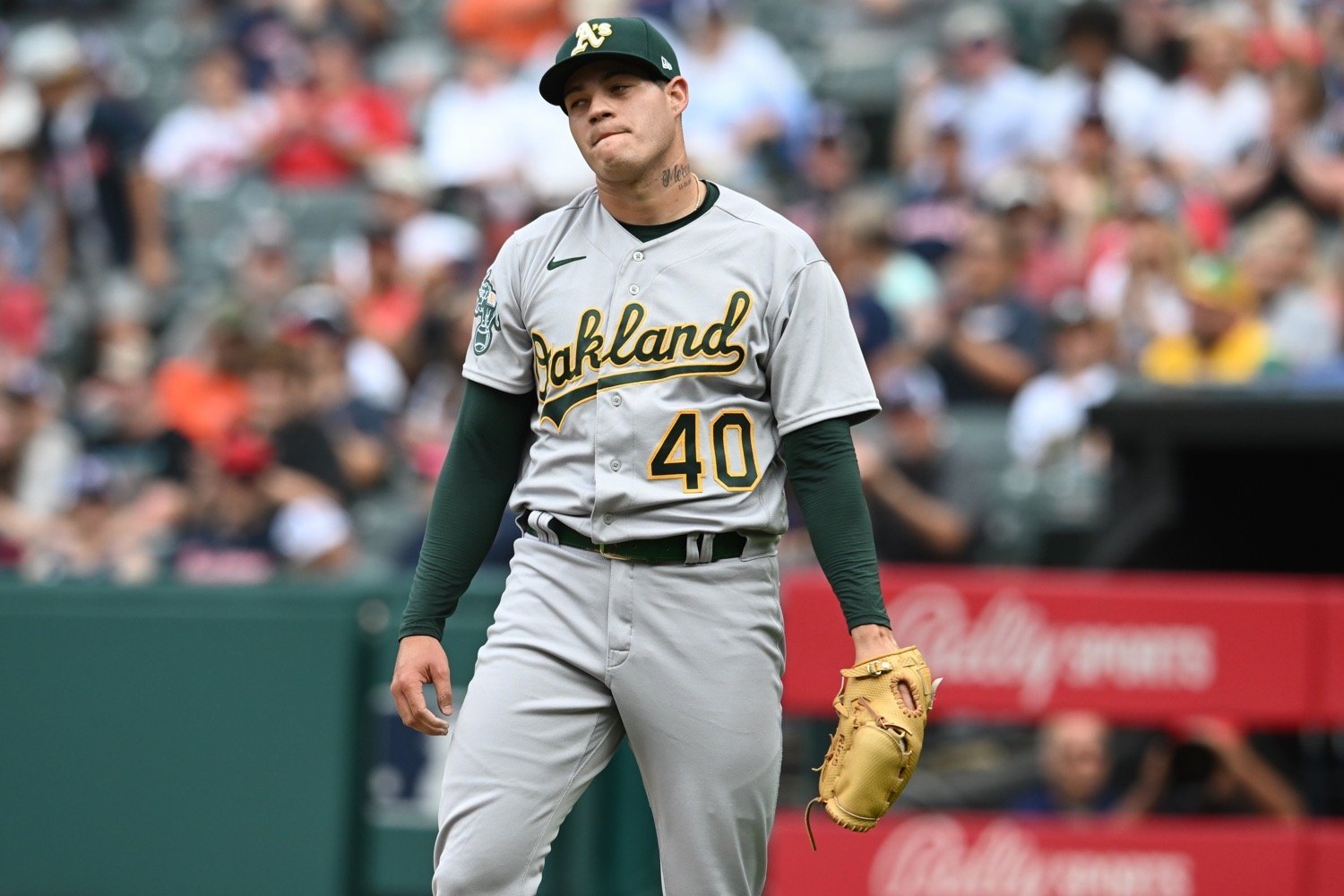 The Chicago Cubs are hoping to hit on at least one diamond in the rough and have added another candidate to the growing list of players on a minor league contract. Independent reporter Francys Romero is reporting that the Chicago Cubs and righty reliever Yacksel Rios have agreed to a minor league deal. Though not reported, these deals typically include an invitation to big league camp as well. Rios, 32, hasn't pitched in Major League Baseball since 2023 with the Oakland Athletics. For the last two seasons, he has spent time in the New York Mets organization (mostly at Triple-A - Syracuse); however, he was limited to 4 appearances in 2025 after suffering an injury in 2024. Over his career, he has made 92 relief appearances, posting a 6.32 ERA (5.61 FIP) across 98 1/3 innings. He has a lowly 8.3% strikeout minus walk rate thanks to an elevated walk rate, which has always been a hindrance to his success. Do you think Rios can show enough to break camp with a big league club, or is he destined for Triple-A Iowa? Let us know in the comments! View the full article
 -
The Brewers Are Right in Giving Joey Ortiz Another Chance
DiamondCentric posted an article in Brewer Fanatic
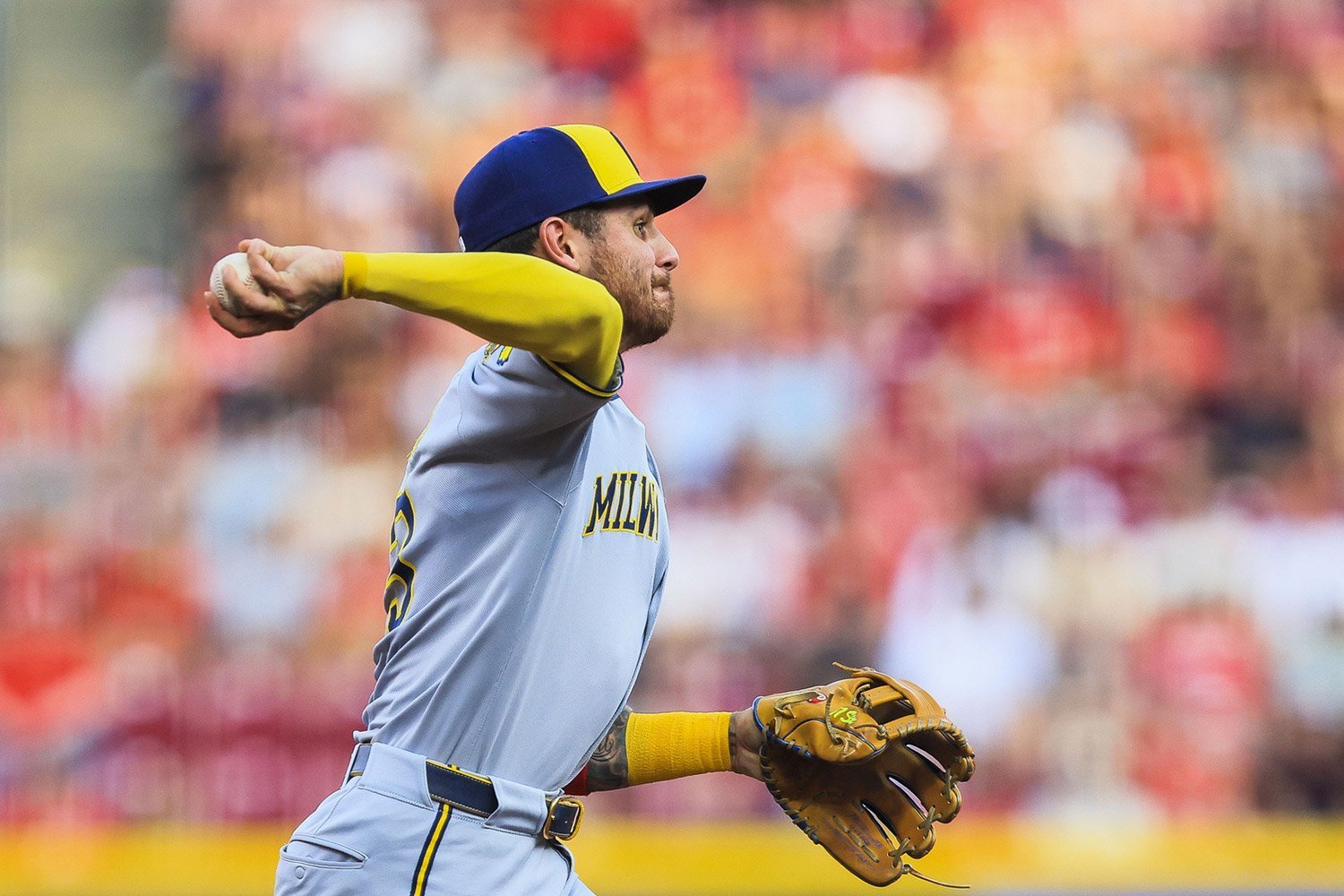 While Joey Ortiz may have tested his manager’s patience with his poor plate discipline throughout a trying 2025 season, the Brewers continued to give him a long leash as their everyday shortstop. It seems there’s still plenty of slack left on that leash, as president of baseball operations Matt Arnold said during last month’s Winter Meetings that the team remains confident in Ortiz’s upside. The Brewers should remain open-minded about the position, but they shouldn’t feel a pressing need to upgrade. Even if Ortiz does not reach that perceived ceiling, he’s still a capable big-leaguer at a premium defensive position, and the organization’s long-term solution at shortstop could reach the majors within the next two seasons. Even though his 67 wRC+ last year was the third-lowest among qualified hitters, Ortiz’s defense still made him worth 1.4 fWAR. His 0.3 bWAR was closer to replacement level because it was calculated using his -2 Defensive Runs Saved rather than his +10 Fielding Run Value, but given his defensive improvements throughout the summer, the latter seems to be a better preview of how valuable his glove will be this year. To replace Ortiz, the Brewers would need to find a shortstop who is clearly better than him. The free agents in their price range wouldn’t move that needle; only the recently-signed Bo Bichette is projected by FanGraphs’ Depth Charts system for a higher 2026 fWAR than Ortiz’s 2.5. Player 2025 fWAR Projected 2026 fWAR Joey Ortiz 1.4 2.5 Ha-Seong Kim (signed by ATL) 0.3 2.4 Willi Castro (signed by COL) 0.5 1.4 Miguel Rojas (signed by LAD) 1.7 0.6 Isiah Kiner-Falefa 0.7 0.5 Jon Berti -0.4 0.5 Jose Iglesias -0.2 0.4 Because even the worst version of Ortiz was still above replacement-level in 2025, he’s at least a capable holdover while the organization’s best shortstop prospects continue developing in the upper minors. Cooper Pratt appears poised to start the season in Triple-A, and Jesús Made seems to be on Jackson Chourio’s track of beginning his third professional season in Double-A and debuting in 2027. It’s also possible that a reworked group of hitting coaches led by Eric Theisen gets Ortiz in a better hitting position. His strong 84.6% contact rate in 2025 indicated that his hit tool hadn’t disappeared. Most of his issues stemmed from timing; Ortiz had above-average bat speed, but he usually started his swing so late in a pitch’s trajectory that he rarely had a chance to extend his arms and get his barrel through the zone by the time he made contact. Ortiz’s leash will expire eventually if he doesn’t significantly improve his offense, but he remains the Brewers’ best option at shortstop for now. Giving him another shot in 2026 is the right call. View the full article
 -
How will Marlins find reps for all of these outfielders in 2026?
DiamondCentric posted an article in Fish On First
 The Miami Marlins are unafraid to be bold and innovative with their player development methods, but implementing a four-man outfield defensive alignment throughout the organization feels like it would be a bridge too far, even for them. So how is this going to work? The Marlins already had good outfield depth entering the 2025-26 offseason. Several recent trades have bolstered that area to such an extent, I'm struggling with the rudimentary math. Barring undisclosed injuries and/or off-the-field issues, it will take immense creativity to manage playing time at the position, from Beloit all the way up to Miami. Let's do a rough projection of Opening Day assignments for Marlins outfielders. Players with the "UTIL" label are candidates for infield reps. MLB: Jakob Marsee, Kyle Stowers, Owen Caissie, Heriberto Hernández, Griffin Conine (UTIL), Javier Sanoja (UTIL), Christopher Morel (UTIL) The Marlins have expressed a willingness to use both Conine and Morel at first base, despite both being neophytes at the position. Sanoja would be Marsee's center field backup in this scenario, but receive the rest of his reps at second base, third base and shortstop. Triple-A: Kemp Alderman, Matthew Etzel, Victor Mesa Jr., Esteury Ruiz, Andrew Pintar, Mark Coley II, Jacob Berry (UTIL) Poor Daniel Johnson signed his minor league deal before Miami traded Edward Cabrera and Ryan Weathers. The prospects acquired in exchange have quickly made Johnson expendable—he'll need to ball out in spring training just to merit a roster spot in Jacksonville. Watching Berry at any of the infield positions is an eyesore, but with all of these other outfield mouths to feed, expect to see him used frequently on the dirt. Double-A: Fenwick Trimble, Brendan Jones, Dillon Lewis, Ethan O'Donnell, Colby Shade, Eric Rataczak (UTIL), Michael Snyder (UTIL) This looks a lot tidier if we assume that Rataczak and Snyder will transition to first base and platoon there. High-A: Dillon Head, Cam Cannarella, Brandon Compton, Emaarion Boyd, Micah McDowell, Ian Lewis (UTIL), Jesús Hernández (UTIL) I also considered Esmil Valencia, Andrés Valor, Max Williams, Jacob Jenkins-Cowart and PJ Morlando for spots on the Sky Carp. I suspect that none of these players will be starting on a daily basis throughout the entire season. The logjam puts the onus on Marlins coaches to get everybody on board with sacrificing individual playing time so that their teammates can be adequately evaluated. View the full article
 -
What's Next for the Twins After Signing Victor Caratini?
DiamondCentric posted an article in Twins Daily
 On Friday afternoon, it was announced that the Minnesota Twins have a 2-year, $14 million agreement with catcher and first baseman Victor Caratini. With the way the team has postured its own spending limitations this offseason, it seems like a very strange move given they already had two major-league catchers on the roster. What could be next for the Twins after the signing of Caratini? 1. Incoming Jeffers trade? Ryan Jeffers’s name has already been in the trade rumor mill. With Caratini’s $14 million over the next two years added to the payroll, it seems hard to find a way that Jeffers's $6.7 million this year makes sense, or if any extensions for him are possible. A trade involving Jeffers already seemed very plausible, and Caratini’s addition only seems to add to that reality. Most recently, Jeffers was linked to the Philadelphia Phillies, but with the return of J.T. Realmuto, that connection is no longer possible. Teams like the San Diego Padres, Chicago Cubs, Tampa Bay Rays, and Pittsburgh Pirates are teams that have been linked to catchers this offseason. Jeffers would represent a solid addition for any team looking for catching help at an affordable salary. If the Twins were to move on from Jeffers, that would put the club back essentially in the same place they were, payroll-wise, for 2026, while holding control of Caratini for one more year than they have control of Jeffers. A trade would also provide the opportunity for the Twins to acquire a significant player(s) to either help with infield defensive needs or the bullpen. 2. Is Jeffers viewed as a bat now? If a trade is not in the works, Jeffers has been one of the Twins most impactful bats during his tenure. The addition of another catcher that the Twins feel confident in starting frees the right-handed Jeffers up to escape the physical demands of being the Twins starting catcher for 120+ games. Instead, Caratini would allow Jeffers to return to a similar catching load as he had when paired with Christian Vazquez. Possibly even less, with Alex Jackson also currently in the mix. It would be an interesting rotation to navigate, but with as much as the Twins struggled on offense last season, maximizing one of your best bats could yield good results for the club. Jeffers ended 2025 with a 113 wRC+ and a .752 OPS. The only current Twins that finished ahead of him in those stat categories are Byron Buxton, Luke Keaschall, and Matt Wallner. If Jeffers is viewed as having more value as a bat than as a catcher, getting him in the lineup more often becomes that much more important. Jeffers played in 119 games last season, and rotating him more often as a first baseman or DH would get him closer to playing 162 games and maximizing the value of his bat. Which inevitably means more first base or DH play. This also pushes Kody Clemens down the depth chart, allowing him to be an effective role player instead of a stretched starter if he makes the roster. In this view of Jeffers, Caratini now becomes the primary catcher defensively. At the plate, he would provide similar offensive stats and not a huge drop off with a 104 wRC+ and .728 OPS in 2025. Defensively, he has been rated very similarly to Jeffers. One area in which he is superior to Jeffers is in Baseball Savant’s blocks above average. His 4 blocks above average ranks him 15th amongst MLB catchers. 3. Jackson, the odd man out? It is possible that the first two points are simply applying too much complexity to the move. Jackson was the waterline move that the front office made early on in the offseason to make sure, in the worst-case scenario, they weren’t left without a backup catcher. Caratini now simply represents the upgrade, and Jackson, who is out of options, is now expendable. In that case, in the next several days, we may see if the Twins can find a suitor for Jackson or simply release him. From there, Caratini and Jeffers will share catching duties similarly to how Vazquez and Jeffers had done previously. As fans, we will certainly be waiting to see how Caratini fits into the overall roster construction plans for 2026. What do you believe is next for the Twins? View the full article
 -
Will Tommy Nance Continue His Journey With the Blue Jays?
DiamondCentric posted an article in Jays Centre
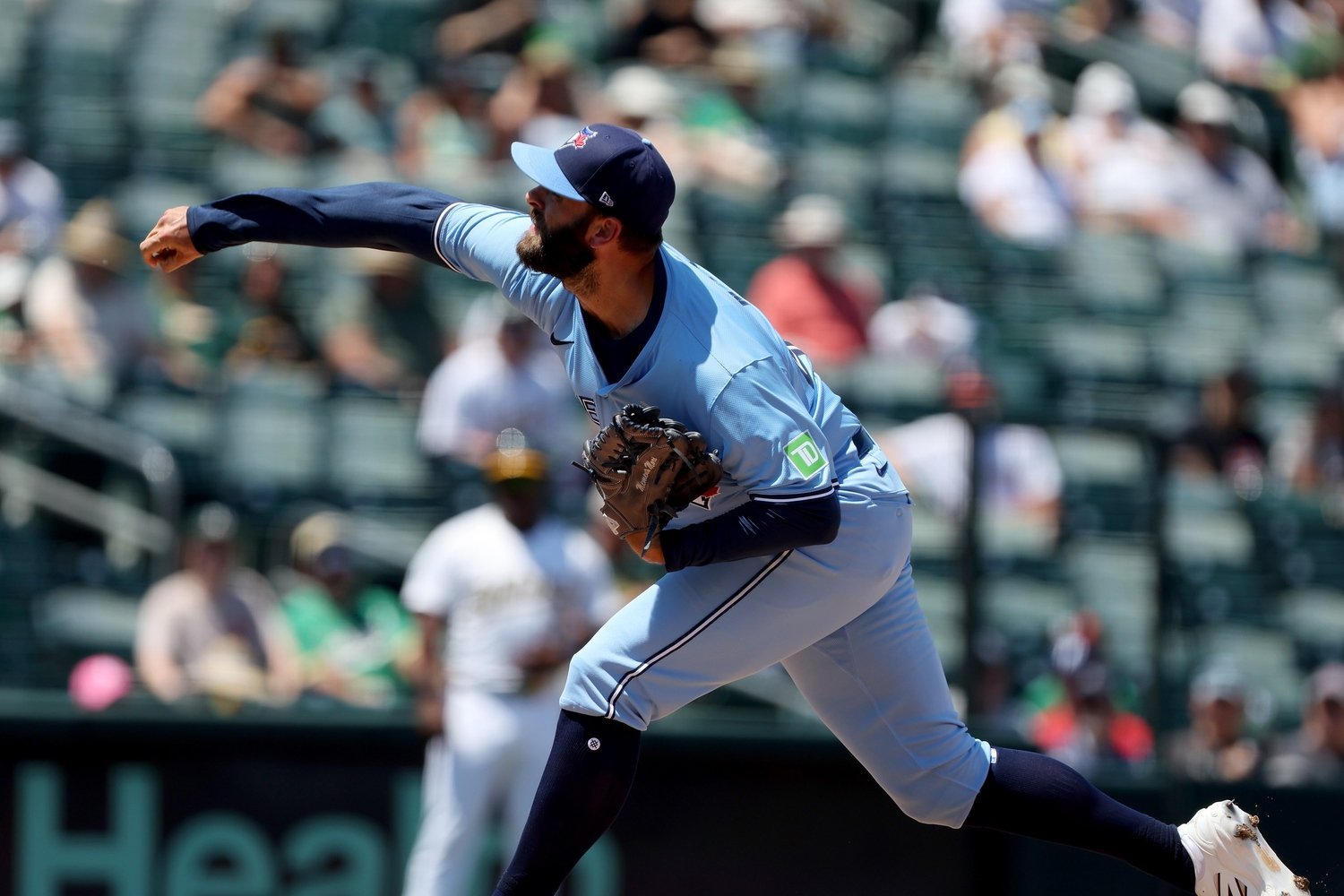 Tommy Nance played a small role in the Jays’ 2025 success, but whether that will guarantee him a spot in 2026 is uncertain. The future of a fringe‑roster big league pitcher is rarely straightforward, and in the case of Nance, the Jays face a particularly intricate decision. The right‑hander finds himself standing on the thinnest edge of the roster bubble, fighting not just for innings, but for his place in the majors. Nance has an inspiring story. Going from an undrafted, independent league arm to a late‑career MLB contributor, he has been defined by perseverance, flashes of effectiveness and stretches of inconsistency. His career has been built on the margins, in the shadows, in the places where baseball dreams often go to die. And yet, somehow, he has always found a way to keep going. As the Jays continue to reshape their roster heading into the 2026 season, Nance’s role within the organization is up in the air. His lack of minor league options, the team’s increasingly crowded bullpen picture and his age all contribute to a complex evaluation process for Toronto's front office. Baseball is a sport with a short memory and an even shorter patience for fringe contributors. Whatever goodwill Nance built last season does not guarantee him anything in 2026. In fact, it may not even guarantee him a locker in Dunedin by the end of March. With Nance being out of minor league options, he can’t be demoted without first passing through waivers. And because he has already been sent outright to the minors twice before in his career, he would have to agree to another minor league assignment. There's a good chance he'd opt for free agency instead. The Jays have added to the bullpen this offseason with Tyler Rogers and Chase Lee. While they lost Paxton Schultz to the Nationals following the signing of Kazuma Okamoto, the bullpen depth chart is already filling up, with Rogers, Lee, and the returning Yimi García joining the core of relievers that John Schneider leaned on during the postseason. Given roster constraints, combined with the team’s offseason bullpen acquisitions and internal pitching depth, Nance is in a precarious spot as the team approaches the upcoming season. His professional baseball story is one of resilience. Before joining the Blue Jays, he spent years bouncing between levels in the Cubs, Marlins, and Padres organizations. He is used to fighting for opportunities, but with mixed results. His MLB debut came relatively late – not long after his 30th birthday – and most of his career has been marked by inconsistency and limited innings. Tommy Nance is not supposed to be in the major leagues. Not by traditional standards, at least. Not by scouting logic. Not by the impersonal, analytical machinery that governs modern baseball. He has been optioned, DFA’d, traded for cash, and written off more times than he can probably count. He has never surpassed 45 innings in any of his major league seasons. In 2023, he was sidelined after Tommy John surgery, but he rebounded and has shown glimpses of effectiveness, improved command and a refined pitching arsenal. The Blue Jays acquired Nance from the Padres in 2024 for cash. That season, he was relatively successful in August and September. His 4.09 ERA with 19 strikeouts in 22 innings earned him a spot on the 40‑man roster through the winter. While those numbers aren’t dominant, they are good enough for a middle reliever. In particular, his ability to induce groundballs has stood out throughout his career. In 2025, Nance produced a 52.9% groundball rate. That is exactly what you want from a reliever, especially one who doesn’t have overpowering stuff. Nance has three main weapons: a sinking fastball with late arm-side run, a sweeping slider that generates weak contact and a changeup that is intended to disrupt timing and keep batters honest. He also has a cutter. His ability to induce groundballs, in theory, makes him a potential fit for high‑leverage situations, but that hasn’t come to fruition with the Jays. Meanwhile, his career strikeout rate (25.5%) is slightly better than league average, but his walk rate (9.2%) is slightly worse. All told, his 2.76 strikeout-to-walk ratio and 16.2% strikeout minus walk rate are solid but not spectacular. That might be the deciding factor for the coaching staff when they are eyeing up matchups or for the front office when they are deciding on the roster. The most significant factor shaping Nance’s future is the Blue Jays’ bullpen depth. The front office has assembled a relief corps that leaves little room for fringe arms. Returning higher-leverage right-handed relievers include Louis Varland, Jeff Hoffman, Braydon Fisher and Yimi García. If you add Tyler Rogers and José Berríos into that mix (not to mention the lefties), things are awfully crowded in the bullpen. Younger pitchers with minor league options offer more flexibility, and the Jays, like other teams, tend to prioritize roster flexibility. With seven or eight bullpen spots typically available, and most already spoken for, Nance faces an uphill battle. He turns 35 in March. That will make him one of the oldest pitchers in camp. Age isn’t a disqualifier, but it does limit upside. Teams like the Jays tend to bet on youth unless the veteran is clearly superior. With those factors in place, it seems likely that the Jays will elect not to include Nance on the Opening Day roster, thereby guaranteeing he’ll be placed on outright waivers. If another team claims him, then the Jays would not be entitled to any compensation. A rebuilding club could take a chance on him. A team with bullpen injuries could scoop him up. A club that values groundball arms like the Cardinals, Giants, or Pirates might see him as a fit. He is cheap and healthy, so those are two factors that are in his favour, whether with the Jays or another team. Nance will have a lot riding on spring training in Dunedin, presuming he gets there without being traded or getting hurt. If he does, he’ll need to pitch lights-out to force the team’s hand. A player like Nance is competent but not irreplaceable for the Blue Jays. With some younger, higher‑upside arms on the near horizon and a bunch of veterans with guaranteed contracts, the math would indicate that Nance’s inspiring MLB journey will most likely continue elsewhere. View the full article
 -
Rumor: Red Sox and Astros Engaged in Trade Talks for Isaac Paredes
DiamondCentric posted an article in Talk Sox
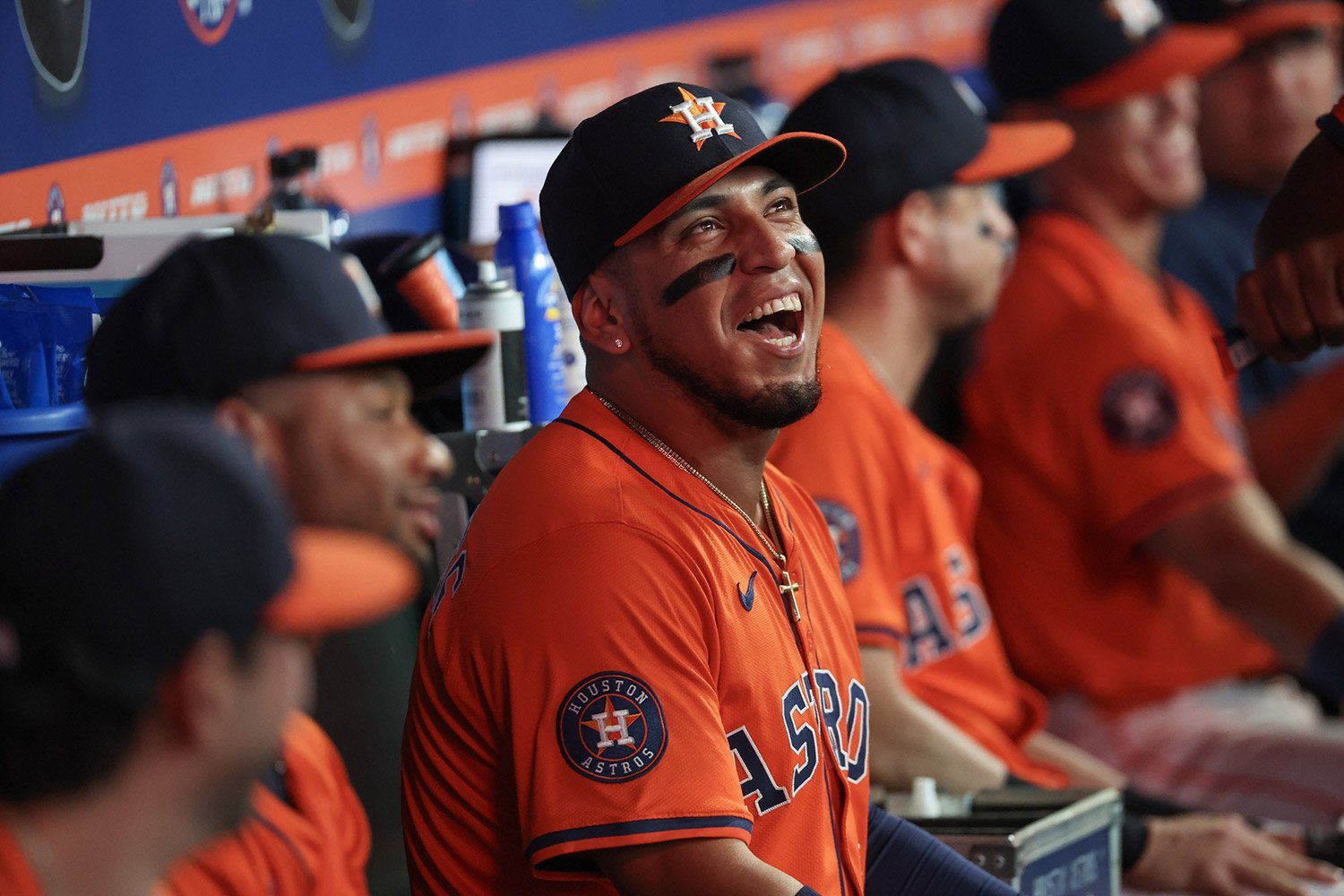 Reportedly, the Red Sox and Astros are involved in discussions centered around Isaac Paredes in recent days. According to Matt Couture on Twitter. The Astros are intrigued by both Brayan Bello and Jarren Duran, both names that have been floated in countless trade rumors since the beginning of the offseason. For a deal of that magnitude, though, the Red Sox are looking for more in return than just a two-for-one swap. Paredes makes a lot of sense as a target for the Sox and would fill a couple of different holes for the team. He’s a right-handed hitter and can play both third and second base. Either position needs to be addressed before spring training begins so Marcelo Mayer can begin working full-time at the other spot in the infield. It’s worth wondering who else the Red Sox may be targeting from the Astros to help facilitate a deal involving both Duran and Bello. What do you think? Should the Red Sox swing for a potential blockbuster deal by including Brayan Bello and Jarren Duran for a return headlined by Isaac Paredes? Sound off in the comments below! View the full article
 -
Big-Market Teams Continue To Pursue Brewers' Freddy Peralta
DiamondCentric posted an article in Brewer Fanatic
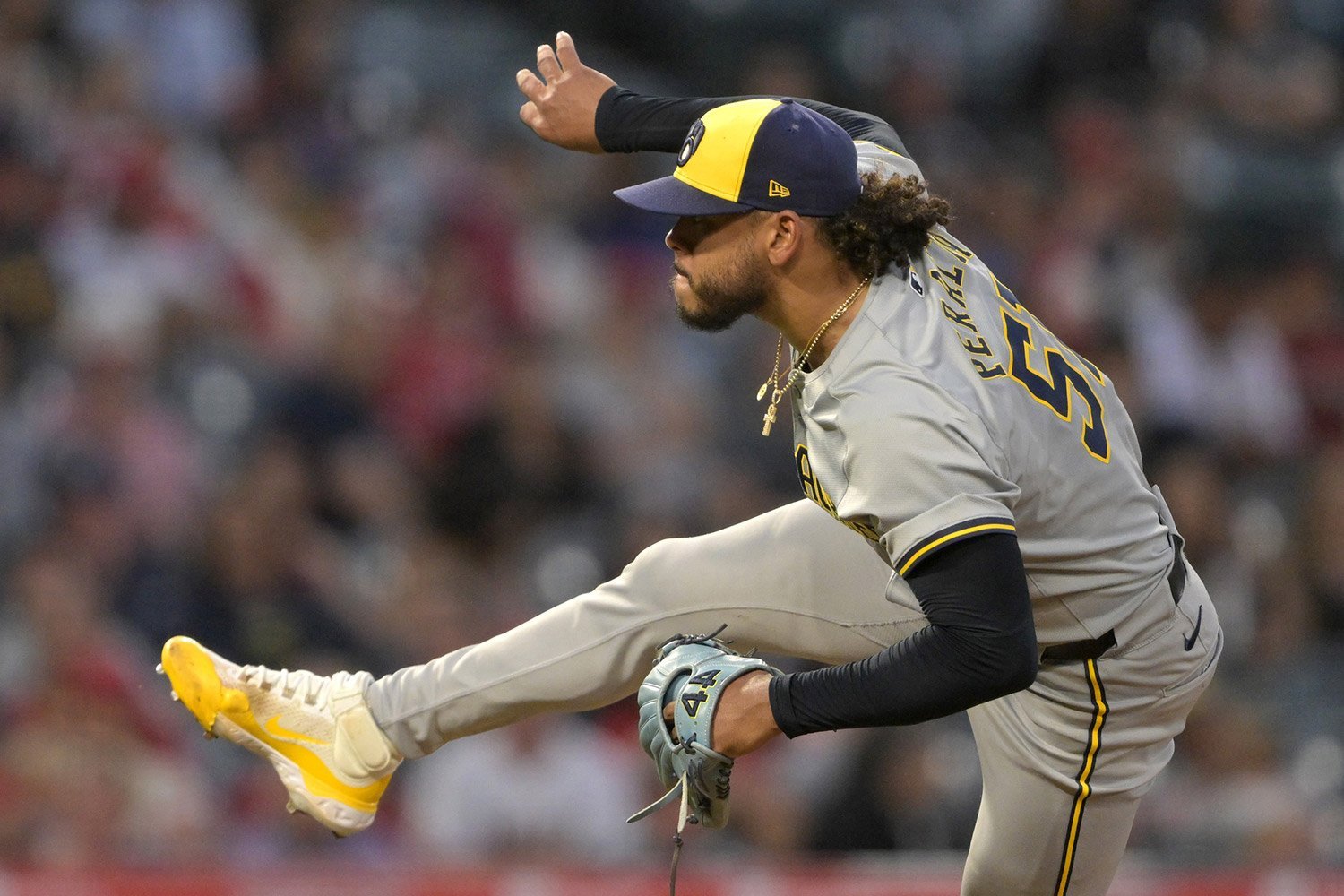 After the biggest week of player movement of this hot-stove season, Milwaukee Brewers ace Freddy Peralta remains a hot topic. According to a social-media post by Jon Heyman of the New York Post, five big-market teams are leading the pursuit of the right-hander. Those teams are the New York Yankees, New York Mets, Los Angeles Dodgers, San Francisco Giants, and Atlanta. But Heyman also notes that those five are "among many, many" teams trying to acquire Peralta. This comes after Brewer Fanatic's own Matt Trueblood reported Monday the Brewers were "moving toward a deal" for Peralta, with the Yankees as the most likely fit. Peralta is a hot property as he is making a very affordable $8 million for 2026 before hitting free agency. He is coming off a 2025 in which he posted a career-best 5.5 bWAR with an NL-leading and career-high 17 wins to go along with a 3.64 FIP and 1.075 WHIP for an ERA+ of 154, the highest of his career. Of course, the Brewers could always sign Peralta to an extension. View the full article
 -
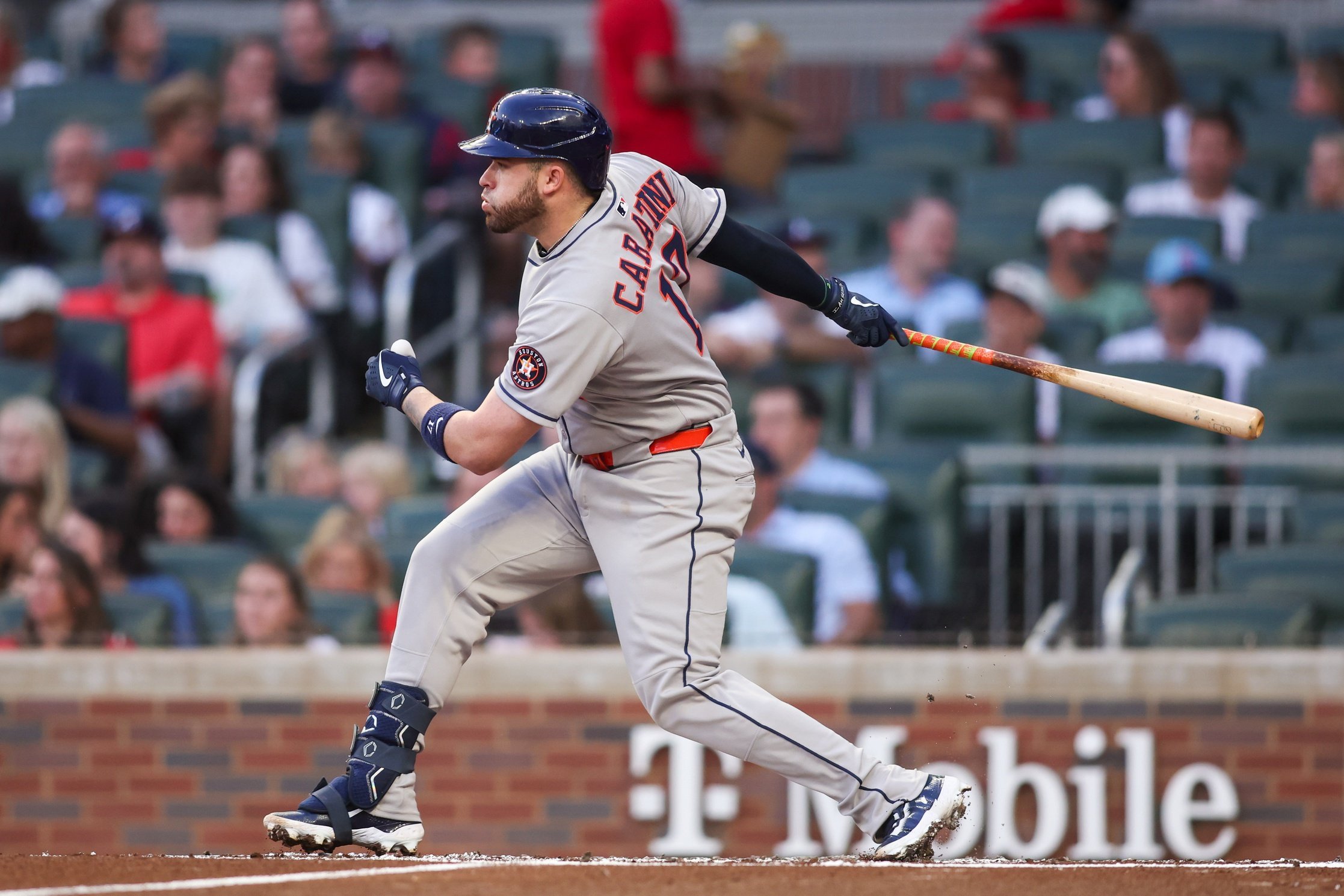 On Friday evening, Robert Murray of FanSided announced that the Twins had agreed to terms with 31-year-old free agent catcher Victor Caratini. Stop me if you’ve heard this one before: the Twins signed a 30-something Astros backup catcher to a multi-year deal to pair with Ryan Jeffers (this also describes the Christian Vázquez signing). The signing comes as something of a surprise to many, given the Twins’ noted lack of financial flexibility (at least among onlookers), their current catching situation, and the other holes on the roster. So, let’s discuss who Caratini is, what sense the signing makes, and how the Twins might use his services. Who is Victor Caratini? A former second-round draft pick in 2013, Caratini will start his tenth season in the big leagues come Opening Day 2026. He’s spent time with the Cubs, Padres, Brewers, and Astros before Minnesota, mainly in a backup or timeshare role. Offense Since settling in as a semi-regular in 2019, Caratini has been a roughly league-average hitter (.245/.323/.379, .702 OPS, 94 OPS+). Although a league-average bat doesn’t sound like much, among catchers — especially backup catchers — that number carries more weight. Since 2019, catchers as a whole produced a .690 OPS, meaning that Caratini’s OPS during that time was about five percent above the average catcher. Over the past two seasons, Caratini’s .735 OPS (.263/.329/.406) is about five percent above the average hitter and 15% better than the average catcher. Those impressive numbers have come against both righties and lefties, as Caratini is a switch-hitter with pretty even splits. It should be noted that his best offensive production has come over the past two seasons as a member of the Astros (his age-30 and -31 seasons). Those were the only two seasons that he’s recorded a slugging percentage over .400 in his career, so it’s natural to wonder if his numbers were aided by playing in Daikan Field, where the left field fence can inflate some hitters’ power production. However, Caratini is a switch-hitter (meaning that he only hits right-handed about a third of the time), and only two of the 20 home runs he hit over the past two seasons were aided by the Crawford Boxes. A lot of his recent improvements can be chalked up to very good strike zone control (despite not walking much) and pulling fly balls more (going from a very low rate to about league average).. As noted, Caratini has roughly even splits as a switch-hitter. He has historically been more effective against righties (batting left-handed), but in both 2024 and 2025, he improved his production against lefties, and he was more effective as a right-handed batter—albeit in about 60 plate appearances each season. His 105 OPS+ against righties since 2024 still outpaces the incumbent Ryan Jeffers’s 95 OPS+ during the same stretch. Defense Caratini’s defense has been a mixed bag throughout his career — in more ways than one. First, he has never been a full-time catcher. He’s topped out at 87 starts at catcher in 2021 for the Padres. His next-highest number of starts at catcher in a season was 73 in 2022 in Milwaukee. Since then, he’s logged 54, 55, and 48 starts at catcher over the past three seasons. There’s room for debate about what the Twins ought to do with him, but it seems unlikely that he’s suited for more than a timeshare role. However, Caratini has some flexibility beyond catcher, namely at first base. He’s played over there at least once every season of his career, and he’s started double-digit games at the position four times in his nine-year career. He doesn’t have the bat to be an everyday first baseman. Still, there are worse options, and Joe Espada indicated that he was comfortable playing Caratini at first, even when another first baseman like Jon Singleton was in the lineup as the DH. Caratini has also served as a designated hitter in his career, with over half of his starts at the spot coming last season. But anyway, back to his catching. Caratini has had a shaky performance behind the plate from year to year. He doesn’t have a particularly effective arm, and teams will run on him. His strong skill at this point in his career is as a blocker. At one point in his career, he was lauded for his framing, but that slipped in 2025. Speaking of framing, it’s unclear how much framing will matter in 2026, the first season that MLB will adopt an automated ball-strike (ABS) challenge system. Being a good receiver will still matter, but missed calls can be corrected, and we will learn in real time which catchers are effective at detecting balls and strikes, rather than making balls look like strikes. Perhaps, with this change, catchers who struggle with framing but can hit will be more valuable, and the Twins have two catchers who are above-average producers at the position. Does This Signing Make Sense? Yes, well, sort of. Maybe? It depends on what happens next. As noted, the Twins are dealing with a nebulous payroll limit that has yet to be publicly disclosed. The team has many holes in the bullpen following 2026’s deadline fire sale, and it also wouldn’t have hurt to add another infielder beyond Josh Bell — either to split time at first base with Kody Clemens or to back up shortstop. And yet, the Twins spent $14 million (seven million this season) on a second catcher, pairing Caratini with Ryan Jeffers, a quality starting catcher in his own right. And this signing comes after trading Payton Eeles for Baltimore’s Alex Jackson, whom the cash-strapped Twins owe $1.35 million. Their payroll is about $100 million right now, and 14% of that is dedicated to three catchers. There should hypothetically be at least a couple more moves on the way as the Twins try to reassemble their bullpen, add infield depth, and sort through their surplus of big-league outfielders. Adding Caratini, even at a modest contract, raises more questions as to how they plan to fill out the rest of the roster. But that’s a conversation for another blog. Let’s briefly touch on how Caratini might be used. What Role Will Caratini Fill? There are a few ways the Twins could deploy Caratini, and they all relate to the elephant in the room: Ryan Jeffers. Timeshare Jeffers has never taken the lion’s share of reps at catcher. He maxed out at 81 starts in 2024, and he’s been in a timeshare role every season of his career. He did get his first taste of an everyday role in 2025, and he has made comments suggesting that he hopes to finally be an everyday player this season, but that has not been Derek Falvey’s modus operandi with catchers. Instead, Jeffers and Caratini can split duties behind the plate, even if Jeffers takes the bulk of starts. Caratini is a better hitter against righties, and Jeffers can take most plate appearances against lefties, whom he has hit far better than righties in his career. Actually, it would be possible to play both on any given day, but it would make more sense to do so against lefties. Given Caratini’s recent success against lefties, the Twins could feasibly start one of the two at catcher and either stick Caratini at first base or Jeffers at designated hitter. It checks off a box — a platoon partner for Clemens — without using a roster space on the short side of a first base platoon. Caratini is a Backup Instead of splitting time, Jeffers could be relied on as a more everyday option, leaving about a third of games for Caratini at catcher. This strategy would work out to about 100 games for Jeffers and 50 for Caratini (which is right in line with the number of games he’s started at catcher over the past three seasons), with the switch-hitter mostly facing right-handed starters. Caratini could probably receive a start at designated hitter or first base each week and rack up about 300 plate appearances as Jeffers’s backup. He’s getting high-end backup money, and that’s the role he could play. Jeffers is Traded and Caratini Starts Everyday Alright, let’s address it. Someone here will address it in full soon, but it needs to be noted here. Jeffers is in his last season of team control and will be a free agent this offseason. He’s making a not-insubstantial $6.7 million this season, and cost-aware teams like to get something of value before letting a player walk for free in free agency. Should Jeffers be traded, the team still has two catchers with MLB experience in Caratini and Jackson. Caratini could see the most starts of his life, with Jackson taking a quarter to a third of games himself in this scenario. Caratini Will Primarily Play Elsewhere Because the Twins do not have a clear picture at first base and designated hitter, it's possible that Caratini primarily plays one of those two positions. Both Clemens and Bell have hit righties better than lefties, and Caratini's recent performance has been better against lefties. Additionally, Clemens is no sure asset, and he also may be better suited for a utility role. Caratini would not be a good option at first or DH, but he might be preferable to the alternative. This may justify carrying Jackson as a third catcher. View the full article
 -
Was Kyle Tucker's Cubs Tenure Worth The Cost?
DiamondCentric posted an article in North Side Baseball
 Now that Kyle Tucker has signed with the Los Angeles Dodgers, should the Chicago Cubs get a passing grade for their original trade with the Houston Astros? View the full article
 -
 Still in need of a starting second baseman, will the Boston Red Sox be able to find an apt replacement for Alex Bregman in free agency or via trade before Opening Day? View the full article
 -
 Yet again, the Toronto Blue Jays fell just short in their pursuit of marquee free agents in Kyle Tucker and Bo Bichette. Is there any way for them to replace Bichette's impact in the lineup before Opening Day? View the full article
 -
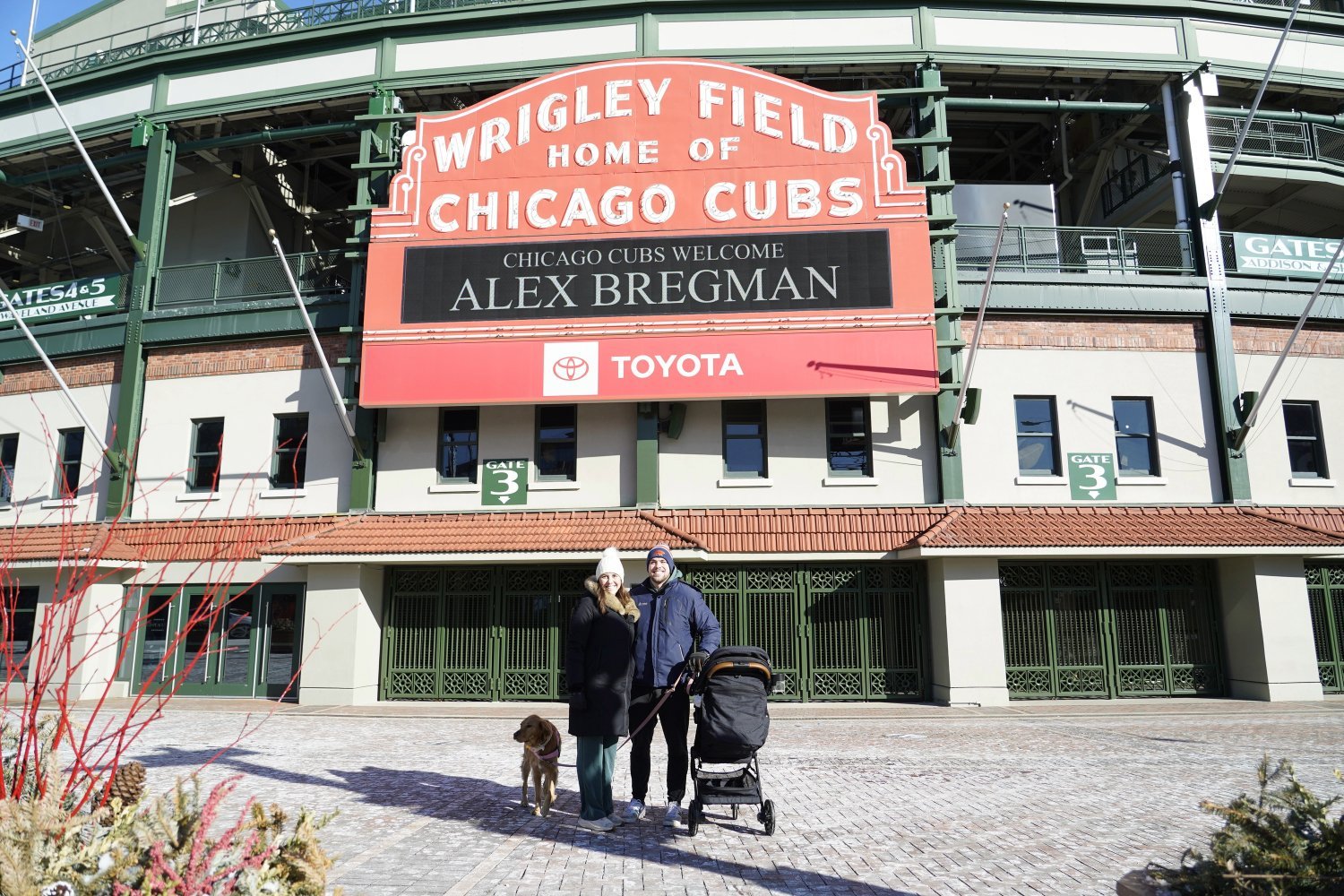 Prior to last week, the Chicago Cubs’ offseason could have been described as passive. They added a few veteran relievers on cheap contracts and brought back Shota Imanaga via the qualifying offer. This left fans wondering if the big move was coming; not when. Fast-forward to now, and the Cubs have silenced the inactivity narrative that has defined their offseason by trading for the electric starter Edward Cabrera and signing three-time All Star Alex Bregman. The Cubs' playoff rotation in 2025 needed one more starter, and now, they have that starter should he remain healthy. Kyle Tucker never really seemed like anything more than a one-year rental, leaving them down an impact bat in the top of the lineup. After paying Bregman the highest AAV in franchise history, they now have that bat. (As well as the first two picks of the 2015 draft). The former Astros, Red Sox, and LSU Tigers star will certainly help the Cubs contend for a postseason spot, and hopefully the NL Central division in 2026 and beyond. His ability to get on base, drive balls to his pull side, and play Gold Glove defense will define his impact on the field. His natural leadership ability will make an impact off the field with young stars Michael Busch and Pete Crow-Armstrong. Fans do need to realize Bregman is not the same type of player that Kyle Tucker is, and will not be able to carry the offense on his own. Bregman is a key cog in a machine, but not the machine himself. This is not meant to discourage the Bregman signing, but it is more of a warning flag to fans. Bregman won’t be able to win games on his own. The Cubs will need a better year out of Dansby Swanson; they'll need to see Crow-Armstrong look closer to his first half self from 2025; Seiya Suzuki and Michael Busch need to show their 30-homer seasons were no fluke. It might even make sense for the Cubs to target another free-agent outfielder or trade for a power-hitting threat off the bench (your mileage will vary on that). Before anyone starts preparing the championship banners, let's review the possible pitfalls of Bregman's contract. Age: Bregman will turn 32 right as the regular season begins in late March. This contract, which has no opt-outs and a no-trade clause, will run through his age-36 season. There's no question that the 7 and 8 WAR seasons Bregman had in 2018 and 2019 are a thing of the past, but will he be able to continue to post 4+ WAR seasons for the majority of this deal? If he didn’t miss time last season, he likely would have eclipsed 4 WAR for the fourth straight season. FanGraphs' Steamer projects Bregman to have an fWAR of 3.8 for the 2026 season, along with a wRC+ of 121. These projections represent a slight decline from his previous seasons but still align what the Cubs are believing they’re paying for. Consistent production at that level might be challenging, though. Professional sports are getting younger across the globe, and gone are the days in baseball where players are posting elite production into their mid- and late-30s, but the chart below shows just how rare it is for players in their thirties to have 4+ WAR seasons. Rk Player WAR Season Age Team 1 Aaron Judge 10.8 2024 32 NYY 2 Aaron Judge 9.7 2025 33 NYY 3 Marcus Semien 7.7 2023 32 TEX 4 Paul Goldschmidt 7.7 2022 34 STL 5 Freddie Freeman 6.8 2023 33 LAD 6 Freddie Freeman 6.2 2022 32 LAD 7 Brandon Crawford 6.1 2021 34 SFG 8 Paul Goldschmidt 5.9 2021 33 STL 9 José Ramírez 5.8 2025 32 CLE 10 Trea Turner 5.4 2025 32 PHI 11 Jose Altuve 5.2 2022 32 HOU 12 Mookie Betts 4.9 2025 32 LAD 13 George Springer 4.8 2025 35 TOR 14 Starling Marte 4.8 2021 32 MIA,OAK 15 Freddie Freeman 4.7 2024 34 LAD 16 Kyle Schwarber 4.7 2025 32 PHI 17 Marcell Ozuna 4.3 2024 33 ATL 18 José Abreu 4.3 2022 35 CHW 19 George Springer 4.2 2022 32 TOR 20 Matt Chapman 4.1 2025 32 SFG 21 Marcus Semien 4.1 2024 33 TEX 22 Manny Machado 4.1 2025 32 SDP This is the entire list of 4+ WAR seasons from position players aged 32 and up since 2021. Most of these players were considered elite or are still considered elite, and Bregman has largely been looped in with this group. Bregman should add his name to this in the next season or two, but most players, including many on the list above, will not age like Freddie Freeman. The Cubs need to perform now to maximize this deal, as it may look a bit rough toward the end. Injury concerns: Generally speaking, Bregman’s injury history is sparse compared to a lot of major leaguers. He's played in at least 145 games in six out of his 10 seasons. Of the four seasons he didn’t play as many games, one was his rookie year and another was the pandemic season. In 2021, Bregman missed over two months with a quad strain before stringing together three healthy seasons in a row. Then, he strained his other quad in 2025, causing him to miss about six weeks. He came back toward the end of 2025 and hit .300 in the postseason, so the quad issue seems not have lingered. The concerns here are less about his injury history and more about his ability to play third base regularly through his mid-30s. The only primary starters at third base in 2025 older than Bregman were Jose Ramirez and Eugenio Suarez, and the free agent Suarez is likely to sign as a first baseman. If the Cubs hold onto Matt Shaw, which seems to be the plan, Bregman will have more opportunities to DH for the 2026 season with Nico Hoerner still in town. If the second baseman walks next winter, the Cubs will likely be in a position where they will need to bring in another starting quality second or third baseman in order to give an older Bregman enough time off his feet. Power concerns: Bregman is still a complete hitter without a doubt, but he’s not going to be that home run threat the Cubs have been missing. Hopefully, Busch and Suzuki become guys that can be counted on for 30-plus home runs again and again. This overly cautious front office deciding to pay Bregman an average of $35 million a year shows they believe they have the home run power already in-house. Bregman hasn’t had a 30 home run season since before the pandemic, when he hit 41 in 2019 (the juiced-ball year). He hit 18 in 114 games in 2025, though he averaged 24 from 2022-2024. Unless the 5’11 infielder is able to go on a late-career power surge like Nelson Cruz, the Cubs will need to look elsewhere for some fence-clearing regularity. Bregman should still be able to clear 20+ home runs throughout most of his contract, but this could be an issue that persists, especially as he gets older. View the full article
 -
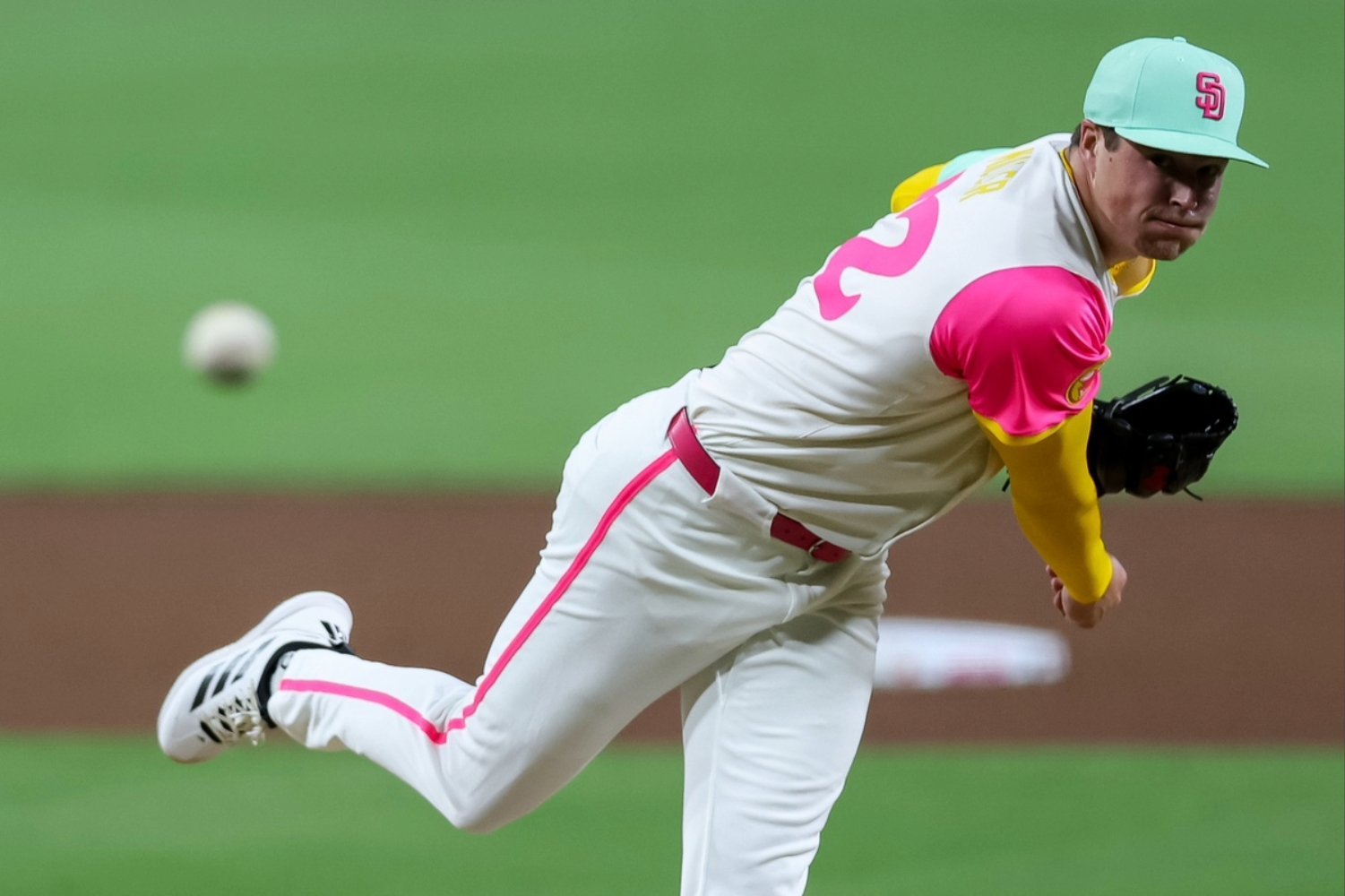 Last year, the San Diego Padres acquired Mason Miller to be a late-inning weapon out of their bullpen. Miller wants to remain in that role 2026, even if the team thinks he could dominate elsewhere on the pitching staff. As a reminder, the right-hander is the team's projected closer after Robert Suarez signed with the Braves, but there has been chatter this winter that the Friars might consider converting Miller or Adrian Morejon back to starting to bolster a thin rotation. Miller is not a fan of the idea. "It's been an exciting conversation that's been had year in and year out since I did transition to the bullpen, I've had a lot of success (as a reliever), and right now, to go away from that doesn't make sense for me," he told Todd Frazier on the Foul Territory podcast Thursday. Miller, 27, was almost unhittable out of the 'pen for San Diego after coming over from the Athletics last July 31. He allowed seven hits and struck out 45 (with 10 walks) over 23 1/3 innings. He also worked 2 2/3 scoreless frames in the Wild Card Series against the Cubs. His last MLB start was on Sept. 16, 2023, as an A's rookie against the Padres. He allowed two runs in an inning as an opener for Luis Medina. Since then, he has made 118 consecutive relief appearances. "I'm never going to be the guy that rules (returning to starting) out down the line, but I will admit it is hard to go away from something that you're having a lot of success with," he told Frazier. "And I think my value right now is being the lockdown guy in the ninth or late in games." "Down the road? Maybe, we'll see, but this year we're looking at the bullpen," he added. Miller pointed out that there is a clear economic benefit to him remaining a reliever. "My first year in the (salary arbitration) system, I'm being (compared) as a reliever, and a pretty good reliever at that, so I'm going to keep that ball rolling," he said. Miller and the Padres avoided a hearing by agreeing to a one-year, $4 million contract last week. San Diego has less of a need for starters after re-signing Michael King to a three-year, $75 million contract, but The Athletic reported last week that club is telling teams they want to add another arm. Their limited financial (and prospect) resources make the path to achieving that unclear, but displacing perhaps the most dominant closer in the modern game doesn't seem to be the right way of going aboutit. On a lighter note, Miller is contemplating a new entrance song. He told Erik Kratz that he's down to a few options to replace Nickelback's "Burn it to the Ground." The goal is to amp up the energy. "Nickelback seemed to be so-so last year, so I think we're going to go a different route," he said. View the full article
 -
Pitching Prospect Dasan Hill’s Breakout Year Put Twins on Notice
DiamondCentric posted an article in Twins Daily
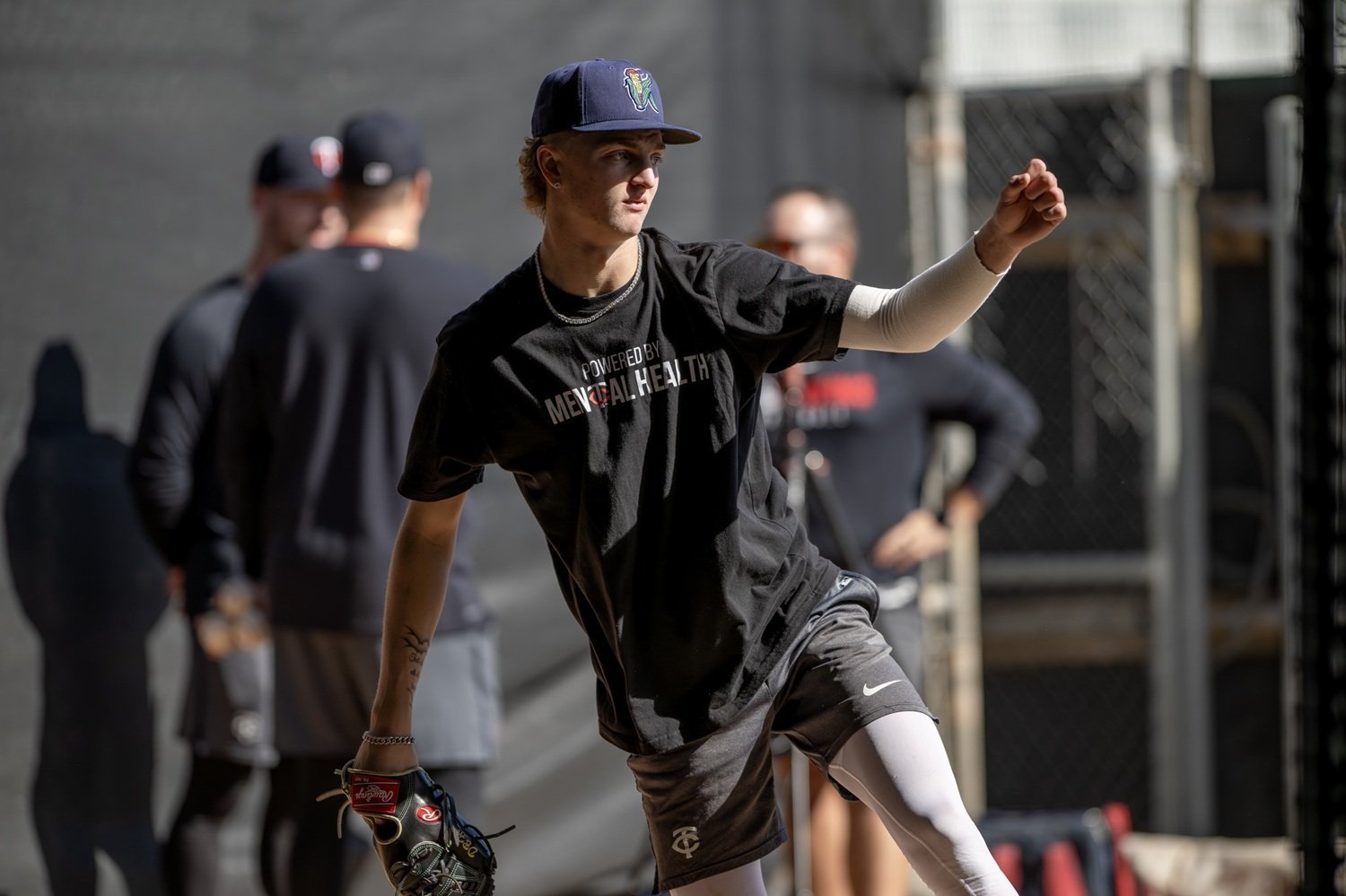 The Twins knew Dasan Hill would be a long-term project when they selected him 69th overall in the 2024 MLB Draft, but his first season in professional baseball quickly showed why the organization is so high on the young left-hander. Hill’s debut across two levels offered both eye-opening upside and clear developmental checkpoints, a combination the Twins are more than comfortable working with. “We’re excited about Dasan,” Twins general manager Jeremy Zoll told FanGraphs of the southpaw Hill, who was drafted out of high school in Texas. “He did a really nice job of missing bats. His changeup came along really well. He had an incredibly high swing and miss rate on that pitch. The breaking balls were a project in spring training, and they kept getting better and better as the year went along. Easy velo from the left side, and it looks like it’s going to be a full four-pitch mix.” Hill wasted little time showing why he was such an intriguing high school arm. His fastball already sits in the mid-90s and can reach higher, and it plays up thanks to late movement and a tough angle created by his crossfire delivery. At the lower levels, the heater alone was often enough to overpower hitters, but it was the development of his secondaries that separated him from most teenage pitchers. “We’re excited to keep pushing him. We challenged him in High-A at the end of the year. He knows that he has to be in the zone a little bit more. That will be a big thing for him, getting ahead of hitters and staying ahead a little bit more. He has a really bright future. His body is projectable and will keep filling out.” That challenge came late in the season when the Twins bumped Hill to Cedar Rapids. Even with limited innings, the move underscored the organization's aggressive view of his long-term outlook. Hill showed flashes of dominance at both stops, finishing the year with a 3.19 ERA, a 3.35 FIP, and a 31.1% strikeout rate over 62 innings between Fort Myers and Cedar Rapids. “He’s 19 and just getting started,” Twins president of baseball and business Derek Falvey added. “The changeup is really, really good — it’s a weapon pitch — but like [Zoll] said, there is a lot of maturation coming with this kid. There’s not just understanding how to pitch, but also his body and physicality.” Beyond the fastball, Hill’s slider and curveball showed meaningful progress as the year went on. The slider has become a potential wipeout pitch against left-handed hitters, while the curveball gives him a viable option versus righties. His changeup, though once viewed as a complementary piece, has already become a legitimate weapon and a separator within the system. The numbers also highlight where the next phase of development must focus. Hill struck out hitters at an impressive rate, but his walk totals pushed his WHIP to 1.35, a reminder that command and efficiency remain works in progress. That inconsistency is not unexpected for a pitcher who spent most of the year at 19 years old and was facing professional hitters for the first time. The Twins were careful with his workload, rarely asking Hill to work deep into games. That approach reflects both his age and the organization’s desire to let his body continue to mature. Even with those limits, Hill established himself as one of the most exciting arms in the farm system and now ranks among the top prospects in the organization. Looking ahead to 2026, Hill is likely to return to High-A or move quickly to Double-A with a clear set of priorities. The Twins will be focused on strike throwing, getting ahead of hitters, and continuing to refine all four pitches. If those pieces come together, Hill has the upside of a future rotation anchor. If command lags behind the stuff, his fastball and slider combination alone could still make him a high-impact bullpen arm. Either way, Hill’s first professional season confirmed what the Twins believed on draft day. The raw ingredients are special, the progress is real, and the timeline will be dictated not by urgency, but by how quickly a very young pitcher turns immense talent into consistency. What would an ideal 2026 season look like for Hill? Can he be a consensus top-100 prospect at this point next season? Leave a comment and start the discussion. View the full article
 -
2026 Offseason Episode 3: Twins Sign Victor Caratini
DiamondCentric posted an article in Twins Daily
 In this special episode, Brock Beauchamp and Matt Lenz break down the Twins' signing of Victor Caratini to a two-year contract. He's a capable backup catcher, but do the Twins want more from him, and does this mean a Ryan Jeffers trade is incoming? Listen using Apple Podcasts: https://podcasts.apple.com/us/podcast/the-twins-off-daily-podcast/id1741266056 Listen using Spotify: https://open.spotify.com/show/4tb78XlurcPTYYSsARdbD7 Listen using iHeartRadio: https://www.iheart.com/podcast/263-the-twins-off-daily-podcas-167548600/ Listen using Pocket Casts: https://pca.st/nvclbt0w Watch on YouTube: https://www.youtube.com/@twinsdaily View the full article
 -
Jarren Duran "Unlikely To Land" With Kansas City Royals.
DiamondCentric posted an article in Talk Sox
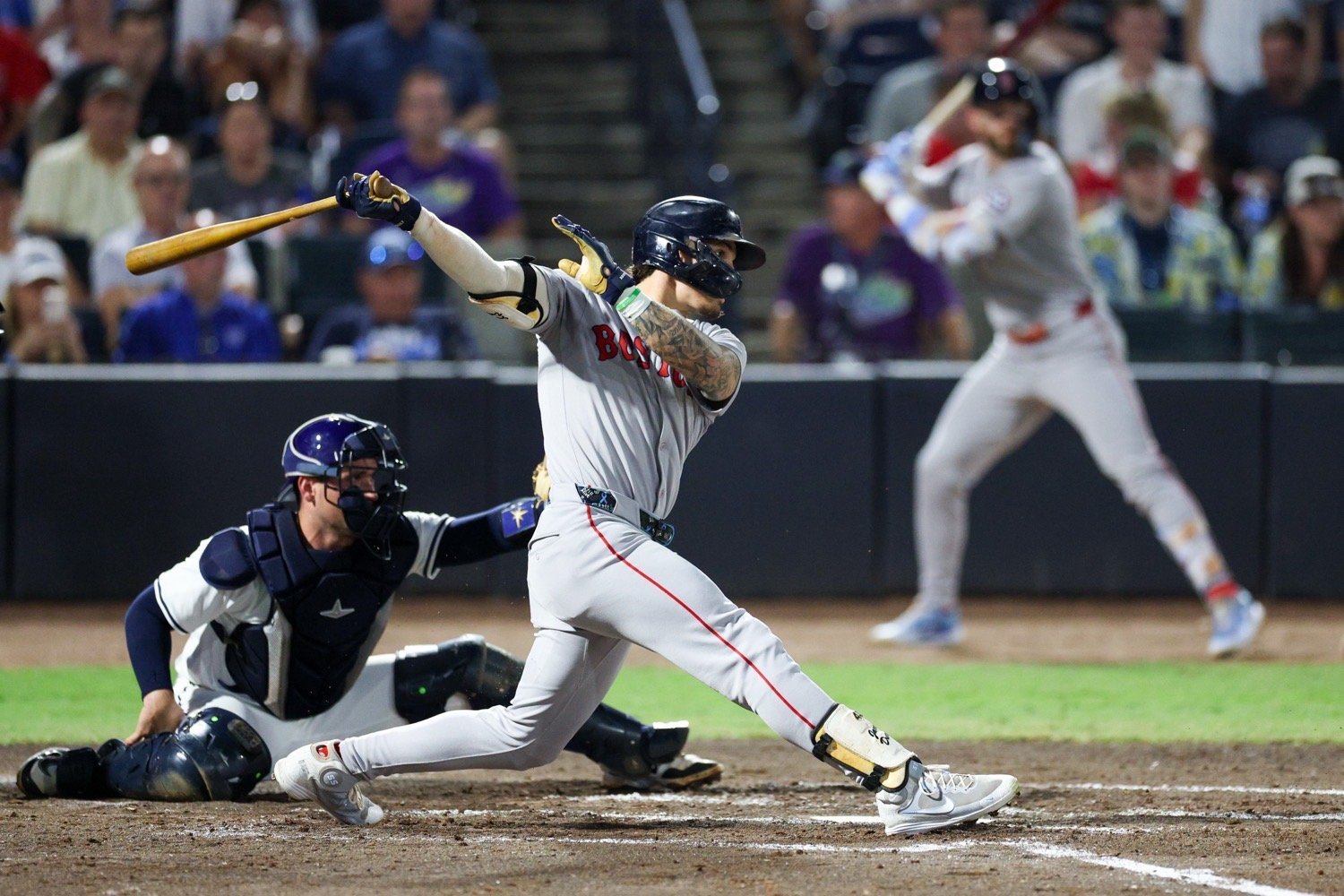 The Boston Red Sox have had an eventful and mostly successful offseason. While it's easy to focus on the whiff on Alex Bregman, the Red Sox have been able to significantly improve their rotation and add Willson Contreras to their roster. On Friday, Ken Rosenthal of The Athletic provided an update on a player who's been involved in trade rumors for months. Rosenthal of The Athletic is reporting that the Kansas City Royals are "unlikely to land" Jarren Duran. For a long time, the Royals and Red Sox seemed destined to make a deal, as one side had pitching to offer and the other needed pitching. However, this recent update suggests the Royals are satisfied, rolling with the options they currently have on their roster. This is all not to say that the Red Sox still won't try to move Duran, as they still have a traffic jam in the outfield with Masataka Yoshida, Roman Anthony, Ceddanne Rafaela, and Wilyer Abreu, along with Duran. That's five guys for three outfield spots and a DH. All the while, the Red Sox are still looking for help in the infield - specifically, third base. While most of the rumors had the targeting pitching in a trade, they may need to shift their sights to players who can play on the dirt. Of the five options, who do you think the Red Sox should try to move? Let us know in the comments! View the full article
 -
Kansas City Royals "Unlikely To Land" Jarren Duran, Brendan Donovan
DiamondCentric posted an article in Royals Keep
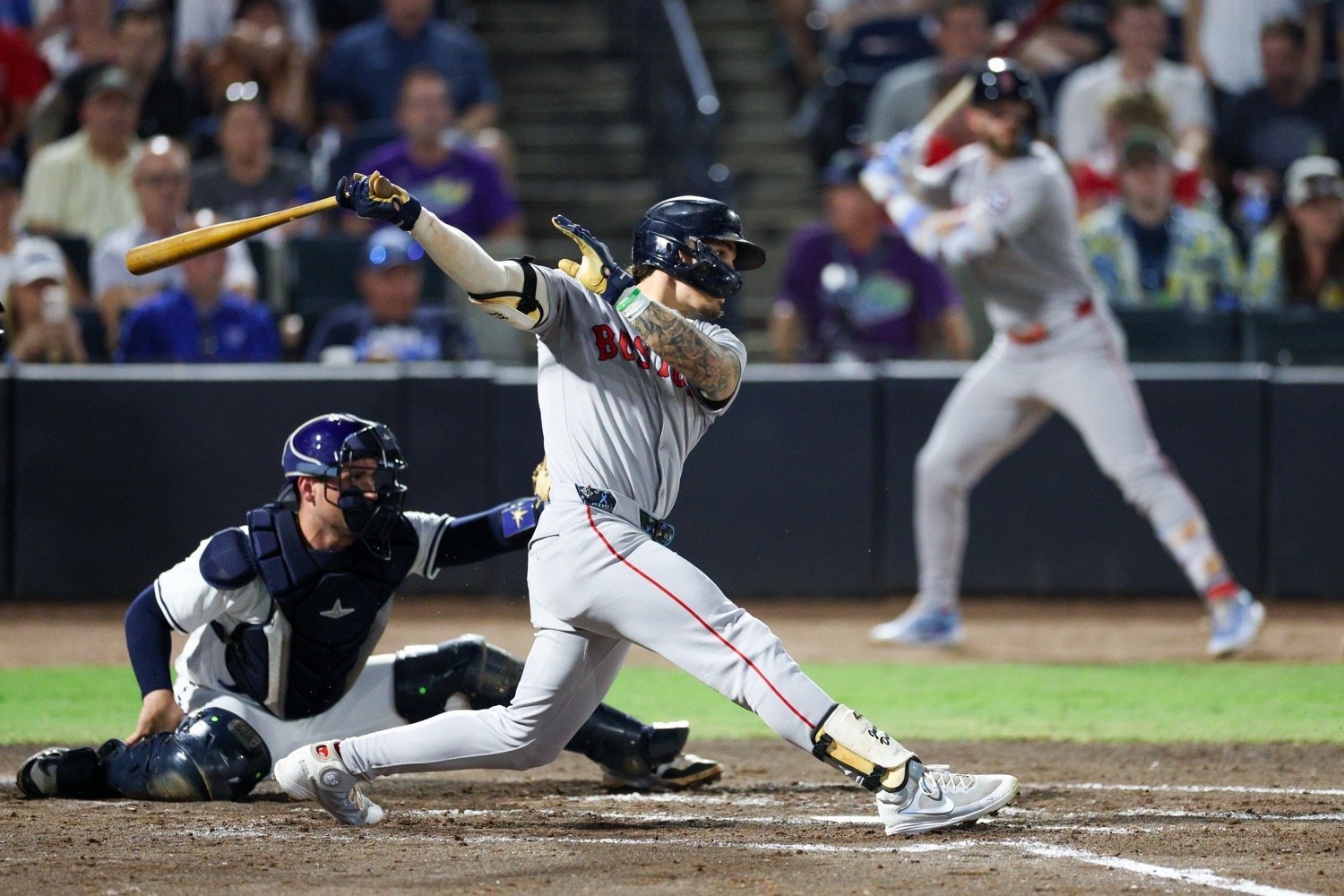 The Kansas City Royals have been involved in a fair number of rumors this offseason. Specifically, they were looking to flip some pitching for an outfield bat. On Friday, Ken Rosenthal of The Athletic provided an update on two of the names that have been tied to the most. According to Rosenthal, the Royals are "unlikely to land" Jarren Duran or Brendan Donovan. He goes on to say, "Barring further moves, the Royals expect to rely heavily on offseason acquisitions Isaac Collins and Lane Thomas in their outfield, as well as rookie Jac Caglianone and holdover Kyle Isbel.” Of that group, only Collins was an above-average hitter last year, posting a .779 OPS with nine home runs and 16 stolen bases. This resulted in a 122 wRC+, whereas the next-highest from that last group was Isbel, who posted a 79 wRC+. Additionally, Collins was in the 86th percentile of Out Above Average (OAA), accruing four (six in left field and -2 in right). Isbel is also a plus defender, accruing +12 OAA, whereas Thomas and Caglianone are more known for their arms. Do you think the Royals should do what it takes to land Duran or Donovan? Let us know in the comments! View the full article
 -
 The Twins have reunited with the Arcia family by signing shortstop Orlando Arcia to a Minor League deal with an invite to big league camp in spring training. Will Arcia be another placeholder for Kaelen Culpepper, or do the Twins intend to use him as a utility infielder, as the Rockies did in 2025? View the full article
 -
 With two ace southpaws atop their rotation, will the Boston Red Sox field the best pitching staff in baseball in 2026? Their rotation looks fierce with Garrett Crochet, Ranger Suarez, Sonny Gray, Brayan Bello, Connelly Early, and Payton Tolle in the mix. View the full article
 -
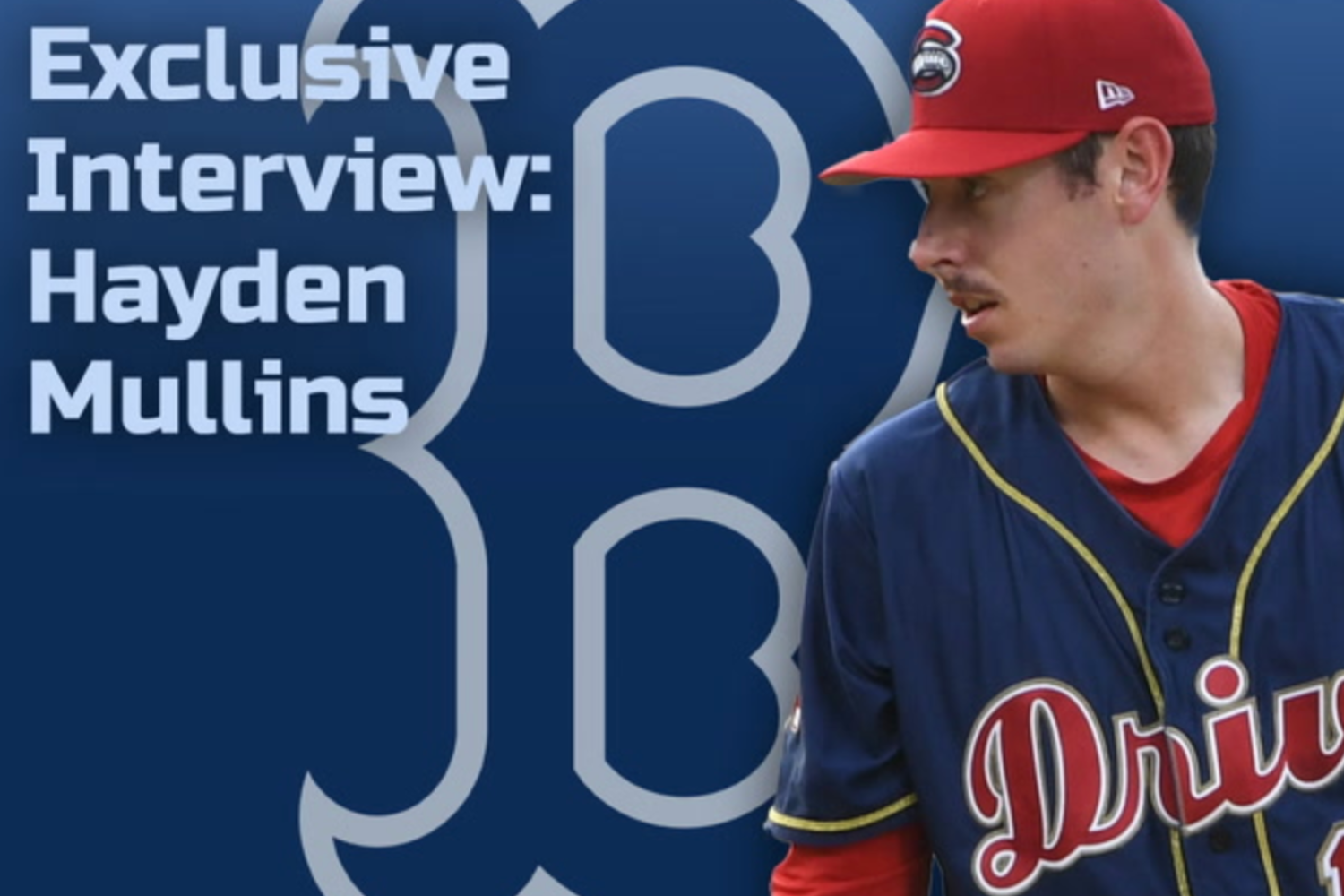 “It was somewhat of a surprise,” Hayden Mullins said as he thought back to the day he was drafted. “My agents called me a couple picks before I got picked.” Mullins, who was the Boston Red Sox's 12th-round pick in 2022, has dealt with injuries since his senior year of high school. At one point thinking of entering the draft as a teenager, an injury his senior season saw his chances of being picked crater. Thus, he instead chose to play baseball at Alabama. Unfortunately, things did not get much better on the health front. Mullins' freshman season was cut short due to COVID-19 canceling the college baseball season. He appeared in five games in relief. His sophomore season was also cut short, as he made just seven appearances before another injury ended his season. Finally, it seemed like his junior season was the mark of a new dawn. Making 11 appearances, including eight starts after getting moved to the rotation, Mullins pitched 34 2/3 innings and struck out 43 batters. Then, injury struck once more as he required Tommy John surgery. By the time he went under the knife and had the surgery, his college baseball career was over; by the time he would be able to get back on the mound, his senior season would have ended. And so he chose to enter the draft. “I didn’t get surgery until July 14 and I tore my elbow on April 29. I was trying to rehab it and get back to pitch for the postseason. I realized I would not get to pitch my senior year and that weighed into the decision,” Mullins explained. Despite the surgery, the southpaw was still taken by the Red Sox as the team decided to gamble on his raw talent. “It was awesome. I’m sitting there in an elbow brace, three days out of surgery. So I’m sitting there hoping a team takes a chance, and I’m grateful it was the Red Sox,” Mullins continued when asked about his draft experience. Unfortunately for the left-hander, he was unable to get into any games until the tail end of the 2023 season. At that point, he made four appearances, tossing a combined 6 1/3 innings between the Complex League and Low-A Salem. It was the 2024 season when he started to really showcase his talents, as shown by his 118 strikeouts in 89 innings with High-A Greenville. Mullins credits the bump in strikeouts to the organization's extensive planning with each pitcher. “You’re receiving reports, this is what you do well. This is what you don’t do so well. These are the things we’re going to work on. Once you go into a game, you’re not really thinking about it, but it just plays a part in a lot of success." Some significant changes have also been seen in his arsenal, the left-hander having tweaked his pitch repertoire since being drafted. “I’ve always thrown fastball, slider, changeup for most of my life. Now, the grips, we can alter them to make the ball move a little bit more downward or horizontal. Adding the sweeper was a big step — I added it in the offseason of ’23. This past season I added a cutter. And I think those will be two really good drivers of success because they’re two different shapes and one is a little bit harder and the other is softer." Much like Blake Wehunt, who we interviewed earlier in the offseason, Mullins felt that the addition of a cutter will play nicely against his natural, arm-side-run four-seamer. Mullins dominated in 2025, going 8-2 in 22 appearances (21 starts) and tossing 101 2/3 innings with an ERA of 2.21. In that span, he struck out 123 batters, splitting his time between Greenville and Portland. He spent most of the season in Portland's rotation and would finish the season as the Sea Dogs' Pitcher of the Year. In all likelihood, the 25-year-old will open the 2026 campaign in Triple-A Worcester, though with their currently loaded rotation, it wouldn’t be out of the question to see him work out of the bullpen (especially since the major-league team is in need of potential left-handed options out of the bullpen). With his ability to rack up strikeouts, Mullins could be a potential late-game option down the road if he can stay healthy. The left-hander has talent to succeed at every level of the sport, and it should be just a matter of time before he makes his major-league debut. View the full article
 -
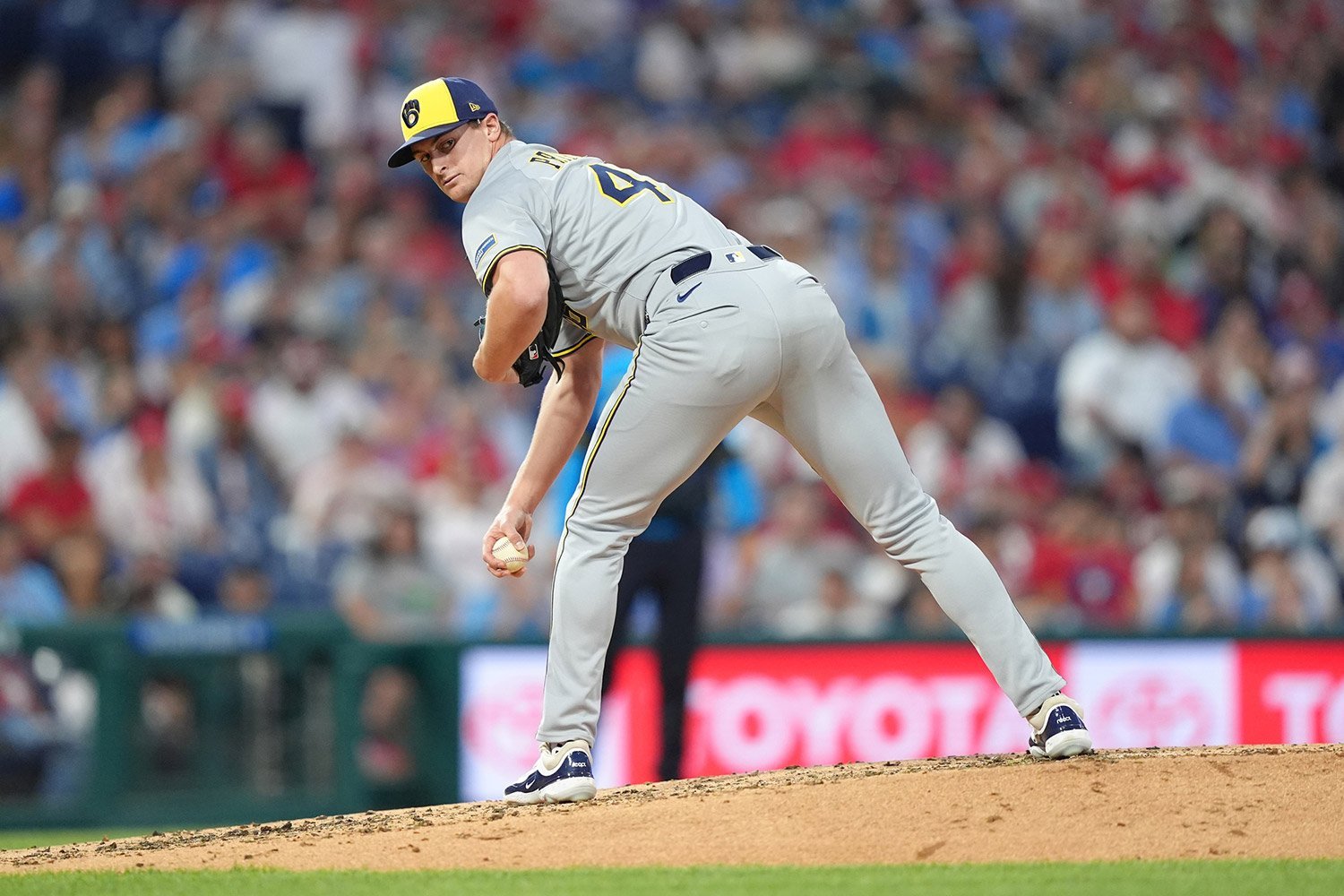 The Brewers' offseason has been - in a word - quiet - as we wait in anticipation for the Freddy Peralta trade that feels inevitable. The Brewers are masters of improving on the margins and making seemingly small (or even tiny) moves that result in acquiring players with an outsized impact on the team's success, but this winter feels exceptionally slow. To be fair, the Brewers won more games than any other team in 2025 and do not have any glaring holes. While we wait for more action, here is a ranking of the top five player moves from last season. Honorable Mention: Jake Bauers and Anthony Seigler sign minor league contracts After initially non-tendering Jake Bauers in November, the Brewers brought him back on a minor league deal in January of 2025. Bauers had an up-and-down season and dealt with injuries, but he really came on in September and was a standout for the Brewers in the playoffs. He has excellent bat speed, and the Brewers will look to utilize him in advantageous matchups in 2026. Anthony Seigler was the Yankees' first-round pick in 2018. Like Blake Perkins in November 2022, Seigler left the Yankees organization and signed a minor league contract in November 2024. He is an interesting and versatile player, logging a good number of innings at third base, second base, and catcher in 2025. The Brewers like Seigler’s swing decisions at the plate, and with prospect Jeferson Quero currently looking like the backup catcher at the MLB level, it’s possible the Brewers will give Seigler more time behind the plate during spring training this year. 5. Trade for Grant Anderson The Brewers traded 2024 7th round draft pick Mason Molina less than six months after drafting him to the Rangers in exchange for a relief pitcher with a career 62 1/3 innings pitched and a 6.35 ERA. Of course, the Brewers spun Anderson around, clicked his ruby cleats together, and turned him into a useful bullpen weapon who provided 69 2/3 innings with a 3.23 ERA. Importantly, Anderson had two options remaining, allowing the Brewers to send him up and down as needed to provide flexibility and bring in fresh arms from the minor leagues when they needed to. Anderson has four years of club control and another option remaining; he will likely provide the 2026 Brewers with similar flexibility and quality relief innings. 4. Signing Jose Quintana The Brewers made their most significant free agent signing of last offseason on March 3, roughly three weeks before Opening Day. Quintana had long been a Brewers foil; the team often struggled to make solid contact against him, particularly during his time with the Cubs and Mets. After signing so late into spring training, Quintana wasn’t ready to begin the season with the MLB club, and the Brewers called him up on April 11. Quintana went on to make 24 starts for the Brewers, pitching 131 innings with a 3.96 ERA. The Brewers' rotation looks very different now than it did in March of 2024 - Quintana gave the Brewers the quality innings they needed, when they needed them most, making this a successful acquisition executed at just the right time by the Brewers' front office. 3. Trade for Andrew Vaughn On June 12, starting pitcher Aaron Civale requested a trade, and on June 13, the Brewers traded Civale to the White Sox for Andrew Vaughn. Fittingly for this list, Andrew Vaughn was also seen as a less-than-optimal addition. At the time of the trade, the 2019 number three overall pick in the MLB draft had a .189 batting average, a 43 wRC+, and a negative WAR both in the season and cumulatively for his career. The White Sox, in the midst of their third consecutive season with more than 100 losses, had demoted Vaughn to Triple-A. The Brewers recalled Vaughn from Triple-A Nashville a few weeks later, and he turned into a new player. With the Brewers, he was 43 percent better than the average big league hitter, leading the Brewers in the category with a wRC+ of 143. Vaughn had several big home runs and hits, producing memorable moments during the Brewers' winning streaks. The Brewers clearly believe in the tweaks Vaughn made to his approach in 2025 as they tendered him a contract and agreed to a salary of $7.65 million for 2026. Vaughn has an additional year of team control in 2027, giving the team options moving forward. 2. Trade for Caleb Durbin Last winter’s version of trading away a pitcher with one season of team control remaining saw Devin Williams sent to the Yankees for starting pitcher Nestor Cortes and infield prospect Caleb Durbin. Similar to the Priester trade, this trade was not universally celebrated by pundits and Brewers fans. On the surface, this looked like an attempt to field a competitive roster while building for the future. The Ortiz portion of this trade failed spectacularly; his most noteworthy contribution to the 2025 Brewers was surrendering home runs on the first three pitches of the second game of the season, facing his former teammates in New York, and helping ignite the torpedo bat controversy. Shortly thereafter, he was put on the injured list and ultimately required the Brewers to attach a prospect to him in order to trade him off the roster. Durbin was never a highly regarded prospect. MLB Pipeline only added him as the 30th-ranked prospect on the Yankees' top 30 list following the 2024 Arizona Fall League, where Durbin set the stolen base record with 29 steals in 24 games. Durbin did not make the Opening Day roster but was promoted in mid-April when the Brewers gave up on Oliver Dunn. Durbin posted an above-average wRC+ in every month except May, finishing five percent above league average with a 105 and accumulating 2.6 fWAR on the season. Having limited experience at the hot corner, his defense at third base improved over the course of the season, earning positive value and finishing in the top half of players at the position. Durbin doesn’t look like a star, but his patient and hard-working approach fits in perfectly with the Brewers, and with five years of control left, the Brewers again acquired a positive asset. 1. Trade for Quinn Priester Less than two weeks into the season, the Brewers sent Yophery Rodriguez, John Holobetz, and the 33rd overall pick in the 2025 MLB Draft to Boston in exchange for Priester, the Pirates' first-round pick from 2019, who had limited MLB experience with low strikeout rates and poor results. At the time of the trade, the Brewers' rotation was in disarray with multiple pitchers on the injured list, and many believed this trade smacked of desperation. The then-19-year-old Rodriguez was coming off a successful season at Single-A and was ranked around 10th across the board on Brewers prospect lists. Holobotz was a textbook Brewers draft pick, selected in the fifth round from a smaller school, and the 33rd pick carries a lot of value - the Brewers had just acquired the 34th pick the year before from the Orioles as part of their trade haul for Corbin Burnes. Unsurprisingly, the Brewers knew what they were doing: they tweaked his arsenal, and Priester stepped right into the rotation, pitching 157 1/3 innings with a 3.32 ERA and a 56% ground-ball rate, including setting the team record with an 11-game winning streak. Priester was not rookie-eligible; otherwise, the Brewers would have had five players receive rookie of the year votes. Priester should have five years of team control left, and it appears that the Brewers acquired a very valuable asset. View the full article
 -
5 Twins Prospects Who Could Make Their MLB Debut on Opening Day
DiamondCentric posted an article in Twins Daily
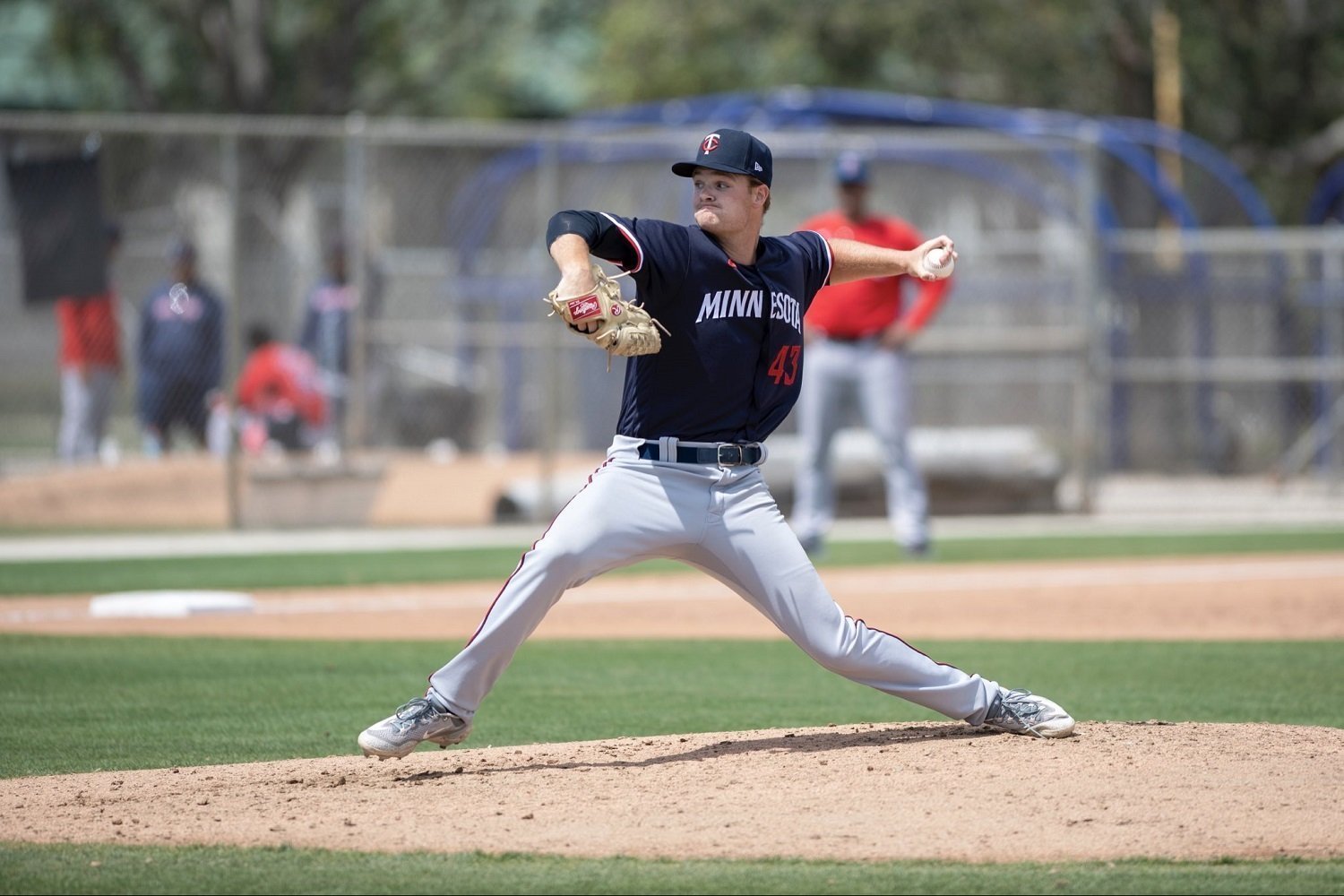 The Twins shipped out nearly a dozen veteran players at the trade deadline last year, and have done little to replace the lost talent and experience. Team leaders have asserted their intention to build from within, and to succeed on the strength of a system that is viewed by baseball executives (per a recent MLB Pipeline survey) as one of baseball's most underrated. If the Twins really want to follow through and put their (lack of) money where their mouth is, they'll give some of their prospects a chance to seize Opening Day jobs. There are at least five credible candidates, looking beyond Walker Jenkins and Emmanuel Rodriguez, who — while arguably deserving of a look after reaching Triple-A last year — are crowded out of a lefty-heavy outfield mix. That's one player type these current Twins don't presently need. Here are a couple they badly do need: relief pitchers, and right-handed bats. For that reason, I could envision any of these five players who've yet to debut in the majors catching on with the big-league team if they take spring training by storm. Connor Prielipp One of the factors that often prevents MLB teams from carrying a rookie straight out of spring training is service-clock manipulation. By waiting a few weeks, you can game the system for an extra year of control. That's not so much of a consideration for Prielipp, who turned 25 a few days ago. If all went perfectly and he stuck in the majors for good after making the team, he'd still be under Twins control through age 30. Among the arms they currently have, I'm pretty confident Prielipp is one of Minnesota's best relief options, injury and workload question marks aside. With his fearsome fastball/slider combo from the left side, he may very well be the best, or at least the highest-upside. Could Prielipp step into a setup or closer role out of the gate, with no major-league experience, just as Jhoan Duran did in 2022? I could definitely see it. Like with Duran, there's not really any reason to waste more bullets in the minors if he's healthy. Marco Raya Raya struggled mightily in Triple-A last year while working mostly as a starter. By now he and the Twins should be embracing the shift to a reliever role, and Derek Falvey has hinted as much. In short stints, able to maximize his effort and lean heavily on his standout slider, Raya could be a force. He seems to be an X-factor they are relying on for their rebuilt bullpen. That won't necessarily happen right away. Raya undoubtedly has the stuff but he's got to harness it consistently and manage his emotions. But if he is throwing heat and finding the strike zone in spring training, why not gamble on his potential in a relief corps that is currently lacking for it? John Klein Maybe my favorite dark horse heading into camp. Most Twins fans probably hadn't heard of Klein before he was added to the 40-man roster in November, but that decision came on the heels of a very strong season in the minors where the 6-foot-5 righty ramped up his arsenal and fanned 128 hitters over 106 innings in the high minors. He only threw 25 innings after reaching Triple-A, but Klein turns 24 in April and has the makings of a bullpen-uptick guy with a five-pitch mix that could be whittled down. His presence on the 40-man roster gives him an edge over other prospects or minor-league signings who would need to be added. Gabriel Gonzalez Shifting our focus from relief pitching to another need: right-handed hitting. The Twins are deep on lefty-swinging corner bats, including Trevor Larnach, Matt Wallner, Kody Clemens, Alan Roden and James Outman. Meanwhile they are very short on right-handed options to complement and balance this proliferation of portsiders. Yeah, you've got Austin Martin, but he hasn't proven to be much of an offensive force. Scrap-heap pickup Eric Wagaman is probably the de facto favorite to fill a platoon-type role, but he's not very exciting, and also he's got minor-league options so there's no obligation to go with him. Gonzalez distinguishing himself in spring camp and claiming an Opening Day roster spot is a fun thought. If the Twins want real right-handed punch, and a true weapon against lefties, he's maybe their best bet to offer it even at just 22 years old. Last year Gonzalez raked through three levels of the minors, slashing .368/.430/.592 against lefties and finishing with an .862 OPS in 150 PAs at Triple-A. The big snag here is consistent playing time. The Twins aren't going to have him on the roster starting twice a week, which is what a true platoon role would entail. For Gonzalez to have a chance, space will need to be cleared ahead of him. Kyler Fedko Fedko could be looked at as Gonzalez Lite. The underlying concept is similar. Promoting him straight to the majors would be a lot less audacious than Gonzalez, since Fedko is 26 and no longer really a development project. Because of that, the Twins would also probably be far more comfortable carrying him in a part-time role. Despite Fedko posting a strong .855 OPS at Triple-A last year, he didn't make believers of the Twins, who declined to promote him late in the year or add him to the 40-man roster after. Fedko went unpicked in the Rule 5, so apparently the rest of the league weren't big believers either. But he's still a guy on the prospect radar — ranked 18th on Twins Daily's list, and 33rd on Aaron Gleeman's latest — with a skill set that could suit the club's short-term needs. Anyone I'm missing? Who's your dark horse prospect to make his MLB debut on Opening Day? Share your thoughts in the comments. View the full article
 -
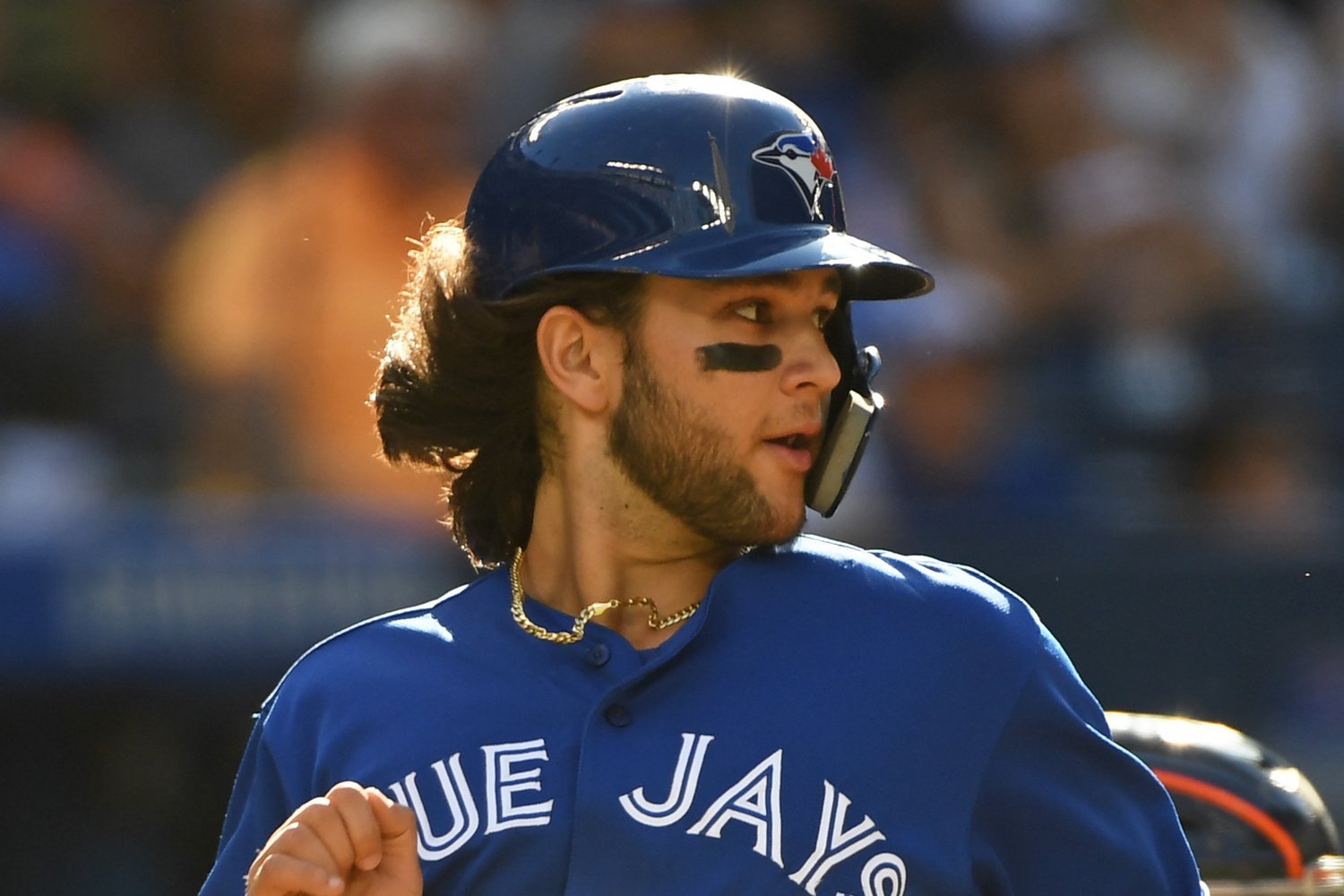 On March 27, the Blue Jays will take the field for Opening Day 2026. They'll do so as the reigning American League champions for the first time in 32 years. But they'll do it without Bo Bichette for the first time since 2019. Here's what Toronto's Opening Day lineup looked like the last time Bichette wasn't a part of it: Brandon Drury, 3B Randal Grichuk, RF Teoscar Hernández, LF Justin Smoak, 1B Lourdes Gurriel Jr., 2B Kevin Pillar, CF Rowdy Tellez, DH Danny Jansen, C Freddy Galvis, SS Charlie Montoyo was the newly-appointed manager. Marcus Stroman was the starting pitcher. A new era of Blue Jays baseball was on the horizon, but it hadn't started yet. It wouldn't begin until two kids named Vladdy and Bo debuted later that year. The Blue Jays signed Vladimir Guerrero Jr. as an international free agent in 2015. They drafted Bichette the next summer. The two young hitters, both the sons of MLB All-Stars, played together on the left side of the infield at every level of the minors. By the end of the 2017 season, the consensus was clear: Guerrero and Bichette were the Blue Jays' two top prospects, and two of the most highly-regarded youngsters in the minor leagues. It couldn't have been easy for Bichette to play in his teammate's shadow. Guerrero joined the organization earlier. He was always the higher-ranked prospect. He got the call to Triple-A and MLB first. His dad wasn't just an All-Star and a Silver Slugger winner; he was a Hall of Famer. It was always Vladdy and Bo, never Bo and Vladdy. Yet, it was Bichette who had the stronger rookie season. He reached base safely in each of his first 17 games, which included an MLB-record nine game doubling streak. In 2020, he outhit Guerrero again, albeit in a limited sample. It was in 2021 that they both became stars. In July, they played together on the All-Star team. At season's end, Guerrero was the MLB home run king, while Bichette led the AL in hits. Ultimately, it was Vladdy's year to shine; Guerrero finished runner-up for AL MVP, while Bichette earned some down-ballot votes and finished 12th. In each of the next two years, however, Bichette was arguably the better player, finishing ahead of Guerrero in FanGraphs WAR and MVP voting. You could say that Vladdy was the face of Blue Jays baseball in the 2020s (and he certainly is now), but really, for the last five years, Guerrero and Bichette were the faces of the team together. They were one of baseball's most fruitful partnerships. At risk of stating the obvious, it's sad to see that come to an end. Two months ago, I thought I was playing devil's advocate when I suggested that the Blue Jays shouldn't prioritize re-signing Bichette. I thought for sure his name was at the top of Ross Atkins's list. I knew there was an argument for making other moves – heck, I made that argument – but at the same time, I didn't really believe things would change. Or maybe I just didn't want to. Then the Blue Jays signed Dylan Cease to the kind of contract Bichette was hoping to land. And the Kyle Tucker rumors started to percolate. And the Jays signed Kazuma Okamoto. Eventually, I started to realize Bichette wasn't coming back. Yet, it wasn't until yesterday that it really sank in. I understand it. I get why the Jays weren't going to beat the Phillies' reported seven-year, $200 million offer. I get why they didn't beat the Mets' winning bid of three years and $126 million. That doesn't mean I'm going to miss Bichette any less. All that's left to say is bye-bye, Bo. Can't wait to cheer for you, and then beat you, when you come back in June. Thanks for the memories – especially this one. View the full article
 -
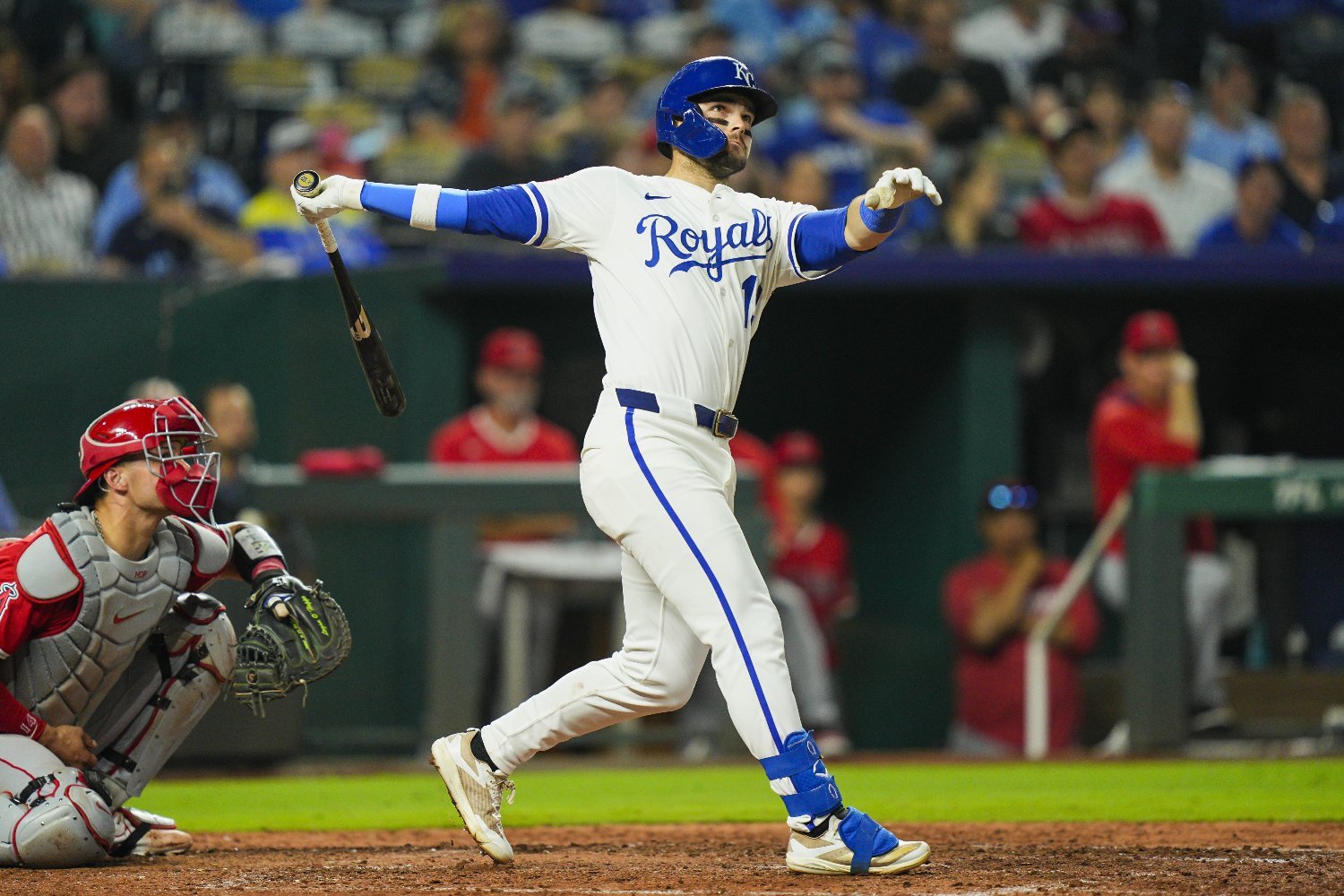 The Kansas City Royals know that a better lineup will be key to an improvement in 2026. After all, they ranked 26th in runs scored and home runs, 22nd in OBP, and 20th in OPS last season, which helps explain why they went 82-80 last year and missed the postseason. Those rankings have to be better in 2026 if they want to return to the playoffs after a one-year hiatus. So far, JJ Picollo has made efforts to improve the lineup this offseason. He signed former Guardians outfielder Lane Thomas on a one-year, $5.2 million deal and acquired outfielder Isaac Collins in a trade with Milwaukee. They also signed utility players Josh Rojas, Kevin Newman, and Abraham Toro, hoping one of them could be a wild card and have a surprising 2026 campaign in their new surroundings in Kansas City. However, it's looking like the Royals' ability to make a big deal may be starting to dwindle. That is especially true in the wake of big free-agent moves such as Kyle Tucker's signing with the Dodgers and Bo Bichette's with the Mets. Ken Rosenthal reported as such in his latest article on The Athletic. Here's what Rosenthal said in that article about the Royals' outlook for the remainder of the offseason, especially relating to Boston's Jarren Duran and St. Louis' Brendan Donovan, whom they have both been tied to this winter. Hence, for the Royals to win 83 or more games this season (which will be needed to make the postseason), they will need continued production from their core hitters (Bobby Witt Jr., Vinnie Pasquantino, Maikel Garcia, and Salvador Perez) as well as some breakouts from their complementary ones. One of those complementary ones could be Michael Massey, who is coming off a rough 2025 season. Massey's role is a bit unclear for 2026, especially with Jonathan India returning on a one-year, $8 million deal. India is expected to be the Royals' regular second baseman this season, and there is hope that his batted-ball luck and batted-ball approach could improve in 2026, which could lead to better offensive production (as Philip Ruo talked in an article here, Royals Keep). However, for the Royals' offense to truly improve, a solid campaign from Massey, even as a utility player, will be necessary. Thus, let's take a look at what Massey did in 2025, what his outlook could be for this upcoming season, and how he could be best utilized by manager Matt Quatraro this season and possibly beyond. Solid Contact Ability, But Lackluster Power Metrics from Massey Massey seemed to be trending in the right direction in 2023 and 2024, when he started getting regular playing time with the Royals. In his first full season in Kansas City in 2023, Massey hit 15 home runs, collected 55 RBI, and stole six bases in 461 plate appearances. Granted, he only posted a 74 wRC+, .283 wOBA, and accumulated a 0.5 fWAR, which were all disappointing marks. That said, he also had a .318 xwOBA, thus illustrating that Massey was capable of seeing positive regression in the future. Positive regression did occur in 2024, even though Massey struggled with injuries and played in only 100 games (29 fewer than in 2023). His wRC+ improved to 104, his wOBA to .317, and fWAR to 1.5 in 2024. Massey was the starting second baseman for the Royals in the postseason and came up with some key hits in the playoffs, including the ALDS against the Yankees. Unfortunately, things fell back to earth for Massey in 2025. In 77 games and 277 plate appearances, he posted a 57 wRC+, .254 wOBA, and -0.4 fWAR. On a positive note, he provided some solid defense at both second base and left field, as evidenced by his +2 FRV and +1 FRV, respectively. That said, his defense was not enough to make up for his porous production at the plate. A big issue for Massey was not his contact ability. He only struck out 15.5% of the time last year, a career low. However, he had a too free-swinging approach. His walk rate was only 3.2% (a career-low), and his O-Swing% was 35.4%, 7.3% higher than the league average. Massey also struggled in terms of exit velocity, barrel rate, and hard-hit rate, as illustrated by his TJ Stats summary below. As Royals fans could see above, Massey ranked in the 15th percentile in average EV, 11th percentile in Max EV, 9th percentile in Barrel%, and 13th percentile in Hard-Hit%. Those aren't encouraging trends, even with the fences at Kauffman Stadium being moved in slightly for 2026. Conversely, a positive trend for Massey in batted-ball metrics was that he still launched the ball well. That is especially illustrated by his 58th percentile LA Sweet-Spot%. He also pulled the ball effectively with a 91st percentile Pull% and 69th percentile Pull Air%. His spray chart shows that his pull-heavy approach proved successful, especially when it came to extra-base hits, when he launched the ball effectively. He also demonstrated a positive trend in xwOBA over the course of the 2025 season. After hitting a low point around the 190th plate-appearance mark of the season, he turned it around at the 200th plate-appearance mark and ended up being an above-average hitter in terms of xwOBA by the conclusion of his season. Therefore, even though the overall numbers weren't great for Massey, he showed encouraging signs in 2025 that should make Royals fans hopeful he could have a season in 2026 closer to 2024 in production. What Do the Projections Say for Massey? When it comes to projections for Massey in 2026, I compiled in Datawrapper a collection of the following projections: Fangraphs' Depth Charts (FGDC) Steamer The BAT X OOPSY I included the following categories as well: Plate Appearances (PA) Home Runs (HR) Runs Scored (R) Runs Batted In (RBI) Weighted On-Base Average (wOBA) Weighted Runs Created Plus (wRC+) Here are the 2026 projections for Massey, as illustrated in the table below. Depth Charts (FGDC) and Steamer were the most optimistic about Massey's production in 2026. Not only did they project the best wOBA (.301), but also the best wRC+ (89). FGDC and OOPSY projected the most at-bats and the same number of home runs (nine), but FGDC was slightly more optimistic, as illustrated by FGDC predicting a better wOBA and wRC+. Massey's The Bat X projections were the most intriguing. They projected the worst wRC+ and wOBA, and by a decent margin (his wOBA was 10 points lower than his FGDC mark; his BAT X wRC+ was also seven points lower than his FGDC wRC+). Those aren't good, obviously. However, the BAT X also projected the most home runs (10) and RBI (40) of the four projection systems. Hence, while the BAT X doesn't predict a great overall performance, they project his home run and run production could still be impactful in 2026. The key difference with the BAT X is that it incorporates batted-ball and Statcast data into its projections. When looking at Massey's Ideal Angle% trend from last year, he proved to be above-average in this area for most of the year, which could help him launch home runs effectively in 2026. Granted, none of the projections expect Massey to be a regular contributor for the Royals in this upcoming season. However, if Massey can showcase some of the power potential early, especially in the new Kauffman surroundings, he could earn himself more playing time over the course of the season. Final Thoughts on Massey's 2026 Outlook When looking at the Royals hitters' BAT X projections for 2026, Massey ranks 11th in terms of Fantasy Points production (FPTS). While this isn't a fantasy baseball article, FPTS can offer a glimpse of a player's overall production, especially compared to his peers. As seen in the table below via Datawrapper, Massey ranks toward the bottom of this group of Royals hitters when it comes to expected FPTS production. Massey doesn't strike out, and he launches the ball well. However, the exit velocity and batted-ball metrics remain red flags, and his lackluster bat speed doesn't help his outlook either. When looking at his bat speed trend from last year via Savant, Massey was a below-average hitter, with his average bat speed being 70.1 MPH last season. That bat speed was 0.8 MPH decline from 2024 and a 0.7 MPH decline from 2023. Thus, it will be interesting to see how his bat speed fares in 2026, especially if he is healthier than he was a season ago. A positive regression to his 2024 and 2025 bat speed could mean a double-digit HR season could be coming in 2026. No change or a negative regression? Massey may be seeing more time in Omaha than in Kansas City. Massey will be 28 years old in March, so there isn't much time for the former Illinois product to "prove" himself. We saw two Royals players enter 2025 needing solid seasons to justify their roster spots: Garcia and MJ Melendez. Garcia played himself to an All-Star appearance and a multi-year extension this offseason. As for Melendez, he spent most of the season with the Storm Chasers, and he was eventually non-tendered. I believe Massey offers much more upside and a history of better production than Melendez did at the MLB level. Massey has a career 1.5 fWAR in 358 games, while Melendez has a -1.1 career fWAR in 435 career games. Thus, Massey is in a better spot than Melendez was a year ago. Nonetheless, this is a game of production, and Massey needs to produce at the plate in 2026 if he wants to have a long-term future with the Royals (or MLB team in general). View the full article
 -
Minnesota Twins Sign Catcher Victor Caratini to Two-Year Deal
DiamondCentric posted an article in Twins Daily
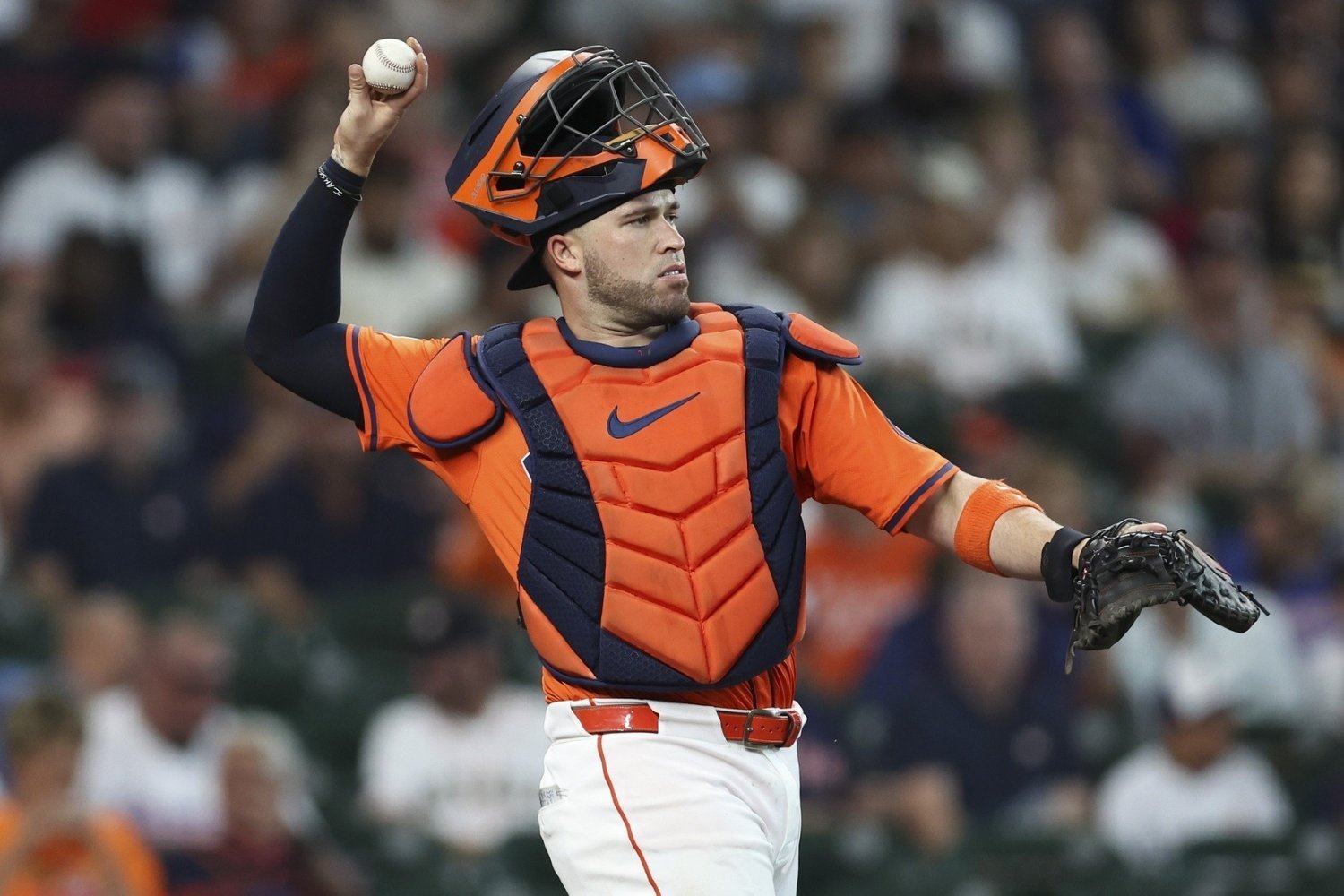 The Minnesota Twins and catcher Victor Caratini are in agreement on a two-year deal, according to a report from Robert Murray of FanSided. Caratini, 32, is entering his 10th big-league season, having spent time with the Cubs, Padres, Brewers and Astros. He's a career .244/.321/.371 hitter, but tapped into considerably more power during his two-year stay in Houston. He's a switch-hitter and a solid receiver, rating well as a blocker of errant pitches and receiving consistently strong reviews from pitchers with whom he works. More to come. View the full article
