


DiamondCentric
-
Posts
2,631 -
Joined
-
Last visited
Never
Content Type
Profiles
Forums
Events
News
Tutorials & Help
Major League Baseball Videos
Guides & Resources
Store
Downloads
Gallery
Everything posted by DiamondCentric
-
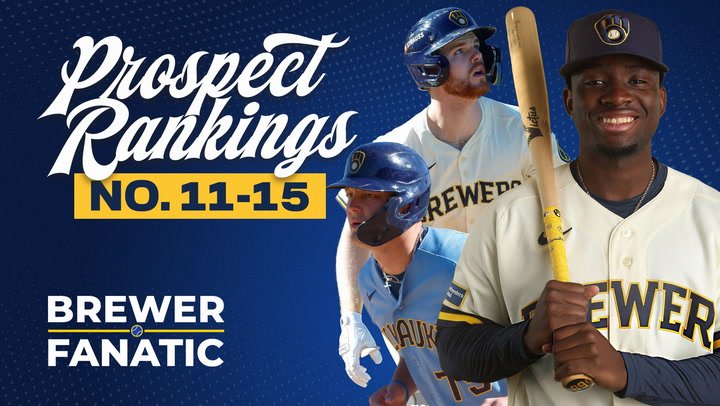 Looking at the next tier of Milwaukee Brewers prospects as voted on by Brewer Fanatic contributors, we look at players ranked 11-15. How much does pigeonholing Blake Burke into a first baseman limit his upside and impact his ranking? Discussed in this video are Brock Wilken, Blake Burke, Luke Adams, Josh Adamczewski, and Luis Lara. View the full article
 -

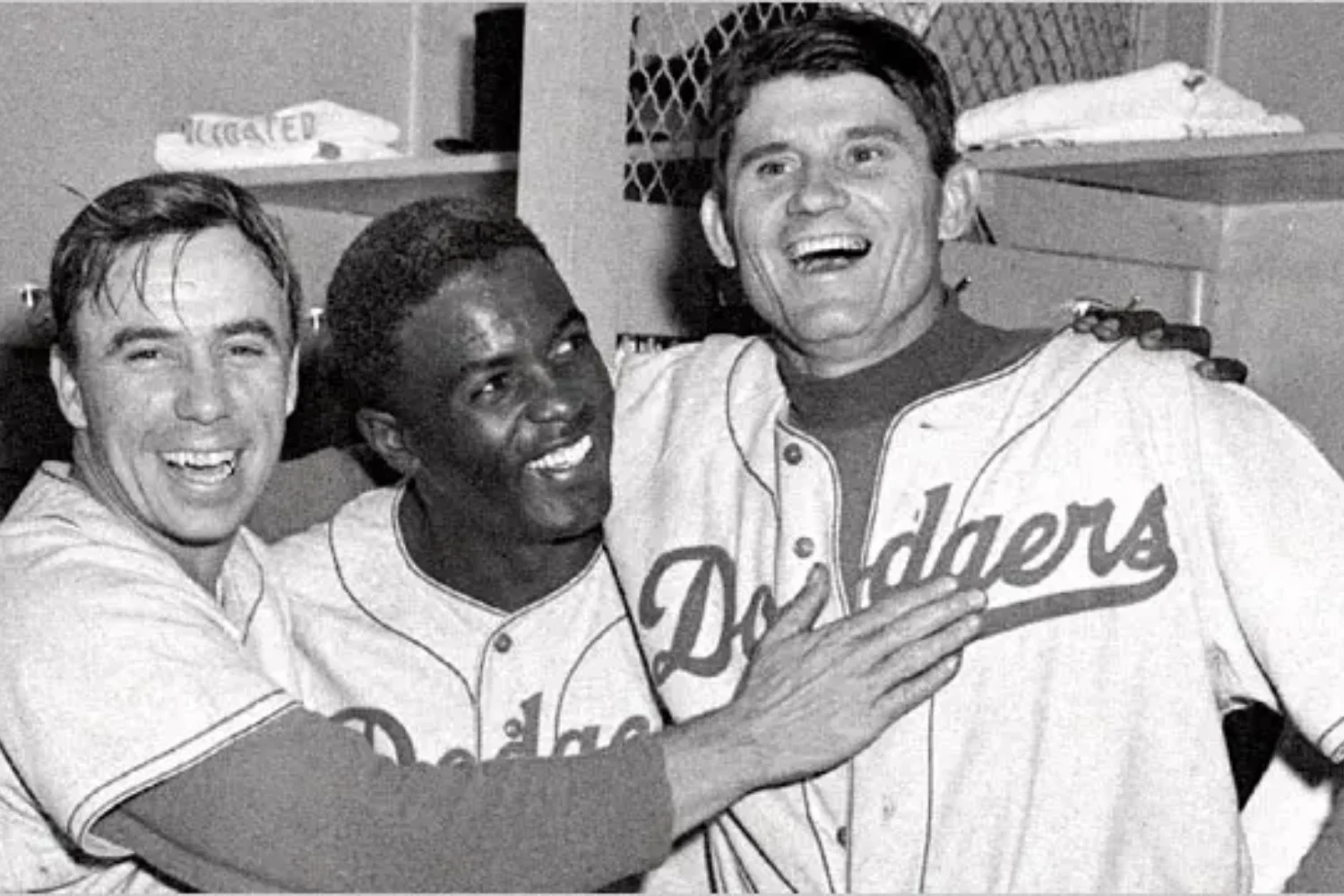 In the sun-drenched annals of the Brooklyn Dodgers’ "Golden Era," the spotlight usually finds the heroes of the "Boys of Summer"—Jackie Robinson breaking barriers, Duke Snider patrolling center field, and Pee Wee Reese anchoring the infield. Yet, nestled within that legendary rotation was a lanky, soft-spoken left-hander from the Ozarks who was perhaps the most cerebral and subversive player of his generation. Elwin "Preacher" Roe was a man of contradictions: a high school math teacher who played the role of a country bumpkin, and a pillar of the community who built a Hall of Fame-caliber career on a pitch that had been illegal since 1920. To understand Preacher Roe is to understand the art of the "long con" in professional sports. His story isn't just one of athletic prowess, but of a calculated reinvention necessitated by a near-fatal injury and sustained by a brilliant, mathematical mind that saw the rulebook as a set of suggestions rather than laws. [Note: While not about the New York Mets, we will frequently touch upon New York baseball history as long as it's not from you-know-where.] The Persona of the "Hillbilly" Professor Born in Ash Flat, Arkansas, Roe entered the major leagues with a natural Ozark twang that he quickly realized was a valuable asset in the media capital of the world. To the cynical New York sportswriters, Roe leaned heavily into the identity of the "good-ol'-boy" from the sticks. He spun yarns with a thick accent, feigned a simple curiosity about the "big city," and allowed the press to paint him as a homespun rube. The truth was far more sophisticated. Roe was an educated man who attended Harding College (now University) on a baseball scholarship. He wasn't just a student-athlete; he was a man of high character who used a significant portion of his $5,000 signing bonus from the St. Louis Cardinals to buy new uniforms for his college teammates—a gesture of loyalty that preceded his professional fame. In the off-seasons, while the newspapers imagined him hunting squirrels in the Arkansas brush, Roe was actually standing at a chalkboard in a suit and tie, teaching high school mathematics and coaching basketball. This background in math wasn't just a fun fact; it was the engine behind his pitching. Roe understood the geometry of the strike zone and the physics of air resistance. He viewed a baseball game not as a feat of strength, but as a series of variables to be manipulated. The Fracture That Changed Everything Every legend has a turning point, and for Roe, it occurred in the winter of 1946. While coaching a high school basketball game back in Arkansas, a heated dispute erupted with a referee. In a shocking turn of events, the official allegedly slugged Roe. The pitcher fell backward, his head striking a steel railing with enough force to fracture his skull. The injury was nearly fatal and fundamentally changed his physical capabilities. Before the accident, Roe was a "power pitcher" who relied on a blazing fastball to blow past hitters. After the fracture, the "smoke" was gone. His arm simply couldn't generate the same velocity. Most pitchers would have retired, their careers ended by a freak altercation. Instead, Roe used his mathematical brain to engineer a second act. He transformed himself into a "crafty" southpaw, focusing on pinpoint control, off-speed deliveries, and a secret weapon that would eventually make him a Dodgers legend. The "Beech-Nut Curve": An Anatomy of Deception By the time Roe joined the Dodgers in 1948, he had perfected his "money pitch": the spitball. Though it had been outlawed for nearly thirty years, Roe realized that an umpire couldn't call what he couldn't prove. He approached the illegal pitch with the same precision he used to grade math exams. His process was a masterpiece of misdirection. He was a master of "loading" the ball in plain sight. He would spit on his hand while reaching for the bill of his cap, then discreetly transfer the moisture to his fingers by tugging his belt or smoothing his jersey. He even had a preferred "lubricant"—Beech-Nut chewing gum—which gave the ball a specific tackiness that hitters eventually nicknamed the "Beech-Nut curve." The deception extended to his communication with his teammates. While legendary catcher Roy Campanella was always in on the secret, the rest of the Dodgers had to be tipped off so they knew how the ball would react if it were hit. Right fielder Carl Furillo later revealed the code: If Roe touched the bill of his cap with two fingers, the "wet one" was coming. If he used only one finger, he was faking it. The fake was often as effective as the pitch itself; hitters were so terrified of the unpredictable movement of the spitter that they would overcompensate, leaving them vulnerable to his legitimate breaking balls. Whenever an umpire grew suspicious and asked to see the ball, Roe had a final trick: he would "accidentally" drop the ball into the dirt or step on it while walking toward the umpire. By the time the ball reached the official's hands, the moisture was scuffed away, replaced by the innocent dust of the mound. The 22-3 Masterclass This combination of psychological warfare and illegal physics reached its zenith in 1951. Roe posted a 22-3 record, an .880 winning percentage that remains one of the greatest single-season marks for a 20-game winner in the history of the National League. He wasn't overpowering hitters; he was outsmarting them, using their own momentum and suspicion against them. When asked by reporters how a man in his mid-30s with a diminished fastball could dominate the league, Roe offered a classic, audacious quip: "Clean livin' and the spitball." Most took it as a joke. They shouldn't have. In 1955, a year after his retirement, Roe came clean in a Sports Illustrated exposé titled, "The Outlawed Spitball Was My Money Pitch." He offered no apologies; he had simply done what was necessary to win. The Grocer of West Plains Roe’s retirement was as unconventional as his pitching. In 1954, after declining a trade to the Baltimore Orioles, he walked away from the game at the height of his fame to return to the Ozarks. He didn't seek the bright lights of Hollywood or a coaching job in the big leagues. Instead, he and his wife, Mozee, moved to West Plains, Missouri, and opened a grocery store. For decades, the "Preacher" was a fixture at the corner of Broadway and Porter Wagoner Boulevard. He was the local grocer who just happened to have been one of the greatest pitchers in Brooklyn history. He used his fame not for ego, but for community, raising funds for local baseball fields and pitching in benefit games into his twilight years. He was a man who had mastered the most deceptive art in sports, yet lived a life of transparent, humble service to his neighbors. Today, the site of his grocery store houses The Truck Patch, a natural foods market. While the store’s modern website focuses on organic integrity and "clean" ingredients, the ghosts of Roe’s "dirty" pitches still linger in the soil of West Plains. A Lasting Ozark Icon Preacher Roe passed away in 2008 at the age of 92, but his presence in southern Missouri is permanent. Travelers driving through West Plains navigate Preacher Roe Boulevard, a major thoroughfare named in his honor. In Salem, Arkansas, children play at Preacher Roe Park, and his likeness is immortalized in a mural at the Ozark Heritage Welcome Center. Roe’s life remains a fascinating study in contrast. He was the "Hillbilly" who taught high school calculus. He was the "clean-living" family man who threw a "dirty" pitch. He was a man who survived a fractured skull to become the most efficient winner of his era. Ultimately, Preacher Roe proved that in baseball, unlike in math, the shortest distance between two points isn't always a straight line—sometimes, it’s a ball that drops three inches at the last second because of a little bit of spit, and a whole lot of genius. View the full article
 -
Kansas City Royals 2026 Position Analysis: First Base
DiamondCentric posted an article in Royals Keep
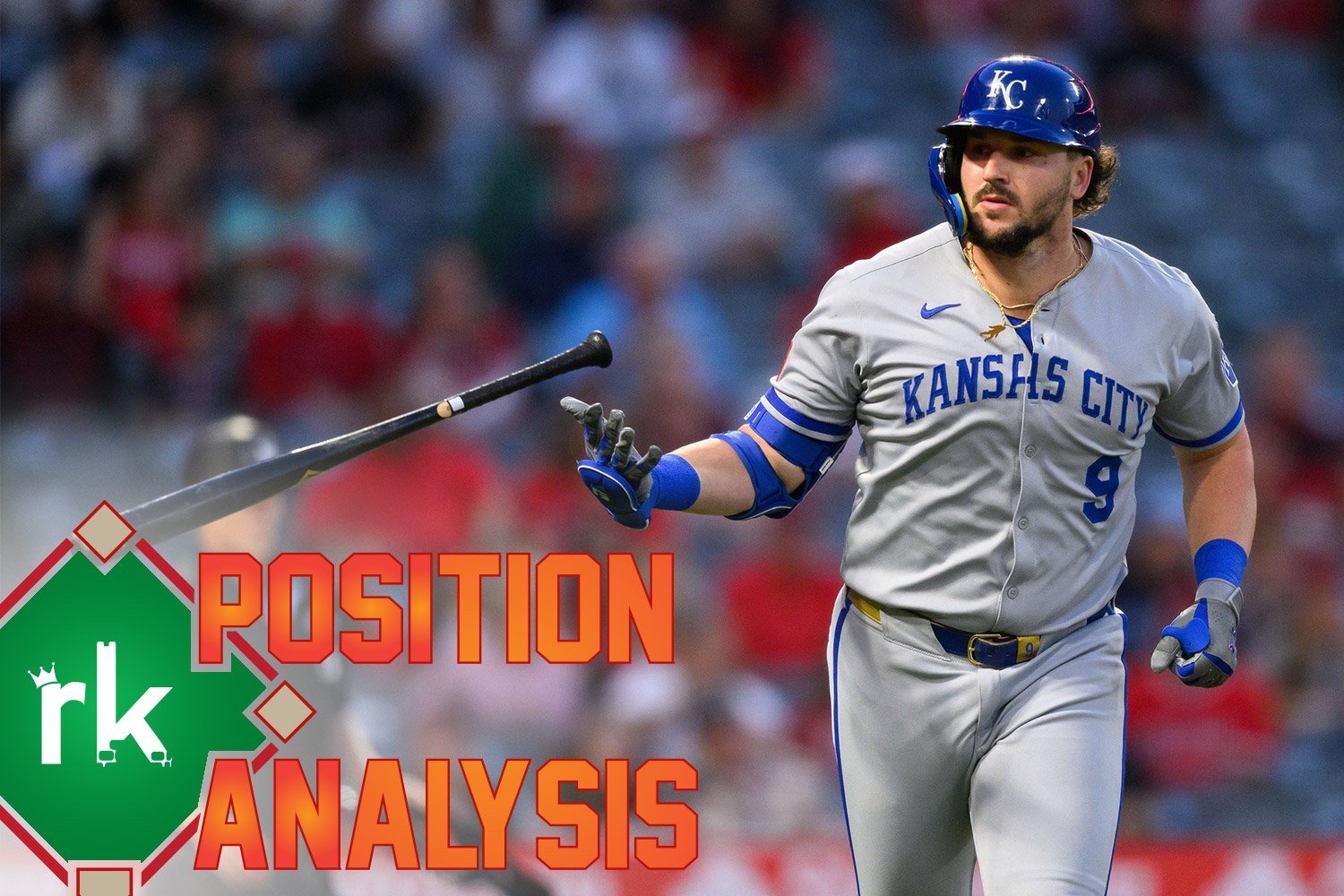 As baseball settled in for the winter following the 2021 season, the Kansas City Royals appeared close to a long-term solution to the first base uncertainty created by Eric Hosmer’s departure to San Diego after the 2017 campaign. Nick Pratto, swooped up by the Royals with their first pick of the ’17 draft, had just stunned everyone with a sizzling 36-homer, 98-RBI, 153 wRC+, .268/.385/.602 minor league performance, and Carlos Santana, preparing to play out his short-term contract, was a sure bet to be dealt no later than the 2022 trade deadline. It seemed Pratto was KC’s first baseman of the future, and 2022 would be the year the Royals could finally rest easier at first base. The former notion disproved itself; the latter turned out to be true. Pratto began the 2022 campaign at Triple-A Omaha, immediately fell into an ugly slump, and his Storm Chasers teammate Vinnie Pasquantino jumped onto Kansas City’s roster ahead of him when the club traded Santana to Seattle in June. And Pasquantino hasn’t taken a single step back. His hold on first base is so strong that the Royals recently rewarded him with a new two-year contract that will pay him at least $11 million. And on the strength of the 70 homers he’s hit, the 262 runs he’s driven in, and the serviceable (but not spectacular) defense he’s displayed since KC entrusted him with the first base bag, the position is his for the 2026 season… and probably well beyond that. Royals Catchers At A Glance Starter: Vinnie Pasquantino Backup: Salvador Perez Depth: Nick Loftin, Jac Caglianone Prospects: Brett Squires The Good The Royals are loaded at first. Pasquantino’s bat is big and getting bigger — despite missing the last month of the 2024 regular season with a fractured thumb, he finished with 19 homers and 97 RBI, then hammered 32 homers and drove in 113 runs last season. And the thought of him playing all 162 of his club’s games this year isn’t far-fetched. After injuries so disrupted each of his first three big league seasons, he appeared in all but two games last year and avoided the Injured List altogether. More likely, however, is that manager Matt Quatraro will afford his star first baseman some rest in the form of a handful of days off supplemented by a healthy dose of turns at designated hitter (he DH’d 34 times in 2025). Who, though, plays first when his skipper gives Pasquantino time off? Expect Perez, coming off a productive season of his own (30 homers, 100 RBI), to be Quatraro’s prime choice and spend even more time at first than he did in 2025, when he appeared there 30 times. That will also give Perez valuable respite from the demanding rigors of catching. Nick Loftin, who may or may not make the club’s Opening Day roster, also has major and minor-league experience at first, and Jac Caglianone played 10 games there last season and has a dozen Cactus League games at first this spring. A first base prospect to keep an eye on is Brett Squires, who, through Tuesday’s Cactus League action, was hitting .267 with an .800 SLG, 1.094 OPS, and two homers, two doubles, and seven RBI in 12 games. He’s moved up a level in each of his first three seasons in the minors and should begin this year at Triple-A Omaha. The Bad All things considered, not much about their first base situation should give the Royals pause. Only if Pasquantino and Perez suffer major injuries at the same time will the club be in any trouble at first … and if in such a disastrous situation Loftin and Caglianone aren’t hitting, KC might have to make a trade they'd prefer not to make. The Bottom Line After trying and failing to replace Hosmer with such candidates as Lucas Duda (twice), Ryan O'Hearn (before he flourished after leaving Kansas City), Hunter Dozier, and Santana, who was a temporary fix only, the Royals have found their solution in Vinnie Pasquantino. First base is his, and that’s a good thing. View the full article
 -
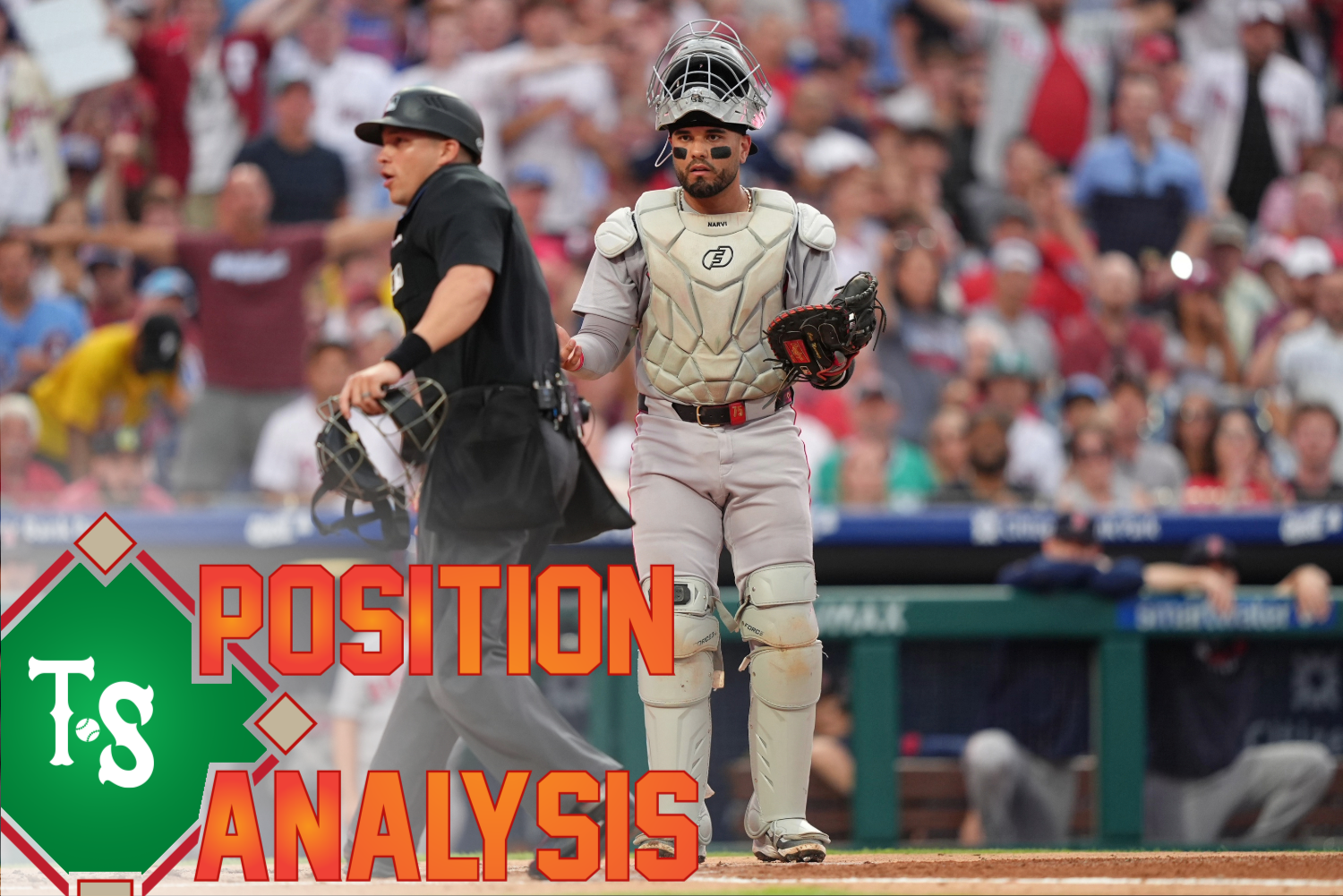 Over the course of the last several years, the Boston Red Sox have gone through their fair share of catchers, as the position has not been the primary focus of the front office. The most consistent the position has been was from 2016-2022, when the duo of Christian Vasquez and Sandy Leon split the majority of the playing time behind the plate. But, over the last four years since they traded away Vasquez to the Houston Astros, the Red Sox has gone through five different catchers, including Connor Wong, Danny Jansen, and most recently in 2025, Carlos Narvaez. Boston Red Sox Catchers At A Glance Starter: Carlos Narvaez Backup: Connor Wong Depth: Nate Baez, Jason Delay, Nathan Hickey, Ronald Rosario, Matt Thaiss Prospects: Johanfran Garcia Red Sox fWAR Ranking Last Year: 25th out of 30 Red Sox fWAR projection this year: 24th out of 30 The Good Wong has been with the Red Sox since 2020, but his inconsistency at the plate has limited him to just a handful of major league starts. Last season, after the team lost Jansen to free agency, they picked up rookie Carlos Narvaez. Wong opened the season as the starter, but after suffering a left fifth finger fracture in April, he lost that starting role to Narvaez. Narvaez turned that newfound role into a true breakout; in 2025, he hit .241/.306/.419, with a .726 OPS. He also hit 27 doubles last season, clubbed 15 home runs, drove in 50 RBIs and 51 runs scored. On the defensive side, the rookie had a .991 fielding percentage, with 932 putouts on 999 chances. He threw out 32 runners on the year and after a strong season finished sixth in the rookie of the year voting. He's well-rounded both behind and at the plate, and another leap forward as a batter would put him among the league's better catchers. The Bad Wong, on the other hand, couldn’t continue his momentum from 2024 into 2025. The veteran catcher appeared in just 63 games for the Red Sox compared to Narvaez’s 118, and even that split doesn't do his poor outlook justice. Coming off his fractured finger, Wong struggled to find his stride. After batting .280 in 2024, he hit just .190/.262/.238, barely touching a .500 OPS. He hit just eight doubles, no home runs (compared to 13 in 2024), drove in just seven RBIs and had 16 runs scored. While Wong and Narvaez are listed as the primary catchers coming into the 2026 season, Narvaez did suffer with some minor injuries that were caused by fatigue from the season last year. With Wong struggling at the plate (the best part of his game), it was evident that the Red Sox needed to put emphasis on catching depth during the offseason. And for Wong, unless he begins hitting, his job could be at risk, as he has a -36 wRC+ this spring. That's 136% worse than league average, which doesn't even seem possible. The Bottom Line It is a near-guarantee that Narvaez will be the Red Sox’s Opening Day starter in a couple weeks and will serve as the primary catcher in 2026. While Wong is listed as his backup, the Red Sox acquired prospect Nate Baez from the Minnesota Twins, Jason Delay from the Atlanta Braves, and veteran Matt Thaiss after he elected free agency in 2025 following one season with the Tampa Bay Rays. Thaiss has already been reassigned to Triple-A Worcester after receiving an invite to major-league camp, along with Delay. Among those battling it out in major-league camp for a spot on the 26-man roster, Nathan Hickey, who appeared in 19 games for the Red Sox in 2025, is the last man standing. Hickey is making a name for himself compared to Wong this offseason. The 2021 fifth-round draft pick is batting .160/.276/.400, good for a meager 67 wRC+ that blows Wong's contributions out of the water. He has hit two home runs, driven in five RBIs, walked three times, and scored four runs. Though that might not seem like much, it may actually be enough given what's going on with the current projected backup. Thanks to the presence of Narvaez, the Red Sox appeared set at backstop heading into the season. Should an injury befall him, though, there's no telling what the team will do in response. View the full article
 -
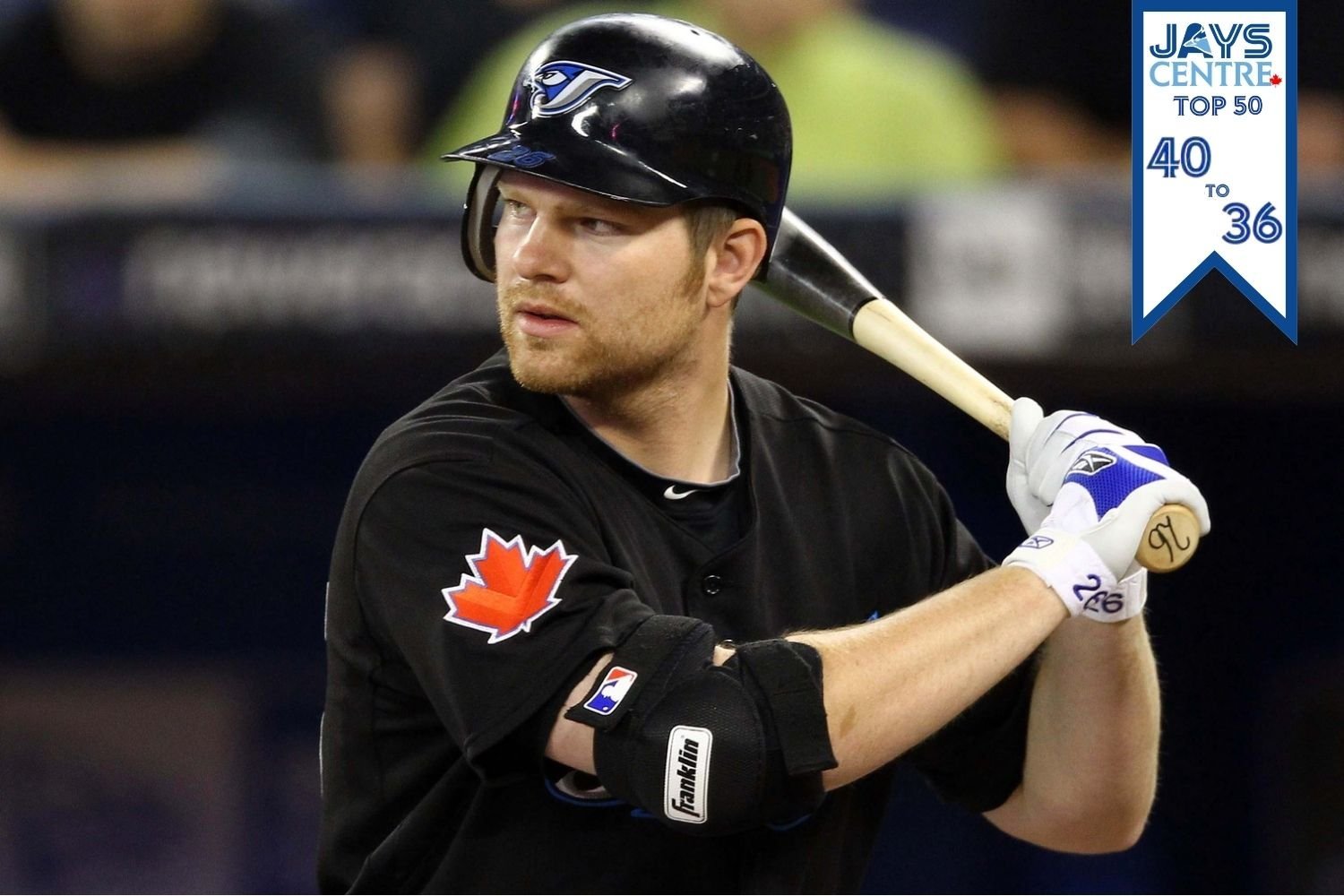 Jays Centre is counting down the top 50 Blue Jays in franchise history. Check out prior entries in the series here: Introduction 50 to 46 45 to 41 This next installment of our top 50 countdown includes a couple of All-Star second basemen and a pair of mustachioed, high-volume hurlers. But before we get to those guys, let’s kick things off with the most recent Blue Jay to win the Edgar Martínez Outstanding Designated Hitter Award. No. 40: Adam Lind 2006-2014 DH/1B/LF Blue Jays stats: 953 games, 146 home runs, 519 RBI, 111 wRC+, 6.9 fWAR Accolades: Silver Slugger, Edgar Martínez Award Designated hitters were a huge part of the Blue Jays’ success in 1992 and ‘93, when future Hall of Famers Dave Winfield and Paul Molitor won back-to-back Outstanding DH Awards for their work in the heart of Toronto’s lineup. In the 30-plus years since, only one other Blue Jay has taken home that prize: Adam Lind. Lind was phenomenal in his first full campaign, hitting 35 home runs and driving in 114 for the 2009 Jays. He finished the year with a 140 wRC+, earning the Edgar Martínez Award, a Silver Slugger, and some down-ballot votes for AL MVP. The highlights of his season were an 18-10 Blue Jays victory over the Rangers, in which Lind hit two homers (including a grand slam) and drove in eight, and a three-homer performance in an 8-7 win over the Red Sox in his final game of the year. Lind never quite rediscovered that 2009 magic, but he finished his Blue Jays career on another high note, batting .301 with 29 homers, 107 RBI, and a 136 wRC+ in 239 games from 2013-14. After the 2014 season, the Jays traded Lind to the Brewers for Marco Estrada (who came in at No. 47 on our list). All in all, Lind spent nine years with Toronto. He ranks 15th in plate appearances as a Blue Jay (3,726) and 10th in home runs (146). According to wRC+, his 2009 season was one of the top 30 offensive campaigns in team history. No. 39: David Wells 1987-92, 1999-2000 LHP Blue Jays stats: 306 games, 138 starts, 18 complete games, 13 saves, 784 strikeouts, 19.1 fWAR Accolades: All-Star, AL wins leader, World Series champion David “Boomer” Wells spent eight of his 21 big league seasons in Toronto, pitching for the Blue Jays from 1987-92 and again from 1999-2000. While he would eventually gain a reputation as a workhorse starting pitcher, he could never quite secure a starting role in his first go-round with the Jays. Following a phenomenal breakout season in relief in 1989 (86.1 IP, 2.40 ERA), Wells would get his first real chance as a starter in 1990. Over the next three years, he bounced back and forth between the rotation and the bullpen, pitching 507.1 innings and starting in just over half of his appearances. He pitched quite well from 1990-91, but a high BABIP and low strand rate caused him trouble in 1992. Despite the 4.1 scoreless innings he threw in October, the Jays released him the subsequent spring. Fresh off an excellent 1998 – in which he threw a perfect game and won a World Series with the Yankees – Wells came back to Toronto, as part of the package that sent Roger Clemens to the Yankees. Firmly a starter now, Wells made 69 starts for the Jays from 1999-2000, the exact same number he made over six years in his first stint with Toronto. His 2000 season was arguably the best of his career. He earned an All-Star nod, led the AL in wins, and finished third in Cy Young voting. According to FanGraphs WAR, it stands as the best season by a Blue Jays pitcher not named Clemens or Halladay. Only eight pitchers have started more career games for Toronto than Wells, and only six have thrown more innings. His 784 strikeouts rank eighth, his 19.1 fWAR ranks seventh, and his 84 wins rank sixth. No. 38: Aaron Hill 2005-11 2B Blue Jays stats: 875 games, 881 hits, 436 runs, 92 wRC+, 44 DRS, 12.4 fWAR Accolades: All-Star, Silver Slugger, Comeback Player of the Year Aaron Hill first made a name for himself as a defense-first second baseman. Then, established himself as a core player for the Blue Jays when he proved he could make an impact at the plate in 2007. While a nasty concussion ruined his 2008 campaign, Hill was better than ever in 2009. He made the All-Star team that summer and won a Silver Slugger in the fall. His 36 home runs and 108 RBI led all second basemen. It was a remarkable performance following such a scary season-ending injury the year before. Hill became the first Blue Jays player to win the AL Comeback Player of the Year, and he remains the only Blue Jay to ever take home the prize. Ultimately, much of what Hill accomplished in his Blue Jays career was in those two seasons. Still, he ranks among the team’s top 20 in plate appearances, hits, and runs scored. According to DRS, he is also one of Toronto’s best defensive players of the 21st century. No. 37: Damaso Garcia 1980-86 2B Blue Jays stats: 902 games, 1,028 hits, 453 runs, 194 stolen bases, 85 wRC+, 8.7 fWAR Accolades: Two-time All-Star, Silver Slugger From a modern-day perspective, the numbers don’t paint a particularly rosy picture of Damaso Garcia's tenure with the Blue Jays. While he made two All-Star teams, won a Silver Slugger, and even earned a couple of down-ballot MVP votes, he never had a season with an OPS or wRC+ above league-average. What is undeniable, however, is that Garcia was a threat on the bases. His 194 steals rank third in Blue Jays history (just don’t think much about the fact that his 86 caught stealings are tied for first). It is also undeniable that Garcia was essential to the Blue Jays forming their identity in the 1980s. By the time he was traded in 1987, he ranked third in team history in games played and runs scored; he was first in hits and stolen bases. Even now, only nine players have more hits in a Blue Jays uniform, and Garcia remains one of only five to have stolen 50-plus bases in a season. No. 36: Doyle Alexander 1983-1986 RHP Blue Jays stats: 106 games, 750 innings, 25 complete games, 392 strikeouts, 3.56 ERA, 11.2 fWAR The definition of a journeyman, Doyle Alexander had already switched teams seven times before he landed with Toronto in his 13th big league season. He was coming off an especially poor performance with the Yankees, but the Blue Jays believed he could bounce back – and they were right. The Jays won their first division title in 1985, and you’ll find all five members of their 1985 starting rotation on our top 50 list. Alexander didn’t stick around as long as Dave Stieb, Jimmy Key, Jim Clancy, or even Luis Leal, but he certainly made his mark in the years he spent with the club. Through parts of four seasons, Alexander pitched 750 innings (17th in team history), won 46 games (18th), and racked up 11.2 fWAR (15th). His two full seasons with the Blue Jays (1984 and ‘85) were arguably the best of his career. He earned down-ballot MVP support both years and finished sixth in Cy Young voting in 1985. View the full article
 -
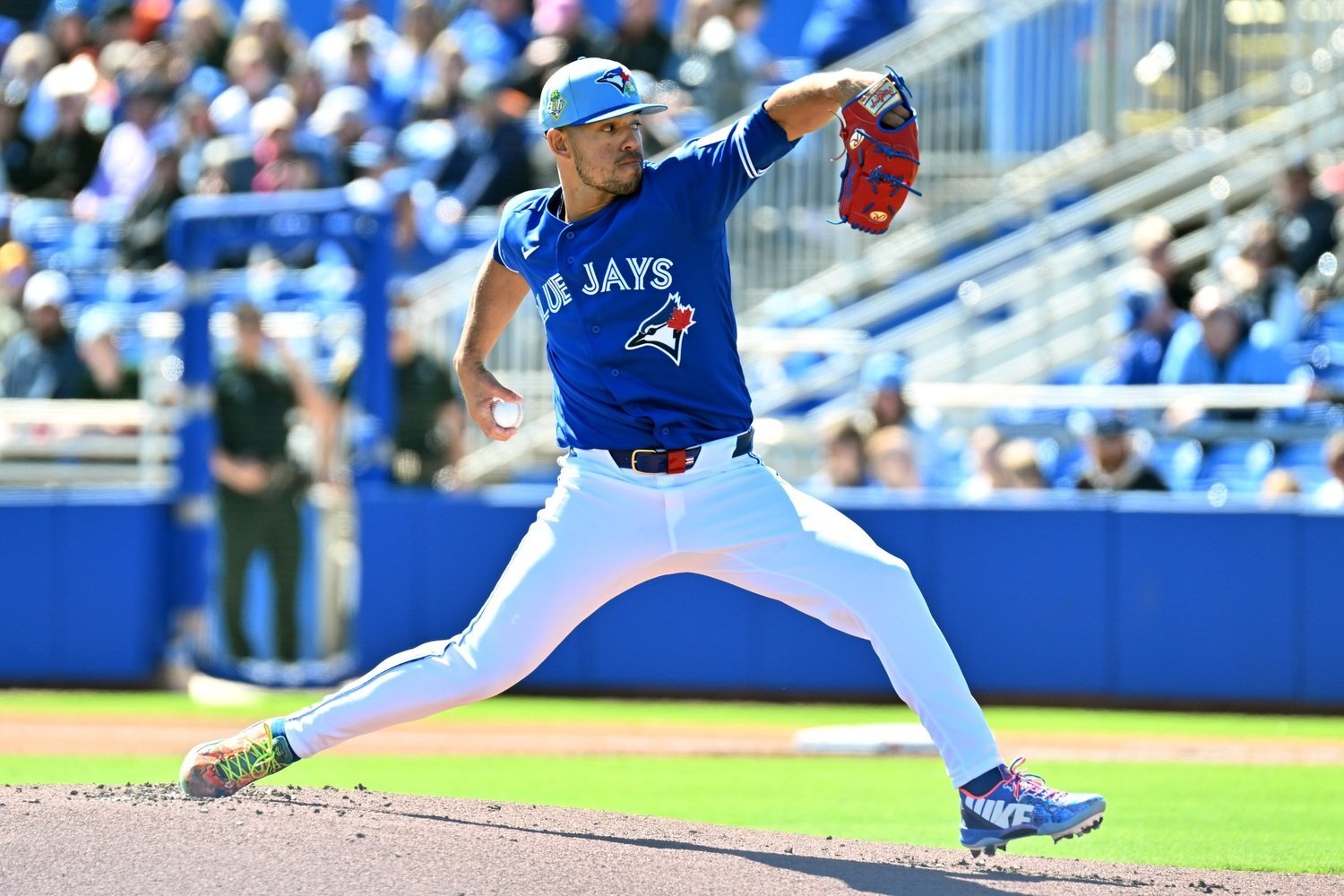 The Toronto Blue Jays’ starting rotation depth is going to be tested right away. On Wednesday morning, the team announced that right-hander José Berríos will not be ready to open the 2025-26 season after being diagnosed with a stress fracture in his right elbow. Prior to joining Team Puerto Rico for the quarterfinals at the World Baseball Classic, Berríos underwent a precautionary MRI for insurance purposes, which revealed elbow inflammation. That resulted in the 31-year-old going for a second opinion from Dr. Keith Meister, who diagnosed the stress fracture. Per MLB.com’s Keegan Matheson, Blue Jays manager John Schneider states that Berríos remains pain-free, and the team hopes that he will return to throwing soon and pitch through the injury. In 2025, Berríos made 31 appearances, with 30 of them coming as a starter. Across those 31 outings, he went 9-5 with an ERA of 4.17 and a WHIP of 1.30, striking out 138 batters in 166 innings. Berríos, nicknamed “La Makina” (“The Machine”), had been a model of consistency in his career, routinely making 32 starts and delivering quality innings for both the Minnesota Twins and Blue Jays. Last season, Berríos made his first career trip to the injured list, dealing with right elbow inflammation in September, which ultimately ended his season. His latest elbow issue is supposedly unrelated. The questions surrounding the Jays’ rotation only grow now. With Berríos sidelined, Shane Bieber still ramping up after dealing with forearm fatigue (he's yet to throw a pitch in a game), and the Blue Jays slowly building up Trey Yesavage in what will be his first full season at the MLB level, Toronto's depth is slowly being depleted. Kevin Gausman has the Opening Day assignment, and Dylan Cease appears likely to follow. After that, the questions are plentiful. Cody Ponce, making his MLB return, will have a role, and 41-year-old Max Scherzer should be guaranteed a role in the rotation, as long as he's ready come Opening Day. The fifth and final spot will likely be split between Yesavage on a pitch limit and left-hander Eric Lauer. Having to use Lauer as a piggyback partner for Yesavage could prompt the Blue Jays to keep Lázaro Estrada on the roster for Opening Day. Estrada has shown the ability to throw multiple innings in an outing, something the Blue Jays could be getting desperate for as injuries continue to pop up. The Blue Jays open their regular season at home on Friday, March 27, against the Athletics. View the full article
 -
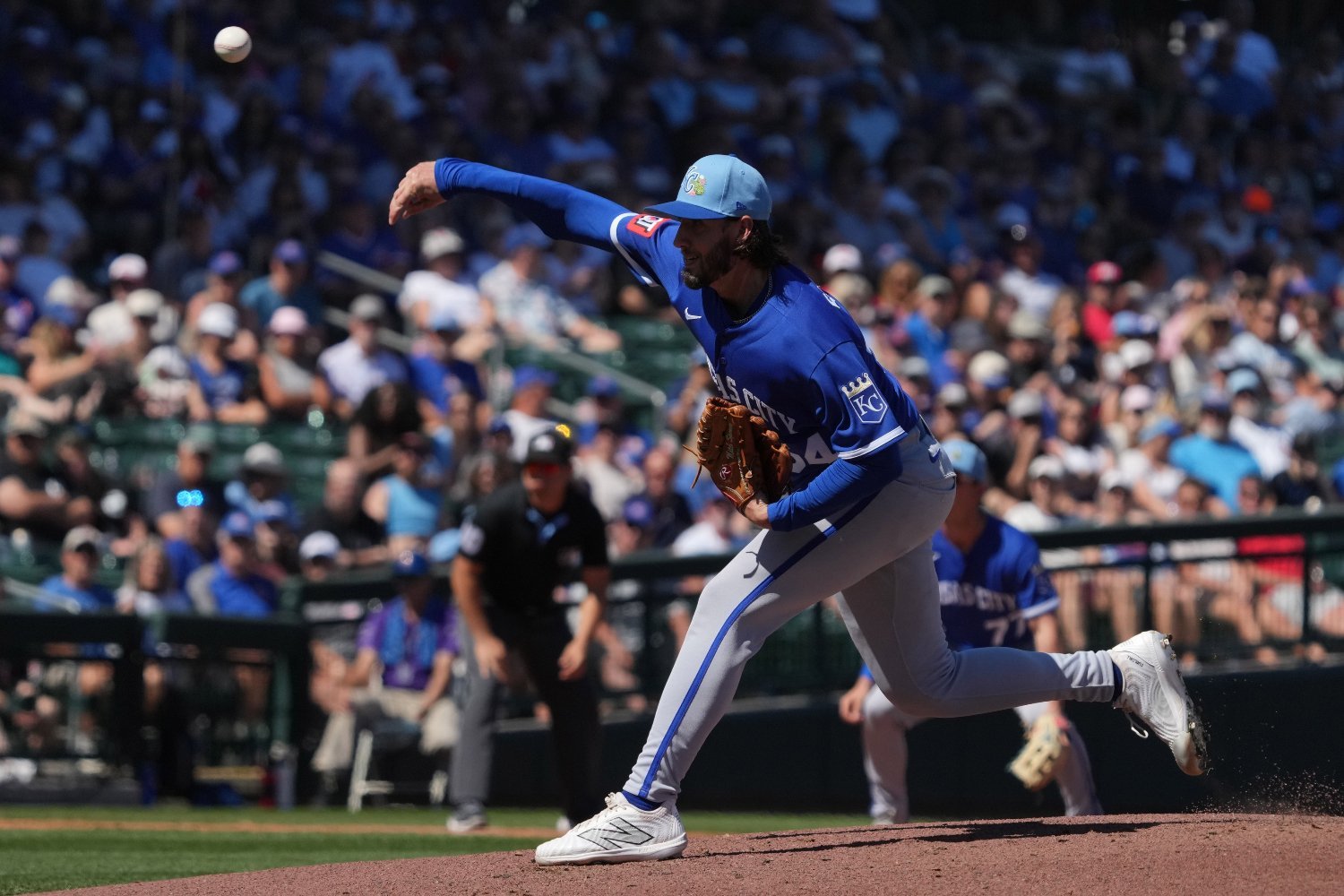 On Wednesday, the Kansas City Royals announced that they had optioned right-handed pitcher Mitch Spence to Triple-A Omaha to begin the season. This latest move now brings their Major League Spring Training roster to 49. Spence was acquired by the Royals from the Athletics this offseason in exchange for right-hander A.J. Causey. Spence was the top overall pick in the 2023 Rule 5 Draft, and he pitched two seasons with the Athletics before arriving in Kansas City. In 2024, the former Yankee pitching prospect was a hybrid arm for the Athletics, making 35 appearances (24 starts) and pitching 151.1 innings. In that sample, he posted a 4.58 ERA, a 1.38 WHIP, a 4.14 FIP, and 12.6% K-BB%. He took a step back in his second year with the Athletics, pitching only 84.2 innings and making only eight starts (32 total appearances). In that more abbreviated campaign, Spence posted a 5.10 ERA, a 1.44 WHIP, a 5.06 FIP, and 10.7% K-BB%. His Statcast percentiles were also a bit mixed last year, as seen below via his TJ Stats Statcast summary. The 27-year-old did a good job of generating whiffs, limiting walks, and generating chase and groundballs last year with Sacramento. However, he also gave up a lot of hard contact, and that hurt him in Sacramento's hitter-friendly confines. He posted a 6.93 ERA at home compared to a 3.64 ERA on the road. Thus, the move to Kauffman Stadium should help Spence in 2026. This spring was a rough one for Spence, albeit a limited sample. In three appearances (two starts) and 7.0 IP, he posted a 10.29 ERA, 1.71 WHIP, 7.53 FIP, and 3.0% K-BB%. Spence has been hurt by the long ball, as evidenced by his 28.6% HR/FB rate. However, his TJ Stuff+ metrics have been encouraging, as shown in his TJ Stats summary below. Spence had a 106 overall TJ Stuff+ this spring with his cutter (108), slider (111), and curveball (101) all rating as above-average pitches. He generated a 31.6% chase rate, which was above average, but his zone rate and whiff rate were slightly below average, and his xwOBACON of .424 was well below average. Thus, it was more of a command issue for Spence in Cactus League play, and hopefully, he can work that out in Omaha. With the Spence move, Bailey Falter, Alex Lange, Hector Neris, and Eli Morgan are the main relievers remaining in camp. They are battling for two spots in the Opening Day bullpen. Lange and Falter are likely the favorites for those remaining spots, especially since they are out of Minor League options. Morgan has had a strong spring for the Royals, however. The former Cleveland reliever is posting a 1.17 ERA, 1.17 WHIP, 1.80 FIP, and 18.8% K-BB%. He has also shown solid Statcast percentiles this spring in his Cactus League sample. Morgan does have a Minor League option remaining, but if he doesn't make the Major League squad out of Spring Training, he could opt to find a spot in the bullpen on another MLB team. Thus, it will be interesting to see what the Royals will do with Morgan, especially in the wake of the Spence move and Opening Day only nine days away. View the full article
 -
Tyler Black's Power Surge Has Revived His Career Prospects
DiamondCentric posted an article in Brewer Fanatic
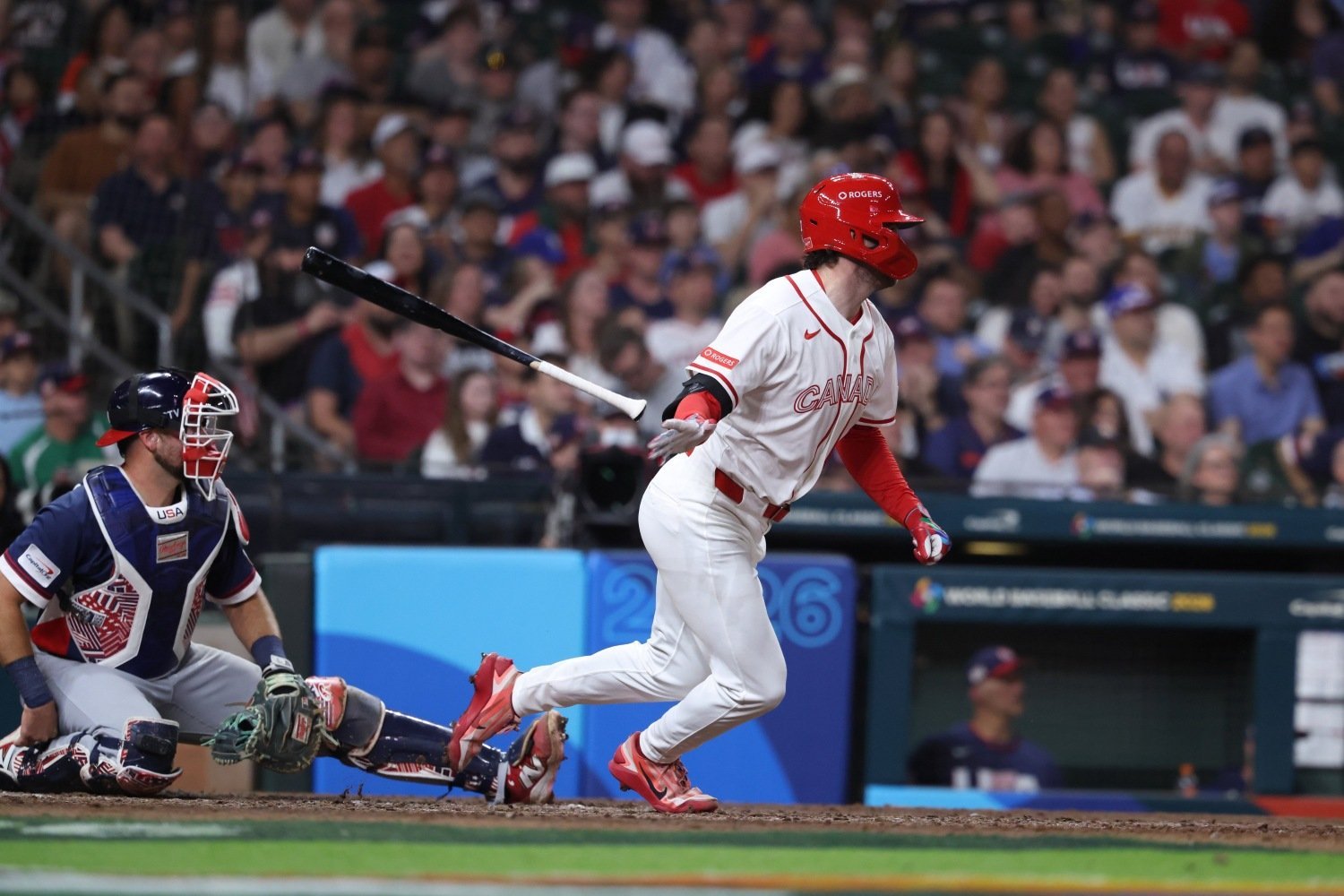 The Brewers track cage reps, live batting-practice reps, and game reps during spring training, to monitor the workloads of all of their position players. That continues even when a player leaves to participate in the World Baseball Classic; they check in daily and document as much as they can. By their internal count, no member of the organization has gotten more reps this spring than Tyler Black. Even with the increased number of travel and off days inherent in the unfolding of the WBC, Black has kept getting chances, often batting near the top of the batting order during Team Canada's first-ever run to the quarterfinals of the international tournament. Now, he's back in camp, and he hit the ground running by appearing against the Dodgers on Monday and against the Mariners on Wednesday. In game action (between the Cactus League and the WBC), Black has now seen 163 pitches. He's also a high-volume user of the team's Trajekt machines, and racked up considerable work early in camp by participating in live BPs and simulated games. And here's the most important takeaway from that still-small sample of work: Black finally has some punch in his bat. There are two major things holding Black back as a player. Firstly, he has little defensive value. He's failed even to impress the team in his time at first base. Though he still got some time at second base for Team Canada, the Brewers don't view him as a candidate to play that position or third base. He'll be a first baseman, a corner outfielder and/or a designated hitter, to whatever extent he's part of the team. Even when he plays a defensive position, though, he won't help Milwaukee prevent runs. With his value dependent upon his bat, then, there's quite a bit of pressure on Black to find some power. Alas, that's been the other major weakness in his game over the last two seasons. His 2023 breakout season as a prospect feels long ago, and in the time since, he's been too light on power to deliver the punch even the Brewers (famously light on power and fine with it) demand from players like him. In 903 Triple-A plate appearances, he's slugged just .425—a fine number if accumulated in the majors, but a sign of trouble in the hitter-friendly Triple-A territory. Black does have an OBP of .383 during his time at that level, though, and broadly speaking, he shows enough contact skills and a sufficiently patient approach to sustain above-average OBPs even in the majors. It just wasn't going to matter if he didn't tap into some power. Nor was that power in evidence, even under the hood. Black's 90th-percentile exit velocities at Triple-A have been in the 101-102 MPH range the last two years, a figure that denotes power almost two full grades below the league average. In his brief stints with the Brewers, he's shown below-average bat speed, to boot. No indicator suggested he was ready to generate significant power on contact in the majors, and he didn't even make contact at a plus rate last year with the Sounds. Black knew that. He put in work this winter with the same intent that has driven him to spend so much time in the box this spring: to find his opportunities to hurt the ball. It's working, too. In a combined sample of just over 20 batted balls, Black's 90th-percentile exit velocity this spring is 107 MPH. He's already hit one ball harder than he did all last season, and he's clustered several balls north of what was his EV90 in the past. In spring, the samples are small; the environs (especially in Arizona) are conducive to hitting; and the competition is uneven. Still, Black wasn't showing this capacity for driving the ball even in the minors before now. Hitting it hard as regularly as he has done so this spring alters his scouting report in a crucial way. That doesn't mean Black will push past any of Jake Bauers, Blake Perkins, Brandon Lockridge or even Jett Williams to claim a roster spot early in the season. The only player he's clearly surpassed this spring is Akil Baddoo, who was brought in purely to serve as emergency depth, anyway. Nor does Black suddenly have a star-caliber ceiling. His new upside is more like a poor man's Bauers, with the balance shifted slightly toward on-base skills at the expense of power. Still, Black came to Arizona this spring running out of time to make an impression with the organization. He's now done so. Whether it's in Milwaukee or elsewhere, he's gained a much firmer foothold on the ladder to the majors, and is materially more likely to break through as a big-leaguer this season. His chance could come soon, and he's better-positioned to seize it when it comes, because he's finally producing some pop. View the full article
 -
Chicago Cubs 2026 Position Analysis: Third Base
DiamondCentric posted an article in North Side Baseball
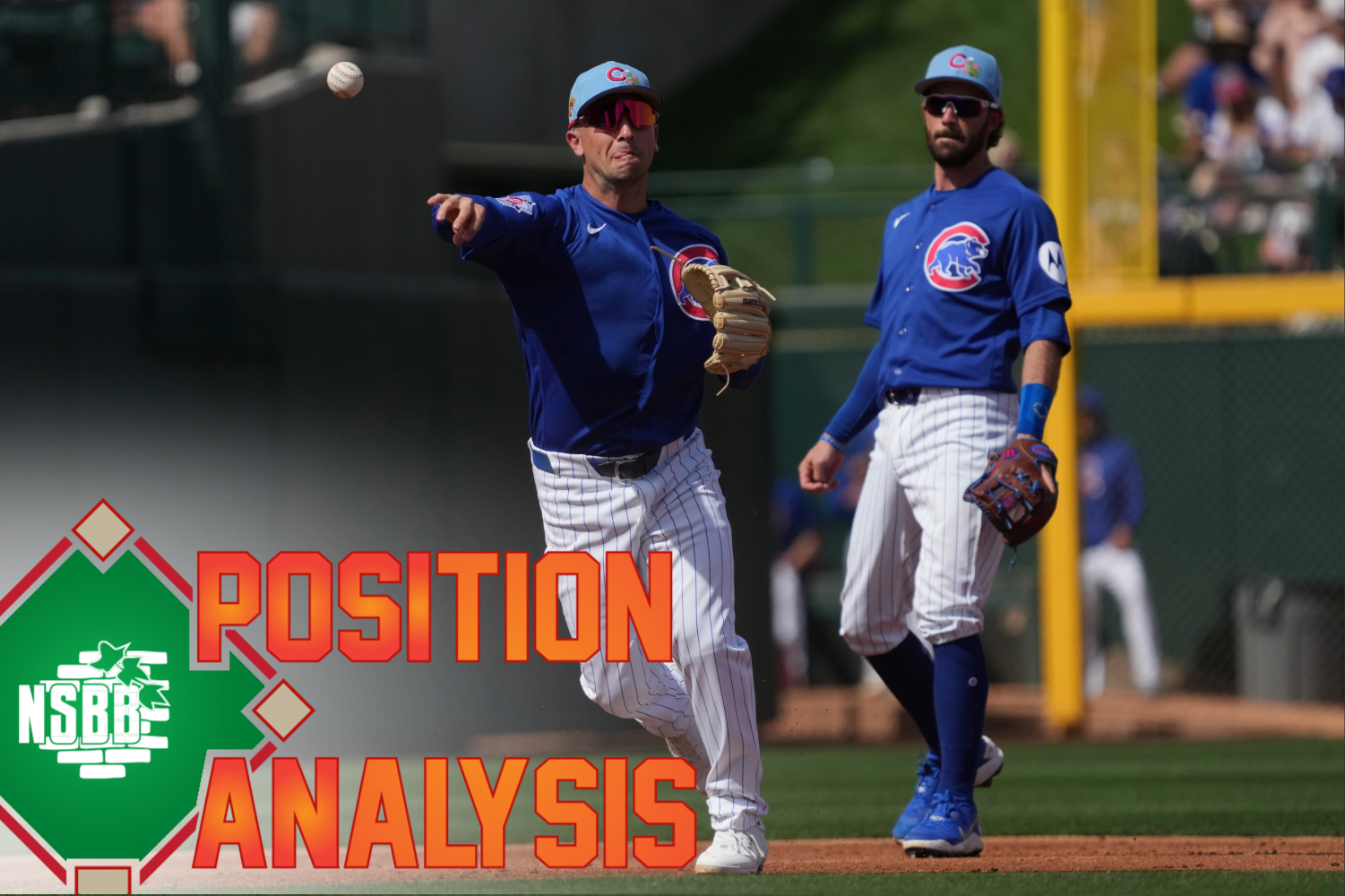 As stable as the collective lineup has been for the Chicago Cubs over the last handful of seasons, third base has been a position more commonly associated with turnover than performance. It was Christopher Morel before it was Isaac Paredes before it was a smattering of below average options — Gage Workman, Jon Berti, and Vidal Bruján among them — before Matt Shaw eventually established himself as something resembling a viable option at the spot down the stretch. However, even much of Shaw's value was wrapped up in his glove, with the bat still needing levels of development before team leadership would be inclined to trust him as an everyday player. Which was likely a factor in why the team chose to pursue Alex Bregman this winter. Not that it was their first of him. But in signing Bregman to a five-year deal, the team was able to establish actual stability at third base moving forward. A steady player on both sides of the ball, Bregman projects for 94 percent of the time at third, bringing a blend of performance and intangible qualities that appear poised to bring the Cubs from the depths of the league rankings in positional performance to among its best. Chicago Cubs Third Baseman At A Glance Starter: Alex Bregman Backup: Matt Shaw Depth & Prospects: Scott Kingery, BJ Murray, Jonathon Long, Pedro Ramirez fWAR Ranking Last Year: 27th (0.0) fWAR Projection This Year: 6th (3.8) The Good The positive outlook of the position for 2026 centers almost exclusively around Alex Bregman. The fielding remains solid, the intangibles are there, and he's long demonstrated an approach that allows him to be aggressive while also posting strong figures in both strikeout and walk totals. Bregman was above the 90th percentile in both chase and whiff rates last year and also sat safely in the 88th in K% (14.1 percent). When the team signed him, though, one of the immediate concerns was how poor Wrigley Field has been as an environment for right-handed hitters. Bregman's hit distribution should help to quell those concerns rather quickly: That's Bregman's spray chart overlayed with Wrigley Field. Getting away from the Green Monster in Fenway (and the Crawford Boxes in Houston) is scary at a glance. But the most important aspect is that, unlike someone like Isaac Paredes, Bregman brings a distribution that falls much more into the gaps than working as a dead-pull hitter. Combine that with a penchant for elevation (23.5 PullAIR% for his career), and you have someone who should be able to overcome the negative effects of his new home park. The Bad The absence of depth remains a concern. Bregman on his own is a fine player and raises the floor of the position significantly. However, he also missed time with a quad injury last year. That injury limited him to 114 games. Should anything like that befall him in 2026, it presents a rather precarious situation for the Cubs. In such a doomsday scenario, that would force Shaw back into regular duty. We know he'd be fine defensively, though there's no certainty as to where the bat will land in Year 2 of his major-league action. That would, in turn, sap some juice from the bench, where Shaw is projected to open the year in an effort to stretch out his versatility. The minor leagues don't offer a lot of additional hope on that front, either. Scott Kingery is a versatile player with virtually no bat to speak of. He also has an opt-out included in his minor-league deal down the line. Jonathon Long is much more first baseman than third baseman at this point. BJ Murray had to repeat Double-A in 2025 after a brutal time in Iowa the previous year. Pedro Ramirez is in Double-A to start the year. It feels like something of a positive that the "bad" of the position would only manifest in the event of a long-term injury to an otherwise above-average player. Nevertheless, the specter looming is that lack of depth behind him. The Bottom Line Unlike last year, where the position was saved only by the glove of Matt Shaw, third base stands to be one of the better aspects of the Cubs' lineup in 2026. Alex Bregman doesn't offer as much power as he once did, but there's something to be said for the remarkable amount of stability provided by his blend of approach, squared-up contact, and quality defense. Subsequently, it flips Matt Shaw into a utility player that strengthens the bench in a way that was sorely needed coming off last year's rotating cast of reserves. View the full article
 -
Emmanuel Rodriguez Turned Heads With Loud Spring Statcast Numbers
DiamondCentric posted an article in Twins Daily
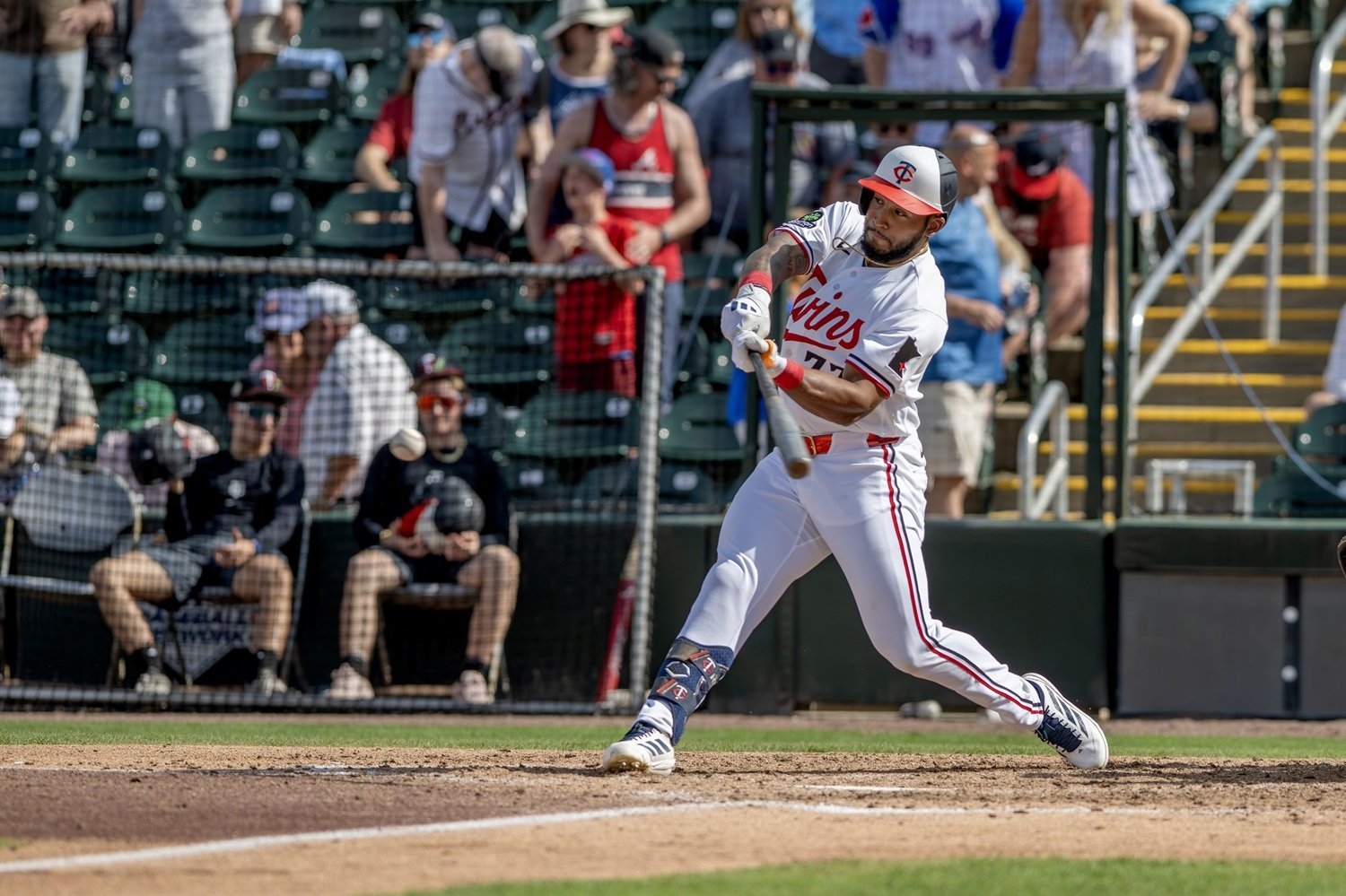 The Minnesota Twins may have sent Emmanuel Rodríguez to minor-league camp, but his spring performance made sure he did not leave quietly. In a camp filled with roster battles and final decisions, Rodríguez consistently stood out every time he stepped into the box, turning routine Grapefruit League at-bats into must-watch moments. Even though Rodríguez didn't make the big-league roster during camp, his spring performance ensured he remained a prominent topic of discussion. By showcasing some of the most impressive underlying metrics in the organization, he offered a reminder that his arrival in Minnesota is imminent. According to MLB.com, Rodríguez, Twins Daily’s third-ranked prospect, was raking up to that point, with a 94-mph average exit velocity and 60% hard-hit rate in his spring games for the Twins. Those aren't just good numbers. They're indicators of a toolsy hitter squaring the ball up consistently, and they explain why Rodríguez generated so much buzz during camp. One of the loudest moments came early in March, when Rodríguez showed just how much damage his bat can do. On March 9, the 23-year-old lefty crushed a double with an exit velocity of 114 mph. That number would have tied for the hardest-hit ball by any Twin during the 2025 season, matching a blast from Byron Buxton last August. That type of raw power is immediately noticeable. However, for Rodríguez, this power is just one element within a more nuanced offensive profile. “There’s some bat speed there,” Twins manager Derek Shelton said. “Quite honestly, I thought he hit the (Feb. 22) homer off the end of the bat. When he hit it, it didn’t sound flush. I even said, ‘Oh, he didn’t get it.’ And it landed about 15 rows deep, so I don’t know if we should use me as the barometer.” In addition to his power, Rodríguez used spring training to demonstrate his versatility. The Twins gave him playing time at all three outfield spots, providing experience that could prove valuable as the big-league roster deals with inevitable injuries over the course of the season. On the bases and in the field, Rodríguez looks like a traditional athletic center fielder. He has averaged roughly 30 steals per 150 games in the minors and brings the range and arm strength to handle center or slide into a corner role without losing value. At the plate, though, he becomes something entirely different. Rodríguez pairs his power with an extremely patient, selective approach. He rarely chases pitches outside the strike zone and is comfortable working deep into counts. That approach has led to an eye-popping 278 walks in just 295 minor-league games, good for a 21.7% walk rate. It also comes with tradeoffs. Because Rodríguez often hits with two strikes and swings less frequently than most hitters, strikeouts are part of the package. He has fanned 389 times in the minors, posting a strikeout rate north of 30% while hitting .254. One has to wonder if his strikeouts will increase at the big-league level, and a lower batting average might sap his overall value. This offensive and athletic profile is rare. While Rodríguez has some traits of power-hitting, high-walk sluggers, he uniquely combines this approach with the athleticism of a center fielder. That blend makes him incredibly intriguing—and somewhat difficult to project. What is not difficult to project is the upside. Rodríguez owns a .424 on-base percentage and a .488 slugging percentage across five minor-league levels, posting an OPS of at least .840 at every stop. Few prospects can match that level of consistent production, while also flashing the kind of Statcast data he showed this spring. As for the timeline, Rodríguez may be closer than some realize. After spending all of last season at Triple-A St. Paul, he is already a step ahead of fellow top prospects Walker Jenkins and Kaelen Culpepper in terms of proximity to the majors. If the Twins need a spark in the outfield at any point this season, Rodríguez will be one of the first names considered. The questions are still there. Can he make enough contact against major-league pitching? Will pitchers challenge him differently once they realize how selective he is? Those answers will come with time. What the Twins already know is this. Rodríguez brings elite underlying metrics, a disciplined approach, and enough power to change a game with one swing. If those traits translate, even partially, he has a chance to make a real impact in Minnesota before the 2026 season is over. What stands out about Rodriguez’s spring Statcast data? Leave a comment and start the discussion. View the full article
 -
 With the calendar turning toward the final week of spring training, the Minnesota Twins continue to narrow down their roster. On Tuesday, the club reassigned three more non-roster position players to minor league camp, signaling that decisions are becoming more real with each passing day. Outfielders Kala’i Rosario and Kyler Fedko, along with infielder Tanner Schobel, were the latest cuts. Rosario and Fedko were among a group of Twins prospects announced for the team’s Spring Breakout game on Thursday. The moves come just ahead of an off day on Wednesday, March 18, and leave the Twins with 21 position players remaining in big league camp. That group still includes a handful of non-roster invitees, but the competition is clearly tightening. Rosario may have made the strongest impression of the trio this spring. The 23-year-old went 5-for-15 in Grapefruit League action, showing some pop with a home run and driving in four. He also drew three walks, though the seven strikeouts highlight the continued development needed in his offensive approach. A fifth-round pick in 2020, Rosario finished last season at Double-A and remains an intriguing power bat in the system. Fedko, 26, brings versatility with experience at both first base and the outfield, but his spring numbers did not jump off the page. He collected three hits in 23 at-bats while striking out eight times. After splitting last season between Double- and Triple-A, he looks ticketed to provide organizational depth at the upper levels. Schobel, a 2022 second-round pick, also flashed some ability despite limited opportunities. The 24-year-old recorded two hits in 15 at-bats, including a home run, while working three walks. He reached Triple-A last season, and the Twins have continued to challenge him with aggressive assignments since drafting him. At this stage of camp, these moves are less about performance and more about roster realities. The Twins need to allocate at-bats and innings to players still competing for Opening Day roles, and that often means sending promising but not quite ready contributors back to the minor league side. None of Rosario, Fedko, or Schobel was expected to break camp with the major league club, but all three remain firmly in the picture for 2026. Each should factor into Triple-A depth at St Paul, positioning themselves as potential call-up options when injuries or roster needs inevitably arise during the season. View the full article
 -
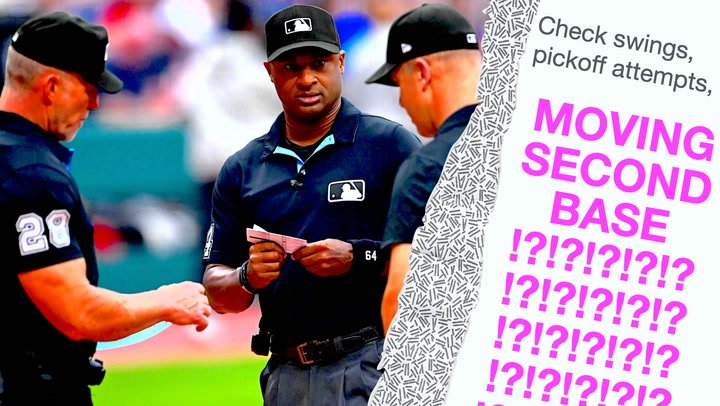 Eric Longenhagen of FanGraphs reported that several rule changes are being implemented in the minor leagues. Much like the automated strike zone before it, these rules are being tested in the minors before potentially being implemented in the big leagues. The motivation behind the changes appear to revolve around pace, increasing balls in play and encouraging more action on the bases. Not all changes will be tested at all levels, but among the items new for 2026 are that check swings will be called at a 45-degree angle and that the actual second-base bag will move in about nine inches toward the plate to be inside the baseline diamond instead of centered on top of it.View the full article
 -
 How To Install On iPhone or iPad How To Install On Android Device Developing a pure, native app for either Android or iOS is a breathtakingly expensive endeavor, which is why we haven’t done it, despite so many requests over the years. Thankfully, technology has met us halfway, and PWAs (Progressive Web Applications) have reached maturity in the marketplace. What is a PWA? It’s effectively a pseudo-app that works much like a native application but doesn’t require tens of thousands of dollars in development to produce. It creates a single browser instance and maintains it as if it were an application. It’s basically a standalone browser tab, dedicated specifically to Fish On First. From this app instance, you can receive notifications; the typical browser interface is removed, and the site is presented clearly, using as much screen real estate as possible, all without sacrificing any functionality. The site is faster, more reliable, and offers more mobile functionality than a standard web browser. Additionally, a newer, completely updated Fish On First is coming later this year, and that will add even more app-like features, making PWA usage even better for all our users. With that said, here’s how you turn Fish On First into an app on your mobile device. How To “Install” Fish On First on iPhone or iPad Using Safari First, go to the home page of Fish On First at https://fishonfirst.com/. 1. Tap on the ellipses (…) at bottom right of screen. 2. Tap “Share” in pop-up menu. 3. Tap “View More”. 4. Tap “Add To Home Screen”. 5. Tap “Add”. That takes you to your home screen on iOS, where you can move the Fish On First app around, just as you would any other app. Additionally, you can turn on notifications for them. Just go to the following link while logged into the site: https://fishonfirst.com/notifications/options/. How To “Install” Fish On First on an Android Device Using Chrome First, go to the home page of Fish On First at https://fishonfirst.com/. 1. Tap on the vertical ellipses (…) at top right of screen. 2. Tap “Share…” in pop-up menu. 3. Tap “Add to Home Screen”. 4. Tap “Install”. That takes you to your home screen on Android, where you can move the Fish On First app around, just as you would any other app. Additionally, you can turn on notifications for the site. Just go to the following link while logged into the site: https://fishonfirst.com/notifications/options/. View the full article
 -
 How To Install On iPhone or iPad How To Install On Android Device Developing a pure, native app for either Android or iOS is a breathtakingly expensive endeavor, which is why we haven’t done it, despite so many requests over the years. Thankfully, technology has met us halfway, and PWAs (Progressive Web Applications) have reached maturity in the marketplace. What is a PWA? It’s effectively a pseudo-app that works much like a native application but doesn’t require tens of thousands of dollars in development to produce. It creates a single browser instance and maintains it as if it were an application. It’s basically a standalone browser tab, dedicated specifically to Grand Central Mets. From this app instance, you can receive notifications; the typical browser interface is removed, and the site is presented clearly, using as much screen real estate as possible, all without sacrificing any functionality. The site is faster, more reliable, and offers more mobile functionality than a standard web browser. Additionally, a newer, completely updated Grand Central Mets is coming later this year, and that will add even more app-like features, making PWA usage even better for all our users. With that said, here’s how you turn Grand Central Mets into an app on your mobile device. How To “Install” Grand Central Mets on iPhone or iPad Using Safari First, go to the home page of Grand Central Mets at https://grandcentralmets.com/. 1. Tap on the ellipses (…) at bottom right of screen. 2. Tap “Share” in pop-up menu. 3. Tap “View More”. 4. Tap “Add To Home Screen”. 5. Tap “Add”. That takes you to your home screen on iOS, where you can move the Grand Central Mets app around, just as you would any other app. Additionally, you can turn on notifications for them. Just go to the following link while logged into the site: https://grandcentralmets.com/notifications/options/. How To “Install” Grand Central Mets on an Android Device Using Chrome First, go to the home page of Grand Central Mets at https://grandcentralmets.com/. 1. Tap on the vertical ellipses (…) at top right of screen. 2. Tap “Share…” in pop-up menu. 3. Tap “Add to Home Screen”. 4. Tap “Install”. That takes you to your home screen on Android, where you can move the Grand Central Mets app around, just as you would any other app. Additionally, you can turn on notifications for the site. Just go to the following link while logged into the site: https://grandcentralmets.com/notifications/options/. View the full article
 -
 How To Install On iPhone or iPad How To Install On Android Device Developing a pure, native app for either Android or iOS is a breathtakingly expensive endeavor, which is why we haven’t done it, despite so many requests over the years. Thankfully, technology has met us halfway, and PWAs (Progressive Web Applications) have reached maturity in the marketplace. What is a PWA? It’s effectively a pseudo-app that works much like a native application but doesn’t require tens of thousands of dollars in development to produce. It creates a single browser instance and maintains it as if it were an application. It’s basically a standalone browser tab, dedicated specifically to Royals Keep. From this app instance, you can receive notifications; the typical browser interface is removed, and the site is presented clearly, using as much screen real estate as possible, all without sacrificing any functionality. The site is faster, more reliable, and offers more mobile functionality than a standard web browser. Additionally, a newer, completely updated Royals Keep is coming later this year, and that will add even more app-like features, making PWA usage even better for all our users. With that said, here’s how you turn Royals Keep into an app on your mobile device. How To “Install” Royals Keep on iPhone or iPad Using Safari First, go to the home page of Royals Keep at https://royalskeep.com/. 1. Tap on the ellipses (…) at bottom right of screen. 2. Tap “Share” in pop-up menu. 3. Tap “View More”. 4. Tap “Add To Home Screen”. 5. Tap “Add”. That takes you to your home screen on iOS, where you can move the Royals Keep app around, just as you would any other app. Additionally, you can turn on notifications for them. Just go to the following link while logged into the site: https://royalskeep.com/notifications/options/. How To “Install” Royals Keep on an Android Device Using Chrome First, go to the home page of Royals Keep at https://royalskeep.com/. 1. Tap on the vertical ellipses (…) at top right of screen. 2. Tap “Share…” in pop-up menu. 3. Tap “Add to Home Screen”. 4. Tap “Install”. That takes you to your home screen on Android, where you can move the Royals Keep app around, just as you would any other app. Additionally, you can turn on notifications for the site. Just go to the following link while logged into the site: https://royalskeep.com/notifications/options/. View the full article
 -
 How To Install On iPhone or iPad How To Install On Android Device Developing a pure, native app for either Android or iOS is a breathtakingly expensive endeavor, which is why we haven’t done it, despite so many requests over the years. Thankfully, technology has met us halfway, and PWAs (Progressive Web Applications) have reached maturity in the marketplace. What is a PWA? It’s effectively a pseudo-app that works much like a native application but doesn’t require tens of thousands of dollars in development to produce. It creates a single browser instance and maintains it as if it were an application. It’s basically a standalone browser tab, dedicated specifically to Padres Mission. From this app instance, you can receive notifications; the typical browser interface is removed, and the site is presented clearly, using as much screen real estate as possible, all without sacrificing any functionality. The site is faster, more reliable, and offers more mobile functionality than a standard web browser. Additionally, a newer, completely updated Padres Mission is coming later this year, and that will add even more app-like features, making PWA usage even better for all our users. With that said, here’s how you turn Padres Mission into an app on your mobile device. How To “Install” Padres Mission on iPhone or iPad Using Safari First, go to the home page of Padres Mission at https://padresmission.com/. 1. Tap on the ellipses (…) at bottom right of screen. 2. Tap “Share” in pop-up menu. 3. Tap “View More”. 4. Tap “Add To Home Screen”. 5. Tap “Add”. That takes you to your home screen on iOS, where you can move the Padres Mission app around, just as you would any other app. Additionally, you can turn on notifications for them. Just go to the following link while logged into the site: https://padresmission.com/notifications/options/. How To “Install” Padres Mission on an Android Device Using Chrome First, go to the home page of Padres Mission at https://padresmission.com/. 1. Tap on the vertical ellipses (…) at top right of screen. 2. Tap “Share…” in pop-up menu. 3. Tap “Add to Home Screen”. 4. Tap “Install”. That takes you to your home screen on Android, where you can move the Padres Mission app around, just as you would any other app. Additionally, you can turn on notifications for the site. Just go to the following link while logged into the site: https://padresmission.com/notifications/options/. View the full article
 -
 How To Install On iPhone or iPad How To Install On Android Device Developing a pure, native app for either Android or iOS is a breathtakingly expensive endeavor, which is why we haven’t done it, despite so many requests over the years. Thankfully, technology has met us halfway, and PWAs (Progressive Web Applications) have reached maturity in the marketplace. What is a PWA? It’s effectively a pseudo-app that works much like a native application but doesn’t require tens of thousands of dollars in development to produce. It creates a single browser instance and maintains it as if it were an application. It’s basically a standalone browser tab, dedicated specifically to Jays Centre. From this app instance, you can receive notifications; the typical browser interface is removed, and the site is presented clearly, using as much screen real estate as possible, all without sacrificing any functionality. The site is faster, more reliable, and offers more mobile functionality than a standard web browser. Additionally, a newer, completely updated Jays Centre is coming later this year, and that will add even more app-like features, making PWA usage even better for all our users. With that said, here’s how you turn Jays Centre into an app on your mobile device. How To “Install” Jays Centre on iPhone or iPad Using Safari First, go to the home page of Jays Centre at https://jayscentre.com/. 1. Tap on the ellipses (…) at bottom right of screen. 2. Tap “Share” in pop-up menu. 3. Tap “View More”. 4. Tap “Add To Home Screen”. 5. Tap “Add”. That takes you to your home screen on iOS, where you can move the Jays Centre app around, just as you would any other app. Additionally, you can turn on notifications for them. Just go to the following link while logged into the site: https://jayscentre.com/notifications/options/. How To “Install” Jays Centre on an Android Device Using Chrome First, go to the home page of Jays Centre at https://jayscentre.com/. 1. Tap on the vertical ellipses (…) at top right of screen. 2. Tap “Share…” in pop-up menu. 3. Tap “Add to Home Screen”. 4. Tap “Install”. That takes you to your home screen on Android, where you can move the Jays Centre app around, just as you would any other app. Additionally, you can turn on notifications for the site. Just go to the following link while logged into the site: https://jayscentre.com/notifications/options/. View the full article
 -
How To Use Talk Sox As An App On Your iPhone, iPad, or Android Device
DiamondCentric posted an article in Talk Sox
 How To Install On iPhone or iPad How To Install On Android Device Developing a pure, native app for either Android or iOS is a breathtakingly expensive endeavor, which is why we haven’t done it, despite so many requests over the years. Thankfully, technology has met us halfway, and PWAs (Progressive Web Applications) have reached maturity in the marketplace. What is a PWA? It’s effectively a pseudo-app that works much like a native application but doesn’t require tens of thousands of dollars in development to produce. It creates a single browser instance and maintains it as if it were an application. It’s basically a standalone browser tab, dedicated specifically to Talk Sox. From this app instance, you can receive notifications; the typical browser interface is removed, and the site is presented clearly, using as much screen real estate as possible, all without sacrificing any functionality. The site is faster, more reliable, and offers more mobile functionality than a standard web browser. Additionally, a newer, completely updated Talk Sox is coming later this year, and that will add even more app-like features, making PWA usage even better for all our users. With that said, here’s how you turn Talk Sox into an app on your mobile device. How To “Install” Talk Sox on iPhone or iPad Using Safari First, go to the home page of Talk Sox at https://talksox.com/. 1. Tap on the ellipses (…) at bottom right of screen. 2. Tap “Share” in pop-up menu. 3. Tap “View More”. 4. Tap “Add To Home Screen”. 5. Tap “Add”. That takes you to your home screen on iOS, where you can move the Talk Sox app around, just as you would any other app. Additionally, you can turn on notifications for them. Just go to the following link while logged into the site: https://talksox.com/notifications/options/. How To “Install” Talk Sox on an Android Device Using Chrome First, go to the home page of Talk Sox at https://talksox.com/. 1. Tap on the vertical ellipses (…) at top right of screen. 2. Tap “Share…” in pop-up menu. 3. Tap “Add to Home Screen”. 4. Tap “Install”. That takes you to your home screen on Android, where you can move the Talk Sox app around, just as you would any other app. Additionally, you can turn on notifications for the site. Just go to the following link while logged into the site: https://talksox.com/notifications/options/. View the full article
 -
 How To Install On iPhone or iPad How To Install On Android Device Developing a pure, native app for either Android or iOS is a breathtakingly expensive endeavor, which is why we haven’t done it, despite so many requests over the years. Thankfully, technology has met us halfway, and PWAs (Progressive Web Applications) have reached maturity in the marketplace. What is a PWA? It’s effectively a pseudo-app that works much like a native application but doesn’t require tens of thousands of dollars in development to produce. It creates a single browser instance and maintains it as if it were an application. It’s basically a standalone browser tab, dedicated specifically to North Side Baseball. From this app instance, you can receive notifications; the typical browser interface is removed, and the site is presented clearly, using as much screen real estate as possible, all without sacrificing any functionality. The site is faster, more reliable, and offers more mobile functionality than a standard web browser. Additionally, a newer, completely updated North Side Baseball is coming later this year, and that will add even more app-like features, making PWA usage even better for all our users. With that said, here’s how you turn North Side Baseball into an app on your mobile device. How To “Install” North Side Baseball on iPhone or iPad Using Safari First, go to the home page of North Side Baseball at https://northsidebaseball.com/. 1. Tap on the ellipses (…) at bottom right of screen. 2. Tap “Share” in pop-up menu. 3. Tap “View More”. 4. Tap “Add To Home Screen”. 5. Tap “Add”. That takes you to your home screen on iOS, where you can move the North Side Baseball app around, just as you would any other app. Additionally, you can turn on notifications for them. Just go to the following link while logged into the site: https://northsidebaseball.com/notifications/options/. How To “Install” North Side Baseball on an Android Device Using Chrome First, go to the home page of North Side Baseball at https://northsidebaseball.com/. 1. Tap on the vertical ellipses (…) at top right of screen. 2. Tap “Share…” in pop-up menu. 3. Tap “Add to Home Screen”. 4. Tap “Install”. That takes you to your home screen on Android, where you can move the North Side Baseball app around, just as you would any other app. Additionally, you can turn on notifications for the site. Just go to the following link while logged into the site: https://northsidebaseball.com/notifications/options/. View the full article
 -
 How To Install On iPhone or iPad How To Install On Android Device Developing a pure, native app for either Android or iOS is a breathtakingly expensive endeavor, which is why we haven’t done it, despite so many requests over the years. Thankfully, technology has met us halfway, and PWAs (Progressive Web Applications) have reached maturity in the marketplace. What is a PWA? It’s effectively a pseudo-app that works much like a native application but doesn’t require tens of thousands of dollars in development to produce. It creates a single browser instance and maintains it as if it were an application. It’s basically a standalone browser tab, dedicated specifically to Brewer Fanatic. From this app instance, you can receive notifications; the typical browser interface is removed, and the site is presented clearly, using as much screen real estate as possible, all without sacrificing any functionality. The site is faster, more reliable, and offers more mobile functionality than a standard web browser. Additionally, a newer, completely updated Brewer Fanatic is coming later this year, and that will add even more app-like features, making PWA usage even better for all our users. With that said, here’s how you turn Brewer Fanatic into an app on your mobile device. How To “Install” Brewer Fanatic on iPhone or iPad Using Safari First, go to the home page of Brewer Fanatic at https://brewerfanatic.com/. 1. Tap on the ellipses (…) at bottom right of screen. 2. Tap “Share” in pop-up menu. 3. Tap “View More”. 4. Tap “Add To Home Screen”. 5. Tap “Add”. That takes you to your home screen on iOS, where you can move the Brewer Fanatic app around, just as you would any other app. Additionally, you can turn on notifications for them. Just go to the following link while logged into the site: https://brewerfanatic.com/notifications/options/. How To “Install” Brewer Fanatic on an Android Device Using Chrome First, go to the home page of Brewer Fanatic at https://brewerfanatic.com/. 1. Tap on the vertical ellipses (…) at top right of screen. 2. Tap “Share…” in pop-up menu. 3. Tap “Add to Home Screen”. 4. Tap “Install”. That takes you to your home screen on Android, where you can move the Brewer Fanatic app around, just as you would any other app. Additionally, you can turn on notifications for the site. Just go to the following link while logged into the site: https://brewerfanatic.com/notifications/options/. View the full article
 -
 How To Install On iPhone or iPad How To Install On Android Device Developing a pure, native app for either Android or iOS is a breathtakingly expensive endeavor, which is why we haven’t done it, despite so many requests over the years. Thankfully, technology has met us halfway, and PWAs (Progressive Web Applications) have reached maturity in the marketplace. What is a PWA? It’s effectively a pseudo-app that works much like a native application but doesn’t require tens of thousands of dollars in development to produce. It creates a single browser instance and maintains it as if it were an application. It’s basically a standalone browser tab, dedicated specifically to Twins Daily. From this app instance, you can receive notifications; the typical browser interface is removed, and the site is presented clearly, using as much screen real estate as possible, all without sacrificing any functionality. The site is faster, more reliable, and offers more mobile functionality than a standard web browser. Additionally, a newer, completely updated Twins Daily is coming later this year, and that will add even more app-like features, making PWA usage even better for all our users. With that said, here’s how you turn Twins Daily into an app on your mobile device. How To “Install” Twins Daily on iPhone or iPad Using Safari First, go to the home page of Twins Daily at https://twinsdaily.com/. 1. Tap on the ellipses (…) at bottom right of screen. 2. Tap “Share” in pop-up menu. 3. Tap “View More”. 4. Tap “Add To Home Screen”. 5. Tap “Add”. That takes you to your home screen on iOS, where you can move the Twins Daily app around, just as you would any other app. Additionally, you can turn on notifications for them. Just go to the following link while logged into the site: https://twinsdaily.com/notifications/options/. How To “Install” Twins Daily on an Android Device Using Chrome First, go to the home page of Twins Daily at https://twinsdaily.com/. 1. Tap on the vertical ellipses (…) at top right of screen. 2. Tap “Share…” in pop-up menu. 3. Tap “Add to Home Screen”. 4. Tap “Install”. That takes you to your home screen on Android, where you can move the Twins Daily app around, just as you would any other app. Additionally, you can turn on notifications for the site. Just go to the following link while logged into the site: https://twinsdaily.com/notifications/options/. View the full article
 -
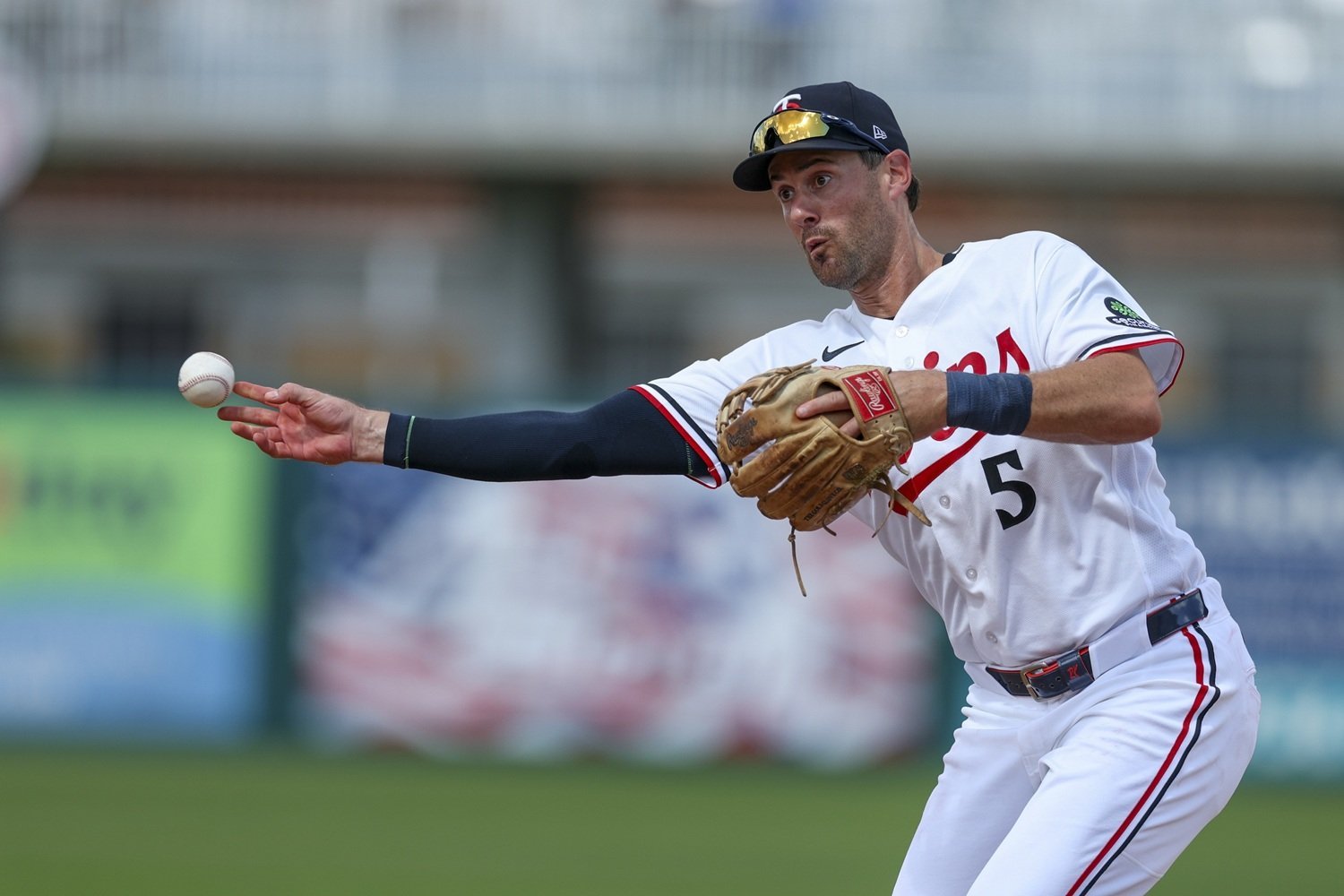 Through 34 plate appearances this spring, Ryan Kreidler has hit .133/.235/.233, with a 27 wRC+ and 32.4% strikeout rate. After posting an 11 wRC+ over 211 plate appearances with the Detroit Tigers the past four seasons, the 28-year-old’s offensive ineptitude doesn’t come as a surprise; it's an understood cost of being in the Ryan Kreidler business. His ability to hit wasn’t what led former Minnesota Twins president of baseball operations Derek Falvey to claim Kreidler off waivers last October. Instead, it was his plus glove and defensive versatility, two traits that have been on full display this preseason. Over 13 games, Kreidler has appeared five times at third base; four times at shortstop; three in center field; and once in right. Despite not yet playing the positions, he would also be serviceable in left field and at second base, making him a true super-utility player. Kreidler will never be the hitter Willi Castro was during his Twins tenure. His edge over Castro, rather, is that he provides plus value at every position he plays, including the positions highest on the defensive spectrum: center field and shortstop. As things stand, Kreidler is favored to win one of Minnesota’s four open bench spots, beating out Tristan Gray and Orlando Arcia in the club’s backup shortstop competition. Kreidler is projected to earn the nod due to his aforementioned defensive flexibility and his plus glove. There's more than the usual amount of lost offense when a team rosters Kreidler, though. Exactly how lousy a stick can the Twins tolerate? Two players jump to mind upon being asked this question: West Sacramento Athletics center fielder Denzel Clarke and Houston Astros shortstop Nick Allen. To make up for a 75 wRC+ over 159 plate appearances for West Sacramento last season, Clarke was one of the best defensive center fielders in baseball, netting 1.3 Wins Above Replacement at FanGraphs (fWAR) almost exclusively on the strength of his fielding. Allen was one of the best defensive shortstops in the game while playing for Atlanta in 2025, generating 17 Outs Above Average (OAA) at the position highest on the defensive spectrum. Like Clarke, however, Allen struggled mightily at the plate, with a heinous 53 wRC+ over 416 plate appearances. Clarke and Allen are outliers. Still, it’s vital to note their 2025 campaigns, as there was fairly little debate whether Clarke’s or Allen’s respective clubs would continue rostering them last season, proving that team decision-makers can have a high tolerance for offensive ineptitude if it comes with plus defense at premier positions. Obviously, Kreidler is not the elite-level defender Clarke is in center, or Allen is at short. Yet, given that Kreidler can play a plus third, second, left, right, and most importantly center and short, the 28-year-old functionally provides the same amount of value as Clarke and Allen, both of whom are locked in at one position. Alas, we have to keep saying it: Kreidler even pales in comparison with Clarke and Allen as hitters. As mentioned earlier, Clarke (75 wRC+) and Allen (53 wRC+) combined to create a 64 wRC+ last season, which is 36% below the league average. Kreidler’s career wRC+ of 11 is 53 points below that, making him the worst-performing hitter (766 out of 766) with at least 200 plate appearances this decade. Again, Kreidler has technically performed better at the plate this spring, generating a 27 wRC+, including an opposite-field home run off Philadelphia Phillies reliever Jonathan Hernández on Mar. 8. Still, defensive versatility can make up for only so much offensive ineptitude. He's well below that line right now. Defensive wizardry and versatility go a long way, but as Bill James once said, if you shake a tree in Triple-A, a good glove guy will fall out. Teams pay for offense because it's the harder side of the ledger to bolster for position players. If Kreidler keeps wearing sneakers to a snowstorm every time he steps into the batter's box, his flexibility won't keep him around very long. View the full article
 -
American League Central Preview: Cleveland Guardians
DiamondCentric posted an article in Royals Keep
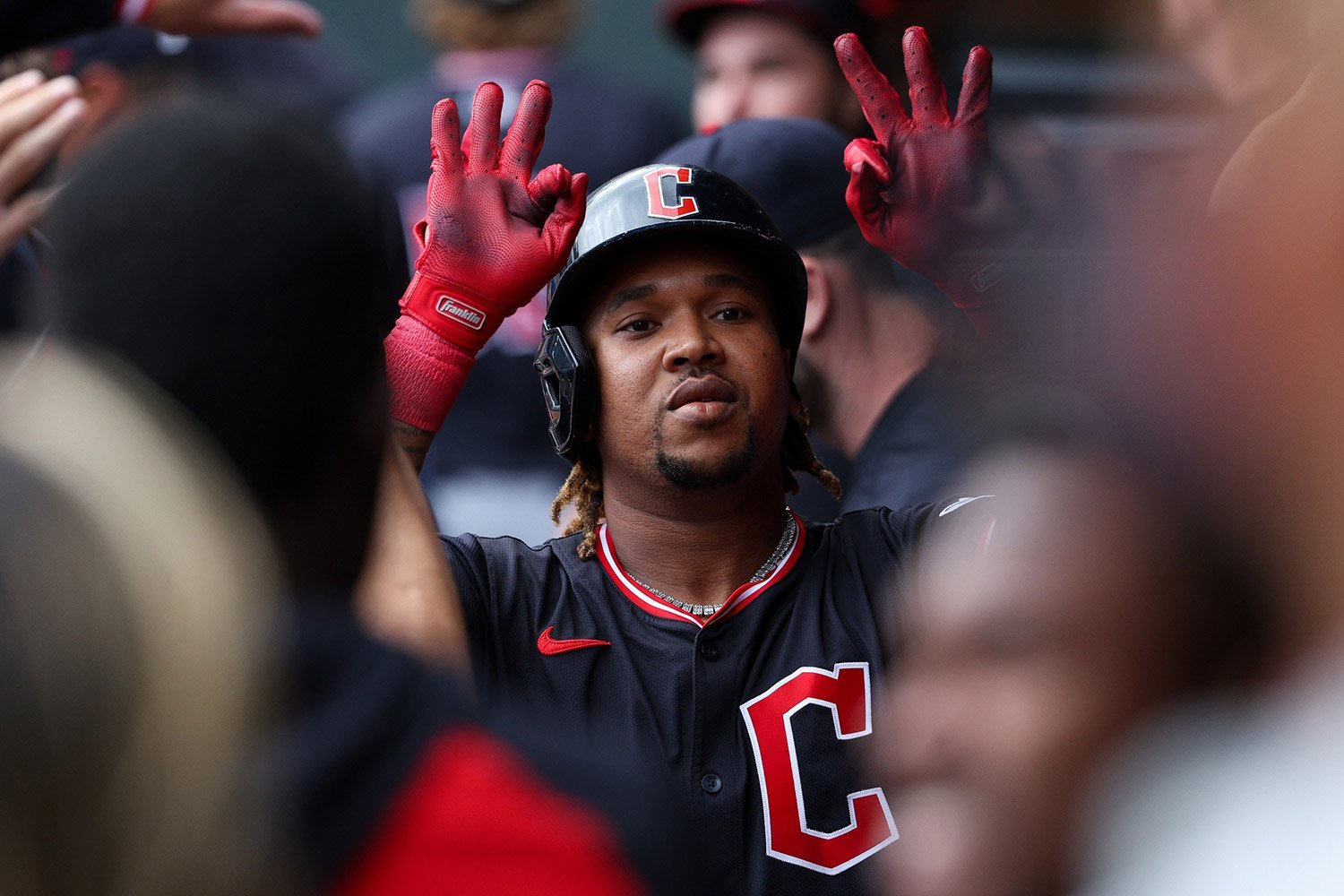 With the Royals looking to return to competitiveness in the AL Central, we wanted to take a look at the other teams in the division and the moves they made this offseason. This is a look at what to expect from the Cleveland Guardians this season. The Guardians enter 2026 as the defending AL Central champions. After off-season changes, will they repeat and claim their fourth division title in five years? The big news out of Cleveland this offseason is the extension that third baseman Jose Ramirez signed, keeping him in Cleveland through 2032, which will be his age-39 season. As the face of the franchise, Ramirez sets the pace—when he thrives, so does the club. To understand how Cleveland looks coming into 2026, let's take a look at the additions and subtractions from this offseason. Guardians Subtractions OF Lane Thomas RP Sam Hentges RP Jakob Junis SP John Means SP Triston McKenzie OF Will Brennan Guardians Additions RP Colin Holderman, 1 year, $1.5 million (controlled through 2028) RP Shawn Armstrong, 1 year, $5.5 million, mutual option for 2027 1B Rhys Hoskins, minor league deal Hoskins, on a minor league deal, is expected to add power at first base and designated hitter. He will look to return to being an above-average hitter with 30-home-run potential. Armstrong, after a strong season in 2025 with the Texas Rangers, will likely take on higher-leverage innings with the departures of key relievers from the Guardians 2025 team. Holderman is a potential bullpen project for Cleveland, a team known for reviving and getting the most out of relievers. On the subtraction side, both reliever Sam Hentges and John Means have joined other teams (the Giants and Royals, respectively) following injury issues in recent years. Jakob Junis, after a solid 2025 season, may be a notable loss from the pitching staff after signing with the Texas Rangers. McKenzie, limited to 24 games over three seasons since his 2022 breakout, has also signed elsewhere and will look to revive his career in San Diego. The Guardians are a team that always seems to linger in the division race. While their roster may not appear very intimidating at first glance, they maintain competitiveness more often than not. One thing the AL Central has learned over the past few years is to never count the Guardians out, even when everything says to do so. Guardians Injuries Andrew Walters, recovering from lat surgery, should return in May and may join the bullpen if healthy. Ben Lively, who pitched well in 2024 and early 2025, will miss 2026 after Tommy John surgery and will look to return in 2027. Though some may see the Guardians as a team in transition, let's take a look at the current key players as well as who may be contributing at the major league level soon, in their top prospects. Key Guardians Players 3B Jose Ramirez - 5.8 bWAR SP Gavin Williams - 3.8 bWAR LF Steven Kwan - 3.7 bwAR 2B Daniel Schneemann - 1.9 bWAR C Bo Naylor - 1.5 bWAR Other notable players include Gabriel Arias (SS), Kyle Manzardo (1B/DH), and pitchers Tanner Bibee, Joey Cantillo, and Kolby Allard. Top Guardians Prospects 2B Travis Bazzana OF Chase DeLauter SS Angel Genao 1B/OF Ralphy Velazquez LHP Parker Messick Ramirez remains the cog in their lineup, with Williams, Kwan, Schneemann, and Naylor among the main contributors. Arias, Manzardo, Bibee, Cantillo, and Allard are also expected to play important roles in looking to help keep the Guardians competitive in the Central. Bazzana, ranked MLB's No. 20 prospect, nears his debut after representing Australia in the WBC. DeLauter (No. 46 prospect) may break camp with the team and could see regular left-field time. Genao (No. 66) and Messick (No. 95) may debut this year; Velazquez (No. 89) is a 2027 candidate. Key Questions for Cleveland in 2026 Who is playing Center Field? For the outfield, manager Stephen Vogt has indicated that all outfielders may rotate between positions. Most likely, Steven Kwan shifts from left to center field, which opens the door for young bats to gain major league experience. DeLauter presents another option in center field if they prefer to keep Kwan in left field. What will the rotation look like? Gavin Williams and Tanner Bibee are expected to anchor the first two rotation spots, leaving three open for competition. The performance of those filling these roles will serve as a key indicator of the Guardians' overall success. Young pitching has been a constant for the Guardians for many years. It would not be surprising to see the next wave—Slade Cecconi, Logan Allen, Joey Cantillo, and Parker Messick—emerge as average or better major league starters. Will the Guardians be able to rely on Travis Bazzana? Bazzana missed time last year due to an oblique strain, playing in just 84 games, mostly at Double-A and Triple-A. If healthy, he could quickly join the major league roster, possibly by Opening Day. He's an electric player and will look to be a key piece along with Kwan and Ramirez for the foreseeable future. Here's a look at the projected lineup, rotation, and how the Guardians project over a full season. Projected Guardians Lineup Steven Kwan - CF George Valera - RF Jose Ramirez - 3B Kyle Manzardo - 1B Rhys Hoskins - DH Chase DeLauter - LF Bo Naylor - C Gabriel Arias - SS Brayan Rocchio - 2B Projected Guardians Rotation Gavin Williams - RHP Tanner Bibee - RHP Logan Allen - LHP Slade Cecconi - RHP Joey Cantillo - LHP Projected Guardians Record PECOTA: 4th place, 76-86 FanGraphs: 4th place, 76-86 While the Guardians may be projected to finish behind all AL Central teams other than the White Sox, this is not uncommon territory for Cleveland, which has outperformed its projections in recent years. The Guardians were 10.5 games out of first place on Sept 1 this past season and played very well down the stretch, going 20-6 the rest of the way to win the AL Central. The Guardians have proven to be pesky and never out of it, so don’t be surprised if they perform better than many think they will in 2026. View the full article
 -
Twins Finalize Roster for Thursday’s Spring Breakout Game
DiamondCentric posted an article in Twins Daily
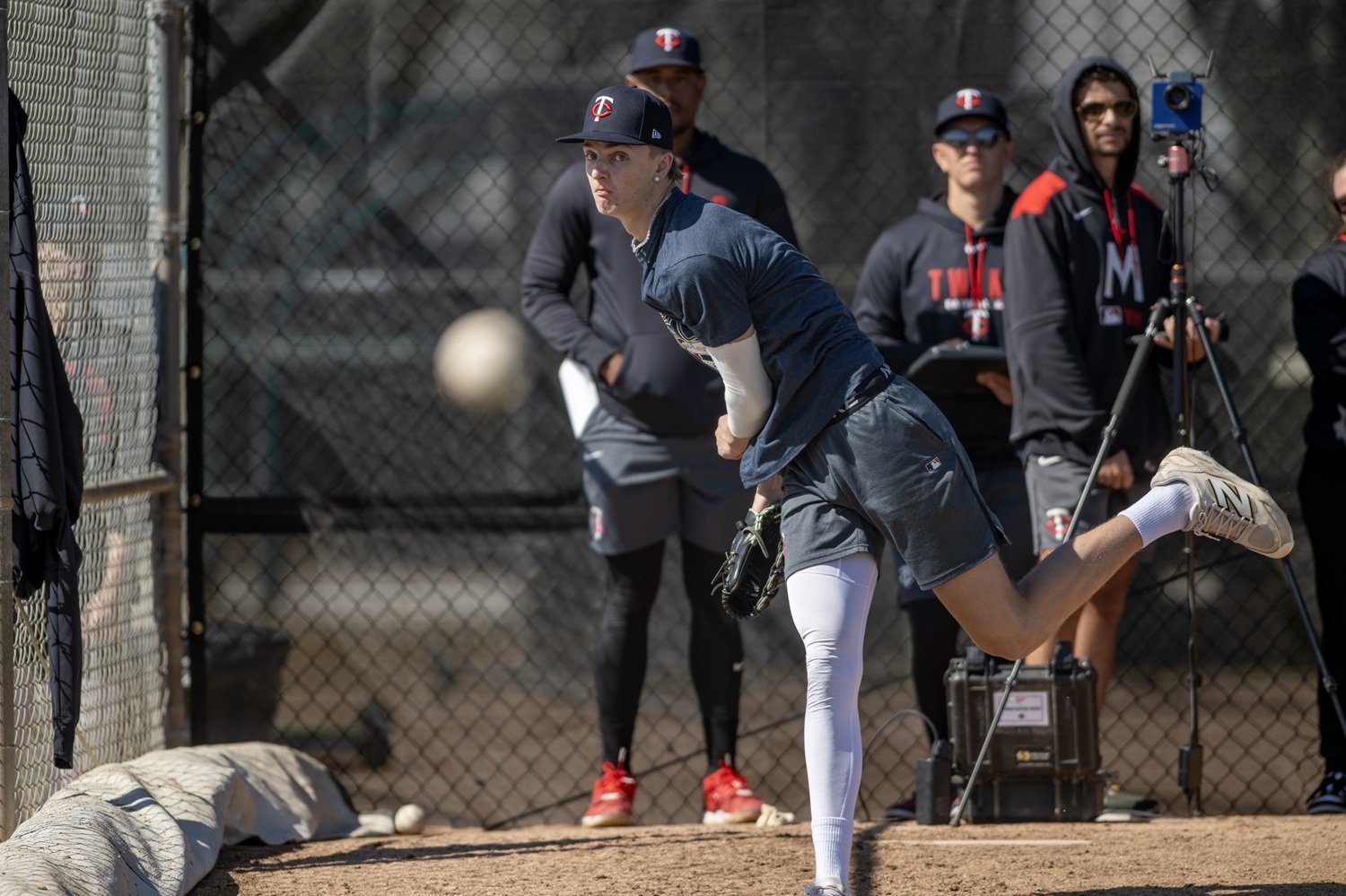 Finalized rosters dropped on Wednesday, trimming each organization’s initial 40-player pool down into something much more game-ready. For the Twins, that means a prospect group in the mid-20s taking the field on Thursday afternoon, with a chance to show what the next wave of talent might look like in Minnesota. Major League Baseball’s third annual Spring Breakout event runs from March 19 through March 22, serving as a four-day window into the future of the sport. The Twins will host the Philadelphia Phillies prospects on Thursday at 12:05 p.m. CT, giving fans a midday look at some of the organization’s most intriguing names. The game will be widely accessible, airing on MLB Network and Twins.TV while also streaming for free on MLB.TV, MLB.com, and the MLB app. For Minnesota, this is more than just a novelty on the spring calendar. The roster is packed with players who could realistically factor into the club’s long-term plans, and in some cases, sooner rather than later. Spring Breakout rosters are built primarily from MLB Pipeline’s Top 30 prospects list for each organization, with eligibility tied to players who still qualify as rookies for the 2026 season. This year’s format again featured a two-step process: a 40-player pool, then a final group announced on Wednesday. One notable absence is Walker Jenkins, who will miss the event for the second straight year. The outfielder dealt with a hamstring injury earlier in camp, but the Twins have indicated he is progressing well. The expectation is that he will return to action later this week and be ready for Opening Day with St. Paul. Even without Jenkins, the Twins are not lacking in star power. Fourteen of Twins Daily’s top 20 prospects made the cut, giving this roster a legitimate amount of upside across the diamond. On the position player side, Emmanuel Rodriguez remains one of the most electric bats in the system, capable of changing a game with one swing or one sprint out of the box. Kaelen Culpepper continues to generate buzz as a fast-rising infielder with the tools to stick on the left side. Marek Houston, last year's first-round pick, will also get his first chance to show his lauded defensive skills at shortstop. Behind the plate, Eduardo Tait and Khadim Diaw give the Twins a pair of catching prospects that bring both intrigue and upside, each carving out their own path toward the upper minors. On the mound, Dasan Hill headlines the group as the highest-ranked pitching prospect on the roster. The left-hander has already turned heads this spring after touching 100 mph, and this setting feels tailor-made for a breakout performance. Marco Raya will be another arm to watch, especially as he continues transitioning into a bullpen role. Short bursts in a showcase environment could play directly into his strengths. All told, this is a roster that blends proximity with projection. Some of these players are a few adjustments away from knocking on the big league door, while others are just beginning to scratch the surface of what they might become. Either way, Thursday offers a rare opportunity to see that spectrum all at once. Finalized roster: PITCHERS (13) Miguelangel Boadas, RHP C.J. Culpepper, RHP, TD’s No. 18 James Ellwanger, RHP, TD’s No. 20 Brent Francisco, RHP Ruddy Gomez, RHP Alejandro Hidalgo, RHP Dasan Hill, LHP, TD’s No. 6 Matt Des Marets, RHP Marco Raya, RHP, TD’s No. 15 Mitch Mueller, RHP Sam Ryan, RHP Jonathan Stevens, RHP Eston Stull, RHP CATCHERS (3) Khadim Diaw, TD’s No. 19 Ricardo Olivar Eduardo Tait, TD’s No. 4 INFIELDERS (7) Billy Amick, 3B/1B Kaelen Culpepper, SS, TD’s No. 2 Kyle DeBarge, SS, TD’s No. 17 Marek Houston, SS, TD’s No. 9 Ben Ross, IF Brandon Winokur, SS/3B, TD’s No. 13 Quentin Young, SS, TD’s No. 14 OUTFIELDERS (5) Gabriel Gonzalez, TD’s No. 7 Kyler Fedko Hendry Mendez, TD’s No. 16 Emmanuel Rodriguez, TD’s No. 3 Kala’i Rosario View the full article
 -
San Diego Padres 2026 Position Analysis: First Base
DiamondCentric posted an article in Padres Mission
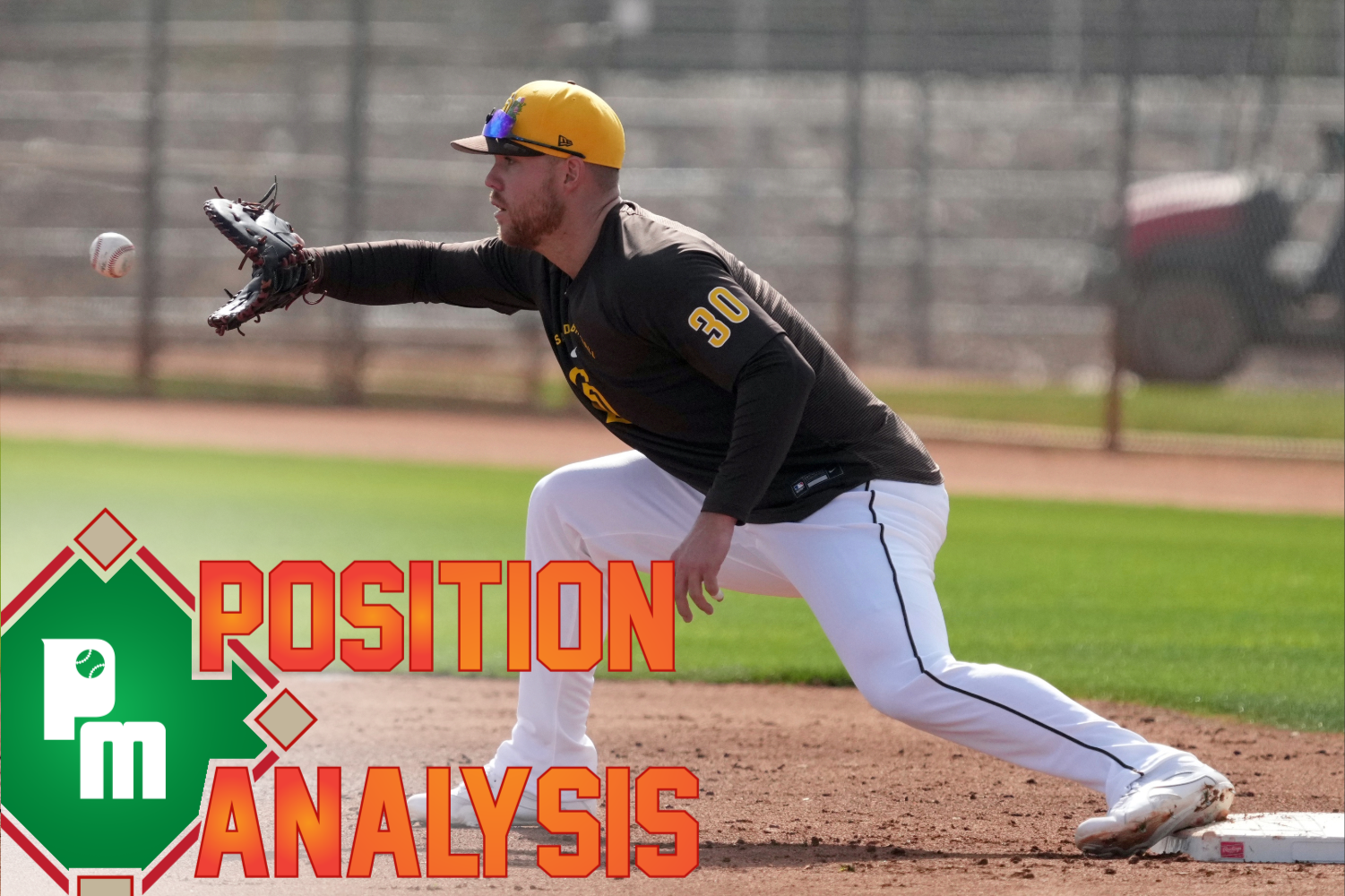 Coming into the offseason, there may not have been a position with more uncertainty for the San Diego Padres than first base. While the team retained Gavin Sheets, the two names that logged the most time at the spot both appeared set to depart in free agency. Of course, that would come to fruition as Luis Arráez (117 games) and Ryan O'Hearn (27 games) signed deals with San Francisco and Pittsburgh, respectively. That left just Sheets and Cronenworth (13 games apiece) as players on the roster who spent any time at the cold corner in 2025. Fortunately, the volume approach that the organization took to the roster impacted first base most heavily. They were never in on the likes of Pete Alonso via free agency or Willson Contreras via trade. Instead, Craig Stammen declared early that Sheets would get the first crack, with the signings of Miguel Andujar and Nick Castellanos to follow. That left four options on the roster including Cronenworth. Then, Ty France and José Miranda were each added on minor-league deals as well. Factor in the idea that Sung Mun Song's versatility as an infielder is likely to be expanded to include a few quick stints — and that Luis Campusano is capable of handling it for a spell — and the Padres appear to be well-suited at first base for 2026. The only question is what the playing time distribution will look like. FanGraphs has Sheets with a healthy edge in playing time as he's projected for 53 percent of the first base innings. They like Nick Castellanos for the second-most time (22 percent), followed by France (10 percent), Cronenworth (eight percent), and Andujar (four percent). Song and Miranda make up the last three percent of the time combined. Baseball Prospectus agrees only in the sense that it'll be Sheets ahead of everyone else (40 percent). From there, it goes Cronenworth and Andujar (25 percent each), Castellanos (five percent), and Campusano (five percent). None of Song, France, or Miranda are included, most likely due to the non-guaranteed contracts of the latter two. All of that indicates that there isn't a lot of certainty around how the playing time distribution could shake out, especially early in the season. Nevertheless, with Sheets, Cronenworth, Castellanos, and Andujar all on guaranteed contracts (and at least one of France or Miranda with a decent chance at cracking the roster given their strong springs), Craig Stammen has plenty at his disposal to get the most out of the position. San Diego Padres First Baseman At A Glance Starter: Gavin Sheets Backup: Nick Castellanos, Miguel Andujar Depth: Jake Cronenworth, Sung Mun Song, Ty France, José Miranda Prospects: Romeo Sanabria fWAR Ranking Last Year: 20th (0.9) fWAR Projection This Year: 28th (0.8) The Good Volume is a never a bad thing to have, especially when it allows a manager to play the matchups as much as possible. That goes double for a position like first base, where the goal is to maximize power given the position's profile. Unsurprisingly, Sheets was much better against right-handed pitchers (119 wRC+) than he was against lefties (89 wRC+) in 2025. His power was especially notable against pitchers of the opposite handedness, with a .202 ISO against righties as opposed to the .113 mark he went for against left-handed arms. The same could be said of Andujar. While he was above average against pitchers of both handedness, his 171 wRC+ against left-handers far exceeds that of the 108 wRC+ he posted otherwise. His .189 ISO was also exactly 50 points higher. We can't glean that same kind of trend out of Castellanos after an abysmal last year in Philadelphia, but Cronenworth offers someone a little more split-neutral everywhere but in his power output. That's a lot of chess pieces at Stammen's disposal, which should yield some positives throughout the rest of the lineup. Given the setup, he can slide either of Andujar or Sheets to left or Castellanos to right. Cronenworth would move to first while Song logs time at second. France and Miranda, should either make the roster, can flip over to the hot corner to get Manny Machado off his feet for a day. It opens up a ton of different lineup possibilities and raises the floor of the position significantly from what Arráez and O'Hearn's respective skill sets offered last year. The Bad If you have eight players that could log time at first base, you probably don't have a first baseman. While it's unlikely that the volume approach fails at this particular spot considering the names involved, there's at least a possibility that this is the worst defensive position on the field for the Padres in 2026. A primary factor in FanGraphs' WAR figure not only indicating a regression for the position, but projecting it to be among the worst in the sport, is in the defense. Sheets is a -3 Outs Above Average player there in his career. Cronenworth was at -2 OAA last season. If he were to make the roster, Miranda is at -4 OAA. If Ty France did, he's two years removed from a -12 OAA season, with no way of knowing if he'll repeat the 10 OAA to which he bounced back last year. Further, Andujar has just 30 innings there, and Castellanos hasn't appeared there in a major-league game. Ditto for Sung-mun Song in the KBO. Of the seven players for which FanGraphs projects time, only Sheets is expected to fall on the positive end of their fielding metric. It's also difficult to know whether you'll see improvement when the playing time might be inconsistent until Stammen settles into what he wants from that spot. So, while it's unlikely that we see this area of the roster fail completely given the volume and the flexibility available, there's also massive questions about what this spot will look like defensively and who can rise above to become the cream of the crop. The Bottom Line It's highly probable that we see Gavin Sheets run out at first base for the bulk of the time in 2026. He offers the most reasonable defensive aptitude while demonstrating visible growth at the plate last season. But one of the ways a manager can support a player is by offering the platoon solution to protect him as needed. Stammen has that at his disposal with Sheets, where each of Castellanos, Andujar, et al will be in the mix to support him. That should bode well at the position, providing consistent production given that each of these hitters has at least some track record of offensive success to their names. While it may be somewhat worrisome that the team didn't bring in a surefire option to handle first base, the way in which the position was addressed should benefit the Padres this season, especially in the myriad ways all of the options can impact other parts of the roster. View the full article
