


DiamondCentric
-
Posts
2,631 -
Joined
-
Last visited
Never
Content Type
Profiles
Forums
Events
News
Tutorials & Help
Major League Baseball Videos
Guides & Resources
Store
Downloads
Gallery
Everything posted by DiamondCentric
-
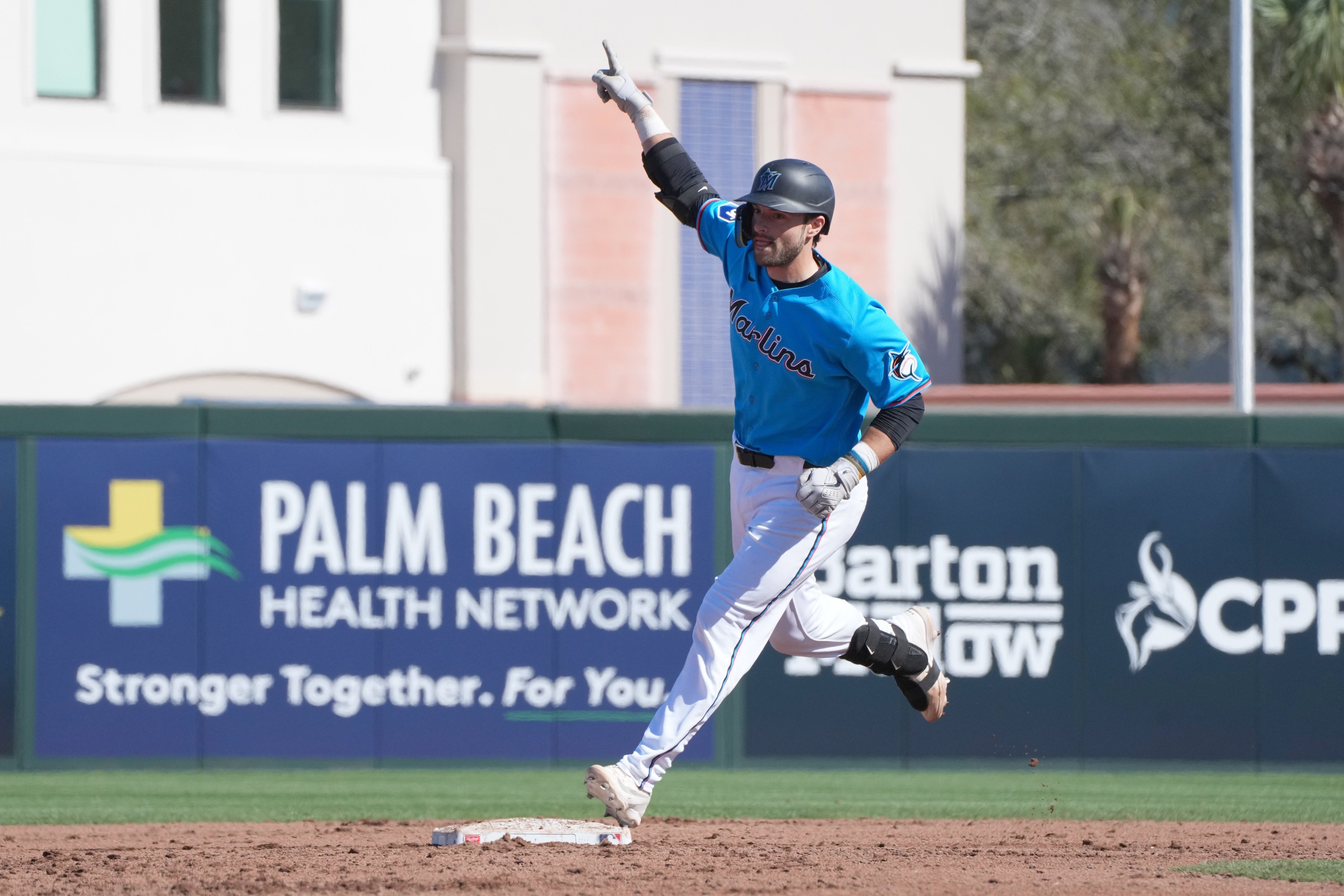 This isn't an endorsement of small-sample fodder, nor an argument that spring training statistics correlate to the ensuing MLB regular season. In the case of the Miami Marlins, though, their primary catcher of the present and presumed primary catcher of the future have produced a stark contrast in results through the first third of the Grapefruit League schedule. This understandably is drawing even more attention to the already-present narrative that the inevitable transition from Agustín Ramírez to Joe Mack behind the plate should be expedited. The Marlins number two prospect per our rankings, Mack has thrived in his 11 plate appearances thus far, hitting .333/.455/.667/1.122. Meanwhile, Ramírez is off to a feverishly slow start, going 0-for-14 with six strikeouts. No other player in the sport has accrued as many plate appearances as the 24-year-old without reaching base safely. When does the conversation shift to Mack potentially breaking camp with the big league club? "Joe Mack is going to play for us at some point. When that is, I don't know," noted Marlins manager Clayton McCullough. Mack, renowned for his defensive prowess, seemed to realize some of the potential thrust upon him in the batter's box, hitting 21 home runs across Double-A and Triple-A in 2025, OPS'ing a career-best .813. If Mack brought even three-quarters of that offensive output with him to Miami, in tandem with his defense, he would become the franchise's best all-around backstop of the post-J.T. Realmuto era. As for Agustín, there are multiple ways one could approach this. He was one of just four rookies in 2025 to hit 20-plus home runs, finishing sixth in NL Rookie of the Year voting. This isn't to ignore the red flags in his profile, though, as Ramírez walked in just 6.2 percent of his 585 plate appearances (MLB average is 8.4%). He was also considerably better in games started at designated hitter, when he could apply his full focus to his offensive responsibilities. On the whole, his 92 OPS+ made him a below-average hitter. Despite catching in just 73 games last season, Ramírez's 10 errors led all MLB catchers, as did his 19 passed balls. According to Fielding Bible, only Salvador Perez (-15) put up a worse defensive runs saved total than Ramírez's minus-14. His work ethic earns praise from Marlins leadership, yet the early returns this spring are underwhelming. In all likelihood, the Marlins won't budge on their conservative plan unless Mack sustains this pace for the remaining three weeks of exhibition games. The expectation is still that Ramírez and Liam Hicks will form their Opening Day catching tandem. A 2024 Rule 5 draft pick out of the Tigers system, Hicks showed promising plate discipline, OBP'ing .346 across 390 plate appearances. While not known for his defense behind the plate, Hicks certainly feels safer behind the dish than Ramírez, graded out as about an average defender according to DRS, while also appearing in parts of 28 games at first base. Regardless of where he opens 2026, there's a sense that we're on the precipice of seeing Joe Mack impact the Marlins at the major league level. The Game at Hand Chris Paddack made his second spring start for the Marlins on Sunday, tossing two scoreless innings in the club's 3-0 victory over the Nationals. Originally drafted by Miami in 2015, Paddack would be traded to the Padres in the deal that netted Fernando Rodney in 2016. Debuting in the majors in 2019, Paddack owns a 4.64 lifetime ERA over parts of seven seasons. In 2025, his first season post-Tommy John surgery, Paddack pitched to a 5.35 ERA across 158 innings between Minnesota and Detroit. "Really good day for Chris...Really good day to build off of," noted McCullough. Speaking of his experience with the Marlins thus far, Paddack reflected on the highs and lows of his career, spoke about the early discussions he had when meeting with the club prior to signing. "Something I think we all need to be reminded of, even at this level is, 'Hey man, you're really good. Believe in yourself.' That's something that was told to me in that first Zoom call, and that we're not on the phone to fill a roster spot—we think you can contribute...and we want to help you find that ceiling," remarked Paddack. News From Around Camp - Thomas White, the club’s top prospect, has a Grade 1 right oblique strain. McCullough stated that White experienced some discomfort in his spring debut on Thursday. The timeline for his return to play is 3-4 weeks. Setback aside, White appears to be a name who could impact the big league roster at some point in 2026. - Bradley Blalock, acquired by Miami over the offseason from Colorado, is the only healthy arm in big league camp who has yet to make a Grapefruit League appearance. He's slated to make his spring debut in the next couple of days, per McCullough. - Christopher Morel and Griffin Conine swapped spots on the defensive side of the ball, with Conine making his spring debut at first base, and Morel in right field. Morel, while in line to be the club's primary first baseman, is expected to see time at both third base and the outfield at points this season. In 105 games with Tampa Bay last year, he hit .219 with a .684 OPS. View the full article
 -
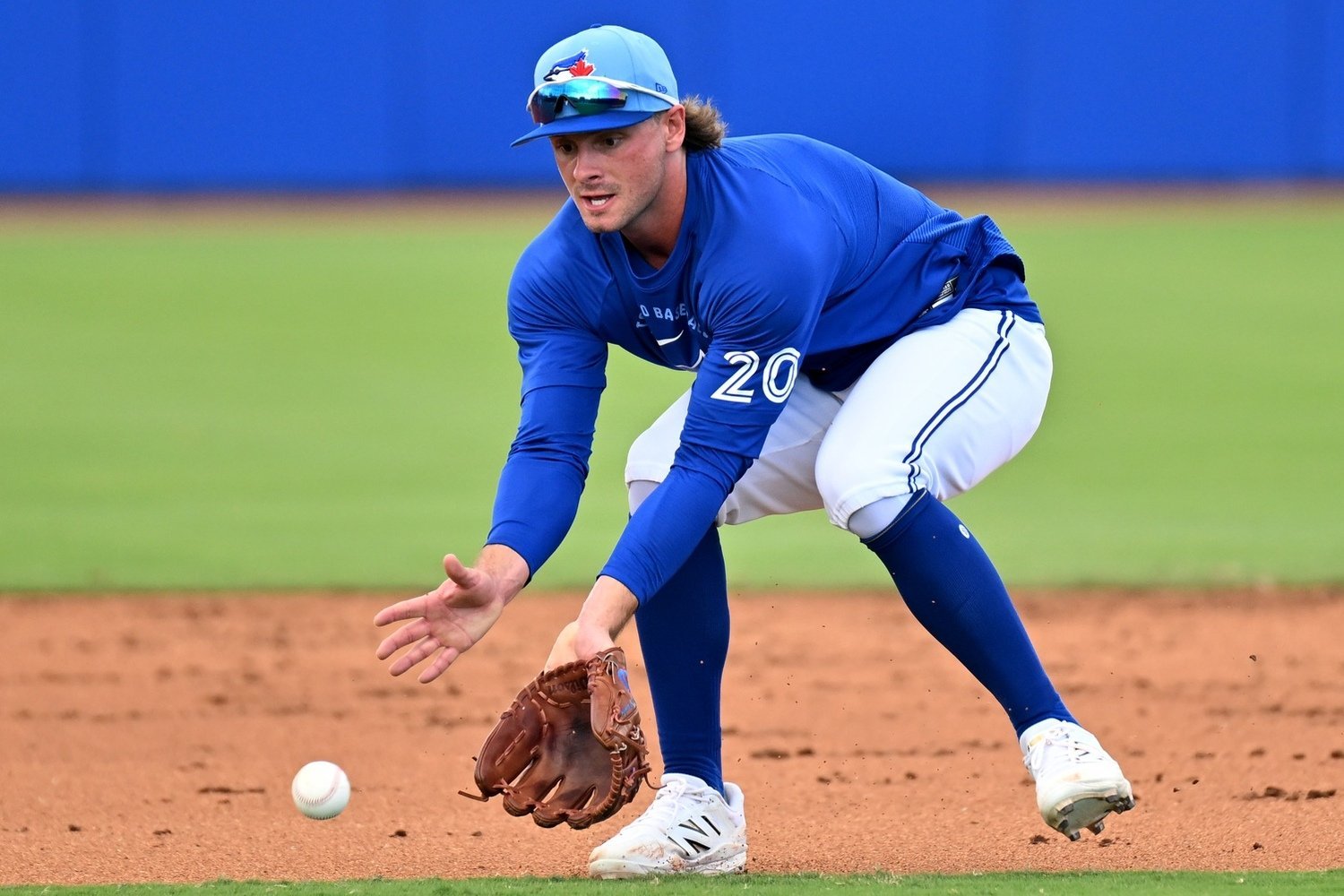 Max Scherzer will need a 40-man roster spot once his signing becomes official, and the Blue Jays freed up that spot this weekend by designating Ben Cowles for assignment. The Cubs, his former team, swooped in to claim him back. Over the past six months, Cowles has been DFA'd by the Cubs and claimed by the White Sox, DFA'd by the White Sox and claimed by the Cubs, DFA'd by the Cubs and claimed by the Blue Jays, and DFA'd by the Blue Jays and claimed by the Cubs. Talk about a whirlwind. The reason the Cubs DFA'd Cowles in February was to make room for free agent signing Shelby Miller on the 40-man roster. Today, they made room to re-add Cowles by placing Miller on the 60-day IL. I wrote about the Blue Jays claiming Cowles in mid-February, explaining why I liked the addition, minor as it was. With that said, Cowles never had a great chance of making much of an impact for Toronto, so it's not particularly surprising he was the casualty for Scherzer. Cowles went 0-for-9 with five strikeouts in five Grapefruit League games. He'll now head to Arizona to play in the Cactus League with the Cubs. View the full article
 -
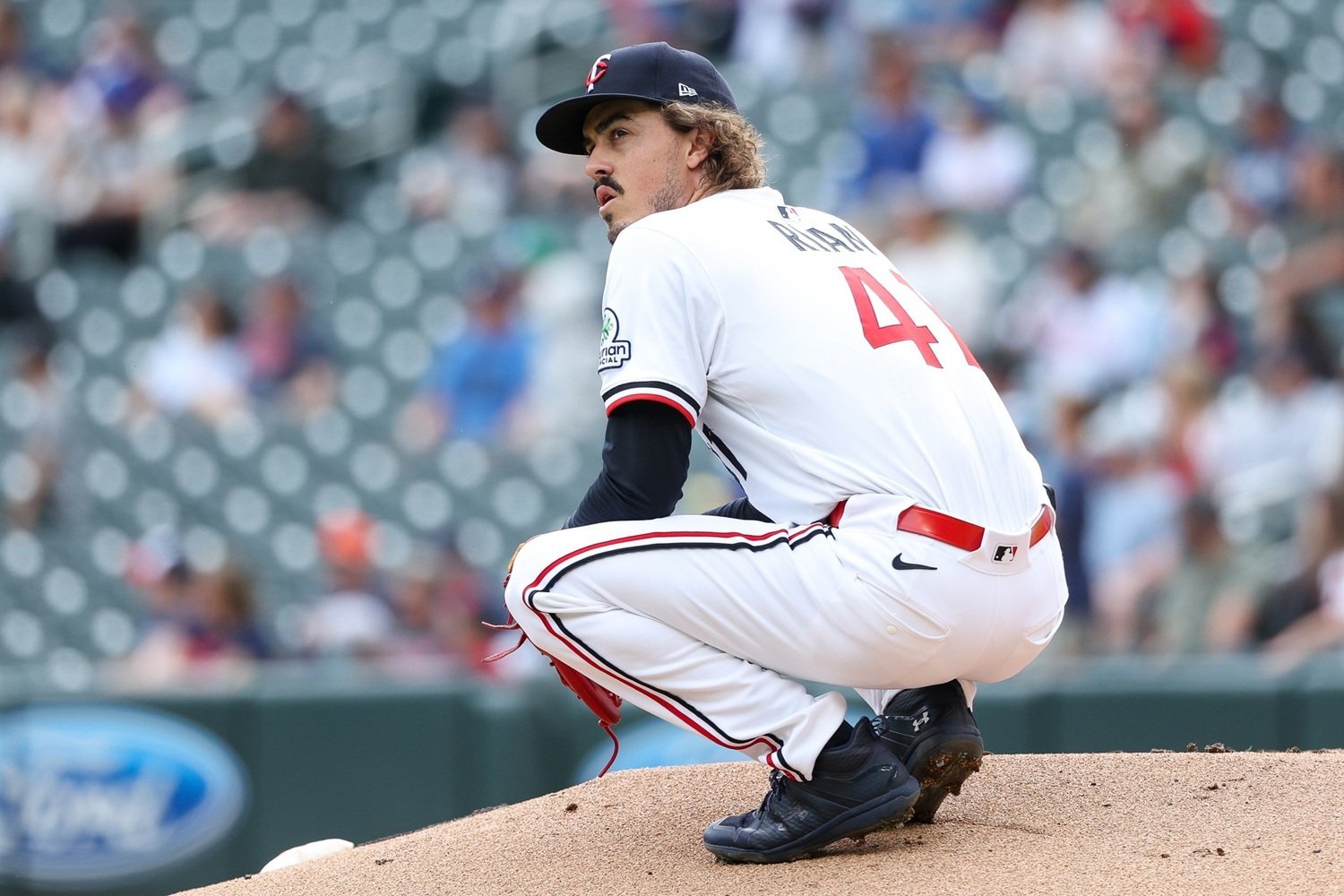 FORT MYERS — Joe Ryan’s spring training ramp-up will continue in Twins camp, but his World Baseball Classic debut with Team USA will wait at least a little longer. Twins GM Jeremy Zoll said Sunday that Ryan will not participate in the WBC pool play round (or the exhibition games leading into it), but will be eligible to join Team USA later in the tournament if the Americans advance. Zoll described the decision as a collaborative one involving Ryan, his agent, Team USA, and the Twins, emphasizing that the goal is to make the “smartest and best” choice for everyone while keeping a close eye on how things look once pool play concludes. Ryan’s build-up after a scratched start last weekend appears to be back on track. Ryan said he’s been feeling “really good all week,” and threw a bullpen session on Saturday. He said the session shifted from delivery-focused cues into more pure execution as the session progressed. He said a few things still need refining, but he was pleased with how his work translated. “I felt really good about it,” he reflected. His next steps are lined up: another live session in the coming days and then hopefully a game appearance after that. Whether or not he joins Team USA depends on how those go, and what their needs are as they (hopefully) advance to elimination rounds. Byron Buxton, who left today to join Team USA, said yesterday that his understanding is that Ryan is “in a great spot” based on what they’ve discussed. He added that while Ryan wants to be with Team USA, “we also know what’s important and what’s at stake,” and he expects Ryan to join the team at some point. What’s at stake for the Twins is pretty simple: they can’t afford to have setbacks with Ryan’s timeline, because the rotation has already taken hits and the margin for error is shrinking fast. With Pablo López lost to Tommy John and Joe Ryan, Bailey Ober, and David Festa already needing early-spring monitoring and modified build-ups, the Twins’ best-case scenario is getting to Opening Day with as many dependable, prepared starters as possible. View the full article
 -

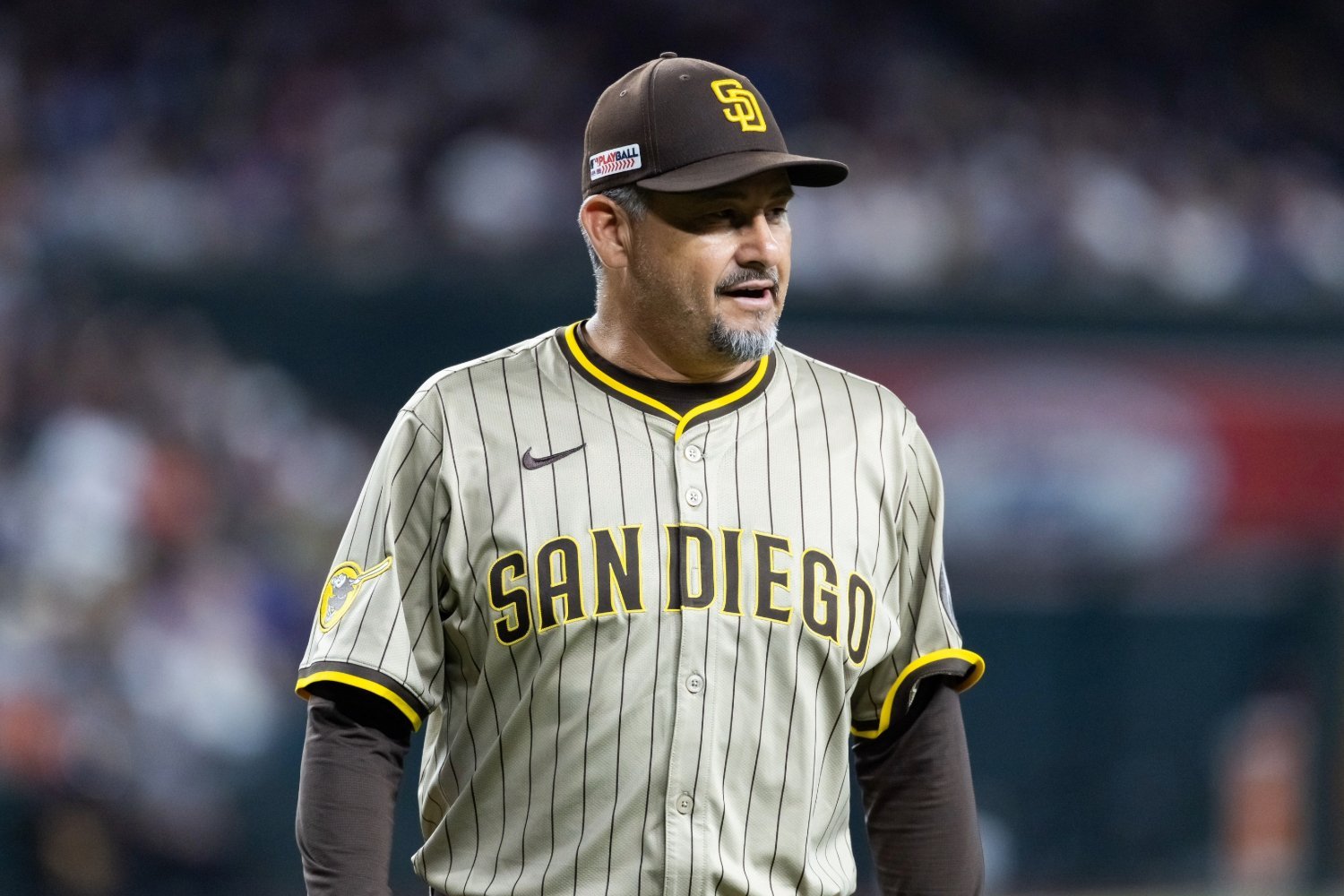 The San Diego Padres have tried to ensure decent fourth and fifth starters will fill out their 2026 rotation by signing the likes of German Marquez, Walker Buehler, and Griffin Canning. The low salaries on each of their contracts limit the risk of those pitchers not working out — and the Ruben Niebla factor could turn the risk into an actual benefit. Padres pitching coach Ruben Niebla has no control over pitchers incurring additional injuries, but he can address inconsistencies of some of the pitchers not retained by their previous teams. Overcoming those inconsistencies also allows additional recovery time for those pitchers who are injured since the additional depth will negate the need to hasten the return of injured pitchers. A pitching coach who can address inconsistencies and turn around a struggling pitcher is not unprecedented in Padres history. A good pitching coach can also help a young pitcher develop early in his career. Norm Sherry was the Padres’ pitching coach in 1984 when the team reached the World Series for the first time in team history. Sherry was also the team’s pitching coach in 1982 and 1983. Between trades for young pitchers and a farm system which developed young arms, the Padres had a pleasant problem during spring training prior to the start of the 1984 season: more than five pitchers were qualified to be starters. In August 1983, the Padres traded veteran pitcher John Montefusco to the New York Yankees for a two players to be named later. Left-handed pitcher Dennis Rasmussen was one of those players. Rasmussen joined the major-league team immediately, started one game while relieving in three in September 1983, and posted a 1.98 earned run average in 13 2/3 innings. By the end of spring training in 1984, the Padres had to figure out what to do with six potential starting pitchers. Rasmussen was traded back to the Yankees for veteran third baseman Graig Nettles, who had played for San Diego High School and San Diego State College before his professional activity. Rasmussen joined the Yankees’ rotation, and in 1986 he posted an 18-6 record for the Bronx Bombers. The Yankees traded Rasmussen to the Cincinnati Reds in August 1987, and between the two teams he posted a 13-8 record that year. Rasmussen struggled at the start of the 1988 season. In 11 starts with the Reds. he was 2-6 with a 5.75 ERA. Jack McKeon, who was the Padres’ general manager when Rasmussen was first acquired, was still the team’s general manager in 1988. On June 8 of that year, McKeon traded rookie middle relief pitcher Candy Sierra, who had a 5.70 ERA in 15 games with the Padres, to the Reds for Rasmussen. Sierra would pitch in only one major-league game with the Reds. Rasmussen completed his season with a 14-4 record for the Padres, posting a 2.55 ERA in his 20 starts which included six complete games. McKeon would later remark that he knew Rasmussen had the potential he showed during his Padres portion of the 1988 season. McKeon added that the task was acquiring Rasmussen when he was 2-6. The Padres had a new pitching coach for 1988. Pat Dobson would also have that role in 1989 and 1990. Although Rasmussen didn’t match his 1988 season in either of those two years, he won 10 games in 1989 and 11 games in 1990. Due to the Padres’ 1987 finish, they had the first overall pick in the June 1988 draft. They chose University of Evansville pitcher Andy Benes. The Padres let Benes pitch the remainder of 1988 for the United States in the Olympic Games, so he did not see minor-league activity until 1989. He was assigned to the Padres’ Class AA team in Wichita to start the 1989 season. In his 16 Wichita starts, Benes was 8-4 with a 2.16 ERA. He was promoted to the Padres’ Triple-A affiliate in Las Vegas and had a 2-1 record in five starts, albeit with an 8.10 ERA. In August 1989, the Padres chose to promote Benes to the major-league roster. The decision was, in par,t due to the ability of Dobson to coach Benes. The strategy worked; in ten Padres starts during 1989, Benes posted a 6-3 record and a 3.51 ERA. The team's history is littered with even more examples. In July 1987, a seven-player trade brought San Francisco Giants pitcher Mark Davis to the Padres. Davis, who had been both a starter and a reliever with the Giants, was converted into a full-time reliever with the Padres. His ERA for the Padres’ portion of his 1987 season was 3.18. Dobson helped turn Davis into the Padres’ closer. Davis had an ERA of 2.01 for the 1988 Padres along with 28 saves, and he made the All‑Star team that year. In 1989, Davis had 44 saves and a 1.85 ERA. Davis not only made the 1989 All-Star team but also received the Cy Young Award. The Padres were unable to sign Davis after the 1989 season, and the free agent joined the Kansas City Royals. The Padres were able to sign Craig Lefferts to be the team’s new closer, and with Dobson’s assistance. Lefferts was 7-5 with 23 saves and a 2.52 ERA. Davis didn’t fare as well in Kansas City that year, completing the season with a 2-7 record, six saves, and a 5.11 ERA. A good pitching coach can work with a pitcher to help him overcome inconsistencies. That creates the problem of having to assign some pitchers to the minor leagues, but it assures that the major league club will have sufficient pitching including if one or more pitchers is injured and needs to be replaced. The availability of the pitchers the Padres signed near the end of the offseason may indicate warnings about those pitchers, but if the issue is inconsistency rather than health, the coaching skills of Ruben Niebla may make those low-cost signings beneficial for the Padres. View the full article
 -
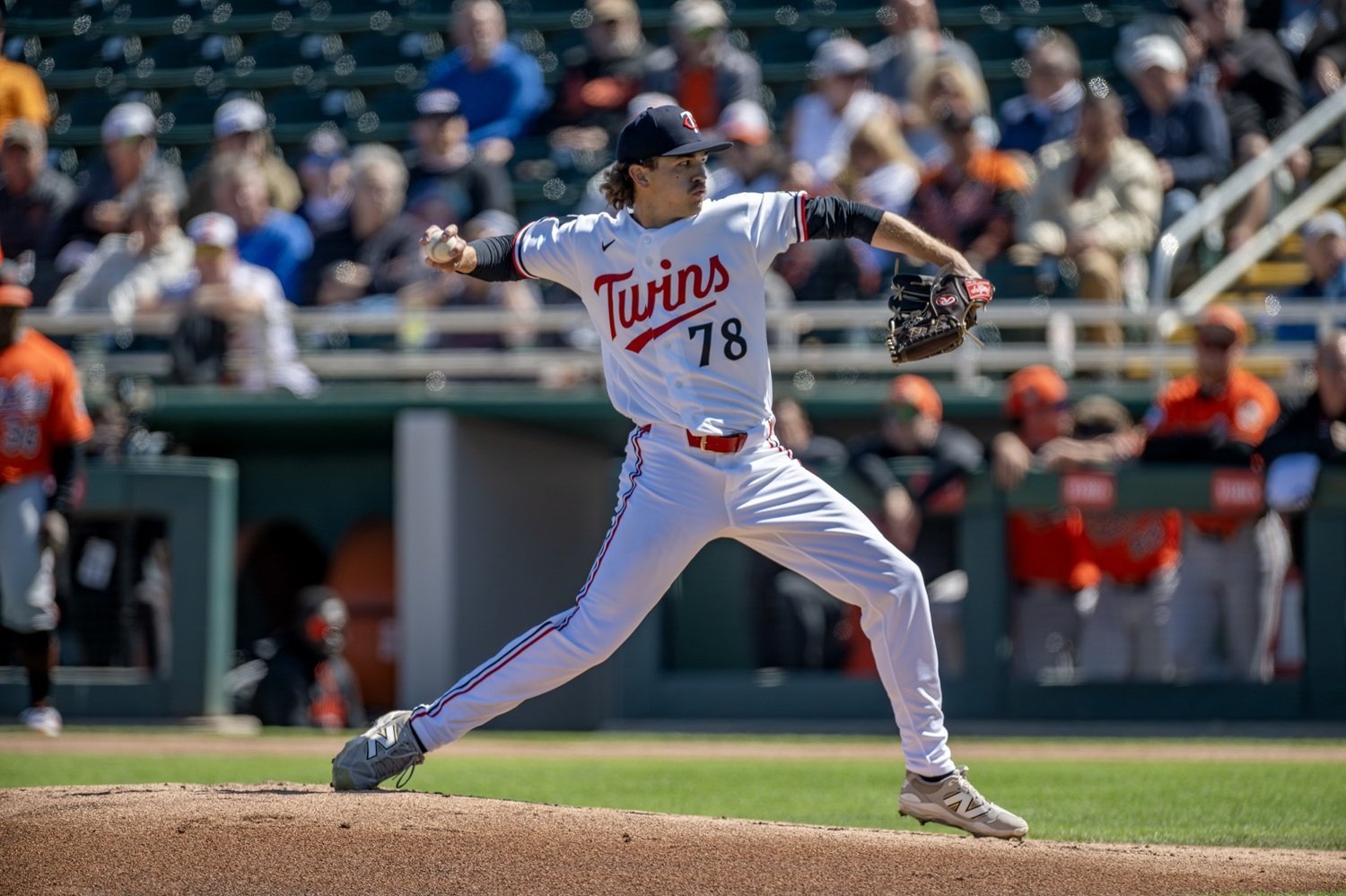 When pitchers and catchers reported to Fort Myers, the optimism surrounding the Minnesota Twins' rotation was grounded in numbers. This was supposed to be a strength built on both established major leaguers and emerging upper-level prospects knocking on the door. Instead, the depth chart has become something of a stress test before the calendar even flips to Opening Day. The Twins had eight pitchers in contention for five starting spots when pitchers and catchers reported to Fort Myers. However, Pablo Lopez is out for the year following Tommy John surgery, and David Festa is expected not to be ready for Opening Day as he deals with a shoulder impingement. That reality has reshaped the conversation around the starting staff this spring. Rather than debating which young arms might have to open the year in Saint Paul, the Twins are now figuring out how many inexperienced starters they can realistically carry while still positioning themselves to compete in a winnable division. The current pitchers in play for starting jobs are Joe Ryan, Bailey Ober, Simeon Woods Richardson, Taj Bradley, Zebby Matthews, and Mick Abel. Beyond that group, there are Connor Prielipp, Andrew Morris, Kendry Rojas, and John Klein. Minnesota showed this winter that payroll flexibility exists, most notably in its aggressive but unsuccessful pursuit of Framber Valdez. Even so, the current trajectory suggests the organization is prepared to move forward with its six in-house rotation options while keeping its yet-to-debut pitching prospects as the next wave of reinforcement. “We see a lot of upside,” Twins General Manager Jeremy Zoll said. “We'll use spring to see what's going on everywhere. Usually, you see a lull in action for a bit as teams settle in.” The Case for Trusting the Depth There is a legitimate argument that the Twins should allow this group to sink or swim on its own merits. Ryan and Ober have proven capable of handling major league workloads when healthy, while Woods Richardson showed flashes of mid-rotation stability last season. Bradley brings electric stuff that could translate immediately, and both Matthews and Abel represent the kind of upside that teams often spend years trying to acquire externally. Younger pitchers also come with a sense of developmental urgency. Minnesota has invested years in shaping these arms at the minor league level. Blocking their opportunity with a short-term veteran might preserve depth on paper while simultaneously delaying the growth of pitchers who need to face big-league hitters to reach their ceilings. “You're trying to find that right balance of ensuring you have enough depth and creating the right opportunities for guys to step forward,” Zoll said. “In a lot of cases, these guys have proven a lot in Class AAA already. You don't want to have guys in AAA just to say we did. But you never know what's going to pop up next and constantly are weighing those things.” The Case Against Standing Pat Of course, the downside is obvious. Betting on depth is easier when it has not already taken two major hits before March. Lopez was supposed to anchor the rotation, and Festa represented a high-probability early-season contributor. Removing both from the equation places enormous pressure on pitchers who are still adjusting to the demands of a full major league season. The remaining options on the free agent market include Lucas Giolito, Zack Littell, Patrick Corbin, Tyler Anderson, and Nestor Cortes. While none project to replace the frontline production Minnesota hoped to get from Valdez or the innings stability they lost with López, there is something to be said for a veteran capable of absorbing starts across a full season. That reality leaves the front office weighing a familiar dilemma between protecting developmental pathways for its young arms and adding a more proven option to stabilize the rotation early in the year. Spring has made one thing clear. Minnesota can trust its pitching depth, but doing so is no longer a philosophical preference. It is quickly becoming a necessity. Whether that necessity turns into a breakthrough season for the next wave of starters or exposes how thin the margin for error has become may ultimately define the Twins’ 2026 campaign. Do the Twins need to sign a veteran pitcher? Or should the front office trust the team’s rotational depth? Leave a comment and start the discussion. View the full article
 -
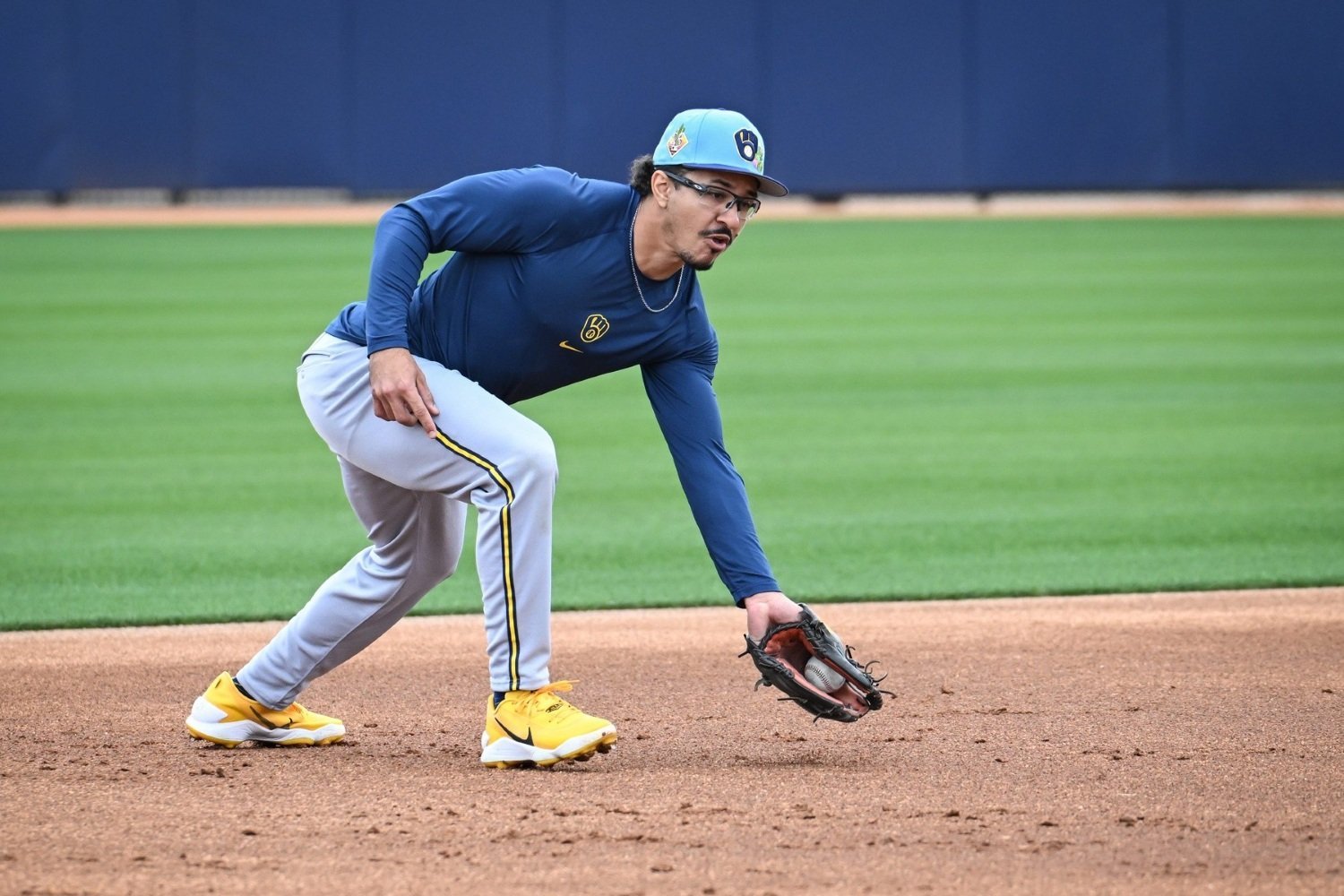 Because he'll (probably) take up the spot on the Opening Day roster vacated by Andruw Monasterio, and because he was traded (in part) for Monasterio, David Hamilton risks being viewed much the way Monasterio was during his time with the Brewers. If you had to describe his role in a couple of words, you would say, "utility infielder," and that's also how you might encapsulate what Monasterio was for the 2023-25 teams. However, there are some crucial differences between the two, as well, and manager Pat Murphy sees Hamilton not only as having a much larger version of Monasterio's role, but as the guy most likely to take what Murphy likes to call "a quantum leap" this season. "I think he can take his offensive game to a whole other level," Murphy said. "There's so much in there offensively. We gotta get it out of there, and it's not going to be easy, You can't just change habits [in the snap of a finger], but man, is it something." Hamilton will open the season as the backup shortstop, and also figures to find playing time at third base and (as needed) at second or in the outfield. Nominally, that's similar to what Monasterio brought to the table, but expect Hamilton to play more—much more. For one thing, he bats left-handed, whereas Monasterio is a righty hitter. For another, he's a more adept defender, with all the tools to be a plus shortstop. "I can see Hamilton playing against right-handers," Murphy said. "All the time. That much—so he's not a Mona." Monasterio, indeed, often wouldn't start for two weeks at a time, making only occasional appearances as a defensive substitute or pinch-hitter. He only had 135 plate appearances, despite spending the vast majority of the season with the Crew. The role Murphy outlined for Hamilton could easily involve three times that many trips to the plate. That leaves two important questions hanging in the air: Why? And how? Let's tackle them in that order. Murphy emphasized the offensive upside he and the staff see in the lefty-batting infielder. That upside lies in a couple of different areas. Firstly, he brings elite speed, and a track record of deploying it aggressively. He's stolen 57 bases in his short big-league career, and taken the extra base on teammates' hits over 60% of the time; the league averages under 50%. When Hamilton gets on base, he scores 37% of the time, another mark about 10 percentage points higher than the league's. Though he got just 317 plate appearances in 2024 and 194 in 2025, he ranks ninth for those two seasons in Net Bases Gained, according to Statcast, which apportions responsibility for steals and times caught stealing among runners, pitchers and catchers and turns it into a counting stat that also functions as a de facto value metric for runners. Of the 521 players who had at least 200 stolen-base opportunities over the last two seasons, Hamilton had the fourth-highest attempt rate. His legs make a difference once he's on base. Of course, the hurdle he has to clear is getting on base, to begin with. On that front, 2025 was a grim step back, as he ran a .257 OBP that cost him the larger role the Red Sox envisioned for him when the season began. Thus, as is true of so many exceptional athletes trying to cross the bridge to become exceptional ballplayers, Hamilton's fate hinges on hitting. The good news is that, as Murphy noted, there's some upside to tap into. Under the influence of a Red Sox development infrastructure focused on adding bat speed, Hamilton showed that he could do that, but he's also learned that his fastest swing is not automatically his best. This winter, his work was focused on a simple objective. "I worked on, pretty much, just hitting line drives," Hamilton said. "That really plays into what [the Brewers] see for me, what they want to do, so it worked out." That's what every hitter is trying to do, of course, but Hamilton is a good candidate for a rededication to it. His line-drive rate dipped substantially in 2025, as his bat path flattened out. He hit more grounders, made less hard contact and didn't generate any more contact in 2024—an easy explanation for the fact that his numbers cratered. Fixing that doesn't need to mean overhauling his swing, though. Murphy talked about changing what Hamilton is looking for at the plate; so did the man himself. "You want to have a good approach when you're at the plate, but it also comes down to the path you're swinging on," he said. "I'm just really focusing on hitting the top of the baseball, and hopefully good things will happen." That might sound like a recipe for a deleterious number of ground balls, but for big-league hitters, looking for the top of the ball is often a way to ensure that they don't go too far the other way, popping it up or whiffing on it. Hamilton has been hard at work with (among others) hitting coach Dan Vogelbach this spring, with bat path at the center of the discussions. He's only had 13 balls in play this spring, but his average exit velocity is over 89 MPH, up from a career average of 87 MPH, and he's whiffed on just two of his 25 swings. Meanwhile, hitting the top of the ball hasn't led to wanton worm-burning; he's hit just three of those 13 batted balls at launch angles below 7°. A player with this much speed, a reasonably patient approach and even a modicum of juice in his bat can be a big help on offense, especially from the left side. That's plenty on the question of why the manager is excited about him, then. Let's tackle the thornier query: How—or, rather, at whose expense? In short (no pun intended), it might be Hamilton who first threatens the playing time of incumbent shortstop Joey Ortiz, rather than Jett Williams or Cooper Pratt. Murphy has seen some of what he hoped for from Ortiz this spring, and he'll now get a chance to pick the brains of other good players on Novena México in the World Baseball Classic. However, while the organization remains broadly high on Ortiz, Hamilton's left-handedness and his strong defensive chops make him a candidate to play in Ortiz's stead at times. He'll get most of his playing time at third base, splitting those duties with Luis Rengifo, but to match Murphy's lofty vision, he'll have to take some time from Ortiz, too. Murphy dislikes straightforward platoons, except in unusual and specific situations. Unless he sees no real utility for a right-handed batter except against lefties (and trusts that player to succeed in a very difficult role), he prefers modified platoons wherein he can use the right player for a given matchup every day, balancing the playing time. For instance, if he were to give Hamilton the long side of a platoon at third base, it would marginalize Rengifo—whom the team likes best from the right side, but not exclusively there. The team will use inputs far beyond handedness to make playing-time decisions, setting it day to day based on things like swing path against the opposing starter and defensive alignment behind their own. "That's where, I have a lot of information coming at me before a series, saying, 'Hey, when this guy starts, this might be the better guy'," Murphy said. "But the other thing to think about is, the way the game's evolving, the starting pitcher is not going three times around very often. So it's kind of futile to just say, 'This is how we're gonna play it,' because you gotta also plan for the last five innings. The last five innings become crucial that you're set up right." Hamilton's playing time has to come from somewhere, and it's likely to be mostly on the left side of the infield. That's bad news for Ortiz and Rengifo, but Murphy's philosophy about platoons and playing time could be good news for all three players. Hamilton will have to do more to earn his at-bats than the others, but he's already done some of that work this spring. The imperfect platoon plan, by the way, might also be the team's answer to the question of how to divvy up time between Andrew Vaughn and Jake Bauers this year. Their depth is more obvious on the pitching side, but if you see Bauers, Hamilton and Brandon Lockridge the way Murphy and the Brewers do, it becomes just as impressive with the hitters. View the full article
 -
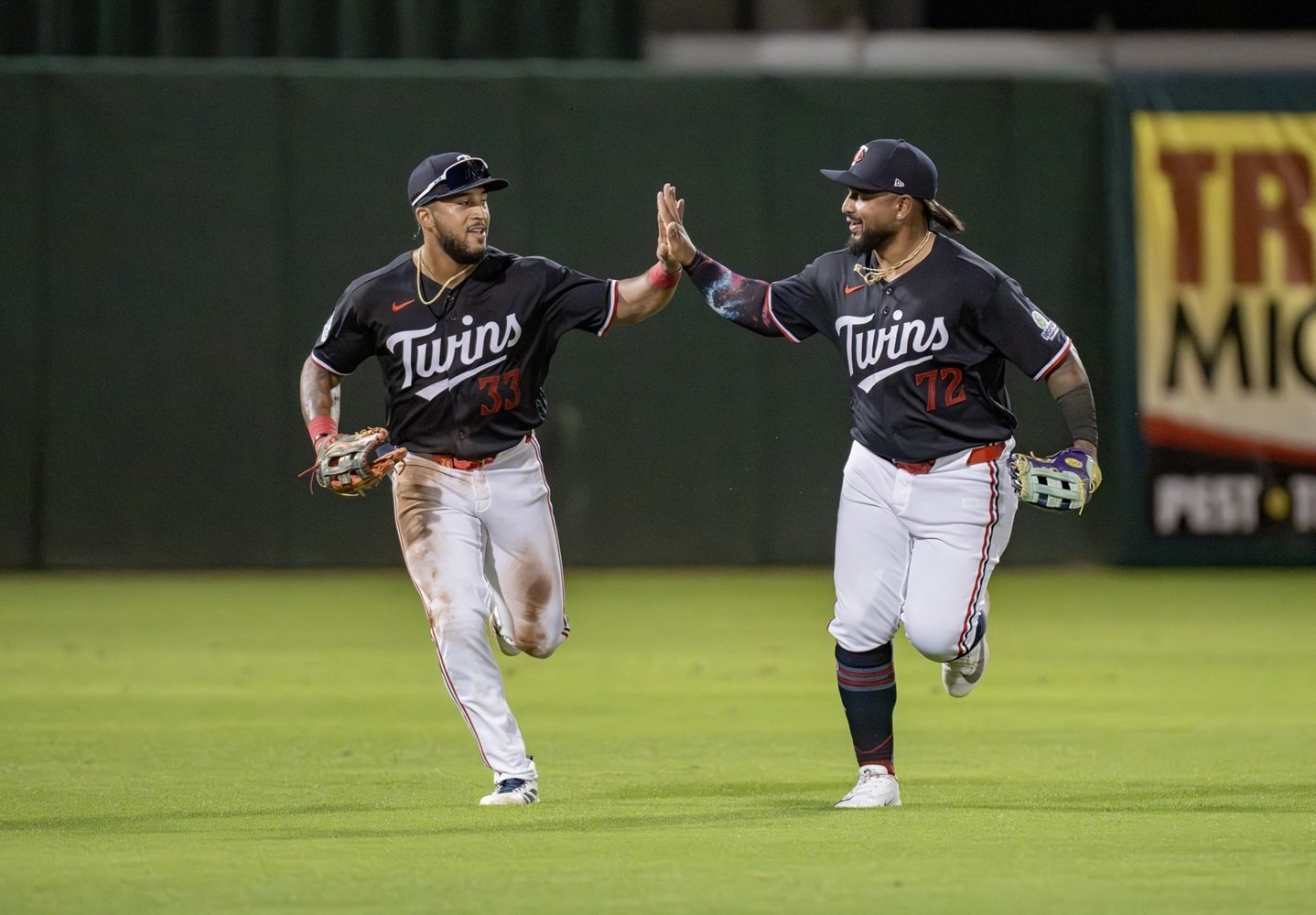 The standings don’t mean much in late February, but a six-game skid still isn’t ideal. Since our last check-in, the Twins have dropped six straight and now sit at 2-7 overall this spring. It’s early, workloads are being managed, and plenty of pitchers are still building up — but this past week wasn’t exactly clean baseball. The stretch included a pair of Tuesday losses (10-5 to Baltimore and 12-1 to Tampa Bay), a 5-3 loss to Boston on Wednesday, a 6-4 defeat against Pittsburgh on Thursday, a 17-5 blowout by the Yankees on Friday, and a 13-8 loss to the Red Sox on Saturday. The results don’t matter much this time of year, but individual performances are worth monitoring. With that in mind, here’s the latest temperature check. Who’s Hot? Alan Roden: I’m not sure anyone has helped themselves more this spring than Roden. He’s 7-for-12 with a home run, and the contact quality has backed it up. He’s recorded multiple 100+ MPH exit velocities and hasn’t looked overmatched in any situation. It’s not just the production, it’s the at-bats. He’s controlling counts and squaring up pitches he should be driving. When a hitter pairs contact ability with impact like that, it stands out. Gabriel Gonzalez: As if there wasn’t already enough traffic in the outfield picture, Gonzalez is forcing his way into the conversation. Since our last check-in, he’s 4-for-6 with a pair of batted balls over 104 MPH. That’s loud contact by any standard. He’s shown he can handle different pitch types and hasn’t looked rushed at the plate. With all of the left-handed outfielders in the Twins’ system, a productive right-handed bat like Gonzalez could make things interesting if this continues. Kody Clemens: Clemens has swung the bat well early on. He’s 3-for-10 with two walks and, notably, no strikeouts. For a player whose value is tied heavily to power, that kind of zone control is encouraging. All three balls he put in play Saturday were over 100 MPH, and he’s hit a few others hard that turned into outs. Clemens likely projects as infield depth, particularly on the right side, but he could carve out a bigger role if he keeps controlling at-bats and hitting the ball this hard. Who’s Not? Marco Raya: Friday against the Yankees was a tough one for Raya. He recorded just one out while allowing five earned runs on one hit and four walks. He threw only 16 of 31 pitches for strikes, and command was clearly the issue. His fastball touched 97.8 MPH, so the raw stuff is there. But when you can’t consistently land pitches in the zone, velocity doesn’t matter much. For a pitcher who’s battled command issues in the past, this wasn’t a step forward. Justin Topa: Topa’s outing on Wednesday against Boston flipped that game. He needed 31 pitches to get two outs, allowing four earned runs on two hits and three walks. Two of the four balls put in play against him were hit over 104 MPH. Even more concerning was the strike throwing; just 11 of 31 pitches landed in the zone. Topa entered camp looking like a strong bet for a bullpen spot, but outings like this open the door for competition. Andrew Morris: The young righty drew the start on Tuesday against Baltimore, and it didn’t go well. Over 1 ⅓ innings, he allowed four earned runs on six hits, with no walks and no strikeouts. He threw 25 of 40 pitches for strikes, but too many of them caught too much of the plate. The velocity dip stood out. After sitting 95-96 MPH last year, his fastball was 92-93 in this outing. That could simply be part of ramping up, but with less margin for error, hitters were able to square him up. Morris allowed more hard contact in 2025, and that trend showed up again in his first spring appearance. It’s still early. These games often turn into minor-league scrimmages by the middle innings, and a bad week in February doesn’t define anyone’s season. But if we’re taking an early pulse, a few bats are trending up, and a few arms are still trying to find their footing. View the full article
 -
Report From The Fort: A New Meaning for Buxton at DH
DiamondCentric posted an article in Twins Daily
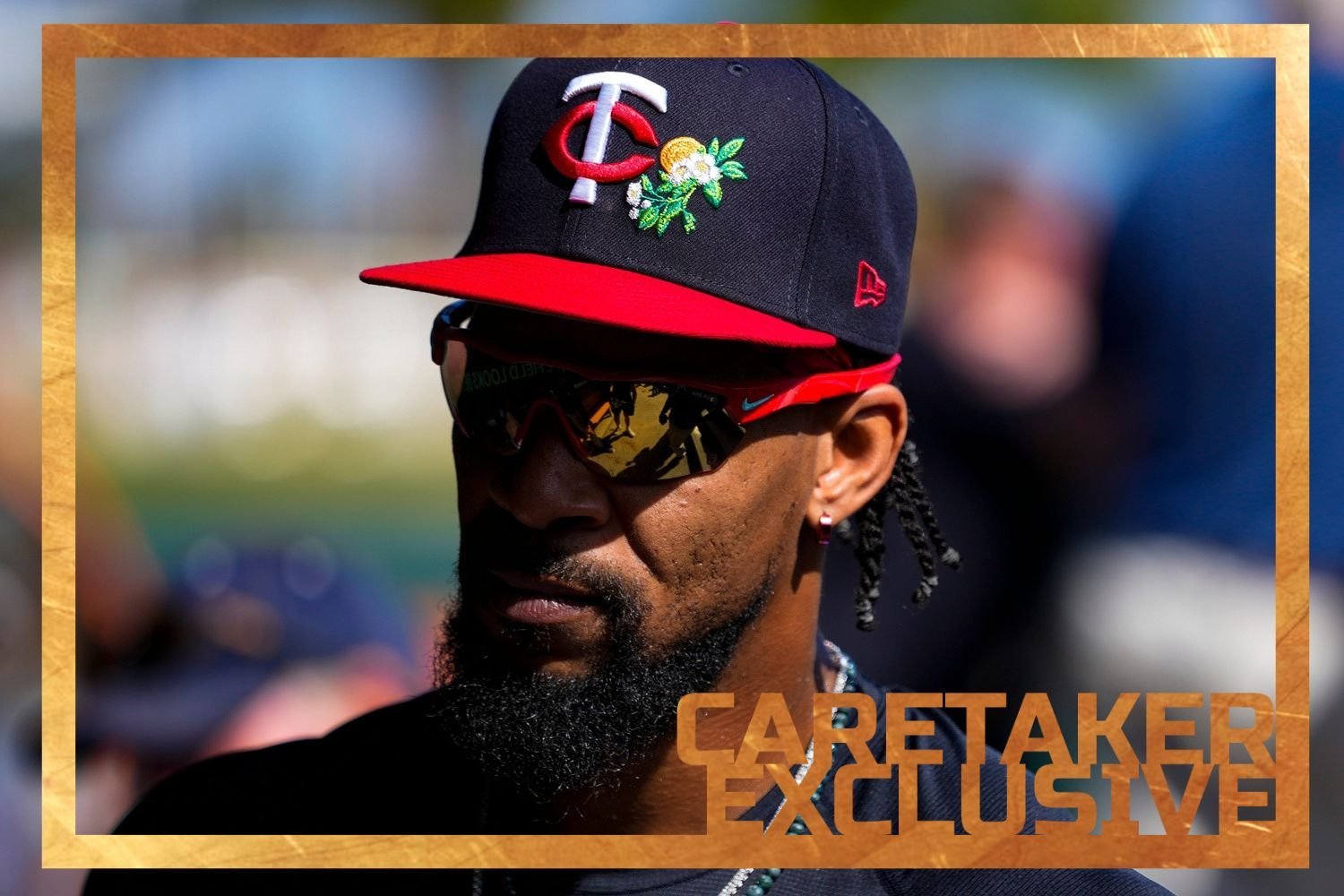 FORT MYERS - For years, when we saw Byron Buxton in the lineup as a designated hitter, it was bad news. It meant that Buxton and the team were trying to figure out some way (usually, futilely) to keep him healthy. This spring, Buxton has already been the designated hitter twice, including in Saturday’s game against the Red Sox, but now it’s good news. He’s playing designated hitter because he and the Twins are playing him in back-to-back games early this spring, so he’s ready for the World Baseball Classic. “It's something we talked about when I first got down here,” said Buxton, who leaves the team on Sunday to join Team USA. “Feel good. Ready.” He started preparing a month earlier than usual this offseason. He’s also already played in three back-to-back games this spring, even though it’s not yet March. That’s necessary because he wants to be ready for the competitive environment that is inherent in the WBC. But it’s also because he could be away from camp through March 17th if Team USA advances to the finals. View the full article
 -
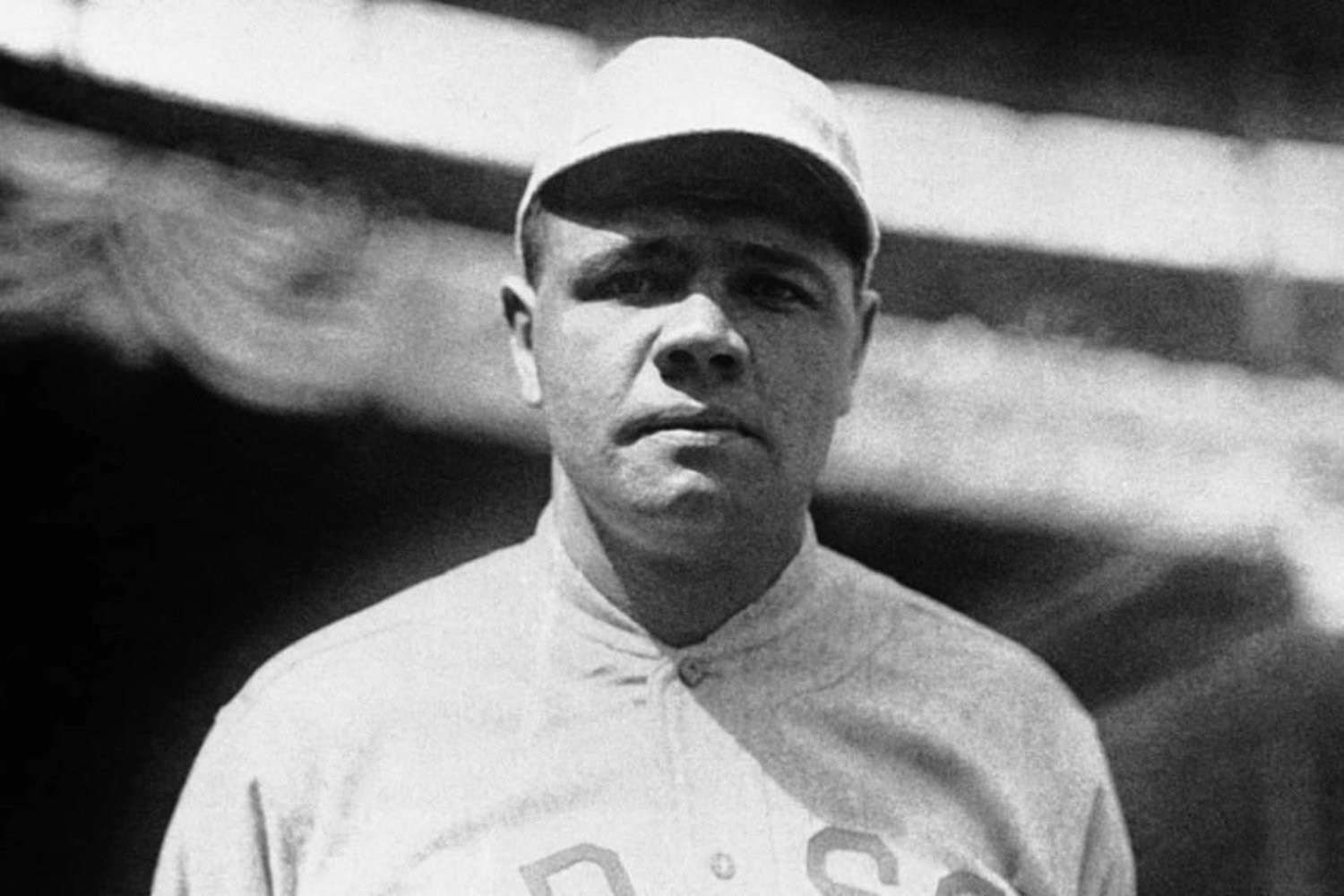 Welcome to the tenth and final edition of North Side Baseball’s offseason series covering the 1918 Chicago Cubs. You can find the first nine parts here: Part 1 Part 2 Part 3 Part 4 Part 5 Part 6 Part 7 Part 8 Part 9 Last time, we dove into the first three games of the 1918 World Series. The Cubs find themselves down 2-1 and are headed to Boston for the final four games of the series against the Red Sox. A Potential Strike? According to The Society of American Baseball Research, the players were upset about the new revenue sharing plan set to begin with this World Series. Before the season began, the National Commission agreed to share some of the gate receipts from the first four World Series games with the top four teams in each league. Because of this new rule, the reduced ticket prices, and low attendance due to the ongoing war, these shares were set to be much smaller than previous years. The players wanted a guarantee of their shares, and were set to meet with the commission after the fourth game when they knew what the full revenue was going to be. Game Four The Red Sox were sending Game 1’s winner, Babe Ruth, to the mound to go up against the Cubs’ Game 2 starter, Lefty Tyler. The game was tied in the fourth inning with men on first and second and two outs. Babe Ruth, still hitless in his World Series career, stepped up to the plate. Tyler, electing to pitch to the slugger, fell behind 3-0. After coming back to bring the count full, Ruth got a pitch to hit, and let it rip. “Ruth’s smash soared high over Flack’s head and Max was so flustered that at first he took a few steps forward before he realized that the ball was soaring past him,” the New York Times wrote at the time. A triple brought home two runs, and the Red Sox took a 2-0 lead. The score stayed there until the eighth inning. After a leadoff walk to Bill Killefer, which was followed by a single from Claude Hendrix, who hit for Tyler, the Cubs found themselves in business. A groundout from Charlie Hollocher scored the first run, and then a two-out single from Les Mann brought home the tying run, giving the Cubs some life. With Tyler out of the game, the Cubs brought Phil Douglas in to pitch the bottom half of the eighth inning. A leadoff single from Wally Schang, coupled with a passed ball, gave the Red Sox a runner at second with nobody out. Harry Hooper laid down a bunt, and in attempting to throw him out at first base, Douglas threw the ball away, allowing the go-ahead run to score, and the Red Sox to take a 3-2 lead. Even still, the Cubs wouldn’t go away quietly. Fred Merkle began the ninth with a single, and after a walk to Rollie Zeider, Red Sox manager Ed Barrow took Ruth out of the game and put him into the outfield and instead inserted Bullet Joe Bush to pitch. A bunt from Chuck Wortman forced Merkle out at third, and then a ground ball double play from Turner Barber ended the game. The Cubs found themselves just one loss away from losing this World Series. Game Five The players, still seeking a resolution to their shares of the revenue, remained in the locker room after the game was supposed to begin. The game would eventually start an hour late. “The players of both clubs went on a strike because the National Commission refused to guarantee the prize money provided for under the new agreement which gives $2,000 to players of the winning club and $1,400 to those of the losing club. The players were willing to compromise at $1,500 and $1,000, but the receipts of the first four games, in which the players share, leaves only $890 for the winning players and $535 for the losers,” the Times reported. It was agreed upon to reopen the discussion after the series and play the game, which pitted Hippo Vaughn against Sad Sam Jones. In the fourth, Hollocher walked, stole second, and scored on a double from Mann, giving the Cubs a 1-0 lead. The Cubs would eventually extend the lead to 3-0 in the eighth, when Dode Paskert ripped a double to score Flack and Hollocher. From there, Hippo Vaughn did the rest. Vaughn threw another complete game, this time a shutout. He allowed just five hits, one walk, and struck out four. Following nine innings of one-run ball in Game 1, and nine innings of two-run ball in Game 3, this meant that Vaughn had pitched 27 innings in six days and allowed just three runs. What an incredible performance to extend the series for the Cubs, who were still behind 3-2. Game Six The Cubs, still desperate to keep Babe Ruth out of the Red Sox’s lineup, sent the left-handed pitching Lefty Tyler to the mound. This meant that each of the first six games of this series had been started by only Tyler or Vaughn. The Red Sox sent out their Game 3 starter, Carl Mays. The game began with nothing more than a few two-out runners until the bottom of the third. Tyler walked both Mays and Dave Shean, and with two on and two outs, George Whiteman hit a line drive to Flack in right field. According to the Times, “he caught up to the rapidly descending ball and had it entirely surrounded by his hands. Tyler was offering thanksgiving for crawling out of a bad hole when the ball squeezed its way through Flack’s buttered digits. As the ball spilled in a puddle at Flack’s feet, both Mays and Shean were well along on their way home before Flack’s alarm clock went off and woke him up.” The Cubs, with their backs against the wall, notched a lead off single in the top half of the fourth, and after a one out hit by pitch, they had two runners on with just one out. However, Mann was picked off of first base. After a walk to Paskert and an RBI single from Merkle, the Cubs trailed just 2-1, though the inning as a whole felt like a lost opportunity. The Cubs would go down the rest of the game without much incident, managing just one baserunner on a walk after that fourth inning rally. With a 2-1 loss in Game 6 of the 1918 World Series, the Cubs’ season was over. Aftermath Because of the war, there was such little fanfare around this World Series, with the Times reporting in their recap of Game 6 that “baseball’s valedictory this afternoon should have been played to the weary strains of Chopin’s Funeral March. The smallest gathering that ever saw the national game’s most imposing event sat silently about and watched Boston win and Chicago lose. There was no wild demonstration of joy when the last man went out.” The war, it was clear, had taken its toll, and it would take a toll on more than just the atmosphere of this World Series. The previously agreed upon revenue sharing remained, with Cleveland, both New York teams, Pittsburgh, Cincinnati, and Washington all receiving shares, according to the Times. Per SABR, the winning shares ended up being $1,108.45 for the Red Sox, which is the lowest amount ever awarded to the World Series champions. The Cubs received $671 per player. Thankfully, World War I would end just a couple of months later, on November 11. Baseball players returned home, and the 1919 season was shortened to 140 games to accommodate those returning players. Of course, Grover Cleveland Alexander was among those players, as he joined Hippo Vaughn atop the 1919 Cubs’ pitching rotation. Some have since wondered if there was a fix in the 1918 World Series in the aftermath of the Black Sox scandal in the 1919 World Series. John Thorn, the official historian for Major League Baseball, was quoted by the Seattle Times in 2011 that “it seems more likely that there would have been a fix than there would not have been.” A court deposition that was displayed at the Chicago History Museum from Eddie Cicotte, one of the members of the 1919 Black Sox, would suggest that the series was. Cicotte mentioned that his teammates had discussed that “one or several” Cubs were offered $10,000 to fix the series. There were certainly some very costly misplays and errors that ended up costing the Cubs dearly, Flack’s misplay among them. Of course, we’ll never know for sure. The 1918 season was ultimately a successful one for the Cubs, even if they came up short at the end. It was a wild ride that I am sure gave so many fans something to think about other than the happenings in Europe. View the full article
 -
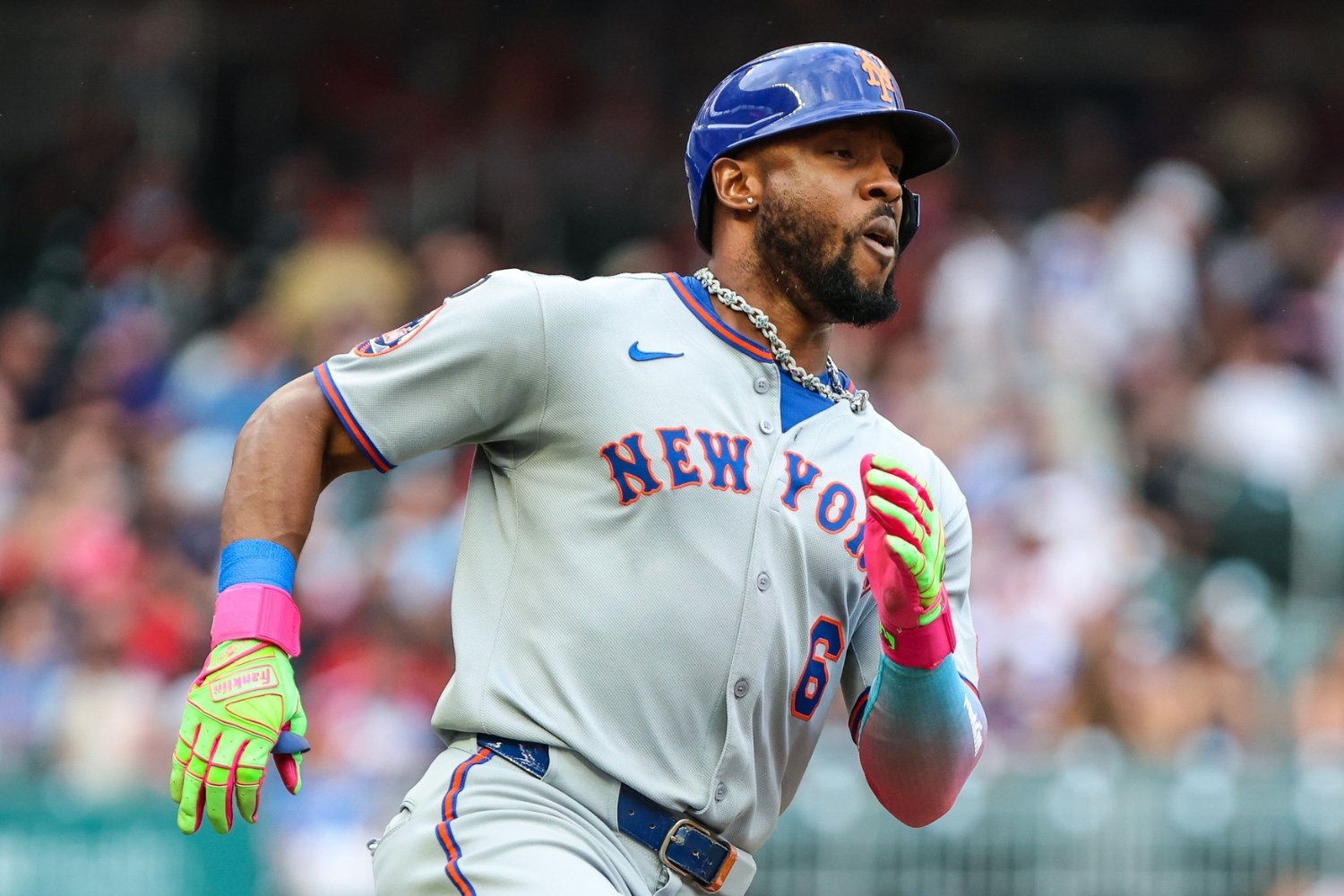 On Saturday afternoon, MLB.com's Mark Feinsand reported that the Kansas City Royals had agreed to a deal with outfielder Starling Marte, pending a physical. Yancen Pujols, via El Extra Base's Daniel Alvarez-Montes, reported early this morning that Marte and the Royals had progressed in talks and were close to signing a deal to bring him to Kansas City. The Royals have shown interest in Marte before. Last year, a possible deal at the Winter Meetings would've brought Marte to Kansas City in exchange for reliever Hunter Harvey. However, the deal couldn't be finalized. Marte was also a free agent this winter, and there were rumblings that he fit what the Royals were looking for in the outfield for 2026. Marte has a career 35.9 fWAR and is a two-time All-Star and Gold Glove award winner. He's been beset by injuries over the past few years, as he hasn't had more than 370 plate appearances in a season since 2022, his first season with the Mets. Last season, in 329 plate appearances, he slashed .270/.335/.410 with a .326 wOBA, 112 wRC+, and 0.7 fWAR. He also had nine home runs, 37 runs scored, 34 RBI, and seven stolen bases. In terms of his Statcast percentiles, he showed a decent 90th percentile exit velocity and ranked in the 52nd percentile in strikeout rate. However, he is definitely a player in the later stages of his career, as illustrated in his TJ Stats summary from 2025 below. Despite this declining skill set, it's likely that Marte will be a platoon bat who will rotate among all three outfield positions with Isaac Collins, Kyle Isbel, and Jac Caglianone. MLB.com Royals beat writer Anne Rogers reported that Marte, who is coming to Kansas City on a one-year deal, will be utilized mostly as a depth piece off the bench, but he could earn more playing time if he produces like he did last year or in 2024 (103 wRC+). It sounds like Marte will be receiving a Major League deal, which means that the Royals will likely DFA someone on the 40-man roster to make room. Outfielders Dairon Blanco and Drew Waters seem like prime candidates, especially Waters, who is out of Minor League options and posted a 66 wRC+ in 219 plate appearances last season. View the full article
 -
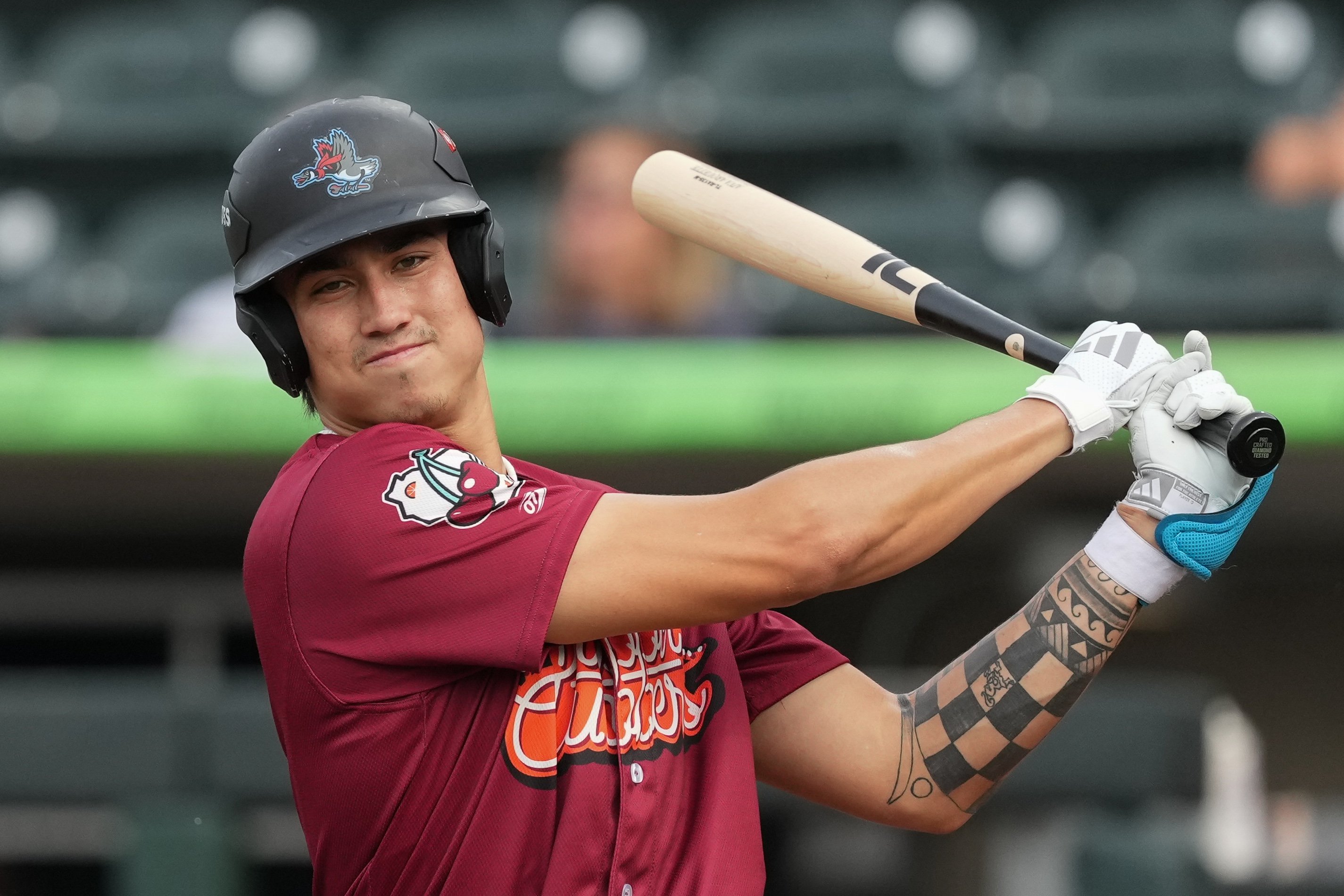 The Miami Marlins have announced that their 2025 first-round draft pick and top shortstop prospect Aiva Arquette underwent core muscle surgery on Friday. Being 4-6 weeks away from resuming baseball activities, he is all but certain to open the 2026 season with a stint on the injured list. MLB.com's Christina De Nicola explains that Arquette initially suffered a left groin injury during offseason workouts in his native Hawaii. The decision to undergo surgery was made when he continued to experience discomfort in spring training. Unrelated to this latest injury, Arquette's collegiate career was interrupted by knee surgery and a broken hand. However, he was fully healthy during his draft year. The Marlins selected him with the seventh overall pick and paid him the largest signing bonus in franchise history. Arquette made his professional debut last summer. In 27 games with High-A Beloit, he slashed .242/.350/.323 (103 wRC+) with one home run and seven stolen bases. He took all of his defensive reps at shortstop and played well there. Arquette enters this season as a consensus Top 100 MLB prospect (Baseball America, MLB Pipeline and The Athletic each consider him a top-50 talent). He ranks seventh on the Fish On First Top 30. Even with immaculate health, it was unlikely that Arquette would reach the big leagues in 2026. This further diminishes those odds. Barring setbacks during the rehab process, the 22-year-old should be returning to minor league games by the end of April. Starlyn Caba (FOF #8) could be a beneficiary of Arquette's injury, potentially serving as Beloit's full-time shortstop early in the season. View the full article
 -
 The Boston Red Sox saw quite a few top prospects make their way to the majors last season, including the number one prospect in all of baseball, Roman Anthony. Despite the graduations of Anthony, Marcelo Mayer and Kristian Campbell, the team still boasts a farm system that is currently ranked near the middle of the league; with some breakouts this year, it could rise once more. Between players taking a leap from the 2025 season and new acquisitions from last year’s draft, there are many names worth monitoring heading into the season. Let’s take a look at the first installment of TalkSox’s Top 20 prospects. These rankings were voted on by the writers. No. 20: John Holobetz (Greenville Drive/Portland Seadogs) Holobetz was the player to be named later in the Quinn Priester trade and immediately made an impact, beginning with High-A Greenville. Making 12 appearances there, Holobetz showcased an ability to keep walks limited as he allowed only 10 free passes in 63 innings of work. He also managed to strike out 62 batters in that same span. He would end up being promoted to Double-A Portland where he would finish the season, appearing in six games and tossing 37 2/3 innings to a 2.39 ERA. During that same span Holobetz looked even better, walking just five batters and allowing just one home run. Holobetz starts on the first base side of the rubber and has a deceptive delivery, as he manages to hide the ball well. His repertoire is a fastball that can top out at 96 mph and has shown bat-missing ability and he’s comfortable using it at the top of the strike zone. He also has a slider that is his weakest pitch due to inconsistent feel. Entering spring training in 2026, he’s tweaked it to become more of a bullet slider. The 23-year-old also has a curveball that he struggles to land in the strike zone consistently and a changeup that has some two-seamer action to it. Both pitches are viewed as being potentially average pitches with enough development. Holobetz will begin 2026 back with Portland but should he do well to open the season and the Red Sox are forced to call up their starting pitching depth from Worcester, he could see a promotion to Triple-A by the middle of the season. Despite a decent fastball and an improved slider, Holobetz’s ceiling is likely that of a middle reliever unless he can develop a third reliable offering. No. 19: Conrad Cason (Florida Complex League) Cason was a highly touted prospect when drafted back in 2024 thanks in part to his potential as a two-way player. Coming out of high school, his fastball was already capable of hitting the high-90s, and in the field he showed an ability to be an athletic defender along with the potential to develop power at the plate as he continued to grow. Unfortunately for Cason, his first experience playing professional baseball was mixed. While he managed to make appear in three games (one as a pitcher and two as a hitter), an injury shut him down for the season. On August 14, 2025, he underwent Tommy John surgery, which will cost him his 2026 season as a pitcher. His lone appearance as a pitcher was impressive, however, tossing two innings of hitless baseball and striking out five batters while walking just one. Cason has been working out as a fielder since arriving at spring training, taking ground balls with other minor-league infielders at shortstop and tossing it across the diamond to first base. He’s stated that his arm feels good, and it seems like once he gets back into action, he’ll play either second base or shortstop to see how his arm is holding up. From a pitching standpoint, he has a fastball that has topped out at 98 mph and is arguably his best pitch. He also has a breaking ball that is inconsistent as it can look like either a curveball or a slider depending on spin rate. His final pitch is a changeup that currently sits in the low-80s. Offensively, he has quick hands and a solid understanding of the strike zone but needs to work on recognizing pitches. Has average power, though that should improve as he continues to grow physically and his speed is viewed as being above average. Defensively, he’s an athletic fielder that could easily move to center field thanks to his great arm. Despite being a two-way player, he’s viewed as being better as a pitcher and should he struggle at the plate, the team could transition him full time to the mound. Due to his age and the lost experience in 2025, Cason will likely open the season in the Florida Complex League. Playing in his age-19 season, we’ll likely see him make it to Salem before the end of the season so long as he suffers no setbacks. No. 18: Nelly Taylor (Greenville Drive) Taylor, who was drafted in the 11th round of the 2023 draft, enters camp after playing in the Arizona Fall League over the offseason. Most of his value comes from his speed and defense, as his bat is currently his weakest aspect of his game. Taylor got into 108 games with Greenville in 2025, where he managed to hit .216/.355/.349 with 24 doubles, three triples, seven home runs and 41 RBIs. He also managed to steal 29 bases and walked 81 times. Offensively, he has a quick bat, but his swing can get long at times and can often miss pitches in the zone. He struggles against off-speed and breaking pitches but manages to see a lot of pitches per at-bat. Due to his struggles against left-handed pitching at the lower minor-league levels, he’s very likely to be a platoon bat at his best. His power is viewed as being potentially league average especially when he pulls the ball and against right-handed pitchers, but it will all be determined by how he develops as an overall hitter. His speed is a huge quality of his profile, and he has great baserunning instincts that allow him to put pressure on the defense when he’s on base. Defensively, he has good instincts and above-average range in the outfield and is likely to stick in center field long term thanks to his athleticism while his arm is viewed as being above-average. With the need to continue working on his offensive game, Taylor will likely begin the season in Greenville and could spend most of the season there dependent on his development at the plate. Should he be a league-average hitter with Greenville in 2026, he could see a promotion to Portland some time near the end of July or early August depending on how the trade deadline goes. There’s also the possibility that he puts everything together and the team promotes him earlier than that, though it’s less likely at this point in time. No. 17: Tyler Uberstine (Portland Seadogs/Worcester Red Sox) Uberstine is an interesting prospect based on his career path so far. Drafted in the 19th round of the 2021 draft, Uberstine would make 26 appearances for the organization across the Florida Complex League, Low-A Salem and High-A Greenville from 2021 to 2022 before missing all of the 2023 season after undergoing Tommy John surgery. He would also miss most of 2024, appearing in just three games and tossing 4 2/3 innings. Despite that, Uberstine put together an excellent season in his first taste of Double-A and Triple-A in 2025 as a 26-year-old. After just six starts and 29 2/3 innings with Portland, Uberstine was promoted to Worcester where he was a constant in the ever-changing pitching staff. Making 19 appearances, Uberstine tossed 91 innings and struck out 102 batters while recording a 3.56 ERA. In what may have been a surprise for many, Uberstine was added to the 40-man roster over the offseason following his performance in Triple-A. With Worcester, he had a 26.9% strikeout rate and walked batters at a 9.5% rate. As a pitcher, Uberstine starts on the first base side of the rubber and does a good job of repeating his mechanics while hiding the ball well. His pitches include a fastball that tops out at 95 mph. His velocity is pretty much the same as it was prior to the surgery and the pitch has shown an ability to miss bats. It has some arm-side run. He also has a sinker that has shown good sink down in the zone. His other pitches include a slider that sits in the mid-80s and should he manage to land it in the zone, it could be an average pitch. His changeup sits in the low to mid-80s that has shown drop. His cutter has been an effective pitch against lefties and a curveball that he has rarely thrown since 2024. Uberstine will open the year in Triple-A while serving as an up-and-down arm for the Red Sox either in the rotation or bullpen depending on what the big-league team needs. Should his secondary pitches fail to become league average offerings, he could end up in the bullpen full time thanks to his fastball and cutter. No. 16: Yophery Rodriguez (Greenville Drive) Rodriguez was one of the key pieces in the Quinn Priester trade back in April of 2025, and at 19-years-old was assigned to Greenville. His season had its ups and downs offensively, as he went through hot streaks and cold streaks as shown by a May that saw him hit .155/.276/.262 with 21 strikeouts in 22 games after hitting .257/.409/.414 in April while split between the Red Sox and Brewers organizations. Offensively, Rodriguez has average bat speed and a short, choppy swing while struggling with velocity up in the zone. Due to his swing, he can get underneath the ball and will make weak contact on fly balls. Despite that, he makes contact on pitches in the zone and will use all fields making his hit tool potentially average down the line. His power is viewed as below-average as he produces below-average exit velocities and lacks loft in his swing to be able to tap into his raw power. He also is viewed as having average speed and is not a premier stolen base threat. He also lacks instincts on the basepaths to make up for his lack of top-end speed. Defensively, he’s likely to end up in a corner outfield position due to inconsistent routes and subpar instincts while in center field. His range is considered average, and he is not a standout defender at any of the outfield positions. Rodriguez currently profiles to be a solid upper-minors depth piece with the ceiling of a emergency major league outfielder due to the lack of a carrying tool. Should his hit tool develop — and with serious improvement defensively as a corner outfielder — he could be a fourth or fifth outfielder for a major-league team. Rodriguez’s starting location for 2026 could be a tossup between Portland or Greenville depending on his spring performance. What stands out from the 16-20 in this list? Let us know your thoughts in the comments! View the full article
 -
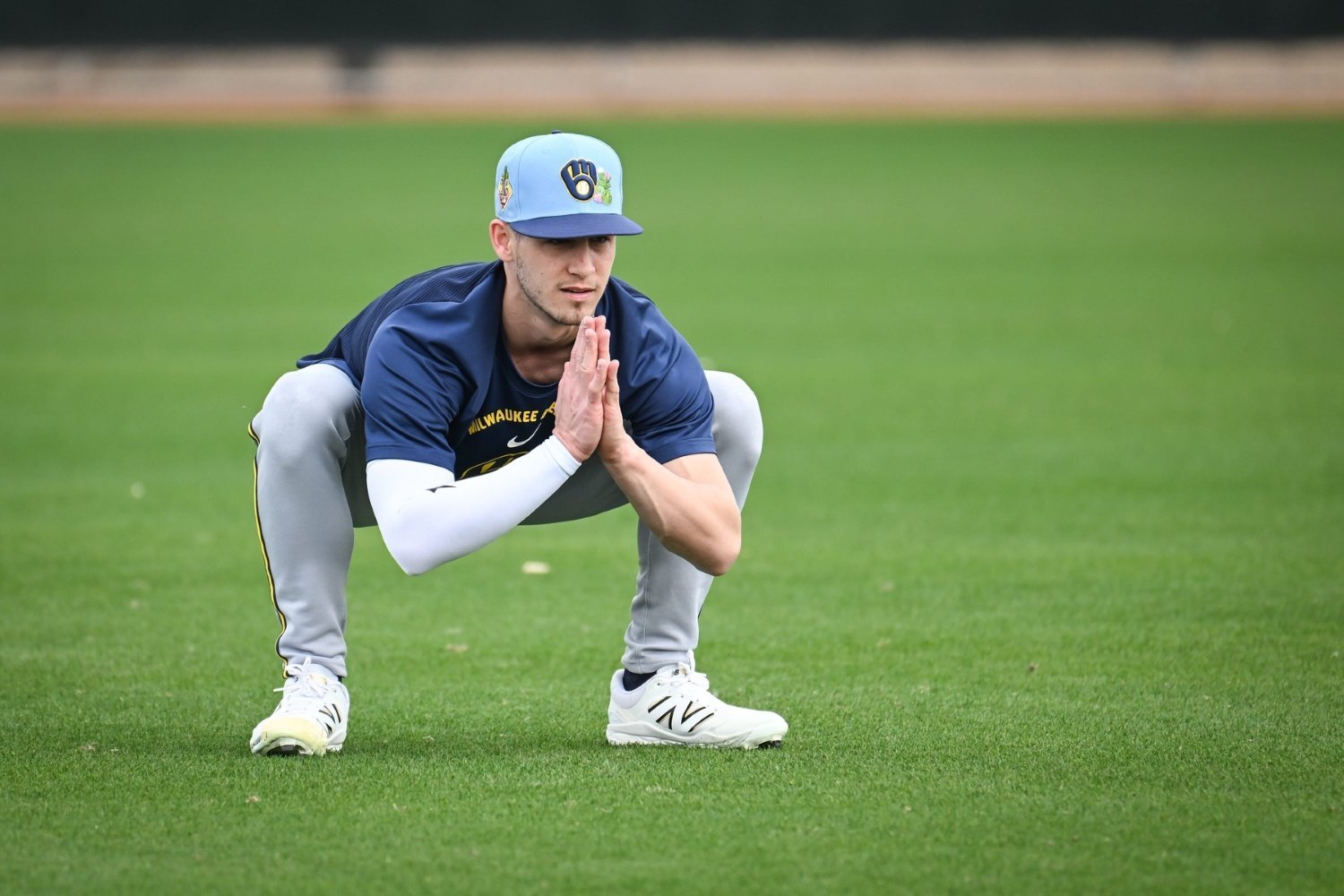 Coleman Crow has built a deep, well-rounded arsenal, adding a sweeper this spring to a mix that already included three or four pitches. "I was primarily four-seamer, cutter, curveball," Crow said, discussing his self-conception of the mix through last season. "But yeah, I've started throwing a little bit of a sweeper. It's a little bit of a bigger slider shape." That was a gap in his previous movement profile, because although the cutter he throws is much closer to the slider than to the fastball end of the cutter spectrum, it doesn't have much lateral movement. The sweeper gives him greater horizontal swerve, though less depth than his big-breaking curve. "It's very easy for me to throw any ball that spins," Crow said, matter-of-factly identifying his strength as a pitcher. "Spinning the baseball is pretty easy for me, so I felt like it could be a good pickup for me. I started throwing it [last week] and I feel like it can be a good addition for me." That he took to the pitch so quickly that he could bring it into Cactus League games immediately speaks to the righty's feel for spin. He's a natural supinator, which makes it hard for him to execute a plus sinker or changeup but works in his favor on every flavor of breaking ball. His fastball has natural relative cut, too. What's caught Pat Murphy's eye, however, is how well he locates whatever he throws. "He throws the ball where he wants to, and I think that's coming back in the game," Murphy told reporters. "Everybody's stuff is 95-plus these days. He throws it where he wants to. Can't tell me that's not important, and he can do it." With several offerings to keep hitters guessing and his control outpacing his raw stuff, it's tempting to view Crow as a starter. However, durability has been a major concern for him even during his minor-league journey, and for this season, Murphy views him in a different role. "It's hard for the littler guys"—Crow is an unimposing 6 feet and 175 pounds—"to be strong enough to be starters throughout a major-league season," the manager said. "You know, you really got to be in condition. I see him this year as a middle relief—ultimately, as a reliever for our team this year." That could be in short relief, especially if the sweeper proves as effective as Brewers coaches believe it could be. It's at least as likely, though, that Crow will end up filling a role similar to the one Chad Patrick served in late in 2025. Murphy said he cited Patrick as an example when meeting with Crow earlier this month—and that he told Crow he expects him to pitch in the majors this year, but out of the pen. Crow acknowledged those conversations and said he's ready to fill any role for the team, but the expectation is that he'll be a reliever whenever he's called up to the parent club. He's already begun thinking about the transition to that role, and the changes it imparts on the daily routine of a pitcher. "I definitely think there is a transition period and there's a learning curve with it," Crow said. "I'm getting there, with dialing back the throwing some days and ramping it up some days." This is the first real evidence of the Brewers doing proactive culling to their long list of potential starting pitchers this season. They lost Freddy Peralta and Jose Quintana this winter, but trades (including the one that sent away Peralta) added Brandon Sproat, Kyle Harrison and Shane Drohan to what was already a very deep rotation mix. Converting Crow to a relief role (even if he remains stretched out while in the minors) begins to clarify the situation for everyone involved. With an appearance (as a starter, but in the curtailed and contained environs of spring training) on three days' rest Saturday, Crow is clearly being groomed for work on shorter turnarounds than modern starters. That could speed his path to the majors, though, especially as the team plays it slow with some of their other key arms to avoid injuries. He's embracing that idea and preparing as though his contributions will be in relief. For Brewers fans, it'll be interesting to see how his stuff plays in that altered role—and with the sweeper as a new way to pose matchup problems against right-leaning pockets of opposing lineups. View the full article
 -
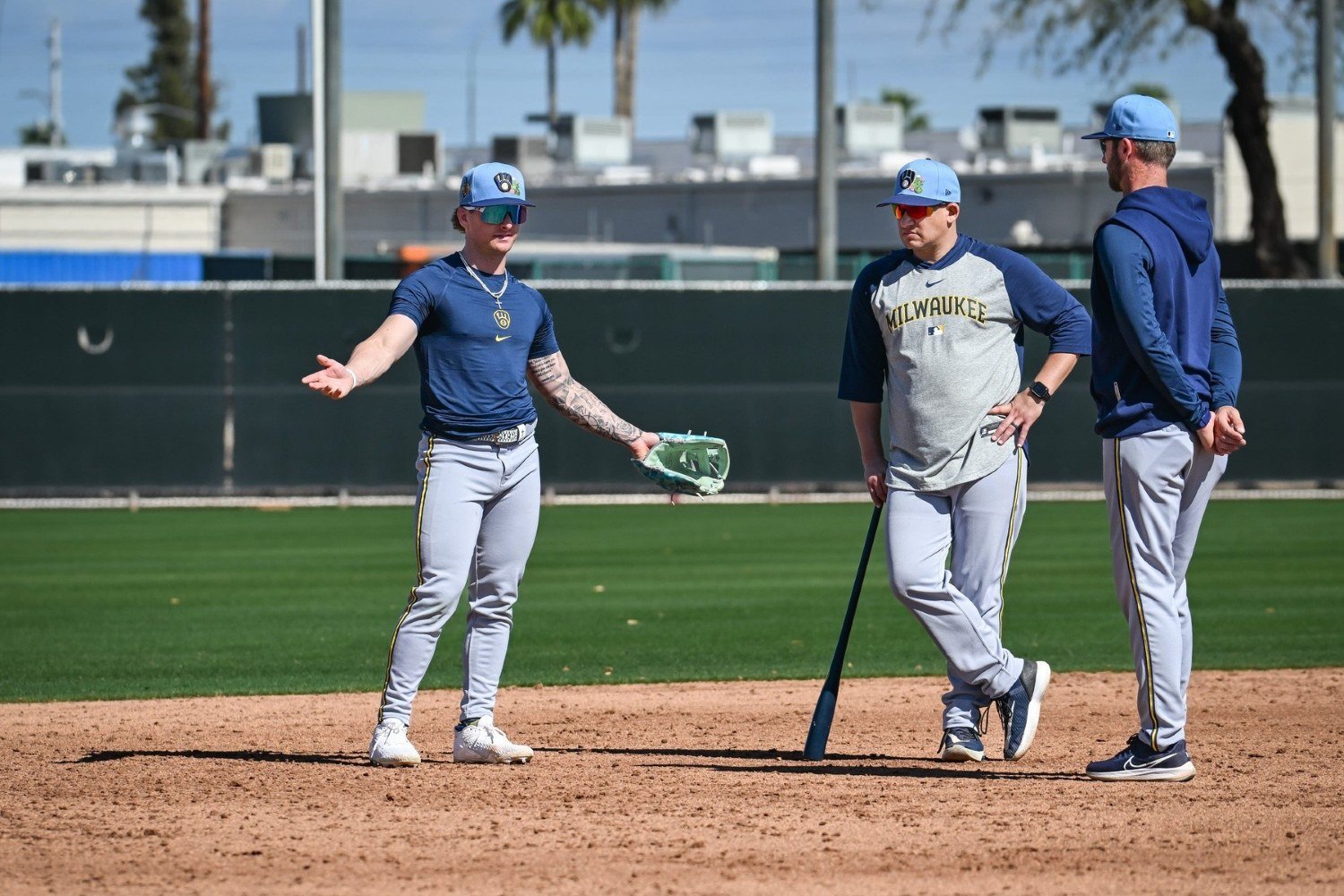 It's always good to be versatile, but most players readily admit that they have a favorite position—and a preference to play there regularly, rather than pinballing around from spot to spot throughout the season. That's one way in which Jett Williams is unusual. "I really don't know," he said with a laugh, when asked this week to name his favorite spot. "I like all of them, really. As long as I'm on the field, it doesn't really matter to me." Williams isn't one of those guys who was anchored to shortstop or center field even as a kid, and was forced to pick up other positions upon entering professional baseball. He's played multiple positions on every team since Little League, and feels that his lack of attachment to any one position makes him better at each of them. This spring, he's worked at shortstop, second base, third base, center field and left field, and said he's comfortable at all of them. Because he's least familiar with third base, that's been a particular area of focus in his daily work with Matt Erickson, but most of that extra work came early in camp. Williams said he generally works at whichever position he'll play that day, on game days, and on others, his work is spread pretty evenly. The common thread tying it together is Erickson. "I think with him, it's just picking his brain—figuring out what I can do better, figuring out what I can do to become an elite-level shortstop, second baseman, third, whatever it may be," Williams said. "It's just about good communication. I think that's the big thing: whenever you show up, just give him, whether it's 15, 20 minutes of your time, and just kind of go all-out and see how much better you can get from the start of spring to the end of it." If Williams is to overcome below-average arm strength and cut it as a big-league defender on the left side of the infield, Erickson will be due a good portion of the credit. However, when it comes to offense, the dynamic Williams is getting lots of help elsewhere. "I have my own hitting coach that I've been working with since I was eight years old," Williams said. "We talk every single day. He knows where I'm going wrong, when I'm going good, when I'm going bad, he can just tell when I'm in the box, which is nice. Growing up, I kind of fell in love with watching my swing. and obviously I know my swing even better than him, but he sees a little bit of different stuff—stuff that I don't probably think of." That coach is Aldrey Rincones, co-founder of 7AR Baseball Academy, a training facility in Fate, Texas—near Williams's hometown of Rockwall, just east of Dallas. Rincones was born in Venezuela, but immigrated to the United States as an adolescent and graduated from Rockwall High School. He and former big-league catcher Robinson Chirinos founded 7AR together in 2018, by which time Williams had been working with Rincones for half a decade. Few players can boast a more consistent coaching influence than that. Now, however, he also has another welcome voice in his ear: Cubs third baseman Alex Bregman. "Honestly, I have no idea," Williams said, when asked how that connection came to be. "I'd just gotten drafted [in 2022] and he DMed me, and then we kind of went from there. I went and worked out with him in this offseason." The two stayed loosely in touch for the next few years, but drew closer in 2025. "Last year during the season, he called me and was talking through swing stuff with me, and then I went on a two-week period where I was Player of the Week, two weeks in a row," Williams recalled. "He called me back like, 'I should be your hitting coach now.'" Williams won't be substituting the wisdom of his friend, mentor and new division rival for that of his coaches, either with the Brewers or back home. However, he believes he's already learned a lot from his time with the three-time All-Star. He found Bregman to be a great resource not only on swing mechanics, but in approach and visual cues in the batter's box, and as an exemplar for a successful offseason routine. The two spent considerable time together at Bregman's home, too, talking about subjects ranging beyond baseball. His new manager sees all of that work coming together, as Williams knocks on the door to the big leagues. "Kid's a ballplayer," Pat Murphy told reporters. "Give me the credit that I know a ballplayer when I run into one, you know what I mean?" Murphy was quick to note that Williams is only 22 years old, and acknowledged that he's likely to start the season at Triple-A Nashville. That doesn't mean he'll end it there, though. Given his versatility and dynamism, there's every reason to believe Williams will be a key piece of the team by the stretch run. The skipper has also noticed something else, which sets the diminutive Williams apart from the similarly short Caleb Durbin in a way that extends beyond his toolsier profile. "Jett expects [to succeed] more than Durbin did," Murphy said. Backed by the league's best coaching staff, a long-time partner and hitting guru, and a veteran star, Williams seems to be aiming toward something that was always likely to elude Durbin: full-fledged stardom of his own. View the full article
 -
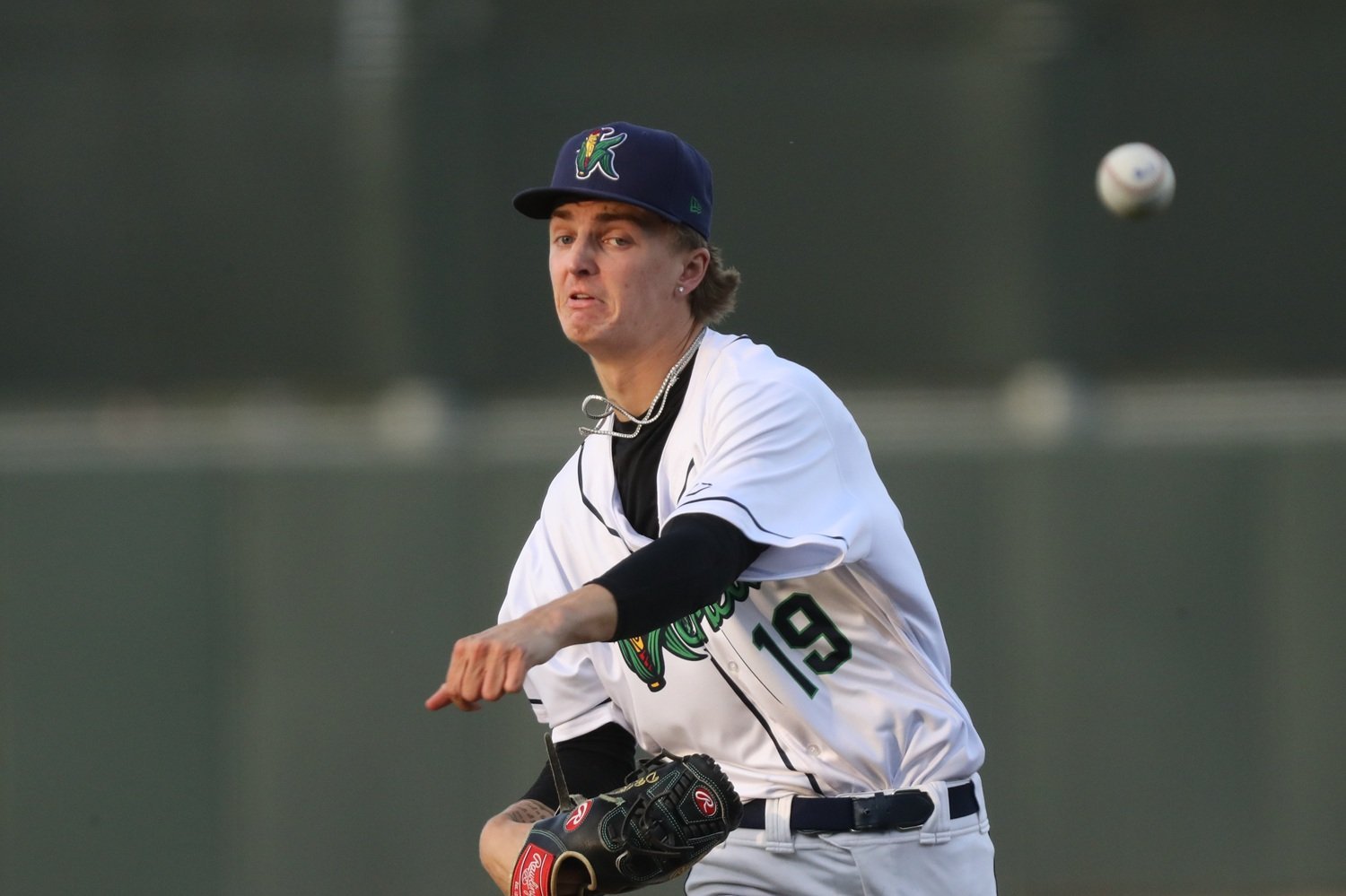 Depth is something every organization tries to create, and it goes well beyond what we see at Target Field or in St. Paul. I'm researching the Twins' depth beyond the 40-man roster, and have already taken a look at catcher, first base, second base, third base, shortstop, and outfield. Pitching prospects might be harder to predict than position players because of the variability in how pitchers develop, as well as whether pitchers can stick as starters or if and when they transition to a bullpen role. When Derek Falvey was hired, the idea of creating a pitching pipeline was widely discussed. Was he and the front office able to do this since taking over in 2017? Let’s do a deeper dive into looking at the pitching prospects the Twins have beyond the members of the 40-man roster. Here is the list of starting pitchers not on the 40-man roster the Twins have in their farm system. I’ve included how and when they were acquired, along with the highest level they played this past season. Ty Langenberg Acquired: 11th round, 2023 Highest Level in 2025: High-A If you pay attention to Twins draft picks over the years, you’ll notice a trend of mid-to-late round picks the Twins have made over the past handful of years as players who were college pitchers. Langenberg was drafted in 2023 out of the University of Iowa, where he pitched for three years, with the final two coming as a regular starter. In his final year with the Hawkeyes, he threw 78 innings, recording 86 strikeouts and a 4.15 ERA. Since being drafted, he has pitched in the low minors, pitching the entire 2025 season with High-A Cedar Rapids. He’s thrown over 100 innings the past two years, so he has been used primarily as a starting pitcher. His K/9 rate dropped slightly in his jump up to High-A, and his walk rate came up a bit. His final line last year of a 4.87 ERA might not look like great results, but he did pitch to a much better 3.55 FIP, which suggests an improvement in results could be coming this year. He’ll be playing his age-24 season in 2026, and is likely still a few years away from making a true impact. He is someone to keep an eye on to see if he can turn from a mid-round selection to a successful major leaguer down the road. Charlee Soto Acquired: 1st round, 2023 Highest Level in 2025: High-A Soto was drafted in 2023 with a Competitive Balance selection, 34th overall. Being drafted out of high school, the Twins have been bringing him along slowly, as is common for young pitchers. In his first season of professional ball in 2024, he showed flashes of why he was a first-round selection, posting a 10.6 K/9 rate over 74 innings pitched. His 3.88 FIP was much better than his 5.23 ERA would tell you. In 2025, he underwent surgery to remove a partially detached bone spur in his elbow after throwing just 13 innings over three starts with High-A Cedar Rapids. He has great results in those few innings, but he will be looking to bounce back with a clean bill of health for the 2026 season. At 20 years old, and coming back from the elbow injury, Soto will likely continue to be brought along slowly. He has immense upside, hit triple-digits, and is someone many Twins fans will keep an eye on if he develops into a frontline starter, as many think he can. Dasan Hill Acquired: 2nd round, 2024 Highest Level in 2025: High-A Drafted in the 2nd round in 2024, Hill has made a name for himself in the short time he has been a professional. He did not pitch in the year he was drafted, but in his first professional season, he threw 62 innings across Single-A and High-A, recording 83 strikeouts, a 3.19 ERA, and a 3.35 FIP. At 6-5 and 165 pounds, the left-hander regularly throws his fastball in the mid-90s, topping out at 97 mph. He provides a different look, and his sweeper, which he throws in the low 80s, is graded as his best pitch. He will continue to develop and, much like Soto, will be brought along slowly as the Twins want him to get more professional innings and work on things like repeating his delivery and execution of his other pitches. Adrian Bohorquez Acquired: International Free Agent, 2023 Highest Level in 2025: High-A Bohorquez was signed as an international free agent in 2023 at 18 years old out of Venezuela. While most international signees are 16 or 17 years old, Bohorquez was more under the radar and has settled in nicely among Twins prospects. Soon to be 21 years old, Bohorquez has shown the ability to strike out hitters with all four of his pitches, recording a 27.2 percent strikeout rate in 2025. He throws a slider between 88-90 mph and a low 80s curve with a fastball that has been up to 98 mph as a starter. Like many young pitchers, command and control have been inconsistent, so that will be something to focus on this year, along with continued work. He was ranked #23 on MLB Pipeline's Twins prospects this past year, so if he continues his upward trajectory, expect to hear more about him as he gets closer to Target Field. Cole Peschl Acquired: 15th round, 2024 Highest Level in 2025: High-A Drafted out of Campbell University, Peschl pitched his first two collegiate seasons at Division II University of Charleston. In his first professional season this past year, he pitched at both Low-A and High-A, totaling 68 2/3 innings. His strikeout numbers dropped when he moved up a level, which is not uncommon for pitchers. He’ll be pitching in his age-23 season this year, where he will likely get an extended look at High-A Cedar Rapids. He will look to continue improving on his numbers from this past year, when he posted a 2.49 ERA and 3.08 FIP, along with 8.8 K/9 across the two levels. Miguelangel Boadas Acquired: International Free Agent, 2019 Highest Level in 2025: High-A Signed as a 16-year-old in 2019, Boadas has been brought along slowly, as he has thrown no more than 36 innings in any given year. Unfortunately, he was unable to pitch in 2025 after undergoing elbow surgery in 2024. He made one appearance in the Arizona Fall League, where he threw one inning and his fastball averaged 95 mph. He will continue to work on his secondary offerings, but at just 23 years old, he has time to become more consistent with them. Coming off the injury, he will be eased back in but will hopefully have a healthy year and look to continue developing to become an option either as a starter or possibly as a reliever. Spencer Bengard Acquired: 15th round, 2023 Highest Level in 2025: High-A Drafted out of California Baptist University, where he pitched for three years, Bengard pitched the majority of this past year with High-A Cedar Rapids, where he recorded 9.97 K/9 over 52 1/3 innings with a walk rate of 3.1 BB/9. He mostly pitched out of the bullpen, starting only two of his 18 appearances. The 23-year-old dealt with an elbow injury that kept him out until mid-August this past season. He will look to continue to build up, as he threw an average of three innings per outing this past year. Bengard has been better against right-handed batters, which is not uncommon for lower minor league prospects. The key will be to continue his development and improve on his secondary offerings. Garrett Horn Acquired: Trade, Texas Rangers, July 2025 Highest Level in 2025: High-A You may recognize Horn’s name as the player the Twins received in return for Danny Coulombe at this past year’s trade deadline. Horn is a former sixth-round pick out of Liberty University back in 2024. He got his first taste of professional ball in 2025. He made three appearances in the Complex League and then moved up to Low-A before the trade. When he joined the Twins, he pitched for High-A Cedar Rapids. A lefty, Horn compiled an impressive 12.0 K/9 rate across the three levels. His walk rate came up a bit at High-A, but hopefully that was more of him making an adjustment than a larger issue of losing the strike zone. More likely, it was just a very small sample size. His peripheral numbers were solid as well, with a 37.4% ground ball rate and a 3.21 FIP. He will likely continue to be used as a starter in 2026 and keep an eye on whether he can maintain the strikeout rates he has shown since his college days. Michael Carpenter Acquired: 11th round, 2024 Highest Level in 2025: Single-A An 11th-round pick in 2024, Carpenter made his professional debut in 2025 with Fort Myers. The Menomonee Falls (Wisconsin) native, Carpenter is a left-hander who was drafted out of Madison College. He appeared in 18 games, with 17 starts, and threw 53 2/3 innings with 58 strikeouts. Like many young pitchers, he had his ups and downs but showed promise, becoming another potential mid-round pick who turns into a contributor. Tanner Hall Acquired: 4th round, 2023 Highest Level in 2025: High-A Drafted out of Southern Mississippi in the fourth round, Hall was another from a list of prospects from USM that have joined the Twins, including Brian Dozier and Matt Wallner. While at Southern Miss, he threw 250 innings over three years, striking out 302 batters and finishing with a 2.92 ERA and a 1.04 WHIP. Since transitioning to the Twins organization, he has less favorable results, pitching to a 5.53 ERA this past season at High-A. He’ll be playing his age-24 season in 2026, so this will be a big year to see if he can tap back into what made him successful in his pro debut, where he had an 11.4 K/9 at Fort Myers in 2024. Consistency will be key and keep an eye on whether he can take a step forward this year, as it will be his third year in the Twins organization. Michael Ross Acquired: 18th round, 2024 Highest Level in 2025: High-A A right-handed pitcher, Ross was drafted out of Samford University (Alabama). He pitched three years at Samford, where he was not really a strikeout pitcher, recording 158 strikeouts over 180 1/3 innings. The Twins were likely focused on his ability to generate soft contact on the mound. Still just 23, Ross had solid results in his first professional season in 2025, pitching to a 3.18 ERA and 4.17 FIP. He had one start where he retired the first 15 batters he faced. He showed some flashes of being able to get guys out. He is a late-round pick who could continue to take steps forward and force his way into the long-term plans of Jeremy Zoll, Derek Shelton, and company. Here is a list of additional starting pitching prospects, along with when they were acquired, who have not pitched above the Complex League but will likely get a chance at Single-A or further looks in the Complex League. You’ll likely start to see more information on each of these players, as they will get more exposure this coming season. Riley Quick - 2025 1st round James Ellwanger - 2025 3rd round Jason Reitz - 2025 4th round Matthew Barr - 2025 5th round Jace Kaminska - Acquired for Edouard Julien/Pierson Ohl Dylan Questad - 2023 5th round Eli Jones - 2024 7th round Jason Doktorczyk - 2024 9th round Justin Mitrovich - 2025 9th round Christian Becerra - 2024 12th round Joel Garcia - International Free Agent 2022 Cesar Lares - International Free Agent 2022 Jack Daugherty - 9th round, 2023 Santiago Castellanos - International Free Agent, 2025 Yoel Roque - International Free Agent, 2024 Omar Montano - International Free Agent, 2024 Geremy Villoria - Trade, Philadelphia Phillies, July 2025 View the full article
 -
2026 San Diego Padres Opening Day Roster Projection v.2.0
DiamondCentric posted an article in Padres Mission
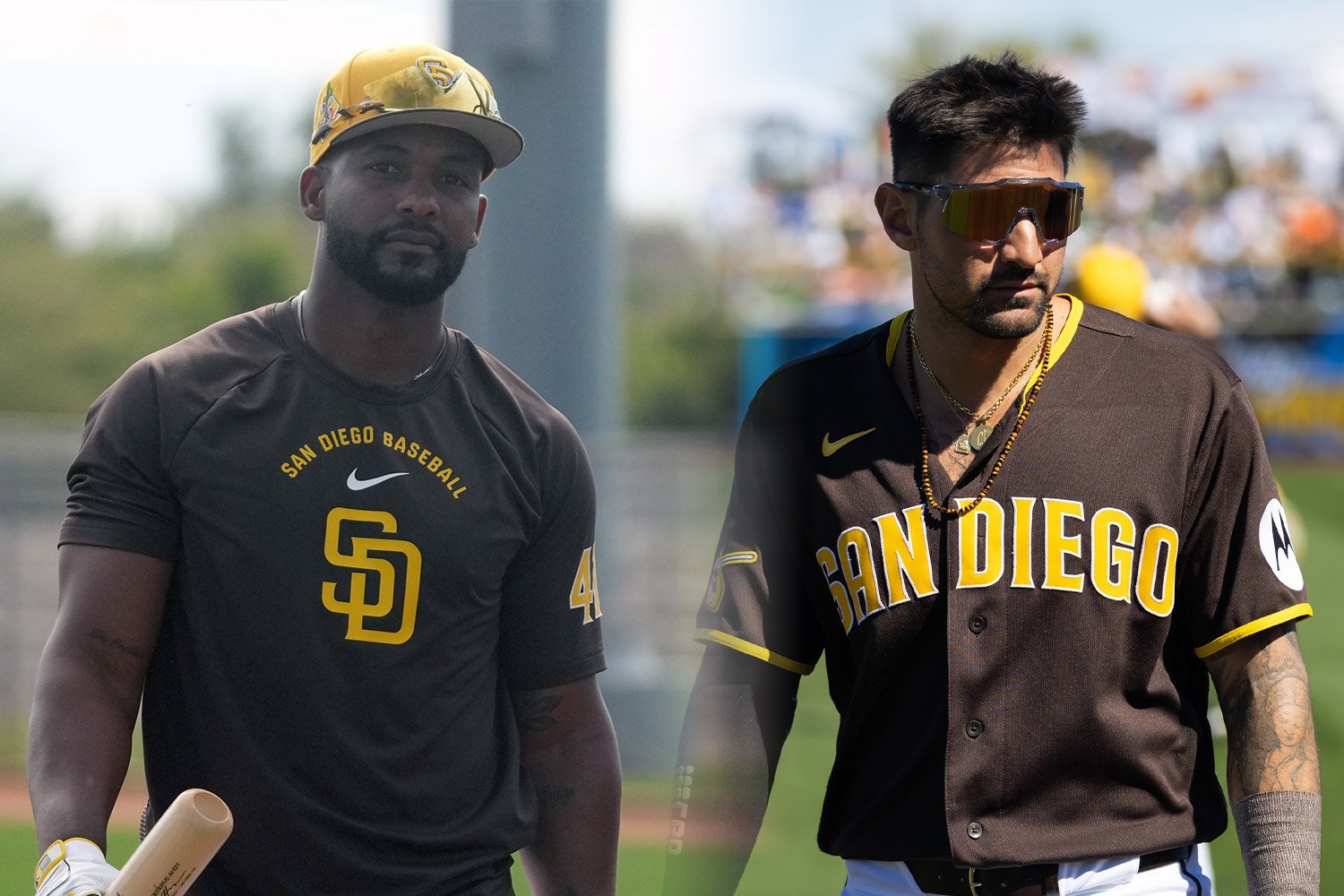 A.J. Preller hit the upgrade button and solidified some weak spots for the San Diego Padres' roster. The president of baseball operations brought in three candidates for the rotation and two bats since Padres Mission did the first version of an Opening Day roster projection at the beginning of the month. That is five veterans who could play big roles for the Friars. It didn't take much to fit four of those players on the 40-man roster, with the fifth getting a minor-league deal. That means players who felt good about their roster spots at the beginning of spring training suddenly had their roles change or their roster spots not locked in. Now that there are about a week's worth of Cactus League games in the books and a few injuries to consider, here is Padres Mission's look at how we see the first Opening Day roster for new manager Craig Stammen coming together. Starting Rotation (5) 1. Nick Pivetta (RHP) 2. Michael King (RHP) 3. Joe Musgrove (RHP) 4. Walker Buehler (RHP) 5. German Marquez (RHP) v.2.0 changes: Walker Buehler and German Marquez replace Randy Vasquez and JP Sears. In addition to Buehler, who signed a minor-league deal, and Marquez, the Padres also signed right-hander Griffin Canning, who is still working his way back from a ruptured left Achilles injury and has been throwing early in camp. A SoCal native, Canning will begin the season on the injured list. A typical recovery time is nine months, and Canning was injured at the end of June, so a late-April return would be an early target. But the real impact is bringing on Buehler and Marquez, two established veterans looking to bounce back on team-friendly deals. Buehler can earn $1.5 million when added to the MLB roster, while Marquez has a major-league deal for $1.75 million. Buehler hasn't been at his best since having Tommy John surgery in August 2022, but showed some promise in his final seven outings of 2025, four with the Boston Red Sox and three with the Philadelphia Phillies after being released. Marquez could simply improve with a change of scenery following parts of 10 seasons with the Colorado Rockies. Marquez also had Tommy John surgery, his coming early in the 2024 season. He returned to make 26 starts in 2025, but struggled to a 5.47 FIP. It will be up to pitching coach and associate manager Ruben Niebla to get the veterans experiencing success once again. The loser in these additions is Vasquez, who was sitting as the No. 4 choice entering camp. He doesn't do anything very well and would be a solid part of the rotation if not for the presence of Buehler or Marquez. Any setbacks for any of the five starters mentioned above would open the door for Vasquez, who doesn't have any minor-league options remaining. It is a good problem for the Friars to have after beginning the month pretty thin. Bullpen (8) Mason Miller (RHP) Adrian Morejon (LHP) Jeremiah Estrada (RHP) Wandy Peralta (LHP) David Morgan (RHP) Yuki Matsui (LHP) Bradgley Rodriguez (RHP) Ron Marinaccio (RHP) v.2.0 changes: None. No big concerns about one of the top bullpens in all of MLB. The only issue that has cropped up thus far is a minor groin injury to Matsui, who withdrew from the World Baseball Classic. His status for Opening Day is still up in the air, but that is a month away. I am still being cautious with right-hander Jason Adam, who is coming back from a ruptured left quadriceps tendon on Sept. 1. Adam recently expressed optimism he could pitch Opening Day, but ensuring he is 100% back is more important. Marinaccio, who is out of options, could be the odd man out if Adam is ready, although Rodriguez could be sent to Triple-A as well. Catcher (2) Freddy Fermin Luis Campusano v.2.0 changes: None. Not much to update here. Fermin is the starter and Campusano the backup. This is the first season Fermin will be the primary starter after serving as Salvador Perez's backup with the Kansas City Royals. He did play in 111 and 109 games each of the last two seasons with about 350 plate appearances each, so durability shouldn't be a problem. He has a career .264/.309/.376 slash line, which is fine. How Stammen mixes in Campusano will be interesting. Campusano is a bat-first catcher with a .240/.294/.372 MLB slash line over six seasons. Fans have been waiting for him to break through. Is this the year? Infield (6) Manny Machado (3B) Xander Bogaerts (SS) Jake Cronenworth (2B-1B) Nick Castellanos (1B-RF) Gavin Sheets (1B) Sung Mun Song (2B-3B-OF) v.2.0 changes: Nick Castellanos replaced Mason McCoy. Are the Padres a perfect landing place for Castellanos, considering his exit from the Philadelphia Phillies? Perhaps. He is buddies with Machado, as both grew up in the Miami area, so that will help with the clubhouse adjustment. Any missteps in Philly will be put in the rearview mirror if Castellanos can do two things: 1) capably play first base; and 2) come surpass the .260/.306/.426 slash line he put up in four years with the Phillies. Castellanos averaged 20.5 homers there, including hitting 29 in 2023. The power is something the Friars most definitely need after finishing 28th in homers last year. Adding Castellanos, providing he can play first, pushes Sheets to more of a DH role after having to play too much left field in 2025 and creates more lineup depth. It also creates more flexibility at DH based on matchups or simply giving players like Machado a day off. The biggest gap with this move is not having a true shortstop as a backup to Bogaerts. Cronenworth played the position last year when Bogaerts was injured, doing it pretty well, so Mason McCoy would just be a phone call away if needed. Song is looking like a utility player at this point and is expected to see time in the outfield this spring. Outfield (5) Fernando Tatis Jr. (RF) Jackson Merrill (CF) Ramon Laureano (LF) Miguel Andujar (LF-3B-1B) Bryce Johnson (OF) v.2.0 changes: Miguel Andujar replaced Tirso Ornelas. Raise your hand if you thought Tirso Ornelas was going to start the season on the Opening Day roster. It was just a matter of time before Preller addressed that weakness and added more offense to this mix. Andujar was signed to a one-year, $4 million contract. He does very well against left-handed pitchers, producing a .389/.409/.578 slash line in 2025 and a .297/.332/.475 career mark. Andujar will get time as the DH as well as left field, and spot starts at third and first. No longer a great source of power due to injuries, Andujar will get on base and drive in runs. Ornelas, by the way, was designated for assignment in order to add Canning to the 40-man roster, but cleared waivers and was outrighted to Triple-A El Paso. View the full article
 -
Cubs Prospect Grant Kipp Full Scouting Report
DiamondCentric posted an article in North Side Baseball
 Cubs top 30 prospect Grant Kipp is one of the most interesting farmhands in baseball. Not only did he join the team for $50,000, but the Cubs pitching prospect has quickly risen as a crucial part of their depth chart. With Brandon Birdsell injured and recent draft selections Dominick Reid and Kaleb Wing yet to play, Kipp is knocking on the door of Triple-A Iowa to make a name for himself. Enjoy! View the full article
 -
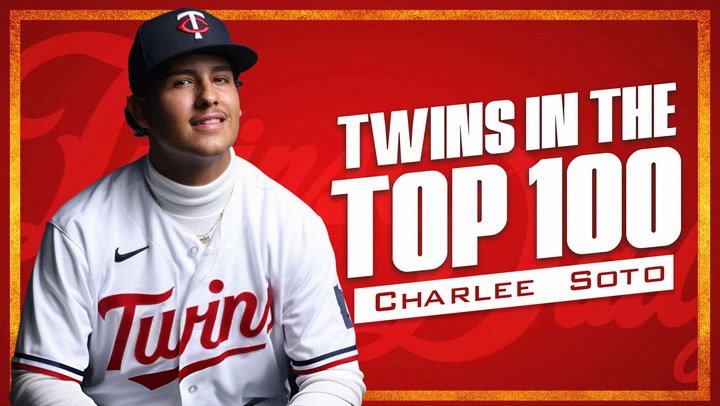 A breakout pick in 2025, Charlee Soto appeared to be on the brink of just that before going down with an arm injury. Soto is once again a breakout candidate for 2026. View the full article
 -
Three Non-Roster Invitee Hitters Making Their Case in Royals Camp
DiamondCentric posted an article in Royals Keep
 The Royals are 3-4 right now after roughly one week of Cactus League play. They earned their third win of the year in a wild one on Friday afternoon against the Sacramento Athletics, winning 7-6 after trailing in the seventh inning. The Royals have seen some familiar hitters get off to strong starts in Spring Training. Bobby Witt Jr. leads the Royals in hits with six and hit his first home run of the spring today against the Athletics, a three-run blast. Jac Caglianone is also off to a strong start this spring after a rough rookie campaign. He's hitting .417 with a 1.212 OPS and has launched some tanks in Arizona. That included a double on Thursday against the Diamondbacks that had an exit velocity of 120.2 MPH. Lastly, Maikel Garcia and Michael Massey have gotten off to strong starts with five hits apiece. Garcia has an .814 OPS, and Massey has a 1.445 OPS. Garcia is trying to prove that his breakout in 2025 wasn't a fluke, while Massey is looking to show Royals fans that he can be a long-term solution in Kansas City as a utility player who can rotate between second base and left field. While the familiar position players are off to strong starts, there are some unfamiliar ones, specifically non-roster invitees, who are also doing well at the plate in Cactus League play. Thus, let's take a look at three NRI Royals hitters who are not just putting up strong performances but are also making their case for roster spots on Opening Day (which is one month away). Josh Rojas, 2B/3B Rojas played for the White Sox last year and had a brutal season, which explains why he was not given a Major League deal this offseason, even though he has a career 5.5 fWAR in 639 career Major League games. In 211 plate appearances with the White Sox, Rojas hit .180 with a .232 wOBA, a 44 wRC+, and -1.3 fWAR, according to Fangraphs. His fWAR was the worst mark of his career and his worst mark since 2020 with the Diamondbacks, when he posted a -0.3 fWAR in 17 games. His chances of making the roster initially seemed long, especially with utility bench options such as Nick Loftin and Tyler Tolbert also competing for roster spots this spring. However, Rojas has gotten off to a hot start at the plate, showing he may deserve a shot on the Opening Day roster. In 10 at-bats, the 31-year-old utility infielder has four hits, two home runs, and six RBI. His latest home run came on February 24th against the Cincinnati Reds. The former 26th-round draft pick has long been known for his glove over his bat. His defense at second has traditionally been better than his defense at third. He has a +10 career OAA at the keystone, but a -8 career OAA at the hot corner. That said, the Royals seem set at third base with Garcia. They are less solidified with Massey and Jonathan India, who both struggled in 2025. Furthermore, given Massey's injury history, Rojas could be a player who seamlessly fills in for him, though he doesn't exactly have Massey's defensive versatility. The University of Hawaii product has only 729 innings in the outfield. On a positive note, he has a +1 OAA there, so if the bat continues, the Royals may be prompted to give Rojas more time in the outfield to give him more versatility off the bench. Kevin Newman, 2B/SS The Royals acquired Newman early in the offseason, and he seemed like an intriguing pickup who could give Kansas City not only positional flexibility but a veteran presence. In fact, his acquisition could be a reason why the Royals opted not to bring back Adam Frazier for the 2026 season. In 10 at-bats this spring, the 32-year-old infielder has three hits and is hitting .300 with an .864 OPS. He has one walk and two strikeouts, and he has hit two doubles, showing that he has the batted-ball profile to take advantage of Kauffman Stadium's spacious grounds. Against Arizona pitcher Kade Strowd, Newman laced a double down the line and showed excellent speed to get to second base standing up. Newman had an underwhelming 2025 season with the Angels, posting a .202 average, 27 wRC+, and -0.7 fWAR in 116 plate appearances. However, he played with the Diamondbacks in 2024 and fared much better over a larger sample. In 111 games and 311 plate appearances that season, he hit .278 with an 89 wRC+ and 1.4 fWAR. He also hit three home runs, scored 41 runs, stole eight bases, and provided solid defense, as evidenced by his +7 OAA at shortstop and second base combined. Loftin has gotten off to a slow start this spring. He is currently hitting .167 with a .481 OPS in 12 at-bats. While he did have a two-run double today, if the former Baylor product continues to perform poorly at the plate, the Royals may opt for Newman over Loftin for the right-handed utility role off the bench to start the 2026 season. Connor Kaiser, 2B When the Royals signed him to a Minor League deal, Kaiser struck me as more of an everyday player for the Omaha Storm Chasers than a serious candidate to make the Major League Opening Day roster. That said, the former Blue Valley West High School product is showing that he may be a call-up at some point in 2026, even if he begins the year in Omaha. In eight at-bats, the 29-year-old second baseman has three hits, including two doubles. He is hitting .375 with a 1.000 OPS, and he has one RBI to boot. It's a small sample, and Kaiser has mostly done this while coming off the bench (meaning he isn't facing top-flight pitching). Nonetheless, he's producing in the limited at-bats that he's getting. Kaiser will likely receive a lot more soon when Witt and Garcia leave camp to report for the World Baseball Classic. The Vanderbility product doesn't have an extensive track record in Major League. He has 23 career MLB plate appearances and has a career .091 average, -29 wrC+, and -0.2 fWAR. He also strikes out a bit too much, as he has a 30.4% career K rate in the Majors and had a 27.5% K rate with Reno, Arizona's Triple-A club, last season. Still, when he gets a hold of the ball, Kaiser can find the gaps, much like Newman, as illustrated in this hit below with the Diamondbacks last season (his first career MLB hit). With some modifications from the Royals' hitting development team, it's possible that Kaiser could morph into a Cam Devanney of sorts, who broke out last season in Triple-A Omaha. While Devanney didn't contribute at all to the Major League roster, he was utilized as capital in a trade to Pittsburgh for Frazier at the All-Star Break. Maybe Frazier can be acquired again by the Royals midseason, with Kaiser as the trade asset this time around. View the full article
 -
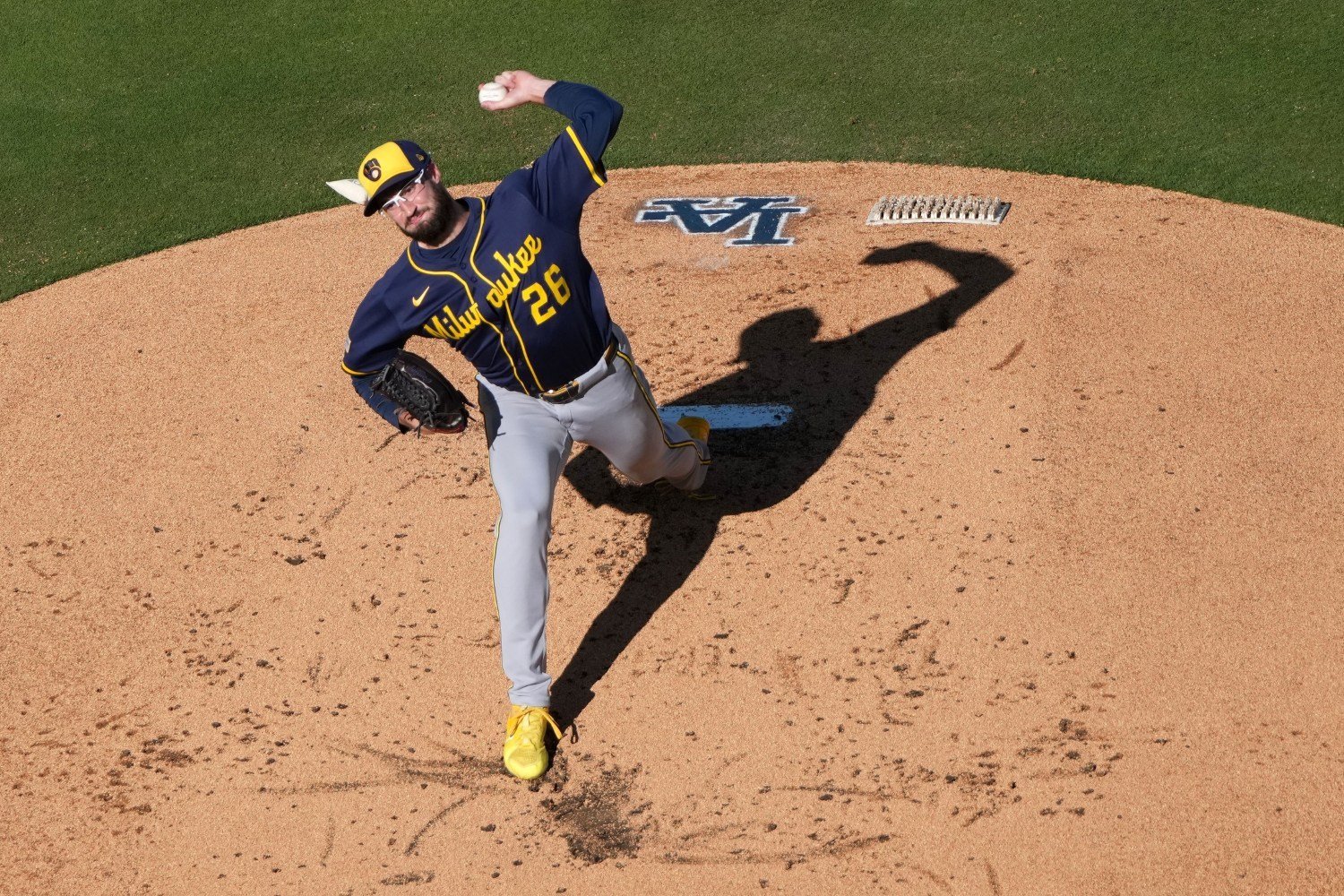 In four big-league seasons, Aaron Ashby has filled every possible role within the Brewers’ pitching staff. He’s started 26 games, most of which came in 2023. As a reliever, he’s been a long man, a left-handed specialist, a multi-inning setup man, and has even picked up five saves. In last year’s postseason, he started three games as an opener or first man up in a bullpen game. During the 2025 regular season, Ashby became Pat Murphy’s bullpen iron man, partially at his own request. Despite not debuting until May 23 due to an oblique injury, he appeared in a career-high 43 games and worked 66 ⅔ innings, the third-most among Brewers relievers. “Ashby wants to throw every day,” Murphy said last September. “He’s this kid who, since he’s rehabbed his injury, he’s just been adamant about touching the ball every day. We laugh about it. Every time he comes off the mound, he’s like, ‘I’m good to go. Keep going, keep going, keep going.’ He wants to throw every day.” Ashby’s drive to pitch so often was partially motivated by a lighter first-half workload than several of his teammates, due to that oblique injury. “We were thin at the end of the year,” he said last week from the Brewers’ spring training clubhouse in Arizona. “Everyone's running on fumes, and I felt pretty good for where we were at. I'd missed the first two months of the season, essentially, so I had more rest and more time off than everyone else. So I felt like I kind of owed it to the team and to the bullpen to be available and take that workload, because they had all had another two months under their belt that I didn't.” Furthermore, his throwing program was already geared toward being available nearly every day. Ashby said the second half of last season was a “great learning experience” in how to prepare for such a workload, but pitching so often was not too dissimilar from the work he already did between appearances. “I think I try to replicate an intense throwing volume or intensity every day, so that I feel good every day,” he said. “I kind of get to that point where I'm loose, I'm ready, and then I kind of let it rip for a little bit. So I think that's something that's helped me feel good every day. I think the frequency, I've tried to create on my own for many years by just having a really intense throwing program.” Ashby spent time in a similar niche in 2024, albeit not until a promotion in late August from Triple-A, where he pitched most of the season as a starter. The move to a flexible relief role has brought out the best in him, as he’s pitched to a 1.98 ERA, 2.26 FIP, and 2.62 SIERA in 86 ⅓ innings. In that time, Ashby has changed how he attacks hitters. When he debuted in 2021, he relied heavily on his high-spin breaking pitches, particularly his slider. Since returning from shoulder surgery in 2024, he’s thrown more sinkers than breaking balls. Last season, he threw his sinker a career-high 51.3% of the time. “I finally feel comfortable relying on the sinker to get me weak contact,” Ashby explained. “I have a bit of a better understanding of when I can throw it. I think that my other pitches have elevated the effectiveness of my sinker. I think that the curveball makes the sinker play up. I think the changeup makes the sinker play up. So, yeah, I think just knowing when to use it, knowing where to throw it, and kind of just believing in myself that I can get out of a jam with it.” The sinker was more effective than ever last year, leading Ashby’s arsenal with a +8 Run Value, according to Statcast. It held opponents to a .297 wOBA and produced a 65.3% ground ball rate. Trusting it more has also made him more efficient, as Ashby averaged 3.8 pitches per plate appearance and 15.5 pitches per inning last year, both career bests. “I think if you can establish a fastball early and make them swing at that, and then induce weak contact, I think that's a good recipe for being effective and efficient,” he said. Ashby’s breaking stuff has evolved, too. Post-surgery, he’s been unable to rediscover the same sweeping slider he once had, and has instead relied mostly on his big curveball, which has gained nearly 3 mph. “Just coming back from surgery, that was the breaking ball,” he said. “The slider was kind of hard to get back, but for whatever reason, I was just able to throw [the curveball] pretty easily. I think the curveball got better the last two years. It’s just kind of the ebbs and flows of pitch shapes and stuff like that.” Ashby got plenty of mileage out of a sinker, curveball, and changeup mix during the regular season, but he added another tool to his toolbelt late in the year. He had dabbled with a four-seamer before, but it rarely had much vertical separation from his sinker. Throughout the year, though, he developed a capable four-seamer while attempting to throw a different kind of fastball. “More than any pitch that I throw, I want to throw a cutter, and I’m not able to do it,” Ashby said. “In trying to throw this cutter, I realized that I could throw a four-seam, and for whatever reason, it felt easy to execute.” Averaging 13.7 inches of induced vertical break, the four-seamer doesn’t have much carry and grades out poorly on its own. However, for the first time, Ashby found another fastball that moves differently from his sinker. “I’m not someone who spins the ball, at least my fastball, very well,” he said. “I throw a very below-average spin fastball. I’ve never really been able to get the vert ball, mainly due to my release height, but it just has to be enough separation off the sinker. I think it does that.” Using it almost exclusively high and inside to right-handers to keep them off his sinker, the pitch quickly became a regular part of Ashby’s arsenal in the postseason. “You have to adapt in this game,” Ashby said. “Guys know I'm going to throw a sinker, so righties are diving out over the plate more, ready for it. If I have four-seam up and in that I can throw, it doesn't make that very comfortable to do anymore. More of just a tool to use sparingly, but definitely something to keep working on.” Ashby’s role for this season is not yet set in stone. For now, the Brewers are stretching him out to remain a multi-inning reliever, with starting still on the table should the need arise. “You can always go back,” Murphy said of moving pitchers into shorter relief roles after initially building them up for longer outings. “It’s hard to go forward.” Ashby remains willing to pitch in any capacity the Brewers need. “I think the idea right now is just to build up to around three innings,” he said. “It could be more than that, it could be less than that. And then kind of with whatever the team needs is kind of where I'll fall in.” View the full article
 -
Can the Twins Carry Three Catchers on the Opening Day Roster?
DiamondCentric posted an article in Twins Daily
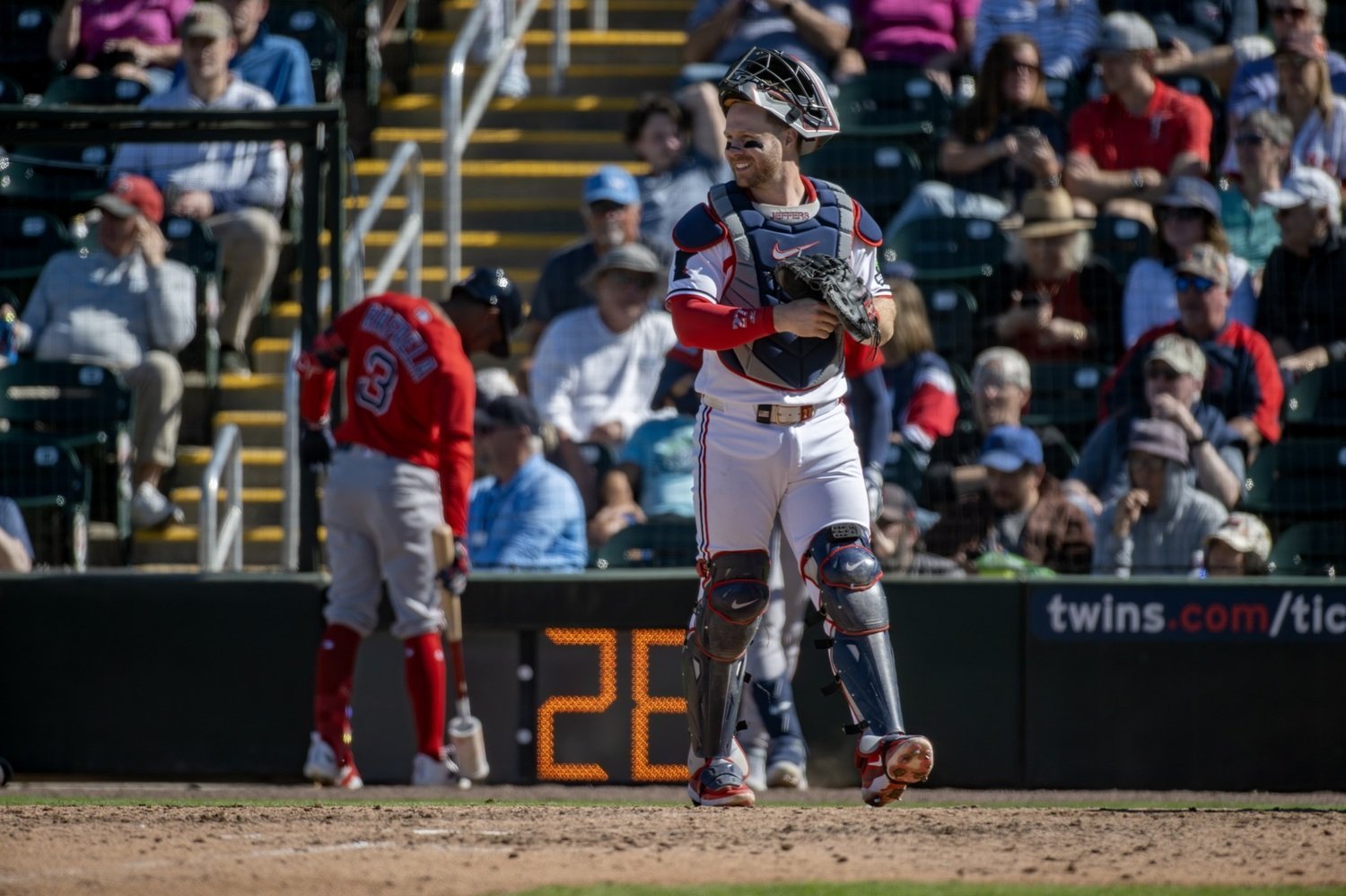 The Minnesota Twins have built themselves a good problem behind the plate. The issue is that good problems still require difficult decisions. There are three big-league caliber catchers in camp, and no clear path to send any of them to the minors. If the Twins want to keep all three on the Opening Day roster in 2026, they will need to get creative with both playing time and bench construction. Ryan Jeffers is locked in as the projected starter. After three seasons of a fairly even split with Christian Vázquez, the organization has made it clear that this is Jeffers’ staff now. He’s also entering his final year of team control, adding another wrinkle to the team’s long-term catching picture. “Jeffers is going to be the C1,” manager Derek Shelton said early this offseason. “We’ve talked to Victor about it. The thing we thought about there is get a guy we think … is going to play behind Ryan, but he can also play first, he can also DH.” That comment reveals the blueprint. Jeffers has long prepared himself for a larger workload. “Every year, I’ve grown up in this game,” Jeffers said. “I’ve gotten better at the routine and what I do in the offseason to prepare for the year. I’ve always prepared to catch a full workload, so nothing for that really changed for me this offseason.” He caught roughly 700 innings last season and appeared in 119 games overall, 88 of them behind the plate. A jump to 120 games caught would push him near 1,080 innings, a total reached last year by only J.T. Realmuto and William Contreras. Jeffers knows that it is ambitious. Instead, he has his sights set on something more sustainable. “That’s who I am, is a catcher,” Jeffers said. “A full catcher workload is 110-ish games, so if I want to be a full-time catcher, that’s where I want to be.” With Vázquez’s contract expired, Minnesota added Alex Jackson in a minor trade and signed Victor Caratini to a two-year deal. Caratini’s versatility is central to this conversation. He can catch, play first base, and serve as a designated hitter. That gives the Twins a pathway to carry three catchers without locking themselves into a rigid timeshare. In Friday’s Grapefruit League action, the Twins previewed the three-catcher concept. Jeffers served as the designated hitter, Caratini handled first base, and Jackson was behind the plate. It is unconventional, but it works on paper. The complication is roster math. Jackson is out of minor league options. He cannot be sent down without being exposed to waivers. Meanwhile, projected bench pieces from FanGraphs include Kody Clemens, Ryan Kreidler, Austin Martin, and James Outman. Of that group, only Kreidler and Martin have options remaining. Clemens and Martin feel close to roster locks given their versatility. Kreidler is needed to back up Brooks Lee at shortstop. Outman is intriguing, as his underlying metrics might suggest he has more under the hood. The Athletic recently highlighted Bat Speed, Swing Tilt, and Intercept Point as part of a growing toolkit that can help teams identify future impact hitters, even in tiny samples. Through these metrics, he is seen as a potential plus slugger. Outman demonstrated that power potential throughout his time in the minors, including a .945 OPS and 131 wRC+ at Triple-A last season. That doesn’t seem like a player the Twins would want to give up on for nothing. Jackson is one of the worst hitters in baseball history, with over 400 big-league plate appearances and an OPS+ of 46. He’s an above-average framer and thrower, and he has shown some power potential at the plate. In 2025, he increased his bat speed from 74.4 mph to 76.1 mph, became more selective, and is a strong base runner. All those traits might point to him finding his footing at the big-league level. That could leave the Twins choosing between Outman and Jackson, with the odd man out needing to pass through waivers. If the front office values a third catcher and the flexibility Caratini provides, they may be willing to carry a lighter traditional bench to protect their depth behind the plate. For years, the Twins have been committed to evenly splitting the catching workload. Now they are signaling a shift. Jeffers is ready for more. Caratini offers flexibility. Jackson has no options. Keeping all three might not be conventional roster building, but it could be the clearest way for Minnesota to preserve both depth and durability over 162 games. Can the Twins fit three catchers on the Opening Day roster? Leave a comment and start the discussion. View the full article
 -
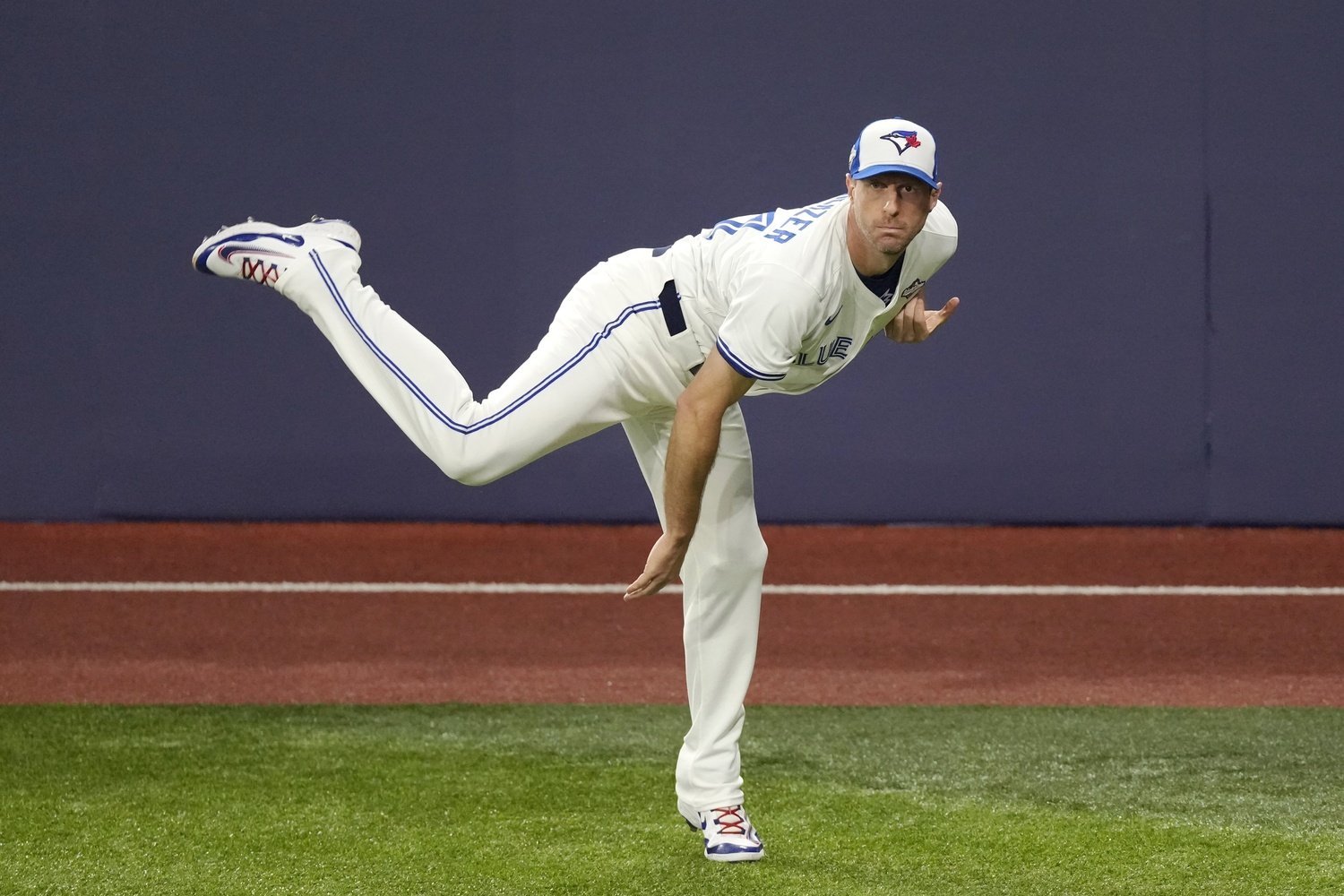 The Toronto Blue Jays seemed to have their starting rotation set. Then they decided to bring back a familiar face from last season. Max Scherzer has reunited with the Blue Jays on a one-year, $3 million contract. The three-time Cy Young Award winner is returning for his 19th MLB season. The addition of Scherzer was likely made to replenish the depth that took a hit after the news that Bowden Francis underwent season-ending Tommy John surgery and Shane Bieber, dealing with forearm fatigue, would miss the start of the season. Scherzer had been the definition of a workhorse before the 2024 season, when injuries held him to only nine starts. Before that season, the righty had pitched a minimum of 145 innings in each season from 2009 through 2023 (excluding the shortened 2020 season). The injuries he sustained in 2024 were complications from an offseason surgery to repair a herniated disc in his lower back. He returned to the big leagues on June 23, but his eight starts before going back on the injury list were marred by shoulder fatigue. Mad Max would make one more start on September 14 before his season was shut down due to a hamstring injury. Last season, he made one start to begin the season before he suffered a thumb injury that forced him to miss 75 games. He returned to the Blue Jays on June 30; however, he'd miss more time in July with the same injury. The injuries persisted, as back tightness forced Scherzer to take a step back in September. When the 41-year-old was healthy in 2025, he pitched 85 innings, posting an ERA above 4.00 for the first time since 2011. He finished last season with a 5.19 ERA and an 82:23 strikeout-to-walk ratio. The struggles and late-season injuries forced the Blue Jays to hold him out of the ALDS, though the emergence of Trey Yesavage helped ease that decision. However, Scherzer came up clutch in the ALCS, pitching 5 2/3 innings of two-run ball in Game 4, which evened the series against the Seattle Mariners. Scherzer's offseason has been focused on getting healthy. He received interest from a few other teams, but his daughter's wish came true regarding his eventual destination. With a 10-out-of-10 rating on the cuteness scale, his eight-year-old daughter wrote a letter to the Blue Jays in December asking them to re-sign her daddy. She has a strong future if she decides to become a sports agent. In her letter, she wrote: "Dear Blue Jays, I am so sorry that you didn't win the World Series. I hope that you win next time. I hope my dad is back on the team. My whole family loves spending time in Toronto with our dad. We loved the aquarium, CN Tower, and of course, the stadium. I am looking forward to coming back next season. Love, Max Scherzer's daughter" Although Scherzer signed for only $3 million, he can earn an additional $10 million in incentives based on the number of innings he throws. The incentive ladder begins with an extra $1 million for throwing 65 innings, and for every 10 additional innings thrown, he earns another $1 million. This ladder goes all the way to 155 innings, with that threshold being the last rung. Even a total salary of $13 million would be a discount if Scherzer can offer a glimpse of his Cy Young Award form. The major question regarding the righty is: If healthy, what expectations can Blue Jays fans have? Despite being 41, Scherzer hasn't lost velocity in his five-pitch arsenal; in fact, some of his pitches have gained speed compared to his 2023 season. Below is a table showing the difference in average pitch speed and BA against on his various pitches from the 2017 season, when he won the Cy Young Award; the 2023 season, when he last pitched 140 innings; and last season. 2017 2023 2025 Pitch type MPH BA Pitch type MPH BA Pitch type MPH BA Four-Seam 94.0 .237 Four-Seam 93.7 .255 Four-Seam 93.6 .248 Slider 85.4 .129 Slider 84.0 .250 Slider 86.3 .240 Changeup 84.6 .110 Changeup 83.8 .207 Changeup 84.9 .279 Curveball 77.4 .200 Curveball 75.4 .187 Curveball 76.7 .349 Cutter 87.9 .111 Cutter 88.4 .135 Cutter 88.1 .250 These numbers, which come from Baseball Savant, show that Scherzer still has the stuff to be successful at a high level. However, his BAA in 2023 and again in 2025 was worse on most of his offerings, with the exceptions being his fastball and slider in 2025, which improved slightly compared to 2023. Considering his injury struggles over the last two seasons, it is a luxury for the Blue Jays that they can ease him back into the starting rotation. However, even when he's healthy, it’s possibly the righty may best serve the team by moving to the bullpen. The Blue Jays look to have one of the best starting rotations among all MLB teams, with Kevin Gausman, Dylan Cease, Trey Yesavage, José Berríos, and Cody Ponce. Plus, they have Eric Lauer, who performed exceptionally well as a starter last season, waiting in the bullpen. As a starter in 2025, Lauer pitched 75 innings with a 3.77 ERA and a 74:18 strikeout-to-walk ratio. That said, he was far better as a reliever, posting a 1.76 ERA and 28:8 strikeout-to-walk ratio over 30 2/3 innings. The team also has Bieber, who isn't expected to miss much of the season. The Scherzer addition may mean either Berríos or Lauer gets traded to free up space, or that Scherzer will be a long reliever when he’s ready to pitch. Regardless of how everything plays out, the Blue Jays hit this signing out of the park. It'll be interesting to see how manager John Schneider plays all his pieces. One thing is for certain: The Blue Jays reloaded well, and with the talent they have, they should be at the top of the standings all season long. View the full article
 -
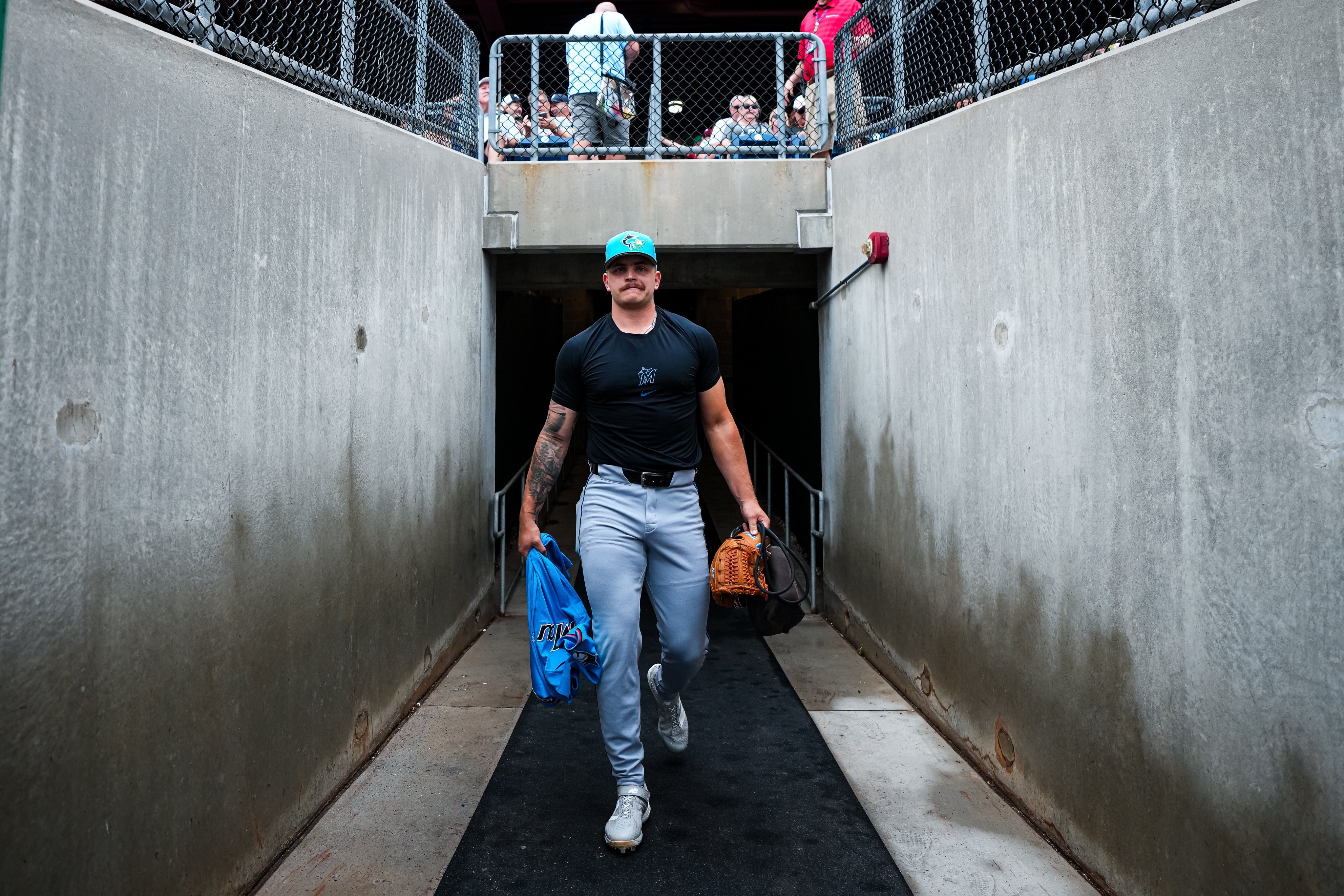 CLEARWATER—Robby Snelling is running the gauntlet. On Friday, the 22-year-old left-hander made his second spring training start. He has faced just eleven different batters in that microscopic sample, but those eleven have combined for twenty MLB All-Star appearances. In last Saturday's inaugural game of the Grapefruit League season, Fish On First's #3 prospect went one-two-three against New York's Marcus Semien, Juan Soto, and Bo Bichette. Snelling's encore wasn't as easy. Visiting yet another division rival—this go-around, it was the Philadelphia Phillies in a drizzly Clearwater—Snelling surrendered five hits, two walks and four earned runs in 1 ⅓ innings pitched (he was pulled after recording one out in the first, but re-entered for the second). Philadelphia rode the early momentum into a blowout 10-2 victory. Snelling categorized his performance as "not good by (his) standards, or by anybody else's standards." At the same time, he acknowledged that "you've got to kind of take away the good things as much as you can. Realize that it's spring, and there's going to be some growing pains." The southpaw began his outing issuing back-to-back walks before falling into unfavorable counts where the damage was done. Three consecutive RBI knocks from the middle of the Phillies order were enough to send Miami Marlins skipper Clayton McCullough out to get his young arm for a break before re-entering an inning later. "Walking two guys, not excusable at all. It kind of puts you in a hole, blood's in the water, and those types of hitters are gonna sense that and put balls in play, and that's what happened. That's the negative takeaway." Snelling's return in the second was greatly more efficient and clean, racking up two strikeouts of J.T. Realmuto and Kyle Schwarber while forfeiting just one unearned run. d2UwckFfWGw0TUFRPT1fVkFOVUJWUU5VZ3NBV2dOWEF3QUhBQTRFQUFBRFdsUUFWbEFDQVFVTVZRRlVWZ0Jm.mp4 "Going back out, getting my feet under me the next inning I went out was good," added Snelling. "Go out and get a couple of punchouts and locate stuff a little bit better, and have a little more conviction and confidence behind everything. Body felt good. Super thankful for that. Time to kind of flush it and move on." McCullough concurred with Snelling's judgment of his second inning, adding he "loved how he finished the outing. The first one, which you see a lot, sometimes as a starter, you come out of there, and it takes a little while to get into a rhythm. He just fell behind too many hitters there early on, and got himself in some tough spots, and they put some good swings on it. But I love how he came out for the second inning." The benefit of getting reps against stout competition outweighs the disappointment of poor results. "It's a good test," McCullough said. "Philly's had a good lineup for several years; there's a lot of really, really good hitters spread throughout, and Toronto yesterday for Thomas (White). But that's what you get in the major leagues. They're good players. And it just continues to emphasize the value of the ability to get ahead, and maintain count leverage." Notes and Quotes - Miami's two runs came off the bats of Heriberto Hernández and Griffin Conine. Additionally, for whatever reason, the latter continues to get challenged by runners rounding third, Trea Turner or not. - Xavier Edwards enjoyed an ideal Xavier Edwards day, recording a hit, walk and two stolen bases. "X, that's what he does" said McCullough. "It's still very early in camp and looks like he's seeing the ball very well; even the first at-bat, he hit the ball hard... It's good to see him on the bases being aggressive this early in camp. It's certainly a major part of his game, and something that we're going to continue to push with him to be aggressive and try to create some some havoc on the basepaths and get himself in scoring position. So, really good day for him." - Sandy Alcantara pitched in a simulated game Friday morning at the Marlins complex in Jupiter. Alcantara faced ten batters, striking out six, and threw 27 of his 36 pitches for strikes. "He was great," noted McCullough, relaying feedback from Marlins personnel who were in attendance. "The sweeper, which is something that he's been working on, sounded like it was great today. Sandy was excited." On Sunday, Alcantara will report to Team Dominican Republic for the World Baseball Classic. - One month from today, Alcantara and the Marlins will be under the lights of loanDepot park for Opening Day 2026. Up Next Returning home after two days in the Tampa suburbs, the Fish square off Saturday against a much more familiar spring opponent in their complex-mate St. Louis Cardinals at 1:10. Filling in for the aforementioned Alcantara on the mound is none other than his protégé, Eury Perez. View the full article
 -
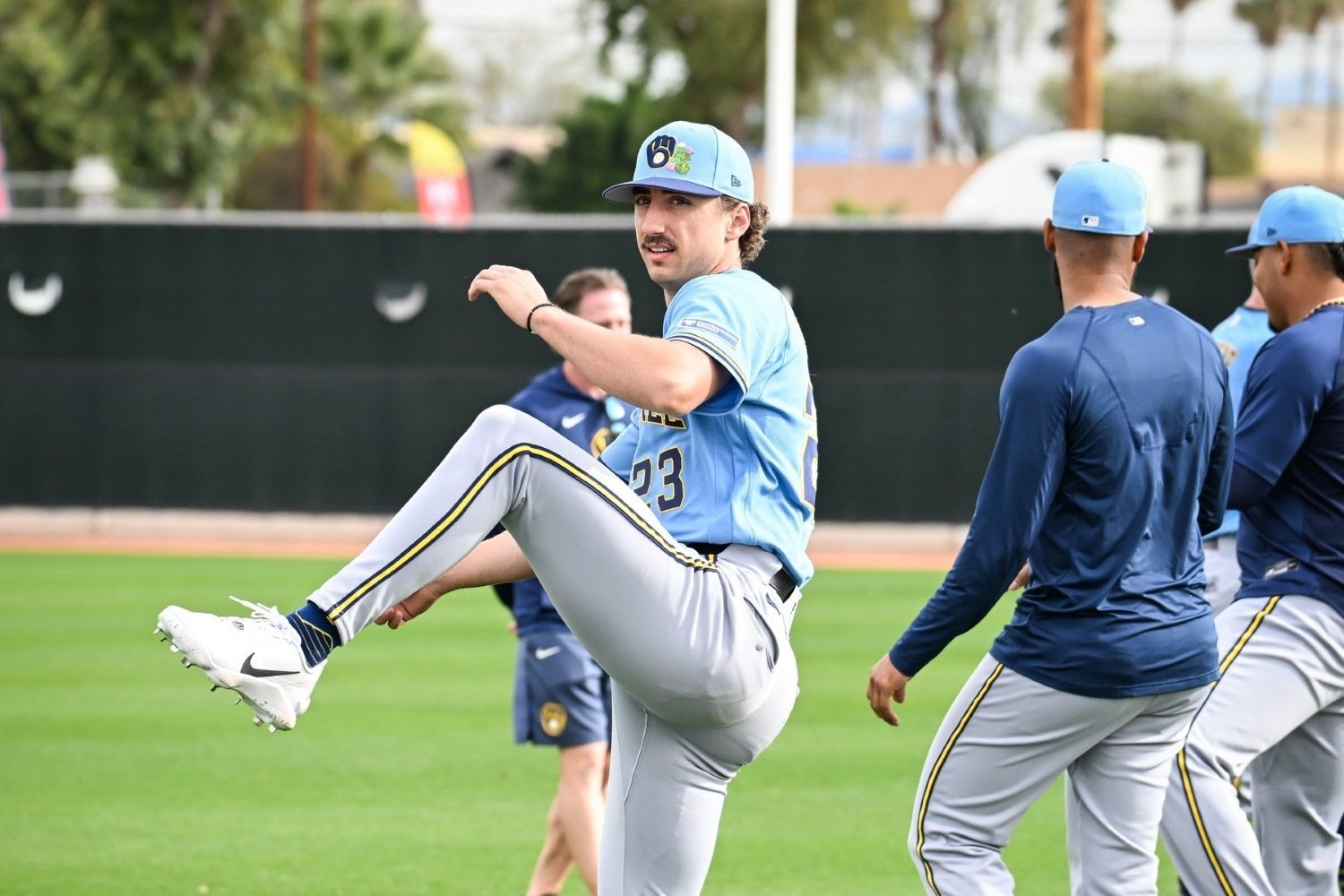 In the first inning of his first taste of Cactus League action, Brandon Sproat touched 99.8 miles per hour with his four-seamer and sat just over 98 MPH. He wasn't checking those velocity readings, though, and he declined to connect them to any kind of adrenaline rush afterward. "It's always fun to go out there and pitch," said the former Mets farmhand, acquired as part of the Freddy Peralta trade. "I mean, whether it's 10,000 fans or nobody. I mean, it's fun to to get back to it again, but yeah no, I don't peek at the velo." Whether he was feeling amped or not, the stuff he displayed in his 35-pitch appearance will have Brewers fans sufficiently excited. In addition to flirting with triple-digit heat—he'd never gotten up that high in spring training or the minors before, and did so only a handful of times in his short stint in the majors late last year—Sproat showed good feel for spin on his breaking balls, and introduced his newest weapon: a mid-90s cutter that gives him as many as seven pitches to work with. "Yeah, kind of," Sproat replied, when asked to confirm whether this was a new addition to his arsenal. "I started throwing it last year towards the end of the year. It was basically my short slider, but we kind of turned it into a cutter. It was good, but I wasn't fully convicted behind it. "Then over the offseason and coming into here this year, we've turned into a true cutter now. It's been fun to learn that pitch, and throw it. I thought I had good success with it today." Here's the movement plot of all of Sproat's pitches Friday. Here, though, some of his cutters are mistagged as four-seamers, and others as sliders. In reality, he's now working with the four-seamer, a sinker, a cutter, a sweeper, a curveball, a slider and a changeup. The sweeper and cutter are likely to obviate the slider, so he might end up a six-pitch guy again as the year rolls on, but Sproat continues to evolve—and has enjoyed enmeshing himself in an organization that encourages and facilitates that. Last season saw the first prolonged failure of Sproat's career, as he seemed to hit his head on a low ceiling in Triple A. His philosophical approach to that adversity helped him survive it. "The failures we go through, they're not always fun, but they're not necessarily failures," he said. "It's more lessons that we learn. So I was able to learn from that and kind of move on from it. After the All-Star break, things kind of turned around for the better. The fastball ticked up. It was just more of just having confidence behind it." There was another key change, too, though: the addition of a sinker. A year ago, Sproat was a four-seam specialist. By the end of last season, he'd brought in the two-seamer, to which he now adds the cutter. He noted that he moved to the first-base side of the rubber last season, to allow himself to target both sides of the plate with the sinker, and feels that that has benefited his whole arsenal because of the angles he can create and the way he can fill up the strike zone from there. With a strong second half, Sproat entered the offseason with momentum, and with a clear plan for how to capitalize thereupon. Then, late in the offseason, he was traded, which can be a nervous-making experience for a player in such a position. Did the Brewers try to install any immediate changes? "No, they're right on board with everything," Sproat said. "Everything that I had in mind to work on this offseason, it was the same thing that I've been working on here. They've been on board with it ever since I've walked in the door day one, so that has been a blessing." Although the White Sox found holes with three singles, stole a base and drew a walk en route to scoring a run during Sproat's short appearance Friday, the process made the results feel unimportant. Sproat looked, for all the world, like a mid-rotation starter with the ability to dominate when his stuff is locked in. His velocity dipped in the second frame, but he kept missing bats. He finished with three strikeouts and a pickoff. He won't immediately replace Peralta, but Sproat has the stuff and the aptitude to do so over the long term. He's been virtually attached at the hip to unlikely veteran leader (and lockermate) Aaron Ashby this spring, and it's becoming clear that the fit between player and team is pitch-perfect. "This team bets on themselves," Sproat said. "We—I don't wanna say we, I haven't really been part of the season yet—but just when watching them in the past, I see that they've bet on themselves. They find different ways to win, whether it's from pitching to hitting or even the little things like a PFP or stealing bases. It's the small things that turn into big things." Learning from failure and exploding through to the other side is one of those small things. Sproat looks like one big potential weapon for a Brewers team hoping to make another strong showing this October. View the full article
 -
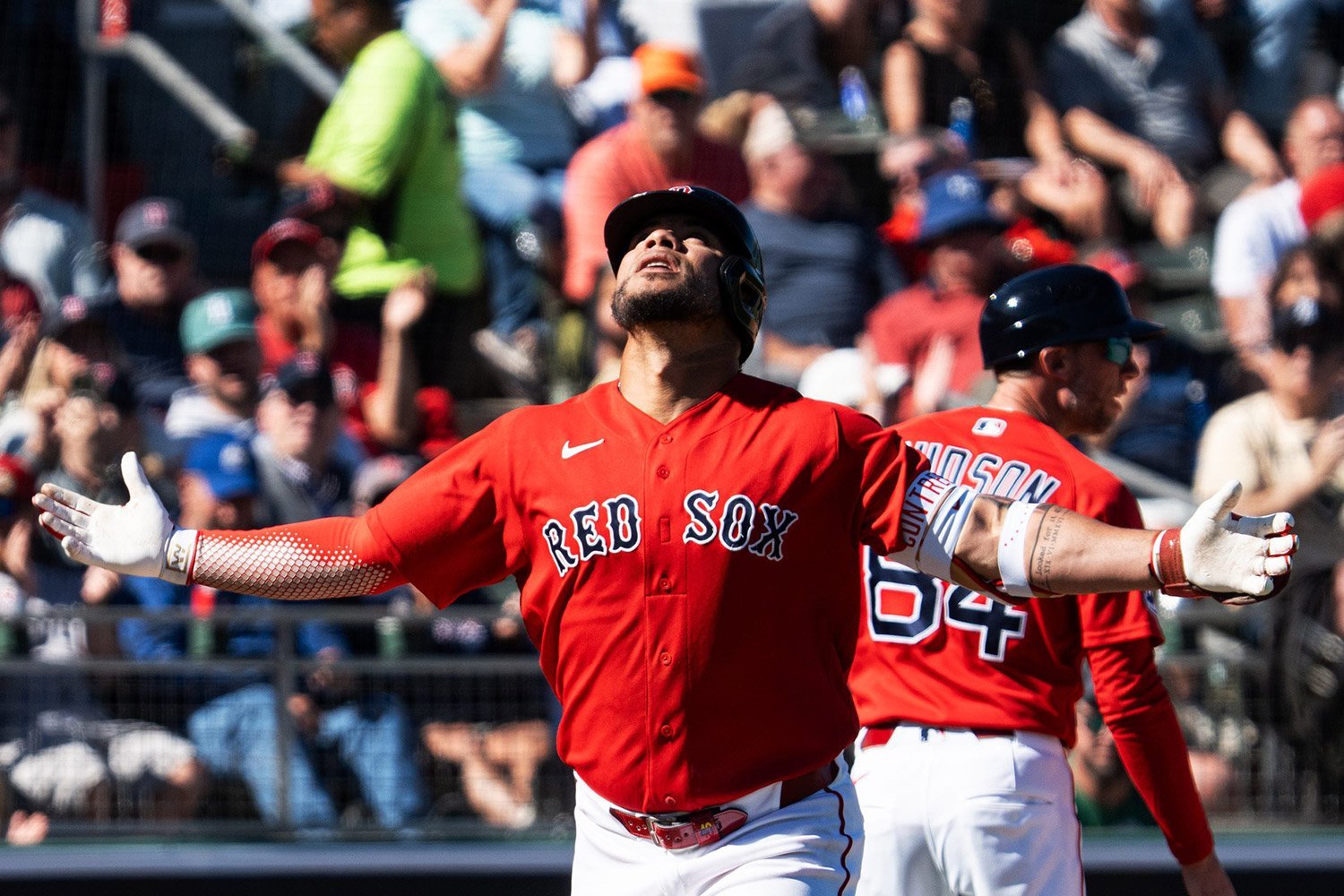 We’re back with our second installment of the spring training temperature check here at Talk Sox. If you missed the first one, you can check it out here. The team has played four games since the last installment, so there’s been some change in both lists, but the team, as a whole, has performed fairly well considering backing up their five and three start to Grapefruit League play. Without further ado, let’s take a look at this installment’s list of players. Who’s Hot? 🔥 Jarren Duran: Duran has been absolutely on fire as he prepares to join Team Mexico in the World Baseball Classic next month. The Red Sox have been giving him consistent work in right field, the position he’s going to play in the WBC, and he has been running with the opportunity. He won’t see right field for the Red Sox during the season, unless things go horribly wrong at some point, but he’s flashing defensive versatility that will serve him well during his career. He’s slashing .556/.636/1.111 with one home run through the first eight games. That home run? An absolute moon shot off old friend Chris Sale. That’s significant for two reasons: Sale is one of the best left-handed pitchers in the game, and Duran struggled against southpaws last season. Duran may be tapping back into a power stroke this season. Maybe the front office was onto something by not trading Duran during the offseason. Willson Contreras: The new first baseman for the Red Sox has made an immediate impact both on and off the field. He’s been great for a soundbite while he’s working on the backfields, but he also has been a spark when he’s in the lineup. Like Duran above, he’s gearing up for work on Team Venezuela during the WBC, but his contributions to the Red Sox so far can’t be understated. He’s slashing .375/.545/.750 so far with one home run, three RBIs, three walks, and two strikeouts. Contreras has stepped into a leadership role already with the club as he looks to make his mark in Boston after being traded this offseason. His homerun was an opposite-field shot that landed in the bullpen at JetBlue Park, something that has been incredibly rare since JD Martinez left the team. Ceddanne Rafaela: We’re all familiar with Rafaela’s Gold Glove-winning defense, but he’s looking to improve at the plate as we head into the 2026 regular season. So far in spring training, he’s slashing .333/.3885/1.000 with four hits, two home runs, one stolen base, and five RBIs. Now, he has zero walks so far in Grapefruit League play, but he’s also not swinging wildly at everything thrown at him, so we’ll take small victories where we can get them. He was involved in a scary collision early in the Braves game on Thursday, February 2,7 that originally looked like both he and Roman Anthony were injured, but both came through without much more than general soreness, as of this writing. While he may need to work on his communication, his defense will keep him around even if the offensive numbers aren’t sustainable right now. Who’s Not? 🧊 Johan Oviedo: Oviedo tossed 1 2/3 innings in his lone start of spring training so far, and those innings were less than stellar. He lacked command, walking three and hitting one, while only striking out one. He gave up one hit and one strikeout on 33 pitches, with 15 of those being strikes. It’s early, so we don’t need to read too much into these early numbers as he’s likely still knocking the rust off, and he should settle in as spring training continues, but that lack of command is worth keeping an eye on for the time being. Oviedo has all the tools to be an incredibly effective back-of-the-rotation arm, but he’s yet to put it all together during his big-league career. The trade that brought him to Boston can be looked at positively if he improves on this outing, but expect the media to continually bring up the trade if Oviedo falters again. Brayan Bello: We have our first member of the two-time ‘not’ club already this spring training. Brayan Bello looks rough so far after two starts during Grapefruit League play. In his second start, he tossed two innings, allowing four hits, five earned runs, one walk, and one strikeout. His spring training ERA has ballooned to 24.30, and he’s still struggling to find a footing with his changeup, a pitch that was highlighted as improved and under more control just a week ago. He’s getting whiffs, posting six in this last start, but when the opposing team is making contact, which is frequent, they are making hard contact. On top of that, he’s walking 5.4 batters per nine innings, so he’s getting himself into trouble by handing out free passes unnecessarily. He’s leaving to join Team Dominican Republic in the WBC soon, and the hope is that he can find his footing there while they make a deep run over the two-week tournament. If not, there will be more people questioning why Bello wasn’t traded prior to the start of spring training. After just over a week’s worth of games, who do you have on your hot and not list? Let us know in the comments! View the full article
