


DiamondCentric
-
Posts
2,631 -
Joined
-
Last visited
Never
Content Type
Profiles
Forums
Events
News
Tutorials & Help
Major League Baseball Videos
Guides & Resources
Store
Downloads
Gallery
Everything posted by DiamondCentric
-

2026 Spring Training Episode 4: Over/Unders & Bold Predictions
DiamondCentric posted an article in Twins Daily
 Twins Geek John Bonnes joins from Twins spring training for one final live show before making the long trek back north. Sweet Lou Hennessy hits him with some Twins-related Over/Under figures and some audience-submitted bold predictions and last-minute Overreaction Scouting Reports. Listen using Apple Podcasts: https://podcasts.apple.com/us/podcast/the-twins-off-daily-podcast/id1741266056 Listen using Spotify: https://open.spotify.com/show/4tb78XlurcPTYYSsARdbD7 Listen using iHeartRadio: https://www.iheart.com/podcast/263-the-twins-off-daily-podcas-167548600/ Listen using Pocket Casts: https://pca.st/nvclbt0w Watch on YouTube: https://www.youtube.com/@twinsdaily View the full article
 -
Where Does Starling Marte Fit With The Royals Roster?
DiamondCentric posted an article in Royals Keep
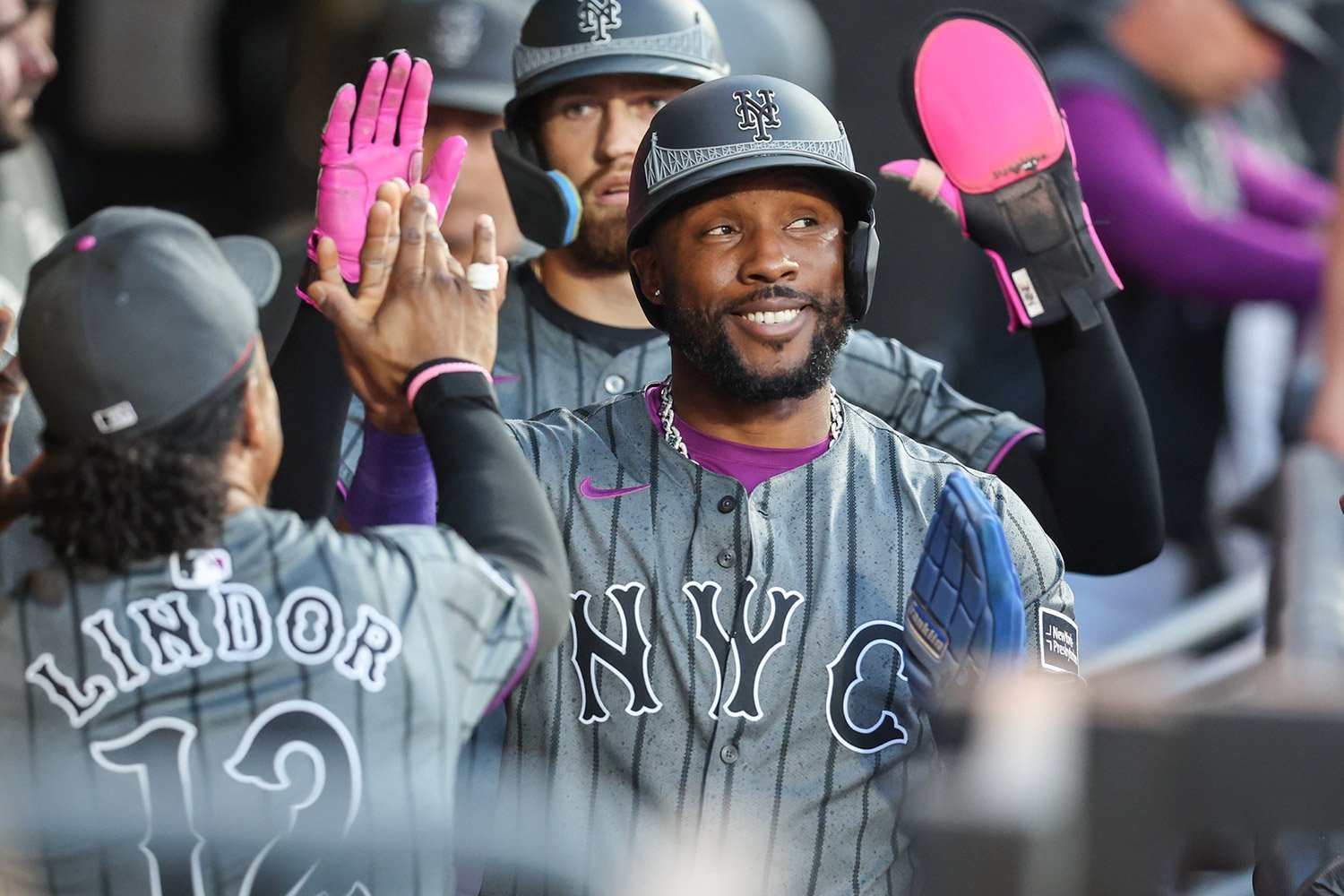 On Monday, the Royals officially announced that they signed Starling Marte to a one-year contract worth $1 million guaranteed with active roster bonuses and performance bonuses that can increase to $3 million. Marte has had an excellent career. In his 14 years in MLB, he has accrued 35.9 fWAR, two Gold Glove awards, and two All-Star team selections. He has a career slash line of .285/.342/.440 with a 115 wRC+. Even at his age, Marte proved that he can still be an offensive asset, especially to this Royals outfield that totaled a league-worst 70 wRC+ in 2025. Last year, in his age-36 season, Marte slashed .270/.335/.410 with a 112 wRC+. Marte’s Statcast metrics from last season don’t necessarily jump off the page like they used to early in his career, and a lot of his metrics grade slightly below league-average. That said, he still offers an above-league-average 90th-percentile exit velocity, showing he is capable of hitting for some power but less consistently. He also offers an above-average zone swing rate and strikeout rate. The only metric that he was poor in last season was his pull rate at 31.7%, and the overall average exit velocity of 85.9 mph. If you look back to 2024, he was well above average in xwOBA (.342), expected batting average (.285), and hard hit rate (42.9%). However, it would be unreasonable to assume that he will meaningfully progress at his age. In the outfield, Marte has a career reputation for providing good defense. He won two Gold Gloves when he was the Pirates’ everyday centerfielder in 2015 and 2016. Ten years later, he finds himself playing in one of the corner outfield positions, most often in right field. In 2025, he transitioned to mainly a designated hitter, only playing 65 total innings in the outfield. Marte has not registered a positive outs above average (OAA) since 2021. For reference, Marte registered -8 OAA in 2024, and other Royals outfielders Kyle Isbel and Isaac Collins posted +4 and +12 OAA, respectively. While Marte’s arm strength is still good, providing slightly positive run value, his range in the outfield is not what it used to be. His sprint speed has decreased consistently over the past several years. After consistently grading around the 90th percentile, his sprint speed fell to the 27th percentile last season. All that being said, where does Marte fit in the Royals outfield? After the signing of Marte, the Royals now have five outfielders on the MLB roster: Jac Caglianone, Isaac Collins, Kyle Isbel, Lane Thomas, and now Starling Marte. Before the signing, the projected setup includes Collins in left, Isbel in center, and Caglianone in right with Thomas platooning with Isbel or Caglianone against left-handed pitching. How much does Marte impact this plan? The short answer is that if everything goes right, Marte won’t need to feature in the starting lineup too often. The expectation is that he will offer the Royals added roster flexibility to start in place of the starters when needed and to provide rest to keep players fresh throughout the season. The main area that Marte will be used against is left-handed pitching. The Royals greatly struggled against lefties in 2025. Despite the additions of right-handed Thomas and switch-hitting Collins, the outlook against lefties in 2026 was still not promising. Against lefties, Marte has posted a wRC+ above 100 in four of the last five seasons. Marte could offer relief for Collins or Caglianone in the corner outfield spots against lefties to help with the lineup’s overall production. If Marte does find himself in an everyday role, it will come mostly at the designated hitter position, since that was his main position last season. Considering that the Royals didn’t have an everyday DH last season, Marte could naturally slot in that role. Last year, the Royals had 20 different players lined up as the designated hitter, with Salvador Perez being the most common DH with 38 appearances. Manager Matt Quatraro frequently used the DH spot to rest players like Perez and Vinnie Pasquantino without having to take their bats out of the lineup. However, in 2025, the carousel of Royals players did not produce when batting as DH, collectively posting a wRC+ of 69. Even league-average production from Marte could offer much-needed stability at that position, which lacked consistent run production. While Marte is right-handed, he is very capable against right-handed pitching. In 2025, he posted a 115 wRC+ against righties, better than his 109 wRC+ against lefties. He should have no problem slotting into the primary designated hitter role in Kansas City, rather than a platoon spot, if asked to do so. If Carter Jensen can continue his hot form from last September (159 wRC+ in 69 PAs) and this spring (1.334 OPS in 12 PAs) into the 2026 season, he will command a majority of the designated hitter at-bats while Perez is still the starting catcher. Marte can serve as a capable “fail-safe” if Jensen struggles to acclimate to a full season in the majors. At his age, Marte is probably not expecting to be a full-time starter for this Royals team. He has not started more than 100 games in the last three seasons and not more than 120 games since 2019. It would be reasonable to expect him to share designated hitter duties with Jensen, Perez, and Pasquantino whenever they aren’t playing catcher or first base. He will also spend limited innings in the outfield to relieve Collins or Caglianone when needed, but ideally that role will fall primarily to Lane Thomas. Overall, Starling Marte does not drastically change the Royals’ outlook for 12026, but it does offer a clear improvement that raises this team's floor. While not offering eye-popping power numbers, he offers above-average run production at the DH position and added flexibility in depth for this re-tooled Kansas City outfield, especially against left-handed pitching. His veteran presence will be a welcome complement to the young outfielders like Caglianone and Collins as they grow into everyday roles with the Royals. With a very sensible salary of $1 million guaranteed, signing Marte is definitely a risk worth taking. View the full article
 -
Projecting the Twins 2026 Opening Day Roster, v. 4.0
DiamondCentric posted an article in Twins Daily
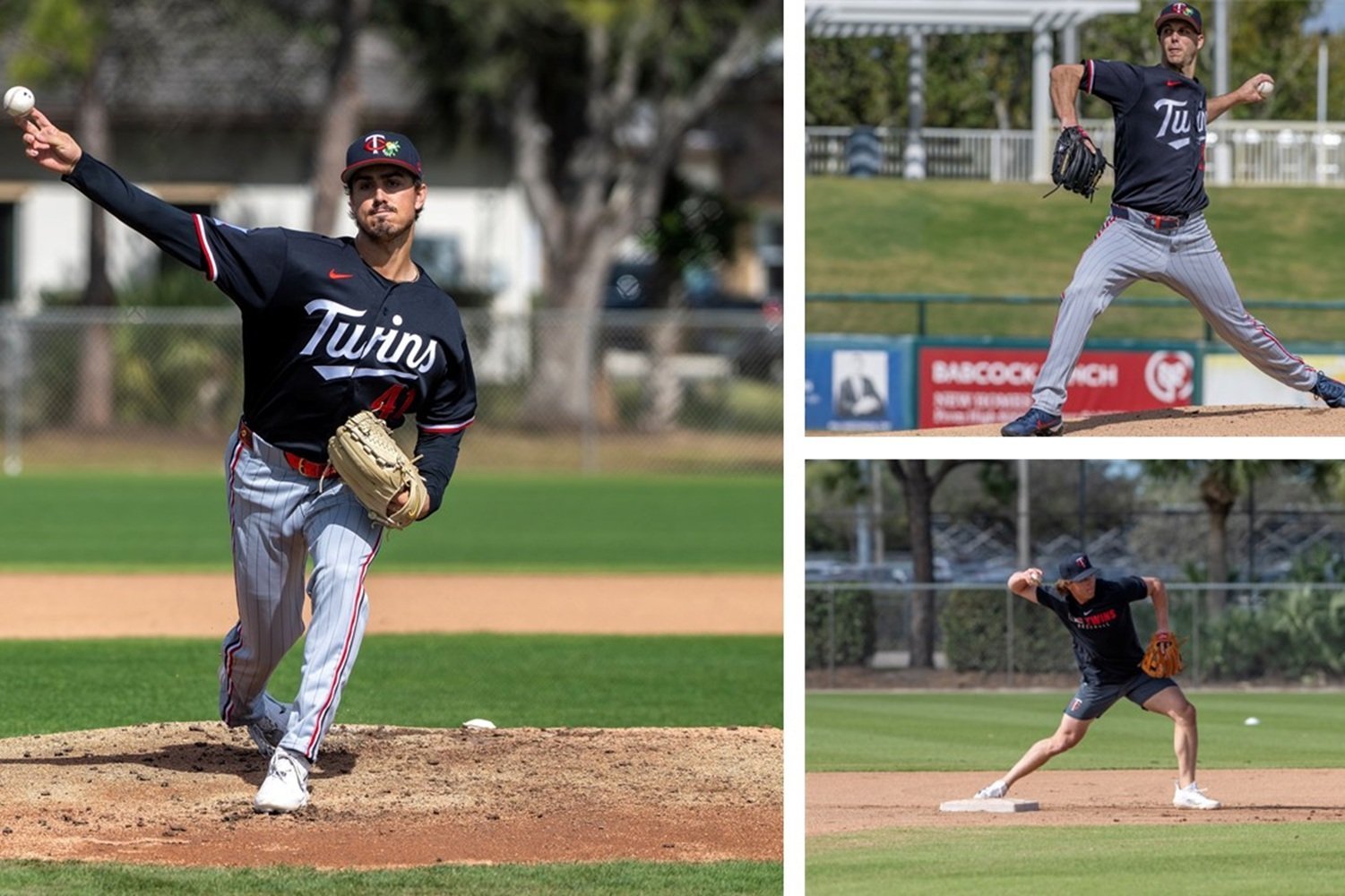 Spring training is well underway in Fort Myers, and we're hurtling toward Opening Day at Camden Yards on Thurs., March 26. What once looked like a relatively straightforward camp has shifted dramatically over the last couple of weeks, as both Pablo López and David Festa were lost to injury, forcing the organization to rework its pitching plans much earlier than expected. Those absences don't just impact the starting rotation; they also place additional strain on the bullpen to absorb innings during the season’s early months. In recent weeks, the front office supplemented the relief corps with veteran additions who can provide stability in the middle and late innings, while some of the younger arms continue to develop. That influx of experience will need to bridge the gap early in the year, especially if Minnesota needs to lean on its bullpen more heavily while sorting out the back end of the rotation. There are still plenty of decisions to make with the roster, including how the final bench spots shake out and which relievers ultimately break camp. With those developments in mind, here is a projection for Minnesota’s 26-man roster entering the season. Starting Rotation (5): Joe Ryan, Bailey Ober, Taj Bradley, Simeon Woods Richardson, Zebby Matthews Others on 40-man roster: Mick Abel, Connor Prielipp, Andrew Morris, Kendry Rojas, and John Klein Without López and Festa, the rotation must prove it can handle a full workload from day one. Ryan and Ober move into clear leadership roles atop the staff, and both will be leaned on heavily to provide stability every fifth day. Ryan was scratched from his first spring start with lower back inflammation, but the MRI didn’t show anything significant. Ober has yet to appear in a spring game for the Twins, but Derek Shelton told reporters this weekend that he doesn’t feel Ober is behind. Bradley is the biggest wildcard in this group. His stuff has never been in question, but Minnesota needs him to translate that arsenal into consistent big-league results across a full season. Woods Richardson showed flashes of being able to navigate major-league lineups over the last two seasons, but the Twins have been careful with how many times he faces a lineup. This is the type of opportunity that could cement him as a long-term rotation piece. Matthews rounds out the group and will be tasked with simply throwing strikes—a skill at which he excelled in the minors—and keeping the team in games early in the year while Minnesota evaluates its pitching depth. In 2025, Matthews posted a 3.79 FIP and paired it with an 18.1 K-BB% that sat well above league average. He could be a potential breakout starter. Bullpen (8): Cole Sands, Justin Topa, Taylor Rogers, Anthony Banda, Eric Orze, Andrew Chafin, Kody Funderburk, Zak Kent Others on 40-man roster: Marco Raya, Travis Adams How many left-handed relievers is too many? The Twins may be pushing the envelope in that category with Rogers, Banda, Chafin, and Funderburk. None of this quartet of lefties is particularly good at getting out right-handed batters, so the usage of this bullpen might be tricky. From the right side, Sands and Topa return as internal arms who have earned trust in at least medium-leverage spots, while Orze and Kent offer fresh looks capable of missing bats. With rotation uncertainty early in the season, this unit may be asked to cover more innings than originally anticipated. The bullpen looks much different than it did at the beginning of the offseason, but there isn’t a lot of upside. Minnesota can hope that a veteran like Liam Hendriks has something left in the tank, but he’s been limited by health concerns for multiple seasons. There’s also no guarantee he will be ready for Opening Day. Raya and Adams offer some potential depth at Triple-A, but they are both transitioning to a full-time relief role. Catchers (2) Ryan Jeffers, Victor Caratini Others on 40-man roster: Alex Jackson Jeffers returns as the primary catcher and remains an important middle-of-the-order bat for this lineup. Caratini provides Minnesota with flexibility thanks to his ability to switch hit and slide over to first base when needed. Over the weekend, I wrote about the Twins potentially carrying three catchers on the Opening Day roster, since Jackson is out of minor-league options. Minnesota put this plan into action with a spring lineup that had Jeffers at DH, Caratini at first base, and Jackson at catcher. Still, that would seem to severely limit Shelton’s bench options, even with Caratini able to play first base. Infielders (6): Josh Bell, Luke Keaschall, Brooks Lee, Royce Lewis, Kody Clemens, Ryan Kreidler Others on 40-man roster: Eric Wagaman, Tristan Gray Bell might turn out to be Minnesota’s most important offseason signing, as the switch-hitter adds a veteran presence to a lineup that struggled in the second half of 2025. Keaschall has been electric in his big-league career with a 128 OPS+ in 49 games. Now, he needs to show that consistency over a full season—and improve as a defender. The Twins are handing shortstop to Lee, but that’s out of necessity, with few other organizational options. Baseball America went so far as to say the Twins “don’t have a shortstop.” In his first two seasons, he has a 75 OPS+, which doesn’t match the output the Twins thought they were getting with the eighth overall pick. Lewis is entering what might be the most important season of his young career. He has shown the ability to be one of the most impactful bats on the roster when healthy. He changed his batting stance this winter, and the early results have been positive. Clemens and Kreidler round out the group, providing defensive flexibility and depth across the diamond. Outfielders (5): Byron Buxton, Matt Wallner, Trevor Larnach, Austin Martin, James Outman Others on 40-man roster: Emmanuel Rodriguez, Gabriel Gonzalez, Alan Roden, Hendry Mendez Buxton anchors the outfield both defensively and offensively when he is in the lineup. He’s coming off his best big-league season, and now he can use the World Baseball Classic as a springboard to the 2026 campaign. Wallner is coming off a disappointing season, but still posted a 110 OPS+. It’s surprising that Larnach is still on the roster, but the Twins must believe he is closer to the 116 OPS+ player he was in 2024 than to the one who produced tepid results last year. Martin offers athleticism and positional versatility. He was one of the lone bright spots in the second half of 2025, posting a 106 OPS+ and stealing 11 bases in 50 games. Outman is out of options and adds another left-handed power threat who can handle center field when needed. His Triple-A performance and underlying metrics suggest a breakout season. He’s also out of options. Together, this group gives Minnesota coverage at all three outfield spots, along with the flexibility to mix and match depending on pitching matchups early in the season. Opening Day rosters are rarely intact for long, and this group will almost certainly look different as the season unfolds. Injuries have already forced Minnesota to adjust its plans, and more challenges are likely to arise over the first few weeks of the schedule. That said, the foundation of this roster offers a blend of upside and versatility that should allow the Twins to remain competitive while waiting for reinforcements later in the year. How this group handles the early portion of the season could go a long way toward determining whether Minnesota can stay afloat in the standings until some of the organization’s top prospects are ready to join the fray. What would you change about the team’s Opening Day roster? Leave a comment and start the discussion. View the full article
 -
Is Jacob Misiorowski in Line to Be Brewers' Opening Day Starter?
DiamondCentric posted an article in Brewer Fanatic
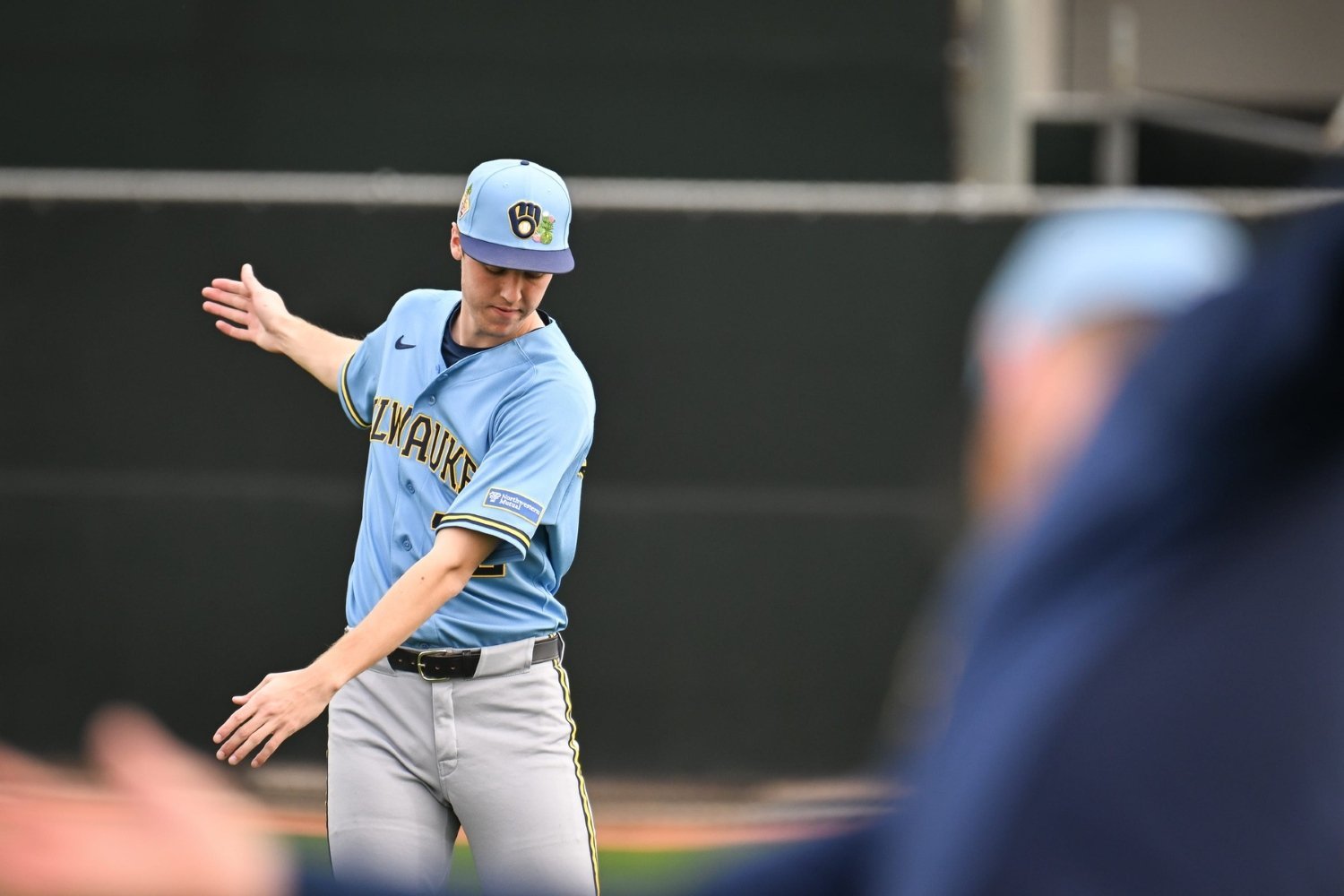 You can count the days and (kind of) the spring starts, or you can just listen to Pat Murphy talk about the progress of veterans Brandon Woodruff and Quinn Priester. Either approach will lead you to the same guess: Jacob Misiorowski is increasingly likely to be the Brewers' Opening Day starter. Although he hasn't yet appeared in a Cactus League game—and still won't this week, as the team opted to have him start Tuesday's exhibition against Great Britain instead—he's becoming a choice so obvious it feels nigh inevitable. Brandon Woodruff pitched a simulated game Sunday on the stadium mound at American Family Fields of Phoenix. He pitched two innings—the team originally planned for three, but the change came before the actual session, and wasn't prompted by any injury concern—and threw 34 pitches. He got knocked around by teammates in the first inning, seemingly focusing solely on rhythm and comfort. In the second frame, however, he got down the mound with much greater intensity, and his stuff ticked up. He struck out one and retired all four batters he faced in the second frame, artificially stretching it to reach the pitch count the team had scheduled. However, Woodruff's progression remains notably deliberate. The Brewers reported Tuesday that he's on track to begin the season in the rotation, but that could mean at the end of the first week, rather than on Opening Day. Meanwhile, Quinn Priester has been handled even more cautiously. Murphy said there were "a lot of flashing red lights" around Priester entering camp, due to his relatively heavy workload in 2025 and the wrist issue that nagged him at the end of the season. Though he's officially 100% healthy (as reported both by the manager and by the organization), he won't appear in the first turn through the rotation, either. That leaves Misiorowski in competition with a series of even less experienced and/or less tenured starters, led by Chad Patrick, Brandon Sproat, Logan Henderson and Kyle Harrison—not for a rotation spot (he's easily secured that much) but for the honor of toeing the rubber on Opening Day. If he gets that chance, he's ready—and eager. "Yeah, it'd be really cool," Misiorowski said. "It'd be really fun to start off the season like that—you know, first Opening Day in the big leagues and I get to start it, that'd be crazy." His first highly visible step toward that honor will come Tuesday, and although it won't officially be as a representative of the United States, it's a taste of something he hopes he gets a chance to do down the road. "Of course," he said, when asked if he's thought about pitching for Team USA in the next WBC. "I think it's a career goal for anyone. I think, representing your country, and if that could be at the WBC or if that's in the Olympics [in 2028] or whatever, I think that's always a goal for an athlete." Misiorowski didn't hear from Team USA at all this time around, but it probably wouldn't have been the right time, anyway. Instead, he gets to keep his full attention on the season ahead, and the chance that he'll be the ace of the staff—not by midseason or by October, but from Day 1. Williams, Lockridge Out with Minor Injuries Brandon Lockridge had a chance to win a spot on the Opening Day roster, but those hopes dimmed last week, when he suffered a rotator cuff contusion on a dive into a base. He's 3-5 days from returning to game action, but there will still be time for the 2025 trade deadline acquisition to impress the team between the end of this week and Milwaukee breaking camp. Losing reps during the absence of Jackson Chourio, when playing time will be available in abundance, is a tough break, though. Similarly, Jett Williams will be unable to fully avail himself of the absences of Brice Turang and Joey Ortiz. He was diagnosed with a mild quad strain in his left leg Tuesday, after the team had initially believed he was dealing only with a contusion. Williams's target for return to play in the Cactus League is mid-March, by which time he might miss the chance to play in the places of the Crew's starting double-play combination. In all likelihood, Williams would have begun the season at Triple-A Nashville anyway, as Murphy said multiple times over the last week-plus. However, the skipper acknowledged that reading his MRI led the team to back off from a more aggressive initial plan to get him back on the field. "Yeah, I think it did," Murphy said, when asked whether imaging changed the plan for the young utility man. However, he also said Williams reported being "ready to go" and that the quad felt "80 percent good" just two days after he injured it on Feb. 23. The length of time for which he'll be sidelined reflects the team's desire to play it safe, rather than the severity of the injury. View the full article
 -
 Owen and Jesse break down the starting rotation depth with the return of Max Scherzer, digging into where Eric Lauer, José Berríos, Cody Ponce, and Trey Yesavage now stand heading into the season. The guys marvel over Kazuma Okamoto's hot start to spring and talk about Jesús Sánchez's and Ponce's first impressions with the Blue Jays. They also debate whether or not there are actual jobs to be won for depth options like Eloy Jiménez and Josh Kasevich. Jesse finishes with a lightning round of Overreaction vs Real, where Owen gets out some hot takes. Listen on Apple Podcasts: https://podcasts.apple.com/us/podcast/the-jays-centre-podcast/id1846108462 Listen on Spotify: https://open.spotify.com/show/3Bi7SzfpcqMo5xYWnbCeoL Listen on iHeartRadio: https://www.iheart.com/podcast/263-the-jays-centre-podcast-300304824/ Listen on Pocket Casts: https://pca.st/2qk9wqxd Watch on YouTube: https://www.youtube.com/@jayscentre View the full article
 -
Cubs' Spring Training Temperature Check: Volume Two
DiamondCentric posted an article in North Side Baseball
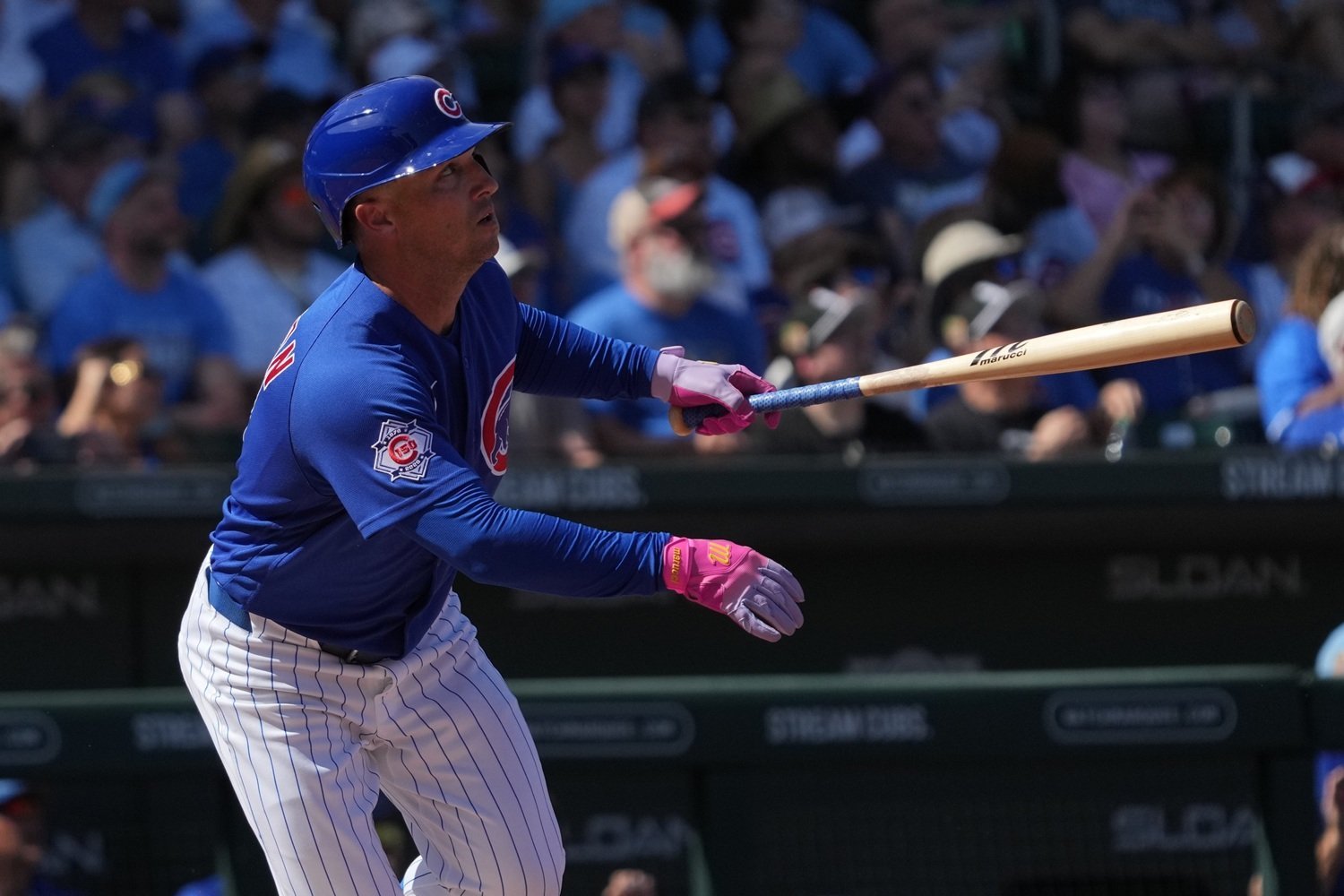 We are back for another Chicago Cubs spring training check-in to see who is hot and who is not. The Cubs are 4-7 in Cactus League play and take on Team Italy next in an exciting round of exhibition games where MLB teams will take on World Baseball Classic participants. Over the last week, we’ve seen more of the main characters on the field, but there are still key parts of the Opening Day roster that remain unclear, so let's get to it. Who's Hot for Cubs? 3B Alex Bregman Spring training stats are of no importance when it comes to superstars like Bregman, but it's hard to ignore the impression he’s made in Arizona thus far. He’s played in five games, going 5-11 with three extra-base hits, including a home run versus the White Sox on Sunday. He’s drawn three walks and has not struck out yet. The Cubs are going to need these red-hot streaks from him to ignite their offense this season. As Joe Maddon used to say to Dexter Fowler: “you go, we go.” The same adage could be applied to Bregman going forward. OF Dylan Carlson There are still a few weeks of spring training left to play, but Carlson seems to be running away with one of the available bench spots for Opening Day. His 1.392 OPS is third in baseball during the exhibition slate, as he’s gone 7-13 with two doubles and five walks. The Michael Conforto signing complicates the outfield picture even further, but with Tyler Austin set to miss significant time, the Cubs need another bench bat. Carlson’s hot spring combined with his switch-hitting will likely give him a leg up on the competition. RHP Javier Assad The Cubs took on the Dodgers on Saturday and held them to only two runs. A big part of this was due to Assad’s three shutout innings in relief of Ben Brown and Colin Rea, each of whom did not allow a run either. Assad allowed one hit and struck out four. He has worked more than one inning and produced multiple strikeouts in both appearances he’s had this spring and is yet to allow a run. Injuries kept him off the mound for most of 2025, but he was one of their most dependable arms in 2023 and 2024, so a return to form would do wonders regardless of his ultimate position in the bullpen or rotation. Who's Not? INF Scott Kingery/OF Justin Dean Kingery and Dean are lumped together because they both made this list last week and have continued to struggle in the regular playing time they’ve been getting. Kingery is 2-18 (.111) with six strikeouts, and Dean is 3-20 (.150) with a whopping ten strikeouts. Both players have never been successful major leaguers for any considerable stretch, and that does not look like it is going to change. They appear to be on the chopping block, barring a turnaround. INF James Triantos Triantos has not been quite as bad as the two aforementioned players, but in a season that seems pivotal for his future with the team, his .200 batting average (4-20) is not going to cut it. Higher-ranked infield prospects Jefferson Rojas and Pedro Ramirez are outperforming Triantos by a wide margin. At this point, it would be surprising to see Triantos find his way up to the big-league roster in the first half of the season. RHP Jameson Taillon Taillon further cemented his spot here Monday afternoon when he allowed six earned runs in 2 1/3 innings pitched against the Reds. He has now made three starts this spring, throwing six innings with an ERA of 19.50, allowing six home runs in the process. Opposing hitters are hitting over .400 against him, and that's in spring training where teams are sparingly playing their studs. Taillon will be in the Cubs rotation this season, so his spring stats don’t mean a ton, but it is still a little worrisome to see these early struggles, especially after he finished last year on such a torrid hot streak. View the full article
 -
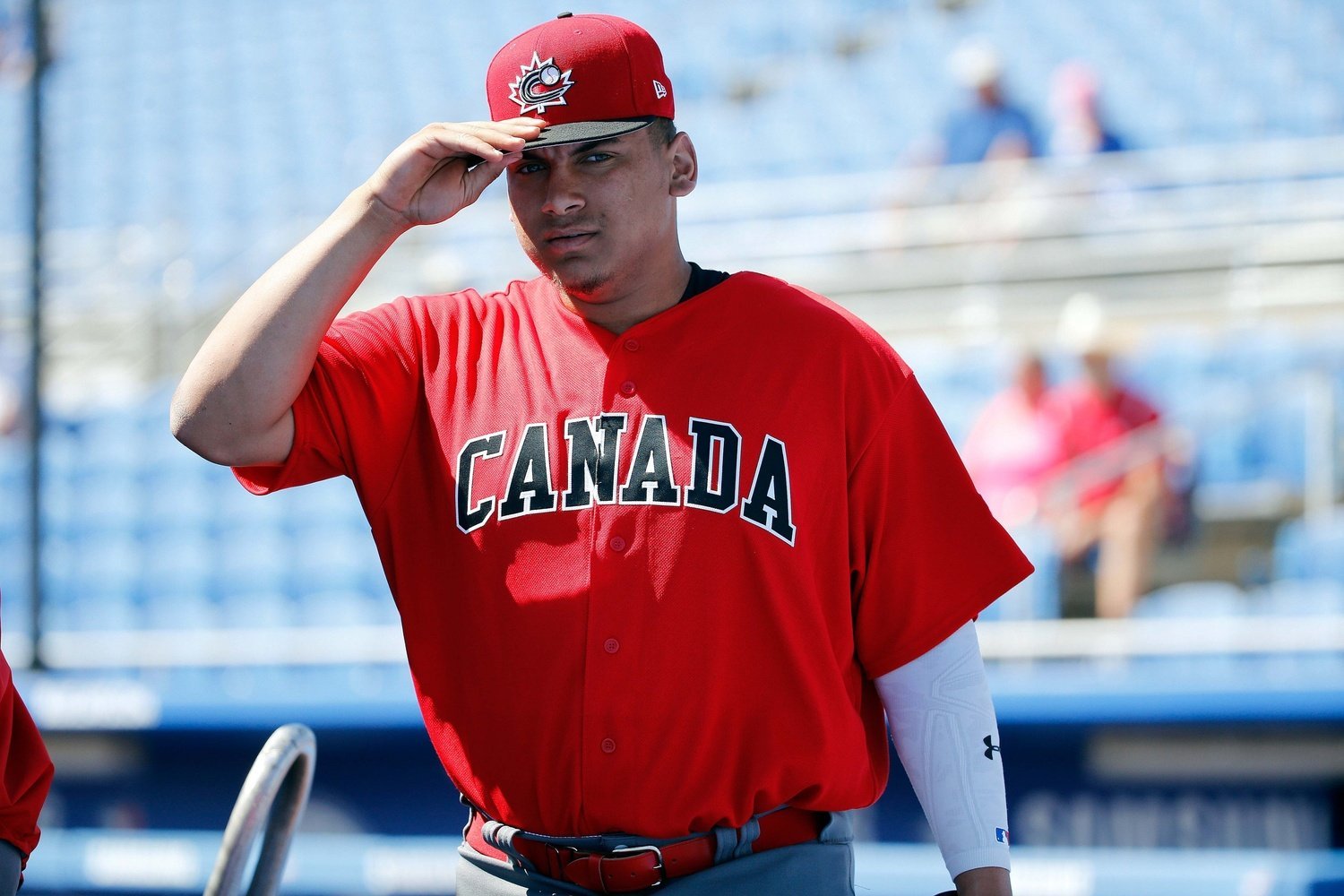 On Monday, Baseball Canada named first baseman Josh Naylor the captain of Team Canada for the World Baseball Classic. Naylor, 28, was born and raised in Mississauga, Ontario and grew up a fan of the Toronto Blue Jays. However, he's not necessarily popular with Jays fans after his performance last October; playing for the Seattle Mariners, he went 10-for-24 with three home runs in the ALCS, doing everything in his power to try to stop Toronto from reaching the World Series. He became the first Canadian-born player to hit a postseason home run in Canada for a team other than the Blue Jays. This will be Naylor's second time participating in the WBC. He played for Canada in the 2017 tournament two years before he made his MLB debut, but an ankle injury kept him from suiting up in 2023. With veteran Freddie Freeman sitting out this year, the young, multi-talented Naylor is an excellent choice to lead Team Canada in 2026. Team Canada will play an exhibition match against the Blue Jays this afternoon in Dunedin. View the full article
 -
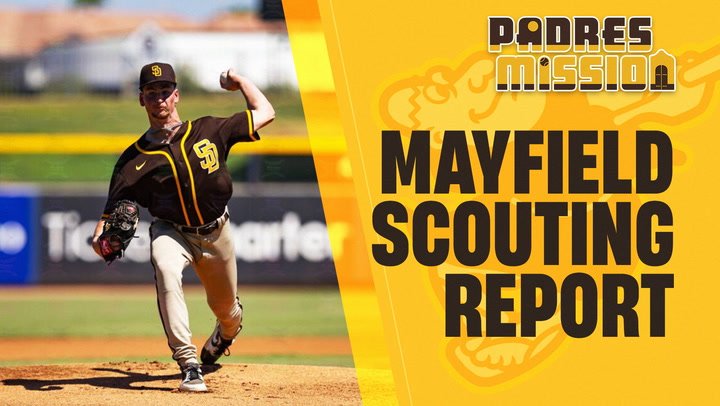 Sporting one of the better baseball names in the game, Kash Mayfield also possesses a skillset that implies he could be a future starter in San Diego. The Padres' No. 4 prospect in 2025, per MLB.com, has a wicked changeup, plenty of arm-side carry on a fastball that touches 97 mph, and a sense of poise that led to a strikeout-to-walk ratio north of three last season. View the full article
 -
How To Watch the Blue Jays in the World Baseball Classic
DiamondCentric posted an article in Jays Centre
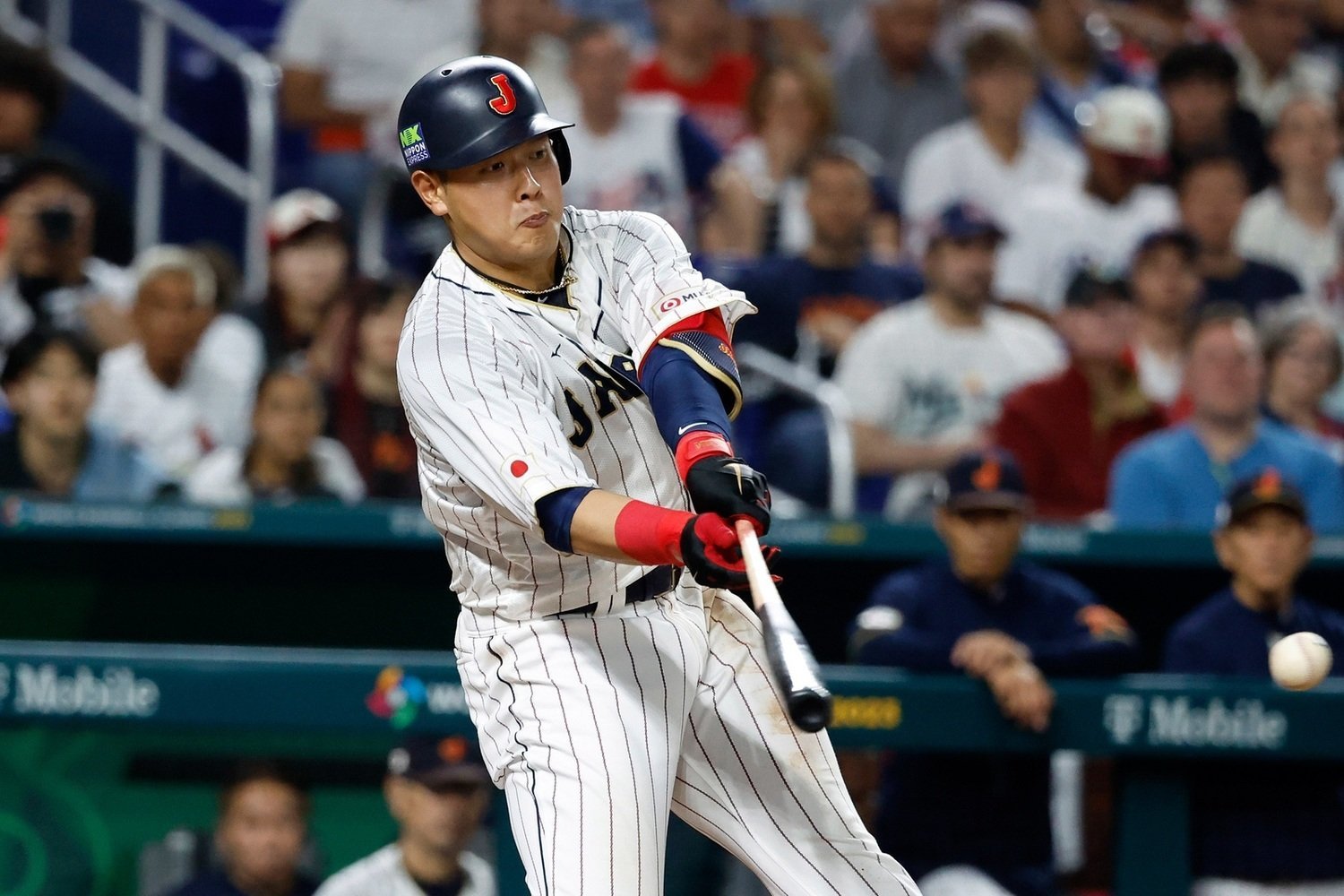 The World Baseball Classic starts this week, and 12 Toronto Blue Jays players are set to participate. The whole starting infield is playing in the tournament: Vladimir Guerrero Jr. (Dominican Republic), Ernie Clement (USA), Andrés Giménez (Venezuela), Kazuma Okamoto (Japan), and Alejandro Kirk (Mexico). The other seven Blue Jays in the WBC are likely to start the 2026 campaign in the minor leagues: right-hander Yariel Rodríguez (Cuba), infielder Leo Jiménez (Panama), left-hander Adam Macko (Canada), outfielder RJ Schreck (Israel), catcher C.J. Stubbs (Israel), outfielder Ismael Munguia (Nicaragua), and catcher Will Cresswell (Great Britain). In addition, three more Toronto hurlers are in their countries' designated pitcher pools: Jeff Hoffman (USA), Tyler Rogers (USA), and José Berríos (Puerto Rico). There will still be plenty worth watching in Dunedin, as those who are staying behind will try to take advantage of the additional playing time opportunities. But for Blue Jays fans interested in following the team's representatives in the WBC, here's when and how to watch them play. Dominican Republic (Vladimir Guerrero Jr.) First-Round Schedule (Pool D) Date Opponent Start Time March 6 Nicaragua 7:00 pm ET March 8 Netherlands 12:00 pm ET March 9 Israel 12:00 pm E March 11 Venezuela 8:00 pm ET Mexico (Alejandro Kirk) First-Round Schedule (Pool B) Date Opponent Start Time March 6 Great Britain 1:00 pm ET March 8 Brazil 8:00 pm ET March 9 USA 8:00 pm ET March 11 Italy 7:00 pm ET Japan (Kazuma Okamoto) First-Round Schedule (Pool C) Date Opponent Start Time March 6 Chinese Taipei 5:00 am ET March 7 Korea 5:00 am ET March 8 Australia 5:00 am ET March 10 Czechia 5:00 am ET USA (Ernie Clement) First-Round Schedule (Pool B) Date Opponent Start Time March 6 Brazil 8:00 pm ET March 7 Great Britain 8:00 pm ET March 9 Mexico 8:00 pm ET March 10 Italy 9:00 pm ET Venezuela (Andrés Giménez) First-Round Schedule (Pool D) Date Opponent Start Time March 6 Netherlands 12:00 pm ET March 7 Israel 7:00 pm ET March 9 Nicaragua 7:00 pm ET March 11 Dominican Republic 8:00 pm ET Canada (Adam Macko) First-Round Schedule (Pool A) Date Opponent Start Time March 7 Colombia 11:00 am ET March 8 Panama 7:00 pm ET March 10 Puerto Rico 7:00 pm ET March 11 Cuba 3:00 pm ET Cuba (Yariel Rodríguez) First-Round Schedule (Pool A) Date Opponent Start Time March 6 Panama 11:00 am ET March 8 Colombia 12:00 pm ET March 9 Puerto Rico 7:00 pm ET March 11 Canada 3:00 pm ET Panama (Leo Jiménez) First-Round Schedule (Pool A) Date Opponent Start Time March 6 Cuba 11:00 am ET March 7 Puerto Rico 6:00 pm ET March 8 Canada 7:00 pm ET March 9 Colombia 12:00 pm ET Israel (RJ Schreck, C.J. Stubbs) First-Round Schedule (Pool C) Date Opponent Start Time March 7 Venezuela 7:00 pm ET March 8 Nicaragua 7:00 pm ET March 9 Dominican Republic 12:00 pm ET March 10 Netherlands 7:00 pm ET Nicaragua (Ismael Munguia) First-Round Schedule (Pool D) Date Opponent Start Time March 6 Dominican Republic 7:00 pm ET March 7 Netherlands 12:00 pm ET March 8 Israel 7:00 pm ET March 9 Venezuela 7:00 pm ET Great Britain (Will Cresswell) First-Round Schedule (Pool B) Date Opponent Start Time March 6 Mexico 1:00 pm ET March 7 USA 8:00 pm ET March 8 Italy 1:00 pm ET March 9 Brazil 1:00 pm ET How To Watch the WBC In Canada, every game of the World Baseball Classic will be available on either Sportsnet, one of Sportsnet's sister channels, or Sportsnet+. The detailed daily broadcast schedule as of March 5 (when the tournament begins) can be found on the Sportsnet website at this link. Alternatively, you can find the same information in a slightly different layout on Sportsnet's TV listings page. Not every game will air on actual television, but still, it’s nice that they’re all available to watch in one way or another. Fans are probably most excited to see the Dominican Republic take on Venezuela or the USA battle Mexico, but if you can’t wait to stream Chinese Taipei vs. Czechia late at night, rest assured that you can do just that. French-language broadcasts will be available via TVA Sports. Information on how to watch the WBC from other countries can be found on MLB.com. View the full article
 -
San Diego Padres 2026 Top Prospects Rankings: #11-15
DiamondCentric posted an article in Padres Mission
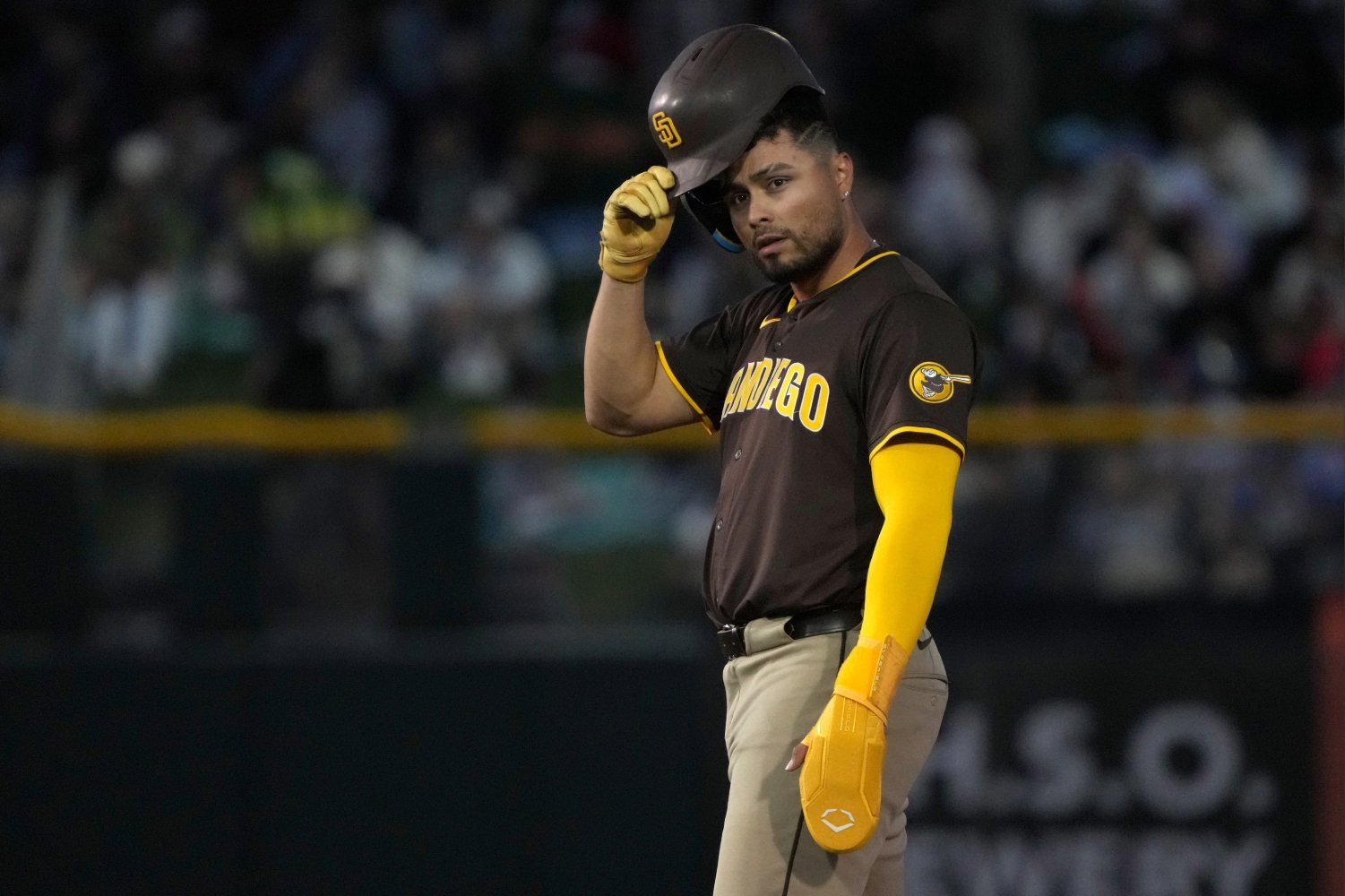 Following a seemingly endless amount of trades in recent years, the San Diego Padres' farm system ranks near the bottom of the league, regardless of which outlet is doing the analysis. But at Padres Mission, we are focusing on the players who are still with the Friars and will be looking to climb to the majors. As we continue our countdown of the top 20 Padres prospects ahead of the 2026 season, this group provides quite a range, with one having already made his MLB debut and another still looking to move past Low-A. In the first chapter of this series, we looked prospects No. 16-20. Here is who the writers at Padres Mission ranked No. 11-15: No. 15 Tirso Ornelas (El Paso Chihuahuas, San Diego Padres) Ornelas signed with the Padres in 2016 as an international free agent as a 16-year-old. Now about to turn 26, the native of Tijuana, Mexico, has certainly gone through a few trials and tribulations with the Friars. After reaching minor-league free agency following the 2023 season, the outfielder re-signed with the Padres. Then, he was curiously added to the 40-man roster July 17, 2024, but not called up to the majors. While he hasn't flashed the power typically associated with the position, Sanabria put together a 2025 slash line of .257/.309/.376 with a career-high 12 homers to go along with 56 RBIs in 119 games. That line was down from his 2024, where he had a .288/.396/.427 showing with 11 homers and 78 RBIs at three stops: Low A Lake Elsinore, High A Fort Wayne and San Antonio. Still, his 30 doubles and on-base percentage were the best in the organization. That earned him a shot in the Arizona Fall League, where he posted a .276/.364/.345 line in 15 games, though that came with no homers and four RBIs. He was also named the Padres' Hitting Prospect of the Year by MLB Pipeline. With a .283 batting average across four seasons and just 31 homers, Sanabria is more contact-focused despite his 6-foot-3, 200-pound frame. Maybe more power comes with experience, but the batting average would certainly help to offset that — the Padres have experience with such an archetype at the cold corner, having just employed Luis Arraez. Sanabria needs to improve his walk rate (just 7.6% in 2025) and reduce his strikeout rate (21.4%), which would make him an even better hitter. While the Padres have a lot of coverage at first base in 2026, Sanabria has already made a splash in his second trip to the team's major-league spring camp. In his first five games, he went 4-for-7 with two doubles and a homer, while driving in six. He has a ticket to El Paso waiting for him, a needed stop in his development. But an MLB debut could come this year with a chance to win the starting job in 2027. Year Age AgeDif Tm Lg Lev Aff G PA AB R H 2B 3B HR RBI SB CS BB SO BA OBP SLG OPS TB GDP HBP SH SF IBB 2025 23 -1.0 San Antonio TL AA SDP 119 499 452 54 116 18 0 12 56 4 1 38 107 .257 .309 .376 .685 170 6 0 1 8 3 View the full article
 -
 The list of Opening Day starters at second base for the Twins since Brian Dozier's departure in 2018 has featured six different names in seven years: Jonathan Schoop, Luis Arraez, Jorge Polanco (x2), Nick Gordon, Kyle Farmer, Willi Castro. (Not listed: Edouard Julien, who's made a team-leading 159 starts at second since 2023.) The 2026 season will add a seventh name to that list, but the Twins and their fans are hoping that Luke Keaschall can become a Dozier-esque mainstay at what's been volatile position for Minnesota in recent years. TWINS SECOND BASEMEN AT A GLANCE Starter: Luke Keaschall Backup: Kody Clemens Depth: Austin Martin, Tristan Gray, Orlando Arcia Prospects: Kyle DeBarge, Danny De Andrade, Jay Thomason Twins fWAR Ranking Last Year: 22nd out of 30 Twins fWAR Projection This Year: 6th out of 30 THE GOOD Keaschall sure looks like the real deal. He posted 1.6 fWAR in 49 games last year, showcasing an excellent plate approach with a dash of power, plus an electric combo of speed and aggressiveness on the bases. He batted .302, ripped 14 doubles and four homers, stole 14 bases on 17 attempts, and delivered memorable clutch moments on the way to a top-10 finish in Rookie of the Year voting. It was one of the more special big-league debuts we've seen from a Twins player. With that, Keaschall has his clamps on the second base job. As long as he's healthy, he'll be out there everyday and probably hitting near the top of the lineup. The team's outlook hinges greatly on Keaschall, which is a heavy weight to bear for a 23-year-old, but he looked every bit up to handling the pressure last year. It all starts with the plate approach, and the strike zone control. He doesn't chase much, keeping the heat on opposing pitchers. He puts the ball in play and lets his legs make noise. And while he didn't show a ton of power as a rookie, or as a prospect, that's an area where growth is possible — if not probable. It will be the main factor that differentiates between two outcomes: solid regular or star player. If he can consistently make harder contact, the idea of Keaschall as a future MVP candidate may not be such an audacious take. Keaschall's immediate backup is Kody Clemens, but in the bigger picture I think Brooks Lee is next in line. I could envision a scenario where Keaschall ends up in the outfield and Lee shifts to second once the Twins figure out a real solution at shortstop. Second base feels like a spot where Lee and his middling arm could ultimately thrive, provided he figures things out with the bat. Further down the line, speedy Kyle DeBarge, who stole 66 bases in Cedar Rapids last year, is definitely one to watch. Seth recently highlighted DeBarge as Twins Daily's #17 prospect heading into 2026. THE BAD One reason we're talking about lines of succession behind Keaschall at second base is that he's not assured of sticking there. His defense graded out poorly as a rookie, in large part because of his 6th-percentile arm strength. In fairness, he was returning from Tommy John surgery, but throwing has never been a real strength for Keaschall. Pair that reality with his exceptional speed, and it's possible that his best fit could ultimately be in the outfield — something the Twins seem open to exploring. The other reason it's important to talk about layers of depth behind Keaschall is that, unfortunately, durability has not proven to be an asset for him either. After an elbow injury ended his 2024 season, Keaschall missed time with an arm fracture and thumb sprain last year, the latter of which required offseason surgery. To an extent these injuries are fluky and isolated, but as a hard-nosed hustle-type player, Keaschall does play a brand of baseball that puts his body at risk. The drop-off to someone like Clemens or Austin Martin would be pretty immense, since neither of those guys is really suited to be an everyday second baseman. Tristan Gray is a more legitimate infield glove, but hasn't hit a lick in the majors. Orlando Arcia and Ryan Kreidler could be in the mix here too but aren't much more inspiring at the moment as replacement-level bats. Let's just hope Keaschall can stay on the field. THE BOTTOM LINE Keaschall is one of the biggest reasons for excitement around the offense, and around this Twins team in general. If he picks up anywhere close to where he left off, he's the kind of player that can elevate the entire club. A true sparkplug at an up-the-middle position batting near the top of the lineup. On top of keeping injuries at bay, Keaschall will need to fend off the notorious sophomore regression bug, which has bitten many a young Twins hitter in the past. No one is immune to the adjustments and counter-attacks that major-league pitchers can bring. But Keaschall's specializations — rarely chasing, rarely whiffing, utilizing all fields, and applying pressure with his speed — will be tough for opponents to solve, even if the power development remains more gradual or capped. That's how I see it anyway, and for what it's worth, projection systems seem to align. FanGraphs has only seven second basemen pegged for a higher WAR in 2027, and they're all rather accomplished big-leaguers: Ketel Marte, Nico Hoerner, Marcus Semien, Jazz Chisholm Jr., Gleyber Torres, Brice Turang and Bryson Stott. Is Luke Keaschall really already an upper-echelon MLB second baseman? Let's find out. Catch up on the rest of our roster preview series: Twins 2026 Position Analysis: Catcher Twins 2026 Position Analysis: First Base View the full article
 -
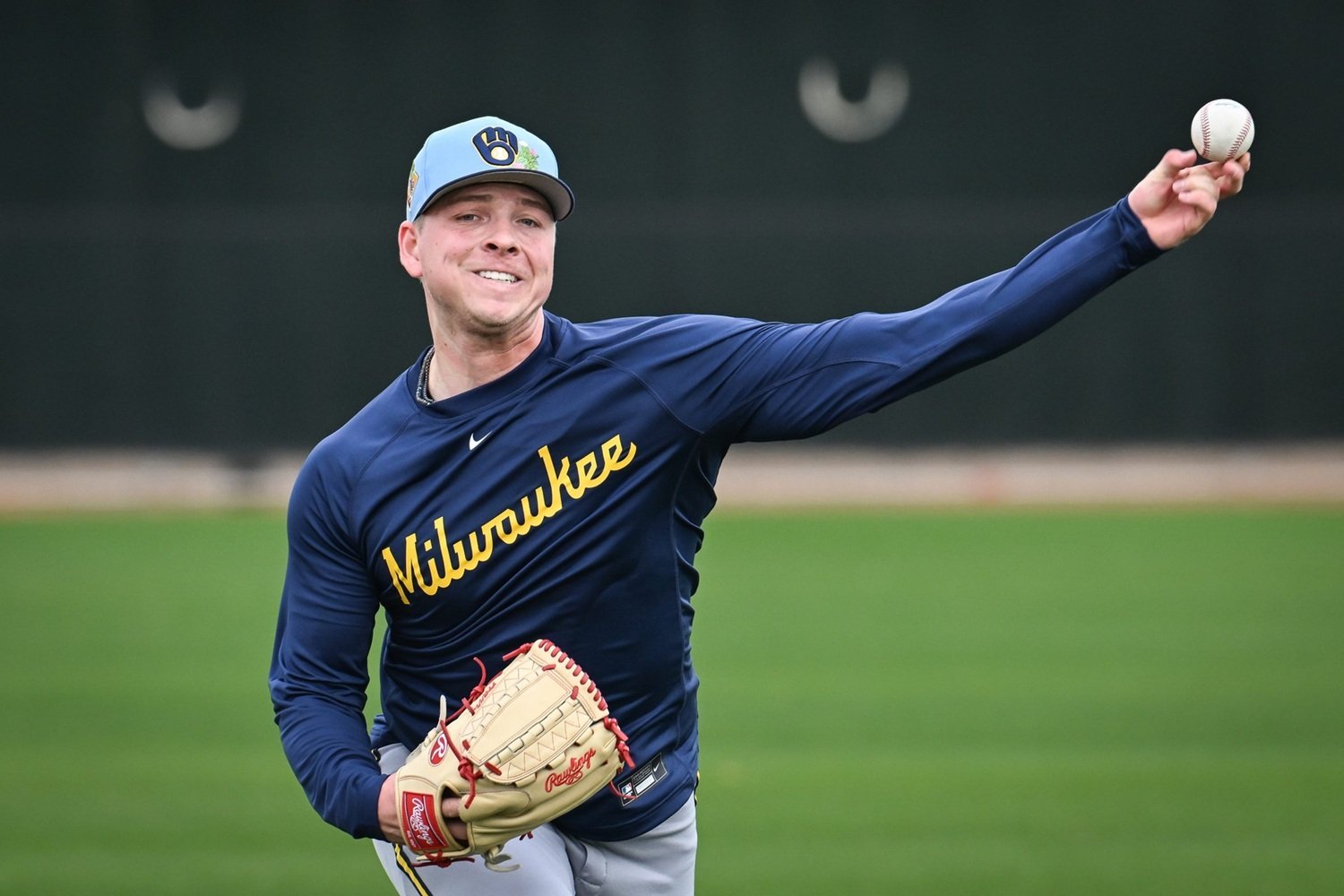 Since the Brewers acquired left-hander Kyle Harrison from the Boston Red Sox a few days before pitchers and catchers reported for spring training, he's suddenly faced a slew of introductions. Despite being less acclimated with Milwaukee's pitching development crew than many of his new teammates, he quickly picked up on how organized and focused his new coaches are. "The overall attention to detail here has been pretty awesome," he said last month, just over a week into his Brewers tenure. After the San Francisco Giants selected him in the third round of the shortened 2020 MLB draft, Harrison ascended quickly through their minor-league system, making his debut in August 2023. However, his development stalled as he bounced between the Giants' rotation and their Triple-A affiliate. In 39 games (35 starts) across parts of three seasons in San Francisco, the 24-year-old pitched to a 4.48 ERA (110 ERA-), 4.56 FIP (114 FIP-), and 4.17 SIERA. Harrison did not get many big-league opportunities after the Giants traded him to Boston in June as part of the Rafael Devers deal, as his new club immediately optioned him to Triple-A Worcester until September. However, that time proved crucial for his development. The Red Sox saw deficiencies in Harrison's existing arsenal, which consisted only of a four-seam fastball, slurve, and changeup. That four-seamer was the only pitch he could land in the zone. In his eight appearances with the Giants last season, his slurve and changeup had respective in-zone rates of 40.2% and 39.5%. As a result, hitters did not have to honor non-fastball spin and could easily lay off those secondary pitches. Harrison's 25.6% chase rate as a Giant was well below the league average. Harrison needed more pitches that tracked in the strike zone. To give him another in-zone offering for both right-handed and left-handed hitters, the Red Sox helped him develop a cutter and a sinker. "Having had the conversation with the higher-ups there, they were like, 'Yeah, we want to introduce a cutter to the mix, see if you can make your change a little better, and then also add a little sinker just to lefties to mix it in,'" Harrison said. Harrison's four-seamer averaged 14.3 inches of arm-side movement due to his low arm slot and because he keeps his hand perfectly behind the ball at release, so his sinker doesn't have more run. However, it had 5.3 more inches of depth than his four-seamer last September, which makes it a different look for hitters. "It's something that I don't think I'd say classifies as a sinker, but it's something that kind of goes in to lefties and doesn't allow them to just cheat on a firm heater," he said. The cutter, meanwhile, gave him another in-zone pitch to use against all hitters, but he mostly used it against right-handers. "I think their thought there was, 'We want something that you could throw for a strike that's not a fastball,'" Harrison said. "And for me, they were looking at my slurve, and I wasn't able to land that in the zone as much as I wanted to. So I think they just wanted to give me something that crosses the zero [horizontal break] line but has this good vert, anywhere from six to eight, or something like that. Something just to look like the heater, just so guys, like I said from the left side for the sinker, so they can't just sit on the heater." Finally, the Red Sox tweaked Harrison's traditional circle changeup into a kick-change, which uses a spiked grip to create more depth. "It was one of those things where I threw my first live BP there, and they looked at it, and were like, 'Oh, what changeup is that?'" he said. "I'm like, 'Oh, it's just my circle change I've been throwing.' They were like, 'Oh, try this.'" Harrison pitched only 12 innings for Boston down the stretch last year, but in that time, he looked like a more well-rounded starting pitcher with a complete arsenal. With those new pitches in his mix, his chase rate spiked to 35.4%, a career-best for any month of his big-league career. None of that means he's a finished product, though. Harrison said it took an offseason to start locating a changeup with more movement, and he's still searching for the most comfortable cutter grip. That's where Chris Hook, Jim Henderson, and others can accelerate his evolution. "We'll see what their plans here are for me with my pitch mix, but I love how they've just been laid back," Harrison said. "They've let me kind of run the show, and ultimately, I think they're going to let me know what they want me to keep and what I can get better at. So I'm just all ears and looking forward to getting better here." Any work the Brewers have done with Harrison's arsenal may come to light on Tuesday, when he'll make his spring debut against Great Britain in their World Baseball Classic tuneup game. He could join Quinn Priester as another young starter to improve his arsenal in Boston and perfect it in Milwaukee. View the full article
 -
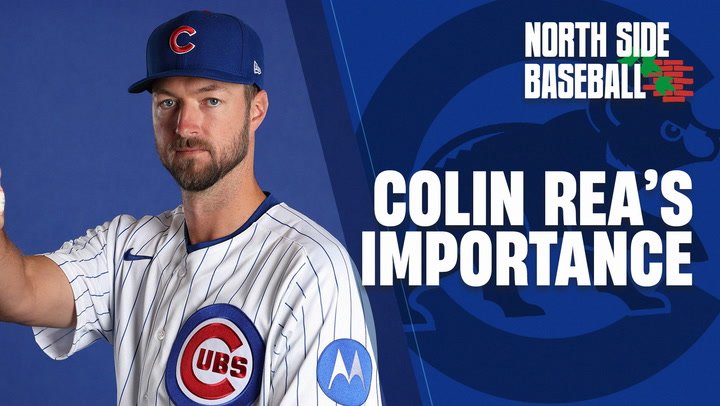 Colin Rea may just seem like a mid-reliever or back-end rotation option on the surface. The reality is, this 35-year-old veteran has one of the most important jobs of any Cubs pitcher in 2026. In this video, we break down Rea's relation to the Cubs rotation, the moving pieces around him, what he has learned over his career, and how he became so difficult to hit.View the full article
 -
Someone’s Getting Snubbed from the Twins’ Opening Day Rotation
DiamondCentric posted an article in Twins Daily
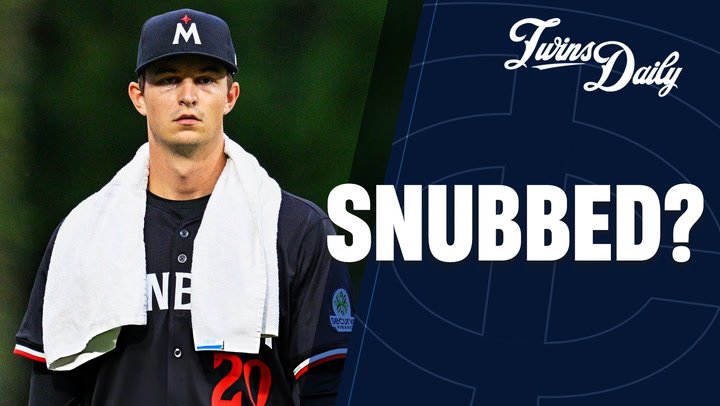 With Pablo López out for the year and David Festa likely starting on the IL, the Twins’ rotation picture has changed fast, even with Joe Ryan and Bailey Ober locked in at the top. Now it’s down to Simeon Woods Richardson, Zebby Matthews, Taj Bradley, and Mick Abel battling for the final three spots. One of them may be better suited for a bullpen role, and the decision could shape how this staff looks not just in April, but all season long. View the full article
 -
Five Metrics That Stand Out From Royals Players This Spring
DiamondCentric posted an article in Royals Keep
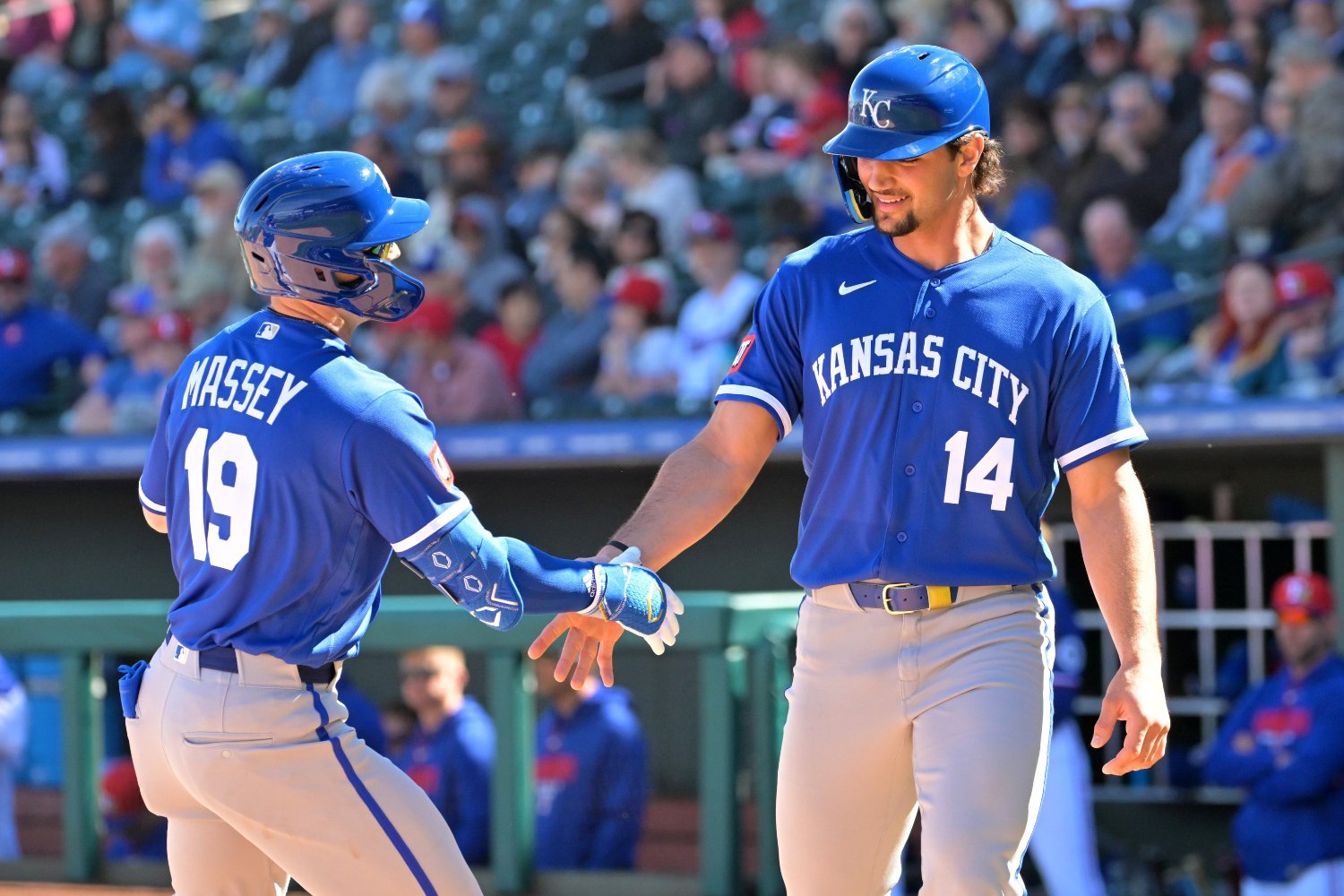 The Royals are 10 games into Spring Training and have a 5-5 record after their loss today to the Angels. Granted, Spring Training results always have to be taken with a grain of salt. After all, Kansas City has plenty of Cactus League success in the past, only for those accolades not to carry over into the regular season. Thus, while more wins in Arizona would be nice, the more important aspect of Spring Training for this team is staying healthy and getting warmed up for Opening Day against Atlanta on March 26th. One interesting thing to watch in Spring Training is how players perform and if there's any underlying data that can hint at a solid upcoming season. With Statcast now fully functional and public in every Spring Training facility, baseball fans, including Royals fans, have access to a range of metrics on hitters and pitchers that weren't available publicly before. Thus, in this post, I am going to look at five Royals players who are standing out in Cactus League play due to a particular metric. I will focus on three hitters and two pitches, explain what those metrics mean, and what those metrics could hint at for the upcoming season for that particular player. All metrics are courtesy of TJ Stats' MLB Batter Leaderboard, available on his site. Jac Caglianone: 18.5% Chase% Much has been made about Caglianone's power this Spring. After all, his Statcast metrics are pretty ridiculous right now, especially in terms of batted-ball quality. Over 12 BBE (batted-ball events), he is producing a .522 xwOBA, a 25% barrel rate, a 66.7% hard-hit rate, a 116.5 MPH 90th EV, and 120.2 MPH Max EV. Safe to say, he looks a lot more comfortable at the plate this spring than he did in his call-up last season. Past the Eye Test highlighted Caglianone's spring with his app tool, and everything seems aligned for the former Royals first-round pick to break out in 2026. While the hard-hit and exit velocity metrics are impressive, as well as the lack of whiff, the plate discipline Caglianone has demonstrated this spring has been the most eye-popping. In 20 plate appearances, he has only had an 18.5% chase rate. For context, he had a 38.5% chase rate in 232 plate appearances last year. Thus, a 20% positive difference is a good sign that Caglianone is not only coming to the plate with a better plan, but that the hitting coach team, with new assistant hitting coaches Connor Dawson and Marcus Thames, is having an impact. Granted, it's only 20 plate appearances, and it's Spring Training. Thus, Royals fans shouldn't be putting down their "Caglianone for MVP" bets just yet. Pitchers are often rusty at this point in Spring Training, and so the lack of chase may be more due to pitchers' shoddy control than Caglianone's plate discipline. Nonetheless, he's looking confident at the plate, and his ability to lay off waste pitches that he swung at a year ago is a promising sign for him as a hitter, even if it's just Spring Training. If this approach carries over to the World Baseball Classic (he will be playing for Italy), then the Royals have to feel really good about his outlook this season. Josh Rojas: 63.6% Hard-Hit Rate The addition of Starling Marte makes it a little more challenging for Rojas to make the Royals' Opening Day roster as a non-roster invitee. However, the 31-year-old infielder is doing all he can to prove that he deserves a chance to show Kansas City what he can do after a down season with the White Sox in 2025 (.180 average and .511 OPS in 189 PA). In 14 PA and over 11 BBEs, Rojas has a .555 xwOBACON, a 36.4% barrel rate, and 106.6 MPH 90th EV. Furthermore, the most impressive Statcast metric? His 63.6% hard-hit rate. That has helped him hit two home runs and generate a .615 ISO in his small Spring Training sample. Over the past two seasons, Rojas has hovered around a league-average hard-hit rate, which is around 38%. In 2024, his hard-hit rate with the 38.2%. His hard-hit rate last year? 36.8%, which is 1.4% lower than what he did in 2024 with the Mariners. Thus, he's obviously not going to sustain a 60+% hard-hit rate into the regular season. That said, could he hit that 38% hard-hit rate or slightly above? If so, he could be a .670-.700 OPS hitter with stellar defense in the infield, which would be a nice asset to have off the bench. Michael Massey: 70% Sweet Spot% Massey is entering a crucial season in 2026. He showed promise in 2024, hitting .259 with 14 home runs and a .743 OPS in 332 plate appearances. Unfortunately, he took a step back in 2025, hitting .244 with only three home runs and a .581 OPS in 262 plate appearances. MJ Melendez was entering a crucial season last year and couldn't produce. The Royals are hoping that Massey can avoid Melendez's fate. So far, the 27-year-old is off to a great start this spring. In 15 PA, he's hitting .538 with a .606 wOBA and one home run. What's interesting about Massey's profile is that he isn't hitting the ball all that hard. He doesn't have a barrel, and his xwOBA is only .379, a significant gap from his actual wOBA. That said, what has made Massey successful this spring has been his ability to launch the ball. Not only does he have an average launch angle of 14.5 degrees, but he also has a Sweet Spot% of 70%. That shows that Massey can launch the ball effectively, even if he's not producing consistent premium exit velocity. Launching the ball has always been a strength of Massey's. Even though he struggled to produce decent exit velocity, barrel, or hard-hit rates in 2025, he did rank in the 58th percentile in Sweet Spot%, according to his TJ Stats summary. I think there is still something left in the tank with Massey, and his 2025 may have been more injury-plagued than fans were led to believe. The fact that he's launching the ball effectively this spring and producing some hard hits occasionally with that consistent launch angle could be a sign that he's ready to bounce back to his 2024 numbers. Ryan Bergert: 104 TJ Stuff+ overall Much has been said about the Royals' starting pitching depth this spring. However, things got off to a rough start this spring, with Stephen Kolek initially shut down due to a grade 1+ oblique strain (which should put him out for around five weeks). Thankfully, the depth the Royals have built has come in handy, especially with Bergert, also acquired with Kolek from the Padres at the Trade Deadline last year, off to a stellar start in Cactus League play. In two outings and three innings pitched, he has a 0.00 ERA and 0.67 with two strikeouts and a walk allowed. The results haven't been eye-popping on a strikeout (18.2% K%) or whiff (26.3%) end, but he's demonstrated excellent stuff so far through two starts. His 104 overall TJ Stuff+ leads all Royals pitchers, and five of his six pitches have a TJ Stuff+ mark of 100 or higher. Below is a breakdown of his TJ Stuff+ profile via TJ Stats. Granted, Bergert has struggled a bit finding the strike zone (42.1%) in his first two outings, but his ability to generate chase (40.9% chase rate) and limit hard contact (.194 xwOBACON) has helped him succeed this spring. He may still be on the outside looking in when it comes to a rotation spot (Noah Cameron holds a slight edge for the 5th spot). However, if he keeps showing this stuff in Cactus League play, he'll make it tough for the Royals to keep him off the Opening Day roster. Dennis Colleran: 39.4% CSW% (Called-Strike-Plus-Whiff) CSW can be a good stat for evaluating how effectively a pitcher generates strikes overall (read this piece from Alex Fast on Pitcher List on the creation and breakdown of this relatively new statistic). The better the CSW, the more dependable a pitch can be when it comes to getting strikeouts and putting hitters at a disadvantage. When it comes to the Top 5 Royals pitchers this spring in terms of CSW, Andrew Perez, who pitched in the Independent League last year, leads with a 56.3% CSW (though he has only seen five batters). Cole Ragans is second with a 44.4% CSW, and Kris Bubic is third with a 41.9% CSW. The fourth? Colleran, who has a CSW of 39.4%. Colleran may be one of the most underrated pitching prospects in the Royals system, mostly because he's a reliever. However, he posted a 2.85 ERA, 3.52 FIP, and 27.1% K% across three levels and 66.1 IP last year. In Cactus League play, he's been dominant, not only sporting a near 40% CSW, but a 0.00 ERA, 33.3% K%, and 1.10 FIP in three innings of work. While the sample size is small, his Statcast percentiles have been impressive, as seen below. There's a lot of red in his profile, which is an encouraging trend. He ranks in the 84th percentile in whiff rate, 85th percentile in hard-hit rate allowed, and 89th percentile in CSW. Lastly, he also ranks in the 97th percentile in fastball velocity, and three of his four pitches have TJ Stuff+ marks of a 100 or higher (his four-seamer is just below that threshold at 99). It's still early in Cactus League play. However, Colleran has a Major League reliever profile and is pitching well enough to earn a midseason call-up at the latest (earlier if one believes in the TINSTAAPP principle). View the full article
 -
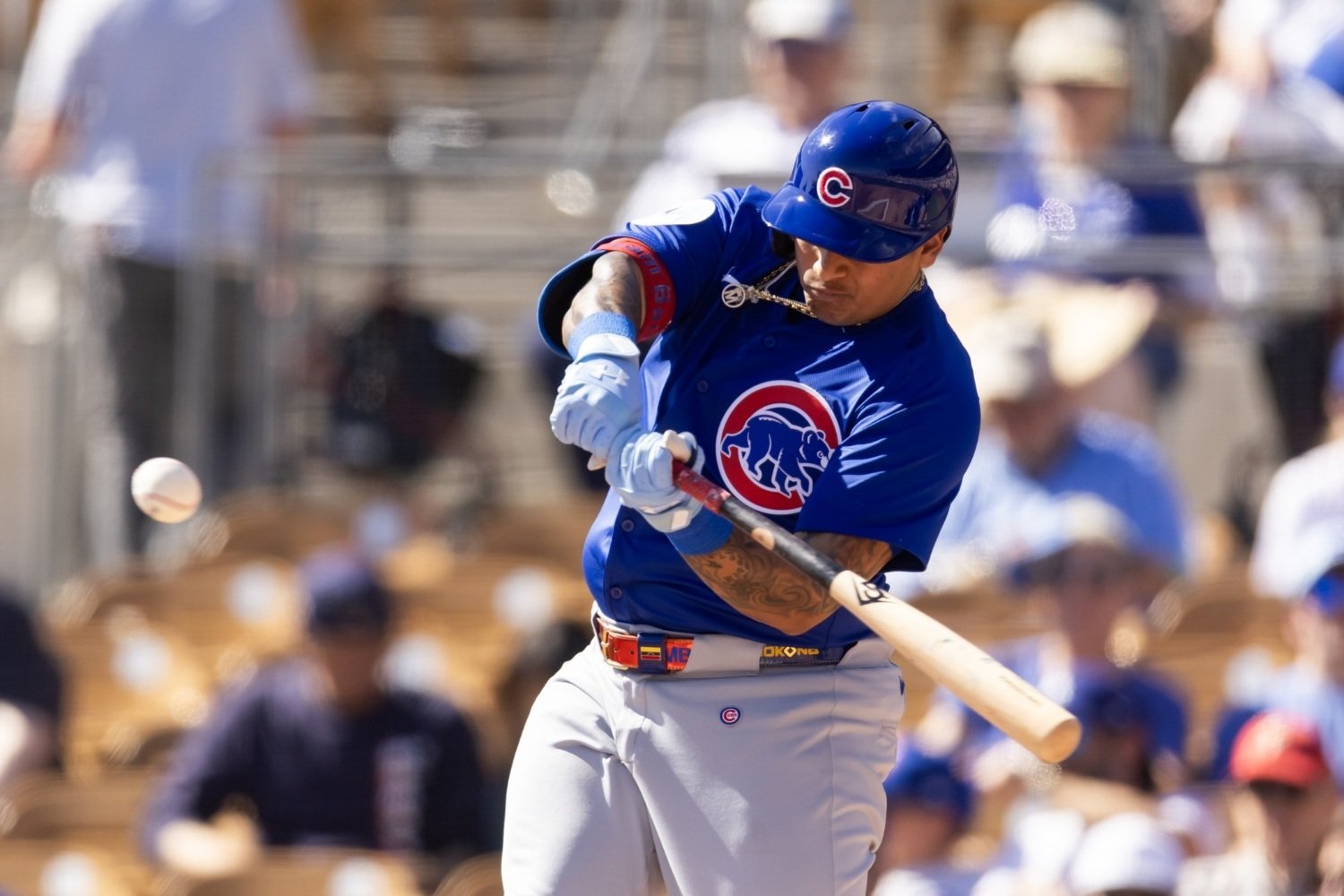 In his second game of the Cactus League season, Moisés Ballesteros collected two hits on hard-hit balls to left field. Admittedly, the first—a two-run first-inning double hit on a line toward flummoxed left fielder Will Benson—should have been caught, but even if it had been, one would have been compelled to remark on the impressive process of the swing. On a 2-2 slider bending toward his back foot, Ballesteros inside-outed the ball with real authority, at 95 miles per hour and with a 20° launch angle. It was very pretty hitting. The next inning (this game was utter spring chaos), Ballesteros was up against the same pitcher (Reds starter Brady Singer) and got another 2-2 slider. This one, however, stayed up above the belt. Ballesteros found the center of it, hitting a 105-MPH screamer through the open left side of the infield, with a 7° launch angle. This one was an objectively worse pitch by Singer, but playing off the previous at-bat, it would have drawn a whiff or a mishit from many young hitters, because it looked so much like an offering from which it ended up being so disparate in location and required swing path. For Ballesteros, though, it was no problem. There are hitters who take that second, hanging slider out of the park, even in a two-strike count, but almost all of them fail to do anything good on that first, better-executed one. There are hitters who turn on that first one and lace it into the right-field corner, thereby avoiding the need for a defender to get turned around in order to produce a double, but almost all of them foul off or freeze up on that second one. It takes an exceptionally adaptable swing (and a smart, balanced two-strike approach) to create both of the hits Ballesteros found Monday. That's the unique value he adds to the Cubs offense. Swing paths are all the rage in the analysis of hitters right now, within front offices and beyond them. The swing can now be quantified, in ways we were barely beginning to imagine even 10 years ago. Teams have metrics they don't share with the public, of course, but even the ones that are available at Baseball Savant are now enough to describe a batter's stroke in fine detail. The simplest measurement to which we now have access is bat speed, but there are other valuable ones, too—like swing tilt. Every swing has to describe a path downward, then upward, swooshing and slashing from behind the hitter's head or shoulder, through the strike zone and out around their front side. Every swing is a reaction to what the hitter sees, so the angles at which they swing change all the time—but it's also a practiced and calculated motion, so each hitter also demonstrates an average swing path that defines how they address the ball. It's reported at Savant as the angle between the barrel of the bat and an imaginary line parallel to the ground running through the handle, captured over the final 40 milliseconds before the intercept point (real or, on whiffs, hypothetical) between bat and ball. The league's average swing tilt is roughly 32°, but it ranges from under 25° to over 40°. More importantly, for our purposes today, players themselves use different swing paths, and we can use splits to gain more insight into their swings than the snapshot provided by a single number. On a four-seamer, for instance, most hitters will use a flatter swing—more on why in a moment. Almost universally, hitters use their steepest swings against curveballs. Though it's far from a perfect gauge, one way to tell how adaptable a batter's swing is is by looking at how much their swing path differs from one pitch type to another. There are multiple reasons for different swings against different pitch types, of course. The first is timing. A four-seam fastball is coming at you quicker than a breaking ball is, but unless you knew that heater was coming and got started early, you have the same budgets of time and space to spend getting the barrel to the baseball. A flat swing is a more direct one, and while it's often not technically as fast (as measured on Savant, which uses the rotational velocity of the barrel at the intercept point) as a steeper swing, it can still be quicker. What hitters want most is barrel accuracy, and the surest way to get the sweet spot on a fastball is usually to flatten out your swing a little bit. To think about why curves engender steep swings, keep the above in mind, but further, consider the second reason why swing tilt differs by pitch type: location. A pitch up in the zone requires a flatter swing to produce contact than does one at the belt, and that pitch at the belt requires a flatter one than a pitch down at the knees. None of that is new, ground-breaking information. We're just agreeing on foundational concepts. Now, consider where most four-seamers are thrown: above the belt. Meanwhile, most curveballs (and sliders, for that matter; changeups and sinkers introduce another dynamic that we'll mostly save for another day) are down in the zone, or below it. You need a steep swing to get to them. In fact, most hitters have pretty small differences in average swing tilt based on pitch type, and much larger ones based on pitch height. I've told you all of that to tell you this: Ballesteros has perhaps the most plastic swing in the Cubs' lineup, which will make him an invaluable part thereof this year. As proof (beyond those two lovely but ultimately unimportant hits on Monday in Goodyear, Ariz.), I offer this: No hitter on the Cubs last season had a greater difference between their swing tilt on four-seamers and their tilt on curveballs than did Ballesteros. Admittedly, his sample was small, but he averaged 27° of tilt against four-seam fastballs and 34° against curves. Expect that margin to shrink as he gets more playing time, but not so much that he won't still stand out. By pitch height. he's just as remarkable. Only Nico Hoerner matched the 15° spread in tilt from Ballesteros, who had: a 20° average tilt on high pitches; a 29° tilt on middle-of-the-vertical zone pitches; and a 35° tilt on low pitches. Remember that slider from Singer he hit for a double? Here's what he looked like at contact on that pitch: Now, here's another pitch he hit hard the opposite way—his first big-league homer, last summer. As the kids used to (but no longer) say, get you a man who can do both. Ballesteros is that kind of hitter, and they're hard to find. That doesn't mean he's perfect, of course. In fact, let's talk a little more about the nature of swing tilt manipulation, including the tradeoffs involved. For these purposes, we'll set aside pitch types and look only at pitch height. Remember, Ballesteros has about a 15° difference in tilt between his swings at high pitches and his swings at low ones. Looking beyond the Cubs, that's still above average; the average split is about 12°. However, Ballesteros is not an outlier in baseball as a whole. Here are four hitters who excel at this kind of swing adjustment based on location: Luis Arraez: 26° High / 37° Mid / 46° Low Cody Bellinger: 22°/32°/38° Matt Chapman: 15°/25°/32° Ernie Clement: 23°/32°/39° With the possible exception of Chapman, these names won't surprise you. They're famous for their feel for contact, and specifically for getting more than you'd expect out of their swings, relative to their raw bat speed. Certainly, if Ballesteros can be anything like what Bellinger was at his best with the Cubs, the team will flourish. Alas, it's not this simple. There's a specific penalty we need to account for: the high-pitch swing speed loss. We touched on this earlier. A pitch coming at you at the top of the zone (or above) is likely to be a fastball, which jams you up for time, but even if it isn't, it forces you into a tough spot for space. Every hitter's swing has to be able to punish mistakes in the middle of the plate, and the body can much more naturally adjust to a ball down—what you've always heard broadcasters call "dropping the head of the bat on it". When most hitters flatten out their swings to attack a pitch up, though, they lose bat speed. It's a shorter swing, and it can still work, but it's just not as easy to forge a productive collaboration between gravity, your musculature and that very blunt tool in your hands on a flat, high swing as it is on steeper ones where the barrel can dip farther below the hands. Different hitters pay different high-pitch bat speed penalties, but mostly, that's a product of choices they make. The baseline for this is around 2 MPH of swing speed, but if you choose not to manipulate your swing tilt as much as other batters do, you can minimize that. Two former Cubs illustrate that option: Christopher Morel: HIGH: 23°, 76.1 MPH / MID: 27°, 76.1 MPH / LOW: 30°, 75.5 MPH Kyle Schwarber: 26°, 76.5 / 30°, 77.6 / 34°, 76.7 As you can see, neither player sacrifices bat speed to flatten their swing at the top of the zone. That means a much smaller variability in tilt than others have, which is why they're more prone to mis-hitting the ball or whiffing, but with the right approach—good pitch selection, tailored to your swing and its most productive zones—holding onto your bat speed on high offerings can be worthwhile. Schwarber and Morel are a nice pair for illustrating just how important a great approach is to such hitters, though. Though each of those two have below-average ranges of swing tilt, there are guys who are even more extreme in that regard—and who are, therefore, even more extreme in their discipline of only swinging at what they want. Seiya Suzuki and Juan Soto belong to a class of hitters who can't manipulate their bat paths much and still do what they want to do at the plate, so they adopt an extremely selective approach, instead. The more you adapt your swing path to the pitch, the more bat speed you generally give up at the top of the zone. Ballesteros is one example; a fellow left-handed hitter in the NL Central is another. Moisés Ballesteros: HIGH: 20°, 69.4 MPH / MID: 29°, 73.2 MPH / LOW: 35°, 73.4 MPH Brice Turang: 22°, 66.4 / 32°, 71.1 / 37°, 72.3 If you're giving up four miles per hour of bat speed at the top of the zone, you're probably being too aggressive with the adjustment of your swing path. Ballesteros's case gives us a chance to talk about one more dynamic in play, though, which is the baseline tilt of one's swing. How steeply you swing when the ball is exactly where you want it is a major factor in determining how much you need to adjust to handle offerings at the top of the zone—but that needn't be a primary consideration when deciding what type of swing is best. In general, steeper swings are better swings. They handle the ball down and in the middle of the zone better, and they still have some loft left in them after the hitter adjusts at the top of the zone. There's some tilt number—let's say 24°, but you could pick anything from 22 to 25—at which you're unavoidably giving up extra bat speed; it's physics. Steep swingers can lose less speed at the top of the zone, because they don't run into that sub-25° restriction. Guys with slow, steep swings—think Michael Busch—can have big trouble handling the ball up and in, but if they have any semblance of a plan at the plate, they derive more benefit from that steep attack than damage from having a hole in their zone. In fact, you know who's absolutely perfect in this regard, giving up virtually no bat speed at the top of the zone because they're still swinging fairly steeply there but also getting to the ball consistently? It will not shock you. Shohei Ohtani: HIGH: 29°, 74.6 MPH / MID: 37°, 76.5 MPH / LOW: 43°, 74.6 MPH Ballesteros is no Ohtani. He's not Busch, either. His swing is flatter, but it still has plenty of bendability. He shows a facility for seeing the ball and changing his bat path—what old-school scouts call "smart hands"—few players in the league can match. The last step in his development at the plate could be more about selectivity than about manipulating the barrel. Maybe a perfect Ballesteros has a slightly steeper upper-zone swing, but look at that second hit from Monday, or the homer from last year: he derives real value from getting on top of the ball. No, his key will be to swing less often up there. Some 369 hitters saw at least 100 pitches in the shadow of the top of the strike zone at Triple A last year. Ballesteros had the fifth-highest swing rate in that cohort. For a guy who stands 5-foot-8, in the age of the ABS system, that shouldn't happen. Ballesteros can afford to be more picky, and to use his right to challenge pitches occasionally to thwart bad calls. The top of the zone (especially to short hitters) is where fans will feel the greatest difference between baseball before the ABS challenge system and baseball with it. For Ballesteros, the fact that few pitchers will be able to hit the top of his zone should be a huge advantage. The plasticity of Ballesteros's swing will make him a linchpin of the Cubs offense in 2026. If he also learns to let the ball along the top rail of the zone sail by a bit more often, he could turn a corner quickly and become a massive offensive weapon. Either way, though, the team has to be very pleased that he made it through a thorny entry process and landed on American soil in his hitting shoes. View the full article
 -
The History Of Baseball's (And The Red Sox) Spring Training
DiamondCentric posted an article in Talk Sox
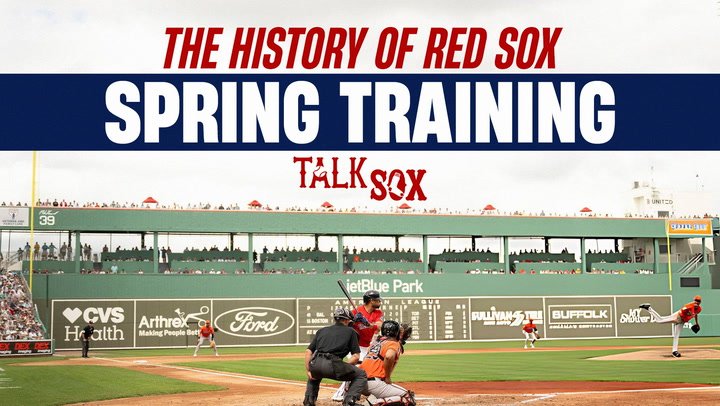 Ever wonder how spring training originated? Jeff runs through the history of the practice and the Red Sox's history in Fort Myers, Florida. View the full article
 -
Milwaukee Brewers 2026 Top Prospects, No. 7: Jeferson Quero
DiamondCentric posted an article in Brewer Fanatic
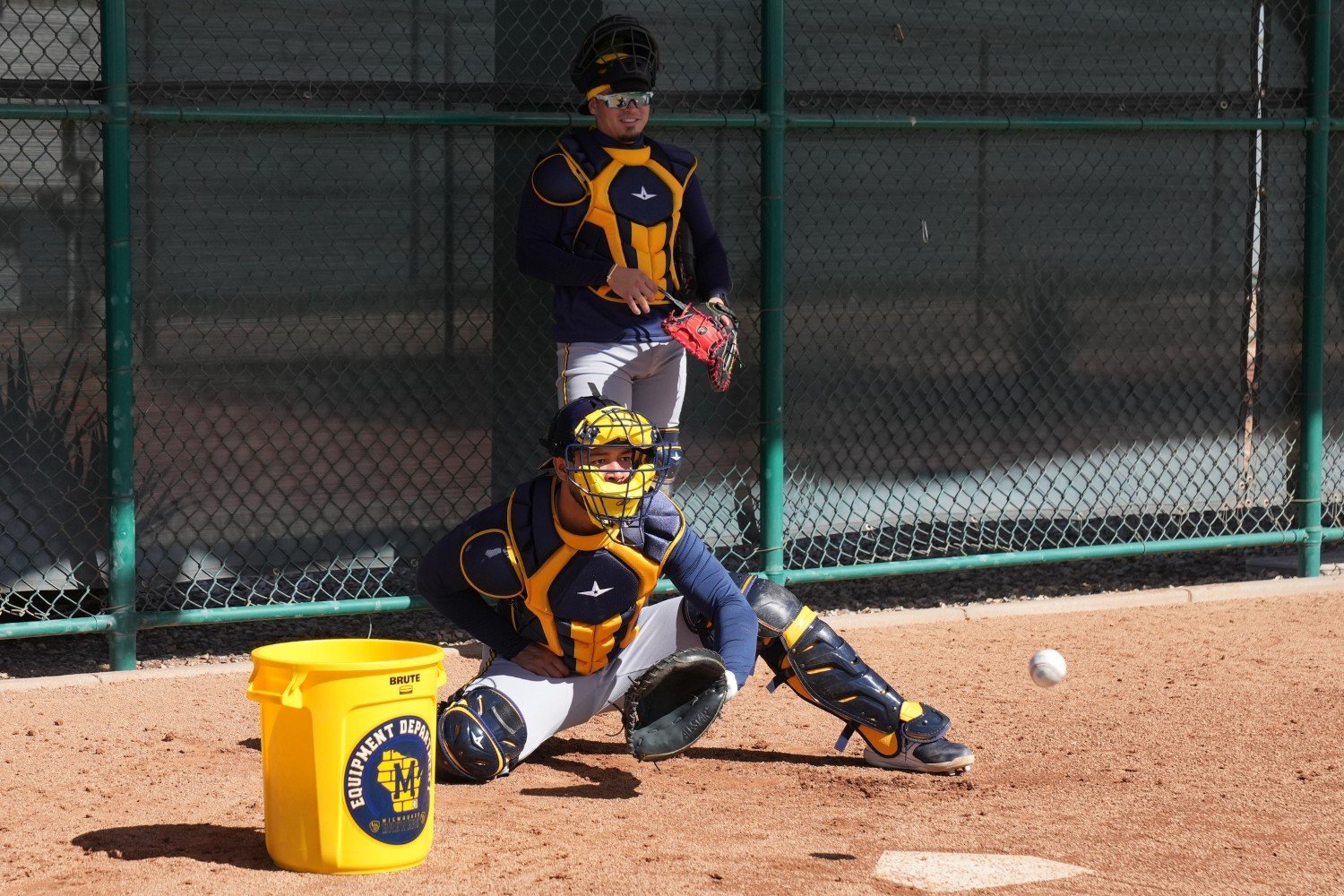 #7 Jeferson Quero (Nashville Sounds) Jeferson Quero’s return to game action in 2025 was an important step after a difficult bout with injuries. He was close to returning from a torn labrum early in the year, before a hamstring issue in spring training delayed his season. Once he got back on the field, he showed encouraging signs, especially during his rehab assignment in the Complex League, where he consistently produced hard contact and flashed the offensive impact that made him one of the organization’s top prospects before the injury. PA H 2B 3B HR OPS wRC+ wOBA K% BB% SwStr% Whiff% PULL% CENT% OPPO% LD% GB% FB% IFFB% SB CS SB% 90th EV 283 65 17 1 10 .817 115 .364 13.8% 9.9% 10.5% 22.6% 43.5% 22.0% 34.4% 25.5% 36.5% 38.0% 24.1% 2 0 100% 102.8 What to Like Power has always been part of Quero’s profile, and there were signs that it was starting to return as the season went on. As a 20-year-old in 2023, he posted a 105.2 MPH 90th-percentile exit velocity, a mark that was well above average for his age and strong even by major-league standards. That power did not show up right away after his return to Triple-A, where he finished with a slightly below-average 102.8 MPH EV90. Still, the trend improved later in the season, with several home runs leaving the bat at 107+ MPH and a max exit velocity of 109.5 MPH. Those flashes suggest the raw power should still be there as he gets further removed from surgery, though it will be something to monitor. Quero also brings strong bat-to-ball ability. He makes consistent contact. He can put the ball in play against various pitch types, with some authority. That contact skill gives him a solid offensive foundation and the potential for an average hit tool. If both the hit and power tools mature as hoped, he has the potential to be a productive big-league hitter at a premium position. Defensively, Quero still shows many of the traits that made him highly regarded before the injury. His receiving and blocking have largely returned to form—or even improved—and he continues to show strong instincts behind the plate. He calls a good game, shows good awareness, and manages a pitching staff at a very high level. What to Work On The biggest offensive area for improvement is his swing decisions and overall plate discipline. While his bat-to-ball skills allow him to make a lot of contact, his pitch selection can be inconsistent. Improving his approach and becoming more selective in the strike zone would help him maximize his power and overall offensive production. Defensively, the biggest question is his throwing arm. Before the injury, Quero’s arm was considered a major strength, with elite pop times that could come in below 1.8 seconds. That level of arm strength has not yet returned, and his throwing performance last year reflected a noticeable drop. There's still room for improvement, but a full return to his previous level is uncertain. If the arm doesn't return to above-average levels, it could limit his overall defensive value and affect his ability to control the running game. His receiving, blocking, and game-calling still provide a strong defensive base, but continued progress with his throwing will be important in determining whether he profiles as a full-time starter. Staying healthy and handling a full season’s workload will also be important after dealing with multiple injuries over the past two years. What’s Next Quero is expected to begin the 2026 season back at Triple-A Nashville due to the Brewers’ current catching situation. The additions of Reese McGuire and Gary Sánchez provide major-league depth and give the organization time to let Quero continue developing. Even so, he remains a big part of the organization’s long-term plans and could reach Milwaukee in the near future, and he notably has a very big fan in Pat Murphy. “This might be a really special story, because I think he’s a special player,” Murphy said. He's been consistent in his effusiveness about Quero going back to his first spring training as the manager, in 2024. Quero's development will focus on improving plate discipline, rebuilding consistent power production, and strengthening his arm. If his health holds and his tools continue trending in the right direction, he still has the potential to become a regular contributor at the major-league level. A strong start to the season could speed his matriculation to the majors, but the questions will be less about stats and more about whether his throwing arm and his approach are better this year. What are your thoughts on Quero? What are you hoping to see from him in 2026? Let us know in the comments! View the full article
 -
Twins Daily 2026 Top 20 Prospects: #9 Marek Houston, SS
DiamondCentric posted an article in Twins Daily
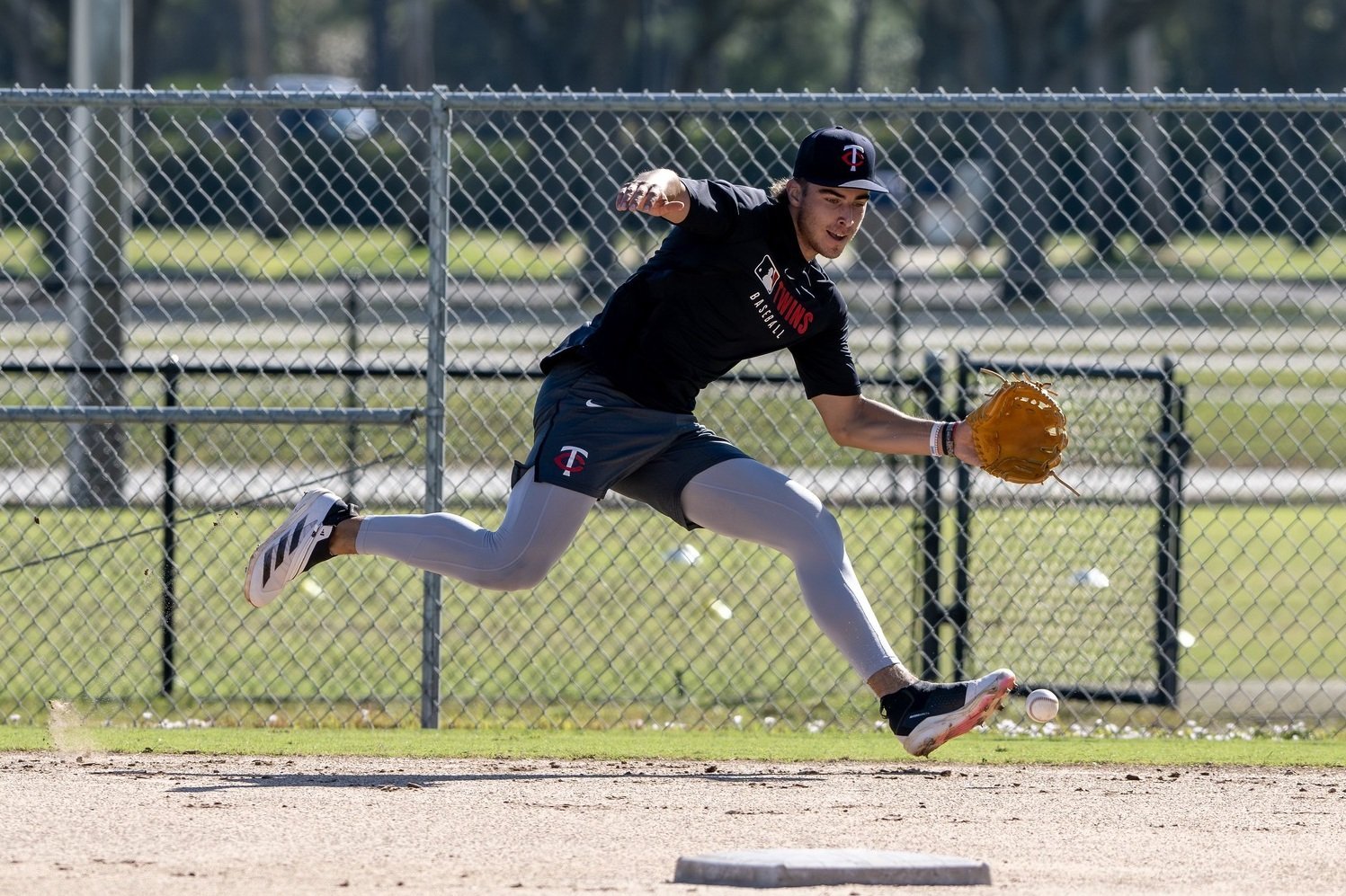 As their 2024 first-round pick, Kaelen Culpepper, broke out in 2025, the Twins continued their draft strategy of many years. The Twins selected a fairly similar prospect in the 2025 first round. They selected Marek Houston, a shortstop out of Wake Forest. Like Culpepper, Houston was selected as a high-floor, right-handed-hitting college prospect who brings a hit over power approach at the plate. Despite those similarities, evaluators don’t expect Houston to have the same success at the plate as Culpepper. On the other hand, he’s a sure-fire shortstop who has a slick glove that’s good enough for the majors right now. The question with him is whether he can find a way to produce offensively. What’s to Like The glove is the headliner with Houston. He’s athletic and has a plus arm, profiling as a very good defender at shortstop. In his short time in pro ball in 2026, he’s already put plenty of highlights on his reel. He’s firmly established himself as the best defensive shortstop in the Twins system. If he can hit at any reasonable level, he could be a key feature in the Twins' plans. While his bat remains a question, Houston has some qualities to build on. In college, he showed the ability to draw walks at an extremely high rate (15.4% in his last year at Wake Forest) and limit his strikeout rate (15.4% as well). He also added power to his game, popping 15 home runs, to produce a 135 wRC+, setting himself up well for the draft. That power came with Houston gaining 20 pounds, but based on exit velocities, he still has weight to be gained and power to be added. In just 12 games at Low-A Fort Myers, he produced, batting .370 with a 150 wRC+.He isn’t going to hit .370. but that is just a display of what to look for with Houston - a high batting average and on-base percentage to pair with great defense. What's Not To Like As discussed, there aren't many questions about Houston’s defense. The question is whether or not the bat can be good enough to get his glove into the lineup. Over just 24 total games, split evenly between Fort Myers and Cedar Rapids, he put up just a .680 OPS - leaving plenty of room for improvement. Two issues in the offensive profile in that small sample size were that he didn’t walk like he did in the minors and struck out at just an above-average level. To make his offense work, the young shortstop needs to find the approach he had in college. That means controlling the strike zone while limiting strikeouts. Improving the approach will help Houston, but he also needs to do more damage when he makes contact. Of his 27 hits, only six were extra for extra bases, and only one of those was a home run. That is backed up by the batted ball data from single-A. Despite hitting .370 at the level, Houston had a horrendous .259 xwOBA, posted a 90th percentile exit velocity of just 96.2 MPH, and pulled the ball in the air at a 12th percentile rate. These are the warts on the offensive side for Houston that he’ll need to clean up to ascend in his first full year at pro ball. What to Look for in 2026 Houston should get a good run at High-A Cedar Rapids in 2026, where he can show off his defensive chops but also have a chance to show improvement on the offensive side. That would look like getting his approach back to where it was in college, which means striking out and walking at similar rates. That would indicate he might be able to get on base at a rate that, paired with his defense, makes him a valuable big-league contributor. For a true breakout that indicates a chance at stardom, the Wake Forest product needs to bring his exit velocities closer to average or above average and find more opportunities to lift the ball to the pull side. If he does this, he’ll start to appear on national Top 100 lists, and Twins fans will start getting very excited about a potential two-way star. Houston’s defense gives him a great chance to make the big leagues at some point, but the offense has plenty of questions. Do you expect to see strides in Houston's power in 2026? View the full article
 -
Boston Red Sox 2026 Top Prospects Rankings: Anthony Eyanson (No. 10)
DiamondCentric posted an article in Talk Sox
 Talk Sox's top prospect rankings have reached their latter half, now focusing on the Boston Red Sox's top 10 prospects heading into the 2026 season. Be sure to check out our previous rankings here: Part 1 (Nos. 16-20) Part 2 (Nos. 11-15) Boston Red Sox Top Prospects: No. 10 Anthony Eyanson Selected in the third round of the 2025 draft out of Louisiana State University, Anthony Eyanson may end up being one of the biggest steals for the Boston Red Sox in recent years. Eyanson completed his junior season at LSU by winning the national championship, ultimately garnering attention as a top-50 draft prospect. As the Saturday starter for LSU, Eyanson made 20 appearances, 18 of them starts, and went 12-2 with two saves across 108 innings. He was dominant on the mound, allowing just 36 earned runs. Things would not work out perfectly for Eyanson, however, as the right-hander slid to the third round, where the Red Sox selected him at the 87th pick. Eyanson is a very intriguing pitching prospect, one who continues to fit in with Craig Breslow’s desire to acquire pitchers who are big (he stands 6-foot-2 and weighs 210 pounds) and have good extension (6.41 feet). The right-hander has a polished arsenal made up of a fastball, slider, curveball and changeup, and he's got strong control of each of those offerings. His fastball routinely sat between 92 and 94 mph in college, occasionally topping out at around 97 mph. However, in his first week of spring training, the right-hander managed to get it up to 98 mph. His slider has more vertical break to it instead of horizontal (i.e., more traditional power slider than a modern sweeper) and despite a lower spin rate, it can miss bats. It also manages to generate a high chase rate despite not landing in the zone all that often. In college, the slider managed to produce a 52% whiff rate and could become his main "out pitch" in professional baseball. Eyanson’s curveball is thrown competitively, but despite a good amount of vertical depth, it fails to miss as many bats as would be expected. It is used more often against left-handed batters. Finally, his changeup may be his weakest pitch, as he fails to consistently land it in the strike zone, and he may need to adjust the low-80s offering as he graduates various levels in the system. In college, Eyanson showed an ability to rack up strikeouts, finishing the 2025 season with 152 in just 108 innings. There is no reason to believe that should change once he gets his first taste of minor league baseball thanks to his fastball, slider and curveball. Early on in spring training, he has looked good on the backfields while throwing live at-bats. One of Eyanson’s best traits is his ability to limit free passes. While his strikeouts were well documented (33.9% rate), he managed to walk just 36 batters with LSU, good for an 8.0% walk rate. Thanks to this, Eyanson already has a high floor and comes with little reliever risk. Should he manage to maintain the increased velocity he’s showing with his fastball across the entire season, he would project as a mid-rotation arm. Eyanson is likely to open the year in High-A Greenville, but thanks to his strike-throwing ability along with his already-polished arsenal of pitches, he could be promoted to the upper levels of the organization quickly. The right-hander is confident in his own abilities and is entering 2026 with a determination to prove he should have been taken within the first two rounds of the draft. He’ll be an interesting pitcher to watch, especially if he can find an arm-side pitch to throw to left-handed hitters. View the full article
 -
 Looking in for the sign atop the rubber, Josh Towers stood a strike away from getting his year off on the right track. It was the third game of spring training, and Towers had Phillies leadoff hitter Shane Victorino in a two-strike hole to start the game. Bengie Molina called for a curveball to put away the Flyin’ Hawaiian, and Towers delivered...an absolute cement mixer. The ball spun aimlessly over the top half of the plate but somehow found its way into Molina’s glove. Swing and a miss. “I’m not going to get that lucky that often,” said the right-hander afterwards, an unfortunately prophetic quote for his upcoming season. Towers would begin the 2006 season in the Blue Jays' rotation, the third straight year he would break camp as a starter. He signed a minor league deal with Toronto prior to 2003, and after joining the rotation in August, he won four of his final five starts. He started slow in ‘04 and got no better than bland (9-9, 5.11 ERA) but arrived to spring the following year with his spot safe when Toronto decided to move Miguel Batista into ninth inning duties. While the top of Toronto’s rotation fell off with injury or performance issues in ‘05, Towers stepped up to be an unsung workhorse, throwing a team-leading 208.2 innings and walking only 29 hitters across 33 starts. So there was no hesitation in letting Towers step up again when Toronto left Dunedin a little thin in the rotation. Roy Halladay would get his usual game one assignment, but with A.J. Burnett and Ted Lilly injured, manager John Gibbons slotted Towers into the second spot behind his ace. Following the renditions of the national anthems by Blue Man Group to a sold-out crowd on Opening Day, Halladay was terrific, pitching into the eighth while his new battery-mate Molina’s fourth inning home run powered Toronto to a 6-3 victory. The Blue Jays also honoured Tom Cheek, who had passed away the previous October. In the previous year’s opener in Tampa, a gravely ill Cheek sat in with Jerry Howarth and Warren Sawkiw for his final play-by-play appearance during the fourth inning. The Blue Jays scored three in the frame and beat the Devil Rays 5-2. With his dad being acknowledged before the game, Cheek’s son Jeff joined the radio broadcast for the fourth, another three-run inning, with Molina’s home run sailing over Cheek’s name on the Level of Excellence. (photo credit: Sportsnet) Towers made his season debut the next night in front of a much smaller crowd, who roared early thanks to back-to-back home runs from new Jays Troy Glaus and Lyle Overbay. Towers retired the first eight Twins he faced but ran into trouble in the fourth. The Twins had used four hits to cut the lead to 4-2 and had two runners in scoring position with two away. An 0-1 pitch to Jason Kubel was hit right back at Towers and deflected off the pitcher towards shortstop Russ Adams. With no chance of getting Kubel or the runner at home, Adams instead pivoted cross-body and threw the ball past Glaus’ glove at third and into the home dugout to tie the score. When Shannon Stewart took Towers deep to lead off the fifth, Minnesota grabbed the lead and never looked back. As the Jays walked off the field in a 13-4 defeat, the dwindled crowd of 18,156 chanted ‘Go Leafs Go’ in support of their local 10th-place team who would miss the upcoming NHL playoffs. An injury to Gregg Zaun to start the season had opened the door ever-so-slightly for Jason Phillips, and the third catcher in camp did his best to get fully in. Up with two outs and the bases loaded in the sixth in the series finale, Phillips lined a first pitch over the glove of a leaping Nick Punto at short, kick-starting a four-run rally in an eventual 6-3 win. Phillips’ clutch hit and his work with starter Gustavo Chacin, who pitched into the seventh wearing a dab of his newly-released cologne, earned the catcher big marks with his skipper. “Nobody knows,” Gibbons said in a mock-spooky voice when asked what would happen with Zaun’s impending return. “Maybe we could send Glaus down. He may have an option.” Phillips watched from the bench as Toronto’s bullpen blew a 6-2 lead after a solid spot start from Scott Downs in the series opener with Tampa Bay. Phillips, not Glaus, would be sent down after to make room for Zaun, whose fifth inning home run the following afternoon put Toronto ahead in an 8-4 win. Starring for the Blue Jays was Brian Tallet, who earned a spot on the roster with a sparkling spring. In his second appearance, Tallet pitched out of a bases-loaded mess left by a season-debuting Lilly in the third and stayed on for two more scoreless innings to the delight of his catcher. “I’m back there cracking up,” said Zaun. “The stirrups, I absolutely love ‘em. The chops are awesome...it’s just a tremendous look. He should’ve pitched yesterday on Flashback Friday.” It was the first major league win for Tallet since his major league debut on September 16, 2002, when he shut out the Red Sox over six innings in the second game of a doubleheader. “My first hitter was Rickey Henderson, and I walked him on a 3-2. I remember thinking, ‘I just started my career by walking a guy with 1,000 stolen bases. Not too good.’...got a double play to get out of the inning. It was so surreal.” (photo credit: Yahoo Sports) After a loss in the series finale, Toronto headed to Boston for the Red Sox’s home opener. Towers started and found trouble early in a four-run second inning. The Blue Jays lost and would also lose Towers’ next start in the final game of the six-game road trip in Chicago, one in which the starter only lasted six outs. Jermaine Dye and Jim Thome hit a pair of two-run blasts in the first inning on a soggy night at The Cell, a 6-4 White Sox win in an abbreviated five innings to drop the Blue Jays to 6-6. “I need to figure out what is wrong and fix it,” lamented Towers. Fortunately for the Blue Jays, the struggles hadn’t extended to their offence. After drying off, Toronto returned home for a two-game set with New York, and with over 48,000 inside Rogers Centre, the Blue Jays responded to an early deficit with three runs in each of the first two innings, highlighted by two-run longballs from Glaus and Alex Rios. The crowd cheered when New York starter Randy Johnson departed during the fourth and delighted even further when Gary Sheffield fumbled a one-handed catch. Glaus hit another home run in the eighth inning in the 10-5 win, giving him five and 13 RBI on the season, hitting cleanup behind Reed Johnson (.458 on the year), Rios (.395), and Vernon Wells (.389). Toronto was held to a run by Mike Mussina the next night but put up some crooked innings in wins to follow over the Red Sox. The opportunity for a series sweep lay in the hands of Towers and vanished seven batters into the game. Towers hit the leadoff hitter and gave up three runs on four hits in the first, the big blow coming on a David Ortiz opposite-field home run. The Blue Jays could not overcome the rough beginning in a 6-3 loss that dropped Towers to 0-4. He threw only 58 of 95 pitches for strikes, a worrying trend after Towers had been so good with his command in ‘05. In four starts, Towers had walked eight hitters, a number he reached on June 2 last year. “He’s not missing by much,” said Gibbons, literal and maybe figurative glass half full of Bud. “I would say that what’s hurting him is a few too many mistakes...like keeping the ball up.” When Towers’ turn came back up, the Blue Jays found themselves atop the AL East with a red-hot Shea Hillenbrand at the plate. Toronto’s designated hitter went 7-for-9 as the Blue Jays took two of three from the Orioles, and in the next game, Hillenbrand went deep twice for the first-place Blue Jays in a 7-2 win over the Yankees. Hillenbrand had started the year slowly, and you would hope the hits would turn Eeyore around because, yeah, he was not sounding great about his role on the team. “I decided to just accept it and move on because the only person I'm hurting otherwise is myself,” Hillenbrand said about DHing before the opener in New York. “The team isn't going to care. For them, it's all about winning. How I feel isn't really that important in everything, and that's one of the things I've had to come to terms with.” In first place with the slimmest of leads, the Blue Jays received, in the words of Gibbons, “the first kicking we’ve taken all year.” Trouble would find Towers early and often, chaos that had symbolized his month. With runners on the corners with one out in the first, Towers fielded a high chopper and turned to second base, only to be greeted by an already sliding-and-arriving Sheffield, who was running on the pitch. “That's just typical for me of what's been going on," Towers said afterwards. “I don't even know why I looked at second base. I know that at 3-2 (count) with one out, he's running. I've got to look (the runner back to third) and take the out at first.” What followed was also, sadly, typical for how the month had gone for Towers. The next hitter, Jason Giambi, went deep for a now three-run shot to put the Yankees in front 4-2. Another solo blast in the second widened the lead, but Toronto continued to find success against the Big Unit, tying the game with three runs off New York’s starter in the third. Then the train wreck started. Towers recorded only one more out, departing after an RBI double by Hideki Matsui that started the Yankees towards a 17-6 blowout. In the win, New York became the sixth team in American League history to score in every inning of a game. In his first five starts, Towers allowed the opposition to slash a first ballot-worthy .388/.450/.643 and finished the month with a 10.45 ERA. For Gibbons, his starting options were few. Recent call-ups Dustin McGowan and Shaun Marcum were part of the Yankees making history, and worse, Burnett was back on the injured list. On April 22, Burnett left after four innings of his second start, jumped on a plane, and flew to see Dr. James Andrews. A former fourth-round pick from UCLA would debut to replace Burnett, and as the season flipped to May with Toronto sitting at 12-11, Casey Janssen would start picking up starts in a way Towers couldn’t. View the full article
 -
 On Monday afternoon, the Kansas City Royals via social media officially announced the addition of free-agent outfielder Starling Marte. Reports came out over the weekend that Kansas City had signed Marte to a deal, pending a physical. By the end of the day on Monday, it seems like they were able to get everything cleared and formally introduce their newest outfielder to the Royals fanbase. MLB.com Royals beat writer Anne Rogers shared the details of Marte's one-year deal. He will have a $1 million base salary with up to $2 million in incentives, according to Rogers' report on Twitter. With Marte's addition, the Royals' payroll goes up to at least $149 million, possibly $151 million if Marte hits those incentives. That is $13 million higher than their payroll a year ago, according to Roster Resource payroll data. Roster Resource projects Marte as a bat off the bench who will likely be in the lineup against left-handed starting pitchers when their left-handed outfielders need a break. That includes Jac Caglianone and Kyle Isbel, who are projected to play left and center field, respectively. Marte is projected to get around 238 to 252 plate appearances this season, according to most projection systems. Fangraphs' Depth Charts, ZiPS, and The BAT X are the most optimistic, projecting wRC+ marks of 98, 100, and 97, respectively. To make room on the Royals' 40-man roster for Marte, Kansas City also announced that Dairon Blanco would be designated for assignment. Blanco made his MLB debut late at 29-years-old due to visa issues when he came over from Cuba. He didn't make his Minor League debut until 2018, when he was 25. The Cuban-born outfielder started his career in the Athletics organization and came over to the Royals in 2019 in a trade for reliever Jake Diekman. He had solid campaigns as a bench outfielder for the Royals in 2023 and 2024, posting a 102 wRC+ and 96 wRC+ in 138 and 132 plate appearances, respectively. Blanco's main strength as a player was his baserunning ability, as he stole a combined 55 bases from 2023 to 2024. That skill set made him an interesting player worth watching this spring. Unfortunately, the 32-year-old outfielder dealt with an Achilles injury last year and didn't seem quite as explosive in 2025. As a result, he only played in nine games and had just eight plate appearances in the Major Leagues last season. He spent most of the year in Omaha, and while he stole 32 bases, he only hit .253 with a 93 wRC+ in 295 plate appearances with the Storm Chasers. Furthermore, his Statcast percentiles weren't all that impressive either, as seen in his TJ Stats summary from Triple-A a year ago. If Blanco clears waivers, he could return to the Royals as a non-roster player. He could also opt to become a free agent and sign with another club this offseason, with the hope that he could have a better chance of making the Opening Day roster in another organization. Over 171 career Major League games, all with the Royals, Blanco has a career 99 wRC+, 1.7 fWAR, and 59 stolen bases. View the full article
 -
 Following this weekend, all of the the San Diego Padres' World Baseball Classic participants will have departed camp in Peoria, Arizona, leaving time for other players to get sharp or improve their chances of getting on the Opening Day roster. As a reminder: Don't take anything too seriously in this recap. It is only spring training, where exhibition games often devolve into minor-league scrimmages. The information below is meant as basic news, not necessarily hardcore analysis. The Friars dropped to 4-6 in the Cactus League after losing to the Colorado Rockies 3-2 Friday, beating the Seattle Mariners 7-1 Saturday and losing to the San Francisco Giants 9-1 Sunday. Who's Hot for Padres? 🔥 Randy Vasquez: The right-hander continued his bid for one of the two open spots in the starting rotation. He got the start against the Rockies and went 2⅔ hitless innings. He didn't allow a run, but did walk two and struck out four. He threw 37 pitches, 24 for strikes. Vasquez hasn't allowed a run in either of his two starts, covering 4⅔ innings while yielding just one hit. JP Sears: If your ERA goes down by 41.73, that means two things happened: You had one really bad outing followed up by a really good one. The left-hander did just that Saturday, going three innings and allowing one run on three hits. Sears walked one and struck out one while throwing 34 pitches, including 23 strikes. That came after his spring debut went awry, surrendering four runs in two-thirds of an inning. It was a good bounce back as he competes for a spot in the rotation. Ty France: This is more of a status update than someone who is hot at the plate. France, a non-roster invitee, did go 1-for-2 against the Giants, a sharp single to left off WBC-bound Giants right-hander Logan Webb. But the real news is that France started the game at third base, a position he has not played in an MLB game since 2022. And, as luck would have it, the very Giants first batter of the game, Willy Adames, rocketed one right at France, who deflected it into left field for a hit. He played the position in 36 games as a Padres rookie in 2019, but only 17 times since. That versatility will help in his bid to make the roster. Who's Not? 🧊 German Marquez: The right-hander is a leading candidate to claim one of the last two spots in the rotation, so his bumpy first outing should be taken with a grain of salt. The former Colorado Rockies ace was tagged for three runs in his first of two innings against the Giants. He gave up four hits while facing mainly Giants regulars, though he did strike out two in that opening frame. Chalk that up to rust and spring jitters. Marquez did come back in the second inning to retire all three batters he faced, finishing with 27 strikes in his 37 pitches. Luis Campusano: Playing in all three games, including starting twice, Campusano went 1-for-6. That dropped his spring average down to .167 (2-for-12). Nothing to be worried about considering his history as a hitter. His starts came with Vasquez and Marquez on the mound, while he replaced starting catcher Freddy Fermin in the other. As long as his defense is what the coaching staff is looking for, he will be an asset. Sung Mun Song: While starting at third base and second base, Song went 1-for-6 and also saw his average drop to .167 (2-for-12). With his role clear thus far as a utility player, Song's defensive ability will be his primary contribution until his bat comes around. Don't forget there are more than three weeks left in the Cactus League. He will work on the back fields at shortstop and left field before playing those spots in a game. View the full article
 -
With added weight and familiar battery mate, Adam Mazur impresses
DiamondCentric posted an article in Fish On First
 JUPITER—The Miami Marlins believe Adam Mazur can be a long-term starter, but he made just six appearances for the big league club in 2025, posting a 4.80 ERA. Unsatisfied with those mixed results, the right-hander focused this offseason on adding good weight to his tall, lengthy frame. Following his start on Monday afternoon, Mazur said he added 15–20 pounds of muscle over the offseason thanks to consistent work in the gym and 1,000-calorie protein shakes every morning, along with regular meals throughout the day. "Hopefully that’ll help me stay healthy throughout the year.” Although Mazur faces an uphill battle to crack the Marlins Opening Day roster, the fact that he already occupies a 40-man roster spot could get him up to Miami relatively early in the season. It's a similar situation for Joe Mack, who was behind the plate for Mazur's two hitless frames against the St. Louis Cardinals. “Love him. Getting time with him last year in Jacksonville was great. He’s a great catcher, great guy, and I love spending time with him,” Mazur added. “He reads pitchers well. If he knows a guy is missing on one side or the other, he can set up differently. He’s got a great feel for the team and a rocket of an arm back there, so it’s always nice to have.” Mack raved about Mazur postgame, telling reporters that “he looked really, really good today. You can tell he put in a lot of work in the offseason, especially in pitch design." After being charged with a catcher’s interference in the first inning, Mack made up for it with a stellar pickoff in the second, firing an 87.1 mph dart to first base from his knees. “We try to work on back picks at least once or twice a game, and we noticed they were being a little lazy getting back to the bag. I was given a sign and made the throw,” he said. With catcher Liam Hicks (Canada) and Agustín Ramírez (Dominican Republic) away representing their respective countries in the World Baseball Classic, Mack will have an opportunity to show he’s ready for the next step. “Having that runway of playing time will be huge for him,” Marlins manager Clayton McCullough said postgame. “He was in big league camp a bit last year, and with him getting to Triple-A last season, he’ll be a guy everyone should certainly watch.” While Ramírez and Hicks are projected to be the tandem on Opening Day, Mack is expected to be an early call-up, providing continuity and strong defense behind the plate in 2026 and beyond. News and notes - Josh Ekness, the 27th-ranked prospect according to Fish On First, turned in his best outing of the spring, tossing a perfect inning with two strikeouts. He topped out at 98 mph. - Free-agent addition John King recorded his third scoreless outing of the spring and is expected to serve as Miami’s highest-leverage left-handed reliever. - Prospects Josh White and Nigel Belgrave struggled, combining to allow all three runs scored by St. Louis. Belgrave surrendered the walk-off hit in the ninth after yielding a hit and hitting a batter. - Top prospects Dillon Lewis and Kemp Alderman each squared the ball up twice Monday, with Alderman launching his first home run of the spring. The power-hitting reigning Marlins Minor League Player of the Year is expected to debut sometime in 2026. - The Marlins will face Team Israel on Tuesday afternoon, with Braxton Garrett scheduled to start. View the full article
 -
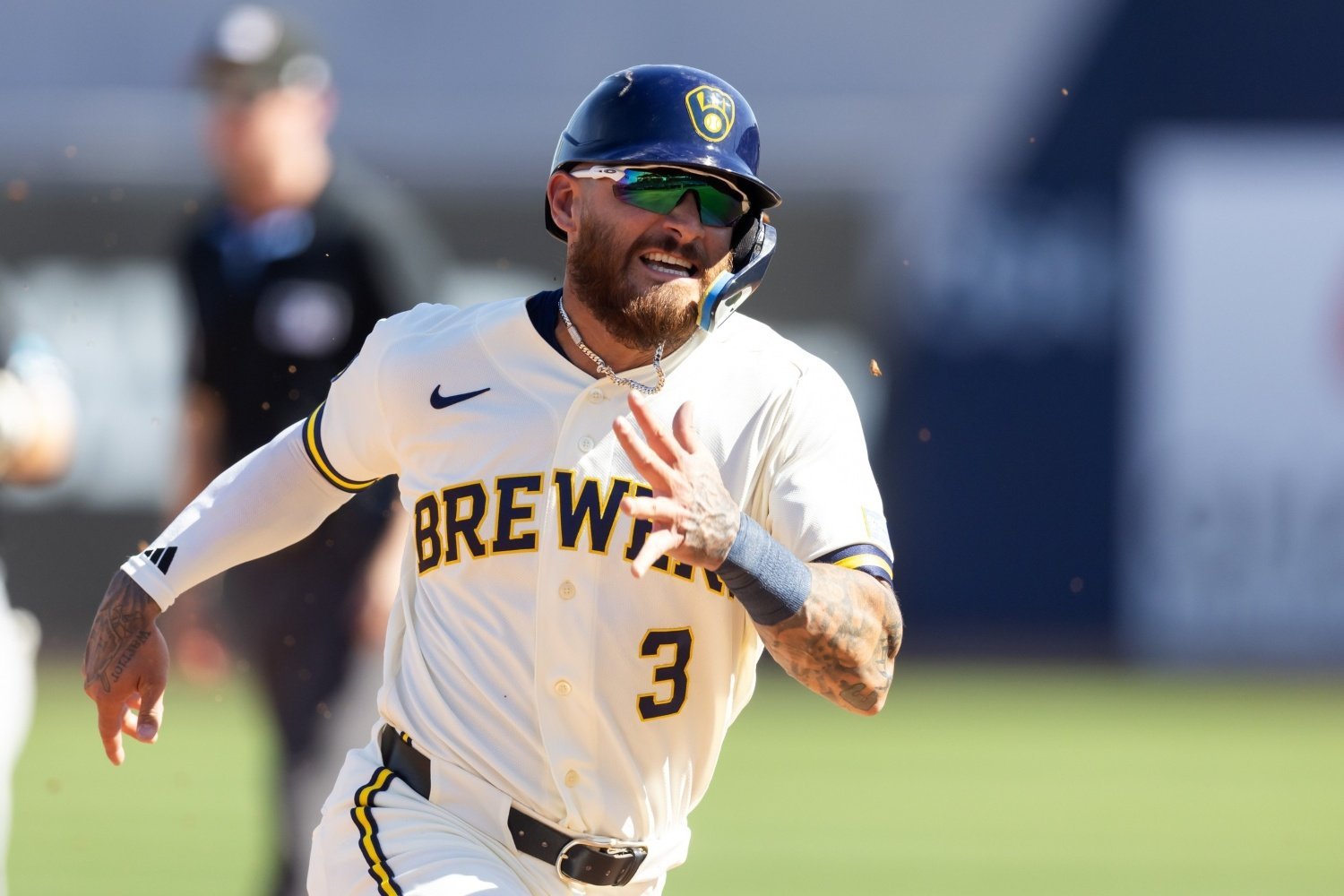 The World Baseball Classic always throws a wrench into spring training. Chunks of teams leave camp for a couple of weeks to represent their countries, leaving those still in camp an opportunity for more playing time. With few roster battles, the Milwaukee Brewers will be keeping a close eye on who capitalizes on those chances. As a reminder: Don't take anything too seriously in this recap. It is only spring training, where exhibition games often devolve into minor-league scrimmages. The information below is meant as basic news, not necessarily hardcore analysis. The Crew saw its Cactus League record drop to 4-6 after beating the Chicago White Sox 5-2 Friday, then losing to the Cincinnati Reds 9-7 on Saturday and Kansas City Royals 3-1 on Sunday. Who's Hot? ? Joey Ortiz: Every pessimistic fan's whipping boy, the shortstop left camp for the WBC (Mexico) in a good frame of mind hitting-wise. Maybe it's because of the new beard he is sporting. Whatever it is, Ortiz went 3-for-3 with a pair of runs scored against the White Sox, then had another hit in three trips against the Reds. That boosted his spring average to .412 (7-for-17). Considering he had .239 and .230 batting averages the past two years, that shows some promising signs, even if it's just spring training. Luis Rengifo: The probable starting third baseman bounced back from an 0-for-5 start to his spring by going 3-for-6 in two starts this weekend. That began with his first hit, a homer to right leading off the third inning, against White Sox right-hander Sean Burke, the surprise Opening Day starter last year. The switch-hitting Rengifo followed that up with an infield single that deflected off right-hander Tanner McDougal, who made it up to Double-A in 2025. Against the Royals, Rengifo led off the game with a line-drive single to left off left-hander Kris Bubic. Luis Lara: I prefer giving the benefit of the doubt to the young prospects getting a shot in camp, especially guys who might be a couple years away. That's why I didn't want to knock Lara's start to Cactus League play, in which he went 3-for-16. But in playing two of the three games this weekend, the switch-hitting outfielder went 3-for-5, with a first-pitch single against Bubic. Granted, the exit velocity was a whopping 58.8 mph and dribbled to the first baseman, but everything counts, right? That came after he went 2-for-2 against the Reds, with a ground-rule double in the sixth inning and a bunt single in the eighth. It was a confidence-boosting pair of games. Who's Not? ? Jared Koenig: The durable left-handed reliever finally made his spring debut Saturday—and was rocked. Coming in to face the Reds' 2-3-4 hitters, Koenig was tagged for four runs on three hits in one-third of an inning. Matt McLain greeted Koenig with a hard-hit single to left. Elly De La Cruz lined a double to right. After striking out Sal Stewart, Koenig walked Spencer Steer to load the bases. That brought up Blake Dunn, who has 49 games of MLB experience, and he hit a bases-clearing double down the left-field line. That was it for Koenig, who threw 14 of his 22 pitches for strikes. William Contreras: While he notched hits in his last two games before joining Venezuela for the WBC, Contreras is off to a 3-for-14 (.214) start to his spring. It's nothing to be concerned about with the catcher's track record and something that could come around with the juices flowing in the WBC. He told MLB Network that he is healthy after offseason surgery to fix the broken middle finger on his catching hand, which was the primary concern coming into camp. The hits will come. Gary Sánchez: Keeping it with the catchers, Sánchez has yet to get going, either. He went 1-for-6 while getting one start at catcher and another at designated hitter. That dropped his spring showing to 3-for-15 (.200). Sánchez's spot on the roster is secure, as the No. 2 catcher who could get some DH time. He'll probably see more time now, with Contreras out of camp. View the full article
