


DiamondCentric
-
Posts
2,631 -
Joined
-
Last visited
Never
Content Type
Profiles
Forums
Events
News
Tutorials & Help
Major League Baseball Videos
Guides & Resources
Store
Downloads
Gallery
Everything posted by DiamondCentric
-

Where the Twins Stand in the 2026 National Farm System Rankings
DiamondCentric posted an article in Twins Daily
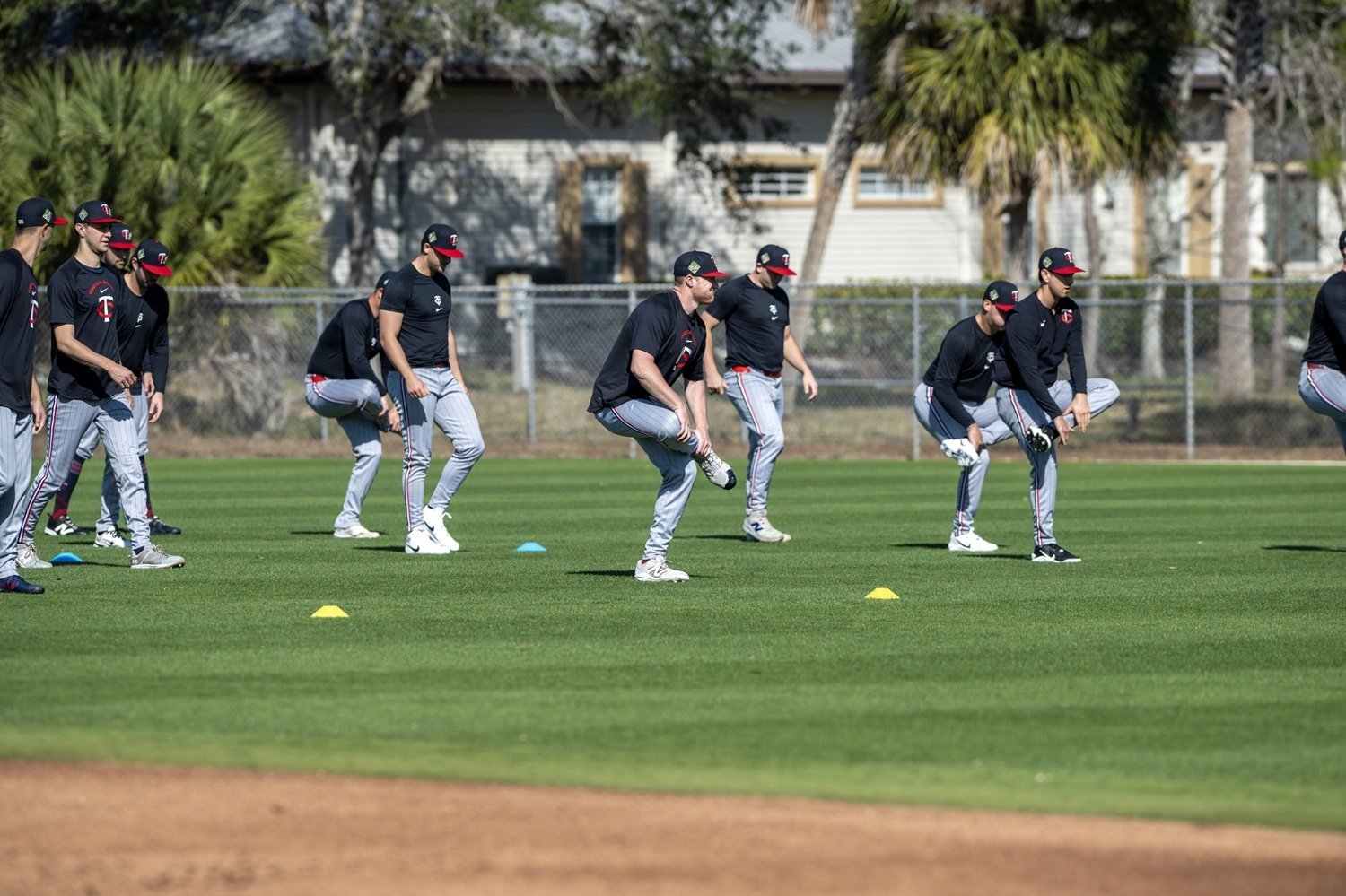 With Opening Day quickly approaching, preseason coverage across the baseball media landscape is about tying up loose ends. Nearly every major national outlet has released its farm system rankings for the 2026 season. These offer a snapshot: Where does each organization stand in terms of long-term control over young talent? These lists always combine projection, preference, and philosophy. Some outlets emphasize high-end upside. Others value depth throughout the system. Health history and proximity to the major leagues can also shift how a system is viewed. So can a simple disagreement on a particularly important and high-variance player. All of these factors lead to wide-ranging opinions on the Minnesota Twins organization. Across six prominent outlets, Minnesota lands almost everywhere on the spectrum. Three publications rank the Twins in the top 10; two put them in the middle; and others place them near the bottom third. These differing opinions highlight both the upside and uncertainty that define the organization's prospect pipeline. Why the Twins Would Be Considered Top-10 Three outlets placed the Twins comfortably inside the top 10 systems in baseball. ESPN and Baseball Prospectus both ranked Minnesota eighth overall, while MLB Pipeline slotted the organization ninth. Some of that positive outlook stems from how Minnesota handled last summer’s trade deadline. With the club moving veterans and looking toward the future, the front office used the opportunity to inject new talent into the organization. Those moves brought in several prospects, with five of them now appearing on most of the Twins' Top 30 lists and strengthening the system’s overall depth. Eduardo Tait stands out as the biggest addition from those deals. The young catcher already earned top-100 prospect recognition and gives the organization another potential middle-of-the-lineup bat at a premium position. Kendry Rojas and Hendry Mendez also came over in those trades and now rank in the upper tiers of the system, adding more young position-player talent to the mix. Ryan Gallagher and Enrique Jiménez add depth, increasing the farm system’s value. Still, the system’s ultimate upside hinges on a pair of familiar names. Walker Jenkins and Emmanuel Rodriguez remain the most dynamic offensive prospects in the organization. If they can finally string together healthy seasons, both players have the kind of bat that could quickly anchor the next competitive Twins lineup. Why the Twins Would Be Considered Middle-of-the-Pack Not every outlet is quite as bullish. FanGraphs and Baseball America both landed on the same number for Minnesota, ranking the system 12th overall. That placement reflects a system with plenty of intriguing talent, but one that still carries a number of unanswered questions. Minnesota’s 2025 draft class has not had time to significantly influence the rankings. That group includes a low-floor but athletic shortstop in Marek Houston, along with one of the most fascinating upside bets in the entire class in Quentin Young. The Twins also selected Riley Quick, a college arm some evaluators believe has the highest ceiling among pitchers in the draft. Those players could eventually reshape the system. Now, however, they remain largely projections. The other factor keeping Minnesota closer to the middle tier is the health history of several top prospects. When your best players spend significant time on the injured list, evaluators tend to hesitate before pushing the entire system higher. Jenkins starting this season with another balky hamstring won't help matters. Why the Twins Would Be Considered in the Bottom Tier At the other end of the spectrum, The Athletic (in rankings compiled by Keith Law) places the Twins much lower. In those evaluations, Minnesota checks in as the 21st-ranked farm system in baseball. Again, the main concern is health. The Twins would likely rank higher if their top prospects could stay on the field. Two of the organization’s top three prospects have missed multiple seasons with injuries, creating hesitation among evaluators. Even so, the offensive potential remains difficult to ignore. Jenkins and Rodriguez still project as impact bats if they can put together full seasons. Their ceilings alone make it hard to completely write off the system’s upside. Beyond the top names, the Twins system leans toward position players. The second tier includes several pitchers. They offer intrigue, but none are fully established yet. If a few of those arms take a step forward, the system’s perception could change quickly. That outcome will depend on health. For now, the Twins' farm system exists somewhere between potential and proof. The next wave of prospects will determine which side of those rankings ultimately proves correct. How do you feel about Minnesota’s farm system entering the 2026 season? Leave a comment and start the discussion. View the full article
 -
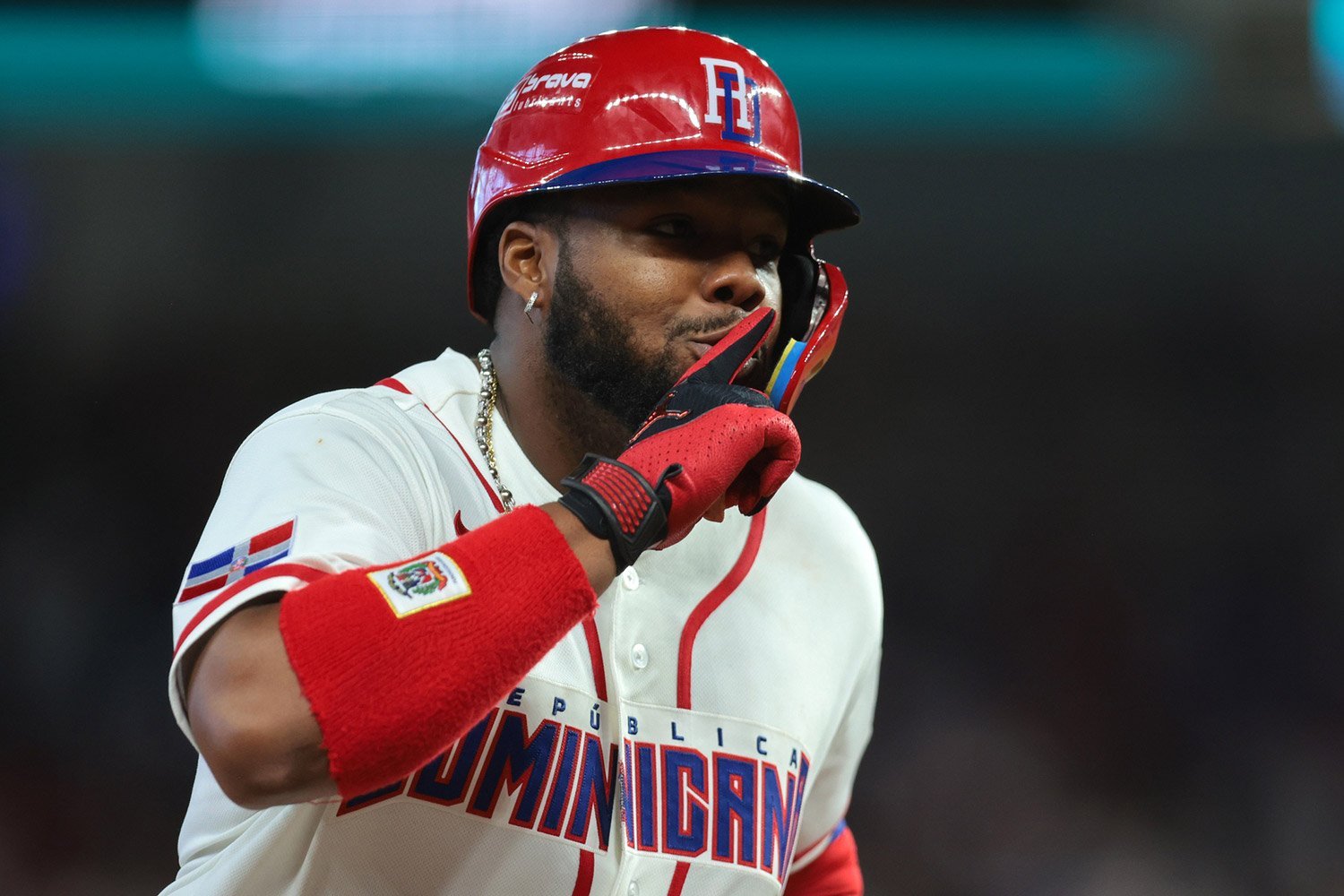 Sunday morning in loanDepot park, home of the Miami Marlins, was an exciting one as the Dominican Republic, which hit three homers, defeated the Netherlands by a final score of 12-1. Toronto Blue Jays star first baseman Vladimir Guerrero Jr. was a big reason, driving in three runs. Guerrero, who is participating in his first World Baseball Classic, took Netherlands pitcher Eric Mendez deep in the bottom of the third inning to extend the lead, 4-1. The ball left Guerrero's bat at 102.1 mph and went 381 feet to left field. He would finish the night going 2-4 with a home run and three RBI. He drove in the game's first run on an RBI single with a 106.6 mph exit velo. "I feel super happy. When I was touching second base, I began to cry," Guerrero told reporters following the game. "This is just a thing that in this moment I look into the stands, and I see the fans, it's something that makes you want to come out and play, no matter in what mood you are." The 26-year-old first baseman is coming off a 2025 season where he slashed .292/.381/.467/.848 with 23 home runs, 84 RBI, and a 137 wRC+ in 156 games played. In the postseason alone, he hit eight home runs and posted a 1.289 OPS in 18 games. The Blue Jays fell to the Dodgers in the World Series. Guerrero revealed that he was under the weather, unsure if he would play on Sunday, but after looking at the Dominican Republic jersey, he felt like he had to play. "I need to play for my country. I give everything I have for my country, and I'd die on this field for them." It's been just two games so far for the Dominican Republic, but their offense is 21-59 with six home runs, 17 walks, and they are posting a batting average of .356 with a .500 on-base percentage and a 1.212 OPS. They have scored a total of 22 runs. The Dominican Republic will once again take the field on Monday in the noon game, this time against Israel, who will play Nicaragua on Sunday at 7:00 pm. Kevin Barral is on-site in Miami covering the World Baseball Classic for DiamondCentric. View the full article
 -
Cameron Crow Optioned To Minors As Brewers Make Camp Cuts
DiamondCentric posted an article in Brewer Fanatic
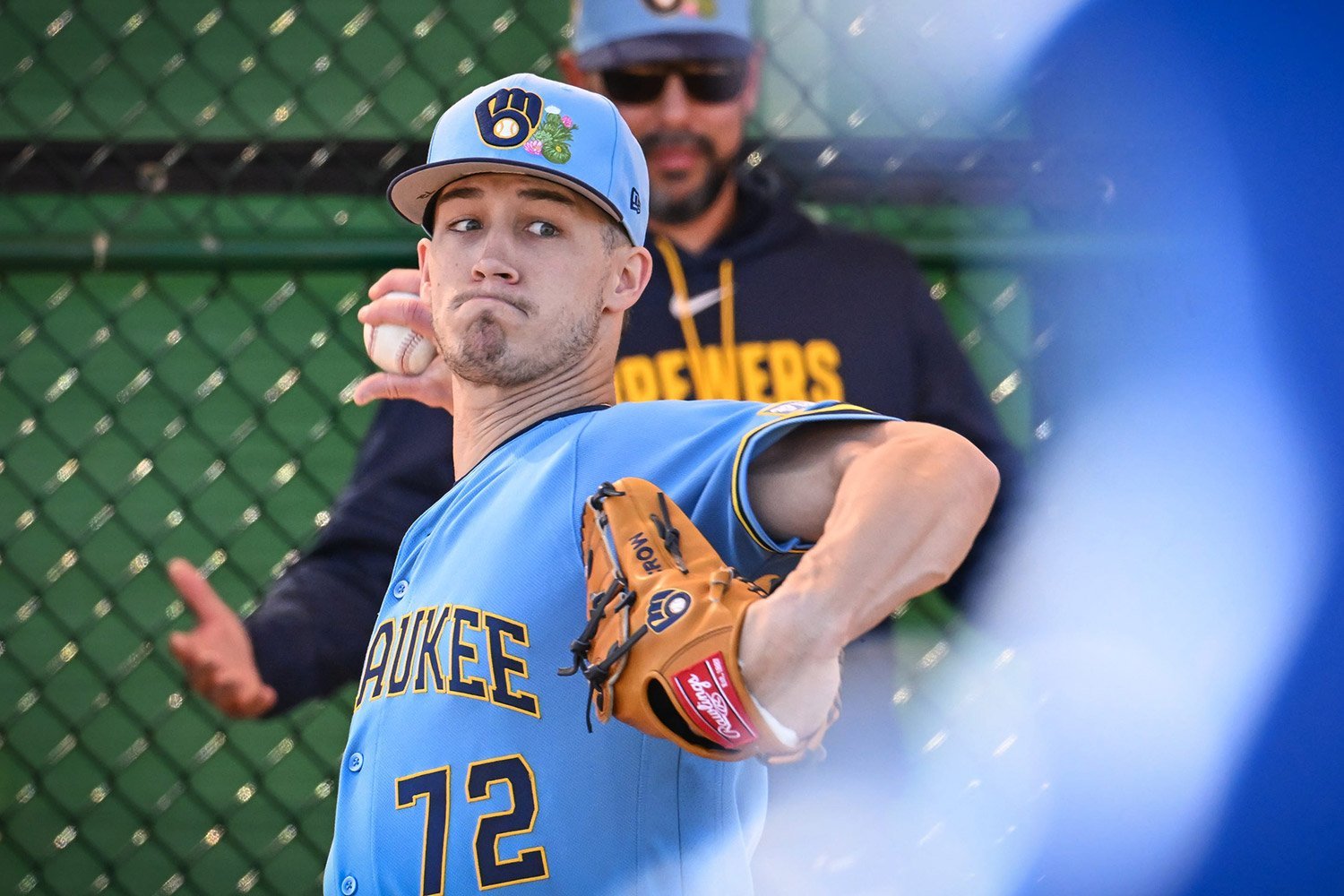 Sunday's move to daylight saving time not only sprang the clock ahead an hour, but also took the Milwaukee Brewers a step closer to Opening Day. And with that, another round of players being removed from major-league camp. The most notable move announced Sunday was optioning right-hander Coleman Crow to Triple-A Nashville. Two left-handers in camp as non-roster invitees, Tate Kuehner and Drew Rom, were reassigned to minor-league camp. There are 52 players left in camp. Crow, in his first big-league camp since 2023, when he was with the Los Angeles Angels, pitched six innings in three appearances, including one start this spring. He posted a 4.50 ERA with no walks and three strikeouts. The 25-year-old, acquired in December 2023 in a trade for right-hander Adrian Houser and center fielder Tyrone Taylor after having Tommy John surgery, was a long shot to make the Brewers' starting rotation this spring, but is likely to make his MLB debut at some point in 2026. Crow made 10 of his 12 starts in 2025 at Double-A Biloxi, with the other two at Triple-A Nashville. At Biloxi, he had a 2.51 ERA in 43 innings, walking eight and striking out 52. He had a 7.71 ERA in his two starts with the Sounds. Kuehner turned a few heads in his two spring appearances, striking out four over three scoreless innings. He had a 2.51 ERA in 21 starts at Biloxi in 2025, and a 5.59 ERA in two Nashville starts. Rom struck out six and walked four in 3⅓ innings over three appearances for a 2,70 ERA. View the full article
 -
Coleman Crow Optioned To Minors As Brewers Make Camp Cuts
DiamondCentric posted an article in Brewer Fanatic
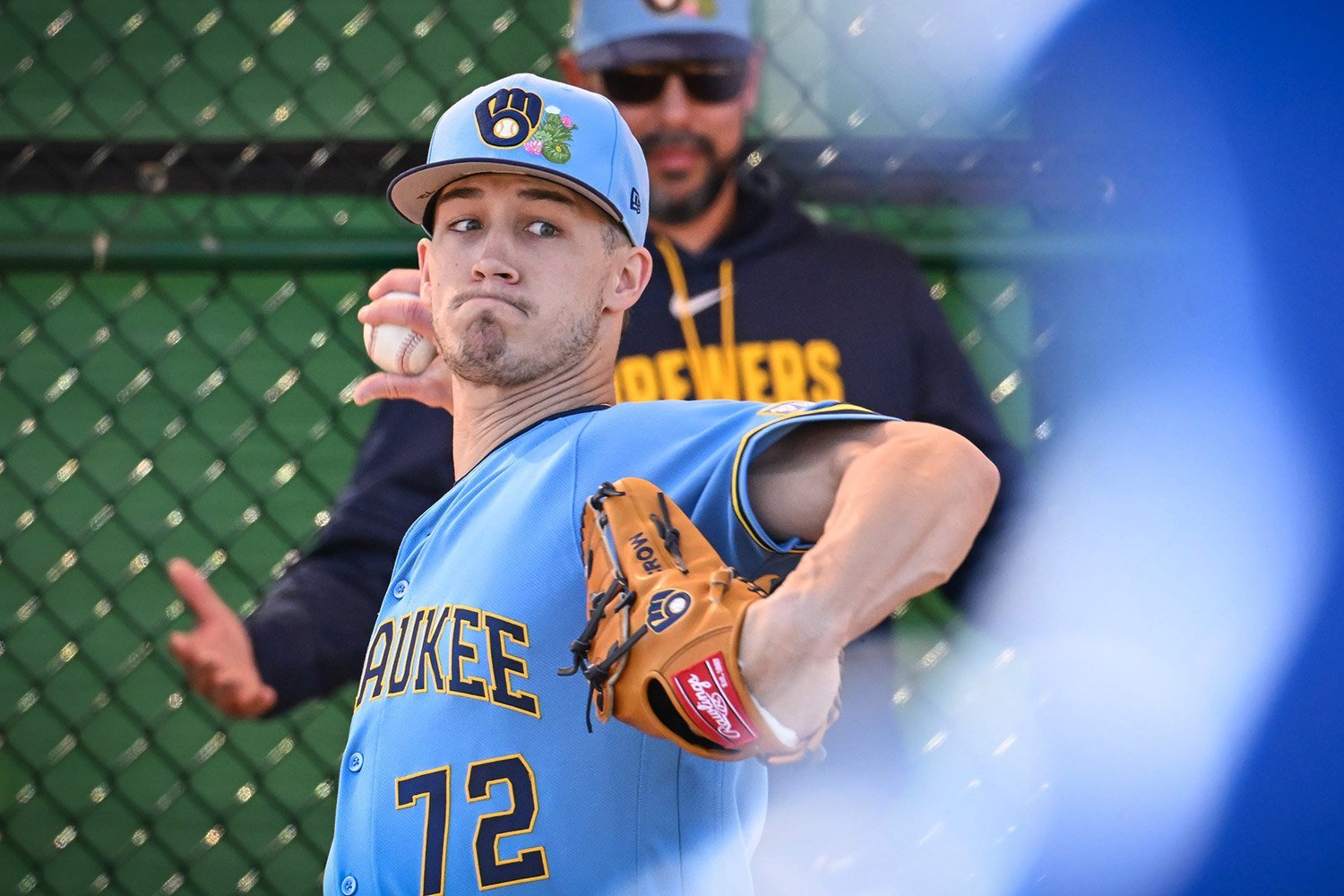 Sunday's move to daylight saving time not only sprang the clock ahead an hour, but also took the Milwaukee Brewers a step closer to Opening Day. And with that, another round of players being removed from major-league camp. The most notable move announced Sunday was optioning right-hander Coleman Crow to Triple-A Nashville. Two left-handers in camp as non-roster invitees, Tate Kuehner and Drew Rom, were reassigned to minor-league camp. There are 52 players left in camp. Crow, in his first big-league camp since 2023, when he was with the Los Angeles Angels, pitched six innings in three appearances, including one start this spring. He posted a 4.50 ERA with no walks and three strikeouts. The 25-year-old, acquired in December 2023 in a trade for right-hander Adrian Houser and center fielder Tyrone Taylor after having Tommy John surgery, was a long shot to make the Brewers' starting rotation this spring, but is likely to make his MLB debut at some point in 2026. Crow made 10 of his 12 starts in 2025 at Double-A Biloxi, with the other two at Triple-A Nashville. At Biloxi, he had a 2.51 ERA in 43 innings, walking eight and striking out 52. He had a 7.71 ERA in his two starts with the Sounds. Kuehner turned a few heads in his two spring appearances, striking out four over three scoreless innings. He had a 2.51 ERA in 21 starts at Biloxi in 2025, and a 5.59 ERA in two Nashville starts. Rom struck out six and walked four in 3⅓ innings over three appearances for a 2,70 ERA. View the full article
 -
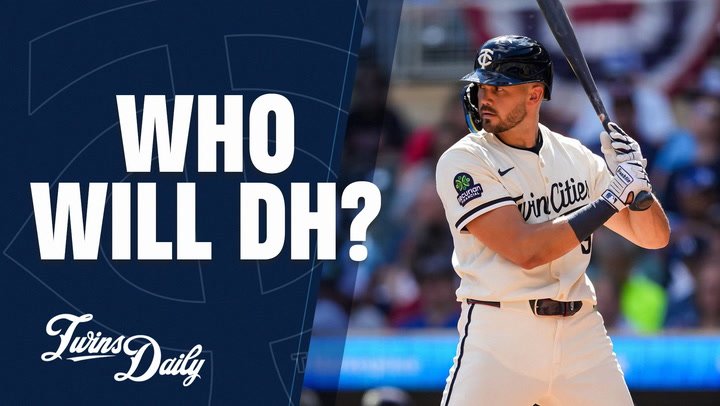 The designated hitter role could be more fluid for the Twins than it first appears. With Josh Bell and Trevor Larnach both likely to rotate through the spot, the numbers suggest the decision might come down to which alignment gets the most out of their bats. A closer look at their splits reveals why the DH spot could be one of the more interesting lineup decisions this season. View the full article
 -
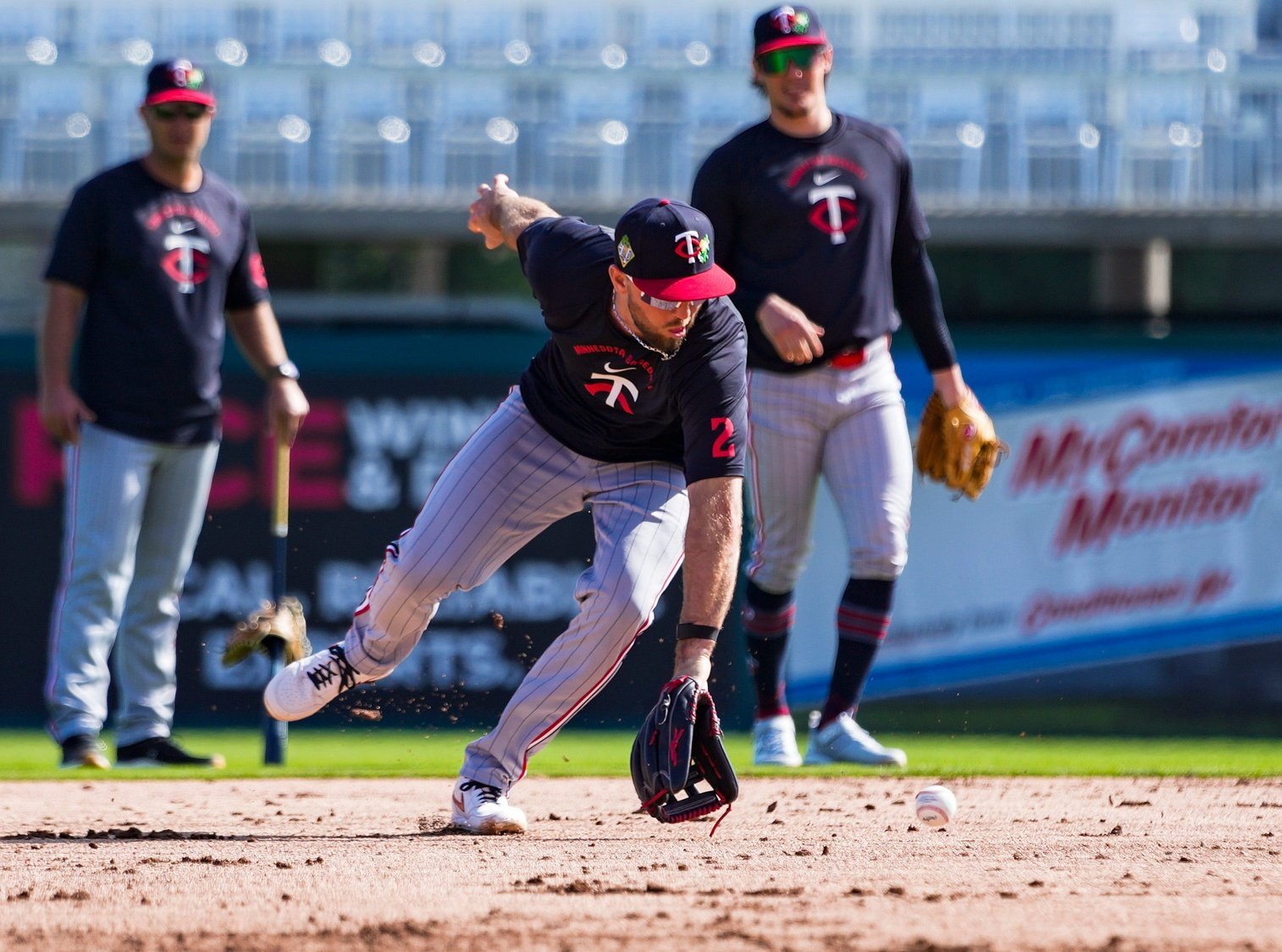 You've heard it plenty of times: spring training performance doesn't matter. That's mostly true, but it doesn't mean we can't draw meaningful conclusions from the games, and the decisions that go into them. I find myself paying attention more to the names on the lineup card than the stats next to them in the box score. Who's getting in-game reps at which positions? Which pitchers are entering earlier in games, and getting a chance to face more legitimate big-league competition? Who's being stretched out and who's tracking toward shorter relief stints? These usage trends can offer real insight into the team's plans for when the games start mattering, especially as the regular season draws closer and the preparation ramps up. We're more than halfway through the spring schedule, with 17 games down (including the unofficial exhibitions against the Gophers and Team Puerto Rico) and 16 to go (including the "Spring Breakout" prospect showcase). Here's how the starts have been allotted so far at each position, along with a few thoughts on what to make of each. Catcher Ryan Jeffers: 7x Victor Caratini: 5x Alex Jackson: 4x Noah Cardenas: 1x No surprises here. Jeffers is expected to get the bulk of a timeshare, with Caratini starting every third game or so. The big question, of course, is whether the Twins will be able to stash Jackson in Triple-A by passing him through waivers at the end of camp. The depth drop-off to Cardenas is pretty steep. First Base Josh Bell: 8x Eric Wagaman: 4x Kody Clemens: 2x Victor Caratini: 2x Aaron Sabato: 1x I've been operating under the loose assumption that Clemens would get a majority of time at first base, where he played regularly in the second half last year, but this makes me question that. Bell has been the, ah, bell cow at this position after making just 32 of his 129 starts at first base last year with Washington. Maybe it's just a matter of the Twins feeling like they know what they have in Clemens at first? Second Base Kody Clemens: 7x Luke Keaschall: 6x Tristan Gray: 2x Orlando Arcia: 1x Kaelen Culpepper: 1x This certainly catches my eye. Clemens has started more games at second than even Keaschall, who figures to be the everyday starter. He's being evaluated as the top backup, but I can't imagine he'll be starting or even subbing in here often if Keaschall's healthy. Which raises the question: how is Clemens going to find his way into the lineup? Not at third base apparently... Third Base Royce Lewis: 5x Gio Urshela: 5x Eric Wagaman: 2x Tristan Gray: 2x Orlando Arcia: 1x Ryan Kreidler: 1x Jake Rucker: 1x Lewis missed a bit of time with a minor health hiccup, opening up more opportunities to assess the depth behind him. Six other players have started a game at third base this spring, and very notably, none of them are Clemens. He's listed right behind Lewis on the depth charts at FanGraphs and even the team's official site, but there's no actual evidence that the Twins have any interest in playing him at the hot corner. If he's not an option at third and not starting at least semi-regularly at first, you really have to wonder what utility Clemens is bringing to this roster. Shortstop Brooks Lee: 9x Orlando Arcia: 4x Tristan Gray: 2x Ryan Kreidler: 2x This tracks. Lee is going to be the everyday starter, if healthy, and the other three are competing for an infield bench spot behind him. (Which apparently will also involve being the top backup at third?) Arcia, who's also gotten starts at second and third, could have the insight track. Or maybe the Twins are just feeling more urgency to take a long look, since Kreidler and Gray have minor-league options. Left Field Austin Martin: 6x Trevor Larnach: 5x Alan Roden: 2x Emmanuel Rodriguez: 2x Gabriel Gonzalez: 1x Luke Keaschall: 1x Striking to see Martin getting so many starts here, even against right-handed pitchers. He's almost certainly going to make the roster and he might be more of a regular in left than people are expecting. Martin definitely does bring something different to the lineup when he's in it. I'm a little stunned that James Outman has not made one single start in left field this spring. Center Field James Outman: 5x Byron Buxton: 4x Alan Roden: 3x Austin Martin: 2x Ryan Kreidler: 1x Walker Jenkins: 1x Emmanuel Rodriguez: 1x To make room for them on the roster, the Twins need Outman or Roden to be viable options in center, so it makes sense they've been the top recipients of playing time with Buxton away for the WBC. They'd love it if they could count on Martin there in a pinch, though he seems more stretched than others. Fun to get a glimpse of the future with Jenkins and Rodriguez. Right Field Matt Wallner: 7x Alan Roden: 4x James Outman: 2x Trevor Larnach: 2x Ryan Kreidler: 1x Gabriel Gonzalez: 1x With Martin getting the largest share of starts in left field, Outman and Roden have mixed more often in center and right. A sign of things to come in the regular season? This will be interesting to keep an eye on since my assumption has been that Wallner would be out in almost every day. I have a hard time believing the Twins prefer Larnach in left to Wallner in right. Designated Hitter Larnach: 2x Bell: 2x Wallner: 2x Buxton: 2x Urshela: 2x Caratini: 1x Jeffers: 1x Lewis: 1x Keaschall: 1x Rodriguez: 1x Gonzalez: 1x Mendez: 1x Tough to draw any real conclusions here since the DH position has mostly been used to give guys a partial day off. The position does figure to see a fair amount of day-to-day change during the season, with Bell and Larnach both factoring prominently. The way that actually shakes out will have a big influence on left field and first base. What do you make of Derek Shelton's spring lineup decisions so far? Let us know. We'll check back in next week with an update, as well as some notes on pitcher usage as the decisions start to carry more weight. View the full article
 -
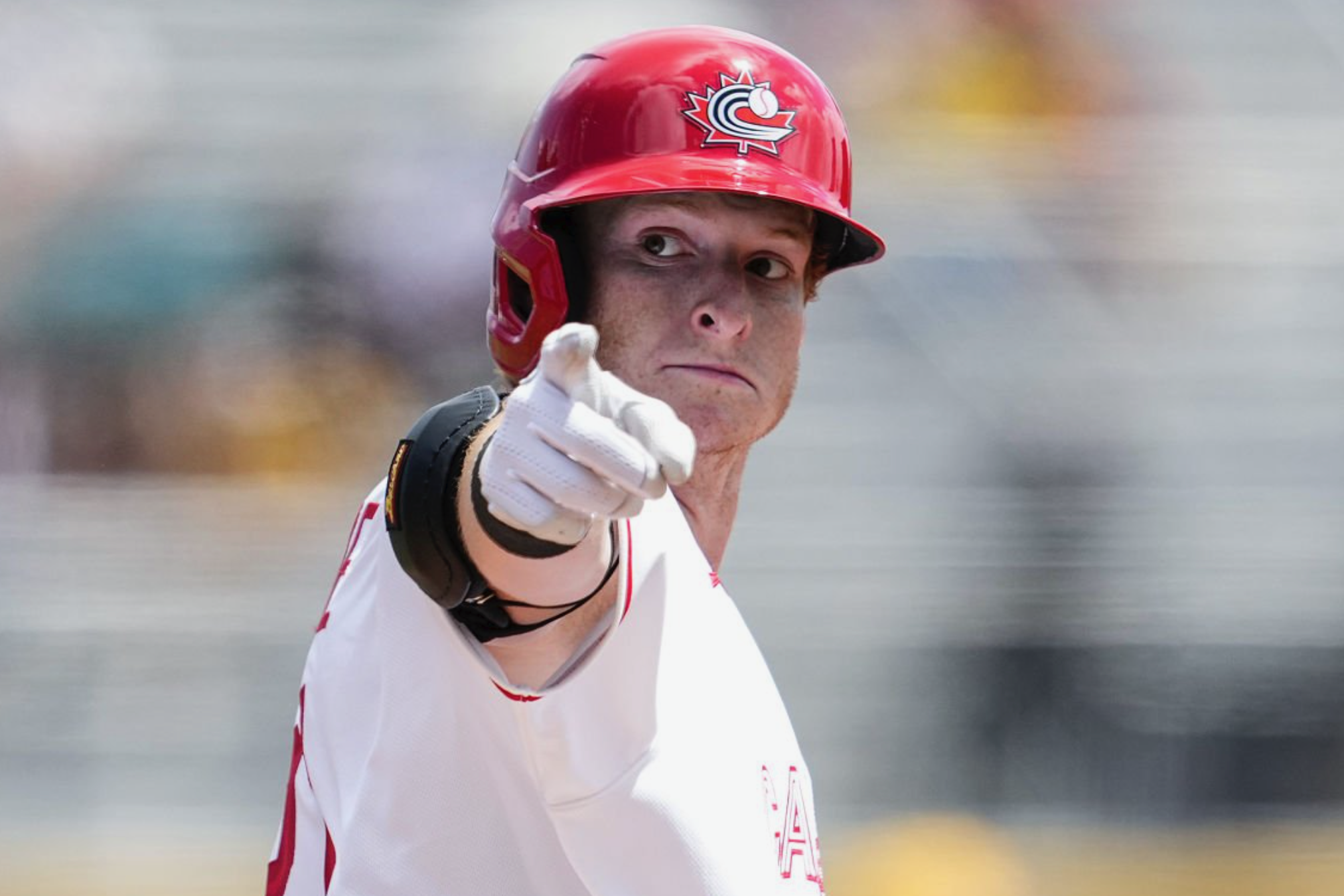 MIAMI, FL—For a second straight day, a Miami Marlin has homered in the World Baseball Classic. On Friday, it was from an unexpected source: Venezuela's Javier Sanoja. On Saturday, a more traditional power hitter did the honors. Canada's Owen Caissie hit a two-run homer in the bottom of the second inning off of Colombia pitcher Austin Bergner. "Give the boys a little push start. It never really hurts. And really just get on the board first in these tournaments really matters," Caissie said following the game. Caissie hit it 403 feet with an exit velocity of 99.7 mph. Otto Lopez started alongside Caissie, hitting fifth and playing shortstop. Lopez went 0-for-3 and worked a walk. In the bottom of the third inning, he was hit by a pitch in the right wrist area, but remained in for the rest of the game. Canada defeated Colombia by a final score of 8-2. Jakob Marsee and Italy played their first game of the tournament, defeating Brazil by a final score of 8-0. Marsee, who led off and played center field, went 0-for-4, working a walk and scoring a run. In Great Britain's second game, Ian Lewis Jr. went 0-for-2 with a walk in their 9-1 loss against the United States. Team USA starter Tarik Skubal struck Lewis out. The 23-year-old Bahamian continues to be used at shortstop. Entering Sunday's slate, the only Marlins on WBC rosters who have not appeared in games are Sandy Alcantara (Dominican Republic), Agustín Ramírez (Dominican Republic) and Liam Hicks (Canada). View the full article
 -
 "It's 'yes' or 'no' from pitch to pitch," Pat Murphy said. He waited almost a full fortnight into Cactus League play before putting an ABS challenge system strategy into action for his team, but the activation was not the slow turn of a dimmer dial. It was a hard flick of the switch. Beginning Thursday afternoon at Salt River Fields, Brewers batters no longer had free rein to feel out the system and test-drive it at their leisure. Two Brewers coaches were assigned to use colored cards to signal whether the situation justified a challenge on a borderline call or not, and every player in the lineup was expected to heed the signals. One day later, the league had issued a hard flick of its own, thwarting that particular version of dugout-to-player communication on the premise that it falls outside the spirit of the new structure. Players are supposed to make challenge decisions without the help of the dugout; that's been one of the key principles of the system since the league began testing it in the minor leagues. It's a flimsy and misbegotten prohibition, though, and it will have little effect. The Brewers' system wasn't in place to tell batters (or catchers) to challenge or not; it was just a way to communicate when a challenge is contextually appropriate. There are really two layers to every challenge decision, which is the major source of complexity in this new system. A player has to quickly gauge their own confidence that a call that went against them was wrong, but then, they also have to figure out whether the count, base-out situation and game state dictate that flipping that call is worth the risk of a failed (and thereby lost) challenge. The card system was one of several possible ways to quickly tell players whether they had the go-ahead to issue a challenge based on all those factors beyond the question of their confidence about having been wronged. In that sense, it doesn't really violate the spirit of the new rule. Communicating that information to players also isn't something the league will have any luck preventing teams from doing. Banning cards from dugout railings will stop players from being able to do a quick check after a call and before a challenge, but the team can still relay signals to the batter via the base coaches that contain that information, before each pitch. The league won't be able to prove that's what any team is doing, and even if they could, they shouldn't care. So, despite an early setback, the wheels of the Milwaukee ABS Challenge Machine are in motion. Murphy described a "huge" session in his office Thursday to devise the plan, which goes much, much deeper than signal cards, anyway. "We probably had one, two, three, four, five R&D guys in here with our baseball staff, saying, 'How are we gonna present this?'" Murphy said. "'Does this make sense?' 'What are you worried about from a strategy standpoint?' 'Here's what we're worried about from an implementation standpoint.'" Murphy said the hope and expectation is for hitters (especially) to learn when challenges make sense or not themselves, anyway, rather than relying on any guidance from the bench. He also emphasized that, even if the league had allowed cards in the dugouts, the system was bound to become "way more complicated than [yes or no]." "I don't want to reveal our strategy," Murphy said, but "The key is not to lose challenges early, but it's also not to have challenges left at the end of the game." That's the delicate balance all teams will have to learn to strike, and by forcing players to make their decisions about whether to challenge in the heat of battle on the field, the league is compelling them to become a high-functioning collaborative organism. Each player has to attune themselves to the variables that determine whether a given call is a good challenge or not, including things far beyond how strongly they feel that the umpire was wrong. Maxfield Lane and Owen Riley, who work together under the name Oyster Analytics, developed an app that models all those variables and the resulting changes within a game, with startling results. Say Sal Frelick takes the first pitch of the game, a good two inches off the outside corner. Should he challenge? The answer is clear: No. The odds that Frelick saw the ball well enough and will win his challenge are roughly 5:3, which isn't bad. Given the count (0-0; a pitch either way matters, but isn't decisive), the score (by definition, 0-0), the lack of anyone on base, and the long time left in the game, the Oyster model estimates that he'd need to be more like 9:1 certain to make the challenge worthwhile. Now, however, imagine that it's the sixth inning, with the tying run on second base and two outs, in a 2-2 count. It's a no-brainer again, but going the other way. The yellow borders in each of these visuals show you the rough boundaries outside which a batter should challenge, given all the variables plugged in. That's the break-even boundary. Here, even if Frelick were only about 20% sure he was right, he should issue the challenge. Though these are two relatively extreme examples, they're far from the most extreme. There are cases in which the same two pitches can demand even more obvious 'yes' or 'no' challenge decisions—and there are also plenty in which it's something very close to a toss-up. Look what happens if there are runners on the corners with nobody out in a tie game, in the third inning, with a 2-1 count on the batter and just one challenge remaining, rather than two. This is why the Brewers tried to start with a simplistic binary—not to effectively simulate their plan for the season ahead, but to begin the long learning process that will prove inevitable. Murphy has talked multiple times about not wanting to put too much into hitters' heads as they go to the plate, and this system threatens to do that almost constantly. Each player will need to learn to intuit some of these variables' impacts, so they don't have to compute them as they make decisions in the box. Otherwise, they won't be sufficiently focused on their actual task: hitting. So much, too, will depend on the keystone skill of every hitter: vision. "It still comes down to the players, which is what I love about the rule," Murphy said. "It comes down to the players dictating it. They have to become really efficient, at knowing situations and—more importantly—at knowing what is a strike. First, what is a strike in the heart of the plate, and what is a strike when the ball is actually one [ball's width] on, or what's not a strike that's actually one ball off, or way off?" On Feb. 28, long before Murphy was ready to implement a system team-wide, the club lost both of their challenges in the first inning. In his typically wry form, Murphy said he wished he "could have tased some of them, when they do that," but the prime directive of the early Cactus League games was for players to get a feel for the system by practicing. That plate vision comes from sheer acuity, but also from a good approach and a proper plan. Calibrating it, however, requires focused practice. The Trajekt machine is a vital tool for that development and calibration. Though multiple Brewers hitters expressed some skepticism about it in their own experience, Murphy is insistent that Trajekt is the only way (other than live reps) to steadily gain a better sense of the edges of the zone, especially vertically. In addition to being programmed to deliver pitches that mimic those of any pitcher a batter might face, that machine allows the operator to set the specified strike zone of each batter, so players can practice discerning when the ball is (and isn't) in their new, unique zone. Murphy and the Brewers will give greater leeway to hitters who show facility with the zone both in games and in practice settings than to those who consistently lose challenges or seem to make poor swing decisions when they let the system factor into their at-bats too much. Trajekt can inform that, but so can data the Brewers have on players' responses to the ball, which aren't publicly available—or, in some cases, even well-understood by the players themselves. Using early hand movements as proxies, the team can estimate when hitters tend to see the ball and how early they make their swing decisions against certain pitcher types—based on handedness and arm slot, especially. That data can be used to coach players, but it can also be used as a scouting/grading tool—and to help them decide how free the player's hand should be to issue challenges. The front office, the coaching staff and the players themselves will be in constant communication throughout the season. The ABS system will be a subject in most pre-series hitter meetings and a constant source of feedback from the analytics team to Murphy and company. It will change the game too much not to work strenuously to do well with it, for a team that relies on winning on the margins. Doing that will mean a patient (but urgent), collaborative and comprehensive embrace of complexity. View the full article
 -
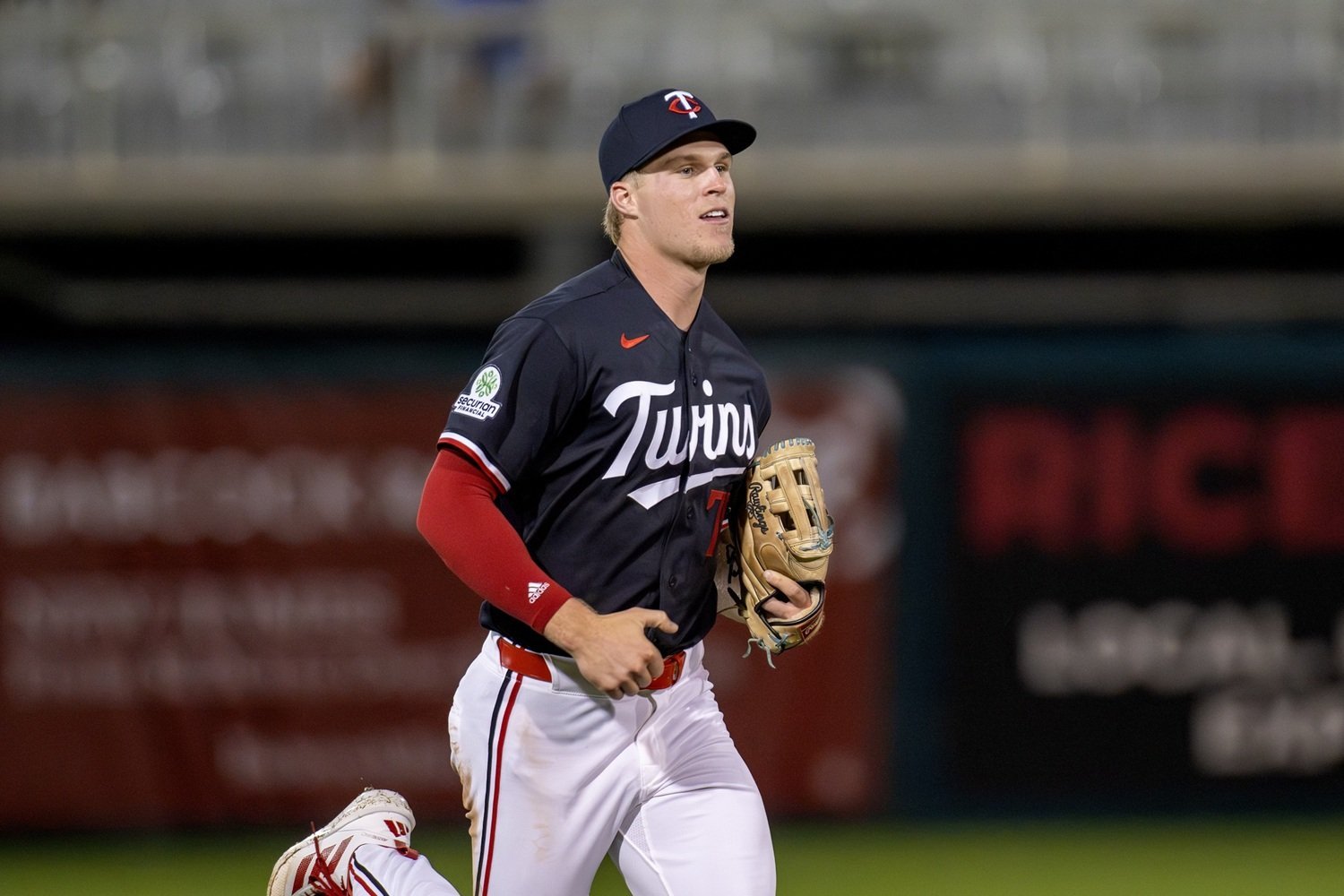 Walker Jenkins is the crown jewel of the Minnesota Twins organization. Ranked as the Twins’ top prospect and the 14th overall prospect in the latest MLB Pipeline Top 100, Jenkins has quickly established himself as one of the most intriguing young players in baseball. So let’s not bury the lead: Walker Jenkins will be the 2026 American League Rookie of the Year. It won't happen because of a lack of competition; the American League is loaded with incoming talent. Samuel Basallo headlines Baltimore’s next wave. Cleveland’s Travis Bazzana and Detroit’s Kevin McGonigle bring advanced contact skills and polished offensive approaches. Carter Jensen made noise in September with Kansas City. On the pitching side, Boston features high-upside arms in Payton Tolle and Connelly Early, while Toronto’s Trey Yesavage turned heads with a dominant postseason run. There will be no shortage of legitimate candidates. Jenkins won’t win the award on reputation alone. But Rookie of the Year isn’t awarded for prospect rankings. It’s earned through everyday opportunity and immediate, bankable production. And that’s where Jenkins’ profile becomes especially compelling. His offensive game is built for sustainability. He controls the strike zone and he doesn’t rely on one primary tool that has to carry his entire profile. He doesn’t need a 10-homer heater to stay relevant in the race. Instead, his value shows up in quieter ways: competitive at-bats, line drives into the gaps, not chasing out of the zone, and steady defense in the outfield. In the grind of a baseball season, that kind of consistency matters. Opportunity is the other half of this equation. Outfield depth rarely survives a full season untouched. If someone like Byron Buxton misses time, the Twins will need a reliable everyday option. Jenkins will be firmly in that conversation alongside Emmanuel Rodriguez. The difference is stylistic. Rodriguez offers loud power but comes with more swing-and-miss risk. Jenkins is beyond his years as a pure hitter, making him easier to insert into a lineup without living with extreme volatility. For a team trying to win games in the middle of an up-for-grabs division, that stability may be just what the Twins are looking for. Jenkins is close enough to the majors that he won’t feel rushed. He’s polished enough that he won’t look overwhelmed. And he’s well-rounded enough that even modest across-the-board production becomes extremely valuable over a full season of at-bats. The statistical foundation supports that projection. At Double-A in 2025, Jenkins hit .309 with a .426 on-base percentage across 235 plate appearances. More importantly, he showcased growth. His walk rate climbed to 14.5 percent, reflecting a hitter who was adjusting as pitchers adjusted to him. That type of development is what you want to see from a future impact bat. The late-season promotion to Triple-A presented a tougher challenge. Across 101 plate appearances, he hit .242 with a .324 on-base percentage, collecting nine extra-base hits and four stolen bases. His strikeout rate ticked up, marking the only stop in his minor league career where swing-and-miss became a noticeable storyline. For a 20-year-old facing older, more experienced pitching, simply holding his own at that level is encouraging. It wasn’t dominance, but it didn’t need to be. It was exposure to the final layer of adjustments before the big leagues. And here’s the key: he doesn’t need to overhaul anything to win this award. He just needs incremental improvement. If Jenkins trims his swing rate slightly and forces pitchers to attack him, his on-base skills could jump another tier. His power likely settles in the 15-20 home run range in the short term. That may not scream “superstar,” but paired with a strong average, power to the gaps, and competent defense, it creates a player who contributes in multiple ways every single night. Rookie of the Year campaigns often reward players who are ready, not just electric. There will be rookies in 2026 with louder tools. There will be stretches where a young pitcher strings together six dominant starts and captures the spotlight. There will be power surges that drive headlines for a month. But over the course of a season, steady production accumulates. Quality at-bats add up. Defensive reliability builds trust. Managers keep writing the same name into the lineup card. Jenkins’ game is built on that kind of trust. His track record shows a hitter who adjusts quickly and rarely lets one rough stretch spiral. In a race that will likely feature plenty of upside and volatility, his steady, well-rounded profile might ultimately be what separates him. He doesn’t have to be perfect. He simply has to be what he has consistently been throughout his minor league career: a mature, adaptable hitter with a clear runway to everyday at-bats. That combination of tools plus opportunity is powerful. And in 2026, it’s going to put Walker Jenkins at the front of the American League Rookie of the Year conversation. View the full article
 -
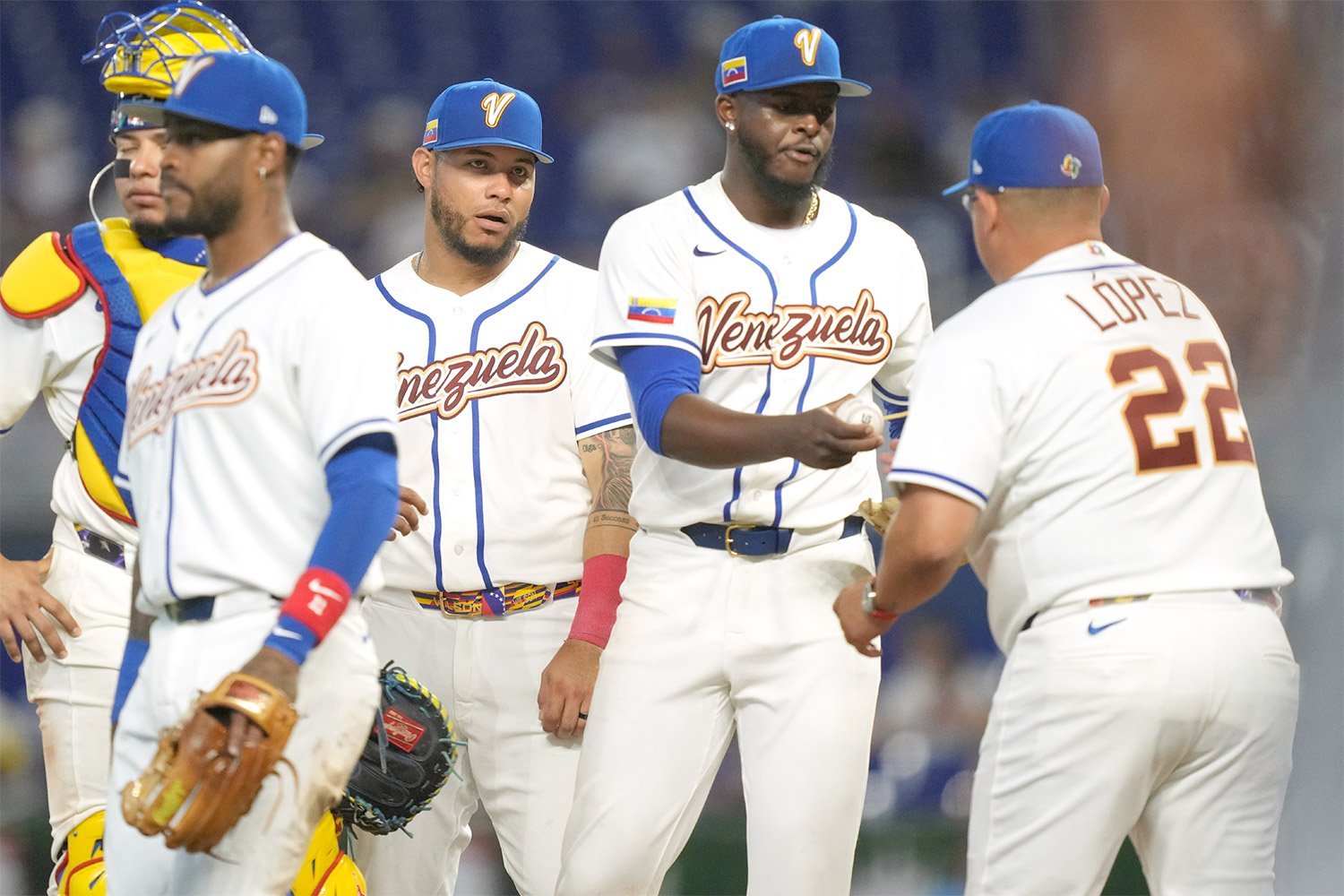 Kansas City Royals reliever Luinder Avila wasn't supposed to be in loanDepot park. In fact, the Royals didn't originally approve Avila to play in the World Baseball Classic, but after Minnesota Twins starting pitcher Pablo Lopez underwent Tommy John surgery, the Royals and the Caracas native had a conversation and eventually agreed that he could replace Lopez's spot. "In November, Omar (Lopez) called Kansas City, and they were in conversations, but Kansas City said no," Avila said in Spanish. "Up until the end of spring training, the team called me to the office, and when Pablo got hurt, they told me that Venezuela still wanted me on the team. They had their meetings and decided that I would be in the World Baseball Classic." In his World Baseball Classic debut against the Netherlands, Avila went two innings, allowing one run (unearned) on one hit, walked three, and struck out two. That marked Avila's World Baseball Classic debut. His two strikeout victims were Chadwick Tromp and Druw Jones. Avila's fastball topped out at 96.6 mph and generated three whiffs, all with his curveball. "They put me in the game when it was 2-1, so I just wanted to keep the game right there," Avila said. "I wanted to give the guys a chance to hit. Simply, I didn't try to do too much, just be myself and try to get outs." Venezuela still has games against Israel and Nicaragua before facing the Dominican Republic, which many are considering the biggest game of the tournament. It is unclear if Avila will be pitching in that game, but he does expect a packed house on March 11. "We just need both sides to do their job and may the best team win," Avilas said. The Royals called up Avila to make his MLB debut in August of 2025, and in 13 games pitched, he posted a 1.29 ERA, 2.14 FIP, 10.29 K/9, and 3.86 BB/9 in 14.0 innings pitched. "I'd say it was perfect," Avila said regarding his first stint in the majors. "I had a month that I wish I could have all the time and perform the way I did. I came in relief during my major league stint after being a starting pitcher in the minor leagues for the past eight years, and I'd say I did very well, but I can always do better." It is unclear whether Avila will pitch again in the World Baseball Classic, but when it comes to Avila in 2026, expect him to compete for a starting rotation job, and if he doesn't get that, he can be a major piece out of the bullpen, helping out in a multi-inning relief role. Kevin Barral is on-site in Miami covering the World Baseball Classic for DiamondCentric. View the full article
 -
 The Minnesota Twins have announced their 40-man Spring Breakout Roster pool. Before it is trimmed down to the official roster later in March, here is your crash course on all things Kaelen Culpepper (former first-rounder), top backstop Eduardo Tait, Connor Prielipp, and Riley Quick. View the full article
 -
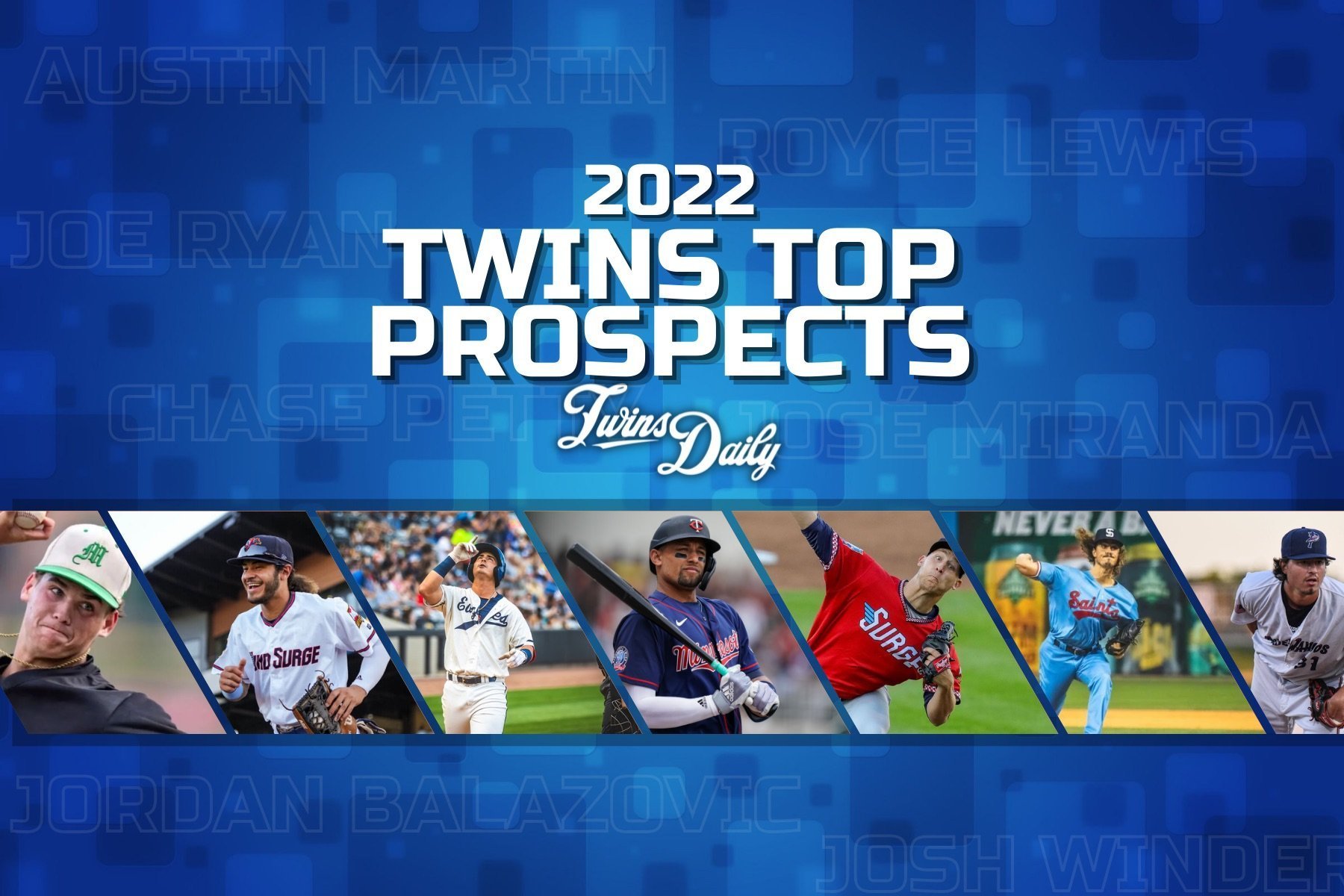 Let's take a short trip back in time. Four years ago, Twins Daily rolled out its top-20 prospects entering the 2022 season, a list that blended near-ready contributors, teenage upside, and trade-deadline acquisitions. Some names have become core pieces. Others were rerouted in trades that reshaped the roster. A few never found their footing at the big-league level. Development is rarely linear, and the 2022 list is a reminder of just how unpredictable the path from prospect to producer can be. There were immediate risers. Emmanuel Rodriguez made his first appearance on the Twins Daily top 20 at No. 16, after a dominant introduction to pro ball in the rookie league. At the time, he looked like a lottery ticket with tools. Today, he is very much part of Minnesota’s long-term outfield conversation. Simeon Woods Richardson slotted in at No. 8, after arriving from Toronto in the José Berríos trade. He was viewed as a polished arm with mid-rotation potential. His big-league career has reflected that projection in flashes, showing stretches of stability mixed with the growing pains typical of young starters. Current Twins Matt Wallner (13th) and Cole Sands (14th) both cracked the top 15. Wallner’s left-handed power has blossomed, even if streakiness remains part of the package. Sands has moved between roles, and now might be the bullpen's highest-upside arm. There were disappointments, too. Matt Canterino ranked sixth but has been derailed by injuries throughout his professional career. The stuff was real. The availability never facilitated the upside. Josh Winder came in at No. 10, fresh off a dominant run in the high minors. At 25, he was close to big league-ready, but he never carved out a sustainable role in Minnesota. Gilberto Celestino, ranked 12th, looked like a potential everyday center fielder after strong numbers in the upper minors. The bat never developed. Let’s look at the top five from 2022 and revisit what was said then, compared to what actually unfolded. 5. RHP Joe Ryan What was said at the time: Amazing numbers in minors looked like real omens during five-start run with Twins. What happened: When Minnesota acquired Ryan, he was overpowering hitters in the upper minors with a fastball-heavy approach. His unique arm slot and the way the ball played at the top of the zone allowed him to miss bats without premium velocity. The organization worked to deepen his arsenal and sharpen his sequencing. The result was an All-Star-caliber starter who became a pillar of the rotation. Ryan validated the belief that his minor-league dominance was not a mirage. 4. RHP Jordan Balazovic What was said at the time: Safest combination of ceiling, floor, and proven durability among arms in the system. What happened: Not much about that projection held up. Balazovic struggled to secure a consistent role and appeared in just 18 games with Minnesota, working exclusively as a reliever. He posted a 4.44 ERA with a 15.7 K% and an 11.1 BB%. During spring training in 2023, he suffered a broken jaw after being punched at a bar, an incident that sidetracked his season. The Twins stayed patient, but he was ultimately released in July 2024. The presumed safety never materialized. 3. 2B/3B José Miranda What was said at the time: Perennial breakthrough candidate broke through with minor-league season for the ages. What happened: Miranda arrived in the bigs on a wave of momentum. As a rookie in 2022, he posted a 114 OPS+ with 25 doubles and 15 home runs, looking like a long-term middle-of-the-order bat. Injuries derailed his 2023 season, but he rebounded in 2024 with a 112 OPS+ and etched his name into the record books with hits in 12 consecutive at-bats. Then came a stunning collapse in 2025. He posted a 13 OPS+ in 12 games, was demoted to Triple A, and injured himself carrying a case of water at Target. Minnesota released him this winter. His arc might be the clearest reminder of how fragile success can be. 2. SS Royce Lewis What was said at the time: Missed two straight years, but has the elite skills, athleticism, and drive to catch up fast. What happened: Lewis looked every bit the star during the 2023 postseason push, flashing power, charisma, and the ability to rise in big moments. Over the last two seasons, he has appeared in 188 games and posted a 93 OPS+, battling inconsistency and more injuries. Still under team control for three more seasons, Lewis revamped his swing this winter. The talent that made him the top overall pick in 2017 remains. Now, it's all about sustained production. 1. SS/OF Austin Martin What was said at the time: Headliner of 2022 deadline sell-off is a worthy top prize, with evident star qualities. What happened: Martin entered 2022 as a consensus top-100 prospect. Drafted fifth overall in 2020 after starring at Vanderbilt, he was viewed as one of the safest bats in the minors. Injuries slowed his development, and he never quite locked down a defensive home. Last season, however, he made a strong second-half impression, with a 106 OPS+ and 11 steals in 50 games. Heading into 2026, he is fighting for a bench role. The question now is whether his versatility and on-base skills can translate into something larger. The 2022 Twins Daily top-20 list is a study in extremes. It produced an All-Star starter in Joe Ryan and meaningful contributors like Matt Wallner. It also featured injuries, stalled development, and several players who became trade currency. Prospect rankings are not promises. They're probabilistic outlines, shaped by scouting reports, performance data, and educated guesses. Four years later, the list stands as both a testament to the organization’s ability to develop talent and a reminder that projecting 22-year-olds is an inexact science. What stands out about the team’s top prospect list from 2022? Leave a comment and start the discussion. View the full article
 -
Boston Red Sox 2026 Top Prospects Rankings: Dorian Soto (No. 8)
DiamondCentric posted an article in Talk Sox
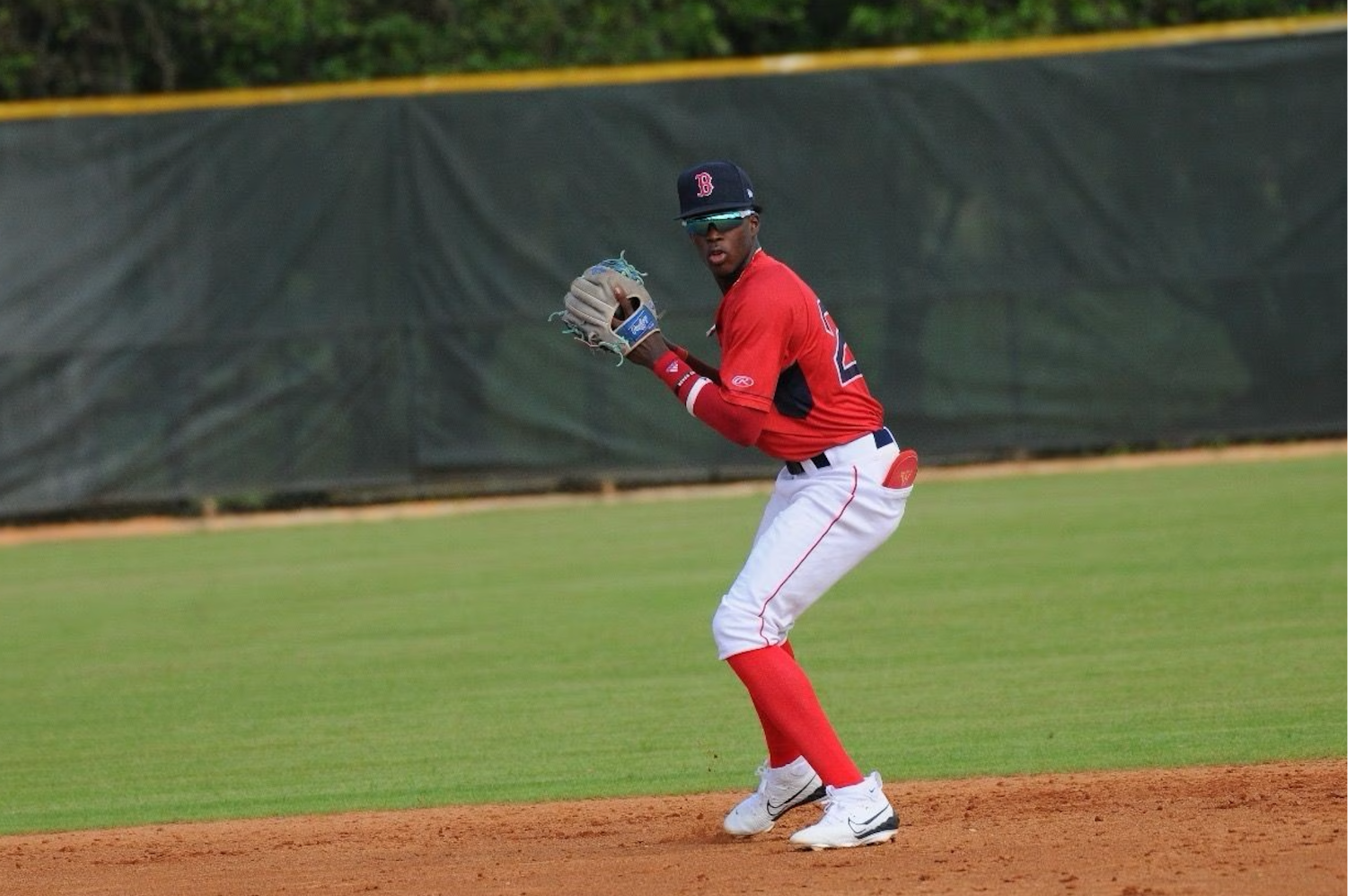 Talk Sox's top prospect rankings have reached their latter half, now focusing on the Boston Red Sox's top 10 prospects heading into the 2026 season. Be sure to check out our previous rankings here: Part 1 (Nos. 16-20) Part 2 (Nos. 11-15) Part 3 (No. 10) Part 4 (No. 9) Boston Red Sox Top Prospects: No. 8 Dorian Soto Signing with the Boston Red Sox as an international free agent in 2025, Dorian Soto received the highest bonus of their entire class. Thanks to his ability to play shortstop and penchant for producing solid contact, many viewed Soto as a rising prospect before he signed. The 18-year-old played his first professional season in the Dominican Summer League last year, appearing in 47 games and showcasing his tremendous bat. In that span, he managed to hit .307/.362/.428 with 10 doubles, two triples, two home runs and 18 RBIs. As a hitter, Soto bats from both sides of the plate and displays solid bat speed along with strong barrel control for someone of his age. Scouts have viewed Soto’s swing decisions as being quite advanced, while his contact skills remain one of his premier skills. Soto’s 90th percentile exit velocity reached 102 mph as a 17-year-old thanks in part to his ability to generate bat speed with a sometimes long swing. While aggressive, the shortstop has strong bat-to-ball ability which allowed him to have a strikeout rate of just 16% despite being aggressive at the plate. Though he's a true switch hitter, Soto showed better results as a left-handed batter as he slashed .311/.372/.432 compared to a stat line of .294/.324/.412 as a right-handed batter. Whether a wrist injury that limited his ability to bat from the right side of the plate had an effect on his production is yet to be known. Soto has shown average raw power in his first season, though scouts expect that to inflate as he grows older. His 6-foot-3 frame is impressive, and he still has room to grow and fill out, which will add more power to his game. Defensively, Soto is primarily a shortstop, but it is unknown if he will be able to stick there considering he’s already 6-foot-3 and still growing. Last season, he showcased natural movements at shortstop but also saw some time at both third base and second base. Should he be moved off of shortstop, third base seems to be his likely landing point due to his strong arm and potential power. The only real negative about Soto at the moment appears to be his speed, as it’s been viewed as his worst tool that could drop to below-average territory as he continues to grow. Soto is very young and it’s hard to project what he could end up as, but his potential is through the roof. In a best-case scenario, he'll be batting in the middle of the Red Sox's lineup in a few years. Of course, that all depends on how he develops over the next few seasons. Soto will begin 2026 in the Florida Complex League as he adjusts to playing stateside for the first time in his career. The young infielder could very well follow in Justin Gonzales’ footsteps of playing very briefly (Gonzales played exactly one game) in the Complex League before heading to Low-A Salem. View the full article
 -
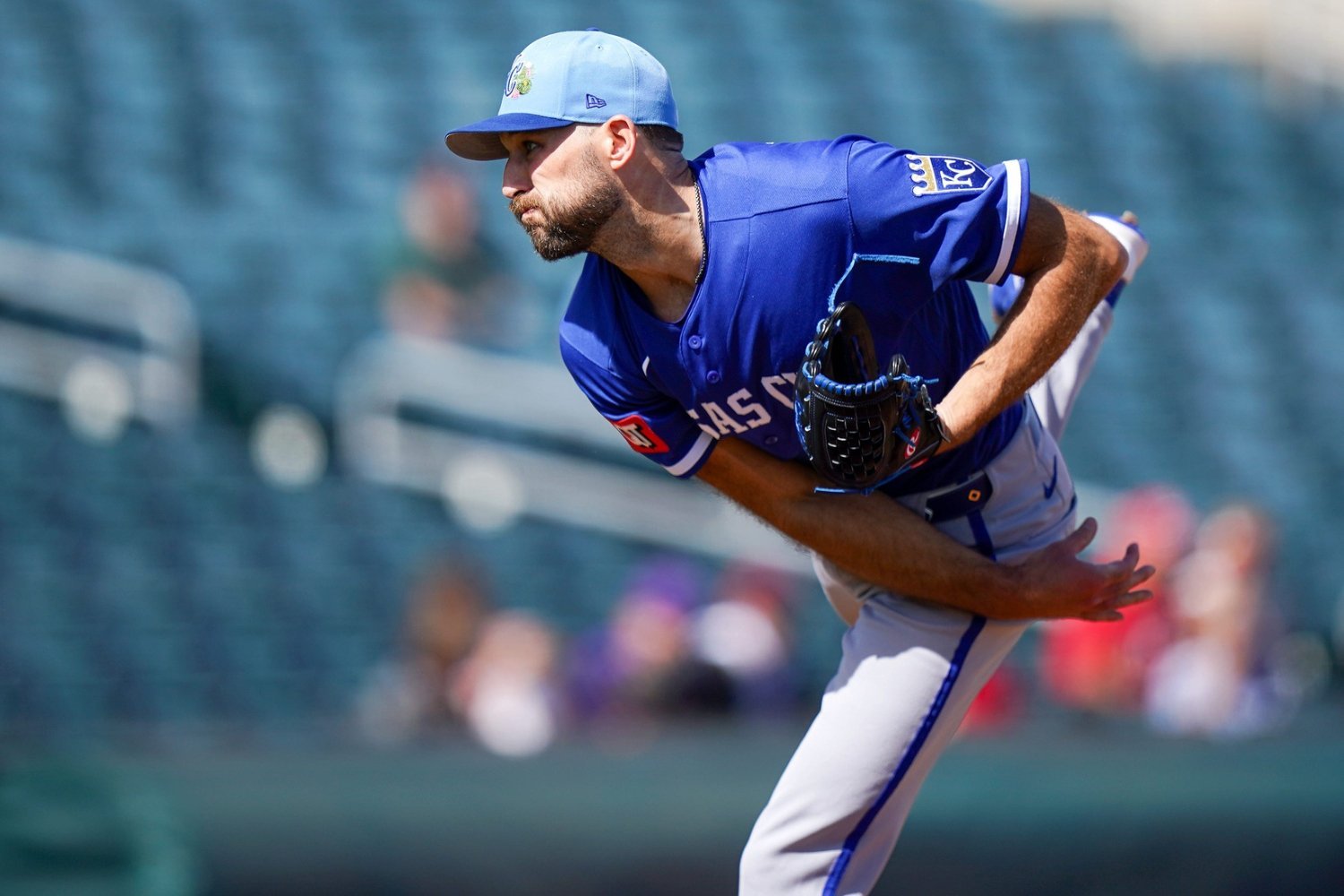 Baseball fans saw the first full day of World Baseball Classic competition on Friday, and the Royals were well-represented. Salvador Perez and Maikel Garcia made starts for Team Venezuela, as did Bobby Witt Jr. for Team USA. Furthermore, Luinder Avila threw two innings of relief for Venezuela in their 6-2 win over the Netherlands (see below for a summary of his outing via TJ Stats). However, the two biggest Royals standouts in Friday's World Baseball Classic slate were Seth Lugo for Puerto Rico and Michael Wacha for the United States. Lugo made the start for Puerto Rico in their 5-0 win over Colombia and went four innings in the winning effort. As for Wacha, he pitched in relief but went three innings and collected five strikeouts for the United States. Let's review Lugo and Wacha's efforts individually, and what Royals fans can take away from their first outings in WBC pool play. Lugo Gives Vintage Performance The 36-year-old righty will be a key pitcher to the Royals' divisional and postseason chances in 2026. In his first season in Kansas City in 2024, Lugo pitched 206.2 innings and made 33 starts. In that sample, he posted a 3.00 ERA and 1.09 WHIP and finished second in the AL Cy Young race. With Cole Ragans at the top of the rotation, he helped the Royals win 86 games and make it to the ALDS against the Yankees. Unfortunately, things regressed for Lugo in 2025. In 26 starts and 145.1 IP, he posted an ERA of 4.15, a 1.29 WHIP, and a 5.20 xERA, the latter being his worst mark in that category since his 5.45 xERA in his rookie year in 2016. He was also shut down at the end of the year due to a lower back strain. However, despite those issues, the Royals opted to bring him back instead of trading him at the Trade Deadline, inking him to a two-year, $46 million extension on July 29th. My biggest concern with Lugo was his curveball, which was a weapon for him in 2024 but less effective in 2025. In his first year in Kansas City, he posted a whiff rate of 33.6%, a put-away rate of 28.6%, and an xwOBA of .240 on the curve. Last season? He posted a whiff rate of 25.9%, a put-away rate of 20.4%, and an xwOBA of .308. He also showed some differences in TJ Stuff+ and chase from 2024 to 2025, not just on his curveball, but other key pitches (especially of the breaking variety). Lugo has shown some strong progress in Spring Training. In two outings and 5.0 IP in Cactus League play, he had a 3.60 ERA, 1.60 ERA with three runs allowed on eight hits. However, he has struck out five while not allowing a single walk. While that's encouraging, Cactus League competition isn't always the best indicator of a pitcher's progress, especially for veterans who are more concerned with process than results at this time of the year. That said, the WBC is a different animal, especially with players more invested in the wins and losses in this competition. Lugo was not only named to Puerto Rico's team, but was also named the starter for Game 1 of pool play. That's the equivalent of being named the Opening Day starter in this context, which shows both the trust and the pressure on Lugo, especially with Puerto Rico hosting Pool A (which includes Puerto Rico, Canada, Colombia, Cuba, and Panama). The Royals righty stepped up and delivered a vintage performance: 4.0 IP, 3 H, 0 R, 0 ER, 2 BB, 3 K, on 62 pitches. Here's what his summary looked like from his WBC outing via TJ Stats. Lugo didn't generate a ton of whiffs (24% whiff rate) or chase (15.6% chase rate). He also struggled with strike-zone consistency, as evidenced by his two walks and 48.4% zone rate. However, his overall TJ Stuff+ metrics were solid. He had a 99 TJ Stuff+ overall and sported four pitches with TJ Stuff+ marks over 100 (slurve, curveball, slider, and sweeper). Colombian hitters also struggled with making hard contact, as they produced an xwOBACON of .228. It was the kind of pitch-diverse and effective outing that Royals fans have grown to appreciate from Lugo in his two years in Kansas City. I was curious to see how his breaking stuff fared in his outing against Colombia. Based on the pitch description chart of his breaking pitches via Savant, he did an excellent job of not just generating strikes but keeping hitters off balance. H Based on his pitch chart from Savant, he produced five called strikes and five swinging strikes on breaking offerings. He also gave up just one hit, which was a swinging-bunt by Harold Ramirez with an exit velocity of 49.8 MPH. Honestly, based on the location of Lugo's offering, it's incredible that Ramirez even made contact on the pitch. It wasn't a dominant performance, and Colombia didn't exactly have a "stellar" lineup (the light-hitting Donovan Solano was their cleanup hitter). That said, Lugo showed the kind of pitch diversity and crafty approach that has made him an effective starting pitcher over the past three years (two with Kansas City and one with San Diego). If Lugo can continue to pitch like this in the regular season, Royals fans will certainly be satisfied, as he likely would produce a stat line closer to his 2024 self than his 2025 version. Wacha Shows Strikeout Stuff Against Brazil Logan Webb set the tone for Team USA in their opener in pool play. The Giants ace went 4.0 IP and allowed one run on one hit while walking zero and striking out six. His lone run came on a Lucas Ramirez home run in the first inning. Ramirez is the son of the legendary Manny Ramirez. Wacha came in relief for Webb and got off to a blazing start. He struck out the side in the bottom of the fifth, and struck out two of three in the bottom of the sixth (he did give up a leadoff single). Unfortunately, Wacha got into some trouble in the seventh. He gave up two singles and a wild pitch (with the wild pitch setting up an RBI single by Brazil's Lucas Rojo). He then gave up a two-run home run to outfielder Victor Mascai to make it 7-4 at the time. Thus, it was a bit of a whimper of a finish for Wacha in his 2026 WBC debut. However, that shouldn't downplay his overall performance, especially in terms of its impact on his outlook for the Royals in 2026. The stuff from Wacha seemed pretty typical based on his TJ Stat summary. However, what particularly stood out from Wacha was the high chase and whiff rates in his Friday outing. Wacha posted an overall TJ Stuff+ of 99 with three pitches sporting a TJ Stuff+ of 100 or over (four-seamer, slider, and cutter). He relied heavily on his four-seamer and changeup, throwing those pitches 46.2% and 30.8% of the time, respectively. He was effective in generating chase with both pitches, as he produced a 50% chase rate with the four-seamer and 71.4% chase with the changeup. Here's a look, via Savant's pitch chart data, at how his four-seamer fared in terms of results. Wacha flooded the zone with his four-seamer. That is evidenced not only by his pitch chart above but also by his 66.7% zone rate. He probably threw it too much in the middle, which had mixed results. He generated two called strikes and two whiffs with the four-seamer. However, he also gave up four base hits, including two that resulted in runs. Here's a look at the four-seamer that Mascai went yard on in the seventh inning, which was thrown in the bottom of the strike zone. It's likely that Wacha was hoping to blow the fastball by Mascai in that area, especially after throwing a changeup on the first pitch in that same part of the strike zone. Unfortunately, Mascai seemed to be sitting on it, though it wasn't particularly hit THAT hard, as illustrated by the exit velocity data (he benefitted from the Crawford Boxes in right field). Thus, the four-seamer had mixed results, especially as he got into the seventh. That said, his changeup was highly effective throughout his outing. The changeup sported a 71.4% chase rate, 57.1% whiff rate, and .160 xwOBACON. He also located it effectively, keeping it low in the zone so that hitters couldn't do much with it, even if they made contact on the offspeed offering. That pitch chart is what Royals fans want to see from Wacha's changeup, which is his best pitch. Not only did he generate two called strikes in the zone with the pitch, but he also got them to chase five times on the offspeed pitch. Four of those five swings were whiffs, with the other being a foul ball. To be fair, this Brazilian lineup isn't anything special. After all, Dante Bichette Jr. is in the lineup, and he hasn't played organized ball since 2019. Nonetheless, Wacha did what one would want to see in a preseason warmup, especially in a more pressure-packed WBC environment. He attacked hitters, showed good stuff, and produced above-average results. Wacha has arguably been the Royals' most dependable starter over the past two years. He pitched 166.2 IP in 2024 and 172.2 IP in 2025. He posted ERA marks of 3.35 and 3.86 in 2024 and 2025, respectively. Last night demonstrated that the 34-year-old veteran righty could produce another sub-4.00 ERA and 150+ IP season in 2026. View the full article
 -
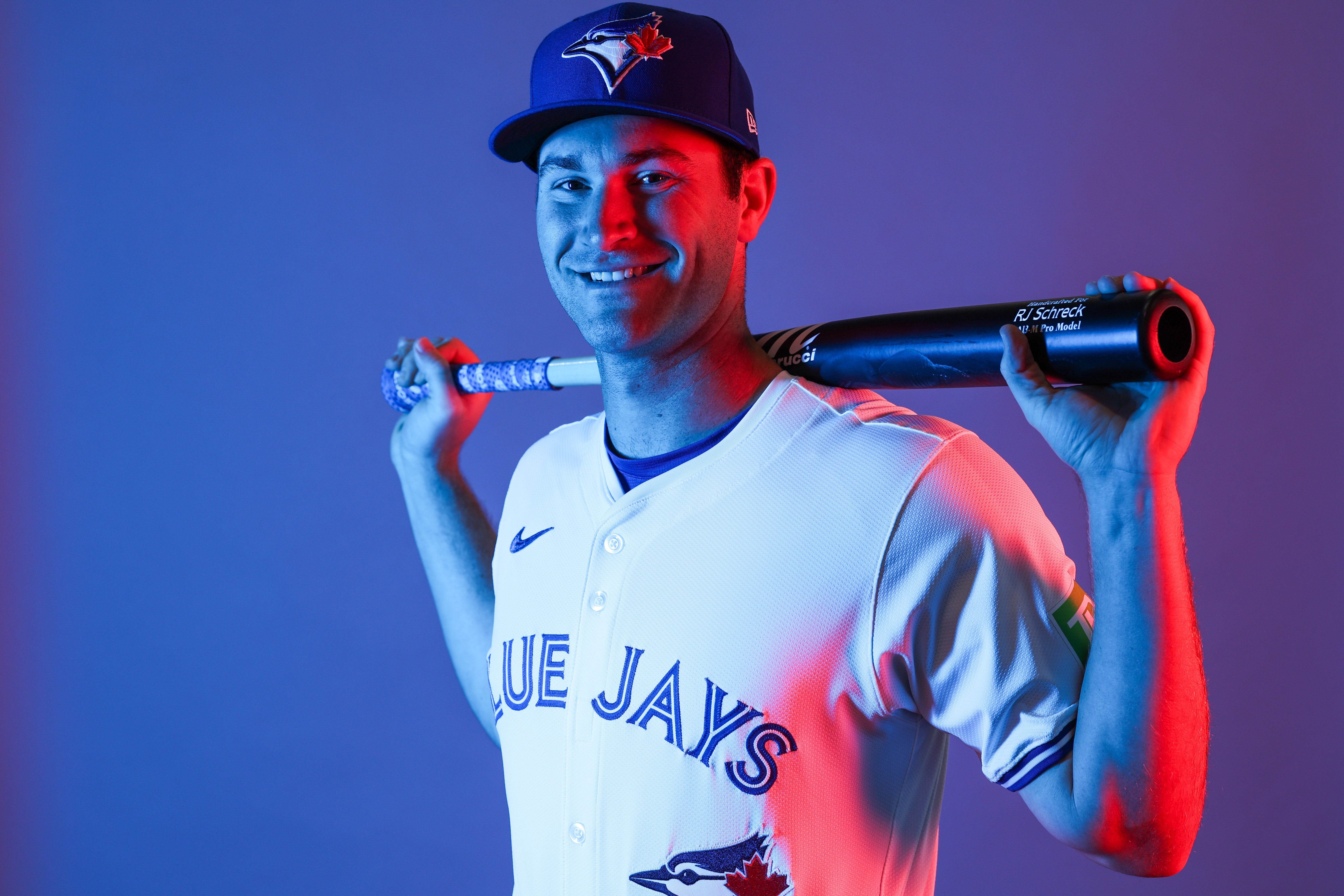 Miami, FL – Although Israel fell to Venezuela in their first game of the World Baseball Classic, Toronto Blue Jays prospect RJ Schreck had a nice day, hitting a 413-foot homer in the top of the sixth inning off left-handed pitcher Ricardo Sánchez. d1abb076-d17146eb-5bcd2439-csvm-diamondgcp-asset_1280x720_59_4000K.mp4 Schreck, whom the Blue Jays traded for back in 2024 when they sent Justin Turner to the Seattle Mariners, slashed .249/.395/.459/.854 with 18 home runs, 53 RBI and a 143 wRC+ in 105 games played last season. Schreck is Jays Centre's No. 16 prospect in Toronto's system. "They contacted me last year, around August, when I was in Triple A," Schreck said, of playing in his first WBC. "Anytime you get a chance to play in the World Baseball Classic, it's really hard to turn down. I had a feeling that the United States wasn't going to come calling, so just trying to find a place where I could play. I am Jewish, have been Jewish my entire life, so it's just going to be a really fun time playing baseball." Unfortunately for Israel, Venezuela, led by Luis Arraez's multi-homer game, took the game by a final score of 10-2. Israel's first run of the contest came in the top of the fifth inning when Matt Mervis drove in Garrett Stubbs. Schreck and Israel will play again today at 7:00 pm against Nicaragua. Nicaragua was walked off by the Netherlands yesterday on an Ozzie Albies home run. View the full article
 -
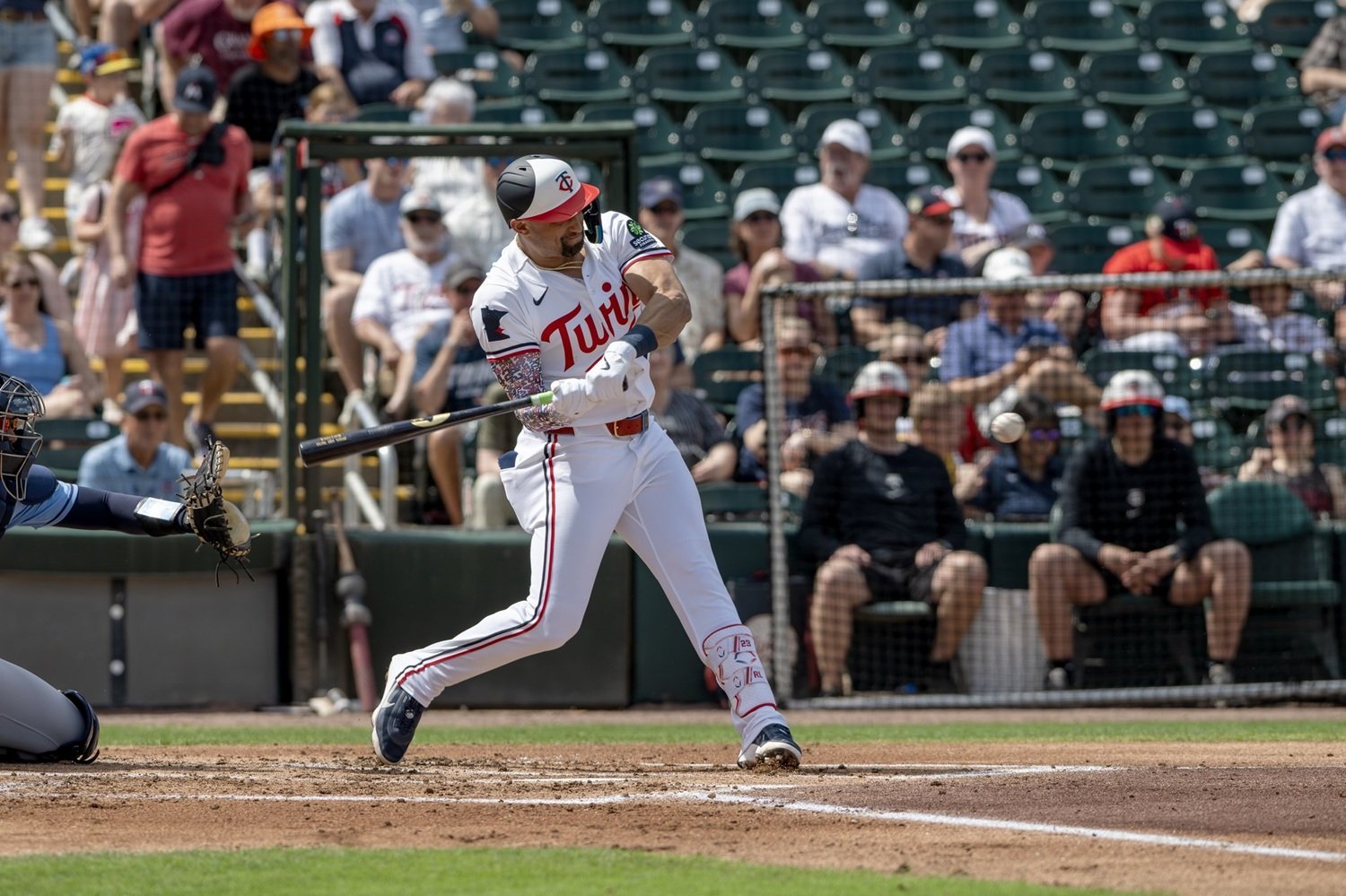 There comes a point in every organization’s development cycle where the shine starts to wear off former top prospects. The tools are still there. The pedigree is still listed on Baseball Reference. The scouting reports still live somewhere in the back of your brain from when you watched their Futures Game highlights three summers ago. But the production has not quite followed them to the big leagues. That is what makes someone a post-hype prospect. These are players who were once considered foundational. Now they are in their mid-to-upper 20s, fighting to prove they still belong in an organization’s long-term plans. For the Minnesota Twins, that conversation has been happening recently thanks to John Bonnes and Aaron Gleeman on the Gleeman and The Geek. Now it is put up or shut up time. Minnesota believes it has a roster capable of contending in 2026, but they also need internal improvement to make that happen. If these players do not take a meaningful step forward this season, there is a good chance they will be wearing a different uniform in 2027. With the stakes clear, let's examine how Minnesota’s post-hype prospects stack up entering the season. 8. OF/DH Trevor Larnach Peak Prospect Rank: 39th by Baseball America (2021) At one point, Larnach looked like a middle-of-the-order fixture in the making. Now he feels like someone caught between roles. When he was used more regularly as a designated hitter in 2024, there were signs of life in the bat (116 OPS+), but the overall body of work has still been that of a below-average hitter for a corner outfielder (101 OPS+). That becomes a real problem for someone without a true defensive home. Larnach has to hit to justify his roster spot. If he does not, there may not be a clear path forward for him in Minnesota. 7. UTL Austin Martin Peak Prospect Rank: 19th by Baseball America (2021) Martin quietly put together a strong second half last season with a 106 OPS+ and 11 steals in 50 games. He showed an improved offensive approach, the ability to impact the game on the bases, and enough defensive versatility to move around the diamond when needed. Even with those positives, Martin still projects as more of a role player than an everyday contributor. He can handle corner outfield duties and slide to second base in a pinch, but his path to playing time likely runs through the bench unless the bat takes another step. 6. SP Simeon Woods Richardson Peak Prospect Rank: 61st by Baseball America (2020) Three years ago, it was fair to wonder if Woods Richardson was ever going to carve out a role in the big leagues. At Triple-A, he posted a 4.91 ERA with a 19.3 K%. Now he has become a steady contributor in Minnesota’s rotation with a 103 ERA+ and a 4.30 FIP from 2024-25. He may not have the frontline upside of some of the organization’s other arms, but there is real value in a pitcher capable of handling innings in a mid-rotation or back-end role. Woods Richardson has stabilized his trajectory, even if the ceiling still looks somewhat limited. 5. SP Taj Bradley Peak Prospect Rank: 20th by MLB.com (2023) The Twins took a swing when they acquired Bradley at last year’s trade deadline in a one-for-one deal involving Griffin Jax. Bradley has pitched over 380 major league innings and has a reputation as someone who has been one of baseball’s top pitching prospects. The results have been inconsistent at the highest level (85 ERA+), which is exactly why he lands in the middle of this list. Minnesota is betting that there is another gear here, and if they can find it, Bradley could become a major piece of the rotation moving forward. 4. IF Brooks Lee Peak Prospect Rank: 18th by MLB.com (2024) Lee is going to open the season as Minnesota’s starting shortstop, whether he is perfectly suited for the position or not. Circumstances have pushed him into the role, and now the Twins need the bat to justify it, as he has been limited to a 75 OPS+ in his first 189 games in the big leagues. As a prospect, Lee was known for elite bat-to-ball skills from both sides of the plate. He showed some improvement last season, but that contact ability has not fully translated against big- league pitching. If it does in 2026, it could change the outlook for both Lee and the lineup as a whole. 3. SP Zebby Matthews Peak Prospect Rank: 73rd by Baseball America (2025) There may not be a wider range of outcomes on this list than there is in Matthews. Minnesota will give him every opportunity to stick in the rotation, especially with injuries thinning out the starting pitching depth. Some of his underlying metrics suggest there is still breakout potential here. He was known for his ability to throw strikes in the minors, and batters have keyed in on that trait, translating it into a 38.8 Hard-Hit%. Avoiding hard contact will be the biggest key for 2026. Matthews could develop into a playoff-caliber starter or eventually shift into a high-leverage bullpen role. Among the pitchers in this group, he may have the best chance to develop into a future All-Star if everything clicks. 2. OF Matt Wallner Peak Prospect Rank: Never Ranked on Top-100 List Even in what felt like a down year in 2025, Wallner still managed a 110 OPS+ with 22 home runs. That alone tells you how impactful his power can be. If he takes even a modest step forward this season, clearing 30 home runs should be well within reach, with the upside for even more. The Twins need someone in this lineup to provide a legitimate offensive breakout. Wallner feels like the safest bet to do exactly that. 1. 3B Royce Lewis Peak Prospect Rank: 5th by MLB.com (2019) Lewis has already shown flashes of stardom. Now he is working to make that level of performance more sustainable. After revamping his swing this winter, Lewis enters 2026 with plenty of internal hype from the organization. His defense at third base improved from a significant liability in 2024 to something closer to average last season. If the bat returns to what it looked like during his best stretches, Lewis is capable of being an All-Star caliber player and a franchise-altering presence in the middle of Minnesota’s lineup. Post-hype prospects do not always get a second act. Sometimes the league tells you exactly who a player is before they ever get the chance to adjust. The Twins are counting on several of these players to rewrite that narrative in 2026. If even two or three of them take meaningful steps forward, Minnesota’s chances of staying in contention improve dramatically. If not, the next time we talk about this group, it may be in the context of where their careers went after leaving the organization. How would your rankings look for the organization’s post-hype prospects? Leave a comment and start the discussion. View the full article
 -
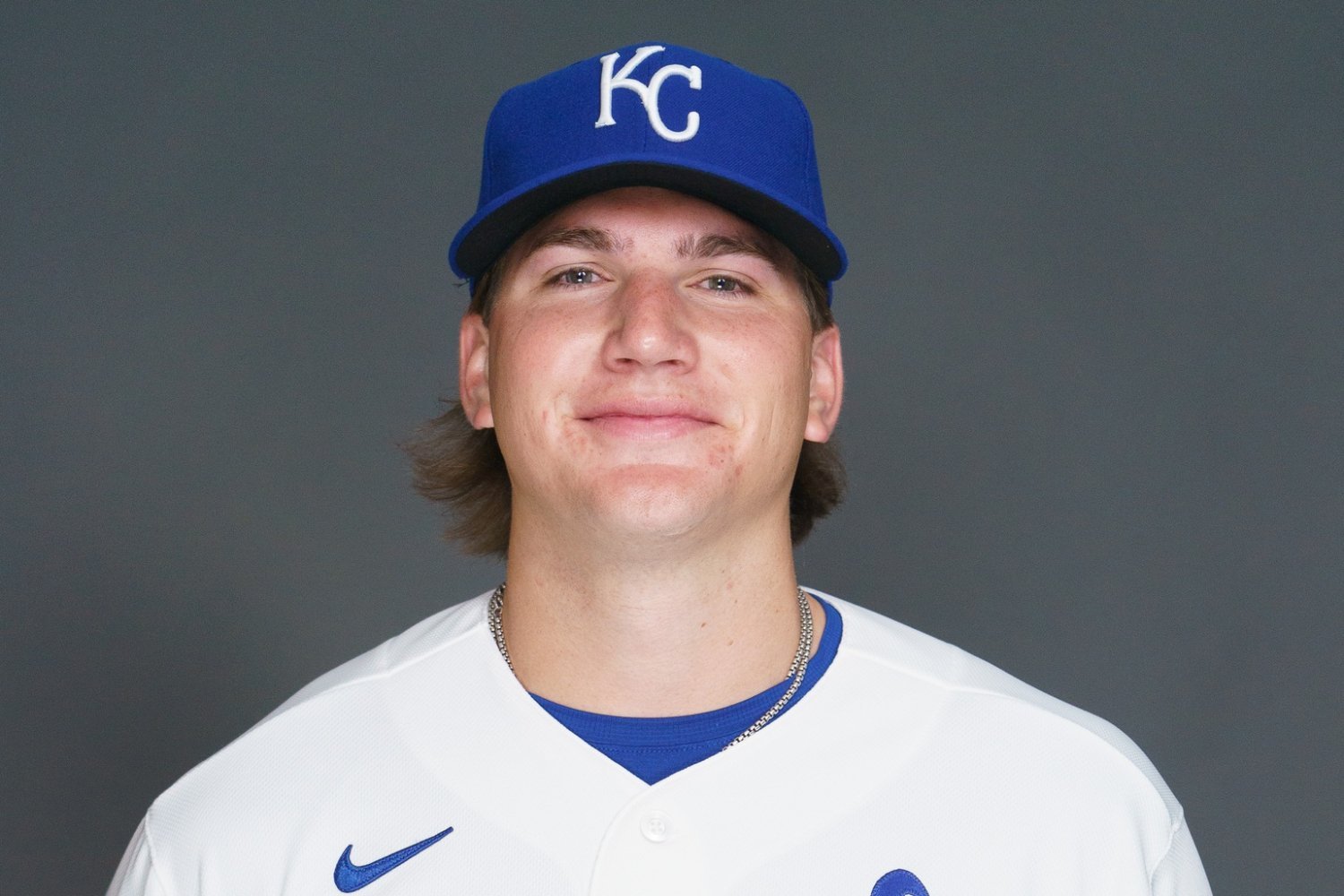 On Saturday morning, the Royals announced via social media that they would be optioning Ben Kudrna to Triple-A Omaha, Steven Zobac to Double-A Northwest Arkansas, and Chazz Martinez to Minor League camp. That means that all three pitchers will be primarily working out of Minor League camp for the remainder of Spring Training. The move is not surprising, as all three were longshots to make the Opening Day roster at the start of camp. Kudrna and Zobac had just been added to the 40-man roster this offseason. As for Martinez, he was a Minor League non-roster invitee. Kudrna got the most work in Spring Training and struggled in his small Cactus League sample. In 3.1 IP, he posted a 21.60 ERA and 3.60 WHIP. His FIP was better at 3.45, but he also only generated a 19% K% and 4.8% K-BB% in his limited Spring Training stint. Below is a look at his summary from Cactus League play via TJ Stats. Kudrna did a good job of finding the strike zone, as evidenced by his 52.6% zone rate. He also had a 99 overall TJ Stuff+, and his slider had a 103 TJ Stuff+. That said, he only generated a 24.3% chase and 21.2% whiff as well as a .522 xwOBACON. Those three factors explain why his WHIP and ERA were so inflated. Hopefully, the 23-year-old can work on his command and four-seamer a bit in Minor League camp. He still has some upside, and he has made some progress in the Royals system over the past couple of seasons. Kudrna likely will be the anchor of the Storm Chasers staff in 2026. Zobac was also optioned to Double-A Northwest Arkansas, which makes sense after Zobac missed so much of 2025 due to injury. He posted a 7.68 ERA and 5.68 FIP in 36.1 IP with the Naturals last year. However, he's long showcased solid stuff when healthy, and he had a 21.1 K% and 13.1% K-BB% in Northwest Arkansas. That control was encouraging to see and explains why the Royals added him to the 40-man roster this offseason. Like Kudrna, the 25-year-old had a small sample, only pitching 2.2 innings. He didn't allow a run, but he sported a 1.88 WHIP and 7.7 K-BB%. The walks were a bit high at 15.4%. A contributor to that was his inability to generate chase, as illustrated in his TJ Stats summary below. Zobac sported a chase rate of 16% and an xwOBACON of .430, both blemishes on his limited Cactus League sample. However, he had a strong zone rate (54.5%), whiff rate (26.9), and decent TJ Stuff+ (100 overall). His four-seamer and slider were his best pitches, stuff-wise, with 102 TJ Stuff+ marks. Martinez was also sent to Minor League camp, but he didn't make an appearance in Cactus League play prior to his demotion. He still could pitch in Cactus League play, but he just won't be a candidate to make the roster. The 26-year-old lefty primarily pitched in Omaha, posting a 5.64 ERA and 1.52 WHIP in 30.1 IP last season. Martinez's stuff isn't dominant, but he did a good job of limiting hard contact last year, as illustrated in his TJ Stats summary. Martinez likely will return to Omaha in 2026, where he will provide left-handed bullpen depth. The Royals' Spring Training roster is now at 63 after these moves and the optioning of reliever Eric Cerantola earlier in the week. Cerantola is currently pitching for Canada in the World Baseball Classic. View the full article
 -
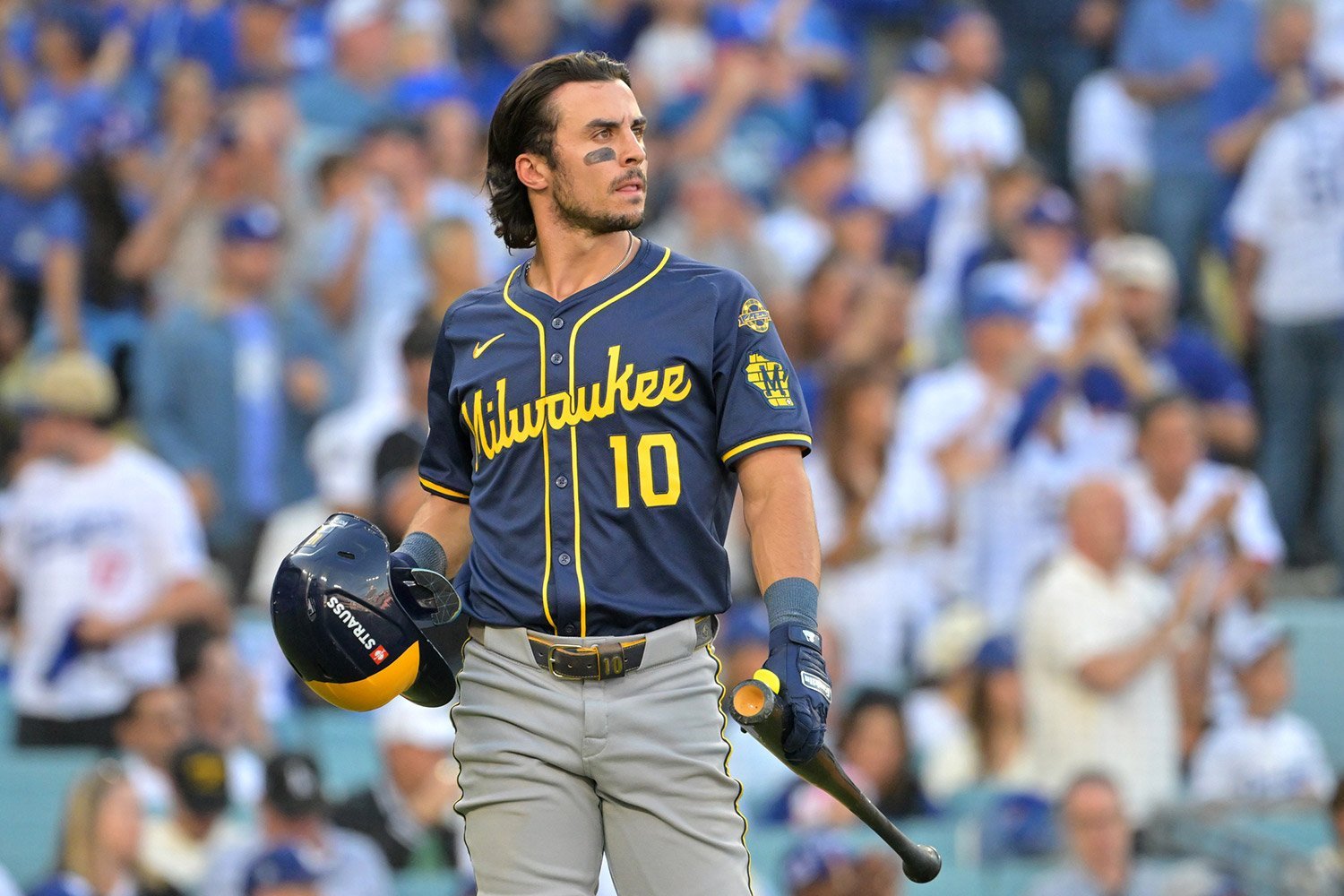 The Brewers had many surprise offensive contributors this past season, from Brice Turang's breakout to the trade and resurgence of Andrew Vaughn. Still, one of the more meaningful offensive performances came from the bat of Sal Frelick. The former first-round pick out of Boston College back in 2021 slashed .288/.351/.405 and hit 12 home runs in 528 at-bats for the Brewers this past year. While Frelick’s bat was above average this past season (111 OPS+), his offensive numbers took a big leap from his previous two years in MLB, and it is fair to question whether that production can sustain itself over time. Frelick primarily hit from the leadoff and fifth spots in the lineup in 2025, and those splits are a good starting point for analysis. In 57 games hitting leadoff Frelick hit .309/.369/.476, whereas hitting fifth, he hit .276/.340/.351 in 51 total games. The only other lineup spot he spent more than 10 games in was 19 total games in the six-hole, hitting .215/.271/.262. It's all small-sample variance, but Frelick performed well in the leadoff spot last season. This take is backed up by looking further into his splits, specifically against right-handed and left-handed pitchers. Frelick hit .282/.349/.433 against righties and .301/.357/.340 against lefties. These splits show that the 25-year-old can lead off consistently; he had an above-average on-base percentage against both righties and lefties in 2025, and that will be key to allowing the Brewers to score runs this season. However, Frelick’s power numbers can be cause for some concern. Yes, he hit 12 home runs this past season. Diving deeper into those statistics allows us a clearer look at just how much he has improved since his debut in 2023. Starting with the positives, Frelick improved on several key power statistics. He began pulling the ball in the air more, to 17.8% in 2025, up from 10.8% in 2023 and 14.0% in 2024. Still, Frelick was below average in Pull Air%, and a similar story can be told about other power statistics. His bat speed increased, but only from the 3rd to the 7th percentile. His Hard-Hit percentage increased as well, but only from the 1st percentile to the 4th percentile. Frelick’s exit velocity rose from 83.4 in 2024 to 85.5 in 2025, still in the bottom 5% of MLB. Finally, his xSLG increased .030 points in 2025, which is a significant increase, but his actual slugging increased .070. This difference is critical to projecting Frelick’s offensive output this year. In addition to the power-based statistics above, Frelick saw improvements in other offensive categories. His batting average has increased each year he has been in the league, from .246 in 2023 to .288 in 2025. However, Frelick’s expected batting average was significantly lower than his actual average at .255, so it is fair to expect regression. He struck out less in 2025, ranking in the top 8th percentile in MLB at 13.5%, and walked more, ranking in the 46th percentile at 7.9%. These statistics back what fans can expect from Frelick at the plate going into 2026; he will walk a league-average percent of the time, won’t strikeout often, and will hit at an above-average rate. This isn’t new news, and these three things should be true for the remainder of Frelick’s time with the Brewers, however long that may be. Along with this offensive output, Frelick can be relied upon in right field with Gold-Glove caliber defense and 87th percentile sprint speed. Still, the question remains whether he can provide the same level of power as in 2025, or even whether an increase in those numbers is possible. As of this moment, it doesn’t appear likely. Frelick will certainly provide value for the Brewers in 2026 (3.6 FanGraphs WAR in 2025, 4th on the team), and he should hit in the leadoff spot, as that is probably where he is best suited with the current lineup construction. Just don’t keep your expectations high for Frelick to hit the ball over the fence, and instead look for Christian Yelich, Jackson Chourio, and the first base platoon of Jake Bauers and Andrew Vaughn to provide most of the home runs for Milwaukee this year, with Brice Turang as a sneaky contender to overcome his home run total from 2025. What are your thoughts on Sal Frelick in 2026? Do you think he goes over or under his home run total from last season? View the full article
 -
Chris Paddack using secondary pitches to early success
DiamondCentric posted an article in Fish On First
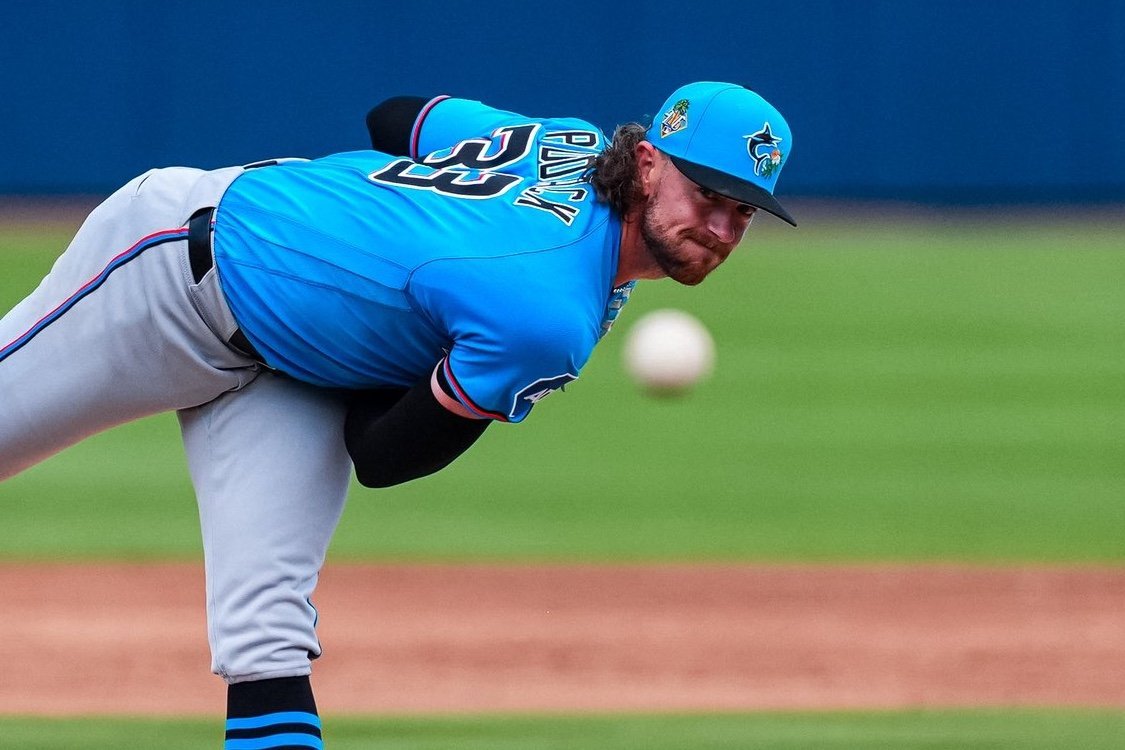 WEST PALM BEACH, Fla.—It’s hard to extrapolate spring training success to the regular season. But Chris Paddack is checking all the boxes. Saturday was Paddack’s third start of the spring, and he continued to look as solid as one can be this early in the calendar. The 30-year-old right-hander pitched three shutout innings, allowing just two hits and walking zero. For all of his struggles the last few years, he has consistently been one of the best in the league at limiting free passes, and he’s carried that control into Grapefruit League play this year with one walk over six innings pitched as a Miami Marlin. “Thought he had a good heater today,” Marlins manager Clayton McCullough said. “He's really playing well. Ability to get right up towards the top, and with the changeup that he has behind that.” lm09cq.mp4 Paddack was originally drafted by the Marlins in 2015 and was traded to the San Diego Padres in 2016, making his MLB debut in 2019. After an impressive rookie season that saw him record a 3.33 ERA, he has struggled to find the same success, pitching to a 5.06 ERA in six seasons since. What will separate Paddack from his previous performances will be the effectiveness of his breaking pitches, each of which have had a negative run value from 2021-2025, according to Baseball Savant. This spring, Paddack added a sweeper to his arsenal. He’s cautiously optimistic about its impact on his game. “We still have some chipping away to do,” Paddack said “It's not going to be that negative-18 (inches of horizontal break), negative-20 that you see some of these guys throw.” Paddack throws with a naturally pronated wrist, meaning his wrist and forearm closes and internally rotates as the ball is released. This doesn’t benefit or detract from his production, but it does lend itself to making certain pitches easier or harder to throw. Four-seam fastballs and changeups, for example, are typically more effective this way. The opposite of pronation is supination, which makes it easier to throw sweepers and other pitches characterized by spin. Paddack has been picking the brains of other pitchers that throw good spin pitches and breaking down film to look at his wrist position. “We're so close for it to catch,” Paddack said. “And it will be negative-12, negative-15 consistently. I would like it to be a little bit harder. It's kind of mirroring the curveball right now.” Last year, the Marlins deployed news training sessions for pitchers called “pitch design” where they throw a bullpen with real-time pitch data. It’s perfect for scenarios like this, where a pitcher wants to tinker with something new. “I get feedback from guys that are on my side, not trying to take my lunch money,” Paddack said. “And if they do clip me, they're able to walk me through, ‘Hey, this is what we saw,' or, 'That one was good—that one was better than the first one you threw.’” Other notes - The second round of cuts from Marlins big league camp consisted of right-hander Karson Milbrandt, first baseman Nathan Martorella and outfielders Dillon Lewis and Fenwick Trimble. Milbrandt, Lewis and Trimble are all Fish On First Top 30 prospects, but none have played above the Double-A level. There are now 61 players left in camp. - Janson Junk (right ankle sprain) made his 2026 Grapefruit League debut on Saturday, striking out two and allowing zero runs in his one inning of work. - Anthony Bender (right tibial stress reaction) and Andrew Nardi (left finger blister) are scheduled to make their first live game appearances of the spring on Tuesday. View the full article
 -
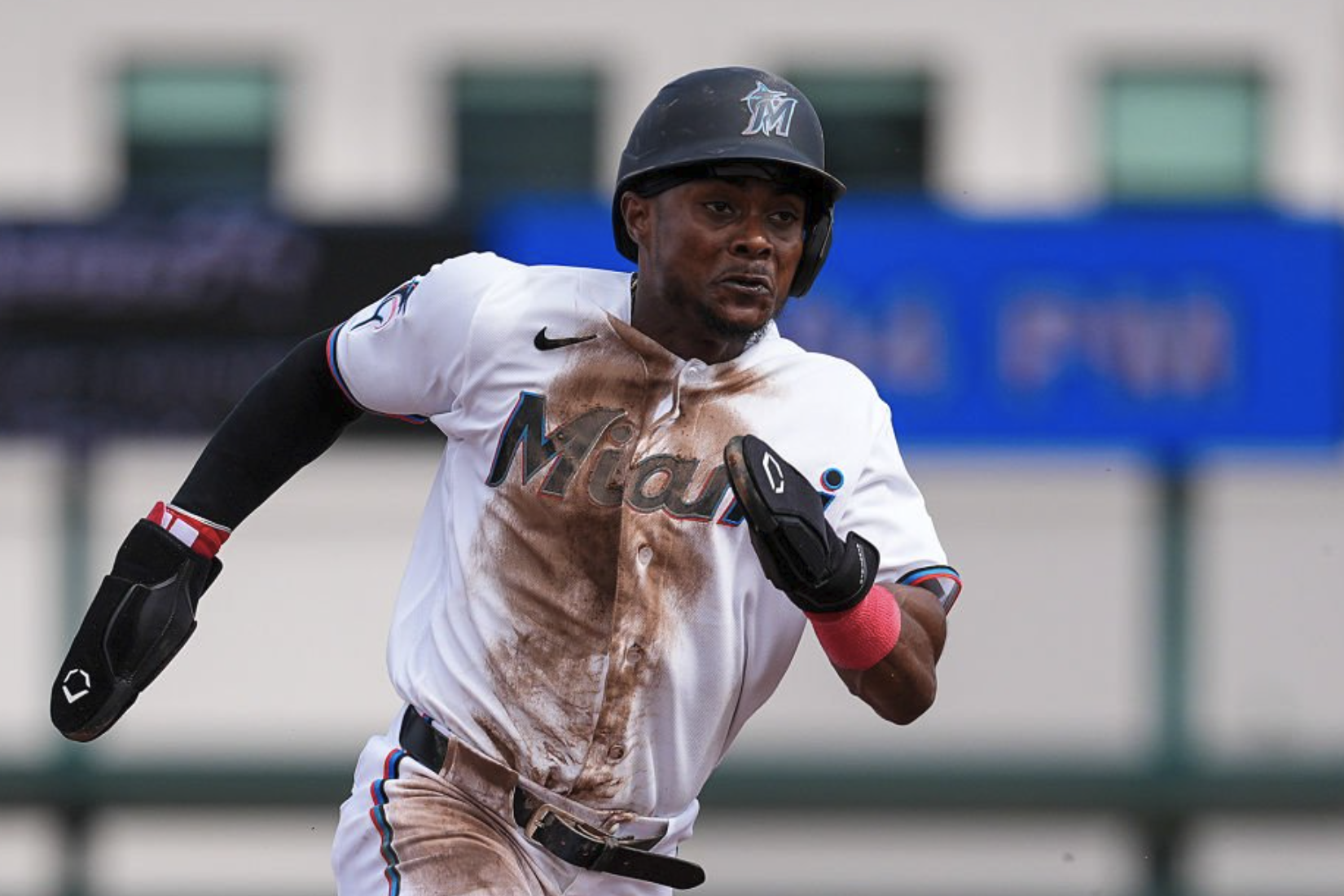 More than two weeks into spring training, Miami Marlins outfielder Esteury Ruiz has recorded only two hits. Overall, though, he has still made a positive impression on his new organization. "One of the more important things for me is to get on base so that way I can show my talent with my speed and baserunning," Ruiz told Fish On First earlier this spring. From that standpoint, the 27-year-old journeyman is thriving. Through seven Grapefruit League games, he owns a .381 on-base percentage with a team-leading four stolen bases. "It's real game-changing, elite speed and that's something that can really be weaponized at various points in the game, whether he's starting or something within a game, to be able to have someone that has that type of game-changing ability on the bases," Marlins manager Clayton McCullough said following Ruiz's spring debut on February 22. "He's been a performer in the major leagues in the past, and he's been a very good upper-level minor league player. Offensively, there's more in there. This guy can defend, and he can really run. There's some sneaky impact in his bat for someone his size. He really brings a nice dynamic, and a lot of ways that can impact a roster." The Marlins acquired Ruiz from the Los Angeles Dodgers in an offseason trade, sending pitching prospect Adriano Marrero the other way. He spent most of the 2025 season with Triple-A Oklahoma City, where he slashed .304/.412/.511/.923 with 16 home runs, 61 RBI, 63 stolen bases and a 137 wRC+. Ruiz mentioned how his batting stance was one of the big keys to his success at the minor league level, including standing more upright in the box. Ruiz is one of two right-handed-hitting outfielders on the Marlins 40-man roster, with Heriberto Hernández being the other. His handedness, speed and center field experience make him a potential contributor in the big leagues, but so far in his MLB career, he only has a .296 OBP. That's why it is encouraging to see such a disciplined approach from him this spring. He entered Saturday with an incredibly low 6.1% chase rate. It might take a red-hot finish to the spring or an outfield injury to fit Ruiz onto the Marlins Opening Day roster. Fortunately, he has one minor league option remaining for the club to use if needed. View the full article
 -
Could Eric Wagaman Help Make The Twins Roster Make Sense?
DiamondCentric posted an article in Twins Daily
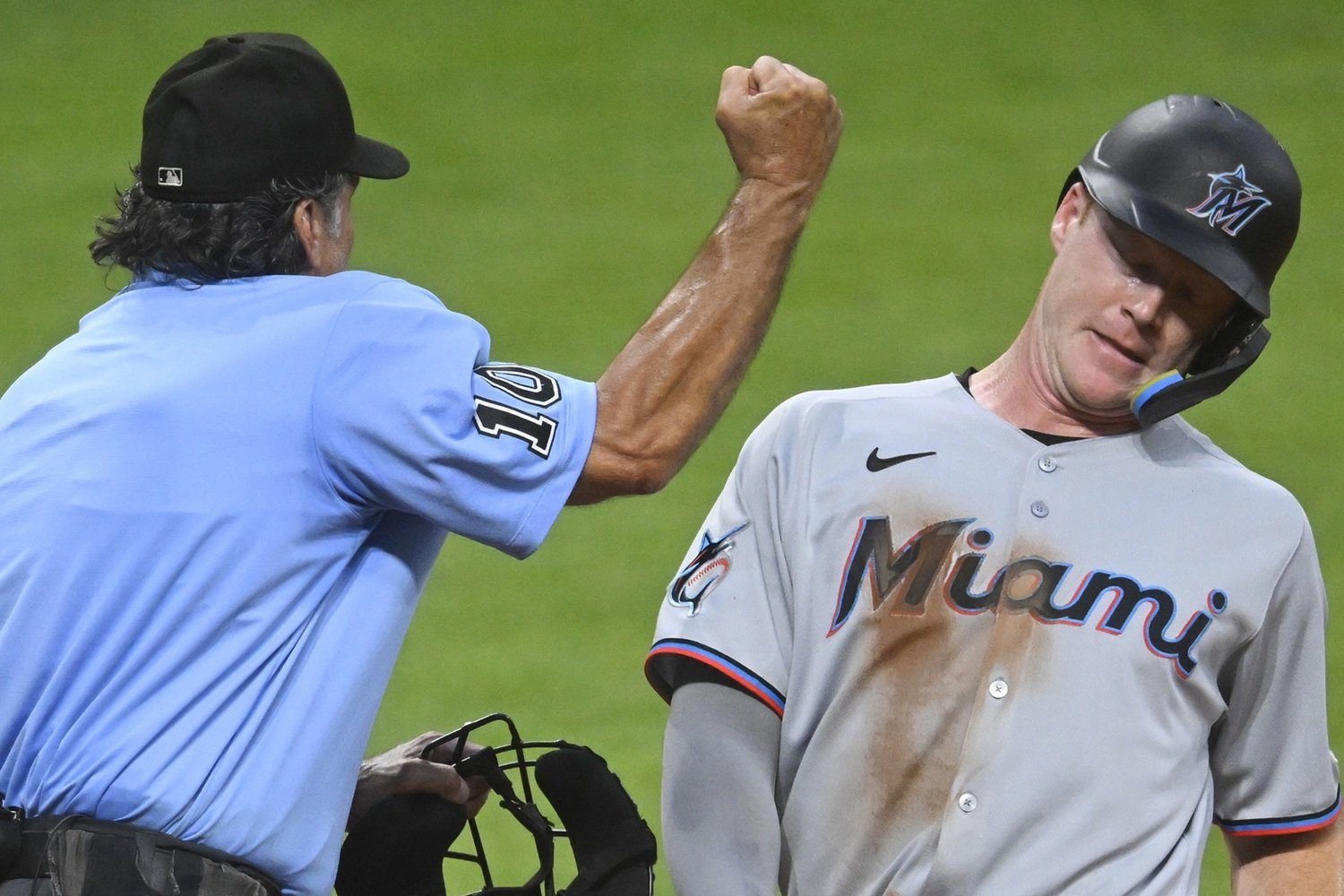 Eric Wagaman was a low-profile acquisition early this winter. His performance with the Marlins and his remaining minor league options left him viewed mostly as Triple-A depth. As spring training progresses, it's worth considering if he can help address lingering questions about the Twins’ opening day roster. It wasn't surprising to see the Twins target a first baseman this offseason, given their lack of depth. Even with Wagaman's sub-700 OPS in 2025, the move made some sense. The expectation was that the Twins would stash him in Triple-A or try to sneak him through waivers again. Technically, that's still an option, but so far, it appears they have bigger plans for him. Initially, it seemed the Twins might alter Wagaman's approach after last season's limited production. Instead, they likely prefer he maintains his recent form, as shown by his .744 OPS in the second half and .813 OPS from August onward. His quality of contact crept up as the season went on, and his strong performance down the stretch looked like it was no fluke. Wagaman's .896 OPS this spring stands out as the Twins seek right-handed offensive production. Any sign of him continuing his strong finish to 2025 should be encouraging. His performance could make him a real contender for a bench spot. Spring offensive output should be viewed with caution, but Wagaman's value also comes from how he’s being deployed. The Twins’ roster construction requires flexibility. Wagaman is playing both first and third base and will get some time in a corner outfield spot this spring. If the Twins trust him to fill in at both positions, he may hold a significant advantage. Among first base options, Wagaman stands out as the top right-handed bat, making him a potential regular when facing left-handed pitching and providing late-game bench strength. His performance against left-handed pitching in 2025 was far superior to Josh Bell’s or Victor Caratini’s. He’s also shown more impact in those matchups than Austin Martin to provide a strong pivot for corner outfielders Matt Wallner and Trevor Larnach. Martin offers more athleticism and defensive value, but roster choices have complicated the Twins’ plans. While the team says it wants Martin's tools, stacking left-handed outfielders and catchers on the roster forces bench creativity. Martin might be more valuable overall, but Wagaman's right-handed bat and positional flexibility could be crucial for roster balance. It’s unfortunate the roster is so mismatched. With a little more roster room, Martin and Wagaman could both play key roles given their contrasting profiles. There is a scenario where that still happens. Wagaman’s right-handedness, plus his offensive performance and positional flexibility could give him the edge in winning a roster battle over Alan Roden and James Outman With the roster in flux, Wagaman’s skills and versatility could be the piece that helps solidify the Twins’ lineup. Do you agree? View the full article
 -
One Thing Each Blue Jays Starting Pitcher Can Improve Upon in 2026
DiamondCentric posted an article in Jays Centre
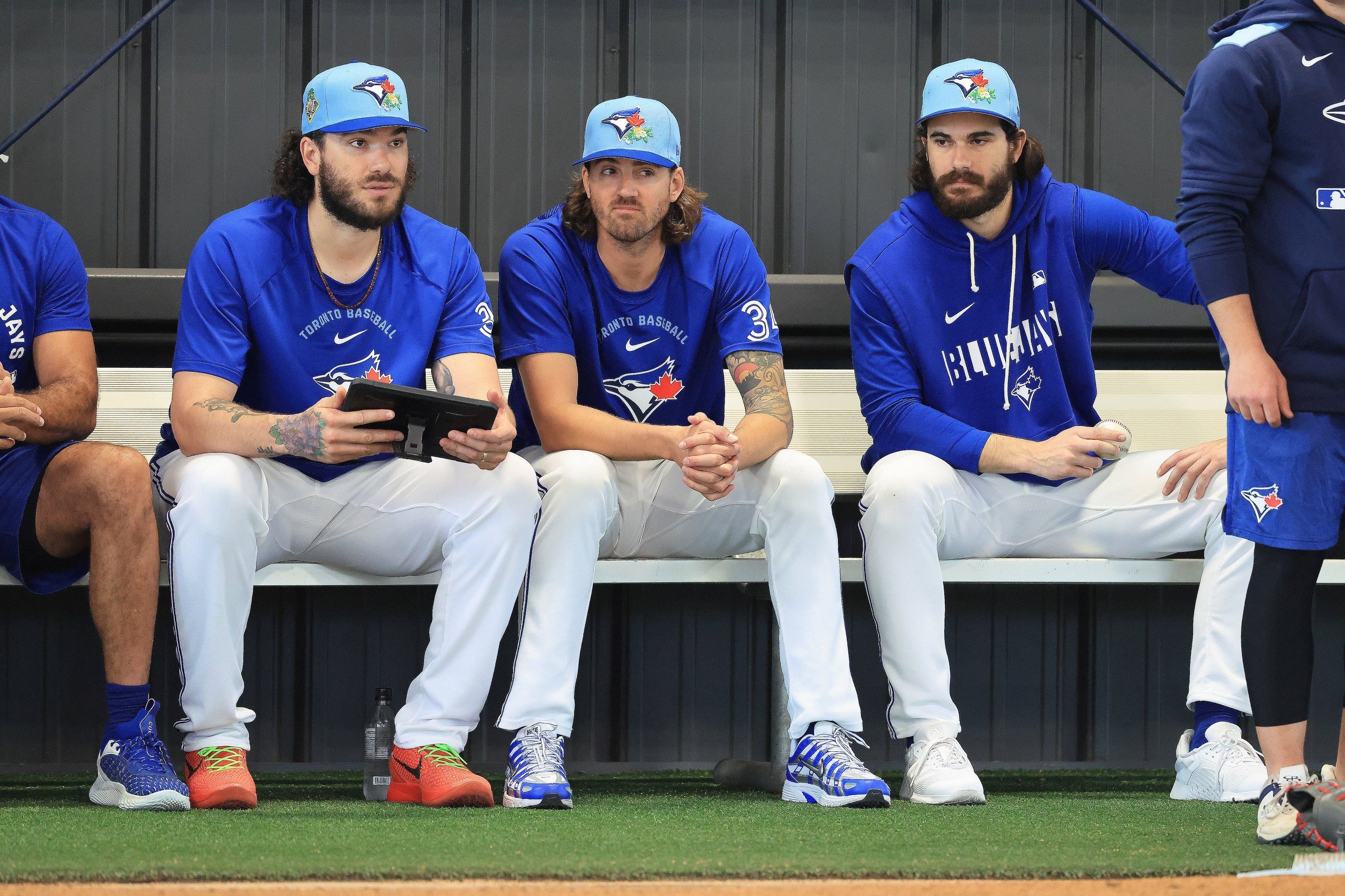 The Toronto Blue Jays were aggressive this offseason in their efforts to bolster their team in hopes of making another World Series trip, but with a different outcome. The starting rotation was a focus after it finished last season ranked 20th in ERA (4.34), 17th in WHIP (1.27), and 14th in strikeouts (786). They made an early splash by signing the best free agent starter available, Dylan Cease. The team then followed that move by bringing Cody Ponce back to America after he spent the last four seasons overseas. He's fresh off finishing as the KBO League MVP last season, posting a 17-1 record, a 1.89 ERA, and a KBO single-season record 252 strikeouts over 180 2/3 innings. Both additions join a rotation of familiar faces, with Shane Bieber exercising his player option to return and Max Scherzer recently re-signing. The only loss in the rotation was Chris Bassitt, who signed a free agent contract with AL East foe, the Baltimore Orioles. With most of the starting rotation still intact after an overall uneven 2025, each pitcher could make improvements to ensure better performance this season. It's unclear who will be in the rotation to start the year, and if it will be a six-man rotation or the traditional five-man group, but there is still time for the team to assess their performances and see if more injuries occur. In the meantime, let's take a look at the candidates and identify a tweak each of them can make to improve upon their past performances. This article was inspired by Randy Holt's piece about Cubs hitters on our sister site North Side Baseball. Kevin Gausman: Efficiency Kevin Gausman is a prototypical workhorse, throwing at least 170 innings in eight of the last 10 seasons. That amount of innings will take a significant toll on a pitcher, especially a 35-year-old. One thing Gausman could do even better is pitch deeper into games. In his 32 starts last regular season, he pitched seven or more complete innings only 10 times. Over his 193 innings, he faced 775 batters, an average of 4.02 per inning. You can compare that to two-time Cy Young Award winner Tarik Skubal, who faced 748 over 195 1/3 innings (3.83 per frame). If Gausman wants to be considered among the game's elite pitchers, he needs to find a way to throw fewer pitches but more innings. Considering the Blue Jays' bullpen struggles last season, one way to ease stress on the bullpen would be to have their ace throw deeper into games. Dylan Cease: Control The Blue Jays have paired one workhorse in Gausman with another. Dylan Cease has thrown 165 or more innings in each of the last five seasons. He's phenomenal at striking out batters, as he's the only pitcher with more than 200 strikeouts in each season over the same time span. However, he's been inconsistent in throwing strikes during his career. Last season, he finished in the 20th percentile in walk percentage, which he's only surpassed twice in his seven-year career. Despite his 9.8 walk percentage and 4.55 ERA last season, the righty had an expected ERA of 3.45. That means he pitched better than his ERA suggests when controlling for poor defense and poor luck. Cease brings an elite arm to Toronto, but unless he takes another step forward, fans should expect some inconsistency. Trey Yesavage: Workload Management It's evident from Trey Yesavage's postseason performance that the Blue Jays have a young star in their ranks. The important thing for him and the team is keeping him healthy. Last season was the first of Yesavage's professional career, and he threw 139 2/3 innings between the minors and MLB in the regular season and postseason. The 22-year-old should begin this season as the number three starter for the Blue Jays, but the team will need to monitor his innings. A midseason adjustment to Yesavage's pitching schedule could help lessen his workload; that could mean skipping a start here and there or stretching out the days between his appearances. José Berríos: Find Success the Third Time Through the Order José Berríos's struggles last season came the further he pitched into a game. He posted a 3.12 ERA in 66 1/3 innings, facing opponents for the first time. His ERA rose to 3.52 over 61 1/3 innings during the second time through the batting order, then climbed to 6.69 over 36 1/3 innings during the third time through. These struggles in the later innings have been a regular problem for the 31-year-old over his career, but the discrepancy hasn't been as drastic as it was last season. Maybe that was due to the biceps tendon injury he suffered around this time last season and pitched through for most of the year. Obviously, a third time through the lineup, a pitcher won't be as sharp, but a 3.17-point difference in ERA from the second to third time through the order is too large to ignore. Berríos is healthy now and ready for a rebound season, but his role remains uncertain. It will likely depend on whether Scherzer is ready for Opening Day, how long Bieber is unavailable, and how Ponce is ultimately used. Cody Ponce: Maintain KBO Success in MLB To go from a career MLB ERA of 5.86 to achieving one of the greatest seasons a KBO pitcher has ever had, you'd need to tweak your pitches and mechanics. In 2021 with the Pittsburgh Pirates, Cody Ponce's four-seam fastball averaged 93.2 mph. However, he raised that average to 95.5 mph and topped out at 98 last season. Along with the increased fastball velocity, the 31-year-old added a new kick changeup that ranges in the mid-to-high 80s. These two adjusted pitches highlight a five-pitch arsenal that also includes a cutter, slider, and curverball. In addition, Ponce was able to increase his groundball rate to 45.7 percent last season, which was a 5.3-point increase from the last time he threw in MLB. He most likely slots in as the number five starter right now, but he could also be useful coming out of the bullpen with the arsenal he throws. Eric Lauer: Leverage Breaking Balls With Two Strikes Eric Lauer's flexibility was clutch for the Toronto Blue Jays' pitching staff last season. He posted a 3.77 ERA over 74 innings as a starter and a 1.76 ERA over 30 2/3 innings in relief. Some of his success can be attributed to the increase in put-away percentage that he brought back from a brief KBO stint in 2024. Lauer isn't a fireballer by any means; his fastball averages 91.7 mph, his curveball sits in the mid-70s, and his cutter, slider, and changeup are all in the mid-80s. When you aren't a high-speed pitcher, you need to rely on your mechanics and off-speed movement to be deceptive and miss bats. In 2023, while with the Milwaukee Brewers, Lauer struck out 43 batters over 46 2/3 innings. He relied heavily on his four-seam fastball and cutter to miss bats. The lefty threw these pitches 78.5 percent of the time and had a 20 percent put-away rate for both. Lauer's off-speed pitches are where his put-away percentage suffered, producing far below-average rates. His curveball put away batters at just a 10 percent rate, his slider at a 5.7 percent rate, and his changeup at a 50 percent rate, though he only threw the pitch six times that season. He struggled with the Pirates' and the Astros' Triple-A teams in 2024, which led to his move to the KBO. While overseas, he leaned on his cutter less often (20.5 percent) and relied on his breaking balls to get his strikeouts. When he returned, his curveball's put-away percentage jumped to 23.2 percent, and the slider increased to 24.3 percent. Both were drastic improvements over his 2023 production. Lauer also threw 128 more changeups, but surprisingly, his put-away percentage was only 2.2 percent. The increase in put-away stuff led to 102 strikeouts over 104 2/3 innings. Regardless of what role Lauer plays this season, he will need to continue leaning on his breaking balls late in counts to keep batters off balance and miss bats. Shane Bieber: Continue Developing the Changeup The changeup had been an afterthought in Shane Bieber's five-pitch arsenal before the 2024 season. In his first six MLB seasons, he never threw the off-speed pitch more than nine percent of the time. During this period, he used the pitch primarily against left-handed batters because he could keep the ball hidden, and it dropped off the table due to its lower spin rate compared to his other pitches. Bieber threw the pitch 568 times to lefties compared to 43 times to righties. Last season, he started mixing in his changeup against batters on both sides of the plate more frequently (57 times to lefties and 26 times to righties). The increase in the pitch usage led to a 38.2 whiff percentage, the highest among all five of his pitches. His arm slot hides the ball from hitters, and the 1,396 rpm spin rate makes the pitch drop as it reaches the plate. This rpm is drastically lower than on Bieber's four-seam fastball (2,414 rpm) and slider (2,611 rpm). Bieber is 30 years old, which means his velocity could start to decline, though he averages only 92.6 mph on his fastball. This suspected decline will force the righty to lean on his changeup more than 13 percent of the time. Bieber has been dealing with forearm fatigue this offseason and won't start the season on the Opening Day roster. However, he's not expected to miss a significant amount of time. Max Scherzer: Bring the Mad Max Mentality Back Let's be honest, when it comes to a 41-year-old pitcher, there really aren't any major improvements you can ask for. At this point in a player's career, fans can only ask for a glimpse of the player's successful self. Last season, Max Scherzer threw 85 innings but posted the worst single-season ERA of his career (5.19). Despite the high ERA, Scherzer's velocity wasn't far off from where it was in 2017, the last time he won a Cy Young Award. The Blue Jays aren't expecting him to post Cy Young statistics; they only need him to stay healthy and give them innings when needed. It's uncertain what role Scherzer will have this season, but he can start games or join the bullpen. The Blue Jays will ease him into the season due to his age and the lack of urgency to use his arm. One thing the three-time Cy Young Award winner can control is his fiery mentality. This passion can be contagious, giving the rest of the team a boost. That's about all you can expect from a guy who has been in the big leagues since 2008. View the full article
 -
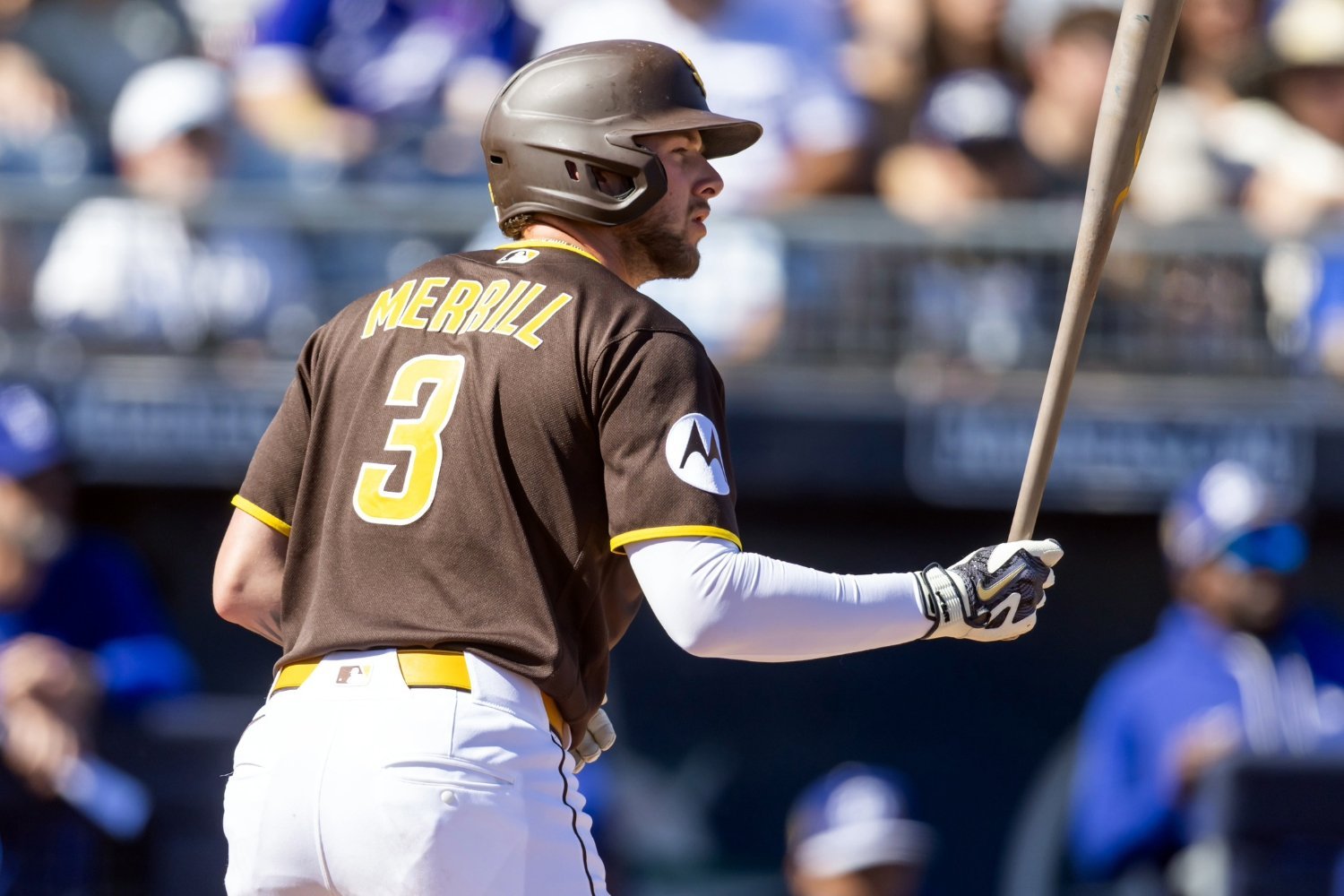 Jackson Merrill had a disappointing 2025 season by his standards, even when his reduced plate appearances last year are taken into account. Those higher expectations come from a brilliant 2024 campaign that nearly ended in awards glory. However, being the fourth player in Padres history to place second in the Rookie of the Year balloting may have been a blessing for Merrill, who won’t have the burden Benito Santiago did of matching his 1987 Rookie of the Year season. The 2024 Rookie of the Year voters had to balance the pitching accomplishments of Paul Skenes against Merrill’s batting, baserunning, and fielding activity. Skenes was the first-place choice for 23 of the 30 voters, while Merrill obtained the other seven first-place votes. Merrill thus joined Ozzie Smith in 1978, Khalil Greene in 2004, and Jake Cronenworth in 2020 (Cronenworth actually tied for second in the balloting) as Padres who were beaten out for the Rookie of the Year award by only one player. Three trips to the injured list in 2025 limited Merrill’s activity in general as well as his offensive output. He still led all National League center fielders with nine assists even though he only played 114 games in the outfield last year, and his .997 fielding percentage in 2025 actually exceeded his .993 mark in 2024 when he led the league with 155 games in center field and with four double plays while sharing first place with eight assists. Merrill’s 2025 production at the plate declined to a noticeable degree, though. In 2024, his 593 plate appearances resulted in a .292 batting average, 162 hits, 31 doubles, six triples, 24 home runs, and 90 runs batted in. That earned Merrill a Silver Slugger award for National League outfielders. He also scored 77 times and stole 16 bases. In 2025, Merrill had 483 plate appearances. He matched his six triples from the previous year and drew 33 walks, more than the 29 he had in 2024, but his offensive performance otherwise declined from his rookie year. When his 2024 statistics are multiplied by 0.8145 to reflect his plate appearance differential (and rounded to the lower integer) that equates to 131 hits, 25 doubles, 19 home runs, 73 RBI, and 62 runs. He had 25 actual doubles in 2025, but a .264 average, 116 hits, 16 home runs, and 67 RBI while scoring only 59 times and stealing only one base. Had Benito Santiago not had a 34-game hitting streak at the end of 1987 and ended his season with a .300 batting average, his expectations for subsequent years might not have been as high. Santiago never matched that batting average later in his career other than when he batted .310 in 30 plate appearances for the 1998 Toronto Blue Jays. He did not exceed his 18 home runs after 1987 until homering 30 times for the 1996 Philadelphia Phillies. Santiago never subsequently matched or exceeded the 164 hits or the 21 stolen bases he had in 1987. The only other Rookie of the Year in Padres history, Butch Metzger, shared the 1976 award. Metzger didn’t match his wins, saves, earned run average, innings pitched, or strikeouts total in any of his future seasons. The Rookie of the Year ballots only included first-place votes and not position points through 1979. On three other occasions during that era did a Padres player received Rookie of the Year votes. The first of those was in 1973, when Johnny Grubb received one vote. Gary Matthews received 11 votes as well as the award. One voter split his vote between Steve Rogers and Richie Zisk while Rogers received three full votes to place second. Elias Sosa, Bob Boone, and Dan Driessen each obtained two votes. Grubb, Davey Lopes, and Ron Cey received one vote apiece. Zisk, the only player on the list with a higher batting average than Grubb, did not receive a full vote. Neither Zisk nor Grubb had the minimum 502 plate appearances to qualify for the batting championship, but Zisk’s .324 average trailed only the .338 of Pete Rose. Grubb batted .311 in 432 plate appearances, which including Zisk would have placed him seventh. Grubb compiled a batting average of .286 during the Padres portion of his career, which currently ranks ninth in team history. When he was traded to the Cleveland Indians after the 1976 season it was the highest batting average in Padres history. Grubb, a September 1972 call-up, concluded his 16-season major league career with a .278 average. Since he only played four full seasons with the Padres, he is no longer in the top ten for any other statistic, but he had 513 hits in his 513 Padres games while scoring 235 runs, hitting 101 doubles, 11 triples, and 25 home runs, and driving in 145 runs. Two other 1973 Padres rookies joined the major league team in June and didn’t have sufficient activity to merit any Rookie of the Year votes, but too much activity to be qualified as rookies for 1974. An 8-1 record in Class AA convinced the Padres to call up Randy Jones, who threw 139 2/3 innings with the big league club in 1973 while compiling a 7-6 record and a 3.16 ERA. The modest expectations allowed Jones to recover from an 8-22 season in 1974. He posted 20-win seasons in both 1975 and 1976, leading the National League in ERA for 1975 and in wins for 1976. The Padres had the fourth overall pick in the June 1973 draft and chose University of Minnesota player Dave Winfield. Winfield was placed on the major-league roster immediately. He saw action in 56 Padres games and accumulated 154 plate appearances while batting .277 with three home runs. Winfield would bat .284 in his eight seasons with the Padres while hitting 154 home runs and winning two Gold Glove awards. In 1979 Winfield batted .308 for the second consecutive year and led the National League with 118 runs batted in. Andre Dawson edged Steve Henderson to win the 1977 Rookie of the Year Award while Gene Richards received four votes to place third. Richards batted .290 and set a major league rookie record with 56 stolen bases. Richards improved his batting average to .308 in 1978 while increasing his best stolen bases total to 61 in 1980. In the strike-shortened 1981 season he shared the National League lead with 12 triples. Richards would spend seven seasons with the Padres. His .291 average with the team currently shares fifth in Padres history. His 994 hits with the Padres is the outright fifth-place total in team history and stood fourth until Manny Machado exceeded that last year. Richards’ 484 runs scored is the fourth-highest Padres total. His 782 singles constitute the third most in Padres history. His 242 stolen bases and 63 triples are exceeded only by Tony Gwynn. Horner and Smith shared one Rookie of the Year vote in 1978. Horner received 12 others, Smith had eight full votes, and Don Robinson was the choice on the other three ballots. Horner had a .266 batting average compared to the .258 for Smith, although Horner didn’t join the Atlanta Braves until being drafted that June and wouldn’t have qualified for the batting championship. Horner hit 23 home runs compared to one for Smith, and in his partial season Horner drove in 63 runs while Smith batted in 46. Smith stole 40 bases while Horner had no swipes in his rookie year. Over his career, Horner would bat .277 while Smith had a career batting average of .262. Horner only played ten seasons while Smith played 19 and joined the Baseball Hall of Fame after he retired. Although Smith didn’t exceed his 1978 batting average until after being traded to the St. Louis Cardinals, he stole 57 bases in 1980, when he also set a major league record with 621 assists. Smith led National League shortstops in assists eight times including in his final three seasons with the Padres, and he was a Gold Glove winner in 1980 and 1981. The first Padres player to receive position points but no first-place votes in the Rookie of the Year balloting, Juan Bonilla, shared fourth place in 1981. An injury in 1982 and subsequent cocaine use kept Bonilla from matching his 1981 performance. In 1982 pitcher Luis DeLeon was fifth in the Rookie of the Year voting while pitcher Eric Show shared eighth. Tony Gwynn had 209 plate appearances that year, and it could be considered his worst year since his .289 batting average was the only sub-.300 season of his career. That average was still higher than four of the five field players receiving Rookie of the Year votes that year including recipient Steve Sax and future Hall of Fame member Ryne Sandberg. (Willie McGee, who placed third, batted .296.) Gwynn would conclude his 20-year career with a .338 batting average, eight National League batting championships, 3,141 hits, 1,383 runs, 543 doubles, 85 triples, 319 stolen bases, 1,138 runs batted in, seven Silver Slugger awards, and five Gold Glove awards. Gwynn was selected to the Baseball Hall of Fame in his first year of eligibility. A 7-3 record with a 2.65 ERA in 115 1/3 innings led to Mark Thurmond sharing ninth in the 1983 Rookie of the Year balloting. Thurmond posted a 14-8 record in 1984 but had no other winning seasons. Kevin McReynolds was the Pacific Coast League’s Most Valuable Player in 1983 but struggled in his games with the Padres. He batted .221 with four home runs in 155 plate appearances which made him ineligible for the 1984 Rookie of the Year award. McReynolds improved his batting average to .278 in 1984 while hitting 20 home runs. Before being traded to the Mets after the 1986 season McReynolds batted .263 for the Padres with 65 home runs, 260 runs batted in, and 233 runs scored. In his final Padres season he batted .288 with 26 home runs. In 1984 McReynolds led National League center fielders with a .991 fielding percentage and with 422 putouts, and in 1985 his 430 putouts and 13 assists led the league’s center fielders. A .250 batting average with 13 home runs and 66 runs batted in was worth sixth place for Carmelo Martinez in the 1984 Rookie of the Year voting. Martinez exceeded that batting average in each of the next three years, homered 21 times in 1985, and drove in at least 70 runs in two subsequent Padres seasons. John Kruk batted .309 in 327 plate appearances during 1986. That allowed him to share seventh in the Rookie of the Year voting. In 1987, Kruk batted .313 in 527 plate appearances with 20 homers and 91 runs batted in. Although Kruk was traded during the 1989 season, he concluded his major league career with a .300 batting average and 100 home runs. A trade also limited the Padres career of Roberto Alomar, who was fifth in the 1988 Rookie of the Year voting, though Alomar would eventually be voted into the Baseball Hall of Fame. He batted .266 for the 1988 Padres while increasing his average to .295 in 1989 and concluding his overall 17-year major league career with a .300 average. Alomar stole 24 bases in 1988 and 42 in 1989. Greg Harris threw 135 innings for the 1989 Padres, compiling an 8-9 record with a 2.60 ERA, and was seventh in that year’s voting. He was 8-8 with a 2.30 ERA in 1990 and 9-5 with a 2.23 ERA in 1991. Although subsequent Padres seasons inflated his team career ERA to 2.95 that still ranks second all-time while his 7.9 hits per nine innings allowed ranks seventh. Andy Benes began the 1989 season in Class AA but earned a berth on the major league roster in August. His 66 2/3 innings with the Padres made him ineligible for 1990 Rookie of the Year consideration, but his 6-3 record and 3.51 ERA resulted in sharing fifth in the 1989 voting. In each of the next four seasons Benes won at least ten games including 15 both in 1991 and in 1993. He won 69 games before being traded in July 1995. He had exactly 2,000 career strikeouts including 1,036 with the Padres to set a team record subsequently surpassed by Jake Peavy. Frank Seminara didn’t subsequently match his 1992 win-loss record of 9‑4 with a 3.68 ERA which gave him a Rookie of the Year position vote to share seventh. A .251 batting average in 495 plate appearances gave Ricky Gutierrez a 1993 vote and a share of 11th although the 1994 players’ strike limited Gutierrez’ statistics and the trade which brought Ken Caminiti and Steve Finley to the Padres caused Gutierrez to exceed that .251 average nine times but with the Houston Astros and two other teams. The 1994 strike also limited Joey Hamilton to 108 2/3 innings after he was called up to the Padres in late May. Hamilton was 9-6 with a 2.98 ERA and shared fifth in the Rookie of the Year voting. Hamilton would win 40 games between 1996 and 1998 before the Padres traded him to the Toronto Blue Jays. The next Padres to receive Rookie of the Year votes, Khalil Greene and Akinori Otsuka, placed second and third in 2004. Although Greene never matched or exceeded the .273 he hit in 2004 he matched his 15 home runs that year both in 2005 and 2006 before homering 27 times in 2007. He concluded his Padres career with 84 home runs in 659 games. Otsuka wasn’t able to match the 7-2 record and 1.75 ERA he compiled in 73 relief appearances in 2004, but he was a 32-year-old rookie with seven previous Japanese league seasons. In 2009, Everth Cabrera batted .255 and stole 25 bases, earning him a position vote and a share of eighth place in the Rookie of the Year balloting. Cabrera led the National League with 44 stolen bases in 2012. He stole 37 bases in 2013 and batted .283. He ranks sixth with 136 stolen bases during his Padres career. Yonder Alonso received a position vote and a share of sixth place in 2012 when he batted .273 with 39 doubles. He batted .281 in 2013 and .282 in 2015. A trade to the Cardinals limited Jedd Gyorko, who was sixth in the 2013 balloting, to three years with the Padres. Gyorko batted .249 in 2013 and exceeded that twice with St. Louis. He homered 23 times in 2013 and improved his personal best to 30 homers with the 2016 Cardinals. A .263 average with 13 home runs and 17 stolen bases contributed to Manuel Margot placing sixth in the 2017 balloting. A trade limited Margot to three full Padres seasons along with 37 plate appearances in 2016, but he exceeded his rookie batting average three times with the Tampa Bay Rays. Margot stole 20 bases with the Padres in 2019. Although he never matched his 13 home runs in subsequent seasons he had 42 extra-base hits in 2018 compared to 38 in 2017. Yonder Alonso and Pete Alonso are not related. Pete Alonso was the 2019 Rookie of the Year while Fernando Tatis Jr. was third. Tatis has not matched the .317 he hit in 2019 but has exceeded the 22 home runs he hit as a rookie three times including in 2021 when his 42 homers led the National League. Tatis stole 16 bases as a rookie and has stolen more in three of his subsequent seasons. He has homered 152 times and stole 124 bases during his first seven years with the Padres. After making the transition from shortstop to right field, Tatis won the Gold Glove award both in 2023 and in 2025. The coronavirus-shortened 2020 season limited Jake Cronenworth to 192 plate appearances, although he batted .285 and shared second place in the Rookie of the Year voting with Alec Bohm. To date, Cronenworth has homered 80 times for the Padres while scoring 395 runs and driving in 365. The utility role Cronenworth has had with the Padres may give Sung‑Mun Song sufficient playing time for Rookie of the Year consideration, and it is also possible that a rookie will earn a position unexpectedly. Merrill is the most recent Padres player to receive Rookie of the Year votes. The voters’ selection of Paul Skenes eliminated Rookie of the Year expectations for Merrill, and Merrill may be able to raise expectations with subsequent seasons. View the full article
 -
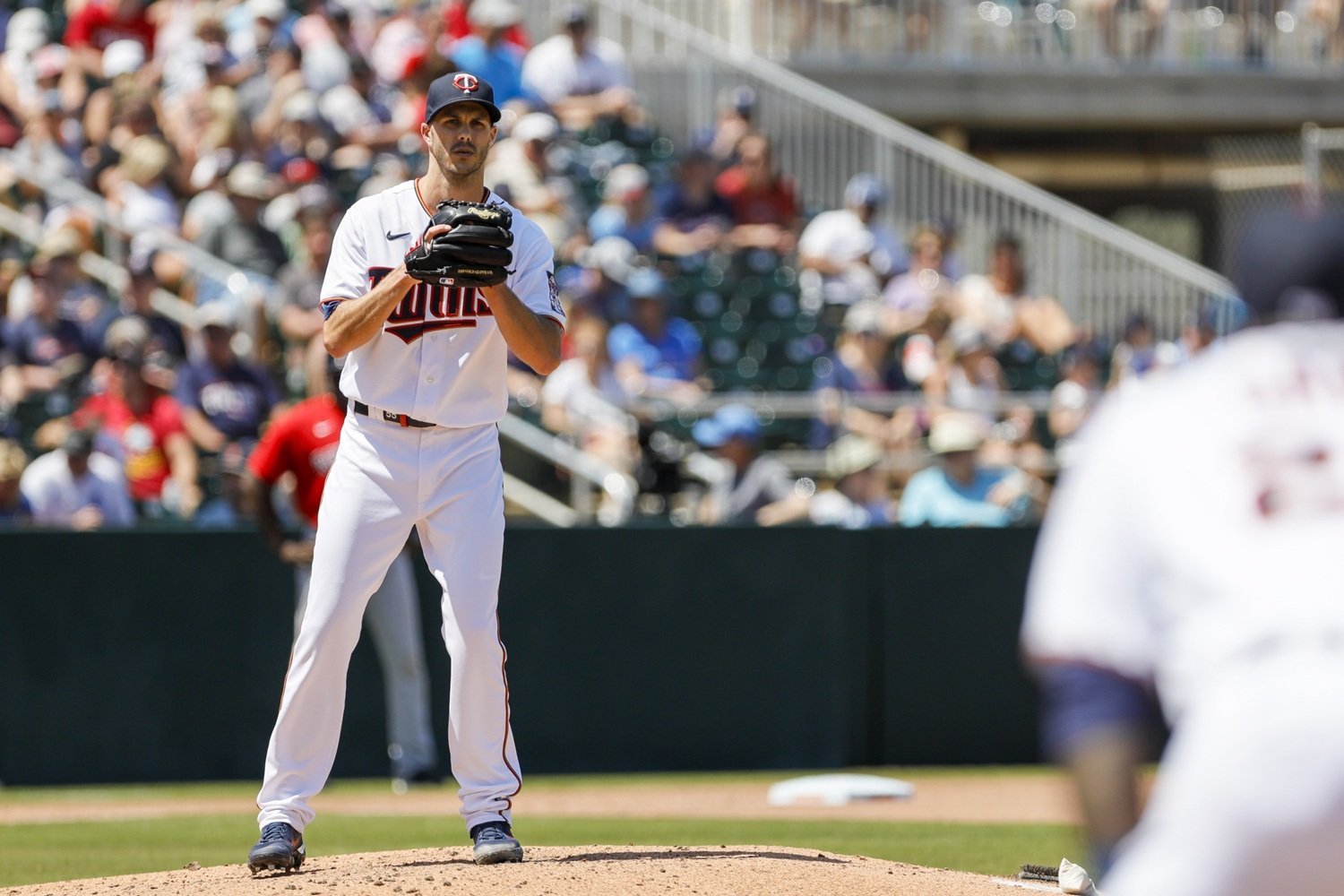 The Minnesota Twins bullpen has a left-handed problem. At least, that’s the question worth asking as Opening Day approaches. On paper, the Twins are lined up to carry a perfectly balanced bullpen in 2026: four right-handed pitchers and four left-handed pitchers. Symmetry looks nice in theory. In practice, it’s almost unheard of. This offseason the Twins added three left-handed relievers: Andrew Chafin, Taylor Rogers, and Anthony Banda. They join Kody Funderburk, who entered the winter with a presumed bullpen spot after a dominant finish to last season. Over the final two months, Funderburk posted a 0.75 ERA across 24 innings, pitching his way into high-leverage consideration. Four lefties. Four righties. Balanced. But balanced doesn’t necessarily mean optimized. Across Major League Baseball, only the Twins, Dodgers, and Brewers are expected to carry four left-handed relievers to start the season. That’s not a coincidence. In the era of the three-batter minimum rule, roster construction has shifted dramatically. The days of the pure left-handed specialist are largely gone. A bullpen arm can’t simply exist to neutralize one dangerous lefty in the seventh inning. He has to get through a pocket of hitters, and that almost always includes right-handed bats. That’s where the concern starts to creep in. Let’s look at the splits. Rogers owns a career .746 OPS allowed against right-handed hitters compared to .569 against lefties. That’s a massive gap. He can still dominate same-side matchups, but righties have long presented problems. Banda’s splits are even more pronounced. He has allowed a career .849 OPS to right-handed hitters versus .635 to lefties. That’s the profile of a pitcher you would prefer to deploy surgically, not someone you trust to navigate a mixed portion of a lineup. Chafin has the most balanced career track record of the group, with a .671 OPS allowed to righties and .617 to lefties. But even he showed vulnerability last season, surrendering an .805 OPS to right-handed hitters. At 35, expecting improvement against opposite-handed bats may be optimistic. Then there’s Funderburk. Despite his dominant finish last year, his career splits show a .768 OPS allowed to righties and .725 to lefties. He hasn’t displayed dramatic dominance over either side. Individually, none of these pitchers are unusable. Collectively, the profile becomes more concerning. Roughly three-quarters of hitters in today’s game bat right-handed. That reality makes stacking left-handed relievers risky unless those pitchers have the ability to neutralize right-handed bats consistently. The Twins did not go out and acquire elite, neutral-split lefties who can dominate anyone. They added a group of solid but unspectacular relievers whose biggest strength remains getting left-handed hitters out. Under previous rules, a manager could leverage that skill. A lefty could enter to face one dangerous left-handed bat and exit. Now he must face at least three hitters unless the inning ends. That significantly increases exposure to the platoon disadvantage, especially in late innings when managers cannot always control the matchup pocket. The construction also raises a broader roster-building question. The Twins waited deep into free agency to address the bullpen. By the time they moved, many of the premium right-handed options were gone. The arms available at their price point happened to skew left-handed, and the Twins leaned into it. Whether that was strategic or circumstantial is up for debate. It’s possible the team believes the stuff will play up. It’s possible they trust pitch shapes and usage adjustments to minimize platoon splits. It’s possible they simply valued overall depth over handedness concerns. But there’s no getting around the math. When half of your bullpen throws left-handed and most hitters bat right-handed, those pitchers are going to face tough matchups regularly. And with the three-batter minimum in place, there’s less room to hide. A bullpen with four lefties is rare for a reason. Are the Twins ahead of the curve, building flexibility others are ignoring? Or have they created an unnecessary vulnerability in a season where every late-inning edge matters? Do the Twins have a left-handedness problem? Leave a comment below and start the conversation! View the full article
 -
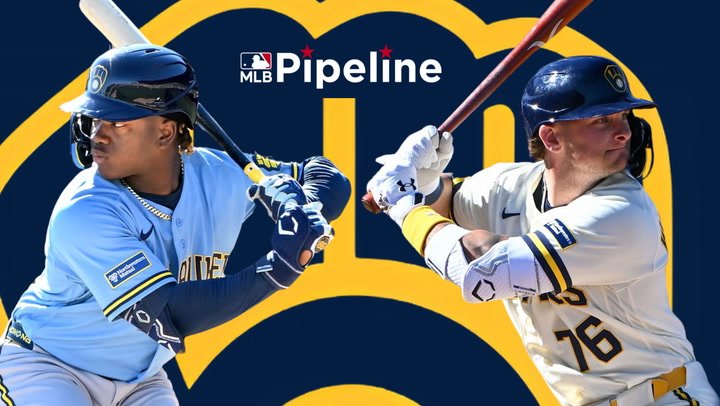 The Brewers’ top 30 prospects show how loaded the farm is right now. Of course, Jesus Made made headlines, as he's already one of the top prospects in all of baseball, and then you’ve got guys like Luis Pena, Jett Williams, Andrew Fischer, and Cooper Pratt who give them a ton of infield depth. Then you can't forget about the arms, Brandon Sproat, Logan Henderson, and Bishop Letson land inside the top 10. Overall, it’s a really talented group with high upside and a few players who might not be that far away from helping in Milwaukee. View the full article
