


DiamondCentric
-
Posts
2,631 -
Joined
-
Last visited
Never
Content Type
Profiles
Forums
Events
News
Tutorials & Help
Major League Baseball Videos
Guides & Resources
Store
Downloads
Gallery
Everything posted by DiamondCentric
-

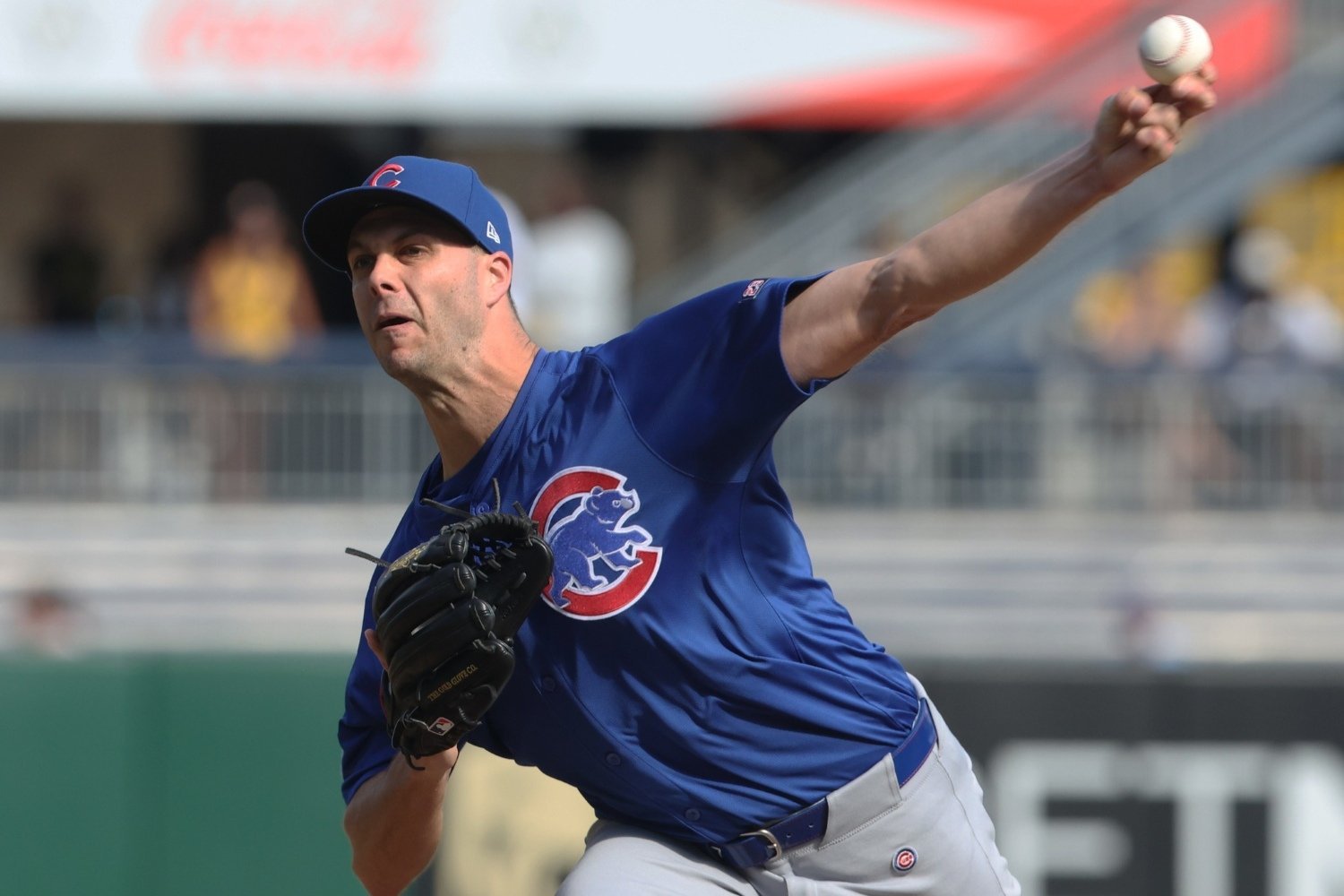 The Minnesota Twins have agreed to a one-year, major-league deal with left-handed reliever Taylor Rogers, sources tell Twins Daily. Rogers, 35, was the Twins' 11th-round draft pick in 2012 and spent the first six seasons of his major-league career with the team, posting a 3.15 ERA in 319 appearances and recording 50 saves. Last season, for the Reds and Cubs, he had a 3.38 ERA in 57 relief appearances. Once a high-strikeout control artist, Rogers misses fewer bats these days, and his walk rate has ticked up sharply in the last few years. Twins fans remember a pitcher whose fastball could play like a two-seamer with solid ride and who utilized two distinct breaking balls, but Rogers is now purely a sinker-slider guy, with age and injuries having frayed his command of each. Nonetheless, he's an effective middle reliever, especially when he can be shielded from right-handed batters. Rogers first hit free agency after the 2022 season, and signed a three-year $33-million deal with the Giants. San Francisco dumped his salary in a trade that sent Rogers to the Reds last winter, and he was technically dealt twice in July, going from the Reds to the Pirates to the Cubs without actually appearing in Pittsburgh. His strikeout rate of 24% last season was his lowest since 2017, and he's no longer in high demand, but he remains a sturdy relief option—and a cheap one, at just $2 million. Presumably, he'll slot in alongside Kody Funderburk as the main lefties in a bullpen that leans to the right. There's a chance that Rogers will even pick up some save opportunities for Minnesota; he's easily the most accomplished big-league reliever on their staff. Picking up Josh Bell, Victor Caratini and a melange of fringier players gave Derek Falvey's front office the depth they craved on the positional side. However, until now, they'd neglected the bullpen, which was emptied at last year's trade deadline and looks like the most glaring weakness for the 2026 team. This move is a small step toward fully addressing that issue, but it's a concrete one. Rogers is a familiar face, and a reliable addition to a high-variance collection of arms. View the full article
 -
Thank You to the Sponsors Behind the Sold-Out 2026 Winter Meltdown
DiamondCentric posted an article in Twins Daily
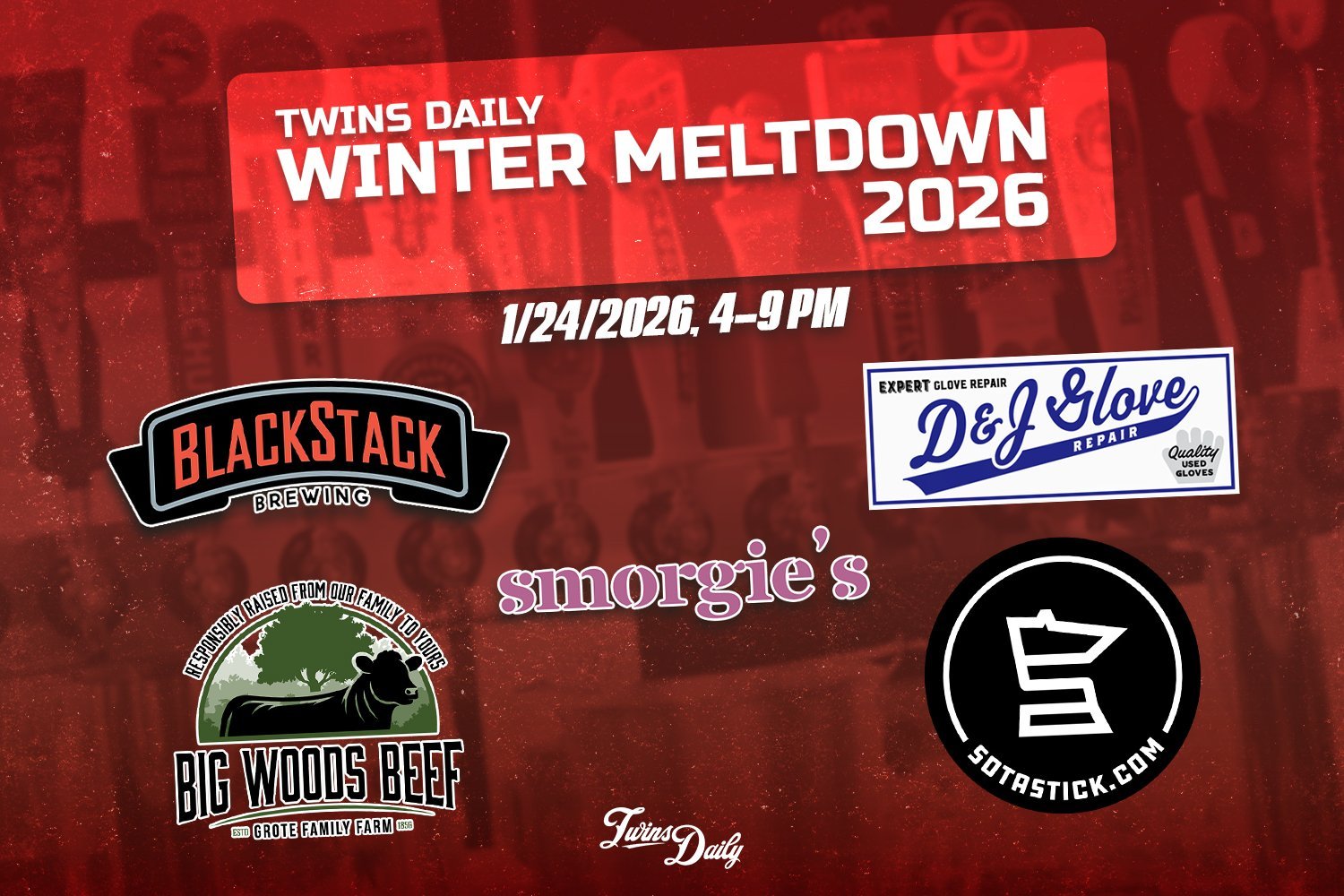 The 2026 Twins Daily Winter Meltdown is officially sold out, and before the first pint is poured or the first interview begins, we want to take a moment to say thank you. Events like this do not happen without the support of incredible local partners, and this year’s Meltdown is no exception. From beer and burgers to gloves, gear, and giveaways, our sponsors help turn a cold January night into one of the most anticipated gatherings on the Twins calendar. Those lucky enough to have tickets can look forward to more than just great conversations and live interviews – you will have the chance to meet, chat with, and win prizes from our sponsors throughout the night. Whether it’s sipping BlackStack beer, digging into Smorgie’s menu, scoring Sotastick gear, ordering premium cuts from Big Woods Beef, or talking gloves with the expert Jim Lonetti at D&J Glove Repair, these partners are a huge part of what makes the Meltdown special. Learn a little bit more about each sponsor before you arrive at the Meltdown this Saturday. D&J Glove Repair is a Twin Cities hidden gem for anyone who believes a baseball glove is more than just leather. What started as a father-son garage project has grown into the only shop in the country devoted solely to restoring baseball gloves. From relacing and restitching to full restorations and vintage finds, their Minnehaha Avenue shop keeps gloves — and baseball tradition — alive one stitch at a time. Sotastick, purveyor of unique Minnesota-centric sports-themed apparel, is hopping on board for the festivities. Not only can you catch the Twins game live, but you can also snag some exclusive Sotastick merchandise. Plus, they are generously raffling off $50 gift cards during the watch party. It's a win-win for all Twins fans! As if baseball, beer, and prizes weren't enough, we're taking it up a notch with a raffle for gift cards to make a delicious purchase from Big Woods Beef (formerly Grote Beef). Picture this: succulent steaks, available throughout the game. It's a carnivore's dream come true. Smorgie’s is the official venue for the 2026 Twins Daily Winter Meltdown and a perfect downtown fit. Just steps from Target Field and Target Center, Smorgie’s is known for great food, strong drinks, and unbeatable value – open daily with the kitchen open late, daily 2-for-1s, everything under $12, and the award-winning Smorgie’s Smash burger. Its lively, laid-back atmosphere makes it an ideal spot to keep the TwinsFest energy going. BlackStack Brewing returns for a second straight year as the official beer sponsor of the Twins Daily Winter Meltdown. Ticket holders will receive two complimentary pints, with a choice between fan favorites Local 755 New England IPA and Slopes Pilsner. A Twin Cities staple since 2017, BlackStack is known for its intentionally crafted beer and wide range of options, including NA drinks, slushies, gluten-free seltzers, and THC beverages. With the event lining up perfectly with TwinsFest, the Winter Meltdown once again becomes the ultimate afterparty — a seamless extension of a full day of baseball, community, and fun. We are grateful to every sponsor who helps make this night possible and cannot wait to celebrate with everyone at Smorgie’s this weekend! View the full article
 -
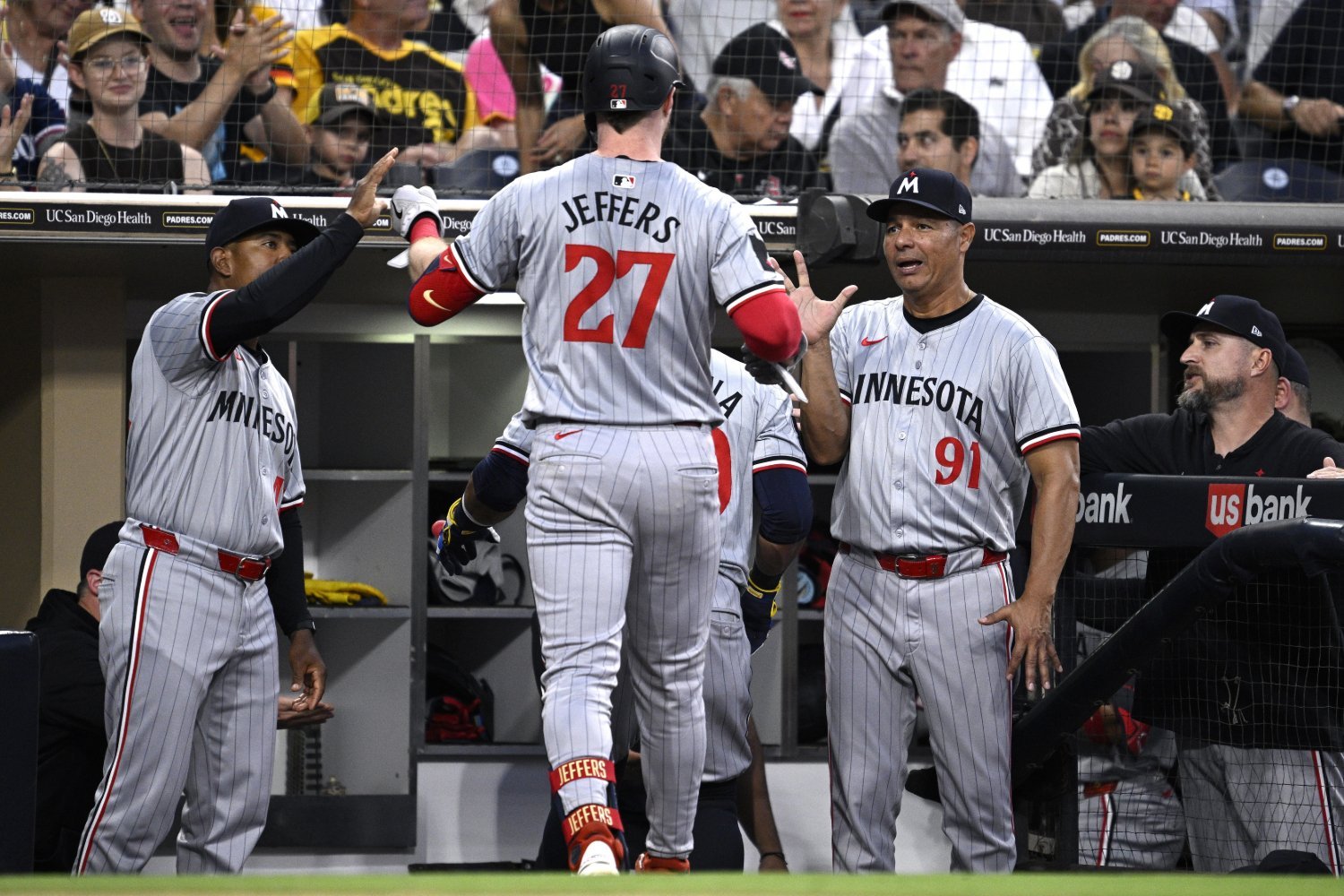 At this point in the winter, the need for another catcher on the San Diego Padres' roster is well known. While the active roster does, officially, feature the required two bodies prepared to get work behind the plate, the logistical side is screaming for a third. The team acquired Freddy Fermin at last year's trade deadline to give them some medium-term stability at the position. He's not a free agent until 2030 and offers decent-enough blocking and run game skills that compensate for his more average skill set as a framer. He's the presumptive starter. Behind Fermin, though, the Padres are lacking in clarity with their No. 2. Luis Campusano is a longtime member of the organization, but there has been an apparent reluctance to let him get regular work behind the plate. After nearly 700 innings in the field in 2024, the team employed each of Elías Díaz and Martín Maldonado last year instead of having Campusano work in alongside one of the two. Unfortunately for Campusano, that reluctance is fairly justified. Despite some offensive upside, he sat in the sixth percentile in blocks above average (-10), the eighth in caught stealing above average (-4), and the ninth in framing (-8). His brief time at the top level via injury in 2025 featured only 27 plate appearances in 10 games, all of which came as a designated hitter or serving as a pinch hitter in the later innings. While the team has yet to acquire a viable backup in his stead, those prior outcomes lead to the easy assumption that they'll, at some point, make another addition to provide some competition. We've already discussed the idea of the Chicago Cubs' Carson Kelly serving as one option. With a 1A/1B situation between Kelly and Miguel Amaya — in addition to the fact that the team is right up against the first luxury tax threshold — there's a possibility that the team could be willing to part with the veteran. Should the Padres seek such an addition via the trade market, there is another midwestern team that might be willing to part with another high-upside catcher. The Minnesota Twins recently signed Padres' old friend Victor Caratini to a two-year contract. Already employing each of Ryan Jeffers and an out-of-options Alex Jackson, there's now a bit of a logjam behind the plate for a team in a bit of a rebuild. As an impending free agent with a franchise that moved many of their veteran players at last year's deadline, are the Twins now in a position to further bolster their development system by moving Jeffers? Jeffers offers a fascinatingly-similar case to that of Kelly among potential Padres targets. In addition to playing out the last year of his contract, he was 11th among catchers with at least 300 plate appearances in wRC+ (113) and has a history of occasional power at the position, topping out at a .213 ISO back in 2023. The difference is that he's less effective as a blocker (13th percentile) and in run prevention (5th percentile) than either of Kelly or Fermin. He does, however, represent roughly the same level of adequate framing that either one brings to the table. What he is, though, is a sizable upgrade over what the team would be getting in Campusano's defensive work. Another difference lies in the trade package. The Cubs are in a position where they're set to contend, potentially for a division title. They don't need to feel in any way compelled to move Kelly if they want to keep the position fortified between he and Amaya. For the Twins, who could very well be in for a last-place finish in the American League Central, parting with Jeffers might be a simpler calculation. Which means that the trade cost might not be as high as it would be for someone like Kelly, who's also coming off something of a miniature breakout. It's also possible that the Twins hold onto Jeffers for now, roll out Caratini as their backup, and try to sneak Alex Jackson through waivers as organizational depth. But considering their organizational situation against the Padres' clear need for an upgrade in matters of a backup backstop, he may very well represent a more realistic name to monitor against someone like Kelly in the weeks ahead. View the full article
 -
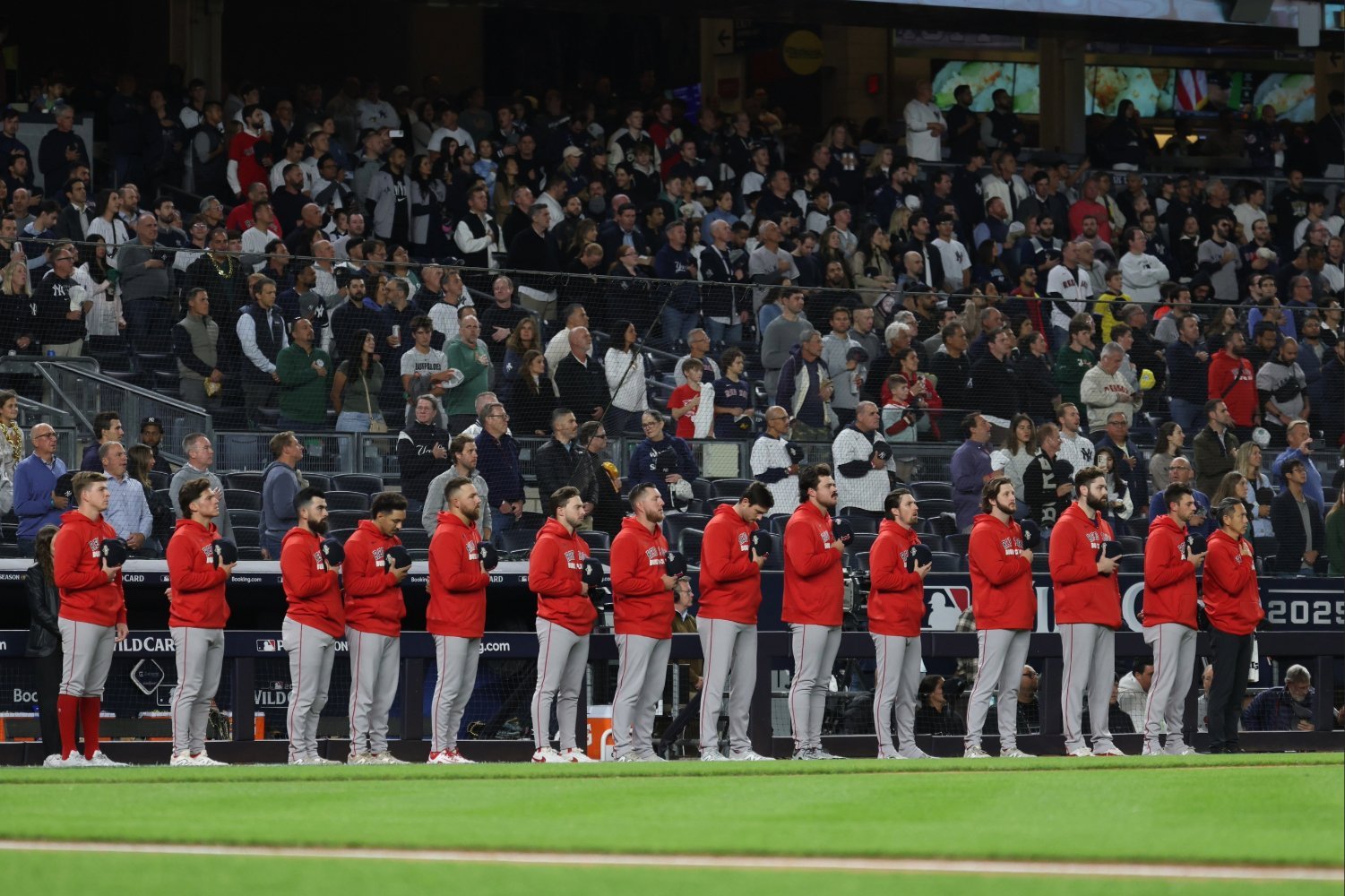 In a whirlwind 24 hours, the top two free agents of the offseason signed with National League teams. If you missed it, outfielder Kyler Tucker signed a massive contract with the Dodgers, and Bo Bichette followed suit with the Mets in an eerily similar deal to that of what 2025 Alex Bregman got with the Boston Red Sox. As we all know by now, Tucker had been tied nearly all offseason to the Blue Jays and the prevailing thought was that once he passed on their 10-year offer, they may pivot to bringing Bichette back into the fold. Neither came to fruition, though, and those signings, or non-signings depending on how you look at it, bust a wide open hole in the AL East for 2026. I’m not going to gloss over the fact that the Blue Jays were two outs away from winning a World Series title last year and added Dylan Cease to their rotation. They are an objectively great team who should be competing for championships for years to come, but baseball is a fickle game. Bichette was the co-face of the team with Vladimir Guerrero Jr. and his absence will loom large for a club that is planning on returning to dominance in 2026. He wasn’t their big bopper, but he got on base and was able to hit anywhere in the first five spots of the lineup. When he returned for the playoffs and moved to second base, he gave the Jays a spark that nearly allowed them to overcome the mighty Dodgers in the World Series. Losing out on him makes the team worse, even if they are still an incredibly talented ball club. Losing out on Tucker though? That stings for Toronto. He would have made that lineup something that opposing pitchers feared on a nightly basis. His presence behind Vladdy alone would mean the big man would see far more competitive at-bats. Tucker would have been the way for the Jays to ensure that no one in the AL East, or the entire AL for that matter, could out-slug them. They would have the second-most feared lineup in the league, behind the Dodgers. Suddenly, though, Tucker wasn’t interested in being in Toronto for 10 years and signed with those very same Dodgers. He now slots in as, like, the fifth-best player on that team and can embrace his quiet demeanor in L.A. knowing that he’s not going to be the guy the media comes to on a nightly basis anymore. What this all means for the Red Sox is a little nebulous, but it's pretty clear that they are the second-best team in the AL East and with an addition at second or third base, they could give the Jays a run for their money. The signing of Ranger Suarez gives the Sox the most potent rotation in the American League and puts them in the running for the best rotation in all of baseball. Even if the team makes a trade of someone like Brayan Bello in the near future (and they should), their starting rotation is deep and talented. If Roman Anthony returns to form after he finished last season injured? Forget about it. That doesn’t even account for Wilyer Abreu getting the training wheels taken off him against left-handed pitching, Willson Contreras manning first, or Ceddanne Rafaela’s knack for giant clutch hits when it matters most. The Yankees have done next to nothing this offseason, the Orioles have added pieces but lack the pitching depth to be truly competitive, and the Rays seem to be taking a ‘we’ll just wait and see’ approach to this season. The Blue Jays are going to be good, no doubt about it, but losing out on both Kyle Tucker and Bo Bichette is going to cause a pretty big ripple in the division. The Red Sox are going to be lying in wait to take advantage of it. We all got a small taste of playoff baseball in 2025 but in 2026, the fanbase is ready for more. With the majority of star free agents jumping ship to the NL (including Bregman!), the Red Sox have been gifted an opportunity to stake their claim as one of the league's best teams this year. View the full article
 -
Back to Kansas City? Four Free Agents Whose Return Could Make Sense
DiamondCentric posted an article in Royals Keep
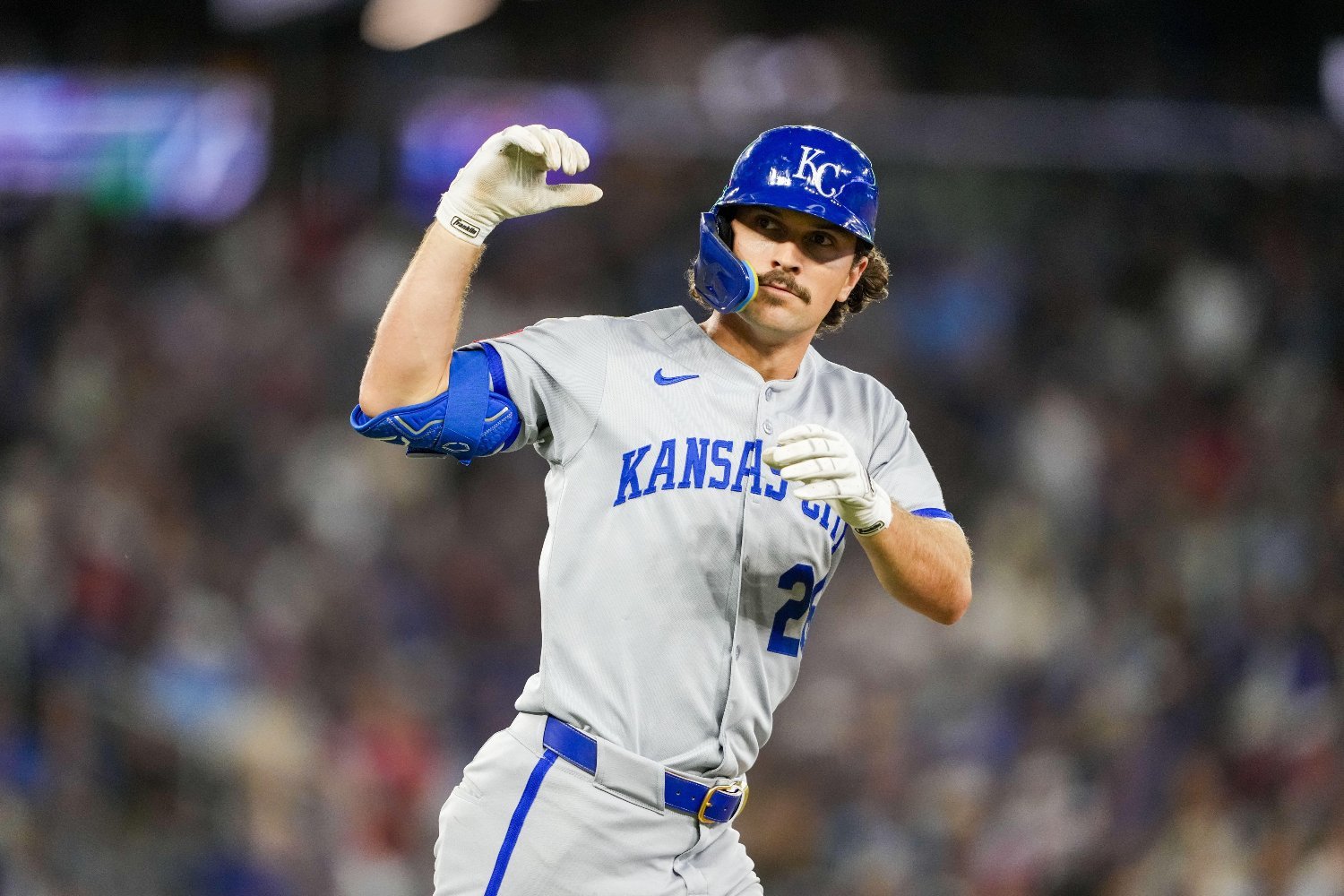 We are nearing the end of January, which means that we're nearing the end of the offseason. There are 19 days until Royals pitchers and catchers report to Surprise, Arizona. Thus, Royals GM JJ Picollo is finalizing the roster, ensuring that Kansas City is best equipped in preparation for the upcoming 2026 campaign. Right now, it seems like the Royals' roster is near completion, and it's unlikely that any major moves will occur this offseason. Ken Rosenthal reported that it was unlikely to land Boston's Jarren Duran or St. Louis' Brendan Donovan, who were both rumored as trade targets for the Royals earlier this offseason. Thus, if the Royals do add another player to the roster, it will likely be a low-cost player, whether through free agency or trade. That said, Kansas City could benefit from adding another bat to this roster, just to give them some depth off the bench. According to Roster Resource, the Royals are projected to have a starting outfield of Isaac Collins (LF), Kyle Isbel (CF), and Jac Caglianone (RF) with Lane Thomas, Nick Loftin, Michael Massey, and Tyler Tolbert coming off the bench. That's not a bad group, but Kansas City could benefit from having another veteran or two to solidify the lineup. Thankfully, there are still targets available, including those with familiarity with the Royals' roster, clubhouse, and manager Matt Quatraro. That experience with the organization could mean a smoother transition, and thus, more production in 2026. In this post, I will look at four players who have suited up for the Royals in the past couple of years who could make sense for Kansas City on short-term, low-cost deals for the upcoming season. (Statcast season summary cards courtesy of TJ Stats.) Adam Frazier, UT (Last Played With Royals: 2025) Statistically, Frazier didn't have a great 2024 with the Royals, as he posted a 65 wRC+ and -0.5 fWAR in 294 plate appearances. Nonetheless, he brought some intangibles to the clubhouse, as the Royals experienced a 30-win turnaround from 2023 to 2024. Was Frazier responsible for the majority of that? Of course not, but he definitely brought professionalism and experience that the Royals lacked the previous season. The Pirates jumped on him last offseason, signing him to a one-year deal. However, Frazier didn't have the same impact in Pittsburgh as the Pirates went 71-91. As a result, the then-33-year-old utility player was traded to Kansas City at the All-Star Break for Cam Devanney. Frazier's return to Kansas City was a huge boost to the Royals' lineup. He posted a 98 wRC+ and 0.6 fWAR in 197 plate appearances, and the Royals went 35-30 in the second half (after going 47-50 prior to the All-Star Break). Overall, Frazier posted an 89 wRC+ and 0.7 fWAR in 459 plate appearances with Pittsburgh and Kansas City last year. Hence, he showed that he still has something left in the tank, especially for a team with playoff aspirations. It's been surprising to see Frazier go this long without being picked up by another MLB team, especially since teams are always looking for guys who can positively affect a clubhouse (which Frazier has done for multiple clubs in the past). However, that could work in the Royals' favor, as it could encourage him to agree to a cheap $1 million deal or perhaps a Minor League one with the opportunity to earn a roster spot in Spring Training. Frazier would displace someone like Loftin, who is younger, has more upside, but a less proven track record at the Major League level. Tommy Pham, OF (Last Played With Royals: 2024) Speaking of players who played with the Pirates last year, Pham is another outfield option who remains unsigned. The 37-year-old was expected to be a trade target at the Trade Deadline last year, but he ended up staying put in Pittsburgh. It was the first time Pham had spent an entire season with a single team since 2021 (with San Diego). Pham held his own with the Pirates, especially at the plate. In 449 plate appearances, he hit 10 home runs, collected 52 RBI, and posted a 94 wRC+. He also posted a 0.53 BB/K ratio and had a .318 xwOBA, a sign that he could've been even better in a more hitter-friendly home ballpark. The main issue with Pham last year was his defense, as he sported a -3 OAA and -4 FRV in the outfield. The former Cardinals draft pick has long been a prickly personality, which explains why he's been on so many teams. Even this offseason, he's gone on a bit of a crusade against "advanced metrics", coining his own "metric" called PhamGraphs, which he believes is a better measure of player success (if that sounds weird, it's because it totally is). Pham has "eccentric" viewpoints, to put it nicely, whether it's on statistics, competing, or fantasy football. Putting that all aside, though, he does sport a skill that the Royals have valued this offseason from hitters: he doesn't chase. According to Statcast percentiles, his O-Swing% ranked in the 94th percentile, and his whiff rate and Z-Contact rate ranked in the 61st and 60th percentiles, respectively. In addition to a good eye at the plate, he hit the ball hard last year as well, as evidenced by a 74th percentile hard-hit rate and 85th percentile average exit velocity. The Royals interestingly didn't bring back Pham last year, even though he was a key player for them down the stretch and in the postseason in 2024. He may not be the easiest teammate to understand. That said, if the Royals are looking for a platoon bat (121 career wRC+ against lefties) who can play all three positions in the outfield, Pham fits the bill perfectly. Randal Grichuk, OF (Last Played With Royals: 2025) The Royals targeted Grichuk last offseason, but he ended up signing a one-year deal to return to Arizona. However, the Diamondbacks played themselves out of playoff contention, and the Royals were able to acquire him in exchange for reliever Andrew Hoffmann around the Trade Deadline. Unfortunately, Grichuk failed to secure a roster spot with the Kansas City Royals. In 43 games and 105 plate appearances, Grichuk posted a 56 wRC+ and -0.4 fWAR. He struggled defensively in Kauffman's spacious dimensions, and he didn't hit nearly enough to earn regular playing time with the Royals. The Royals held a mutual option for 2026 with Grichuk, but they opted out, paying the $3 million buyout. The 34-year-old outfielder remains unsigned, and it seems unlikely that Grichuk will get more than a Minor League deal from a team this offseason, due to his career splits (118 wRC+ against lefties; 93 wRC+ against righties) and limited defensive ability. That said, his metrics show that he was much better than his overall stats demonstrated last year. Despite an 82 wRC+ in 2025 with Arizona and Kansas City, he ranked in the 91st percentile in average exit velocity, 86th percentile in hard-hit rate, and 73rd percentile in barrel rate. As a result, his .348 xwOBA was 59 points higher than his actual wOBA in 2025. Thus, Grichuk could see some positive regression in 2026, especially with Kauffman Stadium's new park dimensions. When looking at his spray chart from last year, modified to Target Field, which would be similar to the new Kauffman dimensions, Grichuk would've picked up a few more home runs a season ago. I am not sure if Grichuk would be willing to come back, especially after declining the mutual option and having inconsistent playing time down the stretch. That said, he may be convinced to return to Kansas City if he were guaranteed more playing time, even if it is in a strictly platoon role. MJ Melendez, OF (Last Played With the Royals: 2025) I saved this one for last, as I know some Royals fans would be outraged with the idea. After all, Melendez was awful at the MLB level last year with a -14 wRC+ and -0.6 fWAR in only 65 plate appearances. That's a concentrated level of bad. Furthermore, his Royals tenure wasn't all that great overall, as illustrated by a career -1.1 fWAR and an 88 wRC+ in 1,652 plate appearances. However, Melendez could be an interesting fit as a Minor League asset who could be trade bait later in the season. First off, the hard-hit metrics have always been there for Melendez. He has a career 91.7 MPH average exit velocity, 10.1% career barrel rate, and 46.2% career hard-hit rate. Those are pretty elite marks, even for a hitter with as much plate discipline (0.38 career BB/K ratio) and contact issues (71.6% career contact rate) as Melendez. He also did much better once he went back to his old swing in Omaha, as illustrated by his TJ Stats Statcast summary with the Storm Chasers a season ago. Second, I think Melendez could respond more effectively to the new hitting instruction within the organization. Gone is Drew Saylor, and in his place is a two-headed effort with Nic Jackson taking control of Upper Minors hitting development and Abrahan Nunez in charge of the Lower Minors portion. Thus, the Royals could allow Melendez to make adjustments and focus solely on recouping much of the value he lost in the past season. He won't play at all in the Majors with the Royals, nor should he at this point in his career. However, if he can get hot and show some progress in contact ability, he could net the Royals a mid or lower level prospect mid-season, especially for a team that may be desperate for offensive production in the outfield. It seems unlikely that Melendez will get another chance with another organization, even on a Minor League deal. However, the Royals could take a chance on their former second-round pick in 2026. He would give them the guaranteed production they need in Omaha (I would rather have him in the outfield than Drew Waters) while being a lottery pick who could generate some low-level trade value they may not get from other Triple-A outfielders. View the full article
 -
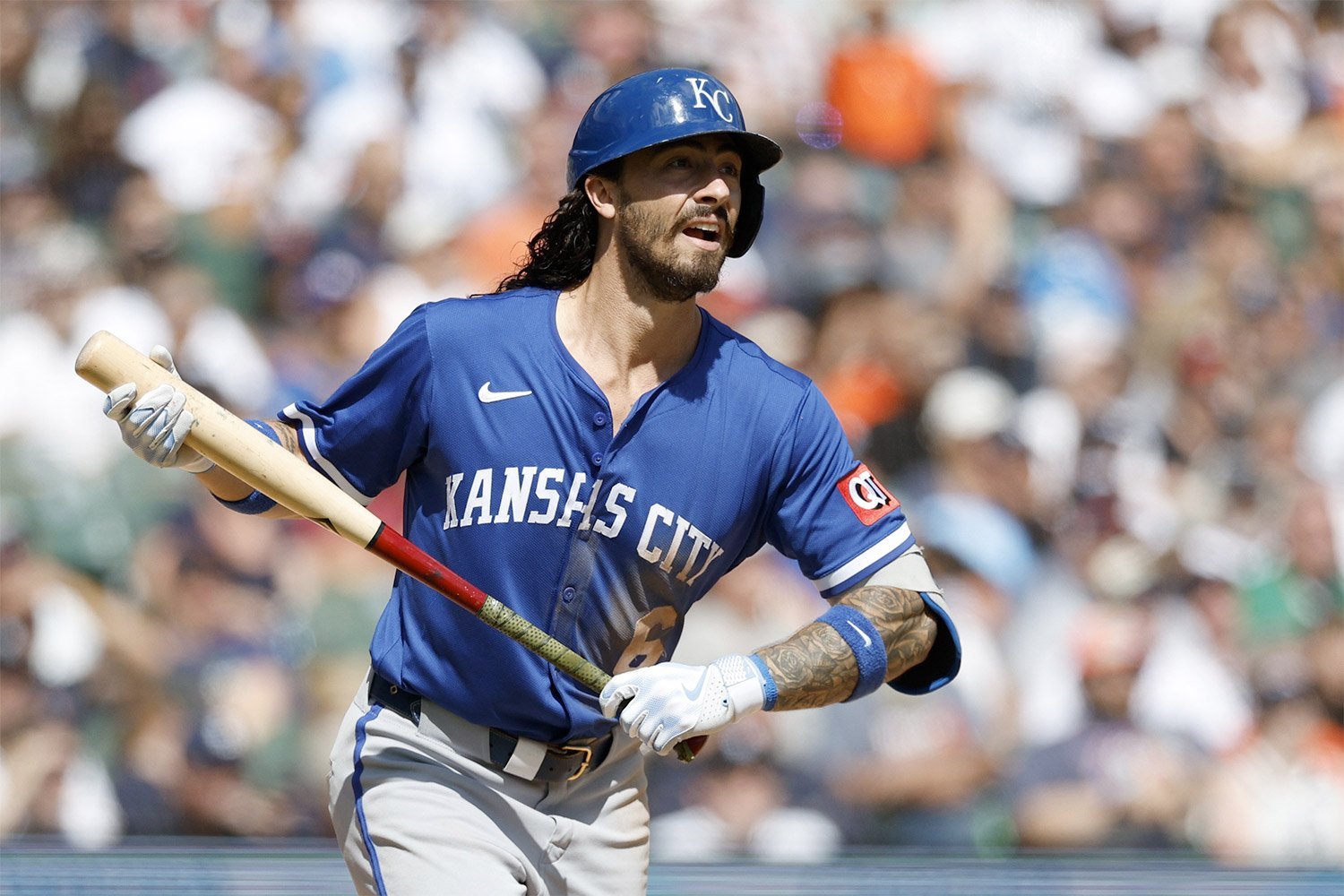 During November of the 2024 offseason, the Kansas City Royals and Cincinnati Reds teamed up for a trade, with the Royals acquiring utility player Jonathan India and outfielder Joey Wiemer for starting pitcher Brady Singer. The headliner was India, who was expected to come in and provide stability atop the Royals' lineup, giving Bobby Witt Jr., Vinnie Pasquantino, and Salvador Perez a chance to drive in India, who posted a .352 on-base percentage during the 2024 season with the Reds. Speaking at the time of the trade to the media, Royals general manager J.J. Picollo talked about the excitement in bringing in the 2021 National League Rookie of the Year. “Clearly, we were looking for a leadoff hitter,” Picollo said. “We wanted to address on-base. We wanted somebody to provide stability for us in that leadoff spot, and Jonathan’s going to do that. We were very happy to acquire him.” Flash forward to today, India wrapped up his first season with the Royals with a slash line of .233/.323/.346, through 136 games played. Over 497 at-bats, India hit a career low, nine home runs, and drove in 45 runs. India gave the Royals positional flexibility, making starts at second base, third base, and left field, but career lows in average, on-base percentage, slugging, and on-base-plus-slugging put a damper on the acquisition. The change in home ballparks could have played a factor in the regression. Great American Ball Park, the home of the Reds, ranks near the top of the list in terms of hitter-friendly ballparks, compared to Kauffman Stadium, which is in the middle to bottom in most categories. Over the past three seasons, Great American Ball Park trails only Dodger Stadium for average home runs given up per season. Kauffman Stadium ranks 24th on per Baseball Savant. Kauffman Stadium has long been known to have a spacious outfield, as seen by giving up the second-most doubles and triples in the past three years, per Baseball Savant. India was unable to take advantage of that, totalling only 29 doubles and zero triples. India’s BABIP reached a new career low in 2025, coming in at .279, well below the previous low of .293 set in 2024, so while there were concerns in year one with the Royals, there are some positives to take into 2026. Belief in Jonathan India With Dimension Change The Royals showed their belief in India during the offseason, bringing back India for his final year of arbitration on a one-year, $8 million contract. With one more year before reaching free agency, India should be motivated more than ever to put together a strong season. Comparing India’s Rookie of the Year season to his first with the Royals, India’s average exit velocity was very similar, 87.6 in year one to 87.9 this past season. India improved his launch angle from 13.1 to 14.7, which should correlate to more extra base hits in the spacious Kauffman. As many fans know, Kauffman Stadium is changing its dimensions for the 2026 season. The walls are being lowered from 10 feet to 8 feet, and the left-field corner will move in from 356 feet to 353 feet. The left-center and right-center gaps are going to be brought in from 389 feet to 379 feet, making the power alleys much more reachable. Center field remains untouched at 410 feet. When comparing India’s new look home to his old home in Cincinnati, where left field sits at 328 feet, left-center is 379 feet, center field is 404 feet, right-center is 370 feet, and right field is 325 feet. The gap in left field is now the same, and while there is a further distance in left field, the wall is shorter at Kauffman, sitting at eight feet as opposed to 12. India, which boasts a launch angle of a player who hits more line drives, could start to find more home runs with the lower walls. While season one didn’t go as planned in Kansas City for India, underlying numbers and a dimension change at Kauffman could result in a better year for India as the Royals hunt down a return to October baseball. View the full article
 -
Besides Walker Jenkins, Who is the Twins' Top Prospect?
DiamondCentric posted an article in Twins Daily
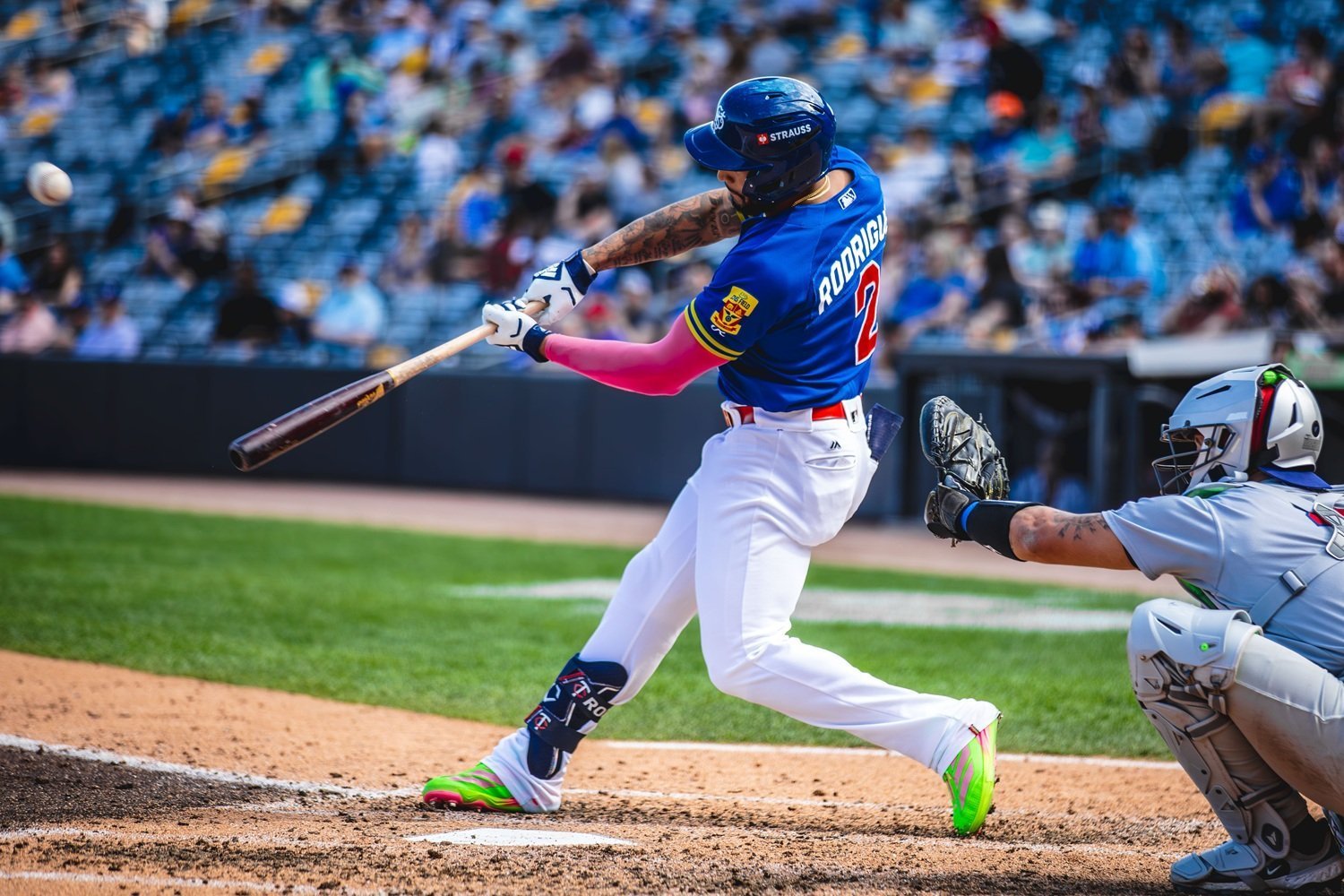 Walker Jenkins sits comfortably at the top of the Minnesota Twins prospect hierarchy. That part of the conversation is easy. The harder debate begins immediately after him. The Twins system has several legitimate candidates for the No. 2 spot, and each brings a very different profile, risk level, and timeline. This is not a ranking meant to dismiss any of the names below. Instead, it highlights how close this group really is and why the Twins are fortunate to have multiple paths forward. Still, prospect lists force choices, and the question remains simple. Who should be considered the Twins' top prospect behind Jenkins? SS Kaelen Culpepper The case for Culpepper starts with how much he changed the conversation in one season. After entering the year as more of a solid but unspectacular infielder, Culpepper broke out across High A and Double A, with a 138 wRC+. He showed that he can remain at shortstop, while also tapping into more power than most evaluators expected. The bat speed improved, the physicality showed up, and suddenly, he looked like a potential everyday infielder with impact. Why is he number two? Because Culpepper checks the hardest box. He can play shortstop. That alone carries enormous value, especially when paired with a bat that drives the ball to all fields. He does not need to sell out for pull-side power to do damage, and the extra-base hits came naturally as his strength developed. Why shouldn't he be number two? The swing remains fairly flat, which limits the ceiling of his in-game power. It might still be enough, but it likely caps him short of true middle-of-the-order production. There are also lingering questions about his long-term defensive home. If he ends up at third base, the offensive expectations rise considerably, and he will need to keep hitting (including tapping into that power) to justify the move. C Eduardo Tait Tait is the most exciting catching prospect the Twins have had in a long time. That puts him firmly in this conversation. He was also the highest-ranked prospect Minnesota acquired in the Jhoan Duran trade, signaling how highly the organization views his potential. Why is he number two? Catching prospects with real offensive upside are rare, and Tait has that. He shows power, confidence, and leadership behind the plate. If everything clicks, he profiles as an everyday catcher who can hit in the middle of a lineup, something the Twins have been chasing for years. Why shouldn't he be number two? The margin for error is thin. There is nowhere else for Tait to go defensively if he cannot stick behind the plate. His aggressive approach leads to chasing pitches out of the zone, and that tendency will be tested as he climbs the ladder. He is also far from Target Field, and long developmental paths come with risk. OF Emmanuel Rodriguez Rodriguez might have the loudest tools of anyone in the system, when he is healthy. That qualifier matters, and he’s on a path to impact the Twins’ roster in 2026. Why is he number two? When he is on the field, he controls the strike zone at an elite level. He draws walks, hits for power to all fields, and can handle all three outfield spots. In the corners, he is even above-average defensively. Few prospects in the minors combine patience and power the way Rodriguez does. Why shouldn't he be number two? Availability matters. Injuries have followed him throughout his professional career. Over the past five years, he has played more than 65 games only once. The passivity that fuels his walk totals also leads to a high strikeout rate, and when paired with durability concerns, it creates real risk. SP Connor Prielipp Pitching prospects often live in a separate category, but Prielipp forced his way back into this discussion in 2025. Why is he number two? Prielipp worked 82 2/3 innings last season and climbed all the way to Triple-A St. Paul. The stuff is undeniable. If he sticks as a starter, he has the arsenal to become a playoff-caliber arm, something every organization covets. Why shouldn't he be number two? The biggest question is his role. Internally, opinions vary on whether Prielipp ultimately fits best in the rotation or the bullpen. His injury history also looms large. Last season marked the first time he had thrown more than 25 innings since 2019. Betting on health and a starting role at the same time is a risky proposition. So Who Is Number Two? If forced to choose today, Culpepper likely gets the nod. The combination of proximity, defensive value, and offensive growth gives him the highest probability of becoming an everyday contributor. That said, this is a fluid debate. Tait offers rare upside at catcher, Rodriguez brings star potential if healthy, and Prielipp could change the entire picture with one dominant stretch. Behind Jenkins, the Twins do not have a clear answer. Instead, they have options, and that is a very good problem to have. Who would you rank number two in the Twins’ system? Leave a comment and start the discussion. View the full article
 -
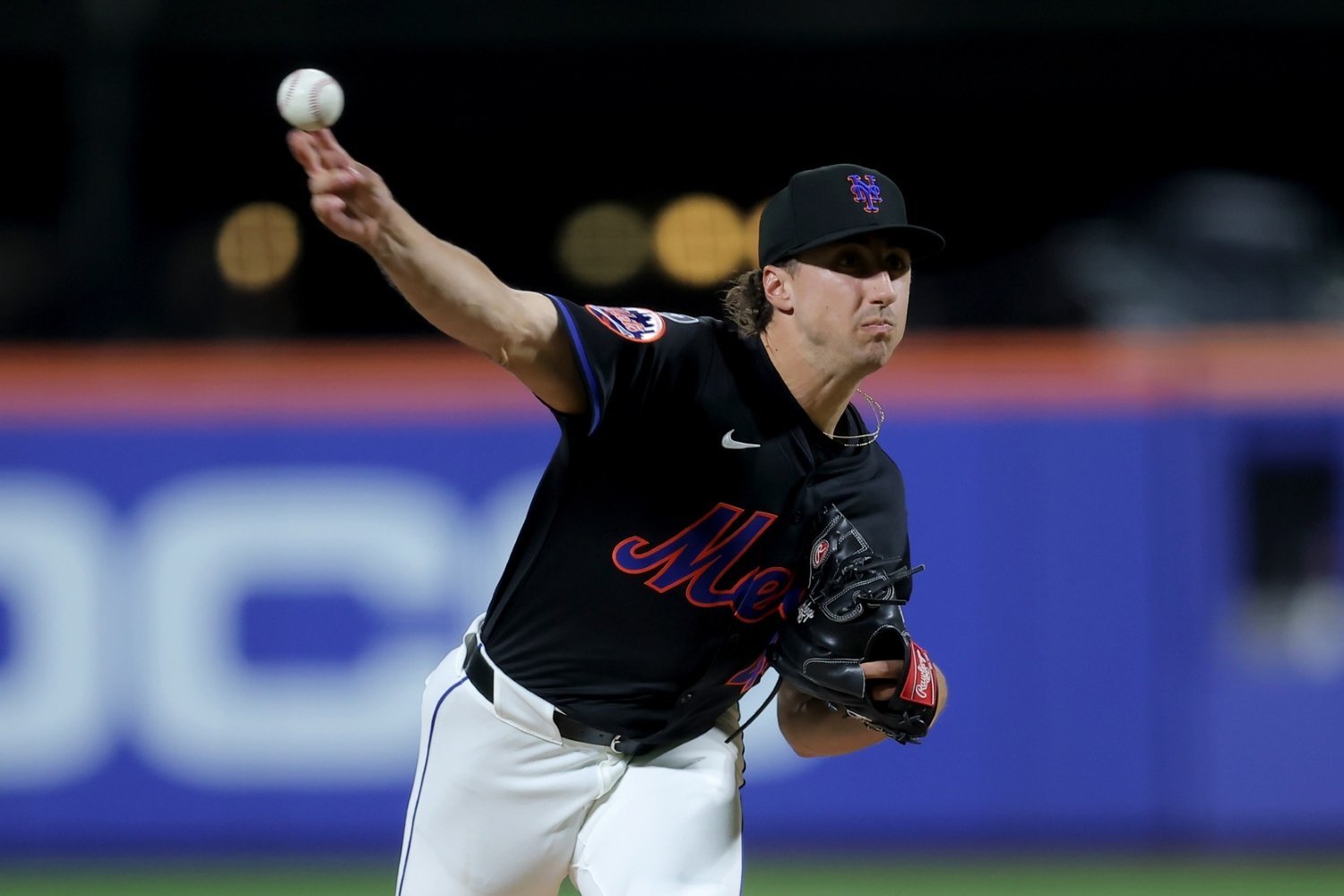 Freddy Peralta was not the first key player the Brewers traded away as he neared free agency; nor will he be the last. This is the established cycle of Milwaukee player development: acquire players before they establish themselves in the big leagues, enjoy the best years of their careers on bargain salaries, and restart the process by trading them away for young, controllable talent when they get prohibitively expensive. It’s not the most exciting way to run a franchise, but this is the best way for the Brewers to utilize their resources. It allows them to assemble a competitive roster every year, which they believe puts them in the best position to win a World Series. Rather than putting all of their chips on the table for a potentially unsuccessful playoff run and then needing to do a complete teardown and prolonged rebuild, they accept the pain of dealing away cornerstones even as they mold new ones. The media latched onto Peralta’s trade candidacy because the Brewers had done this before, with Josh Hader, Corbin Burnes, and Devin Williams. Peralta’s case was different, though. Like Willy Adames, whom the Brewers kept until free agency, he was a respected clubhouse pillar. He’ll also make just $8 million in 2026, even after the best season of his career. Compared to Burnes or Williams, it was going to take more to pry Peralta away from Milwaukee. The Brewers ultimately pulled the trigger on a return that wasn’t quite overwhelming, but they received a suitable package from the New York Mets, who sent more talent than the Baltimore Orioles did for Burnes two years ago. Utility man Jett Williams and right-hander Brandon Sproat were Baseball America’s Nos. 4 and 5 Mets prospects, respectively, and were both in the Top 100 overall. Both have six full seasons of club control. “Jett and Brandon are two of the top up-and-coming talents in baseball,” president of baseball operations Matt Arnold said, adding that both players will compete for roster spots in spring training. “We are adding both a dynamic athlete and exciting arm to the organization that we see impacting the major-league team for years to come.” Williams has the most prospect buzz and the highest ceiling of the two. At 5-foot-7, it may be tempting to think the 22-year-old is another Pat Murphy guy whose gritty style of play makes him an average big-leaguer without flashy athleticism. In reality, the speedster has legitimate power for his size, which he leverages well with an uppercut swing that consistently pulls balls in the air. He hit 17 home runs in 572 minor-league plate appearances last year, including seven in 151 Triple-A plate appearances. There’s disagreement over Williams’s hit tool. While Baseball America and MLB Pipeline give his hitting a 55 grade, FanGraphs gave it a present grade of 30 and a future grade of 40 in June. His contact and strikeout rates were average in the lower minors, but his 78% in-zone contact rate in Triple-A ranked in the 19th percentile. The Brewers have developed contact-oriented hitters like Sal Frelick, Brice Turang, and Caleb Durbin into capable big-leaguers, but they have not succeeded with more suspect bat-to-ball hitters like Williams. He’s a project worth taking on, though. Milwaukee has enough position players with high floors and needs hitters with more power potential. Because his bat is still unpolished and he’s better suited for second base or center field than shortstop, Williams seems unlikely to be an immediate Joey Ortiz replacement. He’ll be best served by finishing his development in Triple A before reaching the majors in a multi-positional role. While Williams received more love on most prospect lists, the Brewers are best equipped to get the most out of Sproat, who could become the true jewel of the deal. He developed an above-average sinker last year, which became his primary fastball instead of his four-seamer when he reached the big leagues in September. He throws three distinct breaking balls, each of which grades well. Sproat’s 2025 results were below-average in Triple A and in four major-league starts, but he posted a 92 DRA- across the two levels, and his 112 Stuff+ after his callup ranked ninth among starters who threw at least 20 innings in September. He creates a wide range of shapes from a three-quarter arm slot, giving the Brewers plenty to mold to their liking. Chris Hook can also get to work optimizing his whippy delivery to clean up his inconsistent command. Because his changeup has a similar shape to his sinker and a velocity difference of only 5 mph, Sproat will likely join the list of pitchers to scrap it in games upon arriving in Milwaukee. The Brewers may also turn his shorter slider into a true cutter to give him three fastballs. Based on their usual approach, a sinker and sweeper combination will probably become Sproat’s bread and butter against righties, while lefties will see more high four-seamers and curveballs. The Brewers also sent Tobias Myers to the Mets in the deal. The 27-year-old posted a 73 ERA- as a rookie in 2024, but his lackluster peripherals caught up to him last year. Even if he rebounds a bit thanks to the split-changeup he added last summer, it’s still likely his career has already peaked, and he was buried on the Brewers’ pitching depth chart. Sproat profiles as a more impactful starter moving forward. Time will tell how Milwaukee fares without Peralta, who averaged nearly 32 starts across the last three regular seasons, but it received a solid return and still boasts a deep rotation. Sproat, Logan Henderson, Robert Gasser, and Coleman Crow are among the young pitchers set to make starts this year. Jacob Misiorowski and Chad Patrick also profile as breakout candidates, and the Brewers are also optimistic that Brandon Woodruff will be more durable in his second season after returning from shoulder surgery. Trading away star players while remaining competitive is a delicate balance. The Brewers haven’t always struck it perfectly, but it seems they’ve done so nicely with Peralta. View the full article
 -
2026 Marlins ticket promotions, giveaways, special events
DiamondCentric posted an article in Fish On First
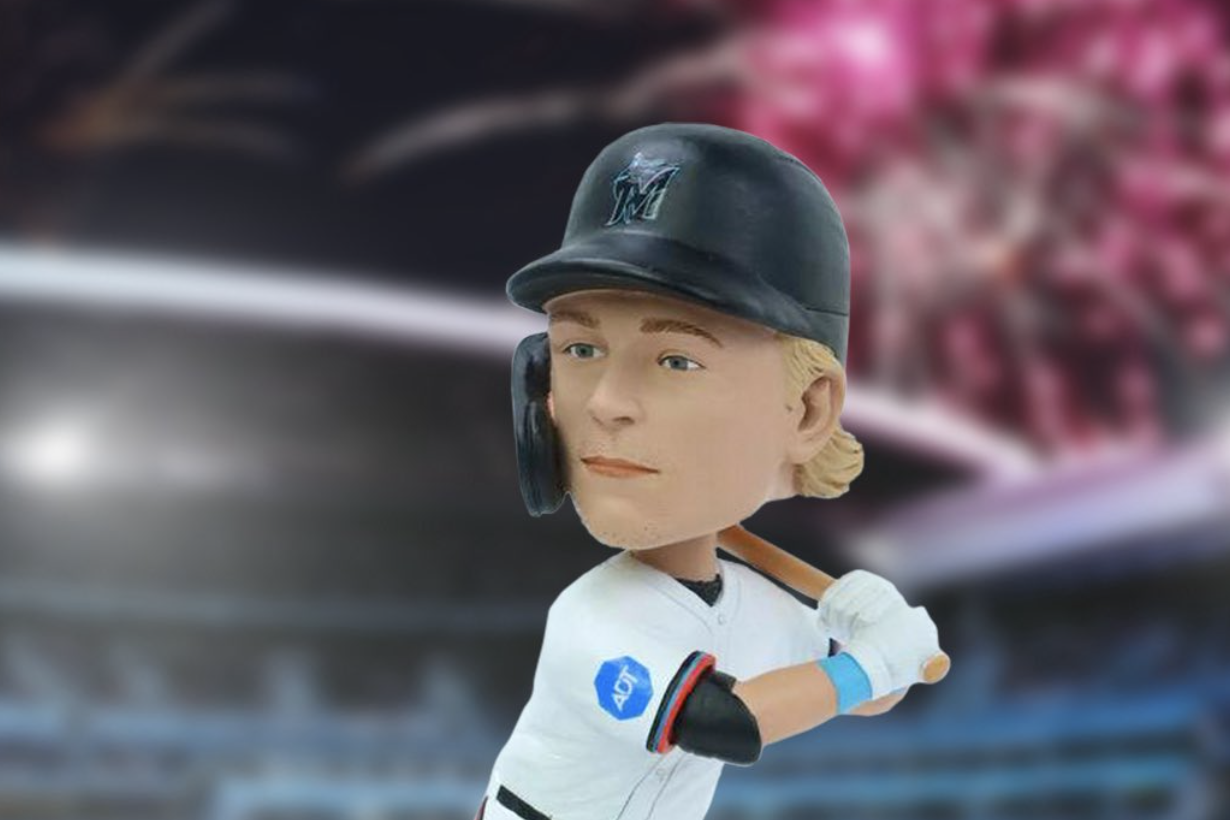 Entering year 15 at loanDepot park, the Miami Marlins are still dealing with a familiar problem regarding home attendance. The mediocre quality of the product on the field and location of the venue are among the factors that perennially have the Fish finishing with the fewest spectators in the National League. It isn't for a lack of effort. Miami's marketing department turns a large share of regular season home games into special events, plus Marlins ticket prices always rank among the cheapest in Major League Baseball. The following table will expand as more special events and theme games are confirmed. Date Theme/Special Event Giveaway Extras March 27 Opening Day Kyle Stowers bobblehead (25k) Postgame fireworks April 18 Hockey Day — — June 20 Flanigan's Fest Flanigan’s x Marlins cup (10k) Flanigan's food at concession stands View the full article
 -
A Full Breakdown of the Red Sox's 2026 International Signing Class
DiamondCentric posted an article in Talk Sox
 The international free agent signing period kicked off last week, and the Boston Red Sox have remained busy during the beginning period. Already to this point, the Red Sox have signed 18 international players. For the franchise, the international market has been huge for them the past few seasons when it comes to adding talent to the farm system. And while the only international free agent prospect who has made the majors for the Red Sox since 2020 was Jhostynxon Garcia, their current top prospect list is filled with such players. Franklin Arias, Juan Valera, Justin Gonzales, Dorian Soto, Miguel Bleis, and Enddy Azocar are just a few top prospects the team has signed through the international free agent signing period. Now, the team has added to their depth by signing 18 prospects, including two that were ranked within the Top 50 of the 2026 class. Let's dive into some of the top prospects the Red Sox signed in this international class. Garielvin Silverio was the highest-ranked player the team signed, placing 32nd in the class according to Baseball America. Silverio, who will turn 18 in October, is a left-handed hitting outfielder from the Dominican Republic and was one of the top offensive threats in the class. Thanks to fast bat speed that is paired with a strong, broad-shouldered build, he’s able to produce some of the best raw power of any hitter out of the Dominican Republic this year. He was praised for his hitting ability that includes an advanced feel for squaring up breaking pitches. Due to his limited athleticism, he is destined for a corner outfield spot as he’s a below-average runner with an average arm. The Red Sox are hoping his hitting develops and can carry him through the minor leagues. The second-best player signed by the Red Sox was shortstop Dawvris Brito out of the Dominican Republic, ranked 37th by Baseball America. Like Silverio, Brito won’t turn 18 until the end of the season in mid-September. When it comes to athleticism, Brito is the opposite of Silverio in every way, as he’s an above-average runner who moves around the field well. Thanks to his quickness, range, and consistent ability to make routine plays, he handles shortstop well and has a good chance of sticking at the position despite having an average arm. Brito uses his athletic explosiveness while batting to generate solid bat speed. Due to his rawness at the plate, he’s looking to be a power-over-hit player; if he fully develops, he would give the Red Sox a shortstop prospect with power and speed. Joskairo Ramirez follows the Red Sox's trend of signing players out of the Dominican Republic. Ramirez, an outfielder, was ranked 64th in the class by Baseball America. He is another left-handed outfielder, but unlike Silverio, is currently slated for center field thanks to his ability to get great reads off the bat along with taking clean routes to cover ground in the outfield. Despite being just 5-foot-10, Ramirez is considered rather strong and has been viewed as having great hand-eye coordination that results in great bat-to-ball skills. His power also appears to be mostly gap-to-gap at the time of signing. The final player ranked by Baseball America in the Top 100 is right-handed pitcher Claudio Pereira at 91 out of Brazil. Pereira was the top prospect out of Brazil in the 2026 class and has been compared to Eury Perez, as he’s a skinny 6-foot-6 pitcher who weighs 190 pounds at the age of 17. Currently his fastball touches 90 mph, but his frame shows a projection that he should be able to add significant velocity upon gaining weight. Along with the fastball, he has a changeup that he has a good feel for, along with a curveball. While not in the Top 100, shortstop Isaac Velasquez was signed out of Colombia and could be an interesting prospect. Currently standing at 6-foot, 185 pounds, he stands out mostly for what he does at the plate. Velazquez doesn’t chase much and manages to manipulate the barrel of his bat to make frequent contact that is then mixed with good bat speed, making him an excellent pull-side hitter. Velasquez is an offensive-focused shortstop and could eventually be moved elsewhere in the infield, but should he gain some quickness in the field and become more efficient with his arm, he could stick at the position. Another outfielder, Freyerson Vasquez out of Venezuela, is someone who had scouts interested even when he was an extremely thin player at 130 pounds thanks to a high-contact bat from the left side of the plate. He’s since grown, now standing at 5-foot-10 and 170 pounds, and has maintained the bat control that originally impressed scouts. Currently, he’s projected for a corner outfield spot thanks to a plus arm. Other prospects the team signed include: Infielder Esterlin Casanova out of the Dominican Republic Infielder Anderber Urbina out of Venezuela Infielder Wilneyker Bruce out of Venezuela Pitcher Yeider Pineda out of Venezuela Outfielder Eber Miranda out of Colombia Catcher Edgardo Gutierrez out of Venezuela Shortstop Anderson Gonzalez out of Venezuela Infielder Axell Herrera out of the Dominican Republic Pitcher Harry Canedo out of Colombia Pitcher Isaac Brujan out of the Dominican Republic Pitcher Luis Cayama out of Venezuela Pitcher Angel Roa out of Venezuela Grabbing four of the top 100 prospects in the class should help rebuild the lower levels of the farm system, as the team will now look to develop these players in the Dominican Summer League during the 2026 season. Some will see competition in the Florida Complex League by 2027, while others may take longer or may not even make it to the next level. Prospects are always a gamble, and the Red Sox are hoping they pay off in the long run. View the full article
 -
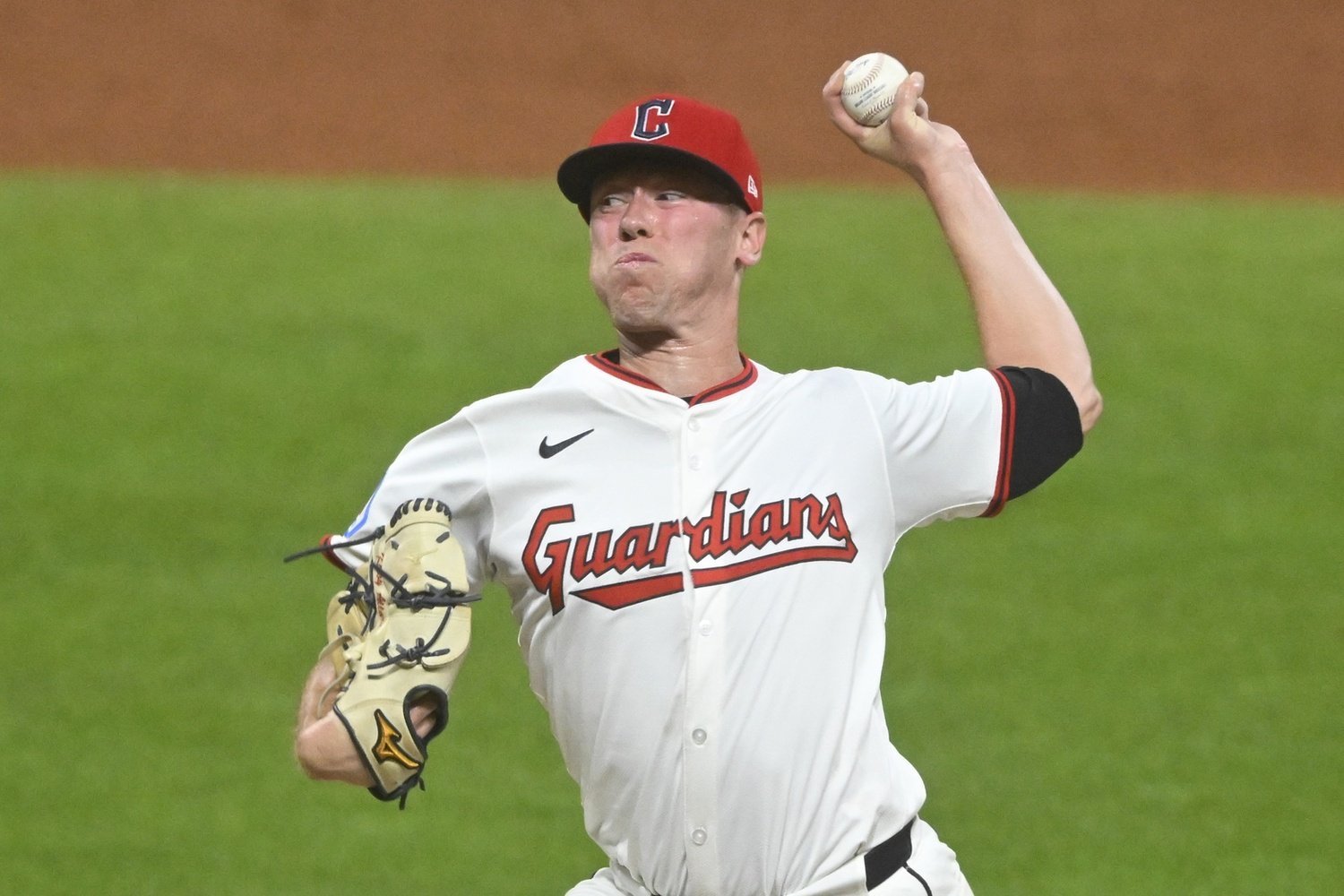 The Toronto Blue Jays have more starting pitchers than they know what to do with. Their bullpen hasn’t been the subject of nearly as much discussion, but it’s a deep group, too. Not including the six main candidates for the starting rotation, the Blue Jays have 10 pitchers on their 40-man roster with at least 50 games of big league experience: Jeff Hoffman, Tyler Rogers, Yimi García, Louis Varland, Brendon Little, Eric Lauer, Tommy Nance, Brendon Little, Braydon Fisher, Mason Fluharty, and Bowden Francis. That doesn’t even include Chasee Lee (32 MLB games); Rule 5 selections Angel Bastardo and Spencer Miles; prospects Ricky Tiedemann, Adam Macko, and Lazaro Estrada (2 MLB games); or the experienced arms that aren’t on the 40-man roster, namely Yariel Rodríguez and Jorge Alcala. That’s a lot of names. Like I said, it’s a deep group. It’s also a high-variance group. FanGraphs has Toronto’s bullpen as the seventh-best in baseball on their projected depth charts. However, the difference between the Jays in seventh and the Orioles in 16th is less than one projected win. It isn’t hard to picture a scenario in which this bullpen is one win worse than projected. Heck, it isn’t hard to picture a scenario in which every single member of this arm barn fails to meet expectations. What’s the solution? The Blue Jays don’t need another veteran on a guaranteed contract. They don’t need to limit their flexibility any further. To limit variance and raise their floor, what they need is even more depth. They need a pitcher who won’t battle for a spot on the Opening Day roster but who offers a proven floor as a capable major league pitcher. They need their next Eric Lauer. They need Kolby Allard. Allard is a great fit for Toronto. The 28-year-old has appeared in each of the last eight seasons (Experience? Check!), and he’s coming off what was arguably the best year of his career (Upside? Check!). He has a 5.34 ERA and 4.92 FIP for his career, but in 2025, those numbers were 2.63 and 3.54, respectively. A southpaw, Allard would help to balance a righty-heavy staff. Like Lauer, he also has experience as both a starter and a reliever. Hopefully, he wouldn’t ever need to start for the Blue Jays, but there’s no such thing as too much rotation depth. Most importantly, he should be available on a minor league deal. Listen, Allard was good last year. He really was. The lefty went more than one inning in 23 of his 33 appearances for a total of 62 innings pitched. That’s the second-highest total of his career, and the highest in his years as a primary reliever. Adjusted for park effects and the 2025 run environment, his ERA was 35% better than league average. His FIP was 15% better. His expected ERA ranked in the 79th percentile. That successful season underscores Allard’s talent. And there could be room for growth. According to pitch models like PitchingBot, Pitching+, and PitchPro, his cutter was his best pitch last year. Per the models, it’s been his best pitch throughout his career. Yet, the on-field results say otherwise. Opposing hitters have crushed his cutter for a .369 wOBA and a .355 xwOBA, compared to a .327 wOBA and .328 xwOBA on all his other pitches. Even last season, when Allard was at his best, his cutter yielded a .376 wOBA and a .363 xwOBA. The rest of his offerings combined for a .278 wOBA and a .272 xwOBA. Those aren’t just good numbers, they’re excellent. In a vacuum, his cutter looks like his strongest weapon. In actuality, it’s been holding him back. The right coaching could change that. With all that said, I can’t forget I’m writing about a pitcher with a career ERA well above 5.00. Allard signed a minor league deal with Cleveland last winter, went unclaimed on waivers after he was designated for assignment in the summer, and then re-signed with the Guardians on another minor league contract. While he made the postseason roster, he was the only arm that Stephen Vogt never used in Cleveland’s three-game Wild Card Series against Detroit. My point? He’s not going to be in high demand. Simply put, Kolby Allard isn’t an exciting name. That isn’t a knock on the eight-year MLB veteran, it’s just a fact. Leverage index (LI) is a metric that tries to quantify the pressure of any given game situation, taking into consideration the score, the inning, the number of outs, and the runners on base. Allard has made 109 appearances in his big league career; according to LI, he only entered 10 of those games in situations where the pressure was higher than average. A neutral LI is 1.00. The league average LI for a reliever when entering games tends to hover between 1.10 and 1.15. In other words, relievers tend to enter in higher-leverage situations. That makes sense. Allard’s average leverage index when entering games (gmLI) has never been higher than 0.87 in a season. His career average is 0.75. Only one active pitcher (JT Brubaker) has thrown more innings than Allard with a lower gmLI. All of this means Allard doesn’t often enter games with an opportunity to make a significant impact. And when he has made an impact, it hasn’t often been the kind of impact he was hoping. Allard owns a 13-26 record. Only three active pitchers have more career decisions and a lower winning percentage (Patrick Sandoval, Gregory Soto, and former Blue Jay Jordan Hicks). Allard’s teams have gone 37-72 (.339) in his appearances. Those same clubs – the Braves, Rangers, Phillies, and Guardians – had a .524 winning percentage in all their other games. That’s the difference between a 55-win pace and an 85-win pace. On a similar note, Allard has never pitched in the playoffs, despite playing for division-winning teams in each of the past three seasons. So, as much as I like Allard for the Blue Jays, my appreciation comes with qualifiers. In other words, I like him for what he is: minor league depth. Most minor league depth acquisitions don’t work out as nearly well as last winter’s Lauer signing. Still, Lauer’s story is the pudding-covered proof that minor league depth signings are essential. My fingers are crossed that the Blue Jays won’t need another Lauer this season. They really shouldn’t. But if they do, Kolby Allard could be that guy. View the full article
 -
Report: Blue Jays Were "Monitoring" Yoán Moncada's Market
DiamondCentric posted an article in Jays Centre
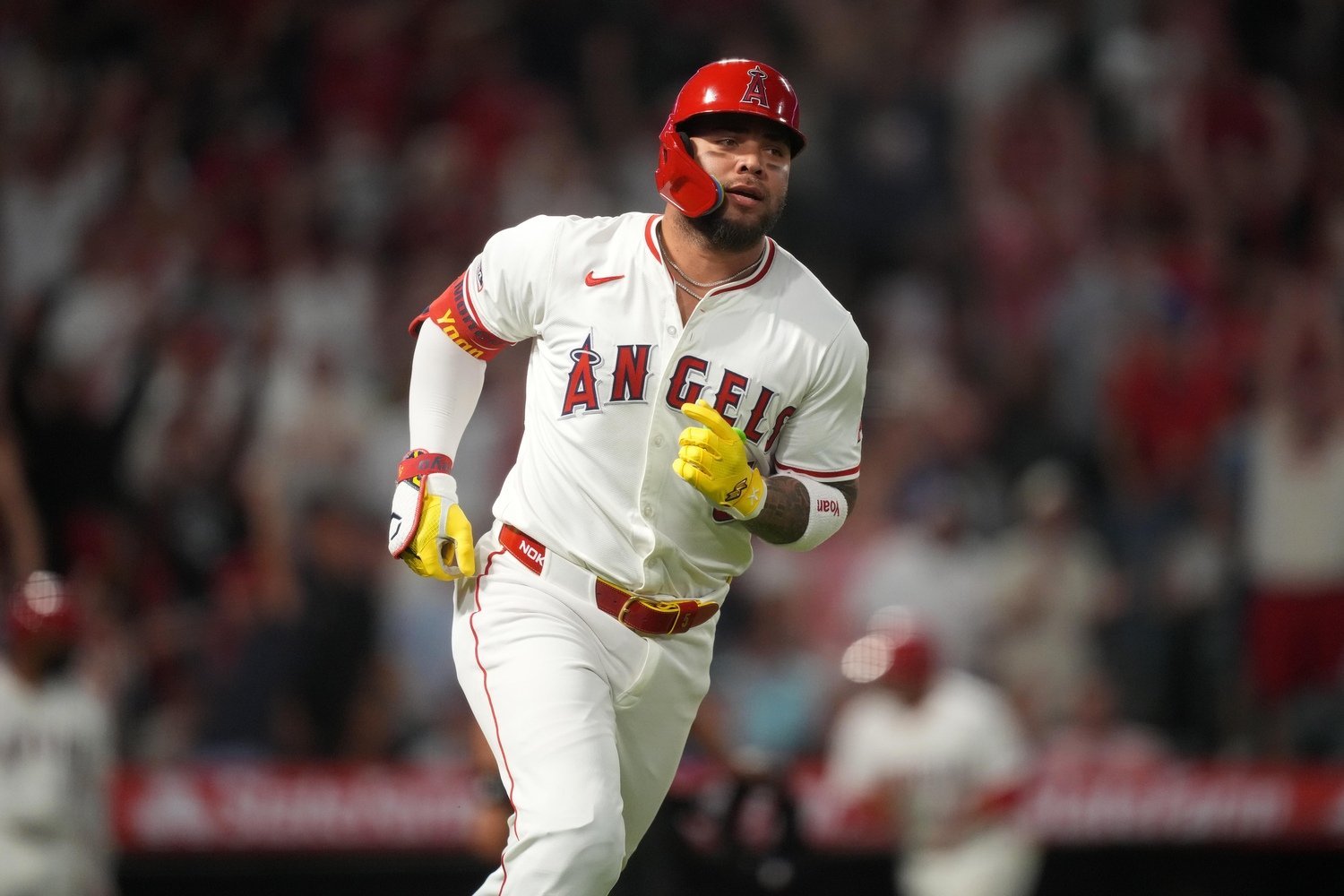 According to reporter Francys Romero, the Toronto Blue Jays were among the teams "most closely monitoring" free agent Yoán Moncada's market before he ultimately re-signed with the Los Angeles Angels. Romero notes that the Pirates and Red Sox had also shown interest in the third baseman. About a month ago, Romero reported that Toronto had expressed "early interest" in Moncada. However, that was before they signed Kazuma Okamoto to a four-year, $60 million deal. Like Moncada, Okamoto's primary position is third base. Moncada, 30, played in 84 games for the Angels in 2025. He hit .234 with 12 home runs and an 11.1% walk rate, finishing with a 117 wRC+. Thumb and knee injuries cut into his playing time; IL stints have been a recurring theme throughout the switch-hitter's career. It wasn't entirely clear how Moncada would have made sense for the Blue Jays even before they signed Okamoto. So, the suggestion that they were still keeping an eye on him is more than a little surprising. Nevertheless, Romero's report is at least an indication that the Blue Jays might not be finished adding to their offense this winter. Featured image courtesy of Kirby Lee, Imagn Images. View the full article
 -
BREAKING: Brewers Agree to Trade Freddy Peralta to New York Mets
DiamondCentric posted an article in Brewer Fanatic
 The Milwaukee Brewers and New York Mets are on the verge of a deal to send right-handed pitcher Freddy Peralta to New York, according to a report from the New York Post's Jon Heyman. Peralta will reunite with David Stearns in Queens, while the Brewers will receive multiple pieces in return, a source says. More to come. View the full article
 -
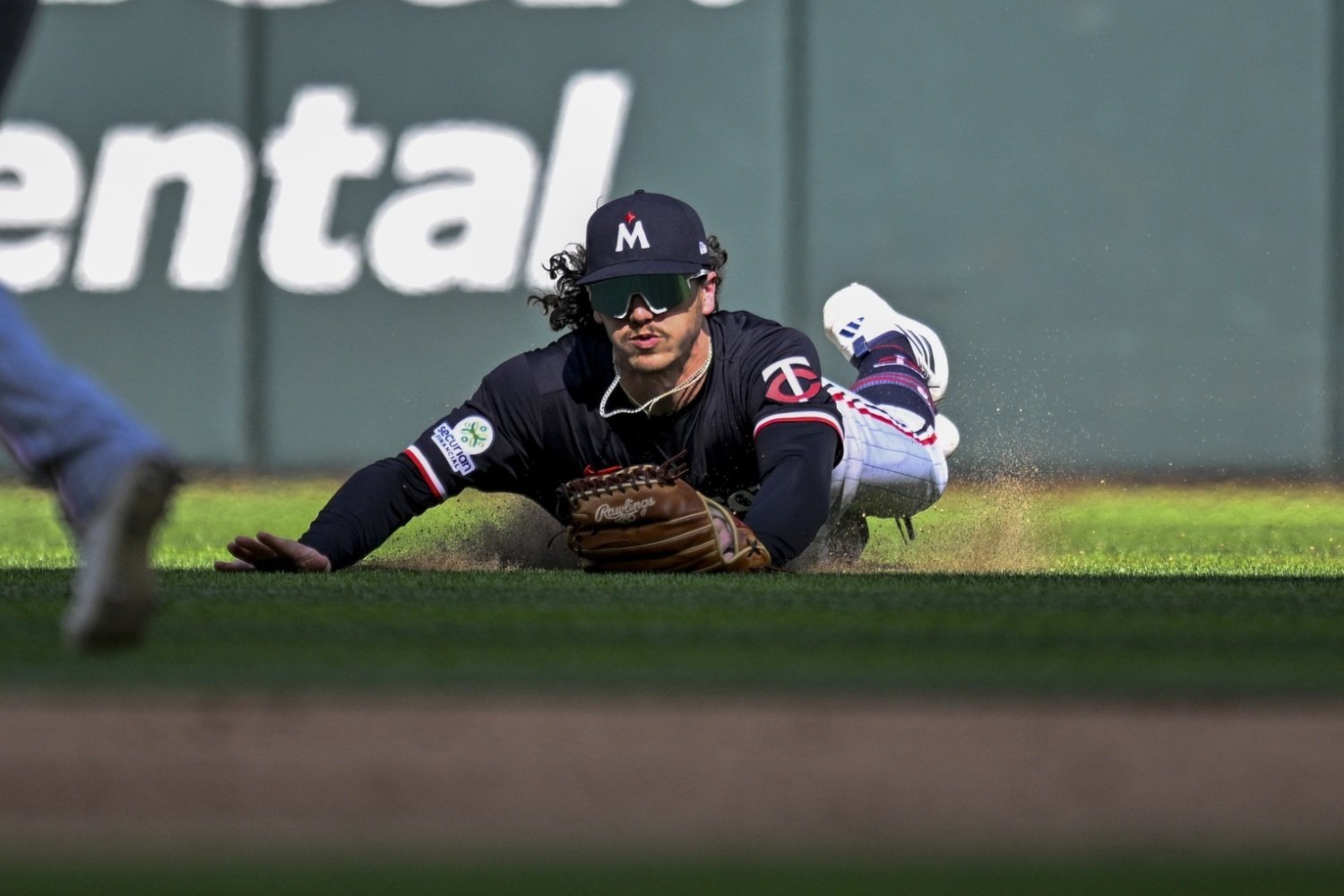 This is not an article about James Outman. It’s written around James Outman, but he didn’t really do anything to deserve it. Instead, James Outman has become the poster boy for a concerning trend with the functional utility of the Minnesota Twins’ roster. Let’s start in 2023: the season in which the Twins put together one of their most functional rosters of all time, even if it wasn’t the best roster. Roster functionality, in this case, can be understood as each player having a specific role and providing something uniquely valuable for the team’s success. As the team awaited the return of the injured Jorge Polanco, Royce Lewis, and Alex Kirilloff, each of whom would go on to play significant roles during the season, the Twins started Opening Day with the following lineup: C: Christian Vázquez 1B: Joey Gallo 2B: Nick Gordon 3B: Jose Miranda SS: Carlos Correa LF: Trevor Larnach CF: Michael A. Taylor RF: Max Kepler DH: Byron Buxton Not all of these players made it to the end of the season in a Twins uniform, and many had rough years. But what we’re focusing on is utility, not just quality. The Opening Day bench underscores what I’m talking about: catcher Ryan Jeffers, infielders Kyle Farmer and Donovan Solano, and super-utility Willi Castro (note: Castro wasn’t in that role at the time; he was expected to be sent down once Polanco returned, and he was more emergency depth and pinch-running). Let’s highlight some of the roles these players filled, or were expected to fill. Taylor was acquired via trade to add depth behind Byron Buxton in center field. He was hailed as an elite defender, and he was right-handed, so he could platoon with Gallo, Larnach, Kirilloff, or Kepler, moving over to a corner against lefty staters. Obviously, he played the whole season in center field, but that just highlights his usefulness. They tried to do the same in 2024 and 2025 with Manuel Margot and Harrison Bader, with mixed results. Farmer was also acquired via trade to start at shortstop, though that was short-lived, as the Twins re-signed Carlos Correa a month later. Farmer was bumped to a utility infield role, as a good enough defender to handle shortstop, second base, and third base. He also was an effective hitter against lefties, so he had a second role: platooning with Gordon at the beginning of the season and Edouard Julien at the end. Gordon had a unique role, too. He started at second base while Polanco was hurt, but his intended role was to bounce around the infield and outfield, hit a bit, and pinch-run. Essentially, he was expected to provide what Castro eventually did. This role was reduced when Buxton moved to a full-time DH role, but there was a clear intention to get his bat into the lineup, coming off the 2022 season in which he batted .272/.316/.427. Solano was a late signing, not joining the Twins until spring training had already started, but he was counted on to platoon with Kirilloff during the season and provide infield depth. Beyond that, he was a reliable pinch-hitting option against both lefties and righties, given his pure hitting ability. They brought in a platoon partner for Kirilloff again in 2024, which ended up being a very good offensive and defensive year from Carlos Santana. I could go on, but I’ll add one more tidbit to the pile—this team had a bunch of multi-positional players. Gallo and Kirilloff could both play the outfield and first base; Gallo could even fake it in center. Gordon and Castro could both play infield and outfield, including up-the-middle positions. Miranda could play first and third. Today, though, the Twins look nothing like that. Let’s assume the following starting lineup: C: Ryan Jeffers 1B: Kody Clemens 2B: Luke Keaschall 3B: Royce Lewis SS: Brooks Lee LF: Trevor Larnach CF: Byron Buxton RF: Matt Wallner DH: Josh Bell And a bench of: Victor Caratini Ryan Kreidler Austin Martin James Outman This projection leaves Alan Roden in St. Paul, starting alongside top prospects Walker Jenkins and Emmanuel Rodriguez. This is also the only way to put James Outman on the Opening Day roster without either starting him or playing without a backup shortstop. I want to preface the Outman discussion by acknowledging that the offseason is not over. The Twins have more moves to make, and that I’m not privy to the real plans the front office is making. We saw them add one plausible backup shortstop via trade on Wednesday, in Tristan Gray. But focusing on Outman is, I believe, the best way to convey my point. Outman has no options left. He’s been below replacement level since his very good rookie season in 2023. But he’s on the roster, after being the return in the trade that sent Brock Stewart to the Dodgers at the 2025 trade deadline. Right now, he’s wedged into the Opening Day picture, at least in the popular imagination (you’re welcome to disagree; I have my doubts he makes it to Opening Day). Why? Because he can play center field. It didn’t look pretty, honestly, after he arrived in Minnesota, but that’s his reputation. He can play it better than Martin, Kreidler, and Keaschall, probably. But that’s really it. Recall Taylor’s role in 2023. He could play center—better than Outman, mind you. But he also hit better in 2023 than Outman has across 2024 and 2025. He also suited the roster beter, hitting right-handed and hypothetically being a platoon option in a corner. Outman, on the other hand, is a lefty on a team full of lefties. To get regular reps in a corner, he needs to outplay Wallner, Larnach, Roden, probably Clemens and Bell, and eventually Jenkins and Rodriguez. If he can’t, he might cover center field once or twice a week against righties and pinch-run a little. That's not a positive net value from a roster spot. The Twins have lefties covering left and right field, first base, (effectively) DH, (effectively) shortstop, and (effectively) backup catcher. Their only platoon option is the batting average-dependent Martin, mostly in left field. If they want to commit to Roden in left field, that costs them either Outman or a shortstop, and it can’t be a shortstop, because Kreidler (or Vidal Bruján, or Orlando Arcia, or Gray) would be the only player beyond Lee who can cover shortstop. Even with one of those three infielders on the roster, their roles will be very limited—basically only playing shortstop, because none of them hit. Unlike Farmer, they can’t even fake league-average production or platoon against lefties. Caratini might be the bench player with the most utility right now, because he can hit from both sides and plays a passable first base, but in every remedial math class, there’s a brightest pupil. Martin has some flexibility, but it’s unclear whether the Twins want to play him in center field or at second base. Gregg’s note: Clemens, if considered to be a bench player—perhaps if Martin is the everyday left fielder—does have the most utility, because he plays a fine first base, second base, and corner outfield, but it’s unclear that will be his role at this point. So, if Outman does make the roster, the bench is a backup catcher; a left-field platoon bat who can play emergency second base and center field; a lefty who should only play center field once a week; and an infielder who should only play shortstop—again, once a week. Again, they aren’t done, but the current outlook pales in comparison to the average player's usefulness in 2023, regardless of overall ability. There may be things that clear the outlook up—committing to one of Martin, Kreidler, or Keaschall as a backup center fielder; trading a corner outfielder; opting to play Caratini at first base and DH; acquiring another infielder who bats right-handed and/or is a better option as a backup shortstop. But right now, it’s bleak. No one exemplifies that more than poor James Outman, a man whose profile lies at the unfortunate crossroads of uniqueness and redundancy. View the full article
 -
 It seems like a Freddy Peralta trade is going to happen; it is getting much closer. According to a report by Michael Marino, who calls himself a national MLB reporter but appears unaffiliated with any outlet, the Milwaukee Brewers wanted young New York Mets right-handed starter Jonah Tong in the return package for Peralta, who is entering 2026 in his final year of team control and is making $8 million before hitting free agency. But the Mets rejected including Tong, the No. 4 prospect in the Mets' system and No. 46 in baseball, per MLB Pipeline. As a counterproposal, the Brewers asked for infielder-outfielder Jett Williams, the Mets' No. 3 prospect and No. 30 in baseball, and right-handed starter Brandon Sproat, the Mets' No. 5 prospect but not a top-100 player. The report said the Mets are not willing to pay that steep a price for one year of Peralta. Tong made five starts for the Mets while making his MLB debut in 2025, posting a 4.31 FIP and 7.71 ERA, with 22 strikeouts in 18⅔ innings. Sproat also made his MLB debut in 2025, putting up a 2.80 FIP and 4.79 ERA in four starts, striking out 17 in 20⅔ innings. Williams, who can play middle infield as well as center field, put up a .261/.363/.465 slash line between Double-A and Triple-A in 2025 with 17 homers, 52 RBIs, and 36 stolen bases in 130 games. Williams also struck out 131 times. View the full article
 -
Blue Jays Announce 20 Players Invited to Spring Training
DiamondCentric posted an article in Jays Centre
 Blue Jays pitchers and catchers will report to the team's spring training complex in Dunedin on February 11, while the first full-squad workout is scheduled for February 16. Five days later – exactly one month from today – the Jays will host the Phillies for their first game of the spring. Today, the Blue Jays announced the names of 20 non-roster invitees who will be joining the players from the 40-man roster (and several more NRIs) in big league training camp. It's an exciting list, made up of eight pitchers and 12 position players and including many of the top prospects in the system. All of these NRIs are rookie eligible, except for Yariel Rodríguez, who was outrighted off the 40-man earlier this winter. Javen Coleman, LHP Chad Dallas, RHP Ryan Jennings, RHP Fernando Perez, RHP (JC No. 19) Gage Stanifer, RHP (JC No. 6) Yariel Rodríguez, RHP CJ Van Eyk, RHP Chay Yeager, RHP Robert Brooks, C Edward Duran, C Aaron Parker, C Geovanny Planchart, C Cutter Coffey, INF Josh Kasevich, INF (JC No. 11) Sean Keys, INF Charles McAdoo, 3B (JC No. 14) Arjun Nimmala, SS (JC No. 3) Josh Rivera, INF Riley Tirotta, UTIL RJ Schreck, OF (JC No. 9) The Blue Jays have also extended a spring training invitation to several free agents they signed to minor league deals. This includes left-hander Michael Plassmeyer, right-hander Jorge Alcala, outfielder/DH Eloy Jiménez, and utility players Rafael Lantigua and Carlos Mendoza. Featured image courtesy of Kim Klement Neitzel, Imagn Images. View the full article
 -
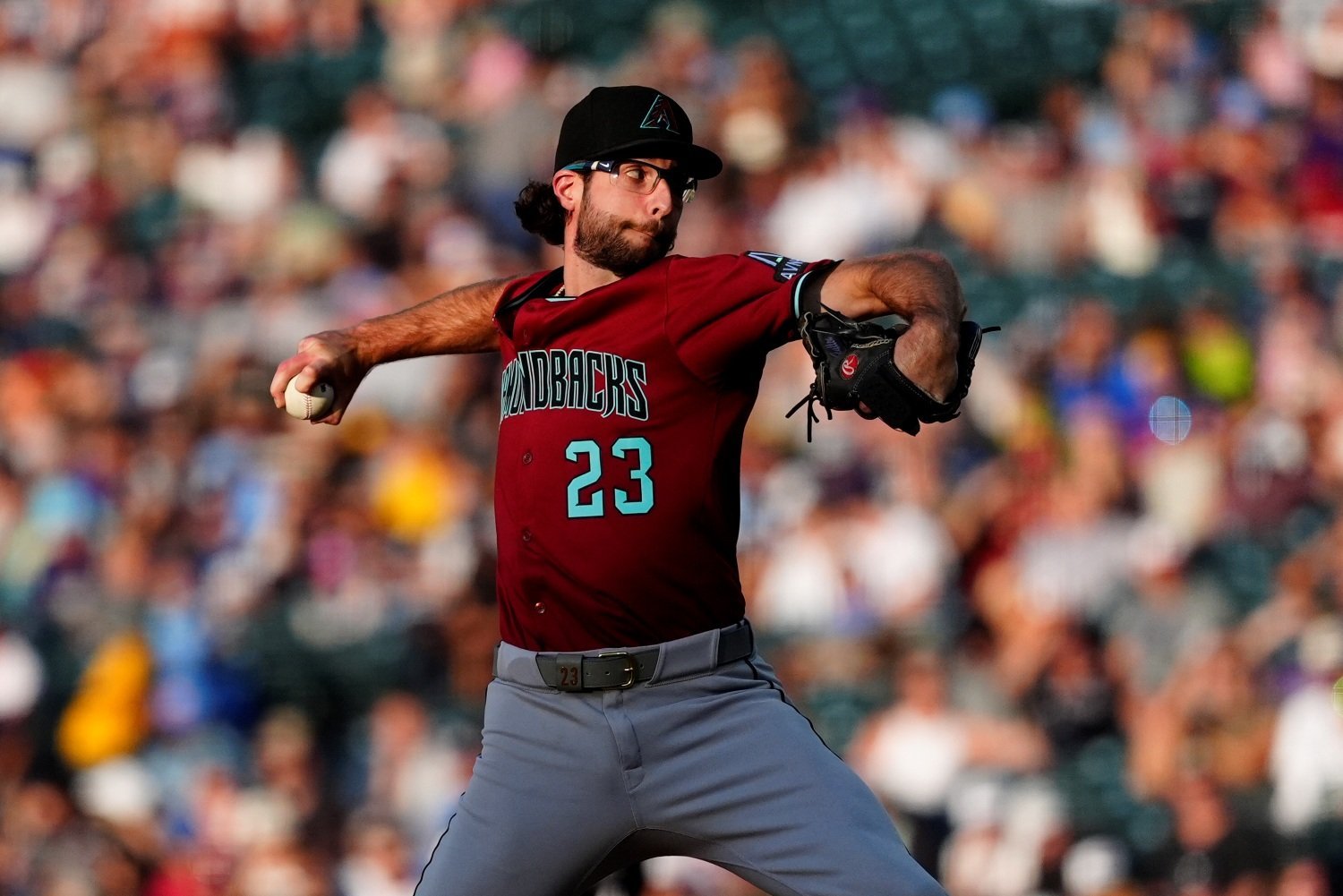 It's time for a little inside baseball. Most fans know that Scott Boras is the most powerful and visible agent in the sport, and each winter, one of the first things everyone does is to identify the players hitting free agency whom Boras's agency represents. Many fans also know, at least vaguely, that Boras's reputation is for stubborn patience and being willing to let his top players stay on the market longer than other agents do. There's truth in that, but it's not the whole story. The Boras Corporation has over 75 active major-league clients, and is always adding players as they enter professional baseball and climb the first rungs of the ladder therein. Boras can't fully service all of those players; he's the head of a large operation. The company includes several MLBPA-licensed agents, and most Boras Corporation clients are assigned at least one representative other than Boras for their day-to-day needs. However, part of the sales pitch with which Boras recruits the best players in the sport is the promise that he'll be the one negotiating your deal, when the time comes to make real money. That's his signature skill, and while his employees often talk with and even take the lead during segments of negotiations with teams, Boras is the closer. That's the real reason why his clients tend to linger on the market the way they do, as much as anything else. Before he steps in to do his thing on behalf of one client, he must tackle the one ahead of them in the pecking order. That doesn't mean that Boras clients will simply sign in descending order of quality or earning power each winter. It's not that simple. Rather, Boras and his team devise a strategy for cultivating discussions and offers, and they try to determine the best order of operations to get all their clients paid as well as possible. This can be a cold-feeling process for some of the company's clients, and there's no question that the best players get preferential treatment and take priority as the offseason gets underway, but they're not neglecting the needs of anyone they represent; they're just navigating the market with a utilitarian mindset about maximizing their players' earnings. When you see a non-elite Boras Corporation client sign early in the winter, you can bet that the team who signed them got extremely proactive in the pursuit of them. That's how Matthew Boyd signed with the Cubs in late November 2024, and how Josh Bell ended up with the Twins relatively early this winter. If a club has a sufficiently strong feeling about a player, they can jump the line by communicating to Boras (or, just as often, one of the less famous agents under the company's umbrella) that they're ready to make a deal. Failing that, though, Boras tends to line up his top players to sign soonest, setting a robust market and ensuring that demand outstrips supply when it's time to play matchmaker with the lesser lights. This offseason, as has become common, Boras controlled the market. Dylan Cease signed a massive deal with the Blue Jays in late November. Pete Alonso got his big deal, on the second go-round, signing with the Orioles in mid-December. With a deadline looming, Boras got Tatsuya Imai a flexible deal with the Astros, and earlier this month, he secured a five-year deal for Alex Bregman. Using the leverage the Cubs' deal with Bregman created, he got Ranger Suárez $130 million with the Red Sox. On Wednesday, Cody Bellinger became the latest headline name to get over $150 million. Boras Corporation clients have been guaranteed over $900 million this winter, not counting the deals inked by arbitration-eligible players. With all those stars off the board and the guys (Bell, Austin Hedges, Luke Weaver, Ha-Seong Kim and a few others) whom teams got proactive on out of the way, the Boras-specific portion of the winter has officially entered its endgame. There is only one player with a modicum of high-end earning potential left on Boras's list: Zac Gallen. Boras and company still need to find homes for Erick Fedde, Rhys Hoskins, Michael Kopech, Nick Martinez, Chris Paddack and Max Scherzer, too. None of those guys will sign long-term deals, though, and only one or two of them will get an eight-figure guarantee. Gallen is the last major piece for whom Boras needs to find a home, and it's not a coincidence that he's ended up being last in line. As was reported (rather shoddily) at the time, the Cubs did flirt with a buy-it-now move on Gallen late last year, as they tried to create more certainty in their starting rotation. The price tag was much too high for their taste, though, with Boras seeking a five-year deal. Over a month later, the team has both spent significant dollars (on Bregman, most notably) and added to their rotation via trade, so they don't have as urgent a need or as easy a fit for Gallen as they had then. That said, we talked at the time about why the team likes him, and those reasons for interest remain valid. Indeed, Gallen's market has staggered, though not quite collapsed, according to sources with knowledge of offers made to him this month. Rather than having any hope of a five-year or nine-figure payday, Gallen looks likely to settle for a deal much more akin to the one Boras got for Imai: three years and $54 million guaranteed, with the chance to push that number to $63 million via incentives or the right to opt out after either of the first two years. The Cubs have re-engaged with Boras about Gallen over the last week, according to a source familiar with the talks, but it's not clear exactly how a deal palatable to both sides would be structured. Right now, the Cubs have Boyd, Edward Cabrera, Jameson Taillon, Cade Horton and Shota Imanaga penciled into their rotation for 2026. All five of those guys have significant injury histories, either because of the volume of trouble they've encountered or because they just struggled with maladies last year. The team also has Colin Rea, who could open the season in the bullpen if everyone is healthy, and Javier Assad, who can still be optioned to the minors. Justin Steele will return sometime in the summer. On paper, they have depth in abundance. Pitching on paper is unproductive, though, and on the dirt and grass of reality, the team will soon find some limits on the availability of the group listed above. Taillon and Boyd are each planning to pitch in the World Baseball Classic, and it wouldn't be surprising if Imanaga, Cabrera and Assad ended up doing so, either. Innings limits based on age, previous workload and/or injury rehabilitation will come into play for Cabrera, Horton, Steele and top prospect Jaxon Wiggins. The Cubs are going to need more good, healthy pitchers than they currently have, and Gallen (despite ugly numbers the last year and a half) is exceptionally durable. To sign Gallen, the Cubs would have to surrender a draft pick, though that would just even things out after they were set to receive one to compensate them for the departure of Kyle Tucker. (Bregman, who received a qualifying offer last winter and wasn't eligible to get another, didn't cost the team a pick.) With Taillon, Imanaga and Boyd each slated to hit free agency after 2026, signing Gallen to any deal that allows him to opt for free agency after just one year would be superficially problematic, but one team source suggested that it would also mean more freedom to operate next winter. If Steele, Horton and Cabrera are healthy and pitch the way the team expects, rounding out the 2026 rotation will be important, but not overwhelming. Thus, as the Cubs consider ways to complete their roster and contend for a pennant this season, Gallen is back on their radar. A decision could come soon, though now that Boras isn't spread as thin, he can play the waiting game with Gallen if his client is ok with not knowing where he's going until the eve of spring training. This is just one possible path for Chicago, which is also weighing the option of trading one or more players to get more flexible and balanced throughout the roster, but it's a surprisingly real one. Boras and Jed Hoyer have learned to read and use each other relatively well, and the best remaining deal out there for Boras's last high-end client might come from Hoyer. View the full article
 -
 This multi-part series talks about how the Brewers got to the World Series, and offers a timeline of the 1982 campaign, including player profiles, game recaps, and other events that affected the season. Part 1 Part 2 Part 3 Part 4 Part 5 The Milwaukee Brewers returned to Brew City knowing they had a very tough assignment. They needed to be victorious in each of the final three games of the ALCS if they wanted to claim the first pennant in franchise history. In the National League, the Atlanta Braves and St. Louis Cardinals squared off to see which squad would perform in the Fall Classic. Game 3: Sutton, Molitor Star in Brewers Win As 50,135 fans filed into County Stadium under sunny skies and in 68-degree weather, optimism was in the air. Don Sutton would face southpaw Geoff Zahn, in a win-or-go-home game for Milwaukee. Both pitchers were on their game early on, but the Brewers struck first in the bottom of the fourth. Robin Yount led off with a walk. Next up was Cecil Cooper, who lined a 3-2 pitch into the right-field corner, easily scoring Yount. Ted Simmons singled Cooper to third, where he stood until Thomas drove him in with a fly ball to center to make it 2-0. Ben Oglivie singled to right, and the lumbering Simmons made it safely to third. He then scored on Don Money’s sacrifice fly to left. Zahn left the game in favor of Mike Witt, who struck out Charlie Moore to end the inning with the score 3-0 Brewers. The contest was quiet until the top of the seventh, when Doug DeCinces hit a foul ball that bounced off the dirt and rebounded into his face, injuring his nose. The Angels' trainer and manager Gene Mauch came out and attended to the injured player, but DeCinces refused to come out of the game. The third baseman struck out, but would not miss a single inning the rest of the series, playing with what would be diagnosed as a broken nose. Money led off the bottom of the seventh by drawing a full-count walk and was promptly replaced by pinch-runner Marshall Edwards. Moore bunted Edwards to second, and then Jim Gantner hit a fly ball to center that moved Edwards to third. With two outs and a 2-2 count, Molitor hit a Witt slider over the ‘362’ sign in left field to increase the Brewers' lead to 5-0. In the top of the eighth, Boone lined the first pitch toward the left-field fence, and it appeared that Oglivie would have a chance to make a leaping catch in front of the wall. However, a fan reached over and caught the ball before it got to Oglivie’s glove. Left field umpire Larry Barnett ruled it a home run, and the Angels cut the lead to 5-1. Back in those days, there were no replay challenges, but television replays appeared to show that the fan reached over the fence in the act of catching the ball, which should have been a clear case of fan interference. Whether it was the home run, the slight delay while Kuenn and Oglivie argued the call, or that he just ran out of gas, Sutton appeared to lose his stuff. He got Brian Downing on a fly ball, but Rod Carew beat out an infield chopper to third. Reggie Jackson struck out, but then Fred Lynn and Don Baylor hit back-to-back doubles to cut the lead to 5-3. Pete Ladd came in and got DeCinces to ground out to end the inning. After the Brewers were set down in order in the bottom of the eighth by Andy Hassler, Ladd did the same in the top of the ninth, getting Bobby Grich on a groundout and Rob Wilfong and Boone on swinging strikeouts to save the Milwaukee victory. Sutton gave up eight hits, three runs, and two walks, while striking out nine in 7 2/3 innings. It was the fifth straight win (against one loss) for Sutton since he came over to Milwaukee from Houston a month before. “We were shut down by one of the best pitchers the game has seen in the last 15 years,” California manager Gene Mauch said. Game 4: Super-Sub Brouhard Keys Milwaukee Victory Forty minutes before Game 4 of the ALCS, coach Sal Bando came over to Mark Brouhard and said, ‘You’re in, kid.” Leftfielder Ben Oglivie had suffered bruised ribs while crashing into the fence the day before and wouldn’t be able to go. “I went over and looked at the lineup card, and there I was,” Brouhard recalled. The game was delayed nearly two hours by rain, and was paused twice after it began. But Brouhard went to work, stroking a single, double, and home run, scoring four runs and knocking in three while leading the Brewers to a 9-5 victory, knotting the ALCS at two games apiece. Also starring in the must-win game was pitcher Moose Haas, making his first start in nearly a month. Haas pitched no-hit ball for 5 2/3 innings, and in the meantime, the Brewers had a 6-0 lead before California got on the board. In the second, Simmons walked and moved to second on a wild pitch. Money drew a walk from Tommy John, who was pitching on three days' rest. Brouhard lined a single to center, scoring Simmons, and when Lynn’s throw to third caromed off a sliding Money, DeCinces grabbed the ball in front of the tarp and made an off-balance throw to home plate that flew over a leaping Bob Boone and into the stands, allowing both Money and Brouhard to score. The Brewers scored three more times in the fourth, all on John’s tab. The inning went like this: walk, single, wild pitch, intentional walk, wild pitch, single. The score was 5-0 when John was removed in favor of Dave Goltz. Molitor got an RBI groundout to make it a 6-0 lead. Game over, right? Not so fast. A brief rain delay stopped things in the fifth, but the game would continue. In the top of the sixth, Lynn doubled for the first Angels hit, knocking in Jackson (who was on second after a fielder’s choice and errant throw by Yount) to cut the lead to 6-1. The Crew responded in the bottom of the sixth when Brouhard reached on a hot smash that bounced off DeCinces at third and got stuck under the tarp behind third base for a ground rule double. He was promptly sent home on a single to right by Gantner, which stretched the lead back to six runs. Meanwhile, Haas was cruising through seven, having allowed just two hits and one run before disaster struck. In the eighth, Downing singled, Carew doubled, and Lynn walked to load the bases for Baylor. Haas, who had unofficially thrown at least 135 pitches, gave up a grand slam to Baylor, trimming the lead to 7-5. Slaton came in and got the final two outs of the inning. In the bottom of the eighth, Money singled and was replaced by Edwards at first. Edwards stole second, and then on an 0-2 pitch, Brouhard slammed a two-run homer to extend the lead to 9-5. Slaton pitched a 1-2-3 inning in the ninth, and just like that, the series came down to Game 5. “If we win tomorrow, we can get emotional, and we will get emotional,” Gantner said. “But our job isn’t done. We still need to win one game to get in the World Series.” Game 5: Cooper is Clutch, Big Foot Saves the Day Nearly 55,000 fanatics showed up on a gloomy Sunday afternoon to watch the Brewers and Angels play one final contest for the right to move on to the World Series, which would have been a first for either club. The Brewers tried to give it away, committing four errors in the game, but in the end, it was a slumping Cecil Cooper—who came into the game with only two hits in 16 at-bats—who came up with one of the most unforgettable moments in Milwaukee Brewers history. Bruce Kison and Pete Vuckovich started on the mound for their respective clubs, and both allowed an opening-inning tally. Fred Lynn singled in a run for California, and in the bottom half, Ted Simmons hit a sacrifice fly that scored Paul Molitor. making it 1-1 after one. Lynn struck again in the top of the third, this time going the opposite way to score Boone and give the Angels a new one-run lead. Boone was at it again an inning later, dropping down a bunt for a single that scored DeCinces, making it 3-1. Oglivie cut the lead to 3-2 in the bottom of the fourth, sending an off-speed pitch from Kison about 10 rows into the right-field bleachers to wake up the Brewers crowd, who were somewhat stunned by the Angels' early lead. It was still 3-2 when the Brewers came to bat in the bottom of the seventh. With one out, Moore reached on an infield single. Gantner followed with a base hit to center, moving Moore to second. Molitor fouled out to the catcher, but then Yount walked to load the bases. Now with only two hits in his last 19 trips, Cooper came to the plate in a huge situation for Milwaukee. Reliever Luis Sánchez was on the hill for the Angels, pitching in his second inning. On a 1-1 waist-high pitch on the outside corner, Cooper lined the ball to left in front of Brian Downing. Moore scored easily, and Gantner slid in safely headfirst, as the throw was slightly off-line, giving Milwaukee a 4-3 lead and sending the fans into a frenzy. For Brewers fans, the images from that play—Cooper willing the ball to get down as he headed for first, Moore scooping Gantner off the ground in a bear hug after his slide—are indelible memories. Bob McClure had come in for Vuckovich in the seventh and got a double play to end the inning. He got through the eighth, giving up a two-out single to DeCinces. In the top of the ninth, Ron Jackson pinch-hit and singled to center, and was replaced by pinch-runner Rob Wilfong. Pete Ladd came in to close out the game for the Brewers. Boone, once again, advanced the runner, with a bunt for the first out. Downing grounded to third for the second out, and then, as the crowd was roaring, Carew hit a one-hopper to Yount, who threw to first for the final out and the first (and to date, only) World Series appearance for the Brewers. In a scene you would never see today, hundreds of Brewers faithful poured onto the field after the final out, mobbing the players. Milwaukee was going to the World Series. Next up, the St. Louis Cardinals in a World Series that would come to be known as ‘The Suds Series.’ View the full article
 -
What Should the Blue Jays Do With Joey Loperfido in 2026?
DiamondCentric posted an article in Jays Centre
 The Toronto Blue Jays received several intriguing pieces in the deal that sent Yusei Kikuchi to the Houston Astros at the 2024 trade deadline. One of those promising players was outfielder Joey Loperfido. At that point in time, the Blue Jays were in the midst of a retooling due to their disappointing play, and Loperfido received ample playing time down the stretch as a result. In doing so, he appeared to have an inside track on a potential roster spot ahead of the 2025 MLB season with Toronto. After all, with the aging George Springer likely to see more DH duties in the future and Daulton Varsho being the only staple in the outfield, competition should have been minimal for the position that Loperfido plays. However, with a sudden influx of outfielders, including free agent signing Anthony Santander, trade acquisition Myles Straw, and the emerging Nathan Lukes, Davis Schneider, and, later on, Addison Barger, Loperfido found himself on the outside looking in for much of the 2025 campaign. Nevertheless, when he did finally get his chance, the young 26-year-old made the most of it, putting together a solid .333/.379/.500/.879 slash line, along with a 140 OPS+ in 41 games played (104 PA) with Toronto. But even that strong showing wasn’t enough for Loperfido to earn a spot initially on the postseason roster. He did eventually make it in as an injury replacement for Santander in the ALCS, but he saw minimal action in the end. So, with all the aforementioned outfielders back in contention for playing time again in 2026, where does Loperfido stand with the Jays going forward? What type of player could he become, and will he remain a valuable depth piece, or should Toronto have other plans in store for him? In terms of Loperfido’s potential, his floor is as a fourth outfielder with power coming off the bench. But his ceiling still remains a starting MLB outfielder if he can fine-tune his skills in a couple of key areas. Those areas happen to be his strikeout and walk rates. Loperfido hasn’t had as much trouble with discipline and contact in his minor league career, but picking his pitches and putting the bat on the ball have been major issues in his brief sample in the major leagues. He currently sports a dismal 33.3% strikeout rate, along with an abysmal 4.6% walk rate over 366 MLB plate appearances. Unless Loperfido develops better plate discipline, pitchers will eventually exploit his swinging tendency and ultimately neutralize his bat as a result. With a chase rate of 34.4% and a whiff rate of 29.4% in 2025, despite his .333 batting average, it's clear the majors will quickly catch up to Loperfido if he doesn’t make the proper adjustments. As for his outlook with the Jays in 2026, the 26-year-old outfielder needs a spectacular spring showing to make Jays management think over things twice. That is because with the main outfield core returning for another year in Toronto and Loperfido so far down in the pecking order, he could find himself once again starting at Triple-A Buffalo. However, given the success he has already had hitting in the minors, there isn’t much more for him to prove at that level. As a result, rather than waste his talents down on the farm, perhaps the Blue Jays could do what they did with another young promising bat last year in Spencer Horwitz. Already too good for the minors but without a regular spot at the major league level, Horwitz was used to obtain valuable assets for the organization (Andrés Giménez and Nick Sandlin) in an offseason trade last year. So, Toronto could pursue a similar route with Loperfido by using him as a valuable trade chip to help address specific remaining needs, rather than just keeping him waiting for his chance to shine on the big stage. View the full article
 -
Red Sox Trade Tristan Gray to Minnesota Twins for Minor League Catcher
DiamondCentric posted an article in Talk Sox
 In need of opening a 40-man roster spot to complete the signing of Ranger Suárez, the Boston Red Sox authored a trade with the Minnesota Twins per MassLive's Chris Cotillo and the Boston Globe's Alex Speier. Being shipped from Boston to Minnesota was Tristan Gray, the utility infielder having previously been acquired in a trade on November 18. Gray, who has played 47 career major-league games, was viewed as potential utility depth by the organization thanks in part to his ability to play all infield positions. In return, the Red Sox received minor-league catcher Nate Baez. Baez, a former 12th-round pick back in 2022 will turn 25 in mid-May. The young catcher made it to Double-A last season where he played in 51 games and hit .237/.297/.400 with eight doubles, four triples, five home runs, and 31 RBIs. Baez is the sixth minor-league catcher that Craig Breslow had added to the organization as the team has overhauled their catching depth. Fortunately for both Gray and Baez, neither will have many issues dealing with finding new housing for spring training, as both the Red Sox and Twins have their complexes in Fort Myers. View the full article
 -
Twins Acquire Utility Infielder Tristan Gray in Trade with Red Sox
DiamondCentric posted an article in Twins Daily
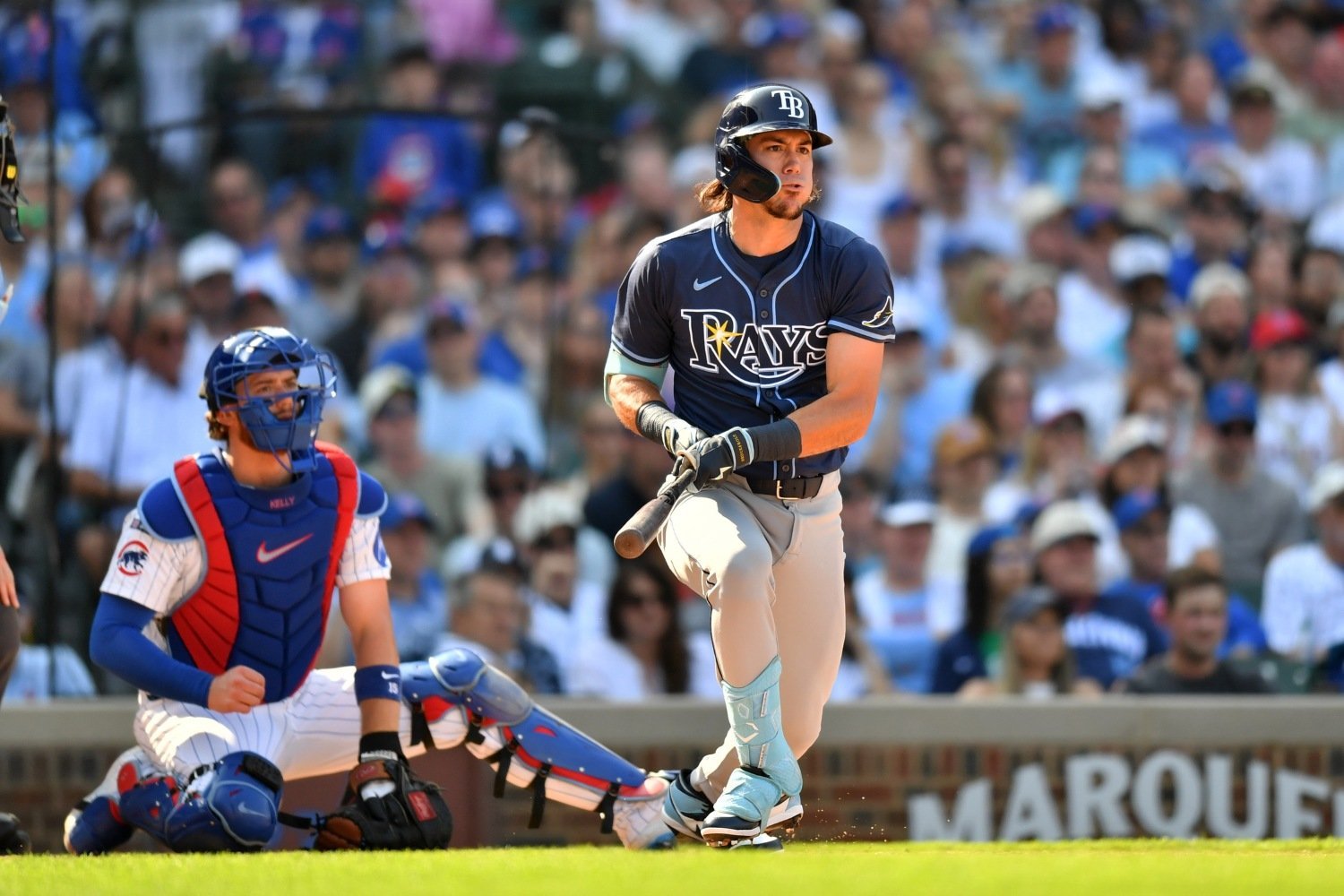 The Minnesota Twins traded minor-league catcher Nate Baez to the Boston Red Sox overnight, in exchange for infielder Tristan Gray. Jeff Passan of ESPN broke the news Wednesday morning. Gray, 29, has 122 plate appearances in parts of three big-league seasons, primarily with the Tampa Bay Rays. He's batted .207/.264/.369 in the majors, but a more robust .242/.310/.472 in over 2,000 career plate appearances at the Triple-A level. He's a left-handed batter who can play all over the infield, with 37 games at second base; 25 at third base; and 23 at shortstop in 2025. He can be optioned to the minor leagues for one more year. If the above sounds like a sketch of ex-Twins infielder Ryan Fitzgerald, that's about right. Gray is a good facsimile of Fitzgerald, with better bat speed: he averaged a swing speed of 74.4 miles per hour in the majors last year. He's unlikely to be a solid starter at any point, but he's good depth in the high minors and can be a versatile contributor off the bench. Baez, 24, is a decent prospect in his own right, with a .263/.363/.425 line in 918 professional plate appearances. He split his time between first base and catcher in 2025 and might not stick behind the plate, but if he does, he has enough thump in his bat to be valuable. He's at least a year away, though, and given his age, that introduces a risk that he'll never mature into a useful big-leaguer. The Twins, who acquired plenty of catching help on the farm at last year's trade deadline, elected to move on from Baez and bolster their big-league depth on the infield, instead. That they can option Gray to the minors makes this move easy on the Twins in the short term. He won't worsen their roster crunch at the end of spring training. On the contrary, having a player like him in the mix will give them the ability to choose the winner of the final roster spot without disproportionate consideration for positional value. It's a small move, but this deepens Minnesota's roster as they try to hold onto a competitive foothold in the wide-open AL Central. View the full article
 -
The 2026 Twins Daily Winter Meltdown Is Officially Sold Out
DiamondCentric posted an article in Twins Daily
 The Twins Daily Winter Meltdown is back – and it is already a sellout. Tickets for this weekend’s event are officially gone, once again proving that Twins fans do not need baseball season to show up in full force. This year’s Meltdown will take over Smorgie’s in downtown Minneapolis, just steps from Target Field and Target Center, creating the perfect post–TwinsFest landing spot. With its late-night kitchen, daily drink specials, everything-under-$12 menu, and lively atmosphere, Smorgie’s checked every box for what a Meltdown venue should be, and fans responded accordingly. The 2026 lineup helped fuel the demand. Attendees will enjoy two complimentary pints courtesy of returning beer sponsor BlackStack Brewing, choosing between Local 755 New England IPA and Slopes Pilsner, plus an exclusive Winter Meltdown 2026 pint glass, door prize raffles, and five hours of premium Hot Stove hangouts. On stage, Aaron Gleeman and John Bonnes will host live interviews with a must-see guest list led by LaTroy Hawkins and Twins manager Derek Shelton, giving fans a rare, relaxed chance to hear directly from both a fan-favorite former Twin and the franchise’s new skipper. As always, the Meltdown is built by fans, for fans – and the Twins Daily Caretaker community once again showed up in a big way. With limited tickets and early access given to Caretakers, demand quickly outpaced availability, locking in another packed house. A huge thank you to everyone who grabbed a ticket, supports Twins Daily, and helps make the Winter Meltdown one of the most anticipated fan events of the offseason. January 24 can’t get here soon enough! View the full article
 -
What Makes Miguel Andujar an Attractive Free Agent for Padres?
DiamondCentric posted an article in Padres Mission
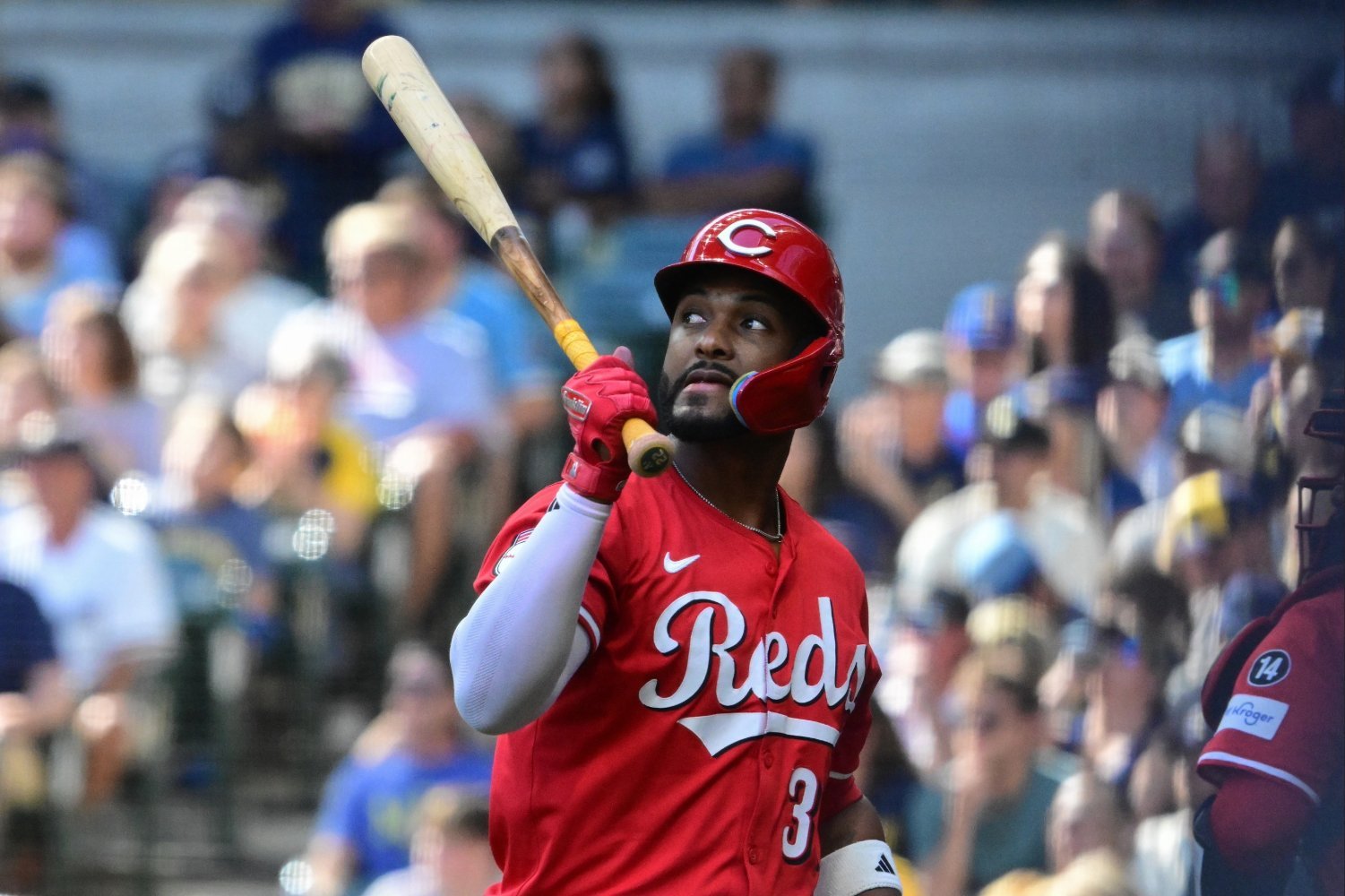 With much of the top tier of free agency now off the board, especially on the positional side, we're starting to hear about the next wave of free agents having a market of their own. One of those is Miguel Andujar, something of a utility man for whose services the San Diego Padres are currently in the running. Jon Heyman's reporting on Monday listed at least six teams in on the veteran hitter, one of which is the Padres. Given the current context of their depth and their bench — which, at present, features Sung Mun Song, Bryce Johnson, and then a large gap before reliability — Andujar represents a logical target. This is true to the point where he could actually be an impact bat in a role that transcends that of a reserve altogether. Andujar is coming off his best season since his 2018 breakout with the New York Yankees. Following years of performance struggle and injury woes, Across 94 games and 341 plate appearances, he turned in a .318/.352/.470 line with a 125 wRC+. His skill set features a lot of balls in play, as he doesn't strike out much (14.4 K%), though he doesn't walk either (5.0 BB%). Even with only modest power at this point, his profile can be an asset to a Padres team in need of exactly the areas in which he appears. Already a contact-driven club, there's a handedness and a versatility to his game that suits San Diego in the most ideal of terms. As a right-handed hitter with traditional splits, Andujar would compliment the roster well. The Padres ranked 17th wRC+ (96) and 23rd in ISO (.130) against southpaws. Andujar, meanwhile, went for a 171 wRC+ and a .189 ISO against pitchers of the opposite handedness last year. Which becomes even more important when you consider the positions at which he could find work. With the Athletics and Cincinnati Reds, Andujar spent time at first base, third base, and each of the corner outfield spots. He also worked in some time as a designated hitter. While the outfield corners and third base are all spoken for, there's a bit of murkiness with respect to first base and the designated hitter spot. The assumption, at this stage, is that some combination of Jake Cronenworth, Gavin Sheets, and Song could all find some work there. Each is a left-handed hitter, however. It leaves an easy picture to paint as to where he'd find the most regular work should the Padres be successful in signing him. Even if it's not a situation where he's isolated to those two positions, the team could be more inclined for off days or DH days for Manny Machado at third or seize the opportunity to give Fernando Tatis Jr. more traditional days off in right. There are opportunities aplenty for a righty of this particular skill set in San Diego. The unfortunate thing for the Padres is that the competition is stiff and we don't know quite what their financial situation looks like. There's familiarity in their competition in each of the A's and Reds, with a surefire contender in the Chicago Cubs also lurking in attempting to sign him. Among those remaining on the free-agent market, though, you'd be hard-pressed to find a more ideal fit against the current roster context than Miguel Andujar and the San Diego Padres. View the full article
 -
Episode 42: What's Next For The Cubs This Offseason?
DiamondCentric posted an article in North Side Baseball
 After wheeling and dealing for Edward Cabrera, the Cubs stepped up and took a big domino off the market in signing Alex Bregman. What’s next for Jed Hoyer and the rest of the front office? Listen on Apple Podcasts: https://podcasts.apple.com/us/podcast/the-north-side-baseball-podcast/id1798599313 Listen on Spotify: https://open.spotify.com/show/75wMGhBwlrDDYPt3kaF453 Listen on iHeartRadio: https://www.iheart.com/podcast/263-the-north-side-baseball-po-268998437/ Listen on Pocket Casts: https://pca.st/eey7h6ih Watch on YouTube: https://www.youtube.com/@northsidebaseball View the full article
 -
Former Brewers Star Ryan Braun Falls Off Hall Of Fame Ballot
DiamondCentric posted an article in Brewer Fanatic
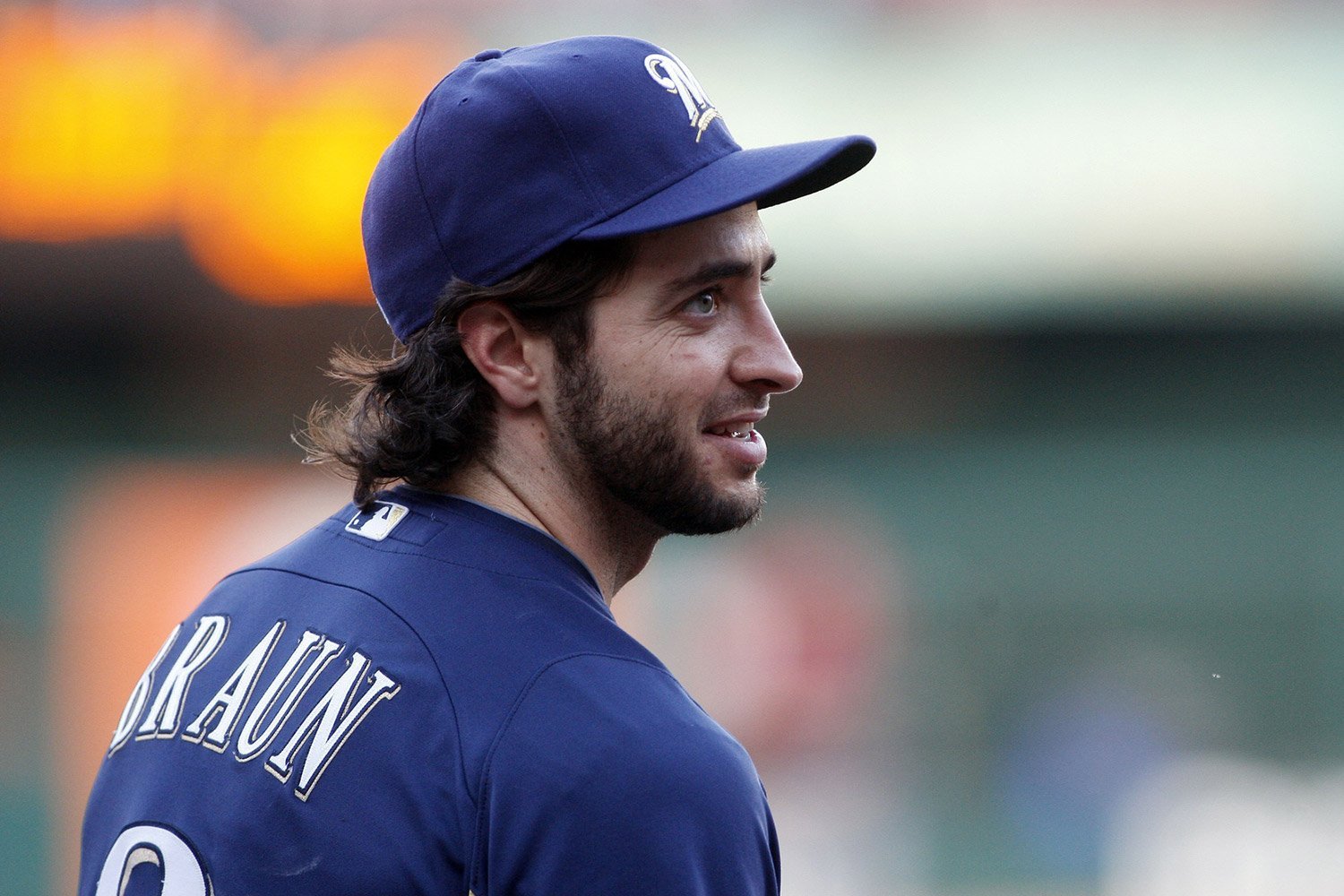 Ryan Braun, the 2011 NL MVP with the Milwaukee Brewers, who had two incidents regarding performance-enhancing drugs, failed to receive 5% of the vote for the Hall of Fame on Tuesday and will no longer appear on the main ballot. Carlos Beltran and Andruw Jones were elected to the Hall of Fame. After playing his entire career with the Brewers, from 2007-20, the 2007 NL Rookie of the Year was in his first year on the Baseball Writers Association of America ballot. It was a long shot for him to be elected in his inaugural appearance on the ballot, so the real question is whether Braun would hit the threshold to improve his position in future years. But Braun received only 15 votes from the 425 writers who turned in ballots, or 3.5%. In fact, 11 of the 12 players who were appearing for the first time did not get 5% and are off the BBWAA ballot (Cole Hamels got 23.8%). Players not elected by the BBWAA will be considered by one of the committees and could be nominated for a vote. While Braun has some of the best numbers in Brewers history, he also had two well-publicized incidents involving PEDs. The first came after his MVP season of 2011, when he tested positive and faced a suspension. But he became the first player to successfully appeal on the grounds that his testing sample was handled improperly. Braun admitted to lying about never taking PEDs. Braun was involved in the Biogenesis scandal in 2013 and served a 65-game suspension. View the full article
