


DiamondCentric
-
Posts
2,631 -
Joined
-
Last visited
Never
Content Type
Profiles
Forums
Events
News
Tutorials & Help
Major League Baseball Videos
Guides & Resources
Store
Downloads
Gallery
Everything posted by DiamondCentric
-
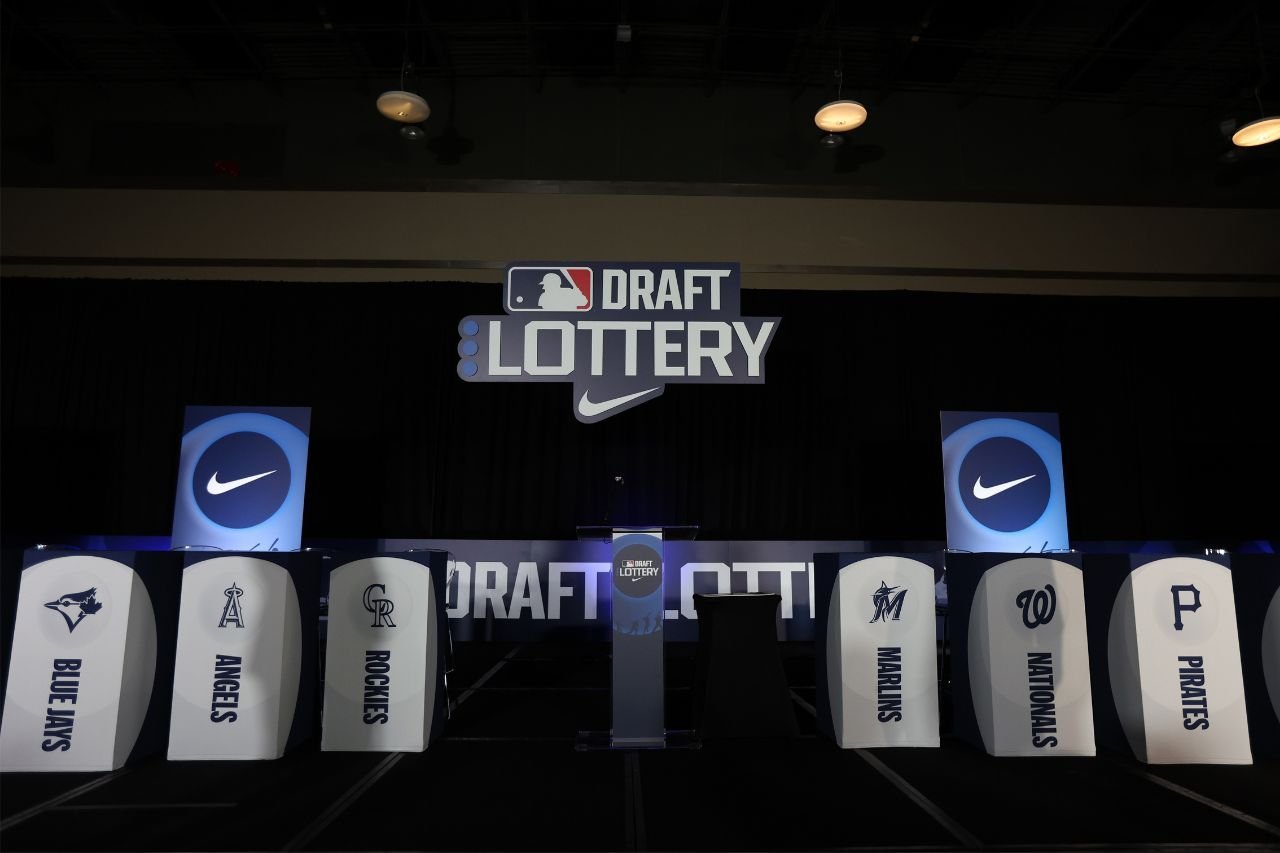 On Tuesday evening, Major League Baseball conducted the MLB Draft lottery. After an 82-80 season, the Royals entered the lottery with the third-lowest odds to get the No. 1 pick (0.84%). Only the Mets (0.67%) and the Astros (0.34%) had lower odds than the Royals. However, after some years of tough lottery luck (they fell out of the top six despite having the second-best lottery odds in 2023), they jumped their projected draft position, which was No. 16, and landed the No. 6 pick in the 2026 MLB Draft. The No. 6 pick gives the Royals increased slot money and more flexibility in the 2026 Draft. After being awarded a competitive balance round pick this offseason, they will hold the sixth, 31st, and 56th picks in the upcoming draft. Having three picks in the Top-60 will give JJ Picollo and scouting director Brian Bridges millions more in bonus money to play with, which could help them net some much-needed top-end talent. It's still early, but Kansas City could be in play to select a top college outfielder, such as Georgia Tech's Drew Burress and LSU's Derek Curiel, or prep left-handed pitcher Carson Bolemon, according to MLB Pipeline's Top-100 2026 MLB Draft prospects. The No. 6 selection could also allow the Royals to trade their competitive balance round pick at No. 31 to net a high-profile player or larger prospect package. The Royals have traded their competitive balance round pick twice: in 2022 (with Atlanta in the Drew Waters trade) and 2024 (with Washington in the Hunter Harvey trade). The 2026 MLB Draft will be at Citizens Bank Park in Philadelphia during All-Star Week, with the first round taking place on Saturday, July 11th. The remaining rounds will take place on Sunday, July 12th, and Monday, July 13th. View the full article
 -

BREAKING: Twins Win Third Overall Pick in 2026 MLB Draft Lottery
DiamondCentric posted an article in Twins Daily
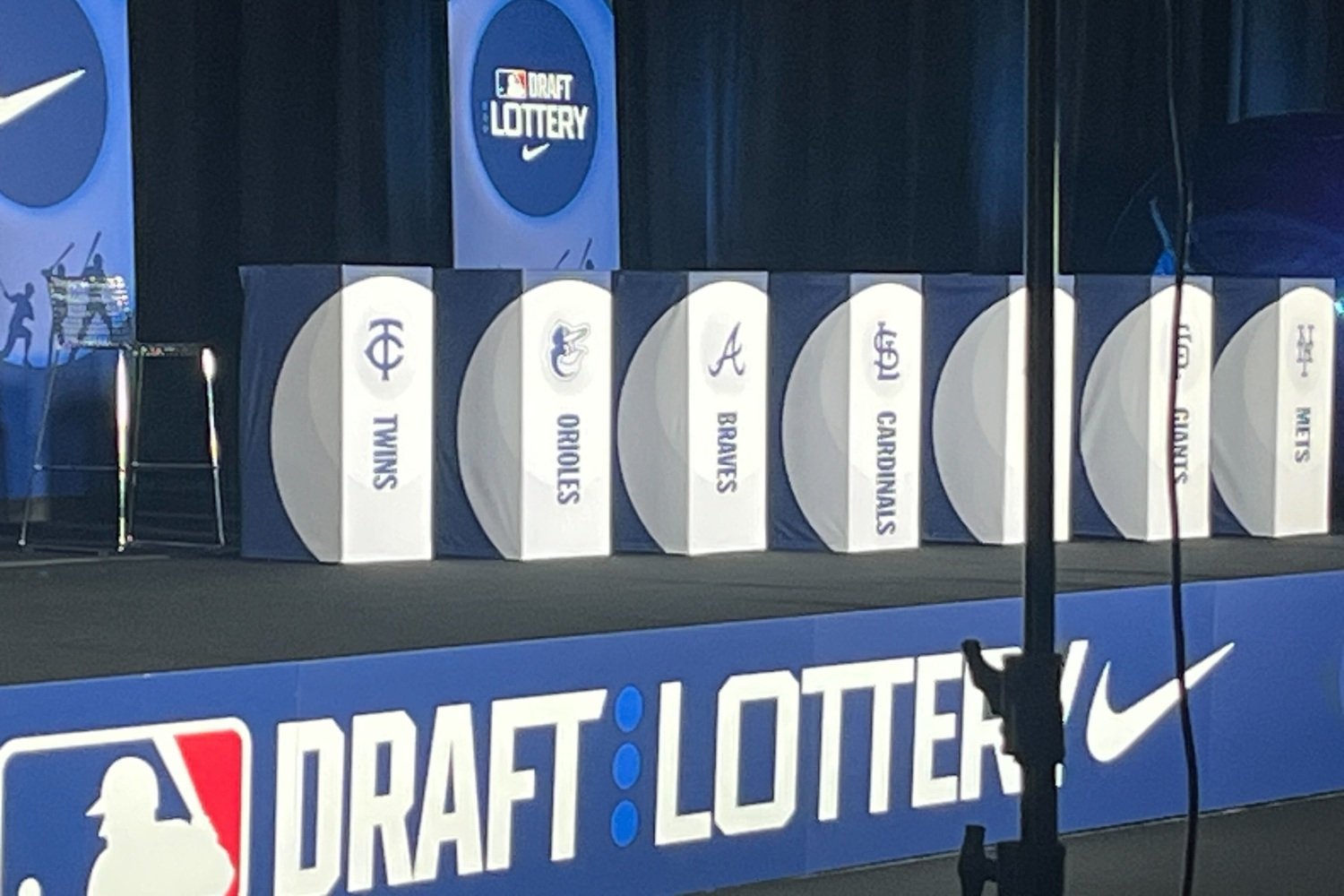 The hated Chicago White Sox, who already got Justin Ishbia and the Pope this year, win again. They will pick first in the 2026 MLB Draft, after winning the annual MLB Draft Lottery on Tuesday evening in Orlando. The Twins will pick third, but can find some consolation in not having fallen any further. The division-rival Royals also got a bump, as they entered with the 16th slot in the theoretical draft order but landed the sixth overall pick. The Royals, San Francisco Giants and Tampa Bay Rays all jumped into the lottery section (the top six selections), so the Twins were more fortunate than the Orioles, Athletics, or Braves, who all tumbled to the back half of the top 10. More to come. View the full article
 -
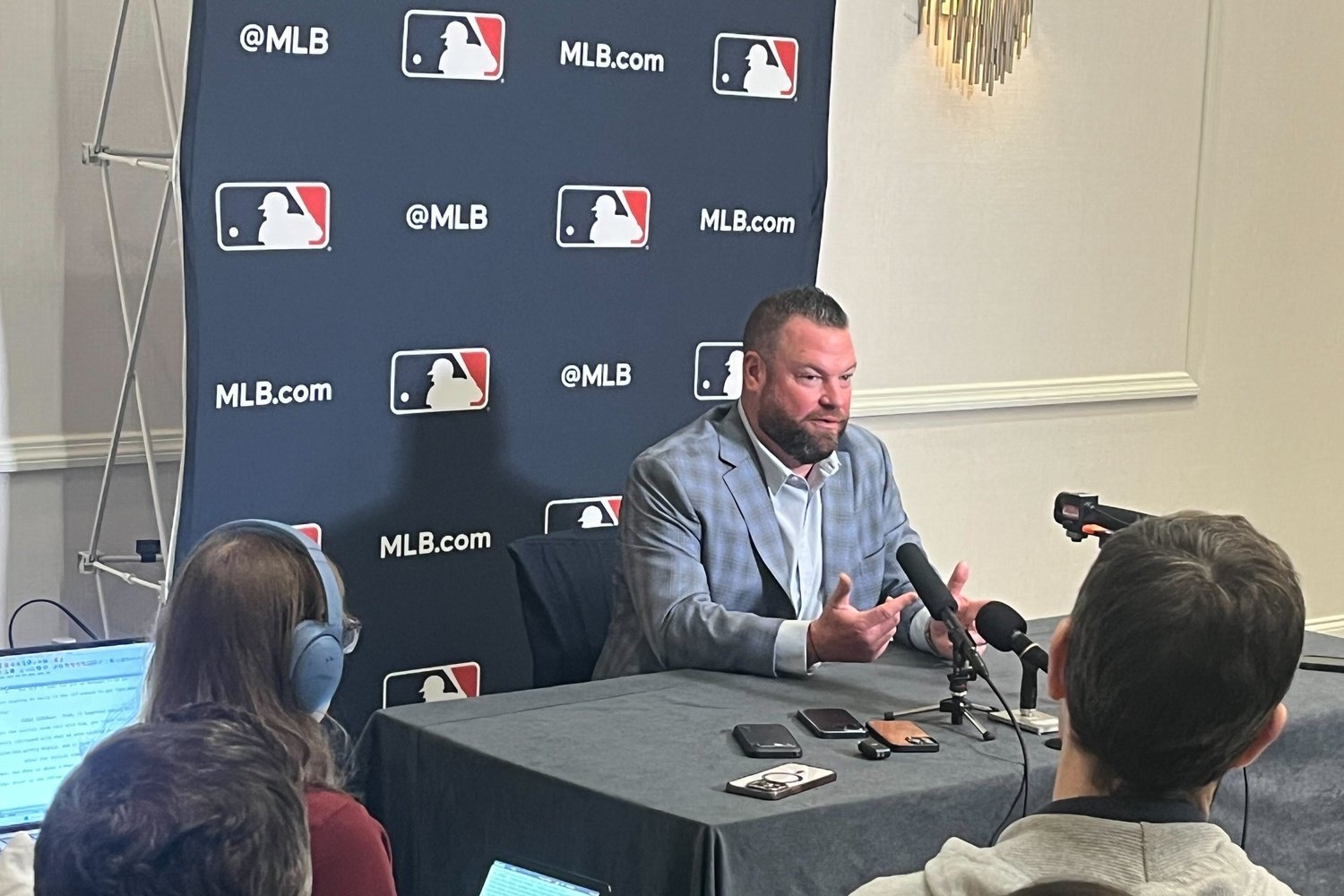 Earlier this afternoon, Toronto Blue Jays manager John Schneider told reporters at the Winter Meetings (including our own John Bonnes) that his coaching staff for 2026 has been finalized. "We have filled [the] assistant hitting coaching job," he said. "We have kind of backfilled [former bench coach Don Mattingly's] spot in a variety of ways. I'm giving those guys time to finalize with the teams they were with, and you'll have that full list really soon. One is internal, and two from outside." Sportnet's Shi Davidi reports that former White Sox catching coach Drew Butera is one of the two external additions. The other is former Rangers minor league hitting director Cody Atkinson, according to Mitch Bannon of The Athletic. Bannon also notes that Eric Duncan was promoted to the major league coaching staff from within the organization. He was previously Toronto's director of position player development. Presumably, Atkinson is the new assistant hitting coach, but it is not yet official what roles any of the Blue Jays' new coaches will be taking on. View the full article
 -
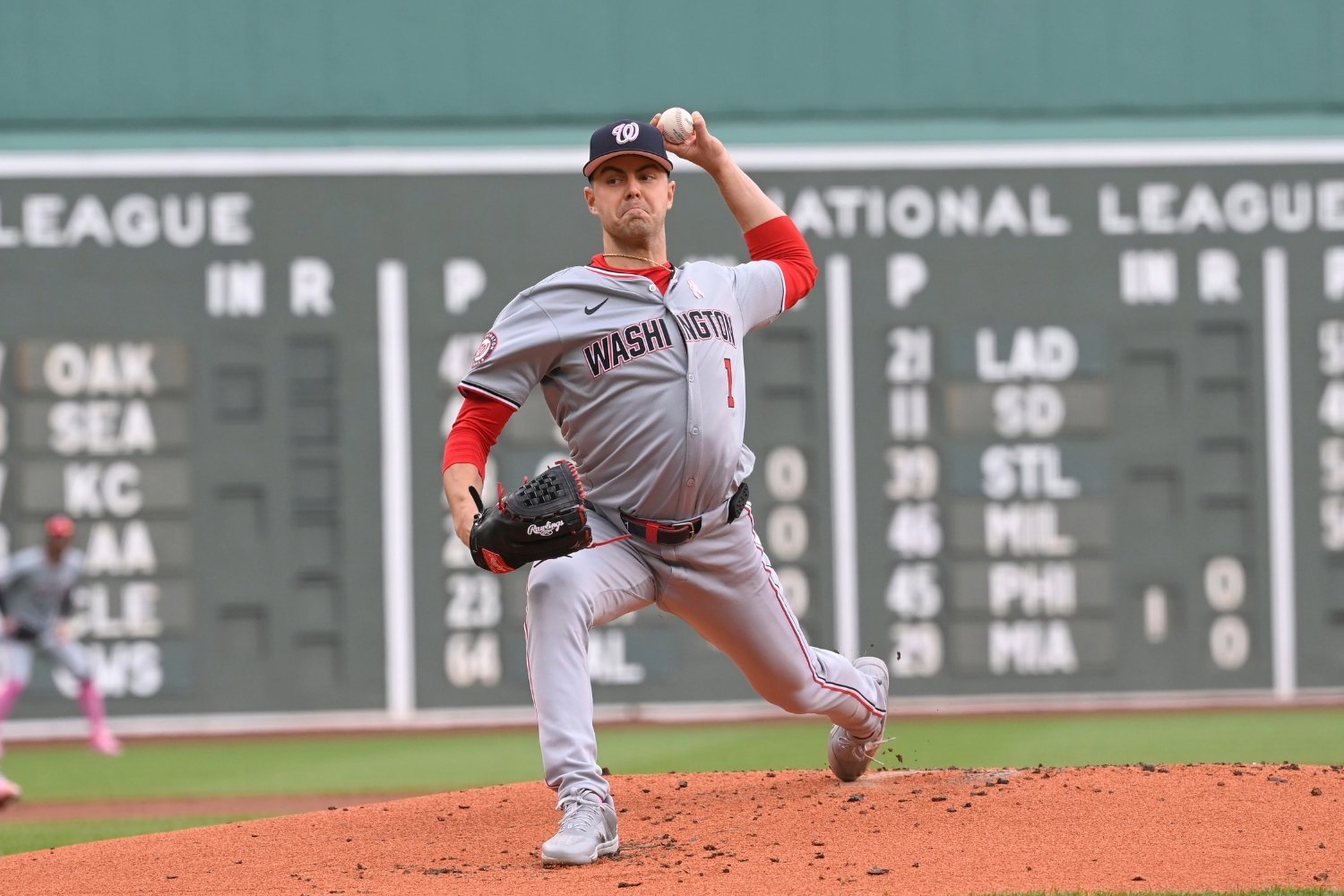 The Boston Red Sox have remained busy on the trade front as they attempt to rebuild and bolster their starting rotation, as they've made two deals that brought back Sonny Gray and Johan Oviedo. Despite that, the team is still in need of a true number two starter, and there may be a solution on, you guessed it, the trade market. Washington National's head of baseball operations Paul Toboni has been on the record as stating “it would just be kind of negligent to not entertain it” when talking about the organization listening on trade offers for both shortstop CJ Abrams and staff ace MacKenzie Gore. With that, the two teams could line up as perfect trade partners. Especially after the previous trades the Red Sox have made this offseason. Toboni was previously a member of the Red Sox's front office prior to taking on his current roll in the National's organization and has a good understanding of both the players at the major-league level and across the organization’s minor-league organizations. There shouldn't be much issue in him finding enough value to part with Gore. The Red Sox, on the other hand, have the capital of both major-league talent and prospects to get a deal done if they wanted to. And if the Nationals wanted young, controllable pitching, the Red Sox have plenty to offer as they have eight starters on the 40-man roster currently projected to open next season in the minor leagues. Gore would be a welcomed addition to the staff, as the 26-year-old would slot in nicely between Garrett Crochet and Gray. Still arbitration eligible for the 2026 and 2027 seasons, the Red Sox would not have to worry about a large salary constraint while also working to sign him to a long-term deal during the 2026 season; in that instance, his new contract wouldn’t kick in until after Gray's salary would come off the books. The left-hander is without a doubt the ace of the Nationals, and even after coming off a year where he missed a little time with injuries, he still led the rotation and made a name for himself as an All-Star pitcher. In 2025, Gore made 30 starts for the Nationals and went 5-15 while tossing 159 2/3 innings. In that span, he walked 64 batters and struck out 185. Despite an ERA of 4.17, Gore is one of the more exciting pitchers in the sport. Gore ticks off a lot of boxes the Red Sox. He has great extension, averaging 6.9 feet, can generate strikeouts, has a fastball that averaged 95.3 mph in 2025, and his breaking pitches generated a run value of five last season. With the southpaw, you’re getting a young pitcher who is in his peak form and should remain in his prime for the next half-decade. He generates whiffs at an amazing rate of 29.7% and strikes out batters at a 27.2% rate as well. Not to mention how he can get batters to chase around 30% of the time a pitch is out of the zone. And despite his fastball being his most used pitch, it’s how he utilizes the remainder of his repertoire that makes him so dangerous. Gore’s changeup (which he uses exclusively against right-handed batters) generated soft contact and a high whiff percentage in 2025. While batters hit .271 off of it, there was a lot of luck as the expected batting average was much lower, sitting at .214 (the average exit velocity on batted balls from the pitch was just 80.9 mph). The upside was even more impressive, as batters missed at 47.2% of changeups they swung at. His cutter was just as good (though not used as much), being saved mostly for right-handed batters too (just thrown seven times to left-handed batters); that pitch generated an expected batting average of just .187 while batters whiffed on it 40.9% of the time. In fact, only Gore’s fastball had a whiff rate of under 35%, sitting at 20.7%. Not a number to be taken lightly, but it helps to show how the fastball was used to help set up his other pitches and make them more dangerous. And while he walks his fair share of batters (9.4% in 2025), Gore manages to strand runners on base as he left 75.6% of baserunners stranded. Last season. his numbers could have been negatively impacted due to the defense of a team like the Nationals, especially when he allows fly balls at a 40.8% rate. With an outfield of Ceddanne Rafaela, Wilyer Abreu and Roman Anthony tracking down baseballs, there’s a chance opponents don’t have a .325 batting average for balls in play like they did in 2025. Gore is young and he’s still improving; with a team like the Red Sox, he could truly break out into the star most expected him to be. It would make sense for the Boston to engage in trade discussions for the young left-hander at the least, and if they did have to part with a young pitcher, it wouldn’t be a fatal blow with Gore and Crochet owning the top of the major-league rotation. Thankfully, the Red Sox have a surplus of pitching depth to use in a trade for a pitcher like Gore. Craig Breslow has the Red Sox set up perfectly for a blockbuster trade. The only question is who the team is targeting. Among every possible trade candidate, Gore stands out as the perfect option. View the full article
 -
There Are Encouraging Updates on Minnesota Twins' Limited Partners
DiamondCentric posted an article in Twins Daily
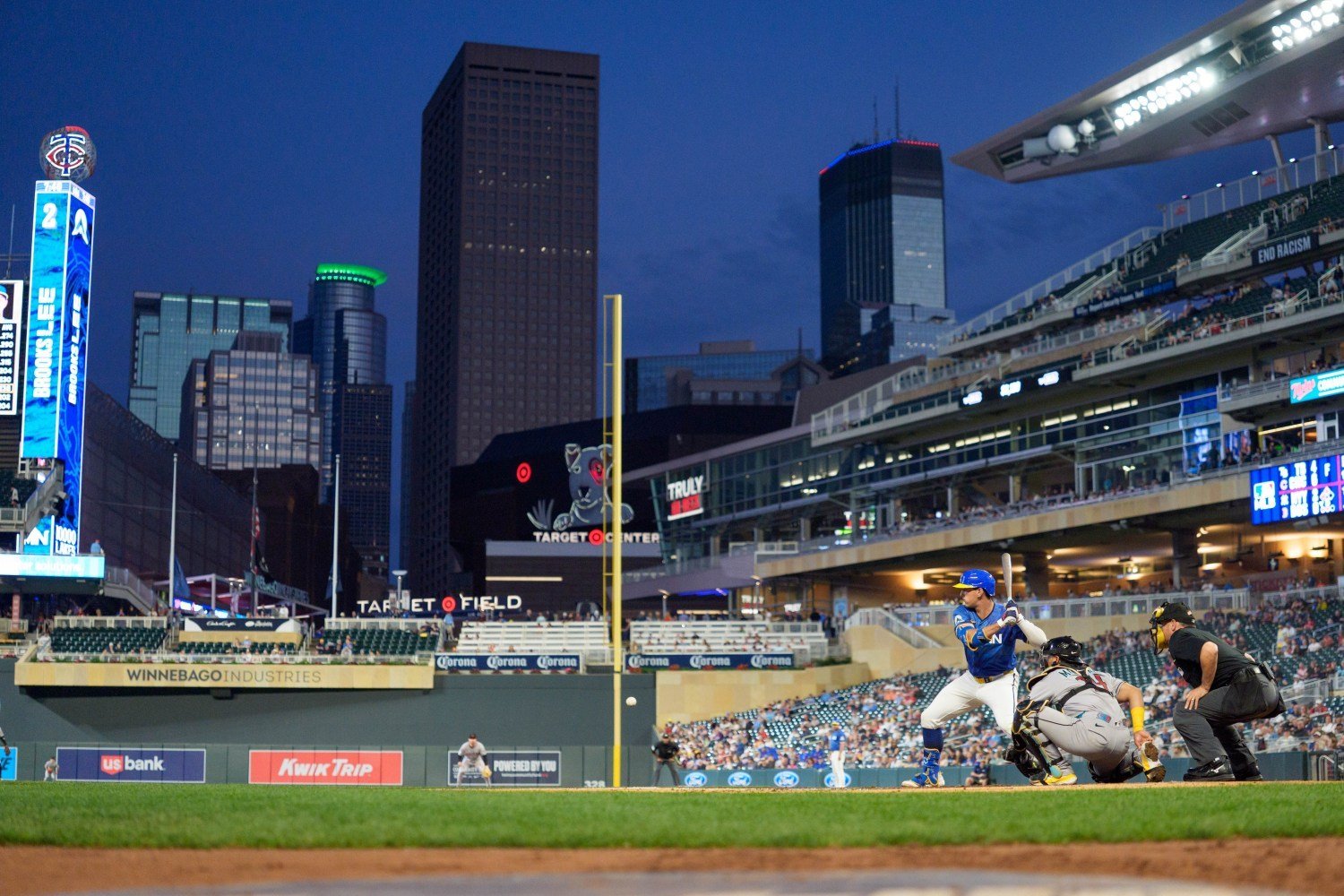 In mid-August, the Pohlad family announced they were no longer selling the team, and instead, would sell stakes in it to two limited partners. Then, for nearly four months, nothing. On Saturday, Charley Walters of St. Paul Pioneer Press broke some news regarding the first of the two limited partner groups who will be purchasing part of the Twins. “‘Look for Minneapolis-based Värde Partners, a worldwide multi-billion dollar credit investment corporation, to be announced soon as a limited partner with the Minnesota Twins," Walters wrote. "The firm is one of at least two limited partners expected to assist in diminishing the team’s reported $500-million debt.” Shortly after, Dustin Morse, the Twins Vice President of Communications and Content, told beat reporters that Walters’s reporting was inaccurate, but failed to elaborate. Cue the record scratch. That’s pretty significant news to get wrong—not quite to the level of “Dewey Defeats Truman”, but for Twins fans? Potentially huge. Also, $500 million in debt now? Yikes. What should we make of this: the report, the rebuttal, and the refusal to say more? Let’s look at some bread crumbs, to better understands what we might expect. To be clear, before I get started, I’ll simply be working off quotes from Twins officials at the Winter Meetings, where Twins Daily’s own John Bonnes is at the scene searching for clues to this and myriad other topics that can inform the trajectory of the 2026 season and beyond. Let's start with clues directly addressing the limited partnership news. Bonnes asked Derek Falvey on Monday whether he is in conversations with the limited partners currently, and if Värde Partners are in fact the first group. “it’s a fair question,” Falvey replied, but Morse interjected: “It’s an inaccurate report.” The follow-up: How inaccurate? Falvey deferred to Morse. “Yeah, we'll have this all wrapped up early next week. We'll put a release out with the names and the LPs that you guys can write," Morse said. Based on that messaging, it seems as though both groups will be announced. That’s huge news, and will have potentially significant ramifications on the offseason. For the first two months of the offseason (and really, dating back to the trade-deadline teardown), the assumption was the selloff would continue. Yet, Falvey was cagey about future plans, refusing to talk about a rebuild. Then, in yesterday’s presser, he added: “I said this at GM Meetings, I was hoping to find a way to build around the core that we have. I think we have that ability now to try and navigate through that.” When asked how sure Falvey was that he would be able to add pieces to the roster, he said: “Now it involves a few more people that we get to talk to about it. I think that’s helpful to share some broader perspective around where we think our team is. I was hopeful, as I said at GM Meetings, that we’d get to this place … I think, at this stage, figuring a way to add to this group was clearly the best fit for all what we aligned around.” Ok, great. Sounds like with the addition of the limited partners, there might be some payroll flexibility. How much, of course, remains to be seen. One of the major things we do not know (aside from the identity of the limited partners) is exactly how big a stake they are buying. Another crucial piece of missing information is how the cash will be used. Will it go toward eliminating the Pohlad family's debt, perhaps in its entirety? Or will it be used to buy out specific Pohlad family members, who are less interested in owning part of the asset? Perhaps a combination of both? The answer to these questions is needed to have a better sense of the financial landscape of the team. However, it does sound as though Falvey truly considers the Twins’ window of contention to be open, after all. He reiterated this in an interview on MLB Radio. “My job is to try and educate [ownership] in aggregate, around the current state of our team and what it could look like if we invest in it, what it looks like going into [20270], '28, '29, because you're never building for one year. You're always thinking multiple years ahead.” At the Winter Meetings, Falvey also spoke to his role, adding additional context about how it shifts slightly in light of the new limited partners. When asked specifically about what it will look like for him to make meaningful additions to the team: "I’ll still continue to work with ownership to position different opportunities to them, that these are the right fits for us right now and what does it afford us. Some of that’s an education process. There’s a little bit more education that’s on my shoulders now, to make sure that I’m sharing what this looks like, what it means for our short-term team, what it means for long term. And that’ll be a big part of my role, to inform.” From that, it’s clear that Falvey sees it as part of his role to sell ownership on the viability of adding. It also sure sounds like he's working with someone new, rather than Joe Pohlad remaining essentially in charge. And, it sounds as though he sees that being successful, as Jeremy Zoll spoke to the types of players they are looking to pursue this offseason: “Obviously, bullpen feels like the area that, after we went through what we did at the deadline, rebuilding that group and reinforcing in that space I think would give us a chance to push forward. And then on the offensive side, another bat or two with some thump, with some impact, to bolster a group that we’re excited about and that young core that we’re excited to keep growing with. That’s kind of the biggest opportunities and needs on our mind, trying to work for all that and making sure that we’re staying in sync with the market.” So, we know the new limited partners will be announced next week; there’s some payroll flexibility; and the Twins intend to address the bullpen and potentially add (multiple?) impact bats. After the dark fall of our discontent, it seems there are reasons to be cautiously optimistic for the remainder of the offseason, and the 2026 season. Stay tuned. View the full article
 -
Boston Red Sox Trade Infielder Vaughn Grissom to Los Angeles Angels
DiamondCentric posted an article in Talk Sox
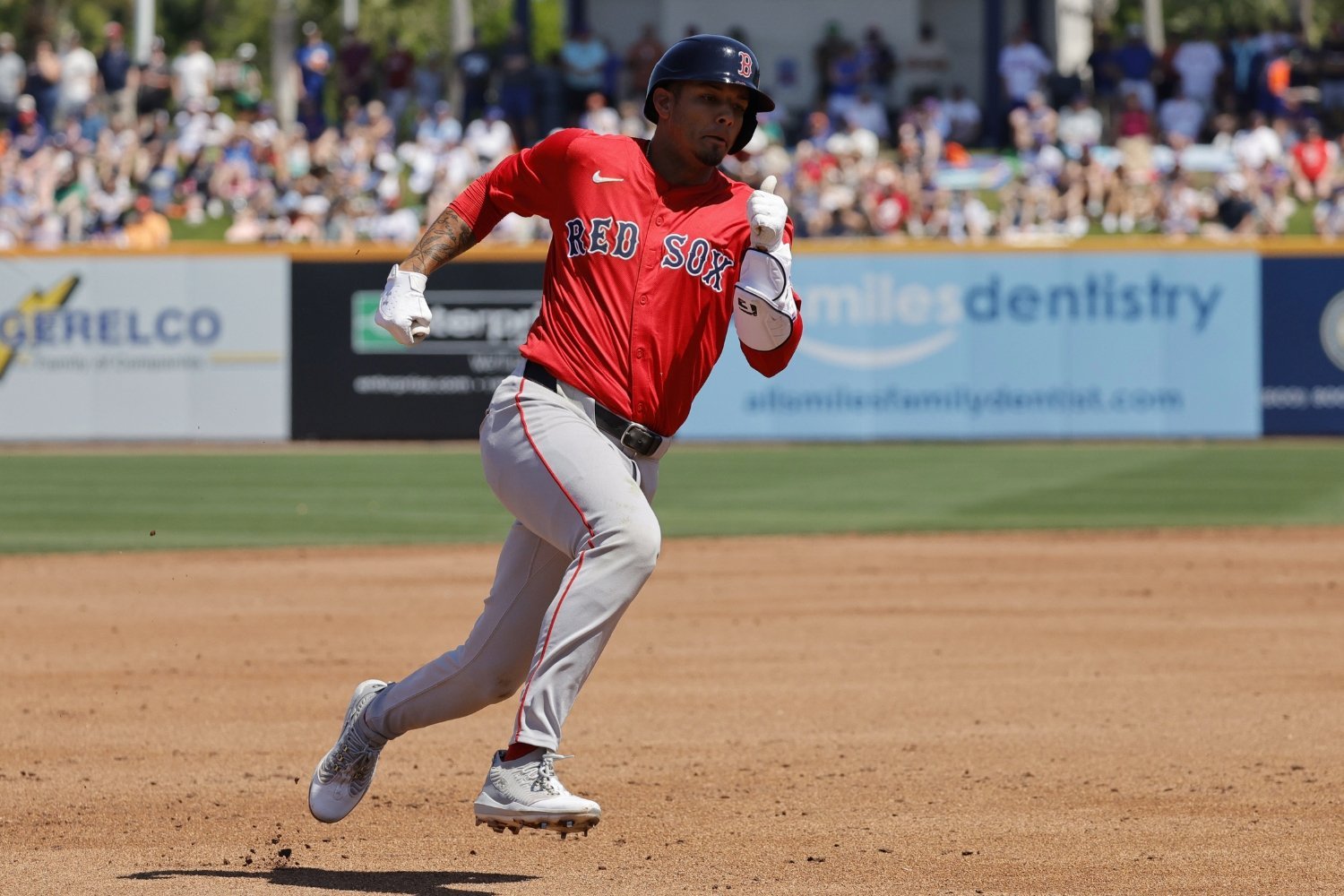 On Tuesday, the Boston Red Sox pulled the plug on the Vaughn Grissom era, trading him to the Los Angeles Angels, per Jeff Passan of ESPN. The return for Grissom is outfielder Isaiah Jackson, whom the Angels drafted in the eighth round this past summer. Jackson spent three seasons at Arizona State University. In his final year for the Sun Devils, Jackson hit .310 with 18 home runs and 14 stolen bases, but his calling card is his defense. The move clears a 40-man spot for the Red Sox, with the Rule 5 Draft scheduled for Wednesday. Grissom showed flashes of the player Boston coveted when it dealt 2024 National League Cy Young winner Chris Sale to Atlanta, but ultimately fell out of favor fast. In two seasons, he played just 31 big-league games, slashing .190/.246/.219 with a 30 wRC+ and -0.7 fWAR. He was a fine ballplayer in Triple-A Worcester, hitting 19 homers in 151 games, but simply didn't do enough to win himself an opportunity at any point in 2025. With the Red Sox scouring the market for infield help, even reportedly exchanging names with the Arizona Diamondbacks for Ketel Marte, there was seemingly no chance for the 24-year-old to ever wear a Red Sox uniform again barring something extreme. They tried moving him around the infield in 2025, even giving him 12 games at first base. Ultimately, the team felt the contingent of Abraham Toro, Nick Sogard, Romy Gonzalez, and Nathaniel Lowe gave them a better chance to win games in 2025. With, at the very least, Triston Casas slated to return from a ruptured patellar tendon at some point in 2026, opportunities were growing scarce. Grissom will try to revive his career in Los Angeles from here on out. View the full article
 -
 ORLANDO, FL—Day 2 of the Winter Meetings is underway in Central Florida. While Kyle Schwarber and Edwin Díaz have received much of the attention, the Marlins are quietly conducting business as well. Here is what Kevin Barral and I are hearing: Free Agency According to industry sources, free-agent reliever Pete Fairbanks is expected to command more than the $11 million option the Tampa Bay Rays declined last month. That price point, sources say, likely takes the Marlins out of the running. Fish On First initially reported the club’s interest in the 31-year-old closer, who overlapped with president of baseball operations Peter Bendix while they were both with the Rays. Another name Miami remains interested in is submariner Tyler Rogers, though he is believed to be seeking a multi-year deal. Barry Jackson of the Miami Herald previously linked the Fish to Rogers. Trade Market The Marlins front office continues to hold longtime ace Sandy Alcantara in extremely high regard. The team will not trade its longest-tenured player unless it receives an overwhelming offer, and even then, ownership would have to be persuaded to finalize a deal. All indications are that the Dominican flamethrower, who recently accepted an invitation to pitch for his country in the 2026 World Baseball Classic, is lined up to take the ball on Opening Day, now set for March 27 at 7:10 p.m. Starters Ryan Weathers and Edward Cabrera continue to draw strong interest on the trade market, sources tell Fish On First. While not impossible, it's deemed highly unlikely that Miami would trade both starters. The one player on the 40-man roster who the Marlins will not entertain offers for is Eury Pérez. Extensions According to a source, there is mutual interest in a potential extension for Jakob Marsee. While Fish On First has confirmed that no formal offer has been made, discussions have taken place, and the two sides are expected to meet in the weeks following the Winter Meetings. In 55 games as a rookie, Marsee slashed .292/.363/.478 with five home runs and 14 stolen bases. He was the Marlins' most valuable player during that span with 2.2 fWAR. Poached coaches! As reported Monday afternoon, Alon Leichman—who served as Miami’s assistant pitching coach in 2025—has been hired by the Colorado Rockies as their head pitching coach. Leichman is the fourth member of last season's coaching staff to earn an elevated role with another organization, a trend that speaks highly of Miami’s ability to identify coaching talent. The Marlins are now searching for Leichman’s replacement. Peter Bendix, general manager Gabe Kapler, manager Clayton McCullough, director of pitching Bill Hezel, and pitching coach Daniel Moskos are all heavily involved in the hiring process, sources tell Fish On First. The Marlins have hired Blake Butler to be their new infield coach, sources told Fish On First on Monday. Butler replaces Tyler Smarslok, who previously held the position for Miami before joining the Washington Nationals. View the full article
 -
Red Sox Sign Left-Handed Pitcher Alec Gamboa To Minor League Deal
DiamondCentric posted an article in Talk Sox
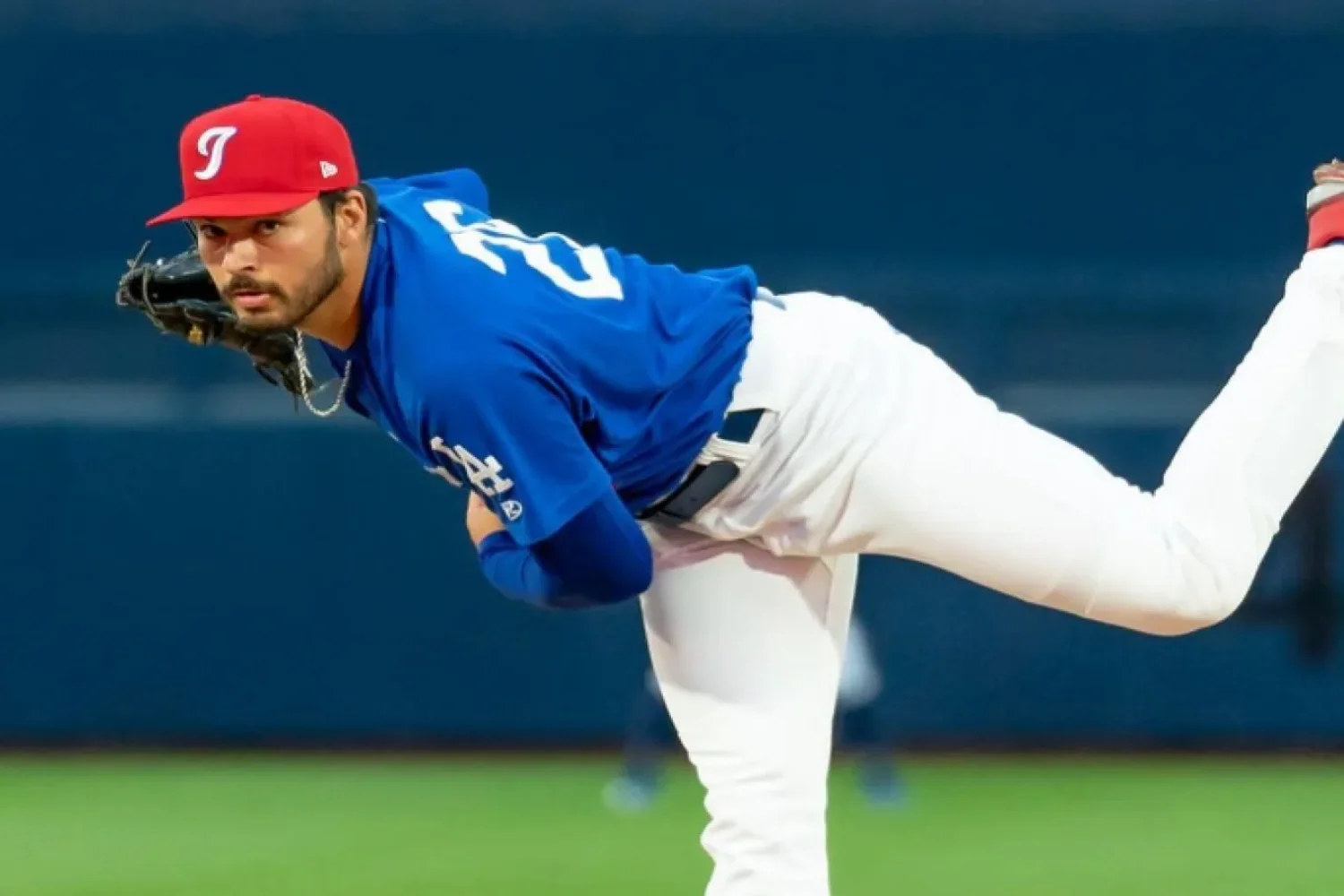 The Boston Red Sox made a move to continue their attempts to stockpile pitching depth, as the team agreed to a minor-league deal with an invitation to spring training with left-handed pitcher Alec Gamboa. The signing was first announced by Will Sammon of The Athletic. Gamboa was drafted by the Los Angeles Dodgers back in 2019 and made it to Triple-A by 2023. He would go on to spend all of 2024 and open the 2025 season in Triple-A before being released to pursue an opportunity overseas. In 53 appearances at Triple-A, Gamboa tossed 133 1/3 innings while striking out 106 batters. Signing with the Lotte Giants of the Korean Baseball Organization league, Gamboa would make 19 starts and go 7-8 with a 3.58 ERA. He also struck out 117 batters in 108 innings. Should Gamboa make the major league roster, his salary would increase to $925,000. View the full article
 -
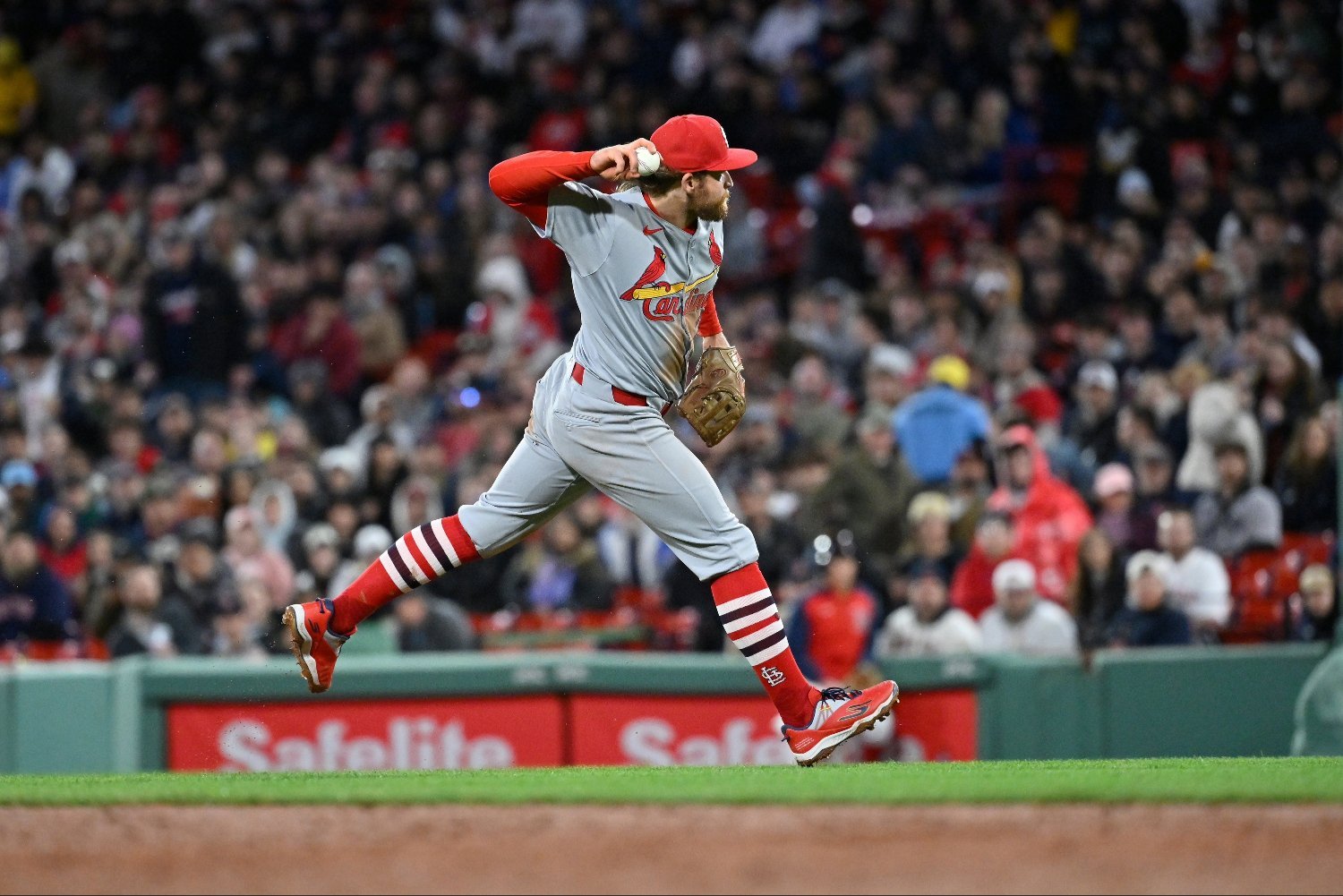 After the first day of the Winter Meetings, there have been multiple rumors and reports swirling around the Boston Red Sox. Craig Breslow and company seem to be busy scheduling meetings with teams, Zoom calls with players, and trying to put packages together to land them their impact bat for the middle of the order. A still glaring hole in the defense. though, sits at second base. At Talk Sox, we’ve highlighted the issues at second base both in writing and through our podcast, and it seems that this offseason could be the right time to finally plug that hole for the foreseeable future. All Breslow has to do is pick up the phone and give old friend Chaim Bloom another call. Brendan Donovan is expected to be traded at some point this offseason as the Cardinals navigate a near-complete tear down and rebuild. Donovan brings the perfect skillset to Boston that would fit right into Alex Cora’s lineups. He would slot in as an every day second baseman, a position he manned in 100 games last season for the Redbirds, but he is arguably the most shining example of a super-utility player that Breslow seems to covet. He won the National League Rawlings Gold Glove for utility players in 2022 and hasn’t really slowed down on defense yet. In 2025, he made appearances at second, third, shortstop, left, and right field. He’s played first base as recently as 2024 and could help to shore up that position if the team doesn’t address it fully during the offseason. Offensively, Donovan is a dependable bat. He slashed .287/.353/.422 with a .775 OPS, 10 home runs, 50 RBIs, and a 2.9 fWAR in 2025. He was named a National League All-Star for his efforts. He worked a strikeout rate of 13% against a walk rate of 8.2% last season. so he'd infuse some much-needed contact to the top of the order. However, Donovan isn’t a bopper, at least not in his current home ballpark. Busch Stadium is notoriously pitcher-friendly, and it has done a disservice to Donovan’s hit profile. If we overlay his home spray chart over Fenway Park though, a ton of power is evident. Yes, he's left-handed, a profile the Red Sox already have plenty of in the lineup. Look at that spray chart again, though. He’s going to the opposite field quite a bit and like many other lefties before him, spending time in Boston will teach him how to punish the Green Monster. He will have some pressure taken off of him with a move to Boston as well, as long as Roman Anthony continues to man the leadoff position in the lineup. Moving Donovan down a spot will allow for him to use his bat-to-ball skills in the best way possible and put himself in a position to score as much as possible. It's true that Brendan Donovan isn’t the flashiest move the Red Sox could make this offseason and he won’t come super cheap since he has two more years of control remaining via arbitration. But, he is the type of player that helps cement the team as a contender in 2026. His positional versatility would allow for multiple people to receive breathers during the week and, if needed, he could slot into the lineup as the starting second baseman on a daily basis. His bat would come alive in Fenway Park, and it could prove to be one of the best deals of the offseason if Craig Breslow can pull it off. View the full article
 -
Sandy Alcantara to participate in 2026 World Baseball Classic
DiamondCentric posted an article in Fish On First
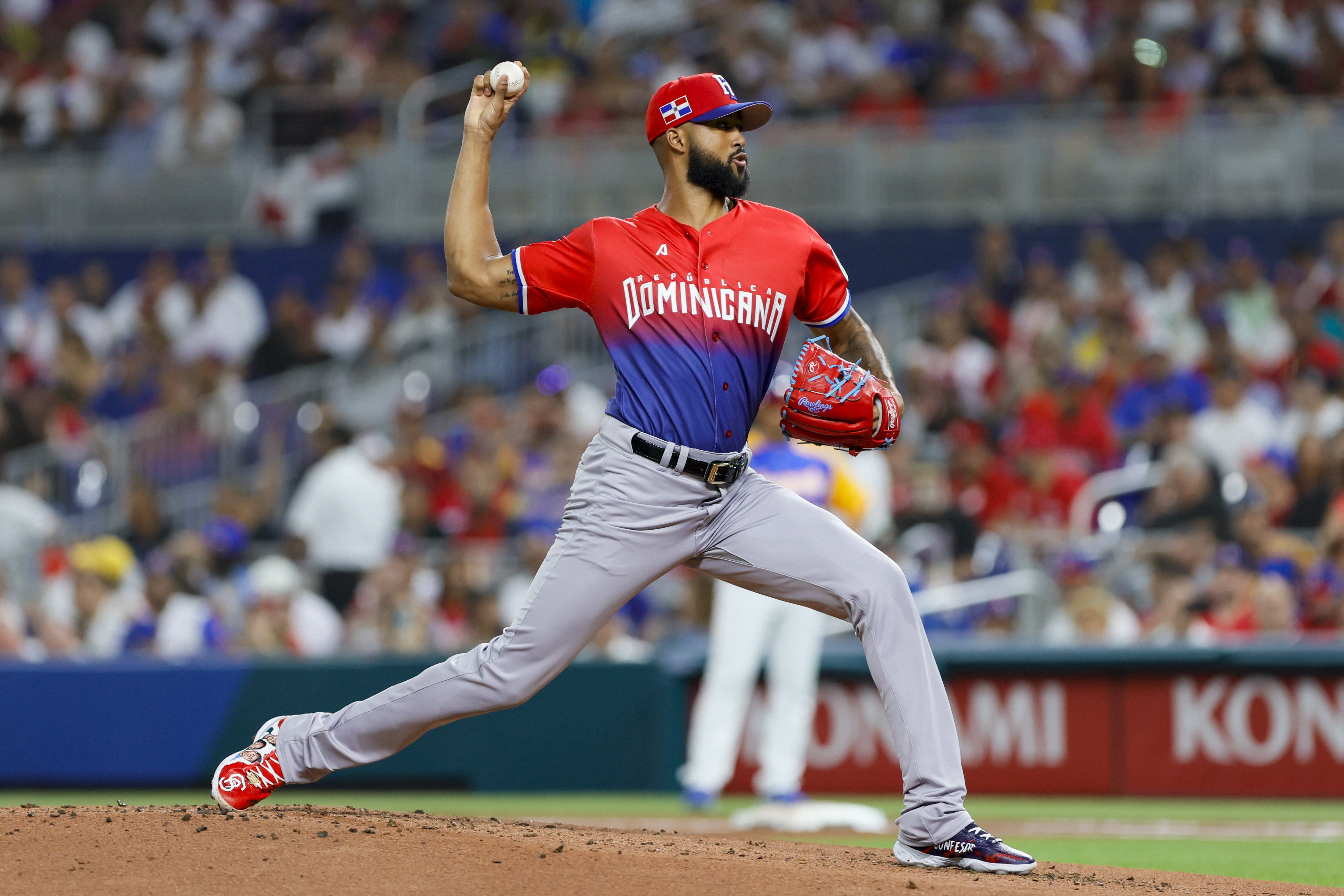 ORLANDO, FL—Miami Marlins starting pitcher Sandy Alcantara has accepted the invitation from the Dominican Republic to participate in the World Baseball Classic, per FanDuel Sport Network's Craig Mish. This will mark the second time he participates in the WBC, having previously done so in 2023. Dominican Republic manager Albert Pujols could not confirm that Alcantara had accepted when asked on Tuesday afternoon, but said DR was interested in having him on the team. "Hopefully, he can be part and help us win," said Pujols. Alcantara, who returned from Tommy John surgery this past season, posted a 5.36 ERA, 4.28 FIP, 7.32 K/9 and 2.94 BB/9 through 174 ⅔ innings pitched. Even while struggling early in the season, he expressed his desire to once again participate in the tournament, saying "if they want to call me, I'm ready." In his lone outing of the 2023 tournament, Alcantara went 3 ⅔ innings, allowing three runs on five hits (one home run), three walks and struck out two. He took the loss against Venezuela and DR was eliminated during pool play. It has been announced this week that MLB All-Stars Elly De La Cruz, Manny Machado and Junior Caminero will also be on the team. The Dominican Republic has been assigned to Pool D along with Venezuela, Netherlands, Israel and Nicaragua. All of their tournament games will be played at Miami's loanDepot park, beginning with their March 6 opener against Nicaragua. Alcantara might not be the only Marlin representing DR. Nelson Cruz, the general manager of the team, told Fish On First that they have contacted Agustín Ramírez, but also Samuel Basallo of the Baltimore Orioles, so there is competition at the catcher position. "We have so many players, and it's hard to choose," said Cruz. He does not expect a decision to be made until February. View the full article
 -
As Top NL Contenders Improve, Pressure on Brewers Mounts
DiamondCentric posted an article in Brewer Fanatic
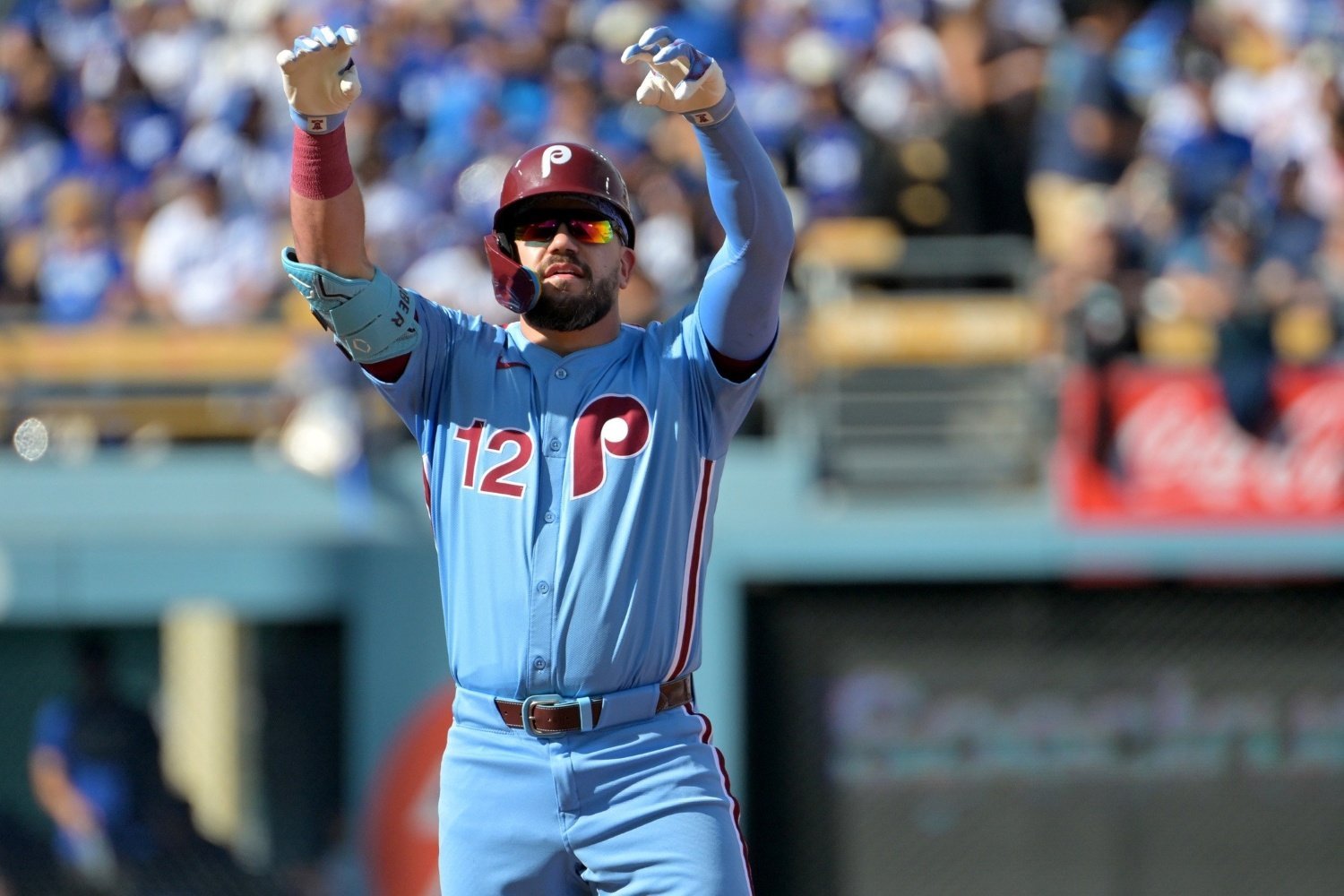 No team in baseball is paying a smaller share of its own team's payroll than are the Milwaukee Brewers. Even if we set aside the huge lump sum each team receives each year from the league's national TV rights agreements and the quarterly payments the Crew get as revenue-sharing payees, they get subsidized heavily, because their players received nearly $21 million in playoff shares and pre-arbitration bonus pool payouts. That money all comes from pooled league funds, rather than the pockets of Milwaukee's ownership group under Mark Attanasio. Nonetheless, financially, the Brewers operate at a disadvantage. The Dodgers, Phillies, Mets, Cubs, Padres, and the team from Cobb County, Georgia each outspend the Crew every year, and with good reason; their revenues dwarf those of the team playing in the league's smallest market. While the Brewers get significant help with their payroll (some of it coming directly from their rivals), they need that help in a way none of their rivals do. That reality is never thrown into sharper relief than on days like Tuesday, which saw the Phillies re-sign slugger Kyle Schwarber to a five-year, $150-million deal and the Dodgers set a new benchmark for relief pitcher salaries by signing Edwin Díaz for $69 million over three years. The final four teams in the 2025 National League bracket were the Phillies, the Dodgers, the Cubs and the Brewers, and already, the other three teams have spent varying amounts to reinforce their clubs for another run deep into October in 2026. (The Cubs, so far, have spent much more modestly than the others, but they're being cited as a potential destination for several high-profile free agents and trade candidates.) Don't expect the Brewers to match those outlays. They could do it—they fill Uecker Field well and are a success story of marketing and revenue capture, to the greatest extent that that's possible for a team without an adjacent commercial district next to their home park or a major media market to exploit. If Attanasio were thus disposed, Milwaukee could push their payroll to $150 million or higher, at least for a year or two. That's not how he chooses to run the team, though, and eventually, even that modest increase would begin to stretch the club a bit thin. Instead, the perennial focus for the Crew is on homegrown talent, and as we know, they have arguably the best assemblage thereof in baseball. Theirs is the deepest corps of solid pre-arbitration players in the league, and their farm system is one of the three best in the game. They can (and will) continue to compete with the big boys, on a total budget less than half that of some of the others. Fans will (rightfully) maintain high expectations for the 2026 team, though. The plan should be for the Crew to win a fifth NL Central crown in six years and try to claim their first-ever National League pennant. That doesn't require an enormous monetary stretch, but it does require that the club reckon with their star power gap. As good as Jackson Chourio, William Contreras, Brice Turang and Jacob Misiorowski can be, they don't quite match the Phillies (Schwarber, Trea Turner, Cristopher Sánchez) or the Dodgers (Shohei Ohtani, Mookie Betts, Freddie Freeman, Yoshinobu Yamamoto) man-for-man. Those teams are also out to accrue better depth. The logical next step for Milwaukee is to beat these teams in October, but to make that possible, they'll have to find a creative way to keep getting more dynamic—more dangerous. Nationals trade candidates MacKenzie Gore and CJ Abrams could each be interesting fits for the Crew. So could Tigers mega-ace Tarik Skubal, about whom the Brewers had discussions with Detroit at the 2024 trade deadline. We've already written, this month, about why Ketel Marte and Byron Buxton are interesting potential targets. The Brewers are unlikely to deal for Skubal now, since he's only a year from free agency and will be well-paid in 2026, but they do need to think aggressively, as well as farsightedly. As Schwarber and Díaz reminded them on Tuesday, Milwaukee has a tall mountain to climb. They might have the best overall organization in baseball, but that doesn't guarantee them a turn with the pennant. To get one, they'll need to exit their comfort zone and do something big. View the full article
 -
Brice Turang Joins Team USA For 2026 World Baseball Classic
DiamondCentric posted an article in Brewer Fanatic
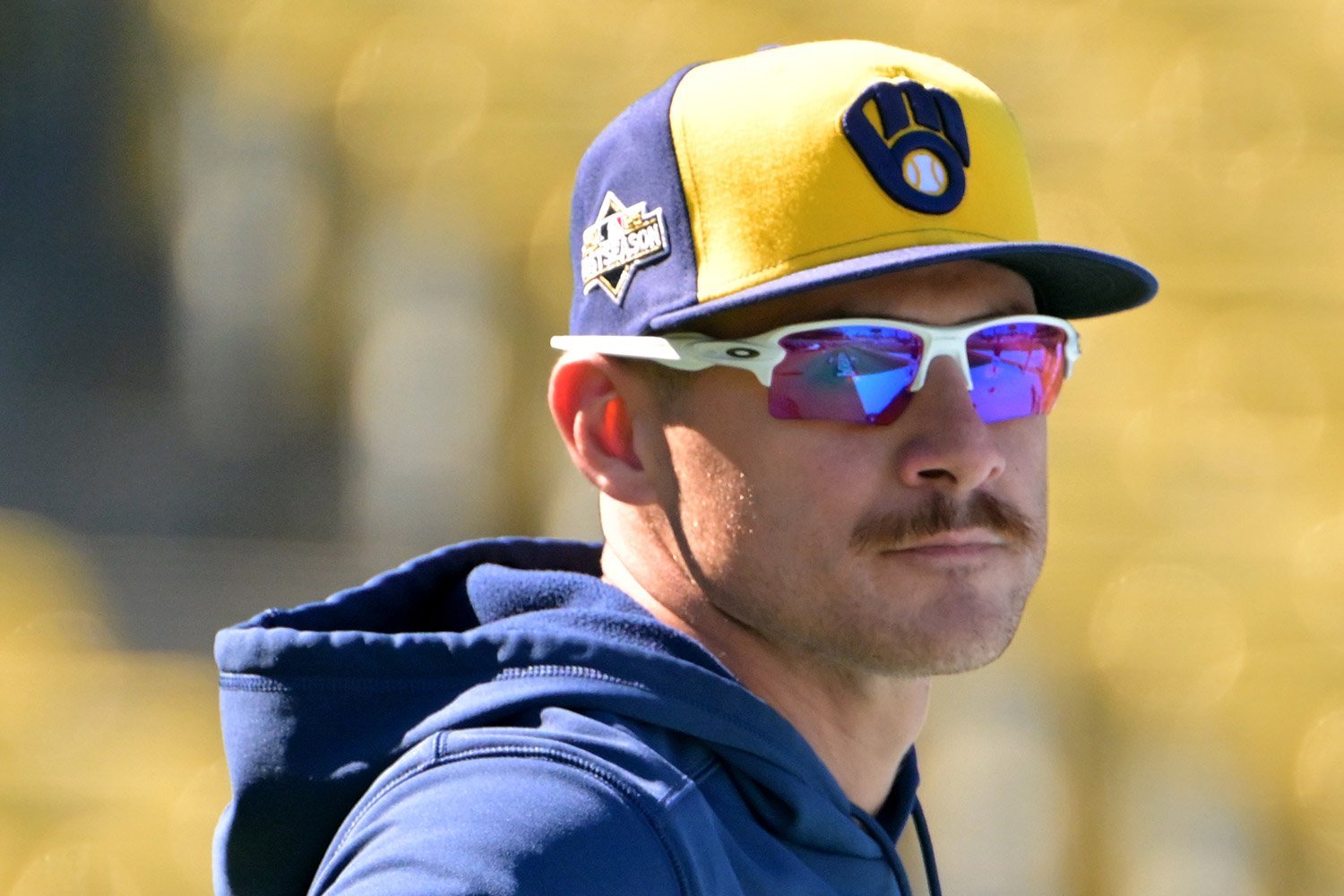 Perhaps superstar is a bit much, but it's undeniable that Brice Turang has been one of the best second basemen in baseball over the past two years. In 2025, he posted a 124 wRC+ and accumulated 4.4 fWAR, both marks placing him fourth amongst all second basemen. Although his defensive prowess took a step back last season, it has only been a year since he was the National League's Platinum Glove award winner. Turang joins a growing list of exceptional baseball talent and was part of the latest batch of players to officially join the team, along with Kyle Schwarber, Gunnar Henderson, and Will Smith. The roster and depth chart are far from complete, but there's a solid chance that Turang ends up as the starting second baseman for all, if not most, of the tournament. He could split time with Nico Hoerner if he ends up participating as well, but Brewers fans can expect to see plenty of Turang on the international stage regardless. It's a well-deserved honor for the 26-year-old and also begs the question, what other Brewers will be participating in the World Baseball Classic? Freddy Peralta hasn't officially announced his commitment, but has expressed a strong desire to represent the Dominican Republic. Neither William Contreras nor Jackson Chourio played for Venezuela in 2023, but they could be key parts of their lineup in 2026. Sal Frelick competed for Italy but hasn't confirmed his return to the team. One of the biggest struggles for teams in the past has been assembling a quality pitching staff, as the best arms are typically still ramping up when the tournament starts in early March. So far, Paul Skenes is the only pitcher who has decided to play for Team USA, and depending on the willingness of other top names like Tarik Skubal and Garrett Crochet to join him, the Brewers could send a few of their own. Quinn Priester and Jacob Misiorowski would be the top two candidates, but Chad Patrick or Tobias Myers could provide some solid value as well. View the full article
 -
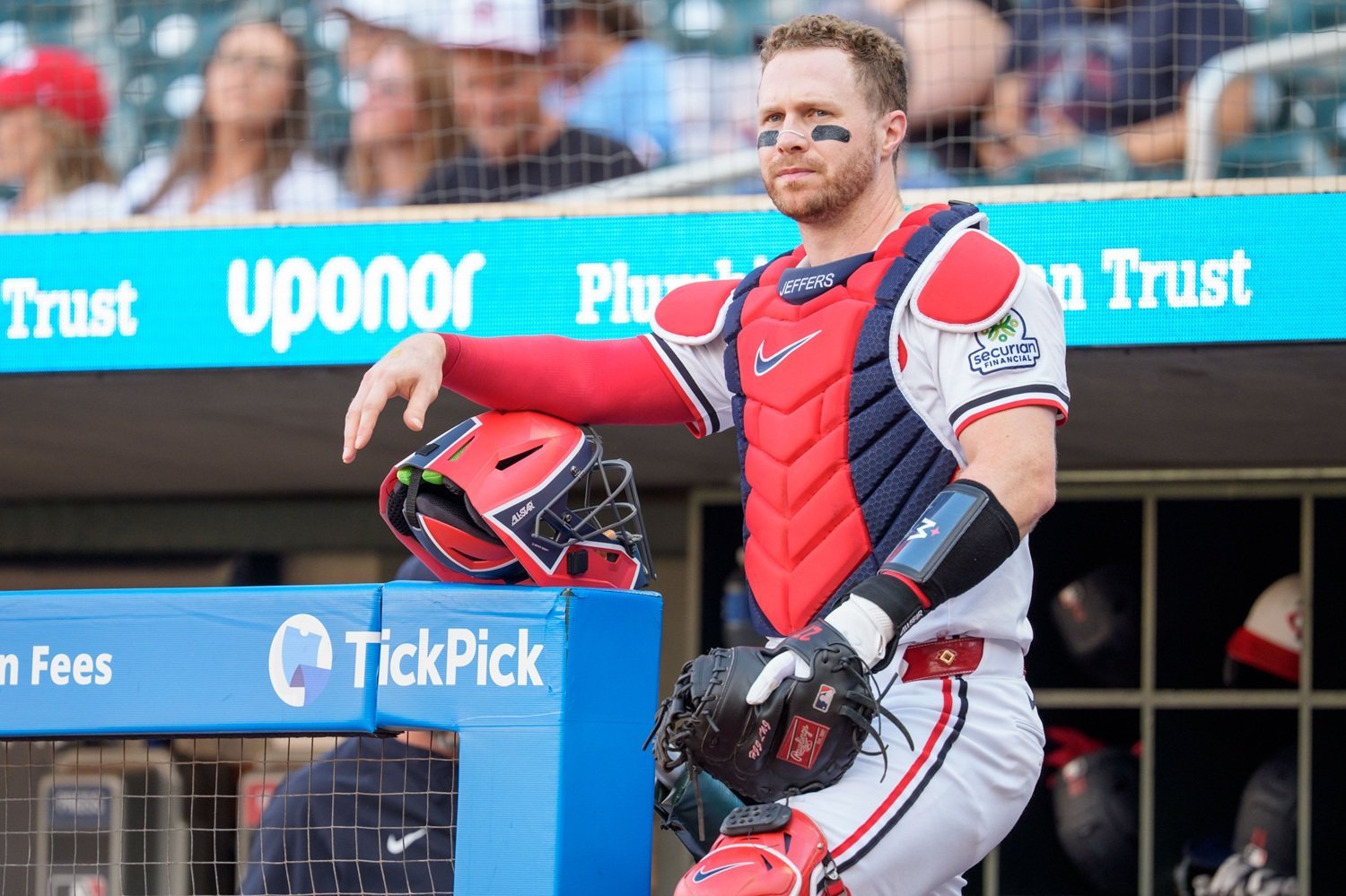 With the latest reports taking focus away from Joe Ryan, Pablo López, and Byron Buxton, there are other Twins trade candidates to consider this winter, including catcher Ryan Jeffers. Is it possible the Twins could trade Jeffers, but hang on to the other players mentioned in rumors? If they go that route, they would need to sign a catcher to replace their erstwhile starter. Jeffers split time with Christian Vázquez from 2023 through 2025, and absent a major addition, he's in line to take on a bigger role in 2026. While it might not make a ton of sense on the surface, there are a few options the Twins would have if they do move on from Jeffers. Let’s take a look at a trio of interesting mid-level free agents. Danny Jansen Jansen started the year with Tampa Bay and was traded to the Milwaukee Brewers near the trade deadline. He played in 98 games between the Rays and Brewers, hitting .215/.321/.399, which was good for a 101 OPS+. For comparison, Jeffers hit .266/.356/.397, which was good for an OPS+ of 108. A burly 6-foot-1, Jansen, 30, put up 2.8 bWAR in 2025, compared with Jeffers's 1.2. If the Twins trade Jeffers, Jansen could make some sense on a one- or two-year deal, as a bridge to prospect Eduardo Tait. Minnesota acquired Tait as part of the return in the Jhoan Duran trade at the trade deadline, so they hope only to need a stopgap behind the plate. Jonah Heim Heim had a down year in 2025 and was non-tendered by the Texas Rangers last month, making him a free agent. He broke out in 2023, hitting for a 106 OPS+ and earning his first career All-Star nod. He won a Gold Glove the same season, and was the main catcher as the Rangers marched to their first-ever World Series title. Since then, he has not been as consistent offensively as he (or the Rangers) would have hoped. While he may be a downgrade offensively from Jeffers, he has shown the ability to be an above-average defender, and being solid behind the plate can mask being a below-average hitter. As the starting catcher, playing in 124 games, Heim hit .213/.271/.332 in 2025, which equates to a 77 OPS+. While this is below average even for a catcher, if the Twins believe that Heim is a bounce-back candidate, they could get him for good value. The Rangers non-tendered him when he was projected to make in the ballpark of $6 million, so he will likely command less than that on the free-agent market. As a switch-hitter, he provides solid matchup value at a righty-dominated position. Reese McGuire In a backup role with the Cubs in 2025, McGuire hit .226/.245/.444 over 140 plate appearances. The Cubs non-tendered him after the season, and he was projected to make $1.9 million next season. If the Twins were to trade Jeffers, could they look to McGuire to split time with the recently acquired Alex Jackson? It sure seems like a plausible option. Offensively, in limited appearances, he was on par with the average catcher across the majors. Another positive in signing McGuire is that he grades out above average defensively, particularly as a framer and thrower. However, like Jackson, he has never handled a full starter’s workload, so he would be more likely to be a candidate to split duties than to play as much as Jeffers would. Do you think the Twins should trade Jeffers? And if so, whom should they sign to replace him? View the full article
 -
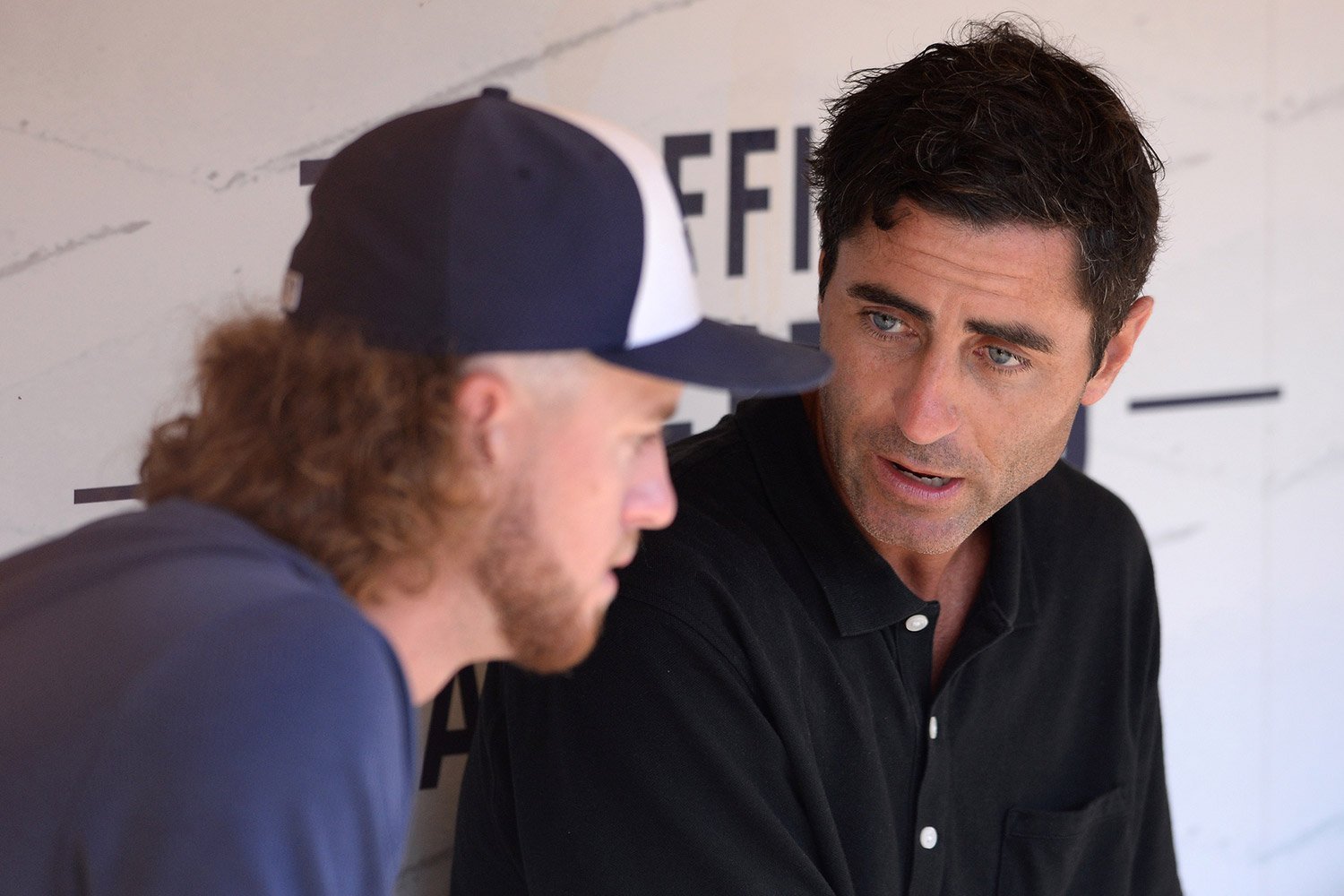 Life is never boring with AJ Preller as your favorite team's president of baseball operations. MLB Network recently reported that Preller is once again going big-game hunting, though it's questionable how much ammunition he has to bring along this time around. Reports out of Nashville suggest the Padres are at least listening on veterans like Nick Pivetta while gauging interest in other pricey pieces, even if a major teardown remains unlikely. With payroll tight and the farm thinned out, any blockbuster would likely involve some creative thinking. A decade into his tenure, Preller’s résumé is defined by blockbuster trades. The most famous is the 2022 deadline blockbuster for Juan Soto and Josh Bell, a move that cost a haul of prospects but helped power San Diego’s run to the NLCS. He doubled down on pitching by landing Blake Snell from Tampa Bay, Yu Darvish from the Cubs, and Joe Musgrove from the Pirates in a rapid-fire series of deals that signaled an all-in push around Manny Machado. Preller has also aggressively overhauled the bullpen, sending prospects to Milwaukee for Josh Hader. This past deadline, he once again emptied the farm to bring in flamethrower reliever Mason Miller. View the full article
 -
Rocco Baldelli Heads West to Join Dodgers Front Office
DiamondCentric posted an article in Twins Daily
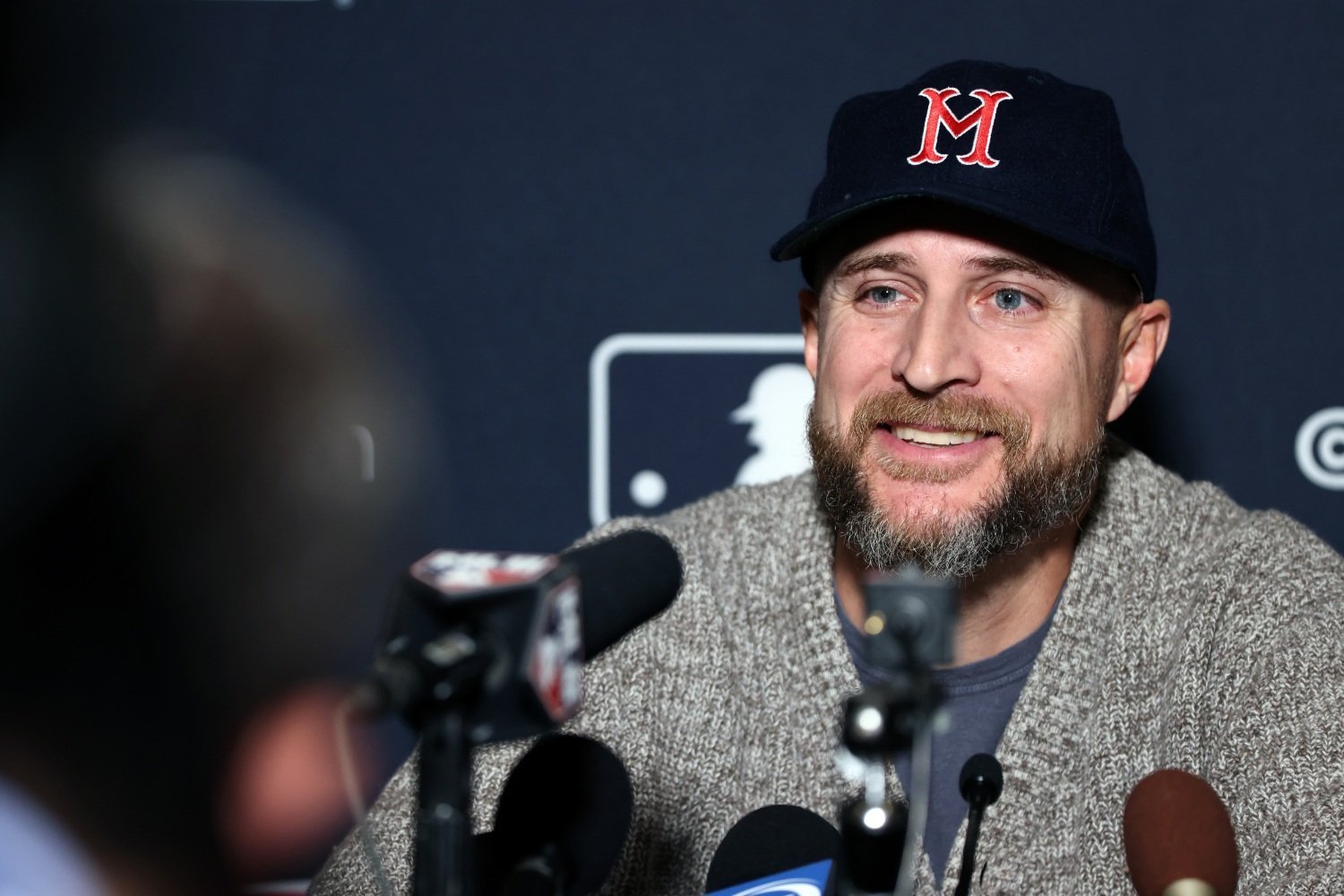 Rocco Baldelli’s time in Minnesota officially came following the 2025 season, but his next chapter has already begun. After a difficult 92 loss season led to his dismissal, the former Twins manager is joining the Los Angeles Dodgers front office according to reporting from the Star Tribune’s Bobby Nightengale. The move brings Baldelli into the heart of baseball’s most dominant organization and reunites him with a familiar face. The Twins chose to move on from Baldelli after missing the playoffs for the fourth time in five years. It was a decision driven more by frustration than by a clear indictment of his abilities. Baldelli was never the sole reason the team stumbled through 2025, and he certainly was not the source of the deep flaws that defined the club’s roster and performance. Instead he became the public face of accountability when those above him would not accept their share of the responsibility. Even so it was never expected that Baldelli would remain unemployed for long. The real question was whether he wanted to jump back into the grind immediately. His answer came sooner than many anticipated. The Dodgers have brought him aboard in a front office role, a path he knows well from earlier in his career. Before he ever filled out a lineup card Baldelli worked in the Tampa Bay Rays system after a mitochondrial disorder ended his playing career in 2010. He joined Andrew Friedman’s baseball operations group as a special assistant and quickly earned a reputation as a thoughtful evaluator with a strong grasp of player development. That experience helped launch his coaching and managerial trajectory, and now he returns to work alongside Friedman for an organization with unmatched resources and championship expectations. Baldelli’s tenure in Minnesota ends with a 527-505 record across seven seasons, including three American League Central titles and the drought breaking playoff series win in 2023. He captured the American League Manager of the Year award in 2019 and helped guide several young players into key roles. With one year left on his contract the Twins dismissed him after their 70-92 finish, setting off broad changes across the staff. Many of his former coaches quickly landed on their feet in new roles around the league, a sign of how well respected that group had become. While Baldelli is stepping out of the dugout for now, a front office role does not signal the end of his managerial aspirations. Minnesota even considered a similar transition with Scott Servais earlier this winter. If anything this move may serve as a launching pad. The Dodgers operate with a level of infrastructure and financial backing that could not be more different from what Baldelli experienced with the Twins. Working under Friedman again and within an ownership group that pushes relentlessly for championships may give him an even broader skill set. For Baldelli this is a chance to reset and reemerge. For the Dodgers it is another savvy addition to a front office that rarely misses. View the full article
 -
 Using a built-in off-day from their original 2026 regular season schedule, the Miami Marlins announced on Tuesday that their Opening Day matchup against the Colorado Rockies has been moved from March 26 to March 27. Just like all of the club's other Friday home games, first pitch will be at 7:10 p.m. The dates and start times for the other two games of the series remain the same. This news comes nearly a month after the Marlins began selling single-game tickets. They had to wait for approval from Major League Baseball before finalizing the change. Opening Day always draws one of the Marlins' largest crowds of the season. The team anticipates less congestion around loanDepot park for a 7:10 p.m. game compared to a 4:10 p.m. game; each of the past three years, they have hosted 4:10 p.m. openers. Another byproduct of the later start time is the game will end long after the sun sets, allowing for a postgame fireworks show. The biggest benefit to the Marlins is maximizing attendance and local television viewership. Needless to say, a higher percentage of people will be available for a Friday night game than a Thursday afternoon game. The Marlins have an awful 2-9 record over their last 11 Opening Day games, though they defeated the Pittsburgh Pirates in walk-off fashion on March 27, 2025. Perhaps superstitious folks can appreciate that this date change perfectly aligns the 2026 opener with that fond memory. View the full article
 -
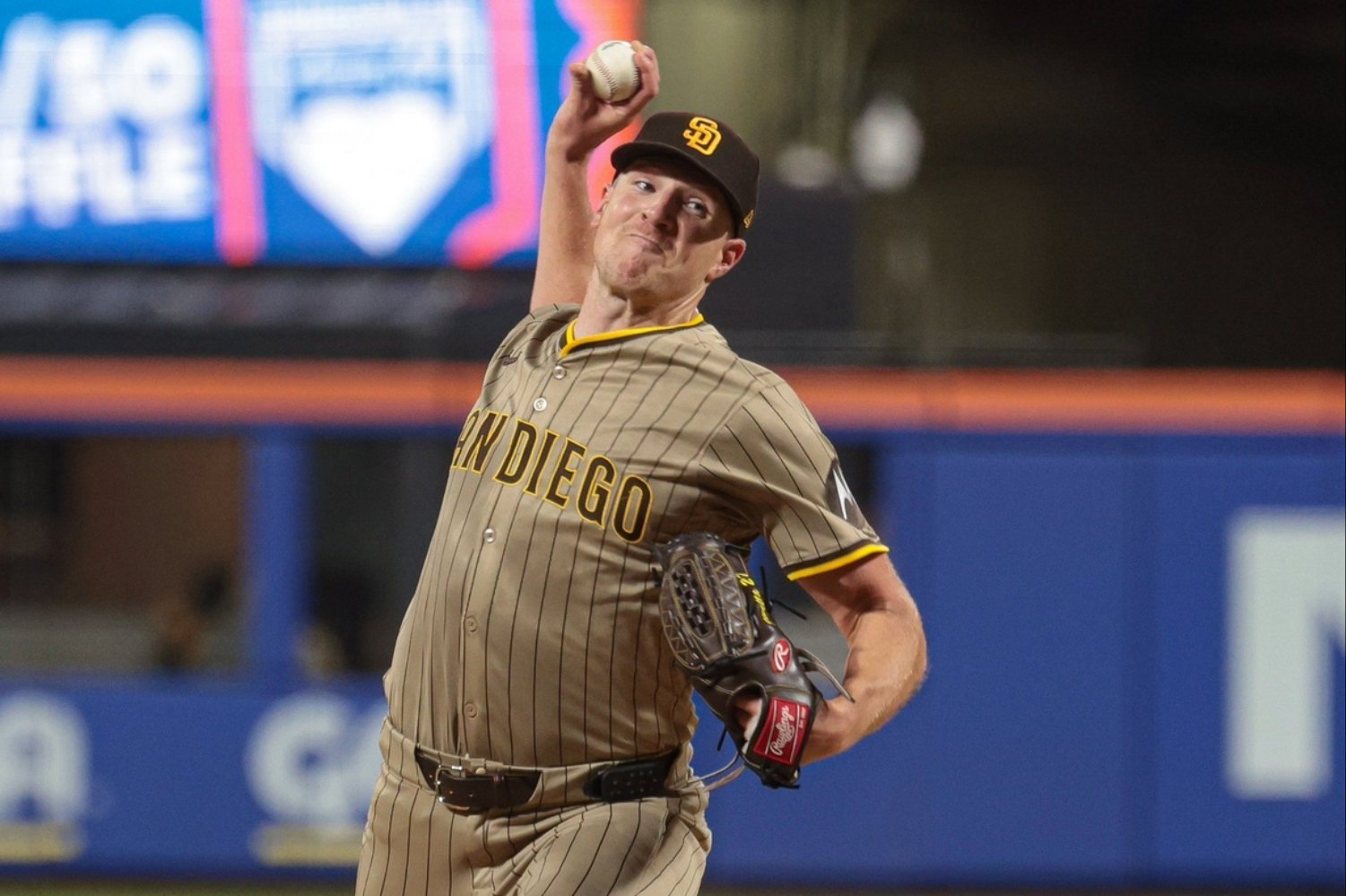 There are few worse places to be in sports than organizational purgatory. That middle ground where you're not quite good enough to legitimately contend, but also not quite bad enough to begin the rebuilding process. The latest trade rumor from the Winter Meetings has the San Diego Padres barreling toward such a status. While nothing of note has unfolded quite yet (none of Pablo Reyes, Sean Boyle, or Ty Adcock count), the Padres have the look and feel of a team on the brink. Already working within financial constraints that have grown tighter in the years since owner Peter Seidler's passing, the reported exploration of a sale has only furthered growing concern over the team's ability to hang, financially, with their major-league counterparts. That's left just about everybody on the roster involved in a trade rumor of some kind at various points in the early stages of this winter. The latest case is starting pitcher Nick Pivetta. Dennis Lin of The Athletic reported on the first day of the Winter Meetings that the team was listening to overtures on Pivetta and Jake Cronenworth. The latter is of no surprise, of course. We've long known that the team had taken calls on Cronenworth and that his contract could be the logical one to move among the bevy of long-term position players that the team currently rosters. There's plenty of logic to it. Pivetta's inclusion, however, necessitates an entirely different perspective. Pivetta's contract paid him just $2.5 million in 2025, but the number leaps up to $20.5 million next season. The team would then owe a remaining $32 million combined over the final two years of his deal. It all seems fairly reasonable when you consider the fact that Pivetta's coming off the best season of his career from a run prevention standpoint. Each of Pivetta's 2.87 ERA and 3.49 FIP were career bests, with the former checking in as his best mark by a wide margin. His 26.4 percent strikeout rate sat in the 78th percentile and his 6.9 percent walk rate was in the 69th. While the strikeout rate was a continued drop from his last two seasons, his walk rate did stand as the second-best mark of his career. Between preventing baserunners and garnering some good fortune on the batted-ball side of things (.235 BABIP), Pivetta was able to work around some less-than-desirable contact metrics (45.0 Hard-Hit%, 10.8 Barrel%). In any case, it was a strong year from the arm that wound up as the team's top starter for 2025. Which is why hearing his name in trade rumors is so distressing. It's not that the Padres need Nick Pivetta in order to contend. He's likely due for some very legitimate regression next season. You could even make an argument that the Padres selling high on Pivetta makes some degree of sense. The trouble is less about Pivetta's skill set and himself in a vacuum and more about what it means in the scheme of the larger narrative around this team. We already know the Padres are working within the confines of an ever-shrinking budget. This winter, though, reads as a little bit different of a vibe. There's more of an urgency to shed money and fewer prospects, despite both being important in bringing in players of note that would help this team realize their championship aspirations. Having a name like Pivetta in the trade mix speaks to that exact trouble, especially considering the state of the current roster. The Padres have virtually no starting pitchers to speak of. Dylan Cease is now a member of the Toronto Blue Jays. Michael King is poised to get a significant contract with a team not named the Padres in free agency. Yu Darvish is already out for all of 2026. Joe Musgrove is returning from Tommy John surgery. Pivetta represents the only legitimate starter on a 40-man roster sprinkled with names like Randy Vásquez, Matt Waldron, and JP Sears. Ty Adcock and Kyle Hart don't quite count there, either. With the team set to keep Mason Miller, Adrian Morejon, and David Morgan in relief, it's Pivetta, a rusty Musgrove, and a collection of fringe starters comprising the rotation at present. That the Padres would be willing to trade their only presently-viable starter speaks to the trouble in which this organization finds itself. To trade a key component from such a dire position of need would signal to the rest of the league that the Padres are trending in exactly the wrong type of direction. Without the resources in the farm system to make a trade, the road toward improving the roster becomes narrower — potentially to the point of becoming impassible. The budget was already a dark cloud looming over the offseason for this team from the jump. Compounding that fact along with the team's lack of depth was already a concerning reality. But the involvement of their only viable starting pitcher in the rumor mill speaks to another level of darkness. It's not about Pivetta the pitcher. It's about the larger narrative, and A.J. Preller is clearly going to have his work cut out for him to fight back toward the other direction, or risk slipping into organizational purgatory before long. View the full article
 -
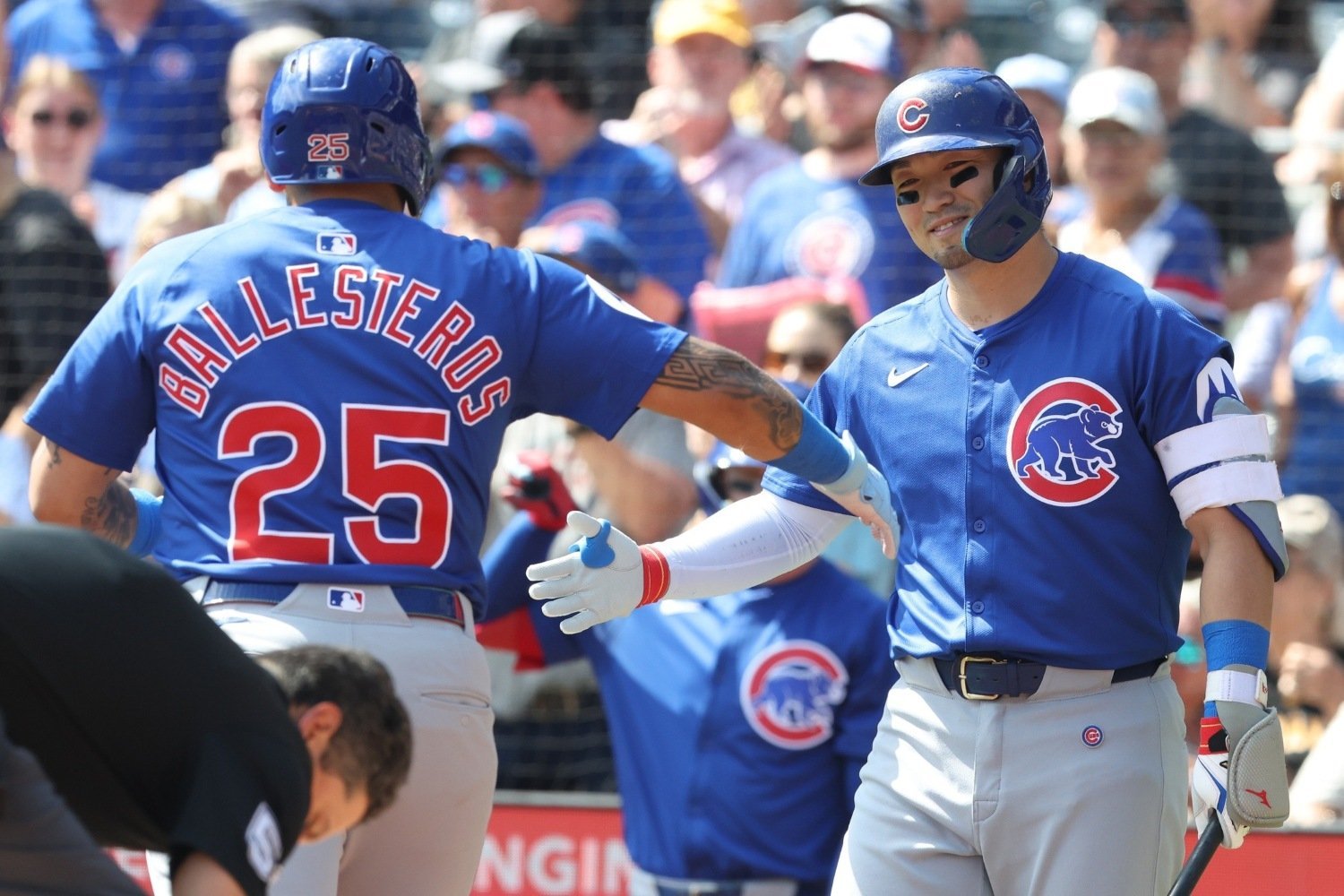 As he focuses on shoring up a pitching staff in need of significant reinforcement, Cubs president of baseball operations Jed Hoyer also knows that he has work to do on the positional side. With Kyle Tucker unlikely to re-sign with Chicago, there's a hole in the heart of the batting order that helped the team win 92 games in 2025. Hoyer must find a way to enter 2026 with confidence in the production he'll get from the middle of Craig Counsell's lineup, but he has some competing imperatives to consider, too. Firstly, of course, the Cubs have pressing needs on the pitching side, too. They need at least two more above-average, reliable pitchers, be they starters or relievers. That will take up a major chunk of the spending capacity Hoyer has for this winter—although there's a lot of money available to him, after the team had a remarkably lucrative year. Whether he ultimately plunges financial resources into those additions or finds a way to swing a key trade, Hoyer will use some of his hot stove fuel bolstering the staff, leaving him with constraints when it comes to the offense. Secondly, he must figure out how to leave space for whichever of the team's top prospects remain with the Cubs come Opening Day. Another year in Triple A would be a waste of time and talent for Moisés Ballesteros and Owen Caissie, and although Kevin Alcántara has one more option year (thanks to time missed because of injuries), he, too, needs the challenge of some big-league work. The Cubs need to finish 2026 having a much clearer idea of the future roles for each of those three players. There are many ways to achieve that—making Caissie and Ballesteros pieces of a three-player platoon across two roles, along with Seiya Suzuki; letting Alcántara sponge up at-bats as a platoon partner for Pete Crow-Armstrong and a backup to Ian Happ; and/or trying out Ballesteros or Caissie at first base, to spell Michael Busch—but none of them are perfect or obvious solutions. Speaking of Suzuki and Happ, Hoyer also has a major background problem to navigate. Both of those sluggers will hit free agency after 2026. So will second baseman Nico Hoerner. It seems unlikely that the team will extend more than one of those three, so they'll need to replace two key hitters for 2027—in an offseason bereft of big-name bats, and under the haze of confusion caused by a likely winter lockout. That doubles the importance of making sure Caissie, Ballesteros and Alcántara are known quantities; one of the set is likely to be asked to take over an everyday place in the heart of the order by 2027. If it can be two, that would be perfect, but the team can't project that without seeing what they can do over larger samples next year. That need to play the kids stands in some tension with an equally powerful mandate, though. The 2026 Cubs need to win. They need to build upon what they did in 2025 and compete for another NL Wild Card berth. Playing Caissie, Ballesteros or Alcántara every day (or even letting them share a job, but using up two or three roster spots at a time all year) would be a big risk, for a team with high expectations. Average offensive output wouldn't be enough, either. The team needs a batter who's worth something like 20 runs above average, and it's hard to trust that any or all of those three can be that guy. It's a dilemma for Hoyer, which means that there's no perfect solution. In all likelihood, the team will end up charting some middle course. It's unlikely that they'll sign Alex Bregman or Eugenio Suárez, but either is certainly possible. Those guys would displace Matt Shaw, at least part of the time, but they'd be with the club for multiple seasons, so they would cushion the eventual losses of Suzuki and/or Happ—or, perhaps, even Hoerner, with Shaw moving to second base in 2027. They're a better fit for players with youth and upside, like Munetaka Murakami and CJ Abrams, but those guys' price tags are very uncertain and much will hinge on whether they can be had at palatable costs. Remaining competitive on a consistent basis over several years is difficult. The Cubs, a large-market team in a sport where large markets have tended to dominate, haven't met that standard over a full decade since before World War II. To change that, they have to get the balance just right this winter. Hoyer will have to find a way to infuse new talent into his lineup, without creating a morass for Counsell when filling out the lineup card or thwarting the development of key long-term pieces. View the full article
 -
Why Twins Should Sign Free-Agent First Baseman Ryan O’Hearn
DiamondCentric posted an article in Twins Daily
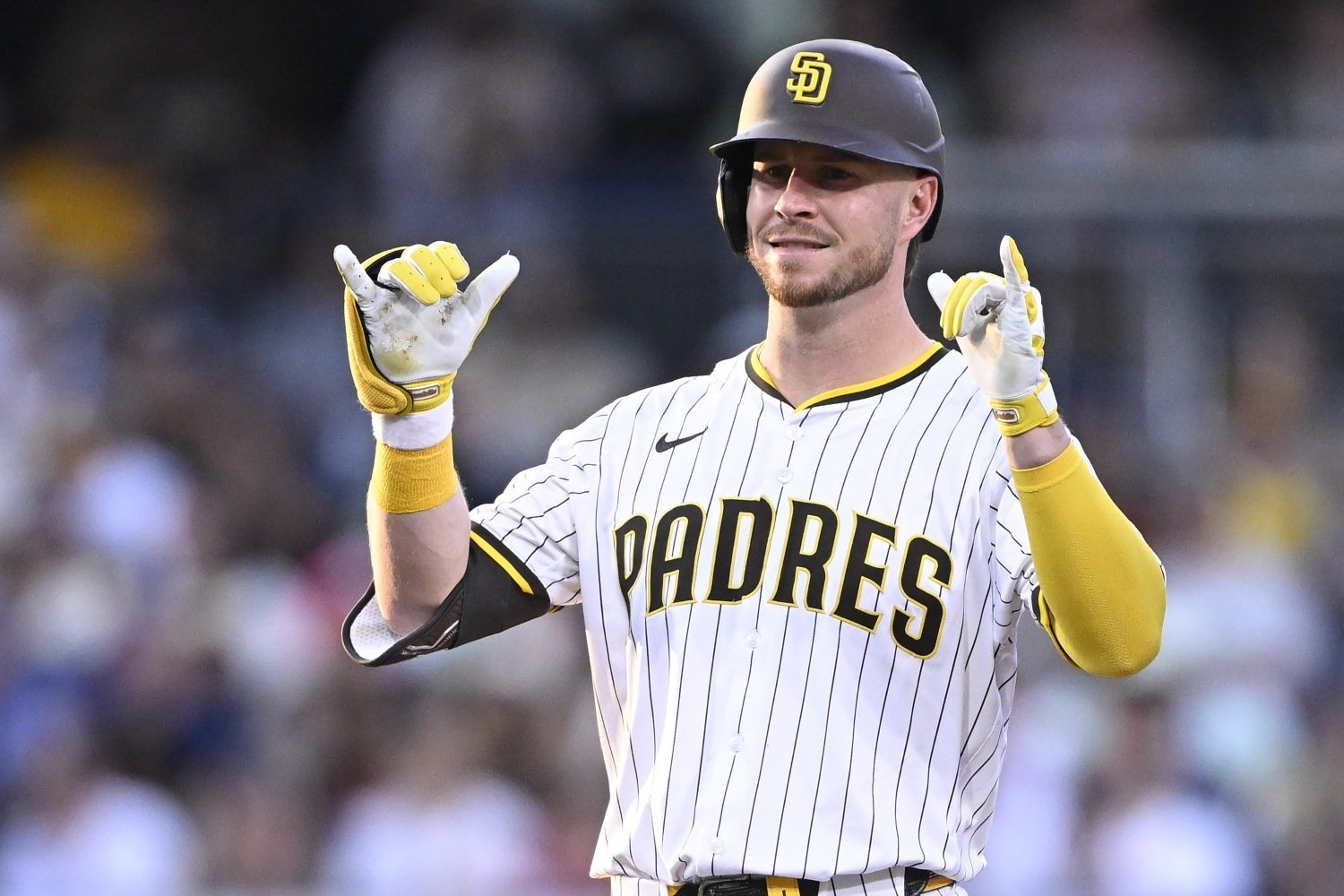 This weekend, The Athletic’s Ken Rosenthal reported the Minnesota Twins do not anticipate moving Byron Buxton, Pablo López, or Joe Ryan this offseason, intending to contend for a postseason berth in 2026. In the article, Rosenthal noted that club officials believe they have “’mild flexibility’ to make additions,” signaling the front office could have more spending room than previously thought. Soon after Rosenthal’s piece was published, Twins general manager Jeremy Zoll told reporters at the Winter Meetings on Monday that the club plans on targeting “another bat or two with some thump, some impact, to bolster a group that we’re excited about.” High-cost impact bats like Pete Alonso or Kazuma Okamoto would be ideal candidates for Minnesota’s power-deficient lineup. Even though the front office has seemingly been given some spending room, though, needle movers like Alonso or Okamoto will be too expensive for the Twins. Given what we can assume are still reasonably snug constraints for a team looking to spend modestly, no other player would fit Minnesota’s needs better than Ryan O’Hearn. Splitting last season between the Baltimore Orioles and San Diego Padres, the 32-year-old hit .281/.366/.437, with 17 home runs and a 127 wRC+ over 544 plate appearances. Earning the first All-Star nod of his career, the left-handed batter performed better in the first half (135 wRC+ over 361 plate appearances) than he did post-trade deadline with San Diego (112 wRC+ over 183 plate appearances). Still, given his three-season span of strong performances (121 wRC+ over 1,406 combined plate appearances), the veteran bat projects to earn his first eight-figure contract this winter. Our top 50 free agents list ranked O'Hearn in the top half, and predicted that he'll sign for two years and $23 million. 0edabd21-df3e8c74-7185d797-csvm-diamondgcp-asset_1280x720_59_4000K.mp4 If Zoll is to be taken seriously, O’Hearn is the most intriguing bat Minnesota could realistically sign to bolster its lineup entering 2026. Posting a 135 wRC+ over 109 plate appearances against same-handed pitching (compared to a 125 wRC+ over 377 plate appearances facing right-handed pitching), O’Hearn excelled as a platoon-proof bat, cementing himself as a cog in the middle of Baltimore and San Diego’s lineups. He hits the ball hard and often, with hard-hit rates over 40% in each year of his career, according to Statcast—and better-than-average strikeout rates in each of the last two seasons. O’Hearn is also a tremendous defensive first baseman, sporting 6 Outs Above Average (OAA) at the position in 2025. Minnesota has unexpectedly been the gold standard of first base defense in recent history, fielding the last two AL Gold Glove winners at the position in Carlos Santana and Ty France. O’Hearn would possess the defensive skillset necessary to match Santana and France’s performances, if not surpass them. The veteran lefty could also mix in at both corner outfield spots; he played 149 innings in right field and 16 innings in left field in 2025. Given his plus bat, defensive flexibility, and reputation as a beloved clubhouse figure, the Twins would be wise to target O’Hearn, adding a middle-of-the-lineup presence while addressing their most pressing position of need. Twins Daily's John Bonnes contributed to the reporting in this piece. View the full article
 -
Why The Padres Shouldn’t Sign First Base Slugger Rhys Hoskins
DiamondCentric posted an article in Padres Mission
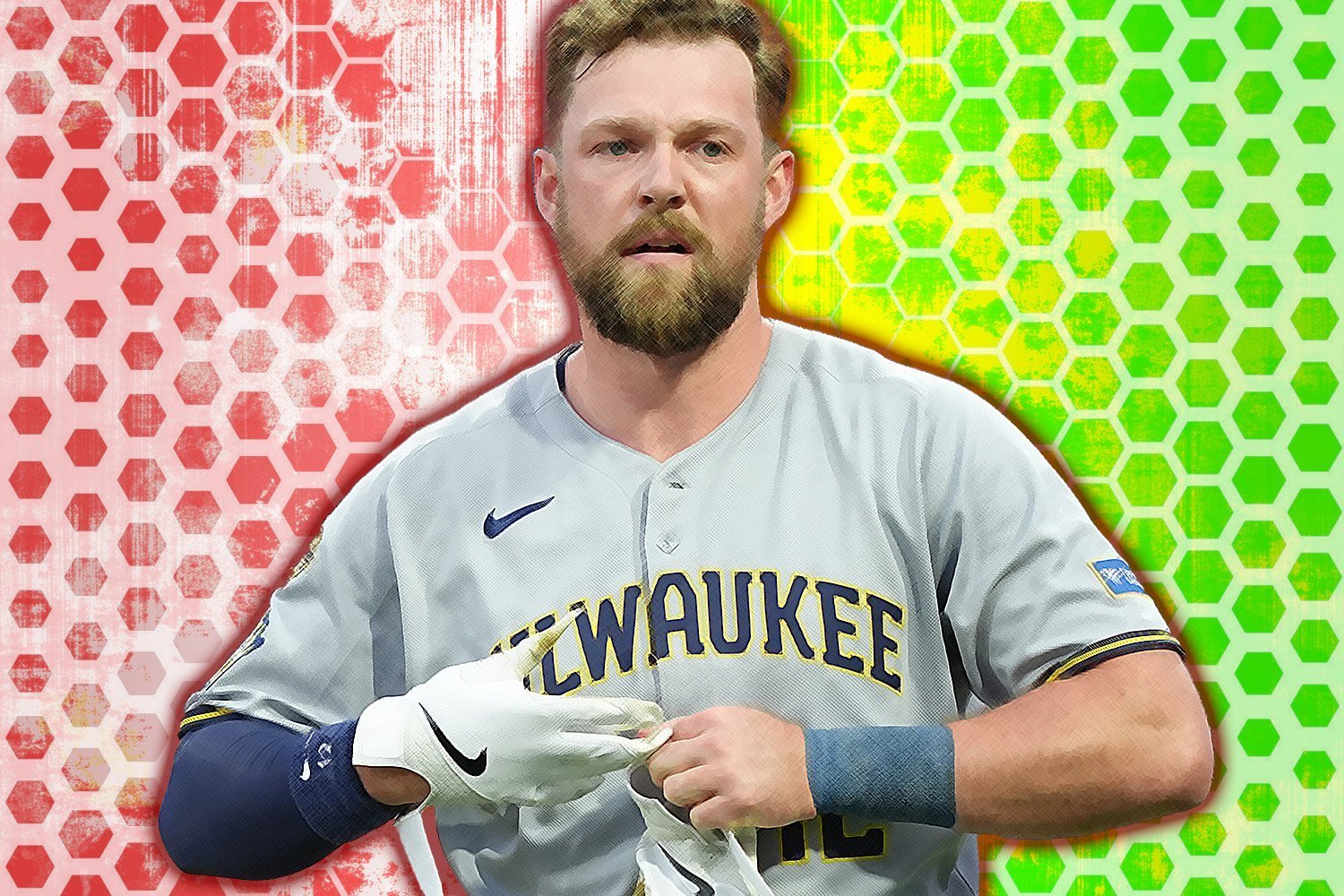 The Padres are by no means a bad team, but being in MLB’s most competitive division means being good often isn’t enough. If San Diego wants a chance at surpassing Los Angeles, they has quite a bit of ground to cover. One position that needs a complete overhaul is undoubtedly first base. The team produced 1.5 fWAR and a 109 wRC+ at the position, which is perfectly average. This stat line is largely thanks to Luis Arraez, who made 500 plate appearances at first base, and it goes without saying that he hardly fits the profile of the position. Now that he has hit free agency, the Padres will want someone with more pop and on-base ability in the role. Unfortunately, the free agent climate isn’t exactly one that benefits San Diego. Given the organization’s unfortunate ownership situation, they’re probably out of the running for Pete Alonso, who is by far the most appealing candidate. The team had mixed results with Ryan O’Hearn after acquiring him at the trade deadline, and other options are either too old or ineffective. However, Rhys Hoskins could be just cheap and productive enough for the Padres to be interested. Unfortunately, he might not be much better than his peers. He most recently completed a two-year stint with the Brewers, which, despite being a highly anticipated signing at the time, was immensely underwhelming on all fronts. For a total of $30 million ($34 million if you count the $4 million buyout of his mutual option), Milwaukee received a first baseman with a 102 OPS+ and 0.7 rWAR, hardly a strong return on investment. There was inherent risk following a long injury layoff in 2023, but even with 221 games under his belt, he never seemed to return to the hitter he was with the Phillies. The most drastic drop was undoubtedly in his ability to hit for power. Across six seasons in Philadelphia, he had a slugging percentage of .492, while he managed a slugging percentage of just .418 while with Milwaukee. Although this is a steep decline, one might note that by 2025, both his average and maximum exit velocities were back in the same ballpark (teehee) as in his best years in Philadelphia. This means that he hadn’t really lost the raw power he's had his whole career, but it points to something more insidious. Instead, it seems the reason for this apparent discrepancy is that his quality of contact varied depending on the pitches he was seeing. In 2025, he pummeled fastballs but struggled immensely against breaking balls. Here are some of his batted ball metrics when separated by pitch type. # of pitches Average Exit Velocity BA SLG wOBA Fastball 715 92.7 mph 0.281 0.556 0.402 Breaking 545 85.5 mph 0.179 0.253 0.209 Offspeed 169 88.5 mph 0.194 0.226 0.254 As you can see, there’s a huge spread between the average exit velocity on fastballs and breaking balls. An average exit velocity of 92.7 mph is on par with Corey Seager’s season numbers, whereas an average exit velocity of 85.5 mph would be on par with Sal Frelick’s season numbers. This crucial vulnerability, along with returning injury issues, is what caused his OPS to decline from .877 in May to just .532 in June as opposing pitchers began to exploit his shortcomings. Unless he makes major adjustments, expect this steady diet of breaking balls and offensive slump to continue, especially as a more varied pitch mix is becoming vogue. Another symptom to check is his bat speed. Unfortunately, we only have bat-tracking data starting in 2024, which doesn’t provide enough data to definitively say whether he’s in the midst of a gradual decline. At 32 years old, his bat speed isn’t going to get any faster. In the two seasons for which we do have data, he was around the 40th percentile. It isn’t the reason for his diminished production at the plate, but it sure isn’t helping either. Offensively, he still does some things well. His plate discipline is as good as ever, and he has yet to post a walk rate below 10% for any season in his career. He still makes excellent swing decisions, posting an elite chase rate of just 19.9% last year. Finally, his batted-ball profile was still elite last season, with 34.5% of his batted balls pulled in the air, more than double the MLB average of 16.7%. But again, these positive batted ball results come almost exclusively against fastballs. Of the 25 total extra base hits he had, 19 of them came against fastballs, including all but one of his home runs. Based on the way that things have been going for him recently, Rhys Hoskins should be seen as more of a depth piece or placeholder than a starting option capable of moving the needle. Sure, the Padres don’t exactly have the most appealing options at either position, but does it really make sense to spend additional money on a player who could be at most a sidegrade? Of course, it remains to be seen what direction the Padres will take in 2026. They’ve been surprisingly dormant thus far despite a laundry list of needs this winter. Does this mean they’ll begin tearing down the expensive roster they built just a few years ago, or are they just biding their time to reload? Maybe they do need a placeholder like Hoskins just to have somebody’s name to pencil into the lineup every day. Amidst the uncertainty surrounding the construction of next year’s roster, bolstering their depth at first base may not be close to the top of their list of priorities. Still, spending any of what might be a contracted payroll in 2026 on a player with more risk than reward is never a good move. At this point, signing anyone may be enough cause for excitement, but recent data suggests that a Rhys Hoskins contract could hurt more than it would help. View the full article
 -
Why Ha-Seong Kim Is the Ideal Replacement for Bo Bichette
DiamondCentric posted an article in Jays Centre
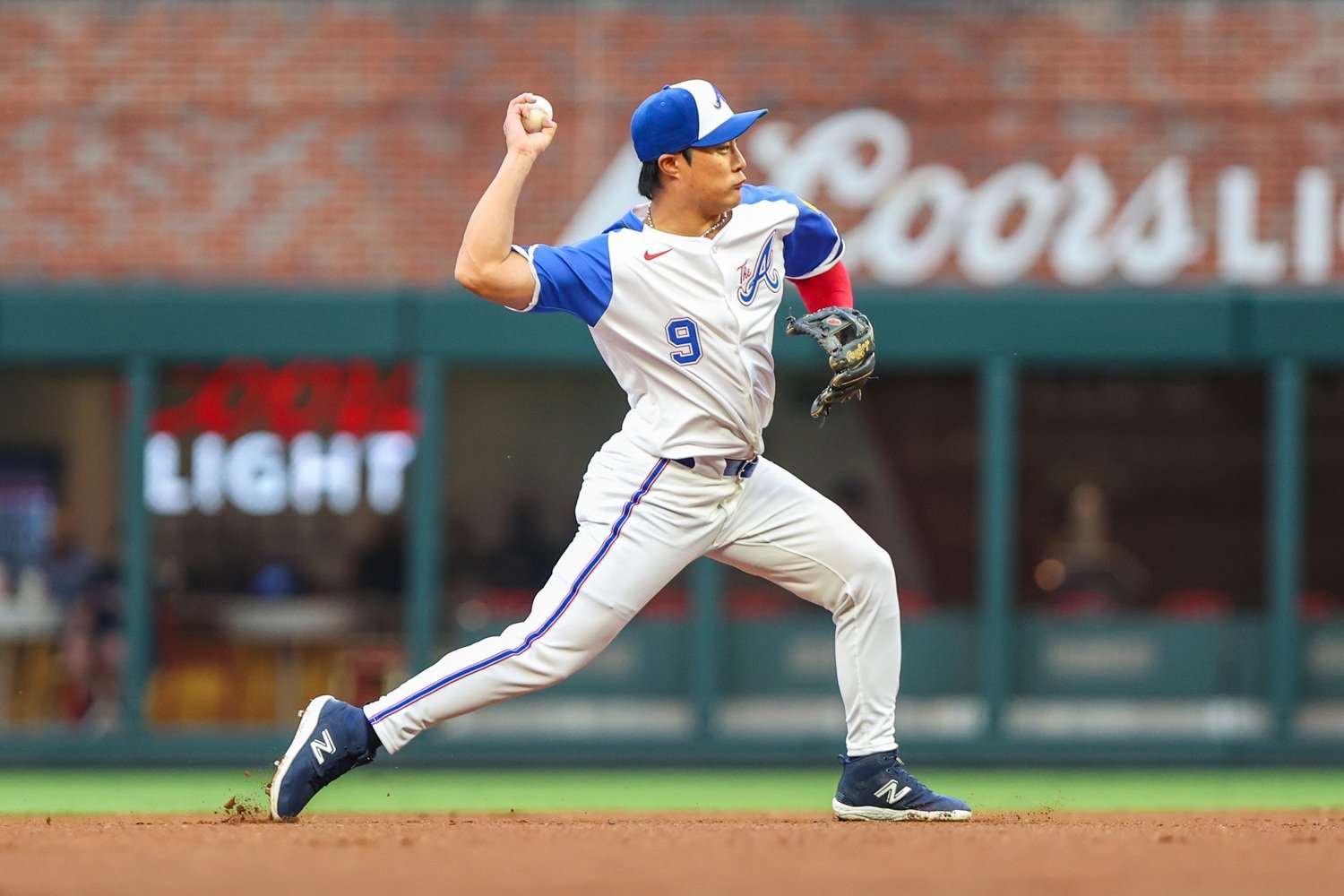 The Blue Jays might lose an opportunity if they continue to wait on Bo Bichette to make a decision. In all likelihood, both sides know each other’s valuations and are mulling the “what ifs”. One “what if” for the Jays is exploring alternatives. Much has been made of moving Andrés Giménez to short and filling the vacancy at second or third by moving existing personnel around the infield, but what if the better move is to bring in Ha-Seong Kim? The move would be similar to last year’s trade that brought Giménez to Toronto. Like Giménez, Kim, is a premium up‑the‑middle defender. He also brings above-average baserunning, is an adaptable infielder, and has above‑average plate discipline at a fraction of the cost of other elite shortstops. This offseason market is notably thin at shortstop. After opting out of his 2026 player option with Atlanta, Kim re‑entered free agency as arguably the best glove‑first shortstop available. Bichette is the only other regular shortstop at or above Kim’s tier. However, the biggest difference between the two will be the cost, especially given Bichette’s offensive production. Kim’s selling point to interested teams is that he provides arguably the best shortstop defence on the market and at a manageable, shorter-term cost. Kim has some hurdles to overcome, and injuries are one. He had shoulder surgery before last season that reduced his playing time with Tampa Bay, and then he was bothered by a bad back and eventually waived by the team. Atlanta picked him up in September, and he played another 24 games, batting .253 with three home runs, 12 RBIs, and an OPS of .684. There have been rumblings in the past that Kim was on the Jays’ radar. He is represented by agent Scott Boras, who recently worked with the Jays to sign Dylan Cease's $210 million contract. From 2021 to 2023 with San Diego, Kim posted strong defensive metrics across shortstop, second, and third. He won a Gold Glove in 2023 (utility). His overall Wins Above Replacement in 2022 and 2023 (5.0 and 5.4 by bWAR) was driven largely by defense and baserunning. Kim is the kind of infielder who turns contact into outs. In 2025, the Jays’ up‑the‑middle defense improved with the addition of Giménez and Ernie Clement’s continued breakout. Adding Kim to the infield (with Vladimir Guerrero Jr. at first), and the Jays get an infield that erases mistakes and supports the rotation. At the plate, Kim doesn’t have Bichette's numbers, but he does have a competent bat that comes with on‑base skills, above‑average contact, and situational awareness. Over his career, he has a .324 OBP and a 97 OPS+, quite close to the league average. If you discount his injury-shortened 2025, his last full season (2024 with San Diego) was impressive. He slashed .233/.330/.370 and delivered an above-average wRC+ with a strong walk rate and selective chase profile. You might recognize those stats as something the Jays prided themselves on last season. The offence emphasized contact and plate discipline over power. Statcast shows consistent discipline for Kim. His chase rate is typically near 21%, his whiff around 16%, and his walk rate in the 10% band. In 2025, returning from injury, his expected contact quality tracked near his career numbers, with modest power but solid zone contact. He isn’t going to hit many home runs, but he will get on base and knock in runners. Kim’s bat is portable across positions. Whether he plays short, second or third, a league‑average bat is perfectly fine if the glove saves runs. On a roster with Vladimir Guerrero Jr. and other middle‑order anchors (and potentially another premium bat like Kyle Tucker), Kim’s role would be to stabilize the run‑prevention side and keep the line moving at the plate. He also adds value on the bases. He stole 38 bags in 2023 and 22 in 2024, with a Statcast sprint speed around league average to slightly above but with excellent decision making. That combination produced several 90‑foot advancements without reckless outs. While Kim might be hoping for a longer-term contract, he is likely open to a one-year deal just over the $16 million player option that he declined from the Braves. If the Jays can persuade Kim and Boras to turn their sights north, plenty of possibilities would remain for the Jays. Adding Kim at under $18 million per season would maintain payroll flexibility, perhaps allowing the signing of a player like Tucker or providing more money to upgrade the bullpen. Kim just turned 30, and if the shoulder is sound, then he should still be in the prime years of his career. His arm strength in 2025 did fall according to Statcast, but that can be addressed by reps — as long as the shoulder has healed. Even if his bat lands near league average and the arm grades slightly below where it was, Kim’s multi‑position utility and savvy baserunning provide a 2–3 WAR floor when healthy. Toronto’s 2025 season demonstrated that strong defense can carry a rotation through thin margins. The transition to that defense-first philosophy started in the outfield with the addition of Daulton Varsho and has expanded into the infield with Giménez and Clement and even Alejandro Kirk behind the plate. Kim has a reputation as a hard worker and adaptable teammate, illustrated by his seamless transition between infield positions in San Diego, his fitting in quickly with the Tampa Bay and Atlanta clubhouses last season, and his immediate contributions with the Braves. Those characteristics matter on a contending roster with evolving roles. Another interesting benefit to signing Kim relates to the Jays’ international reach and focus. Kim is a respected figure in Korean baseball circles and a fan favorite from his San Diego tenure. Toronto has historically benefited from international stars (both on the field and in fan engagement). Adding Kim would strengthen the Jays’ global brand, particularly across Asia, which might be another consideration. As the clock continues to tick with no decision from Bichette, maybe it’s time for the Jays to make a move and fill their infield vacancy. They already have Boras on speed dial. Is it time to make the call? View the full article
 -
Examining The Twins' Bonus Pool Money For 2026 MLB Draft
DiamondCentric posted an article in Twins Daily
 Each team gets a slice of MLB's signing bonus pool money with every draft pick in the first round of the MLB Draft. How much money could be allocated for the Twins and their first-round pick? Jamie and Jeremy have the answer. View the full article
 -
Is 2026 a Make-or-Break Year for Brewers' Tyler Black?
DiamondCentric posted an article in Brewer Fanatic
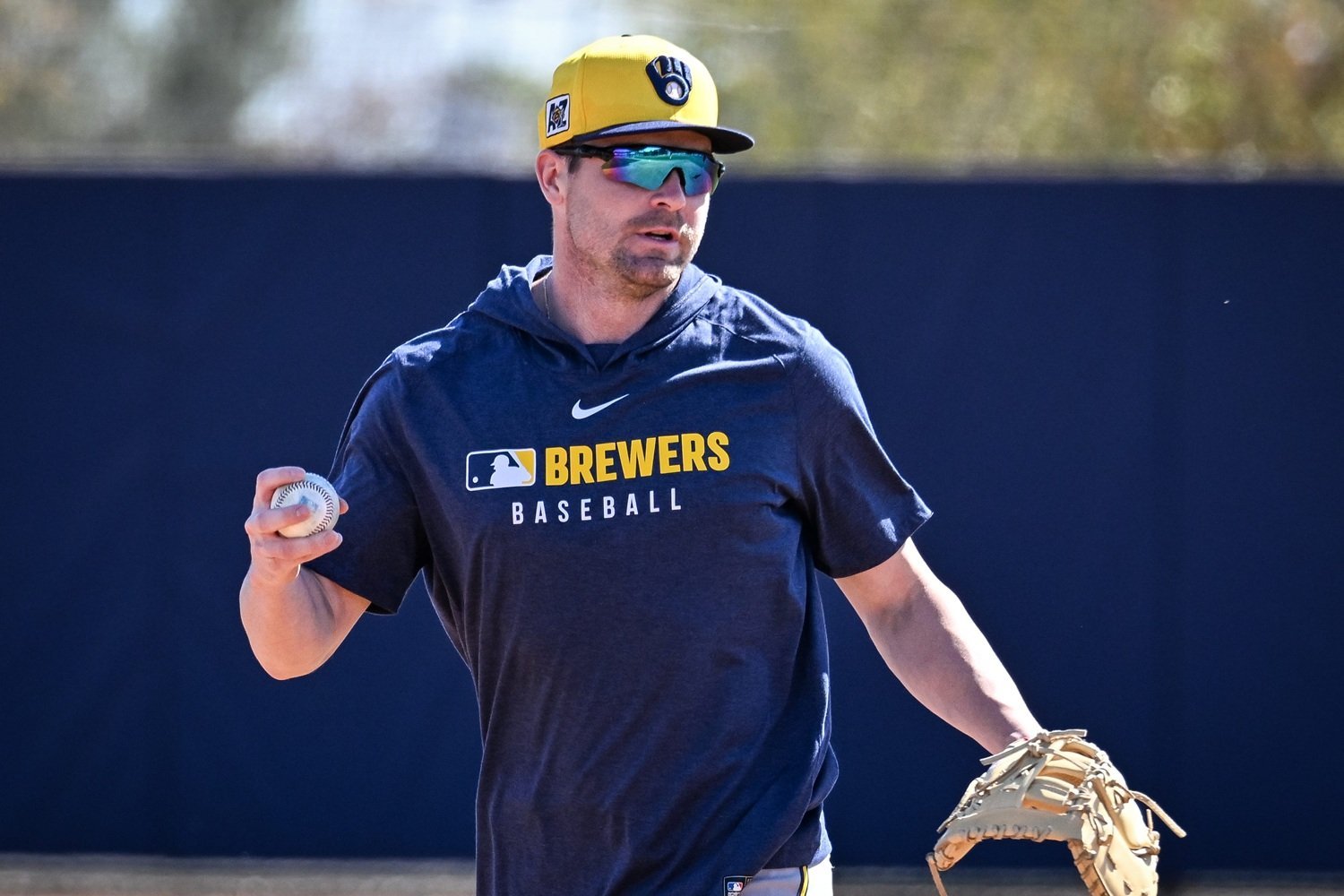 In one sense, it seems absurd that Tyler Black is in a make-or-break situation with the Brewers. He was a top-100 prospect after his breakout 2023 season, but then things went sideways. Two trades in the 2023-2024 offseason put Joey Ortiz and Oliver Dunn ahead of Black at third base—though he, in turn, gave no evidence that he could handle the spot, anyway. Another trade saw Jake Bauers take the role of left-handed complement to Rhys Hoskins in Milwaukee for the 2024 season—though Black didn't hit enough to be a first baseman, either. Black ended up riding the Milwaukee-Nashville shuttle a bit, and never really got the chance to fully adjust to big-league pitching or to settle in at some position and find a defensive home. Even when Christian Yelich was gone for the season, the Brewers kept Black in Nashville, instead of giving him the chance to fill in at DH. Black’s luck got a bit worse in 2025, when he suffered a hamate injury. Again, he spent most of the season at Triple-A Nashville, while also spending time at Maryvale rehabbing with the ACL Brewers. In a brief stint with Milwaukee, with far fewer plate appearances than he had in 2024, he posted a .538 OBP and only struck out once. Black could still be an asset in the Brewers lineup. He's not powerful enough to hit in the middle of the batting order and he lacks defensive value, but he seems likely to sustain an average or better on-base percentage even against the best pitching in the world. The big question, of course, is whether can he break through on a talented Brewers team. Isaac Collins properly won plaudits for his defense in left field, and his approach is somewhat similar to Black’s. He's a switch-hitter, unlike Black, and he's proved that he can be a plus hitter in the majors. Collins's sluggish finish to the season cracks the door for Black, but he's probably the only player on the projected 26-man roster Black has any hope of displacing—and again, that would require the best version of Black to show up this spring, whereas Collins has much less to prove. Could Black also end up at first base? It would require, at the very least, a slump or injury to Bauers, who has the power normally associated with that position. Bauers also plays better defense at the cold corner. Even if Bauers were hurt, Andrew Vaughn might expand his role to take all the playing time at the position; he certainly showed more in 2025 than Black has ever shown. Collins’s defense is similarly better in left field, which has been the sticking point for Black. He’s not found a defensive home. In short, Black needs to get significant at-bats at the major-league level in order to be sure about his remaining upside. If the Brewers can find him some playing time, Black deserves one more chance. If they can’t, he will likely be traded—or worse, designated for assignment and picked up for a song by another team. That could happen before Opening Day, but at the very latest, he'll finish the season as either a late-blooming breakout guy or some other team's problem. Do you think Tyler Black will make it in 2026? Let us know in the comments below! View the full article
 -
Byron Buxton Reportedly Set for Team USA’s Preliminary WBC Roster
DiamondCentric posted an article in Twins Daily
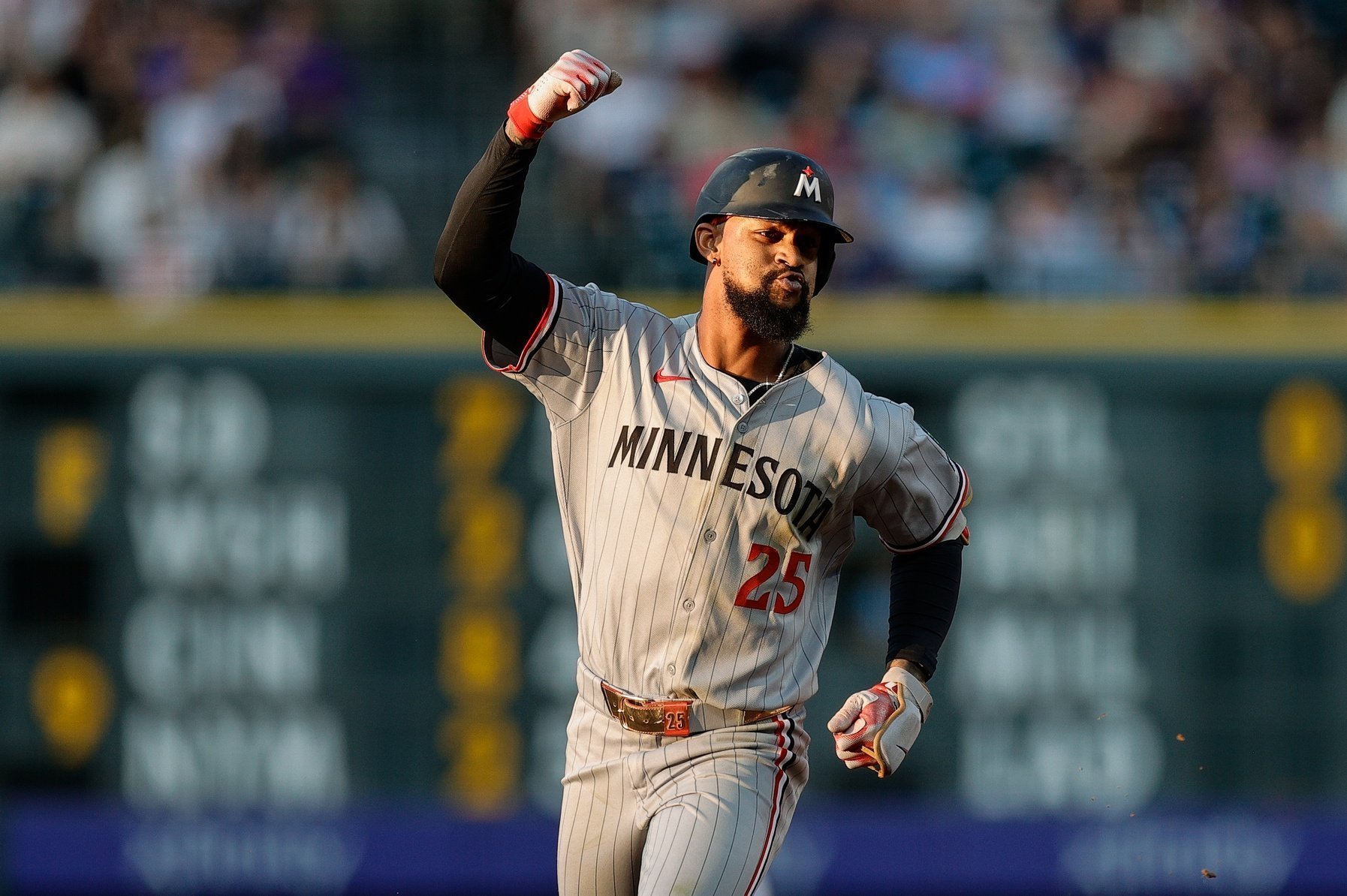 Byron Buxton’s 2025 resurgence continues to pay dividends, and this time, the spotlight is coming from the international stage. According to reporter Francys Romero, Buxton has been included on Team USA’s preliminary roster for the 2026 World Baseball Classic. While preliminary rosters are not final, this early nod signals how dramatically his status has shifted in the eyes of evaluators across baseball. The 2026 World Baseball Classic is scheduled for March 5 through March 17 and will feature 20 teams competing across four host cities. Pool play will take place in Miami, Houston, San Juan, and Tokyo. After that, quarterfinals will be split between Miami and Houston before the tournament returns to Miami for the semifinals and championship round. It will be the sixth edition of the tournament, and Japan will enter as the defending champions after winning the 2023 event. For Buxton and the Twins, the timing of this recognition could not be better. It was not long ago that the idea of Buxton participating in the WBC would have been dismissed immediately. During the previous edition of the tournament the Twins were protective of their star center fielder as he worked to prepare his body for the upcoming season. The focus then was strictly on building the foundation for a healthy year rather than adding competitive innings in March. Everything changed last year. Buxton delivered the most complete season of his career, rewriting personal bests across the board and reminding fans of the superstar talent he brings when healthy. He set career highs in home runs with 35, runs batted in with 83, and runs scored with 97. He also reached new marks in walks, plate appearances, and at bats while surpassing 120 games played for only the second time in his eleven major league seasons. His .264 batting average, .327 on base percentage, and .551 slugging percentage added up to an impressive .878 OPS and a 136 OPS plus. The season culminated with his first career Silver Slugger Award and a renewed belief that he could still elevate his game even further. That level of production combined with his elite athleticism makes Buxton an enticing fit for Team USA’s roster construction. More importantly for Minnesota, his inclusion on the preliminary list suggests that other evaluators share the Twins confidence in his health and long term outlook. Participating in the WBC would give Buxton a chance to showcase his abilities on one of the sport’s biggest stages while entering the regular season with competitive momentum. While the final Team USA roster will not be set for some time, Buxton’s presence on the early list stands as another milestone in his return to form. For the Twins, it is the latest reminder of how valuable a fully operational Buxton can be. View the full article
 -
Twins Ask Wolves for Draft Lottery Advice, Regret It Immediately
DiamondCentric posted an article in Twins Daily
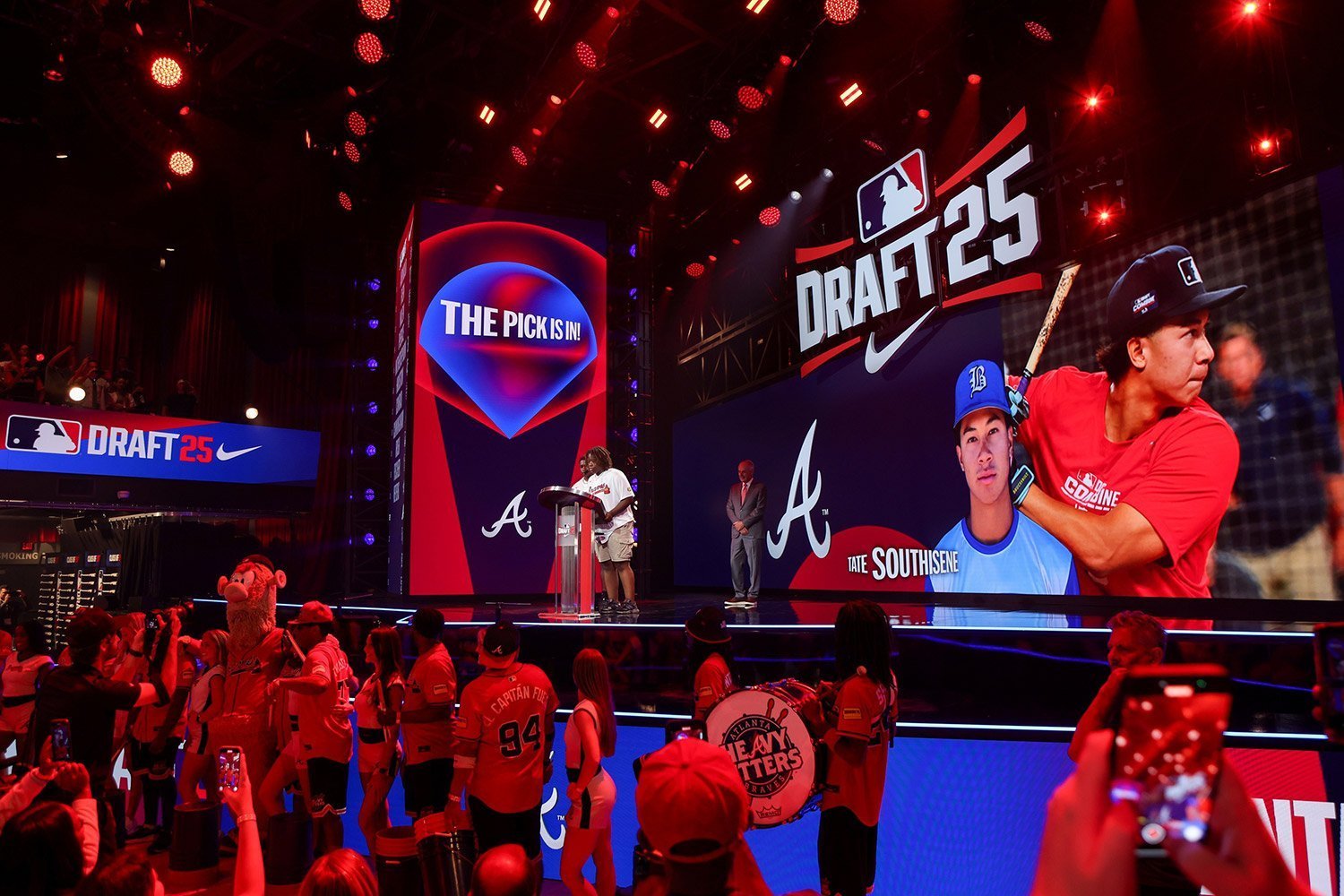 The MLB Draft Lottery arrives on Tuesday at 4:30 PM Central, and the Minnesota Twins enter with the second-best odds to land the first overall selection. It should be a moment of optimism. It should be the kind of scenario where a franchise dreams of future superstars. But this is Minnesota, and hope is more of a seasonal rental than a long-term investment. In a search for any possible edge, the Twins reportedly reached out to the Minnesota Timberwolves to learn how they once navigated NBA Draft Lottery night. The goal was simple. The Twins wanted the MLB version of Anthony Edwards or Karl Anthony Towns. Unfortunately, the Wolves sent advice from a different era—one that Twins leadership quickly realized should have been left in the vault. Derek Falvey admitted the team was simply looking for any insight that might help them avoid the standard Minnesota drop on lottery night. “We thought they would walk us through the Anthony Edwards process,” Falvey said. “Next thing we know, they're showing us grainy footage of the David Kahn years. I called the room to an immediate halt when someone said the phrase 'dual point guard theory'.” Initially, the Twins were hoping to build off their own success, since they vaulted from the projected 13th overall pick to the 5th overall pick in MLB’s inaugural lottery, conducted in 2022 ahead of the 2023 Draft. That jump allowed Minnesota to land Walker Jenkins, who has been the organization’s top prospect ever since. But instead of championing good fortune, the Wolves insisted on teaching the principles of accidental chaos. Tim Connelly was reportedly confused by the request, but still tried to offer what he called “institutional wisdom.” “The old files are what they are. If your scouts believe in the baseball equivalent of Jonny Flynn, you cannot let public pressure stop you," Connelly said. "You have to ignore everything and take the shortstop who won the dunk contest at his high school pep rally.” At one point, a Wolves staffer offered a laminated sheet titled: “Approaches That Definitely Do Not Work Anymore.” The Twins say it included handwritten notes on drafting players who share agents, searching for prospects with the best smile, and selecting multiple identical skill sets because it looks cool on paper. A Twins analytics employee reportedly fainted after reading the final line, which read simply, “Trust your gut, even if the numbers beg you not to.” Falvey tried to remain polite as the meeting spiraled. “We kept waiting for the moment when they explained how they got Edwards,” Falvey said. “Instead, they kept telling us that if two prospects look the same, the correct answer is drafting both. I am not sure that translates to baseball. Also, someone tried to argue that swing decisions are overrated. I am pretty confident that is not true.” The Twins attempted to redirect the meeting by asking how the Wolves avoided lottery heartbreak in recent years. “We traded all our picks for Rudy Gobert," Connelly said. "It really simplifies lottery night.” Falvey reportedly wrote the phrase down and circled it 17 times. Still, the Twins are hoping luck will remain on their side. The organization knows how dramatically fortunes can shift, just as they did the year Minnesota jumped to fifth with no expectations and landed Jenkins. Falvey remained hopeful, despite the questionable guidance. “We still love our odds and our process,” he said. “We are just choosing to forget everything we heard today.” By the end of the consultation, the Twins promised to send the Wolves a fruit basket. The Wolves suggested including two identical baskets because “sometimes you just take both and let the future sort it out.” The Twins left Target Center immediately. Now, Minnesota waits to see if the lottery gods reward their bold curiosity or punish them for taking advice from the one franchise that accidentally taught an entire city what could go wrong on draft night. View the full article
