


DiamondCentric
-
Posts
2,631 -
Joined
-
Last visited
Never
Content Type
Profiles
Forums
Events
News
Tutorials & Help
Major League Baseball Videos
Guides & Resources
Store
Downloads
Gallery
Everything posted by DiamondCentric
-

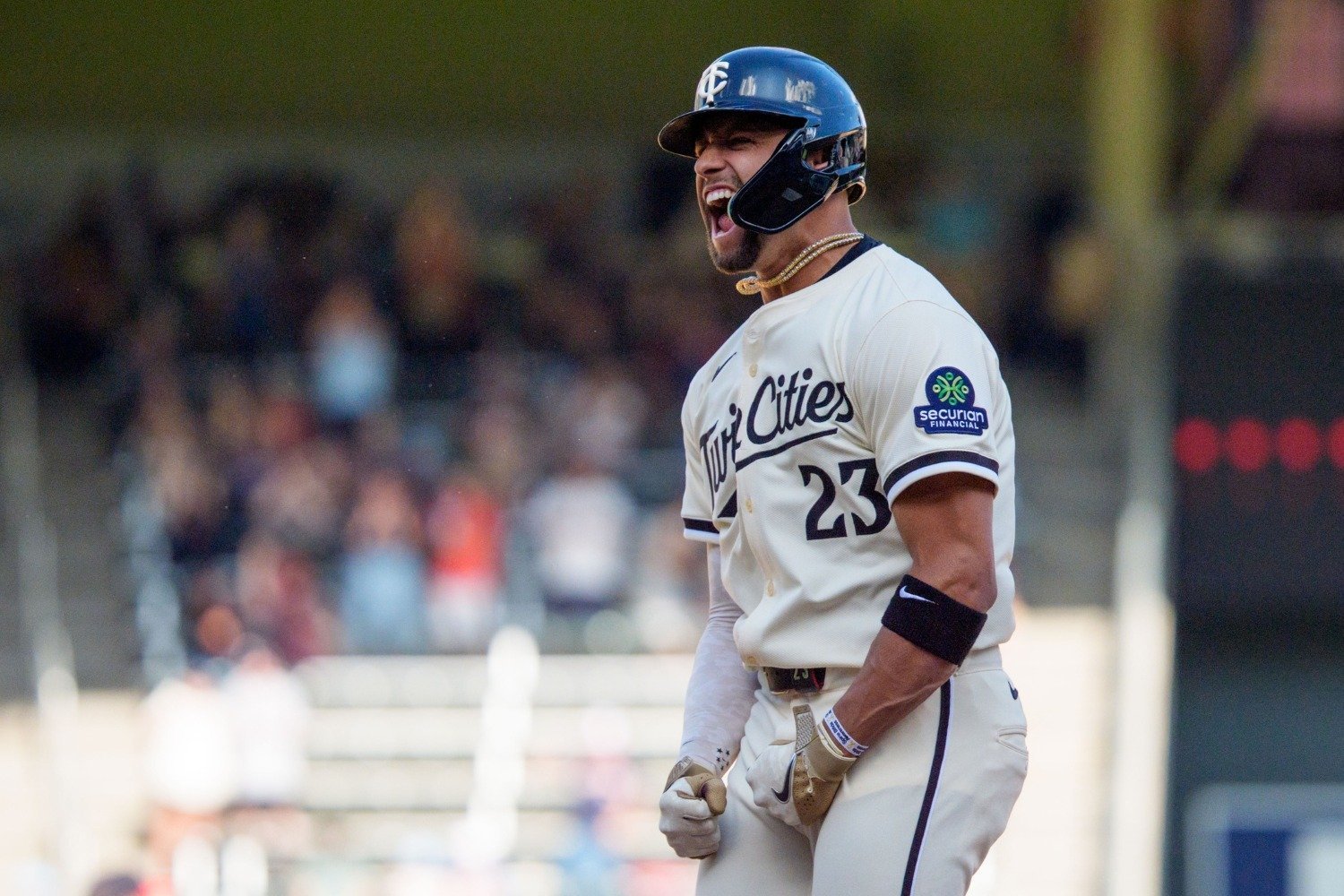 The Minnesota Twins enter Tuesday’s MLB Draft Lottery with the second-best odds at securing the No. 1 overall pick, and they are guaranteed to select in the top 10 for the 2026 MLB Draft. It's a rare opportunity for a club that has spent most of the past decade trying to compete while still building internally. Any time a front office gets access to elite amateur talent, the stakes rise. Minnesota’s recent history with premium picks shows promise in some places, frustration in others, and plenty of room for debate, as the club prepares for what could be a franchise-shaping selection. Here’s a look back at Minnesota’s recent track record with top-10 picks and how those players have developed in the team’s farm system. 2023 MLB Draft: OF Walker Jenkins (5th Overall Pick) Minnesota used the fifth overall pick in the 2023 MLB Draft on outfielder Jenkins, and his rapid rise through the system has earned him national attention. In many other draft classes, he likely would have been the first overall pick. Few prospects reach Triple A as 20-year-olds, and players who do often develop into above-average big-league regulars. Jenkins has shown advanced bat speed and a mature approach, but he is still an unfinished product. Last season, he posted a 135 wRC+ in 84 games. There are no guarantees in prospect development, though, and the Twins will need patience as he adjusts to the highest levels of the minors. His trajectory is encouraging, but stardom is not yet assured. 2022 MLB Draft: SS Brooks Lee (8th Overall Pick) One year before Jenkins, the Twins grabbed college shortstop Lee with the eighth overall pick. His plus hit tool turned him into one of the fastest-moving prospects in baseball, and helped him reach the major leagues ahead of schedule. Minnesota pushed him to Triple-A St. Paul in his first full professional season, and he made his MLB debut in 2024. That intriguingly natural feel for hitting has yet to translate to production in his early MLB returns. Over the last two seasons, Lee has posted a 75 OPS+ in 189 games. He's slated to open next season as Minnesota’s starting shortstop, and that comes with pressure on both sides of the ball. The organization still believes his approach and swing will win out in the long run, but it is fair to say he has been more frustrating than fulfilling so far. His upcoming season may be one of the most critical individual storylines on the roster. 2017 MLB Draft: SS Royce Lewis (1st Overall) Lewis was Derek Falvey’s first premium draft choice as chief of Twins baseball operations, when they selected him first overall in 2017. The Twins took Lewis over a group that included Hunter Greene, Brendan McKay, and MacKenzie Gore, ultimately signing him to an underslot deal to distribute additional money to the rest of the class. For stretches, that decision looked brilliant. Lewis has flashed superstar ability, launching big home runs and showcasing a dynamic skill set that few players can match. The trouble, of course, is that injuries and inconsistent playing time have made it difficult for the Twins to view him as their long-term anchor. Last season, he played in a career-high 106 games but posted an 83 OPS+. Lewis remains a fascinating talent whose next chapter could swing the team’s overall trajectory. Looking Back at the Previous Regime’s Track Record Before the current front office took over, Minnesota went through a stretch of four straight top-10 picks under Terry Ryan. The results were uninspiring, except for one undeniable success story. Tyler Jay, Nick Gordon, and Kohl Stewart were all selected in the top six picks, but none developed into cornerstone players. Gordon provided some big-league value, but not enough to justify his draft spot. Stewart never found traction. Jay moved to the bullpen and battled injuries. Byron Buxton, selected second overall in 2012, became the exception. When healthy, he has played at an MVP level and turned into a franchise icon. Without Buxton’s success, that run of picks would be remembered far more harshly. The MLB Draft remains one of the most unpredictable talent pipelines in sports. Variability in development, wide gaps in competition levels, and the number of professional levels a player must climb after being drafted before getting to the majors all contribute to uncertainty. Still, teams must hit on top-10 picks if they want sustained success—especially teams like Minnesota, who operate with a below-average payroll. Minnesota’s recent record shows both optimism and caution as it prepares for a potentially pivotal selection in 2026. With the lottery approaching and talent evaluations underway, the Twins know this opportunity does not come around often. The true test will be turning a premium pick into a premium player. What stands out about Minnesota’s recent top-10 picks? Leave a comment and start the discussion. View the full article
 -
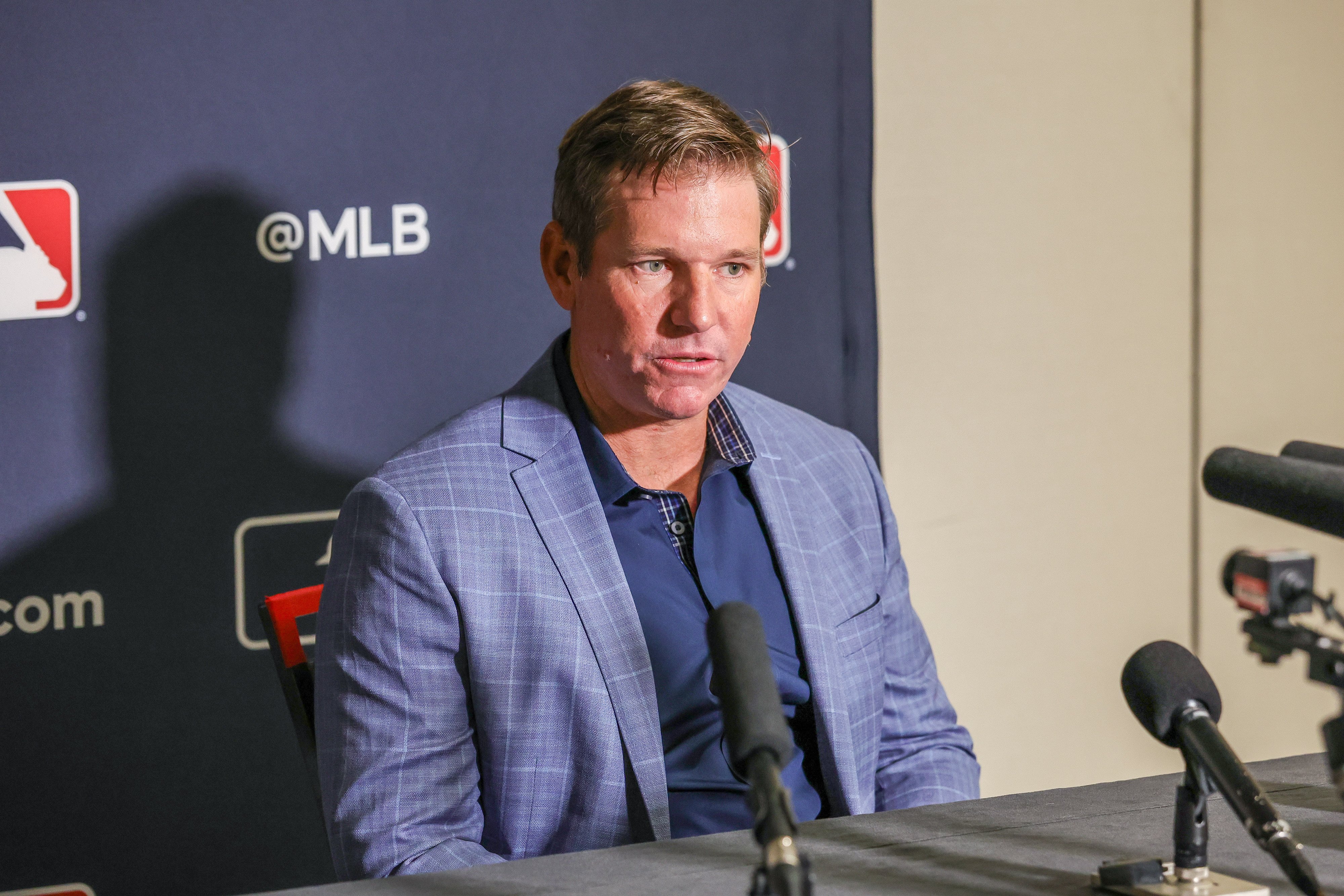 ORLANDO, FL—The Winter Meetings are underway and on day one, president of baseball operations Peter Bendix and manager Clayton McCullough spoke to the local media. After a 17-win improvement, Bendix believes that the 2026 club will be one that can compete for a National League wild-card spot, noting that 79 wins "is not the goal." Bendix also said that there will be additions needed from outside the organization to ensure the goal of another improving year. "We are trying to put a really competitive team together in 2026 and we're trying to build for to be as good as we can for as long as we can," said Bendix on Monday morning. "We're having lots of conversations with free agents and with other teams. It's my job to listen and to understand where the market is and what our opportunities are to ultimately to make the best decisions." When it comes to the current free agent market, a couple big names connected to the Marlins have come off the board. Relievers Devin Williams and Ryan Helsley signed multi-year deals with the Mets and Orioles, respectively. "I think there's parts of the market that are surprising, other parts that are taking a long time," said Bendix. "That's how it is every year. I think it's very easy to craft narratives when you get to the end of the offseason and look back, but in the moment, it's hard to tell." One of the main topics discussed was the potential trades of starters Sandy Alcantara and Edward Cabrera. As Fish On First reported ahead of the winter meetings, Cabrera appears to be the most likely to get traded, with the market looking similar to what it was during the trade deadline. Other reports have surfaced that the team is listening on every starter aside from Eury Pérez. "It is my job to listen," said Bendix. "I would be doing a disservice to our fans, a disservice to Bruce (Sherman), the organization if I didn't listen to what is out there and understand our possibilities. The second thing is that not everything that you read is true." Following an uneven season returning from Tommy John surgery, the Marlins expect Alcantara to be closer to his Cy Young self in 2026. Later in the day, manager Clayton McCullough opened his press conference, noting how year two of this process has been much more slowed down, rather than the craziness of having to fill out a staff and taking in as much information as possible. This also bleeds into spring training, now having more familiarity and a structure that the coaches and players are familiar with. "When you walk on the fields, it's one thing to know someone, their name, we watch them on the other side of the field or know a stat sheet," McCullough told the media. "But to spend a year or spend months with a person, that's when real bonds start to form. We hope that we can just somewhat pick up where we left off last year. The players will come in with an expectation and an understanding of what's important to us, how we are going to run our drills and going to run camp. There's going to be less of those unknowns. We can firmly make the focus on areas of which our team and individuals need to get better for us to accomplish what we'd like to." Although McCullough is retaining the majority of his 2025 staff, assistant pitching coach Alon Leichman is the most recent ex-Marlin to depart for a promotion elsewhere as he will become the Colorado Rockies lead pitching coach. Derek Shomon, Joe Singley and Tyler Smarslok also left for gigs with the Chicago White Sox, Baltimore Orioles and Washington Nationals, respectively. The additions to the staff filling their shoes are assistant hitting coaches Chris Hess and Corbin Day, first base/catching coach Craig Driver, and as Fish On First reported, Blake Butler will become the new infield coach. "As we went through that process, Blake stood out," said McCullough. "Coming over from the Pirates, he managed in their system. He was going to be their infield coordinator. We love his technical acumen. He's also someone who culturally will be a real additive for our group. I feel like Blake will come in and build strong relationships with our guys and team up with Hector Crespo, and those guys will continue to push our infield program forward." Looking at the team in 2026, the expectation is that Agustín Ramírez will catch Sandy Alcantara on Opening Day. The Marlins continue to believe in Ramírez as a catcher and want to see more out of him before pivoting. Driver and McCullough both spent time with the 24-year-old in the Dominican Republic. "I think Gus had a chance to self-reflect some on the year, take a breath," said McCullough. "One thing that he mentioned: physically he felt okay, but mentally, it's quite the grind. I asked him to hit in the top of the lineup almost every day and having to go back there and catch, probably played more than he ever has. Gus was saying all the right things. He was embracing and taking on this offseason different than he did the last season, which is fair. He has a different perspective on what's ahead and what's expected." Aside from the two media availabilities, it was a slow first day at the Waldorf Astoria in Orlando. Day two will feature the MLB Draft Lottery, where the Marlins have a 1.85% chance to earn the number one overall pick in the 2026 draft. A new episode of Fish On First LIVE begins at 6:00 p.m. ET to react to the lottery results. Elsewhere around the league, Michael Soroka signed a one-year deal with the Arizona Diamondbacks and Steven Matz signed a two-year deal with the Tampa Bay Rays. View the full article
 -
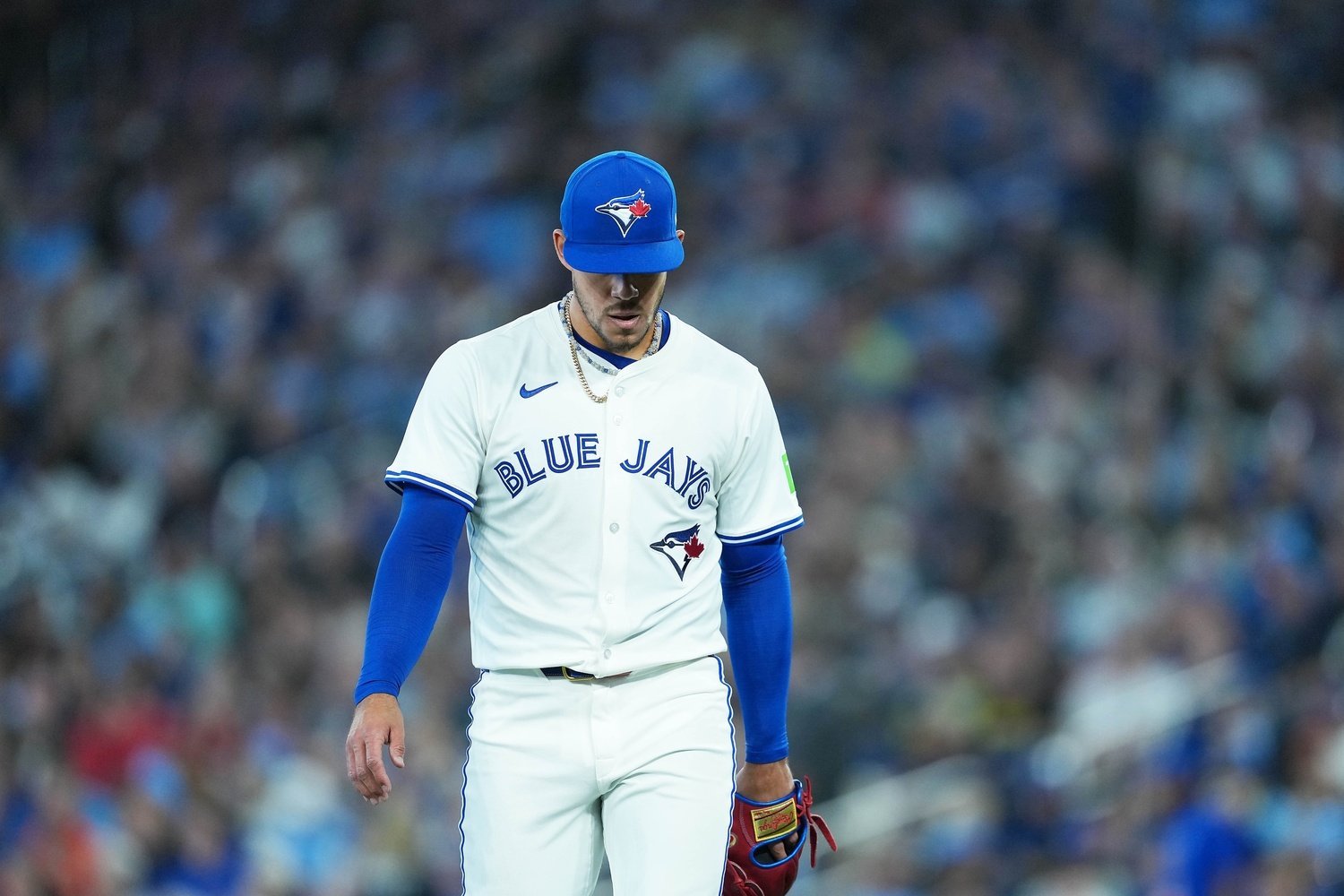 When the Blue Jays made the first big splash of the offseason by signing Dylan Cease, it was understandably the talk of the town. One curious thing I noted in the early discussions was the framing of the potential Toronto rotation. The most egregious (in my opinion) came from a TSN Instagram post. The post, straightforwardly titled “Potential Blue Jays Rotation in 2026,” showed Cease, centred in the foreground, flanked by Kevin Gausman and Trey Yesavage. Behind them, representing the potential fourth and fifth starters were Shane Bieber and… Eric Lauer? No disrespect to Lauer, who was one of the (relatively) unsung heroes of the 2025 team and arguably, at times, the most important member of the rotation, but that’s Berríos’ spot. We were all caught a little off guard by the Cease signing, so I don’t want to put *too much* weight on a social media post from the network that doesn’t have the rights to the Jays — but it was something I noticed. Then it was Cody Ponce coming to Toronto on a three-year deal. Owen Hill laid out some of the possible ramifications for Berríos, and it comes down to how Toronto intends to use Ponce. Is he the fifth starter, or does he slide into a Lauer-type role? Those are questions you could fairly ask about Berríos, too, Then it was a Mitch Bannon report that the Jays “will listen to trade offers” for Berríos. Let’s not forget, Berríos wasn’t just one of the 38 different players to throw a pitch for Toronto last season. He’s been the Opening Day starter in three of the four seasons he’s been here since the Jays acquired him from Minnesota in 2021. Given the time of year, I’ve been watching a lot of holiday-themed programming. I was all prepared to use the Island of Misfit Toys as a comparable – “What good is a Machine that’s lost its calibration?” – but I’m not sure that Berríos is as broken as that premise would lead us to. Let’s get the obvious out of the way first. Berríos wasn’t great last season. His ERA (4.17) was the worst it’s been in three seasons, he threw his fewest innings (pandemic-shortened season aside) since 2017, and despite the drop in innings, he still walked more batters (56) than in any season since 2018. A quick look at his peripheral stats isn’t much better. His Statcast percentile ranks graphic is bluer than an Elvis Presley Christmas (there’s the seasonal analogy I needed!). His average fastball velocity was the lowest it’s been since he came to Toronto, while his average exit velocity and barrel rate were both at their highest. So where is the bright side? Berríos’ season ended with a career-first appearance out of the bullpen, followed by another career-first: a trip to the injured list. Here’s where I’m going to throw in some speculation. I think he was pitching hurt most of the second half of last season and potentially longer. He was a little shaky out of the gates to start last season, but in May, he showed serious improvement, and in June, he was the best pitcher in the rotation. We recognized it at the time, and he was Jays Centre’s Pitcher of the Month in June and a runner-up in May. Looking at his splits, the numbers really spiked in July/August/September, culminating in that IL stint and a full absence through the playoffs. His arm angle was lower than in the previous two seasons, which could point to a player who was just gritting his way through the season, trying to maintain the IL–free streak he had through his career to that point. If that were the case, he certainly wouldn’t be the first player to ever try to mask an injury and ‘play through it.’ We’ll shelve the discussion of whether that’s heroic or stupid for another day. Considering that he had over 1,500 career innings pitched without ever hitting the IL, maybe pitching through pain has gotten him through previous seasons. Ross Atkins told reporters that Berríos should “have a completely normal offseason and be ready for spring training.” I don’t want to completely hand-wave away his 2025 season, but if the results were influenced by injury and he’s healthy for next season, isn’t he a lock for at least the last rotation spot? John Schneider has shown himself to be loyal to “his guys,” and Berríos has a track record of durability if nothing else. When the announcement was first made of his move to the ‘pen in September, Berríos said a lot of the right things about wanting to help the team and doing whatever it took to win – but he was less convincing than some of his teammates when similar moves occurred. He is undoubtedly a guy who wants to start. He’s also a guy with three years remaining on his contract. Now, if the trade rumours are anything more than ‘of course we’ll listen to a trade offer for a player, we’ll listen to an offer for anyone on the roster, that’s literally our job’ then would Toronto be selling low just to clear salary? I think the most likely outcome is that Berríos goes into spring training as a Blue Jay and starts the season as the fifth man in the rotation. His days as the Opening Day starter are likely behind him now, but there’s nothing to definitively suggest that he can’t put up close to 200 innings with an ERA around 4.00, and if that’s your fifth guy, that’s not bad. Toronto was also more aggressive with its management of pitchers last year than in previous years, and if Berríos breaks camp in his expected spot, it might be with the shortest leash of his career. View the full article
 -
Jake Meyers Rumored to Be Royals Target at Winter Meetings
DiamondCentric posted an article in Royals Keep
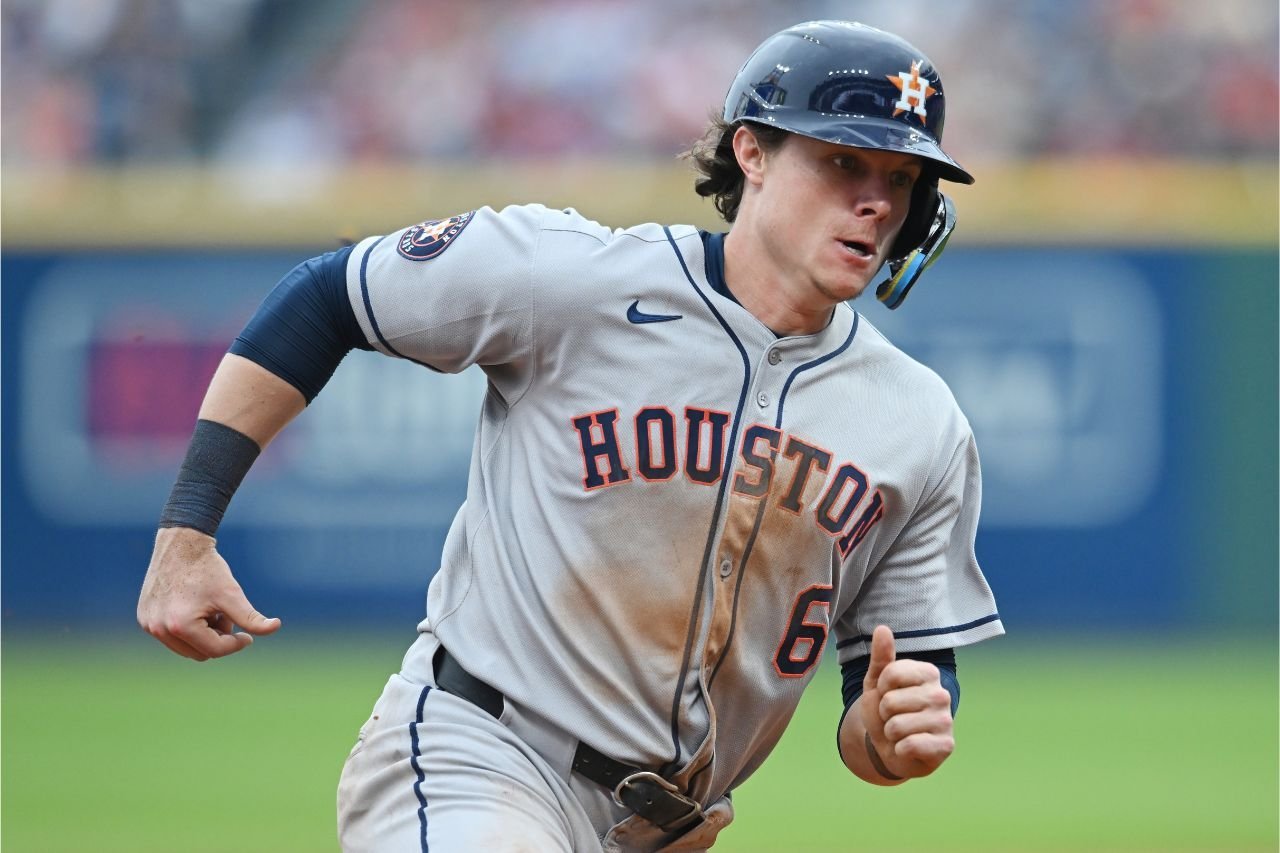 On Monday evening, Brian McTaggart, a Houston Astros beat writer for MLB.com, wrote that the Kansas City Royals and Cincinnati Reds are two teams that have been talking with the Astros during the Winter Meetings about acquiring outfielder Jake Meyers. Meyers is coming off one of the best seasons of his career in 2025, making him a candidate for a more extended role with another team next season. In 104 games and 381 plate appearances, the University of Nebraska product hit .292 with a 107 wRC+. He also hit three home runs, stole 16 bases, and accumulated a fWAR of 2.3, a career-high. Meyers doesn't offer a whole lot of power, and his batted-ball metrics are a bit questionable. However, he shows strong plate discipline (0.46 BB/K ratio) and strong contact ability, as seen below in his TJ Stats summary from last season. Though he hits right-handed, Meyers actually had reverse splits last season. Against lefties, he posted a 0.27 BB/K ratio and 93 wRC+ in 71 plate appearances. Against righties, he posted a 0.50 BB/K ratio and 111 wRC+. Over his career, however, he has a 110 wRC+ against lefties and an 85 wRC+ against righties, so 2025 may have been an aberration. If acquired, the 29-year-old outfielder would likely split time in centerfield with Kyle Isbel, who has a career 64 wRC+ against left-handed pitchers. However, Isbel has cemented his place as the Royals' primary center fielder over the past three seasons due to his excellent defense. He posted a +12 OAA and +10 FRV last season, which earned him a nod as a Gold Glove finalist. Meyers offers the same defensive upside. Last year, he posted a +9 OAA and +8 FRV. He also posted OAA and FRV of +13 and +11, respectively, in 2024. Thus, the defense in centerfield wouldn't miss a beat with Meyers. McTaggart mentioned that the Astros are looking to acquire young starting pitching this offseason. Kris Bubic appears to be an early target for Houston, and could be part of a deal involving Meyers. While Bubic is coming off an injury and is a free agent after 2026, the Astros may need to throw something else in a trade package with Meyers to solidify a deal with Kansas City. Bubic made his first All-Star team last year and posted a 2.55 ERA, 2.89 FIP, and 3.3 fWAR in 116.1 IP before his season ended due to a shoulder injury. A straight-up trade of Meyers for Bubic may be light on the Royals' end, so it will be interesting to see what talks develop between Houston and Kansas City over the coming days in Orlando. Photo Credit: © Ken Blaze-Imagn Images View the full article
 -
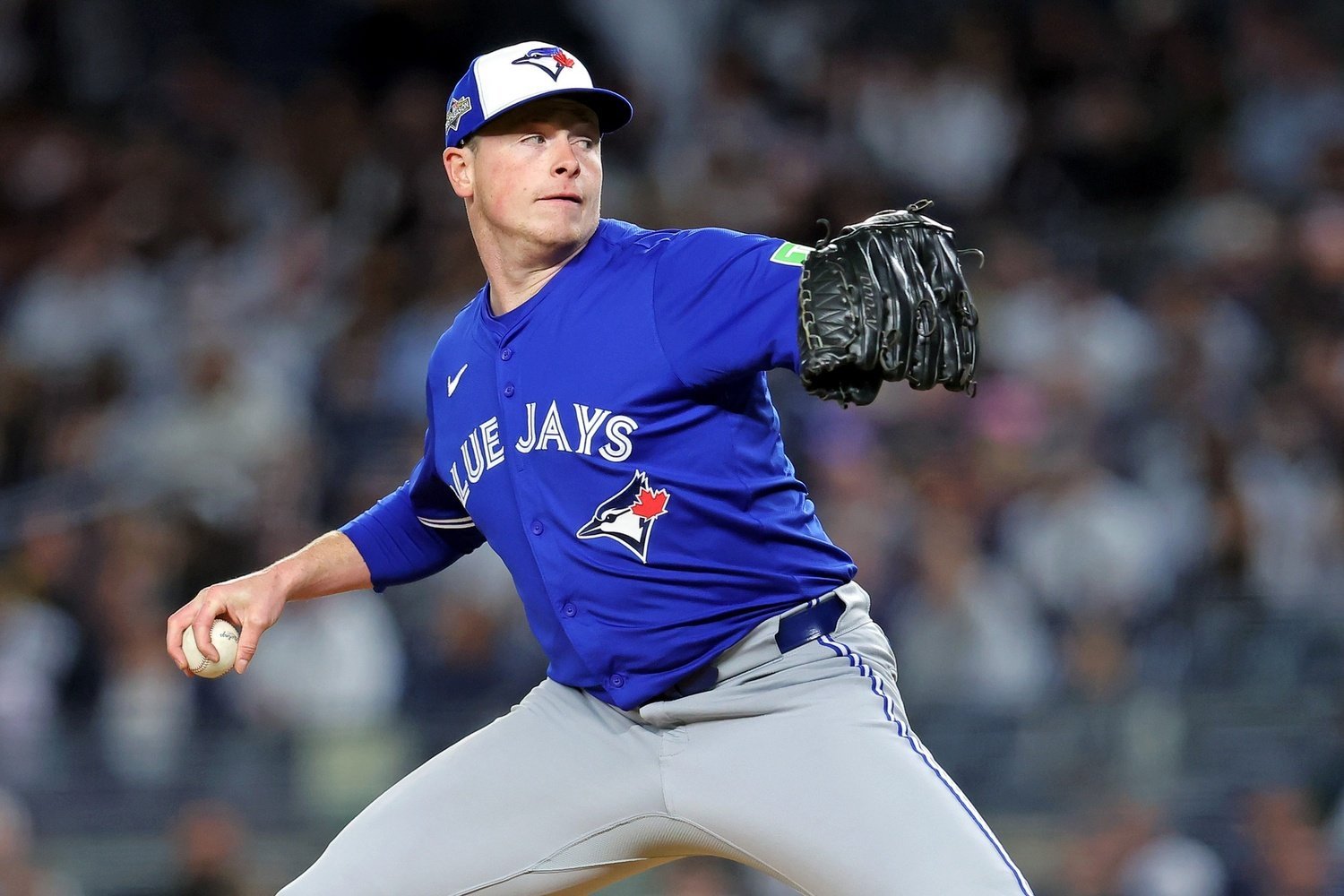 One of the smaller questions surrounding the Blue Jays has been answered this week. On Tuesday, Ross Atkins addressed the media at the Winter Meetings, and among the many topics he covered was the future role of right-hander Louis Varland. He will remain in the bullpen and will not be stretched out as a starter in 2026 (per Sportsnet). Varland was acquired at the trade deadline and appeared in 23 regular season games with the Blue Jays, posting a 4.94 ERA with 28 strikeouts. He followed that with an MLB-record 15 postseason appearances, delivering a 3.94 ERA and 17 strikeouts. There had been some early offseason chatter that Varland may be stretched out as a starter, as he made 23 starts over four seasons in Minnesota, but after the Blue Jays signed Dylan Cease and Cody Ponce earlier this offseason, they are opting to keep Varland in a relief role. The Blue Jays' bullpen remains in flux; Nick Sandlin and Yariel Rodríguez have already been removed from the roster, and more moves are expected. For now, it's a safe bet to pencil Varland into one of the club's eight bullpen spots for 2026. Featured image courtesy of Brad Penner, Imagn Images. View the full article
 -
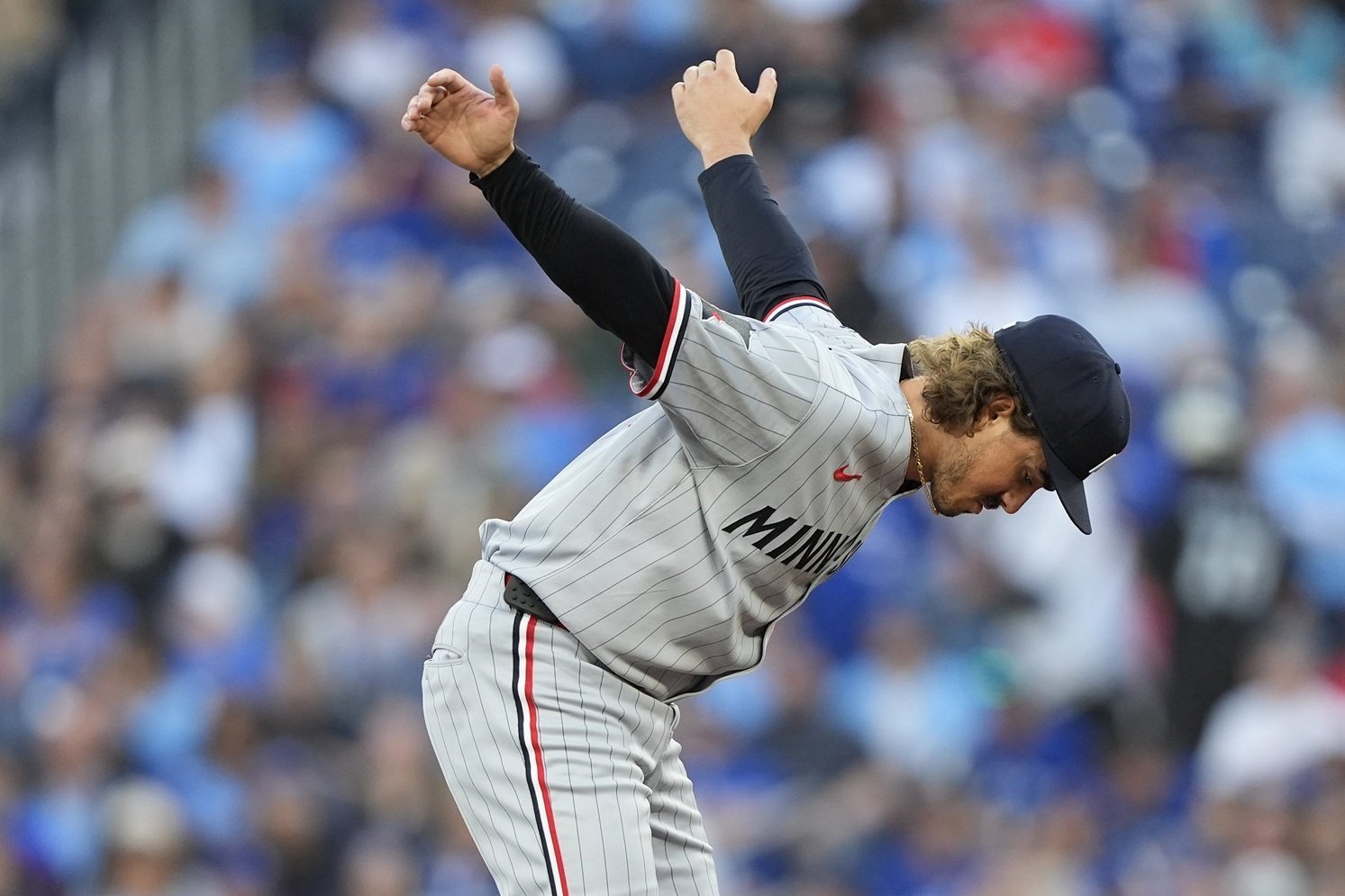 The Boston Red Sox have hovered around Joe Ryan trade rumors for more than a year, but the conversation appears to be cooling. At last season’s trade deadline, Boston was one of several clubs connected to Minnesota’s All Star right hander as the Twins shipped out 10 players, including multiple relievers with years of team control. The speculation even reached the point where a false social media report briefly had Ryan headed to Fenway Park. This winter brought more of the same chatter, though Derek Falvey has repeatedly emphasized that Minnesota intends to build around a core of Ryan, Byron Buxton and Pablo Lopez. Any trade discussion involving those players was always going to require an overwhelming offer, and it seems the Red Sox have decided not to press forward. Rob Bradford of WEEI is reporting that the Red Sox have “drawn back on their pursuit of Joe Ryan.” He also notes, “Connelly Early was never introduced by the Red Sox as part of the trade deadline talks last season." Bradford added a follow up that said that this could still change. Early would have been a huge pick up for the Twins if he was the trade centerpiece. He is ranked as Boston’s number four prospect by MLB Pipeline after posting a 2.60 ERA with a 31.9 K% and a 9.7 BB% across 100 minor league innings last season. He also made his major league debut and performed well in a small sample size (four starts), raising his value even further. While Boston is not the only club with interest in Ryan, their strong farm system made them a logical suitor capable of offering multiple top 100 prospects. For now, though, it appears the Red Sox are stepping aside as the Twins remain committed to keeping their rotation anchored by one of their most dependable arms. View the full article
 -
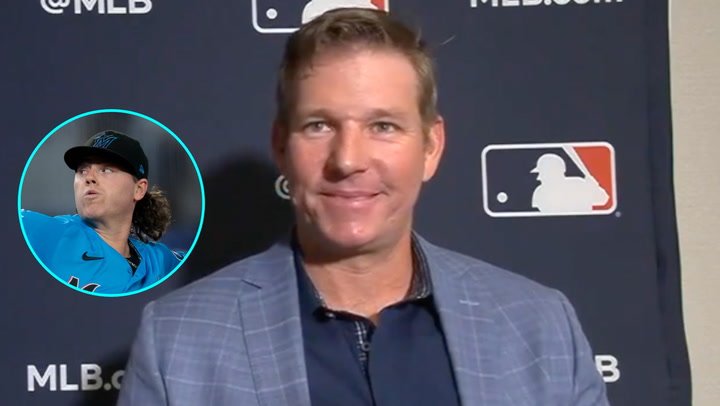 During his Winter Meetings media availability, Marlins manager Clayton McCullough discusses his optimism for Ryan Weathers, Otto Lopez, Sandy Alcantara and Connor Norby in 2026.View the full article
 -
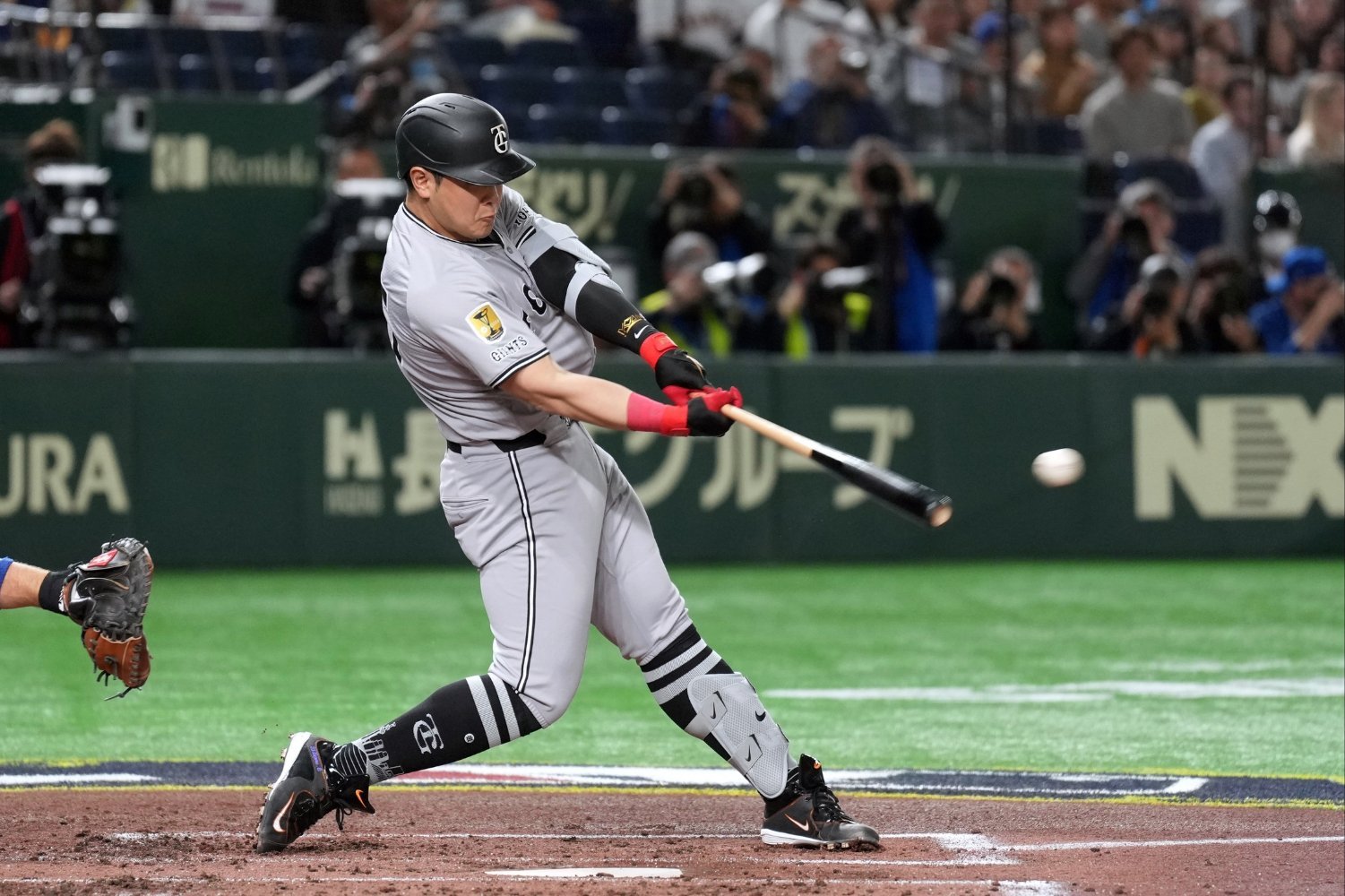 Ever since the 2023 World Baseball Classic, Munetaka Murakami has been the Japanese player MLB teams have been waiting for. Sure, Yoshinobu Yamamoto arrived to the states 2024 with the largest-ever contract for a pitcher in hand and Roki Sasaki followed suit by choosing the Los Angeles Dodgers last winter, but Murakami was the one with 56-homer power. At just 25 years old, the "Babe Ruth of Higo" is finally a free agent; DiamondCentric projects him to earn $92 million over four years, or $23 million per season before accounting for his posting fee. Most other prognosticators figure him a lock for a nine-figure deal. The issue with Murakami isn't that his upside is limited. On the contrary, he may be one of the most prolifically-talented baseball in the world. The problem is that, for as towering as his ceiling is, his floor may stoop even lower. That 2022 season was truly legendary, as he won the Central League Triple Crown while hitting .318 with 134 RBIs. He's hit 246 home runs in 892 career games in NPB, good for a 162-game pace of 44.67. There's no denying those numbers, nor the potential they invite. But there's also no denying that Murakami has struck out nearly 29% of the time over the last three seasons combined, nor can one hide the fact that he simply cannot hit high-velocity fastballs. As you may know, MLB pitchers tend to throw harder than their counterparts in the NPB; Murakami's swing-and-miss issues are more likely to be exacerbated, not fixed, upon his arrival to the states. Contrast that with Kazuma Okamoto, who possesses similar power (he averaged 33.1 home runs per year from 2018-24) but far fewer projectability concerns (he ran equal 11.3% walk and strikeout rates in 2025). Yes, Okamoto is four years older than Murakami, and like his compatriot, is unlikely to have the defensive skills to stick at third base over the long term. Luckily, the Red Sox have an opening at first base as well, where the 29-year-old NPB star should thrive. Okamoto's contact skills have only improved with age, and he topped out at an 80.4% contact rate (total percentage of contact made when swinging at all pitches) in 2025. Though an elbow injury limited to just 69 games, he still hit .327/.416/.598 with 15 home runs and a 210 wRC+. He's simply a safer bet than his fellow Japanese slugger, especially when you consider he actually thrives against velocity. The Red Sox, along with the Blue Jays and... Pirates(?) have been named as some of the most aggressive suitors in the Okamoto sweepstakes. His right-handed power would fit nicely into Alex Bregman's vacated spot in the middle of the lineup, particularly if Boston wants to run a L-R-L-R-L gauntlet at the top of the order with Roman Anthony, Trevor Story, Jarren Duran, Okamoto, and Wilyer Abreu. The Winter Meetings should reveal a lot more into both stars' markets (as well as Tatsuya Imai's free agency venture), given that their posting deadlines expire on Dec. 22 (Murakami) and Jan. 4 (Okamoto), respectively. Expect the Red Sox to be in on both players, but when push comes to shove, it should surprise no one when they chose the elder slugger over his revered counterpart. View the full article
 -
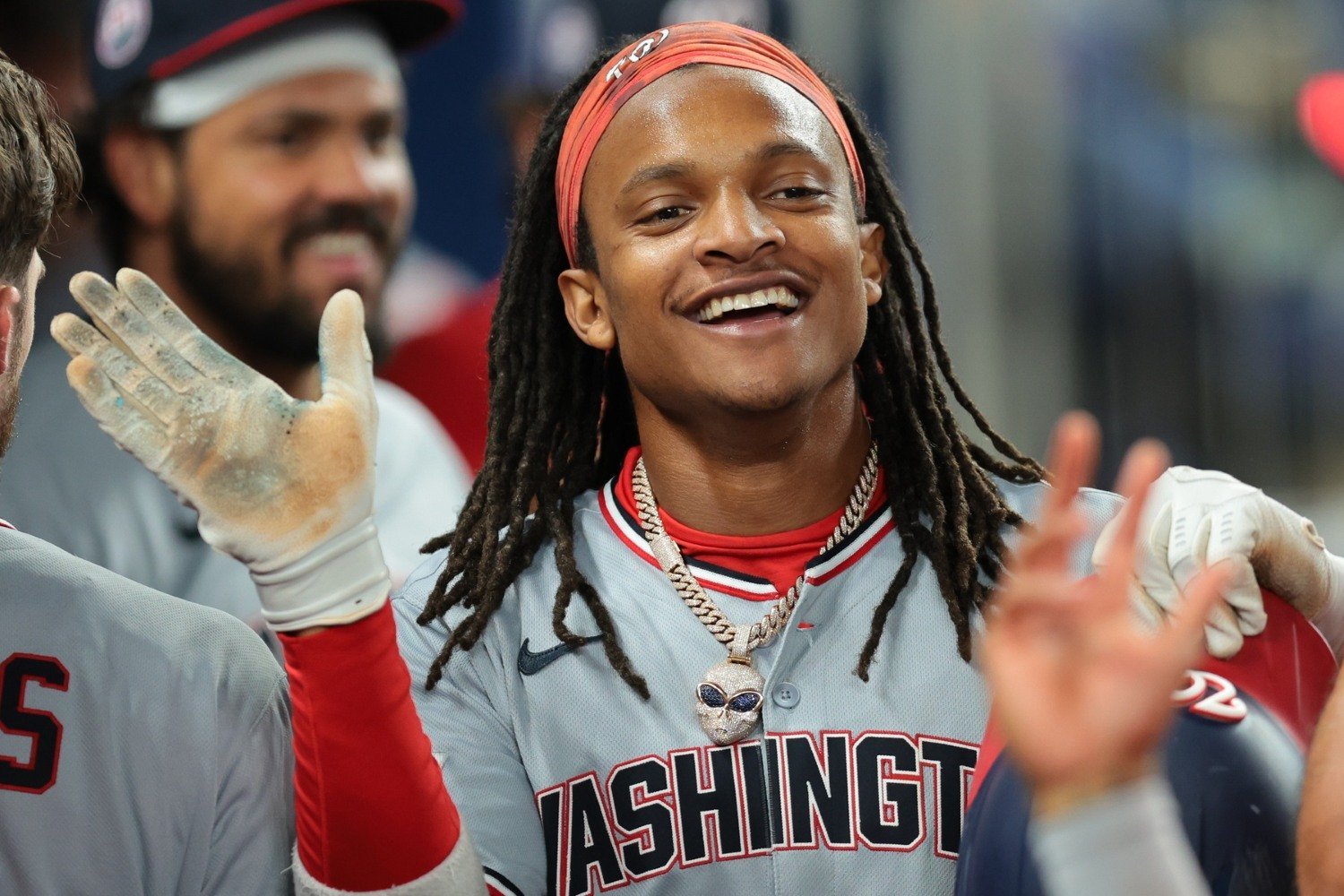 For a year or so, there have been rumors about the Washington Nationals trading left-handed starter MacKenzie Gore, one of the centerpieces of the trade that sent Juan Soto to the Padres three and a half years ago. Gore, who will turn 27 in February, has two years of team control remaining, and the quality of his stuff and sequencing suggest he's worth over 25 runs per year, relative to an average starting pitcher. He's a hot commodity, and naturally, the Cubs will be involved if he's available. They had interest in him at the trade deadline in July. However, the other key player from the Soto deal appears to be on the block, too. CJ Abrams, 25, was an All-Star in 2024, and he's coming off two straight seasons as an above-average, left-handed batter with a blend of power and speed. He has three years of team control remaining, and although his most famous connection to the Cubs is the unhappy incident in which he was demoted to the minors after the team discovered that he had gambled all night at a Chicago casino before a day game at Wrigley Field, he might be as good a fit for Chicago as Gore is. There's a lot to like about Abrams. The one thing not to like is his defense at shortstop, because he's not good at that position. His arm doesn't hold up on throws from deep in the hole, and despite his plus speed and good overall athleticism, he struggles to maximize his range. As a third baseman, though, he would be terrific. He's lanky enough to cover the position well, and has quick feet for the hot corner. Most of his throws would come on the move toward his target, if he slid to third. He'd go from a defensive liability to an asset with a switch to the hot corner, and his bat plays at that spot, too. There's plenty to clean up with Abrams, in terms of approach. However, he has good feel for contact and slightly above-average bat speed. He's young enough to make any of several more adjustments, but as a flat-swing lefty who hits line drives and can use his speed to generate extra bases, he's a better fit for Wrigley Field than a more lofted-swing, power-dependent left-handed batter would be. Abrams would infuse the Cubs lineup with dynamism and upside, on medium-term team control. He could fit as a complement to Matt Shaw, rather than a replacement, making him more similar as a target to Munetaka Murakami and Sung Mun Song than to Kazuma Okamoto, Eugenio Suárez or Alex Bregman. He's younger, though, than any of those players—even Murakami. The Cubs would have to trade significant prospect capital to acquire him, but as a first-year arbitration-eligible player moving down the defensive spectrum, he'd be relatively cheap in a financial sense, for 2026 and beyond. He would provide the team with insurance against the departure of Nico Hoerner via free agency, and maybe even the opportunity to trade Hoerner if the right offer comes to them. The real question, then, is what Abrams would cost. The Nationals would begin by demanding Shaw as the headliner of a deal for Abrams, and that shouldn't be a dealbreaker from Chicago's side. Though much cheaper and further from free agency, Shaw is only one year younger than Abrams. He doesn't have Abrams's tools or track record. For the moment, however, let's consider what a deal without Shaw as the anchor might look like. The Cubs' top four prospects are catcher (or, perhaps designated hitter) Moisés Ballesteros, outfielder Owen Caissie, right-handed pitcher Jaxon Wiggins and shortstop Jefferson Rojas. The order of that quartet might depend on preference, but it's hard to push any of the players in the tier below them (most notably, Kevin Alcántara and 2025 first-round pick Ethan Conrad) into the mix with those four. Washington is unlikely to accept any of the big four straight-up for Abrams, and after they traded reliever Jose A. Ferrer to the Mariners for catching prospect Harry Ford, perhaps they're also a poor fit for Ballesteros. Caissie, Wiggins and Rojas would all appeal to Washington, though. Pairing either of the first two with Rojas would make an interesting package. Rojas, first baseman Jonathon Long and either Ben Brown or Javier Assad would form an interesting one, too. Abrams is so young and so talented that, despite occasional (overblown, according to two league sources) questions about his makeup, he's a huge upside play for any team who can pry him loose from the developmentally deficient Nationals. With three years of team control left and the chance to buy in before his production catches up to his tools, he presents a tantalizing opportunity to catalyze a lineup that already features a great blend of speed, power, and discipline. While the Cubs' interest in Gore remains real and is growing increasingly urgent, they might do better to turn their attention to Abrams—and let the money they save by bolstering their lineup that way land with one of the top arms in free agency, instead. View the full article
 -
Why Chicago Cubs Should Not Sign Eugenio Suárez
DiamondCentric posted an article in North Side Baseball
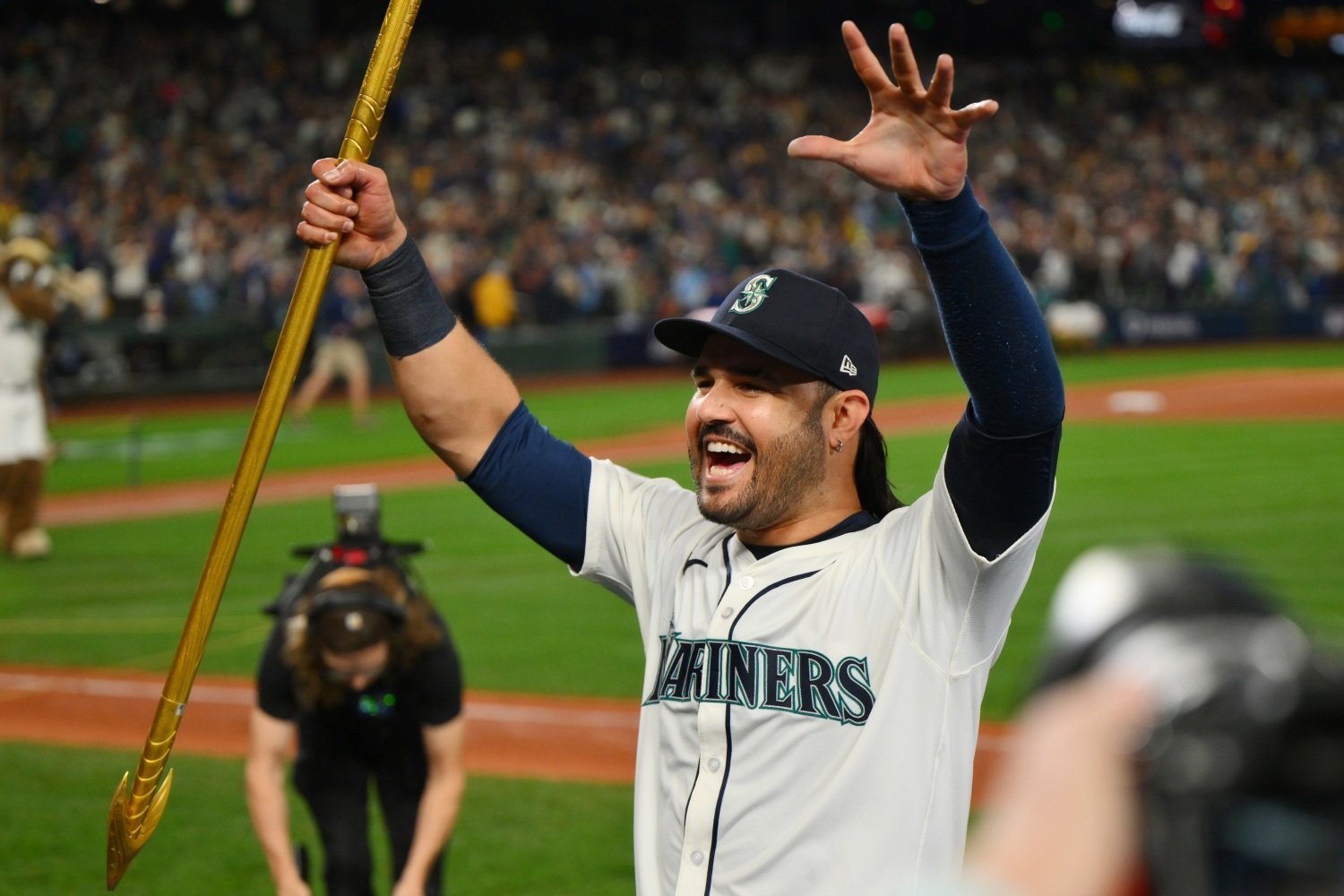 Rumors are swirling at the Winter Meetings, regarding possible Cubs interest in Eugenio Suárez. The powerful infielder, who is projected to receive a 3-year, $55-million contract by DiamondCentric, would add pop to the Cubs lineup. However, the team should refrain from allocating precious dollars from their budget to this player. If the Cubs’ budget were higher, of course they should sign Suárez. He would make the team better. However, given the reality of the team's payroll—namely, that they're probably capped somewhere south of $250 million and that Suárez would account for perhaps 30% of the money they'll be authorized to spend this offseason—they should choose a different course. FLAWS IN THE PROFILE Suárez is 34 years old, so a three-year deal would employ his services for his age-34, age-35, and age-36 seasons. We should not expect him to improve or, in Jed parlance, exceed projections, based on his age. STEAMER projects Suárez to post a 108 wRC+ next season, according to FanGraphs. Nearly all his offensive value comes from hitting home runs. Statcast data reflected a .212 expected batting average for him in 2025, and he had merely average bat speed (72.1 mph). He's one of the most strikeout-prone hitters in the league, and it's not because he works such deep counts. Another age-related factor is defense. Suárez has sometimes rated well at the hot corner, but in 2025, Statcast's Outs Above Average put him at -3, which is discouraging. When you also see his negative baserunning value, a picture is painted. Suárez is a one-trick pony. It’s a great trick—hitting home runs—but the Cubs need all-around contributors for the money they would be spending on him. Even if he spent some of his time at DH, rather than third, he'd be a bit too low in OBP to rank among the best in the game at that position. THE STREAKINESS As a team, the Cubs have had long stretches of below-average offense in each of their last three seasons, even while ranking well in overall seasonal production. Suárez does not help with that. In fact, his profile shows extreme valleys. While acknowledging that his peaks are quite high, the Cubs need to factor this into their equation. Last season (albeit after being traded to the worst park for hitters in baseball, in Seattle), Suárez could only tally a .189/.255/.428 line after the trade deadline. The ability to get that cold is a problem, especially for a team that already lacks consistency in their offensive core. This was just one season, and as previously mentioned, he was dealt to a team that plays its home games at T-Mobile Park. But in 2024, the streakiness was also a huge part of Suárez's narrative. His first half in that season was weak, with a mere .216/.302/.366 slash line and 10 home runs. The second half was better, but not as thrilling as the heater he had in the first half of 2025. WHO INSTEAD, THEN? That's simple. Keep Matt Shaw at third base. In his rookie season, Shaw posted an .839 OPS in the second half. This included a .522 slugging percentage. If he can get more consistent in his own right (a fairer expectation from a guy just entering his mid-20s), he could provide power himself. Any improvement from his 107 wRC+ projection from Steamer ("outperform projections," anyone?) would firmly place him in the top 10 third basemen in the league. Suárez wouldn't be a full-time third baseman for Chicago. He would likely fill time at first base and DH, as well. Moisés Ballesteros projects for a 108 wRC+, just as Suárez does. Chicago's internal options don't look much worse than the expensive outside hire that is Suárez. COUNTERPOINT: To be fair, hitting 49 home runs last year is an impressive feat. Suárez's last five homer totals go 31-31-22-30-49. In his stint in Arizona, he slugged an incredible .576. It's possible that he's found his true ceiling. He's known to be a solid locker room influence, as well. It's also a safer option than counting on youngsters like Shaw and Ballesteros. With the Cubs coming off a 92-win season, safety in projections would be a solid idea. Suárez's floor is certainly higher than the youngsters’. Suárez would be a flashy addition, but out of character for how the Cubs have operated under Jed Hoyer. It would be surprising for the Cubs to sign him, and ultimately, it would be detrimental to the roster as a whole. Let someone else pay a premium for the decline years. View the full article
 -
Promotions Within and Expansion of Brewers Scouting Staff
DiamondCentric posted an article in Brewer Fanatic
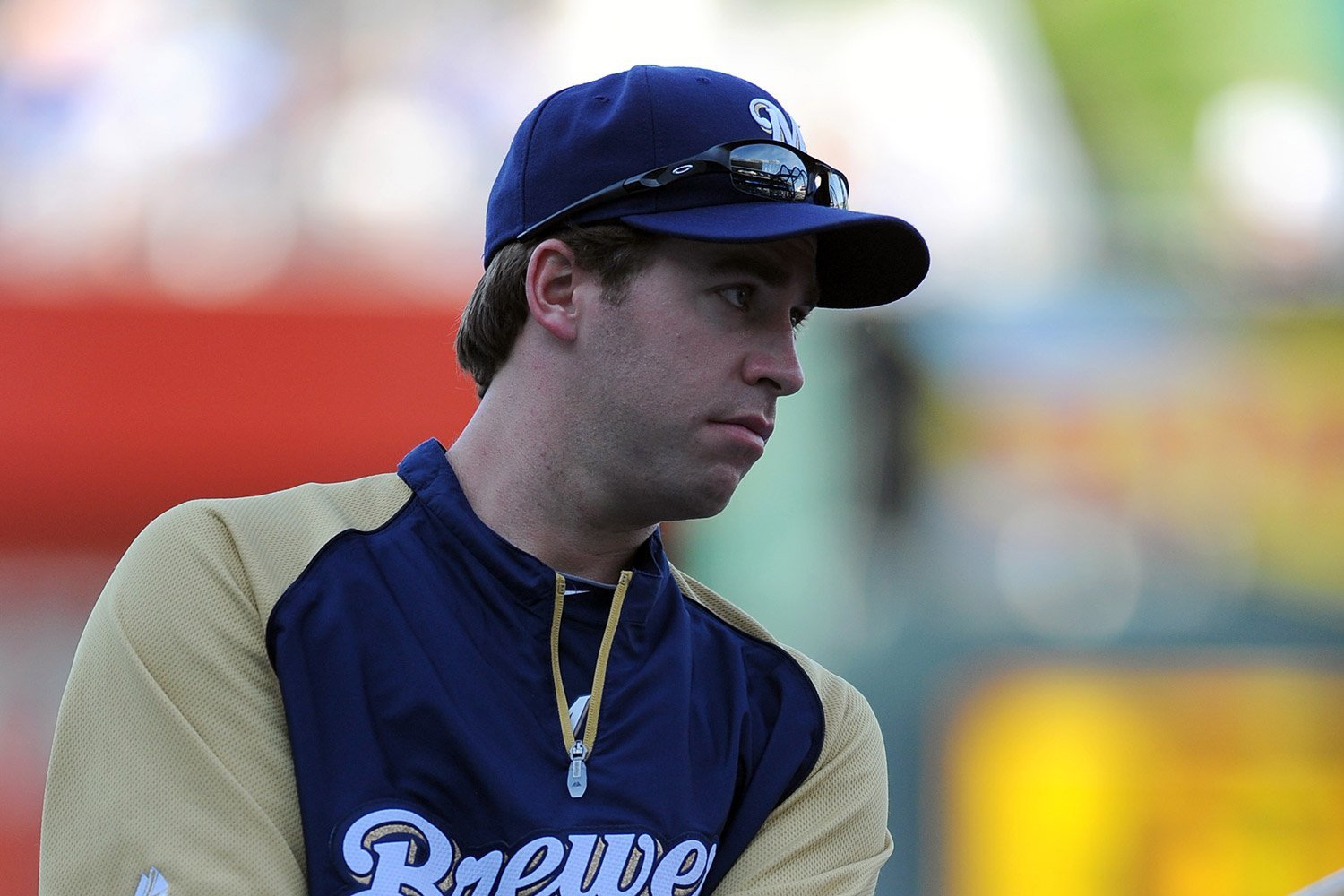 The Brewers have updated their front office roster across all departments. We will detail many of the changes in baseball operations and player development for you this week (Tuesday, 12/9, and Wednesday, 12/10), but for now, we'll focus on updates within the scouting staff. Anything in bold refers to a change in title or role. Former Brewers big-leaguer Taylor Green is now the top-name listed in the International Scouting section of the roster; otherwise, the International list of employees remains the same. Green's prior title was "Special Assistant - Scouting and International Player Development". His new title is "Director - International Scouting and Player Personnel". On the domestic scouting side of things, Corey Rodriguez is now listed as "Special Assistant - Scouting", joining holdovers Bryan Gale and Mike Berger in that role. Rodriguez had previously been listed as "Supervisor - Scout Teams/West Coast Special Assignment Scout". Former #1 overall draft pick Bryan Bullington (Pirates, 2002) remains as National/Regional Scout. The "Special Assistant - Scouting" title may seem innocuous, but given that the four names just mentioned are listed atop the scouting section, as seen in the screenshot below, it lends credence to their importance. Doug Reynolds' title shifts from "National/Regional Scout" to "National Crosschecker". Regional Supervisor Mike Serbalik is now "National Supervisor". Congratulations are also due to four area scouts who have been promoted to the role of "Regional Coordinator": James Fisher, Taylor Frederick, Steve DiTrolio, and Shawn Whalen. Two area scouts are no longer listed with the organization. Longtime scout Steve Smith had patrolled Georgia and South Carolina for some time. Incidentally, one of Smith's recent signees, non-drafted RH reliever Will Childers, was listed today by MLB Pipeline as one to watch in Wednesday's Rule 5 draft. The other Area Scout to depart is Adam Hayes, who covered the Arizona territory. Hayes' most recent farmhand of note was RHP Tyler Woessner, who, unfortunately, was released this past June. However, in this day and age when MLB organizations are trimming traditional scouting staffs, it's solid news that the Brewers are holding steady in their personnel count. Backfilling the spots for those who graduated to Regional Coordinator are Dexter Swims, Andrew Snyder , and Chaz Crawford. Congratulations to the new area scouts! Swims and Snyder in particular were listed as "Development Scouts" previously. In fact, back in November 2024, we linked you to a feature story and video interview with Swims. Speaking of "Development Scouts", Jamie Hurtado joins the organization in that role. He joins the existing Development Scout, Donovan Simon. Folks have asked what the best way to learn a player's signing scout is. It would be great if the Brewers made their Digital Media Guide a bit more online-friendly, and of course, we sorely miss the printed version. Here's the link to the 2025 Media Guide from March. Once you arrive, click the down-pointing arrow at the top of the screen. This gives you the choice to print, download, or choose thumbnails. You may not want to choose a massive print on your home printer, it's 402 pages long! However, the pages for minor league diehards to focus on are the player bios, and that's pages 216 (Christopher Acosta) through 262 (Johan Zapata). Those pages will show the signing scout for each bio (players who were on the 40-man roster at the time are listed in an earlier section of the media guide, and, obviously, players from the July 2025 draft are not included). Here's the screenshot discussed to open this article. It would be nice if the area covered by each scout were also listed. That was the case a few years back, but that has become protected information in recent years. Quite often, a Google or LinkedIn search can provide clues, but it's quite the chore. As noted, I look forward to learning about updates within other areas of the organization in the coming days. View the full article
 -
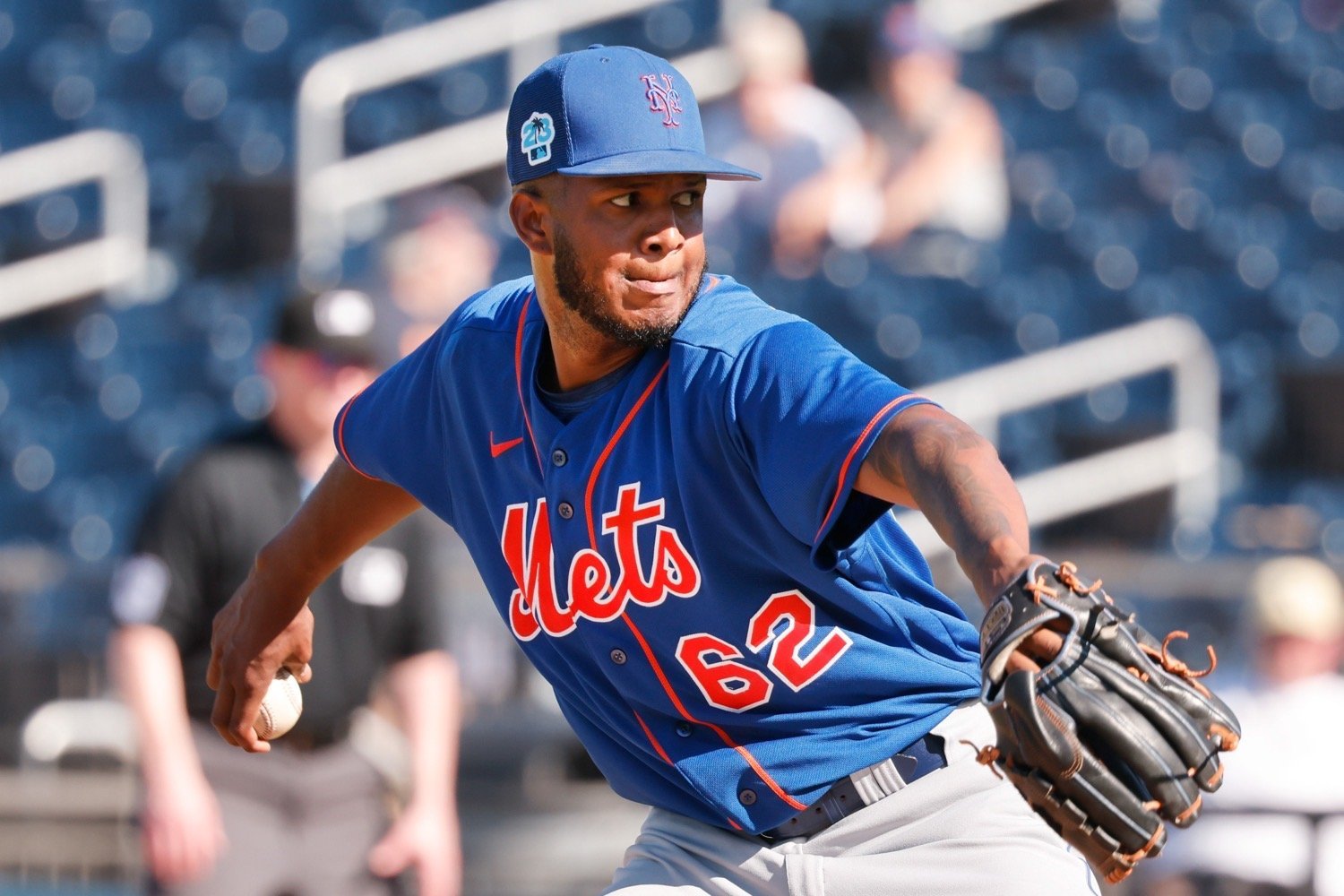 While the San Diego Padres are strapped for cash and have a lot of work to do on their rotation, they've added some bullpen depth via free agency. According to their official X account, the San Diego Padres have signed pitcher Daison Acosta to a one-year deal. Acosta, who has yet to debut at 27 years old, was an international free agent signed by the New York Mets in 2016. He was then acquired by the Washington Nationals via the Rule 5 draft in 2023. Used solely as a reliever over the last three seasons, Acosta has posted solid strikeout rates but has struggled with walks. If he sticks on the Major League roster after spring training, he'll likely be deployed as a low-leverage reliever before being trusted with a larger role. View the full article
 -
Blue Jays Kicking The Tires On Former Padres Closer Robert Suarez
DiamondCentric posted an article in Jays Centre
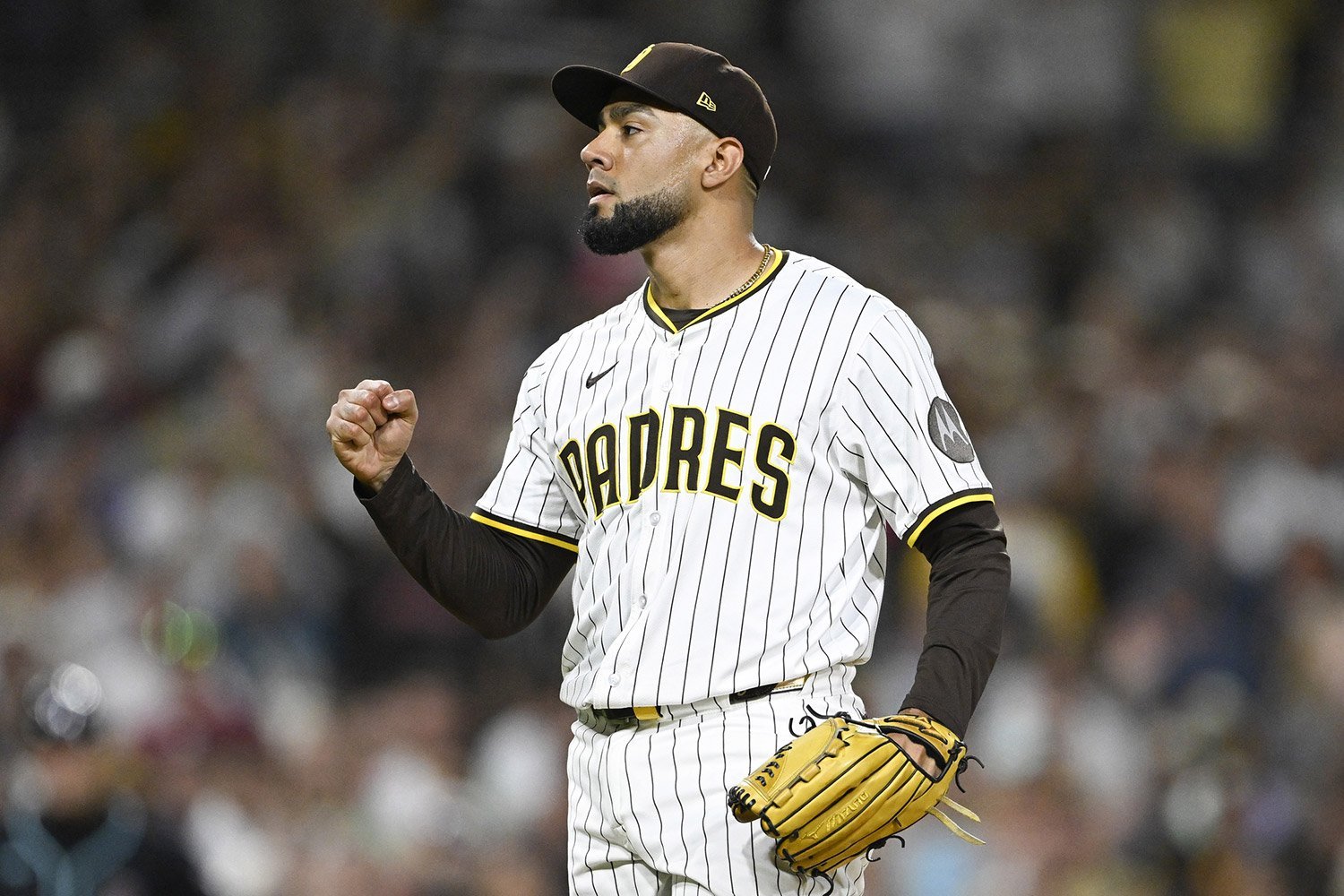 Ben Nicholson-Smith of Sportsnet has reported that the Blue Jays are interested in Robert Suarez, one of the top relievers in this free agent class. Nicholson-Smith says that the interest has not yet moved into negotiations. The 2025 Blue Jays bullpen finished the regular season with a bullpen FIP- of 94, ranked 5th among MLB relief units. Jeff Hoffman handled the ninth inning, with Seranthony Domínguez, Yariel Rodríguez, Louis Varland, and Brendon Little working the highest-leverage situations. Over the final month of the regular season, Toronto relievers posted a 3.42 ERA and 3.60 FIP, ranking ninth and seventh in the league, respectively. Suarez has four MLB seasons with San Diego, beginning in 2022. From 2022 through 2025, he threw 210 innings, striking out 219 batters. In 2025, he appeared in 70 games and pitched 69 2/3 innings, with a 2.97 ERA, 2.88 FIP, 75 strikeouts, and 40 saves. View the full article
 -
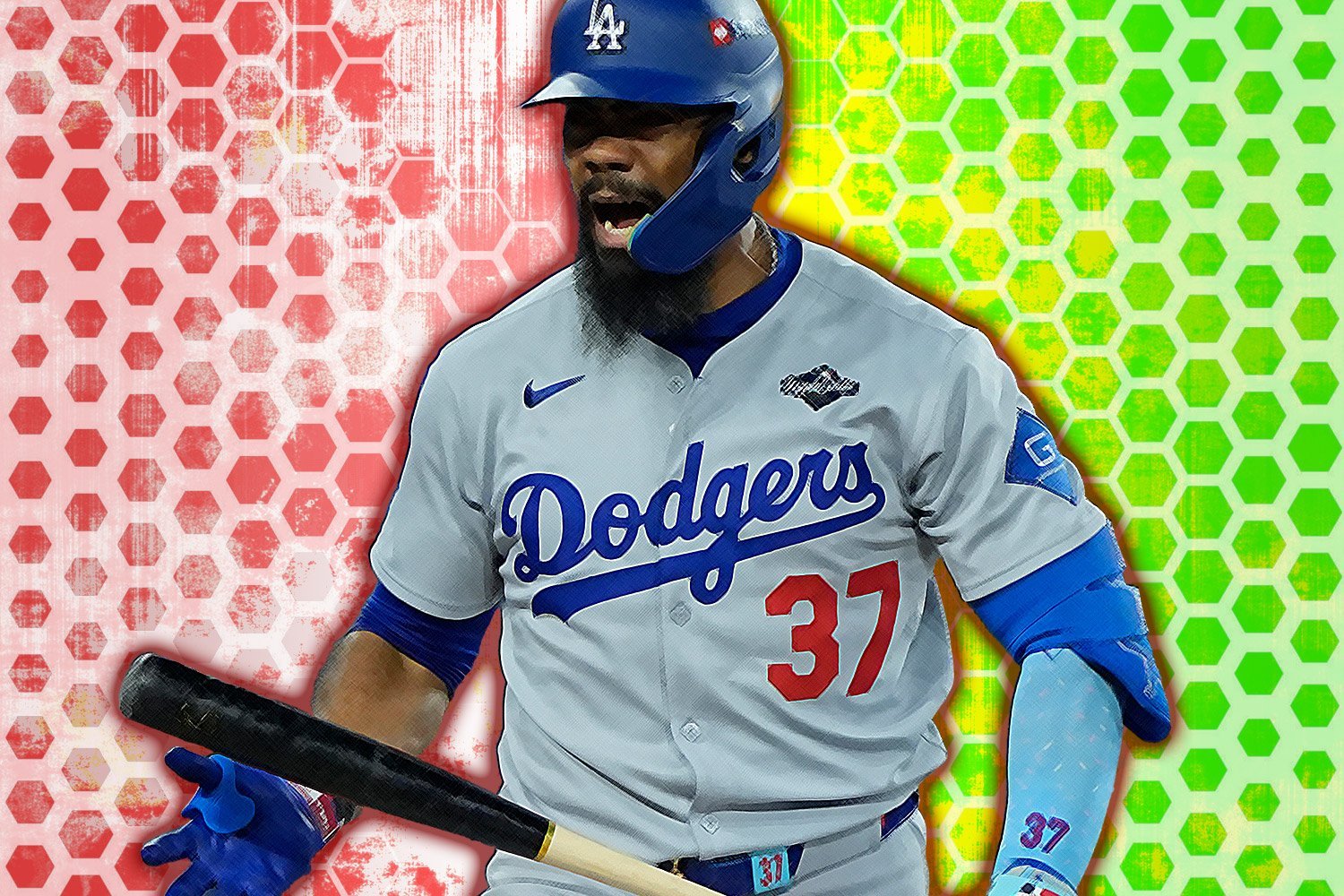 On December 4, Ken Rosenthal and Patrick Mooney reported in The Athletic that the Dodgers are listening to trade proposals for Teoscar Hernandez. Should the Royals consider a move for Hernandez? It isn’t a secret that the Royals need help in the outfield, ranking last in outfield fWAR, according to FanGraphs. Royals’ GM J.J. Picollo has also been open about being active in the trade market for outfield upgrades. Would Hernandez be the right player to pursue? The Argument for Hernandez Hernandez would represent an immediate upgrade to the Royals’ current outfield options. Even in a down year compared to his Silver Slugger-worthy performances of the past, Hernandez still had a decent season at the plate in 2024. Last year, he posted a 102 wRC+. By comparison, the Royals outfielders combined for a 70 wRC+. Hernandez offers consistent power. He has belted at least 25 home runs in his last five seasons and is consistently above average in Statcast metrics like barrel %, exit velocity, and hard hit %. His ability to generate hard contact stands in stark contrast to the current crop of Royals outfielders. Barrel % Exit Velocity Hard Hit % Hernandez 2025 11.5% 90.2 mph 46.1% MLB Average 7.2% 88.6 mph 37.0% In short, Hernandez’s underlying offensive data is strong enough to suggest that he would elevate the Royals’ outfield offensive production. However, the bar for improvement is quite low. The Argument Against Hernandez Hernandez will be entering his age-33 season next year, and after signing for the Dodgers before the 2024 season, he is still under contract for another two guaranteed years with a team option in 2028 and a vesting option in 2029. In that time, Hernandez is guaranteed $48.3 million. That would make his contract effectively around $24 million per year, assuming the Royals do not enact the team option. For a small-market team like the Royals, that contract is prohibitive and difficult to justify, especially for a player past or exiting his prime. Even if there is a trade that includes the Dodgers paying a portion of Hernandez’s salary, there are many indicators that he is not the best fit for the Royals. Hernandez is well below average in strikeout rate, walk rate, swing and misses, chase rate, and expected on-base percentage. Even the metrics he grades better on have shown major regression in his last season. Barrel rate, exit velocity, slugging percentage, and isolated power all dropped to below the 80th percentile after mainly being above the 90th percentile during his career. Other metrics, such as speed, arm strength, and bat speed, are on the decline and show clear signs of aging for Hernandez. There has also been some regression to the mean in his wRC+ and fWAR since 2020, and his 2024 season looks more like an outlier than the norm. This same trend is mirrored in his expected weighted on-base average (xwOBA). Another issue is Hernandez’s defense. According to Statcast, since 2018, he has only registered a positive run value in two years, with 2024 and 2025 being his worst seasons. His outs above have also never been positive during his career. According to FanGraphs, Kauffman Stadium has the largest outfield by area, which is a lot of ground to cover for someone whose sprint speed is also deteriorating. Considering all of his defensive struggles and aging, it is likely that Hernandez is destined to become a designated hitter sooner rather than later. At a salary of effectively $24 million per season, that is a lot of salary to allocate to a likely designated hitter who is also regressing to being a league-average hitter. In Parting It would be very surprising if the Royals seriously entertained a trade involving Teoscar Hernandez. For this to make sense for Kansas City, there would have to be the perfect mix of prospects, and the Dodgers would have to retain a significant portion of his salary. Even in that scenario, the Royals would need to be convinced that his offensive regression will not continue and that he would remain somewhat competent defensively. Both of these conditions seem unlikely. View the full article
 -
Kansas City Royals Looking To Add Multiple Outfielders
DiamondCentric posted an article in Royals Keep
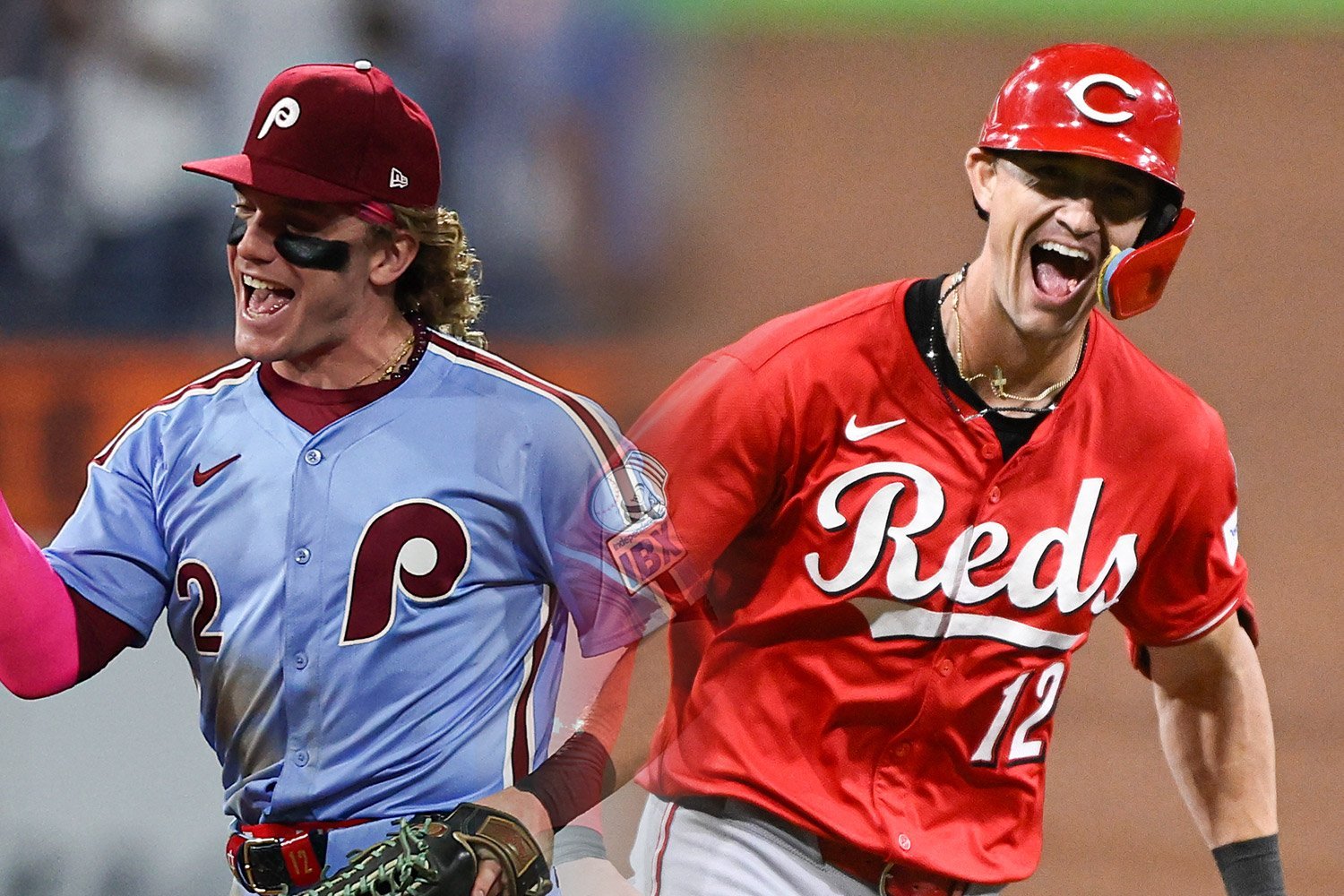 Aside from trade rumors, the Kansas City Royals have had a very quiet offseason to this point. With a variety of near replacement-level players ready to split outfield duties, the team is rumored to be interested in a trio of outfielder free agents. Jon Heyman of the NY Post is reporting that the Kansas City Royals have expressed interest in multiple outfielders, including Harrison Bader, Mike Yastrzemski, and Austin Hays. As of right now, Kyle Isbel and John Rave are penciled as the starting left and center fielders, respectively, according to FanGraphs Roster Resource. Bader, 32, enjoyed a bounce-back year in 2025, posting a .796 OPS with 17 home runs and 11 stolen bases. He was a positive contributor defensively, +5 Outs Above Average (OAA) across all three outfield positions. He's projected to earn $26 million over two years by MLBTR. Yastrzemski, who was traded to the Royals, also experienced a bounce-back in 2025. He posted a .736 OPS with 17 home runs and seven stolen bases, though he wasn't great in the field, posting a -3 OAA across all three outfield positions. Hays was a plus-hitter (105 wRC+), though he benefited from the extremely hitter-friendly confines of Great American Ballpark. He posted a .768 OPS with 18 home runs and seven stolen bases. Between both corner outfield positions, he posted +1 OAA and spent a fair amount of time as a designated hitter. Of the three, who would you like to see the Royals sign? Let us know in the comments! View the full article
 -
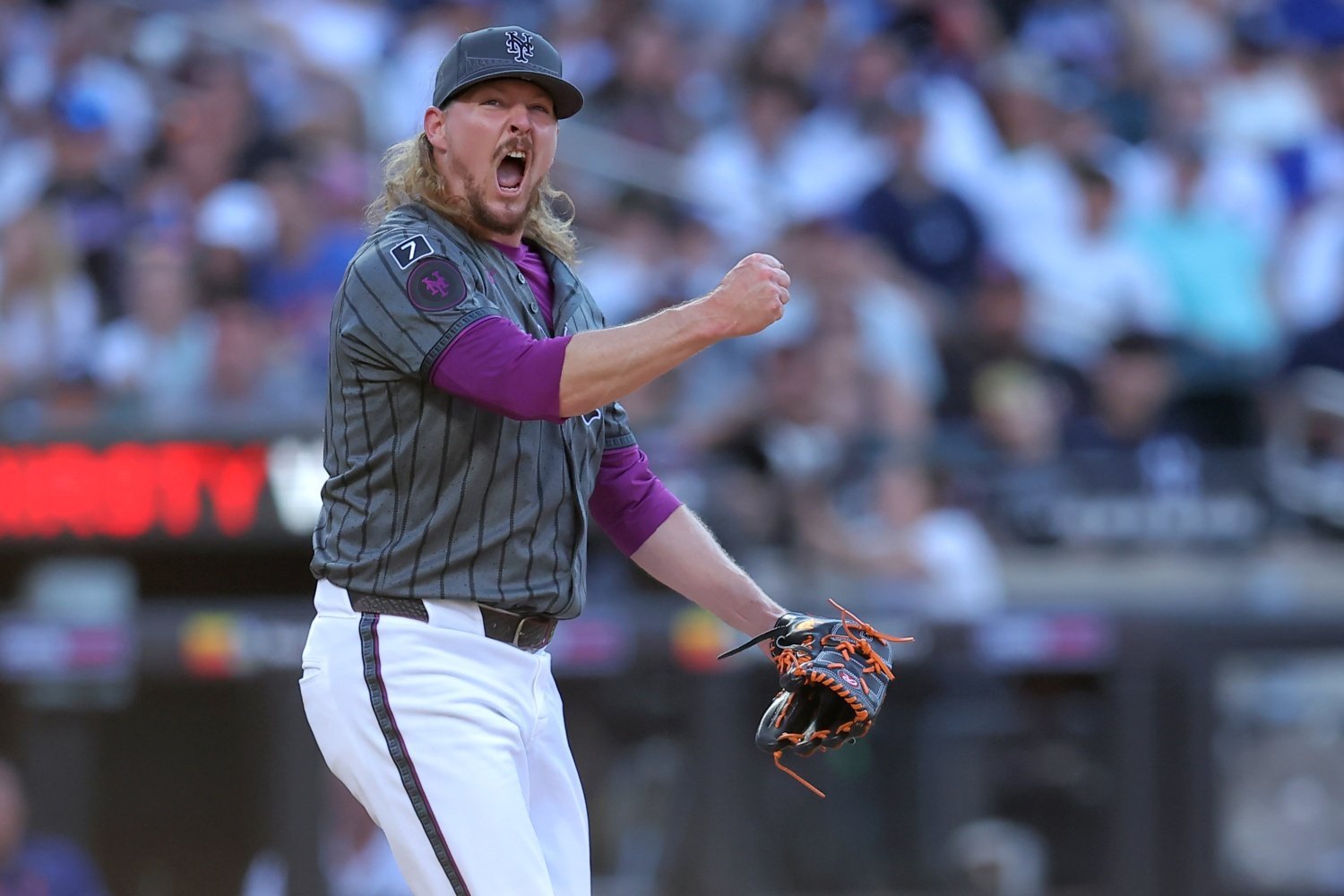 After signing right-handed reliever Phil Maton to a two-year deal last month, the Chicago Cubs continue to talk to relievers who could round out their thin bullpen, sources say. One name on their radar, in whom they've had active interest in the past, as well: Ryne Stanek. A burly righty with the ability to top 100 miles per hour with his fastball, Stanek, 34, had an ugly 5.30 ERA in 2025, but his stuff is intact and the team believes they can fix what went wrong for him with the Mets. Because of his rocky season, Stanek should come relatively cheaply. This would be a signing in the realm of last year's pickup of Caleb Thielbar, another aging reliever whose prior-year surface-level stats had been ugly. According to a source familiar with the team's thinking, they're likely to supplement their pen with a hurler at that tier. They could aim higher—they haven't closed the door on a reunion with Brad Keller, for example. However, because they view Ben Brown as a reliever and are hoping to fill lout a starting rotation robust enough to push Colin Rea into the pen, they're unlikely to make more than one more addition to the pen in the form of guaranteed, big-league deals. Daniel Palencia, Maton, Brown and Porter Hodge are penciled into the 2026 bullpen right now. Depending on how the offseason unfolds, they could end up pushing any of Rea, Javier Assad or Jordan Wicks into relief, too. They also have fringy but intriguing (to various degrees) arms running low on minor-league options and time to prove themselves, in Luke Little, Jack Neely, Ethan Roberts, Gavin Hollowell, and 40-man roster newcomer Riley Martin. Ideally, perhaps, the team would add a lefty to complement their stash of sturdy right-handers. Little, Martin and Wicks are left-handed, but none are reliable big-leaguers. The team is interested in bringing Drew Pomeranz or Thielbar back, but only if they can be had at terms similar to the extremely inexpensive ones for which they acquired each in 2025, a source said. The team is likely to leave themselves some room to get contributions from minor-league signings and waiver claims, as they did when they ended up getting so much value from Keller and Pomeranz. A Stanek signing wouldn't excite most fans, but a cohort of Palencia, Maton and Stanek at the back end of the pen would be an interesting one—especially if, as the team certainly hopes, Brown can flourish in a bullpen role. Chicago has had interest in Stanek multiple times in the past, and this year, the price might be right. View the full article
 -
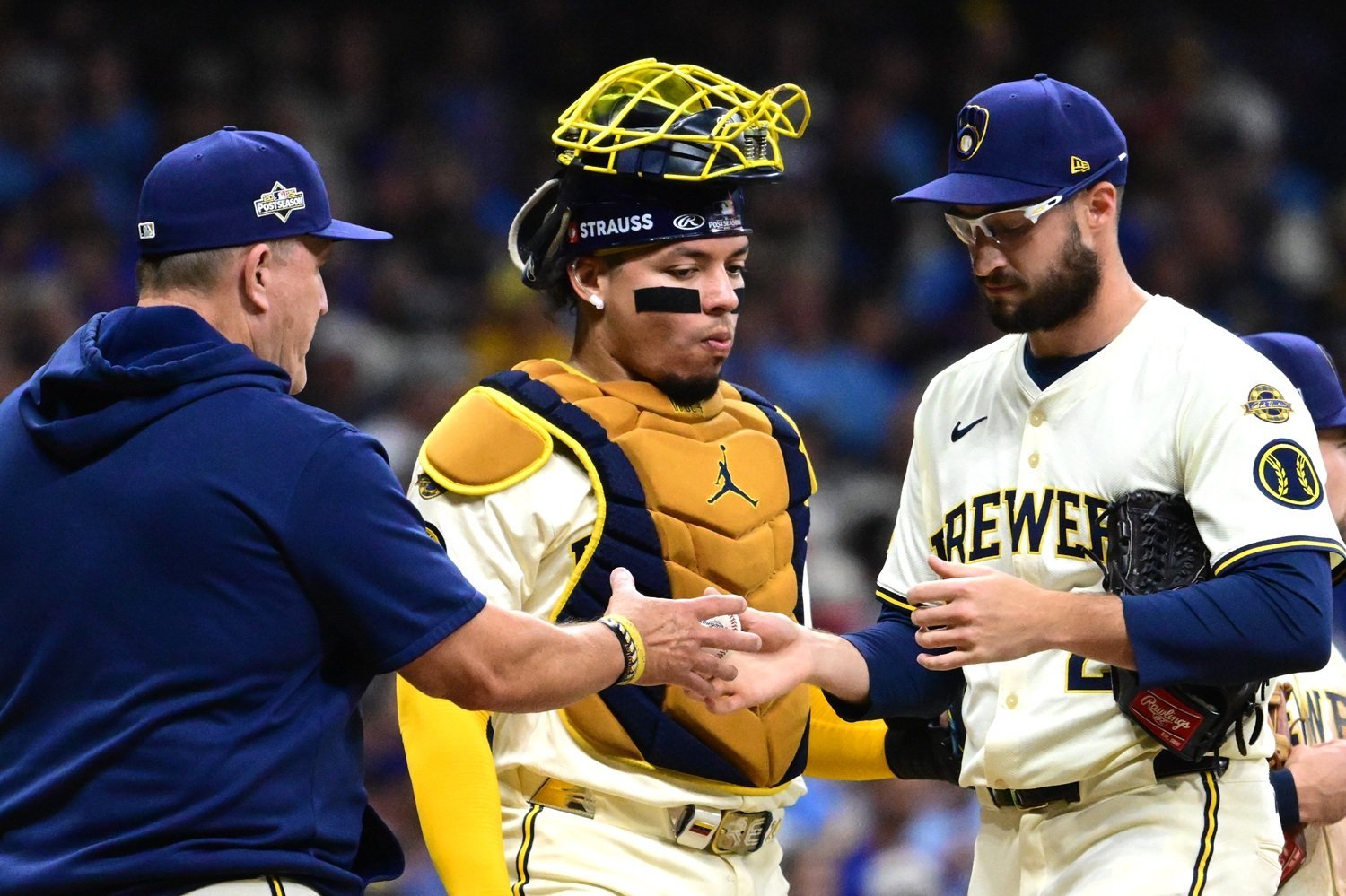 It might seem odd to view 2026 as a make-or-break year for Aaron Ashby. In 2024 and 2025, he’s combined for a 2.37 ERA in 95 innings pitched across 57 games, with 109 strikeouts. This was after he missed most of 2023 and a fair bit of 2024, due to shoulder surgery. He'd delivered some tantalizing peripherals in 2021 and 2022, but 2025 was very much his coming-out party. It’s a great comeback story. Why would Ashby be a Brewer on the bubble? A big part of it is the contract he signed. During the 2022 season, Ashby was seen as a key cog in the Brewers' rotation plans, and he signed a team-friendly pre-arbitration extension. At spring training, he went on the injured list with shoulder inflammation, which ultimately needed surgery. Therefore, he missed all of that year. The next year, he was rehabbing in Triple-A Nashville on an option. Upon his return, Ashby was close to the form that made the Crew offer him the extension, albeit in shorter stints out of the bullpen. This presents Milwaukee with a tough question. He gets $5.5 million in 2026 and $7.5 million in 2027, before option years in 2028 and 2029. In those final years, he would make $9 million and $13 million, respectively, with small buyouts if the Crew decline either option. While those would be fine prices for a quality starting pitcher, it’s a lot for a reliever, given the Brewers’ small-market status and their need to stretch their payroll and make the most of every dollar. So, 2026 is where the rubber will really meet the road for Ashby. The Brewers will need to figure out how to stretch him out as a starter, even though they have a lot of depth in the rotation already between Freddy Peralta, Brandon Woodruff, Chad Patrick, Quinn Priester, Tobias Myers, Jacob Misiorowski, Logan Henderson, Robert Gasser, and Carlos Rodriguez. If Ashby becomes a dominant starter to the tune of the 176 ERA+ he has posted (per Baseball Reference), then he becomes an obvious keeper. Even if he is relatively solid, it's a good buy through at least 2027, when the Brewers could look to deal him. On the flip side, if Ashby can be a dominant reliever, the Brewers may want to use him as a closer and look at dealing him for a return similar to what Devin Williams fetched (maybe more, since Ashby remains under team control through 2028), since teams have been known to overpay for closers. That would be an excellent outcome, even if it means adjusting the roles of Trevor Megill, Abner Uribe, and rookie Craig Yoho. If neither happens, Milwaukee has the choice of not picking up his 2028 option. That course of action would put Ashby into the arbitration process, which could get very rough and wreck the team’s relationship with him (see Josh Hader and Burnes for examples). On the other hand, he's both smart and amiable, and would probably not be unduly insulted by having the option turned down. Ashby is not a player in a typical “make-or-break” situation. He’s pitched quite well in the role he’s fit into, but he could be capable of so much more. The real question is whether he can reach the heights that appeared possible in 2022, when he signed that extension, or if the Brewers will have to move him due to a high price tag for his performance. Maybe the real question is: Since trading Ashby would take a much smaller chunk out of the team's pitching plan and only a slightly smaller chunk off their projected payroll, might he be a trade candidate this month, rather than Peralta? View the full article
 -
San Diego Padres "Have Shown A Willingness" To Deal Nick Pivetta
DiamondCentric posted an article in Padres Mission
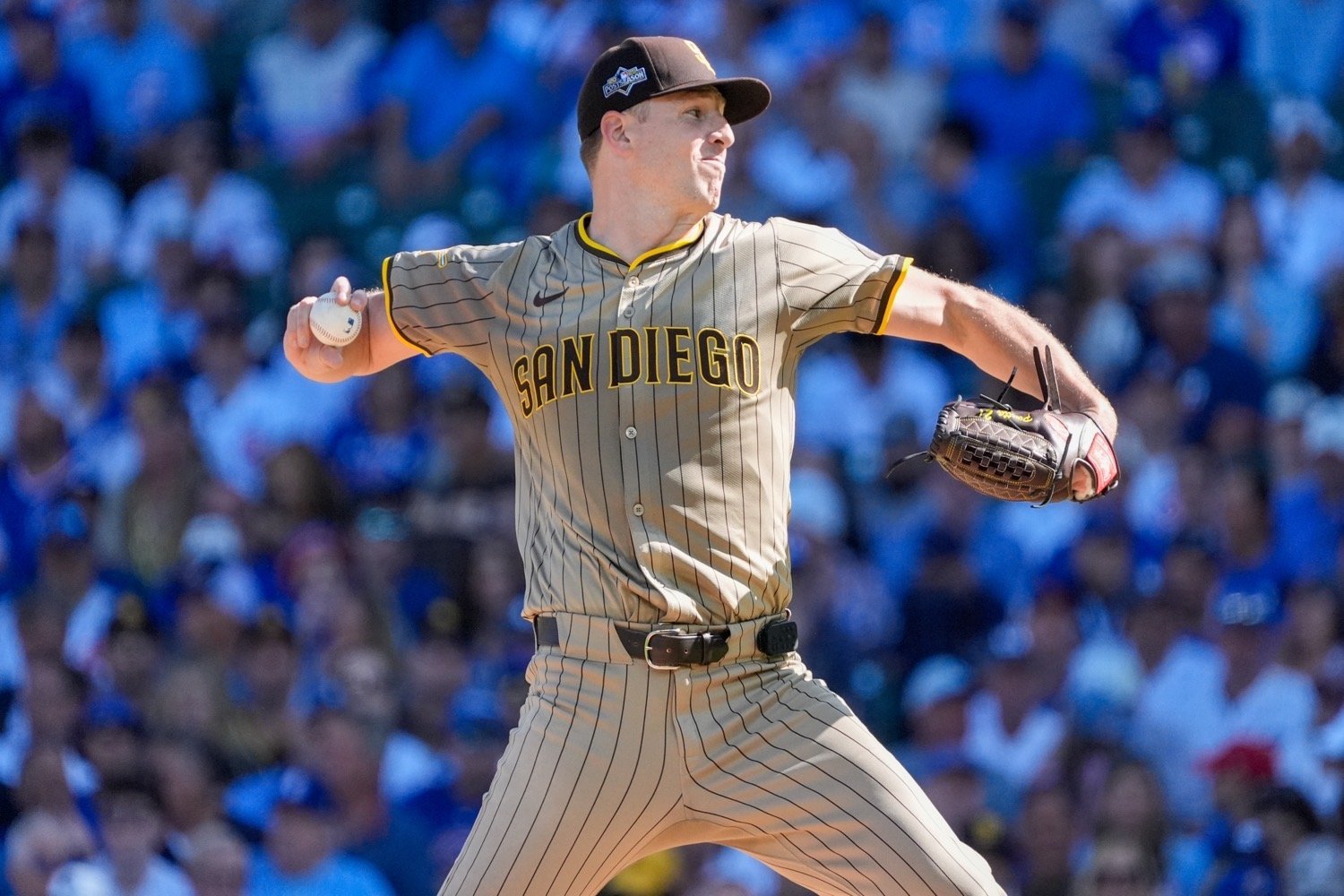 The San Diego Padres lost Dylan Cease to free agency, may lose Michael King, and have been rumored to be considering bullpen arms for the starting rotation. Despite all of this, they are still willing to move one of their rotation arms. Dennis Lin of The Athletic is reporting that the San Diego Padres "have shown a willingness" to deal Nick Pivetta, though Lin goes on to say a deal is "not considered likely" and the team would require a "steep return". It's not that the Friars don't need the 33 year old right handed - it's that he's owed $19 million in 2026 and could potentially earn an additional $32 million through 2028, if he doesn't opt out of his contract following this season. Trading Pivetta would lighten the books and give the team the flexibility to use some of that money saved to acquire multiple starters. Pivetta made 31 starts in 2025 sporting an impressive 2.87 ERA, though a 3.49 FIP suggests some negative regression may be on its way in 2026. His 19.4% K-BB rate was exceptional highlighted by one of the best four-seam fastballs in all of baseball. Displaying four plus pitches last year, it's clear he has plenty of juice left and likely would fetch a solid return if dealt. Do you think the Padres should deal Pivetta? Let us know what you think in the comments! View the full article
 -
Buyer Beware: Three Free-Agent Hitters The Padres Should Avoid
DiamondCentric posted an article in Padres Mission
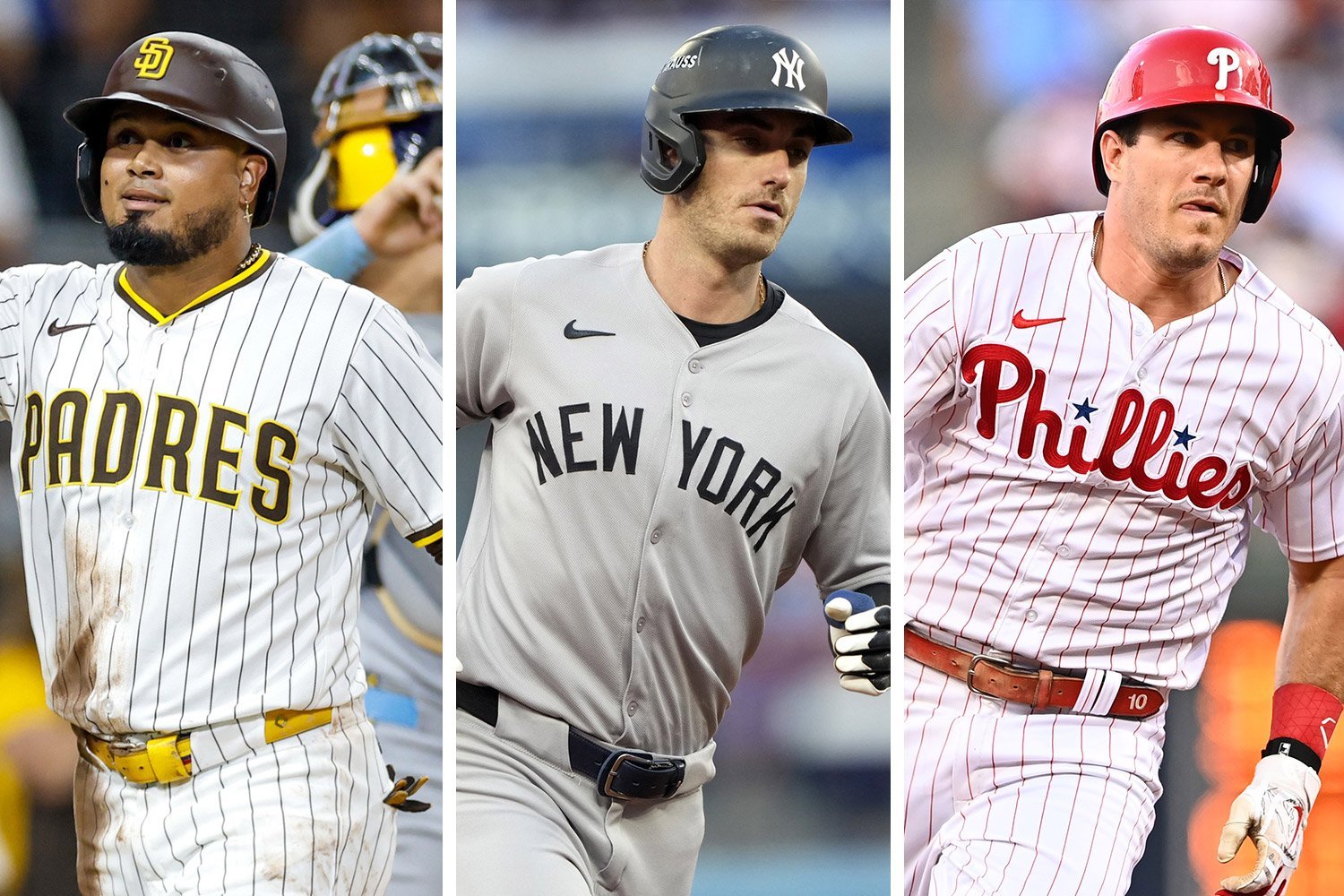 After a tough NLDS loss to the Los Angeles Dodgers in 2024, the San Diego Padres entered the offseason with high hopes—only to stumble and fall to the Chicago Cubs in the Wild Card round this past season. Now, as the Winter Meetings begin, big names are signing, but the Padres, facing tight finances, must tread carefully. Their projected 2026 payroll is $201 million, down $10 million from last season. They still have $43 million before they reach the Competitive Balance Tax threshold, but with the ownership group contemplating selling the team, that amount may not be in their budget. The team will need to be strategic with how they approach free agency this offseason and can't just pursue the "beauty of the ball". With that in mind, here are three players that the Padres DO NOT need to sign. Luis Arráez, 1B/2B Arráez wasn't much of a producer offensively last season, posting career lows with a .719 OPS and .289 BABIP (batting average on balls in play). For the first time in his seven MLB seasons, his BABIP fell below .300. He did avoid strikeouts, fanning only 21 times last season, but his refusal to draw walks—just 34 in 675 plate appearances—limits his value. He is a contact hitter who recorded a mere 1.1 percent barrel rate in 2025, another personal low. Defensively, Arráez was the Padres' primary first baseman last season, logging 993 2/3 innings at the position, with only 82 innings at second base. The Padres do not need him at either spot. Jake Cronenworth firmly handles second base when healthy. Arráez posted a positive fWAR (0.9) last season, but his -16.6 defensive rating from FanGraphs is a clear liability. He is a below-average defender at a position most notably held by power hitters. The Padres could use an upgrade over Gavin Sheets at first base, but Arráez is not that solution. Cody Bellinger, OF Bellinger's name is everywhere this offseason, aside from Kyle Tucker. Every contender seems linked to him. He managed a strong rebound at the plate after missing 32 games in both 2023 and 2024. He played 152 games this year, the most since 2019. Although he's hit 23 or more home runs each of the past four seasons, his BABIP has topped .300 only once since 2019, when he hit 47 home runs. Bellinger, like Arráez, does not walk enough. He struck out a career-low 13.7 percent of the time but walked only 57 times in 656 plate appearances (8.7 percent). Given his contact approach, his BABIP should be better for an everyday starter. Defensively, Bellinger is solid in the outfield with a +8 and +7 DRS (defensive runs saved) in the corner outfield positions, but was a liability in center field with a -3 rating. He won't take innings from Fernando Tatis Jr., who just won his second Gold Glove Award in right field, but Bellinger would be a slight improvement over Ramón Laureano (+2 DRS) in left field. However, Bellinger's inconsistency at the plate doesn't warrant the massive contract he will receive. J.T. Realmuto, C Freddy Fermin is currently the starting catcher, but he lacks experience as a primary catcher despite four years in the league. Defensively, he excels, ranking second among eligible MLB catchers with a +13 DRS over 803 1/3 innings, though he offers little offensive upside. He had a 1.0 fWAR last season but had a -11 offensive rating. An upgrade is likely needed, but Realmuto doesn't need to be that guy. The former Phillie turns 35 before the season begins and has caught in at least 110 games in nine of his 12 MLB seasons. That workload will wear on catchers quicker than other positions. Offensively, he doesn't provide enough upside to warrant the $10-15 million annual contract. However, Realmuto's BABIP has exceeded .300 in all but one of his 12 MLB seasons. Striking out is an issue, doing so 23.5 percent of the time last season, and he only hit 12 home runs and 52 RBIs in 550 plate appearances. The catcher doesn't produce enough offensive production to warrant the Padres paying for him, since Fermin outperforms him defensively. There are cheaper options available, or give Luis Campusano a sixth try to live up to the hype he produced as a prospect. I'm anticipating a relatively quiet Winter Meetings for the Padres, given their financial limitations; however, this is when crazy acquisitions happen, so who knows what will happen. View the full article
 -
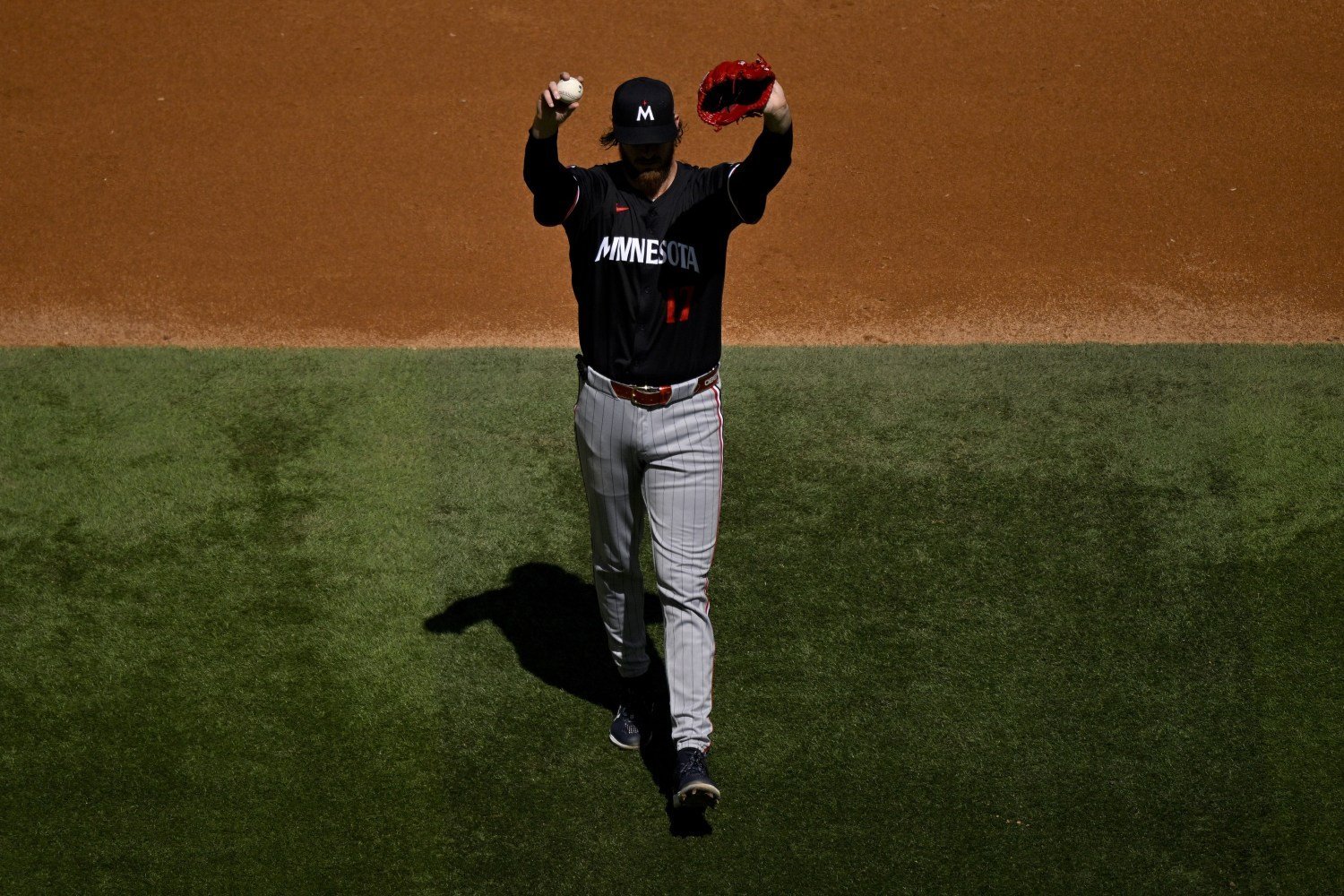 Since the offseason officially began in early November, Minnesota Twins starting pitchers Pablo López and Joe Ryan have been two of the most speculated-about players in baseball, with many pundits predicting one or both of the frontline arms to be moved this winter. Reports from The Athletic's Ken Rosenthal have now downplayed the likelihood of López and/or Ryan being moved, but that doesn't mean team decision-makers won't part ways with their surplus starting pitching to fill roster holes. In fact, they should make a concerted effort to do just that. After the frontline duo of López and Ryan, Minnesota's rotation is projected to include Bailey Ober, Simeon Woods Richardson, and Taj Bradley. The quintet of Zebby Matthews, David Festa, Mick Abel, Andrew Morris, and Kendry Rojas could fill Triple-A St. Paul's starting rotation, giving the club 10 major league-caliber (or at least promising) starting pitchers between the two levels. At the same time, the organization is deficient at multiple positions, with first base and the middle infield being the most glaring areas of need. Instead of parting ways with one of their two frontline arms, the club would be wise to dip into its depth, trading Ober or one of their inexperienced, high-upside arms (like Matthews, Festa, or Abel) to fill holes on the position player side. The return packages Minnesota would receive for Ober, Woods Richardson, or one of their inexperienced arms would be meaningfully less exciting than what they could net for López or Ryan. Still, the club could find itself in a win-win scenario by trading one or more, adding much-needed talent and depth while clearing up the logjam at the back end of the rotation. Ober, in particular, is an interesting trade chip, given that there are multiple avenues for Minnesota to extract value for him this offseason. The 30-year-old is expected to earn $4.6 million in arbitration, making him an enticing, low-cost veteran arm hoping to rebound from his worst season in the majors. Could the Twins swap him with the Baltimore Orioles for right-handed hitting first baseman Ryan Mountcastle, who also had a lackluster 2025 campaign? Certainly, though Minnesota would only do that if they can also get a secondary piece in the trade. Alternatively, the front office could flip Ober for multiple prospects, clearing roughly $5 million from the club's payroll and providing them more spending flexibility. That money could go toward a position player like Miguel Andujar, Rhys Hoskins, or Isiah Kiner-Falefa, on a one-year contract. Given that Woods Richardson, Bradley, Matthews, Festa, and Abel are pre-arbitration players set to earn the league minimum in 2026, trading them wouldn't provide the same savings potential as trading Ober would. Instead, the intent of moving them would be to net similar value, with the club targeting cost-effective major league-ready position player talent. Minnesota could swap one of its young pitchers for a player like Boston Red Sox first baseman Triston Casas or Arizona Diamondbacks infielder Jordan Lawlar. New York Mets position players Mark Vientos and Luisangel Acuña are also intriguing names the Twins could pursue. Starting pitching is Minnesota's strength. The club has frontline talent under multiple seasons of control and a surplus of high-upside depth. Instead of parting ways with one of their top arms in López or Ryan, the club should instead dip into its depth, trading one or more of Ober, Woods Richardson, Bradley, Matthews, Festa, or Abel to address holes on the position player side. The Twins have the depth necessary to absorb the loss of one or more arms. Team decision-makers should make an effort to address their lack of well-rounded positional talent and increase their chances of making the postseason in 2026. View the full article
 -
Why The Padres Shouldn't Sign Starting Pitcher Lucas Giolito
DiamondCentric posted an article in Padres Mission
 The Winter Meetings are upon us, and that means rumor season is in full swing. This offseason, 2019 All-Star Lucas Giolito is a free agent, and with starting pitching at a premium, he should have multiple suitors. That said, the San Diego Padres should avoid making a deal. Despite his success in 2025, there just isn’t enough underlying metric support to justify a multi-year, multi-million-dollar contract. I won’t deny that he had a surprisingly productive year. Giolito was paid what I thought was an excessive $19 million salary and helped the Boston Red Sox return to the postseason. 2025 Stats 26 Starts 145 IP 3.41 ERA 4.17 FIP 19.7% K-Rate 9.1% BB-Rate 2.0 fWAR Because of this strong campaign, he’s projected to sign a multi-year deal worth over $15 million annually. I don’t see that contract aging well for most teams — especially the Padres. The health of San Diego’s rotation is a bone I’ve picked all offseason, and I’ll continue to do so. Only Nick Pivetta and Dylan Cease surpassed 150 innings, and the only other 100+ inning arm was Randy Vasquez at 133 2/3 frames. The remaining spots went to an unsuccessful mix of unhealthy arms (Yu Darvish, Michael King) and struggling lefties (Nestor Cortes, JP Sears). This approach isn’t viable, and Giolito — who missed the entire 2024 season with a torn UCL and the end of 2025 plus the playoffs with a right elbow injury — is a major injury risk. Cease, who had five consecutive seasons of 30+ starts, has signed with Toronto, so the Padres should prioritize rebounding with another durable arm. Along with health concerns, the underlying metrics don’t look great. Coming from someone who doesn’t believe these stats tell the full story, there’s still reason for skepticism. The excellent ERA and respectable FIP from 2025 likely won’t continue given their “expected” counterparts from FanGraphs. His 2025 xERA was 4.99, and his xFIP was 4.59. He also benefited from a tame .273 BABIP. If that number climbs closer to .300, his production will dip. Beyond health, another large concern for the Padres’ staff is sustainable success. Cease is gone, so the Padres won’t reap the rewards of navigating his historically unlucky 2025 (as discussed in my FA outlook). Aside from him, there aren’t any Padres starters who project to improve in 2026. Pivetta should remain reliable, but at his age it’s hard to sustain that level of breakout. The other main starter, Vasquez, was heavily reliant on “unsustainable success.” He’s another an example of someone whose underlying numbers I trust. As discussed in my pro-Vasquez article, he relies on a six-pitch mix, has an incredible sinker, and excels with runners on base. Giolito shares the clutch-pitching ability (76.7 LOB%), but lacks the arsenal depth and go-to pitch needed for me to ignore his underlying metrics. Speaking of dominant pitches, that’s another area of concern for Giolito’s outlook. As a Chicagoan, I vividly remember the dominance of Giolito’s changeup during his time with the White Sox. He actually had two: a normal low-80s version that fell out of the zone as hitters lunged forward, and what might be my favorite pitch ever; a parachute changeup. It would come in high, look like a missed fastball, then float back into the zone for a strike. A risky, dominant pitch. It even got him a strikeout on Cody Bellinger in the 2019 All-Star Game. Clearly, it’s with great sadness that I write about the falloff of one of my favorite pitchers and pitches. Unfortunately, the numbers haven’t held. His changeup peaked with a +16 Statcast run value in 2019 and remained excellent through 2021. Since then, it’s been stuck at +0 for three straight seasons. One positive sign is that his fastball value (+5) returned above average results for the first time since 2020. It’s hard to see that continuing, though, as it averages just 93.3 mph (1.7 mph below league average), and he throws it 48% of the time. It is possible for a pitcher with nasty off-speed stuff to successfully rely on a slower fastball, but with only two other pitches (a +1 slider and a +0 changeup), there isn’t much preventing hitters from sitting on the nearly half of Giolito’s pitches that are fastballs. To summarize, just look at the Statcast breakdown of his 2025 season (some numbers vary from FanGraphs because they calculate things differently): 5.00 xERA (Bottom 13th Percentile) .267 xBA (Bottom 15th Percentile) 93.3 Fastball MPH (Bottom 32nd Percentile) 90.3 Avg Exit Velo (Bottom 22nd Percentile) 26.7% Chase Rate (Bottom 30th Percentile) 19.7% K-Rate (Bottom 28th Percentile) 9.1% BB-Rate (Bottom 30th Percentile) 9.0% Barrel Rate (Bottom 39th Percentile) 41.1% Hard Hit Rate (Bottom 45th Percentile) While I’m glad to see Giolito earn himself another big payday, the Padres, and any team needing a reliable starter, should look elsewhere in free agency. View the full article
 -
 The Twins earned themselves a Compensation Round B Pick for the 2026 MLB Draft. Jamie shares the details on how they landed it and where it will land in the draft order, while Jeremy suggests it's a pick the Twins could offer up in a trade, given the current state of the team. View the full article
 -
Six Free Agent Hitters The Blue Jays Should Target This Winter
DiamondCentric posted an article in Jays Centre
 In this video, we break down six hitters, including Kyle Tucker and Bo Bichette, that the Blue Jays could sign in MLB free agency. Will Toronto go big with a Tucker or Bichette signing, or will they pursue some of the lesser names listed, like Cody Bellinger or Jorge Polanco? View the full article
 -
How Many Starting Pitchers Do the 2026 Minnesota Twins Need?
DiamondCentric posted an article in Twins Daily
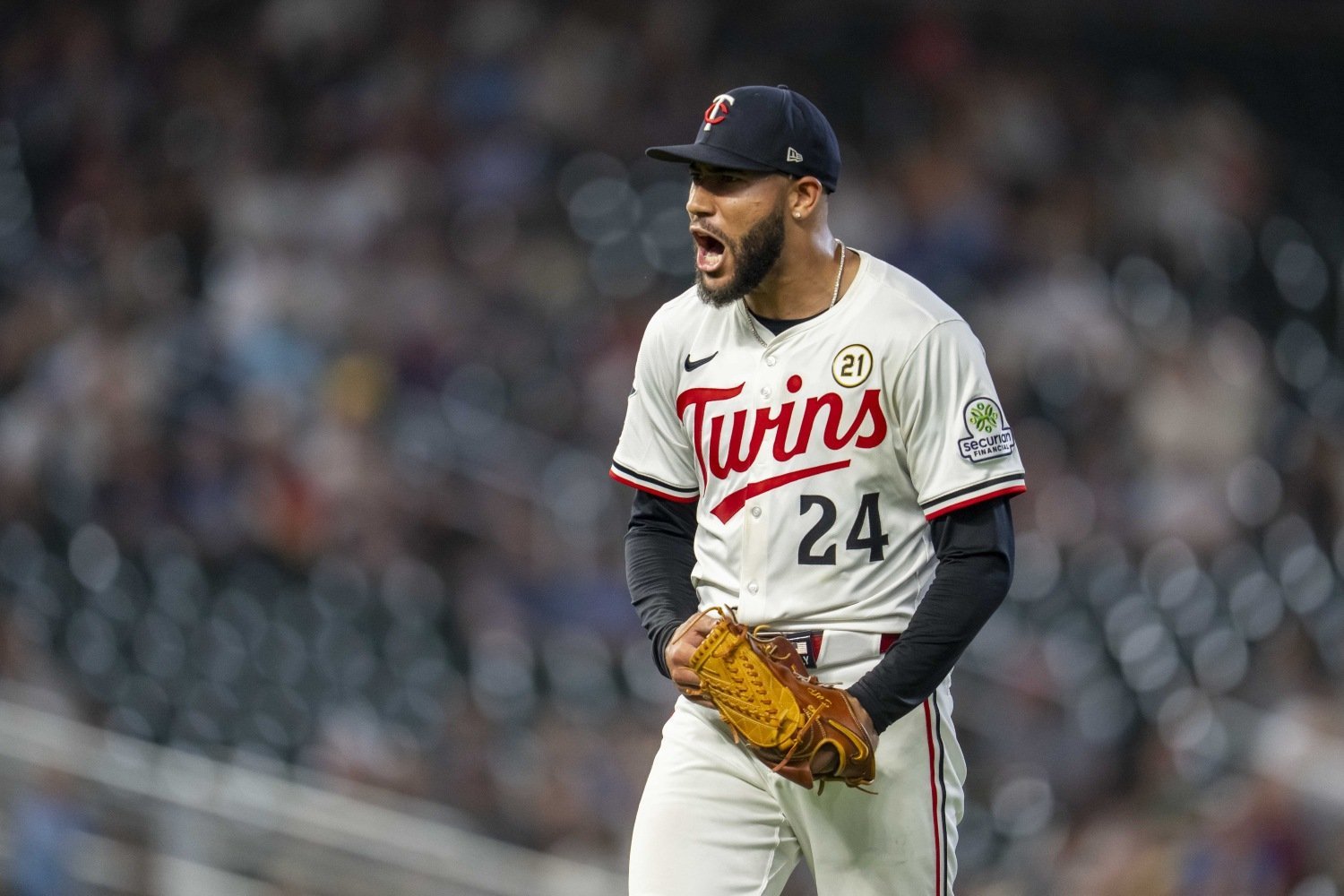 For the past few years, the Twins have focused on accumulating starting pitching depth. The earliest form of this pattern probably dates back to 2021, when they had a full rotation of Kenta Maeda, José Berríos, Michael Pineda, JA Happ, and newly-extended Randy Dobnak, but still elected to sign journeyman Matt Shoemaker to a deal that bumped Dobnak to a long-relief, swingman role to begin the season. Lewis Thorpe and Devin Smeltzer, two lefty swingmen who had parts of two years of MLB experience, were also in the system as high-minors depth. If you were watching the Twins at all at that time, you know how it ended. But the intention seemed clear: the club did not want to be caught without enough rotation depth, and Shoemaker was another buffer against that eventuality. The following season, the club opened the year with six starting pitchers on the Opening Day roster: Sonny Gray, Joe Ryan, Chris Paddack, Dylan Bundy, Chris Archer, and Bailey Ober. Smeltzer, Josh Winder, and Cole Sands were also in the system, though Winder and Sands were not really seen as MLB-ready starters, and neither had debuted. In 2023, the team made the controversial decision to start Ober at Triple-A St. Paul, deferring to Gray, Ryan, Maeda, Tyler Mahle, and newcomer Pablo López to form the rotation. Exemplifying the value of starting pitcher depth, Ober was promoted in April to take Mahle’s place. Behind him on the depth chart, though, was Louis Varland, who had five promising big-league starts the year prior and was seen as one of the more exciting pitching prospects in the system. That campaign served as the sign that the Twins were truly all-in on this strategy. They had six pitchers who looked like quality big-league starters, one more prospect seen as ready, and they even had Paddack as a potential late-season wild card if his recovery from Tommy John surgery was successful. Even so, they had to rely on a short run of starts from 35-year-old Dallas Keuchel. They attempted to do the same in 2024, though the cupboard was a bit more bare. López, Ryan, Ober, and Paddack returned to the rotation, and Anthony DeSclafani was slated to round out a rotation filled with established starters. Varland assumed the 2023 Ober role, as a starter with major-league experience sent down to keep warm in St. Paul until the need arose—and boy did it arise quickly, as the injured DeSclafani never pitched for the Twins, and Varland made the Opening Day rotation. Behind Varland was Simeon Woods Richardson, who had two appearances across two years, but he had impressed in spring training, and he looked ready to get some run. He got that chance after Varland struggled enough to be demoted in April. Behind Woods Richardson was David Festa, who had no big-league experience, but he did look likely to be ready at some point in 2024. Sure enough, he was called up in June. Finally, this season, the Twins took a similar tack, beginning the season with López, Ryan, Ober, Paddack, and Woods Richardson in the rotation, leaving Festa and Zebby Matthews—two top prospects with their debuts out of the way—waiting in the wings. In each of the past three seasons, the Twins have started the season with at least two young pitchers with MLB experience at Triple A: Ober and Varland in 2023; Varland and Woods Richardson in 2024; and Festa and Matthews in 2025. Did you need this history lesson? Maybe. It’s relevant to the 2026 rotation picture. Assuming no trades—which may be a big assumption, depending on your view on the status of López and Ryan, even after Ken Rosenthal's recent report—the Twins will have eight different rotation options with experience in the bigs. López, Ryan, Ober, Woods Richardson, Festa, Matthews, Taj Bradley, and Mick Abel each started at least eight games at the highest level last season. López, Ryan, and Ober seem like locks to be in the rotation (if they’re still in the organization), and Woods Richardson is out of options, seemingly locking him into the big-league roster in some role. That leaves Festa, Matthews, Bradley, and Abel in some limbo; each has at least one minor-league option year remaining. Will the Twins once again start the season with at least two pieces of depth at Triple A? It seems likely, given previous years. Perhaps Bradley will get the nod for the fifth rotation spot, leaving Matthews and Festa (both of whom have 25 games of big-league experience) as the first and second lines of defense against injury and ineffectiveness. This would push Abel, the secondary piece of the Jhoan Durán trade, to the third reserve spot. That spot has generally received about five starts per season over the past five years of Twins baseball. That’s probably fewer than anyone who has any level of belief in Abel as a starter would want him to get in his age-24 season. The eighth spot has been set aside for players like Thorpe or Sands in many seasons, not a recently graduated fringe top-100 prospect. So what do the Twins do? Do one of those eight get moved to the bullpen? Woods Richardson doesn’t profile as a bullpen candidate, and it might be hard to justify moving Bradley—acquired in a one-for-one swap for Griffin Jax—to the bullpen after three seasons in MLB rotations. Matthews and Festa are both names that could be considered bullpen fodder, as each has shown bright flashes but struggled—which is also an argument for Bradley, I suppose. And Abel probably has the brightest flashing "RELIEVER RISK" light of them all. But will the Twins make such a decision? Further complicating things are Connor Prielipp and Kendry Rojas, two Triple-A pitchers added to the 40-man roster last month to protect them from the Rule 5 Draft. Both seem poised to debut in the next season or two, and have upsides as high as any of the other fringe arms listed. This crowding may further push the Twins to make reliever decisions—or perhaps even trade decisions—on the 10 internal names who are on the radar at this point. How would you handle this, though? As the offseason goes on, there will be a ton of discussion as to what the team should do with all these golldang pitchers. There's one more lesson they should have gleaned from the last few years: Letting a logjam slowly unclog itself through accident and injury risks stunting the development of some of the arms making up that jam. Proactivity matters. View the full article
 -
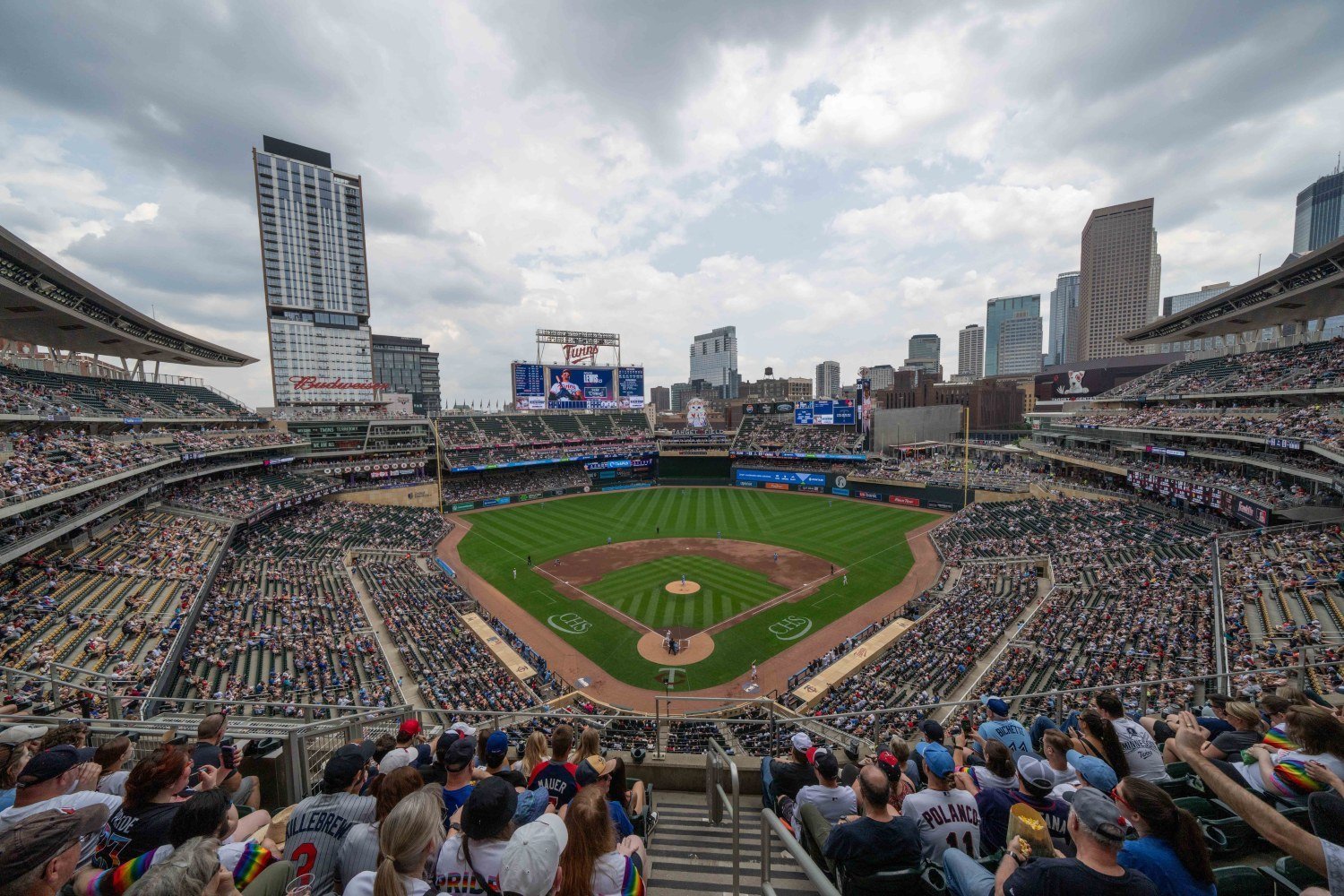 The Minnesota Twins entered the offseason navigating a unique organizational crossroads. After spending much of the past year evaluating a potential sale, the Pohlads abruptly pulled the franchise off the market in August. Instead of changing principal ownership, the club pivoted to bringing in two new minority partners. Reports said that one group would be based locally and the other led by an investor family from the East Coast. Now, the first half of that picture is finally coming into focus. Charley Walters of the Pioneer Press reported the development earlier this week, writing, “Look for Minneapolis based Varde Partners, a worldwide multi billion dollar credit investment corporation, to be announced soon as a limited partner with the Minnesota Twins. The firm is one of at least two limited partners expected to assist in diminishing the team’s reported 500 million dollar debt.” The addition of Varde Partners marks a notable shift in the composition of Twins leadership. Headquartered in Minneapolis, Varde is a global credit and investment firm overseeing an estimated $16 to 17 billion in assets with more than 300 employees across the world. The company is led by managing partners Brad Bauer, Francisco Milone, and Tim Mooney, all of whom bring deep experience in large scale financial strategy and corporate development. Given their background, it is difficult to imagine that Varde Partners will be anything less than a stabilizing force for a franchise navigating a sizable debt load. Their presence alone signals that the Twins are looking for more structured, more sophisticated financial guidance than the current iteration of the Pohlad family has typically leaned on. For an organization supposedly carrying around $500 million in debt, a partner with extensive investment acumen is not a small addition. What remains unclear is how much influence these new partners will wield when it comes to baseball decisions. Minority stakes rarely dictate roster construction, but their involvement does lighten the financial strain on the club. If that reduction in debt eventually leads to more flexibility in retaining talent or supplementing the roster, fans will welcome the impact. At a minimum, the presence of motivated and financially savvy investors should nudge the overall organizational direction toward a more modern and competitive mindset. With one partner now identified, attention naturally turns to the second expected minority owner from the East Coast. If the timing of this first announcement is any indication, that reveal may not be far behind. As the Twins navigate a pivotal offseason, the business side of the franchise is reshaping itself in a way that could have long term implications for the organization’s stability and ambition. View the full article
