


DiamondCentric
-
Posts
2,631 -
Joined
-
Last visited
Never
Content Type
Profiles
Forums
Events
News
Tutorials & Help
Major League Baseball Videos
Guides & Resources
Store
Downloads
Gallery
Everything posted by DiamondCentric
-

Destination: The Show, Episode 103. 2026 MLB Draft Lottery Preview
DiamondCentric posted an article in Twins Daily
 In episode 103 of Destination: The Show, the crew break down the forthcoming MLB Draft Lottery with the Twins having the second best odds at landing the number one overall pick. They walk through the mechanics of the lottery and how it works before digging into the implications of different picks and how they might impact the Twins bonus pool. The guys touch on the Twins Comp Round B and try and project what the Twins bonus pool might be assessing the potential slot values of their top 100 picks. 0:00 Intro 4:00 Housekeeping 4:35 Draft Lottery 7:57 How does the lottery work? 18:45 Twins odds to draft in different places and financial implications 27:00 Comp Round B pick 36:45 Twins math -- bonus preview 43:00 Listener Questions You can support the show by downloading it from wherever you get your podcasts, including iTunes and Spotify. If you enjoy the content, consider leaving us a five-star rating and review in addition to sharing or retweeting DTS-related content. You can follow us on Twitter @DTS_POD1, @Jeremynygaard, @J_D_Cameron, and @TheodoreTollef1. We’re now on Bluesky @destinationtheshow.bsky.social. You can also find full episodes and clips of our shows on our YouTube page @DestinationTheShow. View the full article
 -
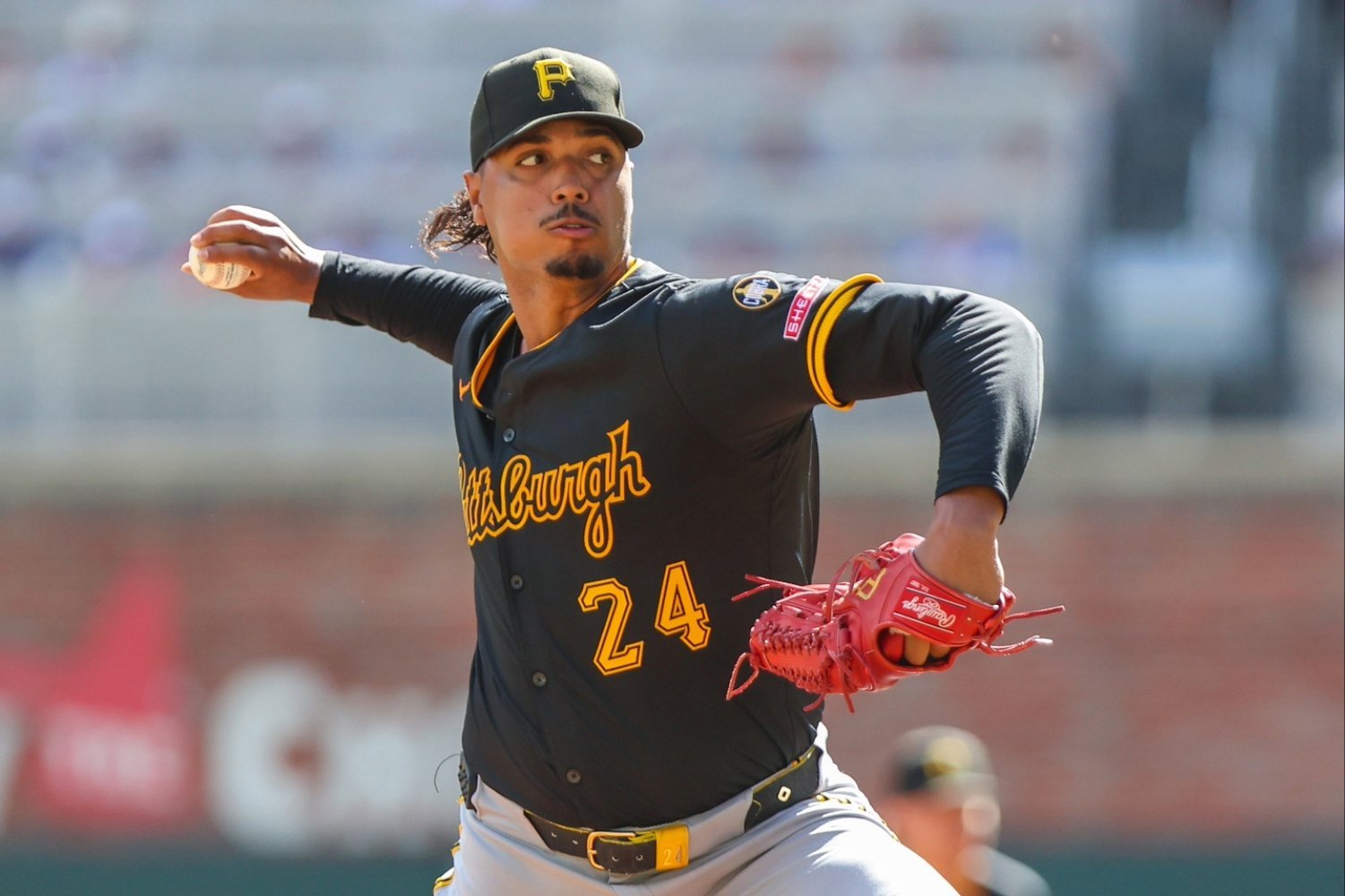 The Boston Red Sox stayed busy prior to the Winter Meetings, making another big trade following the Sonny Gray deal. On Dec. 4, they brought in their second new pitcher as the team shipped fan-favorite prospect Jhostynxon Garcia to the Pittsburgh Pirates as part of a five-player trade that saw the team bring back talented but oft-injured hurler Johan Oviedo as the main acquisition. The official deal saw Garcia, who was Talk Sox’s number two prospect at the time, and pitcher Jesus Travieso traded for a package of Oviedo and prospects Tyler Samaniego and Adonys Guzman. The main return is clearly Oviedo, who is under team control for two more seasons and won’t turn 28 until March 2. Oviedo made nine starts in 2025 as he returned from Tommy John surgery, going 2-1 with a 3.57 ERA in 40 1/3 innings. The right-hander struck out 42 batters while walking 23. What makes Oviedo an intriguing rotation option is his frame (6'6") and extension. His fastball was impressive during his short 2025 season thanks to it reaching an average of 95.5 mph paired with nearly six inches of tailing action. In a short sample last season, Oviedo also demonstrated an ability to limit hard contact, as his average exit velocity (87.6 mph), hard-hit percentage (35.3%) and barrel percentage (6.9%) would have ranked in the upper-third of the league had he qualified. Along with the fastball, Oviedo has four other pitches: a slider, curveball, sinker and changeup. Though relies heavily on his fastball and slider combination, as they made up 69% of his pitches in 2025. His pitch selection gets a bit interesting when broken down against left-handed and right-handed batters, as his slider sees a drop in usage against the former, being used just 26% of the time, while the curve jumps in usage to 22%. That changes with the latter, his slider becoming his most used pitch against right-handed batters at 38% and the curve down to just 10%. Along with that, Oviedo has showcased an ability to generate whiffs, getting batters to swing and miss 30% of the time last season. Batters in general only managed a .181 batting average off of him as well, showcasing the talent the Red Sox are interested in. Oviedo continues a trend for the Red Sox, who have made it a point to find pitchers with projectable frames and obvious areas of improvement or streamlining. The major issue besides health with Oviedo is his command. Last season, he had a 13.5% walk rate, and his career mark is up to 11%. Oviedo can be wild, throwing more pitches than necessary and walking a lot of batters, but should the Red Sox pitching lab manage to realize all his potential, we could see a breakout season from Oviedo. Samaniego was a 15th-round draft pick back in 2021 by the Pirates and will turn 27 at the end of January. Since being drafted, he has yet to make it past Double-A, though he missed time in 2024 and only made 13 appearances. This past season saw him appear in 30 games across four levels, most of them coming with Double-A Altoona where he had a 3.08 ERA across 26 1/3 innings. Samaniego is a left-handed reliever who will most likely open the season with Worcester, though will be on the 40-man roster as Pittsburgh added him to it in November to protect him from the Rule 5 Draft. Samaniego relies mostly on four pitches: a sinker, fastball, changeup and slider. His sinker is his most thrown pitch, averaging around 93.3 mph and being used heavily against left-handed batters at 67% of his pitch usage. Much like Oviedo, Samaniego seems to limit hard contact, his average exit velocity being just 85.7 mph and his hard-hit percentage being just 22.2%. And while he doesn’t strike batters out as much as Oviedo, he still gets his fair share of strikeouts (23.1%) thanks to a 31.8% whiff rate. Samaniego will serve as a depth reliever this season, though it wouldn’t be surprising to see him get some time in Boston depending on their need for left-handed pitching. He’s got the height of a pitcher the Red Sox are interested in, as he stands 6’4”, and it wouldn’t be surprising if they manage to get the velocity of his fastball up a tick or two. The final prospect acquired in the deal, Guzman, was drafted in the fifth round of the 2025 draft by Pittsburgh and is another young addition to the organization’s catching corps. Guzman is the latest young catcher (and second from the 2025 draft) to be acquired by Breslow this offseason. Guzman entering the draft was viewed as a glove-first catcher due to a swing that can often times be stiff and too pull-oriented, but he does have good pull-side power and plate discipline. Guzman played for the Arizona Wildcats in college after transferring from Boston College and hit .328/.411/.496 with a .907 OPS in 62 games. He also had 12 doubles, nine home runs and 44 RBIs. Defensively, he threw out 31% of potential base stealers. Baseball America even stated that "his arm remains one of the best in class three years later with excellent carry on his throws that should help control the running game". Guzman, who bats from the right side, only played in one game after getting drafted, but went 2-for-5 with a home run and two RBIs. More than likely, he’ll open the season with Single-A Salem, but a promotion to Greenville shouldn’t be off the table at some point in 2026. In Garcia, the Red Sox gave up a potential power threat, but with the outfield currently as crowded as it is and with talks that Kristian Campbell is expected to play in the outfield full time, it seemed like the writing was on the wall for Garcia. The outfielder made his major-league debut with Boston in August this season, going 1-for-7 with a double and five strikeouts. Now with Pittsburgh, he’s likely to be battling for an Opening Day starting position in spring training. Travieso, on the other hand, is an interesting arm the Red Sox gave up. He won’t be turning 19 until the end of March. Signed out of Venezuela, Travieso made it up to Salem this season after opening the year in the Florida Complex League. With Salem, he would go 2-0 in seven appearances, six starts, and toss 25 2/3 innings. He struck out 38 in that span and walked just 11. Though, with the many young pitchers in the Red Sox system, it was only a matter of time before one was traded. To make room on the 40-man roster, the team designated pitcher Cooper Criswell for assignment. The 40-man roster is currently full. The Red Sox got better with the trade, taking from an area of strength and bringing in a guy with a ton of potential. Whether he reaches that potential is a different question, but the Red Sox hope Oviedo can pitch as his hulking frame suggests. If he can, the rotation may prove to be the team's biggest strength in 2026. View the full article
 -
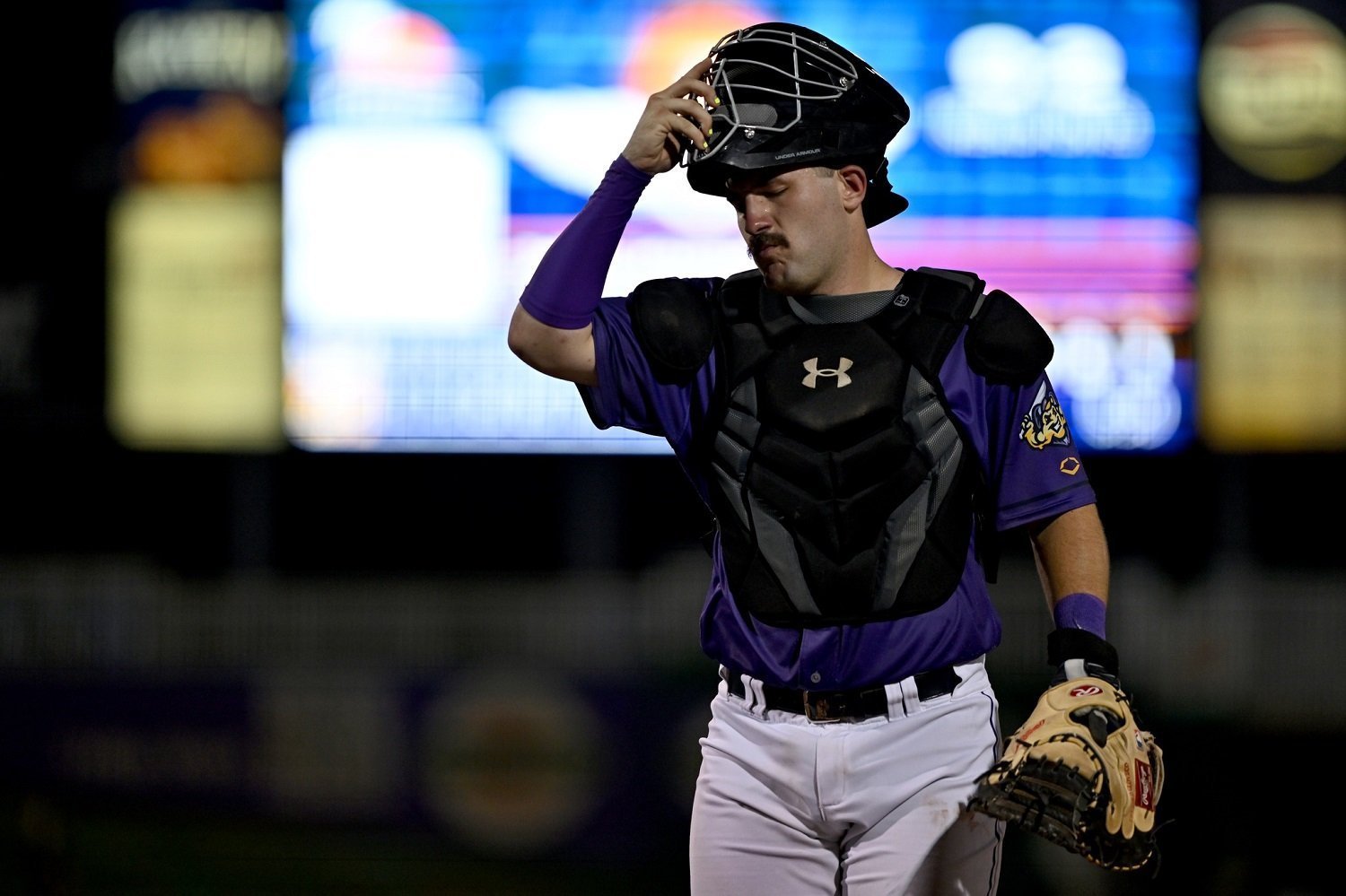 A former Minnesota Twins catching prospect is officially eligible to return to affiliated baseball, closing the chapter on one of the most confusing and controversial situations the organization has dealt with in recent years. Derek Bender, a sixth-round pick in 2024, was released by the Twins in September 2024 after allegations surfaced that he tipped pitches to opposing hitters during a Florida State League doubleheader. Major League Baseball confirmed to The Athletic that his discipline has been served and he can now sign with any club. Bender, who missed the entire 2025 season due to what MLB described as his “conduct,” issued a broad apology through the MLB Players Association. His statement did not directly address whether he gave away pitches, yet it showed a player grappling with the end of a draining year. “After further reflection, I would like to apologize to the Minnesota Twins organization, my former teammates and coaches, and the fans, for my actions at the conclusion of the 2024 season,” Bender said. He added that he had been struggling with his mental health, noting, “Over the past year, I have been working hard, both on and off the field, to become the best player and teammate I can be.” In a February interview with The Athletic, however, Bender pushed back strongly on the core accusation. Asked directly if he gave pitches away, he responded, “No.” He went even further, saying, “And I’ll live with this until the day I die. I never gave pitches away. I never tried to give the opposing team an advantage against my own team.” At the same time, he acknowledged the physical and mental exhaustion he felt near the end of the season, mentioning joking conversations with teammates about errors and the shared feeling that “everybody’s ready to go home.” The league never publicly stated what conduct triggered Bender’s discipline, and investigators did not find gambling involvement of any kind. A league source told The Athletic that MLB had been examining a potential violation of rule 21(a), which covers intentionally losing games. A confirmed violation would have resulted in a lifetime ban, but the negotiated agreement sidestepped a formal ruling and allowed Bender to return after serving a season long suspension. With the matter now resolved, Bender has started contacting clubs to express his interest in returning. He spent last year with the Brockton Rox of the Frontier League, playing 92 games while hitting .282 with 11 home runs and 54 runs batted in. Despite the turmoil, he expressed a renewed commitment to the sport. “This whole situation made me fall out of love with baseball,” Bender said. “But I realized that I want to win more baseball games in my career. I love baseball. I love winning. I love being a part of a team.” For now, Bender’s future depends on whether an organization is willing to take a chance on a player trying to move past a complicated ending to his time with the Twins. But at the very least, the door to affiliated baseball is open again. View the full article
 -
Rosethal: Uncertainy Swirling for Twins as Winter Meetings Approach
DiamondCentric posted an article in Twins Daily
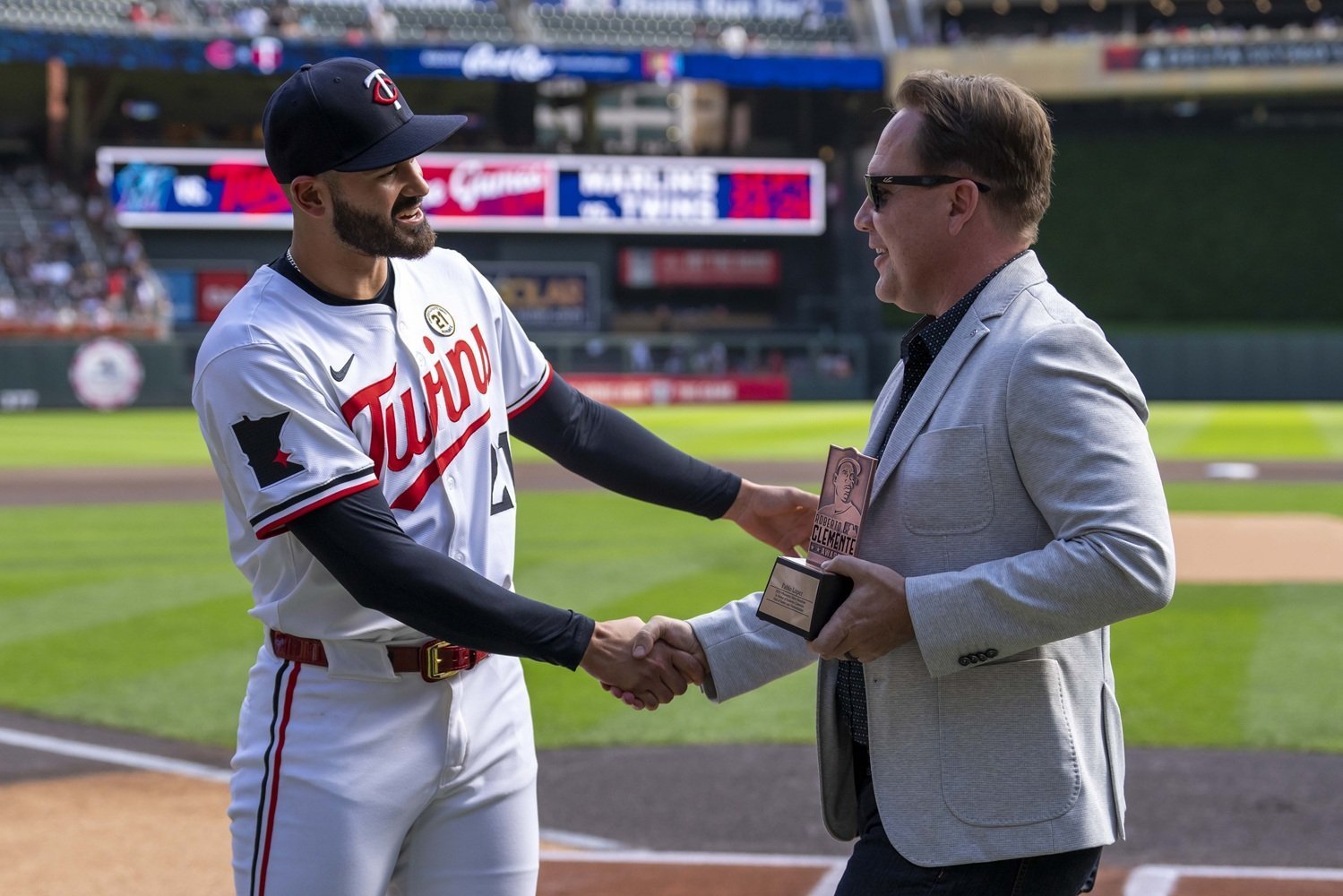 Minnesota’s offseason has been underway for more than two months, but as the Winter Meetings draw near, the Twins still appear to be wrestling with their direction. That uncertainty isn’t just external perception either. According to MLB insider Ken Rosenthal, the organization’s internal conversations remain murky. As he put it on Foul Territory, the Twins “are a mystery” because “there is not clarity yet on how they are going to operate this offseason.” Rosenthal emphasized this wasn’t simply a matter of the team keeping plans quiet. “I mean clarity within their own organization. I don’t know that they know what they’re going to do. They’re working through it. What I was told this week is that they’ll have clarity by the winter meetings. OK. It’s probably a good idea to have clarity by the winter meetings.” That kind of ambiguity is unusual for this point in the calendar, especially with the annual gathering of front offices set to take place next week in Orlando. The Twins have had over two months since the regular season ended to prepare their approach, and yet the franchise’s posture remains unsettled. Much of that stems from Minnesota’s stumbling ownership transition. The failed sale and the arrival of still-unnamed minority investors appear to be casting a shadow over budget decisions. Rosenthal noted that internal opinions are diverging. “It seems to me that there are factions in the Twins organization that want to start building the team back up again. Good idea since you’ve alienated your fan base. And then there are ownership questions. They just took on the two new investors. How much are they going to spend? All of that.” Amid that backdrop, the club’s most significant decisions still loom. What will Minnesota do with its remaining star-level players? Rosenthal wondered aloud: “So, the question then becomes ... where are they going to go? Which way are they going to go? I don’t necessarily expect them to trade (Joe) Ryan, (Byron Buxton), maybe Pablo Lopez.” If the side pushing for a roster rebound wins out, the Twins could arrive at spring training with their core intact. But if the payroll-cutting faction gains control, then difficult choices become more likely. As Rosenthal put it, “But to keep going backwards, if they do that, then yes, Ryan becomes available. Buxton becomes available. They’re probably more valuable separately than they would be (packaged) together.” The clock is ticking. With the Winter Meetings just days away, the Twins need to settle on a path that not only clarifies their competitive intentions but also signals to fans that the organization is finally ready to move forward. View the full article
 -
Why the Brewers Are the Best Fit for a Byron Buxton Trade
DiamondCentric posted an article in Brewer Fanatic
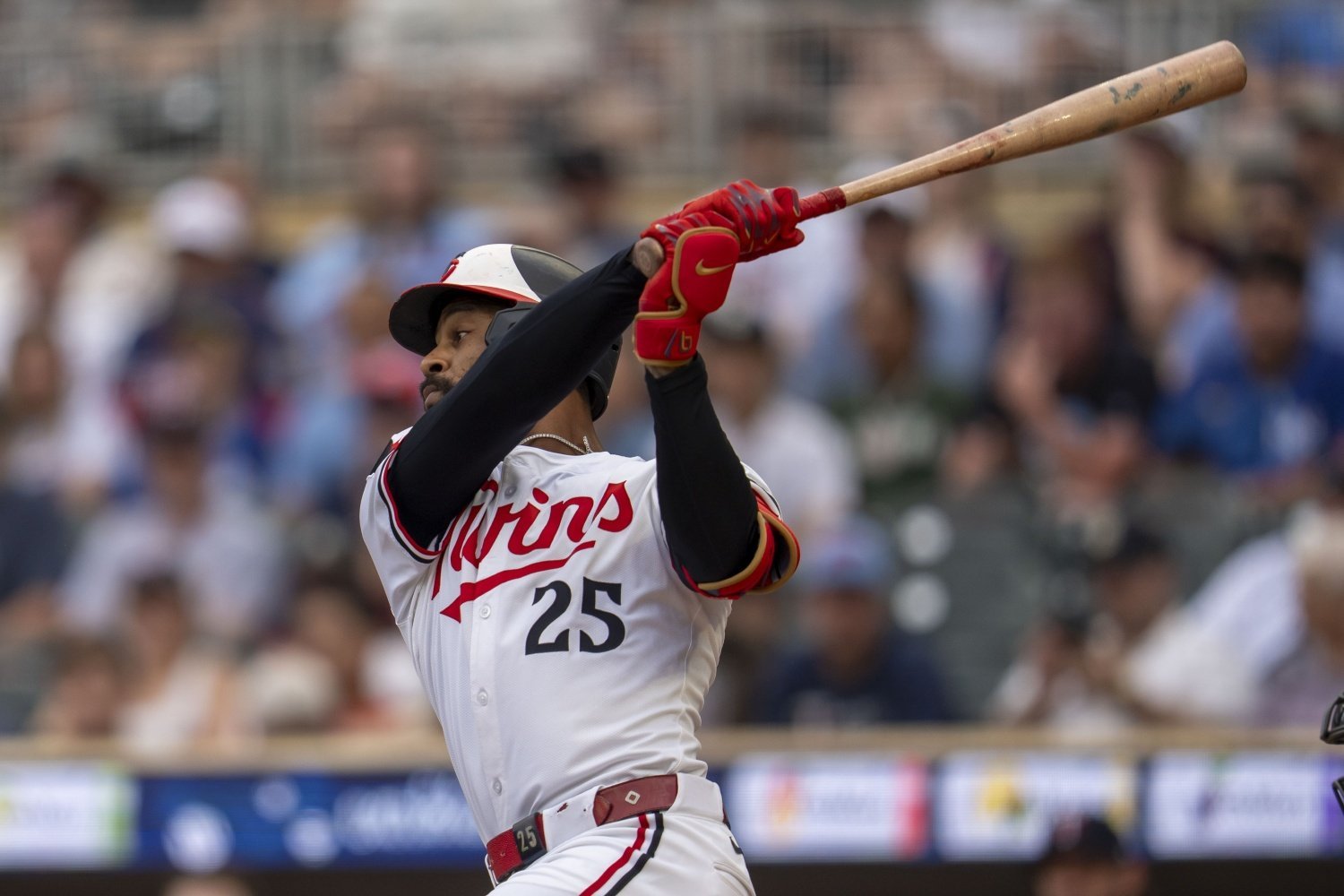 The Minnesota Twins are still in sell mode, after their fire sale at the 2025 trade deadline. One of their two top starters, Pablo López and Joe Ryan, could be moved to alleviate their payroll pinch, even after the team reduced spending by roughly $30 million from 2023 to 2024 and by another few million in 2025.. If either López or Ryan is dealt, the Twins' star center fielder, Byron Buxton, is likely to be moved, as well. People in Buxton’s camp have indicated that, despite previous public comments to the contrary, he is willing to waive his no-trade clause to a contending team, as first reported by Dan Hayes of The Athletic. Buxton has been very loyal to the Twins, but even the most devoted players can have their patience tested when their team tears down a roster the way the Twins have. Not every team looking to contend in 2026 needs a star center fielder such as Buxton, but the Brewers could use his help. The Brewers have been playing musical chairs in center field the last two seasons. In 2024, Blake Perkins played 119 games, hitting .240/.316/.332 with six home runs and 32 RBIs over 434 plate appearances. Perkins played more of a backup role this year, and Jackson Chourio ended up playing the most games in center in 2025, with 89. Chourio’s bat was still solid in his sophomore season, with a .270/.308/.463 slash line, 21 home runs, 78 RBIs, and 21 stolen bases, but he played shaky defense compared to how he'd done in left field in 2024. Chourio went from 12 Defensive Runs Saved in 2024 to -4 this season, according to Sports Info Solutions. The sudden drop off when moving to a more demanding defensive position is a bit concerning, and Buxton had -5 DRS this season with the Twins. But DRS is not the all-telling stat in defense. Buxton still had plenty of highlight-reel catches in his 118 games played in center field this year. He also has the hardware to back it up, with a Gold and Platinum Glove awarded to him back in 2017. If the Brewers move forward with pursuing Buxton, moving Chourio back to left field would mean finding Isaac Collins a new defensive home, too. Fortunately for Collins, he is versatile with his defensive positioning, having spent several games at second and third base as well. Even with Buxton on board, it's easy to envision finding time for him, Chourio, Collins, and Sal Frelick, with Perkins's role receding to a purer defense-only gig. Alternatively, of course, someone in that mix could be dealt away. So what kind of trade package would it take for the Twins to be willing to move Buxton, if his no-trade clause gets waived? It’s safe to say the Brewers' top two prospects, Jesús Made and Luis Peña, are off limits, and the Twins are not in dire need for middle infield help in their farm system. A majors-ready player such as Collins could be someone the Twins would want to help their outfield depth, especially with his hometown connections to the Twin Cities suburb of Maple Grove. If Buxton does enter the trade market, it might be a package of Collins and a prospect or two that gets a deal done. Pitchers Bishop Letson and Logan Henderson are the types of arms the Twins like, but Minnesota has a bit of a logjam of young pitching. They have other needs the Brewers' farm system could also address. The positions where the Twins need the most help are first base, catcher, and the bullpen. While the Twins will likely look within their own farm system for relief help, they do not have many top-rated prospects in the upper levels of the minors for first base or catcher, which would make Jeferson Quero and the Brewers' first-round pick from the 2025 draft, Andrew Fischer, ideal trade targets for Minnesota. If a Buxton trade becomes a possibility, then it’s almost certain the Twins would trade their current starting catcher, Ryan Jeffers, as well. Jeffers is a year away from free agency, and with the Twins' current financial status, he's not expected to re-sign after the 2026 season. The Twins nabbed a top catching prospect, Eduardo Tait, from the Phillies at the trade deadline for Jhoan Duran, but Tait is still a couple of years away from the big leagues. Therefore, Quero would be a priority target for Minnesota. He is close to ready for the show, and would be able to take a jump into a starting role with Jeffers gone. Quero was limited to just 69 games in 2025 due to a hamstring strain that delayed the start of his season until mid-May and a shoulder injury in August. He put up decent numbers between the Arizona Complex League (on rehab assignments) and Triple-A St. Paul: a .271/.361/.478 slash line, 11 home runs, 57 RBIs, a 10.9% walk rate, and a 13.6% strikeout rate. Quero may not be ready for the starting role on a competitive team like the Brewers, but if the Twins truly intend to strip away their best and highest-paid players, then a player of Quero’s caliber would end up being thrown into the starting catcher role without concern for the long-term outcome. Fischer, on the other hand, will still be a year or two away from the majors and will try out between first and third base. The Twins don't have a first baseman ranked within their top-30 prospect list, per MLB Pipeline. Nor have they sought out a first baseman to develop internally in the last five years. Fischer may have limited playing time in pro ball, but his profile may be exactly what the Twins need to stop their own first base gap. Jeff Passan recently reviewed the case on Buxton’s availability and put his trade probability at 35% with López and Ryan both sitting at 50%. The Brewers were not a team listed as a landing spot for Buxton, but they do have the prospect capital to acquire him—more so than other listed teams, such as the Atlanta Braves or Cincinnati Reds. Much depends on whether the Brewers would be a team for whom Buxton would waive his no-trade clause. It's his desire to win that is pushing him toward an exit from Minnesota, though, and few teams offer a clearer path to consistent winning than Milwaukee. Still, if Buxton does become available, a Brewers outfield with Chourio in left, Buxton in center, and Sal Frelick in right might be the best defensive outfield in baseball. More to the point, adding 30-home runs, 30-steals potential into a lineup that had only two 20-homer hitters would put the Brewers over the offensive hump in the National League Central. Buxton has one of the very few things the Brewers currently lack. If they can snare him in a trade, they might be one step closer to unseating the Dodgers as National League champions. View the full article
 -
 You can listen by downloading us from iTunes, Spotify, YouTube, iHeartRadio, Stitcher, GleemanAndTheGeek.com, click this link, or you can listen to it or watch it below. View the full article
 -
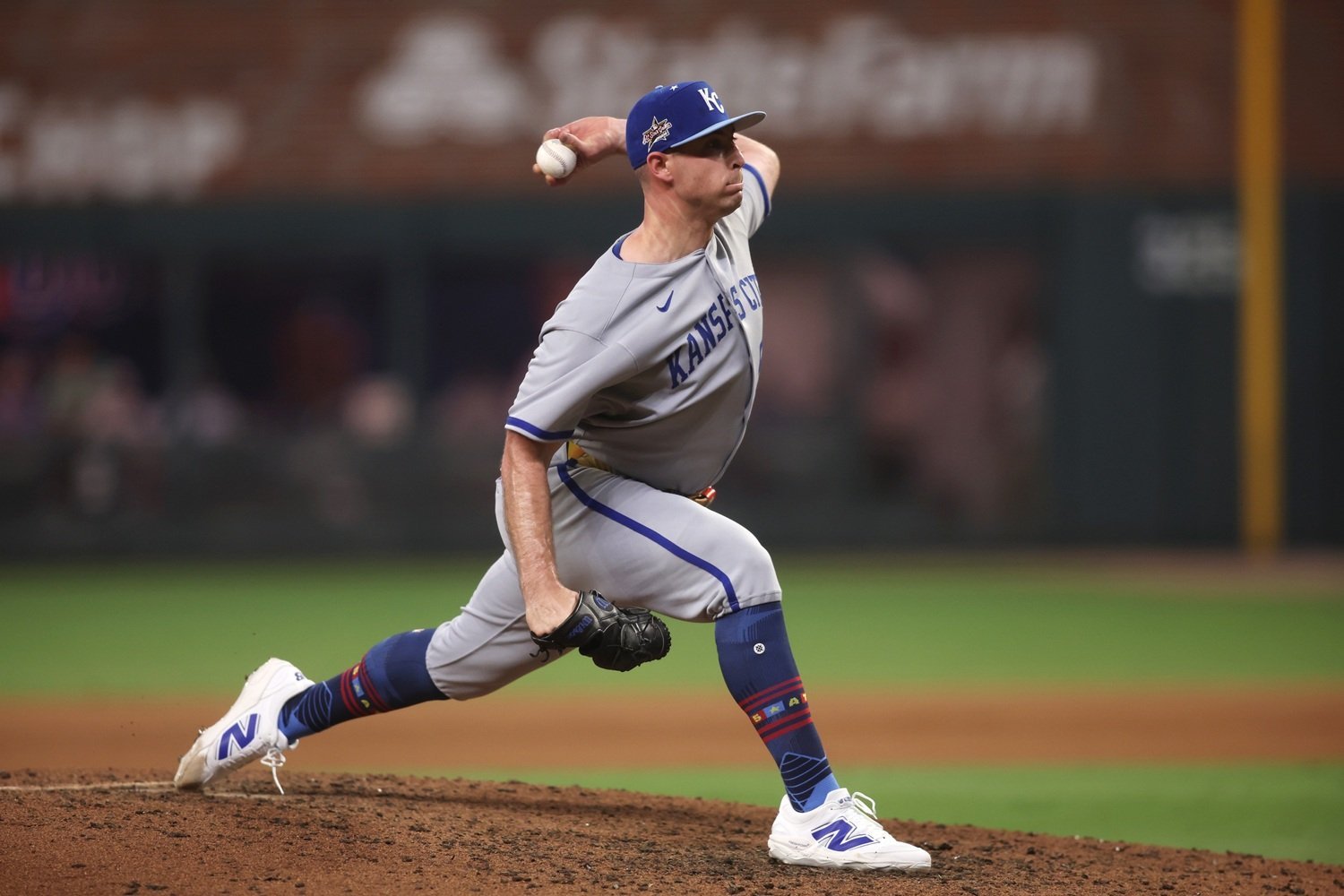 The Kansas City Royals currently live in the enviable position of having “excess” starting pitching. As you may have heard, though, “You can never have too much pitching”. The Royals certainly clung to this old adage during the 2018 MLB draft when they selected pitchers with their first five picks and eight of their first ten picks. Those first five picks were: 1st Round (18th overall): Brady Singer, RHP (Florida) He was traded for Jonathan India last offseason. 1st Round (33rd overall): Jackson Kowar, RHP (Florida) He is now with the Mariners and dealing with injuries. 1st Round (34th overall): Daniel Lynch IV, LHP (Virginia) He pitched 131 innings in 2022; now dealing with injuries and became a reliever. 1st Round (40th overall): Kris Bubic, LHP (Stanford) He pitched 130 innings in 2021 and 2022, then went down with Tommy John surgery in 2023. He made a strong return in 2025 only to miss the second half with a rotator cuff strain 2nd Round (#58th overall): Jonathan Bowlan, RHP (Memphis) Bowlan finally has pitched more than three innings in a year reaching 44 1/3 innings pitched as a reliever in 2025. All five have made contributions to the major-league team, but not quite at the level anyone expected or at least hoped. Singer was meant to be the new Number Two in the rotation, but he has not lived up to the hype acting as an innings eating Number Three or Four guy. Kowar, Lynch, and Bubic have all dealt with a myriad of injuries in their time with the club while Bowlan took a little longer to debut. With Singer already traded away in an attempt to fill the hole at second base with Jonathan India, Lynch, and especially Bubic, have managed to generate enough results to garner interest on the trade market this off-season. Bubic has been the hot name given his 2.55 ERA and 1.18 WHIP over 116 innings pitched before going down with the rotator cuff injury. He’s in the last year of arbitration before free agency with an estimated salary of $6.0 million per MLB Trade Rumors. The Royals have a major need for a corner outfielder and JJ Piccolo has mentioned a willingness to trade from their current stock of starting pitching to fill this need akin to the Singer-India trade. The Royals were not terribly far from the playoffs in 2025 finishing six games back from the division-winning Cleveland Guardians and five games back from the second American League Wild Card spot. The big stain on the season was a horrific June when they went 8-18 losing six in a row twice and eight of their last nine that month. They also did not play well against Cleveland and Detroit, the top two teams, going 5-8 and 4-9 against them, respectively. This could suggest to some that they are not in as good of a position as they might think, but owner John Sherman is set to spend a similar amount on payroll this year in an effort to return to the postseason. If I’m JJ Piccolo, I’m looking to move Bubic. The Royals were dead last by Wins Above Average at both left and right field in 2025 with a -2.6 and -3.9, respectively, per Baseball Reference. Drew Waters and John Rave rotated between the two while they tried to get Jac Caglianone’s bat in the lineup via right field to spark the sputtering offense to little effect. Mike Yastrzemski, who had the second most plate appearances in right field, is no longer with the team, so the Royals desperately need to make an addition here in the corner outfield. Projections for Bubic from Steamer and Fangraphs Depth Charts have him pitching 155 innings with 9 Wins, a 3.79 ERA, and rate of 8.6 strikeout/9 innings which is good for about 2.5 Wins Above Replacement. Trade Option 1 - St. Louis Cardinals Royals Get: Lars Nootbaar, Left Field 2025 Stats: .248 AVG/.345 OBP/.409 SLG; 1.7 WAR 2026 Steamer Projection: 444 PA - 52 R, 13 HR, 48 RBI, 6 SB Cardinals Get: Kris Bubic, LHP and Angel Zerpa, LHP Bubic 2026 Steamer Projection: 155 IP - 9 Wins, 3.79 ERA, 1.29 WHIP, 148 SO; 2.5 WAR Zerpa 2026 Steamer Projection: 61 IP - 3 Wins, 3.60 ERA, 1.32 WHIP, 56 SO, 0.4 WAR Nootbaar has two years of control left, entering his second year of arbitration in 2026 with an estimated salary of $5.7M per MLB Trade Rumors. Even though these two teams are intrastate rivals, they may be able to hold their nose for this deal as it is purely need-for-need as the Cardinals are desperate for starting pitching after dealing Sonny Gray and the Royals need their corner outfield upgraded. Nootbaar had a noticeable down year in 2025 and dealt with an intercostal and rib injury that made him miss 18 games. This was likely bothering him before he officially went on the IL at the end of June as he had a batting average of .169 in June, .219 in July, then popped back up to.284 in August. His barrel percentage (how often the batter hits the ideal launch angle and exit velocity), exit velocity, and strikeout rate stayed consistent from 2024, but he hit balls in the air at a much higher rate getting under it 30.2 percent of the time compared to his career 23.9 percent rate and 19 percent rate in 2023 and 2024. Nootbaar still had an above average year for plate discipline and quality of contact overall, two things that the Royals strive for with their hitters. Notably he had a 11-percent walk rate (80th percentile of MLB) and a 50-percent hard-hit rate (87th percentile in MLB). He also strikes out 20% of the time, right around MLB average, and maintains an above average bat speed which leads to higher quality contact. Zerpa has been mostly a reliever with a couple of spot starts for the Royals as needed. He sports a sinker-slider combo to generate a 99th percentile ground ball rate of 63.7%. His fastball velocity sits at 96 MPH from the left side and is still only 26 years old. He won’t hit free agency until 2029. Trade Option 2 - Chicago Cubs Royals Get: Owen Caissie, Left Field, Jefferson Rojas, Second Base Owen Caissie 2025 Stats: .237 AVG/.315 OBP/.405 SLG; 0.5 WAR 2026 Steamer Projection: 269 PA - 31 R, 9 HR, 30 RBI, 3 SB Jefferson Rojas 2025 (High-A, AA): 471 PA - 67 R, 11 HR, 59 RBI, 19 SB .236 AVG/.343 OBP/.387 SLG Cubs Get: LHP Kris Bubic, C Blake Mitchell, RHP Felix Arronde Kris Bubic, LHP 2026 Steamer Projection: 155 IP - 9 Wins, 3.79 ERA, 1.29 WHIP, 148 SO; 2.5 WAR Blake Mitchell, Catcher 2025 (CPX and High-A): 255 PA - 28 R, 3 HR, 19 RBI, 12 SB .218 AVG/.390 OBP/.320 SLG Felix Arronde, RHP 2025 (High-A): 128.2 IP - 5 Wins, 2.80 ERA, 1.08 WHIP, 101 SO Caissie and Rojas are two of the Cubs’ Top 5 prospects and fill two needs for the Royals at left field and second base. Now, Caissie is the only one ready to slide into the lineup on opening day in 2026 as Rojas will likely be major league ready in 2027, but Rojas is only 20 years old and has at least a 50 Future Value scouting grade - good for about 2 Wins Above Replacement much better than the negative WAR that Jonathan India and Michael Massey were able to provide. The Royals signed India to a one-year contract for 2026 to fill the second base gap for at least one more year. Caissie is MLB Pipeline’s top prospect for the Cubs with 30-homer power and producing well against older competition throughout his time in the minors. The 23-year-old had a small part in 2025 in the majors only appearing in 12 games and striking out 40% of the time in 27 plate appearances, but there’s always an adjustment period. The great power comes from a long swing that does elevate his strikeout rate even clocking in close to 30% in the minors. His modest fielding will keep him in a corner outfield spot, right where the Royals need him. Rojas will be turning 21 next year and has spent most of his time at shortstop in the minors. As he adds strength, he will be more likely to shift over to second base, especially with Bobby Witt Jr. ahead of him and the Royals need for at least league average at the position. Scouts love his swing and will need to make some adjustments to breaking balls, as do all prospects. He doesn’t strike out a ton (a hallmark of Royals baseball) and will not be hitting lots of home runs, but all the Royals need him to do is get on base and play good defense. Blake Mitchell is the Royals top prospect aside from the soon-to-graduate Carter Jensen. Drafted 8th overall out of high school in 2023, many Royals fans were shocked to see such a risk taken. A broken hamate sidelined him for a portion of the year, only playing in 60 games, but he showed his likely three-true outcome path in the majors hitting for low average and a high walk and strikeout rate. He has good power and a strong arm but can struggle to throw runners out. With Salvador Perez and Jensen ahead of him, it’s time to trade from a position of strength. He should be knocking on the Cubs’ door in 2027. Arronde had a great year in High-A, improving on his total innings, Wins, and ERA from 2024. His arsenal includes a fastball that sits around 94mph, an average slider, and a great split-changeup. He’s still young and needs to add strength but has shown the durability for being a starter, likely to slot in at a number 3 or 4. If he doesn’t improve a ton on his slider, he’s a great closer candidate in a few years with that changeup. Teams always need starting pitching and there are several trade candidates out there for the Royals to pursue. If they choose not to go the trade route and hang on to their excess starting pitching, it could be a safer option to sign a cheaper free agent akin to Mike Yastrzemski to hold the line one more year before giving a chance to Gavin Cross or Carson Roccaforte. The winter meetings are coming up soon, perhaps there is room for a deal or two. Should the Royals deal Kris Bubic this offseason after his return and All-Star performance? Do either of these packages make sense? View the full article
 -
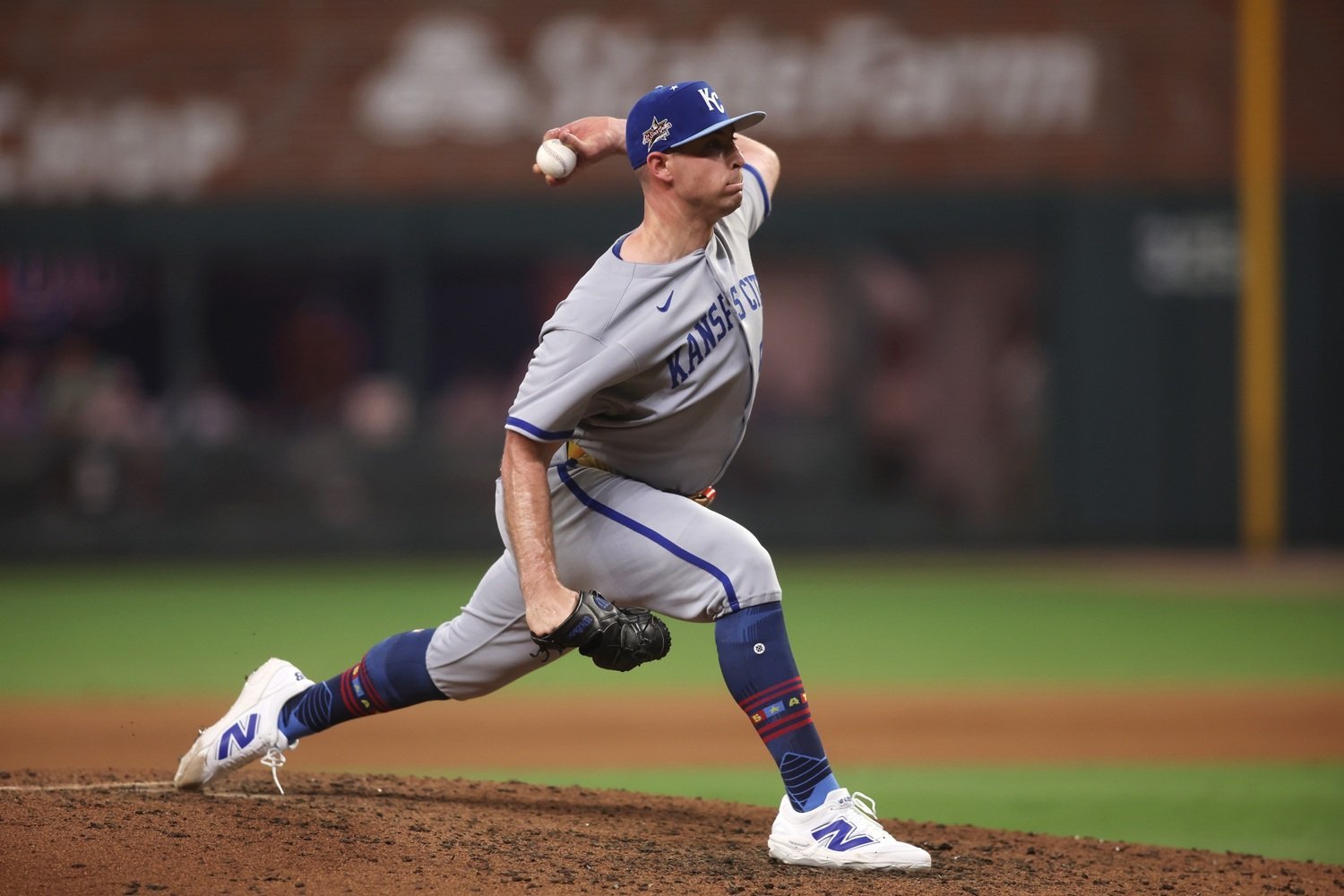 The Kansas City Royals currently live in the enviable position of having “excess” starting pitching. As you may have heard, though, “You can never have too much pitching”. The Royals certainly clung to this old adage during the 2018 MLB draft when they selected pitchers with their first five picks and eight of their first ten picks. Those first five picks were: 1st Round (18th overall): Brady Singer, RHP (Florida) He was traded for Jonathan India last offseason. 1st Round (33rd overall): Jackson Kowar, RHP (Florida) He is now with the Mariners and dealing with injuries. 1st Round (34th overall): Daniel Lynch IV, LHP (Virginia) He pitched 131 innings in 2022; now dealing with injuries and became a reliever. 1st Round (40th overall): Kris Bubic, LHP (Stanford) He pitched 130 innings in 2021 and 2022, then went down with Tommy John surgery in 2023. He made a strong return in 2025 only to miss the second half with a rotator cuff strain 2nd Round (#58th overall): Jonathan Bowlan, RHP (Memphis) Bowlan finally has pitched more than three innings in a year reaching 44 1/3 innings pitched as a reliever in 2025. All five have made contributions to the major-league team, but not quite at the level anyone expected or at least hoped. Singer was meant to be the new Number Two in the rotation, but he has not lived up to the hype acting as an innings eating Number Three or Four guy. Kowar, Lynch, and Bubic have all dealt with a myriad of injuries in their time with the club while Bowlan took a little longer to debut. With Singer already traded away in an attempt to fill the hole at second base with Jonathan India, Lynch, and especially Bubic, have managed to generate enough results to garner interest on the trade market this off-season. Bubic has been the hot name given his 2.55 ERA and 1.18 WHIP over 116 innings pitched before going down with the rotator cuff injury. He’s in the last year of arbitration before free agency with an estimated salary of $6.0 million per MLB Trade Rumors. The Royals have a major need for a corner outfielder and JJ Piccolo has mentioned a willingness to trade from their current stock of starting pitching to fill this need akin to the Singer-India trade. The Royals were not terribly far from the playoffs in 2025 finishing six games back from the division-winning Cleveland Guardians and five games back from the second American League Wild Card spot. The big stain on the season was a horrific June when they went 8-18 losing six in a row twice and eight of their last nine that month. They also did not play well against Cleveland and Detroit, the top two teams, going 5-8 and 4-9 against them, respectively. This could suggest to some that they are not in as good of a position as they might think, but owner John Sherman is set to spend a similar amount on payroll this year in an effort to return to the postseason. If I’m JJ Piccolo, I’m looking to move Bubic. The Royals were dead last by Wins Above Average at both left and right field in 2025 with a -2.6 and -3.9, respectively, per Baseball Reference. Drew Waters and John Rave rotated between the two while they tried to get Jac Caglianone’s bat in the lineup via right field to spark the sputtering offense to little effect. Mike Yastrzemski, who had the second most plate appearances in right field, is no longer with the team, so the Royals desperately need to make an addition here in the corner outfield. Projections for Bubic from Steamer and Fangraphs Depth Charts have him pitching 155 innings with 9 Wins, a 3.79 ERA, and rate of 8.6 strikeout/9 innings which is good for about 2.5 Wins Above Replacement. Trade Option 1 - St. Louis Cardinals Royals Get: Lars Nootbaar, Left Field 2025 Stats: .248 AVG/.345 OBP/.409 SLG; 1.7 WAR 2026 Steamer Projection: 444 PA - 52 R, 13 HR, 48 RBI, 6 SB Cardinals Get: Kris Bubic, LHP and Angel Zerpa, LHP Bubic 2026 Steamer Projection: 155 IP - 9 Wins, 3.79 ERA, 1.29 WHIP, 148 SO; 2.5 WAR Zerpa 2026 Steamer Projection: 61 IP - 3 Wins, 3.60 ERA, 1.32 WHIP, 56 SO, 0.4 WAR Nootbaar has two years of control left, entering his second year of arbitration in 2026 with an estimated salary of $5.7M per MLB Trade Rumors. Even though these two teams are intrastate rivals, they may be able to hold their nose for this deal as it is purely need-for-need as the Cardinals are desperate for starting pitching after dealing Sonny Gray and the Royals need their corner outfield upgraded. Nootbaar had a noticeable down year in 2025 and dealt with an intercostal and rib injury that made him miss 18 games. This was likely bothering him before he officially went on the IL at the end of June as he had a batting average of .169 in June, .219 in July, then popped back up to.284 in August. His barrel percentage (how often the batter hits the ideal launch angle and exit velocity), exit velocity, and strikeout rate stayed consistent from 2024, but he hit balls in the air at a much higher rate getting under it 30.2 percent of the time compared to his career 23.9 percent rate and 19 percent rate in 2023 and 2024. Nootbaar still had an above average year for plate discipline and quality of contact overall, two things that the Royals strive for with their hitters. Notably he had a 11-percent walk rate (80th percentile of MLB) and a 50-percent hard-hit rate (87th percentile in MLB). He also strikes out 20% of the time, right around MLB average, and maintains an above average bat speed which leads to higher quality contact. Zerpa has been mostly a reliever with a couple of spot starts for the Royals as needed. He sports a sinker-slider combo to generate a 99th percentile ground ball rate of 63.7%. His fastball velocity sits at 96 MPH from the left side and is still only 26 years old. He won’t hit free agency until 2029. Trade Option 2 - Chicago Cubs Royals Get: Owen Caissie, Left Field, Jefferson Rojas, Second Base Owen Caissie 2025 Stats: .237 AVG/.315 OBP/.405 SLG; 0.5 WAR 2026 Steamer Projection: 269 PA - 31 R, 9 HR, 30 RBI, 3 SB Jefferson Rojas 2025 (High-A, AA): 471 PA - 67 R, 11 HR, 59 RBI, 19 SB .236 AVG/.343 OBP/.387 SLG Cubs Get: LHP Kris Bubic, C Blake Mitchell, RHP Felix Arronde Kris Bubic, LHP 2026 Steamer Projection: 155 IP - 9 Wins, 3.79 ERA, 1.29 WHIP, 148 SO; 2.5 WAR Blake Mitchell, Catcher 2025 (CPX and High-A): 255 PA - 28 R, 3 HR, 19 RBI, 12 SB .218 AVG/.390 OBP/.320 SLG Felix Arronde, RHP 2025 (High-A): 128.2 IP - 5 Wins, 2.80 ERA, 1.08 WHIP, 101 SO Caissie and Rojas are two of the Cubs’ Top 5 prospects and fill two needs for the Royals at left field and second base. Now, Caissie is the only one ready to slide into the lineup on opening day in 2026 as Rojas will likely be major league ready in 2027, but Rojas is only 20 years old and has at least a 50 Future Value scouting grade - good for about 2 Wins Above Replacement much better than the negative WAR that Jonathan India and Michael Massey were able to provide. The Royals signed India to a one-year contract for 2026 to fill the second base gap for at least one more year. Caissie is MLB Pipeline’s top prospect for the Cubs with 30-homer power and producing well against older competition throughout his time in the minors. The 23-year-old had a small part in 2025 in the majors only appearing in 12 games and striking out 40% of the time in 27 plate appearances, but there’s always an adjustment period. The great power comes from a long swing that does elevate his strikeout rate even clocking in close to 30% in the minors. His modest fielding will keep him in a corner outfield spot, right where the Royals need him. Rojas will be turning 21 next year and has spent most of his time at shortstop in the minors. As he adds strength, he will be more likely to shift over to second base, especially with Bobby Witt Jr. ahead of him and the Royals need for at least league average at the position. Scouts love his swing and will need to make some adjustments to breaking balls, as do all prospects. He doesn’t strike out a ton (a hallmark of Royals baseball) and will not be hitting lots of home runs, but all the Royals need him to do is get on base and play good defense. Blake Mitchell is the Royals top prospect aside from the soon-to-graduate Carter Jensen. Drafted 8th overall out of high school in 2023, many Royals fans were shocked to see such a risk taken. A broken hamate sidelined him for a portion of the year, only playing in 60 games, but he showed his likely three-true outcome path in the majors hitting for low average and a high walk and strikeout rate. He has good power and a strong arm but can struggle to throw runners out. With Salvador Perez and Jensen ahead of him, it’s time to trade from a position of strength. He should be knocking on the Cubs’ door in 2027. Arronde had a great year in High-A, improving on his total innings, Wins, and ERA from 2024. His arsenal includes a fastball that sits around 94mph, an average slider, and a great split-changeup. He’s still young and needs to add strength but has shown the durability for being a starter, likely to slot in at a number 3 or 4. If he doesn’t improve a ton on his slider, he’s a great closer candidate in a few years with that changeup. Teams always need starting pitching and there are several trade candidates out there for the Royals to pursue. If they choose not to go the trade route and hang on to their excess starting pitching, it could be a safer option to sign a cheaper free agent akin to Mike Yastrzemski to hold the line one more year before giving a chance to Gavin Cross or Carson Roccaforte. The winter meetings are coming up soon, perhaps there is room for a deal or two. Should the Royals deal Kris Bubic this offseason after his return and All-Star performance? Do either of these packages make sense? View the full article
 -
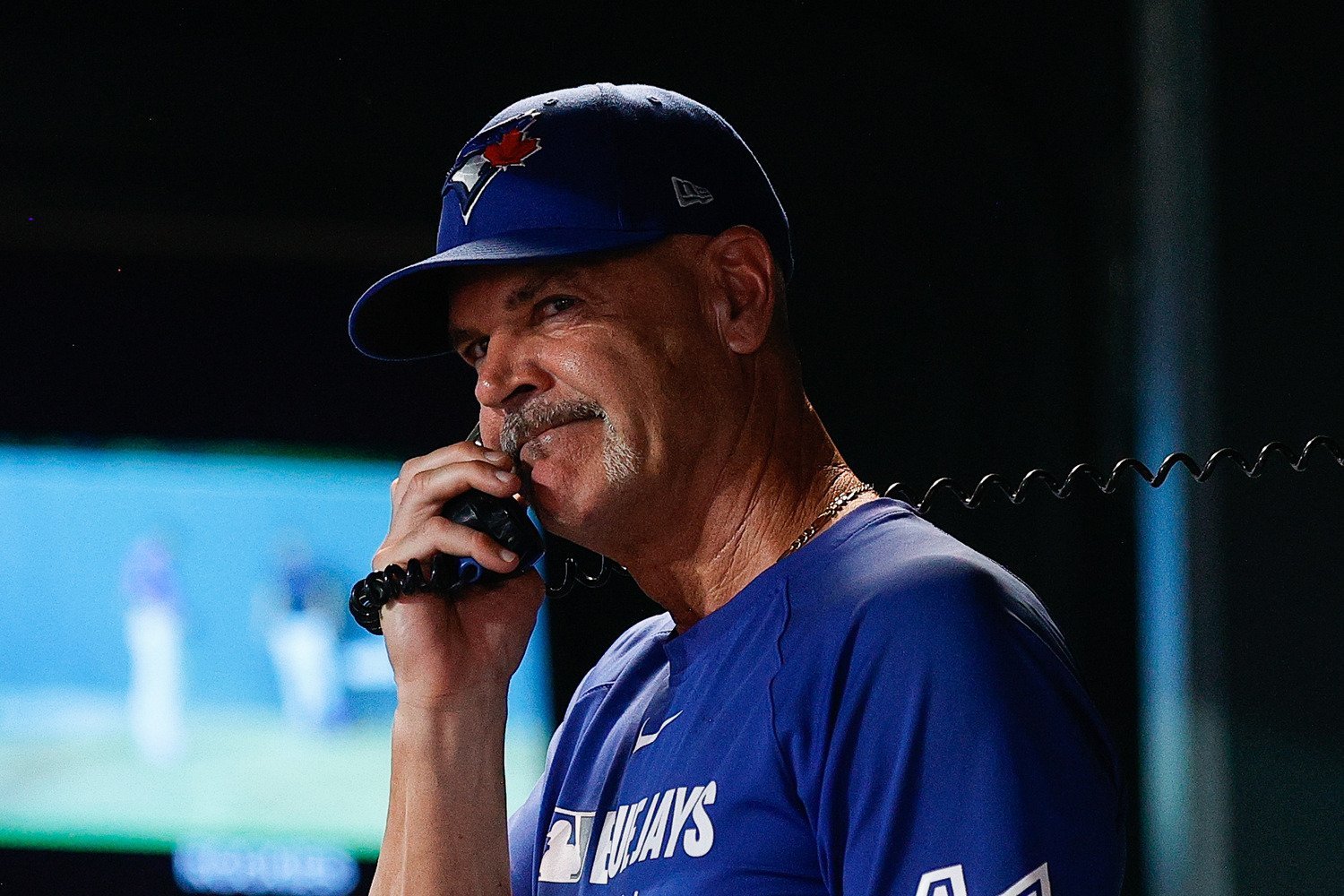 There were big stops in key situations throughout the 2025 season as a result of John Schneider turning the ball over to the bullpen, but there might have been an equal number of hiccups. The 2025 bullpen was arguably overworked during the regular season, and it showed during the postseason. Schneider’s faith in the backend dwindled to a small number of arms as the postseason progressed. In fact, he had two starters come out of the ‘pen in Game 7 of the ALCS against the Mariners. Like in every successful season, the Jays relied upon clutch hitting and relief pitching. While the Jays’ bats had their ups and downs during 2025, most of the criticism was placed on the bullpen. As Ross Atkins and the front office evaluate their options, they have some big decisions to make when it comes to the later innings. Jeff Hoffman is one of the biggest enigmas. He was phenomenal at times, but over the course of a season, evidence would suggest that he doesn’t have the velocity or the fastball movement to be a dominating closer. Set-up man? Maybe. His struggle to locate pitches was an ongoing issue and is one of the reasons the Jays have been publicly looking at other options. Overall, the bullpen was considerably better than the previous year (when it all but imploded), yet it still ended 2025 as a mid-tier group by several metrics and encountered inconsistency throughout the postseason. If the Jays want to make another push to the postseason, the bullpen will need to be a more dominant, resilient unit. The 2025 bullpen finished the year 16th in ERA (3.98), 14th in WHIP (1.28), 12th in saves (42), and a strong fifth in strikeouts (644). Several relievers were pivotal at different times. Hoffman, who was signed to anchor the late innings, pitched a career-high 71 appearances, which could account for some of his late-season and postseason woes. Seranthony Domínguez, who is now a free agent, offered dominant right-on-right matchups with a microscopic opponent OPS. Mason Fluharty emerged down the stretch, flashing the poise to retire elite hitters in ultra-high leverage. Yariel Rodríguez found more consistent success as a reliever than as a starter, suggesting the bullpen maximizes his value. And you can’t say enough about Louis Varland, who became Schneider’s Swiss Army knife in October, appearing in virtually every scenario, even as an opener. The bullpen also had some late-season and postseason additions and subtractions, as starters Chris Bassitt, Kevin Gausman and José Berríos saw action. Even Trey Yesavage and Shane Bieber both pitched out of the bullpen in Game 7 of the World Series. With that said, the Dodgers also deployed their starters out of the bullpen because of their bullpen woes. Bullpen arms come and go. In 2024, the Jays’ bullpen featured names like Jordan Romano, Nate Pearson, Tim Mayza, Mitch White and Trevor Richards. They all underperformed, and as a result, the season was a disappointment. The 2025 edition fared better. The lesson for the Jays’ front office should be that bullpens are volatile, and success depends on churning the bottom, stockpiling multiple viable high-leverage candidates and leaning into swing-and-miss. Toronto did much of this last season and must double down in 2026. In 2025, the revolving door included Tommy Nance, Paxton Schultz and Justin Bruihl. If they stick around, they could be joined by Jake Bloss (more known as a starter), Lazaro Estrada and Rule 5 pick-up from last year, Angel Bastardo. Can’t imagine any will get a permanent spot in the bullpen, but they might be a stopgap if injuries occur. A sustainable bullpen is not built solely through free agency. The Jays have internal candidates who should be able to contribute meaningful innings. Some should be available by Opening Day, and some are a work in progress and might be available by mid-season. By leveraging these internal arms, the Jays can control costs a bit and be a bit more flexible in the make-up of their roster. With the signing of Dylan Cease and Cody Ponce, it might place Berríos in an awkward position when it comes to the starting rotation. Right now, it seems like Berríos could head to the bullpen or onto the trade block. He voiced his displeasure about what he perceived as a demotion to the bullpen at the end of last season. The Jays also have Eric Lauer and Rodríguez as viable swingmen. Lauer proved his value as a starter and reliever in 2025, delivering starter insurance and effective bulk relief. Rodríguez seemed to stabilize as a reliever last season and looks destined to be seventh/eighth-inning leverage because of his command consistency and velocity. While Jays’ fans have long heard about Ricky Tiedemann, the hard-throwing lefty who has had a series of injuries during his rise through the minor leagues, this might be the season he takes the next step. He could usurp Brendon Little (if Little can’t find his stuff again) as the bullpen's top lefty and provide the team with options. Other arms in the system include two more lefties, Adam Macko and Trenton Wallace, who both pitched in Triple-A last season and can offer multi-inning relief. Free agency and trades are where the magic might end up happening. Edwin Díaz could be the back-end solution, especially now that Devin Williams has signed with the Mets and Ryan Helsley has signed with the Orioles. Jays are also rumoured to be interested in signing Pete Fairbanks. Some other notable names in the free agent pool include Robert Suarez, Shawn Armstrong, Kenley Jansen, Hoby Milner, Tyler Rogers, Kirby Yates, Luke Weaver, Mark Leiter Jr., David Robertson, and Sean Newcomb. More likely, if the Jays aren’t successful in getting any of the bigger names, they might target a return of Domínguez. Alternatively, free agents Jakob Junis, Hunter Harvey, Steven Matz or Caleb Ferguson might fit the bill. Modern bullpen management considers a metric called leverage index (LI) to quantify the pressure of a given plate appearance. In recent years, the Jays have been focusing on analytics, especially when it comes to their pitching staff. This includes approaches such as pre-mapping the bullpen plan by identifying opposing lineup clusters where the setup ace is best deployed, dynamic substitutions where certain pitchers could be brought in to face segments of the lineup that include same-sided hitters, and a concept called flexible closer usage, meaning the closer might be brought in for four or even five outs instead of three. Schneider has evolved as a manager and seems to be leaning into analytics. His bullpen usage last season was one of the reasons for the Jays’ success. When he walks to the mound in 2026, he might have new options to consider. View the full article
 -
Red Sox Hire Ryan Otero As Special Assistant To Craig Breslow
DiamondCentric posted an article in Talk Sox
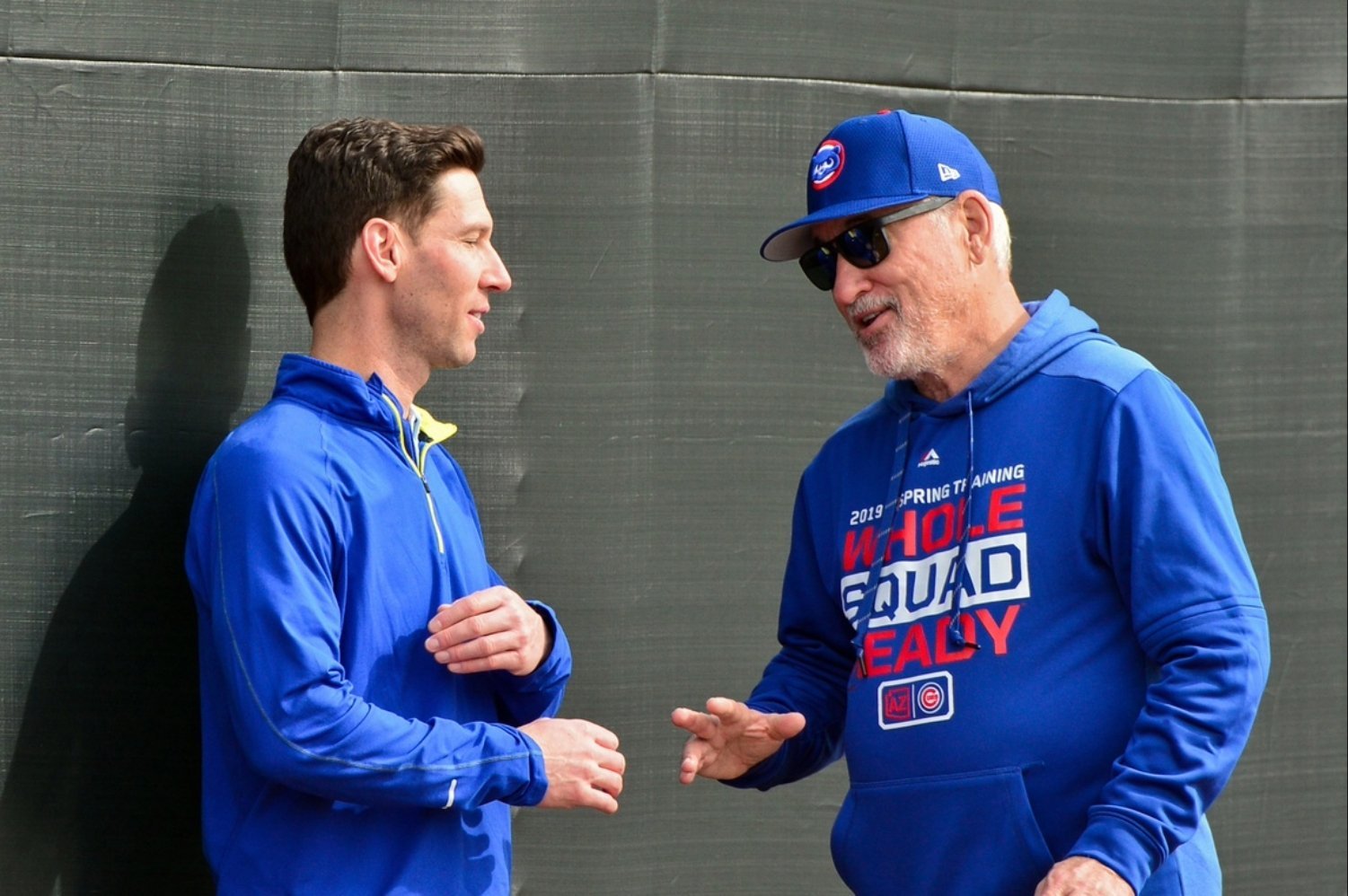 It wasn’t just the roster that saw changes occur prior to the Winter Meetings, as the front office acquired new talent as well. According to Maddie Lee of the Chicago Sun-Times, the Chicago Cubs director of pitching Ryan Otero is leaving the Cubs and joining the Boston Red Sox's front office. Otero will be a special assistant to Craig Breslow. This move is a reunion for Otero and Breslow, as the duo worked together during the latter’s time in Chicago. While serving as an assistant general manager and the senior vice president of pitching, Breslow’s, right-hand man was Otero. After Breslow left, Otero was promoted to the role of pitching director for the organization. His transition to Boston should go smoothly considering the past relationship between the two. Breslow spoke highly of Otero earlier in the year, saying "his ability to speak very technically, and then also in everyday language that resonates with players and coaches, was something I was drawn to... And so, I was like, this is a guy that I need to pull close and give significant responsibility to." The addition of Otero, while in a different position, should help offset the loss of Justin Willard, who was hired by the New York Mets to be their new pitching coach. View the full article
 -
 The MLB Draft Lottery is only in its fourth season, but many Twins fans are still not familiar with it because the Twins have not been in the lottery since its inaugural season in 2022. Draft experts Jamie Cameron and Jeremy Nygaard provide an overview of what the MLB Draft Lottery is and what Twins fans should know ahead of the live event on Tuesday, December 9. View the full article
 -
Depth Chart Review: The Boston Red Sox's Corner Infield In 2026
DiamondCentric posted an article in Talk Sox
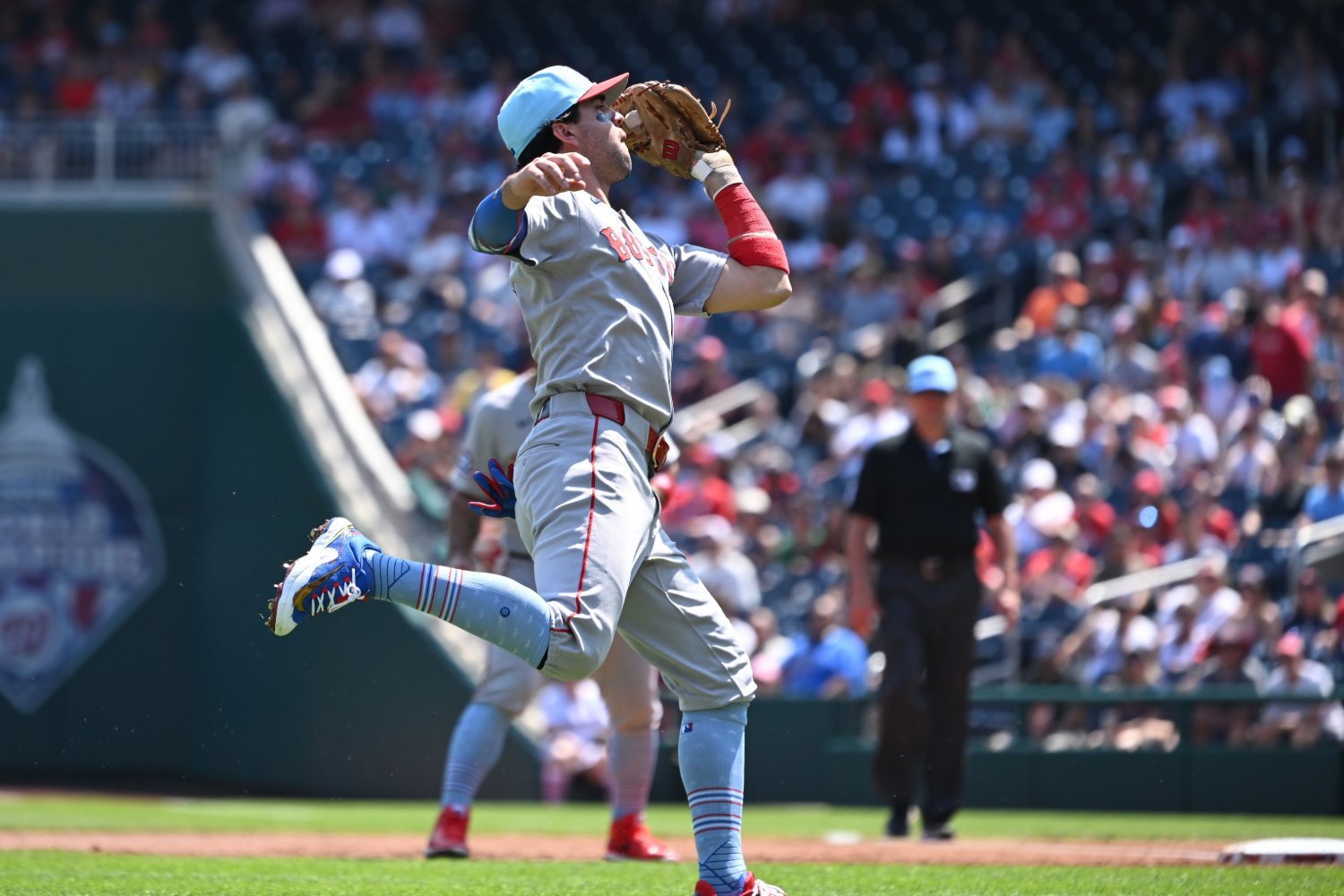 The Boston Red Sox, as currently constructed, need corner infield help badly. Of the players currently on the 40-man roster, three were expected to provide important roles throughout 2025, but due to injuries only one made it through the entire season, that being Romy González. He played in a career-high 96 games at first base, second base and a brief appearance at third base. Triston Casas and Marcelo Mayer were not as fortunate, as they played 29 and 44 games (87 if we include the 43 games at Worcester), respectively. While the potential is there for both young players, based on the past few years, there is a debate over whether they can stay healthy through an entire 162-game season. When they are healthy, they have shown proof of being starter-caliber players. With that, we’re going to take a look at the current state of the Red Sox's corner infield depth, going over those on the 40-man roster and those who could contribute next year in the event of an injury. Boston Red Sox 1B Starter: Romy González (96 games, .305/.343/.483 .826 OPS, 23 2Bs, 3 3Bs, 9 HRs, 53 RBIs) González is being placed here as the starting first baseman due to the fact we don’t know if Casas will even be ready for the start of the 2026 season. That’s no knock against González; he is just better suited as a super-utility player since he can play all over the infield and is relatively still new to first base (he’s played a total of 78 games there, all coming since joining the Red Sox in 2024). There’s also the possibility of González being the starter at second base, contingent on how the rest of the offseason unravels. Either way, he needs to be in the lineup each time a left-hander starts for the opposing team due to his .331/.378/.600 slash line against them. Should the Red Sox bring in a true first baseman, González will be able to properly serve his utility role for manager Alex Cora and get at-bats from various positions. 3B Starter: Marcelo Mayer (44 games, .228/.272/.402 .674 OPS, 8 2Bs, 1 3B, 4 HRs, 10 RBIs) Much like with González, Mayer is being placed here as the current starter due to Alex Bregman’s foray into free agency and the team lacking another player to plug in at the hot corner. Of course, much like González, he could also be the starter at second base instead. In his short time with Boston, Mayer proved he was ready defensively, mostly playing third base which he handled with east after playing the position just five times between Portland and Worcester. He also appeared at second base and was able to handle the position well. Offensively, it was a different story, as he flashed some power and showed he could currently be league average against right-handers, but against left-handed pitching he struggled to a .154/.185/.231 line. Mayer is still young and has time to learn — his promotion to Boston last year was rushed due to Bregman’s injury — and he should fare better against major-league pitching in 2026. Potential Backups: Triston Casas (29 games, .182/.277/.303 .580 OPS, 3 2Bs, 3 HRs, 11 RBIs) To say 2025 was a rough season for Casas would be an understatement. After getting off to an extremely cold start, the first baseman began to heat up slightly before a ruptured left patellar tendon ended his season in May. This is the second straight season where a serious injury cost him significant time (and the fourth of the last five season where he played under 105 games). However, when Casas is healthy and right. there’s no denying how important his bat can be. Just entering his age-26 season, should Casas get back to the player he looked like 2023 (24 home runs, .856 OPS), he could strengthen this lineup. Nick Sogard (30 games, .260/.317/.344 .661 OPS 8 2Bs, 9 RBIs) Sogard is a fascinating player, as he'd make plenty of teams’ 26-man roster easily with his skill set of playing all over the field and making quality contact. Unfortunately for Sogard, due to his two remaining minor-league options, he’ll likely be shuttled between Worcester and Boston just as he has been for the past two seasons. While Sogard can be solid defensive at multiple positions and has an average hit tool, his power could hold him back as his exit velocities are below average and he only has 12 career extra-base hits in 173 plate appearances. Nate Eaton (41 games, .296/.348/.383 .731 OPS, 4 2Bs, 1 HR, 4 RBIs) Eaton signed with Boston on a minor-league deal prior to the 2025 season and played well enough in Worcester to warrant a call-up to Boston after Rafael Devers was traded. While he didn’t produce many extra-base hits, Eaton managed to set career highs for exit velocity, hard-hit rate and barrel percentage, though he was mostly used as a late-game replacement or pinch runner. Eaton also allows the team to play loose with substitutions, as he can play all three outfield positions and third base. Tristan Gray (30 games, .231/.282/.410 .693 OPS, 5 2Bs, 3 HRs, 9 RBIs) Gray, who was recently acquired for Luis Guerrero, is an interesting depth option for the team. Unlikely to make the team out of spring training the infielder will most likely spend a lot of time with Worcester. Much like Sogard and Eaton, Gray provides the Red Sox with defensive versatility thanks to his ability to play all four infield positions. But unlike the other two, he also has power behind his swing, having what would have been one of the fastest bat speeds on the team in 2025. Gray does have a swing-and-miss issue, but if he makes contact, it's loud. Triple-A Worcester: Vinny Capra (47 games (White Sox/Brewers), .125/.157/.177 .334 OPS, 2 2Bs, 1 HR, 6 RBIs) Capra, who signed a minor-league deal on Thanksgiving, provides the Red Sox with another dispensable veteran depth option should the team need a player for a short term. Capra has the ability to play not just third base but also second base and shortstop, giving the Sox a plug-and-play infielder. Offensively, he is not very good, if we're being blunt. In 142 career plate appearances, he has a batting line of .133/.181/.188 while striking out more times than he has hits (34 strikeouts to 17 hits). But he’s the kind of player the team has targeted before for minor-league depth, a veteran presence who can play multiple positions. Mikey Romero (111 games (Portland Sea Dogs/Worcester Red Sox) .245/.300/.452 .751 OPS, 33 2Bs, 4 3Bs, 17 HRs, 76 RBIs) Romero is a former first-round draft pick based on his potential ability as a hitter, but injuries have kept him off the field for his first few seasons. He did play a career-high amount of games this past season, for what it's worth. Also, Romero began a position change in 2025, playing more third base than shortstop, especially after his promotion to Worcester in July. Romero showcased average in-game power coming into this past season and a healthy offseason allowed him to hit career highs in doubles and home runs. He can make good contact against right-handers but struggles against left-handers and has a history of chasing changeups out of the zone. Defensively, second base may end up being his best position due to his arm strength, and even then, he may not be much more than an average defender. Nathan Hickey (128 games, .234/.325/.408 .733 OPS, 23 2Bs, 2 3Bs, 17 HR, 75 RBIs) While technically listed as a catcher on multiple depth charts, it’s currently due to the fact there are not many options at Triple-A at this point for the Red Sox. Hickey, who was drafted as a backstop, appeared mostly at first base or designated hitter after moving off of catcher in 2024. Defensively, he has taken rather well to the position, having made just four errors across 90 games there the past two seasons. Offensively, he has good raw power but swings-and-misses a bit. Hickey also is patient and knows the strike zone but whiffs considerably on pitches in the zone. He'd be a last-resort option for the Red Sox at first base. View the full article
 -
 In 2002 (the first-year reliable data from Fangraphs is available), the average fastball velocity of all MLB pitchers was 89.0 mph. Driven by training enhancements, exercise science, scouting emphasis and changes in pitch design, it has consistently increased over the years. Last season, it stood at 94.0 mph. In an age where it has become axiomatic that higher velocity inevitably leads to success, Tyler Rogers stands out as a complete anomaly. Rogers’s pitches aren’t just slow. They are slowest. His rarely-thrown four-seam fastball is the lowest velocity four-seamer in the entire league at 83.2 mph. His sinker, which he threw nearly 75% of the time in 2025, came in at an average of 83.5 mph. He combines that sinker primarily with a slider that has the velocity of a slow curveball at 72.6 mph. For comparison, the average changeup in MLB in 2025 was 85.9 mph. Yes, the average changeup in 2025 was more than 3 mph faster than Rogers’s fastball. Unlike his twin brother Taylor Rogers, a conventional throwing left-handed reliever currently with the Cincinnati Reds, Tyler has thrown from an ultra-low, submarine arm slot since high school, a style reminiscent of Royals team Hall of Famer Dan Quisenberry- but even lower. Rogers’s release point is just barely over six inches from the ground, almost certainly the lowest in baseball history. That throwing motion limits velocity but compensates with deception, movement and durability. The extreme low arm slot is far easier on fragile elbows and shoulders. Rogers has not spent one day on the injured list in his big-league career. After being drafted in 2013 in the 10th round out of Austin Peay by the San Francisco Giants, Rogers, despite generally good numbers, toiled in the minors for seven plus seasons before debuting in 2019 at the age of 28 and finally becoming a bullpen mainstay for the Giants in 2021. In recent years, ERA has fallen out of favor to FIP, which typically better predicts a pitcher’s future success than ERA by focusing on outcomes largely within their control such as strikeouts, walks, and home runs. In theory, if you miss bats, you will be more successful. Rogers again, is a complete anomaly. He does one thing better than anyone else in MLB. He misses barrels and hard contact while not missing bats. His K% was just 16.1% in 2025. His career xFIP (expected Fielding Independent Pitching) over 424 IP is nearly a full run higher than his ERA (2.76 ERA/3.74 xFIP). In every season in which he has pitched over 28 innings, his xFIP has been significantly higher. He is able to be successful in spite of his inability to miss bats because of his extreme ground ball percent (62.1% in 2025), low HR/9 (career 0.59), low BB% (2.3% in 2025), low HardHit% (32.9 vs league avg 47.8%) and low WHIP (0.94 in 2025). Rogers’s 131 Stuff+ for his sinker in 2025 is elite. Remember, he throws that pitch nearly 75% of the time. He induced an average of 18.2 inches of arm-side run (99th percentile) on it and combines that with a -10.5 inch vertical break. Alternatively, the slider tunnels from the exact same release point, and look exactly the same from the hitter's viewpoint until about 15 feet from the plate when it moves in the opposite direction. He is simply the most effective pitcher in MLB who does NOT have swing-and-miss stuff. He does what modern sabermetricians say is not repeatable, and he’s done it for five straight seasons. One of the ways a small market team can make up ground on the big guys like the Dodgers, who hand out massive long-term contracts like candy, is by building an elite bullpen. Bullpens are more important than ever with starting pitchers giving max effort for fewer innings per start than in the past. The 2014-2015 Royals are a prime example of how a dominant bullpen can be a difference maker for a small market team. Relievers are, by comparison to most other positions, cheaper. Rogers’s consensus projected contract is 2-3 years at 20-25 million ($8-9 million AAV). The Royal’s bullpen is already in decent shape with a returning closer in Carlos Estevez, and high leverage swing man Lucas Erceg. John Schreiber returns along with lefty Angel Zerpa. While there are some intriguing options to round out the pen including Alex Lange and Luinder Avila, adding Rogers along with another lefty would greatly improve the length and strength of the pen. Rogers's splits for left-handed hitters vs right-handed hitters are remarkably similar. Although he is entering his 35-year-old season, his velocity independent history of success, and his remarkable durability alleviate concerns over his age. He is more likely than just about anyone to be pitching effectively late into his 30s. If Rogers is able to repeat his 2025 WAR of 1.3, it would amount to a considerable bargain. For the cost-conscious Royals, this is a no-brainer. View the full article
 -
Carter Jensen Is One Of Baseball's Best Catching Prospects
DiamondCentric posted an article in Royals Keep
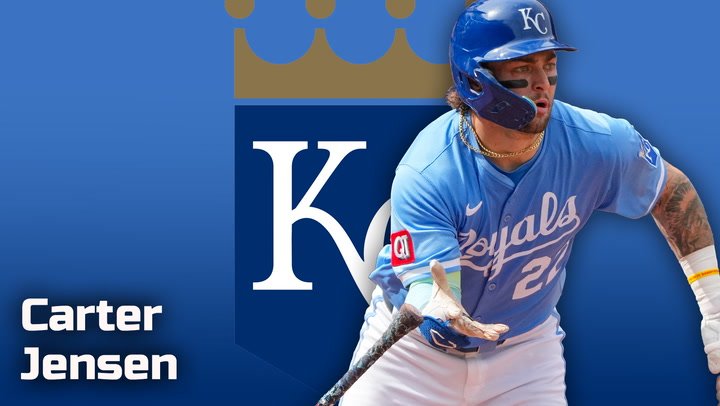 A look at the improvements Carter Jensen made to not only make himself the top prospect in the Royals organization, but one of the most exciting young catchers in the game. View the full article
 -
Brendan Donovan Could Be the Perfect Fit for the Blue Jays
DiamondCentric posted an article in Jays Centre
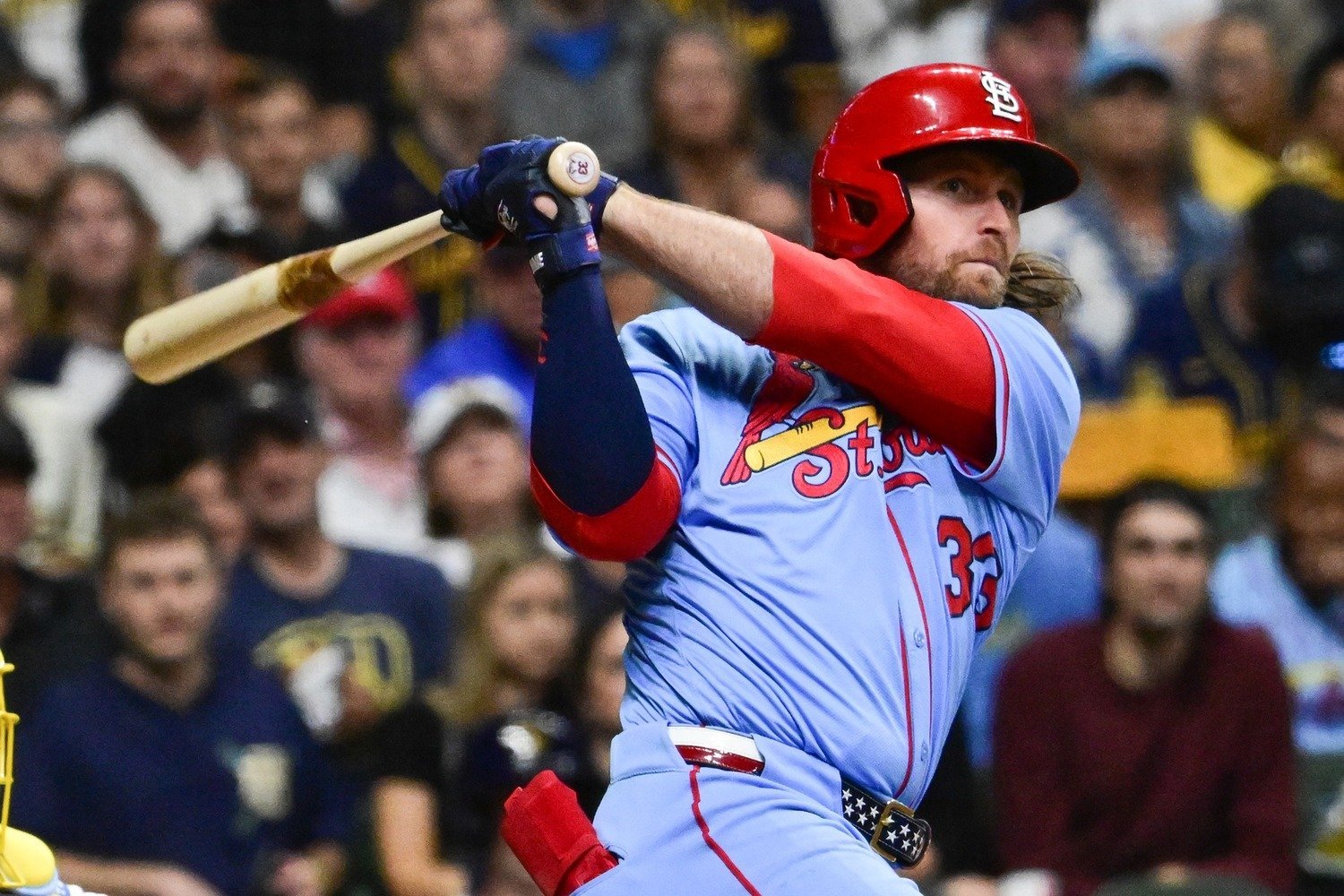 Cardinals' utility man Brendan Donovan isn’t just another name on the trade block. If fans were impressed by Ernie Clement last season, Donovan has the potential to outperform that output and then some from the other side of the plate. A career .287 hitter with a .353 on-base percentage, he brings elite plate discipline (13% strikeout rate) and defensive versatility. He can play second base, third base and left field, giving the Jays insurance if injuries strike, or if Bo Bichette negotiations don’t pan out. More importantly, he’s a left-handed bat in a lineup that still leans right. His skills are ideally suited for this team and for October, when pitching gets nasty and contact hitters become gold. Donovan’s name has been mentioned in nearly every trade conversation featuring contending teams, but his fit and the pieces to pry him from St. Louis are there for the Blue Jays. With two years left of team control at $14 million, even the cost falls well within Toronto’s budget. His tools are the likes that are highly sought after these days. He has elite plate discipline, high contact rates and can play just about anywhere. In addition, his skills at extending at-bats and ability to get on make him the type of Swiss Army knife that could make a difference with or without Bichette on the roster. Last season, his first season as an all-star, Donovan had a wRC+ of 118, a WAR of 2.7, and an OPS vs RHP of .790 in 118 games. His average exit velocity is 88mph (ok for a contact hitter), his hard-hit rate is 38%, but he makes up for that with his sprint speed, which is above average. One of the Jays’ biggest weaknesses during the 2025 season was left-handed contact hitters. Daulton Varsho and Addison Barger were literally hit-or-miss. For that reason, the lineup was too boom-or-bust, especially versus southpaws. When home runs dried up, so did the offense. That’s where Donovan fills a big need. St. Louis is cleaning house and working on a rebuild. It started with Sonny Gray to the Red Sox, and rumours are persisting about Nolan Arenado, Willson Contreras, Donovan and others. Ross Atkins and the Jays’ front office have made deals with the Cards in the past, including trading for Jordan Hicks and Génesis Cabrera in separate deals back in 2023. This time around, the price would be steeper for a player of Donovan’s skills. The price might be as high as pitching prospect Ricky Tiedemann, but with the team’s win-now window, that might just be a reality. Potential trade packages for Donovan could include Ricky Tiedemann (LHP), Joey Loperfido (OF), Gage Stanifer (RHP prospect) or Bowden Francis (SP), Addison Barger (INF/OF), and 2025 top pick JoJo Parker (SS prospect). If the Jays could land Donovan, he could slide into the leadoff or two-hole in the lineup, preceded or followed by Bichette or Springer, Vladimir Guerrero Jr., Anthony Santander, Alejandro Kirk, Daulton Varsho, Ernie Clement, Addison Barger and Andrés Giménez. That would be a pretty potent offense for David Popkins to work with. With Donovan at or near the top, the lineup becomes awfully dynamic. He lengthens at-bats, balances the lineup, and gives John Schneider flexibility to mix and match. If the Jays can’t re-sign Bichette, then Donovan is the next best thing. His ability to work counts, spray line drives and set the table for the rest of the lineup is exactly what the team will need to succeed. If he enters a lineup with Bichette, then those skills will work to the Jays’ advantage by forcing opposing teams to go to their bullpens earlier in games. ESPN predicts the likelihood of Donovan being traded as 75%, and has a long list of other teams interested in his services. Championship teams often make one defining move. The Jays have already made their mark this offseason with the signing of Dylan Cease, but why stop there? It isn’t always the big names that end up making the biggest splash. In 2016, the Cubs added Ben Zobrist. In 2021, the Braves grabbed Eddie Rosario. These weren’t headline-grabbing superstars, but they were versatile, clutch hitters who helped put their teams over the top. Donovan fits that same mold. He’s not going to hit 40 home runs. He will grind out at-bats, move runners, and make the smart play. If the price is Tiedemann, then so be it. Not every pitcher in the Jays’ system will be Trey Yesavage. With the signing of Cease, the Jays can afford to trade one of their pitching prospects. Prospects don’t always pan out. You only have to think back to Alek Manoah, who was drafted 11th overall in 2019. He had a handful of great seasons, then fizzled. Donovan has proven that he can hold his own. As we learned last season, down the stretch and into the postseason, important games come down to pitching duels and slim margins. Donovan’s contact-first approach is a weapon. He’s not here to hit massive home runs, but he will keep innings alive, force mistakes, and create chaos on the bases. Trading for Donovan would also address two unknowns as the off-season continues. It fills the possible void if Bichette leaves, or it complements Bichette’s right-handed, contact-oriented bat with a left-handed contact-oriented bat. He and his on-base skills would help lengthen the lineup. Either way, it is win-win for the Jays. Even from a positional perspective, Donovan’s defensive versatility enables the Jays to play around with the lineups. It also provides them with speed on the bases. Last year’s Jays had a median age of 31.1. At 29, once the season starts, Donovan sits in a range that would suggest he’d fit well in the clubhouse. The only possible flag against Donovan is whether or not he is durable. Foot and groin injuries sidelined him for more than 30 games in 2025. That can be a risk with any player, especially those at or approaching 30 years of age. With that said, anytime a team has a chance to add an all-star, they should consider it. If the Jays can swing a deal with the Cards, the message to MLB and the fanbase is the 2026 Blue Jays mean business. With that said, the Jays need to get in line quickly because it sounds like nearly every contending team will be on the phone with St. Louis trying to add Donovan to their roster. View the full article
 -
 The Twins have an interesting offseason ahead of them. So far, they've only made moves around the edges of a roster that appears to be in for significant change. While rumors around Pablo López, Joe Ryan, and Byron Buxton swirl, I wanted to take a look at a move the Twins could make to improve the lineup within the self-imposed budget constraints Twins fans have become all too familiar with. With the obvious roster holes the Twins have after trading almost half of the roster at this past year’s trade deadline, one move they could make to lengthen the lineup a bit is to sign Miguel Andujar. A trade deadline acquisition himself, Andujar played with the Athletics and the Reds in 2025. While this may not be the splashiest of moves, it’s the type of move the Twins front office could make without breaking the bank. Andujar played in just 94 games this year. An oblique strain landed him on the injured list early in the season, and then a quad injury in August effectively ended his 2025 campaign. When healthy, Andujar performed well, batting .318/.352/.470, which was good for a 125 OPS+. Even for a player who is strictly a corner infielder/outfielder, this will provide value to any lineup, especially one with as many left-handed hitters as the Twins have. Andujar has hit lefties quite well throughout his career, so he could spell one of Kody Clemens, Matt Wallner, Trevor Larnach, or one of the many other left-handed-hitting corner defenders on the roster. Andujar played mostly third base and corner outfield, but has played some first base in his career, as well. Stat Vs LHP VS RHP OPS .986 .759 wOBA .421 .329 wRC+ 171 108 ISO .189 .139 While Andjuar does not walk much (5% walk rate in 2025), he also strikes out less often than most batters. He did so in just 14.4% of his plate appearances in 2025, and 15.5% in the past three seasons combined. The league average is about 22.2%. With Andujar’s ability to play either corner infield spot, or in the corner outfield, he would provide Derek Shelton and company the ability to mix and match, and provide insurance if any of the planned corner bats either underperform or sustain an injury. It might not be a flashy signing, but Andujar could prove to be a nice addition for Derek Falvey and the front office, who are clearly working with a limited budget. He played on a one-year, $3-million deal this past year in his final year of arbitration, so the Twins should be able to add him without breaking the bank. I think a one-year deal in the ballpark of what they signed Carlos Santana to two offseasons ago would get the job done. If it only costs them $5-7 million to secure his services, he would be a bargain, as long as they then utilize him the way they should. View the full article
 -
 Jack and Spencer discuss the latest reports about the Brewers' payroll situation, Freddy Peralta 's future, and potential trade candidates. Apple Podcasts: https://podcasts.apple.com/us/podcast/the-brewer-fanatic-podcast/id1740648724 Spotify: https://open.spotify.com/show/5CY8mWsQayqjDXqw9OT2Td iHeartRadio: https://www.iheart.com/podcast/263-the-brewer-fanatic-podcast-166534588/ Pocket Casts: https://pca.st/ommzz627 Watch On YouTube: https://www.youtube.com/@brewerfanatic View the full article
 -
 The 2025 Winter Meetings are nearly upon us! The annual four-day event begins officially on December 8 in Orlando, Flordia, though most teams will begin arriving by Sunday, Dec. 7. There's a lot that tends to go down at the Meetings every year, so let's break down the schedule, and the biggest rumors and noise surrounding the San Diego Padres heading into the offseason's biggest event. Padres' Offseason Thus Far The Friars' offseason has been defined more by loss rather than gain. Dylan Cease signed a mega-contract with the Toronto Blue Jays, Robert Suarez opted out of his contract, and Ryan O'Hearn, Michael King, and Luis Arraez all remain free agents. In terms of additions, the team did reunite with Kyle Hart on a one-year contract, and they've signed relief pitcher Ty Adcock to a one-year deal. Thus far, it's been mostly quiet in San Diego. They protected a pair of prospects from the Rule 5 Draft (Garrett Hawkins, Miguel Mendez), non-tendered some relievers (Omar Cruz, Sean Reynolds), and generally prepared the 40-man roster for what should be another busy offseason. There's a lot than needs to be done to make Craig Stammen's first year on the bench a successful one, and that action should begin at the Winter Meetings. 2025 Winter Meeting Schedule Location: Orlando, FL December 8 marks the first official day of the meetings, and it should be a busy one. There's already been a number of notable moves made this offseason, from the Dylan Cease signing to the New York Mets and Texas Rangers' blockbuster trade involving Marcus Semien and Brandon Nimmo. The big expectation is that at least two of the big three Japanese stars (Munetaka Murakami, Kazuma Okamoto, and Tatsuya Imai) will sign at the Meetings, as their posting windows will close within the next month and change. December 9 will be when the league's annual MLB Draft Lottery takes place, though by virtue of making the playoffs in 2025, the Padres won't find themselves in contention for the No. 1 overall pick. December 10 will feature the Rule 5 Draft, in which teams can selected unprotected prospects from other organizations. In order to keep drafted players, teams must keep them on the active 26-man roster (or the 60-day IL) throughout the remainder of the following season; otherwise, the prospects' original team can take them back. In terms of recent Rule 5 picks, the Padres haven't had a ton of success, with their most notable selection being Stephen Kolek, who was traded at the deadline for Freddy Fermin. Years ago, the team did pick up valuable contributors like Everth Cabrera (2008) and Shane Victorino (2002). The Winter Meetings will officially end on December 11, though most teams will depart from Orlando before the finish line is crossed. Still, the groundwork laid in Florida will lead to a cascade of signings and trades through the New Year. Padres Winter Meetings Rumor Roundup When will the Seidlers sell the franchise? Admittedly, this is the thing that looms over everything in Padres Land right now. The team's glut of huge, long-term contracts and declining veterans aren't likely to interest a lot of buyers, so it's possible A.J. Preller gets one more green light to go all-in on 2026, and then the team holds a huge fire sale prior to/after the impending 2027 lockout. As things stand, there's simply not a lot of extra money ready to be funneled into baseball operations, and the farm system is dry. It'll be tough to get free agents to sign with so many long-term questions hanging over the franchise. Will the Padres bring in a legitimate rotation member? With King and Cease out the door -- not to mention Yu Darvish's elbow surgery -- the Padres simply have to add starting pitching in order to compete with the Los Angeles Dodgers in the NL West. To put it bluntly: Nick Pivetta and Joe Musgrove aren't cutting it. They certainly don't have the resources to sign a Framber Valdez or trade for a Tarik Skubal, but could Tatsuya Imai or one of the Kansas City Royals' many starters be in play? Preller probably won't pull off a Juan Soto-esque blockbuster this time around, but if anyone can make something happen, it's him. Can the team get first base help and clear salary at the same time? This will be difficult to pull off, but with Arraez and O'Hearn likely to find new teams this winter, the Padres need someone to man the cold corner in 2026 (and beyond). The aforementioned Royals have Vinnie Pasquantino, who hit 32 home runs in 2025, holding down the fort right now. Could the Padres somehow pull off a blockbuster for him and a starter while offloading a salary like Jake Cronenworth's? It would take all of the prospect talent left in the system, but if 2026 is the last dance for this core, perhaps Preller would pull the trigger. Any more bullpen reinforcements incoming? Peculiarly, both of the padres' big-league signings thus far (Hart and Adcock) are relief arms, though Hart may be pressed into starting duty next year due to necessity. With rumors of Mason Miller and/or Adrian Morejon potentially stepping back into the rotation to fill some gaps, might the Padres continue to seek cheap bullpen help to round out the pitching staff? Or perhaps a reunion with Suarez or an agreement with Edwin Diaz could give the team enough bravado to try Miller out in a starting role. View the full article
 -
Chicago Cubs Have "Renewed Interest" In Alex Bregman
DiamondCentric posted an article in North Side Baseball
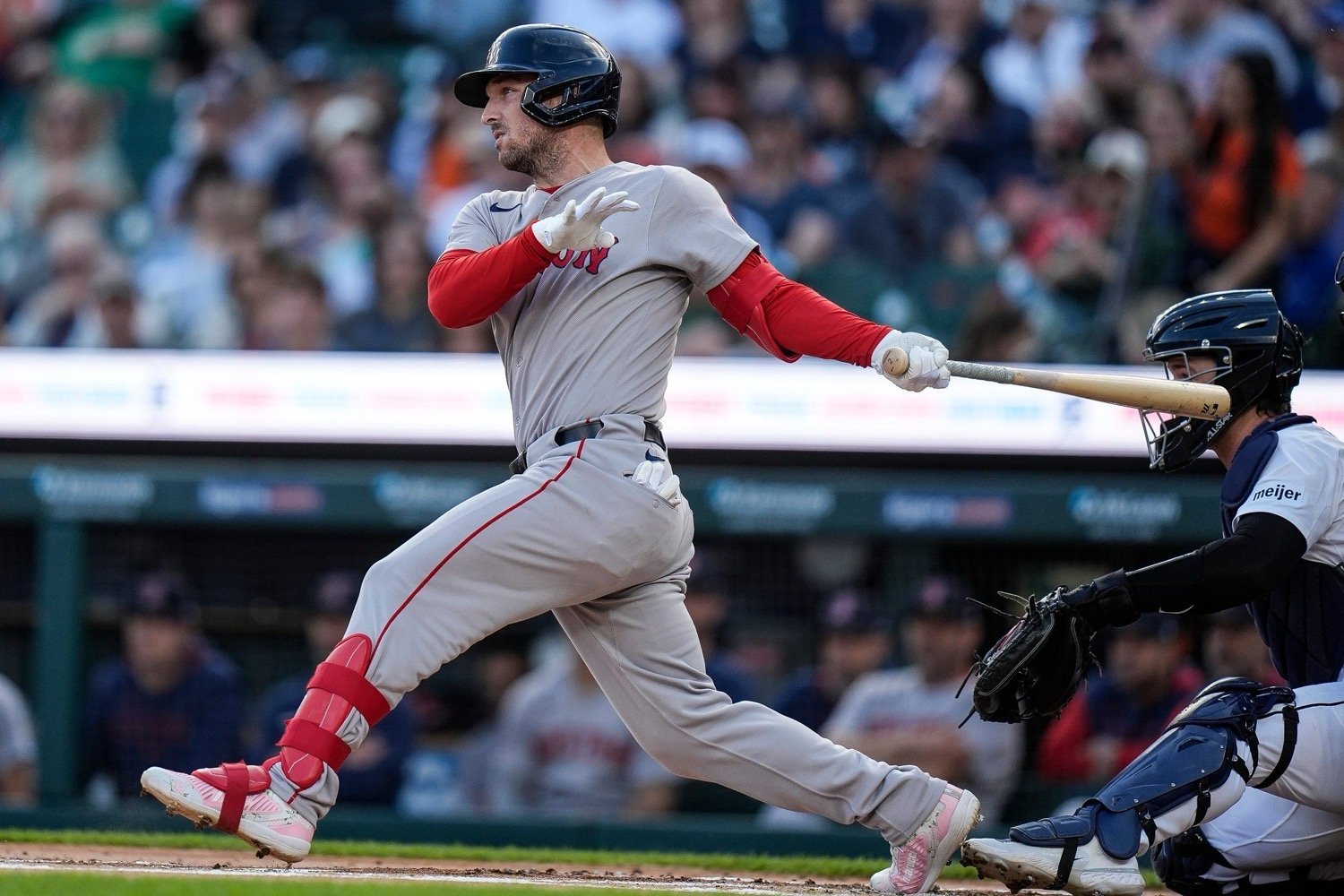 With the Chicago Cubs seemingly out of the Kyle Tucker sweepstakes, they are setting their sights on another highly sought-after free agent. PJ Mooney and Sahadev Sharma of The Athletic are reporting that the Chicago Cubs had a "renewed interest" in Alex Bregman. They pursued the superstar third baseman last year before he signed with the Boston Red Sox. It's been reported that the Cubs' ownership group had greenlit a four-year, $115 million contract with opt-outs a year ago; however, it's not clear what budget they've okayed for 2025. MLBTR predicts Bregman will net $160 million over six years. Bregman finished the year with an OPS of .821 across 114 games. He hit 18 home runs and scored 64 runs, while adding one stolen base. His advanced metrics include a wOBA of .356 and a wRC+ of 125, indicating an above-average performance relative to the league. Bregman produced a total of 0 Defensive Runs Saved (DRS) and 1 Outs Above Average (OAA). The veteran infielder was acquired by Boston as a free agent in February 2025. In all, his season was worth 3.5 Wins Above Replacement (WAR). How much should the Cubs pay for Bregman? Let us know in the comments! View the full article
 -
 FanGraphs pleasantly surprised some Twins fans recently, projecting the troubled squad to finish 82-80 in 2026, thanks to their (for now) sturdy rotation depth. Also surprising was an addendum to the projection, however, calling out Marcus Otto, a Twins season-ticket holder, for a litany of issues—including his in-game dietary choices. “Marcus Otto of Maplewood: You will regret your next order of helmet nachos,” it read. “Consider a healthier choice, or (at minimum) sharing the order with friends and family.” Otto was perplexed. “Why are they targeting me?” asked the 42-year-old IT professional. “Is this a common thing that FanGraphs does?” It isn’t. This appears to be the first time in the history of FanGraphs where they’ve dedicated a projection to a non-player. Representatives were unavailable for comment on the 1,300-word analysis, which departed from traditional stats, graphs, and metrics and drilled down instead on Otto’s gastrointestinal challenges and physical appearance. “You know what dairy does to your system, Marcus,” said one section entitled Pete Rose Was the Hit King. Marcus Otto Is the Fart King. “Think about the people sitting next to you. Think about how you’re just pouring yourself into those size-34 jeans. Just get a small popcorn and a water, for God’s sake.” Otto admits that he could eat better, but is dumbfounded why it’s the business of a sports analytics service. “I’ve been making better food choices,” said Otto. “Why is FanGraphs singling me out and being so mean about it?” In the section entitled This is Why Jennifer Left You, Marcus, the analysis gets into Otto’s personal life. “Do you think horfing down cheese-drenched nachos in public is a good look, Marcus?” asked FanGraphs. “What if you end up on the JumboTron, practically unhinging your jaw to cram more sour cream into your gaping maw? Jennifer is never coming back, Marcus.” The Jennifer in question is Jennifer Edwards, Otto’s longtime girlfriend, who ended their relationship in April of this year. She declined to be interviewed for this story. The tone of the piece implies that FanGraphs wants the best for Otto, but the level of insistence and intrusion by the hivemind appears to have stirred the UW-River Falls alumnus's defensiveness, rather than his drive for self-improvement. “How does FanGraphs know I had a girlfriend?” asked Otto. “How do they know we broke up? Why did they send a press release to every media outlet in the Twin Cities with this analysis and the title ‘What to Expect from Lonely Pervert and Nacho Enthusiast Marcus Otto in 2026?’ “It even had a postscript that gave my home address and said if they had any trouble finding it to just follow the closest Domino’s delivery driver. I don’t even order Domino’s that often. This is incredibly hurtful.” Image license here. View the full article
 -
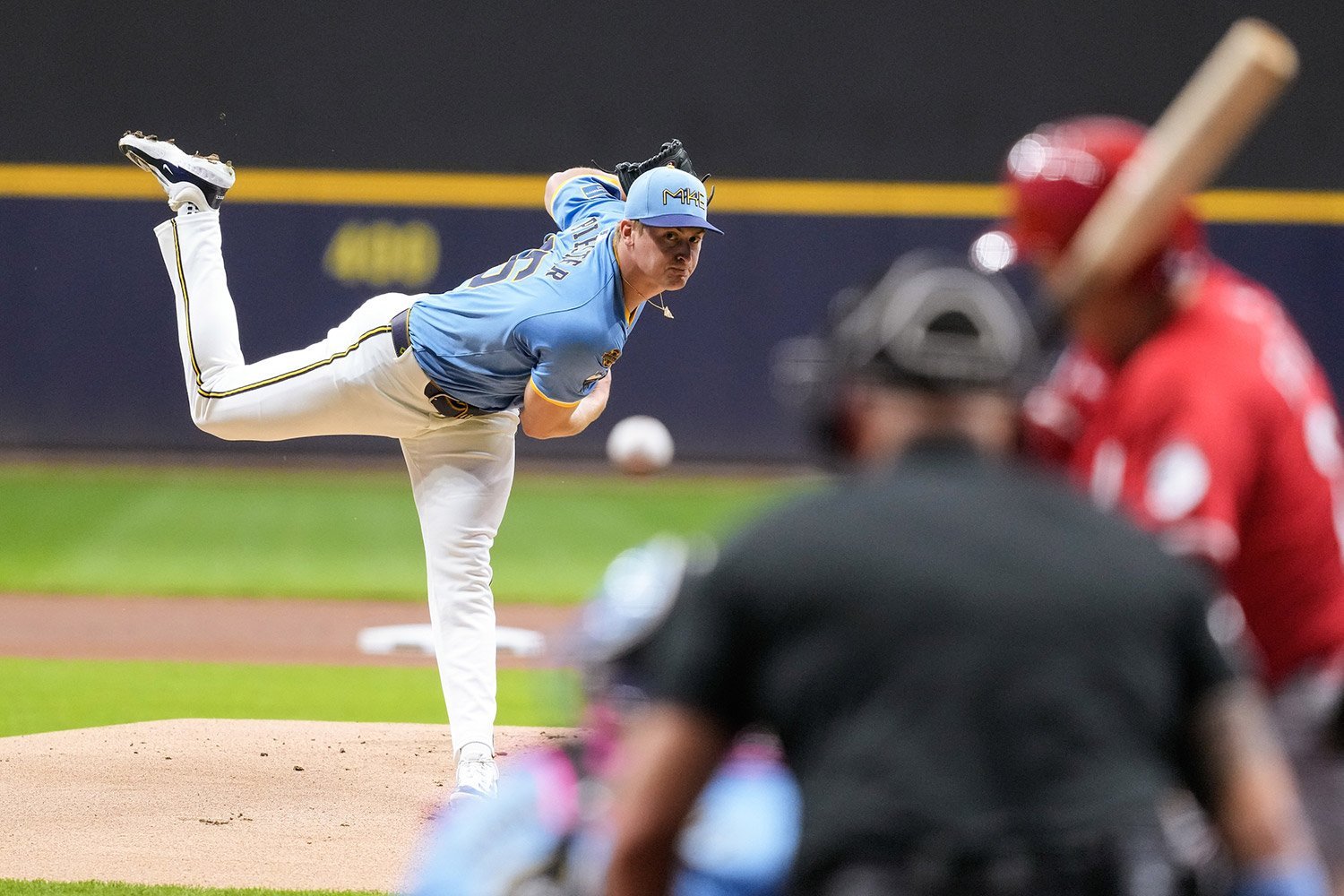 Seam-shifted wake has been a hot topic for baseball nerds over the last few years. Thanks to rapid advancements in the quality of pitch-tracking information, we can now quantify this movement, in addition to the spin-related movement of a pitch. These two types of movement are also known as Magnus movement (spin-related movement) and non-Magnus movement (aka seam position-related movement). The name comes from Heinrich Gustav Magnus, who concluded that when a spinning ball moves through the air, it creates a force that makes it curve away from its straight-line path. The spin changes the amount of friction the air can impart on the ball, and thus alters the effect it has on the ball's flight, relative to what the flow of air across a non-spinning surface would have. Magnus movement is everywhere in sports—especially in baseball. A curveball has topspin, causing the ball to bite downward, while a four-seam fastball has backspin that helps the ball resist gravity and gives the appearance (to a hitter) of rising action. The best example, perhaps, is this YouTube video demonstrating how a basketball (which doesn't have the same raised seams as a baseball, and therefore doesn't have the same non-Magnus effect) reacts when dropped off a dam with no spin, and then with backspin: There are some variables here that don't apply to baseball, but it's perfect for showing one thing: spin affects how a ball moves. Baseballs are vastly different than basketballs, though, because of those seams. While spinning a ball alters how a pitch moves by reducing its friction with the air around it, the baseball's seams increase how the air can affect the ball. A perfectly round object would not encounter any seam-shifted wake, but the protruding seams create an alternative force on the ball in addition to its spin, and often in a different direction. In baseball history, many pitchers have attempted to scuff balls or spit on them to gain some unexpected movement on their pitches, so the existence of this movement is not a new phenomenon, but modern pitchers have found ways to capitalize on the seam position to devastating effect. The reason for this non-Magnus movement (or seam-shifted wake) being so useful is that hitters have no way to see what's coming, unless they've faced that pitch before. While hitters have been trained to identify spin to anticipate the pitch that's been thrown and anticipate how it will move, accounting for non-Magnus movement is a whole different problem. Aaron Ashby is a prime example. He has one of the straightest four-seam fastballs in the game, struggling to generate the riding life that usually defines that offering. However, he boasts one of the best sinkers in the game, with extremely heavy action. The interesting thing is that the spin-based movement (on the left) of his four-seam fastball (red) and his sinker (orange) is not dissimilar. Where he excels is in how he uses the seams to generate up to 10 inches of additional horizontal break and 5-8 inches of vertical drop when he throws a sinker, compared with expectation. This partially explains why hitters struggle to pick up Ashby's four-seam fastball on the rare occasions when he does use it, and why they have a ground ball rate of 65% against it. The ball just keeps dropping on them, in ways that their spin-trained eyes don't expect. You can see from Ashby's profile that he gets a lot of "unexpected movement" on his slider, sinker and changeup, all three of which had above-average swing-and-miss rates for their pitch category and all of which avoided extra-base hits exceptionally well. The unexpected nature of seam position-based movement may be a source for Ashby's persistent command issues, as this is much less repeatable and controllable than spinning the baseball, but the movement he generates is above-average because of seam-shifted wake. One other Brewers pitcher with even more extreme seam-shifted wake control is Quinn Priester. Before coming to the Brewers, the scouting report on Priester was that he had a fringy sinker that had never really performed, and the total movement he generated was nothing to write home about. However, when you factor in his arm angle, spin rate and seam-shifted wake factors, his profile jumps off the page—particularly thanks to his cutter and his sinker. Like Ashby, Priester is getting 6-8 inches of vertical drop on his sinker, relative to what the hitter expects, as well as almost 10 inches of horizontal break. His cutter is moving the other way, riding and breaking in on left-handed hitters with a spin direction that has some crossover with his sinker, making it difficult to differentiate the two pitches based on spin alone. Seam-shifted wake plays up far better when the spin directions of two offerings match or mirror each other, while the non-Magnus effect takes them in different directions out of the hand. Ashby's four-seam fastball and his slider, despite similar non-Magnus effects, would not get mistaken for each other out of the pitcher's hand. Another, better example is how you can see with both Ashby and Priester that the changeup closely resembles their primary fastballs. Not so with Freddy Peralta, whose changeup spins slightly differently from his primary fastball, which makes it easier to recognize and thus lay off. One of Peralta's biggest problems is that none of his pitches resemble his fastball in how they spin. He can get fantastic grades for his raw stuff with the fastball, but its lack of deception out of his hand means he is fighting an uphill battle with his primary offering. He fools hitters with angles and good repetition of his delivery, rather than with spin or non-spin movement. Some pitchers are very spin-oriented. Jacob Misiorowski is a prime example, generating nearly all of his movement from the spin profile. He's heavily reliant on his raw velocity and stuff to keep hitters off-balance: For most pitchers, though, manipulating the seams is part of generating movement that the batter can't readily anticipate and neutralize. Seam-shifted wake has a massive impact on how a pitcher can continue to get uncomfortable swings, the more so when two pitches move differently due to seam position while having comparable spin directions. Ashby and Priester use this to devastating effect, and it's been a major part of pitcher development programs for years. The concept isn't new—many changeups, sinkers, cutters and some versions of the slider have relied on seam-shifted wake for decades. Now, though, we can measure it, train it, and talk about it much more readily, because technology has caught up to the craft of pitching. Pitchers are better than ever throughout the major leagues, and it's not just because there hasn't been an expansion to stretch the league's pitching staffs thinner in over 25 years. Hurlers make better use of technology, and are learning how to not only harness both spin- and seam position-based movement, but use them in concert. Better measurement and understanding of these effects has been a game-changer, and it will continue to play a major role in pitching development and instruction for years to come. View the full article
 -
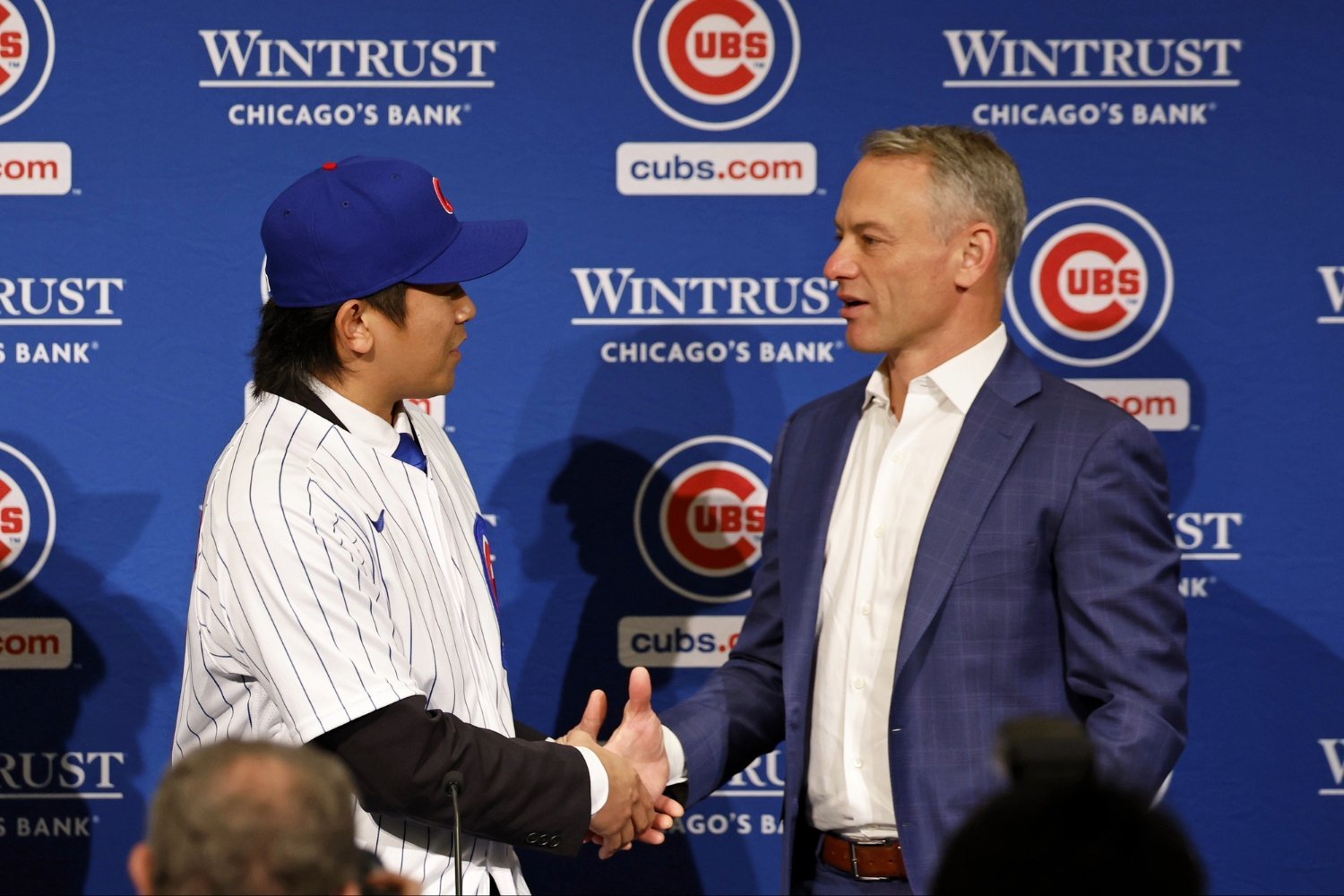 For many consumers Black Friday and Cyber Monday signal the time period in which it is time to "shop until you drop", buying holiday gifts and presents for the people we find important in our life. While MLB team's don't have a Black Friday discount sale, they do have their own version of a spend-a-thon, and it's during the annual Winter Meetings. Every year, teams, agents and players gather for a few days in December, and because of the proximity to each other, many of the year's biggest free-agent deals and trades are consummated at this event. Last year, for example, Juan Soto signed with the New York Mets on the largest contract in professional sports history while in Dallas for the 2024 version of the Winter Meetings. Though that won't happen again, what this means is that the Chicago Cubs will likely take part in some of this action next week. What, then, should we expect from the North Siders? When: Monday, December 8th - Wednesday December 10th Where: Orlando, Florida Great news for anyone (like myself) who lives on the East Coast! Trades, signings and the like sometimes break at late hours during the Winter Meetings, and in years' past, when they have been held out West, it wasn't uncommon to wake up to breaking news. Just last year, the news that the Cubs signed starting pitcher Matthew Boyd broke at 3:21 am EST. So, while we shouldn't expect the action to entirely die down at night, we're probably in for a slightly-less-late new cycle than when they meetings have been held in San Diego or Dallas. Monday and Tuesday will be full of rumors, and Wednesday will have its' fair share of smoke, it will also be the day of the league's annual Rule 5 Draft, in which teams will begin to fill out their 40-man-rosters from other team's minor-league ranks. Not all is lost after Wednesday, as a slew of moves will happen afterwards, with the groundwork for them being laid over the course of the previous few days. A good example of this: the Cubs' eventual trade for Astros' outfielder Kyle Tucker, which happened shortly after the close of last year's Winter Meetings. How should you follow the action? Social media is your best friend and worst enemy for this. If you know who to follow and listen to (either on X/Twitter, BlueSky or YouTube) you can be among the first of your friends to break the news that something went down. Any of the big names, such as Jon Heyman, Jeff Passan, Jon Morosi, or Ken Rosenthal can be highly trusted to post the truth (Bob Nightengale of USA Today is a little more hit-and-miss than others). Some of the more local outlets that can be trusted include Brett Taylor and Michael Cerami of Bleacher Nation (and, if you're looking for non-Cub sources, every team has their own version of Bleacher Nation!), Jesse Rogers, Dave Kaplan or Bruce Levine. Be careful out there, however. Smaller accounts with low follower counts could simply be clout-chasing for clicks or trying to purposefully deceive. A good rule of thumb: always look to see who's following these accounts. Do they have anyone you've heard of following them? No? Best to read things with a heavy hand of "skepticism" then. It's a fun time. Rumors are going to fly fast. Just be careful — some of the hardest to spot are the fakes who are just a letter or so different in their screen name from someone you really trust. Just be cognizant and keep an eye out for the false flags, but have fun following the flow of rumors, too. What are the Cubs going to do with their rotation? There's a good chance that the Cubs will look to solve the hole in their starting rotation during these four days. While it seems unlikely that Japanese star pitcher Tatsuya Imai will sign during the Meetings, most of the rest of the starting pitching market is likely to heat up now that Dylan Cease has set the market. Framber Valdez, Ranger Suarez, Michael King and others who may be on the Cubs' radar will likely come off the board soon. Some have fear with how much the team is willing to spend regarding a recent handful of cost-cutting measures over at Marquee Sports Network, also owned by the Cubs' ownership group, but those fears are just that: fears (as of now). If these fears are a reality, it may push the Cubs into a trade-scenario where they look into cost-controlled starting pitching such as the Miami Marlin's Edward Cabrera or the Washington Nationals' MacKenzie Gore. A trade may not fully materialize at the Meetings, instead taking a day or two beyond Orlando to complete (like their trade last offseason), so it may be a few days before we see the fruits of their efforts on this front come to fruition. Don't be entirely shocked to hear at least one crazy report connecting the Cubs to someone like Tarik Skubal, either. While it's far-fetched and the price would be astronomical, there are those who speculate he could be available a year prior to hitting his own free agency. Could the Cubs enter this sweepstakes? Absolutely, even if it's unlikely. The Cubs still need to fill out a bullpen, but who will they get? The team jumped pretty quickly into the reliever market, nabbing righty Phil Maton a few days ago on a two-year deal, but the Cubs are clearly not done filling out their thing bullpen. While they were connected to Ryan Helsley, he signed with Baltimore over the Thanksgiving holiday weekend, and reliever-ace Devin Williams is now off the board, taking his talents to the Big Apple, so the team is going to have to look elsewhere for help. A few names to follow in the back--of-their-pen search could be the Tampa Bay Rays' Pete Fairbanks, the San Diego Padres' Robert Suarez, or a reunion with Brad Keller. All three would require more than one year, but all three would add velocity and whiffs to a pen that needs it. Don't think the Cubs will only be looking for high-leverage help, though. Chicago needs to fill out their entire bullpen depth chart. They will probably look at some mid-level pitchers (i.e. Kyle Finnegan, Luke Weaver, etc), some left-handed pitchers to replace outgoing Caleb Thielbar and Drew Pomeranz, and some sleeper names, like reuniting with Mark Leiter Jr. or signing Evan Phillips, who is recovering from an injury and won't be ready until mid-year. When it comes to the relief market, I would assume anyone could be a fit. The Rule 5 Draft on Wednesday will also give the Cubs an opportunity to find some diamond-in-the-rough types as they look to round things out. In 2025, the Cubs selected Gage Workman, an infielder from Detroit, during this event. That did not work out for the team, but I wouldn't be surprised to see them find an arm they think they can mold into a useful bullpen piece. Are the Cubs looking to add to their offense? The Cubs are almost assuredly going to say goodbye to outfielder Kyle Tucker. The team does not seem interested in matching the free agent's price tag and instead appears happy to recoup the compensation pick. With young hitters Owen Caissie and Moises Ballesteros in the fold, as well, they seem poised to let the rookies take the designated hitter spot and run with it. That said, if the Cubs decide to go the trade route (moving, for example, Caissie in a trade for Cabrera) and move one, or both of their young hitters, could they find common ground with, say, Kyle Schwarber and bring the lefty home? Stranger things have happened! More than likely, however, the team will look into finding a Justin Turner replacement. Turner did post a 112 wRC+ against southpaws, but most would agree that his season left plenty on the table, and an upgrade would be in order. If the Cubs want another veteran, Paul Goldschmidt could make sense in this role. The team could also look to the IFA market, with two Japanese stars, Munetaka Murakami and Kazuma Okamoto, highlighting the class. Both offer power potential and the ability to play some first and third base. Neither projects as purely platoon options, and both would require commitments that appear to be well north of $15 million per year. Is the team looking to find someone who's capable of displacing Caissie or Ballesteros as their primary DH? Korean Infielder Sung-Min Song could be another intriguing IFA for the team. Song does not look to be as in-demand as his two Japanese counterparts, but offers a better glove and some surprising pop. The lefty wouldn't solve the team's platoon issue, but could add a fun option off the bench. The Winter Meetings will be a time in which, at least, some of these questions are going to be answered, but don't expect them all to be solved. Regardless of what happens, the Cubs will likely make a move or two. Matthew Boyd was signed last year and the framework for Kyle Tucker laid. Will this be as fruitful of a year? For the Cubs' sake, hopefully — the team cannot rest on their laurels and squander the 2026 season coming off a 92-win year. The time to add and improve is now. What do you think the Cubs will do during the Winter Meetings? Would would like to see them do? Sound off in the comment section below with your personal hopes, wishes and wants! View the full article
 -
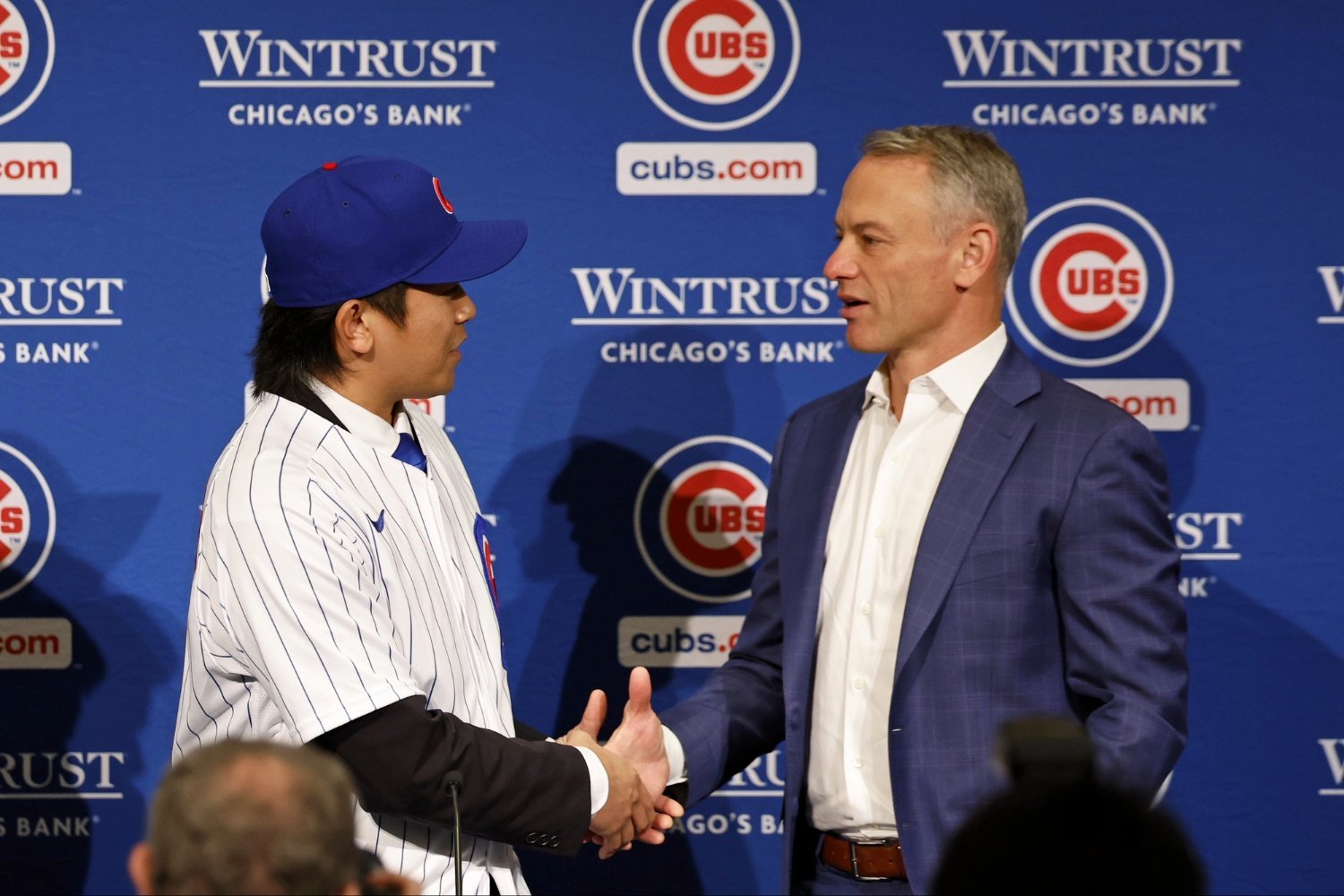 For many consumers Black Friday and Cyber Monday signal the time period in which it is time to "shop until you drop", buying holiday gifts and presents for the people we find important in our life. While MLB team's don't have a Black Friday discount sale, they do have their own version of a spend-a-thon, and it's during the annual Winter Meetings. Every year, teams, agents and players gather for a few days in December, and because of the proximity to each other, many of the year's biggest free-agent deals and trades are consummated at this event. Last year, for example, Juan Soto signed with the New York Mets on the largest contract in professional sports history while in Dallas for the 2024 version of the Winter Meetings. Though that won't happen again, what this means is that the Chicago Cubs will likely take part in some of this action next week. What, then, should we expect from the North Siders? When: Monday, December 8th - Wednesday December 10th Where: Orlando, Florida Great news for anyone (like myself) who lives on the East Coast! Trades, signings and the like sometimes break at late hours during the Winter Meetings, and in years' past, when they have been held out West, it wasn't uncommon to wake up to breaking news. Just last year, the news that the Cubs signed starting pitcher Matthew Boyd broke at 3:21 am EST. So, while we shouldn't expect the action to entirely die down at night, we're probably in for a slightly-less-late new cycle than when they meetings have been held in San Diego or Dallas. Monday and Tuesday will be full of rumors, and Wednesday will have its' fair share of smoke, it will also be the day of the league's annual Rule 5 Draft, in which teams will begin to fill out their 40-man-rosters from other team's minor-league ranks. Not all is lost after Wednesday, as a slew of moves will happen afterwards, with the groundwork for them being laid over the course of the previous few days. A good example of this: the Cubs' eventual trade for Astros' outfielder Kyle Tucker, which happened shortly after the close of last year's Winter Meetings. How should you follow the action? Social media is your best friend and worst enemy for this. If you know who to follow and listen to (either on X/Twitter, BlueSky or YouTube) you can be among the first of your friends to break the news that something went down. Any of the big names, such as Jon Heyman, Jeff Passan, Jon Morosi, or Ken Rosenthal can be highly trusted to post the truth (Bob Nightengale of USA Today is a little more hit-and-miss than others). Some of the more local outlets that can be trusted include Brett Taylor and Michael Cerami of Bleacher Nation (and, if you're looking for non-Cub sources, every team has their own version of Bleacher Nation!), Jesse Rogers, Dave Kaplan or Bruce Levine. Be careful out there, however. Smaller accounts with low follower counts could simply be clout-chasing for clicks or trying to purposefully deceive. A good rule of thumb: always look to see who's following these accounts. Do they have anyone you've heard of following them? No? Best to read things with a heavy hand of "skepticism" then. It's a fun time. Rumors are going to fly fast. Just be careful — some of the hardest to spot are the fakes who are just a letter or so different in their screen name from someone you really trust. Just be cognizant and keep an eye out for the false flags, but have fun following the flow of rumors, too. What are the Cubs going to do with their rotation? There's a good chance that the Cubs will look to solve the hole in their starting rotation during these four days. While it seems unlikely that Japanese star pitcher Tatsuya Imai will sign during the Meetings, most of the rest of the starting pitching market is likely to heat up now that Dylan Cease has set the market. Framber Valdez, Ranger Suarez, Michael King and others who may be on the Cubs' radar will likely come off the board soon. Some have fear with how much the team is willing to spend regarding a recent handful of cost-cutting measures over at Marquee Sports Network, also owned by the Cubs' ownership group, but those fears are just that: fears (as of now). If these fears are a reality, it may push the Cubs into a trade-scenario where they look into cost-controlled starting pitching such as the Miami Marlin's Edward Cabrera or the Washington Nationals' MacKenzie Gore. A trade may not fully materialize at the Meetings, instead taking a day or two beyond Orlando to complete (like their trade last offseason), so it may be a few days before we see the fruits of their efforts on this front come to fruition. Don't be entirely shocked to hear at least one crazy report connecting the Cubs to someone like Tarik Skubal, either. While it's far-fetched and the price would be astronomical, there are those who speculate he could be available a year prior to hitting his own free agency. Could the Cubs enter this sweepstakes? Absolutely, even if it's unlikely. The Cubs still need to fill out a bullpen, but who will they get? The team jumped pretty quickly into the reliever market, nabbing righty Phil Maton a few days ago on a two-year deal, but the Cubs are clearly not done filling out their thing bullpen. While they were connected to Ryan Helsley, he signed with Baltimore over the Thanksgiving holiday weekend, and reliever-ace Devin Williams is now off the board, taking his talents to the Big Apple, so the team is going to have to look elsewhere for help. A few names to follow in the back--of-their-pen search could be the Tampa Bay Rays' Pete Fairbanks, the San Diego Padres' Robert Suarez, or a reunion with Brad Keller. All three would require more than one year, but all three would add velocity and whiffs to a pen that needs it. Don't think the Cubs will only be looking for high-leverage help, though. Chicago needs to fill out their entire bullpen depth chart. They will probably look at some mid-level pitchers (i.e. Kyle Finnegan, Luke Weaver, etc), some left-handed pitchers to replace outgoing Caleb Thielbar and Drew Pomeranz, and some sleeper names, like reuniting with Mark Leiter Jr. or signing Evan Phillips, who is recovering from an injury and won't be ready until mid-year. When it comes to the relief market, I would assume anyone could be a fit. The Rule 5 Draft on Wednesday will also give the Cubs an opportunity to find some diamond-in-the-rough types as they look to round things out. In 2025, the Cubs selected Gage Workman, an infielder from Detroit, during this event. That did not work out for the team, but I wouldn't be surprised to see them find an arm they think they can mold into a useful bullpen piece. Are the Cubs looking to add to their offense? The Cubs are almost assuredly going to say goodbye to outfielder Kyle Tucker. The team does not seem interested in matching the free agent's price tag and instead appears happy to recoup the compensation pick. With young hitters Owen Caissie and Moises Ballesteros in the fold, as well, they seem poised to let the rookies take the designated hitter spot and run with it. That said, if the Cubs decide to go the trade route (moving, for example, Caissie in a trade for Cabrera) and move one, or both of their young hitters, could they find common ground with, say, Kyle Schwarber and bring the lefty home? Stranger things have happened! More than likely, however, the team will look into finding a Justin Turner replacement. Turner did post a 112 wRC+ against southpaws, but most would agree that his season left plenty on the table, and an upgrade would be in order. If the Cubs want another veteran, Paul Goldschmidt could make sense in this role. The team could also look to the IFA market, with two Japanese stars, Munetaka Murakami and Kazuma Okamoto, highlighting the class. Both offer power potential and the ability to play some first and third base. Neither projects as purely platoon options, and both would require commitments that appear to be well north of $15 million per year. Is the team looking to find someone who's capable of displacing Caissie or Ballesteros as their primary DH? Korean Infielder Sung-Min Song could be another intriguing IFA for the team. Song does not look to be as in-demand as his two Japanese counterparts, but offers a better glove and some surprising pop. The lefty wouldn't solve the team's platoon issue, but could add a fun option off the bench. The Winter Meetings will be a time in which, at least, some of these questions are going to be answered, but don't expect them all to be solved. Regardless of what happens, the Cubs will likely make a move or two. Matthew Boyd was signed last year and the framework for Kyle Tucker laid. Will this be as fruitful of a year? For the Cubs' sake, hopefully — the team cannot rest on their laurels and squander the 2026 season coming off a 92-win year. The time to add and improve is now. What do you think the Cubs will do during the Winter Meetings? Would would like to see them do? Sound off in the comment section below with your personal hopes, wishes and wants! View the full article
 -
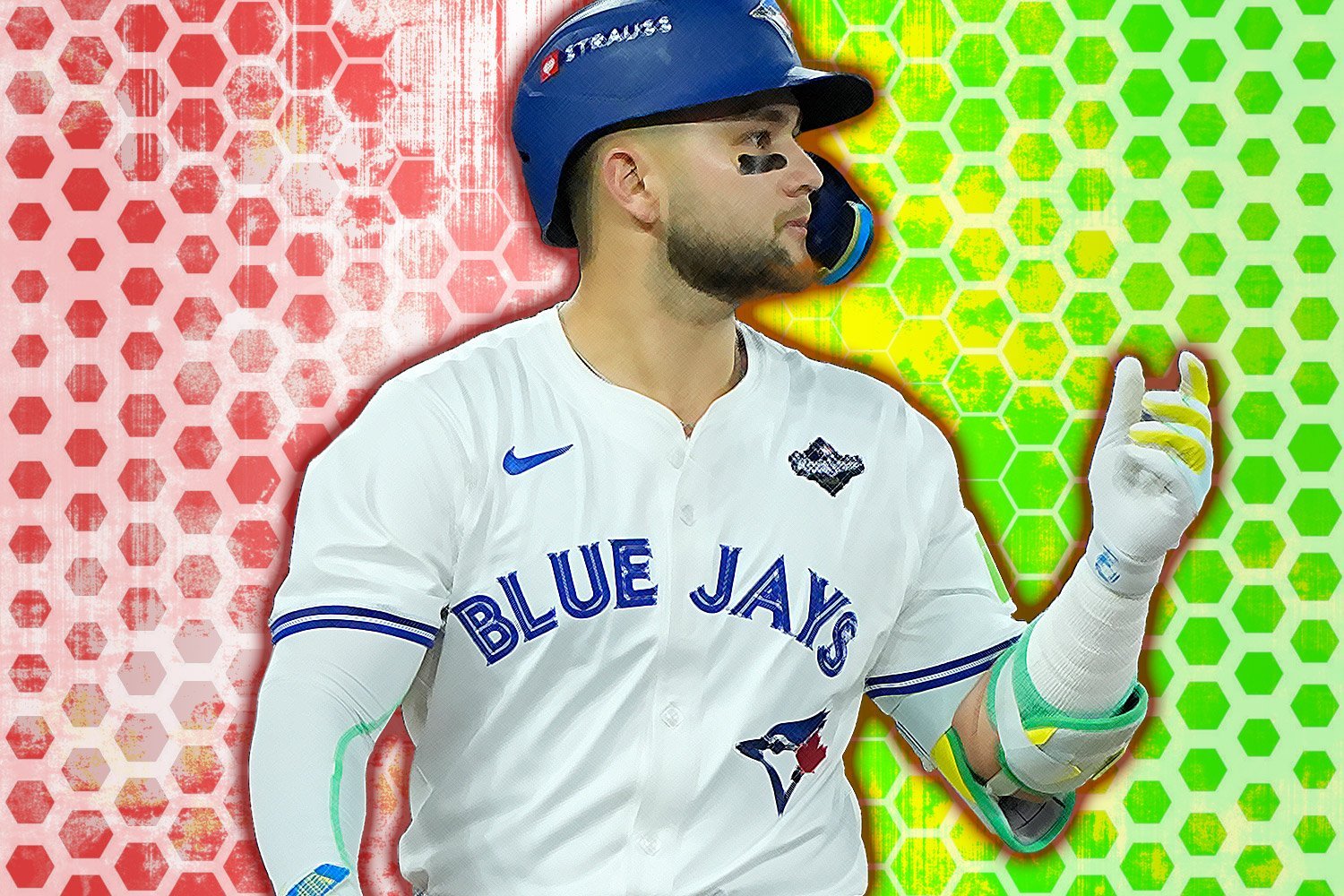 In February of 2024, the typically small market-minded Kansas City franchise committed to the richest contract in franchise history when they signed Bobby Witt Jr. to an 11-year, $289 million contract. At an AAV of $26.25 million per season, the signing represented a commitment not just to Witt but also to the fanbase and to winning in general. At the time of the signing, Witt made it clear that he wanted to stay in Kansas City for his whole career, as his favorite players, Derek Jeter (Yankees) and Dustin Pedroia (Red Sox), did growing up. He also made it clear that, like his idols, he wanted to win. After the 2023 season, the Royals had invested $109 million in free agency, bringing in Seth Lugo and Michael Wacha among others, and this spending spree by Royals standards was apparently key in demonstrating the commitment to winning that Witt wanted to see from the Royals before signing his extension. At the time of the signing, JJ Picollo was quoted as saying, “When you’re as talented as he is, the finances will take care of themselves. But he was talking about the culture of winning. That really resonated with [Royals owner John Sherman] and me and was probably the driving factor when we got to the finish line that we had done some things that showed we wanted to win.” Witt will be around until at least 2030, and after a trip to the playoffs in 2024, followed by a disappointing 2025 season in which the Royals barely cracked .500, the clock is ticking. The open question facing Picollo is “how does a franchise unable to match the big spenders surround a generational superstar like Witt with enough talent to be a perennial championship contender?” A pitching staff that was unusually healthy in 2024 more than made up for it in 2025. However, injuries to each of the original starting 5 revealed surprising organizational depth in Noah Cameron, Stephen Kolek, and Ryan Bergert. The bullpen was solid if not spectacular, ranking sixth best in ERA at 3.63. No, despite the injuries, the problem was clearly the offense, specifically the numerous black holes in the lineup once opposing pitchers got past Witt, Garcia, Pasquantino, and Perez. Other than trade deadline acquisitions Adam Frazier and Mike Yastrzemski, no other Royals regulars aside from the big four above were even league-average hitters (100 OPS+). Most egregiously, Opening Day outfielders MJ Melendez and Hunter Renfroe had a -10 and 37 OPS+, respectively. Ouch. Jonathan India fared slightly better only in comparison, with his mediocre 89 OPS+ offset by atrocious defense at whatever position the Royals tried him at, resulting in a replacement-level WAR of 0.4. Clearly, the Royals need better production from the outfield. Free agent options Kyle Tucker and Cody Bellinger headline an otherwise uninspiring list of candidates. Tucker is too expensive (12 years, $420 million), and Bellinger is likely headed back to the Yankees; his batted ball metrics aren’t exactly in line with his salary expectations. There may be a few contributors to be found on the outfield free agent market, but nobody affordable who moves the needle in a big way. There is reasonable hope for Jac Caglianone in right field. His destruction of minor league pitching, his eye-popping max exit velocities, and his tape measure home runs make it at least reasonable to think he may overcome his rookie jitters and be a solid contributor, and perhaps more. Who is out there at a position of need and would move the offensive needle in a big way? Bo Bichette. Consensus estimates put him at an eight-year contract of roughly $200 million. Steep but manageable. Bichette will turn just 28 in March and can flat-out hit. Other than an injury-marred 2024 season, he’s been roughly 25% better than league average offensively. His below-average defense at shortstop would presumably be better at 2B, a position he first played in the playoffs this year after returning from a knee injury. There are only a few players with a realistic shot at more than 200 hits in 2026. Bichette and Witt are two of them. Plug Bichette in at second base and at the top of the lineup, followed by Witt, Garcia, Pasquantino, Perez, a much-improved Caglianone, Carter Jensen, and some affordable outfield contributors like Yastrzemski, Rob Refsnyder, Adolis Garcia, or Harrison Bader, and the 2026 lineup starts to look way scarier than 2025. The alternative is the trade market for outfielders and rolling with India at second base. The Royals have two starters who are 34 or older, and another who has never pitched more than 130 innings in a season. Kris Bubic, with his single year of control left, isn’t enough value to land a big bat. Wilyer Abreu or Jarren Duran straight up for Cole Ragans isn’t enough. Ragans has rare stuff. If he stays healthy and puts it all together consistently from a command and execution standpoint, he can win a Cy Young. Unfortunately, Ragans is coming off an injury-marred season in which his ERA greatly exceeded his FIP. Trading him now is potentially trading him at a low point in his value. With a new stadium decision arriving soon and the clock ticking on the best player the Royals have had since George Brett, 2026 is a critical juncture for the Royals. Sal will likely be gone in two years, freeing up significant salary space. It's win now time. Adding Bichette would give the Royals long-term fits in what would be one of the premier infields in baseball and would go a long way in giving the franchise what it hasn’t had in a very long time: a team that can compete for championships perennially. View the full article
 -
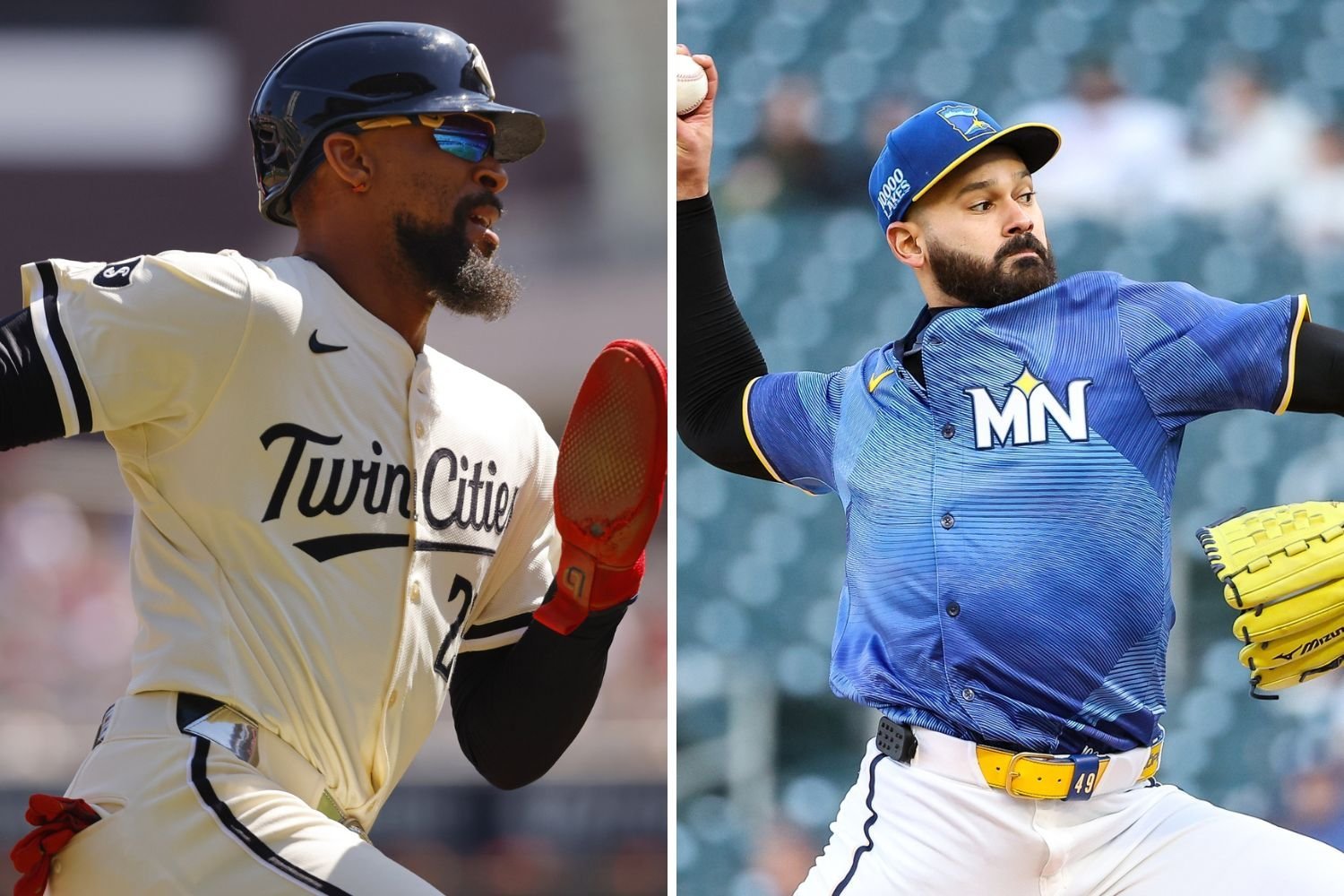 A couple weeks ago, Jake Mailhot of FanGraphs presented the site's very preliminary power rankings for the 2026 MLB season, using "an elegant ranking format that measures teams’ relative strength and is very reactive to recent performance." The idea was to provide a benchmark on where each roster stands heading into the most active stretch of the offseason. Many Twins fans (including myself) were downright shocked to see Minnesota ranked 12th on the list with a projected record of 82-80. Obviously that's nothing to write home about, but it's roughly 10 rankings slots and 10 wins higher than I have set my own expectations personally. "Fringe playoff contender" feels a lot more like a best-case scenario to me than a median outcome. But maybe I'm being too harsh? To be clear, these types of predictive forecasts and rankings aren't necessarily all that meaningful. The Twins have repeatedly fallen short of their projections from FanGraphs, including by an MLB-high 14 wins this past season. But, as Aaron Gleeman notes at The Athletic, these projections can "provide useful league-wide and narrative-free context" when assessing the club's relative strength. In other words, objective data like this can help us get out of our own heads. So let's take a closer look. Why does a system like this one view the Twins more favorably than many fans might? And further, if we treat the premise as valid — that Minnesota enters this offseason as a .500-ish team with room to grow — how much should that insight guide the front office's approach? A proven talent nucleus remains in place (for now) I find it easy to get lost in the disposable assets littering the Twins' 40-man roster, and the massive question marks surrounding guys like Royce Lewis and Brooks Lee. But what this FanGraphs ranking really brings to light is the value of Minnesota's remaining contingent of established star talent. Few other teams can boast a core trio matching the caliber of Byron Buxton, Pablo Lopez and Joe Ryan. It helps to have your best players at positions like center field and starting pitcher, where impact is maximized. Of course, all three have seen their names bandied about in trade rumors. The concentration of projected value in these players alone underscores how much the team's fortunes will be affected if they deal one or more — presuming they aren't getting back similar present-day value, which is a tough needle to thread. ESPN's own projections view the Twins a bit less favorably, but still not terribly, at 17th in the majors. "If the Twins' roster trends even younger and cheaper," writes Bradford Doolittle, "this ranking will tumble accordingly." Projections are more about form than function Does a model like FanGraphs account specifically for the fact that the Twins currently have no viable late-inning relievers? Not really. It just sees an overall pitching staff that is undeniably deep on quality, and assumes the logistics will work themselves out. In real life, we know it's not that simple. You're just not going to win without at least a decent bullpen and right now that's the most difficult gap to envision getting filled. The Twins have so many late-game roles to address and so little to work with. Even if you assume a couple of immediately successful starter transitions, and a bounce-back year from Cole Sands, the Twins are still probably short of a dependable all-around unit. Similarly, projection systems that are looking at raw performance forecasts might not account for the challenges posed by an overabundance of left-handed hitting corner outfielders. But maybe this example poses an opportunity: flipping one of their redundant bats for relief help from other rosters. There's work to be done In the power rankings from FanGraphs, the Twins were listed above several larger market teams — Rangers, Cubs, Orioles, Astros, Giants, etc. — that are very likely to leapfrog them through a more aggressive course of action this offseason. Unless the Twins surprise us by focusing more on adding that subtracting, they're bound to fall behind in the hot-stove reshuffle. Admittedly I've found myself wondering whether it even makes sense to push much, given all they lost at the deadline last year and all the structural issues plaguing this roster. If the ESPN ranking (17th) is more accurate than the FanGraphs ranking (12th), is it even logical to try and keep pace with the lower-middle of the pack versus blowing it all up and supplementing the farm for future efforts? These are the weighty questions hanging over the Twins and their front office as the Winter Meetings get rolling and the offseason action accelerates. Up to this point there has been little indication that Minnesota intends to lean into a competitive approach, aside from what Derek Falvey has positioned as wishful thinking at the mercy of ownership. But if you put any stock into the projection system from FanGraphs, it's possible the Twins don't have THAT much work to do in order to become a credible threat in 2026. View the full article
