


Matthew Nethercott
-
Posts
56 -
Joined
-
Last visited
-
Days Won
2
Content Type
Profiles
Forums
Events
News
Tutorials & Help
Major League Baseball Videos
Guides & Resources
Store
Downloads
Gallery
Everything posted by Matthew Nethercott
-

Schwarber's Blast Sparks USA To A Win Over Great Britain
Matthew Nethercott posted an article in MLB
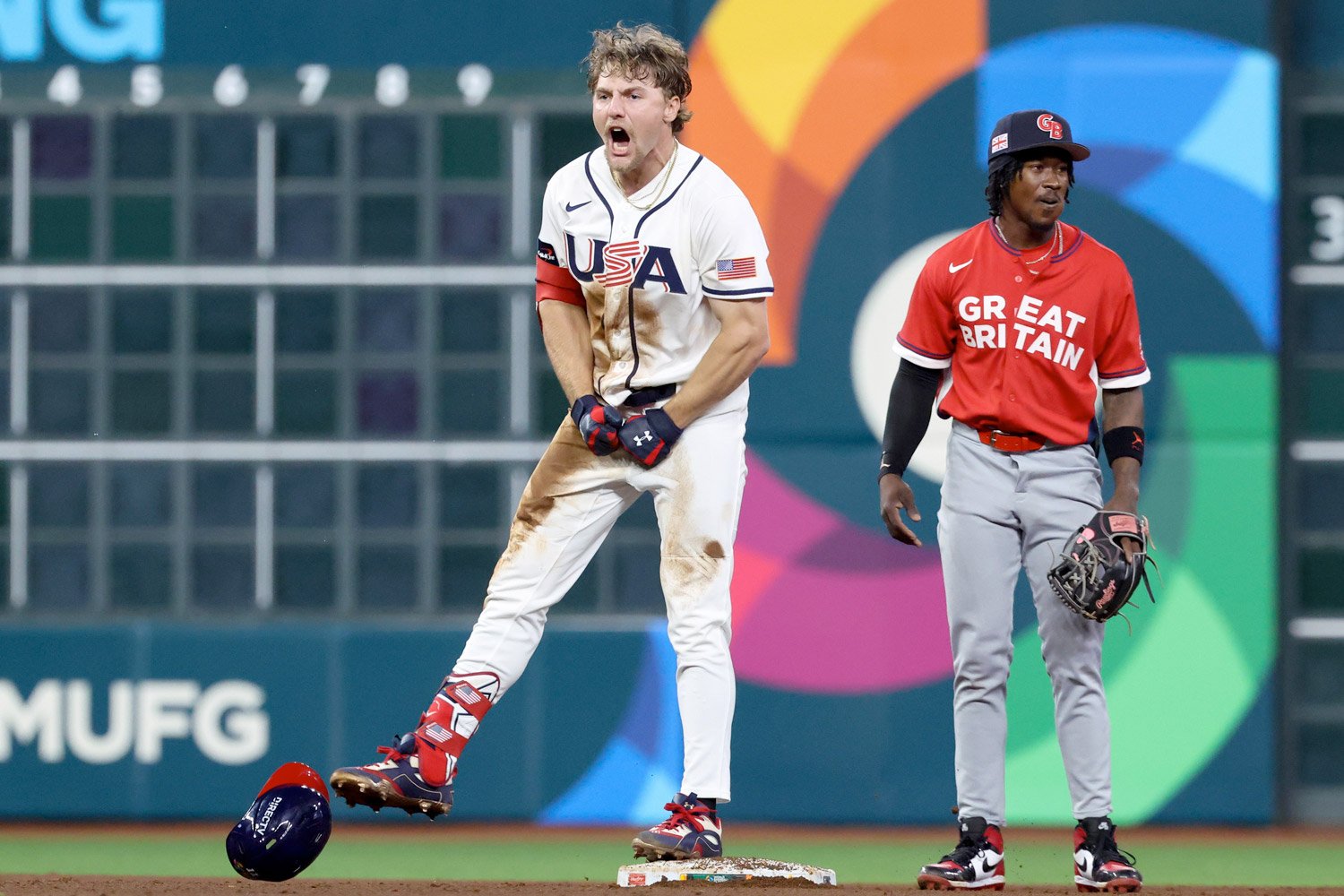 Team USA won their second game of pool play by a score of 9-1 against Team Great Britain. They did it with an offensive burst and an excellent outing by AL Cy Young Winner Tarik Skubal, and great relief pitching. Skubal, in limited action, pitched like the reigning Cy Young winner that he is. He gave up a leadoff home run to Nate Eaton on the first pitch of the game. After that, Skubal retired nine of the next ten batters he faced, six by strikeouts. His changeup was very good today and he was able to get a lot of chases. Both of his baserunners were Eaton. The Schwarber bomb not only gave USA the lead after their offense struggled to start the game, but it also gave Team USA some life. The game had a slow feel to it, and Schwarber's homer energized the team and led to their offensive spark in the fifth inning, leading to the win. Next: Team USA will take on Team Mexico in game three of their pool play. Reigning NL Cy Young winner Paul Skenes will start for Team USA. Team Mexico has not announced a starter. The game will take place at 8:00pm on FOX from Dalkin Park in Houston, Texas.
 -
The Schwarber bomb not only gave USA the lead after their offense struggled to start the game, but it also gave Team USA some life. The game had a slow feel to it, and Schwarber's homer energized the team and led to their offensive spark in the fifth inning, leading to the win. Next: Team USA will take on Team Mexico in game three of their pool play. Reigning NL Cy Young winner Paul Skenes will start for Team USA. Team Mexico has not announced a starter. The game will take place at 8:00pm on FOX from Dalkin Park in Houston, Texas. View full article
-
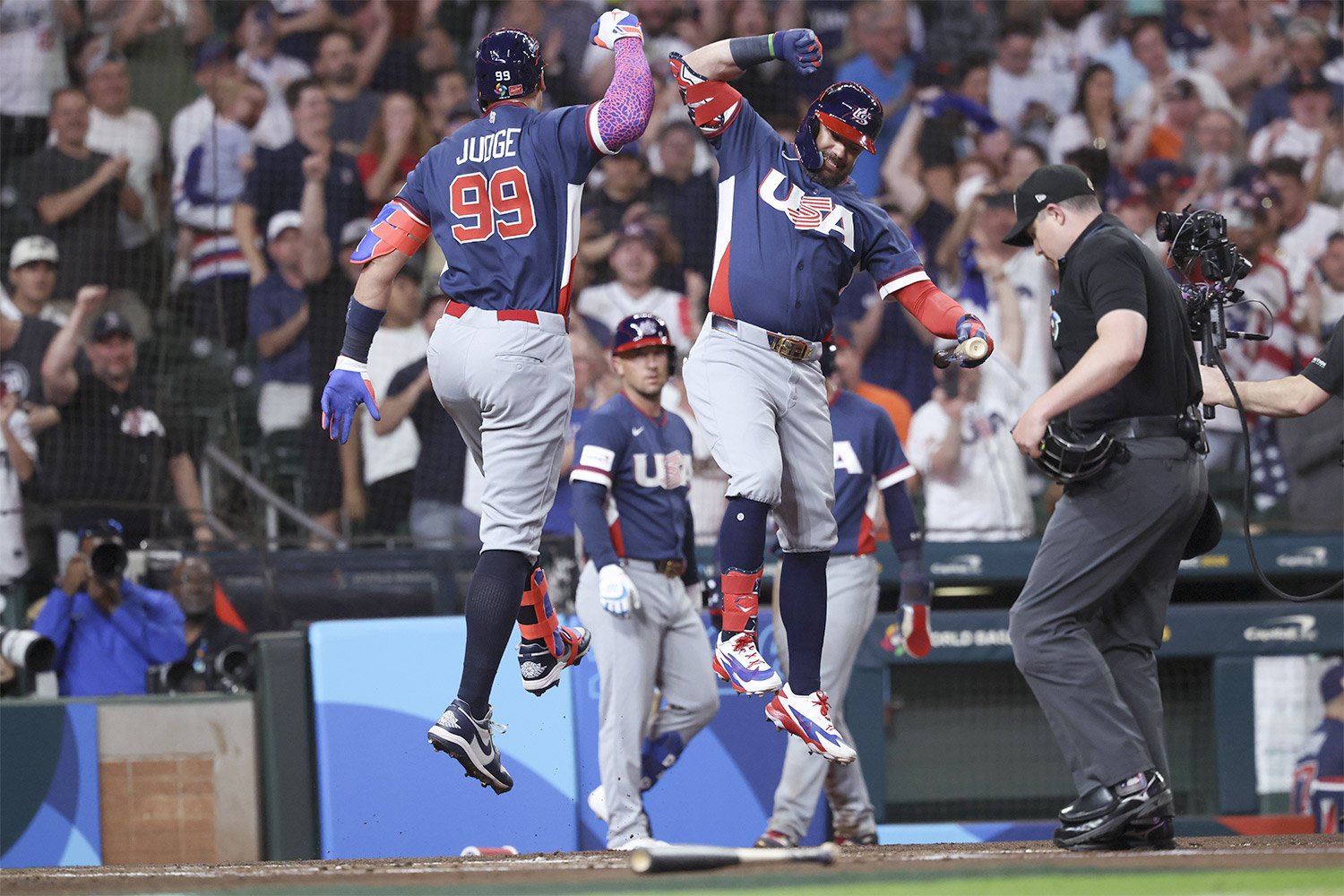 Team USA won their first game of pool play by a score of 15-5 against Team Brazil. They did it with a great offense and an excellent outing by Logan Webb. Webb, in limited action, looked really good in his first start for Team USA. He pitched four innings, striking out six and giving up just one run, a leadoff home run to Lucas Ramirez, son of Manny Ramirez. His changeup was the X-factor in his outing, where he was able to generate whiffs and get some strikeouts. He also got outs with some help from Nicaragua, like pitch clock violations that led to strikeouts. Michael Wacha looked sharp for his first two innings, but gave up three runs in the seventh inning to make the game a bit closer than Team USA wanted. He struck out four in his first two innings prior. Lefty Gabe Speier pitched the eighth inning, striking out two and giving up a solo home run to Lucas Ramirez, his second of the game. Flamethrower Mason Miller locked down the bottom of the ninth inning for Team USA. After walking the leadoff batter, he struck out the side to end the game. Team USA walked a total of 17 times in the game, a World Baseball Classic record. In the meantime, let's review the most impactful plays from the game, per WPA via Baseball Savant: 3. Lucas Ramirez Homers off Logan Webb After Team USA took a 2-0 lead, Lucas Ramirez took the second pitch Logan Webb threw into the seats for a solo home run. Lucas is the son of MLB legend Manny Ramirez, who was in attendance for the game. Ramirez was showing that there is still home run power in the family. The ball traveled 392 ft to right center field to cut Team USA’s lead to one, at the time. The home run was one of three for Team Brazil on the day. It was one of two for him, getting one later in the eighth inning. They came into the game as the small-ball team, but showed off their power stroke as well. 2. Judge Grounds into a Double Play One of the underrated stories in the WBC was 17-year-old Joseph Contreras, the son of former big-league pitcher and world champion Jose Contreras. Contreras came in and did something he will never forget. He faced Aaron Judge with the bases loaded and only one out. He got Judge to ground into an inning-ending double play to keep Brazil in the game and avoid further damage. Contreras is still in high school and represents the youngest player to play in the WBC since 2013. Yesterday, while the rest of the team was practicing and partying, he was doing homework. Today, he was getting MVP’s out in big spots. Baseball. 1. Aaron Judge’s Two-Run Home Run Team USA and Yankees Captain Aaron Judge laid down the gavel in the first inning. He took a 3-0 center-cut 79.5 mph sweeper for a two-run home run. It established that the USA was not going quietly. Team USA’s offense has never been the issue in past WBCs; rather, their pitching has been the issue, but Judge is their leader. Judge has been criticized throughout his career for not showing up in big moments. It showed that Judge can come up big on the world stage. He laid down the law early and set the precedent for the offense going forward. Next: Team USA will take on Team Great Britain in game two of their pool play. Reigning AL Cy Young winner Tarik Skubal will start for Team USA. Team Great Britain has not announced a starter. The game will take place at 8:00pm on FOX from Dalkin Park in Houston, Texas.
 -
Image courtesy of Troy Taormina-Imagn Images Team USA won their first game of pool play by a score of 15-5 against Team Brazil. They did it with a great offense and an excellent outing by Logan Webb. Webb, in limited action, looked really good in his first start for Team USA. He pitched four innings, striking out six and giving up just one run, a leadoff home run to Lucas Ramirez, son of Manny Ramirez. His changeup was the X-factor in his outing, where he was able to generate whiffs and get some strikeouts. He also got outs with some help from Nicaragua, like pitch clock violations that led to strikeouts. Michael Wacha looked sharp for his first two innings, but gave up three runs in the seventh inning to make the game a bit closer than Team USA wanted. He struck out four in his first two innings prior. Lefty Gabe Speier pitched the eighth inning, striking out two and giving up a solo home run to Lucas Ramirez, his second of the game. Flamethrower Mason Miller locked down the bottom of the ninth inning for Team USA. After walking the leadoff batter, he struck out the side to end the game. Team USA walked a total of 17 times in the game, a World Baseball Classic record. In the meantime, let's review the most impactful plays from the game, per WPA via Baseball Savant: 3. Lucas Ramirez Homers off Logan Webb After Team USA took a 2-0 lead, Lucas Ramirez took the second pitch Logan Webb threw into the seats for a solo home run. Lucas is the son of MLB legend Manny Ramirez, who was in attendance for the game. Ramirez was showing that there is still home run power in the family. The ball traveled 392 ft to right center field to cut Team USA’s lead to one, at the time. The home run was one of three for Team Brazil on the day. It was one of two for him, getting one later in the eighth inning. They came into the game as the small-ball team, but showed off their power stroke as well. 2. Judge Grounds into a Double Play One of the underrated stories in the WBC was 17-year-old Joseph Contreras, the son of former big-league pitcher and world champion Jose Contreras. Contreras came in and did something he will never forget. He faced Aaron Judge with the bases loaded and only one out. He got Judge to ground into an inning-ending double play to keep Brazil in the game and avoid further damage. Contreras is still in high school and represents the youngest player to play in the WBC since 2013. Yesterday, while the rest of the team was practicing and partying, he was doing homework. Today, he was getting MVP’s out in big spots. Baseball. 1. Aaron Judge’s Two-Run Home Run Team USA and Yankees Captain Aaron Judge laid down the gavel in the first inning. He took a 3-0 center-cut 79.5 mph sweeper for a two-run home run. It established that the USA was not going quietly. Team USA’s offense has never been the issue in past WBCs; rather, their pitching has been the issue, but Judge is their leader. Judge has been criticized throughout his career for not showing up in big moments. It showed that Judge can come up big on the world stage. He laid down the law early and set the precedent for the offense going forward. Next: Team USA will take on Team Great Britain in game two of their pool play. Reigning AL Cy Young winner Tarik Skubal will start for Team USA. Team Great Britain has not announced a starter. The game will take place at 8:00pm on FOX from Dalkin Park in Houston, Texas. View full article
-
Under the rules for 2026, only the pitcher, catcher, or batter can initiate a challenge. They will do so by tapping their hat or helmet immediately after a call. Each team starts the game with two challenges. If the challenge is successful and the call is overturned, the team retains the challenge. If the call is upheld, the challenge is lost. To maintain the pace of play, the entire process is designed to be nearly instantaneous, with a 5G-powered graphic showing the pitch location on the stadium scoreboard and broadcast within approximately 15 seconds. The Benefit Of The ABS Challenge System Players As with all systems and new rules, there are positives and negatives. For players with elite plate discipline, like Aaron Judge, the ABS acts as an equalizer. Historically, taller players often get the low strikes called on them that are technically balls but look like strikes to a human umpire. By using a standardized zone tailored to a player’s specific height, the system rewards hitters who truly know the strike zone and pitchers who can paint the corners with surgical precision. It removes the frustration of a high-leverage moment being decided by a clearly missed call, ensuring that the game's outcome is determined by the players' performance rather than officiating errors. The most significant downside is the potential death of pitch framing. Pitch framing is like an art where catchers subtly move their mitts to give the umpire a good look at strikes, and to make shadow pitches (just outside the zone) appear inside the strike zone. Elite defensive catchers have built entire careers on getting as many strikes as possible for their pitchers, but since the ABS cameras track the ball as it passes through the zone -- regardless of where the catcher catches it -- this skill becomes less valuable. The shift could lead teams to prioritize offensive-minded catchers who lack defensive finesse, potentially changing the position's archetype and removing a classic chess-match element between the catcher and the home plate umpire. Pitch framing won't be fully obsolete because if teams run out of challenges early in games, catchers can still steal strikes late in games. The ABS system is going to revolutionize the way the game is played, and fans will fall in love with it when their favorite team benefits from the calls that get changed as a result. View full article
-
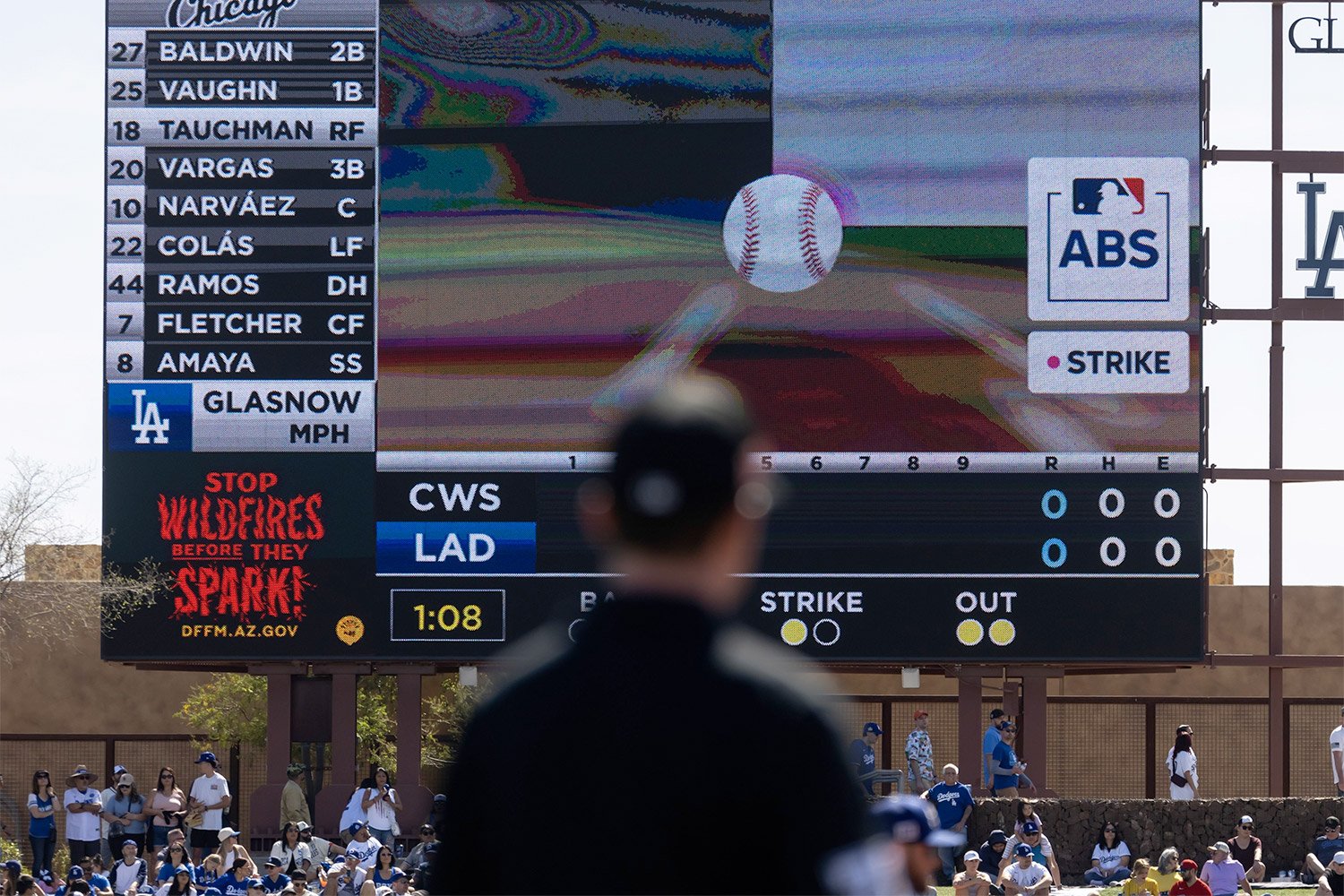 MLB is getting another rule change. The 2026 season will feature the Automated Ball-Strike system for the first time in regular-season play. Baseball has been using the system at various levels of the minor leagues for several years and gave major league players a taste of it in spring training of 2025. How The Automated Ball-Strike Challenge System (ABS) Works Unlike a full robot umpire system, where every pitch is called by a computer, the challenge system keeps the human umpire as the primary official. The ABS system uses 12 Hawk-Eye cameras around the stadium to track the ball's flight path with a margin of error of about 1/6 of an inch. Each batter is assigned an individualized, two-dimensional strike zone based on their measured height: the top of the zone is set at 53.5% of the player's height, while the bottom is at 27%. Under the rules for 2026, only the pitcher, catcher, or batter can initiate a challenge. They will do so by tapping their hat or helmet immediately after a call. Each team starts the game with two challenges. If the challenge is successful and the call is overturned, the team retains the challenge. If the call is upheld, the challenge is lost. To maintain the pace of play, the entire process is designed to be nearly instantaneous, with a 5G-powered graphic showing the pitch location on the stadium scoreboard and broadcast within approximately 15 seconds. The Benefit Of The ABS Challenge System Players As with all systems and new rules, there are positives and negatives. For players with elite plate discipline, like Aaron Judge, the ABS acts as an equalizer. Historically, taller players often get the low strikes called on them that are technically balls but look like strikes to a human umpire. By using a standardized zone tailored to a player’s specific height, the system rewards hitters who truly know the strike zone and pitchers who can paint the corners with surgical precision. It removes the frustration of a high-leverage moment being decided by a clearly missed call, ensuring that the game's outcome is determined by the players' performance rather than officiating errors. The most significant downside is the potential death of pitch framing. Pitch framing is like an art where catchers subtly move their mitts to give the umpire a good look at strikes, and to make shadow pitches (just outside the zone) appear inside the strike zone. Elite defensive catchers have built entire careers on getting as many strikes as possible for their pitchers, but since the ABS cameras track the ball as it passes through the zone -- regardless of where the catcher catches it -- this skill becomes less valuable. The shift could lead teams to prioritize offensive-minded catchers who lack defensive finesse, potentially changing the position's archetype and removing a classic chess-match element between the catcher and the home plate umpire. Pitch framing won't be fully obsolete because if teams run out of challenges early in games, catchers can still steal strikes late in games. The ABS system is going to revolutionize the way the game is played, and fans will fall in love with it when their favorite team benefits from the calls that get changed as a result.
 -
Who will take Clark's place? The MLBPA will meet today on a conference call to discuss both the short-term and long-term options to replace Clark. “We’re not going to get a search going." Brent Suter, an MLBPA Union Subcommittee member, said Tuesday. "Bargaining here. We’re going to have an interim & keep everything as stable as we can this year.” The leading candidate to replace Clark is Suter himself at the moment. They need to choose someone with a strong influence over the players in negotiations. In the past, Suter has been the key to negotiations, but not yet the leading man. A formal announcement is expected at the conclusion of today's MLBPA meeting, when an interim will be named. View full article
-
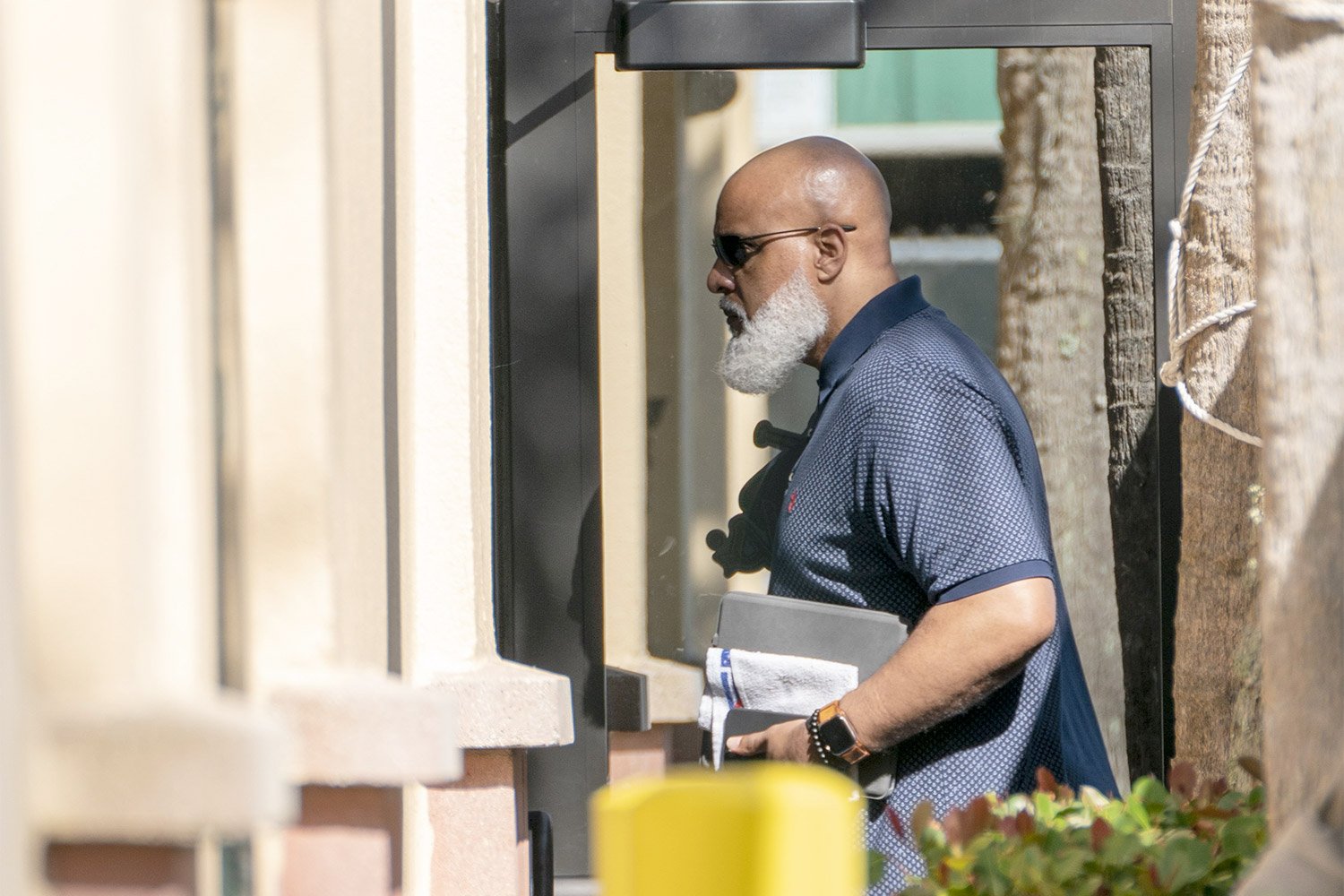 Tony Clark is set to resign from his position as executive director of the Major League Baseball Players Association Executive Director. The Athletic was the first to report Clark's decision to resign. Who will take Clark's place? The MLBPA will meet today on a conference call to discuss both the short-term and long-term options to replace Clark. “We’re not going to get a search going." Brent Suter, an MLBPA Union Subcommittee member, said Tuesday. "Bargaining here. We’re going to have an interim & keep everything as stable as we can this year.” The leading candidate to replace Clark is Suter himself at the moment. They need to choose someone with a strong influence over the players in negotiations. In the past, Suter has been the key to negotiations, but not yet the leading man. A formal announcement is expected at the conclusion of today's MLBPA meeting, when an interim will be named.
 -
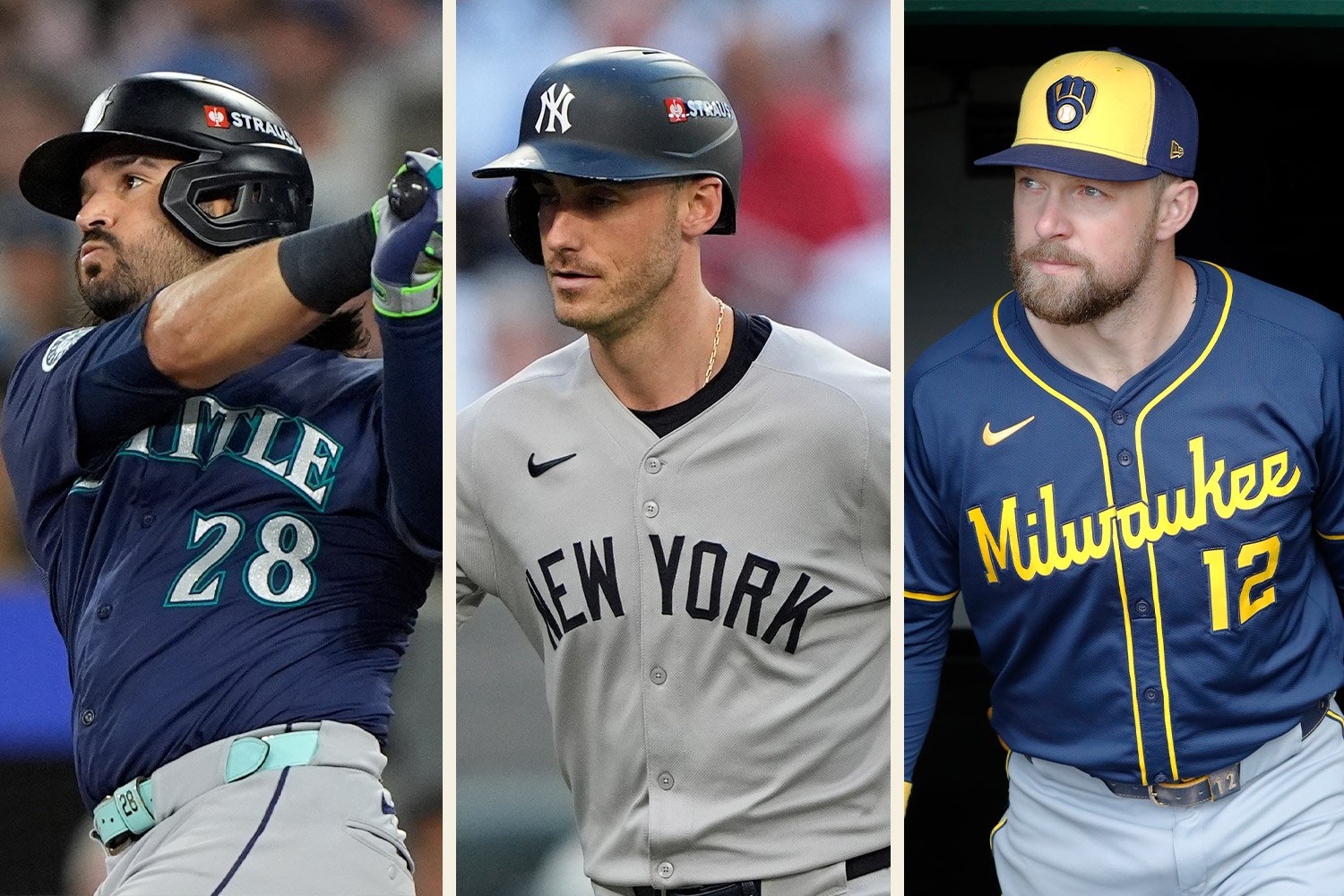 MLB Free Agency is beginning to speed up as two of the top free agent hitters came off the board within a 16 hour period. There are still some good options for teams looking to add a solid bat. 1B/OF Cody Bellinger Bellinger is the most versatile player left. While he isn’t the 40-homer threat he once was, his Statcast Outs Above Average (OAA) remains in the 95th percentile across three different positions. Offensively, he has mastered the contact era of his career, posting an elite Whiff % (bottom 10% of the league) while maintaining enough Barrel Rate to remain a 25-homer threat in any park. My Prediction: New York Yankees. It's a match made in heaven, and the options for Bellinger to go elsewhere are drying up rapidly. 3B Eugenio Suárez If you need raw power, Suárez is the answer. He led all third basemen with 37 home runs last year. His 114 mph Max Exit Velocity proves the strength hasn't faded, even at 34. While he still struggles with strikeouts, his 14.3% Barrel Rate ensures that when he connects, the ball stays hit. My Prediction: Boston Red Sox. The Red Sox still need a third baseman and a right-handed hitter, and could act like a big market team by spending on Suárez. OF Harrison Bader Bader is the premier "preventative" free agent. His 28.8 ft/sec sprint speed (85th percentile) and +7 OAA make him the best defensive outfielder available. Surprisingly, his offensive Statcast metrics ticked up in 2025, specifically his Sweet Spot %, suggesting he’s figured out how to maximize his modest power. My Prediction: Philadelphia Phillies. Bader finished the 2025 season with the Phillies and seemed to like his time there. With the Phills looking for a right-handed hitting outfielder, Bader seems like the perfect choice. Other Options: Luis Arraez: The outlier; he has the lowest Whiff % in the Statcast era and remains a safe bet for a .300 average. Paul Goldschmidt: Though his power has dipped, his Process Metrics (Walk Rate/Chase Rate) remain in the top 15% of the league. Rhys Hoskins: A Three True Outcomes king with a 12.5% Barrel Rate that translates to 30-homer potential. Marcell Ozuna: A pure DH whose 93.2 mph average Exit Velocity was among the top 10 in the majors last year. Nathaniel Lowe: A high-floor first baseman who excels at Zone Discipline and opposite-field power. Austin Hays: A platoon player who would fit any team looking for a lefty pitching killer. Michael Conforto: A platoon-heavy outfielder who still maintains a 90th percentile Hard-Hit Rate against righties.
 -
Image courtesy of © John E. Sokolowski-Imagn Images / © John E. Sokolowski-Imagn Images / © Charles LeClaire-Imagn Images MLB Free Agency is beginning to speed up as two of the top free agent hitters came off the board within a 16 hour period. There are still some good options for teams looking to add a solid bat. 1B/OF Cody Bellinger Bellinger is the most versatile player left. While he isn’t the 40-homer threat he once was, his Statcast Outs Above Average (OAA) remains in the 95th percentile across three different positions. Offensively, he has mastered the contact era of his career, posting an elite Whiff % (bottom 10% of the league) while maintaining enough Barrel Rate to remain a 25-homer threat in any park. My Prediction: New York Yankees. It's a match made in heaven, and the options for Bellinger to go elsewhere are drying up rapidly. 3B Eugenio Suárez If you need raw power, Suárez is the answer. He led all third basemen with 37 home runs last year. His 114 mph Max Exit Velocity proves the strength hasn't faded, even at 34. While he still struggles with strikeouts, his 14.3% Barrel Rate ensures that when he connects, the ball stays hit. My Prediction: Boston Red Sox. The Red Sox still need a third baseman and a right-handed hitter, and could act like a big market team by spending on Suárez. OF Harrison Bader Bader is the premier "preventative" free agent. His 28.8 ft/sec sprint speed (85th percentile) and +7 OAA make him the best defensive outfielder available. Surprisingly, his offensive Statcast metrics ticked up in 2025, specifically his Sweet Spot %, suggesting he’s figured out how to maximize his modest power. My Prediction: Philadelphia Phillies. Bader finished the 2025 season with the Phillies and seemed to like his time there. With the Phills looking for a right-handed hitting outfielder, Bader seems like the perfect choice. Other Options: Luis Arraez: The outlier; he has the lowest Whiff % in the Statcast era and remains a safe bet for a .300 average. Paul Goldschmidt: Though his power has dipped, his Process Metrics (Walk Rate/Chase Rate) remain in the top 15% of the league. Rhys Hoskins: A Three True Outcomes king with a 12.5% Barrel Rate that translates to 30-homer potential. Marcell Ozuna: A pure DH whose 93.2 mph average Exit Velocity was among the top 10 in the majors last year. Nathaniel Lowe: A high-floor first baseman who excels at Zone Discipline and opposite-field power. Austin Hays: A platoon player who would fit any team looking for a lefty pitching killer. Michael Conforto: A platoon-heavy outfielder who still maintains a 90th percentile Hard-Hit Rate against righties. View full article
-
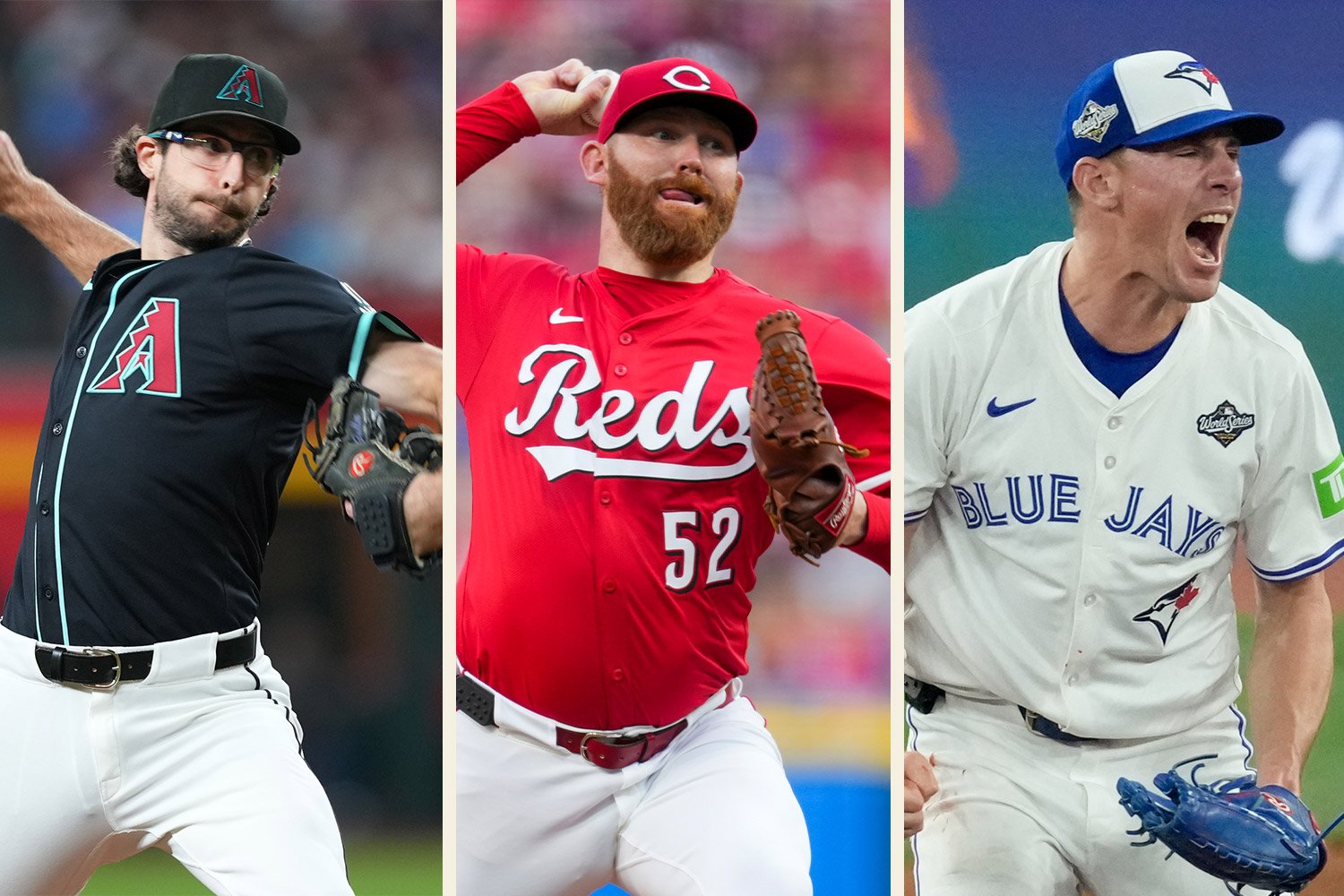 MLB free agency is beginning to speed up. Star free agents are flying off the shelves, though some still remain. There are a lot of teams in the market currently in the market for a big-time starting pitcher. Here are some of the remaining options. LHP Framber Valdez Valdez remains the "Grand Prize" for any rotation. Despite being 32, his Statcast profile is a masterclass in modern pitching: he led the league again with a 59.4% ground-ball rate in 2025. His sinker-curveball combination continues to generate elite Launch Angle suppression, making him virtually home-run proof. He finished 2025 with an xwOBA (Expected Weighted On-Base Average) in the 85th percentile, proving that his run prevention is no fluke. My Prediction: San Diego Padres. I think San Diego is trying to improve its club by adding a formidable starter, given the team's willingness to deal from its current rotation. RHP Zac Gallen After a rocky start to 2025, Gallen found his form late, posting a 3.32 ERA over his final 11 starts. Statcast reveals why: his Chase Rate surged back into the 90th percentile during that stretch. Gallen’s four-seam fastball has elite rise (induced vertical break), and when he commands it at the top of the zone, his knuckle-curve becomes one of the most unhittable secondary pitches in the game (34% Whiff Rate). My Prediction: New York Mets. The Mets need a solid starter, and the New Jersey native would fit them perfectly. RHP Justin Verlander The 42-year-old future Hall of Famer is a Statcast darling for a different reason: his late-season adaptation. Verlander introduced a sweeper in late 2025 that transformed his profile, leading to a 2.60 ERA over his final 13 starts. His fastball velocity actually ticked up to average 95.3 mph in August, and his 2848 rpm curveball remains in the top 1% of the league for spin. My Prediction: Houston Astros. It just makes sense for both sides to reunite. More to Watch: Chris Bassitt: The ultimate "kitchen sink" pitcher who used eight different pitches last year to maintain a top-tier Exit Velocity against. Lucas Giolito: A high-ceiling bounce-back candidate with a 94th percentile Extension that makes his 94 mph feel like 97. Zack Littell: A Statcast sleeper who avoids the heart of the zone and relies on a 24.5% Whiff Rate on his split finger. Walker Buehler: Still searching for his peak form, but his 96.2 mph average heater suggests the arm talent is still there. Jordan Montgomery: A reliable innings-eater whose sinker/changeup combo remains elite at inducing weak contact. Nick Martinez: A versatile arm whose 34-inch vertical break on his changeup makes him an elite bridge-man or starter. Jose Quintana: Despite his age, he remains in the 80th percentile for Hard-Hit % allowed. Max Scherzer: Even at 41, his Strikeout-to-Walk ratio remains among the league's elite when healthy.
 -
Image courtesy of © Joe Camporeale-Imagn Images / © Aaron Doster-Imagn Images / © Kevin Sousa-Imagn Images MLB free agency is beginning to speed up. Star free agents are flying off the shelves, though some still remain. There are a lot of teams in the market currently in the market for a big-time starting pitcher. Here are some of the remaining options. LHP Framber Valdez Valdez remains the "Grand Prize" for any rotation. Despite being 32, his Statcast profile is a masterclass in modern pitching: he led the league again with a 59.4% ground-ball rate in 2025. His sinker-curveball combination continues to generate elite Launch Angle suppression, making him virtually home-run proof. He finished 2025 with an xwOBA (Expected Weighted On-Base Average) in the 85th percentile, proving that his run prevention is no fluke. My Prediction: San Diego Padres. I think San Diego is trying to improve its club by adding a formidable starter, given the team's willingness to deal from its current rotation. RHP Zac Gallen After a rocky start to 2025, Gallen found his form late, posting a 3.32 ERA over his final 11 starts. Statcast reveals why: his Chase Rate surged back into the 90th percentile during that stretch. Gallen’s four-seam fastball has elite rise (induced vertical break), and when he commands it at the top of the zone, his knuckle-curve becomes one of the most unhittable secondary pitches in the game (34% Whiff Rate). My Prediction: New York Mets. The Mets need a solid starter, and the New Jersey native would fit them perfectly. RHP Justin Verlander The 42-year-old future Hall of Famer is a Statcast darling for a different reason: his late-season adaptation. Verlander introduced a sweeper in late 2025 that transformed his profile, leading to a 2.60 ERA over his final 13 starts. His fastball velocity actually ticked up to average 95.3 mph in August, and his 2848 rpm curveball remains in the top 1% of the league for spin. My Prediction: Houston Astros. It just makes sense for both sides to reunite. More to Watch: Chris Bassitt: The ultimate "kitchen sink" pitcher who used eight different pitches last year to maintain a top-tier Exit Velocity against. Lucas Giolito: A high-ceiling bounce-back candidate with a 94th percentile Extension that makes his 94 mph feel like 97. Zack Littell: A Statcast sleeper who avoids the heart of the zone and relies on a 24.5% Whiff Rate on his split finger. Walker Buehler: Still searching for his peak form, but his 96.2 mph average heater suggests the arm talent is still there. Jordan Montgomery: A reliable innings-eater whose sinker/changeup combo remains elite at inducing weak contact. Nick Martinez: A versatile arm whose 34-inch vertical break on his changeup makes him an elite bridge-man or starter. Jose Quintana: Despite his age, he remains in the 80th percentile for Hard-Hit % allowed. Max Scherzer: Even at 41, his Strikeout-to-Walk ratio remains among the league's elite when healthy. View full article
-
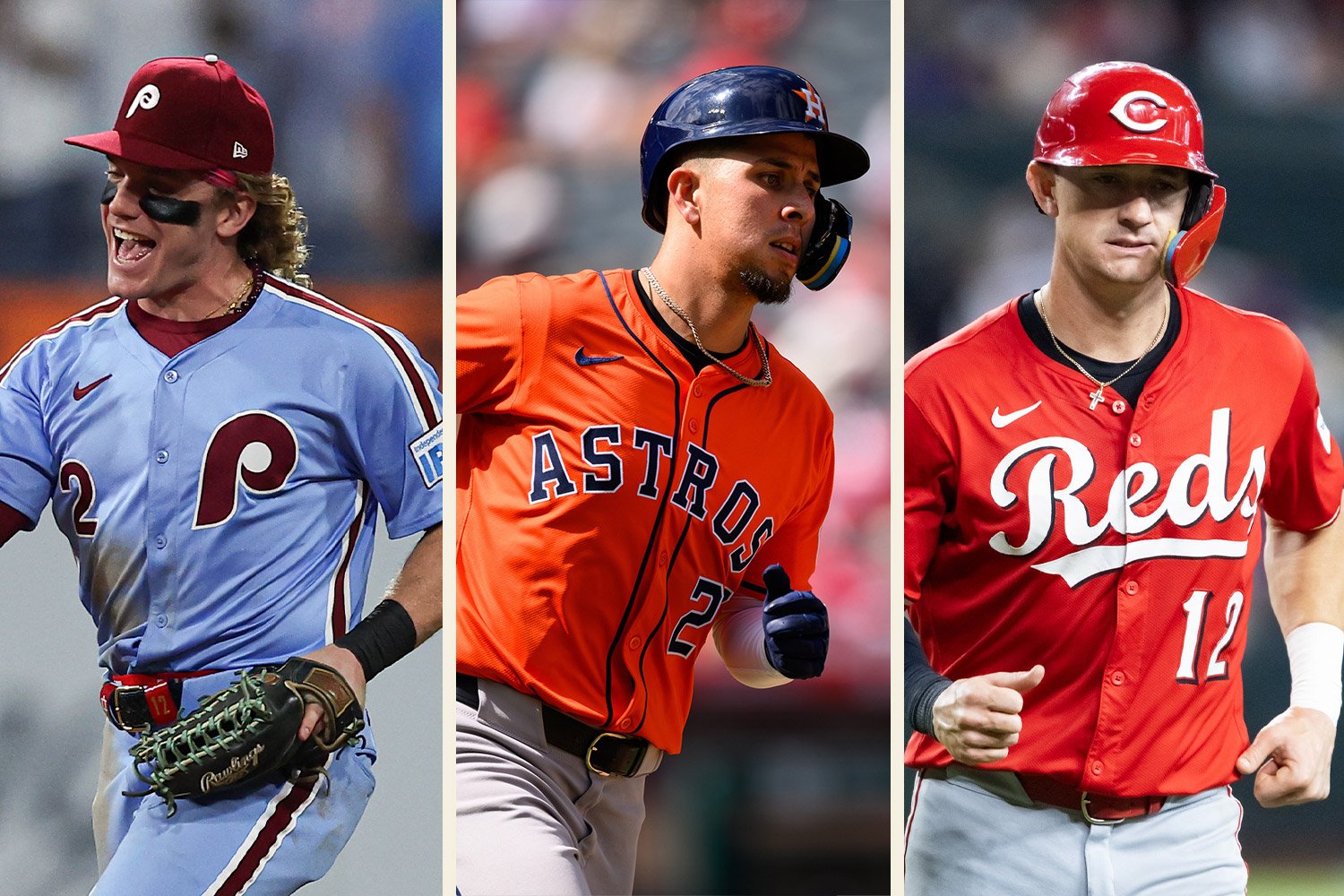 As the holiday season stalls MLB Free Agency for a bit, speculation begins to grow about where players will sign. The position player market has been stalled over the past few weeks as some of the bigger names linger on the market, but some other platoon-type bats remain on the market that could make a big impact on contending teams. Here is a look at some of the best right-handed platoon options on the market. Harrison Bader Harrison Bader is coming off a massive 2025 season with the Minnesota Twins and the Philadelphia Phillies. At 31, he posted some of the best offensive numbers of his career while maintaining his status as one of the game's premier defensive outfielders. Bader was a key contributor for two contending teams, finishing the year with a 3.2 fWAR. He notably improved his plate discipline and power, surpassing his previous career highs in several categories. The majority of his underlying hitting metrics were poor in 2025, according to Baseball Savant, which might be a deterrent for teams. Bader's defense remained "generationally good," according to analysts. A major storyline of his 2025 season was his positional versatility; with the Twins, he often played Left Field to accommodate Byron Buxton in Center, before moving back to his natural Center Field role more frequently later in the year and after his move to Philadelphia. Bader finished the season with +6 OAA, continuing to rank in the upper echelons of outfield range. He also maintained elite physical tools, ranking in the 99th percentile for bursts and the 83rd percentile for jumps. Ramón Urías Ramón Urías is coming off a 2025 season where he served as a versatile infielder for both the Baltimore Orioles and the Houston Astros. Known for his 2022 Gold Glove at third base, Urías showed a significant defensive bounce-back in 2025 while establishing himself as a potent threat against left-handed pitching. Urías ended the season with an OPS+ of 88, which is driven by heavy platoon splits. After a down year defensively in 2024, Urías returned to form in 2025. According to Baseball Savant, he was a net positive in the field. He recorded +2 OAA, a major improvement from his -9 OAA mark in 2024. Urias finished with a +1 Run Value, placing him in the solid average to above-average tier for major league infielders. He also provides defensive versatility, being able to play first, second and third base. Austin Hays Austin Hays spent the season with the Cincinnati Reds after signing a one-year deal. While he remained a productive "platoon-plus" outfielder with a 105 wRC+, his season was marked by a decline in physical tools – specifically his speed and range – partially due to recurring foot and back injuries. His offensive value in 2025 came primarily from his ability to punish left-handed pitching and maintain a respectable power profile. However, his expected metrics (x-stats) suggest he may have overperformed his true contact quality slightly. His 10.4% barrel percentage, according to Baseball Savant, shows that Hays possesses the strength to find the "sweet spot" regularly. His hard-hit rate dipped to 38.4%, which is below league average and dropped from where it was in previous seasons (40.1% in 2023). Historically known as a high-energy defender with a "cannon" for an arm, Hays has transitioned into a more average defensive profile as his Sprint Speed has declined. Hays recorded +1 OAA in 2025. This ranks him in the 50th-60th percentile of MLB outfielders. While no longer elite, he is still a "net positive" defender in Left Field.
- 5 comments
-
- 1
-

-
- harrison bader
- ramon urias
- (and 1 more)
-
As the holiday season stalls MLB Free Agency for a bit, speculation begins to grow about where players will sign. The position player market has been stalled over the past few weeks as some of the bigger names linger on the market, but some other platoon-type bats remain on the market that could make a big impact on contending teams. Here is a look at some of the best right-handed platoon options on the market. Harrison Bader Harrison Bader is coming off a massive 2025 season with the Minnesota Twins and the Philadelphia Phillies. At 31, he posted some of the best offensive numbers of his career while maintaining his status as one of the game's premier defensive outfielders. Bader was a key contributor for two contending teams, finishing the year with a 3.2 fWAR. He notably improved his plate discipline and power, surpassing his previous career highs in several categories. The majority of his underlying hitting metrics were poor in 2025, according to Baseball Savant, which might be a deterrent for teams. Bader's defense remained "generationally good," according to analysts. A major storyline of his 2025 season was his positional versatility; with the Twins, he often played Left Field to accommodate Byron Buxton in Center, before moving back to his natural Center Field role more frequently later in the year and after his move to Philadelphia. Bader finished the season with +6 OAA, continuing to rank in the upper echelons of outfield range. He also maintained elite physical tools, ranking in the 99th percentile for bursts and the 83rd percentile for jumps. Ramón Urías Ramón Urías is coming off a 2025 season where he served as a versatile infielder for both the Baltimore Orioles and the Houston Astros. Known for his 2022 Gold Glove at third base, Urías showed a significant defensive bounce-back in 2025 while establishing himself as a potent threat against left-handed pitching. Urías ended the season with an OPS+ of 88, which is driven by heavy platoon splits. After a down year defensively in 2024, Urías returned to form in 2025. According to Baseball Savant, he was a net positive in the field. He recorded +2 OAA, a major improvement from his -9 OAA mark in 2024. Urias finished with a +1 Run Value, placing him in the solid average to above-average tier for major league infielders. He also provides defensive versatility, being able to play first, second and third base. Austin Hays Austin Hays spent the season with the Cincinnati Reds after signing a one-year deal. While he remained a productive "platoon-plus" outfielder with a 105 wRC+, his season was marked by a decline in physical tools – specifically his speed and range – partially due to recurring foot and back injuries. His offensive value in 2025 came primarily from his ability to punish left-handed pitching and maintain a respectable power profile. However, his expected metrics (x-stats) suggest he may have overperformed his true contact quality slightly. His 10.4% barrel percentage, according to Baseball Savant, shows that Hays possesses the strength to find the "sweet spot" regularly. His hard-hit rate dipped to 38.4%, which is below league average and dropped from where it was in previous seasons (40.1% in 2023). Historically known as a high-energy defender with a "cannon" for an arm, Hays has transitioned into a more average defensive profile as his Sprint Speed has declined. Hays recorded +1 OAA in 2025. This ranks him in the 50th-60th percentile of MLB outfielders. While no longer elite, he is still a "net positive" defender in Left Field. View full article
-
Image courtesy of © Jayne Kamin-Oncea-Imagn Images Dodgers right-hander Tyler Glasnow has reportedly become a trade discussion point this offseason, with the team apparently "not opposed" to moving him despite his elite ability. Contract Status When he was traded to the Dodgers prior to the 2024 season, he quickly signed a five-year, $136.5 million extension. Currently, there are two guaranteed years and $81.6 million left on his deal. There is a $30 million club option for the 2028 season, which turns into a $21,562,500 player option if the club declines. The amount of money left on this deal complicates the ease of a trade, since many teams will likely not want to make that financial commitment. Dodgers Performance When healthy, Glasnow has pitched to ace-level expectations during his time with the Dodgers. Across the 2024 and 2025 regular seasons, he posted a combined 2.98 xERA over 224 1/3 innings pitched with an impressive 30.6% strikeout rate and a 1.01 WHIP. Notably, his performance also shined in the postseason, where he recorded a 1.69 ERA over 21 1/3 innings during the Dodgers' 2025 World Series run. While there is a high upside to Glasnow's performance, there are a few concerns about his future. The first, Glasnow walks way too many batters. In 2025, Glasnow posted an 11.7 BB%, a major drop-off from his 2025 rate of 6.7%. Glasnow’s chase percentage also dropped from the 33rd percentile in 2024 to the first percentile in 2025. There was a change in Glasnow’s arm slot and where his pitches landed, detailed by the statcast illustration below, that could be part of the reason he is not getting batters to chase his pitches. The second is his injury history. His inability to consistently pitch a full season has been a career-long issue, significantly undermining his elite performance when healthy. Glasnow's injury timeline is dominated by arm, shoulder, and core issues, with the most severe being Tommy John surgery. Most recently, Glasnow was out for two months during the 2025 season with right shoulder inflammation. This string of injuries has resulted in a startling lack of innings pitched for a pitcher of his caliber. Before setting a career high of 134 innings pitched in 2024, his previous high was 120 in 2023. In his 10 major league seasons, Glasnow has only reached the 100-inning mark three times. This track record, combined with his high-velocity, high-stress delivery and his contract guaranteeing him over $81 million through his age-34 season, makes him a significant gamble for any team. How the Dodgers approach Glasnow's trade market will determine his value. If Los Angeles is willing to pay down some of his contract, more teams in need of pitching should show interest. View full article
-
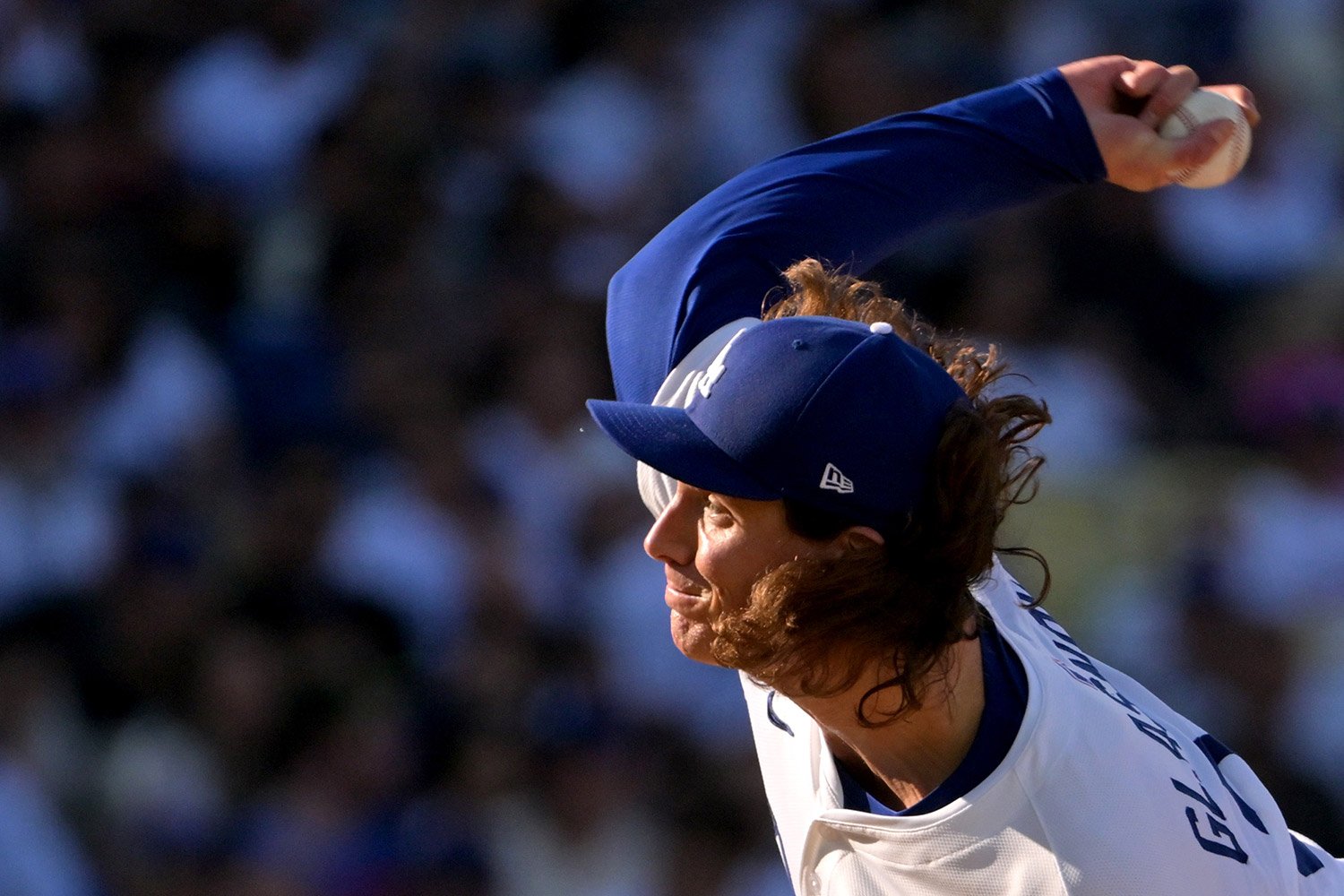 Dodgers right-hander Tyler Glasnow has reportedly become a trade discussion point this offseason, with the team apparently "not opposed" to moving him despite his elite ability. Contract Status When he was traded to the Dodgers prior to the 2024 season, he quickly signed a five-year, $136.5 million extension. Currently, there are two guaranteed years and $81.6 million left on his deal. There is a $30 million club option for the 2028 season, which turns into a $21,562,500 player option if the club declines. The amount of money left on this deal complicates the ease of a trade, since many teams will likely not want to make that financial commitment. Dodgers Performance When healthy, Glasnow has pitched to ace-level expectations during his time with the Dodgers. Across the 2024 and 2025 regular seasons, he posted a combined 2.98 xERA over 224 1/3 innings pitched with an impressive 30.6% strikeout rate and a 1.01 WHIP. Notably, his performance also shined in the postseason, where he recorded a 1.69 ERA over 21 1/3 innings during the Dodgers' 2025 World Series run. While there is a high upside to Glasnow's performance, there are a few concerns about his future. The first, Glasnow walks way too many batters. In 2025, Glasnow posted an 11.7 BB%, a major drop-off from his 2025 rate of 6.7%. Glasnow’s chase percentage also dropped from the 33rd percentile in 2024 to the first percentile in 2025. There was a change in Glasnow’s arm slot and where his pitches landed, detailed by the statcast illustration below, that could be part of the reason he is not getting batters to chase his pitches. The second is his injury history. His inability to consistently pitch a full season has been a career-long issue, significantly undermining his elite performance when healthy. Glasnow's injury timeline is dominated by arm, shoulder, and core issues, with the most severe being Tommy John surgery. Most recently, Glasnow was out for two months during the 2025 season with right shoulder inflammation. This string of injuries has resulted in a startling lack of innings pitched for a pitcher of his caliber. Before setting a career high of 134 innings pitched in 2024, his previous high was 120 in 2023. In his 10 major league seasons, Glasnow has only reached the 100-inning mark three times. This track record, combined with his high-velocity, high-stress delivery and his contract guaranteeing him over $81 million through his age-34 season, makes him a significant gamble for any team. How the Dodgers approach Glasnow's trade market will determine his value. If Los Angeles is willing to pay down some of his contract, more teams in need of pitching should show interest.
 -
Image courtesy of © Mike Watters-Imagn Images The MLB Winter Meetings are typically the most active week of the MLB offseason. It’s a week when all 30 teams meet at a destination – this year, Orlando – and formulate their offseason plans, including deals with free agents and trades with other teams. John Bonnes of DiamondCentric had a few minutes with the Twins' president of baseball operations, Derek Falvey, and they discussed preparations for the Winter Meetings. Each of the 30 teams receives a dedicated room where their top executives meet to discuss their plans. “I do think big picture, we talked to a few agents about this today, and they agreed, at least one group agreed, that it’s felt like a lot of what happens during Winter Meetings now, there’s some big boy deals, but then there’s a lot of, you kind of get a sense for parameters or where some people are thinking, and then within like 10 days after, you see a lot of things start to happen.” Derek Falvey, President of Baseball Operations for the Minnesota Twins, said Tuesday. Free Agents and Trades The Twins, like many other teams in Major League Baseball, have payroll constraints that limit how much payroll they can add this offseason. In that case, teams will alert agents to those payroll constraints to help guide them to talent that can improve their teams within budget. “We’ve tried to, from GM Meetings (held in early November every year) onward, we kind of told you what we were telling teams around that time,” Falvey said. “And then subsequent to that, got a little more direction on some conversations around our direction. But not much before here. So I think it’s been a lot of work here.” Falvey then took us into the room, what it's like when negotiating with an agent. He mentioned that depending on the player and their representation depends on the amount of people in the room. “At these meetings, it’s always been like this, my whole career, little bit of just catching up back and forth.” Said Falvey. “What they’re thinking the market is, what it looks like big picture. And we might talk about a few of their players and where they see it shaping up." Asked how many people are involved in agent negotiations, Zoll replied, "Depends which agent, because it’s usually like an army of people." “The range of outcomes in that conversation is pretty significant. Some are, hey, it’s moving now, and if you want in, we’ve got to talk about it right now. Or we’re going to, we’re waiting on this guy and this guy and this guy, and we’ll see how that shakes out. and once we know what the market really is, we’ll move but we’re not going to move quickly. It just depends on each agency and how they want to navigate. How many players they have.” Many fans have a common misconception about how deals come together. It often takes time. From negotiating to overall conversations, the process can stretch into weeks and then months. It’s fascinating how trades come together. Especially this offseason, when it's perceived as a weak free-agent class, trades will be essential to how teams do business. “And it happens, like, if you think about it, it used to be, okay, GM to GM. There's so many people involved in this now.” Falvey said regarding trade development. “It could be people that, you know, report three rings down from the two of us, right? Three or four rings down that are connecting with somebody else on the other team saying, and, you know, we'll get someone, I'm just trying to think of someone, who's in our group, right? We got an outreach from... a guy they might move as, like, a bottom of the roster conversation, right?” When talking deals, it’s not just the baseball operations people who are involved in the room. “And our scouts, like our whole crew, and like, we go through our player personnel process of, like, Okay, how's he fit? Like, where would he fit on our roster? What are the options? Option status?” Falvey added. “Like, how, you know, we go through this whole checklist of sorts, and then think about, okay, well, what? And then we might just say, yeah, we'd like to hear what the ask is, and then they come back. And if it's players, we like a little too much, we're like, Yeah, that's probably a little too rich. Like, they'll end up moving somewhere else. That can happen sometimes.” “And they'll signal you, you know, let's use all the public prospect lists, right? Like, when they're asking you for someone that's sitting in your 26 to 35 range. Okay, we kind of get a sense where they're hunting here. And if you're engaged and you're, we wouldn't do this guy. We might consider that guy. We might float a name of another guy in that range that they might be like, oh yeah, we see him similarly. And we might just say we have a little depth there.” Twins General Manager Jeremy Zoll was then asked about a potential trade deal surrounding starters Pablo Lopez and Joe Ryan. He responded by saying “I mean, the most, I think classic answer is it depends and it all in context matters a ton on all this stuff. But you know, I think other teams see the strength that we have there too, and that's why we're getting hit, not just on Joe and Pablo, but, you know, really through that whole group. So, you try to just evaluate every opportunity and try to understand the context as best as possible. But we feel like it's a strength and a surplus, and when you have that that you know gives you a chance to at least think through as many creative ideas as possible.” The Twins have signaled this offseason that they are not looking to shop the rotation duo, but Zoll made it clear that they will do what is in the best long-term interest of the team. Prospects and Prospect Value in Trades Zoll was also asked about young players. In recent years, we have seen teams become “prospect huggers,” reluctant to deal any prospect the organization believes has a chance to be a big-time major leaguer. “Again, every player has their own story and case on that. We’re trying to make the best holistic evaluation on that knowing a lot of the guys we have have a lot of control, and in turn make them valuable for hopefully that whole control window. You’re just trying to find the right timing for those opportunities and common discussions around selling high, selling low and trying to find that right balance. You never really know. …That’s what we spend a lot of time discussing. The return and all those things play into that.” Falvey was then asked if he changes his ask in trades based on the type of player that might be sent away (i.e., if the Twins deal a starter, are they looking for a major league replacement). Falvey responded by saying, “It’s a good question. I don’t know that it’s quite that specific. I think every team now has broadened their likes to some degree, depending on where they are.” But what if a team values something different than the other, like one team holds a pitcher in higher regard than the team they are on? How does that impact talks? Zoll responded by saying, “I know what you’re getting at. I think we’re just trying to make the evaluation we can on what we think the market should be for any given player that we’re getting asked on. If trades happen, it’s because there was some degree of overlap and intersection, not this idea of they’re just overvaluing these players with these trades and in turn the other team is trying to take advantage of that.” Over the years, watching transactions, it is clear that certain teams have relationships with others that help push deals across the finish line. But that is not always the case. Falvey cites that sometimes, variance in opinion helps trades get done, saying, “Despite the relationships we have in the game, and we have relationships with all the teams. It’s sometimes helpful to work with someone who just sees the world differently than you. Then you do find more overlap. It’s like, oh, this is type of player that we like, this is the type of player they like. When you like all the same types of players, it gets a little trickier to find those intersections.” Rule 5 Draft and MLB Draft Placement The Rule 5 Draft is also an event that takes place at the winter meetings. The Rule 5 Draft allows teams to select certain minor league players from other organizations who are not on their club's 40-man roster, provided the selected player meets specific professional service time requirements. Its primary purpose is to prevent organizations from hoarding talented players in the minor leagues who might otherwise be ready for a chance to compete at the major league level. “We’re a full 40 right now. We can make a move between now and tomorrow.” Falvey said on the Twins' plans for the Rule 5 draft. “If we do, we’ll have that conversation if someone is available. We’ve been thinking about that over the course of the week and working through some different iterations that could allow for us to have an opening.” The MLB Draft is also an important event at the winter meetings. The draft lottery took place on Tuesday evening, and the Twins received the third overall pick. Before the placement of the pick became a reality, Zoll said, “Obviously, the higher the better, and you’re hoping for as high as possible. Once we knew — once we had an indication that it wasn’t going to be the top pick, I know Sean (Johnson) and the scouting group were really hopeful to be in the top three so to land that feels really good.” View full article
-
 The MLB Winter Meetings are typically the most active week of the MLB offseason. It’s a week when all 30 teams meet at a destination – this year, Orlando – and formulate their offseason plans, including deals with free agents and trades with other teams. John Bonnes of DiamondCentric had a few minutes with the Twins' president of baseball operations, Derek Falvey, and they discussed preparations for the Winter Meetings. Each of the 30 teams receives a dedicated room where their top executives meet to discuss their plans. “I do think big picture, we talked to a few agents about this today, and they agreed, at least one group agreed, that it’s felt like a lot of what happens during Winter Meetings now, there’s some big boy deals, but then there’s a lot of, you kind of get a sense for parameters or where some people are thinking, and then within like 10 days after, you see a lot of things start to happen.” Derek Falvey, President of Baseball Operations for the Minnesota Twins, said Tuesday. Free Agents and Trades The Twins, like many other teams in Major League Baseball, have payroll constraints that limit how much payroll they can add this offseason. In that case, teams will alert agents to those payroll constraints to help guide them to talent that can improve their teams within budget. “We’ve tried to, from GM Meetings (held in early November every year) onward, we kind of told you what we were telling teams around that time,” Falvey said. “And then subsequent to that, got a little more direction on some conversations around our direction. But not much before here. So I think it’s been a lot of work here.” Falvey then took us into the room, what it's like when negotiating with an agent. He mentioned that depending on the player and their representation depends on the amount of people in the room. “At these meetings, it’s always been like this, my whole career, little bit of just catching up back and forth.” Said Falvey. “What they’re thinking the market is, what it looks like big picture. And we might talk about a few of their players and where they see it shaping up." Asked how many people are involved in agent negotiations, Zoll replied, "Depends which agent, because it’s usually like an army of people." “The range of outcomes in that conversation is pretty significant. Some are, hey, it’s moving now, and if you want in, we’ve got to talk about it right now. Or we’re going to, we’re waiting on this guy and this guy and this guy, and we’ll see how that shakes out. and once we know what the market really is, we’ll move but we’re not going to move quickly. It just depends on each agency and how they want to navigate. How many players they have.” Many fans have a common misconception about how deals come together. It often takes time. From negotiating to overall conversations, the process can stretch into weeks and then months. It’s fascinating how trades come together. Especially this offseason, when it's perceived as a weak free-agent class, trades will be essential to how teams do business. “And it happens, like, if you think about it, it used to be, okay, GM to GM. There's so many people involved in this now.” Falvey said regarding trade development. “It could be people that, you know, report three rings down from the two of us, right? Three or four rings down that are connecting with somebody else on the other team saying, and, you know, we'll get someone, I'm just trying to think of someone, who's in our group, right? We got an outreach from... a guy they might move as, like, a bottom of the roster conversation, right?” When talking deals, it’s not just the baseball operations people who are involved in the room. “And our scouts, like our whole crew, and like, we go through our player personnel process of, like, Okay, how's he fit? Like, where would he fit on our roster? What are the options? Option status?” Falvey added. “Like, how, you know, we go through this whole checklist of sorts, and then think about, okay, well, what? And then we might just say, yeah, we'd like to hear what the ask is, and then they come back. And if it's players, we like a little too much, we're like, Yeah, that's probably a little too rich. Like, they'll end up moving somewhere else. That can happen sometimes.” “And they'll signal you, you know, let's use all the public prospect lists, right? Like, when they're asking you for someone that's sitting in your 26 to 35 range. Okay, we kind of get a sense where they're hunting here. And if you're engaged and you're, we wouldn't do this guy. We might consider that guy. We might float a name of another guy in that range that they might be like, oh yeah, we see him similarly. And we might just say we have a little depth there.” Twins General Manager Jeremy Zoll was then asked about a potential trade deal surrounding starters Pablo Lopez and Joe Ryan. He responded by saying “I mean, the most, I think classic answer is it depends and it all in context matters a ton on all this stuff. But you know, I think other teams see the strength that we have there too, and that's why we're getting hit, not just on Joe and Pablo, but, you know, really through that whole group. So, you try to just evaluate every opportunity and try to understand the context as best as possible. But we feel like it's a strength and a surplus, and when you have that that you know gives you a chance to at least think through as many creative ideas as possible.” The Twins have signaled this offseason that they are not looking to shop the rotation duo, but Zoll made it clear that they will do what is in the best long-term interest of the team. Prospects and Prospect Value in Trades Zoll was also asked about young players. In recent years, we have seen teams become “prospect huggers,” reluctant to deal any prospect the organization believes has a chance to be a big-time major leaguer. “Again, every player has their own story and case on that. We’re trying to make the best holistic evaluation on that knowing a lot of the guys we have have a lot of control, and in turn make them valuable for hopefully that whole control window. You’re just trying to find the right timing for those opportunities and common discussions around selling high, selling low and trying to find that right balance. You never really know. …That’s what we spend a lot of time discussing. The return and all those things play into that.” Falvey was then asked if he changes his ask in trades based on the type of player that might be sent away (i.e., if the Twins deal a starter, are they looking for a major league replacement). Falvey responded by saying, “It’s a good question. I don’t know that it’s quite that specific. I think every team now has broadened their likes to some degree, depending on where they are.” But what if a team values something different than the other, like one team holds a pitcher in higher regard than the team they are on? How does that impact talks? Zoll responded by saying, “I know what you’re getting at. I think we’re just trying to make the evaluation we can on what we think the market should be for any given player that we’re getting asked on. If trades happen, it’s because there was some degree of overlap and intersection, not this idea of they’re just overvaluing these players with these trades and in turn the other team is trying to take advantage of that.” Over the years, watching transactions, it is clear that certain teams have relationships with others that help push deals across the finish line. But that is not always the case. Falvey cites that sometimes, variance in opinion helps trades get done, saying, “Despite the relationships we have in the game, and we have relationships with all the teams. It’s sometimes helpful to work with someone who just sees the world differently than you. Then you do find more overlap. It’s like, oh, this is type of player that we like, this is the type of player they like. When you like all the same types of players, it gets a little trickier to find those intersections.” Rule 5 Draft and MLB Draft Placement The Rule 5 Draft is also an event that takes place at the winter meetings. The Rule 5 Draft allows teams to select certain minor league players from other organizations who are not on their club's 40-man roster, provided the selected player meets specific professional service time requirements. Its primary purpose is to prevent organizations from hoarding talented players in the minor leagues who might otherwise be ready for a chance to compete at the major league level. “We’re a full 40 right now. We can make a move between now and tomorrow.” Falvey said on the Twins' plans for the Rule 5 draft. “If we do, we’ll have that conversation if someone is available. We’ve been thinking about that over the course of the week and working through some different iterations that could allow for us to have an opening.” The MLB Draft is also an important event at the winter meetings. The draft lottery took place on Tuesday evening, and the Twins received the third overall pick. Before the placement of the pick became a reality, Zoll said, “Obviously, the higher the better, and you’re hoping for as high as possible. Once we knew — once we had an indication that it wasn’t going to be the top pick, I know Sean (Johnson) and the scouting group were really hopeful to be in the top three so to land that feels really good.”
 -
Eugenio Suárez’s Free-Agent Case: More Than the Surface Stats Show
Matthew Nethercott posted an article in MLB
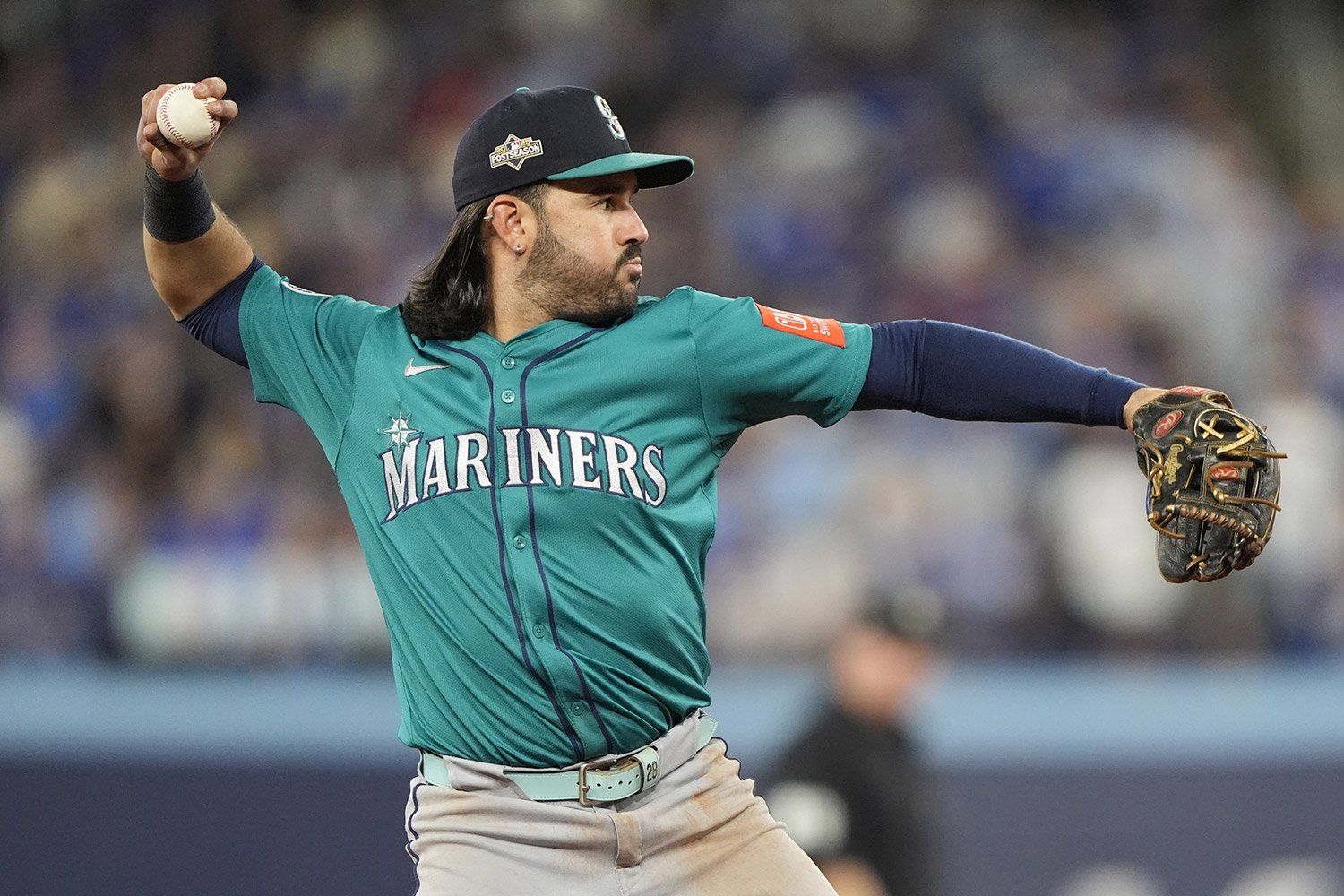 Eugenio Suárez enters free agency as one of baseball’s most intriguing corner-infield bats. His career arc is defined by stretches of genuine star-level output, periods of swing-and-miss concerns, and an underrated defensive and baserunning profile supported by advanced data. Overall Career Suárez debuted with the Detroit Tigers in 2014, but his career truly accelerated after being traded to Cincinnati. Across the 2018 and 2019 seasons, he became one of MLB’s premier right-handed sluggers. In those two seasons, he posted a combined .911 OPS and 133 wRC+, including a career-best 4.5 fWAR in 2018 and the 49-homer explosion in 2019. His peak power stretch was supported by real underlying juice — his xSLG hovered near .508 over those two years, placing him among the league’s elite. However, the shortened 2020 season marked the beginning of a decline in his contact quality and plate discipline. His strikeout rate ballooned to 29%, his xwOBA fell toward league average, and his once top-tier contact power became more inconsistent. By 2021, his .198 batting average belied the fact that his expected metrics (xSLG .437, xwOBA .318) suggested he was far closer to an average hitter than raw production indicated—an early sign of the split between Suárez’s underlying profile and his surface numbers. After being traded to Seattle before the 2022 season, Suárez rediscovered some stability. He delivered 3.9 fWAR across 2022–23, fueled not only by 25–30 homer pop but by surprisingly strong third-base defense. In 2023, Statcast rated him as a top-quartile defender by Outs Above Average (OAA) during that span, transforming him from a bat-first slugger into a more complete player. Even with contact issues persisting, his xwOBACON and Barrel rates remained above league average — signaling a skill set that still punished mistakes. 2025 Season While Suárez’s surface offensive numbers dipped again in 2025, advanced metrics paint a more nuanced picture. His average exit velocity, 90.2 MPH, and Hard-Hit rate, 47.6, remained consistent with his career norms. Plate discipline remains the key variable. Suárez has continued to post a Chase% near career highs at 31%. But when he makes contact, he still produces damage. Suárez’s 2025 Barrel% sat at 14.3%, above league average, and his 95th-percentile max-EV readings confirm that his raw power remains genuine. Contract Outlook Suárez enters free agency as a veteran slugger whose value rests on a combination of durable power, defensive stability, and the promise of positive regression backed by expected stats. Teams looking for a middle-order presence with consistent 25-homer potential will see his profile as appealing, particularly because his xwOBA and xSLG continue to run ahead of his traditional stats, suggesting there’s more production available with even modest BABIP normalization. We predict his market to settle around three years at around $18 million per season, depending on how teams weigh upside against swing-and-miss concerns. Clubs that value expected metrics and park-adjusted power could view Suárez as a strong bounce-back candidate—especially those needing a stabilizing right-handed bat at third base.
 -
Image courtesy of © John E. Sokolowski-Imagn Images Eugenio Suárez enters free agency as one of baseball’s most intriguing corner-infield bats. His career arc is defined by stretches of genuine star-level output, periods of swing-and-miss concerns, and an underrated defensive and baserunning profile supported by advanced data. Overall Career Suárez debuted with the Detroit Tigers in 2014, but his career truly accelerated after being traded to Cincinnati. Across the 2018 and 2019 seasons, he became one of MLB’s premier right-handed sluggers. In those two seasons, he posted a combined .911 OPS and 133 wRC+, including a career-best 4.5 fWAR in 2018 and the 49-homer explosion in 2019. His peak power stretch was supported by real underlying juice — his xSLG hovered near .508 over those two years, placing him among the league’s elite. However, the shortened 2020 season marked the beginning of a decline in his contact quality and plate discipline. His strikeout rate ballooned to 29%, his xwOBA fell toward league average, and his once top-tier contact power became more inconsistent. By 2021, his .198 batting average belied the fact that his expected metrics (xSLG .437, xwOBA .318) suggested he was far closer to an average hitter than raw production indicated—an early sign of the split between Suárez’s underlying profile and his surface numbers. After being traded to Seattle before the 2022 season, Suárez rediscovered some stability. He delivered 3.9 fWAR across 2022–23, fueled not only by 25–30 homer pop but by surprisingly strong third-base defense. In 2023, Statcast rated him as a top-quartile defender by Outs Above Average (OAA) during that span, transforming him from a bat-first slugger into a more complete player. Even with contact issues persisting, his xwOBACON and Barrel rates remained above league average — signaling a skill set that still punished mistakes. 2025 Season While Suárez’s surface offensive numbers dipped again in 2025, advanced metrics paint a more nuanced picture. His average exit velocity, 90.2 MPH, and Hard-Hit rate, 47.6, remained consistent with his career norms. Plate discipline remains the key variable. Suárez has continued to post a Chase% near career highs at 31%. But when he makes contact, he still produces damage. Suárez’s 2025 Barrel% sat at 14.3%, above league average, and his 95th-percentile max-EV readings confirm that his raw power remains genuine. Contract Outlook Suárez enters free agency as a veteran slugger whose value rests on a combination of durable power, defensive stability, and the promise of positive regression backed by expected stats. Teams looking for a middle-order presence with consistent 25-homer potential will see his profile as appealing, particularly because his xwOBA and xSLG continue to run ahead of his traditional stats, suggesting there’s more production available with even modest BABIP normalization. We predict his market to settle around three years at around $18 million per season, depending on how teams weigh upside against swing-and-miss concerns. Clubs that value expected metrics and park-adjusted power could view Suárez as a strong bounce-back candidate—especially those needing a stabilizing right-handed bat at third base. View full article
-
Image courtesy of © Jerome Miron-Imagn Images / © James A. Pittman-Imagn Images Friday was MLB’s non-tender deadline. Among the flurry of names that were non-tendered based on roster non-factors or lack of roster sports, there were some interesting pitchers – specifically relievers – that were non-tendered that can make an impact on another roster in 2026. Colin Holderman Colin Holderman’s 2025 season exposed clear regression under the hood. His K-BB% fell below league average, his xERA ballooned to 5.70 from 4.20 in 2024, and opponents posted an xwOBA 48 points higher than in 2024, suggesting his fastball/slider shape became far more hittable. Yet the underlying traits that once made him a late-inning weapon—such as a 52.8% ground-ball rate, a sinker that still generated above-average arm-side run. With small mechanical clean-ups and improved pitch tunneling, his peripherals suggest he could return to being a reliable high-leverage reliever rather than a reclamation project. Albert Suárez Despite flashes of effectiveness, Suárez’s 2025 season was marred by injuries, but a lot of his underlying metrics looked solid. In the small sample size of 11 2/3 innings, his xERA lowered to 2.57 from 4.05 in 2024. Hitters also posted a .250 xwOBA against him, which is well below league average, but there are also not a lot of outings to base this on. Still, his 41.9% ground-ball rate and elite 32.3% hard-hit suppression remained intact, suggesting that with improved command and a stabilized walk rate, there’s a very real path back to league-average — or even above-average — production. Evan Phillips Evan Phillips was once closing games for the Dodgers, and now finds himself without a job after an injury-riddled season. His decline was steep, with his xwOBA jumping from .282 in 2024, which is still below league average, to .234 in 2025, and his out-of-zone swing percentage dipped to its lowest mark since 2030 — both signs that his fastball/slider combo lost some of its deception and late life. Phillips’ underlying movement profiles remained close to career norms, and despite diminished results, his hard-hit rate stayed below league average. With mechanical refinement and better pitch sequencing, teams, including the Dodgers, believe he could rebound into a high-leverage setup role, even if his days as a full-time closer are behind him. Max Kranick Max Kranick’s downturn has been tied directly to injuries, including the 2022 Tommy John surgery and recurring shoulder setbacks that disrupted his development and mechanics. His slider whiff rate fell to 15.2% from 29.1%, and he could not stay healthy. Still, underlying metrics like a 36.4% ground-ball rate and above-average induced vertical break on the four-seamer suggest that if he regains his pre-injury velocity and consistency, he could rebound into a serviceable back-end starter or multi-inning relief weapon. John King John King’s underlying metrics painted a clear picture of his 2025 regression. His sinker's average exit velocity jumped from 88.5 mph to 91.7 mph, leading to a spike in hard contact. His xERA, sitting at 4.83, far outpaced his actual ERA, suggesting that diminished command and a drop in chase rate, down nearly five points from 2024, made his margin for error razor-thin. However, King’s sinker still generated a +0 run value, and his whiff rate quietly rebounded late in the season, hinting that with improved location and a modest velocity uptick, he could rediscover his role as a dependable ground-ball specialist in 2026. View full article
-
Five Non-Tendered Relievers Who Could Become 2026 Bounce-Back Players
Matthew Nethercott posted an article in MLB
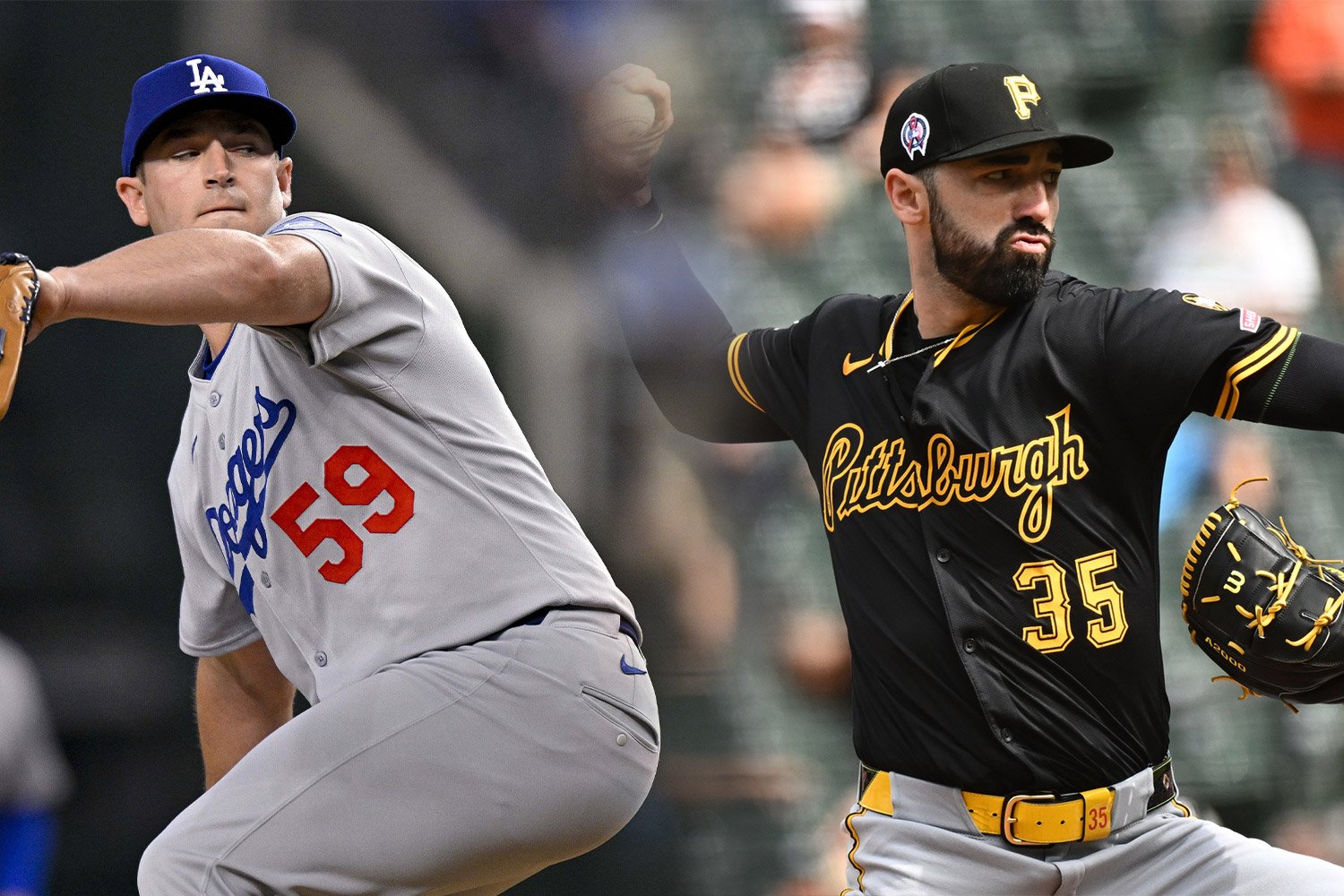 Friday was MLB’s non-tender deadline. Among the flurry of names that were non-tendered based on roster non-factors or lack of roster sports, there were some interesting pitchers – specifically relievers – that were non-tendered that can make an impact on another roster in 2026. Colin Holderman Colin Holderman’s 2025 season exposed clear regression under the hood. His K-BB% fell below league average, his xERA ballooned to 5.70 from 4.20 in 2024, and opponents posted an xwOBA 48 points higher than in 2024, suggesting his fastball/slider shape became far more hittable. Yet the underlying traits that once made him a late-inning weapon—such as a 52.8% ground-ball rate, a sinker that still generated above-average arm-side run. With small mechanical clean-ups and improved pitch tunneling, his peripherals suggest he could return to being a reliable high-leverage reliever rather than a reclamation project. Albert Suárez Despite flashes of effectiveness, Suárez’s 2025 season was marred by injuries, but a lot of his underlying metrics looked solid. In the small sample size of 11 2/3 innings, his xERA lowered to 2.57 from 4.05 in 2024. Hitters also posted a .250 xwOBA against him, which is well below league average, but there are also not a lot of outings to base this on. Still, his 41.9% ground-ball rate and elite 32.3% hard-hit suppression remained intact, suggesting that with improved command and a stabilized walk rate, there’s a very real path back to league-average — or even above-average — production. Evan Phillips Evan Phillips was once closing games for the Dodgers, and now finds himself without a job after an injury-riddled season. His decline was steep, with his xwOBA jumping from .282 in 2024, which is still below league average, to .234 in 2025, and his out-of-zone swing percentage dipped to its lowest mark since 2030 — both signs that his fastball/slider combo lost some of its deception and late life. Phillips’ underlying movement profiles remained close to career norms, and despite diminished results, his hard-hit rate stayed below league average. With mechanical refinement and better pitch sequencing, teams, including the Dodgers, believe he could rebound into a high-leverage setup role, even if his days as a full-time closer are behind him. Max Kranick Max Kranick’s downturn has been tied directly to injuries, including the 2022 Tommy John surgery and recurring shoulder setbacks that disrupted his development and mechanics. His slider whiff rate fell to 15.2% from 29.1%, and he could not stay healthy. Still, underlying metrics like a 36.4% ground-ball rate and above-average induced vertical break on the four-seamer suggest that if he regains his pre-injury velocity and consistency, he could rebound into a serviceable back-end starter or multi-inning relief weapon. John King John King’s underlying metrics painted a clear picture of his 2025 regression. His sinker's average exit velocity jumped from 88.5 mph to 91.7 mph, leading to a spike in hard contact. His xERA, sitting at 4.83, far outpaced his actual ERA, suggesting that diminished command and a drop in chase rate, down nearly five points from 2024, made his margin for error razor-thin. However, King’s sinker still generated a +0 run value, and his whiff rate quietly rebounded late in the season, hinting that with improved location and a modest velocity uptick, he could rediscover his role as a dependable ground-ball specialist in 2026.
 -
Image courtesy of © Ken Blaze-Imagn Images Friday was MLB’s non-tender deadline. Among the flurry of names non-tendered for roster non-factors or lack of roster sports, some interesting position players were non-tendered who could make an impact on another roster in 2026. Adolis García The falloff in Adolis García's performance needs to be studied. Once looking like one of baseball’s rising stars, García fell off hard after the Rangers’ 2023 World Series run. In 2024, his underlying metrics collapsed: his xwOBA dropped from .354 to .301, while his chase rate ballooned to a career-high 35.8%, which affected his contact quality. By 2025, the regression deepened as his hard-hit rate fell below 40% for the first time, and his barrel % plummeted nearly six points as pitchers exploited his expanding zone profile. García could be a candidate on a team looking for a backup outfielder, and maybe a different voice and team situation, in a hitters' ballpark, helps García turn around his career. Jonah Heim A switch-hitting catcher, Heim showed a lot of promise, both behind the plate and as a bat in 2022 and 2023. Since the start of 2024, Heim has regressed significantly. In 2024, Heim’s quality of contact cratered, posting a career-low 32.8% hard-hit rate and an xwOBA of just .279, both bottom-third among qualified catchers. His struggles continued in 2025, where his framing runs dropped to -3 and his blocking value declined for a second straight year, while his .301 xwOBA and 85 wRC+ underscored that the bat never fully rebounded. Still, Heim has potential and could be a nice change of scenery candidate for a team looking for a backup catcher. Alexander Canario A former top prospect, Alexander Canario, has underperformed to this point in his major league career. Across his first 300 MLB at-bats, Canario has posted a below-average 88 wRC+, with a .296 xwOBA that suggests his contact quality hasn’t supported league-average production. His 32% strikeout rate and 28th-percentile whiff rate have limited his ability to tap into his raw power. At the same time, his .394 xSLG indicates that even his hardest contact hasn’t consistently translated into game power. Still, Canario has some potential and could be a good backup outfielder with a much higher ceiling. Mike Tauchman Mike Tauchman had a solid 2025 season for the White Sox, who are looking to get younger. The veteran outfielder quietly delivered strong underlying metrics, posting a 10.8% walk rate and a 22.4% chase rate, both among the best on the team, which helped stabilize a lineup light on on-base percentage. His quality-of-contact profile also ticked up, finishing the year with a .343 xwOBA and a 41% hard-hit rate, signaling that his production was backed by sustainable peripherals. Even entering his mid-30s, Tauchman’s plate discipline, defensive versatility, and improved batted-ball data give him sneaky upside as a high-floor fourth outfielder or low-cost everyday option for a rebuilding club. JJ Bleday JJ Bleday came into the 2025 season as the primary center fielder, looking to build off his solid 2024 campaign. His quality of contact fell off sharply, as his xwOBA dropped from .344 in 2024 to a below-average .303 in 2025, and his hard-hit rate dipped nearly eight percentage points. Bleday also struggled to elevate the ball with consistency—his average launch angle fell from 14.1° to 10.6°, contributing to a ground-ball rate that spiked to 47%. Defensively, his Outs Above Average slipped from +4 to -2, signaling a noticeable step back in both range and closing speed in center field. Bleday has potential, and maybe being in a different situation will help unlock it. View full article
-
Five Non-Tendered Hitters Who Could Become 2026 Bounce-Back Players
Matthew Nethercott posted an article in MLB
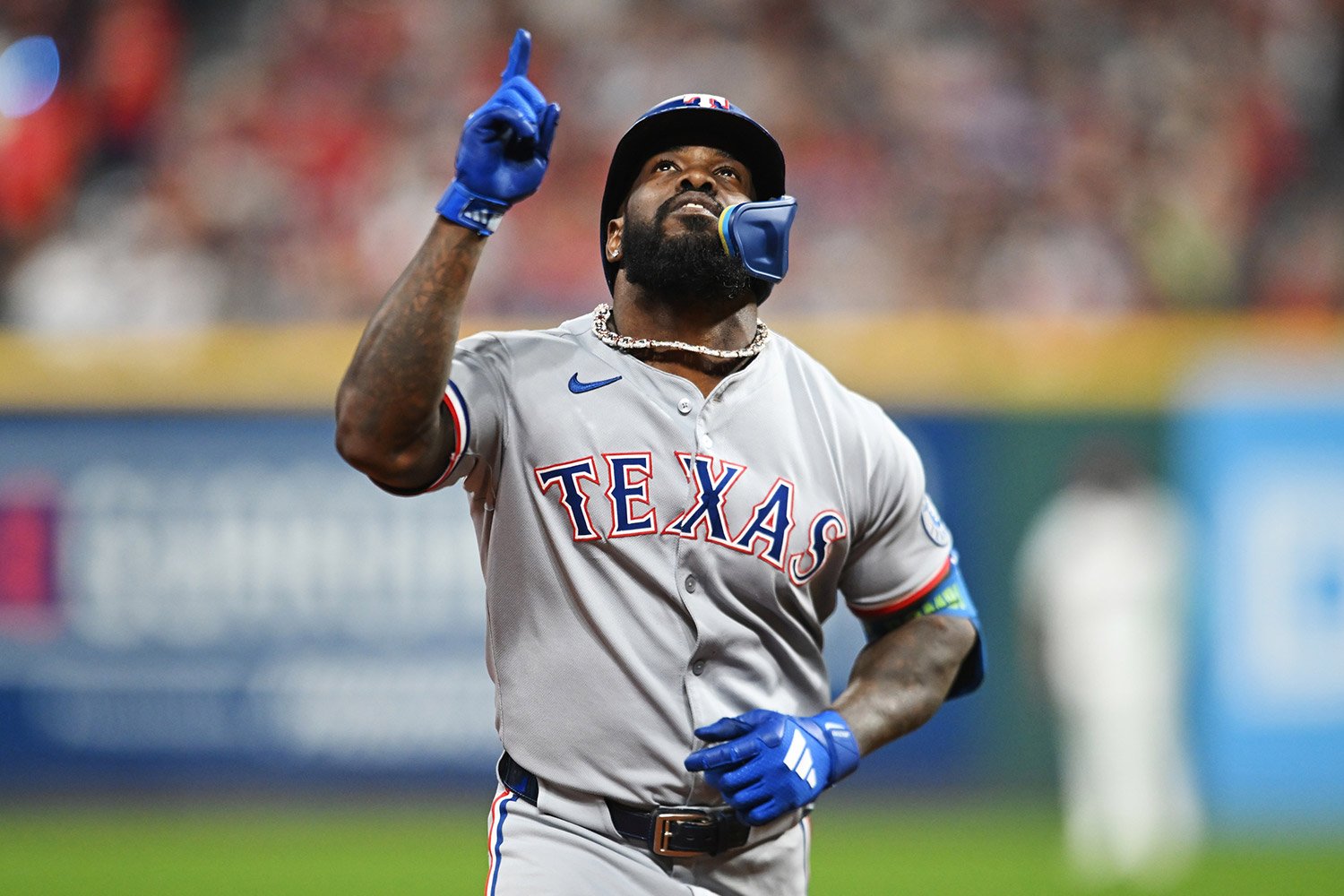 Friday was MLB’s non-tender deadline. Among the flurry of names non-tendered for roster non-factors or lack of roster sports, some interesting position players were non-tendered who could make an impact on another roster in 2026. Adolis García The falloff in Adolis García's performance needs to be studied. Once looking like one of baseball’s rising stars, García fell off hard after the Rangers’ 2023 World Series run. In 2024, his underlying metrics collapsed: his xwOBA dropped from .354 to .301, while his chase rate ballooned to a career-high 35.8%, which affected his contact quality. By 2025, the regression deepened as his hard-hit rate fell below 40% for the first time, and his barrel % plummeted nearly six points as pitchers exploited his expanding zone profile. García could be a candidate on a team looking for a backup outfielder, and maybe a different voice and team situation, in a hitters' ballpark, helps García turn around his career. Jonah Heim A switch-hitting catcher, Heim showed a lot of promise, both behind the plate and as a bat in 2022 and 2023. Since the start of 2024, Heim has regressed significantly. In 2024, Heim’s quality of contact cratered, posting a career-low 32.8% hard-hit rate and an xwOBA of just .279, both bottom-third among qualified catchers. His struggles continued in 2025, where his framing runs dropped to -3 and his blocking value declined for a second straight year, while his .301 xwOBA and 85 wRC+ underscored that the bat never fully rebounded. Still, Heim has potential and could be a nice change of scenery candidate for a team looking for a backup catcher. Alexander Canario A former top prospect, Alexander Canario, has underperformed to this point in his major league career. Across his first 300 MLB at-bats, Canario has posted a below-average 88 wRC+, with a .296 xwOBA that suggests his contact quality hasn’t supported league-average production. His 32% strikeout rate and 28th-percentile whiff rate have limited his ability to tap into his raw power. At the same time, his .394 xSLG indicates that even his hardest contact hasn’t consistently translated into game power. Still, Canario has some potential and could be a good backup outfielder with a much higher ceiling. Mike Tauchman Mike Tauchman had a solid 2025 season for the White Sox, who are looking to get younger. The veteran outfielder quietly delivered strong underlying metrics, posting a 10.8% walk rate and a 22.4% chase rate, both among the best on the team, which helped stabilize a lineup light on on-base percentage. His quality-of-contact profile also ticked up, finishing the year with a .343 xwOBA and a 41% hard-hit rate, signaling that his production was backed by sustainable peripherals. Even entering his mid-30s, Tauchman’s plate discipline, defensive versatility, and improved batted-ball data give him sneaky upside as a high-floor fourth outfielder or low-cost everyday option for a rebuilding club. JJ Bleday JJ Bleday came into the 2025 season as the primary center fielder, looking to build off his solid 2024 campaign. His quality of contact fell off sharply, as his xwOBA dropped from .344 in 2024 to a below-average .303 in 2025, and his hard-hit rate dipped nearly eight percentage points. Bleday also struggled to elevate the ball with consistency—his average launch angle fell from 14.1° to 10.6°, contributing to a ground-ball rate that spiked to 47%. Defensively, his Outs Above Average slipped from +4 to -2, signaling a noticeable step back in both range and closing speed in center field. Bleday has potential, and maybe being in a different situation will help unlock it.
- 1 comment
-
- 1
-
-
- adolis garcia
- jonah heim
- (and 3 more)
-
Image courtesy of MLB dividing its ESPN package into several different packages could possibly attract Netflix and other streamers. Getty Images Major League Baseball announced today that they have reached media deals for the 2026-2028 season with NBC, ESPN, and Netflix. The story was first reported by Sports Business Journal and The Athletic. ESPN Back in February, ESPN opted out of its contract with MLB, ending its run of carrying “Sunday Night Baseball” on its network. Both sides made clear they wanted to rework the deal, not end it entirely. ESPN will now receive the rights to all 30 teams’ out-of-market games, rather than being on the MLB app. ESPN will also host 30 exclusive weeknight games during the regular season. ESPN will also have the rights to six teams, Guardians, Padres, Twins, Diamondbacks, Rockies, and Mariners, with full media rights. MLB took over these rights beginning in the 2024 season after its regional sports networks were absorbed. ESPN Radio will continue its coverage of “Sunday Night Baseball” and the World Series. NBC/Peacock NBC has officially completed its quest to conquer the Sports Day on Sunday. NBC now hosts the contracts of “Sunday Night Football”, “Sunday Night Basketball”, and now “Sunday Night Baseball”. NBC confirmed to The Athletic that the NFL and NBA will receive priority, and when those games are on, MLB games will be featured on Peacock. All MLB games on NBC will also be simulcast on Peacock for those without cable. NBC’s first game will take place on the second night of the MLB season from Chavez Ravine as the World Champion Dodgers will hoist their second consecutive banner before taking on the division rival Diamondbacks. The Wild Card round of the postseason will also be featured on NBC, after previously being on ESPN. Peacock will also feature Sunday morning games, which it did prior to the 2024 season, when Roku took over the contract. Netflix Netflix will be getting specialty games and events as part of its first contract with MLB. The 2025 season will open on Netflix with “MLB Opening Night” from the Bay Area, featuring the New York Yankees and San Francisco Giants. Netflix will also receive the “Field of Dreams” game, making a return for the first time since 2022, featuring the Philadelphia Phillies and Minnesota Twins. The Home Run Derby will also make the transition to Netflix, which should be a nice change of pace from ESPN. Long-term Impact on Baseball The new media deal will be one of the biggest broadcast restructuring deals in MLB history, with a long-term impact. Commissioner Manfred has been very open about wanting to absorb the media rights deals of every team in the league. With ESPN taking over the six teams under MLB control, that is the first step towards achieving that goal. ESPN hosting these contracts is a pilot for things to come, and could be a good thing for smaller markets. Using a major platform like ESPN, which already has a following and its own promotion, will allow MLB to see how this works and potentially allow smaller-market teams to earn more revenue from this TV rights deal. Currently, the small-market teams don’t earn much from their TV rights deals because they don’t own them, as the Yankees, Red Sox, Dodgers, and Mets, among others, do. The teams that own their RSNs get the direct revenue from viewership and subscriptions, while the small-market teams have to pay out and get very little revenue back. Manfred’s plan to move away from the RSNs entirely and host the new TV deals on a platform like ESPN would eliminate this disparity, and it would be the first step. View full article
