


DiamondCentric
-
Posts
2,631 -
Joined
-
Last visited
Never
Content Type
Profiles
Forums
Events
News
Tutorials & Help
Major League Baseball Videos
Guides & Resources
Store
Downloads
Gallery
Everything posted by DiamondCentric
-

What Should the Cubs Do with Kevin Alcantara?
DiamondCentric posted an article in North Side Baseball
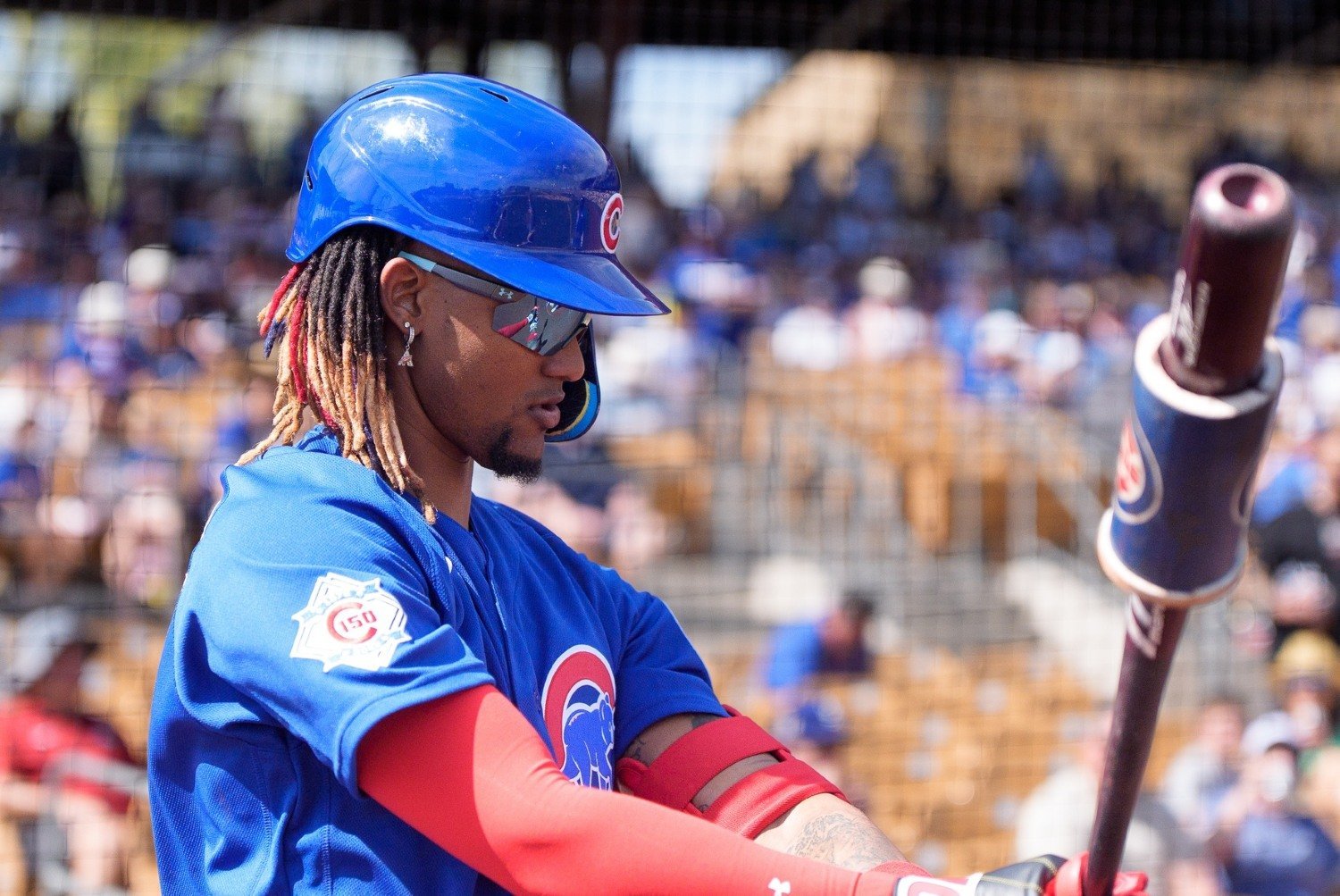 Kevin Alcántara is, at least superficially, posing a good problem for the Chicago Cubs. He's on a power binge for the Triple-A Iowa Cubs this spring. Let's dig into his numbers, and the choices the Cubs have with him. Background If you've been tracking Alcántara's career closely, you already know what his ceiling looks like, but you also know ho9w stubbornly far beneath it he's remained over the last few years. What was missing, to achieve that metaphorical ascent? A literal one. That's what Alcántara's achieving this spring. He's finally launching the ball. There's no slug on the ground, so he's taken his swing and his batted-ball profile to where there's a ton of it. Season Avg. LA Ground % Line Drive % Fly Ball % Pop Up % Pull % Center % Oppo % 2024 5.3° 51.7 25.3 18.4 4.6 48.3 21.8 29.9 2025 9.5° 46.2 24.9 23.3 6.3 40.3 23.7 36 2026 16.9° 32.8 15.6 39.1 12.5 35.9 39.1 25 Alcántara slugged just over .700 on contact in each of his two previous season stints in Triple-A. This year, that number is a mind-boggling (and, admittedly, unsustainable) 1.078. He's become an elite producer of power, at least at the Triple-A level. There's just one problem, and it's exactly what you'd guess, if you've been tracking Alcántara's career closely. Season O-Swing Z-Swing Z-Contact Whiff Rate 2024 32.1 62 80 31.8 2025 31.7 61.3 82.7 30.5 2026 35.1 61.1 73.6 38.6 To get to his power, Alcántara has sacrificed contact, in a profile that had no room for that tradeoff. He's striking out at a rate that would preclude a player from succeeding in the majors, and he's doing it against worse pitchers than they have in the majors. The implication, then, is that he'd strike out over 40% of the time in the big leagues. That's Brett Jackson territory. Alcántara still has to find the happy medium, where he's lifting the ball but can also control the strike zone and make consistent contact. Still, it's exciting to see just how much power he can generate when things go well. He’s also an absolute ball hawk in the outfield, as his 60-grade fielding tool is the highest on his MLB Pipeline scouting report. So what choices do the Cubs have? Let’s go over them. Promote Alcántara They could promote ‘The Jaguar’, but that comes with some complications. A couple of moves have resulted in a domino effect that makes this guy’s point of entry a little tougher. For one, the team locked down one of the best third basemen in the game, Alex Bregman, for the foreseeable future. That pushes sophomore Matt Shaw into (mostly) a corner outfield role. When Shaw is in right field, Seiya Suzuki takes up the DH spot, and then there’s no room for Alcántara. Of course, Alcántara would be behind Moisés Ballesteros on anyone's DH depth chart, anyway, even if Suzuki weren't in the picture. With Ian Happ, Suzuki, Shaw and Ballesteros all playing reasonably well, there's no short-term path to playing time with the parent club. Have Him Change Positions This is a nice little dream, but not much of a potential reality. Alcántara doesn't have any of the skills to play an infield position other than first base, and all of those spots are locked down, anyway. If he could become a solid first baseman, he would fit neatly with Michael Busch as a platoon partner, but that puts a lot of pressure on him to mash lefties and make more contact. It's also far from a guarantee that he can simply slide to that very different position and be above-average. His best defensive fit could be as a platoon partner for Pete Crow-Armstrong, but Crow-Armstrong is the best defensive center fielder in baseball; you usually don't platoon players with that much value in their glove. Keep Him In Iowa For a Little Longer This is the obvious course of action. Beyond simply keeping their powder dry, letting Alcántara continue amassing playing time in Iowa encourages him to keep developing, and avoids ruffling the feathers of any veterans. Happ and Suzuki are both due to be free agents this fall, and it would be no surprise if both land elsewhere. If even one does, playing time will be available in 2027's Cubs outfield, and if Alcántara keeps fixing holes in his game, he could be a candidate for that job. While the team is healthy, though, keeping him in Iowa lets everyone involved stay in rhythm and play every day, and gives Alcántara time to solve that glaring swing-and-miss problem, if possible. Trade the Surplus The last option is to trade Alcántara. Obviously, it’d be great to have a talent of his caliber at Wrigley, but right now, there's almost no chance he would be better than Happ, Suzuki or even Shaw. Power brings mass appeal in 2026, and this guy has plenty of it. The strikeouts have been an issue, but there are plenty of teams who might give up something to gamble on the power potential in Alcántara's bat, especially given his solid defensive platform. Before dealing him, the team would have to feel some confidence that they could re-sign either Suzuki or Happ, or that Shaw can be a regular in a corner come next season. They can't afford to go spend major free-agent dollars on multiple corner bats this winter, and the class looks thin, anyway. For now, Alcántara is an intriguing, enigmatic piece of the Cubs' organizational puzzle. His prospect stock could still skyrocket or plummet, but at the moment, it's holding in a middle range. The upside has never been more apparent. Neither have the warts ever been more prominently on display. There are a lot of ways to resolve this, but for now, the team's plan seems to be to do the obvious thing: wait and see what comes next, from Alcántara and others. View the full article
 -
Twins Prospect Hot Sheet: Walker Jenkins and Khadim Diaw Shine
DiamondCentric posted an article in Twins Daily
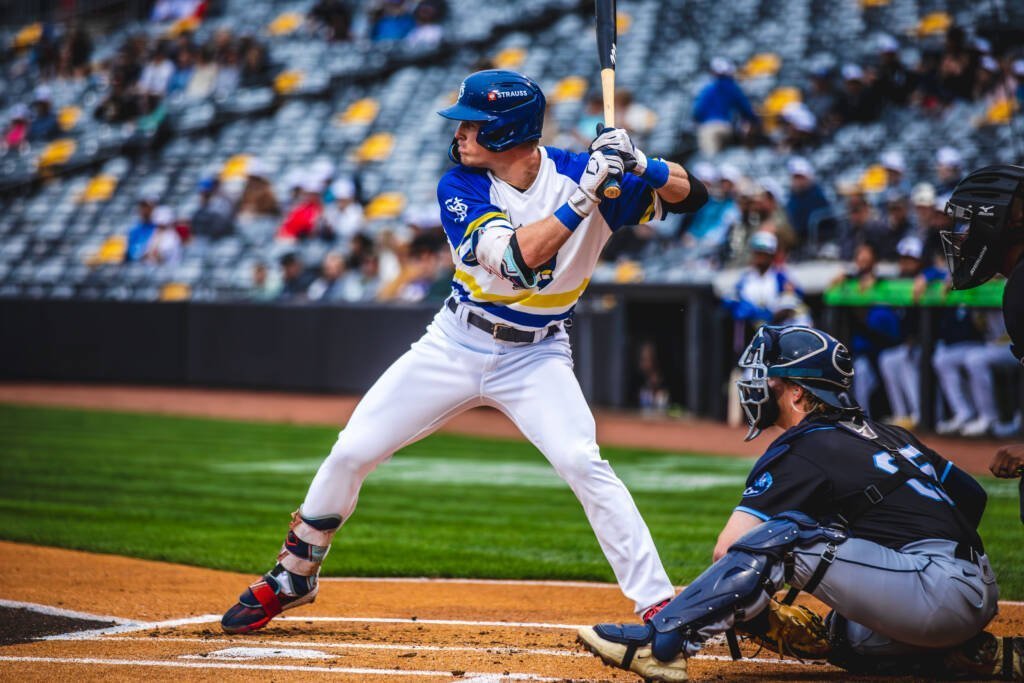 As the calendar turns to May, minor league players are starting to find a rhythm. Early-season noise starts to fade, and what remains is a clearer picture of who is making real adjustments and turning tools into production. This is often the point at which prospects either stabilize or begin to separate themselves. For several of the Twins’ top prospects, that separation is already taking shape. Strong underlying approaches are now translating into box score results, and a handful of names are forcing their way into bigger conversations within the organization. Whether it's former top picks showing why they were so highly regarded or emerging talents finding another gear, the system is beginning to generate some real momentum. OF Walker Jenkins– St. Paul Saints How He Got Here: Since being selected fifth overall in the 2023 draft, Jenkins has looked every bit like the advanced bat scouts envisioned out of high school. His climb to Triple-A before his 21st birthday speaks to both his polish and upside. When he has been available, the production has followed, highlighted by a career OPS north of .850 and strong underlying metrics against upper-level pitching. The challenge has been staying on the field. Various lower-body injuries have limited his total games played, slowing what could have been an even faster rise. Even so, he still managed to be one of the most productive hitters in the system last year. Hitting the Hot Button: Jenkins was locked in at the plate over the past week. Entering play on Sunday, Jenkins had gone 7-for-16 (.438) with four doubles and a home run over his last seven days. He drew four walks to help him get on base nearly 53% of the time and posted a 1.401 OPS. On Friday, he tied the Saints franchise record with three doubles in one game. The momentum hit an unfortunate pause, though, when he exited Sunday’s game after colliding with the outfield fence. He has a Grade 2 sprain of the AC joint in his shoulder and is likely to miss several weeks. C Khadim Diaw– Cedar Rapids Kernels How He Got Here: Diaw’s track record is as much about perseverance as it is about performance. When healthy, he has consistently hit, dating back to his college days, where he showed a strong combination of contact ability and on-base skills. Injuries have interrupted that trajectory at multiple points, but each return has brought more of the same offensive profile. After impressing in summer leagues and pre-draft workouts, the Twins invested a 2024 third-round pick in his bat. His first full professional season has followed a familiar pattern with flashes of production mixed with missed time, but the underlying approach continues to stand out. Hitting the Hot Button: Few hitters in the system have been tougher to retire recently than Diaw. He strung together a remarkable stretch of plate appearances where he reached base a dozen times in a row, combining consistent contact with a disciplined eye. A standout midweek performance saw him reach base five times in a single game. For the season, he is slashing .279/.426/.349, with four extra-base hits and a 26-to-17 strikeout-to-walk ratio, even while facing older pitchers in 65% of his plate appearances. The blend of patience and contact is turning heads. OF/1B Jaime Ferrer– Cedar Rapids Kernels How He Got Here: Ferrer entered pro ball with a solid offensive foundation after being selected in the fourth round of the 2024 MLB Draft out of Florida State. His debut offered glimpses of that potential as he posted a .748 OPS in 24 games. However, his first extended run at High-A exposed areas that needed refinement. In 101 games, he hit .216/.296/.339 (.634) with 27 extra-base hits and 84 strikeouts compared to 23 walks. The Twins challenged him by sending him back to the same level to start 2026. Hitting the Hot Button: That decision is already paying dividends, with adjustments to his approach and swing decisions that have helped unlock a more complete offensive profile. Ferrer has been one of the most productive hitters in the Midwest League to start the season. A breakout game on Saturday featuring two home runs (in the same inning) highlighted his growing power, but the broader story is his improved plate discipline and overall offensive balance. In 25 games this season, he is hitting .319/.449/.611, with six home runs and three doubles. His ability to produce against older pitching (1.160 OPS) only adds to the intrigue, suggesting real growth rather than a small sample spike. The common thread with this group is impact through adversity. Each player has dealt with interruptions or developmental hurdles, yet all three are showing the ability to adjust and produce when given the opportunity. That combination of resilience and performance is exactly what organizations hope to see from players pushing toward the next level. Of course, what happened to Jenkins is exactly what everyone hopes not to see. What stands out about this trio of prospects? Leave a comment and start the discussion. View the full article
 -
Mets Roster Central: Have You Seen Junior's Grades?
DiamondCentric posted an article in Grand Central Mets
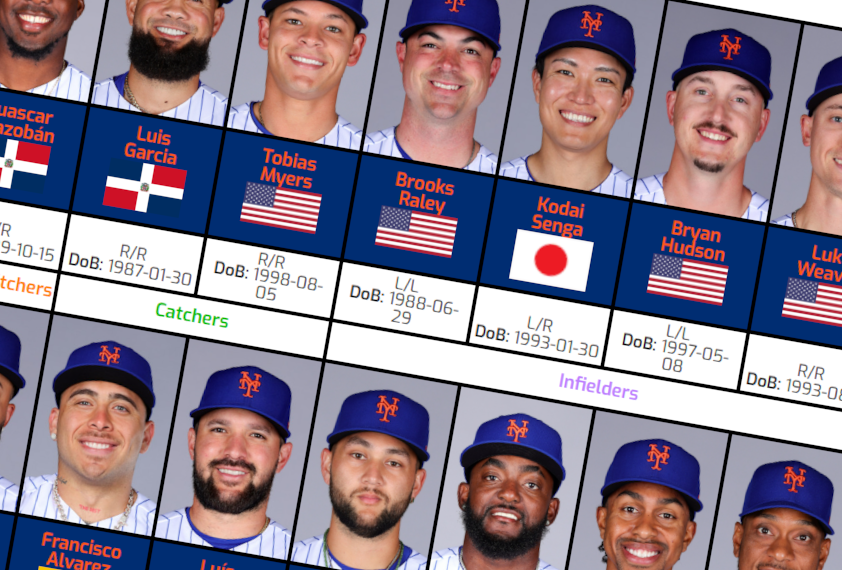 Nobody argues against juggling bullpen backenders on and off the roster as much as we at Mets Roster Central do, but there's a reason they do it, and sometimes it works out. Transactions, 5/3/2026 COMING Cleared Waivers and Assigned to Syracuse Relief Pitchers Carl Edwards, Jr. R/R DoB: 33484 High Level: MLB (2026) The upside of pushing a veteran player through a DFA odyssey hardly seems worth it. Maybe you get a fresh arm for a day or two, but that doesn't necessarily mean a better arm, or even the right one for the day. The downside should be obvious — the lack of continuity effected by the roster churn, half your relievers often sleeping with one eye open, the undermining of the yo-yo-ed players morale, and the diminished status of players with fans, who are looking to bond with these players but find out the team only considers them day workers. Beyond that is the inability of a player to grow in his job as he makes adjustments from appearance to appearance. You pitch two back-end innings and give up three runs, or you pitch two shutout innings and strike out four — either way you're back on plane to Syracuse or wherever. Or possibly grabbed off waivers by Tampa Bay But the un-necessary trip through the waiver wire for Carl Edwards, Jr. has led to no such tragedies. Nobody with a motive to grab him had a roster spot to spare, and so Carl heads to Syracuse, and hopefully soon returns to build on his 1.50 ERA and 11(!!) strikeouts in six innings. That is ... if he doesn't refuse the assignment and become a free agent, which wouldn't be that crazy a move when banished to AAA by the team with the worst record in the league. This, of course, is yet another reason why Reliever Roulette is a game for fools. Your 2026 New York Mets Starting Pitchers Clay Holmes Nolan McLean Freddy Peralta David Peterson Christian Scott R/R DoB: 1993-03-27 R/R DoB: 2001-07-24 R/R DoB: 2996-06-04 L/L DoB: 1995-09-03 R/R DoB: 1999-06-15 Relief Pitchers Huascar Brazobán Craig Kimbrel Sean Manaea Tobias Myers Brooks Raley Austin Warren Luke Weaver R/R DoB: 1989-10-15 R/R DoB: 32291 R/L DoB: 1992-02-01 R/R DoB: 1998-08-05 L/L DoB: 1988-06-29 R/R DoB: 1996-02-05 R/R DoB: 1993-08-21 Relief Pitchers Catchers Infielders Devin Williams Francisco Alvarez Luís Torrens Bo Bichette Vidal Brujan Andy Ibáñez MJ Melendez R/R DoB: 1994-09-21 R/R DoB: 2001-11-01 R/R DoB: 1996-05-02 R/R DoB: 1998-03-05 S/R DoB: 1998-02-09 R/R DoB: 1993-04-03 L/R DoB: 1993-11-29 Infielders Outfielders Marcus Semien Mark Vientos Brett Baty Carson Benge Austin Slater Juan Soto Tyrone Taylor R/R DoB: 1990-09-17 R/R DoB: 1993-12-11 L/R DoB: 1999-11-13 L/R DoB: 2003-01-20 R/R DoB: 33951 L/L DoB: 1998-10-25 R/R DoB: 34356 Also on 40-Player Roster Starting Pitchers Relief Pitchers Tylor Megill Kodai Senga Jonah Tong Alex Carrillo Reed Garrett Joey Gerber Justin Hagenman R/R DoB: 1995-07-28 L/R DoB: 1993-01-30 R/R DoB: 2003-06-19 R/R DoB: 1997-06-06 R/R DoB: 1993-01-02 R/R DoB: 1997-05-03 R/R DoB: 1996-10-07 On 60-Day Injured List with torn right UCL. On 15-Day Injured List with Lumbar Spine Inflammation With Syracuse With Syracuse On 60-Day Injured List — right UCL surgery and nerve relocation surgery. With St. Lucie on Rehab Assignment On 60 Day Injured List with fractured rib. Relief Pitchers Catchers Infielders A.J. Minter Dedniel Núñez Jonathan Pintaro Dylan Ross Hayden Senger Francisco Lindor Ronny Mauricio L/L DoB: 1993-09-02 R/R DoB: 1996-06-05 R/R DoB: 1997-11-07 R/R DoB: 2000-09-01 R/R DoB: 1997-04-03 S/R DoB: 1993-11-14 S/R DoB: 2001-04-04 With Syracuse on Rehab Assignment On 60-Day Injured List — right UCL surgery. With Syracuse With Syracuse With Syracuse On 10-Day Injured List with Strained Left Calf On 10-Day Injured List with fractured right thumb. Infielders Outfielders Jorge Polanco Nick Morabito Luis Robert, Jr. Jared Young S/R DoB: 1999-11-13 R/R DoB: 2003-05-07 R/R DoB: 1997-08-03 L/R DoB: 1995-07-09 On 10-Day Injured List with right wrist contusion. With Syracuse On 10-Day Injured List with Lumbar Spine Disc Hernitaion On 10-Day Injured List with torn left meniscus. Deslgnated for Assignment Eric Wagaman R/R DoB: 35656 DFA'd, 2026-05-02. Your Mets Coaching Staff Manager Bench Coach Pitching Coach Hitting Coordinator Third Base Coach First Base Coach Bullpen Coach Ass't Pitching Coach Carlos Mendoza Kai Correa Justin Willard Jeff Albert Tim Leiper Gilbert Gomez José Rosado Dan McKinney DoB: 1979-11-27 DoB: 1989-07-14 DoB: 1990-09-09 DoB: 1992-08-16 DoB: 1996-07-19 DoB: 1992-03-08 DoB: 1974-11-09 DoB: 1989-06-06 Hitting Coach Strategy Coach Catching Coach Coaching Assistant Bat'g Practice Pitcher Equipment Manager Bullpen Catchers Bullpen Catchers Troy Snitker Danny Barnes J.P. Arencibia Rafael Fernandez Kevin Mahoney Kevin Kierst Eric Langill Dave Racaniello DoB: 1988-12-05 DoB: 1989-10021 DoB: 1986-01-05 DoB: 1988-08-03 DoB: 1987-05-11 DoB: 1964-07-09 DoB: 1979-04-09 DoB: 1978-06-03 Your Mets Training Staff Director of Player Health Head Athletic Trainer Assistant Athletic Trainer Reconditioning Coordinator Reconditioning Therapist Head Performance Coach Assistant Performance Coach Performance Coordinator Soft Tissue Specialist Brian Chicklo Joseph Golia Bryan Baca Sean Bardanett Josh Bickel Dustin Clarke Tanner Miracle Jeremy Chiang Hiroto Kawamura DoB: 1972-07-17 DoB: 1978-??-?? DoB: Circa 1980 DoB: 1988-06-23 DoB: 1996-??-?? DoB: 1987-??-?? DoB: 1991-??-?? DoB: ????-??-?? DoB: 1962-07-19 View the full article
 -
 On Monday afternoon, before the start of the Royals' seven-game homestand against Cleveland and Detroit, the Royals announced on social media that relief pitcher Carlos Estevez will begin a rehab assignment in Triple-A Omaha. Estevez has made only one MLB-level appearance this season, on the road against Atlanta on March 28th. In 0.1 IP, he allowed six runs on four hits and two walks while not registering a single strikeout. He also gave up a home run and currently has a 162.00 ERA, 18.00 WHIP, and 60.10 FIP. During the Braves game, the 33-year-old reliever was hit in the foot by a comebacker and, as a result, was placed on the 15-Day IL due to a left foot contusion. There was a lot of buzz surrounding Estevez this spring, as his four-seam velocity sat under 90 MPH for most of Spring Training. While he's been traditionally a slow starter when it comes to ramping up for the start of the season, the subpar velocity captured the eye of concerned Royals fans. While his velocity was slightly better against Atlanta than what he showed in the spring, it was still down compared to his historical velocity trends. Not much has been shared about Estevez since going on the IL, though it was reported that he got sick, which bumped his rehab assignment back. In bullpen sessions back in Arizona, Royals GM JJ Picollo, in an interview with the Cody and Gold radio show on 96.5 FM on April 29th, said the velocity looked much better and was more in line with what the Royals saw a season ago, during his first season in Kansas City. Estevez is in the last year of a two-year deal he signed with the Royals last offseason. In 67 appearances last year, he posted a 2.45 ERA, 1.06 WHIP, and saved 42 games, which led all of baseball. It was the first time a Royals closer had led the league in saves since Dan Quisenberry back in 1985. Currently, Lucas Erceg has been receiving a majority of the save opportunities with Estevez on the IL. In 15 appearances, the 30-year-old righty has a 3.77 ERA and 1.40 WHIP and has nine saves with two blown saves this season. A setup man in 2025, Erceg saved 14 games with the Royals and Athletics in 2024. 11 of those saves came with Kansas City after being acquired at the Trade Deadline. View the full article
 -
Jackson Chourio, Andrew Vaughn Return To Brewers' Lineup
DiamondCentric posted an article in Brewer Fanatic
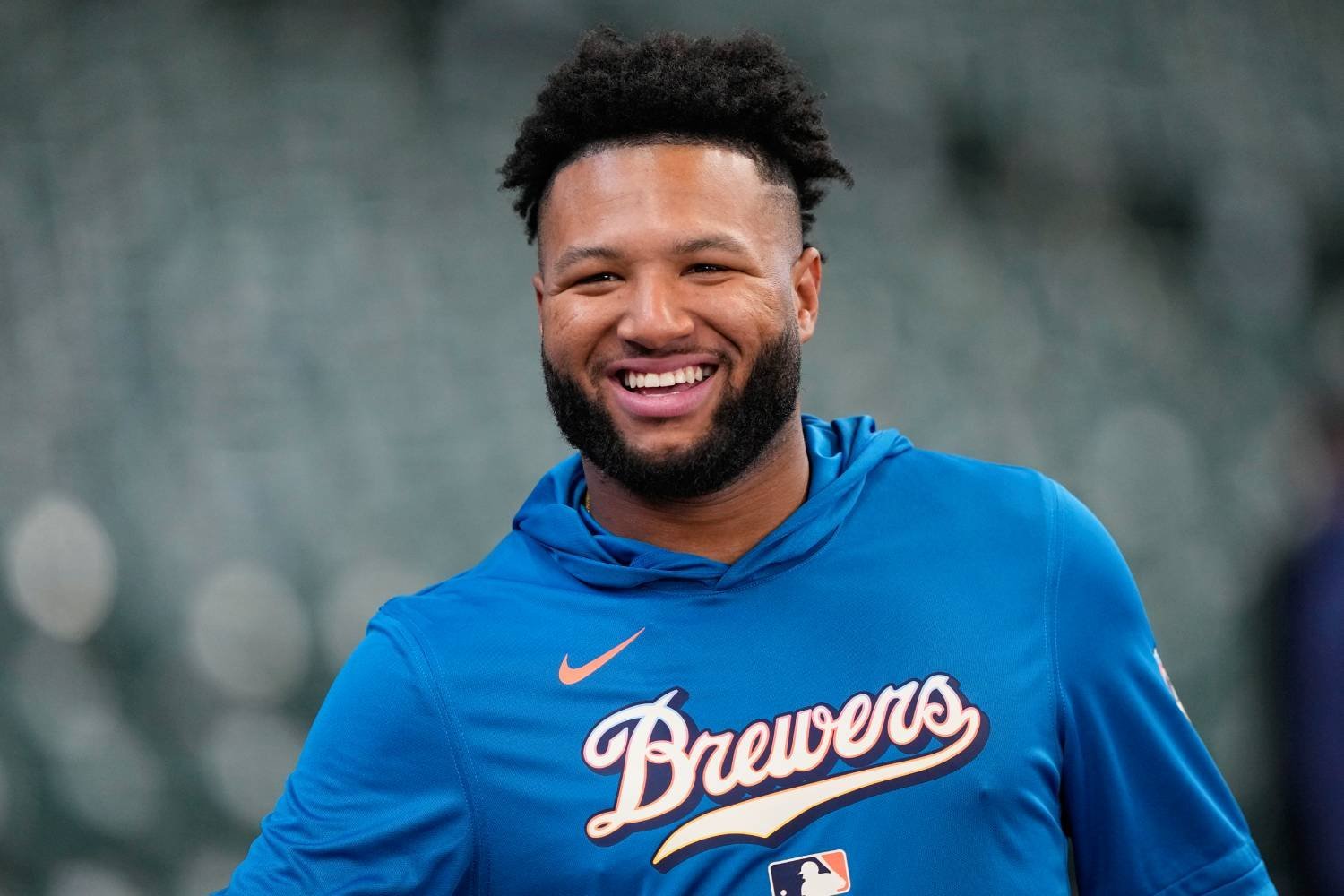 Despite a weekend scare, Jackson Chourio is also returning to the Milwaukee Brewers' offense. Chourio, an outfielder, and first baseman Andrew Vaughn were activated from the 10-day injured list Monday and were in the lineup for Monday's series opener against the St. Louis Cardinals. Outfielder Blake Perkins was optioned to Triple-A Nashville and outfielder Greg Jones was designated for assignment to make room on the 26-man roster. Also, right-handed starter Quinn Priester was pulled from his rehab assignment while still remaining on the 15-day IL. The return of Chourio and Vaughn, who hit in the top half of the batting order, is a much-needed boost for an offense that has been missing a spark. Chourio was a surprising IL placement on Opening Day. He sustained a fractured left hand while playing for Venezuela in the World Baseball Classic, but the injury didn't appear to bother him as he continued to play after sitting out two games. The injury popped up during the Brewers' final exhibition games just days before Opening Day. Chourio then fouled a ball off his left ankle Saturday during a rehab assignment game for Nashville, which put his expected return Monday in doubt. But he went through running drills and was deemed fit enough to be activated. Vaughn joined Chourio on a rehab assignment last week as he recovered from hamate surgery in his left hand. Perkins was returned to Nashville, where he started the season. The defensive-minded center fielder has been the odd man out with a healthy Garrett Mitchell able to patrol center field and the emergence of Brandon Lockridge. But the switch-hitting Perkins mustered a measly .109/.212/.174 slash line in 19 games. Jones was a minor-league free-agent signing this offseason and appeared in 11 games since coming up April 14. He also struggled at the plate, going 2-for-21 (.095). If he passes through waivers, he could return to Nashville. View the full article
 -
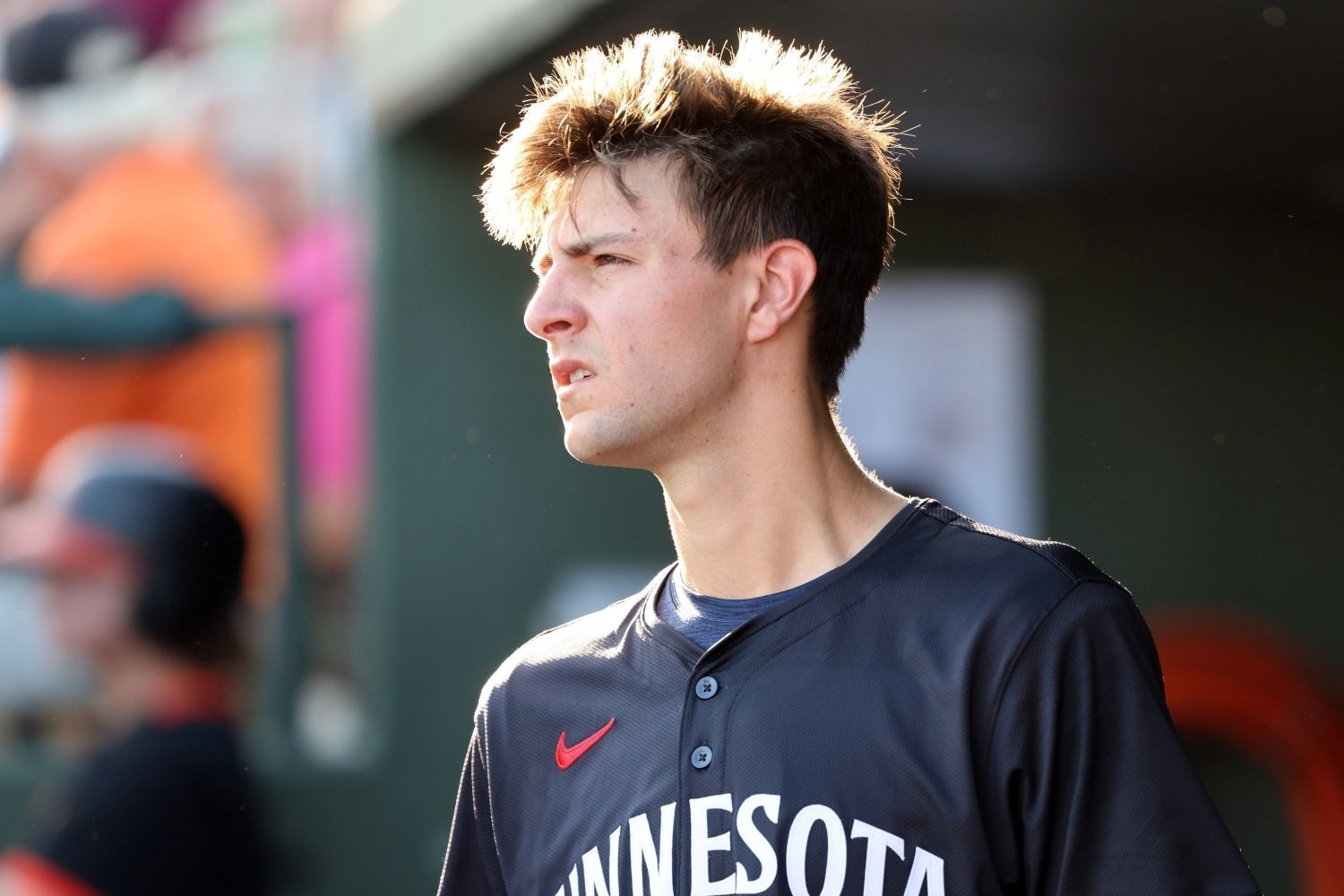 Prior to Sunday’s matchup with Toronto, Twins general manager Jeremy Zoll met with reporters and shared updates on several injured players across the organization. Among those, David Festa’s status stood out for all the wrong reasons. Festa had been building toward a return after dealing with a shoulder issue during Spring Training, but that progress hit a snag. Following his third live batting practice session, he experienced renewed discomfort, forcing the organization to halt his ramp-up and reassess. The timing is unfortunate, as he appeared to be nearing a minor league rehab assignment before this latest development. He has yet to pitch in a game this season, and the road back has already been complicated. Festa was diagnosed with thoracic outlet syndrome late in 2025 and then dealt with right shoulder impingement earlier this year. Each step forward has required patience, and now that patience will be tested again. The situation leaves the Twins balancing short-term needs with long-term value. When healthy, Festa still projects as a meaningful piece of the organization’s pitching depth. Entering last season, he was arguably the team’s top pitching prospect. However, shoulder concerns can quickly alter timelines, and the team may need to remain flexible about how they eventually deploy him. There is at least some reason to believe a different role could unlock more consistency. Over the past two seasons, Festa has posted a 5.12 ERA alongside a more encouraging 4.27 FIP, backed by a 25.7% strikeout rate and an 8.3% walk rate. Those underlying metrics hint at a pitcher whose arsenal could benefit from shorter bursts, where his stuff may play up, and the physical demands are easier to manage. Even so, any conversation about role changes is secondary right now. The Twins are focused on getting Festa back to a place where he can throw regularly without setbacks. That means taking a deliberate approach and avoiding any temptation to accelerate the process. There is still a path for Festa to contribute in 2026, but it will depend on how his body responds in the coming weeks. Whether he ultimately returns as a starter or shifts into a relief role will sort itself out over time. For now, the objective is straightforward. Get healthy and stay healthy. For a team already navigating questions about its pitching depth, every update carries weight. This one may not be what Minnesota hoped for, but it does not close the door. If Festa can resume his progression without further interruption, he still has a chance to factor into the picture later this season. View the full article
 -
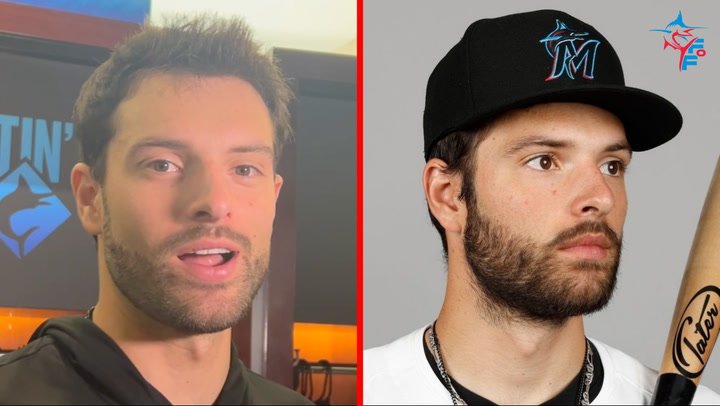 In advance of making his Marlins debut on Monday, catcher Joe Mack speaks with the media about his journey to the majors, the moment he received the news of his call-up and more.View the full article
 -
 Alex and Maddie sit down to discuss how the Red Sox have been performing in the first full week in a post-Alex Cora world. They go in-depth on the leaks that have come out since the firing and discuss how there is a need for leadership in the clubhouse that Trevor Story isn't able to fill. They talk through Ceddanne Rafaela's response to Story's lack of hustle during the Astros series, and break down the comments that Willson Contreras made about the young players on the team, and Marcelo Mayer's response to it. Finally, they break down potential names that could be traded away should the season go belly up sooner than later. Listen on Apple Podcasts: https://podcasts.apple.com/us/podcast/the-talk-sox-podcast/id1783204104 Listen on Spotify: https://open.spotify.com/show/3qPrPXEngu0CxgTmlf0ynm Listen on iHeartRadio: https://www.iheart.com/podcast/263-the-talk-sox-podcast-244591331/ Listen on Pocket Casts: https://pca.st/4tmd121v Watch on YouTube: https://www.youtube.com/@talksox View the full article
 -
Bullpen Takes A Hit As Danny Coulombe Lands On Injured List
DiamondCentric posted an article in Talk Sox
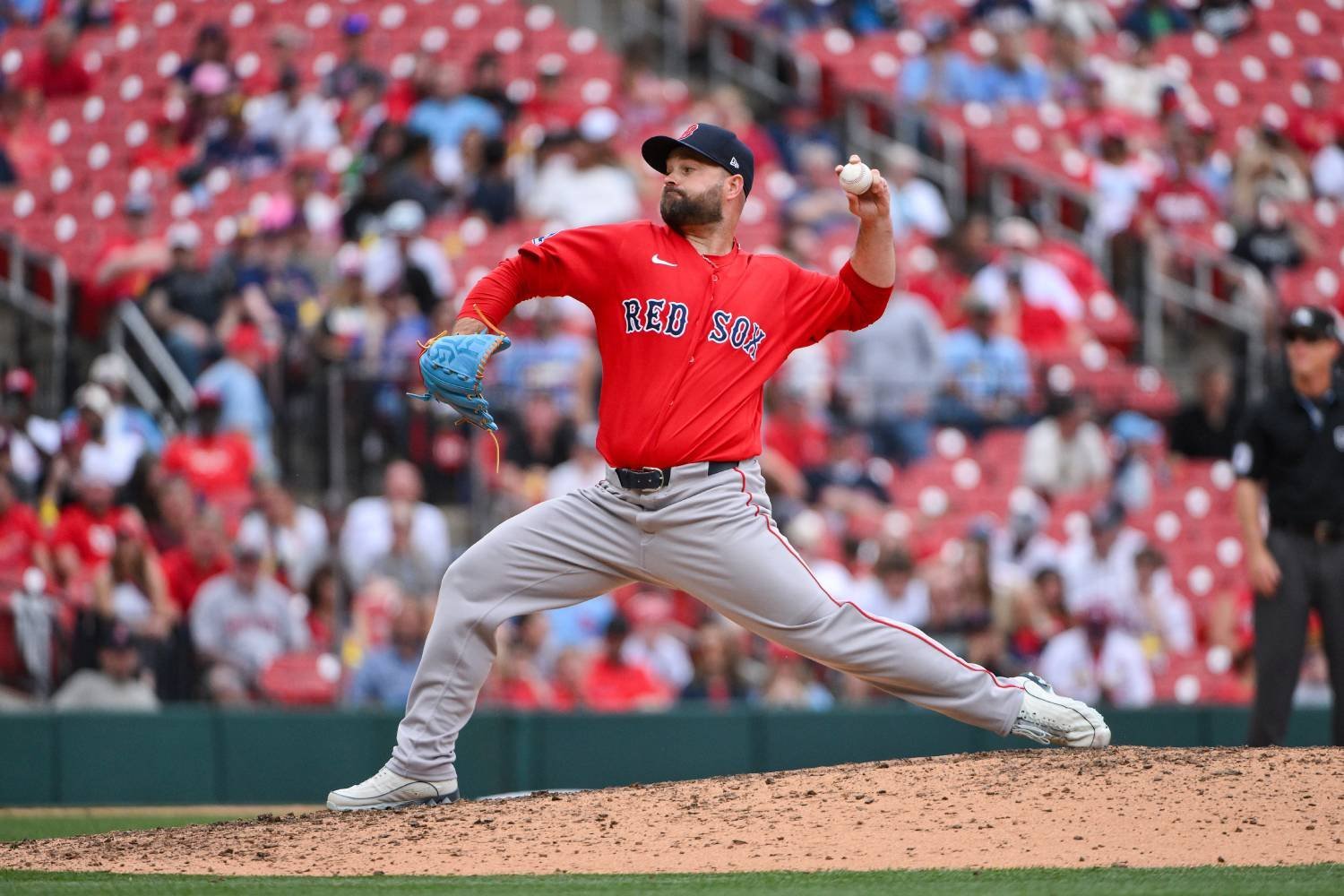 Expected to be a key contributor to the Boston Red Sox's bullpen, left-hander Danny Coulombe has mostly been solid, with one minor blowup. But now, he will be lost for the near future. Coulombe was placed on the 15-day injured list Monday with cervical spasms. Left-hander Alex Gamboa was called up from Triple-A Worcester to make his MLB debut. Left-hander Patrick Sandoval was transferred to the 60-day IL to make room for Gamboa on the 40-man roster. Coulombe is the eighth pitcher to currently be on the Red Sox's injured list. His overall numbers don't look great, but his 5.63 ERA in eight innings over 12 appearances is skewed by an April 23 outing vs. the New York Yankees. That is when he allowed three runs in two-thirds of an inning of a 4-2 loss. The 29-year-old Gamboa has made three starts at Worcester this season, allowing nine runs on 17 hits and five walks against 15 strikeouts in 13 innings. He was signed as a minor-league free agent this offseason after being released by the Los Angeles Dodgers. He appeared in just eight games (two starts) at Triple-A last year. View the full article
 -
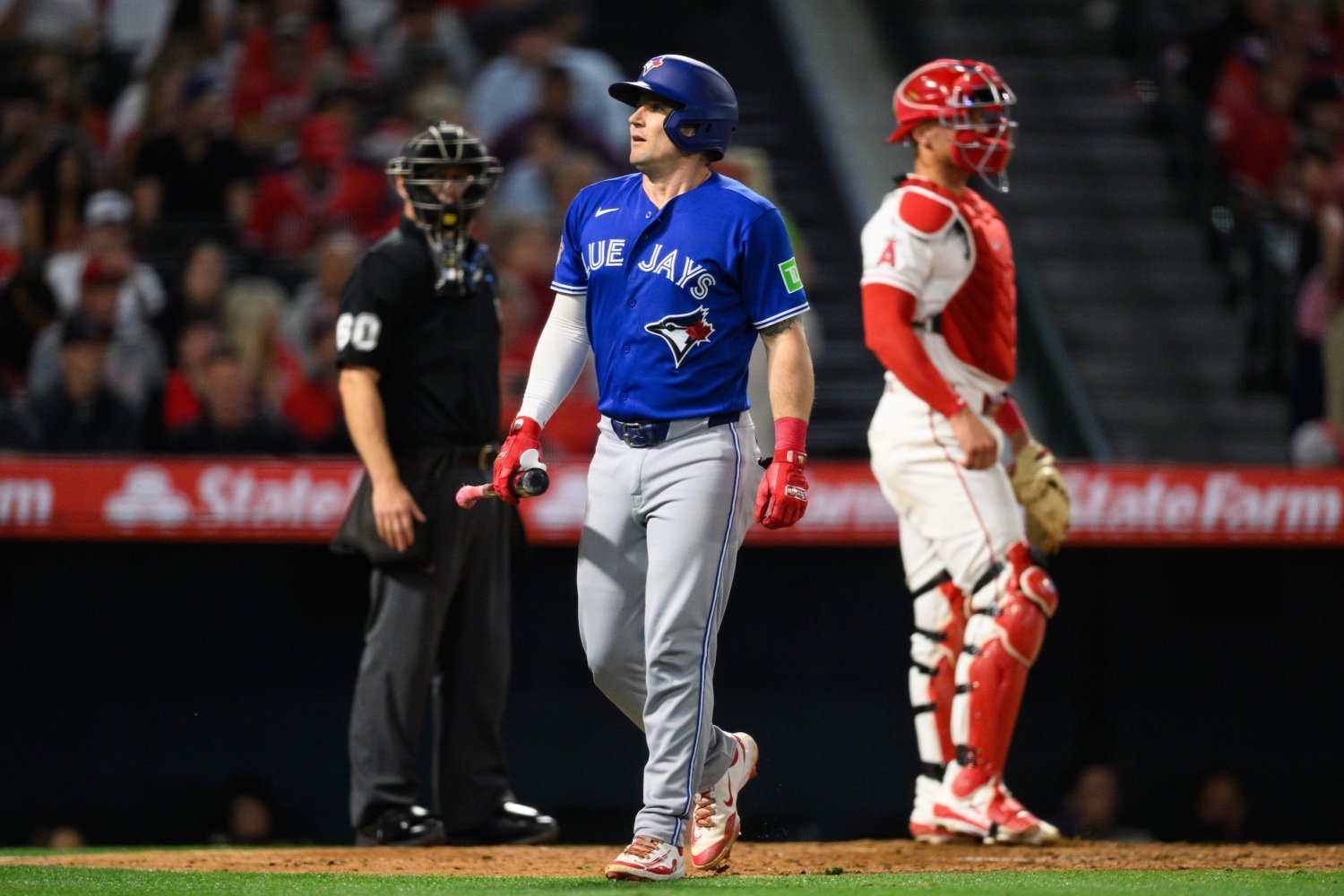 John Schneider has a track record of playing match-ups late in games, whether on offense or defense. Removing Tyler Heineman late in the final game of the Blue Jays' series with the Twins seemed uncharacteristic. Moments before, Heineman had the bases loaded and wasn’t able to capitalize. It was a leverage moment, especially on an afternoon when the offense had been uneven and opportunities had been scarce. When Schneider lifted Heineman immediately afterward, he was sending a quiet but unmistakable message: Results matter right now. It wasn't personal, but it was pointed. Managers do not make those moves casually with veterans unless they feel the margin for error is gone. Sure, Heineman did exactly what veterans do after a moment like that. He owned it. He said the at‑bat was bad. He backed his manager publicly. He said all the right things because, frankly, he usually does. That part is genuine, and people around the clubhouse will tell you it always has been. Yet, the timing of Heineman’s poor performance and a surging Brandon Valenzuela are doing him no favours. Heineman is an important veteran presence in the clubhouse. He plays for a manager who is a former catcher, and most of the time, they seem aligned. Heineman’s job is not to be a superstar. It is solely to back up Alejandro Kirk and not make egregious mistakes. Late in the April 3 10-inning loss to the Chicago White Sox, when Kirk went down with his thumb injury, Heineman needed to suit up and enter the game on defense in a tight situation. On a routine play behind the plate, he rushed a throw and air‑mailed it, allowing a runner to advance and ultimately score the decisive run. It cost the team a potential win during a bad stretch. That moment lingers because it violated one of the unspoken rules for a backup catcher: If the bat isn’t carrying you, the defense absolutely cannot cost your team runs. At the time, the Jays were trying to survive an ugly stretch of games. Things have been improving over the past few series, but Heineman has not been as consistent as he was last season. It’s why the substitution against the Twins didn't feel random. The safety net that Heineman is supposed to provide hasn’t been airtight, and the Jays have paid for it a couple of times on the scoreboard. Last season, when Heineman was hitting nearly .400 early, mistakes like that would have been absorbed and forgotten because he was giving runs back at the other end. This year, with the offensive cushion gone, every error carries full weight. And once a player’s mistakes are remembered as “the ones that cost us games,” the leash shortens quickly, whether anyone says it out loud or not. That’s the undercurrent right now. Not a loss of trust in Heineman as a professional, but a recognition that the thing he’s supposed to guarantee – clean, no‑drama innings – has slipped just enough to matter. In a roster crunch with Valenzuela ascending and Kirk nearing return, those moments don’t disappear. If this were Heineman and a fringe third catcher, that at‑bat probably doesn't send him to the bench. But Valenzuela is not just filling space. He’s catching well, earning praise for his defense, and giving the staff reasons to believe big moments won’t overwhelm him. When a manager believes the alternative is viable, a player's leash shortens. That’s baseball reality, not commentary on character. Heineman knows exactly what’s at stake. He knows Kirk is coming back. He knows Valenzuela is pushing. He knows he doesn't have the safety net of a minor league option. Veterans don’t need those things spelled out. Last year’s Heineman did not need to carry the offense; he simply needed to avoid being a liability, and he exceeded that bar. His strong start in 2025 mattered because it bought him credibility inside the organization. Coaches trusted him more. Pitchers leaned on him. This season, the contrast is undeniable. The batting average is down. The OPS has fallen sharply. Opposing pitchers have attacked him earlier in counts and with fewer mistakes. The numbers do not flatter him. Pitchers continue to speak highly of the way he prepares. His game calling remains sharp. When John Schneider talks about professionalism and readiness, Heineman’s name surfaces even on nights when the box score is ugly. That matters, especially in a season where stability has been in short supply. Veteran catchers do not stick around this long by accident. However, the primary difference between last year’s catching picture and this year’s is not Heineman himself. It is Brandon Valenzuela. Valenzuela was not called up to force any decisions. He was called up to survive. Instead, he has defended at a level that immediately plays in the majors and has shown enough offensive adaptability to matter. Early home runs, quality at-bats, and visible adjustments have changed the conversation around him from placeholder to potential piece. More importantly, the staff has praised his defensive work behind the plate. His receiving, framing, and pitcher comfort, the areas that usually expose young catchers, have looked advanced for someone this early in his career. That alone could force the front offices to rethink plans. This is where things stop being theoretical. When Alejandro Kirk returns, the Blue Jays will have three catchers who all make sense in different ways. Kirk remains the centrepiece. His rehab is progressing on schedule, and once activated, the expectation is that he resumes the majority of catching duties fairly quickly, even if the team is careful with his workload early. The issue beyond that is that Heineman is out of minor league options. Valenzuela is not. Heineman still brings real value beyond the stat sheet. He mentors, and he accepts role changes without friction. He shoulders responsibility publicly and shields younger players from unnecessary scrutiny. His reaction to being benched earlier this season spoke volumes about why managers trust certain veterans even when the numbers sag. That kind of presence is not insignificant, especially in a clubhouse that has absorbed injury after injury. But roster decisions are not made on intangibles alone. Once Kirk returns, Toronto has several realistic paths, none of them painless. The Jays can keep Heineman as Kirk’s backup and option Valenzuela back to Triple A, prioritizing short-term stability and veteran continuity. That is the safest move in the moment, but it risks slowing a development curve that appears ready for major league reps. They can pivot toward youth, keep Valenzuela, and designate Heineman for assignment, betting that youth, control, and upside outweigh comfort. This aligns with long-term planning but risks removing a trusted presence from a pitching staff that has valued continuity. They could temporarily carry three catchers, sacrificing bench flexibility and buying time until Kirk is fully ramped up. This is workable in short spurts but rarely sustainable, and it complicates in-game decision-making. They could also explore trades, either now or closer to the deadline, leveraging depth to avoid a binary choice. That option depends heavily on market timing and interest. When Kirk returns, the Blue Jays will no longer be in survival mode behind the plate. They will be in selection mode. Whatever Toronto chooses, Heineman’s professionalism has already justified his place in the conversation. Whether his future is in Toronto or somewhere else, that is the mark of a veteran who did his job well even when the job kept changing. Sometimes the hardest roster decisions involve players who do everything right when nobody is watching. Those decisions usually say far more about an organization’s direction than any batting average ever could. View the full article
 -
 Boston Red Sox Affiliate Overview (May 1 - May 3) Triple-A Worcester Red Sox Series @ Rochester Red Wings (Washington Nationals): 3-3 Season Record: 18-14 Double-A Portland Sea Dogs Series @ Somerset Patriots (New York Yankees): 2-5 Season Record: 13-14 High-A Greenville Drive Series vs. Hub City Spartanburgers (Texas Rangers): 2-4 Season Record: 13-14 Low-A Salem RidgeYaks Series @ Wilson War Birds (Milwaukee Brewers): 2-4 Season Record: 12-15 Triple-A Worcester Red Sox Season Record: 18-14 Series Opponent: Rochester Red Wings (Washington Nationals) Series Standing: 3-3 May 1: Worcester cruised to a 10-5 win behind an outstanding performance from Mickey Gasper. Isaac Coffey took the mound to start Friday’s game for Worcester but turned in a subpar performance. Through four innings of work he let up seven hits and five runs and didn’t record a single strikeout. Coffey’s ERA jumped to 4.61 through seven appearances this season. Eduardo Rivera took the next three innings, and continued to show why he’s one of the Red Sox best arms in the farm system. He let up a single hit and struck out five, earning the win. Kyle Keller and Tommy Kahnle split the final two innings, each giving up a walk but preventing the Red Wings from making a comeback. The WooSox looked excellent at the plate as all hitters got on base at least once. Mickey Gasper got things started with a solo homer in the first inning. Nick Sogard followed this up with an RBI of his own, driving in Matt Lloyd on a single in the second. In the fifth, Vinny Capra hit a solo shot, his fourth of the year, to cut the deficit to two runs. Worcester broke out in the seventh with five runs. Sogard drove in Braiden Ward, then was driven in on a double by Capra. Gasper then roped a single to left field to get Capra across the plate. Finally, Allan Castro doubled, driving in Gasper and Anthony Seigler. In the ninth, Lloyd capped off the win with a two run single that scored Gasper and Castro. Gasper went 4/5 with two RBIs as he bumped his batting average to .302 amid an excellent season. May 2: The WooSox lost 7-5 in a tightly contested battle. Michael Sansone started the game for Worcester and lasted five and ⅓ innings. However, it wasn’t the smoothest of sailing for the lefty, who allowed six runs on six hits. He K’d five but allowed two homers as Rochester grabbed the lead, giving Sansone the loss. Jacob Webb took the last two and ⅔ innings and allowed one more run on a solo shot, but was otherwise solid, racking up two strikeouts. Despite the shaky pitching performance the WooSox made a valiant effort at the dish. Down 4-0 in the fourth inning, Allan Castro launched a home run to drive in himself and Mikey Romero and bring the game within two. An inning later, Nathan Hickey hit a solo shot to give Worcester a shot. In the next inning, Hickey reached on an error as Romero and Vinny Capra crossed the plate, giving the WooSox a one run lead. Unfortunately it wasn’t enough to defeat the Red Wings, as they fell in a close game. May 3: The WooSox lost their second in a row 6-3 in the series finale. Seth Martinez took the first three innings on Sunday afternoon, allowing one run on two hits but preventing any further damage. Jack Anderson got the ball next but his outing wasn’t as smooth as Martinez’s. He K’d three but allowed four runs and nine hits. He allowed two home runs in the sixth inning before he was subsequently pulled. Tayron Guerrero got the last two innings, but couldn’t turn in a clean sheet. The 35-year-old journeyman punched out two but it wasn’t enough to suppress Rochester’s offense as they tacked on one more run. Anthony Seigler stood out at the plate, recording three hits in four at-bats and accounting for an RBI and a run. He got Worcester’s offense going with an RBI single in the fourth that drove in Vinny Capra, then crossed the plate himself on an Allan Castro sac fly in the seventh. Capra was also solid at the dish, hitting his tenth double of the year as well as a single. Nate Eaton drove in the WooSox remaining run with an eighth inning sac fly that drove in Braiden Ward. Worcester only drew one walk, totaling eight baserunners overall. They were effective with RISP, going 3/8, but it wasn’t enough to claim the series win. Double-A Portland Sea Dogs Season Record: 13-14 Series Opponent: Somerset Patriots (New York Yankees) Series Standing: 2-5 May 1: Portland was crushed 13-3 as the pitching staff was nothing short of disastrous. John Holobetz posted a 2.45 ERA through the month of April, but his first outing of May was a turn in the wrong direction. Over just three and ⅔ innings, Holobetz allowed nine hits and 10 runs (three unearned) as he couldn’t contain the Patriots offense. Joe Vogatsy came in to try and slow the bleeding, and he did just that. He allowed three baserunners over two and ⅓ innings, while striking out three. Unfortunately, any chance of a comeback was stymied by a poor performance from Reidis Sena. Sena allowed three more runs over the last two innings of the game. He walked five and allowed two hits as he struggled to give the Sea Dogs offense a window to get back into the game. As poor as Portland’s pitching was, its offense was just as bad. The Sea Dogs only generated nine baserunners on five hits and four walks. The offensive struggles continued as Portland hasn’t scored more than nine runs all season long. On Friday they struck out a total of fifteen times. The only runs of the night came from the long ball. In the sixth, Johanfran Gracia, nicknamed “The Username,” clubbed his second home run of the year with a two run blast that scored Max Ferguson. Then, in the ninth, Will Turner also homered. His second shot of the year was absolutely demolished, but it wasn’t enough to stop the Sea Dogs from suffering defeat. May 2: The Sea Dogs fell yet again by double digits, losing 11-0. It was more of the same on Saturday for Portland, a poor pitching performance followed by an even weaker offensive showing. Jedixson Paez turned in a solid two and ⅔ innings to start the night for Portland, his longest appearance of the season. He allowed one run on a hit and a walk, but kept the Patriots potent offense at bay. Shea Sprague made his first appearance in Portland, but it was nothing short of a catastrophe. Over just one and ⅓ innings he gave up seven runs, two walks, and eight runs as Somerset pulled way ahead. Calvin Bickerstaff picked up some of the slack, but it wasn’t enough. Over three innings of work he gave up two more runs on five hits, allowing two home runs. Lastly, Caleb Bolden turned in an inning of nearly flawless work. He let up just one hit, but it wasn’t enough to rectify a terrible day from those before him. The Sea Dogs hitters failed to show up yet again, amassing just five hits and not drawing a single walk. Brooks Brannon had the best day by far, going 2/4 with a double and a single. Franklin Arias was another highlight as he added on to his spectacular season with a double, his fifth of the year. Marvin Alcantara and Ahbram Liendo each added a single, but aside from them it was all quiet at the plate for Portland. May 3: Portland’s bats finally woke up as they crushed Somerset 11-4 behind 10 K’s from Mullins. Justin Slaten pitched the first inning of the contest on a rehab assignment and he looked great. He allowed one hit but punched out two as he made his first rehab appearance. Hayden Mullins then took the bulk of the game, going six innings. He earned the win for his appearance as he allowed two runs on two hits. He struck out a spectacular 10 batters, tied for the most in his career. Cade Feeney took the next inning, allowing one run on two hits, and Max Carlson finished out the afternoon allowing one last run on a solo shot. On offense, Will Turner got the first runs on the board for Portland with a bases loaded two-run single in the third. In the fourth inning, the Sea Dogs executed a rare double steal of home, as Tyler McDonough dashed home while Caden Rose took second. Then, Abraham Liendo drove in Rose with a single as Portland extended the lead to three. In the fifth, Johanfran Garcia hit his third homer of the season all of which have come in the past week. One batter later, Nelly Taylor hit a solo shot of his own as Portland went back-to-back. With the bases loaded in the eighth, Garcia came up big once again with a bases-clearing double. He then scored on a single from Ronald Rosario as Portland capped off an 11-run afternoon. Garcia was the clear stand out from Sunday’s game with four RBIs on 2/5 hitting. High-A Greenville Drive Season Record: 13-14 Series Opponent: Hub City Spartanburgers (Texas Rangers) Series Standing: 2-4 May 1: The Drive lost 7-1 despite another dominant start from Anthony Eyanson. Of the 15 batters Eyanson faced, he struck out seven of them. He allowed three walks, the first of the season, on calls that caused some controversy on X/Twitter. Aside from the three walks, he only allowed one other baserunner on a single. Eyanson lowered his High-A ERA to an astounding 0.44 as he has only given up one run through 20 and ⅓ innings. Following the series finale on Sunday, Eyanson was officially called up to Double-A Portland. Brandon Neely came in the fourth, but wasted Eyanson’s start. Across two innings he gave up eight hits and six runs, digging the Drive into a hole too deep to climb out of. Joey Gartrell took the next two and ⅓, allowing one more run on three hits but limiting the damage. Finally, P.J. Labriola pitched the final inning, allowing two hits and no runs. The Drive struck first in the second inning on an Antonio Anderson single that drove in Freili Encarnacion. Unfortunately for Greenville it was a short-lived lead that they couldn’t reclaim. In addition to his single, Anderson also recorded his third double of the season as he was the only member of the Drive to record more than one hit. Hudson White and Yoeilin Cespedes also had one double apiece. The only other Greenville players to get a hit were Adonys Guzman, Yophery Rodriguez, and Encarnacion, all of whom recorded a single. May 2: The Drive fell again 6-2 as they struggled with runners on base. Devin Futrell put together an excellent start and lowered his ERA to 1.26 as he continues to thrive in Greenville. Through five and ⅔ innings he allowed three hits and walked two. Hub City only scored once as Futrell put five batters away on strikes. Similarly to Friday, an excellent start from a Greenville pitcher was spoiled by a poor bullpen performance. Danny Kirwin took the next two innings and entered with a save opportunity. He exited the game with a blown save and the loss as he let up four runs (two unearned) on four hits. To finish out the game, Matt McShane put together a decent one and ⅓ innings. He gave up a walk, a hit, and a run as the game got out of reach for Greenville. The Drive drew an astounding nine walks in Saturday’s contest as they totaled 15 baserunners, but were unable to convert their men on base into runs. Justin Gonzales continues to be a monster for the Drive, he tripled in the first inning and was driven in on a double by Henry Godbout. Gonzales scored again in the fifth on a single by Gerardo Rodriguez as Greenville nabbed the lead. However, that was all the offense Greenville could muster as they left nine runners in scoring position. Rodriguez and Godbout recorded two hits each but it just wasn’t enough to amend the poor bullpen performance. May 3: The Drive lost their fourth in a row as they dropped the series finale 7-5. Marcus Philips made the start, making his way through four and ⅔ innings. It wasn’t the easiest outing as he let up five runs on four hits and three walks. On the bright side, he struck out five batters. Luis Cohen recorded his third loss of the season for his poor outing on Sunday. Through just two innings he let up another four hits and two runs, only striking out one as Hub City pulled ahead. Griffin Kilander had the best performance by far, K’ing two and walking one over the final two and ⅓ innings of the contest. Kilander impressed in his first appearance since being called up from Low-A Salem. Sunday marked an improvement from the plate from recent contests, but it still wasn’t enough to defeat Hub City. Down 5-0 in the fifth, Justin Gonzales reached third on a fielder's choice and throwing error as Yophery Rodriguez scored. Then, Gonzales scored on a Henry Godbout groundout. In the sixth, Mason White tied the ballgame with a three run homer that just snuck over the right field wall. Unfortunately for Greenville, they couldn’t eke out the win as they fell yet again. Isaiah Jackson was the only Greenville player to record more than one hit as he tallied a double and a single. Low-A Salem RidgeYaks Season Record: 12-15 Series Opponent: Wilson War Birds (Milwaukee Brewers) Series Standing: 2-4 May 1: Salem was crushed 11-2 as they barely generated any offense. Christian Foutch started the game and struck out seven across three innings. Unfortunately, he let up two hits and three walks that resulted in two runs scored for the War Birds. Jose Bello took the next two and ⅓ but wasn’t in good shape, earning the loss. He gave up five runs (three unearned) and three hits as his ERA jumped to 4.00. The only bright spot for Bello came as he punched out five batters. Nicolas De La Cruz pitched the next one and ⅓, striking out three but giving up another two runs on two hits, including a home run. Harry Blum got the final one and ⅓ and posted a similar stat line to De La Cruz. Blum also let up two runs on two hits with one walk and striking out two. Salem’s offense was quiet to say the least. Only seven runners reached base as the RidgeYaks went down on strikes 13 times. Their only runs came on a Starlyn Nunez single in the third that scored Ilan Fernandez and a Skylar King solo homer in the fourth. Kleyvar Salazar was the only other RidgeYak to record a hit as the offensive struggles continued to pile up for Salem. May 2: The offensive woes just kept coming for Salem as they fell 10-0 on Saturday. Dalvinson Reyes got Salem started but limped through three and ⅓ innings. He allowed four hits and five runs (one unearned) while walking and striking out three. However, Barrett Morgan righted the ship with his outstanding performance. Morgan turned in three and ⅔ innings of one hit ball, allowing one walk as well. He struck out seven of the thirteen batters he faced as the pitching staff finally came through for Salem. Unfortunately Morgan’s momentum didn’t extend to Adam Bates’ appearance. Bates allowed four hits and gave up more runs in just one inning of work as his ERA ballooned to 13.81. If Friday’s offensive performance was bad, Saturday’s was downright horrible. Ilan Fernandez and Anderson Fermin were the only players to record a hit with a single apiece. The RidgeYaks did draw seven walks, but went 0-for-5 with RISP. Additionally, they struck out 13 times as they just couldn’t put the ball in play. Not a single RidgeYak is batting over .265 over a month into the season. May 3: Salem put together a good all-around performance, but it wasn’t enough to get the win as they lost 4-3 in extra innings. Leighton Finley pitched five solid innings in his start, allowing three hits and two unearned runs as he kept his ERA to an excellent 1.45. He walked three and struck out one as he stymied the red-hot Wilson offense. Jason Gilman kept the momentum going with three hitless innings. He allowed two hits and a walk as he struck out two. As the popular saying goes, all good things must come to an end, and Salem’s best pitching appearance all weekend was spoiled by a poor outing from Wuilliams Rodriguez. He allowed a walk-off two run blast in the bottom of the tenth as Wilson defeated Salem in the season finale. The RidgeYaks were noticeably better from the plate on Sunday. Enddy Azocar drove in D’Angelo Ortiz and Ilan Fernandez on an RBI-double in the third as Salem jumped out to a 2-run lead. In the top of the tenth with the game tied 2-2, Luke Heyman reached base on an error as Andrews Opata scored. The one eyesore on the box score was the 13 strikeouts recorded by Salem, especially in contrast to only four walks drawn. Despite the loss it was a significant improvement from the past few days. Fernandez went 4/4 with a run and Skylar King went ⅔ as the RidgeYaks started to get past their offensive woes. View the full article
 -
Red Sox Week in Review: More Like the Boston Strand Sox
DiamondCentric posted an article in Talk Sox
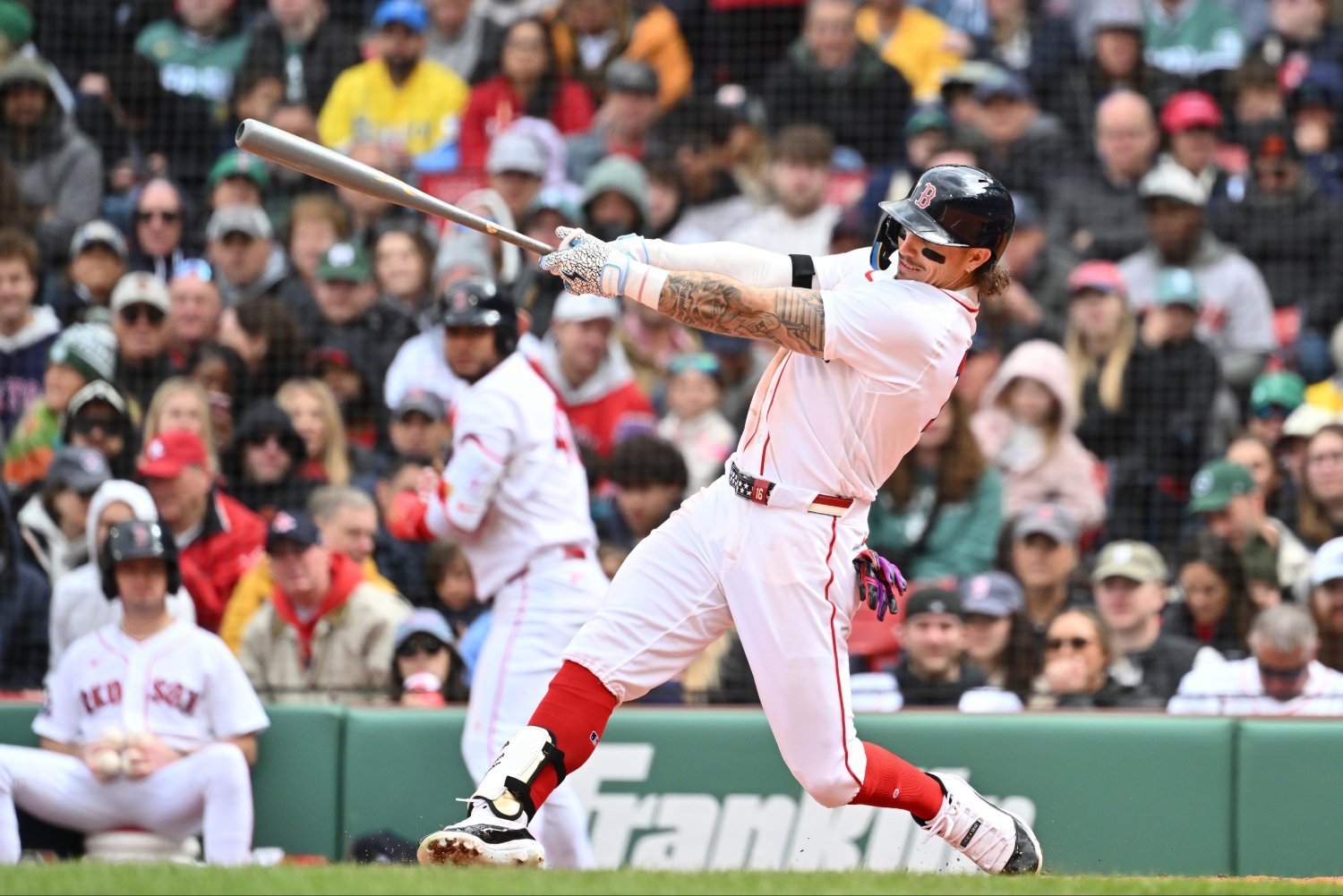 Boston Red Sox Weekly Snapshot Record Last Week: 2-4 Runs Scored Last Week:13 Runs Surrendered Last Week: 21 Standings: 5th in AL East 10 GB First Place Transactions: 04/29/26: Red Sox recalled OF Nate Eaton from Worcester Red Sox. 04/29/26: Red Sox placed LHP Garrett Crochet on the 15-day injured list retroactive to 04/26/26. Left shoulder inflammation. 04/30/26: Red Sox optioned OF Nate Eaton to Worcester Red Sox. 05/01/26: Red Sox recalled LHP Jake Bennett from Worcester Red Sox. Scores: Game 28 (4/27): BOS 5, TOR 0 Game 29 (4/28): BOS 0, TOR 3 Game 30 (4/29): BOS 1, TOR 8 Game 31 (5/01): BOS 3, HOU 1 Game 32 (5/02): BOS 3, HOU 6 Game 33 (5/03): BOS , HOU 3 Series Breakdown/Highlights Blue Jays Series: The Red Sox never really looked overmatched by Dylan Cease during the first game of the series. Ranger Suarez was magical for the Sox, tossing eight scoreless innings, giving up only one hit while striking out 10 on the night. The offense seemed to be firing on all cylinders against one of the better starters in the league and maybe, just maybe, there was some hope for a turnaround on the horizon. Then games two and three happened. The offense fell back into their ways of not working at-bats, leaving the top half of innings in 10 pitches or less on more than one occasion. Trey Yesavage out-dueled Payton Tolle, who was clearly laboring through arm fatigue after pitching just four days prior, in game two. Then, game three gave us another forgettable outing from Brayan Bello, who looks like a shell of the Bello we saw last season. Astros Series: The Fenway Greens were out in full force during game one of the series. The game was circled on some people’s calendars solely because the pitching matchup had ‘TBD’ for the opener instead of Garrett Crochet. He landed on the 15-day IL with left shoulder inflammation and LHP Jake Bennett was called up to make the start. He pitched well, tossing five innings one one-run baseball while striking out three. Jarren Duran’s bat seemed to finally be waking up as he was good for all three runs the Sox scored in the victory after he put a three-run home run into the seats behind the home bullpen. On Saturday though, Connelly Early looked far from sharp. He surrendered five earned runs over four innings, mostly due to the fact he couldn’t command his pitches at all during the outing. In the final game of the series, Duran was responsible for the lone run with another home run, but Zack Kelly allowed two runs in extra innings to let the game slip away. Ranger Suarez was pitching well, striking out three through four innings but as he walked off the field after the fourth, he seemed to tell Andrew Bailey that he wasn’t going back out. It later was revealed that he was removed due to right hamstring tightness. The bigger story of the entire series was that the Red Sox couldn’t do anything with runners in scoring position. The Astros were begging them to score runs in both game two and three and the Red Sox just couldn’t do it. The bases were loaded multiple times in both games and the team couldn’t do anything to get runners across. Website Highlights Chad Tracy Knows the Red Sox’s Immediate Bullpen Answers Lie in Worcester by Nick John Red Sox Copium: Can an MLB Team Fire Its Manager and Still Make the Playoffs by Maddie Landis Pitching at a Premium: Do the Red Sox Have Enough to Survive Crochet’s Shoulder Injury? by Ryan Salvaggio Brayan Bello’s Struggles Won’t be Easily Fixed by a New Red Sox Coaching Staff by Alex Mayes Looking Ahead May 4: Red Sox (Payton Tolle) @ Tigers (TBD): 6:40 PM EDT May 5: Red Sox (Brayan Bello) @ Tigers (TBD): 6:40 PM EDT May 6: Red Sox (TBD) @ Tigers (TBD): 6:40 PM EDT May 7: Rays @ Red Sox: 7:10 PM EDT May 8: Rays @ Red Sox: 7:10 PM EDT May 9: Rays @ Red Sox: 4:10 PM EDT May 10: Rays @ Red Sox: 1:35 PM EDT View the full article
 -
Mets Week in Review: Mets Have a .500 Week and Win A Series!
DiamondCentric posted an article in Grand Central Mets
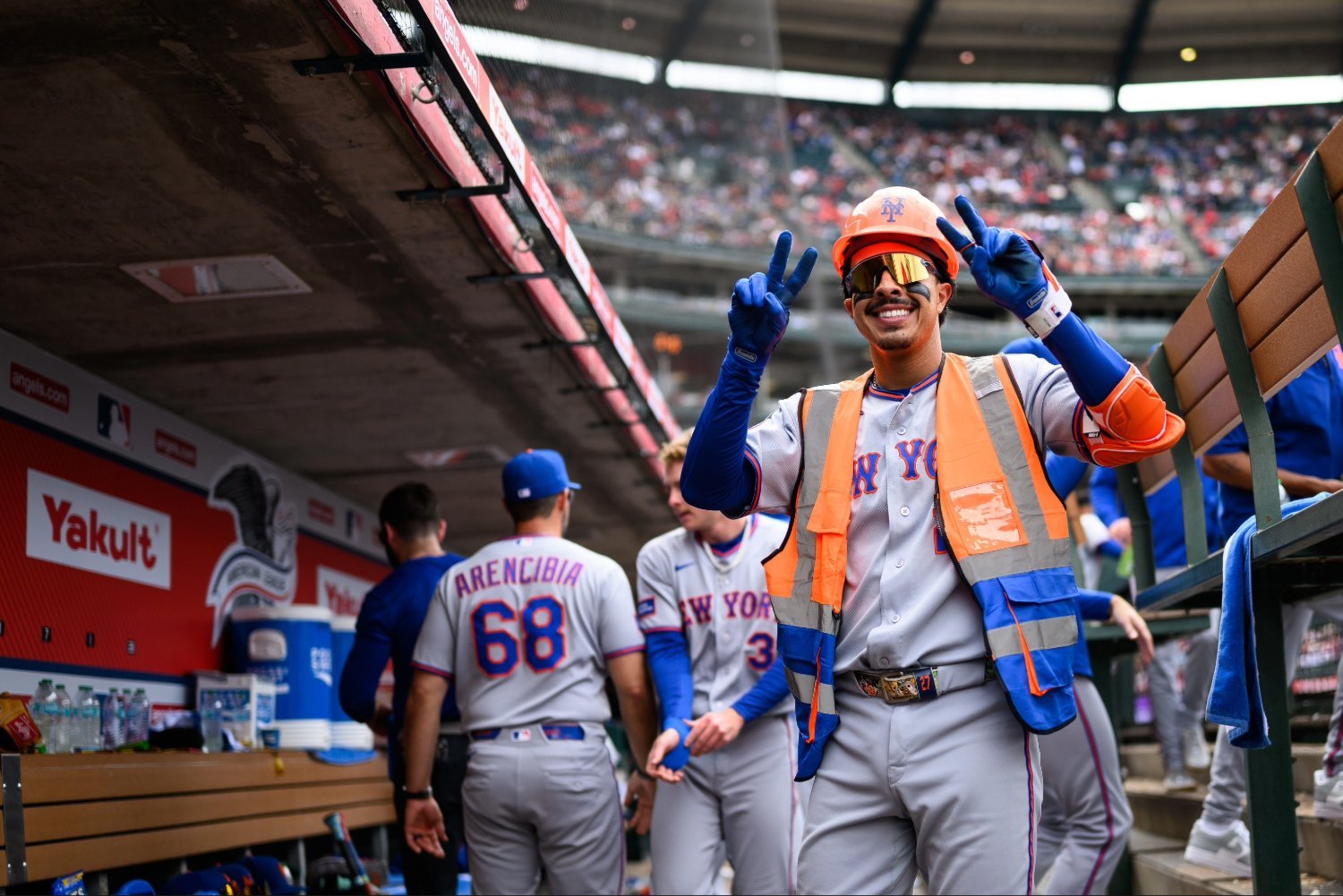 New York Mets Weekly Snapshot Record Last Week: 3-3 Runs Scored Last Week: 26 Runs Surrendered Last Week: 27 Standings: 5th in NL East (12-22) 8.0 GB of 1st Place Transactions: New York Mets placed RHP Kodai Senga on the 15-day injured list retroactive to April 27, 2026. Lumbar spine inflammation. (2026-04-28) New York Mets recalled RHP Christian Scott from Syracuse Mets. (2026-04-28) New York Mets signed free agent SS Jamari Baylor to a minor league contract. (2026-04-29) New York Mets sent LF Tommy Pham outright to Syracuse Mets. (2026-04-29) New York Mets designated RHP Carl Edwards Jr. for assignment. (2026-04-30) New York Mets placed CF Luis Robert Jr. on the 10-day injured list retroactive to April 27, 2026. Lumbar spine disc herniation. (2026-04-30) New York Mets recalled RHP Austin Warren from Syracuse Mets. (2026-04-30) New York Mets recalled 1B Eric Wagaman from Syracuse Mets. (2026-04-30) New York Mets claimed 2B Andy Ibáñez off waivers from Athletics. (2026-04-30) New York Mets activated 2B Andy Ibáñez. (2026-05-01) New York Mets optioned 1B Eric Wagaman to Syracuse Mets. (2026-05-01) New York Mets signed free agent RHP Jack Weisenburger to a minor league contract. (2026-05-02) New York Mets designated 1B Eric Wagaman for assignment. (2026-05-03) New York Mets placed SS Ronny Mauricio on the 10-day injured list. Left thumb fracture. (2026-05-03) New York Mets selected the contract of 3B Vidal Bruján from Syracuse Mets. (2026-05-03) New York Mets sent RHP Carl Edwards Jr. outright to Syracuse Mets. (2026-05-03) Scores: Game 22 (4/28): NYM 8, WAS 0 Game 23 (4/29): NYM 2, WAS 14 Game 24 (4/30): NYM 4, WAS 5 Game 25 (5/1): NYM 4, LAA 3 Game 26 (5/2): NYM 3, LAA 4 (10) Game 27 (5/3): NYM 5, LAA 1 Series Breakdown/Highlights Nationals Series: After getting swept by the Rockies at home, the Mets welcomed their first NL East matchup of the season into Citi Field. Game one was probably the most all-around win for the Mets this season. Clay Holmes was untouchable on the mound, going six scoreless innings and the bullpen twirled three shutout innings to shut out the Nationals. Offensively, the Mets were cooking. After a big fourth inning error by the Nationals, the Mets scored seven runs in the frame, capped off by a three-run home run off the bat of Juan Soto, his first since returning from the IL. The Mets won 8-0, and they had two games to take the series. Of course, they did not. Game two was the exact opposite of game one. David Peterson could not get out of his own way, giving up seven earned runs in 3.2 innings pitched. He left the game with the bases loaded and two outs, giving the ball to Sean Manaea. Manaea gave up an RBI hit by pitch and then a grand slam to break the game open. On offense, the Mets recorded ten hits, but only two runs. They lost 14-2. That set up Freddy Peralta for the rubber match. The biggest issue with Peralta this season has been the length of his outings. This time, he went six innings giving up three runs, only one earned after his own throwing error in the second inning led to two Nationals runs. The Mets gave their bullpen a lead, however it did not last. Luke Weaver grooved a middle-middle changeup that was sent into the bullpen for a two-run home run to put the Nationals up 5-4. That was the final out as the Mets could not score the tying run in the eight and ninth innings with the runner in scoring position. The Mets lost another series. Angles Series: The Mets headed back out west for some Late Night Baseball in Anaheim. Game one certainly went well; Christian Scott gave up three runs, but was not overall bad. After a Bo Bichette comebacker hit the Angels pitcher Jose Urena, forcing him to be removed from the game, the Mets opened up the floodgates to score four runs. By the skin of their teeth, the Mets bullpen was able to lock down the 4-3 win. Game two was a bit rocky. The Angels got out to an early 1-0 lead that never should have been. A single by Jo Adell sent home a run, but upon looking at the video, it showed that Jorge Soler was tagged out at third to end the inning before the run scored. The Mets did not challenge. After Angels manager Kurt Suzuki did not pull his starter, Reid Detmers, in the seventh inning, the Mets were able to come back the 3-1 hole that Nolan McLean put them in with his shortest outing of the season. That score would hold up into extra innings, where with the bases loaded and two outs in the bottom of the 10th inning, Oswald Peraza blooped a walk-off RBI single for the Angels and the Mets lost 4-3. Thankfully, New York was able to bounce back and take the series against the Angels in Game 3. Clay Holmes gave up one run in 6.2 innings of work, solidifying him as the current ace of the staff. On the back of two two-run homers off the bat of Vientos, and an RBI double (and great defense) by Carson Benge, the Mets won their first series since taking three of four against the Giants in early April. Website Highlights Francisco Alvarez Has Crashed Back Down To Earth After Hot Start Christian Scott Returns To the Mets' Mound With A Chip On His Shoulder New York Mets Pitchers Of The Month: April 2026 Looking Ahead May 4th: at COL (5:40pm EST) May 5th: at COL (8:40pm EST) May 6th: at COL (3:10pm EST) May 7th: OFF May 8th: at ARI (9:40pm EST) May 9th: at ARI (7:15pm EST) May 10th: at ARI (4:10pm EST) View the full article
 -
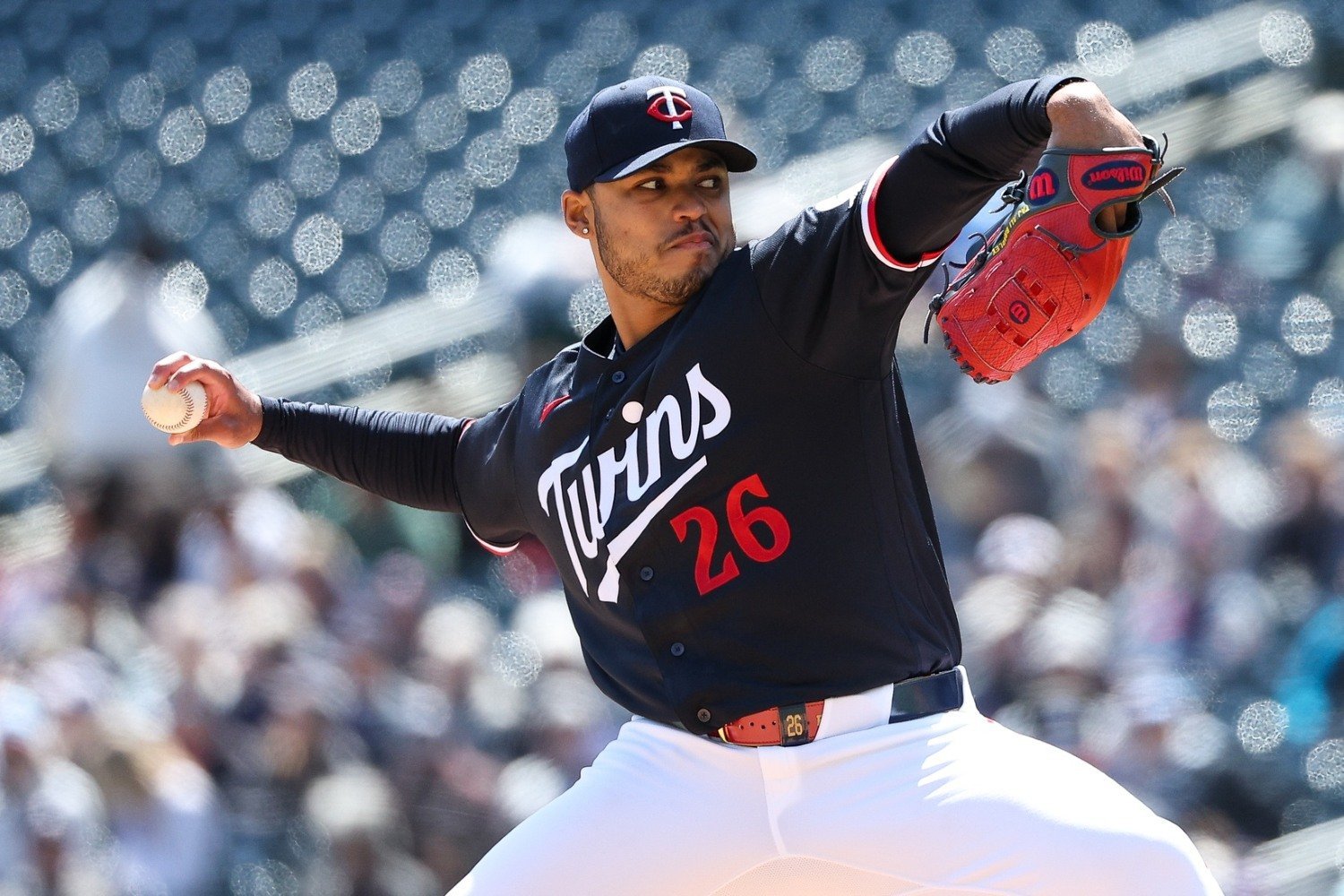 The Minnesota Twins' starting rotation was supposed to be a strength coming into 2026. On paper, it still is. And through the first stretch of the season, the numbers back that up. The Twins currently rank 5th in baseball in starting pitcher fWAR and sit in the top half of the league in ERA. But the way it has come together has looked very different than expected. Injuries to Pablo López and David Festa created immediate uncertainty, and questions around velocity and performance for Bailey Ober and Zebby Matthews only added to it. Outside of Joe Ryan, there were more question marks than answers heading into Opening Day. A month into the season, though, the results have been better than many expected—not dominant across the board, but steady enough to keep the team afloat while things sort themselves out. With that in mind, here is a confidence ranking of the current Twins starting rotation. 1. Joe Ryan* With López sidelined, Ryan stepped into the ace role like everyone expected and has continued to deliver in the way he always does. He owns a 3.76 ERA on the season, almost perfectly in line with his 3.79 career mark, and he leads the team in fWAR at 1.1. The strikeout rate has dipped slightly and his ERA+ is down a bit from last year, but the overall profile has not changed much. Ryan continues to give the Twins a dependable outing almost every time he takes the mound. He has allowed more than two earned runs in just two of his seven starts, and there is a level of long-term consistency that the rest of the rotation has not matched. With free agency approaching, his long-term future in Minnesota may be uncertain. His role as the most trusted arm in the rotation is not. Of course, after Sunday, there's a massive caveat to all of this, of the kind you never want attached to the person at the top of this kind of ranking. Ryan left his start against the Blue Jays with elbow soreness, throwing another long shadow of uncertainty over this unit (and the team of which it's a part) at a terrible moment. He's still the most trustworthy pitcher in the group, but we'd have said the same thing of Pablo López three months ago, too. 2. Taj Bradley There was plenty of hype surrounding Bradley coming into the season, and so far, he has managed to exceed it. The 2025 trade deadline acquisition has been one of the most reliable starters on the staff, leading the team with 41 innings pitched while posting a 2.85 ERA and a 25.2% strikeout rate. Outside of one rough outing against his former team on April 24, he has consistently limited damage and kept the Twins in games. He's quickly gone from a high-upside addition to someone the Twins can count on every fifth day, which is not always an easy transition to make. At the young age of 25, there's plenty of upside remaining for the right-hander, too. 3. Bailey Ober If Bradley brought the most excitement into 2026, Ober entered the season with the most uncertainty. After a difficult finish to 2025 that included a 6.30 ERA from June on, along with a hip injury and declining velocity, expectations were understandably low. The velocity concerns have not disappeared, either, as his fastball is averaging just 88.2 mph. Even so, Ober has found a way to put together a solid start to the season. Through six outings, he holds a 3.94 ERA and has done a much better job limiting damage. One of the biggest differences has been his ability to keep the ball in the park. After allowing 30 home runs last year, he has given up just three through 32 innings so far. He's not overpowering hitters or piling up strikeouts, but he has adjusted his approach, induced weaker contact, and avoided the big innings that hurt him last season. 4. Connor Prielipp It may feel early to have Prielipp this high, but the early returns make it understandable. The sample size is still small, which makes this ranking more about projection than a full body of work. Even so, he has shown enough to stand out. He has allowed two earned runs in each of his starts, including one outing where he gave up just a single hit over five innings. What stands out most is the quality of his stuff. Prielipp has shown the ability to miss bats and generate movement, and he looks comfortable attacking hitters at the major-league level. When you pair that with his pedigree as one of the top pitching prospects in the organization, it's easy to see why confidence is already building. 5. Simeon Woods Richardson This is where things start to shift in the opposite direction. Not long ago, Woods Richardson was viewed as one of the more dependable options in the rotation. He was not dominant, but he consistently gave the Twins competitive innings and avoided major blowups. That version has not been there to start 2026. He has allowed four or more earned runs in four of his first seven starts and carries a 6.49 ERA. Just as concerning is the drop in strikeouts, with his rate sitting at 10.6%. The consistency that once defined him has not shown up, and without it, it becomes much harder to trust what each outing might look like. There is still plenty of time for things to shift, and this group will likely look different as the season goes on. For now, though, this is where the confidence levels stand. What do you think? Who do you trust most in this rotation right now, and who are you still unsure about? Leave a comment below and start the conversation! View the full article
 -
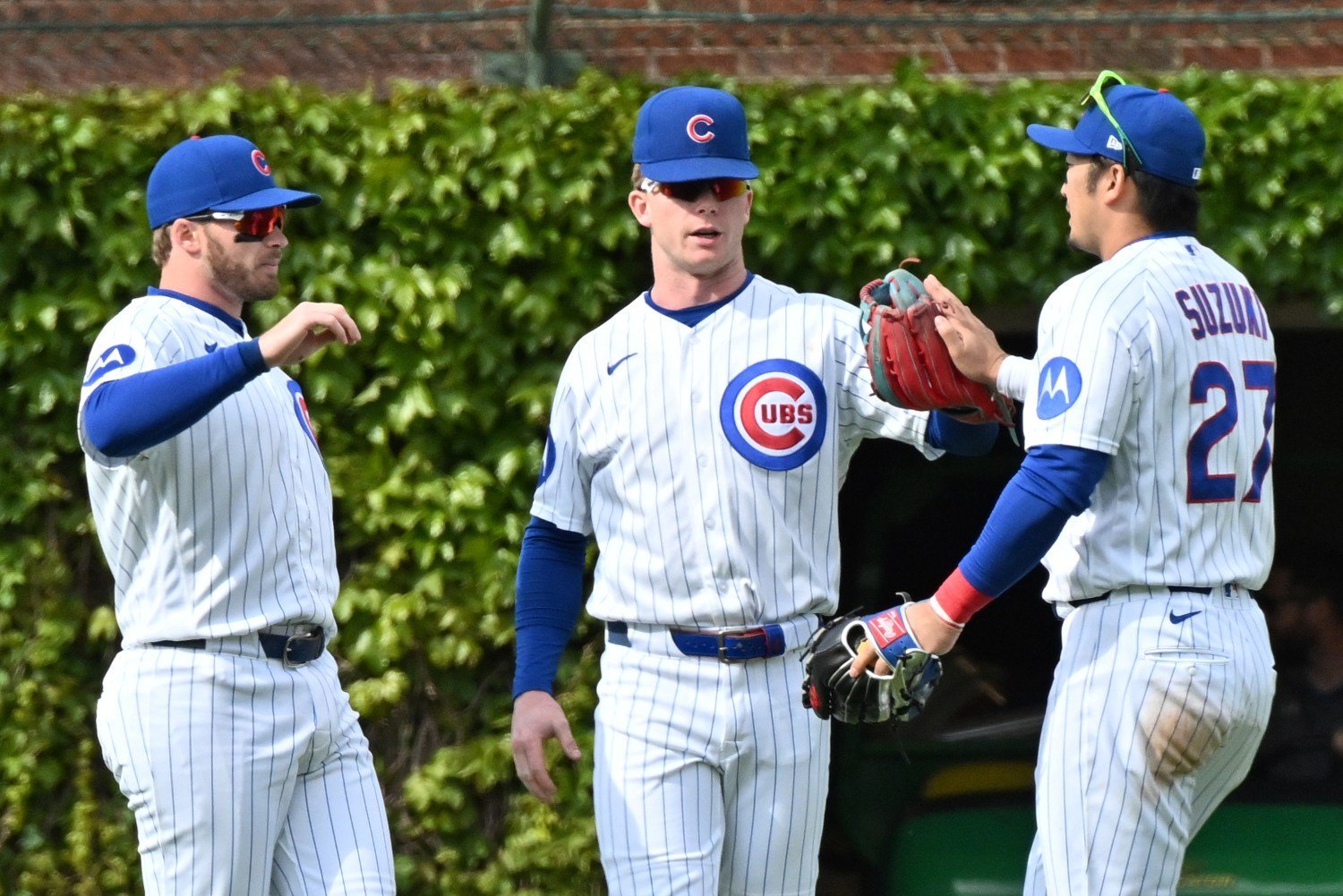 All across professional baseball, there are good, competitive teams. As expected, the NL Central is littered with them. But there is a distinct line separating the good teams and the great ones. Craig Counsell's club has looked great for a plethora of reasons, though more than 30 games into this 2026 campaign, it's too early to tell for sure which side of the line they'll be on come September and October. The Cubs are a team that can beat you in every possible way, and that was on full display this past week—but they continue to be threatened by attrition. Even after rattling off 10 impressive victories in a row, including a comeback win over the Dodgers, pundits didn't acknowledge the Cubs as one of the premier squads in the league. That sentiment did not change in the club's first of three games versus the San Diego Padres. In a now steady pitching rotation, veteran lefty Matthew Boyd is still finding his way through an uneven start to the season. Lasting just four innings, Boyd labored through the heart of the Friars' lineup, coughing up five earned runs. A dramatic grand slam from young slugger Moisés Ballesteros briefly got the Cubs back into the lead in the third inning, but a San Diego answer in the home half of that inning put them back out in front for good. Game 2 of that series saw Edward Cabrera toeing the rubber, looking for his third win with his new club. He found it. Hurling 5 2/3 innings, Cabrera came just a hair short of a quality start, though the offense did more than enough to back up their starting pitcher. Pete Crow-Armstrong's continued re3covery from a slow start at the plate manifested in a clutch 3-run bomb in the seventh inning to seal the bounce-back win for Chicago's North Side team. Chicago, with its deep musical roots, is a place where rhythm matters. Smashing his second home run in as many games, Pete Crow-Armstrong found his. The exciting center fielder crushed a two-run homer, at the time putting his squad up 3-0. Meanwhile, Jameson Taillon displayed why he is one of the more resilient pitchers in baseball, logging seven innings of three-hit baseball. The gutsy performance helped the team secure not only the series win, but a .500 road trip as the club boarded the plane back to Illinois. The homecoming homestanders let their guard down in the first of their three-game tilt with the Arizona Diamondbacks at Wrigley Field. After grabbing a 6-1 lead in the fourth inning, the North Siders appeared to be cruising, until the Diamondbacks and Geraldo Perdomo struck back with a four-run sixth inning. Thereafter, though, they quieted things down. Reliever Phil Maton followed up a very poor previous outing by blanking the Snakes. Jacob Webb turned in his best performance as a Cub, earning the save with two impressive shutout innings. On a brisk, sun-drenched Saturday, Shota Imanaga took the ball for the North Siders. In a greatly altered starting pitching rotation, Imanaga has dazzled in a way that even the squad's top executives could not have predicted. The lefty was in command from the start, keeping his pitch count low through seven strong innings. In total, the North Siders conceded a stingy four hits to Arizona, a dangerous Arizona lineup. Despite a career day from Ian Happ, they only pushed across two runs, but that was more than enough. Ben Brown closed it out with two sparkling innings of relief. A win in the Sunday finale saw Nico Hoerner and his squad climb to 10 games above .500 for the first time this season. After an injury scare in the first contest of the series, Hoerner helped his squad get things going early with his now trademark table-setting. A bases-clearing triple from Michael Busch made this meeting look like a laugher on a day where the North Siders got key contributions from virtually all of their usual suspects. Hoby Milner looked sharp out of the bullpen, but a sluggish start to the 9th inning for Corbin Martin caused a brief scare on an otherwise quiet day. Martin recovered nicely, helping the home team secure the victorytheir 11th straight at the Friendly Confines. The win put Chicago two games up in the division, and was their third sweep in the last five series. Up next, the Cubs stay right at home, kicking off a four-game set with the young, dynamic Cincinnati Reds. Led by the electric Elly De La Cruz, the Reds offer a new test. Chicago ought to count itself lucky that it gets this beefy contest at home, with the rotation lined up nicely for the North Siders. This is their first opportunity to both build a significant lead in the division, and send a message to the other major contenders around the league. View the full article
 -
Padres Week in Review: Rough Week Finishes With Good Win
DiamondCentric posted an article in Padres Mission
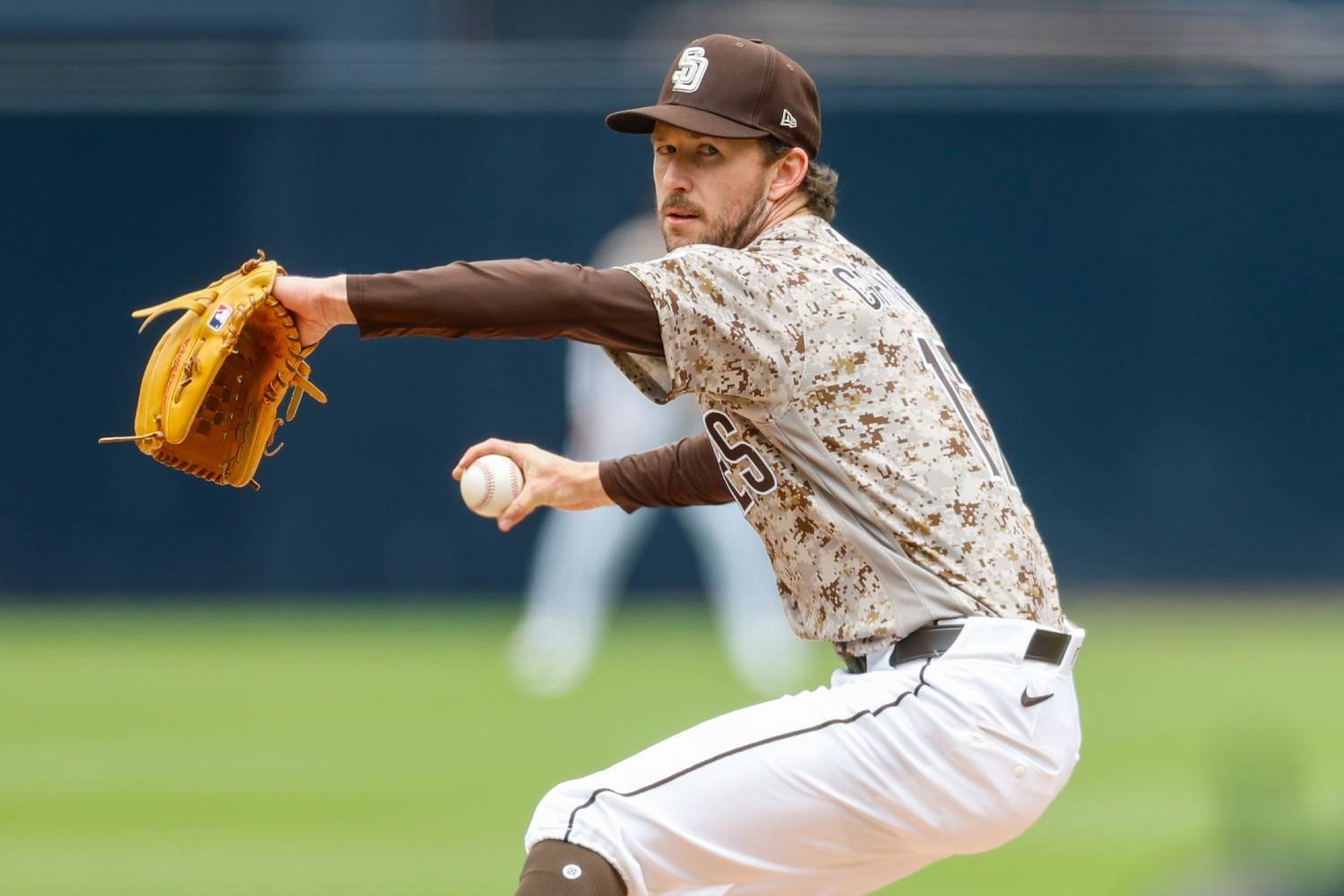 San Diego Padres Weekly Snapshot Record last week: 2-4 Runs scored last week: 22 Runs allowed last week: 35 Standings Scores Game 28 (Monday): Padres 9, Cubs 7 Game 29 (Tuesday): Cubs 8, Padres 3 Game 30 (Wednesday): Cubs 5, Padres 4 Off (Thursday) Game 31 (Friday): White Sox 8, Padres 2 Game 32 (Saturday): White Sox 4, Padres 0 Game 33 (Sunday): Padres 4, White Sox 3 Series Breakdown/Highlights Cubs series Game 1: This will be known as the game that Mason Miller's scoreless streak came to an end under unusual circumstances, but it should also be remembered as Ty France continuing to be a key part of the offense. The Padres overcame an early 5-3 deficit and held on for a 9-7 victory over the Chicago Cubs (more on the ending in a minute) as France doubled, tripled, stole a base and drove in four runs. One reason the Friars have had the number of comebacks they have had is because of slow starts. That wasn't the case vs. the Cubs as the Padres scored three times in the first on a Jackson Merrill RBI single and a bases-loaded two-out two-run ground-rule double to make it 3-0. The Cubs moved ahead 5-3 on Seiya Suzuki's solo homer in the second and Moises Ballesteros' grand slam in the third off right-hander Randy Vasquez. Vasquez threw a season-high 106 pitches and managed to finish five innings despite allowing five runs on five hits and three walks with four strikeouts. In the fifth, now trailing 5-4, Manny Machado had a leadoff double, France drew a two-out walk and stole second, then Nick Castellanos, in an 0-for-19 funk, grounded a single up the middle to put the Friars up 6-5. Xander Bogaers and Miguel Andujar singled to open the bottom of the seventh when France hit his triple down the left-field line with the help of Matt Shaw's misjudgment to put the Friars up 8-5. Gavin Sheets put an exclamation point on the comeback with a no-doubt solo homer, his fourth of the year, in the eighth inning. But then came the ninth. Miller was already warm when Sheets hit his two-out homer and still came in despite it not being a save situation. Shaw led off the ninth with a dribbler that hugged the third-base line until it appeared to trickle foul just shy of the bag when France, now playing third after Machado left in the sixth inning with discomfort in his left leg, delicately picked it up as it came to a stop. Replays showed a sliver of dirt between the ball and the line, but home plate umpire Dan Merzel ruled fair, which was upheld after consulting with the third base umpire. The play was not subject to replay review by rule. MLB would say the next day that the ball was foul. Two more singles followed, making it three hits in the inning and doubling Miller's hits allowed this season, to load the bases. Nico Hoerner hit a grounder to second that brought in the first run against Miller after 34⅔ innings, a club record and the eighth-longest streak in MLB since at least 1961. Miller uncorked a wild pitch to plate the second run before he got a groundout and a strikeout to complete the victory. Game 2: The Padres' bullpen is usually rock solid, so it is kind of shocking when the relievers falter. That happened in the Friars' 8-3 loss to the Cubs in this rematch of last year's NL Wild Card Series won by Chicago. The loss snapped the Padres' nine-game Petco Park winning streak. It was 2-2 entering the top of the sixth with Padres left-hander Kyle Hart on the mound after getting the last out of the fifth for starter Walker Buehler. Hart gave up a single, a failed sacrifice bunt and a walk to put runners on first and second with one out. On came David Morgan, who had given up eight runs in his previous three outings. After a wild pitch and a strikeout, Morgan gave up a two-out two-run double to Hoerner for a 4-2 Cubs lead. Morgan came out for the seventh, but it was just to face one batter, walking Suzuki. Left-hander Wandy Peralta was brought in with switch-hitter Ian Happ and left-handed hitter Michael Busch up. Happ grounded back to Peralta and Busch was hit by a pitch. Carson Kelly grounded out to Bogaerts, who made a nice play up the middle to get the one out. But Bregman had an opposite-field RBI single and Pete Crow-Armstrong delivered the death blow with a three-run homer. Buehler was OK, giving up two runs on three hits with three walks and four strikeouts in 4⅔ innings. Machado, who left Monday's game due to cramping in his left calf, sat out. With Miguel Andujar dealing with hamstring tightness, that led manager Craig Stammen to put Jake Cronenworth at third base for just the second time in his MLB career and first since his rookie season of 2020. Stammen also missed the last few innings as he had a flight to catch in order to attend a funeral. Bench coach Randy Knorr took over and will be in charge for the series finale, with Stammen expected back for the weekend series vs. the Chicago White Sox. Game 3: For the first time since the first two series of the season, the Padres lost a set. That came with a 5-4 loss to the Cubs after the Friars had gone 6-0-1 since dropping the series to the San Francisco Giants. The Padres had won 17 of their 20 games in April before losing the final two to the Cubs. The Padres got a couple of unexpected offensive contributions as Andujar hit his first homer in a Padres uniform in the fifth to trim Chicago's lead to 3-1, then Castellanos had his second big hit of the series when a two-run blast, joining Andujar in the first-time-as-a-Padre club. But that was the real extent of the offense. The Padres had just three hits, with their fourth run of the game coming without the benefit of a hit. In the bottom of the eight and trailing 5-3, Castellanos, Campusano and Merrill each drew full-count walks to load the bases. Fernando Tatis Jr.' sacrifice fly to center plated the Friars' final run of the game as Machado followed by grounding into a 4-6-3 double play. Andujar's homer, a tomahawk job, broke up a perfect game by Cubs right-hander Jameson Taillon. Unfortunately, Padres right-hander Matt Waldron couldn't match that effort. After giving up an RBI single in the top of the second, Waldron was touched for a two-run homer by Crow-Armstrong in the fourth to put the Cubs up 3-0. While the Padres tied it with the fifth-inning homers, Crow-Armstrong's RBI groundout against left-hander Adrian Morejon restored the Cubs' lead and Matt Shaw made it a 5-3 game with his solo shot off right-hander Jason Adam. Waldron allowed three runs on six hits and a walk while striking out one. White Sox series Game 1: While the calendar flipped to a new month, the Padres' fortunes remained the same as they were to end April. Right-hander German Marquez continued his Jekyll and Hyde season with a rough start in the Friars' 8-2 loss to the Chicago White Sox, the Padres' season-worst third straight loss. Marquez had alternated good and bad outings in his first six starts this season, but turned in his worst game after a poor performance in his previous start. Marquez was torched for seven runs in five innings, allowing five hits (two homers) and five walks while striking out two. Marquez had walked seven in his previous five starts. Three of those five walks came in the second inning as the White Sox tagged Marquez for six runs, with two coming back-to-back with one out and preceding Munetaka Murakami's two-out three-run homer. The second inning included a defensive gaffe by Fernando Tatis Jr., who was playing second base for the sixth time this season. On a potential double-play grounder to Machado with runners on the corners, the third baseman threw to Tatis at second for one out and Tatis saw the runner breaking for home. A good throw would have gotten the out, but Tatis' toss wasn't even close, allowing the White Sox to go up 2-0. Murakami's MLB-leading 13th blast followed four hitters later. Padres hitters didn't have much luck solving 6-foot-10 White Sox left-hander Noah Schultz, who limited the Friars to two hits and three walks with a pair of strikeouts over six scoreless innings. The Padres had just two hits and were down 8-0 entering the bottom of the eighth. Bryce Johnson drew a one-out walk, then Tatis, Andujar and Machado had consecutive two-out singles to account for their two runs. Game 2: Another day, another quality start turned in against the Padres. An offense that showed up at the right times in the first month of the season hasn't been able to come up with the hits at the right times recently, which resulted in a season-high fourth straight loss, a 4-0 decision to the White Sox. The Friars had just six hits, including four against right-hander Sean Burke, who turned in the second straight start of six scoreless innings against the Padres. Burke struck out eight and walked one. Still, the Padres, who have eight comeback wins this season, had a chance in the ninth. Merrill had a leadoff infield single, then Machado and Bogaerts walked to load the bases with nobody out. But Sheets struck out on an ABS challenge by the White Sox, Andujar flew out to shallow right and Luis Campusano struck out, securing the Padres' second shutout of the season. Padres right-handed starter Michael King was overall pretty good, but he ran out of steam at the end of his outing. King matched Burke by taking a shutout into the sixth. He gave up a one-out walk and single and, after a groundout put runners on second and third, gave up a two-run single to Miguel Vargas. With an overworked bullpen, King went out for the seventh, but that move backfired. Two singles sandwiched around a double made it 3-0 and ended King's night. Bradgley Rodriguez came in gave up a one-out safety squeeze for the fourth run off King. King gave up seven hits and three walks with five strikeouts. One bright spot was the return of right-handed reliever Jeremiah Estrada, who was activated from the 15-day injured list the day before after a bout of tendinitis in his right elbow. Estrada was back to his old self, striking out the side in the ninth. Game 3: The Padres unfortunately get off to slow starts, but boy, do they know how to finish. Bogaerts provided the difference in this one as his excuse-me check-swing grounder to third base brought in Laureano from third with two outs in the bottom of the eighth inning, snapping a tie and giving the Padres a 4-3 victory, preventing a three-game sweep by the White Sox. The victory also halted a four-game losing streak. Right-handed starter Griffin Canning made his Padres debut as Marquez went on the injured list. The SoCal native looked right at home, allowing a solo homer as part of his three hits and three walks, while striking out seven over five innings. An offense that has been scuffling all week came to life in the bottom of the fourth inning. Canning gave up the homer in the third inning, the fifth straight game the Friars fell behind. Then Andujar, batting second with Tatis getting a day off, led off the fourth by drilling a 1-2 sinker into the left-center field bleachers for his second homer of the season, both coming this week. Machado followed suit two batters later with a towering solo blast, his fifth homer of the year, to put the Padres up 2-1, their first lead since Monday. Bogaerts and France singled and moved to second and third on a groundout. Fermin followed with a walk, but the 3-2 pitch was wild and Bogaerts scampered home for a 3-1 lead. Morejon coughed up a two-run homer in the seventh to tie the game, setting up another dramatic finish. Laureano led off the eighth with a walk, stole second and scored on a Merrill infield single. Merrill stole second and, after an out, Bogaerts plated the go-ahead run with his soft chopper. Miller, in his first save chance of the week, nailed down his MLB-leading 11th with three strikeouts. Now the Padres have a quick road trip to San Francisco for three against the Giants before a short four-game homestand vs. the St. Louis Cardinals. Marvelous Mason Miller Some of the amazing stats for the Padres' closer: 1.10 ERA, 16 games, 16⅓ innings, 11 saves in 11 chances, seven hits, two runs (both earned), three walks, 32 strikeouts, .127 opponent batting average. Has retired the first batter in all 16 appearances. 71% of his 230 pitches this season have been strikes. Has recorded three strikeouts in seven of his saves. New scoreless streak is 1⅔ innings. Random Stats Manny Machado's third-inning double Monday vs. the Cubs was the 400th of his career, the 10th-highest total among activate players. Teammate Nick Castellanos joined that club with his first double of the season. The two quality starts by the White Sox were the 14th and 15th by an opposing pitcher in the Padres' 33 games. Five of those have been six scoreless innings. The Padres are now 4-1 in the rubber game of series this year after losing the finale to the Cubs. Fernando Tatis Jr.'s homer-less streak is now at 139 plate appearances. The Friars have had an extra-base hit in 34 consecutive games dating back to last year, their longest since a 43-game run to end 2024. Transactions Monday: Optioned IF Sung-Mun Song to El Paso Chihuahuas. Tuesday: Sent RHP Jeremiah Estrada on a rehab assignment to El Paso Chihuahuas. Thursday: Optioned RHP David Morgan to El Paso Chihuahuas. Friday: Activated RHP Jeremiah Estrada from the 15-day injured list. Friday: Sent IF Will Wagner on a rehab assignment to El Paso Chihuahuas. Sunday: Activated RHP Griffin Canning (ruptured left Achilles) from the 15-day injured list. Sunday: Placed RHP German Márquez on the 15-day injured list with forearm nerve inflammation retroactive to Saturday. Website Highlights Morejon remains the quintessential setup man for Padres — Randy Holt The Crone Zone is a lonely place in San Diego these days — Tom Gatto France is suddenly the Padres' most important hitter — Steve Drumwright History says Marquez, King will be OK after pitching in Mexico City — Tom Gatto Seidler family announce sale agreement with Felicano, Jones — Steve Drumwright Padres Minor-League Pitcher of the Month: Winyer Chourio — Steve Drumwright Looking Ahead Monday: Padres (Randy Vasquez) at Giants (TBA), 6:45 p.m. Tuesday: Padres (Walker Buehler) at Giants, 6:45 p.m. Wednesday: Padres (Matt Waldron) at Giants, 12:45 p.m. Thursday: Cardinals at Padres (Michael King), 7:10 p.m. Friday: Cardinals at Padres (Griffin Canning), 6:45 p.m. Saturday: Cardinals at Padres (Randy Vasquez), 4:15 p.m. Sunday: Cardinals at Padres (Walker Buehler), 1:10 p.m. View the full article
 -
It's Time To Move Simeon Woods Richardson To The Bullpen
DiamondCentric posted an article in Twins Daily
 Simeon Woods Richardson has been abysmal, and given the state of the Twins' bullpen, a transition from starter to reliever may be best for all parties. View the full article
 -
 Chicago Cubs Minor League Report - May 3 Affiliate Overview Triple-A Iowa Cubs Series at St. Paul Saints (Minnesota Twins): Saints win, 4–2 Season Record: 15–17 Double-A Knoxville Smokies Series at Rocket City Trash Pandas (Los Angeles Angels): Tied, 3-3 Season Record: 13–14 High-A South Bend Cubs Series vs. Fort Wayne TinCaps (San Diego Padres): TinCaps win, 5-1 Season Record: 12–12 Single-A Myrtle Beach Pelicans Series vs. Columbia Fireflies (Kansas City Royals): Pelicans win, 4-2 Season Record: 13–14 Triple-A: Iowa Cubs Season Record: 15–17 Series Opponent: St. Paul Saints (15–17) Series Standing: Lose, 2-4 May 3: The Iowa Cubs dropped their series at the St. Paul Saints with an 8-7 loss on Sunday at CHS Field. The Saints took a 2-0 lead in the first and would later make it a 7-0 game with four runs in the third before adding another in the fifth. Pedro Ramirez’ (3-for-5) RBI-double in the sixth broke the scoring run but St. Paul got that run back in the home half of the frame to make it 8-1. The Cubs plated three in the seventh to get back into the contest, with Hayden Cantrelle (1-for-4) driving in one with a double before RBI-singles from Justin Dean (1-for-3) and Ramirez. Kevin Alcántara (1-for-5) went yard for the third-straight game, and the fourth time in the series, in the eighth to make it an 8-5 ballgame. BJ Murray (1-for-4) cut the lead to one by driving in a pair in the ninth but Iowa was unable to rally further, ultimately falling 8-7. Jordan Wicks started for the Cubs and fell to 0-2 on the season by allowing six runs on nine hits over 3 2/3 innings of work, striking out four. Double-A: Knoxville Smokies Season Record: 13–14 Series Opponent: Rocket City Trash Pandas (12–15) Series Standing: Tied, 3-3 May 3: The Knoxville Smokies earned a series split with the Rocket City Trash Pandas with a 1-0 win on Sunday at Toyota Field. Carter Trice’s (1-for-4) lead-off home run in the first was the difference as the Smokies earned their third shutout win of the season, despite being held to just two hits offensively. Ariel Armas (1-for-3) was the only other Knoxville batter that recorded a hit in the ballgame. Frankie Scalzo Jr. started the game with two scoreless frames before being relieved by Nick Dean, who would be credited with the win. Dean twirled 4 2/3 scoreless innings, allowing four hits to go along with six strikeouts to improve to 3-1. Marino Santy (1 1/3 IP) and Luis Rujano (1 IP) closed out the ballgame, combining to allow just one hit and one strikeout. High-A: South Bend Cubs Season Record: 12–12 Series Opponent: Fort Wayne TinCaps (12–15) Series Standing: Lose, 1-5 May 3: The South Bend Cubs dropped their fifth-straight contest, falling 11-10 to the Fort Wayne TinCaps on Sunday at Four Winds Field. The TinCaps jumped out to a 5-0 lead after the first before the Cubs answered with five runs of their own in the third. Ty Southisene (3-for-6), making his High-A debut, drove in a pair with a double and Kade Snell (2-for-5) followed with a two-run blast. Cole Mathis (2-for-5) immediately followed with a solo shot of his own to make it a 5-5 game. Fort Wayne re-took the lead with three runs in the fourth but South Bend was able to get two of those runs back in the home half of the frame on an RBI-groundout from Snell and an RBI-single from Mathis. The visitors responded with two in the fifth but the Cubs had an answer again with Southisene bringing home a run on a single. The scoring flurry continued with the TinCaps making it a 11-8 contest with another run in the sixth before Cameron Siseros’ (1-for-4) two-run blast to make it 11-10 after seven. After seven-straight half innings of runs being scored, neither team was able to continue pushing runs across as South Bend ultimately took the loss. Brayden Spears took the loss in relief, allowing three runs on four hits over 3 1/3 innings of work, striking out five. Single-A: Myrtle Beach Pelicans Season Record: 13–14 Series Opponent: Columbia Fireflies (13–14) Series Standing: Win, 4-2 May 3: The Myrtle Beach Pelicans dropped their second-straight contest to the Columbia Fireflies, falling 7-3, to close out their series at Pelicans Ballpark. The Pelicans still claimed a series win with the defeat after prevailing in the first-four games of the series. The Fireflies plated five their first time to the plate before Myrtle Beach got on the board in the third through a solo blast from Derniche Valdez (1-for-4) to make it 5-1. The Pelicans added two in the sixth on an RBI-double from Michael Carico (2-for-4) and an RBI-groundout from Jose Escobar (1-for-3) to make it 5-3. Myrtle Beach was unable to mount a further rally as Columbia scored in the eighth and ninth innings to cruise to the 7-3 win. Noah Edders turned in 4 2/3 scoreless innings out of the bullpen, allowing just two hits to go along with five strikeouts. View the full article
 -
Milwaukee Brewers Hitter of the Month — April 2026
DiamondCentric posted an article in Brewer Fanatic
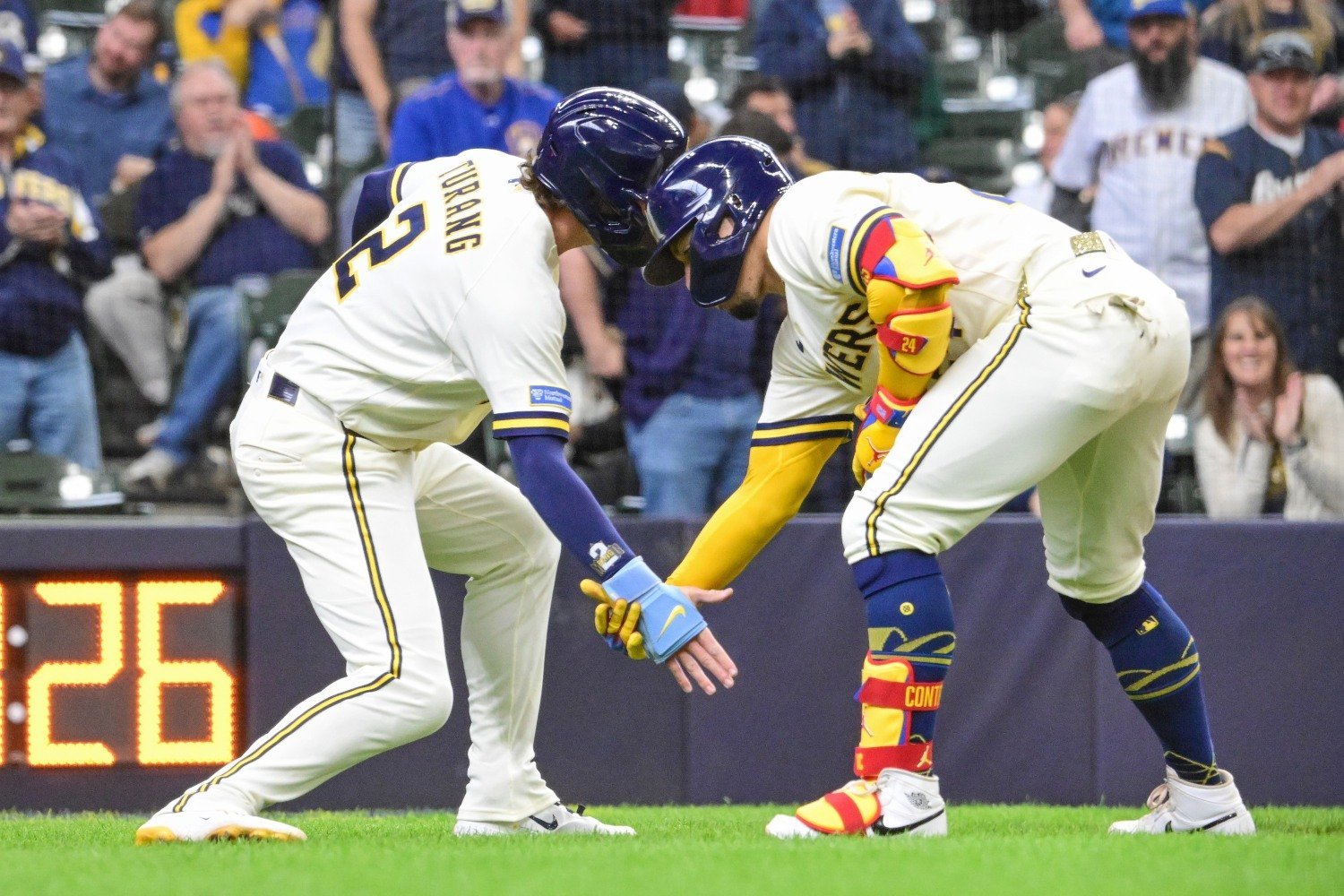 Honorable Mentions Gary Sánchez 69 PA, .200/.362/.436, 11 H, 2 2B, 1 3B, 3 HR, 11 RBI, 13 BB It’s too soon to call it a comeback, but his second stint with Milwaukee is certainly trending that way. Sánchez spent much of his first season with the Brewers as a designated hitter, with lukewarm results, and he was limited to just 101 plate appearances with the Orioles last year due to a right knee sprain. This season, he looks much better at the plate and has posted a 150 OPS+ thus far. Despite a low batting average, his absurd 19.0% walk rate and .542 slugging percentage helped keep his overall production afloat. Unfortunately, his numbers are as impressive as they are unsustainable. Sánchez does have good plate discipline, boasting a career walk rate of 9.6%, but he’s no Juan Soto. He has a better chance of holding onto his power, although some regression in his slugging percentage should also be expected. Indeed, he hit all five of his homers before the midpoint of April. Statistical Nugget: This season, Sánchez has a slugging percentage of .950 against four-seam fastballs. Garrett Mitchell 85 PA, .250/.400/.397, 17 H, 5 2B, 1 3B, 1 HR, 17 RBI, 16 BB, 3 SB This is the most we’ve seen of Garrett Mitchell in a while, and the results have been solid so far. He’s still one of the most athletic players in the sport, demonstrating exceptional bat speed and sprint speed, and his quality of contact has been above average. His on-base percentage has been helped immensely by his 18.1% walk rate, but there are two glaring weaknesses preventing us from seeing him at his best. He’s a peculiar case of having a chase rate (19.3%) in the 95th percentile and a whiff rate (41.8%) in the 1st percentile. His zone contact rate of 65.0% is abysmal and is likely a major contributor to his other weakness, which is his squared-up rate. It’s a bat-tracking metric that measures how often a hitter is getting the most out of his swing, and Mitchell’s 13.9% squared-up rate is also in the 1st percentile. Getting the bat to the ball is much easier said than done in the majors, and even with these issues, his OPS+ of 112 isn’t too shabby for a center fielder. Statistical Nugget: This season, Mitchell has a .642 OPS at home and a .883 OPS away. William Contreras 101 PA, .304/.366/.424, 28 H, 5 2B, 2 HR, 15 RBI, 9 BB It’s great to see the Brewers backstop posting Silver Slugger numbers once again. Cutting down on the whiffs and strikeouts this season has been a boon to his production at the plate, and his power has remained largely unfazed. He still has a bit of a launch-angle problem, but on the bright side, he’s pulling the ball in the air at a rate of 20.6%, almost twice his career average of 11.3%. The one potential concern is his average exit velocity, which has taken a slight dip from years past, both in terms of average and max. However, his squared up rate of 30% indicates that he’s getting what he can out of his swing often enough, suggesting a larger sample size will allow the data to return to his career norms sooner rather than later. Statistical Nugget: This season, Contreras has an OPS of 1.017 with runners in scoring position. Hitter of the Month – Brice Turang 106 PA, .265/.410/.482, 22 H, 4 2B, 1 3B, 4 HR, 17 RBI, 21 BB, 5 SB Turang hit his stride early this year and hasn’t slowed down since. In fact, he has arguably been hot since the WBC, wherein he posted a .937 OPS, the third-best mark in a lineup that had the best hitters the United States could offer. After finishing last year with a 120 OPS+, it seems clear that the days of below-average hitting production are now behind him. He has always had elite contact skills, but a dramatic increase in power is what’s driving this offensive surge. Aside from his barrel rate, his quality of contact numbers are all in the top quartile, and his hard-hit rate is at 51.9% for the season. In 2024, he had a hard-hit rate of just 29.7%. Interestingly, his bat speed is still on the lower en, despite increasing by 4 mph over the past two years. He also pulls the ball in the air at a measly 7.4% clip, less than half of the MLB average. This hasn’t held him back much, since many of his extra-base hits are to the opposite side of the field, but it raises the question of whether there’s even more juice left in Turang’s swing to unlock. Statistical Nugget: This season, Turang has seen 78 sinkers and has a whiff rate of 0.0% against the pitch. View the full article
 -
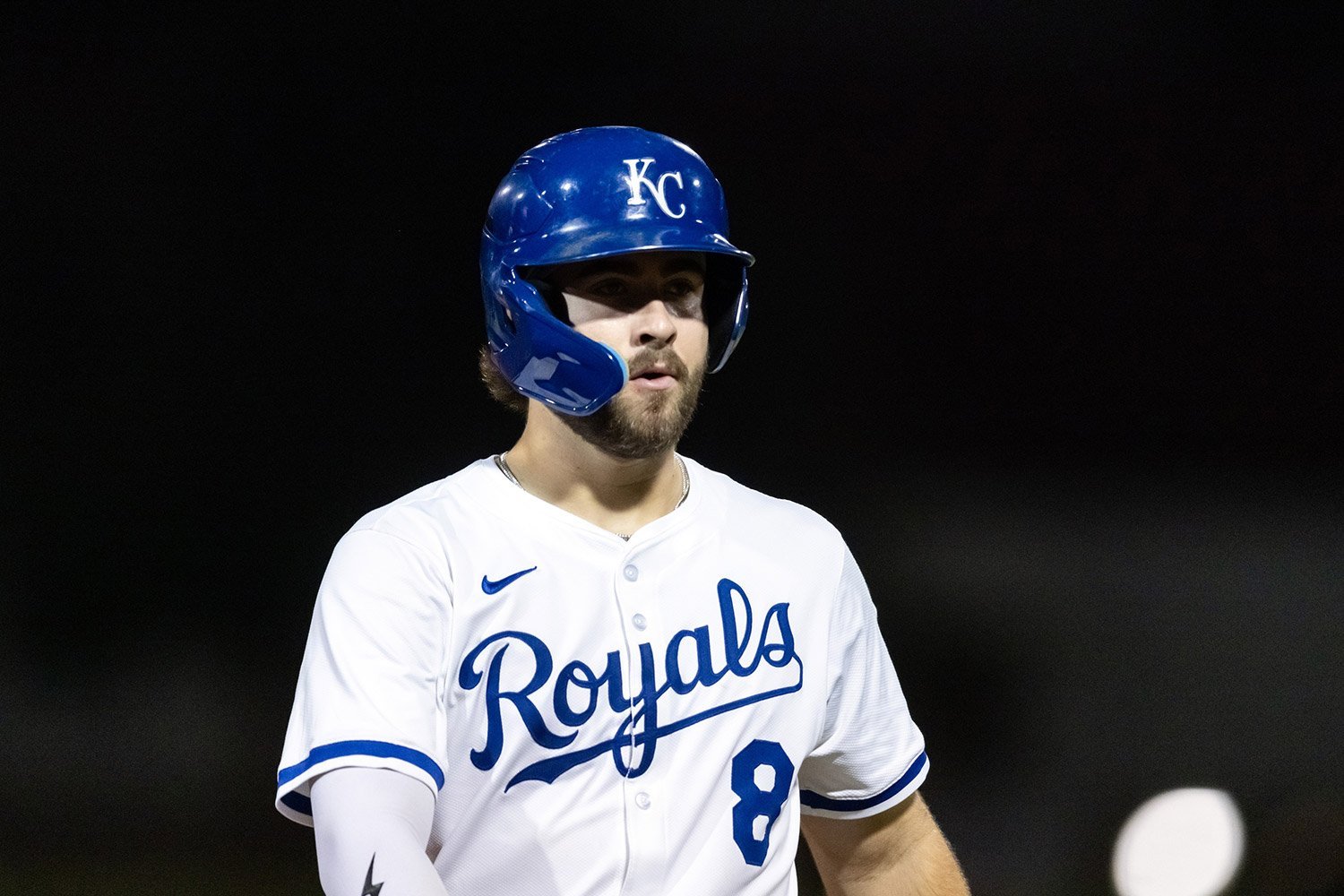 Unlike other publications, Royals Keep enables all users to contribute to our top prospect rankings. Anyone with a Royals Keep account can participate and give their input on who they think should be in the Royals' top prospects list. Before you vote, you can hit our top prospects page for the latest stats and news on Royals prospects, while on the voting page, every name is a clickable link that brings up their current stat card. Voting is simple, just follow the instructions below! Here's the rundown on how to participate: 1. You must have an account and be logged in to vote. If you don't have an account, click here. It requires only 60 seconds to create an account. 2. Review our current top 20 prospect list, catch up on stats, rankings, etc. (you can do so from the voting page link below) 3. Have your prospect list in your filthy little paws? Then flip on over to the new prospect voting page (after reading the rest of this, please). https://royalskeep.com/prospect-voting 4. Voting is super simple; you drag and drop players in the order you wish them to be. After you move a prospect, the list automatically renumbers so you don't lose track of the order. This works on mobile devices, but it's a *vastly* better experience on desktop. Sorry, that's just how this kind of thing works. There's no excellent way to make something like this as awesome on a phone screen. 5. Each prospect has a comment section where you can add any commentary you have on that player. At the bottom of the list, there is a general comment section to explain over-arching things you'd like to mention. 6. Don't see a prospect you want to put on the list? Just pop back here and give me a mention (in a comment, start typing @Brock Beauchamp and select my name after it appears). Please mention the prospect you would like added, and I will do so as soon as possible. 7. Once you're done with all of it, click Save. You've now voted! 8. When the voting closes, a new thread will automatically generate in this forum with all of your rankings and comments for everyone to read and talk about. 9. You can only vote once. If you have voted in error, pop back here and tag Brock to ask to have your vote deleted. It will be removed, and you can vote again. Voting closes Friday, April 8. View the full article
 -
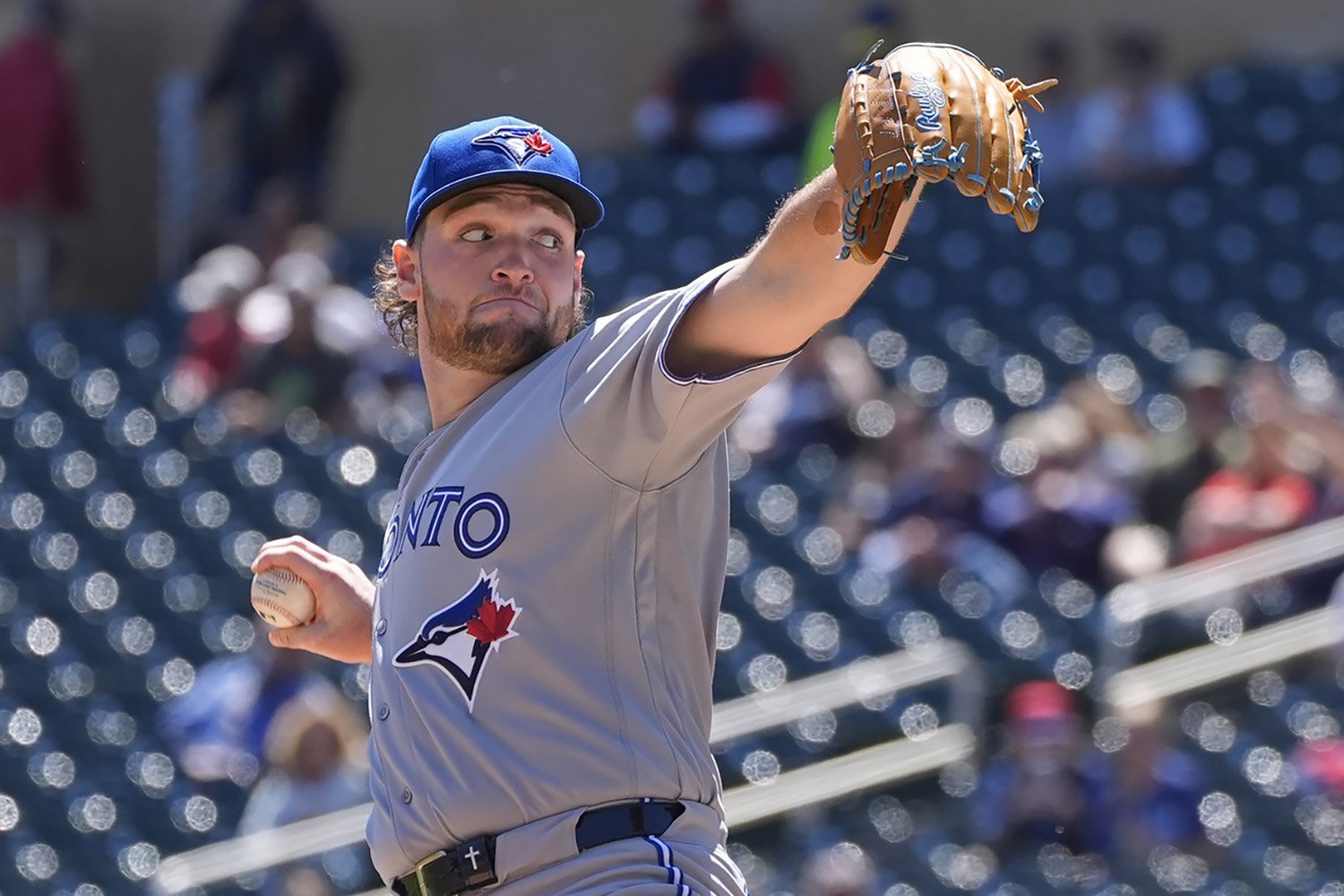 Unlike other publications, Jays Centre enables all users to contribute to our top prospect rankings. Anyone with a Jays Centre account can participate and give their input on who they think should be in the Blue Jays' top prospects list. Before you vote, you can hit our top prospects page for the latest stats and news on Blue Jays prospects, while on the voting page, every name is a clickable link that brings up their current stat card. Voting is simple, just follow the instructions below! Here's the rundown on how to participate: 1. You must have an account and be logged in to vote. If you don't have an account, click here. It requires only 60 seconds to create an account. 2. Review our current top 20 prospect list, catch up on stats, rankings, etc. (you can do so from the voting page link below) 3. Have your prospect list in your filthy little paws? Then flip on over to the new prospect voting page (after reading the rest of this, please). https://jayscentre.com/prospect-voting 4. Voting is super simple; you drag and drop players in the order you wish them to be. After you move a prospect, the list automatically renumbers so you don't lose track of the order. This works on mobile devices, but it's a *vastly* better experience on desktop. Sorry, that's just how this kind of thing works. There's no excellent way to make something like this as awesome on a phone screen. 5. Each prospect has a comment section where you can add any commentary you have on that player. At the bottom of the list, there is a general comment section to explain over-arching things you'd like to mention. 6. Don't see a prospect you want to put on the list? Just pop back here and give me a mention (in a comment, start typing @Brock Beauchamp and select my name after it appears). Please mention the prospect you would like added, and I will do so as soon as possible. 7. Once you're done with all of it, click Save. You've now voted! 8. When the voting closes, a new thread will automatically generate in this forum with all of your rankings and comments for everyone to read and talk about. 9. You can only vote once. If you have voted in error, pop back here and tag Brock to ask to have your vote deleted. It will be removed, and you can vote again. Voting closes Friday, April 8. View the full article
 -
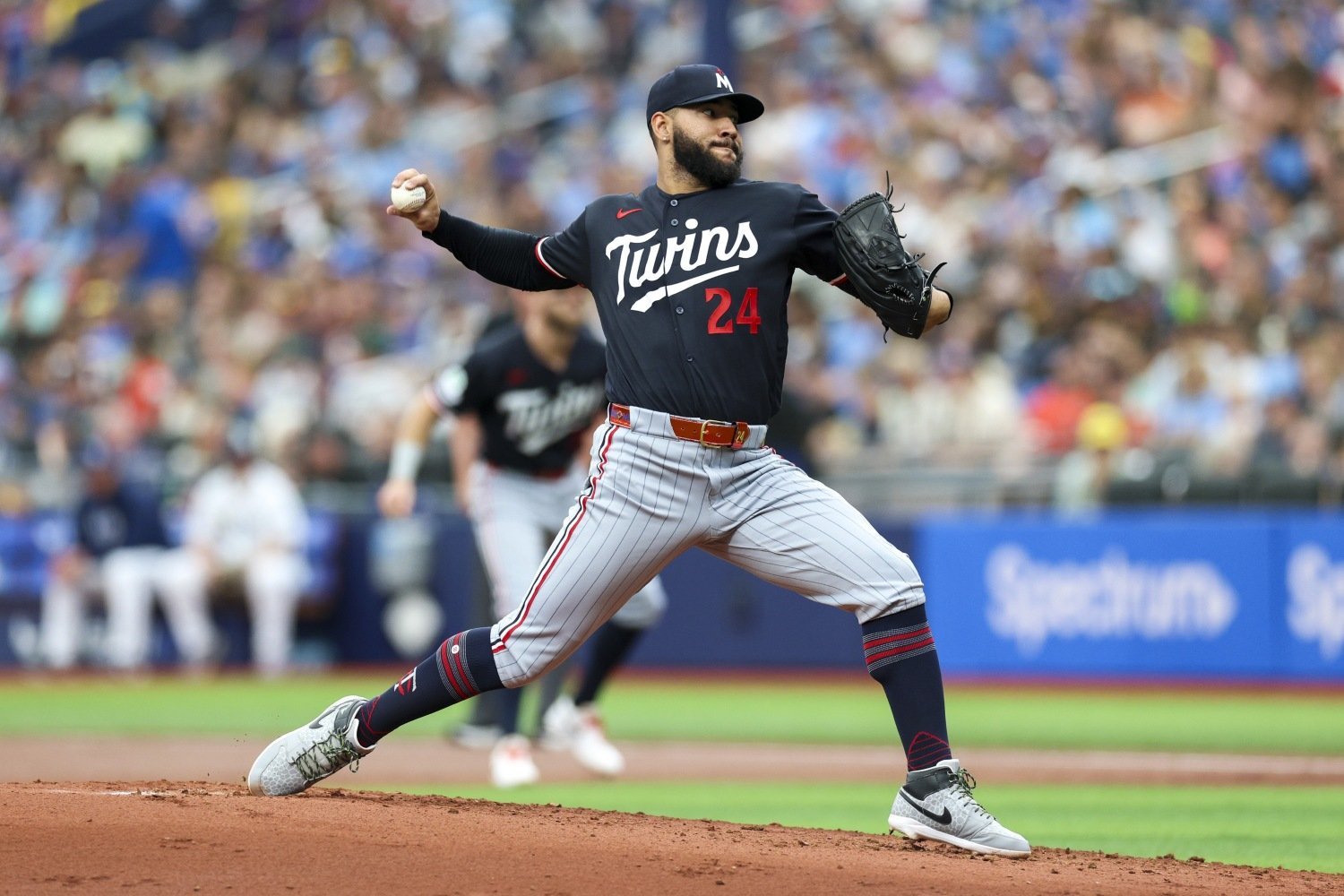 The last handful of starts for Simeon Woods Richardson have described a troubling trend. At this point, it’s fair to wonder not just how long he remains in the rotation, but whether that role still makes sense at all. Were it not for the injuries that continue to deplete the team's starting staff, Woods Richardson might be in the bullpen already. When the Twins acquired Woods Richardson alongside Austin Martin at the 2021 trade deadline in exchange for José Berríos, the vision was clear. He was supposed to develop into a reliable starting pitcher—someone who could anchor the back end of a rotation, with upside. For a stretch, that looked plausible. He showed flashes of being a capable fourth or fifth starter, eating innings and keeping his team in games. Though 2024 ended in disappointment, Woods Richardson kept them afloat for a long stretch during which the team was badly diminished by injuries. Alas, 2026 has been a different story entirely. Through his first seven starts, Woods Richardson owns a 6.49 ERA and a 1.74 WHIP. He’s allowed 47 hits and 14 walks, while striking out just 17 batters. He’s not pitching deep into games, and the innings he does provide have often come with significant damage. The underlying numbers don’t offer much encouragement, either. His strikeout rate sits at a highly concerning 10.6%, one of the lowest marks you’ll find for a starting pitcher. He’s generating very few whiffs, and when hitters do make contact, they’re squaring him up with authority. His arsenal, which already is limited for a starter, simply isn’t playing. The advanced metrics paint a bleak picture across the board. Put simply, what the Twins are doing right now with Woods Richardson is not working. At some point, acknowledging that opens the door to a different solution. A move to the bullpen stands out as the most logical next step. There are clear indicators that Woods Richardson could thrive in a shorter-burst role. Most notably, his effectiveness the first time through the order has been excellent. His ERA sits at 1.20 when hitters haven’t already seen him, and he’s recorded 11 of his 17 strikeouts in those matchups. That version of Woods Richardson looks like a completely different pitcher. The drop-off after that is dramatic. The second time through the order, his ERA balloons to 14.66. Over 11 2/3 innings in those situations, he’s struck out just two batters, while allowing a .375 batting average and six home runs. It’s not a subtle decline; it’s a cliff. That split tells a pretty clear story. For two to three innings, Woods Richardson can be effective. After that, hitters adjust, his stuff flattens out, and the results spiral. A profile like that is far more aligned with a reliever than a starter. He doesn't lose a ton of velocity or movement as the game progresses, but hitters quickly get familiar with the relatively limited set of sequences and shapes he can throw at them. There’s also a compelling velocity component to consider. Woods Richardson’s fastball typically sits in the 92 to 93 mph range, which isn’t overpowering in today’s game, especially for a starter expected to turn a lineup over multiple times. As he works deeper into outings, that velocity can dip, leaving him even more vulnerable. In shorter stints, though, there’s reason to believe that changes. We’ve seen him reach back for 96 to 97 mph at times, with flashes of a different gear that simply isn’t sustainable over five or six innings. In a bullpen role, that higher velocity could become more consistent. A tick or two of added velocity, paired with a simplified approach, could make his entire arsenal play up. The timing of a potential move is complicated, but not prohibitive. With Mick Abel currently on the injured list, the Twins don’t have an abundance of rotation options, which makes it harder to pull Woods Richardson out immediately. Joe Ryan is likely to land on the shelf, too, after leaving Sunday's start with elbow soreness. Still, Abel has already resumed throwing bullpens and may not be far off from a return. When that happens, the Twins will have a decision to make. Connor Prielipp’s emergence adds another layer to the conversation. He’s looked sharp over his first three starts and offers something the current rotation lacks: a left-handed presence. Slotting him into the rotation not only injects upside but also creates better balance within the staff. Moving Woods Richardson to a relief role wouldn’t just be about addressing his struggles; it would also allow the organization to reconfigure its pitching staff in a way that maximizes everyone’s strengths. The Twins’ bullpen has not exactly been sharp. We just saw that group completely unravel with an eight-run eighth inning collapse on Saturday, and while one inning doesn’t define an entire unit, it does highlight how volatile things have been. This isn’t a bullpen that’s been consistently locking games down, and adding another arm that’s been promising in shorter bursts could really help stabilize things. None of this is to suggest that the Twins should give up on him. He’s still relatively young, and there’s enough of a track record to believe he can contribute at the major-league level. But continuing to run him out as a starter, hoping for different results, isn’t a particularly convincing strategy. Without Ryan, the decision is put off for a while. None of the available alternatives to Woods Richardson have done enough to give the team any reasonable measure of confidence in them, so they still need Woods Richardson as a starter. At some point, though, adjustments to the role and expectations aren’t just helpful; they’re necessary. For Woods Richardson, that adjustment may very well be the key to getting his career back on track. View the full article
 -
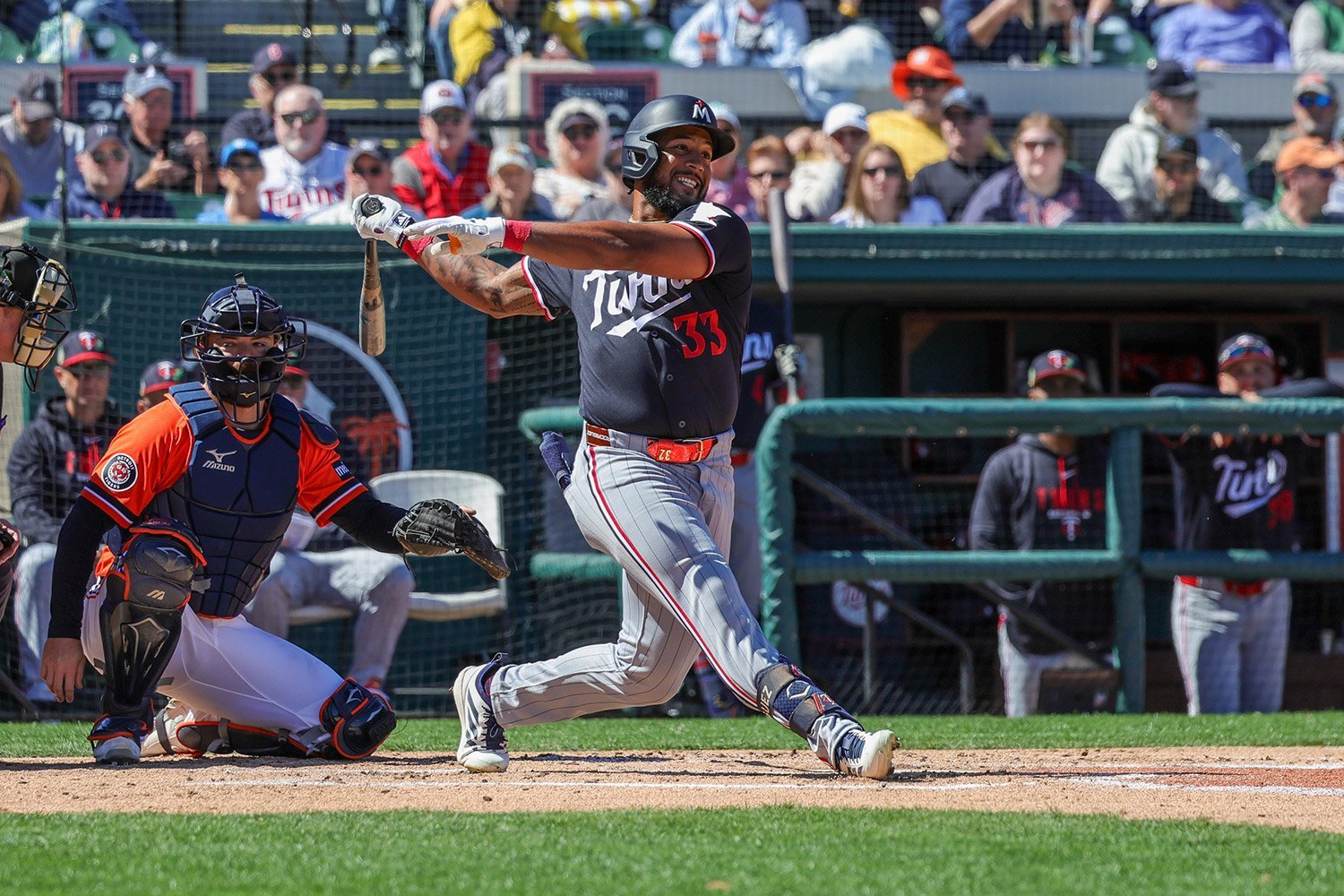 Unlike other publications, Twins Daily enables all users to contribute to our top prospect rankings. Anyone with a Twins Daily account can participate and give their input on who they think should be in the Twins' top prospects list. Before you vote, you can hit our top prospects page for the latest stats and news on Twins prospects, while on the voting page, every name is a clickable link that brings up their current stat card. Voting is simple, just follow the instructions below! Here's the rundown on how to participate: 1. You must have an account and be logged in to vote. If you don't have an account, click here. It requires only 60 seconds to create an account. 2. Review our current top 20 prospect list, catch up on stats, rankings, etc. (you can do so from the voting page link below) 3. Have your prospect list in your filthy little paws? Then flip on over to the new prospect voting page (after reading the rest of this, please). https://twinsdaily.com/prospect-voting 4. Voting is super simple; you drag and drop players in the order you wish them to be. After you move a prospect, the list automatically renumbers so you don't lose track of the order. This works on mobile devices, but it's a *vastly* better experience on desktop. Sorry, that's just how this kind of thing works. There's no excellent way to make something like this as awesome on a phone screen. 5. Each prospect has a comment section where you can add any commentary you have on that player. At the bottom of the list, there is a general comment section to explain over-arching things you'd like to mention. 6. Don't see a prospect you want to put on the list? Just pop back here and give me a mention (in a comment, start typing @Brock Beauchamp and select my name after it appears). Please mention the prospect you would like added, and I will do so as soon as possible. 7. Once you're done with all of it, click Save. You've now voted! 8. When the voting closes, a new thread will automatically generate in this forum with all of your rankings and comments for everyone to read and talk about. 9. You can only vote once. If you have voted in error, pop back here and tag Brock to ask to have your vote deleted. It will be removed, and you can vote again. Voting closes Friday, April 8. View the full article
 -
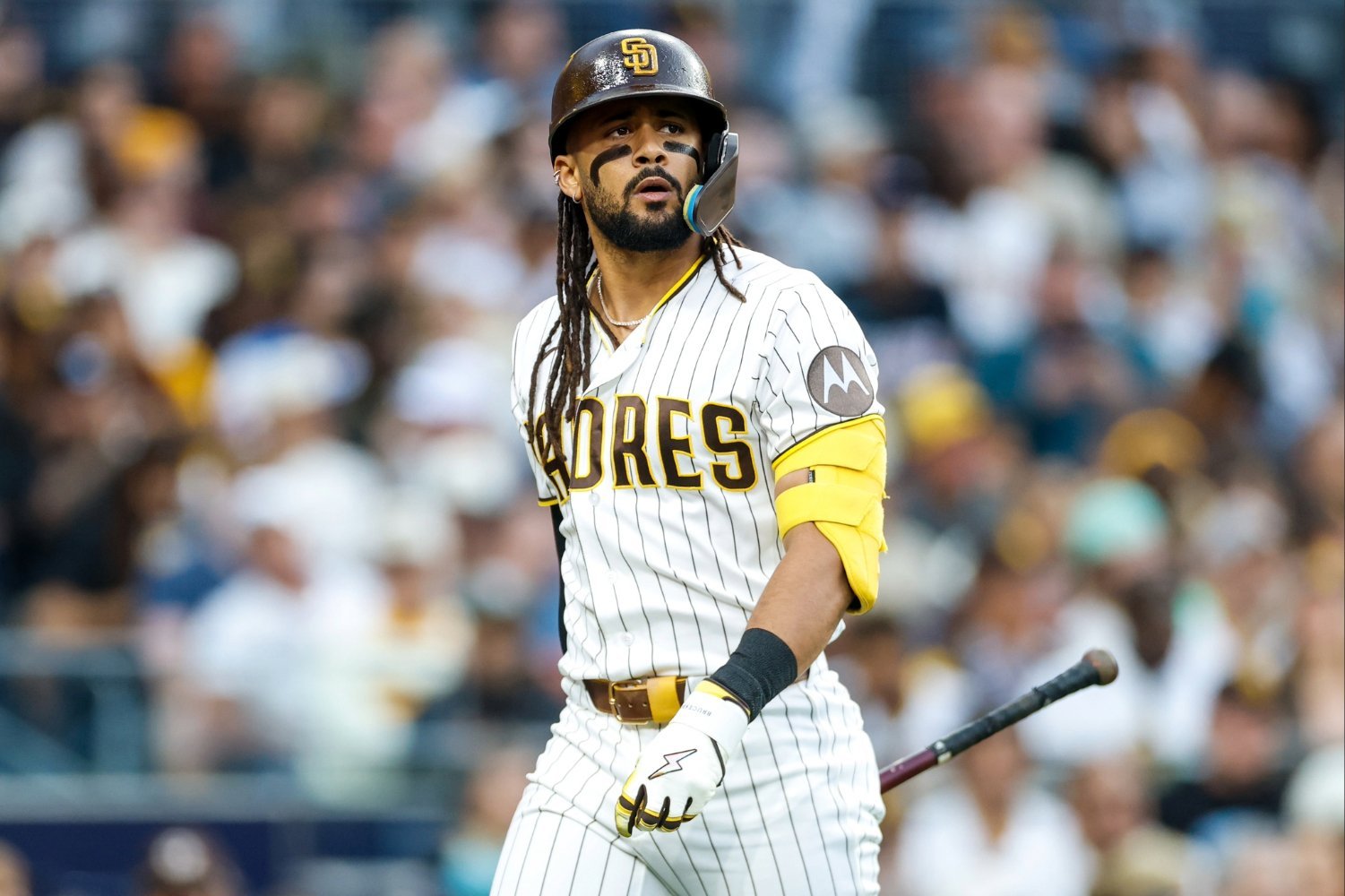 As of the end of April, there was exactly one hitter in Major League Baseball hitting the ball hard at a higher rate than Fernando Tatis Jr. And even James Woods’ 64.8 Hard-Hit% just narrowly edges the 64.7 percent rate at which the San Diego Padres' right fielder is working with thus far. In the grand scheme of the stat sheet, it hasn’t seemed to matter, however. Despite the quality of contact being made, Tatis has yet to find the statistical backing that would typically accompany such an impressive hard contact rate. To close out the month, his slash read a mere .250/.323/.286 with a 77 wRC+. Not a single piece of that hard contact has found its way over an outfield wall to date, with Tatis sitting well over 200 days since his last home run. His slugging percentage is the third-worst on the team, with a .036 ISO that trails every position player currently on the roster. Of course, the why of his power outage isn’t a mystery; Tatis simply is not lifting the ball. His average launch angle is 3.2. His 6° average attack angle is a two-degree dip from last season and a four-degree decrease from 2024. Those are each a factor in an ideal attack angle rate of only 51.3 percent. That’s five percent lower than last season. Additionally, he’s working with a fly-ball rate that sits six points below his career average (28.6), which looks even worse to the pull side (PullAIR% of just 5.9). The plane of his swing is simply too flat to generate any impact. More lift juxtaposed against the type of contact Tatis is making would, undoubtedly, lead to a massive outburst of production. Whether there’s a way out of this kind of spiral in which he’s currently mired, however, is a much less certain concept. Don’t get it twisted, the swing path is the issue. The extreme shallow nature of it is a problem. Navigating any other causes almost feel fruitless given the extremes we're talking about. Nevertheless, there are a couple of other areas worth investigating to see if he could tap into some power in a different way. It’s possible that there’s something in his lower half that is stifling the power, too. This is his stance on a home run against the Arizona Diamondbacks in 2025: And here’s a swing from the team’s series against the Chicago Cubs this week: The result of the latter was a sharp single. One could perhaps make the argument that there’s more weight on his backside in the first swing that could yield more power than the one in the second. But it’s also not so severe that we’d expect that Tatis would feel compelled to evaluate the footwork components of his mechanics. Ultimately, the plane of the swing is going to come far more from the hands than anything the lower half might force it into. Maybe there’s an issue within his mastery of the zone? Even a long swing like the one Tatis utilizes might be susceptible to shallower contact if he’s being too aggressive on pitches in the lower portions of the zone that don’t lend themselves to fly-ball contact. Yet again, though, we’re faced with an absence of explanation beyond anything other than the preeminent conclusion: His approach to the zone is fine. The areas of the zone in which he’s been most active are those that should help to generate power. When he does expand the zone, it’s to the outer parts, which are closer to the barrel as part of his long (7.3 ft) swing. From a mechanical and from a zone standpoint, there isn’t anything outside of what we already know that reveals the root of the struggle. We may have one more idea, though. Tatis is swinging at more fastballs this season, reaching an equal rate with that of off-speed offerings (50.4 percent). Against those fastballs, he’s getting the ball in the air just 15.1 percent of the time. That’s a 10-point cut from 2025. His attack angle against fastballs is just 3°, with an ideal attack angle rate of only 40.9 percent. That’s nine percent lower than last season. There’s a compounding issue here. The plane of the bat is a problem on its own, but the fact that there’s an even larger exaggeration of woes there against fastballs — a pitch type against which he’s swinging at a higher rate than he did in 2025 — is indicative of something deeper. Despite the fact that Tatis is working with a fast swing speed, it feels as if he’s not in control at the plate. He’s swinging outside the zone more aggressively while also making less contact overall when he does. He’s getting quality contact because he’s hitting fastballs, but he’s doing so in a way that is more indicative of a player merely trying to put a ball in play rather than exert any impact in doing so. Does this mean there’s a psychological component at play that Tatis needs to get right before we can even begin to talk about the mechanical issues? It’s a situation that’s as fascinating as it is frustrating. The struggles of Fernando Tatis Jr. aren’t a mystery in matters of the box score. His swing is too flat. But it seems entirely possible that there are a host of other things happening that are less observable. Either way, the Padres are in need of sorting from their right fielder. As good as the offense has been at keeping them afloat in the early going, one can’t expect it to tread water for too long without their biggest driver contributing to the cause. View the full article
 -
 Unlike other publications, Talk Sox enables all users to contribute to our top prospect rankings. Anyone with a Talk Sox account can participate and give their input on who they think should be in the Red Sox top prospects list. Before you vote, you can hit our top prospects page for the latest stats and news on Red Sox prospects, while on the voting page, every name is a clickable link that brings up their current stat card. Voting is simple, just follow the instructions below! Here's the rundown on how to participate: 1. You must have an account and be logged in to vote. If you don't have an account, click here. It requires only 60 seconds to create an account. 2. Review our current top 20 prospect list, catch up on stats, rankings, etc. (you can do so from the voting page link below) 3. Have your prospect list in your filthy little paws? Then flip on over to the new prospect voting page (after reading the rest of this, please). https://talksox.com/prospect-voting 4. Voting is super simple; you drag and drop players in the order you wish them to be. After you move a prospect, the list automatically renumbers so you don't lose track of the order. This works on mobile devices, but it's a *vastly* better experience on desktop. Sorry, that's just how this kind of thing works. There's no excellent way to make something like this as awesome on a phone screen. 5. Each prospect has a comment section where you can add any commentary you have on that player. At the bottom of the list, there is a general comment section to explain over-arching things you'd like to mention. 6. Don't see a prospect you want to put on the list? Just pop back here and give me a mention (in a comment, start typing @Brock Beauchamp and select my name after it appears). Please mention the prospect you would like added, and I will do so as soon as possible. 7. Once you're done with all of it, click Save. You've now voted! 8. When the voting closes, a new thread will automatically generate in this forum with all of your rankings and comments for everyone to read and talk about. 9. You can only vote once. If you have voted in error, pop back here and tag Brock to ask to have your vote deleted. It will be removed, and you can vote again. Voting closes Friday, April 8. View the full article
