


DiamondCentric
-
Posts
2,631 -
Joined
-
Last visited
Never
Content Type
Profiles
Forums
Events
News
Tutorials & Help
Major League Baseball Videos
Guides & Resources
Store
Downloads
Gallery
Everything posted by DiamondCentric
-
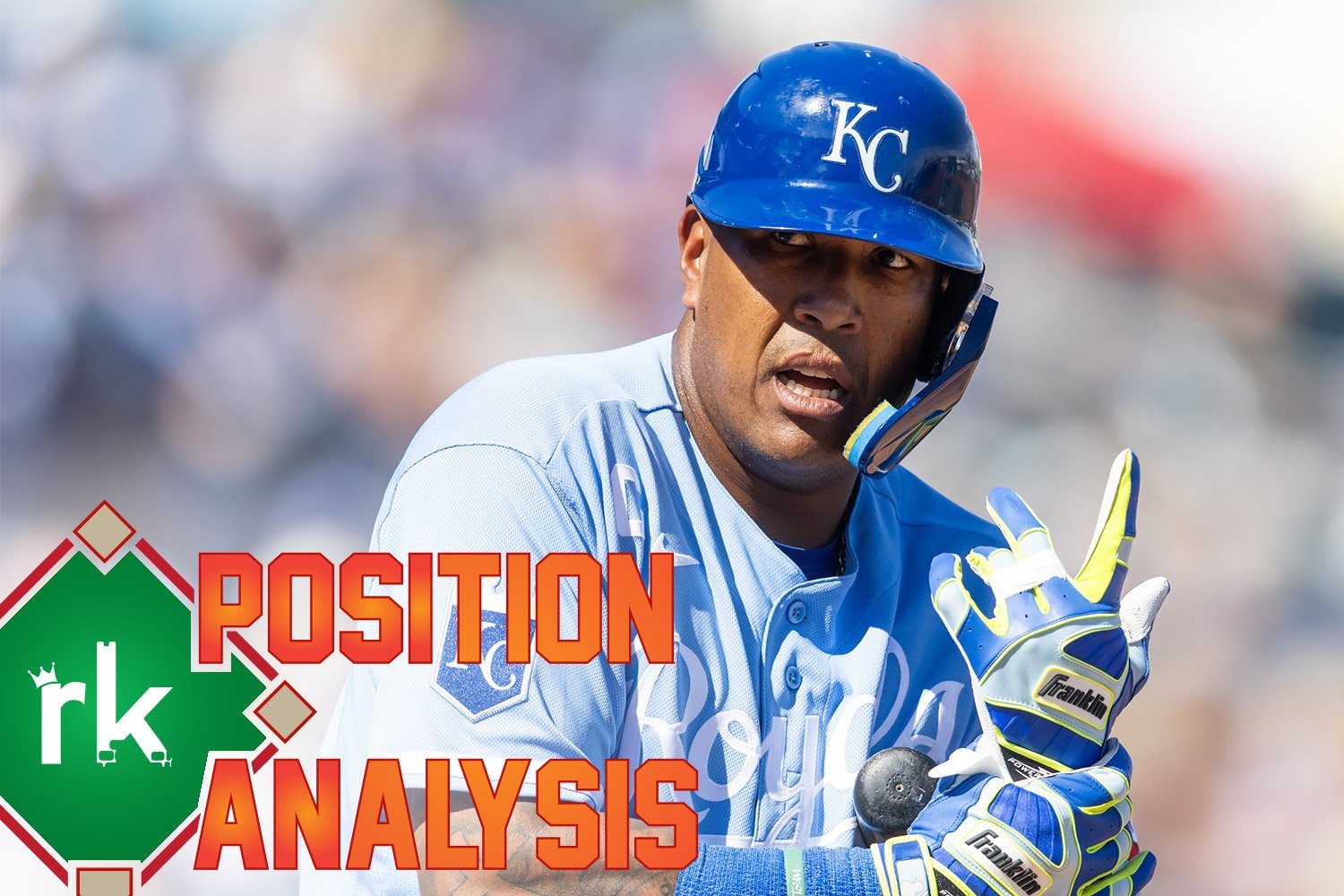 Big questions gnaw at the Kansas City Royals. Will offseason acquisitions Isaac Collins, Lane Thomas, and now Starling Marte, breathe more life into the infamously poor offensive production of KC’s outfielders? Can Jonathan India or Michael Massey come through at second base? Will the starting rotation, so strong in 2024, shake the injury bug that struck too hard and too often in 2025? And is Jac Caglianone ready to prove he can handle big league pitching? No such questions, though, loom over Kansas City’s catchers. When the Royals take the field at Atlanta’s Truist Park to open the season against the Braves on March 27, and absent a late spring training injury, look for nine-time All-Star Salvador Perez behind the plate, where only twice since 2013, his first full big league season, has he not been stationed on Opening Day. And backing him up will be promising Carter Jensen, the franchise’s No. 1 prospect and heir apparent to Perez when the club captain retires. But expect some change at the position. Not a lot, mind you, but some. Royals Catchers At A Glance Starter: Salvador Perez Backup: Carter Jensen Depth: Luca Tresh, Elias Díaz, Jorge Alfaro Prospects: Blake Mitchell, Ramon Ramirez, Hyungchan Um Royals fWAR Ranking Last Year: 18th of 30 Royals fWAR Projection This Year: 18th of 30 The Good There’s a lot about his catchers for manager Matt Quatraro, a former professional backstop himself, to like. Perez, still primarily a catcher as he preps for his 15th big league campaign, threw out 43.8% of runners who tested his arm last season (43.9% is his career high) and KC pitchers seem well-satisfied with his game-calling. His five Gold Gloves speak for themselves. And although the five-time Silver Slugger winner slashed only .236/.284/.446 in 2025, his 30 homers and 100 RBI prove he can still produce. Jensen is, of course, a work in progress, but the progress is excellent. After slashing .290/.377/.501 with 20 homers and 76 RBI in 111 games split between Double-A Northwest Arkansas and Triple-A Omaha last season, he spent September with the Royals, where his 20-game .300/.391/.550 line and 159 wRC+ made him a cinch for the club’s 2026 Opening Day roster. He’ll also get plenty of work at DH. Perez and Jensen will probably be it for the Royals — carrying a third catcher seems unlikely. But the club should be in good stead if injuries hit: Luca Tresh can be called up from Omaha in a pinch, and don’t be surprised if at least one of the two major league veterans working in spring camp on non-roster invitations — Elias Díaz or Jorge Alfaro — sticks around and heads to Omaha with Tresh. There’s also Blake Mitchell, our No. 2 KC prospect who’s in line for No. 1 when Jensen compiles enough big league time to drop off its list. Mitchell, the Royals’ top 2023 draft pick, will reach the majors, but probably later rather than sooner — he’s had some bad injury luck and has yet to see a Double-A pitch. Don’t be shocked, though, if the club gives him a taste of The Show in September. The Bad Perez isn’t, and never will be, a great framer, and he doesn’t block pitches as well as he used to. He’s also entering his age-36 season and will need more time at first base and DH than he’s accustomed to. All that isn’t terrible, though, and beyond the need to rely more on the less-experienced Jensen behind the plate, there isn’t much about KC’s catching to worry Quatraro. The Bottom Line The Royals are in good shape behind the plate. Expect good performances from Perez and Jensen, with Jensen making even more strides under Perez’s tutelage. Previous Installments: Second Base Position Analysis View the full article
 -

Twins Daily Social Club Opening Day Watch Party: Twins vs. Orioles
DiamondCentric posted an article in Twins Daily
 Baseball is back, and there’s no better way to celebrate opening day than surrounded by the Twins Daily community. Cold beer, great food, watching baseball with friends, and more – that is how we’re kicking off the 2026 season. The Twins Daily Social Club is heading back to BlackStack Brewing for another Opening Day watch party after the incredible turnout and atmosphere last year. Their team helped make it unforgettable, so teaming up again was an easy call. This year’s opener features a fascinating matchup as the Minnesota Twins take on the Baltimore Orioles: two talented clubs with plenty of star power and plenty to prove right out of the gate. Twins fans will be eager to see how the lineup looks from the very first pitch. All eyes will be on stars like Byron Buxton and Joe Ryan, while fans are excited to watch emerging talent such as Luke Keaschall continue to make his mark. Opening Day always brings a little extra electricity – the first crack of the bat, the first big defensive play, the first chance to imagine what the season could become. The Orioles bring plenty of excitement of their own. Dynamic young stars like Gunnar Henderson and Adley Rutschman have turned Baltimore into one of the most entertaining teams in baseball, making this season opener matchup one fans across the league are looking forward to. First pitch is scheduled for 2:05 pm on Thursday, March 26, and the Twins Daily Social Club will have the game on with a full house of fans ready to cheer. Our party kicks off an hour before first pitch, at 1:00 pm. The best part? You don’t need to buy a ticket. Simply RSVP using the Eventbrite link we will send out later this week, which will include full details for this year’s watch party. When you arrive and check in with the Twins Daily crew, we will get you set up with your first raffle ticket and everything else you need to enjoy a fantastic Opening Day with fellow fans. Stay tuned for more details about the event, the prizes we’ll be giving away, and everything else we have planned. Baseball is almost back. Let’s celebrate together. EVENT DETAILS What: Twins Daily Social Club's Opening Day Watch Party Cost: Free When: 1 pm, March 26, 2026 Where: Blackstack Brewing, 755 Prior Ave N, St Paul, MN View the full article
 -
Sweepers Could Make a Comeback on 2026 Brewers' Pitching Staff
DiamondCentric posted an article in Brewer Fanatic
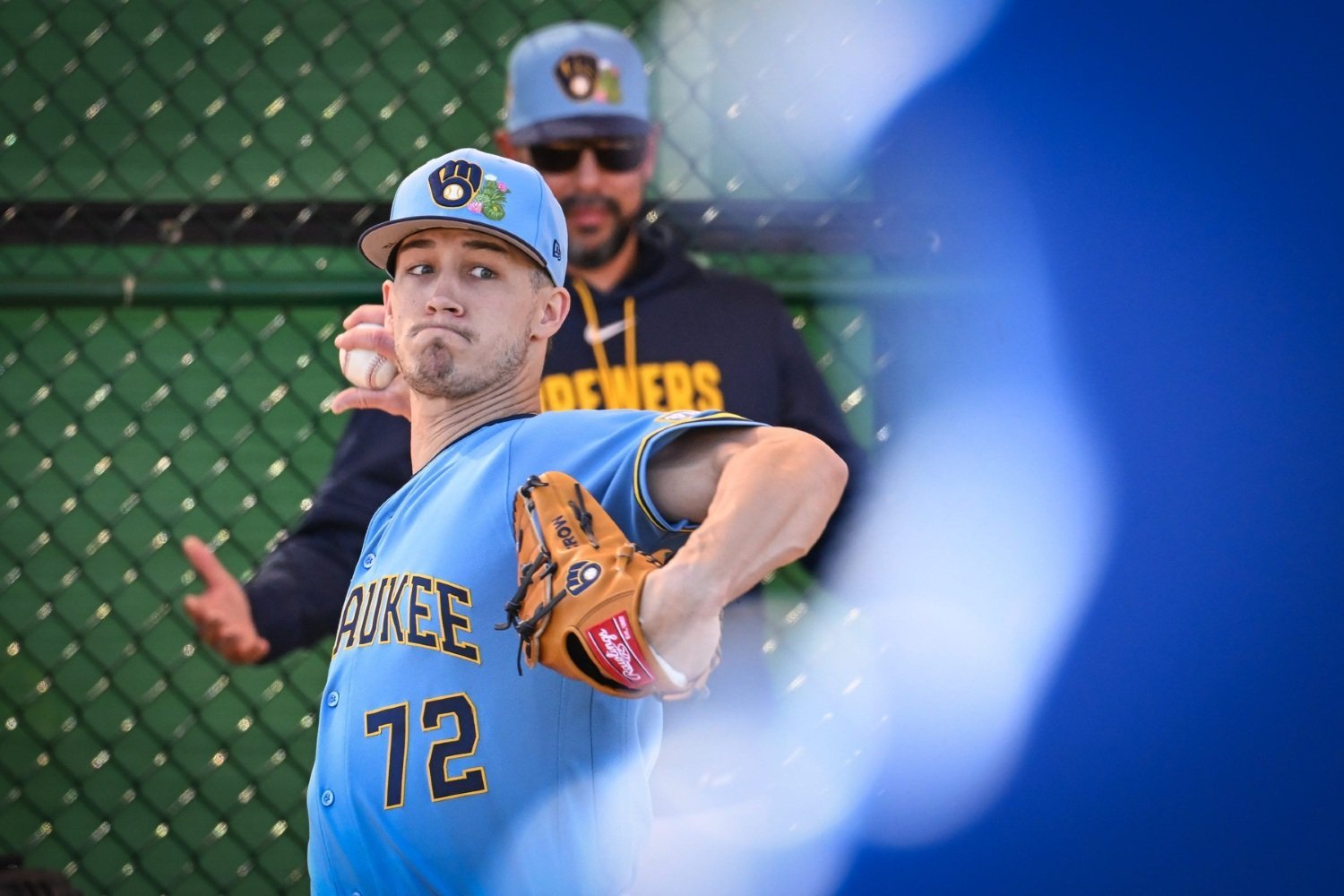 Before the start of the 2023 season, Statcast introduced the sweeper as a new label for certain breaking pitches, separating them from tighter, harder sliders. Since then, the term has found a strong foothold in the modern pitching vernacular. Sweeping sliders themselves aren’t new, but the classification came about as more pitchers and coaches learned to generate the sidespin that creates more extreme lateral break than gyro sliders have, without much depth. That means more pitchers throw it now, including some who throw both sweepers and gyro-spin sliders. Once several pitchers threw both, it became especially useful to have distinct labels for the two different offerings. But as the percentage of pitches tagged as sweepers has steadily increased over the last few seasons, the Brewers have lagged behind. In fact, they cut their sweeper usage last year. Pitching coach Chris Hook and the rest of Milwaukee’s pitching development team have nothing against sweepers, but they generally prefer shorter pitches that spend time in the strike zone, particularly for multi-inning pitchers. They often encourage bulk pitchers to throw more cutters and sinkers, instead of a bigger breaking pitch. Veteran starters Aaron Civale and Tyler Alexander threw fewer sweepers and more fastballs after joining the Brewers, even though those breaking pitches were previously among their most effective. Brandon Woodruff developed a sweeper while rehabbing from shoulder surgery, but he quickly realized he had a better feel for pairing a new cutter with his two existing fastballs. Prospect Coleman Crow, whose signature pitch is a big, high-spin curveball, has thrown his cutter more than any other pitch in big-league camp this year, after it was just a supporting pitch in the minor leagues last season. Sammy Peralta featured the sweeper last season; the team's first recommendation after claiming him last fall was to add a cutter. All indications have been that the Brewers are keeping that emphasis on in-zone pitches at the heart of their pitching philosophy, but sweepers could complement that approach more than in recent seasons. Crow and DL Hall have added sweepers to their arsenal. Brandon Sproat, who could crack the Opening Day rotation, has continued throwing his sweeper 14.3% of the time in Cactus League outings since coming over via trade. Sweeper specialist Robert Gasser is also set for a fully healthy season after spending much of 2025 rehabbing from Tommy John surgery. And they did claim Peralta, after all, which shows a certain openness to acquiring guys for whom the sweeper is important and not a candidate to be scrapped or neglected. The Brewers may apply elements of a larger philosophy to most of their pitchers, but above all else, they try to avoid putting them into a box. This year’s staff will still live mostly off fastballs, but it may be better equipped to sprinkle in more sweeping breaking balls than last year's version was. Whether that was a conscious change of course or just a product of organic efforts to improve the team one move and one player at a time, they're evolving. View the full article
 -
Boston Red Sox 2026 Top Prospects Rankings: Kyson Witherspoon (No. 4)
DiamondCentric posted an article in Talk Sox
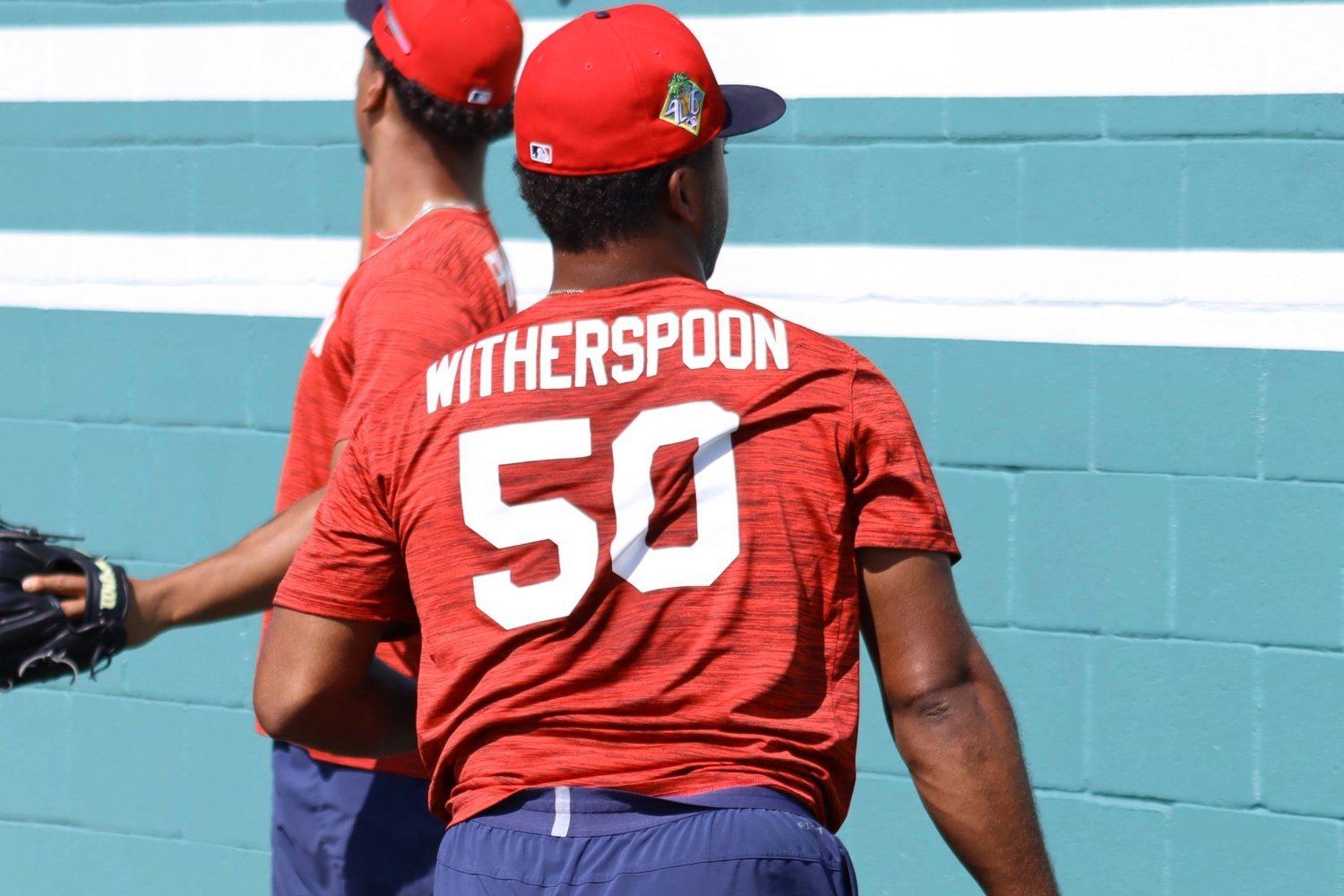 Talk Sox's top prospect rankings for the 2026 season has officially reached the elite tier of prospects, featuring a young arm making some Top-100 noise after getting selected in the first round by the Boston Red Sox last summer. Be sure to check out all of our previous rankings here: Part 1 (Nos. 16-20) Part 2 (Nos. 11-15) Part 3 (No. 10) Part 4 (No. 9) Part 5 (No. 8) Part 6 (No. 7) Part 7 (No. 6) Part 8 (No. 5) Boston Red Sox Top Prospects: No. 4 Kyson Witherspoon The Red Sox were lauded for a strong performance during last year's annual amateur player selection process, especially during the first day of the draft. The biggest steal of that day could be argued as any of the three pitchers the Red Sox drafted, however, none stand out more than the first player who fell right into their laps. Drafted 15th overall, Kyson Witherspoon was viewed as a consensus top-10 talent prior to the event. Fortunately for the Red Sox, the right-handed pitcher from Oklahoma State slipped and ended up available right in the middle of the first round. Witherspoon dominated in his final season at Oklahoma to the tune of a 10-4 record and 2.65 ERA in 16 starts. In that span, he threw 95 innings and struck out 124 batters, thanks in part to his velocity and secondary pitches that have scouts drooling over his potential. Witherspoon, who turned 21 in mid-August, made significant strides during his college career and is already implementing some changes in Boston. One of the more notable alterations to his profile was the addition of a sweeper he worked on over the winter with Driveline, and the pitch is already flashing some impressive break. No prospect with the Red Sox averaged close to 20 inches of horizontal break with a sweeper, but Witherspoon’s managed that after one offseason of working on the pitch. The rest of Witherspoon’s arsenal is made up of a fastball, cutter, slider, curveball and changeup. Unlike other pitching targets by the Red Sox, his extension is under six feet (averaged around 5.7 feet). However, he’s able to repeat his delivery easily and hides the ball well throughout his throwing motion. His fastball averaged 95 to 97 mph in college, which he maintained during his first two innings of game action in minor-league spring training. His velocity seems to have improved since being drafted (in terms of maintaining upper-echelon consistency), which will pair well with his strong command. However, the pitch gets its bat-missing ability from its velocity and not its shape. His cutter was used often in college as a pitch he threw for consistent strikes. Velocity-wise, it averaged between 88 and 91 mph, though it's shown an ability to miss bats while also inducing batters to chase outside the zone. Likewise, his slider is a pitch he was able to use to generate whiffs, especially against right-handed batters. Both pitches have plus tendencies and are viewed as being potentially above average. The curveball, on the other hand, is seen as a middling offering, and that's if he learns to consistently land it in the zone. In college, it sat 78 to 82 mph and is considered to have good depth on its break. When he’s able to command and control it he can generate a few whiffs. His changeup is certainly the one that needs the most development (ignoring the new sweeper). The pitch has managed to reach the low-90s, but it was his least used offering in college and lacks the fade/tail to really dominate lefties down and away. Overall, Witherspoon has a chance to join the likes of Payton Tolle and Connolly Early as pitchers who moved through the system quickly. He's got a projectable mid-rotation future, though there's no denying the ace upside occasionally flashing in his profile. His fastball, despite being viewed as his best pitch, could also be in line for some tweaking should the Red Sox want it to have a different shape. Witherspoon, barring a surprise placement, will open the season in Greenville much like Tolle did the year prior. Though, should he dominate High-A batters, it wouldn’t be a surprise if he is promoted to Portland by some point in June. The Red Sox have been aggressive the last few years when it comes to promoting prospects that are performing well, and it shouldn’t be any different with the draft class of 2025. View the full article
 -
2026 New York Mets Opening Day Roster Projection
DiamondCentric posted an article in Grand Central Mets
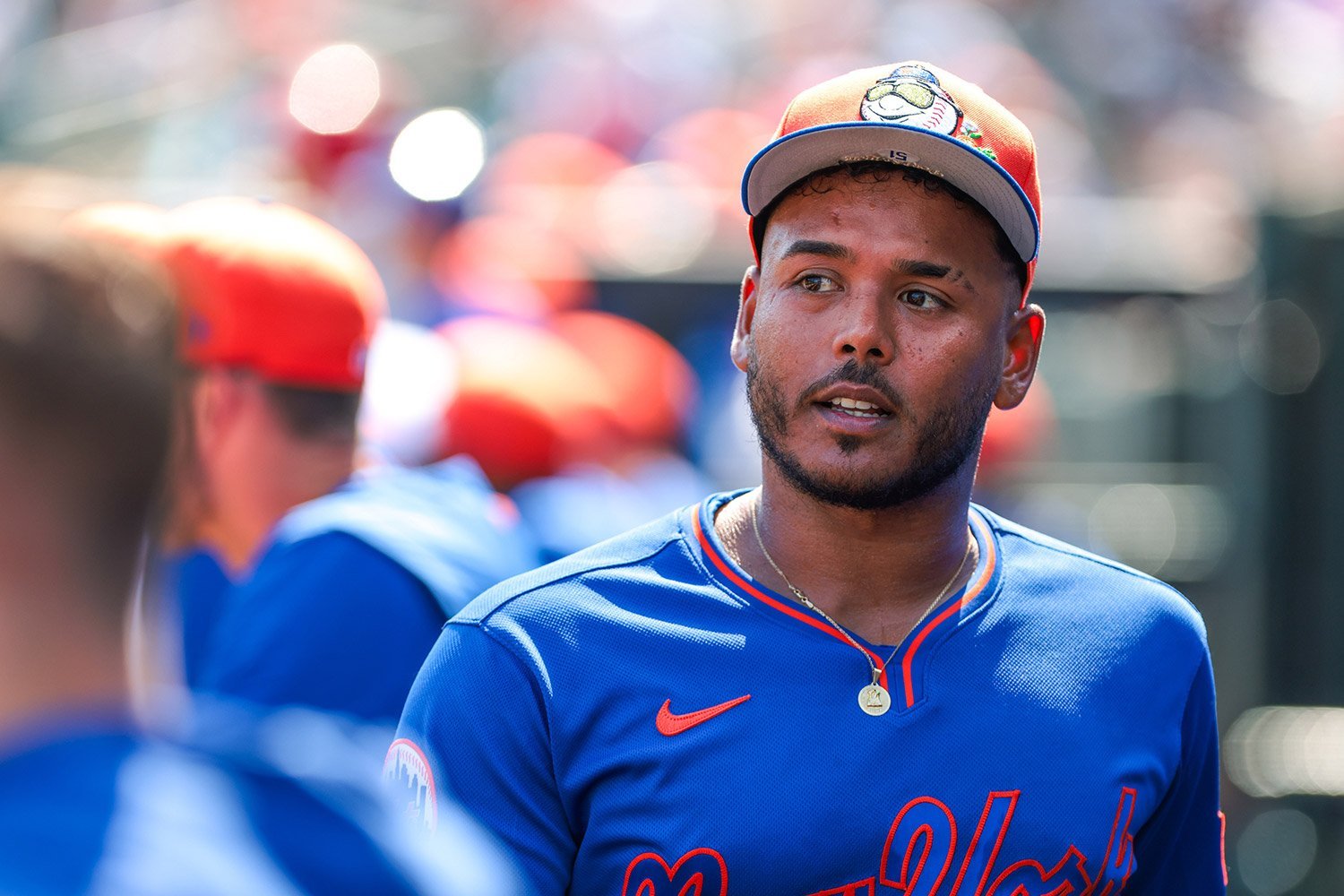 Heading into the 2025-2026 offseason, changes were needed. Fans knew it, coaches knew it, players knew it, and most importantly, Mets president of baseball operations David Stearns knew it. Not only did the Mets overhaul almost their entire coaching staff, but they also overhauled the entire team. With spring training nearing its end with Opening Day less than two weeks out, it's time to project the Mets' Opening Day roster. Let's take a position-by-position look to see who will make the 26-man roster on March 26 when the Mets host two-time reigning National League Cy Young Award winner Paul Skenes and the Pittsburgh Pirates at Citi Field. Starting Rotation (6) RHP Freddy Peralta RHP Nolan McLean LHP David Peterson LHP Sean Manaea RHP Clay Holmes RHP Kodai Senga Searching for a frontline arm all offseason, the Mets traded for Freddy Peralta on Jan. 21 from Milwaukee for top prospects Jett Williams and Brandon Sproat. It was a hefty price to pay for someone with one year left on his contract before reaching free agency, but the Mets weren't going to squander the opportunity of acquiring an ace-level talent in Peralta. Manager Carlos Mendoza announced on Feb. 27 that Peralta will take the ball for his new team on Opening Day. Nolan McLean, who was slated to be the club's Opening Day starter had they not acquired Peralta, burst onto the scene in August 2025 and wowed not only the Mets, but everyone across MLB. Nicknamed "Cowboy Ohtani," McLean dazzled to a 2.06 ERA in eight starts (48 innings) down the stretch. Two innings shy of exceeding his rookie status, McLean already looked like an established star. Now in 2026, the 24-year-old, who participated in the World Baseball Classic for Team USA, looks to build off his impressive 2025 cameo. Entering his seventh season with the Mets and his first as the longest tenured Met, David Peterson will look to rekindle his first-half form in 2025 that earned him the first All-Star nod of his career. After four up and down years, Peterson has established himself as a quality starting pitcher as he enters his first contract year. It was not the season the Mets or Sean Manaea envisioned the 34-year-old would have. Manaea missed significant time in 2025 with a strained right oblique in spring training and later dealt with a 7-millimeter loose body in his left elbow, which he managed with a cortisone shot rather than surgery. Heading into the new season, the Mets believe Manaea can return to the pitcher he was in 2024. The former closer-turned-starting pitcher Clay Holmes is entering his second season as such in a Mets uniform. Like McLean, Holmes also participated in the WBC for Team USA. Stearns didn't get a whole right last season, but Holmes was certainly a right move. He'll look to throw more innings and get deeper into games in 2026. Since bringing Kodai Senga over from Japan in 2023, the Mets have accommodated Senga by going to a six-man rotation. It's been quite the first three years for Senga in the US. The 33-year-old finished second in NL Rookie of the Year voting, seventh for NL Cy Young, and was selected to his first All-Star team. The right-hander then missed all but one start in 2024, and similarly to Peterson, Senga dominated in the first half last year. Senga came back in June after a hamstring strain and pitched to a poor 6.56 ERA and was subsequently sent down after eight starts. This offseason, Senga made changes with his "brain" as he hopes to rebound. "Run-prevention" has been the name of the game for Stearns and the Mets this offseason. A 1-2 punch of Peralta and McLean at the top of the rotation should help. Bullpen (7) RHP Devin Williams RHP Luke Weaver LHP Brooks Raley RHP Tobias Myers RHP Luis García RHP Huascar Brazobán RHP Craig Kimbrel The Mets signed Devin Williams before fan favorite closer Edwin Díaz, but that quickly turned into a replacement when Díaz chose the Los Angeles Dodgers over the Mets. The club signed Luke Weaver to a two-year deal and is getting veteran left Brooks Raley back, who will serve in a setup role. Similarly, A.J. Minter, whom the Mets signed ahead of the 2025 season, will also serve as a setup man once he returns in May from injury. Just days before the Mets were set to play their first Grapefruit League game, the club signed veteran Craig Kimbrel to a minor league deal with an invitation to spring camp. Kimbrel has made changes in his repertoire, and the Mets will likely value his experience and give him a spot on the roster. Tobias Myers, who was the "other piece" in the trade for Peralta, will likely serve in a long-relief or spot-starter role. For his career, Myers has appeared in 49 games (31 starts) and has pitched to the tune of a 3.15 ERA in 188 2/3 innings. Catchers (2) Francisco Alvarez Luis Torrens The former No. 1-ranked prospect Francisco Alvarez is due for a breakout year. Every year, Mets fans say, "This is the year." Alvarez has shown many flashes of breaking out, but hasn't been able to fully put it all together yet. Traded for in May 2024, Luis Torrens has been the Mets' backup catcher the past two years. Known for his defensive prowess, Torrens led all catchers in the NL with a 40.8 Caught Stealing percentage in 2025. Infielders (6) 3B Bo Bichette SS Francisco Lindor 2B Marcus Semien 1B Jorge Polanco 3B/2B/1B/RF Brett Baty 3B/1B Mark Vientos Stearns knew he would take heavy criticism from the Mets faithful after letting franchise stalwart Pete Alonso shake hands with the Baltimore Orioles; he even heard it from his own family. Instead of replacing Alonso with one player, the Mets will likely use a rotation of Polanco, Baty, and Vientos to man first base. Newcomer Bo Bichette, like Polanco, will also have to learn a new position at third base. Signing two players, especially ones who are not known for their defense, to play positions they are unaccustomed to had fans questioning the moves. But adding Marcus Semien, a two-time Gold Glove Award winner, to play second certainly wasn't. Francisco Lindor remains on track to be on the Opening Day roster as he made his first start in spring training on Sunday. Outfielders (5) RF Carson Benge CF Luis Robert Jr. LF Juan Soto RF Mike Tauchman CF Tyrone Taylor Since November, the Mets' top position prospect, Carson Benge, was notified that he would have the chance to come into major league camp and be able to compete for the starting right field job. Well, the 23-year-old has taken the chance and run away with it. Less than two weeks to go, and Benge is leading the team in hits with 11. Benge is hitting .367/.406/.433 with an .840 OPS in 30 at-bats. Benge, who played right field for the most part at the University of Oklahoma, said he "feels really comfortable" at the position. Mike Tauchman, who is in direct competition with Benge for the starting right field job, has also played well this spring. While Tauchman was signed to a minor league deal, his contract includes an opt-out on March 25. The Mets will likely value his veteran-ship and keep him on the roster. Luis Robert Jr., whom the Mets traded for this offseason, has lots to prove. Coming off two down years, the one-time All-Star will look to recapture his tremendous 2023 form, where he hit 38 home runs and drove in 80 RBIs with an .857 OPS in 546 at-bats, showing the ability to stay healthy. View the full article
 -
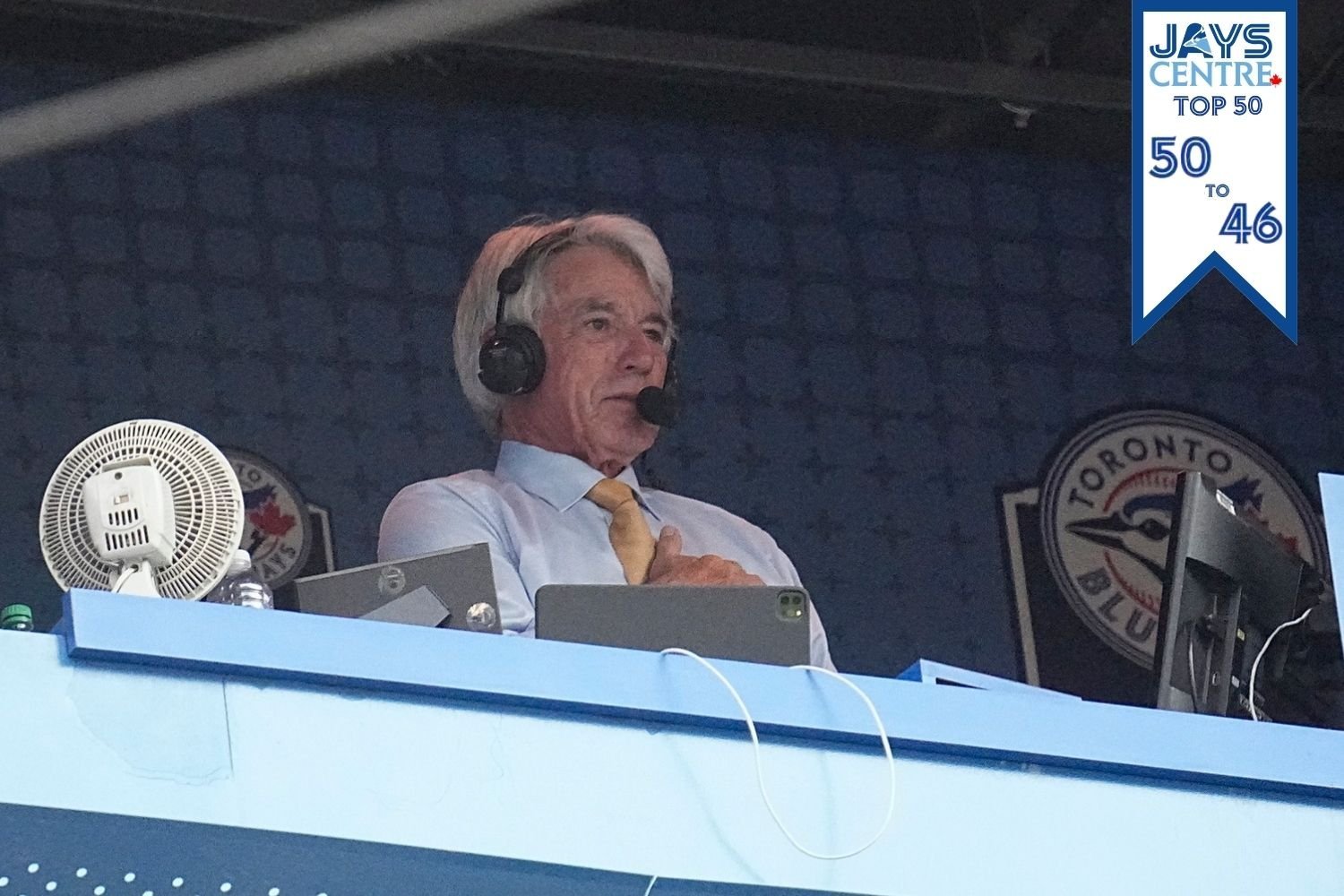 Jays Centre is counting down the top 50 Blue Jays in franchise history. Check out prior entries in the series here: Introduction Over the years, the Toronto Blue Jays have had many players who donned their jersey and played a starring role. Whether it be during the team’s years of struggle or during their contending regimes, there were a select number of Jays that made an indelible mark on the organization. Now, through careful analysis in the selection process, we bring to you our distinguished list of the top 50 Blue Jays of all time. Here, we begin the countdown, starting with numbers 50 to 46. No. 50: Buck Martinez Blue Jays Career Stats: 454 GP, .222 average, .675 OPS, 114 runs scored, 35 home runs, 154 RBIs, 3.5 bWAR Accolades/Accomplishments: 2023 Jack Graney Award Buck Martinez may not be the first name that people would come up with in terms of his contributions to the Jays during his time in the majors. But he has definitely cemented himself as a Blue Jay for life after what he has done for the organization following his retirement as a player. Martinez became a colour commentator for Toronto initially, and later on even managed the Blue Jays in a stint between 2001 and 2002; he compiled a 100-115 managerial record over the two seasons. More significantly, Martinez became the official voice of the Blue Jays by becoming their everyday play-by-play announcer in 2010. From then on, Jays fans enjoyed the flair and excitement that he brought with his broadcasting for the next decade and a half. He was recognized for his excellence with the Jack Graney Award in 2023. Martinez announced his retirement last month, and he leaves behind him a legacy of service to the organization that Jays fans will forever remember. No. 49: Mark Eichhorn Blue Jays Career Stats: 279 GP, 29-19 record, 15 saves, 3.03 ERA, 1.24 WHIP, 493 IP, 372 strikeouts, 11.5 bWAR Accolades/Accomplishments: 1986 AL Rookie of the Year finalist When it comes to some of the side-earm submariners that have pitched for the Blue Jays over the years, the first and most obvious one that should come to mind is none other than reliever Mark Eichhorn. After failing as a starter when he was first brought up by the Jays back in 1982, Eichhorn reinvented himself as a multi-inning reliever in the subsequent years, and boy, was that a brilliant move. The side-arm reliever instantly found himself among the elite bullpen arms in the league, finishing sixth in Cy Young voting and third in AL Rookie of the Year voting in 1986 after going a stellar 14-6 with a 1.72 ERA over 69 relief appearances. More importantly, as one of the key cogs of the Jays’ relief corps, Eichhorn was instrumental in helping Toronto in their two postseason runs in 1992 and 1993. Without the elusive side-armer, the Blue Jays might still be searching for their first World Series title. No. 48: José Cruz Jr. Blue Jays Career Stats: 698 GP, .250 average, .793 OPS, 396 runs scored, 122 home runs, 355 RBIs, 11.5 bWAR Accolades/Accomplishments: 1997 AL Rookie of the Year finalist, 2003 Gold Glove winner Back when the Blue Jays made their 1997 trade deadline deal for José Cruz Jr., many were surprised that it only cost Toronto pitchers Mike Timlin and Paul Spoljaric to get it done. After all, Cruz was one of the top prospects in all of baseball at the time, and his potential had him destined to become a star in the major leagues. Despite the Jays outfielder never fully reaching that potential, he did manage to produce two 30+ home run and three 70+ RBI seasons in the six years that he ended up spending with the organization. His best season came in 2001 when he posted a solid .274 average and .857 OPS, along with 92 runs scored, 34 home runs, 88 RBIs and 32 stolen bases in just 146 games played. Unfortunately, it wasn’t enough to lead the Jays to success, as they failed to make the playoffs during his tenure with the club. No. 47: Marco Estrada Blue Jays Career Stats: 124 GP, 39-40 record, 4.25 ERA, 1.24 WHIP, 686 2/3 IP, 575 strikeouts, 9.6 bWAR Accolades/Accomplishments: 2016 All-Star Despite not being viewed as a frontline starter for much of his MLB career, Marco Estrada nonetheless became a difference maker for the Blue Jays during his four-year stint with the club. In particular, he played a key role during the Jays’ two postseason runs in 2015 and 2016, even with the likes of former Cy Young winners R.A. Dickey and David Price being around. It was Estrada who was handed the ball with the Blue Jays on the verge of elimination, down two games to none in the 2015 ALDS against the Texas Rangers. He would prevail to help kick off the amazing series comeback win for Toronto, which of course included José Bautista’s Game 5 bat flip home run heard around the world. Estrada would follow that up the next season, pitching a gem in Game 1 of the 2016 ALDS for the Jays against the Rangers once again, paving the way to Toronto's three-game sweep over Texas. Even though the spotlight was focused on many of his teammates, it was Estrada who provided the much-needed stability for the Blue Jays' postseason rotation that enabled them to go on two deep playoff runs. No. 46: Todd Stottlemyre Blue Jays Career Stats: 206 GP, 69-70 record, 4.39 ERA, 1.40 WHIP, 1139 IP, 662 strikeouts, 10.2 bWAR Accolades/Accomplishments: 8 seasons of 10+ wins As a high first-round pick from the 1985 MLB Draft, there were high expectations for Todd Stottlemyre. He was supposed to help the Blue Jays become legitimate contenders after years of working to establish themselves in the league. Stottlemyre didn’t end up posting the big numbers that were expected of him, but he did succeed in taking the Jays to the postseason in four of his seven seasons with the team. His best year with Toronto came in 1991 when he registered a 15-8 record with a 3.9 bWAR, 3.78 ERA and 1.23 WHIP in 34 starts. Stottlemyre’s best postseason performance came in 1992 when he was used as a reliever due to Toronto’s stacked rotation featuring Jack Morris, David Cone, Jimmy Key and Juan Guzman. In five playoff appearances, Stottlemyre yielded only one run on seven hits along with five strikeouts over 7 1/3 innings for a stellar 1.23 ERA and 0.96 WHIP. But for Blue Jays fans, Stottlemyre will likely be forever remembered for his aggressive baserunning play against the Philadelphia Phillies in Game 4 of the World Series, in which he scraped his chin on a head-first slide while getting thrown out at third base. View the full article
 -
How Matthew Boyd Earned The Cubs Opening Day Starter Role
DiamondCentric posted an article in North Side Baseball
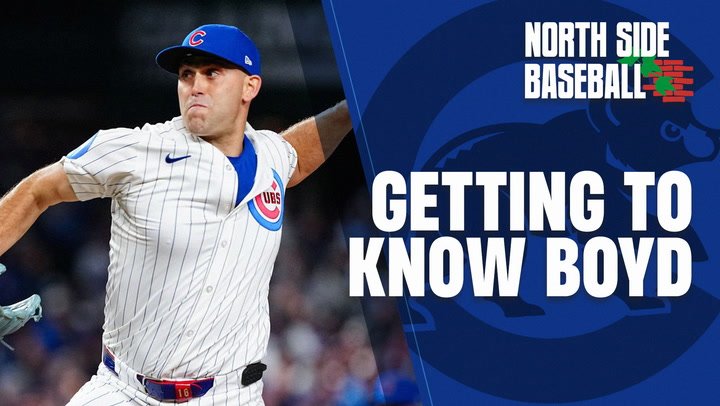 The Chicago Cubs have announced that Matthew Boyd will get the ball for their Opening Day contest. The 2025 All-Star will take the hill on March 26th against the Washington Nationals, who feature a budding talent group that's aiming for a climb up the competitive NL East division. In this video, we break down Boyd's arsenal, his path to this point, and how he can be effective in the 2026 season. View the full article
 -
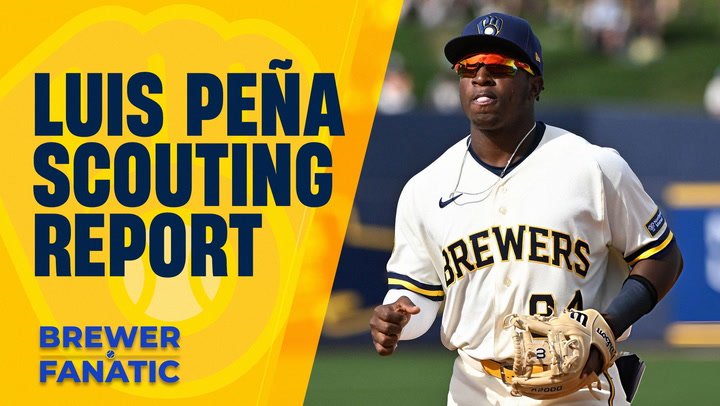 Luis Pena is the no. 2 prospect in the Brewers' system and the no. 26 overall prospect in baseball. What makes the 19-year-old infielder so special amongst a loaded Milwaukee pipeline? In this video, we dive into Luis' speed, adjustment period with off-speed offerings, and odds that he makes it to the majors with Milwaukee or even another team via trade. Enjoy! View the full article
 -
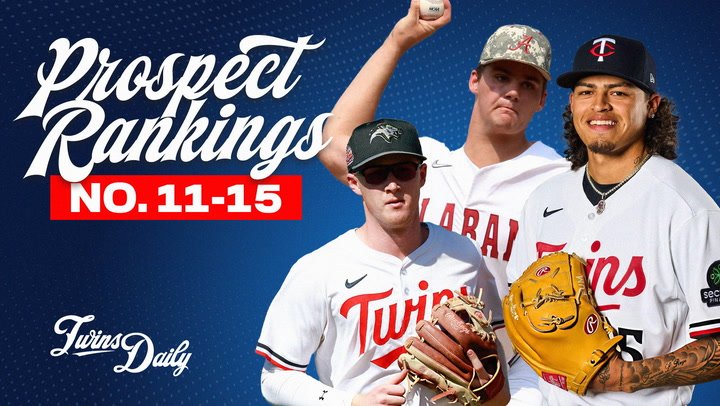 Twins Daily contributors have voted, and we're ready to reveal the Minnesota Twins' top prospects in the 11-15 range. Andrew Morris is at the doorstep of the big leagues, but can he crack the top 10? Included in this video are Marco Raya, Quentin Young, Brandon Winokur, Andrew Morris, and Riley Quick. View the full article
 -
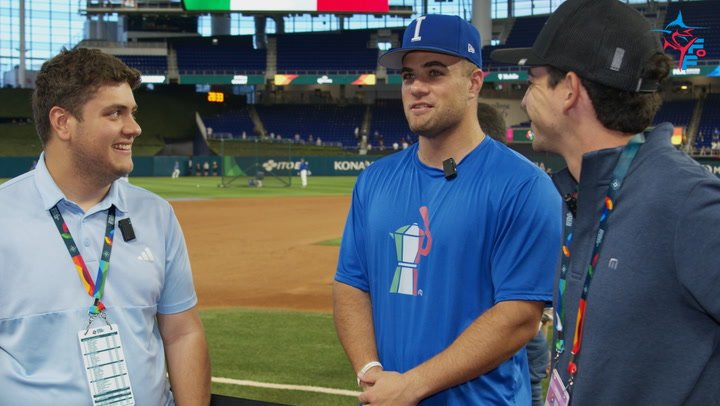 Prior to his WBC semifinal game at loanDepot park, Marlins outfielder Jakob Marsee speaks with Fish On First about Italy's undefeated run in the tournament.View the full article
 -
Twins Spring Battle: Kody Funderburk vs. Andrew Chafin
DiamondCentric posted an article in Twins Daily
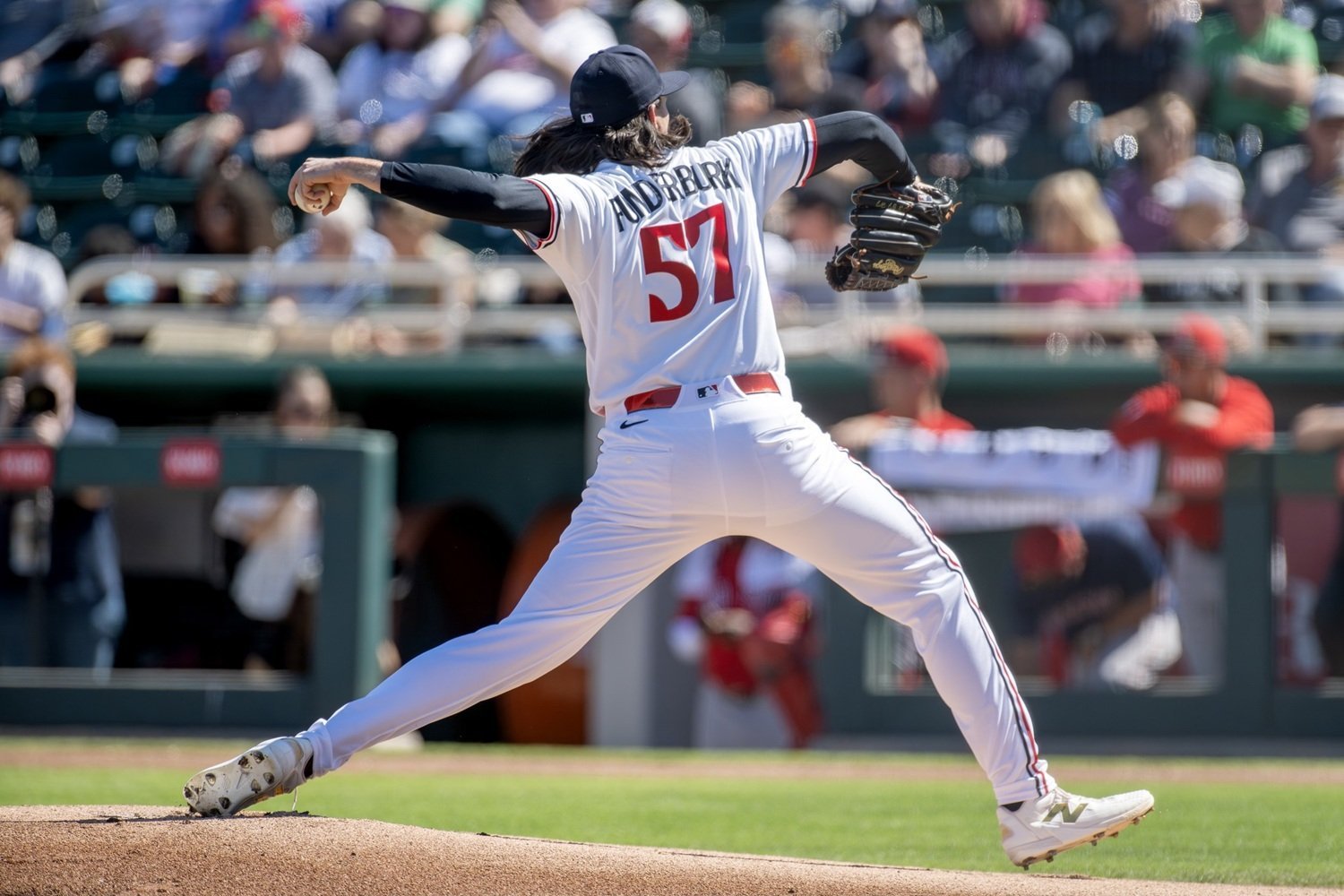 As the Minnesota Twins finalize their Opening Day roster, the bullpen remains one of the most fluid areas of the team. One of the biggest questions involves the final left-handed spot in the relief corps. Several left-handed relievers are competing for as many as four available spots. Veterans Taylor Rogers and Anthony Banda are roster locks, leaving one certain spot (and perhaps a second, but perhaps not) for Kody Funderburk or Andrew Chafin. Funderburk brings youth and had a strong finish last season, while Chafin provides over a decade of MLB experience. With the Twins unlikely to carry four left-handed relievers, one of these pitchers may end up on the outside looking in. Why Funderburk Should Make the Roster On performance alone, Funderburk has made a strong case to remain in the Twins bullpen. He has been sharp during spring training, posting a 1.35 ERA with a 7-to-2 strikeout-to-walk ratio across 6 ⅔ innings. That success has carried over from the second half of last season, when he became a stabilizing force in a bullpen that needed reliable innings. After the All-Star break last year, Funderburk produced a 2.61 ERA, with 21 strikeouts and eight walks across 20 2/3 innings. Even more impressive was his dominant stretch late in the season. During August and September, he appeared in 25 games and posted a 0.82 ERA, striking out 25 batters and recording a save. That stretch suggested that Funderburk may have turned a corner in his development. One of the biggest adjustments came from a change in his arm slot during the 2025 season. By lowering his release point, Funderburk created more deception, aided by extension that sits in the 95th percentile league-wide. That extra deception can make his fastball appear to jump on hitters faster than its radar gun reading. If those mechanical tweaks continue to pay off, the Twins could have a dependable bullpen arm who is already familiar with the organization and capable of handling meaningful innings. Why Funderburk Could Be Left Off the Roster Despite his recent success, Funderburk still faces significant competition for a roster spot. The Twins may simply have too many left-handed relievers. Carrying four southpaws in the bullpen would create matchup complications throughout a 162-game season, particularly when several of those pitchers struggle against right-handed hitters. Funderburk’s splits highlight that concern. Over the last three seasons, right-handed hitters have produced a .279 batting average and a .768 OPS against him. Those numbers make it difficult to rely on him in high-leverage situations when opposing managers can counter with right-handed bats. His overall underlying metrics also present some warning signs. While his surface numbers have looked strong at times, his WHIP has remained elevated. Even during his excellent late-season run, that figure still sat at 1.23; elite relievers often keep their WHIP around 1.00. Some of his expected metrics paint a more modest picture, as well. A 4.08 xFIP and a 76.4% strand rate suggest that some regression could occur if batted-ball luck begins to shift. Because of those factors, Funderburk may find himself squeezed out by veteran options, even after a strong finish to last season. Why Chafin Should Make the Roster Chafin offers the type of veteran reliability that teams often value when shaping a bullpen. If he makes the roster, the 35-year-old will be pitching for his ninth major-league team in what would be his 13th season in the majors. Last year, he split time between the Washington Nationals and the Los Angeles Angels, posting a 2.41 ERA with a 25.2% strikeout rate across 33 2/3 innings. Those results suggest that Chafin still has something left in the tank, despite his age. While his strikeout rate dipped slightly from the previous season, many of his underlying metrics remained solid. His ability to miss bats and limit hard contact has kept him effective even as he moves deeper into his career. Chafin has also proven capable of handling right-handed hitters better than many left-handed relievers. Over the past three seasons, righties have posted a .243 batting average and a .714 OPS against him. Those numbers are noticeably better than Funderburk's splits. That difference could be meaningful for a Twins bullpen that cannot always guarantee favorable matchups late in games, and who already have two locked-in lefties to handle those moments. Why Chafin Could Be Left Off the Roster Despite his long track record, Chafin’s case is not without flaws. One of the biggest concerns is his control. Last season, he posted a 13.3% walk rate, which created unnecessary traffic on the bases. While his ERA remained excellent, his 4.11 SIERA suggested that his true performance level may not have been quite as dominant. His velocity is also a major red flag. All his pitches averaged under 90 mph last season, and he has been topping out in the upper 80s so far this spring. He has found a way to be successful at a lower velocity in previous years, but at some point, that level of velocity is unsustainable in modern baseball. Health has also become a growing concern. Chafin spent time on the injured list in 2025 due to a right hamstring strain, and later dealt with left triceps inflammation. Those issues caused him to miss more than five weeks during the season. There is also the reality that Chafin signed a minor-league contract, which means he's not guaranteed a roster spot. The Twins could prioritize a younger arm already in the organization, rather than committing to a veteran who may be nearing the end of his career—and having to make room for him on the 40-man, to boot. The Twins’ final bullpen decision may come down to experience versus internal momentum. Funderburk offers familiarity with the organization and is coming off a strong second half that hinted at real improvement. His mechanical adjustments and strong finish make him an intriguing option if the Twins believe his development is sustainable. Chafin brings a veteran presence and a lengthy track record of success across multiple teams. His ability to better handle right-handed hitters could make him a safer option in a bullpen that may already lean heavily on matchup-based left-handers. Either way, the Twins appear unlikely to carry four left-handed relievers on the Opening Day roster. That means one of these pitchers will likely be watching from the outside when the season begins. Who will win the final left-handed relief role for the Twins? Leave a comment and start the discussion. View the full article
 -
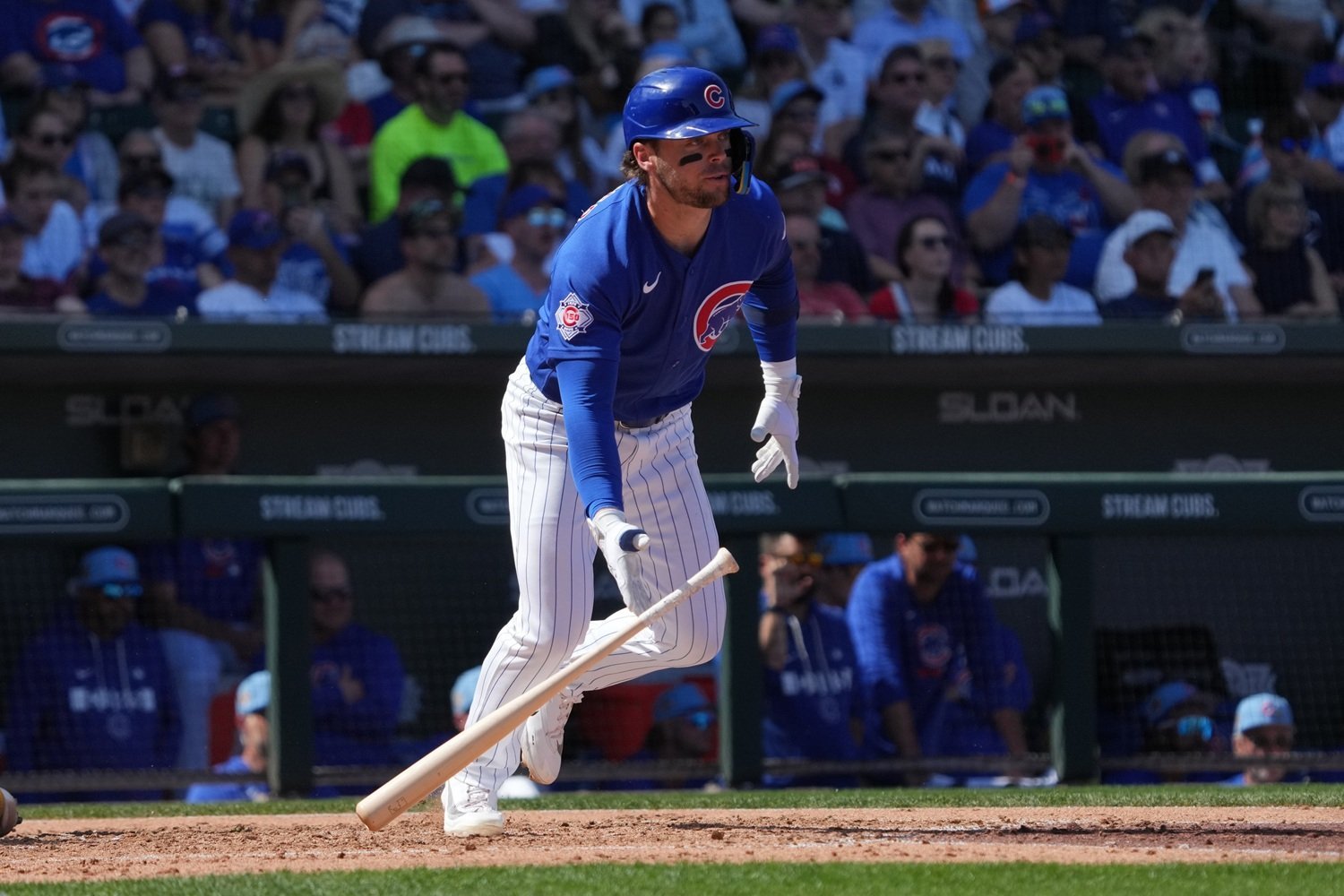 The 2025 iteration of second baseman Nico Hoerner was the best version the Cubs have yet seen. Sure, he'd hit more than .297 in a season. He'd reached base at a clip better than the .345 mark he posted. He's also stolen more bases in a season than the 29 bags he swiped, and he's hit for better power than indicated by a .097 isolated power (ISO). Yet, in terms of his total value, both his wRC+ (109) and his fWAR (4.8) were above any figure he'd posted in his three previous seasons of full-time action. Much of the value lies in Hoerner's glove. His 15 Outs Above Average ranked 12th among qualifying players regardless of position, ninth among infielders, and at the top of the list of players who log regular time at the keystone. While much of his value may be wrapped up in that facet of his game, however, last season saw him consolidate his skills at the plate, too. Hoerner's 2025 season was his best in the contact game. His 48.5% swing rate was his highest since 2022, as was a 31.9% chase rate. But the aggression didn't mitigate his ability to make contact. He touched 89.8% of the pitches at which he swung, continuing a four-year progression of improvement there and sitting fourth on the leaderboard among qualifying batters. He whiffed on just 4.9% of all pitches he saw, both a career best and a number which landed in the 99th percentile of hitters. Of course, very little of that was hard contact. Hoerner logged Statcast Barrels on just 2.3% of his batted balls—the league average is 7.2%—and hit the ball 95 MPH or harder just 30.3% of the time (league average: 37.0%). Both rates put him among the bottom 10% of batters who saw substantial time. When one encounters high swing rates alongside such a dearth of power, the player who comes to mind is Luis Arráez, whose value has been mitigated by his approach and his shortcomings. Hoerner, though, has a bit more to his offensive profile than that. The version of Hoerner we saw in the second half of 2025 was a bit different than the one in the first. His hard hit rate was 32.1% in July, and progressively increased over the final three months of the year. His ISO was essentially flat from the first half to the second, but it ticked up a tiny bit (.094 to .100), while his line-drive rate jumped by seven percentage points. He swung at a higher rate against fastballs over that span, which is encouraging, given most players' penchant for generating more line drives and some extra power against that pitch type. As the year went along, he found a consistent feel for pulling the ball neatly and undefendably, on a line. To update the key stat from the linked article in the last sentence, he had 41 pulled batted balls at launch angles between 5° and 13° last season, compared to: 17 in 2022 23 in 2023 21 in 2024 He had more hits (30) on that kind of batted ball last year than he'd had batted balls matching those criteria in any previous season, regardless of outcome. Earlier this offseason, I broke down where in the zone Hoerner needs to focus in order to produce more consistent power in 2026. Part of that is simply attacking more on the inner half of the plate. Between the adjustments that led to a slight uptick in impact and the knowledge that there is an area of the plate where Hoerner can tap into a bit more, there's reason to think he could clear the fence a bit more often this year. His hard-hit rate (35%), average exit velocity (89.3 MPH) and 90th-percentile exit velocity (102.9 MPH) are all higher this spring than in 2025, which is good news. But is that what fans should be expecting: more power, from a player whose game isn't primarily about that? Realistically, the expectation should be for Hoerner to repeat much of what he did in 2025. With his defense and baserunning, continuing to make contact at an elite rate, control the strike zone and hit for average with solid line drives is plenty. Hoerner's process has improved to the point where he can be a great player even without finding double-digit home-run power. That's the key takeaway. Whatever their superficial similarities, Hoerner is not Arráez. Not only does he sport a more impressive profile on the bases and in the field, he has a broader array of offensive skills, beyond batting average. A repeat of 2025 with an ISO that creeps back to multiple points above .100 would represent a blend of each of his career trends to date and the final frontier of his development. The most impressive thing is that none of that feels unrealistic. View the full article
 -
Padres' Joe Musgrove Headed To Injured List To Begin 2026 Season
DiamondCentric posted an article in Padres Mission
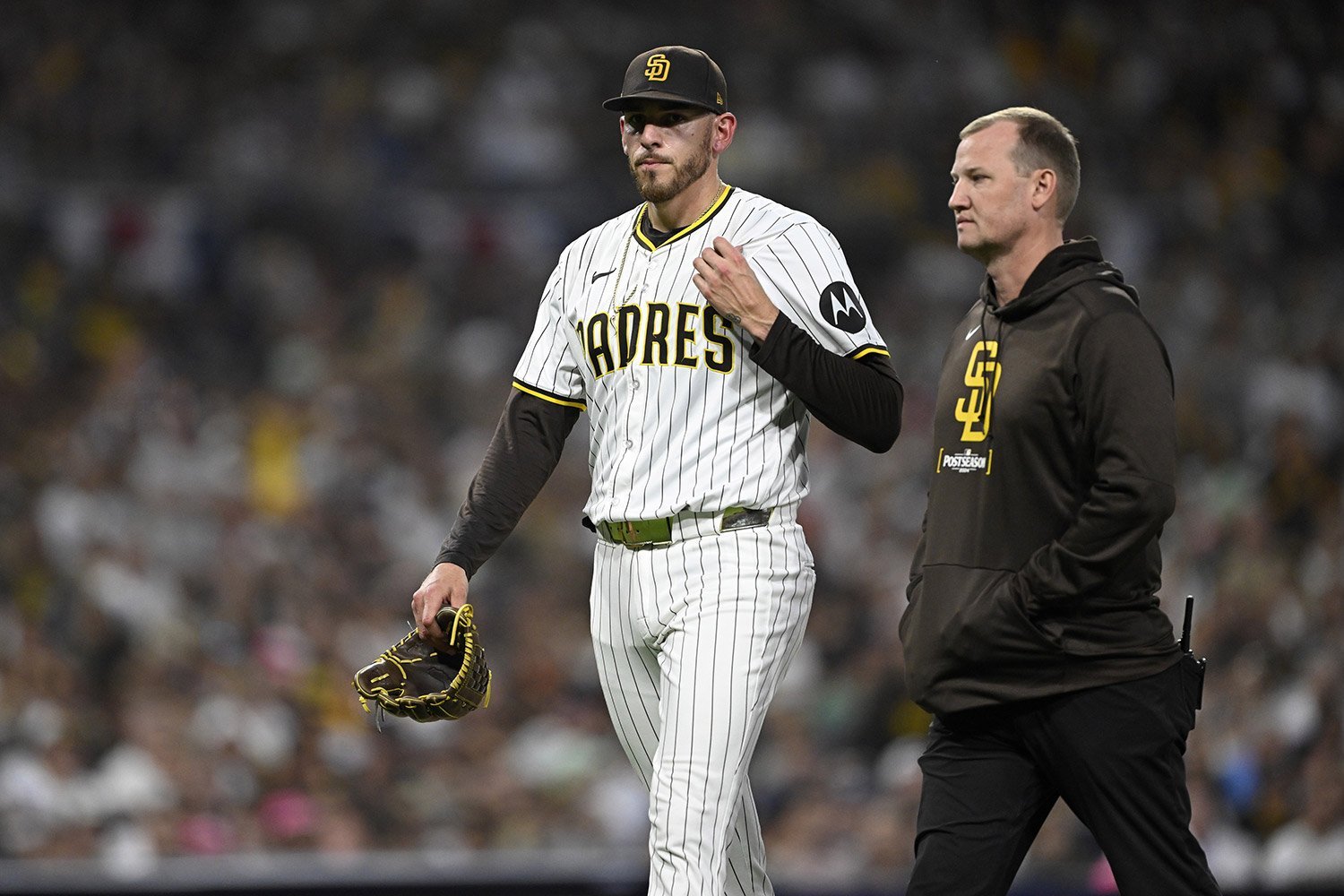 The first significant blow to the San Diego Padres' Opening Day rotation became somewhat official as first-year manager Craig Stammen said Monday that right-hander Joe Musgrove will begin the season on the injured list. Musgrove, the Padres' best pitcher when healthy and author of the first no-hitter in franchise history, has not pitched since having Tommy John surgery after the Friars were eliminated from the postseason in 2024. The 33-year-old had been building toward a spot in the rotation to begin the season, but made just one appearance, a start against Great Britain in a World Baseball Classic exhibition on March 4. He needed 60 pitches to get through two innings in his first game action since Game 2 of the NL Wild Card Series vs. Atlanta in 2024. Musgrove's arm didn't bounce back, and he has not pitched since. "He’s most likely going to start on the IL this year," Stammen said. "We're getting to the point where he's taken enough time off that it would be hard to ramp him up to get him to be a viable starter that can throw five innings, 90 pitches. This was part of the plan. We knew he was going to have to take some time off. We knew we were going to have to get him ready for the entire season, and not just Opening Day." That leaves the Padres' rotation with three known starters: right-handers Nick Pivetta, Michael King, and Randy Vasquez. Pivetta returned to action Saturday after skipping a start due to arm fatigue. Pivetta pitched three innings, throwing 56 pitches, against the Cleveland Guardians. He would have one more Cactus League start, potentially Thursday or Friday, before the season begins. He was the top candidate for the Opening Day start entering camp. The Padres do have options to fill the void with Musgrove starting on the IL. Those begin with right-handers German Marquez and Walker Buehler. Buehler is a non-roster player, meaning he would have to be added to the 40-man roster before Opening Day. The Padres have one confirmed spot open and another with Yu Darvish not pitching this season. Stammen said he was not ready to name the slots for his starting pitchers yet. One option for the Friars, with two days off in the first eight days of the season, is to open with four starters and nine relievers. "We'll probably pick spots probably the day before Opening Day," Stammen said. "We'll wait all the way until we have to make a decision. I think it's probably smart to wait as long as you can to make decisions because you never know what can happen in between that time period. We're going to be smart, we're going to be patient, and we're going to try to make the best decision with all the information." The setback is likely to sideline Musgrove for most, if not all, of April. Another right-handed starter, Griffin Canning, is expected back in April as he continues to recover from an Achilles injury last season, when he was with the New York Mets. View the full article
 -
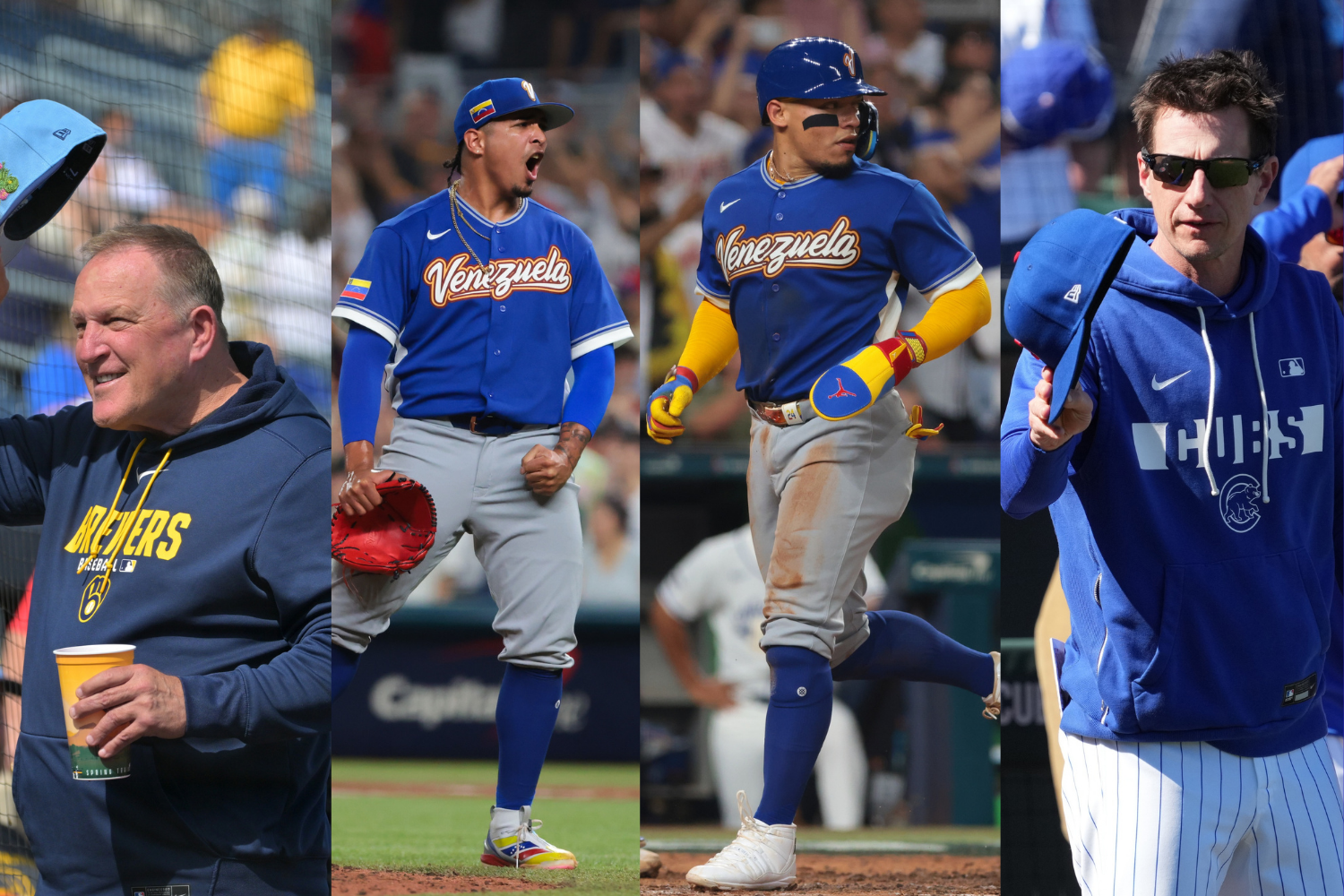 For Brewers fans, beating the Cubs in Game 5 of the NLDS last fall was much-needed catharsis. It wasn't just about advancing in the postseason; it was also about proving that their supremacy in the NL Central was real and complete. It was energizing, for many, to see the team hold up an 'L' flag during their on-field team picture after the game. The phone gestures toward the Cubs dugout by William Contreras and Abner Uribe at key junctures are iconic moments from that series. However, while it's easy to forget this part of the reporting, there was a collective hesitation by the team before they agreed to hold up the flag. While Contreras seemed to savor beating the Brewers' top rivals (and an organization by which his big brother felt slightly disrespected), he also singled out Craig Counsell in a Player's Tribune column last fall—not for the so-called treachery of leaving his hometown team to manage the Cubs, but for his excellent treatment of Latino players. Counsell and Pat Murphy have a many-layered, lifelong friendship. The Cubs keep picking up players (Colin Rea, Hoby Milner) whom the Brewers employed first, and who still have nothing but good things to say about the Milwaukee organization. New Brewers prospect Jett Williams has a surprisingly close relationship to Alex Bregman, whom Murphy also knows and immensely likes. Pete Crow-Armstrong, Brice Turang, Bregman and Matthew Boyd have been Team USA teammates this month for the World Baseball Classic. Contreras, Jackson Chourio and Cubs closer Daniel Palencia are together on Team Venezuela. Tyler Black and Jameson Taillon (Canada) and Joey Ortiz and Javier Assad (México) were tournament teammates, too. Their entrenched places at the top of the division make their games feel extremely important; the enmity between the fan bases is real (and unfortunate); and the front offices have some ongoing and real (though low-level) beef. On the field, however, it's harder all the time to make the case that these teams don't like each other. There's been mutual respect even at harder moments, like Counsell's first season in Chicago. Now, with Murphy locked in for a long tenure with the Crew and some of the resentment of Counsell's departure blunted by the success of the team he left behind, there's something much like mutual affection between the teams. Off the field, the rivalry is likely to remain bitter for a while. Because the Brewers just came to the National League in 1998 and the two teams didn't overlap near the top of the standings for the first fistful of years, this is still an adolescent rivalry. It's not as settled or comfortable as those between, for instance, the Cubs and Cardinals or the Brewers and Twins. A rivalry born in the age of the internet, it's also burned a bit hotter from its inception than many of the game's older rivalries did. It'll be interesting, though, to see whether the shared DNA of the two teams and their lack of genuine dislike at the field level begins the inevitable process of bringing down the temperature of the off-field hatred. Reasonable people can disagree about the value of sports rivalries, but there have been many times over the last decade when the fans, franchises and even players and coaches in this particular one have been deleteriously angry and confrontational with one another. Entering 2026, that feels less likely to happen on the field than at any time in the last 20 years. Whether that reduction of tension can carry over to the crowds at games and the timelines on social media remains to be seen. View the full article
 -
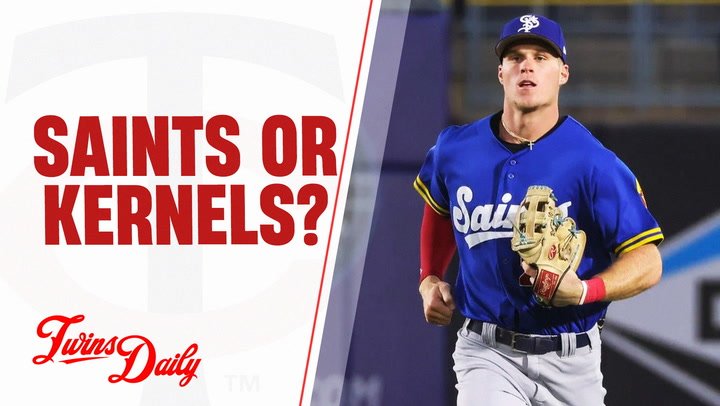 The St. Paul Saints are set to have one of the best outfields in the Twins organization for their Opening Day, and the same can be said for the Cedar Rapids Kernels and their starting rotation. But which of these two groups will have the better future value once they are all in the majors? Discussed in this video are Walker Jenkins, Emmanuel Rodriguez, Gabriel Gonzalez, Dasan Hill, Charlee Soto, Adrian Bohorquez, and others. View the full article
 -
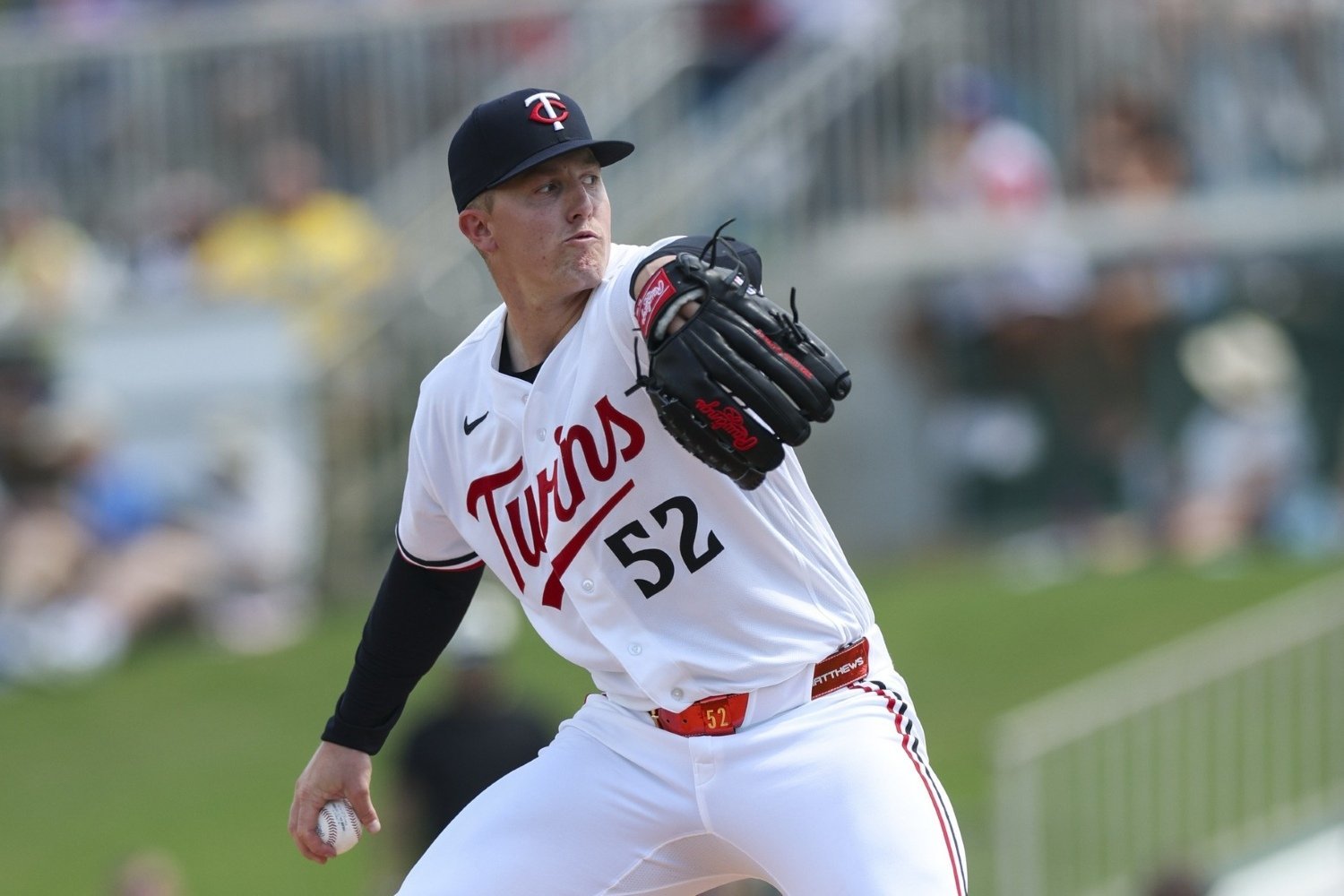 Zebby Matthews made an exciting rise through the Twins’ system in 2024 and flashed his potential in the majors in 2025. The expectation was that 2026 would bring him more opportunities to cement himself in the Twins’ rotation, and to finally turn the corner from promising to productive. As spring training winds down, it's looking like that chance is slipping past him. While it's important not to put too much weight into spring performance, we know some roster battles are underway. The bench spots are the obvious examples, but another opened in the rotation when Pablo López went down with an injury. It's safe to say the fifth spot (after Joe Ryan, Bailey Ober, Simeon Woods Richardson and Taj Bradley) will go to either Matthews or Mick Abel. The two have had very different springs. Abel, 24, was acquired at last year's trade deadline and has been one of the best arms in all of camp. He’s allowed just two runs in over 13 innings and struck out over a third of opposing hitters. Matthews's ERA is just under 6.00, and some of the underlying metrics are even more concerning. The velocity and raw stuff that jumped off the page while Matthews ascended through the Twins’ system haven't shown up this spring. In Sunday's start, he was missing a tick and a half on the fastball, and the velocity was down across the board. It’s worth wondering whether his shoulder injury from last season has anything to do with the dropoff, but even if this is simply a delay in getting into midseason form, it's easy to make an argument that Matthews should begin the season atop the Saints rotation, rather than at thee bottom of the Twins'. His stuff is worse even if we keep it apples-to-apples by setting his spring readouts alongside the ones from last spring training, rather than the regular season. While it would be good to afford Matthews all of the opportunities possible this season, he's still just 25 years old. The Twins will need another starting pitcher by the end of the first month or two. The team is also steadfast in its stated intention to win in 2026. If they want to hit the ground running, Abel has looked like a stronger bet to contribute immediately. Besides, rewarding a top prospect for an exciting spring is a good notion. If Matthews had built himself a stronger résumé at the big-league level, things would be different. He has yet to put it all together, though. The Twins came into this spring wanting to see one of their young starters come in and win a rotation spot, rather than having Matthews's name already written in. Abel is looking like that guy, instead of Matthews. Matthews has nothing left to prove in Triple-A, which would make him missing out on the Opening Day rotation a disappointing outcome. The same can be said for Abel, though. The Twins are fortunate to have several options for this spot, even if someone has to lose out, and that someone could be a homegrown prospect with a bright future with the team. View the full article
 -
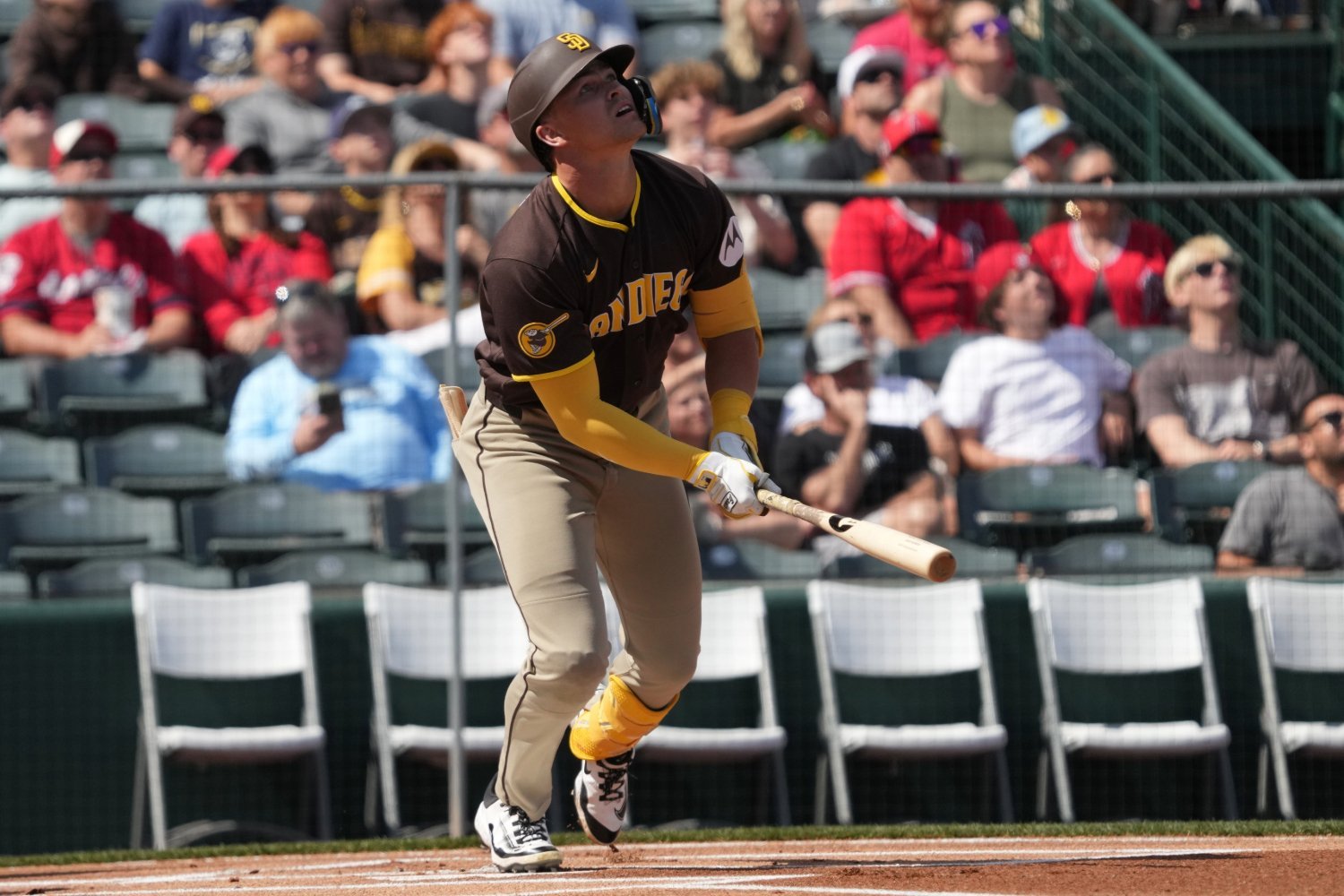 Can you believe we are entering the final week of spring training? In 10 days, the San Diego Padres will host two-time reigning AL Cy Young Award winner Tarik Skubal and the Detroit Tigers at Petco Park for Opening Day. Following the Dominican Republic's 2-1 loss to the U.S. in the World Baseball Classic semifinals, the Friars will get their two superstar position players, third baseman Manny Machado and right fielder Fernando Tatis Jr., back earlier than the duo had wanted. Perhaps that is good news for the Padres, who can get a few days to do the final experimentation in setting their lineup. As a reminder: Don't take anything too seriously in this recap. It is only spring training, where exhibition games often devolve into minor-league scrimmages. The information below is meant as basic information, not necessarily hardcore analysis. The Friars improved to 11-11-1 in the Cactus League, beating the A's 13-9, using split squads to beat the Cleveland Guardians 8-2 and lose to the Texas Rangers 22-2, then tying the Arizona Diamondbacks 4-4. Who's Hot? 🔥 Jase Bowen The 25-year-old outfielder has been one of the feel-good stories in camp. He went 3-for-8 in back-to-back games with three extra-base hits and three RBIs. Bowen, who left the Pittsburgh Pirates as a minor-league free agent and signed with the Friars, had a pair of doubles vs. the A's and a two-run homer for the only runs against the Rangers. Manager Craig Stammen recently pointed out the immense athleticism that Bowen has as a former football player (he committed to play wide receiver at Michigan State), but said his skills are still shifting to a baseball mentality. Xander Bogaerts The starting shortstop returned from the World Baseball Classic and picked up where he left off. After going 5-for-15 with the Netherlands, Bogaerts went 2-for-2 with a run scored and an RBI in his first game since the WBC. That is good news considering Bogaerts was 2-for-12 in Cactus League play before heading to the tournament. He should be in fine shape to start the season. David Morgan The surprise of last year's bullpen has been pretty sharp this spring, his first with an MLB job in his back pocket. Morgan pitched a scoreless inning vs. the Diamondbacks, keeping his slate clean in the Cactus League. In six innings, Morgan has allowed four hits and two walks, while striking out five. The undrafted free agent who signed with the Padres in 2022 out of college will have a big role in the bullpen again this season after a strong rookie campaign. Who's Cold? 🧊 Marco Gonzales I promise I'm trying not to pick on the left-hander, but being included here is a unavoidable following the stat line he put up against the Rangers. Gonzales could only get two outs in the first inning and left down 1-0 with the bases load. Those runners came in to score for a four-run inning. Gonzales came back out for the second and gave up a homer to the first batter he faced, Brandon Nimmo, before retiring the next three hitters. In the third inning, Gonzales fell victim to needing to get in a certain number of pitches and had to wear another six runs. He gave up a total of eight hits and walked six, with only one strikeout. Logan Gillaspie A candidate to make the bullpen as a long reliever, or as Stammen is calling him and Kyle Hart, a "bridge" arm, Gillaspie followed Gonzales and had a similar fate, lasting just 2⅔ innings and coughing up nine runs on 11 hits. He walked three and struck out one. With questions at the back end of the rotation and the favorable early-season schedule, the Friars could go with four starters and nine relievers, giving Gillaspie and/or Hart a shot at the Opening Day roster. Luis Campusano The backup catcher got a couple of days off to clear his head as he endures a subpar spring, with Rodolfo Duran getting back-to-back starts. But Campusano returned to the lineup Sunday and went 0-for-3 with a walk and a strikeout. The offense-first catcher saw his splash line drop to .148/.233/.185. Campusano is out of minor-league options, so he will either make the Opening Day roster or be designated for assignment, with either a free agent being signed or Duran possibly making the roster and his MLB debut instead. View the full article
 -
A Look Around the AL Central - The Chicago White Sox
DiamondCentric posted an article in Twins Daily
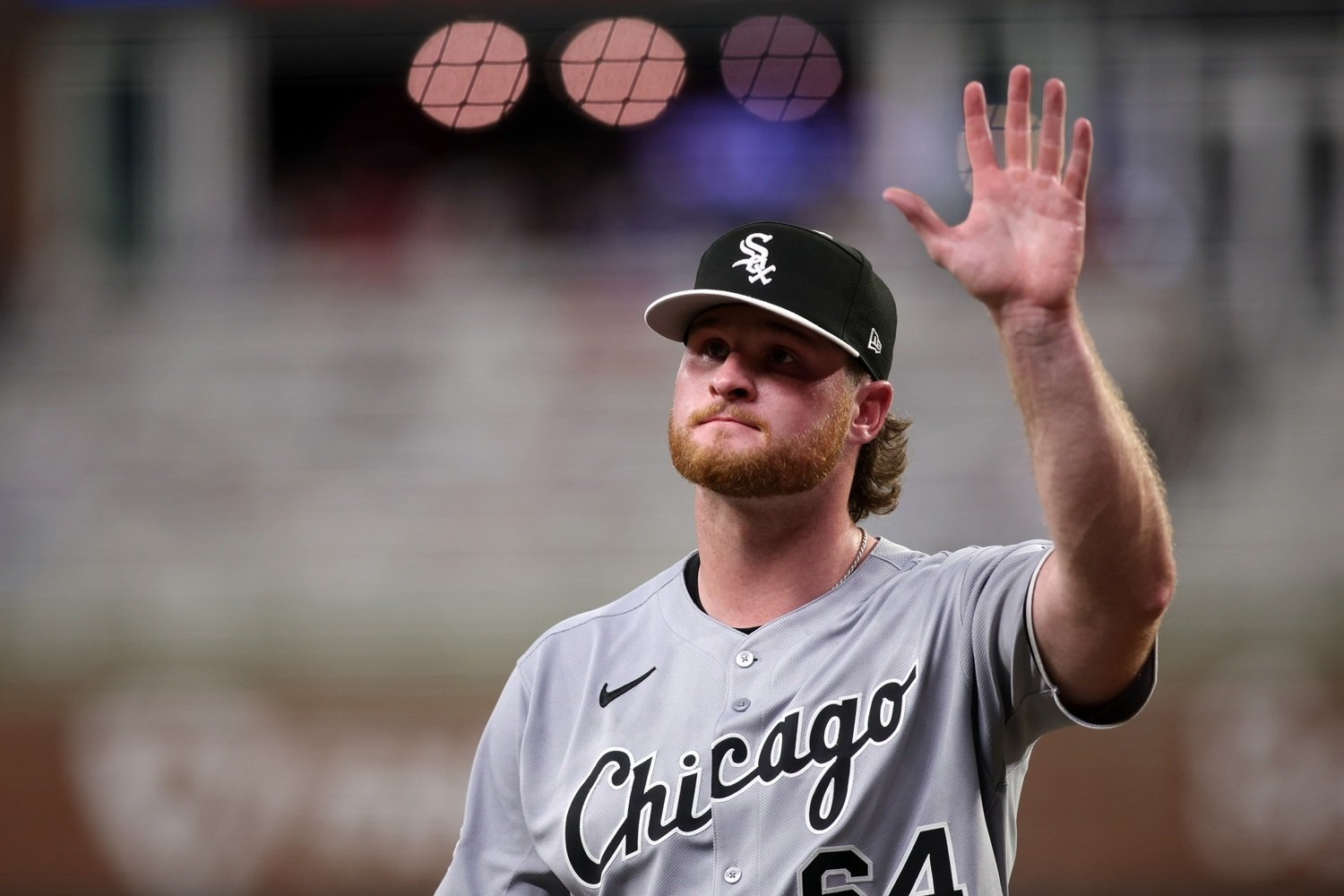 With the Twins looking to return to being competitive in the AL Central, we wanted to take a look around at the other teams in the division and what moves they made this offseason. This is a look at what to expect from the Chicago White Sox this season. The White Sox finished last in the division with a 60-102 record, marking their second straight season with over 100 losses after setting an MLB record with 121 in 2024. Here is a look at some notable additions and subtractions for the White Sox this offseason. Subtractions OF Luis Robert Jr. SP Martin Perez RP Tyler Alexander OF Michael A. Taylor RP Miguel Castro OF Mike Tauchman Additions INF Munetaka Murakami, 2 years, $34 million RP Seranthony Dominguez, 2 years, $20 million SP Anthony Kay, 2 years, $12 million, mutual option for 2028 SP/RP Jordan Hicks (trade w/Red Sox) OF Austin Hays 1 year, $6 million, mutual option for 2027 2B Luisangel Acuna (trade with Mets) SP/RP Sean Newcomb 1 year, $4.5 million OF Jarred Kelenic (minor league deal) P Erick Fedde, 1 year, $1.5 million Chicago made headlines this offseason with several notable changes. The addition of infielder Munetaka Murakami, signed from the NPB in Japan, is expected to bring significant power to the lineup despite a tendency for strikeouts. Seranthony Dominguez was signed as the new closer to help improve a bullpen that has struggled for the last couple of years. Just as notable as their signings, the White Sox made a major move by trading former All-Star and Silver Slugger OF Luis Robert Jr. to the New York Mets. In return, they acquired infielder Luisangel Acuna—brother of Atlanta Braves star Ronald Acuna Jr.—along with pitching prospect Truman Pauley. The White Sox also acquired veteran pitcher Jordan Hicks in a trade with the Red Sox. Hicks is expected to either join the starting rotation or be used as a high-leverage relief pitcher, depending on team needs. Although the additions seem to surpass the subtractions for the South Siders, the overall impact will depend on how the team manages a new direction and if young players can take a step forward to being more consistently competitive going forward. Here is a look at a few injuries and the players who should have the biggest impact on the successes the White Sox will have in 2026. Injuries LHP Ky Bush, Tommy John surgery RHP Drew Thorpe, Tommy John surgery 1B Tim Elko - Torn ACL - expected return June/July RHP Prelander Berroa - Recovering from Tommy John surgery in March 2025. Losing two pitchers to Tommy John surgery—Ky Bush, a top thirty prospect, and Drew Thorpe—depletes pitching depth. Tim Elko and Prelander Berroa have gotten a cup of coffee, but they will be out to start the year, which will limit options in the lineup and out of the bullpen. Key Players SS Colson Montgomery - 3.3 bWAR SP Adrian Houser - 3.0 bWAR RP Mike Vasil - 2.9 bWAR SP Shane Smith - 2.3bWAR C Kyle Teel - 1.9 bWAR 3B Miguel Vargas - 1.9 bWAR Other players include starting pitcher Davis Martin, infielder Chase Meidroth, outfielder Andrew Benintendi, and utility player Lenyn Sosa (2B/OF). Notably, SS Colson Montgomery finished fifth in AL Rookie of the Year voting and led the team in bWAR in 2026. Starting pitchers Adrian Houser and Shane Smith will anchor the rotation, with Smith displaying front-line potential thus far in his career. Catcher Kyle Teel and third baseman Miguel Vargas are also young players aiming to build on strong 2025 campaigns and step into more prominent roles at their respective positions. With a team looking to return become more competitive, there will be opportunity for a number of young players. Young players can help speed up a rebuild and return a team to competitiveness quickly if they are called up and have success. The White Sox system boasts five prospects in MLB Pipeline’s top 100, led by OF Braden Montgomery, whose advanced approach and athleticism make him a potential everyday outfielder. LHP Noah Schultz, a power lefty, is expected to contribute to the major league rotation as early as 2026. LHP Hagen Smith projects as high-upside rotation depth. Both SS Billy Carlson and SS/3B Caleb Bonemer show promise but may need more seasoning in the minors before contending for roster spots. Spring Storylines (and beyond) Early in the year, attention will rest on how the team's catcher and designated hitter roles take shape. With three catchers—Teel, Edgar Quero, and Korey Lee—vying for playing time both behind the plate and at DH, and potential contributions from Murakami, Andrew Benintendi, and Lenyn Sosa in the DH role, this competition will be something worth keeping an eye on. Like many teams, the White Sox will be hoping their young players can take a step forward and provide the next core of players to build around when they return to contention. Colson Montgomery and Shane Smith will headline the position player and pitchers as young players with high upside. Munetaka Murakami signing with the White Sox was a bit of a surprise, and it will be interesting to see how he adjusts to MLB. Transitioning leagues can present challenges, and evaluation will focus on both his adjustment to Major League pitching and how opponents approach him as well. Murakami brings considerable potential, especially in the power department. With all of the additions shaping the roster for this year and into the future, here is a look at the projected lineup, rotation, and expected record for the White Sox in 2026. Projected Lineup Chase Meidroth - 2B Kyle Teel - C Colson Montgomery - SS Munetaka Murakami - 1B Miguel Vargas - 3B Austin Hays - RF Andrew Benintendi - LF Edgar Quero - DH Brooks Baldwin - CF Projected Rotation Shane Smith - RHP Davis Martin - RHP Anthony Kay - LHP Erick Fedde - RHP Sean Burke - RHP Projected Record PECOTA: 5th place, 69-93 Fangraphs: 5th place, 69-93 While the projections may temper White Sox fans' expectations, the roster features intriguing talent and some interesting storylines to keep an eye on this year. Both PECOTA and Fangraphs see improvement over last year, making it worth watching whether the team can surpass forecasts and build momentum throughout 2026 and beyond. While not projected as favorites, the White Sox are positioned to offer stronger competition in the AL Central this season than in recent seasons. Progress this year could spark renewed division rivalries and signify important steps toward contending for the division crown in the near future for the South Siders. View the full article
 -
 John Scott, Héctor Torres, Doug Ault, Otto Vélez, Gary Woods, Steve Bowling, Pedro García, Dave McKay, and Rick Cerone. That was Toronto’s lineup on April 7, 1977. Bill Singer took the mound at Exhibition Stadium to throw the first pitch in team history. By the end of nine innings, the Blue Jays’ motley crew had beaten the White Sox 9-5. Forty-nine years, 27 winning seasons, 11 playoff berths, seven division titles, three AL pennants, and two World Series championships later, we’ve seen 556 players step to the plate with a bluebird on their uniform. We’ve seen 529 throw a pitch. Those players have combined for 113 All-Star selections, 33 Silver Sluggers, 31 Gold Gloves, five Cy Youngs, two Rookies of the Year, and two MVPs. They include eight league-leaders in ERA, give home run kings, and one batting champ. In total, nearly 1,000 players have suited up for the Blue Jays. I’m sure you remember a lot of them, and I’m sure there are many more you don’t. Over the next two weeks, Jays Centre will shine a spotlight on some of the most iconic names in franchise history. To celebrate the 50th season of Blue Jays baseball, we’re counting down the top 50 Blue Jays of all time. Starting tomorrow, we’ll write about five players each day, starting with numbers 50 to 46 and finishing with our top five the day before Opening Day. To put this ranking together, I asked our writers to each submit their own top 50 list. The task was simple, and the criteria purposefully vague. As I told the writers, “Performance, longevity, personality, awards, championships… however you weigh all the factors is up to you.” That means the top 50 list you’re going to see on our site isn’t any one person’s ranking. It’s a composite of opinions from a group of writers with a wide variety of perspectives. With that in mind, I urge our readers, just as I urged our writers, not to worry too much about any one player’s exact placement. Our final list, for instance, has Joe Carter well ahead of Paul Molitor, but I wouldn’t be mad at all if it were the other way around. The way I see it, the real point of this exercise is to celebrate 50 great ballplayers, not to fight about which of them was a little bit greater than another. Having said that, I should acknowledge some names you won’t see on our top 50. For one, I asked our staff not to include Roberto Alomar in their individual rankings. The Blue Jays cut ties with Alomar in 2014, the same year he was added to Major League Baseball’s permanently-ineligible list. If the Blue Jays have no interest in celebrating their former second baseman, Jays Centre doesn’t need to either. The other notable name you won’t be seeing is Roger Clemens. I didn’t make a hard and fast rule about Clemens like I did Alomar, but some writers chose to leave him off their lists. Those who included him ranked him low enough that he didn’t end up making the cut when I averaged everything together. Clemens would be hard enough to rank from the numbers alone. He was only with the Jays for two playoff-less seasons. Yet, you could make a case that his two seasons in Toronto were the two greatest single-season performances in team history. For those who care the most about peak greatness and individual accomplishments, there’s a case for Clemens to make the top 10. On the flip side, those who think a list like this should emphasize team success and longevity wouldn’t buy that case at all. More to the point, however, a ranking like this isn’t just about the numbers. Clemens has given us no shortage of reasons not to want to celebrate his on-field accomplishments. So, in the end, we won’t. With all that stuff I wish I didn’t have to write out of the way, I’d like to leave you with a teaser of what’s to come. You’ll have to check back tomorrow (and each of the next nine days after that) to find out who made our top 50, but this eccentric list of honourable mentions who didn’t make the cut might help you figure out who did. Frank Catalanotto Ernie Clement Alfredo Griffin Kelvim Escobar J.A. Happ Brandon Morrow Kevin Pillar Robbie Ray Ricky Romero Ed Sprague Jr. Dave Stewart Otto Velez View the full article
 -
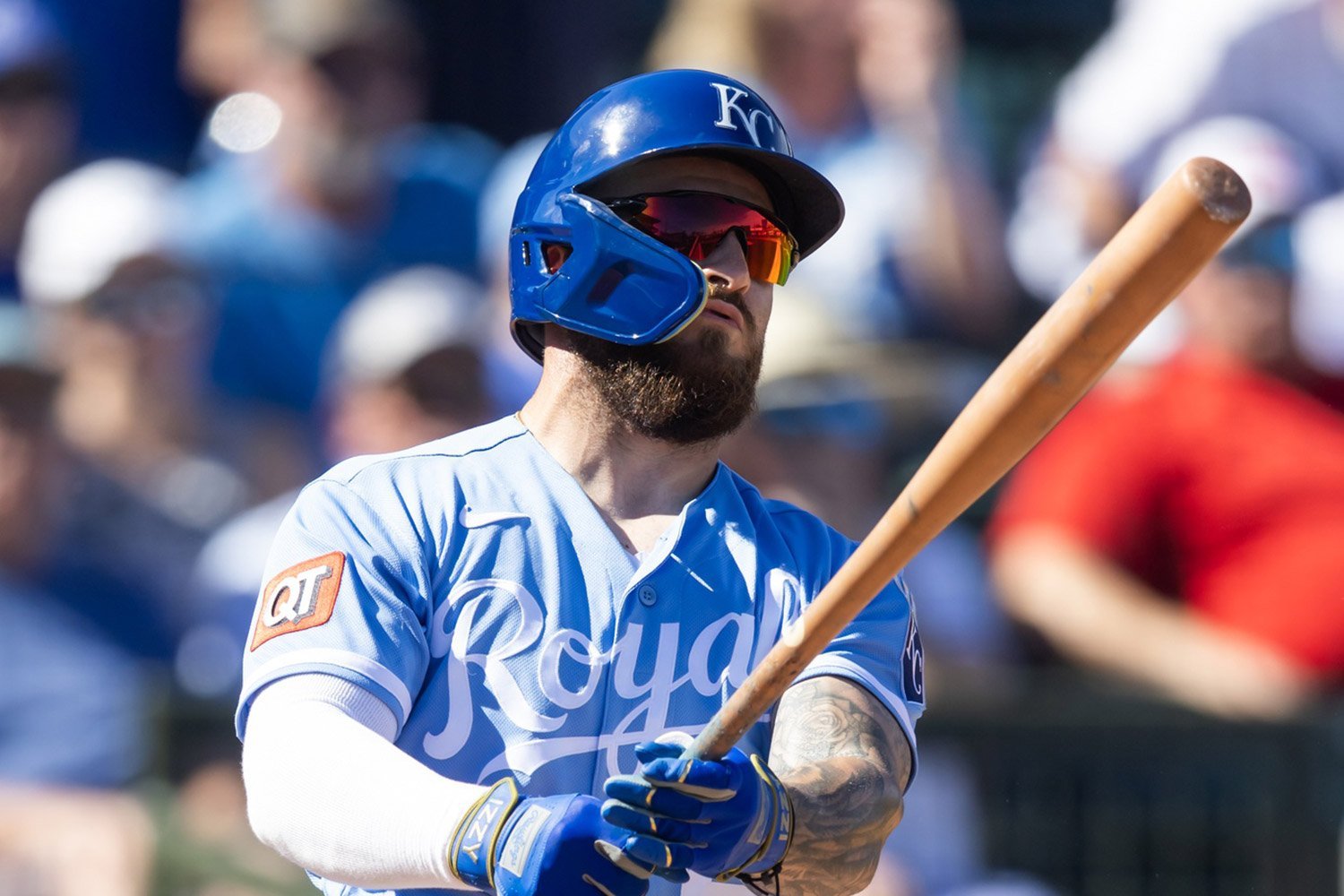 The Royals have less than two weeks left until Opening Day in Atlanta. As the number of players in big league camp begins to thin, many players are still fighting for their spots on the roster. With time running out to make an impression, which players are making the most of their opportunities? As a reminder, don't read too much into spring training performances. Sample sizes are small, competition levels vary, and players may be working on specific adjustments that don't necessarily translate to traditional stats. This post is only meant to inform and summarize what has happened in the past few games. Who’s Hot? 🔥 Carter Jensen Jensen continued his strong spring training with another impressive performance on Friday. Jensen went 2-4 with a home run and two RBIs. He had a quieter day on Sunday, going 0-3, but was able to score after earning a walk in the seventh inning. Following this weekend, his spring slashline is .267/.313/.567. His underlying Statcast metrics have been encouraging this spring. He is hitting the ball hard with an average exit velocity of 95.4 mph (93rd percentile) and a hard hit rate of 59.1% (84th percentile). Jensen has taken advantage of spending extra time behind the plate while Salvador Perez is spending time with Team Venezuela in the World Baseball Classic. While there are still some aspects of his game this spring that could use improvement, only walking twice in his 32 plate appearances, the Royals will be happy with how their projected backup catcher is hitting the ball. Nick Mears Mears had another strong outing on Saturday, recording outs against all four batters he faced, including two strikeouts. Mears generated high chase and whiff rates on Saturday, and his slider was his standout pitch, grading above average with a 105 Stuff+. Mears’ outing on Saturday was an improvement on his spring so far, where he had allowed four earned runs in his first five innings pitched. If he can continue to show improved command this spring, he will surely be a lock for a spot in the bullpen in 2026. Kyle Isbel After a rough start to his spring training, Isbel had a couple of good games at the plate this weekend. On Friday, he went 1-3 with a walk, and he followed it up by going 2-2 with a double and a run scored on Sunday. After Sunday, his spring slash line improved to .231/.355/.269. With a pair of hard-hit balls this weekend, his hard-hit rate is sitting at 57.9% this spring. As a defense-first centerfielder, the Royals will not be asking Isbel to carry this offense in 2026. If he can provide hard contact and get on base similar to this weekend, then he could be a boost at the end of the lineup that the Royals were missing last season. Who’s Not? 🧊 Ryan Bergert Bergert allowed five earned runs in 3 ⅔ innings on Saturday against the Athletics. The A’s were hitting the ball hard against Bergert with four home runs, nine hard-hit balls, and an average exit velocity of 98.1 mph. Despite allowing such hard contact, Bergert was able to induce high chase and whiff rates of 46.2% and 42.1%, respectively. Bergert induced 16 whiffs and four strikeouts in his 20 plate appearances. Bergert’s overall Stuff+ was 101, with his slider and sweeper standing out in particular. The key to Bergert’s success going into the 2026 season will be to limit the hard contact with his above-average ability to induce swings and misses and swings outside of the zone. Helcris Olivárez Olivárez has been featured as a hot player for the Royals this spring, but he struggled greatly in his appearance against the Diamondbacks. Olivárez faced six hitters and was only able to get one out before being relieved in the ninth inning. Olivárez could not find the zone with a low zone rate of 20.8%, leading to three walks and one hit batter. While Olivárez was unable to find strikes, hitters against him stayed disciplined and refused to chase pitches out of the zone. The silver lining is that when hitters were able to make contact, they did not make hard contact. Despite his lack of control, his sinker and curveball graded above average with Stuff+ of 105 and 103, respectively. He also throws hard with his fastball, and averaging 97.4 mph (94th percentile for all pitchers this spring with at least 25 PAs), and his sinker averages 98.0 mph. The key for Olivárez to make the Royals’ roster this year will be his ability to find the strike zone and limit walks. Peyton Wilson On Saturday, Wilson did not have his best day at the plate, going 0-3 with three strikeouts. He also made a substitute appearance on Friday, going 0-2 with a walk and a strikeout. While Wilson hit a home run in his one plate appearance on Sunday, the non-roster invitee has not had the best spring with a .174 batting average and .256 wOBA. While he has struggled to find hits this spring, Wilson has had good plate discipline with six walks in his 30 plate appearances. Wilson has not been able to repeat his hot spring training from 2025, where he saw more success and power with a .263 batting average and a .432 wOBA in 22 plate appearances. If Wilson can return to hitting the ball hard (58.3% hard hit rate in 2025 compared to 31.3% this spring) and limit his strikeouts, he should be able to bounce back. View the full article
 -
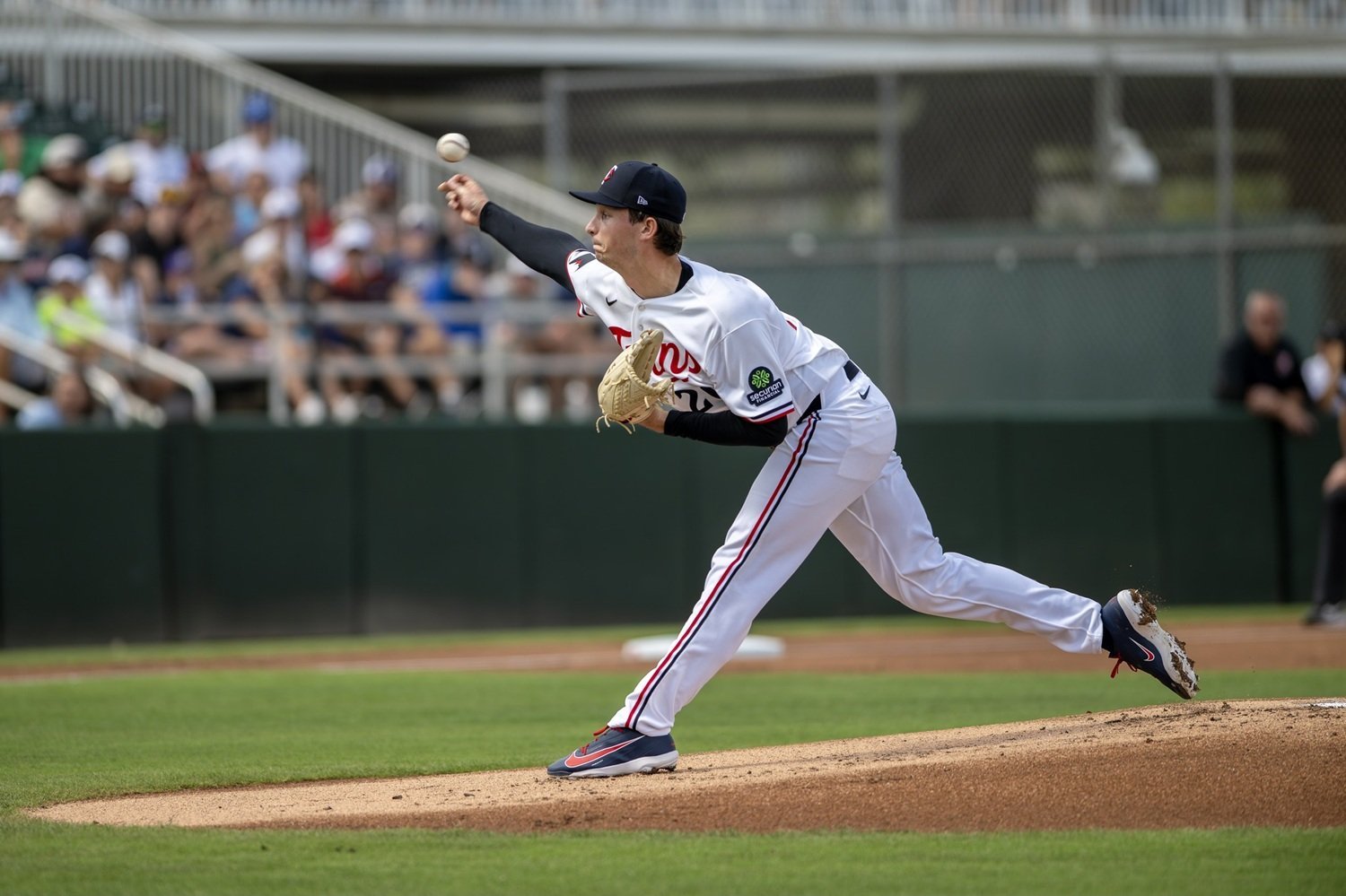 Spring training is ending, and final roster decisions loom for the Minnesota Twins. Injuries to Pablo López and David Festa have unexpectedly created an opening in the rotation. Now, two young pitchers compete for the last rotation spot. Zebby Matthews began spring as the favorite, but Mick Abel’s recent electric performance has made the decision tougher. Only one will break camp with the club for Opening Day in Baltimore. Why Matthews Should Make the Roster To begin with, Matthews entered spring training as the leading candidate for the final rotation spot, and his overall profile still makes him a strong option for the Opening Day staff. Matthews’ 5.92 ERA through 25 starts raises concerns at first glance. Yet a closer look reveals tools that suggest greater potential than the ERA implies. Matthews has the type of velocity teams crave in a modern starter. His four-seam fastball averaged 96.5 mph last season, and he pairs it with a slider that generated 50 strikeouts and a 38.5% whiff rate. That combination alone gives him the ability to miss bats consistently. Matthews has recorded 131 strikeouts in 117 innings, showing that his stuff is capable of producing outs at the highest level. What makes Matthews even more intriguing is the depth of his arsenal. In addition to the fastball and slider, he mixes a cutter, changeup, curveball, and sinker. Few young pitchers possess that many options, and the variety allows him to attack hitters in multiple ways throughout a lineup. Control has also been one of his greatest strengths. Over the past two seasons across all professional levels, Matthews has posted a 4.8% walk rate. Among pitchers with at least 50 combined starts during that span, that mark ranks seventh best. That type of command provides a solid foundation for long-term success. Why Matthews Could Be Left Off the Roster Despite the tools and upside, Matthews has struggled to turn his raw ability into consistent results. One of the biggest concerns has been his command within the strike zone. While Matthews does an excellent job limiting walks, his pitches often drift into dangerous locations once they cross the plate. Over the past two seasons, opposing hitters have posted a .362 batting average and a .979 OPS against his strikes, the second-worst marks among pitchers with at least 25 starts. Left-handed hitters have been especially problematic. They have crushed Matthews’ pitches in the zone for a .406 batting average and a 9.1% home run rate. Those numbers suggest that his pitch placement needs significant improvement before he can fully harness his arsenal. Still, there are signs that better days could be ahead. Matthews’ career FIP sits 1.51 runs lower than his ERA, suggesting he has been somewhat unlucky. Even a modest improvement in his in-zone command could significantly raise his ceiling. Why Abel Should Make the Roster Abel has made a case this spring. In 10 innings, he struck out nearly 40 percent of batters and issued no walks, quickly garnering attention for his control. Abel’s early outings were nearly flawless. He threw his first 10 innings without a walk or run, displaying the command the Twins wanted. Even when tested, Abel responded well. Facing the Toronto Blue Jays, he walked George Springer on eight pitches, then left a slider that Daulton Varsho hit for a two-run homer. Abel rebounded by striking out the next three, then finished 3 1/3 innings. He gave up only three singles and erased a runner with a double play. That ability to recover could be a sign of maturation. Abel has always possessed excellent raw stuff and a wide pitch mix. If his improved control is real, he could quickly become one of the most dynamic arms in the Twins’ rotation. On the fringes of contention, Abel might offer the highest upside among the pitchers competing for the final spot. Why Abel Could Be Left Off the Roster Abel still faces a challenge: experience. He has the fewest major league innings in the starting group, making him the easiest to send to Triple A. Developmentally, that option could make sense. Abel has struggled with walks throughout his minor league career, and the organization may want to see a larger sample size of improved command before handing him a permanent spot in the rotation. Roster management also matters. Teams often keep younger pitchers in the minors early to avoid inconsistency in the big league rotation. Even with Abel showing the most electric arm this spring, the Twins may see a few more Triple-A starts as the safest path for his long-term growth. The final rotation decision depends on philosophy. Matthews offers more experience and stability. Abel brings more upside. The Twins must weigh early-season safety against the potential boost Abel could provide. Realistically, both pitchers will be needed for critical roles throughout the 162-game season. With Opening Day approaching quickly, the Twins must decide whether to trust Matthews’ experience or gamble on Abel’s potential. Either way, the outcome of this spring battle could have a significant impact on who heads north with the club. Who should earn the final rotation spot? Leave a comment and start the discussion. View the full article
 -
 Padres Mission's ranking of the organization's top prospects for 2026 has reached the final stage with a countdown of the top five. Be sure to check out our previous rankings here: No. 5: Miguel Mendez No. 6: Jagger Haynes No. 7: Humberto Cruz No. 8: Ty Harvey No. 9: Ryan Wideman No. 10: Kale Fountain Nos. 11-15 Nos. 16-20 No. 4 Bradgley Rodriguez (San Diego Padres, El Paso Chihuahuas, San Antonio Missions) After a successful big-league callup last September and a strong spring training this year, Rodriguez appears ready to handle a full-time role in the Padres' loaded bullpen. That's a big accomplishment for a 22-year-old who has spent half his pro career injured. Bradgley Rodriguez joined the Padres organization in January 2021 out of Venezuela, signing for $370,000. Later that year, the right-hander showed off his live arm in the Dominican Summer League. But then came the struggles. An elbow injury led to Tommy John surgery in 2022, and the subsequent rehab cost him the 2022 and 2023 seasons. When he finally got back on the mound in 2024, he made up for the lost time. He pitched at three levels that year, capped by a promotion to Double-A San Antonio in August. He went back to San Antonio to begin the 2025 season, and then he caught the Padres' eye. In late May, he was promoted to the majors straight from Double-A. He debuted on May 31 vs. the Pittsburgh Pirates, working 1 2/3 scoreless innings, but was optioned to Triple-A El Paso three days later. Then, the injury bug bit him again. He missed about two weeks in mid-June with biceps tightness and spent seven weeks on the IL from early July to late August. Once healthy, he earned another callup to San Diego, where the Padres were dealing with their own pitching injuries. His electric stuff and moxie earned him a spot on the club's roster for the Wild Card Series against the Cubs. Rodriguez did not appear in the series, but just being on a postseason roster was a clear sign that the club thought it might have something with him. Rodriguez faced just 31 batters over 7 2/3 innings in the majors in 2025, but we can still glean much from how he attacked them. He threw a four-seamer, sinker, changeup, and cutter. All three of his fastballs played up in the charged atmosphere of the Show --- the sinker and four-seamer velocity increased by a full mile per hour to 98.3 and 98.8, respectively, while the cutter velo increased by 0.9 mph to 89.2. The sinker and change showed sizable horizontal movement, with 15.3 and 16.0 inches of arm-side run, respectively. Some of that movement can be attributed to a drop in arm angle from 56 percent to 46.8 percent. According to Mad Friars, the organization made the switch to three-quarters after the biceps scare to ease the strain on his arm. Rodriguez's pitch mix underwent a transformation last year as well. It changed from sinker-heavy in Triple-A to four-seam-heavy in the majors. The four-seamer use was just 10.6 percent at El Paso, but 40.2 percent with the Padres. The sinker use fell from 45.8 percent to 26.0 percent in the bigs. Changeup use was pared from 31.3 percent to 23.6 percent. The changeup played very well off the four-seamer, generating a 46.7 whiff rate as Rodriguez's putaway pitch. In fact, both pitches were unhittable, a .000 batting average for both. The sinker helped to produce a 56.3 percent ground-ball rate, to pair with a 29.0 strikeout rate. Platoon advantage played a large role in pitch selection. Thirty-one of his 33 sinkers and all 13 of his cutters were thrown to right-handed batters, while 23 of his 30 changeups were thrown to left-handed batters. The four-seamer use was more balanced --- 32 to left-handers, 19 to right-handers. (All stats per Baseball Savant and FanGraphs.) Rodriguez put himself in position to win a job out of spring training with six consecutive scoreless outings to begin exhibition play. He allowed two hits, struck out seven, and, more importantly, walked one over six innings. His chances will improve greatly if Jason Adam (quad) needs to open the season on the injured list and the bullpen has a second opening. If Adam proves ready to go, then it will be Rodriguez, Ty Adcock, Logan Gillaspie, Alek Jacob, and Ron Marinaccio vying for one spot. Gillaspie has earned praise from manager Craig Stammen for his willingness to fill any role, while Marinaccio is out of minor-league options. Rodriguez, on the other hand, can be optioned. If he does have to go back to El Paso, he'll be an early call-up option when the staff begins to go through the inevitable churn. View the full article
 -
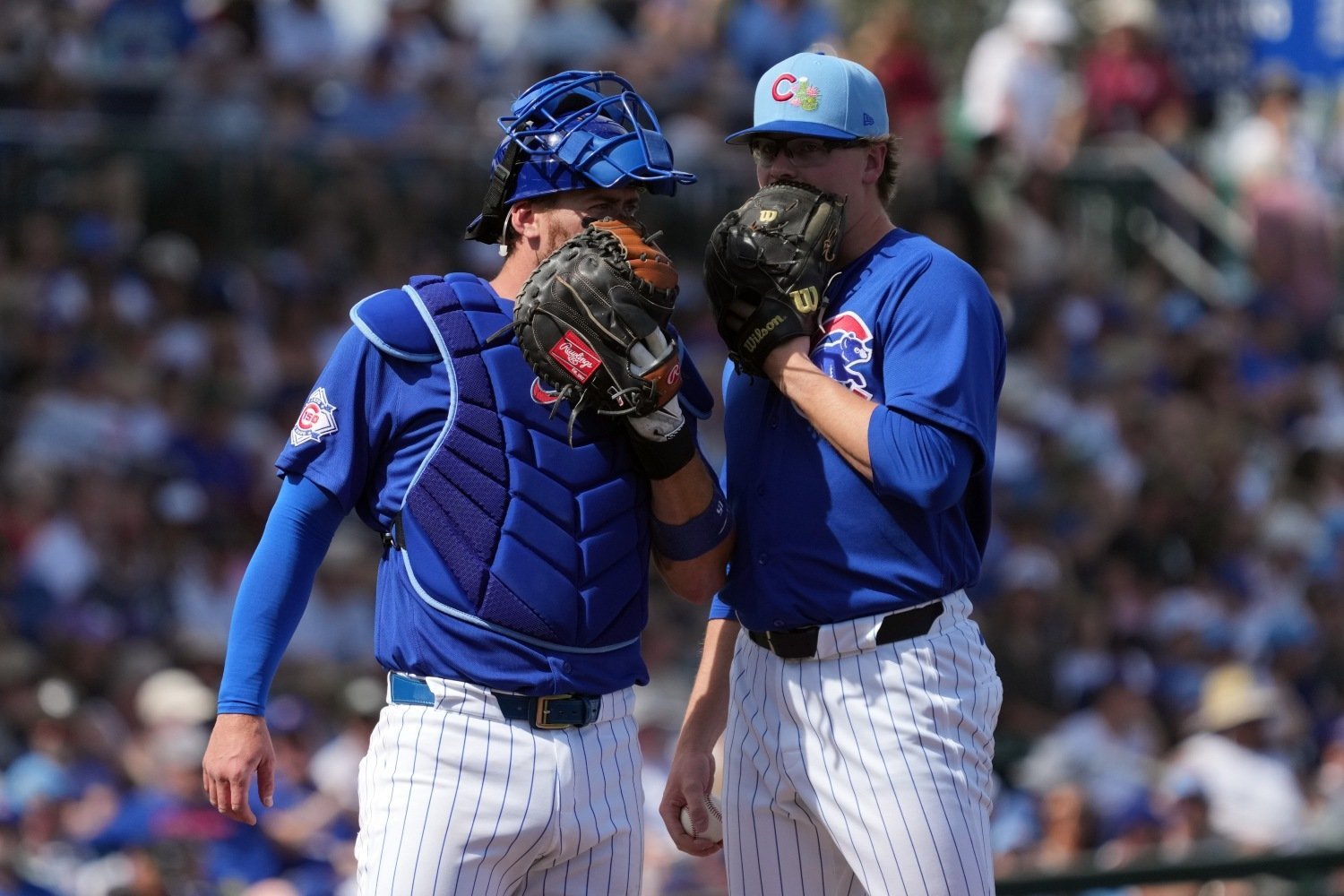 The numbers aren't pretty. Corbin Martin has allowed seven hits, four walks and six runs this spring, and he's only gotten 17 outs. He wasn't in pole position for a spot in the Opening Day bullpen, anyway, but it now seems nearly certain that he'll start the season at Triple-A Iowa. Some of those numbers are the results of a multi-layered effort to change his profile on the mound, though. When the time comes—as it always does, for the Cubs, usually by around Memorial Day—Martin could be the guy who's ready to step in and fill vital middle-relief innings for them. First of all, Martin has moved over on the mound this spring. His arm slot is little altered from last season with the Orioles, but whereas he started on the third-base side of the rubber in 2025, he's on the first-base side this spring: One reason for that change: Martin is also working to add a sinker to his pitch mix. His natural fastball is a hard cutter, with plenty of ride but considerable glove-side movement relative to most heaters. That shape is unchanged, but Martin is trying to complement it with a sinker that runs much more to his arm side. Moving to the first-base side makes room for that pitch to move across the plate and still be a strike. His changeup also moves a lot in that direction, so two pitches can benefit from the shift in mound position. When Martin signed, I noted that his best complements for the fastball were a cutter (a more breaking ball-flavored one, which Statcast tagged as a slider at around 91 MPH) and a 12-to-6 curveball to which he switched midseason last year. Interestingly, this spring, he's gone away from that cutter/slider, and back to a slower sweeper-like offering. The curveball is still there, but it's not as sharp as it was last summer. Keeping that sweeper on the plate from his new place on the mound will be tough. If he can locate the fastball well and tunnel the sweeper off it, he should get a good number of hopeless chases from right-handed batters, but looking at all this, it's not hard to see why Martin has struggled during Cactus League play. He's reinventing himself on the mound, in pursuit of a more complete arsenal that can generate sustainable success in the majors. All of it could be scrapped, if it doesn't work. Martin could move back to the other side of the slab and pare his mix back down, if erratic outings like Sunday's (0.2 IP, 3 H, 4 ER, 2 BB, 2 SO) continue. However, if he and the team are seeing the progress they want from these changes, Martin might simply need more time to prepare himself for an important summertime contribution. View the full article
 -
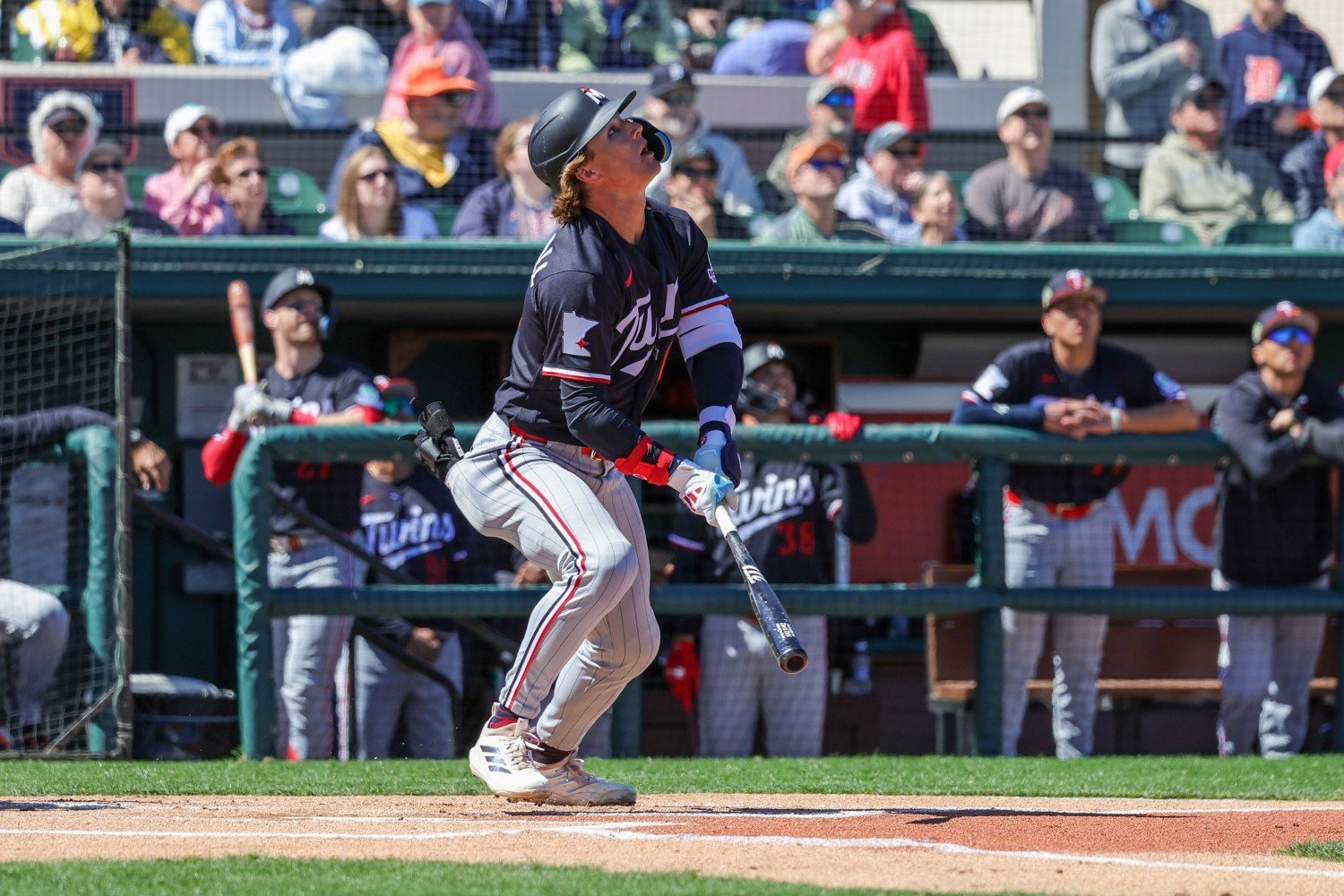 The Twins entered the weekend riding a three-game winning streak, but the momentum didn’t last very long. After an 8-5 victory over the Red Sox on Thursday, Minnesota dropped all three games that followed. They fell 6-1 to the Blue Jays on Friday, 9-6 to the Rays on Saturday, and 7-2 to the Red Sox on Sunday. Wins and losses aren’t the most important thing during spring training, but the individual performances behind them can still tell us quite a bit. With the calendar continuing to move toward Opening Day, players are getting more consistent opportunities, and it’s becoming easier to tell who’s on track and who’s still searching for answers. With that in mind, here’s a quick temperature check from the past few days of action. Who’s Hot? Luke Keaschall: Continuing his impressive spring, Keaschall went 3-for-7 at the plate with a pair of doubles and no strikeouts since our last check-in. His quality of contact has been encouraging, as well. Across those seven balls in play, he’s posted an average exit velocity of 88.9 MPH. While that number might not jump off the page, it's actually 2.6 MPH harder than his average exit velocity during his time in the majors last season. His 90th-percentile exit velocity (often a better indicator of power upside) is 102.4 MPH, up from 100.5 last year. Even this spring's number is below-average, but it's much more viable than last season's. We already know what Keaschall provides on the bases with his speed, but if he’s able to add a little more pop to his bat this year, it could really take his offensive profile to another level. Mick Abel: Abel took the mound on Friday and turned in a solid outing, even if the final line wasn’t quite as clean as his earlier starts this spring. Over 3 1/3 innings, he allowed two earned runs on four hits and a walk, while striking out four. Both runs came early, after he issued a leadoff walk and then allowed a two-run homer in the first inning. After that, though, Abel really settled in. He generated eight whiffs on 70 pitches and once again showed off some impressive secondary stuff. His slider, in particular, continues to look like a legitimate weapon. Abel posted a 127 Stuff+ grade in the outing with that pitch, and it's become one of the best breaking balls anywhere in the Twins’ system. His fastball velocity was slightly down, sitting around 96 MPH compared to the 97-98 MPH we’ve seen earlier this spring, but I doubt that’s anything worth worrying about. The most encouraging part was seeing a young pitcher give up a couple of early runs and still settle in to finish the outing strong. Matt Wallner: Wallner is another hitter who looks like he’s starting to find his rhythm at the plate. He went 3-for-6 over the weekend, highlighted by a 420-foot home run on Saturday. With that performance, Wallner is now hitting .294, with a .415 on-base percentage across 34 at-bats. His power has always been obvious when he connects, but the key has been consistency. So far this spring, he’s doing a nice job of putting together competitive at-bats, and if that carries over into the regular season, he could end up being a staple in the Twins’ lineup. Who’s Not? Royce Lewis: It’s been a tough stretch for Lewis at the plate. Since the last check-in, he’s gone a combined 0-for-10 with three strikeouts. The contact quality hasn’t been particularly strong, either. Only two of the seven balls he’s put in play during that stretch have had an exit velocity above 80 MPH. As a result, Lewis is now hitting just .111 this spring, with a .466 OPS. Of course, it’s important not to overreact to spring numbers, especially for a player with Lewis’s talent level. No one should jump to the conclusion that he’s headed for a rough season. Still, it would definitely be encouraging to see him start squaring up a few more balls as camp continues. For a player we know to have made a major change to his swing, spring matters more than it would for most similarly seasoned players. Eric Orze: Orze has continued to run into some trouble. After allowing a pair of earned runs on Thursday, he gave up another run on Sunday, while recording just two outs. In that outing, he issued two walks and allowed a hit, continuing a trend that’s been a bit concerning this spring. Over his last two appearances, hitters have put six balls in play against him, and those balls have come off the bat with an average exit velocity of 93 MPH. That’s the kind of contact that’s tough to survive consistently, and it’s reflected in his numbers. Orze now owns a 6.35 ERA, along with six walks in just 5 2/3 innings. Coming into camp, he felt like a relatively safe bet to factor into the Twins’ bullpen mix. Amid this stretch, that feels less certain. Victor Caratini: Caratini has also had a difficult spring at the plate, and the struggles continued over the weekend, as he went hitless across seven at-bats. While it’s somewhat encouraging that he’s at least been putting the ball in play consistently, the quality of that contact hasn’t been strong. Only two of those balls were hit remotely well, and just one was classified as hard contact. It’s very unlikely that his quiet spring will affect his chances of making the Opening Day roster, but like Lewis, it would still be nice to see him start squaring a few more balls up before the regular season begins. Spring training results themselves rarely matter much, but the underlying trends can still be useful. Some Twins players are starting to heat up as the schedule winds down, while others still have a little work to do before the regular season begins. With Opening Day approaching quickly, this week should give us an even clearer picture of who’s ready to carry momentum into the season. View the full article
 -
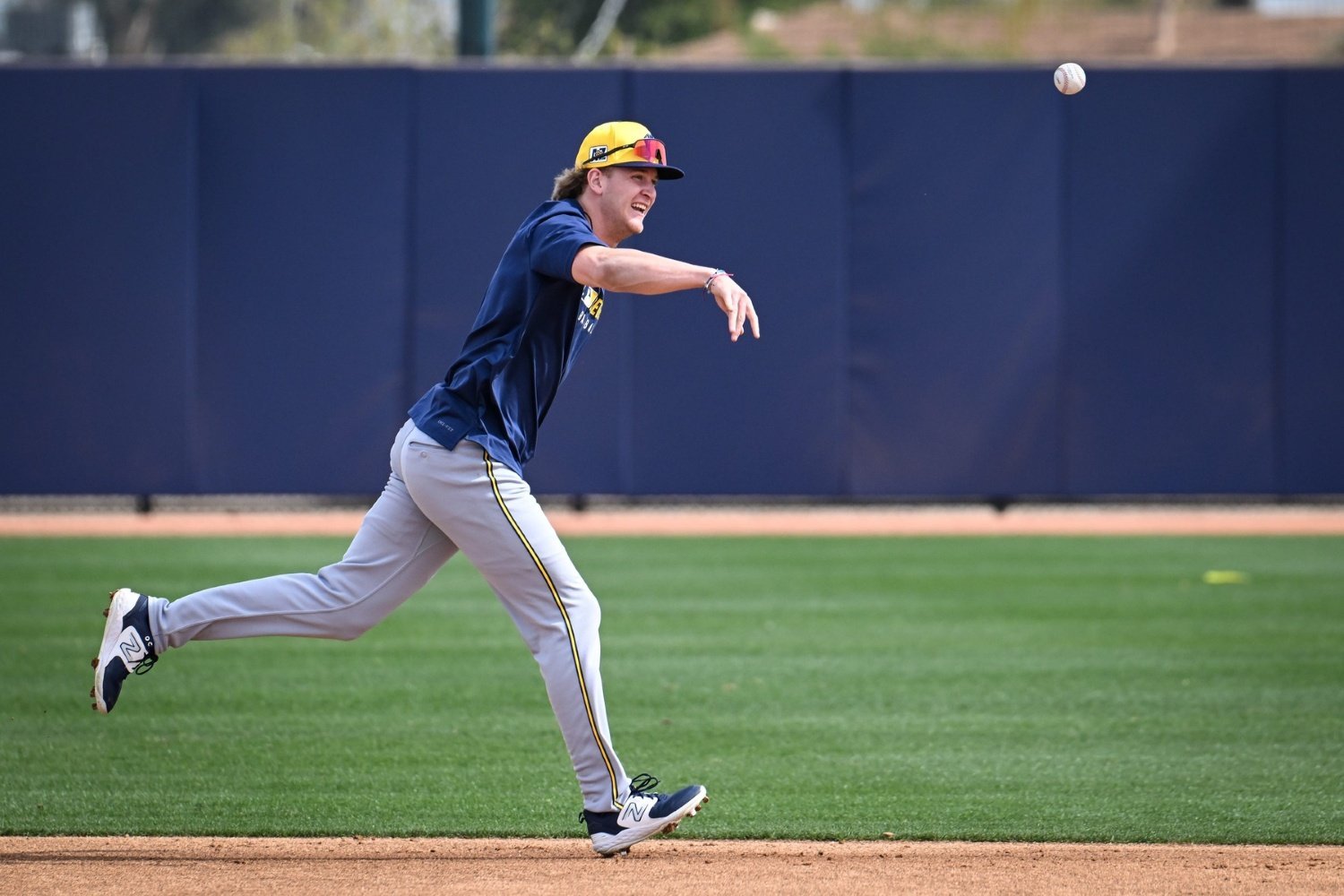 The days in Arizona are growing short for the Milwaukee Brewers. They play their final Cactus League game Sunday, before a couple of exhibition games against the Cincinnati Reds at Uecker Field. They open the season March 26, at home against the Chicago White Sox. There will be some big decisions made this week. As a reminder: Don't take anything too seriously in this recap. During spring training, exhibition games often devolve into minor-league scrimmages. The information below is meant as basic information, not necessarily hardcore analysis. The Brewers dropped to 9-12 in Cactus League play, falling to the A's 13-4, beating the Colorado Rockies 8-4 and losing to the San Francisco Giants 7-1. The Giants came within one out of a perfect game. Who's Hot? ? Sal Frelick The outfielder showed signs of breaking out of his spring slumber. Frelick went 3-for-6 with a walk against the A's and Rockies, finally poking his Cactus League average above .200. Frelick is tied for the team lead in at-bats (37) with David Hamilton. Frelick did slide back under the Mendoza Line by going 0-for-3 Sunday. He started twice in center and led off all three days. One has to wonder if manager Pat Murphy is tinkering with Frelick playing more center this season, considering he started there back-to-back days with other options available. If Christian Yelich is healthy enough to play the outfield and/or both halves of the first base timeshare hit well enough to merit everyday playing time, Jackson Chourio could end up in right field, pushing Frelick to center. Speaking of first base... Jake Bauers The top left-handed bat off the Brewers' bench went 2-for-5 in back-to-back games to raise his Cactus League average to .500, before going 0-for-3 Sunday and dropping it to .440. He has 11 hits this spring, second-most to Andrew Vaughn's 12. Bauers played left field and first base, the two spots at which he figures to be the top backup this season. His offense, as he showed off late in the season and into the postseason, will certainly be a boost for the Crew. Cooper Pratt The prospect infielder showed off his versatility by playing second against the A's. Undistracted by a change in defensive duties, he went 2-for-3 at the plate. Pratt has never played a position other than shortstop as a pro, save three times in the Arizona Complex League as he made his debut in 2023. With other shortstop candidates coming up behind him and the addition of Jett Williams to the system, Pratt doesn't have the luxury of not being versatile. He broke up the perfect game against the Giants by drawing a two-out walk on five pitches in the ninth inning, then scored on a Blake Burke double. Who's Cold? ? Luis Rengifo The probable Opening Day third baseman hasn't gotten untracked this spring. Rengifo went 0-for-5, including a two-strikeout game, as his Cactus League slash line dropped to .214/.290/.321. He will get plenty of time to begin the season at third base, but if Hamilton hits well and Rengifo struggles, it could turn out to be more of a platoon situation than what the Brewers were envisioning—or, given how high Pat Murphy is on Hamilton, exactly as much of one as he envisiond all along. Kyle Harrison Do we need to be worried about the left-hander as he makes a bid to be part of the starting rotation? Harrison surrendered six runs in his second Cactus League game. He gave up six hits against the A's, walking one and striking out four. Harrison threw 66 pitches, 44 of which were strikes. Considering his other outing was an eight-strikeout performance, Harrison probably still has a good shot at nabbing a rotation spot, but he has two more starts (including, probably, one of the two games at The Ueck) to secure that role. Here's one counterpoint: his average fastball velocity this spring is 95.2 MPH, a full 4.0 higher than last spring. Maybe he just needs time to hone his increasingly nasty stuff. Sammy Peralta While he has already been optioned to Triple-A Nashville to start the 2026 season, the left-handed reliever hasn't impressed this spring. The waiver claim from the Los Angeles Angels following last season has made five appearance in the Cactus League, allowing runs in four of them. We know he's still working to incorporat a cutter the Brewers recommended after claiming him. Peralta has averaged about a strikeout per inning in the minors, but has just one strikeout in five innings this spring. He doesn't throw hard, and missing bats has always been a struggle in the majors for him, so that's the most important thing to watch when next he gets into a game. View the full article
