


DiamondCentric
-
Posts
2,631 -
Joined
-
Last visited
Never
Content Type
Profiles
Forums
Events
News
Tutorials & Help
Major League Baseball Videos
Guides & Resources
Store
Downloads
Gallery
Everything posted by DiamondCentric
-

Kansas City Royals 2026 Position Analysis: Second Base
DiamondCentric posted an article in Royals Keep
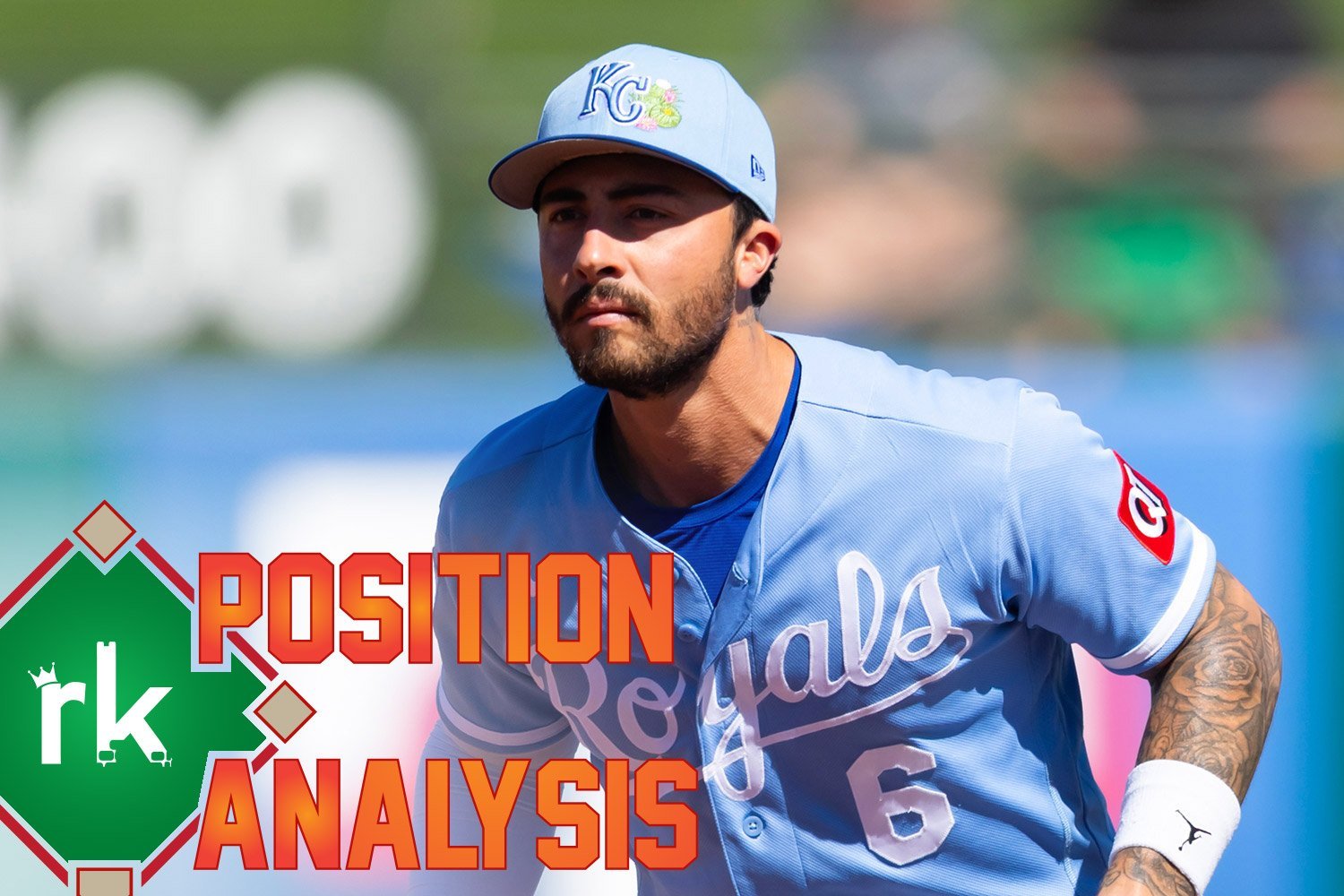 The Royals have struggled to find consistent production at second base in the JJ Picollo era. In 2024, the Royals seemed to get solid production from the keystone with Michael Massey, Nick Loftin, Garrett Hampson, Adam Frazier, and Maikel Garcia all splitting time at the position. According to FanGraphs, the Royals' second baseman ranked 18th in baseball with 1.8 fWAR, with Massey leading the way at 1.7 fWAR. Thus, when Kansas City acquired Jonathan India from the Reds last season, it was assumed that the Royals' production at second base would improve as well. Unfortunately, that was far from the case. In 2025, the Royals ranked 28th in second-base fWAR, with a 0.0 mark. India led the way with a 0.4 fWAR, but that was a massive decline from his 2.9 fWAR in 2024 with the Reds. Furthermore, Massey had a -0.3 fWAR, and Loftin and Frazier combined for a 0.4 fWAR in 2025 (remember, Frazier didn't come until midseason). They also got middling production from Tyler Tolbert and Cavan Biggio at the position as well (combined -0.2 fWAR). The Royals seem okay running it back in 2026, hoping that India and Massey can bounce back to 2024 form. Kansas City could've non-tendered India, but they decided to bring him back for one more season. Massey isn't a free agent until 2029, but he's already 28 years old, and this is probably a crucial year for him if he wants to prove to Kansas City that he can be a long-term option. Let's break down the Royals' situation at second base in 2026 and what the depth in the organization looks like. Royals Second Basemen At a Glance Starter: India Backup: Massey Depth: Loftin, Tolbert Prospects: Peyton Wilson, Javi Vaz, Sam Kulasingam, Justin Johnson, Tyriq Kemp Royals fWAR Ranking Last Year: 28th out of 30 Royals fWAR Projection This Year: 28th out of 30 The Good A lot will be riding on India this year, as the Royals opted to bring him back on a one-year, $8 million deal. It seems expensive, especially since he not only posted a negative overall fWAR last year, but he also posted an 89 wRC+, a career-worst. That said, there are some promising signs this spring that hint that India will be able to put his lackluster first year in Kansas City behind him. First off, manager Matt Quatraro admitted in the offseason that playing India in multiple positions had a negative effect. He pointed that out at the Winter Meetings back in December. Last season, the Royals opted to let Massey be the everyday second baseman, and India rotated as a utility guy in left field and at third base at the beginning of the year. Unfortunately, the move was disastrous for India, especially on defense. India posted a -5 FRV in 3B, and that poor defense carried to second base, as he posted a -4 FRV at the keystone. The poor defense seemed to have a mental impact on India's bat, and he ended up having his worst season at the Major League level. Quatraro is intent on India being their regular second baseman, with Massey mixing in here and there based on matchups. So far this spring, it seems like that has helped India be in a better headspace in 2026. He's currently hitting .333 with a 1.206 OPS in 26 Cactus League plate appearances, and he's also showing some solid metrics in his Statcast summary this spring, via TJ Stats. Plate discipline has always been an area where India rates highly, so what he's doing this spring isn't a surprise. However, his 90th EV and Max EV rank in the 77th and 72nd percentiles, respectively, and his barrel rate ranks in the 85th percentile. While it's unlikely that he transitions those numbers to the regular season, if he shows any improvement in exit velocity and barrel rate in 2026, he could end up producing a lot more at the plate this year compared to his first season in Kansas City. Massey has also showcased solid skills this spring as well. That is encouraging to see, especially after his OPS went from .743 in 2024 to .581 last year. The former Illinois product is hitting .364 with a .962 OPS in 24 Cactus League plate appearances, and he is showcasing solid skills this spring, especially in terms of launching, pulling, and hitting the ball hard. Massey and India may not be great second basemen individually, which explains why Quatraro hasn't really given either guy the regular position for now. That said, they are showing promising signs for an offensive comeback in 2026. Furthermore, they should both be better defensively at second base this season, as long as they can stay healthy. The Bad The problem at second is that there isn't much depth. Yes, India and Massey could be a nice combo, but they have a history of injuries, especially for Massey. In fact, Massey has been shut down for a little bit this spring due to a low-grade calf strain, according to MLB.com Royals beat writer Anne Rogers. After Massey, the Royals don't have a whole lot of options at second to challenge India. Loftin has had a good spring, hitting .300 with a 1.000 OPS in 35 Cactus League plate appearances. However, he's limited defensively, and he probably fits better at third base or in left field. Tolbert is a little bit better defensively than Loftin, and he is a plus base-runner. Conversely, he may be more of a pinch-runner type than a guy who can play semi-regularly. If Massey is expected to be out for a considerable amount of time, it wouldn't be surprising for the Royals to add Josh Rojas, who is primarily a third baseman but can play second base in a pinch. Rojas is hitting .258 with a .909 OPS this spring in 36 plate appearances. In terms of prospects, there are some gritty, high-floor types, but no one is ready to be a major impact player at the MLB level this season. Wilson has some power upside for a second baseman, but he strikes out way too much. Vaz is a high-contact hitter, but he offers no power and has been absent this spring, which is a sign he may be injured. Kulasingam is a gamer who offers a polished skill set at the plate and on the field. However, he hasn't showcased much in the power end this spring, as illustrated by his TJ Stats Statcast summary. Johnson and Kemp are mid-round draft picks who played at Wake Forest and Baylor, respectively. However, they are long shots to see any playing time at the MLB level this year or next, and they are high-contact hitters who still have power questions, even for second basemen. The Bottom Line The Royals traded for India back in 2024 because they don't really have many second-base options in the system beyond Massey. Thus, India seemed like a reasonable gamble that could become a long-term option if things worked out, or could allow them to move around if Massey did break out. Massey hasn't broken out, and India doesn't seem likely to stay in Kansas City beyond 2026. Nonetheless, they still offer some upside and production potential in 2026, as long as they stay healthy. I tend to believe more in India than in Massey, simply because India has a stronger proven track record. The 29-year-old infielder has a career fWAR of 7.9 in 659 games, and he had 100+ wRC+ marks in 2023 and 2024 in Cincinnati. Massey may be better served anyway as a player with 300-350 plate appearances per year. That could allow him to maintain his health and body a bit better over a full 162-game season. Regardless, second base production for the Royals will ride on India and Massey in 2026. Should one of them get hurt or be tanked, they will likely need to trade for someone from outside the organization to fill that spot. Perhaps Frazier for a third time? View the full article
 -
Breaking down the next wave of Marlins hitting talent
DiamondCentric posted an article in Fish On First
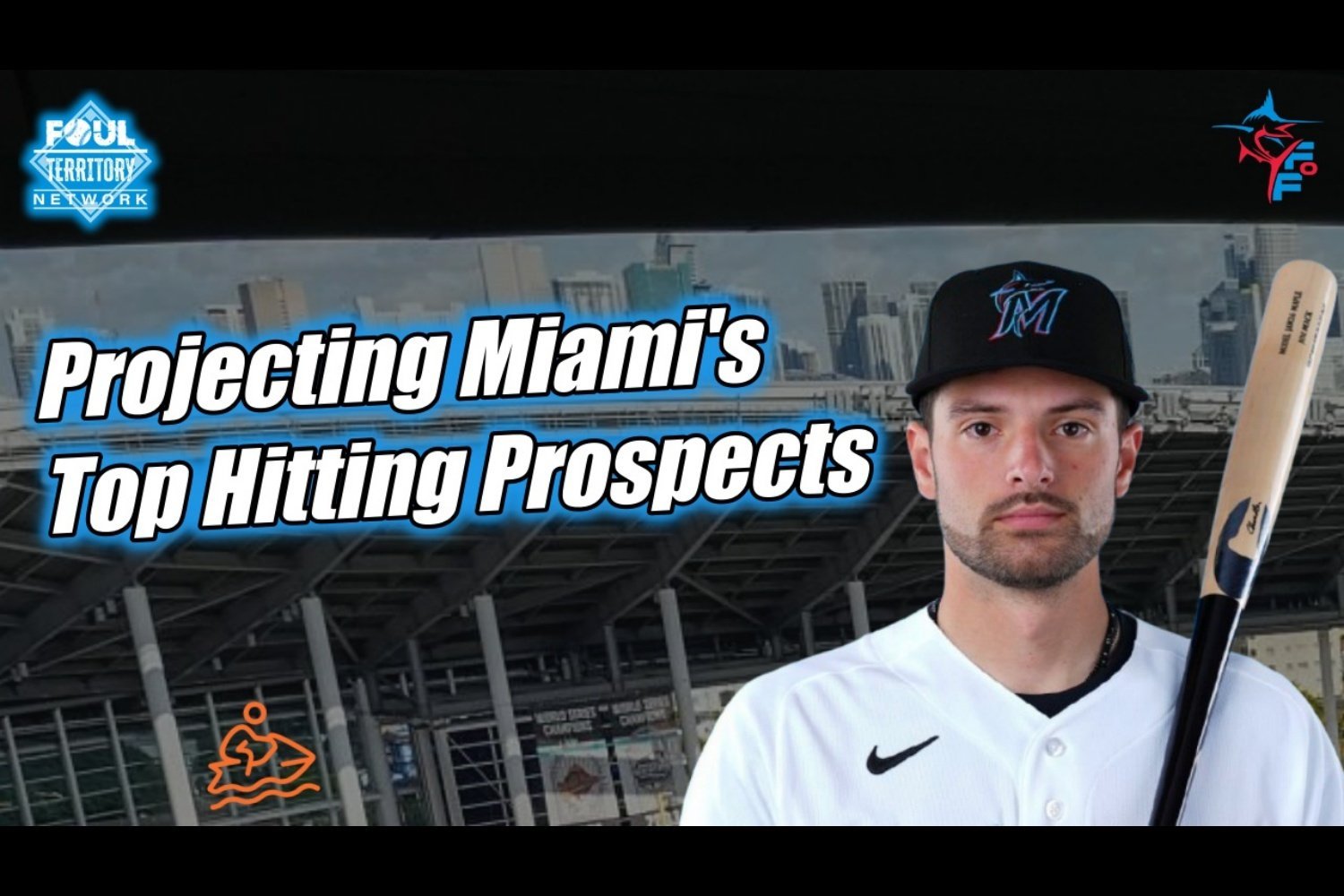 Welcome to Spring Breakout week! In the first of many items of Miami Marlins prospect content coming your way, Ely Sussman welcomes Maxfield Lane and Owen Riley of Oyster Analytics onto Fish Unfiltered. They cover each of the five Marlins who rank among the Oyster model's top 100 MLB hitting prospects, intriguing players who missed the cut and what to make of the organization's incredible stolen base volume during the 2025 minor league season. You can find Fish Unfiltered and Fish On First LIVE on the Fish On First YouTube channel, Apple Podcasts, Spotify or wherever else you get your pods. The highest-ranked Marlin on the Oyster's top 100 is Owen Caissie (#46), followed by Andrew Salas (#58), Joe Mack (#73), Dub Gleed (#78) and Maximo Acosta (#99), with Deyvison De Los Santos (#143) being the top unranked hitter in the organization. Here is an expanded overview of Marlins prospects with the best career projections, which you can find under the "prospects" tab of the Oyster Analytics website: In this year's Spring Breakout showcase, Marlins prospects will match up against those from the Houston Astros farm system. The game is being held at CACTI Park of the Palm Beaches on Thursday at 12:05 p.m. View the full article
 -
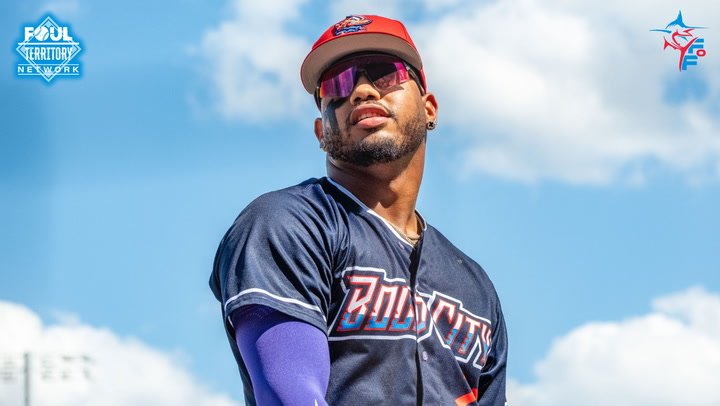 Maxfield Lane of Oyster Analytics joins Fish Unfiltered to discuss the wide range of potential career outcomes for one of the stranger prospects in baseball, Deyvison De Los Santos.View the full article
 -
Chicago Cubs 2026 Top 20 Prospects, No. 2: Jaxon Wiggins
DiamondCentric posted an article in North Side Baseball
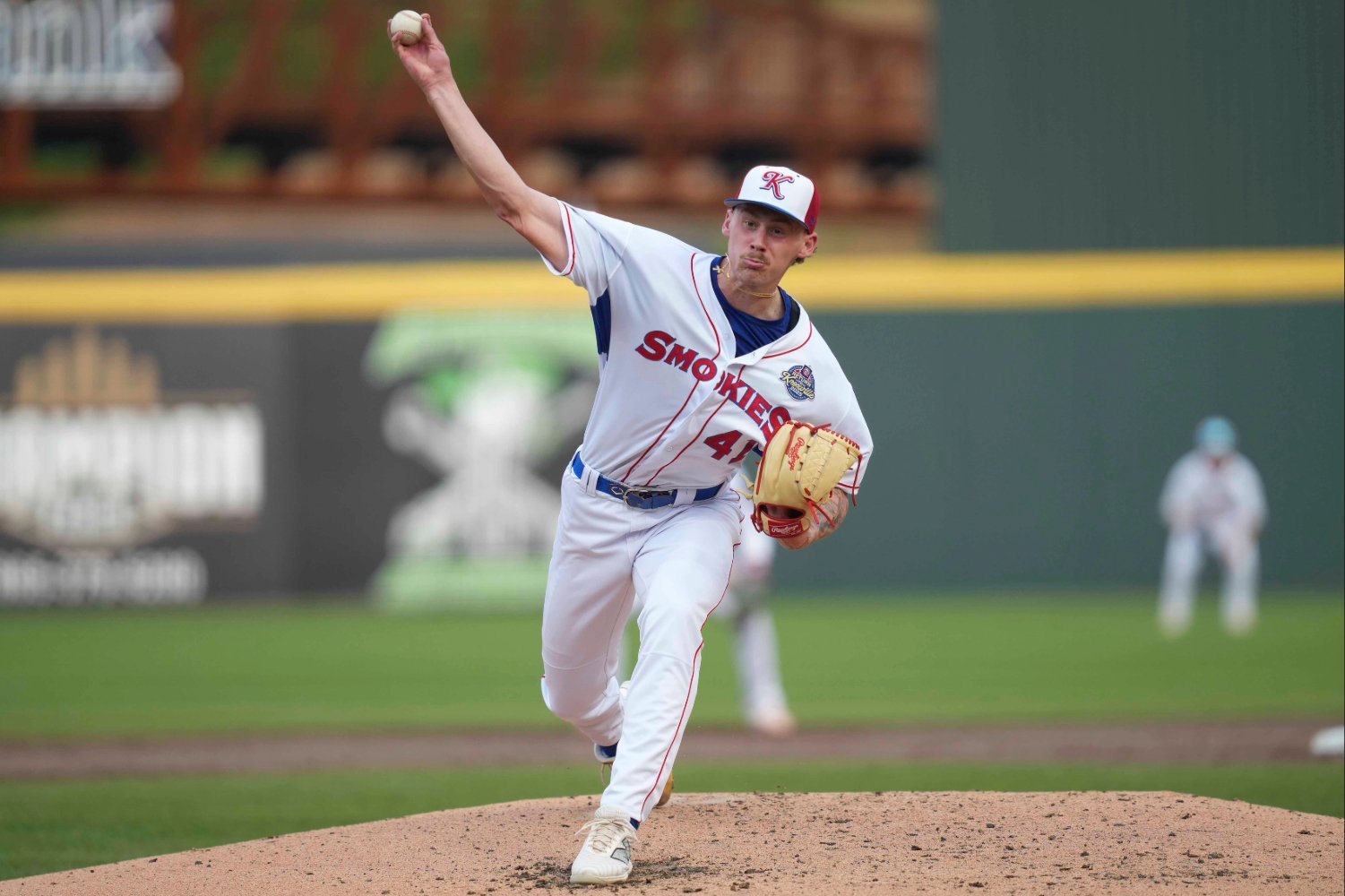 And then there were two. North Side Baseball's rankings of the top 20 prospects in the Chicago Cubs' farm system (as voted on by our writers) has reached second place, this year featuring starting pitcher Jaxon Wiggins. Be sure to check out all of our previous installments in the series here: Prospects #20-16 Prospects #15-11 Prospect #10 - James Triantos Prospect #9 - Josiah Hartshorn Prospect #8 - Kane Kepley Prospect #7 - Pedro Ramirez Prospect #6 - Ethan Conrad Prospect #5 - Jonathon Long Prospect #4 - Kevin Alcantara #3 - Jaxon Wiggins (Iowa Cubs) Jaxon Wiggins was once a controversial draft pick; the Cubs selected the pitcher out of Arkansas in the second round of the 2023 Amateur Draft. The reason people were skeptical at the time was that Wiggins had missed the previous year due to Tommy John surgery, and despite some encouraging reports before he went down in the fall league, his numbers while at college were never good. Since then, Wiggins has exploded through the Cubs' system, and his 2025 season saw the right handed pitcher move from High-A South Bend to Iowa by the end of the year. There was a mysterious shutdown around the trade deadline in which Wiggins took time off (either for injury or rest, it's not entirely clear), but the year was excellent for the former second-round pick. Through all three levels, he posted a 2.19 ERA and a 3.29 xFIP. Better yet, he struck out 31% of batters faced and kept his walks in check, walking 11.5% of hitters. He only logged 78 innings, so you'd like to have seen a little more length out of him, but it was an encouraging year. What to like: The first thing that stands out in Wiggins' profile is that his fastball is already flashing very special characteristics. Capable of running it up to triple digits, and sitting comfortably at 96-98 mph with ease, it's not just a hard fastball — it has great shape too. The heater that the Cubs' prospect features has some of the best induced vertical break (IVB) around. IVB helps us understand the effects, or in this case, the lack of effect, gravity has on a specific pitch. Wiggins' fastball has the ability to cut through the air and not have gravity drag it down. Wiggins' IVB of 19.1 is about the same level as Shota Imanaga's fastball, except he throws it much harder. While I hesitate to say it's an 80-grade offering, this is a pitch that is going to make Wiggins very hard to hit when he gets it up in the zone. A knock on Wiggins coming out of college and into the draft was his inability to throw enough strikes. Baseball America's draft profile mentions his "erratic control." Well, Wiggins has quieted those concerns, showing improved control en route to manageable walk totals. While he looked rusty at times in Iowa coming off a long layoff, he seems to have continued to work on that aspect in the offseason. As Matt Trueblood wrote about recently, his fastball command has been very good this spring while in camp with the Cubs. This is great news for his development; limiting free passes is always a good thing for a pitcher. What to work on: As with all pitchers, availability matters and Wiggins hasn't always been available. Whether it's the TJS he had in college or the timeout he took last year, ensuring that their prized pitching prospect remains on the mound is big priority for the organization. The Cubs have done well over the years keeping players relatively healthy, and with depth at the MLB level, the Cubs shouldn't have to push him along too fast. In the event of an early injury, the team can turn to Colin Rea or Javier Assad with confidence and Justin Steele seems to be well ahead of schedule, too. This will allow Wiggins to build strength on his own timeline. Once he clears all bars of health and continues to build innings, his secondaries are still more of a work-in-progress than his fastball is. As Matt explained in his article, while the fastball command is making progress, the other offerings still need some refinement in the zone. He has a curveball and a changeup that both flash upside, but he hasn't dialed in the location entirely. His command isn't as erratic as it once was, but it'd be best for his starting pitching prospects if he could improve this further. What's next: Jaxon Wiggins is going to head to Iowa to start the year and will undoubtedly be the pitcher to watch, not only in Triple-A, but in the entire system. The upside here is immense; think a Nick Pivetta who throws 98 mph. He has the makings and foundations of a top-of-the-rotation guy, but with enough warts that he may not get there. Ensuring that the endurance, stamina, health and control of his secondaries progress will help make sure that he gets as close to his optimal outcome as possible. It feels very likely that as long as he's healthy, he's going to make his debut in Chicago sometime in 2026. While we'd all love to see him as a starting option, the Cubs have a ton of depth built up this year, so he may make his initial appearances out of the bullpen. That's okay; depth is a good thing, and this will allow the Cubs to control his innings while not having to put him on a leash. If the North Siders are as good as we hope, they could even get him some late-season starts if they're running away with the division in that case. And with Shota Imanaga, Matthew Boyd, Colin Rea, and Jameson Taillon all possible departures at the end of the year, a 2027 rotation spot seems prime for the taking. The Cubs don't need to rush Wiggins, and that's a good thing. There's still many outcomes for their top-ranked-arm, but so far, he's clearing hurdles and showing he's a capable learner. There is some major upside with the 24-year-old, something the team is sorely lacking down on the farm, so there's probably some undue pressure on him to lead the line and break out fully this year. That's a tough bill to live up to, but he has so far shown he's up to the task. View the full article
 -
Milwaukee Brewers 2026 Position Analysis: First Base
DiamondCentric posted an article in Brewer Fanatic
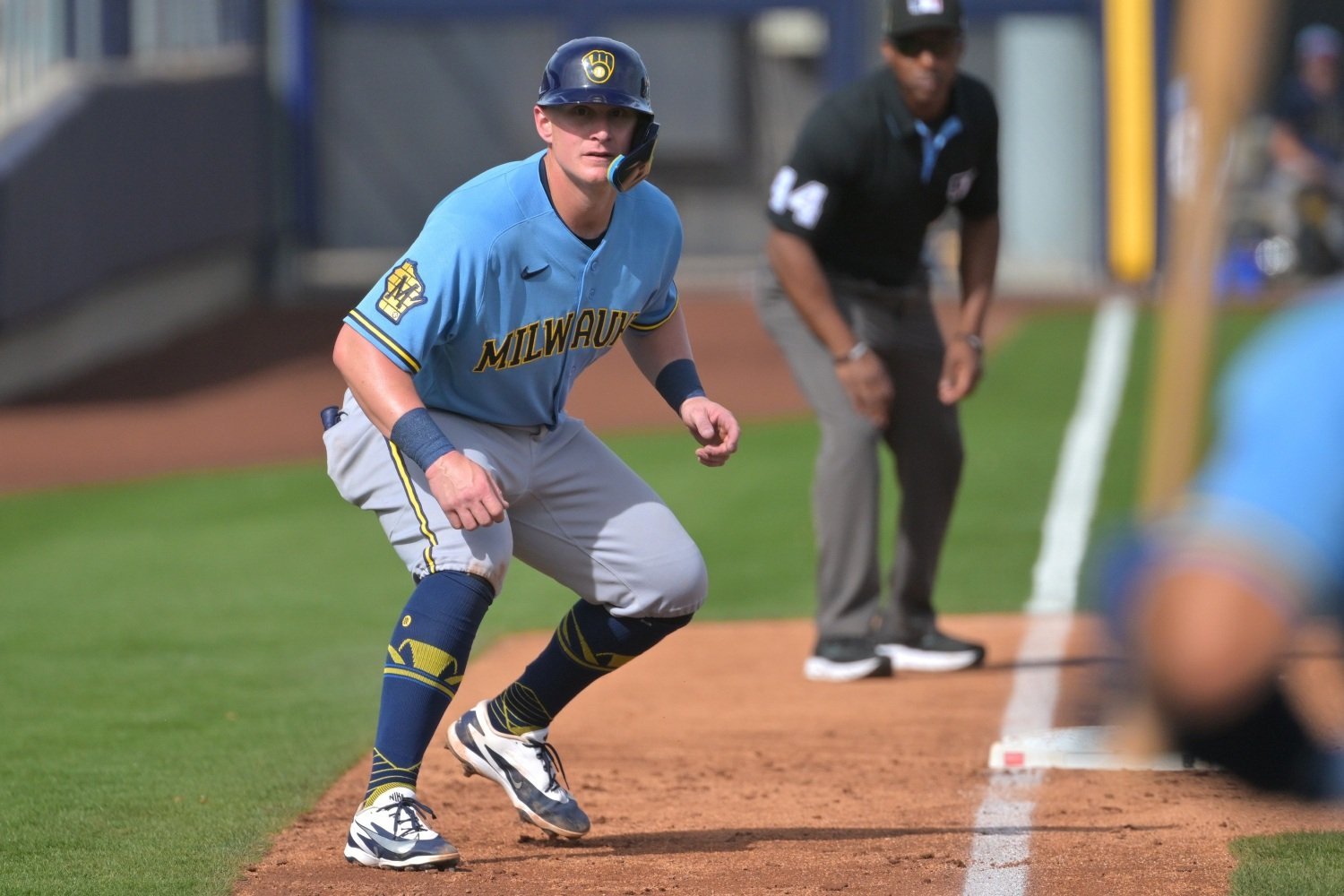 The Brewers have had an interesting situation at first base since Eric Thames departed after the 2019 season. While they have received some excellent production in the aggregate in some seasons, their primary starter has not topped 1.0 Wins Above Replacement (according to Baseball Reference) in any season since then.* Could that change? Let’s look at the position and see who Milwaukee has for 2026. The Starter Andrew Vaughn .308/.375/.493, 9 home runs, 46 RBIs in 64 games with Milwaukee Vaughn was acquired in exchange for disgruntled right-handed starting pitcher Aaron Civale last June. The deal worked out quite well for Milwaukee, as Vaughn provided some right-handed pop that helped make up for the absence of Rhys Hoskins due to injury. An increasingly well-rounded hitter, Vaughn didn’t just club homers; he also delivered 14 doubles. That balanced power and an improved walk rate pushed his OPS to .869 during his time with the Brewers. If Vaughn manages to equal his 141 OPS+ (where 100 is average and higher is better) from his 2025 in Milwaukee, the Brewers would be in position to rival the league leaders in value from first base. Vaughn would help the Brewers maintain length in their lineup, behind Jackson Chourio, Christian Yelich, William Contreras, and Brice Turang. *Incidentally, Vaughn actually exceeded the 1.0 WAR threshold in 2025, but wasn’t the primary starter at first base for the Brewers, Hoskins, who posted 0.9 WAR, was. The “Platoon Partner” Jake Bauers .235/.353/.399, 7 home runs, 28 RBIs in 85 games Bauers is not likely to be the primary first baseman for the Brewers; nor is he a strict platoon partner for Vaughn. He’ll exist in a more flexible timeshare with Vaughn, and find supplemental playing time in the outfield corners. Like Vaughn, Bauers had a career year with Milwaukee in 2025. In this case, he rebounded from being non-tendered after the 2024 season and posted a 111 OPS+, fueled by improved plate discipline (32 walks in 183 at-bats in 2025, compared to 39 in 302 at-bats in 2024). He's also capable of even more power than Vaughn, with the best sheer bat speed on the team. Down The Depth Chart On the 40-man roster, the “third first baseman” is former top-100 prospect Tyler Black, whose biggest issue is finding a defensive home. Black has had a couple cups of coffee in the majors, but hasn’t had a chance to get untracked, being stuck behind external additions Hoskins, Vaughn, and Bauers over the past two seasons. He's also failed to develop the power required of a bat-first player, but that might be changing this spring. He not only cracked four extra-base hits before leaving for Team Canada and the World Baseball Classic, but has been hitting the ball harder this spring than he has in the past two years, in terms of exit velocity. In the upper minors, the Brewers have other prospects who could emerge as contributors. Blake Burke and Luke Adams could someday form a traditional platoon arrangement, with Adams also able to play some third base. Burke, acquired with a competitive-balance pick the Brewers acquired in the Corbin Burnes trade, is a lefty power bat. Adams is an OBP machine who adds some power and average speed as a right-handed hitter. The Brewers also have 2025 first-round draft pick Andrew Fischer, a natural first baseman who’s proving capable at the hot corner. Fischer has been performing extremely well in the World Baseball Classic for team Italy, batting 4-for-11 with two doubles, a home run, a walk and just two strikeouts entering Monday's semifinal against Venezuela. He could force his way to the high minors—or even Milwaukee—in 2026. Overview Milwaukee’s star prospects and players are often in the outfield or the middle infield. First base in Milwaukee hasn’t seen a long-term primary starter since Prince Fielder’s departure after the 2011 season. Right now, though, there are several players with a chance to change that in the organization. We could see one of them seize the position this year. View the full article
 -
Twins Daily 2026 Top 20 Prospects: Recap and Analysis
DiamondCentric posted an article in Twins Daily
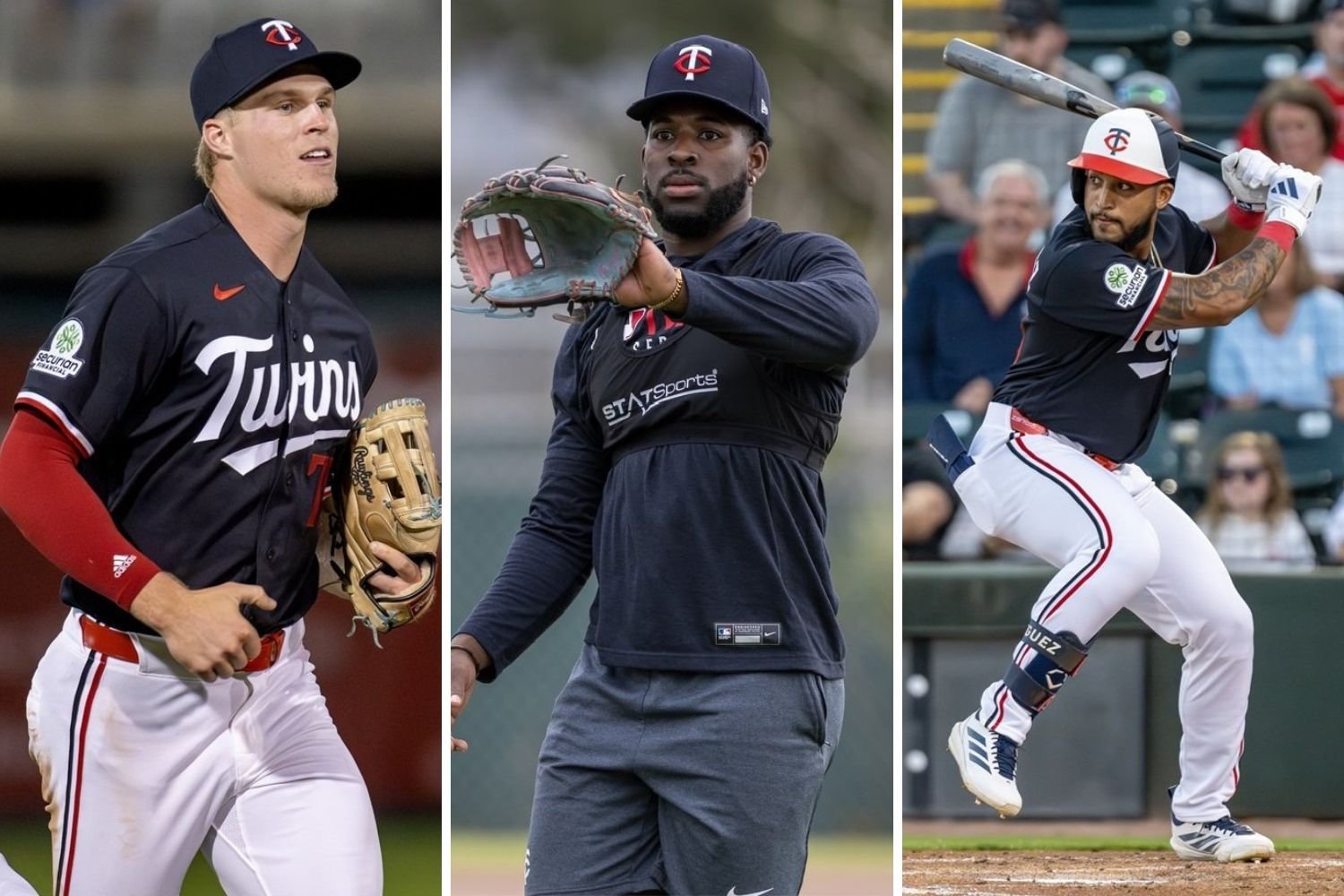 Youth. Prospects. The future. Some years, these are the only places to focus if you want to feel hopeful and positive about your favorite team. For Twins fans, it looks like this is going to be one of those years. Fortunately, the current state of Minnesota's farm system gives plenty of cause for enthusiasm and optimism. Read on for a rundown of our rankings plus analysis of how the Twins compare to the rest of the league, and where their strengths and weaknesses lie. Twins Top 20 Prospects of 2026 Click on the player's name to read our full profile. Walker Jenkins, OF: If he shakes the injury bug, his path to becoming an MLB All-Star is plain to see. Kaelen Culpepper, SS: Broke through in first full minors season, now stands as heir apparent at short. Emmanuel Rodriguez, OF: Boom-or-bust profile is easy to dream on, with rare power/patience blend. Eduardo Tait, C: Standout hitting tool, legit defense make him MN's best catching prospect since Mauer. Connor Prielipp, LHP: Finally healthy last year, he made a convincing case as the system's best arm. Dasan Hill, LHP: Oozing top-of-rotation potential after fanning 83 over 62 IP in first season out of HS. Gabriel Gonzalez, OF: Line-drive machine batted .329 across three levels in breakout 2025 campaign. Kendry Rojas, LHP: Lanky southpaw has drawn attention in camp, flashing impressive FB/SL combo. Marek Houston, SS: Defensive wiz will play in MLB based on glove alone, with star potential if he hits. Charlee Soto, RHP: Boasting some of the org's best stuff and looking to rebound from arm injury. Riley Quick, RHP: Reaches the upper-90s from a 6-foot-6 frame, could rise fast if he stays healthy. Andrew Morris, RHP: Polished strike-thrower who provides immediate depth for the MLB rotation. Brandon Winokur, SS/CF: A big man with big power potential and exceptional athleticism for his size. Quentin Young, SS: Similar traits to Winokur. The question for both: will they make enough contact? Marco Raya, RHP: Hoping to weaponize his high-powered sweeper following conversion to bullpen. Hendry Mendez, OF: Controls the zone well and offers upside if he can start elevating the ball more. Kyle DeBarge, 2B/SS/CF: Speedster struggled in the second half at Cedar Rapids, but stole 55 bases. C.J. Culpepper, RHP: Continues to get results, but must show he can stay healthy and throw strikes. Khadim Diaw, C/CF: Disciplined hitter with an intriguing defensive profile, looking to add some pop. James Ellwanger, RHP: Hard-throwing college draftee has strikeout stuff, could be fast-tracked as RP. POSITIONAL BREAKDOWN Catchers: 2 Infielders: 4 Outfielders: 5 Right-handed Pitchers: 6 Left-handed Pitchers: 3 ESTIMATED ARRIVAL TIMELINES 2026: Jenkins, K. Culpepper, Rodriguez, Prielipp, Gonzalez, Morris, Raya 2027: Rojas, Mendez, C.J. Culpepper 2028: Tait, Houston, Soto, Quick, Winokur, DeBarge, Diaw, Ellwanger 2029: Hill, Young LEAGUEWIDE SYSTEM RANKINGS ESPN: 8 out of 30 Baseball Prospectus: 8 out of 30 MLB Pipeline: 9 out of 30 FanGraphs: 12 out of 30 Baseball America: 12 out of 30 The Athletic: 21 out of 30 STRENGTHS The Twins are generally viewed as having an above-average, but not quite top-tier, farm system relative to the rest of the league. In sizing up their overall mix of talent, a few strengths stand out. Near-ready impact: At least six of the top 10 have a reasonable chance to debut in the majors this season, including all of the top three (Walker Jenkins, Kaelen Culpepper, Emmanuel Rodriguez). Left-handed pitching: There was a long stretch where the Twins had zero left-handed pitchers among their top prospect. How things have changed. Our top three pitching prospects are all southpaws, with Connor Prielipp, Dasan Hill and Kendry Rojas all landing in the top 10. Raw athleticism and strength: Brandon Winokur and Quentin Young are huge physical specimens with really impressive tools. Riley Quick was a highly recruited four-star offensive lineman before attending Alabama and getting drafted as a pitcher by the Twins. There's a lot of volatility and bust potential with such player types, but it's fun to see the Twins taking big swings. Big-velo arms: Quick is one of several pitchers in the Twins system who can throw really hard. Charlee Soto and James Ellwanger are also guys who light up the radar. Prielipp, Hill and Rojas throw harder than almost any left-handed pitchers in Twins history. The question is whether all these velo demons can stay healthy. WEAKNESSES You might notice that, among the farm system rankings from various publications above, The Athletic is a clear outlier. Whereas ESPN, BP, BA, FanGraphs and Pipeline all have the Twins somewhere between eighth and 12th out of MLB teams, Keith Law has them all the way down at 21. His reasoning is pretty straightforward, and tough to deny: health. For all the great talent the Twins have boasted in their system over the years, so much of it has failed to actualize in the majors due to a constant onslaught of injury woes. Unfortunately, that shows no real signs of changing. Jenkins has been hurt frequently since being drafted, and is sidelined this spring by a hamstring strain. Rodriguez has also been oft-injured, totaling only 112 games over the past two seasons. Prielipp has undergone multiple elbow surgeries; he's 25 years old with only less than 115 professional innings logged. We're still in the top five! It's not like the Twins organization has some inherent curse, and much of this is just bad luck, subject to change with the winds of fortune. But there are certain developmental philosophies that might lead to higher likelihood of injury, especially on the pitching side. It's the trade-off for targeting hard throwers or drafting mid-rounders and boosting their velocity. The reality is that we've yet to see any of these guys make it to the big leagues healthy. David Festa and Zebby Matthews have dealt with shoulder issues since graduating. KEEP TRACK OF TWINS PROSPECTS ALL YEAR This series and recap only serve as a snapshot of the Twins' system heading into the season. As the action gets going and players start to move in the rankings, you can follow along through the summer with our Twins Top Prospect Tracker, which is updated frequently. View the full article
 -
Toronto Blue Jays 2026 Position Analysis: First Base
DiamondCentric posted an article in Jays Centre
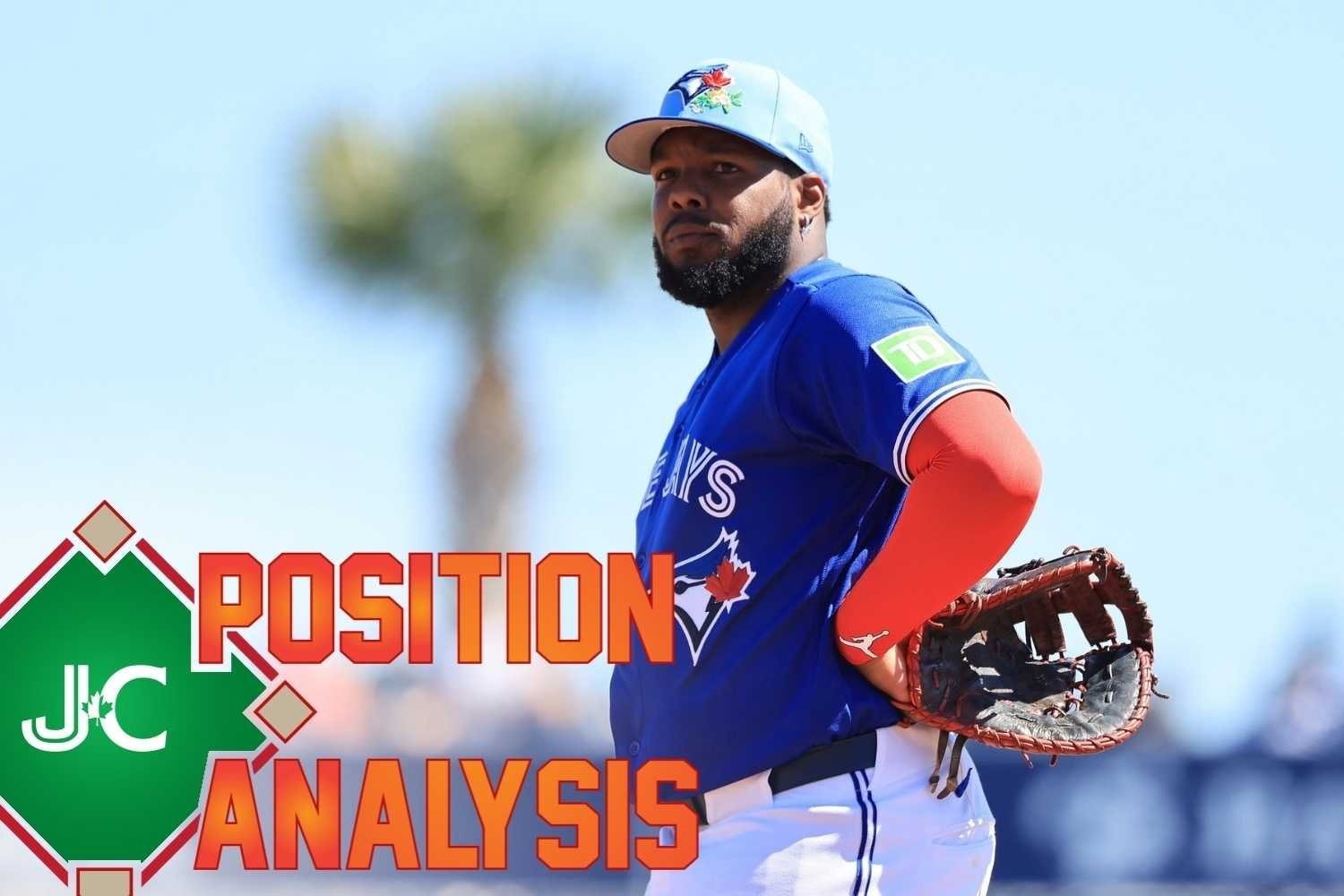 Jays Centre is taking a close look at every position on the Toronto Blue Jays heading into the 2026 season. Check out prior entries in the series here: Catcher Toronto Blue Jays First Basemen at a Glance Starter: Vladimir Guerrero Jr. Backup: Kazuma Okamoto, Ernie Clement Depth: Anthony Santander (IL), Eloy Jiménez (if he makes the team) Prospects: Damiano Palmegiani, Charles McAdoo, Jackson Hornung, Peyton Williams Jays 1B fWAR in 2025: 8th out of 30 Jays 1B FGDC Projection for 2026: 1st out of 30 Vladimir Guerrero Jr. is both elite and remarkably durable. Considering the 14‑year, $500 million extension he signed last season, he is Toronto's first baseman until he or the team decides he can’t handle the role anymore. Based on his track record, that scenario isn’t in the cards any time soon. Instead, the Jays only need to address the question of who looks after first when he starts as the DH or gets injured. Guerrero is among the most durable and high-volume first basemen in Major League Baseball. He consistently ranks near the top of the league in games played and plate appearances at the position. Last season, he started 133 of his 156 games at first. In three other games, he played first after either starting as the DH or entering as a pinch-hitter. There isn’t a single more important position player on the Blue Jays' roster than Guerrero. Since 2021, he has piled up more innings at first than any AL peer, and he’s coming off a monstrous 2025 postseason that powered Toronto to the World Series. He’s also under team control through 2039, making contingency planning more about short‑term risk management than succession. I haven’t found an Opening Day projection that doesn’t have Guerrero as the everyday first baseman. That said, as is now customary in professional sports, especially for superstars, he will face some load management that will necessitate that Kazuma Okamoto and Ernie Clement fill in when required. The depth charts on FanGraphs and CBS paint a similar picture, with Vlad as the primary and Okamoto and Clement among the first backups. Sports Illustrated’s positional ranking has this group at the top when it comes to each team's first base setup across MLB. No team can replace a player like Vladdy, but if he is starting at DH, resting or injured, the Jays will look to find the sweet spot of defensive talent, contact hitting and run-production to fill his shoes at first. Plan A (for Non‑Vlad Days): Kazuma Okamoto When the team signed Okamoto, management was very open about what they perceived as an opportunity to use his defensive versatility to their advantage. That includes his playing left field and first base. Okamoto brings a resume that suggests, based on his time with the Yomiuri Giants of NPB, he is a capable first baseman. In fact, he won the Japanese version of a Gold Glove in 2024 at the position. His hitting in his first four spring training games before he left for the WBC bodes well as he transitions to the MLB. He hit a home run and two doubles in nine at-bats. Okamoto will hopefully complement the contact-first orientation of the Jays’ offensive philosophy. From a lineup geometry perspective, moving Okamoto to first would allow Addison Barger to play third and open up some playing time for one of the outfielders (Nathan Lukes, Myles Straw, Eloy Jiménez or Davis Schneider) off the bench. For the 10 or 15 games that Guerrero won’t start at first, Okamoto would be the cleanest fill-in with minimal disruption to the lineup and defense. Plan B: The Utility Safety Net Heading into the 2025 season, Clement had only played first in the majors five times while playing for the Guardians. Last season, he played first for 15 games, though he only started six of them. Clement has become Toronto’s utility glue. He’s projected to start at second base this year, but the coaching staff trusts him everywhere, including first. He won’t replicate Guerrero’s power, but his bat‑to‑ball skills, reliable hands and baseball IQ can stabilize the right side of the defence when the priority is run prevention and clean innings. Clement at first allows Okamoto to focus on third while Barger can stick to the outfield. It does mean that the Jays would need a fill-in at second, however. That might result in a negative offensive blip, if Leo Jiménez is the answer, or a defensive downgrade, if Davis Schneider is the one who slides into second. Plan C and Beyond: Not So Clear There has not been a lot of talk about who on the major league roster could fill the first base position. Once healthy, Anthony Santander could potentially fill in at first. His timeline, however, is a return in August or September. According to MLB.com's Keegan Matheson, Eloy Jiménez has been spending significant time in spring training working out at first base. That might be an indication that if he makes the team, he’ll get an opportunity to back up Vladdy. Further down the depth chart, and one has to really scan down, there are a few more names that have the potential to make the leap to the majors. Charles McAdoo is projected to be ready by 2027 and possibly earlier. He is a third baseman/first baseman and Jays Centre's 14th-ranked prospect, as of our latest update. More likely would be Damiano Palmegiani, whose calling card is power. He’s been developed as a corner infielder with some work in the outfield. He could potentially get the call if he has a strong start in Buffalo. Baseball America highlights both his power and approach but flags his swing and miss vs. spin and defensive limitations. FanGraphs lists several other minor leaguers as options at first, including Jackson Hornung and Peyton Williams (who both reached Double A in 2025) and Carter Cunningham and Brennan Orf (a pair of left-handed-hitting first basemen in High A). At this point in their careers, none of these players appear ready to make a big jump to the major league level. If Guerrero Misses Two Weeks… Six Weeks… or Two Months Daily plan: Okamoto starts approximately 70–80% at 1B; Clement picks up the rest in platoon matchups; Barger locks 3B most days. Net effect: Offense dips from MVP-calibre to solid but variable; defense improves mildly on some days (Clement); run prevention keeps the floor high. Longer-term structural move (4-6 weeks): Promote a corner power bat (Palmegiani) or sign a short‑term veteran to soak up DH/1B at‑bats so Okamoto isn’t overexposed to position hopping. The front office has shown an appetite for in‑season corner bat adds in the past (like Ty France last season) to cover first base innings when Guerrero is pencilled in as DH. As long as Guerrero stays healthy, the Jays have one of the best in baseball at first base. Plans A and B address load management with complementary pieces to support short-term coverage. The lack of organizational depth is only a concern if Guerrero is injured and out of the lineup for an extended period. The Jays have intentionally prioritized MLB‑level flexibility over pure first base depth at Triple A and throughout the minors. It’s as much a bet on Guerrero’s availability and durability as it is on Okamoto’s adaptability. For the Jays, first base is elite so long as Vladdy is in the lineup. The position is adequately insulated for any short-term challenges. Any injury beyond a few weeks, though, would likely push the front office to explore a trade to ensure run production doesn’t sag in a tough division. View the full article
 -
Boston Red Sox 2026 Position Analysis: Designated Hitter
DiamondCentric posted an article in Talk Sox
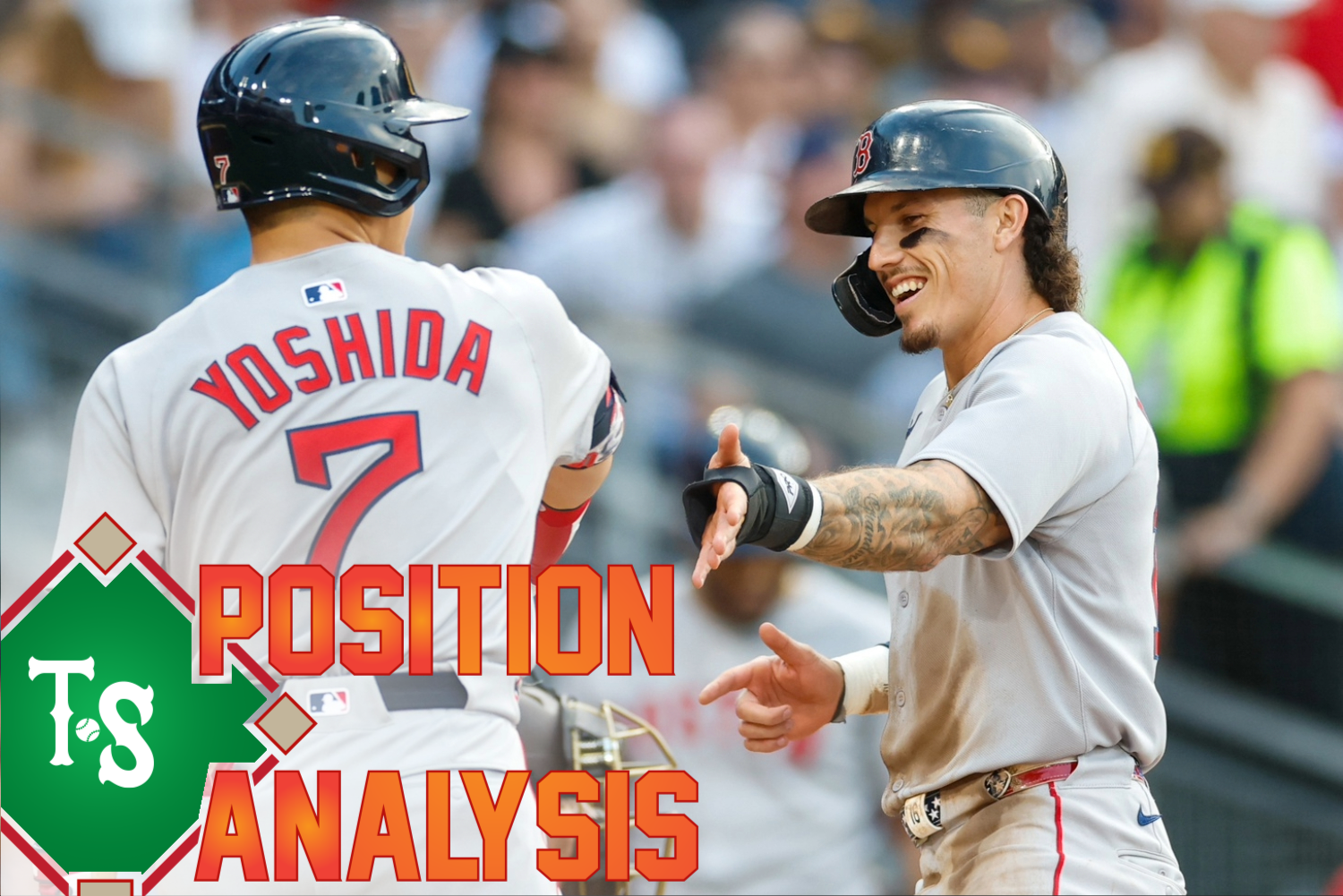 Designated hitter is arguably the most convoluted position in the Boston Red Sox’s lineup as we head into the 2026 season. That spot seems like it is primed to help the team kick the can down the road even further while they try to figure out how to knock loose the outfield logjam. Now, having too many major-league-caliber offensive players on one roster is hardly a negative thing, but Alex Cora is going to have to get creative very early on this season if the goal is to get regular at-bats for everyone currently labeled as an outfielder on the 26-man roster. Let’s dive into the position that may make or break the lineup this season. Red Sox Designated Hitter At A Glance Starter: Jarren Duran Backup: Masataka Yoshida Depth: Roman Anthony, Willson Contreras, Triston Casas Red Sox fWAR Ranking Last Year: 7th out of 30 Red Sox fWAR Projection This Year: 13th out of 30 The Good That’s a lot of potential power across the board for the designated hitter position. Both Duran and Yoshida have had standout performances during the World Baseball Classic, and Duran was on fire early in spring training, even against left-handed pitchers like Chris Sale. If Duran has found his power stroke again, and early returns indicate that he has, he should serve as the primary DH for the Red Sox moving forward. Anthony will see some time there on occasion because Duran needs to play the field from time to time as well, but those breathers should be few and far between as Anthony should be seeing regular time in left field as long as he’s healthy. Contreras will get the lion’s share of reps at first base but will need the occasional day off from the field as well, so look for him to rotate into the DH role too. What does that mean for Yoshida, though? Your guess is as good as mine. There has been at least rumored interest in him during the offseason and his strong showing at the WBC may give some teams the confidence to take on part of his salary to add him to their lineup, but that’s not a given. If healthy, and he clearly seems to be, he’s going to be an incredibly expensive bench piece. That’s a waste of his talent and team resources. The smart play here is to cut bait and eat the bulk of the rest of Yoshida's contract to send him somewhere he can get regular reps. The unknown here is Casas. We’re likely not going to see him until mid-to-late April at the earliest since he’s not going to get into any Grapefruit League games. Casas has 30-home run potential, but we’ve yet to see a fully healthy season out of him. If he bounces back from his knee injury as expected, he’s going to be pushing for a spot on the major-league roster sooner or later. While that’s an exciting thought for this season, it creates far more questions surrounding the current construction of the lineup. The Bad Essentially, take every good outcome listed above and reverse it. That’s the potential downside of having an open-door DH policy. Duran could struggle against left-handed pitching again while failing to provide much of a spark against righties. Anthony could hit his sophomore slump early in the season and take time to recover as the league adjusts to him. Contreras may not live up to the hype as a dominant pull-side hitter at Fenway. Yoshida could continue to struggle during the regular season. Casas might be slapped with the injury-prone label as he fails to return to form after two devastating injuries the past two years. It would be a catastrophe for the Red Sox, but let’s not pretend like the team is immune from those. Expecting all of that to happen during the same season, at the same time, feels farfetched right now. Should one or two of them come to pass, though? Then the front office will be on the ropes. The Bottom Line The Red Sox are in a very good place when it comes to the talent that will be cycling through the designated hitter position in 2026. Is there a true big-bat thumper in the group? That’s unlikely, but with how players have been performing in spring training and the WBC, it looks like there could be 20+ home run potential from each of the names listed above. That’s huge, especially for a team that lacks power on paper. The Red Sox have spent the offseason building, potentially, the best starting rotation in baseball. Alex Cora and Craig Breslow have even made comments about having to win low-scoring games with their defense. While that’s certainly on the table, it'd be nice if the offense can slug its way to a few wins as well. View the full article
 -
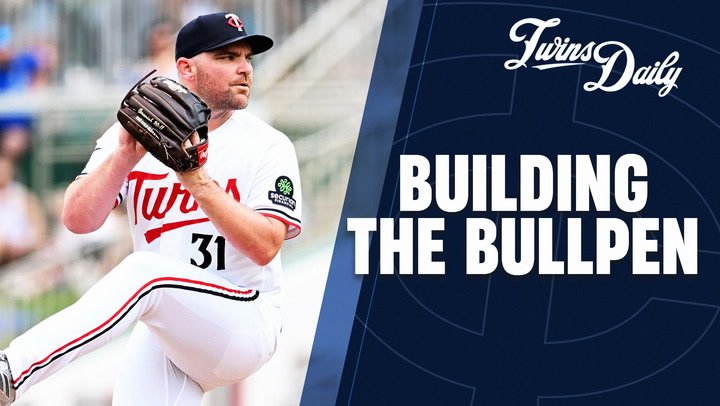 The Twins’ bullpen picture is mostly set heading into Opening Day, but a couple of spots are still very much up for grabs. So who has the inside track, and what could ultimately decide those final roster decisions? Names discussed include: Justin Topa, Eric Orze, Zak Kent, Liam Hendriks, Cody Laweryson, and Dan Altavilla. View the full article
 -
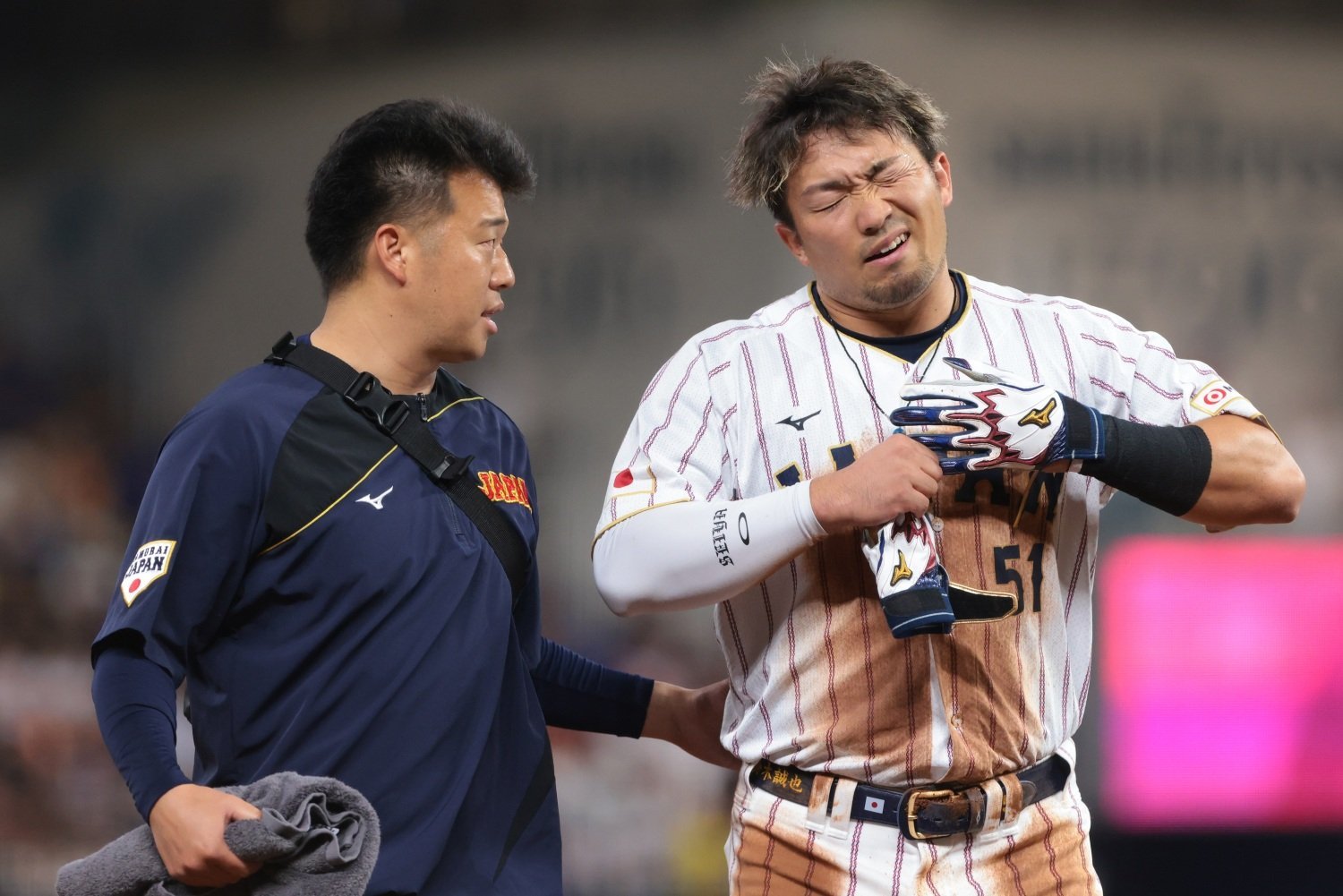 It was all going so well. Before Venezuela ousted Samurai Japan Saturday night, Seiya Suzuki went 3-for-10 in the World Baseball Classic, with a homer and a double. He played center field, batted near the top of the order, and drew six walks, while striking out just once. Then, in a nightmarish turn for the Cubs, he seemed to twist or jam his knee as he went into a slide on a stolen-base attempt, and limped off the field in the first inning of Japan's eventual loss. Even as he returns to Arizona, the question looms: If he's out for an extended period, who will take his place as the team's regular right fielder? The most obvious candidate is Matt Shaw. Displaced from third base, Shaw has responded well to the challenge of playing the outfield this spring, and his stance and swing seem to have undergone another round of adjustments. His numbers last year weren't pretty, and he's certainly not the hitter Suzuki is, but as he works past some of the consequences of having been rushed to the majors, he might be ready to handle a bat-first everyday job. We don't yet know whether Suzuki will miss any time, though, and even if he does, it's most likely that some combination of Shaw, Michael Conforto, Chas McCormick, Dylan Carlson and/or Kevin Alcántara will fill the gap, rather than that any one of them will take all the playing time. With up to nine potential starting pitchers on the roster, few major-league teams have more pitching depth at the ready. One hurler whose role is still not quite clear, however, is Ben Brown. While the youngster continues developing a stronger arsenal (with greater dedication to his sinker and changeup than in the past), he's locked in on the mound in Mesa. He's posted a 3.38 ERA in 10 2/3 innings and has struck out 33.3% of the batters he's faced. He could be ticketed for a starting job in Iowa, or a bullpen job in Chicago—although he sounds like a man on a mission to earn a big-league rotation spot. There's nothing good about an injury to anyone on the roster, especially to one so instrumental to their success. Hopefully, Suzuki's balky knee calms down quickly. For now, though, the team's problems are in balance with its reasons for optimism. Setbacks are a part of the game, but the Cubs are well-equipped to handle them. View the full article
 -
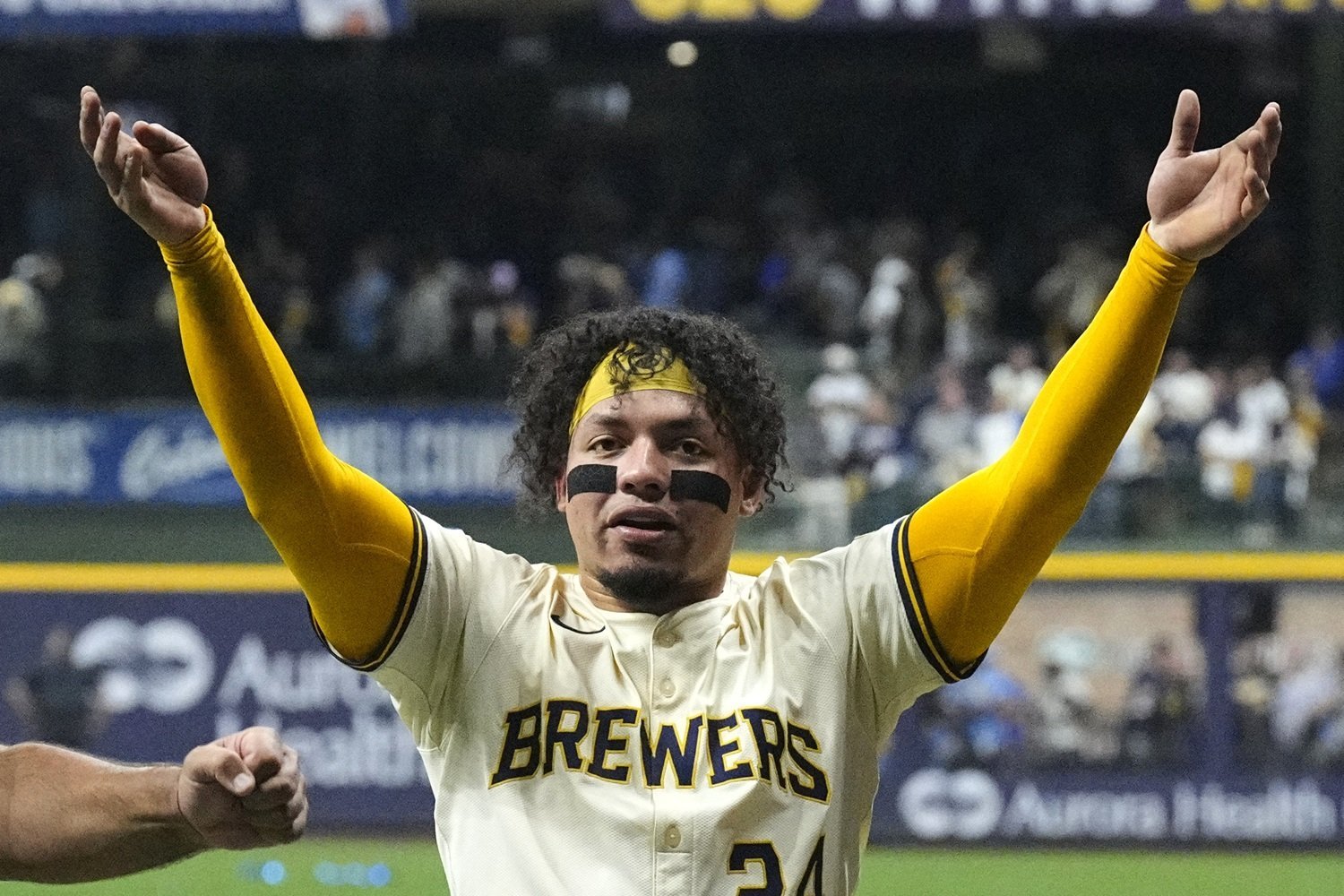 Since William Contreras came over in a three-team trade back in December 2022, catcher has been a stable position for the oft-churning Milwaukee Brewers. His health and production are critical to the Brewers’ success in 2026, and reuniting him with an old friend as a backup should provide a very capable duo behind the plate. BREWERS CATCHERS AT A GLANCE: Starter: William Contreras Backup: Gary Sánchez Depth: Reese McGuire* Prospects: Jeferson Quero, Marco Dinges *On a minor-league deal; may opt out if not added to active roster by a certain date Brewers fWAR Ranking Last Year: 6th out of 30 Brewers fWAR Projection This Year: 5th out of 30 THE GOOD A two-time All-Star with two Silver Sluggers in his cabinet, Contreras appeared in 150 games for the Brewers last year, hitting .260/.355/.399 with 17 home runs. Those numbers were down from the past three seasons, as his OPS was the lowest he's had with the Brewers. However, his production still wasn’t bad. Contreras was an above-average hitter, with an OPS+ of 111 (100 is average; higher is better). Much of the decreased production traces to a fractured left middle finger that he played through for much of the 2025 season. Defensively, Contreras was good in 2025. His throwing accuracy improved, and his framing and blocking were also above-average. Now, with the injury issues (hopefully) behind him, Contreras will look to get back to his previous level of offensive output. A fellow two-time All-Star (although those honors came in 2017 and 2019), Gary Sánchez returns to the Brewers after a year away in Baltimore. Like Contreras, Sánchez dealt with injuries last year. He was sidelined with wrist inflammation early in the season, and had a severe knee sprain that forced him onto the 60-day IL in early July. Sánchez is well past his peak offensively. He was just below average when last he played for the Crew, with a 94 OPS+ via a slash line of .220/.307/.392 and 11 home runs in 280 plate appearances. Defensively, Sánchez grades out considerably worse than Contreras, but he's playable there. He will provide most of his value with his bat in 2026 and will look to contribute on Contreras’s days off behind the plate—as well as in occasional spots in the designated hitter role. Reese McGuire is the third veteran catcher in the organization, and could see a role in 2026. I wrote about him potentially contributing in the home run column before the Brewers signed Sánchez, and that still could be an option if one of the two names above goes down with an injury—and if McGuire remains in the organization. McGuire had a career year in 2025 with the rival Cubs, hitting nine home runs in 44 games. However, McGuire has never played more than 89 games in a season, so don’t expect him to hit that number this year unless disaster strikes. The 31-year-old is adequate catching depth, and that's the role he could play in 2026 for the Brew Crew. THE BAD There aren’t a lot of downsides for this position group outside of injuries, but one thing to keep an eye on is opponents stealing bases. The Brewers have done a good job containing the running game (.49 stolen bases allowed per game in 2025, 2nd-fewest in MLB), and they will look to continue that in 2026. However, Contreras gave up a bit of sheer arm strength to be more accurate this season. If he continues to lose steam and an inexperienced pitching staff struggles to hold runners, they might lose that elite standing in steals prevention. THE BOTTOM LINE This position group has the highest-ranking fWAR projection of any department of the Brewers roster, for good reason. Contreras is a key cog in the Brewers’ winning machine. Keeping him on the field and healthy should be a priority. Looking ahead, he won’t be a free agent until after 2027, but developing a successor should be a priority. Jeferson Quero and Marco Dinges are both top-10 prospects in the Brewers’ farm system, according to MLB.com. However, short-term success relies purely on Contreras, and the most likely outcome is that he is one of the best catchers in MLB this season. All other considerations are mere emergency fallback plans. View the full article
 -
Is Dan Altavilla Becoming a Lock For Minnesota Twins’ Bullpen?
DiamondCentric posted an article in Twins Daily
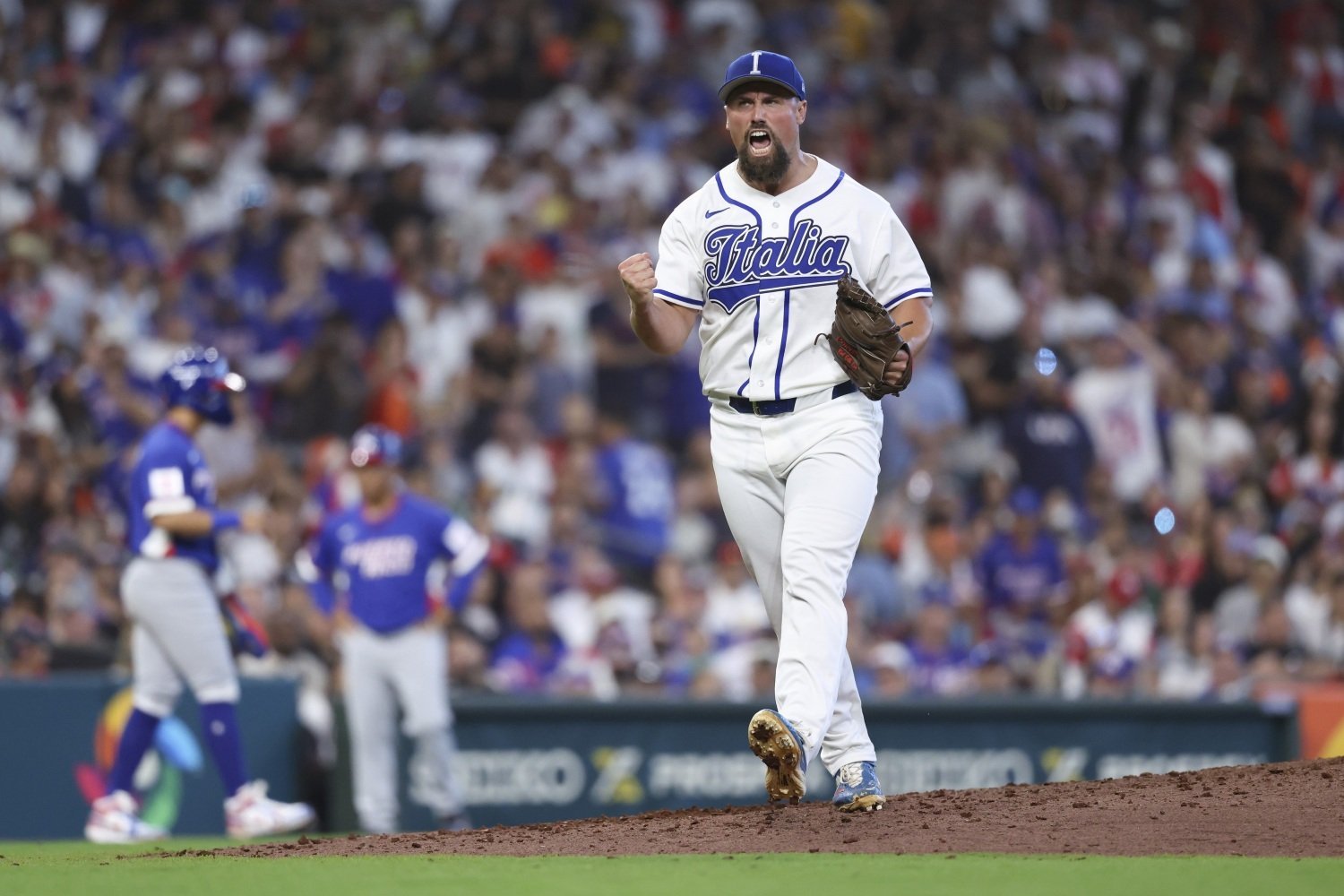 In the five weeks since Minnesota Twins pitchers and catchers reported to spring training in Ft. Myers, the most closely monitored position group has been the bullpen, with fans and pundits interested in how the eight-pitcher collective will look as the team travels to Baltimore to face the Orioles on Mar. 26. Right now, Cole Sands is a lock to be part of the Opening Day group. Veteran southpaws Taylor Rogers, Anthony Banda, and Andrew Chafin are strong candidates to join Sands, with 35-year-old righty Justin Topa also likely earning a spot. However, three spots remain in flux, with spring training set to conclude in just over a week. Lefty Kody Funderburk is a strong candidate to fill one of those three spots. Because they're already lefty-loaded and Funderburk can still be optioned to the minors, though, the front office could send him to St. Paul to begin his 2026 campaign at Triple-A, to maximize depth. Righty Eric Orze, 28, is in the same boat as Funderburk; the team still holds the right to option him. Liam Hendriks has an automatic opt-out clause in his contract, but the Twins could add him to the 40-man roster only to move him to the injured list to begin the season. Prioritizing depth with Funderburk and Orze and health with Hendriks, Minnesota could be poised to hand one of its final bullpen spots to Dan Altavilla. Signed to a minor-league contract in mid-December, the 33-year-old Altavilla joined Minnesota after strong persuasion from new bullpen coach LaTroy Hawkins. Hawkins is a “big fan” of Altavilla, and expects the veteran to be “a big asset for [the Twins] this year.” That piece from Zone Coverage ran on Feb, 19. The hard-throwing righty has only improved his case over the past month, performing like one of the club’s best relievers this spring. Over three innings pitched, Altavilla has a 0.00 ERA, a 2.34 FIP, and a 22.2% strikeout rate. Spring results don't matter, of course, and three innings' worth of spring results matter even less. Yet, his impressive performance this spring comes off a 2025 campaign with the Chicago White Sox in which he posted a 2.48 ERA, 4.66 FIP, and a 21-to-15 strikeout-to-walk ratio over 29 innings. Altavilla’s alarming underlying metrics and well-below-average walk rate suggest he should have performed worse last season. Still, he managed to induce an incredibly low hard-hit rate and average exit velocity when attacking the zone, resulting in a near-elite ground ball rate (50%; the league averages roughly 43%). With an above-average sinker and slider, Altavilla has a profile roughly similar to that of Topa. Topa has regressed since joining Minnesota, and those who follow the Twins shouldn’t expect Altavilla to sustain a sub-2.50 ERA if he pitches for the club this season. Still, if Altavilla could perform at a similar rate to Topa’s 2025 campaign (wherein he netted a 3.90 ERA and 3.04 FIP while generating weak contact), he'd give them a harder-throwing insurance policy against further injury or regression by Topa himself. Currently pitching for Team Italy in the World Baseball Classic, Altavilla fits a comparable archetype to Chafin and Hendriks, in that he's a veteran brought in on a minor-league deal who is out of minor-league options. After a solid Grapefruit League look and two innings in which he's surrendered one homer but struck out four and walked just onee in the WBC, there's little chance Minnesota would be able to stash him at Triple A to begin the 2026 campaign. Altavilla would likely refuse his assignment, enter free agency, and join a different organization. Instead, Twins decision-makers would be wise to prioritize organizational depth and add the sturdy righty to the 40-man roster, awarding him a spot in the Opening Day bullpen. View the full article
 -
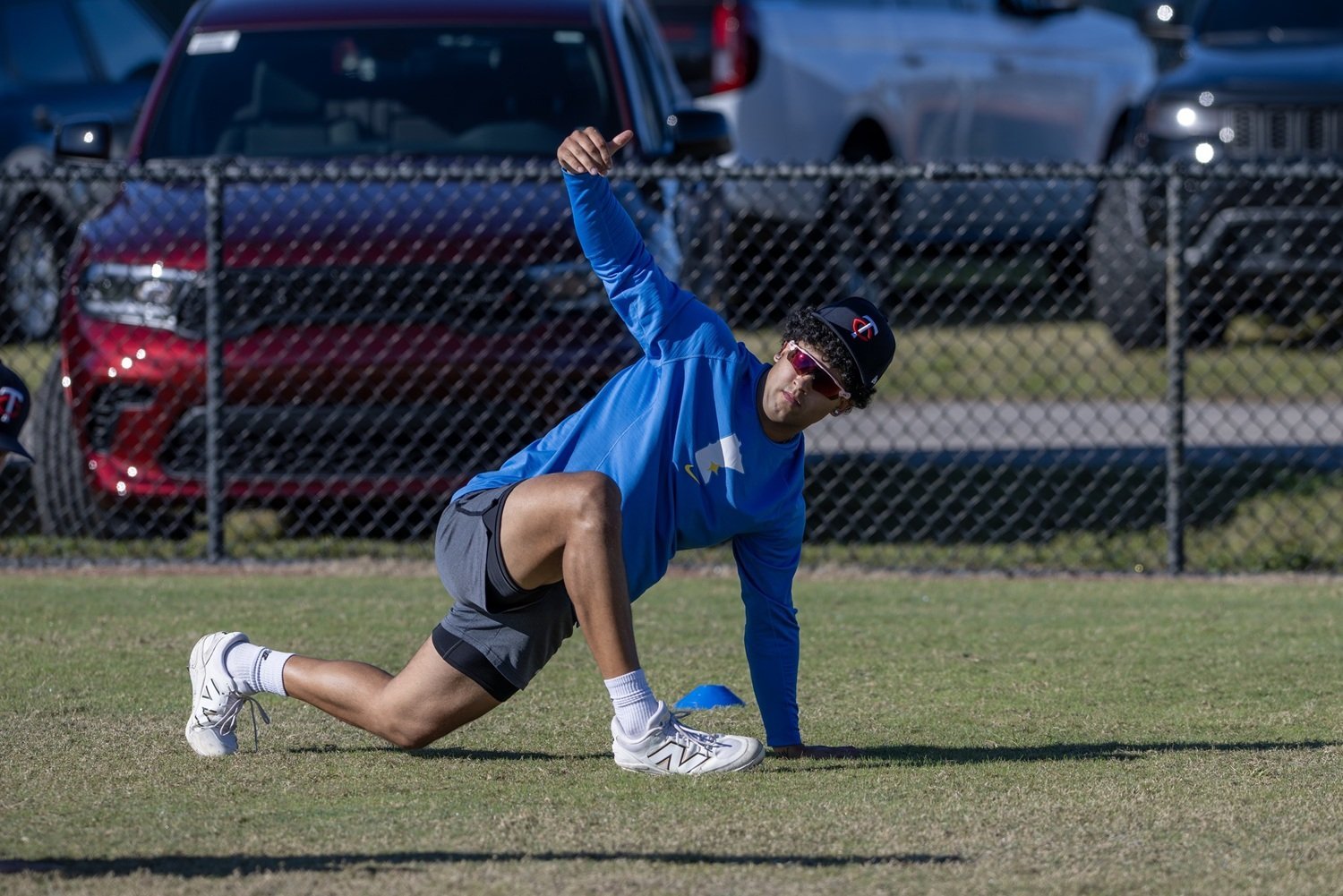 Investing heavily in a high school pitcher is always risky. Pitchers are fragile, their development can take longer than planned, and injuries are common. The Twins accepted those risks when they picked Charlee Soto with the 34th overall pick in the 2023 MLB Draft. Now, the early portion of Soto’s professional career has served as a reminder of that risk. According to MLB.com reporter Matthew Leach, Soto is behind schedule this spring as he continues to recover from bone spur surgery that took place last summer. The Twins Daily No. 10 prospect will open the 2026 season on the injured list, though there is some encouraging progress. Soto is expected to begin throwing live batting practice in early April, which could put him on a path toward returning to game action sometime later in the spring. Though not ideal, the delay is just another twist in Soto’s development. The Twins rarely use early picks on prep pitchers because it’s a volatile profile, often preferring college arms or position players at the top of the draft. Soto was an exception. The 17-year-old right-hander out of Reborn Christian Academy in Florida had the type of electric arm talent that made the gamble worthwhile. Minnesota signed him for a 2.48 million bonus and immediately placed him among the most intriguing young arms in the system. Since then, however, the results have been mixed. Soto made his professional debut in 2024 and spent the year with Fort Myers. The Twins managed his workload carefully, which is common for young pitchers in their first full season. Across 21 appearances, he posted a 5.23 ERA while showing flashes of the raw stuff that made him such an appealing draft target. His fastball velocity and overall athleticism remained impressive, but consistency proved difficult to maintain. The following season brought even more frustration. In 2025, Soto managed only 13 innings before injuries interrupted his year. A triceps strain sidelined him after just three starts with Cedar Rapids. As he worked his way through that recovery process, another issue emerged. In August, Soto underwent a procedure to remove a partially detached bone spur in his elbow. The positive news was that doctors found no structural damage in the elbow itself. For a pitcher, that distinction matters. Structural issues involving ligaments often lead to lengthy recoveries and, in some cases, major surgery. Soto avoided that scenario, which allowed the Twins to remain optimistic about his long-term outlook. This spring represents the first step toward putting those health questions behind him. Even though Soto will begin the season on the injured list, the expectation is that he will gradually build up his workload once he returns to the mound. Live batting practice in early April is typically one of the final checkpoints before pitchers resume competitive innings. If everything progresses as planned, Soto could see game action not long after that. Soto’s talent has never been the primary concern. His fastball already flashes the type of life that scouts dream about when projecting future big-league starters. His secondary pitches still require refinement, but the foundation of a legitimate pitching arsenal is there. What the Twins need to see now is durability and repetition. That means building innings. After throwing only a small number of frames over the last two seasons, Soto’s goal in 2026 should be to push past the 100-inning mark. Reaching that threshold would represent a meaningful step in his progression and help answer some of the durability questions that currently surround him. Equally important will be his ability to refine his command and pitch sequencing. Young pitchers often rely on raw velocity early in their careers, but long-term success requires learning how to navigate lineups, adjust during games, and consistently locate pitches in competitive counts. If Soto can combine improved health with those developmental gains, his prospect stock could rebound quickly. For now, patience remains the key. His 2026 season may begin later than expected, but it will offer another opportunity for Soto to show why the Twins believed in his potential in the first place. If he can return to the mound, stay healthy, and steadily build his workload, the narrative surrounding his development could start to shift again. For a pitcher with Soto’s ceiling, simply getting back on the field and logging consistent innings would be a meaningful step toward the future the organization envisioned on draft day. View the full article
 -
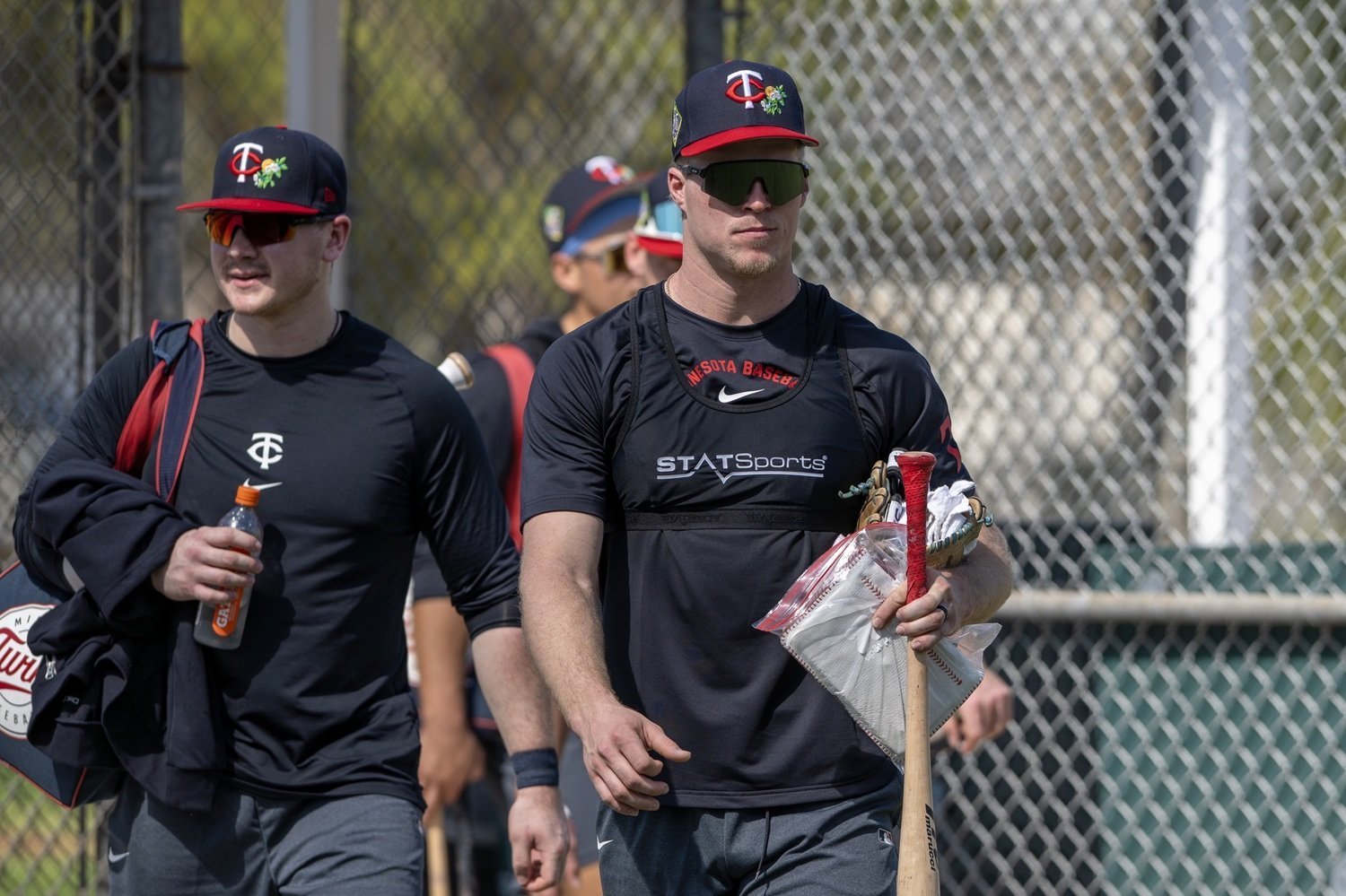 The Minnesota Twins have spent the past three seasons watching one of the most talented prospects in baseball climb through their farm system. Now, after a brief injury scare this spring, Walker Jenkins appears to be getting back on track. According to Matthew Leach of MLB.com, Jenkins is “tracking well” to be available for Opening Day with the St. Paul Saints. The update came Sunday from Twins general manager Jeremy Zoll, offering a positive outlook for the organization’s most important young player. Jenkins suffered a Grade 1 left hamstring strain on February 28, an injury that forced the Twins to slow his spring workload. Fortunately for both the player and the organization, the strain was considered mild, and his recovery has gone smoothly. The 21-year-old outfielder is expected to begin appearing in Minor League games by the end of the upcoming week as he continues ramping up his activity. His availability for the Twins’ upcoming Spring Breakout showcase on Thursday remains uncertain, and the club is unlikely to rush him into that event if he is not fully ready. Even without the Spring Breakout appearance, the most important goal for Jenkins is simply returning to a regular schedule before the Minor League season begins. Jenkins is widely considered the top prospect in the Twins system and one of the best prospects in baseball. Baseball America ranks him as the no. 9 overall prospect, a reflection of the tools that made him the fifth overall pick in the 2023 MLB Draft. Last week, Twins Daily profiled him as the organization’s top prospect. Since entering professional baseball, Jenkins has done little to challenge those expectations. Scouts praise his advanced hitting approach, elite bat-to-ball skills, and the type of plate discipline rarely seen from a player his age. His combination of athleticism and offensive potential has led many evaluators to project him as a future cornerstone in the middle of the Twins' lineup. The Twins believe the best path forward is allowing Jenkins to start the season with St. Paul, where he can continue facing upper-level pitching while adjusting to the grind of a full professional season. Triple-A will provide the final developmental stage before a potential big league opportunity. That timeline also gives the organization flexibility. If Jenkins performs well and stays healthy, the Twins could view him as a legitimate option for the major league roster during the second half of the season. For now, the most important step is simply getting back on the field. A return to Minor League games in the coming days would represent another step in Jenkins’ steady climb through the system. If everything continues trending in the right direction, the Twins may soon have one of baseball’s brightest young talents knocking on the door of the big leagues. View the full article
 -
Spring Training Usage Tracker: Luke the Left Fielder
DiamondCentric posted an article in Twins Daily
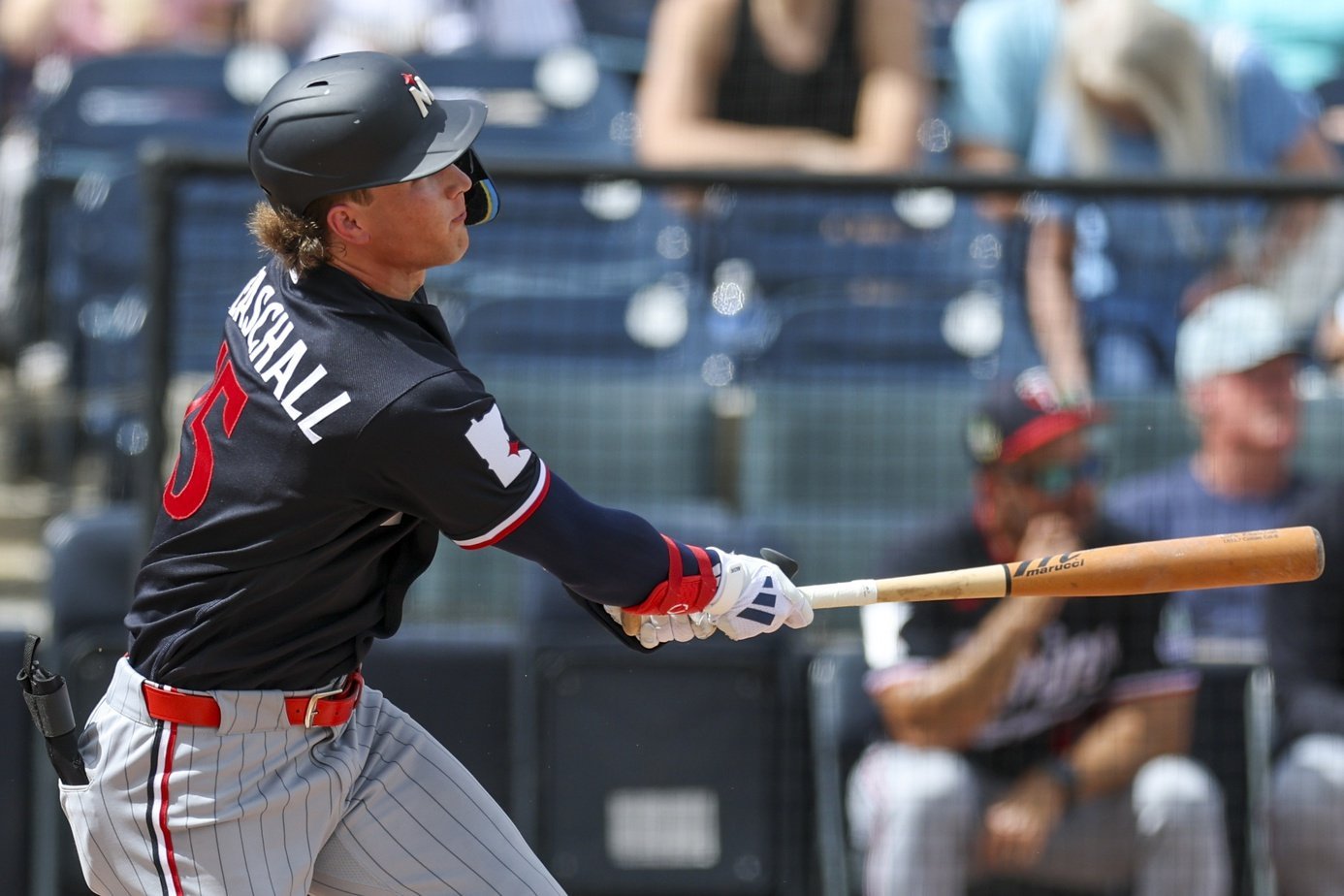 Spring training stats don't matter, but usage trends do, especially at this stage of the game. We're now only 11 days from the season opener in Baltimore. The Twins roster has been whittled down and Derek Shelton is increasingly obligated to operate with — to borrow a word he likes — intentionality. This is no longer just about getting guys their reps and experimenting. As Opening Day approaches, players needs to start acclimating to their planned roles, and final decisions need to be informed. So it's worthwhile to keep a close eye on lineup construction and pitcher deployment, which we track in this space. Last week we checked in who's been playing where in the first half of camp. Here's an update seven days later with a few quick notes on what stands out. Total starts are listed next to each player, with their number of starts in the past week (Monday through Sunday) listed in parentheses. Catcher Ryan Jeffers: 10x (3x) Victor Caratini: 7x (2x) Alex Jackson: 6x (2x) Noah Cardenas: 1x No surprises here. The top three catchers are splitting reps evenly. But the Twins aren't really breaking in anyone as a third-string catcher for the event that Jackson doesn't make it through waivers. Cardenas, who's presumed to fill that role, has seen plenty of action as a sub. First Base Josh Bell: 10x (2x) Eric Wagaman: 6x (2x) Kody Clemens: 4x (2x) Victor Caratini: 3x (1x) Aaron Sabato: 1x The balanced usage here reinforces my belief that first base will be heavily rotated. I don't expect Wagaman to make the Opening Day roster, but would guess he'll see plenty of action there over the course of the season. Second Base Luke Keaschall: 9x (3x) Kody Clemens: 7x Tristan Gray: 4x (2x) Orlando Arcia: 3x (2x) Kaelen Culpepper: 1x I mentioned last week that I was surprised to see Clemens getting so many spring starts at second base (and so few at first). Since then he's made two starts at first and zero at second. Third Base Royce Lewis: 9x (4x) Gio Urshela: 5x Ryan Kreidler: 3x (2x) Tristan Gray: 3x (1x) Eric Wagaman: 2x Orlando Arcia: 1x Jake Rucker: 1x The injury scare that got Lewis scratched from the lineup a couple weeks ago now appears to be completely in the rear-view, which is good news. He's been starting at his set position as consistently as anyone else of late. Still no appearances at third base for Clemens, even as a sub. Shortstop Brooks Lee: 13x (4x) Orlando Arcia: 5x (1x) Tristan Gray: 3x (1x) Ryan Kreidler: 3x (1x) Lee leads the team in starts at a single spot this spring with 13 at short, as the Twins continue to evaluate his three backup options. This position has perhaps the worst starter and the worst depth on the roster. Left Field Austin Martin: 7x (1x) Trevor Larnach: 6x (1x) Luke Keaschall: 3x (2x) Alan Roden: 2x Emmanuel Rodriguez: 2x James Outman: 2x (2x) Eric Wagaman: 1x (1x) Gabriel Gonzalez: 1x Keaschall getting two more starts in left field was the most eye-catching development in camp over the past week. It's starting to look less like a novelty and more like something the Twins could actually implement at times (although he hasn't looked the sharpest out there). If Keaschall, Martin, Larnach, and Outman or Roden are all options in left field, the Twins will have plenty of matchup flexibility. Note that Larnach was originally scheduled to play left field on Sunday against the Red Sox, but was scratched shortly before game time with left side soreness, so that will be something to keep an eye on. If he has to start on the injured list, the door is flung wide open for Roden, who continues to produce this spring. Center Field James Outman: 6x (1x) Byron Buxton: 4x Austin Martin: 5x (3x) Alan Roden: 5x (2x) Ryan Kreidler: 2x (1x) Walker Jenkins: 1x Emmanuel Rodriguez: 1x The candidates to back up Buxton have all been getting plenty of looks while he's away at the World Baseball Classic. Among that trio, Outman is the truest center fielder, but the Twins are taking every opportunity to evaluate the viability of Martin and Roden, who got five of seven starts. Right Field Matt Wallner: 10x (3x) Alan Roden: 6x (2x) Trevor Larnach: 4x (2x) James Outman: 2x Ryan Kreidler: 1x Gabriel Gonzalez: 1x I continue to believe that Wallner will be the starter in right field almost every day. Unlike left, the Twins aren't really setting up platooning possibilities at the position, with lefty hitters starting 23 of 25 games, including all seven last week. One related note: On Sunday, Martin made (I believe) his first spring appearance in right field, sliding over in the middle innings after starting in left. Designated Hitter Bell: 5x (3x) Wallner: 3x (1x) Larnach: 3x (1x) Urshela: 3x (1x) Lewis: 2x (1x) Buxton: 2x Caratini: 1x Jeffers: 1x Keaschall: 1x Rodriguez: 1x Gonzalez: 1x Mendez: 1x About what you'd expect: the three clear bat-first players on the roster getting a majority of DH time. If Larnach misses time that could shake things up here. The Pitching Carousel As we march toward Opening Day, it becomes increasingly interesting to follow the pitching usage. Who's starting, in what order, and how are they mapping toward the first series of the season? On the relief side, who is entering in the early part of games? Generally, you expect the pitchers who are going to be in more significant roles to be the first ones in — you're never guaranteed to face high-end competition in spring training, especially at home, but you're far more likely to throw against legit MLB hitters if you're coming in for the fifth or sixth versus the eighth or ninth. Here's how the starters lined up over the past seven days, along with the first and second relievers to enter (not including the stock arms who enter to finish the last inning for a starter): Monday – Zebby Matthews (Liam Hendriks, Andrew Morris) Tuesday – Joe Ryan (Cole Sands, Zak Kent) Wednesday – Taj Bradley (Taylor Rogers, Andrew Chafin) Thursday – Bailey Ober (Hendriks, Sands) Friday – Mick Abel (Kent, Cody Laweryson) Saturday – Simeon Woods Richardson (Rogers, Hendriks) Sunday – Zebby Matthews (Eric Orze, Matt Bowman) Here are a few observations based on what I'm seeing above. Take them with a grain of salt because observations and extrapolations is all they are. Joe Ryan should be in line to start on Opening Day. He made his first official spring start on Tuesday and threw 48 pitches over three innings. From there it sounded like his next appearance might come for Team USA in a potential WBC championship game this coming Tuesday, but this plan has been nixed. With Ryan staying in camp, my assumption is that he'll start Monday against the Pirates (75 pitches?), then again on Saturday against the Rays (90?), setting him up pitch in Baltimore on March 26th with a standard four days' rest. Simeon Woods Richardson could do it too, though. Woods Richardson pushed all the way to 79 pitches in his latest start on Saturday, so he's ahead of Ryan in terms of build-up. And if the Twins were following a standard five-man starting cycle from here forward (one game on, four games off), Woods Richardson's turn would be up on Opening Day. I bet he's the backup plan if Ryan can't go for any reason. Liam Hendriks and Taylor Rogers poised to split closer duties? If you look at earlier spring game usage as an indicator of expected role leverage, then Hendriks and Rogers are tracking toward claiming late-inning spots, alongside Cole Sands, who we know is going to be the de facto fireman. One might surmise that Hendriks and Rogers will be the go-to ninth-inning options depending on matchups. This is more or less what I would've expected — both offer a great deal of closing experience, if not a ton of upside at this stage of their careers. Zak Kent trending toward a bullpen role. The Twins are trying to get a look at their latest reliever acquisition against reasonably decent competition. Claimed off waivers on February 26th to fill the 40-man spot vacated by Pablo López, Kent has been getting some valuable opportunities and making the most of them. He was the second reliever in on Tuesday and the first in on Friday. In 4 ⅔ innings across four total appearances, he has allowed two hits and a walk with seven strikeouts. I have to imagine Kent is either going to make the roster or be DFA'ed to make room for a Hendriks or Andrew Chafin, so it makes sense the Twins are giving him some real chances to show what he's got. Time for back-to-backs. Unless I'm mistaken, we still haven't seen a reliever pitch on back-to-back days yet. It's a key aspect of spring ramp-up, and is especially important for someone like Hendriks who needs to prove himself physically coming off an injury-ravaged stretch. Keep an eye on that in the coming week. Anything catching your eye in terms of usage trends and decision-making as we march into the latter portion of camp? Sound off in the comments and let us know where you'll be focusing in the final full week of spring training. View the full article
 -
 We're looking for front-page contributors to write Mets content for the 2026 season! If you’ve ever wanted an audience for your Mets takes, this is the perfect place. While we generally lean into analytics and analysis, we also take a “come as you are” approach to baseball and give writers a lot of leeway to write about the game in a way that interests them. That could manifest in historical pieces, previews, or regular series. It’s a matter of finding your niche in the fandom and carving out a space for it. If this is the kind of baseball talk that interests you, please reach out via email at brock.beauchamp@grandcentralmets.com or reply to this note. It is also noteworthy that we pay our content creators. It’s certainly not enough to quit your day job. So don’t do that. However, it might be enough to show that we value your time, talent, and effort. If you know someone who might be interested in creating Mets content as a side job, please share this with them! View the full article
 -
 Welcome to an all-new front page here at Grand Central Mets! Along with being a long-running forum for fans of the Mets, we will now provide fans with thoughtful articles from fellow fans and writers. It is all part of an ongoing effort to create a one-stop-shop, a community for passionate Mets fans. Before we discuss the articles, you will notice that the forums are still complete and in mostly the same spot as before. It’s all still there. The only addition you may notice is that there is a new forum for commenting on the front-page articles. So, what can you look for and expect from the front-page articles of Grand Central Mets? To answer that, I’d like to encourage you to click on our sister site, Twins Daily, for what you might see over time. Here is what you may find over time: Deep statistical analysis on a player or topic. For those who enjoy looking into baseball's many advanced statistics, some articles may help provide reasons for team or managerial decisions, situational analysis, and more. Minor league articles. The plan is to have daily minor league reports on the Mets affiliates throughout the minor league season. You will see how the teams did, how the players performed, some highlights, and more. In addition, we will provide prospect rankings and more. Player profiles on major-league players or minor league players. As relationships are developed, we hope to do some player interviews and stories. Maybe there will be stories on current minor leaguers, big leaguers, or even former big leaguers who call New York home. News articles from the day. If a player gets hurt, we will try to analyze how the front office will adjust the roster and maybe how the manager will alter lineups, rotations, roles, etc. Trade or free agent analysis. Draft coverage before, during, and following the MLB Draft. Historical articles digging into some of the great (or not-so-great) Mets teams since the formation of the team. But the history of baseball in New York is incredible, and we'll look back at aspects of it. Video! In the coming days, we’ll roll out our video section, which will feature short videos about Mets' major and minor league players. We are not looking to duplicate Twins Daily. This community is already so very strong, so passionate. We want to add to that community and provide more options for Mets fans to connect to their favorite team. The articles, much like the writers, will likely evolve, and that’s a good thing. What if I want to write for Grand Central Mets? That’s a great question. I’m glad you asked. First, feel free to reach out via email at brock.beauchamp@grandcentralmets.com or contact any of the other writers and express interest. But, you will also note that the user blogs page exists (top of every page, giant "Blogs" link). If you’ve ever wanted an audience for your Mets takes, this is the perfect place. We will frequently be monitoring the blogs, and if we see quality writing and interesting topics, we may reach out to you about writing on the front page. It is also noteworthy that we will be paying our front-page article writers. It’s certainly not enough to quit your day job. So don’t do that. However, it might be enough to show that we value your time, talent, and effort. We ask that you support our writers by clicking on their articles, reading them, and leaving comments, questions, and feedback on the topics. This is just an extension of the forums and another means of enjoying following the Mets. I am seriously looking forward to knowing much more about the Mets, their farm system, and more. View the full article
 -
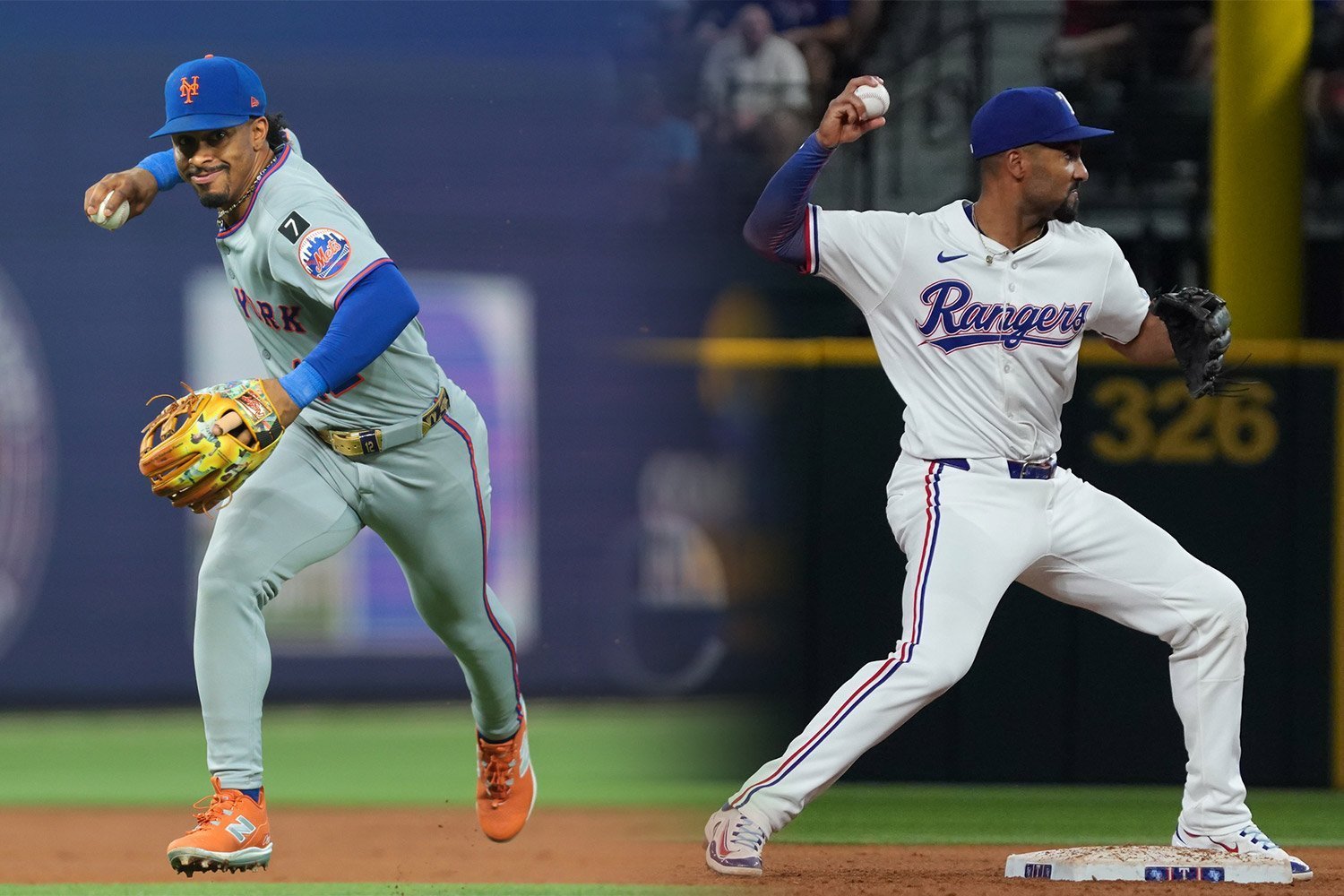 The New York Mets executed the first blockbuster deal of MLB's offseason, trading Brandon Nimmo to the Texas Rangers for Marcus Semien. One-for-one swaps involving All-Star veterans are rare, especially in the modern era, making this one of the more attention-grabbing in recent memory. Still, despite the grandiose nature of the trade, there will be meaningful on-field implications for New York and Texas. Nimmo will step in as the Rangers' everyday left fielder, a position primarily patrolled by budding star Wyatt Langford the previous two seasons. Langford will shift over to right field, a position higher on the defensive spectrum, which should suit the rangy corner outfielder well. Evan Carter will remain in centerfield. The trio will create one of the best outfields in the American League, with intentions of guiding Texas back to the postseason after missing it the past two seasons. Nimmo should continue to perform at an above-average rate for Texas. Yet, this two-player swap could prove to be much more beneficial for the Mets, who now pencil in Semien as their everyday second baseman. Since acquiring Francisco Lindor from Cleveland in 2021, the star shortstop's primary middle-infield partner has been Jeff McNeil, with the left-handed hitting veteran netting 426 starts at the position over the past five seasons. Luisangel Acuña netted 434 1/3 innings at second base last season, signaling the organization was soft-launching a permanent move off the position for McNeil. New York trading for Semien solidifies McNeil's move off the position, with the long-time Met expected to replace Nimmo as the club's primary left fielder. Despite being a productive hitter and commendable defender at second base over the past eight seasons, the rollercoaster nature of McNeil's performance has limited the upside of New York's middle-infield, despite rostering the best shortstop in baseball in Lindor. Last season, the Mets produced the second-most Wins Above Replacement at FanGraphs (fWAR) at second base (4.8), trailing only the Toronto Blue Jays. The club also netted the fourth-most fWAR (6.3) at shortstop, landing behind the Philadelphia Phillies, Arizona Diamondbacks, and Kansas City Royals. Combining these two positions, New York finished third in fWAR generated by middle infielders (11.1), trailing only Philadelphia (11.2) and Arizona (11.8). Arizona's Ketel Marte and Geraldo Perdomo were baseball's most productive middle infield last season, an unsurprising result given that Marte is a top-five hitter in the sport (and an above-average fielder) and Perdomo is one of the best all-around shortstops in baseball. Trea Turner carried much of Philadelphia's middle infield production at the plate. Yet, Bryson Stott provided value at second base by being one of the best defensive second basemen in baseball, netting +7 Outs Above Average (OAA). After guiding Texas to its first World Series championship in 2023, Semien struggled at the plate the past two seasons, hitting .234/.307/.379 (96 wRC+) over a combined 1,252 plate appearances. Still, looking at his underlying metrics, the hard-hitting righty could manufacture another campaign similar to his 2023 one, wherein he hit 29 home runs and posted a 128 wRC+ over 753 plate appearances. The 35-year-old is also still one of the best defensive second basemen in baseball, evidenced by his posting +7 OAA at the position last season. Assuming Lindor continues to perform at an MVP-caliber rate and Arizona's middle infield duo undergoes some semblance of regression, a rejuvenated Semien could propel the Mets toward fielding the best middle infield in baseball. View the full article
 -
What would be the Marlins version of Bam Adebayo's 83-point game?
DiamondCentric posted an article in Fish On First
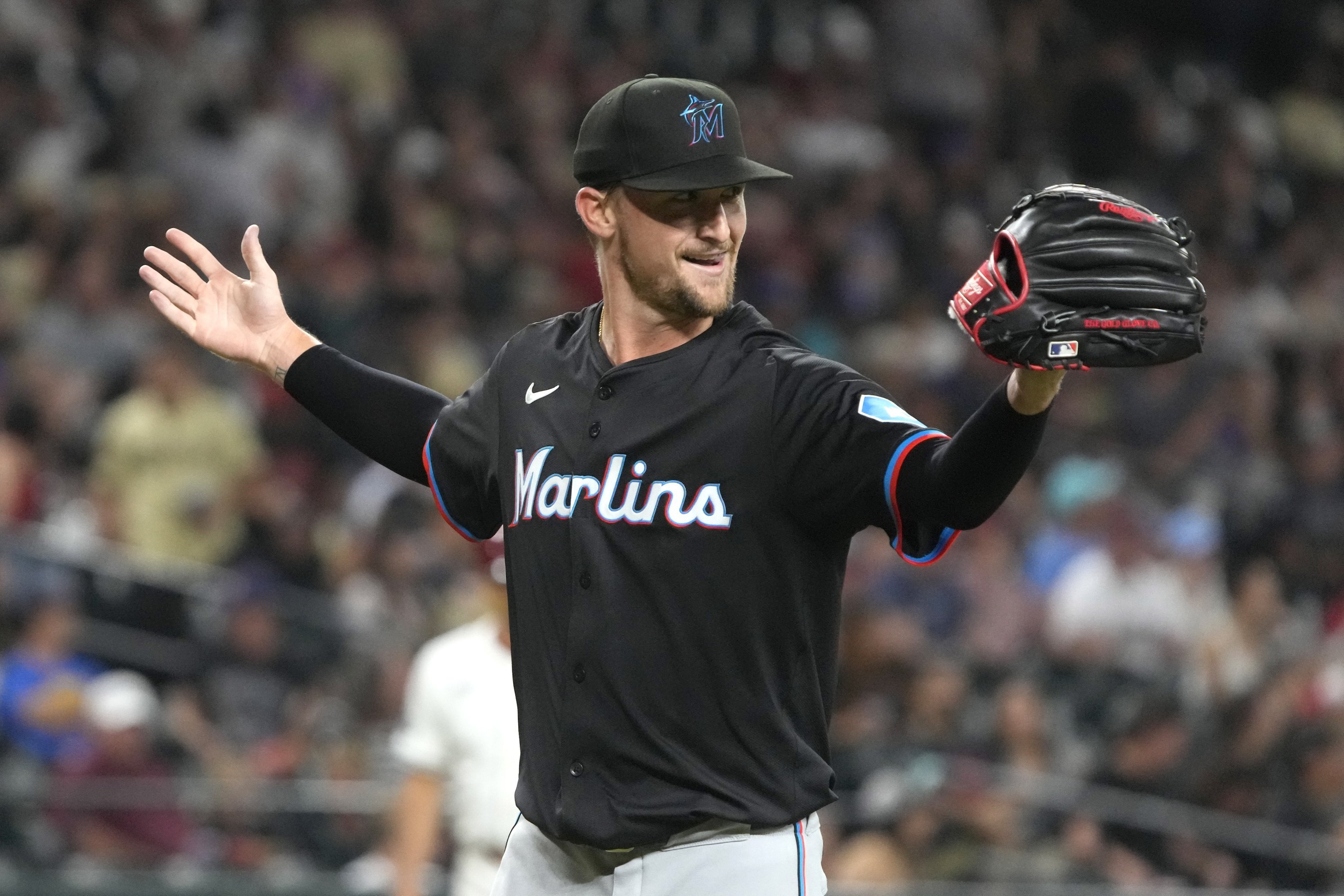 "Braxton Garrett did WHAT?!" Imagine that it is Sunday, August 23, 2026. All 30 Major League Baseball teams are in action, and with all due respect, outside of Miami, there aren't many eyeballs focused on the series finale between the Marlins (66-64) and Washington Nationals (49-82). The main attraction at loanDepot park today is supposed to be Agustín Ramírez. The sophomore slugger is leading the Fish in OPS this season (.847) and serving as the starting catcher for this game. A crowd of nearly 20,000 fans is expected for his much-anticipated "Gus Bus" bobblehead day. However, it quickly becomes apparent that Garrett is going to be the main character for the day. By 4:14 p.m. ET, he'll be a national trending topic for breaking the all-time MLB single-game strikeout record. The rebuilding Nationals are especially vulnerable at this juncture of the season. They already had one of the league's worst offenses, and that was before trading shortstop CJ Abrams at the deadline. The next week, they placed All-Star outfielder James Wood on the injured list with a hamstring strain. Today, they are wrapping up a three-city, 10-day road trip, mired in a six-game losing streak. Here is Washington's getaway day starting lineup: SS Nasim Nuñez LF Daylen Lile 1B Andrés Chaparro DH Luis García 3B Brady House CF Dylan Crews C Harry Ford 2B José Tena RF Joey Wiemer The Marlins jump out to a 2-0 lead in the bottom of the first inning, in part thanks to Ramírez's RBI double. After three innings, the lead has swelled to 6-0 and Josiah Gray has been sent to the showers. The outcome of the game is pretty much decided, but nobody is in a hurry to leave their seats because Miami's veteran lefty is cooking early. Braxton Garrett certainly isn't known as a strikeout artist. His lifetime 23.1 K% since debuting in 2020 is right on par with the MLB average during that span. His career-high for a single game is 13, which he set more than three years ago (6/22/23). So far in 2026, he ranks third on his own team in strikeouts (trailing Sandy Alcantara and Eury Pérez). The conditions are ripe for an outlier performance from the 29-year-old. Garrett strikes out the side in the first and Lile has already burned one of the Nationals' ABS challenges after taking a called third strike on a nasty sinker. Garrett strikes out the side again in the second. Ford leads off the third by drawing a walk, but Garrett picks him off, then punches out Tena and Wiemer. First time through the order, the Nats are 0-for-8 with 8 Ks. The no-hitter gets broken up by an infield single in the fourth. After a hit-by-pitch and a passed ball—remember, Ramírez is behind the plate—Washington is threatening with runners on second and third and nobody out. But Garrett leaves them both stranded with three consecutive strikeouts. After four innings, the Marlins lead 8-0. Garrett has 11 strikeouts. After five innings, the Marlins lead 9-0. Garrett has 13 strikeouts. After six innings, the Marlins lead 9-0. Garrett has 15 strikeouts. Ricky Nolasco finally has some company. Garrett's 16th strikeout to begin the top of the seventh ties Nolasco's Marlins franchise record. Chaparro reaches base, though, because the slider he chased in the dirt gets past Ramírez. García follows with a single, then House puts the visitors on the scoreboard with a three-run homer. Recently recalled Bradley Blalock is now getting loose in the Marlins bullpen. Pitching coach Daniel Moskos goes out for his first mound visit of the afternoon. Garrett is nearing the finish line...or maybe not! He responds with back-to-back K's and a groundout to stop the bleeding. After seven innings, the Marlins lead 9-3. Garrett has 18 strikeouts and 106 pitches thrown. It's uncharted territory for the veteran southpaw—who is coming off elbow surgery, mind you—but Blalock has sat down. There's no action in the 'pen. Manager Clayton McCullough sends Garrett back out there for the eighth. The MLB record is 20 strikeouts in a game, shared by Roger Clemens (x2), Randy Johnson, Max Scherzer and Kerry Wood. Garrett joins that exclusive club with two more K's in the eighth. Entering the ninth, it's clear that Garrett will not be finishing this game. He's at 116 pitches and Blalock is warming up again. McCullough is giving him one shot to reach 21. Garrett falls behind 3-0 to Chaparro. His next pitch misses inside for ball four. McCullough is on the verge of stepping out of the Marlins dugout when Ramírez calls for an ABS challenge and gets it overturned! Still alive. The 3-1 pitch is a whiff at a slider. The 3-2 pitch is the same pitch and same result. The celebration ensues. Garrett's final line for this historic outing: 8.1 IP, 3 H, 3 ER, 1 BB, 21 K (122 pitches/89 strikes). It is by no means an apples-to-apples comparison. Bam Adebayo is undisputedly a better player at his sport than Braxton Garrett is at his. But the way that Adebayo, in the midst of his ninth professional season, veered from his usual offensive approach and erupted for the second-highest-scoring game in NBA history reminded me of a finesse pitcher becoming uncharacteristically overpowering. Even on his very best day, Garrett would need a lot of help from factors beyond his control. That wouldn't make the achievement any less legitimate. View the full article
 -
A Look Around the AL Central - The Cleveland Guardians
DiamondCentric posted an article in Twins Daily
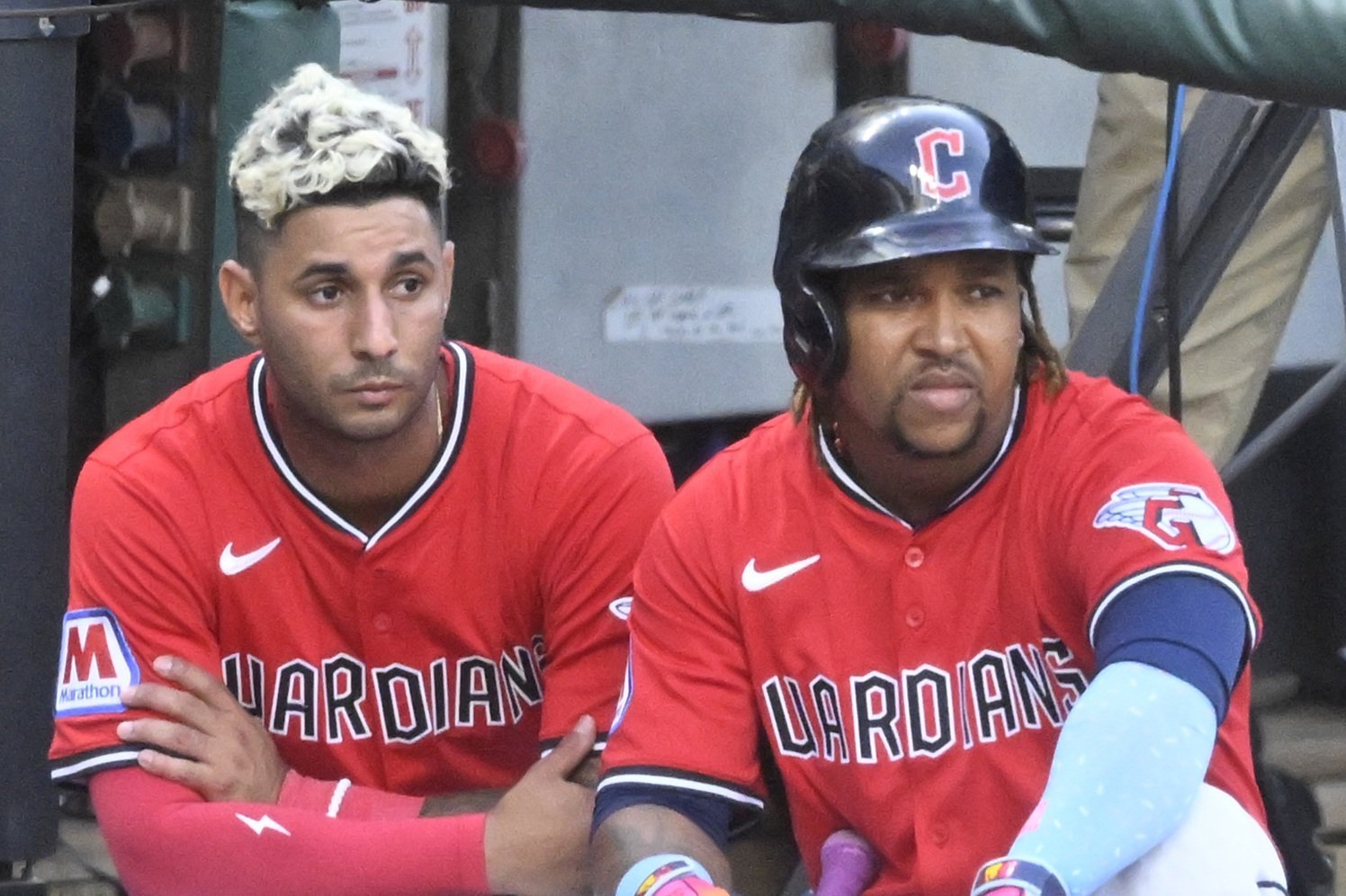 With the Twins looking to return to being competitive in the AL Central, we wanted to take a look around at the other teams in the division and what moves they made this offseason. This is a look at what to expect from the Cleveland Guardians this season. The Guardians enter 2026 as the defending AL Central champions. After off-season changes, will they repeat and claim their fourth division title in five years? The big news out of Cleveland this offseason is the extension that third baseman Jose Ramirez signed, keeping him in Cleveland through 2032, which will be his age-39 season. As the face of the franchise, Ramirez sets the pace—when he thrives, so does the club. To understand how Cleveland looks coming into 2026, let's take a look at the additions and subtractions from this offseason. Subtractions OF Lane Thomas RP Sam Hentges RP Jakob Junis SP John Means SP Triston McKenzie OF Will Brennan Additions RP Colin Holderman, 1 year, $1.5 million (controlled through 2028) RP Shawn Armstrong, 1 year, $5.5 million, mutual option for 2027 1B Rhys Hoskins, minor league deal Hoskins, on a minor league deal, is expected to add power at first base and designated hitter. He will look to get back to being an above average hitter who has 30-home run potential. Armstrong, after a strong season in 2025 with the Texas Rangers, will likely take on higher-leverage innings with the departures of key relievers from the Guardians 2025 team. Holderman is a potential bullpen project for Cleveland, a team known for reviving and getting the most out of relievers. On the subtraction side, both reliever Sam Hentges and John Means have joined other teams (the Giants and Royals, respectively) following injury issues in recent years. Jakob Junis, after a solid 2025 season, may be a notable loss from the pitching staff, after signing with the Texas Rangers. McKenzie, limited to 24 games over three seasons since his 2022 breakout, has also signed elsewhere and will look to revive his career in San Diego. The Guardians are a team that always seems to linger in the division race. While their roster may not appear very intimidating at first glance, they maintain competitiveness more often than not. One thing the AL Central has learned over the past few years is to never count the Guardians out, even when everything says to do so. Injuries Andrew Walters, recovering from lat surgery, should return in May and may join the bullpen if healthy. Ben Lively, who pitched well in 2024 and early 2025, will miss 2026 after Tommy John surgery, and will look to return in 2027. Though some may see the Guardians as a team in transition, let's take a look at the current key players as well as who may be contributing at the major league level soon in their top prospects. Key Players 3B Jose Ramirez - 5.8 bWAR SP Gavin Williams - 3.8 bWAR LF Steven Kwan - 3.7 bwAR 2B Daniel Schneemann - 1.9 bWAR C Bo Naylor - 1.5 bWAR Other notable players include Gabriel Arias (SS), Kyle Manzardo (1B/DH), and pitchers Tanner Bibee, Joey Cantillo, and Kolby Allard. Top Prospects 2B Travis Bazzana OF Chase DeLauter SS Angel Genao 1B/OF Ralphy Velazquez LHP Parker Messick Ramirez remains the cog in their lineup, with Williams, Kwan, Schneemann, and Naylor among the main contributors. Arias, Manzardo, Bibee, Cantillo, and Allard are also expected to play important roles in looking to help keep the Guardians competitive in the Central. Bazzana, ranked MLB's No. 20 prospect, nears his debut after representing Australia in the WBC. DeLauter (No. 46 prospect) may break camp with the team and could see regular left-field time. Genao (No. 66) and Messick (No. 95) may debut this year; Velazquez (No. 89) is a 2027 candidate. Key Questions for Cleveland in 2026 1. Who is playing Center Field? For the outfield, manager Stephen Vogt has indicated that all outfielders may rotate between positions. Most likely, Steven Kwan shifts from left to center field, which opens the door for young bats to gain major league experience. DeLauter presents another option in center field if they prefer to keep Kwan in left field. 2. What will the rotation look like? Gavin Williams and Tanner Bibee are expected to anchor the first two rotation spots, leaving three open for competition. The performance of those filling these roles will serve as a key indicator of the Guardians' overall success. Young pitching has been a constant for the Guardians for many years. It would not be surprising to see the next wave—Slade Cecconi, Logan Allen, Joey Cantillo, and Parker Messick—emerge as average or better major league starters. 3. Will the Guardians be able to rely on Travis Bazzana? Bazzana missed time last year due to an oblique strain, playing in just 84 games, mostly at Double-A and Triple-A. If healthy, he could quickly join the major league roster, possibly by Opening Day. He's an electric player and will look to be a key piece along with Kwan and Ramirez for the foreseeable future. Here's a look at the projected lineup, rotation, and how the Guardians project over a full season. Projected Lineup Steven Kwan - CF George Valera - RF Jose Ramirez - 3B Kyle Manzardo - 1B Rhys Hoskins - DH Chase DeLauter - LF Bo Naylor - C Gabriel Arias - SS Brayan Rocchio - 2B Projected Rotation Gavin Williams - RHP Tanner Bibee - RHP Logan Allen - LHP Slade Cecconi - RHP Joey Cantillo - LHP Projected Record PECOTA: 4th place, 76-86 Fangraphs: 4th place, 76-86 While the Guardians may be projected to finish behind all AL Central teams other than the White Sox, this is not uncommon territory for Cleveland, which has outperformed its projections in recent years. The Guardians were 10.5 games out of first place on Sept 1 this past season and played very well down the stretch, going 20-6 the rest of the way to win the AL Central. The Guardians have proven to be pesky and never out of it, so don’t be surprised if they perform better than many think they will in 2026. View the full article
 -
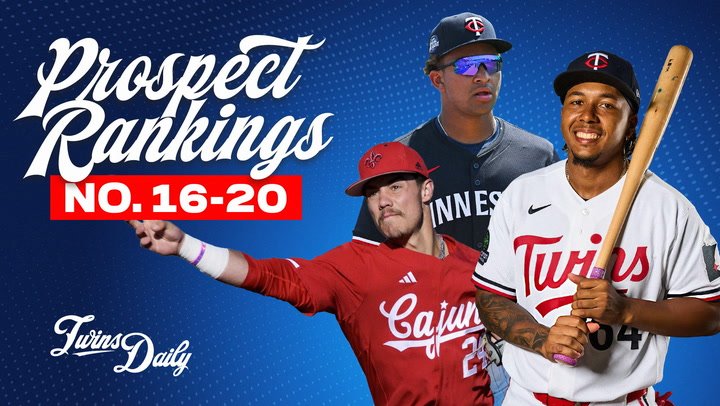 With a new season around the corner, it's time to update our Minnesota Twins top prospect rankings. Twins Daily contributors have voted, and the new list will be revealed in four installments. Hendry Mendez was voted as a top 20 prospect, but should he have cracked the top 15? Discussed in this video are James Ellwanger, Khadim Diaw, C.J. Culpepper, Kyle DeBarge, and Hendry Mendez. View the full article
 -
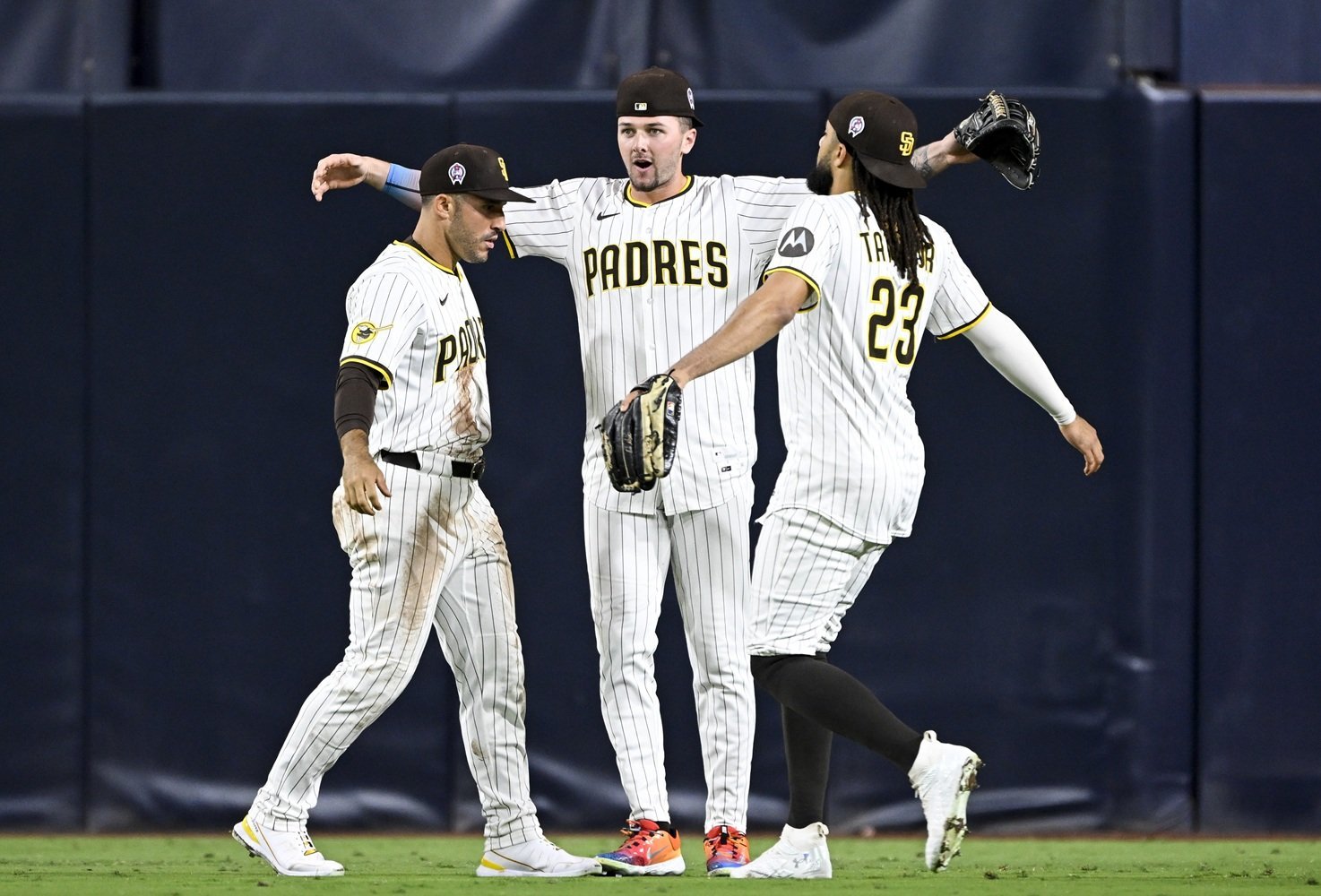 The 2026 Major League Baseball season is just a few weeks away. Here are five bold predictions that could define the San Diego Padres in 2026. Jackson Merrill emerges as team captain Watch for a leadership change in the clubhouse from Manny Machado to Jackson Merrill. Machado has been the effective leader of the Padres ever since he joined the team before the 2019 season. Since then, we have seen how Machado-led teams have played out. That is no indictment on Machado — he is a great player, but we've also seen him spare a lot more heart and soul in the World Baseball Classic. Merrill has shown multiple times that he has the ability to be effective in a leadership role. He was the only member of the team who publicly said there was more work to do after the team clinched a postseason spot in 2025. He showed the same leadership quality when he put some life into the offense after going yard to lead off the top of the ninth inning when the Padres were down to their final breath against the Chicago Cubs in the winner-take-all Game 3 of the Wild Card Series. An evolution off the field for the center fielder would be just as important as any step forward on it. Manny Machado has one last MVP-level season Speaking of Machado, the veteran third baseman was about as productive at the plate in 2025 as he had been in 2023 and 2024. He was good in all three seasons, posting well-above-average metrics in OPS and OPS+. Machado will turn 34 years old this season, and while he is still a very good player, his name seems to have lost some of the luster it had around the baseball world a few years back. Keep an eye on Machado to have a “remember who I am” season, posting similar numbers to his 2022 campaign, when he finished second in the National League Most Valuable Player race. He may not win it this time, because a third straight Shohei Ohtani MVP award feels almost inevitable at this point, but don’t be surprised if he hits 30+ home runs, has a batting average of .300 or above, and posts an OPS in the low-to-mid-900s. Ethan Salas gets traded in another AJ Preller “win now” deal When Leo De Vries got traded to the Athletics, it really showed the baseball world how much AJ Preller and the Padres front office want to win during Machado’s prime and the lengths they are willing to go to do it. De Vries was believed to be an almost-untouchable prospect in the Padres farm system, and Preller packaged him in a deal for Mason Miller at the 2025 trade deadline. Ethan Salas doesn't have the same pedigree after a lost 2025 campaign, which makes moving him for a proven piece anything but far-fetched. Don’t be surprised if Salas gets shipped away in a deal to address an urgent need in a similar fashion to De Vries. What kind of deal he would be included in would be determined by the needs of the team. If there is an urgent need for a starting pitcher, Preller could include Salas in a deal to acquire someone like Joe Ryan of the Twins or perhaps even Tarik Skubal of the Tigers, if either AL Central team finds itself in a position to sell in July. If there is a need for a bat, a move to acquire Bryce Harper from the Philadelphia Phillies could be possible if the Phillies have a bad first half. It was not too long ago that Phillies GM Dave Dombrowski appeared to be subtly taking shots at Harper, alluding to him not being quite the elite player in 2025 that he had been before. Harper has a history of being known as a big-ego guy and might still feel disrespected by what Dombrowski said, so he could find himself wanting out if the aging Phillies show major regression in the first half of 2026. Mason Miller steps into the closer role and leads all of baseball in saves The Padres' closer role became open when Robert Suarez left to join the Atlanta Braves in free agency. Look for Mason Miller to take over the role and dominate. He was very good in 2025, as he posted a 2.63 ERA over 61 2/3 innings. Miller was even better after being traded from the Athletics to the Padres; in 22 games with the Friars, he posted a 0.77 ERA over 23 1/3 innings. He only recorded two saves as a Padre because Suarez got the bulk of the save opportunities after the trade. In a full season working with pitching coach Ruben Niebla, don’t be shocked if Miller puts up around 45 saves and pitches to an ERA somewhere between 2.00 and 2.50. A season of that magnitude from Miller would almost certainly make him a consensus top-three closer in the sport, if he's not there already. Craig Stammen uses his reliever experience to manage bullpen arms better than Mike Shildt One of the biggest criticisms Mike Shildt faced in 2025 was his decision-making regarding when he pulled starters and which relievers he brought in after pulling them. He said publicly that he used the bullpen aggressively in an attempt to win as many games as possible, although many fans speculated that it did a number on the durability of the pitchers’ arms. Craig Stammen, the new manager of the Padres, was a relief pitcher for more than a decade, so he should know first hand how to avoid overworking bullpen arms. View the full article
 -
After WBC Moment for Venezuela, Is Maikel Garcia Ready for More?
DiamondCentric posted an article in Royals Keep
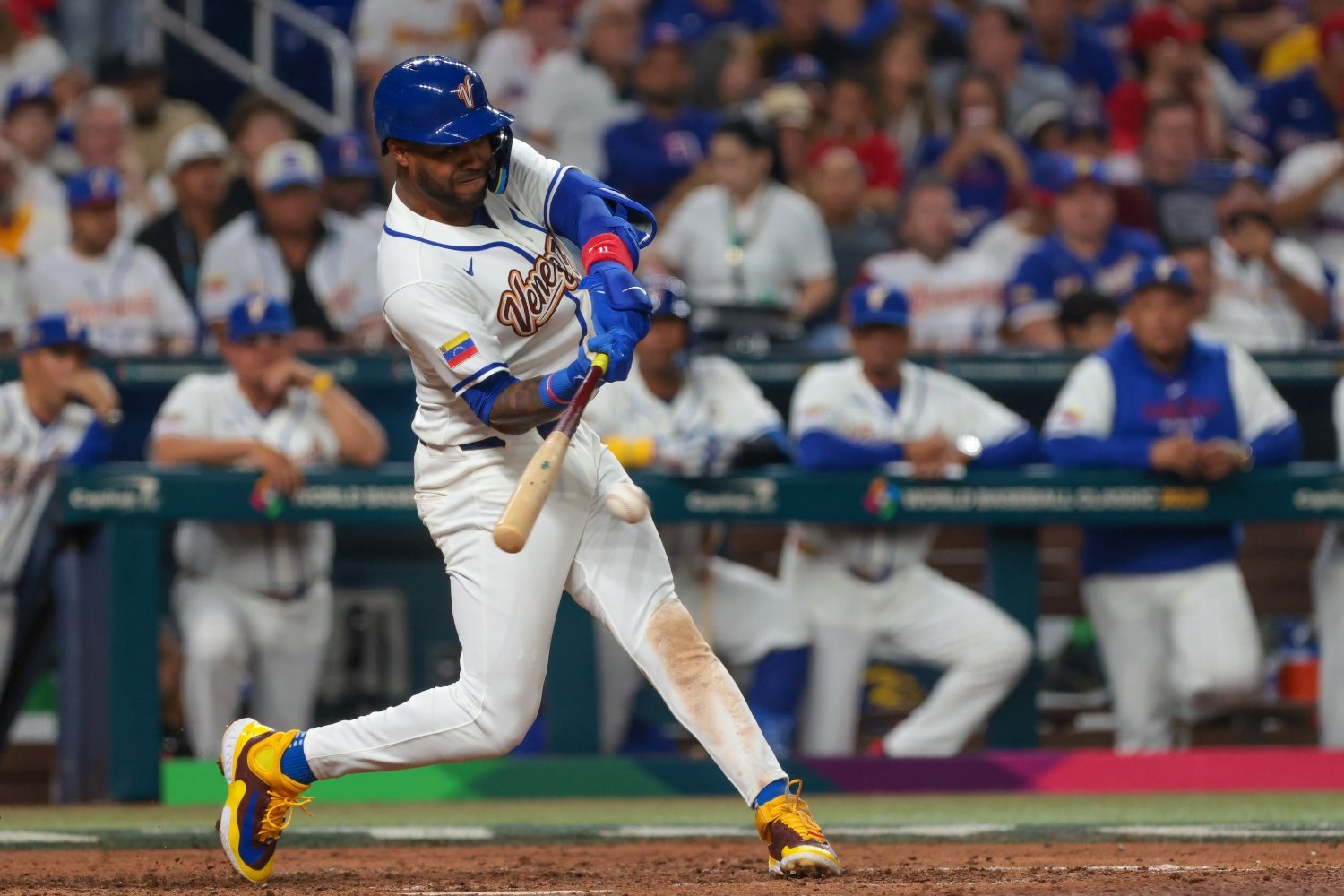 In a big upset on Saturday night, Team Venezuela beat Team Japan 8-5 in the quarter-finals of the World Baseball Classic. Venezuela will join the USA, the Dominican Republic, and Italy, all of which won their quarter-final matches over the weekend. The Red Sox's Wilyer Abreu had one of the biggest hits in the contest, smashing a three-run home run off Hiromi Itoh in the sixth that gave Venezuela the lead, which they would not relinquish for the remainder of the game. However, it was the Royals' Maikel Garcia who got Team Venezuela back into this game after Venezuela spotted Japan a 5-0 lead in the first three innings. In the fifth inning, after hitting a double earlier in the game, Garcia launched a two-run home run off Japanese lefty Chihiro Sumida that got Venezuela to within one run of the defending WBC champions. As stated before, it wasn't the go-ahead home run for Venezuela. However, it set things up for the Venezuela comeback in the fifth inning. For the game, Garcia went 2-for-5 with one run scored, two RBI, and three hard hits. Garcia Has Been Key for Team Venezuela The 26-year-old Royals infielder has been a key contributor to a Venezuelan lineup loaded with MLB talent. The semi-final-bound squad is loaded with MLB stars like Ronald Acuna Jr., Luis Arraez, Eugenio Suarez, Jackson Chourio, Gleyber Torres, and captain (and fellow Royal) Salvador Perez. And yet, Garcia has been the number-two hitter in Venezuela's lineup and one of their top hitters in the WBC. In 19 at-bats, Garcia is hitting .421 with a .450 OBP, .684 slugging, and 1.134 OPS. His eight hits lead all Venezuelan hitters, and he also leads the squad with three stolen bases as well. Another impressive aspect of Garcia's performance is that he's producing against some of the game's top pitchers. His double against Japan came against Yoshinobu Yamamoto, who won the World Series MVP for the Dodgers last season. Garcia was an All-Star last year, so he certainly had a reputation among a loaded Venezuelan squad. Still, it was easy to overlook Garcia's importance going into the World Baseball Classic, especially since last year was his breakout season. Prior to 2025, he had never made an All-Star team and was seen more as a utility infielder than an everyday one who could hit at the top of the lineup. However, Garcia has outperformed other arguably bigger Venezuelan stars on this team. That includes players like Willson Contreras (.558 OPS), Torres (.581 OPS), Suarez (.648 OPS), Chourio (.555 OPS), and even Salvy (.334 OPS). Even though he may not have the MLB track record of other Venezuelan players, the La Sabana native has demonstrated the skills and swagger to lead this team to a possible WBC championship. Is Garcia Ready for a Bigger Role in Kansas City in 2026? Garcia was a breakout star for the Royals a season ago, making good on the faith manager Matt Quatraro and GM JJ Picollo gave him after an underwhelming 2024 campaign. In 666 plate appearances last season, Garcia hit .286 with a .800 OPS. He scored 81 runs, hit 16 home runs, collected 74 RBI, and stole 23 bases. He didn't barrel balls or pull the ball in the air all that consistently. However, he showed excellent contact and plate discipline, as well as a knack for hitting the ball hard frequently, as illustrated in his TJ Stats Statcast profile. Garcia ranked in the 90th percentile in Z-Contact%, 93rd percentile in K%, and 92nd percentile in whiff rate. Furthermore, he also ranked in the 77th percentile in wOBA. That said, he ranked only in the 36th percentile for Max EV, the 25th percentile for barrel rate, and the 22nd percentile for Pull Air%. Thus, his xwOBA (.336) was lower than his actual wOBA (.345) and ranked in the 56th percentile, 19 spots worse than his wOBA ranking. Thus, Royals fans have to wonder if Garcia may be due for regression in 2026. So far, his Spring Training and WBC metrics don't suggest that he is due for a decline anytime soon. There is a lot to like about Garcia's numbers this spring, which don't include his performance tonight. His hard-hit rate and LA Sweet-Spot% are stellar, ranking in the 90th and 86th percentiles, respectively. His Whiff and Z-Contact this spring are nearly identical to what he did last year. Lastly, while his .383 wOBA is better than his .363 xwOBA this spring, his xwOBA actually has a higher percentile ranking (64th) than his wOBA (62nd). It will be interesting to see whether that trend carries over into the 2026 regular season. Of course, Spring Training numbers should always be taken with a grain of salt. That also includes the World Baseball Classic, which is fun, but just a small sample. After all, Arraez is a power hitter in the WBC, a far cry from what he has actually done at the MLB level. Still, there's a lot to be optimistic about with Garcia, who has thrived in the No. 2 spot of the Venezuelan batting order. With Bobby Witt Jr. thriving with Team USA at the top of the order (.294 average and .867 OPS in 17 at-bats), could Quatraro put Witt at leadoff, Garcia in the No. 2 hole, and Vinnie Pasquantino at No. 3, and Salvy at cleanup? Royals fans won't know until Opening Day, of course. That said, with how this WBC has gone for Witt and Garcia, it wouldn't be a bad idea, especially with the need to get more production from the offense in 2026. View the full article
 -
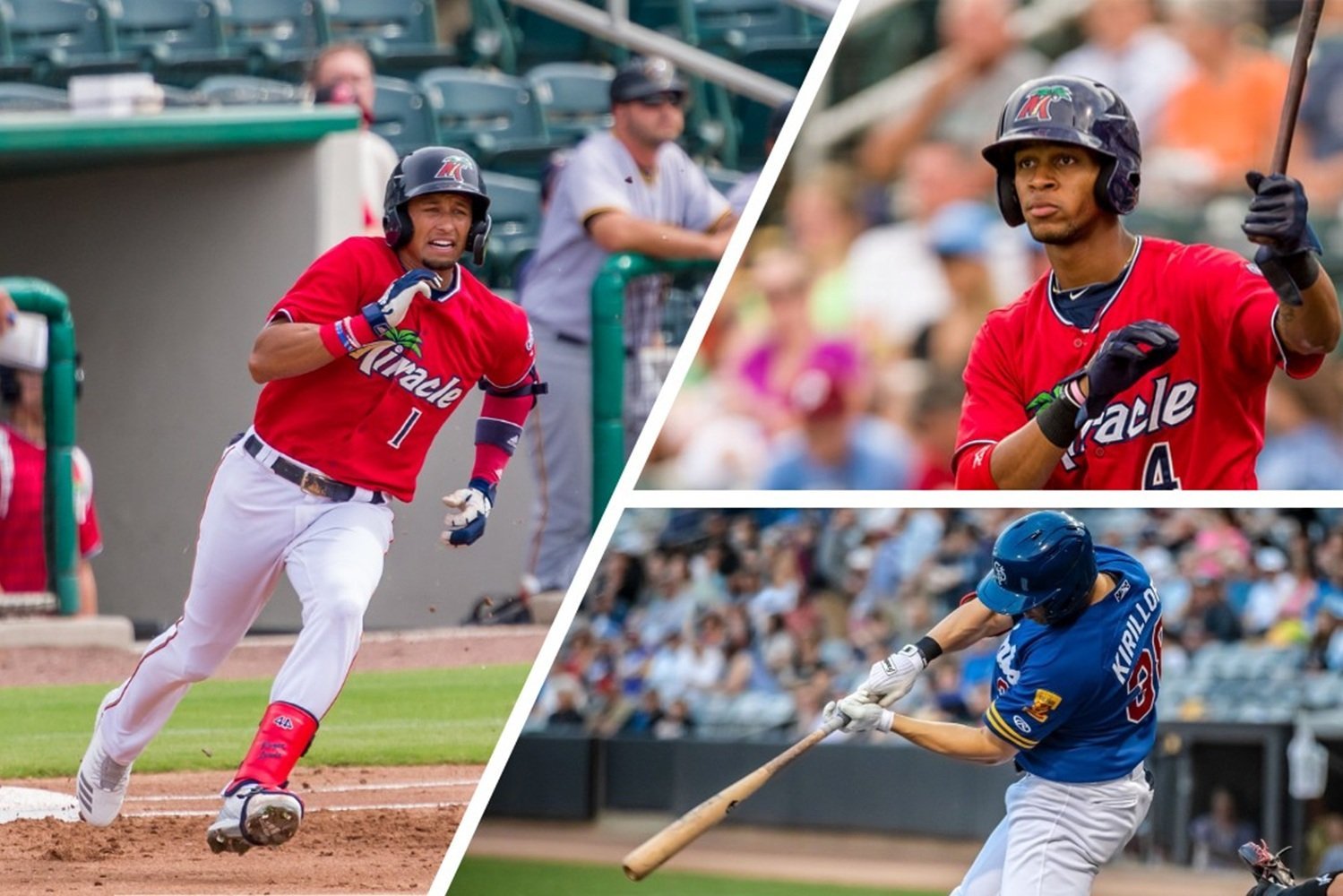 Over the last decade, the Minnesota Twins have experienced multiple waves of highly ranked prospects moving through the organization. At different points, the farm system was considered one of baseball’s best. Those rankings fostered optimism about the future and helped define the franchise's direction during periods of rebuilding and transition. Some of those prospects eventually became core contributors at the big-league level. Others stalled in development or never fully translated their talent to the majors. Looking back at the last 10 years shows how each wave shaped the roster in different ways, and how prospect rankings tell only part of the story. 2015-2016 Wave The Twins entered the 2015 season with one of the strongest farm systems in baseball, ranked third overall by MLB Pipeline. That group stayed near the top of the rankings for multiple evaluations, sitting at fifth during the 2015 midseason update and again entering the 2016 season. Minnesota had spent the previous half-decade near the bottom of the AL standings, which gave the organization access to multiple high draft picks. Those selections created a prospect pipeline filled with high-end talent and national attention. At the top of the list was Byron Buxton, who entered 2015 as the number one overall prospect in baseball. His presence alone helped elevate the system’s national profile. The Twins also had several other prospects ranked inside the top-100. Miguel Sanó was 11th overall, Alex Meyer came in at 29th, José Berríos ranked 32nd, Nick Gordon sat at 33rd, and Kohl Stewart was 36th. The organization had both high-end talent and depth across several levels of the minor leagues. The system continued to evolve heading into 2016. Max Kepler broke out in the minors and climbed to 44th overall on the prospect rankings. Tyler Jay entered the list at 60th, while Jorge Polanco also cracked the top 100 at 97th. When looking back, this wave is most closely tied to the Twins' record-breaking 2019 season. That team won more than 100 games and set the major league record for home runs in a single season. Several players from that prospect class became important parts of the lineup, including Buxton, Kepler, and Polanco. Those same players also remained important contributors when the Twins ended their two-decade playoff losing streak in 2023. While the position players from this group found success, the pitching prospects told a different story. Meyer, Stewart, and several others never developed into consistent big league starters despite the early expectations. 2018-2020 Wave As the previous group began graduating to the major leagues, Minnesota briefly slipped out of the top ten farm system rankings. However, the organization quickly rebuilt the pipeline and returned to the back half of the top ten from 2018 through 2020. By the middle of the 2018 season, the Twins had climbed into the top five again. The system eventually settled around eighth overall throughout much of the 2019 campaign. The centerpiece of this group was Royce Lewis, the number one overall pick in the 2017 draft. He entered the 2018 season ranked as the 20th overall prospect in baseball and quickly became one of the most exciting young players in the organization. Other names also appeared on the rankings. Fernando Romero was listed at 68th overall, with Stephen Gonsalves at 78th and Nick Gordon at 80th. The system’s star power grew even more heading into 2019. Lewis rose to become a top-five prospect in baseball while Alex Kirilloff joined him inside the top ten. Brusdar Graterol also appeared on the list as the 68th-ranked prospect and, at that time, was still viewed as a potential starting pitcher. The Twins continued adding depth over the next year. Trevor Larnach ranked 81st entering 2020, while Jordan Balazovic appeared at 85th. This wave helped sustain the Twins' competitive window. Players from this group contributed to division titles in both 2020 and 2023, though the paths were different from what was originally expected. Once again, the pitching prospects struggled to reach their projected ceilings. Romero, Gonsalves, and Balazovic never developed into reliable major league options. Graterol eventually moved to the bullpen and was traded to the Los Angeles Dodgers in the deal that brought Kenta Maeda to Minnesota. Injuries also reshaped the outcome for some of the system’s most talented hitters. Kirilloff battled persistent health issues that ultimately forced him to retire earlier than expected. Lewis and Larnach enter the 2026 season still trying to establish themselves as long-term roster pieces. Prospect rankings often create the impression that success at the major league level is inevitable. The Twins' experience over the past decade shows how unpredictable that process can be. Both waves of talent produced impact players who helped the organization win division titles and break a historic postseason drought. At the same time, several highly ranked prospects never reached their projected potential due to injuries, stalled development, or changing roles. Even so, those highly ranked farm systems played an important role in shaping the modern Twins roster. They provided the core position players who powered the 2019 lineup and helped the team remain competitive in the years that followed. As new prospects continue to move through the system, the next wave will aim to deliver what previous groups could not. Ins have repeatedly shown they can build highly ranked pipelines. The challenge moving forward is turning that prospect promise into long-term success at the major league level. What stands out about the previous waves of top prospects? Leave a comment and start the discussion. View the full article
 -
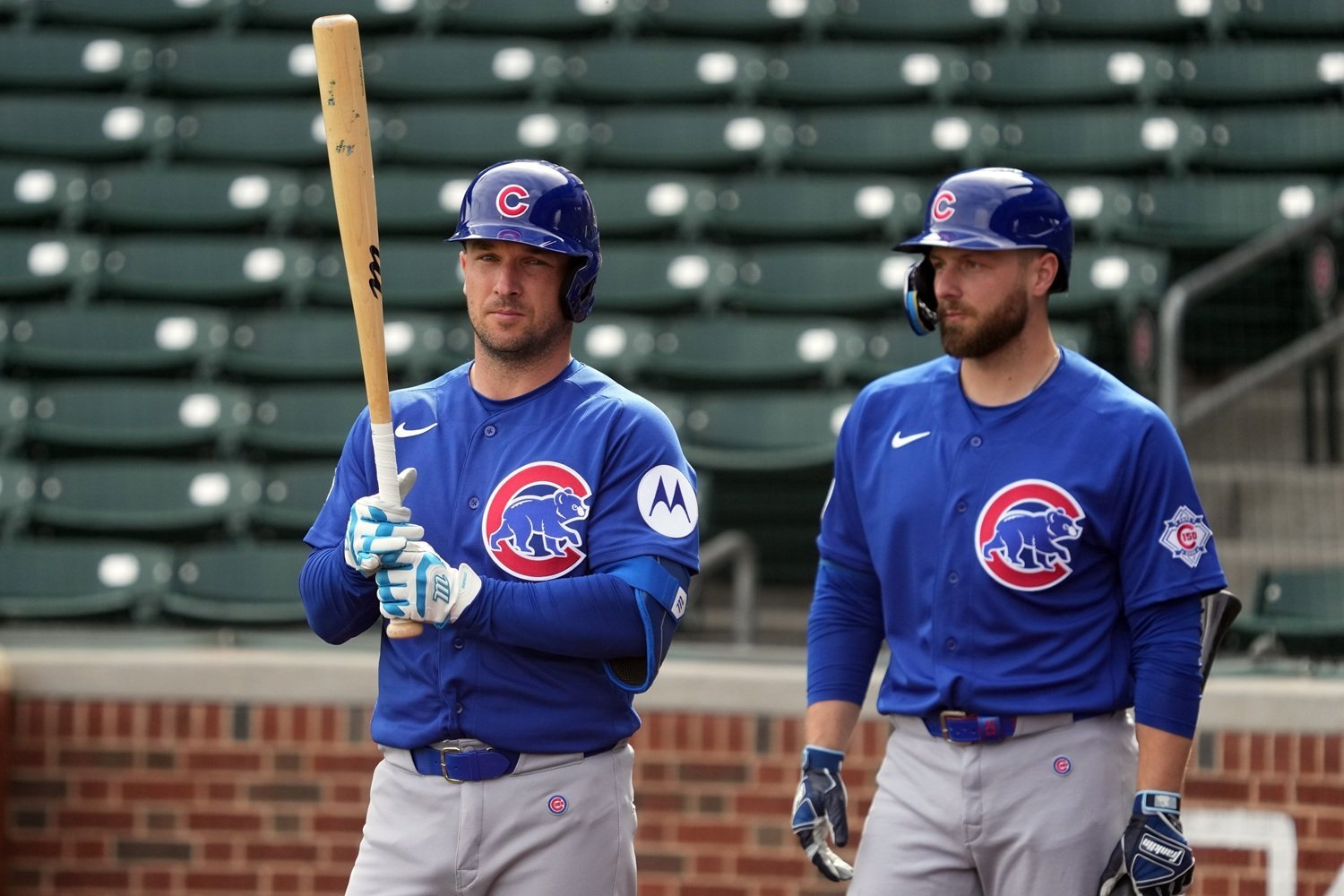 It's possible that this is an observation rooted in bias of some sort, but it feels like few moves across the landscape of Major League Baseball have generated more buzz for a team's 2026 prospects than the Chicago Cubs' signing of Alex Bregman. A combination of his offensive profile, defensive stability, and intangible leadership qualities have certainly contributed to that type of vibe. At the same time, we also know that players who sign for significant dollars with a new team are prone to an adjustment period. Year 1 doesn't always roll as smoothly as one's reputation might suspect. Fortunately, we're talking about a player who has not only done the change-of-scenery thing once, but did it recently after spending his entire career in Houston. And, aside from a quad injury that limited him to 114 games, his .273/.360/.462 line and 125 wRC+ with the Boston Red Sox last year indicated that he's well-suited to such an adjustment, especially with an organization that has as much stability at the top level as the Cubs appear to have. With that in mind, what should Cub fans be expecting — and hoping for — out of their new star acquisition ahead of this upcoming season? For one thing, we know the offensive approach is going to yield results. We'll talk about the power in a moment, but for his money, Bregman is one of the most conscious hitters in the league in matters of the strike zone and creating opportunities to reach base beyond just walks. He's run a mere 13.4 percent strikeout rate for his career, courteous of brilliant swing decisions that often yield 90th-percentile finishes in chase and whiff rate. Perhaps "selective aggression" is an appropriate way to label a profile such as Bregman's. While he doesn't figure heavily into the world of bat speed or hard contact by the statistical definition, he squares up contact at an elite rate. His squared-up rate in 2025 finished at 37.5 percent and in the 97th percentile. That's a higher rate than any of the Cubs' regulars from last year, meaning that Bregman offers an upgrade on a profile (read: swing efficiency over bat speed) that the team is already familiar with. Even better, Bregman is also able to parlay that awareness of the zone into plenty of fly balls to the pull side. His 24.5 PullAIR% ranked 37th in the league among 251 hitters. Of course, the caveat in all of that is that Bregman is moving to a park that is among the league's least-favorable for right-handed hitters. Statcast's Park Factors ranks Wrigley Field 27th in the league over the last three years for righties, ahead of only Seattle's T-Mobile Park in its favorability (the Rays and Athletics don't figure into the rankings because they've switched parks). As such, plenty of (digital) ink has been spilt over how well his swing will translate to Wrigley, and much of it has invoked the team's previous right-handed third base addition: Isaac Paredes. The big difference between the two is that Bregman's bat plays much more in the gaps, while Paredes was a hitter more of the dead-pull variety. The former's spray chart should yield far more positive results than one of his predecessors at the position. With all that out of the way, let's look at where the various projection models predict Alex Bregman to fall in 2026: Steamer: .260/.345/.439, 23 HR, 14.3 K%, 11.0 BB%, 121 wRC+ ZiPS: .240/.336/.403, 18 HR, 14.6 K%, 11.4 BB%, 110 wRC+ ATC: .253/.337/.427, 23 HR, 14.0 K%, 10.2 BB%, 114 wRC+ THE BAT X: .252/.333/.425, 23 HR, 14.1 K%, 9.9 BB%, 114 wRC+ OOPSY: .247/.332/.395, 19 HR, 13.8 K%, 10.3 BB%, 106 wRC+ Steamer tends to like veteran players a bit more, so it's logical to see the best production from that model. There's a fair bit of consistency spread throughout otherwise, with the biggest variance manifesting in his potential power output. Even if that element of his game does end up modest in its results, there's enough in his ability to avoid strikeouts and work his way on base that should help to compensate well. Then, there's the matter of his defense. As it turns out, Bregman is pretty good there as well. He's had some years where Outs Above Average grades him as average, but is coming off a season where he posted 3 OAA in Boston. That was top 10 among third basemen in 2025. Interestingly, Bregman also struggled moving to his left, where his OAA fell to -4. Much of that should be helped by having Dansby Swanson playing next to him, indicating that he could be in for an uptick on the stat sheet as far as his glove goes. Ultimately, the excitement surrounding the addition of Alex Bregman for the next five years is something that feels warranted. Even if the projections are a little bit lighter on optimism, the combination of approach, contact, and fly balls to the pull side should help him to be a productive piece of this lineup. There's a certain steadiness to his game that should serve the middle of the Cubs' lineup well, to say nothing of what he brings on the intangibles front. View the full article
