


DiamondCentric
-
Posts
2,631 -
Joined
-
Last visited
Never
Content Type
Profiles
Forums
Events
News
Tutorials & Help
Major League Baseball Videos
Guides & Resources
Store
Downloads
Gallery
Everything posted by DiamondCentric
-

Who is the Cubs' Right Fielder of the Future?
DiamondCentric posted an article in North Side Baseball
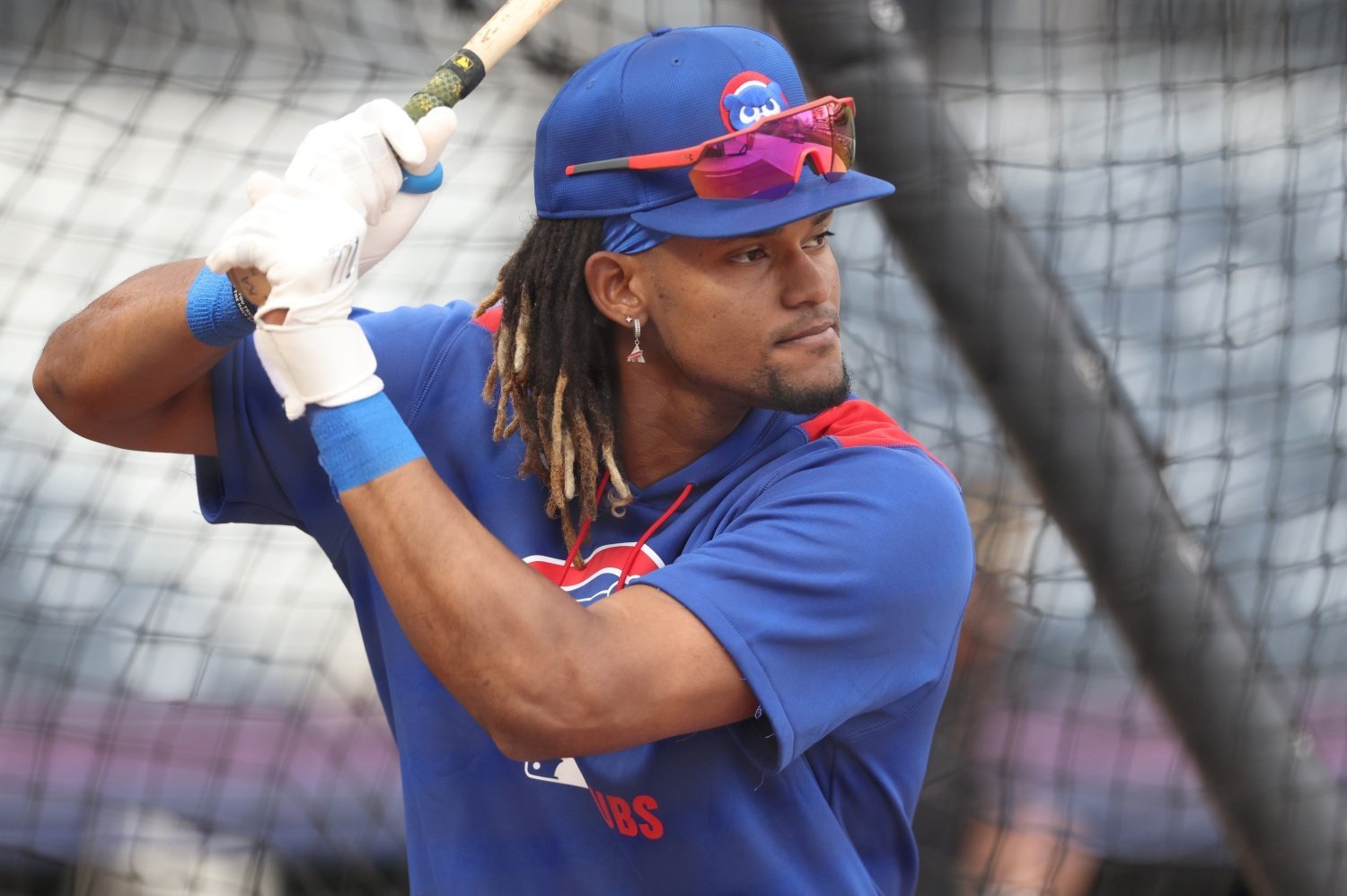 Who will the Cubs’ right fielder of the future be? With the Los Angeles Dodgers signing former Cub Kyle Tucker to a 4-year deal worth $240 million, the carousel at the 9-spot will take another spin. Fans at The Friendly Confines have seen their fair share of personnel chase balls toward the big yellow '353' in the last several years. Tucker, Cody Bellinger and Seiya Suzuki have taken turns since the start of 2022. Before that, there was Jason Heyward, but Kris Bryant and Ben Zobrist each also spent lots of time there. The position is important to the team, historically, going back to the likes of Andre Dawson and Sammy Sosa. Who will it be in 2026? The answer seemed clear. Even before Tucker inked a deal with the Dodgers, the writing was on the wall that he wouldn’t be coming back after his one-year stint in the Windy City. Owen Caissie seemed like the lay-up answer, until the Cubs dealt him to Miami in a big swing for rotation piece Edward Cabrera. That leaves Chicago in murky waters for the future of their right field position, but there are four players who can separate themselves from the rest this upcoming season. Kevin Alcántara I didn’t think this guy had a snowball’s chance in you-know-where to get meaningful playing time before Caissie packed his bags for Miami, but now, the window of opportunity seems wide open for him. Acquired from the New York Yankees in 2021's Anthony Rizzo trade, Alcántara has all the tools to be the next superstar to guard the right-field foul pole. He’s 6-foot-6, an athletic 188 pounds, and he flies like the wind. The 23-year-old worked his way through Chicago’s pipeline with a lanky grace in center field. After logging 14 home runs and 61 runs batted in across the top two levels of the minors, Alcántara made his big-league debut late in 2024, going 1-for-10 with a run scored. In 2025, ‘The Jaguar’ spent 102 more games in Iowa before registering 4 hits in 11 at-bats with the parent club. The intangibles are there; he’s long, rangy, and can spark a rally if he gets on base. His power upside is clear, and while he hasn't been a high-volume runner in the minors, you can see how Quintin Berry might make him one in the majors. The most pressing issue? Strikeouts. The former Yankees prospect has hovered around a 30% strikeout rate in the minors. He does have time on his side, both in age and big-league control time, but the plate discipline needs to come around, and that means making contact and getting the ball in the air consistently, despite his size. Seiya Suzuki Suzuki offers the most proven offensive production of anyone on this list, and it isn’t even close. He's upped his home run total every year, topping out at 32 long balls and 103 runs batted in 2025. He was a marvel in terms of contact quality last year, ranking in the top decile in barrel rate and launch angle sweet spot and the top quintile in hard-hit rate. Arguably, he should’ve had a spot on the National League All-Star roster. Despite a much quieter second half, he punished opposing pitchers all season long. As an anything "of the future," though, he's a tricky fit. This is the fifth and final year of Suzuki’s contract, and his glove has been suspect at times. The Cubs couldn’t help but keep his bat in the lineup, so 102 of his 150 games were out of the DH spot last year. It doesn't seem very likely, though, that he and the Cubs will re-up for another five years after this. Ethan Conrad From the player with the largest body of work in this set, we go directly to a pipeline talent who has no professional baseball experience. Conrad was the Cubs’ first-round pick in the 2025 Draft, but it may be awhile until we see him don Cubbie blue. However, he's a well-rounded talent with star-caliber upside. Taking a look at Conrad’s college numbers, he had an unreal season with Marist in 2024. The 6-foot-3, 220-pound outfielder logged an NCAA Division I-best 13 triples that year, before transferring to Wake Forest (and the more robust competition of the ACC) for 2025. He hit well there in a brief stint, before shoulder surgery ended his season, The Cubs took Conrad because they saw an opportunity. He was considered a candidate to go in the top half of the first round before getting hurt, so by being willing to roll the dice on him after the injury, they gave themselves a chance to find that right fielder of the future. Between having transferred from a small school and having gotten hurt before getting drafted, though, he's not as polished as most college hitters taken in the first round. It'll be a couple of years before he knocks on the door. Who Will Be the Cubs’ Right Fielder of the Future? After surveying these options, it feels like Alcántara’s job to lose. Suzuki’s contract status raises too large of a question mark. Conrad’s ETA is too far away for him to jump “The Jaguar,” and while Matt Shaw is taking reps in the outfield, he doesn't profile as a useful corner outfielder. If he can iron out the whiff issues and stay on the field, Alcántara could emerge by the end of this year as the long-term solution. Of course, that's a big 'if,' but there are no perfect answers here. View the full article
 -
Who is the Cubs' Right Fielder of the Future?
DiamondCentric posted an article in North Side Baseball
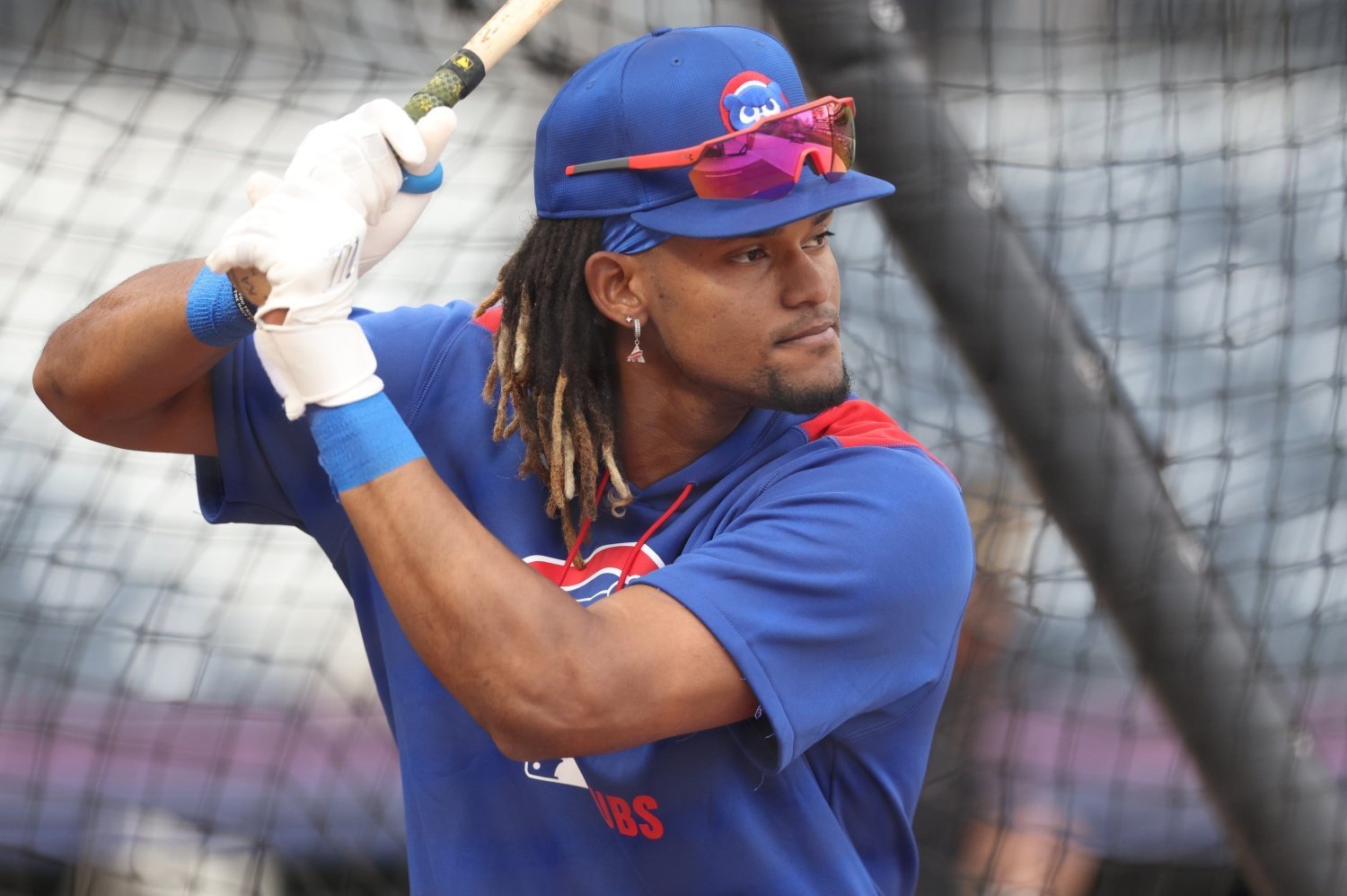 Who will the Cubs’ right fielder of the future be? With the Los Angeles Dodgers signing former Cub Kyle Tucker to a 4-year deal worth $240 million, the carousel at the 9-spot will take another spin. Fans at The Friendly Confines have seen their fair share of personnel chase balls toward the big yellow '353' in the last several years. Tucker, Cody Bellinger and Seiya Suzuki have taken turns since the start of 2022. Before that, there was Jason Heyward, but Kris Bryant and Ben Zobrist each also spent lots of time there. The position is important to the team, historically, going back to the likes of Andre Dawson and Sammy Sosa. Who will it be in 2026? The answer seemed clear. Even before Tucker inked a deal with the Dodgers, the writing was on the wall that he wouldn’t be coming back after his one-year stint in the Windy City. Owen Caissie seemed like the lay-up answer, until the Cubs dealt him to Miami in a big swing for rotation piece Edward Cabrera. That leaves Chicago in murky waters for the future of their right field position, but there are four players who can separate themselves from the rest this upcoming season. Kevin Alcántara I didn’t think this guy had a snowball’s chance in you-know-where to get meaningful playing time before Caissie packed his bags for Miami, but now, the window of opportunity seems wide open for him. Acquired from the New York Yankees in 2021's Anthony Rizzo trade, Alcántara has all the tools to be the next superstar to guard the right-field foul pole. He’s 6-foot-6, an athletic 188 pounds, and he flies like the wind. The 23-year-old worked his way through Chicago’s pipeline with a lanky grace in center field. After logging 14 home runs and 61 runs batted in across the top two levels of the minors, Alcántara made his big-league debut late in 2024, going 1-for-10 with a run scored. In 2025, ‘The Jaguar’ spent 102 more games in Iowa before registering 4 hits in 11 at-bats with the parent club. The intangibles are there; he’s long, rangy, and can spark a rally if he gets on base. His power upside is clear, and while he hasn't been a high-volume runner in the minors, you can see how Quintin Berry might make him one in the majors. The most pressing issue? Strikeouts. The former Yankees prospect has hovered around a 30% strikeout rate in the minors. He does have time on his side, both in age and big-league control time, but the plate discipline needs to come around, and that means making contact and getting the ball in the air consistently, despite his size. Seiya Suzuki Suzuki offers the most proven offensive production of anyone on this list, and it isn’t even close. He's upped his home run total every year, topping out at 32 long balls and 103 runs batted in 2025. He was a marvel in terms of contact quality last year, ranking in the top decile in barrel rate and launch angle sweet spot and the top quintile in hard-hit rate. Arguably, he should’ve had a spot on the National League All-Star roster. Despite a much quieter second half, he punished opposing pitchers all season long. As an anything "of the future," though, he's a tricky fit. This is the fifth and final year of Suzuki’s contract, and his glove has been suspect at times. The Cubs couldn’t help but keep his bat in the lineup, so 102 of his 150 games were out of the DH spot last year. It doesn't seem very likely, though, that he and the Cubs will re-up for another five years after this. Ethan Conrad From the player with the largest body of work in this set, we go directly to a pipeline talent who has no professional baseball experience. Conrad was the Cubs’ first-round pick in the 2025 Draft, but it may be awhile until we see him don Cubbie blue. However, he's a well-rounded talent with star-caliber upside. Taking a look at Conrad’s college numbers, he had an unreal season with Marist in 2024. The 6-foot-3, 220-pound outfielder logged an NCAA Division I-best 13 triples that year, before transferring to Wake Forest (and the more robust competition of the ACC) for 2025. He hit well there in a brief stint, before shoulder surgery ended his season, The Cubs took Conrad because they saw an opportunity. He was considered a candidate to go in the top half of the first round before getting hurt, so by being willing to roll the dice on him after the injury, they gave themselves a chance to find that right fielder of the future. Between having transferred from a small school and having gotten hurt before getting drafted, though, he's not as polished as most college hitters taken in the first round. It'll be a couple of years before he knocks on the door. Who Will Be the Cubs’ Right Fielder of the Future? After surveying these options, it feels like Alcántara’s job to lose. Suzuki’s contract status raises too large of a question mark. Conrad’s ETA is too far away for him to jump “The Jaguar,” and while Matt Shaw is taking reps in the outfield, he doesn't profile as a useful corner outfielder. If he can iron out the whiff issues and stay on the field, Alcántara could emerge by the end of this year as the long-term solution. Of course, that's a big 'if,' but there are no perfect answers here. View the full article
 -
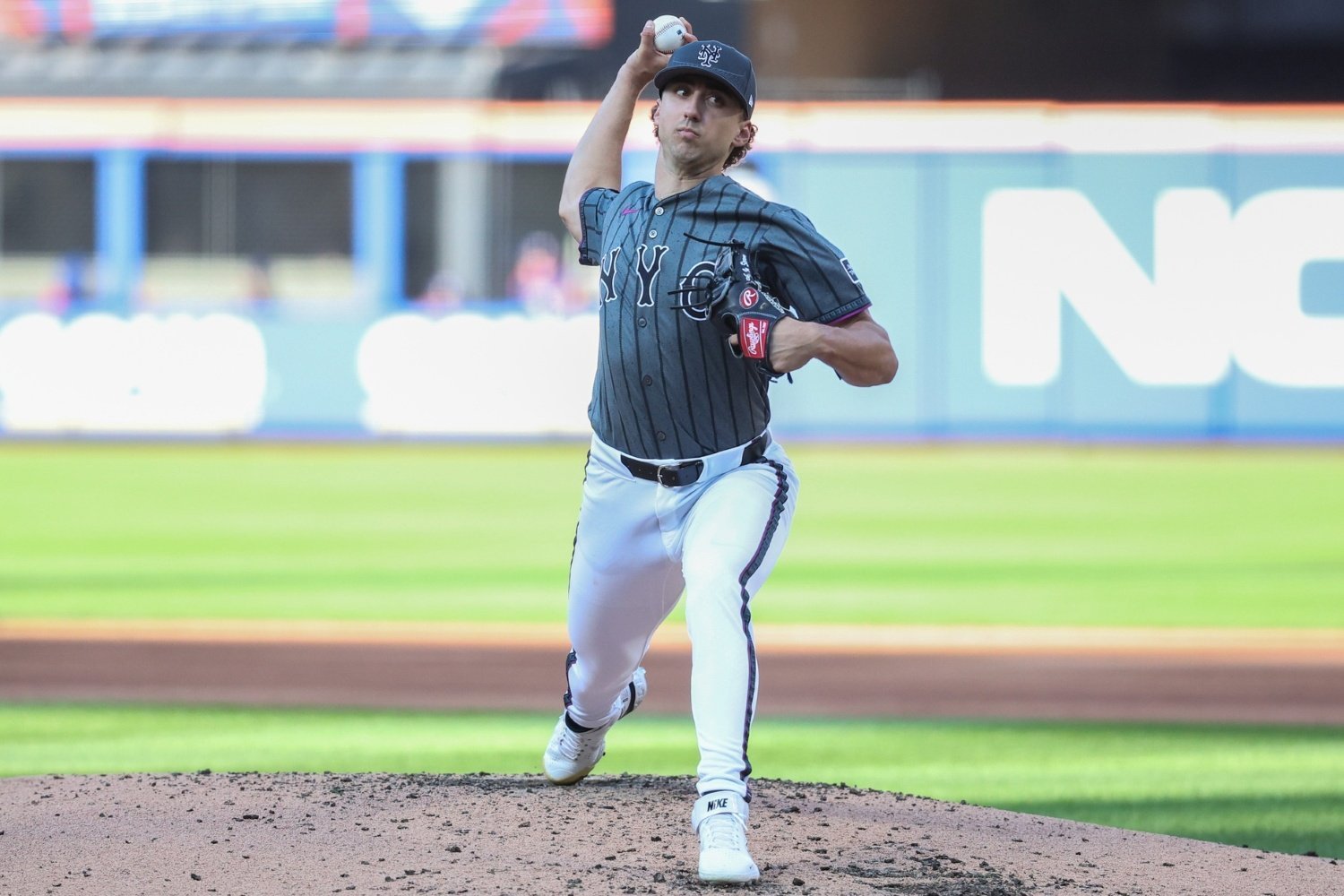 Brandon Sproat has been a big name on prospect lists since his entry into pro ball, using a fastball that can touch triple digits and a diverse mix of secondaries to provide adequate strikeouts and limit hard contact. In some ways, last year didn't go to plan, as he had an unsightly 5.95 ERA in late June. At that point, he had 43 strikeouts and 32 walks in 62 innings pitched on the season. From that date on, however, he began to tweak his arsenal, with tremendous results. He dominated hitters, with 70 strikeouts and just 21 walks in his next 59 innings to post a sparkling 2,44 ERA. How Did Sproat Address His Platoon Problems? Sproat's main problem was how he handled left-handed batters. His sinker and sweeper are somewhat neutralized by opposite-handed hitters, so he had to do some problem-solving. First of all, the shape on his four-seamer changed, targeting less horizontal break and getting greater separation from his sinker on the rare occasions when he used the latter to lefties. This also had the added benefit of allowing him to cramp left-handers up and in, before dialling in the changeup off that pitch. Pitch profiler's dynamic dead zone chart shows the difference in expected movement (based on pitch type and the pitcher's arm slot) and actual movement of a pitch. That fastball doesn't get much ride, but it does get a couple of inches of cutting action that can make all the difference in reducing barrels. Notice, in looking at the plots from earlier, that nearly all of the pitches with significant relative cut came in that second sample, from later in the season. He likes to work in a fairly traditional way, starting the majority of his pitches to lefties on the inner half of the plate. The four-seam fastball can work anywhere in the zone, but his command is a bit loose, leading to more pitches in the heart of the plate than would be ideal. That being said, the added "cut" helps it avoid barrels, while the changeup fades to the outer third and the curveball drops sharply to induce chases. The changeup and four-seam are inextricably linked, each protecting the other. He only uses his primary fastball 35% of the time to left-handed hitters, meaning they can't sit on that offering. His arsenal's diversity is a key factor in his success, and his raw stuff is enough to transform him from a mere "kitchen sink" pitcher to a potential mid-rotation arm. All of his pitches can be effective inside the strike zone, with unusually high in-zone rates for both his changeup and curveball compared to MLB averages. Being able to throw at least three pitches for strikes (and having a firm heater to lead that bundle) should allow Sproat to get out lefties even at the big-league level. What About Against Right-Handers? Intriguingly, Sproat diversified his arsenal more against right-handers as well, going from a sinker-heavy approach to a more balanced mix, incorporating his four-seam fastball more and overall presenting a more comprehensive pitch mix. Interestingly, although his curveball has a quite different release point (as Matt Trueblood observed here), he found some success using it more often against right-handers. One of the reasons most pitchers do better against same-handed hitters is that it's tougher for those hitters to pick up their release point; perhaps Sproat realized that he could exploit that advantage better. Looking at the above split, a few things jump out. First of all, there's less cluster between his four-seamer and sinker, with the additional cutting shape I referenced earlier giving the heater separation from the sinker. Combine that with the tick upward in velocity, and you can see how, despite using the four-seam fastball more often in the second half and more regularly inside the strike zone, he maintained the effective results it showed in the first half regarding whiff rate and contact quality. On its own, the four-seam fastball has a subpar shape with high velocity, but with his sinker keeping the batter honest, the four-seamer manages to add a wrinkle that enhances his profile. For comparison, we can look at someone like Logan Webb, who also has a subpar four-seamer. He uses the four-seamer less than Sproat, but when played off one of the best sinkers in baseball (and please ignore the sinker grade, this offering has proven tough to measure for most Stuff+ models as there's no one shape that makes it effective), it's got a 55.6% whiff rate in that small sample. He used it even more to left-handers, also to good success. The main takeaways here are: It's a distinct shape, compared to Webb's sinker; and Webb gets almost 3" less rise than Sproat, and his four-seam is overall slower and less impressive in isolation. Sproat still has an arsenal where he throws fastballs less than 50% of the time, and it's interesting to see him lean away from the traditional Stuff+ darlings (his sweeper and slider) in the second half for more variety, integrating the curveball just enough to keep hitters honest. A more diffuse pitch mix paid dividends. The Big-League Picture Upon reaching the big leagues, Sproat actually eliminated a lot of the arsenal changes he made in the minors, leaning heavily into his sinker and sweeper to both left- and right-handed hitters. Although he managed the quality of contact well (his sinker really is something), he struggled to miss bats with any regularity; that could present a problem over a larger sample size. It will be fascinating to see how the Brewers approach Sproat—whether they isolate his best offerings like the Mets did, and in a similar vein to how they started with Quinn Priester, or lean into his variety more and try to access more of the upside in his arsenal. It will be something intriguing to follow as spring training begins in just a couple of weeks. View the full article
 -
 Sweet Lou and Ol Gregg answer the tough questions like "what if Trevor Larnach was a righty," "what relievers are left," and "should the Twins trade Joe Ryan?" Gregg has a great pull on Lou's 70-grade 20 Questions. Comrade Cody sends in a statement. Listen using Apple Podcasts: https://podcasts.apple.com/us/podcast/the-twins-off-daily-podcast/id1741266056 Listen using Spotify: https://open.spotify.com/show/4tb78XlurcPTYYSsARdbD7 Listen using iHeartRadio: https://www.iheart.com/podcast/263-the-twins-off-daily-podcas-167548600/ Listen using Pocket Casts: https://pca.st/nvclbt0w Watch on YouTube: https://www.youtube.com/@twinsdaily View the full article
 -
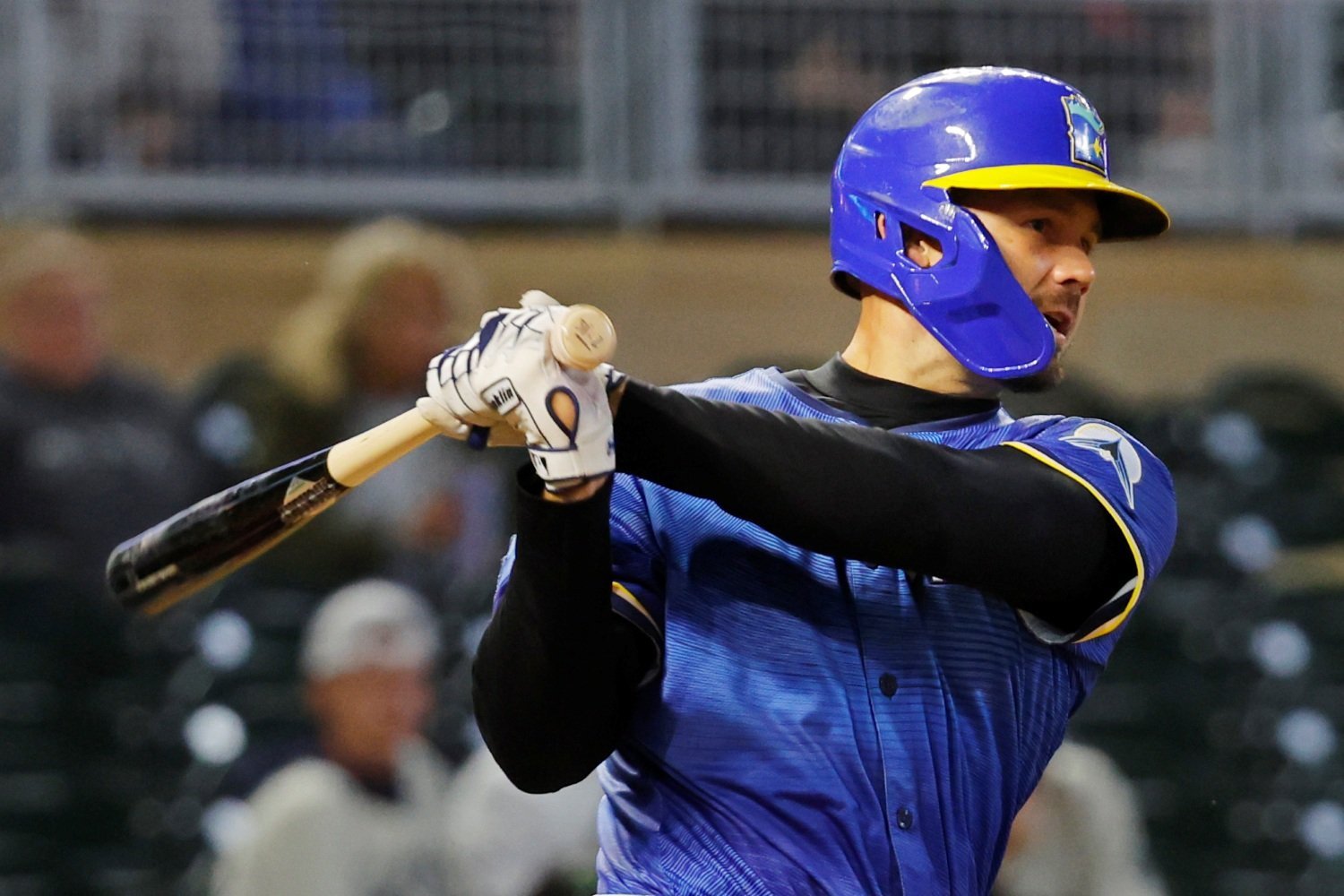 Entering the offseason, those who follow the Minnesota Twins expected corner outfielder/designated hitter Trevor Larnach to part ways with the organization, either by being non-tendered in mid-November or traded sometime before spring training. Instead, they tendered him a contract in the fall, and agreed to a one-year, $4.475-million contract to avoid arbitration earlier this month. With less than three weeks until pitchers and catchers report to the Lee Health Sports Complex in Fort Myers, Larnach remains with the club. Larnach appears set to enter his sixth major-league season still a member of the Twins. However, his role in 2026 could differ from any he’s occupied in previous seasons, due to the 26-man roster’s projected construction. Right now, Larnach is projected to platoon with Austin Martin in left field, with Larnach starting games against right-handed starting pitchers and Martin starting games against left-handed starting pitchers. At first glance, Larnach would be slated to receive more opportunities at the position, given that major-league clubs face right-handed starting pitchers about three times as often as southpaws. Yet, given how Minnesota’s 26-man roster is currently constructed, the club could possess the positional flexibility necessary to avoid playing Larnach in the field altogether. Fellow left-handed hitting corner outfield options Kody Clemens and Alan Roden (or James Outman, depending on who performs better during spring training) are also projected to hold roster spots come Opening Day. Clemens and Roden are superior defensive options to Larnach. The trio of Clemens, Roden, and Martin could operate in left field interchangeably, providing Minnesota with a plus defensive option in every platoon scenario. Any of the three players could also back up Matt Wallner in right field, providing the club with quality defensive flexibility in both corner outfield spots. Larnach would thus operate as the club’s primary designated hitter against right-handed starting pitchers, with switch-hitting DH options Josh Bell (first base) and Victor Caratini (catcher) playing in the field. On the surface, that looks like a minimal role, especially for a player earning almost $5 million. As noted earlier, however, major-league clubs face right-handed starting pitchers far more often than left-handed starting pitchers. Minnesota could maximize Larnach’s skillset on a game-to-game basis, potentially leading to the Oregon State product producing at an unforeseen rate in his age-29 season. In 2024, Larnach hit .259/.338/.434 (a 119 wRC+) over 400 plate appearances, marking what has been his best season in the majors. Larnach excelled against right-handed pitching in 2024, hitting 15 home runs and posting a 123 wRC+ over 377 plate appearances. He struggled against same-handed pitchers, however, posting a lousy 63 wRC+ in the tiny sample of 23 plate appearances. Larnach performed well against right-handed pitching last season, too, generating a 110 wRC+ over 449 plate appearances. However, the team elected to provide him more opportunities against lefties, which worked to his detriment. Larnach generated a similarly brutal 71 wRC+ against lefties. That time, however, he garnered 118 plate appearances against same-handed pitchers, a fivefold increase from 2024. His apparent performance dip last year was the result of Minnesota forcing him into 95 additional plate appearances against left-handed pitchers, due to a lack of corner outfield and DH depth. With Martin, Clemens, Roden (or Outman), Wallner, Bell, and Caratini all projected to be on the Opening Day roster, Minnesota could shield Larnach from his weaknesses and maximize his strengths. Hitting almost exclusively against righties, Larnach could again post a wRC+ in the 120-130 range, though that would put more pressure on Martin, Bell and Caratini to be productive hitters against southpaws. Again, Larnach is not a platoon-proof left-handed hitting bat in the same ilk as Kyle Tucker or Tyler Soderstrom. Still, he could supply value in the right role. The final question, then, is whether the right role for Larnach is one the roster can accommodate, as a whole. The Twins will have 13 roster spots for position players at any given time. Ryan Jeffers and Caratini are locks. So are Bell, Luke Keaschall, Brooks Lee, Royce Lewis, Byron Buxton, Wallner and Clemens. That makes nine. Roden, Martin, Tristan Gray, Ryan Kreidler and Eric Wagaman can all be optioned to the minors, which gives the team flexibility, but that still leaves Outman, Edouard Julien, and Alex Jackson to sort through. The nine players listed as locks don't include a backup shortstop or third baseman, so one of the final four spots must be held for that player, with Gray being the leading candidate. Whether keeping Larnach (and using him in the role we've discussed) makes sense could come down to which of the out-of-options trio sticks around, if any. Julien is almost certainly out the door. Should the team elect to carry three catchers by keeping Jackson, though, they'd also be more likely to use Jeffers and Caratini at DH on occasion, pinching Larnach. Outman is the closest thing to a true center fielder in the mix, other than Buxton, so he could stick around mostly for his glove—but even if that's why he lands on the roster, him landing there would complicate keeping Larnach. If the Twins trust Larnach in left field (something that wasn't true in 2025), he has a fairly clear path to sticking around and making a positive impact. If not, though, he's still in a precarious position, because the role the team would most like to give him might not suit the rest of their roster construction. He just needs the right opportunity, but whether that right opportunity exists in Minnesota isn't clear yet. View the full article
 -
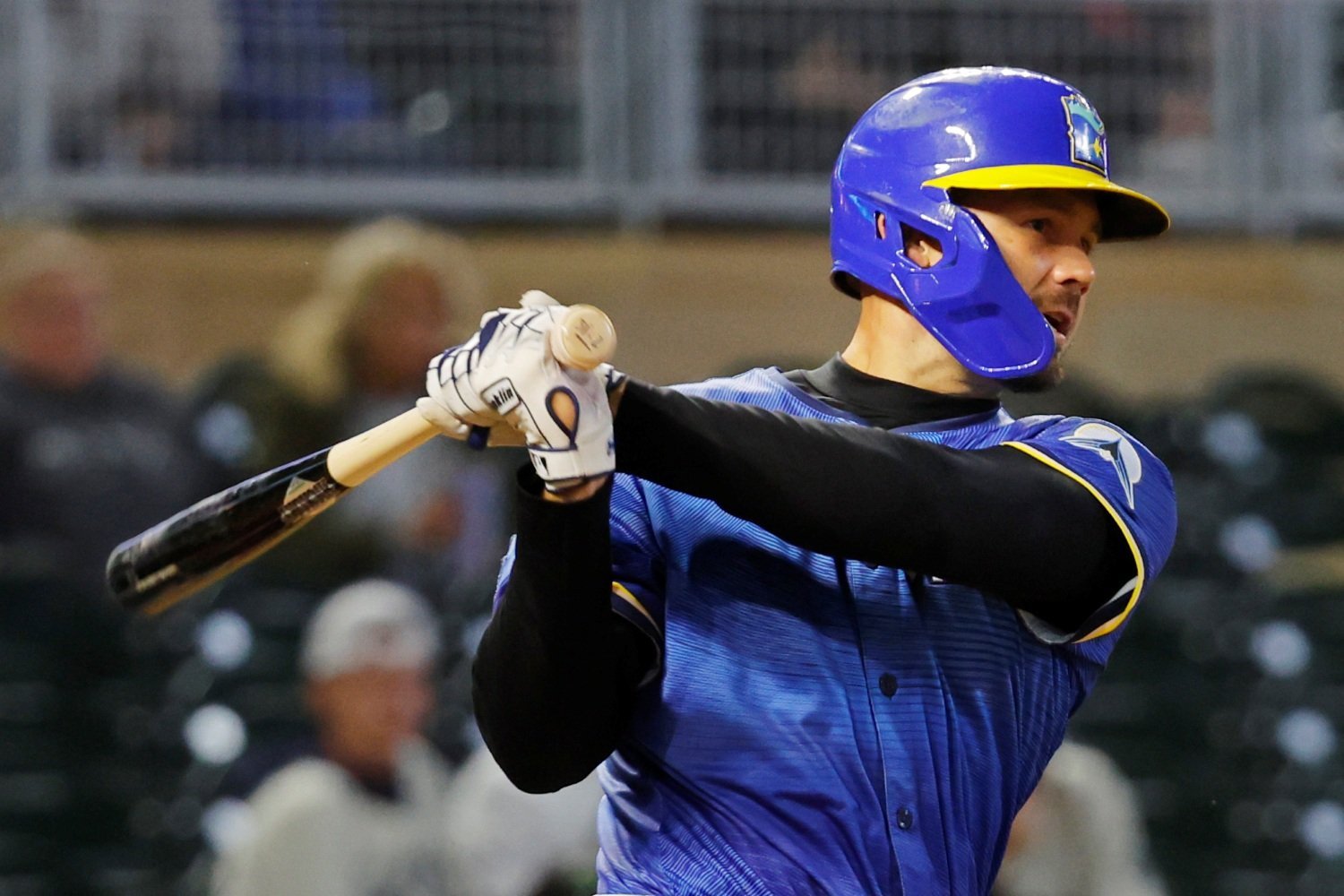 Entering the offseason, those who follow the Minnesota Twins expected corner outfielder/designated hitter Trevor Larnach to part ways with the organization, either by being non-tendered in mid-November or traded sometime before spring training. Instead, they tendered him a contract in the fall, and agreed to a one-year, $4.475-million contract to avoid arbitration earlier this month. With less than three weeks until pitchers and catchers report to the Lee Health Sports Complex in Fort Myers, Larnach remains with the club. Larnach appears set to enter his sixth major-league season still a member of the Twins. However, his role in 2026 could differ from any he’s occupied in previous seasons, due to the 26-man roster’s projected construction. Right now, Larnach is projected to platoon with Austin Martin in left field, with Larnach starting games against right-handed starting pitchers and Martin starting games against left-handed starting pitchers. At first glance, Larnach would be slated to receive more opportunities at the position, given that major-league clubs face right-handed starting pitchers about three times as often as southpaws. Yet, given how Minnesota’s 26-man roster is currently constructed, the club could possess the positional flexibility necessary to avoid playing Larnach in the field altogether. Fellow left-handed hitting corner outfield options Kody Clemens and Alan Roden (or James Outman, depending on who performs better during spring training) are also projected to hold roster spots come Opening Day. Clemens and Roden are superior defensive options to Larnach. The trio of Clemens, Roden, and Martin could operate in left field interchangeably, providing Minnesota with a plus defensive option in every platoon scenario. Any of the three players could also back up Matt Wallner in right field, providing the club with quality defensive flexibility in both corner outfield spots. Larnach would thus operate as the club’s primary designated hitter against right-handed starting pitchers, with switch-hitting DH options Josh Bell (first base) and Victor Caratini (catcher) playing in the field. On the surface, that looks like a minimal role, especially for a player earning almost $5 million. As noted earlier, however, major-league clubs face right-handed starting pitchers far more often than left-handed starting pitchers. Minnesota could maximize Larnach’s skillset on a game-to-game basis, potentially leading to the Oregon State product producing at an unforeseen rate in his age-29 season. In 2024, Larnach hit .259/.338/.434 (a 119 wRC+) over 400 plate appearances, marking what has been his best season in the majors. Larnach excelled against right-handed pitching in 2024, hitting 15 home runs and posting a 123 wRC+ over 377 plate appearances. He struggled against same-handed pitchers, however, posting a lousy 63 wRC+ in the tiny sample of 23 plate appearances. Larnach performed well against right-handed pitching last season, too, generating a 110 wRC+ over 449 plate appearances. However, the team elected to provide him more opportunities against lefties, which worked to his detriment. Larnach generated a similarly brutal 71 wRC+ against lefties. That time, however, he garnered 118 plate appearances against same-handed pitchers, a fivefold increase from 2024. His apparent performance dip last year was the result of Minnesota forcing him into 95 additional plate appearances against left-handed pitchers, due to a lack of corner outfield and DH depth. With Martin, Clemens, Roden (or Outman), Wallner, Bell, and Caratini all projected to be on the Opening Day roster, Minnesota could shield Larnach from his weaknesses and maximize his strengths. Hitting almost exclusively against righties, Larnach could again post a wRC+ in the 120-130 range, though that would put more pressure on Martin, Bell and Caratini to be productive hitters against southpaws. Again, Larnach is not a platoon-proof left-handed hitting bat in the same ilk as Kyle Tucker or Tyler Soderstrom. Still, he could supply value in the right role. The final question, then, is whether the right role for Larnach is one the roster can accommodate, as a whole. The Twins will have 13 roster spots for position players at any given time. Ryan Jeffers and Caratini are locks. So are Bell, Luke Keaschall, Brooks Lee, Royce Lewis, Byron Buxton, Wallner and Clemens. That makes nine. Roden, Martin, Tristan Gray, Ryan Kreidler and Eric Wagaman can all be optioned to the minors, which gives the team flexibility, but that still leaves Outman, Edouard Julien, and Alex Jackson to sort through. The nine players listed as locks don't include a backup shortstop or third baseman, so one of the final four spots must be held for that player, with Gray being the leading candidate. Whether keeping Larnach (and using him in the role we've discussed) makes sense could come down to which of the out-of-options trio sticks around, if any. Julien is almost certainly out the door. Should the team elect to carry three catchers by keeping Jackson, though, they'd also be more likely to use Jeffers and Caratini at DH on occasion, pinching Larnach. Outman is the closest thing to a true center fielder in the mix, other than Buxton, so he could stick around mostly for his glove—but even if that's why he lands on the roster, him landing there would complicate keeping Larnach. If the Twins trust Larnach in left field (something that wasn't true in 2025), he has a fairly clear path to sticking around and making a positive impact. If not, though, he's still in a precarious position, because the role the team would most like to give him might not suit the rest of their roster construction. He just needs the right opportunity, but whether that right opportunity exists in Minnesota isn't clear yet. View the full article
 -
Red Sox & Padres Are Perfect, But Impossible, Trade Partners
DiamondCentric posted an article in Talk Sox
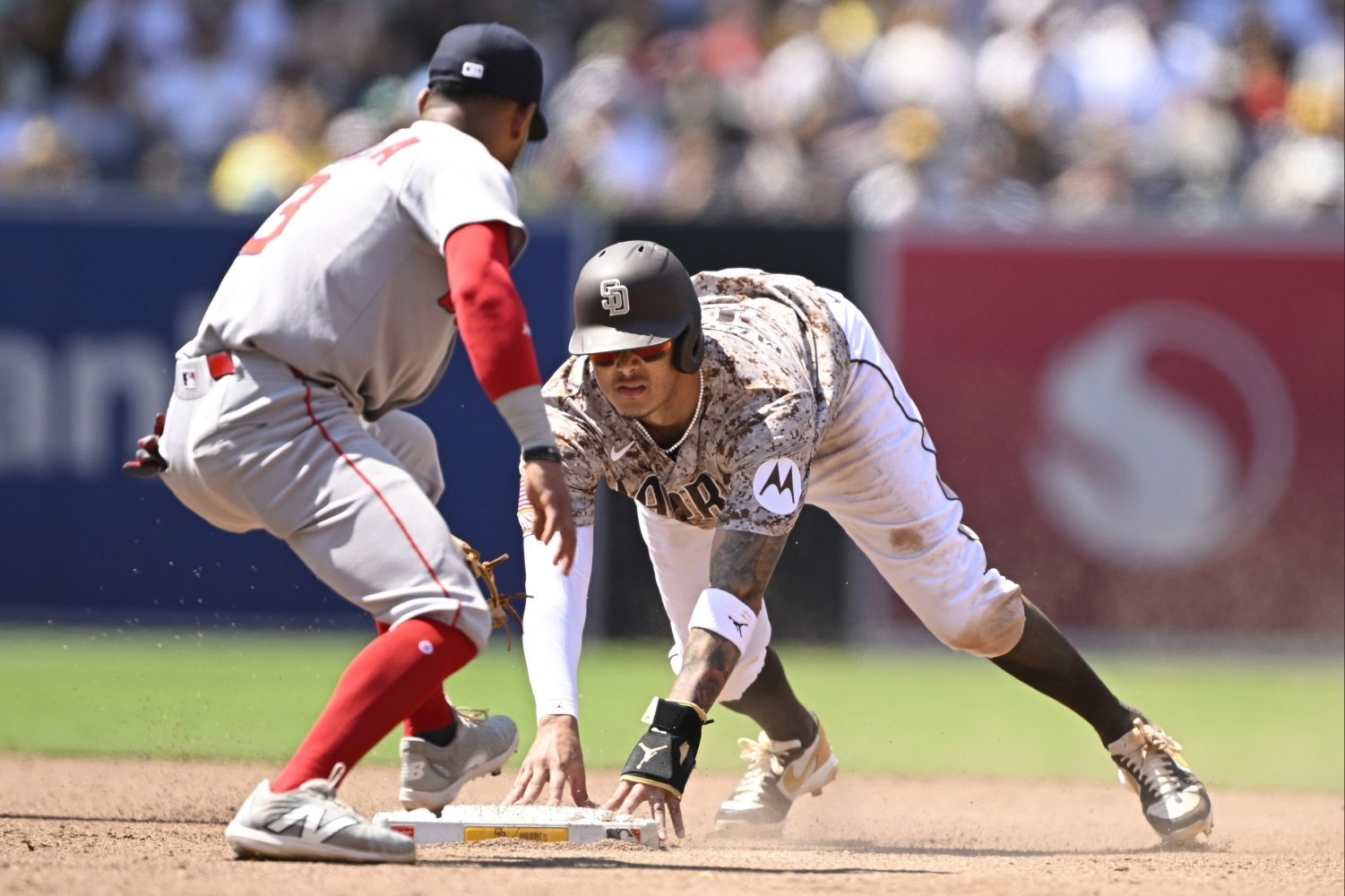 The Boston Red Sox are still looking for help somewhere in the infield as spring training gets closer and closer. They are rumored to be in discussions with a number of clubs, including the Astros and Craig Breslow’s favorite trade partner, the Cardinals, but as of this writing there is very little movement that has been made known to the public. While it’s entirely possible a trade could be completed before spring training begins, we also have to prepare for the possibility that this is the roster that will be on the field come Opening Day. It’s a shame that there’s one team that makes all the sense in the world for the Red Sox to make a trade with, but due to financial concerns on both sides, it’s incredibly unlikely that anything will get done. The San Diego Padres match up so well to get a deal done, but there’s just not a financial way to make any trade make sense. The Padres are ripe with infield talent, and likely would be willing to part with one of them to acquire a young, controllable starting pitcher. The Sox are arguably the deepest team in the league when it comes to that side of the deal. Both teams though, are looking to make deals to lessen their payroll and tax bill for this season. Should the Red Sox be interested in someone like Jake Cronenworth? Absolutely. He plays solid defense, logged time at three infield positions in 2025, doesn’t strike out a ton, and walks even more. The downside? He’s about halfway through a seven-year extension with the Padres and would add money to a payroll that already appears to be at its limit. We’d all love to see Xander Bogaerts back in Boston, but if you’ve forgotten, he’s signed through 2033 and has an AAV of $25.3 million. Sure, the Padres could be convinced to pay some of that down to sweeten the deal — GM AJ Preller has long coveted Jarren Duran — but their budget constraints are even worse than the Red Sox's, and if Breslow made a deal like that, then it’s likely John Henry and the rest of Fenway Sports Group would be searching for yet another President of Baseball Operations. What about Manny Machado to man the hot corner? Aside from the level of vitriol that still pours out of most Sox fans when his name is spoken, his contract is nuts. He’s also signed through 2033 with an AAV of $31.82 million. There’s just no way to pay either of those deals down enough or add enough pieces from the Padres’ already-depleted farm system to make any kind of trade make sense. The Red Sox are heading into a crucial season. The 2026 team is likely better than its 2025 counterpart due to the fact that the rotation has been upgraded so extensively. Willson Contreras is an upgrade at first base, but a lateral move (at best) in the lineup after the loss of Alex Bregman. Making a deal for an infielder is going to get tougher as we get closer to spring training, without a doubt. It’s a shame that the financial side of things can’t match up with the Padres, because they have a few options that would make the Red Sox objectively better this season. View the full article
 -
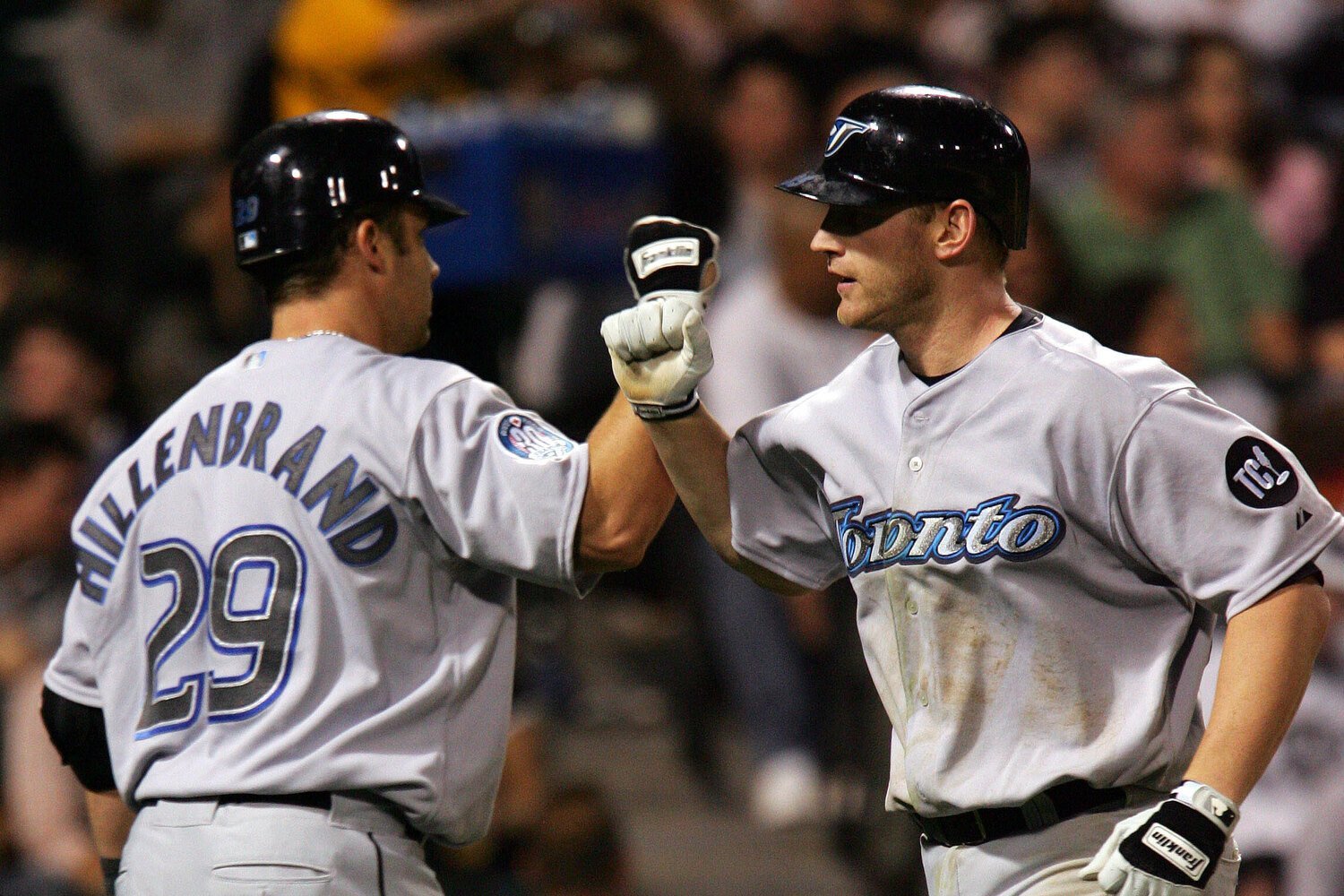 The second day of the 2005 Winter Meetings would see just how aggressive J.P. Ricciardi was willing to be in his efforts to revamp the Toronto Blue Jays. The signing of A.J. Burnett was official, but not after a tiresome back-and-forth through the early morning hours, with the pitcher’s camp all but begging the St. Louis Cardinals to pony up a bit more money. Ricciardi raised his offer and provided Burnett with an opt-out clause, two concessions that helped Toronto's general manager secure the high-profile starter. With Burnett and fellow newcomer B.J. Ryan shoring up the pitching staff, Ricciardi quickly concentrated his full efforts on improving the lineup. Toronto had been linked to a few bats already in the offseason, most notably Brian Giles, who ultimately re-signed in San Diego. The Blue Jays were returning four productive outfielders, and their interest in adding to the group with Giles showed Ricciardi was entertaining all options for his team. One of those options was a player that Ricciardi called “an exorbitant amount of money for us” just weeks before, and now, he was having one more conversation with an old friend of ours. Pat Gillick arrived in Philadelphia with a mandate to do something. The Phillies had won 88 games the year before but missed the playoffs for the 12th straight season, costing Ed Wade his job running the team. Gillick got to work right away, sending Jim Thome to the White Sox, and left many wondering if Bobby Abreu was the next out the door. A mainstay in right field since arriving in Philadelphia in ‘98, Abreu was at the end of a costly extension, one that was now feeling like an anchor around the Phillies’ payroll. Having discussed Abreu earlier in the offseason, the two general managers decided to come back to the table on day two of the meetings. If Ricciardi was able to move past the salary concerns, he remained hesitant over Gillick’s asking price: Vernon Wells. Having just turned 27, Wells was in the midst of his prime, an All-Star who just captured his second straight Gold Glove. Gillick's demand was a non-starter. Ricciardi tried to counter with a package built around Alex Rios, but nothing more came of the talks. When Wells’ costly extension became an anchor around the Blue Jays’ payroll after 2010, he was sent to Anaheim. He would push Abreu out of the Angels’ outfield and into the primary DH role, where he would enjoy the final productive season of his greatly underrated career. (photo credit: The Baseball Scholar) After crossing out Abreu and moving down his list of targets, Ricciardi got the seed of an idea that would have surely ruined the upcoming season, a seed that eventually sprouted and stunk up a future season. Kevin Mench and Brad Wilkerson. Ricciardi would sign the pair two years later; they would produce a craptastic .226/.305/.341 in 323 platooned at-bats. The season prior, it was the buffalo-headed Mench that hit Roy Halladay with a comeback line drive, breaking Doc’s leg and ending his season in July. For Wilkerson, his numbers were down in 2005, but teams were interested, and Toronto offered a package to Washington involving by-then-obsolete closer Miguel Batista. The deal was promptly turned down by an unimpressed Jim Bowden days before the Nationals general manager sent Wilkerson to Texas in a trade for Alfonso Soriano. Ricciardi’s own talks with Texas about Mench were moving along. The Rangers were after two players: Rios and Brandon League, a pitcher that Texas general manager Jon Daniels admired. Rangers pitching coach Mark Connor was previously with the Blue Jays and had worked with League in the minors. The two sides kept exchanging names. Ricciardi asked for 23-year-old first baseman Adrian Gonzalez; Daniels wanted second baseman Orlando Hudson. Talks fizzled, and, fortunately for Blue Jays fans, the already-functioning platoon of Reed Johnson and Frank Catalanotto would have to do in left field for another year. If Toronto truly wanted to contend in 2006, the team was going to need better production from its corner infielders. Eric Hinske had grown stale, and the first year of Corey Koskie’s contract showed little more than injuries and signs of decline. Shea Hillenbrand was an All-Star in his first season with Toronto and finished ‘05 as the primary first baseman, but Ricciardi wasn’t completely enamoured with bringing him back. Hillenbrand finished the season weighing over 230 pounds and admitted playing on the Rogers Centre turf took its toll, leading him to drop 18 pounds over 10 weeks after the season in hopes of remaining in the general manager’s plans for 2006. Well, this didn’t work. (photo credit: Toronto Star) By then, Hillenbrand’s name had been shopped around half of the majors. The Dodgers had won 71 games the year before with no third baseman (seriously, Óscar Robles? Mike Edwards?), but even they passed on Hillenbrand and Koskie. Hillenbrand’s upcoming raise in his final year of arbitration would be enough that it made sense for Toronto to move off his contract to free up the money for another upgrade. So, in his pursuit of Milwaukee first baseman Lyle Overbay, Ricciardi first checked to see if the Brewers were interested in Hillenbrand. Overbay was the upgrade Toronto sought at first base. Acquired by the Brewers in 2004, he led the National League with 53 doubles in his first full season as a starter and had a solid follow-up campaign. Ricciardi initially offered Hillenbrand and pitcher Dave Bush but really got Milwaukee’s attention by adding pitching prospect Zach Jackson to the deal. With talks on standby, Ricciardi got unsettling news on day three of the meetings. Overbay was going to be sent to division rival Boston for pitcher Matt Clement. Placed in a corner, Ricciardi resorted to a tried-and-true front office trick of the ‘90s: waving the shiny side of something rusty at Gord Ash. Having been replaced by Ricciardi in Toronto, Ash was brought into the Milwaukee front office by Brewers GM (and fellow Canadian) Doug Melvin. Ash’s last first-round pick running the Blue Jays was Gabe Gross, who had impressed little in his first two seasons playing in the Jays’ outfield. When Boston chaffed at the amount of Clement’s contract Milwaukee wanted to be retained in a trade, Ricciardi swapped out Hillenbrand for Gross, and that offer made Overbay a Blue Jay. Ricciardi left the Winter Meetings having improved his lineup with the addition of Overbay, but he also left with Hillenbrand, Koskie, and Hinske still on the roster. The infield picture was further muddled a few days before Christmas when Ricciardi struck a deal for his final offseason bang, Troy Glaus, who immediately became Toronto’s best option at third base. Adding to the complicated situation in the infield was that the Gold Glove-winning Hudson would head to Arizona in return, along with the condition that the D-backs please take Miguel Batista off our baseball team. In an offseason that had come fast with news, landing Glaus seemed to take an eternity. The third baseman had a no-trade clause and carried no fondness for Toronto’s turf from his time with the Angels. Glaus reached out to a former Little League rival in Blue Jays outfielder Reed Johnson, who offered assurance that the new playing surface was not like the old stuff. Glaus headed to Toronto to see for himself, was delayed in arriving, and when he officially signed off on the deal a day later, Arizona was running behind on finishing Hudson’s physical. The press conference to announce the deal was delayed over an hour, but by the end of the day, the Blue Jays finally acquired their power bat. The loss of Hudson was mitigated by the emergence of Aaron Hill. Filling in for an injured Koskie early in 2005, Hill impressed and earned a look as an everyday player, an opportunity he would now get at second base. That still left way too many bodies on the corners. Hillenbrand offered some punch, and Hinske offered some versatility, which left the Koskie contract from a year before feeling even more regrettable. A few days into the new year, Koskie was sent in a salary dump to Milwaukee, a team that had gone after him a year ago in free agency. Before sending Koskie to Milwaukee, Ricciardi reached out to the Twins to see if Minnesota was interested in a reunion. “We never heard back from them,” Riccardi said, and the Twins went with free agent Tony Batista, who was returning to the majors following a year in Japan. No good options here. (photo credit: The Athletic) With an impressive offseason already compiled, Ricciardi looked at a few of his remaining options to fortify the roster. He would check in with Pittsburgh about the availability of Craig Wilson following the Pirates’ signing of Jeromy Burnitz. His interest in free agent catcher Bengie Molina would only be for the right price. Whatever else happened, the Blue Jays would be walking into Dunedin a better baseball team in the coming spring. View the full article
 -
Dillon Lewis brings elite power/speed combo to Marlins system
DiamondCentric posted an article in Fish On First
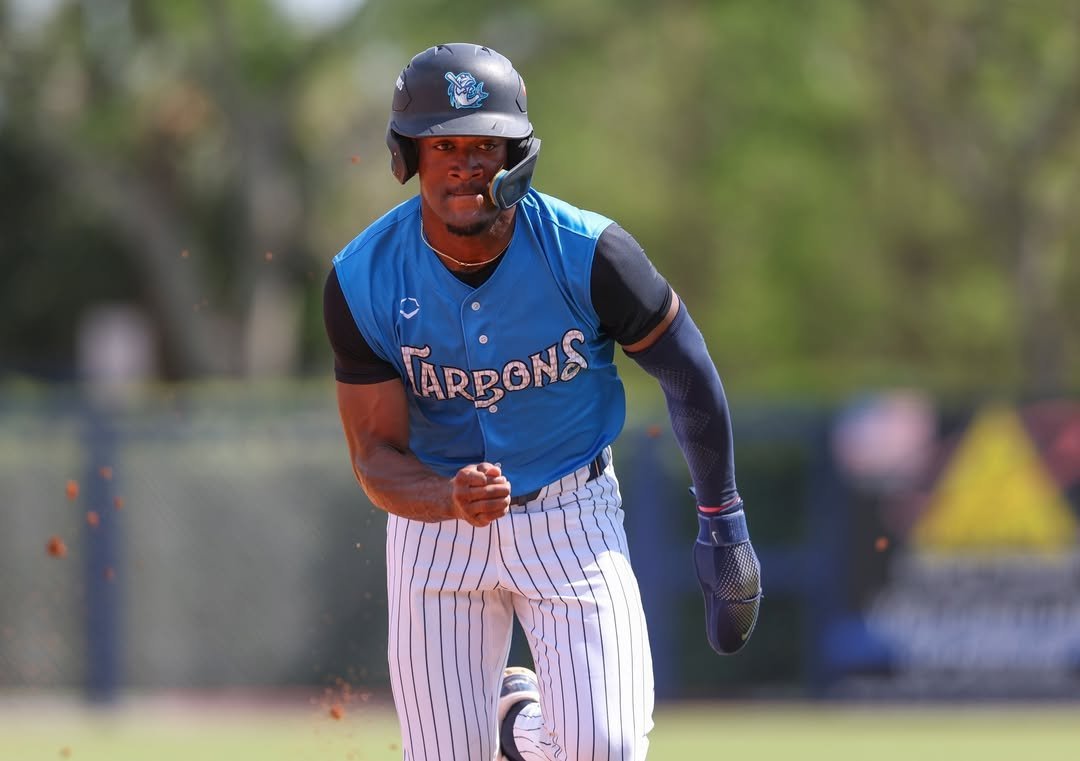 In the short term, the Miami Marlins could wind up missing left-hander Ryan Weathers. After trading Weathers to the New York Yankees earlier this month, they will have to rely on some inexperienced arms to fill out their 2026 starting rotation. "We got a package of players that we thought was too good to pass up," president of baseball operations Peter Bendix said when justifying the deal. That four-prospect package was highlighted by outfielder Dillon Lewis, who brings a combination of tools that's unlike anybody else in the organization. Per Marlins insider Craig Mish, Lewis was also involved in trade talks that the club previously had with the Yankees regarding Edward Cabrera. Clearly, the Marlins targeted this player. Lewis, 22, ranks fifth on our Fish On First Top 30 list. In 2025, between Low-A and High-A, he slashed .237/.321/.445/.766 with 22 home runs, 79 RBI, 26 stolen bases and a 121 wRC+. A 20 HR/20 SB season in the minor leagues is not as rare as it used to be. The Marlins have had players reach that milestone in three straight years—Troy Johnston (2023), Agustín Ramírez (2024) and Kemp Alderman (2025). However, Lewis pairs that offensive production with the ability to play all three outfield spots and legitimately stick in center field moving forward. Lewis' power should translate to big leagues. Per Lance Brozdowski of Marquee Sports Network, his 90th percentile exit velocity of 107.7 mph was the same as brand-name prospects Bryce Eldridge and Konnor Griffin. He paired that with a whiff rate below 22% on pitches in the strike zone. When Lewis made the jump from Low-A to High-A, his walk rate increased from 9.2% to 10.8%. If he can continue improving his swing decisions, there's the upside for him to be a complete hitter. Baseball America considers Lewis' power and speed to both be 60-grade tools. At this stage of his career, he compares closely to where former Marlins prospect Monte Harrison was entering the 2018 season. Harrison would go on to crack MLB Top 100 prospect lists, earn a Futures Game selection and make his major league debut in 2020. Unfortunately, his hit tool did not develop as hoped. He played just 50 MLB games in his career, striking out in nearly half of his plate appearances. We will know much more about Lewis based on how he adjusts to the Double-A level. The ceiling is extremely high. Even in an org that's stacked with outfield depth, he could move quickly and contribute to the Marlins as soon as the 2027 season. View the full article
 -
Royals to Sign Reliever Hector Neris on Minor League Deal
DiamondCentric posted an article in Royals Keep
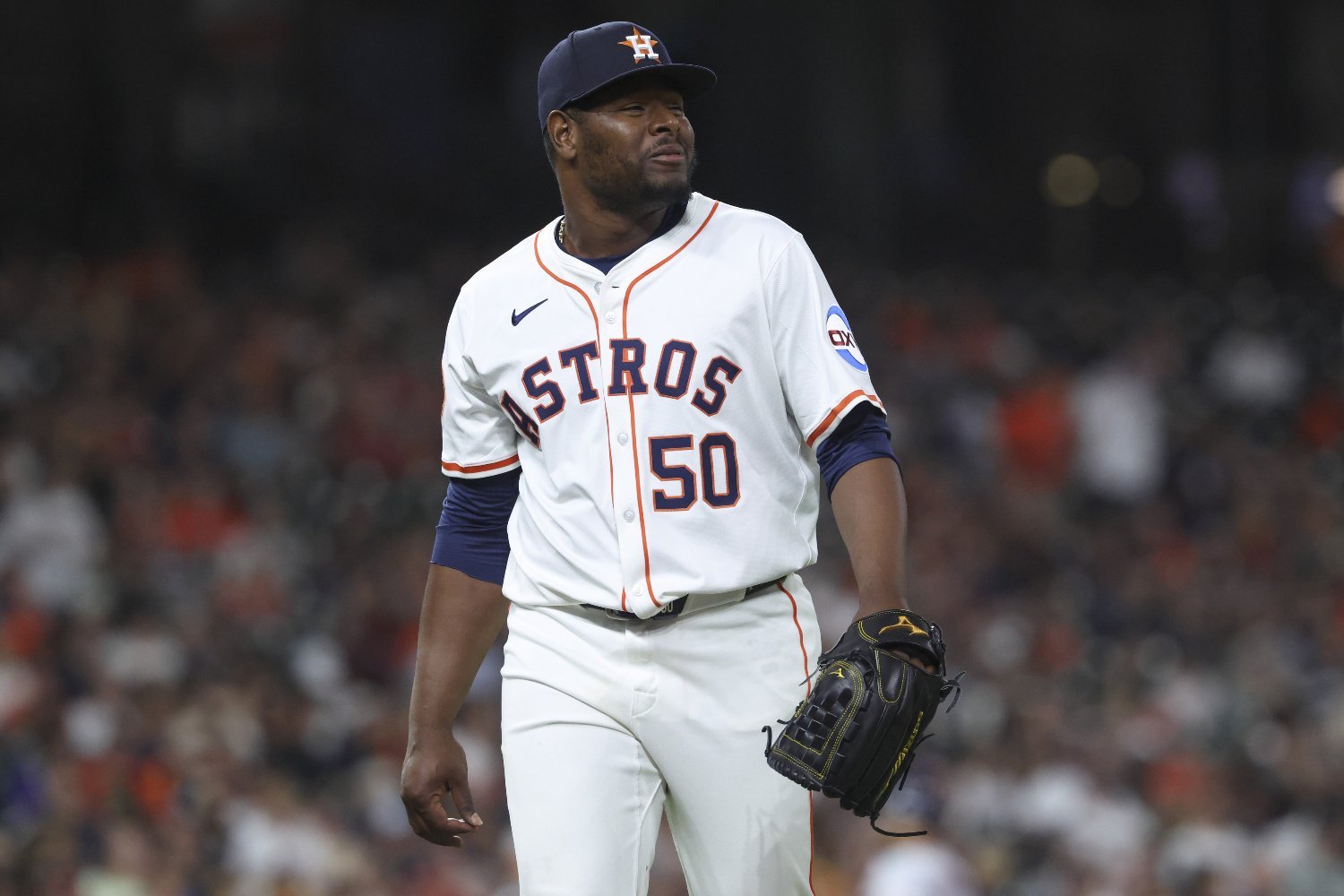 On Monday evening, MLB Insider Jon Heyman reported that the Kansas City Royals signed Hector Neris on a Minor League deal with an invitation to Spring Training. Neris pitched for three teams last year: the Braves (two outings; one IP), the Angels (21 outings; 14 IP), and the Astros (12 outings; 11.2 IP). In 26.2 overall innings, the 36-year-old righty reliever posted a 6.75 ERA, 1.69 WHIP, 5.35 FIP, and -0.1 fWAR. He was primarily hurt by a 16.7% HR/FB rate, his highest mark in that category since 2019 (when he was with the Phillies). While the results weren't good, Neris did post a strikeout rate of 28.2% and a K-BB% of 15.3%, both solid marks. He also had a 26% CSW and 28.3% O-Swing%, indicating he can generate strikes and chase pitches, two qualities the Royals are seeking from their relievers in 2026. Neris struggled to find the strike zone consistently and gave up too many hard hits, according to xwOBACON. That said, the stuff was pretty solid last year from a 36-year-old reliever. Neris sported six pitches last year, with his splitter (43.5%) and four-seamer (40.5%) being his most utilized offerings. Of his six pitches, five had TJ Stuff+ marks of 100 or higher, and four had grades of 50 or higher. He also generated a 28.6% whiff rate, with his splitter sporting a 35.9% whiff rate, the best mark in that category of his six offerings . The splitter has seen an increased usage by Neris over the past two seasons. He's thrown it over 40% of the time in 2024 and 2025 after only throwing it 28.8% of the time in 2023. Consequently, his four-seamer usage over the past two years has declined while splitter usage has risen, as seen in his career pitch-tracking chart via Savant. Because he's on a Minor League contract, Neris will have to earn his spot on the Royals roster this spring. If he doesn't make the roster, he has the option of becoming a free agent after Cactus League play. As of now, the Royals' bullpen seems pretty set with Carlos Estevez as closer and Matt Strahm, John Schreiber, and Lucas Erceg serving as setup men. Nick Mears, Alex Lange, Daniel Lynch IV, Bailey Falter, Steven Cruz, and James McArthur will likely battle Neris for a spot in the Kansas City bullpen in Spring Training. Photo Credit: Troy Taormina-Imagn Images View the full article
 -
What Will Brandon Sproat & Jett Williams Bring To The Brewers?
DiamondCentric posted an article in Brewer Fanatic
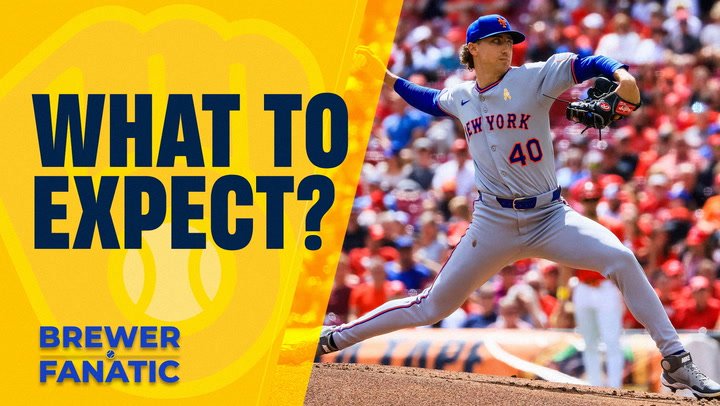 The Freddy Peralta trade sent ripples across the baseball world. With Brewers fans sharing every emotion from excitement for their return to anger that they lost a two-time All-Star, I figured it was worth it to break down the two top five prospects they plated in the deal. Here is everything you need to know about right-handed pitcher Brandon Sproat and utility speedster Jett Williams! View the full article
 -
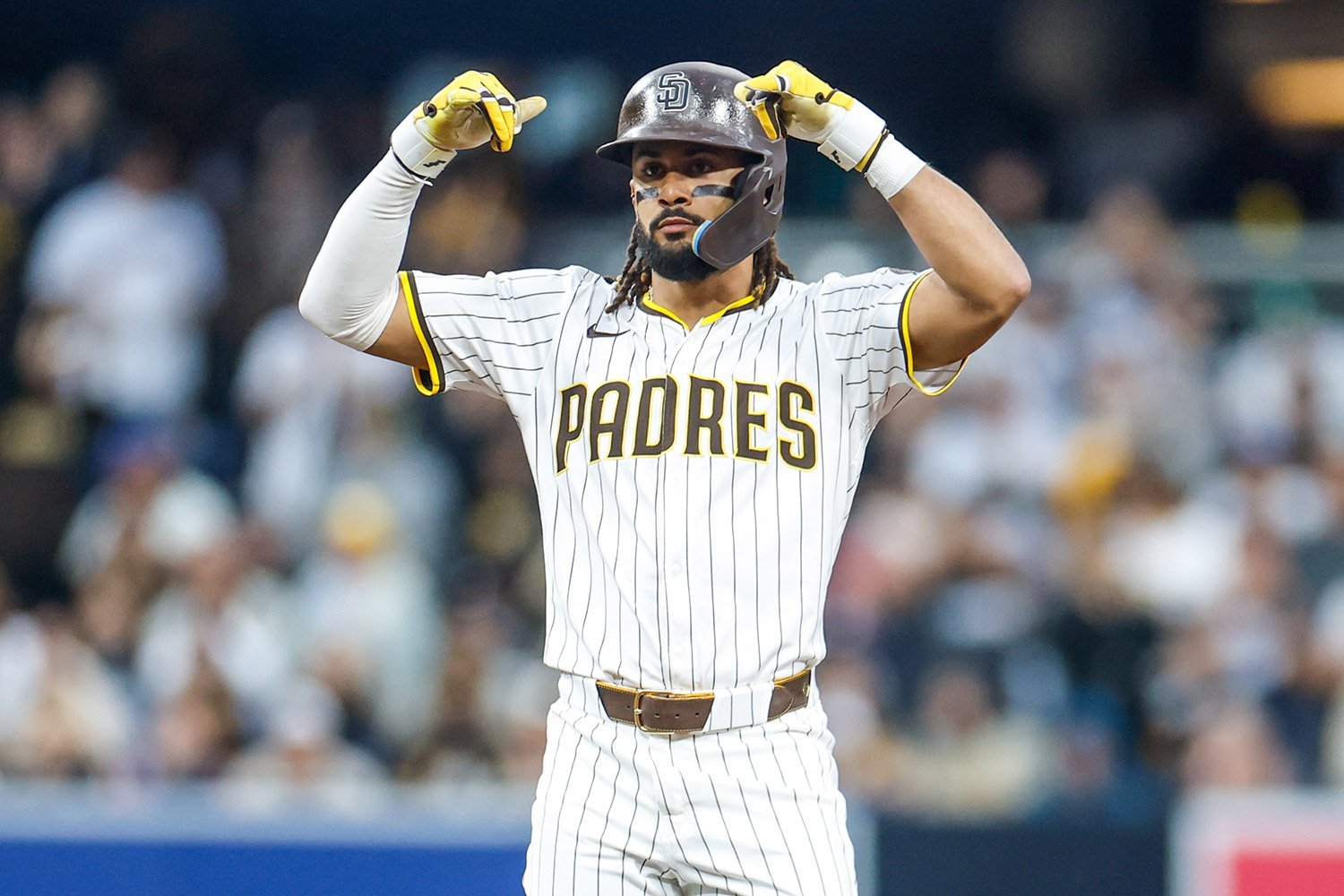 With about a week before rosters are announced for all World Baseball Classic teams, right fielder Fernando Tatis Jr. of the San Diego Padres was named to represent the Dominican Republic. Tatis was not on the DR's roster for the 2023 WBC as he was coming off a 2022 season in which he was injured and then suspended for using a performance-enhancing drug that lasted into the 2023 season. Padres teammate Manny Machado, the third baseman who was on the Dominican Republic's roster for the last WBC, has not yet been officially named to the team but is expected to be on the 30-player roster. The Dominican Republic often has the most talented roster of any WBC team. The DR was the pre-tournament favorite in 2023, but went 2-2 in pool play and did not advance to the knockout round. View the full article
 -
Twins, Joe Ryan Agree to Face-Saving Deal to Avoid Arbitration
DiamondCentric posted an article in Twins Daily
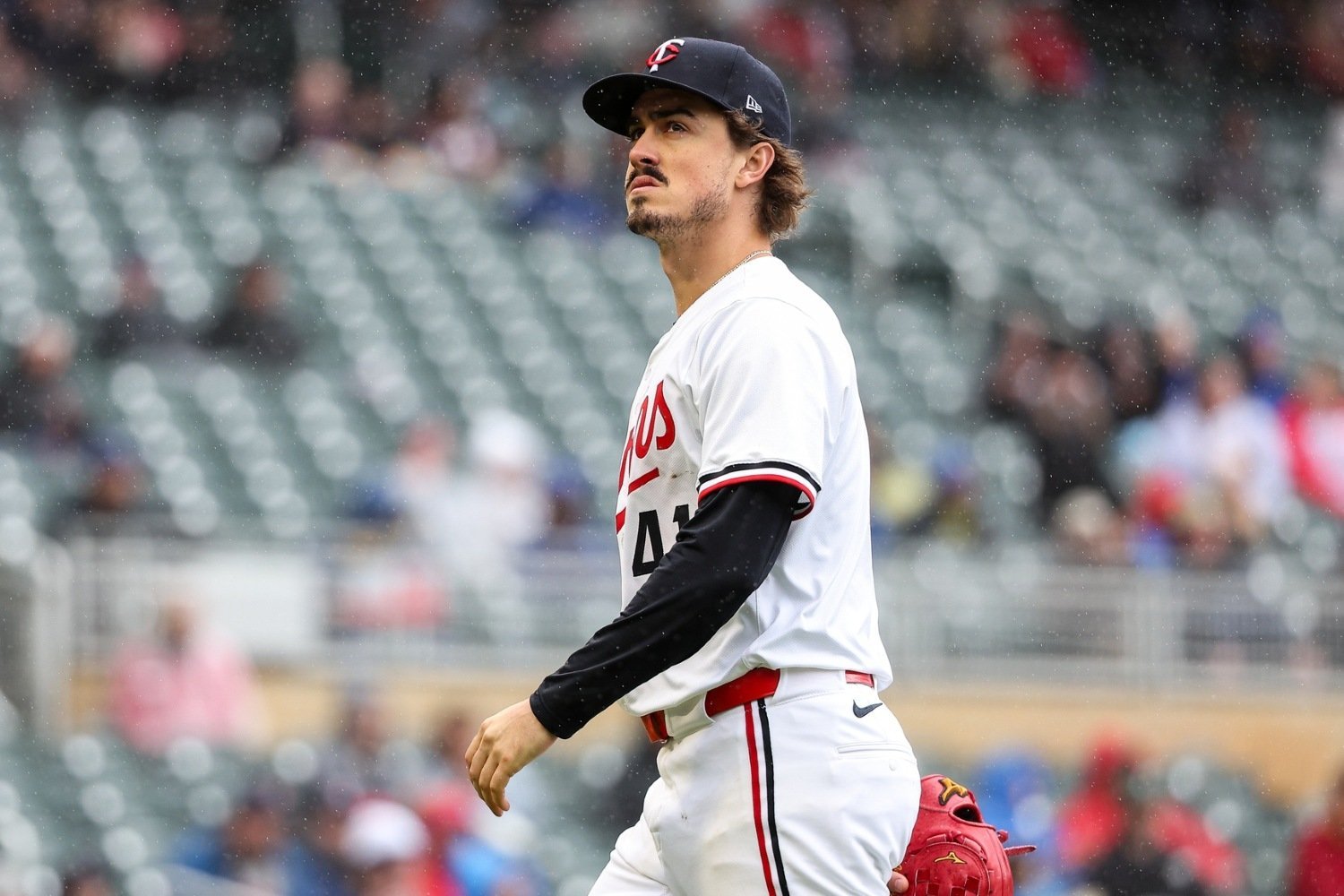 The Twins and righthander Joe Ryan agreed to a one-year deal to avoid arbitration Monday, according to Jon Heyman of the New York Post. Ryan will earn $6.1 million in 2026, and the Twins hold a $13-million club option for 2027, with a $100,000 buyout. The $6.1 million figure is the midpoint between the figures filed by the two sides earlier this month, when Ryan asked for $6.35 million and the Twins countered with $5.85 million. The deal doesn't extend Minnesota's term of team control, which would have ended after 2027, anyway. It's just the result of Minnesota pulling the ripcord to avoid a needlessly damaging arbitration hearing. Because the whole league takes the job of suppressing player salaries seriously, there's meaningful pressure on every front office in MLB to adopt a "file-and-trial" policy when it comes to arbitration. The term refers to the fact that, by a given deadline in the middle of January each year, teams and players must either agree to terms to avoid arbitration or file official proposed salaries for the player in the coming season. After that filing period, teams who hew to "file-and-trial" refuse to settle on one-year deals. It's a hardline tactic designed to bend players toward teams' desired salaries for them, but it's also become a way that teams subtly hold one another to account. Other teams and the league's central office watch and tut disapprovingly about settlements after the filing date but before hearings, because they compromise the notion of "file-and-trial" and weaken the leverage teams try to establish by setting that policy. To save face, when a team (usually, it's the team, because the player was generally more willing to settle near the midpoint in the first place) wants to avoid a hearing, they set up a deal like this one. Technically, the Twins have cost certainty on Ryan for 2027, now. He can't earn more than $13 million, because if he has a good enough year to be in position to do so, the Twins will pick up the option. That's unlikely, though. Ryan's platform earnings (this year's $6.1 million) will probably keep his earning power for 2027 to the $12-million range, which would make declining the option and paying the $100,000 buyout a no-brainer. Although part of a boring aspect of baseball, this particular process is funny. When teams and players fall together on a deal like this, it's worth a chuckle. Without technically buckling the fragile, largely fake leverage lattice that is "file-and-trial", these deals give the lie to the whole thing. Yes, technically, the Twins have agreed to a multi-year deal with Ryan, because they gained an option for next year. The odds that that option will be exercised are intentionally low, though. This is, essentially, the Twins paying Ryan $6.2 million for 2026. It's them admitting that a hearing would not only have made Ryan angry with the team over a small amount of money (in baseball terms), but likely have resulted in Ryan winning. The Brewers strike these kinds of deals fairly often. They did it with William Contreras late last January, after he'd filed for $6.5 million and they'd countered with $5.6 million. The deal paid him $6 million in 2025, with a club option for $12 million in 2026. They declined that option in November, paying him another $100,000, and he'll make less than $10 million this season. It was the same copout. Teams want to maintain the facade of being hardliners, but they don't want to actually go to arbitration any more than they used to. Nor do players like that experience. This works out on both sides; it just comes with some negotiation theater. Ryan will be eminently tradable under the terms of this deal, if it comes to that. In the happy event that he's still a Twin in November, the option will probably be declined, and Ryan and the Twins can do this dance again next January—or whenever the likely offseason lockout is resolved. For now, the sides have avoided the needless headache of a hearing next month, and Ryan can focus on baseball as he gets ready to report to spring training. View the full article
 -
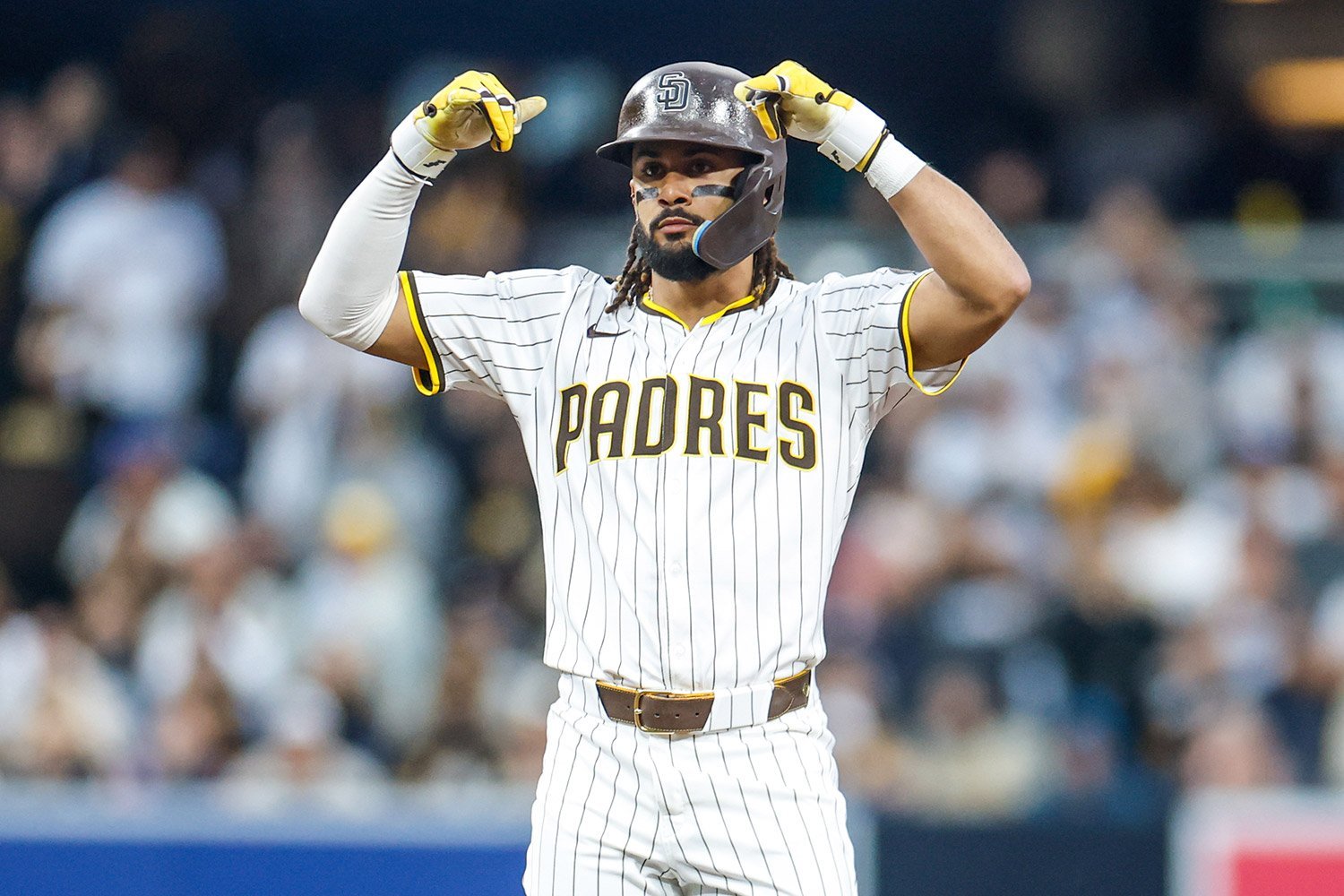 With about a week before rosters are announced for all World Baseball Classic teams, right fielder Fernando Tatis Jr. of the San Diego Padres was named to represent the Dominican Republic. Tatis was not on the DR's roster for the 2023 WBC as he was coming off a 2022 season in which he was injured and then suspended for using a performance-enhancing drug that lasted into the 2023 season. Padres teammate Manny Machado, the third baseman who was on the Dominican Republic's roster for the last WBC, has not yet been officially named to the team but is expected to be on the 30-player roster. The Dominican Republic often has the most talented roster of any WBC team. The DR was the pre-tournament favorite in 2023, but went 2-2 in pool play and did not advance to the knockout round. View the full article
 -
International Free Agency: The Twins’ Track Record (Part 2)
DiamondCentric posted an article in Twins Daily
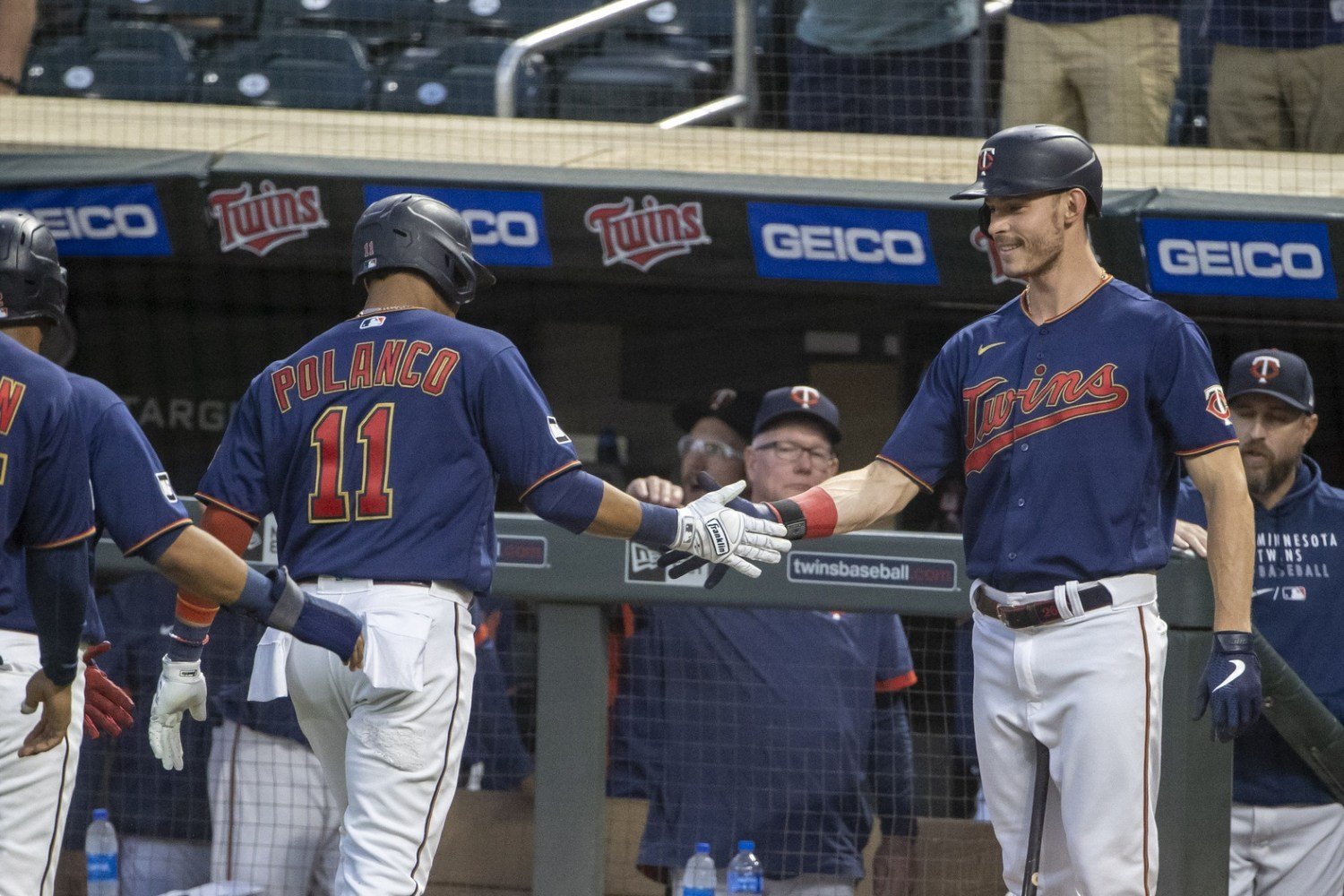 This is the second installment in a series about the many opportunities and difficulties of signing and developing international amateur free agents. Part 1 can be found here. Evaluating the Minnesota Twins’ international program requires a level of honesty that can be uncomfortable. For much of the past two decades, international scouting has not been a consistent organizational strength. Before the implementation of international bonus pools under the CBA that went into effect in 2012, teams were free to spend aggressively in the international amateur market, without penalty. Many organizations took advantage of that freedom. The Twins did not. As reported in a 2019 article at The Athletic, international free agency was not viewed as a high priority by ownership or the front office during that era. While competitors invested heavily across Central and South America, Minnesota often spent conservatively, signaling—intentionally or not—a lack of seriousness to players, trainers, and international talent evaluators. There were, however, notable exceptions. In 2009, despite facing challenges related to age verification and budget overruns, the Twins signed three 16-year-olds who would go on to define the franchise for years: Jorge Polanco, Max Kepler, and Miguel Sanó. That class became the clearest example of what international investment could yield when scouting, development, and opportunity aligned. Following that success, the pre-2020 era settled into a familiar pattern. The July 2 signing window typically brought modest spending and similarly underwhelming results. The Twins often targeted athletic infielders and outfielders with defensive versatility and strong baseball instincts. While there were occasional wins—particularly among low- to mid-bonus players who developed steadily—the organization struggled to convert its largest bonus signings into long-term MLB impact. Systemic challenges persisted. Even as the Twins continued to invest in the global market, outcomes frequently lagged behind those of peer organizations. Volatility is inherent to international scouting, and every team misses more often than it hits, but Minnesota’s results often fell short of expectations due to stalled development or recurring injuries. When top-end talent didn’t fully materialize, the club more often leveraged those players as trade capital, rather than foundational big-leaguers. Until 2020, the organization remained heavily focused on position players. Pitching was frequently acquired via trades, rather than developed after signing internationally. That approach began to shift recently. In 2024, the Twins signed four international pitchers—the largest number of arms they’ve added in a single class—signaling a potential philosophical change. From 2024 through the now-underway 2026 period, Minnesota has shown increased aggressiveness in pursuing pitching talent and a greater willingness to diversify geographically, particularly in the Dominican Republic, Venezuela, and Colombia. Still, it is far too early to draw firm conclusions. While the Twins appear to be turning a page, the long-standing question remains whether this renewed emphasis will translate into sustained MLB value, rather than isolated success. Until development outcomes consistently match investment, the international program remains a work in progress—defined as much by missed opportunity as by cautious optimism. During the 2016–2020 stretch, the club attempted to recalibrate its approach. The 2021 transition to the January 15 signing period provided stability on the calendar, but not necessarily better outcomes. The overarching pattern remains: In Jamie Cameron’s article in 2022, he points out that Minnesota has invested, but the return has not kept pace with the rest of the league. Compared to organizations known for thriving in the international market (clubs like the Dodgers, Guardians, Rays, and Yankees), the Twins have produced fewer big-league contributors and fewer high-impact talents through this pipeline. For example, the Dodgers have built a reputation for consistently developing international talent, signing players like Julio Urías, Andy Pages and Edgardo Henríquez, who progressed through the system to make meaningful contributions. The Guardians might be benefiting from the signing of José Ramírez for another half-decade or more, and their dedication to Latin America has yielded a bunch of complementary players over the years. They've also benefited by building an infrastructure that is friendly to Latin American players, whom they've thus been especially proactive about acquiring in trades. Carlos Santana, Carlos Carrasco, Ubaldo Jiménez, Emmanuel Clase, Andrés Giménez, Amed Rosario and more have streamed through Cleveland, finding success because the franchise has oriented itself to support the development of players from their home countries. The Yankees, meanwhile, leveraged their international scouting to find players like Luis Severino, who became a frontline starter. When they sign a high-profile prospect from that class, they also remain open to trading them, thus improving their team by converting hoped-for value into sure things in the short term. By contrast, while the Twins have invested heavily internationally, their pipeline has produced fewer high-impact MLB players. Prospects like Huascar Ynoa, Amaurys Minier, and Lewin Díaz highlight both the promise and pitfalls of Minnesota’s approach, showing that spotting talent alone hasn’t yet translated into consistent big-league success. The Twins may not have gotten a lot of high value from their IFA players, but what they have done is make trades for roster-ready players. In 2018, two IFA players brought back Jake Odirizzi from the Rays. In early 2020, the team traded away Brusdar Graterol for Kenta Maeda. More infamously, of course, they dealt then-teenager Luis Gil to the Yankees for Jake Cave, but even that move helped them in the short term. This isn’t to say the system lacks promise. On the contrary, there have been individual bright spots (most notably Emmanuel Rodriguez), and a clearer organizational plan is beginning to take shape. But the Twins’ track record shows that the international program has been more of a weakness than a strength. Fred Guerrero, who was the director for 19 years, left in 2023 after not accepting a smaller role. Guerrero, one of the last guys in the system who was more old school and brought in talent like Sano and Polanco, no longer fit into an evolving vision. The Twins took an analytical turn in 2022, which probably prompted Guerrero’s exit. Kevin Goldstein, who was hired by the Twins in 2022, modernized the international scouting process with data and technology, then was promoted to VP of International Scouting in January 2024. The biggest part of international free agency is the relationships, and the Twins brought in Roman Barinas in 2023 as the new Latin American Scouting Director, bringing extensive experience from the Dodgers to complement Goldstein's efforts. As a result, the Twins' classes in 2024 and 2025 have been more about talent, and less about trade value for veterans—at least, that's the sense so far. The team hasn't done well in this market, but that tide is beginning to turn. View the full article
 -
 With roughly a month until spring training, the Minnesota Twins have a perplexing roster construction… Especially on the offensive side of the ball. How do they think this is all going to work out?View the full article
 -
The Cubs’ Fourth Outfielder Battle Is Wide Open
DiamondCentric posted an article in North Side Baseball
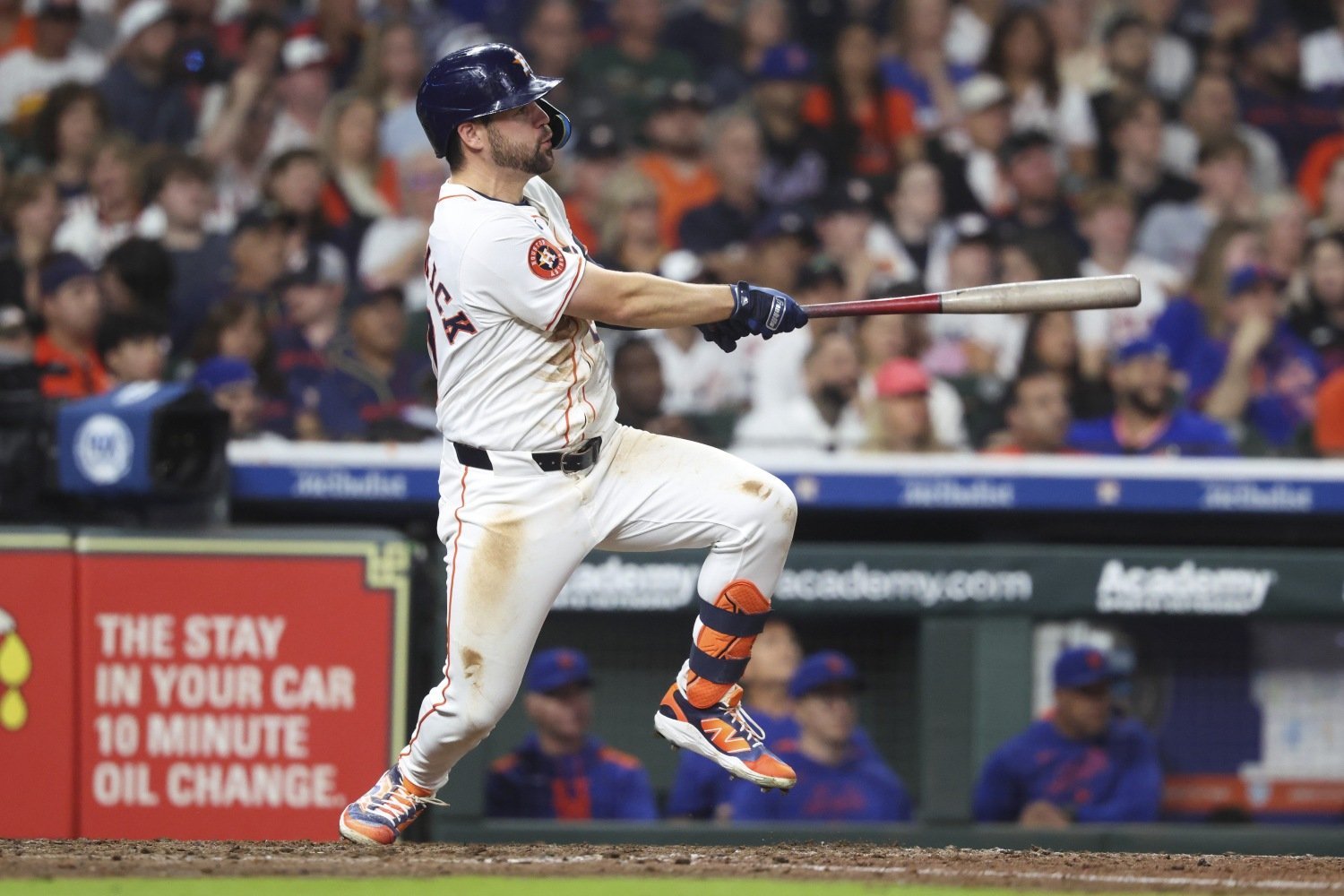 With the Cubs signing Chas McCormick and Dylan Carlson as non-roster invitees to spring training, a competition has emerged for the fourth outfield spot between Carlson, McCormick, Kevin Alcántara, and Justin Dean. The starting outfield appears set, with Ian Happ and Seiya Suzuki entrenched as everyday options and Pete Crow-Armstrong coming off a stellar 2025 season. However, if one of these three candidates can establish himself as a legitimate option, it could significantly open up the lineup. Suzuki’s defensive limitations in the outfield and Crow-Armstrong’s continued struggles against left-handed pitching create a clear opportunity for a complementary piece to carve out meaningful playing time. Kevin Alcántara (AAA): .266/.349/.370, 17 HR, 59 RBI Alcántara would be the ideal option for the Cubs. He has long been one of the organization’s top prospects and appears to be on the verge of making a consistent impact at the major-league level. The additions of Carlson, Dean and McCormick do not necessarily indicate that the Cubs have lost faith in Alcántara, but it is notable that they felt compelled to add competition as spring training approaches. The lanky Dominican Republic native provides the most upside as a platoon or rotational option, particularly if the Cubs need to give Crow-Armstrong and his glove a rest. That need becomes even more pronounced if Crow-Armstrong reverts to his 2024 offensive form, when his free-swinging tendencies led to extended struggles. Despite his ability to drive the ball with authority, however, Alcántara has major swing-and-miss concerns. He struck out 29.8 percent of the time in Triple A, and strikeout rates often increase upon promotion to the majors. In his brief major-league stint in 2025, that rate climbed to 33.3%, though the sample is too small to draw conclusions therefrom. There are encouraging signs within that profile. Alcántara punished fastballs, posting an expected slugging percentage of .546 against four-seamers, .486 against sinkers, and .609 against cutters. Sliders were a different story. They were the pitch he saw most often, and resulted in an expected batting average of just .185. Major-league pitchers are likely to exploit that weakness with a steady diet of breaking balls. Chas McCormick (MLB): .210/.279/.290, 1 HR, 5 RBI McCormick was added to provide major-league experience to the mix of players vying for the backup outfield gig. It has now been two years since his breakout 2023 season, when he produced 3.3 fWAR and a 132 wRC+. That year was fueled by significant overperformance relative to his expected metrics, and once those numbers regressed, he has not been able to recover. The core issue is his lack of power. McCormick ranks among the weakest power hitters in the league, with well below average barrel rates and exit velocities despite possessing roughly average bat speed. His plate approach has also deteriorated. He's too passive within the strike zone and chases at one of the highest rates in baseball outside it. This signing appears to be a low-risk bet on his pre-2024 track record, when he was an above-average offensive contributor and provided steady defense in center field. FanGraphs currently projects McCormick to break camp with the team, which represents the most conservative option, but it would require the team making space on the 40-man roster for him. Justin Dean (AAA): .289/.378/.431, 6 HR, 60 RBI Dean was claimed off waivers from the Dodgers and occupies a spot on the 40-man roster. Based strictly on Triple-A production, he profiles as a slightly improved version of McCormick. Like McCormick, he does not hit the ball particularly hard, but his plate discipline is notably better than that of both McCormick and Alcántara. His low chase rate will keep him in the Opening Day conversation, but it is difficult to see him separating himself meaningfully from the other options. His exit velocity data suggests that his Triple-A OPS should be taken with caution, as it is unlikely to translate into an above-average major-league offensive profile. Dean ultimately looks like quality depth. Given the inevitability of an injured list stint over the course of the season, he is well-positioned to be the first call up. Barring an unexpected breakout, he should begin the year in Triple A and cycle up as needed. With all three minor-league options remaining, multiple appearances throughout the season should be expected. Most of his value lies in his leather. Dylan Carlson (MLB): .203/.278/.336, 6 HR, 20 RBI The former Cardinals prospect and promising youngster has gone to seed. There's not even much value left in his glove, if you trust the numbers, and his bat is a wet noodle. Not even a stay in Baltimore, where they're great at boosting bat speed, could do anything for him. However, Carlson is smart enough to take a patient approach and still has a reputation for solid defense in center field. He's another non-roster player, so there's zero risk in bringing him in and letting the competition play out. In all likelihood, though, the Cubs are hoping one of the other three will win the job. Who is the best option? If he plays well in camp, Alcántara should get the nod. McCormick appears to be a declining asset, and Dean has already been moved twice this offseason. Carlson is the failsafe—the absolute backstop. The Cubs have invested too heavily in Alcántara’s development to continue delaying the evaluation. It's time to find out what they have at the major league level, unless one of the others in the competition asserts themselves too forcefully to be ignored. View the full article
 -
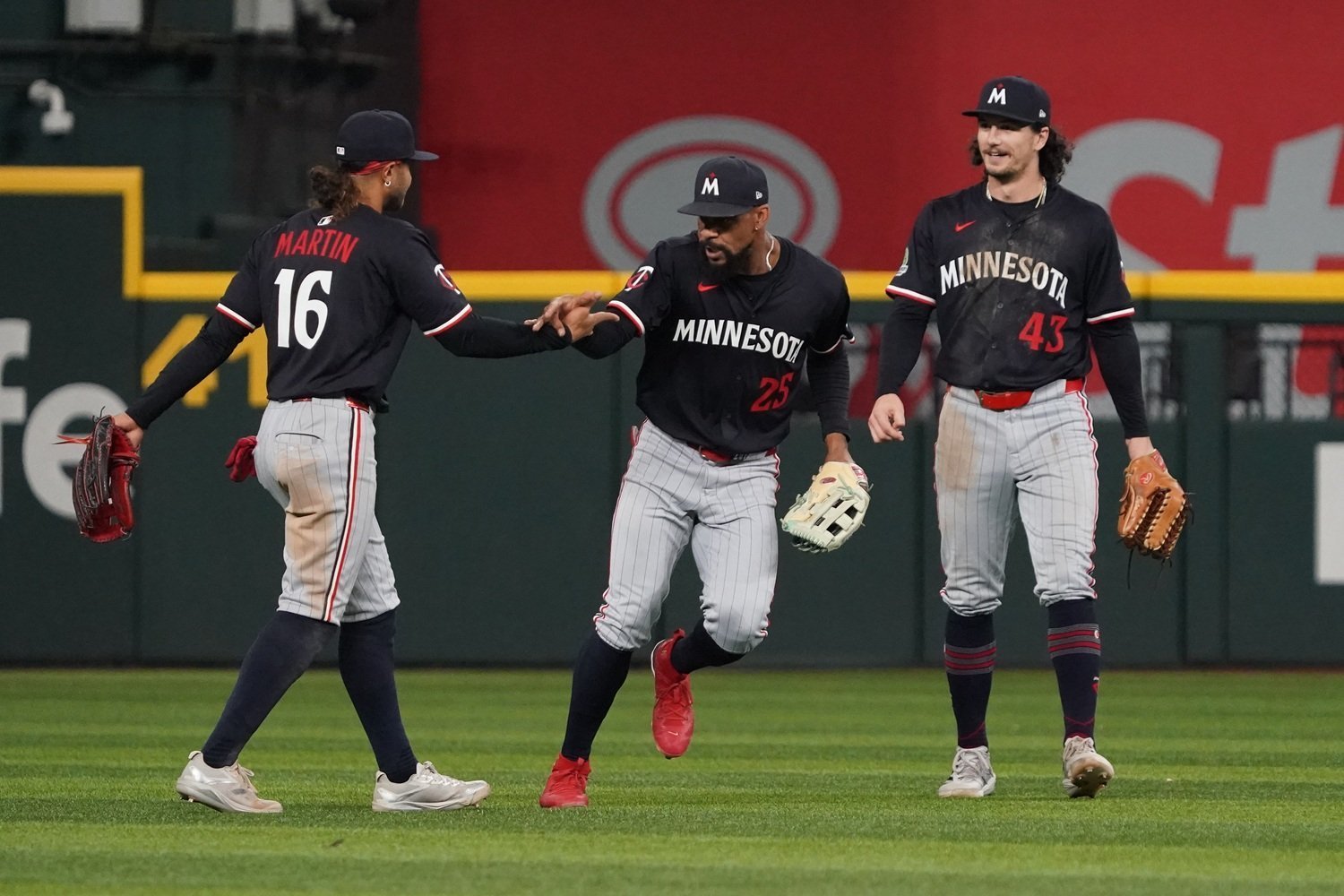 For much of the last decade, the Twins have quietly tried to squeeze every marginal win out of their roster. Sometimes that has meant platoons. Other times, it has meant defensive flexibility or depth over star power. This offseason, a clear pattern is emerging. Minnesota appears to be leaning harder than ever into matchup play and lineup optimization. The most obvious signal came with back-to-back investments in switch hitters. Josh Bell and Victor Caratini were added for their overall production, their fit in the roster, and because they eliminate problems. A switch-hitter erases the need to protect a lineup spot when the opposing starter changes handedness, and that matters for a team that wants to play the percentages every night. This approach stretches well beyond those two signings and into how the entire roster fits together. Minnesota is under an owner-imposed payroll limit, which makes it challenging to field the best lineup. Without the ability to add star-caliber players in free agency, the front office must pivot to attempt to find a market inefficiency. So, are the Twins trying to make up for a dearth of talent with really good matchup-proofing? The short answer is probably yes, at least in part. The Twins do not have the payroll or the top-end depth to roll out nine everyday bats who are immune to matchups. What they do have is a collection of hitters who can be deployed strategically. Keeping Trevor Larnach at $4.475 million in arbitration fits that logic. On the surface, Larnach looks expendable. In practice, he is a valuable strong-side platoon option who can punish right-handed pitching. Last season was a down year for Larnach, but he still posted a .759 OPS against righties, matching his career total. A left field pairing of Larnach and Austin Martin is not flashy, but it is efficient. Larnach gets the favorable matchups where he has shown real damage potential. Martin handles left-handed pitching and adds defensive versatility and speed. In fact, Martin was one of the team’s lone bright spots in the second half last season, helped in part by his .884 OPS against southpaws. Together, they approximate a more expensive everyday option. That same philosophy is visible across the infield. Left-handed bat Kody Clemens can be deployed aggressively against right-handed starters. Right-handed options like Luke Keaschall, Royce Lewis, and Eric Wagaman can take on left-handed pitching without forcing the Twins to accept bad matchups elsewhere. Orlando Arcia, a veteran right-handed hitter, was brought in on a minor-league deal and has a chance to make the Opening Day roster. Brooks Lee, a switch-hitting shortstop, serves as a stabilizer, keeping the lineup from tilting too far in either direction. The Twins have options at nearly every spot. Even the outfield depth reflects this thinking. The left-handed group of Larnach, Matt Wallner, Alan Roden, and James Outman pairs naturally with right-handed or right-leaning options like Byron Buxton, Martin, Ryan Kreidler, and eventually Gabriel Gonzalez. Other top prospects like Walker Jenkins and Emmanuel Rodriguez are also expected to join the left-handed hitting group at some point in 2026. This is not about finding the best nine hitters. It's about finding the best nine hitters for a specific opponent each day. Against right-handed starters, Minnesota can stack lefties and switch hitters. C: Caratini (S) 1B: Clemens (L) 2B: Tristan Gray (L) 3B: Lewis (R) SS: Lee (S) LF: Larnach (L) CF: Buxton (R) RF: Wallner (L) DH: Bell (S) The alignment above leaves Lewis and Byron Buxton as the lone right-handed bats. Against left-handed starters, the picture flips. C: Jeffers (R) 1B: Bell (S) 2B: Keaschall (R) 3B: Lewis (R) SS: Lee (S) LF: Martin (R) CF: Buxton (R) RF: Wallner (L) DH: Caratini (S) This gives the Twins a right-leaning core. Right field becomes the lone spot needing a lefty, with Wallner the apparent choice. There will also be injuries that arise, requiring the Twins to shift pieces around. None of this screams overwhelming talent. It does scream intention. So, is this what we have seen in the past from the Twins, or is this a new twist? Platoons are not new in Minnesota. The Twins have lived in this space for years, especially during their recent competitive window. What feels different now is how deliberately the roster is being built around that concept, rather than falling into it out of necessity. In the past, platoons often existed because the Twins lacked better options. Now, they appear to be acquiring players specifically because they enable matchup flexibility. Switch hitters like Bell and Caratini are cheap fixes and targeted solutions. Keeping Larnach rather than clearing his salary suggests the team values optionality over simplicity. There is also more lineup insulation than before. Multiple switch hitters and right-handed bats who can move around the field reduce the risk of being exposed by a single pitching decision. This is less about reacting to matchups and more about dictating them. That shift suggests an organization leaning fully into modern roster construction. The Twins may not win many talent comparisons on paper, but they are trying to win the decision-making battle that happens before the first pitch. The Twins appear to be building a roster designed to win at the margins. By prioritizing switch-hitters, platoon advantages, and lineup flexibility, Minnesota is attempting to turn matchup management into a competitive edge. Whether that approach can compensate for a lack of star power remains an open question, but the plan itself is becoming increasingly apparent. Is this smart optimization that will squeeze extra wins out of a flawed roster, or does it place too much pressure on perfect lineup management to succeed over a full season? Leave a comment and start the discussion. View the full article
 -
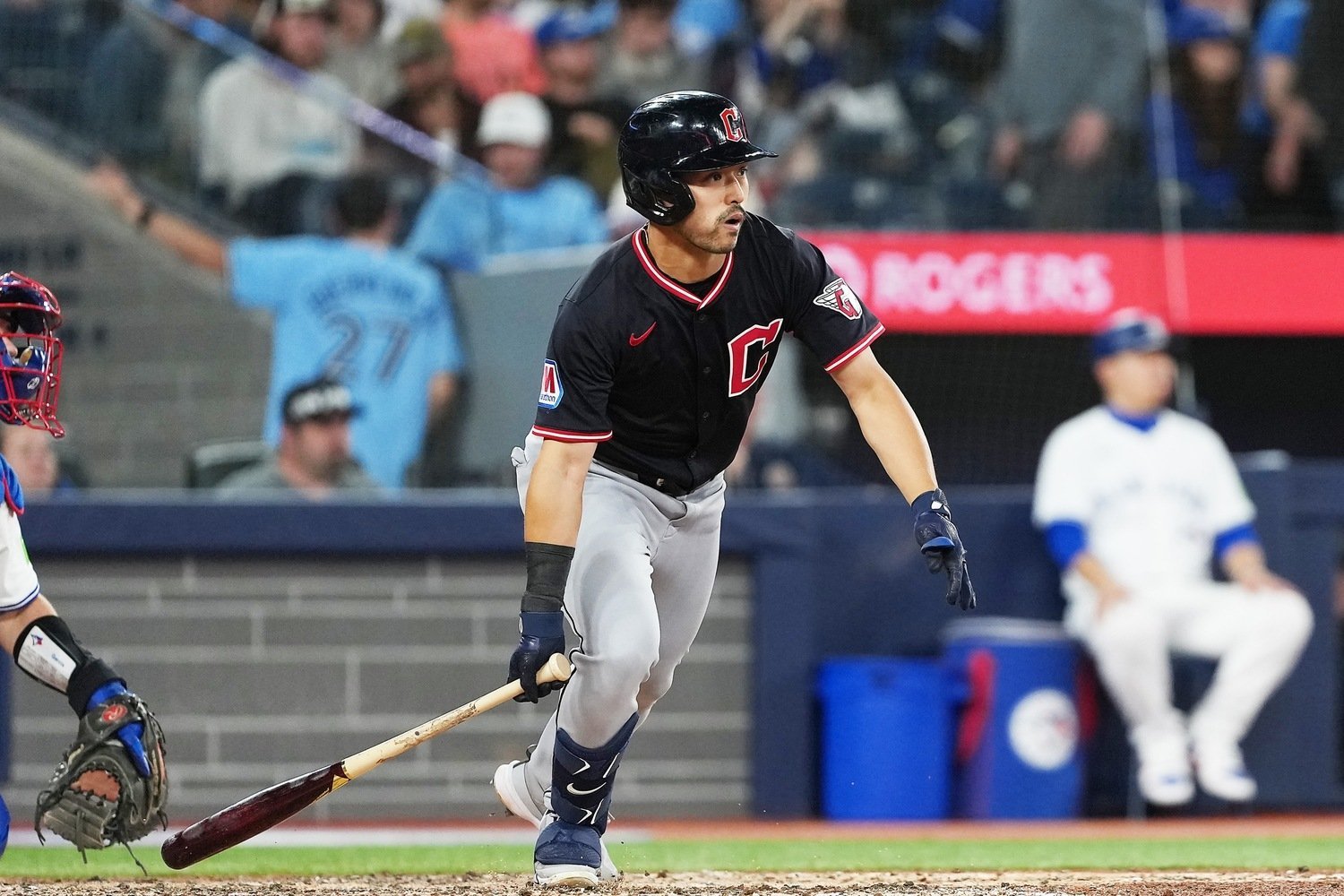 At last season's trade deadline, the Toronto Blue Jays were sitting atop the AL East with a narrow lead over the New York Yankees and Boston Red Sox. The Blue Jays' front office was gearing up to be aggressive after making only three postseason trips since 2016, which, at that time, was the last year they made it to the ALCS. Pitching was the focus, as Shane Bieber, Seranthony Domínguez, and Louis Varland joined the squad. As for the offense, Ty France was the only notable hitter the Jays acquired. Steven Kwan was ESPN's top hitter to be considered as a trade candidate, and he was linked to the Blue Jays due to injuries and inexperience in their outfield. Fortunately, general manager Ross Atkins was rewarded for sticking with the inexperienced Addison Barger, Nathan Lukes, and Joey Loperfido, who all logged meaningful innings in the outfield during the final stretch of last season. Daulton Varsho staying healthy for the last two months of the regular season and the postseason was also a massive contributor to the team's success. He hit 12 of his 20 home runs in August and September. Occasional outfielder George Springer, who produced his best statistics since 2019, was also a significant and unexpected factor in the Blue Jays' run to the World Series. The Cleveland Guardians avoided arbitration with Kwan earlier this month, as the two sides agreed to a one-year, $7.725 million contract. He still has an additional year of team control before becoming a free agent ahead of the 2028 season, when he will be 30. While his name has popped up in some trade rumors this winter, the 2026 trade deadline may be the prime time for the Guardians to trade the left fielder, presuming they don't intend to pay him when he becomes a free agent. Kwan has been one of the most consistent contact hitters since his debut in 2022. He lacks power, but he is the epitome of a traditional leadoff batter. The lefty can work his way on base and put the ball in play. Last season, though, he struggled to draw walks, posting a career-worst 7.9 walk percentage, but he also had a career-best 8.7 strikeout percentage. His .283 BABIP (batting average on balls in play) was also a career worst. Yet, once Kwan got on base, he was ready to advance – also typical of a leadoff hitter. He tied his career-high in stolen bases, stealing safely on 21 of 26 attempts. The left fielder was also superb in the field, winning his fourth consecutive AL Gold Glove Award. His 7.6 FanGraphs Def led to a 3.2 fWAR, despite finishing with the first negative offensive rating (-0.4) of his career. Obviously, the decision whether or not to target Kwan at the deadline would depend on the Blue Jays' health and performance during the first half of the 2026 season. The cost to acquire one of the Guardians' better players will also have to be considered. The latter may be the exact reason the Blue Jays do not ultimately acquire the left fielder. As Bleacher Report's Kerry Miller stated, "[Trading Kwan] only makes sense for the Guardians if they're getting multiple, MLB-caliber starting pitchers in the deal.” A trade package like that may eliminate the Blue Jays. The only prospects closest to qualifying for such a package would be Ricky Tiedemann, Adam Macko, Angel Bastardo, Lazaro Estrada, and maybe Gage Stanifer. All of these arms, except Stanifer, could make their MLB debuts this upcoming season. I'm not including Trey Yesavage, as he's the Blue Jays' future ace, and it would be insane to trade him for Kwan. Other teams vying for Kwan will likely have more enticing options to offer the Guardians, as these Blue Jays prospects aren't fully MLB battle-tested. Considering that five of the six starting pitchers on the Blue Jays' 26-man roster, including José Berríos, are over 30 years old, it doesn't make sense to trade away young pitchers who may be relied on more as soon as the 2027 season. Kevin Gausman and Bieber's contracts both expire after the upcoming season. The only way trading young pitchers would work out in the Blue Jays' favor would be if Kwan were a few years younger. He is a player who relies on his speed, but he will be 29 before the 2027 season. So, the possibility of his skill set deteriorating in his thirties could make an extension a bad idea. The Blue Jays have plenty of outfield help to get by without needing to hamper the organization's future. However, if injuries shorten the outfield depth, then the Blue Jays may be desperate to improve after a World Series runner-up finish last season. That's precisely why Kwan makes more sense as a possible mid-season acquisition, rather than a trade target right now. Regardless of when he's dealt, Steven Kwan could definitely help Toronto, but he will come at an extremely steep price. The cost may be more than the Blue Jays are willing to pay. View the full article
 -
5 Brewers Who Are Looking Over Their Shoulder At Jett Williams
DiamondCentric posted an article in Brewer Fanatic
 New Brewers prospect Jett Williams brings versatility to the table, with some serious OBP skills, power, and speed and experience at shortstop, second base and center field. His versatility and upside are why the Brewers wanted him, but they make him an (almost) immediate threat to the playing time of some of the team's incumbents. Williams might start the season in the minors, but he should be ready to play in the big leagues sometime this year. The Brewers usually keep all 13 allowed pitchers, so after accounting for the nine starters each day, they have just four spots for bench players, one of which will be held by the backup catcher. So, which Brewers could be bumped off, should Williams seize a job—be it off the roster, or out of the regular mix? Andruw Monasterio Monasterio has been an unsung cult hero for the Brewers since he came up in 2023, including being Brewer Fanatic’s top rookie that year as the team’s primary third baseman down the stretch. Since then, he’s been one of the top options off the Brewers bench, playing all four infield positions adroitly. His playing time has been sparser the last two seasons (251 at-bats total in 2024 and 2025, compared to 282 in 2023). Williams brings a similar type of versatility and a more potent bat. Monasterio is eligible for arbitration after this season, and while he’s solid, his time may be running out. It's possible for Monasterio and Williams to coexist on the 26-man roster, and even on the same bench, but it sure seems unlikely. Joey Ortiz Ortiz will get a shot to redeem himself after a horrid 2025 at the plate. His outstanding defense at short kept him in positive WAR territory, per Baseball Reference, but the leash will be justifiably short. He could lose out (directly or indirectly) to Williams if the offensive struggles continue. The direct path is Williams taking over at shortstop, though few see him as a shortstop in the majors. Indirectly, Williams could take over second base as Brice Turang slides to the other side of the keystone, displacing Ortiz. Blake Perkins Perkins has been the Brewers’ fourth outfielder since the 2024 season. He’s a pesky switch-hitter with some speed, a little pop, and Gold Glove-caliber defense. He’d be a competent starter on some teams, but in Milwaukee, he’s backing up Garrett Mitchell—which could still mean a lot of playing time—and jostling with Jackson Chourio. Williams has more pop, and also plays a pretty good center field, which could edge Perkins out of Milwaukee. Garrett Mitchell Mitchell has a dynamic bat, excellent speed, and is a skillful defender when he’s on the field. The big problem for Mitchell is a series of injuries that have kept him off the field for large portions of the past three seasons, meaning a lot of his service time has come on the injured list. Another injury that costs Mitchell significant time in the offseason, and Williams could take over, providing the same dynamism, albeit as a right-handed hitter. Brandon Lockridge For Lockridge, it’s not about being on the major-league roster; that is not his biggest worry. The Brewers' 40-man roster is also quite crowded, and if and when Williams is added, it could squeeze Lockridge. Williams is the team’s seventh non-roster invite, joining Eddys Leonard as an infielder, but he also plays a competent outfield, and his bat is more dynamic than Lockridge’s. Depending on injuries and offensive performance, Lockridge could be the odd man out for the Brewers, even though they appear to like him quite a bit. Which player do you think should be the most nervous about Jett Williams’ arrival? Let us know in the comments below! View the full article
 -
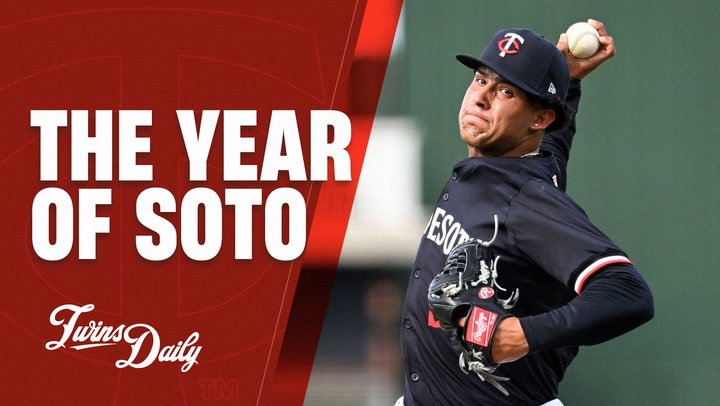 After arm issues limited Charlee Soto's season to just three starts in 2025, he still looks like a clear breakout candidate in 2026 if healthy. View the full article
 -
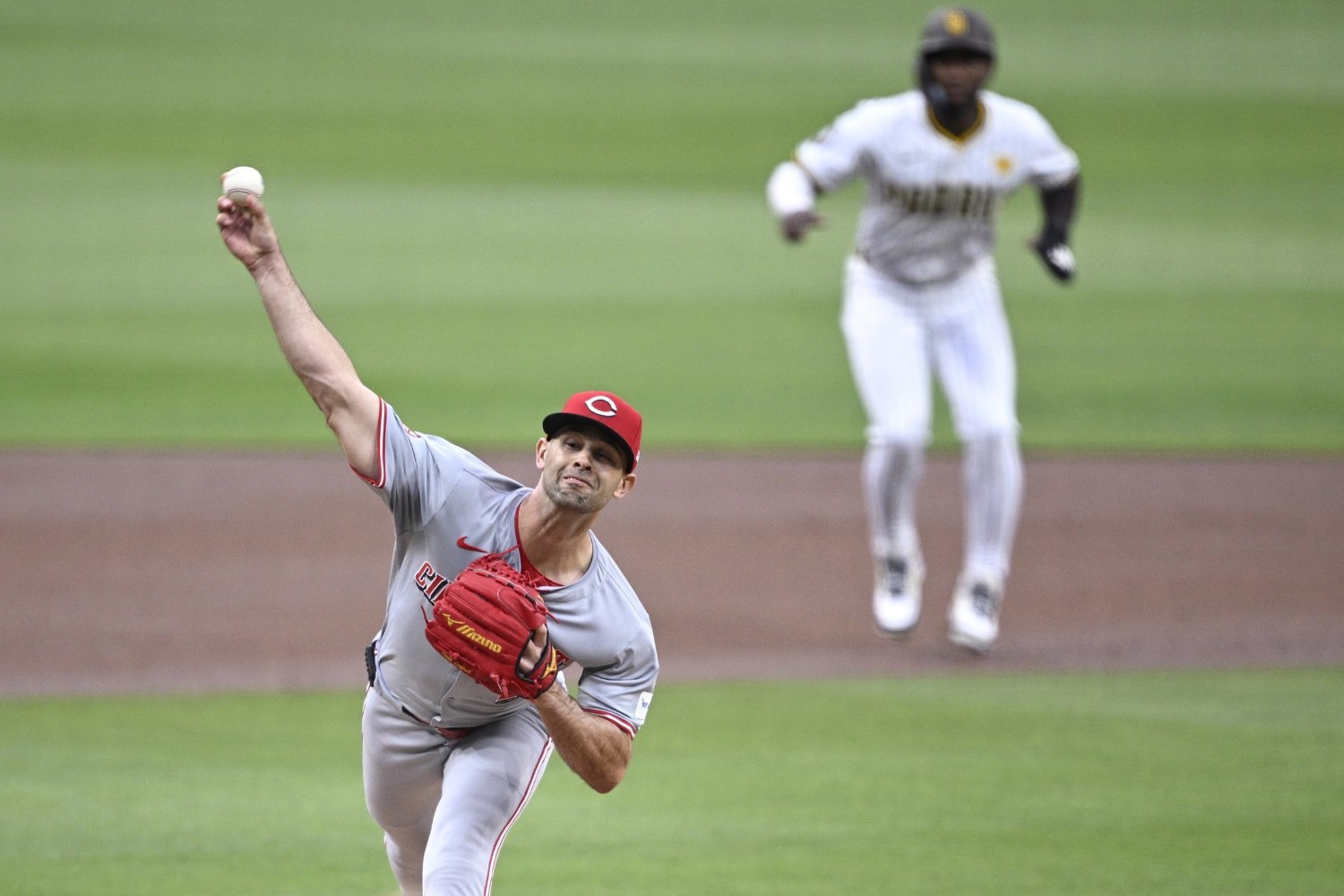 Earlier this week, The Athletic's Ken Rosenthal name-checked three free agent pitchers that the San Diego Padres could be pursuing at this late stage of the offseason: Justin Verlander, Lucas Giolito, and old friend Nick Martinez. The rationale was primarily due to the cost, as each of them would require in the neighborhood of between $8 million and $12 million in average annual value (according to Rosenthal, at least). When you factor in that each could likely be had on a short-term contract, the appeal starts to gain some clarity. It certainly lends itself to a more realistic outcome than, say, a trade for Milwaukee's Freddy Peralta ever was. As such, let's talk about those three names in Verlander, Giolito, and Martinez. Each has a track record of success, but none of them are without questions. It's at least partially those questions that leaves them looking for a new team as the calendar prepares to flip over to February, with pitchers and catchers just a few weeks away from reporting to team sites. Nevertheless, there's a good deal of intrigue present with all three. Assuming all things are equal in the contract for the purpose of this exercise, which veteran pitcher is the best fit for the 2026 Padres? Justin Verlander An ageless wonder, the fact that Verlander will turn 43 before the start of the season hasn't slowed him down much. Across 29 starts with the San Francisco Giants last year, Verlander pitched to an identical ERA and FIP, at 3.85. His fastball still checks in at 93.9 MPH on average, and while his strikeout and walk numbers have come down from his peak, he still limits hard contact at a high level. His 37.0 percent hard-hit rate allowed finished in the 78th percentile last year. The issue with Verlander is obviously the age and recent injury history. He averaged 5 2/3 innings per start last year, but experienced a pectoral issue in May that resulted in a stint on the injured list. Prior to that, he battled neck and shoulder woes in 2024. It's unreasonable to expect him to handle a full season at this stage, even if the performance is still there when he does. If the Padres feel comfortable about their depth, though, it becomes a very easy deal to justify. Especially when you factor in the unquantifiable experience that he'd bring to the rest of the staff. Lucas Giolito Giolito's situation isn't all that dissimilar from that of Verlander, albeit without the Hall of Fame credentials and an even more recent injury history. Perhaps, in that case, it's quite different. When the performance is intact, he's flashed a level of dominance at time throughout his career. The issue is sustaining it. Giolito hasn't been the same pitcher since he bookended 2020 with a 5.2 fWAR in 2019 and a 4.1 in 2021 with the Chicago White Sox. But in 2025, he proved there's at least something left in the tank. Starting the season late after an internal brace procedure wiped out his 2024 season, Giolito pitched to a 3.41 ERA and a career-best 9.3 percent home run rate. The issue is that his strikeout rate plummeted from previous years (19.7 percent) and his 9.1 percent walk rate was just 30th percentile. Even the homer rate looks less appealing when you consider the fact that he pitched his home games at Fenway Park, which ranked 22nd in the league for home runs according to Statcast's Park Factors. His numbers also got progressively worse across the board as the season wore on. Nick Martinez After a pair of seasons serving as a swingman in San Diego, Martinez has spent the last two pitching for the Cincinnati Reds. His role there was much the same, as he made 42 appearances in 2024 (16 starts) and 40 appearances in 2025 (26 starts). The latter of the two represented his highest volume of starts in a season at the major-league level. The results were promising, too. Martinez doesn't offer the strikeout upside of Verlander or even what we've seen at Giolito's heights. But his 2025 campaign was indicative of the skill set he could provide the Padres with. Martinez pitched to a walk rate of just 6.1 percent (84th percentile) and was very adept at avoiding quality contact. He avoided barrels (6.9 percent) and posted an opposing hard-hit rate that fell in the 90th percentile (34.5 percent). That so much of his work came as a starter provided some optimism that he could handle bulk in a way that might've been questioned in years prior. The Verdict Consider where things stand for the Padres' current starting group. Nick Pivetta and Michael King are the only Opening Day locks. Joe Musgrove should return not long after. Beyond that, it's a collection of Randy Vásquez, Matt Waldron, Kyle Hart, Sean Boyle, and non-roster invitee Triston McKenzie. What the Padres need more than anything is stability. When you factor in Verlander's age and Giolito's shaky performance and own injury history in recent memory, Martinez may actually represent the most stable choice of the three, though he may be the most expensive after playing last year on the qualifying offer. Ultimately, though, it'd be hard to turn away any of the three given the upside they bring and the team's lack of mid-rotation certainty. View the full article
 -
Blue Jays Sign Connor Seabold, C.J. Stubbs to Minor League Deals
DiamondCentric posted an article in Jays Centre
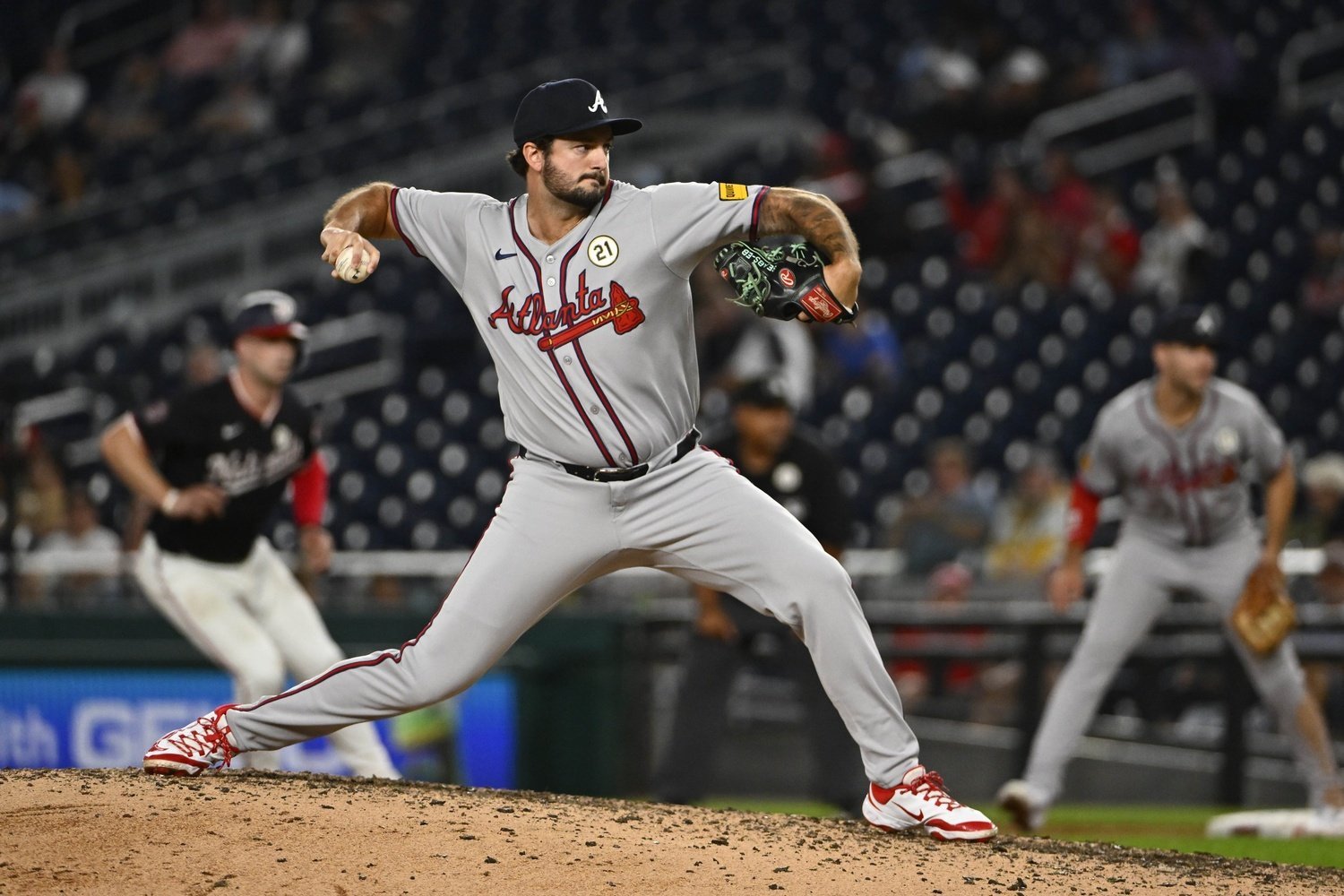 Last week, the Toronto Blue Jays signed two more players to minor league contracts, as reflected by the MLB.com transaction tracker: right-handed pitcher Connor Seabold and catcher C.J. Stubbs. Seabold, 30, has pitched for the Red Sox, Rockies, Rays, and Braves, as well as the Samsung Lions of the KBO. He owns a 7.79 ERA and 5.22 xERA in 119 MLB innings from 2021-25. The righty has experience as both a starter and a reliever. Stubbs, 29, made his MLB debut last year after five-plus seasons in the minor leagues. He played in the Astros organization from 2019-24 before he was released and signed with the Nationals. It was with Washington that he finally played his first big league game, starting at catcher (and going 0-for-3) on September 1, 2025. He was optioned back to the minors the next day. Neither Seabold nor Stubbs is likely to play a significant role for Toronto in 2026, but it wouldn't be surprising to see Seabold appear out of the bullpen at some point during the year. As for Stubbs, he'll be more of an emergency backup to the backup (to the backup); his most important job will be as a veteran presence at Triple-A Buffalo. Featured image courtesy of Brad Mills, Imagn Images. View the full article
 -
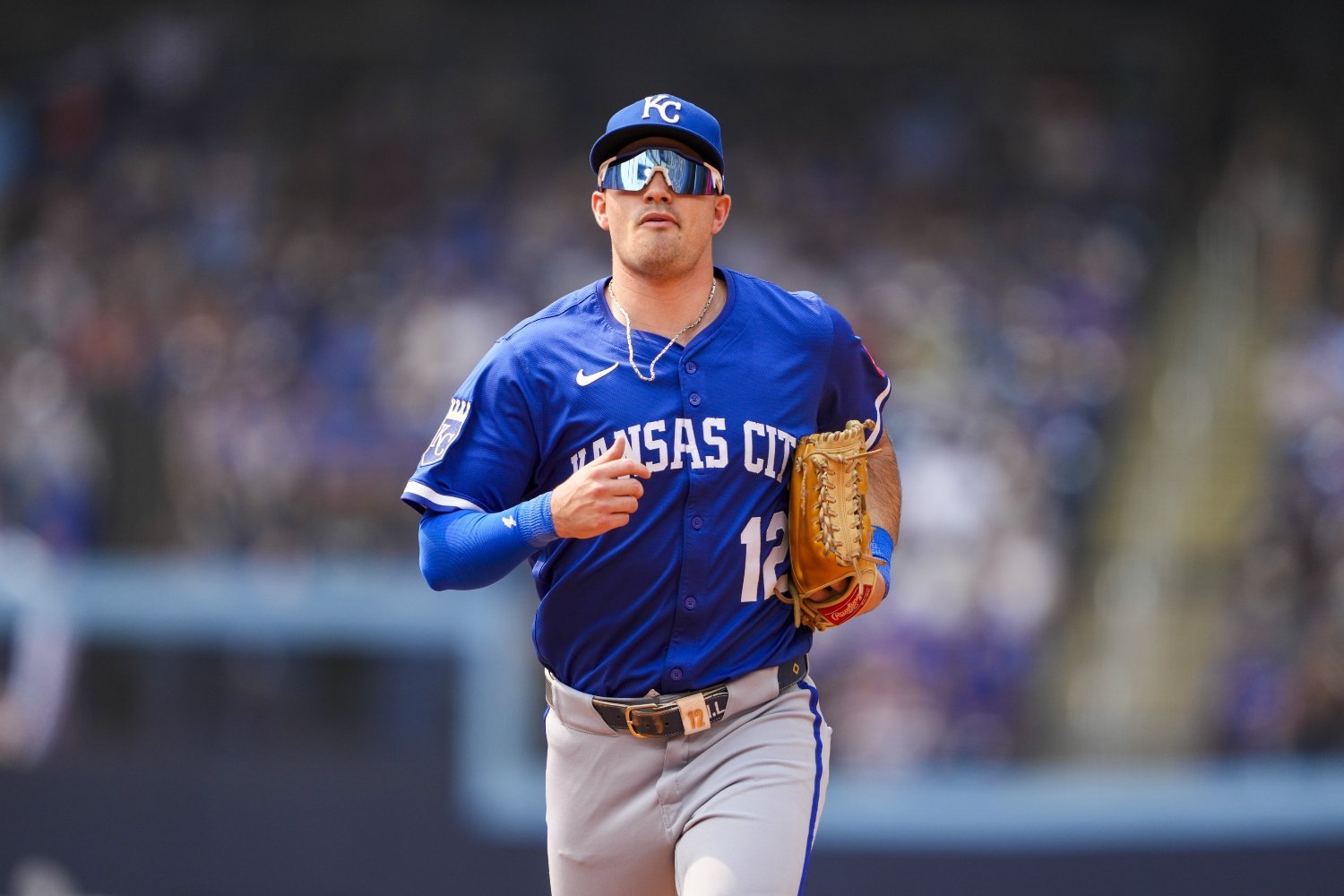 With the offseason near its completion (pitchers and catchers report in 15 days), the Royals' roster may be on its way to being finalized. While a minor move still may be on the horizon, the lofty hopes that Kansas City would acquire someone like the Red Sox's Jarren Duran or the Cardinals' Brendan Donovan may seemingly be shot. Regardless, the Royals have improved this offseason. Isaac Collins and Lane Thomas are much-needed additions who will help the Kansas City outfield on both the offensive and defensive ends. Matt Strahm, Nick Mears, and Alex Lange should give the bullpen more velocity, depth, and swing-and-miss ability. Lastly, the Royals should also see some internal improvement from players like Jac Caglianone and Jonathan India, who both struggled in their Kansas City debuts a season ago. One player worth watching in Spring Training and in 2026 is Nick Loftin. Selected 32nd overall in the 2020 MLB Draft out of Baylor, Loftin has shown flashes of promise at the MLB level, but hasn't put it all together to stick. In 427 career plate appearances, the 27-year-old utility player has a career .275 wOBA, 72 wRC+, and 0.2 fWAR. His main strength as a player is his plate discipline, as he has a career 14.8% K% and 0.59 BB/K ratio. Unfortunately, he hasn't been able to show much else with the Royals since debuting in 2023, which explains why he is on shaky ground for the Royals when it comes to his Opening Day roster spot. Loftin still has a Minor League option remaining, so he has roster flexibility for the upcoming season. That said, the former Bear has nothing to prove in Triple-A. He needs to show he can produce at the plate and in the field if he wants to be not just a key part of this 2026 roster, but also beyond. Will that happen this season for Loftin? Let's look at what he did last year, what needs to improve, and what Royals fans should be looking for with him in Spring Training in Arizona. Mashing the International League (But not so much in the Majors) Last season with the Storm Chasers, Loftin did all he could to show that he belonged at the Major League level. In 43 games and 197 plate appearances, he posted a .415 wOBA and 145 wRC+. He also hit four home runs, scored 30 runs, collected 24 RBI, and stole 12 bases. Lastly, Loftin also had a 1.63 BB/K ratio and 16.4% O-Swing%. When looking at his TJ Stats metrics, he may have been the Storm Chasers' best overall hitter in 2025. There's a lot to like with Loftin's profile above. He ranked in the 90th percentile in above in O-Swing%, Whiff%, Z-Contact%, K%, and BB%. He also ranked in the 95th percentile in wOBA and 97th percentile in xwOBA. The latter demonstrates that his performance was legitimate and not just a product of "batted ball luck". Lastly, he launched the ball well with Omaha (79th percentile) and pulled the ball in the air effectively (89th percentile). Those kinds of batted-ball skills, combined with his plate discipline, are exactly what the Royals are looking for in hitters, especially under new assistant hitting coaches Connor Dawson and Marcus Thames. Unfortunately, things haven't clicked in Kansas City for Loftin yet, as they did in Omaha last season. In 67 games and 188 plate appearances with the Royals, Loftin posted a .279 wOBA, 73 wRC+, and 0.1 fWAR. He also hit four home runs, scored 17 runs, and collected 20 RBI. As expected with Loftin, the BB/K ratio was solid at 0.59. However, like in 2024 and 2023, he struggled to show much in the exit velocity, barrel, and hard-hit categories last year. That is clear in his TJ Stats summary below. With the Royals last year, his average EV ranked in the 23rd percentile, his barrel rate ranked in the 30th percentile, and his hard-hit rate ranked in the 15th percentile. As a result, despite solid plate discipline metrics, his wOBA still ranked in the 6th percentile, and xwOBA ranked in the 15th percentile. Those lackluster metrics explain why the Royals acquired Adam Frazier at the All-Star Break to serve in the utility role previously held by Loftin from May until early July. Some Signs of Encouragement from Loftin's Metrics Loftin got off to a hot start when he was called up, posting an .857 OPS in 14 plate appearances in May. That also included a game-winning hit at Kauffman Stadium against the Mets, where he drove in the winning run off of Mets pitcher (and former Royals draft pick) Sean Manaea. Unfortunately, things really nosedived for Loftin over the remainder of the season. From June to September, he posted the following OPS marks by month: June: .514 OPS (53 PA) July: .695 OPS (51 PA) August: .570 OPS (50 PA) September: .750 OPS (20 PA) He started showing signs of life in September. Unfortunately, by that time, it was too late, as Frazier had established himself as the Royals' primary utility man. Interestingly enough, Loftin's surge in September was no fluke, as his xwOBA rolling chart showed his best xwOBA came down the stretch. Interestingly enough, even though Loftin had a good start, his xwOBA at the start of the year didn't reflect that. His xwOBA was between the .220 and .240 range, which matched one of the worst marks of his career (which was back in 2023). That said, Loftin demonstrated solid progression in xwOBA trends, culminating with him being above the league-average by his 400th career plate appearance. Loftin showed more consistency in 2024 in xwOBA, though his metrics were even worse that year. In 57 games and 171 plate appearances, he posted a .242 wOBA, 51 wRC+, and -0.2 fWAR. Conversely, his BABIP was only .216, which explains why his actual numbers were so different from his xwOBA. The same story was true for Loftin last year, as he had a .223 BABIP. It will be interesting to see if the new Kauffman Stadium dimensions could result in more hits for Loftin, who hasn't gotten the most batted-ball luck in his career (.248 career BABIP). Below is his spray chart from last year, modified to Target Field, which should mirror the new dimensions at the K in 2026. With the new dimensions, Loftin would have had five home runs in 2025. Furthermore, it's possible that many of his field outs could've been hits as well, especially those at the warning track. Thus, that could be why the Royals are balking at bringing back Frazier or at looking for another utility type in free agency, like Austin Slater, Miguel Andujar, or Isiah Kiner-Falefa. Kauffman's new dimensions could help Loftin be more productive at home (though his 96 career wRC+ at home is 53 points better than his career wRC+ on the road, according to Fangraphs splits). What Does Loftin Need to Do in 2026? A positive about Loftin's profile is that he's been solid defensively, though he's not spectacular at one given spot. Last year, he produced a positive OAA (outs above average) value at every position except left field, which can be seen in the table below via Savant. When looking at detailed data on where Loftin was successful, it seemed like he was better on plays straight up, especially in the infield. In the outfield, it seemed like his range wasn't as great, especially toward the gap. The reality is that Loftin won't win a Gold Glove anytime soon. Furthermore, the infield seems set with Maikel Garcia at third base, Bobby Witt Jr. at shortstop, and Jonathan India and Michael Massey at second base. For Loftin to earn more playing time, improving his play in the outfield, especially left field, may be essential. In addition to improving outfield defense, Loftin needs to start hitting the ball with more authority. That doesn't have to mean more home runs, necessarily. Rather, seeing a trend upward in his hard-hit rate in 2026 would be a step in the right direction. At six-feet, 180 pounds, he has the ability to generate more hard hits, and his rolling chart last year showed that he made progress in this area. For the first time in his career, Loftin had a hard-hit rate above the league average (which was around the 230th-250th batted-ball mark). While he was slightly below average for the remainder of the year, he was between the 30% and 40% range, which was better than what he had been doing earlier in the year and in 2023 and 2024 as well. That said, generating a higher hard-hit rate can be easier said than done, especially in Loftin's case. The key to that happening depends on his ideal attack angle and his bat speed. Improving those two things can lead to more hard hits, more barrels, and, thus, more offensive production. Regarding the ideal attack angle, he showed encouraging progress last year. His attack angle rolling chart showed multiple instances when it was above the league average. In 2024, he only had one small stretch where it hovered above that league-average line, according to Savant. Conversely, his bat speed has lagged over the course of his career. His 69.4 MPH average bat speed ranked 19th of 23 Royals hitters last year with 10 or more plate appearances. Furthermore, his 6.6% fast-swing rate ranked 18th among Savant's rankings. When looking at his rolling chart for bat speed, the trend has been pretty consistent throughout his career, suggesting his bat speed may remain what it is going forward. Thus, Loftin's hard-hit rate may remain inconsistent unless he continues to show improvement in his attack angle at the Major League level. Nonetheless, the key to Loftin sticking in the Majors will hinge on his ability to get on base and his ability to play multiple positions defensively. Plate discipline and positional flexibility are two areas that manager Matt Quatraro seems to value highly. Loftin could be the fit off the bench the Royals need to improve upon their 2025 82-80 record. However, he needs to show progress immediately in 2026, especially if he comes out of camp on the Major League roster. There's nothing left Loftin needs to do in Omaha. He needs to show better and more consistent results in the Majors. Let's see if he can see that progress in hard-hit, barrel ability, and launch angle in the Majors in 2026 as he did in Triple-A last year. If he does, the former 2020 pick could be a long-term mainstay on the Royals roster. View the full article
 -
Have the Cubs Learned Their Lesson About Building a Bench?
DiamondCentric posted an article in North Side Baseball
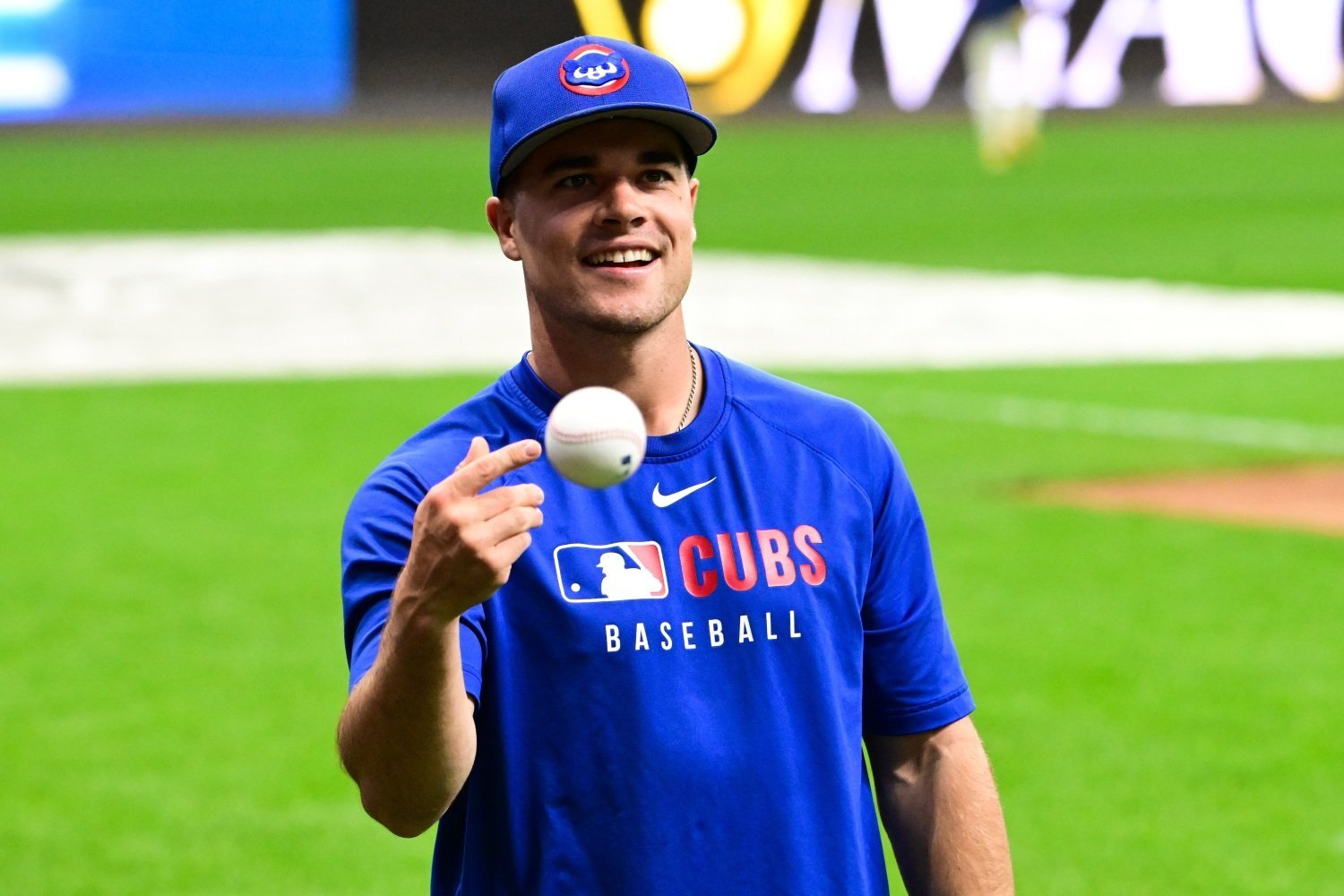 Ahead of every spring exhibition season, a large number of non-roster invitees are announced. While the Chicago Cubs have yet to announce their full group, we can already spot some differences from the 2025 assemblage. Last year's Cubs brought 20 players into camp as non-roster invitees. It was a relatively productive group: Brad Keller was an essential bullpen contributor, and Reese McGuire provided key coverage behind the plate in Miguel Amaya's absence. But the context of that roster left that group little room to make an impact, particularly with respect to the positional depth. Generally, the non-roster path is an effective way to build out the back end of a bullpen and (as we'll discuss today) a bench. However, the 2025 Cubs had Gage Workman in camp as a Rule 5 draft pick; Jon Berti in on a guaranteed contract; and Vidal Bruján and Ben Cowles each also occupying spots on the 40-man roster. That meant the Cubs were, on some level, locked into evaluating those specific players for spots on the bench to start the year. Save McGuire, Nicky Lopez would be the lone non-roster invitee (who wasn't already an organizational prospect) to spend any amount of time at the major-league level with Chicago in 2025. It's hard to argue that the guys who clogged the 40-man in camp last spring helped the Cubs. None of Workman, Bruján, Berti, or Lopez made it through the summer. McGuire hung around given the need for catching depth, but there's also an inflexibility wrought by a third catcher on the roster. Had Amaya returned for more than one day between injuries, even McGuire probably would have been bumped. As such, it comes as no surprise that the team has adopted a different style of building a bench for 2026. As things stand, the Cubs have a full 40-man roster. At least five of those names could offer support in a reserve role in a way that we didn't see last year: Matt Shaw, Tyler Austin, Justin Dean, Kevin Alcántara, and, once again, Cowles. Unlike last year's set occupying the 40-man, you're not looking at a handful of players whose value lies purely in versatility (Bruján, Berti) or clinging to hope that some upside may actually still exist, despite all evidence to the contrary (Lopez). There's actual value for the team to deploy these guys in a reserve capacity this season. Shaw is the most obvious, given the upside flashed with both the bat and the glove in his rookie season. Barring a trade, the Alex Bregman signing pushes him into a role where he could see action four or five days a week, depending on positional rotation. If he's able to competently play the outfield, that only enhances his utility. On paper, he's a massive upgrade to the bench. While Austin has some much less versatility—he's on the roster to hit lefties and play a little first base—he's a younger and higher-upside version of Justin Turner, who filled that role last year. Dean brings speed (27 steals in 90 games in Triple A last year) on a level that the team was unable to find on their bench last season, which could push Alcántara into a full-time gig in Iowa. If not, Alcántara's theoretical upside is more than any reserve player from 2025. If the depth chart reaches Cowles, you're looking at a power bump from Bruján and decent speed lying within the versatility he adds. The team also has three non-roster invitees coming in on the positional side, in Scott Kingery, Christian Bethancourt, and Chas McCormick. While Kingery is no more or less than this year's Lopez, Bethancourt performed well in a short stint with the Cubs in 2024, and McCormick is two years removed from being a really promising outfielder. There's still coverage at catcher and the potential for an impactful fourth outfielder, if McCormick can regain any semblance of his old form. In short, while there is a certain level of rigidity inherent in a full 40-man roster, the Cubs haven't backed themselves into a corner. There might only be faint hope for real value from McCormick, but you can afford to roll the dice on a player like that when there's more certainty elsewhere on the bench. Being able to move Shaw to the bench gives the team better positional depth than it had last year. After the struggle to find any semblance of stability in that unit last season, Jed Hoyer and company have worked their way toward establishing something much more helpful for 2026. View the full article
