


DiamondCentric
-
Posts
2,631 -
Joined
-
Last visited
Never
Content Type
Profiles
Forums
Events
News
Tutorials & Help
Major League Baseball Videos
Guides & Resources
Store
Downloads
Gallery
Everything posted by DiamondCentric
-

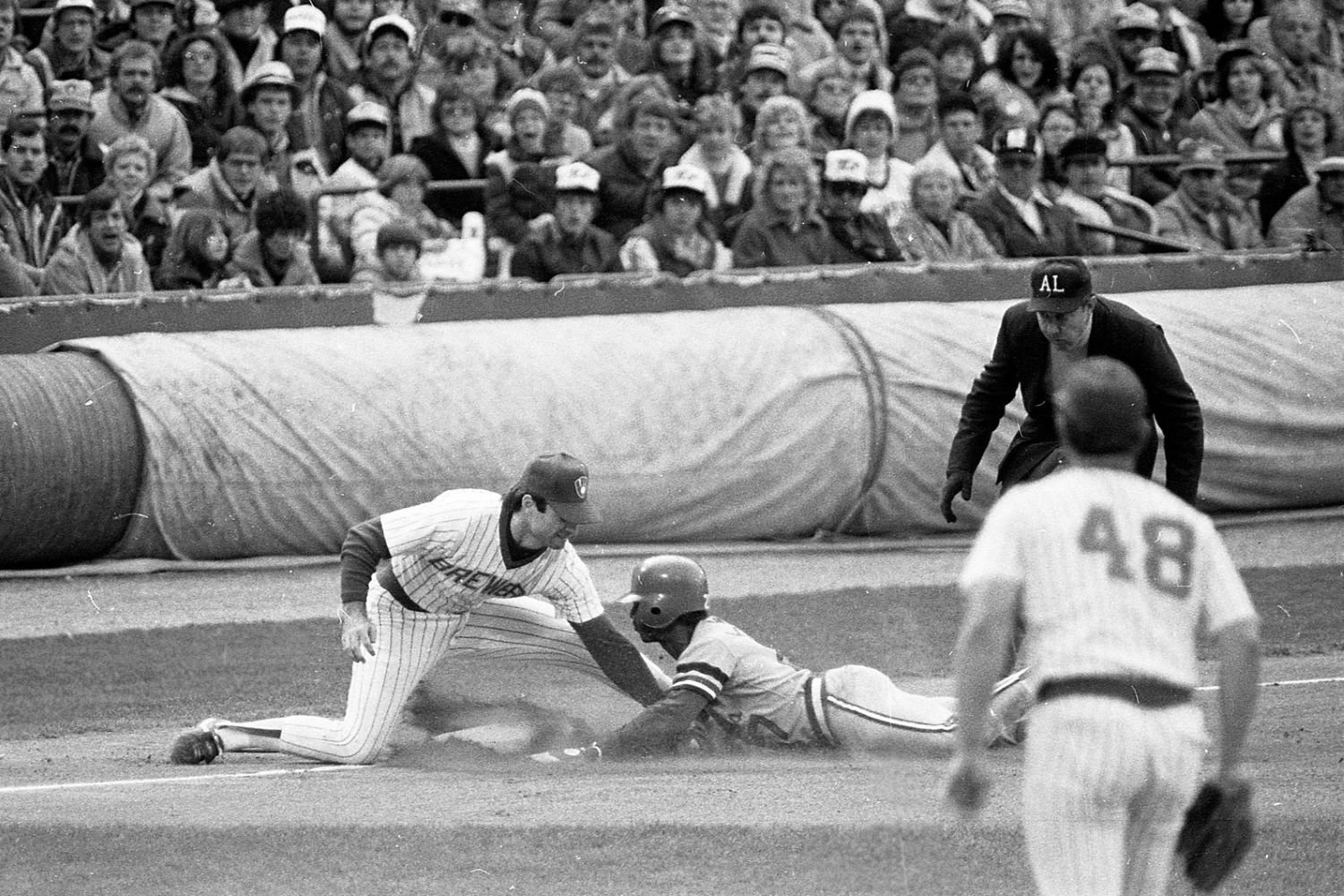 This multi-part series talks about how the Brewers got to the World Series and offers a timeline of the 1982 campaign, including player profiles, game recaps, and other events that affected the season. Part 1 Part 2 Part 3 Part 4 Part 5 Part 6 World Series Preview: Milwaukee vs. St. Louis Milwaukee came from two games down to defeat the California Angels three games to two in the American League Championship Series to advance to the World Series. In the National League, the St. Louis Cardinals earned a trip to the Fall Classic by sweeping the Atlanta Braves three games to none in the NLCS. The series was billed as the Brewers’ power versus the Cardinals’ speed. Milwaukee’s ‘Harvey Wallbangers’ led the major leagues with 216 home runs while the Cards were dead last with 67 jacks. The Cardinals, who played ‘Whiteyball,’ stole 200 bases (second to Oakland’s 232) while the Brew Crew stole 84, ranking 20th of the 26 teams. The Cardinals had an edge on defense with their overall team speed and had two Gold Glove winners: 1B Keith Hernandez and SS Ozzie Smith. For the Brewers, SS Robin Yount won a Gold Glove. Overall, it appeared that the Cardinals had a slight advantage on the mound. Their team ERA+ of 109 was tied for third in the majors while Milwaukee had a team ERA+ of 96, which ranked 21st of 26 teams. The Cards had a FIP of 3.68 (10th) while the Brewers were farther down the list with a 4.17 FIP, which ranked 22nd. The series was dubbed the ‘Sud Series,’ as both cities had major breweries in Miller (Milwaukee) and Anheuser-Busch (St. Louis). Let’s tap the keg for the opening game! Game 1: Molitor, Yount combine for nine hits in Brewer blowout Milwaukee (Mike Caldwell, 17-13) at St. Louis (Bob Forsch, 15-9) The Brewers scored twice in the first inning after Robin Yount singled and Cecil Cooper walked. After Ted Simmons struck out, Ben Oglivie hit a sharp grounder at Gold Glover Keith Hernandez, who let the ball get past him, scoring Yount. Gorman Thomas had an infield single, scoring Cooper. Caldwell cruised through three frames, allowing only a two-base hit to Darrell Porter in the second. In the top of the fourth, Charlie Moore led off with a double down the left field line. Jim Gantner dropped down a sac bunt that moved Moore to third. Paul Molitor hit a broken bat flare to short center, scoring Moore, but Molitor was thrown out trying to stretch the hit into a double. If you were scoring at home, the play would have been 6-4. The Brewers led 3-0 when Simmons came to bat in the fifth. Simmons had received a standing ovation during pre-game introductions, but the crowd was quiet when ‘Simba’ blasted a 1-1 pitch from Forsch into the right field stands, giving Milwaukee a 4-0 lead. An inning later, Gantner and Molitor each singled with two outs and were driven in by Yount, who hit a bloop double down the right field line to make it 6-0 and send Forsch to the showers. Milwaukee finished the scoring in the top of the ninth with four runs, all after two outs. Don Money singled in Oglivie, who had walked. Moore singled to put runners at first and second before Gantner tripled to deep right-center, clearing the bases. Molitor capped the scoring with an infield single that scored Gantner. Caldwell put the side down in order in the bottom half and the Brewers celebrated a 10-0 whitewashing. ‘Iron Mike’ allowed three hits and one walk while inducing 14 groundball outs with his sinker. “I don’t think he missed the target all night,” right fielder Moore told the Wisconsin State Journal. “You will never see Caldwell pitch any better.” The Brewers were led by Molitor’s five hits, which set a World Series record and still stands today, although Albert Pujols of the Cardinals matched that feat in Game 3 of the 2011 World Series. Yount had four hits, along with two each by Simmons, Moore, and Gantner. Game 2: Cardinal bullpen the difference in 5-4 win Milwaukee (Don Sutton, 4-1) at St. Louis (John Stuper, 9-7) The Brewers once again got on the board first in St. Louis. With Roy Howell at second, Moore doubled to deep left-center to score Howell in the second inning for a 1-0 lead. In the third inning, Molitor scored on a groundout by Yount and two batters later Simmons hit his second HR of the Series to give Milwaukee a 3-0 lead. Sutton, who had set down six straight in the first two innings, ran into some trouble in the bottom of the third. Dane Iorg singled and was forced at second by Willie McGee, who promptly stole second. Ozzie Smith grounded out, moving McGee to third, and it looked like Sutton might weather the storm. But Tommy Herr had different ideas as he hit a one-hopper over the fence in right-center field for a ground-rule double to make it 3-1. Ken Oberkfell singled to right to drive in Herr to cut the Brewers lead to 3-2. In the fifth, Yount led off with a double to left to chase Stuper in favor of Jim Kaat. ‘Kitty’ was making his second appearance of the Series, and at age 43, was the second-oldest player to participate in the Fall Classic. Not respecting his elders, Cooper lined a single to left center off Kaat to score Yount for a 4-2 lead. Sutton got back in the groove, retiring eight straight after the third but with one out in the sixth, Oberkfell singled and then George Hendrick walked with two outs. Former Brewer Porter doubled down the left field line to tie the contest at four apiece. After Cooper doubled with two outs in the seventh, closer Bruce Sutter entered the game, replacing Doug Bair. Sutter walked Simmons intentionally and then got Oglivie to ground out. Lefty Bob McClure entered the game in the bottom of the seventh and got two quick outs by strikeout and then gave up a single and a walk before getting a Gene Tenace flyout. The score was still tied in the eighth when Hernandez walked and was forced at second by Hendrick. Porter singled to center, moving Hendrick to second. That was the end of the line for McClure, who was removed as Pete Ladd came on for Milwaukee. Ladd ran the count to 3-2 on Lonnie Smith and walked the hitter on a close pitch, one which players on both teams thought was a strike. “I thought it was there on the black,” Smith said after the game. “Was I surprised at the call?” Molitor asked. “I think everyone in this clubhouse was surprised at the call.” Ladd appeared to be rattled, then threw four straight balls to Steve Braun, scoring Hendrick for the 5-4 lead. Molitor led off the top of the ninth with an infield single but then was thrown out trying to steal second. Yount and Cooper were retired by Sutter, and the Cards evened the Series with a 5-4 victory. Cooper led the Brewers with three hits while Molitor and Moore each added two. The Series is tied at one win apiece. Check out Part 8 for the games (Games 3-5) played at County Stadium. View the full article
 -
Taylor Rogers Brings More Than Left-Handed Relief to 2026 Twins
DiamondCentric posted an article in Twins Daily
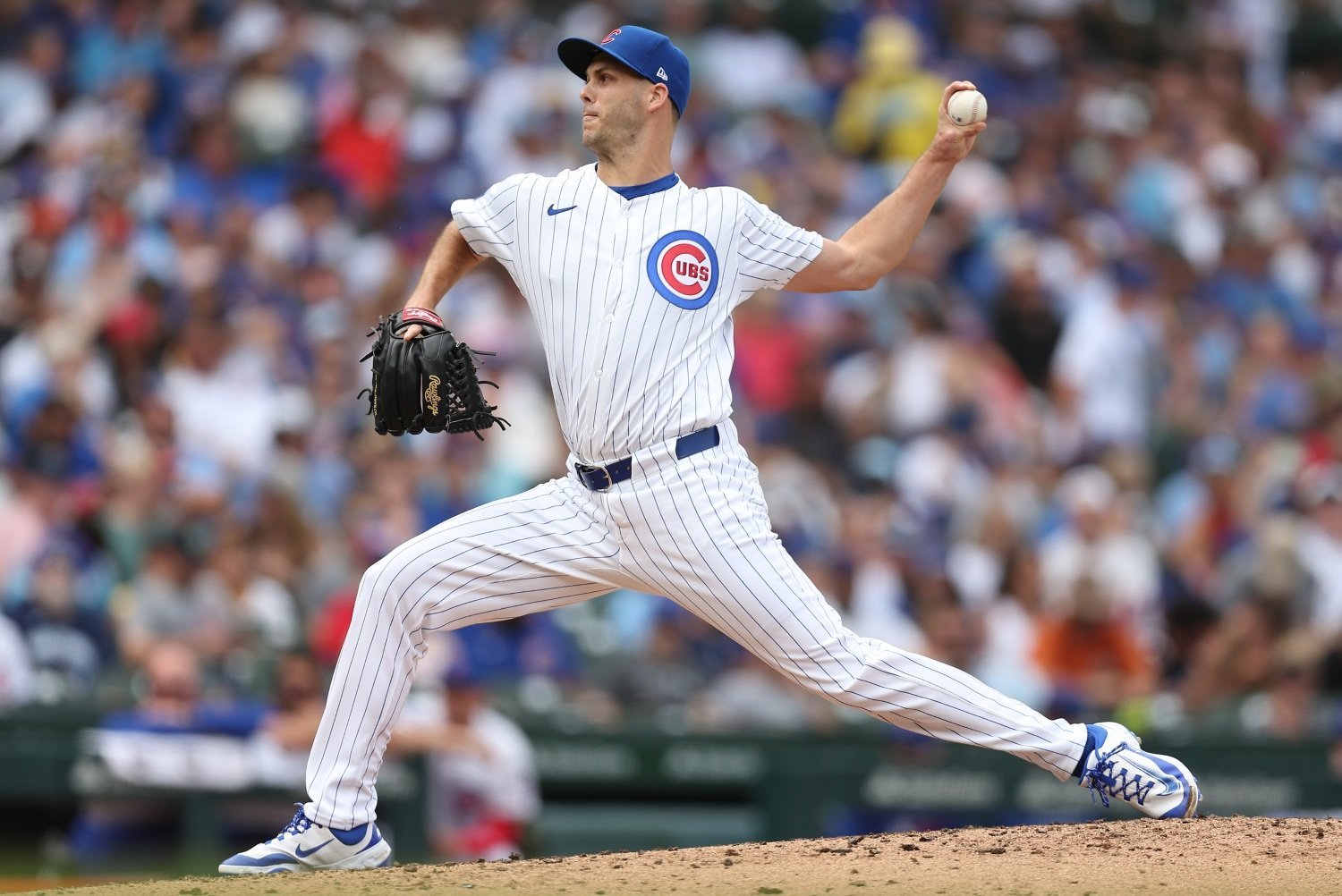 Taylor Rogers has accrued nine years and 145 days of MLB service time—just 27 days short of collecting his pension. The rest of the Twins’ projected Opening Day bullpen (Justin Topa, Cole Sands, Kody Funderburk, Eric Orze, Pierson Ohl, Travis Adams, John Klein) has 11 years and 83 days in total. About half of that time belongs to Topa, who sits at five years and 44 days, but three of those years (2021, 2022, 2024) he spent injured and threw 13 combined innings. Cole Sands has two fewer years of experience and eight more appearances. So, in terms of MLB experience not spent rehabbing, it’s closer to nine years between those seven bullpen arms. Put another way—Rogers has thrown 541 1/3 innings as a big leaguer. Those seven names, combined, have thrown 578 2/3 frames. If you want to throw one of the starting pitchers into a bullpen role, I don’t begrudge you, but David Festa only raises the service time count to 12 years and 135 days, then the innings count to 657 1/3. Rogers brings far and away the most experience in a bullpen stocked with players still wet behind the ears. Many players are slated to make their big-league debuts in the bullpen this season—like Klein, Marco Raya, or Connor Priellipp. It wouldn’t be surprising if some starters—like Festa, Mick Abel, or Zebby Matthews—spent time in the bullpen. Having someone like Rogers, a former All-Star closer, has value when dealing with this level of youth and inexperience. The nerds in the room may turn up their noses at such an idea. To many, it’s foolish to buy into the human element playing any role in a team’s success, but we have empirical evidence that these things matter. There’s a litany of organizational and managerial research that informs this, but there’s also been studies of MLB teams. In 2013, Jamal Shamsie of Michigan State and Michael Mannor of Notre Dame published a study analyzing MLB teams from 1985 to 2001 and attempting to measure tacit knowledge. Tacit knowledge refers to knowledge that is difficult to communicate, because it’s gained through experience. A player can have all the skill and instruction in the world, but without experience, they cannot reach their full potential. They have to live to learn. One form of tacit knowledge that the researchers identified was discrete productive knowledge: knowledge gained from doing the work repeatedly—essentially, the more times you do something, the better you’ll understand it, and the better you’ll perform. This isn’t a practice-makes-perfect skill acquisition idea; it’s understanding your job better and being better able to react when things go awry, because you’ve done it before. How did the researchers quantify discrete productive knowledge? Pretty simple: years of experience. They even split it up into regular-season experience and playoff experience. They found, over the span of their study, that regular-season and playoff experience both contribute to team success. That is, teams with more experienced players tend to do better. These findings were similar to those of a 2002 study by Shawn Berman, Jonathan Down, and Charles Hill on tacit knowledge among NBA players. Obviously, there are easy criticisms to make of this methodology. Players who have played longer tend to be better players. You don’t see a bunch of guys playing 15 years while also being bad. But the researchers attempted to control for that as well. Beyond other types of tacit knowledge, like manager experience, tenure within a team, or the number of lineup changes in a year, the authors also controlled for previous years’ winning percentage, market size, and payroll. And they found that even beyond those effects, experience made a real difference. Having 'been there' matters. Rogers understands the game in a way his less-experienced colleagues do not. He knows how to navigate late innings in a way his teammates don’t, simply by dint of having done it before. By definition, he’s in a better position to navigate bullpen and late-inning life. Even if he’s regressed to a similar skill as someone like Funderburk, he has the background to help him outperform his sheer talent at age 35. Sands might be better than him at this point in his career, but Rogers has two 30-save seasons under his belt. He knows what it feels like to close a nailbiter out. He’s done it dozens of times. Given that experience, he can immediately step into a high-leverage role. That might just be keeping a high-leverage seat warm for one of the younger guys, but it’s an experienced presence that can anchor a bullpen. Of course, there’s also explicit knowledge. There are things that he can teach younger guys. Not just “throw a slider in this count” or “move your index finger a little to the left,” but he can be a resource for living the big-league bullpen life, because this will be his 11th year doing it. Many pitchers struggle with finding the right weight-lifting and throwing routines to navigate the unpredictable schedule of a reliever's work. Some aren't as sharp as they need to be when they enter the game, because their preparation in the pen itself before entering is imperfect. Applying scouting and analytical data about opposing hitters is a skill that requires development. Rogers can help with all of that. A player can communicate some of their experience to others. It’s not all locked in their head, tacit and uncommunicable. A good veteran has both types of knowledge to share. Berman, S. L., Down, J., & Charles W. L. Hill. (2002). Tacit Knowledge as a Source of Competitive Advantage in the National Basketball Association. The Academy of Management Journal, 45(1), 13–31. Shamsie, J., & Mannor, M. J. (2013). Looking inside the dream team: Probing into the contributions of tacit knowledge as an organizational resource. Organization Science, 24(2), 513-529. View the full article
 -
FanGraphs Loves the 2026 Red Sox Rotation. Should They?
DiamondCentric posted an article in Talk Sox
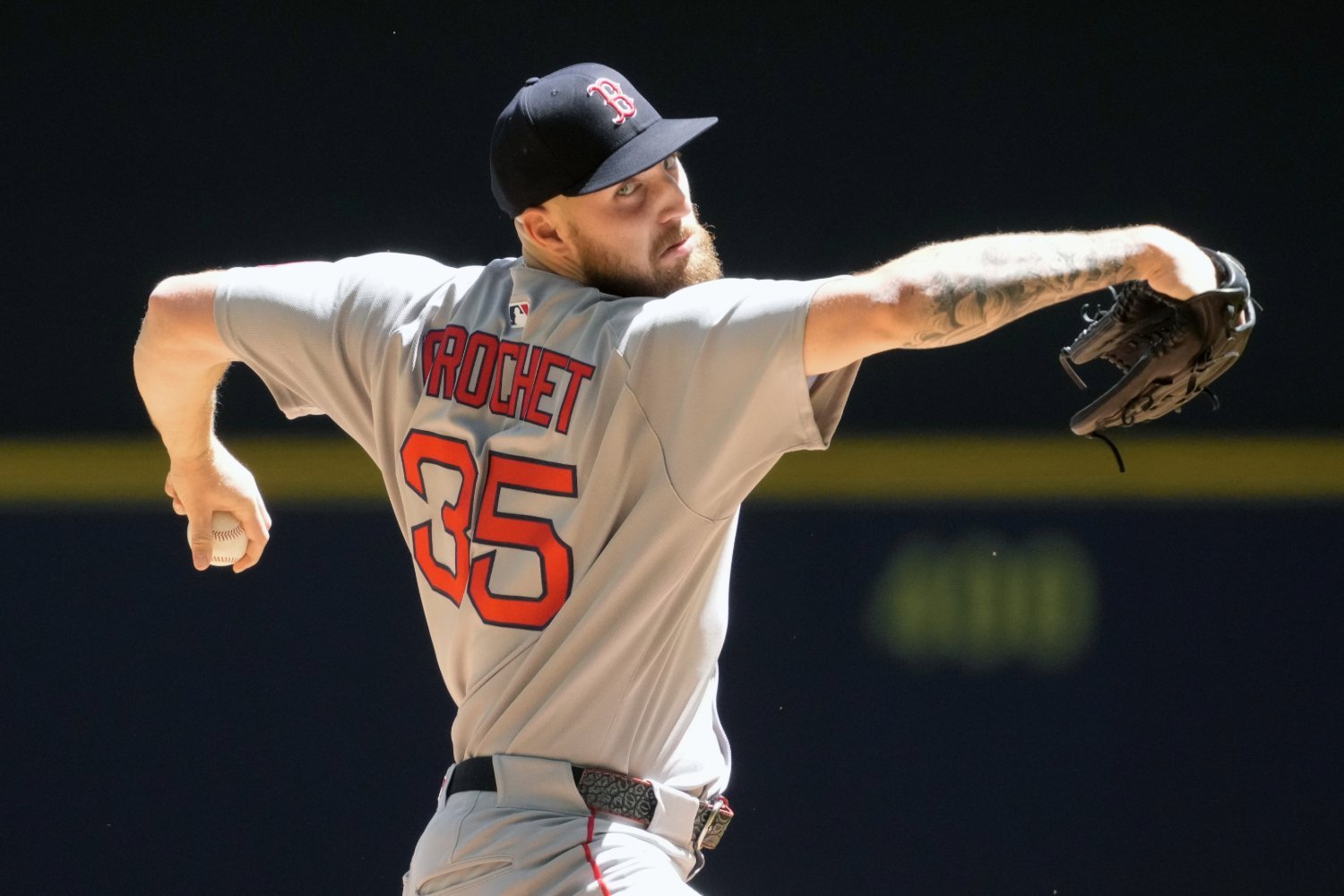 While most of Boston Red Sox Nation frets over the lineup, Chief Baseball Officer Craig Breslow got to work building a super rotation. This offseason alone, the third-year executive added right-handers Sonny Gray and Johan Oviedo via trades, later signing left-hander Ranger Suarez to a five-year deal. Before diving in deeper, here's how the 2024 Opening Day rotation compares to the projected one for 2026: 1. RHP Brayan Bello | LHP Garrett Crochet 2. RHP Nick Pivetta | RHP Sonny Gray 3. RHP Garrett Whitlock | LHP Ranger Suarez 4. RHP Kutter Crawford | RHP Brayan Bello 5. RHP Tanner Houck | RHP Johan Oviedo The only constant in the two rotations is Bello, though Crawford remains with the organization. As a result of the turnover, just reading the names does little to emphasize the improvement, if not for Bello. The 2024 Opening Day starter went from de facto No. 1 to the No. 4 in two seasons. Even after a campaign in which he produced a 3.35 ERA, the 26-year-old once dubbed "Baby Pedro" has more people clamoring to trade him than vouching for him as a candidate to further break out in 2026. That's the rotation Breslow built this winter. One that FanGraphs projects as the No. 1 rotation in all of Major League Baseball. Yes, including the superteam Los Angeles Dodgers. Why is that? After all, the Dodgers have World Series hero Yoshinobu Yamamoto, two-time Cy Young winner Blake Snell, as well as All-Stars Shohei Ohtani and Tyler Glasnow. Well, let's go down the line of what each Red Sox pitcher accounted for in these projections. Garrett Crochet -- 5.7 Projected fWAR The 2025 American League Cy Young runner-up isn't just elite for the American League. He's actually projected 2.1 fWAR higher than the best Dodgers arm, Yamamoto. The southpaw is a jack of all trades in modern baseball. Long gone are the days of guys pitching 300 innings, or even 250. Honestly, even 200 is a stretch for most guys. But in 2025, Crochet matched dominance to volume, with a 2.59 ERA in 205 1/3 innings. Sure, there were signs of fatigue in the second half, but that was unchartered territory for him. He still reached back for a 101-mph fastball on Pitch 117 in his postseason start against the Yankees. If not for Tarik Skubal, there's a real argument for Crochet as SP1 in baseball, potentially over right-hander Paul Skenes of the Pittsburgh Pirates. Sonny Gray -- 3.9 Projected fWAR Like Crochet, Gray is also projected more fWAR than the highest Dodger, by 0.3. This one is a shock to most, which makes sense given his 4.28 ERA in 2025. But in spite of his 4.28 ERA, he posted 3.6 fWAR in 2025 on account of his 3.39 FIP and 21.6% strikeout-to-walk rate. This is why projection models love the 36-year-old despite the homer-proneness and velocity drop. He is a crafty right-hander who gets a lot of chase, whiff, and strikeouts in addition to avoiding "ball four". Ultimately, you can live with home run issues if you're not also a walk liability. Gray forces opposing hitters to beat him. They did at points in 2025, but he remains ridiculously efficient on the mound. It wouldn't shock me if Gray still underperforms his peripherals in 2026 in large part due to his home run issues, but his results will remain strong so long as he doesn't change who he is as a pitcher. Ranger Suarez -- Projected 3.3 fWAR Suarez is the first Red Sox starter not projected as high as the Dodgers' ace, but he's tied with Snell for second! Suarez is a hound, even if you have to contend with a month of missed starts. His biggest deterrent, in addition to lingering velocity struggles, is his availability. So, when the Red Sox commit five years, $130 million, and lose a draft pick to sign him, it raises some eyebrows. But he's super talented. His secondaries are second to none in baseball. He ranked in the 88th percentile for breaking ball run value, and 90th percentile for off-speed. He misses barrels, he limits hard contact, and he gets hitters to expand the zone. He's super crafty, a stark contrast to Crochet, but he's a different kind of dominant. There's a reason he's SP14 for fWAR since 2023, despite being tied for 47th in starts. The Red Sox will need him to be healthy, especially for October, but he's among the best bang-for-your-buck arms in the game. Brayan Bello -- 1.8 Projected fWAR Projection models don't love Bello to repeat his 2025 success, and that makes sense. But he's still someone who limits runs and eats innings. What makes Bello so effective is his ability to keep the ball on the ground. When he couples his grounder proficiency with strong command, he gets deep into games. The Red Sox are hoping he can put it all together with volume and strikeouts, but the man they got a year ago was certainly anything but disappointing. Reminder, this is their No. 4 starter. Johan Oviedo -- 1.2 Projected fWAR Depending on who you ask, Oviedo is one of the more intriguing arms in the building for the Red Sox on Day 1 of camp. The truth of the matter, however, is there's not a whole lot to point to in his MLB career that portends elite production. Projection models like him slightly more than Bello by run prevention, but considerably less volume. He's a talented arm, but will be in his first full year removed from elbow surgery rehab. He can light up the radar gun and is obviously a physical specimen. Patrick Sandoval -- 0.6 Projected fWAR Sandoval signed with the Red Sox last offseason and suddenly doesn't have a guaranteed spot in the rotation. However, he's someone with past big-league success. In 2022, he posted a 2.91 ERA for the Angels. That year, he also exceeded 150 strikeouts. While he's a few years removed from being a viable member of a rotation, he's still a guy with a plus changeup. At 29 years old and making roughly $13 million in 2026, it's reasonable to assume the Red Sox will listen to trade offers for him. But should he factor into the mix this season – he's an effective pitcher when healthy. Connelly Early -- Projected 0.6 fWAR Early blossomed in a brief MLB stint last season and put a bow on what was a tremendous year for his stock as a prospect. His secondaries give him a complete arsenal, which is rare for someone his age, especially for someone who ascended through the prospect ranks so quickly. He has a smooth delivery and appears to be ready for the moment. It's no surprise teams want him badly in a trade for productive hitters. We've seen reports that Arizona wanted him in a potential Ketel Marte trade, and the same for Houston with Isaac Paredes. Kutter Crawford -- Projected 0.5 fWAR Crawford is someone I'm excited to see in 2026 for a few reasons. First, he's a talented pitcher. We saw it in the first half of 2024, his ability to command the zone and chew up innings. He ran out of gas, especially considering he was pitching hurt in the second half, but he's still someone with a decent track record in MLB. As a swingman, I think he can be a vital piece of the Red Sox's pitching staff. In a lot of ways, similar to his 2023 self, where he emerged as one of the most intriguing arms in the organization. What will be pivotal for him to get back to that level is a resurrection of his fastball, which dropped from the 91st percentile to 50th in run value. If he can unlock the heater, he's got potential to be a Swiss Army knife for the Red Sox in 2026. Payton Tolle -- Projected 0.4 fWAR Tolle got a cup of coffee in 2025 and immediately put the league on notice. Overall, his numbers didn't reflect the hype, but we learned there's something special about that man's fastball. If he can develop even one off-speed pitch into a plus offering, he and Crochet might take the league by storm as a 1-2 punch for the next half decade. Right now, his safest bet would be the MLB bullpen or as a Triple-A starter, but he will be an important member of this team's journey. Kyle Harrison -- Projected 0.1 fWAR Rounding out the accounted-for starters is Harrison, the headlining piece of the Rafael Devers trade last June. In limited exposure for Boston, he did alright in 2025. He made one strong relief appearance against the Athletics, and a so-so start against the Detroit Tigers in Game 160. His fastball is his primary offering, and it's far and away his best pitch. It's no surprise people like him as a left-handed reliever in 2026. There's precedent for the Red Sox doing that to get their talented arms into big-league action; Tanner Houck in 2021 and 2022, Crawford in 2023, even Tolle last year. They could go that route with Harrison, as that would be a great way to recoup some value lost in the trade already. Overall Outlook -- Projected 18.3 fWAR FanGraphs projects the Red Sox to finish with the most fWAR, lowest FIP, and third-best ERA in baseball in 2026. It makes sense, as they're the only team in baseball with a starter projected for 5.0 or more fWAR alongside another arm projected over three wins. And they have two of those! Say what you want about the Red Sox's lineup, but the rotation is an enviable strength of the team. They'll obviously need to prove they can score to be a real threat to win it all, but their pitching staff is certainly up to snuff on paper. View the full article
 -
 Construction inside Rogers Centre is nearing completion as February approaches. From behind the plate to the upper decks, tarps and scaffolding stretch from dugout to dugout. The parallels between the stadium upgrades and the roster overhaul are hard to miss. High‑end amenities cost money, and so does a roster built to finish what last season started. In an elevator down to field level, I mentioned to a team executive that Opening Day is just around the corner, even though Game 7 feels like it happened yesterday. He smiled and nodded. The momentum from last season’s success, combined with an active offseason, keeps the Blue Jays in the conversation as one of the strongest teams on paper heading into 2026. Toronto pursued many of the top free agents, and there is still a sense the club may not be finished. The remaining free agent market is thin, and only a few available players would address areas where the Jays could still improve. The needs include infield depth, a power bat and a high‑leverage reliever. The starting infield appears set after the signing of Kazuma Okamoto. He is projected to adjust quickly to major league pitching, but if he needs time, the Jays will have to shuffle pieces. There is also a chance he platoons with Addison Barger at third base. Unlike the Garth Iorg–Rance Mulliniks platoon of the 1980s, an Okamoto‑Barger tandem would bring legitimate power to the lineup. A key question is whether Ernie Clement can repeat his breakout 2025 season. If he can, manager John Schneider will find ways to keep him in the lineup. If he regresses, second base becomes a concern. At the moment, Davis Schneider and Leo Jiménez are the only true backup options. Free agent Luis Arraez could be a good fit. He is a high‑contact, high‑OBP hitter, but he does not offer power and is limited defensively to first and second. He would bring veteran presence and left‑handed balance, but his lack of versatility lowers his overall value. At the right price, he remains an interesting option. Injuries happen, so the Jays are likely exploring infield depth both externally and internally. They’d presumably prefer players who can handle multiple positions and fit their contact‑first approach. Josh Kasevich, a shortstop who spent 2025 in Triple A, posted solid numbers and is ranked 11th in the organization. He is likely to see major league time in 2026. If Andrés Giménez struggles or gets injured, both of which occurred last season, Kasevich could be called upon. Clement and Jiménez are also capable shortstop options, with Schneider able to play second as needed. Signing Kyle Tucker or Cody Bellinger would have created roster complications. A healthy Anthony Santander should occupy a corner outfield spot and allow George Springer to see more regular DH time. Springer’s strong 2025 season was due in part to staying healthy, helped by spending more time at DH than in the field. Daulton Varsho enters 2026 as the Jays’ starting centre fielder. Barger has earned the right field job to open the season. Nathan Lukes, Myles Straw and Schneider will rotate in as needed. Those three depth outfielders have surfaced in trade speculation, but none would fetch a major return on their own. They would be secondary pieces in a larger package. Straw, in particular, is less attractive due to his contract; he'll make $7.4 million in 2026, with an $8 million club option (with a $1.75 million buyout) for 2027. While the focus is on 2026, the outfield picture becomes unclear after this season. Both Varsho and Springer are free agents next winter. Each brings value and is a fan favourite, but both could also bring meaningful returns if the Jays pivot. There was chatter last year about a potential trade for Steven Kwan, but he signed a one‑year deal with Cleveland to avoid arbitration. He would bring elite contact skills and leadership, but he does not offer anything Varsho or Springer do not already provide, nor would he solve the long‑term outfield issue; Kwan will be a free agent after 2027. A surprise trade is always possible, but for now, the front office appears comfortable with its infield and outfield pieces. The biggest upgrades this offseason came in the starting rotation. Dylan Cease, the club’s marquee signing, will headline a staff that should rank among the best in baseball. Kevin Gausman and Trey Yesavage could arm wrestle for the No. 2 spot. Both have something to prove: Gausman is entering a contract year, while Yesavage wants to show his rapid rise in 2025 was no fluke. Shane Bieber, Cody Ponce, José Berríos, Eric Lauer and Bowden Francis round out the rotation depth chart, with Ricky Tiedemann another option to start at some point down the line. Bieber will also be part of the conversation for the No. 2 spot, but right now, his health is a bit up in the air. Regardless, there is a surplus of capable starters, which suggests the Jays may be open to moving one or two pitchers in the right deal. The bullpen has evolved with the additions of Tyler Rogers and Chase Lee. The questions now are whether Jeff Hoffman and Yimi García can return to form, whether Louis Varland, Braydon Fisher and Mason Fluharty can continue progressing, and if Rule 5 picks Angel Bastardo and Spencer Miles can stay in the mix. If the rotation performs as expected, the bullpen could be even stronger. A lightly-used and healthy relief corps late in the season would position the Jays well for another deep playoff run. Every contending roster needs redundancy to survive a long season filled with slumps and injuries. In 2025, the Jays stayed relatively healthy, though Santander, Varsho, Giménez, Berríos and more spent time on the injured list. This offseason has been dramatic and, at times, frustrating. Missing out on Tucker, Bellinger, and Bo Bichette stings. But the team remains strong, the market remains open and the front office is clearly exploring options. In negotiations, leverage is everything, and right now, the Jays have it. They do not need to make another move. But the right move could further improve the team and fill those new premium seats between first and third well into October as the Jays chase that elusive championship. View the full article
 -
Breaking Down the Cubs' Bullpen Battle: The Righties
DiamondCentric posted an article in North Side Baseball
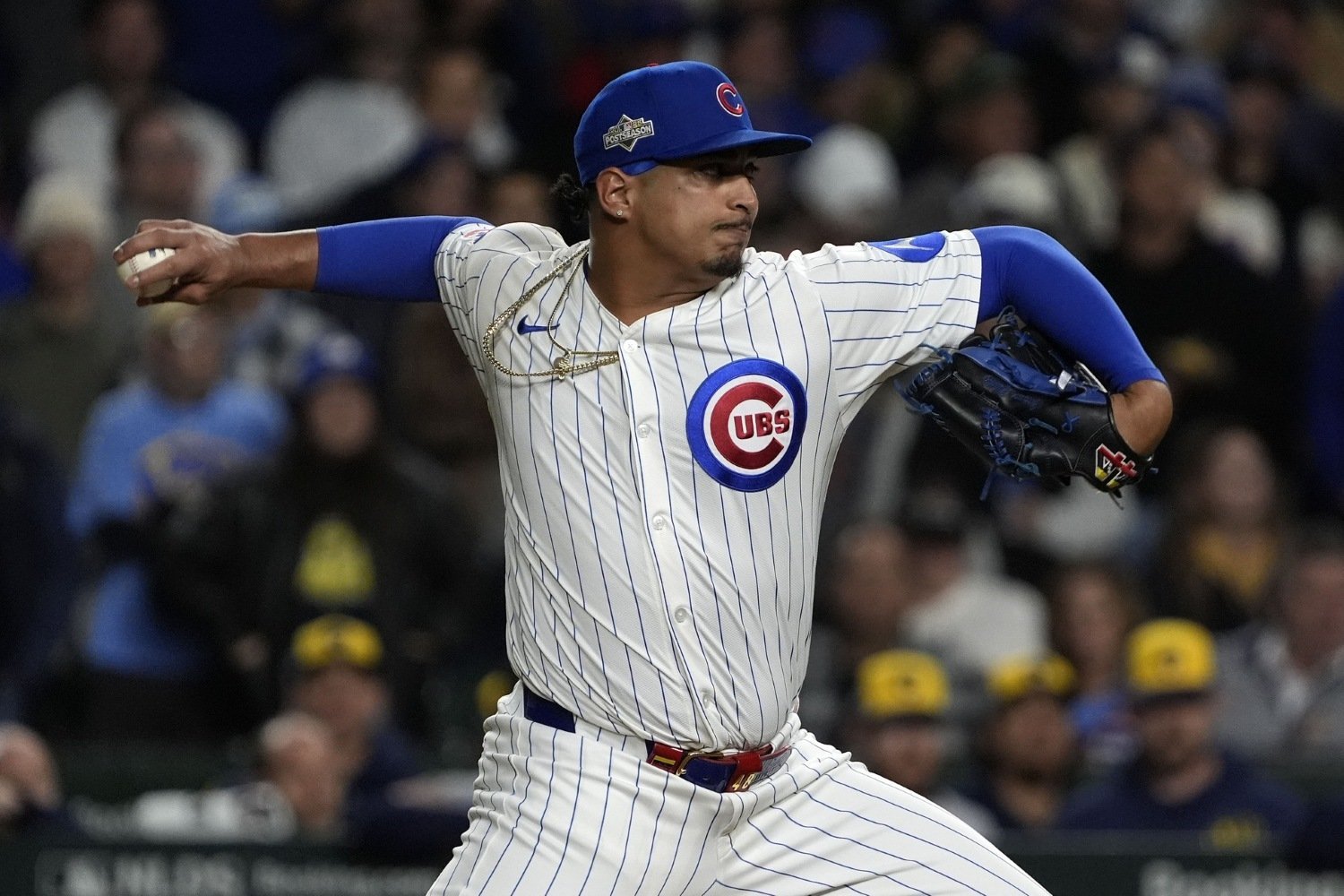 After an active winter that saw several departures and just as many arrivals, the Cubs enter 2026 with good bullpen depth. However, there are a handful of unclaimed spots on their pitching staff, and spring training should yield a lively competition for them. To better understand that free-for-all, let's examine each of the candidates and the ways they might best mesh. We'll consider the right- and left-handed relievers separately, to make the project a bit more manageable. It would be hard to properly evaluate the candidacies of each player hoping to win a job in the bullpen without first mapping out what the end result of those evaluations should be, so let's start there. Most modern bullpens include eight pitchers, and for simplicity's sake, we'll assume that the 2026 Cubs will hew to that norm. They might well use a six-man rotation for some stretch of the season, which would shorten the pen to seven, but that variable can be saved for later. Of the eight in the pen, five or six are usually right-handed. It's great to have lefties who can neutralize dangerous pockets of opposing lineups that include multiple dangerous lefty sluggers, but with the three-batter minimum in place since 2020, it's hard to carry more than a couple of lefties without eventually being compelled to expose them to bad matchups. An especially split-neutral lefty can ameliorate that problem, but the Cubs don't have such a pitcher on their staff at the moment. Let's again use a simplifying assumption to clarify our discussion, and say that Caleb Thielbar and Hoby Milner will be the only lefties in the eight-man pen on Opening Day. That leaves six spots to fill with northpaws. Deciding who those six should be starts, of course, with considerations of quality. Before getting to the nuances and the nitty-gritty of roster-building, you can get a long way by focusing on the fact that good pitching staffs are made up of good pitchers. The Cubs' relief ace is Daniel Palencia, and they'll lean heavily on the two setup-quality righties they brought in this winter: Phil Maton and Hunter Harvey. When all three are healthy, those will probably be the top three righties on the relief depth chart. In fact, there are basically five righties who belong in this conversation and will absolutely be on the roster on Opening Day, unless they're hurt. In one case (Colin Rea), that doesn't necessarily mean the bullpen, but all five will be around when they're available. That group is Palencia, Maton, Harvey, Rea and Jacob Webb. Of the set, only Palencia has the ability to be optioned to the minors, and the Cubs won't want to do that, unless he has an unforeseeably disastrous spring. There are two key considerations, beyond pitcher quality, that constrain every discussion about the makeup of a bullpen: minor-league options and 40-man roster status. Teams adore players who can be optioned to the minors, because in theory, they give the roster greater fluidity and flexibility. They like to sign credible big-league pitchers to minor-league deals during the offseason, because by doing so, they save space on the 40-man roster. Once those guys are added to that reserve list, though, they have to be in the majors, and many of them come with opt-out clauses in their contracts that allow them to elect free agency if they're not added to the roster. Here are the 15 right-handed pitchers the Cubs will bring to camp with a shot to make their bullpen. I've highlighted in gold the ones who have options, and I've cast the ones not currently on the 40-man roster in gray. A lot of the information you need to project their Opening Day pen is right here. I put a blue fence around the five names we've already discussed, because they're not really part of the competition for space on the roster. For that matter, we don't know whether Rea will end up as part of this mix, even though we know he'll be on the team. If one of the team's incumbent starters gets hurt during camp, Rea would be first in line to step into the back end of the rotation. Let's assume that there are two more spots to assign to members of the cohort outside that blue box. Injuries could create a second slot fairly easily. That means that Javier Assad, Ben Brown, Porter Hodge, Gavin Hollowell, Jack Neely and Ethan Roberts are in the mix for spots, but the team can theoretically keep any of them by simply optioning them to the minors. Jeff Brigham, Corbin Martin, Collin Snider and Trent Thornton aren't on the 40-man roster, and if added, they wouldn't be eligible to be sent back to the minors. The flip side is that if they aren't added, they might not be long for the organization. From a roster-juggling perspective, those considerations can almost come out in the wash. Brown and Assad feel pretty safe, because they both have some big-league success under their belts; the ability to stretch out and work multiple innings at a time; and a bit of upside left in their profiles. They won't be traded (unless as part of a fairly significant deal) or designated for assignment. However, Hodge, Hollowell, Neely and Roberts need to have strong camps to hold onto their roster spots. It's nice that they can be sent to the minors, but if the team needs to open a roster spot for one of the four guys on minor-league deals, losing one of those four isn't going to keep the front office up at night. This is why, even in the era of big data and extremely refined player evaluation, spring training battles are very real. If you're Brigham, Martin, Snider or Thornton, you have to come to camp and be better than one of Hodge, Hollowell, Neely or Roberts—and not just better, but better by a wide enough margin that the team feels reasonably confident you'll stick on the roster for a couple of months, to make up for the roster flexibility lost by swapping out an optionable hurler for a roster-locked one. Finally, there's the more fun, on-field set of questions about building a bullpen. In the array above, I used snapshots from Baseball Savant to give a sense of both the arm slot and the pitch shapes of each hurler, so we can see how the team has accumulated diversity (and where redundancy exists). We've come full-circle, here, in that I need to stress that a team shouldn't cultivate diversity in shapes at the expense of quality; some pitch shapes are better than others. Where possible, though, it's good to have guys who throw from varying arm slots and have varying pitch mixes, so that the manager can manipulate matchups as well as possible. Referring back to that image, then, we can see one more reason why Assad is secure in his place on the roster: that high arm slot. He offers hitters a different look than just about any other Cubs righty, so he'll be a change of pace no matter when he pitches. One reason why Webb appealed to the Cubs and merited a big-league deal is the unique interplay of his fastball and changeup, with the latter running arm-side quite a bit but not having much depth. A wrinkle like that helps a pitcher stand out, and makes them more important to a team that doesn't have much of that particular trait. Palencia's velocity is another, related outlier trait, in what is otherwise a relatively soft-tossing pen. Hollowell, Roberts and Snider each offer some lesser variation on what Maton does, with low arm slots and a wide horizontal movement spread. However, the team probably doesn't need all four of those guys. Hollowell and Roberts combined to spend about 75% of their season in Iowa last year. If Snider comes to camp and shows as well as the Cubs expect, he's a good candidate to snare a roster spot, at the expense of one of those two pitchers. Martin's profile is similar to Harvey's, and because Harvey is often injured, the Cubs would probably prefer to keep both pitchers—but ideally, that would be either because Martin is willing to stick around in the minors or because Harvey is on the injured list when the campaign begins, leaving another spot open on the 26-man roster. If Martin has a great spring and the team wants to keep him, but Harvey is healthy, they'll have a bit of redundancy in profiles in middle relief. However, it wouldn't hurt them terribly to add him to the 40-man, because his profile is also somewhat similar to those of Neely and Hodge. Those, again, are pitchers the Cubs didn't trust for most of 2025, and Martin would give them much of what they'd lose by waiving either. If the Cubs landed Thornton without granting him an opt-out or upward mobility clause (which is plausible, because he's still recovering a bit from an Achilles injury last summer), he could be the most valuable pitcher in this set. As we discussed last week, he looks like a terrific candidate to add a kick-change to his arsenal, and if he develops one, he'll have a pitch mix much like those of Rea or Assad. He doesn't have quite as much capacity to pitch multiple innings as they do, but he's a nice piece to have as backup for either one. If he can leave at the end of spring, though, he's a much tougher fit, and might be destined to land elsewhere in a March trade. Finally, there's Brigham. His cutter is a unique pitch, but not an especially good one. It sits halfway between his rising four-seamer and a solid sweeper, but doesn't engender the confusion one might hope for. That makes him the wrong kind of redundancy; he doesn't really protect the team from injury. With a tweak or two, he could be similar to Hodge, but Hodge can be optioned to the minors. Brigham would have to embrace some significant changes in camp to merit a place on the 40-man roster, knowing he'd likely be last in the bullpen pecking order and would soon have to be replaced. This isn't even the exhaustive list of guys who could theoretically pitch for the team early in 2026. They'll also get looks at non-roster righty Zac Leigh, and they've signed Yacksel Rios as another non-roster invitee. These 15 will be the most interesting names to watch, though, and the way they fit together—who could replace whom, and who makes a nice complement to the rest of the group—will be the final determinant of the team's choices two months from now. View the full article
 -
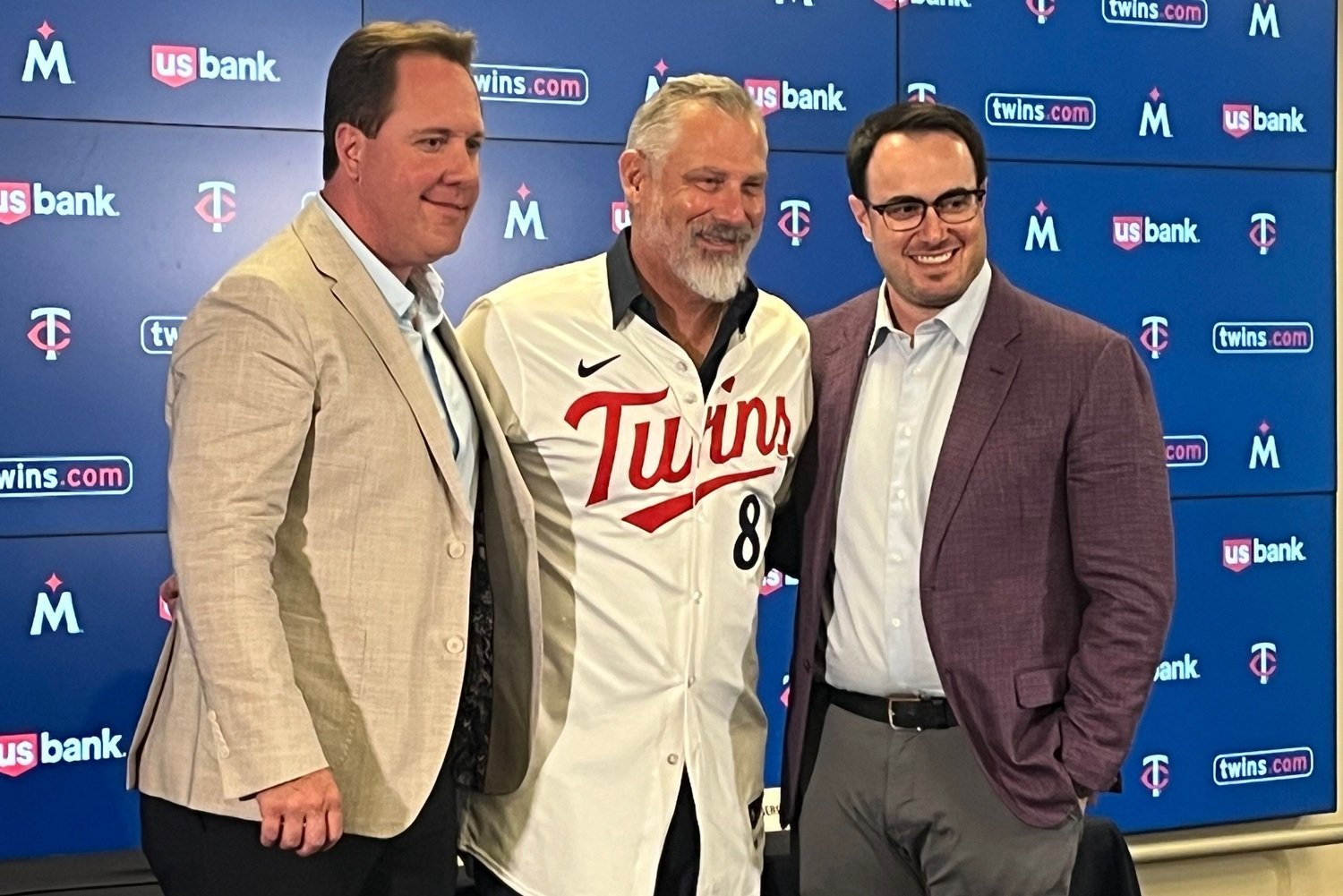 If the Twins' offseason feels unfinished, that's because it is. With roughly three weeks remaining before players report to Fort Myers, the front office has made it clear that the current roster is more of a foundation than a final product. Minnesota is comfortable waiting, watching, and pouncing when the right opportunity presents itself. That mindset was reinforced again over the weekend, when general manager Jeremy Zoll spoke openly about the next phase of roster building. “I think that feels like the most obvious opportunity for us to find ways to raise the floor and improve the club,” Zoll said, “so we’ll keep working on that and figure it out.” “There’s also obviously trade opportunities that could come about, so I think the trade market is starting to open up more as some of the dominoes are falling across the rest of the league,” said Zoll. “So whether that is free agency or trade, we’ll just have to see as we keep working through these next couple weeks.” The key phrase there is "raise the floor". This is not a front-office hinting at a blockbuster. Instead, the Twins appear focused on incremental improvements that stabilize the roster and protect against the volatility that defined last season. Bullpen depth remains the most obvious need, but it is far from the only one. Zoll also made sure to remind everyone that patience has paid off before. Last winter, three major-league signings came after TwinsFest, well into the portion of the calendar where many fans assume the heavy lifting is done. Under the Derek Falvey-led front office, there have been many winters when the team’s biggest moves came late in the game. For fans, it can be tough to see the long-term vision, but there have been positive late additions in recent years. “We're really optimistic that we're going to have some good chances to be opportunistic here over these next few weeks before we head down to Fort Myers, to keep finding ways to supplement the club, complement it, strengthen the bullpen, and find any other creative ways to put the best team on the field for this year,” he said. That optimism matters, especially given the constant questions surrounding payroll. While exact numbers remain murky, both Zoll and primary owner Tom Pohlad strongly suggested the Twins are not locked into their current spending level. “We’re going to continue,” Pohlad said. “The clock doesn’t stop until Opening Day, right? For better or worse, Derek and Jeremy have a history of adding pieces late. I’m sure you are going to continue to see that. We know that we have to continue to improve the bullpen, and we’re going to continue to be opportunistic about creative pieces that can improve this team across the field.” 'Creative' is doing a lot of work there, and it offers a clue as to how the Twins may operate. Rather than simply adding salary, Minnesota is well-positioned to trade from its areas of strength. Starting pitching depth is an obvious example. Even after injuries and innings management are considered, the organization has more viable arms than rotation spots. That depth can be leveraged to address needs elsewhere, without weakening the core. Another area to watch is left-handed-hitting corner outfielders. The Twins have an abundance of similar offensive profiles, particularly from the left side, and not all of them will have everyday roles. Trevor Larnach seems like an ideal trade candidate, but other names (like Matt Wallner) might have more trade value. Packaging from that surplus could help bring back bullpen help or versatile depth pieces that fit the front office’s preference for flexibility. All of these messages point to a familiar Twins approach. The roster that reports to Fort Myers will not look drastically different, but it likely will not be identical, either. Small additions, depth moves, and calculated trades have long been a part of this regime’s playbook, especially late in the winter when prices soften and options expand. Do you support the front office’s strategy? What moves do you think fit within their payroll flexibility? Leave a comment and start the discussion. View the full article
 -
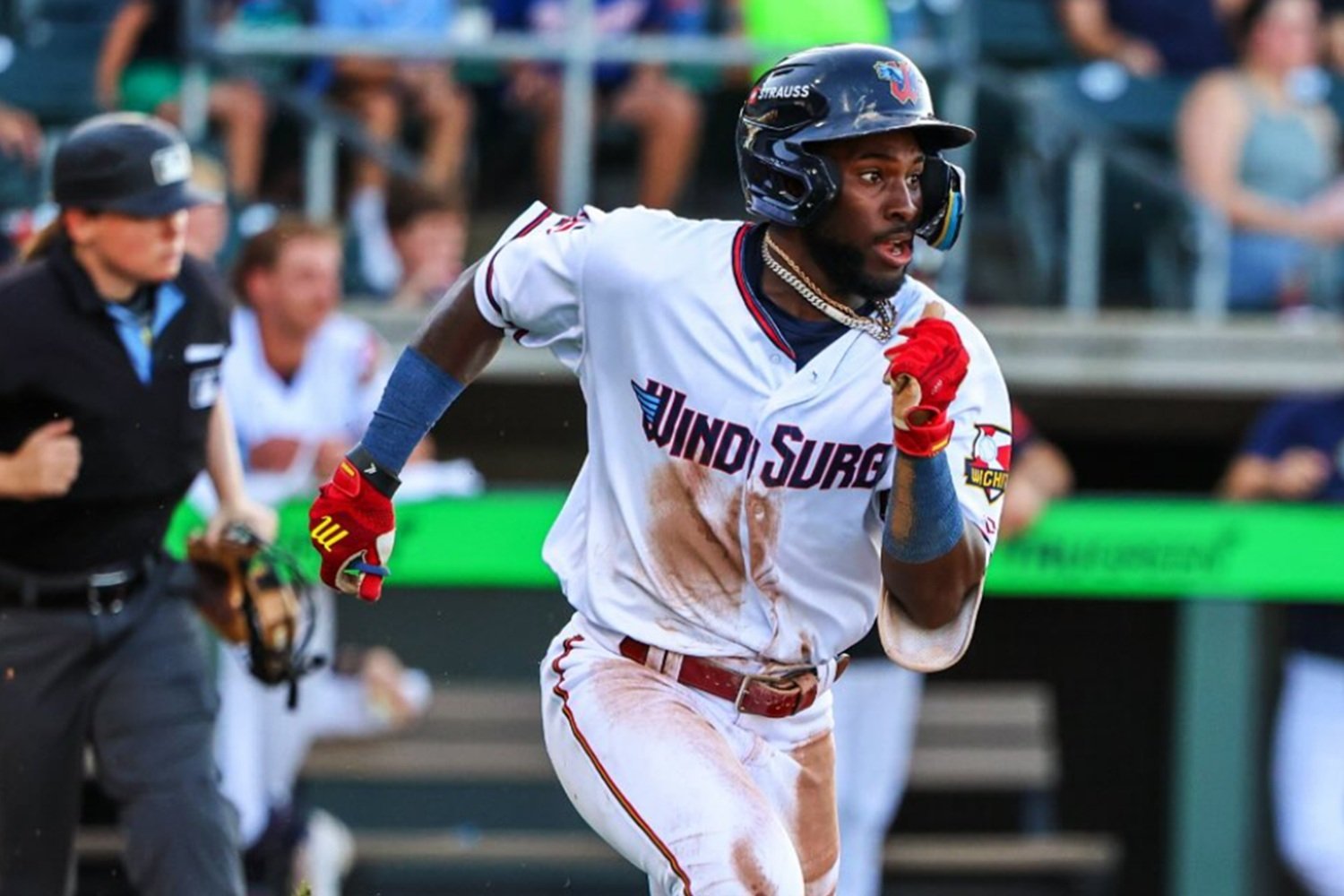 Spring training is always about optimism, but it is also about information. The Minnesota Twins added a healthy dose of both on Friday when they announced their internal non-roster invites for major league camp. These are players already in the organization but not on the 40-man roster who will get a chance to share fields, lockers, and moments with the big-league group in Fort Myers. The headliners are impossible to miss. Walker Jenkins and Kaelen Culpepper are two of the most important position players in the system, and both arrive with plenty of helium. Jenkins continues to look like the rare prospect who forces timelines to move, not because of need but because of undeniable talent. He finished last season at Triple-A after posting a 154 wRC+ at Double-A. Culpepper took a massive step forward last season, showing he can impact the game with his bat while sticking at shortstop. In 113 games, he posted a 138 wRC+. The organization named him the minor league player of the year, and he enters 2026 as a consensus top-100 prospect. His presence, along with Jenkins's, guarantees that early-morning workouts will draw extra eyes. The list also rewards performance: Kala'i Rosario and Kyler Fedko were among the system’s most productive hitters last year. Spring training is typically where that type of momentum earns recognition. Rosario brings loud contact (25 homers, 131 wRC+) and improved plate discipline, while Fedko made his mark on the bases (38 steals, 130 wRC+). Neither is expected to break camp, but both gain from time around the major league staff early. Beyond the marquee names, this group offers a little of everything. Trent Baker and Cory Lewis provide rotation depth and a chance to evaluate arms against higher-level competition, while Christian MacLeod continues his push back into the picture after showing signs of life last season. Meanwhile, Ricardo Olivar and Noah Cardenas give the catching group extra reps and flexibility during long camp days. On the position player side, Aaron Sabato, a former first-round pick, remains one of the more fascinating cases in the system. The power is real, and spring training offers another opportunity to show progress in the rest of his game. Tanner Schobel and Patrick Winkel are solid organizational performers who do many things well and help keep the environment competitive. Non-roster invites rarely tell a complete story on their own, but together these players offer clues about the Twins’ current priorities. By bringing in their best prospects, recent standouts, and valuable depth, the Twins reinforce that spring training isn’t just about preparing the Opening Day roster; it’s also about developing the next wave by giving them firsthand experience of what it takes to succeed. View the full article
 -
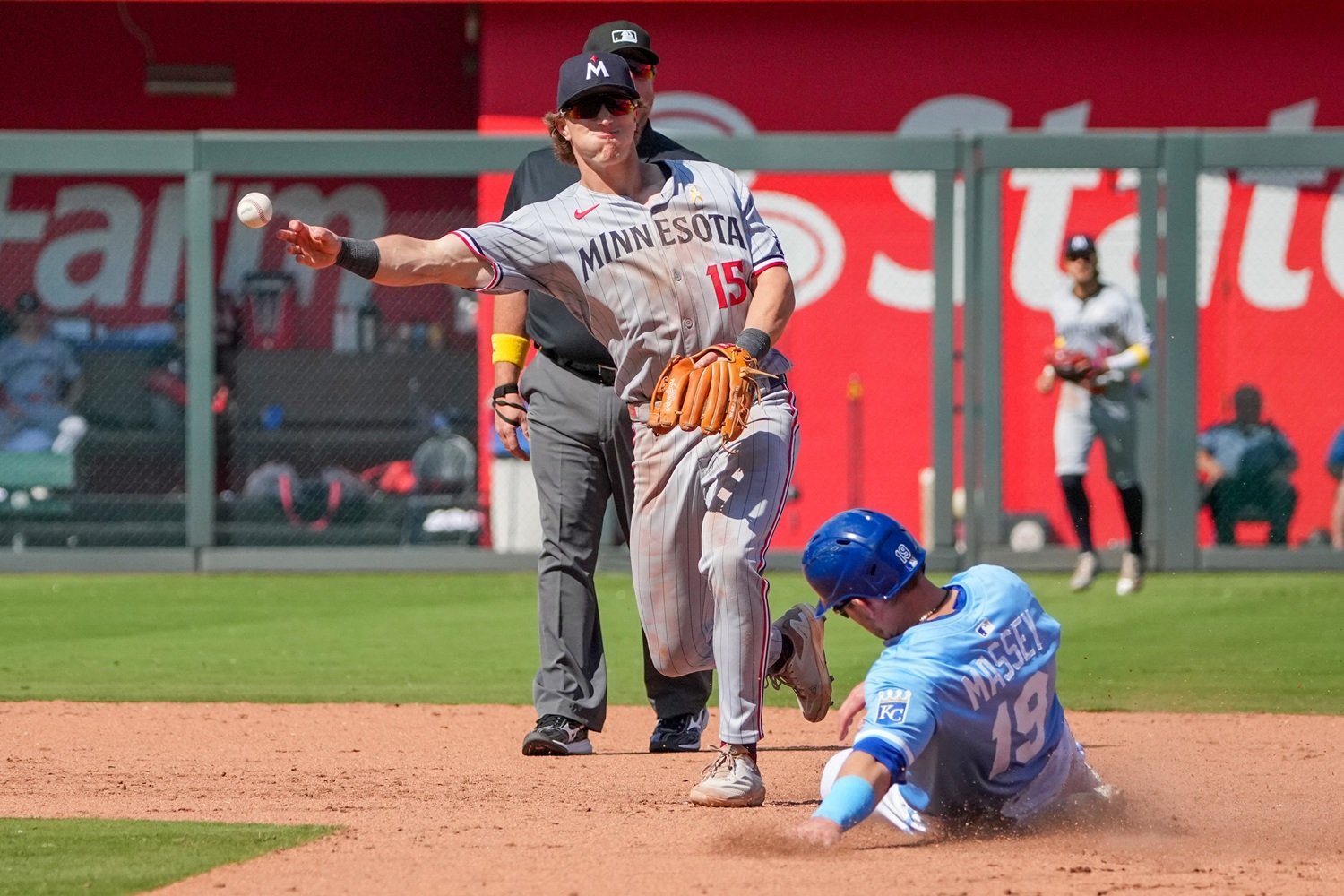 Depth is something every organization tries to create, whether through the draft, international free agency, or even minor-league free agency. Let’s take a look at how the Twins’ system stacks up at various positions. I’ve looked at catchers and first baseman and am working my way around to other positions. Second base is interesting because often, second baseman are former shortstops who have been moved over for one reason or another. As mentioned, second basemen typically played shortstop and moved to the right side of the infield, whether that be due to arm strength, or because of it being a better fit due to team need. A few examples in Twins history who were known as second baseman who played other positions include Brian Dozier, Luis Rivas, and more recently, Jorge Polanco. Here is a list of second base prospects not on the Twins 40-man roster. I’ve included how and when they were acquired, along with the highest level they played this past season. Jake Rucker Acquired: 2021 Draft, 7th round Highest Level in 2025: Double-A A mid-round selection out the University of Tennessee, Rucker was a high OBP guy who showed a little more power in his final college season. Since being drafted, he has had limited power but walked at a decent clip and has cut down on his strikeouts over the past two seasons as well. He’s played the past three seasons at Double-A, and he will be playing his age-26 season in 2026, so he will have to make some improvements to avoid being relegated to organizational depth. He’s been tried all over defensively but has mostly settled into playing second base and third base over the past two seasons. He will need to hit to carve out a role for himself. Jorel Ortega Acquired: 2022 Draft, 6th round Highest Level in 2025: Double-A Also, a mid-round selection out of the University of Tennessee, Ortega has taken a different path than Rucker since being drafted. He strikes out at a higher rate but also walks at a higher rate (11.4% in 2025). He has shown some defensive versatility since being drafted, playing in left field, center field, and all infield positions beside catcher. He’s mostly played second base but has extensive time at first base and third base as well. He’ll need to hit for a bit more power to make more noise. His OPS in 2025 was .667, so he will likely repeat Double-A for a third time, hoping to make a break through offensively. Kyle DeBarge Acquired: 2024 Draft, Round 1 Highest Level in 2025: High-A Another college bat, DeBarge was drafted 33rd overall in 2024 out of the University of Louisiana at Lafayette, where he hit .339/.406/.699. While he hasn’t hit quite to that level in the minors, DeBarge has done quite well in his first taste of professional ball. At 21 years old, he hit for a .709 OPS over the first full season with High-A Cedar Rapids. While not very imposing at just 5 foot 9, 175 pounds, DeBarge started to show a little more power in 2025, hitting eight home runs over 121 games at High-A Cedar Rapids. While still a few years away, DeBarge is ranked #16 in the Twins Daily prospect rankings and will be an interesting prospect to keep an eye on how he develops. DeBarge has played the majority of his games at second base since being drafted, he has also been tried at shortstop and in center field, so that positional versatility will be a thing to keep an eye on as well. He is an exciting young prospect and if things go well, he will get his first taste of the upper minors in 2026. Jose Salas Acquired: Trade, Miami Marlins, January 2023 Highest Level in 2025: Double-A Acquired along with Pablo Lopez in the trade that sent Luis Arraez to the Marlins, Salas has slowly climbed up the minor league ladder, making his Double-A debut in 2025. Salas was injured at the beginning of the year, did a rehab assignment at Single-A and then was activated at High-A Cedar Rapids, where he hit for a .892 OPS over 16 games, earning him a promotion to Double-A. He didn’t hit quite to that level in Double-A but has shown pretty solid positional versatility. He has played all infield positions beside catcher, as well as getting time in the outfield as well. His defensive versatility could be what helps him carve out a role in the future. Salas is going to have to hit, but he is someone that many Twins fans will want to know how he does, since he was traded for a popular player in Arraez. Dameury Pena Acquired: International Free Agency, 2023 Highest Level in 2025: Single-A Pena was signed in 2023 out of the Dominican Republic, he played his first year of professional ball in the Dominican Summer League at 17 years old where he hit for a .949 OPS. A bat first prospect, he played at Single-A Fort Myers in 2025 at age 19. He played the majority of his games at second base but was also tried in left field as well this past season. He struggled a bit offensively, like many young players do, but he still has some upside and is someone to keep an eye on, as he is playing his age 20 season in 2026. Ramiro Dominguez Acquired: International Free Agency, 2024 Highest Level in 2025: Complex League Dominguez got his first taste of professional ball in 2024 at age 17 and played his age 18 season in 2025 in the Complex League. Dominguez was 1.5 years younger than the average player at that level and he held his own, hitting for a slash line of .248/.366/.414. Still early in his development, 2025 was a good launching point for his professional career and Dominguez has a change to make even more noise this coming year. Jose Barrios Acquired: International Free Agency, 2025 Highest Level in 2025: Dominican Summer League I know, seeing this name reminds you of a former Twins pitcher. Barrios was signed this past year out of Venezuela and, like many international signings, played his first professional games in the Dominican Summer League. Over 37 games played, Barrios hit for a slash line of .254/.352/.205. He’ll be just 18 in 2026, so seeing if he is able to develop as a hitter this next season. View the full article
 -
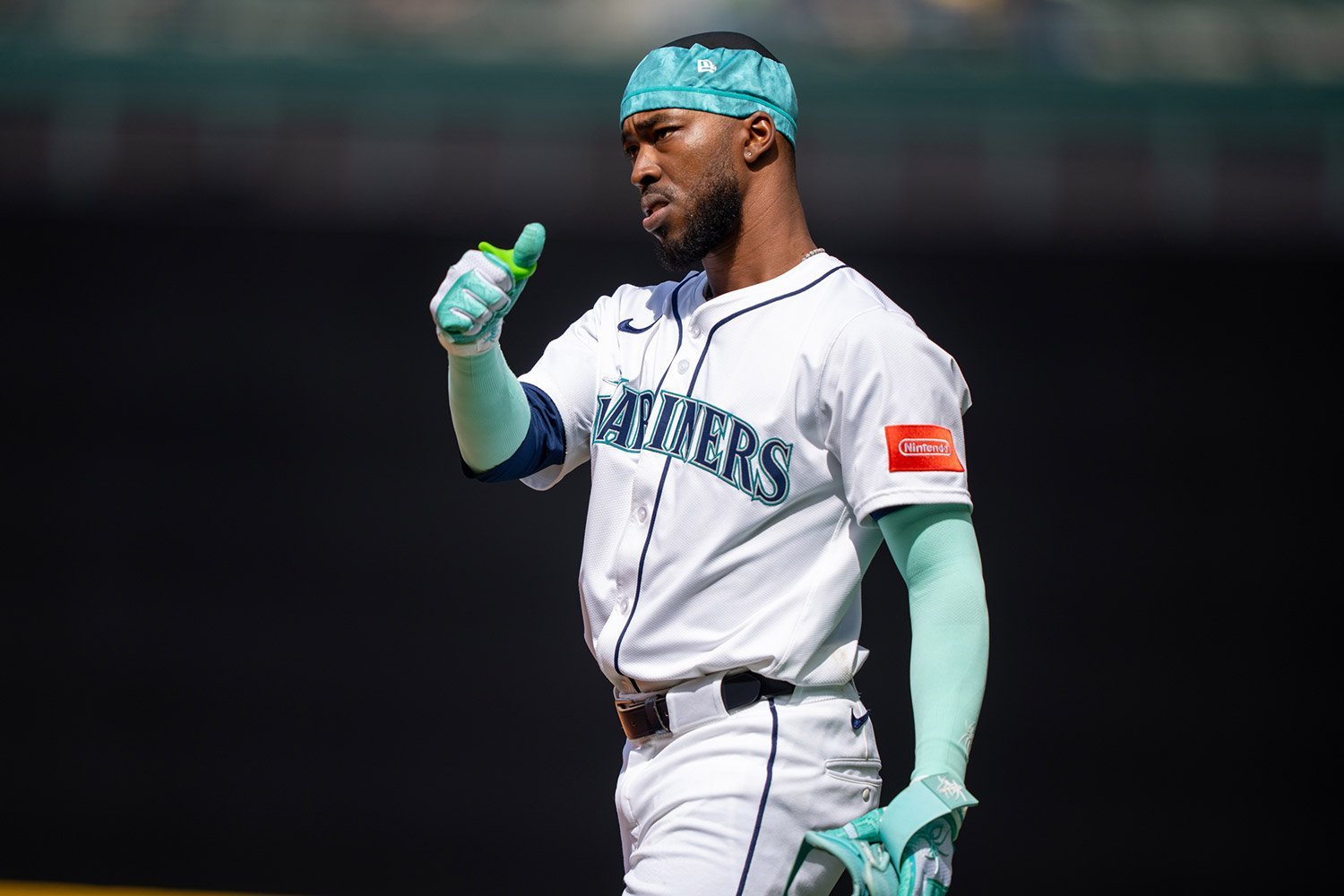 Samad Taylor, an infielder-outfielder who has seen MLB action with two teams, has reportedly signed a minor-league contract with the San Diego Padres. Taylor also received a non-roster invite to spring training. The 27-year-old was a 10th-round draft choice by Cleveland in the 2016 draft out of Corona High School, about 90 minutes north of San Diego. Taylor was recently designated for assignment by the Seattle Mariners and elected free agency. Taylor has appeared in 38 MLB games, including seven over the past two seasons with the Mariners. He made his MLB debut in 2023 with the Kansas City Royals, playing in 31 games. Taylor has a career slash line of .205/.272/.260 with no homers, four RBIs, and eight stolen bases. He was dealt by Cleveland at the 2017 trade deadline, with left-hander Thomas Pannone to the Toronto Blue Jays for right-hander Joe Smith. At the 2022 deadline, he was shipped to the Royals with right-hander Max Castillo for second baseman Whit Merrifield. Taylor was on the move once again in January 2024, going from the Royals to the Mariners for a player to be named, which became right-hander Natanael Garabitos. Taylor will battle for the last outfield spot on the Padres' roster with the likes of Tirso Ornelas. View the full article
 -
Was It Wrong For The Milwaukee Brewers To Trade Freddy Peralta?
DiamondCentric posted an article in Brewer Fanatic
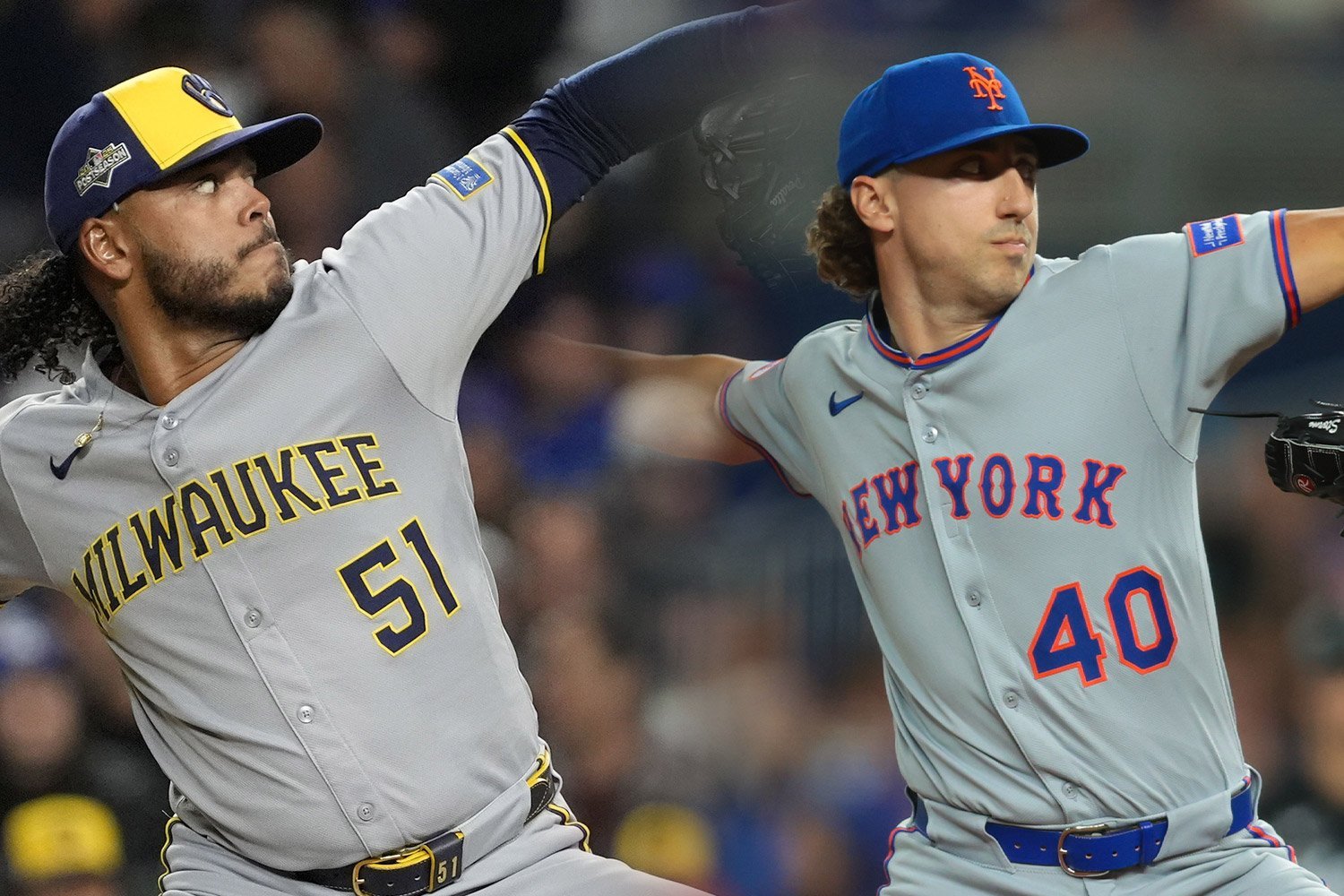 The question everyone asks when a trade like this happens is pretty simple: Was this the right move for the team? Some deals cut a little deeper, and this one definitely feels like one of those. But this is how the Milwaukee Brewers operate, regardless of whether you agree with the strategy. On Wednesday, the Crew traded ace right-hander Freddy Peralta. They sent him and an expendable piece, right-hander Tobias Myers, to the New York Mets for two of their top-five prospects: infielder-outfielder Jett Williams and right-handed starter Brandon Sproat. One of the first negative reactions I saw on social media was something from a national baseball writer to the effect of "The Brewers, not the Dodgers, are ruining baseball because they can't afford $8 million." That is certainly a take. Very wrong, but certainly a take. The Brewers were more than willing to pay Peralta $8 million for 2026. The reason behind the trade is what comes after 2026. No, I'm not talking about whatever happens related to a lockout or strike or anything related to the collective bargaining agreement. Instead, it has to do with Peralta's future. He will be a free agent following the 2026 World Series. Peralta enters his age-30 season in a prime position to cash in. After a team-friendly five-year, $15.5 million contract extension that then became a seven-year, $31.6 million deal with two club options that bought out two free-agent years, Peralta is due a payday. He has earned it. Remember that Peralta came to the Brewers as one of three wild cards as they dealt first baseman Adam Lind to the Seattle Mariners following the 2015 season. Peralta hadn't played any higher than the complex league in Arizona at that point and was 19 years old when he joined the Crew. In the 10 years since, Peralta has been a self-made pitcher. Sure, the Brewers gave him all the tools they could, but it was Peralta who put in the work and rose from obscurity to MLB All-Star and Cy Young Award contender. And the Brewers reaped the benefits of that and took advantage of the salary-suppression system MLB employs to get more value out of their investment in Peralta. No longer is he Fastball Freddy, the youngster who could only throw a variety of fastballs. Now he features three offspeed pitches in a changeup, slider, and curveball to go along with a four-seam fastball. Since his stunning 13-strikeout MLB debut on that Mother's Day in Colorado in 2018, Peralta has been an integral part of the Brewers' success. Since joining the rotation full-time at the beginning of the 2021 season, Peralta has been a rock in the rotation, even if he wasn't spectacular for most of that. He started 139 of 141 games with a FIP of 3.65, an ERA of 3.30, and an ERA+ of 126. That ERA+ means Peralta was 26% above the average MLB pitcher. That number was certainly boosted by his 2025 performance, where he posted a 154 ERA+ and finished fifth in NL Cy Young Award voting. The Brewers' philosophy of baseball business is not to overpay. They don't want to hand out exorbitant salaries that could weigh down their roster at the back end. The Brewers are approaching that situation with Christian Yelich, who has three more years at about $24 million each before a mutual option at $20 million for 2029 (those are usually declined). Peralta will certainly clear what Yelich, technically the Crew's highest-paid player*, is making, perhaps even approach $30 million a year. It is his market value at this moment. The Brewers would have given Peralta a qualifying offer (probably around $23 million for 2027), which he would have declined and netted the Brewers one single draft pick. That was the situation Brandon Woodruff was in this offseason. Woodruff accepted the qualifying offer and returned on a $22.025 million contract for 2026. That is on top of the $10 million mutual option buyout the Crew paid Woodruff instead of a $20 million contract. So Woodruff is really making $32.025 million this season* (thus the mythical highest-paid Brewers player). Could the Brewers afford Peralta's $8 million for 2026? Of course. That was never in question. But the Brewers, like they did with closer Josh Hader, starter Corbin Burnes, and closer Devin Williams, sold high on the player in question. Burnes netted shortstop Joey Ortiz, left-hander DL Hall, and a draft pick that resulted in first baseman Blake Burke from the Baltimore Orioles. Williams brought back third baseman Caleb Durbin and left-handed starter Nestor Cortes. Hall hasn't panned out yet, and Cortes flamed out due to injury. Ortiz and Durbin are the starting left side of the infield. Time will tell on Jett Williams and Sproat, but their pedigree is higher than that of the others acquired in those other two deals. This is how the Brewers churn their talent. This is part of the secret sauce they have used to win three straight NL Central titles. I am on record as saying Peralta was the perfect player for the Brewers to invest in. He epitomizes what they do, taking a ball of clay and molding it into something useful. But I also understand the Brewers' philosophy and agree with it to a certain extent. Players should get paid what they are worth, and teams also have the right not to make a bad investment. Hader cashed in. Devin Williams got his payday. So did Burnes, who then got hurt. Peralta, barring the unforeseen, will get his next offseason. Just not from the Brewers, who sold Peralta at his peak and now instead have two good prospects, bolstering an already-burgeoning farm system. Was this the right move for the team? Yes, it was. View the full article
 -
Is Blake Mitchell Getting Underestimated by Royals Fans?
DiamondCentric posted an article in Royals Keep
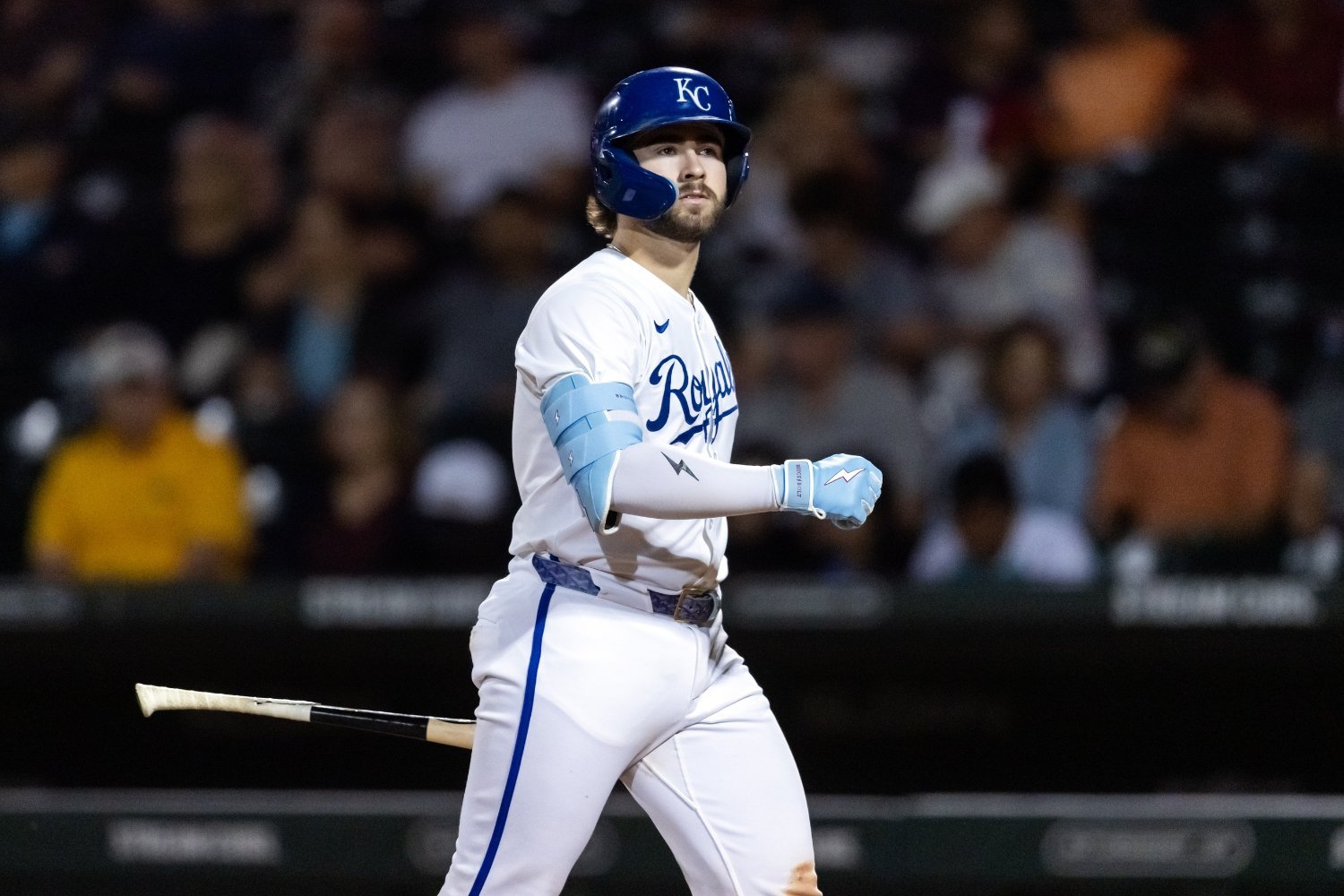 The Kansas City Royals' farm system has always been a polarizing one over the past five seasons, especially after the graduations of top prospects like Bobby Witt Jr., Vinnie Pasquantino, and Maikel Garcia. While Kansas City has seen many homegrown products receive regular playing time at the MLB level (according to Roster Resource, the Royals have 19 homegrown players on their 40-man roster), it has struggled to rank highly in farm system rankings from most major publications. Fangraphs has the Royals ranked 28th in their farm system rankings, which assign dollar values to prospects based on their future value (FV) rankings. Furthermore, Kansas City ranked 25th in MLB Pipeline's midseason rankings last season and 26th in USA Today's 2026 Farm System rankings. Thus, based on these rankings, it's easy for Royals fans to become pessimistic about this system, as was the case in a recent Royals Review article. Probably one of the most polarizing prospects in the Royals' system is Blake Mitchell, the Royals' 2023 first-round pick who went 8th overall. Mitchell and the Royals received a lot of heat in that draft, especially since the prep catcher from Texas was drafted ahead of infielder Matt Shaw and catcher Kyle Teel, college prospects who had more buzz among Royals fans at the time. To be fair, Shaw and Teel have been able to show some success at the MLB level already, while Mitchell has not advanced beyond High-A ball yet in his career. That said, it seems like some Royals fans are ready to identify Mitchell as a bust at 21-years-old. Here's a snippet from Review's piece that implied that, along with other former Royals first-round picks. I understand where Matthew Lamar (who wrote the article) is coming from with the comments about Lacy, Mozzicato, and Cross, though I think more context is needed. Lacy has been a bust for injury reasons (though many first-round picks in that 2020 MLB Draft have NOT fared well either), Mozzicato wasn't a pure first-round pick, but an under-slot selection that allowed them to draft Kudrna and Carter Jensen, who is now a top a prospect in the Royals system and had a sensational MLB debut (arguably better than Teel's). Cross hasn't been great, but he's had some weird health issues (he got Rocky Mountain Spotted Fever in 2023), and he was the last pick of not just the Dayton Moore era, but also of Lonnie Goldberg, who was the scouting director at the time. Brian Bridges has been in charge of the draft since 2024, and the results have been much better over the past two years (Danny Ontiveros was in charge for one year, which is the Mitchell draft). I agree that Lacy, Mozzicato, and Cross have lost some trade value, though I question how much they ever had to begin with, considering their circumstances. Conversely, I don't believe that statement applies to Mitchell, who I think hasn't lost much, if any of his trade value. Furthermore, he may still be a top prospect not just in the Royals system, but in baseball. And yet, Royals fans don't seem to view him that way. In this post, I am going to look at why fans have that perspective, the concerns with Mitchell's outlook, and why people should be more bullish about his projection, not just in this upcoming season but beyond. Why Royals Fans Aren't High on Mitchell When it comes to many Royals fans' feelings about Mitchell, I do think a lot of it has less to do with the 21-year-old catcher and more to do with who the Royals did NOT select in the draft. In 2023, the Royals were in the midst of a brutal season in JJ Picollo's first year as GM and Matt Quatraro's first year as manager. They were 26-65 at the All-Star Break, and many fans were hoping that Kansas City would select someone who could move quickly in the farm system and matriculate to the Majors in two to three years. Shaw and Teel fit that bill, while Mitchell did not. That said, Mitchell was still seen as a prospect with some unique upside, as talked about on draft night. As mentioned in the video above, prep catchers have a poor reputation in the draft, especially those who are selected in the first round. That said, Mitchell profiles as more athletic than the typical high school catching prospect, and LSU head coach Jay Johnson, who recruited Mitchell to LSU, recognized that and talked about his ability to move to the mound if necessary, due to his solid throwing ability. Still, the reputation of high school catchers in the draft and the Royals' decision not to pick Shaw or Teel seemed to color Royals fans' opinions of Mitchell from day one, even as he has shown progress as he has moved up in the system. In 2024 with the Low-A Columbia Fireflies, he posted an .815 OPS and hit 18 home runs in 466 plate appearances. Last year in Quad Cities (High-A), despite breaking his hamate bone in Spring Training and missing a good chunk of the Minor League season, he still posted a .372 OBP, 20.8% BB%, and 103 wRC+ in 216 plate appearances. The power wasn't quite there (.089 ISO), but he showed a mature eye at the plate for a 20-year-old. It also doesn't help that Mitchell is overshadowed by Jensen, especially after Jensen's phenomenal 2025 campaign that saw him debut with the Royals in September. That said, as noted by Tobey Schulman of Inside the Diamond and Just Baseball, Mitchell's skills shouldn't be slept on. Has Mitchell been phenomenal since debuting professionally? Not quite. However, he's been good and seems to get grief for what he's NOT (i.e., Shaw or Teel) than for what he is, which is still a very good prospect ranked as the 10th-best catching prospect in baseball by MLB Pipeline. What Are the Legitimate Concerns with Mitchell? Now, I am not saying Mitchell is a Jensen-level prospect just yet. While Jensen and Mitchell both struck out and walked a lot as prospects, Jensen's strikeout rates have always been more tolerable than Mitchell's. In his first exposure in High-A in 2023, he sported a 24.1% K rate, 0.77 BB/K ratio, and 76.5% contact rate. When he started the year in 2024 with Quad Cities, he had a 22.1% K rate, a 0.69 BB/K ratio, and a 74.2% contact rate. As for Mitchell in Quad Cities last year, he had a 32.9% K rate, 0.63 BB/K ratio, and 66.9% contact rate. Thus, Mitchell's K rate has been, on average, 10% higher than Jensen's in the Quad Cities, and his contact rate has been nearly 10% lower. It's one thing to have a sub-80 percent contact rate in the Minors, which was the case for Jensen. He had the discipline and power to make up for that mediocre tool. Conversely, a sub-70 percent contact rate, the case for Mitchell, is alarming and could prevent him from reaching his true ceiling as a player. In the Arizona Fall League, Mitchell had a nice bounce-back campaign, seemingly fully healthy. He didn't hit for average (.234), but he had an excellent OBP (.434), and he seemed more comfortable at the plate as he got more at-bats in Arizona. That culminated in him becoming a key player on the AFL Champion Surprise Saguaros. That said, the contact rate, especially on pitches in the strike zone (Z-Contact%), was still lackluster in the AFL this fall, as illustrated in his TJ Stats summary. Mitchell's Z-Contact% ranked in the ninth percentile, his whiff rate ranked in the 10th percentile, and his K rate ranked in the 28th percentile. On the flip side, he pulled the ball well (95th percentile), barreled the ball effectively (72nd percentile), and posted an xwOBA (74th percentile) that looked much better than his actual wOBA (50th percentile). With more at-bats and games, Mitchell's stat line could've been even better. Still, the struggles in contact should be worth watching in 2026 with Mitchell. On a positive note, MJ Melendez showed even worse contact issues in the lower levels as a catching prospect out of high school. In Low-A Lexington in 2018, he had a 62.4% contact rate. In 2019, in High-A Wilmington, it was even worse at 55.2%. However, with some help from the Royals hitting development team (then led by Alec Zumwalt), he improved his contact rate to 73.6% in Double-A in 2021 (remember, there was no Minor League ball in 2020 due to COVID). There's no reason to think that Mitchell could see the same kind of improvement, especially with the recent shuffling in hitting coordinators this winter. Furthermore, Mitchell has a lot more upside than Melendez, especially on the defensive end. Will Swinging More Help Mitchell in 2026 and Beyond? One of the positive developments to see from Mitchell in the AFL was his 74 percent Z-Swing%, which ranked in the 86th percentile. He has long been known for his solid plate discipline, and he showed that in Arizona with a 15.8% O-Swing%, which ranked in the 89th percentile, according to Statcast data. However, one critique of his approach at the plate as a prospect has been his passivity. Last year, in Quad Cities, he had a 49.5% F-Strike% and 29.4% CSW (called-strike plus whiff) rate. He also only had a 41.2% swing rate, which was 1.3% lower than his mark in Low-A Columbia. Surprisingly, Jensen and Melendez also had similar passive approaches in High-A ball, as seen in the table below. The big difference is that Jensen had much better contact skills than both Mitchell and Melendez. However, Mitchell's F-Strike% and Swing% data were nearly identical to Jensen's metrics in 2023 and 2024 with the River Bandits. For context, let's look at Jensen's metrics at the MLB level in his September debut to get a sense of what Mitchell could become if his contact ability sees slight improvement. Jensen still whiffed a good amount in his MLB debut in 2025 (47th percentile Whiff%). However, he didn't chase (74th percentile), and he was aggressive on pitches in the zone. Those two skills helped amplify his natural power, as demonstrated by his hard-hit% (100th percentile), LA Sweet-Spot% (97th percentile), and Barrel% (98th percentile). Mitchell's launch may need work (26th percentile in the AFL), but his other power metrics from the AFL mirror what Jensen did with the Royals last September. Thus, I would like to see Mitchell continue to transition that selectively aggressive approach from the AFL to High-A and/or Double-A ball in 2026. A little drop in that F-Strike percentage could help him get into better, more hitter-friendly counts, which, in turn, could boost his overall production, especially in the power department. Mitchell is not Jensen 2.0, but their paths up to High-A ball have been similar. That should make Royals fans optimistic that not only could he be a viable option at the MLB level for the Royals in a couple of years, but he could help them forget that draft day disappointment from 2023 that has dogged Mitchell for his entire professional career thus far. View the full article
 -
The Twins’ Updated Bullpen Puzzle is Still Missing Pieces
DiamondCentric posted an article in Twins Daily
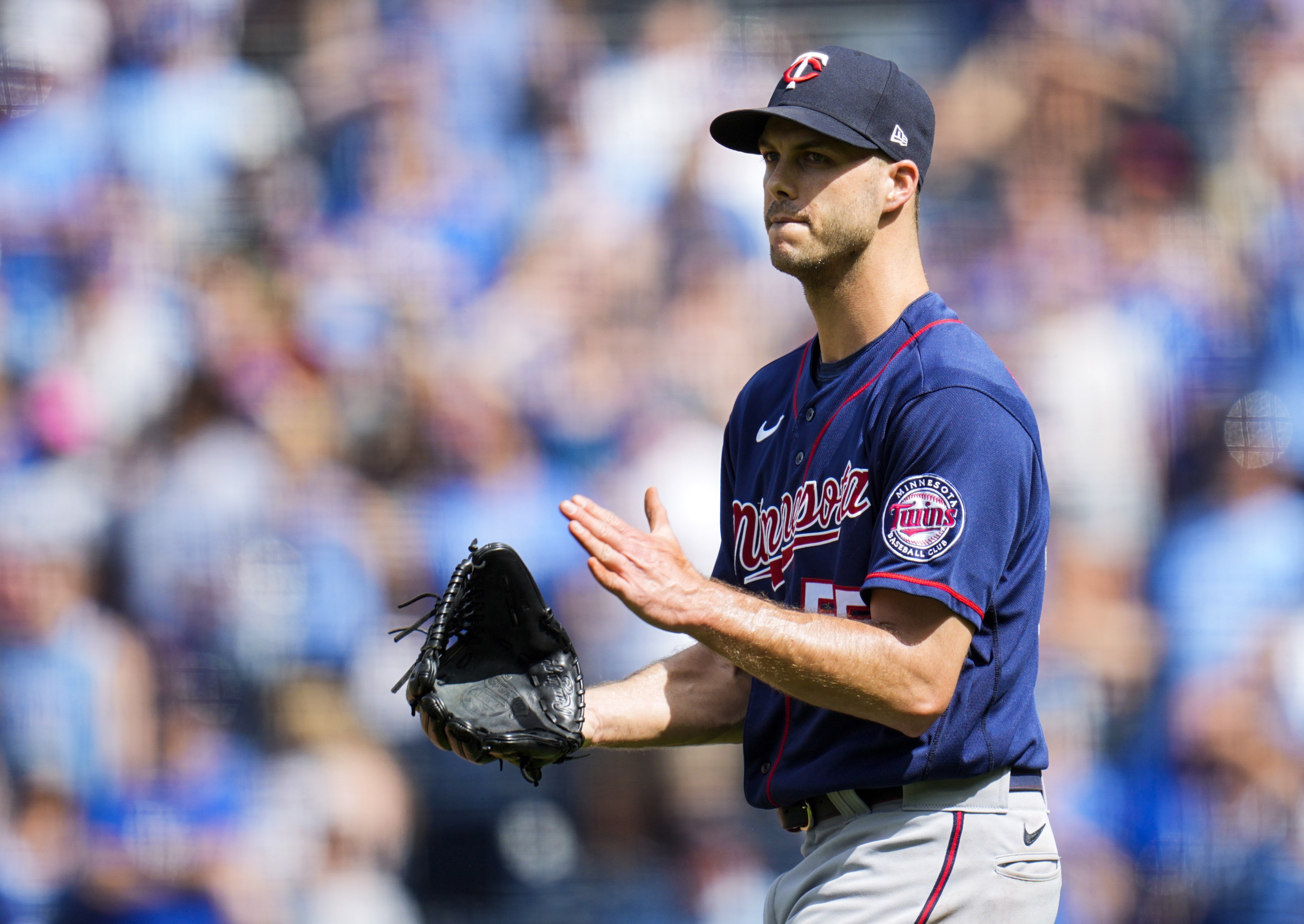 For months, the Twins bullpen has felt less like a plan and more like a collection of possibilities. That changed this week. The Twins made an important move on Thursday by reportedly reuniting with former All-Star reliever Taylor Rogers on a one-year, $2 million deal. It is a step in the right direction for a team that desperately needed bullpen help after trading away its top five relievers last summer. More work is needed, but Rogers is a meaningful addition, even if he is not the pitcher he was during his first stint in Minnesota. This move finally gives Minnesota a foundation. While not dominance or certainty, it’s a framework to build upon, a departure from the question marks that plagued this group. The bullpen now has a starting point, but not yet a solution. As things stand right now, here is a realistic snapshot of the current bullpen picture. Locks: Rogers, Cole Sands, Justin Topa On the fence: Eric Orze, Kody Funderburk Wild cards: David Festa, John Klein, Travis Adams With the Rogers addition, Connor Prielipp gets bumped out of the projection. It seems unlikely that the Twins will elect to carry three lefties. Prielipp could certainly take the place of one of the wild cards, but roster math alone works against him. That does not diminish the upside. Prielipp, Twins Daily’s No. 6 prospect and reigning minor league pitcher of the year, seems like a long shot for Opening Day but a very real bullpen factor in 2025. Injuries limited him both at Alabama and early in his pro career, but he stayed healthy enough last year to throw 82 2/3 innings and strike out 98 batters. Already 25 years old, he profiles as a potential high-impact bullpen arm if his health finally stabilizes. Derek Falvey has already mentioned both Prielipp and Marco Raya as candidates for bullpen transitions this winter, indicating the organization is open to internal conversions. Raya has been one of the team's top pitching prospects for multiple seasons. Minnesota pushed him aggressively up the organizational ladder with him reaching Triple-A during his age-21 season. However, his workload has been monitored and controlled by the organization's development staff. Last season, he struggled in St. Paul with an ERA north of 6.00 with a 22.6 K% and a 12.6 BB%. His pitch mix and dominant curveball could make him an intriguing bullpen option. Beyond the prospect group, it feels increasingly likely that at least one of the Twins’ young starting pitchers will be shifted into a relief role. That list includes Festa, Simeon Woods Richardson, Zebby Matthews, Mick Abel, and Taj Bradley. Festa feels like the cleanest fit right now, given his shoulder issues last season and how his stuff could play up in shorter stints, but Bradley also stands out as a logical candidate. With nearly 400 major league innings already on his arm, the starter evaluation phase may already be complete, and a power relief role could unlock a new version of his value. For the long relief side, Pierson Ohl (if he clears waivers) and Travis Adams feel like the most natural mop-up options, with Andrew Morris also fitting that profile if needed. These are the innings eaters, the bridge arms, the guys who make the rest of the bullpen functional, even if they are not headline names. The bullpen is now more coherent than before, but it’s not yet dependable. That gap is what the Twins must close if they want real stability. If you squint, you can see the outline of something workable. To improve the bullpen, add a legitimate late-inning right-hander and replace one or two fringe arms. Doing so would make the group resemble a true eight-man bullpen rather than a developmental experiment. That is why, even after these moves, free agency still matters here. Fortunately for Minnesota, veteran options remain available on the free agent market. David Robertson, Liam Hendriks, Paul Sewald, Michael Kopech, Scott Barlow, Hector Neris, and Ryan Brasier all represent different levels of risk and upside. Each would bring something the current bullpen lacks: experience and a track record of handling leverage. None of these names is perfect. Some come with age, some with injury risk, some with volatility, and some with all three. But the Twins do not need perfection. They need someone competent and reliable who can pitch the seventh or eighth inning without making the game feel fragile. Outside of free agency, Minnesota should consider trading one of its surplus left-handed hitters for a controllable bullpen arm. This targeted move addresses both roster imbalance and bullpen needs while preserving top pitching prospects and keeping payroll steady. At the end of last week, Twins radio broadcaster Kris Atteberry was part of a Winter Caravan group that stopped in Fargo, ND. At this stop, a fan asked Glen Perkins about who was going to be the closer for the 2026 Twins. Perkins responded with a few names, like Sands and Rogers, without overcommitting to one name. However, Atteberry interjected that the current bullpen picture isn’t complete. He told the crowd that the Twins will have multiple other bullpen options on the roster before the team heads to Fort Myers next month. Adding one veteran reliever or trading for a proven arm is the difference between a bullpen that’s a liability by default and one that can support Minnesota’s rotation all season. Rogers is the start, not the finish. Real functionality demands another move. The Twins now face a crucial decision: settle for a bullpen with fragile upside or take clear steps to build a group strong enough for contention. The structure is emerging and the challenge is to finish it. How will the Twins complete their bullpen? Leave a comment and start the discussion. View the full article
 -
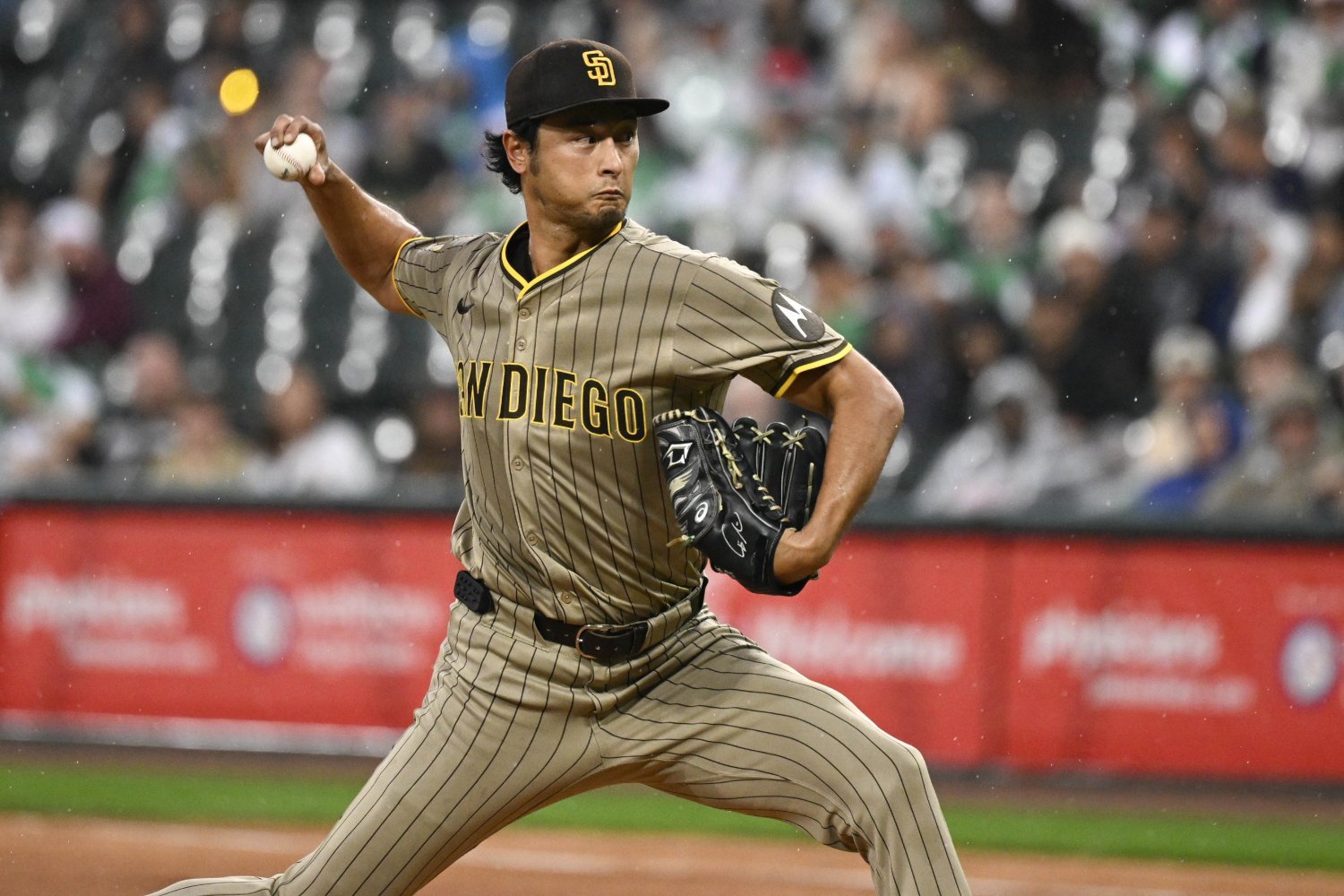 UPDATE: Darvish has announced that he has not made any final decisions on his retirement or contract, and that he is purely focused on his rehab process. Original article as follows. Amidst unceasing rotation depth question and financial constraints, one of the looming questions hanging over the San Diego Padres was the future of Yu Darvish. The 39-year-old underwent elbow surgery earlier in the offseason and wasn't expected to pitch at all in 2026. However, the plans have changed. Per Kevin Acee of the San Diego Union-Tribune, Darvish is officially retiring from Major League Baseball. Though nothing is official yet, it appears as though the veteran right-hander may be prepared to leave his salary on the table, which could be huge for the Padres' hamstrung budget. Darvish, who is attached to an $18 million AAV, was owed a $16 million salary in 2026 and $15 million checks in 2027 and 2028. That's a lot of money to work with, particularly if A.J. Preller still plans to address needs in both the rotation and infield. A lot of the marquee free agents on the market have already signed, but this kind of wiggle room could make a trade far easier to execute. The immediate impact from this decision is that the Friars will now have an extra 40-man roster spot to work with; they were always going to have it once Darvish went on the 60-day IL, but that can't happen until just before the regular season. In essence, the Padres are gaining early access to that rostering advantage. Once his retirement in finalized, San Diego's 40-man roster will stand at 37. This does pose some difficult questions for 2027 and beyond, since Darvish was a locked in rotation member even at his advanced age. If Michael King and Nick Pivetta opt out of their respective deals, the Padres' starting five may be completely unrecognizable in a year's time. Likewise, Darvish was a revered clubhouse presence and a renowned leader. Even though he's declined as a pitcher and wouldn't have made an appearance this season, losing his voice and experience will be painful, especially with a rookie manager in Craig Stammen. One can only hope that he'll stay attached to the Padres in some way after riding off into the sunset. Across his legendary 13-year career, Darvish recorded a 3.65 ERA and 2,075 strikeouts in 1,778.0 innings. He slowed down some with the Friars — his 3.97 ERA was his worst at any of his four career stops — but he was a stabilizing force atop every rotation he was a part of since coming over from Japan. A five-time All-Star and two-time Cy Young runner-up, Darvish's career will go down as one of the best for any NPB convert. Padres Mission wishes Darvish nothing but the best in retirement, as well as a return to full health. View the full article
 -
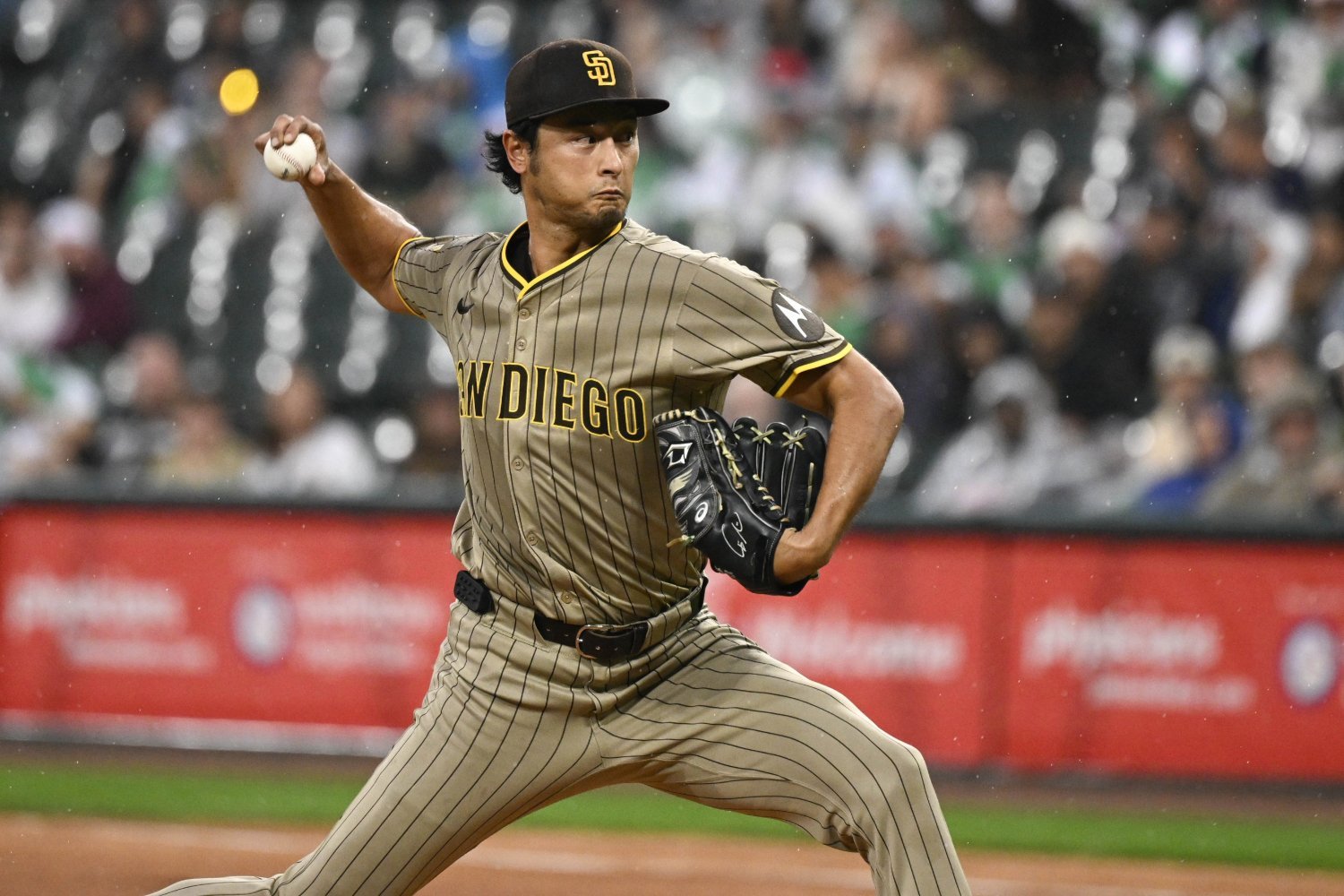 Amidst unceasing rotation depth question and financial constraints, one of the looming questions hanging over the San Diego Padres was the future of Yu Darvish. The 39-year-old underwent elbow surgery earlier in the offseason and wasn't expected to pitch at all in 2026. However, the plans have changed. Per Kevin Acee of the San Diego Union-Tribune, Darvish is officially retiring from Major League Baseball. Though nothing is official yet, it appears as though the veteran right-hander may be prepared to leave his salary on the table, which could be huge for the Padres' hamstrung budget. Darvish, who is attached to an $18 million AAV, was owed a $16 million salary in 2026 and $15 million checks in 2027 and 2028. That's a lot of money to work with, particularly if A.J. Preller still plans to address needs in both the rotation and infield. A lot of the marquee free agents on the market have already signed, but this kind of wiggle room could make a trade far easier to execute. The immediate impact from this decision is that the Friars will now have an extra 40-man roster spot to work with; they were always going to have it once Darvish went on the 60-day IL, but that can't happen until just before the regular season. In essence, the Padres are gaining early access to that rostering advantage. Once his retirement in finalized, San Diego's 40-man roster will stand at 37. This does pose some difficult questions for 2027 and beyond, since Darvish was a locked in rotation member even at his advanced age. If Michael King and Nick Pivetta opt out of their respective deals, the Padres' starting five may be completely unrecognizable in a year's time. Likewise, Darvish was a revered clubhouse presence and a renowned leader. Even though he's declined as a pitcher and wouldn't have made an appearance this season, losing his voice and experience will be painful, especially with a rookie manager in Craig Stammen. One can only hope that he'll stay attached to the Padres in some way after riding off into the sunset. Across his legendary 13-year career, Darvish recorded a 3.65 ERA and 2,075 strikeouts in 1,778.0 innings. He slowed down some with the Friars — his 3.97 ERA was his worst at any of his four career stops — but he was a stabilizing force atop every rotation he was a part of since coming over from Japan. A five-time All-Star and two-time Cy Young runner-up, Darvish's career will go down as one of the best for any NPB convert. Padres Mission wishes Darvish nothing but the best in retirement, as well as a return to full health. View the full article
 -
Red Sox Announce First Round of Spring Training Non-Roster Invitees
DiamondCentric posted an article in Talk Sox
 MassLive’s Chris Cotillo has reported that the Boston Red Sox have announced a rather large group of non-roster invitees to spring training this year. INF Mikey Romero could be pushing for playing time in Boston later in 2026, so it’s not surprising to see his name included here nor is it shocking to see so many catching options. The team has long been rumored to still be looking for a way to upgrade the backup catching position this offseason so putting their top-level catching options through their paces at spring training makes sense. On the pitching side, Noah Song is the name that should jump out the most to Sox fans. Song has a very interesting path to the majors and finally looked like a contributing member of the organization during his quick rise to Triple-A Worcester last season. Once he arrived there, he left quite a bit to be desired but it was his first full, healthy season in pro ball since he finished his military commitment. These 14 guys are being given a chance to stake their claim at big league camp. It will be interesting to watch how they perform. Other names are likely to be added as non-roster invitees as we get closer to pitchers and catchers reporting to Fort Myers on February 10. View the full article
 -
 The San Diego Padres have a new top prospect. At least according to MLB Pipeline. Kruz Schoolcraft, the 6-foot-8 left-handed starting pitcher who was the Friars' top pick in last summer's draft, was named the No. 88 prospect in all of baseball as revealed on MLB Network on Friday. Schoolcraft was the only Padre on the Top 100 list. He was ranked 95th in the season-ending rankings by MLB Pipeline. Selected with the 25th pick in the first round out of Sunset High School in Portland, Ore., the 18-year-old pitched in just one game after being drafted, getting his feet wet with the Low A Lake Elsinore Storm. That would be the likely starting spot for Schoolcraft for the 2026 season. Schoolcraft was also a first baseman in high school, but he is focusing on pitching to begin his pro career. Catcher Ethan Salas, the Padres' top prospect after the trade of Leo De Vries to the A's in the Mason Miller deal, fell out of the Top 100 after being No. 77 at the end of 2025. In 2024, Salas was MLB Pipeline's No. 8 prospect in all of baseball. View the full article
 -
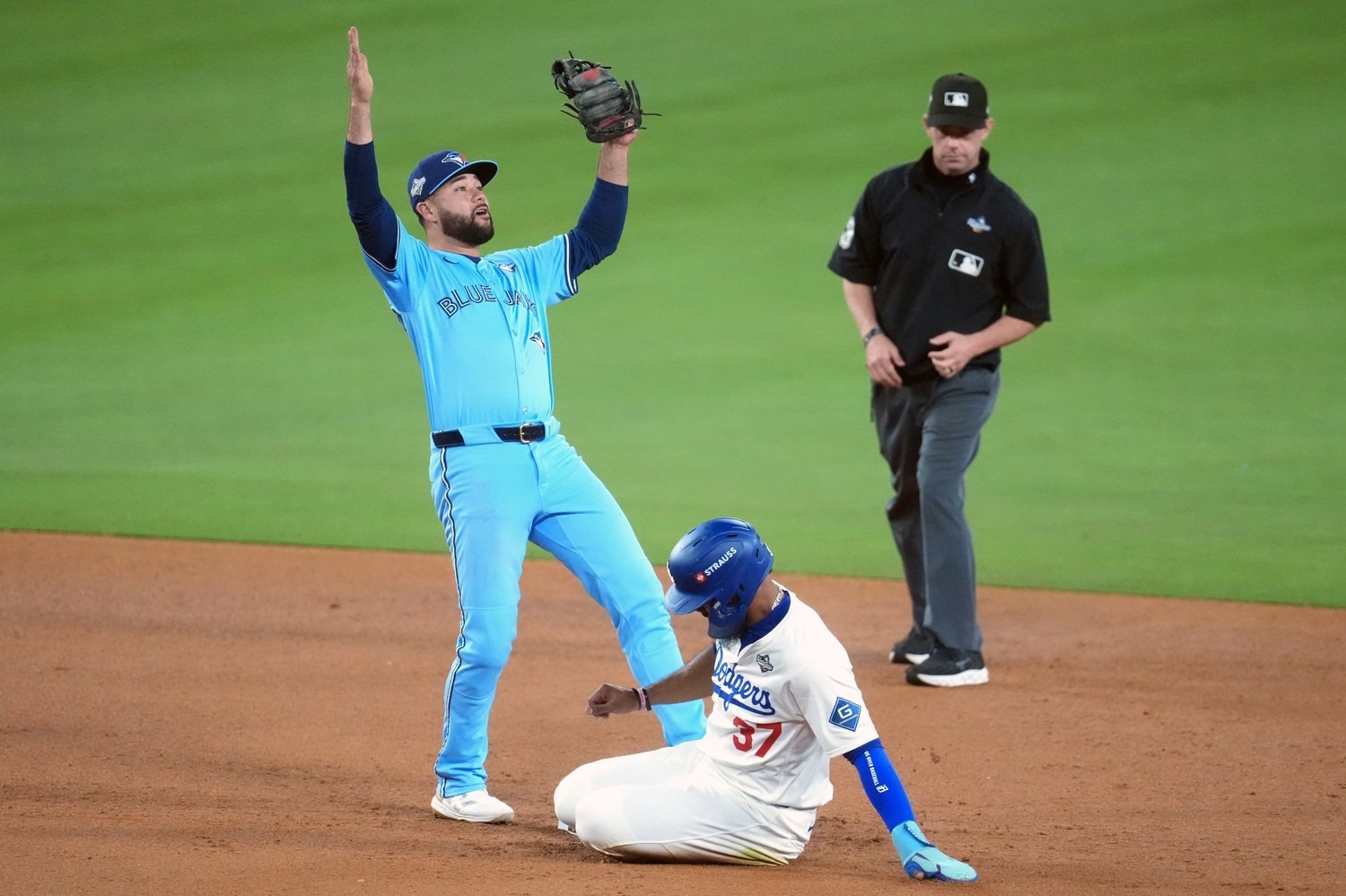 After 3,000 man-hours and nine transactions, the Twins' front office feels that they are halfway to finding a backup shortstop. In an offseason defined by the gaping holes in the bullpen, the Twins have been single-minded in their pursuit of a backup shortstop who is not Twins legend Isiah Kiner-Falefa, the only backup shortstop on the market. Kiner-Falefa spent 19 hours as the Twins' starting shortstop in March of 2022, and they're determined not to make that mistake again. "It seems straightforward to add IKF to backup Brooks Lee," an unnamed executive told Twins Daily. "But, ultimately, sometimes, the most obvious thing is the most obvious wrong thing." Instead of paying Kiner-Falefa the five million dollars it would take to purchase his services for the year, the team would prefer to spend that money on [unclear].00 Since the end of the season, the Twins have added significant depth at the position, including recent trade acquisition Tristan Gray, waiver claims Ryan Kreidler and Vidal Bruján, and minor league free agent Orlando Arcia. The cost? Pretty modest: Backup shortstop candidate Ryan Fitzgerald (claimed by Los Angeles) Utilityman Mickey Gasper (claimed by Washington) $500,000 owed to Vidal Bruján if he’s in the minor leagues Catching prospect Nate Baez (traded to Boston for Gray) Backup shortstop candidate Vidal Bruján (traded to New York) Lefty relief prospect Kade Bragg (traded for heretofor unmentioned backup third base candidate Eric Wagaman) Many very original comments from Twins fans like "Plan the parade" or "This will get me to renew my season tickets" or "Wagaman? I hardly Knowaman" The offseason is still young, and the Twins have many other levers to pull. They have active feelers out on former shortstop Andrelton Simmons, general nuisance Jeff Frye, and local businessman Alex Rodriguez, hoping to add at least two of the names to their pile of backup shortstops who are not Isiah Kiner-Falefa. The list is now longer than the team’s bullpen hierarchy. Other options who have been bandied about: Joe Pohlad, who has a lot of free time on his hands to learn new skills. Putting him on the roster would mean $780,000 of the payroll would stay in Pohlad hands Nick Punto, though this was suggested by your mother. Yes, you, the person reading this. Your mom loved Little Nicky, didn't she? JJ Hardy, finally righting that wrong Ryan Fitzgerald Trevor Larnach Clyde Sneavly, a 34-year-old kindergarten teacher with a glove and a dream A man in a Groucho Marks mask named "Kisiah Finer-Alfalfa" At the time of publication, Kiner-Falefa is still available for five million dollars, but the Twins’ most recent unsuccessful attempt was to trade for a mysterious Rockies shortstop named Ryan Ritter. I’ve never heard of him, and neither, apparently, had the Twins until 11 minutes ago. View the full article
 -
 Could it make sense for the Blue Jays to move Ricky Tiedemann to the bullpen in 2026? View the full article
 -
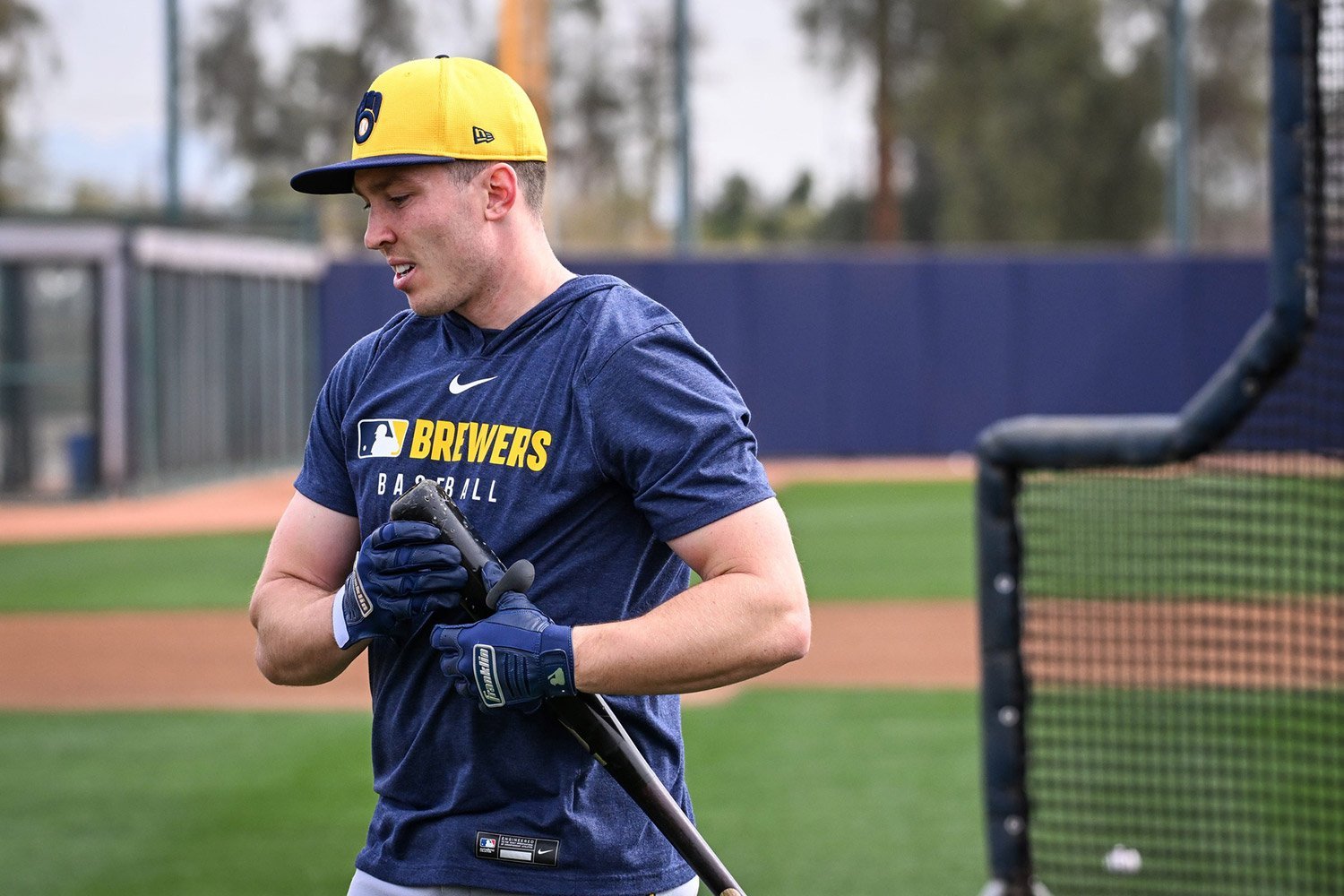 The Brewers appear to need a number two catcher as spring training is mere weeks away, which is surprising as Top 100 prospect Jeferson Quero is on the 40-man roster, even as he’s recovered from an injury that cost him all of 2024. Talk about signing a veteran centered on the chance the Brewers could reunite with Victor Caratini, whose bat has improved since his first stint in Milwaukee. There was speculation from Sports Illustrated that Milwaukee was a dark horse to pick up free agent J.T. Realmuto. Neither of those happened. Per the FanGraphs free-agent tracker, Caratini signed a two-year $14 million deal with the Twins, while Realmuto worked out a three-year deal to stay in Philadelphia. The best free-agent catcher left on the market is Christian Vazquez, who posted a 52 OPS+ for the Twins in 2025. FanGraphs estimates that he could get a one-year deal worth $5 million. Thanks to the latest drama about the Brewers' broadcast deal, Milwaukee may not be able to afford $5 million for a backup catcher. In a sense, though, things may work out well for the Brewer, simply because those two moves give a returning non-roster invitee the chance to shine. Darrien Miller came to big-league camp in 2025, which was intriguing given that the Crew had Quero on the 40-man roster, even though his power had declined in 2024 from his 2023 season. Miller returns to the big-league camp in 2026 after a 2025 that saw him fail to reach the Uecker line in terms of batting average while playing at Double-A Biloxi. That said, during that season, he regained a power stroke, hitting seven home runs and driving in 37 in 66 fewer at-bats than in 2024, while his OBP skills remained elite (57 walks and getting plunked 17 times). Is Miller the answer the Brewers are seeking as their backup backstop? At first glance, people might think that it isn’t a good idea. Over the last two seasons, he’s slashed a .203/.387/.308 line in Double-A Biloxi, a .695 OPS. These numbers are not horrific in one of the most pitching-friendly leagues in professional baseball. How pitching-friendly is the Southern League? Cooper Pratt posted a .691 OPS in 2025. Despite those seemingly uninspiring numbers over two years, the Brewers re-signed him after he reached minor-league free agency. Teams don’t usually bring back minor-league free agents and invite them to spring training in back-to-back seasons if they think the player is a dud. So, the team obviously sees something in Miller worth keeping him around. As it turns out, Miller could be very valuable to Milwaukee for the next five to six years, given his lengthy tenure with the organization. Since he was drafted in 2019, he’s worked with a lot of young pitchers in that organization, some of whom reached Milwaukee (Jacob Misiorowski, Logan Henderson, and Craig Yoho), others who could be in Milwaukee soon (Coleman Crow, Tate Kuehner, and Mark Manfredi jump to mind). In other words, this is right around the timeframe where these pitchers are under team control. This sort of working relationship and mutual familiarity among batterymates can’t be picked up via sabermetrics, but it does have an effect. The Brewers have long valued team chemistry – witness the haste with which they traded the disgruntled Aaron Civale and their desire to avoid arbitration hearings (which soured relationships with Josh Hader and Corbin Burnes). But Miller also has some offensive skills the Brewers value. He’s been exceptional at drawing walks over his professional career (271 in 1,515 professional at-bats in minor-league baseball and winter ball in Australia). He also could compete with Caleb Durbin in terms of being willing to get plunked for the team (he’s been hit by pitches 102 times over his career), meaning almost a quarter of his at-bats end with him on base without needing a hit. Miller brings some other advantages for the Brewers: He would be cost-controlled through 2028 at the very least (possibly longer if he and Quero swap places between Milwaukee and Nashville in what could very likely be William Contreras’ final season in Milwaukee, barring a miracle). He also bats left-handed, which would complement the largely right-handed catchers currently on the 40-man roster. Miller is also only 25 and would be nearing his physical peak years. Milwaukee's search for a backup catcher in 2026 - and beyond - may be over, with the solution right before their eyes. View the full article
 -
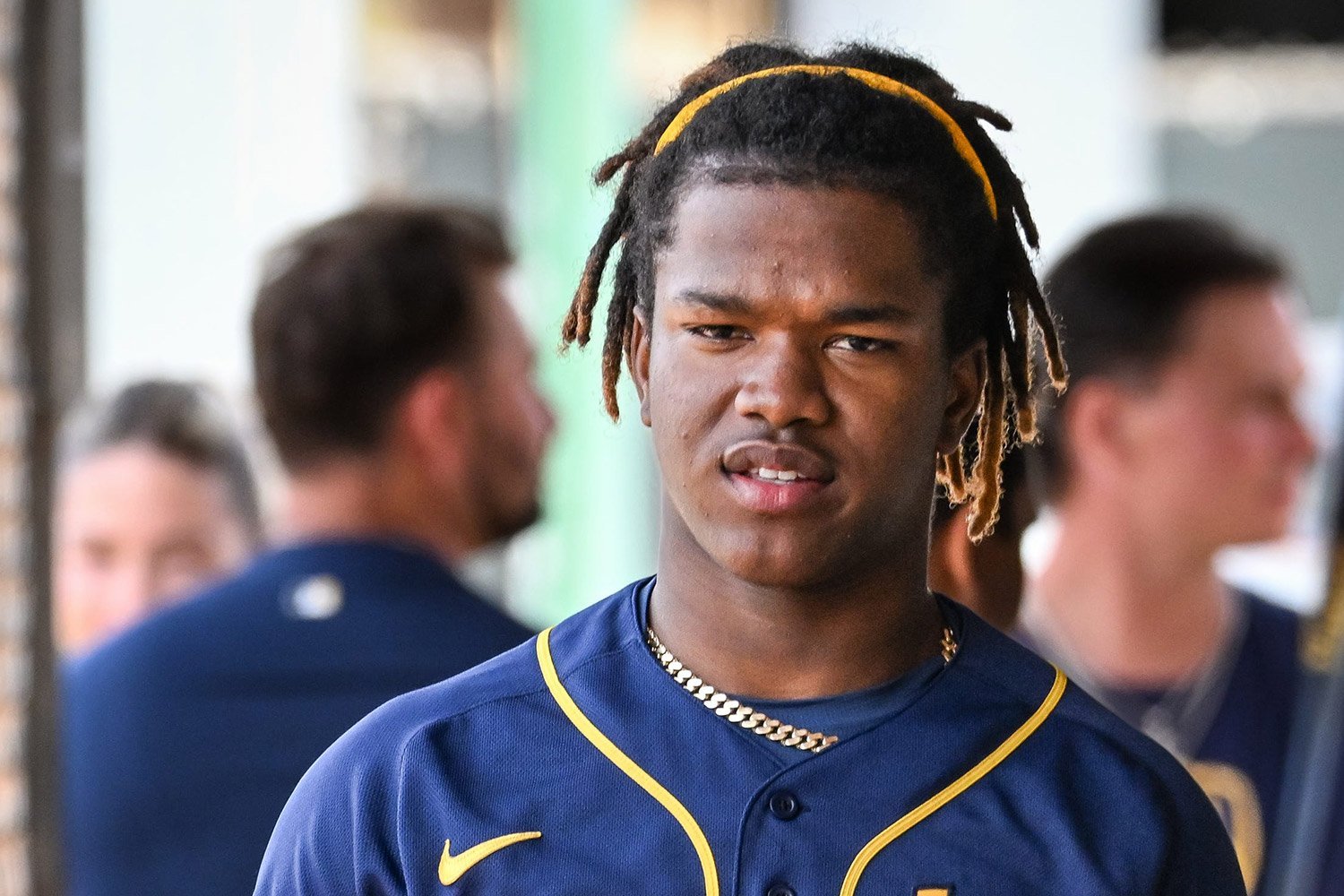 Jesus Made, the Milwaukee Brewers' 19-year-old shortstop who has rocketed up prospect rankings, was named the No. 3 prospect in all of baseball by MLB Pipeline on Friday. Made, who played at three levels in 2025, including a brief stint at Double-A Biloxi, was slotted behind two other shortstops in No. 1 Konnor Griffin of the Pittsburgh Pirates and No. 2 Kevin McGonigle of the Detroit Tigers. In fact, the top five players and eight of the first 10 were all shortstops. The Brewers were one of eight teams to have at least five prospects in the Top 100. The others were shortstop Luis Pena at No. 26, infielder-outfielder Jett Williams at No. 51, shortstop Cooper Pratt at No. 64, and right-handed starter Brandon Sproat sneaking in at No. 100. Williams and Sproat were the players the Crew acquired from the New York Mets in exchange for right-handed starters Freddy Peralta and Tobias Myers. Made moved up one spot from where he ended the 2025 season on the MLB Pipeline list. Catcher Jeferson Quero was on the list last year at No. 84, but didn't make the Top 100 this time around. View the full article
 -
Andrew Fischer Ranked As No. 1 Third Base Prospect
DiamondCentric posted an article in Brewer Fanatic
 MLB Pipeline recently rolled out its list of top prospects at each position, and the Brewers' only representative wasn't Jesús Made or Luis Peña but rather Andrew Fischer. Fischer was drafted 20th overall in 2025 out of the University of Tennessee, where he had an outstanding collegiate career with a blue-chip program. As a Volunteer, he slashed .307/.438/.672 with 56 home runs over three seasons and carried over this success into the 19 professional games he played. Across 87 plate appearances with High-A Wisconsin, he posted a 141 wRC+ and seems poised to continue rocketing up through the minor league ranks. Scouts love the power he generates from the left side, but have questions about his defensive viability. He spent the majority of his final college season playing first base because of his limited agility and range, but the Brewers moved him back to the hot corner after being drafted. This could be a win-win situation. The organization will likely continue assessing his ability to fill the role, and if not, they could move him to first base, where the team arguably has a greater need. While the likes of Joey Ortiz and Caleb Durbin have several years of club control left, Andrew Vaughn will be a free agent in 2028. Milwaukee does have another top corner infield prospect in Luke Adams, but more future depth at the position is certainly welcome. View the full article
 -
The Impossible Rise Of David Festa (Former D-III Shortstop)
DiamondCentric posted an article in Twins Daily
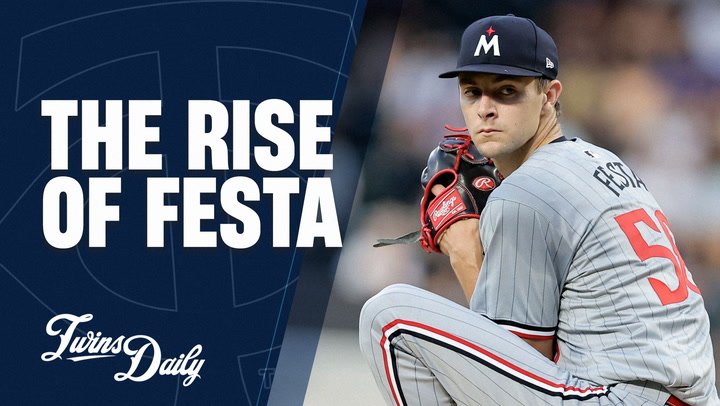 Most people know that Minnesota Twins pitcher David Festa is an up-and-comer who debuted with the team in 2024. What most fans don't know is where Festa came from. Before he was slinging mid-90's fastballs in the Twins' farm system, Festa was a high schooler committed to play shortstop at the Division-III level. This video walks you through how Festa went from an impromptu pitcher to someone who toes the rubber at the highest level. View the full article
 -
 After a long offseason of speculation, the Milwaukee Brewers shipped Freddy Peralta to Queens, along with solid depth in Tobias Myers, for a pair of top prospects. The Brewers are looking to thread the needle and come out on top of this deal to remain competitive in 2026, while also adding value to their roster for years to come. They’ve been successful at this exact maneuver in the past, but this type of deal brings significant risk. The kind of risk the Chicago Cubs have no reason to take on themselves. It’s hard to be disappointed with the Cubs' offseason so far. If anything, their biggest remaining question is how to fit some roster pieces together to maximize value. The Alex Bregman signing created a logjam in the infield, particularly between Matt Shaw and Nico Hoerner. With the latter set to hit free agency after 2026, there has been some discussion among fans regarding shopping Hoerner to shore up the roster elsewhere. The Cubs should avoid doing so. For starters, Hoerner is simply an extremely valuable player. Though he’s failed to reach even 10% above-league-average offense by wRC+ in any season of his career, his value is apparent when watching him. His on-base ability and baserunning prowess would complement any competitive lineup. His defense is elite, especially when being asked to play second base instead of shortstop. These skills more than make up for his lack of a high-end offensive ceiling. It's also worth point out that Hoerner’s skill set, while valuable, is unlikely to deliver a return anywhere near what Freddy Peralta brought to Milwaukee. In Brandon Sproat, the Brewers received an immediate contributor to the rotation, as well as top-100 prospect Jett Williams, as the Mets were desperate to acquire a high-end starting pitcher to lead their rotation. Any team acquiring Hoerner would be looking to add a complementary player to its roster rather than a core lineup piece (barring an immediate extension after the fact). Losing Hoerner may not have the same impact on the Cubs as losing their ace could potentially have on the Brewers' roster, but facing the prospect of a lower payoff both for the current roster and for the future, the risk-reward analysis simply doesn’t seem worth the gamble. Whatever the Cubs can get in return may have a cleaner fit on the roster with Matt Shaw taking over second base, but that package is likely to be outweighed by the value of simply having Hoerner on the roster with Shaw available as a utility player. The Cubs also don’t need to operate the same way as the Brewers. Though worth criticizing their spending tactics at times, even the worst years in recent Cubs history pale in comparison to how the Brewers operate their payroll. Trading Freddy Peralta, even for this generous return, is simply not a risk a competitive team takes without the pressure of having to turn over every last potential avenue of value. Milwaukee likely saw no chance of retaining Peralta when he hit free agency next winter. They are also very unlikely to be able to afford an immediate external replacement upon his departure. The Cubs should feel very differently about Nico Hoerner. With little long-term money on the books beyond 2026, the Cubs can feel confident in their ability to replace Hoerner should he depart in 2027, or simply re-sign him if they determine it to be the best path forward. They also no longer have significant concerns on their roster after this offseason's impact additions to the lineup, bullpen, and rotation. Trading a valuable player like Hoerner to address another position that isn’t a significant need doesn’t make much sense. The front office should be proud of the offseason they’ve put together, and fans should be pleased with the roster they’ll be watching headed into 2026. The Brewers are worth commending for their creativity and willingness to take risks, but the Cubs don’t need to operate in the same way to build a successful ballclub. The Cubs should hold onto their depth and keep Nico Hoerner. View the full article
 -
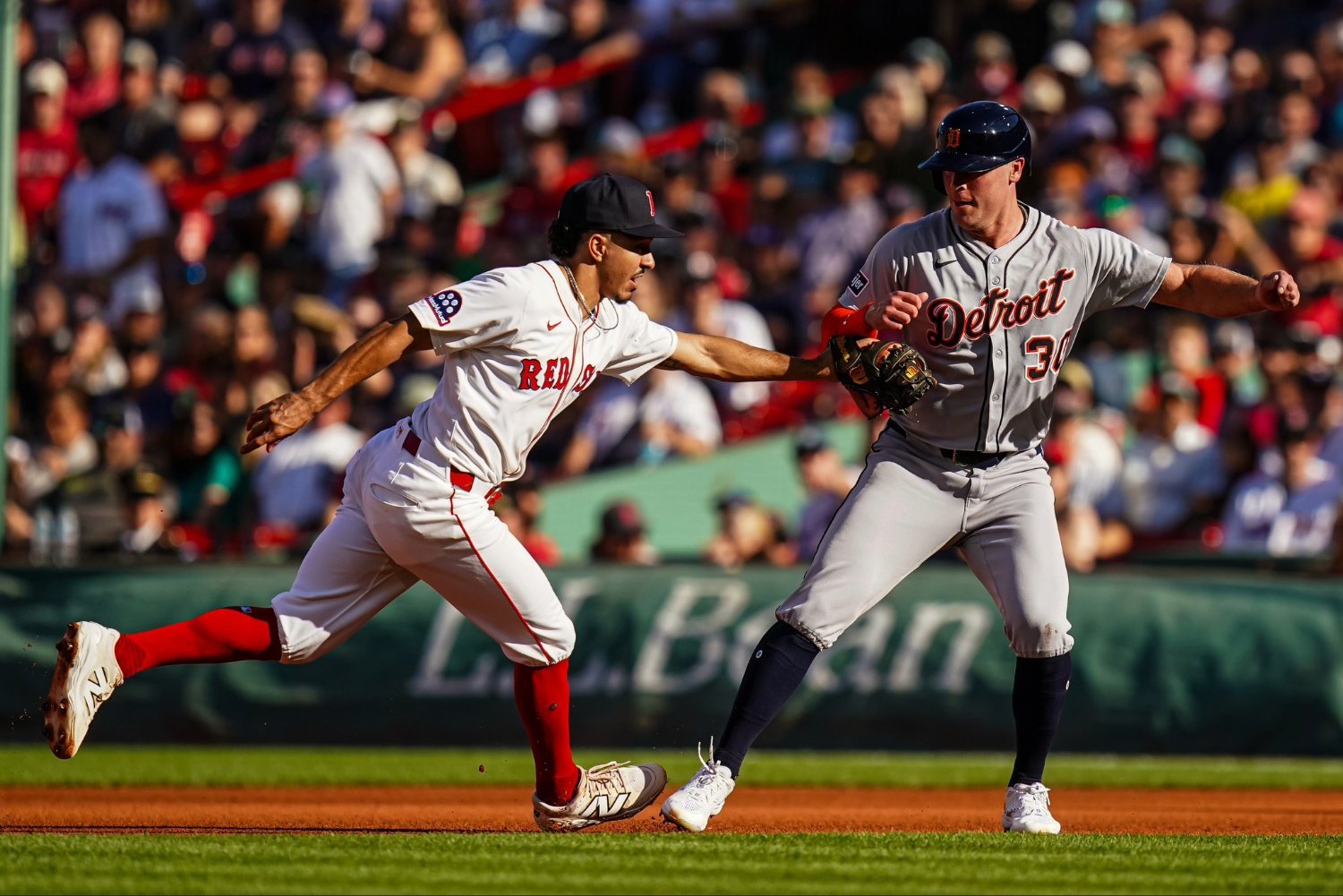 The Boston Red Sox still have a roster addition or two to make before spring training begins. And I don't just mean the bullpen, which does require another leverage arm, particularly from the left-hand side. The area of bigger concern is the infield. After losing out on Alex Bregman, the team has open spots at both second and third base that need to be addressed. MassLive’s Chris Cotillo tweeted that the team is involved in multiple discussions regarding improving the infield defense. That isn’t a shock to anyone who has been paying attention. After the addition of Ranger Suarez, the team pivoted to combing the trade market for an impact addition at an infield spot. We all expect a trade to happen, we just don’t know when. So, what if the team waits until the trade deadline during the summer? It's unlikely, but if prices are too exorbitant right now, the team could opt to go rental hunting in July. If that’s the case, the team will turn to internal options to man both positions. While we already have a bit of inclination on which way the team may be leaning, let’s take a look at those options. Third Base Marcelo Mayer The former top prospect is in line for the bulk of playing time at either position. The Athletic’s Jen McCaffrey noted that she was told by a team source that the preferred option is for Mayer to man third as he waits in the wings to take over at shortstop in a post-Trevor Story world in 2028, so it’s likely safe to pencil him in at the hot corner for now. Mayer has been bitten by the injury bug every season of his professional baseball career and is looking to stay healthy in 2027. The team believes that his added weight in the offseason, around 15 pounds, will help alleviate some of those injury concerns and keep him on the field. If that does happen, Mayer could be next in line to take a big jump this season. He has Gold Glove potential at third base and even a decent offensive showing from him would mean that the team has put their faith in the right guy. Nate Eaton Nate Eaton made his presence known during the Wild Card series and likely earned a bench spot for the Red Sox had Bregman returned to the lineup. Now, though? He’s a name to watch as a potential platoon partner at third with Mayer. He’s not the flashiest name and doesn’t come with the former top-prospect pedigree that Mayer has, but he could prove to be incredibly useful off the bench and in spot starts at third. His defensive versatility likely gives him an edge over other names as he can play all over the field when needed. Mikey Romero Mikey Romero seems to be a forgotten draft pick for the team even though he has been making large strides in minor league baseball. He’s on track to start the season as the starting third baseman for the WooSox and could be looking to push to the major-league roster at some point down the stretch. The former first-round pick isn’t a huge kid, 6’0” and 175 pounds, but he produced a 104 wRC+ and has played both second and third base as recently as last year. He could be someone that moves between both positions depending on what the lineup needs day in and day out at Worcester. Second Base Romy Gonzalez Gonzalez is currently penciled in as the Opening Day starter at second base. That’s not great. He works great in a platoon role as a lefty masher, but if the team is starting him on day one with the intent to make him an every day player this season, they are setting themselves up for disappointment. He plays a very specific role on this team and can move between first and second base as necessary, but he’s not a 150-game regular. Unless a deal is reached before the season starts, though, he’s likely going to get the bulk of playing time up the middle. David Hamilton Hamilton brings speed and decent defense to the table, but that’s about it. When he’s at the plate, he’s as close to a guaranteed out as you can get. He may run into a home run or two, but there’s little to be desired in his offensive game. The team works best when he’s a late-inning pinch runner and not being counted on in offensive situations, making him a less-than-ideal starter come Opening Day. Ceddanne Rafaela Seeing Rafaela at second base would drive a large portion of the fan base insane, but I fully believe it’s an option the team is strongly considering to start the year. It’s a bad option, but an option. I have faith that he could be an excellent second baseman if given the time to practice it during the offseason and spring training. Then again, his natural position, center field, is far more important to the organization and he’s already won a Gold Glove there. The team needs to keep him roaming center and figure out another option at second, but this is a realistic scenario if the goal is to get him and, Roman Anthony, Wilyer Abreu, and Jarren Duran into the lineup at the same time. Franklin Arias This is a bit far out there, but Franklin Arias is likely going to progress quickly through the minor-league system in 2026. He’s the number two rated prospect here on Talk Sox and for good reason: he’s young and already has shown a ton of potential. It’s unlikely that he’ll start the year with the big-league club, but stranger things have happened before (see: Kristian Campbell in 2025). If he shows out in big-league camp during spring training, it’s entirely possible we could see an early season call-up to help solidify the defense at second. It would be an outside-the-box solution, but the team is leaning heavily into a youth movement already so it wouldn’t be shocking. View the full article
 -
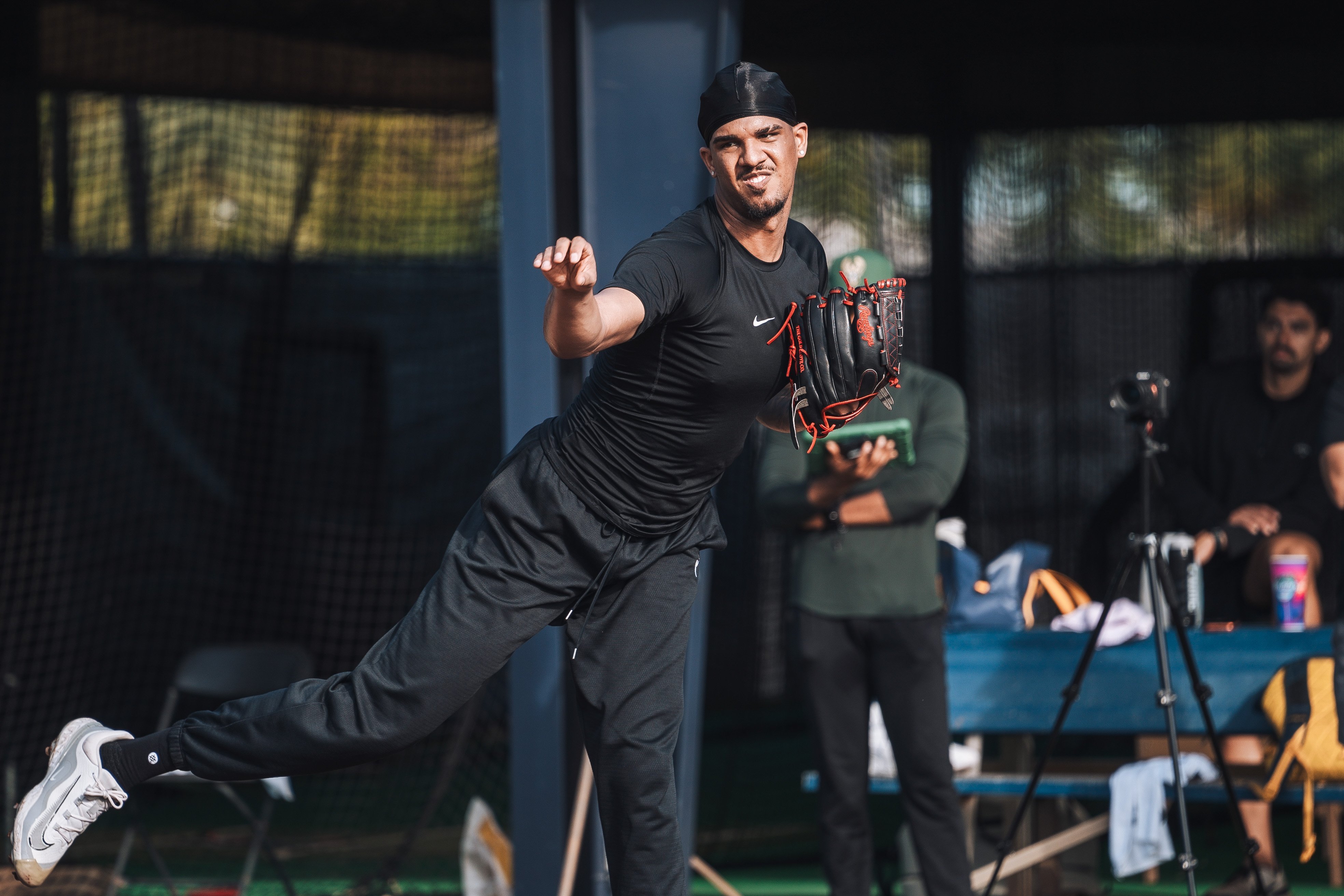 MIAMI, FL—The Miami Marlins will be relying heavily on Eury Pérez in 2026. Trades of Edward Cabrera and Ryan Weathers earlier this month leave the 22-year-old as the clear number two starter in their rotation. Weeks in advance of spring training, Eury Pérez is already in South Florida. Pérez tells Fish On First that he's been here throughout the entire offseason. Following a bullpen session on Friday, Pérez did an interview in Spanish looking ahead to his third Marlins season, which he hopes will be his first full-length season at the major league level. "I feel super healthy. This offseason has been incredible. I stayed here in Miami all year and I’ve tried to work as hard as possible to arrive ready," Pérez said. Last season, the right-handed pitcher was coming off Tommy John surgery and rejoined the Marlins roster in early June. He posted a 4.25 ERA, 3.67 FIP, 9.91 K/9 and 3.02 BB/9 in 95 ⅓ innings pitched. He made 20 starts, which was a career-high. "After the Tommy John, my arm feels great," Pérez said. "I’m trying to stay that way to start the season with the team, which is what I want most, and to finish healthy as well." Pérez has been focused on adding some weight to his massive 6'8" frame. Currently listed at 220 pounds, he says that he entered the offseason weighing in at 225 and is now up to 240, with the intention to add on more. Pérez added a sweeper to his pitch mix near the end of the 2025 season, which he threw 7.7% of the time overall. In the small sample, he generated a 46.4% whiff rate and 28.9% PutAway rate. "It's a pitch that we begun throwing during the season, but it's still a pitch that we need to keep working on, by trying to keep it in the zone and when I want to throw it outside the zone," Pérez said. The changeup was highly rated while he was climbing up through the minor leagues. That's been another focus for him as he plans to increase its 7.8% usage rate. It generated a 61.1% whiff rate and 15.2% PutAway rate. "It's a pitch that is going to help me a lot in this league," Pérez said. ZiPS projections expect Pérez to work 110 innings, pitching to a 4.02 ERA, 3.99 FIP and finishing second on the team with 112 strikeouts. Pérez threw alongside his teammate and mentor Sandy Alcantara on Friday. Alcantara will once again participate for the Dominican Republic in the World Baseball Classic coming up in March, but Pérez was not contacted, so he will remain with the Marlins throughout all of spring training. "I’m waiting for the opportunity in a few years," Pérez said regarding the WBC. Marlins pitchers and catchers are set to report to Roger Dean Chevrolet Stadium on February 11. The full-squad report date is February 16. View the full article
