


DiamondCentric
-
Posts
2,631 -
Joined
-
Last visited
Never
Content Type
Profiles
Forums
Events
News
Tutorials & Help
Major League Baseball Videos
Guides & Resources
Store
Downloads
Gallery
Everything posted by DiamondCentric
-
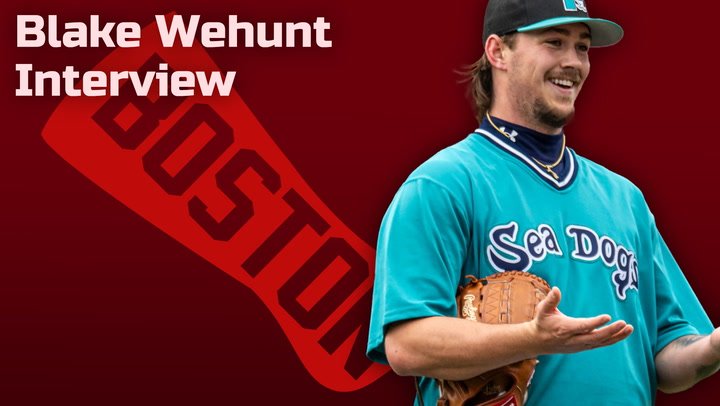 Drafted by the Red Sox in 2023, right-handed pitcher Blake Wehunt spent the 2025 season pitching for the Double-A Portland Sea Dog. He sits down and talks about how it was a surprise to be drafted by the Red Sox, along with the improvements to a cutter he learned in 2024. The pitcher also discusses his enjoyment of hunting and fishing as he gets ready for spring training in roughly two months. View the full article
 -
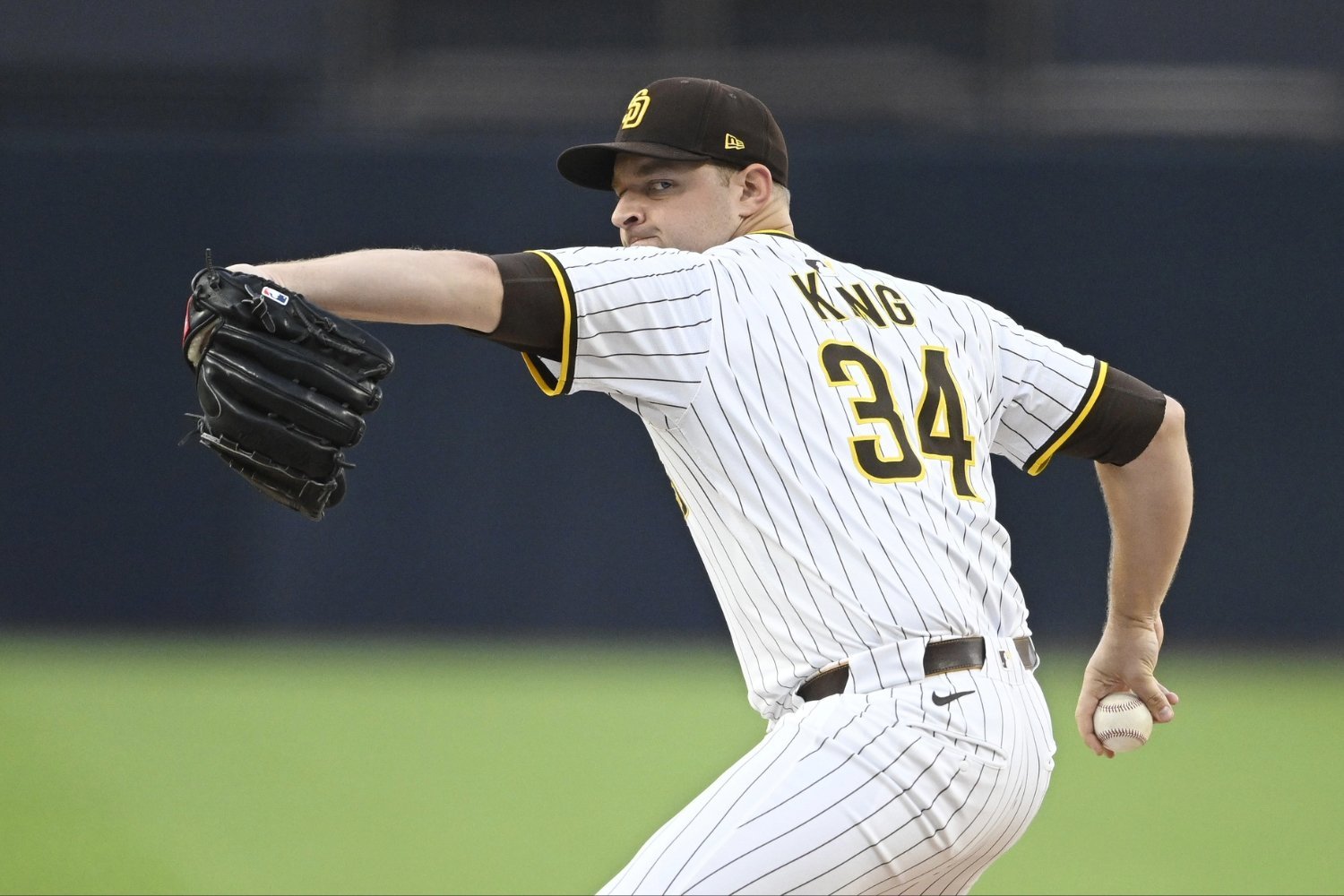 Free-agent starter Michael King seems to have narrowed down his preferred teams to three AL East options. The Boston Globe’s Pete Abraham has noted that King may have limited his finalists to the Boston Red Sox, New York Yankees, and Baltimore Orioles. MassLive.com’s Chris Cotillo has gone a step further and said that King has a ‘strong interest’ in being in Boston since he went to Boston College and is from Rhode Island. King wanting to come back for at least part of the back-half of his career makes sense — he’d be playing somewhere he’s incredibly comfortable. On the surface, King may not look like a perfect fit for the Red Sox since they have traded for both Sonny Gray and Johan Oviedo in recent weeks, but we all know that Craig Breslow always keeps an eye on the pitching market and strives to build a deep pool of pitchers to pull from. Signing King won’t be cheap; ESPN’s Kiley McDaniel predicts the starter will land a three-year, $57 million contract. DiamondCentric, meanwhile, foresees a very similar four-year, $75 million deal. Those are both around $19 million annually and would push the Red Sox up against the CBT tax threshold. We don’t have to go back very far to start to see why King’s injury history could complicate things if he signs with the Red Sox. In 2025 along, he missed 89 games due to inflammation in his right shoulder and left knee. Before that, he missed 57 games with a finger injury in 2021 and 77 combined regular season and playoff games in 2022 due to an elbow fracture that required surgery to repair. You could reasonably say he is constantly flirting with the ‘injury-prone’ tag that every player hopes to avoid. Elbow fractures are freak injuries, but the rest of them are concerning for a pitcher that you’re hoping can take the ball every five days and be successful. On top of his injury history, King isn’t the style of pitcher that Breslow seems to like. He’s not a mountain of a human being and he doesn’t have a ton of extension in his delivery, ranking in the 14th percentile on Baseball Savant. On top of that, he’s a sinker-ball pitcher that doesn’t induce many ground balls. In 2025, he left his sinker up far more than he should have, and it was easier for opposing hitters to knock it around. Admittedly, we’re working with a fairly small sample size, but it should be enough to give Breslow pause for concern. For a guy whose primary fastball is a sinker, a 34th-percentile ground-ball rate is not a figure worth investing into. If King is healthy, and that’s a big if, he has the potential to be a legitimate frontline starter for the Red Sox. That being said, though, he’s arguably not worth the injury risk that comes attached to him. If he were willing to take a one-year, prove-it contract, then interest should be abundant. Insofar as that's unreasonable to ask and he’s wanting multiple years and around $19 million annually, that money would be better spent invested on the offensive side of the ball. The Red Sox have a ton of pitching depth, with top names primed to build on their 2025 seasons. King would offer another veteran presence in a young clubhouse, but he shouldn’t come at the expense of neglecting the most pressing need at the moment: power bats. If King remains a free agent until close to the start of spring training, then the Red Sox should swoop in and try to get him for a bit of hometown discount. If that doesn’t happen, there’s no reason to overextend themselves for a starter that may not leap Gray on the depth chart. View the full article
 -

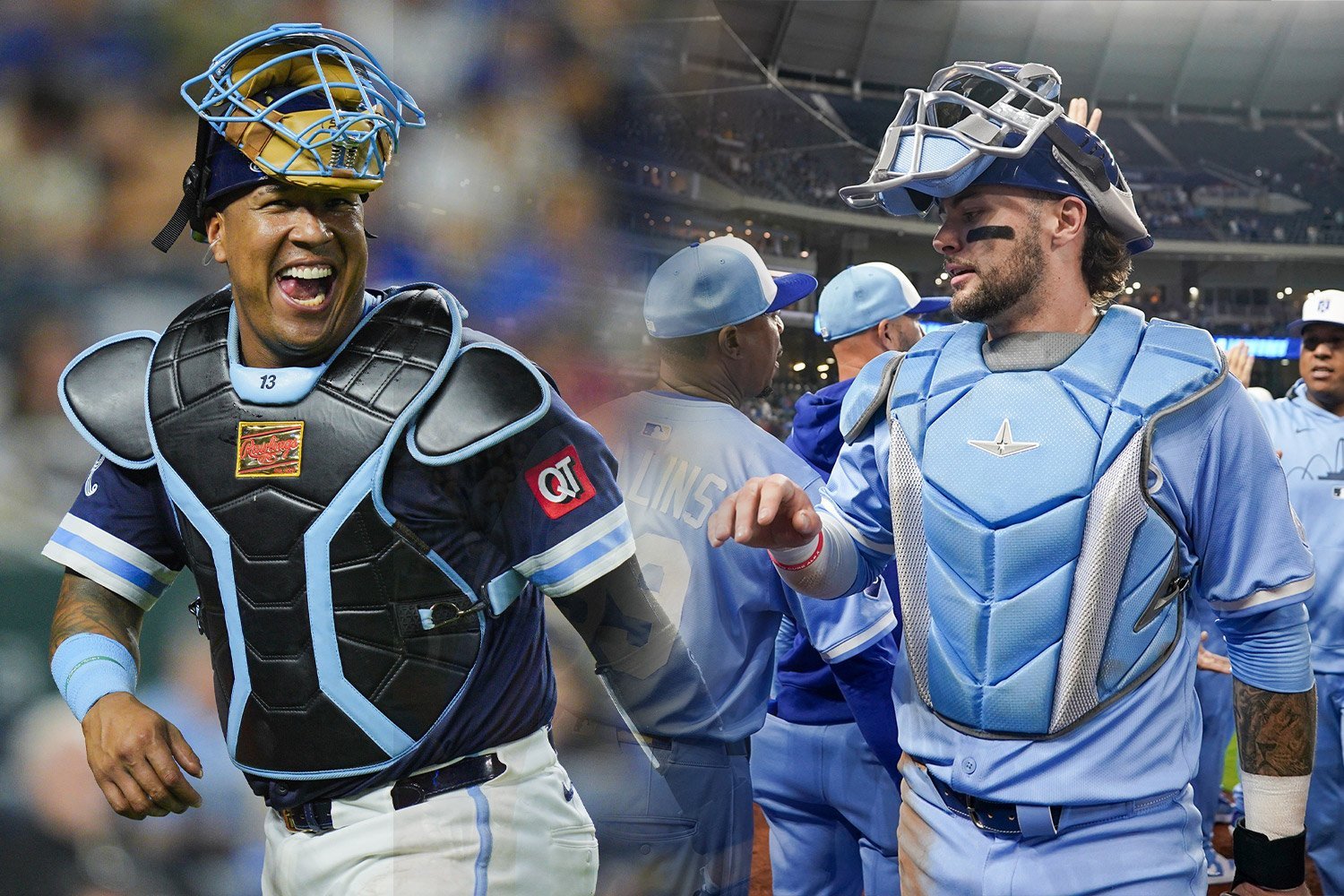 Early in the season, Salvador Perez was effectively splitting time behind the plate with Freddy Fermin. Once Fermin was traded to the Padres at the trade deadline, Perez was forced into starting more often, catching 20 of the 28 games in August with Luke Maile offering some relief. After Carter Jensen joined the roster in September, Perez finally was able to get more time off, only catching 15 of the remaining 25 games of the season, which was still more often than the start of the season but a notable reduction compared to August. From June through the end of the season, there was a clear inverse relationship between how often Perez started as catcher and his offensive production. Entering his age-35 season, Perez can still be a positive contributor on offense, but his time at the catcher position will need to be limited. Entering the season, Carter Jensen is projected to be the only depth at catcher on the MLB roster. While Perez’s innings will need to be limited on defense, Jensen also might not be quite ready to assume a large workload as catcher. What is the ideal balance going to be in 2026? Historically, catchers will often begin to see reduced time behind the plate after age 32, and most catchers will even be retired by age 35. Comparing Perez to his contemporaries, dating back to his age-21 season, he usually outpaces other catchers in usage rate (ages 36+ averages are heavily skewed by Yadier Molina). Father time remains undefeated; the Royals need to be prepared rather than reacting if Perez’s abilities fall off a cliff. Despite his five Gold Glove awards, the Statcast metrics do not flatter Perez. He has been worth -37 catching runs total since 2018, primarily driven by well-below-average pitch framing. His catcher throwing metrics remain good, ranking 8th in caught stealing and above average, with 4 CS. He also ranked 16th out of 70 catchers (minimum 10 caught-stealing attempts) in average pop time. However, the biggest sign of aging in his abilities is his blocking. Last season, his blocking generated -15 blocks above average, 12 worse than his career low. For Carter Jensen’s catching ability, there isn't yet much data. In his 67 innings at the position, he logged zero catching runs and -1 catching runs for blocking. He also caught one baserunner stealing out of 3 attempts. His pop time was the 7th fastest for all catchers who faced at least one stolen base attempt. With a larger sample size, we will be able to determine more about how valuable he truly is on defense. With the addition of the automatic ball-strike challenge system, there will be a whole new metric by which to judge catchers. The catchers will likely be the main players on defense who are responsible for challenging calls, and experience behind the plate will likely matter with these calls. Offensively, Jensen looks to already belong at the MLB level. In his 69 plate appearances with the Royals last season, he slashed .300/.391/.550, good for a .941 OPS and a 159 wRC+. His statcast metrics also ranked highly above average in his small 2025 sample, particularly xwOBA, xBA, xSLG, average exit velocity, barrel %, hard-hit %, launch angle sweet-spot %, and walk rate. He will probably not be able to maintain those rates, but Fangraphs projects him to continue to bat above average, with a wRC+ of 104. The Royals would be more than satisfied if Jensen could meet that projection. With those bullish projections, when he is not starting a game as the catcher, he will be a natural candidate for designated hitter. Going into next season, Perez is still expected to start the majority of games at catcher. Still, the Royals should be mindful of his workload following the 2026 World Baseball Classic, where Perez is captaining the Venezuelan team. Perez's missing time with his national team will give Jensen the opportunity to spend more time directly with the pitching staff and get “first team” reps at catcher during spring training. If Jensen can maintain his quality on offense, manager Matt Quatraro will hopefully feel less hesitant about trusting him in the lineup. At the start of the season, while Perez is reacclimating to the team and resting after the WBC, Jensen could have a tremendous opportunity to claim more starting time. The absolute maximum Perez should catch is a model similar to what the Royals have done in past seasons: Perez catches games one and two, then rests game three of a three-game series. This should probably only be the case when Jensen is slumping. Ideally, at this stage in his career, Perez is starting less than half of the games behind the plate, and given his regression defensively, the Royals would probably benefit from giving him more time off. There will also be plenty of opportunities for Perez to remain in the lineup at designated hitter, as the Royals do not currently have a player as a primary DH. He can also spend time at first base when Vinnie Pasquantino needs rest. Perez is still likely to be a primary contributor in this Royals offense, with a projected wRC+ of 101, 8th-best on the Royals according to FanGraphs Steamer projections. Still, as his knees and body age, he should not spend the majority of his time behind the plate. The Royals will hope to retain his offensive value as long as possible. View the full article
 -
Feinsand: Bo Bichette "Ready, Willing and Able" To Play Second Base
DiamondCentric posted an article in Jays Centre
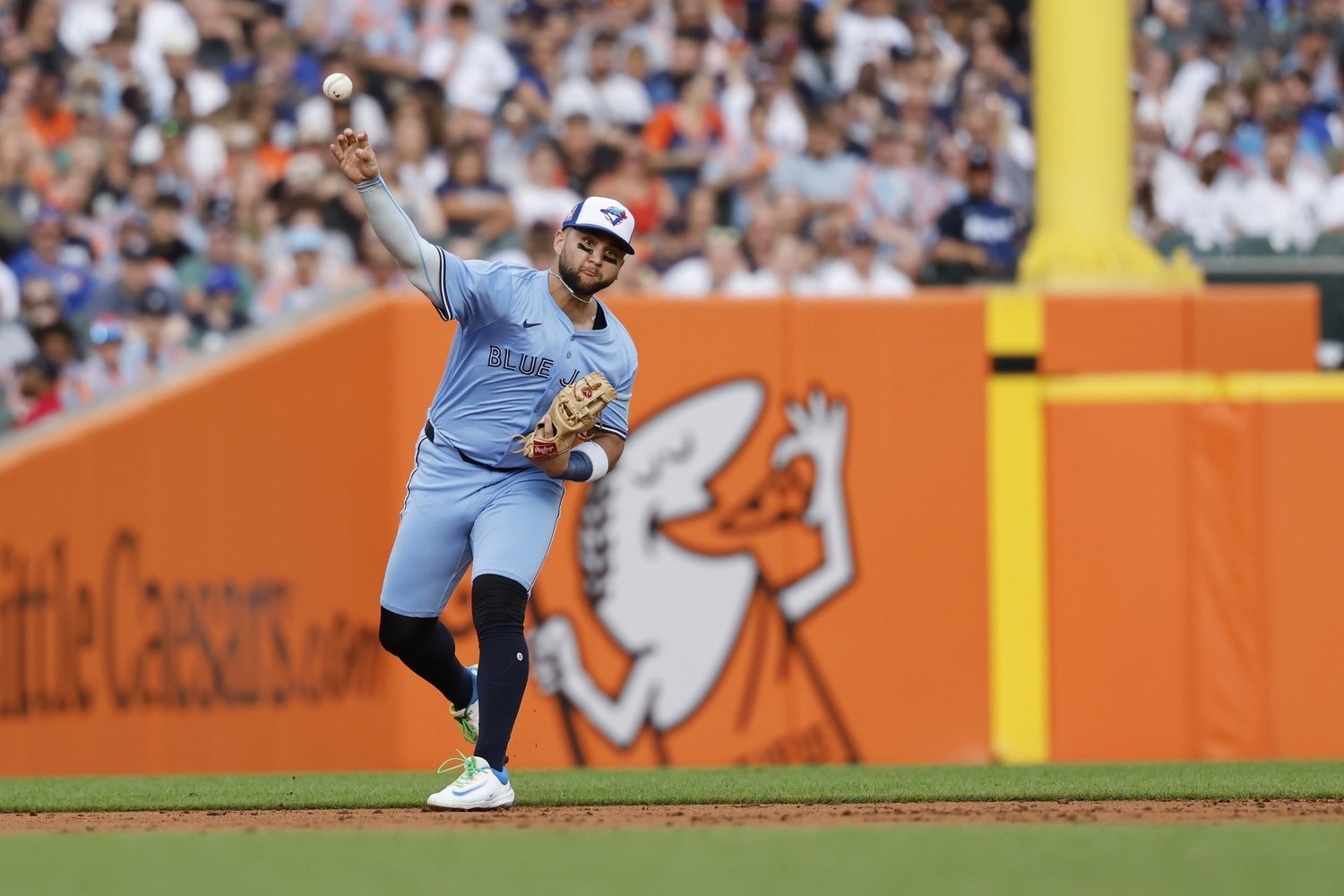 From his debut in 2019 until his triumphant return for the 2025 World Series, Bo Bichette had never played anywhere other than shortstop in his major league career. However, after he played a handful of games at second base in the Fall Classic, it seems there might be more of the keystone in his future. Earlier today, Mark Feinsand of MLB.com reported that Bichette has informed teams that he is, in Feinsand's words, "ready, willing and able" to make the move to second full-time. Defense has never been Bichette's strong suit, and it doesn't come as any surprise that some (or perhaps even most) of his potential suitors would prefer that he change positions. What's more noteworthy is that Bichette is prepared to make that change. Ross Atkins suggested earlier this winter that, if playing shortstop were a sticking point for Bichette, it would not deter the Blue Jays from re-signing him. Still, this is a significant development for Toronto. On the one hand, Bichette's preparedness to switch positions can only drive up his price. On the other hand, it might be good news for the Jays if they were hoping to play Andrés Giménez at shortstop full-time in 2026 and beyond. Featured image courtesy of Rick Osentoski, Imagn Images. View the full article
 -
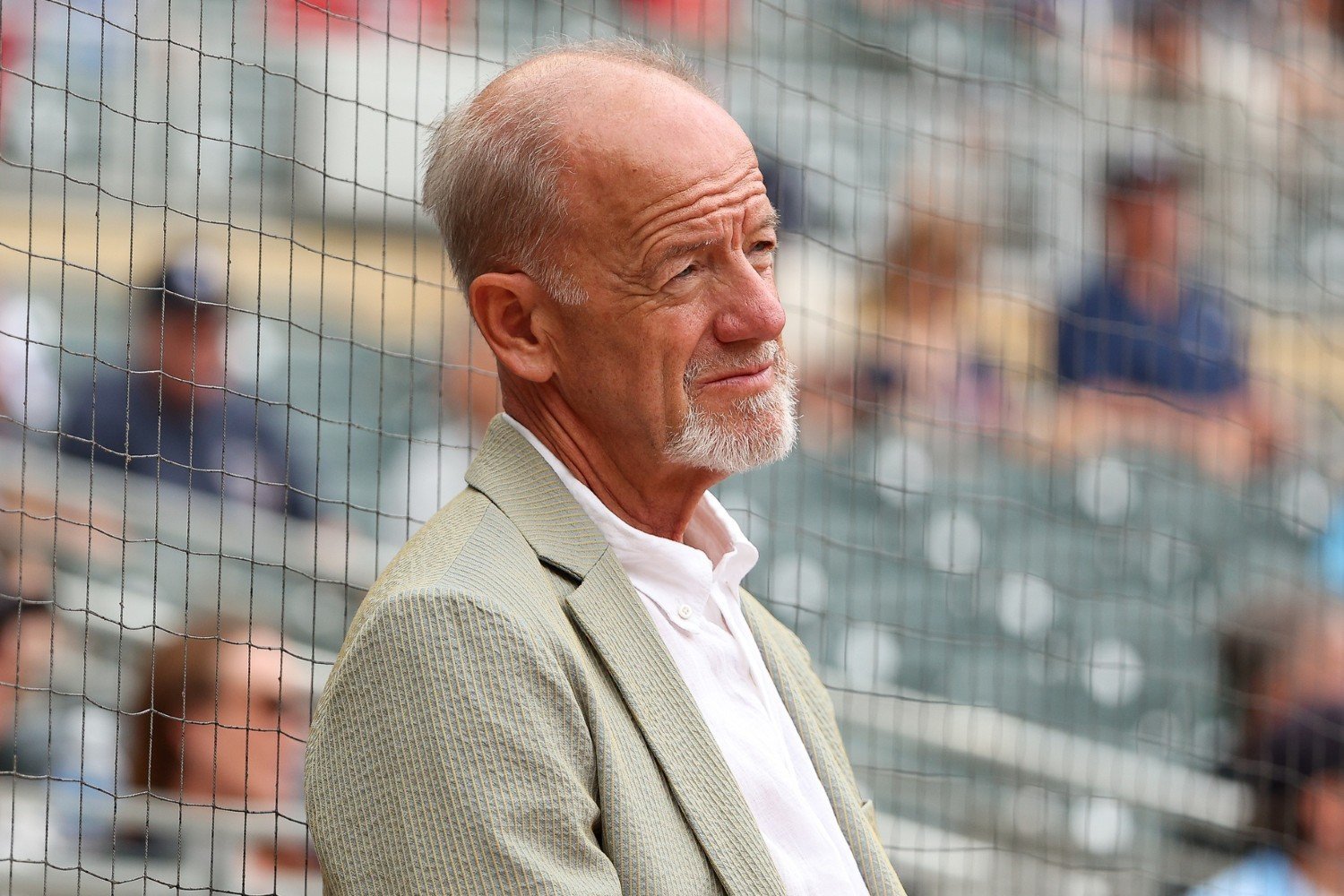 The Minnesota Twins still belong to the Pohlad family, but things are about to be very different than they've been in the past. It's much too soon to guess whether the changes will be for good or ill, but the fact that something big has changed was clear Wednesday afternoon at Target Field. Henceforth, the day-to-day operations of the team will pass from Joe Pohlad to his brother Tom, and once he's approved by MLB (likely to happen in February, Pohlad said), he will also become the official control person for the team, taking over from the brothers' uncle, Jim. This is a major consolidation of power. As Tom outlined on Wednesday, for much of the last few years, there have been three Pohlads with major roles within the team: Joe, Jim, and himself. (Tom entered the picture mostly as the person in charge of the hoped-for transaction, when the family decided to sell the team 14 months ago.) Going forward, there will be just one. "Yes," Pohlad said, when asked if he would be the only family member involved with the club. "I mean other than the advisory board, the family members that will sit on that, yes." In other words, Joe Pohlad is entirely moving out of the picture. Tom set the tone of the press conference held in the home clubhouse Wednesday with his opening statement, by characterizing the occasion as “in many ways an exciting day for this organization and for myself and for my family, and in many ways, an emotionally difficult day". Tom's control of the team comes after a month-long, family-wide deliberation the new owner repeatedly described as "difficult" and even painful. Was Joe on board with the transition, when the subject was first broached? "Joe was not on board with this at first. And he’s on board now," Tom said, when directly asked as much. "He understands. But, listen, I’ll go back to what I said at the beginning. He was the leader of this organization, he’s been here for 19 years. And as difficult as this is for me to say, all he’s ever wanted was to be a part of this organization and to lead it and to help this franchise win a world championship. Things change. We had to make a decision as a family. He understands." In short, the Pohlads felt they were failing in their stewardship of the franchise, and Joe Pohlad was identified as at least part of the reason. As Tom spoke, it became clear that the timing of this ownership transition being finalized and the leadership of the franchise passing from one brother to the other was not a coincidence. "This decision to make a transition within our family has been extremely difficult. It’s been hard on the relationship between Joe and myself," he said. "It’s been especially hard on my dad and my two uncles, and this is not the type of thing that we envisioned as we started to go from one generation to the next and continue on our family business and continue on the stewardship of the Twins. But ultimately it was what we think was in the best interest of this organization, of our fan base, and of our new partners." We've seen recent cases of other MLB clubs erupting into internecine warfare during transitions like these. The Padres are mired in a squabble between family members right now. The Dodgers went through an even uglier version of that under their previous owners, Frank and Jamie McCourt. Smaller but more public and more obviously raw rows have broken out in several ownership suites throughout the league, where family and generational ownership is common but family members with diverging interests is equally so. The family has successfully presented a quiet, fairly stoic picture of this change in direction, but Pohlad's words and tone Wednesday gave away the game: he is the winner of a Minnesota Nice spin on 'Succession'. Though the same surname is on the ownership group, this is not a cash transaction just to bail the family out of trouble. It's a wholesale change of organizational control. And there are hurt feelings behind it. The family's control of the ownership advisory board will be diluted, as new partners Craig Leipold, George Hicks and the Glick family each gain representation there. That doesn't mean that those parties will take any meaningful measure of control over the team, and Tom Pohlad said Wednesday that none of those involved were interested in a controlling stake. Clearly, though, their investments were contingent on some changes that would help the team do what they believe it can do in the future: make more money. "They believe there is an opportunity to improve the business of the Minnesota Twins," Pohlad said, in characterizing the interest each of their new partners had. "That there is revenue opportunities to grow revenue here, and that comes from reengaging our fans and winning more baseball games." It's clear that some members of the family felt Joe and the rest of the leadership group then in place squandered opportunities for the club to be healthier and more profitable. Tom intends an activist and much more change-oriented approach to his new role than what the family has traditionally taken. "My role, I think I'm going to play, if the question is, 'Are you going to be a passive owner or an active owner?' I'd say that I'm going to be an active owner," he said. "I'd say that's what this organization needs right now." Now, get ready for something you've really never heard from the Pohlads before. "We’ve got to figure out what’s keeping us from having more consistent success than we’ve had in the past," Tom said, "and I think the rub, if you will, on the organization, historically speaking, is there’s a feeling which I might share that we continue to run the same playbook over and over, thinking for a different result. The accountability factor is saying, if something doesn’t go right, if we don’t meet expectations, what are we going to do differently and then go out and do something differently.” The nephew of Jim and grandson of Carl pretty plainly disagrees with the way they've run the franchise for almost half a century. No team in baseball undertakes leadership transitions less often than the Twins. Even mid-level jobs there have traditionally had far, far more security than anywhere else in baseball. By the sound of things, that era is over. "Half-measures are not good, and you’ll probably get to know me over time: I’m not a half-measure guy," Pohlad said. "I’m a ‘go big or go home’ guy." Having elbowed his own brother out of the way in a fairly muscular takeover of his own family's flagship business, Pohlad might now find it harder to go home. He's stepping away from all other roles within the family business to focus on this one. He's going big. That might not translate into enough spending for many fans' taste, and it might backfire on Tom Pohlad and all his relations. For those who feared that the would-be sale of the team had come to nothing but a procedural move and some debt relief, though, Wednesday sent a clear message: This is something bigger. View the full article
 -
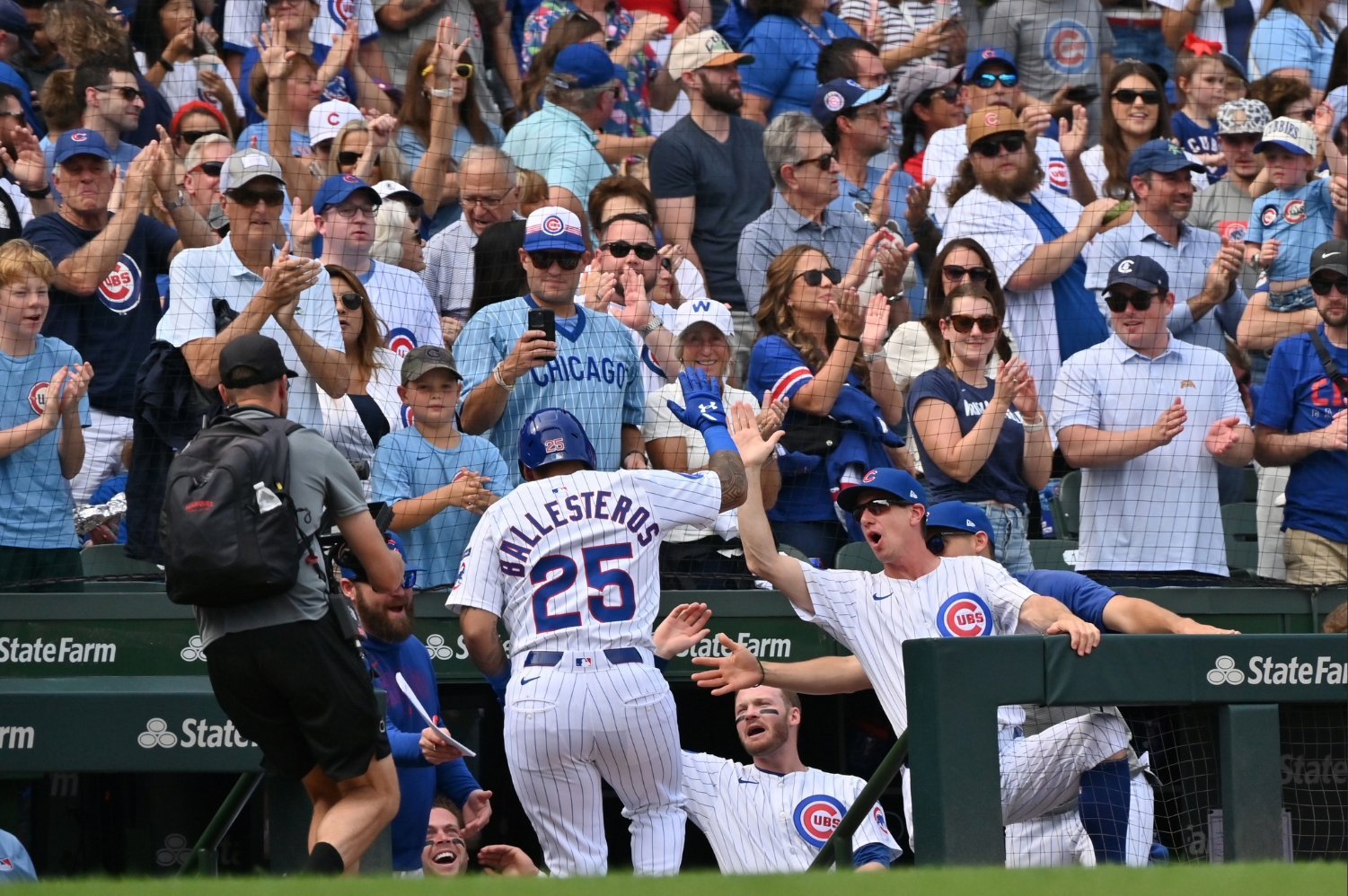 In many ways, we know what shape the 2026 Chicago Cubs will take on the positional side. While there's still a bench to sort, the catchers, the infield, and two-thirds of the outfield are settled. That's seven spots in the lineup that are largely set in December, barring an impact addition or subtraction (which would be a shock given how Jed Hoyer & co. typically operate). There's still the matter of right field to be sorted, and how things shake out between Seiya Suzuki and Owen Caissie should have some bearing on the designated hitter spot. It's this portion of the equation where we start to wonder about what role Moisés Ballesteros will serve for next year's group. Given the departure of Kyle Tucker and Ballesteros' performance down the stretch for the 2025 Cubs, there's an assumption that exists that he'll factor in heavily as the team's designated hitter. On paper, there's plenty of logic to it. After carrying a .316/.385/.473 line and 121 wRC+ in Iowa, Ballesteros was called up permanently in September, appearing in 14 games and landing as an extra bat on the postseason roster. He finished his first 20 big league games (which also included five games in May and one in July) with a .298/.394/.474 line, a 143 wRC+, and strikeout (18.2 K%) and walk rates (13.6 BB%) that matched up well with one another. His approach and contact ability were on full display, leaving the Cubs with an admirable skill set in a lineup that needs every bit of consistency it can find. The aforementioned departure of Tucker lends itself to a roster shuffle that should, in theory, land Ballesteros the gig as the top option at DH. But theory will get you only so far. Craig Counsell likes a bit of flexibility out of his DH. Suzuki might've been the team's primary option in that role last year, but injuries necessitated plenty of time for him all across the outfield grass. He was hardly a full-time DH in the way that one might have expected through the combination of Tucker's arrival and Pete Crow-Armstrong's breakout. Ballesteros assuming the role would change the calculus in that spot entirely. At present, Moisés Ballesteros is a man without a position. The Cubs are not inclined to let him catch, with questions long persisting about his ability to handle the defensive nuance of the position. With Carson Kelly and Miguel Amaya each set to return, it's likely that the team goes the Reese McGuire route and stashes a defensive catcher as depth in Iowa until needed. If they had any intention of letting Ballesteros catch, we likely would've seen it for more than six innings of a single game throughout his stretch on the roster in September. And while the Cubs got him a bit of time at first base at the very end, it's unlikely he'll assume a role there (other than a legitimate off day or injury to Michael Busch). In Busch, the Cubs employ a full-time first baseman with upper-tier offensive upside. The only supplement he'll see if of the right-handed variety, though it stands to reason that he'll also see additional time against southpaws in 2026. That Ballesteros is also a lefty essentially eliminates any shot there. Which means that the outcome in right field is going to directly correspond with the space with which Ballesteros will have to operate. Let's assume, for a moment, that Suzuki gets his time back on the grass as the full-time right fielder. In that case, are the Cubs going to be content to rotate Owen Caissie through left, right, and the DH spot depending on the day? Or would that not offer up enough of a timeshare to justify his place on the roster in favor of a yet-to-be-signed veteran backup? Such a scenario lands Caissie back in Iowa (operating under the safe assumption that he's not included in a trade for an upper-tier starting pitcher before then). In that case, then you likely have the ability to let Ballesteros ply his trade as the everyday designated hitter. But what if Caissie forces the collective hand of the brass with a strong showing in the spring? His presence on the roster would unlock far more flexibility in both providing breaks for the other outfielders and ensuring you don't have to rely on Suzuki's glove on a daily basis. On paper, having Caissie on the roster serves the group more effectively than Ballesteros might considering the more dynamic opportunities available via his presence. Of course, the possibility exists that both are on the roster. It's a tough sell, however; a pair of left-handed bats, one pinned exclusively to the outfield and another without a firm position, really tamp down on Counsell's job to operate as effectively as he may prefer. If there's any indication of where things may stand at present, perhaps we can turn to a couple of key outlets for some insight. FanGraphs currently projects Caissie to occupy seven percent of the timeshare in left field, 20 percent in right, and 20 percent as the designated hitter. Ballesteros, meanwhile, projects for 44 percent of the time as the DH, four percent behind the plate, and nine percent at first base. In terms of playing time, the score is 1-0 Ballesteros, it would seem. Baseball Prospectus has something similar on their depth charts. Caissie is projected for 10 percent of the time in left, 25 percent of the time in right, and 20 percent as the DH. Ballesteros is projected for five percent of the plate appearances at each of catcher and first base, with 40 percent of the time sent his way as the DH. Prospectus lines up a bit more favorably for Caissie than it does for Ballesteros. Which means that even the roster prognosticators are working within the same muddled framework alongside the general public. The wide assumption from both is that Suzuki will grab the majority of the time in right field, with the other two factoring in in a more supplemental fashion as far as playing time distribution goes. While neither FanGraphs or Prospectus are particularly revealing of how things could shake out, it does speak to the idea that there may only be room on the roster for one at a time. The good news is that it's only December and there's time for the roster to be sorted. We don't yet know how that'll transpire, but there should be at least one notable positional addition to the roster for some extra depth. That addition should go a long way toward indicating whether it'll be Ballesteros or Caissie with the first crack at a regular role for the Cubs in 2026. View the full article
 -
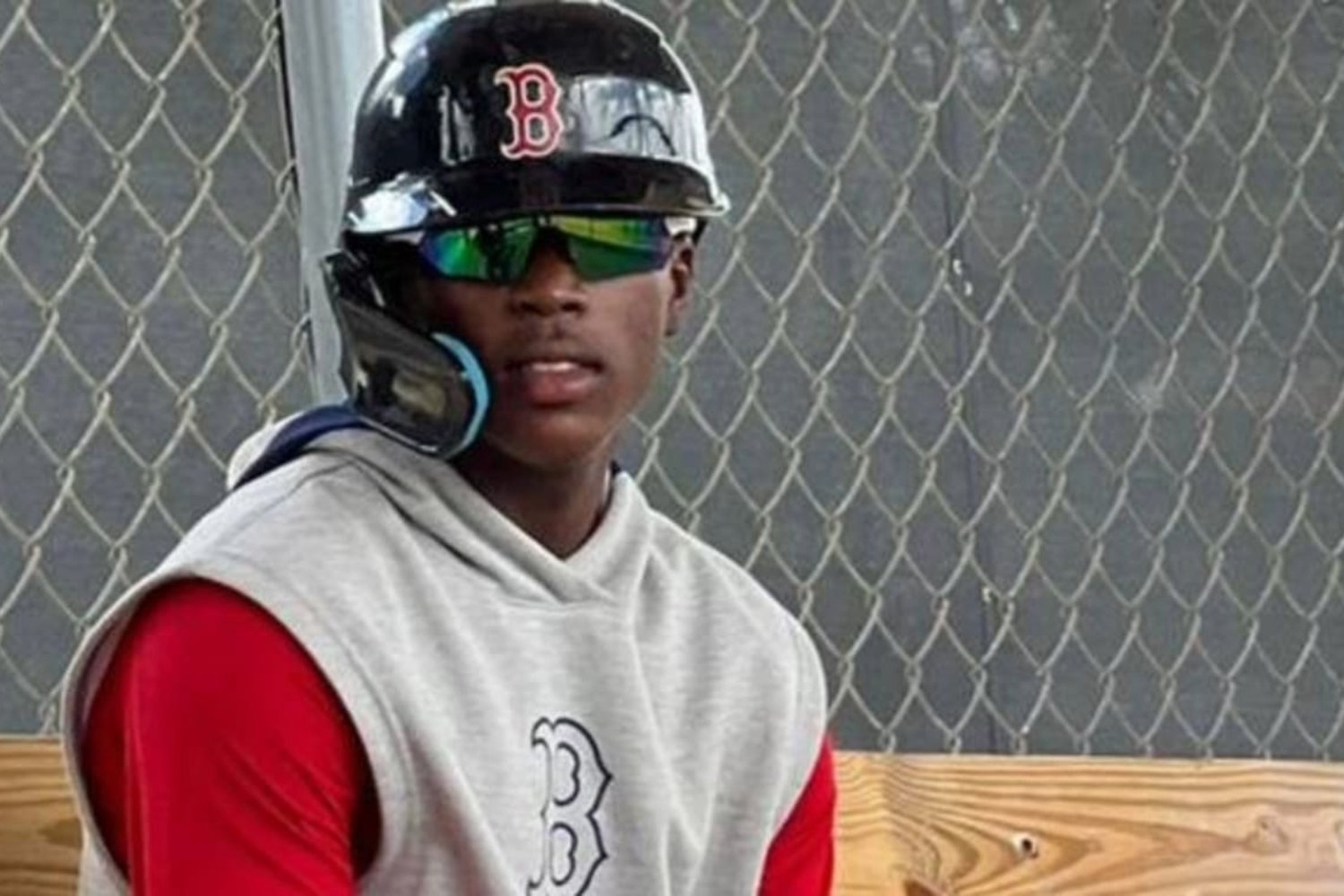 Every year, MLB teams look toward the international free agent market in the hopes of finding young prospects with high ceilings to sign and develop. The Boston Red Sox are just like every other team, and in their pursuit of potential high-end talent, have signed various prospects who are currently generating lots of prospect hype. In 2023, they signed Yoeilin Cespedes and Franklin Arias, while 2024 brought Justin Gonzales into the system. This year's IFA market continued the team's trend of signing high-potential players, as the Red Sox gave their highest signing bonus to shortstop Dorian Soto. The 17-year-old (who won’t turn 18 until mid-February) signed with the Red Sox on January 15, agreeing to a $1.4 million signing bonus. Soto would go on to play for the Red Sox Dominican Summer League team, exciting many around the baseball world. But why? Soto currently is listed at 6-foot-3 and 185 pounds and still has an extremely projectable frame. During the 2025 season, he mostly played shortstop, but the young infielder also saw time at third base and a little at second base, as it is likely he will be moved off of shortstop as he continues to grow. While nothing is certain about his future defensive home, it isn’t often that large players remain at shortstop. With solid actions and soft hands, he handles the position well despite committing seven errors in just 117 defensive chances. Offensively, Soto showed why the Red Sox sought him out as their top signing of the 2025 class. With his size, he's already showed raw power that is advanced for his age despite hitting only two home runs during the season. He is still filling out, and he has the frame to add power to his game once he physically matures. It is believed that he is bigger than currently listed, though that won’t be confirmed until next season begins. For now, where Soto really stands out is with his hit tool. A switch-hitter, the teenager already shows solid bat speed and has strong barrel control for a player of his age. He appears to have a strong understanding of the strike zone as shown by his 16 walks in just 47 games. Soto’s swing can sometimes be long, but it has already resulted in a max exit velocity of 112 mph. Soto did suffer a wrist injury that limited his ability to switch-hit this year, and because of that. he’s more advanced from the left side of the plate (though his numbers as a right-handed batter were still good). Soto can be aggressive towards pitches in the strike zone but thanks to his strong contact skills, he managed to hold his strikeout rate to 15.1%. In 2025, Soto wound up hitting .307/.362/.428 with 10 doubles, two triples, two home runs and 18 RBIs across 47 games played. From the left side, he slashed .311/.372/.432; from the right side, he hit .294/.324/.412. Scouts believe that, despite being more advanced as a left-handed hitter, Soto exhibits good baseline traits from both sides and the baseball IQ to improve his swing. Soto will play stateside in 2026 and with his well-reviewed work ethic, it is very likely he could follow in Gonzales’ footsteps of having a short stint in the Florida Complex League before seeing Low-A Salem in 2026. At this moment in time, Soto is ranked as Talk Sox’s 10th-best prospect, but that number should change in 2026. The young infielder could very well be a special player that Red Sox fans will enjoy watching as he grows and moves through the system the next few seasons. View the full article
 -
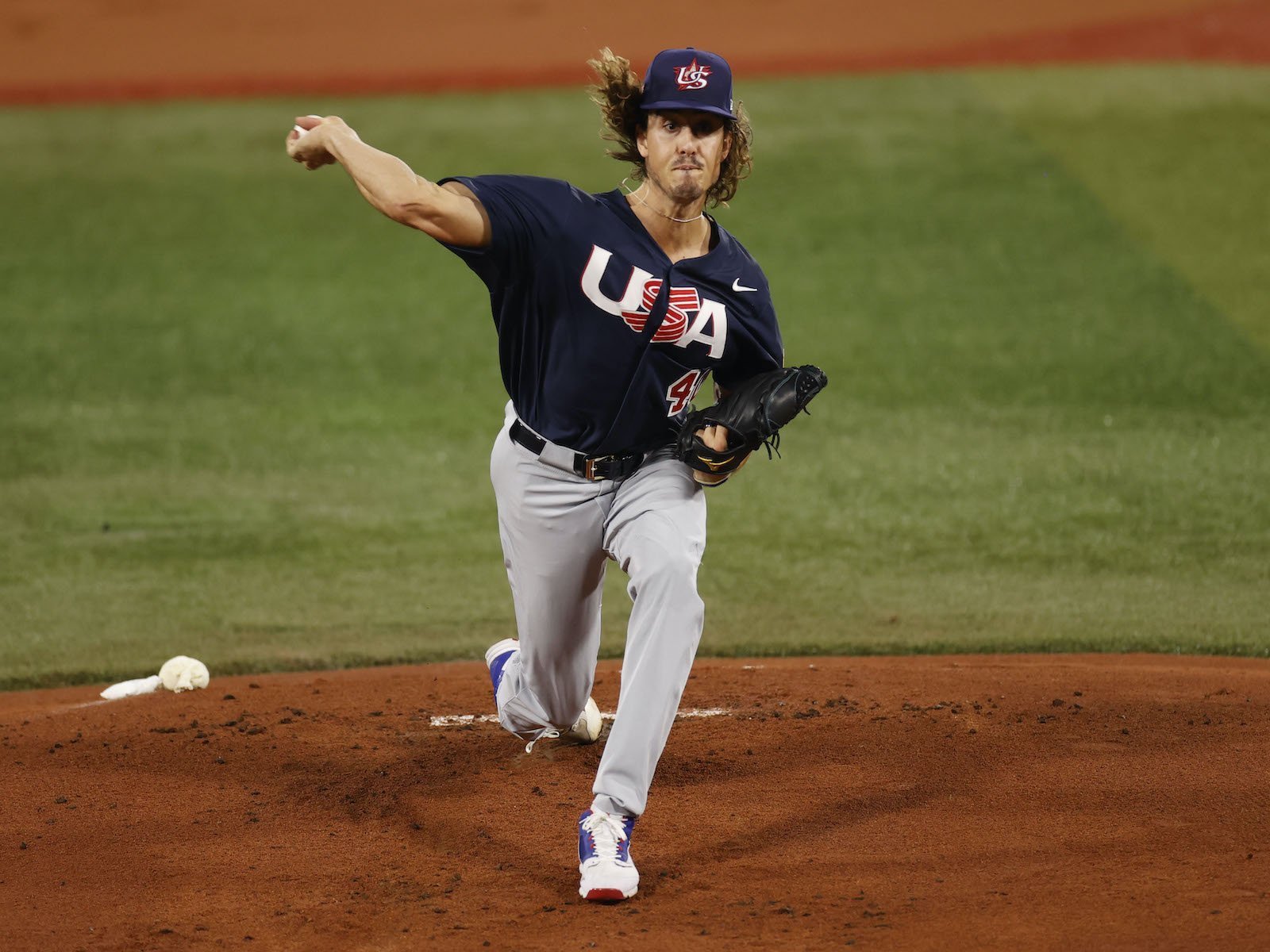 Joe Ryan is headed back to the international stage. The Minnesota Twins right hander will pitch for Team USA in the 2026 World Baseball Classic, continuing a growing résumé that already includes Olympic experience and a rising profile within Major League Baseball. This will not be Ryan’s first time wearing the red white and blue. He previously represented Team USA at the 2020 Olympics in Tokyo, which were ultimately held in 2021 due to the pandemic. That trip came at a memorable point in his career. Ryan was still a member of the Rays organization when the Games began, and he was in Japan when the Twins acquired him in a deadline deal that sent Nelson Cruz to Tampa Bay. By the time Ryan returned stateside, he belonged to a new organization and was on the doorstep of the big leagues. Five years later, Ryan is no longer a prospect getting his first taste of the majors. He is an established member of the Twins rotation and one of the more recognizable arms in the American League. His selection for Team USA reflects that progression and also highlights the trust both the national team and the Twins have in his preparation. The 2026 World Baseball Classic is scheduled to run from March 5 through March 17 and will feature 20 teams competing across four host cities. Pool play will take place in Miami, Houston, San Juan, and Tokyo. The quarterfinals will then be split between Miami and Houston before the tournament returns to Miami for the semifinals and championship round. It will mark the sixth edition of the event, with Japan entering as the defending champions after winning the 2023 tournament. For Ryan to participate, the Twins must sign off on his involvement, which suggests confidence in his offseason program and overall workload heading into the 2026 season. That decision carries some added context. Ryan was a first time All Star last season after a dominant first half, but he ran into challenges as the year wore on and his performance dipped in the later months. Allowing him to pitch in meaningful games during March indicates the organization believes he can handle the ramp up and benefit from the competitive environment. Ryan is not the only Twin expected to be part of Team USA. Byron Buxton has also been connected to the roster, potentially giving Minnesota multiple representatives on a high profile international stage. For Ryan, the opportunity is both familiar and new, another chance to pitch in pressure situations while adding to a career that has already taken some unexpected and memorable turns. View the full article
 -
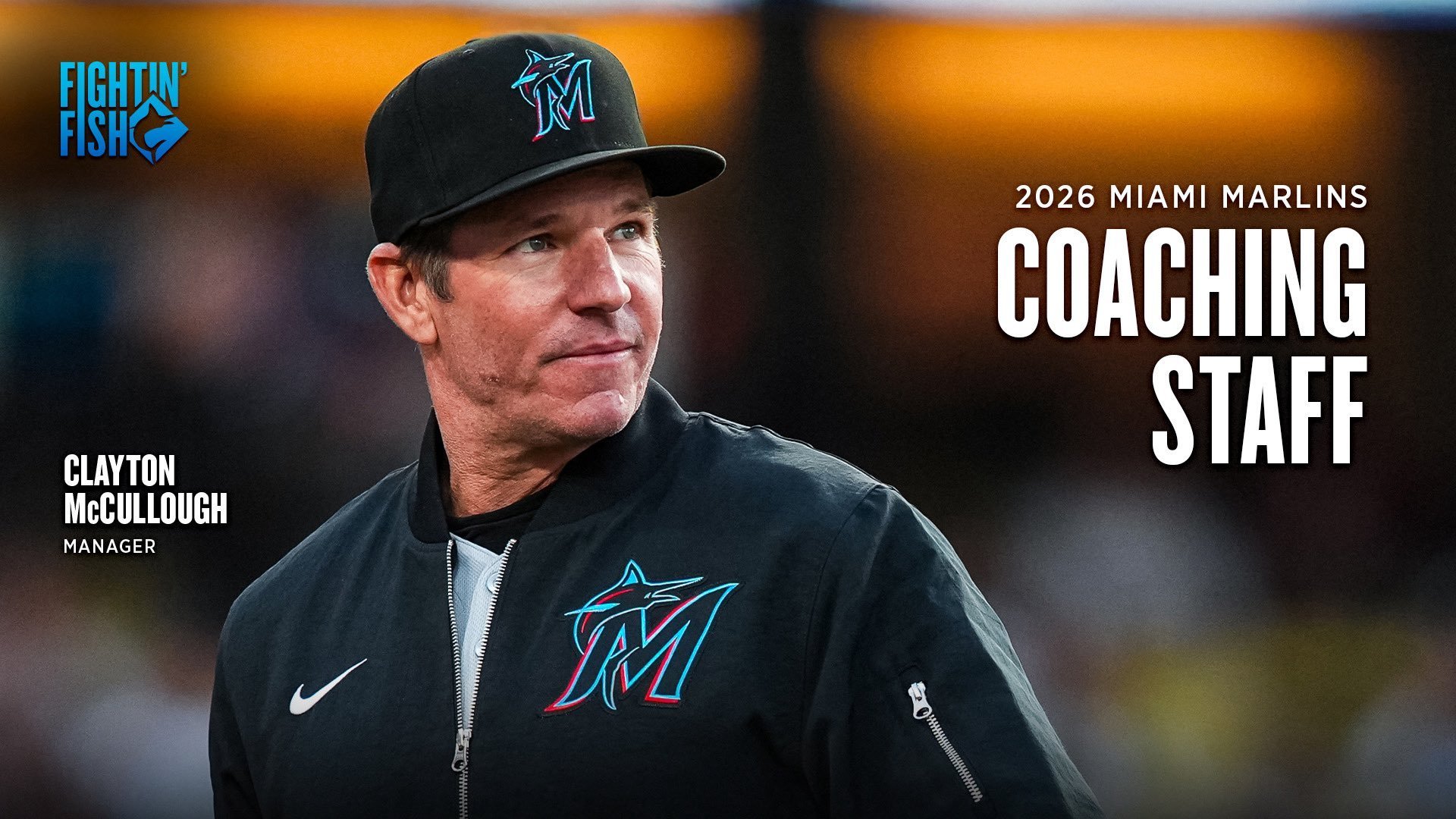 On Tuesday, the Miami Marlins announced their full major league coaching staff for the 2026 season. Four coaches from the previous season have departed the organization after receiving promotions from other MLB teams—Derek Shomon (Chicago White Sox), Joe Singley (Baltimore Orioles), Tyler Smarslok (Washington Nationals) and Alon Leichman (Colorado Rockies). To fill their shoes, manager Clayton McCullough has added Blake Butler, Craig Driver, Corbin Day, Chris Hess and Rob Marcello. Here are notes about each of the newcomers and what their job responsibilities will be in Miami. Blake Butler, infield coach Previously with the Pittsburgh Pirates organization, Butler began his coaching career in 2020. During his six-year stretch in the organization, he led High-A Greensboro to consecutive playoff appearances as a minor league manager (2024-25), including an 88-43 record last season. Butler is also a former player who selected in the 2015 MLB Draft by the Cincinnati Reds and made it to the High-A level as a utility guy. Butler is partially replacing Smarslok, who handled infield and baserunning instruction last year while also serving as first base coach. Corbin Day, assistant hitting coach Day spent the 2025 season with the Minnesota Twins organization . His most recent role was as an advanced scout for run production. Prior to that, he was in the Twins minor league system as the hitting coach for High-A Cedar Rapids in 2023 and Double-A Wichita in 2024. During his High-A stint, the Kernels led the Midwest League in triples (41), homers (137), runs (694), walks (634), on-base percentage (.340) and OPS (.738). Craig Driver, first base coach and catching instructor Driver comes from the Los Angeles Dodgers organization where he overlapped with current Clayton McCullough in 2024. Before that, he spent four seasons with the Chicago Cubs (2020-23), working as a first base and catching coach while also doing game strategy. Prior to his time with the Cubs, he was the bullpen catcher for the Philadelphia Phillies during the 2018-19 seasons, overlapping with Marlins general manager Gabe Kapler, who was the Phillies manager back then. As Joe Singley's successor, Driver has a big job ahead of him overseeing the defensive development of Marlins youngsters Joe Mack, Agustín Ramírez and Liam Hicks. Chris Hess, assistant hitting coach A former New York Yankees farmhand who spent three seasons with the organization after being selected in the 2017 MLB Draft, Hess began his coaching career at the University of Rhode Island. He switched to the professional side with the Boston Red Sox in 2021. He worked his way up to Double-A hitting coach before being hired by the Marlins. Hess and Day will combine to handle the duties that previously belonged to Shomon. Rob Marcello, assistant pitching coach Unlike the names above, Marcello has been promoted from within. He spent the 2025 season as pitching coach of the Jacksonville Jumbo Shrimp, who won the International League Championship and Triple-A National Championship. That means he has directly worked with many members of the current Marlins pitching staff as well as top prospects who are projected to debut next year, including Thomas White, Robby Snelling and Josh White. Outgoing assistant pitching coach Alon Leichman was responsible for relaying signs to the catcher when the Marlins decided to call pitches from the dugout at the major league level. We haven't received confirmation yet on whether Marcello will be doing that in 2026, but he's fully familiar with the process because it was implemented across all Marlins MiLB affiliates. View the full article
 -
Twins Officially Announce Additions to Team’s Ownership Group
DiamondCentric posted an article in Twins Daily
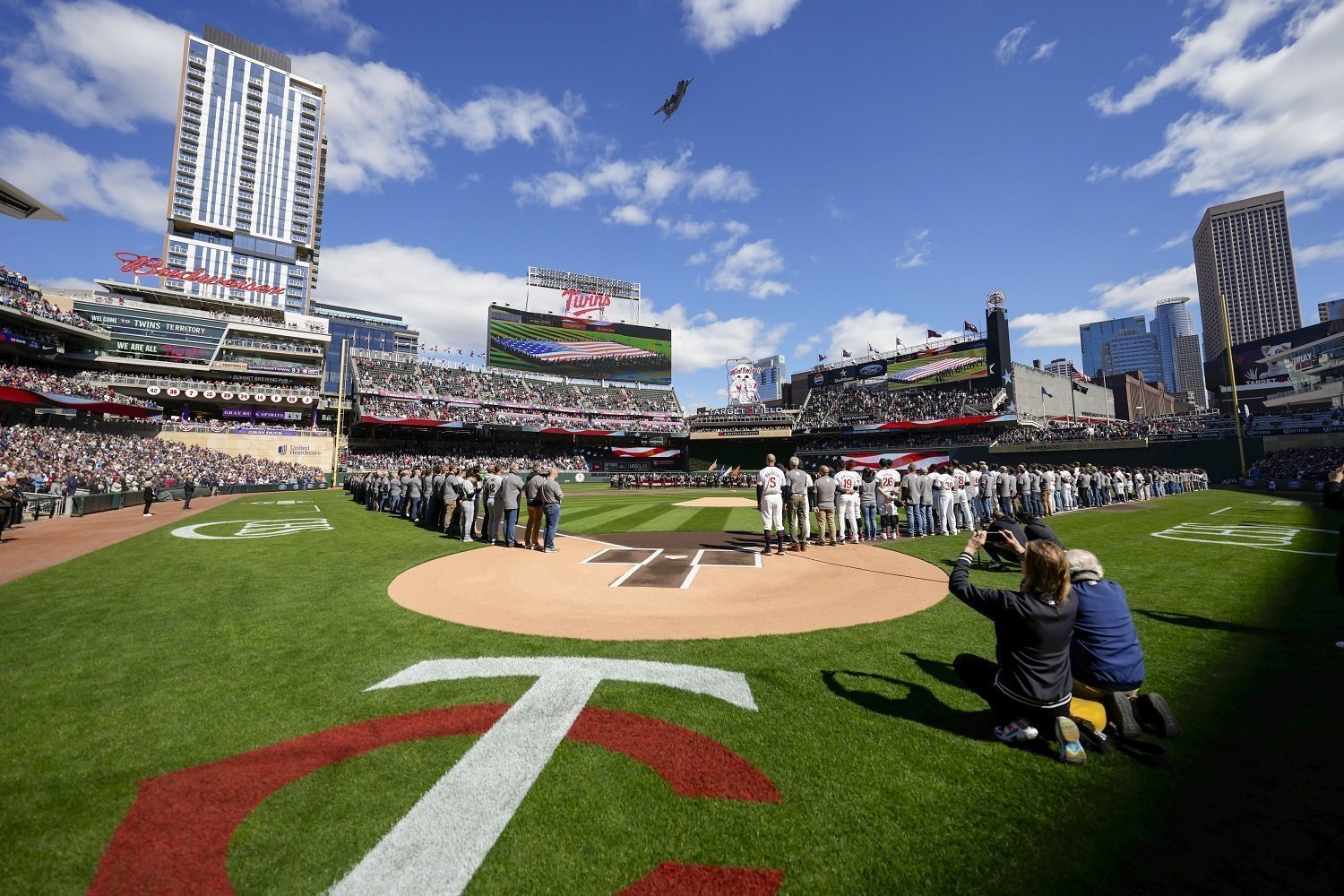 Four months after publicly backing away from a full sale of the franchise, the Minnesota Twins have taken a significant step toward financial and organizational stability. On Wednesday, the club announced the addition of several new limited partners, all while the Pohlad family maintains controlling interest and responsibility for day-to-day operations. The new ownership additions include Minnesota Wild owner Craig Leipold, New York-based Glick Family Investments, and Minnesota native George G. Hicks, founder of global investment firm Värde Partners. Major League Baseball has approved the transaction, which brings in minority investors with extensive experience across business, sports, and entertainment. The Twins emphasized that the Pohlad family remains firmly in charge, a key distinction after a turbulent year that included payroll cuts, public backlash, and an aborted attempt to sell the team outright. This move instead reflects a middle ground, adding capital and stability without fully relinquishing control. “As a lifelong Twins fan, I am honored and excited to join the Pohlad family as a steward of this beloved franchise,” said Hicks. “Like many in the state, some of my favorite memories are of times spent watching and cheering for the Twins. The leaders I represent share these values and recognize the importance of Twins baseball to our communities. This is the opportunity of a lifetime and one we view as a true privilege and responsibility.” Alongside the ownership announcement, the Twins also revealed a notable shift in leadership structure. Tom Pohlad will succeed his brother Joe in overseeing the organization and will replace his uncle Jim as the franchise’s primary liaison to Major League Baseball. “It is a profound honor to have the opportunity to continue a legacy that has been part of my family — and this community — for the past 40 years,” Tom Pohlad said. “My uncle and my brother have led this organization with integrity, dedication, and a genuine love for the game. As I assume my new role, I do so with great respect for our history and a clear focus on the future — one defined by accountability and stewardship in our relentless pursuit of a championship.” Joe Pohlad will step away from his day-to-day role, but remain involved as an advocate for the organization and its employees. “It has been one of the greatest responsibilities and privileges of my life to work alongside the people in this organization and to serve our fans,” Joe Pohlad said. “As we begin this next chapter in our ownership of the Twins, I will be stepping away from my day-to-day role. I will continue to champion our employees and Twins Territory as our organization moves forward.” Taken together, the additions of limited partners and the reshuffling of leadership suggest a franchise attempting to reset its footing. While this does not represent the clean break some fans expected when a sale was first floated, it does signal renewed commitment and a clearer organizational direction. For a team searching for stability after two bruising years, that alone may be a meaningful step forward. View the full article
 -
Untangling the Uncertainty Around the Blue Jays’ Starting Rotation
DiamondCentric posted an article in Jays Centre
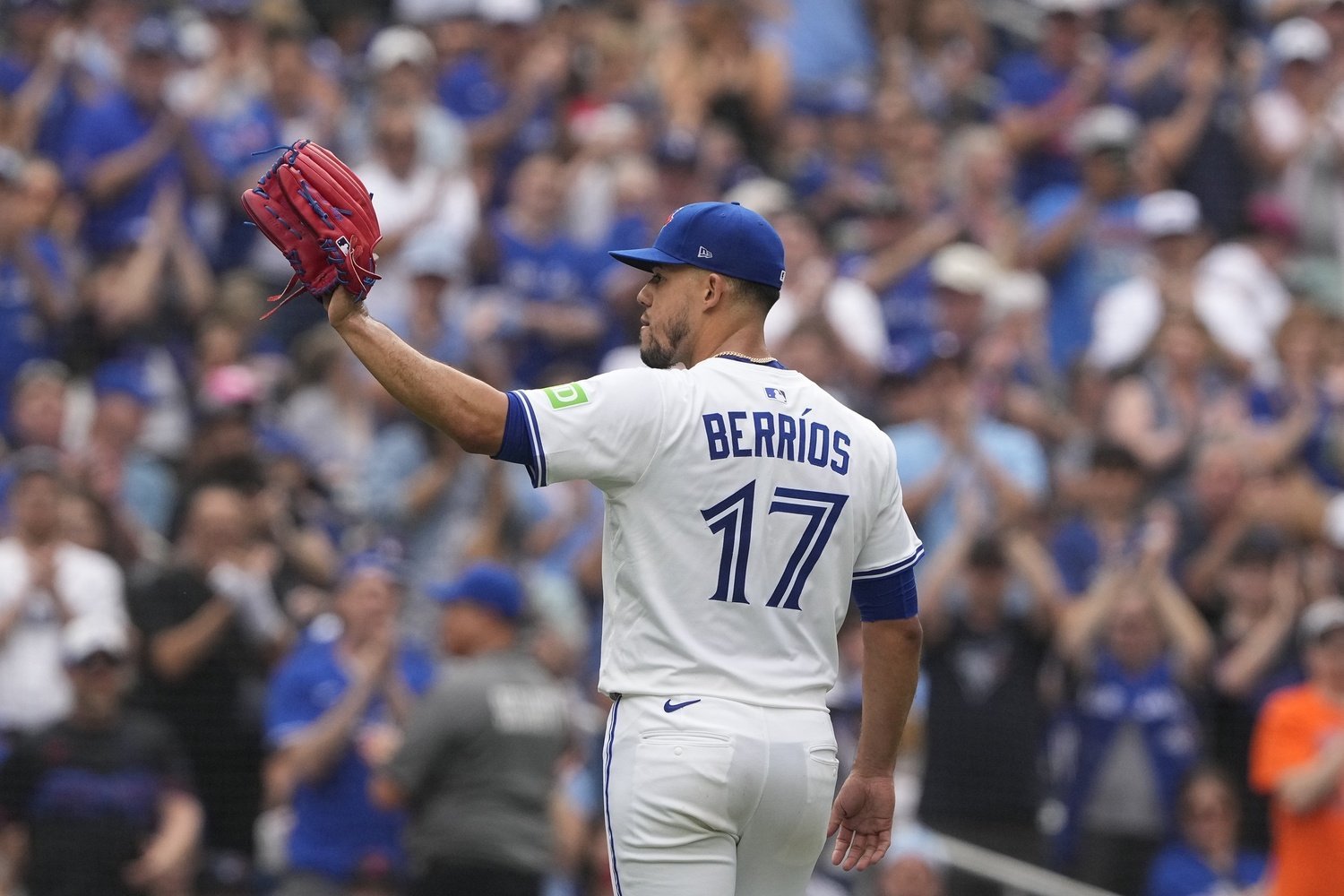 The Toronto Blue Jays have had a clear focus this offseason: upgrading the pitching staff. They've boosted the starting rotation by signing Dylan Cease to a seven-year, $210 million contract and last season's Korea Baseball Organization MVP, Cody Ponce, to a three-year, $30 million contract. They join Kevin Gausman, Shane Bieber, Trey Yesavage, and José Berríos. With six starters in the mix, Berríos would seem like the obvious choice to move to the bullpen, considering he was sent there in September due to his struggles down the stretch. However, his role for next year is uncertain. In the first half of last season, he posted a 3.75 ERA, allowed a .238 batting average, and gave up 15 home runs. His struggles in the second half were highlighted by a 5.15 ERA, a .283 batting average against, and 11 home runs, despite his throwing 64.2 fewer innings after the trade deadline. The transition to the bullpen was not well received by the 31-year-old, who had been one of the league's most consistent starting pitchers over his 10-year career. He's thrown at least 145 innings in eight of those seasons; his rookie campaign and the shortened 2020 season were the only exceptions. Berríos threw two innings out of the 'pen before hitting the injury list and missing the rest of the season. He also missed the postseason, but Blue Jays' insider Keegan Matheson of MLB.com recently reported that the decision not to join the team in the clubhouse for the World Series run was Berríos's. He didn't want his displeasure to be a distraction. According to Matheson, general manager Ross Atkins "wants and expects" Berríos to return to the starting rotation next season. That muddies the picture, with Gausman, Cease, and Yesavage locked into spots, and Bieber week-to-week but expected to be ready for Opening Day. As for Ponce, manager John Schneider spoke to reporters (including DiamondCentric's John Bonnes) at the Winter Meetings about Ponce's role. Asked if Ponce was going to be a starter, the manager replied: "Definitely going to be a starter." With Berríos, that makes six starters, and it gets more complicated. Eric Lauer did an exceptional job last season filling in after Bowden Francis's injury. The Blue Jays will also have Francis fully healthy next season, and they added Jays Centre's No. 5 prospect, Ricky Tiedemann, to the 40-man roster to protect him from the Rule 5 draft. Tiedemann's addition to the roster likely means the team has plans for him to pitch in the big leagues next season. What's more, Toronto also selected Spencer Miles in the Rule 5 draft, meaning he will need to spend next season in the majors or be offered back to the San Francisco Giants for $50,000. That's a logjam of players, so what options do the Blue Jays have regarding their starting rotation next season? 1. Implement a Six-Man Rotation After acquiring Bieber at last season's trade deadline, the Blue Jays went with a six-man rotation once the former Cy Young Award winner was healthy. Gausman, Bieber, Berríos, Lauer, Chris Bassitt, and Max Scherzer formed the rotation to give Toronto's arms extra days off to keep them healthy for the postseason. The final few weeks of the season are when we saw Berríos and Lauer transition fully to the bullpen. Yesavage earned his much-anticipated MLB debut, and he didn't disappoint. If Berríos isn't traded before next season, his displeasure to be in the bullpen would seem to force a six-man rotation. This setup makes sense at the beginning of a season, while pitchers are working to get fully stretched out, to reduce early workload and protect against injuries. The other benefit is that if an injury occurs, the Jays would still have five starters who had pitched in the big league rotation all season. 2. Is the Hype Real or Strategic? A lot of times, a manager or front office executive's optimistic take on a player is strategic, especially when the hype doesn't seem to make sense. In this case, Atkins saying he "wants and expects" Berríos to be in the starting rotation could be more of a message to other teams that the Blue Jays pitcher is healthy, thereby making him more appealing in trade. Berríos is 32 and has three years and $67 million remaining on his contract, though he can opt out after next season. Plus, he's the odd man out of the five-man rotation if everyone is healthy. His being on the outside looking in at the rotation makes Berríos the most likely trade candidate. He could bring back a decent return if the Blue Jays are willing to absorb some of his salary, and financial relief if they aren't. Regardless of the team's intentions when it comes to recent comments about the starting rotation, the Blue Jays presumably have a plan that will benefit them. They are set up to defend their AL East title and pursue another World Series appearance. View the full article
 -
Wild Owner Among Twins Limited Partners; Josh Bell Signed
DiamondCentric posted an article in Twins Daily
 Dan Hayes of The Athletic reported this morning that there are actually three limited partner groups involved in the partial sale of the Minnesota Twins, not two as was previously expected. And Michael Russo, also of The Athletic, added this evening that Wild owner Craig Leipold is among those involved in one of the limited partner groups. Also, the Twins signed a guy! Josh Bell is joining the Twins on a one-year, $7 million deal. As things stand, it appears he'd slot in as the primary first baseman, but there's a lot of offseason left. View the full article
 -
Why the Brewers Should Trade for Tyler Soderstrom
DiamondCentric posted an article in Brewer Fanatic
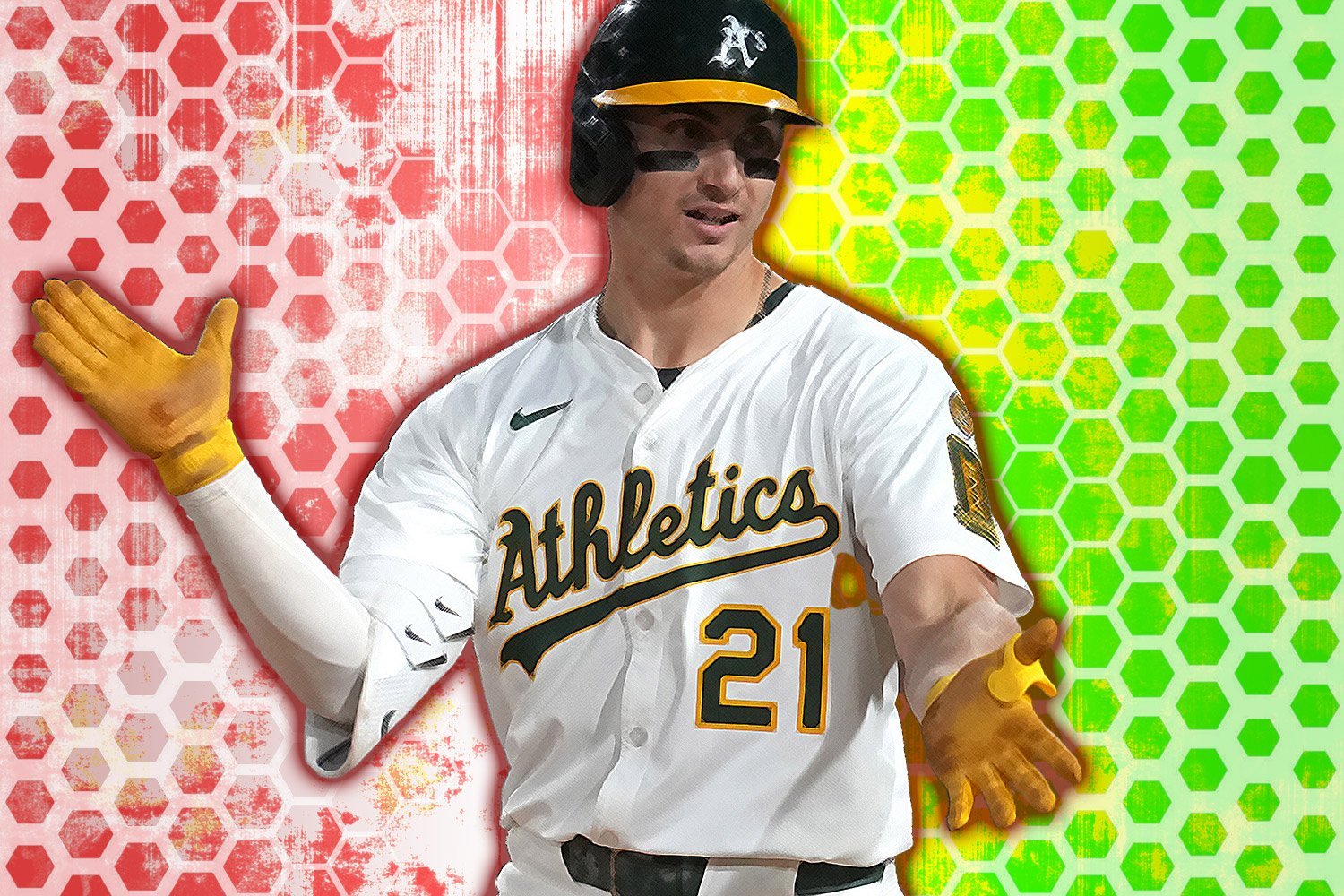 Tyler Soderstrom would be the perfect fit for the Brewers in left field. He just turned 24, has four years of club control remaining, and is coming off a breakout season in which he was worth roughly 4 wins above replacement. Perhaps,most importantly, he has the type of power that the Brewers' outfield lacked last season, and he could grow into more. In the aftermath of the Brewers' NLCS loss to the Dodgers, the lack of over-the-fence power the team showed in 2025 has been a major talking point. Even manager Pat Murphy chimed in at the Winter Meetings. “I hope we are this year,” Murphy said, when prompted by a reporter stating that the Brewers weren’t considered a home run team in 2025. Soderstrom was the Athletics' first-round pick in 2020. He entered their player development system as a catcher, but his offense has taken off now that he is no longer behind the plate. The 2025 season was the first time in his professional career that Soderstrom didn’t catch at all, and he had a huge season. Soderstrom’s 25 home runs would have been the second-most on the Brewers after Christian Yelich’s 29, and his maximum exit velocity of 114 MPH would have been second to William Contreras’s 114.1. Soderstrom has above-average bat speed and a solid hard-hit percentage, and while he chases more than most Brewers hitters, he makes above-average in-zone contact. At 6-foot-2 and 200 pounds, the power here is real. Defensively, Soderstrom initially moved to first base, but he wasn’t very good there. When the A’s promoted eventual Rookie of the Year Nick Kurtz, they moved Soderstrom to left field, where he excelled. Soderstrom has a strong arm and recorded the second-most outfield assists in the American League, with 11. Even more impressive was the range Soderstrom displayed: he finished 5th among all left fielders in Statcast’s OAA and was a finalist for the Gold Glove, losing to Steven Kwan. While the Gold Glove nod likely over-hyped his defense somewhat, Soderstrom’s combination of power and positive defensive contribution is enticing. Here are the players who had more home runs in 2025 and a more positive defensive impact in the outfield than Soderstrom: Aaron Judge, Julio Rodriguez, Corbin Carroll, Pete Crow-Armstrong, Cody Bellinger, Fernando Tatis Jr., and Andy Pages. Soderstrom will need to prove he can do this again for it to feel like he belongs on a list with those names, but that’s an exciting group of comps. The A’s almost certainly aren’t looking to move Soderstrom, so the Brewers would likely need to overpay to acquire him. But on the heels of the Isaac Collins trade, the Brewers should look to make another roster-consolidating move, turning multiple player assets into a higher-performing player to maximize the output on the major-league roster. If you are going to overpay for a player, a 24-year-old ascending power hitter who plays solid defense is the type to target. Consider Bellinger, who placed above Soderstrom in defensive value and hit four more home runs last season. He could sign a contract for more than $150 million this winter, and he’s already 30 years old. For a cost-controlled, power-hitting outfielder who can field his position, what should the Brewers be willing to offer? Like everyone else in the league, the A’s have reportedly been looking to acquire controllable starting pitching. Would Robert Gasser or Logan Henderson get the conversation started? The Brewers could include an additional arm from the upper minor leagues, such as Tate Kuehner or KC Hunt, then complete the offer by dealing from their surplus of corner infielders and include Mike Boeve or Brock Wilken. Acquiring good young players isn’t cheap, but the Brewers have the depth in their system to make a trade like this if they want to. Tyler Soderstrom isn’t a star right now. He was dislodged from his position and played in the shadow of his award-winning teammate last year. However, another year removed from the stress and grind of catching could change that. The Brewers should trade for Soderstrom before he reaches that next level, and maybe they can reach new highs together. View the full article
 -
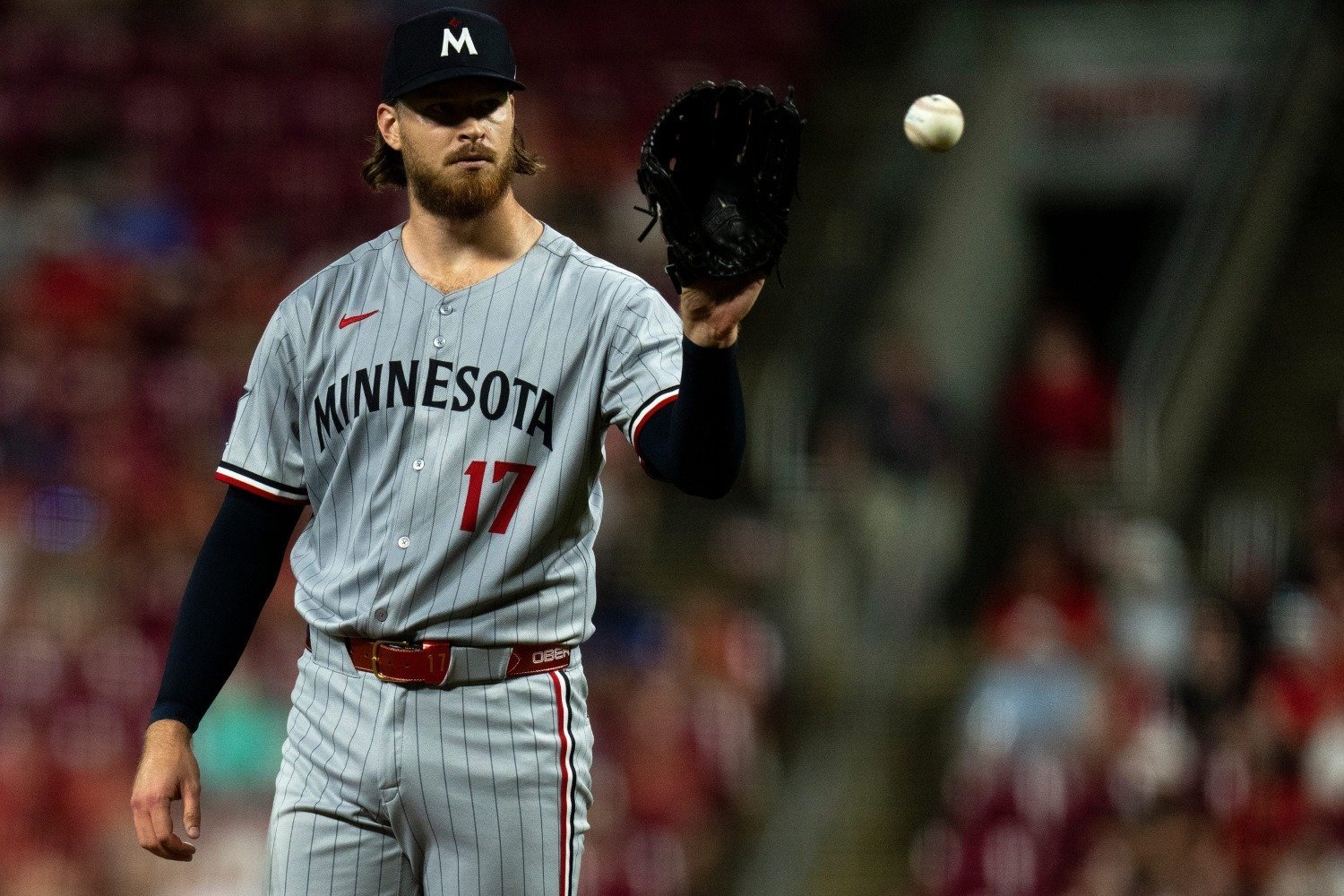 FanGraphs released its annual ZiPS projections for the Twins this week, giving Twins fans their first broad statistical snapshot of what the 2026 season could look like. ZiPS, created by Dan Szymborski, is a projection system that blends recent performance, aging curves, historical comps, and a healthy dose of probabilistic modeling to estimate future value. It is not a prediction set in stone, but it does offer a valuable lens for identifying strengths, weaknesses, and areas where upside may be hiding. For the Twins, ZiPS paints a picture that feels familiar. There are clear problem areas, a few positions of relative strength, and a farm system that still drives significant optimism. Problem Positions Shortstop and left field stand out as the thinnest areas on the roster. Brooks Lee is projected as the primary shortstop, and while ZiPS sees him as playable, it does not treat the position as a strength. Lee’s bat (83 OPS+) profiles better than his defense (-5 Def), and the overall projection reflects a player who can hold his own but may not elevate the lineup. Left field is even murkier, with a combined 0.8 fWAR. The current mix of Austin Martin, Trevor Larnach, James Outman, and Alan Roden projects as serviceable but uninspiring. ZiPS does not see a clear above-average regular in that group. Minnesota does have high-end prospects who could eventually change the picture (see below), but most of that help is more realistic for the second half of the season, rather than Opening Day. Top Positions At the top of the list is Byron Buxton, who is coming off arguably the best season of his career. ZiPS still likes his overall impact (119 OPS+, 3.0 WAR), but the ever-present health concerns naturally cap expectations for his playing time (473 PA). The hope is that he can come close to repeating last season’s All-Star and Silver Slugger-level production, though nothing about Buxton has ever come with guarantees, especially as he gets further into his 30s. Second base checks in as the Twins’ second-strongest position. Luke Keaschall is projected to handle the bulk of the workload and comes in with a 106 OPS+ and 1.8 fWAR. Edouard Julien is projected for 1.2 fWAR, a number that feels optimistic after his uneven 2025 campaign, but ZiPS continues to believe in the underlying offensive skill set. Minnesota has talked about Keaschall getting time in the outfield, so that might help the team’s glaring hole in left field. Top Prospects Get Mixed Reviews ZiPS is particularly bullish on Kaelen Culpepper, projecting him for 1.9 fWAR in 510 PA. That raises an interesting question about how aggressively the Twins plan to push him, given that he finished last season at Double-A Wichita. The Twins are comfortable letting Lee ride at shortstop for now, and it seems more likely for Culpepper to get 200 PA or fewer in 2026. Injuries could always impact that number, but there is no reason to rush one of their top prospects. The system also sees potential in Emmanuel Rodriguez, assuming health cooperates. ZiPS projects a 98 OPS+ and 1.3 fWAR, ranking in the team’s top 10 in position-player WAR. There is a scenario where he could claim left field quickly if things break right. Walker Jenkins, on the other hand, receives a more cautious outlook with a 93 three-year OPS+, signaling some uncertainty about how soon his elite tools will fully translate. Starting Pitching for Days Where ZiPS really lights up is the rotation. Bailey Ober’s projection leans more on his broader track record than his 2025 struggles, viewing him as a solid middle-of-the-rotation arm (102 ERA+, 4.20 FIP). ZiPS is also enthusiastic about Zebby Matthews, projecting a 110 ERA+. Simeon Woods Richardson at 104 ERA+, Taj Bradley at 101 ERA+, and Mick Abel at 97 ERA+ all come in as valuable contributors. The common thread is depth, as the system clearly likes the organization’s pitching inventory across the majors and upper minors. Minnesota’s bullpen carries far more uncertainty than the rotation. ZiPS views Cole Sands, Justin Topa, Kody Funderburk, and Eric Orze as capable setup caliber options rather than true late-inning anchors. Sands stands out with the third-best projected ERA+ on the roster, a sign that ZiPS is buying into the adjustments he made over the second half. Topa, Funderburk, and Orze all land at a 107 ERA+, suggesting steady but unspectacular production. The hope is that the Twins supplement this group with additional veteran arms while continuing to lean on the front office’s recent success in turning Triple-A depth into usable bullpen contributors. In the end, ZiPS offers a reminder not to let frustration define expectations. As Szymborski put it, “The easiest thing for people to do is set this past season as a baseline and understand that this team isn’t going to be much better in 2026. But using last season’s record as a baseline is generally a poor idea, as there’s a good argument that a lot of the 2025 Twins underperformed their actual ability.” His perspective neatly sums up the tension surrounding this roster. The ZiPS projections are not screaming contender, with a win total estimated between 78 and 84, but they are not confirming a lost cause either. There are obvious holes, particularly on the left side of the defense and in the corner outfield, yet there is also enough pitching depth and prospect-driven upside to envision a better outcome if a few things break right. For a Twins team trying to reset expectations after a disappointing year, ZiPS offers something closer to cautious encouragement than cold reality, and that may be exactly what this fan base needs heading into the spring. What stands out about Minnesota’s ZiPS projections? Leave a comment and start the discussion. View the full article
 -
Yuki Matsui and the Foibles of Being Good in an Elite Bullpen
DiamondCentric posted an article in Padres Mission
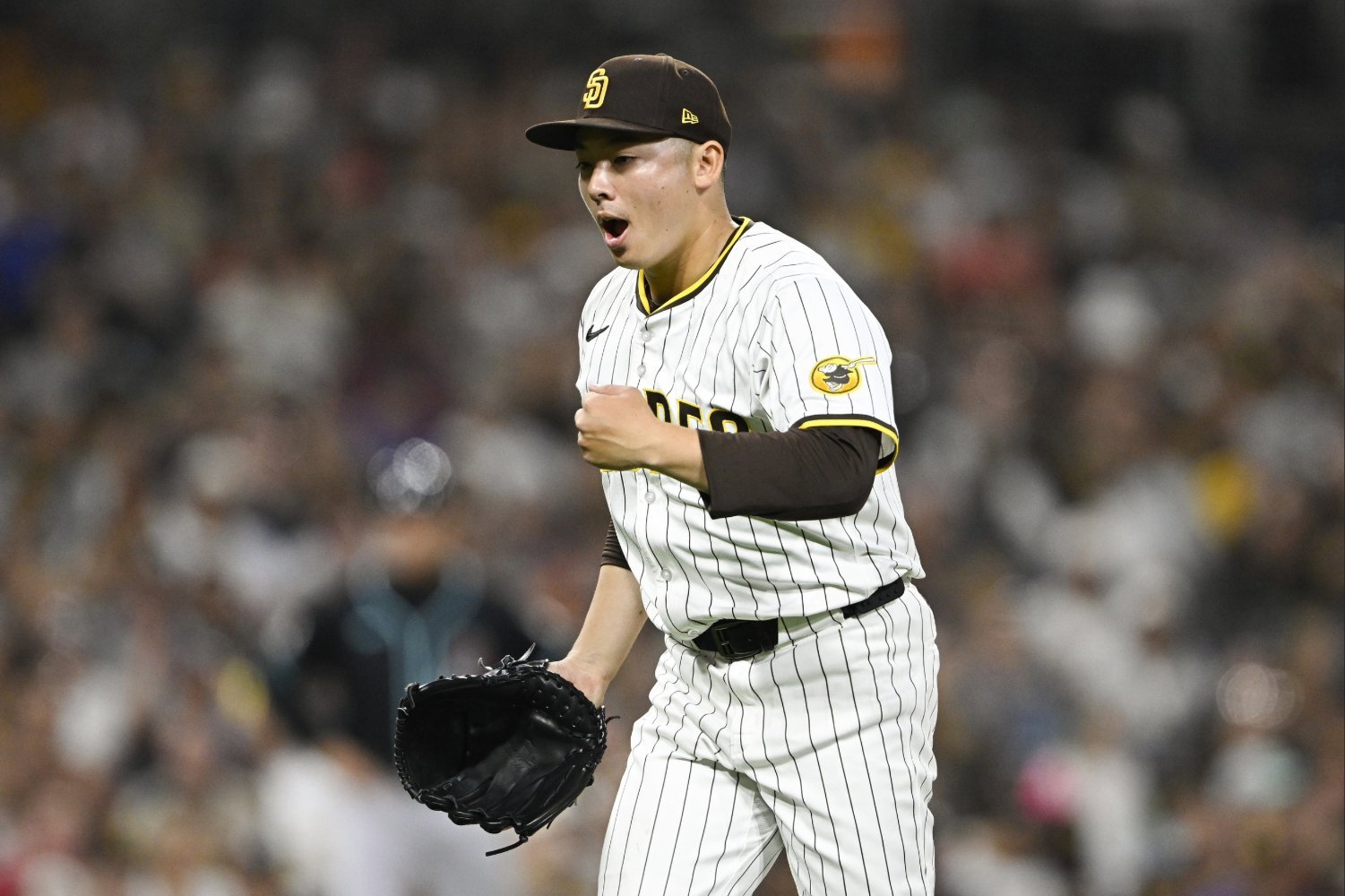 It's no secret that the San Diego Padres' best unit is the bullpen. An offense with big names but meager production and a rotation that may struggle to put warm bodies on the mound can hardly amount to the awe-inspiring awesomeness of a relief corps helmed by Mason Miller, Adrian Morejon, Jeremiah Estrada, and others. That's true even when accounting for the losses of Robert Suarez in free agency and Jason Adam to injury. The Friars' bullpen ranked first in MLB in ERA (3.06) and saves (49) this past season while finishing top-three in strikeout rate (25.8%) and FIP (3.53). The group was dominant, and the same should be the case in 2026, so long as A.J. Preller doesn't get any bright ideas or blockbuster trade proposals. Everyone's stats are impressive, and I don't need to inundate you with all of them here; Miller (2.23 FIP, 44.4% strikeout rate), Morejon (2.28 FIP, .147 wOBA allowed to left-handed batters), Estrada (3.55 FIP, team-leading 77 appearances), and Adam (3.07 FIP, 33.3% whiff rate) all thrived in their respective domains of expertise. So long as that quarter is healthy and still on the roster, they'll form the backbone of the Padres' high-leverage operation. Even the team's next tier of relievers is a sturdy bunch — Wandy Peralta, David Morgan, and Bradgley Rodriguez all had strong results in 2025, and as middle-inning relievers, they can surely be counted on to bridge the gap between the... questionable starting rotation and the fantastic back-end of the bullpen. And none of this even accounts for the swingmen the team has signed in free agency this offseason (Kyle Hart, Ty Adcock, and Daison Acosta). There's impact, depth, and everything in between in this bullpen. Truly, the Padres should feel comfortable leaning hard on the unit in 2026. That brings us to Yuki Matsui, who occupies a bizarre space as a good reliever in an elite bullpen. The 30-year-old southpaw has two years remaining (plus a player option) on the original five-year contract he signed back in 2023, and he's been aggressively average in his two years with the Padres. In 126 innings, he's logged a 3.86 ERA, 3.52 xERA, and 4.40 FIP in 126.0 innings, all totaling up to exactly 0.0 fWAR. That's not a "bad" pitcher by any means, but among a crowd of thunderbolt-hurling closers and lefty-dominating southpaws, Matsui stands out only because he doesn't stand out. He was better in 2024 than he was this past season, but concerns about his size (5'8", 165 pounds when soaking wet) and lackluster velocity have proven valid against big-league competition. After striking out more than 33% of hitters in NPB from 2018-23, he's sitting at a 24.6% strikeout rate in MLB. Again, there's nothing wrong with a low-leverage reliever who posts mid-3.00 ERAs and strikes out a quarter of the batters he faces. But Matsui was billed for so much more after shredding Japanese hitters to the tune of a 2.40 ERA with the Tohoku Rakuten Golden Eagles. He's still getting hitters to whiff and chase at above-average rates, but his failure to induce ground balls or limit free passes has earned him a demotion to the third-string lefty role out of the 'pen. None of this means Matsui can't put together the caliber of season his overseas success once portended. His splitter (.249 xwOBA in 2025) remains an effective offering against right-handed batters, hence why he's held reverse splits with the Padres. His fastball (40% usage in MLB) remains problematic, though he's gotten enough production out of his slider and sweeper versus lefties to hold them relatively in check. The primary issue is that he's got no vertical variance in his offerings — his slider, sweeper, and splitter all hover within a few inches of each other on the y-axis — other than his fastball, which is so dependent on induced rise that it tends to get hammered if it's not up in the zone. The reintroduction of his curveball or sinker might help matters, but as a one-inning reliever, developing a fifth or even sixth pitch isn't high on the list of priorities for Matsui; he needs to find the right balance of his current offerings to stand a better chance against MLB competition. *Graphic courtesy of Baseball Savant The real trap facing Matsui is what the preamble of this article discussed: opportunity. Barring injury, there's just not many visible paths for the left-hander to garner any type of meaningful innings for Craig Stammen in 2026. His reverse splits mean Peralta or Morejon will always get the preferential treatment against left-handed batters, and his lack of elite strikeout stuff will keep him from getting leverage spots with people on base. I'd be remiss not to wrap this up with a final reminder that Yuki Matsui is a good pitcher. He'll never be as dominant as Mason Miller or Adrian Morejon, but neither will 99% of professional pitchers. They just represent a different class of hurler than Matsui does. There's no shame in that. But because those two — and all the other aforementioned elite relievers the Padres employ — occupy roles in the same bullpen as Matsui, the Japanese southpaw finds himself on the fringes of the roster this offseason. Sometimes, simply being "good" isn't good enough. View the full article
 -
Minnesota’s Next Wave is Built on Infield Versatility
DiamondCentric posted an article in Twins Daily
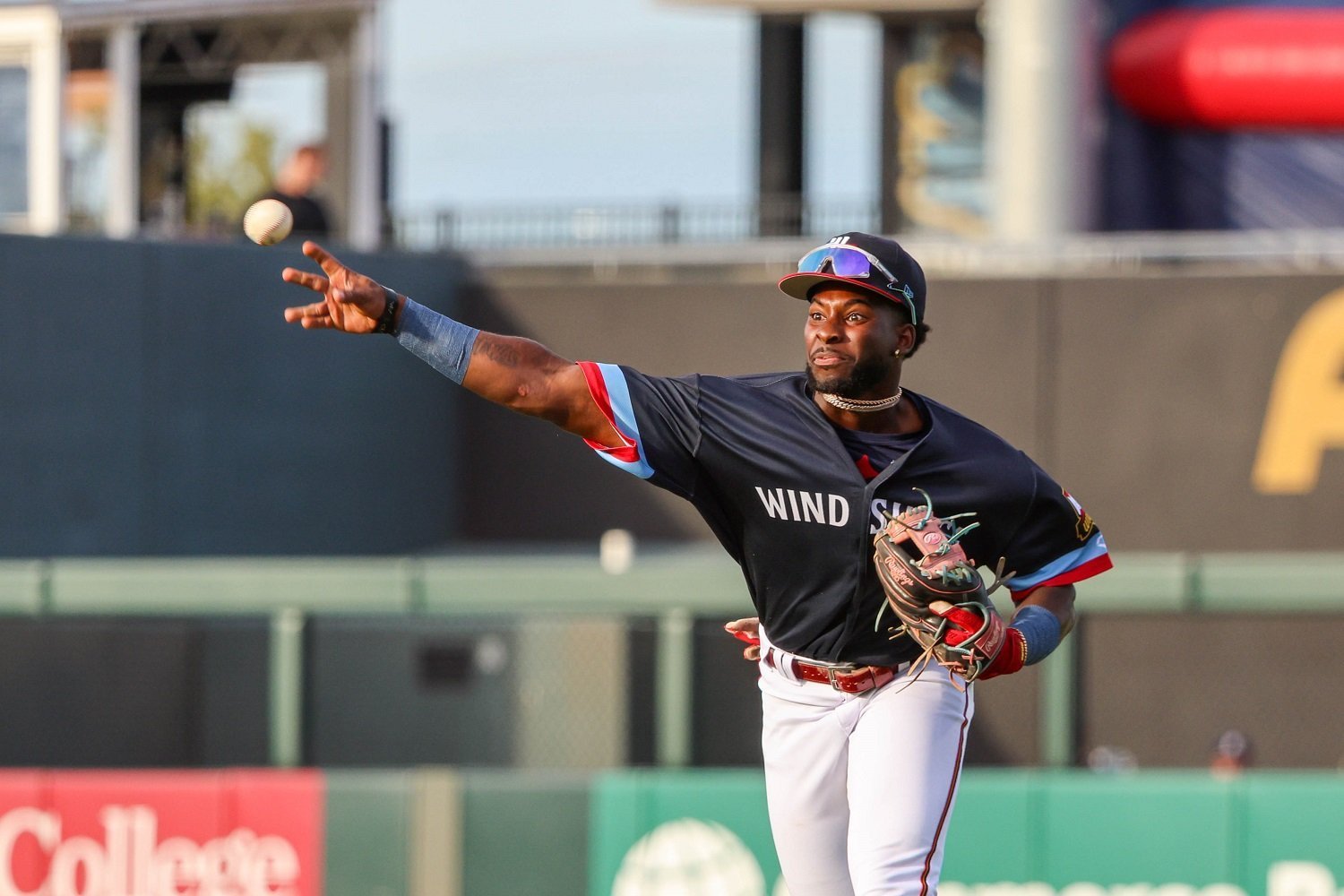 The Twins have been methodical in building an infield pipeline that could anchor the franchise for years, and the 2026 season marks the first true step toward that plan becoming reality. Brooks Lee will open the year at shortstop with Luke Keaschall alongside him at second base, while Kaelen Culpepper continues his climb after a breakthrough season in the minors. Their development is intertwined, and Minnesota is preparing for multiple scenarios where all three could play significant roles. Keaschall’s positional path is already expanding, and Derek Falvey made clear that the organization views him as more than just a second baseman. Falvey explained that Keaschall’s broken forearm last season paused their original plan to explore outfield reps earlier. “For Luke specifically, obviously got a ton of time at second. With the way his season went with the broken forearm, it kind of screwed up our plans for exploring the outfield more like we were originally going to do this past year,” he said. With Keaschall now past his arm rehab, the Twins are revisiting that developmental track. “That’s something that from a throwing program perspective this offseason, we’re going to spend more time making sure he’s building out to get some reps out there in the outfield,” Falvey said. The Twins see Keaschall’s versatility as key to fitting all their pieces together. Falvey said the organization will be having more conversations with him about what that transition will look like and emphasized that both he and Derek Shelton believe it can benefit the club. “We think it could be a real opportunity for him to keep finding as many ways in the lineup that help the group as we try to fit all the pieces together and slide other guys around, too. It could be really valuable if he could run out to left field or center field along the way.” Unstated, there, is the other major reason the team is considering that move: Keaschall looked bad at second base in 2025. He probably doesn't have the fluidity or the hands to play on the dirt on an everyday basis, though the club hopes he can stay there at least part of the time. Culpepper remains a step behind Keaschall and Lee in terms of timeline, but his stock continues to rise. After splitting the year between High A and Double A, he solidified himself as one of Minnesota’s most promising prospects. “Yeah, Kaelen had an awesome year," Falvey said. "Really could not have asked for it to go much better.” Culpepper played shortstop most of the time, but also saw early work at second and third base as the organization began expanding his defensive profile. “He’s getting some work, you know, early work at second base, third base, a little bit of game exposure in those spots. And we’ll let that continue to play out as we get through spring training into the season,” Falvey noted. If all three players are healthy at the same time (a big if when it comes to Twins top prospects), Minnesota has several intriguing defensive configurations. The most straightforward setup would feature Culpepper at third, Lee at shortstop, and Keaschall at second. That alignment keeps all three in the infield, while still allowing Keaschall to move into the outfield when needed. Another scenario emerges if Culpepper arrives ready to take over second base. In that case, Keaschall’s growing experience in the outfield becomes even more critical. Lee would remain at shortstop in that alignment, giving the Twins a strong defensive foundation up the middle. There is also the possibility that early-season struggles or injuries force a different arrangement. If Lee has a problematic defensive start, Culpepper has the skill set to take over at shortstop, sliding Lee to second base. The Twins value the ability to shift players around as needed, and this trio gives them more flexibility than they have had in years. Whatever alignment Minnesota ultimately settles into, Lee, Keaschall, and Culpepper will be central to the organization’s future. Their versatility allows the Twins to adapt to performance, injuries, and roster construction in a way few clubs can match. The next step is seeing how quickly all three can grow into the roles the Twins envision for them. How will these three players fit into Minnesota’s long-term plans? Leave a comment and start the discussion. View the full article
 -
Chase Lee Is a Worthwhile Upside Play for the Blue Jays
DiamondCentric posted an article in Jays Centre
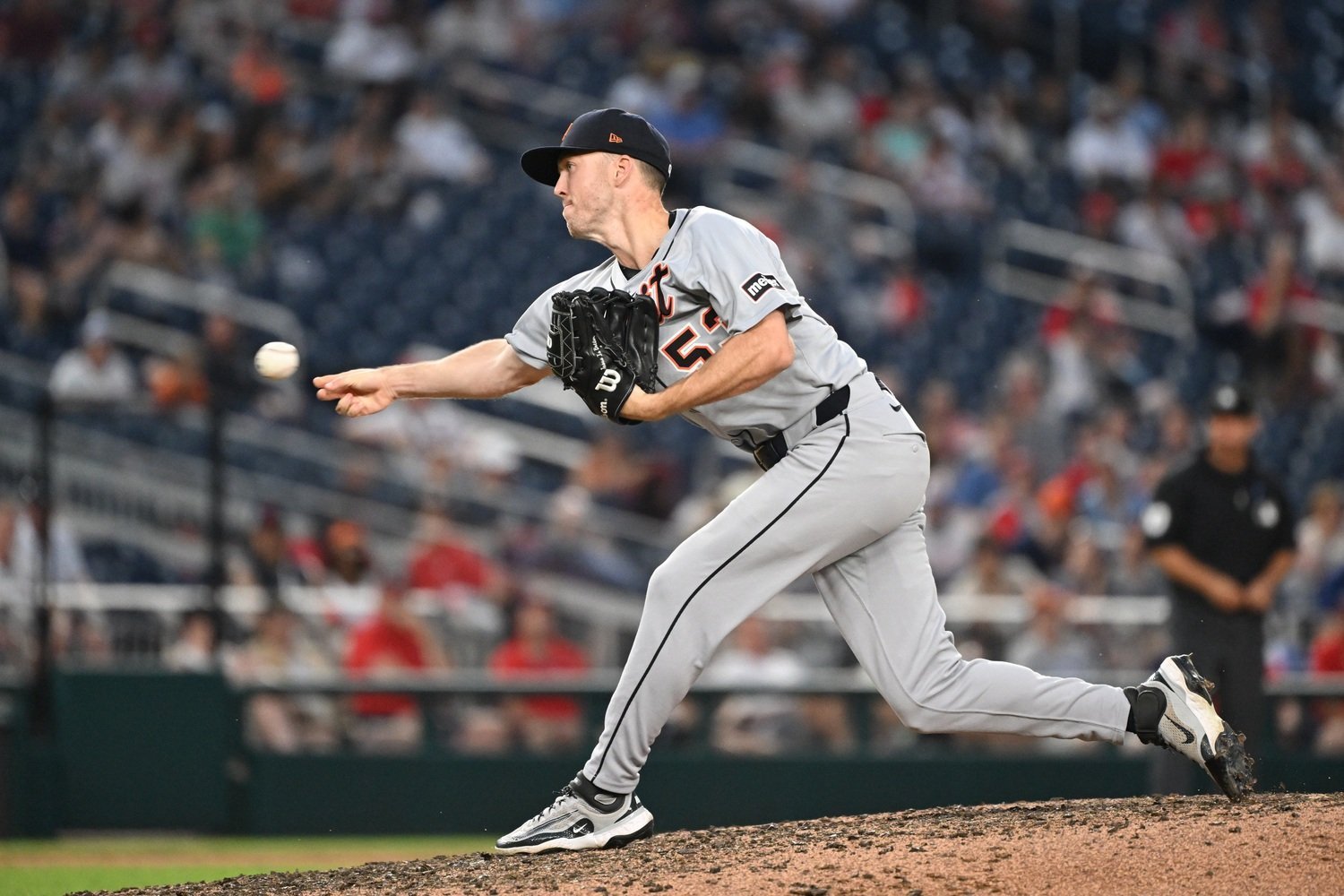 The Toronto Blue Jays added $37 million to their fast-growing payroll last Friday night, but just a few hours before they signed Tyler Rogers, they completed their first trade of the offseason. Right-hander Chase Lee is on his way over from the Tigers, with lefty relief prospect Johan Simon going the other way. It's a one-for-one swap of bullpen arms. Here's the skinny on Lee: He's 27 years old and made his MLB debut in 2025, so he has six years left of team control. He pitched in low leverage for Detroit, and while his first taste of the majors wasn't a disaster by any stretch, he did get knocked around a bit (4.10 ERA, 5.16 xERA, 4.53 FIP). However, he was good enough at Triple A to warrant a call-up, with a career strikeout rate just under 30% in parts of four seasons. He managed a 20.7% K-BB there in 2025 despite a 6.47 ERA, which ballooned thanks in large part to a shockingly low 48% strand rate. The Tigers, choosing to trust the strong peripherals, gave him a look, and here we are. Lee is a side-armer. His 80-mph sweeper is his best weapon, averaging a whopping 19 inches of glove-side movement from a -4° arm angle. He has a sinker that sits 89 mph with plenty of drop from that low arm slot, and he also uses a four-seamer to change hitters' eye levels, as well as a changeup against lefties. Pitch quality models are torn as to which fastball is better; he deployed the four-seam more to lefties while the sinker was his go-to against righties, but the sweeper plays. It got a 120 Stuff+ score at FanGraphs in 2025, while PitchingBot's stuff model gave it a 60 on the 20-80 scale. Lee was able to crack Baseball America's list of the top 30 Tigers prospects earlier this year, mostly because of how much upside the sweeper has. He also earned a 60 grade for his control from BA's panel of evaluators, and since being traded from Texas to Detroit in the Andrew Chafin deal in 2024, he has put up zone rates in the high-50s at every level he has pitched. He throws a lot of strikes, but unlike most side-armers, he also got plenty of strikeouts coming up through the minors. He ran into one too many barrels once he reached the majors (13.9% Barrel/BBE, second percentile), but with a plus breaking ball and multiple fastball shapes from an unfamiliar release point, the best is yet to come. The Blue Jays entered Friday with the likes of Jeff Hoffman, Louis Varland, Yimi García, Brendon Little, Mason Fluharty, Braydon Fisher, Tommy Nance, and Eric Lauer crowding the bullpen depth chart. On top of that, they just selected Spencer Miles in the Rule 5 draft. Lee has minor league options to spare, and he wound up being the first of two relievers with a negative arm angle that Toronto acquired in short succession, and the other one is making eight figures for the next three years. It's safe to assume Lee will start 2026 in Buffalo, but the potential is there for him to become a big league middle reliever in the near future. What's interesting about this deal is that to acquire this low-slot reliever with a nasty breaking ball, it cost the Blue Jays... a low-slot reliever with a nasty breaking ball. Simon is a 24-year-old lefty who saw Double-A action for the first time this past year, and it went swimmingly (2.38 ERA, 32.7% K, 11.1 IP). He had to spend parts of four years in Rookie ball to get a walk problem under control, not seeing Class A until eight months ago, so he's far from a finished product. Of all pitching prospects who threw at least 250 sliders in 2025, Simon's slider was the very best according to Baseball America's Stuff+ model. It touches the mid-80s from a low 3/4 delivery, making it an absolute nightmare for lefty hitters. He hopped from Dunedin to Vancouver to New Hampshire this summer, so he's certainly on a positive trajectory, but the injuries and inconsistency that kept him in rookie ball have prevented him from becoming a ranked prospect to this point. This seems like a smart deal for both teams, involving two high-upside pitchers who are fairly similar, albeit with different handedness and at different points in their careers. Detroit needed to clear a 40-man roster spot to make the re-signing of reliever Kyle Finnegan a possibility, and both teams still get the chance to develop an under-the-radar reliever with a great sweeper. Lee won't get a long MLB leash on a Blue Jays team urgently trying to win, but he figures to be on the short list whenever injuries arise or the flexibility of having an optionable piece is needed. View the full article
 -
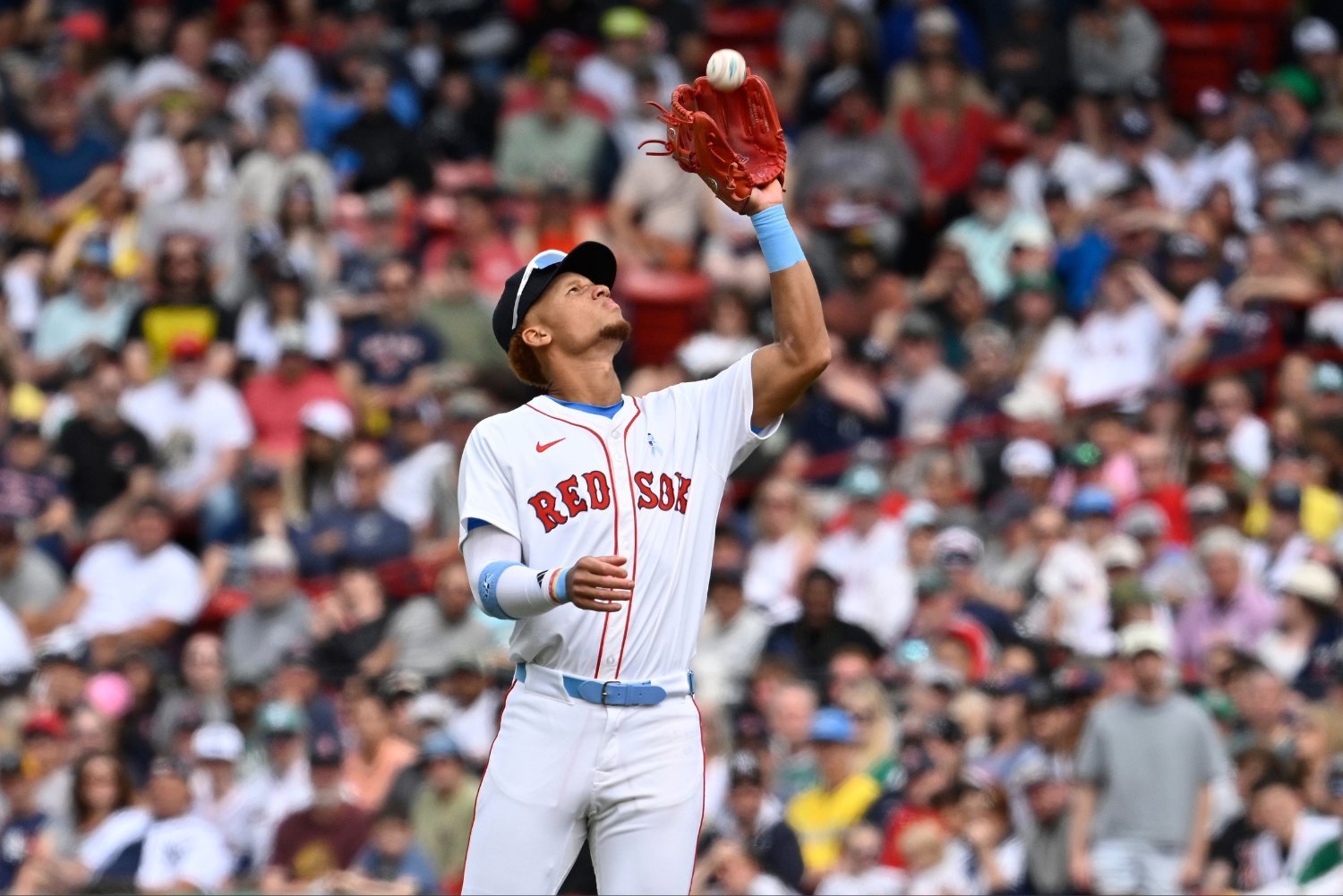 Unless big changes are made with the roster, Kristian Campbell is now in the mix for an outfield position with the Boston Red Sox. I’ve already outlined how that creates more problems than it solves, but it did cause me to start thinking about how Campbell could end up as a contributing member of the outfield in 2026 and beyond. There’s the obvious path, where an injury forces Campbell to receive multiple starts, but that’s something no one should be wishing for. Instead, let's focus on two possible solutions to the problem at hand. Option #1: The Double Trade Even though a trade of an outfielder looks less and less likely as the offseason progresses, a blockbuster big enough could present itself. In this hypothetical situation, the Red Sox would be sending two of their starting outfielders to another team to land a co-ace starting pitcher to pair with Garrett Crochet. This trade would likely come from the two corner outfield spots since Campbell is currently penciled in as the starting left fielder for Ramon Vazquez’s Roberto Clemente Professional Baseball League team, the Criollos de Caguas. As of this writing, he’s slashing .174/.345/.217 with more walks that strikeouts. Those numbers don’t look exceptional, but there’s reason to believe that he may be starting off a bit slow. For one, he’s bulked up. He looks a lot closer to the Kristian Campbell that showed up to spring training last year instead of the one who ended the season in Worcester. Two, he has changed his batting stance quite a bit. Some even say his new stance resembles Alex Bregman. Could his new frame and stance help him to regain his offensive footing? It’s yet to be seen, but he’s a stellar athlete who needs time to adjust to these changes. Admittedly, this feels far-fetched right now. The Red Sox have been hesitant to trade even one of their outfielders — trading multiple may simply be a bridge Craig Breslow isn't willing to cross, even if it solves the logjam and enhances the pitching staff. Option #2: Platoon Him and Wilyer Abreu/Jarren Duran This is likely the more realistic option that the team is looking at, and it’s also the least exciting of the two. Even though Craig Breslow and Alex Cora gave Abreu a huge vote of confidence to begin seeing more time against left-handed pitching, he’s still going to need to get days off. Having him sit against some of the more dominant lefties in the game early in the season could be a path that gets Campbell playing time in the outfield. He won’t be a regular starter, but he will likely see more time in the outfield than most fans currently expect. Including Duran’s name here may come as a surprise to some, but Duran, even after multiple seasons in the big leagues, still doesn’t handle left-handed pitchers all that well (61 wRC+ last year). Campbell would be able to rotate between both corner outfield spots to give both left-handed hitters a breather every now and then. Duran and Abreu should still see the lion’s share of time in the corners, but having someone like Campbell coming in to spell them late in games or give them rest days isn’t a bad thing. Especially if he can figure things out in Winter League ball and carry it over to spring training. Lest anyone forget, Kristian Campbell is a player with an incredibly high ceiling. Even though we may not currently understand why the powers that be see him as an outfielder, patience is needed with a player so young. Campbell rose through the minor leagues with a quickness that few prospects get to experience, so some growing pains at the big-league level were to be expected. Yes, he crashed hard in 2025. But now, he’s added weight to his frame, adjusted his batting stance, and hopefully finds a combination that works for him. If it does, the Red Sox will have an even deeper pool of outfielders to pick from during the season. View the full article
 -
Should the Twins Extend one of Their Key Young Players?
DiamondCentric posted an article in Twins Daily
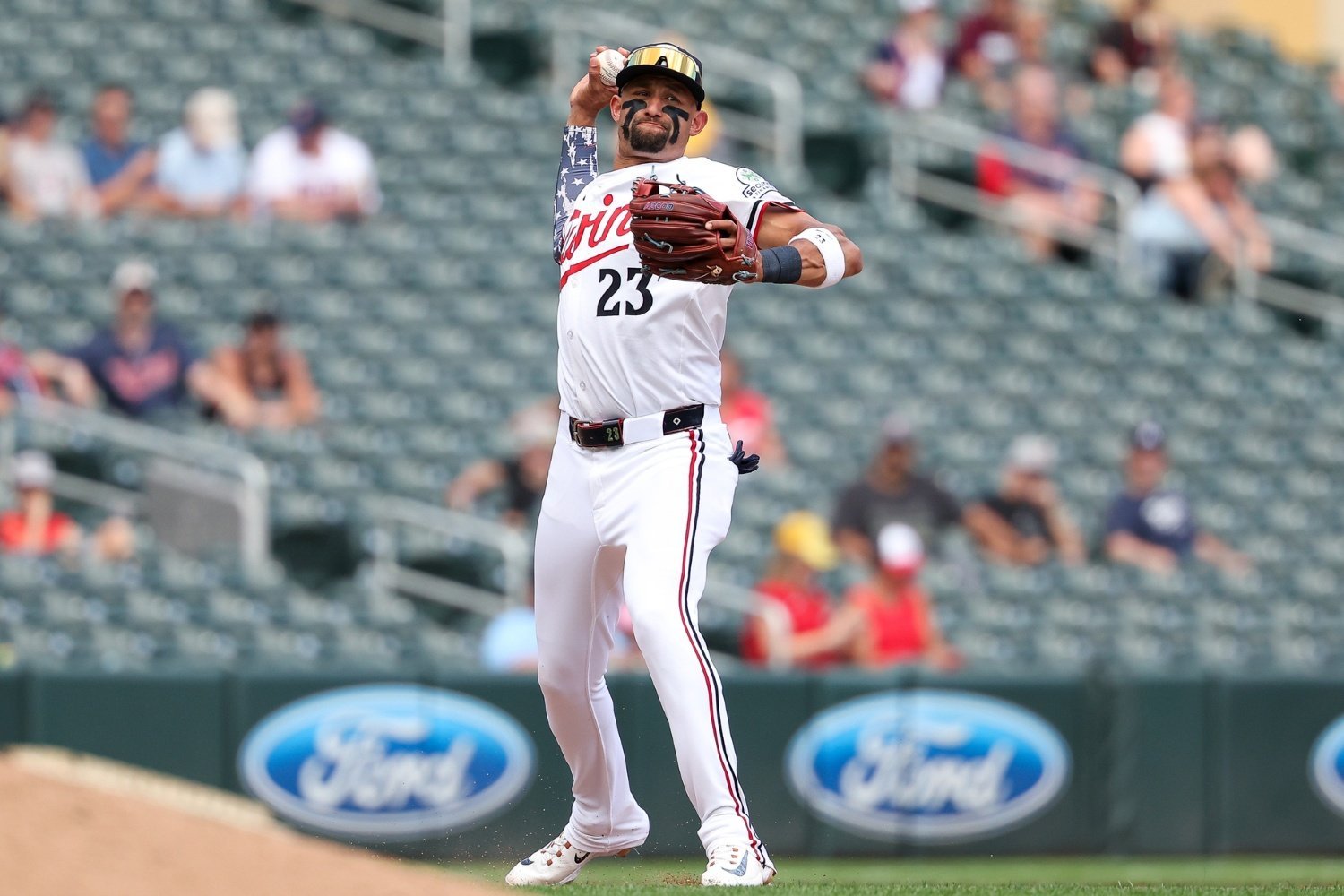 Some 2,500 days ago, the Twins announced a pair of five-year pacts for two of their young stars, Jorge Polanco and Max Kepler. It was a shrewd and symbolic move: the pair—signed as international players in the same class, friends as they rose through the system together—served as complementary core players around Byron Buxton, Miguel Sanó, and José Berríos. They hadn’t yet broken out, but they each had arguably their best season in 2019, fueling a 101-win machine while giving the franchise cheap production for years. Polanco and Kepler’s success is an example of why teams have aggressively sought pre-arbitration extensions in recent years. The surplus value potential is sky-high. As Polanco averaged over 3 wins above replacement per season (according to Baseball Reference), the Twins paid him around the going rate for a mid-tier reliever. Kepler, though less valuable in an absolute sense, was still a tremendous bargain: a two-win player paid like someone expected to fill in the back end of a rotation or play only in a platoon role offensively. If a pre-arb player flops (like Scott Kingery or Evan White did for the Phillies and Mariners, respectively) after signing this kind of deal, the downside is far less than if a free agent does so. Both franchises “only” ran $24 million in the red, spread across six years. The Twins' savings on Polanco and Kepler were perhaps double that. With Royals breakout star Maikel García recently inking such a deal, a question arises: do the Twins have a pre-arb player they should lock up long-term? Serious Contenders Matt Wallner Wallner thundered his way through back-to-back seasons with a .370 OBP and .500 slugging in 2023 and 2024, before slogging through a far more tepid campaign in 2025. It’s easy to stomach his defensive butcherings when his OPS is nearly .900. At a slugging-forward .776, matters get much more murky. Nonetheless, Wallner possesses undeniable tools. Few can swing as hard as him, throw with such velocity, and impart pure, utter, game-altering damage onto a baseball. He even cleaned up the whiffs a little last year, striking out at a career-low (but still high) 29.1% while walking 11.7% of the time. He has obvious limitations, though, and the extreme nature of his profile would probably make the team nervous to guarantee a significant amount of money. His age may limit the desire to extend him. As a medium-bloomer, Wallner already celebrated his 28th birthday, meaning any free agent years bought out will come after he turns 30. Royce Lewis This offseason marked Lewis’s first year in arbitration, meaning he technically isn’t “pre-arb,” but the idea is the same: he’s a talent whom the team could choose to lock down before free agency. No one on this list has done the things Lewis has done. For a moment in 2023, he looked like a future MVP candidate, smacking homers at a historic rate while spearheading the late surge that helped lead the team to the playoffs. Then—while hobbled so badly he could only saunter to first base—Lewis cracked four homers in the postseason to lead the team to the ALDS. Much can change in two years. Those homers felt like a lifetime ago. Like Wallner, Lewis saw his play degraded to the point where—separated from the name and pedigree—there would have been a legitimate argument for him to be non-tendered this offseason. An 85 wRC+ from the hot corner excites no one. Extending Lewis would be a bet on his potential and an offered olive branch. Clearly, something has been up with his relationship with the franchise. He’s groused and grumbled about money, losing, and how he’s hesitated to make adjustments because of his apparently uncertain position on the team. Perhaps rewarding such behavior with multiple millions is unwise; maybe it would provide the foundation he needs to get his mentality right. Check Back in the Future Luke Keaschall The best recent performer of the bunch, Keaschall is probably a year or two away from being considered for a contract like this. Next year will be his age-23 season. It seems like the best time to start offering to buy out free agent years will be after that, assuming his play continues to impress. Dark Horses Taj Bradley Impossibly, Bradley is still just 24, making him younger than Zebby Matthews and Simeon Woods Richardson. He’s arbitration-eligible following the 2026 season. A strong showing could push the team to extend him long-term, especially as Joe Ryan and Bailey Ober inch towards free agency. Brooks Lee Guys with negative WAR nearly 200 games into their big-league careers don’t typically demand extensions. Lee needs to prove he can at least hold his own in MLB before the Twins entertain ideas of a multiple-year contract. The pedigree and prospect heritage are there, though. Of all these candidates, a Lewis extension brings the most intrigue. He’s at the perfect age where buying out free-agent years could be crucial, and it could provide the stability he apparently needs to make adjustments and not push himself through injury. What do you think? Is there someone else the Twins should extend? Or would you hold off until next offseason? View the full article
 -
Miguel Amaya is a Huge, Hulking Unknown for 2026 Cubs
DiamondCentric posted an article in North Side Baseball
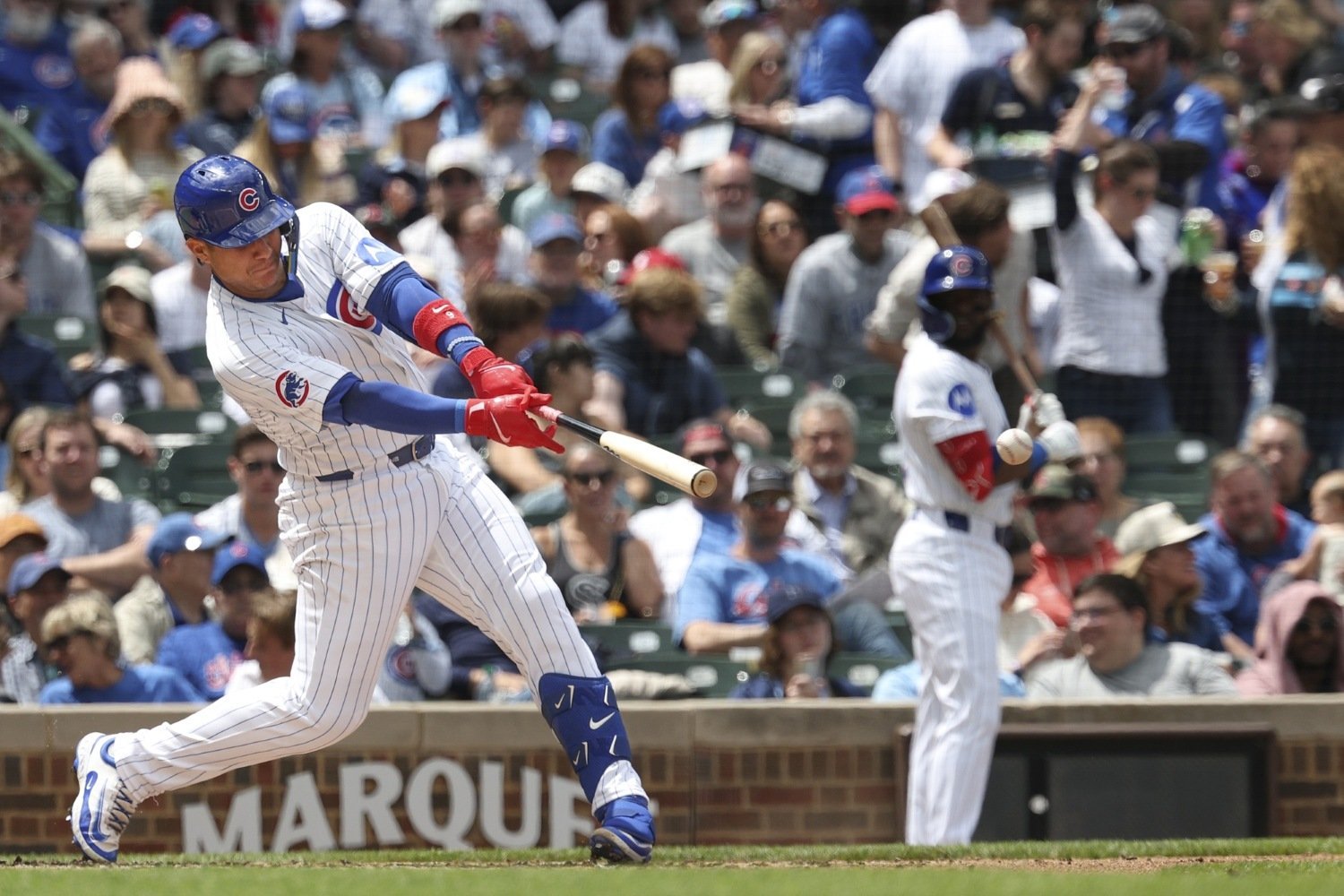 Miguel Amaya played exceptionally well in 2025. He batted .281/.314/.500. He hit a huge early-season home run in a comeback win against the Dodgers at Wrigley Field, which held up as one of the year's great, dramatic Cubs moments. He cleaned up the exchange from his mitt to the throwing hand when throwing out runners, and significantly improved his pop time as a result. He looked like a budding star, and exactly what the Cubs needed him to be. You already know the 'but' that comes after all that, though. Amaya got hurt on a throw in Cincinnati in May, suffering a significant oblique strain that took him out of action until mid-August. Upon his return, he immediately suffered a gruesome-looking (though, thankfully, moderate) ankle injury while trying to beat out an infield hit in Toronto. He only took 103 plate appearances in the majors all season. After a 2024 campaign that provided some hope for his durability, this year was a sad reversion to his broader career pattern: lots of promise, and an injury to thwart every would-be breakout. Thankfully, Carson Kelly had an exceptional season, even if much of that value was packed into the same period during which Amaya was healthy and effective. Kelly batted .249/.333/.428 in a much more robust sample of 421 plate appearances. He got a de facto promotion from splitting time behind the plate to playing as regularly as your typical starter, and although that ate into his production as the season wore on, he stayed healthy and delivered what was needed. He was especially good defensively. Jed Hoyer and his staff have plenty of holes to fill and weaknesses to address as they try to build the 2026 Cubs and get to a second consecutive postseason. Because Kelly was so good and Amaya is still under team control, catcher will not be a priority for the front office this winter. Kelly and Amaya are likely to be the team's go-to options as the season begins. As good as they were in 2025, though, running it back with them next year carries a huge amount of risk. Even when healthy, Amaya has been a bit of a chameleon. He's talented and dedicated, but he's also a tinkerer—and his tools are volatile. Amaya was one of the first darlings of bat-tracking data for the Cubs, when that suite of data rolled out in 2024. As the first half of that season wore on, though, he lost bat speed, struggling to find ways to make consistent contact. He made a major swing and stance overhaul in the middle of that season, which yielded terrific results, but he came back in 2025 with yet another swing. Season Month Bat Speed Swing Tilt Attack Angle Attack Direction Contact Point (in.) Depth in Box (in.) Dist. Off Plate (in.) 2023 July 73.5 26.7 12.4 -10.2 37.6 26.9 30.7 2023 August 74.0 29.0 10.2 -9.0 36.5 26.5 29.6 2023 September 73.5 27.7 8.0 -0.9 32.0 27.8 30.0 2024 April 72.9 32.0 9.3 -1.7 34.1 29.4 30.5 2024 May 72.4 29.8 9.6 -5.6 36.5 29.5 28.5 2024 June 71.8 31.4 9.1 -3.4 33.1 31.0 28.1 2024 July 73.5 34.0 8.4 -6.0 32.1 29.5 26.1 2024 August 73.8 32.0 7.0 -5.6 28.1 28.6 26.3 2024 September 73.1 31.1 5.7 -4.0 26.6 27.5 26.4 2025 April 72.1 34.6 11.7 -12.7 31.6 29.0 27.2 2025 May 72.4 35.5 10.0 -8.4 30.0 29.5 26.5 After getting more aggressive with his swing but letting the ball get deeper in the hitting zone before contact in the second half of 2024, Amaya gave up a little bit of those gains in swing speed to open 2025, as he reegineered his swing to be steeper and catch the ball farther in front of his body. He became more of a pull hitter and caught the ball with the bat working uphill more, which led to a much lower ground-ball rate and fed that surge in power marked neatly by the homer against the Dodgers. Had he stayed healthy, this version of Amaya probably would have hit 20 home runs, even in the limited playing time he was getting. He was a true and dangerous slugger, after years of being more of a slashing, balanced hitter and putting too many balls on the ground to tap into the value of his bat speed. Now, though, the question is whether that version of him will stick around. Each time he gets hurt (and even when he gets extended playing time without getting hurt), Amaya makes major changes to his process at the plate. By sticking with their existing catching corps, the Cubs are accepting substantial risk of regression. Kelly is likely due for some, given his age and track record. Amaya is, unavoidably, an enigma. He just had great success during a stint to open the season, but unfortunately, that's not a guarantee that he can (or will) come back in 2026 doing the same things. Still, it's smarter to make that bet than to spend some of their resources on that position this winter, so Amaya will be one of the most important players to watch in spring training and early-season play in 2026—and that's ok. View the full article
 -
Why Josh Bell’s Poor Defense Isn’t Something to Worry About
DiamondCentric posted an article in Twins Daily
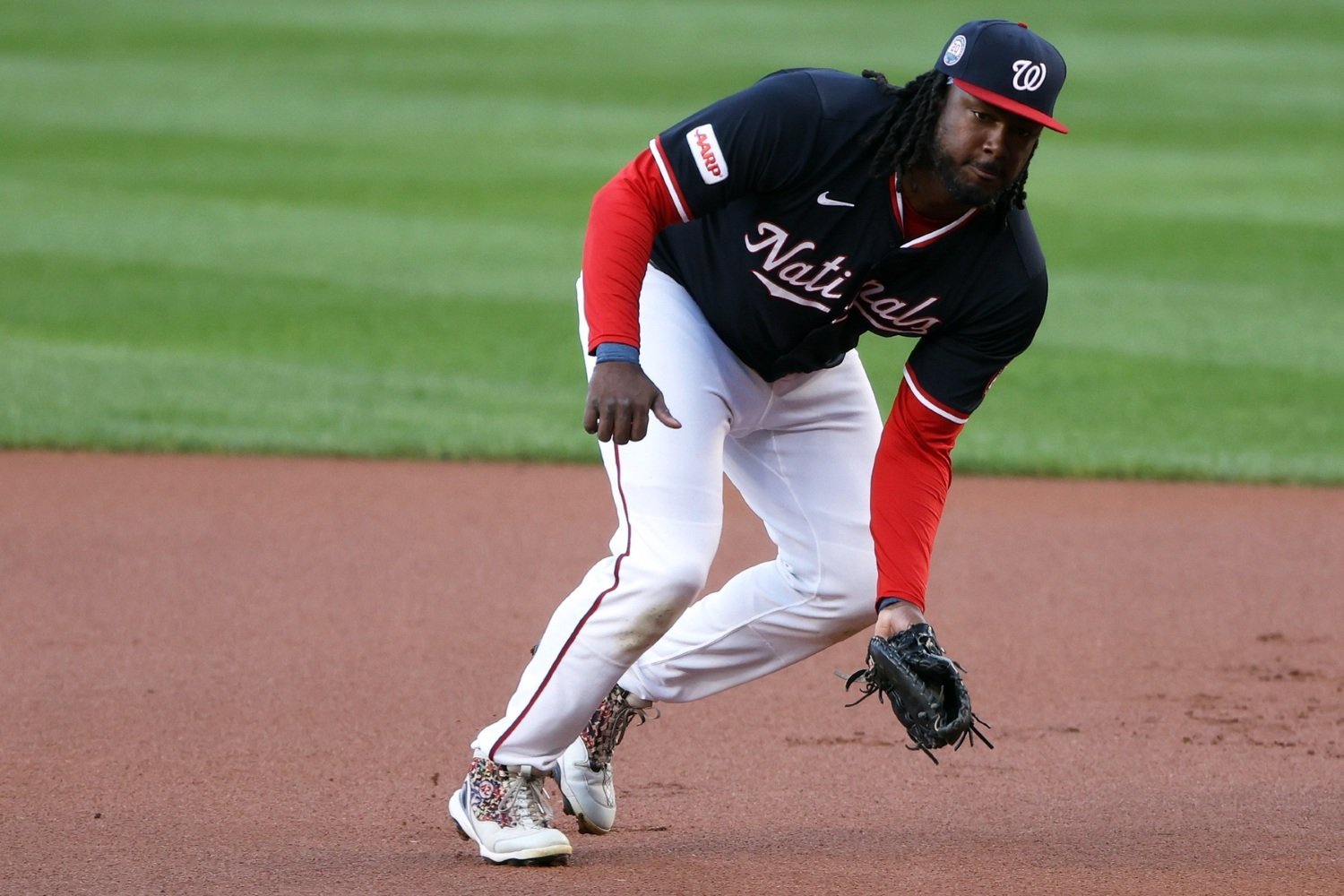 When the Twins signed Josh Bell, it was easy to shrug. This is not the kind of move that lights up the timeline or changes preseason projections overnight. Bell is a veteran switch-hitting first baseman on his fourth team in three years, and defensive metrics have not been kind to him. If you stop there, it is fair to wonder why the Twins would invest in a bat-first player at a position where defense has quietly become one of their biggest strengths. But this front office has earned a bit of trust when it comes to first base defense, and the way the Twins play the position goes a long way toward explaining why Josh Bell’s glove is not something to panic about. Over the past two seasons, the Twins have done some of their best defensive work at the cold corner, not because they suddenly discovered elite athletes, but because they found a way to simplify the job. Against left-handed hitters, in particular, the Twins have leaned heavily into aggressive positioning. The first baseman plays right on top of the line, and the second baseman shades over next to him. The goal is straightforward: Take away the pull-side ground balls that left-handed hitters most often produce, and reduce the amount of ground the first baseman has to cover. Carlos Santana is a clear example of how much this approach can matter. Santana had always been a solid defender, but he was not a perennial Gold Glove threat. In 2023 with Cleveland, he played close to the line against left-handed hitters 29% of the time. The result was a respectable but unspectacular -2 outs above average against lefties. In 2024 with the Twins, that number jumped dramatically. Santana played close to the line 53% of the time. With fewer balls sneaking down the line and less lateral ground to cover, Santana posted an impressive 13 outs above average against left-handed hitters. His athleticism and instincts mattered, but the positioning mattered just as much, and it was a major factor in Santana taking his defense to another level and ultimately winning a Gold Glove. The Twins put him in spots where he could succeed. They doubled down on that idea last season with Ty France, and the results were even more striking. In 2024, before joining the Twins, France played close to the line against left-handed hitters only 34 percent of the time and finished with -8 outs above average. After arriving in Minnesota in 2025, that number jumped to 86 percent. Suddenly, the same player with the same physical limitations turned into a plus defender, posting 7 outs above average. That shift in positioning played a significant role in France’s defensive turnaround and helped lead to him winning a Gold Glove, as well. The Twins did not make France faster or more agile. They made his job easier. That context matters when talking about Josh Bell. There's no way around it. Bell is not a good defensive first baseman. He is tall, thickly built, and slow-moving. He does not have great range, and the advanced metrics reflect that. Over the past three seasons, Bell has posted -2, -7, and -4 outs above average at first base. On a neutral team with neutral positioning, that is exactly the kind of profile that scares people off. But Bell’s usage against left-handed hitters suggests there is real room for improvement. From 2023 through 2025, Bell logged 231 defensive chances at first base against lefties. Of those, he played close to the line just 41 percent of the time. On those plays, he posted -9 outs above average. That is bad, but it also shows how rarely his teams committed to hiding his weaknesses. Compare that to what the Twins did with Santana and France, and the opportunity becomes obvious. Minnesota has shown a willingness to push that close-to-the-line rate north of 50 percent and even into the mid-80s, when the situation calls for it. If Bell’s alignment against left-handed hitters jumps anywhere near those levels, he will simply be asked to do less. Fewer hard grounders will sneak past him down the line, and fewer balls will require him to range deep into the hole. This is not about turning Josh Bell into a Gold Glove defender. That is not happening. It's about getting him closer to average by removing the plays he is least equipped to make. Bell does not need to be special defensively for this signing to work. He needs to catch what is hit at him, scoop throws in the dirt, and avoid being a liability. The Twins have already shown they know how to do that with players at this position. Ultimately, this signing is a bet on offense first. The Twins’ lineup badly needs quality at-bats, and first base has been a problem area for far too long. Outside of a couple of strong months from Carlos Santana in 2023, production from the position has been inconsistent at best. Bell brings switch-hitting power and a track record of getting on base, even if the peaks have been less frequent in recent years. Choosing a bat-first first baseman over a glove-first option makes sense, given where this roster is right now. The Twins do not need to win games 2-1. They need to score runs. If positioning can turn Josh Bell from a below-average defender into something closer to playable, the overall value equation starts to tilt in Minnesota’s favor. Bell is not a perfect player, and this is not a perfect signing. But the Twins have a clear blueprint for maximizing first base defense, and it has worked with multiple players who came with similar questions. If they follow that same playbook here, Bell’s glove should not overshadow what he is actually here to do. What do you think? Are you worried about Josh Bell’s defense, or do you trust the Twins to work their positioning magic again? Leave a comment below and start the conversation! View the full article
 -
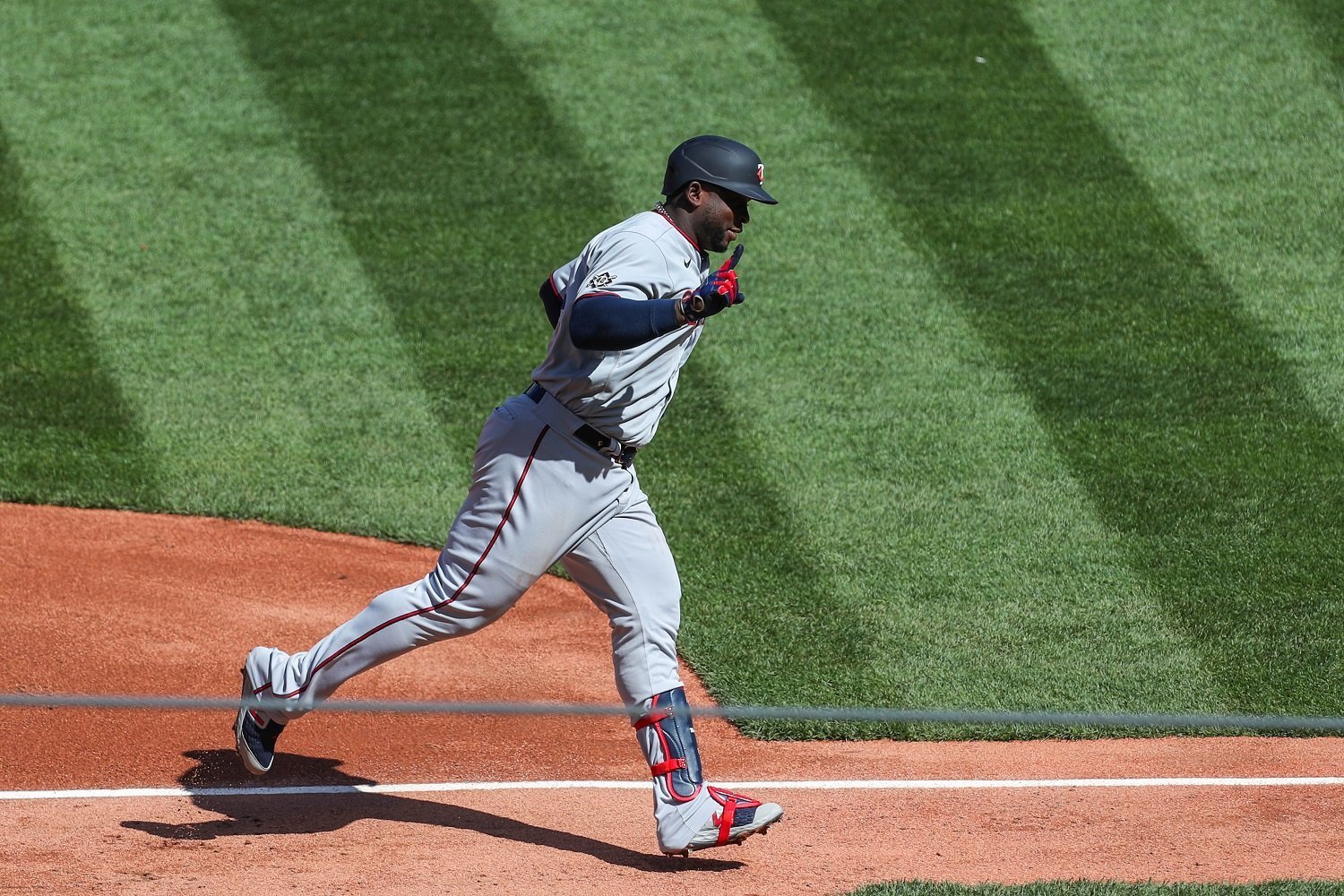 Miguel Sanó is headed back to professional relevance, even if it comes on the other side of the world. According to Francys Romero, the Chunichi Dragons of Nippon Professional Baseball are finalizing a one-year deal with the former Minnesota Twins slugger, pending a physical. For a player who has spent the last few seasons bouncing on and off the margins of Major League rosters, this represents both a reset and a reward. Sanó has not appeared in a regular-season Major League game since being released by the Angels in July of 2024. Since then, he has returned home to the Dominican Republic, quietly rebuilding his value in winter ball. The results have been impossible to ignore. Across the most recent Dominican league season, Sanó slashed .315/.376/.663 (1.039) with nine home runs in just 24 games. That performance followed an .856 OPS campaign the previous winter, making this less of a fluke and more of a trend. For Twins fans, Sanó will always be a complicated figure. Signed as a teenager with generational power, he reached the big leagues quickly and delivered on that promise in bursts. He was an All-Star, posted multiple 30 home run seasons, and helped anchor lineups that regularly finished near the top of the American League in power. In just under 3,000 career plate appearances, Sanó launched 164 home runs and produced a .233/.325/.477 (.802) line with a 115 OPS+. The problem was never talent. Injuries derailed multiple seasons, strikeouts piled up at record-setting rates, and defensive limitations narrowed his paths to playing time. After an above-average showing in 2021, Sanó became a fringe option, appearing in just 48 total games between the Twins and Angels from 2022 through 2024. His last stint in the majors came in 28 games with Los Angeles. If that proves to be his final Major League chapter, Sanó still walks away with a respectable career résumé. But players do not sign seven-figure deals overseas because they are finished. They do it because someone still believes the bat can play. In this case, that belief was earned through dominance against professional pitching, not nostalgia. Nippon Professional Baseball has become a viable bridge back to MLB relevance for power hitters willing to adjust and prove themselves again. Sanó will be tested by a different pitching style and a more demanding daily routine. If the power carries over, the conversation changes quickly. Is a return to the big leagues likely? Probably not. But Miguel Sanó has made a career out of defying neat timelines. As long as the ball keeps leaving the yard, never say never. View the full article
 -
BREAKING: Cubs Re-Sign Left-Handed Reliever Caleb Thielbar
DiamondCentric posted an article in North Side Baseball
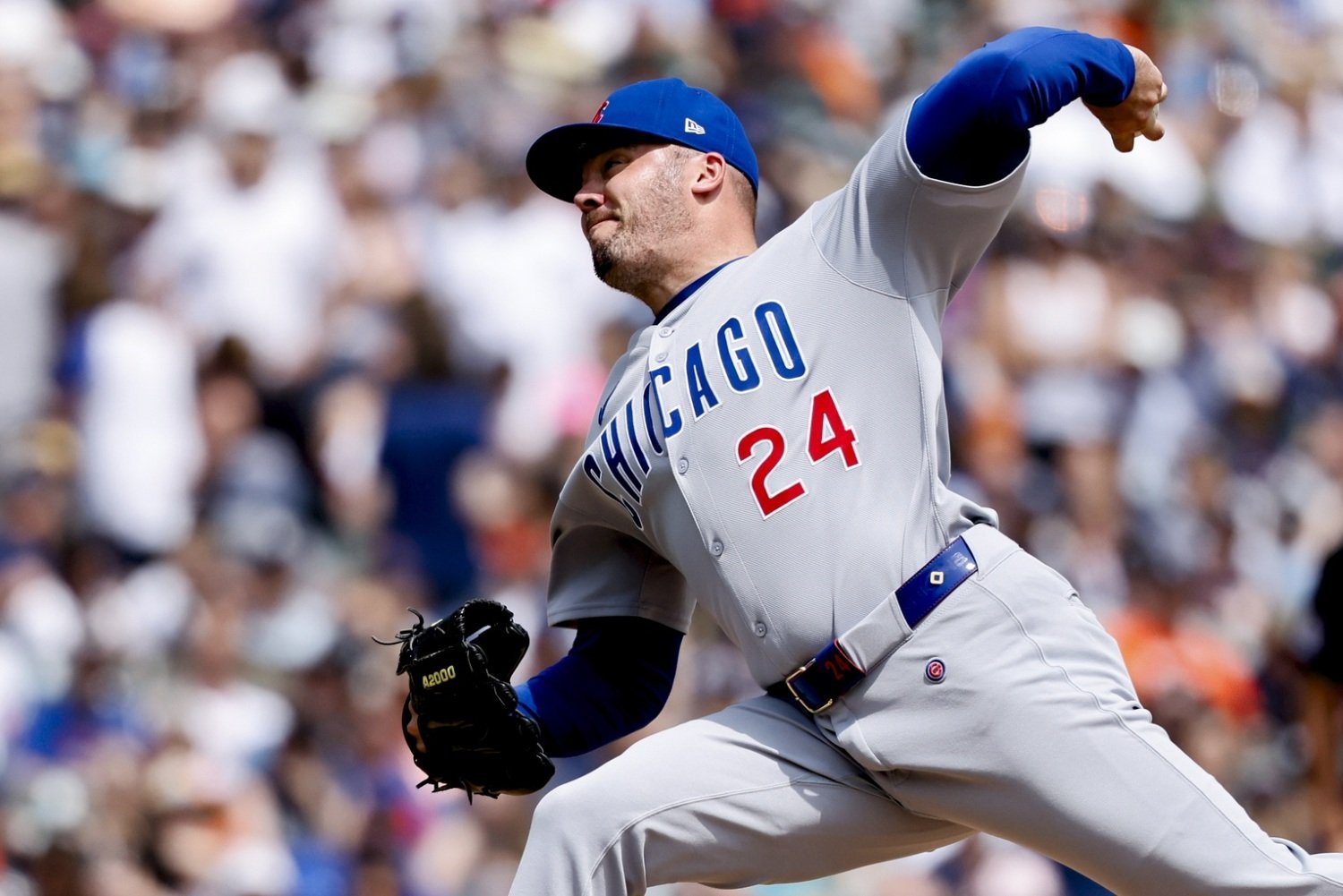 The Chicago Cubs have agreed to a one-year deal with free-agent lefty Caleb Thielbar, a league source confirmed to North Side Baseball. The news was first reported by Jesse Rogers of ESPN, on Twitter. Thielbar, who will turn 39 in January, returns after a strong season as a setup man for the 2025 Cubs. More to come. View the full article
 -
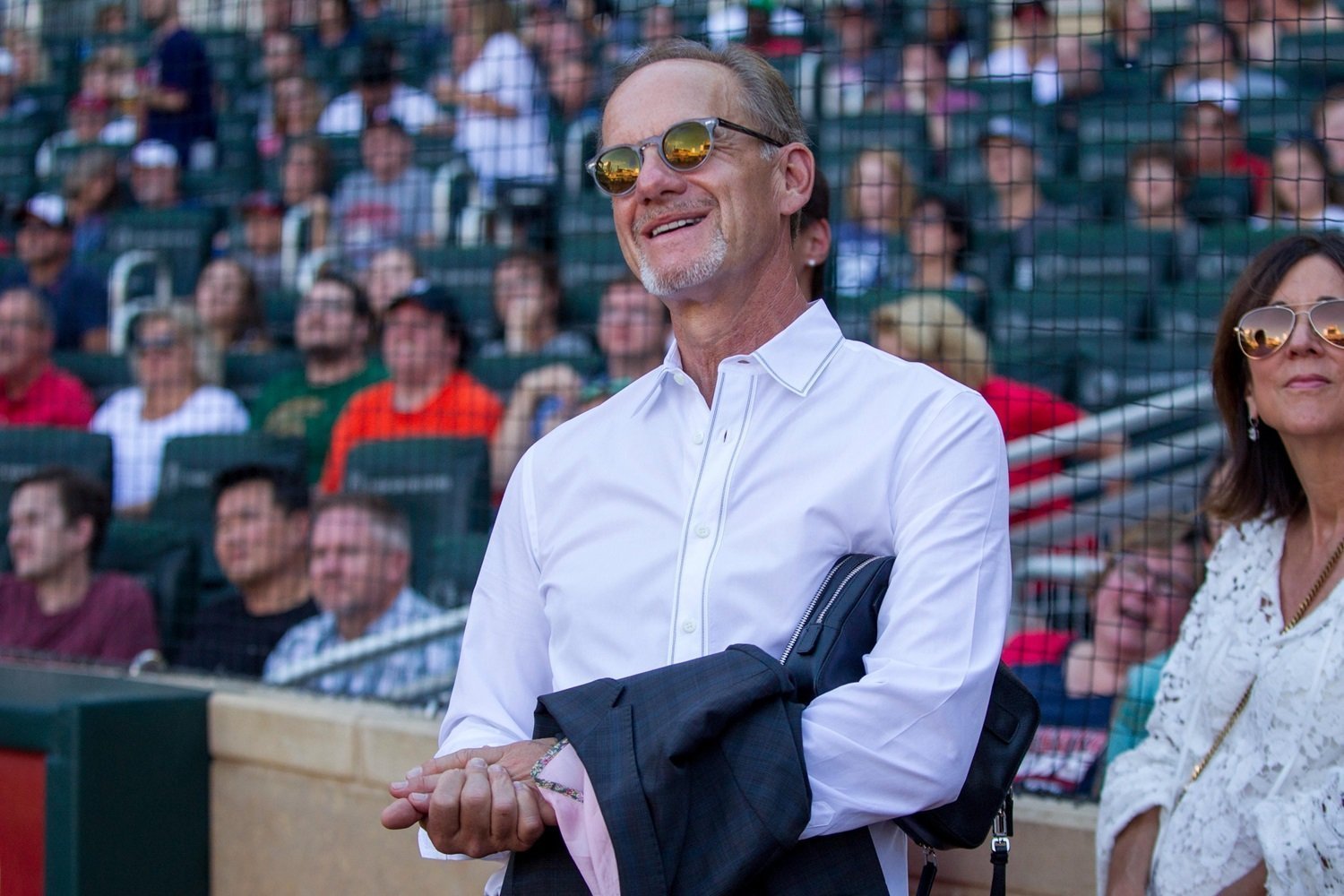 The Minnesota Twins appear close to formally announcing a partial sale that does not change who runs the franchise but meaningfully changes the math behind it. By selling just over 20% of the club at a reported valuation of $1.75 billion, the Pohlad family is positioning the organization to finally address debt that has lingered since the pandemic while also improving the team’s standing should a larger sale ever come back into focus. The structure of the deal matters. This is not a handoff of power or a succession plan in disguise. According to Dan Hayes, the new investors are limited partners with no path to control and no mechanism to force decisions. The Pohlad family remains firmly in charge, with league sources indicating Tom Pohlad will take on a larger role alongside Joe Pohlad. Three new seats will be added to the ownership advisory board, but the family’s authority remains intact. Where the change is real is on the balance sheet. Multiple sources have described the debt reduction tied to this deal as significant, and that word has been repeated intentionally. The Twins accumulated substantial debt over the last five seasons, driven by a combination of COVID disruptions, flat attendance and revenue losses tied to their television situation. Unlike many clubs, the Twins continued paying employees and minor league players during the shutdown, a decision that was laudable but expensive. The debt came on quickly and never truly came off. Attendance trends underline the problem. Target Field has not returned to its pre-pandemic levels despite a division title and multiple playoff appearances. Payroll reductions only intensified fan frustration, further limiting gate revenue. At the same time, the collapse of the regional sports network model cost the Twins tens of millions annually. Twins TV keeps games accessible, but it does not replace what was lost financially. That context helps explain why this deal took longer than expected and why interest grew rather than faded. Once the franchise made clear it was open to minority investment, more groups stepped forward. Instead of two limited partnerships, three ultimately formed, each purchasing smaller slices that required additional league approval. From the team’s perspective, more interest meant better terms and a cleaner exit from debt. The longer view is where this becomes more interesting. A Twins franchise with manageable debt looks very different to potential buyers in the late 2020s than one weighed down by pandemic era obligations. New national television deals arrive in 2029. Any labor uncertainty from the next collective bargaining agreement should be resolved. Franchise values almost certainly continue to rise. That future upside likely explains why none of the new investors demanded a roadmap to control. The appeal is growth, not governance. For now, the Pohlad family insists it is committed to owning the team, and several third generation members have expressed interest in staying involved. Still, this deal quietly restores optionality. Whether the Twins are ever sold outright remains an open question. What is clear is that the franchise has taken an important step toward financial stability, one that could eventually ripple onto the field. View the full article
 -
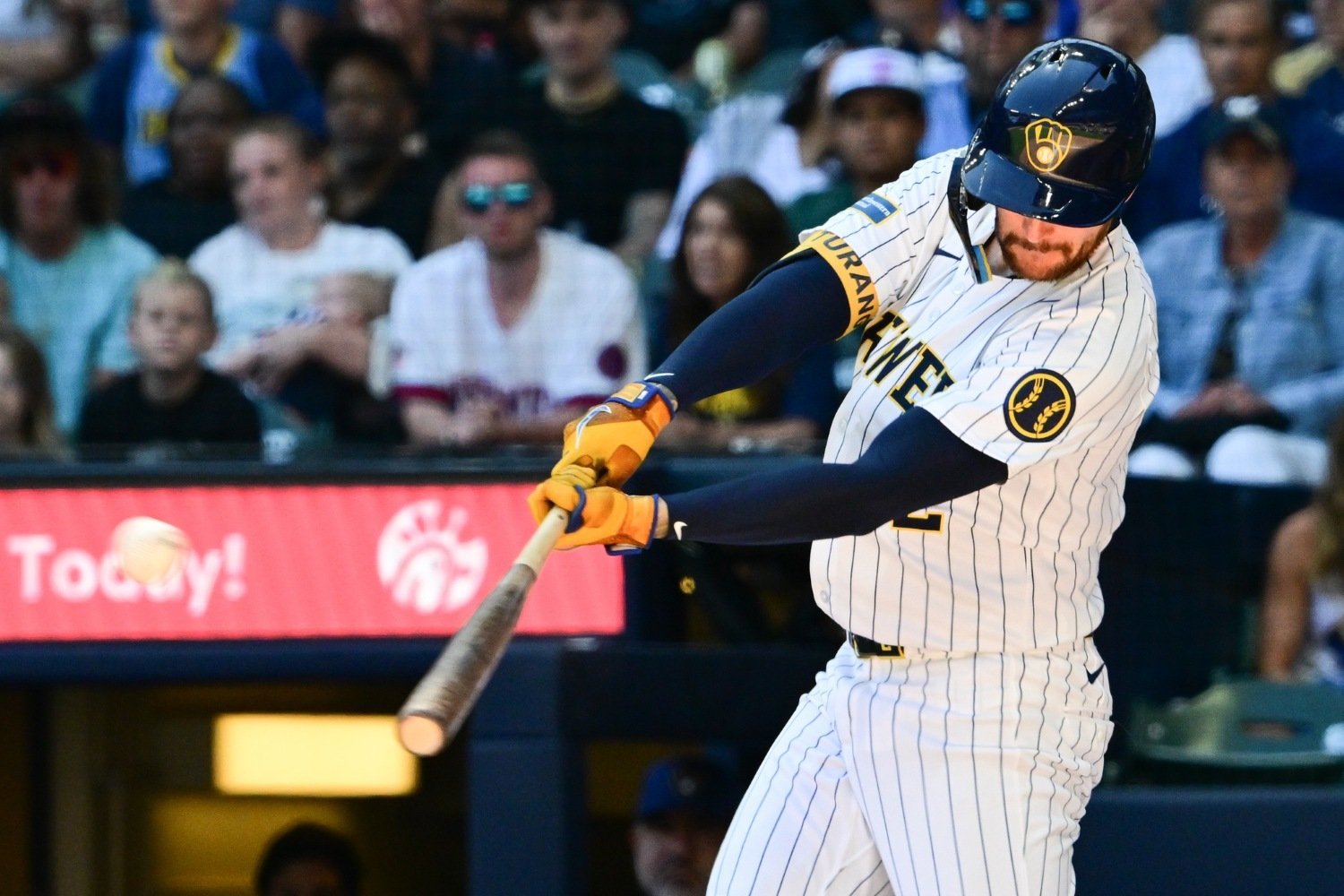 The Royals extended Maikel García on Friday, signing him to a five-year contract worth a guaranteed $57.5 million. The agreement will buy out four years of club-controlled arbitration and one year of free agency, and contains a club option for an additional year. If the option is triggered, the value of the deal will climb to nearly $75 million over six years, and escalators could increase his salaries for 2030 and 2031, nudging the number toward $80 million. García had an outstanding 2025 season, winning the American League Gold Glove Award at third base and breaking out with a 121 wRC+ at the plate. The timing of his extension comes at an interesting time for the Milwaukee Brewers and their own Gold Glove-winning second baseman, Brice Turang. Like García, Turang is a superb defensive infielder who also had a breakout season at the plate. Like García, Turang is a Super Two qualifier and will be eligible for arbitration for the first of four times this winter. He's projected by Cot’s Contracts to earn $4.75 million in 2026, while García had been projected to earn $4.85 million. García and Turang have tracked closely at the plate over their major-league careers. Both players put up below-average batting lines in each of their first two seasons, with 11 total home runs for García and 13 for Turang. This season, however, both made major improvements in bat speed, Barrel rate and walk rate. García bumped from 70.8 MPH to 71.9 on his swings, while Turang had a massive jump from 66.2 all the way to 70.7, leading to both eclipsing their career home run totals in a single season, hitting 16 and 18, respectively. Their career WAR totals are more of a mixed bag, with FanGraphs favoring García and Baseball Reference favoring Turang. Coincidentally, both Garcia and Turang finished 14th in the 2025 MVP voting for their respective leagues. Player Age Service Time 2025 wRC+ 2025 WAR Career WAR Brice Turang 26.1 2.165 124 4.4f / 5.6br 6.8f / 11.8br Maikel García 25.8 2.68 121 5.6f / 5.8br 9.1f / 8br García’s contract is similar to the extension Matt Trueblood suggested for Turang when he wrote on the subject in October, which guaranteed Turang $55 million over the first five years, but had two additional guaranteed years and a mutual option for an eighth year. There is value in the shorter commitment in García’s new deal. With Turang’s stellar up-the-middle defense and emerging power, the team would likely gain a lot of surplus value by having Turang through the 2031 season, which should include the entire prime of his career. If Turang (or García, for that matter) is still performing at a high level when the contract ends, the team could then extend him the qualifying offer to either retain him for an additional year or gain draft pick compensation, without the upfront risk of guaranteeing the sixth and seventh years. Turang may have less incentive to sign an extension than García did, though. Turang was the Brewers' 2018 first-round draft pick and received a $3.41-million bonus, whereas García signed for less than $100,000 as an international amateur in 2016. They both received top-13 payouts from MLB’s Pre-Arbitration Bonus Pool this year, with Turang receiving $1.16 million and García getting $774,000. (It’s interesting that MLB valued Turang’s season more highly, given that both WAR metrics gave García the edge.) If Turang and his agents are interested in an extension similar to García’s, the Brewers should jump at the chance to keep him through his age-31 season and secure one extra year of control with an option for a second. That said, Turang should probably ask for a higher average annual value than Garcia received, or be patient, because he will likely do better overall by betting on himself and going year-to-year in arbitration and becoming a free agent in four years, just as he turns 30. If the Brewers and Turang get together this offseason to discuss a longer-term commitment, García’s extension gives both sides a meaningful reference point to work from—and maybe it helps them get an extension done this winter. View the full article
