


DiamondCentric
-
Posts
2,631 -
Joined
-
Last visited
Never
Content Type
Profiles
Forums
Events
News
Tutorials & Help
Major League Baseball Videos
Guides & Resources
Store
Downloads
Gallery
Everything posted by DiamondCentric
-

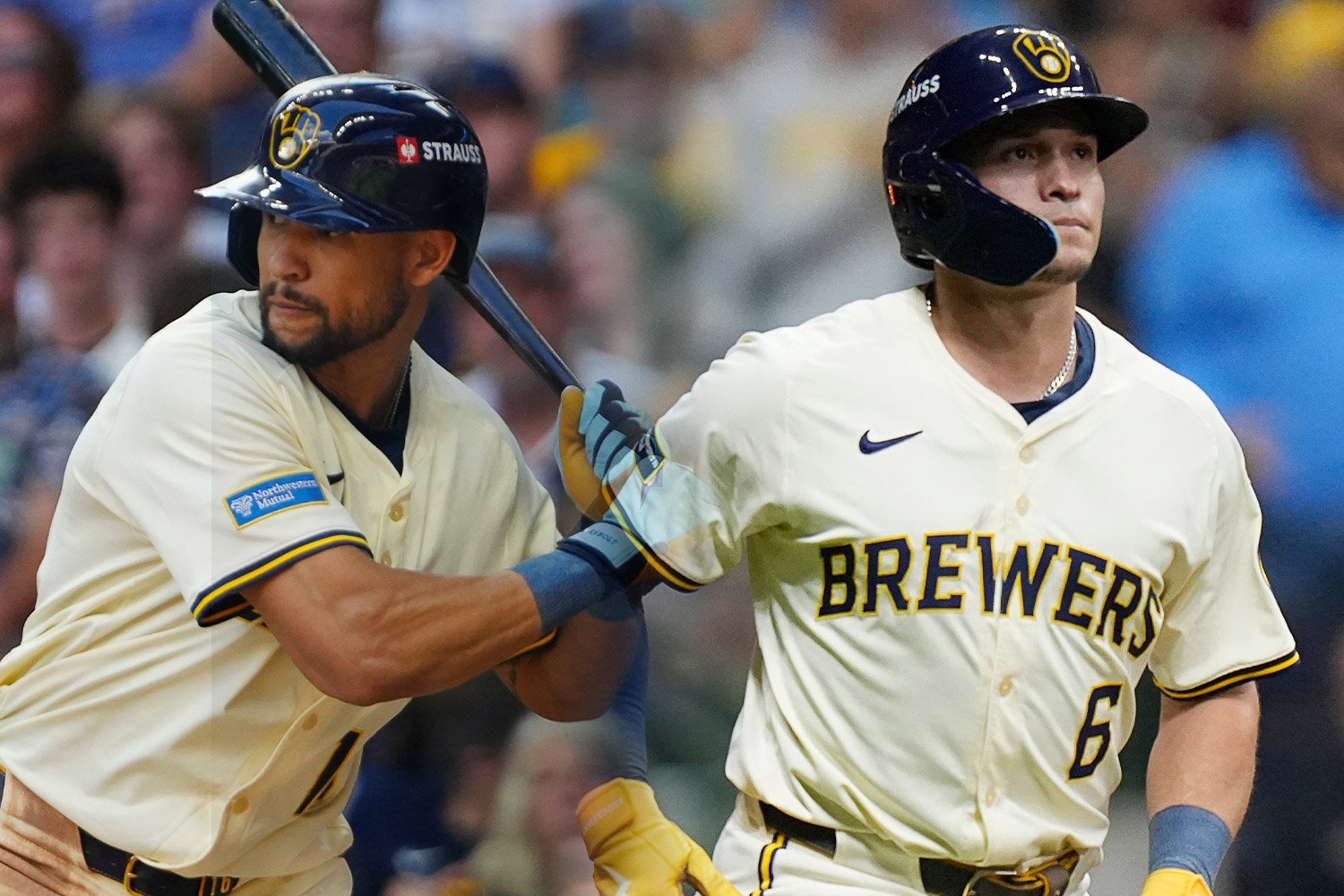 According to Ken Rosenthal and Will Sammon of The Athletic, the Brewers are open to trading some of their outfield depth. Isaac Collins and Blake Perkins are mentioned by name, with the expectation that Christian Yelich, Jackson Chourio, and Sal Frelick are not available. Perkins, 29, is arbitration-eligible for 2026, his first year of arbitration. In 2025 for Milwaukee, he logged 171 plate appearances and hit .226/.298/.348 with three home runs. He posted a .287 wOBA and 83 wRC+, and finished at 0.4 fWAR overall. Perkins played 52 games in center field, with +1 Outs Above Average. Collins, 28, lost his rookie eligibility in 2025 and won't qualify for arbitration until 2027. Collins tallied 441 plate appearances in 2025, batting .263/.368/.411 with nine home runs and 16 steals. He produced a .344 wOBA, 122 wRC+, and 2.6 fWAR, along with a 12.9% BB% and 21.1% K%. He finished the season with +4 Outs Above Average, a .319 xwOBA, and an 88.8 mph average exit velocity. View the full article
 -
Why Justin Lebron Is A College Name For Twins Fans To Follow
DiamondCentric posted an article in Twins Daily
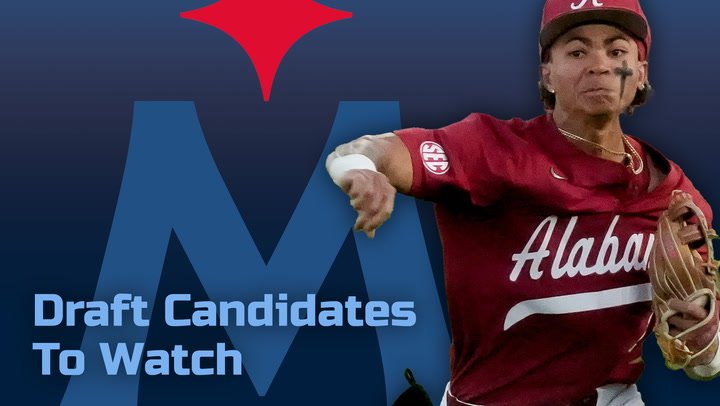 MLB Pipeline's 3rd-best prospect in the 2026 MLB Draft is University of Alabama shortstop/center fielder Justin Lebron. Lebron is a likely candidate for the Twins to follow this spring for the 2026 MLB Draft, given their strong ties to Alabama in recent drafts, picking Riley Quick in their Comp C slot in 2025 and Connor Prielipp in the second round of 2022. Jamie and Jeremy make the case on why Twins fans should continue to follow him in the upcoming college baseball season. View the full article
 -
Why the Twins Are Looking to Trade for Help, Not the Future
DiamondCentric posted an article in Twins Daily
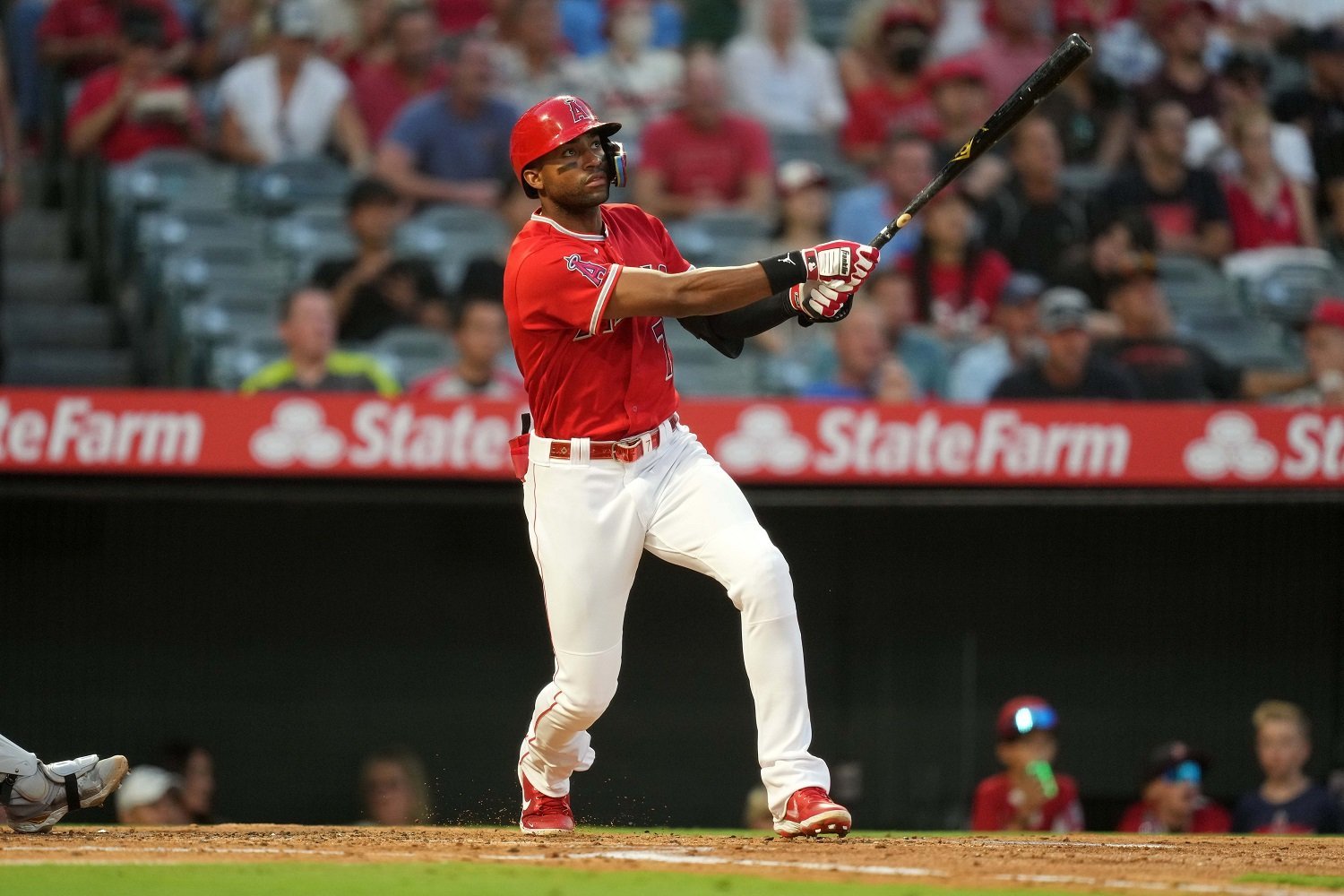 The dust is finally settling after MLB’s Winter Meetings in Orlando, and the Twins seem to have a more defined path forward. For weeks, the offseason was clouded by rumors surrounding Pablo López, Joe Ryan, and Byron Buxton. That chatter quieted dramatically once Minnesota’s leadership met with the media. Instead of shopping their cornerstone pieces, the front office emphasized stability and a plan to keep the roster intact while searching for incremental upgrades. If Minnesota does plan to make a notable move, it likely will not come from a traditional sell-off. There were not many teams signaling that they were ready to move established players for futures. As president of baseball and business operations, Derek Falvey explained, this time of year is geared toward more balanced swaps between competitive clubs. “If two teams are both trying to compete and both have needs, and different ways, how can you swap them? It led to us in our Pablo acquisition a few years ago,” Falvey said. “They wanted Luis Arraez, and we wanted Pablo López, and that was ultimately a fit for us and a fit for them at the same time. It does not always happen like that, but we certainly are looking for that this time of year. We will see if we can execute.” This concept is not new for the Twins. The front office has repeatedly leaned on MLB-for-MLB trades in the winter because the marketplace is fundamentally different from the one in July. In the offseason, most organizations still believe they can compete, which limits the number of clear sellers. A deal becomes more about matching needs rather than collecting prospects. Falvey reinforced that point when he noted, “But it is not with a goal of trying to figure out how to push those guys out into the future in terms of players coming back.” The Twins want major league contributors, and they hope to exchange from areas of depth to address areas of need. Minnesota’s recent history supports this approach. The Arraez-for-López trade stands as the most successful example, giving the Twins a frontline starter who immediately helped anchor a playoff rotation. Two winters ago, the Jorge Polanco deal fit a similar mold. While the Mariners sent notable top prospect Gabriel Gonzalez, the swap also included MLB players Anthony DeSclafani and Justin Topa. The Twins targeted players who could help right away and found a club that valued Polanco in a win-now environment. This winter offers similar possibilities. Baltimore might be an interesting match after bringing in Pete Alonso to play first base. That decision could open the door for Ryan Mountcastle or highly touted corner infielder Coby Mayo. Mountcastle has one year remaining of team control but is coming off a career-worst season with an 83 OPS+ in 89 games. Mayo has a career 79 OPS+ in 102 big-league games and could be a good change-of-scenery candidate. In the outfield, the Twins could look toward the Angels, who have already traded one outfielder this winter. Last season, Jo Adell broke out with 37 home runs, 98 runs batted in, and a .778 OPS in 2025. He remains under control for two more seasons and would give Minnesota the right-handed power presence it currently lacks. Philadelphia’s Nick Castellanos fits the same profile, though his remaining salary ($20 million) would require the Phillies to pay down a portion of the contract to make a deal work. He hit 17 homers last season, but was worth an 88 OPS+ and a -0.8 rWAR. Some ideas are bolder. Twins Daily’s Nate Palmer explored a scenario that would send Royce Lewis to Washington for shortstop C.J. Abrams. It is the type of headline-generating move that always sparks debate, yet it also reflects how the MLB-for-MLB framework can create opportunities when teams are searching for the right blend of skill and long-term control. Nothing is guaranteed as the Twins continue through the offseason, but their direction is now clearer than it was a week ago. They want to keep their core intact and make upgrades without sacrificing their ability to compete in 2026. If the next splash comes, it will likely come from a team looking for the same thing. Should the Twins target any of the players mentioned above? Leave a comment and start the discussion. View the full article
 -
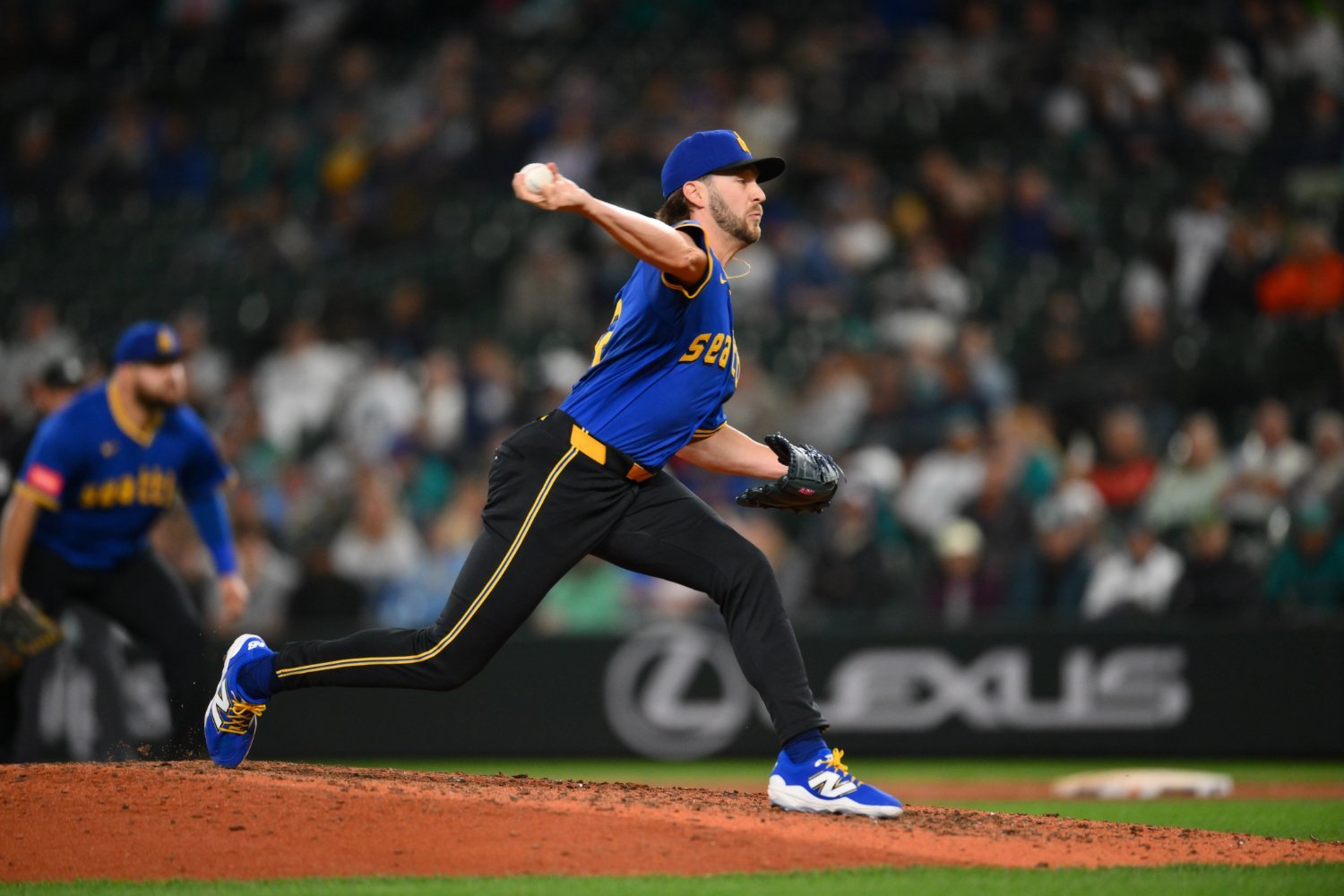 The MLB Winter Meetings have come and gone with a general whimper for the Chicago Cubs, their only major-league transaction of the week being their recent signing of veteran left-handed reliever Hoby Milner on Thursday. They did, however, complete a minor-league deal signing Collin Snider, formerly of the Seattle Mariners. It's easy to have some cynicism when it comes to contracts like Sniders', especially due to the timing; the Orioles are signing Pete Alonso and the Cubs are throwing pasta at the wall on Collin Snider — the headline writes itself for the most part. But beyond the initial reaction of "who cares?", I think there is a genuinely interesting pitcher in Collin Snider, and one who could find his way into the Cubs' bullpen plans in 2026. First, it's probably important to point out that Snider isn't a particularly new name to those in the Cubs organization. While it's true the reliever has never been a Cub, he's worked with Tread Athletics and Tyler Zombro in the past (we'll come back to this later). So, while it's true that he's yet to wear the royal pinstripes, there's an air of familiarity for what he does well and how to work with him already. ZW5QeUFfV0ZRVkV3dEdEUT09X0FRaFJBVmRRQXdRQVdsQUxWZ0FBQ1FBQUFGa0NWMWtBQndaUVVnWUhWd0FIQmdBRg==.mp4 Beyond just some familiar vibes, Snider has had major-league success in the past, specifically in 2024. Over 40 innings, the right-handed reliever was able to post a 1.94 ERA, 3.41 FIP, 3.52 xFIP and a sparkling 27.8 K%. He was unable to keep up the good times in 2025, though, struggling in just 25 innings with the M's, being unceremoniously designated for assignment mid-summer. Attempting to diagnose what went wrong is key to figuring out how to get him back to his best. The most obvious thing that went off the rails was Snider's fastball. One of the things he did so well in 2024 was couple a low-release point with solid velocity to surprise hitters by attacking them up in the zone. Only 26 pitchers in baseball had a lower release point on their fastball in 2024, which makes his usage of the fastball at the top of the zone a bit of an awkward look for hitters — it has a "rising" action (look at how Luis Robert Jr. swings right through his fastball in the video above). Last year, the velocity on the fastball waned, dropping two full mph, and his shape dropped as well; an issue for someone who throws this pitch one-third of the time. Based on FanGraphs' Stuff+ model, it fell from a pretty excellent 111 Stuff+ to a below-average 97 Stuff+. Getting this pitch back to peak velocity and shape is a key to unlocking the 2024 version of the pitcher. Snider also dabbled with splitting his sweeper into two distinct pitches last year; his traditional one with more horizontal movement, and another with more vertical movement, classified as a slurve. This was a pitch designed to play nicely with his cutter-fastball combination and create a little extra depth in his arsenal. While solid in theory, this pitch was kind of a mess all season — MLB hitters crushed the thing, to a tune of a .351 xwOBA and a slugging percentage well north of .500. After he was DFA'd, he entirely lost feel for the thing, so while his velocity may have been up half a MPH while in Tacoma, this pitch became a real problem for him: It became too close to his actual sweeper much of the time, making it hard to differentiate, while also getting too far away from his cutter and fastball to create a difficult decision point for the hitter. It really might behoove everyone to entirely scrap this thing and go back to the 2024 pitch mix. One of the issues that we can point to when it comes to velocity and shape is that the pitcher spent nearly two months on the shelf for a lower-arm issue. Snider is a supinator and a pretty extreme one at that; he engages his lower arm to create the motion and the shapes of his pitches. This causes stress in that area, meaning that it's both not surprising that he suffered an injury here, but also gives us a place to point as to what went wrong last season. A healthy forearm may fix much of what was ailing the righty all on it's own, meaning less outside intervention required. The vision for Snider is likely something akin to what Tyson Miller was for the Cubs in 2024 (who they also acquired from Seattle). Miller was a slider-fastball pitcher with a low arm slot who the team used, especially, against RHH. When both relievers are going well, they uses a high fastball to play off their slider/sweeper to great effect. To get there, the fastball velocity will have to get back to where it was, and Snider's likely going to scrap the slurve (it's just a bad pitch). These pitches interact with each other very well and create difficult decision points for hitters, but if one of them isn't working, then the others will falter on their own merits. Snider would play really well with Hoby Milner, who's devastating against LHH. While they both may fit in more as "specialists". they can thrive in those defined roles. Bigger picture, I think Collin Snider helps us understand the types of pitchers the Cubs are targeting. While we can't say every pitcher is going to have the exact same profile, there are a lot of things that we can glean from this. Namely, that low arm slot Snider uses to great effect (when healthy). Thus far, the Cubs have signed three pitchers for their 2026 bullpen: Phil Maton, Hoby Milner, and Collin Snider, all three of whom have extremely low arm slots. They use them differently; Maton kills you horizontally, Snider attacks you at the top of the zone and then changes your eye level with a sweeper, and Milner is just funky as hell. I don't think it's an accident that they all have this type of arm slot. Further driving the point home: The Cubs signed Matthew Boyd last year and lowered the arm slot of Colin Rea to great effect, Let's not make a mountain out of a molehill, though. Collin Snider is a dart throw and will likely be one of many the Cubs attempt this offseason as they look to rebuild their bullpen. Given their track record, we should probably give them some runway, but it's very possible that even after reuniting with Tread Athletics and Tyle Zombro, Snider just cannot get back to what he was in 2024. The hope here is that as he gets beyond the forearm issue that clearly hurt his feel last season, he can get back to making his unique profile work. With as many 40-man spots as the Cubs have, there's a real path for the right-hander to make the Cubs out of spring training if he can show he's gotten himself right. While I doubt he's as good as Brad Keller, who they really struck gold with last season, there's probably a good reason to believe that despite the MiLB nature of his deal, the Cubs can at least strike silver with Snider. What do you think of Collin Snider? Do you think the Cubs can extract as much value from him as they did with Tyson Miller? Let us know in the comment section below! View the full article
 -
 The MLB Winter Meetings have come and gone with a general whimper for the Chicago Cubs, their only major-league transaction of the week being their recent signing of veteran left-handed reliever Hoby Milner on Thursday. They did, however, complete a minor-league deal signing Collin Snider, formerly of the Seattle Mariners. It's easy to have some cynicism when it comes to contracts like Sniders', especially due to the timing; the Orioles are signing Pete Alonso and the Cubs are throwing pasta at the wall on Collin Snider — the headline writes itself for the most part. But beyond the initial reaction of "who cares?", I think there is a genuinely interesting pitcher in Collin Snider, and one who could find his way into the Cubs' bullpen plans in 2026. First, it's probably important to point out that Snider isn't a particularly new name to those in the Cubs organization. While it's true the reliever has never been a Cub, he's worked with Tread Athletics and Tyler Zombro in the past (we'll come back to this later). So, while it's true that he's yet to wear the royal pinstripes, there's an air of familiarity for what he does well and how to work with him already. ZW5QeUFfV0ZRVkV3dEdEUT09X0FRaFJBVmRRQXdRQVdsQUxWZ0FBQ1FBQUFGa0NWMWtBQndaUVVnWUhWd0FIQmdBRg==.mp4 Beyond just some familiar vibes, Snider has had major-league success in the past, specifically in 2024. Over 40 innings, the right-handed reliever was able to post a 1.94 ERA, 3.41 FIP, 3.52 xFIP and a sparkling 27.8 K%. He was unable to keep up the good times in 2025, though, struggling in just 25 innings with the M's, being unceremoniously designated for assignment mid-summer. Attempting to diagnose what went wrong is key to figuring out how to get him back to his best. The most obvious thing that went off the rails was Snider's fastball. One of the things he did so well in 2024 was couple a low-release point with solid velocity to surprise hitters by attacking them up in the zone. Only 26 pitchers in baseball had a lower release point on their fastball in 2024, which makes his usage of the fastball at the top of the zone a bit of an awkward look for hitters — it has a "rising" action (look at how Luis Robert Jr. swings right through his fastball in the video above). Last year, the velocity on the fastball waned, dropping two full mph, and his shape dropped as well; an issue for someone who throws this pitch one-third of the time. Based on FanGraphs' Stuff+ model, it fell from a pretty excellent 111 Stuff+ to a below-average 97 Stuff+. Getting this pitch back to peak velocity and shape is a key to unlocking the 2024 version of the pitcher. Snider also dabbled with splitting his sweeper into two distinct pitches last year; his traditional one with more horizontal movement, and another with more vertical movement, classified as a slurve. This was a pitch designed to play nicely with his cutter-fastball combination and create a little extra depth in his arsenal. While solid in theory, this pitch was kind of a mess all season — MLB hitters crushed the thing, to a tune of a .351 xwOBA and a slugging percentage well north of .500. After he was DFA'd, he entirely lost feel for the thing, so while his velocity may have been up half a MPH while in Tacoma, this pitch became a real problem for him: It became too close to his actual sweeper much of the time, making it hard to differentiate, while also getting too far away from his cutter and fastball to create a difficult decision point for the hitter. It really might behoove everyone to entirely scrap this thing and go back to the 2024 pitch mix. One of the issues that we can point to when it comes to velocity and shape is that the pitcher spent nearly two months on the shelf for a lower-arm issue. Snider is a supinator and a pretty extreme one at that; he engages his lower arm to create the motion and the shapes of his pitches. This causes stress in that area, meaning that it's both not surprising that he suffered an injury here, but also gives us a place to point as to what went wrong last season. A healthy forearm may fix much of what was ailing the righty all on it's own, meaning less outside intervention required. The vision for Snider is likely something akin to what Tyson Miller was for the Cubs in 2024 (who they also acquired from Seattle). Miller was a slider-fastball pitcher with a low arm slot who the team used, especially, against RHH. When both relievers are going well, they uses a high fastball to play off their slider/sweeper to great effect. To get there, the fastball velocity will have to get back to where it was, and Snider's likely going to scrap the slurve (it's just a bad pitch). These pitches interact with each other very well and create difficult decision points for hitters, but if one of them isn't working, then the others will falter on their own merits. Snider would play really well with Hoby Milner, who's devastating against LHH. While they both may fit in more as "specialists". they can thrive in those defined roles. Bigger picture, I think Collin Snider helps us understand the types of pitchers the Cubs are targeting. While we can't say every pitcher is going to have the exact same profile, there are a lot of things that we can glean from this. Namely, that low arm slot Snider uses to great effect (when healthy). Thus far, the Cubs have signed three pitchers for their 2026 bullpen: Phil Maton, Hoby Milner, and Collin Snider, all three of whom have extremely low arm slots. They use them differently; Maton kills you horizontally, Snider attacks you at the top of the zone and then changes your eye level with a sweeper, and Milner is just funky as hell. I don't think it's an accident that they all have this type of arm slot. Further driving the point home: The Cubs signed Matthew Boyd last year and lowered the arm slot of Colin Rea to great effect, Let's not make a mountain out of a molehill, though. Collin Snider is a dart throw and will likely be one of many the Cubs attempt this offseason as they look to rebuild their bullpen. Given their track record, we should probably give them some runway, but it's very possible that even after reuniting with Tread Athletics and Tyle Zombro, Snider just cannot get back to what he was in 2024. The hope here is that as he gets beyond the forearm issue that clearly hurt his feel last season, he can get back to making his unique profile work. With as many 40-man spots as the Cubs have, there's a real path for the right-hander to make the Cubs out of spring training if he can show he's gotten himself right. While I doubt he's as good as Brad Keller, who they really struck gold with last season, there's probably a good reason to believe that despite the MiLB nature of his deal, the Cubs can at least strike silver with Snider. What do you think of Collin Snider? Do you think the Cubs can extract as much value from him as they did with Tyson Miller? Let us know in the comment section below! View the full article
 -
Projecting The 2027 Brewers' Roster (Somewhat Aggressively)
DiamondCentric posted an article in Brewer Fanatic
 The Brewers will open next season as the reigning three-time Central Division Champions; however, in some ways, the 2026 season feels like a placeholder until the next wave of premier prospects arrives in 2027. Four Brewers received Rookie of the Year votes this past season, but only Jacob Misiorowski was a top 100 prospect, and he only received one fourth-place vote. The 2027 Brewers could have four or five rookies receive votes, with multiple top 100 prospects among them. The Brewers are often described as “threading the needle” between competing for a championship and accumulating young talent to remain competitive on a budget – this winter, that needle hole feels finer than usual. Recent rumors suggest that the Brewers will possbily trade away ace Freddy Peralta, closer Trevor Megill, and setup man Nick Mears, and while recent trades of star pitchers have brought back plug-in contributors such as William Contreras (after a second masterstroke trade), Joey Ortiz, DL Hall, Nestor Cortes, and Caleb Durbin, the bar for the quality of the returning player to become an instant contributor has been substantially raised. This Brewers team just had the final pick in the Rule 5 Draft, where it didn’t select a player, and will have the last official pick in the first round of the 2026 MLB Draft - the Brewers are good. Yes, the Brewers could be served well with more home run power in their lineup, and they might trade away their ace before the year ends, but the front office has built this organization to sustain itself at a high level. Here’s what that could look like after next season. Catchers (2) William Contreras Jeferson Quero William Contreras would enter the 2027 season in his last year of team control. While the Brewers traded Corbin Burnes and Devin Williams and may be trading Freddy Peralta, they kept Willy Adames. They might be smart to keep Contreras as well. He is a very good-hitting catcher, a team leader, and works closely with the team’s deep and talented pitching staff. Quero would have a second year working as a backup and learning from Contreras, while the uber athletic and powerful hitting Marco Dinges would get a third full season in the minor leagues to work on his conversion to catcher and look to compete with Quero to be the starter in 2028. Infielders (6) Blake Burke (1B) Brice Turang (2B) Andrew Fischer (3B) Jesus Made (SS) Joey Ortiz (INF) Caleb Durbin (INF-OF) This is an exciting group! It may seem aggressive to have Burke, Fischer, and Made all on the 2027 Opening Day roster, but all three should move fast in the coming year. Made looks set to start 2026 as a still-18-year-old in Double-A, and reaching the major leagues in 2027 would put him on the same timeline as Jackson Chourio. The two former University of Tennessee corner infielders look ready to move as well. Burke took off after being promoted to Double-A Biloxi and could begin the 2026 season there. Fischer, who many thought was the most advanced college bat in the 2025 MLB Draft, had a strong start to his professional career at High-A Wisconsin and will likely also begin 2026 in Biloxi. Any one of these three could reach Milwaukee by the end of next season to help clinch a fourth straight Central Division title. Surrounding Team USA’s Brice Turang with the three young infielders could be risky, but the upside could be massive. Ortiz would make an excellent backup and defensive replacement anywhere on the infield, and as a right-handed batter, he could take the lineup spot for any of the three left-handed hitters on the dirt. Durbin would also fit as a right-handed option, both on the infield at second and third and in the outfield. Outfield (5) Jackson Chourio (LF) Luis Lara (CF) Sal Frelick (RF) Christian Yelich (DH) Blake Perkins (OF) The changes in the outfield between now and April 2027 are less obvious than in the infield. The Brewers may look to make an upgrade in the outfield this winter, and that player could have multiple years of control. But as it stands, this would be an excellent defensive outfield with potential at the plate. Lara is an elite center fielder and had a very good year at Double-A this past year. He won’t help the Brewers hit more home runs, but he should get on base at a strong clip, and has the speed to impact the game from there - he fits in well with the brand of baseball the 2025 Brewers played. The Brewers will hope Chourio has taken a big step forward and become an All-Star caliber player, and that Frelick is still playing elite defense while getting on base and turning the lineup over. This lineup will have great flexibility - with Made and Lara switch-hitting, Pat Murphy would have only two right-handed batters among his starting nine, but against a left-hander, he could utilize a lineup featuring only two left-handed batters. Starting Pitchers (5) Jacob Misiorowski Quinn Priester Chad Patrick Logan Henderson Robert Gasser Starting pitching is where the 2026 team potentially outshines this 2027 projection, especially if Peralta remains on the roster. However, this group has a lot of talent and should gain a lot of experience this coming year. The Miz has the stuff to be a true staff ace if he can limit the walks he allows and consistently pitch into the sixth and seventh innings. All four of Priester, Patrick, Henderson, and Gasser have had success at the major league level. Staying healthy and consistent will be the key to unlocking their potential and making this a very strong starting rotation. In addition to the outfield, starting pitching may be the position most likely to see a trade acquisition that could challenge for a roster spot between now and 2027. If Peralta and Megill do indeed get traded, it would be reasonable to expect that a highly rated pitching prospect will be a part of at least one of those trade returns, and one or more of those players could supplant a member of this group of incumbents. Bullpen (8) Abner Uribe Aaron Ashby Jared Koenig Brett Wichrowski Craig Yoho Coleman Crow DL Hall Tobias Myers The Brewers have an embarrassment of pitching riches - they really have impressive depth - there are another dozen or so pitchers in their minor league system that could potentially be ready to contribute to either the rotation or bullpen in 2027. In this projection, Uribe would remain the closer, with Ashby, Koenig, and Wichrowski as the high-leverage arms, and Yoho serving as a righty killer. Crow and Hall would offer longer middle relief from either side, and Myers would be the long man, capable of picking up a starter who has a bad day. A lot will happen between now and Opening Day 2027 - but the 2026 Brewers will be constructed with an eye towards the following year’s cadre of talented prospects that will reshape the lineup and keep this team in the hunt for many more division titles. View the full article
 -
Red Sox Brass Believes Wilyer Abreu is Ready to Take the Next Step
DiamondCentric posted an article in Talk Sox
 During the Winter Meetings earlier this week, both Alex Cora and Craig Breslow offered a glimpse behind the curtain about outfield playing time for Wilyer Abreu in 2026. As MassLive.com’s Chris Cotillo reported: “With Willy and some of the lefties, we have to see if they can do it,” said Cora. “It’s about that time, especially with Abreu. If he can hit lefties and hit for power and play defense the way he’s done the last few years, he can be the guy.” Breslow then offered this glowing remark: “Wilyer is a really good player. We’ve seen the way he’s able to impact both sides of the ball. He has earned the right to get some added runway against left-handed pitching. We feel like it’s an adjustment he’s capable of making. He’s got such a solid defensive floor that having him out there more often than not is going to help the overall team.” That’s a great sign for Abreu moving forward, provided he remains with the club in 2026. As with other young, left-handed players like Jarren Duran and Triston Casas, Abreu was placed in a platoon role with Rob Refsnyder for the last two seasons. It’s worked well so far, but it hamstrings the team a bit in the long run. Abreu is a two-time Gold Glove winner while playing far less than he should be. With even more games in right field under his belt, the sky is the limit. Additionally, Abreu was one of two primary sources of power on the team last season (Trevor Story being the other) after Rafael Devers was traded in June. Limiting his plate appearances keeps him from putting the bat to ball and improving against left-handed pitching. Abreu has started against left-handed pitching just 15 times. He’s slashing .205/.271/.318 with two home runs and a 25.5% strikeout rate. That’s pretty bad. When we break his stats down by season though, we can already start to see an upward trend. Per Baseball Savant, Abreu started to come around against southpaws last season. The numbers still aren’t great, but they show that with consistent reps, Abreu should be able to make significant positive strides in 2026. The one thing that could hold him up though, is that it appears Nate Eaton is in line to see more reps with Refsnyder possibly leaving the organization this offseason. The Red Sox don’t necessarily need both Eaton and Refsnyder in 2026, and will likely opt to go with the cheaper choice in Eaton. This shouldn’t prevent Abreu from seeing the majority of playing time in right field, but it will give him a chance to cycle through days off and possibly even the DH role if he proves capable of handling lefties with some amount of success early in the season. Now that we’re three seasons into Abreu’s MLB career, it's time to see what he can do in a full-time role. He is young, cost-controlled, and seems primed to fully break out at the plate in 2026. If he can put all the pieces together, the Red Sox may have a 30-homer threat with Gold Glove credentials. As far as valuable players go, it's hard not to salivate at the prospect of Abreu turning into that. View the full article
 -
 Good deals aren't always easy to come by in Major League Baseball. Free agent signings don't always work out. It can take years to determine if one team bettered the other in a trade, and sometimes there’s no winner. The Blue Jays don’t seem to be done with their offseason activities. In search of good deals, they appear to be in the conversation with and for everyone. On their radar are free agents like Kyle Tucker, Robert Suarez, and Bo Bichette, and trade targets like Ketel Marte. They have been doing their due diligence throughout the market. Free agents are one thing – money talks – but trades are another. The Jays have shown a willingness to spend when the fit is right. But trades are something entirely. To acquire talent via trade, the Jays must be willing to part with something of value as well. Even if they are interested in certain available players, who could they offer in return? If you think about the 40-man roster and beyond, the pieces that Jays fans might consider expendable won’t necessarily fetch a big return. There are some exciting prospects in the system, but if traded, the Jays would hamper their ability to sustain success in the long term. This balancing act could define the offseason. GM Ross Atkins must weigh immediate needs and chemistry with future stability. Do the Jays mortgage tomorrow for a shot at glory today, or do they hold firm, trusting their farm system to deliver reinforcements in the years ahead? Another path the Jays could consider is trading from their major league roster. Could they trade Anthony Santander? Santander is entering year two of his five-year $92.5 million deal (of which $61.75 million is deferred). There’s also a sixth-year team option. If the Jays could manage a deal, it would reduce the logjam in the outfield and at DH. Yet, after an injury-plagued season, his value on the market can’t be high, especially considering his contract. The Jays would likely need to absorb salary or package him with prospects to entice a buyer. What about José Berríos? Berríos has an opt-out after the 2026 season, but based on his recent body of work, he isn’t likely to exercise it. He has three years and $67 million remaining on his seven-year contract. His departure would unclutter the starting rotation, but at what cost? As with Santander, the Jays would likely have to eat a significant portion of Berríos's salary or package him with prospects to bring back a meaningful return. Moreover, Berríos has been a stabilizing force, a pitcher capable of eating innings and delivering quality starts. Removing him from the equation would leave a significant hole. Clearly, he wasn't happy with the way his role evolved last season. Can the relationship be salvaged? The Jays must also ask themselves: Is any potential return worth the risk of destabilizing their pitching staff? Fan favourites like Ernie Clement, Addison Barger, Davis Schneider, Myles Straw, Nathan Lukes, and Jeff Hoffman won't be nearly as sought-after as the top prospects in the Jays’ system. These players are valuable within the organization because they provide depth, versatility, leadership, and clubhouse chemistry, but they are not the kind of assets that move the needle in blockbuster negotiations. To land a star, Toronto must consider bigger chips. It is highly unlikely that the Jays would trade Trey Yesavage, but it's not inconceivable to think they could consider a trade that includes Kevin Gausman, especially with Dylan Cease under contract. Gausman is entering the final year of a five-year, $110 million deal. His value lies not only in his performance but also in his contract, which could appeal to teams seeking short‑term pitching help without long‑term financial commitments. Of course, you’d have to think that such a deal would need to be lopsided in favour of the Jays for them to consider it at all. Obviously, there are examples of the Jays making blockbuster trades in the past... Mind you, when they were under different leadership. In 1990, the Jays acquired Roberto Alomar and Joe Carter from the Padres for Fred McGriff and Tony Fernandez. They would eventually lead the team to two World Championships. In 2012, the Jays made a trade with the Mets for R.A. Dickey in exchange for Noah Syndergaard and Travis d’Arnaud. And in 2014, the Jays swapped Brett Lawrie, Sean Nolin, Kendall Graveman and Franklin Barreto for Josh Donaldson. Syndergaard and d’Arnaud were top prospects in the Jays’ system when they were traded. It all comes back to prospects. Former general manager Alex Anthopolous was criticized by some for trades that emptied out the farm system. Since Mark Shapiro and Ross Atkins have been in their roles, the franchise has been slowly building the system back up. Yesavage would be a good example, albeit a rare one, of a draft pick who has made an immediate impact. There is no question that several of Toronto's top prospects would be of interest to other teams. The Jays’ farm system boasts some exciting names. Players who could be part of the next wave of stars. Trading them might yield immediate help, but at the expense of long‑term sustainability. The Jays must decide which prospects are truly untouchable and which can be leveraged to acquire established talent. Scouting, analytics, and gut instinct converge when it comes to prospects. A prospect’s value is not just in their potential but in how the organization projects their fit on rosters down the line. Do they address a future need? Do they align with the team’s timeline? These questions shape the calculus of every trade discussion. As the offseason unfolds, the Jays will continue to face tough decisions. Their willingness to explore every option is exciting, but they need to be decisive when it comes time to pull the trigger. The path to contention is narrow, requiring precision, patience, and courage. Whether through free agency or trades, the Jays must craft a roster that balances immediate competitiveness with long‑term viability. Outside of that equation, the team needs to ensure that the chemistry inside the clubhouse remains strong. Every move (and non-move) in the offseason is a gamble. Some pay off, others backfire, and many linger in ambiguity. For the Jays, this offseason feels like a particularly defining moment. The choices they make now will reverberate for years, shaping the franchise. The question is not whether the Jays will make moves, but it is whether those moves will propel them to a World Series championship. View the full article
 -
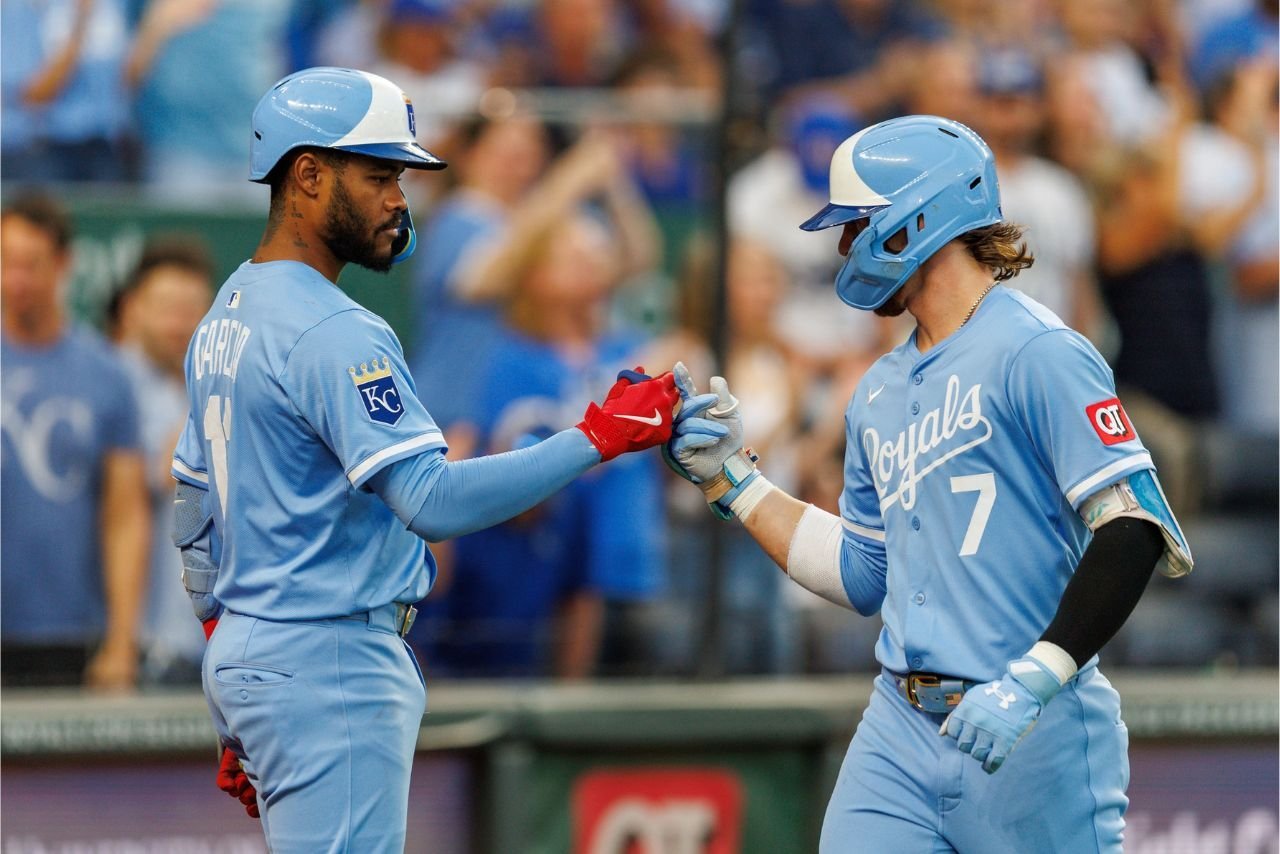 On Friday, the Royals made some big headlines in the baseball world, as Jeff Passan reported that the Kansas City Royals had agreed on a five-year extension with third baseman Maikel Garcia. Royals MLB.com writer Anne Rogers finalized the details of Garcia's deal, which totaled $57.5 million in guaranteed money over the five-year span, with a club option for 2031. Rogers shared more details about the deal in her whole piece on MLB.com later in the afternoon. He will be making a little over $4 million next season, which would have been his first year of arbitration. The deal gives Garcia financial stability through the 2030 season and shows the Royals' long-term commitment to their young infielder. That said, his first year is a bit of a discount for the Royals. His estimated salary in arbitration was $5.8 million, according to MLB Trade Rumors. Thus, the Royals saved nearly $2 million for next year's payroll by agreeing to this Garcia extension. Therefore, this is an interesting deal for Garcia and the Royals, as it maintains their ability to build their roster in the short term this offseason while still providing a blueprint for the long term. Let's look at why Royals GM JJ Picollo gave Garcia this extension, the long-term impact, and what other moves are on the horizon in Kansas City in the wake of this extension announcement. Garcia's Hitting Changes and Skill Improvement in 2025 The 25-year-old Royals infielder has been a key part of the Royals since the 2023 season, and he showed flashes of strong play in 2023 and 2024. In his first full season in 2023, Garcia posted an 85 wRC+ and 2.2 fWAR in 515 plate appearances. However, things regressed a little bit in 2024, especially at the plate. In 626 plate appearances, he posted a 71 wRC+ and 1.2 fWAR. He hit seven home runs, three more than he did a season ago. Garcia also scored 84 runs and stole 37 bases, both improvements from what he did in his rookie year (59 and 23, respectively). Unfortunately, his average exit velocity declined (91.8 MPH to 90.4 MPH), as did his hard-hit rate (50.6% to 42.8%). That led to a .270 wOBA, a 29-point decline from his 2023 mark. After a disappointing season in 2024, Garcia went to the drawing board and retooled some things in his swing in 2025. With the help of hitting coach Alec Zumwalt, the Venezuelan infielder made some modifications to his hands and leg kick, which was noticeable in Spring Training last year. Resting the bat on his shoulder in his batting stance and opting for a toe tap instead of a leg kick did wonders for his batted-ball metrics and overall results. In 666 plate appearances, Garcia slashed .286/.351/.449 with an .800 OPS and 121 wRC+. He also hit 16 home runs, a career-high, scored 81 runs, and collected 74 RBI, the latter being a career-high. The stolen bases fell to 23, a bit of a regression from a year ago. However, he traded speed for power, which was welcomed by a Royals lineup that ranked 26th in runs scored and home runs last season. The Royals' primary third baseman also saw a boost in many important Statcast categories last year. His 91.3 MPH average exit velocity was 0.9 MPH higher than his previous average. His 45.1% hard-hit rate was 2.3% higher than a year ago. Lastly, his 9.7 average launch angle and 5.6% barrel rate were career-highs. When looking at his overall Statcast profile via TJ Stats, he demonstrated some encouraging growth in his batted-ball categories while still maintaining elite plate discipline skills. That kind of combination made him one of the Royals' most effective hitters, skills-wise, in 2025. Now, Garcia's overall profile is far from perfect. He still struggled to consistently pull the ball last year, as he ranked in the 9th percentile in pull rate and 23rd percentile in Pull Air%. His barrel rate and max EV percentiles were also pedestrian, at the 24th and 34th percentiles, respectively. That said, as illustrated in his hits spray chart from a season ago, he did a much better job of pulling the ball for home runs, even if the other base hits were a bit more sprayed out. A lot of his singles were in the gaps. However, most of his extra base hits were pulled, whether they were home runs or doubles. For context, let's take a look at his hits spray chart from 2023 and 2024. Garcia sprayed the ball a lot more around the field and had more doubles and triples in the gaps. However, the home runs were a little more spread out, resulting in less consistency in launched batted balls and, thus, fewer home runs overall in those 2023 and 2024 seasons. Furthermore, by improving his ability to pull and launch the ball, he also posted a better xwOBA trend in 2025 than in his other seasons, which can be seen in the chart below via Savant. Not only did Garcia see much more consistency in his xwOBA trend last year, but he also saw extraordinary positive spikes that he never reached in 2023 or 2024. That is a positive sign that what he did in 2025 illustrated legitimate hitting growth and wasn't a fluke. These positive pull and xwOBA trends only justify the five-year extension that Garcia received from the Royals on Friday. The power is developing nicely and will only mature as he gets older and adds more natural strength to his frame. What Kind of Impact Does Garcia Have On the Royals' Payroll Long Term? The signing of Garcia has the most significant impact on the left side of the Royals' infield, as Kansas City has its shortstop (Bobby Witt Jr.) and third baseman (Garcia) under contract for quite some time. Given that both players won Gold Gloves last year and combined for 13.6 fWAR, that kind of stability is essential for the Royals to be a competitive club in the long term. What's interesting about the deal is that the Royals will have Witt and Garcia until at least 2030. After 2030, Witt can opt out of the 11-year contract he signed before the 2024 season, and Garcia will be in the final year of his deal (he has that club option in 2030). Rogers made a note of this in her piece on Garcia's signing. Witt is the franchise star for the Royals, but as baseball fans know, a team needs more than one guy to win a World Series. Salvador Perez has had a nice end-of-career resurgence, but he'll be 36 this season and may only have a couple of years left in his illustrious career. Thus, the Royals need young players that they can surround Witt with. Garcia is the first piece Kansas City has committed to in building its long-term offensive core. With Garcia signed, the main question is this: who are the Royals going to commit to next? Vinnie Pasquantino seems like the most logical choice, especially after leading the team in home runs (32) and RBI (113). He is in his first year of arbitration this offseason, much like Garcia. Unfortunately, Pasquantino doesn't offer the defensive value (-8 career OAA) or baserunning (-10.3 career Baserunning Runs above average). As a result, he has only accumulated a 4.5 fWAR in his career, much lower than Garcia's (9.1 fWAR). That makes it a lot tougher for the Royals to commit in the long term to Pasquantino when all of his value is tied to one particular area (i.e., hitting). Other extension options could be Jac Caglianone or Carter Jensen, both rookies a season ago. An extension now for both of them could be cheap, and we have seen other teams give out extensions to players before they had much, if any, MLB time. Colt Keith of the Tigers and Kristian Campbell of the Red Sox are two examples. Both Caglianone and Jensen have their fair shares of upside and risks as extension candidates. Caglianone may have the best power tool in the organization, even at the Major League level, but he struggled in his rookie debut, posting a 46 wRC+ and -1.6 fWAR in 232 plate appearances. He will need to improve his launch angle and some of his swing decisions in 2026 for the Royals to give him an extension. As for Jensen, his MLB debut went as well as it possibly could've. In 69 plate appearances, he posted a 159 wRC+ and 0.7 fWAR. His Statcast profile was pretty immaculate as well, with many of his Statcast categories ranking in the upper percentiles of the league, as seen in his TJ Stats summary below. That said, while Jensen's debut was impressive, it was only 69 plate appearances. The Royals need a larger sample from him in 2026 if they are going to make a significant financial commitment, especially at his age (22). Nonetheless, Caglianone and Jensen may be better extension candidates than Pasquantino, mainly because they hold better upside value and are both much younger than Pasquantino (28). What's the Next Big Move This Offseason? The Royals likely won't extend another player under arbitration this offseason. Conversely, they have more moves to make, especially when it comes to rounding out their lineup, preferably in the outfield. Passan, in his write-up about the Garcia deal, mentioned that the Royals have been inquiring heavily in the trade market. While he noted the Royals have been inquiring with the Red Sox about Jarren Duran, which is not new, he said they have also been inquiring with the Nationals regarding shortstop CJ Abrams and pitcher MacKenzie Gore. Abrams and Gore is an interesting discussion, mainly because Abrams plays the same position as Witt, and Gore is a pitcher. That said, Abrams has been rumored to be a candidate to move positions, especially after posting a -11 OAA last year at shortstop for the Nationals. The former Padres first-round pick could move to second base or possibly left field, where his speed and athleticism should profile well. Abrams' Statcast percentiles weren't eye-popping, but he still has some upside at 25, and he pulled the ball effectively last year for Washington as well. As for Gore, his possible acquisition may be a contingency plan for the Royals' rotation, especially if they need to trade away Cole Ragans for a big-time outfielder like Duran or someone else on the trade market (maybe Teoscar Hernandez, though he wouldn't be worth an asset like Ragans). Picollo, during the Winter Meetings, mentioned that the Royals needed an "ace" like Ragans to be competitive in the postseason. Could Gore fill that "Ragans" role? The TJ Stats summary profile for Gore compares quite favorably to Ragans', which could force the Royals to pull the trigger on a Ragans trade this offseason. Granted, while trade talks are circulating even more since the conclusion of the Winter Meetings, the Royals still have a lot of legwork to do to make one or any of these deals a reality. A lot of moving parts have to click first, and that could take weeks. Still, the Royals are going to be aggressive this offseason, not only in building their long-term future, as was the case with Garcia, but also in shaping their team for 2026. Garcia's contract stability gives Picollo one less deal to worry about, which should help him focus on that much-needed big-time trade or free-agent signing this offseason. View the full article
 -
Blue Jays Sign Submariner Tyler Rogers to Bolster Bullpen
DiamondCentric posted an article in Jays Centre
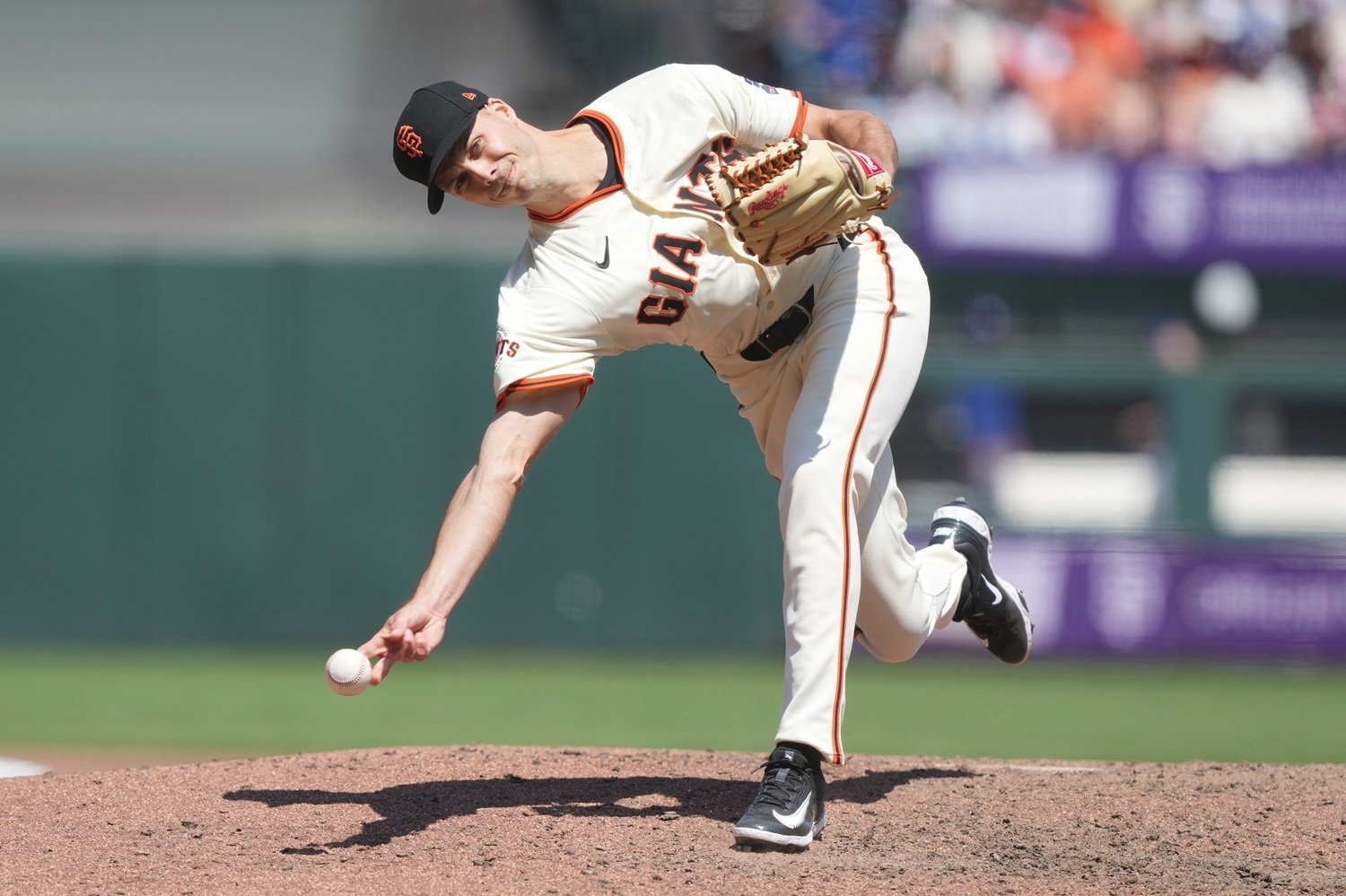 The Blue Jays clearly have put a focus on their bullpen this offseason, and that continued on Friday. Hours after they announced the acquisition of Chase Lee from the Tigers, reports began circulating that the Jays have signed free-agent submariner Tyler Rogers. The right-hander will receive a three-year contract worth $37 million with a vesting option for a fourth season that would pay him $11 million. Tyler and his twin brother Taylor Rogers will turn 35 next week. Taylor Rogers has played for six big-league teams over the past 10 seasons. Tyler Rogers was the 10th round pick of the Giants in 2023 out of Austin Peay State. He made his MLB debut as a 28-year-old in 2019. Since then, he has been one of the most active relievers in baseball. He has led the National League in appearances in 2020, 2021, 2024, and again in 2025. He pitched in 68 games in both 2022 and 2023. Tyler Rogers spent his entire career with the Giants until the 2025 trade deadline when he was dealt to the New York Mets. Rogers's release point is basically the ground. Because of that, he has the slowest fastball in the game. Read this Royals Keep article discussing what Rogers can do for a team to illustrate how he can help the Blue Jays bullpen. data:image/gif;base64,R0lGODlhAQABAPABAP///wAAACH5BAEKAAAALAAAAAABAAEAAAICRAEAOw== Rogers will be a completely different look out of the Jays bullpen, much different than the big velocity arms like Jeff Hoffman, Louis Varland, and Braydon Fisher. Rogers won't get a ton of strikeouts, but he also walks very few batters. What do you think of this signing for the Blue Jays? Maybe they should bring in Taylor too. View the full article
 -
Marlins not planning a 'significant payroll increase' for 2026
DiamondCentric posted an article in Fish On First
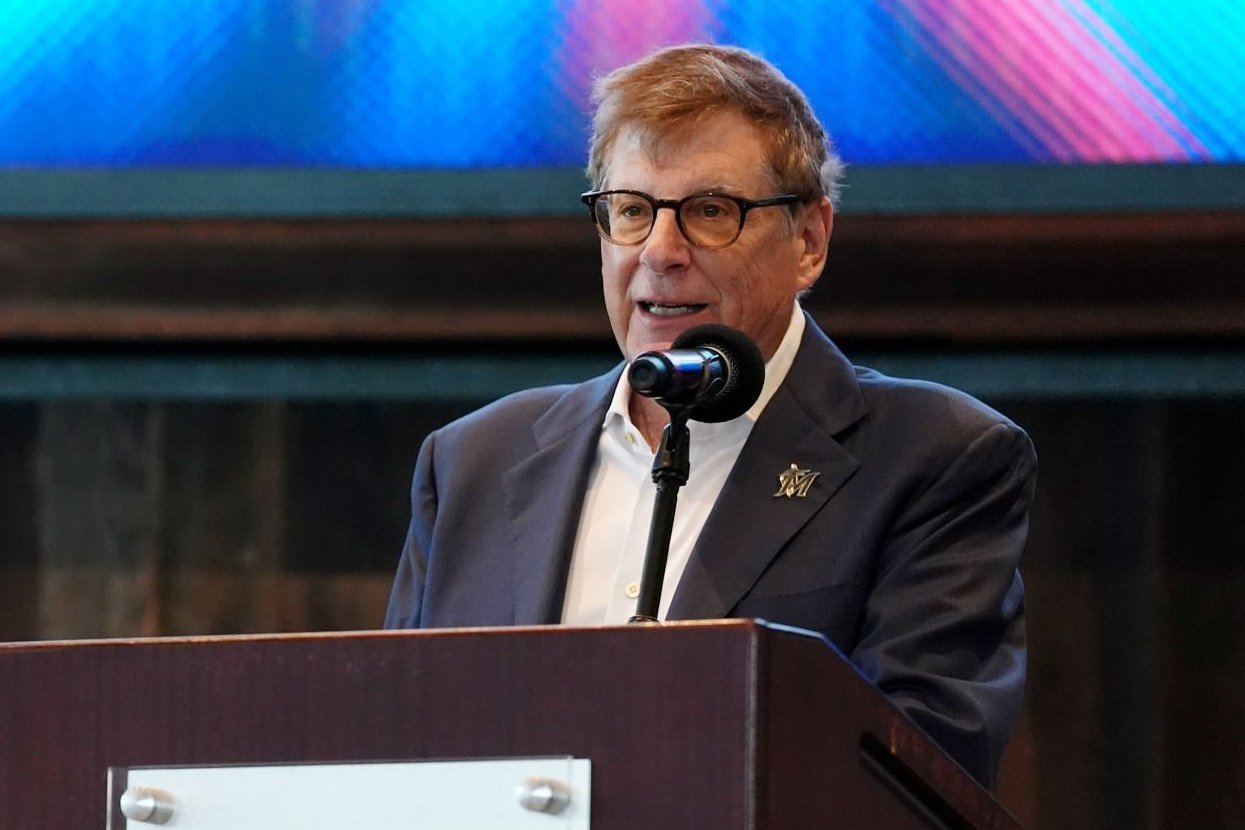 Back on October 1, Barry Jackson of the Miami Herald reported that the Miami Marlins payroll was "expected to rise" from its 2025 level, "but the extent of the increase remains to be determined." Jackson provided an update on Friday in the aftermath of the club agreeing to terms on a one-year deal with free agent Christopher Morel: "a source said last week that while the payroll will increase some, a significant payroll increase would not happen." The 2025 Marlins had a year-end 40-man roster payroll of $67.7 million, according to Cot's Baseball Contracts. Their luxury-tax payroll estimate was $84.9 million. Since Bruce Sherman took over as the franchise's principal owner during the 2017-18 offseason, the Marlins have perennially ranked in the bottom third of MLB team spending, but they had never been dead last in either category until now. For context, from 2022-24, the Marlins averaged a 40-man payroll of $97.1 million and a luxury-tax payroll of $123.6 million. Ken Rosenthal and Evan Drellich of The Athletic previously theorized that "the Marlins might be operating with an additional motivation" because they did not come close to spending 150% of their league revenue-sharing intake on player payroll—approximately $105 million for luxury-tax purposes. "When a club fails to hit the specified number, the burden of proof shifts from the (Major League Baseball Players Association) to the club," encouraging the union to file a greivance against them. The Athletics found themselves in a similar predicament last winter and their payroll spiked accordingly. Jackson disputes the notion that the Marlins are concerned about this. If challenged by the MLBPA, they will argue that an ample amount of money is being spent to bolster the organization's infrastructure ("things you don't see," to quote Sherman himself). President of baseball operations Peter Bendix has been clear that the Marlins' overarching goal is to qualify for the postseason as frequently as possible. Coming off a 79-win season, they are only a few effective moves away from genuinely contending for an October berth. Yet the budget is apparently so tight that Bendix had to address the team's biggest weakness—first base—by rolling the dice on Morel, who's coming off a sub-replacement-level season and has zero experience at the position?! As Fish On First has reported on, they have repeatedly fallen short in pursuits of free agent relievers despite craving more experience in high-leverage roles. As currently constituted, the 40-man roster payroll for the 2026 Marlins would already be in the $70 million range (though that is based on my rough estimates of Morel's compensation and not-yet-determined salaries for arbitration-eligible players). If indeed there isn't "significant" room to spend on top of that, they are headed for an unacceptably stagnant offseason. View the full article
 -
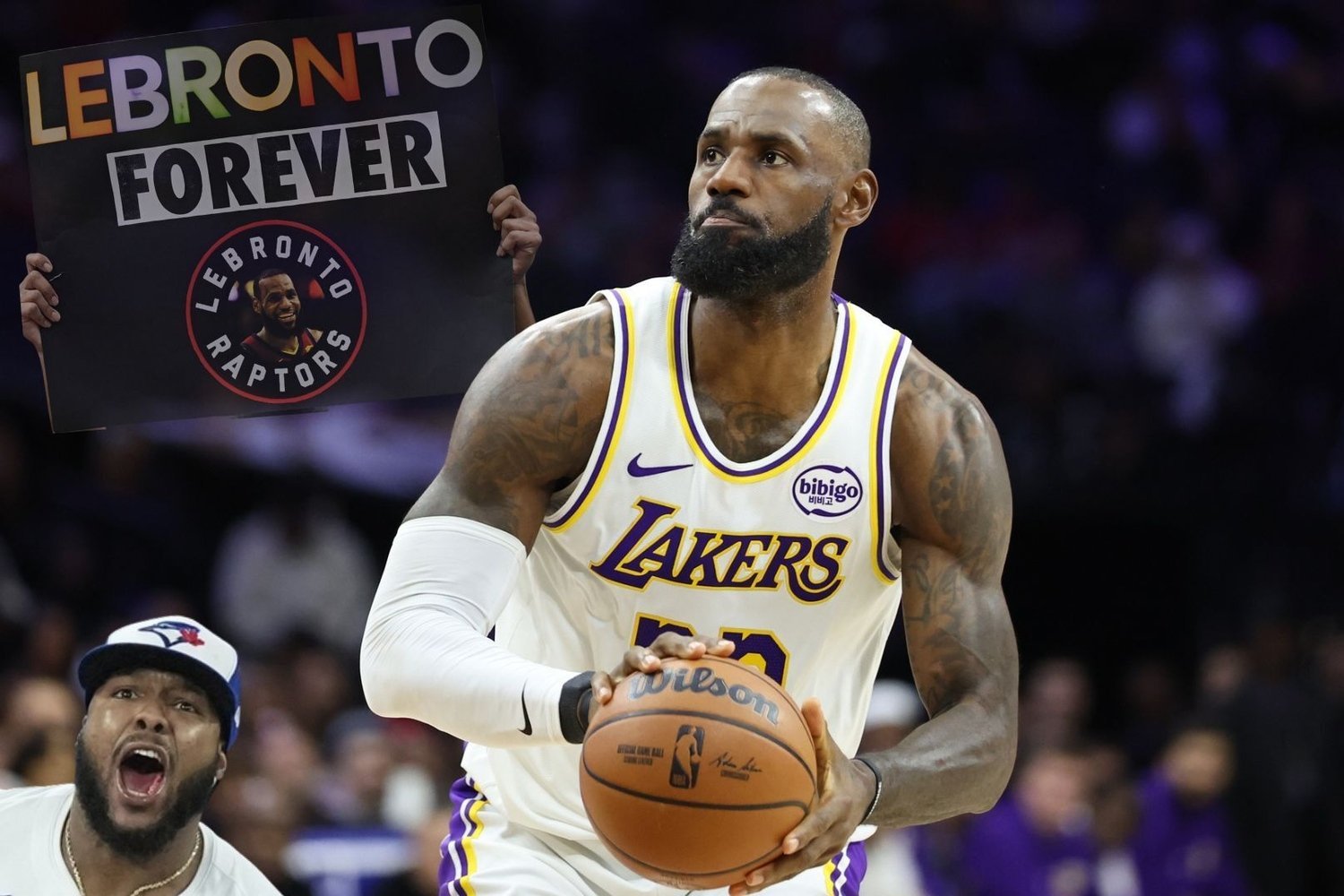 Editor’s Note: This is the first Jays Centre article by five-time MLB All-Star Vladimir Guerrero Jr. We’re always looking for eager new writers to join our staff, whether you’re a Home Run Derby champion or just the reigning ALCS MVP. If you’d like to learn more, please click here, fill out the form, and someone will reply with more information. LeBron James? Are you kidding me? Earlier this week, Sports Reference published year-in-review website trend data for the 2025 MLB season. You know, the season where I made my fifth consecutive All-Star team and led the Blue Jays on their deepest postseason run of my lifetime. No big deal. I was honoured to have the most-viewed baseball player page throughout the country, despite Showboat Ohtani’s best efforts. In 2023 and ‘24, that World Series-stealing free agent tease had the most-viewed Baseball Reference player page across most of the Great White North. In 2025, Canadians finally made the right call (even if Jordan Baker, home plate umpire in Game 7 of the World Series, did not). In every province and territory, no Baseball Reference player page got more hits than my own. per Baseball Reference (2023, '24, '25) I wish I could say the same across all the Sports Reference platforms. Instead, I was shocked, appalled, and frankly hurt to see a different name plastered from sea to sea to sea. A name we’ve all seen plastered everywhere for the last two decades. LeBron James had the most-viewed Sports Reference page in most of the country. LeBron James! It would be one thing if it were Auston Matthews or Scottie Barnes. Heck, I’m not mad to see Hamilton's own Shai Gilgeous-Alexander on there. You do you, Yukon. But you’re telling me that while I was bringing our home and native land together with earth-shattering grand slams (and my award-winning personality), y’all were looking up LeBron’s plus/minus? While almost half the country was tuning in to watch me dominate in the World Series, the other half just needed to know LeBron’s field goal percentage? All I can say is thank god for Prince Edward Island. You guys are real ones. If I could take my talents to Charlottetown, believe me, I would. per Baseball Reference I don’t do it for the recognition. I don’t do it for the fame. But LeBron?? Come on, Ontario. Come on, Canada. What happened to elbows up? What happened to Canada first? I'm not mad, I'm just disappointed. View the full article
 -
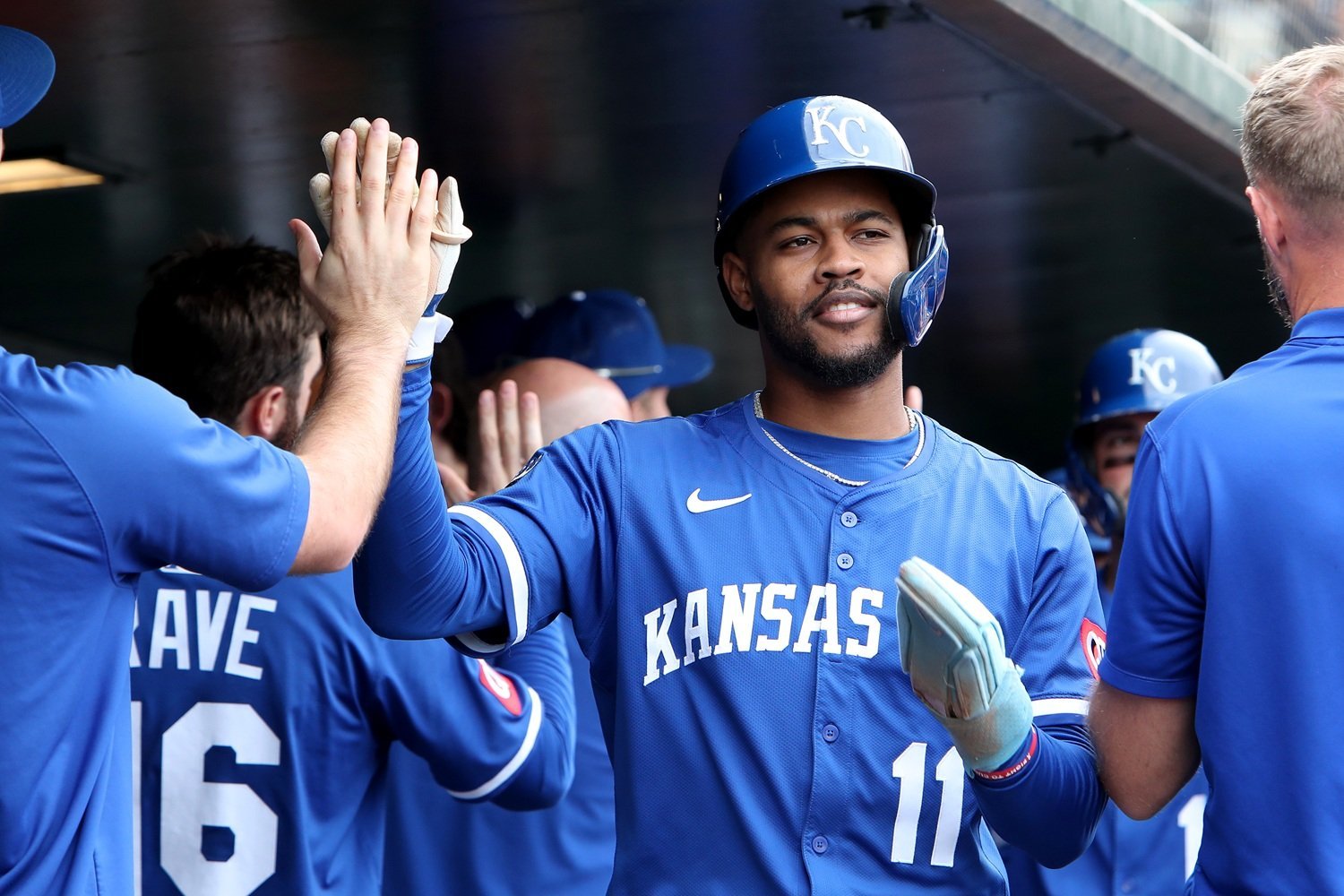 On Friday afternoon, news broke from multiple sources, national and local, that the Kansas City Royals and third baseman Maikel Garcia have agreed to a five-year, $57.5 million extension with an option that could push it to six years and $85 million. 2025 was a huge breakout season for the 25-year-old from Venezuela. He originally debuted with nine games in 2022. He was a solid, one-win type of player in 2023 and 2024. In 160 games in 2025, Garcia hit .286/.351/.449 (.800) with 39 doubles, five triples, and 16 home runs. He also had 23 stolen bases. He had a 123 OPS+ and was worth 5.8 bWAR and 5.6 fWAR. Taking a slightly deeper look, his approach at the plate was much improved in 2025. His walk rate increased from 6.7% in 2024 to 9.3% in 2025. More impressive, his strikeout rate has dropped from 22.3% in 2023 to 16.5% in 2024 to just 12.6% in 2025. And he did that while improving his overall hitting and his power. The improvements led to him earning his first Gold Glove Award. He also improved his defense at the hot corner. He played about 143 more innings at third base in 2025 than 2024, he had four less errors. While not the best defensive metric, his fielding percentage went from a very solid .961 to .980. His DRS (Defensive Runs Saved) at third base jumped from 3.0 in 2024 to 13 in 2025. Shortstop Bobby Witt Jr. just completed Year 2 of his massive 11 year, $288.8 million deal (with options for 2035-2037). Garcia's contract will run through the 2030 season (with an option for 2031). Both were All-Stars in 2025. Both received MVP votes. Check back throughout the day for updates as we learn more about the details of the deal. What are your initial thoughts on extending Garcia? View the full article
 -
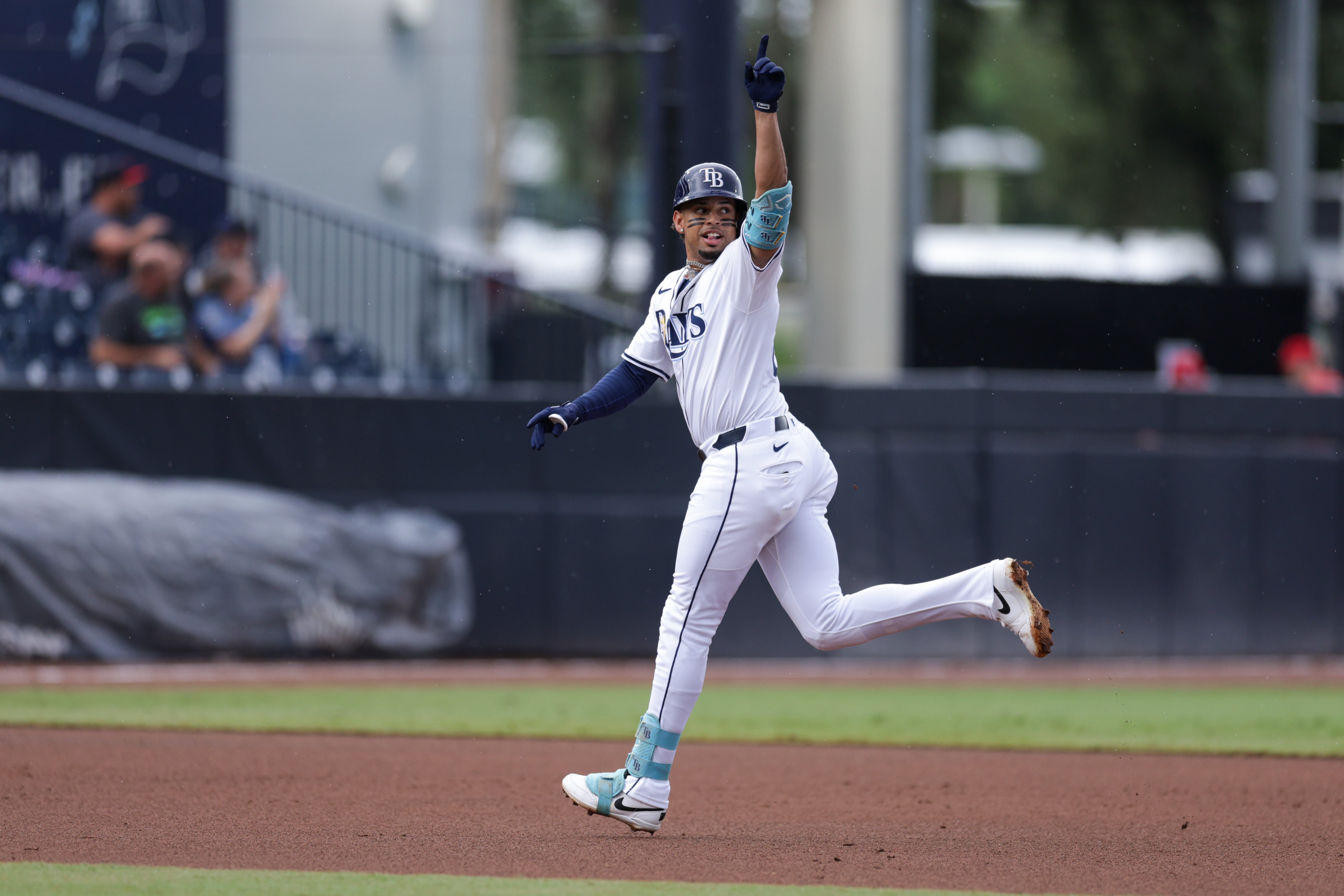 Just after the 2025 Winter Meetings ended earlier this week, the Miami Marlins reached an agreement on Friday afternoon with Christopher Morel. It will be a one-year big league deal, sources tell Fish On First. Morel, 26, spent the 2025 season with the Tampa Bay Rays, slashing .219/.289/.396/.684 with 11 home runs, 33 RBI and a 90 wRC+. He was designated for assignment at the end of the season and elected free agency after going unclaimed. He spent most of the season in left field. A source tells Fish On First that they expect him to play first base as well, a position he has never played in his career. The Marlins are buying low on Morel in hopes that he can recapture his 2023 season, where he slashed .247/.313/.508/.821 with 26 home runs, 70 RBI and a 120 wRC+. In the middle of the 2024 season, he was shipped off to the Rays with two other players in exchange for Isaac Paredes. He was never able to get it going with the Rays after that. A main reason for Morel's struggles has been his high strikeout percentage. In 2025, he struck out 35.7% of the time, which is a career-worst. The hope here is that they can help him cut down on the K%. In a best-case scenario, he could follow in the footsteps of Kyle Stowers (35.4 K% in 2024 and 27.4 K% in 2025). Ken Rosenthal of The Athletic cites hitting coach Pedro Guerrero as a key part of this acquisition. Despite having a great arm—ranking in the 93rd percentile of arm strength, per Baseball Savant—Morel posted minus-five defensive runs saved in left field, and has never been able to find a home defensively. Maybe the move to first base can help him establish himself defensively, opening up for more production on the offensive side. It is worth noting that Morel has two more arbitration years after 2026. That gives the Marlins club control of him through the 2028 season. He doesn't have any minor league options remaining. Morel was being pursued by teams in both Japan and Korea, according to Francys Romero. It's unclear if any other MLB teams were willing to offer him a guaranteed major league deal. Ely Sussman's updated Opening Day roster projection has Eric Wagaman losing his spot to make room for Morel. We could possibly see Morel in a platoon situation, with Liam Hicks or Graham Pauley getting starts at first base against tough right-handed pitchers. The Marlins 40-man roster will be at 40 players once the deal is announced. Per Barry Jackson of the Miami Herald, the Marlins are trying to acquire another bat via trade. View the full article
 -
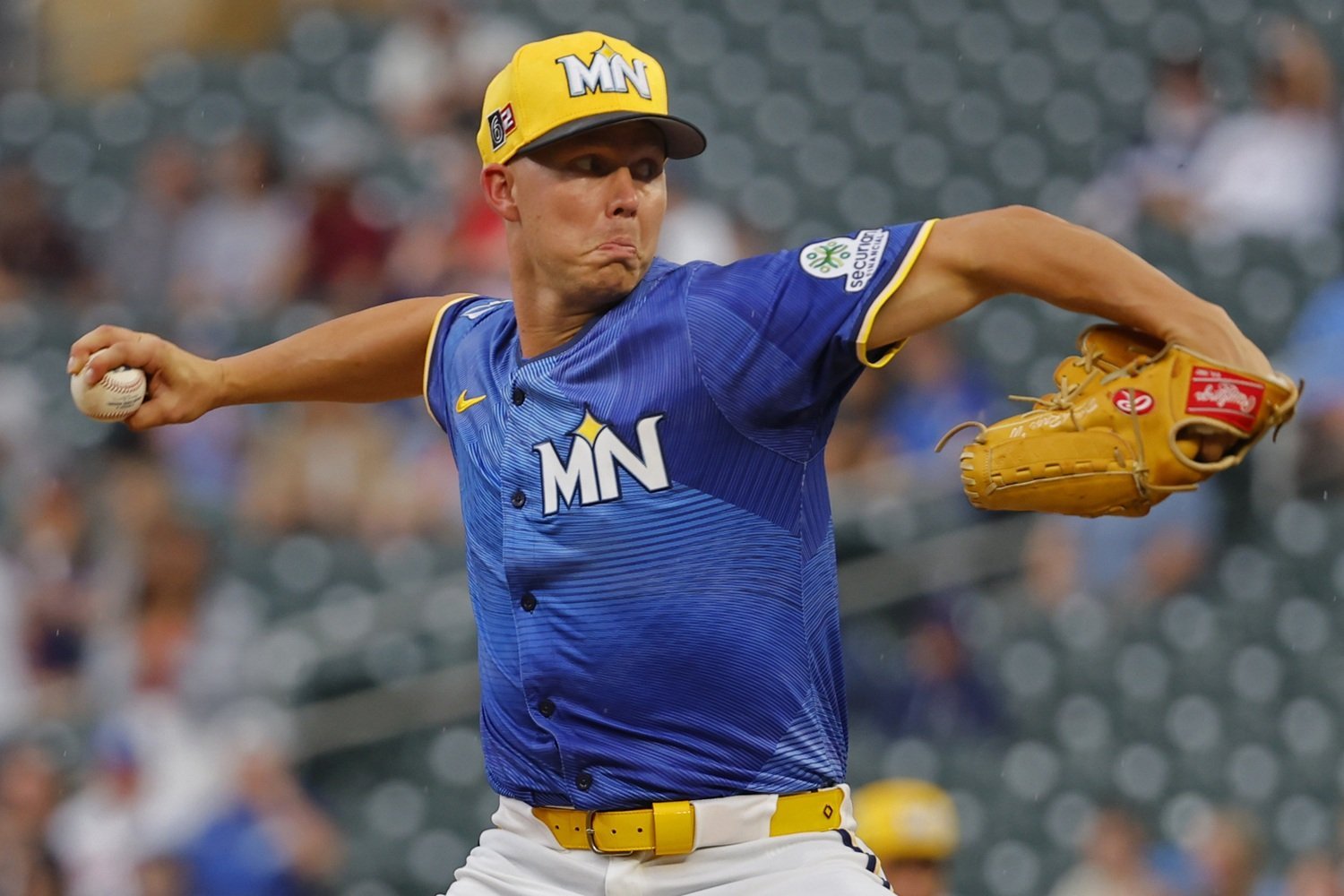 Last week, Twins Daily's Matthew Trueblood wrote a piece on changeup specialists the Twins will target in free agency, highlighting Tommy Kahnle, Luke Weaver, and Kyle Finnegan. Finnegan is off the market, signing a two-year, $19 million contract with the Detroit Tigers. Kahnle and/or Weaver would still be welcome additions to Minnesota's bullpen, presumably stepping in as the club's primary closer. However, if the Twins are unable to sign them, the club could potentially lean on an in-house option as their changeup relief specialist in Pierson Ohl. Making his major league debut late last July, Ohl primarily operated in a hybrid stretch relief role, pitching in four-inning spurts. The 26-year-old struggled in his inaugural campaign, generating a 5.10 ERA and 4.75 FIP over 30 innings pitched. However, the young righty improved upon transitioning into a short relief role in mid-September, manufacturing a 3.86 ERA, 2.81 FIP, and 11-to-2 strikeout to walk ratio over his final 9 1/3 innings pitched. Ohl could continue inhabiting that role with intentions of entrenching himself as part of Minnesota's long-term bullpen plans. However, he will need to compete with fellow inexperienced arms in Travis Adams, Connor Prielipp, Marco Raya, John Klein, and others for one of the final spots in the eight-pitcher unit. Interestingly, Ohl could have the inside track on the aforementioned quartet (besides maybe Prielipp) due to his possessing what might be the best pitch in Minnesota's bullpen. Thrown 205 times last season, Ohl's changeup generated the second-highest Pitching+ (a metric that uses the physical characteristics, location, and count of each pitch to try to judge the overall quality of the pitcher's process) rating of all Twins reliever pitches post-trade deadline, achieving a 129 (100 is average). The only pitch that netted better results than Ohl's changeup was Justin Topa's sinker, which manufactured a 131 Pitching+. Ohl's changeup had better physical characteristics than Topa's sinker. However, Topa was able to locate his sinker better than Ohl did his changeup, resulting in a slightly better score. MnIyZ2pfWGw0TUFRPT1fVjFNRlZWRlhYd1VBWGxNTFh3QUhBRkpRQUFNRlUxY0FWZ0ZVVlZBSEJnc0VBUUFB.mp4 Ohl's changeup and Topa's sinker are neck-and-neck in overall pitch quality. However, with Ohl expected to transition into a one-inning role next season, he should be able to refine his pitches further, adding more velocity and movement. If Ohl takes that step, his changeup could become the highest-graded pitch in Minnesota's bullpen, potentially resulting in him progressing from throwing the pitch 38% of the time last season to over half of the time in 2026. Ohl, Prielipp, and Raya form an exciting trio of young arms who could blossom into high-leverage relievers early next season. Prielipp's slider and/or changeup and Raya's curve could challenge Ohl's changeup and Topa's sinker for being the best pitch in Minnesota's bullpen next season. For now, though, Ohl's changeup is arguably the most enticing pitch of Twins relievers with major league experience. If the young right-hander can fortify his secondary pitches this offseason (four-seamer, cutter, and knuckle curve), he could be the recipient of save opportunities early next spring. View the full article
 -
Why The Red Sox Should Trade For The Cardinals' Willson Contreras
DiamondCentric posted an article in Talk Sox
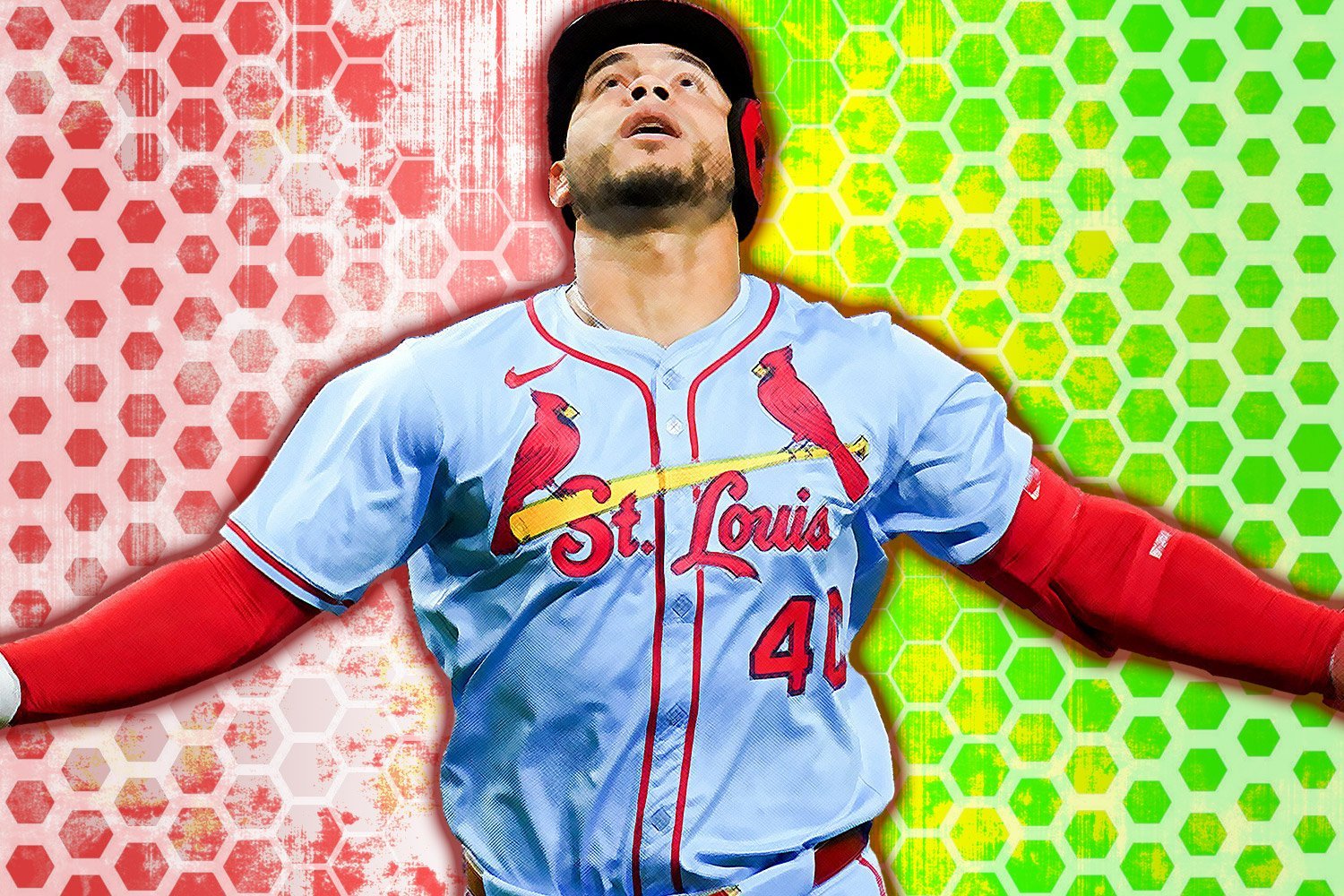 The MLB Winter Meetings concluded earlier this week, and the Red Sox walked away without addressing their main focus, a middle-of-the-order bat. There are still plenty of free agents left to be signed, headlined by Kyle Tucker, but Craig Breslow may have to turn to the trade market to land someone who can slot into that role. While pure power hitters can be hard to trade for, swinging a deal with a team looking to shed salary is likely the path that can lead to some interesting trade partners. I’ve already discussed why the Red Sox and Cardinals should make a trade for Brendan Donovan, but there’s another Red Bird infielder who arguably makes even more sense for the Sox. Willson Contreras would solve the first base dilemma in Boston and slot into the middle of the lineup as another 20+ home run threat. In 2025, Contreras slashed .257/.344/.447 with 20 home runs, 80 RBIs, and five stolen bases. He posted an fWAR of 2.8 and a 124 wRC+. The bulk of his home runs came on the road, but Busch Stadium is a pitcher’s dream park. If we overlay his home spray chart over Fenway Park, we can add six more home runs and quite a few Green Monster wall balls to his stats. He’s a pull-happy right-handed hitter, and the team is lacking that exact profile in the lineup. He is a bit strikeout-happy and doesn’t walk much (25.2 K% vs. 7.8 BB%), but he can swing it, and that plays well in Boston. Defensively, Contreras is a plus defender at first base. He has years of experience at catcher, and could slide behind the dish in a pinch, but he thrived in his first full year at first base in 2025, posting an incredible +6 Outs Above Average. Typically, first base is a position where you hope someone can pick it and move on, but Contreras actually offers range and stability there. Scorchers down the line don’t intimidate him, and he’s got a quick enough first move to be able to get a glove on most of what gets hit his way. Adding a player like Contreras doesn’t necessarily spell the end for someone like Triston Casas, but it allows him to start the season at Triple-A Worcester to get his feet back under him. Once Casas is ready, he could even be called up to split time at first and DH with Contreras to give both guys a regular break from playing the field. Adding a player like Willson Contreras would help to calm the waters with fans after a quiet few days at the Winter Meetings. People tend to forget that while those meetings attract a ton of media coverage, many deals get done afterward from the productive conversations that start during the meetings. Craig Breslow and company are still trying to improve the major league roster, and adding Contreras would go a long way towards doing that. Maybe make it a package deal for him and Donovan? Two Red Birds, one stone. View the full article
 -
Padres Winter Meetings: Blockbusters In The Era Of Budgets
DiamondCentric posted an article in Padres Mission
 The San Diego Padres were more interested in creating rumors than waves at the Winter Meetings, and it appears that the entire roster could be available in A.J. Preller's search for his blockbuster fix.View the full article
 -
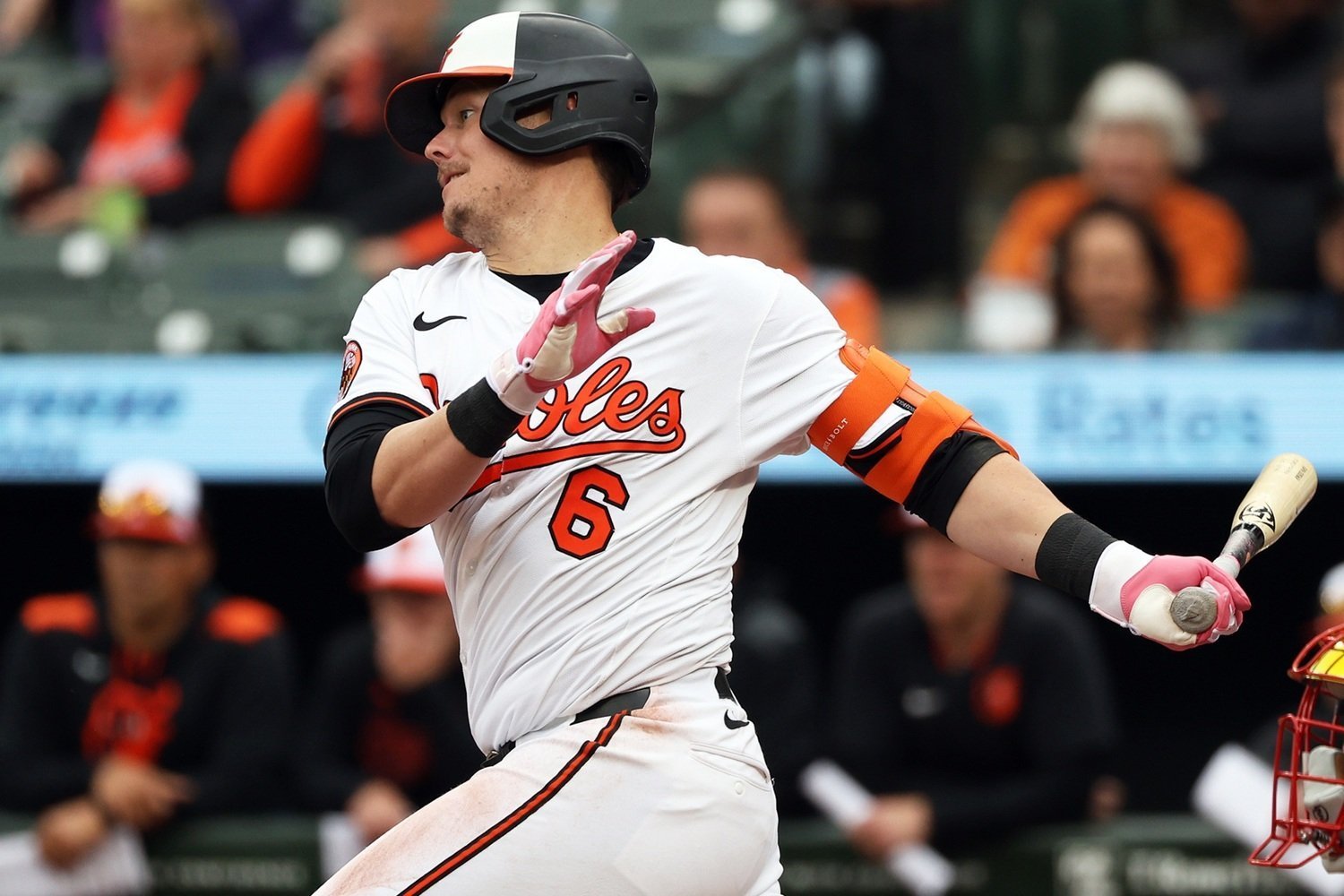 As the dust settles from MLB's Winter Meetings, the Orioles made one of the loudest moves by signing Pete Alonso to take over first base and provide the middle-of-the-order thump they have been seeking. It is a win for Baltimore, but it also creates a very real roster squeeze. The Orioles now have three players who primarily fit at first base or designated hitter, yet they only have two spots to place them. That imbalance should immediately draw the attention of a Twins team that desperately needs help at first base. Minnesota has multiple avenues to improve its lineup, but first base remains one of the clearest openings on the roster. There are multiple free-agent options, but the Twins are operating on a shoestring budget with needs in the bullpen, too. Baltimore’s situation changes that, because the combination of Alonso’s arrival and the Orioles' depth makes them one of the few clubs that can trade from a surplus. If the Twins want to find a solution without paying premium free-agent prices, this is the kind of opportunity they cannot afford to overlook. Here’s a look at Baltimore’s two first base options, besides Alonso. Each comes with different levels of intrigue. Ryan Mountcastle Mountcastle represents the most straightforward option for Minnesota, because his situation in Baltimore feels increasingly cramped. He is entering the final year of team control, which limits long-term risk for any acquiring team. MLB Trade Rumors projects him to earn $7.8 million in his final arbitration season. That also means the Orioles have motivation to listen, especially after his worst season to date. In 2025, he hit seven home runs with a .653 OPS in 89 games, a steep drop from what he showed earlier in his career. His track record still matters, though, because through his first five seasons, he produced a .265 average with a .766 OPS and a 113 OPS+. He has been an above-average bat for most of his career. Mountcastle’s cost should be manageable, because the Orioles no longer have room to give regular at-bats to Alonso, Mountcastle, and either Samuel Basallo or Adley Rutschmann. (On any given day, one of the latter two can catch, but the team will want the other's bat in the lineup most of the time.) That positional overlap lowers the asking price and allows the Twins to explore a short-term addition, without spending significant prospect capital. His pros are easy to see. Mountcastle has proven big-league power, a history of above-average production, and the appeal of a one-year commitment if things do not work out. The cons include the uncertainty around his recent decline, questions about his ability to rebound, and limited defensive value beyond first base. Still, the affordability and upside make him a natural fit for Minnesota’s needs. Coby Mayo If the Twins want to chase ceiling rather than floor, Coby Mayo is the more ambitious target. Mayo was once a consensus top-50 prospect with big raw power and a profile built around offensive damage. His big-league performance has not met expectations so far, as in 102 career games, he has hit .201 with a .634 OPS and an OPS+ of 79. Even with those struggles, though, his long-term value remains significant. He is not arbitration eligible until 2028, and is under team control through 2031. The pros with Mayo revolve around projection, as his power potential remains enormous and his underlying contact quality hints at untapped upside. Last season, his 74.7 mph bat speed would have ranked in the upper quartile of the league if he qualified. In September, he posted a .941 OPS with five homers. He could give the Twins a long-term answer at first base if he develops into the hitter scouts once envisioned. The cons stem from risk, as his early performance raises reasonable questions about how quickly he can adjust and whether he will ever reach his ceiling. Acquiring him would require a substantial trade package, and Minnesota would need confidence in its ability to smooth out the rough edges in his game. Minnesota also doesn’t have the greatest track record with young hitters in recent seasons. He is the higher-ceiling play, but also the higher-volatility one. Baltimore created a roster bottleneck by signing Alonso, and the Twins happen to have a clear path to playing time at first base. Whether Minnesota targets Mountcastle for short-term stability or Mayo for long-term upside, the Orioles are one of the few organizations positioned to deal from depth. The alignment is there, and it is a path the Twins should seriously consider pursuing. Should the Twins trade for Mountcastle or Mayo? Leave a comment and start the discussion. View the full article
 -
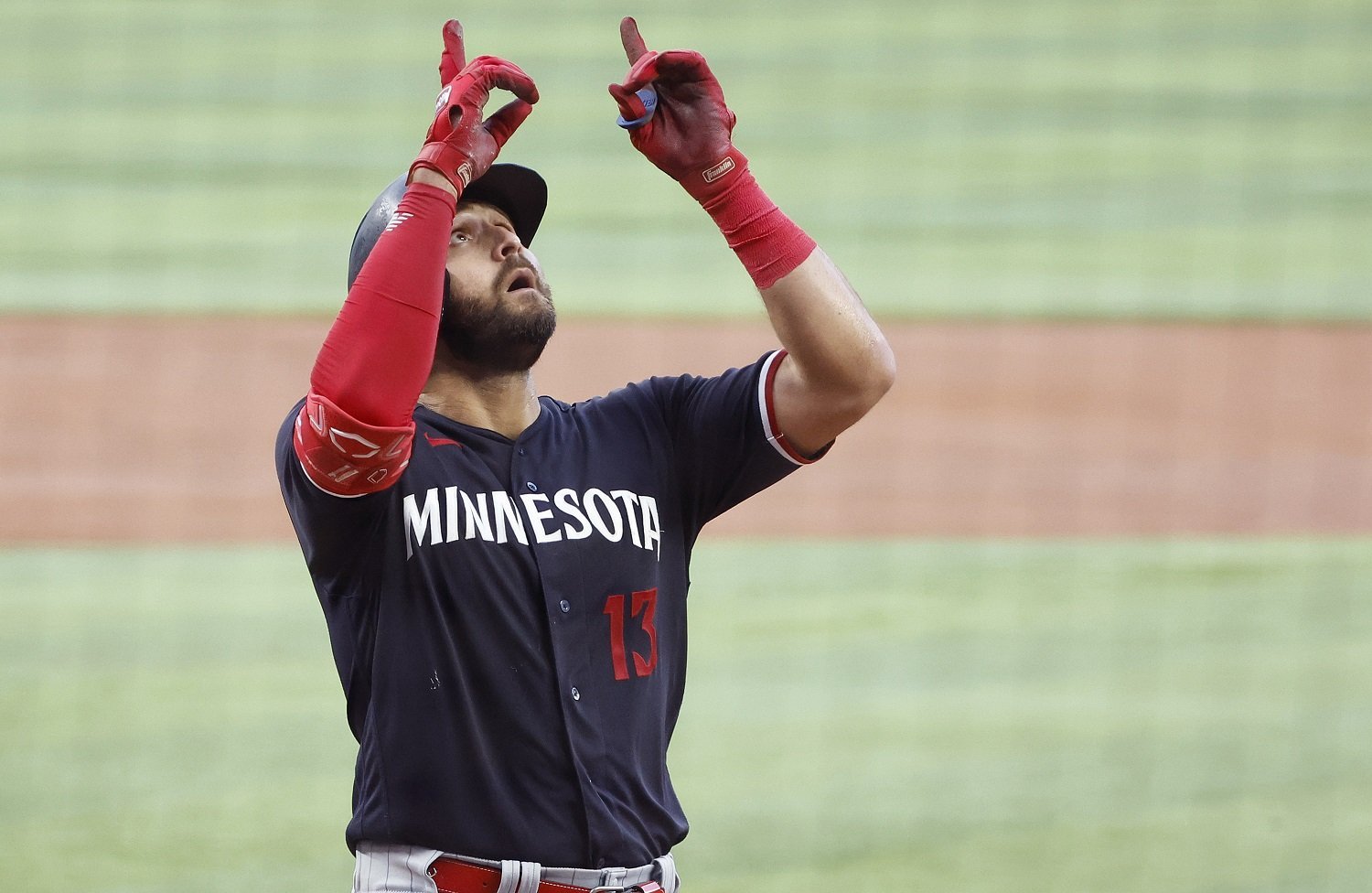 Joey Gallo has seen a career of highs and lows, but his latest chapter might be his most unexpected yet. After a decade of towering home runs, highlight reel throws, and extended slumps, the 32-year-old is now pursuing a return to the big leagues as a relief pitcher. And according to reports from the Winter Meetings, multiple teams are giving the idea more than a passing glance. Gallo sparked renewed attention this offseason by posting a 15-second video on X that showed him unleashing three pitches. The clip was short, and viewers could not see the catcher, but the sound told the story. Each pitch popped the mitt with enough force to make evaluators wonder if his elite arm strength could finally find a new home on the mound. For a player searching for a way back into the league, it felt like a statement that he is taking this transition seriously. The interest he has generated is not just social media buzz either. MLB Network insider Jon Heyman reported that several clubs have legitimate intrigue in the former slugger as a pitcher. For someone who launched 208 career home runs and once served as one of the most feared left-handed bats in the game, it is remarkable to see teams now asking whether he can help them in the bullpen instead of the batter’s box. The Twins have multiple open spots in the bullpen, so a minor league deal with an invite to spring training could be on the table. It is easy to understand why the idea is compelling. At his peak with the Rangers, Gallo owned one of the strongest throwing arms in the sport. His average outfield throw in 2021 clocked in at 93.9 miles per hour, ranking fifth in MLB. Even as he shifted more toward first base late in his career, he still averaged nearly 90 miles per hour on his throws. Translating that raw arm talent to the mound is far from guaranteed, but the baseline tools give pitching coaches something intriguing to mold. Gallo’s decision to remake himself began earlier this year when he told the White Sox that his future was on the mound, not in the outfield. Chicago released him shortly afterward, but the move only opened the door for him to commit to this experiment fully. Since then, he has been posting training clips and working to develop a delivery that can hold up at the professional level. The progress appears real enough that teams are now willing to explore the possibility. It would be one of the most surprising reinventions in recent memory if Gallo were to pitch in a major league game. This is a player who once hit 40 home runs in back-to-back seasons and won two Gold Gloves. But careers rarely move in straight lines, and Gallo’s willingness to try something bold has given him a new path. Whether it results in an MLB comeback remains unclear, but for the first time in a while, there is genuine optimism surrounding Gallo again. View the full article
 -
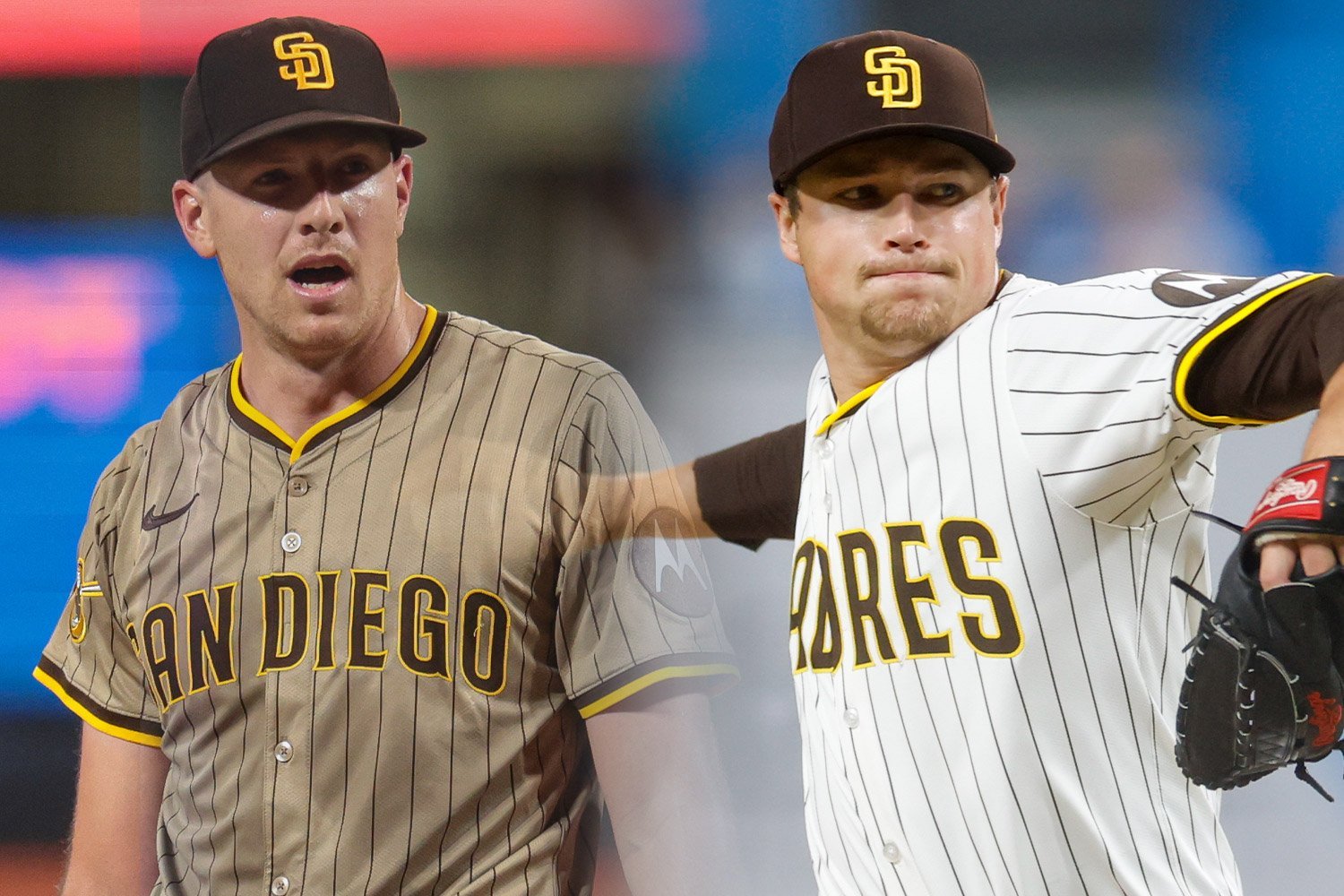 AJ Preller is a box of chocolates... or something. Just days ago, news out of the Padres' front office was that they weren't interested in dealing high-end relievers. Now, according to Underdog MLB, the Padres are listening on not only their best reliever, but their best starting pitcher. Mason Miller, 27, is arbitration-eligible beginning in 2026 and is scheduled to reach free agency in 2030. In 2025, he made 60 relief appearances split between Oakland and San Diego, working 61 2/3 innings and recording 22 saves. He struck out 44.4% of hitters with a 12.0% walk rate, and he posted a 2.23 FIP with a 0.73 HR/9. His BABIP was .240, and his strand rate was 76.0%. He finished with 2.0 fWAR, a 2.63 ERA, and a 2.27 xFIP. Nick Pivetta, 32, is signed through 2028 on a four-year, $55 million contract covering the 2025-28 seasons. In 2025, he started 31 games for San Diego and threw 181 2/3 innings. He recorded a 26.4% strikeout rate and a 6.9% walk rate, and his season FIP was 3.49 with a 3.85 xFIP. Pivetta's HR/FB rate was 9.7%, while his K-BB% was 19.5%. View the full article
 -
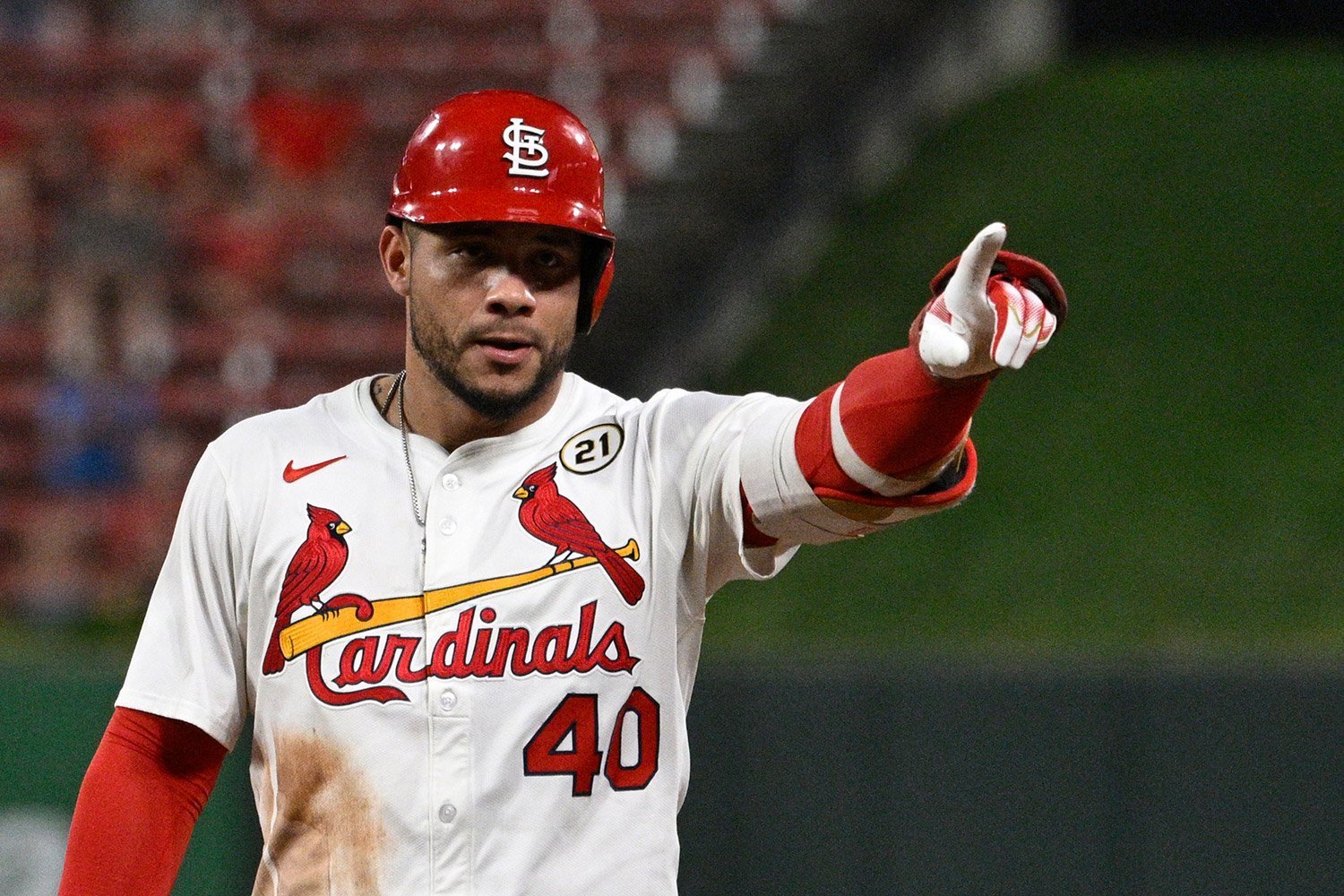 The MLB Winter Meetings have concluded, and the Red Sox appear serious about adding offense in 2026. According to Chris Cotillo of MassLive, the Cardinals' Willson Contreras has become their most recent trade target. Contreras turns 34 early in the 2026 season. He signed a five-year deal with St. Louis that runs through 2027, so he remains under contract for 2026 and 2027. At the plate in 2024, Contreras logged 663 plate appearances and hit .262/.380/.468 with a .365 wOBA and 141 wRC+. He walked in 12.6% of his plate appearances, struck out 26.8% of the time, and finished at 2.7 fWAR. In 2025, he had 622 plate appearances and hit .257/.344/.447 with a .358 wOBA and 124 wRC+. His BB% was 7.8% with a 25.2% K%, and he produced 2.8 fWAR. Defensively, he caught 431 2/3 innings in 2024. In 2025 at first base, he logged 1011 2/3 innings with -1 Defensive Runs Saved. While he could still technically catch, he's not a volume receiver at this point in his career, and it's possible the Red Sox will not consider him a catcher at all. View the full article
 -
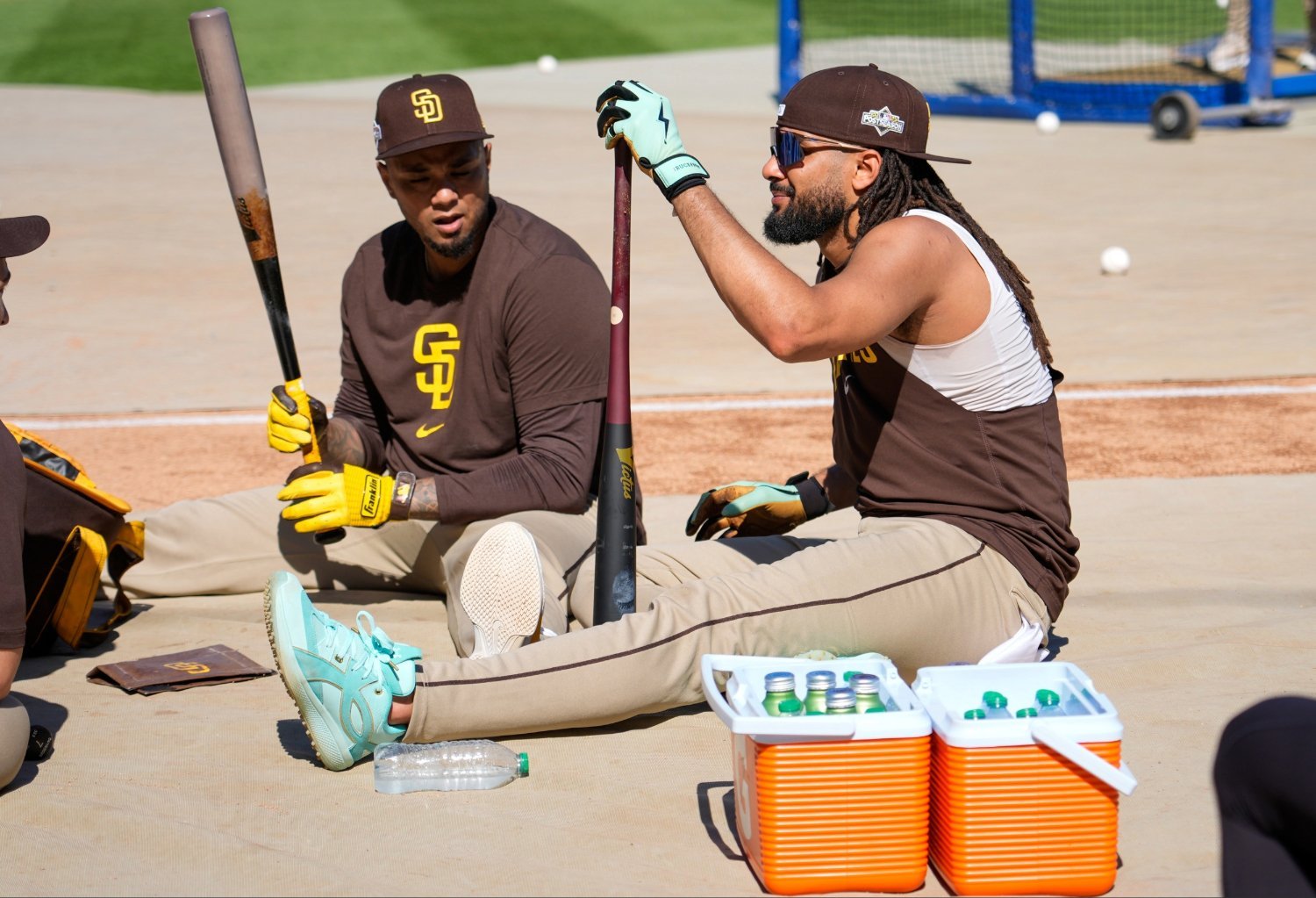 The San Diego Padres reportedly are looking to do Padres things this offseason, even after the conclusion of the Winter Meetings. President of baseball operations A.J. Preller is devising something that would "rival" the Juan Soto trade (the one to the Yankees, that is) and/or "pale in comparison" to what he pulled off the past two trade deadlines, if Kevin Acee's sources are to be believed. What could such a deal -- or series of deals -- involve? Hint: It's not moving Jeremiah Estrada and/or Jake Cronenworth. No, there's a more obvious one, even it isn't being intensely discussed at the moment: moving Fernando Tatis Jr. for a haul. As odious as that might seem to Tatis (full no-trade through 2028) and Padres fans, it's THE move to attempt, now or in 2026, if Preller wants to keep the club's current run going -- or start a new one quickly. Based on San Diego's major-league roster and farm system, he has all but check-mated himself into doing it. A quick personnel review: After Tatis, the only young foundational position player is Jackson Merrill, whose nine-year, $135 million contract extension kicks in next year. Merrill produced 2.7 bWAR in 2025 despite injuries, but Tatis is in another galaxy of stars (team-leading 5.9 bWAR last year). The other lineup fixtures are getting old. Manny Machado and Xander Bogaerts are entering their age-33 seasons. Cronenworth is entering his age-32 season. Ramon Laureano is entering his age-31 season. Tatis will be in his age-27 campaign, with nine years and $286 million remaining on his extension, next year. Nick Pivetta is the lone reliable starting pitcher. Joe Musgrove is a dice roll. If the rotation remains a weak spot, then the bullpen needs to stay elite. An Estrada trade would need to significantly improve the roster. Is such a deal available? The farm is fallow. The Padres' system was dead last in Baseball America's midseason talent rankings last August. "This is the thinnest system in the game because of trades. The bottom two-thirds of this Top 30 would not crack the Top 30 of the game’s deepest systems," BA wrote. The owners are all but a lock to lock out the players a year from now, which might change payroll dynamics. The clubs will want to force the union into accepting a salary cap (evergreen sentence). The '26-27 offseason, therefore, figures to be as chaotic as the '21-22 offseason, which was the last lockout winter. Padres chairman John Seidler told Acee and other reporters this week that he is committed to keeping the payroll steady in '26, but will his thinking change if MLB's salary system changes? And will that then require really hard decisions, such as asking Tatis to leave? Back to now: Preller could try to push all-in for Tarik Skubal or Sandy Alcantara, but the Tigers seem uninterested in moving their ace and Alcantara hasn't yet regained his pre-surgery form. With the Pirates suddenly wanting to win, a Paul Skenes mega-trade has almost no chance of happening. And even if it was, Preller could add Estrada and Cronenworth to the prospects and it still wouldn't be good enough. Maybe he can offer enough to get Brandon Lowe from the Rays and/or Kodai Senga from the Mets. But much larger moves are being teased. Like, say, a 5- or 6-for-1 return for Tatis. Preller could aim for prospects who would rival the likes of James Wood, C.J. Abrams, MacKenzie Gore, Jakob Marsee, Stephen Kolek and Leo De Vries. During his MLB Network segment Tuesday night at the meetings, Preller wouldn't say outright whether Tatis or anyone else was untouchable. "Like anything, you want to listen," he said. "You want to be able to listen to hear what people are going to say. That's the only way to find out more information, what's out there. But we like our team." That's typical GM talk, of course. But when it comes to the 2026 and 2027 Padres, "We want to listen" needs to become "I'm all ears," particularly when it comes to Tatis. View the full article
 -
Winter Meetings Review: All Quiet on the Midwestern Front
DiamondCentric posted an article in North Side Baseball
 The Chicago Cubs didn't do much at the Winter Meetings, but as their signing of reliever Hoby Milner proves, they're clearly planning to be active throughout the rest of the offseason. View the full article
 -
 While there is still some time until the 2026 MLB Draft Bonus Pool Money is finalized, Jamie and Jeremy provide early insight on how much money the Twins could have to spend on their signing bonus for their first round pick in 2026.View the full article
 -
Three Left-Handed Relivers the Blue Jays Should Look To Sign
DiamondCentric posted an article in Jays Centre
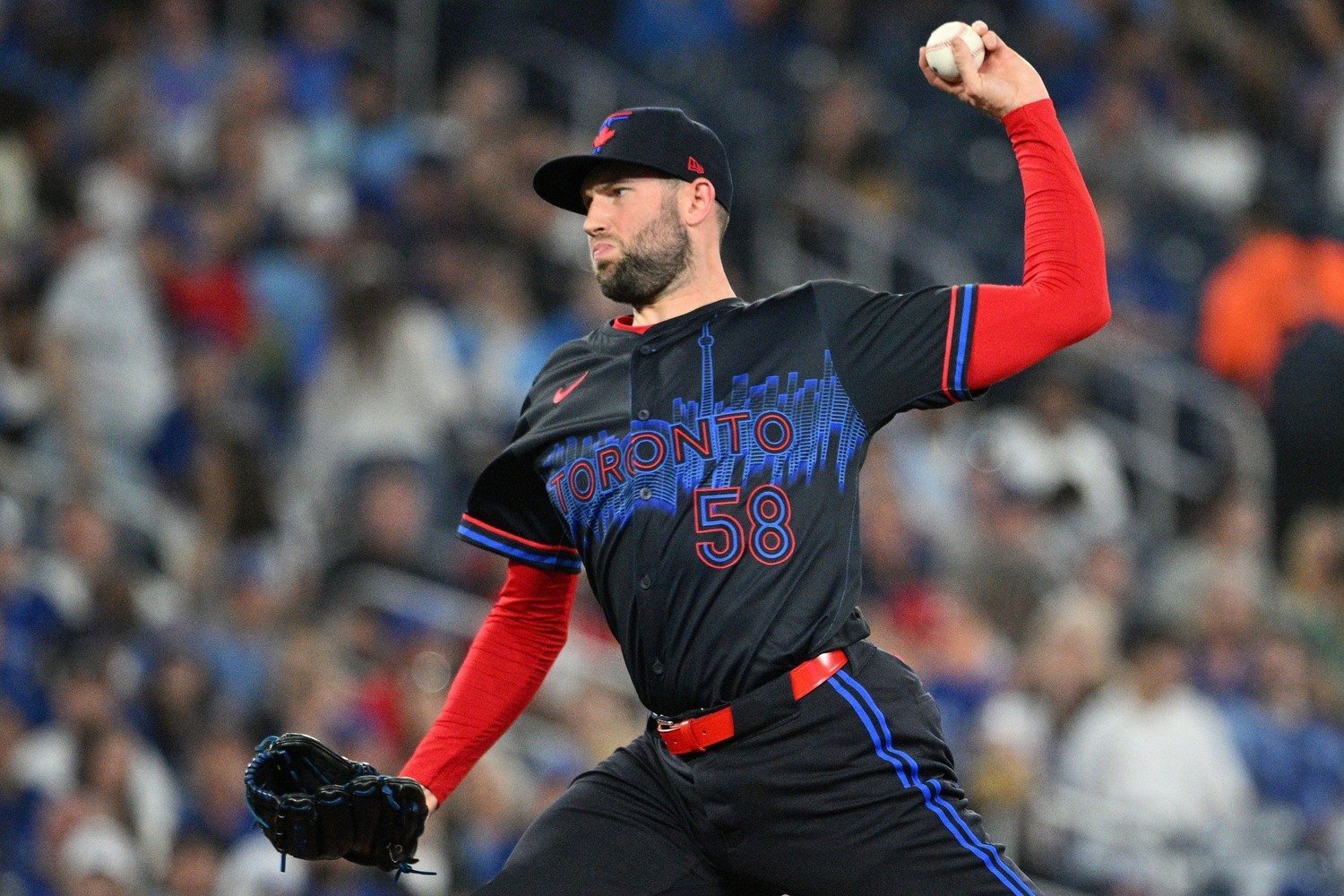 The Winter Meetings came and went, all without the Blue Jays making any major moves. This wasn't a cause for panic, though, as the team has already reshaped its pitching staff, signing Dylan Cease to a seven-year, $210 million contract, followed by giving a three-year, $30 million contract to Cody Ponce. With Chris Bassitt and Max Scherzer likely departing, those additions were essential. Toronto still has some work to do in the bullpen. Collectively, Jays relievers posted a 3.98 ERA in 2025 (16th in MLB), and the team has identified the 'pen as a need that will have to be addressed this winter. They have already made some small transactions this offseason; Seranthony Doínguez was granted free agency, Nick Sandlin and Yariel Rodríguez were outrighted to the minors, with Sandlin electing free agency, and they recently acquired right-hander Spencer Miles in the Rule 5 draft from the Giants. He must remain on the active roster all season, or else he will be offered back to San Francisco. This leaves the Blue Jays' bullpen in an interesting spot. As things currently stand, Jeff Hoffman is still the closer, Yimi García will be making his return from his elbow injury, and after some speculation about stretching out Louis Varland to take on a starting role, GM Ross Atkins confirmed that he will remain in the bullpen going into 2026. It seems like the Blue Jays have six starters for five spots, and one of those arms will likely have to move to the bullpen, unless there are injuries or the club unexpectedly goes to a six-man rotation. That creates competition for only a handful of relief roles among Braydon Fisher, Brendon Little, Tommy Nance, Mason Fluharty, Eric Lauer, Miles, Justin Bruihl, Rodriguez, Paxton Schultz, and Rule 5 draft holdover Angel Bastardo, who will have to be on the active roster for 90 days, or he will be offered back to the Red Sox. The Blue Jays certainly aren't just content with the group they have, though. Over the past couple of weeks, the top free agent relievers Edwin Díaz, Devin Williams, Ryan Helsley, and Robert Suarez all found new homes, and while the Blue Jays had various amounts of interest in these players, none of them ended up in Toronto. The team is certainly not done, and there will be more additions along the way, whether in the form of Pete Fairbanks, Brad Keller, or maybe a trade. But if there is one area of need that may require reinforcement, it's the left side of the bullpen. Right now, the top three left-handed arms in Toronto's projected bullpen are Little, Lauer, and Fluharty, and while all three had various levels of success in 2025, it didn't end that way. Little went from being one of the best relievers in baseball in the first half of the season to being almost unplayable in the postseason, and while Lauer and Fluharty had bright spots in 2025, neither of them is an established high-leverage arm. Managing a bullpen is always key to getting through baseball games, and being able to bring in a left-handed pitcher to get out a tough pocket of lefties is always important. John Schneider knows this well, as the Blue Jays are certainly going to face a slew of elite left-handed hitters over the course of a long season, and a pitcher who can be relied on to shut them down is a piece that Schneider would love to have. With that being said, here are three names the Blue Jays should consider adding this offseason to be their left-handed specialist out of the bullpen. 1) Drew Pomeranz - 46.1 IP, 1.94 ERA, 27.9 K%, 6.8 BB% (as a reliever) Before last season, Pomeranz hadn't seen big league time since 2021 with the Padres. He resurfaced in 2025 and was a key part of the Cubs' bullpen. Now, at 37 years old, he could be a useful piece in any bullpen, especially when you consider left-handers hit just .176 with just two extra-base hits off him all season. 2) Sean Newcomb - 70.0 IP, 2.19 ERA, 22.4 K%, 7.0 BB% (as a reliever) Newcomb, now 36, began the year in the Red Sox organization and made five starts for the team before a trade at the end of May sent him to the Athletics. From there, he pitched out of the bullpen and was extremely effective, posting a 1.75 ERA in 51.1 innings for the A’s. Lefties had a .283 wOBA against him last season, and with the potential for him to start some games, he would be an intriguing option for rotation depth should it come down to that. 3) Tim Mayza - 16.2 IP, 3.78 ERA, 20.3 K%, 6.8 BB% Yes, seriously, that Tim Mayza. His Blue Jays tenure didn’t end according to plan. After spending parts of seven seasons with the Blue Jays, he was let go in 2024 after he had an 8.03 ERA through 24.2 innings that season. But he did look like he was back to being a big league reliever in 2025. He’s still effective at getting left-handers out (.228 wOBA against LHH vs. .373 against RHH), and the fastball velocity has taken a tick up, to 95 mph. He may never again be the guy who posted a 1.52 ERA and 2.1 bWAR for the Jays in 2023, but he’s not done as a major league reliever and could be had on a minor league deal. Not only would it make for a great storyline, but he could be effective if put in the right position. View the full article
