


Cody Christie
-
Posts
79 -
Joined
-
Last visited
-
Days Won
6
Content Type
Profiles
Forums
Events
News
Tutorials & Help
Major League Baseball Videos
Guides & Resources
Store
Downloads
Gallery
Everything posted by Cody Christie
-
 Image courtesy of © Kiyoshi Mio-Imagn Images There is no shortage of ways to rank teams across Major League Baseball, and most of them start and end with the standings. Wins and losses still drive the conversation, but they rarely tell the full story. A team hovering around .500 can feel dominant one week and completely overmatched the next, and traditional power rankings often struggle to capture that nuance. That is where a different lens becomes useful. Third-order wins attempt to answer a more meaningful question than simply who has won the most games. Built on the framework of Clay Davenport’s adjusted standings, this approach evaluates how a team should perform against a neutral opponent. It starts with run production and prevention, adjusts for ballpark environment, and then layers in the quality of competition faced. The result is a winning percentage that reflects underlying performance rather than surface-level outcomes. Think of it as a context-driven power ranking. First-order records look at run differential. Second-order standings adjust that for park effects. Third-order standings go a step further by asking who those runs came against. Beating up on weak pitching staffs or surviving a gauntlet of elite rotations should not be treated the same, and this model accounts for that difference. When applying those third-order winning percentages to the current landscape, the rankings shift in ways that traditional standings cannot explain. Some of the league’s top teams continue to validate their dominance, but others begin to separate themselves despite middling records. It creates a version of the power rankings that is less reactive and more predictive, highlighting which clubs are built to sustain success and which may be benefiting from circumstances unlikely to last. 1. Dodgers — 19.4–7.5 (.721) Biggest Weekly Storyline: Edwin Diaz is out until the second half with surgery for loose bodies in his elbow. The Dodger bullpen will be tested. 2. Yankees — 17.9–9.0 (.665) Biggest Weekly Storyline: Max Fried pushing himself into the early AL Cy Young conversation. Fried tossed eight shutout innings on Wednesday against the rival Red Sox. He’s pitched into the seventh inning in all but one start this season. 3. Cubs — 17.5–9.5 (.648) Biggest Weekly Storyline: The Cubs' 10-game winning streak was stopped on Saturday, and that streak has helped them move up in the NL Central standings. 4. Braves — 17.6–10.4 (.629) Biggest Weekly Storyline: Braves call up No. 2 prospect JR Ritchie for MLB debut. He pitched seven innings and allowed two earned runs (both solo homers) while striking out seven and walking two. 5. Pirates — 16.2–10.8 (.600) Biggest Weekly Storyline: Paul Skenes took a perfect game into the seventh inning on Friday, but lost it with two outs in the frame. The Pirates sit in the middle of the NL Central but are closing ground on the Reds. 6. Marlins — 15.7–11.3 (.581) Biggest Weekly Storyline: Rule 5 Pick Liam Hicks is hitting over .300 with five homers for the Marlins, who are surprisingly in second place in the NL East. 7. Rays — 14.6–11.4 (.562) Biggest Weekly Storyline: Shane McClanahan turned in five scoreless innings to get his first win at Tropicana Field in nearly three years after missing the 2024 and 2025 seasons due to surgery. 8. Angels — 15.6–12.4 (.557) Biggest Weekly Storyline: José Soriano lowers ERA to 0.24, the best mark in MLB history through first six starts. 9. Rangers — 14.6–12.4 (.541) Biggest Weekly Storyline: Jacob deGrom struck out 10 over 5 2/3 innings, his 62nd game with 10 or more strikeouts. 10. Mariners — 14.5–13.5 (.518) Biggest Weekly Storyline: Matt Brash has multiple season-opening streaks of at least 10 games without an earned run (also: 19 G in 2025). He's 1-0 with a 0.00 ERA in 11 games, striking out five batters in 9 1/3 innings. 11. Tigers — 14.3–13.7 (.511) Biggest Weekly Storyline: Kevin McGonigle's numbers to start the 2026 season stand with all-time greats. He is only the fifth player in MLB history with 30 or more hits, 10 or more doubles, and less than 15 strikeouts in his first 25 games at 21 or younger. 12. Guardians — 14.2–13.8 (.507) Biggest Weekly Storyline: Jose Ramirez became the 11th member of the 290-290 club with over 290 home runs and steals. 13. Padres — 13.0–13.0 (.500) Biggest Weekly Storyline: Mason Miller set the Padres team record for consecutive scoreless innings and has now pitched 34 2/3 scoreless innings, going back to last August. He is seven innings away from breaking the MLB record. 14. Brewers — 12.7–13.3 (.488) Biggest Weekly Storyline: The Brewers became only the second time in MLB history to face the reigning Cy Young winning pitchers in back-to-back days. Milwaukee lost both games against Tarik Skubal and Paul Skenes. 15. Reds — 13.1–13.9 (.485) Biggest Weekly Storyline: Sal Stewart’s 29 RBI are the second-most by any Major League rookie before May since 1920. Only Jose Abreu's 32 RBIs in 2014 were better. 16. Athletics — 13.3–14.7 (.475) Biggest Weekly Storyline: Brent Rooker activated after the All-Star missed 14 games with an oblique strain. 17. Diamondbacks — 12.2–13.8 (.469) Biggest Weekly Storyline: Zac Gallen exited Saturday’s game against the San Diego Padres in Mexico City with a right shoulder contusion after being hit by a comebacker. 18. Blue Jays — 12.2–13.8 (.469) Biggest Weekly Storyline: Jeff Hoffman’s struggles since Game 7 of the World Series forced the team to remove him from the closer role. The team will go with a closer-by-committee approach. 19. Nationals — 12.8–15.2 (.457) Biggest Weekly Storyline: James Wood homered in three straight games and leads the NL in homers and walks. 20. Royals — 12.3–14.7 (.456) Biggest Weekly Storyline: Royals will build a $1.9B ballpark as part of a $3B downtown Kansas City redevelopment project. 21. Twins — 12.2–14.8 (.452) Biggest Weekly Storyline: Connor Prielipp and Kendry Rojas, two powerful left-handed pitching prospects, made their MLB debuts in the same game. 22. Mets — 11.5–14.5 (.442) Biggest Weekly Storyline: The Mets ended their 12-game losing streak but lost Francisco Lindor to the IL with a calf injury. 23. Giants — 11.8–15.2 (.437) Biggest Weekly Storyline: Ended Shohei Ohtani’s 53-game on-base streak as part of a shutout win over the Dodgers. 24. Rockies — 11.4–15.6 (.422) Biggest Weekly Storyline: Mickey Moniak leads Colorado with eight homers, which ranks in MLB’s top-10. He missed the season’s first six games with a sprained finger. 25. Cardinals — 10.8–15.2 (.415) Biggest Weekly Storyline: Jordan Walker has cooled off after starting the year with a league-leading 13 home runs. 26. Orioles — 11.2–15.8 (.415) Biggest Weekly Storyline: Adley Rutschman hit two homers and collected six RBI on Friday. He has a 1.020 OPS through his first 51 ABs. 27. Phillies — 11.0–16.1 (.406) Biggest Weekly Storyline: Zack Wheeler returned for the struggling Phillies and turned in a strong five-inning, two-run, six-strikeout outing. 28. Red Sox — 11.0–16.1 (.406) Biggest Weekly Storyline: Boston fired manager Alex Cora and most of his coaching staff, sending shock waves through the organization. 29. White Sox — 10.7–16.3 (.396) Biggest Weekly Storyline: Munetaka Murakami ranks among MLB’s Top 10 in home runs, wOBA, xwOBA, barrel percentage, and hard hit percentage. 30. Astros — 10.8–17.2 (.386) Biggest Weekly Storyline: Yordan Alvarez leads the AL in nearly every major statistical category (BA, OBP, OPS, HR, H, etc.). Still, the Astros sit at the bottom of the AL West. What storylines stood out this week? Do you agree with the rankings above? Leave a comment and start the discussion. View full article
 -
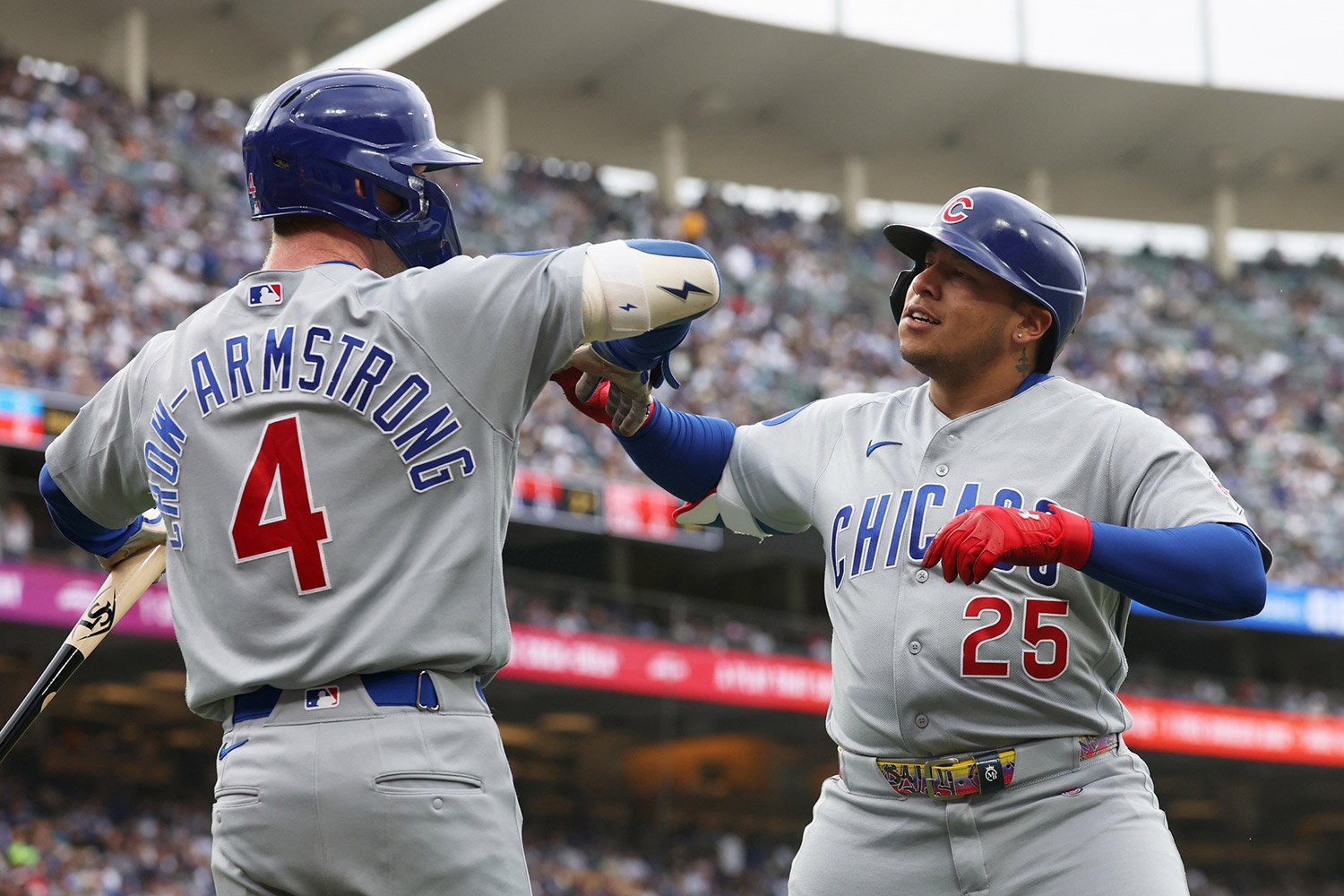 There is no shortage of ways to rank teams across Major League Baseball, and most of them start and end with the standings. Wins and losses still drive the conversation, but they rarely tell the full story. A team hovering around .500 can feel dominant one week and completely overmatched the next, and traditional power rankings often struggle to capture that nuance. That is where a different lens becomes useful. Third-order wins attempt to answer a more meaningful question than simply who has won the most games. Built on the framework of Clay Davenport’s adjusted standings, this approach evaluates how a team should perform against a neutral opponent. It starts with run production and prevention, adjusts for ballpark environment, and then layers in the quality of competition faced. The result is a winning percentage that reflects underlying performance rather than surface-level outcomes. Think of it as a context-driven power ranking. First-order records look at run differential. Second-order standings adjust that for park effects. Third-order standings go a step further by asking who those runs came against. Beating up on weak pitching staffs or surviving a gauntlet of elite rotations should not be treated the same, and this model accounts for that difference. When applying those third-order winning percentages to the current landscape, the rankings shift in ways that traditional standings cannot explain. Some of the league’s top teams continue to validate their dominance, but others begin to separate themselves despite middling records. It creates a version of the power rankings that is less reactive and more predictive, highlighting which clubs are built to sustain success and which may be benefiting from circumstances unlikely to last. 1. Dodgers — 19.4–7.5 (.721) Biggest Weekly Storyline: Edwin Diaz is out until the second half with surgery for loose bodies in his elbow. The Dodger bullpen will be tested. 2. Yankees — 17.9–9.0 (.665) Biggest Weekly Storyline: Max Fried pushing himself into the early AL Cy Young conversation. Fried tossed eight shutout innings on Wednesday against the rival Red Sox. He’s pitched into the seventh inning in all but one start this season. 3. Cubs — 17.5–9.5 (.648) Biggest Weekly Storyline: The Cubs' 10-game winning streak was stopped on Saturday, and that streak has helped them move up in the NL Central standings. 4. Braves — 17.6–10.4 (.629) Biggest Weekly Storyline: Braves call up No. 2 prospect JR Ritchie for MLB debut. He pitched seven innings and allowed two earned runs (both solo homers) while striking out seven and walking two. 5. Pirates — 16.2–10.8 (.600) Biggest Weekly Storyline: Paul Skenes took a perfect game into the seventh inning on Friday, but lost it with two outs in the frame. The Pirates sit in the middle of the NL Central but are closing ground on the Reds. 6. Marlins — 15.7–11.3 (.581) Biggest Weekly Storyline: Rule 5 Pick Liam Hicks is hitting over .300 with five homers for the Marlins, who are surprisingly in second place in the NL East. 7. Rays — 14.6–11.4 (.562) Biggest Weekly Storyline: Shane McClanahan turned in five scoreless innings to get his first win at Tropicana Field in nearly three years after missing the 2024 and 2025 seasons due to surgery. 8. Angels — 15.6–12.4 (.557) Biggest Weekly Storyline: José Soriano lowers ERA to 0.24, the best mark in MLB history through first six starts. 9. Rangers — 14.6–12.4 (.541) Biggest Weekly Storyline: Jacob deGrom struck out 10 over 5 2/3 innings, his 62nd game with 10 or more strikeouts. 10. Mariners — 14.5–13.5 (.518) Biggest Weekly Storyline: Matt Brash has multiple season-opening streaks of at least 10 games without an earned run (also: 19 G in 2025). He's 1-0 with a 0.00 ERA in 11 games, striking out five batters in 9 1/3 innings. 11. Tigers — 14.3–13.7 (.511) Biggest Weekly Storyline: Kevin McGonigle's numbers to start the 2026 season stand with all-time greats. He is only the fifth player in MLB history with 30 or more hits, 10 or more doubles, and less than 15 strikeouts in his first 25 games at 21 or younger. 12. Guardians — 14.2–13.8 (.507) Biggest Weekly Storyline: Jose Ramirez became the 11th member of the 290-290 club with over 290 home runs and steals. 13. Padres — 13.0–13.0 (.500) Biggest Weekly Storyline: Mason Miller set the Padres team record for consecutive scoreless innings and has now pitched 34 2/3 scoreless innings, going back to last August. He is seven innings away from breaking the MLB record. 14. Brewers — 12.7–13.3 (.488) Biggest Weekly Storyline: The Brewers became only the second time in MLB history to face the reigning Cy Young winning pitchers in back-to-back days. Milwaukee lost both games against Tarik Skubal and Paul Skenes. 15. Reds — 13.1–13.9 (.485) Biggest Weekly Storyline: Sal Stewart’s 29 RBI are the second-most by any Major League rookie before May since 1920. Only Jose Abreu's 32 RBIs in 2014 were better. 16. Athletics — 13.3–14.7 (.475) Biggest Weekly Storyline: Brent Rooker activated after the All-Star missed 14 games with an oblique strain. 17. Diamondbacks — 12.2–13.8 (.469) Biggest Weekly Storyline: Zac Gallen exited Saturday’s game against the San Diego Padres in Mexico City with a right shoulder contusion after being hit by a comebacker. 18. Blue Jays — 12.2–13.8 (.469) Biggest Weekly Storyline: Jeff Hoffman’s struggles since Game 7 of the World Series forced the team to remove him from the closer role. The team will go with a closer-by-committee approach. 19. Nationals — 12.8–15.2 (.457) Biggest Weekly Storyline: James Wood homered in three straight games and leads the NL in homers and walks. 20. Royals — 12.3–14.7 (.456) Biggest Weekly Storyline: Royals will build a $1.9B ballpark as part of a $3B downtown Kansas City redevelopment project. 21. Twins — 12.2–14.8 (.452) Biggest Weekly Storyline: Connor Prielipp and Kendry Rojas, two powerful left-handed pitching prospects, made their MLB debuts in the same game. 22. Mets — 11.5–14.5 (.442) Biggest Weekly Storyline: The Mets ended their 12-game losing streak but lost Francisco Lindor to the IL with a calf injury. 23. Giants — 11.8–15.2 (.437) Biggest Weekly Storyline: Ended Shohei Ohtani’s 53-game on-base streak as part of a shutout win over the Dodgers. 24. Rockies — 11.4–15.6 (.422) Biggest Weekly Storyline: Mickey Moniak leads Colorado with eight homers, which ranks in MLB’s top-10. He missed the season’s first six games with a sprained finger. 25. Cardinals — 10.8–15.2 (.415) Biggest Weekly Storyline: Jordan Walker has cooled off after starting the year with a league-leading 13 home runs. 26. Orioles — 11.2–15.8 (.415) Biggest Weekly Storyline: Adley Rutschman hit two homers and collected six RBI on Friday. He has a 1.020 OPS through his first 51 ABs. 27. Phillies — 11.0–16.1 (.406) Biggest Weekly Storyline: Zack Wheeler returned for the struggling Phillies and turned in a strong five-inning, two-run, six-strikeout outing. 28. Red Sox — 11.0–16.1 (.406) Biggest Weekly Storyline: Boston fired manager Alex Cora and most of his coaching staff, sending shock waves through the organization. 29. White Sox — 10.7–16.3 (.396) Biggest Weekly Storyline: Munetaka Murakami ranks among MLB’s Top 10 in home runs, wOBA, xwOBA, barrel percentage, and hard hit percentage. 30. Astros — 10.8–17.2 (.386) Biggest Weekly Storyline: Yordan Alvarez leads the AL in nearly every major statistical category (BA, OBP, OPS, HR, H, etc.). Still, the Astros sit at the bottom of the AL West. What storylines stood out this week? Do you agree with the rankings above? Leave a comment and start the discussion.
-
- 1
-

-
- yordan alvarez
- edwin diaz
- (and 8 more)
-
Image courtesy of MLB/Individual Clubs/Nike Major League Baseball’s City Connect initiative has always walked a fine line between creativity and chaos. Since its launch in 2021, the program has encouraged teams to lean into culture, community, and storytelling rather than tradition. Sometimes that results in brilliance. Sometimes it looks like a marketing meeting that went on a little too long. Thursday brought the second wave of City Connect uniforms for eight franchises, and as expected, the results are a mixed bag. Some clubs leaned into bold identity. Others played it safe. A few might have missed the assignment entirely. Here is how the latest batch stacks up from bottom to top. 8. Texas Rangers Maybe it is the lack of color. Maybe it is the overly simple design. Either way, something feels missing here. The concept of celebrating Mexican influence across Texas is strong, but the execution falls short. Adding green to complement the red and better reflect the Mexican flag could have elevated the look. Instead, it feels like a concept that never fully came together. Pros: Ties to Texas-Mexican heritage. Cons: Everything else. 7. Baltimore Orioles The idea behind City Connect is to break away from the norm, so sticking with the same color palette feels like a missed opportunity. The Oriole graphic is clean, but the “BMORE” text doesn't quite land as it should. The home run patch on the sleeve might be the standout feature, which says a lot about the rest of the design. Pro: Home run sleeve patch is a nice tie to Camden Yards Cons: Color scheme too close to regular jerseys. 6. Cincinnati Reds There is something to be said for consistency, but this feels like playing it too safe. The Reds essentially swapped out last year’s black look for red while keeping the same design language. The futuristic vibe works, but using their primary color scheme again makes it feel less like a City Connect and more like an alternate jersey. Pros: Futuristic design. Cons: Too similar to the first City Connect. 5. Atlanta Braves Powder blue is almost always a win, and it works here, too. The problem is that this feels more like a throwback than a City Connect. The lowercase A and the color scheme are nice touches, but it leans heavily on nostalgia rather than offering something new or uniquely tied to the city. Pros: The lower-case “A” hat is nice. Cons: Seems too close to a throwback and not something new. 4. Kansas City Royals This one takes a swing, and for the most part, it connects. The fuchsia-to-blue gradient is bold and distinct, inspired by Midwest sunsets and the city’s iconic fountains. The unique R logo adds character, and the Beatles nod on the collar is a fun piece of trivia that ties into team tradition. It might not be for everyone, but at least it stands out. Pros: Love the Beatles reference. Cons: Hat logo leaves something to be desired. 3. Milwaukee Brewers Milwaukee expands the concept beyond the city and embraces the entire state with a “Wisco” identity. The new color scheme separates it from their traditional look, which is exactly what City Connect should do. The updated Barrelman patch is a strong callback to team history while still feeling modern. This is a well-balanced design that hits most of the right notes. Pros: State connection, sleeve patch. Cons: “Wisco” phrase can be unflattering. 2. San Diego Padres San Diego already had one of the most popular City Connect sets, and they wisely didn't overthink it. The vibrant colors remain, but the refreshed wordmark keeps things feeling new. The Dia de los Muertos sleeve patch is the standout element, adding meaningful cultural depth. This will once again be a hit, especially with younger fans who gravitate toward bold designs. Pros: Vibrant colors, sleeve patch. Cons: Similar to the first City Connect jersey. 1. Pittsburgh Pirates This is how you do it. The Pirates leaned all the way into their identity and came out with something that feels both intimidating and unique. The blacked-out look, paired with a stylized pirate wordmark, gives it an edge that few teams can match. Now picture Paul Skenes on the mound wearing this. That is nightmare fuel for opposing hitters. With a young core rising (including recently promoted Konnor Griffin), this jersey will become one of the most recognizable looks in the league. Pros: Nearly Perfect. Cons: I don’t have one in my closet yet. City Connect uniforms are at their best when they take risks and fully commit to a story. The 2026 class shows that not every team is comfortable doing that. The Pirates, Padres, and Brewers embraced the assignment and delivered something memorable. Others felt hesitant, sticking too close to their traditional identity when the whole point is to break away from it. As the program continues to evolve, the gap between the teams that get it and the teams that do not is becoming more obvious. And if this year is any indication, bold will always beat safe. View full article
-
Ranking the 2026 MLB City Connect Jerseys from Misses to Must-Haves
Cody Christie posted an article in MLB
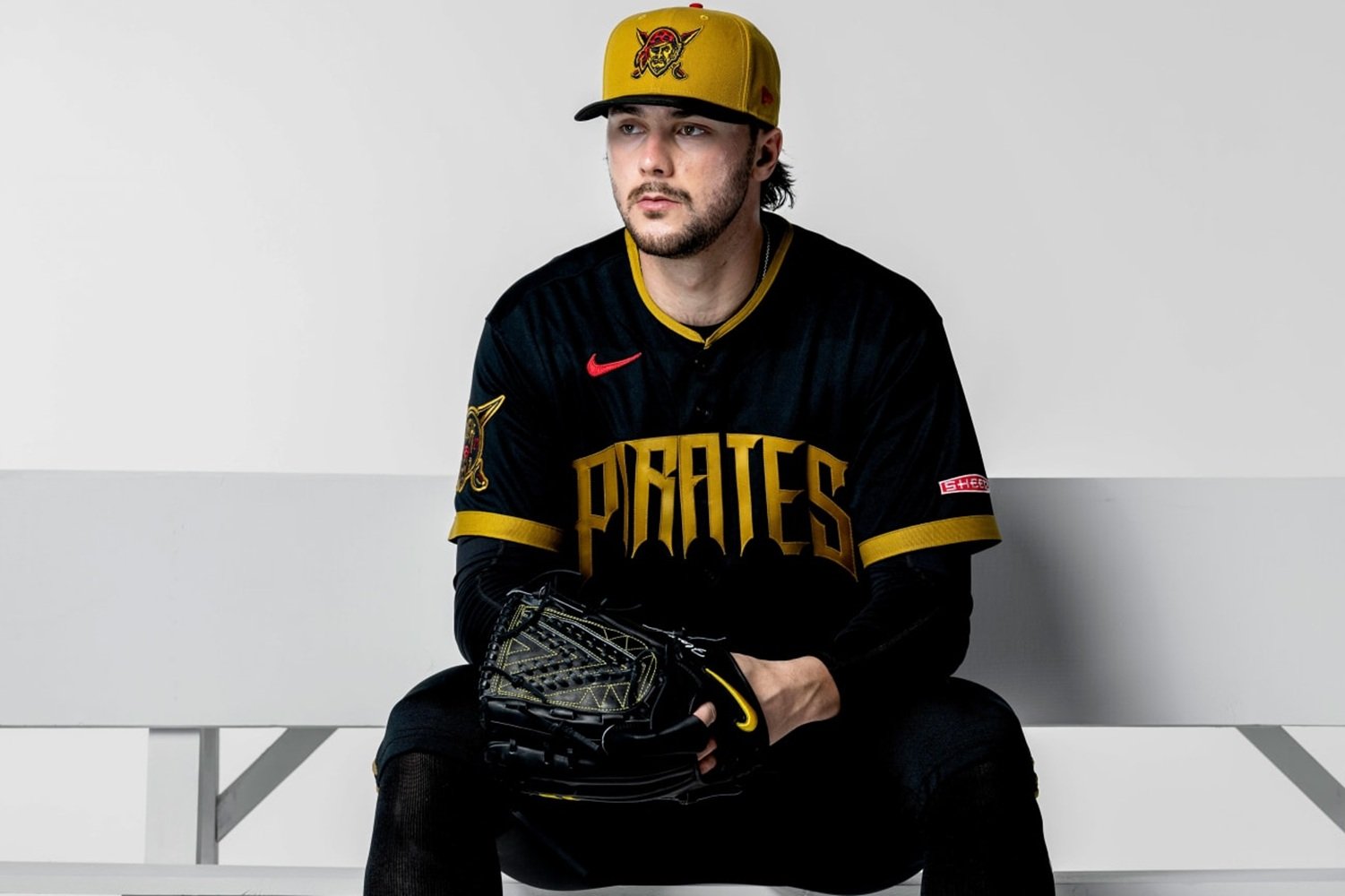 Major League Baseball’s City Connect initiative has always walked a fine line between creativity and chaos. Since its launch in 2021, the program has encouraged teams to lean into culture, community, and storytelling rather than tradition. Sometimes that results in brilliance. Sometimes it looks like a marketing meeting that went on a little too long. Thursday brought the second wave of City Connect uniforms for eight franchises, and as expected, the results are a mixed bag. Some clubs leaned into bold identity. Others played it safe. A few might have missed the assignment entirely. Here is how the latest batch stacks up from bottom to top. 8. Texas Rangers Maybe it is the lack of color. Maybe it is the overly simple design. Either way, something feels missing here. The concept of celebrating Mexican influence across Texas is strong, but the execution falls short. Adding green to complement the red and better reflect the Mexican flag could have elevated the look. Instead, it feels like a concept that never fully came together. Pros: Ties to Texas-Mexican heritage. Cons: Everything else. 7. Baltimore Orioles The idea behind City Connect is to break away from the norm, so sticking with the same color palette feels like a missed opportunity. The Oriole graphic is clean, but the “BMORE” text doesn't quite land as it should. The home run patch on the sleeve might be the standout feature, which says a lot about the rest of the design. Pro: Home run sleeve patch is a nice tie to Camden Yards Cons: Color scheme too close to regular jerseys. 6. Cincinnati Reds There is something to be said for consistency, but this feels like playing it too safe. The Reds essentially swapped out last year’s black look for red while keeping the same design language. The futuristic vibe works, but using their primary color scheme again makes it feel less like a City Connect and more like an alternate jersey. Pros: Futuristic design. Cons: Too similar to the first City Connect. 5. Atlanta Braves Powder blue is almost always a win, and it works here, too. The problem is that this feels more like a throwback than a City Connect. The lowercase A and the color scheme are nice touches, but it leans heavily on nostalgia rather than offering something new or uniquely tied to the city. Pros: The lower-case “A” hat is nice. Cons: Seems too close to a throwback and not something new. 4. Kansas City Royals This one takes a swing, and for the most part, it connects. The fuchsia-to-blue gradient is bold and distinct, inspired by Midwest sunsets and the city’s iconic fountains. The unique R logo adds character, and the Beatles nod on the collar is a fun piece of trivia that ties into team tradition. It might not be for everyone, but at least it stands out. Pros: Love the Beatles reference. Cons: Hat logo leaves something to be desired. 3. Milwaukee Brewers Milwaukee expands the concept beyond the city and embraces the entire state with a “Wisco” identity. The new color scheme separates it from their traditional look, which is exactly what City Connect should do. The updated Barrelman patch is a strong callback to team history while still feeling modern. This is a well-balanced design that hits most of the right notes. Pros: State connection, sleeve patch. Cons: “Wisco” phrase can be unflattering. 2. San Diego Padres San Diego already had one of the most popular City Connect sets, and they wisely didn't overthink it. The vibrant colors remain, but the refreshed wordmark keeps things feeling new. The Dia de los Muertos sleeve patch is the standout element, adding meaningful cultural depth. This will once again be a hit, especially with younger fans who gravitate toward bold designs. Pros: Vibrant colors, sleeve patch. Cons: Similar to the first City Connect jersey. 1. Pittsburgh Pirates This is how you do it. The Pirates leaned all the way into their identity and came out with something that feels both intimidating and unique. The blacked-out look, paired with a stylized pirate wordmark, gives it an edge that few teams can match. Now picture Paul Skenes on the mound wearing this. That is nightmare fuel for opposing hitters. With a young core rising (including recently promoted Konnor Griffin), this jersey will become one of the most recognizable looks in the league. Pros: Nearly Perfect. Cons: I don’t have one in my closet yet. City Connect uniforms are at their best when they take risks and fully commit to a story. The 2026 class shows that not every team is comfortable doing that. The Pirates, Padres, and Brewers embraced the assignment and delivered something memorable. Others felt hesitant, sticking too close to their traditional identity when the whole point is to break away from it. As the program continues to evolve, the gap between the teams that get it and the teams that do not is becoming more obvious. And if this year is any indication, bold will always beat safe.
 -
Image courtesy of Peyton Vogel / Peytons Pics For years, minor league baseball has served as the sport’s testing ground, a place where ideas are introduced, tweaked, and sometimes discarded altogether. The pitch timer and ABS challenge system both started there before reaching the big leagues, and now a new collection of experimental rules is set to debut in 2026. This latest round of changes will be spread across multiple levels of the minors, each tied to improving the pace of play and increasing action. That does not mean these rules are destined for the majors. In fact, many around the game view them as trial balloons rather than inevitable changes. Still, front offices and player development staff are already preparing. Even if these rules never reach a major league field, they will impact how prospects are evaluated and developed in the short term. Here is a closer look at what is coming. Second Base Gets a New Home One of the more noticeable changes will take place in the Triple-A International League, where second base is set to be repositioned for the season’s second half. Instead of sitting partially outside the infield diamond, the bag will be moved fully within it. That adjustment brings second base closer to both first and third by roughly nine inches, and even closer compared to pre-2023 dimensions before the bases were enlarged. The visual difference may be subtle, but the impact could be meaningful. Shorter distances between bases could encourage more stolen base attempts and tighter bang-bang plays, similar to what happened when larger bases were introduced. It is another attempt to manufacture action without fundamentally changing the structure of the game. Check Swing Challenges Arrive in Triple-A Starting in May in the Pacific Coast League, hitters, pitchers, and catchers will now have access to a new challenge system focused on check swings. Using bat tracking technology, a swing will be defined by whether the bat surpasses a 45-degree angle. Each team will be given two challenges per game, to be shared with the existing ball-strike challenge system. That means players will need to be selective, as challenging a check swing and losing the appeal will cost them an opportunity. This system was tested in the Florida State League and the Arizona Fall League in 2025. According to the league, the strikeout rate was over 3% lower when the Check Swing Challenge was used, leading to more balls in play. If that trend holds, it could be one of the more impactful changes from an entertainment standpoint. Just as importantly, it introduces a clearer, data-driven definition of what actually constitutes a swing, something that has long been subjective. Tighter Pitch Clock Rules Even with the pitch clock already in place, the league is continuing to look for ways to keep games moving. Restrictions on batter timeouts will vary by level. In Low-A, hitters will essentially be unable to call time during an at-bat unless there is a legitimate issue. High-A allows timeouts only when runners are on base, while upper levels will still permit them with a catch. Hitters must be fully ready before the clock hits eight seconds, or risk being caught unprepared when the pitcher delivers. Pitchers are not exempt from the adjustments either. In Triple-A, any malfunction with the PitchCom system will now count as a mound visit. If a team has already used its allotted visits, addressing the issue will result in a pitch clock violation, and a ball will be awarded to the batter. Double-A will also see a stricter disengagement rule, cutting the limit from two step-offs or pick-off attempts down to one per plate appearance. That change should further encourage base stealing and put additional pressure on pitchers to control the running game. There is also a universal enforcement tweak. Mound visits that run too long will now carry an automatic penalty, with a ball awarded to the hitter if coaches or infielders are slow to clear the mound. Starting Pitchers Re-Entering Games At the lower levels, a unique rule is being introduced with player health in mind. In the Arizona Fall League, Florida Complex League, and Dominican Summer League, starting pitchers will be allowed to re-enter a game after being removed, as long as it happens in the following inning and they have thrown at least 25 pitches. It is not about strategy as much as protection. Young pitchers can lose command quickly, resulting in long, stressful innings. This rule gives teams a way to reset without overextending arms that are still being developed. There is little expectation that this concept will move beyond these environments, but it reflects how player health continues to influence experimental rules. Some of these changes will fade away as quickly as they arrived. Others may evolve into the next major shift in how the game is played. That uncertainty is the point. The minor leagues remain baseball’s laboratory, where creativity is encouraged, and failure is acceptable. The 2026 rule changes fit that mold perfectly. They challenge long-standing norms, introduce new technology, and test how far the sport is willing to go in pursuit of a better product. Ultimately, the true impact of these experiments will be measured not just by which rules succeed or fade away, but by the sport's willingness to evolve. As Minor League Baseball continues to push boundaries, its experiments will remain a driving force in shaping the sport. It’s about preserving baseball’s traditions while steering it toward a more dynamic and engaging future. View full article
-
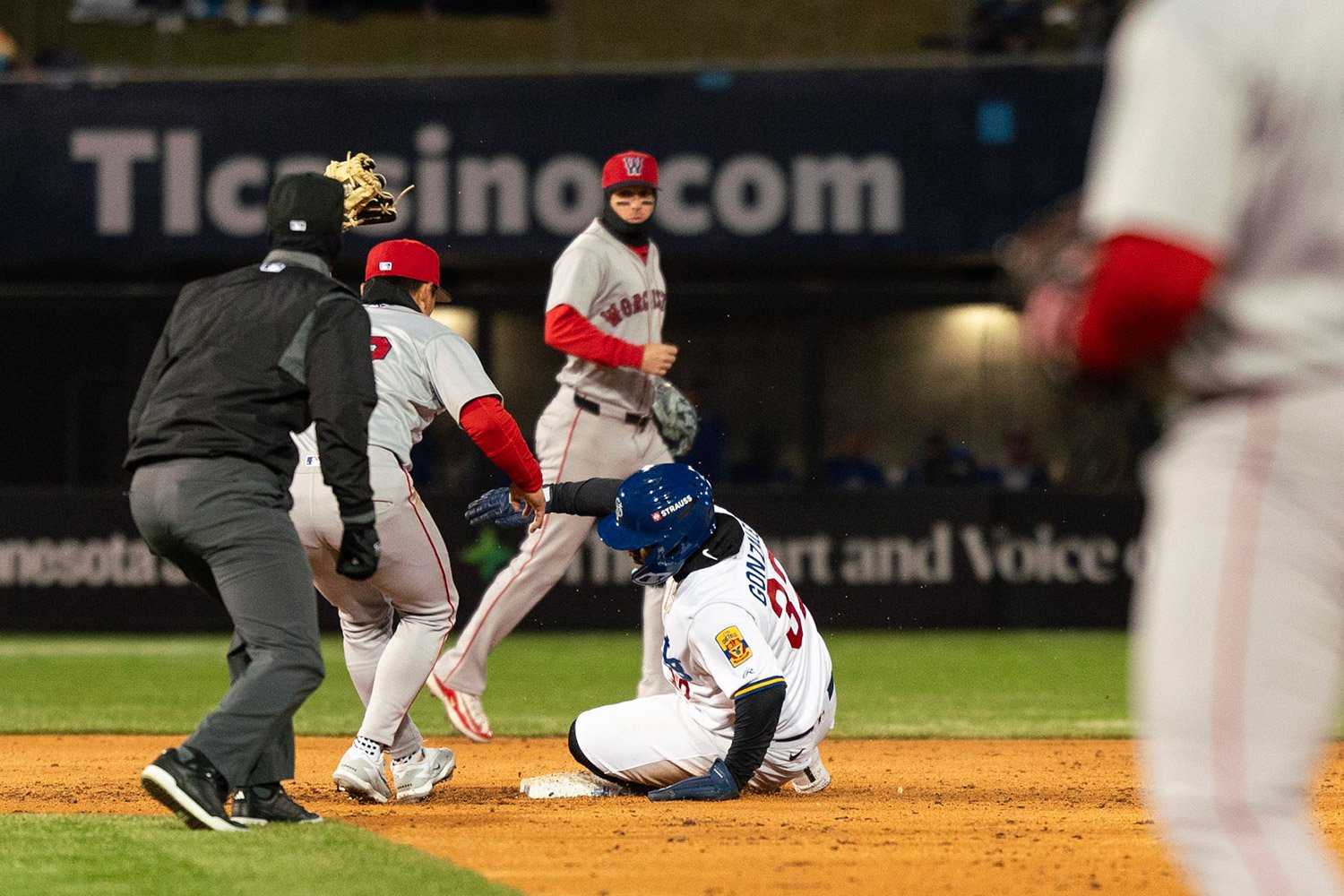 For years, minor league baseball has served as the sport’s testing ground, a place where ideas are introduced, tweaked, and sometimes discarded altogether. The pitch timer and ABS challenge system both started there before reaching the big leagues, and now a new collection of experimental rules is set to debut in 2026. This latest round of changes will be spread across multiple levels of the minors, each tied to improving the pace of play and increasing action. That does not mean these rules are destined for the majors. In fact, many around the game view them as trial balloons rather than inevitable changes. Still, front offices and player development staff are already preparing. Even if these rules never reach a major league field, they will impact how prospects are evaluated and developed in the short term. Here is a closer look at what is coming. Second Base Gets a New Home One of the more noticeable changes will take place in the Triple-A International League, where second base is set to be repositioned for the season’s second half. Instead of sitting partially outside the infield diamond, the bag will be moved fully within it. That adjustment brings second base closer to both first and third by roughly nine inches, and even closer compared to pre-2023 dimensions before the bases were enlarged. The visual difference may be subtle, but the impact could be meaningful. Shorter distances between bases could encourage more stolen base attempts and tighter bang-bang plays, similar to what happened when larger bases were introduced. It is another attempt to manufacture action without fundamentally changing the structure of the game. Check Swing Challenges Arrive in Triple-A Starting in May in the Pacific Coast League, hitters, pitchers, and catchers will now have access to a new challenge system focused on check swings. Using bat tracking technology, a swing will be defined by whether the bat surpasses a 45-degree angle. Each team will be given two challenges per game, to be shared with the existing ball-strike challenge system. That means players will need to be selective, as challenging a check swing and losing the appeal will cost them an opportunity. This system was tested in the Florida State League and the Arizona Fall League in 2025. According to the league, the strikeout rate was over 3% lower when the Check Swing Challenge was used, leading to more balls in play. If that trend holds, it could be one of the more impactful changes from an entertainment standpoint. Just as importantly, it introduces a clearer, data-driven definition of what actually constitutes a swing, something that has long been subjective. Tighter Pitch Clock Rules Even with the pitch clock already in place, the league is continuing to look for ways to keep games moving. Restrictions on batter timeouts will vary by level. In Low-A, hitters will essentially be unable to call time during an at-bat unless there is a legitimate issue. High-A allows timeouts only when runners are on base, while upper levels will still permit them with a catch. Hitters must be fully ready before the clock hits eight seconds, or risk being caught unprepared when the pitcher delivers. Pitchers are not exempt from the adjustments either. In Triple-A, any malfunction with the PitchCom system will now count as a mound visit. If a team has already used its allotted visits, addressing the issue will result in a pitch clock violation, and a ball will be awarded to the batter. Double-A will also see a stricter disengagement rule, cutting the limit from two step-offs or pick-off attempts down to one per plate appearance. That change should further encourage base stealing and put additional pressure on pitchers to control the running game. There is also a universal enforcement tweak. Mound visits that run too long will now carry an automatic penalty, with a ball awarded to the hitter if coaches or infielders are slow to clear the mound. Starting Pitchers Re-Entering Games At the lower levels, a unique rule is being introduced with player health in mind. In the Arizona Fall League, Florida Complex League, and Dominican Summer League, starting pitchers will be allowed to re-enter a game after being removed, as long as it happens in the following inning and they have thrown at least 25 pitches. It is not about strategy as much as protection. Young pitchers can lose command quickly, resulting in long, stressful innings. This rule gives teams a way to reset without overextending arms that are still being developed. There is little expectation that this concept will move beyond these environments, but it reflects how player health continues to influence experimental rules. Some of these changes will fade away as quickly as they arrived. Others may evolve into the next major shift in how the game is played. That uncertainty is the point. The minor leagues remain baseball’s laboratory, where creativity is encouraged, and failure is acceptable. The 2026 rule changes fit that mold perfectly. They challenge long-standing norms, introduce new technology, and test how far the sport is willing to go in pursuit of a better product. Ultimately, the true impact of these experiments will be measured not just by which rules succeed or fade away, but by the sport's willingness to evolve. As Minor League Baseball continues to push boundaries, its experiments will remain a driving force in shaping the sport. It’s about preserving baseball’s traditions while steering it toward a more dynamic and engaging future.
 -
 Bullpens matter more than ever, but not always in the way you would expect. Starters are working fewer innings, which means relievers are covering a larger share of the game and often stepping into higher-leverage spots earlier. That should make bullpen quality a defining trait for contenders, and in some cases, it is. But when you start looking at recent playoff teams, the line between a strength and a weakness gets blurry pretty quickly. So, how bad can a bullpen actually be and still reach October? The answer is lower than most would guess. In recent seasons, several playoff teams have reached the postseason with relief groups that ranked near the bottom in key metrics. While not the common path, these cases show a flawed bullpen does not necessarily sink a season if the rest of the roster compensates. 2025 MLB Bullpens The 2025 season provides a clear case in point regarding these lower limits. Among playoff teams, the Detroit Tigers posted the worst bullpen fWAR at 1.4. That number stands out even more when compared to the next closest team, as the New York Yankees more than doubled it with a 2.8 mark. Philadelphia and Toronto also found themselves near the bottom, finishing at 2.9 and 3.2 fWAR, respectively. To better understand the bullpen's impact, win probability can more accurately gauge high-leverage performance. The Los Angeles Dodgers had the lowest bullpen WPA among playoff teams at just 0.18, yet still finished as World Series champions. The Yankees again appeared near the bottom at 1.96, followed by Philadelphia at 2.54 and Cincinnati at 3.37. Even among contenders, effectiveness varied widely, showing that elite results were not essential. It is also worth noting how much easier it is to reshape a bullpen at the trade deadline. Philadelphia paid a steep price, sending multiple top-100 prospects to Minnesota for Jhoan Duran, while the Yankees swung a four-player deal with Pittsburgh to bring in David Bednar. Contending teams know relief help is one of the most direct ways to patch a weakness, and they are often willing to pay for it. 2024 MLB Bullpens The 2024 season reiterates these themes. The Houston Astros led playoff teams in the wrong direction with a bullpen worth just 2.2 fWAR. Next were the Yankees at 2.9, the Royals at 3.5, and both the Orioles and Mets at 3.8. While not catastrophic, these numbers rank among the lower tiers among postseason teams. Looking at WPA, the Royals stand out even more. They were the only playoff team with a negative bullpen WPA at -1.31, meaning their relief corps actively cost them more than a win over the course of the season. San Diego hovered just above water at 0.19, while Baltimore and New York both finished just under one. Again, these are not dominant units. They are survivable ones. 2023 MLB Bullpens Then there is 2023, the season that breaks the model. The Texas Rangers rode one of the weakest bullpens in the playoff field all the way to a championship, with just 2.0 fWAR and a -2.55 WPA—the lowest marks among postseason teams. Arizona was not far behind, ranking second worst in both categories with a 2.2 fWAR and a 0.41 WPA. Both teams caught fire at the right time, making bullpen flaws less relevant in October. Teams that were closer to league average still illustrate the broader point. Minnesota finished with a 3.6 fWAR bullpen, while Houston checked in at 4.0. For WPA, the Rays posted 2.31, and the Braves had 3.05. The range of outcomes further highlights how little predictable correlation exists once the postseason begins. Some recent poor performances from playoff bullpens: Team WPA fWAR Rangers (2023) -2.55 2.0 Royals (2024) -1.31 3.5 Dodgers (2025) 0.18 6.0 Padres (2024) 0.19 5.4 Diamondbacks (2023) 0.41 2.2 Orioles (2024) 0.99 3.8 Overall, recent seasons show that most playoff teams still feature at least a competent bullpen, with only a handful succeeding with significantly below-average relief units. While truly poor bullpens can sneak into the postseason, it remains uncommon to win consistently while struggling late in games. At the same time, October operates differently. Off days allow managers to use their best arms more often, reducing bullpen reliance. A team that struggles to cover nine innings in June can thrive with just three or four trusted relievers in a playoff series. When a bullpen gets hot at the right moment, even its weaknesses become less apparent. The key takeaway is that bullpens are important, but their significance varies depending on the situation. Throughout the long regular season, reliable bullpen performance is usually necessary to sustain success. However, in October, the impact of timely performances and managerial decisions becomes much greater, allowing even teams with historically average or weak bullpens to thrive. Context and timing are crucial when evaluating the true impact of a bullpen.
 -
Bullpen usage has undergone a quiet but dramatic transformation over the last decade. Not long ago, teams could reasonably expect their starters to cover six or seven innings on most nights, handing the ball to a defined late-inning trio to close things out. That model has steadily eroded. Today’s game asks starters to work fewer times through the order, often exiting before trouble begins rather than after it has already arrived. The result is a growing share of innings being pushed onto bullpens that are asked to do more than ever before. That shift has fundamentally changed how teams build pitching staffs, and a deep bullpen is no longer a luxury. It is a necessity. Clubs are now tasked with finding eight or more arms capable of navigating high leverage situations, absorbing bulk innings, and bridging the gap created by shorter starts. It is not just about having a closer and a setup man anymore. It is about layering options and maintaining flexibility across a 162-game season. The challenge is that not every organization approaches bullpen construction the same way. Some franchises can spend aggressively, stockpiling established late-inning arms without worrying about diminishing returns. Others are forced to be more creative, piecing together bullpens through internal development, waiver claims, and minor league deals. For those teams, volatility is part of the equation. Relief performance can fluctuate wildly from year to year, making it one of the hardest areas to stabilize. That raises an important question. Just how good does a bullpen actually need to be for a team to reach the postseason? Recent history suggests the answer is more flexible than you might expect. 2025 Season The 2025 season offers a strong example of the lower bound. Among playoff teams, the Detroit Tigers posted the worst bullpen fWAR at 1.4. That number stands out even more when compared to the next closest team, as the New York Yankees more than doubled it with a 2.8 mark. Philadelphia and Toronto also found themselves near the bottom, finishing at 2.9 and 3.2, respectively. None of those groups would be considered strengths, yet all were attached to postseason clubs. Win probability added tells a similar story with a different twist. The Los Angeles Dodgers had the lowest bullpen WPA among playoff teams at just 0.18, and they still ended the year as World Series champions. The Yankees again appeared near the bottom at 1.96, followed by Philadelphia at 2.54 and Cincinnati at 3.37. Even among contenders, there was a wide range of effectiveness, and elite results were clearly not a prerequisite. 2024 Season The 2024 season reinforces that idea while adding a few more wrinkles. The Houston Astros led playoff teams in the wrong direction with a bullpen worth just 2.2 fWAR. They were followed by the Yankees at 2.9, the Royals at 3.5, and both the Orioles and Mets at 3.8. Those are not catastrophic numbers, but they fall firmly in the lower tier of postseason participants. Looking at WPA, the Royals stand out even more. They were the only playoff team with a negative bullpen WPA at -1.31, meaning their relief corps actively cost them more than a win over the course of the season. San Diego hovered just above water at 0.19, while Baltimore and New York both finished just under one. Again, these are not dominant units. They are survivable ones. 2023 Season Then there is 2023, the season that breaks the model. The Texas Rangers rode one of the weakest bullpens in the playoff field all the way to a championship. Their group finished with just 2.0 fWAR and a -2.55 WPA, both the lowest marks among postseason teams. Arizona was not far behind, ranking second worst in both categories with a 2.2 fWAR and a 0.41 WPA. Both teams caught fire at the right time, and whatever flaws existed over 162 games became far less relevant in October. Even teams that were closer to the middle illustrate the broader point. Minnesota finished with a 3.6 fWAR bullpen, while Houston checked in at 4.0. For WPA, the Rays had a 2.31 WPA and the Braves had a 3.05 WPA. The range of outcomes shows just how little correlation there can be once the postseason begins. Some recent poor performances from playoff bullpens: Team WPA fWAR Rangers (2023) -2.55 2.0 Royals (2024) -1.31 3.5 Dodgers (2025) 0.18 6.0 Padres (2024) 0.19 5.4 Diamondbacks (2023) 0.41 2.2 Orioles (2024) 0.99 3.8 So where does that leave us? The data from the last three seasons suggests that most playoff teams still feature bullpens that land somewhere in the middle of the pack (or higher) by both fWAR and WPA. Truly poor units can sneak in, but they are more the exception than the rule. Over a full season, it is difficult to consistently win while giving away too many innings late in games. At the same time, October operates under a different set of conditions. Off days allow managers to lean heavily on their best arms, shortening the bullpen and masking depth issues. A team that might struggle to cover nine innings in June can suddenly thrive when it only needs three or four trusted relievers in a playoff series. Get hot at the right time, and even a flawed bullpen can look dominant. The takeaway is not that bullpens do not matter. It is that they matter differently depending on the context. Over 162 games, competence is usually required. In October, timing can be everything. View full article
-
2026 DiamondCentric MLB Preview: Bold Picks & Even Bolder Twists
Cody Christie posted an article in MLB
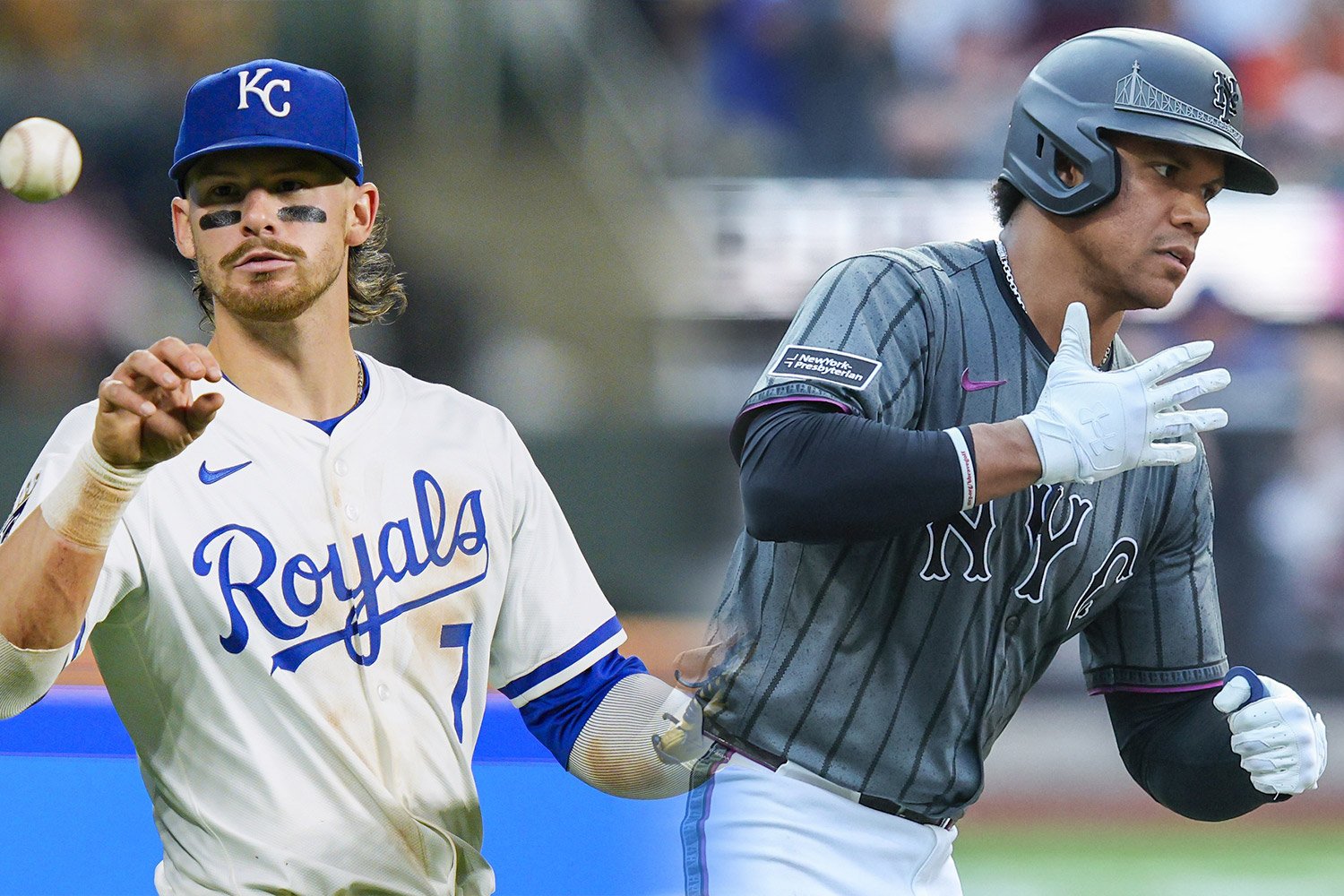 If there is one thing baseball fans love this time of year, it is predictions. Hope is undefeated, every roster looks improved on paper, and even the most confident takes come with a hint of uncertainty. DiamondCentric gathered its writers to map out the 2026 season, and while there is plenty of chalk at the top, there are also enough surprises sprinkled throughout to make things interesting. American League East The American League East looks like a battle between two heavyweights. Nearly half the voters expect the Toronto Blue Jays to ride last season’s momentum back to the top after their World Series run, while the Boston Red Sox sit comfortably as the second-most-picked team in the projections. The New York Yankees and Baltimore Orioles remain in the mix, but they are viewed more as challengers than favorites. American League Central Out in the AL Central, there is far less debate. The Detroit Tigers earned more than 70% of the vote, signaling a strong belief that their core is ready to take control of the division. The Kansas City Royals are the clear second choice, while the Minnesota Twins and Cleveland Guardians barely registered in the voting, each picking up just a single nod. The AL Central has been a competitive division in recent years, so Detroit might be the favorite, but it’s hardly a guarantee. American League West The AL West might be the easiest call on the board. The Seattle Mariners dominated the voting with over 90 percent support, leaving only scraps for the Houston Astros and Texas Rangers. The Mariners have one of baseball’s best pitching staffs and were a team on the rise in 2025. It is Seattle’s division to lose, at least on paper. National League East Over in the National League, the East could come down to the wire. The Philadelphia Phillies edged out the New York Mets by a single vote, suggesting a tight race all season long. The Atlanta Braves linger just behind them as a potential bounce-back candidate after what some voters believe was an outlier season. National League Central The NL Central leans toward the Chicago Cubs, who secured nearly two-thirds of the vote. The Milwaukee Brewers are the only team within striking distance in these projections, while the Pittsburgh Pirates and Cincinnati Reds each earned a lone vote as long-shot picks. Some likely question if the Cubs did enough to move to the top, but this division has some exciting teams and players. National League West In the NL West, there is no mystery. The Los Angeles Dodgers once again stand alone as the overwhelming favorite, pulling in more than 90% of the vote. However, they have shown some regular-season weaknesses before turning it on in October. That could leave a crack for a different division winner. The San Diego Padres, San Francisco Giants, and Arizona Diamondbacks are left hoping something unexpected shakes up the standings. American League MVP When it comes to individual awards, voters are expecting some turnover in the American League MVP race. Aaron Judge has dominated the award in recent years, but this time it is Bobby Witt Jr. leading the way with nearly half the vote. Judge still commands respect with a strong second-place finish, while Vladimir Guerrero Jr. and Julio Rodriguez remain in the conversation. A few ballots even featured bold picks like Roman Anthony and Nick Kurtz. National League MVP The National League MVP race appears much less competitive in the eyes of voters. Shohei Ohtani is the clear favorite, pulling in over 60% of the vote. He’s the best player on the planet and will likely accomplish things this season that no one has seen before. Juan Soto sits in second place and could gain ground if the Mets stay relevant deep into the season. Ronald Acuna Jr. also received some support as he looks to remind everyone of his superstar ceiling. American League Cy Young Award On the mound, the American League Cy Young race could see a changing of the guard. Tarik Skubal is chasing a rare third straight award, but Garrett Crochet is the DiamondCentric preseason favorite. There is also a wide range of dark horse candidates, including Bryan Woo, Logan Gilbert, Dylan Cease, and Joe Ryan. National League Cy Young Award In the National League, Paul Skenes towers over the field as the overwhelming favorite. Yoshinobu Yamamoto checks in as the runner-up, while Cade Horton, Freddy Peralta, and Logan Webb picked up a handful of surprise votes. World Series Match-Up As for the pennants, DiamondCentric is leaning toward a Seattle Mariners and Los Angeles Dodgers World Series matchup. The Blue Jays and Mets received the next highest support in their respective leagues, but both trail by a noticeable margin. Biggest Disappointment Not every projection is optimistic. DiamondCentric writers were asked to pick the team that would be the biggest disappointment. The Yankees carried that label, a reflection of both lofty expectations and recent frustrations. The Phillies are not far behind, with concerns about an aging roster starting to creep into the conversation. Bold Predictions Every prediction season needs a handful of takes that feel a little uncomfortable at first glance. Some of these will look brilliant in hindsight, others will age poorly by May, but that is part of the fun. Here is what DiamondCentric writers are willing to put on the record before a single meaningful pitch is thrown. Toronto misses the playoffs after almost winning the World Series in 2025 Ronald Acuna goes 50-50 and wins the MVP. Four AL East teams make the playoffs. We see a pitcher set the record for most Ks in a game. Brandon Sproat finishes the season with a higher WAR than Freddy Peralta. Miami Marlins take the NL Wild Card. The Mariners' clubhouse fractures along the Cal Raleigh - Randy Arozarena fault line. DiamondCentric will launch a Rockies site (editor's note: why do you all hate me so much, what did I ever do to you?). The Pirates will be in the hunt for a Wild Card spot by the trade deadline. Cade Horton stays healthy and is a top-five pitcher this year. Vinnie Pasquantino finishes top-3 in AL MVP voting. The Rockies made a big turnaround. The Twins have a Rookie of the Year and Cy Young winner, but don’t make the playoffs. Shohei Ohtani hits 50 home runs and posts a sub-2 ERA. The Marlins will have a top-five outfield. Kyle Stowers leads the NL in home runs. The Twins will have three first-time All-Stars in 2026. The Dodgers will lose in their first round of playoff action. Bobby Witt Jr. posts a 40-40 season. Sandy Alcantara will finish with both AL and NL Cy Young votes. Two of last year’s division winners will finish fourth in their divisions. Twins will NOT have the worst record in baseball! Pirates come within five days before being eliminated from the Wild Card race. The average length of games increases by 15 minutes. Logan Webb and Robbie Ray finish 1-2 in the NL Cy Young. The Yankees finish fourth in the AL East. The Rockies finish fourth in the NL West. The New York Yankees fail to make the playoffs. Tampa Bay as a Wild Card. Cade Horton will win the NL Cy Young. Maikel Garcia finishes higher than Bobby Witt Jr. in MVP voting. There is a little bit of everything in those predictions. Some are rooted in plausible outcomes; others require a leap of faith; and a few would send shockwaves through the sport. That blend is what makes this exercise worthwhile. As Opening Day approaches, these picks will start to feel more real with each passing inning. Some will look prescient by the All-Star break, while others will quietly fade into the background. Either way, this snapshot captures the optimism, skepticism, and creativity that define baseball before the games begin. What are your predictions for the 2026 season? Leave a comment and start the discussion.
 -
If there is one thing baseball fans love this time of year, it is predictions. Hope is undefeated, every roster looks improved on paper, and even the most confident takes come with a hint of uncertainty. Diamond Centric gathered its writers to map out the 2026 season, and while there is plenty of chalk at the top, there are also enough surprises sprinkled throughout to make things interesting. AL East: The American League East looks like a battle between two heavyweights. Nearly half the voters expect the Toronto Blue Jays to ride last season’s momentum back to the top after their World Series run, while the Boston Red Sox sit comfortably as the second-most-picked team in the projections. The New York Yankees and Baltimore Orioles remain in the mix, but they are viewed more as challengers than favorites. AL Central: Out in the AL Central, there is far less debate. The Detroit Tigers earned more than 70% of the vote, signaling a strong belief that their core is ready to take control of the division. The Kansas City Royals are the clear second choice, while the Minnesota Twins and Cleveland Guardians barely registered in the voting, each picking up just a single nod. The AL Central has been a competitive division in recent years, so Detroit might be the favorite, but it’s hardly a guarantee. AL West: The AL West might be the easiest call on the board. The Seattle Mariners dominated the voting with over 90 percent support, leaving only scraps for the Houston Astros and Texas Rangers. The Mariners have one of baseball’s best pitching staffs and were a team on the rise in 2025. It is Seattle’s division to lose, at least on paper. NL East: Over in the National League, the East could come down to the wire. The Philadelphia Phillies edged out the New York Mets by a single vote, suggesting a tight race all season long. The Atlanta Braves linger just behind them as a potential bounce-back candidate after what some voters believe was an outlier season. NL Central: The NL Central leans toward the Chicago Cubs, who secured nearly two-thirds of the vote. The Milwaukee Brewers are the only team within striking distance in these projections, while the Pittsburgh Pirates and Cincinnati Reds each earned a lone vote as long-shot picks. Some likely question if the Cubs did enough to move to the top, but this division has some exciting teams and players. NL West: In the NL West, there is no mystery. The Los Angeles Dodgers once again stand alone as the overwhelming favorite, pulling in more than 90% of the vote. However, they have shown some regular-season weaknesses before turning it on in October. That could leave a crack for a different division winner. The San Diego Padres, San Francisco Giants, and Arizona Diamondbacks are left hoping something unexpected shakes up the standings. AL MVP: When it comes to individual awards, voters are expecting some turnover in the American League MVP race. Aaron Judge has dominated the award in recent years, but this time it is Bobby Witt Jr. leading the way with nearly half the vote. Judge still commands respect with a strong second-place finish, while Vladimir Guerrero Jr. and Julio Rodriguez remain in the conversation. A few ballots even featured bold picks like Roman Anthony and Nick Kurtz. NL MVP: The National League MVP race appears much less competitive in the eyes of voters. Shohei Ohtani is the clear favorite, pulling in over 60% of the vote. He’s the best player on the planet and will likely accomplish things this season that no one has seen before. Juan Soto sits in second place and could gain ground if the Mets stay relevant deep into the season. Ronald Acuna Jr. also received some support as he looks to remind everyone of his superstar ceiling. AL Cy Young: On the mound, the American League Cy Young race could see a changing of the guard. Tarik Skubal is chasing a rare third straight award, but Garrett Crochet is the Diamond Centric preseason favorite. There is also a wide range of dark horse candidates, including Bryan Woo, Logan Gilbert, Dylan Cease, and Joe Ryan. NL Cy Young: In the National League, Paul Skenes towers over the field as the overwhelming favorite. Yoshinobu Yamamoto checks in as the runner-up, while Cade Horton, Freddy Peralta, and Logan Webb picked up a handful of surprise votes. World Series Match-Up: As for the pennants, Diamond Centric is leaning toward a Seattle Mariners and Los Angeles Dodgers World Series matchup. The Blue Jays and Mets received the next highest support in their respective leagues, but both trail by a noticeable margin. Biggest Disappointment: Not every projection is optimistic. Diamond Centric writers were asked to pick the team that would be the biggest disappointment. The Yankees carried that label, a reflection of both lofty expectations and recent frustrations. The Phillies are not far behind, with concerns about an aging roster starting to creep into the conversation. Bold Predictions: Every prediction season needs a handful of takes that feel a little uncomfortable at first glance. Some of these will look brilliant in hindsight, others will age poorly by May, but that is part of the fun. Here is what Diamond Centric writers are willing to put on the record before a single meaningful pitch is thrown. Toronto misses the playoffs after almost winning the World Series in 2025 Ronald Acuna goes 50-50 and wins the MVP. Four AL East teams make the playoffs. We see a pitcher set the record for most Ks in a game. Brandon Sproat finishes the season with a higher WAR than Freddy Peralta. Miami Marlins take the NL Wild Card. The Mariners' clubhouse fractures along the Cal Raleigh - Randy Arozarena fault line. Diamond Centric will launch a Rockies site. The Pirates will be in the hunt for a Wild Card spot by the trade deadline. Cade Horton stays healthy and is a top-five pitcher this year. Vinnie Pasquantino finishes top-3 in AL MVP voting. The Rockies made a big turnaround. The Twins have a Rookie of the Year and Cy Young winner, but don’t make the playoffs. Shohei Ohtani hits 50 home runs and posts a sub-2 ERA. The Marlins will have a Top 5 outfield. Kyle Stowers leads the NL in HRs. The Twins will have three first-time All-Stars in 2026. The Dodgers will lose in their first round of playoff action. Bobby Witt Jr. 40-40 season. Sandy Alcantara will finish with both AL and NL Cy Young votes. Two of last year’s division winners will finish 4th Twins will NOT have the worst record in baseball! Pirates come within 5 days of the Wild Card. The average length of games increases by 15 minutes. Logan Webb and Robbie Ray finish 1-2 in the NL Cy Young. The Yankees finish fourth in the AL East. The Rockies finish 4th in the NL West. The New York Yankees fail to make the playoffs. Tampa Bay as a Wild Card. Cade Horton will win the NL Cy Young. Maikel Garcia finishes higher than Bobby Witt Jr. in MVP voting. There is a little bit of everything in those predictions. Some are rooted in plausible outcomes, others require a leap of faith, and a few would send shockwaves across the sport. That blend is what makes this exercise worthwhile. As Opening Day approaches, these picks will start to feel more real with each passing inning. Some will look prescient by the All-Star break, while others will quietly fade into the background. Either way, this snapshot captures the optimism, skepticism, and creativity that define baseball before the games begin. What are your predictions for the 2026 season? Leave a comment and start the discussion. View full article
-
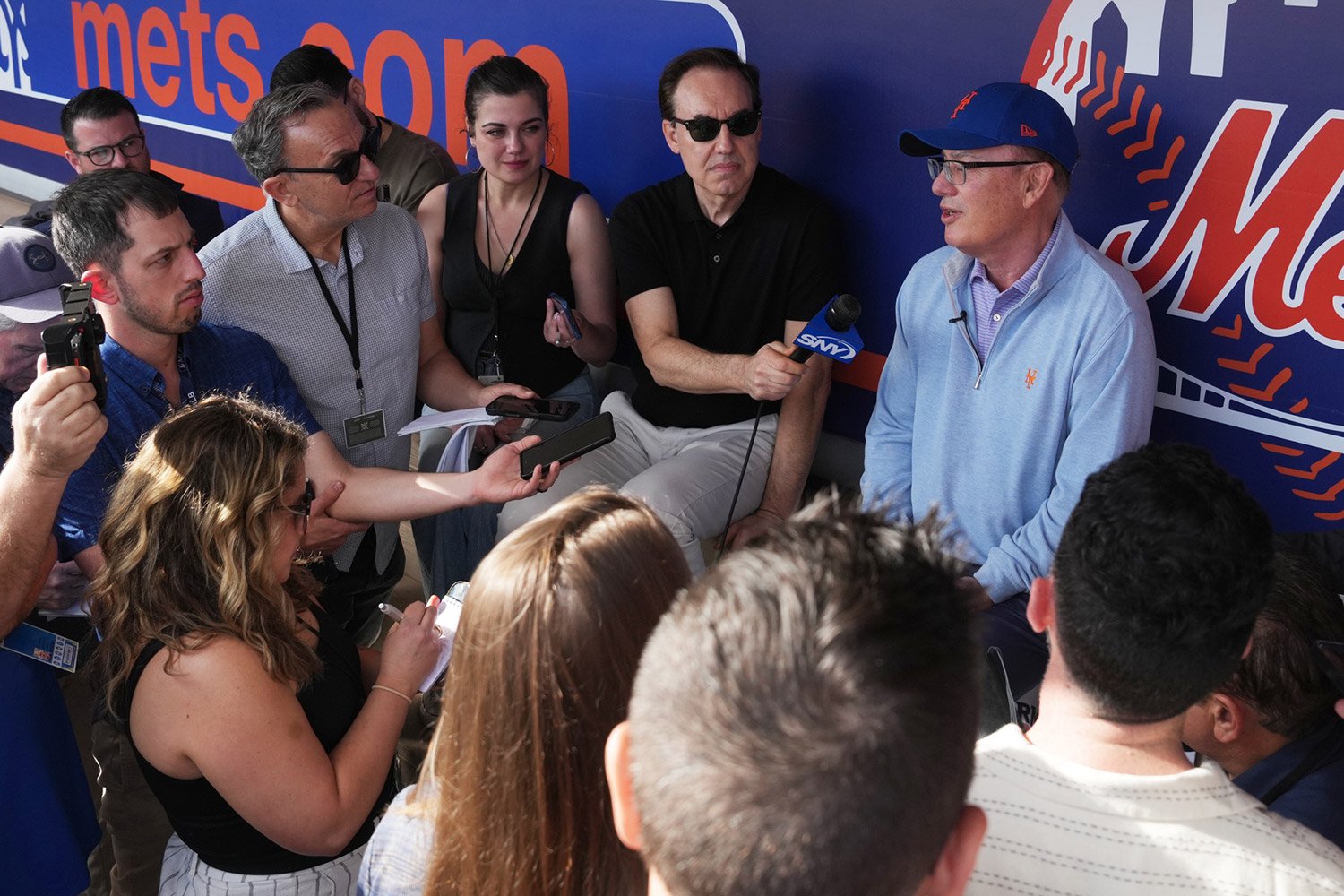 There has never been more money tied to Major League Baseball franchises, and the latest valuation update from Sportico drives that point home in a big way. The average MLB team is now worth $3.17 billion, with the league’s 30 clubs combining for a staggering $95 billion in total value. That represents a 12% jump year over year, the largest increase since Sportico began publishing MLB valuations in 2021. On paper, the sport is thriving. At the top, the usual names continue to separate themselves from the pack. The New York Yankees lead the way for the sixth straight year at $9.4 billion, a figure boosted by their stake in the YES Network and other business ventures. Close behind, the Los Angeles Dodgers have surged to $9.05 billion after a 17% increase, continuing to chip away at what used to be a massive gap. That difference has shrunk dramatically in just a few years. In 2021, the Yankees were valued 46% higher than the Dodgers. Now, the gap sits at just 4%, signaling that Los Angeles has firmly established itself as a financial powerhouse alongside baseball’s most iconic brand. The rest of the top five reinforces a familiar trend. Big markets, historic franchises, and strong media infrastructure still rule the sport’s financial hierarchy. The Boston Red Sox come in third at $6.65 billion, followed by the Chicago Cubs at $6.48 billion and the San Francisco Giants at $4.36 billion. At the opposite end of the spectrum, the Miami Marlins rank last at $1.45 billion. Even that number would have sounded absurd a decade ago, which speaks to how much franchise values have risen across the board. Still, the gap between first and last remains enormous, and that disparity continues to shape how the league operates. Some of the most interesting movement comes when looking beyond the raw valuations and focusing on the net of revenue-sharing figures. The Toronto Blue Jays stand out as one of the biggest risers. Coming off a World Series run last season, Toronto saw its net of revenue sharing jump significantly, climbing from north of $420 million entering 2025 to over $550 million when factoring in ownership of Sportsnet. October success does more than boost ticket sales. It elevates brand visibility, strengthens media leverage, and creates long-term financial momentum. On the other side, the Chicago White Sox are trending in the wrong direction. From 2022 to 2025, the Southsiders have seen their net revenue-sharing figure drop from over $300 million to just north of $250 million. An aging ballpark, combined with lackluster performance on the field, has created a difficult environment for driving growth, especially in a market that should offer more upside. Zooming out, the league’s overall growth is not happening by accident. Baseball has quietly built real momentum over the past few years. Attendance has increased for three straight seasons. Television ratings are climbing. A wave of young stars has injected energy into the game. International growth continues to expand the sport’s reach. All of those factors are reflected in the rising valuations. However, the underlying financial structure still comes with complications. Revenue multiples have increased from 6.6 to 7.2, but MLB still trails other major sports leagues in that category. That gap highlights three ongoing challenges that continue to hover over the sport. Labor remains a constant tension point. Even during periods of financial growth, the relationship between players and owners is rarely stable. Many evaluators expect a work stoppage next winter, with the potential to lose regular-season games in 2027 if a new collective bargaining agreement is not reached. With franchise values climbing to record levels, the stakes in any future labor dispute are even higher. Revenue disparity is another major issue. The difference between teams like the Yankees and Dodgers and clubs near the bottom of the rankings is massive. Market size, local television deals, and ownership resources all contribute to an uneven playing field that is difficult to correct under the current system. Then there is the media distribution puzzle. Regional sports networks are no longer the reliable revenue drivers they once were, and the shift toward streaming has created uncertainty across the league. Teams are still searching for a consistent model that can replace what RSNs used to provide. All of this ties into one of the most important conversations happening behind the scenes. There is a growing belief that a salary cap system could help address several of these issues at once. By creating cost certainty and improving competitive balance, a cap could make franchises more stable investments and potentially drive valuations even higher. That idea is not new, but it is gaining traction as the financial stakes continue to rise. For now, MLB sits in a fascinating position. The sport is generating more value than ever before, with multiple franchises pushing toward the ten billion dollar mark. At the same time, the gap between the top and bottom remains wide, and the structural challenges are becoming harder to ignore. The numbers tell a story of growth. The details tell a story of what comes next.
 -
There has never been more money tied to Major League Baseball franchises, and the latest valuation update from Sportico drives that point home in a big way. The average MLB team is now worth $3.17 billion, with the league’s 30 clubs combining for a staggering $95 billion in total value. That represents a 12% jump year over year, the largest increase since Sportico began publishing MLB valuations in 2021. On paper, the sport is thriving. At the top, the usual names continue to separate themselves from the pack. The New York Yankees lead the way for the sixth straight year at $9.4 billion, a figure boosted by their stake in the YES Network and other business ventures. Close behind, the Los Angeles Dodgers have surged to $9.05 billion after a 17% increase, continuing to chip away at what used to be a massive gap. That difference has shrunk dramatically in just a few years. In 2021, the Yankees were valued 46% higher than the Dodgers. Now, the gap sits at just 4%, signaling that Los Angeles has firmly established itself as a financial powerhouse alongside baseball’s most iconic brand. The rest of the top five reinforces a familiar trend. Big markets, historic franchises, and strong media infrastructure still rule the sport’s financial hierarchy. The Boston Red Sox come in third at $6.65 billion, followed by the Chicago Cubs at $6.48 billion and the San Francisco Giants at $4.36 billion. At the opposite end of the spectrum, the Miami Marlins rank last at $1.45 billion. Even that number would have sounded absurd a decade ago, which speaks to how much franchise values have risen across the board. Still, the gap between first and last remains enormous, and that disparity continues to shape how the league operates. Some of the most interesting movement comes when looking beyond the raw valuations and focusing on the net of revenue-sharing figures. The Toronto Blue Jays stand out as one of the biggest risers. Coming off a World Series run last season, Toronto saw its net of revenue sharing jump significantly, climbing from north of $420 million entering 2025 to over $550 million when factoring in ownership of Sportsnet. October success does more than boost ticket sales. It elevates brand visibility, strengthens media leverage, and creates long-term financial momentum. On the other side, the Chicago White Sox are trending in the wrong direction. From 2022 to 2025, the Southsiders have seen their net revenue-sharing figure drop from over $300 million to just north of $250 million. An aging ballpark, combined with lackluster performance on the field, has created a difficult environment for driving growth, especially in a market that should offer more upside. Zooming out, the league’s overall growth is not happening by accident. Baseball has quietly built real momentum over the past few years. Attendance has increased for three straight seasons. Television ratings are climbing. A wave of young stars has injected energy into the game. International growth continues to expand the sport’s reach. All of those factors are reflected in the rising valuations. However, the underlying financial structure still comes with complications. Revenue multiples have increased from 6.6 to 7.2, but MLB still trails other major sports leagues in that category. That gap highlights three ongoing challenges that continue to hover over the sport. Labor remains a constant tension point. Even during periods of financial growth, the relationship between players and owners is rarely stable. Many evaluators expect a work stoppage next winter, with the potential to lose regular-season games in 2027 if a new collective bargaining agreement is not reached. With franchise values climbing to record levels, the stakes in any future labor dispute are even higher. Revenue disparity is another major issue. The difference between teams like the Yankees and Dodgers and clubs near the bottom of the rankings is massive. Market size, local television deals, and ownership resources all contribute to an uneven playing field that is difficult to correct under the current system. Then there is the media distribution puzzle. Regional sports networks are no longer the reliable revenue drivers they once were, and the shift toward streaming has created uncertainty across the league. Teams are still searching for a consistent model that can replace what RSNs used to provide. All of this ties into one of the most important conversations happening behind the scenes. There is a growing belief that a salary cap system could help address several of these issues at once. By creating cost certainty and improving competitive balance, a cap could make franchises more stable investments and potentially drive valuations even higher. That idea is not new, but it is gaining traction as the financial stakes continue to rise. For now, MLB sits in a fascinating position. The sport is generating more value than ever before, with multiple franchises pushing toward the ten billion dollar mark. At the same time, the gap between the top and bottom remains wide, and the structural challenges are becoming harder to ignore. The numbers tell a story of growth. The details tell a story of what comes next. View full article
-
Baseball Needs To Build On WBC Momentum - Here's How They Can Do It
Cody Christie posted an article in MLB
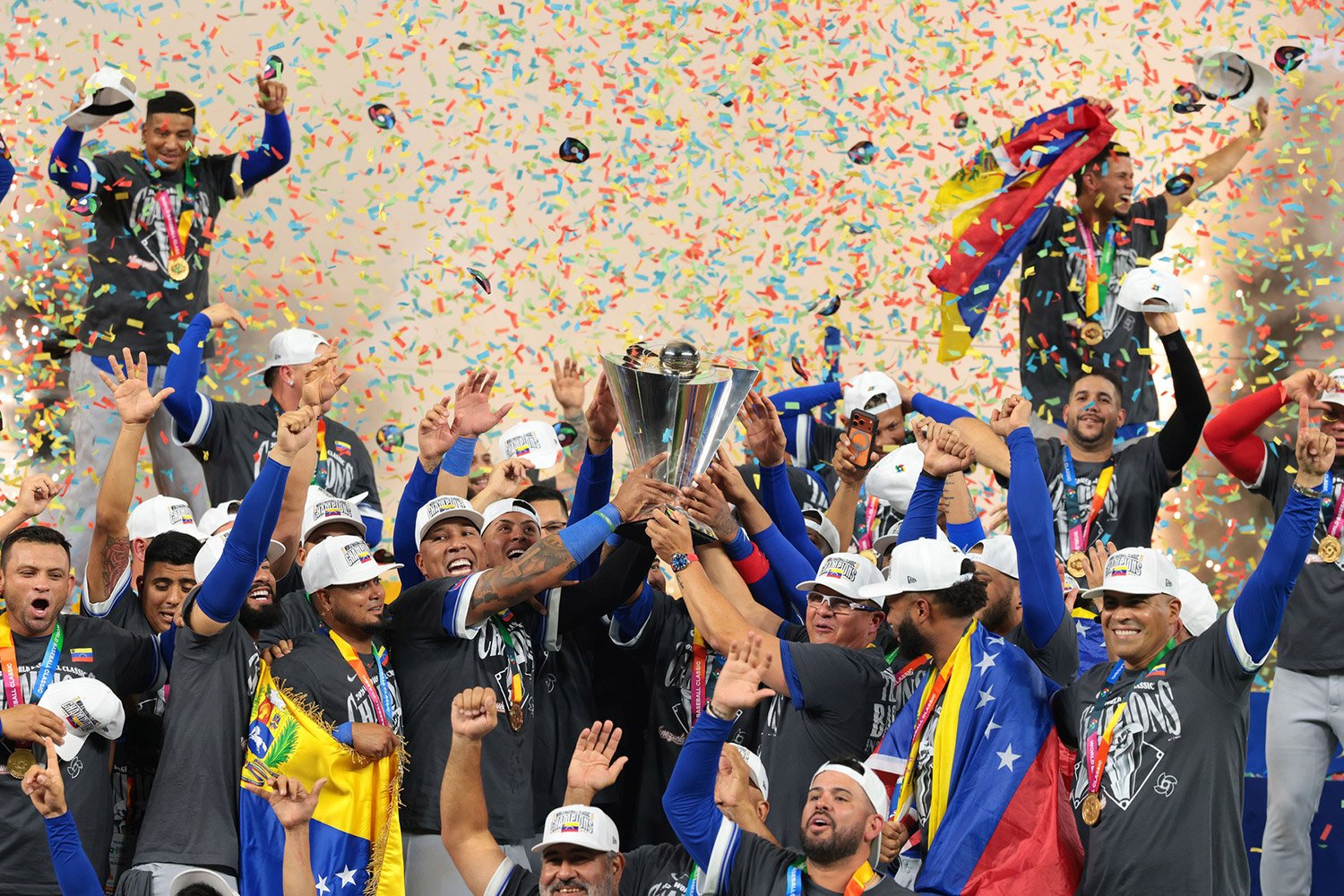 The last two editions of the World Baseball Classic have felt less like baseball tournaments and more like global sporting events that demand your full attention. From packed stadiums in Miami and Tokyo to electric late-inning moments that ripple across social media, the WBC has delivered a level of urgency and passion that can be difficult to replicate over a 162-game regular season. Every pitch feels like it matters. Every at-bat carries the weight of an entire country. That intensity has not gone unnoticed. Major League Baseball has spent the last several years trying to capture a younger audience, implementing rule changes such as the pitch clock, larger bases, and limits on defensive shifts. The goal has been simple. Make the game faster, cleaner, and more engaging. While those changes have helped, the WBC offers something even more powerful. It creates emotional stakes that transcend the sport itself. Global events like the World Cup and Olympic hockey often captivate even the most casual American sports fans. When entire countries rally behind the jersey, it creates a powerful sense of pride and identity. This is why baseball should continue expanding internationally, and the World Baseball Classic is an excellent vehicle for that growth. Team USA captain Aaron Judge told reporters the WBC crowds are “bigger and better” than the World Series, which is certainly quite the statement from the Yankees’ superstar. “It’s been bigger. The World Series I was in. The crowd here, the crowd we had when we played Mexico. It’s bigger and better than the World Series. The passion these fans have. There’s nothing like it.” That sentiment is shared by other players in the tournament. Manny Machado also highlighted the event's global reach. “Everyone can see that there’s so much talent all over the world. It’s not just here, but all over the world. It means a lot to be the last team standing…It’s just such a cool event. You’re playing for not just your country, not for the fans, but the people in their countries and across the world. I get goosebumps just talking about it because it’s such a special event.” With this backdrop, the question becomes obvious: How can Major League Baseball capture even a fraction of that energy and bring it into the regular season? Specifically, what steps can teams and the league take to increase the regular season's excitement and fan engagement? Let the World Baseball Classic Take Center Stage One idea would be to make the WBC the centerpiece of the baseball calendar every four years. That could mean shortening the MLB season to 148 games and staging the tournament in May. There are real benefits here. Players would be in better shape than they are in March, which could lead to higher-quality games. The timing also avoids direct competition with the frenzy of March Madness while landing in a relatively open sports window before the NBA playoffs fully take over. In theory, this gives baseball a moment to dominate the national conversation. The drawbacks are just as real. Teams would be reluctant to pause their seasons midstream, especially when rhythm and routine are so important over a long schedule. Owners would also push back against losing home games and the revenue they generate, unless the WBC could offset those losses financially. It is a bold idea, but one that would require a level of cooperation that baseball has not always shown. Replace the All-Star Game with Something Bigger Another, more practical idea would be to cancel the All-Star Game every four years and replace it with a mid-summer World Baseball Classic. This concept mirrors what the NHL has done with Olympic participation. Instead of a lightly competitive exhibition, fans would get meaningful games featuring the best players in the world, all while the regular season pauses. The timing makes sense. July offers a relatively clean window after the NBA Finals and before the NFL returns to dominate the fall. Holding the WBC in March has always come with complications. Players are still ramping up, fans are splitting attention with spring training storylines, and college basketball consumes much of the sports landscape. Moving the event to mid-summer would eliminate many of those distractions and allow baseball to take center stage. Of course, scheduling would still be complicated. Compressing the regular season around a midseason tournament is not simple. But compared to other options, this may offer the best balance between feasibility and impact. Raise the Stakes with a Best-of-Three Final The WBC championship game is already must-see television, but there is an argument to be made that it ends too quickly. Transitioning to a best-of-three final series could elevate the drama even further. On the positive side, it would give teams a chance to recover from one bad inning or one dominant pitching performance. It would also create a mini World Series atmosphere, adding legitimacy and narrative weight to the tournament’s conclusion. The downside is logistical. Extending the final round would require more time, given the already tight schedule. There is also something to be said for the raw, winner-take-all tension of a single game. Stretching it into a series could dilute that urgency if not handled carefully. Expand the Field and Grow the Game Expanding the tournament from 20 to 24 or more teams is a logical next step. The recent success of countries like Italy, Czechia, and Great Britain demonstrates baseball's growing global footprint. The pros are obvious. More teams mean more representation, more fan bases, and more opportunities to develop the sport in emerging markets across Europe and Africa. It also reinforces the idea that baseball is truly a global game. However, expansion comes with challenges. The talent gap between top-tier and developing nations can lead to lopsided games. There are also logistical concerns with travel, scheduling, and player availability. Growth is important, but it must be balanced with maintaining a competitive product. The World Baseball Classic has shown what baseball can look like when it leans into emotion, urgency, and global pride. It is louder. It is faster. It matters in a way that even the biggest regular-season games sometimes struggle to match. Major League Baseball does not need to reinvent itself entirely to capture that energy. But it does need to be willing to experiment by taking specific actions, such as shifting the calendar to better fit fans’ schedules, rethinking the All-Star break to increase excitement, and expanding its presence on the global stage. These steps offer a clear path forward. The WBC is not just a tournament. It is a glimpse into baseball’s future. The challenge now is figuring out how to bring that future into the present. Which changes make the most sense for the next WBC? Leave a comment and start the discussion.
 -
Image courtesy of © Sam Navarro-Imagn Images The last two editions of the World Baseball Classic have felt less like baseball tournaments and more like global sporting events that demand your full attention. From packed stadiums in Miami and Tokyo to electric late-inning moments that ripple across social media, the WBC has delivered a level of urgency and passion that can be difficult to replicate over a 162-game regular season. Every pitch feels like it matters. Every at-bat carries the weight of an entire country. That intensity has not gone unnoticed. Major League Baseball has spent the last several years trying to capture a younger audience, implementing rule changes such as the pitch clock, larger bases, and limits on defensive shifts. The goal has been simple. Make the game faster, cleaner, and more engaging. While those changes have helped, the WBC offers something even more powerful. It creates emotional stakes that transcend the sport itself. Global events like the World Cup and Olympic hockey often captivate even the most casual American sports fans. When entire countries rally behind the jersey, it creates a powerful sense of pride and identity. This is why baseball should continue expanding internationally, and the World Baseball Classic is an excellent vehicle for that growth. Team USA captain Aaron Judge told reporters the WBC crowds are “bigger and better” than the World Series, which is certainly quite the statement from the Yankees’ superstar. “It’s been bigger. The World Series I was in. The crowd here, the crowd we had when we played Mexico. It’s bigger and better than the World Series. The passion these fans have. There’s nothing like it.” That sentiment is shared by other players in the tournament. Manny Machado also highlighted the event's global reach. “Everyone can see that there’s so much talent all over the world. It’s not just here, but all over the world. It means a lot to be the last team standing…It’s just such a cool event. You’re playing for not just your country, not for the fans, but the people in their countries and across the world. I get goosebumps just talking about it because it’s such a special event.” With this backdrop, the question becomes obvious: How can Major League Baseball capture even a fraction of that energy and bring it into the regular season? Specifically, what steps can teams and the league take to increase the regular season's excitement and fan engagement? Let the World Baseball Classic Take Center Stage One idea would be to make the WBC the centerpiece of the baseball calendar every four years. That could mean shortening the MLB season to 148 games and staging the tournament in May. There are real benefits here. Players would be in better shape than they are in March, which could lead to higher-quality games. The timing also avoids direct competition with the frenzy of March Madness while landing in a relatively open sports window before the NBA playoffs fully take over. In theory, this gives baseball a moment to dominate the national conversation. The drawbacks are just as real. Teams would be reluctant to pause their seasons midstream, especially when rhythm and routine are so important over a long schedule. Owners would also push back against losing home games and the revenue they generate, unless the WBC could offset those losses financially. It is a bold idea, but one that would require a level of cooperation that baseball has not always shown. Replace the All-Star Game with Something Bigger Another, more practical idea would be to cancel the All-Star Game every four years and replace it with a mid-summer World Baseball Classic. This concept mirrors what the NHL has done with Olympic participation. Instead of a lightly competitive exhibition, fans would get meaningful games featuring the best players in the world, all while the regular season pauses. The timing makes sense. July offers a relatively clean window after the NBA Finals and before the NFL returns to dominate the fall. Holding the WBC in March has always come with complications. Players are still ramping up, fans are splitting attention with spring training storylines, and college basketball consumes much of the sports landscape. Moving the event to mid-summer would eliminate many of those distractions and allow baseball to take center stage. Of course, scheduling would still be complicated. Compressing the regular season around a midseason tournament is not simple. But compared to other options, this may offer the best balance between feasibility and impact. Raise the Stakes with a Best-of-Three Final The WBC championship game is already must-see television, but there is an argument to be made that it ends too quickly. Transitioning to a best-of-three final series could elevate the drama even further. On the positive side, it would give teams a chance to recover from one bad inning or one dominant pitching performance. It would also create a mini World Series atmosphere, adding legitimacy and narrative weight to the tournament’s conclusion. The downside is logistical. Extending the final round would require more time, given the already tight schedule. There is also something to be said for the raw, winner-take-all tension of a single game. Stretching it into a series could dilute that urgency if not handled carefully. Expand the Field and Grow the Game Expanding the tournament from 20 to 24 or more teams is a logical next step. The recent success of countries like Italy, Czechia, and Great Britain demonstrates baseball's growing global footprint. The pros are obvious. More teams mean more representation, more fan bases, and more opportunities to develop the sport in emerging markets across Europe and Africa. It also reinforces the idea that baseball is truly a global game. However, expansion comes with challenges. The talent gap between top-tier and developing nations can lead to lopsided games. There are also logistical concerns with travel, scheduling, and player availability. Growth is important, but it must be balanced with maintaining a competitive product. The World Baseball Classic has shown what baseball can look like when it leans into emotion, urgency, and global pride. It is louder. It is faster. It matters in a way that even the biggest regular-season games sometimes struggle to match. Major League Baseball does not need to reinvent itself entirely to capture that energy. But it does need to be willing to experiment by taking specific actions, such as shifting the calendar to better fit fans’ schedules, rethinking the All-Star break to increase excitement, and expanding its presence on the global stage. These steps offer a clear path forward. The WBC is not just a tournament. It is a glimpse into baseball’s future. The challenge now is figuring out how to bring that future into the present. Which changes make the most sense for the next WBC? Leave a comment and start the discussion. View full article
-
Image courtesy of © Bill Streicher-Imagn Images There was a time when a mid-90s fastball turned heads. Now it barely gets a second look. In today’s version of Major League Baseball, velocity is no longer a separator. It is a baseline expectation. Over the last twenty years, the sport has undergone a dramatic transformation in how pitchers are developed, evaluated, and deployed. Advances in motion capture, pitch-tracking technology, and strength training have made velocity a developmental target rather than a rare trait. Organizations are no longer hoping a pitcher throws hard. They are actively building arms that do. But as the average fastball continues to hover in the low to mid-90s, there are signs that the steady climb we saw throughout the 2010s may be leveling off. For the first time in the pitch-tracking era, it is worth asking whether the league is approaching a velocity ceiling. The gains themselves were very real. Since the late 2000s, the average four-seam velocity has jumped several miles per hour league-wide. Pitchers who once topped out at 91 or 92 mph are now sitting comfortably in the mid-90s deep into starts. Even more telling is how frequently pitchers are operating near their top-end velocity. It is not just about throwing hard anymore. It is about sustaining that effort for 90 to 100 pitches every fifth day. That shift becomes more concerning when you consider the gap between a pitcher’s maximum fastball velocity and their average game speed. Historically, starters paced themselves, saving their highest effort throws for key moments. Now, many are living in that upper range throughout an entire outing. The difference between peak and average velocity has steadily shrunk in recent seasons, suggesting that max effort is becoming the default rather than the exception. There are obvious benefits to that approach. Velocity remains one of the most projectable tools in player development. A pitcher who throws 97 is going to draw more organizational interest than one who throws 91, even if the latter has better present command. Throwing hard opens doors throughout the minor leagues and often keeps pitchers on the mound in the majors once they arrive. The downside is that the human arm still has limits. Teams have spent the better part of the last decade investing in technologies designed to squeeze out every possible mile per hour. Weighted-ball programs, high-speed cameras, and biomechanical analysis have become standard across player development systems. Yet every incremental gain in velocity increases the stress placed on the elbow and shoulder. It is no coincidence that the rise in fastball velocity across professional baseball has been accompanied by a similar increase in ligament-related injuries. Last season, eight teams experienced a decline in average fastball velocity compared to 2024, a subtle but noteworthy shift in a league that has grown accustomed to annual increases. The most significant drop was among the Minnesota Twins, whose staff average dropped from 94.2 mph in 2024 to 93.4 mph in 2025. Other teams whose numbers ticked downward included the Toronto Blue Jays, Arizona Diamondbacks, Houston Astros, Kansas City Royals, Los Angeles Angels, Baltimore Orioles, and Chicago White Sox. On the other end of the spectrum, four organizations increased their average fastball velocity by more than one mile per hour, led by the Colorado Rockies, Chicago Cubs, Boston Red Sox, and Tampa Bay Rays. These year-over-year changes rarely exist in a vacuum. Staff-wide velocity can fluctuate based on injuries to high-octane arms, midseason trades that reshape a bullpen, offseason free agent additions, or even philosophical shifts in how aggressively pitchers are asked to attack hitters. In response, organizations appear to be adjusting their priorities. Rather than simply chasing the highest possible radar-gun reading, there is growing interest in optimizing pitch characteristics, such as vertical approach angle, seam-shifted wake, and release-point consistency. Pitchers have shown that deception and movement can be just as effective as pure velocity at missing bats and limiting hard contact. That strategic shift may help explain why league-wide velocity growth has slowed in recent seasons. Pitchers are still throwing hard, but the developmental emphasis is expanding beyond simply throwing harder. The modern arsenal is becoming more diverse, with sweepers, splitters, and cutters taking on a larger role in place of traditional high-spin four-seam fastballs. Fatigue factors may also be at play. The pitch clock has shortened recovery time between throws, and the trend toward year-round throwing begins well before pitchers reach the professional ranks. By the time many arms arrive in the majors, they have already accumulated a decade or more of high-effort workloads. Maintaining peak velocity across a six-month season becomes as much a durability challenge as it is a strength one. All of these point toward a potential inflection point in how pitching evolves moving forward. The next competitive advantage may not belong to the team that develops the hardest throwers, but to the one that identifies the most efficient version of a pitcher’s delivery and arsenal. Finding the optimal blend of velocity, command, and movement could prove more valuable than chasing triple digits. Velocity has shaped the modern game in undeniable ways. It helped drive strikeout rates to historic highs and reshaped how teams construct pitching staffs. But as the data stabilize, it is increasingly plausible that the sport has reached close to its upper limit. The radar gun may never go backwards in any meaningful way, but it might not keep climbing either. If that is the case, the future of pitching could belong to those who know when not to reach back for a little extra. Has fastball velocity reached its peak? Leave a comment and start the discussion. View full article
-
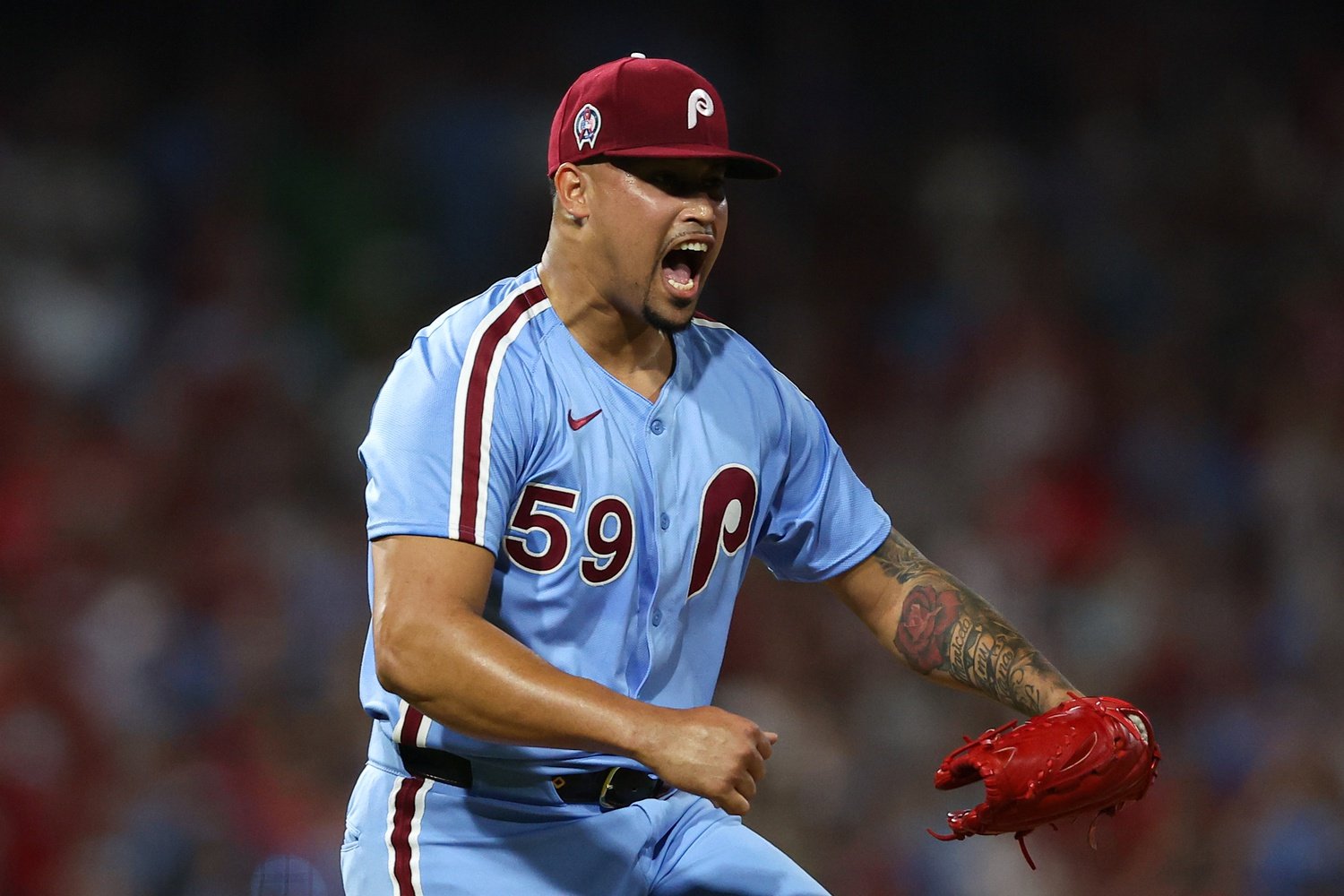 There was a time when a mid-90s fastball turned heads. Now it barely gets a second look. In today’s version of Major League Baseball, velocity is no longer a separator. It is a baseline expectation. Over the last twenty years, the sport has undergone a dramatic transformation in how pitchers are developed, evaluated, and deployed. Advances in motion capture, pitch-tracking technology, and strength training have made velocity a developmental target rather than a rare trait. Organizations are no longer hoping a pitcher throws hard. They are actively building arms that do. But as the average fastball continues to hover in the low to mid-90s, there are signs that the steady climb we saw throughout the 2010s may be leveling off. For the first time in the pitch-tracking era, it is worth asking whether the league is approaching a velocity ceiling. The gains themselves were very real. Since the late 2000s, the average four-seam velocity has jumped several miles per hour league-wide. Pitchers who once topped out at 91 or 92 mph are now sitting comfortably in the mid-90s deep into starts. Even more telling is how frequently pitchers are operating near their top-end velocity. It is not just about throwing hard anymore. It is about sustaining that effort for 90 to 100 pitches every fifth day. That shift becomes more concerning when you consider the gap between a pitcher’s maximum fastball velocity and their average game speed. Historically, starters paced themselves, saving their highest effort throws for key moments. Now, many are living in that upper range throughout an entire outing. The difference between peak and average velocity has steadily shrunk in recent seasons, suggesting that max effort is becoming the default rather than the exception. There are obvious benefits to that approach. Velocity remains one of the most projectable tools in player development. A pitcher who throws 97 is going to draw more organizational interest than one who throws 91, even if the latter has better present command. Throwing hard opens doors throughout the minor leagues and often keeps pitchers on the mound in the majors once they arrive. The downside is that the human arm still has limits. Teams have spent the better part of the last decade investing in technologies designed to squeeze out every possible mile per hour. Weighted-ball programs, high-speed cameras, and biomechanical analysis have become standard across player development systems. Yet every incremental gain in velocity increases the stress placed on the elbow and shoulder. It is no coincidence that the rise in fastball velocity across professional baseball has been accompanied by a similar increase in ligament-related injuries. Last season, eight teams experienced a decline in average fastball velocity compared to 2024, a subtle but noteworthy shift in a league that has grown accustomed to annual increases. The most significant drop was among the Minnesota Twins, whose staff average dropped from 94.2 mph in 2024 to 93.4 mph in 2025. Other teams whose numbers ticked downward included the Toronto Blue Jays, Arizona Diamondbacks, Houston Astros, Kansas City Royals, Los Angeles Angels, Baltimore Orioles, and Chicago White Sox. On the other end of the spectrum, four organizations increased their average fastball velocity by more than one mile per hour, led by the Colorado Rockies, Chicago Cubs, Boston Red Sox, and Tampa Bay Rays. These year-over-year changes rarely exist in a vacuum. Staff-wide velocity can fluctuate based on injuries to high-octane arms, midseason trades that reshape a bullpen, offseason free agent additions, or even philosophical shifts in how aggressively pitchers are asked to attack hitters. In response, organizations appear to be adjusting their priorities. Rather than simply chasing the highest possible radar-gun reading, there is growing interest in optimizing pitch characteristics, such as vertical approach angle, seam-shifted wake, and release-point consistency. Pitchers have shown that deception and movement can be just as effective as pure velocity at missing bats and limiting hard contact. That strategic shift may help explain why league-wide velocity growth has slowed in recent seasons. Pitchers are still throwing hard, but the developmental emphasis is expanding beyond simply throwing harder. The modern arsenal is becoming more diverse, with sweepers, splitters, and cutters taking on a larger role in place of traditional high-spin four-seam fastballs. Fatigue factors may also be at play. The pitch clock has shortened recovery time between throws, and the trend toward year-round throwing begins well before pitchers reach the professional ranks. By the time many arms arrive in the majors, they have already accumulated a decade or more of high-effort workloads. Maintaining peak velocity across a six-month season becomes as much a durability challenge as it is a strength one. All of these point toward a potential inflection point in how pitching evolves moving forward. The next competitive advantage may not belong to the team that develops the hardest throwers, but to the one that identifies the most efficient version of a pitcher’s delivery and arsenal. Finding the optimal blend of velocity, command, and movement could prove more valuable than chasing triple digits. Velocity has shaped the modern game in undeniable ways. It helped drive strikeout rates to historic highs and reshaped how teams construct pitching staffs. But as the data stabilize, it is increasingly plausible that the sport has reached close to its upper limit. The radar gun may never go backwards in any meaningful way, but it might not keep climbing either. If that is the case, the future of pitching could belong to those who know when not to reach back for a little extra. Has fastball velocity reached its peak? Leave a comment and start the discussion.
 -
The New Development Curve Is Changing How Teams Think About Prospects
Cody Christie posted an article in MLB
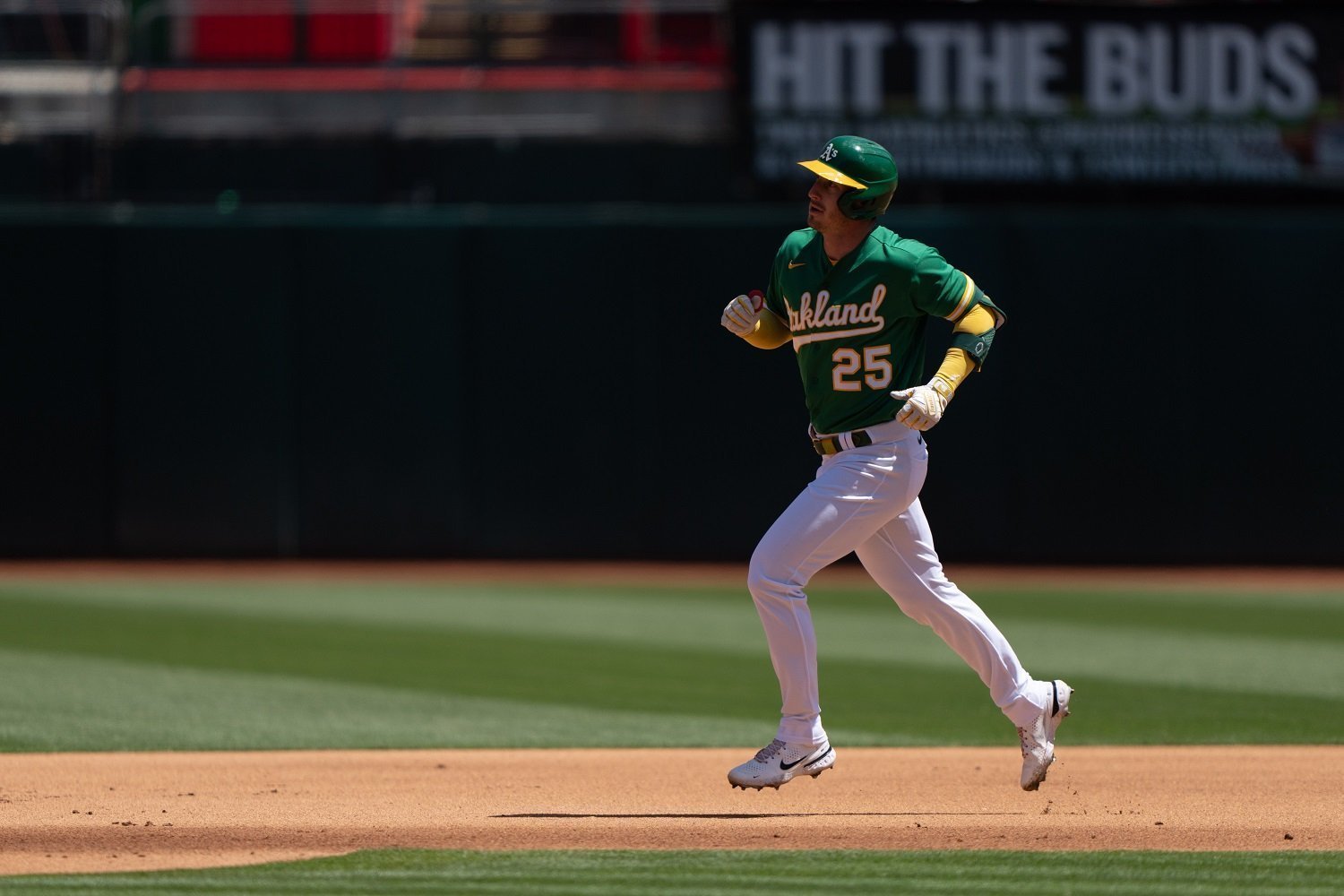 Not long ago, player development felt like it followed a fairly rigid timeline. Top prospects dominated at every level on the way up and either established themselves in the big leagues by their mid-twenties or were quietly replaced by the next wave of hype. If you were not producing by 25, the odds of ever becoming an impact player dropped dramatically. That is not how things look anymore. Across Major League Baseball, teams are starting to see meaningful production arrive later in a player’s career arc. Development is no longer a straight line, and the traditional prospect window may be expanding beyond what organizations once believed possible. Players like Brent Rooker and Ryan O'Hearn spent years bouncing between organizations before emerging as legitimate contributors in their late twenties. They were not top 100 mainstays at the time of their breakout and, in some cases, had already been designated for assignment. Rooker was drafted by the Twins and spent time in the Padres and Royals organizations before finding a home with the Athletics. He became a first-time All-Star at age 28 while combining for a 138 OPS+ over the last three seasons. O’Hearn made his first All-Star team in 2025, when he was 31 years old. Over the last three seasons, he has an OPS+ of 122, but will be playing for his third different organization during that stretch. Those stories show that the hitters simply were not finished developing yet. Even pitchers are following a similar trajectory as the learning curve for pitch design and sequencing continues to grow more complex. Twins right-hander Joe Ryan is a perfect example. Ryan was not a top-tier national prospect coming out of college and did not reach the majors until his age-25 season after being drafted in the seventh round. His rise came through incremental improvement rather than immediate dominance, and he made his first All-Star appearance at 29. With the help of modern pitch design and a better understanding of how to deploy his fastball shape at the top of the zone, Ryan developed into a frontline starter without ever carrying the label of future ace through the minor leagues. That evolution raises an important question about how teams are handling their best young talent. Over the past several seasons, organizations have aggressively pushed elite prospects to the upper minors. Assignments to the high minors with little success at lower levels have become more common, especially for players with standout tools or advanced plate discipline metrics. The thinking has been that challenging players earlier allows teams to maximize their prime years at the big league level. But if development is stretching deeper into a player’s late twenties, that approach may carry more risk than reward. Not every hitter benefits from facing advanced sequencing before mastering the fundamentals at lower levels. Pitchers who skip steps in their development may struggle to build the command foundation needed to survive a third trip through a major league lineup. In a sport where mechanical adjustments and pitch usage changes can unlock new ceilings well into a player’s professional career, forcing a timeline may ultimately slow long-term growth. The modern development environment is more individualized than ever. Players now have access to biomechanical data, bat-tracking metrics, and pitch-modeling tools that simply did not exist a decade ago. Improvements can happen quickly, but they can also arrive later as players learn how to translate raw ability into game-ready skills. A hitter who struggled to lift the ball at 24 might unlock a swing path adjustment at 27 that completely changes his offensive profile. That reality could push teams toward a more patient model. Instead of viewing prospect status as a ticking clock, organizations may need to think of development as an ongoing process that does not end once a player reaches Triple-A or even the major leagues. The success stories of late bloomers are becoming too frequent to ignore, and they challenge the long-held belief that impact talent must arrive early to matter. In the end, the league may be entering an era in which both timelines coexist. Some prospects will continue to rise quickly and thrive immediately, while others will take a more winding road before finding their footing. The teams that best balance urgency with patience may be the ones that uncover the next wave of contributors hiding just beyond the traditional breakout window. What players will be baseball’s next late bloomers? Leave a comment and start the discussion.
 -
Image courtesy of © Stan Szeto-Imagn Images Not long ago, player development felt like it followed a fairly rigid timeline. Top prospects dominated at every level on the way up and either established themselves in the big leagues by their mid-twenties or were quietly replaced by the next wave of hype. If you were not producing by 25, the odds of ever becoming an impact player dropped dramatically. That is not how things look anymore. Across Major League Baseball, teams are starting to see meaningful production arrive later in a player’s career arc. Development is no longer a straight line, and the traditional prospect window may be expanding beyond what organizations once believed possible. Players like Brent Rooker and Ryan O'Hearn spent years bouncing between organizations before emerging as legitimate contributors in their late twenties. They were not top 100 mainstays at the time of their breakout and, in some cases, had already been designated for assignment. Rooker was drafted by the Twins and spent time in the Padres and Royals organizations before finding a home with the Athletics. He became a first-time All-Star at age 28 while combining for a 138 OPS+ over the last three seasons. O’Hearn made his first All-Star team in 2025, when he was 31 years old. Over the last three seasons, he has an OPS+ of 122, but will be playing for his third different organization during that stretch. Those stories show that the hitters simply were not finished developing yet. Even pitchers are following a similar trajectory as the learning curve for pitch design and sequencing continues to grow more complex. Twins right-hander Joe Ryan is a perfect example. Ryan was not a top-tier national prospect coming out of college and did not reach the majors until his age-25 season after being drafted in the seventh round. His rise came through incremental improvement rather than immediate dominance, and he made his first All-Star appearance at 29. With the help of modern pitch design and a better understanding of how to deploy his fastball shape at the top of the zone, Ryan developed into a frontline starter without ever carrying the label of future ace through the minor leagues. That evolution raises an important question about how teams are handling their best young talent. Over the past several seasons, organizations have aggressively pushed elite prospects to the upper minors. Assignments to the high minors with little success at lower levels have become more common, especially for players with standout tools or advanced plate discipline metrics. The thinking has been that challenging players earlier allows teams to maximize their prime years at the big league level. But if development is stretching deeper into a player’s late twenties, that approach may carry more risk than reward. Not every hitter benefits from facing advanced sequencing before mastering the fundamentals at lower levels. Pitchers who skip steps in their development may struggle to build the command foundation needed to survive a third trip through a major league lineup. In a sport where mechanical adjustments and pitch usage changes can unlock new ceilings well into a player’s professional career, forcing a timeline may ultimately slow long-term growth. The modern development environment is more individualized than ever. Players now have access to biomechanical data, bat-tracking metrics, and pitch-modeling tools that simply did not exist a decade ago. Improvements can happen quickly, but they can also arrive later as players learn how to translate raw ability into game-ready skills. A hitter who struggled to lift the ball at 24 might unlock a swing path adjustment at 27 that completely changes his offensive profile. That reality could push teams toward a more patient model. Instead of viewing prospect status as a ticking clock, organizations may need to think of development as an ongoing process that does not end once a player reaches Triple-A or even the major leagues. The success stories of late bloomers are becoming too frequent to ignore, and they challenge the long-held belief that impact talent must arrive early to matter. In the end, the league may be entering an era in which both timelines coexist. Some prospects will continue to rise quickly and thrive immediately, while others will take a more winding road before finding their footing. The teams that best balance urgency with patience may be the ones that uncover the next wave of contributors hiding just beyond the traditional breakout window. What players will be baseball’s next late bloomers? Leave a comment and start the discussion. View full article
-
 One thing is for certain. Team USA is doing whatever it can to improve upon its runner-up finish from 2023. Manager Mark DeRosa has assembled a star-studded roster for next year’s World Baseball Classic, one that looks far more equipped to finish the job after coming up short against Shohei Ohtani and Team Japan three years ago. The 2026 World Baseball Classic will begin on March 5 and run through March 17. While rosters remain subject to change based on injuries and availability, the list of confirmed major leaguers already reads like an All-Star ballot stuffed by an overly enthusiastic fan. This time around, the United States is not just leaning on star power in the lineup. The pitching staff finally matches the ambition. “Building this team was never easy, but it was done with purpose and pride,” said DeRosa. “These players know what it means to wear USA across their chest, and we’re ready to go to work and bring the World Baseball Classic trophy back home.” Team USA’s roster features 30 players combining for 65 All-Star Game selections. Four players on the roster have won at least one MVP award. Judge, a three-time winner (2022, 2024, 2025 AL MVP), is joined by Bryce Harper, a two-time winner (2015, 2021). Besides that dynamic duo, Paul Goldschmidt (2022) and Clayton Kershaw (2014) also bring MVP seasons to the roster. In total, the roster combines for 22 Silver Slugger Awards, 22 All-Stars, 13 Rawlings Gold Glove Awards, six Cy Young Awards, and five Rookies of the Year. Seven players on the roster have won at least one gold medal for the U.S. in international competition, totaling 12. The Captain Sets the Tone Everything starts with Aaron Judge. The Yankees slugger will serve as Team USA’s captain and emotional centerpiece, a role that fits as easily as one of his tape measure home runs lands in the left field seats. Judge skipped the 2023 tournament, and his presence alone changes how opposing managers build their game plan. Judge anchors an outfield group that feels explosive. Byron Buxton, coming off his best big-league season, brings game-changing athleticism and the ability to turn any routine fly ball into an adventure for opposing hitters. Corbin Carroll adds speed, on-base skills, and left-handed thump. Pete Crow-Armstrong rounds out the group with elite defense and energy that plays well in a short tournament setting. It will be interesting to see if the veteran, Buxton, gets more time in center than the younger, better defender (Crow-Armstrong). Catchers and Infielders Everywhere You Look If there is a position where DeRosa will struggle to pick a name for the lineup, it is catcher. Cal Raleigh, the 2025 AL MVP runner-up, provides power from both sides of the plate and has developed into one of the game’s better pitch framers. Will Smith offers postseason experience and a steady offensive profile that should play well against elite international pitching. The infield is a problem in the best possible way. Bobby Witt Jr. and Gunnar Henderson give DeRosa two franchise cornerstones who can play premium positions and do damage in every conceivable way. Harper slides into the mix with postseason scars and an edge that fits October baseball, even if this is March. Alex Bregman and Goldschmidt add veteran credibility and a sense that no moment is too big. Ernie Clement and Brice Turang provide defensive flexibility and speed, the kinds of skills that quietly swing pool play games. Kyle Schwarber rounds out the group as the designated hitter, and yes, the rest of the world still has to deal with Schwarber in a high-leverage environment. Finally, the Arms Show Up The biggest revelation comes on the mound. For years, Team USA struggled to convince top-tier pitchers to interrupt spring training and compete in the WBC. That excuse does not hold this time. Paul Skenes and Tarik Skubal, the reigning Cy Young winners, front the rotation, and that alone changes the entire dynamic of the tournament. Skubal brings precision and dominance from the left side, while Skenes arrives with the kind of raw stuff that turns international lineups into highlight reels for the wrong reasons. Logan Webb provides reliability and ground balls, Joe Ryan adds deception, and Matthew Boyd brings experience to the back of the rotation. Realistically, starters will be on limited pitch counts, so there could be piggy-backing or turning the game over to some exciting relief arms. The bullpen is just as loud. Mason Miller’s triple-digit fastball feels unfair in a one-inning role. David Bednar and Clay Holmes give DeRosa late-inning options with postseason mileage. Griffin Jax adds an extra element of pride as a US Air Force Academy graduate. Garrett Whitlock, Michael Wacha, Garrett Cleavinger, Brad Keller, Nolan McLean, and Gabe Speier deepen the group. While Kershaw, briefly stepping out of retirement for one last ride, adds a layer of sentimentality that feels perfectly on brand for this event. This is not a staff built to survive. It is built to overwhelm. The Path Through Pool Play Team USA will warm up with exhibitions against the Giants on March 3 and the Rockies on March 4 in Scottsdale, Arizona. Pool B play opens on March 6 at Houston’s Daikin Park against Brazil at 8 p.m. ET. Great Britain follows on March 7, Mexico on March 9, and Italy on March 10. If the Americans advance, the quarterfinals will also be held in Houston on March 13 and 14. The semifinals and finals move to Miami’s loanDepot Park from March 15 through March 17, where memories of 2023 still linger. This roster makes one thing clear: Team USA is not interested in moral victories or silver medals. The talent is overwhelming, the depth is real, and the excuses are gone. Redemption is not guaranteed in baseball, but for the first time in a long time, it feels properly within reach. What stands out about Team USA’s roster? How will the team match up against the best international teams? Leave a comment and start the discussion.
-
- 1
-
-
- aaron judge
- paul skenes
- (and 8 more)
-
Image courtesy of © Patrick Breen/The Republic / USA TODAY NETWORK via Imagn Images One thing is for certain. Team USA is doing whatever it can to improve upon its runner-up finish from 2023. Manager Mark DeRosa has assembled a star-studded roster for next year’s World Baseball Classic, one that looks far more equipped to finish the job after coming up short against Shohei Ohtani and Team Japan three years ago. The 2026 World Baseball Classic will begin on March 5 and run through March 17. While rosters remain subject to change based on injuries and availability, the list of confirmed major leaguers already reads like an All-Star ballot stuffed by an overly enthusiastic fan. This time around, the United States is not just leaning on star power in the lineup. The pitching staff finally matches the ambition. “Building this team was never easy, but it was done with purpose and pride,” said DeRosa. “These players know what it means to wear USA across their chest, and we’re ready to go to work and bring the World Baseball Classic trophy back home.” Team USA’s roster features 30 players combining for 65 All-Star Game selections. Four players on the roster have won at least one MVP award. Judge, a three-time winner (2022, 2024, 2025 AL MVP), is joined by Bryce Harper, a two-time winner (2015, 2021). Besides that dynamic duo, Paul Goldschmidt (2022) and Clayton Kershaw (2014) also bring MVP seasons to the roster. In total, the roster combines for 22 Silver Slugger Awards, 22 All-Stars, 13 Rawlings Gold Glove Awards, six Cy Young Awards, and five Rookies of the Year. Seven players on the roster have won at least one gold medal for the U.S. in international competition, totaling 12. The Captain Sets the Tone Everything starts with Aaron Judge. The Yankees slugger will serve as Team USA’s captain and emotional centerpiece, a role that fits as easily as one of his tape measure home runs lands in the left field seats. Judge skipped the 2023 tournament, and his presence alone changes how opposing managers build their game plan. Judge anchors an outfield group that feels explosive. Byron Buxton, coming off his best big-league season, brings game-changing athleticism and the ability to turn any routine fly ball into an adventure for opposing hitters. Corbin Carroll adds speed, on-base skills, and left-handed thump. Pete Crow-Armstrong rounds out the group with elite defense and energy that plays well in a short tournament setting. It will be interesting to see if the veteran, Buxton, gets more time in center than the younger, better defender (Crow-Armstrong). Catchers and Infielders Everywhere You Look If there is a position where DeRosa will struggle to pick a name for the lineup, it is catcher. Cal Raleigh, the 2025 AL MVP runner-up, provides power from both sides of the plate and has developed into one of the game’s better pitch framers. Will Smith offers postseason experience and a steady offensive profile that should play well against elite international pitching. The infield is a problem in the best possible way. Bobby Witt Jr. and Gunnar Henderson give DeRosa two franchise cornerstones who can play premium positions and do damage in every conceivable way. Harper slides into the mix with postseason scars and an edge that fits October baseball, even if this is March. Alex Bregman and Goldschmidt add veteran credibility and a sense that no moment is too big. Ernie Clement and Brice Turang provide defensive flexibility and speed, the kinds of skills that quietly swing pool play games. Kyle Schwarber rounds out the group as the designated hitter, and yes, the rest of the world still has to deal with Schwarber in a high-leverage environment. Finally, the Arms Show Up The biggest revelation comes on the mound. For years, Team USA struggled to convince top-tier pitchers to interrupt spring training and compete in the WBC. That excuse does not hold this time. Paul Skenes and Tarik Skubal, the reigning Cy Young winners, front the rotation, and that alone changes the entire dynamic of the tournament. Skubal brings precision and dominance from the left side, while Skenes arrives with the kind of raw stuff that turns international lineups into highlight reels for the wrong reasons. Logan Webb provides reliability and ground balls, Joe Ryan adds deception, and Matthew Boyd brings experience to the back of the rotation. Realistically, starters will be on limited pitch counts, so there could be piggy-backing or turning the game over to some exciting relief arms. The bullpen is just as loud. Mason Miller’s triple-digit fastball feels unfair in a one-inning role. David Bednar and Clay Holmes give DeRosa late-inning options with postseason mileage. Griffin Jax adds an extra element of pride as a US Air Force Academy graduate. Garrett Whitlock, Michael Wacha, Garrett Cleavinger, Brad Keller, Nolan McLean, and Gabe Speier deepen the group. While Kershaw, briefly stepping out of retirement for one last ride, adds a layer of sentimentality that feels perfectly on brand for this event. This is not a staff built to survive. It is built to overwhelm. The Path Through Pool Play Team USA will warm up with exhibitions against the Giants on March 3 and the Rockies on March 4 in Scottsdale, Arizona. Pool B play opens on March 6 at Houston’s Daikin Park against Brazil at 8 p.m. ET. Great Britain follows on March 7, Mexico on March 9, and Italy on March 10. If the Americans advance, the quarterfinals will also be held in Houston on March 13 and 14. The semifinals and finals move to Miami’s loanDepot Park from March 15 through March 17, where memories of 2023 still linger. This roster makes one thing clear: Team USA is not interested in moral victories or silver medals. The talent is overwhelming, the depth is real, and the excuses are gone. Redemption is not guaranteed in baseball, but for the first time in a long time, it feels properly within reach. What stands out about Team USA’s roster? How will the team match up against the best international teams? Leave a comment and start the discussion. View full article
-
How Tarik Skubal Just Blew Up Baseball’s Arbitration Pay Scale
Cody Christie posted an article in MLB
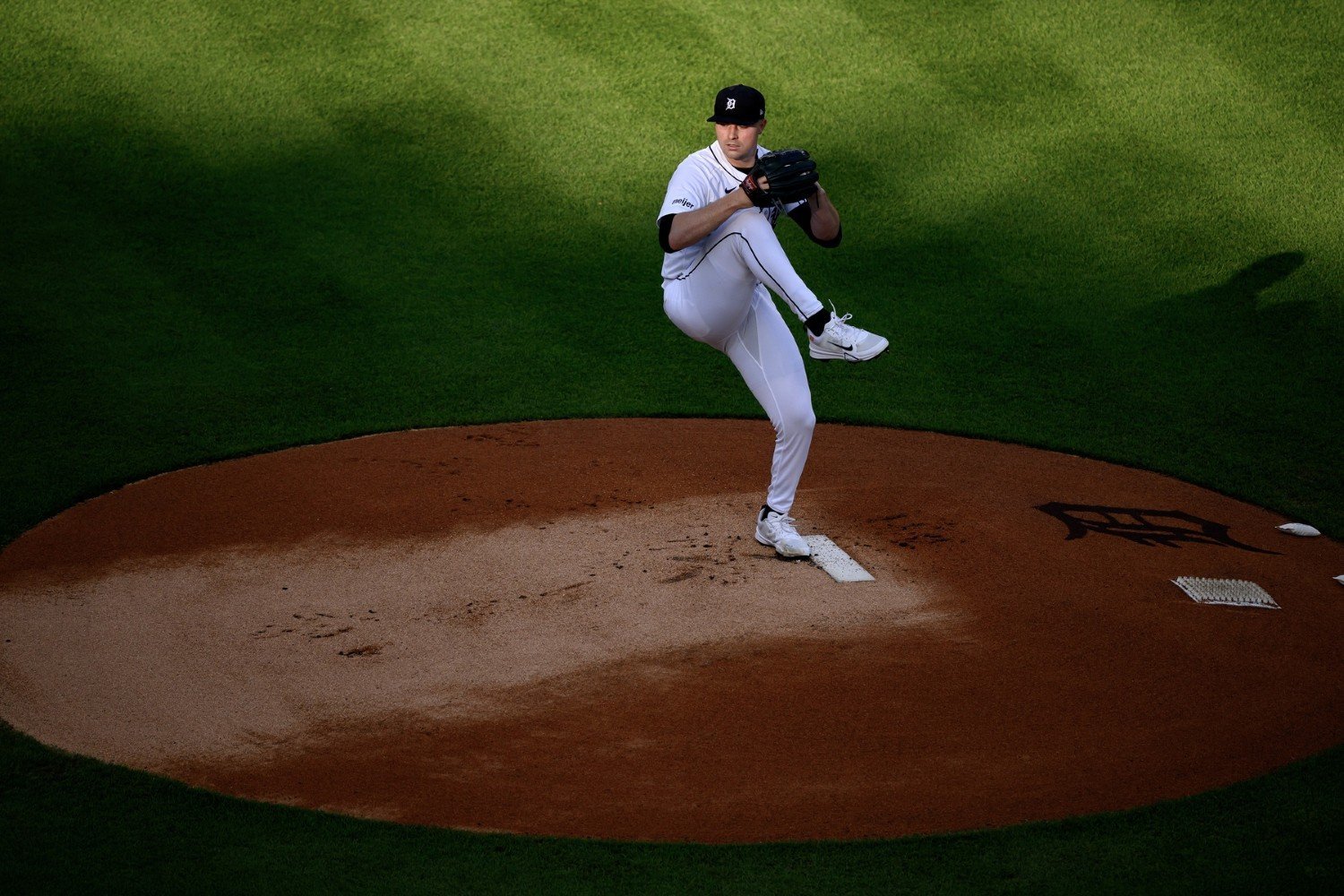 Tarik Skubal has spent the last two seasons doing everything a pitcher can do to force baseball to pay attention. Back-to-back American League Cy Young Awards tend to do that. What no one expected was that his loudest statement might come in a conference room in Arizona instead of on a mound in Detroit. Skubal is entering his final year of team control through arbitration, the most uncomfortable space in the sport for truly elite players. He is too good to fit neatly into the traditional arbitration box, yet not quite a free agent. That tension finally snapped this week, and the ripple effects are going to be felt far beyond the Tigers' clubhouse. Why This Case Was Different Arbitration usually runs on rails. Players with fewer than five years of service time are compared almost exclusively to others in their same service class, with only limited wiggle room for special accomplishments like an MVP or Cy Young Award. At times, those hearings can seem mostly cut-and-paste. Skubal and his agent, Scott Boras, took advantage of a different set of rules. Players entering their platform year before free agency with five years of service time are allowed a much wider range of comparisons. Instead of being boxed in by his peers, Skubal could argue his value in the broader context of the game’s elite. That distinction had never really been pushed to this extreme. Boras pushed it anyway. Who Skubal Compared Himself To With that wider berth, Skubal was no longer arguing against other arbitration-eligible pitchers. He was placing himself next to Max Scherzer and Justin Verlander at $43.3 million per year, Zack Wheeler at $42 million, Jacob deGrom at $37 million, and Blake Snell at $36.4 million. That is why the filing numbers looked so absurd on paper. MLB Trade Rumors estimated Skubal at $17.8 million using its standard model. The Tigers filed at $19 million. Skubal filed at $32 million. That kind of gap is usually a sign someone is about to lose badly. Elite players and agents often avoid that risk because losing can set a precedent just as easily as winning. Skubal embraced it. The Decision That Changed Everything On Thursday, news broke that Skubal won his case. The ruling shattered the previous arbitration salary record of $31 million set by Juan Soto in 2024. More importantly, it represented a raise of $21.85 million, more than double the previous record increase of $9.6 million set by deGrom in 2019. That alone would have made the decision historic. The real impact goes much further. By validating comparisons to free agent level contracts, the arbitration panel effectively moved the ceiling for what a five-year service player can credibly argue. That is a fundamental shift in how the system works. Long-Term Ramifications for the Game Skubal’s win opens the door for the next wave of young stars to push their arbitration numbers closer to true market value. Paul Skenes, Gunnar Henderson, and Elly De La Cruz are the obvious names, but they will not be the last. If platform year players can credibly argue salaries approaching free agent levels, front offices are going to be forced into harder choices earlier. Extensions become more expensive. Trades become more tempting. Teams that rely on squeezing surplus value out of arbitration years may find that surplus shrinking fast. This is not just about one pitcher and one team. It is about how risk is distributed between clubs and players during the most valuable years of a star’s career. What This Means for the Next CBA All of this is happening with the sport drifting toward another labor fight. The current collective bargaining agreement expires after the 2026 season, and both sides already appear dug in. A lockout feels less like a possibility and more like a planning assumption. Skubal’s case gives owners a fresh incentive to push for changes to the arbitration system. From their perspective, the cost certainty that arbitration once provided just took a serious hit. From the players’ side, this ruling strengthens the argument that elite performance should be paid closer to elite value, even before free agency. That tension will be front and center when negotiations begin. Skubal did more than win an arbitration hearing. He stress-tested a system that has defined player pay for decades and exposed just how elastic it can be when the right player is willing to push it. For years, arbitration has been a place where stars were asked to accept discounts in exchange for future freedom. Skubal just proved that freedom can begin to arrive earlier. Whether baseball chooses to adapt or resist will help define the next era of the sport. How will the Skubal ruling impact MLB for the long term? Leave a comment and start the discussion.
 -
Image courtesy of © Lon Horwedel-Imagn Images Tarik Skubal has spent the last two seasons doing everything a pitcher can do to force baseball to pay attention. Back-to-back American League Cy Young Awards tend to do that. What no one expected was that his loudest statement might come in a conference room in Arizona instead of on a mound in Detroit. Skubal is entering his final year of team control through arbitration, the most uncomfortable space in the sport for truly elite players. He is too good to fit neatly into the traditional arbitration box, yet not quite a free agent. That tension finally snapped this week, and the ripple effects are going to be felt far beyond the Tigers' clubhouse. Why This Case Was Different Arbitration usually runs on rails. Players with fewer than five years of service time are compared almost exclusively to others in their same service class, with only limited wiggle room for special accomplishments like an MVP or Cy Young Award. At times, those hearings can seem mostly cut-and-paste. Skubal and his agent, Scott Boras, took advantage of a different set of rules. Players entering their platform year before free agency with five years of service time are allowed a much wider range of comparisons. Instead of being boxed in by his peers, Skubal could argue his value in the broader context of the game’s elite. That distinction had never really been pushed to this extreme. Boras pushed it anyway. Who Skubal Compared Himself To With that wider berth, Skubal was no longer arguing against other arbitration-eligible pitchers. He was placing himself next to Max Scherzer and Justin Verlander at $43.3 million per year, Zack Wheeler at $42 million, Jacob deGrom at $37 million, and Blake Snell at $36.4 million. That is why the filing numbers looked so absurd on paper. MLB Trade Rumors estimated Skubal at $17.8 million using its standard model. The Tigers filed at $19 million. Skubal filed at $32 million. That kind of gap is usually a sign someone is about to lose badly. Elite players and agents often avoid that risk because losing can set a precedent just as easily as winning. Skubal embraced it. The Decision That Changed Everything On Thursday, news broke that Skubal won his case. The ruling shattered the previous arbitration salary record of $31 million set by Juan Soto in 2024. More importantly, it represented a raise of $21.85 million, more than double the previous record increase of $9.6 million set by deGrom in 2019. That alone would have made the decision historic. The real impact goes much further. By validating comparisons to free agent level contracts, the arbitration panel effectively moved the ceiling for what a five-year service player can credibly argue. That is a fundamental shift in how the system works. Long-Term Ramifications for the Game Skubal’s win opens the door for the next wave of young stars to push their arbitration numbers closer to true market value. Paul Skenes, Gunnar Henderson, and Elly De La Cruz are the obvious names, but they will not be the last. If platform year players can credibly argue salaries approaching free agent levels, front offices are going to be forced into harder choices earlier. Extensions become more expensive. Trades become more tempting. Teams that rely on squeezing surplus value out of arbitration years may find that surplus shrinking fast. This is not just about one pitcher and one team. It is about how risk is distributed between clubs and players during the most valuable years of a star’s career. What This Means for the Next CBA All of this is happening with the sport drifting toward another labor fight. The current collective bargaining agreement expires after the 2026 season, and both sides already appear dug in. A lockout feels less like a possibility and more like a planning assumption. Skubal’s case gives owners a fresh incentive to push for changes to the arbitration system. From their perspective, the cost certainty that arbitration once provided just took a serious hit. From the players’ side, this ruling strengthens the argument that elite performance should be paid closer to elite value, even before free agency. That tension will be front and center when negotiations begin. Skubal did more than win an arbitration hearing. He stress-tested a system that has defined player pay for decades and exposed just how elastic it can be when the right player is willing to push it. For years, arbitration has been a place where stars were asked to accept discounts in exchange for future freedom. Skubal just proved that freedom can begin to arrive earlier. Whether baseball chooses to adapt or resist will help define the next era of the sport. How will the Skubal ruling impact MLB for the long term? Leave a comment and start the discussion. View full article
-
It's Official: The Dodgers Have Passed the Yankees as Baseball’s Evil Empire
Cody Christie posted an article in MLB
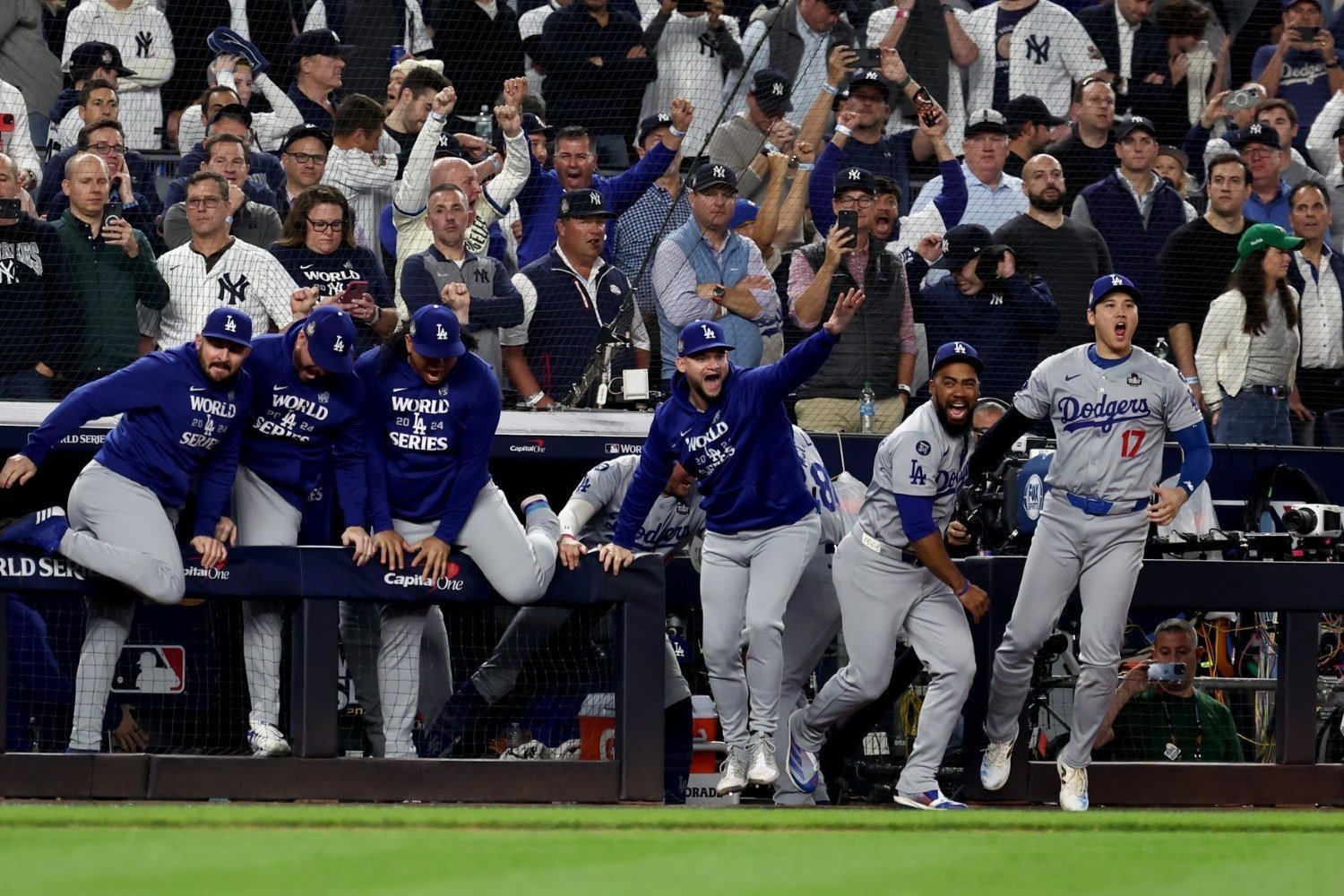 For decades, baseball fans knew precisely where to point when the term Evil Empire came up. It was synonymous with the Bronx, with pinstripes, and with a franchise that could outspend and outlast just about anyone. That label has not gone away. It has simply changed zip codes. The Los Angeles Dodgers have steadily taken over that role, and Kyle Tucker’s recent contract may have been the moment that removed any remaining doubt. Tucker’s four-year, $240 million deal added yet another superstar salary to a roster that already feels excessive by league standards. Shohei Ohtani, Mookie Betts, Yoshinobu Yamamoto, Blake Snell, Freddie Freeman, Will Smith, and Tyler Glasnow are all locked into nine-figure contracts. Eight players at that level is no longer a coincidence. It is an organizational identity. The Athletic is also reporting that MLB owners are "enraged" by the Tucker deal. Because of the Dodgers' spending, owners will "100% certainty" they will push for a salary cap in the new CBA. Other owners seem to be sick of the disparity between the "haves" and the "have nots." What separates the Dodgers from past big spenders is that the money extends far beyond the payroll line. SponsorUnited founder and CEO Bob Lynch has pointed to Los Angeles as a financial anomaly, even among baseball’s largest markets. Projections suggest the Dodgers are on pace to become the first North American sports franchise to generate $200 million in sponsorship revenue annually. Their portfolio includes 76 sponsors, with a significant international footprint highlighted by 20 Japanese brands and several new agreements signed during the 2025 season. Those international deals are not accidental. The additions of Ohtani, Yamamoto, and Roki Sasaki did more than upgrade the roster. They transformed the Dodgers into a global brand in a way no other MLB team can currently replicate. That reach shows up in the size of their sponsorship agreements, which average roughly five times more than the league norm. Only a small group of teams clear $100 million in sponsorship revenue each year, and while the Yankees remain on that list, the Dodgers have paired their income with something New York has not delivered in a while. Championships. Los Angeles is fresh off a second consecutive World Series title, built on the largest active payroll in baseball and a creative use of deferred money that pushes more than $1 billion in commitments into the future. To critics, that structure confirms everything they dislike about the Dodgers. The argument is familiar: a system that favors massive markets and leaves smaller revenue teams chasing a moving target. That frustration boiled over again after the Dodgers swept the Brewers in the 2025 National League Championship Series. Manager Dave Roberts did not shy away from the backlash. During the on-field celebration, he leaned into the criticism with a pointed remark: "Before this season started, they said the Dodgers are ruining baseball. Let's get four more wins and really ruin baseball." Rather than pushing back against the villain label, the Dodgers have leaned into it. This is a franchise comfortable playing the role of the antagonist, unbothered by complaints from around the league. They understand how their success looks from the outside, and they are not pretending otherwise. These remarks ring especially true given the ongoing narrative surrounding the Dodgers. Last season, Los Angeles had an estimated $417 million MLB Tax Payroll, $75 million more than the second-highest, the New York Mets. It is also important to note that Los Angeles has operated within the rules. They did not invent deferred contracts or international marketing. They simply used every available lever more effectively than anyone else. By combining financial creativity, elite scouting, player development, and star power, the Dodgers have built a roster that feels unfair and entirely legal at the same time. Meanwhile, the team that once defined the Evil Empire image has faded from that conversation. The Yankees have not won a World Series since 2009. The Dodgers have collected three championships this decade alone. For the other 29 fanbases, resentment tends to follow results, and right now that resentment is firmly aimed at Chavez Ravine. Looking ahead, the Dodgers’ influence may extend beyond the standings. The current Collective Bargaining Agreement expires after the 2026 season, and it is hard to imagine labor talks that do not reference the financial gap Los Angeles has helped expose. Whether their model becomes a focal point in negotiations remains an open question. What is not in doubt is that the Dodgers will enter next season as favorites once again, with the resources to maintain their core and keep adding to it. Are the Dodgers bad for baseball? Reasonable people can disagree. What is clear is that they are setting the standard, collecting titles, and embracing the role of the sport’s new Evil Empire without hesitation.
 -
Image courtesy of © Vincent Carchietta-Imagn Images For decades, baseball fans knew precisely where to point when the term Evil Empire came up. It was synonymous with the Bronx, with pinstripes, and with a franchise that could outspend and outlast just about anyone. That label has not gone away. It has simply changed zip codes. The Los Angeles Dodgers have steadily taken over that role, and Kyle Tucker’s recent contract may have been the moment that removed any remaining doubt. Tucker’s four-year, $240 million deal added yet another superstar salary to a roster that already feels excessive by league standards. Shohei Ohtani, Mookie Betts, Yoshinobu Yamamoto, Blake Snell, Freddie Freeman, Will Smith, and Tyler Glasnow are all locked into nine-figure contracts. Eight players at that level is no longer a coincidence. It is an organizational identity. What separates the Dodgers from past big spenders is that the money extends far beyond the payroll line. SponsorUnited founder and CEO Bob Lynch has pointed to Los Angeles as a financial anomaly, even among baseball’s largest markets. Projections suggest the Dodgers are on pace to become the first North American sports franchise to generate $200 million in sponsorship revenue annually. Their portfolio includes 76 sponsors, with a significant international footprint highlighted by 20 Japanese brands and several new agreements signed during the 2025 season. Those international deals are not accidental. The additions of Ohtani, Yamamoto, and Roki Sasaki did more than upgrade the roster. They transformed the Dodgers into a global brand in a way no other MLB team can currently replicate. That reach shows up in the size of their sponsorship agreements, which average roughly five times more than the league norm. Only a small group of teams clear $100 million in sponsorship revenue each year, and while the Yankees remain on that list, the Dodgers have paired their income with something New York has not delivered in a while. Championships. Los Angeles is fresh off a second consecutive World Series title, built on the largest active payroll in baseball and a creative use of deferred money that pushes more than $1 billion in commitments into the future. To critics, that structure confirms everything they dislike about the Dodgers. The argument is familiar: a system that favors massive markets and leaves smaller revenue teams chasing a moving target. That frustration boiled over again after the Dodgers swept the Brewers in the 2025 National League Championship Series. Manager Dave Roberts did not shy away from the backlash. During the on-field celebration, he leaned into the criticism with a pointed remark: "Before this season started, they said the Dodgers are ruining baseball. Let's get four more wins and really ruin baseball." Rather than pushing back against the villain label, the Dodgers have leaned into it. This is a franchise comfortable playing the role of the antagonist, unbothered by complaints from around the league. They understand how their success looks from the outside, and they are not pretending otherwise. These remarks ring especially true given the ongoing narrative surrounding the Dodgers. Last season, Los Angeles had an estimated $417 million MLB Tax Payroll, $75 million more than the second-highest, the New York Mets. It is also important to note that Los Angeles has operated within the rules. They did not invent deferred contracts or international marketing. They simply used every available lever more effectively than anyone else. By combining financial creativity, elite scouting, player development, and star power, the Dodgers have built a roster that feels unfair and entirely legal at the same time. Meanwhile, the team that once defined the Evil Empire image has faded from that conversation. The Yankees have not won a World Series since 2009. The Dodgers have collected three championships this decade alone. For the other 29 fanbases, resentment tends to follow results, and right now that resentment is firmly aimed at Chavez Ravine. Looking ahead, the Dodgers’ influence may extend beyond the standings. The current Collective Bargaining Agreement expires after the 2026 season, and it is hard to imagine labor talks that do not reference the financial gap Los Angeles has helped expose. Whether their model becomes a focal point in negotiations remains an open question. What is not in doubt is that the Dodgers will enter next season as favorites once again, with the resources to maintain their core and keep adding to it. Are the Dodgers bad for baseball? Reasonable people can disagree. What is clear is that they are setting the standard, collecting titles, and embracing the role of the sport’s new Evil Empire without hesitation. View full article
-
 The collective bargaining agreement between Major League Baseball and the Players Association does not expire until December of this year. Still, the conversations that will define the next deal are already well underway. For the league, the union, and fans caught in the middle, the upcoming season is shaping up to be one dominated by labor discussions and big-picture questions about how the sport is structured. From the league’s side, there is a growing sense that MLB wants to revisit how money is distributed and how teams are allowed, or required, to spend it. Commissioner Rob Manfred has been increasingly open about potential changes, including ideas designed to alter the rhythm of free agency itself. One concept he floated recently was a winter free-agent signing deadline, something that would compress negotiations into a narrower window and potentially create more urgency and attention around the process. The Players Association, however, appears to be coming to the table with a very different set of priorities. Based on comments made by MLBPA president Tony Clark to The Athletic, the union is focused less on cosmetic changes and more on whether the current system actually promotes competition and fairly compensates players. “Free agency thrives when competition thrives — on and off the field,” Clark said in a statement to The Athletic. “If the owners are genuinely interested in improving free agency, there are many ways to get there, and we look forward to having that discussion in the coming months." “But if their true interest is to blow up the very system on which our streak of uninterrupted seasons has been built — with the game reaching record heights and poised to go even higher, no less — that would be a self-defeating miscalculation of massive proportions.” At the core of this looming negotiation is an uncomfortable reality about how the sport currently operates. Over the last decade, teams in the bottom half of the league by revenue have essentially been shut out of the ultimate goal. No bottom-15 revenue club has won a World Series since the Royals in 2015. At the same time, players collectively receive less than half of league revenues, a smaller share than athletes in any other major American sport. For many players, the system is doubly restrictive. Half the league enters each season with little realistic chance of winning a championship, and many players are locked into team control for up to six years before they even have access to free agency. When they finally reach that point, the biggest rewards are concentrated among a small group of star players, while the majority remain underpaid relative to the revenue the game generates. That imbalance is why the MLBPA should be pushing aggressively for structural change. A system that overwhelmingly benefits big-market teams and a handful of superstars while leaving most players with limited earning power and competitive opportunity is difficult to defend. Competitive balance matters not just for fans, but for the health of the union’s membership. The league, for its part, has increasingly framed the issue as one of incentivizing lower spending clubs to invest more in their rosters. That framing quickly leads to the most polarizing concept in baseball labor talks: a salary cap. When asked recently whether a cap would be a nonstarter in the next negotiation, Manfred was quick to deflect responsibility to the union. “That’s a Tony Clark question, I mean, it really is,” Manfred said on the radio. “Until I got elected commissioner, all I did was labor relations. That’s how I made my living. I’ve never been in a negotiation where, before the first piece of paper went across the table, I, or anyone I represented, was out there saying, ‘This, we absolutely will not talk about.’ I just think it’s a hard way to begin a negotiation.” The Players Association has not softened its stance, even if it has not explicitly engaged with every hypothetical. In response to Manfred’s comments, the union emphasized both its priorities and its long memory. “Players and fans want a full season of competitive baseball,” the MLBPA said. “The league and owners say they want to avoid missing games, but at the same time they appear to be dead-set on trying to force players into a system that, the last time they proposed it, led to the most missed games ever and a cancelled World Series.” While Manfred has insisted he is not committed to a cap, many of the ideas he continues to reference resemble the economic structures used in cap leagues like the NFL, NBA, and NHL. That includes not just an upper spending limit, but also a salary floor that would require teams to spend a minimum amount on payroll. When asked directly how to encourage low-spending teams to invest more, Manfred pointed to that exact model. “The question of incentivization is a really important one. Three other sports have dealt with it by having a rule: you got to spend,” Manfred said. “Everybody talks about the cap piece. The cap piece comes with another piece where you have to spend. And I think mandating a certain level of commitment in terms of spending in the right kind of economic system can be a good thing.” From a competitive standpoint, the idea of a salary floor is difficult to argue against. Under the current system, there is little reason for some smaller market owners to push payrolls higher when the gap between them and the biggest spenders can reach hundreds of millions of dollars. This season alone, the Dodgers’ luxury tax bill exceeds the entire payroll of more than half the league. That is not a sustainable definition of competitive balance. Manfred has also tied these labor discussions to broader changes in baseball’s media landscape. With regional sports networks continuing to decline and streaming platforms gaining leverage, the commissioner has openly discussed a future where MLB packages both national and local broadcasting rights together in new ways. That kind of overhaul would almost certainly be linked to changes in revenue sharing and labor economics. “People often say that when you make a (labor) deal bigger, it’s harder to get it done,” Manfred said last summer. “This is one of those areas where a bigger deal, in terms of media, labor, revenue sharing, actually gives you trade-offs to accomplish things.” Despite the tension, Manfred has repeatedly emphasized the importance of maintaining momentum. The rule changes of the last few seasons, particularly the pitch clock, have revitalized fan interest, something he views as a significant asset heading into negotiations. “When you have momentum like we have that you’ve worked as hard as we have to get, you know that is a force that puts people in a frame of mind that they should understand they need to make an agreement, OK?” Manfred said. “Despite that momentum, we have a couple of issues that we hear about from our fans all the time: blackouts and the perception that some teams are not competitive.” Those two issues are deeply intertwined with labor, revenue, and spending rules. How MLB and the MLBPA choose to address them will define the next era of the sport. History suggests that talk of helping small market teams often precedes calls for a cap, but it does not guarantee one. There are paths to reform that stop short of that outcome. Whether ownership pursues those alternatives or pushes for a more dramatic overhaul remains to be seen. For now, one thing is clear. With the CBA clock ticking and both sides openly staking out philosophical ground, baseball’s next labor fight is no longer a distant concern. It is already here. What changes do you envision from the next CBA? Leave a comment and start the discussion.

