


DiamondCentric
-
Posts
2,631 -
Joined
-
Last visited
Never
Content Type
Profiles
Forums
Events
News
Tutorials & Help
Major League Baseball Videos
Guides & Resources
Store
Downloads
Gallery
Everything posted by DiamondCentric
-
 San Diego Padres star Fernando Tatis Jr. has seen his career-long power output come to a grinding halt. The crazy part is that his exit velocity, hard-hit percentage, and other hard-hit related metrics are off the charts. What's the reason Tatis hasn't hit a home run through the first month of the season? We reveal it in this video. View the full article
 -
 The Chicago Cubs may have a Kevin Alcantara problem. While it may seem odd to say that about somebody who has paced the International League in home runs, the Cubs essentially have four choices on what to do with their mashing third-ranked prospect. They can promote him, help him transition positions, trade him, or have him ride out some contract situations in Triple-A. View the full article
 -

Chicago Cubs Hitters Of The Month: April 2026
DiamondCentric posted an article in North Side Baseball
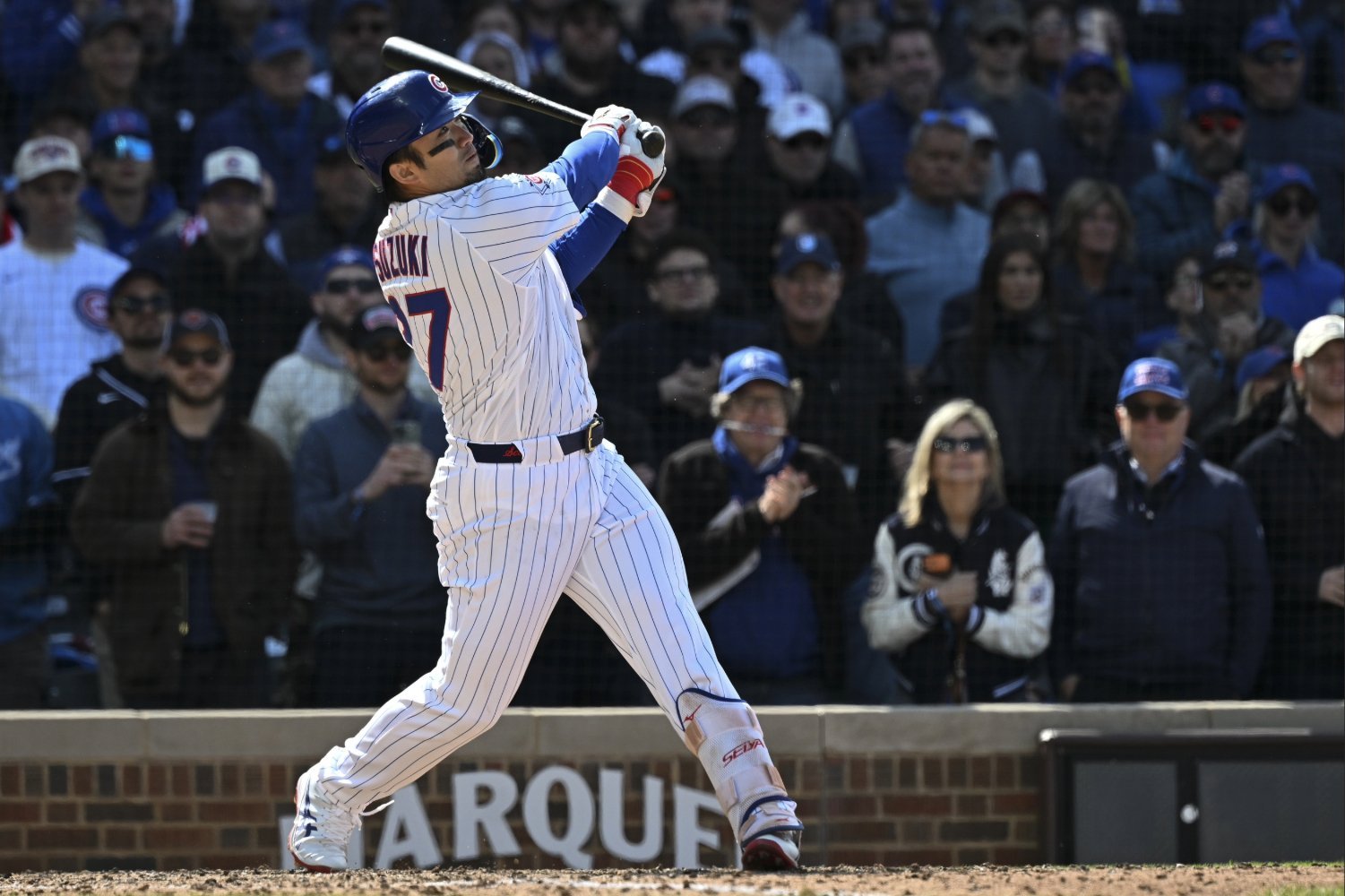 From March 26, when the 2026 campaign officially started, until the end of April, the Chicago Cubs had the second-best offense in baseball with a 121 wRC+, very close to the top spot held by the Los Angeles Dodgers with a 123 mark. Simply put, the Cubs are raking. That’s precisely why it was so challenging to select the hitter of the month on the Cubs. The team is just full of productive offensive players, a big driving factor behind its division-leading 21-12 record after their win on May 2. The NL Central appears to be tougher than ever, so Chicago’s hitters will need to continue to mash if they want to come out on top in late September. Luckily, there’s plenty of talent. These three hitters stood out above the rest and were the most productive ones for the Cubs in the season's opening month. Ranking Cubs' Best Hitters In April #3: Moises Ballesteros April Stats: .338 AVG, .392 OBP, 15.2 K%, 8.9 BB%, .282 ISO, 179 wRC+ Just 79 plate appearances were enough for Ballesteros to leave his mark on the 2026 Cubs. He is hitting a fantastic .338/.392/.620 with a 179 wRC+, five home runs, 16 RBI, and an excellent 15.2 percent strikeout rate. Basically, Ballesteros has been a monster, combining contact with on-base ability and power like few other hitters in the league. The designated hitter had already shown his worth last year when he posted a 143 wRC+ in 66 plate appearances, but he is taking it up a notch in 2026 and looks ready to fully break out. He is more than living up to the absurd profile he cultivated as a top prospect in the minor leagues. #2: Nico Hoerner April Stats: .291 AVG, .370 OBP, 9.6 K%, 8.9 BB%, .157 ISO, 132 wRC+ Hoerner, who hit seven home runs each in 2024 and 2025, is already up to four after the conclusion of the first month. He is also sporting a career-high 132 wRC+ and has been, by fWAR, the best Cubs player so far by a comfortable margin. Hoerner racked up 37 hits since the start of the season until the end of April, including eight doubles and the aforementioned four homers. He also stole seven bases without getting caught and had almost as many walks (13) as strikeouts (14). Not too shabby for the recently extended Gold Glover. #1: Seiya Suzuki April Stats: .328 AVG, .430 OBP, 24.1 K%, 12.7 BB%, .239 ISO, 180 wRC+ If you take a quick look at Suzuki’s stats, you don’t even notice he played just 18 games in April, starting the season on the injured list while dealing with the PCL injury he suffered in March. The star slugger hit .328/.430/.567 with a .998 OPS, a 180 wRC+, five home runs, 14 runs scored, and nine RBI in the opening month, not missing a beat after a very productive 2025 campaign. Per Statcast, Suzuki has been above-average to elite in virtually every offensive metric you can think of. From long-term fears about his health to being the Cubs’ hitter of the month, it’s clear Suzuki has come a long way. Now, he seems well on his way to putting up his best performance yet, which is no small feat after his 2025 onslaught. He remains one of the most undervalued sluggers in the game. Honorable mentions: Ian Happ, Carson Kelly, Dansby Swanson View the full article
 -
 Jake Bennett is a tall, left-handed starting pitcher for the Boston Red Sox who just made his MLB debut. Bennett was originally a 2022 second-round pick by the Washington Nationals before being traded to Boston in December 2025 for Luis Perales. Because of injuries to Sonny Grey & Garrett Crochet, Bennett got his first taste of The Show. View the full article
 -
When will the Chris Paddack experiment come to an end?
DiamondCentric posted an article in Fish On First
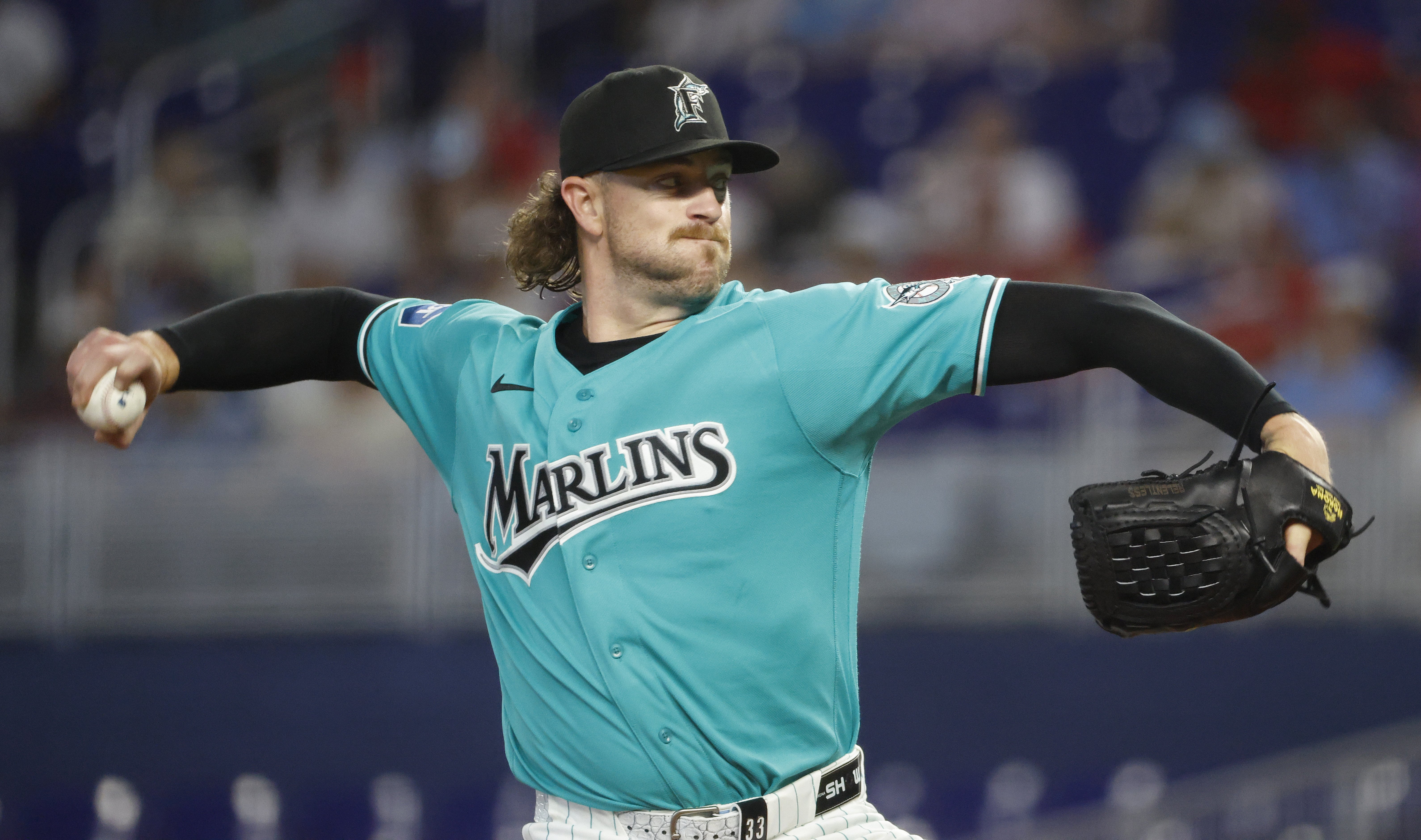 MIAMI, FL — For Miami Marlins starting pitcher Chris Paddack, his struggles on Sunday weren't subject to bad luck or being BABIP'd—he just wasn't good. Paddack allowed six runs to the Philadelphia Phillies in the first inning and was removed in the top of the third. The Marlins remain winless in games that Paddack has started this season, and in this case, they were forced to use much of their bullpen during a stretch of 10 straight games with no days off. Trea Turner led off the game with a double. Paddack proceeded to walk both Kyle Schwarber and Bryce Harper. Alec Bohm grounded into what would've been a fielder's choice, but the Marlins were not able to get any outs out of it, allowing Turner to score and give the Phillies a 1-0 lead. Paddack then walked Brandon Marsh with the bases loaded to allow another run. J.T. Realmuto sac fly got the first out of the game, but the Phillies added their third run of the game. The big blow came from Bryson Stott when he took Paddack deep for his second home run of the season. Both of Stott's home runs have come in this series. It gave the Phillies a 6-0 lead. In the top of the third inning, Justin Crawford knocked in his club's seventh run. "I just sat on the bench and kind of reviewed the game on the iPad," Paddack said. "A lot of uncompetitive pitches with two strikes is what I saw the trend was. What I mean by that, is just some pitches that were just completely out of the zone led into those 3-2 counts, the three walks there I felt like I never could get into a groove. I noticed I was pulling some fastballs early. Never drove any fastballs to the bottom of the zone. They were able to lay off some changeups below. Being a guy that commands the baseball, throws the ball where I want to, I just felt off tonight." As Paddack was coming off the field, fans let him know their feeling, booing him. This was not only a sign of frustration amongst the fanbase boiling over, but likely what could be a sign that the decision to continue having Paddack in the rotation may not be the right one. Right now, it wouldn't make sense to move on from Paddack altogether. A move to the bullpen could potentially benefit him. He has struggled to go deep into game, so using him in shorter bursts could be the best fit, as he seems to have found some success in that type of role. Through seven appearances this season (six starts), Paddack has a 7.63 ERA, 5.01 FIP, 7.92 K/9 and 2.93 BB/9. Paddack has described his season as a "roller coaster." "I've been here before. It definitely sucks," Paddack said. "I feel like this year I haven't been able to allow things to continue over. Right when we think we're getting in a good place, I get hit in the mouth again. There's no excuse for it. I'm a competitor. I work my butt off. Trying to be the best teammate that I can and a role model for some of our younger guys in the clubhouse. I got to look at myself in the mirror, and I have to clean some things up, and that starts with myself." In Triple-A right now, Braxton Garrett has a 1.71 ERA in 26 ⅓ innings pitched. Garrett was originally sent down to build back up as he underwent Tommy John surgery, missing the entire 2025 season, but at this point, he has shaken off all of the rust. Along with Garrett, Fish On First's No. 2 prospect Robby Snelling leads Triple-A with 44 strikeouts. He also has a 1.86 ERA, 290 FIP, 13.66 K/9 and 4.66 BB/9 in six starts this season. Just like Garrett, Snelling has nothing left to prove in the minors. His call-up may take a bit longer given he is not on the 40-man roster and Garrett has a half-decade of major league experience. McCullough shut down any potential speculation regarding Paddack's future in the rotation, saying that he will be making his next scheduled start, which is on Friday in the series opener against the Washington Nationals. "Outside of today, Chris is throwing the ball well," McCullough said. "He has probably ran against some tough luck in some outings, but he has thrown the ball and kept us in the games that he's pitched. Today it was a tough one from pitch one till it was over." After Paddack, a group comprised of John King, Tyler Phillips, Josh Ekness and Calvin Faucher shutout the Phillies lineup, allowing five hits and striking out five. Phillips, who had received most of the high-leverage situations after closer Pete Fairbanks was placed on the injured list, threw three innings, 47 pitches, essentially knocking him out for the next two days. "He's been built out and he's done that on a number of occasions for us," McCullough said. "That's the best way for us to try to navigate through today, try to preserve as many options as we have for the next couple of days going forward. We have a really good bullpen, and we have guys that can throw in a lot of different places and can do things. Tyler has done that on a lot of occasions, as have a lot of other guys. His ability to also provide that type of length either way, but in a game like today, does a lot to just save everyone down there from getting taxed." The Marlins offense didn't get much going until the bottom of the seventh inning. Leo Jiménez, who got the start at third base, was hit by a pitch and Esteury Ruiz took Phillies starting pitcher Jesús Luzardo deep for his second home run of the season. It also marked Ruiz's second home run this week, with his first coming on Wednesday in the series finale against the LA Dodgers. Ruiz is now slashing .286/.286/.786/1.072 with two home runs, three RBI and a 189 wRC+. It has only been seven games for Ruiz this season, but early on he is making a strong impact when he's been on the field. "He's been a performer in Triple-A," McCullough said. "He is someone that our group targeted this offseason. Certainly, the speed and ability to play all three outfield spots, but felt like offensively, there was some potential there for something to translate to the major league level if given the opportunity." Fish On First's No. 20 prospect Josh Ekness made his MLB debut, tossing a 1-2-3 inning. His fastball topped out at 98.4 mph, averaging 97.9 mph. With the loss, the Marlins drop back down to two games under .500, 16-18. With Janson Junk on the mound, Miami will go for a series split. First pitch is at 6:40 pm. View the full article
 -
Mets Roster Central: The Relentlessness of Infield Attrition
DiamondCentric posted an article in Grand Central Mets
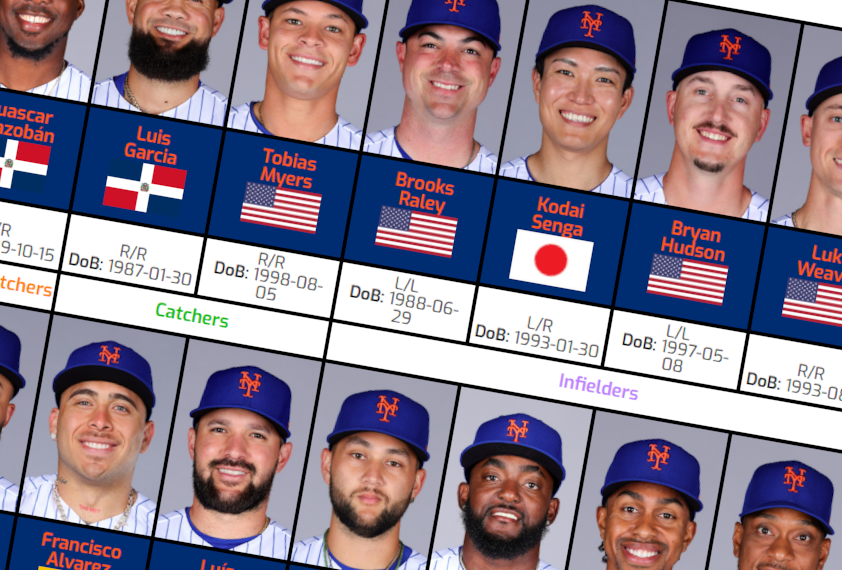 Misfortunes are the results of injury often enough. But even the most generous analysis of the 2026 Mets season would be unlikely to attribute their play to the lack of healthy players. But now they have reached a point where the bad play precipitates the injuries. More than a few errors, mistakes in judgment, and now injuries have resulted from players pushing themselves too hard to get through the horrors they find themselves in. In a key part of the game yesterday, when a base hit batting righthanded (a very rare occurrence) was within reach, Ronny Mauricio dove for first, and, well, now we're firing up the transaction machine. Transactions, 5/2/2026 GOING COMING Placed on 10-Day Injured List with Left Thumb Fracture Designated for Assignment Added to Roster, Promoted from Syracuse Infielders Ronny Mauricio Eric Wagaman Vidal Bruján S/R DoB: 2001-04-04 High Level: MLB (2026) R/R DoB: 35656 High Level: MLB (2026) S/R DoB: 1998-02-09 High Level: MLB (2026) No, you don't want to blame the Mets' play on injuries, but they've reached #3 on the shortstop depth chart. With Francisco Lindor and now Ronny Mauricio both bit by the Dark Fairy of Trying-Too-Hard, the Mets turn to Option #3. And while two-time All-Star Bo Bichette makes for an attractive enough third option, it forces the Mets to rob Peter (Schourek?) to pay Paul (Sewald?) Presumably, they return to the classic Brett Baty/Mark Vientos platoon at third, and catch-as-catch-can at first. Jorge Polanco is suddenly hearing his name spoken of with need, but until he comes back, please get to know Vidal Bruján, switch-hitting veteran of five MLB seasons. Vidal also sports a 27.00 ERA in four MLB appearances pitching mopup in blowout games, and that data is far less irrelevant than Mets Roster Central would like it to be. Your 2026 New York Mets Starting Pitchers Clay Holmes Nolan McLean Freddy Peralta David Peterson Christian Scott R/R DoB: 1993-03-27 R/R DoB: 2001-07-24 R/R DoB: 2996-06-04 L/L DoB: 1995-09-03 R/R DoB: 1999-06-15 Relief Pitchers Huascar Brazobán Craig Kimbrel Sean Manaea Tobias Myers Brooks Raley Austin Warren Luke Weaver R/R DoB: 1989-10-15 R/R DoB: 32291 R/L DoB: 1992-02-01 R/R DoB: 1998-08-05 L/L DoB: 1988-06-29 R/R DoB: 1996-02-05 R/R DoB: 1993-08-21 Relief Pitchers Catchers Infielders Devin Williams Francisco Alvarez Luís Torrens Bo Bichette Vidal Brujan Andy Ibáñez MJ Melendez R/R DoB: 1994-09-21 R/R DoB: 2001-11-01 R/R DoB: 1996-05-02 R/R DoB: 1998-03-05 S/R DoB: 1998-02-09 R/R DoB: 1993-04-03 L/R DoB: 1993-11-29 Infielders Outfielders Marcus Semien Mark Vientos Brett Baty Carson Benge Austin Slater Juan Soto Tyrone Taylor R/R DoB: 1990-09-17 R/R DoB: 1993-12-11 L/R DoB: 1999-11-13 L/R DoB: 2003-01-20 R/R DoB: 33951 L/L DoB: 1998-10-25 R/R DoB: 34356 Also on 40-Player Roster Starting Pitchers Relief Pitchers Tylor Megill Kodai Senga Jonah Tong Alex Carrillo Reed Garrett Joey Gerber Justin Hagenman R/R DoB: 1995-07-28 L/R DoB: 1993-01-30 R/R DoB: 2003-06-19 R/R DoB: 1997-06-06 R/R DoB: 1993-01-02 R/R DoB: 1997-05-03 R/R DoB: 1996-10-07 On 60-Day Injured List with torn right UCL. On 15-Day Injured List with Lumbar Spine Inflammation With Syracuse With Syracuse On 60-Day Injured List — right UCL surgery and nerve relocation surgery. With St. Lucie on Rehab Assignment On 60 Day Injured List with fractured rib. Relief Pitchers Catchers Infielders A.J. Minter Dedniel Núñez Jonathan Pintaro Dylan Ross Hayden Senger Francisco Lindor Ronny Mauricio L/L DoB: 1993-09-02 R/R DoB: 1996-06-05 R/R DoB: 1997-11-07 R/R DoB: 2000-09-01 R/R DoB: 1997-04-03 S/R DoB: 1993-11-14 S/R DoB: 2001-04-04 With Syracuse on Rehab Assignment On 60-Day Injured List — right UCL surgery. With Syracuse With Syracuse With Syracuse On 10-Day Injured List with Strained Left Calf On 10-Day Injured List with fractured right thumb. Infielders Outfielders Jorge Polanco Nick Morabito Luis Robert, Jr. Jared Young S/R DoB: 1999-11-13 R/R DoB: 2003-05-07 R/R DoB: 1997-08-03 L/R DoB: 1995-07-09 On 10-Day Injured List with right wrist contusion. With Syracuse On 10-Day Injured List with Lumbar Spine Disc Hernitaion On 10-Day Injured List with torn left meniscus. Deslgnated for Assignment Relief Pitchers Infielders Carl Edwards, Jr. Eric Wagaman R/R DoB: 33484 R/R DoB: 35656 DFA'd, 2026-04-30. DFA'd, 2026-05-02. Your Mets Coaching Staff Manager Bench Coach Pitching Coach Hitting Coordinator Third Base Coach First Base Coach Bullpen Coach Ass't Pitching Coach Carlos Mendoza Kai Correa Justin Willard Jeff Albert Tim Leiper Gilbert Gomez José Rosado Dan McKinney DoB: 1979-11-27 DoB: 1989-07-14 DoB: 1990-09-09 DoB: 1992-08-16 DoB: 1996-07-19 DoB: 1992-03-08 DoB: 1974-11-09 DoB: 1989-06-06 Hitting Coach Strategy Coach Catching Coach Coaching Assistant Bat'g Practice Pitcher Equipment Manager Bullpen Catchers Bullpen Catchers Troy Snitker Danny Barnes J.P. Arencibia Rafael Fernandez Kevin Mahoney Kevin Kierst Eric Langill Dave Racaniello DoB: 1988-12-05 DoB: 1989-10021 DoB: 1986-01-05 DoB: 1988-08-03 DoB: 1987-05-11 DoB: 1964-07-09 DoB: 1979-04-09 DoB: 1978-06-03 Your Mets Training Staff Director of Player Health Head Athletic Trainer Assistant Athletic Trainer Reconditioning Coordinator Reconditioning Therapist Head Performance Coach Assistant Performance Coach Performance Coordinator Soft Tissue Specialist Brian Chicklo Joseph Golia Bryan Baca Sean Bardanett Josh Bickel Dustin Clarke Tanner Miracle Jeremy Chiang Hiroto Kawamura DoB: 1972-07-17 DoB: 1978-??-?? DoB: Circa 1980 DoB: 1988-06-23 DoB: 1996-??-?? DoB: 1987-??-?? DoB: 1991-??-?? DoB: ????-??-?? DoB: 22846 View the full article
 -
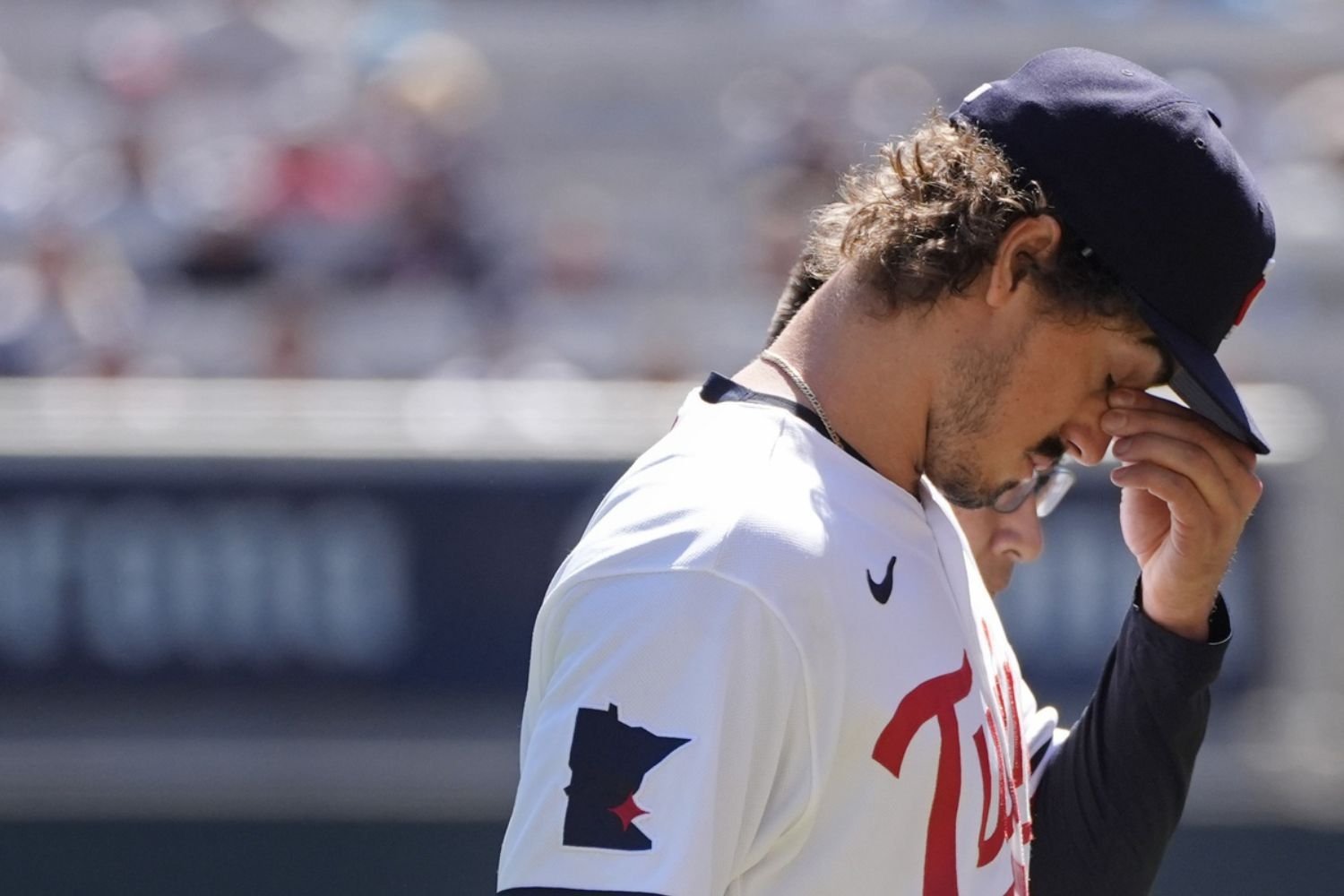 Box Score Starting Pitcher: Joe Ryan: 1/3 IP, 0 H, 0 ER, 1 BB, 1 K (9 Pitches, 5 Strikes, 55%) Home Runs: None Top 3 WPA: Andrew Morris (0.22), Victor Caratini (0.11), Luke Keaschall (0.09) Win Probability Chart (Via BaseballSavant): The Twins' slide into irrelevance continues, as they entered Sunday's game against Toronto losers in 13 of their past 16 games. To make matters worse, today's game was shown exclusively on Peacock, a streaming service used by approximately no one and which has lost NBC/Universal half a billion dollars and counting because our media landscape totally makes sense. At least the Twins were trotting out their ace, Joe Ryan. Except he exited with elbow soreness nine pitches into the game, forcing the Twins to turn to their beleaguered young swingman, Andrew Morris, who threw well enough to escape the inning without any damage. Does anyone remember the last time Joe Ryan exited early with injury? I remember. Opposing Morris was postseason hero Trey Yesavage, who still has more playoff innings than regular season. His command was a little wobbly, but his rising fastball and devastating splitter were a big challenge regardless. After retiring Byron Buxton in the first, Yesavage allowed a base hit to Trevor Larnach and Austin Martin drew an impressive walk. Victor Caratini then singled through the right side to bring home the game's first run. Meanwhile Morris was really good, hitting 97 MPH on his fastball and locating his sweeper to keep the Blue Jays honest. He allowed two hits and a walk in 3 ⅔ innings, striking out three. He didn't allow much hard contact and really didn't face any trouble while keeping the Twins in the game. The offense loaded the bases in the third, making Yesavage work and putting him on the ropes before the young righty got Royce Lewis to swing through a fastball in the zone to end the threat. He was done after 81 Pitches and four innings. Braydon Fisher came on for the fifth inning, and the Twins jumped all over him. Caratini walked and scored on a Luke Keaschall double. Keaschall would score on a Kody Clemens double to the same spot in left center. Then, in a moment that surprised everyone, Matt Wallner made contact off of a lefty, and scorched it to the same gap and off the wall to score Clemens. By my unofficial count, this was the first hit by Wallner against a lefty and his first hit to the opposite field since the Biden administration. Aaron Gleeman was then awoken like the undertaker to post some cherry-picked stats (probably). The Jays made some noise in the sixth against the withered husk of Taylor Rogers. Vladimir Guerrero Jr. hit a single off his fists, followed by a deep drive by Jesus Sanchez over Wallner's head in right. Sanchez slipped making the turn around first, making it a long single. Rogers managed to strike out Lenyn Sosa on a backup slider, but Dalton Varsho hit a perfect bunt up the first base line, beating Rogers to the bag and scoring Guerrero for Toronto's first run. Rogers ended up allowing three hits and hitting a batter, but escaped the inning by inducing a pop-up from catcher Taylor Heineman. Things quieted down a bit from there, with the Twins putting up goose eggs against Blue Jays reliever Tommy Nance, while Rogers, Eric Orze and Kody Funderburk did just enough to keep the Jays offense dormant. The ninth inning was handed to Justin Topa, who allowed an infield single before Kazuma Okamoto hit his fourth home run of the series to cut the deficit to one. Guerrero then smashed a single right under Keaschall's glove to put the tying run on base. Sanchez hit one nearly as hard that nearly took out Topa, but Sosa hit a hard grounder to Keaschall that he turned into a game ending double play. Things I'm Tracking: Austin Martin looks unconscious, spitting on anything remotely close to being out of the zone and squaring up everything in it. With him, Larnach and Buxton all scorching hot, its kind of crazy that this team is losing so much. Caratini has cooled off after a fairly competent start to his Twins career, with his OPS below .600. He did reach base a few times today and his OBP is acceptable, but him being a professional hitter was a big reason why the team won eight of nine in that one good stretch that now seems a distant memory. Luke Keaschall is showing signs of life, with three doubles, including two today, in the past two games. Lewis looks pretty cooked, swinging out of his shoes and whiffing against fastballs in the zone What’s Next: The Twins head to the nation's capital to face the Nationals in a three game set. Taj Bradley (3-1, 2.85 ERA) will face Cade Cavalli (1-1, 3.82 ERA) in a matchup of post-hype prospects. Cavalli has been hittable (1.66 WHIP, .772 OPS against) but has a good strikeout rate. Bradley has been great and should have a good matchup provided he can handle Washington's main stars, James Wood and CJ Abrams. Postgame Interviews: Bullpen Usage Chart: WED THUR FRI SAT SUN TOT Orze 28 0 33 0 24 85 Morris 0 19 0 0 57 76 Banda 22 14 0 18 0 54 Rogers 13 0 8 0 32 53 Topa 0 12 0 10 17 39 Garcia 0 0 9 18 0 27 Funderburk 0 0 0 14 3 17 Klein 0 0 0 12 0 12 View the full article
 -
What Are The Twins' Biggest Organizational Weaknesses?
DiamondCentric posted an article in Twins Daily
 The Twins have some glaring weaknesses with their infield in the majors right now, and some positions don't look to have great defense coming up behind them in the minors. Jamie and Jeremy address each position that needs immediate help and how soon each could see improvement if the Twins choose to shuffle things up from their current depth chart order. View the full article
 -
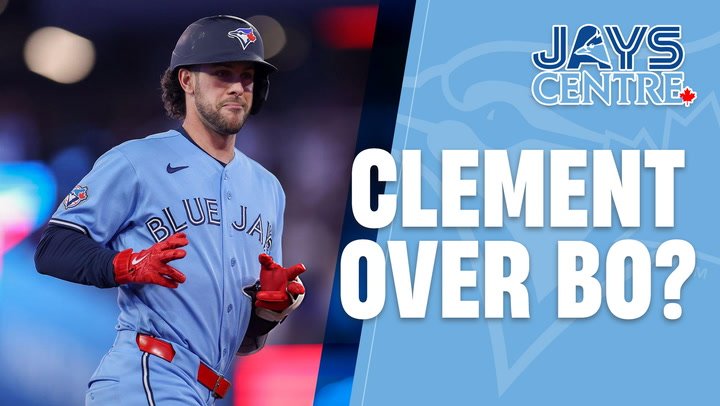 As Ernie Clement slides into the starting second baseman role, it'll be up to him (among others) to make up for the offensive void left by Bo Bichette's departure. How is Clement holding up his end of the bargain to start the 2026 season? We dove into his advanced analytics in this video! View the full article
 -
 The Mets affiliates went 1-3 on the night, with Brooklyn's combined one-hit shutout the lone bright spot. Channing Austin fired five and two-thirds shutout innings with seven strikeouts, and Hoss Brewer earned the save as the Cyclones blanked Frederick 2-0 on Ronald Hernandez's solo home run. Syracuse blew a 6-1 lead at home, falling 9-6 to Lehigh Valley after surrendering eight unanswered runs. Binghamton stranded twelve and lost 4-3. St. Lucie fell 5-2 in Tampa. Mets Transactions No Roster Moves Syracuse Bullpen Coughs Up Five-Run Lead In 9-6 Loss Syracuse held a 6-1 lead through five innings before the bullpen unraveled, dropping a 9-6 decision to Lehigh Valley after surrendering eight unanswered runs across the final three frames. The Mets jumped ahead in the bottom of the first when A.J. Ewing singled, Nick Morabito walked, Ryan Clifford singled in Ewing, Eric Wagaman drove home Morabito with a sacrifice fly, and Christian Arroyo singled to plate Clifford. Two more runs scored in the fifth on Arroyo and Cristian Pache walks, a Ben Rortvedt walk that loaded the bases, and a Jackson Cluff groundout to push the lead to 6-1. Jonah Tong delivered a brilliant start, allowing one hit and no earned runs across his six innings while striking out six and walking two. The bullpen could not hold the lead. Joey Gerber surrendered three runs on two hits and two walks in his lone inning of relief in the seventh, trimming the lead to 6-4. Anderson Severino allowed an unearned run in the eighth on a Syracuse fielding error, and Luke Jackson was charged with the loss and a blown save after giving up three runs while recording just one out in the ninth. Ryan Lambert and Ofreidy Gómez followed, but the damage was done as Lehigh Valley plated four in the inning. Pache went 2-for-3 with two doubles, a walk, and a stolen base. Ewing finished 2-for-5 with a stolen base from the leadoff spot, Wagaman went 2-for-4 with two RBI, and Arroyo added a 1-for-4 line with an RBI, a walk, and a stolen base. Syracuse drew six walks but stranded eight runners. Syracuse Hitting Player AB R H RBI BB K A.J. Ewing 5 1 2 0 0 1 Nick Morabito 3 1 0 0 2 2 Ryan Clifford 5 1 1 1 0 2 Eric Wagaman 4 0 2 2 0 0 Christian Arroyo 4 1 1 1 1 1 Ji Hwan Bae 4 0 0 0 0 0 Cristian Pache 3 1 2 0 1 1 Ben Rortvedt 3 0 0 0 1 0 Jackson Cluff 3 1 0 1 1 0 Syracuse Pitching Player IP H R ER BB K HR Jonah Tong 6 1 1 0 2 6 0 Joey Gerber 1 2 3 3 2 1 0 Anderson Severino 1 1 1 0 0 1 0 Luke Jackson (L) 1/3 1 3 3 2 0 0 Ryan Lambert 1/3 0 1 1 2 0 0 Ofreidy Gómez 1/3 0 0 0 0 1 0 Binghamton Strands Twelve In 4-3 Loss At New Hampshire Binghamton stranded twelve runners and watched a late comeback fall short, losing 4-3 at New Hampshire in a frustrating contest. The Rumble Ponies drew ten walks but converted only three runs across nine innings. Jonathan Santucci took the loss after three and two-thirds innings, allowing one hit, two earned runs, six walks, and one home run while striking out five. He surrendered a two-run homer in the bottom of the second that gave the Fisher Cats an early 2-0 lead. Brian Metoyer settled things down with one and one-third clean innings, but Jefry Yan was tagged for two runs on a home run in the bottom of the sixth that pushed the lead to 4-1. Zach Peek and Matt Turner each tossed a clean frame to close out the staff's work. Binghamton chipped one back in the top of the fourth on a Jacob Reimer double and a Jose Ramos RBI single. The Rumble Ponies came alive in the top of the ninth and plated two runs to pull within one, but the comeback ended without the tying run crossing. Reimer led the offense at 2-for-4 with a double and a walk, and Ramos went 2-for-4 with an RBI and a walk. Nick Lorusso added a 1-for-5 line with a double and an RBI, and Diego Mosquera contributed a 1-for-3 effort with an RBI. TT Bowens drew three walks and reached base in all five trips without recording a hit, while JT Schwartz drew two walks of his own. The Rumble Ponies struck out nine times and could not find timely hits in clutch spots. Binghamton Hitting Player AB R H RBI BB K Jacob Reimer 4 1 2 0 1 0 Jose Ramos 4 1 2 1 1 0 Kevin Parada 4 0 0 0 1 3 JT Schwartz 3 0 0 0 2 1 Nick Lorusso 5 0 1 1 0 0 TT Bowens 2 1 0 0 3 1 Matt Rudick 2 0 0 0 2 0 Wyatt Young 4 0 0 0 0 2 Diego Mosquera 3 0 1 1 0 2 Binghamton Pitching Player IP H R ER BB K HR Jonathan Santucci (L) 3 2/3 1 2 2 6 5 1 Brian Metoyer 1 1/3 0 0 0 0 1 0 Jefry Yan 1 1 2 2 2 1 1 Zach Peek 1 0 0 0 0 0 0 Matt Turner 1 0 0 0 0 1 0 Brooklyn Combines For One-Hit Shutout In 2-0 Win Brooklyn put together one of its sharpest pitching performances of the season, combining for a one-hit shutout in a 2-0 victory over Frederick. Channing Austin set the tone with five and two-thirds dominant innings, scattering one hit, walking two, and striking out seven before being lifted in the sixth. Juan Arnaud followed with one and one-third hitless innings and a strikeout, Hunter Hodges added a clean inning with a strikeout, and Hoss Brewer closed it out with a one-two-three ninth to lock down the save. The Cyclones' lone offense came in the bottom of the sixth. After John Bay struck out, Ronald Hernandez homered to right field with one out for a 1-0 lead. Daiverson Gutierrez followed with a single, Colin Houck added a single, and Trace Willhoite walked to load the bases before Vincent Perozo grounded out to second base, scoring Gutierrez for the second run. Hernandez finished 1-for-2 with the home run, an RBI, two walks, and a run scored. Bay went 1-for-3 with a double and a walk, and Willhoite added a triple in his only hit of the night to go with a walk. Gutierrez chipped in a 1-for-3 line with a run scored, and Houck contributed the only other hit. Brooklyn drew five walks and stranded eight runners, but capitalized when it mattered. The Cyclones' pitching staff allowed only one Frederick baserunner via hit while issuing two walks across the entire game and striking out nine. Brooklyn Hitting Player AB R H RBI BB K Antonio Jimenez 4 0 0 0 0 1 John Bay 3 0 1 0 1 2 Ronald Hernandez 2 1 1 1 2 0 Daiverson Gutierrez 3 1 1 0 0 0 Colin Houck 4 0 1 0 0 2 Trace Willhoite 3 0 1 0 1 1 Vincent Perozo 4 0 0 1 0 0 Kevin Villavicencio 3 0 0 0 0 0 Yohairo Cuevas 2 0 0 0 1 2 Brooklyn Pitching Player IP H R ER BB K HR Channing Austin (W) 5 2/3 1 0 0 2 7 0 Juan Arnaud 1 1/3 0 0 0 0 1 0 Hunter Hodges 1 0 0 0 0 1 0 Hoss Brewer (S) 1 0 0 0 0 0 0 St. Lucie Falls 5-2 As Tampa Cashes In Early St. Lucie could not solve Tampa's pitching and dropped a 5-2 game, with the Tarpons doing all of their damage in the first five innings while the Mets managed just four hits across nine. The Mets struck first in the top of the first when Edward Lantigua reached on a hit-by-pitch, and Randy Guzman drove him in with a sacrifice fly to left, but Tampa answered with a two-run bottom half on a leadoff baserunner reaching on a Branny De Oleo throwing error, an RBI single, and a deflected ground ball that allowed a second run to score. Tampa added single tallies in the second, third, and fifth to push the lead to 5-1. Jose Chirinos took the loss after four and one-third innings, allowing seven hits, five runs, two earned, two walks, and no home runs while striking out six. Elwis Mijares stabilized things with two and two-thirds innings of three-hit, scoreless relief, fanning one. Jorge De Leon worked a clean inning to close the staff's night. St. Lucie's only response after the first came in the top of the ninth, when Guzman singled to right, AJ Salgado popped out, Julio Zayas singled up the middle to bring Guzman home, and Chase Meggers grounded into a game-ending double play with the tying run on base. Guzman finished 1-for-3 with an RBI, a run scored, and a sacrifice fly, while Zayas added a 1-for-3 line with a walk and an RBI. Newly added Jamari Baylor went 1-for-3 from the bottom of the order, and Chase Meggers added the team's other hit. The Mets drew just one walk, struck out 10 times, and committed two errors that contributed to three of Tampa's runs being unearned. St. Lucie Hitting Player AB R H RBI BB K Elian Peña 4 0 0 0 0 1 Edward Lantigua 3 1 0 0 0 2 Randy Guzman 3 1 1 1 0 1 AJ Salgado 4 0 0 0 0 1 Julio Zayas 3 0 1 1 1 1 Chase Meggers 4 0 1 0 0 1 Simon Juan 3 0 0 0 0 3 Branny De Oleo 3 0 0 0 0 0 Jamari Baylor 3 0 1 0 0 1 St. Lucie Pitching Player IP H R ER BB K HR Jose Chirinos (L) 4 1/3 7 5 2 2 6 0 Elwis Mijares 2 2/3 3 0 0 0 1 0 Jorge De Leon 1 1 0 0 0 1 0 Top-20 Prospect Performance Nolan McLean: DNP Carson Benge: DNP A.J. Ewing: 2-for-5, R, SB, K Jonah Tong: 6 IP, 1 H, 0 ER, 2 BB, 6 K Ryan Clifford: 1-for-5, R, RBI, 2 K Jacob Reimer: 2-for-4, 2B, R, BB Jack Wenninger: DNP Elian Pena: 0-for-4, K Mitch Voit: DNP Nick Morabito: 0-for-3, R, 2 BB, 2 K Jonathan Santucci: 3 2/3 IP, 1 H, 2 ER, 6 BB, 5 K, HR (L) Chris Suero: DNP Zach Thornton: DNP Wandy Asigen: DNP Will Watson: DNP Eli Serrano III: DNP Ryan Lambert: 1/3 IP, 0 H, 1 ER, 2 BB, 0 K Dylan Ross: DNP Antonio Jimenez: 0-for-4, K R.J. Gordon: DNP View the full article
 -
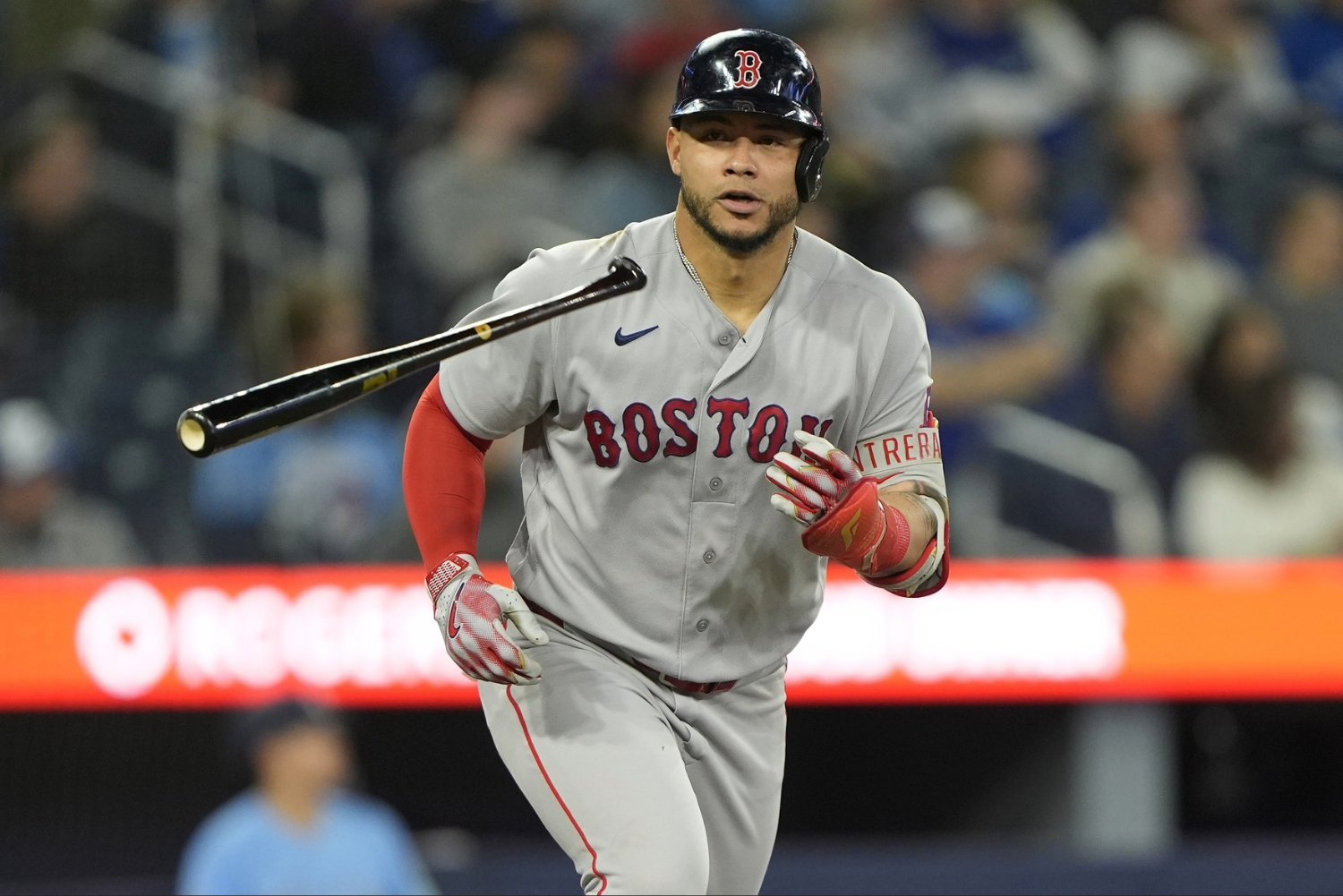 The month of April is likely one that most members of the Boston Red Sox are hoping to forget; enough members of the team underperformed to the point that Alex Cora and the bulk of his coaching staff lost their jobs during the last weekend of the month. Since then, the team has played .500 baseball thanks to the offensive production from a handful of guys that are trying to put the team on their backs. It's a long road between now and contention, but Chad Tracy has seemingly inspired a bit more fire from the roster. There weren't a ton of candidates for this award, but three players in particular stood out for the offensive steadiness in an otherwise difficult month. Ranking Red Sox's Best Hitters in April #3: Ceddanne Rafaela The Gold Glove center fielder has proven through the first full month of the season that he has grown as an offensive player and will likely outplay the contract he signed two seasons ago. For the month of April, he slashed .266/.348/.367 with eight RBIs, a 100 wRC+, and a 0.3 fWAR. Where Rafaela has shown the most growth at the plate is in his pitch selection and his ability to work counts in his favor. While his strikeout rate is still higher than you’d like, 23.6%, it’s come down considerably to start the season and he no longer feels like just a guy who can come through in a clutch situation. When he’s standing in the box, you get excited instead of penciling a swinging strikeout most of the time. Both former manager Alex Cora and interim manager Chad Tracy have moved Rafaela up in the lineup and he’s continued to hit. If he keeps this offensive production up, he’s going to make his contract look even more like a bargain by the end of the season. #2: Wilyer Abreu The platoon training wheels have been taken off of Abreu and it’s paying dividends already. He slashed .287/.368/.404 with a 115 wRC+ and a 0.6 fWAR last month, knocking two home runs while driving in eight runs. He’s looking far more confident at the plate so far this season, and has been great at handling southpaws, hitting over .300 against them prior to May. His swing mechanics are noticeably different against left-handed pitchers—he’s shortened his swing and is getting the head of the bat around to the ball much quicker. Like Rafaela above, he looks more confident at the plate and his strikeout and walk rates prove that, sitting at 17.9% and 11.3%, respectively. His back-to-back Gold Gloves mean he’s locked into the starting right field role for years to come in Boston, but with his bat coming around against all types of pitchers, then he could be playing his way to a contract extension some time during or after the 2026 season. #1: Willson Contreras In what should be a shock to absolutely nobody, Contreras has been the best hitter on the Red Sox during the start to the season. For the month of April he slashed .289/.387/.556 with seven home runs, 20 RBIs, and a 157 wRC+, adding up to 1.3 fWAR. His offensive approach is feast or famine; he’s striking out 29.2% of the time, but when he’s making contact, he’s doing damage. He’s been the spark in the lineup during almost every series so far, and even when he went cold for a couple of weeks, his personality helped keep his teammates in games. He has been the best addition that Craig Breslow made during the offseason without a doubt, and this team would likely be in (worse) shambles if it wasn’t for him. His play at first base has been a breath of fresh air and the passion he brings to each game, even if it’s sometimes a bit overboard when the Brewers are involved, is something this team desperately needs. There’s not been too much to enjoy through April for the Red Sox, but these three hitters are all showing that we have something to look forward to if the front office and Chad Tracy can figure out how to get the most out of this roster. No one had the Red Sox being this bad on their bingo card, but it's a long season. More of the same from Rafaela, Abreu, and Contreras can only help push Boston back into relevancy. View the full article
 -
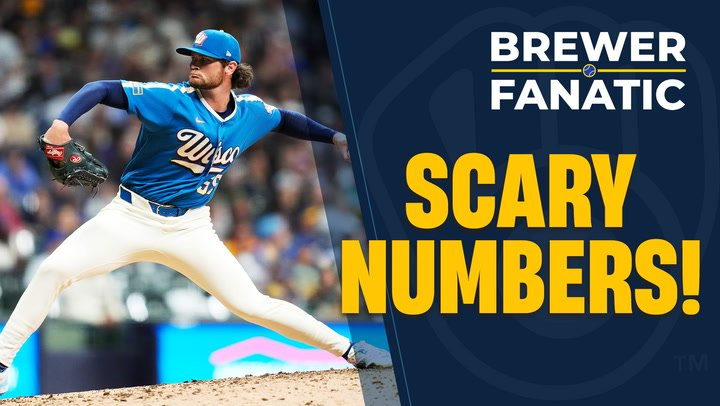 The Brewers got Shane Drohan in exchange for Caleb Durbin and the rest of the team's third base depth chart at the time. What does the former Red Sox prospect look like now that he has made his big league debut? The early numbers are promising, showing a varied pitch arsenal and ability to bury the ball for a high groundball rate. View the full article
 -
Mets Put Ronny Mauricio On Injured List With Fractured Thumb
DiamondCentric posted an article in Grand Central Mets
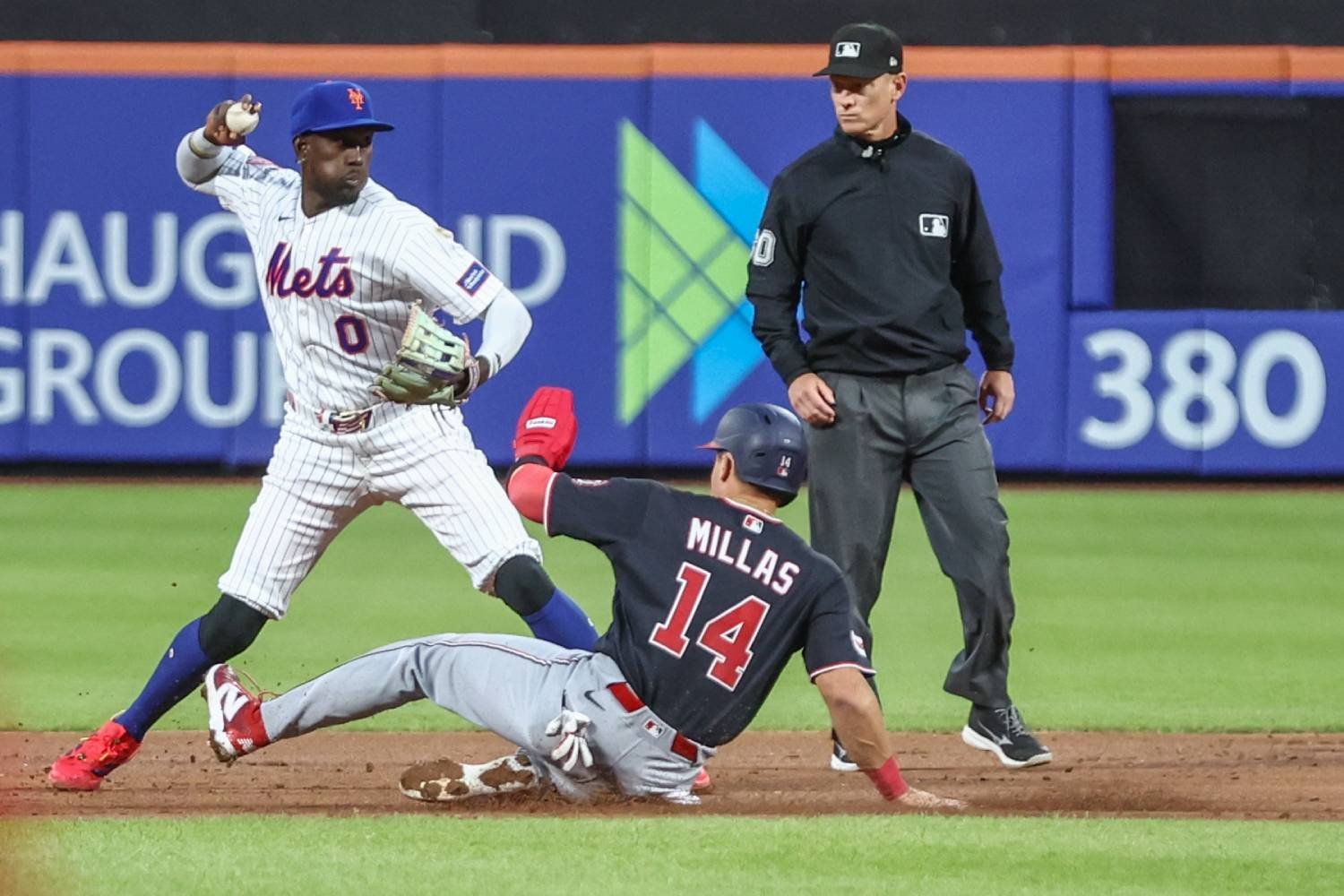 The hits just keep on coming. The New York Mets put infielder Ronny Mauricio on the 10-day injured list with a fractured left thumb and selected the contract of infielder Vidal Brujan from Triple-A Syracuse. First baseman Eric Wagaman was designated for assignment to make room for Brujan on the 40-man roster. Mauricio was injured in the seventh inning of Saturday's 4-3 loss to the Los Angeles Angels. He hit a chopper that was fielded by the first baseman and was in a footrace to the bag with the pitcher. Both players slid into first base, which is when Mauricio was injured. Mauricio had been filling in at shortstop for injured superstar Francisco Lindor, who is out with a strained left calf. Now, the Mets are down to their third option at the key defensive position. Offseason acquisition Bo Bichette is likely to see more time at his old position after being the regular third baseman. Brujan was acquired from the Mets in January after he was DFA'd by the Minnesota Twins. In 24 games at Syracuse, Brujan had a .241/.304/.313 slash line with one homer and seven RBIs. View the full article
 -
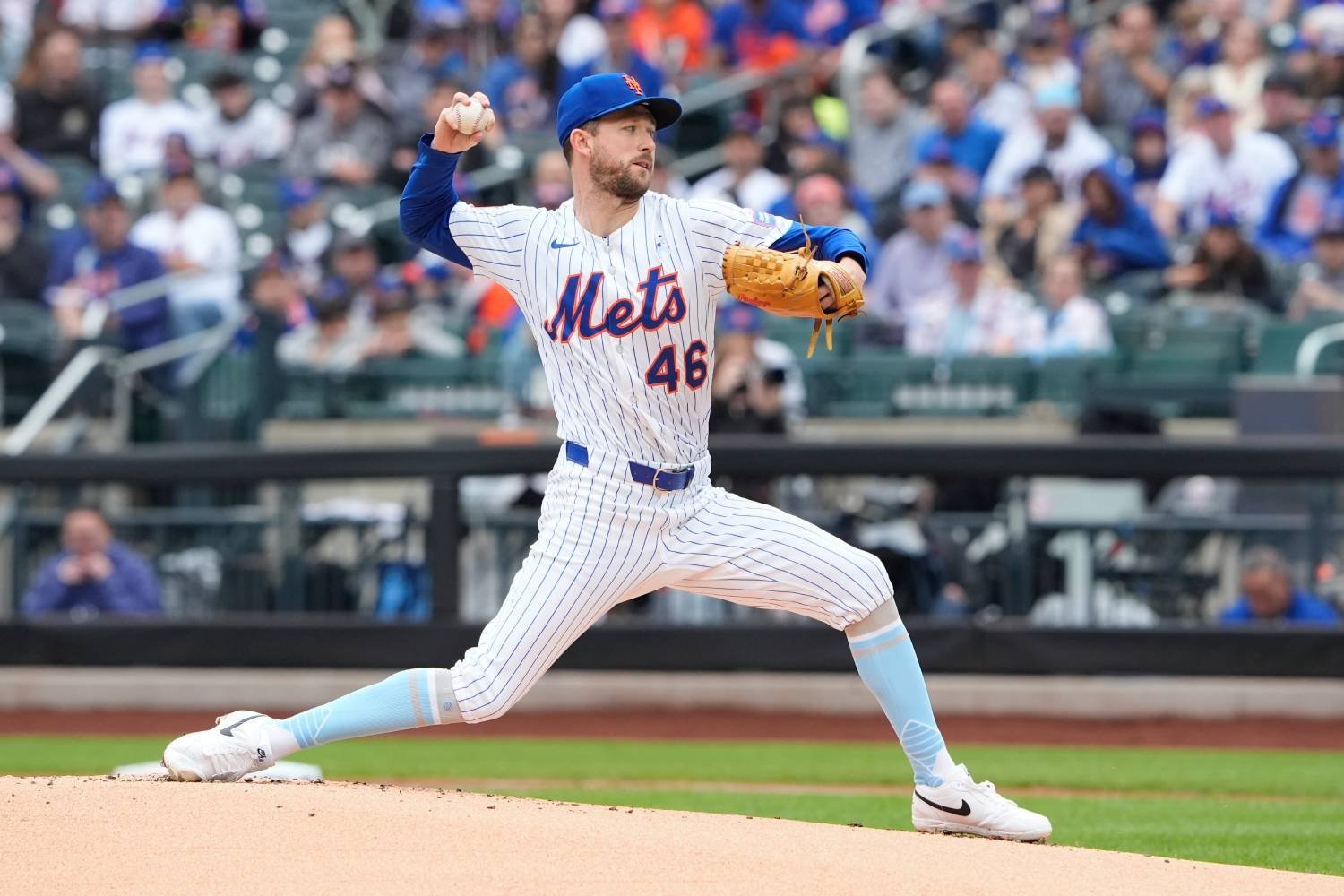 One new guy is set to debut, while another is on the shelf for a bit. The San Diego Padres activated right-hander Griffin Canning from the 15-day injured list before Sunday's start against the Chicago White Sox, while right-handed starter German Marquez went on the 15-day IL with nerve inflammation in his right forearm Canning has not pitched since rupturing his left Achilles in June while with the New York Mets. He signed a one-year, $2.5 million contract with the Padres as spring training began and made five rehab appearances with Triple-A El Paso. With the Mets last year, Canning had a 4.04 FIP (3.77 ERA) in 76⅓ innings, with a 10.7% walk rate and 21.3% strikeout rate. Marquez has had a rocky start to his Padres career. He signed for one-year, $1.75 million at the same time as Canning did after a 10-year career with the Colorado Rockies. In six starts this year, Marquez has a 6.69 FIP (5.76 ERA) with 12 walks and 19 strikeouts in 29⅔ innings. Marquez started Friday and was roughed up by the Chicago White Sox, allowing seven runs on five hits with five walks and two strikeouts in five innings. View the full article
 -
 Cubs Transactions No Roster Moves Alcántara's Three-Hit Night Wasted In 16-2 Iowa Loss At St. Paul The Iowa Cubs were buried 16-2 in St. Paul, allowing seven home runs as a staff while managing only six hits of their own. Kevin Alcántara was the lone bright spot at the plate. The cleanup hitter went 3-for-4 with a solo home run, his 11th of the season, scoring twice and driving in a run. BJ Murray added a 2-for-3 line with a double, an RBI, and a walk, and leadoff man Brett Bateman drew two walks. The Cubs went a combined 0-for-22 from everyone outside of Alcántara, Murray, and Bateman. Things came apart immediately. Starter Collin Snider lasted just 1 1/3 innings, surrendering three home runs and three runs on three hits with a walk and two strikeouts. Paul Campbell followed with four innings, allowing seven hits, five runs, and three more long balls while striking out four. Doug Nikhazy took the loss in his Iowa debut, charged with eight earned runs on six hits and three walks across 2 2/3 innings, with four strikeouts. The Saints stretched the game open with a four-run third that included a two-run shot off Campbell, then added three more in the seventh and one in the eighth. Alcántara accounted for both Iowa runs. He singled in the second and scored on Murray's RBI double, then launched his solo homer to right-center in the seventh. Iowa left five on base. Player AB R H RBI BB K Brett Bateman 2 0 1 0 2 0 Pedro Ramírez 4 0 0 0 0 1 Jonathon Long 4 0 0 0 0 0 Kevin Alcántara 4 2 3 1 0 1 BJ Murray 3 0 2 1 1 0 Owen Miller 3 0 0 0 1 1 Christian Bethancourt 4 0 0 0 0 2 Scott Kingery 3 0 0 0 0 2 Hayden Cantrelle 2 0 0 0 1 2 Player IP H R ER BB K HR Collin Snider 1 1/3 3 3 3 1 2 3 Paul Campbell 4.0 7 5 5 1 4 3 Doug Nikhazy (L, 0-2) 2 2/3 6 8 8 3 4 1 Garriola's Two-Homer Game Falls Short In Smokies' 7-5 Loss The Knoxville Smokies dropped a 7-5 decision at Rocket City, undone by a five-run bottom of the fifth that erased a two-run Knoxville lead. Andy Garriola powered the offense with two home runs, three RBI, two runs scored, and a walk over a 2-for-3 night. He gave Knoxville its first lead with a two-run shot in the second that scored cleanup hitter Jefferson Rojas, then went deep again leading off the fourth to push the margin to 3-1. Rojas finished 2-for-4 with a double, a run, and an RBI, knocking in Owen Ayers in the sixth. Ethan Hearn drove in Jordan Nwogu with a double in the eighth. Tyler Schlaffer started and worked 4 1/3 innings, allowing two runs (one earned) on three hits and four walks while striking out three. Vince Reilly tossed two scoreless and hitless innings of relief, walking none and striking out four. Jace Beck took the loss, charged with five earned runs on seven hits and a walk in 1 2/3 innings, with two strikeouts. The decisive frame opened with a Schlaffer groundout, but a single off Schlaffer brought on Beck, and Beck immediately surrendered three straight singles, with the third plating the runner he inherited and a teammate to tie the score at 3. A walk loaded the bases, and a fielder's choice grounder fielded by Hearn at first scored two more runs after a fielding error by catcher Ayers. A two-out RBI double accounted for the fifth run. Knoxville left seven on base. Player AB R H RBI BB K Alex Ramírez 4 0 1 0 0 0 Jordan Nwogu 4 1 1 0 0 1 Owen Ayers 3 1 0 0 1 2 Jefferson Rojas 4 1 2 1 0 0 Andy Garriola 3 2 2 3 1 0 Ethan Hearn 4 0 1 1 0 2 Carter Trice 4 0 1 0 0 3 Ed Howard 3 0 1 0 0 1 Edgar Alvarez 1 0 0 0 0 0 Alex Madera 4 0 0 0 0 1 Player IP H R ER BB K HR Tyler Schlaffer 4 1/3 3 2 1 4 3 0 Vince Reilly 2.0 0 0 0 0 4 0 Jace Beck (L, 2-1) 1 2/3 7 5 5 1 2 0 South Bend Loses 7-6 As Bullpen Coughs Up Late Lead To Fort Wayne The South Bend Cubs squandered a one-run lead in the ninth and fell 7-6 to the Fort Wayne TinCaps, with reliever JP Wheat charged with the loss and a blown save after walking in two runs. Cleanup hitter Cole Mathis paced the offense with a 1-for-3 night that included a triple, two runs scored, an RBI, two walks, and a stolen base. Drew Bowser tied the game in the fifth with a two-run double. Leadoff man Kane Kepley went 1-for-4 with an RBI walk, a run scored, and a walk. Cameron Sisneros walked twice and added an RBI single in the third. Starter Ethan Flanagan delivered four innings of one-run ball, allowing four hits and a walk while striking out four. Kevin Valdez followed with 3 2/3 innings of relief, charged with four earned runs on six hits, three walks, and two strikeouts, including a solo homer in the fifth. Kenyi Perez recorded one out without surrendering a baserunner. Wheat covered one inning, walking four batters and giving up two runs without allowing a hit while striking out one. South Bend trailed 5-3 entering the bottom of the fifth before Bowser tied it with his two-run double, scoring Mathis and Sisneros. The Cubs grabbed a 6-5 lead in the eighth, when Kepley's bases-loaded walk plated Matt Halbach. Wheat opened the ninth with two quick groundouts before walking four straight batters; the fourth walk resulted in two runs scoring to put Fort Wayne ahead 7-6, and a strikeout ended the inning. South Bend left nine on base. Player AB R H RBI BB K Kane Kepley 4 1 1 1 1 1 Leonel Espinoza 5 1 1 0 0 3 Kade Snell 4 0 0 0 1 1 Cole Mathis 3 2 1 1 2 2 Cameron Sisneros 3 1 1 1 2 2 Matt Halbach 4 1 0 1 1 1 Drew Bowser 2 0 1 2 1 1 Justin Stransky 4 0 1 0 0 1 Christian Olivo 4 0 0 0 0 2 Player IP H R ER BB K HR Ethan Flanagan 4.0 4 1 1 1 4 0 Kevin Valdez 3 2/3 6 4 4 3 2 1 Kenyi Perez 1/3 0 0 0 0 0 0 JP Wheat (L, 1-1)(BS, 1) 1.0 0 2 2 4 1 0 Pelicans Edged 4-3 Despite Reid's Strong Five-Inning Outing The Myrtle Beach Pelicans dropped a 4-3 decision to the Columbia Fireflies, falling behind for good in the eighth on a fielder's choice grounder. Starter Dominick Reid turned in five innings, allowing five hits, two runs (one earned), four walks, and striking out six. Hayden Frank took the loss across four innings of relief, charged with two runs (one earned) on three hits and a walk with two strikeouts. Myrtle Beach grabbed an early lead in the bottom of the first. Leadoff man Alexis Hernandez singled, Josiah Hartshorn walked, and after a strikeout, cleanup hitter Logan Poteet drew a two-out walk to load the bases. Jose Escobar then singled to left to plate Hernandez and Hartshorn for a 2-0 advantage. Columbia tied the game at 2 in the fifth, getting a run on a bases-loaded walk and another on an RBI single after a fielding error by third baseman Yahil Melendez extended the inning. The Fireflies took a 3-2 lead in the seventh on a soft RBI grounder, but Myrtle Beach answered in the bottom half when Poteet singled home Michael Carico to tie it at 3. Columbia retook the lead in the eighth, stringing together two singles and a walk against Frank before a force-out grounder plated the winning run. Hartshorn went 1-for-4 with a walk and a run scored, Hernandez had a hit and a run, Melendez doubled, Carico walked twice and stole a base, and Escobar drove in the two first-inning runs. The Pelicans left nine on base. Player AB R H RBI BB K Alexis Hernandez 5 1 1 0 0 0 Josiah Hartshorn 4 1 1 0 1 0 Michael Carico 3 1 0 0 2 1 Logan Poteet 2 0 1 1 2 0 Jose Escobar 4 0 1 2 0 1 Derniche Valdez 4 0 0 0 0 1 Yahil Melendez 4 0 1 0 0 0 Edward Vargas 4 0 0 0 0 0 Darlyn De Leon 3 0 0 0 1 1 Player IP H R ER BB K HR Dominick Reid 5.0 5 2 1 4 6 0 Hayden Frank (L, 1-1) 4.0 3 2 1 1 2 0 Top-20 Prospect Performance Moises Ballesteros: DNP Jaxon Wiggins: DNP Jefferson Rojas: 2-for-4, 2B, R, RBI Kevin Alcantara: 3-for-4, HR, 2 R, RBI, K Jonathon Long: 0-for-4 Ethan Conrad: DNP Pedro Ramirez: 0-for-4, K Kane Kepley: 1-for-4, R, RBI, BB, K Josiah Hartshorn: 1-for-4, R, BB James Triantos: DNP Brandon Birdsell: DNP Cole Mathis: 1-for-3, 3B, 2 R, RBI, 2 BB, 2 K, SB Angel Cepeda: DNP Kaleb Wing: DNP Will Sanders: DNP Juan Cabada: DNP Jostin Florentino: DNP Dominick Reid: 5 IP, 5 H, 2 R, 1 ER, 4 BB, 6 K Ty Southisene: DNP Erian Rodriguez: DNP View the full article
 -
Xavier Edwards, Liam Hicks, Otto Lopez carrying Marlins offense
DiamondCentric posted an article in Fish On First
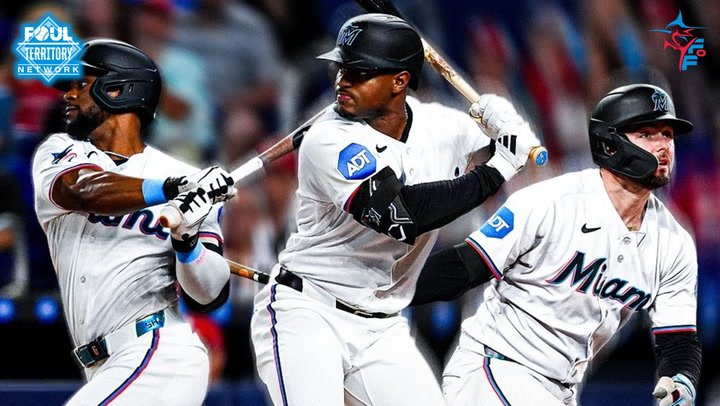 Fish Unfiltered discusses the development of Marlins second baseman Xavier Edwards, catcher Liam Hicks and shortstop Otto Lopez, who are all on pace for career years. View the full article
 -
Daniel Palencia Returns From IL, Bolsters Cubs' Bullpen
DiamondCentric posted an article in North Side Baseball
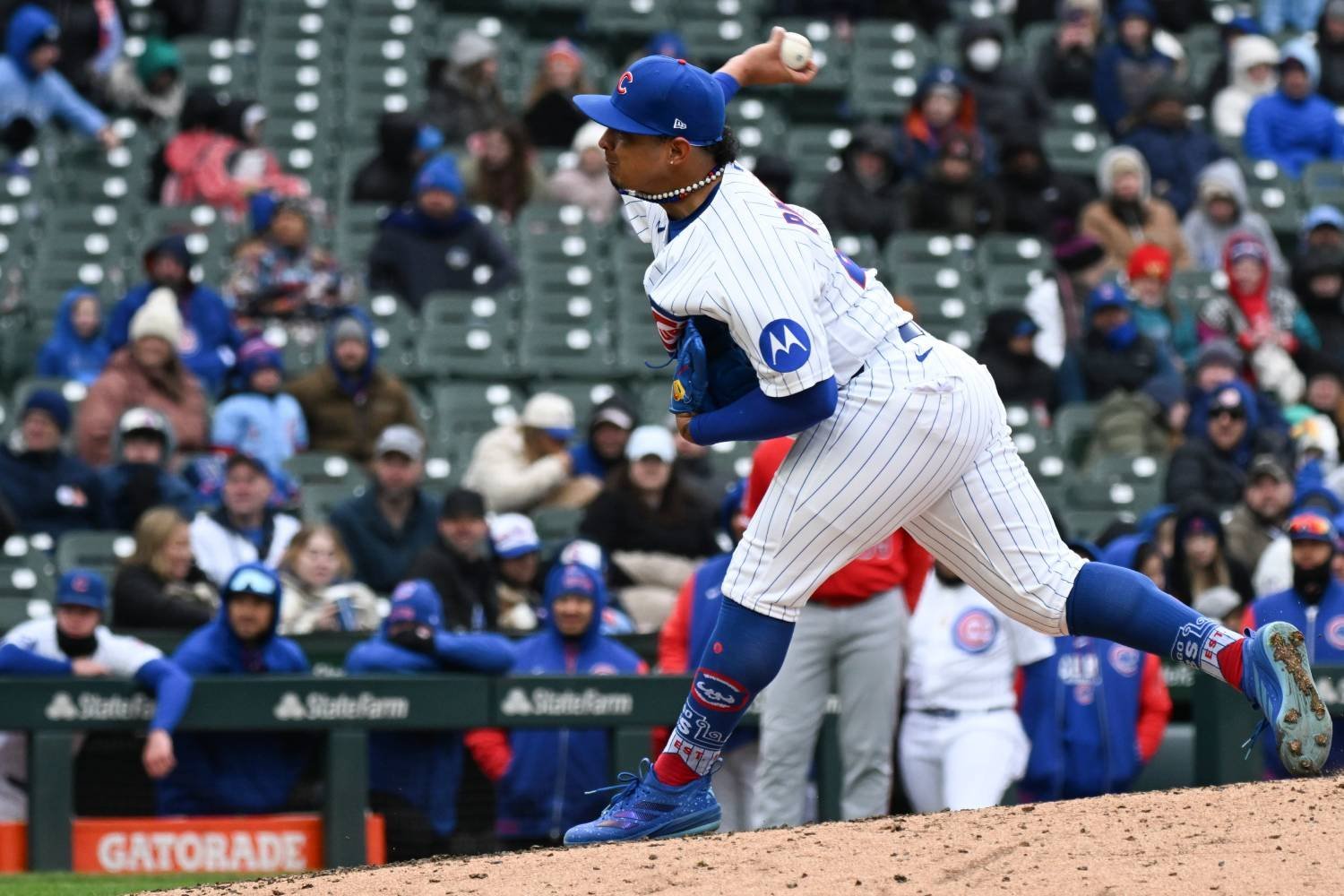 The Chicago Cubs have their closer back. Right-hander Daniel Palencia was activated from the 15-day injured list Sunday, with right-handed reliever Yacksel Rios being designated for assignment. Palencia had been out since April 17 with a strained left lat. The Cubs' pitching staff has been decimated by injuries, but the team has still put together the best record in the NL Central at this early stage of the season at 21-12 entering Sunday's action. The Cubs still have nine pitchers on the injured list. Palencia's return fortifies the bullpen. He had yet to allow a run in five appearances when he went down, walking two and striking out five in five innings. Rios was called up a week ago Sunday and made just one appearance, going 1⅔ scoreless innings that day against the Los Angeles Dodgers, striking out two. View the full article
 -
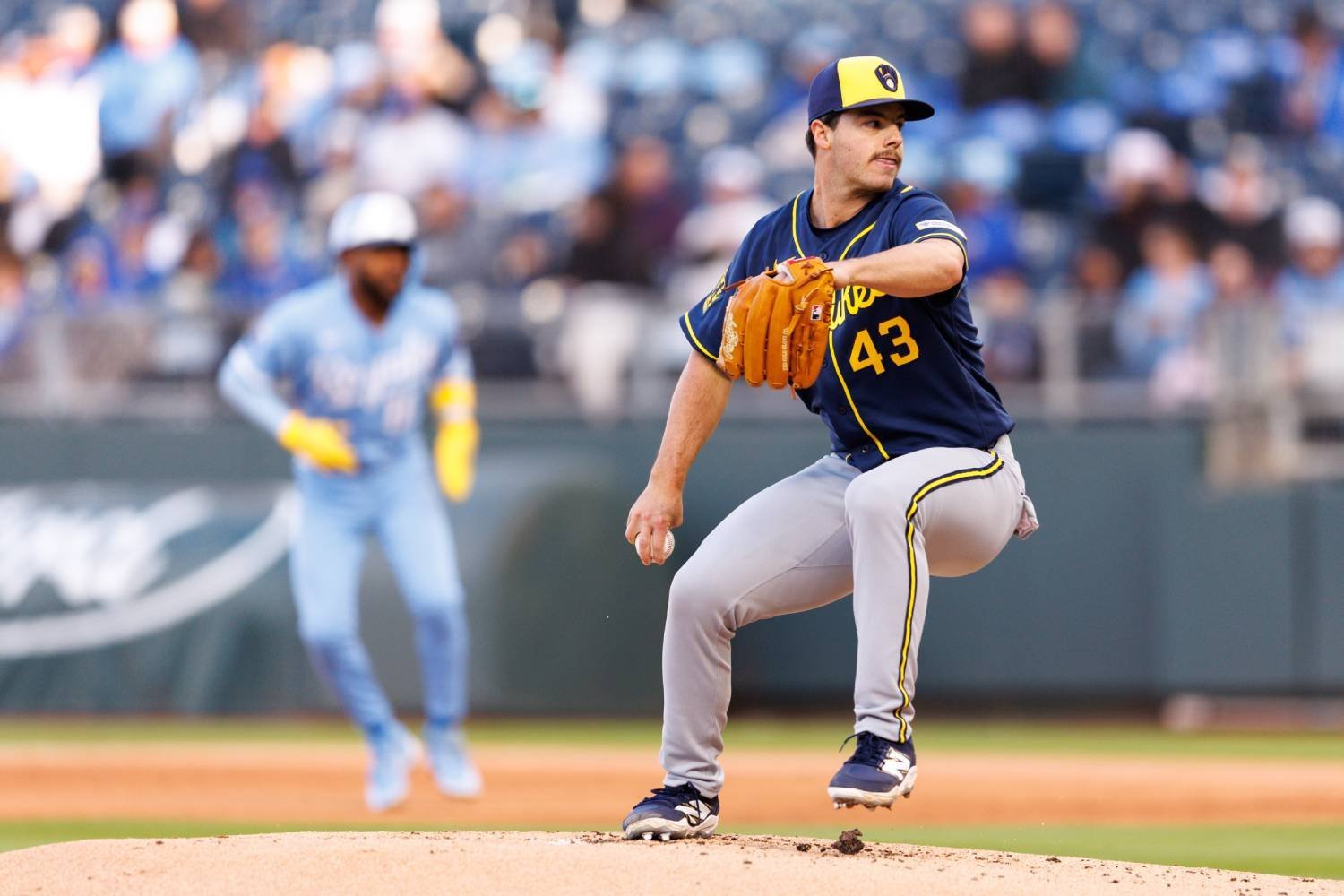 Logan Henderson is back. And this time, it will be more than just a spot start. The Milwaukee Brewers called up Henderson, a right-hander, from Triple-A Nashville in order to start Sunday's series finale vs. the Washington Nationals. Right-handed reliever Easton McGee was sent back to Triple-A. Henderson figures to be the replacement for right-hander Brandon Woodruff, who was injured in his start Thursday against the Arizona Diamondbacks and went on the 15-day injured list Friday with right shoulder inflammation. Henderson slotting in Sunday pushes everyone in the rotation back a day. This is the second call-up this year for Henderson. He started the second game of the April 4 doubleheader against the Kansas City Royals, going just two innings, giving up two runs on three hits and a walk with three strikeouts in an 8-2 loss. He was called up specifically as the extra player for the doubleheader and went back to Nashville the next day. But with Woodruff down, Henderson joins the rotation for a more extended stay. Henderson made five starts for the Crew in 2025 before a strained right flexor ended his season in August. He was very good in three call-ups, putting together a 3.02 FIP (1.78 ERA) in 25⅓ innings with an 11.1% walk rate and 33.3% strikeout rate. Henderson had an elbow issue in spring training that knocked him out of the rotation battle. This year at Nashville, he made five appearances (three starts), walking nine and striking out 26 in 17⅔ innings. McGee, in his second brief call-up this season, pitched one scoreless inning Friday against the Nationals, allowing a walk. View the full article
 -
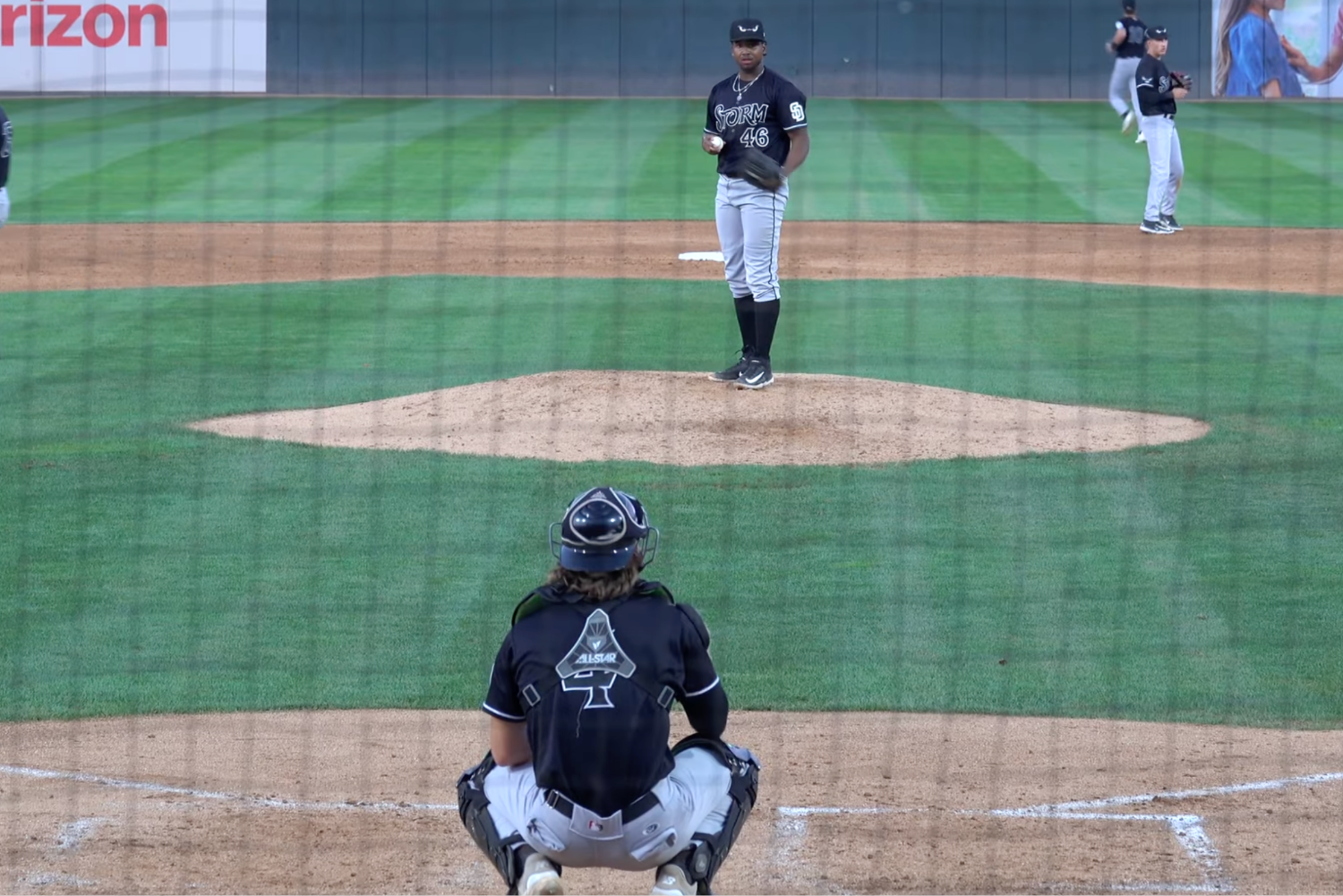 The second time through Lake Elsinore is proving to be beneficial for Winyer Chourio. The 22-year-old right-handed starter struggled in nine appearances for the Low-A affiliate in 2025, registering a 6.30 ERA in 20 innings. But back for a second tour with the Storm, Chourio is showing the promise from when the San Diego Padres signed him two years ago. Chourio finished April with his best outing as a pro, striking out eight and allowing one run over five innings in the Storm's 4-3 loss in 10 innings Tuesday to the Ontario Tower Buzzers, a Los Angeles Dodgers affiliate. That capped a month in which he appeared in five games with four starts, compiling a 2.12 ERA, allowing four runs on nine hits with eight walks and 26 strikeouts over 17 innings. His 26 K's are tied for second in the California League. He limited opponents to a .153 batting average. That performance earned Chourio our unofficial award for the Friars' pitcher of the month in April 2026. The 6-foot-2, 180-pound Chourio is a late bloomer. While most international free agents sign as 16-year-olds, the Venezuelan didn't latch on with the Padres until he was 20 years old, inking his contract in May 2024. He immediately performed well while pitching for the Padres' Dominican Summer League teams. In 12 games (seven starts), Chourio had a 2.09 ERA in 38⅔ innings, striking out 34 and walking 19 while opponents hit .159. CHOURIO_MILB_POM.mp4 That earned him a trip to the U.S. for the 2025 season. Doing that affects players differently and Chourio, who is not related to Milwaukee Brewers outfielder Jackson Chourio, struggled during his first season in America. He began the season in the Arizona Complex League, making three starts among his 12 games. In 35⅓ innings, Chourio had a 6.37 ERA with 16 walks and 38 strikeouts, allowing five homers in his 44 hits. Opponents hit .308 against him. The Padres pushed him up to Lake Elsinore for the final two months of the season, where he appeared in nine games (two starts). It didn't go much better with the Storm as he threw 20 innings, walking 11 and striking out 17. He eliminated home runs from his ledger but saw opponents hit .309. But 2026 has been much different. Returning to Lake Elsinore, Chourio has been the best pitcher in the Padres' system over the first month (a slight edge over Fort Wayne TinCaps left-hander Kash Mayfield). After making a one-inning relief appearance on Opening Day, Chourio has been the Tuesday starter for the Storm, opening each six-game series. Chourio has allowed four runs in 17 innings. In his four starts, he has struck out six, five, six and a career-high of eight. That eight-strikeout performance came in the same game that rehabbing Dodgers left-hander Blake Snell started, so he might have been a little amped for that matchup. The five innings were the most he has pitched since coming to the U.S. It would figure that Chourio would need more success at Lake Elsinore before being promoted to Fort Wayne, which has the worst team ERA in the Midwest League. His 2.12 ERA would lead the California League if he had a few more innings. He likely won't spend the rest of the first half with the Storm, but making sure he is ready for a promotion would be beneficial for everyone involved. View the full article
 -
Toronto Blue Jays Hitters of the Month - March/April 2026
DiamondCentric posted an article in Jays Centre
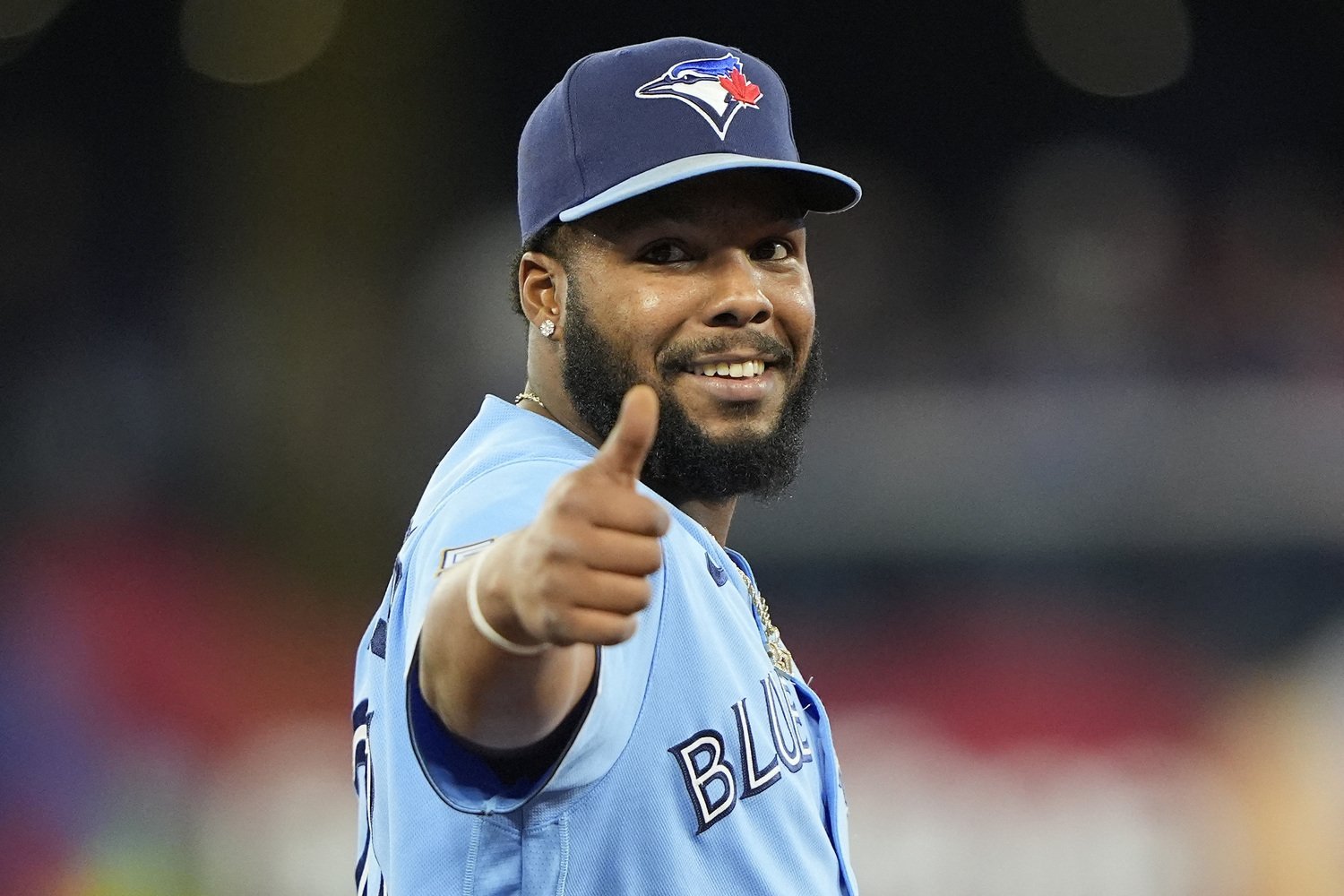 The start of 2026 has produced some legendary “remembering guys” conversations for Blue Jays fans about 10 years from now. Eloy Jiménez, Lenyn Sosa, and Brandon Valenzuela each received upwards of 30 plate appearances for the Jays this month thanks to an almost unprecedented string of injuries. It’s an easy excuse, but Toronto’s 14-17 record in the month is not where we or the team expected it to be. With the caveat that the Jays missed George Springer, Addison Barger and Alejandro Kirk for the majority of the month, I present to you the Toronto Blue Jays, who finished the first month of the season with the 25th-ranked offense according to wRC+, 29th-ranked offense according to xwOBA, and 26th-ranked offense in actual runs scored. It didn’t help that when the Jays did get runners in scoring position, they tied for the worst wRC+ in baseball. It’s worth noting that this time last year, we were having a very similar discussion about the state of the 2025 Blue Jays offense after April, and as the team continues to get healthy, the race for the top spot on this list should get tighter throughout the season. With all that being said, there were a few guys who had a very positive month and deserve some flowers for helping to keep this team’s head above water through all of the injuries. Toronto Blue Jays Hitters of the Month 3. Kazuma Okamoto - .218/.301/.373, 5 HR, 13 BB, 38 K, 90 wRC+, 0.3 fWAR Okamoto’s appearance on this list is carried heavily by a hot start and a strong finish. The overall numbers are cratered by a seven-game stretch where he went 2-for-27. That stretch also happened to coincide with his team struggling to win baseball games, which caused Okamoto to draw some pretty heavy criticism from Jays fans. But an adjustment to stand further back in the box late in the month helped Kaz get back on track and hit .268 with three homers in his final 47 plate appearances. There’s still a lot of work to do to get his whiff rate and strikeout percentage – which were upwards of 30% in March/April – to somewhere reasonable, but when he’s made contact, he’s done damage. He’s running an elite hard-hit rate, barrel percentage and average exit velocity, which helped him lead the team with five homers in the first month. The power he’s shown has been a blessing for the Jays, who hit just 26 homers in the month, the sixth lowest mark in baseball. The defensive statistics don’t love him, but anyone who’s watched the games knows that the third base defense has been better than advertised, and not only has he made Jays fans feel comfortable, he’s made some impressive plays coming in on baseballs. Kazuma Okamoto earns the third spot on the first Blue Jays Hitters of the Month list of the season, and now that he’s gotten his feet wet, I think he’s only getting better from here. 2. Ernie Clement - .302/.323/.429, 1 HR, 4 BB, 9 K, 108 wRC+, 0.5 fWAR Ernie picked up right where he left off in his legendary playoff run and got off to a hot start to 2026. He’s been exactly the guy you remember from 2025 so far this season. His 6.9% strikeout percentage was the second lowest in baseball behind only the Giants’ Luis Arraez. All of those balls in play helped him to hit above .300 in the first month of the season, and his 13 doubles tied for the most in MLB. The Jays have asked a lot of Clement, moving him to be the full-time second baseman, and in George Springer’s extended absence, Clement was often asked to fill in at the top of the order, either in the leadoff spot or two-hole. He was very effective, hitting .316 and .342, respectively. Of course, as we all expected, the up-the-middle defense between Clement and Andrés Giménez has been extremely fun to watch. 0.5 fWAR in the first month of the season has Clement on pace for about another three-win season. Not bad for a guy that was cut by the Athletics a few years ago. 1. Vladimir Guerrero Jr. - .354/.438/.469, 2 HR, 15 BB, 15 K, 155 wRC+, 1.2 fWAR Normally, a two-homer month from Vladimir Guerrero Jr. would have Jays fans throwing fits, but he did just about everything else in the batter’s box at an elite rate. His .354 batting average was the second best mark of the month, second by just two points to Yordan Alvarez. He walked exactly as much as he struck out, and he didn’t miss a game in a month where the Jays were ravaged by injuries. There was really no other choice for the top spot on this list. Vlad’s 1.2 fWAR not only led the Jays, but it was double the next closest mark – Giménez and Daulton Varsho both had 0.6. Vlad was also the only Blue Jay to finish the first month with an OPS over .800, and he smashed that with a .907. As the Jays’ lineup continues to get healthy, and he gets some of his protection back in the form of Alejandro Kirk and Addison Barger, I expect to see Vlad’s power numbers tick back up. When that happens, we could be in for an extremely special season. Hopefully, when the next iteration of this article comes out at the end of May, the choice for the top spot is a lot tougher, but for now, the franchise player is exactly where he belongs: the top Jays hitter of the month. View the full article
 -
 Henry Williams turned in a quality start with two earned runs over six innings, fanning five, as Northwest Arkansas rallied past Springfield 7-5. Tommy Molsky added two scoreless innings to nail the save. Omaha cruised 8-4 behind Abraham Toro's two-run homer during a four-run fifth, and Beck Way picked up the win. Quad Cities fell 2-1 despite Austin Charles' ninth-inning solo homer. Columbia edged Myrtle Beach 4-3, with Yandel Ricardo collecting two hits. Royals Transactions No Roster Moves Storm Chasers Storm Back To Beat Bats 8-4 Omaha rallied from an early hole to beat Louisville 8-4. The Storm Chasers got on the board in the bottom of the first when Luca Tresh singled home Kameron Misner, but the Bats kept inching ahead and led 3-1 entering the fifth. The fifth inning broke the game open. John Rave doubled to right, and Tyler Tolbert followed with a single. Misner brought home Rave on a sacrifice fly, Tresh singled to score Tolbert, and Abraham Toro launched a two-run home run, his fourth of the year, to put Omaha ahead 5-3. The Storm Chasers tacked on three more in the eighth. Gavin Cross singled, Dustin Dickerson doubled to plate Elih Marrero and Cross, and Rave singled in Dickerson. Rave finished 3-for-5 with a double, an RBI, and a run scored. Toro went 2-for-3 with a homer, a walk, two RBI, and a run. Tresh added a 2-for-3 day with two RBI, a walk, and a run, and Tolbert collected two hits with two stolen bases. Beck Way provided the relief that won the game, working 2 2/3 innings with five strikeouts, two hits, no walks, and one run on a solo home run. Eli Morgan tossed two scoreless frames with three strikeouts, and Eric Cerantola finished with a clean ninth. Player AB R H RBI BB K John Rave 5 1 3 1 0 1 Tyler Tolbert 5 1 2 0 0 2 Kameron Misner 3 1 1 1 0 0 Luca Tresh 3 1 2 2 1 1 Abraham Toro 3 1 2 2 1 0 Josh Rojas 4 0 0 0 0 1 Elih Marrero 4 1 1 0 0 2 Gavin Cross 4 1 1 0 0 1 Dustin Dickerson 4 1 1 2 0 2 Player IP H R ER BB K HR Ben Sears 2 1/3 4 2 2 2 0 1 Beck Way (W) 2 2/3 2 1 1 0 5 1 Bailey Falter 1 2 1 1 1 0 0 Eli Morgan 2 2 0 0 0 3 0 Eric Cerantola 1 0 0 0 0 1 0 Naturals Rally Past Cardinals 7-5 With Late Heroics Northwest Arkansas weathered two Springfield rallies to win 7-5. Rudy Martin Jr. opened the scoring with an RBI double in the third, and Carson Roccaforte's RBI single in the fifth pushed the lead to 2-1. Springfield grabbed a 3-2 edge in the top of the sixth, but the Naturals answered with three in the bottom half. Martin Jr. singled, Sam Kulasingam doubled him in, Daniel Vazquez singled home Kulasingam, and Spencer Nivens singled to plate Vazquez for a 5-3 lead. The Cardinals tied it back up in the seventh on a string of free passes, only for Northwest Arkansas to push two more across in their half. Justin Johnson walked, Roccaforte singled, Martin Jr. dropped a sacrifice bunt to bring in Johnson, Kulasingam walked, and Brett Squires lined a single to score Roccaforte for the eventual final score. Roccaforte and Daniel Vazquez each finished 2-for-4 with an RBI, with Vazquez adding a double and a stolen base. Martin Jr. went 2-for-3 with a double and two RBI. Henry Williams turned in a quality start, working six innings while allowing three runs, two earned, on six hits with no walks and five strikeouts. Christian Chamberlain entered the seventh, did not record an out, and was charged with two runs on two walks. Caden Monke escaped the inning to earn the win, and Tommy Molsky locked things down with two scoreless innings, two walks, and two strikeouts for the save. Player AB R H RBI BB K Carson Roccaforte 4 1 2 1 0 1 Rudy Martin Jr. 3 1 2 2 0 0 Sam Kulasingam 3 1 1 1 1 1 Brett Squires 4 0 1 1 0 1 Daniel Vazquez 4 1 2 1 0 0 Jorge Alfaro 4 0 0 0 0 4 Spencer Nivens 3 0 1 1 1 0 Omar Hernandez 3 1 0 0 1 3 Justin Johnson 2 2 0 0 2 0 Player IP H R ER BB K HR Henry Williams 6 6 3 2 0 5 1 Christian Chamberlain 0 0 2 2 2 0 0 Caden Monke (W) 1 0 0 0 2 2 0 Tommy Molsky (S) 2 0 0 0 2 2 0 River Bandits Drop 2-1 Pitchers' Duel In Wisconsin Quad Cities was held in check by the Timber Rattlers in a 2-1 loss. Josh Hansell delivered five strong innings for the River Bandits, allowing one run on three hits with no walks and four strikeouts, with the lone run coming on a solo home run in the bottom of the fifth. Tanner Jones followed with three innings of work, surrendering one run on two hits with two walks and three strikeouts. Wisconsin tacked on its second run on a single in the bottom of the seventh. The lone Quad Cities offense came in the top of the ninth. Luke Pelzer popped out to start the inning, then Austin Charles ripped a solo home run to left field, his third of the year, to cut the deficit to 2-1. The next two River Bandits struck out to end the game. Charles finished 2-for-4 with a double, a home run, an RBI, and a run scored. Tyriq Kemp went 2-for-3 with a double, and Derlin Figueroa added a 1-for-4 day with a double. The River Bandits stranded six runners on the bases. Blake Mitchell drew a walk in his only time on base, going 0-for-3 with a strikeout. Ramon Ramirez also worked a walk while striking out twice. Player AB R H RBI BB K Nolan Sailors 4 0 0 0 0 1 Blake Mitchell 3 0 0 0 1 1 Ramon Ramirez 3 0 0 0 1 2 Luke Pelzer 4 0 0 0 0 0 Austin Charles 4 1 2 1 0 1 Derlin Figueroa 4 0 1 0 0 1 Erick Torres 4 0 0 0 0 2 Tyriq Kemp 3 0 2 0 0 0 Trevor Werner 3 0 1 0 0 1 Player IP H R ER BB K HR Josh Hansell (L) 5 3 1 1 0 4 1 Tanner Jones 3 2 1 1 2 3 0 Fireflies Edge Pelicans 4-3 With Late Comeback Columbia overcame an early deficit to beat Myrtle Beach 4-3 on the road. The Pelicans jumped out to a 2-0 lead in the bottom of the first, and the Fireflies battled back in the fifth. With one out, Daniel Lopez reached on an error, Josi Novas walked, and Yandel Ricardo singled to load the bases. Josh Hammond walked to force in Lopez, and Brooks Bryan singled to score Novas to tie the game 2-2. Columbia took the lead in the seventh after Novas reached on another error, advanced on Ricardo's sacrifice bunt, and scored on Hammond's groundout. Myrtle Beach answered to make it 3-3, then the Fireflies went back ahead in the eighth on Lopez's RBI groundout that scored pinch-runner Roni Cabrera. Ricardo led the Fireflies with a 2-for-4 day at the plate with a double. Lopez added a 1-for-4 effort with a double, an RBI, and a run scored. Josi Novas reached three times and scored twice. Shane Van Dam labored through 4 2/3 innings, allowing two earned runs on three hits with five walks and one strikeout. Jose Gutierrez took over and tossed 4 1/3 strong innings, scattering two hits and one earned run while issuing one walk and striking out three to earn the win. Player AB R H RBI BB K Yandel Ricardo 4 0 2 0 0 0 Josh Hammond 4 0 0 2 1 1 Brooks Bryan 5 0 1 1 0 1 Hyungchan Um 4 0 1 0 0 2 Roni Cabrera 0 1 0 0 0 0 Sean Gamble 3 0 0 0 1 1 Stone Russell 4 0 1 0 0 1 JC Vanek 2 0 1 0 2 1 Daniel Lopez 4 1 1 1 0 1 Josi Novas 3 2 1 0 1 0 Player IP H R ER BB K HR Shane Van Dam 4 2/3 3 2 2 5 1 0 Jose Gutierrez (W) 4 1/3 2 1 1 1 3 0 Top-20 Prospect Performance Carter Jensen: DNP Blake Mitchell: 0-for-3, BB, K David Shields: DNP Kendry Chourio: DNP Ben Kudrna: DNP Sean Gamble: 0-for-3, BB, K Josh Hammond: 0-for-4, 2 RBI, BB, K Ramon Ramirez: 0-for-3, BB, 2 K Drew Beam: DNP Asbel Gonzalez: DNP Yandel Ricardo: 2-for-4, 2B Felix Arronde: DNP Luinder Avila: DNP Daniel Vazquez: 2-for-4, 2B, RBI, SB Steven Zobac: DNP Carson Roccaforte: 2-for-4, RBI, K Blake Wolters: DNP Michael Lombardi: DNP Warren Calcaño: DNP Frank Mozzicato: DNP View the full article
 -
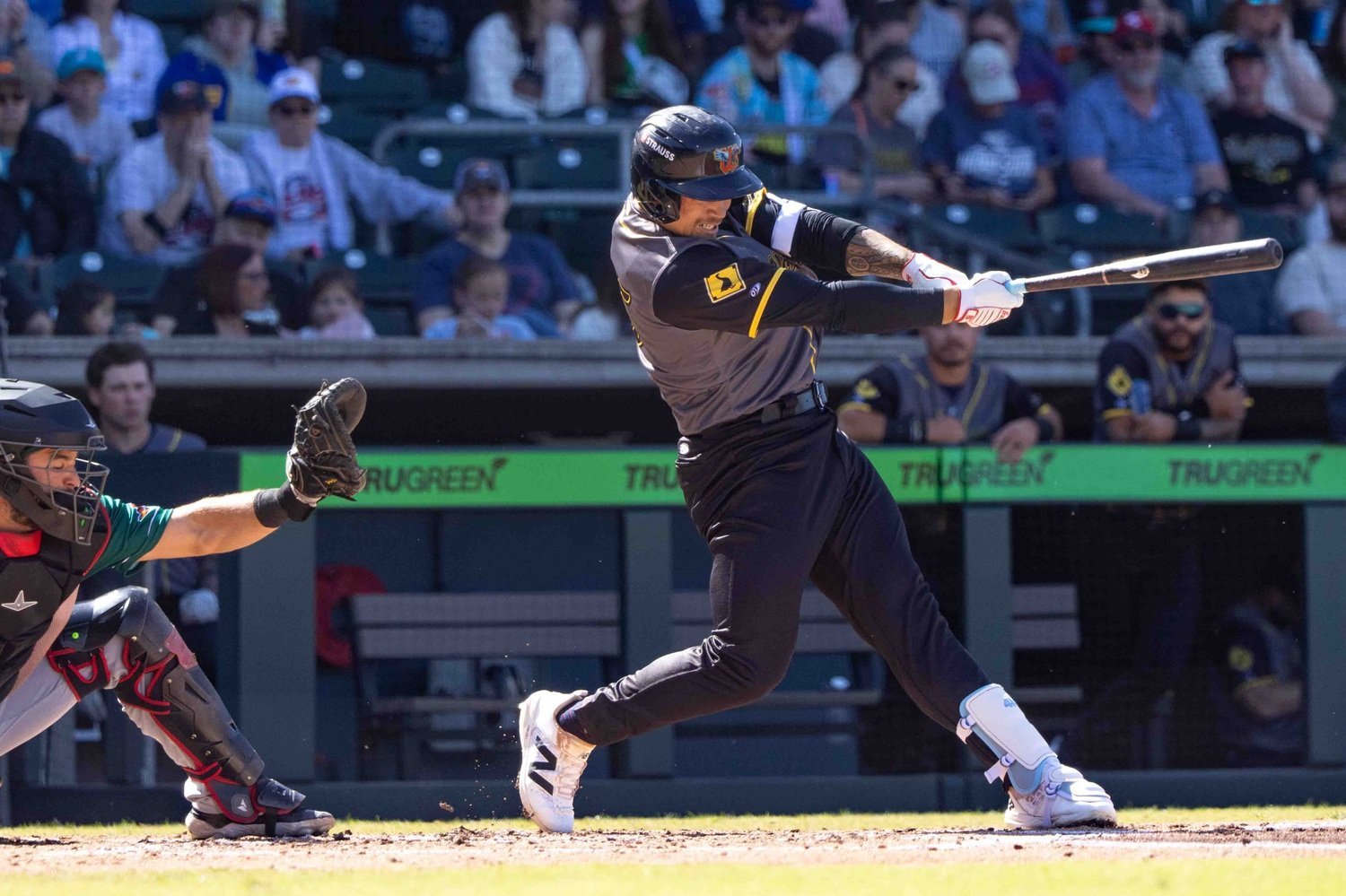 Congratulations to RHP John Klein, the Minnesota native called up to the big leagues on Saturday morning. He made his MLB debut with a 12-pitch, 1-2-3 ninth inning against the Blue Jays. TRANSACTIONS On Saturday morning, we learned that the Twins were placing RHP Cole Sands on the Injured List with a forearm strain. Taking his place on the roster is RHP John Klein, the Minnesota native who was added to the Twins 40-man roster in November. The Saints activated C David Banuelos from the Development List. Saints RHP Cory Lewis began his rehab assignment with the FCL Twins on Saturday. The FCL Twins began their 2026 season on Saturday. Three players on their roster were officially placed on the long-term Injured Lists. RHP Rey Pacheco was placed on the 60-Day IL. RHP Anderson Ramos and infielder Santiago Leon were placed on the full-season IL. For more on these players and the other three dozen FCL Twins on their Opening Day roster, check out the 2026 FCL Twins Roster Preview. RHP Yosangel Braffit was signed by the Twins in late February and assigned to the DSL Twins on Saturday. The Twins signed infielder Murphy Stehly to a minor-league contract and assigned him to Wichita. He was signed from the HIgh Point Rockers of the Atlantic League. The 27-year-old was the Nationals 10th round pick in 2022 from the University of Texas. Reached Double-A. SAINTS SENTINEL St. Paul 16, Iowa 2 Box Score The Saints and Cubs have been exchanging wins and losses with some very different game types. On Saturday, the Saints pounded out a record 11 extra base hits and seven home runs on their way to a 16-2 win. But let’s start with this. For the second straight start, Zebby Matthews was really good. He gave up one run on three hits, and in five innings, he walked three and struck out seven batters. Marco Raya came on and gave up a solo homer to Kevin Alcantara who hit his International League-leading 11th home run of the season. But that was it. One run on one hit over two innings. He also walked one batter. Raul Brito gave up two hits and a walk over two scoreless innings. The Saints scored runs in seven of the innings they batted. Five of those innings were multi-run innings. Of the nine starters, only the slumping Gabriel Gonzalez went hitless, 0-for-5. Over his past four games, he is 0-for-17 with seven strikeouts. Seven of the hitters had at least two hits. Kyler Fedko went 3-for-5 with his eighth home run. Kaelen Culpepper had just one hit, but he also had a walk and was hit by a pitch. In the first inning, Walker Jenkins and Kaelen Culpepper walked to start the game. With one out, Ryan Kreidler hit his third homer, a three-run blast (108.8 mph at 30 degrees = 433 feet.) In the second frame, Ben Ross led off with a walk. He scored on a Tanner Schobel double (106.2 mph). Jenkins drove in Schobel with a single to make it 5-1 Saints. In the third inning, Fedko scored on a Kreidler single and an error. With two outs, Ben Ross doubled (104.3 mph) to drive in another run Alex Jackson hit his fourth homer of the season to give the Saints a 9-1 lead. (108.4 mph at 25-degree angle = 412 feet.) Kaelen Culpepper led off the bottom of the fourth inning with his sixth home run (100.3 mph at 29 degrees = 365 feet.). Fedko followed immediately with his eighth home run. (101.3 mph at 29 degrees = 401 feet.) 11-1 Saints. Ben Ross (103.1 mph) led off the fifth frame with his second double of the game. He scored on a single by Jackson (103.3 mph) to give the Saints a 12-1 lead. Just three Saints batted in the bottom of the sixth. But Orlando Arcia led off the seventh inning with his fourth homer of the season. (105.9 mph at 18 degrees = 377 feet.) With two outs, Schobel knocked his second double of the game. He came around to score on Walker Jenkins' second home run of the season. (91.7 mph at 32 degrees = 328 feet.) 15-2, Saints. Following the Jenkins homer, Culpepper was hit by a pitch in the right shoulder. A fastball ran in on him, but he had already dove a bit and opened up his hips and shoulders. Hopefully he is just suffering from bruising, and it didn’t break any bones. From what it looked like, he is going to be incredibly sore tomorrow and probably for a few days. He stayed in the game to run, but after the half-inning, he was removed from the game for the final half-inning. With two outs in the bottom of the eighth, Arcia knocked his second homer of the game and fifth of the season. (104.6 mph at 27 degrees = 388 feet.) Former Gopher and Minnesota native Brett Bateman led off and played center field for the I-Cubs. He went 1-for-2 with two walks. WIND SURGE WISDOM Wichita 6, Arkansas 16 Box Score It was a rough one for the Wind Surge on Saturday night, right from the start. Jose Olivares was able to complete just one inning. He gave up two runs on three hits and a walk. He had one strikeout. He needed 34 pitches to get through the inning. With this just being his second start after rehab, there was no need to push it. Sam Ryan came on in relief. He was charged with six runs on nine hits (including a home run). William Fleming came in and gave up three runs on four hits (including a home run). Spencer Bengard struck out two batters over two scoreless innings. Alejandro Hidalgo gave up five runs on three hits (2 of them were homers). He walked three and struck out one batter. Hidalgo started the ninth and left the game with two runners on base and nobody out. Jorel Ortega came in and allowed one of the two inherited runners to score, but no more in before getting the final three outs. After two runs scored in the top of the first inning, Wichita put a four spot. With one out, Garrett Spain singled. Hendry Mendez singled, and then Billy Amick was hit by a pitch to load the bases. With two outs, Ricardo Olivar hit his sixth double which drove in two runs. Jose Salas followed with a two-run single to make it 4-2. After that, the Wind Surge offense was Jake Rucker. The infielder drilled two home runs, his first two of the season. He hit his first in the second inning. In the ninth inning, he hit his second. He went 3-for-4 in the game and also notched his fourth double. KERNELS CHRONICLE Cedar Rapids 11, West Michigan 6 Box Score The final score of this game is not really indicative of the game. Nine-run innings in the late innings often have the kind of an effect on a game. The Kernels grabbed the first lead with a second inning run. Danny De Andrade hit his first triple and scored on a Caden Kendle single to make it 1-0. Jason Doktorczyk started the game with three scoreless innings. He gave up one run in the top of the fourth. Then the Whitecaps scored five runs in the top of the fifth inning in large part due to a couple of errors. In all, he was charged with six runs (2 earned) on four hits and a walk. He had four strikeouts. Nick Trabacchi came into the inning with the bases loaded and allowed two of the three inherited runners to score. He worked a scoreless sixth inning. A Marek Houston single drove in Jay Thomason with the Kernels second run to make it 2-6 through five innings. Things were looking bleak, but remember that nine-run inning I mentioned? Well, that came in the bottom of the seventh. Andy Lugo led off with a single. Jaime Ferrer followed with his fifth home run of the season to cut the deficit in half. Marek Houston and Eduardo Tait followed with singles. Then with one out, Khadim Diaw singled to load the bases. Danny De Andrade walked to make the score 6-5. Caden Kendle lined a single up the middle to drive in Tait and tie the game. The Kernels took a 7-6 lead on a passed ball. Jay Thomason walked, which would have reloaded the bases, but on the fourth ball, a wild pitch gave the team an 8-6 lead. Jaime Ferrer came up with two on and two outs and launched his second home run of the inning to give the Kernels nine runs in the inning and an 11-6 lead. It was Ferrer’s second home run of the night. It was his third home run in two May games, and he’s hit four home runs over his past five games. The Kernels #9 hitter is currently hitting .319 with a 1.060 OPS. Yehizon Sanchez struck out four batters over two scoreless, one-hit innings to take the Win. Paulshawn Pasqualotto got the final three outs, two on strikeouts. MIGHTY MATTERS Ft. Myers 6, Daytona Beach 7 Box Score Ramiro Villanueva made his second Mussels start. He gave up two runs (1 earned) on four hits and three walks in three innings. He struck out three batters. Reed Moring struck out two batters over two perfect innings. Harry Genth led off the top of the third inning with his fourth double. He scored on a Dameury Pena single. After a Ramiro Dominguez single, Pena scored on a fielder’s choice off the bat of Yasser Mercedes. That tied the game at 2-2. In the top of the fifth inning, Pena and Dominguez hit back-to-back singles. Pena scored on a Mercedes single to grab the 3-2 lead. The Mussels added another run in the top of the seventh. Mercedes knocked a one-out double, went to third on a fly ball to center field and scored on a wild pitch. Adam Falinski came in next and worked 1-2-3 innings in both the sixth and seventh innings. In the top of the eighth inning, Irvin Nunez walked and scored on Harry Genth’s first home run of the season. It gave the Mussels a 6-2 lead. Falinski went back out for the eighth inning and struck out the first batter. That was the only one he recorded. He gave up two hits and a walk. When he left the game, there were two runners on. Mitch Mueller allowed both inherited runners to score. The three runs that inning (2 earned) were charged to Falinski. Mueller did get out of that eighth inning with the Mussels hanging on to a one-run, 6-5 lead. The Mussels went 1-2-3 in the top of the ninth. Mueller came back out for the ninth inning. He gave up a single and a walk to start the inning. A passed ball moved runners to second and third with no one out. A wild pitch allowed the tying run to score, making it 6-6. However, Mueller got a ground out to first base for the first out. He hit a b after. Then he got another ground out for the second out. Could he work out of the damage? No, he threw a wild pitch, and the Tortugas topped the Mussels 7-6. All nine Mussels in the starting lineup reached base at least once by hit or walk. Yasser Mercedes led the way. He went 3-for-5 with his second double. He stole his sixth base. Genth was 2-for-3 with a walk, his first home run, and his eighth stolen base. Pena and Dominguez were both 2-for-5. Ryan Sprock, Quentin Young, and Jayson Bass each had one hit and one walk. COMPLEX CHRONICLE FCL Twins 8, FCL Red Sox 6 Box Score There weren’t a lot of highlights in this game for FCL Twins fans until their final at-bat at Bill Smith Field. Learn more about the FCL Twins roster in our FCL Twins Season Preview. RHP Cory Lewis was on the mound to start the FCL Twins season. He restarted his rehab for a second time. He had pitched on April 17th for the Mussels and went just 1/3 of an inning and gave up two hits and two walks. Saturday, he started for the FCL Twins and went 1 2/3 innings. He gave up one run on one hit and three walks. The hit was a home run. He struck out two. Omar Montano got the third out of the second inning. Last Sunday, lefty Matthew Becker tossed 3 2/3 scoreless innings in the Mussels’ combined no-hitter. He was sent back to the FCL a day later. On Saturday, he made his FCL debut. He gave up four runs on three hits. In 2 2/3 innings, he walked four and had three strikeouts. Carter Holjes got four outs and gave up just one hit and walked one. Nick McAuliffe came on for the top of the seventh. He gave up one run on two hits. Jose Barrios drove in the Twins first run in the bottom of the second when he reached on an error. In the bottom of the fourth, a Barrios single drove in Merphy Hernandez with the team’s second run. Down 5-2 in the bottom of the sixth, Barrios came to the plate again and drove in Hernandez for the third time to make it 5-3. That brings us to the bottom of the seventh inning, Twins down 6-3. Teilon Serrano led off with a walk. Yovanny Duran followed with his first home run of the season which cut the deficit to 6-5. Luis Fragoza walked, stole second, and went to third on a wild pitch. Joyner Perez walked. That brought Merphy Hernandez, and he ended the game with a long, three-run homer that made it 8-6. Hernandez walked his first three plate appearances, so he was just 1-for-1 with the three-run walkoff homer. He stole a base. Barrios went 2-for-3 with three RBI and a stolen base. PLAYERS OF THE DAY Hitter of the Day Jaime Ferrer (Cedar Rapids): 2-for-4, 2-HR(6), 2 R, 5 RBI Pitcher of the Day Zebby Matthews (St. Paul): 5 IP, 3 H, 1 R, 3 BB, 7 K, 80 pitches, 52 strikes (65.0%) PROSPECT SUMMARY Check out the Prospect Tracker for much more on our Twins Top 20 prospects after seeing how they did today. #1 - OF Walker Jenkins (St. Paul) - 2-for-4, BB, HR(2), 2 R, 3 RBI, K, SB(5). (batted first, played RF, then CF) #2 - IF Kaelen Culpepper (St. Paul) - 1-for-3, BB, HBP, HR(6), 2 R, RBI(batted second, played SS) #3 - OF Emmanuel Rodriguez (St. Paul) - Did Not Play. #4 - C Eduardo Tait (Cedar Rapids) -1-for-5, R (batted second, played Catcher) #5 - LHP Connor Prielipp (Minnesota) - Did Not Pitch #6 - LHP Dasan Hill (Cedar Rapids) - Did Not Pitch #7 - OF Gabriel Gonzalez (St. Paul) - 0-for-5, 2 K (batted fifth, played 1B, then RF) #8 - LHP Kendry Rojas (St. Paul) - Did Not Pitch. #9 - SS Marek Houston (Cedar Rapids) - 2-for-5, R, RBI (batted first, played 2B) #10 - RHP Charlee Soto (Cedar Rapids) - Injured List #11 - RHP Riley Quick (Cedar Rapids) - Did Not Pitch #12 - RHP Andrew Morris (Minnesota) - Did Not Pitch #13 - 3B/CF Brandon Winokur (Cedar Rapids) - 1-for-5, 2 K (batted third, played SS) #14 - 3B/SS Quentin Young (Ft. Myers) - 1-for-4, BB, 3 K (batted sixth, played SS). #15 - RHP Marco Raya (St. Paul) - 2 IP, 1 H, 1 R, 1 BB, 0 K, 24 pitches, 15 strikes (62.5%) #16 - OF Hendry Mendez (Wichita) - 1-for-5, R (batted third, played LF) #17 - 2B/OF Kyle DeBarge (Wichita) - 0-for-4, 2 K (batted fifth, played SS) #18 - RHP C.J. Culpepper (Wichita) - Did Not Pitch. #19 - C/OF Khadim Diaw (Cedar Rapids) - 2-for-5, R, K (batted fourth, played CF) #20 - RHP James Ellwanger (Ft. Myers) - 60 IL (right elbow sprain) UPCOMING PROBABLES Sunday: Iowa @ St. Paul (2:07 pm CT) - RHP Andrew Bash (1-2, 6.00 ERA) Arkansas @ Wichita (1:05 pm CT) - RHP C.J. Culpepper (0-1, 2.75 ERA) West Michigan @ Cedar Rapids (1:05 pm CT) - RHP Ivran Romero (1-0, 8.00 ERA) Ft. Myers @ Daytona (12:05 pm CT) - RHP Justin Mitrovich (professional debut) CURRENT W-L Records Minnesota Twins: 14-20 St. Paul Saints: 14-17 Wichita Wind Surge: 13-13 Cedar Rapids Kernels: 13-13 Fort Myers Mighty Mussels: 16-10 FCL Twins: 1-0 DSL Twins: 0-0 (season begins Monday, June 1) Please feel free to ask questions about the teams, the rosters, and discuss today’s games, or anything else Twins minor-league related! View the full article
 -
 Transactions: RHP Josh Knoth sent on rehab assignment to ACL Brewers RHP J.B. Bukauskas sent on rehab assignment to ACL Brewers RHP Jhosep Ospino promoted to ACL Brewers from DSL Brewers Blue RHP Josue Toledo promoted to ACL Brewers from DSL Brewers Blue RHP Sean Episcope placed on ACL Brewers' 7-day injured list Nashville Pre-Game Media Notes Final: Norfolk (Orioles) 5, Nashville 2 Box Score and Game Log Via the Sounds, game details, and we encourage readers to always review affiliate write-ups as part of their Link Report routine: Lara Adds Another Homer in Sounds Loss - Nashville Strands 10 and Goes 0-for-10 with RISP For the affiliate broadcasters, it's pretty cool when they can provide the voice on a highlight clip that gains traction among those in the broader MLB community, including concerned Brewers fans, not to mention fantasy team owners. Surely Jeff Hem would have preferred if this clip hadn't been spotlighted overnight. Curt, along with others, subsequently passed along news from the Brewers that Chourio was removed from the game for precautionary reasons. Now we wait. Milwaukee's other key rehabber, Andrew Vaughn, played the full game at first base, but finished 0-for-5, grounding into two double plays, one with the bases-loaded and nobody out in the 9th, representing the tying run. The first of his twin-killings, in the 5th, was his hardest-hit ball of the night at 100.3 MPH. Jeferson Quero added to the GIDP non-party with two men on to end the 6th. I'm aware you just read the always-awesome Sounds recap linked above, but allow me to copy again the following: "Outfielder Luis Lara went yard for the sixth time this season as it came in the bottom of the first inning, hitting off the right field foul pole for the 1-0 lead. Lara leads all Sounds hitters, passing Eddys Leonard (5), while he's tied for 10th in the International League. The 21-year-old leads the team in home runs (6), hits (39), and stolen bases (12). Lara continues to lead the International League in hits and runs (30) and ranks ninth in AVG." We certainly hope that Chourio is fine. But if he'll be out for any additional extended period, the choice is pretty clear. Although right-handed bat and capable-at-best OF/INF Eddys Leonard and his 1.002 OPS would be interesting (and again was productive Saturday, 3-for-4), Leonard is also out of minor league options, so the organization would have to commit to his placement at the big-league level for some time. Put another way, in a worst-case Chourio scenario (hopefully doesn't come to that), the 21-year-old switch-hitting Lara and his exquisite defense makes sense as the option. The Sounds need to figure out how to cope with the early-evening sun angle's effects on that center-field camera. As for Jeff Hem's call, Norfolk pitcher Cam Weston's immediate exit after just seven pitches may have to do with his possible need at the big-league level for Baltimore, but that is pending. A melted snow-cone extends Brock Wilken's on-base streak: Biloxi Pre-Game Media Notes Final, Game One: Pensacola (Marlins) 7, Biloxi 4 Box Score and Game Log Final, Game Two: Pensacola 6, Biloxi 3 Box Score and Game Log NOTE: Both games in Pensacola were seven-inning contests. Shuckers Drop Both Games of Doubleheader Against Blue Wahoos Picking up on the topics that doubleheader summary touched on - Please refresh yourselves with the MLB Trade Rumors write-up on the Brewers acquiring OF Damon Keith from the Dodgers on March 27th. Pretty random, right, and surprisingly worthy of an MLBTR notation. It'd be pretty sweet to spend a moment with members of the front office as to what prompted this acquisition - and believe me, I've done comparisons to what other organizations have posted as their own "ivory tower" rosters. The Brewers sheer numbers in Baseball Operations, Player Development, Performance Development and Scouting are way above the norm. So, whatever came together to work the Keith acquisition out, regardless of a real need for bodies in the grass at the AA level at the time, what metrics, what backroom discussion, led to the target of the soon-to-be 26-year-old. Outside of a nine-day injured list stint, Keith's 68 plate appearances to date (yes, still a small sample) have led to a ridiculous .379/.471/.724 line (1.195 OPS). Also from Game One, enjoy the Mike Boeve and Darrien Miller home runs. While at it, note the waterfront backdrops in Pensacola, among the prettiest in MiLB. Game Two was rather non-descript outside of an exciting return to action for 24-year-old (25 in June) RHP Cameron Wagoner, the 2022 11th round pick out of Eastern Michigan who made 24 appearances for the Timber Rattlers (22 starts) in 2023 but had been sidelined since. No formal injury had been noted in the two years since outside of elbow issues, so make your own conclusions there. Perhaps an upcoming pre-game interview will help shed light. Welcome back and with flair, Cameron! Rare does twelve pitches make for such attention - Jesus Made did not strike out on the night, but finished 0-for-7, he was the DH in Game Two. Dylan O'Rae's on-base streak ended at 24 when he failed to reach in the nightcap. Blake Burke was 0-for-5 with a walk, and I'm guessing he'd trade some of his 10 stolen bases (in 11 attempts) for a few less errors, now at five as of May 2nd. One reason Wagoner's mound work gathered attention is because the other four arms who saw action on Saturday didn't post impressive lines, as your double box score reviews revealed. All Shucker position players saw action with the exception of 3rd (and primarily bullpen) catcher Edgardo Ordonez, who only has one at-bat thus far. Wisconsin Pre-Game Media Notes (download link) Final: Wisconsin 2, Quad Cities (Royals) 1 Box Score and Game Log Via the Timber Rattlers, game details: Wisconsin Beats Bandits 2-1 for Second Straight Win - Thompson and Smith hold Quad Cities in check while Ragsdale provides the offense The BrewerFanatic Link Report authors really should allocate a significant portion of our exorbitant salaries to the Rattlers media staff. For home games in particular, fans just need to game summary read - video review watch - podcast listen. RHP Travis Smith, the Kentucky native and University of Kentucky product (15th round, 2024) starred on a day that his state gets plenty of attention. Welcome to pro ball, 2025 2nd rounder J.D. Thompson (if you hadn't already figured it out, Spencer Michaelis is a good social media follow) Thank goodness for Josiah Ragsdale's bat Saturday, things were quiet from the top of the order otherwise. Wilson Pre-Game Media Notes Final: Wilson 10, Salem (Red Sox) 0 Box Score and Game Log Pitching Paces Warbirds in Saturday Victory - Wilson Limits Salem to two hits Whoa, who are these Warbirds? That's a 21-2 run differential the past two nights. On Friday, there was a very un-Wilsonlike four XBH's. There were another four on Saturday, including two Jadyn Fielder doubles. Here's the second one, and oh yeah, that's a scorebug on the Wilson broadcast! Looks nice, but we need the men-on-base indicator (I'm so picky, sorry). Minus Friday night's amazing bat flip - Brady Ebel singled, walked and had a sacrifice fly as he continues to warm up, Ebel also now 6-for-6 in SB attempts. Nice games for Pedro Ibarguen and Yannic Walther, joining Fielder within the lower third of the order. The Wilson game summaries aren't as beefy as their cousins in the upper levels, but the team did well to spotlight pitching within their title and subtitle, linked above. Joining J.D. Thompson on debut duty - Let your box score review properly credit the three relievers who followed for six innings of scoreless two-hit ball (four BB, one HBP, nine K's). Final: ACL Brewers 12, ACL Padres 1 Box Score and Game Log Earlier on Saturday on our daily forum thread, we posted: Here's your up-to-the-minute Maryvale roster, including who's on rehab assignments, IL lists, etc. For these early season games, we'll focus specifically on those names in the box score specifically. My Link Report compatriot "Ro" conveniently posted this, also pre-game: The lineup features professional debuts for 18-year-old 2B CJ Hughes (2025 11th round pick) and 19-year-old C Rylan Mills (2025 18th round pick). Rehabbing RHP Josh Knoth will see his first official action since August 2024. 1 - Cristopher Acosta (18) - SS - stateside debut 2 - Brailyn Antunez (18) - CF - stateside debut 3 - Kenny Fenelon (18) - LF - stateside debut 4 - Alexander Frias (18) - RF - stateside debut 5 - Jonathan Rangel (19) - DH - stateside debut 6 - CJ Hughes (18) - 2B - professional debut 7 - Rylan Mills (19) - C - professional debut 8 - Juan Martinez (19) - 3B - stateside debut 9 - Roderick Flores (19) - 1B X - Josh Knoth (20) - P The nine in the lineup played the full game. 4th-year utility man Roderick Flores, in his return Maryvale season, tripled and scored two runs, playing first base in this one. It's rare to see players pigeon-holed as first basemen below the High-A level, so expect to see several players get their turns at the cold corner. The other eight in the lineup other than Flores all reached base not just once, but twice. Plus, it was the two 2025 draft picks spotlighted in bold above who surpassed even that high bar. Catcher Rylan Mills tripled, doubled, walked twice, and drove in four. Switch-hitting CJ Hughes, who will be just 18-years-old all season, played second base, joined Flores and Mills on the triple brigade, singled twice, walked, and stole a base. Talk about pro debuts, wow, on base four times each with pop! From @Spencer Michaelis' 2025 "Day Two" Draft Recap article: Round 11: SS CJ Hughes, Junipero Serra HS (CA) The Brewers made CJ Hughes their 11th-round selection, beginning a run of prep picks in the rounds that formerly made up day three of the draft. Hughes is a shortstop with the makings of potentially being a plus defender in the bigs someday. His actions and his feel for the game at short are very strong for his age, and his athleticism is on full display on the infield dirt. His arm is strong enough to handle short, as well. Offensively, he's a switch-hitter with really good bat-to-ball ability from both sides and a twitchy swing, to complement a strong approach. He has shown flashes of power from the left side, but very little from the right. He will need to add good weight to his frame over time to get to some extra-base power, while also maintaining his plus speed and athleticism. This will certainly be an overslot bonus for the 17-year-old, but the odds of signing Hughes away from his UC Santa Barbara commitment would seem to be high, as the Brewers don't tend to use 11th-round picks on players they don't expect to sign. Round 18: Rylan Mills, Oran HS (MO) A potential sleeper selection for the Brewers in the 18th round, Mills is a catcher from a small school in Missouri. He is committed to Southeast Missouri State. Mills has posted exit velocities of up to 110 MPH, and shown bat speed of up to 83 MPH using Blast sensors. There is tremendous pop in the bat, and he showed it with his 1.794 OPS, and 1.145 slugging percentage in high school his senior year. He had 39 hits, 23 of which were the extra base variety. 10 of those were home runs. Defensively, he looks a little slow on the trigger to make throws, but has a strong arm. Cleaning up the footwork and the exchange a bit could lead to consistent pop times under two seconds. The commitment to a smaller school would seem to make it more likely that he will be one of the players to sign from this group of 11-20 selections. The mound work here was equally impressive, with 2023 33rd overall pick post-Tommy John RHP Josh Knoth getting four of his five outs on strikeouts (reminder, we won't see pitch counts at the complex league levels). Also, welcome back rehabbing J.B. Bukauskas, awarded the victory, depriving some youngster from the W, shame on the official scorer. 2025 Mudcat RHP Jayden Dubanewicz fanned three in two frames, working his way back from an undisclosed ailment. RHP Dariel Jaquez made his stateside debut after missing all of 2025. RHP Diustin Mayorquin, the Nicaragua native who is another who will be just 18 all season, was the other arm who made his stateside debut. Weather: 88 degrees, Sunny. Wind: 11 mph, In from CF. First pitch: 11:01 AM. T: 3:30. Venue: Peoria Stadium Complex (SD). Yeah baby, the kids are back (along with our expanded Link Report duties!). For those keeping track at home, that's J.D. Thompson and J.B. Bukauskas (with the punctuation) and CJ Hughes (without). The Maryvale kids take their usual Sunday off. Elsewhere, the Shuckers and Bishop Letson get the early evening spotlight (no getaway gametime in Pensacola) with the other clubs enjoying traditional afternoon first pitches while at home. Enjoy (and be OK, Jackson Chourio!). Organizational Scoreboard including starting pitcher info, game times, MiLB TV links, and box scores Current Milwaukee Brewers Organization Batting Stats and Depth Current Milwaukee Brewers Organization Pitching Stats and Depth View the full article
 -
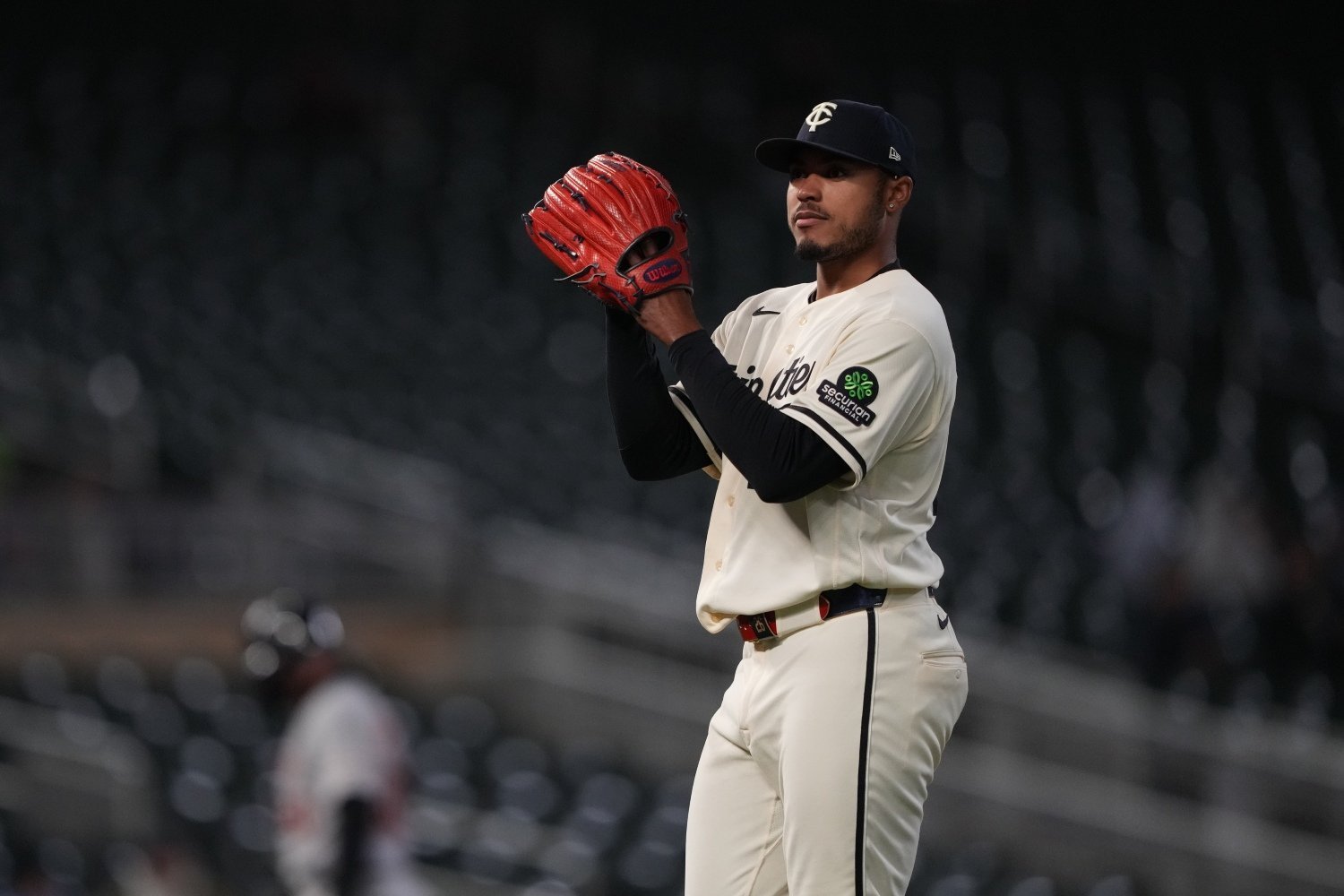 The story of April for the Minnesota Twins' pitching staff starts with opportunity arriving ahead of schedule. Top prospects Connor Prielipp, Kendry Rojas, and Andrew Morris all made their big league debuts earlier than most would have predicted coming out of spring training. Injuries and inconsistency forced the Twins to tap into their upper-level depth, but the early returns suggest this organization may be better positioned than expected. It is not just about filling innings. There is legitimate long-term upside in this group, and while the results have been uneven, the foundation being built could pay dividends well beyond 2026. Here’s a look at the top-performing pitchers for the Twins in the season’s first month. 4. Kody Funderburk March/April Stats: 14 G, 11 2 3 IP, 2.31 ERA, 1.46 WHIP, 8 K, 9 BB, 5.70 FIP, 195 ERA+ The bullpen has offered very little stability, particularly as the calendar flipped deeper into April and late leads began to slip away. In that environment, Funderburk has quietly become one of the few arms Derek Shelton can trust. The underlying numbers suggest some turbulence with more walks than strikeouts, but context matters. As one of the few left-handed options, he has often been deployed in situations that do not favor him, including frequent matchups against right-handed hitters. He has managed to navigate those assignments well enough to keep games within reach. His role may continue to evolve, but for now, he stands as one of the lone steady pieces in an otherwise volatile bullpen. 3. Bailey Ober March/April Stats: 7 G, 38 IP, 3.55 ERA, 1.13 WHIP, 29 K, 13 BB, 4.16 FIP, 125 ERA+ It would not have been surprising to see Ober fighting for his rotation spot by the end of April. Instead, he has been one of the Twins' most dependable starters. The drop in velocity that raised concerns in spring training has not disappeared, but Ober has adjusted in a way that feels reminiscent of pitchers from another era. He is leaning more heavily on his changeup, mixing speeds, and attacking hitters with precision rather than power. There is always some risk when a pitcher lives in that margin, but through the first month, Ober has done more than just survive. He has been a stabilizing force in a rotation that needed one. 2. Joe Ryan March/April Stats: 7 G, 38 1 3 IP, 3.76 ERA, 1.04 WHIP, 39 K, 9 BB, 2.98 FIP, 118 ERA+ Ryan’s performance might be the easiest to overlook simply because it looks so familiar. He continues to post numbers that align with his previous seasons as a near All-Star caliber arm. The strikeout-to-walk profile remains strong, and his ability to limit baserunners has kept him effective even when results have fluctuated. What stands out more this year is the approach. Run support has been inconsistent at best, yet Ryan has not shown the visible frustration that occasionally surfaced in the past. If that steadier mindset holds, it could allow his underlying consistency to translate into even better results throughout the season. Twins Pitcher of the Month: Taj Bradley March and April Stats: 7 G, 41 IP, 2.85 ERA, 1.22 WHIP, 44 K, 15 BB, 3.82 FIP, 155 ERA+ Bradley has taken a significant step forward and looks like a completely different pitcher than the one acquired at last year’s trade deadline. He has assumed the role of staff ace, not just in terms of results but also in terms of workload. With the bullpen struggling, the Twins have leaned on him to pitch deeper into games, and he has responded. His pitch mix adjustments have allowed him to miss more bats while still finding ways to navigate lineups multiple times. If recognition were handed out today, he would be the clear representative for this staff, and his early performance has placed him firmly in the conversation among the league’s top starters. The Twins did not script April to unfold this way, but there are signs of progress beneath the surface. Bradley’s emergence gives the rotation a legitimate anchor, while Ober’s ability to adapt has provided unexpected stability. Ryan continues to deliver his usual reliability, even if it has flown under the radar. The bullpen remains a concern, yet Funderburk has carved out a role as one of the few dependable options. Combined with the early exposure for the next wave of pitching prospects, this month may ultimately be remembered less for its growing pains and more for the groundwork it laid. How would your ballot look for Minnesota’s top pitcher in April? Leave a comment and start the discussion. View the full article
 -
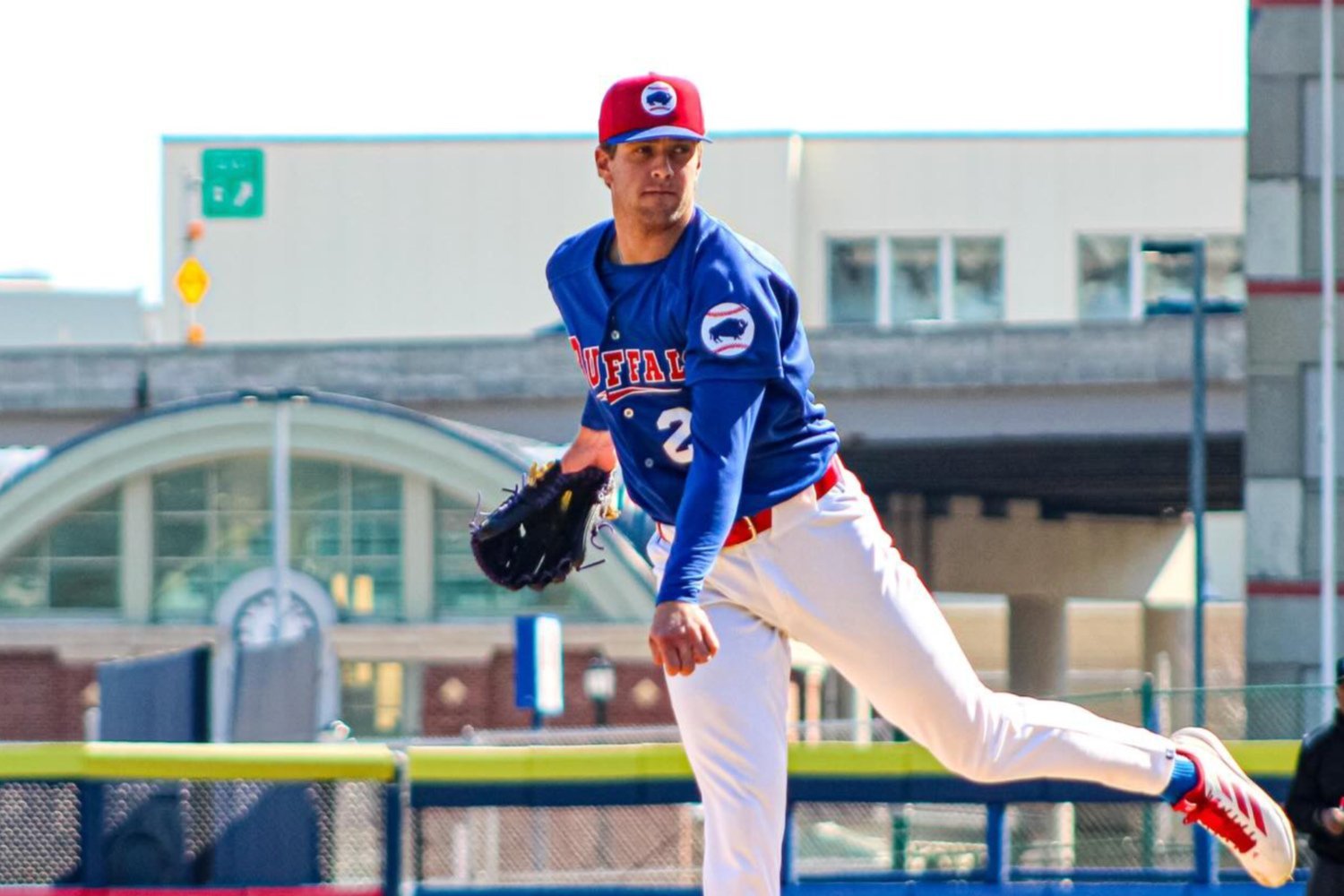 The first month of the season for minor league baseball has concluded, and these were the Blue Jays' best minor league relievers to start off the year. The Jays have established a strong bullpen core in the major leagues and have done a better job of talent identification and pitcher development over the past few years. Relievers are highly volatile pitchers, and one or two bad outings could make an otherwise good month a horrific one. The performances of relievers, let alone minor league ones, can be highly skewed by variance. Instead of just focusing on results like ERA, evaluating the ways that pitchers get hitters out and their ability to keep runners from getting on base is more important. Honourable Mentions LHP Brendon Little - Buffalo Bisons - 9 IP, 1.00 ERA, 2.53 FIP, 44.4 K%, 22.2 BB%, 1.44 WHIP The enigmatic Brendon Little was demoted down to Buffalo after a disappointing start in the majors, but the lefty made good use of the reset, not allowing a single run until the last day of the month. The walks continue to be an issue; walking over 22 percent of the batters he’s faced is not ideal. Yet, the tantalizing whiffs and strikeout potential are ever-present, as he’s struck out double that. For now, Joe Mantiply and Mason Fluharty have been solid in the majors, but Little might be the first one up if anything happens to them. RHP Aaron Munson - Vancouver Canadians, New Hampshire Fisher Cats - 11 ⅓ IP, 3.97 ERA, 2.90 FIP, 33.3 K%, 13.7 BB%, 1.50 WHIP Aaron Munson pitched well enough to get the call to Double A, and despite a few games where he lost the zone and gave up multiple earned runs, he also had games where he pitched three shutout innings in relief with five strikeouts or more twice. The 2023 19th-rounder was a fixture in the Canadians ‘pen in 2025, and now will try to replicate that success in Double A. Top 5 #5 - RHP Kelena Sauer - Vancouver Canadians - 9 ⅓ IP, 1.93 ERA, 2.62 FIP, 30.2 K%, 11.6 BB%, 1.71 WHIP Kelena Sauer returned from a lost year after undergoing elbow surgery and rehabbing for all of 2025. The 2023 15th-rounder showed interesting stuff in 2024 before the injury, and has looked sharp, pitching to a 1.93 ERA despite bad BABIP luck. Five of his six appearances were scoreless appearances, and despite the rust, he has really impressed. #4 - LHP Carson Myers - Dunedin Blue Jays - 12 ⅓ IP, 4.38 ERA, 1.83 FIP, 38.2 K%, 9.1 BB%, 1.30 WHIP Carson Myers was an undrafted free agent that the Jays signed after the 2025 draft, who pitched to a 3.18 ERA in 10 appearances in 2025 for his pro debut. His walks were a big problem though, as he walked 16.7% of the batters he faced. He’s improved his command immensely, and despite a worse ERA, the process has been significantly better for Myers. He halved his walk rate and has struck out over 38 percent of the batters he’s faced. His low velocity limits his upside, but his lower three-quarters slot is a weird look for hitters. #3 - RHP Holden Wilkerson - Vancouver Canadians - 18.2 IP, 1.93 ERA, 3.31 ERA, 29.1 K%, 8.9 BB%, 1.13 WHIP An 18th-rounder last season out of Virginia Military Institute, Holden Wilkerson showed some flashes of potential in Dunedin, despite some poor results. He has piggybacked off of Johnny King in each of his outings, and they have been one of the hardest duos to face in the minor leagues, similar to Trey Yesavage and Gage Stanifer in 2025. Wilkerson struggled last season, leaking the ball over the plate too often and getting hit hard, but he’s done a good job of striking out hitters and inducing groundballs when he does get hit, while still walking less than 9% of the batters he’s faced. #2 - RHP Conor Larkin - New Hampshire Fisher Cats - 10 ⅓ IP, 0.00 ERA, 2.45 FIP, 30.6 K%, 8.3 BB%, 0.58 WHIP Conor Larkin was the Jays’ ninth-rounder in the 2021 draft and signed for just $77,500 out of Penn State. The now 27-year-old hasn’t made it above Double A yet, but has been a solid reliever in the minors over the past four years. He’s yet to allow a run early on in this minor league season and should get a chance at Triple A sooner than later. He’s struck out over 30 percent of the batters he’s faced, walked just over eight percent, and has had a solid groundball rate of 45.5%. He won’t get on any prospect lists for the Jays, but could pitch some lower-leverage major league innings with his solid velocity, sidearm delivery and high-spin offerings. #1 - LHP - Brendan Cellucci - New Hampshire Fisher Cats, Buffalo Bisons - 10 ⅓ IP, 0.87 ERA, 2.69 FIP, 46.2 K%, 12.8 BB%, 1.16 WHIP Brendan Cellucci was playing in Indy Ball last year and was exceptional, pitching to a 1.96 ERA and striking out 32 batters in 18 innings of work. The Jays took a chance on him, as they’ve spent a lot of time and effort finding Indy Ball darlings. Cellucci rewarded them with a really strong start to the season, striking out over 46% of the batters he faced with a below-average but not bad walk rate. The lefty has done a great job using his sinker-slider combo to keep hitters off balance, and when not striking out hitters, he also has a groundball rate of 62.5% when he does get hit. Although he has below-average velocity, he has solid extension to make up for it. He may be blocked by a litany of lefty reliever options on the 40-man roster, but he’s been an interesting find for the Blue Jays. View the full article
