


DiamondCentric
-
Posts
2,631 -
Joined
-
Last visited
Never
Content Type
Profiles
Forums
Events
News
Tutorials & Help
Major League Baseball Videos
Guides & Resources
Store
Downloads
Gallery
Everything posted by DiamondCentric
-
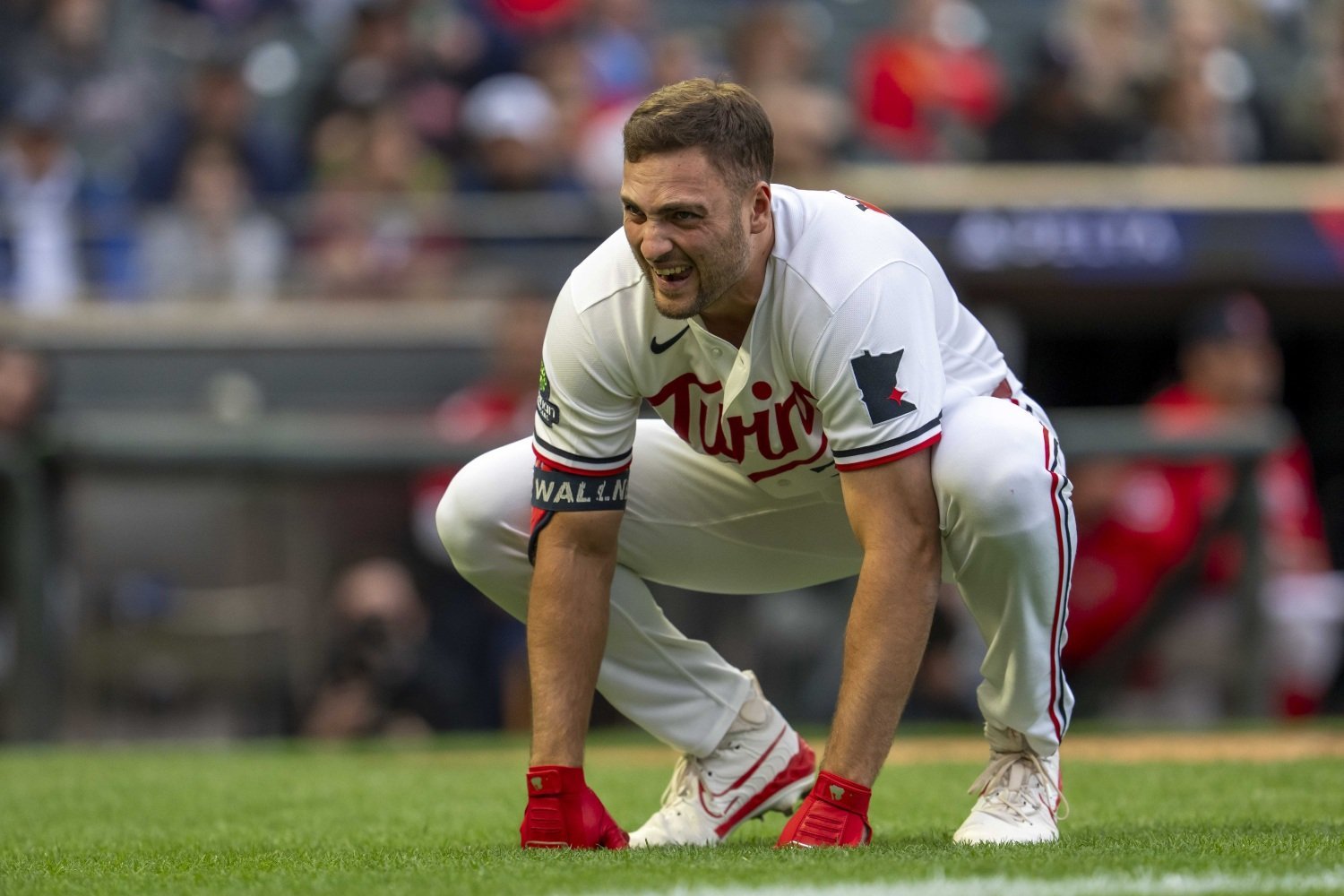 To be fair to Matt Wallner, the Twins have seen a crazy number of left-handed pitchers so far this year. Of the 109 plate appearances Wallner has accumulated over the team's first 31 games, a whopping 40 have come against southpaws. In 2024 (admittedly, an injury-disrupted year), Wallner only had 40 confrontations with fellow lefties all season. There's no question that being the lefty batter tasked with absorbing more of those left-on-left matchups than other Twins batters has contributed to Wallner's slow start. He also got hit in the ribcage with a mid-90s fastball two weeks ago, and can be seen most days since in the clubhouse with a huge wrap around his torso, suggesting there's considerable residual soreness there. All of that matters. It's not a set of excuses; it's a set of legitimate explanations for some of what's happening. The problem, of course, is that what's happening is untenable, no matter what's causing it. It's also getting hard to convince yourself that it will ever change. Wallner will turn 29 years old this winter. Though they haven't come without major interruptions, he has over 1,000 plate appearances in the majors. Right now, he doesn't look like a big league-caliber player—in either half of any given inning. Wallner is batting .168/.275/.284 this season, and striking out 38% of the time. He's lost speed this year and was never good at getting going, anyway, so he's become the worst defensive outfielder in the big leagues, with no serious rival. Last year, I wrote about Wallner's bat path flattening out, and the negative effects thereof. This season, it's flattened out even more. He's also lost some bat speed, though surely, part of that is due to both seeing more lefties (harder to swing with full conviction when you pick the ball up later) and the lingering issues from that plunking. He's just not a functional hitter right now, either. Defenders of Wallner are fond of observing that hitters with high strikeout rates can look disproportionately bad during cold spells, and that he's gotten equally hot at times in the past. That's true, to some extent, but it's not as helpful if you try to apply it broadly to all strikeout-prone hitters as if you analyze each player as an individual. Nor does it remain equally true over time. Wallner's swing is losing its ability to generate consistently lethal contact, even when he gets on time. His approach and pitch recognition have never been all that good, which has been proved for all to see since the advent of the ABS system. And again, he's almost 29. Players age faster than ever in the modern game, and Wallner is already moving out of his prime, physically. It's probably true that, given another 100 plate appearances, he would get on a streak and deliver enough power to invite the team to invest another 200 plate appearances in him. Now that the defense has gone terribly sour (and having seen that there's always another low valley after the next peak), though, that feels more like a threat than a promise: more wasted time, rather than a long-awaited breakthrough. As tantalizing as a homegrown, local product with light-tower power is, the allure is fading, for everyone involved. Even Derek Shelton, who tried to show abundant faith in Wallner by making him an everyday player to begin the season, is moving away from that plan now. Emmanuel Rodriguez is showing the same elite power potential Wallner once had, with Triple-A St. Paul. He's more disciplined than Wallner, and much, much more athletic. The Twins need better defense in the outfield, and they need a lefty slugger with more upside than Wallner offers at this point in his career. Rodriguez offers it. It's going to be awkward. It's going to be sad. Wallner has a minor-league option remaining, but once you admit that he can't hit in the big leagues after this long at that level and that you can no longer justify playing him, it's tough to think of any demotion as temporary or edifying. It's getting clearer all the time that Wallner (rather than Trevor Larnach or Austin Martin) will be the first player replaced by a top prospect arriving at Target Field, and the time for that replacement is extremely close. In all likelihood, we're seeing the final days of Matt Wallner's Twins career. That's exciting, because he'll give way to a player with every chance to be better than him right away and much more long-term upside. It's also an uneasy situation, though, and a sad ending for a player who was a key cog on one of the teams Twins fans will remember fondly: the 2023 streak-busters. He was great for that team. He's just not helping this one anymore. View the full article
 -
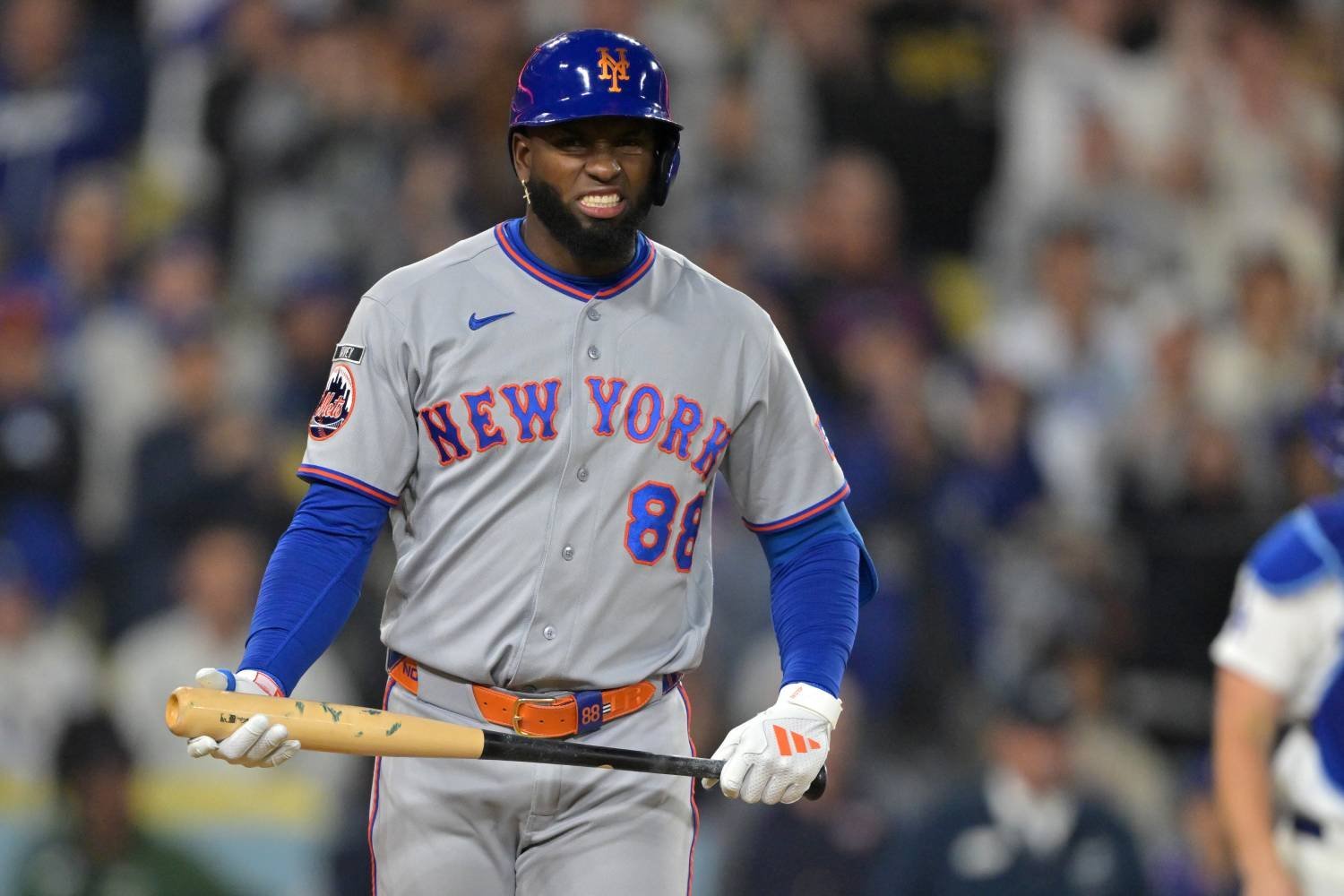 After his back soreness did not respond to treatment, the New York Mets had outfielder Luis Robert Jr. undergo an MRI exam. The result of that is Robert missing more time than expected. The Mets placed Robert on the 10-day injured list with lumbar spine disc herniation. First baseman Eric Wagaman was called up from Triple-A Syracuse. Also, right-handed reliever Austin Warren was called up from Triple-A and right-handed reliever Carl Edwards Jr. was designated for assignment to make room for Wagaman on the 40-man roster. Robert missed three games as the Mets' medical staff tried to determine the exact cause of the outfielder's discomfort, finally sending him for an MRI. It is another blow to the Mets' offense, which has yet to find its way this year. After a good start, Robert is slashing .224/.327/.329 with two homers and eight RBIs in 24 games. This marks yet another trip to the IL for Robert, whose career has been plagued by injuries. Wagaman was claimed off waivers from the Minnesota Twins, who had designated him for assignment, on Monday and optioned to Triple-A. He had been at Triple-A with the Twins, where he had a .159/.284/.254 slash line with one homer and six RBIs in 18 games. Warren is up from the minors for the third time in April. He has appeared in three games and has a 2.45 ERA in 3⅔ innings, allowing two hits, including a homer, with no walks and five strikeouts. The 34-year-old Edwards, called up Saturday, made two appearances, allowing one run on three hits with four walks and 11 strikeouts in six innings for a 1.50 ERA. View the full article
 -
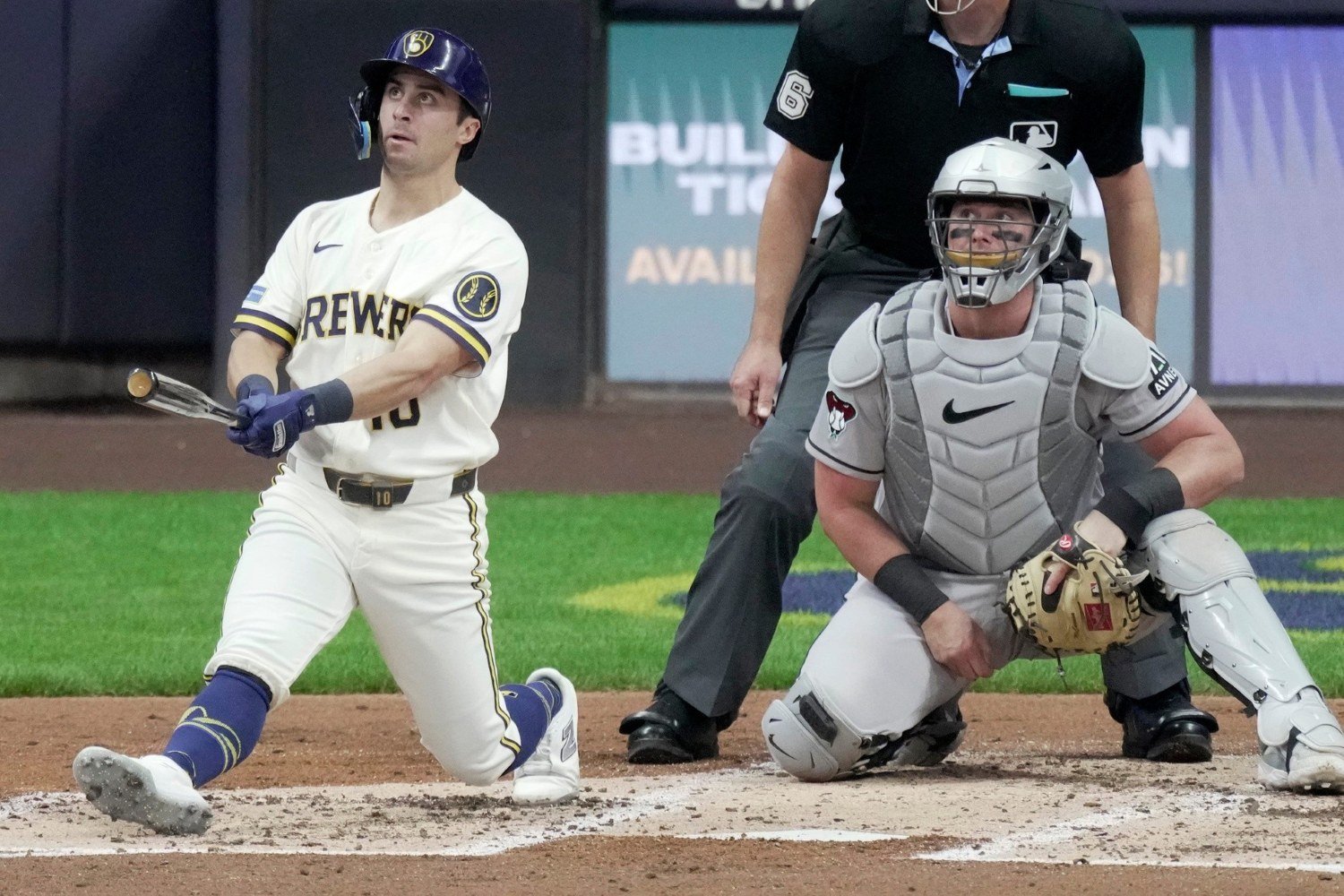 When Sal Frelick homered in his first plate appearance against a left-handed pitcher in the season-opening series against the White Sox, it was easy to dream a bit on another terrific season for the fourth-year right fielder. He had suddenly found his way from virtually no over-the-fence power in 2024 to hitting 12 bombs in 2025, and that was without putting a southpaw in his book at all. A version of Frelick who could maintain what he did so well throughout last year and tap into more thunder against lefties could have become a borderline All-Star—something like the best, long-forgotten version of Andrew Benintendi. So far, though, that dream hasn't been realized. Five weeks in, Frelick is batting .212/.317/.306, and the seeming magic of his game from the best stretches of the last two years—lots of infield hits, unexpected gap-splitters in the biggest possible moments, efficient basestealing—is missing. On one hand, that's very worrisome, because there was some reason to wonder whether that was inevitable. Frelick far outperformed his expected stats last year. The regression monster stood nearby all winter, sharpening its fangs conspicuously. Our Jack Stern wrote about the fear of its bite earlier this spring. Frelick's expected numbers this year are better than the actual results, but not by that much. Certainly, he's not doing what you'd hope to see him do, if you were making a case for some positive regression ahead and a major improvement. On the other hand, Frelick has made some improvements. He's swinging less this year, as a rational response to a shrinking strike zone, and as a result, his walk rate has spiked noticeably. Last year, he walked in 7.9% of his plate appearances. This season, that number is up to 12.5%, which is why he's staying afloat in the OBP department, despite his poor overall production. The power hasn't come. Even the batting average is lagging. He's getting on base at a viable rate, though, and his overall expected output is not much worse (.294 xwOBA) than it was last season (.299). If you believe he does have some real skill for outperforming his xwOBA, which seems fair, it's modestly encouraging that he's maintaining a similar overall process and walking more often. The chances of him getting back to an OBP around .350 seem relatively strong. So, which way should you lean? With reasonable arguments on both sides of the scale, which weighs more heavily? To answer that (although maybe not the way you expect), let's talk about his bat-tracking data, Frelick already had a low average bat speed, according to Statcast, but that number has come down even further this year. It's come down partly because of and in proportion to making contact slightly deeper in the hitting zone and with a slightly lower attack angle. However, it's also come down despite a second straight season of flattening his bat path. A flatter swing leaves less margin for error in terms of both timing and barrel accuracy. Frelick got significant mileage out of flicking line drives to center and left field, over the last two years, and the tilt in his swing helped him find the power for which he hit in 2025. This year, he's hitting more balls on the ground and more straight up in the air, with fewer in the sweet spot in between. That's a common symptom for those who afflict themselves with a flat swing. To visualize the problem, consider this homer from last season: QndhNEJfWGw0TUFRPT1fQVZSV1ZsY0ZWVlFBQUZCUkJ3QUhCVlZUQUZnR1ZBVUFBQUZUQndKVEJBWmRBUUJS.mp4 And compare it to this low lineout, on a similar pitch, this season. MTZOYjNfWGw0TUFRPT1fVXdZQ0FsTUVWd0FBQ0FSUlVBQUhCVmNFQUZsV1ZWVUFBMU1HQkZGVENGRlRDUU1G.mp4 On these two pitches, you can barely see a difference in swing plane in real time. If you freeze on the moment just before contact, though, the slight change gets easier to see. I've set those moments side-by-side below, and highlighted the bat to enhance its visibility. This also makes it easier to see why this matters. A bit less loft in the swing—a slightly flatter slash through the zone—is the difference between hitting the bottom half of the ball and hitting the top half of it. On both pitches, Frelick is a bit early, having timed his swing at first for a fastball and gotten a changeup, but last year, he was early in a good way. This year, that same imperfection of timing has resulted in less valuable contact. All this, though, can be fixed. The change in plane is relatively small; it comes from timing and swing decisions as much as it does from mechanics. The lost bat speed is half-illusory, and relatively minimal. Frelick just isn't on time very often, so far. He was late on the fastball and early on soft stuff for a solid fortnight, That brought his numbers to a nadir about 10 days ago, when his OPS for the year was under .550. Since then, he's batting .333 with one of his two homers, four walks and just one strikeout. Frelick might already be fixed, and if that's not fully true, he certainly looks to have gotten back on time. The rest will take care of itself over time. The Brewers have had to survive a lot of early injuries, and having Frelick struggle in the absence of Jackson Chourio and Andrew Vaughn has been especially damaging. Just as the return of those two players draws near, though, it seems like Frelick is warming up. As ugly as the numbers are, the upside is as high as ever. If nothing else, the small strike zone should keep him trending in the right direction. View the full article
 -
 In this week's episode, Nick talks about the sudden firing of Alex Cora and the promotion of Chad Tracy, and what things were like in the press box and later outside the clubhouse the night it all took place. He also discusses how Franklin Arias' sudden power surge could change the outlook on the prospect while also discussing how Henry Godbout, Justin Gonzales, and Anthony Eyanson could be headed to Portland sooner than anyone predicted if they continue this level of play. Listen on Apple Podcasts: https://podcasts.apple.com/us/podcast/the-talk-sox-podcast/id1783204104 Listen on Spotify: https://open.spotify.com/show/3qPrPXEngu0CxgTmlf0ynm Listen on iHeartRadio: https://www.iheart.com/podcast/263-the-talk-sox-podcast-244591331/ Listen on Pocket Casts: https://pca.st/4tmd121v Watch on YouTube: https://www.youtube.com/@talksox View the full article
 -

Breaking Down Connor Prielipp's Dominant Major League Starts
DiamondCentric posted an article in Twins Daily
 It's been a long time coming for Minnesota Twins pitcher Connor Prielipp, but his first couple of major league starts have been promising. Here's how the lefty has been having success so far. View the full article
 -
 Lucas Giolito's rehab is off and running, but it's already hit a roadblock. The 2019 All-Star and former Chicago White Sox hurler recently made his Padres rehab debut in Single-A Lake Elsinore, but the righty was hit with a comebacker after tossing 2.2 innings of 2-run ball. What does his timeline look like, and where will he land come end of the season? We dive into it all. View the full article
 -
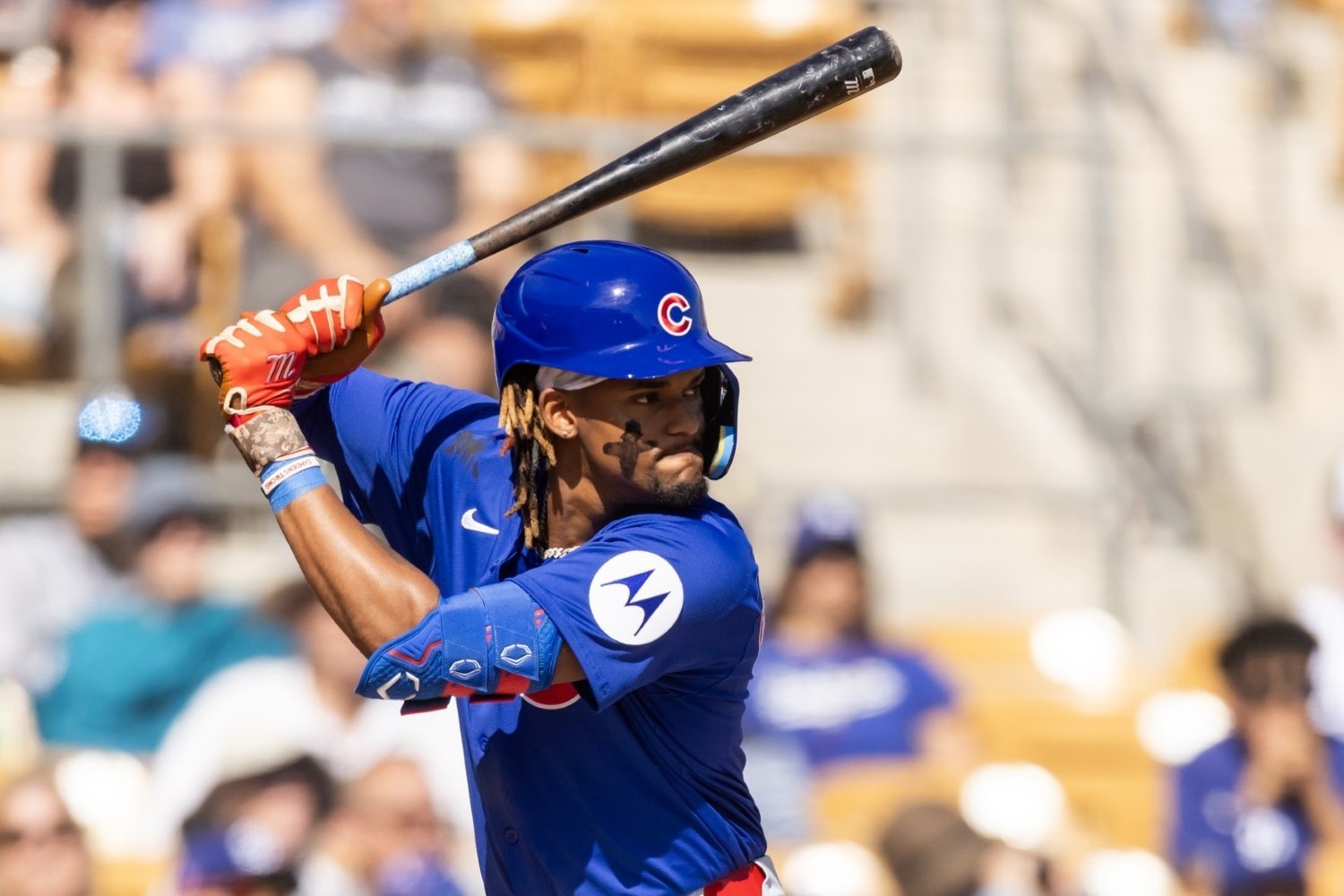 Chicago Cubs Minor League Report - April 28 Affiliate Overview Triple-A Iowa Cubs Series at St. Paul Saints (Minnesota Twins): Saints lead, 1–0 Season Record: 13–14 Double-A Knoxville Smokies Series at Rocket City Trash Pandas (Los Angeles Angels): No games played Season Record: 10–12 High-A South Bend Cubs Series vs. Fort Wayne TinCaps (San Diego Padres): Cubs lead, 1-0 Season Record: 12–7 Single-A Myrtle Beach Pelicans Series vs. Columbia Fireflies (Kansas City Royals): Pelicans lead, 1-0 Season Record: 10–12 Triple-A: Iowa Cubs Season Record: 13–14 Series Opponent: St. Paul Saints (12–15) Series Standing: Trail, 0-1 April 28: The Iowa Cubs slipped to under .500 for the first time since March 31 with a series-opening defeat to the St. Paul Saints, 9-5. The Saints scored five times in their first trip to the plate and extended the lead to 6-0 with another run in the second. Brett Bateman’s (1-for-3) first home run of the season got the Cubs on the board in the third and James Triantos (1-for-3) cut the six-run lead in half with a two run blast later in the frame, his fourth of the season. St. Paul pushed runs across in the fourth and fifth to make it 8-3 before Kevin Alcántara (1-for-4) blasted his ninth homer of the year, a solo shot. The hosts made it 9-4 with a run in the seventh and Hayden Cantrelle (1-for-1) launched the I-Cubs’ fourth homer of the game to make it 9-5, which would go on to be the final score. Jordan Wicks took the loss in the start, allowing six runs on seven hits over two innings of work, giving up three home runs. Double-A: Knoxville Smokies Season Record: 10–12 Series Opponent: Rocket City Trash Pandas (10–12) Series Standing: No games played April 28: The Knoxville Smokies’ series opener at the Rocket City Trash Pandas was postponed due to inclement weather. The two teams will begin play at Toyota Field today. Monday’s contest will be made up as part of a doubleheader on Wednesday. High-A: South Bend Cubs Season Record: 12–7 Series Opponent: Fort Wayne TinCaps (7–15) Series Standing: Lead 1-0 April 28: The South Bend Cubs opened their series vs. the Fort Wayne TinCaps with a 6-4 win, staving off a late rally from the visitors to hold on for the victory. Kade Snell’s (1-for-4) sacrifice fly in the third opened the scoring in the ballgame but the TinCaps responded in the fourth with a run of their own to level the game at 1-1. Cole Mathis (2-for-4) would give the Cubs the lead back by drawing a walk with the bases loaded in the home half of the fourth and the hosts would extend their advantage with a pair of runs in the fifth. Cameron Cisneros (1-for-2) crushed a solo shot, his third of the year, and Christian Olivo (3-for-4) followed later in the inning with an RBI-double. Fort Wayne scored twice in the eighth to make it 4-3 but South Bend got those two runs right back, first on an RBI-single from Reginald Preciado (1-for-5) and then on a balk. The Cubs would need those insurance runs as the TinCaps scored once in the ninth but were unable to rally further as South Bend held on for the 6-4 triumph. Kenten Egbert got the start and did not factor into the decision, firing three shutout innings, allowing just three hits and striking out one. Brayden Spears picked up the win in relief, working three innings and allowing one run on one hit. Single-A: Myrtle Beach Pelicans Season Record: 10–12 Series Opponent: Columbia Fireflies (11–11) Series Standing: Lead 1-0 April 28: The Myrtle Beach Pelicans snapped their six-game losing skid with a come-from-behind victory over the Columbia Fireflies, 6-4. The Pelicans opened the scoring in the ballgame with a pair of runs in the second, with Michael Carico (1-for-4) and Logan Poteet (1-for-3) starting the frame with back-to-back solo shots. The Fireflies evened the contest with two runs in the third and would eventually take a 6-3 lead after putting up a four spot in the seventh, following Eli Lovich’s (2-for-4) solo homer in the fifth. Myrtle Beach rallied for three runs after the stretch, with Ludwing Espinoza (1-for-2) sparking the offense by stealing home. Jose Escobar (1-for-4) made it 6-6 with a two-out, two-run single. Ty Southisene (1-for-4) had the decisive hit in the contest with his RBI-double in the eighth to give the Pelicans the 7-6 lead. Eli Jerzembeck capped his two-inning scoreless outing by striking out the side in the ninth to improve to 2-1 on the season. Jerzembeck didn’t allow a hit in his appearance and whiffed five batters. Noah Edders, who started for Myrtle Beach, allowed two runs, both unearned, over four innings of work, giving up five hits while striking out two batters. View the full article
 -
 Chicago Cubs Minor League Report - April 28 Affiliate Overview Triple-A Iowa Cubs Series at St. Paul Saints (Minnesota Twins): Saints lead, 1–0 Season Record: 13–14 Double-A Knoxville Smokies Series at Rocket City Trash Pandas (Los Angeles Angels): No games played Season Record: 10–12 High-A South Bend Cubs Series vs. Fort Wayne TinCaps (San Diego Padres): Cubs lead, 1-0 Season Record: 12–7 Single-A Myrtle Beach Pelicans Series vs. Columbia Fireflies (Kansas City Royals): Pelicans lead, 1-0 Season Record: 10–12 Triple-A: Iowa Cubs Season Record: 13–14 Series Opponent: St. Paul Saints (12–15) Series Standing: Trail, 0-1 April 28: The Iowa Cubs slipped to under .500 for the first time since March 31 with a series-opening defeat to the St. Paul Saints, 9-5. The Saints scored five times in their first trip to the plate and extended the lead to 6-0 with another run in the second. Brett Bateman’s (1-for-3) first home run of the season got the Cubs on the board in the third and James Triantos (1-for-3) cut the six-run lead in half with a two run blast later in the frame, his fourth of the season. St. Paul pushed runs across in the fourth and fifth to make it 8-3 before Kevin Alcántara (1-for-4) blasted his ninth homer of the year, a solo shot. The hosts made it 9-4 with a run in the seventh and Hayden Cantrelle (1-for-1) launched the I-Cubs’ fourth homer of the game to make it 9-5, which would go on to be the final score. Jordan Wicks took the loss in the start, allowing six runs on seven hits over two innings of work, giving up three home runs. Double-A: Knoxville Smokies Season Record: 10–12 Series Opponent: Rocket City Trash Pandas (10–12) Series Standing: No games played April 28: The Knoxville Smokies’ series opener at the Rocket City Trash Pandas was postponed due to inclement weather. The two teams will begin play at Toyota Field today. Monday’s contest will be made up as part of a doubleheader on Wednesday. High-A: South Bend Cubs Season Record: 12–7 Series Opponent: Fort Wayne TinCaps (7–15) Series Standing: Lead 1-0 April 28: The South Bend Cubs opened their series vs. the Fort Wayne TinCaps with a 6-4 win, staving off a late rally from the visitors to hold on for the victory. Kade Snell’s (1-for-4) sacrifice fly in the third opened the scoring in the ballgame but the TinCaps responded in the fourth with a run of their own to level the game at 1-1. Cole Mathis (2-for-4) would give the Cubs the lead back by drawing a walk with the bases loaded in the home half of the fourth and the hosts would extend their advantage with a pair of runs in the fifth. Cameron Cisneros (1-for-2) crushed a solo shot, his third of the year, and Christian Olivo (3-for-4) followed later in the inning with an RBI-double. Fort Wayne scored twice in the eighth to make it 4-3 but South Bend got those two runs right back, first on an RBI-single from Reginald Preciado (1-for-5) and then on a balk. The Cubs would need those insurance runs as the TinCaps scored once in the ninth but were unable to rally further as South Bend held on for the 6-4 triumph. Kenten Egbert got the start and did not factor into the decision, firing three shutout innings, allowing just three hits and striking out one. Brayden Spears picked up the win in relief, working three innings and allowing one run on one hit. Single-A: Myrtle Beach Pelicans Season Record: 10–12 Series Opponent: Columbia Fireflies (11–11) Series Standing: Lead 1-0 April 28: The Myrtle Beach Pelicans snapped their six-game losing skid with a come-from-behind victory over the Columbia Fireflies, 6-4. The Pelicans opened the scoring in the ballgame with a pair of runs in the second, with Michael Carico (1-for-4) and Logan Poteet (1-for-3) starting the frame with back-to-back solo shots. The Fireflies evened the contest with two runs in the third and would eventually take a 6-3 lead after putting up a four spot in the seventh, following Eli Lovich’s (2-for-4) solo homer in the fifth. Myrtle Beach rallied for three runs after the stretch, with Ludwing Espinoza (1-for-2) sparking the offense by stealing home. Jose Escobar (1-for-4) made it 6-6 with a two-out, two-run single. Ty Southisene (1-for-4) had the decisive hit in the contest with his RBI-double in the eighth to give the Pelicans the 7-6 lead. Eli Jerzembeck capped his two-inning scoreless outing by striking out the side in the ninth to improve to 2-1 on the season. Jerzembeck didn’t allow a hit in his appearance and whiffed five batters. Noah Edders, who started for Myrtle Beach, allowed two runs, both unearned, over four innings of work, giving up five hits while striking out two batters. View the full article
 -
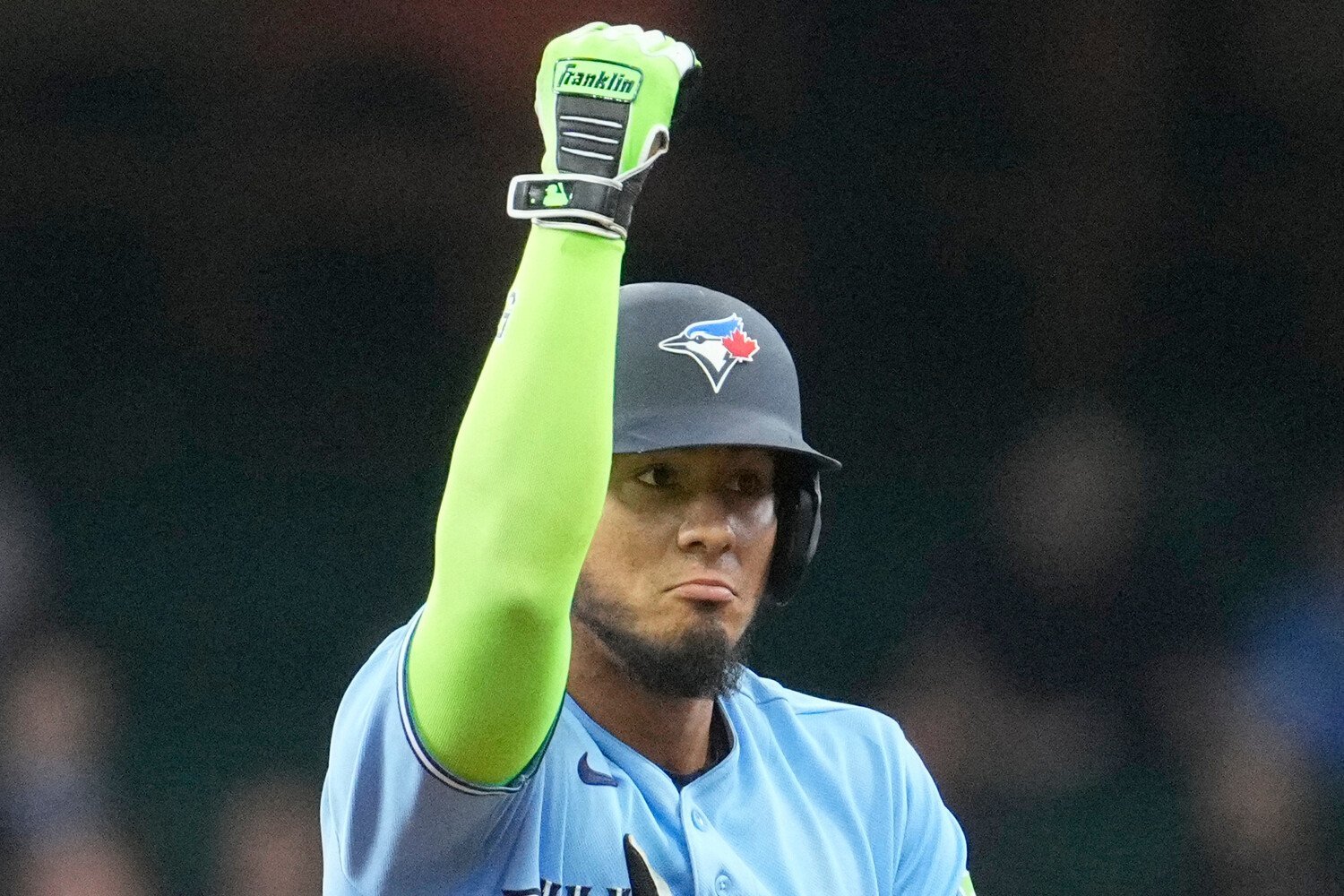 This is the second half of a two-part series about the players who have joined the Blue Jays' active roster since Opening Day. You can read part one here. I started with the pitchers because they've made more of an impact (and had more success) than the position players. However, a piece like this is probably more useful for the position players, who aren't as well known as Patrick Corbin and Joe Mantiply and haven't received as much media attention. Let's get into it. Brandon Valenzuela, C 2026 Hitting Stats: 14 G, 39 PA, 2 HR, 3 RBI, .189/.231/.351, 59 wRC+ 2026 Catching Stats: 98 innings, 4-for-9 CS, +2 CS Above Average, +2 Framing Runs (per Savant), 2 DRS, 3 FRV Recalled from Triple-A Buffalo after Alejandro Kirk fractured his thumb. Brandon Valenzuela has been thrust into a much bigger role than he was supposed to take on, and he deserves credit for stepping up. He also deserves props for how nicely he has settled in behind the plate. Despite the occasional mistake, it's clear he's a talented defender. While they wait for Alejandro Kirk to return, the Blue Jays could do worse than a part-time catcher who helps his pitchers by stealing strikes and controlling the running game. Just don't ask about Valenzuela's offense. After hitting his first home run against the Twins on April 10, the switch-hitter went 2-for-22 with two singles, one walk, and nine strikeouts in his next eight games. He finally recorded another extra-base hit yesterday against the Red Sox, while reaching base three times – a new personal best. Still, by and large, Valenzuela just hasn't looked up to the task of facing major league arms. To make matters worse, Tyler Heineman has also come crashing down to earth with more playing time; his batting line is even worse than Valenzuela's. Blue Jays catchers rank last in the AL in wRC+, and their defense only bumps them up to 23rd overall in FanGraphs WAR. Kirk can't come back soon enough. Lenyn Sosa, UTIL 2026 Stats (with Blue Jays): 10 G, 30 PA, 0 HR, 4 RBI, .214/.207/.286, 28 wRC+ Acquired via trade from the White Sox on April 13. Note: Sosa is reportedly nursing a minor leg injury. He has not played since Monday. Evidently, the Blue Jays decided that Lenyn Sosa was an upgrade over Tyler Fitzgerald (more on him later). Fitzgerald joined the active roster in place of an injured Addison Barger on April 7. A week later, Toronto sent minor league outfielder Jordan Rich to the White Sox for Sosa and swapped him in for Fitzgerald as the new righty-batting utility player on the bench. Whatever it is the Jays might have liked about Sosa, it hasn't shown up in-game yet. Outside of a big double against the Angels last week, he hasn't done much at the plate. He has yet to draw a walk or hit a home run in 30 trips to the plate, and his 28 wRC+ ranks second-last among hitters on the active roster, ahead of only Heineman. The lack of power is especially disappointing, considering Sosa hit 20 doubles and 22 home runs for the White Sox last season. Primarily a second baseman, Sosa has experience playing all around the infield. So far, he has seen the majority of his playing time at DH, with a few starts at first and second base. He's made one highlight-reel play already, though Vladimir Guerrero Jr.'s reactions in the clip are just as entertaining as Sosa's catch itself: Yohendrick Pinango, OF 2026 Stats: 3 G, 2-for-5 Selected after Nathan Lukes strained his hamstring. The newest of the new Jays, Yohendrick Pinango made his MLB debut over the weekend, starting in left field against the Guardians. The lefty batter earned the call after Nathan Lukes hit the injured list. Pinango was hitting .288 with seven doubles, three home runs, and a 126 wRC+ at Triple-A Buffalo. His job in the majors is only safe until Addison Barger returns from the IL. However, now that he's on the 40-man roster, this likely won't be the last we see of the young slugger. Pinango still has skills he needs to work on in the minors, namely converting more of his raw power into balls that fly over the fence. Fingers crossed we get to see some of that power while he's with the Jays, but it might be smart to temper your expectations for now. Pinango is Jays Centre's No. 9 prospect. Read his full prospect write-up here! *Eloy Jiménez, DH 2026 Stats: 12 G, 35 PA, 0 HR, 3 RBI, .290/.343/.290, 82 wRC+ Selected from Triple-A Buffalo after George Springer fractured his toe. *Note: I originally finished writing this article about six minutes before the news broke that Springer was returning and Jiménez was DFA'd. Jiménez isn't on Toronto's active roster anymore, but he was around for long enough that his time with the team is still worth a couple of paragraphs of attention. A strong spring (in which he took reps at first base) had fans wondering if Eloy Jiménez could somehow force his way onto the Opening Day roster. While that didn't end up happening, he did not have to wait long to join the Jays. George Springer fractured his big toe a couple of weeks into the season, and Jiménez got the call to DH in his place. For a brief, shining moment, we could all dream that David Popkins would help Jiménez rediscover the power that earned him a Silver Slugger in 2020. Soon, we were just counting the days until Springer could get back in the lineup. While Jiménez's .290 batting average might look impressive, it was all from singles. He had nine hits, but none of them went for extra bases. That's disappointing, but it's not surprising; with all the poor plate discipline and mediocre contact we saw from Jiménez, the Blue Jays are lucky he managed as many hits as he did. The Phantom Bench Bat 2026 Stats: 0 G, 0 PA, -/-/- Was Tyler Fitzgerald ever really a Blue Jay? Yes. I swear. The Jays acquired the utility man earlier this month, after he was designated for assignment by the Giants. However, although he spent a week on the active roster, he never made it into a game. The Jays DFA'd him last week and traded him to the Dodgers on Tuesday. His stint with the Blue Jays lives on in his transaction log, but it won't appear on the back of his next baseball card. View the full article
 -
Bailey Ober is Performing Like a Pitcher From Another Era
DiamondCentric posted an article in Twins Daily
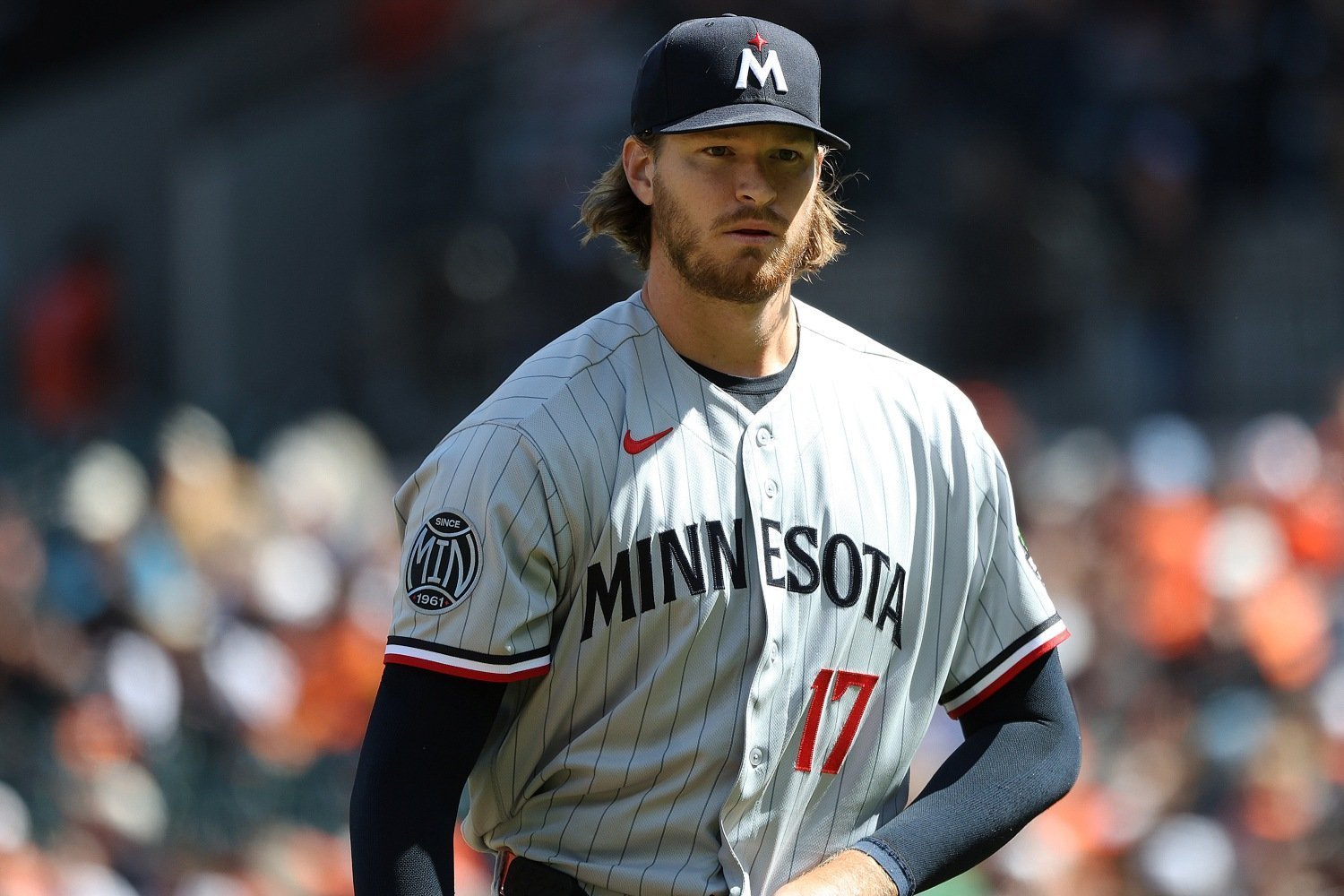 There was a style of mid-rotation starter that used to populate rotations across baseball in the 1990s. He did not light up the radar gun. He did not need to. He lived on the edges of the strike zone, changed speeds with intent, and trusted that a well-executed plan could beat raw power. In 2026, Bailey Ober is starting to look like that guy. The conversation around Ober entering the year centered on whether he could bounce back. Last season, he never quite clicked. His health was inconsistent, his stuff lacked its usual crispness, and the subpar results followed. The expectation for this winter was straightforward. Get healthy, get the fastball back into the low 90s, and let his natural feel for pitching carry the rest. That version hasn't materialized. The velocity has continued to trend in the wrong direction. Yet, the results have stabilized in a way that suggests Ober has found a different path forward. Ober has never been reliant on velocity. Even at his peak, when his fastball sat in the 91-92 mph range in 2024, his success came from how he used it, rather than how hard he threw. By 2025, that number dipped closer to 90 mph, and the margin for error shrank. For a pitcher who relies on deception, even a slight drop can flatten the entire arsenal. Hitters began to make more consistent contact, and his ability to finish plate appearances took a hit. In 2026, the radar gun tells a more concerning story at first glance. His fastball is averaging 88.7 mph, down from 90.3 mph a year ago. In a vacuum, that kind of drop should be a red flag. Instead, Ober has adjusted in a way that feels deliberate. The biggest change is in how he sequences his pitches. For the first time in his career, the changeup has become his most frequently used offering. After sitting at 28.9% usage last season, it has climbed to 34.4% this year. It's his best pitch, and is central to everything he's trying to do. And it's working, at least in terms of limiting damage. Opponents are hitting just .190 against the pitch, a noticeable improvement from last year, even if the underlying run value suggests it has been more neutral (-1 Run Value) than dominant. What matters more is how it sets the table. By leaning into the changeup, Ober is forcing hitters to respect a different speed band and a different shape profile, even without a significant gap between it and his fastball. That altered timing shows up elsewhere. His slider has quietly become his most effective weapon. It carries a Run Value of 4 and has emerged as his primary finisher. With a 21.1% put away rate, along with a .206 xBA and .282 xSLG, the pitch is doing the heavy lifting when Ober needs an out. Hitters are not squaring it up with the same authority, reflected in a drop in exit velocity against the pitch compared to last year. Then there's the fastball, the pitch that draws the most scrutiny and the most skepticism. At 88.7 mph, it should be vulnerable. Instead, it has been more effective than it was a year ago. Opponents have managed just a .213 xBA against it, a significant improvement, and the expected slugging percentage has dropped to .306, a drop of over .230 compared to last year. That doesn't happen by accident. Ober is locating it with precision, using it in different parts of the zone, and pairing it more effectively with his off-speed pitches. The reduced velocity has actually tightened the relationship between his pitches, making it harder for hitters to sit on one speed or one movement profile. It's not overpowering; It's not flashy. It is, however, intentional. The question now is sustainability. Pitchers who live in this range have a thinner margin for error. If the command slips even slightly, there is less velocity to fall back on. If hitters begin to anticipate the sequencing, the entire structure can unravel quickly. At the same time, this is a blueprint that's worked before, even if it feels out of place in today’s game. Ober isn't trying to win with pure stuff. He is trying to win each pitch, each count, each decision. There is a level of craft to that approach that can age well, if it is maintained. For now, Ober is proving that success does not have to follow a single formula. In a league obsessed with velocity, he is carving out a role by going in the opposite direction. It may not look like the modern prototype, but it is starting to look like something just as reliable. Can Ober continue to find success with his current pitching profile? Leave a comment and start the discussion. View the full article
 -
 Owen Hill and Jesse Burrill go live to recap the Blue Jays' third straight series win. They get into frustrations with Dylan Cease before welcoming back Trey Yesavage, George Springer, and singing Vladimir Guerrero Jr.'s praises. The guys also talk about Eric Lauer's start in game three, Brandon Valenzuela's breakout, Yohendrick Pinango's first big league hits, and Kazuma Okamoto settling in before previewing the upcoming four-game set against the Minnesota Twins. Listen on Apple Podcasts: https://podcasts.apple.com/us/podcast/the-jays-centre-podcast/id1846108462 Listen on Spotify: https://open.spotify.com/show/3Bi7SzfpcqMo5xYWnbCeoL Listen on iHeartRadio: https://www.iheart.com/podcast/263-the-jays-centre-podcast-300304824/ Listen on Pocket Casts: https://pca.st/2qk9wqxd Watch on YouTube: https://www.youtube.com/@jayscentre View the full article
 -
The Crone Zone Is A Lonely Place In San Diego These Days
DiamondCentric posted an article in Padres Mission
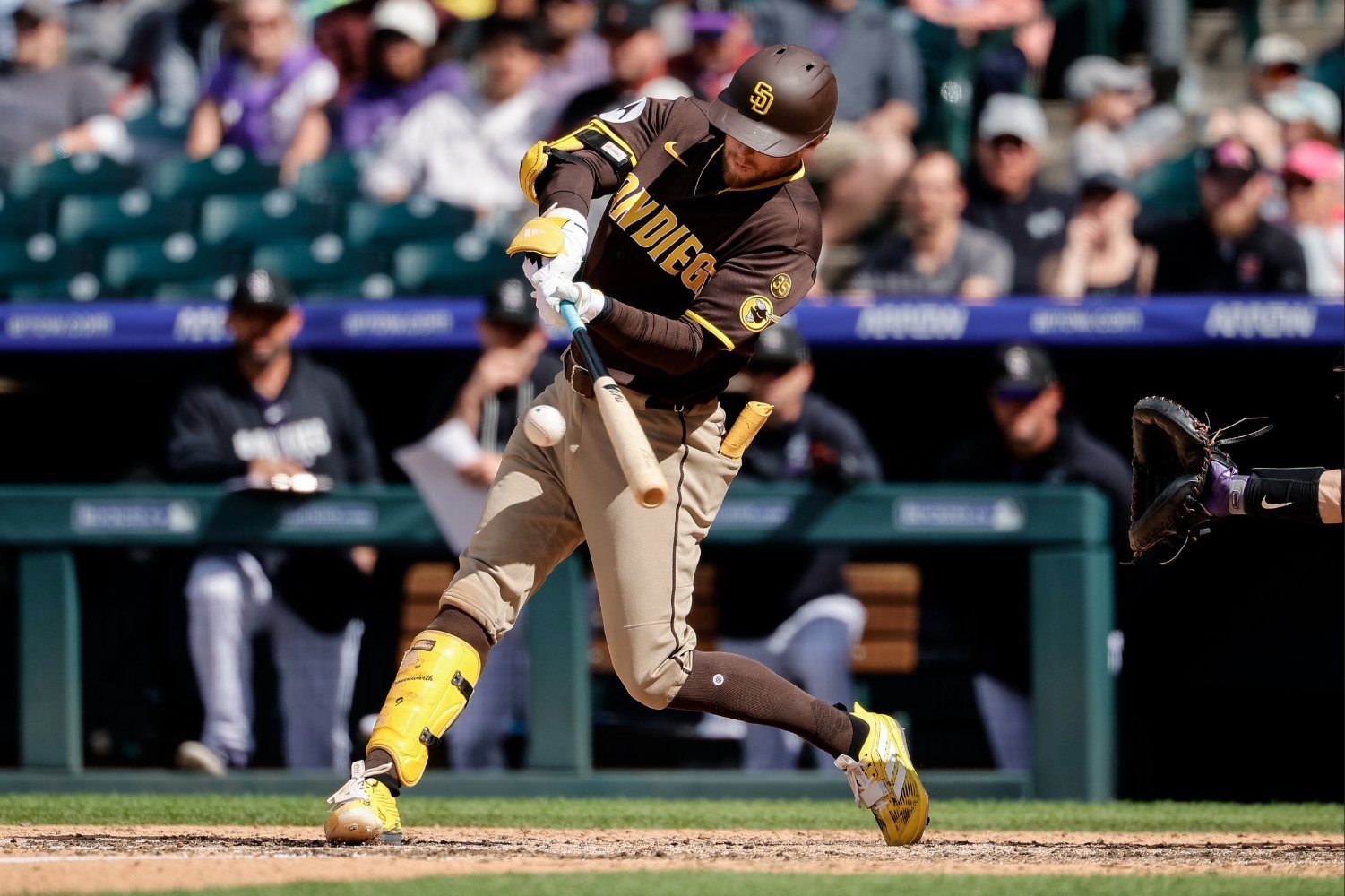 Jake Cronenworth’s career highlight is, undoubtedly, from Game 4 of the 2022 National League Division Series against the Los Angeles Dodgers. Though they were up 2-1 on the series, the San Diego Padres faced a 3-0 deficit going into the bottom of the 7th inning of Game 4. A loss would have meant trudging back up the 5 for a winner-takes-all showdown in Los Angeles, but the clear night sky delivered a madcap rally that evened the score. Cronenworth stepped to the plate with two on and two out, and in a 2-2 count, he stayed on a breaking ball tumbling to the very outside edge of the plate. He served it into center field. Both runners would score, and the Padres would close out the series two innings later in what is probably the most rapturous night in Petco Park history. It feels like yesterday, but that occurred four years ago this October. Since then, Cronenworth has been a confounding player, especially this season. His slash line is an incomprehensible .149/.275/.207, and his 51 wRC+ pegs him as one of the least productive regulars in baseball. Least fun of all, we’ve entered the Crone Zone just once this season. His lone homer came over three weeks ago on April 8. There are two obvious questions when it comes to Jake Cronenworth the player: What’s wrong with him, and how do we fix him? These are worthy questions, indeed, but it’s helpful to start from the beginning. Jake Cronenworth was a late bloomer, having spent three years at Michigan and parts of five seasons in the Tampa Bay Rays minor league system. It wasn’t until that fifth season that he forced people to notice him. Over 97 games, he batted .329 and recorded a .933 OPS. With double digit steals and home runs, he proved that he could be a complete offensive player. It’s why the Padres traded for him (and Tommy Pham) ahead of the 2020 season, and it’s how Cronenworth made an impact immediately. He registered a 129 OPS+ in the Covid season, which earned him second place in NL Rookie of the Year voting. Over the next two full seasons, including the Padres’ run to the 2022 NLCS, Cronenworth produced 7.3 fWAR. He averaged 155 games, a 116 OPS+, and 113 wRC+. He adequately defended three infield positions. It’s little wonder why the Padres gave Cronenworth a seven-year, $80 million extension as the 2023 season was getting started. Over his first three years with the team, Cronenworth was simply one of the most productive and versatile infielders in baseball. "He definitely was not the ‘throw-in’ player in the [2019 trade]," Padres general manager A.J. Preller told MLB.com after Cronenworth’s contract extension was announced. "But he's clearly worked his way from a player that we were excited to acquire to a core member of our nucleus. He's the epitome of what we're looking for from a Padre." Not three years later, Cronenworth was subject to trade rumors. That’s because of a 2023 season in which he was limited to 127 games and was for the first time a below-average hitter, and because of solid, if unspectacular, seasons in 2024 and 2025. If only the rumormongers knew what was in store for 2026. Though he's been downright bad this year, Cronenworth’s is a peculiar case to diagnose. Is his average exit velocity down? Not really. It is down this season, but it's not at career-low levels and exit velocity has never been a strength. How about hard-hit percentage? It’s basically flat for his career, and again, it’s never been a strength. Okay, then his chase, whiff, and strikeout percentages must have increased? Nope, nope, and nope. He’s long excelled here (though this year they have taken a dip). In fact, his walk percentage has only increased throughout his career, and his bat speed is faster than ever. So, he must be unlucky this season? Kind of. His xBA this season is .246, almost 100 points better than his actual batting average, and his xwOBA is a not-that-awful .320. That’s balanced out by luck earlier in his career. He's experiencing the vagaries of a career in baseball. One problem I can pinpoint is his batted ball direction. Cronenworth’s line drive percentage has decreased every year since 2023, and his launch angle has plummeted this season. Consequently, batted ground balls are at a career high. That is not helpful for someone who doesn’t hit the ball hard and, in a 162-game season, has never finished better than the 89th-fastest player. Cronenworth may have dug himself into too deep a hole to be a league average hitter this season, but the advanced statistics indicate he’ll bounce back to be a perfectly adequate hitter. This indicates that his “problem” is actually one of perspective, not performance. Cronenworth’s minor-league breakout occurred during his age-25 season. Three great seasons ensued in the major leagues, encompassing his peak seasons by age. The Padres extended his contract then, banking on his durability, defensive versatility, and, most of all, his good eye and ability to make contact. Three good-or-worse seasons ensued, and this season has been an (unlucky) disaster. Fans have grown frustrated with their $80 million man, and they may be worrying about how a 36-year-old Cronenworth affects the 2030 Padres (assuming he’s still on the roster). But so far, the Padres have paid Cronenworth about $3.7 million per fWAR produced as part of that $80 million extension. According to a FanGraphs analysis, teams are paying over $12 million per WAR in free agency for players who produce two or more WAR, as Cronenworth has done in all but one of his 162-game seasons. This not to suggest Cronenworth is underpaid. It’s to say the Padres knew full well about age-related regression, the cost of wins on the open market, and their place in a relatively small media market. So, what’s wrong with Cronenworth? Nothing, really, besides being human. And what’s the “fix”? To just keep swinging (though lifting the ball in the air a little bit more wouldn't hurt). View the full article
 -
Four Cubs Prospects Who Are Surging In April
DiamondCentric posted an article in North Side Baseball
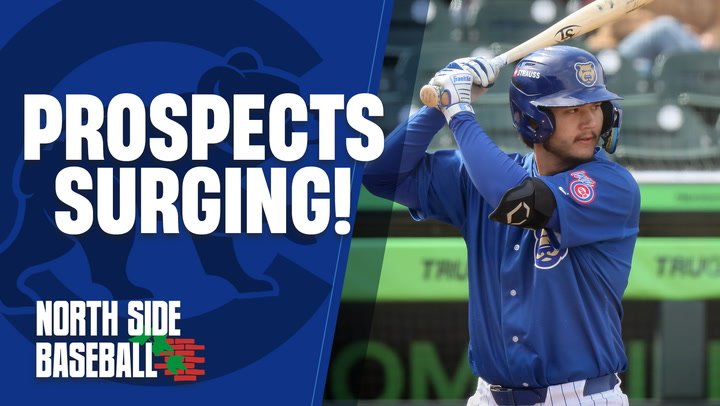 These four Cubs prospects are SURGING in April. Jonathon Long's power is yet again on display, Grant Kipp looks like the steady starting option he gained a reputation as in 2025, Pedro Ramirez could break into the majors any month with his hit ability, and Riley Martin has already made an impact with the big league club, suffering some injuries. View the full article
 -
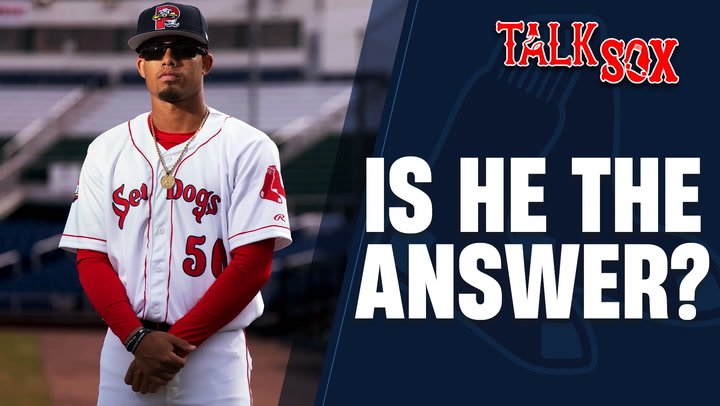 Currently playing for the Double-A Portland Sea Dogs, Franklin Arias has out-performed his expectations in the early going of 2026. With huge questions surrounding the future of Trevor Story and his declining production should Arias take the leap into the majors? Franklin Arias could be an asset for the Red Sox with his new power surge and elite contact in the lineup. View the full article
 -
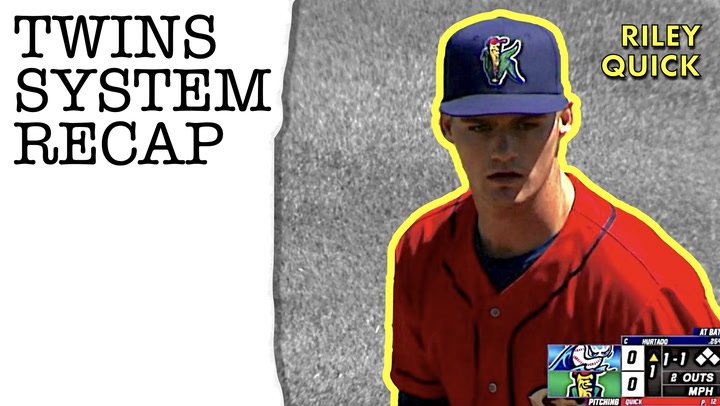 Twins System Recap: Riley Quick made his first start since being promoted to Cedar Rapids and was every bit as dominant as he was in Fort Myers. After delivering four innings of one-hit, shutout ball while striking out five for the Kernels, Quick has a 0.00 ERA, 0.42 WHIP, and 18 strikeouts in 12 total innings with three walks. View the full article
 -
Matt Shaw Might Turn Out to Be a Super Sub, After All
DiamondCentric posted an article in North Side Baseball
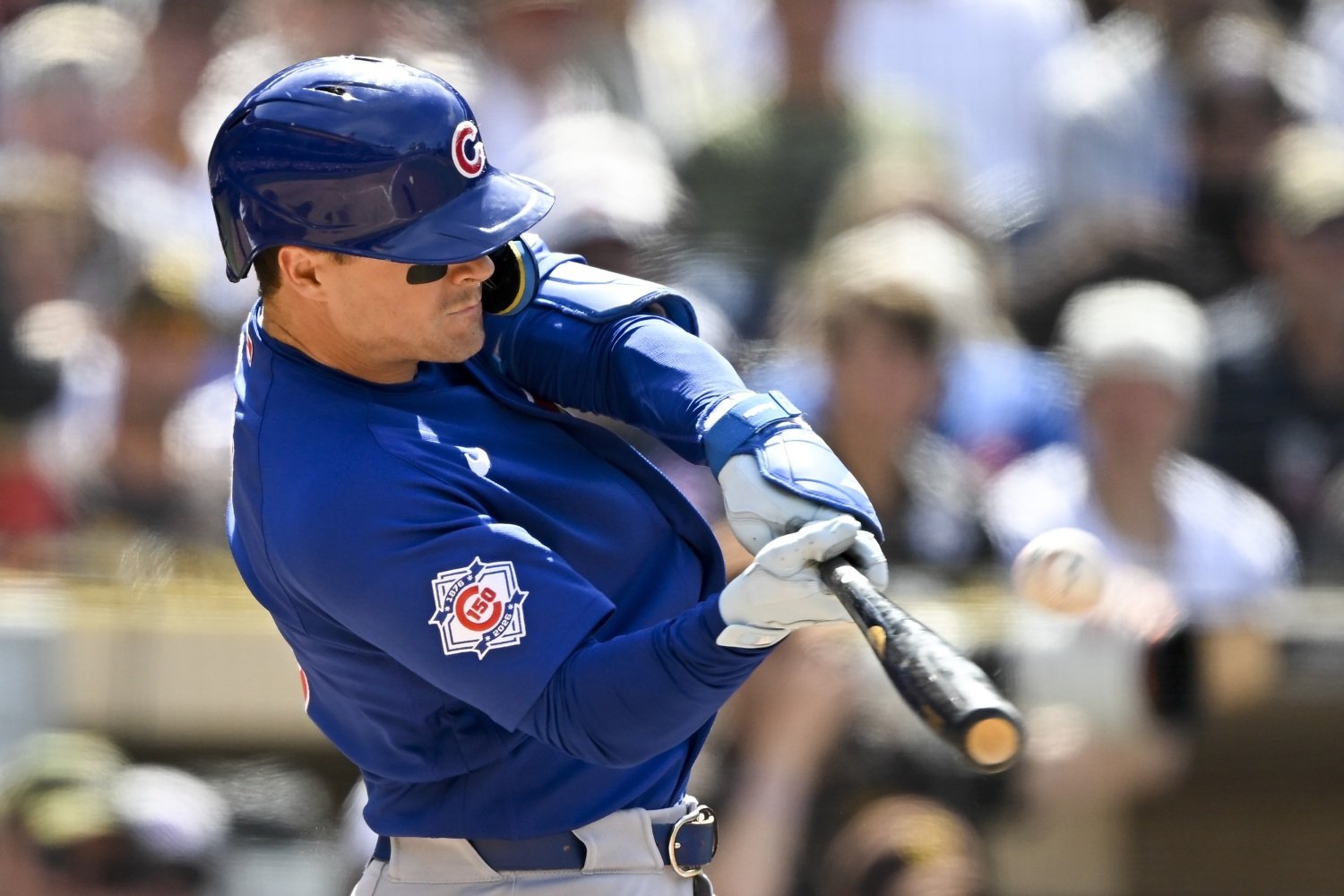 Coming into this season, the weakness of the Cubs' bench was a glaring problem. Little was expected of Michael Conforto or Dylan Carlson, but with Seiya Suzuki starting the year on the injured list, the team was compelled to hope for at least some amount of help from each. Because Craig Counsell didn't trust Carlson, he instead moved Matt Shaw into an outfield role, which forced the team to carry Scott Kingery for the first few weeks of the campaign. Of Shaw himself, no one knew quite what to expect. His rookie season was so uneven and so pockmarked by big changes in mechanics and approach that projecting his offense was difficult, and he had lost his regular defensive home when the team signed Alex Bregman. Kingery and Carlson are gone, now, but the former has been replaced with Nicky Lopez, who's just Scott Kingery in a mirror. He, too, is a glove-over-bat utility infielder whose glove is merely good, not great. He, too, is a quasi-local product. He just happens to bat left-handed. Suzuki is back and has taken nicely to a restored home in right field, while rookie Moisés Ballesteros has been terrific as the DH. That's slightly reduced the role of Shaw and significantly reduced what the team is asking of Conforto, which is for the best. However, Counsell has tried hard to keep finding regular playing time for Shaw, and the sophomore is rewarding his manager's proactive show of faith. He's ironed out some of his early wrinkles in the outfield, still taking shaky routes but making most of the plays asked of him thanks to good jumps and his above-average speed. Lately, he's also been called upon more often on the dirt. Nagging injuries for Alex Bregman and Dansby Swanson have prompted Counsell to slot Shaw in at third and second base, where he's much more comfortable. In Wednesday's final game of a road trip to face the Dodgers and Padres, Shaw started at second, with Nico Hoerner moving to shortstop to fill in for Swanson. He and Conforto were the catalysts of a key victory, as they continue to play better than was expected. Shaw collected three hits against the Padres; Conforto had a double and scored twice, including the go-ahead run in the top of the sixth. Shaw is the big story, though. He, too, had a double, his sixth of the year. Then, in the top of the eighth, he got just enough of a Jason Adam fastball that caught just too much of the upper third of the zone. Often, when a player hits a high heater a long way, we say they got on top of the ball. That couldn't have been less true in Shaw's case: he clipped the ball with a 41° launch angle, arcing high down the left-field line. Because he caught it flush enough to hit it 101.2 miles per hour, though, it carried just beyond the reach of Padres left fielder Nick Castellanos and into the stands for a homer. View the full article
 -
 Fish On First staffers react to the latest Miami Marlins series and prepare you for what lies ahead. Wednesday's show was hosted by Alex Carver and featured panelists Kevin Barral, Jeremiah Geiger and Isaac Azout. The following topics were covered: Sandy Alcantara's impressive outing against the Los Angeles Dodgers Liam Hicks' spectacular season The chaotic ending to Wednesday's game What to do with slumping Owen Caissie Who can be trusted in Miami's bullpen during Pete Fairbanks' IL stint Previewing and predicting the next series against the Philadelphia Phillies You can find Fish Unfiltered and Fish On First LIVE on the Fish On First YouTube channel, Apple Podcasts, Spotify or wherever else you get your pods. Our next FOF LIVE episode will be Saturday at approximately 10:00 p.m. ET midway through the Marlins-Phillies series. View the full article
 -
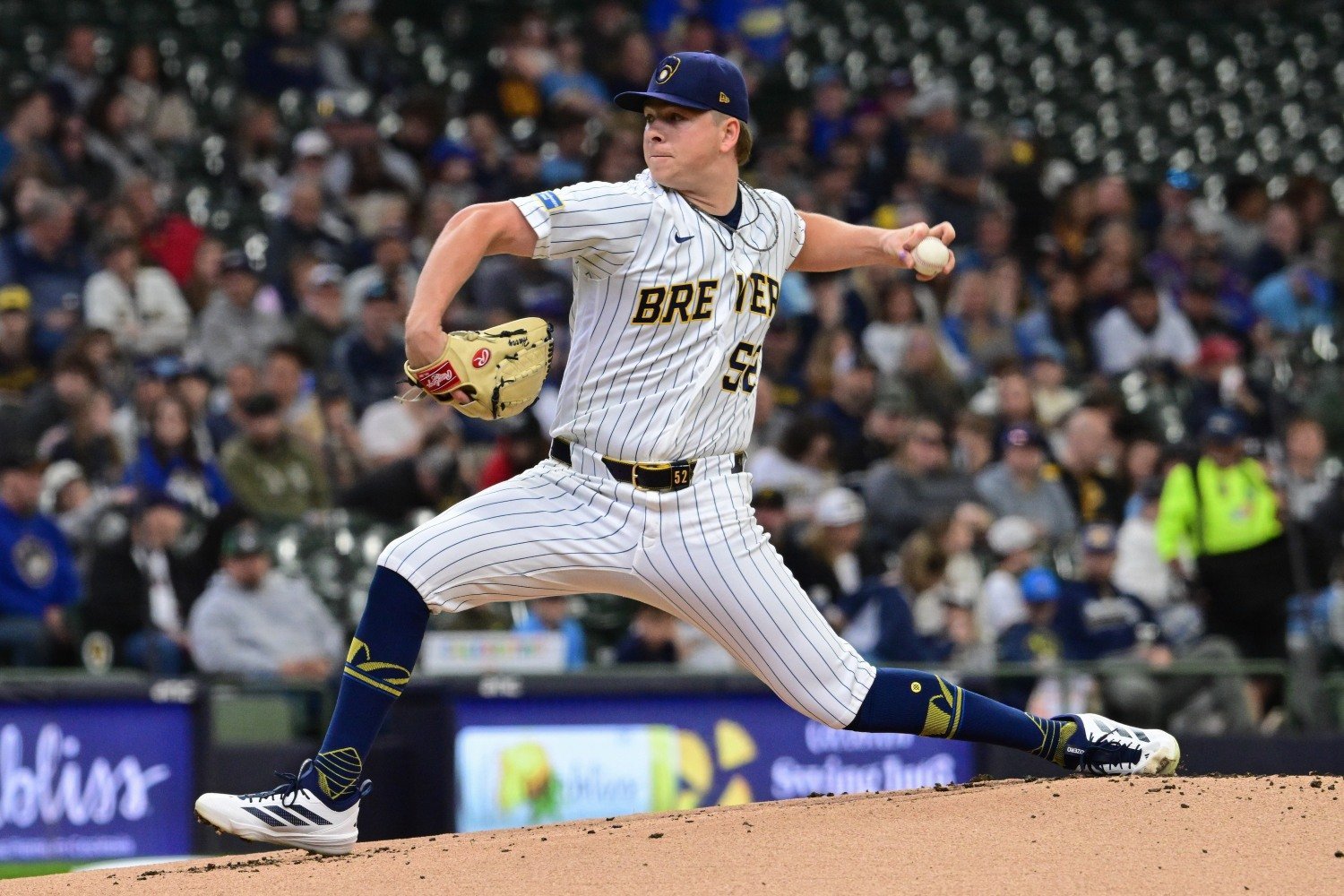 If you put the phrase "side of the rubber" in the Brewer Fanatic search tool, you'll be inundated with a plethora of Matthew Trueblood articles. The Brewers have used this with aplomb in the past to change how pitches tunnel as they approach home plate, and to change the angles they arrive at to either keep them over home plate for longer or shorter periods of time, and Matt loves to write about it. In Kyle Harrison's case, what they've managed to do is create an angle for him to pitch from that really emphasises his breaking ball, while creating an even more unique fastball for the hitter to deal with. It's a familiar formula; I just beat Matt to writing about it this time. Fastballs aren't straight. The majority of true four-seam fastballs have an element of tailing action, moving toward the pitcher's arm side. Harrison was already an outlier in this respect because of his low arm slot, which traditionally makes getting a fastball to "rise" more difficult and emphasises that tailing action. Where some pitchers try to cut their fastballs and emphasize the vertical movement, Harrison has an outlier combination of both vertical and horizontal movement. The only starter in baseball with a comparable fastball from the left side is Cole Ragans, with 17" of induced vertical break and 13.6" of horizontal break. That's quite the comparison, with Ragans's four-seamer performing to an expected batting average of just .188 in 2025. It feels important to preface this article by also admiring how the Brewers have put in a lot of work to clean up Harrison's delivery, and have managed to access more induced vertical break than ever. He averaged 13" with the Red Sox in 2025 and is now up to 15" on average. That makes a heck of a difference in the batted-ball quality for opposing batters. Now, on to the juicy stuff. If we compare the pitch chart above for 2026 with his chart from 2025, there are some notable changes. The breaking pitches are breaking slightly less; the fastball is rising more; there's been a small change in arm angle; and, of course, the changeup profile was altered when he moved to a "kick-change". What I'd like to focus on, however, is the HAA, or the horizontal approach angle. There's been a lot of talk about vertical approach angles on fastballs, making them appear as though they're still rising by the time the pitch reaches the plate. Vertical approach angle is affected by spin rates, arm angles and location (i.e., there will be a lower vertical approach angle on pitches at the top of the zone than at the bottom). Horizontal approach angles, accordingly, are affected by arm angles, release points and horizontal break. When talking about the usefulness of this approach angle, if we consider yourself in a batters box with a coach lobbing balls towards you. The first coach lobs from right in front of you, and your brain finds it easy to pick up the point at which you'll make contact. Now imagine the coach changes position, and throws from a 45° angle. That ball is now coming in towards you at a different trajectory and your brain is forced to decipher movement on two planes. We have to remember as well that, although the ABS system uses a two-dimensional "pane" to assess if a pitch is a ball or strike, hitters have different positions within the batter's box that can change the point at which they impact the ball. Most make contact significantly in front of the ABS zone (which measures at the midpoint of home plate) which can neutralise some of the angular momentum of a pitch, but there is an interesting trade off. Waiting further back in the box to make contact will reduce the vertical approach angle of a pitch, as gravity has more time to straighten the approach angle, while it exacerbates the sweeping horizontal angle of an incoming pitch. It's this secondary movement that Harrison's move across the rubber is emphasizing across his two main offerings. On the fastball, where previously it actually entered the zone quite straight, it's now boring in on the hitter allowing Harrison to really excel coming inside to right handers, especially with his changeup as a real threat to drift off that. As for the slurve, this is perhaps the most meaningful change. The graph below highlights the relationship between Harrison's horizontal approach angle and his hard hit rate: We can see a clear correlation across Kyle Harrison's slurve performance in each of his seasons in the big leagues, tying in well with the line of best fit. While the regression line expects some, well, regression, this season, it still predicts that the slurve will be measurably more successful with an increased horizontal approach angle (HAA). In short, the more the slurve is sweeping across the front of the strike zone, the more Harrison can avoid barrels and reduce the quantity of hard hit balls. While there are some changes in locations with the slurve, the quality of contact is noticeable from last season to this. In 2025, the pitch had an expected Weighted On-Base Average (an overall expected metric covering strikeouts, quality of contact, walks, etc) of .356. That figure was .347 across a larger sample in 2024, and .402 in 2023. In 2026, his xWOBA is just .197 to begin the season. It's a small-ish sample, but the trend lines would suggest a direct correlation between his HAA and the quality of contact given up, such that we should expect this to continue during the year. One final point based on his last start. Looking at the 2026 pitch map, his slurve has been anything but a consistent, downward breaking shape throughout the season. He's seen it back up quite regularly and failed to get that downward movement. In his last start however you can see how much tighter and more consistent the slurve shape was with how clustered together the blue dots are: As a result, the whiff rate skyrocketed. He could command it better as a result, finding locations in the shadow areas that encouraged chase and some really uncomfortable swings. He showed that, even with the early success of his slurve, that there's more in the tank. The Brewers have made some simple adjustments and tweaks that have allowed yet another pitcher to take a leap forward. It's almost comical at this point. And Kyle Harrison is taking full advantage of the H&H car wash. Have you enjoyed Kyle Harrison's start to the season? And perhaps for my self, do you enjoy these kinds of analytical pieces? Let me know your thoughts in the comments below! Pitch Graphs _ PitchProfiler.html View the full article
 -
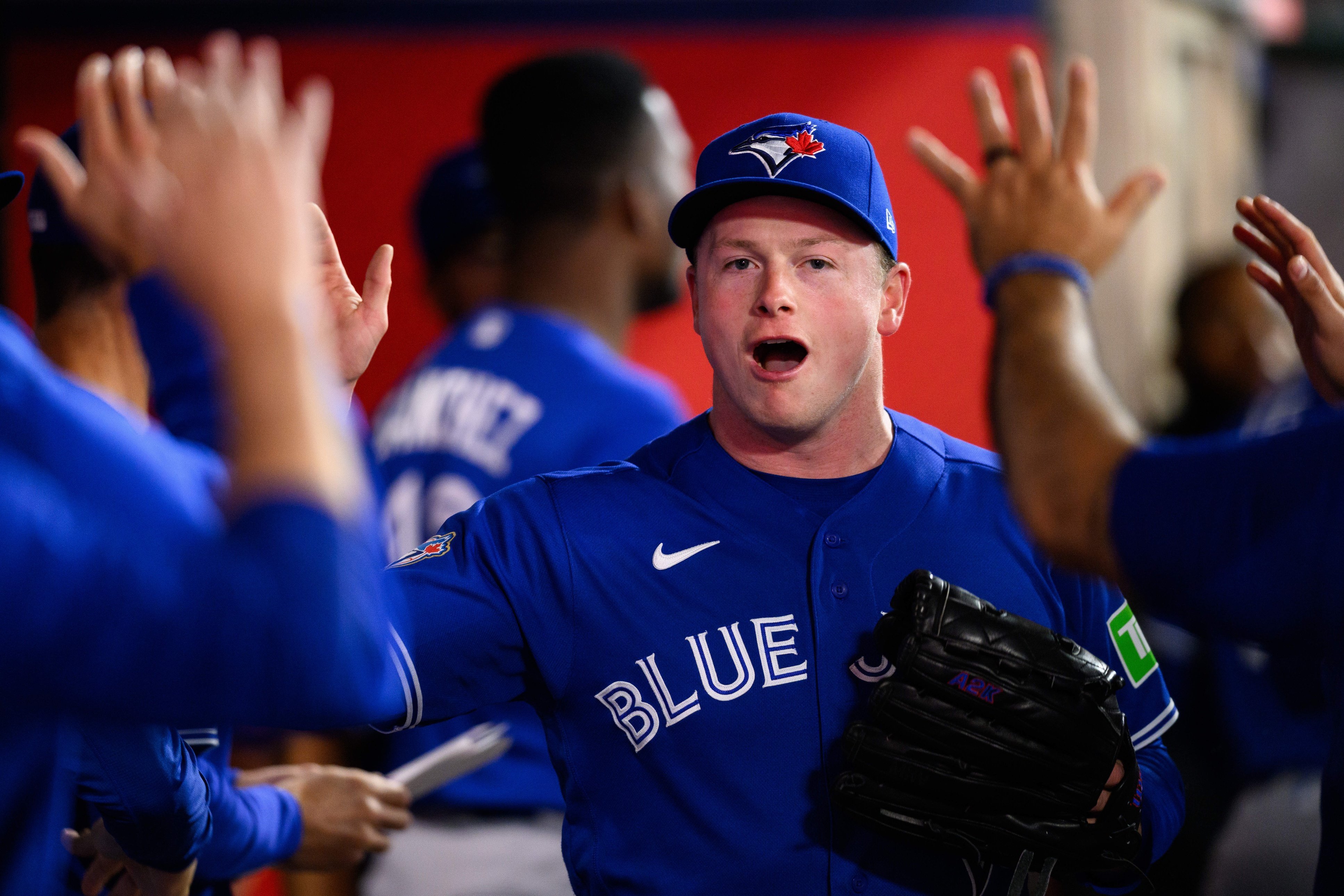 On Tuesday night against the Mariners, Joe Ryan threw six innings of one-run ball before surrendering a leadoff double in the top of the seventh. He exited in a very winnable 1-1 tie game. Before long, the score was 7-1 and the Twins were lopsided losers. Kody Funderburk quickly allowed the inherited runner to score. In the eighth, Cole Sands gave up a three-run homer to Josh Naylor. (Who pimped the living hell out of it.) In the ninth, newly acquired veteran Luis García — recently waived by the Mets after posting a 7.11 ERA through six appearances — allowed two more runs to cap off a bullpen meltdown that torpedoed Minnesota's chances of locking up a series win. On Wednesday, Eric Orze entered in the ninth to protect a one-run lead and gave up three earned runs while recording one out, sealing another series loss. These were the the 10th and 11th losses in 13 games for the Twins, dropping them five games below .500. For the season, their relievers rank 25th in baseball with a 5.31 ERA and 27th in Win Probability Added at -1.58. It hasn't quite been the worst relief corps in the league, but it's been close, and costly. As expected. Making matters worse: Louis Varland is reaching new levels of dominance in Toronto. After setting a record for reliever usage in the playoffs last year, and prompting Blue Jays starter Kevin Gausman to call his deadline acquisition "one of the greatest trades we've ever made," Varland is further elevating his game here in 2026. Through 16 innings, he has a 0.56 ERA and 26-to-4 K/BB ratio with zero home runs allowed. His fastball is averaging 98 MPH. His strikeout rate (43%), FIP (0.63) and fWAR (1.0) all lead the American League. In fact, Varland's WAR is more than double that of the entire Twins bullpen (0.4). It's hard to overstate what a difference he could be making as leader of this reconfigured unit. Alas, Varland is now a Blue Jay, due to the controversial decision to ship out the breakout reliever and his five remaining years of control as part of last year's deadline teardown. Whereas the Griffin Jax and Jhoan Duran trades were fairly conventional rebuild moves, the Varland trade was much more of a head-scratcher. Up until he was dealt just minutes before the deadline, he seemed likely to stick around as the long-term leader of a rebuilding relief corps. We're seeing now why that may have been a good idea. Instead, we're seeing the downside of an audacious, risk-laden decision. Varland is starring in the Blue Jays bullpen while the Twins flounder in part because of their complete lack of late-inning weapons. Alan Roden seemed like an odd fit when Minnesota's front office targeted him and only looks more so now — he was buried in the minors on the LH-hitting OF depth chart before suffering another significant injury last week. Roden is out for the next month at least and possibly much longer. Ouch. Which brings us to Kendry Rojas, the other half of the Varland return. He was always the centerpiece of the deal from the Twins' view, and we're seeing why this year. Rojas looked great in camp and has been stellar in his handful of appearances for the Saints. He's already debuted for the Twins, tossing two scoreless innings of relief while filling in for Funderburk last week, and as long he stays healthy it won't be long before he's back. With his upper-90s heat and whiff-centric stuff from the left side, Rojas is a high-caliber arm with the realistic potential to flip the narrative (at least somewhat) on the Varland trade. Fair or not, there's going to be a lot of pressure on him to do so. Right now, the contrast is impossible to ignore. Varland is becoming exactly the kind of late-inning force the Twins desperately lack — dominant, reliable, game-altering — just in someone else’s bullpen. Minnesota is left searching for answers in the innings that matter most, hoping Rojas can eventually help bridge that gap. View the full article
 -
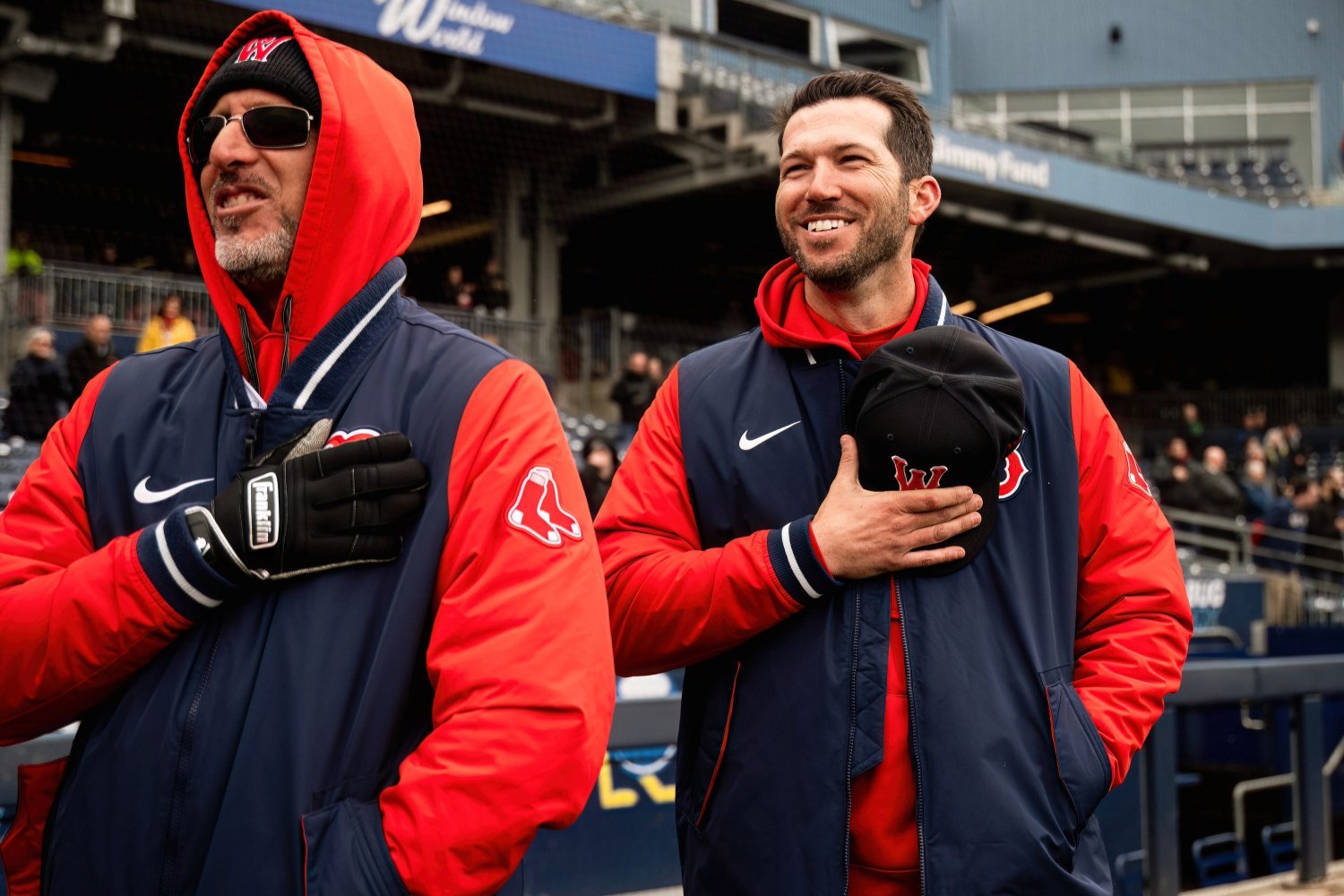 My Saturday morning started great. I woke up early, biked to the gym, and bought a new grill at my local hardware store. It felt like a productive start to the day, yet something felt off. My intuition proved right. After the Boston Red Sox pounded the Orioles in a 17-1 win, Craig Breslow abruptly fired manager Alex Cora and five members of their coaching staff. Look, it was obvious the Red Sox needed a semblance of change. They’ve gotten off to one of the worst starts in franchise history. The offense is tepid and can’t hit fastballs if their lives depended on it. But it’s atypical to see almost the entire team’s coaching staff let go early in the season. At the very least, my money was on just hitting coach Pete Fatse getting sacked. Baseball is full of bizarre storylines. (In recent years, the recurring theme for the Red Sox is petty drama.) Alas, some teams have parted ways with their managers and still reached the playoffs. Let’s take a look at them. In-Season Manager Changes Followed by a Playoff Run Year Team Manager Date Fired Replacement Record Rest of the Season Postseason Result 2022 TOR Charlie Montoyo 7/13/22 John Schneider 46-42 45-29 Lost in WC (SEA) 2022 PHL Joe Girardi 6/3/22 Rob Thomson 22-29 65-46 Lost in the WS (HOU) 2009 COL Clint Hurdle 5/29/09 Jim Tracy 18-28 74-42 Lost in NLDS (PHI) 2008 MIL Ned Yost 9/15/08 Dale Sveum 83-67 7-5 Lost in NLDS (PHI) 2022 Toronto Blue Jays On July 13, 2022, the Blue Jays let go of Charlie Montoyo and handed the keys to bench coach John Schneider for the interim. Overall, the team held a 46-42 record and the third wild-card berth, but they started July with a lackluster 3-9 record. Toronto finished the season with a 45-29 record (ranked third in the American League) and held onto its wild-card berth, snapping a six-year postseason drought. Schneider was promoted to full-time manager in October 2022. 2022 Philadelphia Phillies On June 3, 2022, the Phillies fired Joe Girardi. At the time, things looked dire for the Phillies. They were third in the National League East with a 22-29 record and 5.5 games behind a wild-card berth. Led by former bench coach Rob Thomson, the team finished the season with an 87-75 record (third in their division). They clinched the final NL wild-card spot and danced to their first World Series appearance since 2009. Like Schneider, Thomson took over as full-time manager in October. 2009 Colorado Rockies On May 29, 2009, the Rockies parted ways with Clint Hurdle. Colorado was 14.5 games behind the Dodgers with an 18-28 record (fifth in the National League West). Hurdle’s replacement was bench coach Jim Tracy, the father of the Red Sox’s new skipper, Chad Tracy. The senior Tracy pulled the Rockies out of the basement. They ended the season with a 92-70 record, ranked second in their division. To this day, the Rockies’ 2009 record stands as the best in the franchise’s 33-year history. The team reached the National League Division Series. Come November, Tracy was named full-time manager. 2008 Brewers On September 15, 2008, the Brewers fired Ned Yost. The team held an 83-67 record and were tied with the Phillies for the wild-card, which sounds fine, except they entered September with a 5.5-game lead over the Phillies and were 3-11 in the first two weeks. Third base coach Dale Sveum managed the team for the remaining 12 games and the postseason. They lost to the Phillies (who went on to win the World Series) in the National League Division Series. Sveum’s managerial stint with the Brewers was short, but he’d later manage the Cubs. Could the Red Sox sneak into the postseason this year? History says so, but there’s a fundamental difference in the aforementioned teams and the 2026 Red Sox. Managers do their best with the rosters that the front office hands them. The 2022 Blue Jays had four All-Stars. The 2022 Phillies had Bryce Harper, fresh off his 2021 MVP season. J.T. Realmuto and Aaron Nola were still in their prime. The 2009 Rockies had Troy Tulowitzki just reaching his peak and a future Hall of Famer in Todd Helton. The 2008 Brewers had two All-Stars and a core of burgeoning young talent. The 2026 Red Sox will be lucky to have more than one player represent the team at the All-Star Game in Philadelphia. Cora wasn’t given the optimal roster to manage. President of Baseball Operations Craig Breslow repeatedly echoed that the team needed a power bat, but neglected to sign any marquee free agents, instead trading for 33-year-old veteran Willson Contreras. To Contreras’ credit, he’s done well in Boston, but more often than not, there’s nobody on base when he goes deep. Despite the team’s surplus of outfielders, none of them were traded in the offseason, leaving Cora to juggle all five. The bullpen was the red-headed stepchild of the offseason. Breslow traded workhorse reliever Brennan Bernardino for Braiden Ward, a speedy outfielder, who profiled as redundant given that the team already had utility player Nate Eaton stashed away in Worcester. Cora himself wasn’t perfect. Like most people, he falls into the ambiguous grey area. At his worst, he played favorites, his bullpen usage was questionable, he was a slave to the platoon, players seemed to lack fundamentals, the defense committed egregious errors, and runners looked lost on the basepaths. I’m saying this as a huge Cora fan. Astute leaders don’t surround themselves with yes-men. They recognize the importance of healthy tension and constructive criticism. They understand there isn’t one way to solve a problem. They learn from their mistakes. Breslow hasn’t demonstrated any of these qualities. In the wake of the Rafael Devers trade last June, Breslow acknowledged, “We want people to feel valued. We want people to feel like the work that they’re doing matters, that their voices are heard. And I think there’s an opportunity for me to do a better job making sure that everybody in this organization knows that.” Sunday morning, after Cora was fired, Breslow addressed the clubhouse in a brief “five or six” minute meeting. Players didn’t have the chance to, in Breslow’s words, “have their voices heard.” Reliever Garrett Whitlock told reporters, “They made it very clear that we get paid to play baseball, and we need to just focus on playing baseball.” That same morning, Breslow and President Sam Kennedy held a press conference where Breslow emphasized the human element of the game: “On a human level, on a personal level, it's incredibly difficult. These are people that you build close relationships over multiple years. They are really, really good people, good fathers, good husbands. You know, I think we tend to think about only the professional aspect of this, but you know, the human side makes it just unbelievably difficult. You know, you wrestle with these things. But when you get to the point where you feel like this is the best decision for the organization and the best decision for the players, no matter how difficult you have to do it.” For someone with a Mensa-level EQ, Breslow has a strange way of showing that he’s attuned to the human side of baseball operations. The Red Sox reportedly didn’t offer Alex Bregman a full no-trade clause – which was a reasonable ask – considering the organization’s history. Since 2018, the Red Sox front office has been a revolving door, but I took comfort in knowing that the team had one of the best managers. Cora had a feel for the game, something Breslow seems to lack despite spending 12 years in the majors. Breslow seemingly cares more about his computer models being correct than what’s actually unfolding on the field. He doesn’t recognize what leadership looks like. Why? Because it can’t be quantified. George Washington took the green French officer, Marquis de Lafayette, under his wing during the Revolutionary War. Plato tutored Aristotle. Gandalf guided Bilbo and Frodo through Middle Earth. David Ortiz mentored Xander Bogaerts and Mookie Betts. The Red Sox could’ve had their leader in Bregman, Kyle Schwarber, or Pete Alonso. Maybe Breslow’s model advised him not to overpay them. Roman Anthony is only 22 years old, and he’s expected to carry the weight of the team on his back and address the media when veteran players refuse to. I know it’s early, and there’s a lot of baseball to be played, but the odds aren’t in the Red Sox’s favor. PECOTA projects that the team has a 15.1% chance of making the playoffs and a 1.0% chance of winning the division. Teams that pulled off an in-season managerial change had front offices that constructed rosters that were worth saving. Right now, the Red Sox are a sinking ship. body { font-family: Arial, Helvetica, sans-serif; margin: 20px; } table { border-collapse: collapse; font-family: Arial, Helvetica, sans-serif; font-size: 14px; } th, td { border: 1px solid #000; padding: 8px 12px; white-space: nowrap; vertical-align: middle; } thead th { background-color: #001f3f; color: #ffffff; font-weight: bold; } .title { text-align: center; } /* Centered columns: Year, Team */ .center { text-align: center; } /* Left-aligned columns: Manager, Date Fired, Replacement, Record, Rest of the Season, Postseason Result */ .left { text-align: left; } /* Widths */ .w-narrow { width: 60px; } .w-rest { width: 70px; white-space: normal; } .w-wide { width: 140px; } View the full article
 -
 In all of his years in baseball, Sam Suplizio couldn’t remember anyone being as big of a jerk as Toronto Blue Jays manager Jim Fregosi had just been. In western Colorado, Suplizio was simply ‘Mr. Baseball.’ Suplizio had been on the path to the majors before a wrist injury in 1956 prevented that from happening. With the dream over, he headed west and began a successful career in the banking industry. His love for the game would be backed by his growing wealth, and in the Rocky Mountains, his moniker was earned. Mr. Baseball brought the Junior College World Series to a permanent home in Grand Junction, and he was a formidable voice for the Colorado Baseball Commission, a group that helped bring Coors Field and the Colorado Rockies into existence. As successful as he was in a suit and tie, a pair of stirrups and cleats were always preferable to Suplizio. He managed Grand Junction’s summer collegiate team for nearly two decades and served as a coach and scout for a few major league organizations. In 1981, Brewers general manager Harry Dalton brought his friend in for his greatest assignment: teaching Paul Molitor to play center field. Suplizio packed his how-to manuals and spent three weeks with Molitor, who lasted roughly a month in center. Nonetheless, Suplizio had a great reputation around baseball for his work with outfielders, and by 1999, he was employed by the Angels as a volunteer coach. Suplizio had the cash to get any seat in the house, but it was his credentials that got him his preferred seat, one that money couldn’t buy. Now retired from his day job, he spent a chunk of his summers following around the Angels. He worked out with the outfielders before games, and once play commenced, Suplizio would stick around and watch from the dugout. He wasn’t supposed to. In a rule that would surely trouble the Shapiro-era Blue Jays, teams were limited to a handful of coaches on the bench for games. Yet, the rule was consistently broken, and coaches such as Suplizio watched on from the dugout while opposing teams looked away. On June 15, 1999, Suplizio planned to do what he had done dozens of times that season. He had flown to Toronto to meet the Angels before the start of a two-game series, did some pre-game work on the turf and then he intended, as always, to watch from the bench. He was also there being Mr. Baseball. Before the game, Suplizio sought out Fregosi to say hi to Toronto’s first-year manager. He had well wishes to pass along from former Expos manager Buck Rodgers, and Fregosi’s son had played college ball at New Mexico, like Suplizio had. This was not their first interaction. As Suplizio approached Fregosi, he surely noticed the shiner Toronto’s manager had received just a few days earlier. His attention would quickly be diverted to the words coming from Fregosi’s mouth. The Angels were at their limit for coaches in uniform, and the Blue Jays were enforcing the rule. Suplizio wouldn’t be sitting in the first base dugout tonight. Nor would he ever again. Perhaps Fregosi was crusty from the day-old newspaper report that Skinny Joe had tattooed his left eye; perhaps the Blue Jays were just done looking the other way on this, as teams weren’t doing it for them. In ‘98, former 100-base stealer Maury Wills served in a Suplizio-type capacity for new Blue Jays manager Tim Johnson. No one in the American League scored fewer runs than the Blue Jays had in ‘97, and Johnson arrived to change that and talk about ‘Nam (accomplishing both). Wills was with Toronto for the entire spring and was a hit in camp. “I wish we could keep him all year,” said Ed Sprague. When the Blue Jays returned from a 3-6 road trip in early April, Wills greeted them back in Toronto. In the dugout for the first time all season, Wills proved to be a good luck charm, as the Jays swept the White Sox, and the Yankees were headed north next. After losing the series opener to New York in 11 innings, the Blue Jays found themselves in another tight one the following evening. Yankees manager Joe Torre knew of Wills’ presence in the other dugout, and with the game tied in the ninth, Torre didn’t feel the need to tolerate the rule-breaking any longer. Prompted by what he thought was Wills shouting from the dugout, Torre said he went to home plate umpire Rocky Roe and had Wills removed from the game. The Blue Jays were incensed. Sprague called Torre’s move “weak.” Johnson wouldn’t speak to Torre. For his part, Wills said it wasn’t him shouting, but he did admit to being involved in the giving of signals. He joked he must’ve not done a good enough job on the weekend if the White Sox hadn’t noticed him, but either way, he was hurt. “It felt like I was thrown out of my own home, my own life,” he said. “But, hey, they’re trying to win a ballgame. I might have done the same thing.” Toronto correctly assumed that George Steinbrenner noticed Wills on television and asked to have him removed. For his part, Torre was unapologetic and took the heat for The Boss. “[Wills] is a competitive guy who competed when he played, and he’s good at what he does. If they wanted him to be that active, they should have made him one of their six coaches.” Can’t fight that logic. (photo credit: Cooperstowners in Canada) Wills spent the rest of the series in the tunnel between the clubhouse and the dugout, with the team officially put on notice by the American League about his presence on the bench. Johnson asked for an exception, but none would be made. On May 6, Toronto was told that Wills would not be permitted on the bench during games again. The Suplizios of the baseball world could slyly watch on from the dugout without a care, but Wills was a bona fide legend of the game, and as Johnson’s successor was about to find out, even franchise legends didn’t go unnoticed. Having been named manager of the Canadian national team, Blue Jays catching coach Ernie Whitt thought he would get some preparation in. The Pan American Games were around the corner, and Whitt would join Fregosi on the bench for a game early in the ‘99 season. Toronto would be called out on coach quantity again, forcing Whitt to leave the contest. The team would ensure it wouldn’t happen a third time. As an organization, the Blue Jays enacted a policy that it would no longer allow any excess coaches on the bench, and Fregosi was about to impose that limit on the Anaheim Angels. Fregosi had little time for Suplizio’s pleading. “[Suplizio] was on the bench when we were in California, and I didn’t say one word. I went to him before the game as a common courtesy, so I wouldn’t have to do it during the game. If he wants to make a big deal about it, I will.” Suplizio slinked off and sat behind the dugout for the second game of the series, saying he didn’t want to make a fuss over things other than wishing to call Fregosi “small.” An AL official called the Angels a few days later and officially put an end to Suplizio’s days on the bench. Each team got a similar phone call. Toronto’s team policy and subsequent callout of Suplizio would push the American League into enforcing its own rule for limiting coaches on the bench. Somewhere along the line, that rule changed, noticeable in Toronto’s dugout with Edwin Encarnacion cameos and unheard-of titles being bestowed on DeMarlo Hale and Don Mattingly. Why did Fregosi choose to make an example of Suplizio, who considered the Blue Jays manager a friend? Maybe Fregosi thought the familiarity would smooth his action over as Toronto made a point following the incidents with Wills and Whitt. It certainly did not. As Wills did, Suplizio felt humiliated, and the incident sparked, for the time, the American League having to enforce a rule it previously hadn’t. View the full article
 -
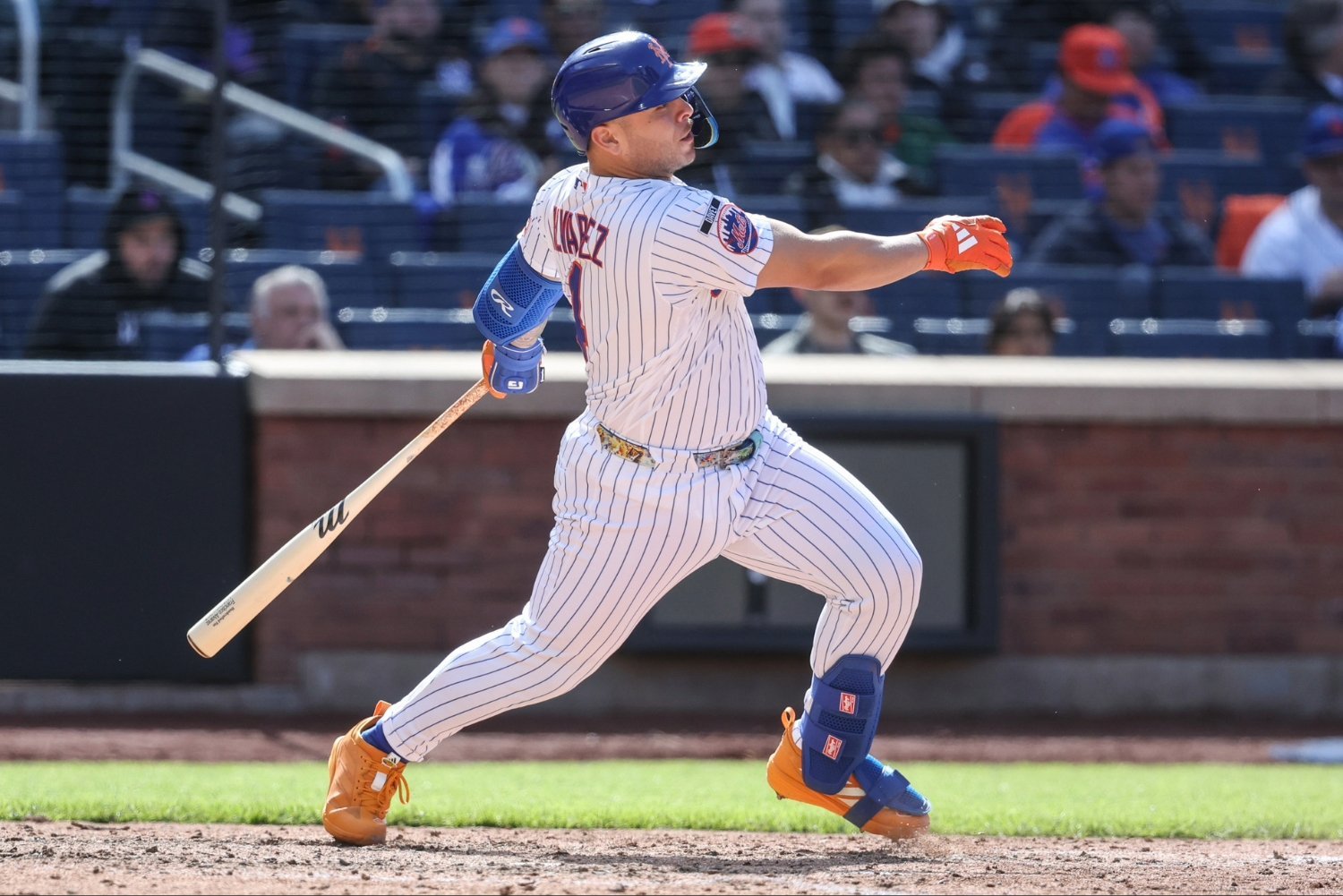 Back on April 15, we took a look at the Mets’ catching tandem and praised Francisco Alvarez for his offensive prowess. Back then, his 179 wRC+ ranked eighth in baseball among players with a minimum of 50 plate appearances. He was on top of the world, leading his team in home runs and showing why he is one of the best up-and-coming talents in the National League. He is, after all, just 24. Since then, however, Alvarez’s offensive numbers have crashed, and his wRC+ is now barely above the league average, at 107. From April 14 until April 29, he hit a rough .139/.238/.167 with no home runs, only one run scored, and a 24 wRC+. Yes, you read that right. It’s not that he has been unlucky during that time, as his .201 wOBA is very close to his .219 xwOBA. What's going on? Francisco Alvarez Has Stopped Hitting the Ball Hard What has happened to Alvarez since the middle of the month? Well, his 21.4 percent strikeout rate over that stretch isn’t alarmingly high, but his 28.6 percent hard-hit rate is alarmingly low, much worse than his 39.1 percent mark for the season and the 54.3 percent he had last season. He hasn’t been squaring up the ball for a couple of weeks now and his numbers have suffered as a result. Alvarez is also expanding the zone a bit more this year. Last season, he had a 27.7 O-Swing%, or percentage of swings on pitches out of the zone. It’s up to 31.3 percent this year, and 32.7 percent since April 14. There are other issues, too. This year, Alvarez has feasted on off-speed pitches (.569 wOBA, .482 xwOBA), much like last season. However, his .183 wOBA vs. breaking pitches has been a problem, and even if his .247 xwOBA against that specific pitch type suggests some positive regression is on the horizon, it’s still bad. He is also slugging just .333 vs. fastballs, down from .488 in 2025. A Stunning Reverse Split Threatens To Sink Alvarez's Season One curious development while looking over Alvarez’s stats and splits is his stunning ineffectiveness against left-handers. He is showing a reverse split, which is incredibly rare: against lefties, he is sporting a horrible 60 wRC+, while he is at 123 against righties. Over the course of his career, he does have a higher wRC+ vs. righties, at 107, than he does while facing southpaws (102). However, this year’s gap is astonishing, and, frankly, puzzling. Perhaps Alvarez has had problems picking up the ball against certain lefties at specific angles this year, or perhaps his approach against such pitchers has gone haywire. However, this smells like small-sample noise, which means his fortunes should change for the better, at least against southpaws. There’s no reason for his performance while facing lefties to fall so calamitously during his prime. All things considered, Alvarez does need to change some recent habits, such as chasing breaking pitches out of the zone. He should be fine over the long haul, though: let’s not forget he is a 24-year-old catcher coming off a highly productive season last year. View the full article
 -
Does slumping Owen Caissie need minor league reset?
DiamondCentric posted an article in Fish On First
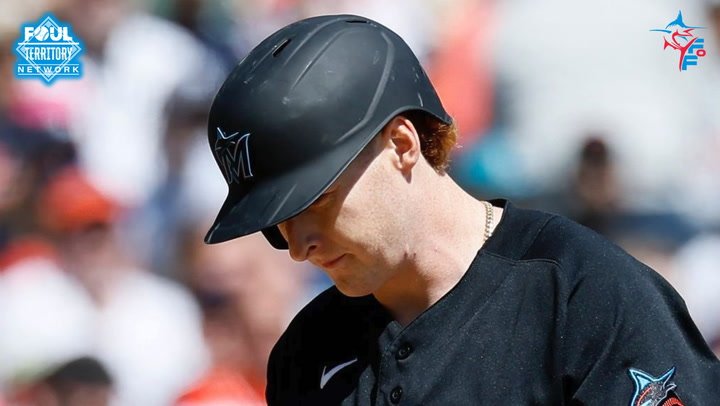 The Fish On First LIVE panel debates what to do about Owen Caissie's ongoing struggles at the plate. The rookie outfielder is homerless over his last 22 games with a .156/.200/.219 slash line.View the full article
 -
 Samad Taylor's two homers and Alek Jacob's three-strikeout save delivered a 7-6 win by the Triple-A El Paso Chihuahuas over Albuquerque. Jake Cunningham's five RBIs, including a two-run homer, pushed the High-A Fort Wayne TinCaps past South Bend 7-4. Victor Duarte's two-run shot and Rordy Mejia's 2⅔ scoreless innings carried the Low-A Lake Elsinore Storm to a 4-3 win in Ontario. The Double-A San Antonio Missions fell 4-3 in Tulsa despite back-to-back homers from Leandro Cedeño and Tirso Ornelas. Padres Minor-League Transactions No roster moves Samad Taylor Goes Deep Twice, Triples In Chihuahuas' Victory The El Paso Chihuahuas built a five-run lead and then survived a late Albuquerque Isotopes rally to win 7-6. Samad Taylor powered the offense with a 3-for-5 night, with two home runs, a triple, four RBIs, and two runs scored. Jose Miranda finished 3-for-3 with a walk and an RBI. Sung-Mun Song added two hits, two runs, and a double. The Chihuahuas pounced in the first. Sung-Mun Song singled with one out, Taylor crushed a two-run homer to right-center, and Jose Miranda capped the inning with an RBI single that brought home Nick Schnell. El Paso added a Song RBI double in the second, a Jase Bowen sacrifice fly in the fourth following a Jase Bowen triple, and another two-run Taylor blast in the sixth that pushed the lead to 7-3. The Isotopes finally broke through against starter JP Sears in the fifth. After a strikeout, five consecutive singles produced three runs and chased Sears from the game, still with the Chihuahuas leading 5-3. Yuki Matsui, nearing the end of his rehab assignment, surrendered two more in the sixth on two hits, a walk and a strikeout. Albuquerque trimmed it to one in the eighth on another sacrifice fly off Eli Villalobos. Sears, working 4⅓ innings, gave up seven hits and three earned runs while walking one and striking out five. Alek Jacob took over in the ninth, struck out three of the four hitters he faced, walked one, and locked down his second save. EP_0429.mp4 Player AB R H RBI BB K Jase Bowen, CF 4 1 2 1 0 1 Sung-Mun Song, 3B 5 2 2 1 0 1 Samad Taylor, LF 5 2 3 4 0 1 Nick Schnell, RF 4 1 1 0 1 3 Mason McCoy, SS 5 0 1 0 0 2 Nate Mondou, 1B 5 0 1 0 0 1 Jose Miranda, DH 3 0 3 1 1 0 Clay Dungan, 2B 4 0 0 0 0 2 Rodolfo Durán, C 4 1 1 0 0 2 Player IP H R ER BB K HR JP Sears 4 1/3 7 3 3 1 5 0 Miguel Cienfuegos (W, 1-0) 2/3 0 0 0 1 1 0 Yuki Matsui 1 2 2 2 1 1 0 Eli Villalobos (H, 2) 2 1 1 1 0 1 0 Alek Jacob (S, 2) 1 0 0 0 1 3 0 Missions Drop Tight One In Tulsa As Drillers Rally The San Antonio Missions saw a 3-0 lead slip away in Tulsa, falling 4-3 to the Drillers after a tying solo home run in the fifth and a go-ahead RBI double in the seventh. Carson Tucker had a productive night with two doubles in four at-bats. Kai Murphy added two hits and a run scored. Romeo Sanabria reached three times with a hit, an RBI, and a walk. San Antonio struck first in the top of the first. Murphy had a leadoff double and scored on a Sanabria single. The Missions stayed quiet until the fourth, when Leandro Cedeño and Tirso Ornelas hit back-to-back solo home runs, Cedeño to center and Ornelas to right, opening a 3-0 cushion. It was the first of the season for Cedeño and the third for Ornelas. The Drillers answered in the bottom of the inning. Starter Victor Lizarraga gave up a two-run home run to cut the lead to one, then surrendered a tying solo blast in the fifth. Lizarraga went five innings, allowing two hits, three runs, all earned, on two walks and three strikeouts. San Antonio could not crack the Tulsa bullpen the rest of the way. In the bottom of the seventh, Sadrac Franco gave up an RBI double that put the Drillers ahead for good. The Missions had a chance to tie in the ninth as Albert Fabian was hit by a pitch with one out and went to third on Tucker's second double of the game. Ethan Salas, who had homered in three straight games, came off the bench to pinch-hit, but popped out to third. Braedon Karpathios also pinch-hit, flying out to center to end the game. SA_0429.mp4 Player AB R H RBI BB K Kai Murphy, CF 4 1 2 0 0 0 Romeo Sanabria, DH 3 0 1 1 1 1 Leandro Cedeño, 1B 4 1 1 1 0 1 Tirso Ornelas, RF 4 1 1 1 0 1 Ryan Jackson, 2B 4 0 1 0 0 0 Albert Fabian, LF 3 0 1 0 0 1 Kai Roberts, PR 0 0 0 0 0 0 Carson Tucker, 3B 4 0 2 0 0 0 Francisco Acuna, SS 3 0 0 0 0 1 Ethan Salas, PH 1 0 0 0 0 0 Chris Sargent, C 3 0 0 0 0 2 Braedon Karpathios, PH 1 0 0 0 0 0 Player IP H R ER BB K HR Victor Lizarraga 5 2 3 3 2 3 2 Sadrac Franco (L, 0-2) 1 1/3 2 1 1 1 2 0 Harry Gustin 1 2/3 0 0 0 1 1 0 Jake Cunningham Homers, Drives In 5 As TinCaps Outlast Cubs The Fort Wayne TinCaps weathered a four-run South Bend fourth inning and pulled away for a 7-4 win, behind a five-RBI performance from Jake Cunningham. Alex McCoy came around to score three times with two hits, including a double, and two stolen bases. Jack Costello reached three times and stole three bases. Rosman Verdugo went 2-for-3 with two walks and a stolen base. McCoy reached base in four of his five plate appearances and has an 18-game on-base streak and has a Midwest League-leading 10 doubles. Through three innings the contest was a stalemate. Then came the fourth. Verdugo, Lamar King Jr., and McCoy strung together three consecutive singles to load the bases, and Cunningham slashed a two-run single to right. Two batters later, Costello laced a two-RBI single to left to make it 4-0 Fort Wayne. The TinCaps' lead lasted barely a half-inning. Starter Isaiah Lowe gave up a single, a double, and a three-run homer to open the bottom of the fourth, then walked a batter and yielded another single before being lifted with runners at first and second. Braian Salazar entered and surrendered a sacrifice fly that tied the game on an inherited runner. Lowe was charged with all four runs over 3⅓ innings, allowing four hits and walking four with two strikeouts. Fort Wayne reclaimed the lead in the fifth on a Cunningham two-run homer to center, his fifth of the season, that scored McCoy. Cunningham added an RBI in the ninth on a sacrifice fly that brought home McCoy. The bullpen kept South Bend off the board the rest of the way. Salazar tossed 1⅔ scoreless innings to pick up the win, his second of the year. Kleiber Olmedo worked two perfect innings and Tucker Musgrove punched out one in a eighth. Clay Edmondson allowed one hit and struck out one to seal his third save. FW_0429.mp4 Player AB R H RBI BB K Kasen Wells, CF 4 0 1 0 1 2 Rosman Verdugo, 2B 3 1 2 0 2 0 Lamar King Jr., C 5 1 2 0 0 1 Alex McCoy, LF 4 3 2 0 0 1 Jake Cunningham, RF 4 2 2 5 0 2 Carlos Rodriguez, DH 5 0 1 0 0 2 Zach Evans, 3B 4 0 0 0 1 0 Jack Costello, 1B 2 0 1 2 1 0 Dylan Grego, SS 4 0 0 0 0 3 Player IP H R ER BB K HR Isaiah Lowe 3 1/3 4 4 4 4 2 1 Braian Salazar (W, 2-2) 1 2/3 1 0 0 1 0 0 Kleiber Olmedo (H, 3) 2 0 0 0 0 1 0 Tucker Musgrove (H, 1) 1 0 0 0 1 1 0 Clay Edmondson (S, 3) 1 1 0 0 0 1 0 Victor Duarte's Homer Sends Storm Past Tower Buzzers The Lake Elsinore Storm rallied from an early two-run hole to beat the host Ontario Tower Buzzers 4-3. Victor Duarte's two-run home run in the fifth put the Storm ahead, and the bullpen made the lead stand up. Justin DeCriscio finished 2-for-4 with two doubles and a run. Ryan Wideman went 2-for-5. Luke Cantwell added two hits, scored a run, and stole a base. George Bilecki, Qrey Lott, and Bradley Frye each added a stolen base. Ontario opened the scoring in the bottom of the third. Starter Jesus A. Castro walked three batters in the inning, including a bases-loaded walk, before being lifted. Rordy Mejia inherited the bases loaded with one out and limited the damage to a sacrifice fly, leaving the Storm down 2-0. Lake Elsinore came right back in the fourth as George Bilecki lined an RBI single to right and Lott followed with a sacrifice fly, knotting the score at two. The Storm took the lead an inning later. With two outs, DeCriscio doubled and Duarte hammered a two-run homer to center for a 4-2 advantage. Ontario answered with a solo home run in the sixth, but Lake Elsinore's bullpen kept the Tower Buzzers off the board the rest of the way. Vicarte Domingo pitched the final two innings, allowing one hit and a walk with a strikeout, for his second save. LE_0429.mp4 Player AB R H RBI BB K Ryan Wideman, CF 5 0 2 0 0 2 Bradley Frye, 3B 4 0 1 0 0 2 Justin DeCriscio, 2B 4 1 2 0 0 0 Victor Duarte, C 4 2 2 2 0 2 Luke Cantwell, 1B 3 1 2 0 0 0 Truitt Madonna, 1B 1 0 0 0 0 0 Jorge Quintana, SS 3 0 0 0 0 2 George Bilecki, RF 3 0 1 1 1 2 Qrey Lott, DH 2 0 0 1 1 1 Conner Westenburg, LF 4 0 0 0 0 2 Player IP H R ER BB K HR Jesus A. Castro 2 1/3 3 2 2 4 2 0 Rordy Mejia (W, 1-1) 2 2/3 2 0 0 2 4 0 Carson Swilling (H, 3) 2 1 1 1 0 2 1 Vicarte Domingo (S, 2) 2 1 0 0 1 1 0 Top-20 Prospect Performance Kash Mayfield: DNP Ethan Salas: 0-for-1 Kruz Schoolcraft: DNP Bradgley Rodriguez: DNP Humberto Cruz: DNP Miguel Mendez: DNP Ty Harvey: DNP Jorge Quintana: 0-for-3, 2 K Kale Fountain: DNP Ryan Wideman: 2-for-5, 2 K Jagger Haynes: DNP Lamar King Jr.: 2-for-5, R, K Romeo Sanabria: 1-for-3, RBI, BB, K Truitt Madonna: 0-for-1 Michael Salina: DNP Garrett Hawkins: DNP Kavares Tears: DNP Deivid Coronil: DNP Francis Pena: DNP Bryan Balzer: DNP View the full article
 -
Brewers Minor League Link Report (4/29) Jett Takes Flight
DiamondCentric posted an article in Brewer Fanatic
 Transactions: · Milwaukee Brewers selected the contract of LHP Brian Fitzpatrick from Nashville Sounds. · Milwaukee Brewers sent RF Luis Matos outright to Nashville Sounds. · SS Cristopher Acosta assigned to ACL Brewers. · RHP Luke Roupe assigned to ACL Brewers. · RHP Bryan Regalado assigned to ACL Brewers from DSL Brewers Blue. · OF Alexander Frias assigned to ACL Brewers from DSL Brewers Gold. · SS Tyler Rodriguez assigned to ACL Brewers from Wilson Warbirds. · RHP Dariel Jaquez assigned to ACL Brewers from DSL Brewers Blue. · RHP Johandry Ramirez assigned to ACL Brewers from DSL Brewers Blue. · SS Jonathan Rangel assigned to ACL Brewers from DSL Brewers Gold. · SS Juan Martinez assigned to ACL Brewers from DSL Brewers Gold. · OF Kenny Fenelon assigned to ACL Brewers from DSL Brewers Gold. · LHP Joan Pena assigned to ACL Brewers from DSL Brewers Gold. · RHP Johandry Ramirez assigned to ACL Brewers from DSL Brewers Blue. · RHP Bryan Regalado assigned to ACL Brewers from DSL Brewers Blue. · OF Brailyn Antunez assigned to ACL Brewers from DSL Brewers Blue. · RHP Diustin Mayorquin assigned to ACL Brewers from DSL Brewers Blue. · OF Alexander Frias assigned to ACL Brewers from DSL Brewers Gold. · SS Tyler Rodriguez assigned to ACL Brewers from Wilson Warbirds. Reminder: ACL play begins on Saturday. Game Action: Nashville pre-game media notes Nashville 7, Norfolk (Orioles) 4 Box Score As always, you are encouraged to read the official round-up from the team’s site: Williams Walks-Off Tides with Three-Run Homer in Thriller On a night where two big leaguers began their rehab assignments at Nashville, it was the future stars who shone the brightest. Jackson Chourio and Andrew Vaughn began their rehab assignments in Nashville and made an immediate impact. In the first, Chourio walked, then aggressively took third on Vaughn’s single. Unfortunately, Jeferson Quero could only produce a shallow pop fly that resulted in Chourio being thrown out at the plate for a double play and the Sounds failed to score. In the third, Chourio once again led off with a walk. After a deep fly out from Vaughn, Quero connected with an RBI double into the left field corner. Chourio was running with the pitch and scored easily on the play, courtesy of the Nashville X account: Chourio looked patient at the dish and fast on the base paths in his five innings of play. Over his last 11 games, including his two doubles on Wednesday, Quero is batting .349/.362/.628 (.990 OPS). The Sounds added solo runs in sixth and seventh to take a 3-1 lead. Cooper Pratt, Brock Wilken and Eddys Leonard all came up with big hits to set up or drive in runs: Pratt was 2-for-3, with a walk, and two steals on the night. Wilken's double was a laser: To that point, the Sounds had successfully deployed a bullpen game, with Craig Yoho, Carlos Rodriguez, and Reiss Knehr combining to shut down Norfolk through the middle innings. However, in the top of the 9th inning, Easton McGee surrendered the lead on a two-run home run. The Sounds would not be denied victory. In the 9th, Quero doubled in the tying run: Then after an intentional walk to Luis Lara, Jett Williams lined an opposite field homerun to give the Sounds their first walk-off victory of the season: Nice to see a total team victory with just about everyone chipping in at the plate, on the base paths, and in the field. On a night where former bullpen mate Brian Fitzpatrick made his MLB debut in Milwaukee, the pitchers honored him with a resounding Johnny Wholestaff victory. The Sounds are scheduled to play a doubleheader on Thursday, with more major league talent on display when Coleman Crow and Robert Gasser will take the mound. Biloxi pre-game media notes Pensacola (Marlins) 12, Biloxi 4 Box Score O'Rae, Burke Extend Streaks, Shuckers Drop Game Two of Series to Blue Wahoos It was a rough night at the park for the Biloxi, who fell 12-4 to Pensacola after a late-inning surge by the home team. Despite the lopsided final score, The Shuckers wasted no time getting on the board, plating two runs in the top of the 1st inning. The offense turned free passes and stolen bases from Dylan O’Rae and Jesus Made to put pressure on the Pensacola defense. Damon Keith then fired one back up the middle to give Biloxi a quick 2-0 cushion, courtesy of the Biloxi X account: However, starter Tyson Hardin (4.2IP 6H 7R 6ER 2BB 6K) struggled to contain the Blue Wahoo's offense all night. In the first, Pensacola rallied for two runs on two hits, and an error by Made. In the second Pensacola added a solo home run to take the lead. The Shuckers used some small ball to manufacture a run in the fifth with a single from O’Rae and then three walks to force in a run. Pensacola then put the game away with a three-run rally in the fifth, and a five-run rally in the seventh. Sam Garcia and Anthony Flores each worked scoreless outings in relief, despite working around some traffic on the bases. Biloxi managed to scratch across one final run in the 9th thanks to a double by Matthew Wood, and then sac fly from Made, but it was far too little, too late. RHP Jaron DeBerry (2-2, 3.86 ERA) leads the Shuckers on the mound on Thursday. Wisconsin pre-game media notes Wisconsin was once again rained out on Wednesday, their sixth rainout of the month. They will attempt to play two on Thursday, with Wande Torres (1-0, 5.14 ERA) and Bryce Meccage (1-0, 2.93 ERA) the probable starters. Wednesday’s game notes show JD Thompson to make his professional debut on Saturday. Wilson pre-game media notes Wilson 5, Salem (Red Sox) 1 Box Score Late Rally Propels Warbirds to Victory The Warbirds played one of their better games of the season on Wednesday morning. Not since the opening series of the season had Wilson won a game by more than three runs or held an opponent under two runs scored. The three extra base hits for the Warbirds were their most in a week and snapped a stretch of 17 consecutive singles by the team. Jarrette Bonet (6IP 2H 0R 0ER 1BB 2K) pitched well enough to earn the win, but the Wilson offense laid dormant until late in the game. The Warbirds snuck out to a 1-0 lead on a passed ball in the first. Bonet would make that run hold up until he exited after tossing 74 pitches. It was the second consecutive six-inning outing for the undrafted 20-year-old who now sports a 3.09 ERA in 23.1IP this season. Bonet gave way to Tanner Perry (2IP 1H 1R 1ER 2BB 2K) who escaped a threat in the top of the seventh when the leadoff man walked, stole second, and then advanced to third on a passed ball. Perry was able to wiggle off the hook by retiring the next three men in order to hold the one-run lead. However, the next inning Perry allowed the game-tying home run on the first pitch of the 8th. That’s when the Warbirds offense finally woke up. Frederi Montero responded instantly with a leadoff home run in the bottom of the 8th. Filippo Di Turi followed with a one out triple and scored on a sac fly. After three consecutive walks to load the bases, Jeremy Ebel would put the game out of reach with a two-run single to make it 5-1 Wilson. Ebel, who had a triple earlier in the game, is warming up with a .268/.444/.366 (.810 OPS) over his last 12 games. Handelfry Encarnacion was on base three times (a single and two walks). Jadyn Fielder drew three walks and added one of three Wilson steals. Jose Anderson struck out four times and now 47 strikeouts in 86 at-bats this season. Andrew Healy (0-0, 13.50 ERA), the 2025 9th round draft pick from Duke will take the mound for Wilson on Thursday. Looking ahead to the weekend, Jacob Morrison is listed as Saturday’s probable starting pitcher. That would mark the professional debut for the 3rd round pick out of Coastal Carolina from last year. Organizational Scoreboard including starting pitcher info, game times, MiLB TV links, and box scores Current Milwaukee Brewers Organization Batting Stats and Depth Current Milwaukee Brewers Organization Pitching Stats and Depth View the full article
