


DiamondCentric
-
Posts
2,631 -
Joined
-
Last visited
Never
Content Type
Profiles
Forums
Events
News
Tutorials & Help
Major League Baseball Videos
Guides & Resources
Store
Downloads
Gallery
Everything posted by DiamondCentric
-

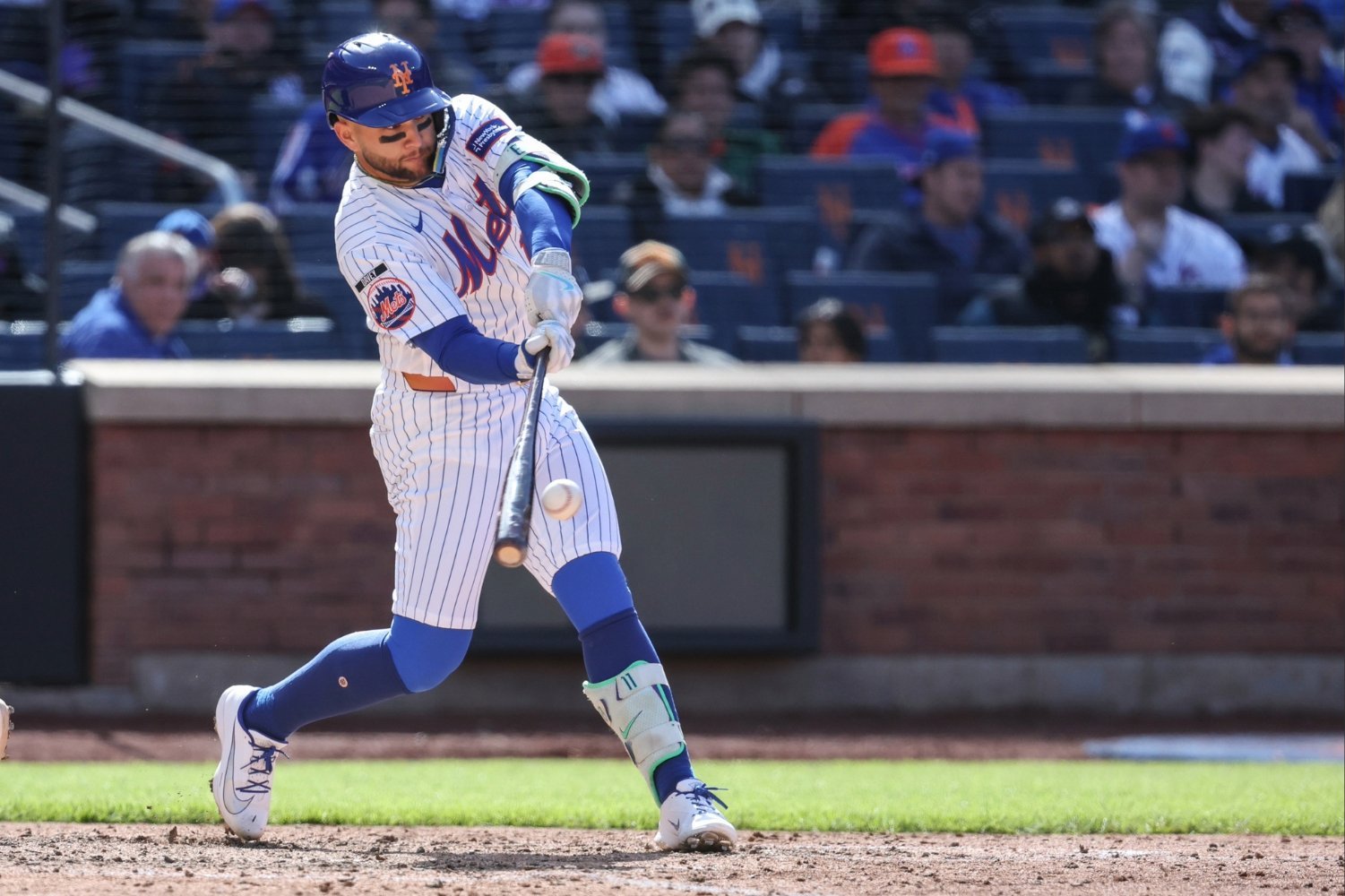 New York Mets star infielder Bo Bichette has gotten plenty of criticism for failing to produce the numbers that a $126 million player should. Coming over as one of the star offseason signings of the team, he has slumped to a 61 wRC+ in 28 games and 123 plate appearances. That performance is not worthy of a man who hit .311 last year with a 134 wRC+. However, and even though it may not feel like it at times, Bichette has actually improved a bit in recent games. He has hit safely in five of his last six games, and in nine of his last 11. Bichette had just two hits and one walk in his first five games, covering 24 plate appearances, but since the calendar flipped to April, he hasn’t been as bad as you might think, as his .276 batting average, 92 wRC+, and .332 xwOBA (prior to the doubleheader against the Rockies) are all passable. That’s certainly not vintage Bichette, but not the disaster it might seem sometimes. Bo Bichette's Shocking Power Outage There are a few problems with Bichette’s play up to this point, though. The first and most obvious one is that the power hasn’t been there this year, with just one homer in 123 trips to the plate. A career-high 54.8 percent groundball rate might help explain this; it’s hard to hit the ball out of the park if more than half of your batted balls are to the ground. Bichette is not exactly a pull-heavy slugger, but he is running a six percent pull AIR %, one of the lowest figures in the league. That may also be contributing to the power drought. On top of the power outage, Bichette is also striking out significantly more often than last year. His 22.0-percent strikeout rate is not exactly alarming, but for a guy with little power to speak of, it’s definitely noisy. It’s only slightly higher than his career 19.5 percent mark, but considerably worse than last year’s 14.5 percent. Why Bo Bichette Could Be About To Turn His Season Around Even if the totals and the season-long rate stats don’t look good, Bichette might be on the verge of putting together a strong run if the Mets are patient. He is still consistently hitting the ball hard, with a 45.2 percent mark that ranks in the 69th percentile, which is pumping up his expected batting average to .288 (85th percentile). His 76th percentile average exit velocity is also promising. The best thing of all is that the production is starting to match the underlying stats, even if the sample is tiny. Over his last four games prior to Sunday's doubleheader, Bichette slashed a strong .353/.353/.471 with a 133 wRC+. Over that span, he had two doubles, four runs scored, three RBI, and a stolen base. On Thursday, he had this incredibly clutch bases-clearing, go-ahead double that helped the Mets win their second game in a row after their 12-game losing streak. Of course, you could see in the celebration that he cares. To put it simply: Bichette needs to start pulling some balls and hitting them in the air with authority, whether they are line drives or fly balls. He is not fully out of the woods until we see him sustain a nice run over a significant stretch, but he has started to show some signs of life, which is more than we can say about a Mets team that just got swept by the Rockies. Don’t expect him to knock 30 balls out of the park, but this is still a 20-homer, .300-batting average type of hitter in his prime. Expect the numbers to start resembling that player in due time. View the full article
 -
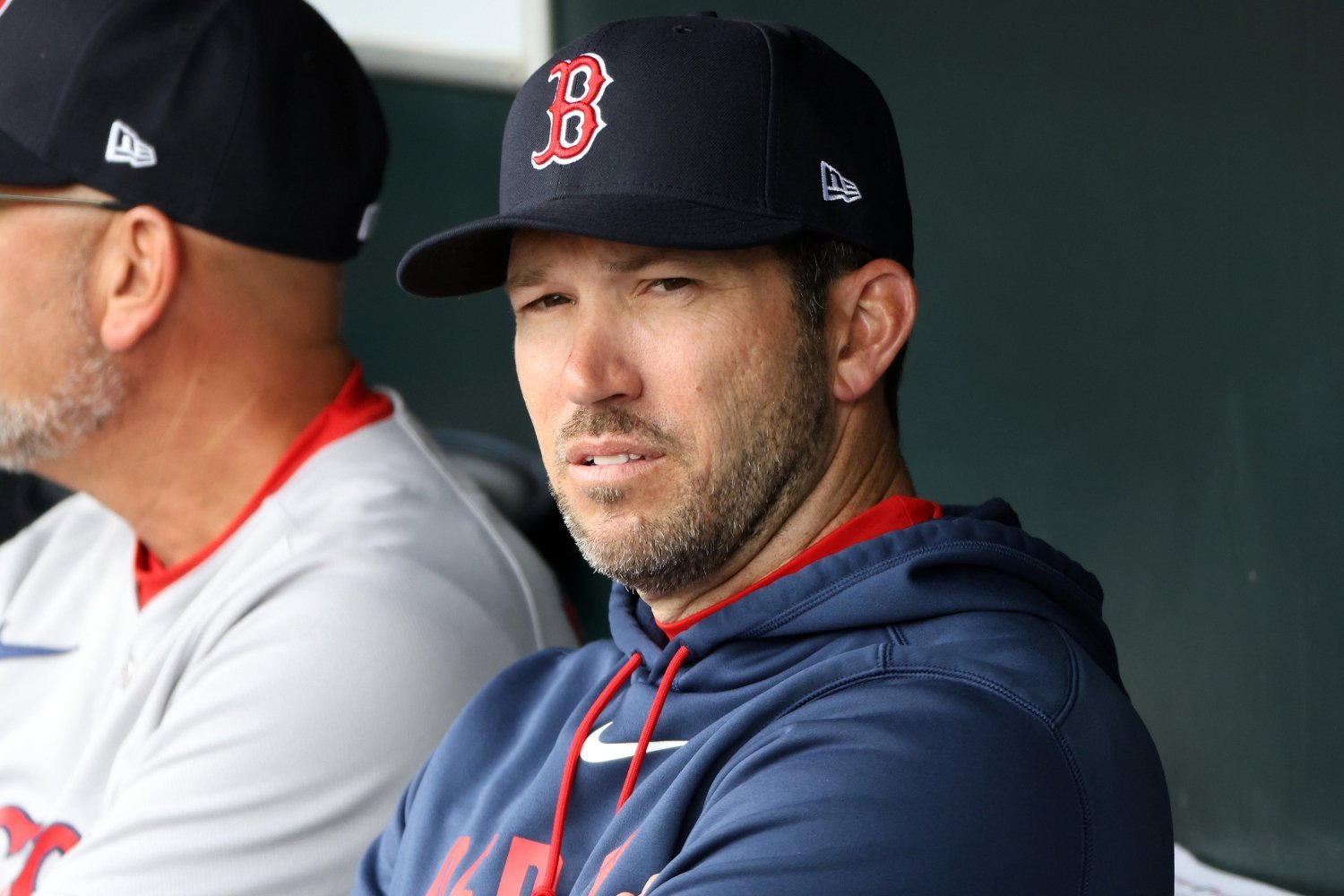 Boston Red Sox Weekly Snapshot Record Last Week: 3-4 Runs Scored Last Week: 36 Runs Surrendered Last Week: 32 Standings: 5th in AL East 7.5 GB First Place Transactions: 04/21/26: Red Sox recalled LHP Tyler Samaniego from Worcester Red Sox. 04/21/26: Red Sox placed RHP Sonny Gray on the 15-day injured list. Right hamstring strain. 04/22/26: Red Sox selected the contract of LHP Eduardo Rivera from Worcester Red Sox. 04/22/26: Red Sox optioned RHP Jack Anderson to Worcester Red Sox. 04/22/26: Red Sox transferred 1B Triston Casas from the 10-day injured list to the 60-day injured list. Recovery from left patellar tendon repair. 04/23/26: Red Sox optioned LHP Eduardo Rivera to Worcester Red Sox. 04/23/26: Red Sox recalled LHP Payton Tolle from Worcester Red Sox. Scores: Game 22 (4/20): BOS 8, DET 6 Game 23 (4/21): BOS 0, NYY 4 Game 24 (4/22): BOS 1, NYY 4 Game 25 (4/23): BOS 2, NYY 4 Game 25 (4/24): BOS 3, BAL 10 Game 26 (4/25): BOS 17, BAL 1 Game 27 (4/26): BOS 5, BAL 3 Series Breakdown/Highlights Yankees Series: Not a lot went right during the first homestand against the Yankees. The offense looked listless and failed to show up for the first two games. At least in the third game, things started to seem different. The team recalled Payton Tolle to make the start in the final game of the homestand, pushing back both Brayan Bello and Garrett Crochet’s next scheduled starts, and he lit Fenway Park on fire. He began the game with five straight strikeouts and went on to strikeout 11 on the night while surrendering only one walk and one earned run on a Jazz Chisholm home run. He induced 18 whiffs, thanks in large part to his arsenal of high-velocity fastballs and his power curve He pitched his way into a couple of jams, and then turned right around and pitched his way back out of them. It was an absolute shame that the bullpen let him down in his first game this season, but if he keeps pitching like he did against the Yankees, then he’s going to have ample opportunities to earn wins for the Red Sox. Carlos Narvaez also took Cam Schlittler deep over the Green Monster for his first home run of the season. Orioles Series: This series was completely boring and offered no newsworthy, drastic changes to the coaching staff. Game one started off much like the entire Yankees series—just uninspired baseball from the entire team. Brayan Bello looked like he has for much of 2026—lost on the mound. His frustrations grew with each pitch and he let it show on his face for much of his outing. The Orioles ran out of fireworks due to the amount of home runs they hit in the game. That’s never a good thing when you’re the visiting club. Game two thankfully, sang a much different tune. Garrett Crochet looked every bit of the ace that the Red Sox expected him to be again this season. He tossed 90 pitches over six innings with 57 of them going for strikes. He allowed three hits, zero runs, two walks, seven strikeouts, and had 12 whiffs. He topped out at 97.5 MPH and almost doubled the use of his four-seam fastball, kicking it up to 59% of the time from 28.3% in prior outings. Andruw Monasterio hit a grand slam, Caleb Durbin got his first home run in a Red Sox uniform, and Willson Contreras looked like a true middle-of-the-order slugger. Shockingly, following that contest, the team parted ways with manager Alex Cora, hitting coach Pete Fatse, bench coach Ramon Vazquez, game manager Jason Varitek, and hitting instructor Dillon Lawson. At least they went out with a blowout win. In game three, the Red Sox became demons on the basepaths under the new management style of interim manager Chad Tracy, swiping four bags. Contreras continued his hot streak and Monasterio was again a spark in the lineup. Arguably most impressive, though, was Ceddanne Rafaela throughout the entire series. He’s shown a new plate approach that is paying dividends for him. He’s quickly becoming a star caliber player right in front of our eyes and it’s been incredible to witness. Connelly Early turned in his best start of the season in the series finale, tossing 6 ⅔ innings, allowing four hits, two earned runs, one walk, and four strikeouts. Website Highlights Red Sox Fire Alex Cora, Most of MLB Coaching Staff in Shocking Pivot by Nick John The Red Sox Can’t Hit Baseball’s Most Fundamental Pitch by Jack Lindsay Carlos Narvaez is Getting Eaten Alive by Fastballs, but the Red Sox Shouldn’t Lose Hope by Gottie Chavez Jarren Duran’s Struggles are a Bitter Reminder of the Red Sox’s Poor Roster Construction by Alex Mayes Looking Ahead April 27: Red Sox (Ranger Suarez) @ Blue Jays (Dylan Cease): 7:07 PM EDT April 28: Red Sox (Payton Tolle) @ Blue Jays (Trey Yesavage): 7:07 PM EDT April 29: Red Sox (Brayan Bello) @ Blue Jays (Max Scherzer): 3:07 PM EDT May 1: Astros @ Red Sox: 7:10 PM EDT May 2: Astros @ Red Sox: 4:10 PM EDT May 3: Astros @ Red Sox: 1:35 PM EDT View the full article
 -
Which offseason moves Marlins already wish they could undo
DiamondCentric posted an article in Fish On First
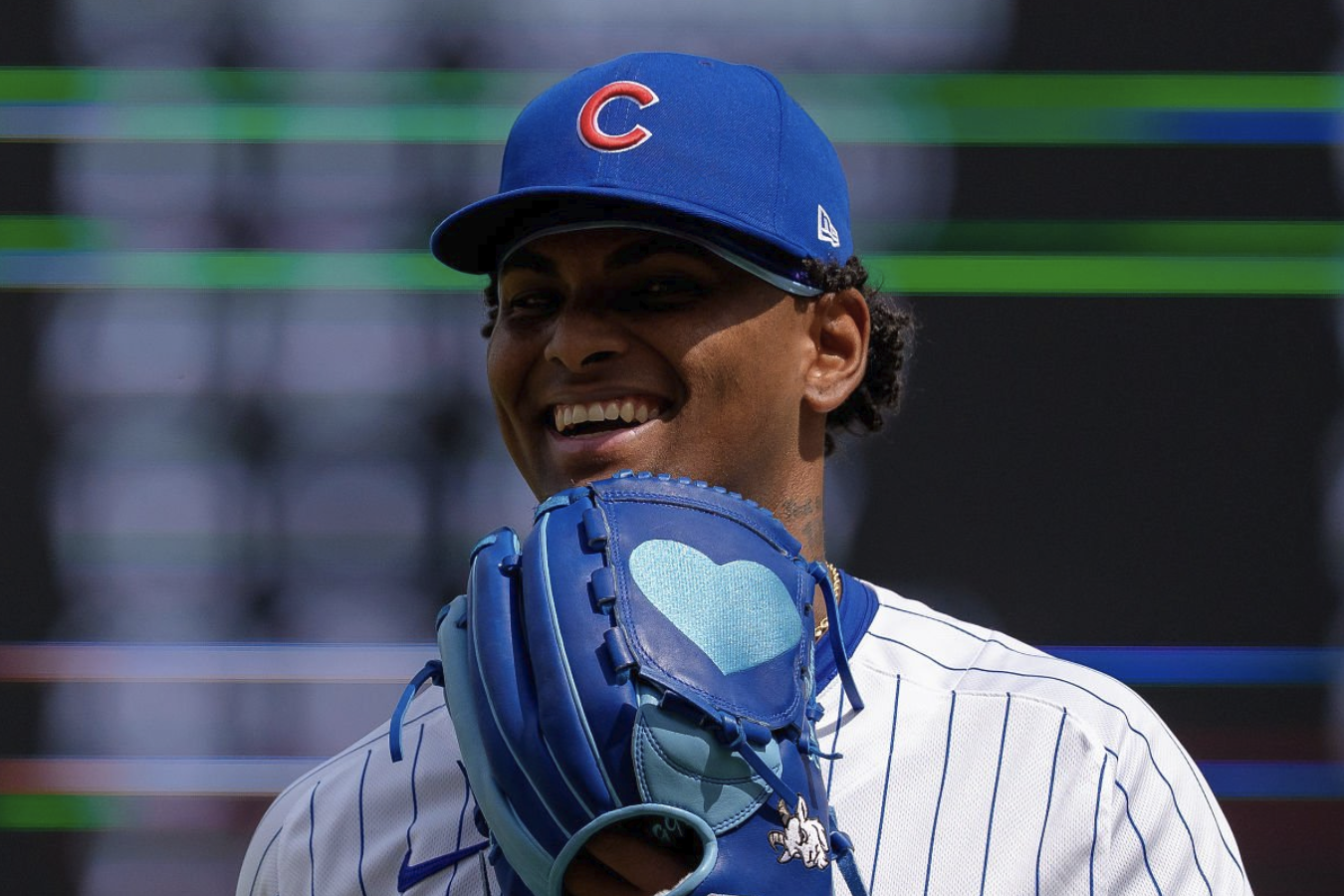 The Miami Marlins didn't exactly attack the 2025-26 offseason with an urgency to turn themselves into contenders. Should the team take a step forward and qualify for the playoffs, it will be largely because their youngest players improved organically. Meanwhile, the acquisitions from outside the organization lacked both imagination and quality. You could argue that the Marlins would've been better off retaining an even higher percentage of last year's squad. It begins with the starting rotation. Anticipating the 2026 debuts of top pitching prospects Thomas White and Robby Snelling, the Marlins traded away Edward Cabrera and Ryan Weathers to the Chicago Cubs and New York Yankees, respectively. Infuriatingly, Cabrera would seemingly open every season with some kind of injury. This has been an exception. Through five starts with the Cubs, he's been available and consistent. Cabrera has posted a 2.73 ERA and 3.63 FIP while averaging six innings per outing. The Cubs have won all but one of his starts. The 28-year-old right-hander is also uncharacteristically controlling the running game to an extent. Two would-be base-stealers have been thrown out on six attempts, compared to only four on 39 attempts last season. The Marlins did their best to spoil Weathers' home debut as a Yankee on April 4 (3.2 IP, 6 H, 3 ER, 3 BB, 4 K). However, the left-hander wriggled off the hook thanks to offensive support from his teammates. Weathers has turned the page on that to help propel the Yanks to the American League's best record. He owns a 3.21 ERA and 3.39 FIP in six starts with 33 ⅔ innings pitched. He's on pace for career-bests in both strikeout rate (29.2%) and walk rate (5.8 %). It's easy to project how the Marlins would be better off had they kept either Cabrera or Weathers. They'd be occupying the rotation spot that currently belongs to free agent signing Chris Paddack (6.38 ERA and 4.63 FIP with losses in all four of his starts). Those trades brought back a total of seven prospects to Miami. Only one of them, Owen Caissie, is expected to have a significant major league impact this season. Thus far, that impact has been negative—Caissie has been MLB's most strikeout-prone hitter, with overall contributions that are slightly below replacement level. Caissie is five years younger than Troy Johnston with significantly more raw power. His long-term ceiling is higher, but that does not guarantee he'll ever reach it, and there's no comparison between them production-wise right now. Waived by the Marlins following the conclusion of the 2025 season, Johnston has settled in nicely with the Colorado Rockies. Splitting time between right field and first base, he's slashing .315/.371/.449 with a 119 wRC+ and 16 runs batted in. The most eye-popping rate stats among former Fish belong to Joey Wiemer. Discarded for cash considerations in November, he's slashing .320/.414/.580 through 22 games with the Washington Nationals, generating 0.9 fWAR to practically match his career total from the 2023-25 seasons. Wiemer is running circles around the right-handed-hitting outfielders that the Marlins have used instead, Heriberto Hernández and Austin Slater. Here are quick hits on each of the other players who finished the 2025 regular season on the Marlins 40-man roster and wound up with different organizations: - Dane Myers (Cincinnati Reds) is on the small side of a center field platoon. Facing predominantly lefties, he has slashed .263/.404/.341 (118 wRC+). An encouraging sign moving forward: he is chasing pitches outside of the strike zone at approximately half of his career rate. - Working as a middle reliever, George Soriano (St. Louis Cardinals) has a 4.76 ERA and 4.54 FIP through 12 appearances (11.1 IP). He's done well in terms of limiting hard contact, surrendering only one home run for his new club. - Freddy Tarnok asked out of his contract to pursue a rotation job with Japan's Hiroshima Carp. He has logged 28 innings pitched in five starts with a 3.86 ERA and 23.3 K%. - Valente Bellozo (Colorado Rockies), Victor Mesa Jr. (Tampa Bay Rays), Christian Roa (Minnesota Twins), Josh Simpson (Seattle Mariners), Eric Wagaman (Twins) and Jack Winkler (Houston Astros) are playing at the Triple-A level. The best performer of the bunch has been Mesa (.323/.417/.565, 2 HR and 157 wRC+ in 16 G), though he is currently injured, as was the case all too often in recent seasons. View the full article
 -
 For the week, Wisconsin (5-1) and Biloxi (4-2) were series winners, while Nashville (3-4) and Wilson (2-4) fell a bit short. Transactions: N/A Game Action: Nashville Pre-Game Media Notes Final: Nashville 5, Charlotte (White Sox) 1 Box Score and Game Log Via extracts from the Sounds’ postgame notes which we’re able to share, plus some nuggets of our own: First Triple-A Home Run for Cooper Pratt Highlights Sounds Win over Knights Charlotte, NC - The Sounds will head back to Nashville with a 5-1 win over the Charlotte Knights in Sunday's series finale from Truist Field. A trio of home runs provided all five Nashville runs, including the first Triple-A home run for Brewers no. 4-rated prospect, Cooper Pratt. Rehabbing Quinn Priester pitched a scoreless outing to start the game, and Logan Henderson finished the afternoon on the mound with five strong innings of relief. With two on and two out in the top of the second, Pratt worked a full count off Jake Curtis. The right-hander was making his Triple-A debut after being added to Charlotte's roster prior to Sunday's finale. Curtis left too much of his 91 MPH fastball over the plate for Pratt, who sent it over the left field wall to give Nashville a 3-0 lead. Pratt's first home run of the season proved to be all the run support the Sounds would need for the day. After walking three and hitting a batter in the first inning of his season debut on Wednesday, Priester started Sunday's ballgame off with a leadoff walk to Jarred Kelenic. He got fellow rehabber Austin Hays to strike out but issued a second walk in the inning and was forced to navigate runners on the corners following a couple of stolen bases for Kelenic. Priester induced an inning-ending double play to escape the first unscathed. He worked around another walk and a hit batter in the second inning with a ground out, pop out, and his second strikeouts of the day. Jacob Waguespack took over with one out in the third and allowed just one baserunner over his 1.2 IP. Ramon Rodriguez extended Nashville's lead with a solo homer in the sixth, and Luis Lara made it back-to-back games with a round tripper to set a new single-season career-high with his fifth home run of the season to make it 5-0. Logan Henderson took over on the mound in the fifth and tossed three scoreless innings with four strikeouts despite allowing a single in each of his first three frames. The first time Henderson allowed consecutive Knights to reach base came in the bottom of the eighth following a leadoff single and walk. Henderson responded with back-to-back strikeouts before a two-out RBI single ended Nashville's shutout bid. Henderson added his third strikeout of the inning - seventh overall on the day - to leave two aboard. Back out for the ninth, Henderson struck out Dru Baker to start the inning and Kelenic to end the ballgame with the help of an ABS challenge initiated by his battery mate, Rodriguez. Henderson's nine strikeouts over his five innings helped set a new single-game high for his Triple-A career. OFF THE PRATT: Cooper Pratt launched his first career Triple-A home run in the top of the second inning in Sunday's series finale against Charlotte. It was his first home run since August 16, 2025, with Double-A Biloxi and ended a 38-game home run drought for the 21-year-old, and no. 4-ranked prospect in the Brewers farm system. Pratt had a slow start to the season, including the first 13 games in April where he hit just .122 (6-for-49) with a double, two RBI, 10 walks, and four runs scored. He was 0-for-14 through the first three games of the series against Charlotte but finished off the week hitting .429 (6-for-14) with a triple, home run, four RBI, four walks, and five runs scored over the final four games. POWER HOUR: Luis Lara hit just two home runs in 136 games played with Double-A Biloxi during the 2025 season. The Brewers no. 11-rated prospect matched that total through his first five games of this season with Nashville. He entered Sunday's finale sitting on four home runs through his first 25 Triple-A games after hitting a solo homer on Saturday night to match his previous single-season career-high that he hit with High-A Wisconsin during the 2024 season in 110 games. His solo home run in Sunday's finale not only helped set a new single-season career-high, but it was also the first time in his professional career with a home run in back-to-back games. He entered the season with just 10 total professional home runs over his first four seasons (391 games) and sits here at the end of April with five home runs through his first 26 games in Triple-A. GOTTA HEND IT TO YA: Logan Henderson worked a season-high 5.0 IP on the mound and allowed one run on five hits. It was just the second run the Brewers no. 6-rated prospect has allowed this season in Triple-A. He now owns a 1.02 ERA through his first 17.2 IP. The nine strikeouts from Henderson set a new Triple-A career-high and were his most in a game since he struck out nine during his Major League debut on April 20, 2025, vs. the Athletics. Sunday's relief appearance was just the third of his professional career, and he is now 3-0 with a 1.50 ERA over 12.0 IP out of the bullpen with 19 strikeouts and two walks allowed. Next week’s outlook: The Sounds (14-13) return home to play 6 games against Orioles’ affiliate Norfolk (10-17). LHP Thomas Pannone and RHP Carlos Rodriguez are the most likely options to start the Tuesday series opener. Biloxi Pre-Game Media Notes Final: Biloxi 8, Rocket City (Angels) 7 Box Score and Game Log Via the Shuckers’ website, game details and we encourage readers to review affiliate write-ups as part of their Link Report routine: Wood's Three-Run Blast Leads Shuckers to Series Win Relentless Biloxi hitters came back from deficits of 3-0, 5-2 and 6-4 to eventually get over the hump in Sunday’s battle. Wood’s 3-run homer in the 5th inning was the big highlight, sandwiched between two key defensive plays which Wood was also part of: Thwarting a 1st and 3rd steal attempt via a Wood-Made-Wood caught stealing to get the lead runner at home to end the top of the 5th inning trailing 6-4. Getting a strike ‘em out (by RHP Ryan Bichard), thrown ‘em out (caught stealing at 2nd base) to end the top of the 6th inning with an 8-6 advantage. Starting RHP Brett Wichrowski (4 IP, 5 R (4 ER), 6 H, 0 BB, 1 HBP, 5 Ks) had a throwing error on the first play of the game, then allowed 4 of the next 5 batters to reach base as well (3 singles, 1 HBP) as the Shuckers found themselves in an early 3-0 hole. He then retired 4 straight batters, conceded 2 runs on 3 consecutive hits and finished his afternoon by retiring the final 7 batters he faced in order. Before Wood’s big blast, it was 1B Blake Burke (2-for-5, triple, RBI) and OF Damon Keith (3-for-3, double, walk, 2 RBIs) who kept pace with the Trash Pandas, producing 4 hits and 3 RBIs over the first 3 innings to keep the game close at 5-3. RHP Ryan Birchard earned the comeback Win, allowing just one hit (an 8th inning solo homer) in 4 innings of work, although the walks (4 in this game) continue to be a challenge. RHP Tanner Gillis’s 1-inning, 11-pitch effort was his shortest outing in 26 career minor league games, helped out by a Burke-Made-Gillis 3-6-1 ground ball double play and earning him a Save: Shuckers’ Extras: DH Darrien Miller was hit-by-pitch in the 2nd, 4th and 5th innings, exiting for a pinch runner after the 3rd HBP. We hope that it was only precautionary. SS Jesus Made had a rare 0-for-5 day, but he didn’t strike out and also made key defensive contributions. OF Dasan Brown’s 2-out RBI double closed the gap to 6-5 and extended the inning just before Wood’s big hit: Next week’s outlook: Biloxi (11-10) travel to face Marlins’ affiliate Pensacola (8-13) for 6 games, commencing on Tuesday. Although an opening game starter has not yet been announced, RHP Bishop Letson is the most likely option for the team. Wisconsin Pre-Game Media Notes Final: Wisconsin 8, Fort Wayne 0 Box Score and Game Log Via the Timber Rattlers’ website, game details: Rattlers Close Out Series at Fort Wayne with Shutout Win Having OF Braylon Payne (2-for-5, HR, double, 2 RBIs) and C Marco Dinges (3-for-5, HR, double, 3 RBIs) atop the order is a luxury that 6,875 Fort Wayne fans might not have enjoyed on Sunday, though they might appreciate it more when these gentleman are mashing in the Major Leagues one day. The linked game report captures the fireworks in video and text, as well as OF Luis Castillo’s solo shot to open the Sunday scoring. On the mound, starting RHP Jason Woodward (1 2/3 IP, 0 R, 1 H, 1 BB, 1 K) was on a short leash (32 pitches, 19 strikes), keeping his 2026 ERA at 0.00: RHP Travis Smith did the heavy lifting on 4 days’ rest, entering with a 3-0 advantage and facing the minimum 15 batters over 5 innings of solid work (one single erased by a 1-6-3 ground ball double play that he initiated), requiring just 49 pitches (30 strikes) to do so. OF Josh Adamczewski (2-for-4, walk, SB) grounded out his first 2 times up before getting to work: 2 singles, a walk and a steal of home to finish the afternoon (season OPS 1.239). 3B Andrew Fischer wasn’t able to add to his hit or RBI totals this time, going 0-for-5 with 3 Ks. He exited for a substitute in the 9th inning, pushing Eric Bitonti over to play 3rd base in the final frame. Next week’s outlook: Wisconsin (13-6) comes home to battle Royals’ affiliate Quad Cities (10-8), with RHP Ethan Dorchies set to start the opening game on Tuesday. Wilson Pre-Game Media Notes Final: Wilson 6, Delmarva 3 Box Score and Game Log Via the Warbirds’ website, game details: Wilson Snaps Skid with Win at Delmarva In a wonderful deviation from their first 20 games, Wilson hitters put the ball in play early and often, striking out only once in their first 15 plate appearances to put pressure on the Delmarva defense and grab a 3-0 lead by the 3rd inning. 1B Frederi Montero (3-for-5, RBI) led the way by singling in the 1st inning (stranded), singling to load the bases in Wilson’s 2-run 3rd frame, delivering an RBI groundout in the 4th inning to push the advantage to 5-1 and later singling and scoring in the 9th inning. Starting 19-year old RHP Miqueas Mercedes (5 IP, 1 R, 4 H, 1 BB, 4 Ks) impressed once again, lowering his season ERA to 2.66 and earning his first Win at the Low-A level, helped out by a 5-4-3 ground ball double play to end the first inning. Another 5-4-3 GIDP helped RHP Joshua Quezada get out of the 6th inning. The Warbirds played a clean game, with no errors, wild pitches, passed balls or balks vs. 2 errors, 2 wild pitches and a balk for their opponents. The contest had tightened to 5-3, with a man on second and the potential game-tying batter up against RHP Thomas Conrad with 2 outs in the bottom of the 8th inning, but he bore down to notch a swinging strikeout. We’re grateful for additional video highlights: Encarnacion RBI single Ebel RBI single Warbirds’ Extras: All 12 Wilson hits were singles, including a 3-for-4 day, 1 walk day by 3B Filippo Di Turi and 2-for-3 afternoon for 2B Juan Ortuno. The 3 Wilson batters who didn’t manage to record a base knock still contributed offensively with 1 RBI each, including sacrifice flies by OFs Jose Anderson and Jadyn Fielder. RHP Jose Meneses (1 IP, 0 R, 2 Ks) continues to baffle hitters, earning the Save and pushing his season strikeout total to 17 in just 10 1/3 IP. Next week’s outlook: Wilson (8-13) return home to face Red Sox affiliate Salem (10-11) this week. LHP Enderson Mercado and RHP Peyton Niksch are likely to tag-team the first game of the series on Tuesday. We hope that you enjoy the Minor League Link Report. Monday is a travel day for all affiliates and the Milwaukee Brewers as well, who host the Diamondbacks from Tuesday. Organizational Scoreboard including starting pitcher info, game times, MiLB TV links, and box scores Current Milwaukee Brewers Organization Batting Stats and Depth Current Milwaukee Brewers Organization Pitching Stats and Depth View the full article
 -
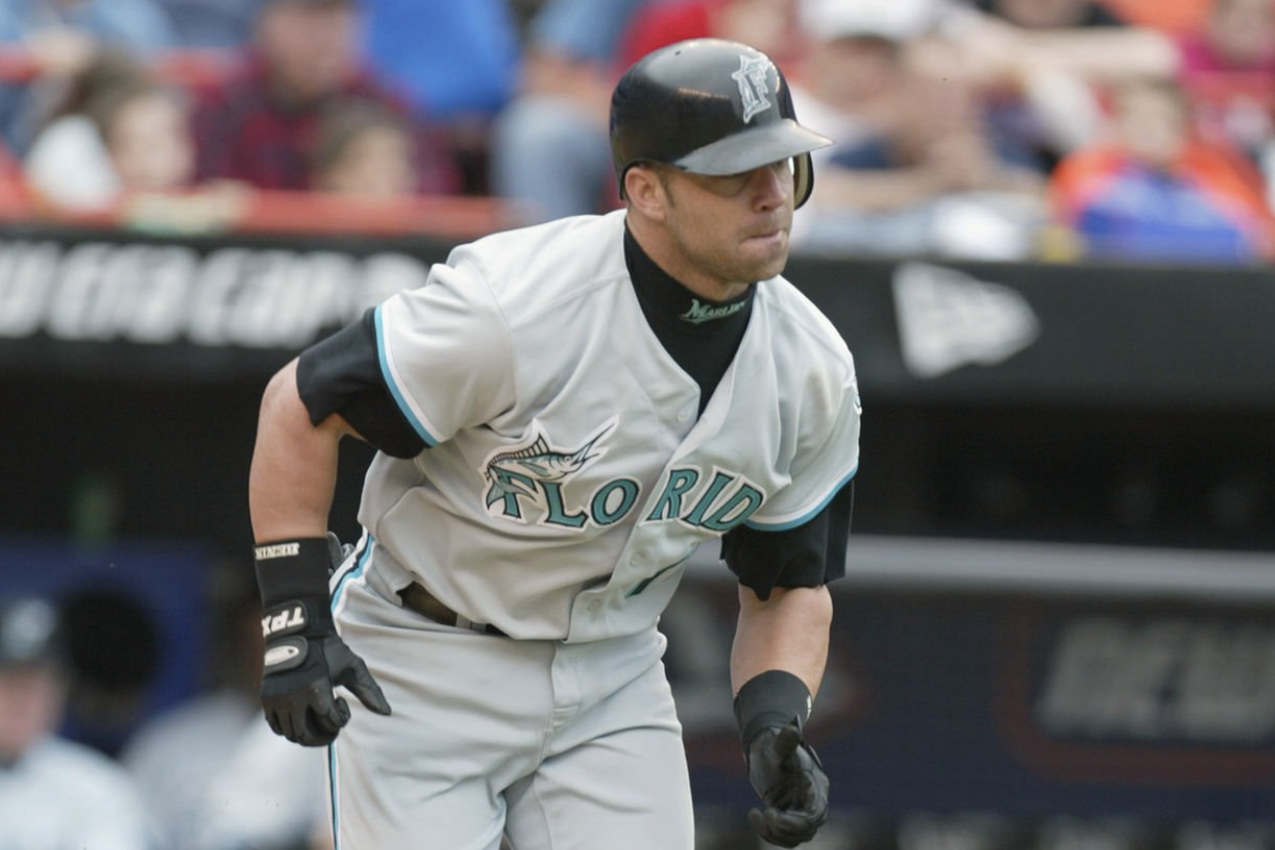 Over his two seasons with the Florida Marlins, outfielder Eric Owens hit just nine home runs. Three of those, however, came in his first month with the club. On this day 25 years ago, Owens had perhaps his biggest blast with the Fish. His solo shot in the 10th inning off future Hall of Fame closer Billy Wagner lifted the Marlins to a thrilling 9-8 win over the Houston Astros. The Marlins had raced to a 5-0 lead at Enron Park on April 27, 2001. By the end of the fifth inning, however, that advantage had become an 8-5 deficit, thanks in part to a grand slam by Houston infielder Julio Lugo. Scoreless for four innings, the Florida bats came back to life in the seventh inning. Álex González’s RBI double cut the deficit to 8-6 before Cliff Floyd tied things up with a two-run home run off Mike Jackson an inning later. On the mound, Braden Looper and Antonio Alfonseca were able to work around errors in the eighth and ninth innings to keep the score tied. As the contest went to extra innings, Houston turned to Wagner. To open the 10th inning, the hard-throwing lefty got Luis Castillo to fly out. That brought Owens to the plate. With the count 2-2, Owens was able to drive Wagner’s fastball to right field and over the wall for the go-ahead home run. Wagner bounced back to retire Floyd and Preston Wilson, but the damage was done. In the bottom of the 10th, Alfonseca sealed the win with a 1-2-3 frame, striking out former Florida World Series hero Moisés Alou and Richard Hidalgo. On a night where the teams combined for 17 runs, they also combined for 23 hits. Owens had five of those, finishing with four runs scored. Floyd added three hits and three runs scored in the win. Mike Lowell drove in three runs. Hidalgo had a nice night for Houston, going 3-for-5 with a home run, three RBIs and two runs scored. Alou was 2-for-5 with two runs. Over nine seasons in the big leagues, Owens hit just 26 career home runs. His lone blast in extra innings came off a Hall of Famer and as a member of the Marlins. It happened on this day a quarter-century ago. View the full article
 -
What are your Marlins vs. Dodgers series predictions?
DiamondCentric posted an article in Fish On First
 Once again in 2026, I will be monitoring Miami Marlins predictions from our valued SuperSubs, Fish On First staffers and livestream guests. Individual article pages like this one will be created prior to every Marlins series and featured prominently on the FOF site. Consistent participation is key if you want to win this annual contest. Submissions only take a few seconds. Scoring system A "perfect" series is worth three points: Earn one point for predicting which team will win the upcoming series Earn one point for predicting the precise number of victories for each team Earn one point for predicting the “Series MVP” who accumulated the highest win probability added (WPA) during the series as calculated by FanGraphs (could pick a player from either team) Here is a reminder of what the 2025 season leaderboard looked like. FOF SuperSub Sean Millerick currently sit atop the 2026 leaderboard, which will be updated between every Marlins series. If you are a SuperSub, leave a comment with your Prediction Time picks on this page, or join the Marlins Discord Server and submit there. We'll feature them on the upcoming Fish On First LIVE episode and track your points throughout the season! Any picks submitted prior to the first pitch of the series opener will be counted. If you are not a SuperSub, please consider signing up here to support the FOF staff. Series preview notes Probable starting pitchers: RHP Chris Paddack (MIA) vs. RHP Yoshinobu Yamamoto (SF) on Monday RHP Janson Junk (MIA) on RHP Shohei Ohtani (LAD) Tuesday RHP Sandy Alcantara (MIA) vs. RHP Tyler Glasnow (SF) on Wednesday The Marlins rank ninth in MLB with a 104 wRC+ and 13th in MLB with a 4.02 FIP. They are 4-6 in their last 10 games and have a 3-9 record on the road this season. The following Marlins players are on the injured list: Griffin Conine (10-day IL), Ronny Henriquez (60-day IL), Adam Mazur (60-day IL) and Christopher Morel (10-day IL). Out for the past month due to an oblique strain, Morel could potentially be reinstated during this series. The Dodgers rank first in MLB with a 130 wRC+ and fourth in MLB with a 3.57 FIP. They are 5-5 in their last 10 games and have an 11-4 record at home this season. The following Dodgers players are on the injured list: Mookie Betts (10-day IL), Ben Casparius (15-day IL), Jake Cousins (60-day IL), Edwin Díaz (15-day IL), Tommy Edman (10-day IL), Brusdar Graterol (60-day IL), Kiké Hernández (60-day IL), Gavin Knack (15-day IL), Bobby Miller (60-day IL), Evan Phillips (60-day IL), Blake Snell (15-day IL), Brock Stewart (15-day IL) and Gavin Stone (60-day IL). View the full article
 -
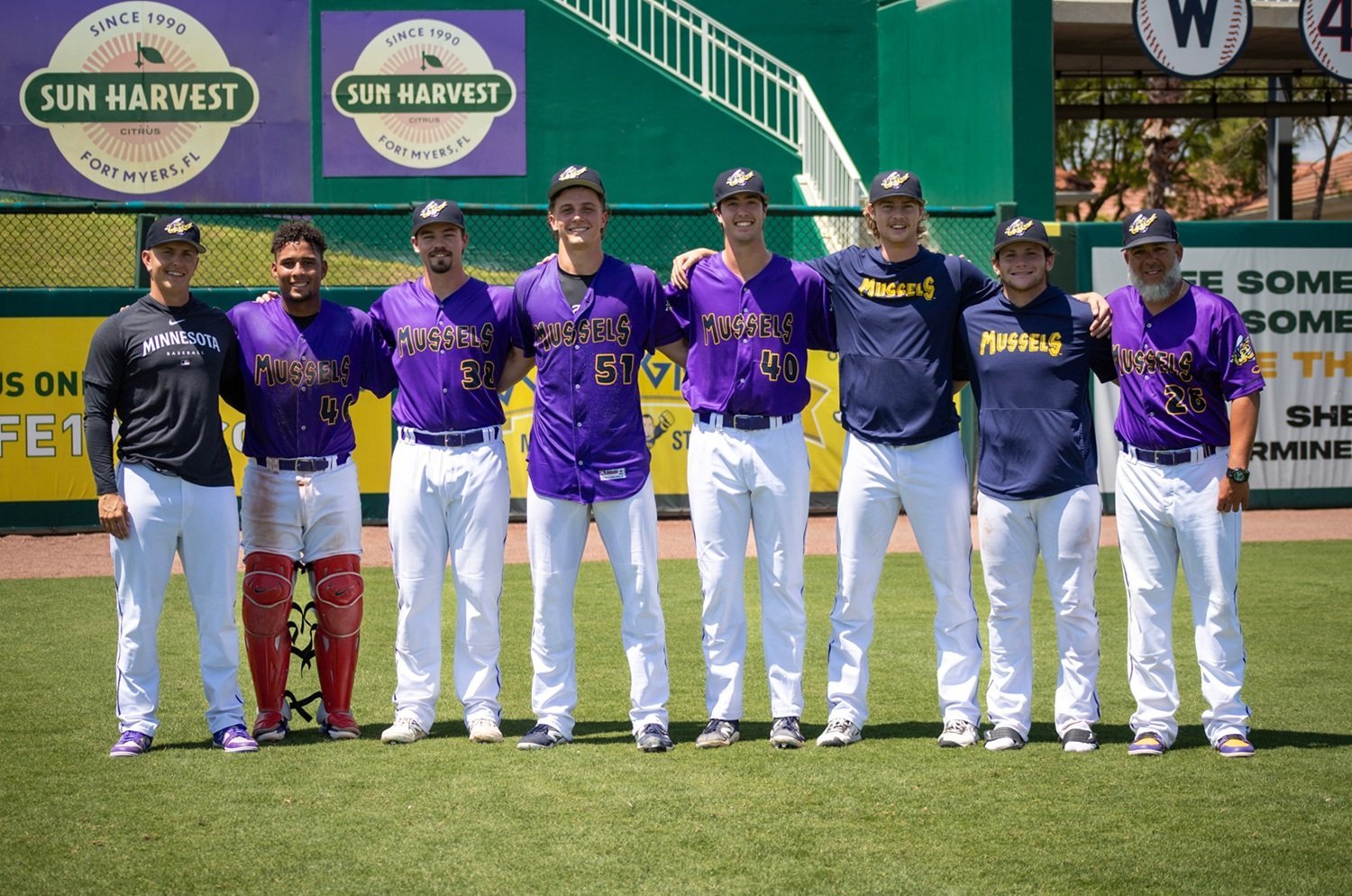 Congratulations to pitchers Merit Jones, Matthew Becker, Eric Hammond, and Jake Murray, and catchers Ryan Sprock and Irvin Nunez, and the entire Fort Myers Mighty Mussels team. On Sunday, the team posted its sixth no-hitter in franchise history. I looked back at the five previous no-hitters which was fun to remember, and yes, I am old enough, and have been blogging long enough, to remember all of them. Some fun names to remember. In addition, I chatted with Mussel's play-by-play voice Andrew Pawling about today’s game, the pitchers and catchers, and several of the players on the roster. You can find that at the bottom of the Mussels section below or on Twins Daily’s YouTube page. May 12, 2007 Yohan Pino tossed a complete game no-hitter for the Miracle. It was the first no-hitter for the Twins affiliate since moving to Fort Myers in 1991. He walked two and had six strikeouts in seven innings (part of a doubleheader). Miracle won the game 2-0 over Lakeland. August 14, 2011 Alex Wimmers had been struggling with his control. The former top pick had been fighting a case of the yips all season. But with the season coming toward its end, Wimmers struck out nine and walked three in this seven-inning no-hitter. Miracle won 1-0 over Bradenton. September 18, 2021 Four pitches combined to toss a seven-inning no-hitter, the first under the Mighty Mussels name. Regi Grace, Landon Leach and Bradley Hanner each threw two hitless innings. Matthew Swain pitched the seventh inning to complete the no-hitter. They combined for one walk and eight strikeouts. The Mussels won 7-0 over Tampa. May 10, 2022 Here was the first nine-inning no-hitter in franchise history as the Mussels topped Palm Beach 3-0. David Festa started and went the first six innings. He had two walks but also struck out 11 batters. He reached 99.1 mph in that game. Jaylen Nowlin struck out three batters over two no-hit innings. Hunter McMahon got the final three outs to complete the no-no. July 23, 2024 It’s not officially a no-hitter by the rules, but in July 2024, the Mussels combined for a rain-shortened no-hitter (also against the Blue Jays). Lefty Ross Dunn, a rehabbing Justin Topa, and WIlker Reyes combined for six, no-hit innings. The Jays starter, Ryan Watson, was perfect through 17 hitters. Angel Del Rosario singled. Walker Jenkins doubled him to third, and then Chourio’s double. TRANSACTIONS SS Yilber Herrera was assigned to the FCL Twins from the Mussels. Moving in the other direction was LHP Matthew Becker. The southpaw was the team’s 19th round pick in 2025 out of South Carolina. SAINTS SENTINEL St. Paul 3, Indianapolis 1 Box Score This was just a well-played ballgame, and it starts with the pitching. Zebby Matthews was the Zebby Matthews we enjoyed watching when he was at his finest. The right-hander tossed five shutout innings. He gave up one hit and one walk. He had six strikeouts. 46 of his 67 pitches were strikes (68.7%). He also had seven ground outs to zero fly outs. Kendry Rojas made his first appearance since returning to St. Paul. The hard-throwing lefty gave up just two hits over three scoreless innings. He hit one batter, walked none, and struck out five batters. 35 of his 44 pitches were strikes, a remarkable 79.5% strike rate! Luis Garcia gave up a run on two hits in the ninth inning. The Saints took the lead right away in the top of the first inning. With two outs, Ryan Kreidler hit his second Saints homer, his first since rejoining the team early this week. They carried the 2-0 lead until the top of the sixth. Gabriel Gonzalez led off the inning with a single. With two outs, Orlando Arcia drove him in with a single. Kyler Fedko went 2-for-4 with his second double. WIND SURGE WISDOM Game 1: Wichita 5, NW Arkansas 6 Box Score The Surge scored early. The Naturals scored late and had the last at-bat. Billy Amick led off the top of the second inning with a walk. Ricardo Olivar followed with his fifth home run. Two innings later, the Surge had a 2-1 lead. Kala’i Rosario led off with a walk. Amick followed with his fifth home run of the season. Kyle DeBarge scored on a wild pitch to give Wichita a 5-1 lead. Sam Armstrong made the start and gave up one run on three hits and a walk in four innings. He had one strikeout. Jarret Whorff worked the fifth inning. He gave up two runs (1 earned) on three hits and a passed ball. Alejandro Hidalgo started the sixth. He gave up two runs on one hit and two walks in just 2/3 of an inning. Luis Quinones came on and kept the game tied through six innings. He came back out for the bottom of the seventh inning. He struck out the first two batters, but Rudy Martin walked it off with a home run. Game 2: Wichita 3, NW Arkansas 2 Box Score Garrett Spain, who hit his fifth double of the season in the first game, led off Game 2 with his fifth home run of the season. Ty Langenberg gave up two runs on four hits and two walks over the first four innings. He struck out four batters. Kyle Bischoff worked the next two innings. He gave up only a walk and had two strikeouts over his two innings. Down 2-1 going into the seventh inning, Hendry Mendez led off with a walk. With one out, Kala’i Rosario drilled his fifth home run of the season to give Wichita a 3-2 lead. Darren Bowen came in for the bottom of the second. He gave up a run and a single but kept the Naturals from scoring to record his first save of the season. KERNELS CHRONICLE Cedar Rapids 6, Peoria 16 Box Score It was a rough week for the Kernels in Peoria. Eduardo Tait had a couple of home runs and big hits, and Marek Houston started the week with five straight multi-hit games. On Sunday, he was 0-for-1 with a walk and drove in the team’s first run with a sacrifice fly. The Kernels were outscored 51-33 over the six games and won just one game. This was a tough one. Through four innings, the Kernels were down 10-1. However, in the top of the seventh, Cedar Rapids started a comeback. Miguel Briceno led off with a single. Jay Thomason followed with another single. After a line out and a pitching change, Jaime Ferrer drove in Briceno to make it 10-2. Andy Lugo pinch hit for Houston and walked to load the bases. Thomason scored on a groundout by Tait. Brandon Winokur then hit his second home run of the season, a three-run shot to cut the deficit to 10-6. That’s as close as it got as Peoria scored six runs over their final two innings. Michael Ross made the start. He gave up four runs (3 earned) on one hit and three walks over two innings. He had two strikeouts. Nick McAuliffe made his pro debut and gave up four runs (3 earned) on three hits and two walks. Christian Becerra gave up two runs on three hits in the fourth inning. Eston Stull gave up a hit and two walks over two scoreless innings. Yehizon Sanchez gave up two runs (1 earned) on one hit and three walks in an inning. Sam Rochard gave up four runs on three hits and a walk in the eighth inning. MIGHTY MATTERS Ft. Myers 3, Dunedin 0 Box Score You might have heard this already. The Mighty Mussels used four pitchers to complete a nine-inning no-hitter. It was far from a perfect game, to be sure, but the pitchers kept the Blue Jays off the scoreboard and without a hit. Merit Jones started and went 3 1/3 innings. He walked two and hit a batter. He needed just 34 pitches to record 10 outs. Matt Becker came on for his professional debut. He went 3 2/3 innings and had three strikeouts. Two of the Mussels four errors came while Becker was pitching. Eric Hammond recorded five outs. With two outs in the bottom of the ninth, manager Jordan Smith made one more pitching change. He turned to lefty Jake Murray who walked a batter before getting a strikeout to end the game and complete the no hitter. The team did need to score runs to win the game. In the bottom of the third inning, a Yasser Mercedes single drove in Bryan Acuna to make it 1-0. In the bottom of thmake it 1-0e sixth, Ryan Sprock drove in Mercedes with a single to make it 2-0. Quentin Young drove in Byron Chourio with a sacrifice fly in the bottom of the eight to close out scoring. In every no-hitter, it seems like there is at least one great defensive play that helps save the day. In this game, that play may have come in the fifth inning when Eduardo Beltre covered some ground to make a sliding catch. PLAYERS OF THE DAY Hitter of the Day Garrett Spain (Wichita): 2-for-7, 2B(5), HR(5), R, RBI, K Pitcher of the Day Merit Jones, Matt Becker, Eric Hammonds, Jake Murray (Fort Myers): 9 IP, 0H, 0 R, 3 BB, 5 K, 104 pitches, 66 strikes (63.5%) Zebby Matthews, Kendry Rojas (St. Paul): 8 IP, 3 H, 0 R, 1 BB, 11 K, 111 pitches, 81 strikes (73.0%) PROSPECT SUMMARY Check out the Prospect Tracker for much more on our Twins Top 20 prospects after seeing how they did today. #1 - OF Walker Jenkins (St. Paul) - Did Not Play. #2 - IF Kaelen Culpepper (St. Paul) - 0-for-3, BB, R, 2 K (batted first, played SS) #3 - OF Emmanuel Rodriguez (St. Paul) - 0-for-3, BB, K (Batted second, played CF). #4 - C Eduardo Tait (Cedar Rapids) - 0-for-4, RBI, K (batted second, played DH) #5 - LHP Connor Prielipp (Minnesota) - Did Not Pitch #6 - LHP Dasan Hill (Cedar Rapids) - Did Not Pitch #7 - OF Gabriel Gonzalez (St. Paul) - 1-for-4, R, 2 K (batted fourth, played RF) #8 - LHP Kendry Rojas (St. Paul) - 3 IP, 2 H, 0 R, 0 BB, 5 K, 44 pitches, 35 strikes (79.5%) #9 - SS Marek Houston (Cedar Rapids) - 0-for-1, BB, SF RBI, K (batted leadoff, played DH) #10 - RHP Charlee Soto (Cedar Rapids) - Injured List #11 - RHP Riley Quick (Ft. Myers) - Did Not Pitch #12 - RHP Andrew Morris (Minnesota) - Did Not Pitch. #13 - 3B/CF Brandon Winokur (Cedar Rapids) - 1-for-4, HR(2), R, 3 RBI, 2 K, E(6) (batted third, played SS) #14 - 3B/SS Quentin Young (Ft. Myers) - 0-for-1, 2 BB, SF RBI, E (batted fifth, played SS) #15 - RHP Marco Raya (St. Paul) - Did Not Pitch. #16 - OF Hendry Mendez (Wichita) - Game 1: 0-for-3, BB (batted third, played LF), Game 2: 0-for-2, BB, R (batted second, played LF) #17 - 2B/OF Kyle DeBarge (Wichita) - Game 1: 0-for-3, BB, R, K (batted second, played SS), Game 2: 1-for-3, K (batted third, played SS) #18 - RHP C.J. Culpepper (Wichita) - Did Not Pitch. #19 - C/OF Khadim Diaw (Cedar Rapids) - 0-for-3, BB, 2 K, E(2) (batted fourth, played CF) #20 - RHP James Ellwanger (Ft. Myers) - 60 IL (right elbow sprain) UPCOMING PROBABLES Tuesday: Iowa @ St. Paul (11:07 am CT) - RHP John Klein (1-1, 7.64 ERA) Arkansas @ Wichita (6:05 pm CT) - TBD West Michigan @ Cedar Rapids (6:05 pm CT) - TBD Ft. Myers @ Daytona (5:35 pm CT) - TBD CURRENT W-L Records Minnesota Twins: 12-16 St. Paul Saints: 11-15 Wichita Wind Surge: 12-9 Cedar Rapids Kernels: 8-13 Fort Myers Mighty Mussels: 14-7 FCL Twins: 0-0 (season begins Monday, May 4) DSL Twins: 0-0 (season begins Monday, June 1) Please feel free to ask questions about the teams, the rosters, and discuss today’s games, or anything else Twins minor-league related! View the full article
 -
 Fish On First staffers react to the latest Miami Marlins series and prepare you for what lies ahead. Sunday's show was hosted by Jeremiah Geiger and featured panelists Ely Sussman, Alex Carver and Isaac Azout. The following topics were covered: Max Meyer receiving an early hook on Sunday Potential Marlins roster moves to address the bullpen A deflating end to Eury Pérez's outing Fish On First Top 30 risers, fallers and takeaways Previewing and predicting the next series against the Los Angeles Dodgers You can find Fish Unfiltered and Fish On First LIVE on the Fish On First YouTube channel, Apple Podcasts, Spotify or wherever else you get your pods. The first FOF Top 30 update since January includes the additions of Double-A infielder Payton Green and Low-A Jupiter left-hander Nate Payne. Marlins outfielder Owen Caissie (previously ranked No. 4) has graduated from prospect eligibility. Our next FOF LIVE episode will be Wednesday at approximately 7:00 p.m. ET following the Marlins-Dodgers series finale. View the full article
 -
 Samad Taylor had three hits, four RBIs, and a home run as the Triple-A El Paso Chihuahuas beat Reno 9-5, with Jackson Wolf working five innings and Yuki Matsui adding two scoreless. Carson Tucker's tying 10th-inning triple wasn't enough as Double-A San Antonio fell 3-2 in 11, despite three scoreless innings from Ian Koenig. Wisconsin shut out High-A Fort Wayne 8-0, though Abraham Parra struck out seven. Carlos Medina led Low-A Lake Elsinore past Visalia 5-2 with three strikeouts as the Storm won their sixth straight. Chihuahuas Pound Out 11 Hits, Hold On To Beat Aces The El Paso Chihuahuas used an early flurry for a 9-5 home win over the Reno Aces, scoring eight of their nine runs across the first three innings. Samad Taylor led the 11-hit attack, going 3-for-5 with a double, a home run, and four RBIs. Nick Schnell scored three runs and drove in another. Jase Bowen added two hits, and Carlos Rodríguez and Nate Mondou each drove in a run. After Reno took an early 1-0 lead, El Paso answered in the bottom of the first when Rodríguez singled home Taylor, who had doubled, and Rodolfo Durán reached on a fielding error that allowed Nick Solak to score. Reno reclaimed the lead in the second, but Taylor responded with a three-run homer to left-center, scoring Schnell and Bowen for a 5-3 cushion. The Chihuahuas tacked on three more in the third, when Schnell reached on a fielder's choice that scored Durán, Bowen singled home Mason McCoy, and Taylor singled in Schnell to push the lead to 8-4. Starter Jackson Wolf worked five innings, allowing four hits, four runs (three earned), including a home run, while striking out three without issuing a walk. Eli Villalobos and Yuki Matsui combined for three scoreless relief innings with four strikeouts before Alek Jacob gave up a solo home run in the ninth. For Matsui, it was his longest outing during his rehab assignment, perhaps a signal his return to the Padres is close. The only thing he hasn't done is go back-to-back. EP_0426.mp4 Player AB R H RBI BB K Jase Bowen 4 1 2 1 1 0 Samad Taylor 5 2 3 4 0 0 Nick Solak 3 1 0 0 1 0 Nate Mondou 1 0 1 1 0 0 Jose Miranda 5 0 0 0 0 1 Carlos Rodríguez 4 0 1 1 0 0 Rodolfo Durán 4 1 1 0 0 0 Clay Dungan 4 0 1 0 0 0 Mason McCoy 4 1 1 0 0 1 Nick Schnell 3 3 1 1 1 1 Player IP H R ER BB K HR Jackson Wolf 5 4 4 3 0 3 1 Eli Villalobos 1 0 0 0 0 2 0 Yuki Matsui 2 1 0 0 0 2 0 Alek Jacob 1 2 1 1 0 1 1 Missions Drop Extra-Innings Heartbreaker To Amarillo After a tight first nine innings, the San Antonio Missions lost a back-and-forth game 3-2 in 11 innings to Amarillo. Carson Tucker provided the offensive highlight with a tying triple leading off the bottom of the 10th to score the zombie runner, but the Missions were unable to bring him home despite loading the bases on a pair of walks. Romeo Sanabria worked three walks, Tirso Ornelas scored a run and doubled, and Chris Sargent added a single. San Antonio scored its first run in the second when Ornelas doubled with one out, went to third on a wild pitch and scored on a Braedon Karpathios sacrifice fly. The score held until the eighth, when Amarillo tied it on a solo home run off reliever Michael Flynn. In the 10th, Amarillo plated its zombie runner on a sacrifice fly. In the 11th, Amarillo's zombie runner went to third on a fielder's choice and then thrown out at the plate on a grounder to second baseman Francisco Acuna. With runners at first and second, Missions reliever Francis Pena got a fly ball for the second out, but the next batter doubled for the go-ahead run, with the second runner thrown out at the plate. Right-hander Ian Koenig opened with three scoreless innings, giving up three hits and a walk while striking out three. SA_0426.mp4 Player AB R H RBI BB K Kai Roberts 4 0 0 0 0 3 Ryan Jackson 4 0 0 0 1 1 Romeo Sanabria 2 0 0 0 3 0 Leandro Cedeño 5 0 1 0 0 1 Kai Murphy 0 0 0 0 0 0 Tirso Ornelas 5 1 1 0 0 1 Francisco Acuna 3 0 0 0 1 3 Albert Fabian 1 0 0 0 0 0 Braedon Karpathios 4 1 0 1 0 0 Carson Tucker 3 0 1 1 1 2 Chris Sargent 4 0 1 0 0 0 Player IP H R ER BB K HR Ian Koenig 3 3 0 0 1 3 0 Omar Cruz 2 1 0 0 0 3 0 Sadrac Franco 2 0 0 0 0 0 0 Michael Flynn 1 1 1 1 0 1 1 Harry Gustin 1 0 0 0 0 1 0 Francis Peña 2 1 2 0 1 1 0 TinCaps Shut Out At Home By Wisconsin The Fort Wayne TinCaps were shut out at home 8-0 by the Wisconsin Timber Rattlers, who pounded out three home runs. The TinCaps managed only five hits and three walks and struck out 13 times. Jake Cunningham, Jack Costello, and Lamar King Jr. each contributed a hit, with Cunningham and Costello getting doubles. Kasen Wells went 1-for-3 with a walk. Wisconsin took control in the third inning. With the game tied 0-0, the Timber Rattlers ripped a solo home run, then drew two walks before stringing together back-to-back doubles that drove in two more runs to make it 3-0. They tacked on another run in the fifth on a single, manufactured a fifth run in the sixth, and pulled away with a two-homer outburst in the seventh that pushed the score to 7-0. A run in the ninth completed the scoring. Right-hander Abraham Parra struck out seven, but unable to limit the damage, working 4⅔ innings. He allowed four hits, four runs (three earned), two walks, and one home run. Player AB R H RBI BB K Jake Cunningham 4 0 1 0 0 0 Kasen Wells 3 0 1 0 1 0 Carlos Rodriguez 3 0 0 0 1 1 Lamar King Jr. 4 0 1 0 0 1 Zach Evans 4 0 1 0 0 1 Rosman Verdugo 4 0 0 0 0 0 Jack Costello 3 0 1 0 0 0 Kavares Tears 2 0 0 0 1 0 Dylan Grego 3 0 0 0 0 0 Player IP H R ER BB K HR Abraham Parra 4 2/3 4 4 3 2 7 1 Bernard Jose 1 1/3 3 3 3 2 2 2 Will Varmette 1 2 0 0 0 1 0 Luis Germán 2 1 1 1 3 3 0 Storm Roll Sweep 6 From Visalia Behind Frye, Quintana The Lake Elsinore Storm capped a six-game sweep of the visiting Visalia Rawhide with a 5-2 win, getting a productive night from the top of the order and timely contributions through the lineup. Jose Verdugo had two hits with an RBI and a stolen base. Bradley Frye tripled and drove in two runs. Jorge Quintana hit his first home run of the year. Qrey Lott contributed a double and an RBI, and Ryan Wideman went 1-for-3 with two stolen bases and a run scored. After Visalia opened with a solo home run in the second, Quintana evened the score in the home half with a solo shot to center. The Storm broke the game open in the third inning. Yoiber Ocopio walked, came around to score on a Qrey Lott double. One out later, Lott scored on Bradley Frye's triple, and Frye in turn came home on a Jose Verdugo bunt that pushed Lake Elsinore in front 4-1. The Storm added an insurance run in the eighth when Frye's sacrifice fly brought home Wideman. Right-hander Carlos Medina turned in four innings, giving up two hits, one run and a walk while striking out three. Javier Chacon followed with two scoreless innings, Daichi Moriki struck out two in a scoreless inning, Sean Barnett yielded a run in the eighth, and Vicarte Domingo closed the night with a scoreless ninth. LE_0426.mp4 Player AB R H RBI BB K Ryan Wideman 3 1 1 0 0 0 Bradley Frye 3 1 1 2 0 2 Jose Verdugo 3 0 2 1 0 1 Justin DeCriscio 4 0 0 0 0 0 Victor Duarte 3 0 0 0 1 0 Jorge Quintana 3 1 1 1 0 1 George Bilecki 3 0 0 0 0 2 Yoiber Ocopio 2 1 0 0 1 0 Qrey Lott 3 1 1 1 0 0 Conner Westenburg 0 0 0 0 0 0 Player IP H R ER BB K HR Carlos Medina 4 2 1 1 1 3 1 Javier Chacon 2 1 0 0 0 1 0 Daichi Moriki 1 0 0 0 0 2 0 Sean Barnett 1 1 1 1 1 0 0 Vicarte Domingo 1 0 0 0 0 1 0 Padres Minor-League Transactions San Antonio Missions activated RHP Ian Koenig from the 7-day injured list. Top-20 Prospect Performance Kash Mayfield: DNP Ethan Salas: DNP Kruz Schoolcraft: DNP Bradgley Rodriguez: DNP Humberto Cruz: DNP Miguel Mendez: DNP Ty Harvey: DNP Jorge Quintana: 1-for-3, HR, RBI, K Kale Fountain: DNP Ryan Wideman: 1-for-3, R, 2 SB Jagger Haynes: DNP Lamar King Jr.: 1-for-4, K Romeo Sanabria: 0-for-2, 3 BB Truitt Madonna: DNP Michael Salina: DNP Garrett Hawkins: DNP Kavares Tears: 0-for-2, BB Deivid Coronil: DNP Francis Pena: 2 IP, 1 H, 2 R, 0 ER, BB, K Bryan Balzer: DNP View the full article
 -
Austin Slater Set To Sign With Mets, Who DFA Tommy Pham
DiamondCentric posted an article in Grand Central Mets
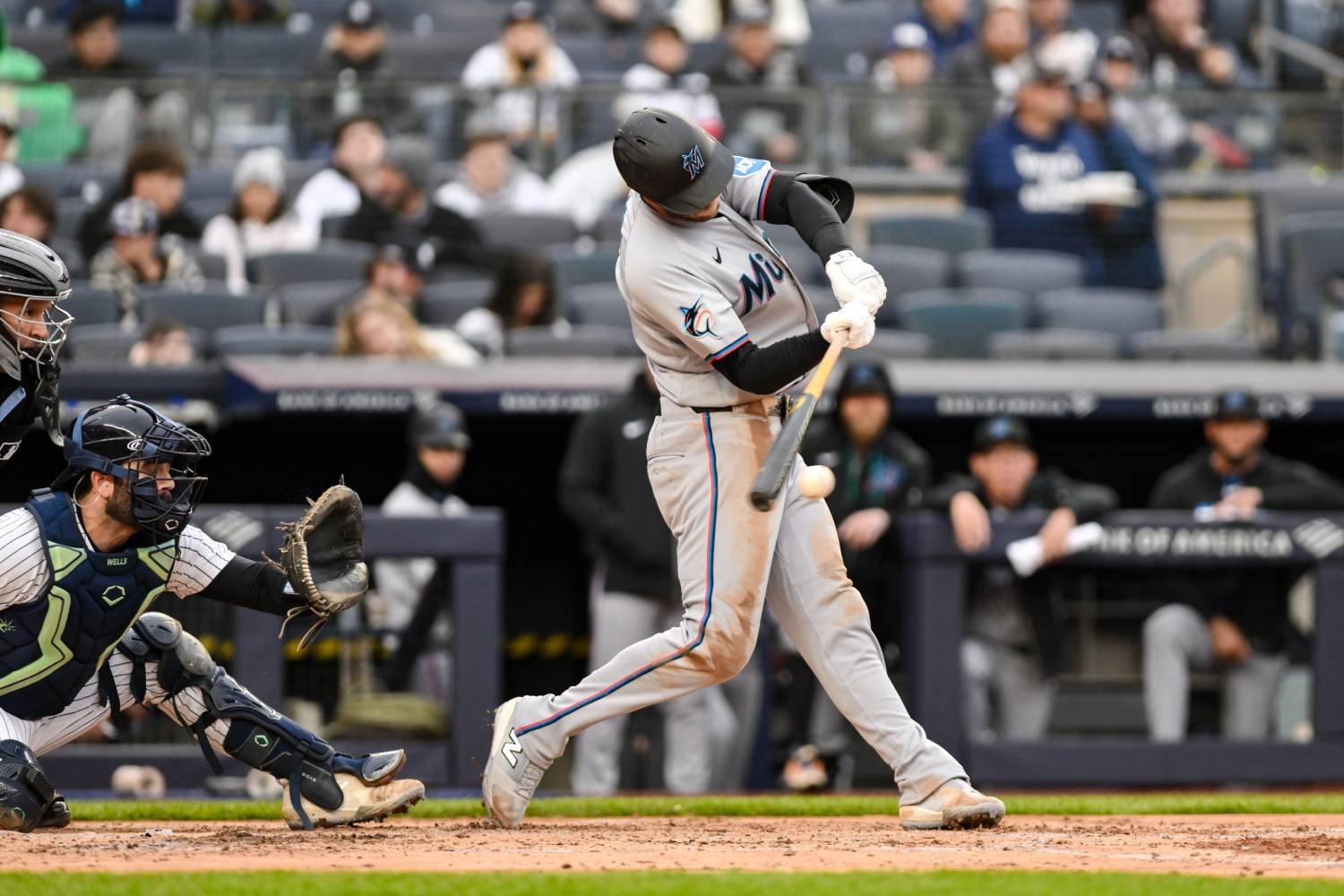 The Tommy Pham spark never materialized. Now, the New York Mets are moving on. Pham will be designated for assignment as the Mets are signing fellow outfielder Austin Slater, who was just DFA'd by the Miami Marlins and opted to become a free agent, MLB Network insider Jon Heyman reported Sunday. Pham was called up April 13 as the Mets had lost five in a row and the offense had just been shut out twice by the Athletics. That streak would extend to 12 games before the Mets won back-to-back, only to be swept in a three-game series by the Colorado Rockies, including both ends of a doubleheader Sunday. For his part, the 38-year-old Pham went 0-for-13 with a run scored, one walk and seven strikeouts in nine games. The 33-year-old Slater was off to a 4-for-23 with a run scored, an RBI, four walks and nine strikeouts in 12 games with the Marlins. He was DFA'd by the Marlins and went unclaimed off waivers before being outrighted to Triple-A on Saturday. But Slater had the option of choosing free agency and he landed an opportunity to remain in the majors with the Mets. In his career, which started in 2017 and was mostly spent with the San Francisco Giants, Slater has a slash line of .247/.335/.381. View the full article
 -
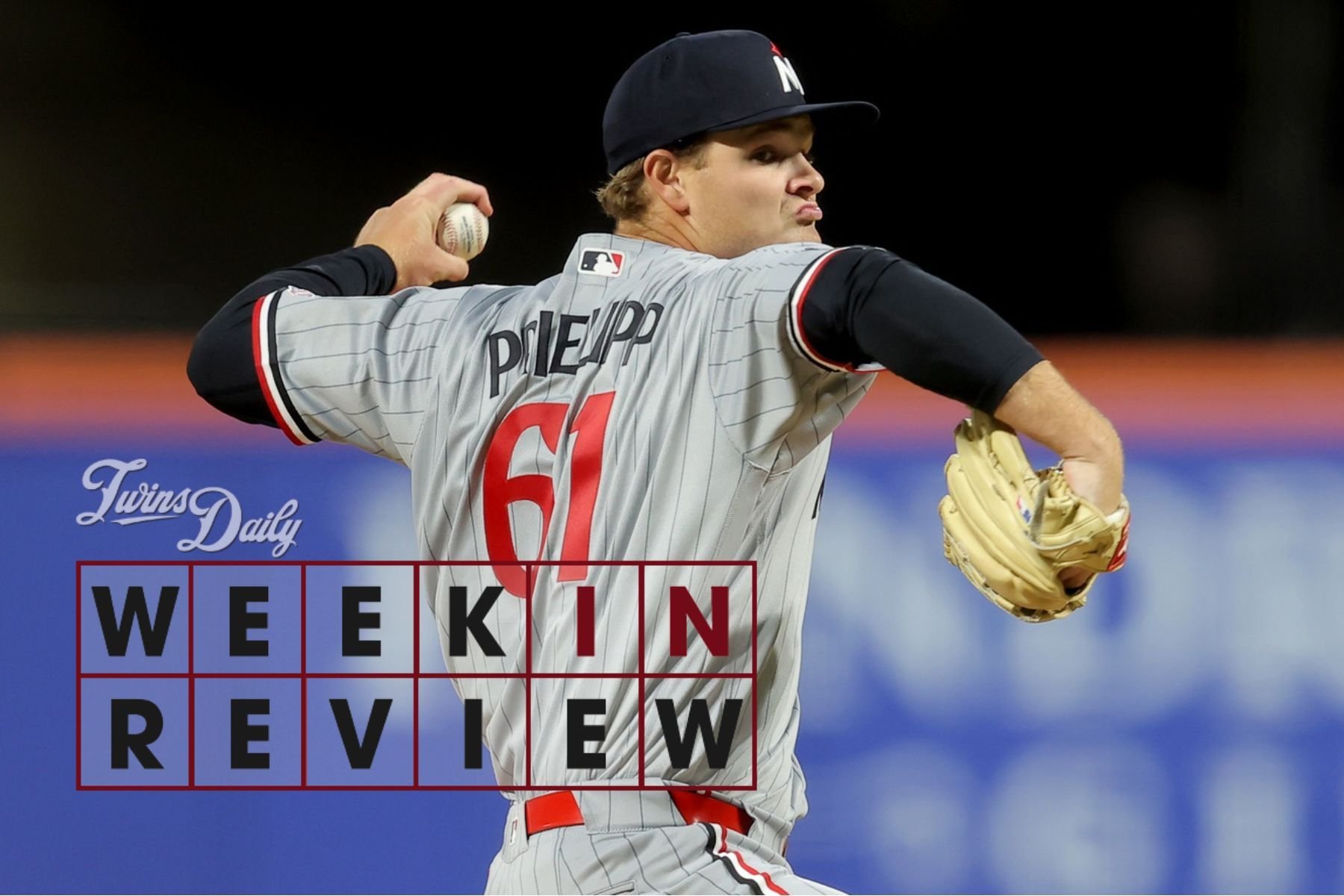 The Weekly Nutshell: The week opened on a positive note, with the Twins pulling off an impressive comeback win over Nolan McLean and the Mets. From there, it was all downhill. Minnesota dropped the next five straight, scoring two or fewer runs in four of the losses as the bullpen and defense repeatedly let them down. Any lingering good vibes from their surprising 8-1 hot streak were quickly erased by a counterbalancing 1-9 cold spell, and sadly the latest sample feels a lot more reflective of who this team is — for now, at least. On the bright side, we did get some previews of a more favorable future during this rough road trip, and hopefully there's more of that to come soon. Weekly Snapshot: Mon, 4/20 through Sun, 4/26 *** Record Last Week: 1-5 (Overall: 12-16) Run Differential Last Week: -12 (Overall: +0) Standing: 3rd Place in AL Central (2.5 GB) Latest Game Results Game 23 | MIN 5, NYM 3: Twins Break Through Against McLean, Top Spiraling Mets Twins bullpen: 4 IP, 0 H, 0 R, 6 K Game 24 | NYM 3, MIN 2: Mets End Skid Despite Strong Debuts from Prielipp, Rojas Prielipp: 4 IP, 4 H, 2 ER, 0 BB, 6 K Game 25 | NYM 10, MIN 8: Exciting Comeback Falls Short as Bullpen Erases Momentum Jeffers: Game-tying GS Game 26 | TB 6, MIN 2: Bradley Gives Up Four Home Runs in Return to Tropicana Field Bradley: 6.1 IP, 6 ER, 3 BB, 3 K, 4 HR Game 27 | TB 6, MIN 1: Familiar Story as Pitchers, Bats Struggle in Fourth Straight Loss Rogers: 0 IP, 2 H, 1 BB, 3 ER Game 28 | TB 4, MIN 2: Rays Complete Sweep in Series Where Twins Never Held Lead Woods Richardson: 4.1 IP, 8 H, 4 ER, 3 BB, 2 K IF YOU'D RATHER LISTEN TO THE WEEK IN REVIEW THAN READ IT, YOU CAN GET IT IN AUDIO FORM! FIND THE LATEST EPISODE ON OUR PODCAST PAGE, AS WELL AS ON APPLE AND SPOTIFY. SUBSCRIBE TO OUR CHANNELS SO YOU DON'T MISS OUT! NEWS & NOTES The week opened with a flurry of roster moves, including a couple of high-profile prospect promotions. On Tuesday, left-hander Kendry Rojas was called up from Triple-A, and a day later he was joined by fellow southpaw Connor Prielipp. Ranked eighth and fifth respectively on Twins Daily's top prospects list, these are the two top arms in the high minors for the Twins. Both pitchers debuted on Wednesday against the Mets. The exciting promotions came at a cost. Mick Abel, coming off back-to-back excellent starts, was placed on the injured list Monday with right elbow inflammation, which flared up during his latest bullpen session. Fortunately, an MRI showed no structural damage and the team is viewing it as a best-case scenario for the emerging young righty. Hopefully he won't be sidelined for too long, but every precaution should be taken with this hopeful rotation staple. With the Abel IL move opening up one spot on the pitching staff, Kody Funderburk's transfer to the paternity list (congrats!) opened the other, at least for a few days. Funderburk was reinstated on Friday, sending Rojas back to the minors, but Prielipp remains on the roster and in the rotation for the time being. Royce Lewis returned from the IL after the minimum 10 days, confirming that his knee sprain indeed proved to be very minor. Ryan Kreidler returned to Triple-A in (essentially) a corresponding action. I'd have rather seen James Outman shipped out personally, but for now the Twins are keen to avoid exposing him and his .115 batting average to waivers. A few other quick roster notes: The Twins claimed reliever Christian Roa off waivers from the Astros, designating first baseman Eric Wagaman for assignment to make room on the 40-man roster. Roa has a similar profile to Garrett Acton: 27-year-old righty who's barely played in the majors but has posted big strikeout numbers in Triple-A. Wagaman, acquired from the Marlins during the offseason, was basically a flop, missing out on the Opening Day roster and then posting a .538 OPS in Triple-A before being cut from the 40-man. Travis Adams, who's been out since spring due to an elbow issue, moved his rehab up to St. Paul on Wednesday and is in line to become a bullpen option very soon. He appeared twice for the Saints, allowing three earned runs with five strikeouts and a walk over 3 ⅔ innings. The Twins signed veteran reliever Luis García, a 39-year-old righty with more than 600 appearances in the majors, to a minor-league contact. He also could factor into the bullpen depth equation pretty quickly, given his experience. A final unfortunate note: outfielder Alan Roden suffered a torn labrum in his right shoulder, and will be sidelined for at least the next month. The hope is that he won't need surgery but as we're all aware, shoulder injuries are pesky and pernicious. It's a big downer for Roden after a thumb injury knocked him out down the stretch last year. HIGHLIGHTS While the Twins have flirted with competitiveness during the first month, this season was always going to be about getting a real glimpse of the future and ushering in the next wave of talent. That's why games like Wednesday's against the Mets are so invigorating, even if that one ultimately turned out to be a tough 3-2 loss. Prielipp was as advertised in his MLB debut, piling up whiffs with a power slide en route to six strikeouts with no walks over four innings. An exciting preview of things to come. Prielipp is going to be a force on this staff for some time as long as he can stay healthy. Rojas was not nearly as sharp when he made his own first MLB appearance, entering as a reliever later in the same game. He got through two scoreless frames but issued three walks with no strikeouts and labored a bit at times. That said, he was touching 98 with his fastball and got through the outing cleanly, so all in all it was far from a disastrous first impression. He was optioned back to Triple-A after one appearance but we'll surely see Rojas again soon. On offense, Austin Martin has been the clear standout and it's earning him more trust from his manager. This was best demonstrated on Friday when Martin found himself starting in right field and batting third against a right-handed starter in Drew Rasmussen. Martin still isn't quite starting every day, but he's moving well beyond the strict platoon role, and it's well deserved as he keeps getting on base in literally half of his plate appearances. Four hits and four walks in the past week leave Martin sitting with a .327/.500/.455 slash line, and he leads the team with 0.9 fWAR despite ranking eighth in plate appearances. He's also making far more of a defensive impact than we've seen in the past as he appears to grow comfortable and confident in the outfield. LOWLIGHTS There were some poor individual hitting and pitching performances over the course of the week, but what continues to really stick out as a negative for this team is the defense. Just excruciating to watch, night after night. Thomas Nestico (@TJStats) shared on Friday a list of the best and worst defenders in the major leagues, per Defensive Runs Saved. The Twins had three different players ranked as the least valuable fielder at his position: Ryan Jeffers at catcher, Brooks Lee at shortstop, Matt Wallner in right field. As a team the Twins have the third-worst defense in the majors by DRS. Jeffers is probably being underrated a little by defensive metrics that aren't fully accounting for the impact of his ABS challenging proficiency, and his bat is definitely adding value on the other side (he hit a big grand slam to briefly tie Thursday's game in the eighth), but the rough patches in his game have been evident. Earlier in Thursday's game he let a passed ball get by him in the second, costing Joe Ryan a strikeout and leading to three unearned runs scoring. Opposing baserunners are 15-for-19 on steals against Jeffers. He's been very good overall, but there are warts. The defensive metrics definitely check out on Lee, who is constantly letting grounders sneak past him at short. Statcast pegs his fielding range in the 3rd percentile. He was at least able to get his bat going to pull out of his latest slump, posting back-to-back three-hit games on Thursday and Friday. He's going to need to bring a lot more of that to be a useful player because he lacks the skills to be anything more than a liability at short. Wallner, at negative-5 DRS, is one of the worst overall defenders in all of baseball. He's getting terrible jumps in right field, his running speed has declined from last year, and his big arm hasn't yielded much value. Making matters worse is that Wallner also hasn't been able to find his groove at the plate. He's slashing .190/.281/.329 with a league-leading 36 strikeouts. He was 2-for-20 over his past seven games before sitting against a right-hander in the finale at Citi Field, which is perhaps a precursor to a more significant move if things stay as they are. Wallner does notably have an option remaining. Luke Keaschall doesn't quite make the cut as baseball's worst at his position, but he has not looked good at second base. Any hope that his arm strength would improve significantly as he distanced from elbow surgery hasn't really come to fruition. Keaschall's lackluster throwing ability — illustrated by a pattern of floating, fluttering, bouncing deliveries across the diamond — doesn't even meet the relatively low demands of second base. He's also been a complete mess at the plate, stranding 12 runners in Wednesday's and Thursday's losses alone, part of a 4-for-20 week that leaves his OPS hovering around .500. I'm cautiously optimistic that his offensive game will turn around, but I just don't see it working out for Keaschall in the infield, which is non-ideal for the Twins who are far deeper in the outfield. Rounding out the infield malaise is Lewis, who returned to the fold with a thump. At the plate he went 3-for-20 with six strikeouts and zero walks, and Lewis is tied for the worst Outs Above Average in the majors at negative-six. I'm pretty close to losing hope at this point. Lewis still sprinkles in the occasional reminder of his former prowess, including a home run and a nice defensive play down the third base line last week, but they are heavily outweighed by bafflingly inept play. It was entirely too easy to see this coming. The Twins were one of the worst defensive teams in baseball and did little to remedy that during the offseason. In fact, they actively worsened their state of affairs for the sake of saving money. They're paying Carlos Correa $10 million to play at an All-Star caliber level for another team — his 3 DRS and 2 OAA would both lead the Twins, as would his 1.0 fWAR through the first month of action. TRENDING STORYLINE How soon is too soon to take action on this rapidly unraveling ballclub? It seemed like their charmed 8-1 run was going to at least set them up to hang around the .500 mark even after regression inevitably set up, but the fall has been harder than anyone could've foreseen. Now they find themselves four games under, with no end to the losing in sight. What options are available to provide a jolt? Swapping Wallner out for someone like Emmanuel Rodriguez is the most straightforward lever to pull at the moment. Then again, Wallner is also one of the team's highest-upside bats and slumps are part of his game. Sending him to Triple-A at age 28 would be rough. Gabriel Gonzalez is a name to watch. He's batting just .202 for the Saints, suppressed by a .188 BABIP, but hit three homers this past week and has been seeing time at first base as the Twins seek to boost his defensive versatility. Kaelen Culpepper looms as a possible solution for the woes on the left side of the infield, but he probably needs to find more of a sustained groove before that's on the table — Culpepper ended the week in an 0-for-14 skid and his OPS is below .700. On the pitching side, Rojas should be back sooner than later, and I'd also like to see Prielipp stick around even after Abel recovers. He's clearly one of the staff's highest-caliber arms, and sending him back to the minors to waste bullets seems senseless at this point. Minnesota's optimal rotation probably includes Prielipp in favor of Simeon Woods Richardson, whose ERA inflated to 6.30 with a couple more ugly starts this past week, but that's not as straightforward since SWR is out of options. Would they consider a bullpen move if he keeps churning out clunker starts? A potentially relevant and related note here: Zebby Matthews delivered his finest start of the season on Sunday, striking out six over five shutout innings with just one hit and one walk allowed. After a brutal spring and start to the season at Triple-A, Matthews is maybe starting to round into form, with a 2.57 ERA and 16-to-2 K/BB ratio in 14 innings over his past three starts. LOOKING AHEAD The two clubs that faced off in the American League Championship Series last year are coming to Target Field in a jam-packed week that should hopefully feature some good weather and entertaining baseball. Prielipp and Ryan are both scheduled to start twice during the home stand. MONDAY, APRIL 27: MARINERS @ TWINS — RHP Luis Castillo v. LHP Connor Prielipp TUESDAY, APRIL 28: MARINERS @ TWINS — RHP Logan Gilbert v. RHP Joe Ryan WEDNESDAY, APRIL 29: MARINERS @ TWINS — RHP George Kirby v. RHP Taj Bradley THURSDAY, APRIL 30: BLUE JAYS @ TWINS — RHP Kevin Gausman v. RHP Bailey Ober FRIDAY, MAY 1: BLUE JAYS @ TWINS — RHP Dylan Cease v. RHP Simeon Woods Richardson SATURDAY, MAY 2: BLUE JAYS @ TWINS — LHP Patrick Corbin v. LHP Connor Prielipp SUNDAY, MAY 3: BLUE JAYS @ TWINS — LHP Eric Lauer v. RHP Joe Ryan View the full article
 -
Puzzling pitching change costs Marlins in San Fran series finale
DiamondCentric posted an article in Fish On First
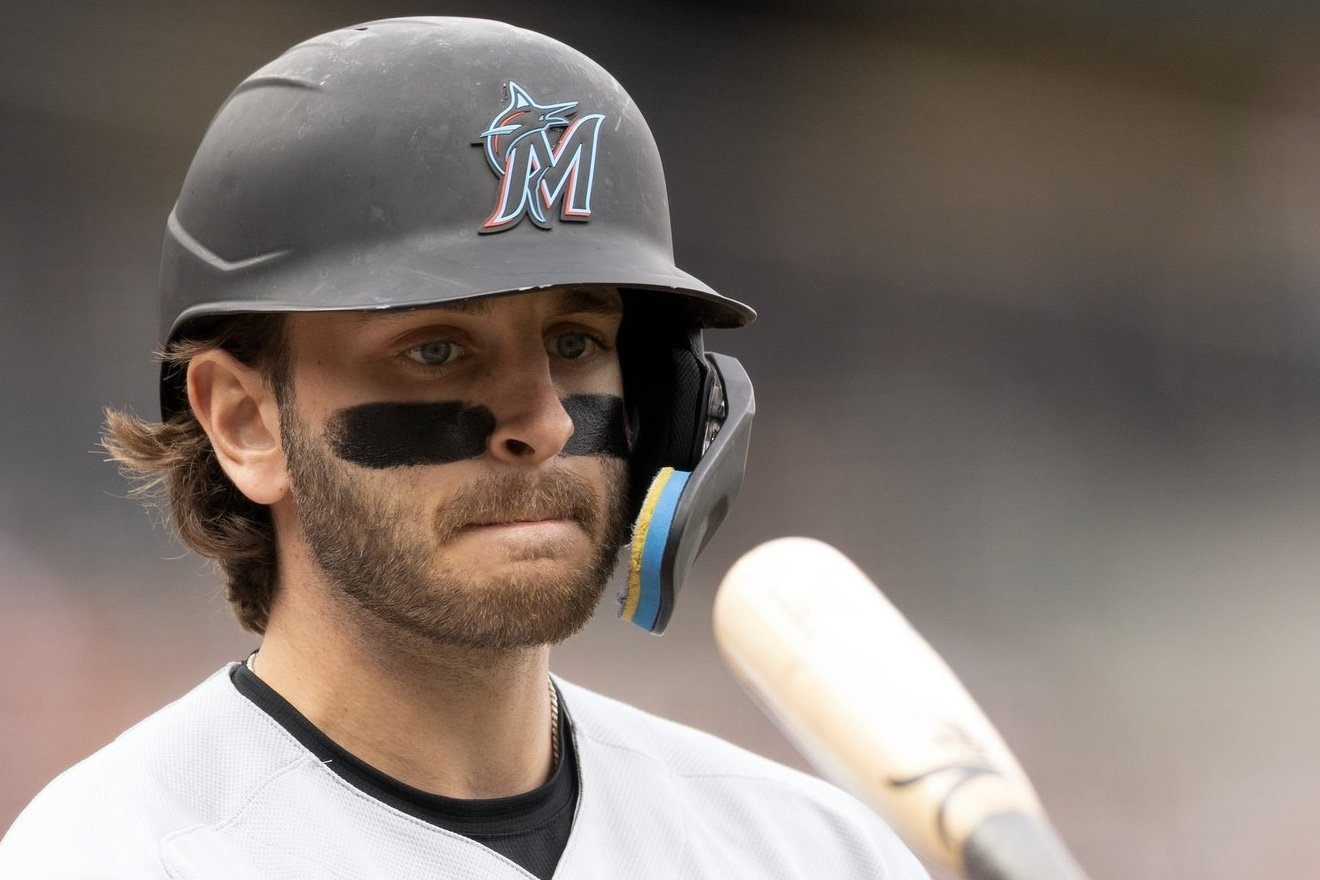 If the Miami Marlins are going to make a run at the postseason in 2026, trust in their starting pitchers would be something to zero in on. In what has become a borderline running gag at this point, Clayton McCullough and his coaching staff were foiled by their reluctance to do so on Sunday. Max Meyer cruised through four innings on just 54 pitches against the San Francisco Giants, working around a pair of baserunners in the bottom of the fifth in what would wind up being his longest inning of the day, in terms of pitch count. McCullough relieved Meyer at just 77 pitches with Miami leading 3-1. Although the pitchers have vastly different résumés, one could not help but think back to the Sandy Alcantara incident earlier this month. For those unaware, Alcantara, vying for his second consecutive shutout, was relieved with one out in the top of the ninth after just 93 pitches for Anthony Bender. Bender, who entered with a pair of men on base, quickly coughed up the lead in what would ultimately be a 6-3 Marlins loss. The result on Sunday would prove no different, as the Giants won 6-3. "I thought Max had done his job, gotten us through five...we thought we had the right combination of guys to get to Pete (Fairbanks), but the game quickly turned on us, and the offense couldn't get it going outside of the Pauley homer...but it happens," explained Clayton McCullough. Calvin Faucher occupied the Bender role this time. For the fifth time already this season, his erratic command led to a leadoff walk. Rafael Devers would double home Casey Schmitt four pitches later, and Drew Gilbert would tie the game at 3-3 two batters later. The aforementioned Schmitt rubbed salt in the wound one inning later when his second home run in as many days landed into the left field stands of Oracle Park. San Francisco, which entered the series tied with the Red Sox for the fewest home runs in baseball, blasted six long balls in the weekend set. Making his second career appearance and first career start against the Marlins, Landen Roupp would be tagged for a three-spot in the second when Graham Pauley hit his first home run of the season. From then on out, though, Roupp went into cruise control, retiring the next 18 batters faced. It wasn't until a Heriberto Hernández walk with two outs in the top of the eighth that Miami would have another baserunner. In a season-high 7 ⅔ innings of work, Roupp allowed just two hits and struck out six. In his six starts to begin the season, Roupp owns a 2.55 ERA. The Pauley home run marked the first allowed by Roupp in 2026. Kyle Stowers was one of many Marlins players who were silenced offensively, but it was a notable game for him nonetheless. Making his first career start as a first baseman at the major league level, he collected an assist on a throw to second base and five putouts. Meyer, on the other hand, would punch out five in his five innings of work, lowering his season ERA to 3.30, and wrapping up a month of April where he posted a mark of 2.88. In 15 career starts in March/April, Meyer owns an ERA right at 3.00. Working around a first-pitch, leadoff triple from Jung Hoo Lee, Meyer would quickly find his groove, allowing just three hits the rest of the way. His one run allowed Sunday would be unearned due to an error on his part when trying to complete a double play. The aforementioned Lee collected nine hits in the weekend series, marking just the seventh time this decade that a player had nine or more hits in any three-game span against Miami. In defeat, the Marlins fall to 13-15, retaining a one-game lead over the Nationals for second in the National League East. Looking Ahead The Marlins will continue their tour of the west coast on Monday when they travel to Southern California to begin a three-game series against the two-time defending World Series champion Los Angeles Dodgers. Chris Paddack (0-4, 6.38 ERA) will look to improve his fortunes against the Dodgers in the series opener. In nine career starts, Paddack owns a 5.91 ERA. He'll go up against the 2025 World Series MVP in Yoshinobu Yamamoto (2-2, 2.48 ERA). First pitch from Dodger Stadium is slated for 10:10 EST. View the full article
 -
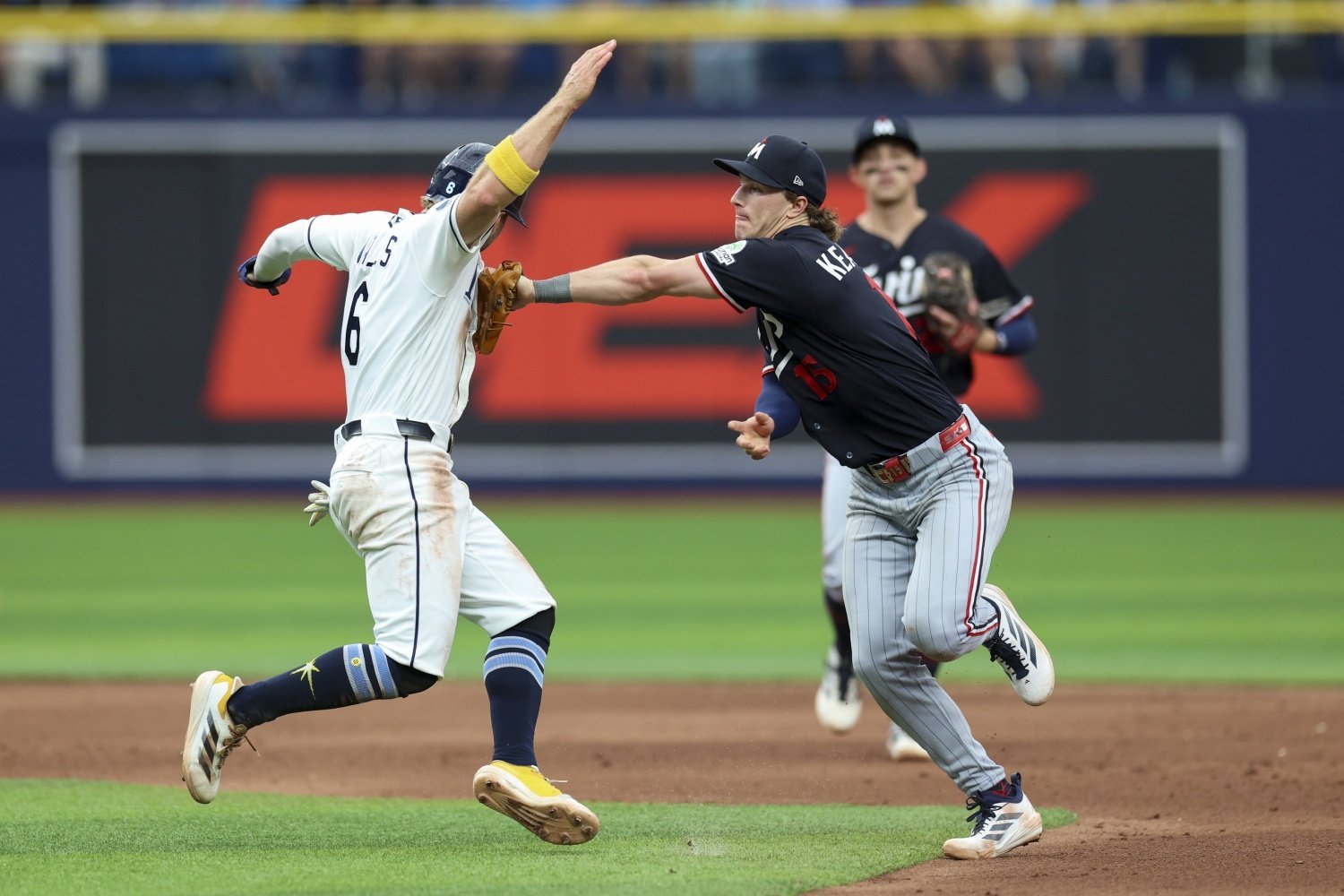 Box Score: Starting Pitcher: Simeon Woods Richardson: 4 1/3 IP, 8 H, 4 ER, 3 BB, 2 K (78 Pitches, 47 Strikes, 60.3%) Home Runs: Brooks Lee (5) Bottom 3 WPA: Woods Richardson (-0.21), Matt Wallner (-0.13), Josh Bell (-0.10) Win Probability Chart (Via BaseballSavant): Well, the Twins are bad again. The starting pitching has sprung a few leaks, and the opportunistic offense has been silenced by the regression monster. When the team has managed to take a lead, the bullpen has given it right back. Add it all up, and the team is 1-9 in its past 10 games, immediately following an 8-1 stretch that had them at the top of the American League. Today featured Simeon Woods Richardson squaring off against old friend Griffin Jax, who was operating as an opener for bulk pitcher Jesse Scholtens. Woods Richardson has been less than great in 2026, with his encouraging strikeout ability from the second half of 2025 abandoning him. Jax looked good, keeping the Twins off balance and pitching around a few bloopers and infield hits in 2 1/3 innings. Woods Richardson got in trouble early and often, allowing a leadoff base hit to Chandler Simpson, only to be bailed out by a hard ground ball from the dangerous Junior Caminero. It was fielded perfectly at second base by Luke Keaschall, who converted it into an easy double play. A walk and a single brought the heat back up in the second, but Woods Richardson got Taylor Walls looking on a misplaced fastball (Ttrget outside, pitch hit the inside corner) to end that threat. He ran out of magic in the third. Hunter Feduccia led off with a swinging bunt that he beat out. He advanced to second on an errant throw from Woods Richardson. Simpson followed with another hit, then stole second. Woods Richardson fell behind Caminero 3-0, which would have prompted many pitchers to give in and put him on via the intentional walk. Woods Richardson somehow got Caminero to pop out on 3-1, but Jonathan Aranda singled to the gap in right-center field to bring home two runs. Yandy Díaz then rifled a fastball that was nearly in Ryan Jeffers's glove the opposite way for an impressive home run. All of a sudden, the score was 4-0 Rays. The Twins put two runners on in the third and fourth inning, now facing Scholtens, but Josh Bell hit a liner at 107 MPH that was caught to end the third. Royce Lewis popped out weakly to end the fourth. Three more Rays would reach in the fourth. Walls tried to score from second on the third single of the game from Simpson, but was thrown out by Trevor Larnach from left field. Caminero then tapped out to end the threat. A walk to Díaz in the fifth was the end of the line for Woods Richardson. The final line wasn't pretty: eight hits allowed, a homer and more walks (3) than strikeouts (2). His fastball did hit 94 MPH a few times, but he had quite a few in the low 90s and upper 80s. He floated his splitter into hittable locations more than once, though his slider was relatively sharp, Meanwhile, Scholtens was settling in, allowing a few walks but using his slider and splitter to precent the Twins from generating hard contact. He kept cruising until the seventh, when he hung a couple of sliders to the murderer's row of the Twins lineup: James Outman and Brooks Lee. Outman cracked a double, and Lee snuck a liner inside the right-field foul pole for a two-run home run. Cole Sulser came on and got the Rays out of the inning without any further damage, and pitched a quick eighth inning, as well. Minnesota never seriously threatened to get closer than the 4-2 final score. Things I'm Tracking: -Brooks Lee batted leadoff, contributing a home run and a walk. He wouldn't have been my choice for that lineup slot, but sometimes picking a leadoff hitter doesn't need to make sense. Remember when the Royals were perennial World Series contenders with Alcides Escobar hitting first? -Are Woods Richardson's mechanics out of whack? Is he dealing with a physical issue? Is he some kind of right-handed Shaun Marcum (feisty pitcher without a lot of "stuff" who was pretty good for a few years, but when he lost just a tick on his fastball he was basically unplayable)? -Good to have Kody Funderburk back. He pitched 1 1/3 scoreless innings to lower his ERA to 1.74. If he keeps this up, he'll have closing opportunities, given the bullpen's lack of talent. What’s Next: The Twins welcome the Mariners to Target Field Monday, as they begin a four-game series. Connor Prielipp (0-0, 4.50 ERA) will face Luis Castillo (0-1, 5.21 ERA) as the Twins look to get off the mat against an underperforming Seattle team. Prielipp was inefficient but solid in his MLB debut against the Mets last time out, pitching four innings, walking none and striking out six. Castillo isn't the ace he once was, and hasn't looked good thus far in 2026, but he has a track record, and the Twins don't have a ton of threats in their lineup. Postgame Interviews: Coming soon Bullpen Usage Chart: WED THU FRI SAT SUN TOT Morris 0 37 0 0 0 37 Orze 11 0 10 9 0 30 Topa 17 0 0 0 10 27 Rogers 12 0 0 15 0 27 Banda 0 9 7 0 9 25 Funderburk 0 0 0 0 20 20 Acton 0 0 0 18 0 18 Sands 0 0 0 0 7 7 View the full article
 -
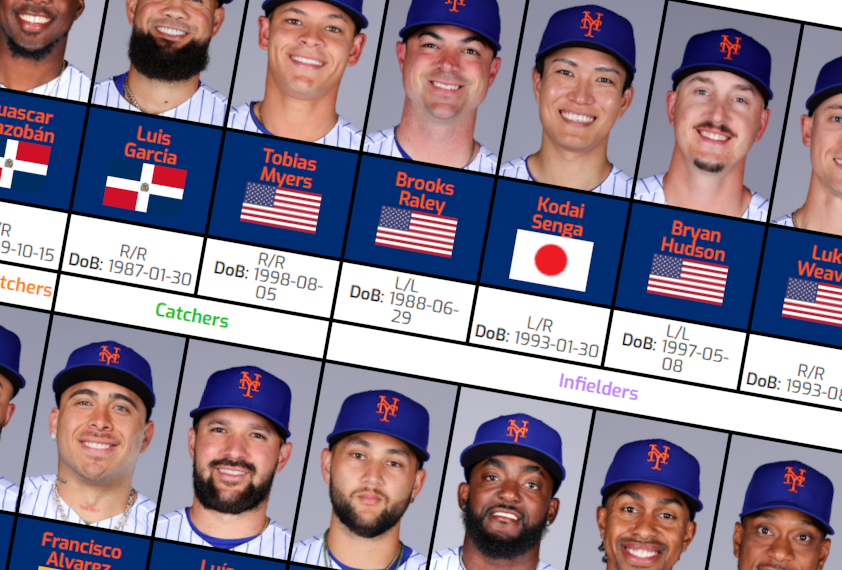 One reliever signed away. Another one sent on a rehab assignment. A third one returns to the MLB roster that he never should have banished from. One thing they have in common — apart from being three more bullpenners that the Mets treat with depraved indifference — is that none is an offensive answer for the punchless 2026 Mets. Transactions, 4/21/2026 GOING Signed away by MIN to Minor-League Contract Relief Pitchers Luis Garcia R/R DoB: 1987-01-30 High Level: MLB (2026) The shrubby beard of Luis Garcia was DFA'd — and the rest of him along with it — when adding Joey Gerber. There was no reason to think Garcia was washed up after 14 year of MLB relieving, but he hadn't been pitching that great, and having gone the day before and twice in three days, made him the guy to be thrown overboard. It's a ****** policy — prioritizing fresh arms over good arms, and filling out rosters with day laborers instead of teammates — but it's the way baseball works these days. Garcia wanted no part of Syracuse and rightfully asked for his release. Now he gets to work his way back to MLB status with Minnesota as a St. Paul Saint. Transactions, 4/25/2026 GOING Signed away by MIN to Minor-League Contract Relief Pitchers Joey Gerber R/R DoB: 1997-05-03 High Level: MLB (2026) As noted above, the fresh arm the Mets brought up at the cost of Luis Garcia was fellow MLB vet Joey Gerber. The Mets promptly deployed Gerber with mopup duty at the tail-end of a 4-0 loss to the Dodgers. He did everything you wanted him to do — throwing two scoreless innings, striking out five, and flashing dimples that went on for days. One had every reason to assume the shadow of the DFA dragon would fall on Gerberbaby's locker as soon as the game ended, but either injury or ******** roster manipulation intervened, and he was instead place on the IL with a finger blister. It probably isn't the first time a guy got a 10-day IL assignment followed by a rehab assignment (blister rehab?) over such an injury, but it sure feels like it. You hate to call out your GM for playing games with the Injured List, but there really isn't enough sand for Mets Roster Central to bury their heads in. Any how, we look forward to Gerber's return with the most pristine of finger tips. Transactions, 4/26/2026 COMING Promoted from Syracuse Relief Pitchers Austin Warren R/R DoB: 1996-02-05 High Level: MLB (2026) Today's double-header invited the Mets to add a 27th player to their roster. Teams invariably add extra pitching in such cases and the Mets brought up Austin (don't call him Adam) Warren. Aussie became a minor sensation earlier in the week when a Devin Williams ninth-inning collapse brought him in to clean up a messy situation with the bases loaded, no outs, and the fans hungry for blood. Of course he struck out the side, turning an angry crowd into chanters of his name. Of course he got a one-way ticket back to Syracuse. Of course he's likely to get into both games of today's double header, taking a hit for pitchers the Mets value more highly. Of course he's likely to be shipped out in short order again. Austin, as Ron Darling put it in the booth today, just gets outs. But because he lacks elite velocity, the Mets don't envision him as a pitcher they can develop into a more weaponizable part of their bullpen for high-leverage situations, so he and his kind get scrap-heaped, whether they are effective or not. Baseball, you make it so hard to love you sometimes. Your 2026 New York Mets Starting Pitchers Relief Pitchers Clay Holmes Nolan McLean Freddy Peralta David Peterson Kodai Senga Huascar Brazobán R/R DoB: 1993-03-27 R/R DoB: 2001-07-24 R/R DoB: 2996-06-04 L/L DoB: 1995-09-03 L/R DoB: 1993-01-30 R/R DoB: 1989-10-15 Relief Pitchers Carl Edwards, Jr. Craig Kimbrel Sean Manaea Tobias Myers Brooks Raley Austin Warren Luke Weaver R/R DoB: 33484 R/R DoB: 32291 R/L DoB: 1992-02-01 R/R DoB: 1998-08-05 L/L DoB: 1988-06-29 R/R DoB: 1996-02-05 R/R DoB: 1993-08-21 Relief Pitchers Catchers Infielders Infielders Devin Williams Francisco Alvarez Luís Torrens Brett Baty Bo Bichette Ronny Mauricio MJ Melendez R/R DoB: 1994-09-21 R/R DoB: 2001-11-01 R/R DoB: 1996-05-02 L/R DoB: 1999-11-13 R/R DoB: 1998-03-05 S/R DoB: 2001-04-04 L/R DoB: 1993-11-29 Infielders Outfielders Marcus Semien Mark Vientos Carson Benge Tommy Pham Luis Robert, Jr. Juan Soto Tyrone Taylor R/R DoB: 1990-09-17 R/R DoB: 1993-12-11 L/R DoB: 2003-01-20 R/R DoB: 32210 R/R DoB: 1997-08-03 L/L DoB: 1998-10-25 R/R DoB: 34356 Also on 40-Player Roster Starting Pitchers Relief Pitchers Tylor Megill Christian Scott Jonah Tong Alex Carrillo Reed Garrett Joey Gerber Justin Hagenman R/R DoB: 1995-07-28 R/R DoB: 1999-06-15 R/R DoB: 2003-06-19 R/R DoB: 1997-06-06 R/R DoB: 1993-01-02 R/R DoB: 1997-05-03 R/R DoB: 1996-10-07 On 60-Day Injured List with torn right UCL. With Syracuse With Syracuse On 60-Day Injured List — right UCL surgery and nerve relocation surgery. With St. Lucie on Rehab Assignment On 60 Day Injured List with fractured rib. Relief Pitchers Catchers Infielders A.J. Minter Dedniel Núñez Jonathan Pintaro Dylan Ross Hayden Senger Francisco Lindor Jorge Polanco L/L DoB: 1993-09-02 R/R DoB: 1996-06-05 R/R DoB: 1997-11-07 R/R DoB: 2000-09-01 R/R DoB: 1997-04-03 S/R DoB: 1993-11-14 S/R DoB: 1999-11-13 With Syracuse on Rehab Assignment On 60-Day Injured List — right UCL surgery. With Syracuse With Syracuse, on Seven-Day IL With Syracuse On 10-Day Injured List with Strained Left Calf On 10-Day Injured List with right wrist contusion. Outfielders Outfielders Nick Morabito Jared Young R/R DoB: 2003-05-07 L/R DoB: 1995-07-09 With Syracuse On 10-Day Injured List with torn left meniscus. Your Mets Coaching Staff Manager Bench Coach Pitching Coach Hitting Coordinator Third Base Coach First Base Coach Bullpen Coach Ass't Pitching Coach Carlos Mendoza Kai Correa Justin Willard Jeff Albert Tim Leiper Gilbert Gomez José Rosado Dan McKinney DoB: 1979-11-27 DoB: 1989-07-14 DoB: 1990-09-09 DoB: 1992-08-16 DoB: 1996-07-19 DoB: 1992-03-08 DoB: 1974-11-09 DoB: 1989-06-06 Hitting Coach Strategy Coach Catching Coach Coaching Assistant Bat'g Practice Pitcher Equipment Manager Bullpen Catchers Bullpen Catchers Troy Snitker Danny Barnes J.P. Arencibia Rafael Fernandez Kevin Mahoney Kevin Kierst Eric Langill Dave Racaniello DoB: 1988-12-05 DoB: 1989-10021 DoB: 1986-01-05 DoB: 1988-08-03 DoB: 1987-05-11 DoB: 1964-07-09 DoB: 1979-04-09 DoB: 1978-06-03 Your Mets Training Staff Director of Player Health Head Athletic Trainer Assistant Athletic Trainer Reconditioning Coordinator Reconditioning Therapist Head Performance Coach Assistant Performance Coach Performance Coordinator Soft Tissue Specialist Brian Chicklo Joseph Golia Bryan Baca Sean Bardanett Josh Bickel Dustin Clarke Tanner Miracle Jeremy Chiang Hiroto Kawamura DoB: 1972-07-17 DoB: 1978-??-?? DoB: Circa 1980 DoB: 1988-06-23 DoB: 1996-??-?? DoB: 1987-??-?? DoB: 1991-??-?? DoB: ????-??-?? DoB: 22846 View the full article
 -
Riley Martin Latest Cubs Pitcher To Land On Injured List
DiamondCentric posted an article in North Side Baseball
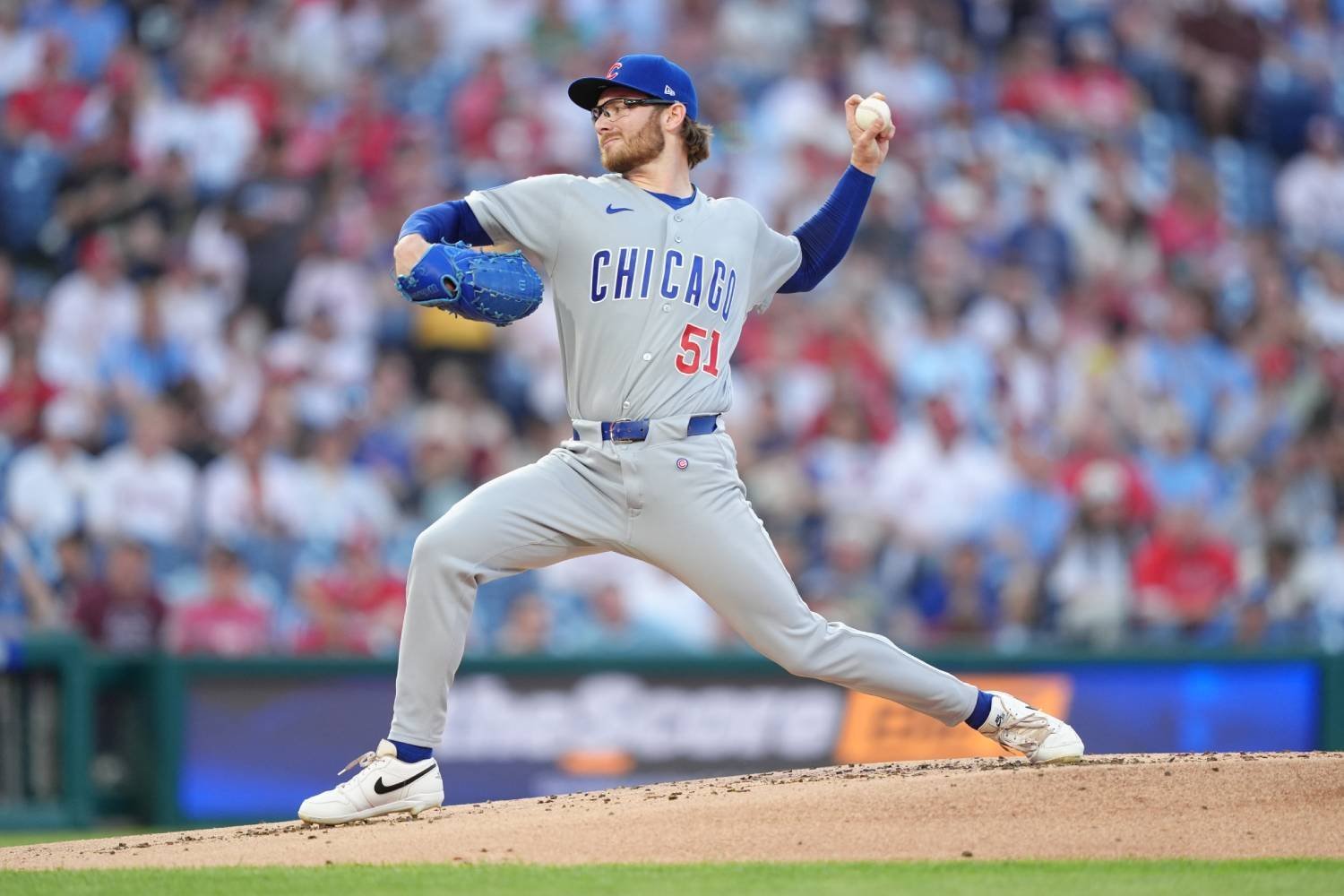 The Vince Velasquez feel-good comeback story lasted one game. Velasquez, a right-handed pitcher, on Sunday was designated for assignment by the Chicago Cubs. But there was more bad news from the Cubs as left-hander Riley Martin went on the 15-day injured list with inflammation in his left elbow. Left-hander Charlie Barnes and right-hander Yacksel Rios were called up from Triple-A Iowa. Rios was not on the 40-man roster, thus the need to DFA Velasquez. Martin makes it 11 pitchers currently on the IL for the Cubs. Velasquez pitched in Saturday's 12-4 loss to the Los Angeles Dodgers, going 2⅓ shutout inxnings with one hit and no walks while striking out one. He now hits the waiver wire. If Velasquez goes unclaimed or isn't traded, it is possible he returns to the organization. Martin was called up April 5 to make his MLB debut and appeared in eight games, posting a 2.16 ERA, walking two and striking out 10 in 8⅓ innings. Barnes is back after a brief call-up in which he appeared in one game, allowing four runs on four hits and three walks with one strikeout in three innings on April 13 against the Philadelphia Phillies. Rios is a 32-year-old who made his MLB debut in 2017 with the Philadelphia Phillies. He has appeared in 92 games, all in relief, and has a 6.32 ERA. He lasted appeared in the majors in 2023 with the Oakland A's, pitching in three games and allowing seven runs in 1⅔ innings. View the full article
 -
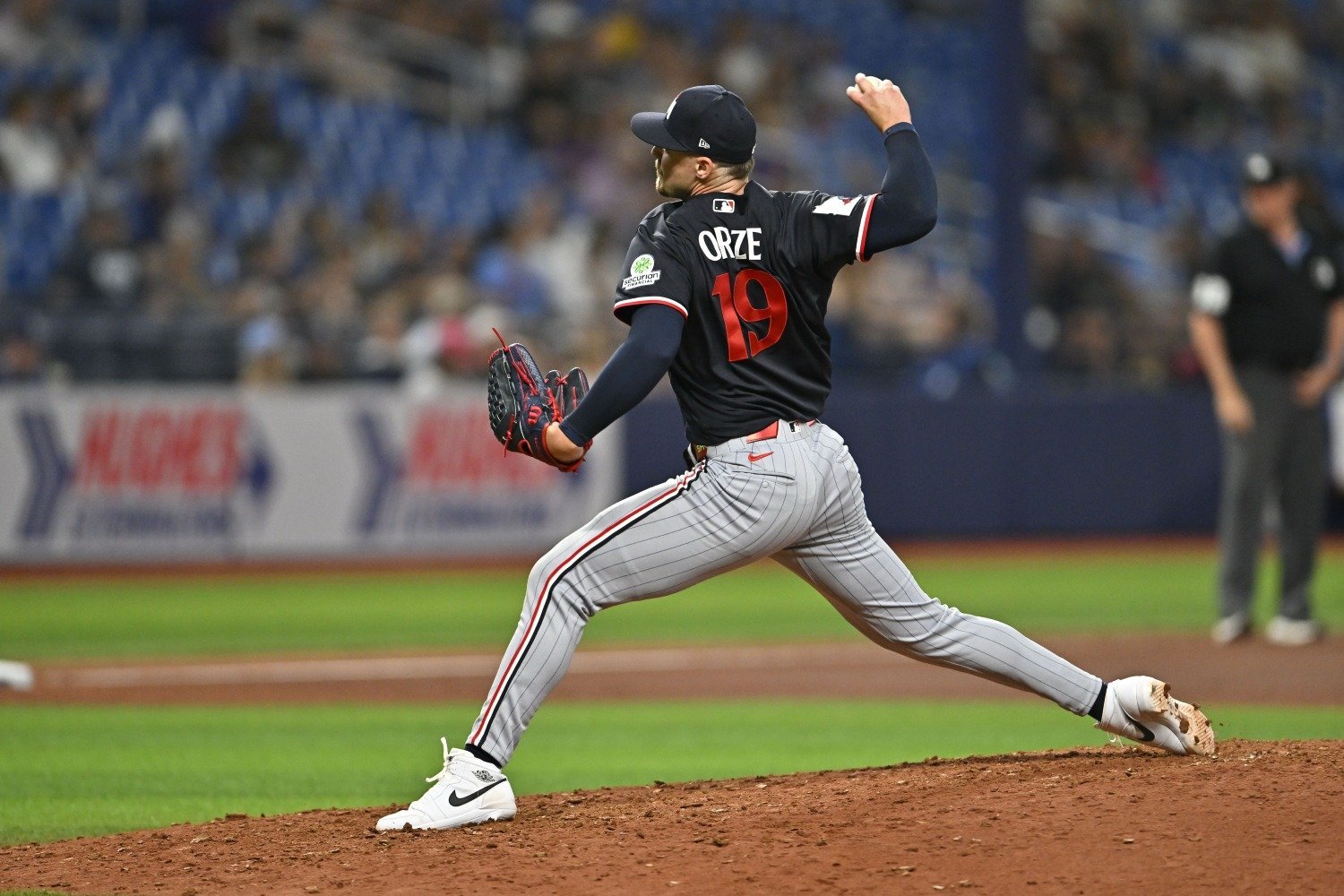 Coming into the season, the outlook for the Twins’ bullpen felt fairly clear. There were interesting arms and a handful of intriguing profiles, but not much certainty. Through the first few weeks, that hasn’t really changed. As a whole, this unit hasn’t been very strong, and the biggest issue has been inconsistency. It’s been difficult to know what you’re going to get from one night to the next. Even the hurlers who have flashed the ability to cruise through a tough patch in the opposing lineup seem to struggle when asked to do it two or three times in a short span. There have been a few bright spots, along with some real concerns. With that in mind, here’s where my confidence currently sits, working from lowest to highest. Zero Faith: Anthony Banda Coming into the year, Banda felt like someone who could carve out a legitimate late-inning, high-leverage role. That hasn’t come close to materializing. Through 10 2/3 innings, he’s sitting on a 9.28 ERA, allowing 13 hits, three walks, and hitting three batters. It’s not just the results, either; it’s the lack of any real rhythm. We haven’t seen him string together multiple solid outings, and in a 12-appearance sample, that becomes hard to ignore. Opponents are hitting .302 against him, the highest mark in the bullpen (among regular contributors), and there just isn’t much here right now that inspires confidence. Familiar, but Not Fun: Justin Topa It’s not exactly reassuring that the two relievers I trust the least are also among the most frequently used. Topa’s surface-level numbers don’t jump out in the same way. A 3.86 ERA is perfectly passable. But once you dig a little deeper, it becomes harder to buy in. A 1.54 WHIP paired with a 13.7% strikeout rate suggests that ERA is a bit lucky. He does a nice job generating ground balls and limiting loud contact, but the consistency hasn’t been there, which again feels like a recurring theme with this group. He’s the type of arm that can get through an inning cleanly one night, and then spend the next outing working out of constant traffic. That volatility makes him difficult to fully trust; he'd be a better fit for a team with a better defense. Next up, I’ve got a tie, and fittingly, it’s between two left-handed options. Sortable Southpaws: Taylor Rogers and Kody Funderburk Neither has done much to distinguish themselves, in a positive way. Both are carrying WHIPs north of 1.50. Neither generates much swing-and-miss, and both have run into issues with walks. On the surface, Funderburk’s 2.00 ERA looks far more appealing than Rogers’s 7.27, but the underlying numbers tell a different story. Funderburk’s 5.80 FIP and 6.47 xERA suggest he’s been living on the edge, and that some regression could be coming. In reality, both pitchers have fallen into that same inconsistency trap. There just hasn’t been a reliable rhythm, and at this point, it’s hard to feel overly confident in either left-handed option when the game is on the line. The Hard-Throwing Youngster: Andrew Morris Morris has been deployed as more of a length reliever, typically working in two- to three-inning stints. That role matters here, because if we were strictly evaluating him as a one-inning arm, he’d probably land higher on this list. The issue is what happens after that first inning. We’ve seen him run into more trouble the deeper he goes into outings, which has inflated his numbers, including a 7.71 ERA that doesn’t exactly scream reliability. But context is important. Half of the earned runs he’s allowed came on one swing, a bases-clearing double by TJ Friedl in a spot where Morris arguably shouldn’t have been in the game. Another two runs came on Bo Bichette’s game-winning double after Morris had already exited, with those runners inherited and ultimately allowed to score. When you look beyond the ERA, there’s actually a lot to like. His stuff has arguably been the best of anyone in this bullpen. He’s generating a ton of chase out of the zone, limiting hard contact, and attacking hitters with confidence, reflected in a strong 5.9% walk rate. If the Twins can keep him in more controlled two-inning bursts (or even shift him to a traditional one-inning role), there’s a good chance the results start to match the underlying performance. That brings us into the top three. The Journeyman: Garrett Acton Yes, there’s definitely some small sample influence here. Acton has only thrown 6 ⅔ innings, but it’s been an impressive stretch. He’s running a 2.70 ERA with a 2.54 xERA, and the underlying metrics are hard to ignore. A 34% whiff rate and 30.4% strikeout rate jump off the page, and he’s done an excellent job limiting hard contact. The stuff is playing well. The only reason he isn’t higher is the limited sample. If these numbers were stretched over 30 or 40 innings, we’d be having a very different conversation—one where he’s probably sitting at the top of this list, if only because of the uninspiring competition for that honor. Why Aren't You Better? Cole Sands In a bullpen like this, that placement says quite a bit. It’s not about overpowering stuff or eye-popping velocity. It’s much simpler than that; he’s steady. He’s predictable in the best way possible. Sands owns a 3.48 ERA, which is right in line with what we’ve come to expect from him, and there’s real value in that kind of consistency, especially in a group that hasn’t had much of it. He was probably my preseason pick as the most trustworthy reliever in this bullpen, and while the start hasn’t been dominant, there’s little reason to move off that stance. When he enters a game, there’s a level of calm that just doesn’t exist with most of the other options. However, two years ago, we got an extended look at a version of Sands who could dominate. Since the start of last year, that guy has shown up only in brief glimpses. Somehow, a Relief Ace: Eric Orze If the Twins needed to name a primary closer tomorrow, Orze would get my vote without much hesitation. He’s leaned heavily on his splitter, and it’s been a legitimate weapon, generating whiffs on over 30% of swings. Even when hitters make contact, they’re not doing much damage. His average exit velocity allowed, along with his hard-hit and barrel rates, all sit in the 83rd percentile or better among major-league pitchers. He’s missing bats at an above-average rate, generating strikeouts, and while the command isn’t perfect, it’s more than manageable, with a 9.3% walk rate. (Keep in mind that, with ABS having shrunk the strike zone, the league's overall walk rate is 9.7% so far this season.) The underlying metrics back it all up, with both Orze's FIP and xERA sitting at an elite 2.38. The results have been good, and the data suggest they could be even better moving forward. Yes, he’s blown a save, which does not help my case. But he’s also the only reliever in this bullpen to have multiple save opportunities, which says a lot about how he’s already being trusted. In a bullpen searching for stability, Orze has provided it. Right now, he stands alone as the arm I trust the most. View the full article
 -
 Chicago Cubs Minor League Report - April 24 Affiliate Overview Triple-A Iowa Cubs Series vs. Louisville Bats (Cincinnati Reds): Bats lead 3–1 Season Record: 12–12 Double-A Knoxville Smokies Series vs. Chattanooga Lookouts (Cincinnati Reds): Lookouts lead 3–1 Season Record: 9–10 High-A South Bend Cubs Series at Dayton Dragons (Cincinnati Reds): Tied 2–2 Season Record: 10–6 Single-A Myrtle Beach Pelicans Series at Fayetteville Woodpeckers (Houston Astros): Woodpeckers lead 4–0 Season Record: 9–10 Triple-A: Iowa Cubs Season Record: 12–12 Series Opponent: Louisville Bats (15–10) Series Standing: Trail 1–3 April 24: The Iowa Cubs suffered a second-straight defeat, falling to the Louisville Bats, 5-4, in extra innings on Friday night at Principal Park. The Cubs took the lead in the contest in the second on an RBI-single from Eric Yang (1-for-4). Kevin Alcántara (1-for-5) made it 2-0 Iowa with an RBI-single in the sixth. Trent Thornton started on the mound for the I-Cubs, working two scoreless innings and picking up a pair of strikeouts. Phil Maton, who was placed on the 15-day IL by the big-league Cubs on April 10, made his first rehab appearance at the Triple-A level, working a scoreless third, allowing two hits and striking out two. Jace Beck got the bulk of work in relief, firing three scoreless innings and whiffing a pair. The Bats got on the board in the eighth to make it 2-1 but Pedro Ramírez (0-for-3) restored the two-run advantage with an RBI-groundout in the home half of the frame. Louisville would rally in the ninth with a pair of runs to send the game to extras. Both teams would score in the 10th, with Jonathan Long (4-for-5) driving in the Cubs’ run but the Bats would go ahead again in the 11th and keep Iowa off the board, handing the home team the loss. Double-A: Knoxville Smokies Season Record: 9–10 Series Opponent: Chattanooga Lookouts (15–4) Series Standing: Trail 1-3 April 24: The Knoxville Smokies snapped their five-game losing skid with an 11-9 win over the Chattanooga Lookouts on Friday night. Ethan Hearn’s (1-for-4) two-run shot in the second, his first of the year, gave the Smokies the 2-0 but the Lookouts tied the ballgame with two runs in the third. Knoxville responded in the bottom of the inning with three runs to re-take the lead at 5-2. Owen Ayers (2-for-2) launched his first-career Double-A home run, a solo blast, and Edgar Alvarez (1-for-5) followed with a two-run shot later in the frame. Chattanooga cut the lead to 5-4 with runs in the fourth and fifth and would eventually take the lead with three runs in the eighth. The Smokies offense then erupted for sixth runs in the bottom of the inning, thanks to a two-run double from Alex Ramírez (1-for-5) and a grand slam from Andy Garriola (1-for-2) to make it 11-7. The Lookouts halved the deficit with a pair of runs in the ninth but Knoxville was able to hang on for the 11-9 victory. High-A: South Bend Cubs Season Record: 10–6 Series Opponent: Dayton Dragons (9–9) Series Standing: Tied 2–2 April 24: The South Bend Cubs fell to the Dayton Dragons, 6-4, in seven innings, in a rain-shortened game on Friday night at Day Air Ballpark. The Cubs took a 2-0 lead their first time to the plate through a sacrifice fly from Cameron Sisneros (1-for-1) and an RBI-double from Reginald Preciado (1-for-3). The Dragons answered with two runs of their own their first time up to make it 2-2. South Bend went back in front with two more runs in the third thanks to RBI-doubles from Kade Snell (1-for-3) and Sisneros. Dayton responded with three runs in the bottom of the inning to make it 5-4 and to take the lead for good. The hosts tacked on one more in the sixth before rain stopped play after seven. Single-A: Myrtle Beach Pelicans Season Record: 9–10 Series Opponent: Fayetteville Woodpeckers (7–12) Series Standing: Trail 0–4 April 24: The Myrtle Beach Pelicans suffered a fourth-straight defeat with a 5-2 loss to the Fayetteville Woodpeckers, who claim a series win. The Woodpeckers took a 2-0 lead in the second and made it 3-0 after the sixth. The Pelicans scored on a wild pitch in the seventh but Fayetteville answered with two more in the eighth to make it 5-2. Myrtle Beach scored on a passed ball in the ninth but were unable to rally and ultimately fell 5-2. The Pelicans were held to just three hits offensively, going 0-for-6 with runners in scoring position and left seven runners on base. View the full article
 -
 Syracuse fell 9-2 at Worcester as starter Bryce Conley walked six batters over four innings to take the loss, while Ji Hwan Bae's eighth-inning RBI single accounted for one of the Mets' two runs. St. Lucie surrendered a four-run ninth in an 8-7 loss to Palm Beach, with reliever Tyler McLoughlin charged with three earned runs. Jose Chirinos struck out six over 4 2/3 strong innings of work. The Binghamton and Brooklyn games were postponed. Mets Transactions No Roster Moves Walks And Late Damage Doom Syracuse In 9-2 Loss At Worcester Syracuse dropped a 9-2 decision at Worcester, undone by free passes and a pair of late innings. Starter Bryce Conley took the loss after four innings in which he allowed four hits, one earned run, six walks, and two strikeouts. Worcester scratched out a single run in the bottom of the fourth on a run-scoring groundout against Conley, then broke through with a pair in the bottom of the sixth on a run-scoring single and a run-scoring groundout to push the lead to 3-0. The Red Sox added three more in the bottom of the seventh, when a Worcester two-out double drove in two runs to make it 6-0. Syracuse finally got on the board in the top of the eighth after Yonny Hernández walked and came around on Ji Hwan Bae's run-scoring single. Worcester answered in the bottom of the eighth with three more against Onix Vega on a sacrifice fly and a pair of run-scoring singles. Tanner Witt struggled with command in 1 1/3 innings, walking four and giving up two earned runs. Ryan Lambert was charged with three earned runs in 2/3 of an inning, and Alex Carrillo turned in a clean inning with two strikeouts. Bae finished 1-for-4 with the RBI, Cristian Pache added a double, and Nick Morabito drew a walk and singled. Syracuse collected four hits, drew three walks, struck out 10 times, and left five runners on base. Player AB R H RBI BB K Nick Morabito 3 0 1 0 1 1 Ji Hwan Bae 4 0 1 1 0 3 Ryan Clifford 3 0 0 0 1 1 Christian Arroyo 4 0 0 0 0 0 Vidal Bruján 4 0 0 0 0 2 Cristian Pache 4 0 1 0 0 2 Ben Rortvedt 4 1 1 0 0 0 Jackson Cluff 3 0 0 0 0 1 Yonny Hernández 2 1 0 0 1 0 Player IP H R ER BB K HR Bryce Conley 4.0 4 1 1 6 2 0 Tanner Witt 1.1 1 2 2 4 3 0 Ryan Lambert 0.2 1 3 3 2 0 0 Alex Carrillo 1.0 1 0 0 1 2 0 Onix Vega 1.0 5 3 3 0 0 0 Binghamton Game Postponed The Binghamton Rumble Ponies game was postponed. Brooklyn Game Postponed The Brooklyn Cyclones game was postponed. Ninth-Inning Collapse Sends St. Lucie To 8-7 Loss Against Palm Beach St. Lucie watched a two-run lead disappear in the top of the ninth and fell 8-7 to Palm Beach. Palm Beach jumped on opener R.J. Gordon for three runs in the top of the first inning, with Gordon allowing three hits and three earned runs while recording one strikeout in 1/3 of an inning. Nate Lavender stabilized things with 1 2/3 innings of one-hit relief, and Joey Gerber followed with a clean third. Jose Chirinos turned in the night's best work for the Mets, striking out six over 4 2/3 innings while allowing three hits, one earned run, and a home run. The home offense flipped the game with a five-run sixth inning. Leadoff hitter Elian Peña singled, and Julio Zayas walked ahead of Simon Juan's two-run double that scored Peña and Zayas. Chase Meggers followed with a two-run single that brought home AJ Salgado and Juan, and Sam Biller singled home Meggers to put St. Lucie in front 5-3. Palm Beach pulled within one on a solo home run in the eighth, but Vladi Gomez walked with the bases loaded against Palm Beach pitching to score Juan, and Peña singled in Biller for a 7-4 lead. The bullpen could not protect it. Tyler McLoughlin walked two and gave up a run-scoring single, and Ryan Dollar took the loss after a run-scoring double and a two-run single put Palm Beach ahead. Peña finished 2-for-4 with an RBI, a walk, and a run, Juan went 2-for-5 with a double and two RBIs, and Meggers added two hits and two RBIs. St. Lucie collected nine hits, drew seven walks, struck out eight times, and left seven runners on base. Player AB R H RBI BB K Elian Peña 4 1 2 1 1 0 JT Benson 4 0 0 0 1 2 Randy Guzman 2 0 0 0 0 0 Julio Zayas 1 1 0 0 1 1 Branny De Oleo 0 0 0 0 0 0 AJ Salgado 4 1 0 0 1 1 Simon Juan 5 2 2 2 0 1 Chase Meggers 5 1 2 2 0 1 Sam Biller 3 1 1 1 1 2 Sam Robertson 3 0 1 0 1 0 Vladi Gomez 3 0 1 0 1 0 Player IP H R ER BB K HR R.J. Gordon 0.1 3 3 3 0 1 0 Nate Lavender 1.2 1 0 0 1 2 0 Joey Gerber 1.0 0 0 0 0 0 0 Jose Chirinos 4.2 3 1 1 0 6 1 Tyler McLoughlin 0.1 1 3 3 2 0 0 Ryan Dollar 1.0 2 1 1 0 2 0 Top-20 Prospect Performance Nolan McLean: DNP Carson Benge: DNP A.J. Ewing: DNP Jonah Tong: DNP Ryan Clifford: 0-for-3, BB, K Jacob Reimer: DNP Jack Wenninger: DNP Elian Pena: 2-for-4, RBI, BB, R Mitch Voit: DNP Nick Morabito: 1-for-3, BB, K Jonathan Santucci: DNP Chris Suero: DNP Zach Thornton: DNP Wandy Asigen: DNP Will Watson: DNP Eli Serrano III: DNP Ryan Lambert: 0.2 IP, 1 H, 3 R, 3 ER, 2 BB, 0 K Dylan Ross: DNP Antonio Jimenez: DNP R.J. Gordon: 0.1 IP, 3 H, 3 R, 3 ER, 0 BB, 1 K View the full article
 -
Another Twins Teen Prospect to Know: Ramiro Villanueva
DiamondCentric posted an article in Twins Daily
 Twins System Recap: Ramiro Villanueva made his full-season debut and his first appearance since June of 2024. The 19-year-old delivered four shutout innings while striking out five batters to help lead Fort Myers to victory. Ryan Sprock was also a key contributor to that Mussels win. In terms of top prospects, Marek Houston continued to impress with his bat, tallying three hits while also stealing a couple of bases. More info on those performances and much more in tonight's video. View the full article
 -
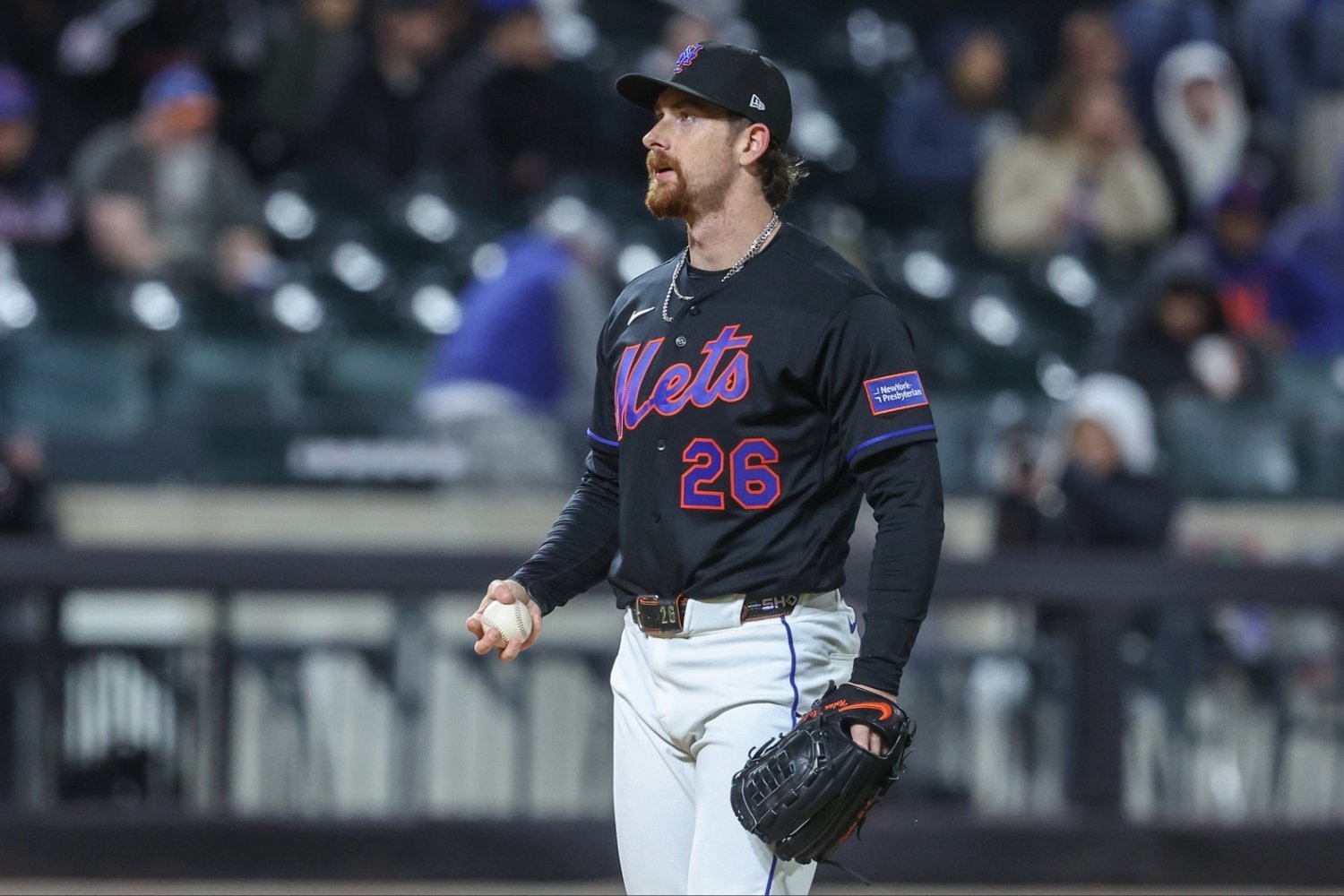 In the small (but scintillating) preview we got of Nolan McLean in 2025, we saw flashes of a future ace. We saw curveballs that have never curved quite so much, sinkers that sink at an alarming rate, and sweepers that defy the laws of physics. To nobody’s surprise, it is the same story so far in 2026. McLean currently sports a 99th percentile pitching run value. The breakdown on that: he's in the 98th percentile in fastball run value, 88th percentile in off-speed run value, and 78th percentile in run value. If that stat means little to you, just know that those numbers means that the rookie right-hander is among the best pitchers in the league at throwing every type of pitch. Not too shabby, huh? His 38 strikeouts is the seventh-most of all qualified pitchers. By all metrics, McLean can be considered at the forefront of the NL Rookie of the Year race. In the last 10 years, only four pitchers have won the award (Luis Gil and Paul Skenes in 2024, Devin Williams in 2020, and Michael Fulmer in 2026) but if there is ever a pitcher to run away with it, its McLean. McLean’s sinker is currently tied for second in pitch run value. The pitch only allows a .192 batting average and has generated a 25% strikeout rate. McLean’s sinker is his go-to pitch in terms of getting ahead and putting hitters away. The sinker produces a ridiculous 5.6 inches of induced vertical break, which is just comical for a sinker. For a pitch that starts outside and ends up at the stomach of a right-handed batter, it's about as effective as you'd expect. We still have yet to see the full breakout of McLean’s curveball. He throws that the least of his six offerings, though it's currently resulting in a .056 batting average. His Uncle Charlie famously spins as much as any single pitch in baseball, consistently registering between 3,300 and 3,450 RPMs. The difference between McLean right now and the Cy Young contender of the future is a more consistent attack pattern with his two big breakers. McLean’s only current metric that does not look absolutely bonkers is his chase rate, a measly 24.6% that only ranks in the 17th percentile. Of his 38 strikeouts, 13 were via a watched third strike. In that sense, you could argue that hitters aren't chasing outside the zone simply because they can’t pick up his pitches out of the hand. That's what's making Mason Miller so effective right now, and such a trait would be insanely potent with McLean's deep and powerful arsenal. His xERA (1.94) and xBA (.173) are both among the best expected figures of any starting pitcher. On a struggling New York Mets roster that's still working to climb out of a hole dug by that notorious 12-game losing streak, McLean is one of the few bright spots of the roster. His outings are starting to be anticipated by fans the way Jacob deGrom’s were during his run with the Mets. That's a bold comparison to be sure, but one McLean is inviting with his brilliance on the mound. View the full article
 -
 The balls were flying in Charlotte (as they always do), but runs were tough to come by below the AAA level - and heck, hits for that matter, for the youngest of the affiliates, nothing new there. Transactions: Nashville Sounds placed RHP Will Childers on the 7-day injured list retroactive to April 24. Nashville Sounds activated RHP Kaleb Bowman from the Development List. No word on what is ailing Childers, His ERA is 0.00 and WHIP is 1.00 through seven outings. It seems a retroactive placement in and of itself is hopeful of a short stint. Nashville Pre-Game Media Notes Final, Game One: Nashville 12, Charlotte (White Sox) 5 Box Score and Game Log Final, Game Two: Charlotte 16, Nashville 6 Box Score and Game Log NOTE: Both games in Charlotte were seven-inning contests, while the Sounds were the home team in the nightcap due to a prior postponement in Nashville Via the Sounds, game details, and we encourage readers to always review affiliate write-ups as part of their Link Report routine: Sounds Split Doubleheader in Charlotte - Nashville Records 25 Hits, 11 Extra-Base Hits, and 18 Runs Across Two Games The Sounds' staff wisely included all five home runs from the doubleheader in video form (Eddys Leonard grand slam, Ethan Murray solo bomb, Jeferson Quero solo, Jett Williams two-run dinger, Luis Lara solo) in their report linked above, so I have peace of mind in knowing you will now familiarize yourself with those and all the statistical tidbits within. Also from Game One: Additional Game One Video: Ethan Murray two-RBI single Brock Wilken RBI single Cooper Pratt RBI triple Luis Lara RBI groundout Additional Game Two Video: Jeferson Quero sacrifice fly Ramon Rodriguez RBI single Our own @Spencer Michaelis added detail to the Lara home run here. OK, that was quite the feast for your eyes. The Knights scored 21 runs over 14 innings so you know there were some unfortunate pitches thrown by Sounds hurlers as well. Craig Yoho was taken deep twice within five pitches. All position players on the roster saw action, with Jacob Hurtubise and Freddy Zamora swapped in for Leonard and Murray in the later contest. Luis Lara did commit his first fielding error in Game Two but also threw out a runner at third base later in the game. Cooper Pratt was on base six times on the day, that's promising. Nashville batters only K'd eight times between the two games. Sounds pitchers walked ten total on the day. Robert Gasser's first appearance in fifteen days (third start overall) was brief (32 pitches, 22 strikes) and was aided by old friend Oliver Dunn's ill-fated attempt to steal home to end Gasser's second (and final) inning of work. Given Gasser's planned short stint, Garrett Stallings was forced to wear one in Game Two, and even with that Manager Rick Sweet wanted to see more than three innings out of the minor league veteran. Logan Henderson is Sunday's scheduled starter, and the Brewers have been conserving his bullets, with 3.1 innings being the longest Henderson's gone in his four appearances thus far - just 12.2 IP over four AAA games. Sweet will once again be glad to leave the Coors Field of the East. Biloxi Pre-Game Media Notes Final: Rocket City (Angels) 6, Biloxi 3 Box Score and Game Log Catch up with the latest Biloxi pre-game audio interview archives - RHP Tyson Hardin's interview available, discusses his changeup development process Shuckers Doubled by Trash Pandas on Mudbugs Night - Shuckers Drop Second Straight to Trash Pandas Mudbugs merch! (For you crawfish fans...) The Shuckers won the first three games of the series and hope to avoid a 3rd consecutive loss Sunday. The game summary mentions this as a second consecutive "rubber game". The first came about in the opening series of the season, which you may remember was a three-game weekend set. It is true that today's finale will decide whether the series ends in a split or a Shuckers win, but if the series isn't tied heading into the finale, is it really a rubber game? It's open to your interpretation (origination of the term, nothing to do with actual rubber). Oh yeah, the game. Nice that Damon Keith's recent IL stint was brief, .990 OPS through his ten games played: The lone hit for this young man in four AB's, but let it grace our screens - Made almost beat out this groundout, but it netted him an RBI. It was rosy for 20-year-old starter Manuel Rodriguez through four innings. Then came the Trash Panda 5th, all of this after two outs! Single (no video) Stolen base RBI single RBI double RBI single Single, runner to 3rd (no video) Stolen base, men on 2nd and 3rd Run-scoring balk (no video) RBI single Rodriguez has only walked five in his four starts, and none here. Biloxi batters only K'd four times but were 1-for-11 with RISP. This was Mike Boeve's 9th start in left field (4 at 3B, 2 at 1B, 4 as the DH). Wisconsin Pre-Game Media Notes (download link) Final: Fort Wayne (Padres) 2, Wisconsin 1 Box Score and Game Log Via the Timber Rattlers, game details: TinCaps Snap Rattlers Win Streak - Wisconsin scores eleven runs on eleven hits to beat TinCaps Braylon Owens gives off Aaron Civale vibes, not the worst thing, young man (Civale signed for $7M with the Athletics for 2026). In the history of professional baseball, there have only been six "Braylon's", five of them are active, and it would be six if one had not been released by the Pirates last August. So yeah, it's a name that only caught traction early this century. It was shocking to learn that of the six, the only two who were born in Texas were the Timber Rattlers duo (by the way, you did see the Braylon Payne missile within the game summary linked above, right?). Payne does not turn 20 years old until mid-August. My goodness, he's been amazing all month. Defense is fun! Speaking of the Wisconsin game summary, here's the fateful bottom of the 8th inning sequence verbatim: "Omar Linares, the ninth batter in Fort Wayne’s order, drew a one-out walk. Jake Cunningham followed with a sharp single to right to put runners at the corners. Kasen Wells dropped a perfect safety squeeze bunt to score Linares from third for a 1-0 lead. Galindez hit Lamar King Jr to load the bases before striking out Alex McCoy for the second out. That strikeout left McCoy hitless on the afternoon to end his hitting streak at fifteen games and ended the day for Galindez as the Rattlers went to the bullpen. Yerlin Rodriguez took over for Galindez and issued a four-pitch walk to Rosman Verdugo and Fort Wayne picked up a very important insurance run." Longtime Link Report readers might say, wait, Yerlin Rodriguez was brought in to replace another RHP who had just fanned a tough batter with the bases loaded and two outs? The Yerlin Rodriguez who had issued 12 free passes in 3.2 innings on the season-to-date and is beginning his 3rd high-powered yet roller-coaster and sometimes mind-numbing season with Wisconsin? Wouldn't you know it, Rodriguez fanned the next batter after the base on balls. This, folks, is why it's all about player development. Can it frustrate fans, sure. The final pitcher for the TinCaps was a southpaw. RH bat Daniel Dickinson walked immediately after the Payne home run. On the bench were fellow righties Marco Dinges and Andrew Fischer. Tempting to bat for LH swingers Eric Bitonti and Josiah Ragsdale, right? Please read the brief paragraph above this one again! Bitonti flied out to left, Ragsdale was caught looking (on what was definitely not a strike three, watched it live). Not the best angle on that final pitch, but judge for yourself, the CF view was just as questionable! Wilson Pre-Game Media Notes Final: Delmarva (Orioles) 4, Wilson 1 Box Score and Game Log Home Runs Doom Wilson in Series Loss - Warbirds Drop Fourth Straight You know, we haven't really done nearly enough wordplay with this whole Warbirds vs. Shorebirds matchup. Have to believe there are some broadcast challenges there! Wilson was being no-hit until two were down in the 7th. Luis Lameda lines a single to break up the Delmarva no-no Had to wait until there were two outs in the 9th inning for this: That was Wilson's second hit of the night. The third hit immediately followed - Handelfry Encarnacion pulled a fly ball triple to right (no video available). Don't have the actuals on this, but how many times has Jose Anderson (4 HR, 19 RBI) accounted for all the Warbirds RBI in a game?) By the way, Anderson's K percentage now sits at 49.4% through 85 plate appearances. 19-year-old RHP Tyler Renz walked four today, giving him 14 through 18.1 IP over five appearances (four starts). Can't be easy (or fun) for these Wilson pitchers to lack run support, not to mention the brief dugout layovers with so many quick innings. Wilson batters drew ten walks (Brady Ebel twice plus he was hit by a pitch), so if it had been a no-hitter, it would have been of the ugly variety. Team RISP: 0-for-13. Team LOB: 14. It's been tempting all month to insert a Tom Hanks screaming "Wilson!" image into a report. Too many painful moments. All four Sunday games have early starts, none later than 1:00 Central. RHP Jason Woodward continues his return from a second Tommy John surgery in Fort Wayne for the Rattlers. Hope everyone caps off their weekend on a positive note, including a certain team playing at Am-Fam Field. Organizational Scoreboard including starting pitcher info, game times, MiLB TV links, and box scores Current Milwaukee Brewers Organization Batting Stats and Depth Current Milwaukee Brewers Organization Pitching Stats and Depth View the full article
 -
C.J. Culpepper Has Nothing Left to Prove at Double-A
DiamondCentric posted an article in Twins Daily
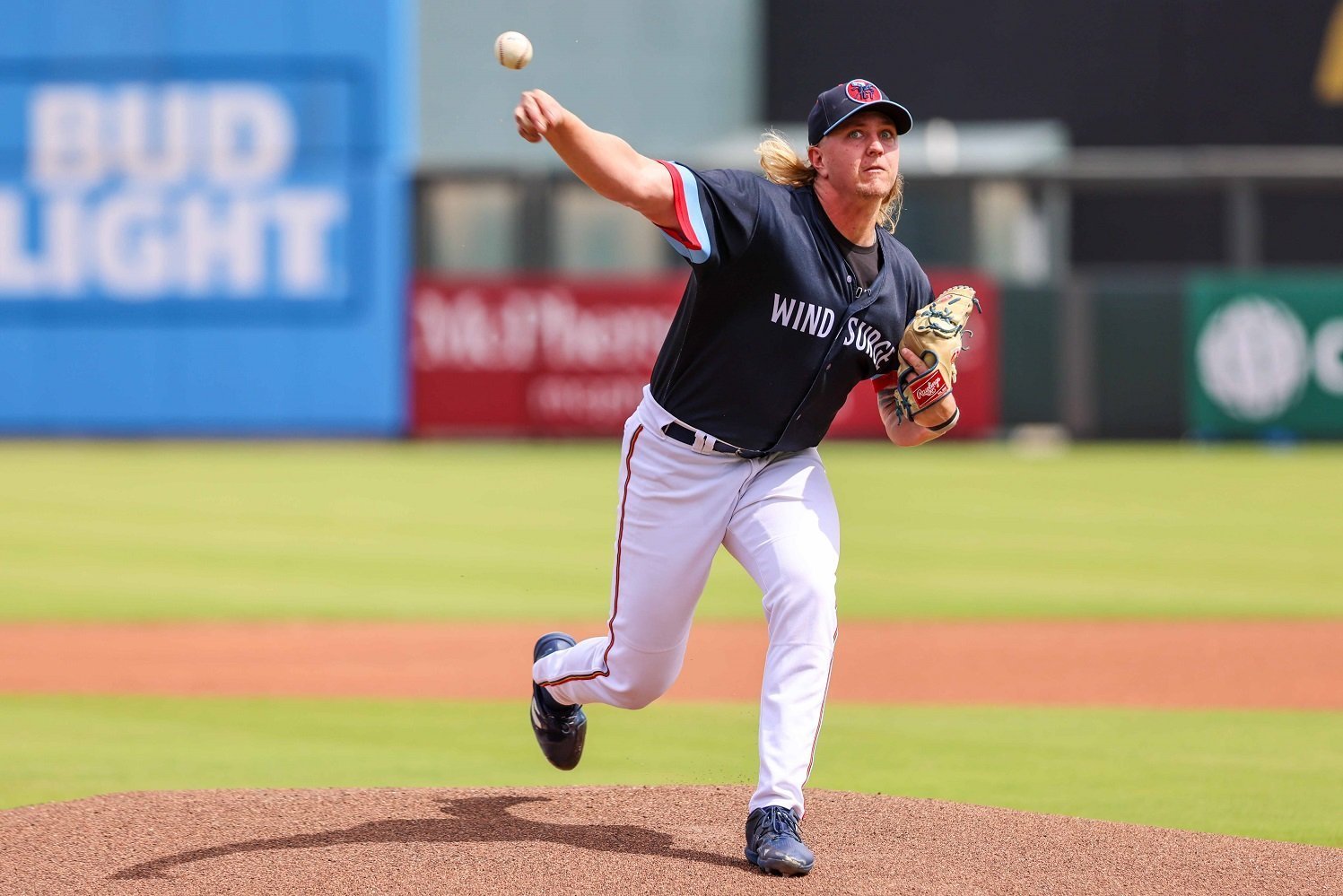 The Minnesota Twins have quietly built a reputation for uncovering intriguing pitching talent outside the early rounds of the draft, and C.J. Culpepper fits that mold perfectly. Selected in the 13th round of the 2022 draft, Culpepper is part of a class that continues to pay dividends for the organization, alongside names like Connor Prielipp, Andrew Morris, Zebby Matthews, and Cory Lewis. A product of Cal Baptist, the 6-foot-3 right-hander has taken a steady, if occasionally interrupted, path through the system. Injuries have played a significant role in shaping his development, limiting his workload to 86, 58 1/3, and 59 1/3 innings across his three full professional seasons. A forearm strain in 2024 and a nerve issue in his finger that delayed his 2025 season both contributed to the stop-and-start nature of his progression. Even with those interruptions, Culpepper has been effective when on the mound. He owns a 3.21 career ERA and has allowed just 11 home runs across 852 plate appearances, a strong indicator of his ability to limit damage. There have also been stretches where everything has come together, including a strong finish at Double-A Wichita last season when he posted a 2.56 ERA over the final two months. While it has not always fully clicked, he has consistently shown enough to remain on the radar, moving from A ball in 2023 to Double-A in 2024 and holding that level again in 2025. Now in 2026, Culpepper is making his case louder than ever. Through five starts in Wichita, he owns a 2.75 ERA with a 28.2% strikeout rate and a 10.6% walk rate while holding opposing hitters to a .213 batting average. The improvements are notable. His strikeout rate has jumped by roughly 7%, while his walk rate has ticked down by nearly 2%. Perhaps more impressively, he is producing these results while facing older competition more than half the time, a sign that his performance is not simply a product of being advanced for the level. The underlying profile helps explain the success. Culpepper is not a traditional overpowering arm, but he features a deep arsenal that allows him to attack hitters in different ways. His fastball typically sits in the mid-90s and has previously reached as high as 97 to 98 mph, though that top-end velocity was less consistent last season as he dealt with the lingering effects of injury. A return to full health could unlock that extra gear again. His best swing-and-miss offering is a low-80s sweeper that generates plenty of whiffs, and he complements it with a cutter in the upper 80s to low 90s. He will also mix in a curveball and changeup, though his most effective approach may come from leaning into a combination of his two-seamer, sweeper, and cutter to generate both strikeouts and ground balls. There are still questions to answer. Durability remains the biggest concern, as he has yet to eclipse 60 innings in either of the last two seasons. His control can waver at times, which could affect his long-term viability as a starter. Those factors, combined with a lack of experience at Triple-A, left him unselected in last year’s Rule 5 Draft. At the same time, the Twins are approaching a decision point. The Triple-A rotation already features several arms, including Zebby Matthews, Kendry Rojas, John Klein, Trent Baker, Aaron Rozek, and Cory Lewis, which creates a logjam for innings at the next level. But at some point, performance has to matter. Culpepper has shown he can handle Double-A hitters, and his early 2026 results suggest he is beginning to take a step forward rather than simply holding serve. Whether his long-term future is in the rotation or in a bullpen role built around his sinker and sweeper combination, the next step in answering those questions cannot happen in Wichita. There are plenty of more highly touted names in the system drawing attention, but Culpepper is making it increasingly difficult to ignore him. He may not have the pedigree or the headline-grabbing velocity, but right now, he has something just as important. Results. And at Double-A, there is not much left for him to prove. What stands out about Culpepper? Can he stick as a starting pitcher? Leave a comment and start the discussion. View the full article
 -
 Justin Lamkin tossed six shutout innings with six strikeouts as Quad Cities walked off Lansing 3-2 in ten innings, with Austin Charles scoring the tying run and Nolan Sailors delivering the winning sacrifice fly. Yimi Presinal picked up the win in relief. In Toledo, Mitch Spence took the loss across five innings as Omaha was shut out 2-0 despite Josh Rojas's 2-for-4 day with a double. Northwest Arkansas (Double-A) and Columbia (Single-A) did not play due to weather. They will both have doubleheaders scheduled for Sunday, April 26th. Royals Transactions No Roster Moves Bats Silenced In 2-0 Shutout Loss At Toledo Omaha was held without a run in a 2-0 loss in Toledo, mustering five hits and three walks across nine innings. Josh Rojas led the way, going 2-for-4 with a double. Tyler Tolbert, Drew Waters, and Luke Maile each added a single. Leadoff hitter John Rave went 0-for-4 with two strikeouts, while Kameron Misner also struck out twice in four at-bats. Luca Tresh drew a walk and struck out twice, and Gavin Cross drew a walk in two trips. Abraham Toro went 0-for-4 with two strikeouts. The Storm Chasers stranded seven runners and committed one error. Right-hander Mitch Spence was tagged with the loss after working five innings, allowing two earned runs on three hits, walking three, and striking out five. The Mud Hens broke through in the bottom of the third for the only runs of the game. Spence allowed a leadoff double, struck out the next batter, then issued a walk before a flyout brought the inning to two outs. A two-run double to right field plated both runners and pushed Toledo ahead 2-0. The bullpen kept Omaha in striking distance, but the offense could not respond. Bailey Falter followed with two innings of one-hit ball, walking none and striking out two. Steven Cruz closed the eighth on one hit, no walks, and two more strikeouts. The Storm Chasers put runners on base in several frames, but could not push one across. Player AB R H RBI BB K John Rave 4 0 0 0 0 2 Tyler Tolbert 4 0 1 0 0 1 Kameron Misner 4 0 0 0 0 2 Drew Waters 4 0 1 0 0 0 Luca Tresh 3 0 0 0 1 2 Josh Rojas 4 0 2 0 0 0 Abraham Toro 4 0 0 0 0 2 Gavin Cross 2 0 0 0 1 0 Luke Maile 3 0 1 0 0 0 Player IP H R ER BB K HR Mitch Spence 5 3 2 2 3 5 0 Bailey Falter 2 1 0 0 0 2 0 Steven Cruz 1 1 0 0 0 2 0 River Bandits Walk Off Lansing 3-2 In Ten Innings Quad Cities erased a one-run deficit in the bottom of the tenth to walk off Lansing 3-2. Austin Charles went 1-for-4 with two runs scored and a stolen base, including the tying run in the tenth. Asbel Gonzalez singled, Trevor Werner singled and laid down a sacrifice bunt, Tyriq Kemp singled, and Derlin Figueroa added a hit. Leadoff man Nolan Sailors finished 0-for-4 but delivered the walk-off sacrifice fly. Blake Mitchell drew two walks and stole a base, while Ramon Ramirez drew a walk. The River Bandits stranded seven runners and committed two errors. Left-hander Justin Lamkin turned in a quality start, working six innings of shutout ball on four hits, walking three, and striking out six. Kamden Edge followed with two perfect innings, striking out two for a hold. Yimi Presinal entered for the ninth and gave up a leadoff walk and a single, then a sacrifice bunt produced a tying run when Presinal's throwing error allowed the runner home. Presinal worked around the damage to retire the next three batters and pitched two innings overall, allowing one hit and one walk while striking out three. Both runs charged to him were unearned. Quad Cities had taken a 1-0 lead in the second when Charles singled and scored on a Lansing throwing error during Erick Torres's at-bat. The Lugnuts pushed across an unearned run on a Presinal error in the tenth on a Riemer fielder's choice with the zombie runner aboard. In the bottom half, zombie runner Charles scored on Torres's sacrifice bunt that drew another throwing error, and the Sailors' sacrifice fly to left brought home Torres for the win. Player AB R H RBI BB K Nolan Sailors 4 0 0 1 0 2 Asbel Gonzalez 4 0 1 0 0 1 Blake Mitchell 2 0 0 0 2 1 Ramon Ramirez 3 0 0 0 1 1 Derlin Figueroa 4 0 1 0 0 2 Austin Charles 4 2 1 0 0 1 Erick Torres 3 1 0 0 0 0 Trevor Werner 3 0 1 0 0 2 Tyriq Kemp 4 0 1 0 0 0 Player IP H R ER BB K HR Justin Lamkin 6 4 0 0 3 6 0 Kamden Edge 2 0 0 0 0 2 0 Yimi Presinal 2 1 2 0 1 3 0 Top-20 Prospect Performance Carter Jensen: DNP Blake Mitchell: 0-for-2, 2 BB, SB, K David Shields: DNP Kendry Chourio: DNP Ben Kudrna: DNP Sean Gamble: DNP Josh Hammond: DNP Ramon Ramirez: 0-for-3, BB, K Drew Beam: DNP Asbel Gonzalez: 1-for-4, K Yandel Ricardo: DNP Felix Arronde: DNP Luinder Avila: DNP Daniel Vazquez: DNP Steven Zobac: DNP Carson Roccaforte: DNP Blake Wolters: DNP Michael Lombardi: DNP Warren Calcaño: DNP Frank Mozzicato: DNP View the full article
 -
 Justin Lamkin tossed six shutout innings with six strikeouts as Quad Cities walked off Lansing 3-2 in ten innings, with Austin Charles scoring the tying run and Nolan Sailors delivering the winning sacrifice fly. Yimi Presinal picked up the win in relief. In Toledo, Mitch Spence took the loss across five innings as Omaha was shut out 2-0 despite Josh Rojas's 2-for-4 day with a double. Northwest Arkansas (Double-A) and Columbia (Single-A) did not play due to weather. They will both have doubleheaders scheduled for Sunday, April 26th. Royals Transactions No Roster Moves Bats Silenced In 2-0 Shutout Loss At Toledo Omaha was held without a run in a 2-0 loss in Toledo, mustering five hits and three walks across nine innings. Josh Rojas led the way, going 2-for-4 with a double. Tyler Tolbert, Drew Waters, and Luke Maile each added a single. Leadoff hitter John Rave went 0-for-4 with two strikeouts, while Kameron Misner also struck out twice in four at-bats. Luca Tresh drew a walk and struck out twice, and Gavin Cross drew a walk in two trips. Abraham Toro went 0-for-4 with two strikeouts. The Storm Chasers stranded seven runners and committed one error. Right-hander Mitch Spence was tagged with the loss after working five innings, allowing two earned runs on three hits, walking three, and striking out five. The Mud Hens broke through in the bottom of the third for the only runs of the game. Spence allowed a leadoff double, struck out the next batter, then issued a walk before a flyout brought the inning to two outs. A two-run double to right field plated both runners and pushed Toledo ahead 2-0. The bullpen kept Omaha in striking distance, but the offense could not respond. Bailey Falter followed with two innings of one-hit ball, walking none and striking out two. Steven Cruz closed the eighth on one hit, no walks, and two more strikeouts. The Storm Chasers put runners on base in several frames, but could not push one across. Player AB R H RBI BB K John Rave 4 0 0 0 0 2 Tyler Tolbert 4 0 1 0 0 1 Kameron Misner 4 0 0 0 0 2 Drew Waters 4 0 1 0 0 0 Luca Tresh 3 0 0 0 1 2 Josh Rojas 4 0 2 0 0 0 Abraham Toro 4 0 0 0 0 2 Gavin Cross 2 0 0 0 1 0 Luke Maile 3 0 1 0 0 0 Player IP H R ER BB K HR Mitch Spence 5 3 2 2 3 5 0 Bailey Falter 2 1 0 0 0 2 0 Steven Cruz 1 1 0 0 0 2 0 River Bandits Walk Off Lansing 3-2 In Ten Innings Quad Cities erased a one-run deficit in the bottom of the tenth to walk off Lansing 3-2. Austin Charles went 1-for-4 with two runs scored and a stolen base, including the tying run in the tenth. Asbel Gonzalez singled, Trevor Werner singled and laid down a sacrifice bunt, Tyriq Kemp singled, and Derlin Figueroa added a hit. Leadoff man Nolan Sailors finished 0-for-4 but delivered the walk-off sacrifice fly. Blake Mitchell drew two walks and stole a base, while Ramon Ramirez drew a walk. The River Bandits stranded seven runners and committed two errors. Left-hander Justin Lamkin turned in a quality start, working six innings of shutout ball on four hits, walking three, and striking out six. Kamden Edge followed with two perfect innings, striking out two for a hold. Yimi Presinal entered for the ninth and gave up a leadoff walk and a single, then a sacrifice bunt produced a tying run when Presinal's throwing error allowed the runner home. Presinal worked around the damage to retire the next three batters and pitched two innings overall, allowing one hit and one walk while striking out three. Both runs charged to him were unearned. Quad Cities had taken a 1-0 lead in the second when Charles singled and scored on a Lansing throwing error during Erick Torres's at-bat. The Lugnuts pushed across an unearned run on a Presinal error in the tenth on a Riemer fielder's choice with the zombie runner aboard. In the bottom half, zombie runner Charles scored on Torres's sacrifice bunt that drew another throwing error, and the Sailors' sacrifice fly to left brought home Torres for the win. Player AB R H RBI BB K Nolan Sailors 4 0 0 1 0 2 Asbel Gonzalez 4 0 1 0 0 1 Blake Mitchell 2 0 0 0 2 1 Ramon Ramirez 3 0 0 0 1 1 Derlin Figueroa 4 0 1 0 0 2 Austin Charles 4 2 1 0 0 1 Erick Torres 3 1 0 0 0 0 Trevor Werner 3 0 1 0 0 2 Tyriq Kemp 4 0 1 0 0 0 Player IP H R ER BB K HR Justin Lamkin 6 4 0 0 3 6 0 Kamden Edge 2 0 0 0 0 2 0 Yimi Presinal 2 1 2 0 1 3 0 Top-20 Prospect Performance Carter Jensen: DNP Blake Mitchell: 0-for-2, 2 BB, SB, K David Shields: DNP Kendry Chourio: DNP Ben Kudrna: DNP Sean Gamble: DNP Josh Hammond: DNP Ramon Ramirez: 0-for-3, BB, K Drew Beam: DNP Asbel Gonzalez: 1-for-4, K Yandel Ricardo: DNP Felix Arronde: DNP Luinder Avila: DNP Daniel Vazquez: DNP Steven Zobac: DNP Carson Roccaforte: DNP Blake Wolters: DNP Michael Lombardi: DNP Warren Calcaño: DNP Frank Mozzicato: DNP View the full article
 -
 Welcome to the 2026 MLB Consensus Draft Board. This is the fifth version of the board, which started in 2022 as a top 30. Since then, it’s expanded to around 150 players on an annual basis, and it's featured on eight different team sites. So what is the Consensus Board? How is it made? How should it be used? The concept is loosely based on Arif Hasan’s NFL Consensus Board. It’s meant to be a tool for folks getting interested in the MLB Draft. As I was learning about the draft, I struggled to navigate wildly varied rankings and evaluations of players. The Consensus Board takes every major publicly available board and combines them into a consensus ranking, eliminating some of the noise and variance of an extremely challenging evaluation process. We’ve found this process to be useful in ranking players in appropriate ranges through around the first five rounds of the draft. On the board, you’ll find player names, handedness, listed height and weight, age, and a write-up, walking through their strengths and opportunities as a prospect. As we go through the cycle, these will be updated with tweaks, final college stats, etc. Every time a major outlet (Baseball America, ESPN, The Athletic, etc.) releases an updated list, the consensus ranking shifts. As such, the board is a lagging reflection of what the industry thinks of the class and its key players. The final Consensus Board will incorporate at least 10 other boards as inputs. New MLB Mock Draft Board Features There are a few important features to point out to help you navigate the board. There’s a search bar to help you find players of interest. If you click ‘expand,’ the board will focus on the write-up you are engaged with, in addition to one immediately above it and one immediately below it. Additionally, you’ll find the logo of your team next to their draft slots to help understand where they are picking. There will be a player slotted there, based on their consensus ranking. Rather than using that ranking as an indicator of who the team might actually pick, it’s more useful to use it as a proxy for what caliber of talent is available at that slot. We’ll dig in deeper to team-specific mock drafts later in the cycle. The last important note is that this year, the board features ‘push’ updates. It updates automatically every hour. The board is typically updated with new write-ups five days per week, so check back regularly for updates. At #39, the Blue Jays Select: Cade Townsend, RHP, Ole' Miss Cade Townsend was a solid prep prospect ahead of the 2024 draft, cracking T200 and T300 lists, but he made it to campus at Ole Miss. After splitting time between starting and relieving in his freshman season, he entered 2026 strictly as a starter. It was an explosive start to his season. In his first 35 innings pitched, he managed a 2.32 FIP, striking out over 32% of hitters and walking just 4.8%. Unfortunately, he left his fifth start with shoulder discomfort, missing some time on the shelf. It's an appealing fastball that sits 93-95 mph but can grab 98 mph. It has good carry and plays best at the top of the strike zone. It's supplemented by a nasty curveball, a hammer with a ton of drop that he imparts upwards of 3,000 rpm of spin onto with consistency. Rounding out Townsend's arsenal is a cutter that sits in the high 80s, a slider and a changeup with good fade. The missed time and smaller frame might give some teams pause, but if he returns strong down the stretch, he's one of the biggest up arrow college arms in the class. View the full article
