


DiamondCentric
-
Posts
2,631 -
Joined
-
Last visited
Never
Content Type
Profiles
Forums
Events
News
Tutorials & Help
Major League Baseball Videos
Guides & Resources
Store
Downloads
Gallery
Everything posted by DiamondCentric
-

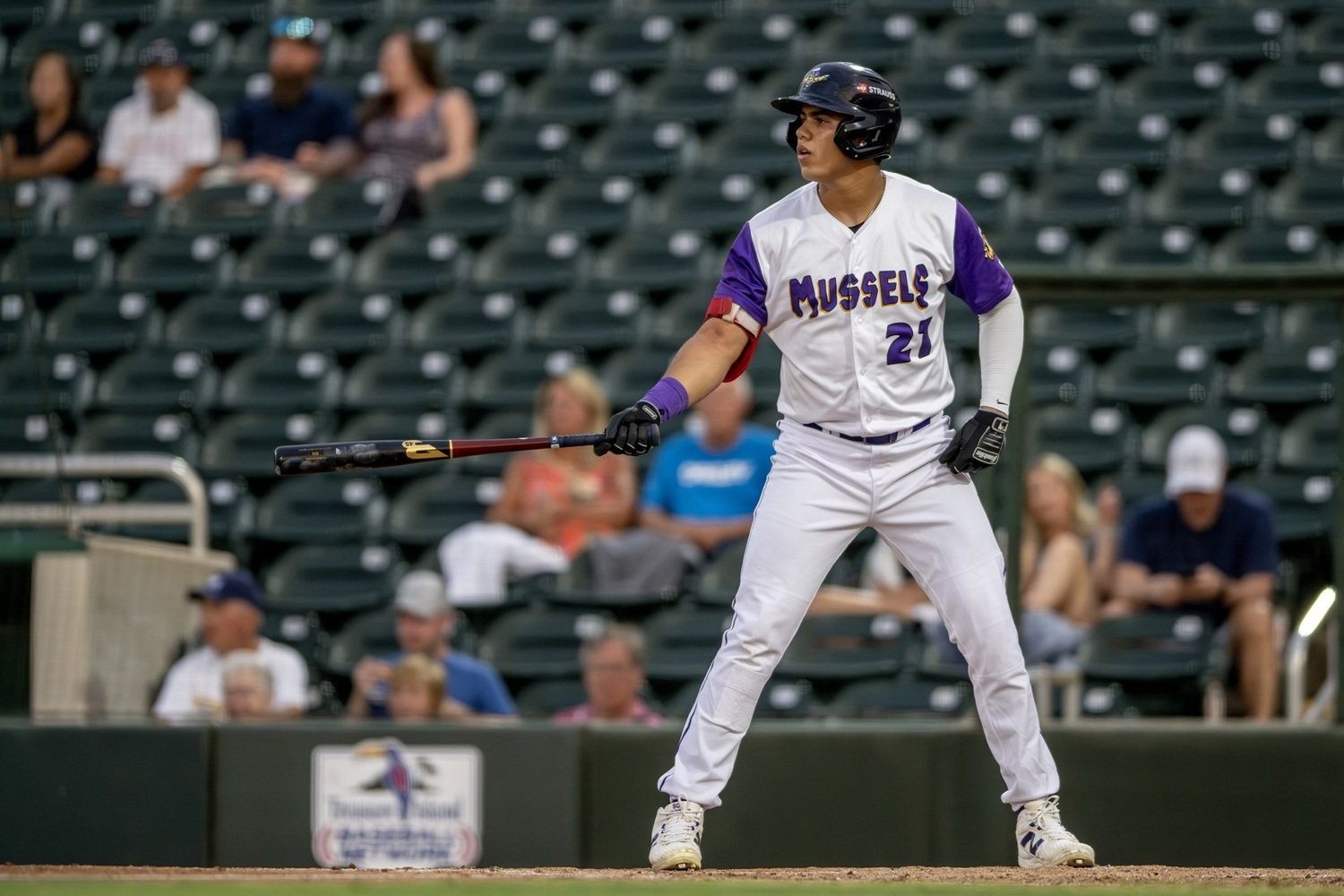 TRANSACTIONS RHP Ricky Castro was returned to Wichita from St. Paul. RHP Nick McAuliffe was promoted from the FCL to Cedar Rapids. McAuliffe spent a long time in college. He pitched at four different colleges. In 2023 and 2024, he pitched at East Stroudsburg University. He went undrafted. Last summer, he pitched independent ball for Evansville in the Frontier League (39 games) and for Sioux City in the American Association (2 games). The Twins signed him on Wednesday, and he joined the Kernels on Saturday. Infielder Bryan Acuna was activated from the Injured List. RHP Ramiro Villanueva was assigned to the Mighty Mussels. He was previously on the DSL Twins roster. Catcher Ricardo Pena was sent from the Mussels to the FCL. SAINTS SENTINEL St. Paul 4, Indianapolis 0 Box Score The Saints put three runs on the scoreboard in the top of the third inning. They added one more in the sixth. But when there is a shutout, we should start with the pitching. It was an impressive showing for a bullpen game. Mike Paredes made the start and gave up two hits over three scoreless innings. He had one strikeout. The rehabbing Travis Adams struck out four batters over two scoreless innings. He gave up two hits. Lefty Aaron Rozek came on and gave up three hits and a walk over two scoreless innings. Dan Altavilla and Drew Smith each threw perfect innings. Ben Ross started out the top of the third inning with his first Triple-A hit, a double down the left-field line. He advanced to third base on a line-drive singled by Walker Jenkins. Kaelen Culpepper grounded out but drove in scores. Gonzalez reached on a fielder’s choice. He went to third on a Ryan Kreidler single. Kreidler stole second. Kyler Fedko drove in two runs with a single to make it 3-0. Fedko led off the sixth with a walk. A few batters later, he scored the fourth run on a Tanner Schobel single. Orlando Arcia went 2-for 4. WIND SURGE WISDOM Wichita, NW Arkansas Box Score This game sat in a delay for a while, but ultimately Mother Nature took the Win. These two teams will try to play two games on Sunday afternoon. KERNELS CHRONICLE Cedar Rapids 5, Peoria 7 Box Score For the fifth straight game, Marek Houston had a multi-hit game against Peoria. In those games, the Wake Forest alum is 12-for-24 with three doubles. In this game, Houston went 3-for-5 with his fourth double and two stolen bases. Caden Kendle went 3-for-4 and was hit by a pitch. Jay Thomason was 2-for-5 with his first home run of the season. Brandon Winokur had a double and two stolen bases in the game. Eli Jones started and gave up three runs (2 earned) on six hits. In four innings, he walked one and struck out five batters. Nick Trabacchi came on and gave up two runs on one hit and one walk in 2 1/3 innings. He had four strikeouts. Brent Francisco gave up two runs on two hits and a walk in 1 2/3 innings. MIGHTY MATTERS Ft. Myers 9, Dunedin 2 Box Score Ryan Sprock singled in Jayson Bass to give the Mussels a 1-0 lead in the second inning. A seven-run fifth inning put the Mussels ahead 8-0. Speck started that inning with a double and went to third on a wild pitch. Bryan Acuna walked. Sprock scored on a Dameury Pena ground out. Ramiro Dominguez drove in Acuna with a double. JP Smith singled in Dominguez to make it 4-0. Quentin Young’s third double stove in Smith. Jayson Bass singled Young to third. Young scored on a sac fly by Irvin Nunez. After a pitching change, Chourio walked. Sprock reached on an error which allowed Bass to score. Acuna singled in Chourio and the Mussels were ahead 8-0. Ramiro Villanueva was brought in to make his first Mussels start on Saturday. He tossed four scoreless innings. He gave up one hit, walked three and had five strikeouts. Aaron Falinski gave up two runs on two hits and three walks in three innings. Xavier Kolhosser had five strikeouts over two scoreless innings. Ramiro Dominguez, JP Smith, Ryan Sprock and Bryan Acuna each had two hits. Dominguez had two doubles. PLAYERS OF THE DAY Hitter of the Day Marek Houston (Cedar Rapids): 3-for-5, 2B(4), 2 K. Pitcher of the Day Ramiro Villanueva (Fort Myers): 4 IP, H, 0 R, 3 BB, 5 K, 62 pitches, 36 strikes (58.1%%) PROSPECT SUMMARY Check out the Prospect Tracker for much more on our Twins Top 20 prospects after seeing how they did today. #1 - OF Walker Jenkins (St. Paul) - 1-for-3, 2 BB, SB(4) (batted first, played RF) #2 - IF Kaelen Culpepper (St. Paul) - 0-for-4, BB, RBI, K, SB(5) (batted second, played SS) #3 - OF Emmanuel Rodriguez (St. Paul) - Did Not Play. #4 - C Eduardo Tait (Cedar Rapids) - Did Not Play #5 - LHP Connor Prielipp (Minnesota) - Did Not Pitch #6 - LHP Dasan Hill (Cedar Rapids) - Did Not Pitch #7 - OF Gabriel Gonzalez (St. Paul) - 0-for-4, R, K (batted fourth, played DH) #8 - LHP Kendry Rojas (St. Paul) - Did Not Pitch #9 - SS Marek Houston (Cedar Rapids) - 3-for-5, 2B(4), 2 SB(6), 2 K (batted leadoff, played DH) #10 - RHP Charlee Soto (Cedar Rapids) - Injured List #11 - RHP Riley Quick (Ft. Myers) - Did Not Pitch #12 - RHP Andrew Morris (Minnesota) - Did Not Pitch. #13 - 3B/CF Brandon Winokur (Cedar Rapids) - 1-for-4, BB, 2B(4), R, 2 SB(7), K (batted third, played SS) #14 - 3B/SS Quentin Young (Ft. Myers) - 1-for-5, 2B(3), R, RBI, 2 K (batted fourth, played SS) #15 - RHP Marco Raya (St. Paul) - Did Not Pitch. #16 - OF Hendry Mendez (Wichita) - Did Not Play. #17 - 2B/OF Kyle DeBarge (Wichita) - Did Not Play. #18 - RHP C.J. Culpepper (Wichita) - Did Not Pitch. #19 - C/OF Khadim Diaw (Cedar Rapids) - 1-for-5, K. (batted second, played catcher) #20 - RHP James Ellwanger (Ft. Myers) - 60 IL (right elbow sprain) UPCOMING PROBABLES Sunday: St. Paul @ Indianapolis (12:35 pm CT) - RHP Zebby Matthews (0-2, 7.71 ERA) Wichita @ NW Arkansas (12:30 pm CT) - RHP Ty Langenberg (0-1, 3.66 ERA), TBD Cedar Rapids @ Peoria (2:05 pm CT) - RHP Michael Ross (1-0, 4.50 ERA) Dunedin @ Ft. Myers (11:05 am CT) - RHP Merit Jones (0-1, 3.00 ERA) CURRENT W-L Records Minnesota Twins: 12-15 St. Paul Saints: 10-15 Wichita Wind Surge: 11-8 Cedar Rapids Kernels: 8-12 Fort Myers Mighty Mussels: 13-7 FCL Twins: 0-0 (season begins Monday, May 4) DSL Twins: 0-0 (season begins Monday, June 1) Please feel free to ask questions about the teams, the rosters, and discuss today’s games, or anything else Twins minor-league related! View the full article
 -
 The San Diego Padres' minor-league affiliates split four games. High-A Fort Wayne edged Wisconsin 2-1 behind five scoreless innings and eight strikeouts from Jamie Hitt. Low-A Lake Elsinore rallied for six runs in the sixth to top Visalia 6-5 as Lucas Giolito made his first start. Ethan Salas homered and doubled, but Double-A San Antonio fell 5-4 in 10 innings to Amarillo. Jase Bowen homered for Triple-A El Paso, which dropped an 8-2 decision to Reno after a six-run sixth. Padres Minor-League Transactions San Diego Padres recalled IF Sung-Mun Song from El Paso Chihuahuas. El Paso Chihuahuas activated LHP Marco Gonzales from the 7-day injured list. LHP Omar Cruz assigned to San Antonio Missions from El Paso Chihuahuas. Chihuahuas Fall To Reno On 6-Run Sixth Inning The El Paso Chihuahuas dropped an 8-2 decision to the visiting Reno Aces, undone by a six-run sixth inning. Marco Gonzales opened with two scoreless innings, allowing two hits, no runs, no walks, and two strikeouts. Sean Boyle followed with three-plus innings of relief and was tagged with the loss after surrendering five runs on three hits, three walks, and four strikeouts. El Paso scored in the bottom of the first when Samad Taylor walked, advanced on a Pablo Reyes single, and scored on a Nick Solak base hit to center. Reno tied it in the fifth on a two-run double, then broke the game open in the sixth. Two singles and a hit by pitch loaded the bases, a two-run single brought home the go-ahead runs, a two-run single off Gillaspie made it 6-1, and a two-run double pushed the lead to 8-1. Leading off the eighth, Jase Bowen launched a solo home run, his team-leading seventh of the season, for the Chihuahuas' only other run. Solak added a multi-hit night with two singles and an RBI. EP_0425.mp4 Player AB R H RBI BB K Jase Bowen 4 1 1 1 0 1 Samad Taylor 3 1 0 0 1 0 Pablo Reyes 4 0 1 0 0 0 Jose Miranda 4 0 1 0 0 1 Nick Solak 4 0 2 1 0 1 Rodolfo Duran 3 0 0 0 1 2 Mason McCoy 4 0 1 0 0 1 Marcos Castanon 4 0 0 0 0 1 Anthony Vilar 3 0 1 0 0 1 Player IP H R ER BB K HR Marco Gonzales 2 2 0 0 0 2 0 Sean Boyle (L) 3 3 5 5 3 4 0 Logan Gillaspie 2 4 3 2 0 2 0 Misael Tamarez 2 1 0 0 0 1 0 Salas Homers As Part of 3-Hit Night, But Missions Fall In 10 The San Antonio Missions came up short in 10 innings, losing 5-4 to the visiting Amarillo Sod Poodles despite a three-hit, three-RBI performance from Ethan Salas. Starter Jagger Haynes turned in five innings of two-run baseball, scattering four hits with three walks and six strikeouts. Amarillo jumped ahead 2-0 in the first on a two-run double off Haynes. Salas tied the game in the third with a two-run home run, his second of the season and coming on back-to-back nights. Albert Fabian's solo shot in the seventh, his second of the season, trimmed Amarillo's lead to one, but the Sod Poodles answered in the top of the seventh with an RBI double and a run-scoring single. Trailing 4-3 in the ninth, Murphy singled with one out and Salas roped a game-tying double to score him. In the 10th, Amarillo plated the zombie runner on a double, and the Missions stranded a runner in the bottom half when Tirso Ornelas was intentionally walked and Luis Verdugo struck out swinging to end it. SA_0425.mp4 Player AB R H RBI BB K Ethan Salas 4 1 2 3 1 0 Francisco Acuna 5 0 0 0 0 3 Romeo Sanabria 4 0 0 0 1 3 Leandro Cedeno 5 0 1 0 0 2 Tirso Ornelas 4 0 1 0 1 1 Braedon Karpathios 0 0 0 0 0 0 Luis Verdugo 4 0 1 0 1 3 Ryan Jackson 3 0 0 0 1 0 Albert Fabian 4 1 1 1 0 0 Kai Roberts 0 0 0 0 0 0 Kai Murphy 4 2 3 0 0 0 Player IP H R ER BB K HR Jagger Haynes 5 4 2 2 3 6 0 Andrew Dalquist 1 2/3 2 2 2 2 3 0 Johan Moreno 1 1/3 1 0 0 0 4 0 Andrew Moore (L) 2 2 1 0 0 3 0 Hitt's Eight-Strikeout Gem Lifts TinCaps Past Wisconsin Jamie Hitt was outstanding for the Fort Wayne TinCaps, striking out eight over five scoreless innings on two hits and no walks as Fort Wayne edged the visiting Wisconsin Timber Rattlers 2-1. Clark Candiotti added two scoreless innings of relief on one hit, and Braian Salazar earned the win with two innings of one-run ball, one walk, two strikeouts, and a solo home run allowed. The TinCaps broke the scoreless tie in the bottom of the eighth. Oswaldo Linares drew a one-out walk, Jake Cunningham singled to right, and Kasen Wells put down a squeeze bunt to score Linares for a 1-0 lead. After Lamar King Jr. was hit by a pitch to load the bases and Alex McCoy struck out, Rosman Verdugo coaxed a bases-loaded walk to bring in Cunningham and make it 2-0. Wisconsin pulled within one in the ninth on a solo home run off Salazar. Salazar walked the next batter, then retired the next two and stranded the tying run. McCoy's hitting streak ended at 15 games as he went 0-for-3. Wells had two of Fort Wayne's four hits. FW_0425.mp4 Player AB R H RBI BB K Jake Cunningham 4 1 1 0 0 1 Kasen Wells 4 0 2 1 0 2 Lamar King Jr. 3 0 0 0 0 2 Alex McCoy 3 0 0 0 1 1 Rosman Verdugo 3 0 0 1 1 0 Zach Evans 3 0 0 0 1 1 Jack Costello 3 0 1 0 0 0 Jonathan Vastine 3 0 0 0 0 2 Oswaldo Linares 2 1 0 0 1 1 Player IP H R ER BB K HR Jamie Hitt 5 2 0 0 0 8 0 Clark Candiotti 2 1 0 0 0 1 0 Braian Salazar (W) 2 1 1 1 1 2 1 Giolito Strikes Out 4 In Debut, Leaves With Minor Injury In Storm Triumph Right-handed starter Lucas Giolito made his first start since signing a one-year, $3 million contract with the Padres a few days ago as he works to get into game shape as the Lake Elsinore Storm rallied for a 6-5 victory over the Visalia Rawhide. The Storm won despite having only three hits as they drew eight walks. Giolito looked a little rusty, with his command not sharp and left after 63 pitches, sustaining a minor injury to his pitching hand. Giolito allowed two runs on two hits with three walks and four strikeouts in 2⅔ innings. He threw 40 strikes and faced 13 batters. Both of the hits Gioito allowed were doubles, one an opposite-field groundball just inside the first-base bag and the other the only hard hit off him, an RBI double rocketed off the wall in right-center. The final batter he faced hit a liner back at Giolito that he put his right hand up to try and catch the ball, but it whizzed past his had for an RBI groundout. While he did not have a publicized pitch count, the manager came out to get him without checking him for an injury. He flexed his right hand and his thumb in particular as the manager made his way to the mound. Giolito threw 19 pitches in the first inning, 29 in the second and 15 in the third. Meanwhile, the Storm trailed 3-0 entering the sixth, then sent nine batters to the plate and scored six runs. Lucas Giolito drew the start on a rehab assignment and allowed two runs over 2 2/3 innings on two hits, three walks, and four strikeouts. Rordy Mejia followed with 1 1/3 hitless innings and two strikeouts. Tyler Schmitt earned the win despite a rocky three innings of three-run ball on four hits, five walks, and two strikeouts, and Nick Falter retired all six batters he faced over two perfect innings to nail down his first save. The sixth-inning rally began with one-out walks to Ryan Wideman and Jose Verdugo, followed by a Truitt Madonna hit by pitch to load the bases. Justin DeCriscio singled to left to plate Wideman and Verdugo, cutting the deficit to 3-2. Luke Cantwell walked to reload the bases and, after an out, a balk was called to tie the game 3-3 and Yoiber Ocopio walked to load the bases again. George Bilecki cleared the bases with a three-run double for a 6-3 lead, but he was thrown out trying for a triple. Visalia chipped away with a run in the seventh and added another in the eighth, but Nick Falter slammed the door. LE1_0425.mp4 LE2_0425.mp4 Player AB R H RBI BB K Ryan Wideman 2 1 0 0 2 0 Jose Verdugo 3 1 0 0 1 0 Truitt Madonna 3 1 0 0 0 2 Justin DeCriscio 4 1 1 2 0 1 Luke Cantwell 3 1 0 0 1 2 Kerrington Cross 0 0 0 0 0 0 Jorge Quintana 3 0 1 0 0 1 Yoiber Ocopio 1 1 0 0 2 1 George Bilecki 2 0 1 3 1 0 Conner Westenburg 2 0 0 0 1 1 Player IP H R ER BB K HR Lucas Giolito 2 2/3 2 2 2 3 4 0 Rordy Mejia 1 1/3 0 0 0 0 2 0 Tyler Schmitt (W) 3 4 3 3 5 2 0 Nick Falter (S) 2 0 0 0 0 0 0 Top-20 Prospect Performance Kash Mayfield: DNP Ethan Salas: 2-for-4, 2B, HR, 3 RBI, BB Kruz Schoolcraft: DNP Bradgley Rodriguez: DNP Humberto Cruz: DNP Miguel Mendez: DNP Ty Harvey: DNP Jorge Quintana: 1-for-3, K Kale Fountain: DNP Ryan Wideman: 0-for-2, R, 2 BB, SB Jagger Haynes: 5 IP, 4 H, 2 R, 2 ER, 3 BB, 6 K Lamar King Jr.: 0-for-3, 2 K Romeo Sanabria: 0-for-4, BB, 3 K Truitt Madonna: 0-for-3, R, 2 K Michael Salina: DNP Garrett Hawkins: DNP Kavares Tears: DNP Deivid Coronil: DNP Francis Pena: DNP Bryan Balzer: DNP View the full article
 -
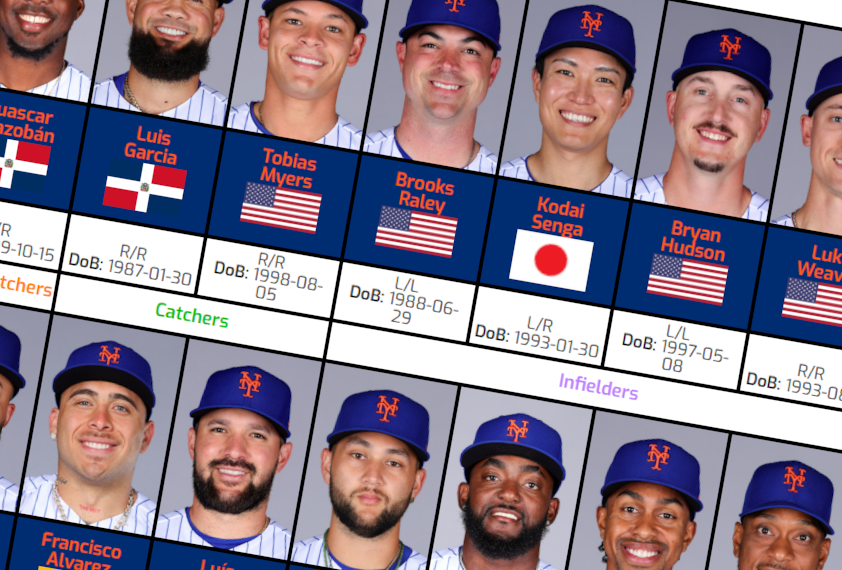 When Jorge Polanco hit the Injured list, it was with a right wrist contusion, but he had already been relegated to DH duty exclusively (along with forcing the Mets to deploy pinch runners on the occasions when he'd reach late in a game) by an injured calf. Now, the Mets' poor fortunes have forced them to bring back Juan Soto from the IL before he is able to play the field. His injury, too, was too the calf. So now, with Francisco Lindor joining a club no one wants to join has brought scrutiny on Mets calf care. A pattern doesn't mean a common cause, but it sure leads to a common question. Transactions, 4/16/2026 COMING Transferred from St. Lucie to Brooklyn on Rehab Assignment Relief Pitchers A.J. Minter L/L DoB: 1993-09-02 High Level: MLB (2025) Mets Roster Central failed to announce this transaction in a timely matter, which is a shame because we love transactions. A.J. Minter, absent for the last year following season-ending lat surgery (the lat is the calf of the back, we suspect) is working his way, we are excited to say, back. His return to the big-league roster would give Carlos Mendoza a second lefthanded late-inning option. (For the time being, Medoza has been deploying erstwhile starters Sean Manaea and David Peterson out of the bullpen, but that appears to be neither weaponizable nor sustainable. It is, insummary, sub-potimal.) In his initial rehab assignment with St. Lucie, Minter threw two shutout innings in two appearances, striking out two and allowing no baserunners WHICH IS THE WAY IT SHOULD BE. Transactions, 4/21/2026 GOING COMING Retired Signed as International Amateur Free Agent out of The Dominican Republic, Projected for DSL Orange Relief Pitchers Relief Pitchers Brett Banks Derlin Rojas L/R DoB: 37167 High Level: A+(2026) R/R DoB: 2007-07-21 High Level: Academy (2026) On April 21st (the real Earth Day) one career ended and another began. There's a story behind Brett Banks, but one we don't yet have. Brett, who went through back surgery way back in high school, Brett was in the midst of an encouraging minor league career (2.47 ERA over 53 games since the Mets grabbed him in the 11th round out of UNC-Wilmington in 2023), and after a typically impressive 2025 campaign, the Mets thought enough of him to send him to The Arizona Fall League. But now, only three games (unscored upon in 4 1/3 innings) into the 2026 season, Brett has pulled the plug, and we can only guess he either sadly got bad news, or perhaps more happily found himself called to a new vocation. We will keep searching for updates. With Brett bowing out, 18-year-old Darlin Rojas arrives to backfill in his place in the system. It's not exactly high season for signing Dominican teenagers, but Mets scouts are always keeping their ear to the ground, and Derlin's relatively advanced age means there is no window during which he can be signed. Transactions, 4/22/2026 COMING Transferred from Brooklyn to Syracuse on Rehab Assignment Relief Pitchers A.J. Minter L/L DoB: 1993-09-02 High Level: MLB (2025) Three things are inevitable — death, taxes, and A.J. Minter's relentless ascent up the rehabilitation ladder toward his return to MLB glory. Among Mets veterans, A.J. is part of the exclusive Club J — joined by such illustrious fellow members as A.J. Ramos, C.J. Nitkowski, D.J. Carrasco, D.J. Dozier, DJ Stewart, J.J. Putz, current Met MJ Melendez, P.J. Conlon, R.J. Alvarez, T.J. McFarland, and T.J. Rivera. You'd think that, for the purposes of building such a club, locating a B.J. would be relatively low-hanging fruit, but alas. A.J.'s victory, nonetheless continues, as he plowed through Brooklyn giving up no runs in 1 2/3 innings, and possibly encountered fellow lefty Brett Banks as he pondered his retirement. Transactions, 4/23/2026 GOING GOING NEUTRAL COMING COMING Demoted to Syracuse Placed on 10-Day Injured List with Strained Left Calf Transferred from Rotation Promoted from Syracuse Promoted from Syracuse Relief Pitchers Infielders Relief Pitchers Starting Pitchers Infielders Austin Warren Francisco Lindor David Peterson Christian Scott Ronny Mauricio R/R DoB: 1996-02-05 High Level: MLB (2026) S/R DoB: 1993-11-14 High Level: MLB (2026) L/L DoB: 1995-09-03 High Level: MLB (2024) R/R DoB: 1999-06-15 High Level: MLB (2024) S/R DoB: 2001-04-04 High Level: MLB (2026) Here we have the transaction day that gives this post its theme. Just as Juan Soto returns to the Mets they lose their other top everyday player to another calf injury. While the team is keeping details about the injury close to the vest, two things are clear: (1) the injury is more severe than Soto's, and (2) Francisco Lindor has a history (including already this season) of returning to the field in surprisingly short order despite serious injuries. Francisco has been outfitted in a boot for the time being, so even the most optimistic Lindor fanbois and fangirz have to expect an absence of at least two weeks. In the meantime, we have a chance for Ronny Mauricio, captain of Gondor, to show his quality. Ronny returns to the Mets following a three-homer, five RBI game against Worcester on Tuesday, and before the Mets 12-game losing streak, it was a deep walkoff drive by Ronny that had given them their last win. Ronny is listed at only 6'3", but up at the plate, it looks like 5'3" of that is legs, and Mets Roster Central has noted a Darryl Strawberry-ish loop to his swing, along with the bat speed to take the high fastball the other way, but we're concerned those long limbs will make it hard for him to stick at shortstop. We, nonethless, are rooting loudly for him to stick on the roster this time around. Transactions, 4/24/2026 GOING NEUTRAL COMING Demoted to Syracuse Transferred from Bullpen Added to 40-Player Roster and Promoted from Syracuse Starting Pitchers Starting Pitchers Relief Pitchers Christian Scott David Peterson Carl Edwards, Jr. R/R DoB: 1999-06-15 High Level: MLB (2026) L/L DoB: 1995-09-03 High Level: MLB (2024) R/R DoB: 33484 High Level: MLB (2025) Christian Scott, as noted in the transaction above, returned to the big leagues after and absence of a season-plus following a career-interrupting visit from The UCL Phantom. Christian's start was ineffective, but it was good to see him back and healthy as the Mets got the win anyhow. Christian's quick boomerang back to the minors seemingly returns David Peterson to the rotation after working out of the bullpen his last two appearances. Carlos Mendoza, on the other hand, could possibly keep partnering him with an opener, but somebody needs to tell manager Carlos that the point of an opener is to push your "starter" deeper into games, so pulling Peterson after four innings isn't getting it done, strategically. If Peterson is deployed as such, his opening partner may be Carl Edwards, Jr. Carl hadn't been killing it in AAA, and he wasn't on the roster, but as a veteran of over 10 years in the big leagues, he was the sort of guy to jump the line. If he doesn't show much, well, maybe he buys a little bit more development time for Alex Carillo or somebody. Because aren't we all — you, me, the trash collectors, the cops, the zookeepers, and the president himself — just trying to keep a lid on things until somebody else comes along? Your 2026 New York Mets Starting Pitchers Clay Holmes Nolan McLean Freddy Peralta David Peterson Kodai Senga R/R DoB: 1993-03-27 R/R DoB: 2001-07-24 R/R DoB: 2996-06-04 L/L DoB: 1995-09-03 L/R DoB: 1993-01-30 Relief Pitchers Huascar Brazobán Carl Edwards, Jr. Craig Kimbrel Sean Manaea Tobias Myers Brooks Raley Luke Weaver R/R DoB: 1989-10-15 R/R DoB: 33484 R/R DoB: 32291 R/L DoB: 1992-02-01 R/R DoB: 1998-08-05 L/L DoB: 1988-06-29 R/R DoB: 1993-08-21 Relief Pitchers Catchers Infielders Infielders Devin Williams Francisco Alvarez Luís Torrens Brett Baty Bo Bichette Ronny Mauricio MJ Melendez R/R DoB: 1994-09-21 R/R DoB: 2001-11-01 R/R DoB: 1996-05-02 L/R DoB: 1999-11-13 R/R DoB: 1998-03-05 S/R DoB: 2001-04-04 L/R DoB: 1993-11-29 Infielders Outfielders Marcus Semien Mark Vientos Carson Benge Tommy Pham Luis Robert, Jr. Juan Soto Tyrone Taylor R/R DoB: 1990-09-17 R/R DoB: 1993-12-11 L/R DoB: 2003-01-20 R/R DoB: 32210 R/R DoB: 1997-08-03 L/L DoB: 1998-10-25 R/R DoB: 34356 Also on 40-Player Roster Starting Pitchers Relief Pitchers Tylor Megill Christian Scott Jonah Tong Alex Carrillo Reed Garrett Joey Gerber Justin Hagenman R/R DoB: 1995-07-28 R/R DoB: 1999-06-15 R/R DoB: 2003-06-19 R/R DoB: 1997-06-06 R/R DoB: 1993-01-02 R/R DoB: 1997-05-03 R/R DoB: 1996-10-07 On 60-Day Injured List with torn right UCL. With Syracuse With Syracuse On 60-Day Injured List — right UCL surgery and nerve relocation surgery. On 15-Day Injured List with blistered right finger. On 60 Day Injured List with fractured rib. Relief Pitchers Catchers Infielders A.J. Minter Dedniel Núñez Jonathan Pintaro Dylan Ross Austin Warren Hayden Senger Francisco Lindor L/L DoB: 1993-09-02 R/R DoB: 1996-06-05 R/R DoB: 1997-11-07 R/R DoB: 2000-09-01 R/R DoB: 1996-02-05 R/R DoB: 1997-04-03 S/R DoB: 1993-11-14 With Syracuse on Rehab Assignment On 60-Day Injured List — right UCL surgery. With Syracuse With Syracuse, on Seven-Day IL With Syracuse With Syracuse On 10-Day Injured List with Strained Left Calf Infielders Outfielders Jorge Polanco Nick Morabito Jared Young S/R DoB: 1999-11-13 R/R DoB: 2003-05-07 L/R DoB: 1995-07-09 On 10-Day Injured List with right wrist contusion. With Syracuse On 10-Day Injured List with torn left meniscus. View the full article
 -
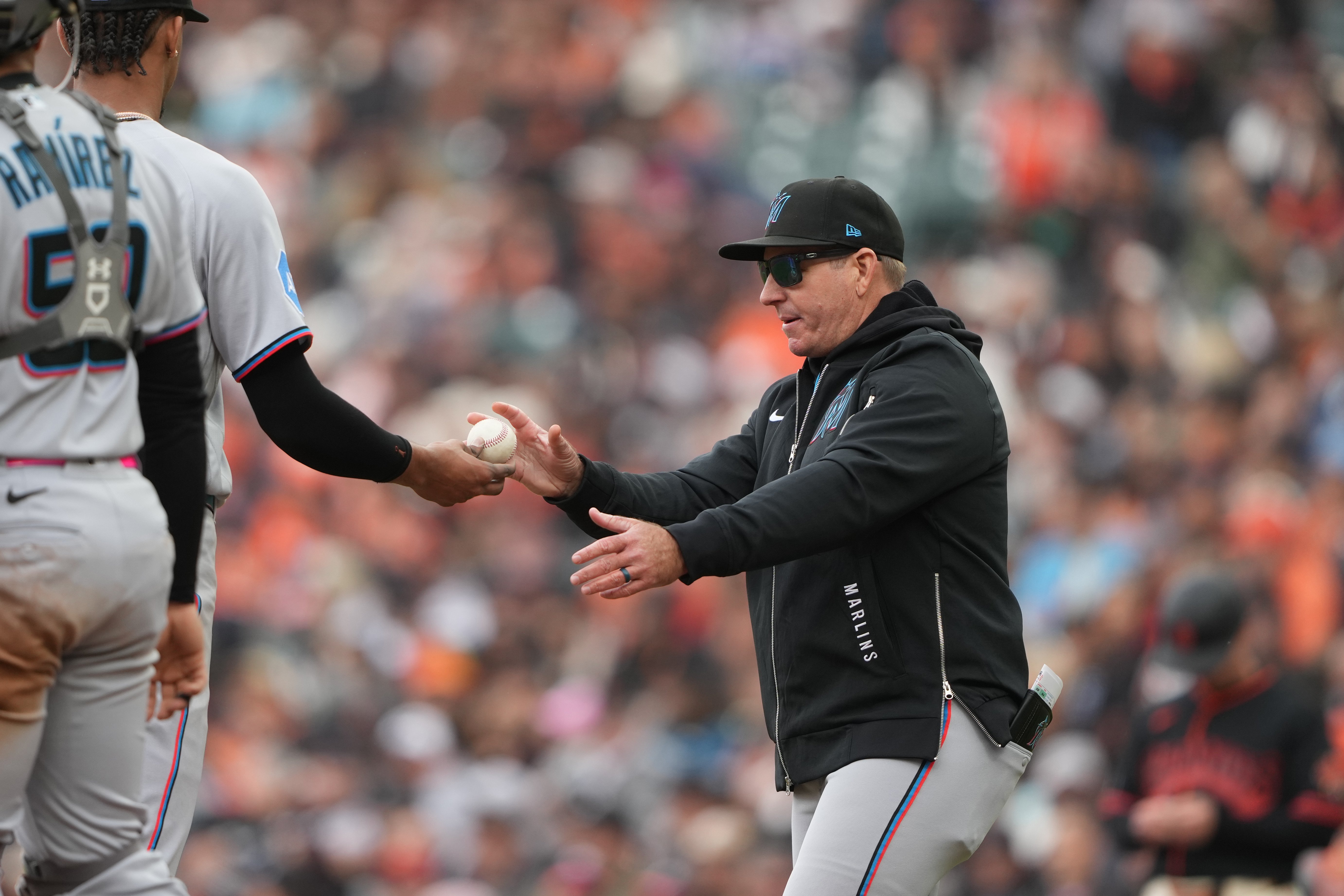 SAN FRANCISCO — On a cold, overcast afternoon at Oracle Park, Miami’s offense failed to provide Eury Pérez with much run support as the Marlins fell to the San Francisco Giants, 6-2. With the loss, Miami drops back under .500 at 13–14. “I liked the way we made [Robbie] Ray work, got him to 70 pitches halfway through the third. We just couldn’t cash in, but overall I think our guys did a good job making him work,” Marlins manager Clayton McCullough said postgame. “The guys who came out of the pen for them did a good job. They threw the ball well and were able to shut us down.” Making his sixth start of the season, right-hander Eury Pérez looked to build on what had been his best outing of the year at home against Milwaukee last Sunday. The 23-year-old tossed six innings of three-hit ball in that start, allowing no earned runs while striking out seven to earn his second win. McCullough’s message for Saturday was simple: get ahead early—something Pérez did effectively. Pérez was dominant through his first five innings, allowing just one walk while striking out six. Miami held a 1–0 lead at the time. He leaned heavily on his elite fastball, throwing it 61% of the time—in line with his season average. He generated nine whiffs overall, seven of which came on the fastball, which averaged 98 mph. “It was part of the plan to focus on the fastball, and I think it was working very well for me,” Pérez said through interpreter Luis Dorante Jr. “In that inning, I think they started to expect it, and they capitalized.” In the bottom of the sixth, Pérez allowed a double to Matt Chapman, and one batter later, Casey Schmitt launched a two-run homer to give San Francisco a 3–1 lead. “It was a fastball, and all the hard contact they got on me was on the fastball, unfortunately,” Pérez added. He then walked Jung Hoo Lee, marking the end of his afternoon. Pérez’s final line: 5.1 IP, 7 H, 4 ER, 2 BB, 6 SO (Anthony Bender allowed one inherited runner to score). Overall, the young right-hander’s last two outings have been encouraging as his command has sharpened and he has largely avoided the kind of big innings that hurt him earlier in the year. “I thought he was fantastic,” McCullough said. “The strike-throwing was much better—other than a couple of leadoff walks, he filled it up with a good heater and was able to get hitters into tough counts. He kept us right there, but Schmitt just put a good swing on a fastball up and in.” As of Saturday night, Pérez is 2–2 with a 4.60 ERA, while his xFIP sits at 4.37. His next start is scheduled for Friday, May 1, against Philadelphia in Miami. Offense shut down Thirteen hours after putting up nine runs on 16 hits, Miami, as expected, rolled out an entirely different lineup vs. the left-hander Ray. Impact bats such as Liam Hicks and Owen Caissie were sat in favor of Heriberto Hernández (.479 OPS) and Leo Jiménez (13 AB since March 30, .643 OPS). The Giants also used southpaws Matt Gage and Erik Miller for an inning apiece in relief of Ray. The Marlins have made it clear they intend to stand by their philosophy of putting players in the best position to succeed, which means utilizing the platoon advantage against a veteran left-hander like Ray. Unfortunately, thus far this year, the non-everyday players inserted into the lineup against left-handed starters have performed poorly, which has cost the team. Austin Slater—DFA’d on Thursday—produced a .367 OPS vs. LHP. Hernández has a .467 OPS. Jiménez a .282 OPS. Meanwhile, left-handed bats the Marlins view as long-term pieces, such as Caissie and Marsee, have produced OPS marks of .718 and .694. The team has only played 27 games, so the sample size is still minuscule. However, following a game in which the offense had arguably its best performance of the season, it may be worth trotting out a similar lineup the following day, despite the opposing pitcher throwing from the left side. From both a development and competitive standpoint, it hasn’t made much sense to continue allowing Hernández to start against left-handed pitching—or any pitching, for that matter. “I continue to believe that Bert can get this thing going and come around,” McCullough said of his corner outfielder. “He’s a good option versus left, and we’ll continue to give him opportunities to do so and that’s how I see it at this point.” Hernández has one extra-base hit on the season in 21 games (.197 SLG). With the win, the Giants improved to 12-15 on the season and have forced a rubber match on Sunday afternoon. Max Meyer will get the ball against right-hander Landen Roupp. View the full article
 -
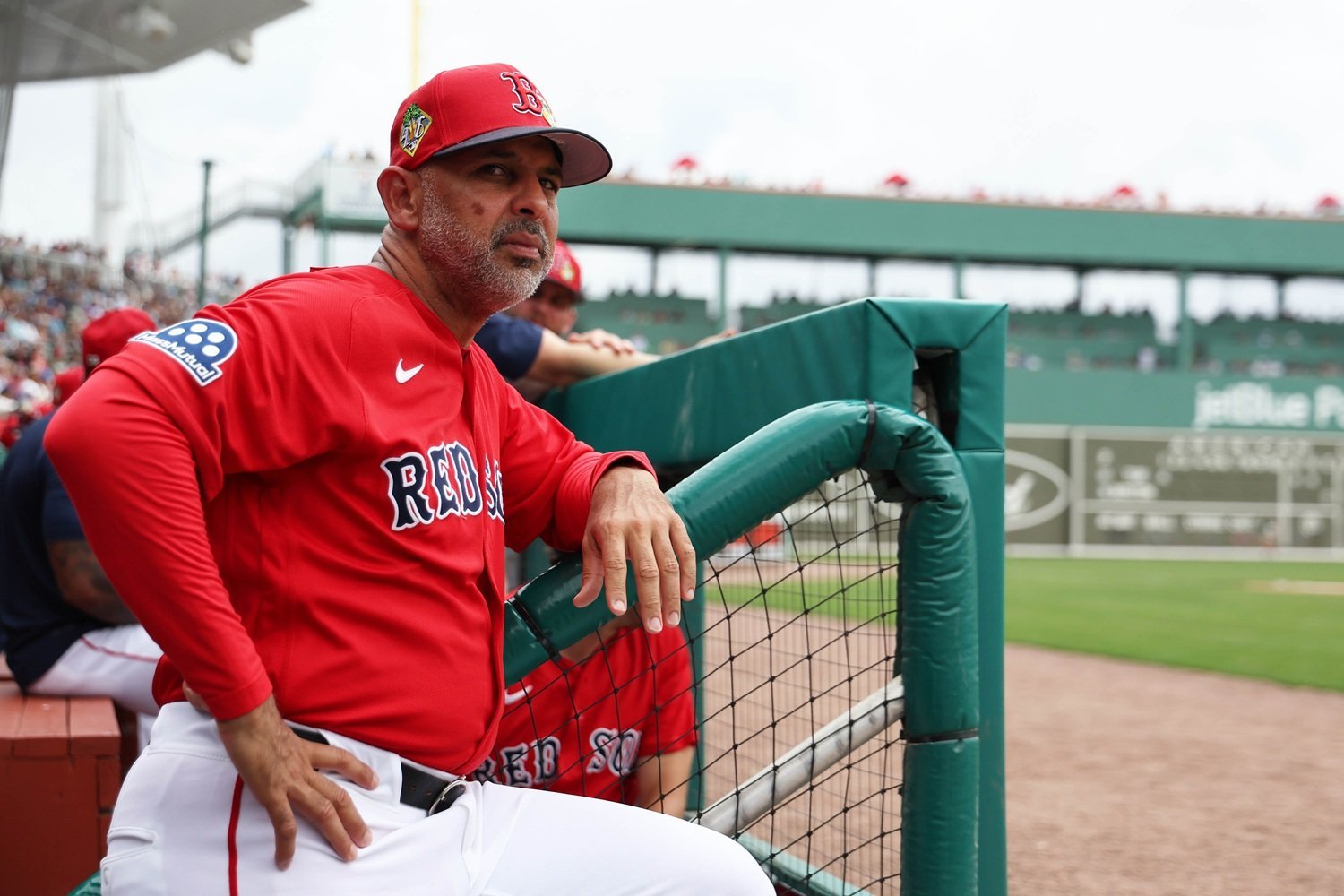 The Boston Red Sox dismembered their coaching staff on the heels of a 17-1 win over the Baltimore Orioles. Manager Alex Cora was relieved of his duties. Along with him, bench coach Ramón Vázquez, third-base coach Kyle Hudson, assistant hitting coach Dillon Lawson, hitting coach Peter Fatse and hitting strategy coach Joe Cronin were also fired. Also, Game Planning and Run Prevention Coach Jason Varitek will be reassigned from his position as planning and run prevention coach to a new, currently unannounced position. Cora was in the middle of his three-year extension he negotiated in the second half of 2024. He won 620 games during his time as manager of the Boston Red Sox with 108 of them coming in his first season in 2018. That season culminated in an AL East title along with a World Series championship. Teams under Cora never reached that same level again, missing the playoffs in 2019 before he was suspended for all of 2020 due to his involvement in the Houston Astros cheating scandal. Upon his return in 2021, Cora led the Red Sox to the American League Championship Series. After that, the team suffered three consecutive losing seasons before making the playoffs in 2025. After a 10-17 start in 2026, the organization decided it was best to part ways with the manager and most of his coaching staff. Worcester Red Sox manager Chad Tracy will take over as interim manager of the Boston Red Sox. Tracy had been the manager of the Triple-A Worcester Red Sox since 2022 and has been viewed as a great up-and-coming manager who is excellent with young players. During his time in Worcester, Tracy managed several of the young players currently on the Red Sox roster including both Roman Anthony and Marcelo Mayer and had been voted the best managerial prospect in both 2023 and 2024. Entering the 2026 season, Tracy had won 309 games as the WooSox manager and had a winning season in each year. So far in 2026 the Worcester Red Sox had a record of 13-11 under him. Prior to joining the Boston organization, Tracy worked in the Los Angeles Angels organization from 2015 through 2021. He also played eight professional seasons in the Rangers, Rockies and Royals organizations. Joining Tracy in Boston will be Chad Epperson as the interim third base coach. Epperson has been the manager of the Portland Sea Dogs since 2022. Collin Hetzler will join the major league hitting staff after being the hitting coach in Worcester since 2025. With this move, the Red Sox appear to be looking to have a manager with a history of developing young players to now handle a roster that is mixed with both young, up-and-coming talent and veteran leadership. What are your thoughts? Is this the right decision? Is it better to do it now, or would it have been better to wait? View the full article
 -
Red Sox Fire Alex Cora, Most of MLB Coaching Staff In Shocking Pivot
DiamondCentric posted an article in Talk Sox
 The Boston Red Sox dismembered their coaching staff on the heels of a 17-1 win over the Baltimore Orioles. Manager Alex Cora was relieved of his duties. Along with him, bench coach Ramón Vázquez, third-base coach Kyle Hudson, assistant hitting coach Dillon Lawson, hitting coach Peter Fatse and hitting strategy coach Joe Cronin were also fired. Also, Game Planning and Run Prevention Coach Jason Varitek will be reassigned from his position as planning and run prevention coach to a new, currently unannounced position. Cora was in the middle of his three-year extension he negotiated in the second half of 2024. He won 620 games during his time as manager of the Boston Red Sox with 108 of them coming in his first season in 2018. That season culminated in an AL East title along with a World Series championship. Teams under Cora never reached that same level again, missing the playoffs in 2019 before he was suspended for all of 2020 due to his involvement in the Houston Astros cheating scandal. Upon his return in 2021, Cora led the Red Sox to the American League Championship Series. After that, the team suffered three consecutive losing seasons before making the playoffs in 2025. After a 10-17 start in 2026, the organization decided it was best to part ways with the manager and most of his coaching staff. Worcester Red Sox manager Chad Tracy will take over as interim manager of the Boston Red Sox. Tracy had been the manager of the Triple-A Worcester Red Sox since 2022 and has been viewed as a great up-and-coming manager who is excellent with young players. During his time in Worcester, Tracy managed several of the young players currently on the Red Sox roster including both Roman Anthony and Marcelo Mayer and had been voted the best managerial prospect in both 2023 and 2024. Entering the 2026 season, Tracy had won 309 games as the WooSox manager and had a winning season in each year. So far in 2026 the Worcester Red Sox had a record of 13-11 under him. Prior to joining the Boston organization, Tracy worked in the Los Angeles Angels organization from 2015 through 2021. He also played eight professional seasons in the Rangers, Rockies and Royals organizations. Joining Tracy in Boston will be Chad Epperson as the interim third base coach. Epperson has been the manager of the Portland Sea Dogs since 2022. Collin Hetzler will join the major league hitting staff after being the hitting coach in Worcester since 2025. With this move, the Red Sox appear to be looking to have a manager with a history of developing young players to now handle a roster that is mixed with both young, up-and-coming talent and veteran leadership. What are your thoughts? Is this the right decision? Is it better to do it now, or would it have been better to wait? View the full article
 -
Red Sox Fire Manager Alex Cora, Five Others In Shocking Housecleaning
DiamondCentric posted an article in Talk Sox
 The Boston Red Sox, off to a 10-17 start, fired manager Alex Cora and five members of the coaching staff Saturday in an early-season stunner. Another coach is being reassigned. Hitting coach Peter Fatse, bench coach Ramon Vazquez, third base coach Kyle Hudson, assistant hitting coach Dillon Lawson and major-league hitting strategy coach Joe Cronin were also fired by the Red Sox. Game-planning coach Jason Varitek is considering a possible reassignment. Chad Tracy, the manager of Triple-A Worcester, has been named interim manager. The moves came hours after the Red Sox pounded out a 17-1 victory over the Baltimore Orioles. Despite that offensive showing, the Red Sox were last in the AL East and had a .667 team OPS, which ranks 26th out of 30 teams, and ranked 20th in runs scored with 112 in 27 games (4.15 per game). Entering Saturday, the Red Sox had lost four straight and six of seven. Cora had two years remaining on his contract. (More to come.) View the full article
 -
Rays 6, Twins 1: Same Old Song with Another Loss at the Trop
DiamondCentric posted an article in Twins Daily
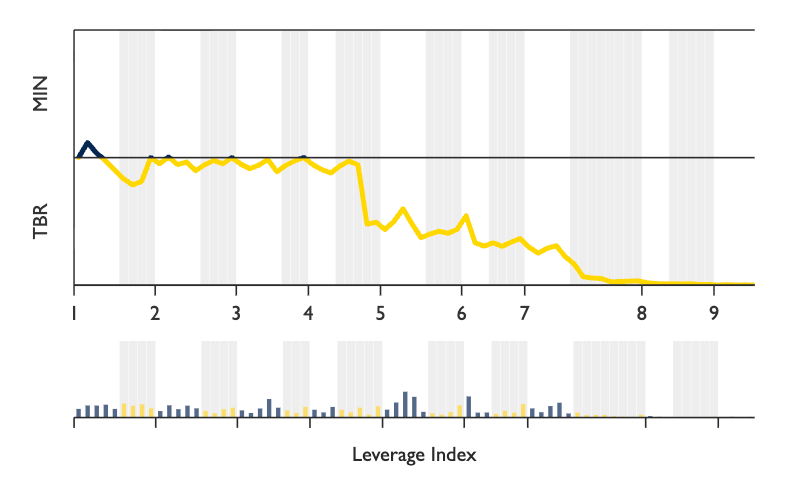 Box Score Bailey Ober: 6 IP, 3 H, 2 ER, 2 BB, 3 K Home Runs: None Bottom 3 WPA: Victor Caratini (-0.16), Austin Martin (-0.9), Royce Lewis (-0.9) Win Probability Chart (via FanGraphs): The second of round of the Twins at the Trop included a pair of pitchers both looking to prove a lot to their teams. It was a largely uneventful affair, more notable for baseball weirdness than anything else. The oddities began early when Austin Martin came up against pitcher Shane McClanahan and blew an ABS challenge. On the next pitch, however, Martin attempted to call time but McClanahan threw anyway. Umpire Brian Walsh accidentally called for the ABS, and then confusion and debate continued for at least four minutes before the game continued. Walsh later missed another call for time from Byron Buxton, though luckily the pitch came in as a ball. Ober and Done With Bailey Ober made the start for Minnesota, continuing his surprisingly strong work that seems to be now erasing any concerns over velocity. The 6 foot 9 inch soft tosser allowed a walk to speed demon Chandler Simpson, but a surprisingly on point throw from Austin Martin turned a potential sacrifice fly into a double play as Ryan Jeffers nabbed him at the plate. (Curiously, the bench coach on the phone signaled to cash to play on, but Cash challenged nonetheless). Ober did not repeat the strikeout success he had in his two previous starts, but he continued his soft contact magic—managing to keep the Rays to only three hard hits all day. Unfortunately, one of those did critical damage. After a hit by pitch put Yandy Diaz on base, Jake Fraley connected with Ober’s change up and launched one 401 feet for a two run shot. Ober still pushed his way through to manage a Quality Start. A fifth inning walk to Richie Palacios got erased when the baserunner dragged a steal too far and Brooks Lee kept a tag (if there was a chance to challenge, the Rays were already out at the moment). After a Junior Caminero single through the infield, Derek Shelton trusted the giant to finish off the inning with a pop up and a soft grounder and keep the game where it needed to be. Comebacker, Shane McClanahan entered his the game since 2023 with a 5 ERA over 18 innings, though for a player who has missed two full seasons—including some months where he couldn't grip a single thing with his hand—the Rays should be happy to have him throwing 95mph while on the mound. While his first two innings looked strong, his command began faltering and put both Austin Martin and Josh Bell on base with two outs. However, McClanahan worked back a 3-0 count with Ryan Jeffers into a ground out to escape any damage. After throwing 35 pitches in the third inning, he managed a five pitch fourth inning. An error from Ben Williamson and a single from Buxton gave the Twins a chance to cash in with two on and one out, but McClanahan easily escaped the jam. He finished with seven strikeouts on a largely lifeless Twins offense. Bullpen Blues A continuing refrain for Minnesota ended whatever hope for a comeback. Tyler Rogers took over for Ober in the 7th inning and graced the Rays with a double, triple, and walk—none from their best hitters— before Shelton went to Eric Orze. The former Rays farmhand did not fair much better, allowing a pair of runs before the Twins managed to end in the inning. Garret Acton was given the eighth and added onto the pain after a Williamson double. If the Rays had questions about their bullpen after a bad week, they seemed in full force this week. Cash turned to Kevin Kelly for two innings followed by Hunter Bigge for one. Neither pitcher faced much resistance from the hitting crew. After posting a 106 WRC+ going into last Friday’s bout with the Reds, the team has been below average in hitting since then. Trevor Martin ran into some trouble after hitting Luke Keschall, who stole second and set up Royce Lewis for a RBI single. But that was all the Twins could manage. After sitting atop the American League, the team has now dropped eight of their last nine contests. Notes —Buxton smacked a catwalk ring in the third inning that led to a dropped pop up in the infield, but only some of the catwalks are considered fair territory while others force a foul ball. —Future Review? Josh Bell struck out on a "foul tip" in the eighth inning that a broadcast replay revealed as a check swing. However, such a call remains unreviewable in baseball. —ABS Winners today: Buxton, Jeffers (x2) Post-Game Interview: What's Next? Simeon Woods Richardson looks to finally manage a win after a rough series of starts, while the Rays turn to their long releif / "opener" Jesse Scholtens, who will aim for likely five innings. Bullpen Usage: MON TUE WED THU FRI SAT TOT Morris 0 0 0 37 0 0 37 Banda 0 18 0 9 7 0 34 Topa 0 17 17 0 0 0 34 Acton 0 0 0 0 0 18 18 Sands 0 23 0 0 0 0 23 Orze 0 0 11 0 10 9 30 Rogers 0 0 12 0 0 15 27 Funderburk 0 0 0 0 0 0 0 View the full article
 -
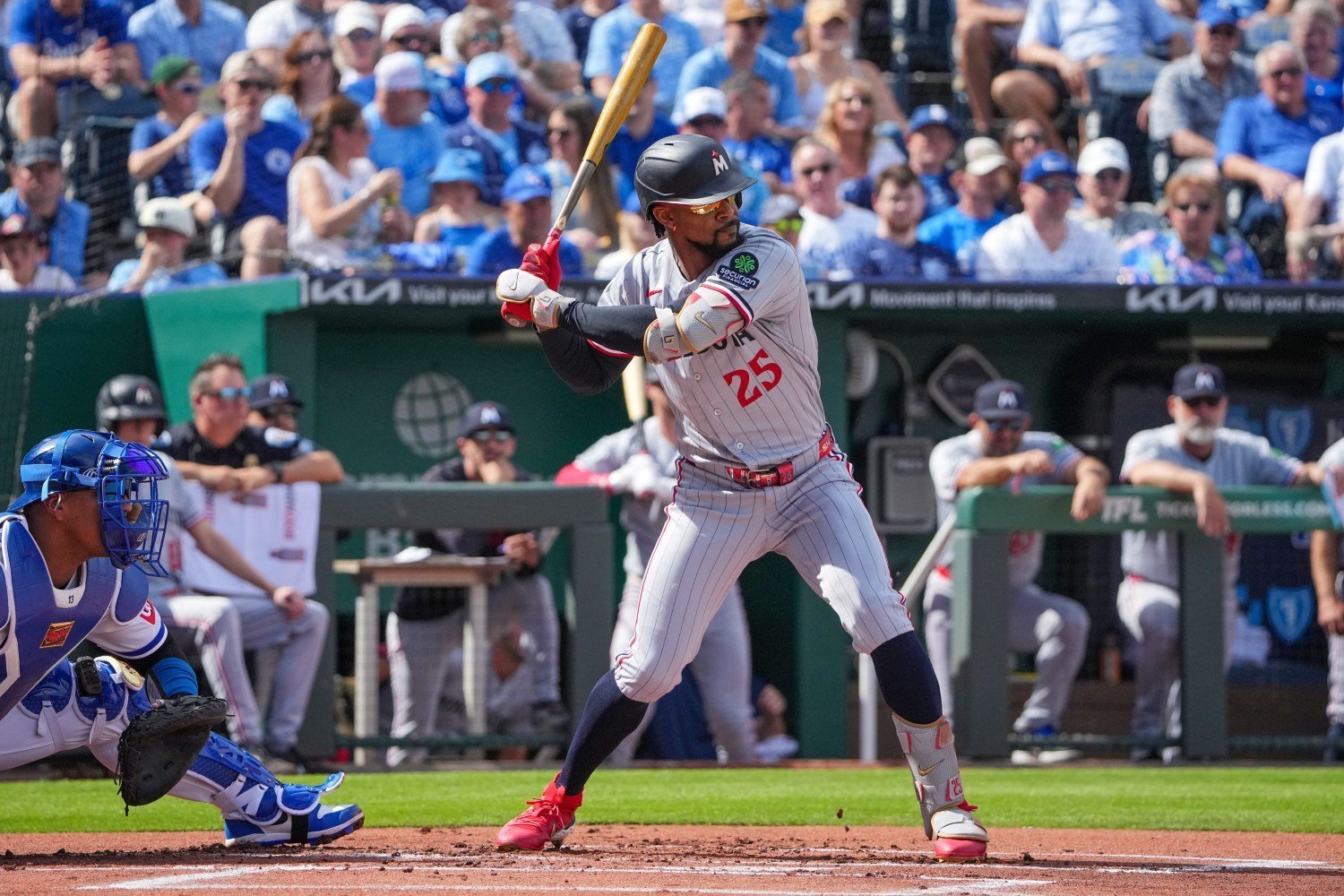 Every MLB organization enters each draft cycle hoping to uncover multiple players who can provide value at the big league level. Some classes fall short of expectations, while others produce waves of talent that impact the roster for years. The Twins are hoping that some of the team’s recent draft classes can eventually join these rankings. Prospects like Walker Jenkins, Kaelen Culpepper, and Marek Houston are working their way through the system, but it will take time before their draft group can be properly evaluated. For now, these five classes stand out as the best in franchise history. 5. 2002 MLB Draft Key Picks: Denard Span (28.0 rWAR), Jesse Crain (11.4), Pat Neshek (10.6), Adam Lind (12.8- Didn’t Sign) This group stands out for its role in supporting multiple division-winning teams during the 2000s. Span, the club’s first round selection, spent 11 seasons in the majors and five with Minnesota. His best season came in 2012, when he posted a 4.9 rWAR and an OPS+ of 104. Among first-round position players from that class, Span leads in career rWAR. Crain developed into a reliable late-inning reliever, delivering several strong seasons out of the bullpen. He posted multiple years with a WPA above 1.0, including a standout 3.0 WPA campaign in 2005. Neshek became a fan favorite thanks to his unique sidearm delivery. His best season with the Twins came in 2007 when he produced a 2.7 WPA. He went on to enjoy a long career after leaving Minnesota, including multiple All-Star appearances. 4. 1994 MLB Draft Key Picks: Corey Koskie (24.6 rWAR), A.J. Pierzynski (23.7), Todd Walker (10.5), Travis Miller (1.3) Finding Koskie in the 26th round remains one of the best draft steals in team history. Selected 715th overall, he developed into a cornerstone player and compiled 22.1 rWAR with a 116 OPS+ across seven seasons in Minnesota. His 2001 season, worth 6.3 rWAR, earned him down-ballot MVP consideration and helped cement his place in the Twins Hall of Fame. Pierzynski remains one of the more polarizing figures in franchise history. He played six seasons with the Twins and made the All-Star team in 2002. His trade to San Francisco brought back Joe Nathan, Francisco Liriano, and Boof Bonser in one of the most impactful deals the franchise has made. He later won a World Series in 2005 and played 19 seasons overall. Walker, the eighth overall pick, showed flashes of his potential during a 12-year career but never fully put everything together at the major league level. 3. 2012 MLB Draft Key Picks: Byron Buxton (30.2 rWAR), Jose Berrios (17.1), Taylor Rogers (7.8), JT Chargois (3.9), Tyler Duffey (1.8) This class still has a chance to climb even higher as its players continue adding to their resumes. Byron Buxton, selected second overall, has developed into one of the most dynamic players in baseball when healthy. Coming off the best season of his career and an All-Star appearance, he has delivered on the immense upside that made him such a highly regarded prospect. Berrios entered the draft with questions about his size but emerged as a multi-time All-Star. He provided significant value to the Twins before being traded for Austin Martin and Simeon Woods Richardson. Rogers reinvented himself after struggling as a starter, becoming an All-Star closer and one of the better bullpen arms in the league. Reaching 10 years of service time is an impressive milestone for an 11th-round pick. Chargois and Duffey both contributed multiple seasons of above-average pitching, rounding out a deep and productive class. 2. 1991 MLB Draft Key Picks: Brad Radke (45.3 rWAR), LaTroy Hawkins (17.8), Matt Lawton (15.2), Scott Stahoviak (1.0) This class is notable for overcoming a miss at the top. Third overall pick Dave McCarty did not pan out, but the Twins made up for it with outstanding selections later in the draft. Radke, taken in the eighth round, became one of the most reliable starters in franchise history. He finished third in Cy Young voting in 1997 and anchored the rotation for over a decade. Hawkins initially struggled as a starter before thriving in a bullpen role. He went on to pitch 21 seasons in the majors and delivered some of his best performances in Minnesota, including a 4.1 WPA season in 2003. He now returns to the organization as the bullpen coach. Lawton became a two-time All-Star and was a more highly regarded prospect compared to others from this class. His 1998 season, highlighted by a 123 OPS+ and 3.9 rWAR, stands out as his peak. 1. 1989 MLB Draft Key Picks: Chuck Knoblauch (44.6 rWAR), Scott Erickson (24.8), Denny Neagle (22.4), Mike Trombley (9.1), Marty Cordova (7.7) This class played a direct role in delivering a World Series title in 1991. Knoblauch was a central figure in that run, earning Rookie of the Year honors and establishing himself as one of the best second basemen in franchise history. His accomplishments in Minnesota include four All-Star selections, two Silver Sluggers, and a Gold Glove. Erickson was a key member of the championship rotation and finished second in Cy Young voting in 1991. Though injuries impacted his long-term trajectory, his early contributions were significant. Neagle provided value later in his career, though much of it came after his time with the Twins following a trade prior to the 1992 season. Trombley developed into a dependable reliever over nine seasons with Minnesota, while Cordova captured Rookie of the Year honors in 1995 with a strong debut season. Draft success is rarely measured in a single year. It takes time for players to develop, reach the majors, and establish themselves. These five classes not only produced impact talent but also helped define key eras of Twins baseball, from the early 1990s championship core to the competitive teams of the 2000s and beyond. The next great class may already be in the system. It just needs time to prove it belongs alongside these groups. What other draft classes should be considered? Leave a comment and start the discussion. View the full article
 -
 Welcome to the 2026 MLB Consensus Draft Board. This is the fifth version of the board, which started in 2022 as a top thirty. Since then, it’s expanded to around 150 players on an annual basis, featuring at eight different team sites. So what is the Consensus Board? How is it made? How should it be used? The concept is loosely based on Arif Hasan’s NFL Consensus Board. It’s meant to be a tool for folks getting interested in the MLB Draft. As I was learning about the draft, I struggled to navigate wildly varied rankings and evaluations of players. The Consensus Board takes every major publicly available board and combines them into a consensus ranking, eliminating some of the noise and variance of an extremely challenging evaluation process. We’ve found this process to be useful in ranking players in appropriate ranges through around the first five rounds of the draft. On the board, you’ll find player names, handedness, listed height and weight, age, and a write-up, walking through their strengths and opportunities as a prospect. As we go through the cycle, these will be updated with tweaks, final college stats, etc. Every time a major outlet (Baseball America, ESPN, The Athletic, etc.) releases an updated list, the consensus ranking shifts. As such, the board is a lagging reflection of what the industry thinks of the class and its key players. The final Consensus Board will incorporate at least 10 other boards as inputs. New MLB Mock Draft Board Features There are a few important features to point out to help you navigate the board. There’s a search bar to help you find players of interest. If you click ‘expand’ the board will focus on the write-up you are engaged with, in addition to one immediately above it and one immediately below it. Additionally, you’ll find the logo of your team next to their draft slots to help understand where they are picking. There will be a player slotted there, based on their consensus ranking. Rather than using that ranking as an indicator of who they might actually pick, it’s more useful to use it as a proxy for what caliber of talent is available at that slot. We’ll dig in deeper to team-specific mock drafts later in the cycle. The last important note is that this year the board features ‘push’ updates. It updates automatically every hour. The board is typically updated with new write-ups five days per week, so check back regularly for updates. At #21, The San Diego Padres Select: Logan Schmidt, LHP, Ganesha HS, CA Schmidt is a classic projection lefty, joining Gio Rojas and Carson Bolemon as a trio of prep southpaws who could be selected in the first round in July. He's currently committed to LSU. Schmidt has great size at 6'4, 215, with projection left and the possibility of adding additional strength and weight. He has a smooth, repeatable delivery from the left side, and his stuff took a jump this summer in several high-profile events. His fastball sits 94-96 mph but has been as high as 98 mph. He pairs it with a slider in the low 80s that has a slurvy shape. That will be an area of development, ironing out the shapes of his secondary pitches to maximize his arsenal. Finally, Schmidt also has a changeup, a pitch he sells with great arm speed and generates plenty of fade. It's easy to imagine a future version of Schmidt consistently holding 96-97 mph with his fastball, a tweaked cluster of breaking pitches, with a little additional strength, looking like a force in pro baseball. View the full article
 -
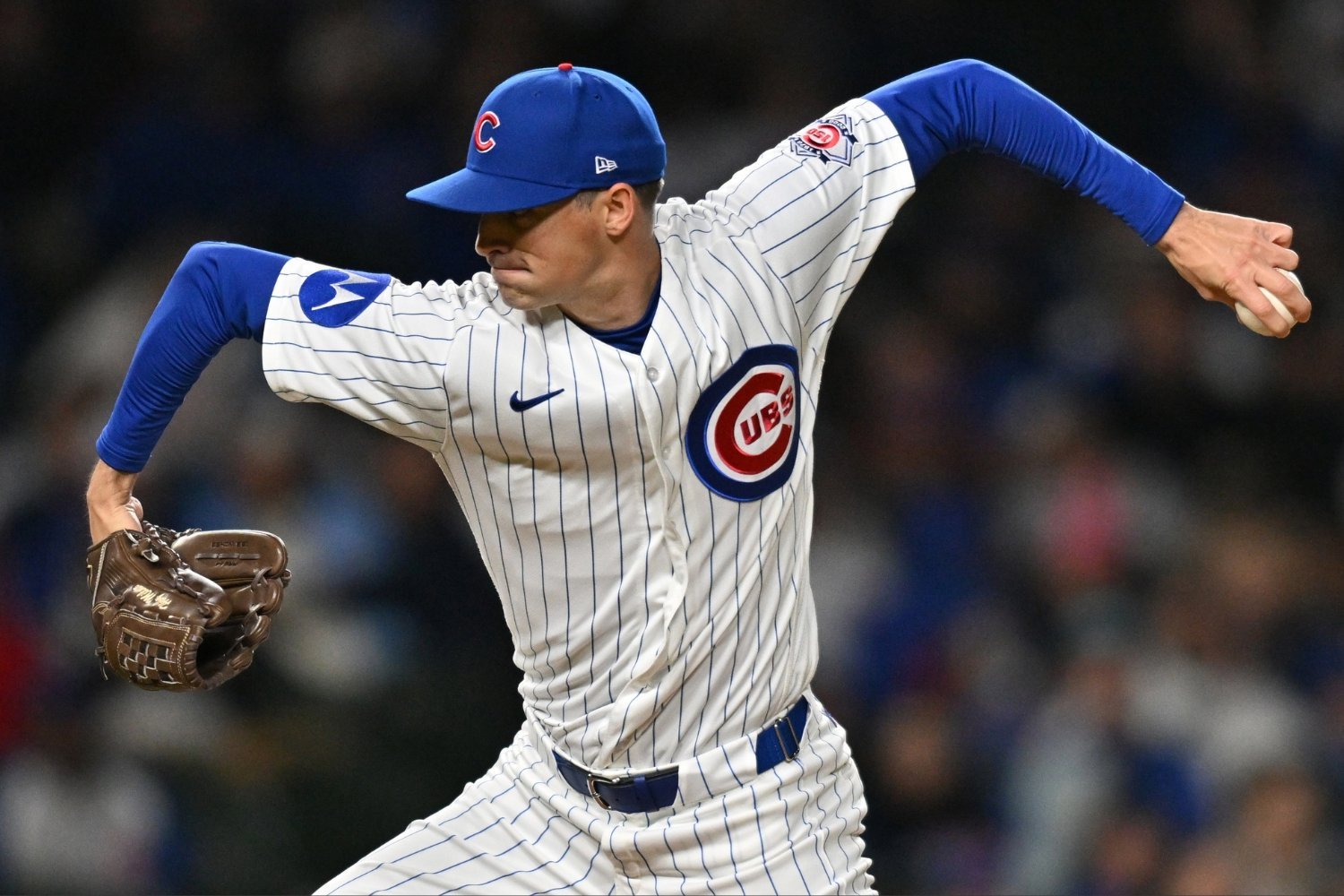 The Chicago Cubs signed left-handed pitcher Hoby Milner in the offseason to pair with Caleb Thielbar as the team's primary two southpaws in the pen. Milner had many years of service with the Milwaukee Brewers and his time overlapped with manager Craig Counsell, meaning there was (and is) a familiarity between the two. Milner has always been a unique reliever; with fastball velocities that are well below the norm (and well below 90mph) and a funky arm slot, he's carved out a role that has allowed him to thrive at times. Thus far with the Cubs, Milner has, on the surface, performed well. His ERA sits at 2.19 on the year, and he's limited left-handed hitters to just a .182 average and a .249 wOBA; this is what he was brought to Chicago to do. In fact, his wOBA against so far (in very limited sample size) for left-handed hitters is better than his career average. However, there are some red flags in his 12 innings and change so far, as well. One of the first flags can be seen within his FIP, which sits at 5.16, nearly three runs over his ERA currently. His expected FIP is over 6.00. On their own, this is not good; when FIP and ERA don't align, something is up. There are ways to outperform your FIP. We only need to look at Cubs icon Kyle Hendricks for this recipe. If you throw a lot of strikes, don't walk hitters, and keep the ball in play specifically on the ground, you can make an entire career of throwing 88mph and beating your FIP. Which brings us to our second red-flag: Hoby Milner is not getting ground balls. Milner is normally a ground-ball machine. Over his previous 264 innings before coming to the North Side, Milner sat at a groundball rate of 51.1%. That puts him just within the top 20 in terms of all relievers over that span (17th to be exact). Yet, so far, his ground-ball rate is sitting below 40% on the year; this is a massive drop in ground balls and a reason for us to pause the idea that he's somehow out-pitching his FIP and that he's well on the way to being a FIP-beater in 2026. The next red flag: a massive drop in strikeouts. Milner, despite throwing below 90mph, has never been a strikeout slouch (even if he was never a standout in that regard) Over that same 264-inning span, the side-armer struck out 22.6% of the hitters he faced. This is a bit below league average, but considering how much lower his velocity sits, this is fairly admirable. Yet in 2026, he's down to just three strikeouts total, good for a 6.1% strikeout rate. That's not good. In fact, while he's struck out only three hitters, he's walked four meaning so far, more walks than strikeouts. So, what's going on? I don't think he's broken and I think this is probably some small sample stuff more than anything. While it's true that his fastball velocity has dipped slightly (down from an 88mph average last year to an 87.5mph fastball this year), his Fangraphs' Stuff+ rating hasn't really seen a drop-off; his overall Stuff+ is at 104 (compared to his career Stuff+ 106) and his fastball Stuff+ is standing steady at 107. In his last outing against the Philadelphia Phillies on April 23, his velocity was 87.8mph. He looks fine in this regard. He's also not struggling to get swings outside the zone, as he has a 29.1% chase rate, which is the highest chase rate the lefty has gotten since 2023. His whiff% and his K% are clearly in the bottom one percent (a K% of 6.1% will do that), so it's hard to figure out why he's not really getting whiffs right away. If the velocity is fine, and the shape is fine, and he's getting more chase... you'd expect the strikeouts to follow. One reason why he may be struggling here a bit: he's featured the sinker more than you'd normally expect. His usage on this pitch is up from 33.4% to over 43% of the time. His whiff% last year on the sinker was 9.7% and this year it's 9.1%. It's just not a pitch that's designed to strike hitters out. It is used for groundballs and batted ball control and I think this is exactly why his FIP, xFIP, and K% are all out of whack: Milner has faced a ton of traffic. In fact, over his 12.1 IP, the vast majority has been when runners were on, the exact time you'd be more careful in terms of throwing strikes. We can see which pitch Milner uses as his "strike-throwing" pitch with a visualization of how he uses his offerings. His sweeper and his changeup are generally used when he wants you to chase off the plate, especially his sweeper. This is not a pitch he wants in the zone, but well out of the zone; it's why it has such a high whiff percentage. His sinker, however, is a pitch that is far more in-and-around the zone. If you're stuck facing traffic on the bases, you don't want to throw a sweeper off the plate. In a worse-case scenario, it's not only a ball, but gets past the catcher and moves the runners up. Instead, you're likely to be much more careful and intentional. Milner's best pitch has generally been that sweeper. This is a weapon out of the hand of the reliever because of how awkward his arm angle is; the only LHP in MLB with a lower arm slot so far in 2026 is former Cub and current Yankee, Tim Hill. He's using it less than normal this year, almost an 8% reduction in usage. Why? Again, there's probably a good argument that contextually, he's been less able to use it dealing with so many runners on base. MVlEYVJfWGw0TUFRPT1fQlFRRlVGWUFBMVFBREFFTFV3QUFWVlVEQUZsVVVRY0FWbFJVVWxjRlV3cFdWZ3BX.mp4 One other part of the story: the injuries the Cubs are facing. So far, the Cubs have had to send all three of their high-leverage relievers, Daniel Palencia, Phil Maton and Hunter Harvey, to the IL. Recently, Caleb Thielbar has also joined those four. The pecking order is all out of whack for Counsell. Milner hasn't always been placed in his best spots. On April 20, he was brought in to face left-handed hitter Kyle Schwarber to end an inning. He was left out to start the next inning as another lefty, Bryce Harper, was leading off. However, he walked the lefty and then got stuck facing Adolis Garcia and Alec Bohm during this inning. Is that the best usage of Milner? Probably not; I suspect the team may have replaced their southpaw with Bohm up and a runner on in a perfect world. Instead, Milner clearly worked around Bohm to put two on to face fellow lefty Bryson Stott. It all worked out; no one scored, but with the lack of bullpen depth right now, the Cubs are left to ask themselves if they would more trust Milner's experience or someone else's inexperience too often right now. What this all means is that we're in a situation where neither his ERA or his underlying numbers are telling us the whole story. What feels most likely is that, due to a combination of pitching injuries jumbling the bullpen pecking order and small sample size, Milner's going to be fine when these things normalize. His stuff appears to be about the same as it always is in both velocity and shape, and he appears healthy. Hitters are hitting him harder, but he hasn't really gotten to use his best pitches as often and he's been put into a lot of situations where runners are on base. Nothing in his profile suggests he's incapable of getting whiffs. In fact, his sweeper whiff rate is actually up from 2025! In the end, it's probably safe to expect that Milner's probably not as good as his ERA would indicate, but not nearly the disaster his xFIP suggests he's been. Data is great, but data sometimes can miss context; all xFIP sees is a lack of strikeouts, not that the Cubs' pitching staff has been ravaged by injury and that the veteran reliever, being one of the few pitchers that Counsell can trust in big moments, has likely been put in situations he isn't well-suited for. While Milner may not be someone who's going to blow you away, his availability during a time in which the Cubs need arms is not-nothing, either. He might not be striking out a ton of hitters, but he's been just effective enough and has helped the Cubs through a rough period in his own way. What do you think of Hoby Milner so far? Do you trust the ERA? Are you worried about the lack of strikeouts? Sound off in the comment section below and start a discussion! View the full article
 -
 Blue Jays Affiliate Overview (April 23-April 24) Triple-A Buffalo Bisons Series vs. Columbus Clippers (Cleveland Guardians): 2-2 Season Record: 12-13 Double-A New Hampshire Fisher Cats Series vs. Reading Fightin Phils (Philadelphia Phillies): 2-2 Season Record: 10-7 High-A Vancouver Canadians Series vs. Tri-City Dust Devils (Los Angeles Angels): 3-1 Season Record: 9-10 Single-A Dunedin Blue Jays Series vs. Fort Myers Mighty Mussels(Minnesota Twins): 1-3 Season Record: 9-10 Triple-A Buffalo Bisons Season Record: 12-13 Series Opponent: Columbus Clippers (Cleveland Guardians) April 23: Grant Rogers toed the rubber to start the game for Buffalo against Columbus, and he twirled a gem by his standards. He made it through five innings, not allowing a single run, walking one, and striking out three. He put Buffalo in a great position to grab a win and get back to the .500 mark. The Bisons' bats took on the task head-on; they were led by three-hit games from Josh Kasevich and William Simoneit. Kasevich would kick off the scoring in the third inning with an RBI single that scored Simoneit. Josh Rivera added to the lead the next inning, when he unloaded on a middle-up changeup and smoked it 104.4 mph off the bat for a 411-foot solo home run. Yohendrick Pinango didn't want to be left out of the fun, as he shot a ball the opposite way for a two-run double in the seventh. With Buffalo holding a 4-1 lead going into the top of the ninth inning, Hayden Juenger came on to close it out for the Bisons. Unfortunately, he imploded in epic fashion. After getting the lead-off hitter to fly out for the first out of the inning, Juenger let the next three batters reach with a single and two walks. He was replaced by Adam Macko, who didn't fare any better, as he gave up the lead on a three-RBI, bases-clearing triple. In the bottom of the ninth, Charles McAdoo picked up the bullpen, with a sacrifice fly to tie the game and send it to extra innings. In the 10th, Simoneit would again come up clutch for the Bisons, singling to center and bringing home the winning run. The Bisons won 6-5 and reached the .500 mark once again. April 24: In a high-scoring game on Friday night, Chad Dallas finally got roughed up, in what would be his worst outing of the season. After giving up a run in the top of the first inning, Dallas coughed up five more runs in the second inning. The scoring barrage was highlighted by Travis Bazzana's two-RBI double to right field. Despite the terrible start, Dallas was able to end on a high note, striking out the side in the third inning, all swinging. The bullpen didn't do much better, as Tanner Andrews and Jesse Hahn combined to give up six runs. The bats tried to keep pace with Columbus. They tallied 11 hits, and everyone in the lineup recorded at least one. Charles McAdoo hit his fourth home run of the season, a 413-foot blast for a solo shot in the fourth inning. The Bisons could have used some of his juice, as they totaled seven doubles on the night, but could only get six runs across home plate. Buffalo fell 12-6 and yet again couldn't cross the .500 mark, falling to a game below it on the season. Double-A New Hampshire Season Record: 10-7 Series vs. Reading Fightin Phils (Philadelphia Phillies) April 23: The Thursday night game between New Hampshire and Reading had a back-and-forth feel for much of the night. Gage Stanifer got the start for the Fisher Cats, and his command was very much out of control from the start. He walked three of the first four batters, but really settled in after that. He went four innings, allowing just four hits and one earned run, while walking three and striking out four. Only six of his first 21 pitches went for strikes, but he figured it out, as he finished the rest of his innings with a 74% strike rate. Sean Keys stepped up big for New Hampshire on the day. He opened up the scoring with a solo home run in the second inning. Also, after Ismael Munguia homered to give the Fisher Cats a two-run lead, Keys launched his eighth home run of the year in the fourth. Up four runs, Bryan Rincon cut into the lead with a solo shot off of Stanifer. Aaron Parker added an RBI single, and New Hampshire would hold on to win 6-4. April 24: The Friday night contest was a close game for much of it. Richard Gallardo and Alex Amalfi split the game for New Hampshire, combined for all nine innings, and only gave up six hits, walked just two, and struck out five combined. They held the Fightin Phils to no runs on the night. On offense for the Fisher Cats, Sean Keys once again took center stage. This time launching his ninth home run of the season. A 110.5 mph low line drive missile. In the seventh inning, New Hampshire took charge as Jay Harry drove in a run on an RBI single, Ismael Munguia had a sacrifice fly, and Jace Bohrofen doubled in three runs. Harry would add an RBI triple the next inning, and the Fisher Cats won big, this time 9-0. High-A Vancouver Season Record: 9-10 Series vs. Tri-City Dust Devils (Los Angeles Angels) April 23: Danny Thompson Jr. is making a name for himself, as he’s now pitched 15 innings this season without giving up a single earned run, striking out 42.9% of the batters he’s faced and walking a little under nine percent. Since getting drafted in the eighth round in the 2025 draft for just $5,000, he’s only given up a single earned run. Peyton Olejnik also pitched well, keeping the Canadians scoreless until the fourth inning, where Carter Cunningham hit a triple to lead off the inning. After an Arjun Nimmala walk, Peyton Williams knocked Cunningham in with a single, and Alexis Hernandez got hit by a pitch immediately after to load the bases. A Jacob Sharp sac fly and a Dub Gleed single scored two more runs. The Dust Devils struck back after Thompson came off the mound, as Jonathan Todd gave up a two-run shot to Anthony Scull. Nimmala gave the Canadians an insurance run on a sac fly, which came in clutch as Carson Pierce gave up a run the inning after. Sharp got his second RBI in the eighth to add another run for the Canadians, and Eminen Flores got his second save with two scoreless innings to guarantee the Canadians’ fifth win in a row. April 24: The Canadians and Dust Devils had a pitching duel. Top prospect Johnny King walked the first two batters but was able to lock in after that, striking out four in three no-hit innings. The Canadians' offense couldn’t get it going, despite Arjun Nimmala getting on base a few times, including a double, but he was one of only three Canadians to get a hit. Holden Wilkerson continues to pitch well, piggybacking off of King, with four scoreless innings of his own. Jay Schueler went another two innings without allowing a single hit, with the Canadians carrying a one-hitter into extra innings. Unfortunately, Trace Baker struggled once again, raising his season ERA to 23.14 as he gave up three runs in extras to break the winning streak for Vancouver. Single-A Dunedin Season Record: 9-10 Series vs. Fort Myers Mighty Mussels (Minnesota Twins) April 23: In Thursday's afternoon game, the Dunedin Blue Jays got another start from Nolan Perry, who’s been nothing but excellent since returning from Tommy John. His strong stuff showed once again, as he struck out seven of the first nine batters he saw. Enmanuel Bonilla had a strong night, with his second homer of the season and driving in four runs, despite striking out three times. Juan Rosas made his debut for Dunedin, and his first hit for the D-Jays was a three-run homer to give the team a big early lead. Things fell apart after that, as no more Jays crossed the plate after Bonilla drove in two on a single, and the Jays’ bullpen struggled, with Reece Wissinger and Austin Smith giving up two runs each to bring the game to within one, and Noah Palmese blew the save, giving up six runs, including two homers. April 24: The Jays tried to get above .500 after a frustrating loss the day before, and Blaine Bullard tried his best to get them there. The young outfielder went 4-for-5 with a triple and a homer, scoring three of the Jays' four runs, along with two stolen bases. Dayne Pengelly also had a strong start, with just under four innings of scoreless pitching. Luis Victorino's poor outing spoiled the strong performances from those two, as he gave up five runs in relief. Mason Davenport and Jack Eshleman kept the score close, but the Jays offense couldn’t get over the hump, dropping the team under .500. View the full article
 -
Juan Soto Has Never Had A Better Chance to Win MVP
DiamondCentric posted an article in Grand Central Mets
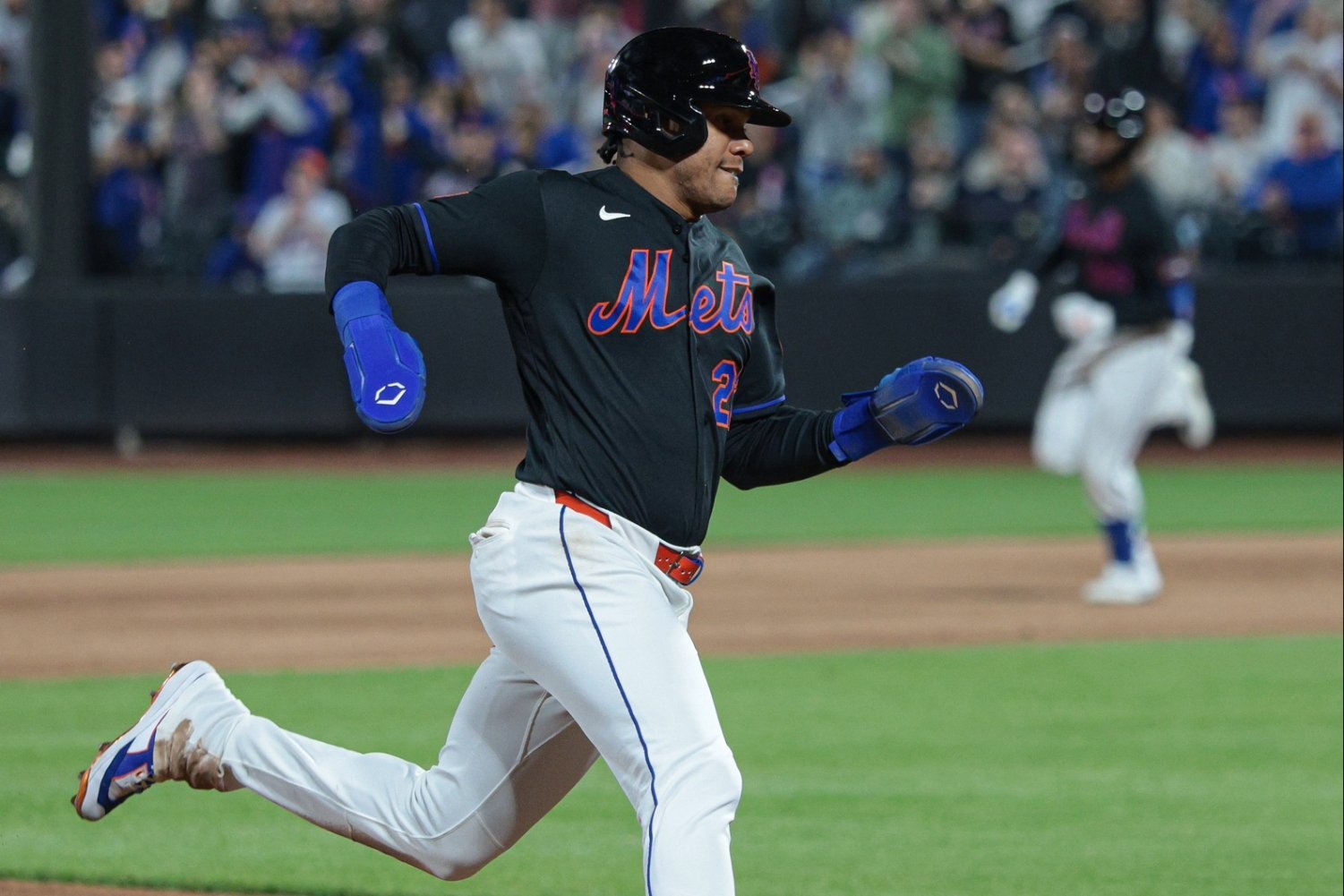 Juan Soto has achieved just about everything you can as an individual. He has six Silver Sluggers, is a four-time All-Star, has a batting title, a World Series ring, and a 15-year, $765 million contract. For someone who won’t turn 30 until October of 2028, Soto has already lived a full baseball life, but he still has one major milestone left to collect on his way to Cooperstown—an MVP trophy. The New York Mets’ season might already be over. Following a 7-4 start, they embarked on an epic 12-game losing streak, which sank them to the bottom of the standings. Teams can overcome a 7-16 start, but it leaves them zero margin for error, and the 2026 Mets feel like they’re perpetually carrying a pot of chili into the office. The good news is that they employ Juan Soto. Calling consistency a superpower is boring, but for Juan Soto, it’s why he’s one of the best players in baseball and also probably why he doesn’t have an MVP. The simplest way to explain Soto is that he plays all the time, gets on base all the time, and hits for both contact and power. It’s why he has a career wRC+ of 160, the 19th-highest figure ever, just below some guy named Ty Cobb. Teams covet consistency—it’s why Soto is paid like a king–because it limits downside, but it also limits upside, and that’s tough in the era of Aaron Judge and Shohei Ohtani. While six to seven wins above replacement per season for a decade is worth three-quarters of a billion dollars, it’s not enough to win MVPs when you’re up against 10-WAR Kaijus. However, Soto might not need to have a truly transcendent season at the plate to forge an attractive MVP narrative. The Mets are truly in trouble, but none of it falls directly at Soto’s feet. During the Mets' 12 days of despair, Soto was out with a calf injury. He left the Mets 4-4, came back to find them 7-16, and as soon as he re-entered the lineup—poof, the losing streak ended. Baseball isn’t as simple as one player returns and everything is solved, but stories are. Should the Mets turn their season around, Soto will have a story worthy of an MVP. He’ll be the hero who saved the season. The man who guided a helpless, lost cause out of the depths of despair into the warm glow of the blustery, frozen hellscape that is October baseball in New York. Even as analytics have come to dominate baseball awards voting, I still think there is some romanticism left in the world. Part of the reason Ohtani has walked away with MVP after MVP is his story as a two-way player is like a tall tale. He’s The Natural, just living and breathing, and while the WAR helps, the story is just as intoxicating. If Soto produces his usual .300/.400/.500 triple-slash line, while dragging the Mets out of the cellar, that is a story that will transcend baseball media. It’s the oldest sports story of them all for a reason; people love it. And on top of that, he’ll have the underdog winds at his back. No matter where the Mets finish this season, they’ll be underdogs. That’s their franchise heritage, and it’s the exact predicament they find themselves in. But Soto is also an MVP underdog. He has four top-five finishes, three top-three finishes, and came runner-up in 2021, despite leading Bryce Harper in WAR. He has been oh-so close to winning the award, but the stars just haven’t aligned for him (even though those in the media decide what the stars say). Before it’s all said and done, Juan Soto will very likely win an MVP award. He’s just too good, too young, and too consistent. But there’s a chance he’s this generation's Hank Aaron. Aaron, who finished his career with more home runs than anyone, never once hit 50 in a season, and only won one MVP. In fact, he never finished higher than third outside of his lone win. Aaron, like Soto, was a metronome of consistency, but only once did he lead his league in WAR. Perhaps Soto will consistently, excellently trudge through his career without that single transcendent season to capture voters’ imagination. Or perhaps, he’ll lead the Mets back from the brink, into the playoffs, and secure the one award that has eluded him. This is Soto’s best chance to win MVP, and all it’ll require is one of the great turnarounds in history. That’s no small feat, but that’s why it’s an MVP story. View the full article
 -
 David Shields struck out six over five innings of one-run ball, but Quad Cities saw its lead vanish in a six-run, ninth-inning collapse, falling 7-6 to Lansing. Drew Beam fanned six in 4 1/3 innings of one-run ball as Northwest Arkansas dropped a 5-1 decision to Wichita despite Brandon Johnson's hitless 2 1/3 frames in relief. JC Vanek reached base five times in Columbia's 11-10 loss to Augusta, and Omaha fell 4-3 in a rain-shortened game in Toledo. Royals Transactions No Roster Moves Storm Chasers Drop Rain-Shortened 4-3 Decision In Toledo Omaha could not finish what it started, falling 4-3 in Toledo, with the game called after the bottom of the fifth due to rain. Gavin Cross stayed busy on the bases, going 1-for-2 with a run scored, three stolen bases, and a strikeout. Tyler Tolbert finished 1-for-2 with a run, an RBI, and a walk. Drew Waters drew a bases-loaded walk for an RBI, while leadoff hitter Kevin Newman went 1-for-2 with a walk. Kameron Misner walked, scored, stole a base, and struck out once. Luca Tresh, Josh Rojas, and Elih Marrero each chipped in a hit, with Rojas and Marrero adding doubles. The Storm Chasers stranded nine and committed two errors. Right-hander Stephen Kolek opened on the mound and worked 3 2/3 innings, allowing two earned runs on four hits, walking two, and striking out four. The damage came on a two-run home run in the bottom of the fourth that pulled the Mud Hens within 3-2. Beck Way was relieved with two outs in the fourth and was tagged with the loss across 1 1/3 innings, scattering two hits and striking out three without surrendering an earned run. Omaha's three runs came in the third and fourth. Misner walked, swiped second, and scored on a fielding error during Abraham Toro's at-bat. The next inning, Cross was hit by a pitch, advanced on Tolbert's RBI single, then came around on Waters's bases-loaded walk for a 3-0 lead. Toledo answered with the home run in the fourth and pushed across two unearned runs in the fifth on a center-field throwing error during a strikeout. Player AB R H RBI BB K Kevin Newman 2 0 1 0 1 0 Drew Waters 2 0 0 1 1 0 Kameron Misner 2 1 0 0 1 1 Abraham Toro 3 0 0 0 0 0 Luca Tresh 3 0 1 0 0 0 Josh Rojas 3 0 1 0 0 1 Gavin Cross 2 1 1 0 0 1 Tyler Tolbert 2 1 1 1 1 0 Elih Marrero 3 0 1 0 0 0 Player IP H R ER BB K HR Stephen Kolek 3 2/3 4 2 2 2 4 1 Beck Way 1 1/3 2 2 0 0 3 0 Beam's Six Strikeouts Wasted As Naturals Fall To Wichita 5-1 Northwest Arkansas managed just one run on six hits in a 5-1 home loss to Wichita. Justin Johnson led the way, going 2-for-4 with a double and two strikeouts. Cleanup hitter Brett Squires doubled, scored the lone Naturals run, and finished 1-for-4. Leadoff man Carson Roccaforte drew two walks, while Daniel Vazquez also walked twice and added a stolen base. Sam Kulasingam reached twice on a hit and a walk, and Connor Scott matched that line with a single and a walk. Dustin Dickerson added a hit, and Rudy Martin Jr. drew two walks. The Naturals stranded ten runners and committed one error. Right-hander Drew Beam turned in a sharp start, working 4 1/3 innings while allowing one earned run on four hits, walking one, and striking out six. Beam exited with two outs in the fifth after a leadoff double, and the bullpen could not contain the rally. Dennis Colleran Jr. was charged with two earned runs in 1/3 of an inning, and Wichita pushed across three runs in the frame. Brandon Johnson then steadied the relief crew with 2 1/3 hitless innings, walking none and striking out four. Christian Chamberlain surrendered a leadoff home run in the eighth, and an unearned run scored later in the inning on a passed ball. Squires answered in the bottom of the eighth with a double, advanced to third on a flyout, and scored on a fielding error during Dickerson's at-bat. Tommy Molsky closed out the ninth on one hit and a strikeout, but the offense could not muster a comeback. Player AB R H RBI BB K Carson Roccaforte 3 0 0 0 2 1 Rudy Martin Jr. 3 0 0 0 2 2 Sam Kulasingam 3 0 1 0 1 0 Brett Squires 4 1 1 0 0 1 Daniel Vazquez 2 0 0 0 2 1 Dustin Dickerson 4 0 1 0 0 0 Connor Scott 3 0 1 0 1 0 Canyon Brown 4 0 0 0 0 2 Justin Johnson 4 0 2 0 0 2 Player IP H R ER BB K HR Drew Beam 4 1/3 4 1 1 1 6 0 Dennis Colleran Jr. 1/3 2 2 2 1 0 0 Brandon Johnson 2 1/3 0 0 0 0 4 0 Christian Chamberlain 1 1 2 1 0 0 1 Tommy Molsky 1 1 0 0 0 1 0 River Bandits' Lead Evaporates In Six-Run Ninth-Inning Collapse Quad Cities took a four-run lead into the ninth and could not hold it, falling 7-6 to Lansing. Leadoff man Asbel Gonzalez went 2-for-4 with an RBI, a walk, and two stolen bases. Blake Mitchell singled, walked twice, scored two runs, stole a base, and struck out twice. Erick Torres finished 2-for-3 with a run, an RBI, a walk, a stolen base, and a strikeout, while Jose Cerice was 2-for-2 with a run, an RBI, and two walks. Austin Charles added a 2-for-5 day with an RBI and a stolen base. Luke Pelzer drove in a run, Ramon Ramirez scored once, and the River Bandits stranded eleven runners. Right-hander David Shields was sharp on the mound across five innings, allowing one earned run on four hits, walking three, and striking out six, with a solo home run as the only damage. L.P. Langevin followed with two hitless innings, walking two and striking out four. The bullpen unraveled in the ninth. Cory Ronan opened the inning with a walk, struck out the next batter, then walked two more to load the bases. Dash Albus relieved with one out and surrendered a bases-loaded walk, an RBI single, another walk, a wild pitch, and a two-run single, allowing the Lugnuts to plate six runs and seize a 7-5 lead. Quad Cities had built its lead by manufacturing runs across the early innings. Mitchell singled and scored on a Lansing throwing error during Ramirez's at-bat in the first, then Cerice singled in Ramirez. Pelzer's groundout drove in Mitchell in the third, Gonzalez singled in Torres in the fourth, and Charles singled home Pelzer in the fifth. Torres added a 2-RBI single in the bottom of the ninth, but it was not enough. Player AB R H RBI BB K Asbel Gonzalez 4 0 2 1 1 0 Blake Mitchell 3 2 1 0 2 2 Ramon Ramirez 5 1 1 0 0 0 Luke Pelzer 5 1 1 1 0 2 Jose Cerice 2 1 2 1 2 0 Austin Charles 5 0 2 1 0 0 Erick Torres 3 1 2 1 1 1 Trevor Werner 5 0 0 0 0 1 Angel Acosta 4 0 0 0 0 1 Player IP H R ER BB K HR David Shields 5 4 1 1 3 6 1 L.P. Langevin 2 0 0 0 2 4 0 Cory Ronan 1 1/3 0 3 3 4 1 0 Dash Albus 2/3 2 3 3 2 0 0 Fireflies' Comeback Falls Just Short In 11-10 Loss To Augusta Columbia rallied twice but could not protect a late lead, dropping an 11-10 decision to Augusta. Roni Cabrera went 3-for-5 with two runs scored. JC Vanek reached base five times on a 2-for-2 day with three walks, two RBI, a run, and a stolen base. Yandel Ricardo finished 2-for-4 with two runs, an RBI, a walk, and a strikeout. Cleanup hitter Brooks Bryan went 1-for-4 with a run, a walk, a strikeout, and a steal of home in the first. Daniel Lopez added a hit, two runs, an RBI, a stolen base, and a strikeout. Connor Rasmussen went 1-for-3 with a run, an RBI, and two walks. Josi Novas chipped in a hit, two RBI, and a walk, while leadoff hitter Henry Ramos tripled and drove in a run on a sacrifice fly. The Fireflies left seven on base and committed one error. Right-hander Michael Lombardi started and worked two innings, allowing one earned run on a hit while walking four and striking out four. Brandon Herbold was tagged with three earned runs on four hits, including a two-run home run, in one inning of relief. Darwin Rodriguez followed with four innings, allowing three earned runs on five hits, with one walk and five strikeouts. Randy Ramnarace took the loss after surrendering a three-run double in the ninth. Columbia tied the game at seven in the seventh on Vanek's RBI single, fell behind 8-7 in the eighth, and answered with three in the bottom of the eighth on RBI singles from Rasmussen, Novas, and Ricardo to take a 10-8 lead. Augusta walked the bases full to begin the ninth, walked in a run, and a three-run double broke the tie for good. Player AB R H RBI BB K Henry Ramos 3 1 1 1 0 1 Yandel Ricardo 4 2 2 1 1 1 Josh Hammond 5 0 0 0 0 1 Brooks Bryan 4 1 1 0 1 1 JC Vanek 2 1 2 2 3 0 Roni Cabrera 5 2 3 0 0 1 Daniel Lopez 3 2 1 1 0 1 Connor Rasmussen 3 1 1 1 2 0 Josi Novas 2 0 1 2 1 0 Player IP H R ER BB K HR Michael Lombardi 2 1 1 1 4 4 0 Brandon Herbold 1 4 3 3 0 1 1 Darwin Rodriguez 4 5 3 3 1 5 0 Yeri Perez 1 1 3 2 2 1 0 Randy Ramnarace 1 1 1 1 1 0 0 Top-20 Prospect Performance Carter Jensen: DNP Blake Mitchell: 1-for-3, 2 R, 2 BB, SB, 2 K David Shields: 5 IP, 4 H, 1 ER, 3 BB, 6 K, HR Kendry Chourio: DNP Ben Kudrna: DNP Sean Gamble: DNP Josh Hammond: 0-for-5, K Ramon Ramirez: 1-for-5, R Drew Beam: 4 1/3 IP, 4 H, 1 ER, 1 BB, 6 K Asbel Gonzalez: 2-for-4, 1 RBI, BB, 2 SB Yandel Ricardo: 2-for-4, 2 R, 1 RBI, BB, K Felix Arronde: DNP Luinder Avila: DNP Daniel Vázquez: 0-for-2, 2 BB, SB, K Steven Zobac: DNP Carson Roccaforte: 0-for-3, 2 BB, K Blake Wolters: DNP Michael Lombardi: 2 IP, 1 H, 1 ER, 4 BB, 4 K Warren Calcaño: DNP Frank Mozzicato: DNP View the full article
 -
 David Shields struck out six over five innings of one-run ball, but Quad Cities saw its lead vanish in a six-run, ninth-inning collapse, falling 7-6 to Lansing. Drew Beam fanned six in 4 1/3 innings of one-run ball as Northwest Arkansas dropped a 5-1 decision to Wichita despite Brandon Johnson's hitless 2 1/3 frames in relief. JC Vanek reached base five times in Columbia's 11-10 loss to Augusta, and Omaha fell 4-3 in a rain-shortened game in Toledo. Royals Transactions No Roster Moves Storm Chasers Drop Rain-Shortened 4-3 Decision In Toledo Omaha could not finish what it started, falling 4-3 in Toledo, with the game called after the bottom of the fifth due to rain. Gavin Cross stayed busy on the bases, going 1-for-2 with a run scored, three stolen bases, and a strikeout. Tyler Tolbert finished 1-for-2 with a run, an RBI, and a walk. Drew Waters drew a bases-loaded walk for an RBI, while leadoff hitter Kevin Newman went 1-for-2 with a walk. Kameron Misner walked, scored, stole a base, and struck out once. Luca Tresh, Josh Rojas, and Elih Marrero each chipped in a hit, with Rojas and Marrero adding doubles. The Storm Chasers stranded nine and committed two errors. Right-hander Stephen Kolek opened on the mound and worked 3 2/3 innings, allowing two earned runs on four hits, walking two, and striking out four. The damage came on a two-run home run in the bottom of the fourth that pulled the Mud Hens within 3-2. Beck Way relieved Kolek with two outs in the fourth and was tagged with the loss across 1 1/3 innings, scattering two hits and striking out three without surrendering an earned run. Omaha's three runs came in the third and fourth. Misner walked, swiped second, and scored on a fielding error during Abraham Toro's at-bat. The next inning, Cross was hit by a pitch, advanced on Tolbert's RBI single, then came around on Waters's bases-loaded walk for a 3-0 lead. Toledo answered with the home run in the fourth and pushed across two unearned runs in the fifth on a center-field throwing error during a strikeout. Player AB R H RBI BB K Kevin Newman 2 0 1 0 1 0 Drew Waters 2 0 0 1 1 0 Kameron Misner 2 1 0 0 1 1 Abraham Toro 3 0 0 0 0 0 Luca Tresh 3 0 1 0 0 0 Josh Rojas 3 0 1 0 0 1 Gavin Cross 2 1 1 0 0 1 Tyler Tolbert 2 1 1 1 1 0 Elih Marrero 3 0 1 0 0 0 Player IP H R ER BB K HR Stephen Kolek 3 2/3 4 2 2 2 4 1 Beck Way 1 1/3 2 2 0 0 3 0 Beam's Six Strikeouts Wasted As Naturals Fall To Wichita 5-1 Northwest Arkansas managed just one run on six hits in a 5-1 home loss to Wichita. Justin Johnson led the way, going 2-for-4 with a double and two strikeouts. Cleanup hitter Brett Squires doubled, scored the lone Naturals run, and finished 1-for-4. Leadoff man Carson Roccaforte drew two walks, while Daniel Vazquez also walked twice and added a stolen base. Sam Kulasingam reached twice on a hit and a walk, and Connor Scott matched that line with a single and a walk. Dustin Dickerson added a hit, and Rudy Martin Jr. drew two walks. The Naturals stranded ten runners and committed one error. Right-hander Drew Beam turned in a sharp start, working 4 1/3 innings while allowing one earned run on four hits, walking one, and striking out six. Beam exited with two outs in the fifth after a leadoff double, and the bullpen could not contain the rally. Dennis Colleran Jr. was charged with two earned runs in 1/3 of an inning, and Wichita pushed across three runs in the frame. Brandon Johnson then steadied the relief crew with 2 1/3 hitless innings, walking none and striking out four. Christian Chamberlain surrendered a leadoff home run in the eighth, and an unearned run scored later in the inning on a passed ball. Squires answered in the bottom of the eighth with a double, advanced to third on a flyout, and scored on a fielding error during Dickerson's at-bat. Tommy Molsky closed out the ninth on one hit and a strikeout, but the offense could not muster a comeback. Player AB R H RBI BB K Carson Roccaforte 3 0 0 0 2 1 Rudy Martin Jr. 3 0 0 0 2 2 Sam Kulasingam 3 0 1 0 1 0 Brett Squires 4 1 1 0 0 1 Daniel Vazquez 2 0 0 0 2 1 Dustin Dickerson 4 0 1 0 0 0 Connor Scott 3 0 1 0 1 0 Canyon Brown 4 0 0 0 0 2 Justin Johnson 4 0 2 0 0 2 Player IP H R ER BB K HR Drew Beam 4 1/3 4 1 1 1 6 0 Dennis Colleran Jr. 1/3 2 2 2 1 0 0 Brandon Johnson 2 1/3 0 0 0 0 4 0 Christian Chamberlain 1 1 2 1 0 0 1 Tommy Molsky 1 1 0 0 0 1 0 River Bandits' Lead Evaporates In Six-Run Ninth-Inning Collapse Quad Cities took a four-run lead into the ninth and could not hold it, falling 7-6 to Lansing. Leadoff man Asbel Gonzalez went 2-for-4 with an RBI, a walk, and two stolen bases. Blake Mitchell singled, walked twice, scored two runs, stole a base, and struck out twice. Erick Torres finished 2-for-3 with a run, an RBI, a walk, a stolen base, and a strikeout, while Jose Cerice was 2-for-2 with a run, an RBI, and two walks. Austin Charles added a 2-for-5 day with an RBI and a stolen base. Luke Pelzer drove in a run, Ramon Ramirez scored once, and the River Bandits stranded eleven runners. Right-hander David Shields was sharp on the mound across five innings, allowing one earned run on four hits, walking three, and striking out six, with a solo home run as the only damage. L.P. Langevin followed with two hitless innings, walking two and striking out four. The bullpen unraveled in the ninth. Cory Ronan opened the inning with a walk, struck out the next batter, then walked two more to load the bases. Dash Albus relieved with one out and surrendered a bases-loaded walk, an RBI single, another walk, a wild pitch, and a two-run single, allowing the Lugnuts to plate six runs and seize a 7-5 lead. Quad Cities had built its lead by manufacturing runs across the early innings. Mitchell singled and scored on a Lansing throwing error during Ramirez's at-bat in the first, then Cerice singled in Ramirez. Pelzer's groundout drove in Mitchell in the third, Gonzalez singled in Torres in the fourth, and Charles singled home Pelzer in the fifth. Torres added a 2-RBI single in the bottom of the ninth, but it was not enough. Player AB R H RBI BB K Asbel Gonzalez 4 0 2 1 1 0 Blake Mitchell 3 2 1 0 2 2 Ramon Ramirez 5 1 1 0 0 0 Luke Pelzer 5 1 1 1 0 2 Jose Cerice 2 1 2 1 2 0 Austin Charles 5 0 2 1 0 0 Erick Torres 3 1 2 1 1 1 Trevor Werner 5 0 0 0 0 1 Angel Acosta 4 0 0 0 0 1 Player IP H R ER BB K HR David Shields 5 4 1 1 3 6 1 L.P. Langevin 2 0 0 0 2 4 0 Cory Ronan 1 1/3 0 3 3 4 1 0 Dash Albus 2/3 2 3 3 2 0 0 Fireflies' Comeback Falls Just Short In 11-10 Loss To Augusta Columbia rallied twice but could not protect a late lead, dropping an 11-10 decision to Augusta. Roni Cabrera went 3-for-5 with two runs scored. JC Vanek reached base five times on a 2-for-2 day with three walks, two RBI, a run, and a stolen base. Yandel Ricardo finished 2-for-4 with two runs, an RBI, a walk, and a strikeout. Cleanup hitter Brooks Bryan went 1-for-4 with a run, a walk, a strikeout, and a steal of home in the first. Daniel Lopez added a hit, two runs, an RBI, a stolen base, and a strikeout. Connor Rasmussen went 1-for-3 with a run, an RBI, and two walks. Josi Novas chipped in a hit, two RBI, and a walk, while leadoff hitter Henry Ramos tripled and drove in a run on a sacrifice fly. The Fireflies left seven on base and committed one error. Right-hander Michael Lombardi started and worked two innings, allowing one earned run on a hit while walking four and striking out four. Brandon Herbold was tagged with three earned runs on four hits, including a two-run home run, in one inning of relief. Darwin Rodriguez followed with four innings, allowing three earned runs on five hits, with one walk and five strikeouts. Randy Ramnarace took the loss after surrendering a three-run double in the ninth. Columbia tied the game at seven in the seventh on Vanek's RBI single, fell behind 8-7 in the eighth, and answered with three in the bottom of the eighth on RBI singles from Rasmussen, Novas, and Ricardo to take a 10-8 lead. Augusta walked the bases full to begin the ninth, walked in a run, and a three-run double broke the tie for good. Player AB R H RBI BB K Henry Ramos 3 1 1 1 0 1 Yandel Ricardo 4 2 2 1 1 1 Josh Hammond 5 0 0 0 0 1 Brooks Bryan 4 1 1 0 1 1 JC Vanek 2 1 2 2 3 0 Roni Cabrera 5 2 3 0 0 1 Daniel Lopez 3 2 1 1 0 1 Connor Rasmussen 3 1 1 1 2 0 Josi Novas 2 0 1 2 1 0 Player IP H R ER BB K HR Michael Lombardi 2 1 1 1 4 4 0 Brandon Herbold 1 4 3 3 0 1 1 Darwin Rodriguez 4 5 3 3 1 5 0 Yeri Perez 1 1 3 2 2 1 0 Randy Ramnarace 1 1 1 1 1 0 0 Top-20 Prospect Performance Carter Jensen: DNP Blake Mitchell: 1-for-3, 2 R, 2 BB, SB, 2 K David Shields: 5 IP, 4 H, 1 ER, 3 BB, 6 K, HR Kendry Chourio: DNP Ben Kudrna: DNP Sean Gamble: DNP Josh Hammond: 0-for-5, K Ramon Ramirez: 1-for-5, R Drew Beam: 4 1/3 IP, 4 H, 1 ER, 1 BB, 6 K Asbel Gonzalez: 2-for-4, 1 RBI, BB, 2 SB Yandel Ricardo: 2-for-4, 2 R, 1 RBI, BB, K Felix Arronde: DNP Luinder Avila: DNP Daniel Vázquez: 0-for-2, 2 BB, SB, K Steven Zobac: DNP Carson Roccaforte: 0-for-3, 2 BB, K Blake Wolters: DNP Michael Lombardi: 2 IP, 1 H, 1 ER, 4 BB, 4 K Warren Calcaño: DNP Frank Mozzicato: DNP View the full article
 -
Sung-Mun Song Called Up As Padres' Extra Player In Mexico City
DiamondCentric posted an article in Padres Mission
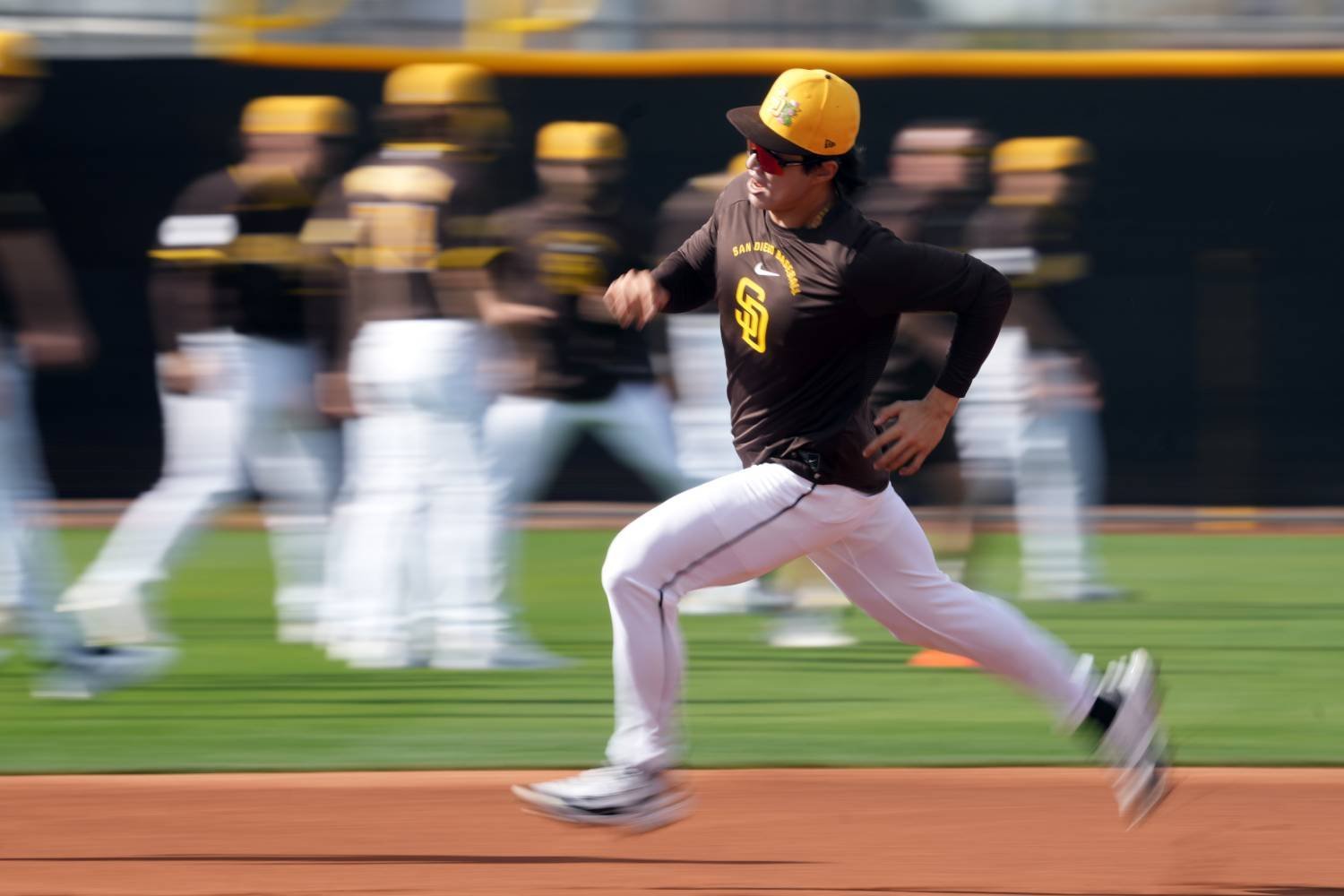 Sung-Mun Song is finally getting his chance. After a spring training interrupted by a groin injury that cost him a spot on the Opening Day roster, the South Korean infielder was called up by the San Diego Padres on Saturday to make his MLB debut this weekend. Song is the extra player for the two-game Mexico City Series against the Arizona Diamondbacks and will have to be returned to Triple-A El Paso following Sunday's game, barring an injury to a position player. The 29-year-old Song, a key signing in the offseason, was close to being able to start the season with the Padres, but he still needed some at-bats and was put on the 15-day injured list. He started a rehab assignment with El Paso and spent the maximum 20 days there. With no room on the 26-man roster and no one underperforming, Song was optioned to Triple-A. Song has done well at El Paso, with a slash line of .293/.369/.320 with no homers and 12 RBIs in 20 games. He has not attempted a stolen base. Now Song will get a chance to make his MLB debut in the high altitude of Mexico City. View the full article
 -
The Red Sox Can't Hit Baseball's Most Fundamental Pitch
DiamondCentric posted an article in Talk Sox
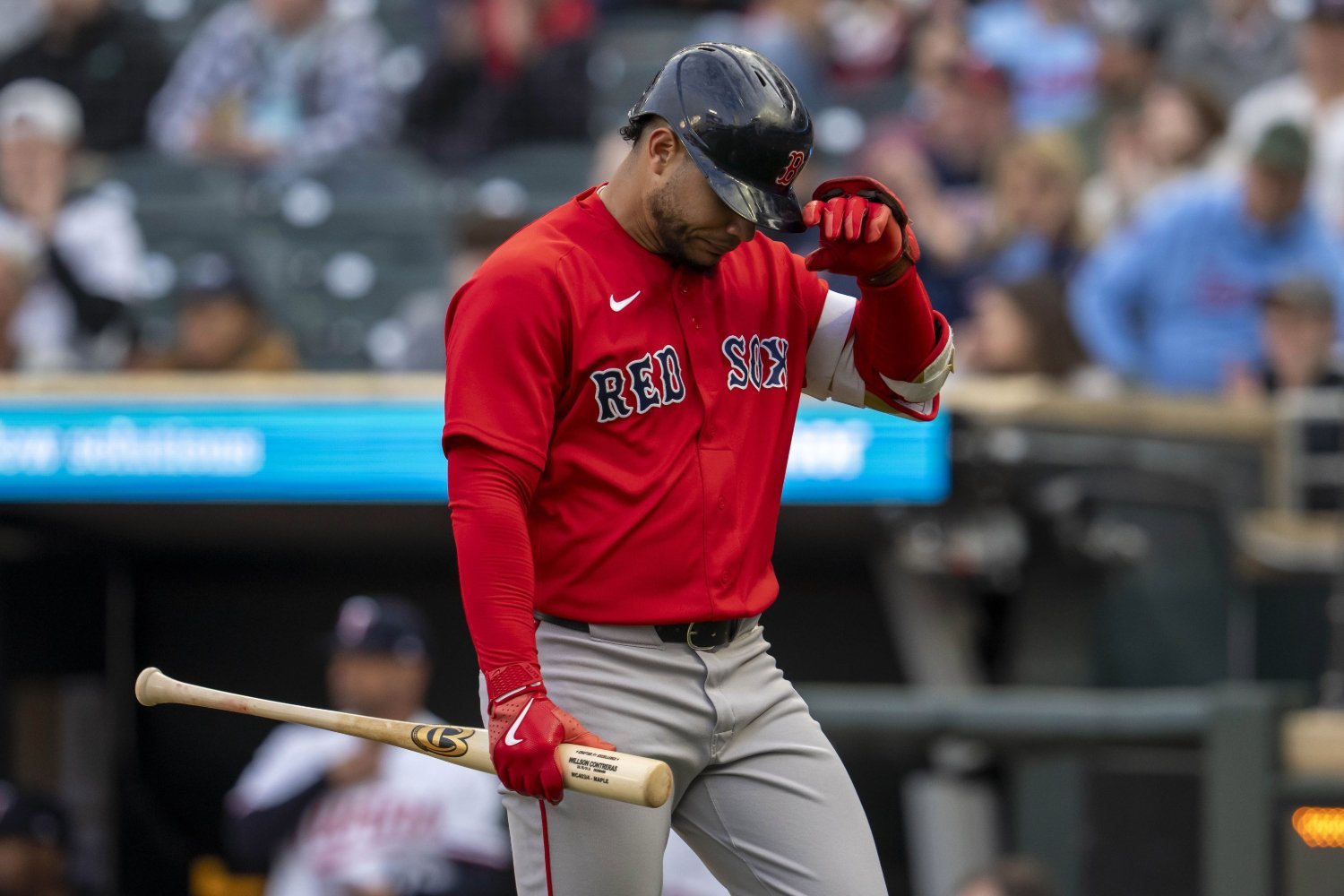 The Boston Red Sox have begun the year ice cold at the plate. A lot has been said about the Red Sox being last in the league in home runs with only 15, tied with the San Francisco Giants. It has felt like a self-fulfilling prophecy of sorts after the noise generated by a lack of 20+ HR projected hitters in the lineup. Despite a WBC surge, the team has done little to silence doubt on the power front. They came into this season with playoff expectations. Now, anyone can see what is going on offensively and understand that it is simply not up to par. This is more like Bryson DeChambeau in the 2026 Masters: they've completely missed the cut. On April 24, the Red Sox had the thirteenth-lowest swing rate. That, combined with a bottom-ten whiff rate and chase rate, creates a bad recipe when seeking to create a run-scoring environment. With their moves in the offseason, it became clear that the Sox had become more focused on mastering the defensive side of the field, as opposed to winning through power. That strategy, when implemented correctly, can work effectively. Exhibit A would be as recent as last season with the Milwaukee Brewers. Despite being in the bottom three in both barrel rate and average exit velocity, the Brewers still finished with 97 wins and the first seed in the National League. How? By minimizing strikeouts (20.3%, 25th), maximizing walks (9.1%, 6th), stealing bases (164, 2nd), along with pitching prowess (3.59 ERA, 2nd). The method, while unorthodox, is effective when executed, and the Brewers did just that. The Red Sox meanwhile, have the 11th-highest strikeout rate (23.3%), are 20th in walk rate (8.8%), are 24th in steals (13), and are 19th in ERA (4.37). But let's move from beyond the overarching view and into diagnosing what is going wrong and if it can be fixed. The Red Sox Can't Hit the Fastball You read that right. The Red Sox cannot hit the most foundational pitch in the sport of baseball. It's often taught that in order to have success at the plate, crushing the fastball is the first step. A four-seam fastball (FF) is far and away the most-used pitch in MLB, with a whopping 30.56 percent usage league-wide, nearly doubling the second-highest used pitch, the sinker, with a 16.78 percent usage (which, in truth, is just another fastball with more movement). Looking at 2025 results, team OPS against four-seam fastballs line up very similarly to wRC+ as a team against any arsenal. As you can see on the table above, there is a strong correlation between offensive potency and a team's ability to drive a fastball, with each team in the top five of OPS vs. fastballs also being top 10 in wRC+ in general. The Red Sox, meanwhile, have the second-worst OPS against fastballs in the majors (.621) and are also 29th in MLB in wRC+ (78). But it goes far deeper than simply an OPS observation. Their plate approach regarding fastballs is abysmal. Of the 288 home runs hit off of fastballs this season, the Red Sox have contributed just one. They beat fastballs into the ground at the fourth-highest rate in the league (38.2%), have the second-lowest xwOBA against four seamers (.296), and strikeout at the ninth-highest rate (23.6%). They struggle just as much before the ball is put in play. They hardly swing at the pitch (44.1% Swing%, 29th), and when they do they whiff 27.3 percent of the time, the 22rd-highest rate in MLB. Let's narrow it down even more to simply pitches that are in the zone and not put in play. Pictured above is every four-seam fastball taken for a strike in their 1-0 victory over the Tigers, which lasted 10 innings. There are four pitches that are effectively on the black, and one that was a strike by maybe a seam, if not the wrong call. The other seven are pitches to jump on, especially as fastballs. In the line of four down on the left side, three of the four were strikes taken in a 0-0 count. I won't pretend to understand the scouting or approaches that the Red Sox are preaching to the team, especially as a professional hitter. What I will say, though, is that an 0-0 fastball in that location is often the best pitch a hitter will see all at-bat or even the entire game. You'd like to see guys jump on a fastball in that location no matter the count. The greater sin of that cluster of four, is a 3-1 take from Caleb Durbin in the bottom of the sixth inning. For a guy going into the series with Orioles hitting an ice-cold .141 at the plate, these are pitches that need to be jumped on. At the minimum, there needs to be a swing. But it's not just Durbin, it's dang near every lineup regular that can't hit a fastball. Here's a look at the starting lineup in the series finale against the Yankees. The stat to the right is batting average against four-seam fastballs. 1. Jarren Duran .133 2. Ceddanne Rafaela .318 3. Masataka Yoshida .250 4. Willson Contreras .143 5. Wilyer Abreu .143 6. Trevor Story .214 7. Marcelo Mayer .400 (!!!) 8. Caleb Durbin .158 9. Carlos Narvaez .063 The numbers tell a grim story throughout the order. Just three players are hitting over .250 against four-seamers. Not a formula for scoring runs, where the Red Sox rank 25th in the league. Bottom line, the offense is lost and I'm not sure there is a magic solution to right the ship in an instant. Approach problems are deeply ingrained within the culture of a team and it will be a long and arduous process to correct. Even if they do, I seriously doubt it will be in time to make a playoff run. The deeper I got into research for this article, the more disappointed I got in the product we've been forced to watch this season. The .500 Red Sox from 2022-2024 were far more exciting than this; I miss those times dearly. The combination of swinging and missing too much AND taking too many strikes is one heck of a hole to put yourself in. I fear we're nearing the point where it's too late to dig themselves out. View the full article
 -
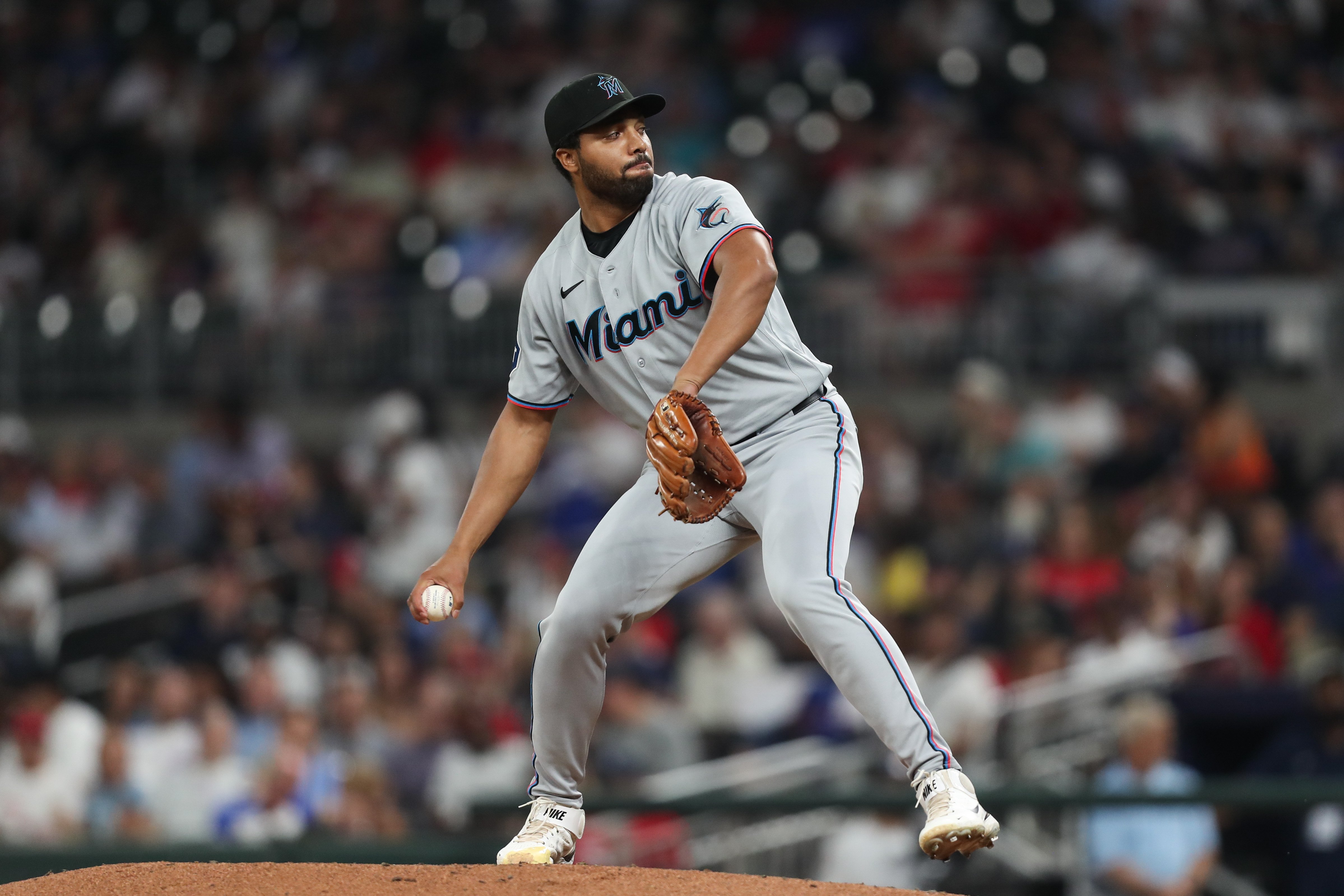 It's difficult to hide when you're 6'7" and have a fastball that touches 100 mph, but even the most obsessed Miami Marlins fans may have missed seeing Michael Petersen on the team in 2024. The rookie right-hander made only five appearances for the Marlins that season, all of them in September after they had been eliminated from playoff contention. Claimed off waivers from the Los Angeles Dodgers, he posted a 4.76 ERA, 3.70 FIP, 4.76 K/9 and 4.76 BB/9. He was waived again at the beginning of the ensuing offseason. In Petersen's second stint in Miami, he is quietly establishing himself as an important piece of the bullpen. Before we get to that, this is a good opportunity to dive into his unusual background. Petersen was born in Middlesex, United Kingdom, located in a historic county in southeast England. He is the only British-born player on an active MLB roster, and the league's first since P.J. Conlon in 2018. Baseball is far down the list of popular sports in the UK, but Petersen's dad loved it and introduced it to the family. As a child, Petersen remembers playing with his twin brother, Thomas, and their friends in the house, creating balls out of wrapping paper and using a cardboard bat. The Petersens moved to California and Michael played at St. Francis High School located in Mountain View, California. That's only about 40 miles south of Oracle Park, where the Marlins are currently playing against the San Francisco Giants. He was drafted four separate times, ultimately signing with the Milwaukee Brewers as a 17th-round pick in 2015. Petersen remains proud of his British roots. He represented his homeland at the 2023 World Baseball Classic and was committed to do so again this year. However, the 31-year-old made the hard decision to sit out the tournament to prioritize making the Marlins Opening Day roster. "I love Great Britain, and I love that team," Petersen told Fish On First. "I wanted to be a part of it, but I have this new pitch that needs to be worked on in front of my team, so I had to make that decision." Team Great Britain went 1-3 and did not advance beyond pool play. "I could've helped," Petersen said. "I was looking at it, and there were games that I wouldn't say they were a pitcher away, but I could have definitely helped. The guys there are still fantastic and I think they were dogs and it would have been nice about to go to battle with them, but making the team was my top priority, and I think being here really did help do that." So far in 2026, Petersen has a 3.38 ERA, 3.43 FIP, 9.28 K/9, 3.38 BB/9 in nine appearances. His average fastball velocity of 96.9 mph leads all Marlins relievers. Opponents are hitting only .136 against his four-seamer with a 28.0% whiff rate. He ranks in the 85th percentile among MLB pitchers with a plus-three fastball run value, per Baseball Savant. Petersen's "new pitch" is his changeup. After throwing only 11 changeups in the majors from 2024-25, he has already tripled that total this season. There's been only one hit off of it so far. "Just something that goes the other way, so I can face both lefties and righties," Petersen said. Petersen collected his first career save on April 8 against the Cincinnati Reds while Marlins closer Peter Fairbanks was on the paternity list. Petersen struck out two in a 7-4 win. "It was awesome just to get that situation," Petersen said after that game. "A lot of trust from my team and my coaches to say 'hey, get out there and see what happens.'" The all-time MLB saves record for a UK-born player is Tom Waddell with 15, so that is potentially within reach for Petersen a few down the road. Petersen has thrown only one inning this week, so there's a high likelihood of him appearing during the remaining two games of the Giants series. View the full article
 -
Nathan Lukes Hits IL, Yohendrick Pinango Gets the Call
DiamondCentric posted an article in Jays Centre
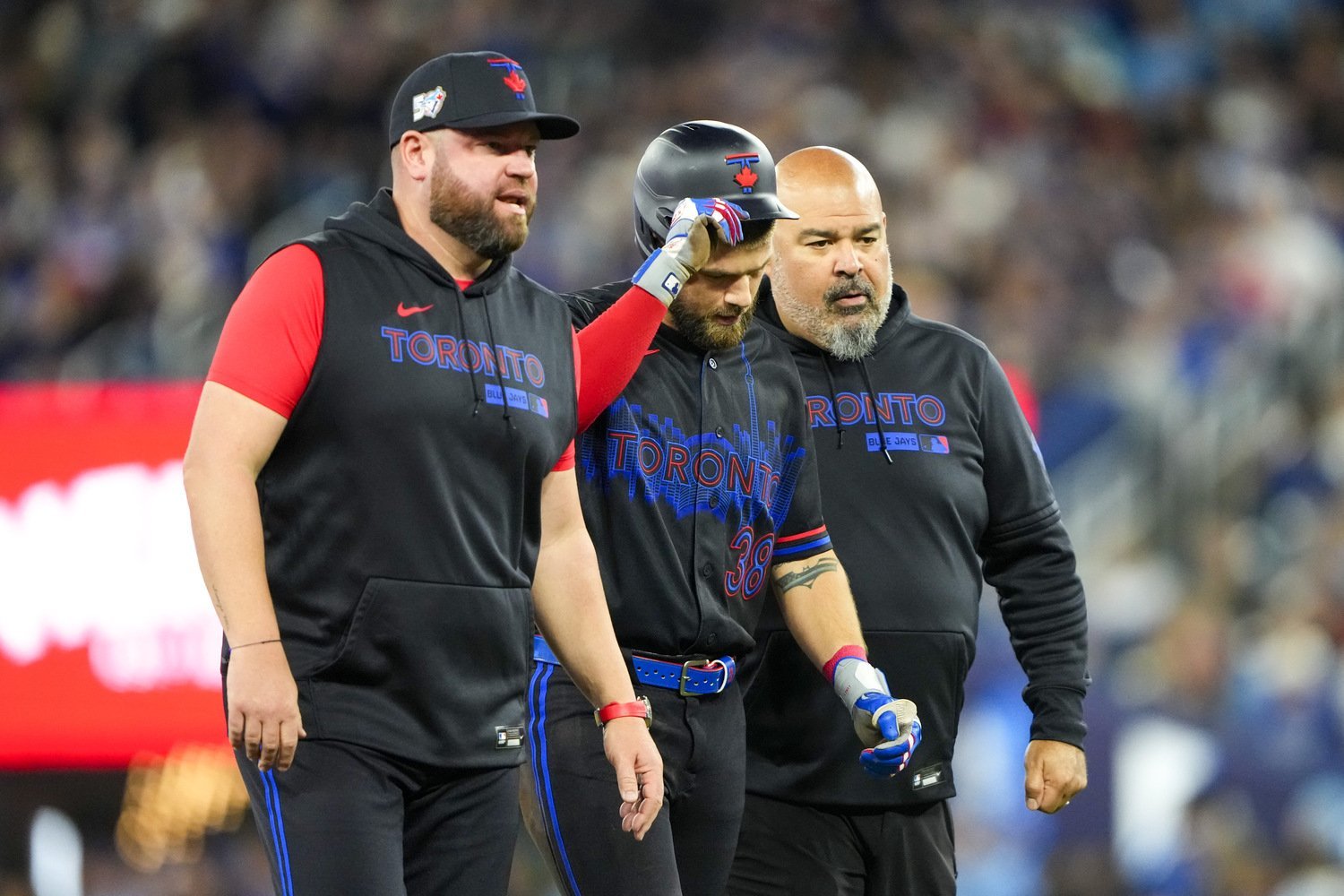 Another Blue Jay is on the shelf. Nathan Lukes exited early on Friday against the Guardians. Today, the Blue Jays placed him on the 10-day injured list with a left hamstring strain. Lukes joins fellow position players Alejandro Kirk, George Springer, Addison Barger, and Anthony Santander on the IL. To replace Lukes in Toronto, the Jays are promoting another lefty-batting outfielder: Yohendrick Pinango. Soon to be 24 years old, Pinango will be making his MLB debut the first time he gets in a game. He is batting .288 with an .857 OPS and a 128 wRC+ at Triple-A Buffalo this season. Pinango was not on the 40-man roster, so the Blue Jays transferred reliever Yimi García from the 15-day IL to the 60-day IL to open a space. García is now eligible to return no sooner than May 21. View the full article
 -
Closer by Committee: The Blue Jays’ New Late-Inning Plan
DiamondCentric posted an article in Jays Centre
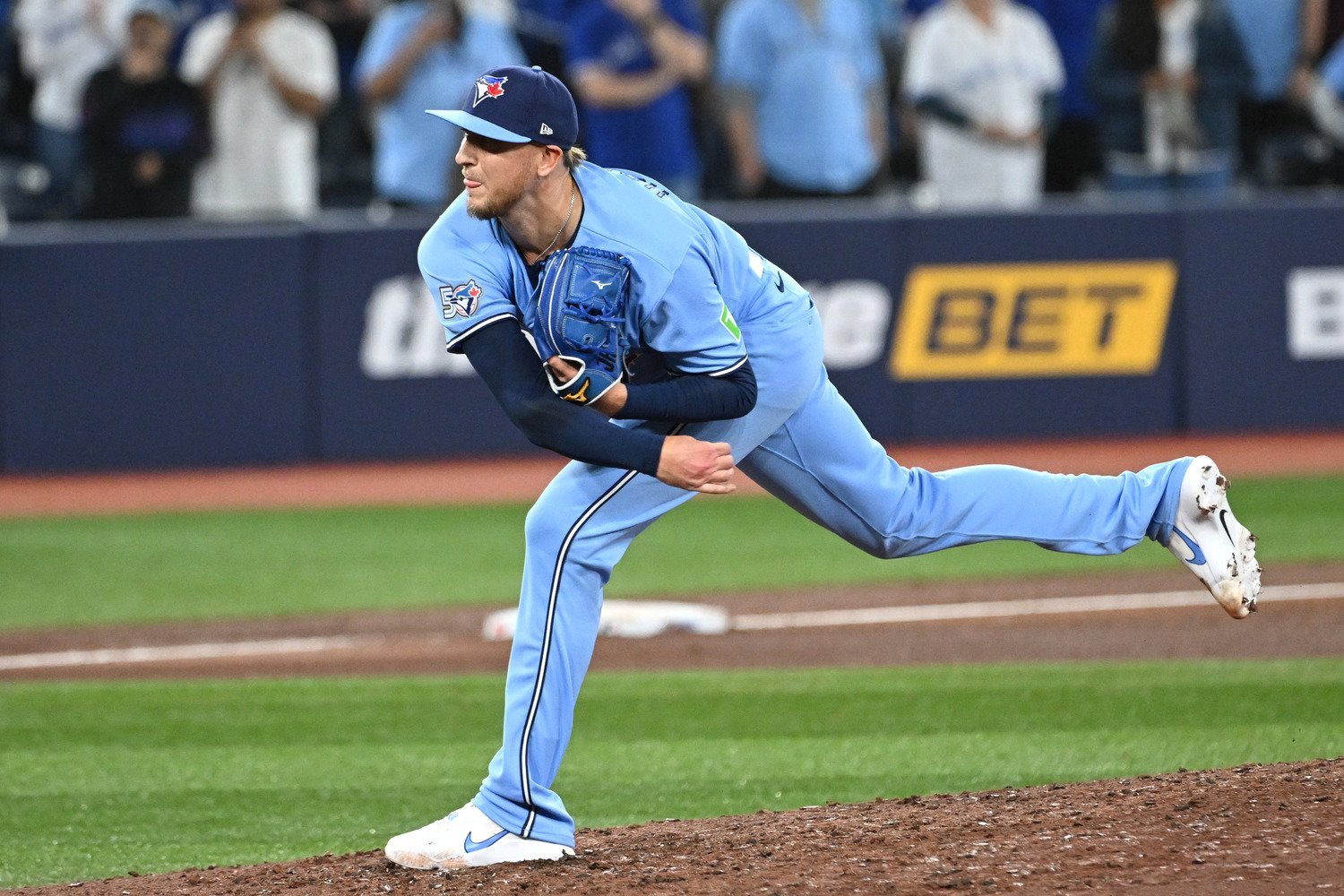 It’s official. On Friday afternoon, before the Blue Jays’ weekend tilt against the Cleveland Guardians, Ross Atkins spoke to the media, confirming what many fans were speculating or outright hoping for: Jeff Hoffman is out as the Toronto Blue Jays' closer. The leash seemed to be short for Hoffman from the start of this year. He’s coming off of a 2025 that looked dominant at times but came with its fair share of frustrating blow-ups. Last year, he picked up 33 saves but gave up 15 homers and carried a 4.37 ERA across 68 innings. Hoffman followed that up-and-down 2025 regular season with 12.1 IP throughout the Jays’ World Series run, in which he gave up just two runs. Whether it’s fair or not, a lot of the conversation surrounding Hoffman and the closer role will forever be tied to the second of those runs. Based purely on the eye test, it’s hard to question the move. Hoffman has blown three of his six save opportunities this season, without including his most recent blow-up in Los Angeles when he had to be pulled in the bottom of the ninth after recording just one out, giving up a pair of hits and plunking two more. Fortunately for the Jays, Louis Varland came in and bailed Hoffman out, getting a double play ball on a first pitch changeup, securing the win and his own first big league save. The 2026 numbers aren’t kind to Hoffman either. In 10.2 IP, his ERA sits at 7.59, his walk rate is in the double digits (10.5%) and his WHIP is above two (2.06). The Blue Jays’ 10-15 start hasn’t changed that their ultimate goal is to get back to the World Series and win it, and simply put, based on all of those factors, the Blue Jays no longer believe that Hoffman pitching in the ninth inning with minuscule leads is the best way for them to win enough baseball games to do that. Going forward, the Blue Jays will be going “closer by committee.” Atkins didn’t exactly outline what this means, but it sounds like the Jays will look at their opponent's lineup and who’s due to bat in the ninth inning, and aim to pick the reliever that they believe matches up best against them on the mound for that moment. For example, if three of four batters due up are lefties, there’s a chance Mason Fluharty is asked to get the final three outs. Or maybe there’s a specific pocket picked out for Tyler Rogers, or even Braydon Fisher. Of course, “closer by committee” could also be code for “Louis Varland is the new closer.” For what it’s worth, I did hear from a source within the Jays organization that a closer entrance video and light show were being put together for Varland. This doesn’t necessarily mean that the video and light show will be used, and definitely doesn’t confirm that Varland is the new full-time closer. I still believe that if Toronto's opponent has its 2-3-4 hitters due up in the eighth, Varland is the best option to pitch that inning, and he will be the one to throw it. Varland is off to a ridiculous start to this season, having yet to allow an earned run through his first 12 appearances and 13 innings. He’s struck out over 40% of the hitters he’s faced, and 58.3% of the balls put in play against him have been on the ground. He’s been next to untouchable, and is in second place, only behind the Padres’ Mason Miller, in reliever fWAR with 0.8. The Blue Jays are in good hands with any combination of Varland, Rogers, Fisher, and Fluharty protecting leads late in games, and the ousting of Hoffman gives more flexibility to John Schneider to pick his spots with each of them. The final piece to this puzzle is what Hoffman’s role is going to be moving forward. While the results have been undeniably terrible, and there are clear problems with his ability to locate, Hoffman has been one of the unluckiest relievers in baseball. His .609 batting average on balls in play is the highest among pitchers with at least 10 innings pitched. The difference between his opponents’ batting average (.327) and xBA (.220) is .107, the eighth highest mark among qualified arms on the Statcast leaderboard. Hoffman hasn’t battled many issues with his stuff either. His average fastball velocity is actually slightly harder than it was in 2025, and he’s struck out 42.1% of the hitters he’s faced, second only to – you guessed it – Mason Miller. There are more granular tidbits like his slider having fallen from a 116 and 114 Stuff+ in 2023 and ‘24, respectively, to just 103 in ‘26, and the control issues tell me there may be some mindset and approach adjustments to be made. Still, there’s nothing that I’m seeing that makes me ready to “give up” on Hoffman. The poor results had snowballed past the point of letting Hoffman work through things in the role he was in, but there are lots of positive things to point to if you want to believe that he can, and will, continue to be a big piece of the Jays’ bullpen. His next couple of appearances will likely come in some lower-leverage spots, maybe trying to keep the Jays in a game in which they're trailing instead of holding a lead, but don’t be surprised if Hoffman puts up a few straight zeros and is right back in the mix to be one of the closers on the committee. View the full article
 -
 Syracuse used six pitchers to combine on a 3-0 shutout at Worcester, with starter Daniel Duarte tossing 2 1/3 hitless innings and Dakota Hawkins striking out four over three frames. A.J. Ewing, Chris Suero, Nick Lorusso, and Jose Ramos each homered as Binghamton routed Erie 10-2 behind five strong innings from Brendan Girton. Brooklyn fell 6-4 at Hudson Valley behind Kevin Villavicencio's solo home run. A seven-run sixth sank St. Lucie 12-4 to Palm Beach. Mets Transactions New York Mets selected the contract of RHP Carl Edwards Jr. from Syracuse Mets. New York Mets optioned RHP Christian Scott to Syracuse Mets. Syracuse Combines For Shutout In 3-0 Win At Worcester Syracuse pieced together a six-pitcher shutout at Worcester for a 3-0 victory, taking a no-hitter into the eighth inning. Starter Daniel Duarte was sharp across 2 1/3 hitless innings, walking one and striking out three. The Mets pushed across all three runs in the top of the third inning. Yonny Hernández drew a leadoff walk to start the rally, leadoff hitter Nick Morabito worked another walk, and Jihwan Bae lined a run-scoring single to right to make it 1-0. Ryan Clifford added a sacrifice fly that brought home Morabito, and cleanup hitter Christian Arroyo singled home Bae to push the lead to three. Austin Warren picked up the win with 2/3 of a scoreless inning, and A.J. Minter followed with a clean fourth. Dakota Hawkins delivered three hitless innings of relief, walking one and striking out four. Dan Hammer worked 2/3 of an inning, and Anderson Severino closed for the save with 1 1/3 innings of one-hit ball. Bae finished 3-for-4 with an RBI, a run, a walk, and a stolen base. Morabito went 2-for-3 with a double, a run, and two walks. Arroyo added a hit, an RBI, and a walk, and Cristian Pache contributed a single. Syracuse collected seven hits, drew five walks, struck out seven times, and left nine runners on base. Player AB R H RBI BB K Nick Morabito 3 1 2 0 2 1 Ji Hwan Bae 4 1 3 1 1 0 Ryan Clifford 4 0 0 1 0 1 Christian Arroyo 3 0 1 1 1 1 Vidal Bruján 4 0 0 0 0 0 Cristian Pache 4 0 1 0 0 0 Jackson Cluff 3 0 0 0 1 1 Hayden Senger 4 0 0 0 0 2 Yonny Hernández 3 1 0 0 0 1 Player IP H R ER BB K HR Daniel Duarte 2.1 0 0 0 1 3 0 Austin Warren 0.2 0 0 0 0 0 0 A.J. Minter 1.0 0 0 0 0 0 0 Dakota Hawkins 3.0 0 0 0 1 4 0 Dan Hammer 0.2 1 0 0 1 1 0 Anderson Severino 1.1 1 0 0 0 0 0 Four Home Runs Power Binghamton Past Erie 10-2 Binghamton hit four home runs and rolled to a 10-2 win over Erie. Starter Brendan Girton picked up the win after five innings, allowing two hits, one earned run, three walks, and five strikeouts. Leadoff hitter A.J. Ewing finished 1-for-3 with a two-run home run, three RBIs, a walk, a stolen base, and a sacrifice fly. The home offense set the tone in the bottom of the first when Chris Suero launched a solo home run to left, and Nick Lorusso added another solo shot to center in the second. Eli Serrano III pushed the lead to 3-0 in the third on a sacrifice fly that scored Vincent Perozo. The Rumble Ponies broke the game open in the bottom of the fourth, when sacrifice flies from Wyatt Young and Vincent Perozo plated Kevin Parada and Lorusso, and Ewing capped the rally with a two-run home run that scored Matt Rudick to make it 7-1. Cleanup hitter Jose Ramos added another two-run home run in the fifth that brought home Serrano. Lorusso finished 3-for-4 with the home run, a double, three runs, and an RBI. Saul Garcia, Jefry Yan, Ben Simon, and Gabriel Rodriguez combined for four innings of relief behind Girton, striking out eight while allowing one earned run. Binghamton totaled 12 hits, two walks, four sacrifice flies, eight strikeouts, and left four runners on base. Player AB R H RBI BB K A.J. Ewing 3 1 1 3 1 0 Chris Suero 5 1 1 1 0 1 Eli Serrano III 3 1 1 1 0 0 Jose Ramos 4 1 1 2 0 1 Kevin Parada 4 1 1 0 0 2 Nick Lorusso 4 3 3 1 0 1 Matt Rudick 3 1 1 0 1 1 Wyatt Young 3 0 2 1 0 0 Vincent Perozo 3 1 1 1 0 2 Player IP H R ER BB K HR Brendan Girton 5.0 2 1 1 3 5 0 Jefry Yan 1.0 0 1 1 1 1 0 Saul Garcia 1.0 0 0 0 0 2 0 Gabriel Rodriguez 1.0 0 0 0 0 3 0 Ben Simon 1.0 0 0 0 0 2 0 Brooklyn's Late Push Falls Short In 6-4 Loss At Hudson Valley Brooklyn dropped a 6-4 decision at Hudson Valley despite a late rally. Starter Irving Cota took the loss after three innings, allowing four hits, two earned runs, and two strikeouts. Hudson Valley took the lead in the bottom of the second on a sacrifice fly, then added another in the third on a run-scoring single off Cota. Parker Carlson surrendered two more in the fourth on a run-scoring single and a sacrifice fly to push the deficit to 4-0. Garrett Stratton kept the score close with two innings of work, allowing two hits, two walks, and one unearned run. The Cyclones finally got on the board in the top of the sixth when cleanup hitter Ronald Hernandez doubled home John Bay, and they kept coming in the seventh as Kevin Villavicencio singled in Yohairo Cuevas, and Heriberto Rincon followed with a run-scoring single that brought home Villavicencio to cut the lead to 5-3. Hudson Valley answered with a single tally in the bottom of the seventh against Hunter Hodges, and Felix Cepeda worked a clean eighth. Villavicencio led off the top of the ninth with a solo home run to bring Brooklyn within two, but the offense could not connect again. Villavicencio finished 2-for-3 with the home run, a walk, two runs, two RBIs, and a stolen base. Hernandez added a double, a walk, an RBI, and Mitch Voit, John Bay, Yohairo Cuevas, and Heriberto Rincon each collected a single. Brooklyn struck out 12 times and left six runners on base. Player AB R H RBI BB K Mitch Voit 4 0 1 0 0 1 John Bay 4 1 1 0 0 2 Daiverson Gutierrez 4 0 0 0 0 1 Ronald Hernandez 3 0 1 1 1 1 Colin Houck 4 0 0 0 0 3 Yohairo Cuevas 4 1 1 0 0 1 Kevin Villavicencio 3 2 2 2 1 0 Diego Mosquera 4 0 0 0 0 2 Heriberto Rincon 4 0 1 1 0 1 Player IP H R ER BB K HR Irving Cota 3.0 4 2 2 0 2 0 Parker Carlson 1.0 3 2 2 1 0 0 Garrett Stratton 2.0 2 1 0 2 1 0 Hunter Hodges 1.0 2 1 1 0 0 0 Felix Cepeda 1.0 0 0 0 0 0 0 Seven-Run Sixth Sinks St. Lucie In 12-4 Loss To Palm Beach St. Lucie hung with Palm Beach for four innings before a seven-run sixth turned the game into a runaway in a 12-4 loss. The Cardinals struck first with a run-scoring double in the top of the first, and the Mets answered immediately when leadoff hitter Elian Peña walked, stole second, and scored on Randy Guzman's run-scoring double in the bottom half. Guzman gave St. Lucie its only lead in the third with another run-scoring single that brought home JT Benson. Palm Beach reclaimed the advantage with a two-run single in the top of the fourth, but AJ Salgado tied the score at 3-3 with a solo home run to left in the bottom of the fourth. The game came apart in the sixth. Ernesto Mercedes took the loss after recording just one out, allowing one hit, two walks, hitting a batter, and giving up five earned runs as Palm Beach pieced together a wild pitch that brought two runners home, a bases-loaded walk, and a two-run single. Miguel Mejias allowed two more on a triple before getting out of the inning. Starter Cam Tilly worked four innings, giving up five hits, three earned runs, one walk, and four strikeouts. Peña went 1-for-3 with a double, two walks, two stolen bases, and a run, and Guzman finished 2-for-4 with two RBIs and a double. Salgado added two hits and the home run. Vladi Gomez drove in Sam Biller with a sacrifice fly in the bottom of the ninth for the final run. St. Lucie finished with nine hits, three walks, 14 strikeouts, and left seven runners on base. Player AB R H RBI BB K Elian Peña 3 1 1 0 2 2 JT Benson 4 1 1 0 1 0 Randy Guzman 4 0 2 2 0 2 Julio Zayas 4 0 0 0 0 4 AJ Salgado 4 1 2 1 0 0 Sam Robertson 4 0 0 0 0 2 Sam Biller 4 1 2 0 0 1 Francisco Toledo 4 0 0 0 0 2 Vladi Gomez 3 0 1 1 0 1 Player IP H R ER BB K HR Cam Tilly 4.0 5 3 3 1 4 0 Luke Jackson 1.0 0 0 0 0 2 0 Ernesto Mercedes 0.1 1 5 5 2 1 0 Miguel Mejias 0.2 2 2 2 1 2 0 Joe Scarborough 1.0 0 0 0 1 2 0 Luis Alvarez 1.2 1 2 2 2 2 1 Jorge De Leon 0.1 0 0 0 1 1 0 Top-20 Prospect Performance Nolan McLean: DNP Carson Benge: DNP A.J. Ewing: 1-for-3, HR, 3 RBI, BB Jonah Tong: DNP Ryan Clifford: 0-for-4, RBI, K Jacob Reimer: DNP Jack Wenninger: DNP Elian Pena: 1-for-3, 2B, 2 BB, 2 K, 2 SB Mitch Voit: 1-for-4, K, SB Nick Morabito: 2-for-3, 2B, 2 BB, K Jonathan Santucci: DNP Chris Suero: 1-for-5, HR, RBI, K Zach Thornton: DNP Wandy Asigen: DNP Will Watson: DNP Eli Serrano III: 1-for-3, RBI Ryan Lambert: DNP Dylan Ross: DNP Antonio Jimenez: DNP R.J. Gordon: DNP View the full article
 -
Expectations For Kendry Rojas Following His MLB Debut
DiamondCentric posted an article in Twins Daily
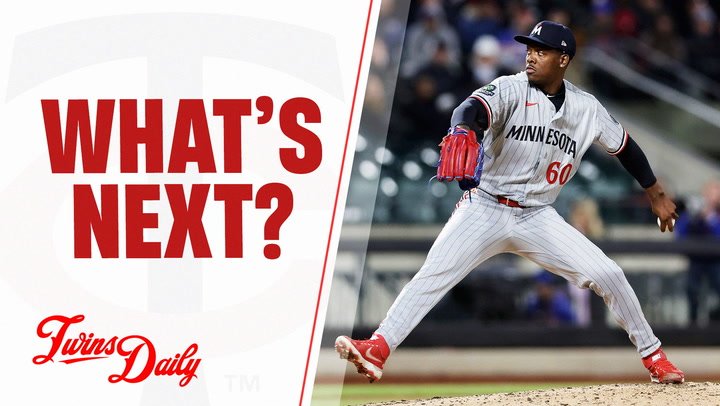 Kendry Rojas and Connor Prielipp made their MLB debuts on Wednesday night against the Mets. Rojas was called up for a cup of coffee while Kody Funderburk was on paternity leave, so what are the expectations for him to be working on once he's back with Triple-A St. Paul this weekend? View the full article
 -
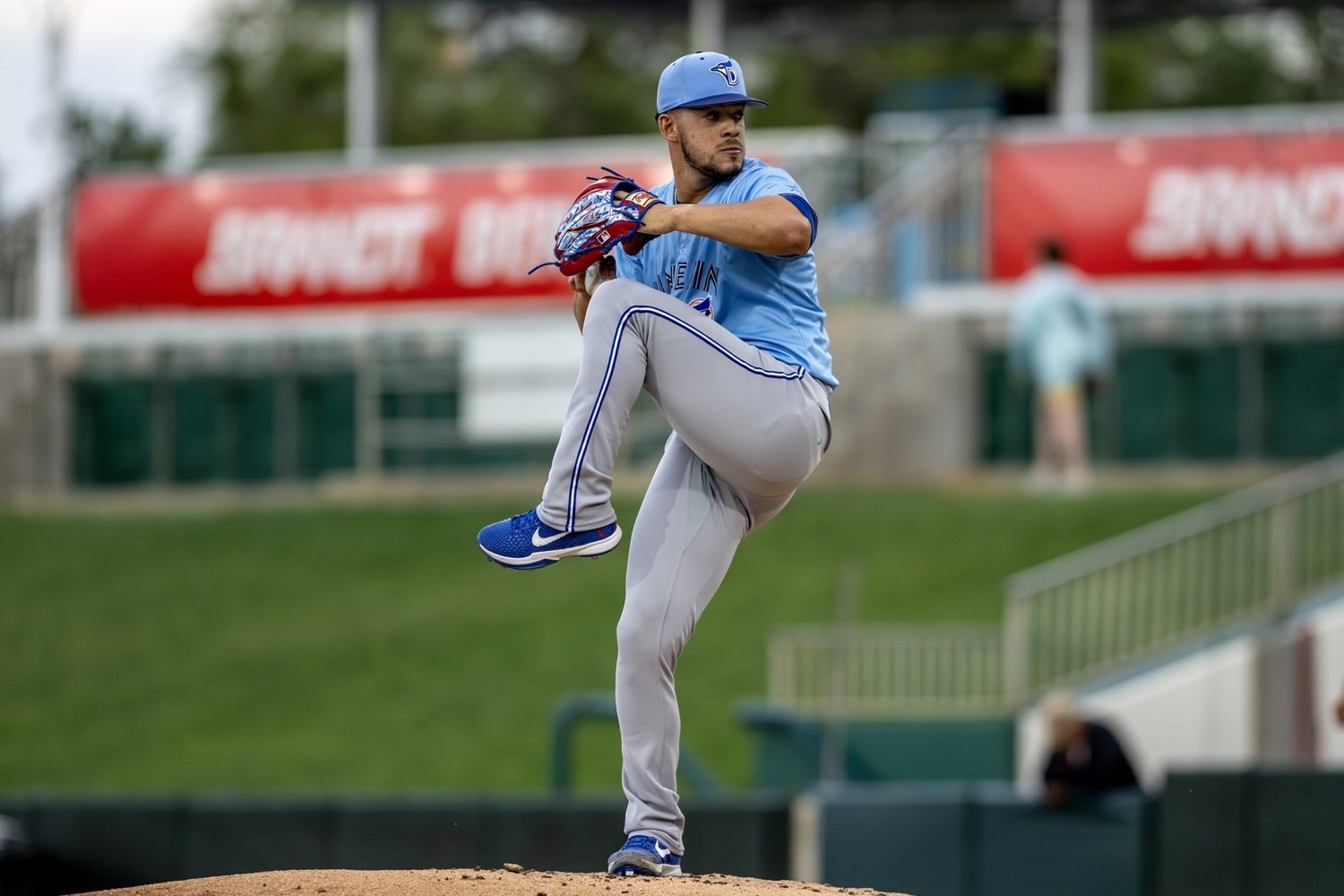 Every season, the roster turns over a little more, and suddenly the familiar faces that once filled Target Field are scattered across the baseball map. But the whirlwind of the 2025 trade deadline sped that process up in a hurry, sending a wave of Twins to new homes and adding even more names to the “where are they now?” file. Some are thriving in new roles, some are hanging on in unexpected places, and a few might make you do a double take when you see the uniform they’re wearing now. So where did they all go? From former fan favorites to short-term contributors you may have forgotten, here’s a look at where ex-Twins have landed in 2026. Starting Pitchers Jose Berrios, traded to the Blue Jays for Simeon Woods Richardson and Austin Martin back in July 2021, is currently rehabbing an elbow injury in Single-A Dunedin. With two rehab starts now under his belt, he will look to get back in Toronto soon and help the Jays push for a World Series appearance once again. Sonny Gray lasted two years in Minnesota, earning an all-star nod with the team in 2023, and this offseason the 36-year-old was traded from St. Louis to Boston. He has made five starts so far, pitching to a 4.30 ERA (4.49 FIP) with 13 strikeouts in 23 innings. Gray is a middle of the rotation arm for the Red Sox behind ace Garrett Crochet and will look to keep up his success from his two years with the Cardinals. He just went on the Injured List this week. Chris Paddack, traded to the Tigers near the deadline last year for catching prospect Enrique Jimenez, signed with the Marlins this offseason and is a back end of the rotation arm for them. The Sheriff has pitched in five games this year and has a 6.38 ERA (4.64 FIP). He currently leads the majors in losses with four. Zack Littell left the Twins organization in 2020 and has bounced around before making a playoff start for the Reds last year. He waited a long time to receive a major-league deal this winter, eventually signing a one-year deal with Washington in March. He is off to a rough start, giving up a league-leading 11 home runs with a 7.56 ERA (8.62 FIP). Randy Dobnak was a fan favorite in Minnesota for many years and even started a playoff game at Yankee Stadium. He was also traded with Paddack to the Tigers and became a free agent at the end of last season. He quickly signed a minor league contract with the Mariners. He is currently in Triple-A Tacoma, where he has started five games with a 6.00 ERA over 24 innings of work. Relief Pitchers A few relievers from last year’s team lead the way here, with two of them having great success with their new teams so far. Louis Varland hasn’t given up an earned run with the Blue Jays yet in 2026 (0.00 ERA, 0.92 FIP in 13 innings), and Jhoan Duran has pitched masterfully in Philadelphia, saving five games while posting a 1.35 ERA (0.75 FIP). However, he is currently on the injured list with an oblique injury. The flip side of those deadline bullpen deals from Deadline 2025 would be Griffin Jax and Brock Stewart. Jax has struggled with the Rays so far in 2026, possessing an 8.00 ERA (7.59 FIP) in nine innings so far. As for Stewart, he pitched in four games for the Dodgers last season before suffering a right shoulder injury that sidelined him the rest of 2025 and has continued into 2026 so far. Stewart began a rehab assignment with Single-A Ontario about a week ago, so he will look to make a difference at the big-league level again soon. As for other former Twins in bullpens across the league, Caleb Thielbar is pitching well in his second season with the Cubs. Emilio Pagan has been with the Reds for three seasons, saving 32 games for them in 2025 with six already this season. Jorge Alcala pitched for the Twins, Red Sox, and Cardinals in 2025, but with his struggles he now resides in the Blue Jays minor league system with Triple-A Buffalo. Finally, Steven Okert wasn’t great for the Twins when he was acquired for Nick Gordon back in 2024. The now 34-year-old was solid for the Astros last season and is off to a good start yet again with a 3.00 ERA (3.98 FIP) in 12 innings so far. Catchers One of the Twins’ primary catchers the past three seasons, Christian Vazquez rejoined the Houston Astros, the team he was traded to at the 2022 trade deadline. Vazquez serves as the backup to Yainer Diaz and is hitting great to start the year, slashing .343/.425/.629 with two home runs (one less than he had all last year in Minnesota) in 41 plate appearances. Acquired in the Josh Donaldson deal, Gary Sanchez has been a member of the Mets, Padres, Brewers, and Orioles, and currently is the backup to William Contreras in Milwaukee. Sanchez is raking to start the year, hitting .216/.,385/.569 with five home runs in 65 plate appearances. Sanchez is walking more as well, providing lots of value for an injured Brewers squad. A member of the 2019 “Bomba Squad”, Mitch Garver was traded in 2022 to the Rangers for Ronny Henriquez and Isiah Kiner-Falefa. Garver spent two seasons with Texas (where he won a World Series ring) before going to the Mariners where he remains the backup catcher behind Cal Raleigh. Garver hit .209/.297/.343 with nine home runs in 290 plate appearances in 2025 and will look to contribute meaningfully to a Mariners team that should be pushing for the World Series. Other former Twins catching out there are Mickey Gasper, currently in the Red Sox organization at Triple-A Worcester, and Jhonny Pereda, who is with the Mariners in Triple-A Tacoma. Infielders Carlos Correa leads the way here. Back where he belongs in Houston, Correa is slashing .284/.366/.386 in 101 plate appearances in 2026 and will look to turn the Astros around as they are currently in last place in the A.L. West after missing the playoffs last year. A return to form for Jorge Polanco was a welcomed sign for Mariner fans in 2025, and his .821 OPS earned a new shiny deal with the Mets for 2026. Polanco isn’t off to a great start in the Big Apple, slashing .179/.246/.286 in 61 plate appearances so far. He is on the IL and missed this week's series with the Twins. After two years with the Twins, Kyle Farmer went to the Rockies for the 2025 season and is now with his home-state Atlanta Braves. A bench middle infielder at this point in his career, Farmer slashed .227/.280/.365 with Colorado last year and will look to help a Braves team that appears to be one of the best in baseball early in 2026. A foursome of former Twin first baseman are still bouncing around the league. Carlos Santana is on the D-Backs now with his best offensive days well behind him. Ty France is on the major league roster for the Padres, with Jose Miranda in the same organization but with Triple-A El Paso. A surprising name to many would be Tyler Austin, who is back in MLB after 5 seasons in Japan. Austin signed a major league deal with the Cubs over the offseason but has yet to appear due to a right knee injury. Last but certainly not least, Alex Kirilloff is now on to real estate due to his numerous injuries over his time with the Twins. A once top prospect, it seems Kirilloff is now living his best life as a real estate agent in Florida, and all Twins fans should be happy for a guy who consistently put his body on the line to compete for our club. Outfielders Harrison Bader was a member of the vast group leaving the Twins at the deadline last year, dealt to the Phillies to bolster their outfield. Now in San Francisco, Bader isn’t having the offensive success so far that he had with the Twins and Phillies last year, slashing .115/.145/.192 in 55 plate appearances. As for other former Twins in the outfield, there aren’t many. Max Kepler hit poorly for the Phillies last season, and the now free agent was handed an 80-game suspension back in January for using a performance enhancing substance. DaShawn Keirsey Jr. made his way to the Braves organization, currently slashing .206/.236/.353 in Triple-A Gwinnett. Michael A. Taylor filled in admirably for Byron Buxton in 2023, and after spending 2024 with the Pirates and 2025 with the White Sox officially retired this offseason. He reunited with the Twins as an outfield coach, spending time with the big-league club in Spring Training and will travel to the minor league affiliates during the 2026 season. Former reliever Ryan Pressly did the same thing this spring, retiring from the game and then joining the Twins organization as a roving instructor Looking across the league, the 2026 baseball landscape has familiar names popping up in new places, each with their own winding path since leaving Minnesota. The frenzy of the 2025 deadline only accelerated that movement, reshuffling the Twins’ roster a ton. Some of these players are still making an impact on contenders, others are grinding through injuries or Triple-A stops, and a few have already moved on to life beyond the game. Together, they tell the story of how quickly things change in baseball, especially in Minnesota, and how a roster, no matter how memorable, is always just moving along. View the full article
 -
 On a night when the Rattlers rolled, the win column was empty elsewhere. Transactions: Milwaukee Brewers optioned RHP Carlos Rodriguez to Nashville Sounds. Milwaukee Brewers recalled 3B Tyler Black from Nashville Sounds. Milwaukee Brewers recalled LHP Shane Drohan from Nashville Sounds. CF Jordyn Adams assigned to Nashville Sounds from Biloxi Shuckers. Nashville Pre-Game Media Notes Final: Charlotte (White Sox) 11, Nashville 9 Box Score and Game Log Via the Sounds, game details, and we encourage readers to always review affiliate write-ups as part of their Link Report routine: Leonard Homers Twice in Loss to Charlotte - Sounds, Knights Combine for 20 Runs and 17 Hits As you might imagine in such an affair, that Sounds game summary is loaded both in positive and negative ways. Devour every morsel. This is Eddys Leonard's age 25 season, yet it's his 9th professional campaign - well, 8th, because of 2020. It made plenty of sense for the Brewers to target Leonard (pronounced Lee'-oh-nard) as a minor league free agent after his career-long stint in the Braves' system and enticed him with a big-league camp inclusion. Yet, Leonard only 17 plate appearances before he was dispatched early-on to minor league camp, despite a 6-for-15 line, .526 OBP. All six spring knocks were singles, but the infielder/outfielder was coming off a 2025 AAA season in which he slugged 20 home runs among his 42 extra-base hits. In other words, it would have been nice to have seen a bit more this spring. Watch the first bomb here. Leonard has not spent significant time at shortstop since the end of the 2023 season - 22 games in '24, only one in '25, and none with the Sounds. With Nashville, he has as many errors at second base (three) as games played there. Scroll down to the "Minors Career" section of his MiLB Player Fielding Page and you'll see some cantankerous error totals vs. games played at the three infield positions. Manager Rick Sweet has primarily utilized Leonard in left field (he was the designated hitter Friday night). So, while Leonard has had fine early-season moments with the Sounds, he likely isn't a big-league fit for the Crew at this moment. There's no disguising Coleman Crow's line, and these were three poorly executed pitches taken out for tanks by left-handed bats. Crow also walked four. This was a shocking comedown off Crow's fantastic MLB debut. As was mentioned in our nightly forum game thread: After allowing a game-tying homer and 2 walks (the latter on a full count ABS challenge which extended the inning), the Sounds discussed and elected to let Crow continue at 87 pitches. That choice didn't work out: 3-run homer. Crow exits at 91 pitches, allowing 8 earned runs. At least there's only one more road trip to this launching pad scheduled, that'll be in July. Why was OF Jordyn Adams rushed up to Nashville from Biloxi? Because for now, he's the only spare position player available beyond the one backup catcher. Apparently, Luke Adams is back soon (hand injury) and if Luis Matos clears waivers, things will populate again. Luis Lara reached base three times for a second consecutive night after a mini 1-for-15 dry spell (Lara RBI single). Cooper Pratt's 7th inning line drive single snapped an 0-for-17 skid, though he also walked earlier in the game. Jett Williams was 4-for-4 in SB attempts through six games. Over his next 16 games, he only attempted two steals, one successful. He stole his 6th base on the season Friday while batting 5th in the order (two singles), played center field. Oh, we see you Brian Fitzpatrick, we definitely see you, and so do the Brewers, hopefully. Fitzpatrick impressed whenever he was called upon as a visitor to big-league camp this spring - 6.2 scoreless innings, one walk, seven K's. His ERA is still spotless after an additional 10.2 frames this AAA season, two walks, 11 K's. Wow, Shane Smith. I utilized a ton of keystrokes singing your praises in 2025. Yikes. We'll end on a Brock Wilken high note. Biloxi Pre-Game Media Notes Final: Rocket City (Angels) 8, Biloxi 5 Box Score and Game Log Catch up with the latest Biloxi pre-game audio interview archives - Added recently were Manager Mike Guerrero (from Friday) and newcomer OF Mark Coley II Shuckers Fall to Trash Pandas on Friday - O’Rae, Burke extend on-base streaks, Jimenez continues scoreless streak We're guilty of accentuating the positive to an extreme at times, but when it comes to key fielding errors, the affiliate game summaries are even more discreet. The Trash Pandas jumped out to a 4-0 lead after the first with a two-RBI single from Tucker Flint, an RBI single from Harold Coll and a throwing error that allowed Flint to score. First Coleman Crow, now Jaron DeBerry? The game summary blurb just above didn't point out (nor would we necessarily expect it to, as it did not the 4-0 deficit) that DeBerry's night began walk-walk-walk-infield single-single-ground out complicated by Blake Burke's throwing error-DeBerry pickoff error. Likewise, Nashville's summary noted a key fielding error but didn't name the player (Freddy Zamora). It's a minor point of contention, and to be honest, your box score reviews will provide those details to you. DeBerry has now issued more free passes (16 BB's, 3 HBP's) than innings pitched (18.2). RHP Patricio Aquino didn't fare any better coming in behind DeBerry and has handed out 11 passes of his own in 10.2 innings. The subtitle in the game summary referred to this, but to expand the note - RH reliever Edwin Jimenez has only allowed one baserunner over six innings, fanning seven over his four appearances. Mike Guerrero's bench is once again only one deep beyond catchers. Navigating the dance of balancing all the MiLB rosters is a fun exercise for us armchair farm directors, but in reality, it's super-challenging. You'll find three highlights this AM on the Biloxi 'X' feed. Final highlight showcases the mini mayhem that Dylan O'Rae's speed can produce. Wisconsin Pre-Game Media Notes (download link) Final: Wisconsin 11, Fort Wayne (Padres) 3 Box Score and Game Log Via the Timber Rattlers, game details: Rattlers Smash Their Way to Fourth Straight Win - Wisconsin scores eleven runs on eleven hits to beat TinCaps Talk about salvaging the night for the Brewers organization! Offense in a moment, but kudos to the RH trio of Bryce Meccage, Bryan Rivera and Chandler Welch, walking only two (Meccage, one HBP by Rivera) and fanning 10. Meccage only needed 66 pitches to get through five innings. and save for one pitch, was very effective. Perhaps we should just toss April (and its associated weather) off the books altogether when it comes to control stats - like some of the pitchers listed above, Meccage sits at 14 BB's through 15.1 innings. Let's revisit this organizational trend around Memorial Day. Oh yeah, the bats. No Luis Pena, Braylon Payne, Eric Bitonti, Daniel Dickinson - rest for all, in particular being cautious with Pena, surely. The bottom five in the order contributed, on base five times, and scoring four runs while driving in four. But my oh my, even Paul Skenes (OK, don't be silly, Jim) could have quieted this group Friday night: VIDEO: Josiah Ragsdale RBI single That quartet finished 9-for-16 with five walks, while both scoring and driving in seven runs. Thankfully the 80-minute rain delay at the start was lifted because Brewers fans needed this game on this night. Quad Cities comes to Appleton starting Tuesday. I see multiple folks on the socials pondering how quickly they need to get themselves to Timber Rattlers games to enjoy this collection of players. Personally, I think you've got time, as fans tend to be promotion-anxious, but then again, to ensure you see each and every one of the current crop of kids, yeah, next week seems prudent. Tayden Hall not moping after being returned to Wisconsin after a brief necessity stay in Biloxi: If you haven't noticed, MiLB is showcasing highlights a bit differently this year, and at the bottom of each affiliate home page, you'll find video highlights, so it's via that route we give RF Luis Castillo's double it's due here. Wilson Pre-Game Media Notes Final: Delmarva (Orioles) 7, Wilson 2 Box Score and Game Log Delmarva Claims Third Straight over Wilson - Warbirds Manage Four Hits in Loss Rightly ruled a single (close decision), but it's too often we say within these reports "here's your lone Warbirds highlight": OK, not quite, as MiLB also provides these views: Catcher Luis Corobo backpick at second base Pedro Ibarguen sacrifice fly RHP Tanner Perry inherited a bases-loaded, one-out situation from southpaw Andrew Healy in the 5th, and immediately a ground ball single allowed two runs to cross. Perry really buckled up after that, saving Manager Eddy Morgan's bullpen with 3.2 innings of work. In fact, because Perry picked off a runner in that 5th inning, he is credited with getting 11 outs despite only facing ten batters overall. Better early-season results were expected from starting RHP Carlos Carra after he made his way to the Carolina League late in 2025 as an 18-year-old. The Mexico native has struggled with command in each of his four appearances (two starts), the recurring theme of today's report, it seems. Right-fielder Handelfry Encarnacion and center fielder Pedro Ibarguen randomly swapped positions to start the 3rd inning., no clear evidence of any fielding struggles in the prior frames. Catcher Luis Corobo was on first base via error to start the 4th when Luis Lameda singled to right. For subscribers, you can watch here at the 03:02:45 hour/minute mark as the game's start was delayed by rain. It was very apparent that Corobo injured his right hamstring area when he was pulled from the game. Corobo turns 19 in a week and has impressed in limited action both offensively and defensively, as was noted by the Delmarva announcer. Now we move to the bottom of the 4th. Again, kudos to the Delmarva PxP guy, as he was acutely aware of Wilson's roster status, noting that the starting first baseman was Eric Martinez, one of the three catchers on the Wilson roster. When Corobo exited, Yannic Walther had to come in from the bullpen to take over behind the plate, having already caught prior games in this series. With two outs in the 4th, an infield single by the Shorebirds placed runners at first and second (03:27:00 hour/minute mark). On the play, shortstop Juan Ortuno and second baseman Luis Lameda collided trying to collect the grounder, with Ortuno taking the brunt. Thankfully both players remained in the game. To begin the bottom of the 5th, Jadyn Fielder replaced Martinez as the first baseman. The "injury delay" in the game log's 4th inning had prompted me to pull up the video thinking it was related to Martinez. That's when I saw the infield play described above. It was correctly surmised that Martinez was needed to work as the bullpen catcher given the Corobo exit. The Warbirds have had only one official in-season transaction (RHP Enniel Cortez to the IL on 4/18), but one would think a backstop from Maryvale could be flying to Salisbury, Maryland today. NOTE: I (and perhaps you) learn that "Delmarva" is not a city of itself but is solely a peninsula divided among three states: Delaware, Maryland, and Virginia. Wisconsin has a noontime Central matinee Saturday, while the Sounds play two in Charlotte as of 3:05. Biloxi and Wilson have evening starts in the 6:00 hour. Hope everyone has a fine day. Organizational Scoreboard including starting pitcher info, game times, MiLB TV links, and box scores Current Milwaukee Brewers Organization Batting Stats and Depth Current Milwaukee Brewers Organization Pitching Stats and Depth View the full article
 -
 You are 23 years old. You are living your childhood dream, playing for the major league team in your home state, roughly an hour from your hometown. You made the Opening Day roster, even, going from Single-A ball to the majors in one offseason. And then, your body betrays you. Not exactly a physical ailment–that is understandable, just a part of sports. No, this is worse. Because it’s a little-known, barely-understood (even by doctors) neurological disorder. It’s been with you your whole life. And now, with the world at your fingertips, it is destroying your dream. The disorder is Tourette Syndrome. The player is Jim Eisenreich. And the story is inspiring. James Michael Eisenreich was born on April 18, 1959, in St. Cloud, Minnesota. Born and raised there, in fact, he attended St. Cloud Tech High School and St. Cloud State University before the Minnesota Twins selected him in the 16th round of the 1980 June amateur draft. Eisenreich signed quickly and played in 67 games for the Elizabethton (Tennessee) Twins in the rookie-level Appalachian League. He did well, hitting .298/.386/.411, and was bumped up to single-A Wisconsin Rapids for a handful of games at the end of the season. In 1981, he returned to Wisconsin Rapids and was sensational, hitting .311/.407/.507 in 585 plate appearances. With the Twins undergoing a youth movement, they extended a non-roster invite to Eisenreich for spring training in 1982. They probably figured they’d get him some experience with the big leaguers. Instead, they got their Opening Day center fielder. Things went well for the first month of the season. The Twins weren’t great, but Eisenreich was hitting around .300 and had smacked a couple of home runs. But then, his lifelong affliction came to the forefront. During a three-game home series against Milwaukee, Eisenreich was removed early from each game, as he was hyperventilating. And then things got worse. The Twins were in Boston. Eisenreich was in center field. And when the tics began, the fans, who by now had read about the rookie’s issues in the newspapers, noticed. The taunts and jeers were too much, and Eisenreich left the game in the fourth inning. The next night, the same thing, except he was removed in the third game. The night after that, he told manager Billy Gardner he didn’t want to play. The team doctors tried different medications. Hypnosis was suggested. He went on the injured list for a few weeks as various remedies were tried. Finally, he found a medication that worked, but it made him tired, and he was not playing as well as he could. When he reduced the dosage, the symptoms returned. Ultimately, he played in 34 games, hitting .303/.378/.424 in 111 plate appearances. Eisenreich reported to spring training in 1983 ready to play, but after a couple of interviews early, he did not want to talk about his condition. “No one seemed able to help me. My attitude became, ‘If you can’t play Major League Baseball, so be it.’ That was tough to admit. Playing in the majors was my lifetime ambition. But I had to face reality, that maybe it wasn’t for me.” --Eisenreich, quoted by Bob Fowler, The Orlando Sentinel, February 22, 1983 But, despite a strong spring training, his struggles returned. After just two regular-season games, he decided to walk away from baseball, with plans to go back to college. The Twins, who had been supportive and understanding throughout, placed him on the disabled list, hoping they could change his mind. They were unsuccessful, at least until the offseason. He returned for spring training in 1984, but things went almost exactly as they did the year before. Good spring training, then the problems returned, and after 12 games, he wanted to walk away again. The Twins, who were now displeased that Eisenreich had changed medications on his own, finally reached a settlement with the player that placed him on the retired list. His career to this point might have been a sad footnote in baseball history. He returned to St. Cloud, getting his baseball fix in softball and semi-pro leagues, where he was, as you might expect, a star. Even better, he figured out the routine that would keep his symptoms at bay. One of his college teammates, Bob Hegman, was by now working in the Royals’ front office and recommended the team take a chance. Shortly after the 1986 season ended, the Royals claimed him for the waiver price of $1. Eisenreich began the 1987 season at double-A Memphis, where he proved he could still hit, posting a video-game-like .382/.469/.705 line in 324 plate appearances. The Royals, trying to hang in the division race with a mediocre offense, called him up in mid-June. He had only appeared in a few games when he got his storybook moment, delivering a pinch-hit double in the ninth for a walkoff win over Minnesota. Because he had suffered an elbow injury in spring training, Eisenreich did not play any outfield in 1987, serving as a DH and pinch-hitter and finishing the year with a .238/.278/.467 line. With the elbow injury and the inability to play outfield, it was tough to find regular playing time, but the important thing was that Eisenreich had proven he could last in the majors. Eisenreich made the Opening Day roster in 1988, but struggled mightily for three months before the Royals optioned him to Triple-A Omaha. He seemed to regain his batting stroke there, hitting .289/.327/.472, and hit .271/.295/.356 when he came back to the majors for 27 games. That might have been the turning point for his career. He enjoyed his finest season to date in 1989, hitting .293/.341/.448 and playing regularly, a total of 134 games. For the next three seasons, he would be a solid bat in the Royals’ lineup and a good glove in the outfield. The Royals let Eisenreich depart as a free agent following the 1992 season, but his career still had quite a bit of time left. He signed with Philadelphia and was their starting right fielder as they made a surprising run to the World Series. Eisenreich hit a three-run home run in Game 2, staking the Phillies to a 5-0 lead in a game they eventually won 6-4, but Toronto would win the Series on Joe Carter’s walkoff home run in Game 6. Eisenreich stayed in Philadelphia through 1996, then signed with the Florida Marlins before the 1997 season. He was now a backup outfielder and first baseman, but his timing was great again as the Marlins reached the World Series. This time, Eisenreich was on the winning side. Although he had only 11 plate appearances in the Series, he posted a .500 batting average, a home run, and 3 RBI. He was on second base when Edgar Renteria’s single scored the winning run and ended the Series in Game 7. Of course, the Marlins followed that title with a fire sale during the 1998 season, and in mid-May, Eisenreich was traded to the Los Angeles Dodgers in the deal that made Mike Piazza a Marlin for about five minutes. A free agent after the season ended, Eisenreich discussed a return to the Royals, but the team, still in financial limbo after Ewing Kauffman’s death and under the control of a temporary ownership group, decided they couldn’t afford him. Like many former Royals, Eisenreich had maintained a home in the Kansas City area, so he stayed in the area. He and his wife had started a foundation for youth with Tourette syndrome in 1996, so that his family became his focus. For his career, Eisenreich finished with 1,160 hits and a .290/ 341/.404 batting line. It was a solid career that could easily have been derailed by his affliction, but he was able to overcome that. View the full article
