


DiamondCentric
-
Posts
2,631 -
Joined
-
Last visited
Never
Content Type
Profiles
Forums
Events
News
Tutorials & Help
Major League Baseball Videos
Guides & Resources
Store
Downloads
Gallery
Everything posted by DiamondCentric
-
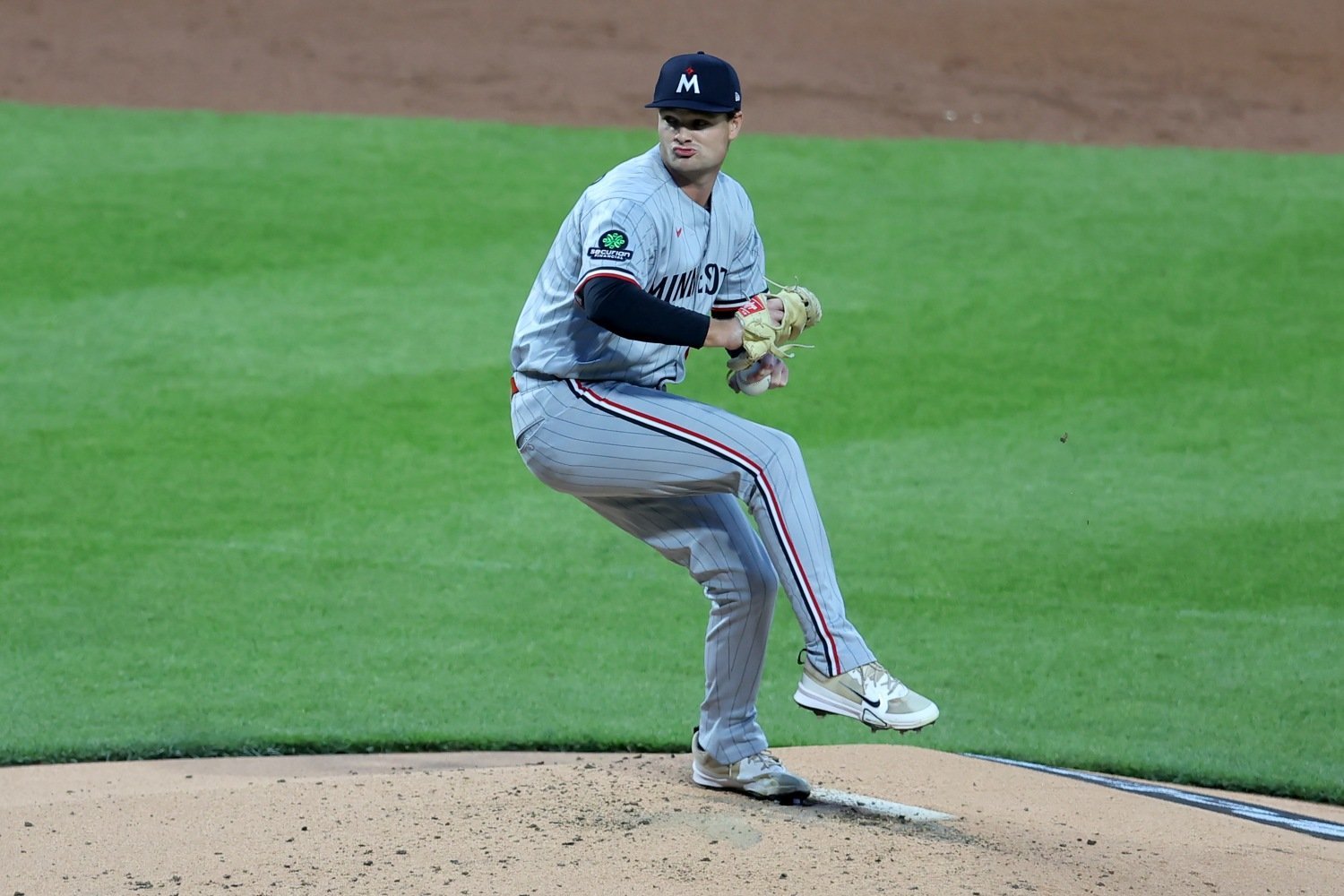 Box Score Starting Pitcher: Connor Priellep - 4 IP, 4 H, 2 ER, 0 BB, 6 K (82 pitches, 52 strikes (62% strikes)) Home Runs: Byron Buxton (5) Top 3 WPA: Kendry Rojas (.12); Eric Orze (.09); Austin Martin (.05) Win Probability Chart (via FanGraphs) A New Set of Twins Connor Prielipp and Kendry Rojas gave Twins fans a little something extra to savor Wednesday night—a dual debut against the Mets, and a tantalizing taste of each player's upside. Prielipp, the 48th overall pick in the 2022 MLB Draft out of Alabama, has long been a high-upside arm the Twins were willing to bet on, even through injuries. After Tommy John surgery in 2021 and a UCL procedure in 2023, his return in 2024 and strong 2025 campaign between Wichita and St. Paul proved the patience was worth it, ultimately earning him a spot on the 40-man roster and his big league call-up. His first inning was no gentle introduction. Bo Bichette wasted no time, sneaking in a double to get things going, and while Prielipp settled in to grab two quick outs, Francisco Lindor singled Bichette home to put the Mets on the board first. From there, Prielipp found his groove. He worked four innings, allowing just two runs, issuing no walks, and punching out six. His stuff was lively, and he gave the team a chance to win. For a starter making their debut on the road, that's all you can ask. Rojas took over in the fifth, and proved less impressive but more successful. The Cuban native, originally signed by the Blue Jays in 2020 and acquired by Minnesota in a trade alongside Alan Roden, has battled his own injury setbacks, but his fastball averaged 97 MPH and touched 98.4. After two quick outs, things got wobbly for Rojas. He walked Mark Vientos, and on a 3-2 count, he hung a pitch that Marcus Semien bashed into the left-field corner. With the full count and two outs, Vientos was running, but he didn't get a very good jump; he's very slow; and Trevor Larnach played the ball smoothly with the bare hand on a nice carom off the wall. Larnach's throw to Brooks Lee left plenty of time for an accurate peg by Lee to Victor Caratini, and Vientos was out by a mile. It was good to see the Twins defense execute the fundamentals, and the rookie escaped his first frame in the majors unscathed—but the play also laid bare some of what's wrong in New York right now. Be it hustle or sheer athleticism, there has to be more of something in Vientos there; that should at least have been a more difficult play for the visitors. Minnesota Keeps Swinging - And Leaving Guys on Base The Twins’ bats looked a little shaky through the first two innings as they worked to chase down the Mets’ early lead, but Trevor Larnach sparked some life by getting on base and moving station to station while Minnesota’s lineup began chipping away at New York’s pitching. That pressure paid off when Victor Caratini lifted a sacrifice fly to bring Larnach home and knot things up at 1-1. In the sixth, the Twins finally struck again. They'd fallen behind 2-1, but Byron Buxton hit a long, game-tying homer to left-center off Mets starter Clay Holmes. Buxton is heating up nicely after his ice-cold start, with five homers in the last week and a half. The Twins made a huge push in the eighth inning against Mets reliever Brooks Raley. Austin Martin came in for Larnach and walked; Josh Bell singled to push the go-ahead run into scoring position. While the Mets were forced into another relief pitcher change, the Twins also made another replacement. With two outs, Ryan Jeffers pinch-hit for Kody Clemens in an attempt to bring at least one of the guys home. Luke Weaver walked Jeffers, loading the bases for Luke Keaschall, but the Luke-on-Luke matchup favored the same-handed, same-named pitcher, who induced a foul popout that thwarted the rally. Twins Pitching Versus … Everyone Taylor Rogers came in to face a left-leaning pocket of the Mets lineup in the bottom of the eighth, but chaos took control of the inning, rather than Rogers or anyone else. Juan Soto led off with a single just past a diving Keaschall. With one out, however, the Twins picked him off, clearing the bases and seeming to pave the way to the end of the frame. Alas, Rogers walked young lefty batter Brett Baty, so Derek Shelton turned to Justin Topa to face Francisco Alvarez. Topa walked Alvarez, too, though, bringing Vientos to bat with the go-ahead run at second. Topa gave Vientos the revenge he probably wanted with a sinker that ran in on him and produced a weak fly ball to right. Unfortunately, Matt Wallner came nowhere near making a play on a ball that seemed catchable. With two outs, Baty had been going all the way; there was no play at the plate this time: 3-2 New York. The damage could have been much worse, though. Semien lined a ball to center that looked like it could get down to score another run, but Buxton made a tremendous, flying, diving catch on the run to take away the hit and RBI. The Twins offense had one more chance to come back and tie things up, but the Mets finally got their demons under control and Luke Weaver shut the door with ease. What’s Next? The Twins finish out the series against the Mets Thursday evening, before taking off for Tampa. They'll send Joe Ryan to the mound (2-2, 3.29 ERA), facing Christian Scott, a former top prospect pitching in the majors for the first time since Tommy John surgery ended his 2024 season. First pitch is, once again, at 6:10 PM CT. Postgame Interviews Coming soon. Bullpen Availability Chart FRI SAT SUN MON TUE WED TOT Sands 20 12 0 0 23 0 55 Morris 0 0 47 0 0 0 47 Acton 0 0 29 0 0 0 29 Banda 0 0 0 0 18 0 18 Orze 0 15 0 0 0 11 26 Rogers 0 0 8 0 0 12 20 Topa 11 10 0 0 17 17 55 Rojas 0 0 0 0 0 35 35 View the full article
 -

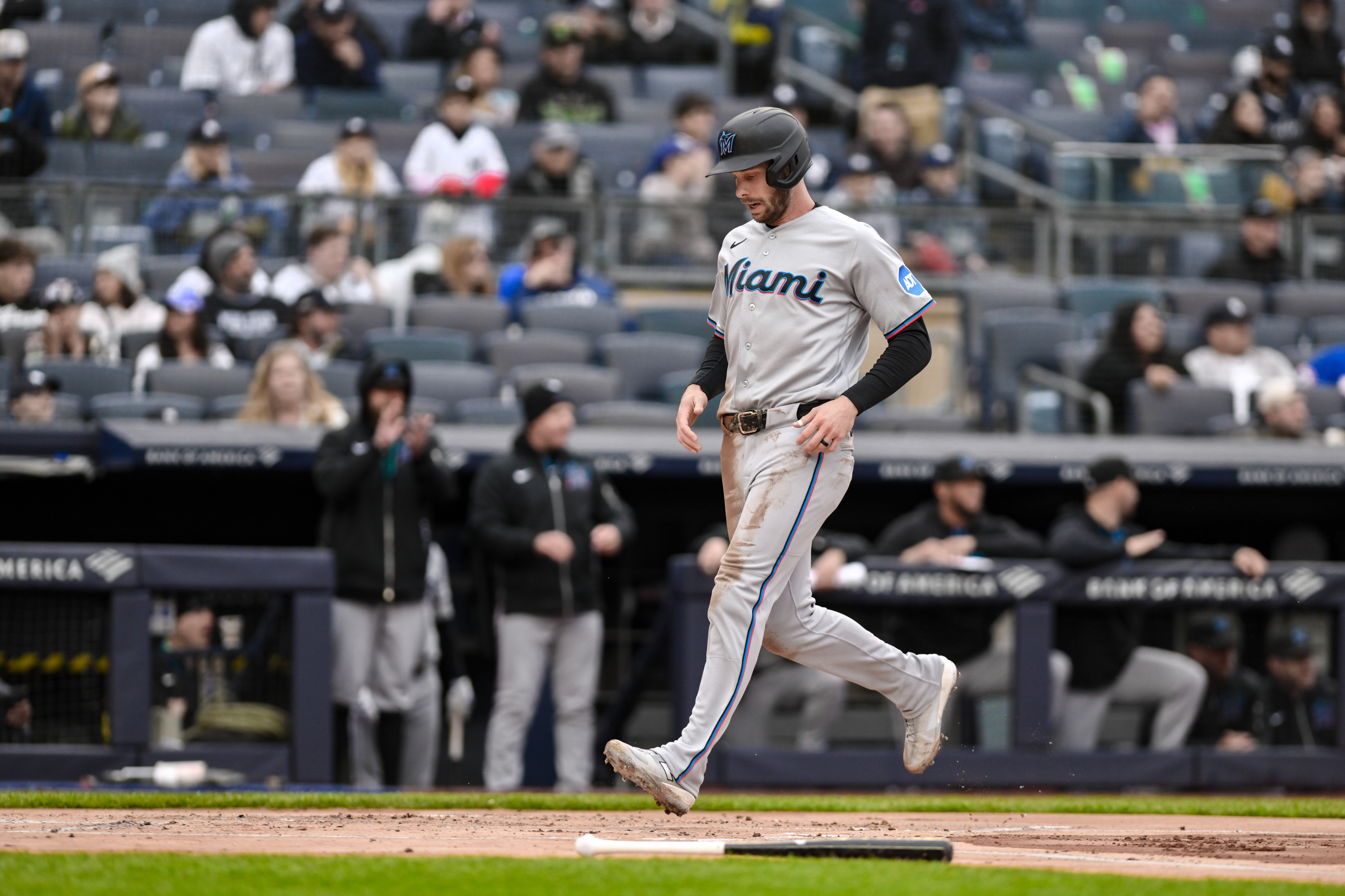 Fish On First can report that outfielder Esteury Ruiz has completed his minor league rehab assignment and will meeting the Miami Marlins in San Francisco for their upcoming series against the San Francisco Giants. According to Marlins.TV's Craig Mish, outfielder Austin Slater is being designated for assignment in a corresponding roster move. The club has not made any move official as of Wednesday evening. Less than a month ago, Slater signed a one-year free agent contract worth $1M. The Marlins valued the 33-year-old's track record against left-handed pitching. Nearly all of Slater's work came versus lefties (26 of 28 plate appearances), but he still struggled, slashing .174/.286/.174/.460 with a 40 wRC+ in 12 games played. Slater is expected to clear waivers. Due to his MLB service time, he has the right to reject an outright assignment to the minors and elect free agency. Ruiz was from the Los Angeles Dodgers acquired via trade in December. He is coming off a 2025 season where he spent most of the time in Triple-A, slashing .304/.412/.511/.923 with 16 home runs, 61 RBI, 63 stolen bases and a 137 wRC+. Those numbers should be taken with a grain of salt given he was repeating the level and played in the hitter-friendly Pacific Coast League. Ruiz owns a lifetime .241/.296/.343/.639 slash line across parts of four MLB seasons. Ironically, the Marlins might not have signed Slater at all if not for Ruiz going down with a left oblique strain near the end of spring training. The injury was supposed to keep him sidelined for 6-8 weeks, but as manager Clayton McCullough said on the most recent Fish Unfiltered episode, "it's been a pretty miraculous recovery." The Marlins' next game on Friday marks five weeks to the day of the injury. Similar to Slater, Ruiz will face predominantly left-handed pitching. He is also a multi-dimensional player because of his elite speed and center field experience. He should make his first start as a Marlin on Saturday when veteran lefty Robbie Ray is scheduled to start for the Giants. A Marlins 40-man spot is now open. The club could potentially go in many different directions with it, the most likely of them being promoting a non-40-man pitcher from Triple-A in the near future. Robby Snelling, who is Fish On First's No. 3 prospect, is off to a dominant start, posting a 1.89 ERA, 2.21 FIP, 14.68 K/9 and 4.26 BB/9 in 19 innings pitched. On the reliever side, Josh Ekness entered the day with a 1.00 ERA, 1.37 FIP, 15.00 K/9 and 4.00 BB/9 in five appearances before allowing three runs this afternoon. Other notable bullpen options include Jack Ralston, Zach Brzykcy and Zach McCambley. View the full article
 -
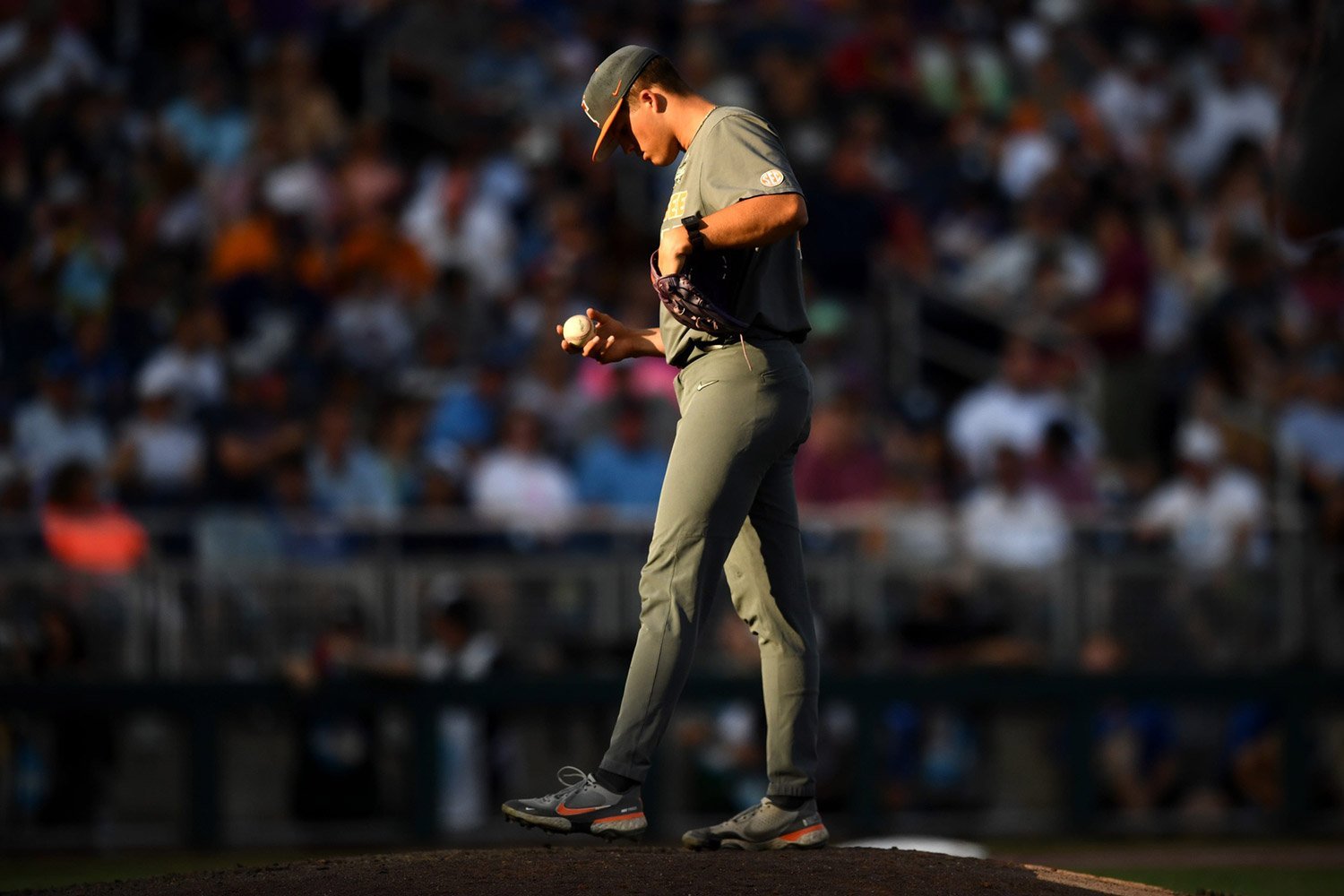 A few weeks into the year, we at Royals Keep wanted to take a look at how the top-20 prospects have fared to start the 2026 season. With lots of upside and intrigue among prospects, some of these guys are players you either have already seen or will see soon at Kauffman Stadium. Here’s a quick look at each member of the top-20 prospects and how they have looked to start the season. 1. Carter Jensen - C Playing his age-22 season this year, Jensen has looked pretty solid, especially at the plate. He has hit five home runs in 20 games. He’s shown very good bat speed, in the 88th percentile. One potential issue is the strikeouts, as he has struck out in 31.8% of his plate appearances this season. He’s had a solid start to the year, but where he will be most valuable is at the plate; his defense has been solid as well. Like all young players, Jensen will likely have his ups and downs, but he is set up to be a premier part of the Royals lineup for a long time. 2. Blake Mitchell - C Mitchell is playing his age-21 season, his third professional season, and is playing the early part of the year with High-A Quad Cities. He’s started off somewhat slow at the plate, but it is a small sample size, so it’s silly to get too focused on the numbers there. This will be a big year if he can show upside with the bat, or if he is more likely to take on a back-up role long term as a glove-first catcher with limited upside offensively. 3. David Shields - LHP Shields is also playing at High-A Quad Cities, where he has pitched in 3 games, throwing 11 innings and striking out 15 batters. At 19 years old, he is still a ways from making an impact at Kauffman Stadium, but he has shown the ability early in his career to hit hitters out. He threw 75.2 innings last year and will look to build off that to continue developing as a starting pitcher. 4. Kendry Chourio - RHP A member of the 2025 international signing class, Chourio is playing his age-18 season this year. He’s got higher octane raw stuff than Shields, throwing his fastball between 94-97 mph with a kick-change, curveball, and slider in his arsenal as well. He’s ahead of other 18-year-olds, starting the 2026 season at Single-A, starting three games and throwing 12.2 innings with 15 strikeouts to start the year. One very exciting thing about him in his pro career is his 0.91 WHIP, which means he isn’t giving up many hits and isn't walking many batters either. There is a lot of upside, but young players, especially pitchers, are volatile. He’s likely still a few years away from the majors, but he is a prospect that Royals fans can start dreaming on in the next few years. 5. Ben Kudrna - RHP The first prospect on this list in the upper minors, Kudrna, is starting his age-23 season with Triple-A Omaha. Unfortunately, he was moved to the injured list with right elbow discomfort after just one start and two innings pitched. Any type of arm injury for a pitcher is concerning, so they will likely be careful with Kudrna, not wanting to make the issue worse. Kudrna is getting a second opinion on his elbow before an updated timeline is released. 6. Sean Gamble - OF/2B The Royals' first-round pick from 2025, Gamble, was committed to play college at Vanderbilt before the Royals signed him away after drafting him 23rd overall. He’ll be playing his age-19 season this year, and the left-handed hitter showed up to spring with more strength than he had. While his numbers through his first handful of professional games don’t jump off the page at you, the Royals believe in his athleticism and approach as a hitter. He has upside as a base stealer and the athleticism to stick in center field long term. 7. Josh Hammond - SS The 28th overall selection in the 2025 draft, Hammond is currently a shortstop but may move to third base long term. The Royals are seeing if he can stick at shortstop before making the move. He’s playing his age-19 season in 2026, and started the year at Single-A. He’s gotten off to a hot start at the plate, playing games at both shortstop and third base. Young for the level, it will be interesting to see how he develops as a hitter and grows as a professional. 8. Ramon Ramirez - C Ramirez signed in 2023 as part of the international signing class. He started his age-20 season this year at High-A Quad Cities, with games at both catcher and designated hitter. He’s got enough raw power to hit home runs to any part of any ballpark, and some projections show upside of 20-plus home run power down the road. The organization has lots of catchers in the system, so Ramirez will be given time to develop both at the plate and defensively as well. His upside is as a bat-first catcher, which is something the Royals may have multiple players in the same ilk. 9. Drew Beam - RHP Beam is a former 3rd round selection in 2024, and pitched his first professional season in 2025 at High-A. He threw 131.2 innings over 26 starts in 2025 and will look to build off that solid first year in the organization. He has started the 2026 season with Double-A Northwest Arkansas and has thrown 12 ⅔ innings over his first two starts. He isn’t a high-strikeout pitcher, and his calling card will be his control, which will hopefully help him. He will likely move quickly if he can continue to get hitters out, even without overpowering stuff. 10. Asbel Gonzalez - CF Another member of the 2023 international signing class, Gonzalez has stood out in his first couple of years as a professional. Playing his age-20 season, he is playing at High-A and is in the process of slowly climbing the minor league ladder. Seen as an above-average center fielder, there are few doubts he can stick in center field long term. His development at the plate will be key to watch, as he has shown he can handle the fielding and baserunning, stealing six bases in his first ten games this season. If he can develop offensively, he could project as more than a defensive replacement and pinch-running option. 11. Yandel Ricardo - SS The top Cuban prospect in the 2024 international class, Ricardo, signed for $2.4 million and started his professional career looking the part. His first struggles came at Single-A, where he played 50 games and posted a .547 OPS. One thing worth remembering is that he was playing his age-18 season that year, so reaching Single-A at 18 is an accomplishment. He started this year back at Single-A. The switch-hitter is still a work in progress at the plate, but the Royals believe in him, and signs show he has untapped power if he can make better swing decisions. Like many prospects, what role he has long term will depend on how he develops at the plate. Keep an eye on him if he can start to piece things together at the plate. 12. Felix Arronde - RHP Signed in 2021 out of Cuba, Arronde is playing his age-22 season and started the year at Double-A. He posted a 2.80 ERA in 2025, with 128 ⅔ innings pitched. He has looked solid over his first few starts, but has given up more home runs this year than in previous years. He gave up nine home runs all last season and has given up four already this year. The hope is that he is just adjusting to the upper minors, and this isn’t a sign of issues to come. He’ll likely pitch most, if not all, of the year at Double-A, and the thing to keep an eye on is if he can tap more into swing and miss stuff, because the upside is most certainly there. 13. Luinder Avila - RHP Signed back in 2018 out of Venezuela, Avila has worked his way up the minor leagues and made his major league debut in 2025. He started the year at Triple-A Omaha and was then recalled to the majors, where he has thrown six innings over two appearances at the major league level. He is serving as rotation depth, but may be destined for the bullpen long term, because that is where he profiles best. 14. Daniel Vazquez - SS An international signee in 2021, Vazquez is playing his age-22 season in 2026 and has started the year at Double-A after spending most of last year at High-A. His bat development will be key to his development this year. He profiles best as a utility infielder if his bat can develop enough, as he has been solid defensively and on the bases. 15. Steven Zobac - RHP Drafted in the fourth round in 2022 out of Cal, Zobac was slowed by a knee injury in 2025, limited to just 14 starts. He was added to the 40-man roster prior to the Rule 5 draft, so the Royals believe in him enough not to leave him unprotected. His strengths are in his command, and his pitches play up due to the command being as solid as it is. He has not pitched yet in 2026, but if he can show he is past the injury, he could rise up the last few steps of the minors pretty quickly. He’ll likely start at Double-A with the potential to be in the big leagues if things go as planned. 16. Carson Roccaforte - OF Drafted in the supplemental second round in 2023, Roccaforte won the organization’s Defensive Player of the Year Award in both 2024 and 2025, which shows he has upside in centerfield long term. He showed more power in 2025, hitting 18 home runs between High-A and Double-A. He has started this year at Double-A and hit four home runs over his first 15 games, which is a sign that the power might be here to stay. If his production continues on this trajectory, the Royals could bring him up to the majors sooner rather than later. 17. Blake Wolters - RHP A former second-round pick, Wolters has had his ups and downs throughout his time in the minors. Most recently, he was slowed by shoulder weakness in 2025, limiting him to just 12 starts. He will be pitching at Single-A for the third year, but could climb a level if he shows he is healthy. Still just 21 years old, Wolters has plenty of upside, and the Royals will look to continue developing him as a starter, but a move to the bullpen is possible if the shoulder issues persist. He’s looked solid over his first few starts this year, so hopefully he will continue to develop and live up to the potential that made him an early selection just a few years ago. 18. Michael Lombardi - RHP A 2025 second-round pick, Lombardi is pitching in his first professional action this year. In 2025, he threw 42 innings and had a whopping 73 strikeouts. He’s looked very good this year, with 20 strikeouts over his first three appearances over 10.1 innings. He’ll develop as a starter, but he did pitch out of the bullpen in college, having played both centerfield and first base as well while at Tulane. Still a long way to go developmentally, there is plenty of upside and things to be excited about with Lombardi, as he is playing his age-22 season this year. 19. Warren Calcano - SS Signed out of the Dominican Republic in 2025, the 18-year-old switch-hitter will likely move up out of the Dominican Summer League at some point in 2026. His fielding is ahead of his bat, which is not uncommon for young prospects. Calcano has power potential, but time will tell how much he can tap into that down the road. He is returning from a shoulder injury, so how his arm strength looks will be something to watch for this year. He’s shown good speed and has upside as a baserunner as well. 20. Frank Mozzicato - LHP A 2021 first-round pick, Mozzicato has worked his way up the minors and started the year at Double-A. He’s been a bit inconsistent in his time in the minor leagues and will look to be more consistent at Double-A after struggling after a mid-year call-up last year. His velocity has not climbed like many thought it would, but he has an above-average curveball to go along with his 90 mph fastball and 86 mph changeup. He also started throwing a cutter this past season, so it will be interesting to see how much he throws that as well. The Royals will continue to try to develop him as a starter, but there is a real View the full article
 -
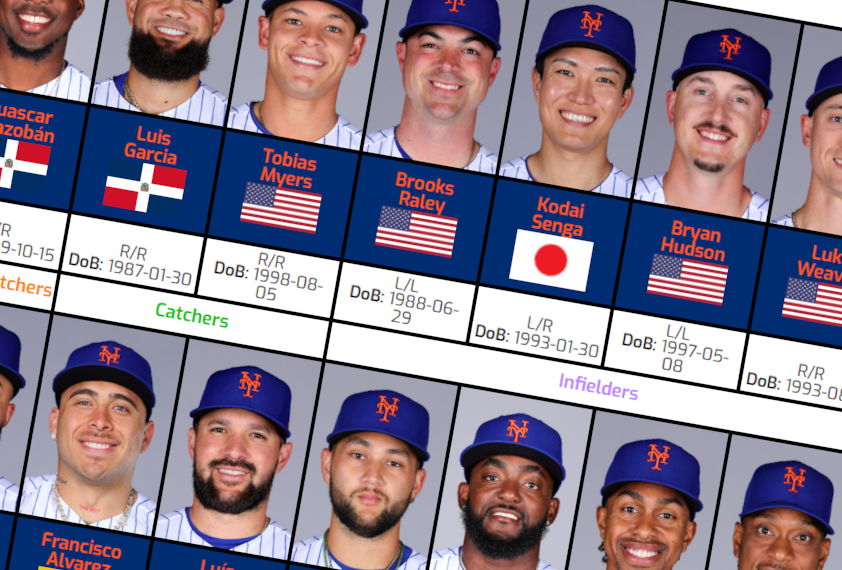 As the best hopes for the Mets' 2026 season are currently on fire, only a fool would dismiss the importance of the return of Juan Soto. But his coming as a DH, and without an inning of rehab games, really ties the Mets hands, and suggests there are several more steps that will be needed to patch their assemblage into a consistently competitive lineup Transactions, 4/22/2026 GOING NEUTRAL COMING Demoted to Syracuse Transferred from Outfield Activated from Injured List Catchers Infielders Outfielders Hayden Senger MJ Melendez Juan Soto R/R DoB: 1997-04-03 High Level: MLB (2026) L/R DoB: 1993-11-29 High Level: MLB (2026) L/L DoB: 1998-10-25 High Level: MLB (2026) Hayden Senger exits the scene as but a phantom on the 2026 Mets — having not appeared in any of the four games since his callup. His presence was very slightly felt last night — to anyone who could feel anything besides cold, despair, and semi-ironic delight in the after-the-horses-left-the-barn performance of Austin Warren — as the Mets sent Luis Torrens up to pinch hit with confidence that they still had a backup catcher. But like much of the last dozen games, that appearance. Senger's unexpected callup does certainly speak to how much confidence the Mets have in MJ Melendez as a third-string catcher, which is apparently not much. But Soto taken over the DH slot for the time being displaces MJ (the Mets most consistent bat during this dark period), and suggests that any future work he gets will be competing with Brett Baty for time as righthanded firstbaseman — a position at which he has netted all of two innings in the majors and five more in the minors. What happens upon the return Jorge Polanco — another everyday player with a damaged lower body and positional unfamiliarity relegated to DH-ing — is a further mystery. The Mets are fighting just to survive the day. And that has been a consistenly losing fight for the last two weeks. But hey! Juan Soto, right?!! Your 2026 New York Mets Starting Pitchers Clay Holmes Nolan McLean Freddy Peralta David Peterson Kodai Senga R/R DoB: 1993-03-27 R/R DoB: 2001-07-24 R/R DoB: 2996-06-04 L/L DoB: 1995-09-03 L/R DoB: 1993-01-30 Relief Pitchers Huascar Brazobán Craig Kimbrel Sean Manaea Tobias Myers Brooks Raley Austin Warren Luke Weaver R/R DoB: 1989-10-15 R/R DoB: 32291 R/L DoB: 1992-02-01 R/R DoB: 1998-08-05 L/L DoB: 1988-06-29 R/R DoB: 1996-02-05 R/R DoB: 1993-08-21 Relief Pitchers Catchers Infielders Infielders Devin Williams Francisco Alvarez Luís Torrens Brett Baty Bo Bichette Francisco Lindor MJ Melendez R/R DoB: 1994-09-21 R/R DoB: 2001-11-01 R/R DoB: 1996-05-02 L/R DoB: 1999-11-13 R/R DoB: 1998-03-05 S/R DoB: 1993-11-14 L/R DoB: 1993-11-29 Infielders Outfielders Marcus Semien Mark Vientos Carson Benge Tommy Pham Luis Robert, Jr. Juan Soto Tyrone Taylor R/R DoB: 1990-09-17 R/R DoB: 1993-12-11 L/R DoB: 2003-01-20 R/R DoB: 32210 R/R DoB: 1997-08-03 L/L DoB: 1998-10-25 R/R DoB: 34356 Also on 40-Player Roster Starting Pitchers Relief Pitchers Tylor Megill Christian Scott Jonah Tong Alex Carrillo Reed Garrett Joey Gerber Justin Hagenman R/R DoB: 1995-07-28 R/R DoB: 1999-06-15 R/R DoB: 2003-06-19 R/R DoB: 1997-06-06 R/R DoB: 1993-01-02 R/R DoB: 1997-05-03 R/R DoB: 1996-10-07 On 60-Day Injured List with torn right UCL. With Syracuse With Syracuse With Syracuse On 60-Day Injured List — right UCL surgery and nerve relocation surgery. On 15-Day Injured List with blistered right finger. On 60 Day Injured List with fractured rib. Relief Pitchers Catchers Infielders A.J. Minter Dedniel Núñez Jonathan Pintaro Dylan Ross Hayden Senger Ronny Mauricio Jorge Polanco L/L DoB: 1993-09-02 R/R DoB: 1996-06-05 R/R DoB: 1997-11-07 R/R DoB: 2000-09-01 R/R DoB: 1997-04-03 S/R DoB: 2001-04-04 S/R DoB: 1999-11-13 With St. Lucie on Rehab Assignment On 60-Day Injured List — right UCL surgery. With Syracuse With Syracuse, on Seven-Day IL With Syracuse On 10-Day Injured List with right wrist contusion. Outfielders Nick Morabito Jared Young R/R DoB: 2003-05-07 L/R DoB: 1995-07-09 With Syracuse On 10-Day Injured List with torn left meniscus. Your Mets Coaching Staff Manager Bench Coach Pitching Coach Hitting Coordinator Third Base Coach First Base Coach Bullpen Coach Ass't Pitching Coach Carlos Mendoza Kai Correa Justin Willard Jeff Albert Tim Leiper Gilbert Gomez José Rosado Dan McKinney DoB: 1979-11-27 DoB: 1989-07-14 DoB: 1990-09-09 DoB: 1992-08-16 DoB: 1996-07-19 DoB: 1992-03-08 DoB: 1974-11-09 DoB: 1989-06-06 Hitting Coach Strategy Coach Catching Coach Coaching Assistant Bat'g Practice Pitcher Equipment Manager Bullpen Catchers Bullpen Catchers Troy Snitker Danny Barnes J.P. Arencibia Rafael Fernandez Kevin Mahoney Kevin Kierst Eric Langill Dave Racaniello DoB: 1988-12-05 DoB: 1989-10021 DoB: 1986-01-05 DoB: 1988-08-03 DoB: 1987-05-11 DoB: 1964-07-09 DoB: 1979-04-09 DoB: 1978-06-03 Your Mets Training Staff Director of Player Health Head Athletic Trainer Assistant Athletic Trainer Reconditioning Coordinator Reconditioning Therapist Head Performance Coach Assistant Performance Coach Performance Coordinator Soft Tissue Specialist Brian Chicklo Joseph Golia Bryan Baca Sean Bardanett Josh Bickel Dustin Clarke Tanner Miracle Jeremy Chiang Hiroto Kawamura DoB: 1972-07-17 DoB: 1978-??-?? DoB: Circa 1980 DoB: 1988-06-23 DoB: 1996-??-?? DoB: 1987-??-?? DoB: 1991-??-?? DoB: ????-??-?? DoB: 22846 View the full article
 -
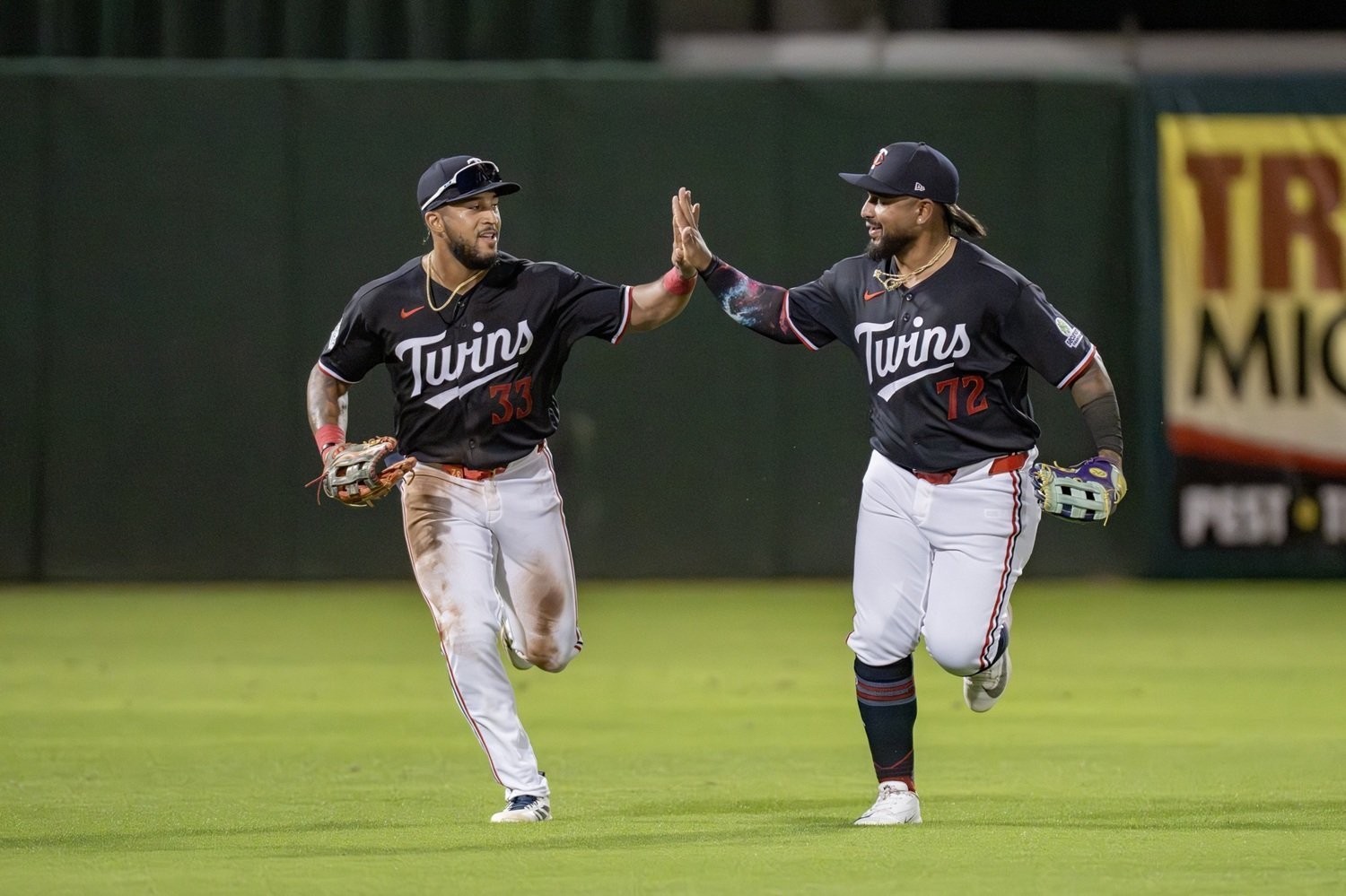 There's no easy way to spin the numbers, because they're as stark as they come. The Minnesota Twins currently have 36 players on their 40-man roster who were born in the United States or Puerto Rico. Even more telling, until they called up Kendry Rojas, their 26-man roster did not feature a single player born outside those areas. That's not just unusual. It's the most extreme concentration of American-born talent for any team in Major League Baseball, and it points directly to an organizational blind spot that has been years in the making. For a sport that has become increasingly global, Minnesota's lack of international presence stands out. Around the league, teams consistently rely on talent pipelines from the Dominican Republic, Venezuela, and beyond to fill out both their rosters and farm systems. The Twins, at least right now, are not doing that at the same level. When looking deeper into the roster construction, the issue becomes even clearer. The Twins do have a handful of foreign-born players on the 40-man roster, including Emmanuel Rodriguez, Gabriel Gonzalez, Rojas, and Hendry Mendez. But only Rodriguez was originally signed by the organization. The rest were acquired through trades, which undercuts the idea of a strong, homegrown international pipeline. That distinction matters. Gonzalez arrived in the Jorge Polanco deal. Rojas came over in a swap involving Louis Varland. Mendez was part of the return for Harrison Bader. The Twins are finding international talent, but they're not developing enough of it themselves. Beyond Rodriguez, the cupboard is not exactly overflowing with elite international prospects close to the majors. Eduardo Tait is the next notable name, and is the only foreign-born player on Twins Daily’s top 20 prospects list who is not already on the 40-man roster. He joined the system in last summer’s deal involving Jhoan Duran, reinforcing the same pattern. There are, however, signs of life in the lower levels. Adrian Bohorquez turned heads with a dominant stretch run last season, posting a 2.47 ERA and holding opponents to a .185 average after July 1. His ability to miss bats stands out, backed by a strong strikeout profile that suggests legitimate upside if his development continues on this path. Similarly, Santiago Castellanos made an immediate impression in the Dominican Summer League. His 2.79 ERA, 1.10 WHIP, and eye-catching strikeout rate over a limited sample created early buzz—the kind the organization has not consistently generated from its international classes in recent years. Another intriguing addition is Enrique Jimenez, who was once a top-50 international prospect and came over from Detroit in the trade involving Chris Paddack. Jimenez responded with a .982 OPS in a brief stint after joining the organization, offering a glimpse of what a higher-ceiling international bat could look like in this system. Still, those names represent projection more than certainty. The Twins’ recent international signing classes, including players like Daiber De Los Santos, Eduardo Beltre, Victor Leal Jr., Santiago Leon, Haritzon Castillo, and Teilon Serrano, are filled with lottery tickets rather than near-term impact players. That's par for the course for international markets, but the Twins have lacked the volume of hits needed to balance that risk. Part of the explanation lies in organizational change. In 2024, longtime international scouting leader Fred Guerrero departed after nearly two decades with the club. Minnesota brought in Roman Barinas from the Los Angeles Dodgers and shifted oversight to assistant general manager Daniel Adler, while also adding Kevin Goldstein as a special assistant following his time with the Houston Astros. Those are meaningful changes, but they come with a built-in delay. International prospects are often signed at 16 years old, and development timelines can stretch six or more years before a player is ready to impact the major-league roster. Even Rodriguez, one of the system’s success stories, signed back in 2019 and is only now knocking on the door of the majors after navigating multiple injuries. That timeline explains the current roster imbalance. It's both understandable and (nonetheless) concerning. The Twins may very well be in the early stages of correcting their international approach, but the major-league roster is a snapshot of what came before. Right now, that snapshot reveals an organization that has not produced enough international talent internally to keep pace with the rest of the league. The hope is that the next wave changes that narrative. Prospects like Bohorquez, Castellanos, and Jimenez offer reasons for optimism, while the revamped scouting infrastructure could yield stronger classes moving forward. But until those players develop into legitimate major-league contributors, the Twins will continue to feel the effects of a system that has lagged behind in one of baseball’s most important talent pipelines. The current roster didn't blink into existence overnight. It reflects past strategy, past results, and a gap the organization is still working to close. The club's failures over the last two seasons can be partially traced to this shortcoming. Hopefully, this and future years will be defined by the way the team addresses it. Should fans be concerned with the lack of international players on the Twins’ roster? Leave a comment and start the discussion. View the full article
 -
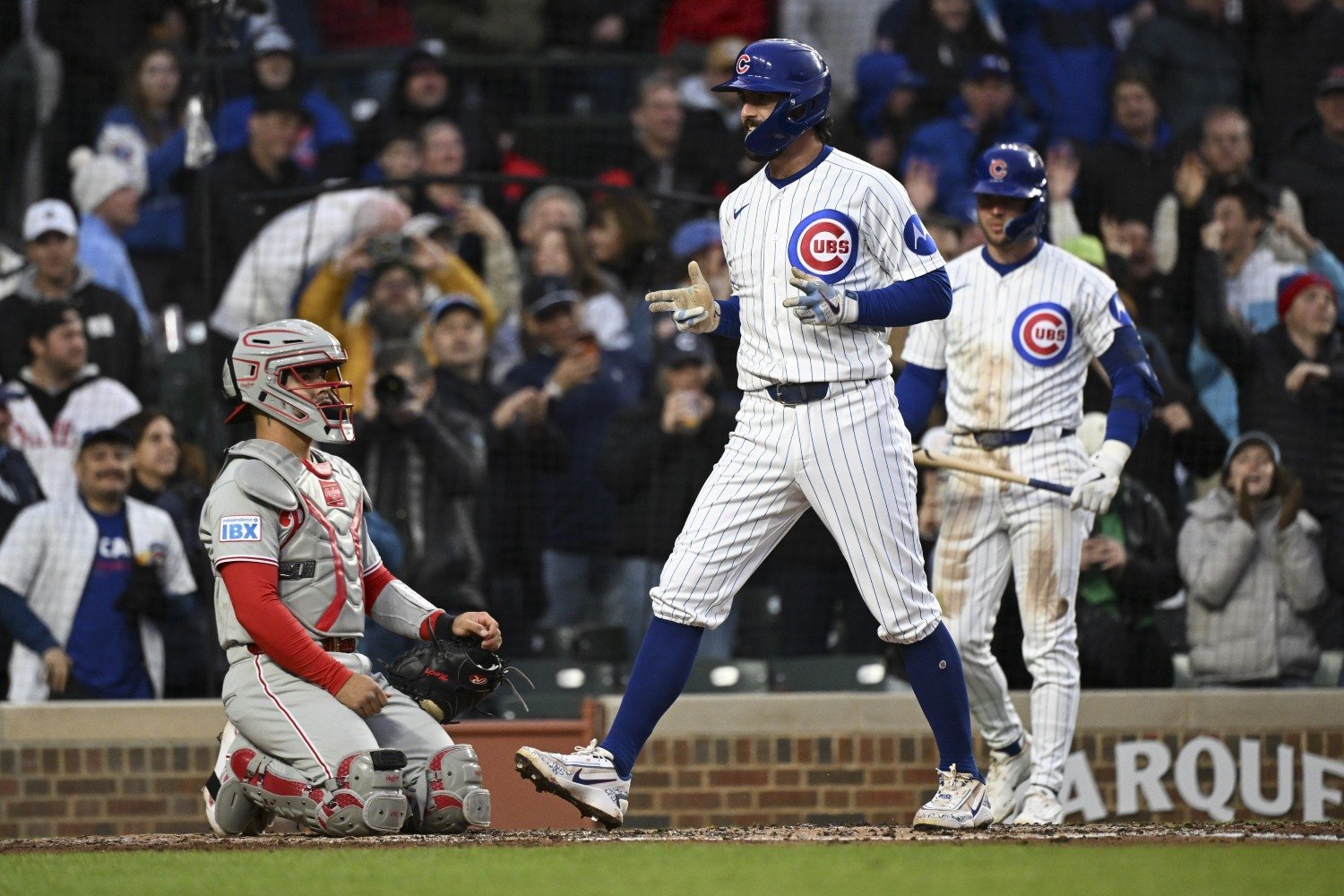 Have you seen the new Peacock show "The Miniature Wife"? Yeah, me neither. It's baseball season. The NBA playoffs are here. My nephew played the lead in his high school's production of Anastasia last weekend, and I have a new niece and a new nephew to fawn over, and I really should clean out the garden beds now that it's finally warming up. And did I mention that it's baseball season? There's a lot going on! I feel a little (no pun intended) (ok, pun intended, don't pretend you didn't see that one coming) like I've seen the show, though, because I've been watching so much of this season's baseball. Elizabeth Banks plays a shrunken person in the show, but if she were a strike zone instead of a wife, the show would be exactly like an MLB game in 2026. I assume so, at least. You know what? Actually, I don't know enough about the show to make any further meaningful assumptions. Let's all agree to binge "The Miniature Wife" together in November. Until then, it's time to focus on The Miniature Strike Zone. This season brought the implementation of the ABS challenge system, and with it has come a smaller strike zone. The change actually began in 2025, when the league informed umpires they would be evaluated based on a smaller margin for error in advance of the onset of the computerized zone. Tightening tolerances at the edges and corners created a slightly smaller zone. This year, with the zone still called by humans but now actually, tangibly reinforced by computers, the effect has run in the same direction, but even more markedly. For several years, now, the league has trended toward filling up the strike zone more. Fastballs are harder and livelier than ever; pitchers have better command of their non-fastballs than ever; and fielders are better-positioned than ever. You have to pitch more carefully, because hitters are also more powerful and more focused on hitting for power than ever, but on balance, the league has found the incentives favor throwing more pitches in the zone, so that's what they've been doing. This year, that trend has been stopped cold. It's not that the league has stopped trying to fill up the zone, though. It's that the zone itself has gotten smaller. Hitters have noticed, too. The league's average swing rate is down. Twice as many batters have substantially reduced their swing rate so far this year (at least two percentage points lower than last year, with a qualifying number of plate appearances in each campaign) as have substantially increased it. Dansby Swanson isn't just participating in that trend; he's one of the foremost drivers of it. In fact, only two batters (Ceddanne Rafaela and Royce Lewis) have lowered their swing rates more than Swanson has in 2026. Last year, he swung at 50.3% of the pitches he saw. This spring, that number is down to 38.6%. He's being radically patient, in response to the shrinking of a zone he already understood well, but couldn't always cover. Though umpires aren't perfect (and neither batters nor catchers challenge often enough to make them so by correcting their mistakes), theoretically, the top of Swanson's strike zone now is about 38.52 inches above the ground. (I say "about", here, not because two places after the decimal is too few to have the precision right, but because we only have Swanson's reported height of 6 feet to work with; the league has his height down to the millimeter.) The bottom of his zone is now roughly 19.44 inches above the ground. The first thing you should notice is that that's only 19 inches from high to low. Traditionally, we've thought about the strike zone as being taller than that, even for batters around Swanson's height. When you picture the zone in your head, you probably think of a rectangle taller than it is wide, by a noticeable margin. Well, it's now more like a square. Because any pitch that touches even the edge of the zone is called a strike if challenged, we can say that Swanson's zone is now basically 22.8 inches (the 17-inch width of home plate, plus the diameter of a baseball on each side) by 24.9 inches (19.1 inches, or a hair less, plus the same ball's width high and low). That's a lot like a square. It leaves Swanson needing to cover as much as he always has from east to west, but less from north to south. He's taking full advantage of that, too. I looked at pitches in each of the zones about two balls' width wide along the top and bottom of Swanson's newly concretized zone, and at the pitches in between those railings. Swanson is swinging less in each of the three locales, but especially down at the bottom of the zone—and he's benefiting from the new shape of his zone, especially at the top. 2025 Pitch Height Swing Rate Swings RV/100 Take Rate Takes RV/100 1.4-1.9 ft. 48.0 -5.8 52.0 1.2 1.9-3.4 ft. 64.1 -1.3 35.9 -0.2 3.4-3.9 ft. 63.8 -1.7 36.2 0.0 2026 Pitch Height Swing Rate Swings RV/100 Take Rate Takes RV/100 1.4-1.9 ft. 25.7 0.0 74.3 1.0 1.9-3.4 ft. 54.1 -2.2 45.9 1.1 3.4-3.9 ft. 50.0 -13.6 50.0 2.6 At his best, Swanson is a guy who wants to see the ball up and attack it there. He has a relatively steep swing for a high-ball hitter, with plenty of tilt in his bat path and a combination of contact point and attack angle that says he's always trying to launch the ball. He's a low-average, high-power hitter. However, he often gets himself in trouble because (in the process of trying to see the ball up) he chases too many pitches above the zone. His zone now stops much lower than it used to, which makes it easier for him to be more selective up there, even as he maintains the aggressive mindset of seeing it up to make the high-value contact he seeks. Setting the pitches at which he didn't swing along the top of his new zone side-by-side really shows how the altered zone is making his life easier. He's gotten a handful of calls, already, on pitches up and in that would have been—were—strikes last year. That takes a lot of pressure off him, as he looks for that belt-high pitch he can belt. Along the bottom rail of the zone, it's harder to see the clear benefit in terms of extra calls, but Swanson can afford to let a few more called strikes accumulate there than he used to be able to. Not having to sweat the top of the zone makes the bottom edge of the zone less important. He's ahead in counts more often. He can be more selective, then aggressive on the pitches that enter his happy zone. I've talked to Dansby Swanson a couple of times. Based on those conversations, I don't think this is quite how he's thinking about the changes to his approach this season. Whether you conceptualize it this way or not, though, this is what's happening. Swanson doesn't have exceptionally good feel for the barrel, like teammates Nico Hoerner and Alex Bregman do. He's still going to swing and miss quite a bit, and he's never likely to run a very high BABIP. Some younger versions of him could do that, but this one can't. Instead, Swanson's upside at the plate lies in his ability to hit the ball over the wall, without losing contact with all of his other skills. He has a well-engineered power hitter's swing, even though he's a fairly fast, glove-first shortstop and has never had elite bat speed. With this change in the league's rules and the shape of the strike zone, the best version of Swanson can emerge. It's just not the version you might have thought would be the best form of him. Right now, Swanson is batting .187/.337/.400. He probably won't finish the season with such an extreme-looking line, but yes: Dansby Swanson really is a little bit like Rob Deer and Carlos Peña. Those guys swung for the fences, and they knew they would strike out a lot. By also walking a lot, though, they kept themselves viable even when the ball wasn't clearing the fences. When it did, they became star-caliber sluggers. A smaller zone means Swanson can focus that unique swing on pitches in a smaller space, and he's been very smart about doing so. If he continues to, he can still produce the 25-homer power that first made him a star in Atlanta, and he can walk enough to be a plus OBP guy, too. It might come with an ugly batting average, because the called strikes and the whiffs will add up to a rising strikeout rate, but that might be the best version of this late-career Swanson. I'm not sure we want ABS to turn many players into peak Rob Deer. It might be a sign of something troubling, just as "The Miniature Wife" leaves me with an inarticulable unease. There might need to be tweaks to this new, robot-influenced zone. For now, though, it's allowed Swanson to draw 18 walks and hit 5 homers in just 23 games. Well-utilized by a savvy veteran, the system is turning out to be a boon to the patient power hitter. View the full article
 -
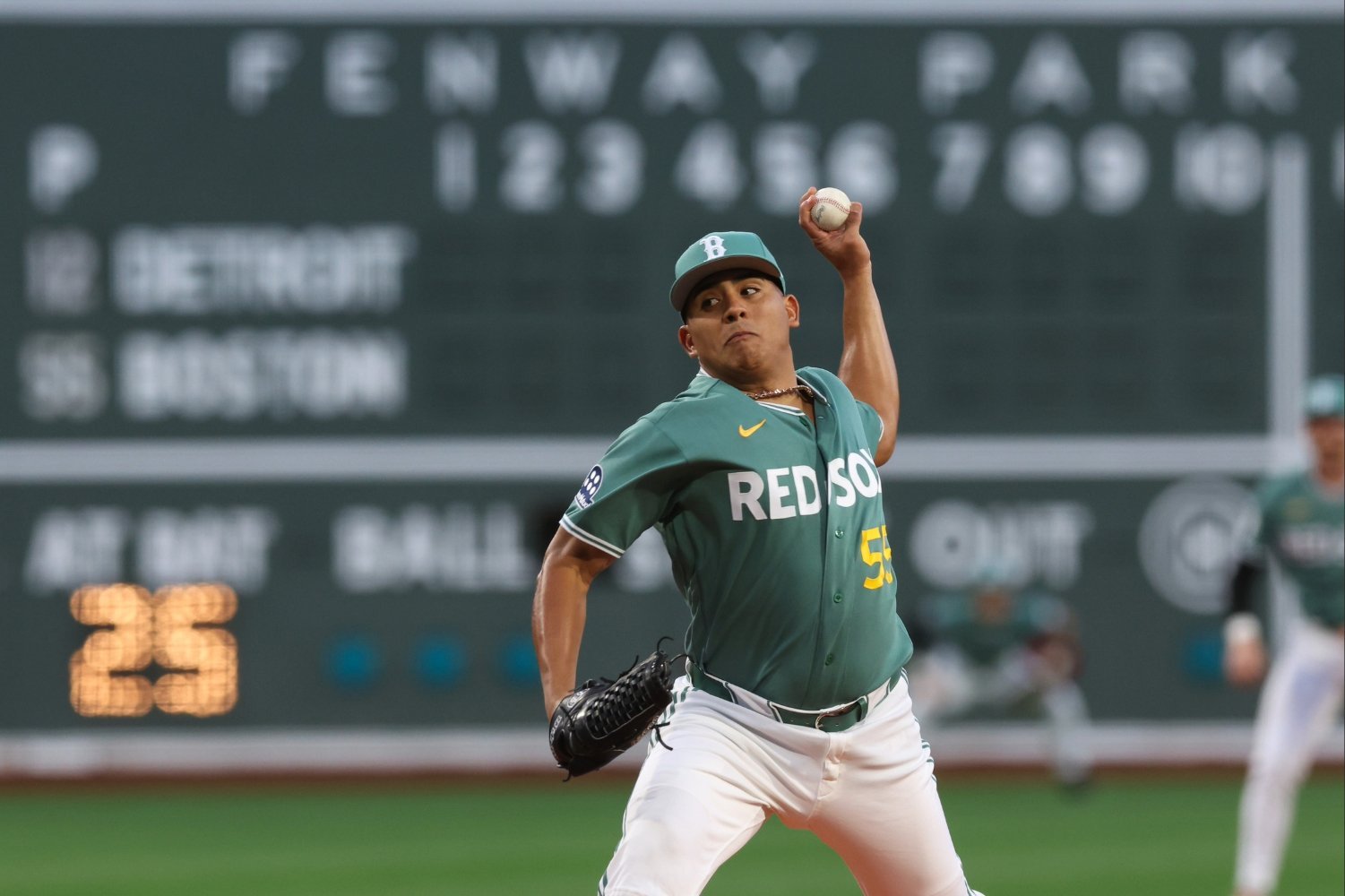 When the Boston Red Sox signed Ranger Suárez over the offseason, the plan was simple: pair him alongside Garrett Crochet to form one of the strongest one-two punches in all of baseball. After failing to acquire a true number two at the trade deadline, the Red Sox managed to get their guy in Suárez. However, things did not go as planned right out of the gates. Making three starts in spring training, Suárez only lasted nine innings while allowing 11 runs on 14 hits, three of them being home runs. While it was a batch of exhibition contests and you can’t put too much stock into those numbers, it worried fans. The last time the team spent big on a free-agent pitcher, they had to use Mookie Betts to offload the contract. The last thing anyone wanted was for Suárez to be a bust. Then came the news that, due to the World Baseball Classic, Suárez was lagging behind and continuing to ramp. For your new $130 million pitcher, that wasn’t ideal. How his season debut against the Houston Astros went was even less ideal. Failing to get out of the fifth inning, Suárez allowed four runs on a walk and seven hits including two home runs. His pitches lacked their usual sharpness, as the left-hander allowed seven hard-hit balls into play and struggled to get coax batters into chasing outside the zone. His second start against San Diego may have been worse. Given a 4-0 lead heading entering the fourth inning, Suárez promptly surrendered it, allowing four earned on six hits and two walks in four-plus innings. Not what you wanted from the man who was supposed to be your number two starter. His plan of attack appeared to change completely as well. Whereas in his first start he relied heavily on his cutter, against the Padres he led with his changeup. And yet, just like against Houston, he was pummeled, allowing seven hard-hit balls to a middling lineup. After two rough starts, people wondered if Suárez was entering his decline phase. A 30-year-old with subpar velocity is hardly working with a big margin for error; perhaps the Red Sox had simply bought in at the wrong time. Fortunately, Suárez managed to squash those qualms the next time out. Pitching in St. Louis, Suárez dominated a better-than-expected Cardinals team. With six shutout innings, Suárez kept the Redbirds at bay until the offense finally woke up. Much like his first two starts, his pitch usage changed against the Cardinals as well. This time the sinker was his go-to pitch, tossing it a whopping 46% of the time. For comparison, he had thrown it just 16% of the time in his previous outing. The pitch worked, generating a chase rate of 35% by itself and only allowing two hard-hit balls. Batters were just 1-for-9 against the pitch, and it allowed him to use the rest of his repertoire to keep opposing batters off balance. But it wasn’t until his latest start where Suárez truly showed what he can do. Finding himself in a pitcher’s duel with Casey Mize of the Detroit Tigers, Suárez out-pitched the former No. 1 overall pick by tossing eight shutout innings. He really set the tone in the first inning, as he allowed two hits and had a runner on third base. Once he settled down and got out of it, the game was on. Following the first inning, the Tigers only had one more baserunner via a walk in the fourth inning; after that, Detroit would not have another batter reach base until after Suárez left. Saying it was a dominant performance would be an understatement, as Suárez yet again continued to hold the opponent down while giving his team plenty of attempts to score. The story behind that start was the same as the others: a change in pitch usage. Suárez relied on a mix of his sinker and changeup, using the two pitches 28% and 27% of the time, respectively. The two pitches worked well, as opponents hit just 1-for-12 against them while whiffing 32% of the time they swung. As someone who has never won with velocity or elite stuff, Suárez will continue to tinker with his game plan depending on the opponent. Should he continue to pitch as he did against St. Louis and Detroit, the rotation will be in good hands until it can get back to full strength. The Red Sox were missing someone like Suárez last season when injuries struck the rotation, and the team was forced to rely on rookies to help get them into the playoffs. Now, the team has a veteran with ample experience to help guide the pitching staff through this treacherous stretch. View the full article
 -
Edward Cabrera's Cubs Legacy Is Only Getting Started
DiamondCentric posted an article in North Side Baseball
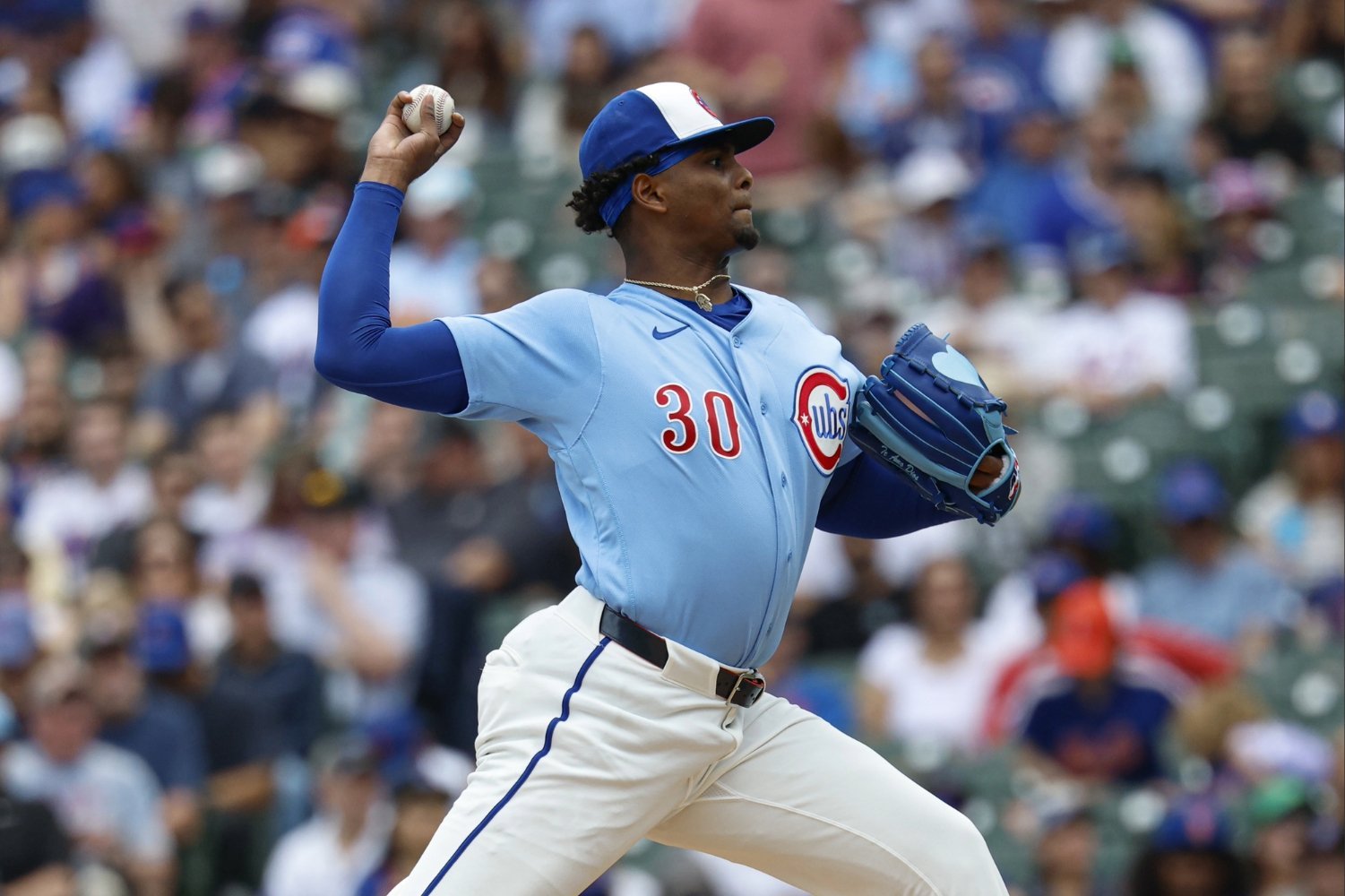 A filthy, lockdown starting pitcher changes the fortunes and the perception of a Major League Baseball team. He can make a fringe club competitive and a contender close to unstoppable. Look no further than the likes of the back-to-back American League Cy Young Award winner Tarik Skubal, Paul Skenes, or even Garrett Crochet for proof of this concept. The Chicago Cubs' lethal new starter, Edward Cabrera, with his poised control and nasty arsenal, is the next in this line of game-changing starting pitchers. Lucky for us, he plays on the North Side of Chicago. Winding the clock back to March 30 against the Los Angeles Angels of Anaheim, Cabrera toed the rubber for the first time in the squad's iconic blue pinstripes. Right out of the gate, he looked the part of everything this franchise wanted when they signed him in the offseason. With a virtually unhittable changeup that touches the mid-90s, Cabrera burst onto the Wrigleyville scene, going six innings, allowing one hit, striking out five, and issuing just one free pass. In his second start, the first of a traditional doubleheader at Progressive Field opposite the Cleveland Guardians, Cabrera went another 5 2/3 innings. Though he didn't exactly pound the strike zone in this outing, he once again allowed only one hit in a 1-0 victory for this ball club. Nothing comes easy for the opposition when he's scheduled to start, and the team's adversaries are already keenly aware of that. In the early going, the Chicago Cubs were a ball club that appeared trapped in a perpetual search for offensive production. While at the time present, they seem to have orchestrated a bit of a rhythm, the lineup's shortcomings often left the starter with little to no margin for error, called upon from the outset to be a hero. Approaching his fifth start with the Chicago Cubs, Edward Cabrera's steady performances have not only kept his club moving in the right direction, but also helped buy some time for this offense to come around. Frontline pitchers like Shota Imanaga and Matthew Boyd hold down the front end of this rotation. Cabrera may not have attained that status yet, but what he has done is serve as the stabilizer for this rotation and this team. He's a pitcher that each opponent must plan for, knowing that the 28-year-old hurler has what it takes to greatly limit their scoring opportunities. Call it fortuitous, or call it opportunistic, but after kicking the tires on Cabrera a year ago, the Cubs finally swallowed their medicine and paid the hefty price of his services. As the season nears the completion of its first full month, the former Marlin has been more than worth it. The buzz around him at first centered around his ability to make batters swing and miss. With seventeen punchouts tallied thus far, he's done just that. Cabrera mows down batters because he often frustrates them. When the opposing lineup does, in fact, make contact, it hasn't yielded the best results. According to Baseball Savant, Cubs' opponents are whiffing with incredible frequency when facing the right-hander, swinging through more than 27% of their hacks. You might not know it yet, but Edward Cabrera is the next big thing at Wrigley Field. He might not have arrived in town with the type of "brand-name" recognition other have, but what he possesses is the same: talent, confidence, and untapped potential. He's armed Tommy Hottovy and his staff with an exciting young competitor who embodies everything it means to be a Chicago Cub. View the full article
 -
Cubs Activate Opening Day Starter Matthew Boyd From IL
DiamondCentric posted an article in North Side Baseball
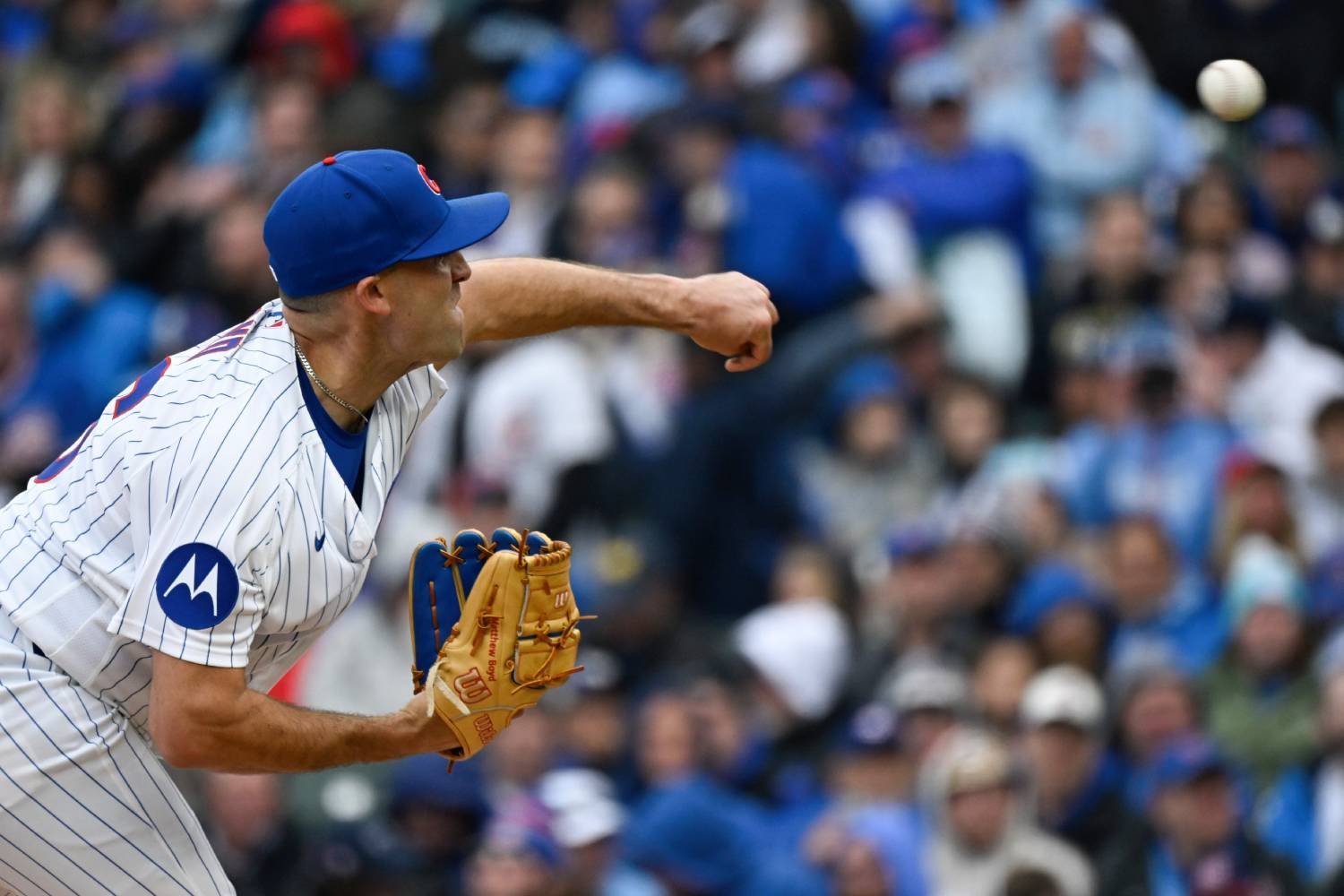 Already on a roll, the Chicago Cubs now have their best pitcher back on the roster. Left-hander Matthew Boyd was activated from the 15-day injured list Wednesday in time to start against the Philadelphia Phillies. Left-handed reliever Luke Little was optioned to Triple-A Iowa. The Cubs have won seven in a row. Boyd, the Cubs' Opening Day starter, went on the IL April 6 with a strained left biceps after making two starts. He has a 6.75 ERA in 9⅓ innings with three walks and 17 strikeouts. Boyd had one rehab appearance at Iowa, setting him up for Wednesday's return. Despite a slew of injuries, including Tommy John surgery for right-hander Cade Horton, starting pitching has been a recent strength. Now, that rotation gets even better with Boyd's return. The Cubs are also waiting for left-hander Justin Steele to come back from his UCL revision surgery. He is expected to return sometime before the All-Star break. Little was called up April 14, but made only one appearance, allowing a run in one inning on April 15 in an 11-2 win over the Phillies. View the full article
 -
Juan Soto Activated By Mets, Playing DH In First Game Back
DiamondCentric posted an article in Grand Central Mets
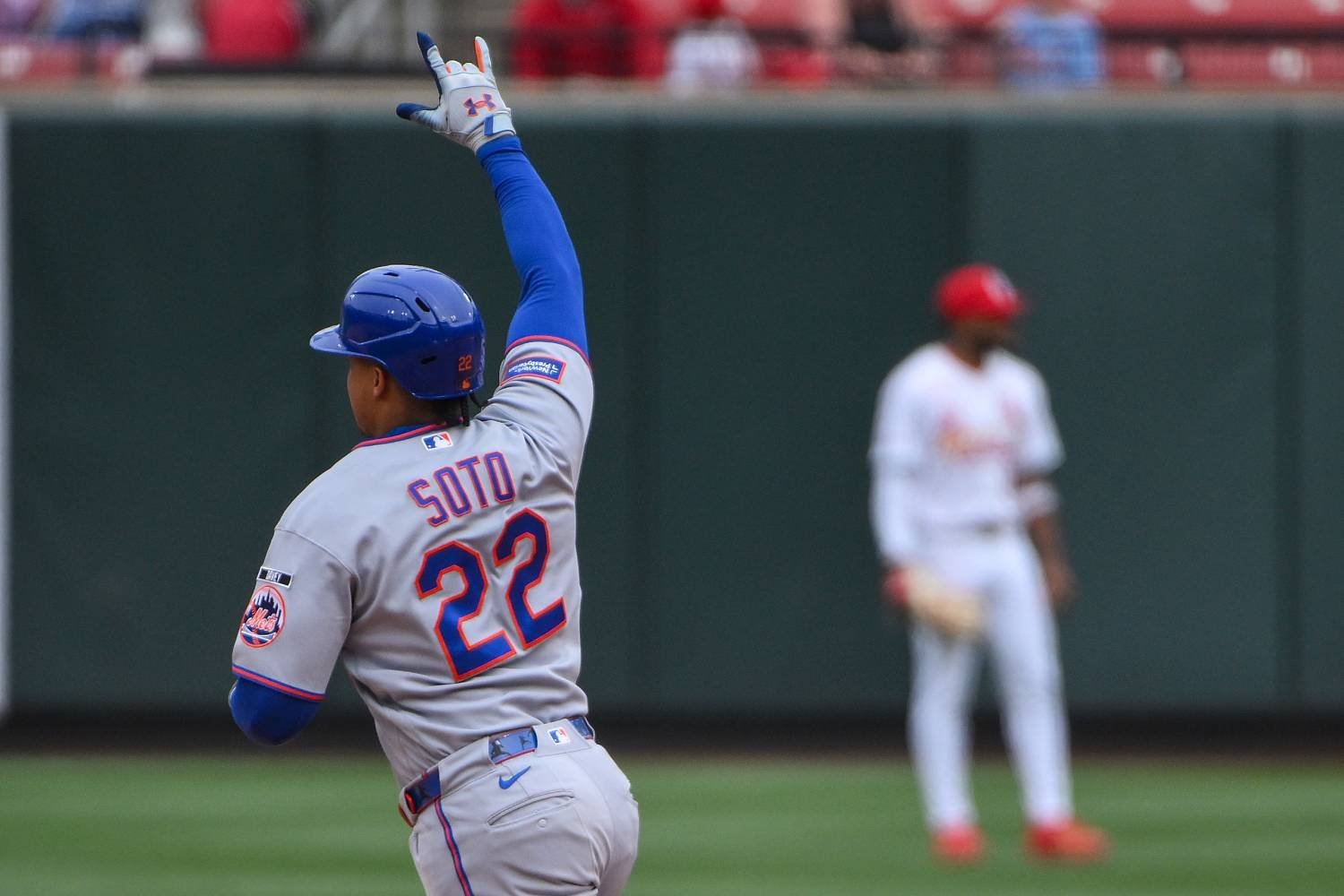 Juan Soto is back. And it couldn't come at a better time. The New York Mets, mired in a 12-game losing streak, activated their superstar left fielder from the 10-day injured list Wednesday and optioned third-string catcher Hayden Senger to Triple-A Syracuse. Soto injured his right calf April 3 and went on the IL three days later. Since Soto's injury, things have turned ugly for the Mets. They enter Wednesday's game against the Minnesota Twins with the worst record in the National League at 7-16, thanks to a 12-game skid that hit a new level Tuesday in a 5-3 loss to the Twins as closer Devin Williams entered a tie game and gave up two runs without recording an out. Soto has missed a total of 15 games. He is in Wednesday's lineup as the No. 2 hitter as the designated hitter. The left-handed hitter was slashing .355/.412/.516 and had hit safely in all eight games at the time of the injury. Senger was called up Saturday, but did not appear in a game. View the full article
 -
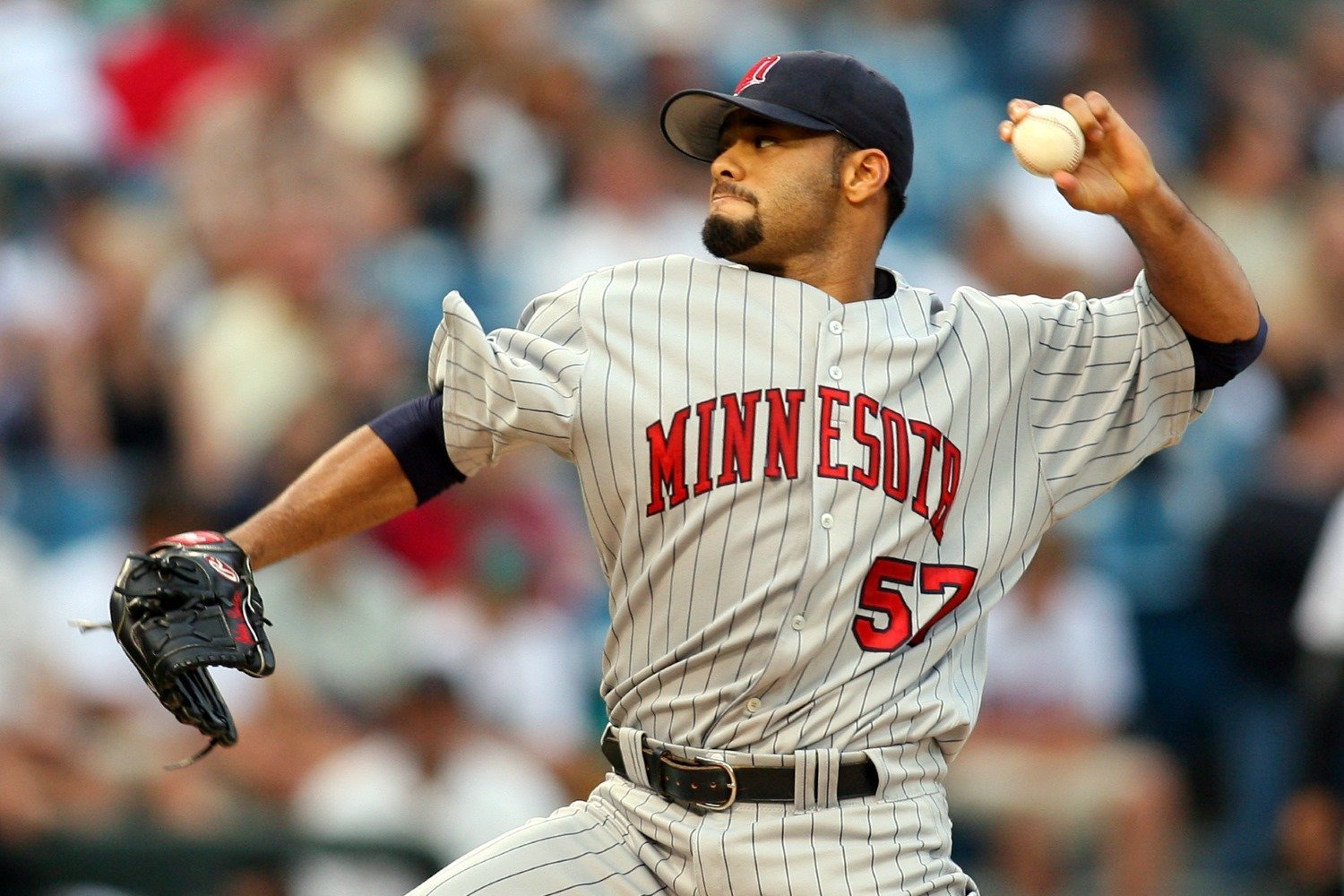 Even hitting records tell the story of how the game has changed at the plate, but pitching records show that evolution more clearly. The modern pitcher is handled carefully, protected from overuse, and often asked to dominate in shorter bursts, rather than grind through entire games. That shift has left a collection of Minnesota Twins pitching records standing tall, with little reason to believe they will ever be seriously threatened. Santana at His Absolute Peak When Johan Santana was at his best, there may not have been a more dominant arm in baseball. His single-game team record of 17 strikeouts still feels attainable on the surface, but it requires a perfect blend of efficiency, dominance, and managerial trust that is rarely seen now. His 33 consecutive scoreless innings during the stretch from late August into September of 2004 might be even more impressive. Pitchers today are often limited by pitch counts before they can string together outings long enough to threaten a streak like that. It takes not only dominance, but durability and consistency over multiple starts. One might be more likely to leave before tiring and giving up a run, but that's easily offset by having to string together five or six straight starts with your 'A' stuff, rather than four or five. Santana did it in, basically, four starts, plus small pieces of the outings on either end. Then there are the 17 consecutive wins spanning the 2004 and 2005 seasons. With starters now often removed earlier in games and bullpens playing a larger role in decisions, stacking wins in that fashion has become increasingly unlikely. Even elite pitchers struggle to control that stat in the modern era. When Starters Carried Everything Looking back at the workloads of past generations almost feels like reading fiction. Bert Blyleven and Jim Kaat were asked to do things that simply are not part of today’s game plan. Blyleven’s 325 innings pitched in 1973 stands as a staggering total. In a time when 180 innings is often viewed as a benchmark of durability, adding another 145 frames feels nearly impossible. That same season included 25 complete games by Blyleven; the entire league had 29 in 2025. Kaat’s 42 starts in 1965 is another mark that reflects a completely different era. With five-man rotations now standard and teams occasionally using six, the opportunity to even approach that total no longer exists—unless, of course, another usage revolution is around the corner. A designated opener could "start" 50 times in a season, but that feels unlikely. Blyleven’s 2,035 career strikeouts with the Twins reflect both longevity and consistency. Players change teams more frequently now, and maintaining that level of production with a single organization is increasingly rare. A pitcher might pile up more punchouts in one year than Blyleven ever did, but avoiding the scalpel and sticking around long enough before free agency beckons feels like a tall order. The Records That Sneak Up on You Some of the most unbreakable records are not the flashiest ones. They're the totals that quietly pile up over time or exist because the game no longer creates the same opportunities. Eddie Guardado appeared in 648 games as a left-hander for the Twins. Relievers today are often used in more specialized roles, and careers are less likely to stay anchored with one franchise long enough to build that kind of total. Then there's Jim Merritt, throwing 13 innings in a single game on July 26, 1967. It's difficult to imagine any modern pitcher even being allowed to attempt such a feat. Between pitch counts, bullpen depth, and injury prevention, that record feels completely untouchable. That season, pitchers went at least 10 innings in a game 54 times. The post-World War II peak for that total came in 1976, when there were 85 10-inning appearances. Since the league expanded to 30 teams in 1998, however, there have only been eight total instances of this. The last was by Cliff Lee, in 2012. What stands out most about these pitching records is how clearly they highlight the evolution of baseball. Santana’s dominance represents the bridge between eras, while Blyleven and Kaat belong to a time when pitchers were expected to carry a workload that would be unthinkable today. The modern game values efficiency, health, and longevity in a different way. That's not criticism; it's just reality. But it does mean that many of these records are protected not just by greatness, but by philosophy. That combination is what makes them feel permanent. What other pitching records are unbreakable for the Twins? Leave a comment and start the discussion. View the full article
 -
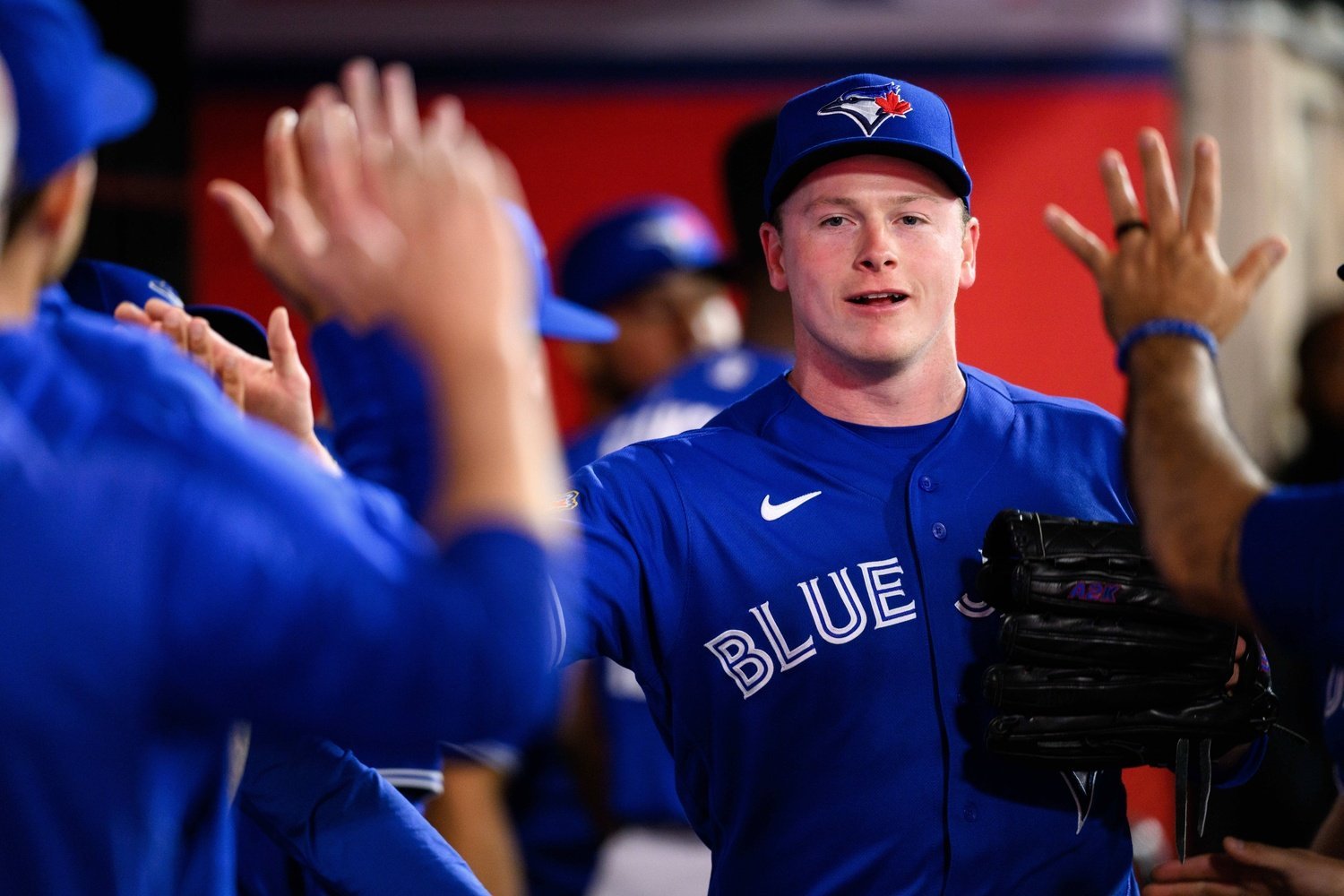 The Blue Jays have something special in Louis Varland. The 28-year-old has been, almost certainly, the AL's best reliever so far in 2026. Of the 49 AL arms with at least 10 innings pitched in relief this season, Varland is one of just two who have yet to allow an earned run, and one of just nine who have yet to give up a barrelled ball. His 19 strikeouts rank second, trailing only his teammate Jeff Hoffman, while his 58.3% groundball rate is tied for third (min. 10 IP). He pitches with equal parts power and precision, leading with a fastball that sits 98 (and feels even faster thanks to his elite extension) and mixing in four more weapons with diverse shapes, all of which have a case to be called plus pitches. Today, however, I only want to talk about one pitch. Literally one pitch: The final pitch from yesterday's 4-2 win against the Angels. Late last night, the Blue Jays found themselves three outs away from sealing their first series victory since they swept the Athletics in March. Despite all his struggles this year, Hoffman took the ball for the bottom of the ninth, looking for his second save in as many days. Instead, a single, back-to-back hit-by-pitches, and another single put the winning run on first base. After 11 minutes, 18 pitches, and just one out, Hoffman's day was done. That's when John Schneider called on Varland. A week earlier, Varland replaced Hoffman with the bases loaded in the bottom of the ninth against the Brewers. At the time, it was the highest-pressure entrance of his career, according to FanGraphs' leverage index. Not anymore. Yesterday, Varland came on with one out instead of two and the chance to secure a win, not just maintain a tie. The leverage index when he entered against the Brewers was 6.39. Last night, it was 7.37. Keep in mind, an average situation has a leverage index of 1.0. Anything over 2.0 is considered high. With the stakes dialled up to 11, Varland took the mound. The criteria for success were clear. The runner on third didn’t matter, but Varland needed to record two outs before any more Angels made it across the plate. It only took him one pitch to pull it off. Facing the lefty-batting Nolan Schanuel, Varland delivered a changeup. It was the second time all season he started an at-bat with his change. But the unusual decision paid off. Varland located his offering perfectly. It was a strike, so Schanuel swung, but it wasn't a pitch he could punish. It just barely grazed the lower outside corner of the zone, and Schanuel sent it bouncing to Ernie Clement at second base. Here's what happened next: Clement to Andrés Giménez for one. Easy. The second out was going to be much closer, but Giménez sent a laser into Vladimir Guerrero Jr.'s glove. A replay review confirmed what we already knew. The game was over. The Blue Jays had won. And Varland only needed one pitch. One-pitch saves are rare. Varland's was the first of the season, and it very well could be the last. There was only one in 2025. There were four the year before, but once again, only one in 2023. Since saves became an official stat in 1969, one-pitch saves make up roughly one-third of one percent of all saves. The last Blue Jay to record a one-pitch save was Casey Janssen in 2014. Indeed, Janssen is responsible for two of the eight one-pitch saves in team history. He's one of 30 pitchers to have had multiple one-pitch saves in his career. (Trevor Hoffman tops that list with five one-pitch saves to his name.) Here is the complete list of Toronto Blue Jays one-pitch saves: Pitcher Date Louis Varland 2026-04-21 Casey Janssen 2014-06-05 Steve Delabar 2013-07-10 Casey Janssen 2007-08-28 Jason Frasor 2004-05-27 Randy Myers 1998-08-01 Tony Castillo 1996-07-11 Al Leiter 1993-08-03 Of course, Varland's effort wasn't merely a one-pitch save. It was a one-pitch, two-out save. No Blue Jays pitcher had ever done that before. It was also a one-pitch, two-out, bases-loaded save – only the eighth such save in recorded major league history. If you still aren't impressed, you can think of it like this. A one-pitch save is about as rare as a no-hitter. A one-pitch, two-out save is about as rare as a perfect game. A one-pitch, two-out, bases-loaded save is about as rare as an unassisted triple play. The cherry on top is that this was the first save of Varland's professional career. He joins Chris Holt as the second-ever pitcher to earn his first MLB save in such dramatic fashion, and even Holt had previously saved a professional game in the independent Frontier League. The last time Varland recorded a save was his sophomore year of college. With a single pitch on Tuesday night, Louis Varland made personal history, team history, and professional baseball history. And the best part is, he's only just getting started. View the full article
 -
Left-Hander Eduardo Rivera Joining Red Sox To Make MLB Debut
DiamondCentric posted an article in Talk Sox
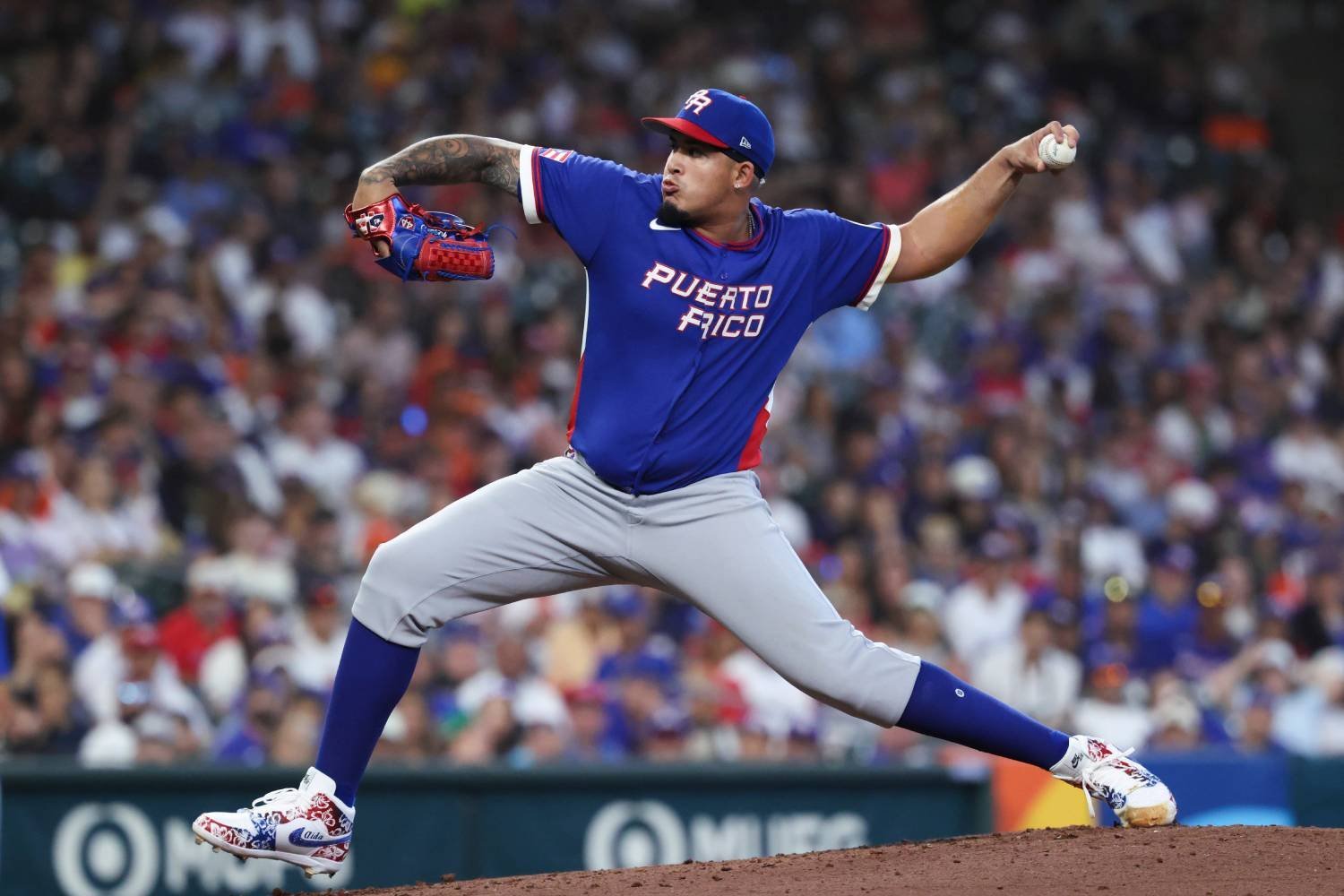 The Boston Red Sox feel Eduardo Rivera is ready for a big jump. A day after promoting the left-handed starter from Double-A Portland to Triple-A Worcester, the Red Sox called up Rivera on Wednesday to make his MLB debut. So Rivera is basically going straight from Double-A to the majors. Right-handed reliever Jack Anderson was optioned back to Triple-A. What role the 6-foot-7 Rivera will fill is another question as the rotation currently has a hole due to right-hander Sonny Gray going on the 15-day injured list Tuesday with a strained right hamstring. But the bullpen has also been overworked in recent days and left-hander Payton Tolle, Talk Sox's No. 1 prospect, is primed to be called up to fill Gray's spot. The 22-year-old Rivera had made two starts at Double-A Portland this year, pitching 10 innings with three walks and 16 strikeouts. In 2025, splitting time between High-A and Double-A, Rivera made 15 starts and five relief appearances, walking 46 and striking out 108 in 87 innings. Rivera pitched for Puerto Rico this spring in the World Baseball Classic. Anderson was called up April 14 to make his MLB debut and has pitched three times covering eight innings, which could be the role for Rivera. Anderson allowed one run in each of those outings, while giving up eight hits and two walks while striking out six. View the full article
 -
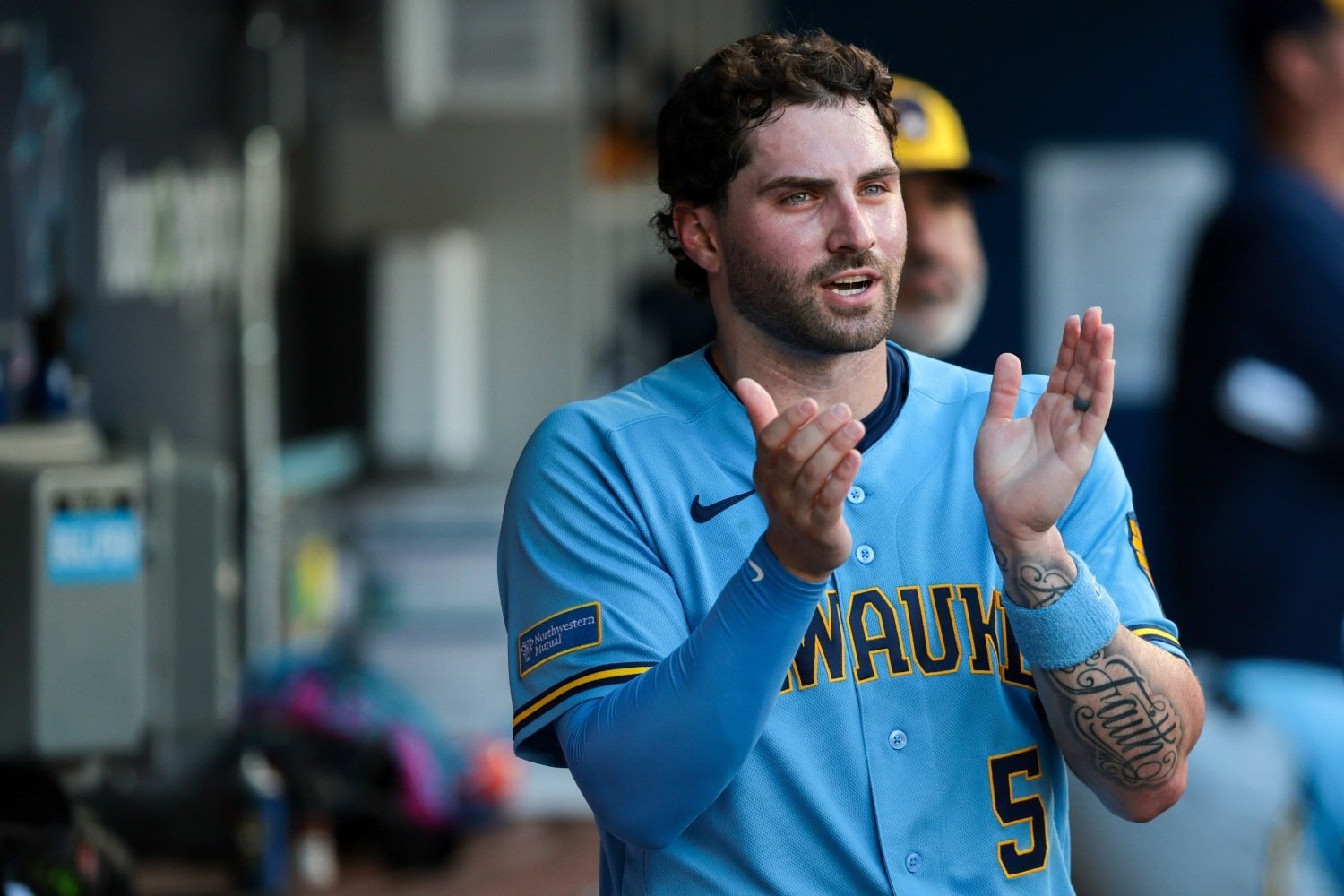 It's only been 72 plate appearances. On the other hand, Garrett Mitchell made his big-league debut 1,334 days ago, and even with the 72 plate appearances he has this season, he's only amassed a totla of 515 in the regular season for the Brewers, so let's not look a gift 72 plate appearances in the mouth. We have to allow ourselves to be pleased that Mitchell isn't hurt, but we can be even more excited about this: In 72 plate appearances, Mitchell is batting .273/.437/.436. That's a strange-looking batting line, because it's still early and the season stays strange into May, no matter how early it begins these days. In fact, it's extra strange this year, because the ABS challenge system has altered the game, in obvious ways—the challenges themselves—and in subtler ones. It's one of the subtler but important impacts of the system's implementation that might just make Mitchell viable for the long haul, in multiple ways. Firstly, as you might guess from the huge gap between his batting average and his OBP, Mitchell is swinging rarely and walking often so far this season. He's only offered at 39.4% of the pitches he's seen, down from a career norm (to whatever extent he's been able to establish a norm, given all the injury disruptions to his career) over 44%. That's allowed him to walk 16 times in 72 trips, an extraordinary 22.2% clip that is (obviously) unsustainable. Even if he walks 13% or 15% of the time, though, he'll be a darn good player. The question is whether he can sustain that lower but still robust kind of rate, and the answer is affected by the presence of the ABS system. It's not just about the ability to challenge, though. Mitchell has only challenged once this year, and he lost that appeal. Instead, the effect here is the fact that the strike zone is smaller now. With the implementation of the computerized zone, there are (perhaps imperfect, but) objective upper and lower boundaries of the zone based on each player's height, rather than idiosyncrasies of their stance or the umpire's interpretation of the rule book's definitions of the hollow of the knee. Starting last year, the league informed umpires they would be graded on a stricter standard as ball-strike callers, and the shrinking of the margin for error produced a slightly smaller zone. This season, that's only been more true; it turns out that this way of structuring the zone compresses it vertically. The plate is still the same width, but the zone is shorter and blockier. That's true in theory; it wouldn't have to be true in practice. In practice, though, umpires are responding to the league's training and feedback by giving the smaller zone now prescribed by altered rules and the input of computers. Mitchell isn't alone in responding to this by swinging less often. Of the 199 batters who had a qualifying number of plate appearances last year and are qualifying so far this year, 123 have either kept their swing rates flat or reduced them. Only 43 batters have increased their swing rate by at least two percentage points; a whopping 86 have reduced it by at least that much. The percentage of pitches marked as being within the strike zone is down this spring. So is the rate at which pitches taken by the batter are called strikes. Throwing out all challenges by either side, the percentage of taken pitches called a strike so far this season is 30.1%. It was 31.7% in both 2023 and 2024, and 31.1% in 2025. That difference sounds small, but around the edges of the zone, it gets big in a hurry. The league, as a whole, is walking 9.9% of the time. The last time the global walk rate was this high in April was in 2009 (9.8%, essentially tied). Except for 2019, the league walked less than 9% of the time each April from 2011 through 2024. Now, it's nearly 10%. The arrival of ABS has made swinging a less valuable thing to do. That brings us back to Mitchell. There are two very good reasons why not swinging as much (and being rewarded for that patience) is good for Mitchell. The first, obviously, is that he whiffs at a calamitous rate, when he does swing. He's seen 325 pitches this year, and swung at 128 of them. Fifty-eight of those swings have resulted in whiffs—an almost unfathomable 45.3% rate. You can't swing and miss that much and be a good hitter, unless you do everything else well as an offensive player. That was obvious and ineluctable before the ABS change. Now, it still feels obvious, but maybe it's a bit more negotiable. If you minimize the number of times you swing and the league rewards that approach because of a small strike zone, that's one step in the direction of permitting production amid a choking cloud of swing-and-miss. Part of doing everything else well is having a swing that produces damage when one does make contact. The good news is, as we get a longer look at the healthy version of Mitchell and his swing, it's increasingly clear that he checks that box. His average bat speed of 76.4 MPH is borderline elite. Add to that one number the fact that he has a relatively short stroke with average-plus tilt and a deep contact point, and the company he keeps gets interesting. We've talked a lot about the interaction of those numbers recently, in the contexts of Brice Turang's successes and Joey Ortiz's failures, so hopefully, it's already becoming clear to you that having a fast, steep swing with a deep contact point is a good thing. If not, though, here's the list of players (besides Mitchell) who have average or better tilt and a contact point at least 1 inch closer to their body than the average, on swings that average 74 MPH or higher. Nick Kurtz Jo Adell Jake Bauers Luis Robert Jr. Mike Trout Shohei Ohtani Yes, this kind of swing usually leads to plenty of whiffs. Mitchell is at the extreme end, even in this cohort. But he also swings considerably faster than the older Trout and Ohtani, and his plate discipline (augmented this year, but always solid) is far better than that of Adell or Robert. He belongs to a group of hitters who blister the ball when they do put the bat on it. He's doing a better job of working uphill and lifting the ball this year. Yes, it's possible to be highly productive with an atrocious whiff rate, if you're a patient hitter in the ABS Era who can also generate elite power. The other reason why a lessened need to swing is good news for Mitchell might sound callous, but it's legitimate: fewer swings means less risk of an injury. Mitchell has twice wrecked his shoulder on wild slides into bases, but some of his injury issues throughout his career stemmed from the violence of his swing and the vulnerability of his hands early in the motion. Swinging less often and being less primed to swing means less chance of an oblique strain or a sports hernia injury. It means less chance of a broken hamate bone. It puts less strain on the back. We've talked endlessly about Mitchell's potential over the years, but also about all the things mitigating it. Would he ever make enough contact to access his talent in full? Could he stay on the field long enough to prove himself either capable or incapable of that? This season, the league is different, and the changes germane to Mitchell's game are all good news for him, on both fronts. That doesn't mean he'll keep hitting this way all season, or that this year will more than double the number of MLB plate appearances he's had in his career. The chances of that kind of thriving, healthy campaign are better than ever, though, because Mitchell is responding correctly to the environmental shifts around him—and because the talent unlocked by those shifts is so loud, in the first place. View the full article
 -
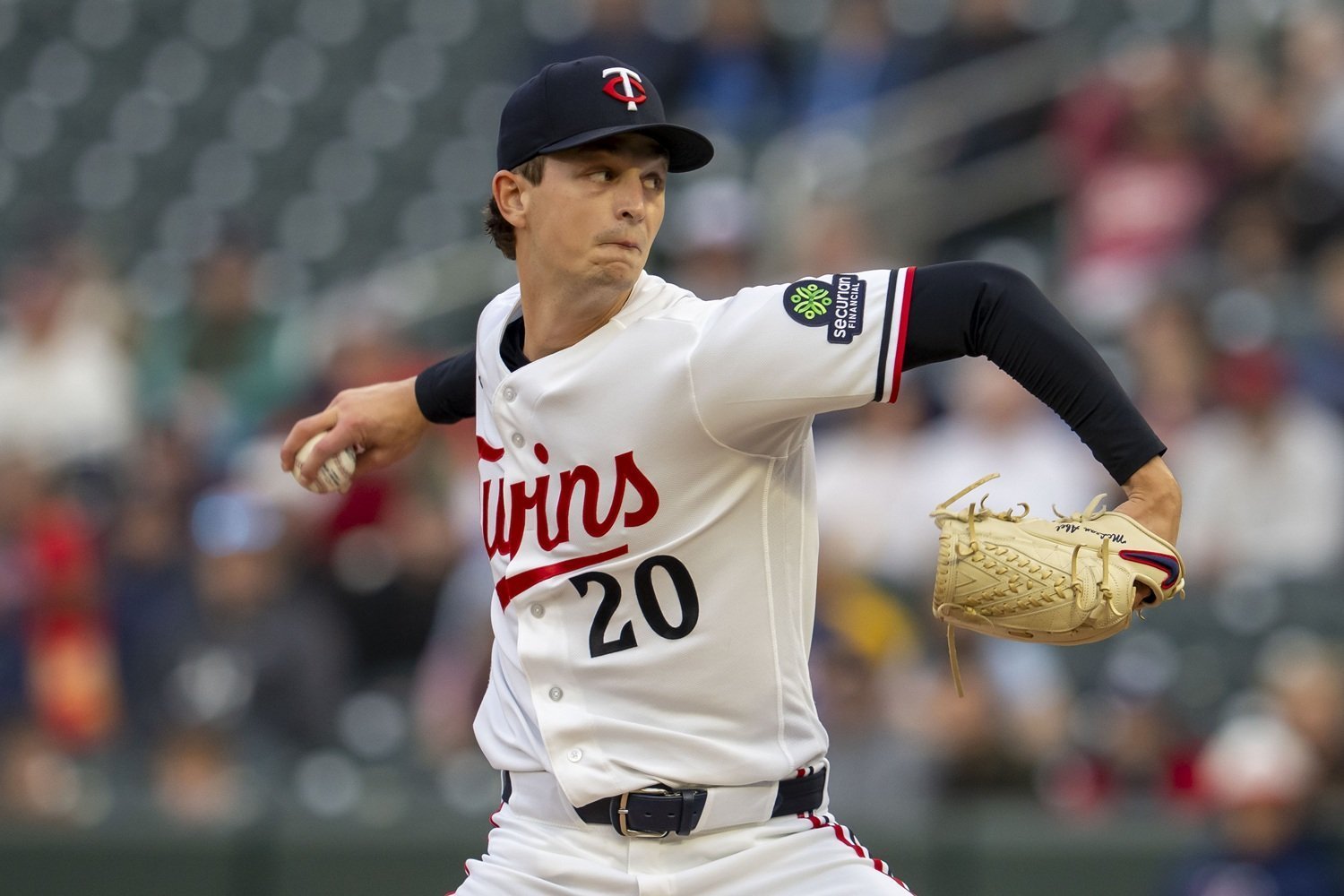 There was a brief moment of concern surrounding Mick Abel this week, but the Minnesota Twins appear to have avoided a worst-case scenario. When Abel experienced soreness following a bullpen session, the organization opted for caution, and the MRI results delivered encouraging news. “We felt like if we aggressively treat it, get him on some anti-inflammatories and play it safe on the front end, it’ll be something that will be relatively quick and short,” general manager Jeremy Zoll said. “We didn’t want to try to chase it and then make it potentially worse later by trying to prolong this.” That measured approach reflects both the Twins' current pitching depth and the importance of Abel to the organization’s long-term plans. Originally selected 15th overall by the Philadelphia Phillies in 2020, Abel arrived in Minnesota with plenty of intrigue. He was part of last summer’s headline-grabbing deal that sent Jhoan Duran to Philadelphia, with catching prospect Eduardo Tait also coming back in return. At the time, the move signaled a shift toward reshaping the Twins' pitching pipeline. Now 24 years old, Abel’s development path has not been perfectly linear. Once a staple on top 100 prospect lists, his stock dipped entering 2025 before rebounding in a big way. He reached the majors with Philadelphia and pitched well enough to reestablish himself as a meaningful trade asset. Abel did not enter spring training with a guaranteed role, but he forced the Twins’ hand with a dominant showing in the Grapefruit League. Across 22 innings, he posted a 2.05 ERA with a 32.9% strikeout rate and just a 4.9% walk rate, looking every bit like a pitcher ready to contribute at the major league level. The regular season has brought some ups and downs, which is to be expected for a young arm finding his footing. After being hit hard in his first two outings, Abel responded with authority. He delivered 13 consecutive shutout innings across starts against Detroit and Boston, compiling a 16-to-3 strikeout-to-walk ratio in the process. Through 20 1/3 innings, Abel owns a 3.98 ERA with a 24.7% strikeout rate and a 10% walk rate. Underlying metrics paint an even more encouraging picture. His 2.79 FIP suggests better days ahead, while a 3.93 SIERA reinforces the idea that he has been a steady contributor. For the Twins, the decision to pause rather than push reflects both confidence and caution. Elbow inflammation is not something to ignore, especially for a pitcher with Abel’s workload trajectory, but it is far from a devastating diagnosis. The focus now shifts to recovery and timing. If the inflammation responds well to treatment, Abel could return without missing significant time and continue building on what has been a promising start. In a season where pitching depth is already being tested, keeping Abel healthy matters. The early signs suggest the Twins have navigated this situation correctly, giving themselves a chance to have one of their most intriguing young arms back on the mound sooner rather than later. View the full article
 -
 In this week's episode, Nick talks about the current state of injuries going through the minor leagues, especially Juan Valera and his elbow issue. Discussion is also had about Payton Tolle and how either he or Jake Bennett is a prime candidate to take Sonny Gray's spot in the rotation temporarily. Listen on Apple Podcasts: https://podcasts.apple.com/us/podcast/the-talk-sox-podcast/id1783204104 Listen on Spotify: https://open.spotify.com/show/3qPrPXEngu0CxgTmlf0ynm Listen on iHeartRadio: https://www.iheart.com/podcast/263-the-talk-sox-podcast-244591331/ Listen on Pocket Casts: https://pca.st/4tmd121v Watch on YouTube: https://www.youtube.com/@talksox View the full article
 -
 The San Diego Padres have a new weapon in the starting rotation. Right-handed starter Lucas Giolito, one of the top free agents entering the offseason, has signed a one-year deal with a mutual option for 2027, the team announced Wednesday. MLB Network insider Jon Heyman reported the deal was worth $3 million for 2026. Giolito signed a two-year, $38.5 million contract with the Boston Red Sox in 2024 and remained a free agent because he didn't want to take a bargain deal. Right-handed reliever Bryan Hoeing, who is out for the season following elbow surgery, was transferred from the 15-day injured list to the 60-day IL to make room on the Padres' 40-man roster. The 31-year-old Southern California native is likely to take over the rotation spot vacated by Opening Day starter Nick Pivetta, who is on the 15-day injured list with a strained right flexor. Pivetta is expected to miss a significant amount of time this season. Giolito had said recently that he had been staying in shape with 75-pitch bullpen sessions, but it is likely that he will need at least a couple of starts in the minors to get into game shape. Right-hander Matt Waldron is currently occupying Pivetta's spot in the rotation, but he got rocked in his season debut Friday. Waldron's next start is Thursday against the Colorado Rockies. Born in Santa Monica and an alum of Harvard-Westlake High School, Giolito had three straight top-11 finishes in AL Cy Young Award (2019-21). In 2025 with the Boston Red Sox, Giolito made 26 starts and had a 4.17 FIP (3.41 ERA) with a 9.1% walk rate and 19.7% strikeout rate. That came after missing all of 2024 with UCL surgery on his right elbow, a good bounce back in his first season back. Eventually, Giolito will join a rotation of all right-handers: Michael King, Randy Vasquez, Walker Buehler, German Marquez and Waldron. Giolito will provide another experienced arm, possibly putting Waldron's roster spot in jeopardy. While the rotation is in good shape, there is little depth behind this group. Right-hander Griffin Canning is currently on a rehab assignment following last year's Achilles injury and will need to be activated in the next couple weeks. The signing also comes less than a week after the Padres' reported sale agreement with Jose E. Feliciano and Kwanza Jones for a record $3.9 billion. How the prospective new owners played a role in this transaction is not known, but the Padres have been tied to Giolito since the offseason. View the full article
 -
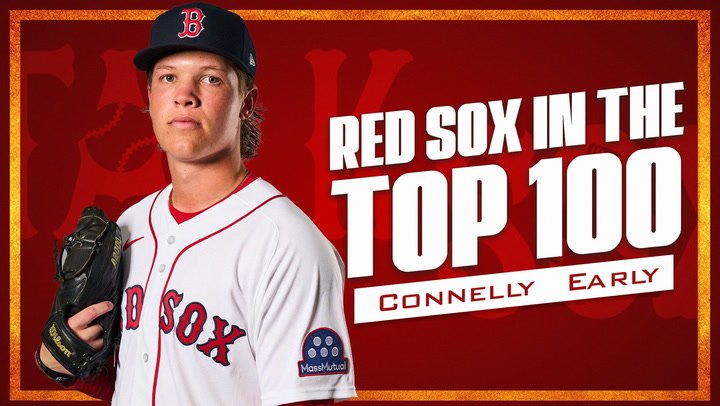 One of the biggest breakout prospects in baseball in 2025, Connelly Early improved every time you checked in. His combination of quality stuff and a deep arsenal with a good feel to command it makes it easy to envision a quality big league starter for a long time. View the full article
 -
 If you want to play with some selective endpoints, you can end up pretty deeply impressed by Nico Hoerner these days. He blasted his fourth home run of the season in the Cubs' seventh straight win on Tuesday night, and since last August 24—I did warn you the endpoints would be selective—he's batting .327/.384/.505 in 245 regular-season plate appearances. Kick in a tremendous postseason showing, you're up to .339/.388/.510 in 278 trips to the dish. He has 26 extra-base hits in that span. He's hit 8 homers. The topic of Hoerner's power potential has been an almost constant point of discussion over the last few years. I wrote about the very low apparent ceiling for it in May 2024, based on his inability to reach high-end exit velocities and the way defenses have evolved to cut off balls better as they head for the gaps. I also wrote about the way Hoerner's hands work (relative to one another and to the bat) in the context of his bat control and contact skills in early 2023, which included a discussion of how that style of swing consciously trades power for contact and opposite-field value. By last September, however, it was clear Hoerner had made some adjustments. He'd locked into a new approach that, without sacrificing the ability to go the other way or to make good swing decisions and draw the occasional walk, produced many more line drives to left field. It boosted his batting average more than his isolated power, but once you're pulling the ball in the air a bit more, power increases almost on its own. Back at the beginning of spring training, Randy Holt wrote about the questions posed by Hoerner's late-season power surge, and tried to assess the likelihood that it would carry over. About a week into the season, I followed up with a partial answer, based on some changes Hoerner brought into this campaign: a slightly wider stance and a shorter stride, giving him more early stability and the capacity to hit the ball hard down the lines, rather than toward center field. Now, it's time to synthesize all that into a firm answer to an increasingly pressing question: Is Hoerner a full-fledged power hitter now? He is, and he isn't. Oh, man. That's not the satisfying answer we all wanted, is it? Ok, let me try again. Yes, Hoerner has found the best way to unlock power in his game. Those adjustments we saw last year did quite a bit of the work; his stance adjustments this spring have completed the job. Here's a side-by-side comparison of the batted balls over 88 MPH in exit velocity Hoerner produced from the start of last season through August 15, and the ones hit at least that hard that he's produced since, by launch angle. To spot the differences, note that he's not hitting balls hard into the ground or popping them up. Next, note the right edge of the curve described by the chart. He's hitting it slightly harder, at the high end, and he's clustering his hard contact in a productive launch-angle band. Now, here's his spray chart heatmap for those same batted balls, with the same dividing dateline. Fewer of these well-hit balls are going to right field. More are going deeper into left, left-center, and center. That larger, brighter blob blooming in shallower left field on the right is the surest sign of his overall progress; those are the balls his approach is now focused on generating. He'll always be better at producing hard-hit singles to left field than at slugging; it's what he does best. His bat speed is below-average, and that's not going to change. He's not going to hit 30 home runs; he very well might never even hit 20. A couple years ago, though, it looked like Horner was destined to hit anywhere from .280 to .310 and slug anywhere from .350 to .390. Now, I think, you can safely bump the latter number up to .420, and maybe even .450. He's gotten a bit of good fortune over these 280ish plate appearances; he's hit a couple of wall-scrapers that just barely carried out of the park. However, Hoerner's power surge is real. Why? Because he's dedicated himself to the pulled line drive. Lock in on that outcome, and the rest of what's needed falls into place. Most line-drive hitters like to hit it right back where it came from, and that's what Hoerner used to do, too. The guys with low bat speed who still hit for good power (including recent ex-Cubs Cody Bellinger and Isaac Paredes) aren't line-drive guys; they focus on pulling fly balls. The pulled line drive is not a popular approach, because it takes a special kind of hitter—and a particular set of constraints eliminating the chances of being other ones—to execute it. Hoerner is that special a hitter, though, and as he's embraced that, he's become more dangerous, in multiple facets. He's hit four home runs this year. Could he hit 10 or 12 more, before the year is out, without trading in the other things he's doing well? At long last, that answer is "yes". It might not make him a full-fledged MVP candidate, but this power boost does make Hoerner a legitimate All-Star, and it's already making the contract extension he and the team signed feel like a huge win for the Cubs. View the full article
 -
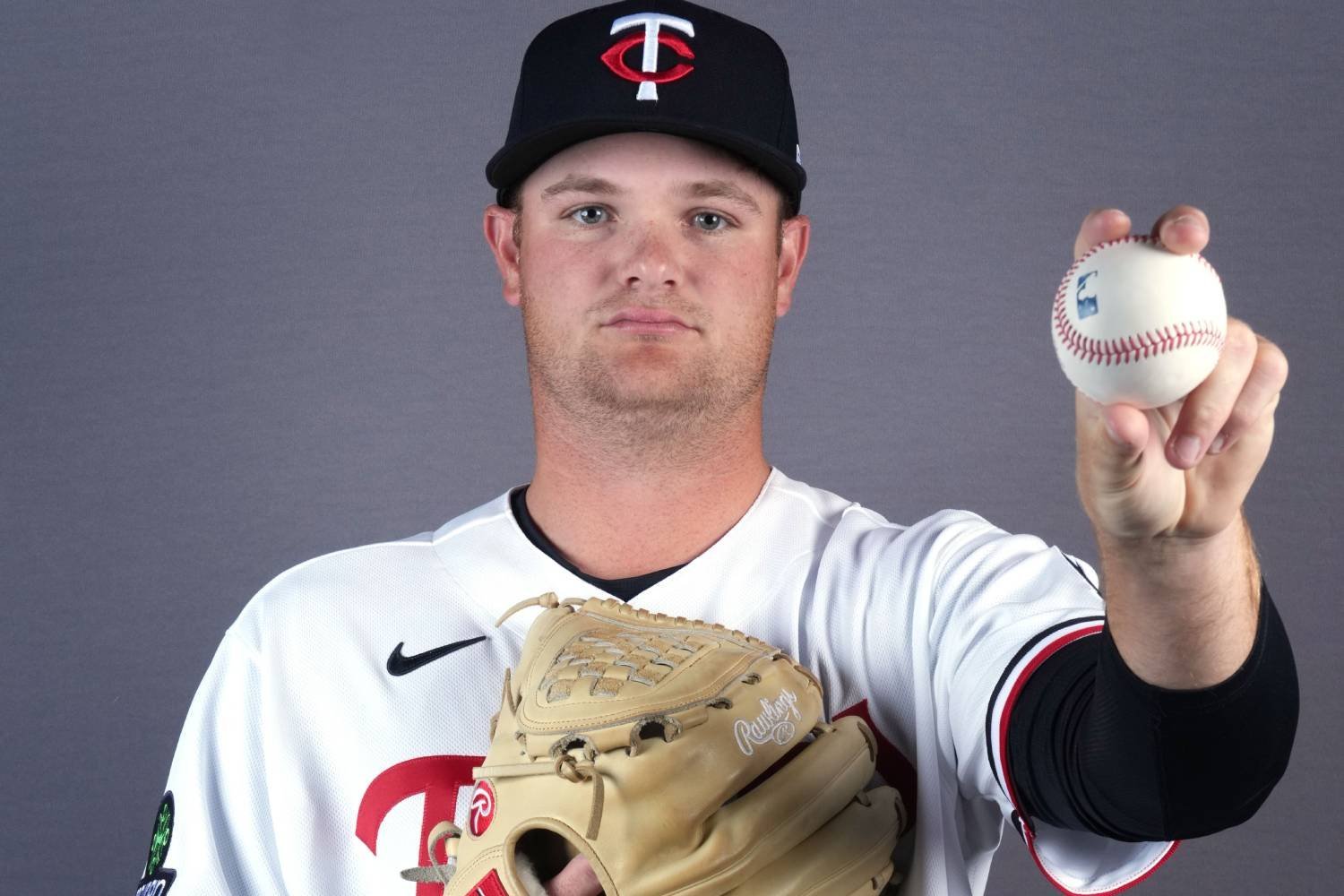 This is the day Connor Prielipp has been waiting for. The Minnesota Twins called up the left-hander to make his MLB debut by starting Wednesday's game against the New York Mets. Outfielder Ryan Kreidler was sent back to Triple-A St. Paul. For the 25-year-old Prielipp, Twins Daily's No. 5 prospect, the path to his debut has been a rocky road. The Tomah, Wis., native had Tommy John surgery in college at Alabama, but the Twins still took a chance on him with their second-round pick in the 2022 draft. Unfortunately, Prielipp needed an internal brace procedure on the same elbow after two appearances in 2023. In 2024, Prielipp returned to make nine starts with a 2.70 ERA in 23⅓ innings, walking seven and striking out 41. He made 23 starts and one relief appearance in 2025 between Double-A Wichita and Triple-A St. Paul, with a combined 4.03 ERA, with 31 walks and 98 strikeouts in 82⅔ innings. At St. Paul this season, Prielipp appeared in four games, three starts, pitching 15⅔ innings and posting a 2.30 ERA with eight walks and 22 strikeouts. Kreidler was called up from St. Paul on April 11 and appeared in five games, going 3-for-14 with two homers and four RBIs. His demotion puts an even split on the 26-man roster of 13 position players and 13 pitchers after a one-day imbalance. View the full article
 -
A Lot Is Going Wrong For Simeon Woods Richardson. What's Fixable?
DiamondCentric posted an article in Twins Daily
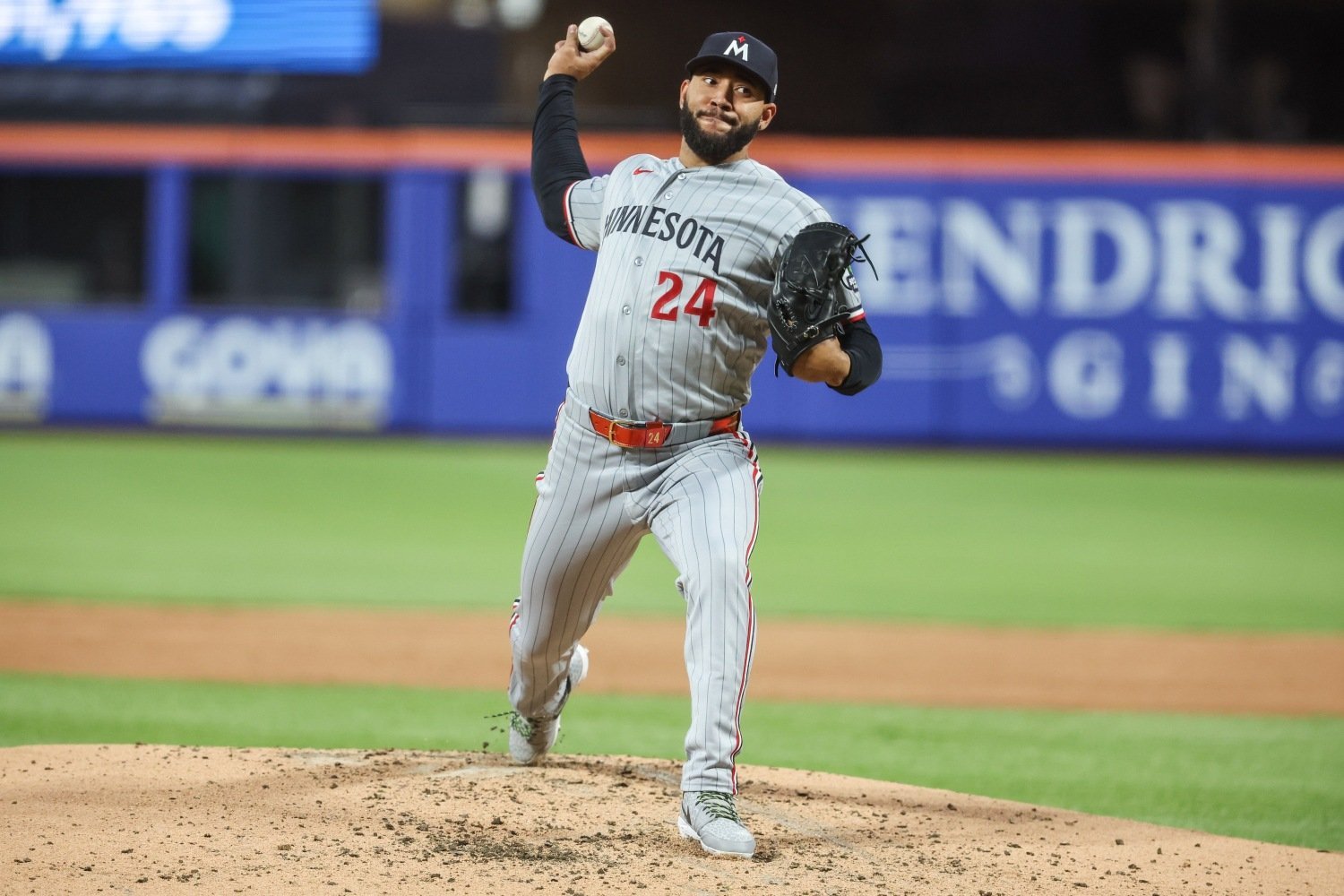 Simeon Woods Richardson looked to have found a missing piece of the puzzle in 2025: a new splitter that looked like a legitimate plus offering to round out his repertoire. So far in 2026, however, he’s been the most disappointing member of the rotation results-wise. What’s holding him back? The Splitter Is Different Woods Richardson’s splitter looked like a weapon in 2025. It led all of his pitches with a 32.5% whiff rate and completely disarmed opposing hitters when they made contact. The pitch was a big proponent of the strong stretch to end the season, in which he posted a 2.33 ERA and struck out 36 of the 104 batters faced over his last five starts. After he integrated the pitch midseason, it had a slow buildup, and the splitter finished as his fourth-most-used pitch. With an offseason ahead of him, we expected to see him turn to his new weapon much more often in 2026. The splitter has been the second-most used pitch for him so far this season, but it’s not seeing the same success. He’s throwing it 27.7% of the time, as opposed to 10% in 2025. It’s down to a 22.6% whiff rate and is allowing an expected batting average of .285 and expected slugging of .519. He’s throwing the pitch about half a mile per hour faster, and it’s getting about an inch less of vertical and horizontal movement. If this is an active change Woods Richardson and the Twins made to this pitch that was so successful in 2025, it may be time to rethink things. It's more likely, though, that the pitch just isn't doing what he wants it to do. The Whiffs Are Gone The splitter may have been Woods Richardson’s best pitch in 2025, but he had other successful offerings to turn to. That has certainly not been the case in 2026. His slider has dropped from a whiff rate of 27.4% to 20% so far, and the xwOBA allowed has increased from .261 to a crippling .377. His fastball has been his only acceptable offering so far, but even with decent expected numbers with the heater, it’s dropped from a 21.8% whiff rate to 12.4% in 2026. This all culminates in an untenable 11.4% strikeout rate overall so far this season. A lack of swing and miss leaves Woods Richardson exposed to the Twins’ poor defense, and we’ve already seen that come back to bite him on multiple occasions. He’s not pitching well, but even when he coaxes batted balls that should help bail him out of his frequent jams, his defense hasn’t made the plays for him. Any pitcher would have trouble with this little swing and miss, but this problem is magnified even further by how bad the Twins' defense is. Some Bad Luck In addition to the poor defense, Woods Richardson has experienced some bad luck. His 66.7% strand rate of opposing baserunners is a notable change from his 75.9% mark in 2025 and 73.6% mark in 2024. He’s putting plenty of runners on base, and those runners are scoring at an unexpectedly high rate. His batting average on balls in play allowed is also a career high of .291, which is particularly painful given how many batted balls he’s allowing. His fastball has been his best pitch so far, and he’s gotten unlucky with it in several ways. The pitch has yielded a .284 batting average, which conflicts with an expected mark of .224. It’s allowed a .345 wOBA, compared to a strong .296 expected wOBA. To be fair, the rest of his pitches have actually gotten lucky in these metrics, but it doesn’t help that the one offering he can turn to has been unlucky in addition to everything else going on. The heater also isn't setting up the rest of the arsenal as well as it has in the past. In 2024, his fastball was in the upper third of the zone or above it over 46% of the time. Last year, that number fell to 40%. This season, it's 33%. With the fastball coming in lower, there's less space to let his splitter or slider separate from that pitch. It means fewer whiffs when the non-fastballs are close to or in the zone. To create the differential you want to achieve a whiff, now, he often has to throw the slider and the splitter in non-competitive locations. Batters chased 30.9% of his sliders and splitters outside the zone last year. So far, in 2026, it's 24.8%. There isn’t much going right for Woods Richardson right now. Either intentionally or unintentionally, changes were made to several of his pitches that were successful in 2025, and the results have been disastrous. His strikeout rate looks like something out of the 1990s, and he’s pitching in front of one of the worst defenses in the league to count on for turning contact into outs. Given the injuries in the rotation, Woods Richardson has some time to right the ship, but the clock is ticking, with the Twins showing a newfound aggressiveness in calling up pitching prospects. Woods Richardson has a ton to fix if he wants to hold onto his rotation spot for the entire 2026 season. Can he pull it off? View the full article
 -
Why Marlins aren't afraid to make 'ugly outs' on the bases
DiamondCentric posted an article in Fish On First
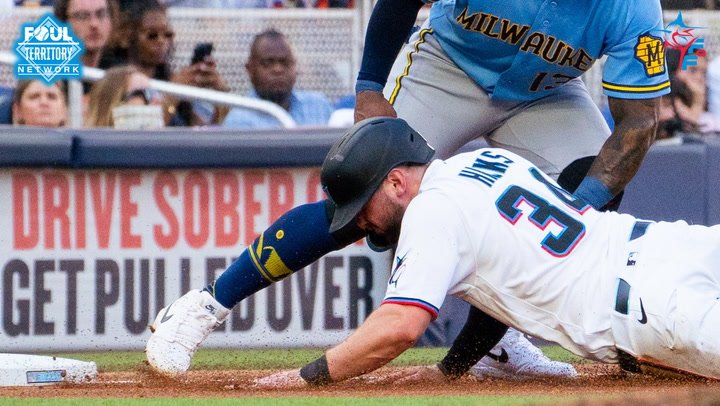 Marlins manager Clayton McCullough speaks with Fish Unfiltered about how his team's aggressive baserunning has repeatedly come back to bite them in recent games. View the full article
 -
Is This Finally the Year for a True Davis Schneider Breakout?
DiamondCentric posted an article in Jays Centre
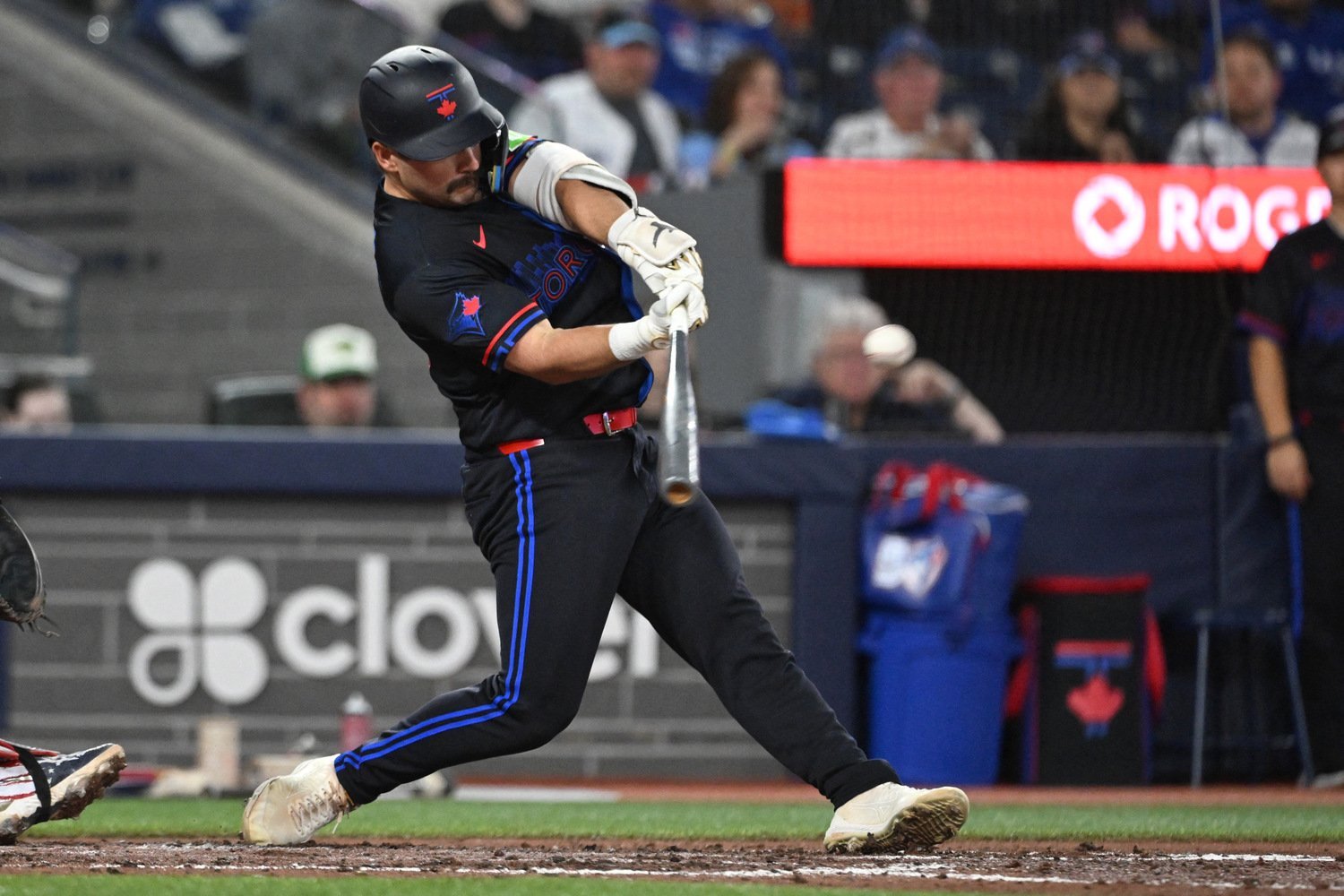 This piece was written prior to the Blue Jays' game on Tuesday, April 21. It was only three years ago that the Toronto Blue Jays had an unheralded prospect who came out of nowhere to put on a show for his major league debut. That prospect, of course, was Davis Schneider, who was selected in the 28th round of the 2017 MLB Draft. Schneider would record two home runs on nine hits during a three-game series against the Boston Red Sox, becoming the first player to do so in the first three games of his MLB career. In the end, Schneider would finish off the 2023 season with a .278 average, a 1.008 OPS, and 1.8 bWAR, along with eight home runs and 20 RBIs in just 35 total games played. With that, he appeared to be the next big thing out of Toronto. However, Schneider hasn’t been able to follow it up in his subsequent two seasons with the Jays, including seeing time back down in the minors to find his game at times. In 2024, he compiled a .191/.282/.343/.625 slash line, along with a -0.1 bWAR, 13 home runs and 46 RBIs in 135 games played. In 2025, Schneider fared a bit better but still left something to be desired, with a .234 batting average and 1.3 bWAR, along with 11 home runs and 31 RBIs in just 82 total games. Nevertheless, his versatility in being able to play both the outfield and infield has helped to keep him a major part of the Blue Jays lineup despite his up-and-down performance. Now we are in 2026. With this being his age-27 season, will Schneider finally break through as a full-time player for the Jays this year? He certainly didn’t look like he was on track to do so after a disappointing spring training, in which he posted a dismal .132 average and a 409 OPS with 12 strikeouts in 47 total plate appearances. But once the regular season commenced, Schneider started providing some significant impact, helping his team to victories. He came through with several key hits for the Blue Jays in the early going, registering a solid .294 average, a 1.008 OPS, and 0.494 WPA, together with seven runs scored, one home run and five RBIs in his first nine games of the year. That certainly gave him a lot of confidence and put to rest any doubters after his less-than-stellar spring. However, as the Blue Jays began their recent struggles, so too would Schneider and his bat. In his past seven contests, he has amassed an abysmal .063/.167/.125/.292 slash line with zero home runs and RBIs to go along with seven strikeouts in 18 plate appearances. So, can Schneider eventually break out of his mini-slump and make this season count? Taking a look at some of his advanced statistical metrics from Baseball Savant, one would see that he certainly has breakout potential. He has an average exit velocity of an elite 93.3 mph, along with a sea of red in the barrel % (20.0%), squared-up % (31.4%), chase % (15.0%), and walk % (19.5%) categories. With all that, it is actually quite surprising that Schneider hasn’t been posting big numbers to date. His .316 xwOBA could probably tell part of the story; he's striking out too much (31.7%), and he isn't pairing his hard-hit balls with optimal launch angles often enough. However, we could see things start turning around once his numbers normalize in due time. Having seen a glimpse of his power potential back in 2023 and at times in 2025, we all know that he has the ability to be productive if he can put everything together. Perhaps the Blue Jays should consider where Schneider should be deployed in the batting order to maximize his effectiveness. That, along with determining the most strategic matchups against opposing pitchers, could ultimately unlock his potential for good. Once he has established his confidence to produce in all situations, then Toronto would finally have another much-needed offensive weapon to help them to success going forward. Until then, we will be rooting for Schneider to overcome his struggles and finally get it done on a consistent basis in 2026. View the full article
 -
 Here's a fun throwback to the legendary 1982 Brewers, including Paul Molitor, Robin Yount, and Harvey Kuenn. View the full article
 -
3 MLB comps for future Marlins shortstop Starlyn Caba
DiamondCentric posted an article in Fish On First
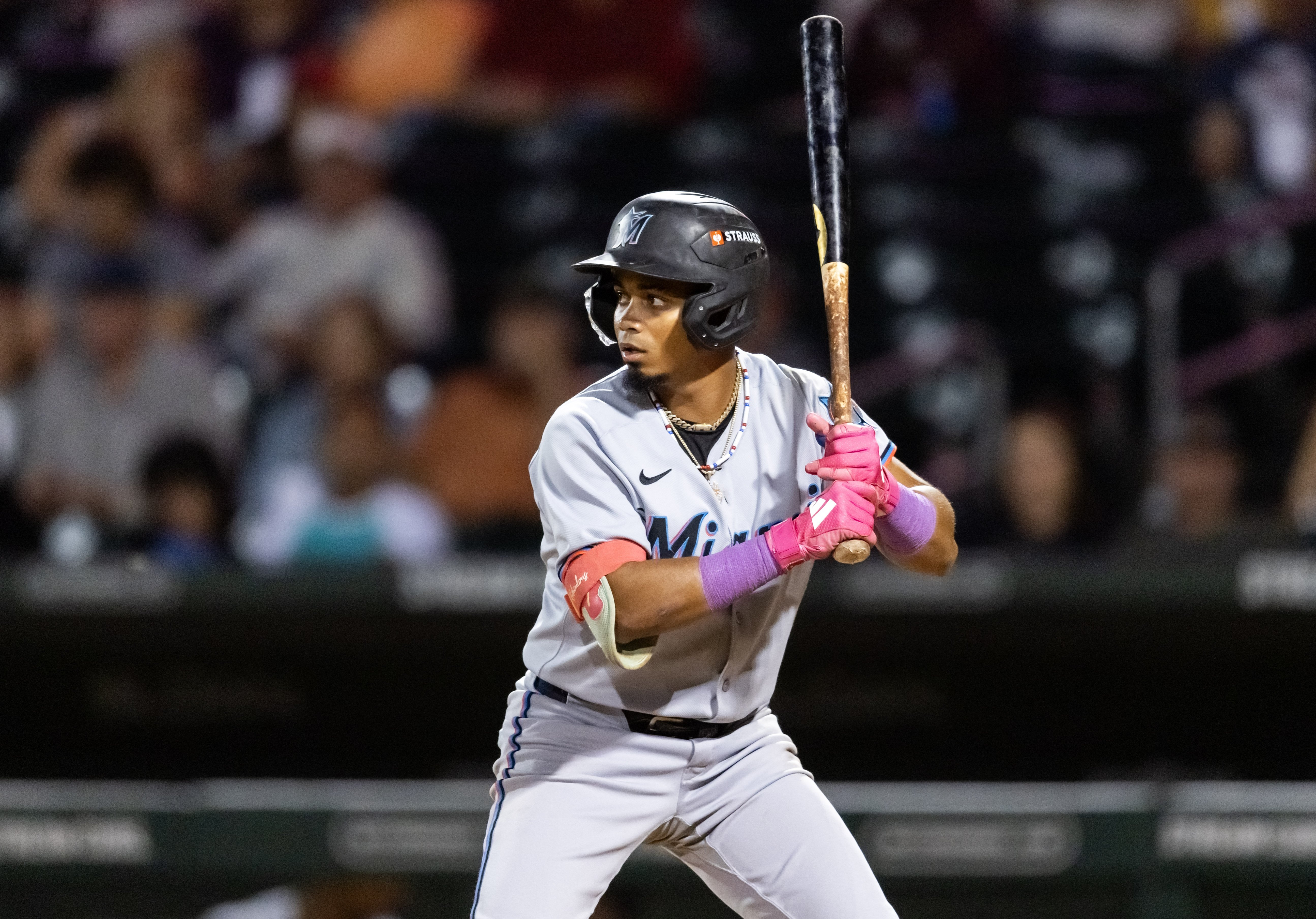 Starlyn Caba, Fish on First's eighth-ranked prospect, was acquired by the Miami Marlins in the December 2024 trade which sent Jesús Luzardo to the Philadelphia Phillies. One season later, the Phillies looked like they got the better end of the deal, as Luzardo was a crucial piece of their division-winning starting rotation and the left-hander was signed to a five-year contract extension. Meanwhile, Caba struggled with injuries and the stick during his age-19 season. The shortstop played his whole 2025 with the Jupiter Hammerheads. He had a .613 OPS and .284 wOBA, unable to hit the ball with much authority. Fortunately for the Fish, Caba fared much better in the Arizona Fall League. Among the youngest prospects who participated in the AFL, he recorded a 105 mph max exit velocity, .363 wOBA and 42.6% hard-hit rate overall, and continued his strong swing decisions and 70-grade defense at short. He reached base safely in all 18 games he played and earned a Fall Stars Game selection. Three weeks into his 2026 season, Caba has made even more progress in the batter's box. Through 13 games with High-A Beloit, he has a .327/.424/.531 slash line with a .436 wOBA and 153 wRC+. The lack of public batted-ball data from the Midwest League prevents us from speaking on his EVs, but he appears to be mostly deserving of these results. The glove on its own may have given Caba a future MLB role, but this positive development to his hitting profile from a damage perspective mixed with his great plate approach makes him a viable potential building block for the Marlins. While we're at least a full year away from seeing the Dominican switch-hitter in the majors, he has undeniable similarities to some longtime big leaguers. Using them as reference points, I'll lay out three plausible career outcomes for Caba. Low-end outcome: Alcides Escobar MLB seasons: 14 Peak fWAR/career fWAR: 3.5/13.3 Alcides Escobar was an All-Star, Gold Glove award winner, and World Series champion, though all of those accolades came during the same 2015 season. He had an extremely up-and-down career overall. At his peak, Escobar was the spark at the top of the Kansas City Royals lineup. The majority of the time, he was best suited for the bottom of the order, earning his keep with defense and speed. cv_516191283_1200K.mp4 Escobar had a single-season high of only seven home runs and didn't get on base consistently. It wouldn't be unfair to expect Caba to fare better in one or both of those areas in the future. That being said, this kind of stability at shortstop has considerable value. Likely outcome: Jose Iglesias MLB seasons: 13 Peak fWAR/career fWAR: 2.5/16.8 Caba's remarkably smooth actions up the middle are reminiscent of Jose Iglesias. The former top prospect with the Boston Red Sox saw major league time with eight different franchises, making flashy plays every place he went. Iglesias hit for an elite average in several seasons, too. However, like Escobar, his production was limited in terms of homers and walks. Caba's patient approach could elevate him above this tier of player. High-end outcome: Andrés Giménez MLB seasons: seven Peak fWAR/career fWAR: 6.1/16.2 Andrés Giménez is not only still active, but should be for at least another half-decade. The Toronto Blue Jays shortstop is in the midst of his age-27 season. Even with many years of baseball ahead of him, it's safe to say that 2022 will go down as his career year, when he finished sixth in American League MVP voting. Most often utilized at second base in the past, Giménez has been one of the best infield defenders in baseball. He already has three Gold Gloves as well as the 2023 AL Platinum Glove. SzQ3QUJfV0ZRVkV3dEdEUT09X0JnQldBUWNDWGxZQUMxVlJYZ0FBQ0FGU0FBQlhXd2NBVkZJRkJBSlFBRkZkVmxaVA==.mp4 If Caba grows into a Giménez-like combination of speed, elite defense and nearly league-average hitting, I believe this would be a fantastic outcome. In an absolute best-case scenario, Caba could maintain even higher OBPs than him. View the full article
