


DiamondCentric
-
Posts
2,631 -
Joined
-
Last visited
Never
Content Type
Profiles
Forums
Events
News
Tutorials & Help
Major League Baseball Videos
Guides & Resources
Store
Downloads
Gallery
Everything posted by DiamondCentric
-

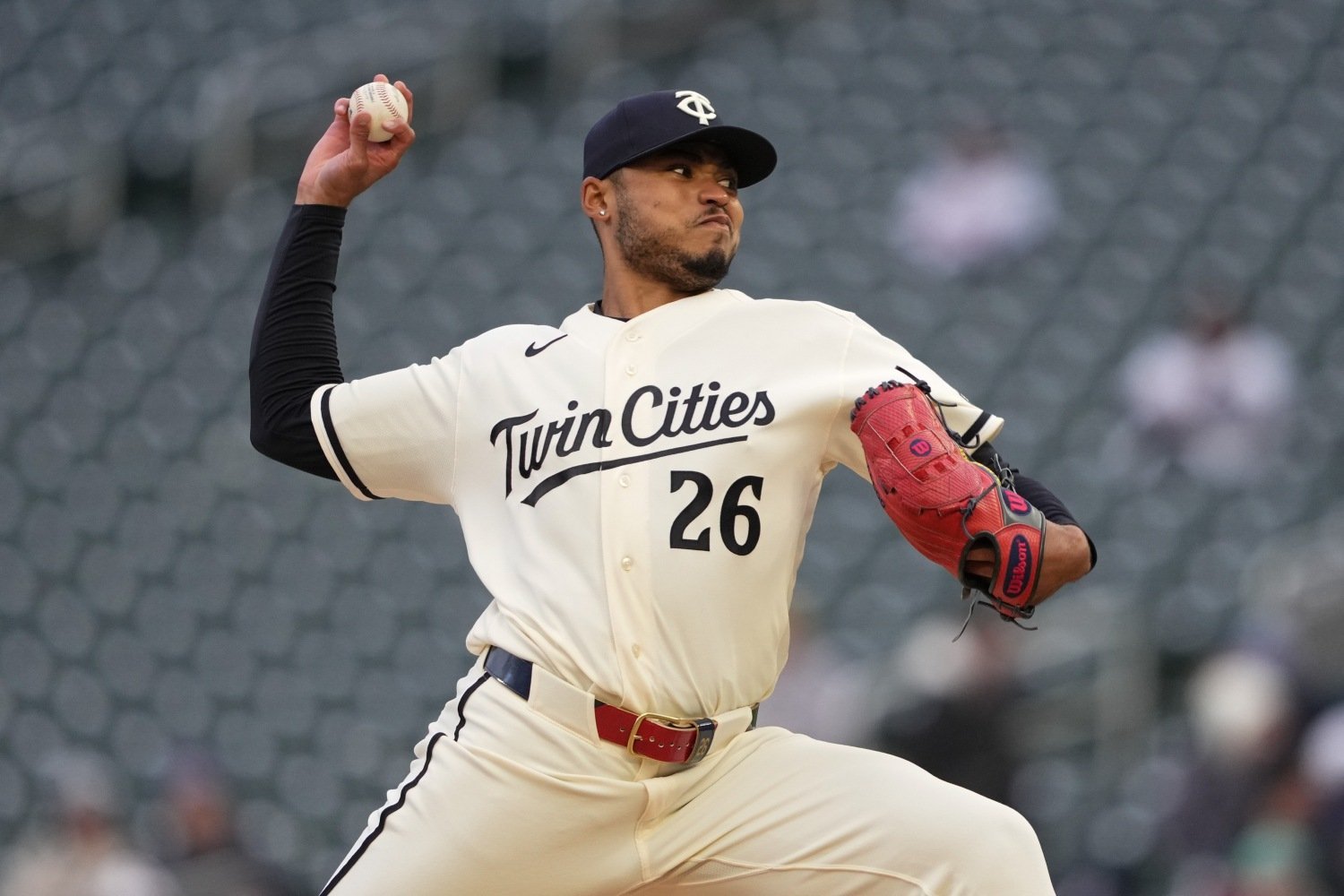 Box Score SP: Taj Bradley 6.1 IP, 6 H, 1 ER, 0 BB, 10 K (104 pitches, 68 strikes (65%)) Home Runs: N/A Top 3 WPA: Bradley (0.28), Ryan Jeffers (0.17), Justin Topa (0.10) Win Probability Chart (via BaseballSavant) The Twins looked to build more Central Division momentum against the Tigers on another chilly night at Target Field. The players looked like they were facing a snowball fight, but Tarik Skubal and Taj Bradley were throwing nothing but filthy heat early on. An Ace vs. An Ace in the Hole? Both of the starting pitchers in tonight's contest began their Major League journeys via the 2018 draft. Skubal came to the Tigers in the 9th round, and emerged quickly into a quality big-league arm in 2021. He came into tonight's contest as a back-to-back Cy Young winner, who has been rewarded with the largest arbitration contract in history at $32 million. Bradley was selected higher in the 5th round of the 2018 draft by the Rays, but his rise into a consistent Major League starting role has been a longer and less successful path. While Bradley has been starting since 2023, he looks primed to enjoy his first taste of success with the Twins for an annual salary of $820,000. Skubal was drafted out of college, while Bradley was selected straight out of high school, so the 29-year old Tiger southpaw should be ahead of the 25-year old young Twins fireballer. Would tonight's game give Twins fans a glimpse of a potential ace in the hole for years to come in the Twins rotation? The first three innings saw traffic on the basepaths, with the Tigers loading the bases in the top of the second before Bradley induced a Colt Keith groundout on a nasty splitter to end the threat. Skubal allowed a Victor Caratini double with one out and struck out Matt Wallner and got Royce Lewis to flyout to end a runner at third with only one out opportunity. Again the Twins got leadoff clutter in the bottom of the third thanks to Brooks Lee and Byron Buxton singles. Austin Martin couldn't put down a bunt, and instead banged into a double play that helped end another chance at taking the lead. Middle Innings...One Ace Remains As the game progressed, the offense did not. The Twins got some more base clutter in the bottom of the fourth, but Lewis once again teased Twins fans with a warning track blast to end the inning. Javier Baez singled and found his way into scoring position in the top of the fifth, but red hot rookie Kevin McGonigle popped up a 3-0 fastball from Bradley to end that threat. The low-light of the Minnesota offense came in the first at-bat of the bottom of the fifth, when Lee bunted the first pitch he saw but forgot to hold onto his bat tightly. The ball dribbled in front of home plate, and the bat flew up and tried to remove Lee's lower incisors. But before a goose egg could land on the scoreboard as well, the Twins got patient and then finally cashed in on a RISP. Buxton and Martin worked walks off of Skubal, and Luke Keaschall stepped up to the plate like a man unhinged, and he ripped a single up the middle to plate Buxton and to put the Twins ahead 1-0. With runners still at first and second, Ryan Jeffers battled the Cy Young winner until he finally got a two-strike slider that he could handle, lacing a two-run double into the right field corner! After a Caratini strikeout, Josh Bell thought that a two-strike changeup was the pitch to hit, looping a double down the left field line to score Jeffers and to chase Skubal from the game down 4-0 without completing the fifth inning. Cy Bradley With a solid lead, and all of his pitches behaving well despite the frigid temps, Bradley cruised into the seventh inning with nine strikeouts and needing only two more to tie his career high. Taj was rudely greeted by two straight singles to start the inning, but Derek Shelton left him in to face the righty Baez and to eclipse the 100 pitch mark. Bradley rewarded his skipper with his 10th strikeout of the game, and Taylor Rogers came in to try to clean up the rest of the mess. Pinch-hitter Jamai Jones obliged with a flyout to right, but it was deep enough to advance the lead runner Torkelson to third. McGonigle showed why he's been such a tough out by lacing a single to left, to cut it to a 4-1 Twins advantage. Jeffers achieved his second strikeout challenge of the game to end the threat, and to close the books on a great start by Bradley. Will the Twins Bullpen Waste a Winning Hand? Rogers stayed in to tackle the lefty Riley Greene, and then Cole Sands was summoned to assumably end the night with five outs. The first out hit Lewis' glove at about 100 mph, but the next outs wouldn't be gotten by Sands as he lost all connection to the strike zone. After nine more pitches, there were Tigers on first and second and Eric Orze couldn't get ready fast enough. Kerry Carpenter came in to try to break the hearts of the approximately 1,824 fans in attendance, but Orze struck him out and kept the Twins in possession of a winning hand. The bottom of the eighth found the bases loaded with Twins yet again, and yet again in this fledgling season the Twins found a way to leave them there. The pressure switch turned back towards the Twins bullpen, and Orze allowed a leadoff double to Baez and another to McGonigle with one out to tighten the score up to 4-2. With the tying run now at the plate, Shelton called in Justin Topa. Topa immediately induced a Gleyber Torres groundout, but lost Riley Greene to a full count walk. Dillon Dingler represented the tying run, but a Topa sinker represented a Twins victory, as Dingler bounced out to Lee to finally secure the win for Bradley. What’s Next? The Twins look to take their first series of the season in the third game of the season Wednesday evening. Twins righty Bailey Ober (0-0, 6.75 ERA) looks to improve upon his consistent but slow start to the 2026 campaign. In two starts, Ober has gone four innings, surrendering four hits and three runs in both outings. The Tigers will counter with the rumored Twins free agent target, lefty Framber Valdez (1-0, 0.75 ERA) who has just been consistently awesome. First pitch is scheduled for 6:40pm CDT. Postgame Interviews Bullpen Usage Spreadsheet FRI SAT SUN MON TUE TOT Rogers 0 23 18 0 12 41 Orze 37 0 0 12 19 37 Topa 17 0 15 0 14 32 Banda 17 15 0 17 0 32 Sands 0 0 21 0 12 21 Laweryson 10 9 0 14 0 19 Funderburk 2 0 3 20 0 5 Acton 0 0 0 0 0 0 View the full article
 -
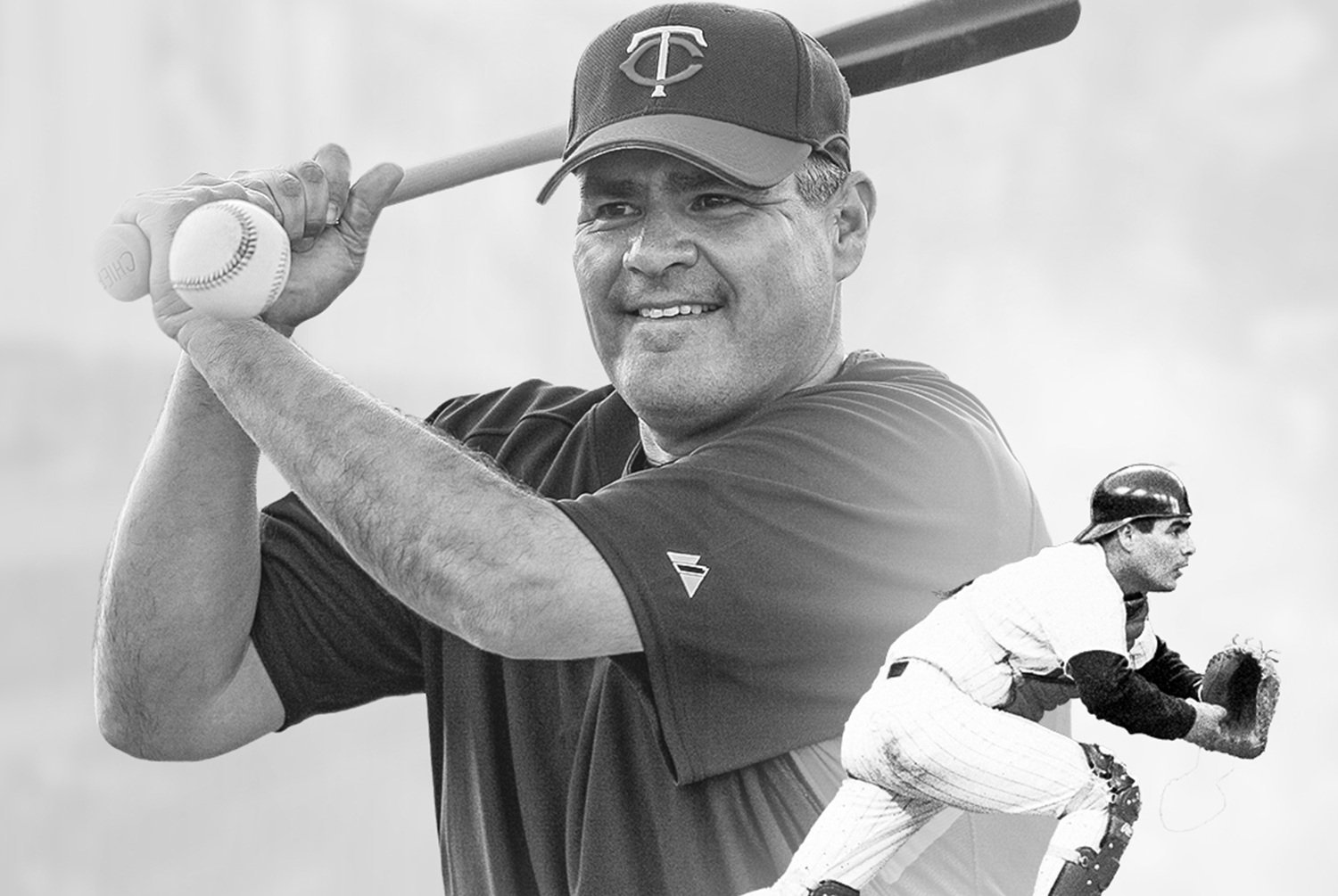 The Minnesota Twins community is mourning the loss of a member of its 1987 championship club. Tom Nieto has passed away at the age of 65 after suffering a heart attack, according to a message shared by his family and later confirmed by the organization on Monday. Nieto’s sister shared the news publicly, noting that he passed on March 27 while in Florida with his family. She described a man whose strength and resilience left a lasting impact on those closest to him, a sentiment that has echoed throughout the baseball world since the announcement. The Twins also released a statement shortly after the news became public. Nieto’s baseball journey began when the Twins selected him in the 31st round of the 1979 MLB Draft. Instead of signing, he chose to continue his development at the collegiate level, eventually going to Oral Roberts before being selected in the third round of the 1981 MLB Draft by the St. Louis Cardinals. A highly regarded prospect in the Cardinals system, Nieto worked his way through the minors before making his big league debut in 1984. He made an immediate impression during his rookie campaign, posting a 109 OPS+ across 33 games and establishing himself as a capable backstop. He had a role on the Cardinals team that reached the 1985 World Series, but St. Louis ultimately fell to the Kansas City Royals in a seven-game series. Two years later, Nieto found himself on baseball’s biggest stage again, but this time on the opposite side. After a stint with the Montreal Expos, the Twins acquired him during the 1987 season. In Minnesota, Nieto appeared in 41 games as part of a team that would go on to win the World Series, defeating his former Cardinals club in seven games. While his offensive numbers with Minnesota were modest, Nieto played a supporting role on a roster that has become one of the most beloved in franchise history. Across two seasons with the Twins, he appeared in 65 games and contributed as a depth option behind the plate during a championship run. In total, Nieto spent seven seasons in the big leagues. Following his playing days, Nieto transitioned into coaching, where he made perhaps an even greater impact. He spent seven seasons with the New York Yankees organization from 1995 through 2002 and later joined the New York Mets, working under manager Willie Randolph. With the Mets, Nieto served as both a catching instructor and first base coach. For Twins fans, his name will always be tied to 1987, a season that remains one of the franchise's defining moments. Today, it also serves as a reminder of the people who helped make that run possible and the lasting impact they leave behind. View the full article
 -
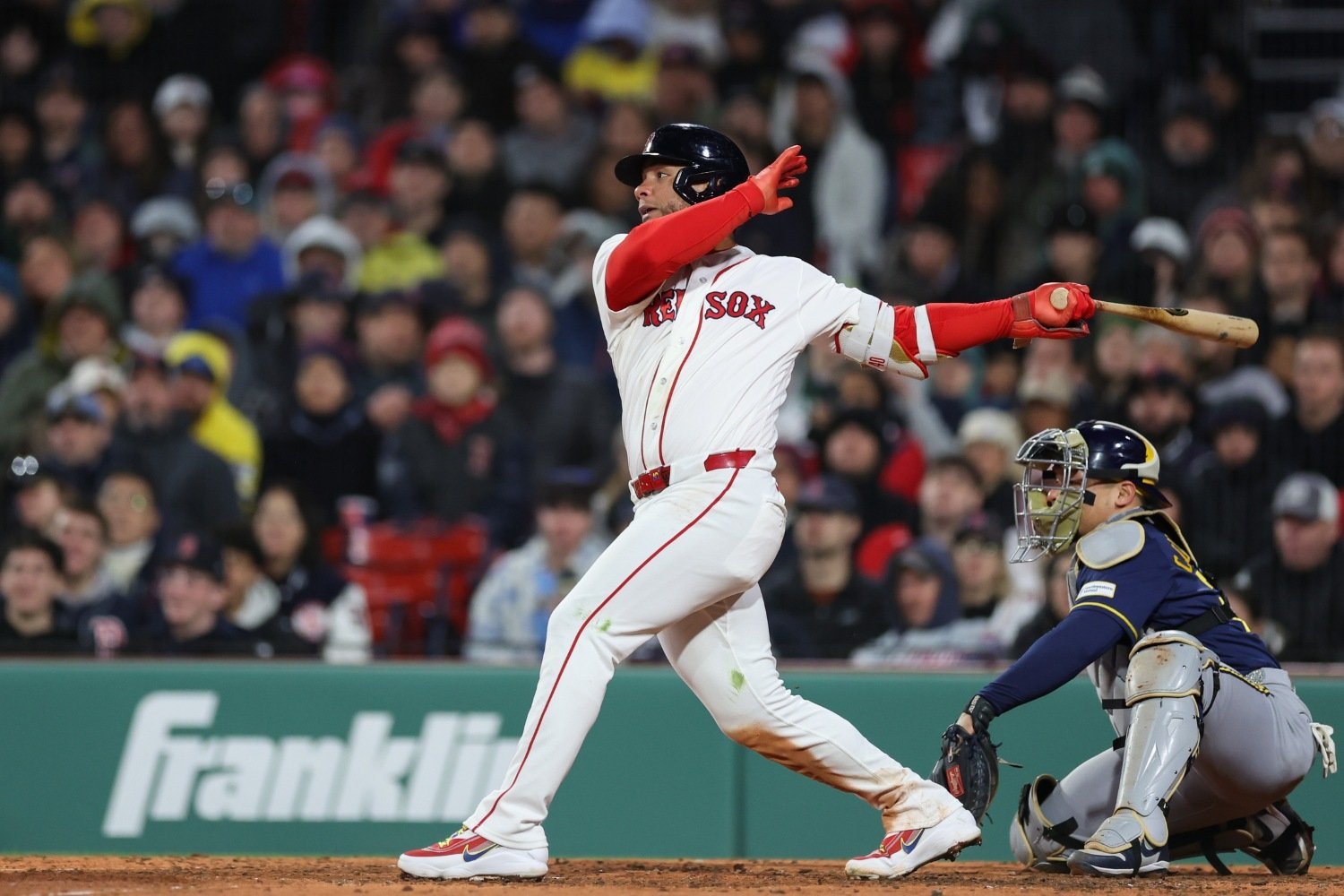 The Milwaukee Brewers hit Willson Contreras with a pitch for the 24th time in his career Monday night. It barely grazed Contreras, but he reacted with anger and refused to be mollified even by his own manager. Moments later, on a ground ball that retired him at second base, he slid into shortstop David Hamilton with his spikes high, slicing the infielder's pants leg. Hamilton was shaken up, but stayed in the game. The Brewers did their best to shrug off the incident, because Contreras has made himself an angry enemy of the club for his entire decade-long career. But this time, his tired act went from relatively empty tough-guy antics to a dirty play that (even if he meant it was a warning shot, and that only) risked injuring Hamilton. After the game, he doubled down and insisted on the righteousness of his fury, noting how often the Brewers have hit him and saying he would continue to seek retribution if he's plunked again. When you put those many times hit by pitch in context, though, it's tougher to justify Contreras's pique. Monday’s plunking was the 131st of his career, third-most in baseball since his debut in 2016. Contreras gets hit that often because he crashes in toward the plate, leaving less room for a pitch to miss inside and giving him little time to get out of the way. Teams pitch him inside, because he struggles with that pitch. He takes the plunkings, because they're a way on base—but he also takes exception to each one, for reasons that run a bit deeper than some noble worry about health. Decrying being hit and threatening fights against those who hit him are part of Contreras's strategy to force pitchers to keep the ball middle-away, so he can attack those pitches, which suit his swing much better than the ball inside. If hurlers are worried about giving him a free base or just don't want the smoke from him, they might give him the pitches he can actually handle. And if he gets plunked, he can whine about it to further influence pitchers, while raising his OBP—and having the real danger of a major injury mitigated by the copious body armor he (like most hitters, these days) wears when he steps into the box. Being hit and being mad about being hit are each part of Contreras's game, so his rage rings a bit false. Let's engage with his claim itself, though, just for kicks. Do the Brewers hit him more than most teams? Well, 10.8% of his career plate appearances have come against Milwaukee 18.3% of his hit-by-pitches came from the Brewers That's statistically significant, and it shouldn't surprise anyone. Contreras has faced the Brewers more often than any other team in his career, and they've had a clear scouting report and a consistent plan against him for longer than any other team in the league. They're going to work him inside, and no, they're not going to worry much about hitting him. There's a small amount of real fault on the Brewers' side, then, but it's not coming from a place of malice. They're just trying to get him out. The Padres, who have long had the same book on Contreras, have hit him 11 times in his career, but he's had about 300 fewer plate appearances against them than against Milwaukee. Teams who are willing to pound him inside are going to hit him, and they're going to hear about it, but he's never made the adjustments that would change the fact that pitching him inside is the best way to retire him. Teams with a sufficiently ruthless focus on winning games will simply bear his wrath. The truth is, it’s not a Brewers thing; it’s a Contreras thing. Christian Yelich was diplomatic but clear about the view from Milwaukee’s clubhouse, in the aftermath of Monday's kerfuffle. “We’ve seen that skit for the last 10 years," he said. "It’s nothing new.” What about Brandon Woodruff hitting Contreras six times now? Let’s look at the Woodruff-Contreras career matchup. The (now-)Red Sox first baseman is batting .150 with a .200 slugging average in 29 career plate appearances against the Brewers right-hander. Contreras’s bloop double to right field on Monday night was his first extra-base hit against Woodruff, and just his third knock overall. Again: throwing inside on Contreras risks putting him on base, but the juice is often worth that squeeze. Often, too, Contreras is moving into the ball, rather than it coming after him. A few examples: 2018: Contreras is hit by a 1-2 pitch, leaving his elbow in harm’s way before turning away after the ball hits his elbow guard. 2020: Contreras is hit by an 0-1 pitch in the second inning, tucking his elbow guard in to take the harm and the 90 feet that come with it. 2021: With the Brewers winning 2-0 in the fourth inning, Contreras is in full swing mode as the pitch is tailing in toward him and (maybe) hits his hand instead of the bat. 2026: The Red Sox are ahead 1-0 with men on first and second with no outs. A pitch that's barely off the plate barely hits him at all. Will Contreras do anything else if he gets hit Tuesday or Wednesday? Despite his threats to take someone out, it’s unlikely, unless a Milwaukee hurler makes it obvious that they're actually after him—which, again, isn't what's actually happening between this player and his imagined collection of nemeses. Is there a part of many fans (and some players) that would love Jacob Misiorowski to let a 100-MPH fastball slip arm side and find Contreras’s ribs? Let's hope not. But Misiorowski himself has little experience with Contreras, and is unlikely to do anything to him except try to strike him out and move on to the next batter. Contreras would probably be better off letting this go, too—but that wouldn't fit either his overall strategy at the plate, or his troublingly pugnacious disposition. View the full article
 -
Addison Barger Heads to IL Amid Blue Jays Roster Shuffle
DiamondCentric posted an article in Jays Centre
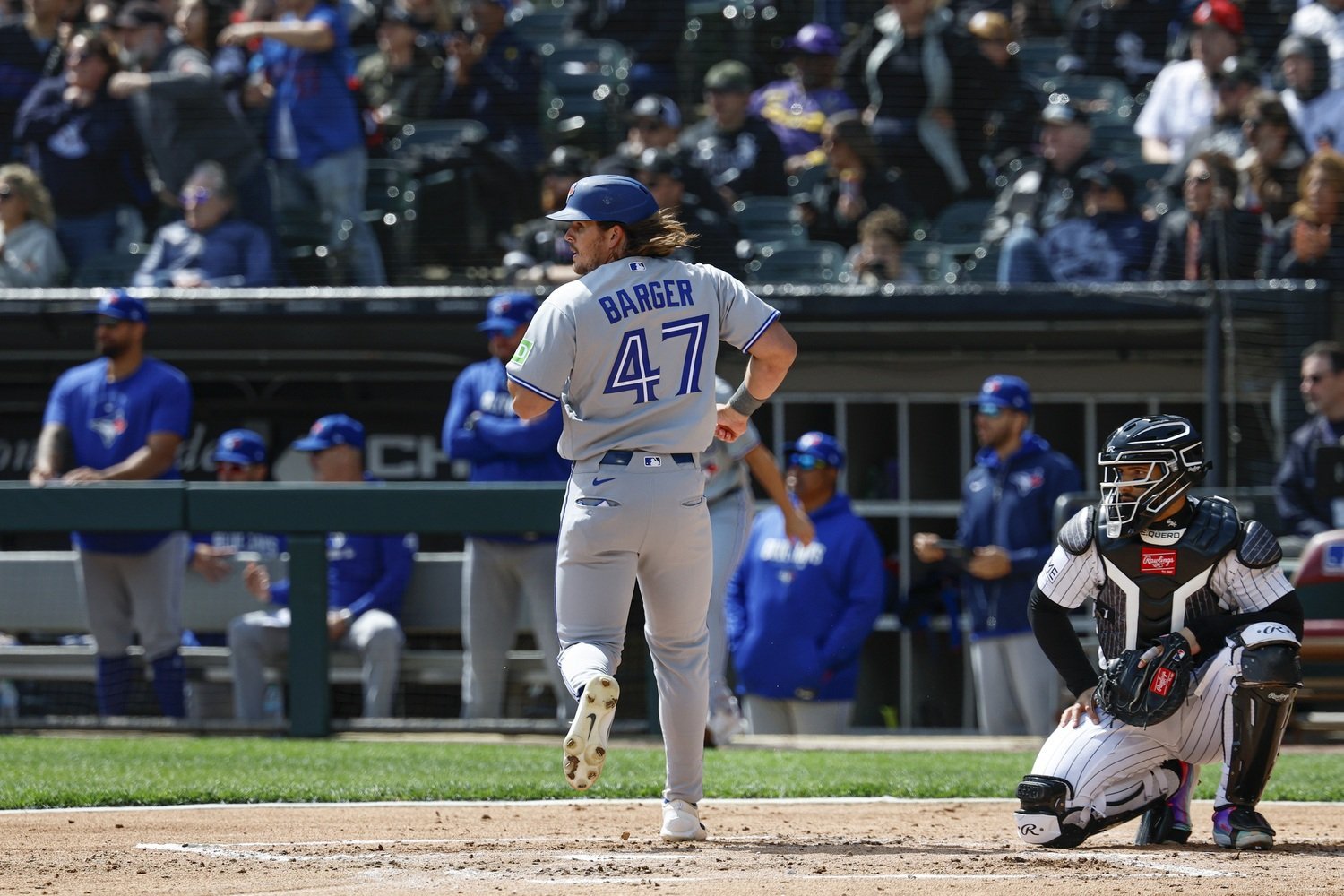 On Tuesday afternoon, the Toronto Blue Jays announced that Addison Barger is heading to the injured list with a left ankle sprain. The injury appeared to occur during the Blue Jays’ series in Chicago against the White Sox, when Barger landed awkwardly on first base after trying to beat out a groundball up the middle. The awkward landing on first base happened in the top of the third inning. The 26-year-old remained in the game until the bottom of the sixth inning, when he was replaced in right field by Jesús Sánchez. Barger missed Monday night’s 14-2 loss to the Los Angeles Dodgers before being placed on the IL this afternoon. Through eight games this season, Barger has batted .053 with a .174 OBP, recording only one hit through his first 19 at-bats. His lone hit was a double in Chicago last Friday. The outfielder has also added two RBIs. After struggling during his rookie season in 2024, Barger provided a much-needed boost to the Blue Jays’ lineup in 2025. In 135 games, he batted .243 with 21 home runs and 74 RBIs, finishing third on the club in home runs, trailing only George Springer and Vladimir Guerrero Jr. Barger then put together a very strong postseason for the Blue Jays, batting .367 with three home runs and nine RBIs, including a Game 1 grand slam off former Dodger and current Minnesota Twins reliever Anthony Banda. In a corresponding move, the Blue Jays recalled newly acquired infielder Tyler Fitzgerald. He was acquired from the San Francisco Giants on Saturday in exchange for cash considerations. Fitzgerald has spent the past three seasons bouncing between the Giants and their Triple-A club, the Sacramento River Cats. For his career, he is a .252 hitter with 21 home runs and 53 RBIs across 563 MLB at-bats. The 28-year-old is also 28-for-36 in stolen base attempts across his three campaigns. Fitzgerald enjoyed a strong season in 2024, but last year, he batted .217 with just four home runs and 14 RBIs across 217 at-bats in 72 games. In other moves, left-hander Josh Fleming was designated for assignment after making his Blue Jays debut in Monday night’s loss. Fleming ran into trouble during his three innings, allowing six hits, four earned runs and one walk, while striking out one. The 29-year-old struggled with command, throwing only 45 of his 77 pitches for strikes. The newly signed Patrick Corbin was called up from Dunedin, replacing Fleming on the big league roster. The Blue Jays signed Corbin to a one-year, $1 million contract on Saturday, as their rotation continues to deal with injuries. In one Single-A start, Corbin threw 74 pitches over five innings, allowing four hits and one walk while striking out nine. The Blue Jays have announced Corbin will start on Friday when the Twins visit the Rogers Centre. The Blue Jays also announced some recovery timelines for a few of their most recent injured players. Catcher Alejandro Kirk had a screw placed in his thumb and is looking like he’s set to miss six weeks. At the same time, they announced that starter Cody Ponce will undergo knee surgery next week and is estimated to have a six-month recovery timeline, effectively ending his regular season. A playoff run could allow for Ponce to return this year and pitch with the club after signing a three-year, $30 million contract with Toronto on December 11. View the full article
 -
Ugh: Cade Horton Will Undergo Season-Ending Elbow Surgery
DiamondCentric posted an article in North Side Baseball
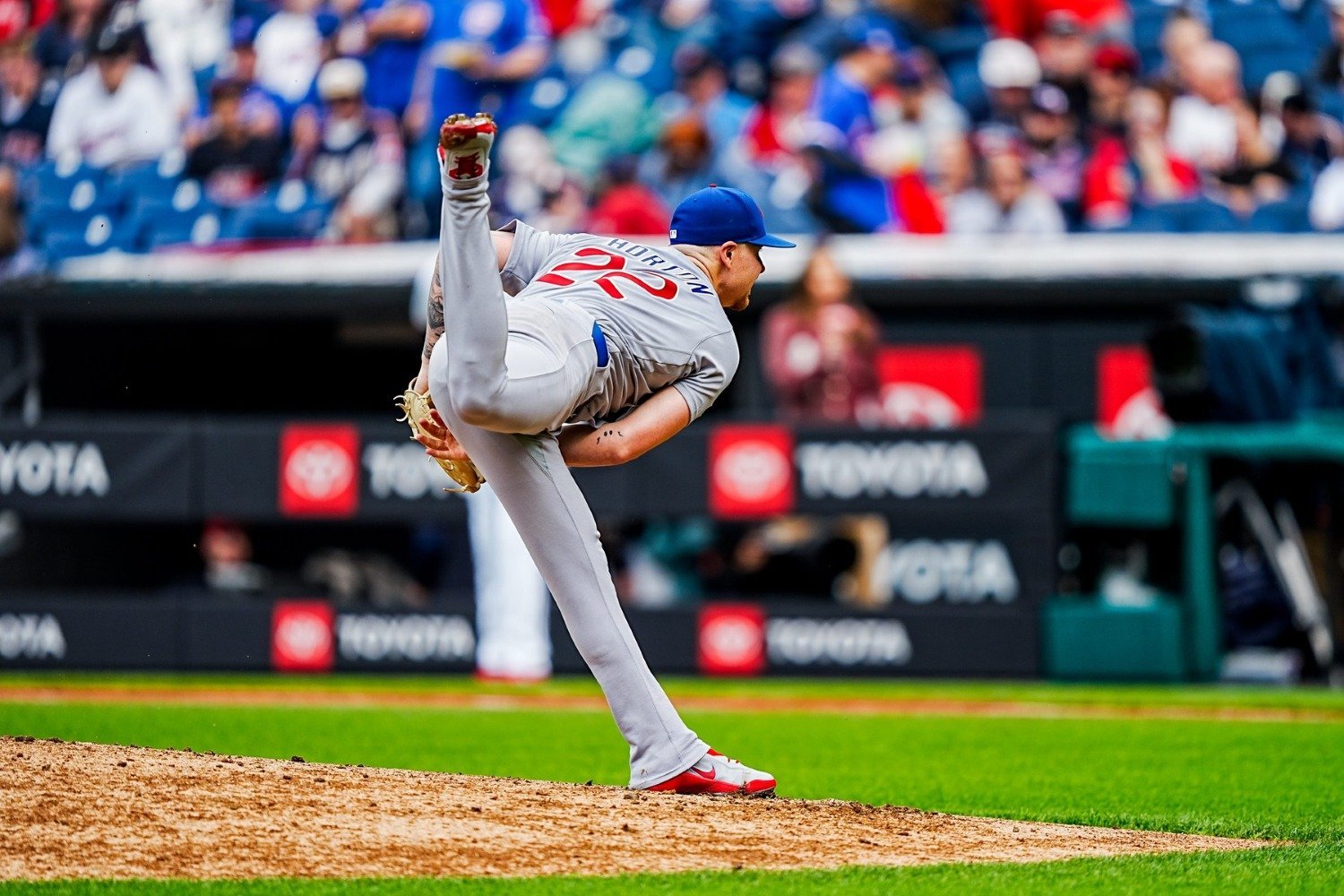 The news is bad. The news, by now, is barely news, but that doesn't make it any less bad. Four days after Cade Horton left his start against the Guardians in the second inning, the team announced that he will undergo season-ending elbow surgery. He flew to Dallas to consult with Dr. Keith Meister, who recommended the procedure. Whether the operation will be the modified version of Tommy John that involves placing an artificial internal brace or a full-fledged Tommy John isn't immediately clear, and doesn't need to be decided until the time of the procedure. Either way, though, Horton will pitch again no sooner than June of 2027. It's a devastating blow for the Cubs, who had penciled Horton in as one of their top two starters for this season. It's also a major setback for Horton himself. A second Tommy John surgery is not terribly uncommong in the modern game, and pitchers return to at least their previous level even after a second operation about two-thirds of the time. In fact, the Cubs were set to face Rays right-hander Drew Rasmussen Tuesday night, before he left the team to be at the birth of his daughter. Rasmussen has undergone three major elbow procedures—two Tommy Johns and an internal brace variant. Jameson Taillon has had the surgery twice. So has Justin Steele, whom the team hopes to see return to the mound by the early part of June. Needing the operation twice in as short a span as Horton has, though, is especially worrisome. He had Tommy John in college at Oklahoma. He also suffered a significant shoulder injury in 2024 and lost the end of last season to a ribcage injury. It's possible that Horton will simply never be able to withstand a full season's workload in a big-league rotation. At the very least, the Cubs will have to wait until 2028 to try to get him there. The setback is huge, not least because the Cubs have few similarly intriguing pitching prospects on whom to next pin their hopes. Instead, they'll have to hope they have better luck avoiding the injury bug the rest of the way, with one of their best options crossed off before Tax Day. More to come. View the full article
 -
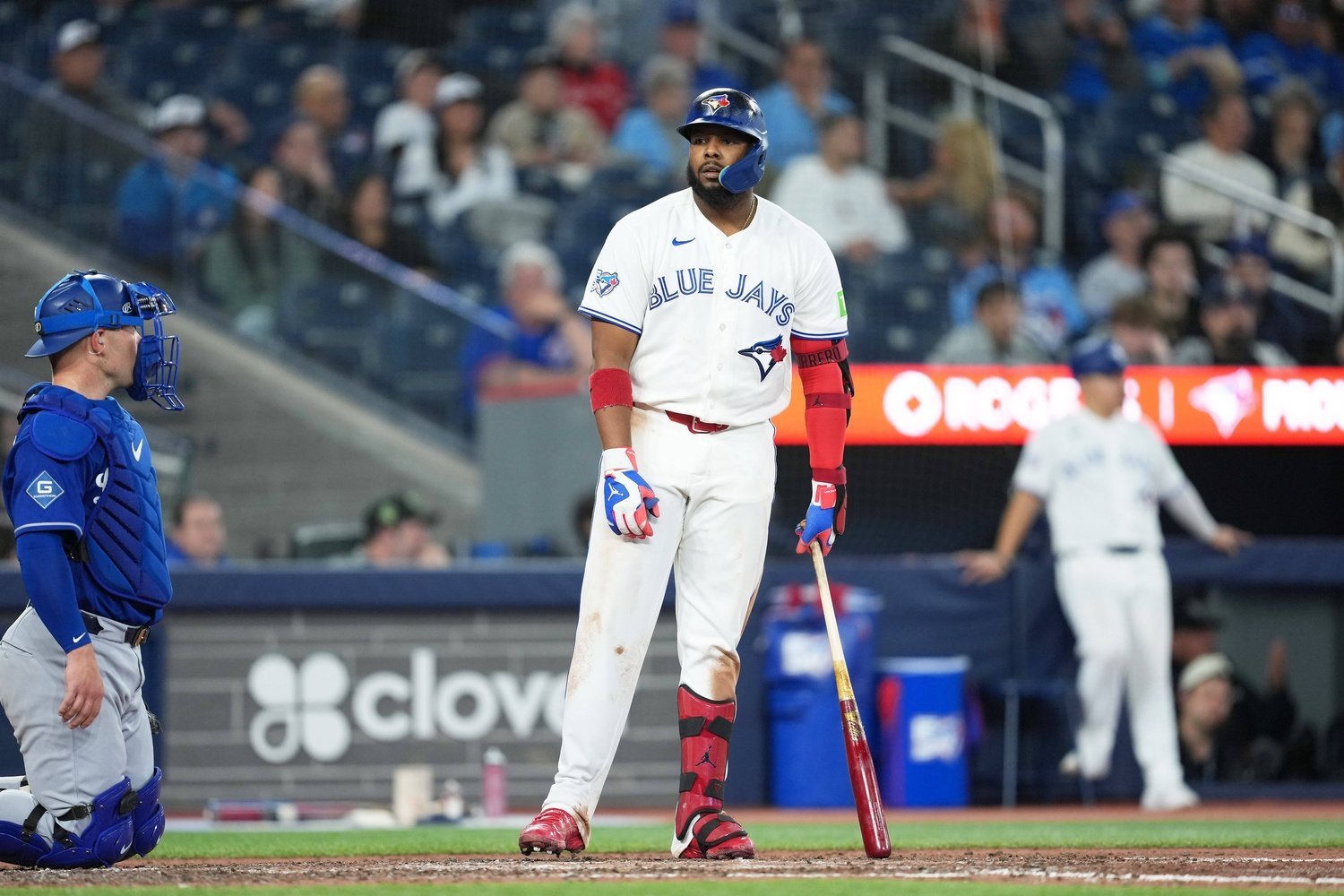 The temperature always turns up quickly in Toronto when it comes to sports. The start of the baseball season shouldn’t be any reason for that to change. The Jays’ offence goes quiet – meaning a bunch of low-scoring games, a few missed opportunities with runners on – and suddenly it feels like the walls are closing in. The familiar questions come back fast. Is this lineup broken? Is this who they are? Should something drastic happen now before it is too late? Let’s slow that narrative down a bit. The sky is not falling on the Blue Jays. Not yet. Maybe not at all. This team is frustrated, not fraudulent. There is a big difference. The frustration is coming mostly from the same place. The pitching has done more than enough, while the offence simply has not held up its end of the bargain so far. Through the opening stretch of the season, Toronto’s pitching staff has been exactly what was expected. The starters have consistently kept games within reach, giving up three runs or fewer in the majority of starts. As a group, the rotation sits comfortably in the top third of the league in ERA and innings pitched, which matters more than people sometimes want to admit in April. The bullpen, while not perfect, has largely avoided the kind of blowups that bury teams early, hovering around league average or better in leverage performance and opponent batting average. That combination should win you games. Over a full season, it almost always does. The problem is that the offence has not returned the favour. The Blue Jays have spent far too many nights with a run expectancy line that never quite turns the corner. Too many games have featured solid contact early that finds gloves, followed by late innings where hitters look like they are trying to solve the entire season with one swing. Statistically, the underperformance is real, but it is also narrower than it feels. Toronto sits below league average in runs scored and power production, but the underlying numbers paint a more incomplete picture. Hard contact rates are hovering right around the league norm despite uneven results. Strikeout rates have stayed well clear of red flag territory. On-base percentage is middling, not disastrous, which matters more than it feels right now. In other words, this is not an offence flailing wildly. It is an offence that looks tight, with each runner left on base adding to the mounting pressure to perform. That mentality is showing up when it comes to pitch selection. Through the first few weeks, the Jays have chased slightly more often than they did during their better stretches last season, especially in hitter’s counts. Their chase rate is hovering around 28 percent, up from roughly 26 percent during their stronger stretches last season. They are swinging early at pitchers’ pitches, then getting passive later when they fall behind. That is an approach problem, not a talent problem. The good news about approach problems is that they are fixable without reinventing the roster. A little pick-me-up might go a long way here, and it does not need to come in the form of a blockbuster trade or a dramatic demotion. It could be as simple as a temporary lineup shuffle. Move a bat that is pressing down a spot or two. Slide someone with a higher on-base profile into a table-setting role for a week. Break the rhythm just enough to force everyone to reset. Manager John Schneider has been making these adjustments quietly, one game at a time, since Opening Day, but maybe it needs to be more overt. We have seen this team respond to small nudges before. When the Jays score early, their entire posture changes. The dugout loosens. At-bats look longer. Toronto has seen roughly 3.7 pitches per plate appearance so far in 2026, which is close to league average, but the distribution matters more than the raw number. Their first‑pitch swing rate is elevated, hovering around 31 percent, which is above league average. Taking more pitches does not mean taking less initiative. It means being intentional. It means deciding as a group that grinding a pitcher down matters more than hunting the perfect swing in the first at-bat of the night. When the Blue Jays have been at their best in recent years, they have forced starters into 20-pitch innings early. That has not been happening often enough so far. The irony is that when the Blue Jays do force starters out early, the offence often follows. Their production improves later in games, once the lineup gets into relief pitching instead of facing starters. The challenge has been reaching that point often enough. This is where doing something slightly unorthodox can help. Not forever. Just enough to disrupt the current inertia. Maybe that means more hit-and-run plays early in games, even if the run expectancy charts do not love it in isolation. Maybe it means more aggressive base stealing, even if success rates hover just above break-even. The Jays are not a slow team across the board, but they have been cautious to the point of stillness. Motion changes defense. Motion creates mistakes. The goal is not to steal bases for the sake of it. The goal is to force the other team to think. Right now, opposing pitchers do not look rushed. They look comfortable. That is the biggest warning sign of all. Hitting is contagious in both directions, and so is pressure. Once frustrations stack, hitters start carrying results into the next at-bat instead of carrying out their plan. You can see it in body language. You can see it in swings that start cheating for velocity in the third inning. You can see it in borderline pitches suddenly looking tempting. That is when mental resets matter more than mechanical tweaks. Managers love to talk about staying the course, and most of the time that is correct. Overreacting to April numbers is how teams create May problems. But staying the course does not mean pretending nothing is happening. It means adjusting without panicking. There is a middle ground, and Toronto is firmly in it right now. Perspective is important. Even with these offensive struggles, the Blue Jays are not buried in the standings. Their run differential is not catastrophic. The team is still playing a disproportionate number of one-run games, which historically swing back toward .500 outcomes over time. Lose too many close games early, and you almost always win a few you should not later. Another thing worth mentioning is how narrow the margins are. The difference between a team OPS in the bottom third and one in the middle of the pack can be a handful of extra-base hits. A few balls that stay fair instead of hooking foul. A few line drives that split fielders instead of finding gloves. Baseball is cruel that way, especially in cold weather. If the Blue Jays were swinging and missing at everything, if strikeouts were piling up, the worry would be louder and more justified. That is not what we are seeing. What we are seeing is tentative baseball. Tentative does not last forever. Leadership carries weight during stretches like this. Not through speeches, but through actions that signal confidence. Long at-bats. Runs scored on singles instead of waiting for homers. Taking the extra base when it is there. Playing like a team that expects good things to happen rather than hoping they will. The veterans know this. They have lived it. How they respond in the next couple of weeks will shape how quickly this offence wakes up. Fans, as always, feel it deeply. That comes with the territory. But it is worth remembering that some of the best Blue Jays teams in recent memory looked far worse than this at the same point on the calendar. They did not break. They eventually figured it out. Sometimes you need to fail in order to succeed. There will be a game soon where the dam breaks. It might not be pretty. It might not come against an elite opponent. It might just be one of those nights where the lineup turns over twice in the first inning and the crowd feels something shift. When it happens, it will feel sudden, but it will not be random. The ingredients are there. Good pitching. A capable bullpen. A lineup with track records. Those are the facts. The sky is not falling on the Blue Jays. It is cloudy, sure. A little uncomfortable, okay. But baseball seasons are marathons played in weather that changes fast... even if you have a dome. Sometimes all it takes is one good night to remember who you are. View the full article
 -
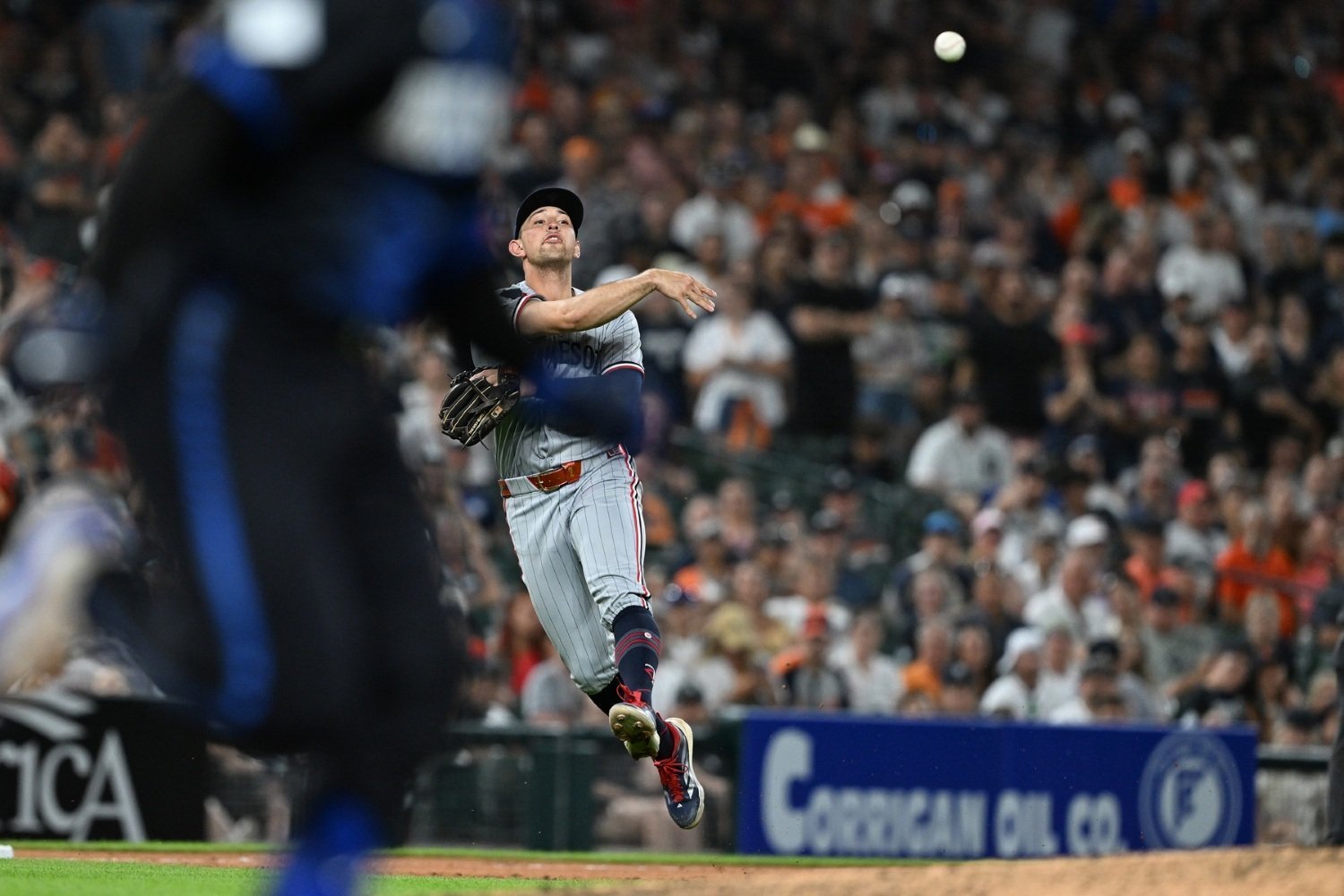 Defense has always been one of baseball’s most difficult elements to quantify, but that reality has changed dramatically in recent years. With the introduction and continued refinement of Statcast, teams and fans alike now have access to advanced metrics that provide a clearer picture of what is happening on the field. The Statcast Era, spanning (for the purposes of their defensive numbers, Outs Above Average and Fielding Run Value) 2018 through 2026, provides a meaningful sample to evaluate how the Minnesota Twins have performed defensively over time. Across those nine seasons, the Twins have experienced both highs and lows in the field. Their best defensive performances came during the 2020 and 2021 campaigns. The 2021 club led the way. Fielding Run Value had them as 21 runs better than an average team, mainly due to standout performances: Andrelton Simmons contributed 16 OAA at shortstop, while Max Kepler and Byron Buxton added 8 and 7, respectively, in the outfield. In the shortened 2020 season, the Twins posted 7 FRV, led by Buxton in center field and by versatile contributions from Marwin Gonzalez, Jake Cave, and Ehire Adrianza in various positions. At the other end of the spectrum sits the 2025 season, which marked Minnesota’s worst defensive showing of the Statcast era. The team combined for -22 FRV, with several players struggling significantly. Edouard Julien posted -8 Outs Above Average, while Willi Castro finished at -6. Trevor Larnach, Brooks Lee, and Matt Wallner each contributed -4 OAA. (Yes, OAA and FRV are on different scales, but directionally, you can see how so many defenders collecting fewer outs than expected led to the team preventing fewer runs.) Notably, half of the 10 worst defenders from that roster are no longer in the organization, including Julien, Castro, Jose Miranda, Carlos Correa, and Carson McCusker. Despite that turnover, the early signs in 2026 suggest the problem has not been solved. Through 10 games, Minnesota is already tied for the worst FRV in baseball, at -7. While it's a small sample, the underlying issues look familiar. The left side of the infield has been particularly problematic, with Royce Lewis posting -4 Outs Above Average at third base and Brooks Lee at -2 while handling shortstop duties. Lewis showed legitimate progress defensively last season and finished with a positive mark, offering some hope that his current struggles could be temporary. Lee, however, remains a more complicated situation. He graded as one of the team’s weakest defenders a year ago, but the Twins have committed to giving him extended run at shortstop. At this point, the metrics suggest he's stretched beyond his defensive capabilities at the position. The lack of clear alternatives only complicates matters. At Triple-A, Kaelen Culpepper is one of the more intriguing internal options. He has shown some improvement at shortstop, but evaluators still view him as a below-average defender there. His arm strength could make him a better fit at third base in the long term, but he can’t play shortstop and third base at the same time. Other potential reinforcements include minor-league veterans like Orlando Arcia and Ryan Kreidler. Both offer experience, but neither profiles as a meaningful defensive upgrade. In other words, there is no obvious solution waiting in the wings. That reality leaves the Twins in a difficult position. Defensive struggles can compound quickly, putting additional pressure on pitching staffs and forcing lineups to play from behind consistently. While it's far too early to draw definitive conclusions, the trends are concerning, especially when viewed alongside last season’s results. If these issues persist, the 2026 Twins may find themselves cementing a place in franchise history for all the wrong reasons. In an era where run prevention is increasingly driven by data and defensive precision, Minnesota’s inability to convert balls in play into outs could define its season. What has stood out about the team’s defense so far? Leave a comment and start the discussion. View the full article
 -
Twins Roll Out Monday Night Energy Into a Quiet Ballpark
DiamondCentric posted an article in Twins Daily
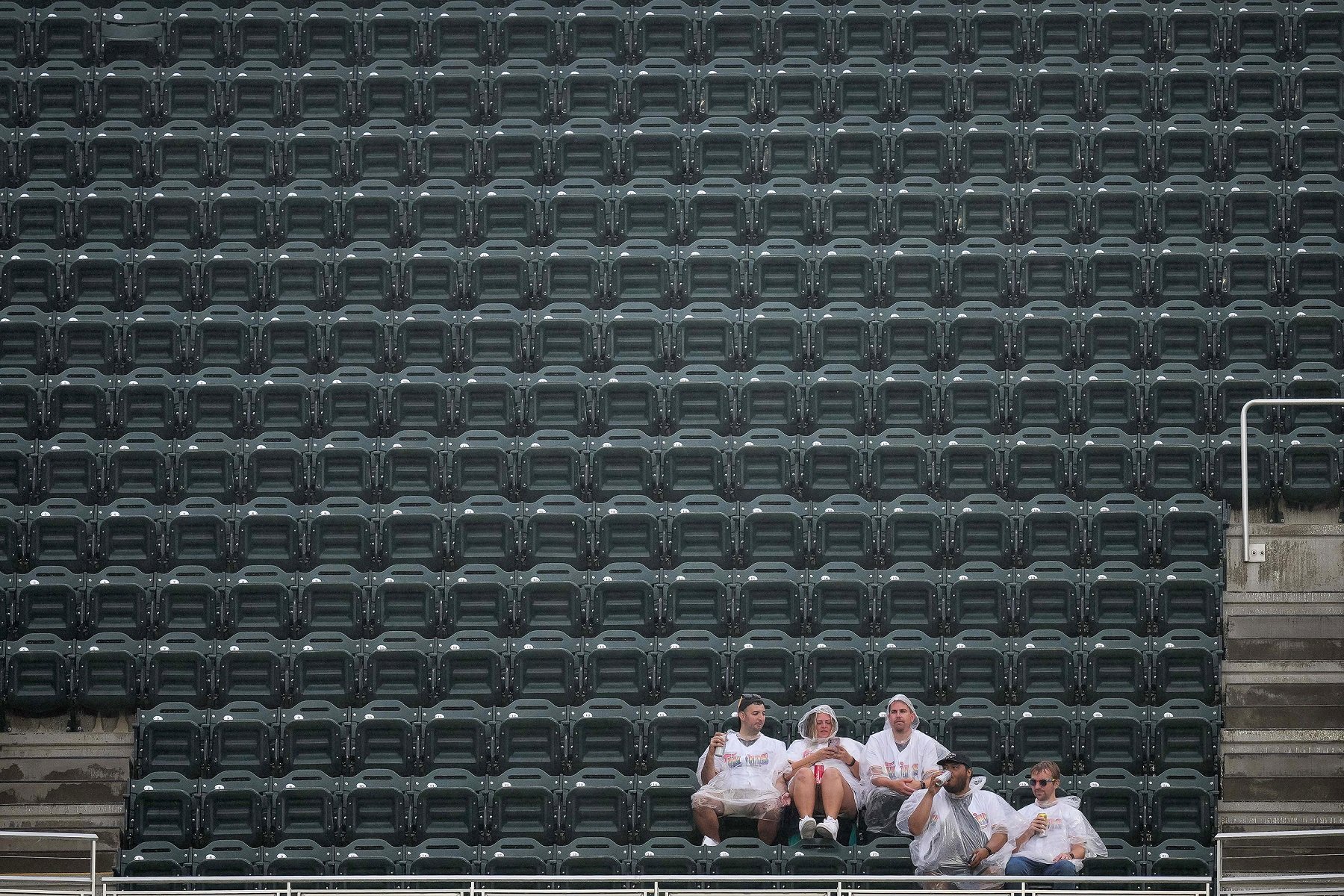 The Minnesota Twins have made it clear they are trying to modernize the viewing experience. Since shifting to Twins.TV last season, the organization has experimented with new camera angles, broadcast enhancements, and presentation tweaks designed to keep fans engaged in a rapidly changing media landscape. On Monday night, they added another new element. Facing the Detroit Tigers, the Twins rolled out a player introduction straight out of the Monday Night Football playbook. Instead of the usual lineup graphic, each starter appeared on screen, introducing themselves and shouting out their college or high school. It was polished, energetic, and honestly, pretty cool. The concept worked. The execution, for the most part, worked too. What did not work was everything happening behind it. As each player delivered their introduction, the broadcast occasionally cut to wider shots of Target Field. That is where things took a turn. The backdrop for this primetime style rollout was a sea of empty seats, a visual contradiction that social media was quick to notice. No one was really taking aim at the idea itself. The production value was solid, and the players seemed to enjoy it. But pairing a bold declaration that Monday Night Baseball could rival Monday Night Football with a visibly sparse crowd felt like a miss. There are, of course, explanations. The weather did not cooperate, with temperatures dipping and wind chills settling into the 20s. It was also a crowded sports night, with the NCAA men’s basketball national championship drawing attention elsewhere. Those factors matter, and they are real. But they are not the whole story. The Twins drew just 1,768,728 fans in 2025, the lowest total the franchise has seen in a quarter century and the smallest in the history of Target Field. Early returns this season have not suggested a meaningful rebound. Through the first handful of home games, the team is averaging 19,381 in announced attendance, a number based on tickets sold rather than scanned. On Monday, the official figure was 12,569. Anyone watching could tell the actual turnout was lighter than that. There is a growing disconnect between the product on the field, the presentation on the screen, and the relationship with the fan base. Some of the most loyal supporters have become increasingly vocal about ownership, and in some cases, have chosen to stay home. That is what made Monday night feel so strange. The Twins delivered something fresh and entertaining, a glimpse at how baseball broadcasts can evolve and feel more personal. It should have been a moment that added energy to the ballpark and the viewing experience alike. Instead, it became a reminder that presentation can only do so much. You can dress up the broadcast, add personality, and borrow from the biggest stages in sports. But when the camera pulls back, the reality in the stands still matters. The idea was fun. The players bought in. The broadcast team executed it well. Now the challenge is making sure the atmosphere matches the moment next time they try it. View the full article
 -
 The Minnesota Twins will have options when they step to the podium with the third overall pick in this summer’s draft, but recent performances are beginning to shape the conversation in a meaningful way. One name that continues to gain traction is Jackson Flora, a college right-hander whose combination of production, stuff, and projection is becoming increasingly difficult to ignore. Industry outlets are starting to align on his value. Baseball America currently slots Flora as the third-best prospect in the class, while MLB Pipeline has him further back at 14th overall. That gap may not last much longer. MLB Pipeline recently highlighted Flora as the top emerging college pitcher in the draft, and his latest outings suggest that label is more reality than projection. In his most recent start, Flora worked nine shutout innings while allowing just four hits. He issued a pair of walks and struck out nine hitters, continuing a dominant run. Across eight starts, he has yet to take a loss and owns an ERA under 1.00. In just over 52 innings, he has limited opponents to 26 hits while striking out 65 and walking only 15. It is the type of statistical profile that demands attention, even in a class loaded with talent. What makes Flora particularly intriguing is how his arsenal continues to evolve. His fastball comfortably sits in the mid-90s and can reach triple digits. The slider has long been considered his primary secondary weapon, operating in the mid to upper 80s with the ability to miss bats consistently. However, it was his changeup that stole the spotlight in his most recent outing. He leaned on it more frequently than his slider against Cal Poly, showing growing confidence in a pitch that could ultimately round out a complete three-pitch mix. That development matters because Flora is not just overpowering hitters. He is doing so with control. His strikeout rate sits north of 30%, but just as importantly, he is limiting free passes at a rate under 8%. The ability to command multiple pitches in the zone separates him from many of his peers and raises his floor as a starting pitching prospect. Physically, Flora checks every box teams look for in a frontline starter. At six-foot-five, he generates premium velocity with relative ease and maintains it deep into outings. His fastball has shown strong shape with late life, while his slider usage includes both a sweeping version with significant horizontal movement and a firmer, tighter breaking ball. The changeup continues to trend upward, flashing the kind of late dive that can neutralize opposite-handed hitters. At the top of the draft, much of the intrigue centers around what happens after Roch Cholowsky, who is widely viewed as the likely first overall selection. The Chicago White Sox are expected to make that call, leaving the next handful of picks open to interpretation. The Tampa Bay Rays go in several directions, including prep shortstops like Grady Emerson or Jacob Lombard, or a college bat such as Justin Lebron. That uncertainty creates an opening for a player like Flora to climb. Pitching always carries risk, but teams picking near the top of the draft often prioritize impact, and Flora is beginning to look like one of the few arms in this class capable of providing it at a high level. For the Twins, the decision at three will ultimately come down to how the board falls and how they balance ceiling with certainty. Flora is making a strong case that he offers both. If his current trajectory holds and he continues to dominate while refining his secondary pitches, he may not just be in the conversation. He could be one of the most compelling options available when Minnesota is on the clock. View the full article
 -
How Worried Should We Be About Michael Busch's Swing Speed?
DiamondCentric posted an article in North Side Baseball
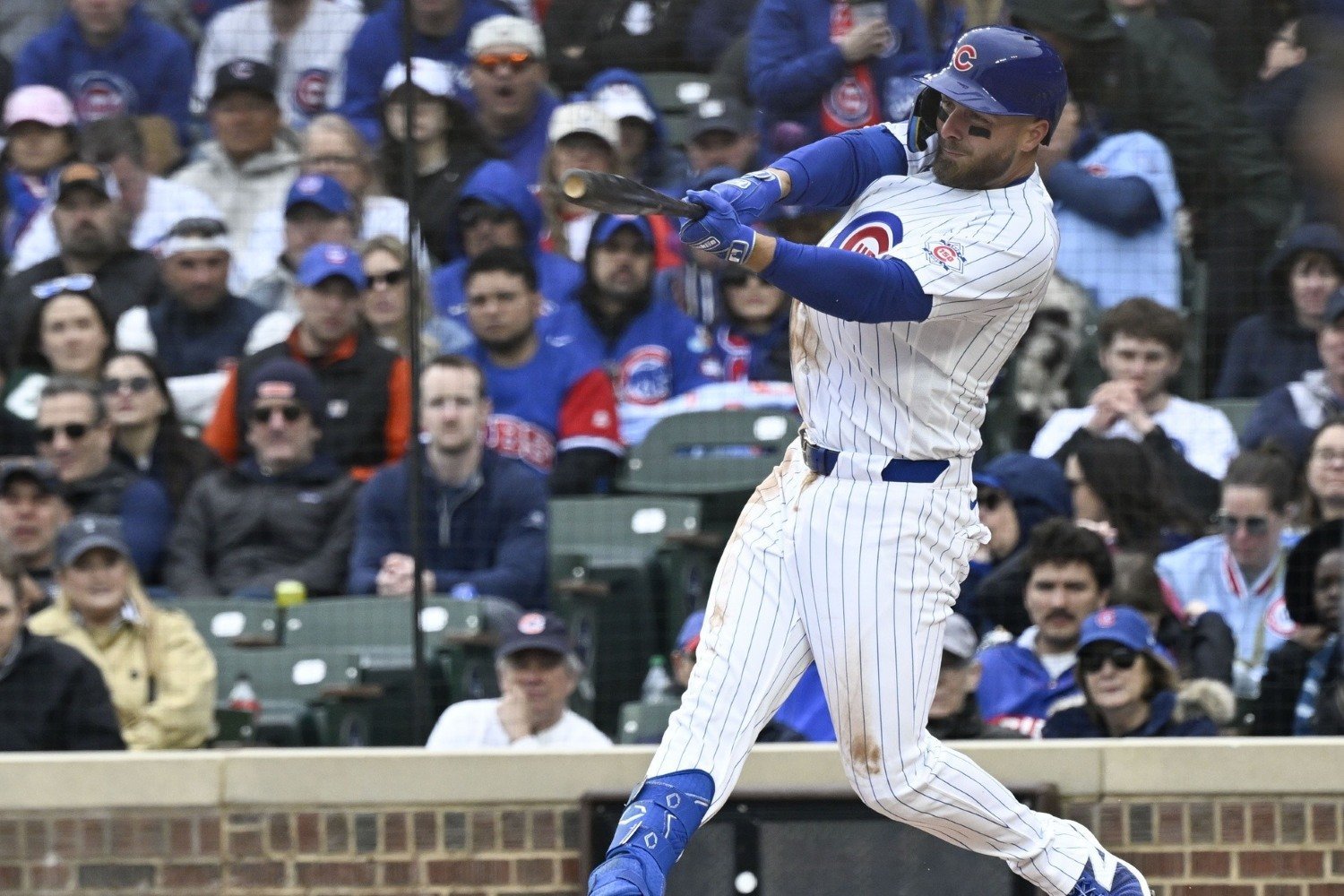 Through 10 games, the Cubs aren't just a disappointing 4-6, but an anemic 4-6. Their lineup has been lousy, and their best hitter from 2025 is one reason for the shortfall. Michael Busch batted .261/.343/.523 last year; he's off to a .176/.310/.235 start this spring. It's early, and Busch is being exposed to left-handed pitchers more often, but still: this is an issue. He's not hitting the ball hard or on a line as often. The culprit? Bat speed. Busch, never a hard swinger, is down to 67.6 mph in average swing speed this year. This could be due to cold weather, or he could simply not be fully loosened up yet. What we know for sure, though, is that it’s come along with being pitched to differently—and that he's failing the league's latest test. A staggering 69.2% of pitches to the slugger have been fastballs this year. Busch has only hit .167 on these pitches. He has simply been overwhelmed by velocity. This was the opposite last year; Busch hit .269 with a .535 slugging average on fastballs. This could be because he's seeing more lefties; he's on pace for well over twice as many left-on-left plate appearances as he had in 2025. Pitchers do much better with their fastballs against same-handed hitters, and are usually more willing to throw them. It could just be that Busch's timing is a bit off, too. Either way, we should note that seeing more heaters is part of the reason why we're getting a lower reading on his swing speeds, too. Statcast reports that number based on the momentary velocity of the barrel at the hitter's contact point on each swing. Naturally, hitters catch fastballs deeper in the zone, which usually means the bat is still going slightly slower. Busch's bat speed is down even if we isolate fastballs, though, so that's not the full story. However, we can also note that he's significantly shortened his swing this year, which nearly always results in less sheer bat speed and which might simply be Busch nursing an injury or dealing with the cold. If he'd lost bat speed despite the pitch mix against him being the same and/or without a concomitant reduction in swing length, it would be more alarming, but as it is, these factors should be somewhat reassuring. We haven’t been told a reason for Busch’s slower swing, and might not find one. What we do know is the Cubs need a better version of their first baseman than the first 10 games have seen. Hopefully, the swing can get to a speed where he can do damage again. The other metrics support a Busch rebound. The plate approach is sublime; he’s making sound swing decisions. Better bat speed would yield better results for a Cub team off to a subpar start, but Busch might also find success with this shorter swing, or the swing might quicken as the weather warms and the arrythmia of the early season gives way to the routine players love. It's not too early to note this, but it's certainly too soon to panic about it. View the full article
 -
Joe Ryan's Start to the Season Has Been... Confusing
DiamondCentric posted an article in Twins Daily
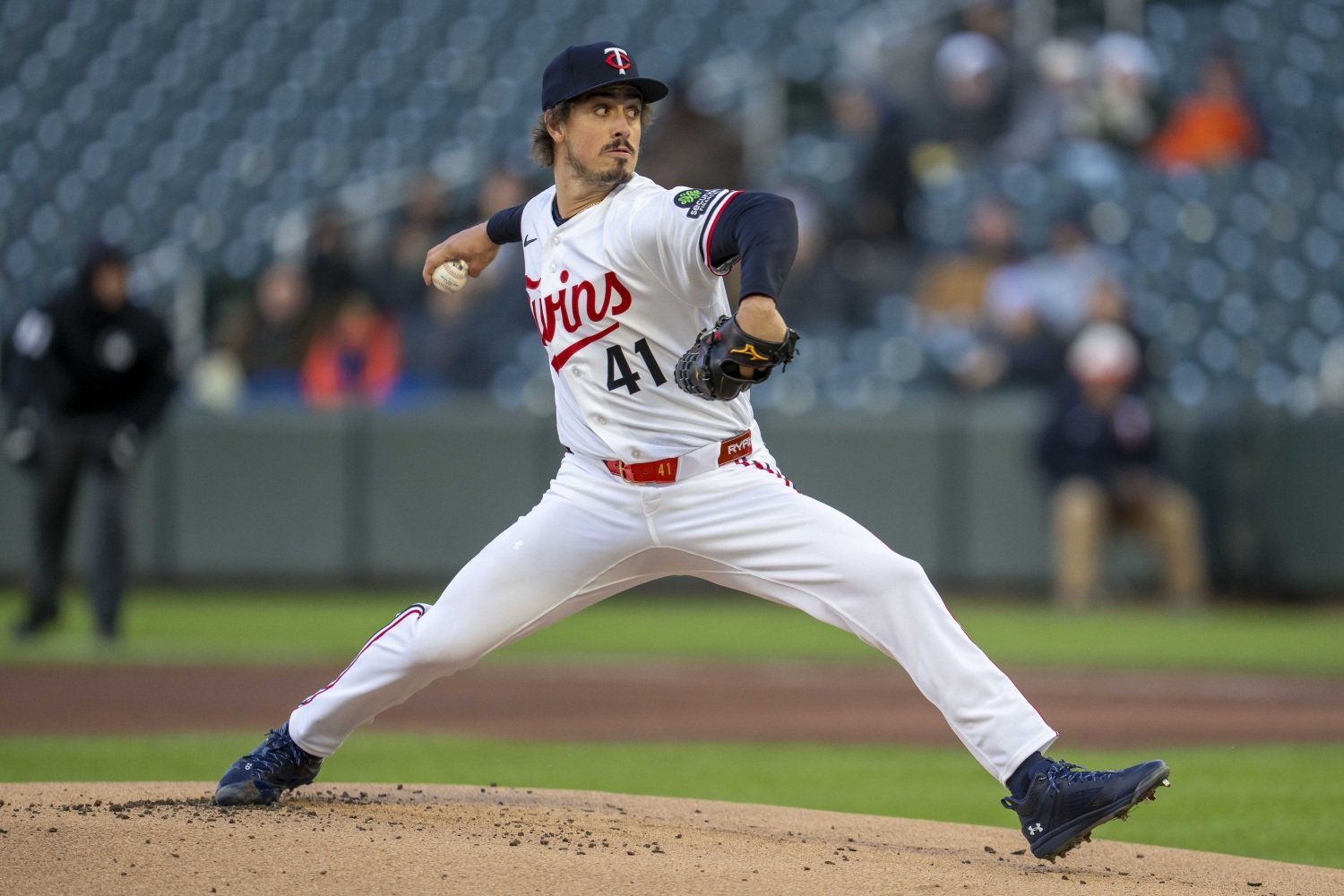 It’s still early in the season, but patterns are already starting to emerge. Through three starts—roughly 10% of a typical starter’s workload—Joe Ryan has shown a little bit of everything. At times, he’s looked like the ace we know he can be. At others, he’s struggled to find the same rhythm that made him so dominant last year. Looking at the full picture, it feels less like a clear story, and more like a push-and-pull between the surface-level results and what the underlying numbers are telling us. Each start has played into that mix differently. His outing on Opening Day was easily his best, as he worked 5 1/3 shutout innings with seven strikeouts and an impressive display of swing-and-miss stuff. His next two starts weren’t nearly as clean. More traffic appeared on the bases; pitch counts climbed faster than expected; and he wasn’t able to work as deep into games, even if his stuff still flashed at times. On the surface, his numbers look underwhelming. The 4.40 ERA and 1.26 WHIP are both clear steps back from last year, and they reflect more baserunners, longer innings, and fewer chances to settle in. His early workload also stands out. Should Ryan make 30 starts but work only as deep into games as he's averaged so far, he'd compile just 143 innings. That’s well below what you’d expect from a starter of his caliber, and it points back to the inefficiency that has shown up. But once you dig a little deeper, his data tells a different story. Despite the inflated ERA, his FIP sits way down at 2.06. That gap suggests his performance has been far better than the results indicate. Strikeout numbers reinforce the same idea: his strikeout rate sits at 27.9%, nearly identical to last year’s 28.2%, showing that the swing-and-miss ability that makes him such a high-end starter hasn’t gone anywhere. His walk rate is up, but the sample is too small to assume that's signal, rather than noise. A big part of the disconnect between process and results comes from balls in play. His BABIP currently sits at .342, a huge jump from .268 last season. Over just three starts, that difference can swing results quickly, turning manageable innings into extended ones and pushing pitch counts higher than expected. This issue isn't even Ryan's fault, but it will be his problem. His defense has been bad; the Twins' defense will be bad all year. There are also signs that Ryan is making adjustments. He’s leaned much more heavily on his curveball than in previous seasons, giving hitters another look alongside his fastball mix. When it’s working, it creates more swing-and-miss opportunities and adds a different dimension to his approach. At the same time, any change like that can come with growing pains. Command can wobble early, which naturally can show up as walks or deeper counts, and those little inconsistencies add up to shorter appearances. He's stretching to extremes of movement, with his sweeper, his splitter, his fastball and that curve, and the strike zone is only so big. Through three starts, Ryan sits in an interesting spot. The surface numbers suggest a slight step back, while advanced metrics indicate he’s still performing at a high level. That gap comes down largely to efficiency and some bad luck on balls in play. If his BABIP normalizes and his walk rate settles closer to last year’s numbers, his ERA and WHIP should start to better reflect what he’s actually doing on the mound. It’s also worth remembering just how small a sample three starts really is. Even for a proven top-of-the-rotation guy like Ryan, early-season fluctuations aren’t unusual. Strikeout rates and his underlying performance show he’s still capable of dominating. But until the surface-level results catch up, inefficiency and some misfortune have left his line looking worse than the process might suggest. Nor can we discount the impact of weather. Ryan pitched through heavy rain in Kansas City last week and in stunningly cold conditions Monday night. Baseball played in that kind of weather gets weird and ugly, and Ryan could have mitigated that a bit better, but there was no way to truly avoid the effects. For now, his first three turns through the rotation have been a mix of encouraging flashes and lingering questions. When he’s on, there’s little doubt that he’s the best pitcher in the Twins’ system. When he’s not, walks and a high BABIP can make it look rougher than it really is. The story is far from over, but the early trends give fans something to watch: can he convert the underlying numbers into consistent results, or will these mixed outings continue to shape his season? His talent is still there, and the stuff is still there. Once efficiency starts to line up with performance, the results should follow. Until then, we’ll be trying to figure out which version of Joe Ryan will show up next. View the full article
 -
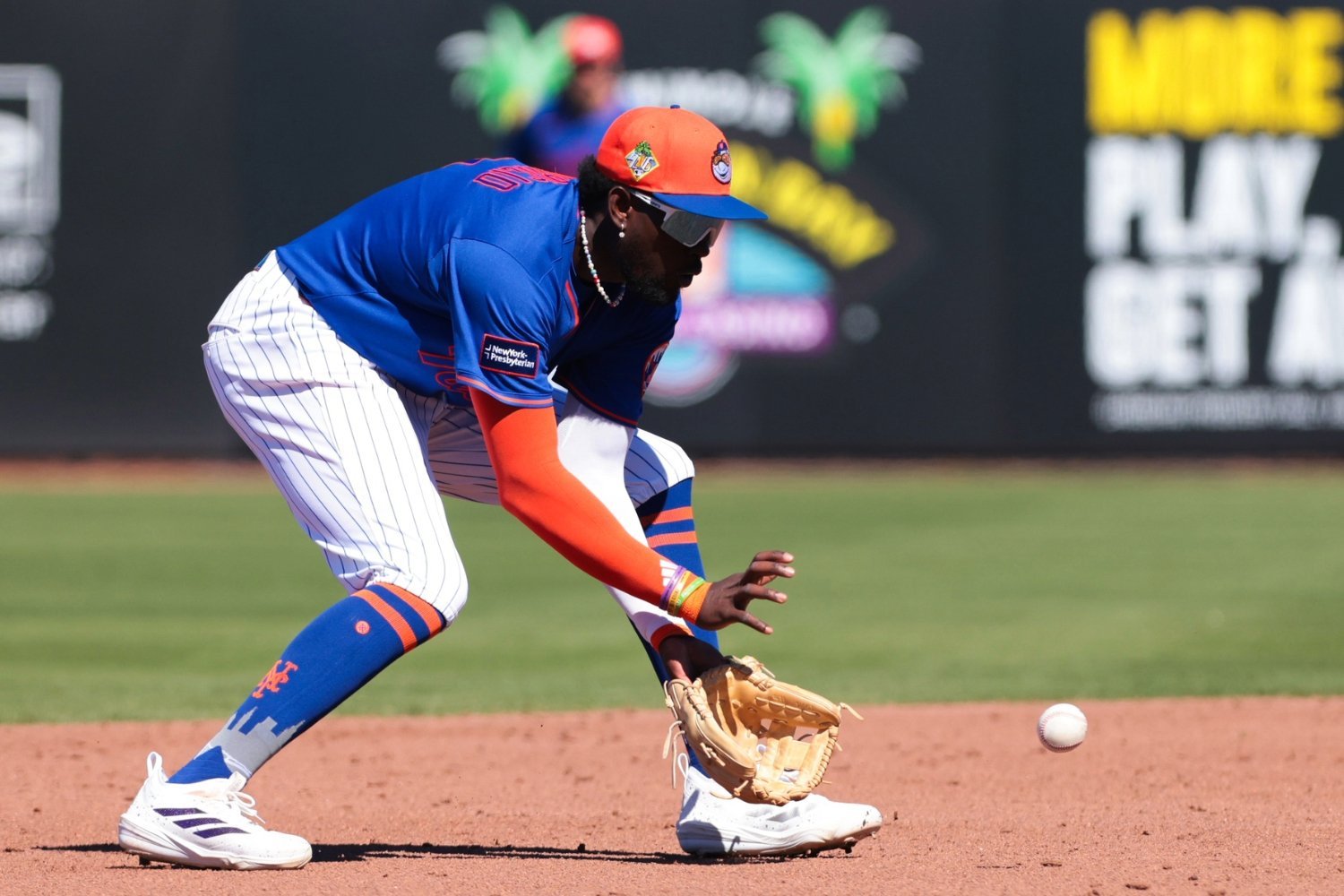 Ronny Mauricio is getting another shot with the New York Mets, thanks to Juan Soto's calf injury. The club recalled Mauricio from Triple-A Syracuse on Monday as the corresponding move for Soto being placed on the 10-day injured list, retroactive to April 4. The return to the majors is an important moment for the 25-year-old. He needs to impress after a difficult ending to his 2025 season. The trouble is, he figures to be the same player who spent most of the final month on the Mets' bench. Let's refresh ourselves on the best (and worst) parts of his game and offer an overall outlook on what's to come for the former top prospect. Ronny Mauricio Returns: Weighing the Pros and Cons of His Game Pro: He Hits the Ball Hard and He Hits It Far The 25-year-old switch-hitter has eight home runs in 292 career plate appearances, and half of them are catalogued by Baseball Savant as no-doubters. Upper-tank rockets at Citi Field and Coors Field, both delivered from the left side, were "wow" moments and teases of his power tool. His maximum exit velocity is 117.3 mph, his barrel rate is an above-average 7.6 percent, and his bat speed is a zippy 73.8 mph. The Mets know he can provide big-time pop off the bench. Con: He Doesn't Hit the Ball Often Enough Pitchers are good at missing Mauricio's bat, especially if they throw in a wrinkle. He sports a poor 29.1 percent strikeout rate and 32.8 percent whiff rate for his young career. His biggest hole is breaking pitches -- he has a .150/.186/.250 career slash line against them. The curveball is an unsolvable mystery, evidenced by a 50.9 percent whiff rate. Mets fans are bracing for more of Mauricio dropping to a knee as he waves at the pitch. Pro: He's an Athlete on the Infield Mauricio is tall and lanky, listed at 6-3 and 166 pounds. His mechanics aren't the smoothest, but he gets to the ball and his big arm (76th percentile arm strength in 2025) gets it across the diamond. Now that he's more than two years removed from the ACL tear that cost him the entire 2024 season, he should be able to move well wherever he plays. And he's expected to play all over as the backup to second baseman Marcus Semien, shortstop Francisco Lindor, and third baseman Bo Bichette. Con: He Is a Liability Against Left-Handed Pitching Liability is putting it kindly: Mauricio sports a .134/.174/.195 career slash line and 36.0 percent strikeout rate in 86 plate appearances as a right-handed batter. Mets manager Carlos Mendoza would have a tough time justifying a start for Mauricio against a left-hander if Semien, Lindor, Bichette, Jorge Polanco, Brett Baty and Mark Vientos are all healthy. The Mets would be wise to consider making Mauricio a full-time left-handed hitter, or a simple platoon option if he wants to maintain some faux flexibility. Outlook: Mauricio Is a Full-Time Backup Mark Vientos has slipped into a full-time role in the starting lineup thanks to a white-hot start and a minor injury to Jorge Polanco, though most of the rest of the infield is struggling this season (Francisco Lindor and Bo Bichette, in particular, are off to frigid starts). Mauricio will likely get an opportunity or two to spell them for a game, but he'll have to be really impressive in a small sample to stick around in New York for longer than it takes Soto to recover from his calf injury. View the full article
 -
Christian Yelich is Done With That Go-Getter Life
DiamondCentric posted an article in Brewer Fanatic
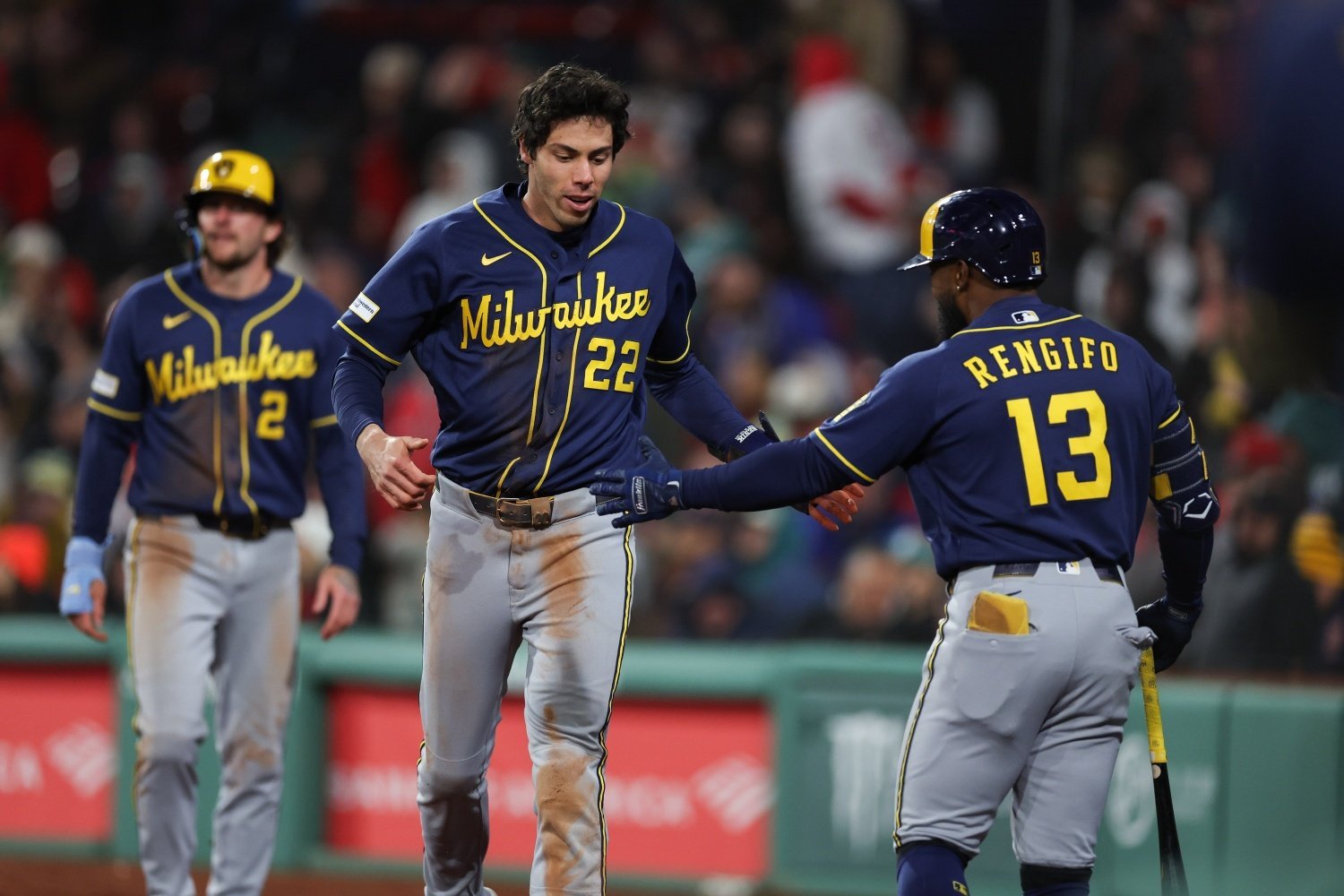 Christian Yelich turned 34 years old in December. He's in his mid-30s now. This is a man who was an old enough boy to spike his hair or dye his tips during the peak of *NSync's popularity. When that Taco Bell commercial featuring Sum 41's "In Too Deep" comes on, he might start mouthing or shouting the lyrics, or not, but something stirs within him. When he dubbed Pat Murphy 'Patches O'Houlihan' upon Murphy's promotion to manager in 2024, it wasn't something a coach mentioned or a reference he first experienced via scrolling through YouTube shorts. That came from his soul. He saw Dodgeball in a movie theater, which is a building where you used to go and see movies on a huge screen, in the dark. Such a person can't be up in the (35-inch contact point) club, with the kids. A '90s kid can't be swinging with catching the ball way out front in mind. It's unseemly, like a divorced dad hitting on a coed at a college bar. That unseemliness just manifests differently: instead of cringeworthy conversation and striking out, it's—ok, actually, some things about it are the same. Every player loses bat speed as they age. Yelich is not an exception. Although the sample is limited, his bat speed is down so far this year, from 73.4 miles per hour in 2025 to 72.3 MPH. It's a minor miracle that his bat speed stayed as strong as it did last year, as he returned from the back surgery that ended his 2024 campaign, but some of that was the buoying effect of having addressed the problem that compelled him to have that surgery in the first place. He's losing bat speed, and that's not a crisis. It is, however, part of what drives most hitters to decline. Some of that decline is self-induced, though. How much a hitter's production is affected by their diminishing ability to flick the stick depends on how one reacts to it. If you change nothing, you'll simply get worse. If you try to compensate for it by starting earlier, you can run into the ball just as often, but when you miss, you'll miss by more. You'll make poorer decisions and pay higher costs for them than in the past. This really isn't so different from a 30-something refusing to age gracefully out in the rest of the world, right? The other option is to make easygoing concessions to age, and the limitations that come with it. It's a voluntary way to pay many of the same costs, but in addition to preserving your dignity, you maintain more control of the process. Which strategy for adapting to the ravages of time best suits a player depends in large measure on what kind of player they were at their peak, but all else equal, the best way to adjust as you age is to accept that the ball will get deeper on you. If you let your contact point drift farther into the hitting zone and closer to your body (but get the bat up to speed nearly as well, in the process), you can sustain a balanced attack with less bat speed than you had before. That's what Yelich is doing. Here are the breakdowns of his intercept point (whether or not contact was made) relative to the center of his body on fastballs, for 2024, 2025 and 2026, in three ranges. Contact Point Range Season Under 20" 20-25" Over 25" 2024 39.4 27.9 32.7 2025 51 25.2 23.9 2026 55.8 30.2 14 The trend is clear, and sensible. Yelich is ok with his gradual shift into dadcore; he's switched from cheap beer and designer cocktails to a tasty but sensible IPA without complaint. He's letting the fastball travel more, and lo, he's raking. He's actually swinging more so far this year, and whiffing about as often as he did last year. He's also hitting the ball hard as much as he did last year, though, and his OPS is over 1.000 through 10 games. Though he hit a mammoth home run in the first series—early, in a good way, on a splitter—this version of Yelich is unlikely to hit nearly as many as the 29 home runs he cracked in 2025. That's ok. He's adjusting to (so far) less bat speed, and doing it gracefully. He's not going out and getting the ball the way he did in the past; he's becoming a radical let-it-travel guy. It's the right move. Let other 34-year-olds embarrass themselves. This one is comfortable in his skin, and in his batting stance. View the full article
 -
 Nick breaks down the first series for each affiliate while also going into detail on how top pitching prospects Juan Valera, Kyson Witherspoon, and Anthony Eyanson did in their respective debuts. Justin Gonzales also receives praise for being the monster of a player that he is. It concludes with a quick breakdown of the Salem Ridgeyaks first series since their rebrand and how the pitching of Dylan Brown, Christian Foutch, and Devin Futrell makes him wonder if they would be with Greenville if it weren't for the insane depth the Sox have with pitching in the lower levels of their organization. Listen on Apple Podcasts: https://podcasts.apple.com/us/podcast/the-talk-sox-podcast/id1783204104 Listen on Spotify: https://open.spotify.com/show/3qPrPXEngu0CxgTmlf0ynm Listen on iHeartRadio: https://www.iheart.com/podcast/263-the-talk-sox-podcast-244591331/ Listen on Pocket Casts: https://pca.st/4tmd121v Watch on YouTube: https://www.youtube.com/@talksox View the full article
 -
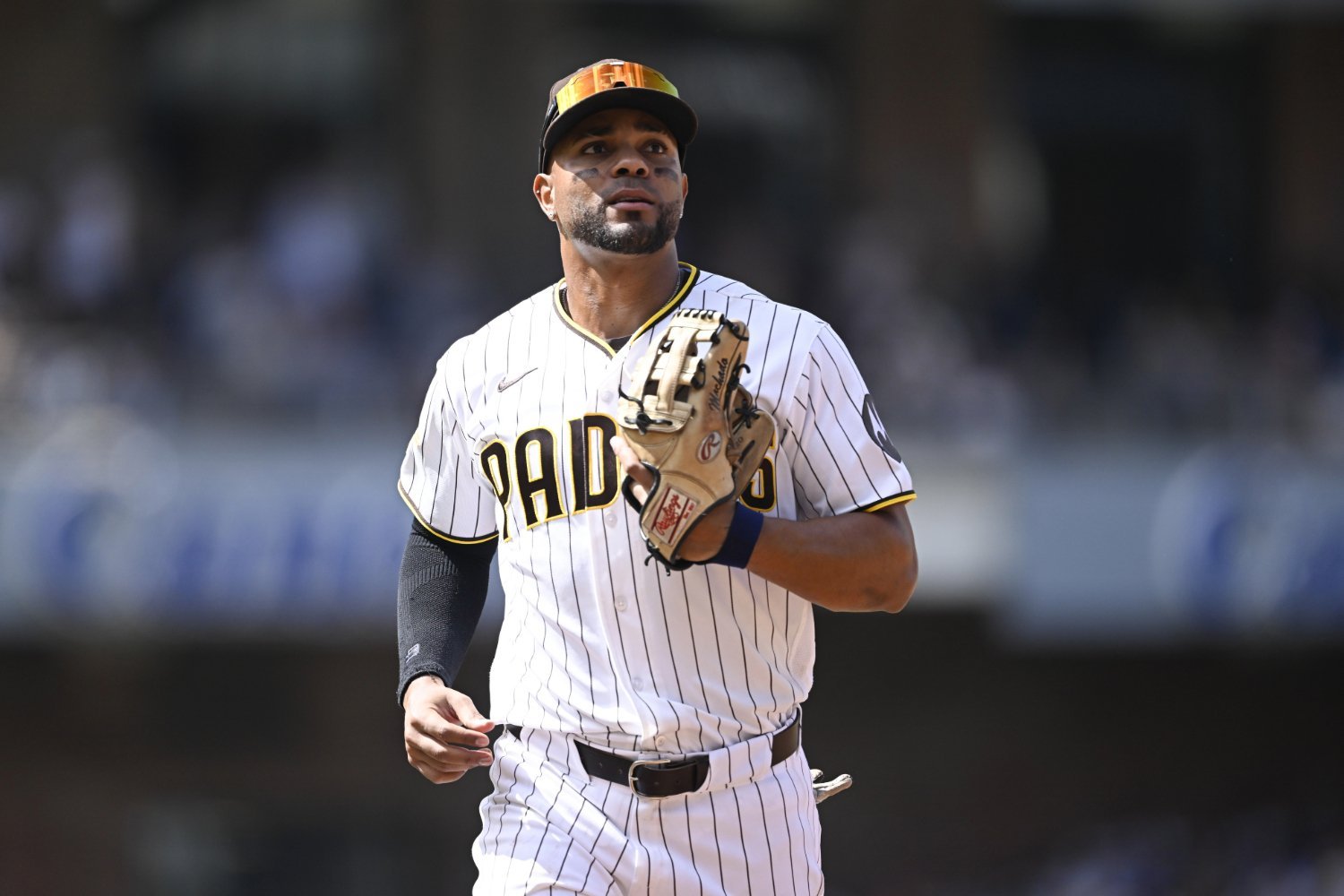 Even with the offense beginning to show signs of life in Boston over the weekend, the San Diego Padres have begun 2026 as one of Major League Baseball’s worst offensive teams. They rank just 26th in the league in runs (32) scored across nine games, with the 28th-ranked isolated power (.116) and 27th-ranked wRC+ (79). While almost no one – this side of Ramón Laureano, at least – has been immune to the struggle, Xander Bogaerts finds himself in a familiar position as a scuffling bat in an underperforming offense. In 2025, Bogaerts was off to such a brutal offensive struggle that by June we wondered if his contract was purely a sunk cost with few redeeming qualities. He was a below-average offensive player for the first two months, posting wRC+ figures of 93 and 83 in April and May of last year, respectively. There was no power to speak of over that stretch, with only his baserunning, in the form of 11 steals, propping him up toward any semblance of positive value. The story to begin 2026 hasn’t been all that different. Through the nearly 40 plate appearances he's accrued prior to the Pirates series, his wRC+ sits at just 48 with a .200/.243/.257 line. The baserunning skills that were on display haven’t had the ability to manifest in such a small sample that also features such infrequent appearances on the bases. Despite the fact that the sample is that small, it’s reignited fears over not only Bogaerts’ longer-term viability in the lineup, but his present value. While Bogaerts’ production has been, undeniably, poor thus far, whether or not those fears are valid this early on is a different discussion. As a general practice, a nine-game sample isn’t enough to have any concern land as legitimate, even for a player whose standing as a regular contributor is on shaky ground. If there’s good process in the underlying numbers, then it becomes even easier to stave off those concerns until the sample actually grows. For Bogaerts, the value lies not only in his baserunning, but in his plate approach. Even through the struggles, he’s been adept at avoiding strikeouts and finding his way on base. His walk rate in 2025 (8.7 percent) was his highest since 2022, and he continued to make contact at a rate around 80 percent. The strikeout rate remained very solid, checking in in the 76th percentile (17.0 percent) league-wide. When you combine all of that with average defense, that’s a workable player (even if he falls short of his contract-related expectations). In 2026, though, we’re only seeing some of that so far. Bogaerts’ 84.1 Contact% would represent the best mark of his career. In general, that would seem to qualify as a positive. Additionally, his 15.9 percent whiff rate currently resides in the 87th percentile and serves as a decrease of about five percent from last year’s rate. He’s also cutting out strikeouts completely at this point, with a mere 8.1 K% that sits up in the 96th percentile. It’s an unsustainable figure, but his previous career-best in that respect was also back in 2015 (15.4 percent), so it’s quite a deviation from what we’re used to seeing from him there. Where we start to run into an issue is in actual swing decisions. For example, a 5.4 percent walk rate would represent Bogaerts’ lowest since 2025. There's also some deeper-rooted problems to worry about. One is the fact that Bogaerts is actually chasing pitches at a far higher rate. His 29.1 percent chase rate thus far is nearly six percent higher than it was last year. His overall Swing% is up about five percent. He’s making contact within that aggression, yes. However, both his barrel rate (3.1 percent) and his hard hit rate (31.3 percent) are down quite a bit. The Barrel% is less than half of what it was last year while the Hard-Hit% is down roughly eight percent. It’s one thing to get balls in play, but sacrificing quality of contact is how you end up with a batting average on balls in play of just .219. This is where the primary issues lie. Bogaerts appears to be sacrificing quality of contact for just any old contact. Merely putting balls in play doesn’t tend to work at this level. Unless you’re a player in possession of a profile that manifests hard contact all over the zone, then there needs to be a certain degree of finesse in the approach that yields positive results. Historically, that's the type of player we’ve seen Bogaerts be. However, there’s something in his newfound aggression that is pinning down his ability to be productive. Fortunately, the sample remains tiny. It’s hard to get too wrapped up in anything he’s doing (or not doing), but the early aggression does seem to be indicative of why he’s facing the struggles that he is. It’s by no means a permanent development, but one on which we’ll have to keep a close eye as the sample begins to grow in April. View the full article
 -
Mike Sansone, Left-Handed Short King In The Red Sox Organization
DiamondCentric posted an article in Talk Sox
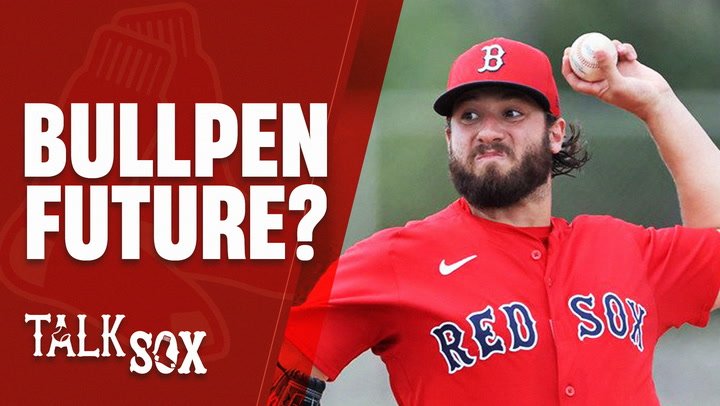 Mike Sansone is a relief pitcher within the Red Sox organization. Originally drafted by the Tampa Bay Rays, the Red Sox claimed his arm after he was released in the 2023-2024 offseason. Sansone will not blow up the radar gun; however, his ability to have strong command has made him an interesting arm as a spot Starter or long relief role. View the full article
 -
Blue Jays News: Scherzer, Barger, Fitzgerald, Kirk, Fleming, Voth
DiamondCentric posted an article in Jays Centre
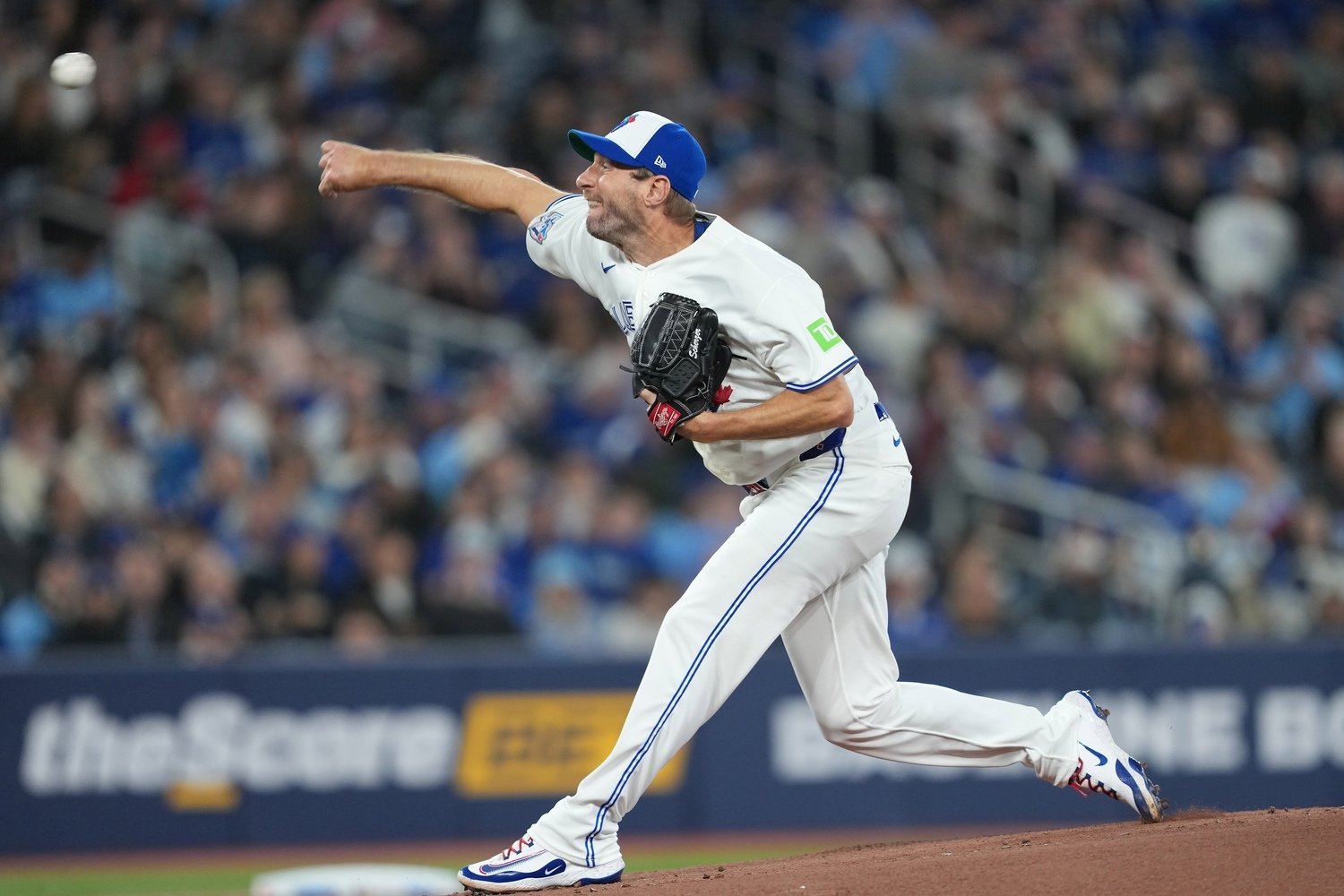 There has been a lot of Toronto Blue Jays news over the past couple of days, so instead of writing separate notes for each item, I decided to combine them all in one piece. Here's what's been going on with the Blue Jays lately (besides the fact that they've lost five straight). Max Scherzer Exits With Forearm Tendinitis Max Scherzer left his second start of the season on Monday after just two innings. He had only thrown 36 pitches, but his velocity was down, and his stuff looked notably worse than it did in his outing against the Rockies. The 41-year-old was later revealed to be dealing with forearm tendinitis. Thankfully, the Jays don't seem overly concerned about Scherzer right now. Indeed, a short outing was supposedly always the plan; the veteran first felt discomfort following his start against Colorado. He is not expected to miss his next turn in the rotation. That's great news for a Blue Jays team that is running dangerously low on healthy starting pitching. IL Stint a Possibility for Addison Barger Right fielder Addison Barger sat out Toronto's first game against the Dodgers last night after injuring both of his ankles in the White Sox series. While John Schneider said Barger is making progress in his recovery, he may need more than a day or two to regain full strength. In that case, the Blue Jays could place Barger on the 10-day injured list, and recent trade acquisition Tyler Fitzgerald is the most likely candidate to replace him on the roster. Barger is just 1-for-19 this season with a double, three walks, and six strikeouts. Tyler Fitzgerald Reports to Triple-A Buffalo The Blue Jays acquired utility player Tyler Fitzgerald from the Giants over the weekend in exchange for cash. Fitzgerald enjoyed a strong, out-of-nowhere breakout in 2024, slugging 15 home runs and reaching 3.0 fWAR in just 96 games. However, he fell back down to earth in 2025 and failed to break camp with San Francisco this season. The Giants designated him for assignment last Monday. The righty-batting Fitzgerald has an option remaining, which could help him stick on the Jays' 40-man roster, given the organization's lack of MLB-ready infield depth. He is primarily a shortstop and second baseman, though he has experience at every position except for catcher. Alejandro Kirk Is Having Thumb Surgery Toronto's catcher will have surgery to repair his fractured thumb today. This confirms what we essentially already knew: Alejandro Kirk will miss several weeks at a minimum. However, the Jays will wait until after his procedure to provide a timeline. Austin Voth DFA'd, Josh Fleming Selected Prior to Monday's series opener against L.A., Toronto DFA'd right-hander Austin Voth and replaced him in the bullpen with southpaw Josh Fleming. Voth made one appearance for the Jays, tossing 2.2 innings against the White Sox. If he goes unclaimed on waivers, he will most likely elect free agency. Fleming threw three much-needed innings against the Dodgers yesterday after Scherzer exited early, though he gave up four runs on six hits and just one strikeout. While he wasn't the only pitcher on the team to be shelled by the Dodgers' offense, he certainly didn't help his chances to stick in the big league bullpen for long. View the full article
 -
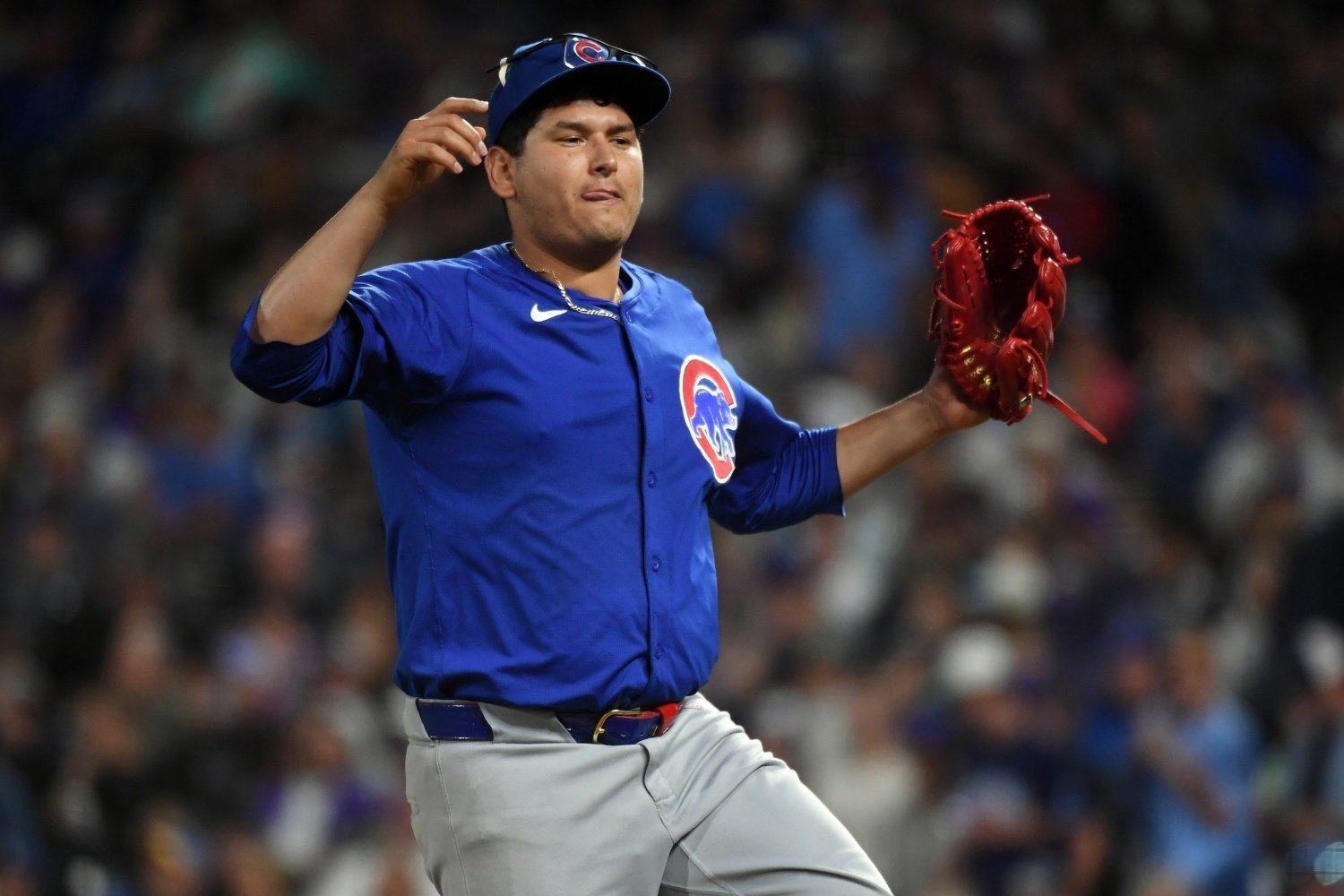 For the past four years, one of the Cubs' treasured rites of spring has been sending starting pitcher Javier Assad to Triple-A Iowa. Despite his strong performances when actually on the mound (he has a 3.43 career ERA, despite often being used so flexibly that it makes his job harder), Assad finds himself leapfrogged on the roster every year, only to get a renewed shot as the "next guy up" when injuries strike. Injuries have struck early for the 2026 team. Matthew Boyd was their reliable workhorse last season, but he suffered a biceps strain and was placed on the injured list Monday. The team says they hope and expect him to return after a minimum stay on the shelf; the actuarial tables say it'll probably be a month. Colin Rea, the North Siders' primary swing man, is in line to cover for Cade Horton, who went down three days before Boyd with an injury that could end up sidelining him even longer. Rea has been a steady back-end rotation talent over the last three seasons, with a complex mix of pitches and solid control. Ben Brown, the other long reliever on the squad, has electric stuff, with a 96-97 mph heater, nasty knuckle curve, and the occasional sinker and firm changeup. Unfortunately, Brown has been too mercurial to rely on in multiple passes through the opponent's batting order. Thus, we can't expect him to take the rotation spot any time soon, despite his upside. Assad has been one of the most intriguing (but weird) young starters in the game over the last four seasons. In 331 Innings, he has produced excellent results in terms of sheer run prevention, despite a paucity of strikeouts and a troubling amount of traffic on the bases. For comparison, Assad's career ERA is better than Edward Cabrera's (3.96), and the former Marlin's 2025 ERA (3.53), despite obviously inferior raw stuff. To make matters more interesting, he was solid as Mexico's "ace" for this years' World Baseball Classic. He pitched eight innings (no one else pitched more than three). He had two starts, seven strikeouts, and 1.13 WHIP. He came away with a middling 4.50 ERA, but a chunk of that was because the bullpen let in runners who were his responsibility after he left. Despite his stuff limitations, Assad is a very reliable pitcher who can throw seven different pitches, most with decent breaking action but fringy velocity. His 2025 fastballs averaged 92.2 MPH, though we've seen him push that number past 96 on occasion. His strategy is confusion and mayhem. Like an old-school junk master, he rarely serves up anything anyone really wants to hit—and sometimes, when he does, they aren't ready for it. Assad very skillfully avoids being predictable. Some teams in the league would have opened the season with him as a 4th or 5th starter. Assad is a victim of his own success. I find it hard to believe Jed Hoyer's phone has been silent all this time. Surely, clubs have bid for his services, but no one has offered anything convincing. Hoyer's failure to develop a robust pipeline of homegrown pitching has made Assad more valuable to the Cubs themselves than as a trade chip, and in the modern game, few teams value a pitcher like him more highly than the Cubs do, anyway. They need him as depth; they aren't getting desperate offers for him; and yet, they always want to do better than him in the rotation. How long he sticks around this time will, of course, be partly a question of how quickly Boyd and/or Horton return. However, even with just one of them down, there's a strong case for keeping Assad around and letting him ply his trade a while as the swingman, with Rea vacating that role in favor of one of the starting gigs. More importantly, if Assad pitches well, he's very likely to stay on the big-league team for the long haul, this time—because before the team gets back either of Boyd or Horton, they're reasonably likely to lose someone else, too. We can't ignore that, last year, Assad had a similar opportunity, but was unable to seize it because of his own injury trouble. If he's put that behind him, he has a wide lane this year, to be a hero for a contending team in need of quality innings. He does things unconventionally, but he does them well. He lives dangerously, but he's still alive. View the full article
 -
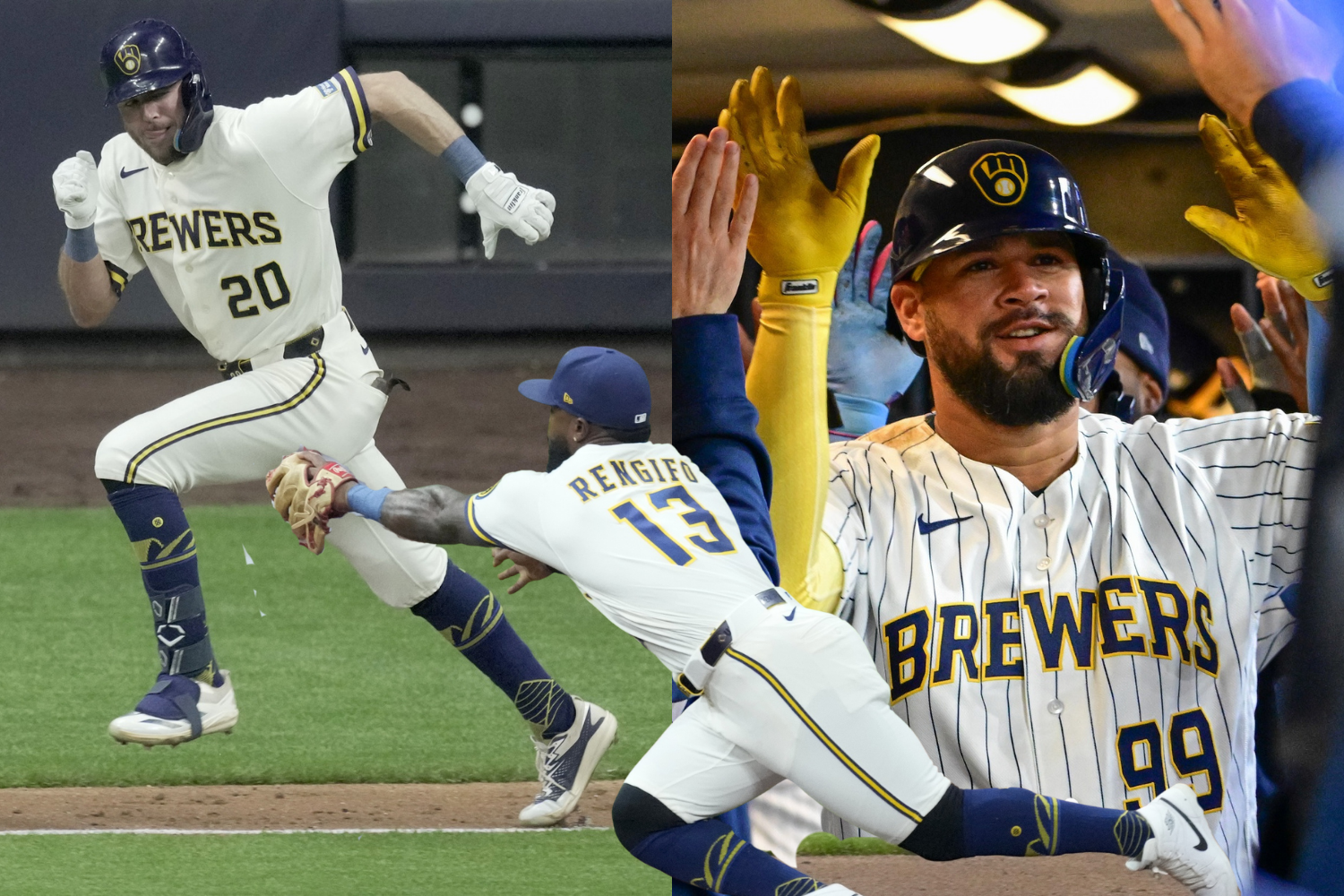 At the end of last season, Brandon Lockridge approached Pat Murphy about playing infield to be more valuable to the Brewers. Primarily an outfielder as a professional, Lockridge played second base in college and started four games there for the New York Yankees' Triple-A team in 2024. Murphy liked the idea, but he had a different infield position in mind. "He's like, 'Have you ever played first base?'" Lockridge recalled. "That's probably one of the few positions on the field that I've never touched before in my entire life, but I said I'd be open to trying it." Lockridge incorporated ground ball work as a first baseman into his offseason training, but only with the expectation of being an emergency option at the position. He didn't take any reps there in spring training until the Brewers returned to Milwaukee. Two days before Opening Day, the coaching staff sent him there to receive balls during batting practice. Hours later, he moved to first base for the ninth inning of their exhibition game against the Cincinnati Reds. "It was that day that I played in the game that was my first day receiving balls over there," he said. "And then the ninth inning comes around, they were like, 'Hey, you got your [first base] glove out here?' I was like, 'Yeah, sounds good.'" With Andrew Vaughn sidelined for the next several weeks by a left hamate fracture, Lockridge is one of three students in a sudden first base crash course with third base and infield coach Matt Erickson. Backup catcher Gary Sánchez and utility infielder Luis Rengifo are also working there to fill Vaughn's role as a right-handed-hitting counterpart to Jake Bauers. The first lesson? Receiving. Everything else (fielding ground balls, positioning, and holding runners) is secondary to footwork around the bag and knowing when and how to stretch toward a throw. "Let's face it, you can go to first base and not get a single ground ball, but you're going to have to receive," Erickson said. "And if we can't have somebody finish the play, then everything that happens before that doesn't really matter." Of the three, only Sánchez entered the season with big-league experience at first base, albeit just 16 2/3 career innings. As such, the Brewers felt most comfortable giving him the first crack there and have started him twice at first against left-handed starters. Once Rengifo is familiar with the nuances of the position, he could receive more of that playing time. As an infielder, Erickson believes he has the easiest transition. "When you have a guy like a [Andruw] Monasterio or a Rengifo that's on the dirt already, especially at a corner, the timing of the ground balls is not that big a deal," Erickson said. "They're used to that part of it. What's foreign to them is receiving and holding runners and knowing what kind of picks they're going to get from the pitcher." Lockridge said the Brewers have not indicated that Vaughn's injury will lead to more game reps at first base. That's because he's third on that totem pole, facing a greater learning curve as he moves in from the outfield. "Because [catchers are] used to the speed of every pitch, they're not really wowed by the ball getting to them at 90 feet or 100 feet away," Erickson said. "With an outfielder, you've got to go kind of the opposite, because they're not used to the ball being on them that fast." Outfielders immediately judge every fly ball and start running toward it to make the catch or back up the outfielder making the play. A first baseman must immediately break toward the bag once he knows a ground ball is out of his fielding range. "Ball's put in play, my instinct is to see the play," Lockridge said. "As a first baseman, the second the ball's hit on the infield, you've got to be busting to first base to pick the ball up and position your feet [on the base]. So that's kind of the thing during BP, they're hitting fungoes to the infielders, and I try to play it like a game, run to first base and pick the ball up." Given his brief infield experience, though, he's not starting from square one. He and Sal Frelick are the club's top choices as a fifth infielder should it need one late in a tie game. "If you can pick balls at second, I'd like to think I can pick them at first," Lockridge said. "You don't see it much, an outfielder coming from the grass to the dirt," Erickson said. "You see a lot of infielders go to the grass. But Lockridge is unique because he has some infield time, and he has some experience at second base." Even if Sánchez and Rengifo are the leading candidates for more time at the cold corner, all three will continue prepping for the position. "The work is all applicable when it comes to approaching balls hard in the outfield and trusting your hands," Lockridge said. "So at the end of the day, it makes me a better outfielder, practicing as a first baseman, I'll take that." View the full article
 -
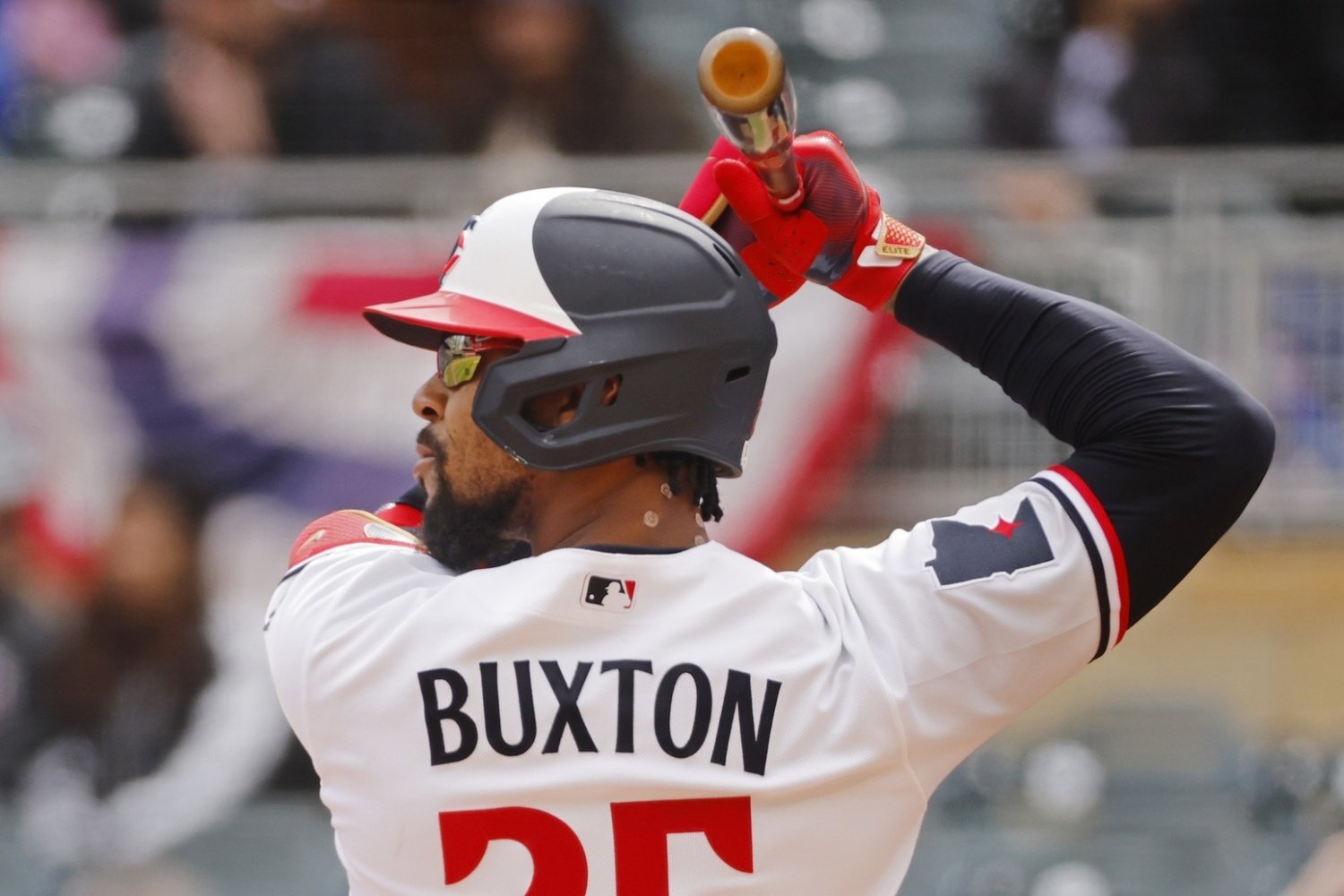 There are moments in a franchise’s history that feel bigger than the box score. On Sunday, the Minnesota Twins took time to recognize one of those moments as Byron Buxton reached 10 years of Major League service time. It's the kind of milestone that speaks less about a single season and more about everything that came before it. For Buxton, the journey to Sunday's celebration was winding and perilous. It included injuries, setbacks, and questions about what could have been. Eventually, though, it brought him to a secure place among the most accomplished players in franchise history. Reaching a decade of service time is rare territory. Fewer than 10% of players get there, and the list of those who have done it exclusively with the Twins is a roll call of legends. Kirby Puckett. Rod Carew. Joe Mauer. Kent Hrbek. Tony Oliva. The names carry weight because of what they meant to winning baseball in Minnesota. Buxton is now part of that group, and has the statistical resume to back it up. He sits sixth in franchise history in stolen bases, ninth in home runs, and continues to climb in multiple categories that reflect both longevity and impact. Those numbers tell the story of a player who has produced when healthy and electrified when at his best. Of course, he was rarely healthy for much of that time, and because he was often playing through something even when he was on the field, he hasn't always been able to demonstrate his best. After he debuted in 2015, he struggled to overcome the injuries that often disrupted his seasons. He was optioned back to the minors for stretches of both 2016 and 2018, which delayed his reaching the 10-year service mark until 2026. For some players, those detours derail everything. For Buxton, they have become part of the story that makes this moment resonate more. It's not just about 10 years. It's about everything he had to push through to get there. That perspective makes what he did in 2025 feel even more important. Buxton delivered the best season of his career, earning an All-Star selection, taking home a Silver Slugger, and finishing 11th in the American League MVP race. He showed what the fully realized version of himself looks like over an extended stretch—power, speed, defense, and a presence that changes games. Though Buxton is off to a slow start in 2026, nothing about his standing within the organization has changed. A brief injury scare over the weekend served as a reminder of how quickly things can feel uncertain, but his return to the lineup just as quickly reinforced how central he is to everything this team does and how fiercely he wants to be on the field whenever possible. None of that quite guarantees that Buxton will spend the balance of his career (or even the balance of his contract, which runs through 2028) in Minnesota. Nor do his 10-and-5 rights (all players who reach 10 years of big-league service and have had five years of continual service with one team have the right to refuse a trade) or the no-trade clause in his contract, which rendered the wait for those rights moot and shielded him from being dealt at last summer's fire sale. The team's future is unclear, and they might approach him this summer (or later on) about the possibility of moving him. When Buxton says he wants to spend his entire career in Minnesota, though, it doesn't sound like a generic answer. It sounds like a player who understands exactly what this uniform means, and what it would mean to finish what he started. For the Twins, that reality matters. Trading a superstar is always difficult. Trading one who has become a bridge between eras; who is climbing leaderboards next to Hall of Fame names; and who has endured everything in a Twins uniform is something else entirely. It's not just a baseball decision. It's a cultural one. As Buxton continues to add to his resume, those decisions only get harder. At some point, the conversation stops being about what you could get in return and starts being about what it would mean to let a player like this finish somewhere else. Right now, Buxton isn't just building a career. He's building a case to be remembered alongside the greatest players this franchise has ever seen. With every milestone, every highlight, and every season that adds to his story, the idea of him wearing anything other than a Twins jersey feels a little less realistic—or at least a little less tolerable. What stands out about Buxton’s 10 years with the Twins? Is there a scenario where Buxton could be traded? Leave a comment and start the discussion. View the full article
 -
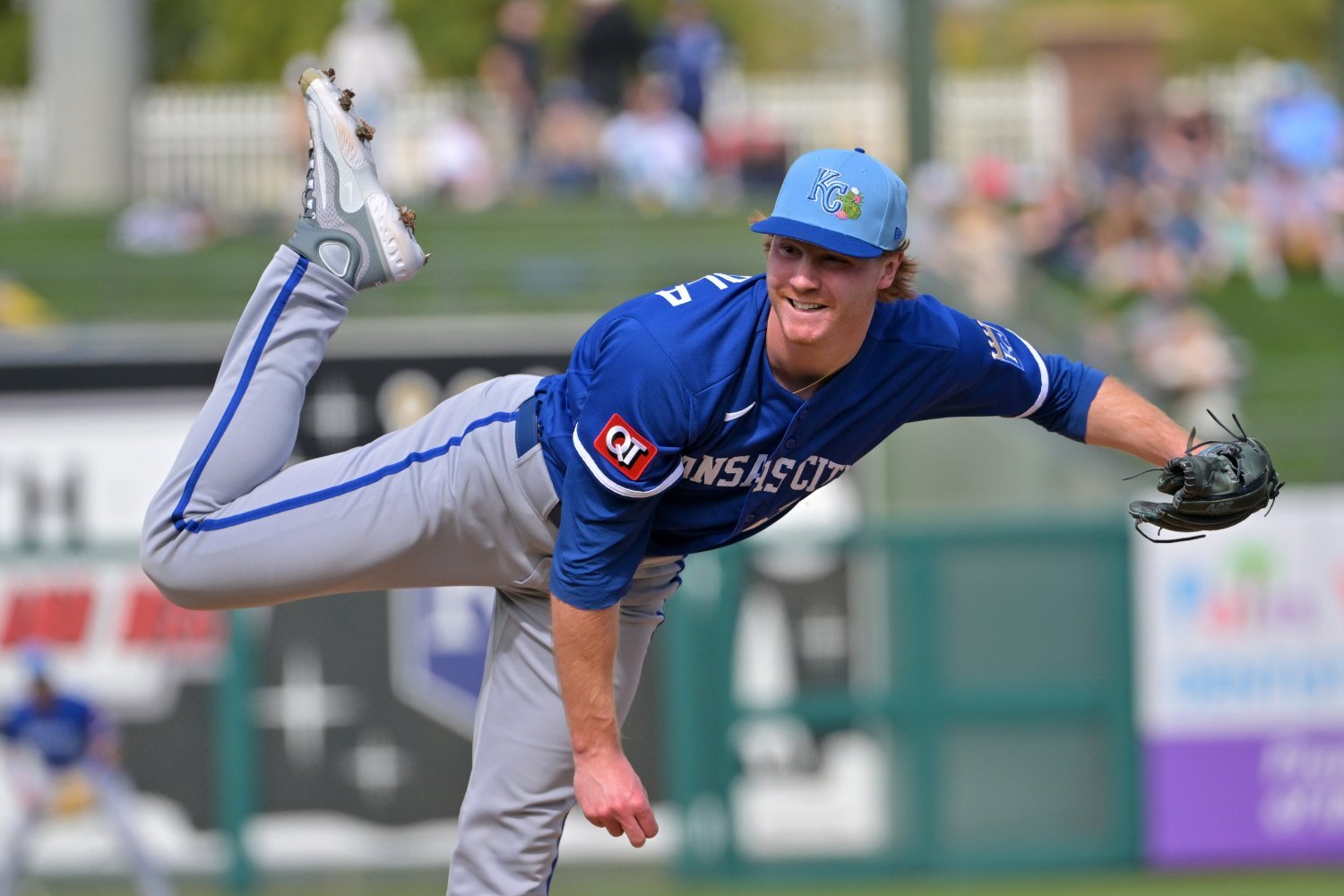 Minor League Week in Nutshell The Minor League season officially kicked off, with all four affiliated levels in action this past week (March 30th to April 5th). Unfortunately, bad weather has delayed the start of the Quad Cities River Bandits season. Not only did rain postpone the first couple of games, but field conditions prevented the River Bandits and South Bend Bears from finishing the season. The Storm Chasers started their season the earliest, and they have nine games under their belt. The Fireflies and Naturals have only played one three-game series. Northwest Arkansas and Columbia host their first homestands of the year this week, along with the River Bandits. Here are the records of the three Royals affiliates that have played games thus far, as of April 6th. Omaha: 4-5 Northwest Arkansas: 2-1 Columbia: 1-2 Omaha Highlights The Storm Chasers are averaging five runs per game through the first nine games of the season. There aren't a lot of position player prospects on the Omaha roster, as most of them are veterans looking to get one last chance at the Major League level. Some familiar names include Josh Rojas, Brandon Drury, and Kevin Newman, who also played with the Royals during Spring Training. One prospect that stood out this week was Luca Tresh, who had a big week for the Storm Chasers at the plate. In 16 at-bats, the former NC State product is hitting .375 with a 1.037 OPS. He doesn't have a home run, but he has four doubles and three RBI. He has one walk and struck out five times. Cutting down the strikeouts would be nice, especially since he's been one of the main catalysts in their lineup so far. On the pitching end, Eric Cerantola has been on fire after a shaky spring, when he was one of the first to be optioned to Minor League camp. In 4.1 IP, Cerantola has seven strikeouts and only one walk while posting a 0.00 ERA and 0.92 WHIP. His K% is 41.2%, and his BB% is 35.3%. Furthermore, he has done an excellent job not just generating whiffs but also limiting hard contact so far in Omaha. The only concern I have with Cerantola is that the TJ Stuff+ doesn't profile well, with an overall score of 98. He's a two-pitch pitcher with a four-seamer that has a 90 TJ Stuff+. That may work in Triple-A, but it's harder to imagine it transitioning well to the Major Leagues. Nonetheless, it will be hard for the Royals to ignore Cerantola if he continues to dominate the International League hitters. Northwest Arkansas Highlights Brett Squires had an eye-popping spring, showing excellent power and batted-ball ability, as demonstrated in his TJ Stats Statcast percentiles below. Squires only had 21 plate appearances in Cactus League play, but he had three home runs and posted an OPS of 1.128. So far in three games with the Naturals, the 26-year-old corner infielder hasn't missed a beat. In 12 at-bats with the Naturals, he is hitting .333 with a 1.135 OPS. Squires has a home run, six RBI, and a stolen base in the Naturals' first three games. His home run was also launched against Wichita on the road, showing that his power from this spring is manifesting itself so far in Double-A play. Squires could be a candidate for a promotion soon, especially if the veterans in Omaha show they're unlikely to be players at the Major League level. On the pitching end, Frank Mozzicato, our No. 20 prospect, had an encouraging first start of the 2026 season. In 4.0 IP, he allowed one run on two hits and two walks while striking out four. He only had a 57% strike%, something he's been working on since making the move up to Double-A last year. However, the fact that he was able to limit the walks while striking out four shows that Mozzciato is slowly developing his control and command at the upper Minor League levels. Mozzicato will be one to watch as his prospect stock has dropped a lot over the past couple of years. Fastball velocity and stuff will be key to watch with him in 2026. If he is able to keep that four-seamer velocity in the 90-93 MPH range, as he did this spring, then he could have at least a Major League outlook similar to Daniel Lynch IV. Columbia Fireflies Highlights The Fireflies have a lot of big-name prospects, including 2025 MLB Draft picks Sean Gamble and Josh Hammond and 2024 international signing Yandel Ricardo. However, 21-year-old shortstop Ivan Sosa had the biggest week offensively for the Fireflies. In eight plate appearances, Sosa is hitting .375 with a 1.625 OPS. He has two home runs in two games played and has also collected a double and two RBI. This is Sosa's first exposure to Low-A ball after primarily playing in the Complex League the past two years. That said, he struggled in Arizona with a 72 wRC+ in 2024 and 70 wRC+ in 2025. He seems a lot more comfortable at the plate in 2025, as evidenced by his home run stroke below. Strikeouts were a struggle for Sosa in the Complex League, as he posted 34.6% K% in 2024 and 33.6% K% in 2025. His K% is down to 12.5% this year, but he also hasn't drawn a walk. It will be interesting to see if Sosa's free-swinging approach will age okay, especially as he faces more developed pitching in the Carolina League. Nonetheless, he has shown himself to be a player to watch in Columbia, even with so many other talented prospects around him. Like Sosa, a pitcher that didn't get a whole lot of attention this offseason, was Shane Van Dam, who made his professional debut this week. A 9th-round pick in the 2025 MLB Draft out of NC State, he went three innings, allowed zero runs, two hits, and zero walks while striking out three. Van Dam only pitched eight innings in 2025 with the Wolfpack due to injury, but he's an intriguing prospect with a mix that could help him move quickly in the Royals farm system. Van Dam pitched in the instructional league last fall and turned some heads, especially among those who wondered why the Royals would select Van Dam in the ninth round after he only pitched in three college games in 2025. However, when looking at his stuff and mechanics on tape, it's easy to understand why the Royals liked him so much in this past MLB Draft. If Royals fans or prospect junkies are looking for a pitcher like Dennis Colleran, who didn't get a whole lot of attention last year due to injury in college but progressed quickly in the Royals system, Van Dam could fit that bill. His Low-A debut was certainly promising and shows what he is capable of in 2026. View the full article
 -
 Minor League Week in Nutshell The Minor League season officially kicked off, with all four affiliated levels in action this past week (March 30th to April 5th). Unfortunately, bad weather has delayed the start of the Quad Cities River Bandits season. Not only did rain postpone the first couple of games, but field conditions prevented the River Bandits and South Bend Bears from finishing the season. The Storm Chasers started their season the earliest, and they have nine games under their belt. The Fireflies and Naturals have only played one three-game series. Northwest Arkansas and Columbia host their first homestands of the year this week, along with the River Bandits. Here are the records of the three Royals affiliates that have played games thus far, as of April 6th. Omaha: 4-5 Northwest Arkansas: 2-1 Columbia: 1-2 Omaha Highlights The Storm Chasers are averaging five runs per game through the first nine games of the season. There aren't a lot of position player prospects on the Omaha roster, as most of them are veterans looking to get one last chance at the Major League level. Some familiar names include Josh Rojas, Brandon Drury, and Kevin Newman, who also played with the Royals during Spring Training. One prospect that stood out this week was Luca Tresh, who had a big week for the Storm Chasers at the plate. In 16 at-bats, the former NC State product is hitting .375 with a 1.037 OPS. He doesn't have a home run, but he has four doubles and three RBI. He has one walk and struck out five times. Cutting down the strikeouts would be nice, especially since he's been one of the main catalysts in their lineup so far. On the pitching end, Eric Cerantola has been on fire after a shaky spring, when he was one of the first to be optioned to Minor League camp. In 4.1 IP, Cerantola has seven strikeouts and only one walk while posting a 0.00 ERA and 0.92 WHIP. His K% is 41.2%, and his BB% is 35.3%. Furthermore, he has done an excellent job not just generating whiffs but also limiting hard contact so far in Omaha. The only concern I have with Cerantola is that the TJ Stuff+ doesn't profile well, with an overall score of 98. He's a two-pitch pitcher with a four-seamer that has a 90 TJ Stuff+. That may work in Triple-A, but it's harder to imagine it transitioning well to the Major Leagues. Nonetheless, it will be hard for the Royals to ignore Cerantola if he continues to dominate the International League hitters. Northwest Arkansas Highlights Brett Squires had an eye-popping spring, showing excellent power and batted-ball ability, as demonstrated in his TJ Stats Statcast percentiles below. Squires only had 21 plate appearances in Cactus League play, but he had three home runs and posted an OPS of 1.128. So far in three games with the Naturals, the 26-year-old corner infielder hasn't missed a beat. In 12 at-bats with the Naturals, he is hitting .333 with a 1.135 OPS. Squires has a home run, six RBI, and a stolen base in the Naturals' first three games. His home run was also launched against Wichita on the road, showing that his power from this spring is manifesting itself so far in Double-A play. Squires could be a candidate for a promotion soon, especially if the veterans in Omaha show they're unlikely to be players at the Major League level. On the pitching end, Frank Mozzicato, our No. 20 prospect, had an encouraging first start of the 2026 season. In 4.0 IP, he allowed one run on two hits and two walks while striking out four. He only had a 57% strike%, something he's been working on since making the move up to Double-A last year. However, the fact that he was able to limit the walks while striking out four shows that Mozzciato is slowly developing his control and command at the upper Minor League levels. Mozzicato will be one to watch as his prospect stock has dropped a lot over the past couple of years. Fastball velocity and stuff will be key to watch with him in 2026. If he is able to keep that four-seamer velocity in the 90-93 MPH range, as he did this spring, then he could have at least a Major League outlook similar to Daniel Lynch IV. Columbia Fireflies Highlights The Fireflies have a lot of big-name prospects, including 2025 MLB Draft picks Sean Gamble and Josh Hammond and 2024 international signing Yandel Ricardo. However, 21-year-old shortstop Ivan Sosa had the biggest week offensively for the Fireflies. In eight plate appearances, Sosa is hitting .375 with a 1.625 OPS. He has two home runs in two games played and has also collected a double and two RBI. This is Sosa's first exposure to Low-A ball after primarily playing in the Complex League the past two years. That said, he struggled in Arizona with a 72 wRC+ in 2024 and 70 wRC+ in 2025. He seems a lot more comfortable at the plate in 2025, as evidenced by his home run stroke below. Strikeouts were a struggle for Sosa in the Complex League, as he posted 34.6% K% in 2024 and 33.6% K% in 2025. His K% is down to 12.5% this year, but he also hasn't drawn a walk. It will be interesting to see if Sosa's free-swinging approach will age okay, especially as he faces more developed pitching in the Carolina League. Nonetheless, he has shown himself to be a player to watch in Columbia, even with so many other talented prospects around him. Like Sosa, a pitcher that didn't get a whole lot of attention this offseason, was Shane Van Dam, who made his professional debut this week. A 9th-round pick in the 2025 MLB Draft out of NC State, he went three innings, allowed zero runs, two hits, and zero walks while striking out three. Van Dam only pitched eight innings in 2025 with the Wolfpack due to injury, but he's an intriguing prospect with a mix that could help him move quickly in the Royals farm system. Van Dam pitched in the instructional league last fall and turned some heads, especially among those who wondered why the Royals would select Van Dam in the ninth round after he only pitched in three college games in 2025. However, when looking at his stuff and mechanics on tape, it's easy to understand why the Royals liked him so much in this past MLB Draft. If Royals fans or prospect junkies are looking for a pitcher like Dennis Colleran, who didn't get a whole lot of attention last year due to injury in college but progressed quickly in the Royals system, Van Dam could fit that bill. His Low-A debut was certainly promising and shows what he is capable of in 2026. View the full article
 -
 Carlos Tosca was starting to rethink things. The Blue Jays were 20-33 when first-year general manager J.P. Ricciardi relieved Buck Martinez of his managerial duties at the start of June, replacing him with Tosca. Toronto responded by winning seven of their first eight games under their new skipper, but having just been walked off by Mike Mordecai in Montreal, the team had now lost five in a row, and the schedule wasn’t getting easier. Toronto’s interleague road trip would continue in Los Angeles and Arizona, facing the two teams fighting at the top of the National League West. This would be the Blue Jays’ first ever trip to Chavez Ravine. Interleague play began in ‘97, but Major League Baseball changed scheduling in 2002, making this the first year Toronto played teams outside of the NL East. Action between the two leagues had started earlier in the month, and the Blue Jays had swept the Rockies at home and beat the Giants before dropping the next two to San Francisco to start the current slide. So Tosca plotted his next move, perhaps emboldened by the success of his first. When he took over, Tosca said he would make better use of every player on the Blue Jays. For Chris Woodward, any use would be better use. It would be generous to say Martinez played him sparingly. In Buck’s second-to-last game on June 2, Woodward started for only the sixth time at shortstop in place of scuffling starter Felipe López. The previous month, he had appeared in only five games. Since Tosca began writing the lineup cards, Woodward matched his season total with six more starts and got a hit in every single one. All Woodward wanted was a manager to give him a chance to play every day, and unbeknownst to him, Tosca was that manager. Woodward had led off on a Shannon Stewart off day in the previous series, and Tosca would now feature his new-everyday shortstop at the top of his regular lineup card. Batting behind Woodward would be rookie Eric Hinske, up from the fifth spot, slashing .278/.367/.532 to this point in the year. Stewart would hit third, moving Raúl Mondesí to fifth behind the ever-in-place Carlos Delgado at cleanup. Putting his top on-base guys in front of Delgado and Mondesí was what drove the change, Tosca said. That was true, but the manager was also being delicate with one player, expecting to hear it in his return to Dodger Stadium. Batting BA OBP SLG OPS Carlos Delgado .256 .401 .530 .931 Tom Wilson .268 .377 .431 .808 Eric Hinske .278 .367 .532 .899 Shannon Stewart .290 .342 .438 .780 Chris Woodward .281 .339 .632 .970 José Cruz .227 .306 .385 .690 Felipe López .234 .300 .416 .716 Raúl Mondesí .218 .295 .432 .728 Vernon Wells .249 .294 .397 .691 Dave Berg .247 .275 .367 .642 Darrin Fletcher .218 .241 .307 .548 Blue Jays OBP leaders leading up to the game on June 18, 2002, provided by Baseball-Reference.com (view original table). Mondesí was unwelcome. Again. He had his share of detractors in his last season as a Dodger, hounded for off-field behaviour and even smeared in the media by the team before he was dealt to Toronto for Shawn Green. Things had gotten so bad between Mondesí, Green, and their respective teams that then-Toronto GM Gord Ash allowed Jeff Moorad, the agent for both players, to work out the details of a trade. It took Mondesí a while to get over the move, but he thought he would at least be joining a contender with the Blue Jays, and hey, Ash guaranteed the final two years of his contract. It wasn’t going to be so bad in Toronto. Had his predecessor not done that, Ricciardi would have been fine with walking away from Mondesí upon taking over the team. Mondesí had hit 27 home runs and stolen 30 bases in 2001, but the new general manager was doing anything he could to move off the $24 million Ash committed to the right fielder over the next two seasons. It had been a directive from the new Rogers ownership, and Ricciardi was wishing he had found a taker. Mondesí's play hit a clear downturn in ‘02, and he was almost untradeable. Before the game, Mondesí spoke fondly about his time as a Dodger, fondly on his future elsewhere and... little about Toronto. “I want a World Series ring,” Mondesí said. “You want to win. I enjoy Toronto, but I would play the same wherever I went.” Booed by the crowd of 24,991 before his first at-bat, Mondesí wasn’t shaken, saying the fans jeered “because they have to. I know inside the fans don’t feel that way. These are the best fans in the world.” He was traded to the Yankees in July for a minor league arm, a salary dump in which Toronto was able to offload some of the remaining debt. I’m sure this too, Raúl, was written as a letter of love about your time with the Yankees. (photo credit: The Toronto Sun) By far the strongest part of Tosca’s lineup would be in the nine spot. Roy Halladay arrived from day one in 2002. He threw at least seven innings in his first four starts and ripped off a stretch of five straight wins in May. He was on his way to his first All-Star Game, but Doc had a blip in his last outing, leaving in the seventh inning, having surrendered five runs on 10 hits to the Giants. No matter that, Halladay had just entered the era of Doc, who was exactly the pitcher you wanted to stop a losing streak. Tosca could expect his pitcher to be an ace against the Dodgers, but he would end up asking him to do way, way too much in a National League ballpark. After a scoreless first inning, a walk and a stolen base had José Cruz on second with one out against Dodgers starter Andy Ashby. Up next, Joe Lawrence hit a bloop single, but a cautious Brian Butterfield held Cruz at third base out of respect for Green’s arm in right. The press box at Dodger Stadium derided the stop sign with the light-hitting Ken Huckaby coming to the plate. Runs were going to be at a premium tonight, but Toronto’s catcher stepped up to deliver home Cruz for the first run of the game. Huckaby's single left runners on the corners for Halladay with still one away. Far from the hitter who delivered an RBI base hit in the playoffs, Halladay had six career plate appearances coming into this game. He had struck out three times, moved runners over against Orel Hershiser and Steve Trachsel, and even managed a groundout against Trachsel. After Halladay swung through the first pitch from Ashby, Tosca acted on an idea. He signaled to Butterfield, who relayed the information to Lawrence at third and Doc at the plate. Somewhere along the chain, someone must have wondered, ‘Is this right?’ As Ashby broke from set, Lawrence took off, and Doc squared around. It was an absurd time to call for the squeeze, and you've got to miss this era of baseball. The pitch from Ashby was outside, eluding the bunt attempt into the mitt of Dodgers catcher Paul Lo Duca, who tagged a dead duck in Lawrence. Halladay inevitably struck out, but had Tosca not inserted himself into the game, he would have given Woodward a chance with runners on the corners. Those had to be the opportunities the manager had been speaking of, right? As Toronto trotted out for the home half of the second with the lead, they would not be joined by Woodward, who was replaced by Lopez at short. The squeeze call may have been in response to whatever was going on with Woodward. Semi-rewind to Shea Stadium on June 7, 1999. Halladay would step to the plate for the first time in his career against the Mets that night, and it was also the major league debut of Woodward, who drove in the only two runs in an 8-2 defeat on a not-yet-that-Doc night for the Blue Jays. Manager Jim Fregosi, days from getting clocked in the face, joked Woodward could hit cleanup instead of Tony Fernandez, who was reluctantly doing so at the time. For the Toronto Star’s Dave Perkins, at least the call-up of Woodward would mean the end of Homer Bush at shortstop in ‘99, or what he called “a jerry-rigged exercise in futility for 18 games.” (photo credit: Aaron Harris/CP/Sportsnet) Nonetheless, Jim Tracy was left inspired. In his second season as manager of the Dodgers, Tracy had yet to meet Paul DePodesta, with whom he’d clash over the incoming general manager’s sabermetric leanings. Tosca would not upstage Tracy in smallball. Not in his ballpark, dammit. With one out and Ashby at the plate, former Blue Jay César Izturis stole third base. With the count 1-2, Tracy called for his own squeeze! Ashby was able to make contact with the pitch, fouling it off to strike out but keep Izturis and the inning alive. Facing the top of the order, Halladay used three pitches to retire Dave Roberts on a groundout to end the third inning. In spite of ridiculous instructions at the plate, Doc was magic on the mound all night. The only other runs of the ballgame were attested to Delgado: an RBI double in the sixth off the bat of the Blue Jays' slugger and an error in the eighth that led to a run on a base hit from Green. It was the lone blemish on Halladay’s night, the fifth of many complete game victories to come in his career. He threw 67 strikes on an even 100-pitch night, allowing just four hits and the unearned run. Doc walked two and struck out seven; he was sharp, but he wanted to be exact, saying the “last pitch (to Green) could have been a little lower to give him a harder time with it, but he is just a great hitter.” Woodward’s absence from the final eight innings was due to a pulled groin he suffered before the game while taking infield. It was especially crushing as Woodward, who grew up nearby, had over 30 people in the crowd to watch him in the majors for the first time. The injury would keep him on the shelf for weeks, and when he returned in July, Lopez remained no threat to him in the eyes of Tosca. Woodward played most days, and with Mondesí traded and Cruz injured, he even served as the segue three-hole hitter to Vernon Wells, who took the spot for good in the last game of August. It was the best season of Woodward’s career (2.3 bWAR), and he would stay with the Jays until ‘04 before returning for 11 games at the end of his career in 2011. The 2-1 victory was Toronto’s only win in their first trip to Dodger Stadium. They got the door shut on them by Éric Gagné the next two nights, but things stayed better under Tosca. The Jays finished 59-51 on their way to a somewhat improbable 78-win season. Tosca had stayed true and continued to play the entirety of his roster. Another beneficiary was Josh Phelps, who kept hitting upon his call-up in July, and Tosca kept writing him into the lineup. Phelps slashed .309/.362/.562 in 287 plate appearances, finishing sixth in the AL Rookie of the Year race behind Hinske, who finished the year hitting second in Tosca’s lineups. View the full article
 -
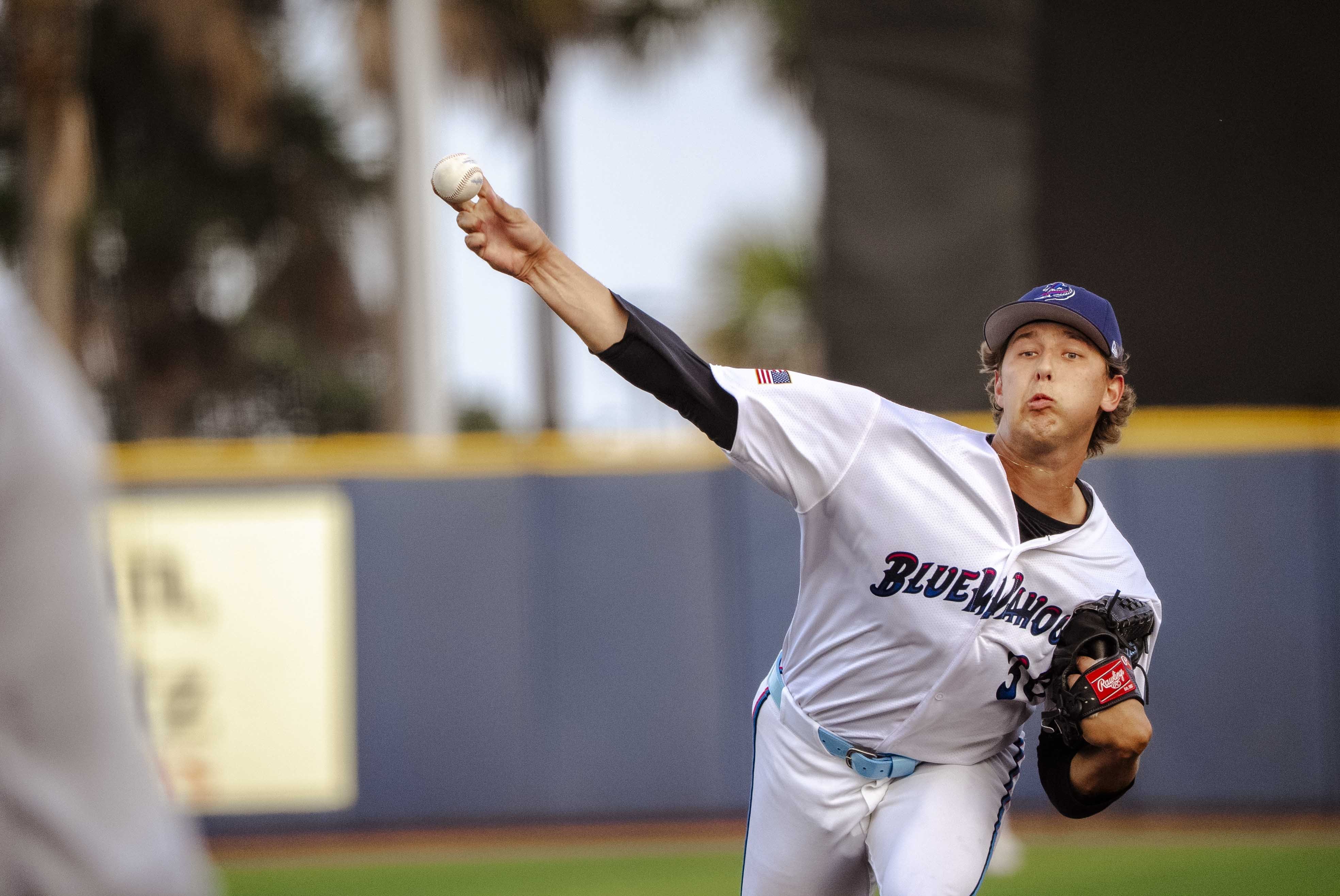 For the 2026 season, Fish On First will provide weekly reports on the Miami Marlins farm system, covering all levels. Here's the season debut of our Fish On First Prospect Report. Triple-A Jacksonville It has generally been a terrible start to the Jumbo Shrimp season, especially offensively. Their .557 OPS as a team is 75 points lower than any other Triple-A affiliate. Jacksonville's best hitter so far is Deyvison De Los Santos. He has played in five AAA games, slashing .278/.381/.611/.992 with two home runs, six RBI and a 157 wRC+. After a spring training that saw much better plate discipline from the 22-year-old, the Marlins had to call up De Los Santos when Christopher Morel went down, but he was sent back down following the opening series when the team acquired infielder Leo Jiménez. With the Shrimp, he's only struck out 19.0% of the time. If these spring training and early-season approach improvements sustain, De Los Santos can see some time at the major league level by season's end. The other first baseman on the Jumbo Shrimp, Nathan Martorella, who is slashing .208/.394/.375/.769 with one home run, seven RBI and a 116 wRC+. He has just as many walks as strikeouts. Martorella, 25, was one of the four players acquired in the trade that sent Luis Arraez to the San Diego Padres. Outfielder Andrew Pintar may have off to a slow start with the bat, but his overall plate appearances have been strong, with a .382 on base percentage, walking 17.6% of the time, and has already lowered his strikeout percentage from 29.5% of the time in 2025 to 23.5% early on. Pintar, who plays all three outfield spots, could play a role on the big league team if we see any injuries come up. Braxton Garrett, who did not make the Marlins rotation coming out of spring, made his second start of the Triple-A season on Sunday, where in 4 ⅔ shutout innings, he allowed two hits and two walks. He also struck out eight. Six of his eight strikeouts were swinging strikeouts. Overall, Garrett generated 14 whiffs, with six of them coming on his slider. The main concern is the four-seam fastball (and sinker) velocity, who in spring training was averaging between 92-94 mph, but on Sunday, his four-seam fastball averaged 90.7 mph and the sinker was averaging 90 mph. He topped out at 92.9 mph with the four-seam fastball. William Kempner leads all pitchers with four appearances, posting a 4.50 ERA, but does have a 2.02 FIP with a 24.75 K/9 (11 strikeouts) and 2.25 BB/9 in four innings of work. It's still early with pitchers, but Kempner has been a bit unlucky, and the ERA should at some point go down. Jack Ralston was the best of the minor league signings the Marlins made, impressing throughout spring training. In three appearances, he already has a 2.25 ERA, 2.27 FIP, 15.75 K/9 and 6.75 BB/9 in four innings pitched. Ralston's walk issues have continued, as control/command has been an ongoing issue throughout his career. Dax Fulton unfortunately continues to struggle, as in two appearances (one start), he's allowed nine runs and four walks. Despite one strong spring training outing, he just hasn't been able to look like the Dax Fulton we saw in 2022 who had the potential to be a future piece of the rotation. At this point, it may be time to see what they can get out of him in the bullpen. Double-A Pensacola The Wahoos got their season started at home with a three-game set against the Montgomery Biscuits. A low-scoring affair and pitchers’ duel in their first game gave way to a shutout at the hands of a familiar face. Their third game was postponed due to rain. Pensacola will stay at home this week still searching for their first win. After participating in MLB spring training and starting the Spring Breakout for Miami, Karson Milbrandt got the Opening Day nod for Pensacola. He showed off his new sweeper early and often, earning his first strikeout on one with great vertical break that dove out of the hitter’s sight. Developed during the Arizona Fall League this past season, Milbrandt already has supreme confidence in the pitch. Lauded for the work he did physically over the winter, Milbrandt topped at 97 mph and sat 95 with his fastball. The benefactor of some great defense early including on a robbed home run by Fenwick Trimble and a great play in the hole at short by newcomer Cristian Hernández, Milbrandt got better as the start got older. Ultimately, he allowed just one earned run on four hits and two walks while working into the fifth inning. Some minor command lapses aside, this was a great building block 2026 debut for Milbrandt who is retooled and reborn as one of the best pitching prospects in the Marlins’ organization. One of the newest Marlins in the upper minors, Brendan Jones is making a solid first impression. After posting four hits including a home run and four walks in 10 spring training games with the Marlins, Jones went three for his first eight in his first two games with the Blue Wahoos. He also notched his first two stolen bases of the campaign. Fresh off a .245/.359/.395 52 stolen bases season at High-A and Double-A, the 5’9”, 180-pound line-drive hitter who is a threat for extra bases whenever a ball drops, Jones is the most well-rounded piece that came back to the Marlins in the Ryan Weathers trade. A lefty hitter that limits strikeouts and who will be able to stick in centerfield, Jones has a high floor and if he can add more power, has the capability of raising his ceiling. In an advantageous developmental situation with an organization that has done very well with lefty hitting outfielders, Jones is a name on the rise. High-A Beloit After being postponed twice, the Sky Carp finally got their season kicked off agains the Wisconsin Timber Rattlers on Saturday in rare fashion: their first slate of the year was a back-to-back doubleheader. Beloit fell behind early in both games, but fought back valiantly on both occasions. They wound up splitting the twin bill. The third game of the series was canceled. Starlyn Caba, our Prospect of the Week, was the star of the series. After an impressive Arizona Fall League campaign and spring training, the 20-year-old began the year with Beloit, despite being two years younger than the league average competitor. Caba burst out of the gates by going a combined 4-for-7 in his first two High-A contests. In the second game, he knocked in four of five Sky Carp runs. Caba showcased great bat control all day long, getting good wood on pitches both in and out of the strike zone. Probably his most impressive hit on the day was a single on a ball he got to up and out of the strike zone. Known for great defense and speed, it’s the bat the Marlins have been working diligently on and hoping to see show up more often for Caba. If early returns this season are any suggestion, he made the most of Miami’s hitting development tutelage this spring. If this type of production continues on a regular basis, Caba will be a solid on-base threat. If he can improve his bat speed, there’s some hidden power to tap into as well. Early returns on recent draft picks have been few and far between for the Marlins for the past couple of years, but Cam Cannarella, Miami’s competitive balance round pick from last year, continued to be one positive outlier in his High-A debut. After slashing .284/.337/.375 for Jupiter post draft last season, the 22-year-old lefty hitter went 4-for-6 on Saturday. He also walked three times and stole a base. His standout moment was his final at bat of the night in which he drew a full count and plated two with a single to keep the Sky Carp alive. Another glove-over-bat prospect coming out of one draft due to standout skills in centerfield, the Marlins have to be pleased with what Cannarella has shown early in his career at the dish. While he likely won’t ever develop enough physicality to be much of a power threat, he has shown a good eye and the ability to make informed swing decisions. He’s also showing a quieter and looser setup and approach this season and has taken a bit of loopiness out of his swing. If he can continue to work counts and make consistent contact as the quality of stuff he faces increases, Cannarella could raise his floor closer to that of a full-time starting center fielder. Low-A Jupiter The Hammerheads are off to a 2-1 start this season, falling on Opening Day, but then bouncing back and winning back-to-back games against the Daytona Tortugas. On the position player side, it has been 2025 fifth round pick Chris Arroyo, who is slashing .375/.375/.1.000/1.375 with one home run, two RBI and a 292 wRC+. Arroyo was one of many Marlins who participated in winter ball, playing in Puerto Rico. In 16 games with Leones de Ponce, he slashed .216/.341/.297/.638 with one home run and six RBI. Arroyo will see time between first base and the outfield. Shortstop prospect Carter Johnson went deep for his first hit of the season, a homer to straightaway center. Johnson struggled last season, slashing .177/.275/.261/.536 with three home runs and 43 RBI in 106 games played. Johnson's start to his professional career has been nothing short of a disappointment, but he is only 20 years old, and after a full season in Low-A, maybe he can adjust to the league and show some results. Esmil Valencia, acquired in the Jesus Sánchez trade with the Houston Astros, is slashing .300/.417/.500/.917 with two RBI. Last season in Jupiter, the 20-year old right-handed hitter showed high exit velocities and slashed .327/.367/.510/.877 with three home runs, 21 RBI, 14 stolen bases and a 141 wRC+. The early concern has been the 25.0% strikeout rate, which has increased from last season, but with a limited sample size in 2026, we need to wait some time to let balance out a bit. Thomas White (Grade 1 right oblique strain) made a rehab start on April 2. He tossed 2 ⅓ innings, where he allowed two runs on two hits (one home run), walked one and struck out four. Three of White's four strikeouts were swinging strikeouts. He'll continue to stretch out as a starter with another rehab start on Wednesday. In his first appearance of the season, Nate Payne, an 18th round pick in the 2024 draft, struck out eight in four innings of work on Opening Day for the Hammerheads. He followed Thomas White and was placed in a long relief role. Six of his eight strikeouts were swinging strikeouts. The 20-year-old left-handed pitcher made 17 starts between the Florida Complex League and Low-A, where he posted a 3.20 ERA, 3.72 FIP, 11.66 K/9 and 5.91 BB/9 in 56 ⅓ innings of work. This week's MiLB schedule Triple-A Jacksonville at Norfolk Double-A Pensacola at Biloxi High-A Beloit vs. Cedar Rapids Low-A Jupiter vs. Fort Myers View the full article
 -
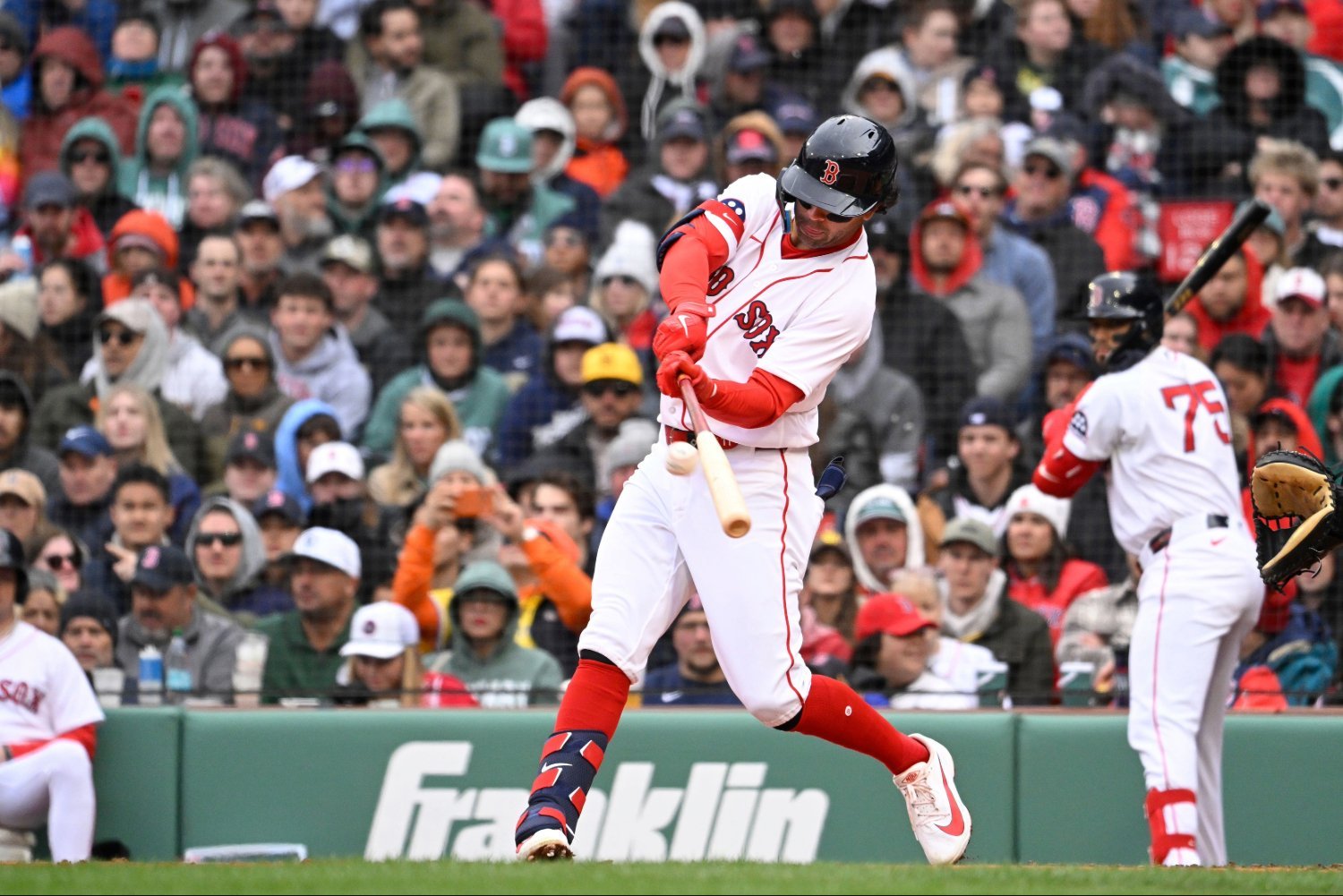 The Boston Red Sox have scuffled at the plate to begin their season, leading to an ugly 2-7 record after the first three series of action in 2026. Marcelo Mayer was oft-discussed this spring, primarily by manager Alex Cora, who never gave a firm answer as to whether or not the young infielder had a spot on the Opening Day roster. Evidently, he earned that spot despite not being the starting second baseman on Opening Day. Cora has given him the nod in all but two games this season, and he has appeared in all nine, making improvements in his swing that warrant real confidence moving forward. While his numbers might not jump off the page, slashing .227/.280/.500 in his first nine games, he has been drilling the ball all over the yard with a 94.8 mph average exit velocity and a 23.1 percent barrel rate. In a small sample, his three doubles rank seventh in the American League, and he sits third on the team in slugging percentage. What he has done to create those changes in quality of contact is alter his attack angle. Statcast defines Attack Angle as: "The vertical direction that the sweet spot of the bat is traveling at the moment it hits the baseball... A higher attack angle, assuming the bat makes square contact with the baseball, is more likely to result in a fly ball. A lower or negative attack angle would be more likely to produce a ground ball." Two of the five players tied for first in average attack angle last season were Eugenio Suárez and Cal Raleigh at 18 degrees, and both ranked top five in fly ball rate as well. The key to hitting is not merely lifting the ball, but doing so consistently and with authority. Mayer has done both. He has increased his attack angle from seven degrees to ten. The results are already visible: his groundball rate has dropped from 49.4 percent to 38.5 percent, while his fly ball rate has jumped from 33.3 percent all the way to 61.5 percent. Small samples demand caution, especially with hitters. A three-for-four afternoon can reshape a season line in an instant. That is precisely why the focus here is on approach and mechanical adjustments rather than the slash line. Swing path and batted ball data are the early indicators that foreshadow a player's trajectory, and on both fronts, Mayer is trending in the right direction. His 23.1 percent barrel rate is also worth trusting more than most early-season numbers, as barrel rate stabilizes faster than batting average, meaning the hard contact he's been producing is not just early season noise. The urgency of that trend is hard to overstate given the state of this offense. Heading into their series finale against the Padres, the Red Sox ranked last in MLB in runs scored with 24, sat 21st in wRC+ at 87, posted the fifth-highest strikeout rate in the league at 28.1 percent, and ranked second-worst in high-leverage situations according to FanGraphs' clutch metric. This lineup desperately needs someone to catch fire. Mayer is hitting like a man who is due. An early spark from him, a player no one penciled in as a catalyst entering the year, could be exactly what this offense needs to find its footing. View the full article
