


DiamondCentric
-
Posts
2,631 -
Joined
-
Last visited
Never
Content Type
Profiles
Forums
Events
News
Tutorials & Help
Major League Baseball Videos
Guides & Resources
Store
Downloads
Gallery
Everything posted by DiamondCentric
-

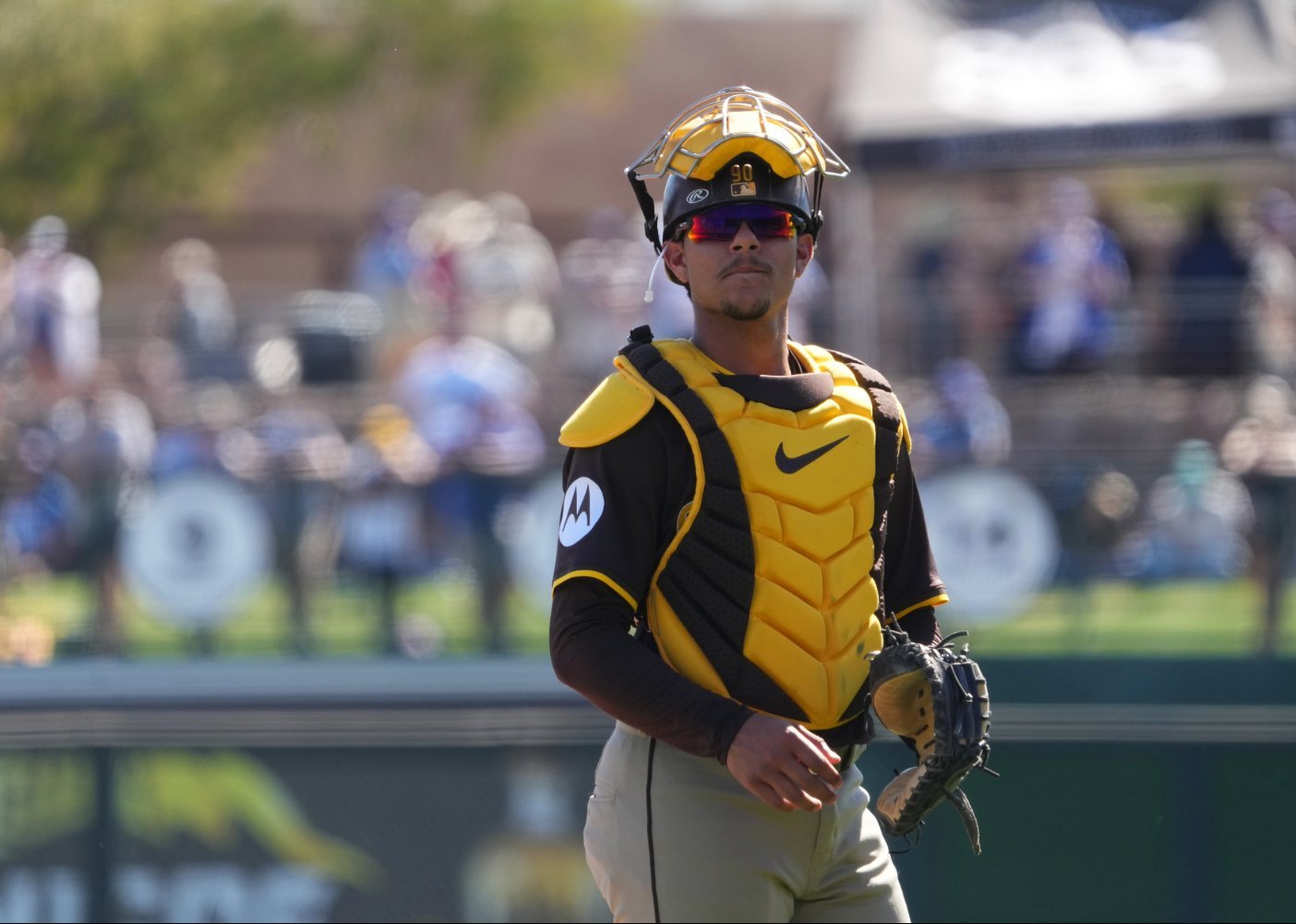 With MLB and Triple-A schedules beginning last week, the other three full-season levels get their seasons going this upcoming weekend. And for the San Diego Padres' affiliates, we have official Opening Day rosters for the Double-A San Antonio Missions and the High-A Fort Wayne TinCaps. The Missions open their season Thursday with three road games against the Tulsa Drillers, while the TinCaps also begin away from home Friday with three games against the Great Lakes Loons. Tulsa and Great Lakes are Los Angeles Dodgers farm teams. The Low-A Lake Elsinore Storm do not have a confirmed roster at this point, but should be released in the next day or two. If you are looking for who opened the season in Triple-A El Paso, you can find that here. Double-A San Antonio Missions The Missions have six of Padres Mission's top-20 prospects on their roster, including No. 1 Ethan Salas, a catcher, and No. 5, Miguel Mendez, a right-handed starter who is already on the Padres' 40-man roster. The others are No. 7 Jagger Haynes (left-handed starter), No. 11 Romeo Sanabria (first baseman), No. 19 Eric Yost (right-handed starter) and No. 20 Manuel Castro (right-handed reliever). Pitcher (16) Jagger Haynes, LH (Padres Mission's No. 7 prospect) Fernando Sanchez, LH Johan Moreno, RH Sadrac Franco, RH Eric Yost, RH (No. 19 prospect) Manuel Castro, RH (No. 20 prospect) Andrew Dalquist, RH Michael Flynn, RH Harry Gustin, LH Francis Pena, RH Luis Gutierrez, LH Andrew Thurman, RH Josh Mallitz, RH Victor Lizarraga, RH Ian Koenig, RH Miguel Mendez, RH (No. 5 prospect) Catcher (3) Christopher Sargent Jr. Ethan Salas (No. 1 prospect) Brendan Durfee Infield (5) Francisco Acuna Carson Tucker Luis Verdugo Ryan Jackson Romeo Sanabria (No. 11 prospect) Outfield (5) Kai Murphy Albert Fabian Kai Roberts Braedon Karpathios Joshua Mears Other (3) RHP Enmanuel Perez, administrative leave C Andy Thomas, restricted list IF Wyatt Hoffman, 60-day injured list High-A Fort Wayne TinCaps There will be three of Padres Mission's top-20 prospects playing for the TinCaps to begin the 2026 season, with more surely to follow. That starts with the Padres' top draft pick from 2025, left-handed starter Kash Mayfield, who made 19 starts for Lake Elsinore in his pro debut. He will be throwing to catcher Lamar King Jr., the No. 13 prospect, while No. 16 prospect Kavares Tears is in the Fort Wayne outfield. Pitcher (17) Clark Candiotti, RH Jaxon Dalena, RH Vicarte Domingo, RH Clay Edmondson, RH Luis German, RH Igor Gil, LH Bernard Jose, R Kannon Kemp, RH Isaiah Lowe, RH Kash Mayfield, LH (Padres Mission's No. 2 prospect) Maikel Miralles, RH Carson Montgomery, RH Kleiber Olmedo, RH Abraham Parra, RH Braian Salazar, LH Will Varmette, RH Jeferson Villabona, RH Catcher (3) Lamar King Jr. (No. 13 prospect) Oswaldo Linares Carlos Rodriguez Infield (5) Jack Costello Zach Evans Dylan Grego Jonathan Vastine Rosman Verdugo Outfield (4) Jake Cunningham Alex McCoy Kavares Tears (No. 16 prospect) Kasen Wells Other (1) RHP Tyler Morgan, 60-day injured list These rosters, of course are quite fluid. The Padres are one of the most aggressive teams in promoting top prospects, so expect plenty of changes to these teams as the season goes on. View the full article
 -
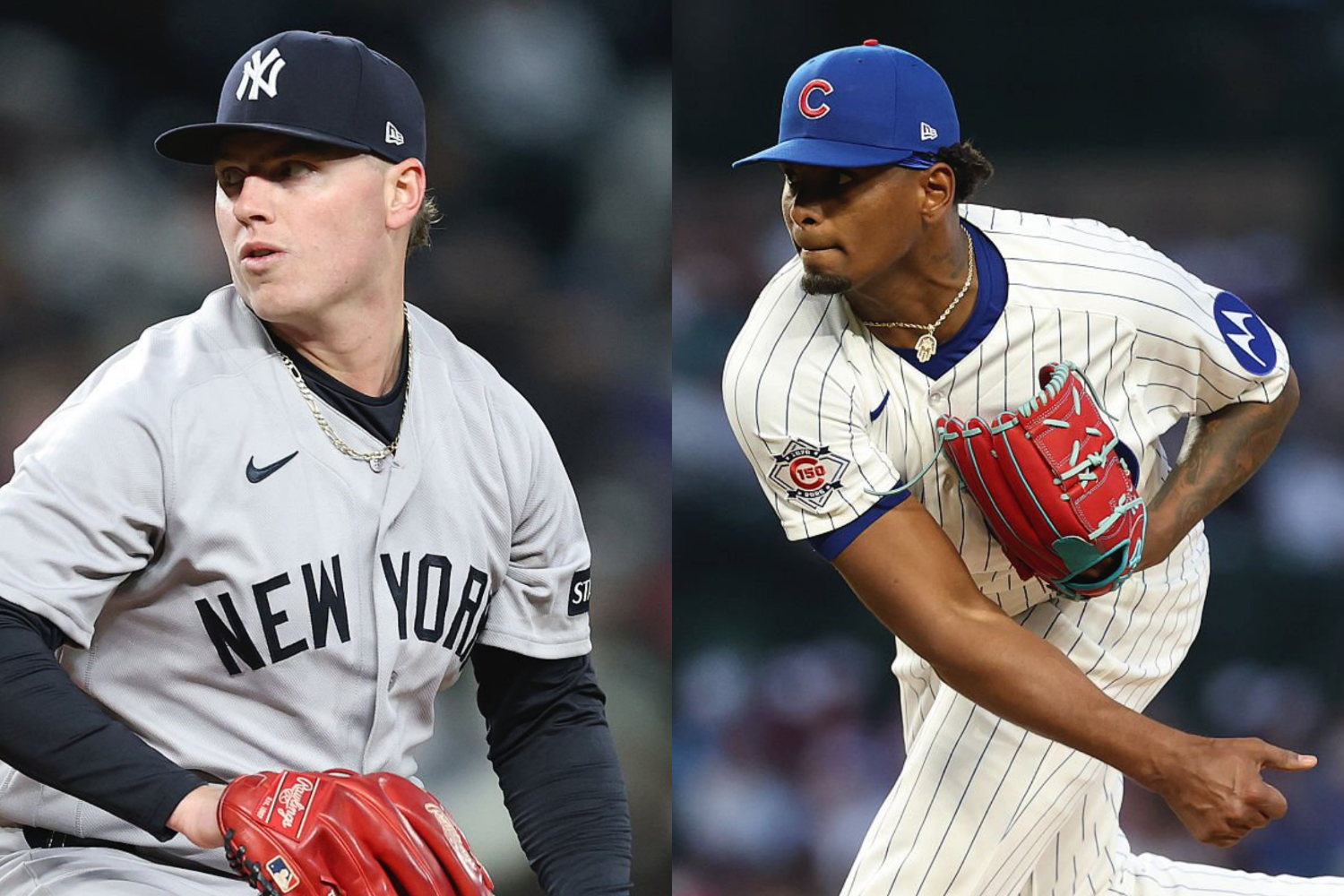 The two biggest transactions of the 2025-26 Miami Marlins offseason both subtracted major league starting pitchers to fortify the organization's position player pipeline. The Marlins insisted that this was not punting on their current team, that the quality of their rotation depth will be strong enough to make up for the absences of Edward Cabrera and Ryan Weathers. I was dubious of that argument, but we're still several months away from being able to render a verdict. If you are in the Marlins front office, Monday's performances were unsettling. Signed to a one-year free agent deal in the aftermath of the Cabrera and Weathers trades, Chris Paddack took the mound at loanDepot park. He began his night with two sharp innings against the Chicago White Sox, following by two catastrophic innings. Paddack had been susceptible to home runs throughout the second half of last season, and that was his undoing here, as Austin Hays (three-run homer) and Miguel Vargas (grand slam) combined to give the visitors an insurmountable lead. The veteran right-hander individually allowed more runs than the entire Marlins pitching staff did during their previous series sweep of the Colorado Rockies. Meanwhile, Chicago's other MLB club also won comfortably, led by Cabrera. He tossed six scoreless, efficient innings at Wrigley Field, extracting 18 outs from the 19 Los Angeles Angels batters he faced. Cabrera "might be as important as anyone to the team's pursuit of its first full-season division title in almost a decade—and he showed why on Monday," explains Northside Baseball's Matthew Trueblood. Matched up against a Seattle Mariners offense that projects to be among MLB's elite, Weathers did pretty well in his debut, too. Although removed after just 4 ⅓ innings, he struck out seven. Seattle's lone run off of him came via a broken-bat blooper. The 26-year-old lefty received a no-decision as the Mariners ultimately won in walk-off fashion. I'd be remiss not to mention that rookie outfielder Owen Caissie was acquired in exchange for Cabrera. He has made an immediate positive impact, doing his best Kyle Stowers impression through four Marlins games with a 231 wRC+ and a walk-off homer. Perhaps even if the back end of Miami's rotation proves to be a weakness, Caissie could add enough pop to their lineup to compensate for it. Conveniently, Weathers is lined up to face the Fish at Yankee Stadium on Saturday. View the full article
 -
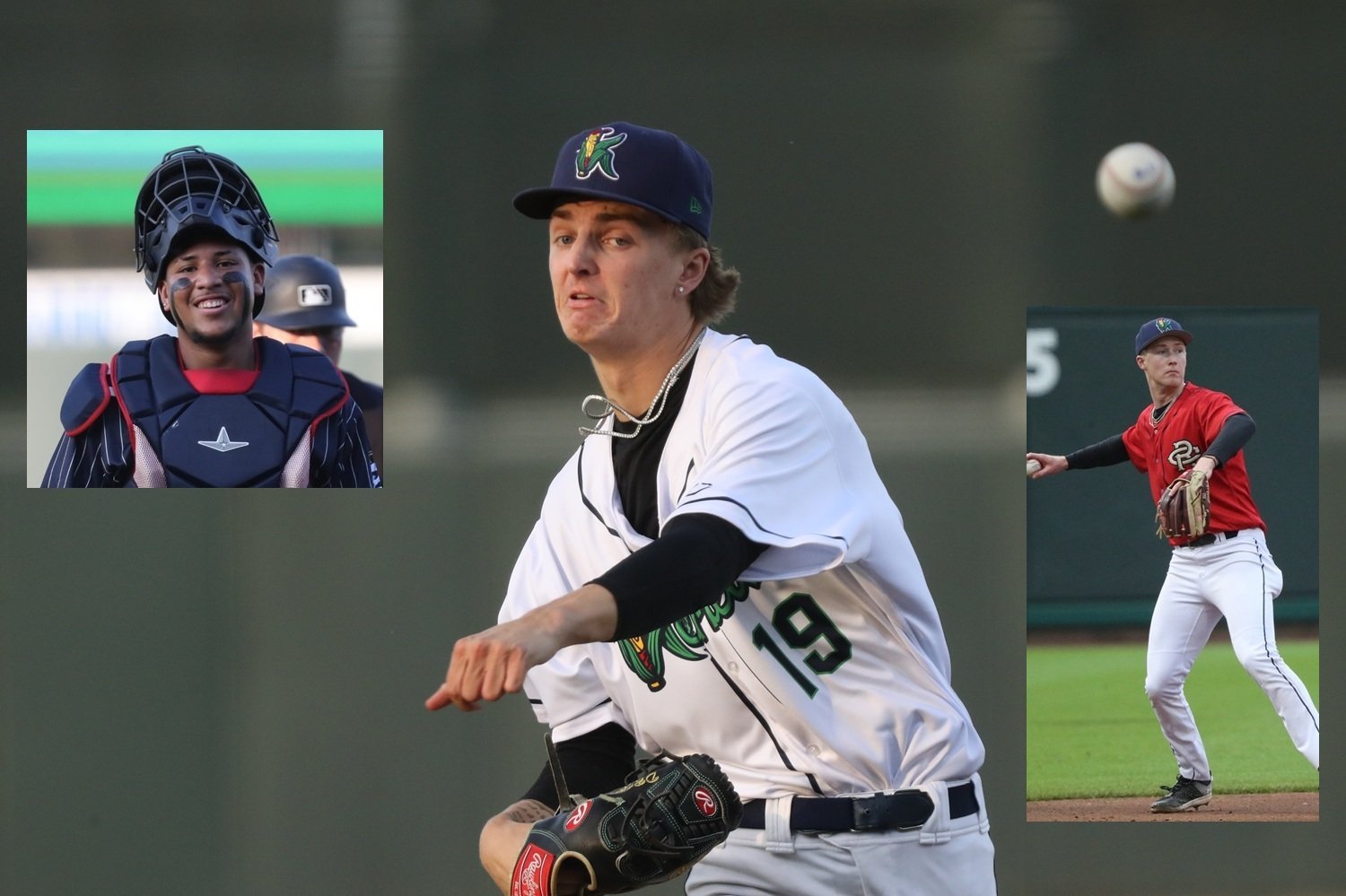 The Cedar Rapids Kernels are back, and their 2026 Opening Day roster is officially set. Cedar Rapids opens the season with 29 active players and six more on the injured list. There’s a strong mix here of returning names, 2025 standouts, and a handful of highly-touted prospects. Let’s break it down. Coaching Staff: There’s a lot of continuity here, starting at the top. Brian Meyer returns as manager after leading the Kernels to a Midwest League Championship Series appearance in 2025. Pitching Coach Hunter Townsend, Hitting and Development Coach Yeison Perez, Strength and Conditioning Coach Morgan Buckley, and Assistant Athletic Trainer Morgan Leichtenberger all return as well. There are a few new additions as well. Erick Julio joins the pitching staff, Danny Marcuzzo steps in as hitting coach, and Katie Lortie takes over as lead athletic trainer. Pitchers: Christian Becerra, Adrian Bohorquez, Jason Doktorczyk, Brent Francisco, Dasan Hill, Eli Jones, Paulshawn Pasqualotto, Cole Peschl, Sam Rochard, Ivran Romero, Michael Ross, Yehizon Sanchez, Nolan Santos, Eston Stull, Nick Trabacchi, and Jacob Wosinski. Injured List: Miguelangel Boadas, Michael Carpenter, Ross Dunn, Tanner Hall, Garrett Horn and Charlee Soto. There are a lot of arms here, but one name clearly sets the tone: Dasan Hill is the guy. The Twins’ #6 prospect and second-highest ranked pitching prospect in the system, Hill already got a brief taste of Cedar Rapids last year, and the stuff showed up immediately. In just 10 innings, he struck out 15 hitters, flashing the type of swing and miss ability that gives him real breakout potential in 2026. This is a big assignment for him. If he performs early, he’s going to start climbing even higher in prospect conversations. Behind him, there’s a mix of returning depth and upside arms like Cole Peschl and Adrian Bohorquez. And then there’s the injured list, which is loaded. Charlee Soto, Ross Dunn and Tanner Hall are all starting the year sidelined. Soto, the Twins’ #10 prospect, is a huge name to monitor. Once he’s back, he immediately raises the ceiling of this entire staff. This group might take a little time to come together, but the upside is very real. Catchers: Khadeim Diaw, Luis Hernandez, and Eduardo Tait. Eduardo Tait is the headliner here, but don't overlook Khadim Diaw. The Twins’ #4 prospect is the biggest name on this entire roster. In a small sample last season, he totaled 13 extra-base hits in just 30 games with Cedar Rapids, showing real power potential. There’s going to be a lot of attention on how that translates over a full year. Khadim Diaw, the #19 Twins prospect, is a really strong complementary piece. He hit .294 with a .446 on-base percentage and an .866 OPS in Cedar Rapids last season, which is excellent production from a catcher. He also has experience in the outfield, giving the Kernels some extra versatility. Infielders: Miguel Briceno, Danny De Andrade, Rayne Doncon, Marek Houston, Andy Lugo, Jay Thomason, and Brandon Winokur. This is, arguably, the biggest strength of the roster, and Marek Houston is the most notable name here. The Twins’ #9 prospect is going to be one of the key players to watch all season. He struggled in a small sample at High-A last year, hitting just .152 in 46 at-bats. But the same was true of Kaelen Culpepper entering last season, and he took a huge step forward. Not far behind him is Brandon Winokur. The Twins’ #13 prospect brings one of the most intriguing profiles on the team. Last season, he led the group in home runs and added 26 stolen bases but also struck out in just under 25% of his plate appearances. Winkour’s power and speed are real, and if the contact improves even slightly, his ceiling is extremely high. Danny De Andrade is another name to know. He was limited by injuries last year, but he’s one of the better defensive infielders in the Twins’ system. This is a big year for him. Rayne Doncon returns after posting a .516 OPS in his first taste of High-A and will look to adjust with more experience. Andy Lugo quietly had a strong season, hitting .309 with an .889 OPS, giving this group another productive bat. Outfielders: Jaime Ferrer, Caden Kendle, and Jacob McCombs. It’s a smaller group, but still some interesting pieces. There’s no clear “top dog” at the position entering the year. Ferrer finished with a .635 OPS at High-A last season but showed flashes and will look to take a step forward. Kendle brings a contact-oriented approach with strong bat-to-ball skills, and McCombs, the Twins’ 7th round pick last summer, will start his first full professional season in Cedar Rapids. As I noted earlier, Khadim Diaw will likely mix in some as well when he’s not catching. This Cedar Rapids roster feels pretty familiar, but in the best way. There’s a strong returning core, several high-end prospects, and a lot of players with room to grow. If the pitching staff gets healthier and a few key bats take a step forward, this has a chance to be a really fun team to follow in 2026. Opening Night is set for April 3rd, and there’s going to be a lot to watch right out of the gate. View the full article
 -
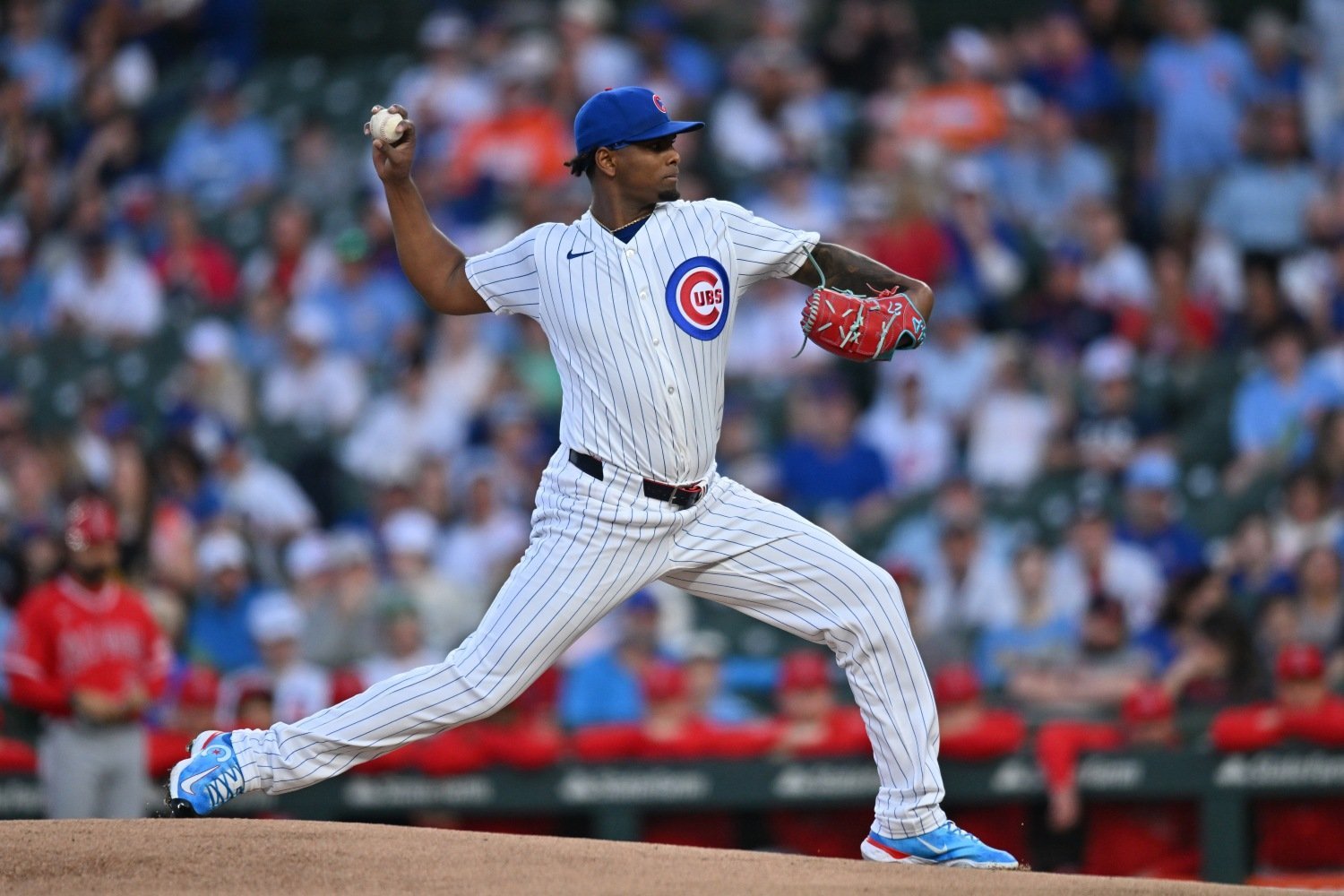 No rain or thick, heavy gray coldness scumbled the skies as the Cubs played their first night game of 2026. In fact, the North Side of Chicago put on one of the great shows of which it's more capable than many people credit, proclaiming itself a four-season city with a gorgeous little summer preview. The outfield walls are still covered only in brown, but the skies were a soft, sometimes inscrutable purple-and-orange as sunset came Monday night, leaving Wrigley Field aglow in a way that often has to wait until nearly Memorial Day. Under such auspicious skies, Edward Cabrera clambered to the top of the cairn for the first time in Cubs pinstripes. Cabrera, 27, has become a bit less heralded an acquisition than it seemed he would be when the Cubs first pulled the trigger on a deal with the Marlins in January. At the time, he seemed a vital infusion of high-end stuff for the starting rotation, and there was little else about the team's offseason about which any fans were excited. Since then, the team has signed Alex Bregman to a five-year free-agent deal and extended both Pete Crow-Armstrong and Nico Hoerner through 2032, making Cabrera seem a bit less like a headliner. In truth, though, he might be as important as anyone to the team's pursuit of its first full-season division title in almost a decade—and he showed why on Monday. In six efficient innings, Cabrera struck out five visiting Angels batters and only allowed two baserunners: one walk, and one hit, a harmless single on a curveball he left up in the fourth inning. He wasn't razor-sharp, in terms of command, but his stuff overwhelmed his opponents. His fastball sat right around 97 miles per hour, and he got 15 whiffs on 40 swings, with most of them coming on his dazzling array of breaking stuff and his signature changeup. Let's take a moment, though, to talk about that heater. Cabrera made only very sparing use of his sinker Monday night, and threw 22 four-seamers out of his 80 total pitches. Only twice last year did he throw more four-seamers in a game. It seems clear, as we discussed early in spring training, that Cabrera will throw more heaters—and particularly more four-seamers, despite the lousy Stuff grades and generally tepid results that pitch has tended to get—this season than he did in his final campaign with the Marlins. That will continue to surprise some, who watched Cabrera enjoy a breakout in 2025 partially by throttling back on the usage of the four-seamer. Its share of his total pitch count Monday night was roughly double what he averaged last year. Again, though, the Cubs throw more four-seamers than any other team in baseball; it should surprise no one to see them work with a newcomer to find the ways in which that pitch will work for him. As the lineup turned over, he did lean more into his changeup, which is one argument in favor of throwing the fastball more. By forcing hitters—he used the heat especially often against Mike Trout and Jorge Soler, strapping sluggers known for their bat speed but never great high-fastball hitters—to respect that pitch, Cabrera can get more mileage out of everything else, up to and including right-on-right changeups, especially as he gets deeper into outings. Cabrera's slider also got five whiffs for him, on just nine swings. He threw the pitch exclusively to right-handed batters, and he had a new spin profile on it. Though thrown at the same velocity as it had last year, the pitch acted a bit more like a cutter, with less glove-side movement but more backspin, making it harder for the batter to distinguish from his fastball than it was last year. That pitch has been the subject of a bit of a quest for Cabrera over the last year. He had a home base to which he repeatedly returned in terms of movement, but four separate times in 2025, he had two-start stints in which he tired something new with it. In the plot below, the point highlighted with red text shows where Cabrera's slider was working in Monday's outing. Around that, I've identified where he most often worked over the last two years, as well as each of the excursions he attempted toward new slider frontiers. He might yet go back to what he was doing before, but the change to the spin characteristics of the pitch suggests that the Cubs view a more cutterish slider as worth a try. For one night, at least, it worked like a charm. The curveball was also working. Cabrera threw that pitch 13 times, and got three whiffs (on five swings) and four called strikes with it. The most important thing was that, in addition to being able to take something off and land it in the zone, he showed the ability to get the pitch up to 87-88 miles per hour at times. That's a level of power on the curve few pitchers can match, and last year, he was at his best with that offering when he threw it hardest. Velocity Band No. Horiz. Mvmt. IVB Whiff Rate RV/100 < 83 MPH 115 11.2 -10.5 36.1 0.89 83-85 MPH 280 11 -11.2 43.6 1.06 85+ MPH 157 10.6 -10.9 50 2.35 If a pitch isn't losing movement as it gets harder, it's little wonder that it generates more whiffs and better results. Cabrera did see the velocity on the curve decline sharply later in his outing Monday night, which is only logical. It might make sense, as he shifts to a more fastball-forward pitch mix, to blend the curve in with the heater early in outings, then go more changeup- and slider-heavy as the game wears on, since those pitches' effectiveness depend less on velocity than do his heat and his hook. Really, though, Monday night was about more than these nuts and bolts. It was a chance to celebrate (and fantasize about) the future the Cubs are trying to build. The offense put up plenty of runs, and the team won comfortably. More than that, Cabrera looked in control, and when he needed it, he got great defensive support from the defense behind him—a group that, like Cabrera, will be in Chicago for quite a while. The team dropped two games to a dreadful Nationals club to start the season, but in their two wins, Cabrera and Cade Horton have worked quickly, shown exceptional stuff and athleticism, and been surrounded and supported by what is now the locked-in core of what the team hopes is its next champion. Under the pale but pleasant twilight sky Monday night, it was easy to believe that that bright a day is dawning for the Cubs. View the full article
 -
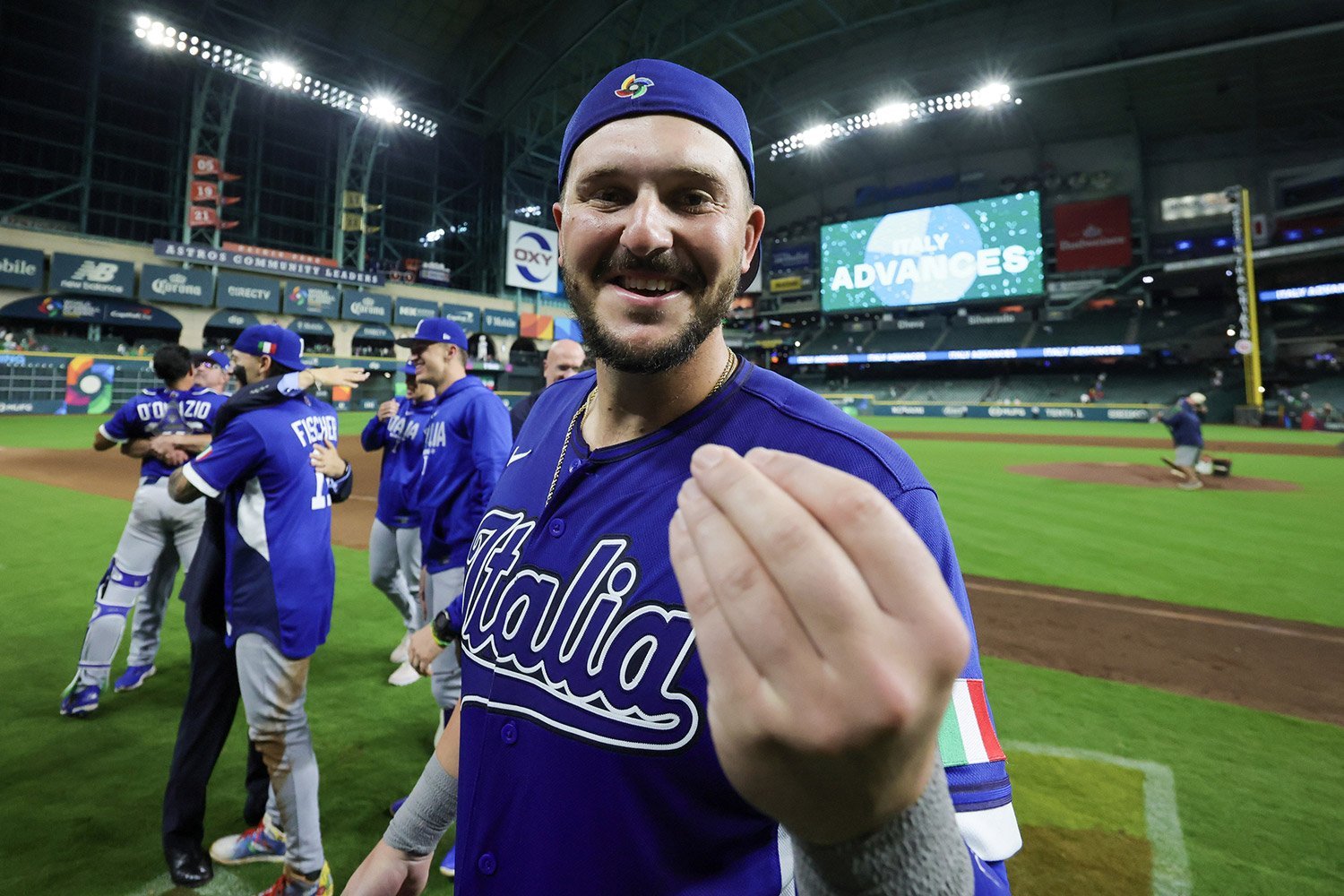 When the Kansas City Royals need a guy who packs a punch at the plate, they can turn their eyes toward first baseman Vinnie Pasquantino. Looking at data and analytics from Pasquantino's 2025 season should give Royals fans something to feel good about entering this season. Pasquantino stepped away from spring training to take part in the World Baseball Classic. In four games for Team Italy, Pasquantino was 4-for-22 with three home runs, four RBIs, seven walks, and six runs scored. He was making contact regularly for Team Italy, getting in gear for the Royals' season. One thing that he's improved upon is his Pull AIR percentage. According to Baseball Savant, Pasquantino's percentage ticked up from 21.9% in 2024 to 25.0% last season. The data indicate that he's getting more comfortable in pulling the ball during his at-bats. What about the quality of contact, which measures the effectiveness of a batter's swing and how he hits the ball? At the plate in the 2025 season, Pasquantino had 1.8% weak contact, 30.5% topped contact, 24.3% under contact, 26.5% flare/burner contact, 7.5% solid contact, and 8.8% barrel contact. His run value numbers in 2025 against a four-seam fastball, changeup, slider, sinker, curveball, and cutter were all in the positive areas. Pasquantino's sweeper run value last season was zero. So, the lone pitch that seemed to cause him trouble in the run value category was a split-finger fastball. Pasquantino provides a productive bat right in the middle of the Royals' lineup. Last season for the Royals, he hit 32 home runs and had 113 RBIs. In 2025, Pasquantino's rising Pull Air percentage was 25%, meaning he was pulling up 25% of the pitches he saw. He pulled 20% of the pitches he saw on the ground, 14.1% up the middle on the ground, and 4% grounded the opposite way. Pasquantino hit 18.9% of the pitches he saw straight up in the air, and 17..9% the opposite way in the air. He might find himself in a challenging at-bat if he's seeing a steady diet of pitches low in the strike zone. So, that's something Pasquantino might want to work on this season. Pasquantino has proven to be an effective first baseman for Royals manager Matt Quantraro. In 2025, he finished with a .506 slugging percentage and a .342 on-base percentage. When Pasquantino was in spring training with the Royals, he put together a .422 OPS and a .160 batting average in 25 at-bats. It might take him some time to settle into the lineup after splitting time between spring training and the WBC. But Kansas City should feel confident that Pasquantino will, once again, be able to anchor the Royals' offense in the middle of the lineup in 2026. View the full article
 -
Big Velo, Mental Changes, and a Different Look for Taj Bradley
DiamondCentric posted an article in Twins Daily
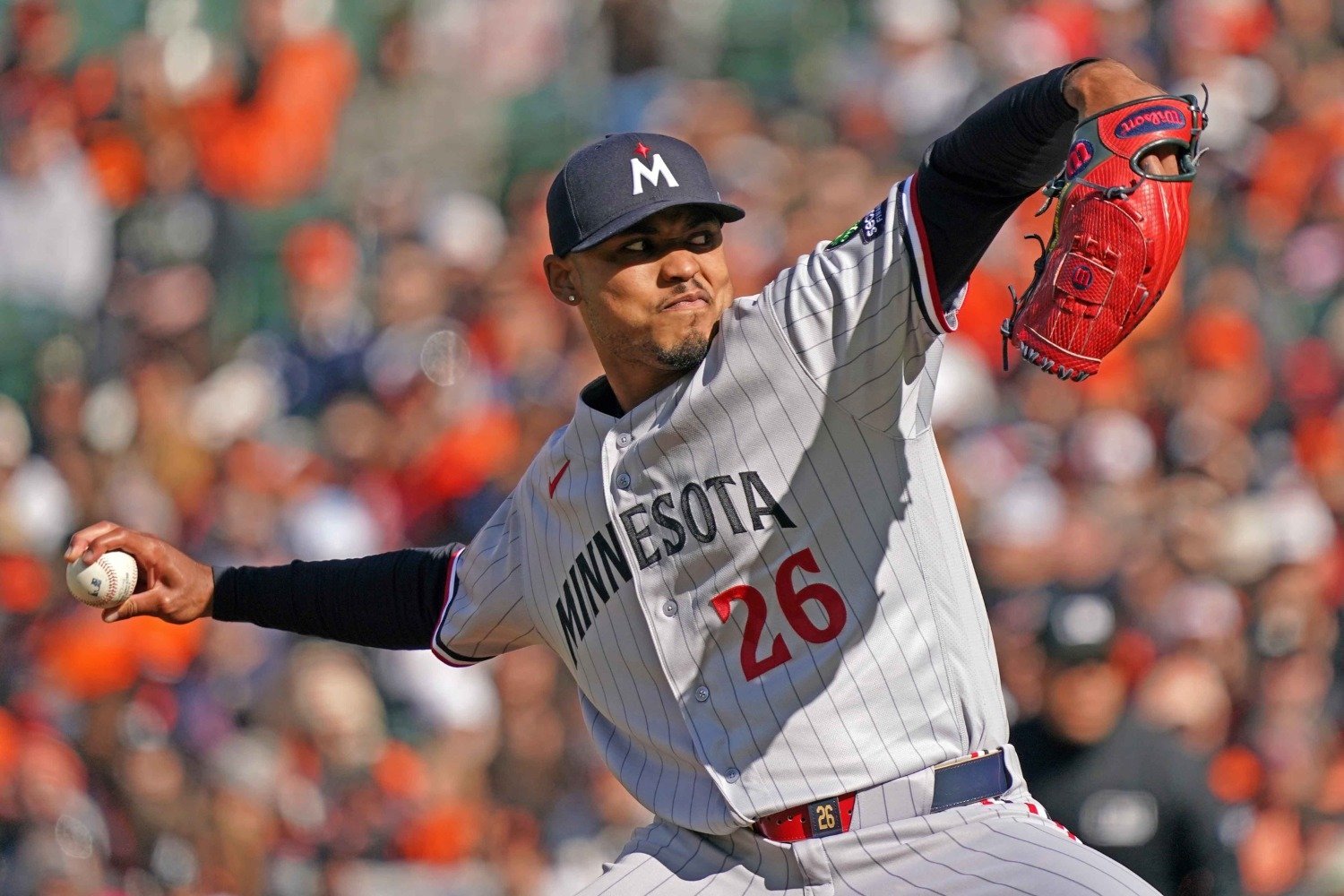 When the Minnesota Twins acquired Taj Bradley from the Tampa Bay Rays at last year’s trade deadline, they weren’t just buying a struggling arm. They were betting on a version of Bradley that once looked like one of the most electric young starters in baseball. That version showed up (at least in flashes) on Saturday. In a win over the Baltimore Orioles, Bradley allowed one earned run on three hits and three walks while striking out nine across 4 1/3 innings. It wasn't a perfectly clean outing, as he needed 92 pitches to get just 13 outs, but the raw ingredients were impossible to miss. The swing-and-miss that once made him a top prospect was back. The confidence looked different. And perhaps most importantly, the process is evolving. After posting a 6.61 ERA in six starts following the trade last season, Bradley entered 2026 needing to show tangible growth. Through his first outing (and dating back to a strong finish against Texas in 2025 and a sharp spring training), there are signs that something has clicked. For Bradley, the biggest difference might not be mechanical or statistical. It might be mental. “It’s just me being hardheaded in the past,” Bradley said. “I stuck to what I was good at and stuck to what I knew, you know. If it’s different, it gets scary, so you don’t even want to walk down that path. “What I’ve done in the past is what I felt I solidified on. Going into the offseason, I figured I’d take different routines, different practices, and bring it into this year.” That openness is already showing up in how he attacks hitters. Velocity Increase The most encouraging development came from Bradley’s fastball, which showed a noticeable jump in velocity compared to previous seasons. Throughout his big-league career, his four-seam fastball has typically sat a little above 96 mph. In his first start of 2026, that number climbed to 97.4 mph, and he even reached back for 99.6 mph at one point. Bradley used the pitch effectively, generating three strikeouts and holding the Orioles to a .167 batting average against it. If that velocity holds, it could have a ripple effect across his entire arsenal. A firmer fastball makes his splitter more deceptive, especially when it falls off the same plane. It can also help his cutter play up, giving hitters less time to differentiate between pitches that already feature similar initial trajectories. Of course, we'll also have to wait and see whether that velocity jump holds. Early-season adrenaline can sometimes lead to elevated velocity readings, but maintaining an average near 97 mph deep into the year would represent a meaningful step forward for Bradley. It's encouraging, at least, that we saw him throw harder late last year, too. If he can pair that added power with his evolving pitch mix, it raises the ceiling on what he can become in this rotation. Breaking Pitch Changes One of the more notable changes came from his cutter. In 2025, the pitch had an average of 5.6 inches of induced vertical break. In his first start this season, that number dropped to 1.1 inches. That's a notable difference in the depth of its movement, which is consistent with what we saw in spring training. Interestingly, it is also coming in slower, with velocity down by roughly 2.5 miles per hour. That tradeoff appears intentional, sacrificing velocity for more movement. It's become a true slider. If Bradley can consistently locate it, the pitch could become more of a bat-misser, rather than just a weak contact generator. The biggest shift in Bradley’s arsenal was his willingness to trust the splitter. Last season, he used it just over 15% of the time. Against Baltimore, that number jumped to nearly 30%. He threw it 27 times, primarily to left-handed hitters, and the results were dominant: no hits allowed, two strikeouts, and a 63.6% whiff rate. That kind of effectiveness is hard to ignore. Whether it was matchup-driven or a sign of things to come, the splitter gives Bradley a legitimate weapon to neutralize hitters on both sides of the plate. A Lingering Concern With Contact Quality For all the positives, there is still a red flag that followed Bradley from his time in Tampa Bay. When hitters do make contact, they can elevate and pull the ball with authority. In his 2026 debut, O's batters posted a 28.6% pull air rate against him. That's a significant jump from his previous seasons, where he hovered below 19% as a rookie and under 17% more recently. That number must come down. Early-season conditions can mask mistakes. Cold weather tends to suppress carry, turning potential home runs into warning track outs. As temperatures rise, those same swings can do much more damage. If Bradley continues to allow pulled fly balls at that rate, it could quickly become a problem. Of course, with nine strikeouts and in such a short outing, the sample is far too small to say whether that vulnerability to pulled air balls will be a real issue. Encouraging Signs With Work Still Ahead It's easy to see why the Twins believed in Bradley when they made the deal for him. The strikeout ability is real. The raw stuff has ticked up. Now, there are early indications that the approach is starting to evolve, as well. It's also fair to acknowledge what still needs refinement. Efficiency remains an issue. Contact quality is something to monitor. And one strong start doesn't erase the inconsistency that defined his 2025 season. Still, this looked like a different pitcher. The Twins are going to need that version of Bradley. With questions throughout the rotation, they can't afford to wait long for answers. Starters need to take the ball and begin carrying more of the load. It's early, and the weather will change. The league will adjust. Bradley will have to adjust back. For now, though, there is something worth watching here. What stands out from Bradley's first start? Leave a comment and start the discussion. View the full article
 -
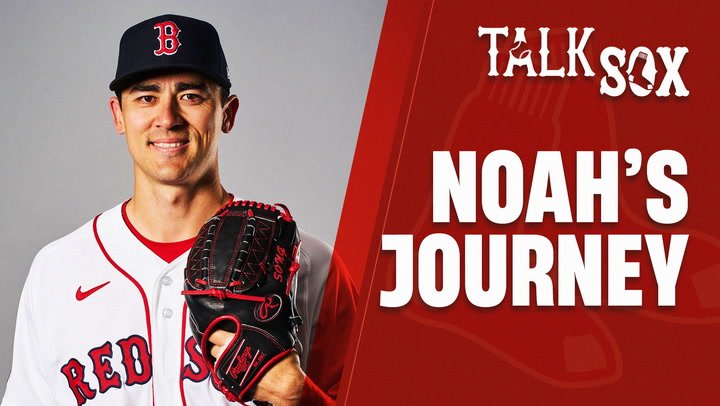 Noah Song has been a warrior with the many obstacles he has faced in his professional career. Between missing time for serving in the Navy and injuries on the diamond. Noah Song is expected to run out of the bullpen for the WooSox this season. Will he be called up to the big league club after an impressive spring training in 2026? View the full article
 -
Twins Daily Packs Home Opener Pregame Party with Giveaways
DiamondCentric posted an article in Twins Daily
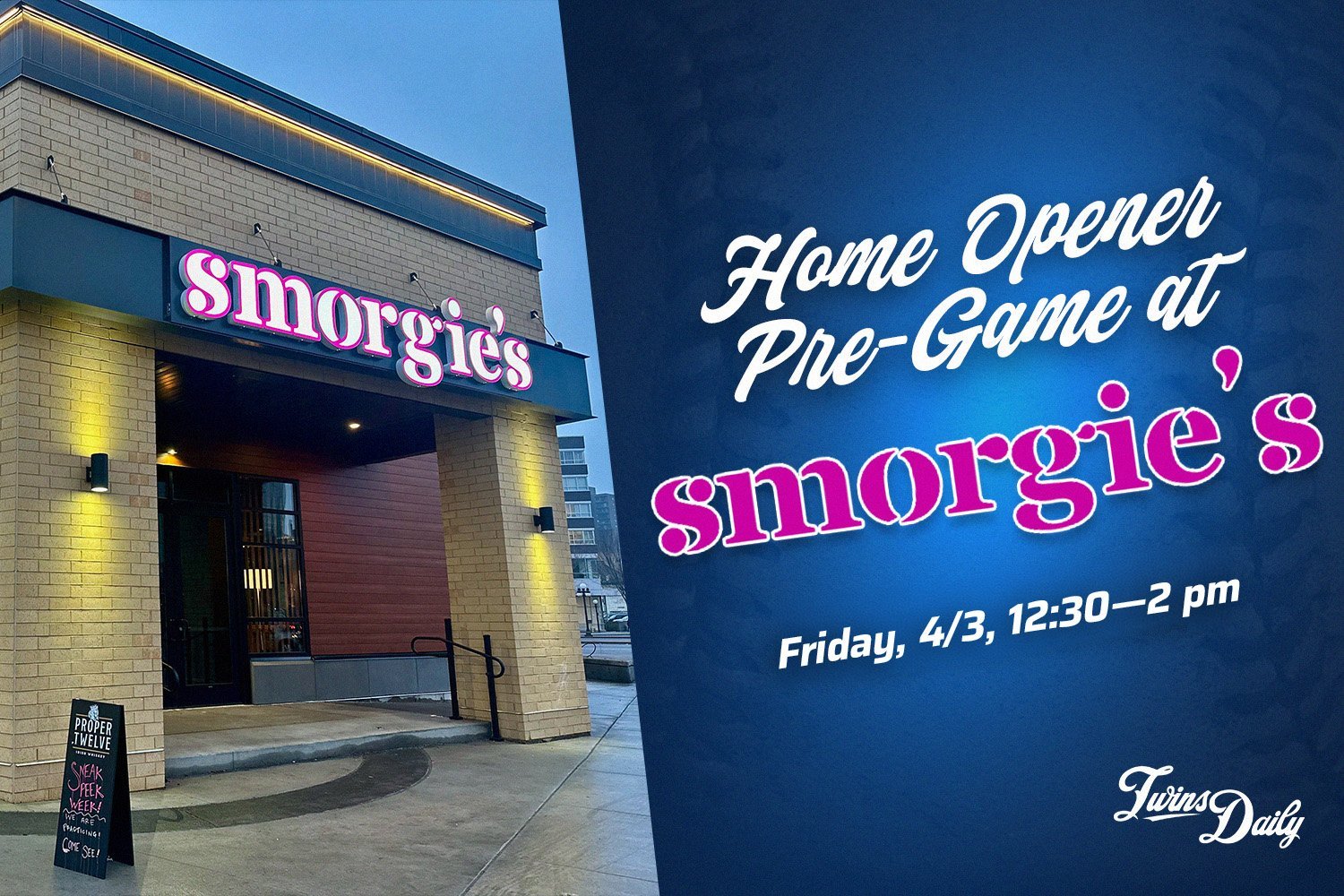 The Twins Daily Social Club is kicking off the 2026 season in style with a Home Opener pregame party built for fans who want to start the day early and keep the energy going. Ahead of Friday’s matchup at Target Field, Twins Daily is taking over Smorgie’s for a pregame filled with baseball chatter, Twins energy, and a steady stream of giveaways. This isn’t just a “show up and hang out” kind of pregame; this is your chance to win – early and often. Throughout the event, we’ll be raffling off Twins bobbleheads and Smorgie’s gift cards every half hour! That means multiple chances to walk away with something in hand before you even set foot in the ballpark. Whether you’re a collector, a regular at Smorgie’s, or just someone who loves a good giveaway, there’s plenty to get excited about. Of course, the setting only adds to the experience. Smorgie’s has quickly become a go-to spot for game day gatherings, thanks to its laid-back vibe and menu built for fans. You’ll find all the essentials alongside a drink menu that keeps things fun and affordable. With 2-for-1 specials on tap beers, rail drinks, and house wine during happy hour, it’s the perfect place to settle in before first pitch. Even if the season didn’t open exactly how we hoped, the Home Opener always brings a reset. There’s nothing like the buzz of downtown Minneapolis, the walk into the stadium, and that first glimpse of the field. EVENT DETAILS What: Home Opener Pre-Game Party Cost: Free When: 12:30 - 2 pm, April 3, 2026 Where: Smorgie’s, 508 N 1st Ave, Mpls View the full article
 -
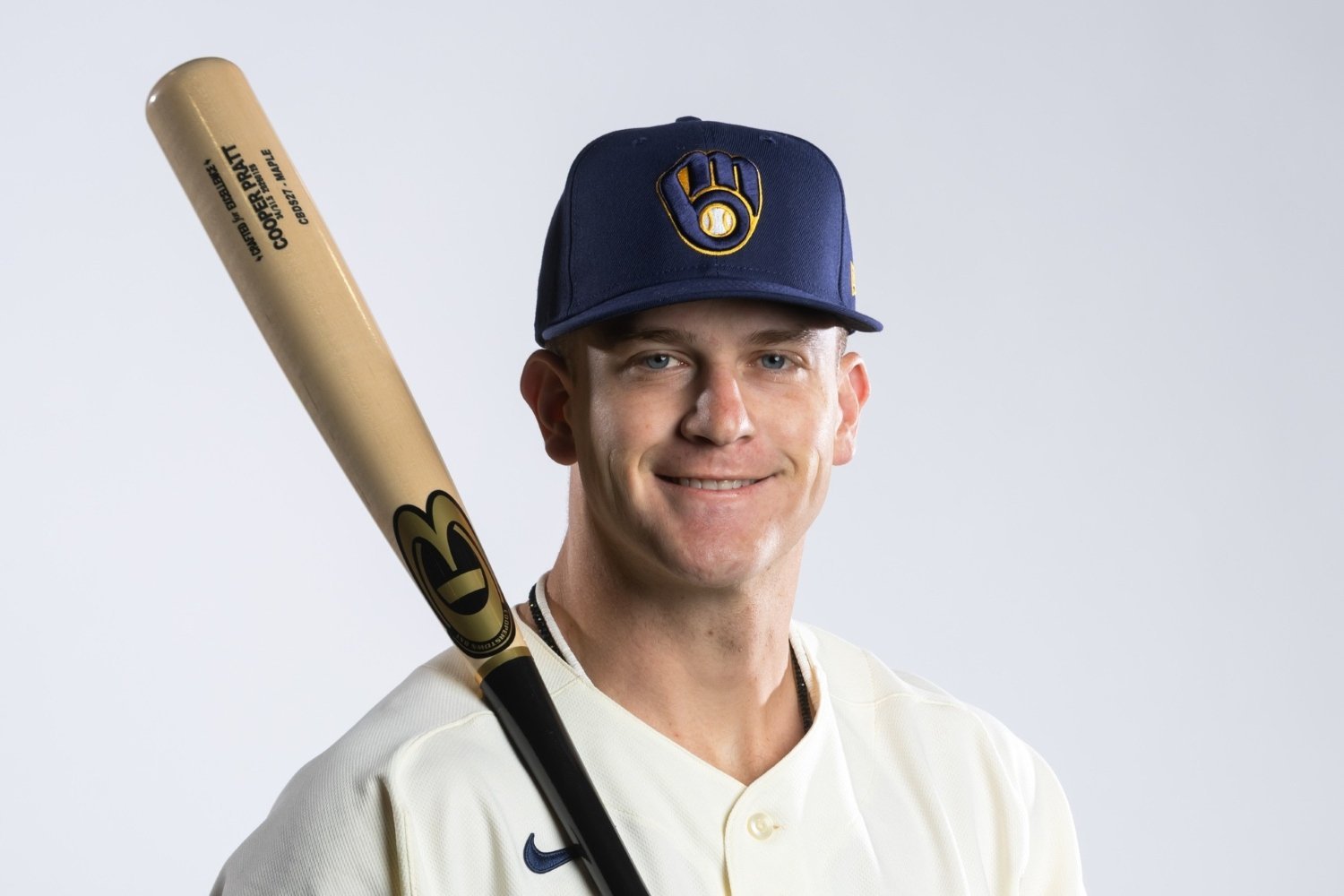 It’s not often a player signs an eight-year deal (plus two club options), worth $50 million guaranteed, after just three games in Triple-A. It’s even more rare when that player was a sixth-round pick out of high school less than three years ago. But the Brewers aren’t betting on what Cooper Pratt has already done. They’re betting on what he’s going to do. A Foundation Built on Instincts To understand this move, start with some of the traits that don't show up on Pratt's FanGraphs page: his instincts, leadership qualities, and baseball IQ. Pratt is one of the most instinctive players in the organization, and that shows up everywhere. He doesn’t need top-of-the-scale tools to impact the game because his internal clock, positioning, and decision-making consistently put him in the right place on both sides of the ball. Defensively, that translates into a player who already looks like a long-term shortstop. The range plays above the raw speed, thanks to strong first steps and advanced reads off the bat. On the bases, it’s the same story. He went 31-for-36 on stolen bases in 2025, not because he’s a burner, but because he understands timing, pitchers, and situations. Those kinds of instincts are scalable to higher levels. On the leadership side of things, according to Adam McCalvy, “(Pratt) spent the spring trying to learn Spanish to better communicate with Latin American teammates.” That’s the type of person and personality the Brewers are drawn to, and really appreciate in their clubhouse. When teams hand out early extensions, they’re often paying for traits they believe will age well. Instincts, defensive value, and baseball IQ are at the top of that list, and just so happen to be the greatest strengths of Pratt. This is a profile Milwaukee has come to trust, develop, and ultimately build a large part of their team around. Bat-to-Ball Ability Offensively, Pratt’s profile is not built on loud power. It’s built mainly on his bat-to-ball skills. In Double-A in 2025, he posted a 108 wRC+ in the Southern League, while spending most of the season as a 20-year-old. That matters. The raw .691 OPS doesn’t jump off the page, but the added context of the Southern League’s hitting environment clarifies the picture. He was producing above league average in one of the tougher hitting environments in the minors, against older competition. Pratt struck out just 15.2 percent of the time, while walking at a 12.7% clip. That combination points to a hitter who controls at-bats, puts the ball in play, and doesn’t give away plate appearances. His 22.3% whiff rate reinforces that this is real bat-to-ball ability. The Brewers have had a lot of success leaning into this archetype before, with hitters who can make consistent contact, manage the zone well enough, and let the rest of their game add value. There’s also a level of consistency in his swing that evaluators trust. It’s controlled, repeatable, and adaptable across pitch types. That gives him a high floor offensively, even as other parts of the profile continue to develop. Defensive Value at a Premium Position Shortstop defense still carries weight, and Pratt checks a lot of boxes. He projects as an above-average defender at the position, with a chance to be even better. For an organization that prioritizes run prevention, that matters. The arm is a separator, too. Pratt can make throws from multiple angles with accuracy, giving him a toolset teams trust on the left side of the infield. If Pratt can provide steady offense and plus defensive value at shortstop, that’s an everyday player. If the bat takes another step, it’s more than that. Milwaukee has shown a willingness to invest early in up-the-middle players they believe in. Pratt fits that philosophy almost perfectly. The Big Questions: Impact and Approach For all the strengths in the profile, the biggest X-factor remains Pratt’s power (or lack thereof). Pratt’s 101.2-MPH 90th-percentile exit velocity points to below-average game power right now. He hit eight home runs in 527 plate appearances in 2025, and much of his offensive value came from contact and on-base ability, rather than damage. However, that’s where some physical projection comes in. There’s room on Pratt's frame to add strength, and more importantly, there’s a path to impact through bat speed gains. If he can add even fringe-average power, the entire profile changes. Suddenly, you’re looking at a shortstop who gets on base, puts the ball in play, runs well, and does enough damage to matter. The approach is another piece of that puzzle. Pratt’s chase tendencies, particularly against breaking balls away, can undercut his strong contact skills. Improving swing decisions would allow him to tap into more favorable counts and better pitches to drive. Those are developmental areas for Pratt, not huge red flags, at least at this moment. And clearly, the Brewers believe in their ability to help him make the needed adjustments. Why the Brewers Moved Now Of course, this extension isn’t about anything the Brewers' brass saw in three games in Triple-A. It’s about taking a calculated risk on a player they view as a long-term major-league contributor. Pratt offers a relatively high floor built on contact, defense, high baseball IQ, and instincts. He brings a high likelihood of high-level defense at a premium defensive position. He also still has youth on his side, which means physical development can still be part of the equation. Finally, he has clear and attainable paths to achieving some of the offensive growth that the team will be looking for. If the power comes, the deal looks like a bargain for Milwaukee. If it doesn’t fully arrive, there’s still a realistic outcome where Pratt is an everyday shortstop who contributes in multiple ways, and this deal is more than reasonable for an everyday infielder in the prime of his career. What Comes Next Pratt will continue to face upper-level pitching in Triple-A, where he will look to translate the same underlying skills against better arms, and hopefully start to tap into some of the power. This could expedite his promotion to MLB a bit, but it doesn't seem like that's the main impetus for the deal—as it often is, with extensions like these. Still, if the contact quality ticks up and the approach tightens, he could push his way into Milwaukee sooner, rather than later. The defensive value gives him a path to the majors even without major offensive gains, but the ceiling will be determined by how much impact the bat develops. The Brewers didn’t wait for an answer on the bat. They decided they already had enough to go off of to make Cooper Pratt a core member of the big-league team for the next 8-10 years. What do you think of the Cooper Pratt extension? Let us know! View the full article
 -
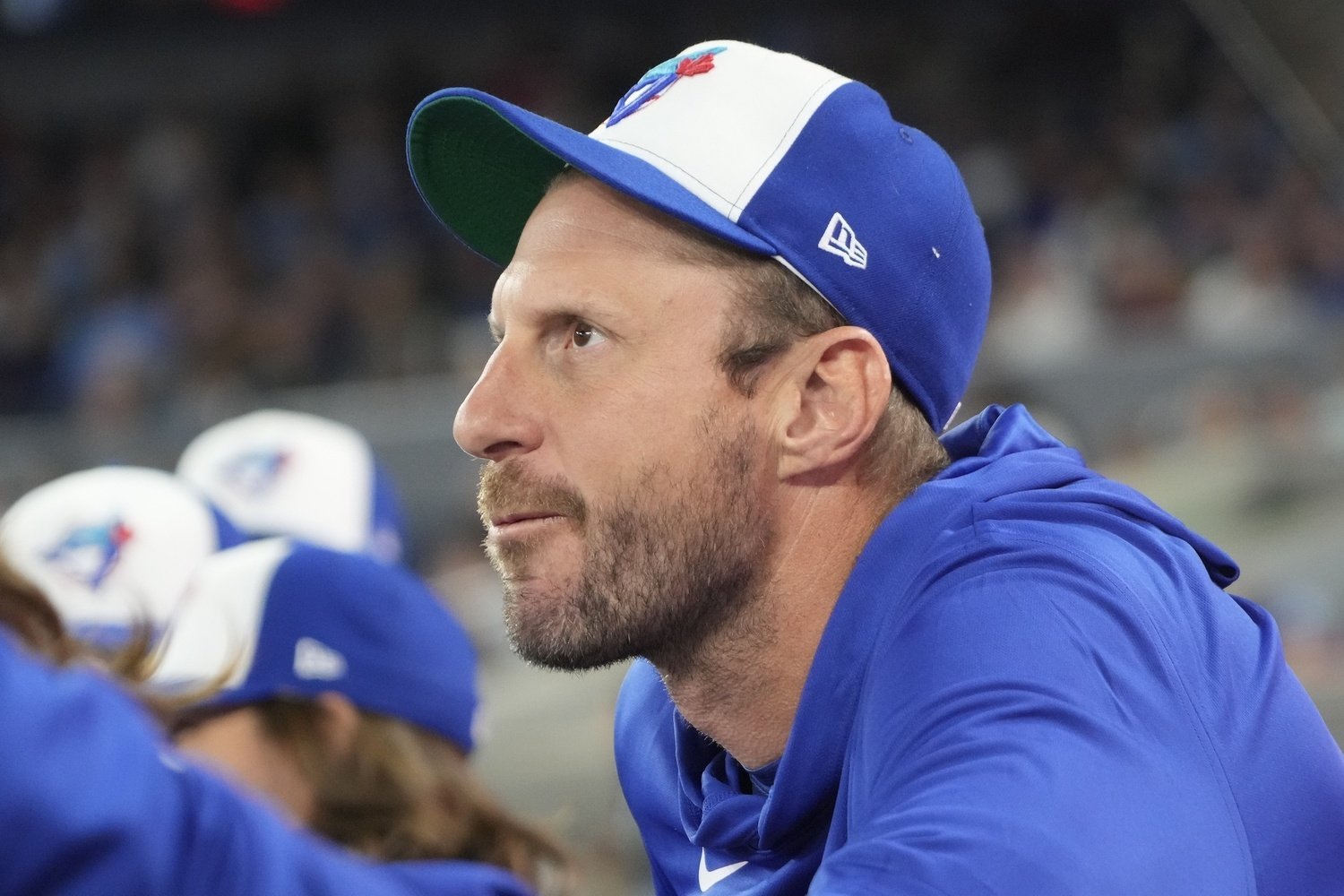 Last year, we looked at nine milestones across four levels of likelihood. Six of them were hit (all of the most likely ones), while the others are now closer to being realized. We also have a few new faces on the squad this year, so let's take a look at who might be putting up some round numbers this season. For the purposes of this article, we will be recognizing the aging curve for players but generally assuming a healthy season. Countdown stats as of Opening Day 2026. From the Mound Max Scherzer - 3500 strikeouts (11 away) Kevin Gausman - 2000 strikeouts (46 away) José Berríos - 1500 strikeouts (19 away) Shane Bieber - 1000 strikeouts (5 away) The four starters on the verge of strikeout milestones should all hit them fairly quickly. Bieber and Berríos have started the season on the IL, but Berríos is already throwing in Dunedin, and Bieber, whose timeline is less clear, has the potential for a May return. Assuming they are healthy enough to make a handful of starts, they’ll hit their marks. Gausman has already come out of the gate flying, knocking his number down to 35, and I don’t think there is anyone that could drag Scherzer away from the field before he gets the 11 Ks he needs. It’s kind of incredible to think that while Gausman sits sixth on the active strikeout list, he would need the entirety of Berríos’ career (16th active) to catch up with Scherzer (2nd active, 64 behind Verlander). Max Scherzer - 3000 innings (37 away) Kevin Gausman - 2000 innings (89 away) Tyler Rogers - 500 games pitched (80 away) Longevity milestones are less exciting, but still worth celebrating. Only 30 pitchers have made it to 3000 innings since 1977, and Scherzer will soon join them. Rogers has led the league in appearances four times in his career already. His career high is 81, and he’s already been called on twice in the Jays’ first two games, so this one is in play too. Ernie, Varsh and The Kirk Alejandro Kirk, Daulton Varsho and Ernie Clement are all within striking distance of a handful of the same milestones. Some should fall early, while others will be a full-season chase. 500 hits (Kirk 11 away, Clement 158 away, Varsho 13 away) 100 doubles (Kirk 18 away, Clement 35 away) 200 runs (Kirk 16 away, Clement 27 away) 300 RBI (Kirk 37 away, Varsho 5 away) 100 home runs (Varsho 1 away) Clement had a career-high 151 hits last season, so he’ll need to improve on that if he wants to hit 500, but after the postseason he had, I wouldn’t bet against him. His 35 doubles last season were also a career high, but with two in the first two games and no threat to his playing time, I think he gets this one too. Kirk has had between 16 and 19 doubles in each of the last four seasons, so he has a good chance too, but we likely don’t need to check in on the doubles count until September. Kirk’s first RBI and run of the season came on Toronto’s first home run of the season. He should hit both milestones easily. The Spokesmen Ahead of the first game of the season, it was Vladimir Guerrero Jr. and George Springer that addressed the crowd before unveiling the newest banner to hang in the Rogers Centre. This season they should both surpass their share of round numbers. Vladimir Guerrero Jr. - 200 home runs (17 away) Vladimir Guerrero Jr. - 700 RBI (109 away) Vladimir Guerrero Jr. - 1000 games (25 away) Vladimir Guerrero Jr. - 600 runs (29 away) George Springer - 300 home runs (7 away) George Springer - 1000 runs (18 away) Vladdy is coming up on 1000 games, while Springer is closing down on 1000 runs, and there is a small chance that if things break just right, they hit the marks in the same game. Both players also have a home run milestone coming up. Springer is 15th on the active homers list and could see himself leapfrog a few players this season. Guerrero projects to have close to 100 runs and RBI each season, so he could very well be an annual inclusion for this column. If he hits the 700 RBI mark this season, we’ll truly be celebrating. Round Numbers with Less Celebration Andrés Giménez - 100 HBP (16 away) Nathan Lukes - 100 runs (27 away), 100 RBI (23 away) Giménez has double-digit hit by pitches in each of the last four seasons, including a league-leading 25 back in 2023. Shea Hillenbrand’s franchise record of 22 could be in trouble if Giménez regains that ‘23 form. For Lukes, this would be more of a celebration of him earning and keeping his spot on the team, but 100 of anything at the major league level is nothing to sneer at. View the full article
 -
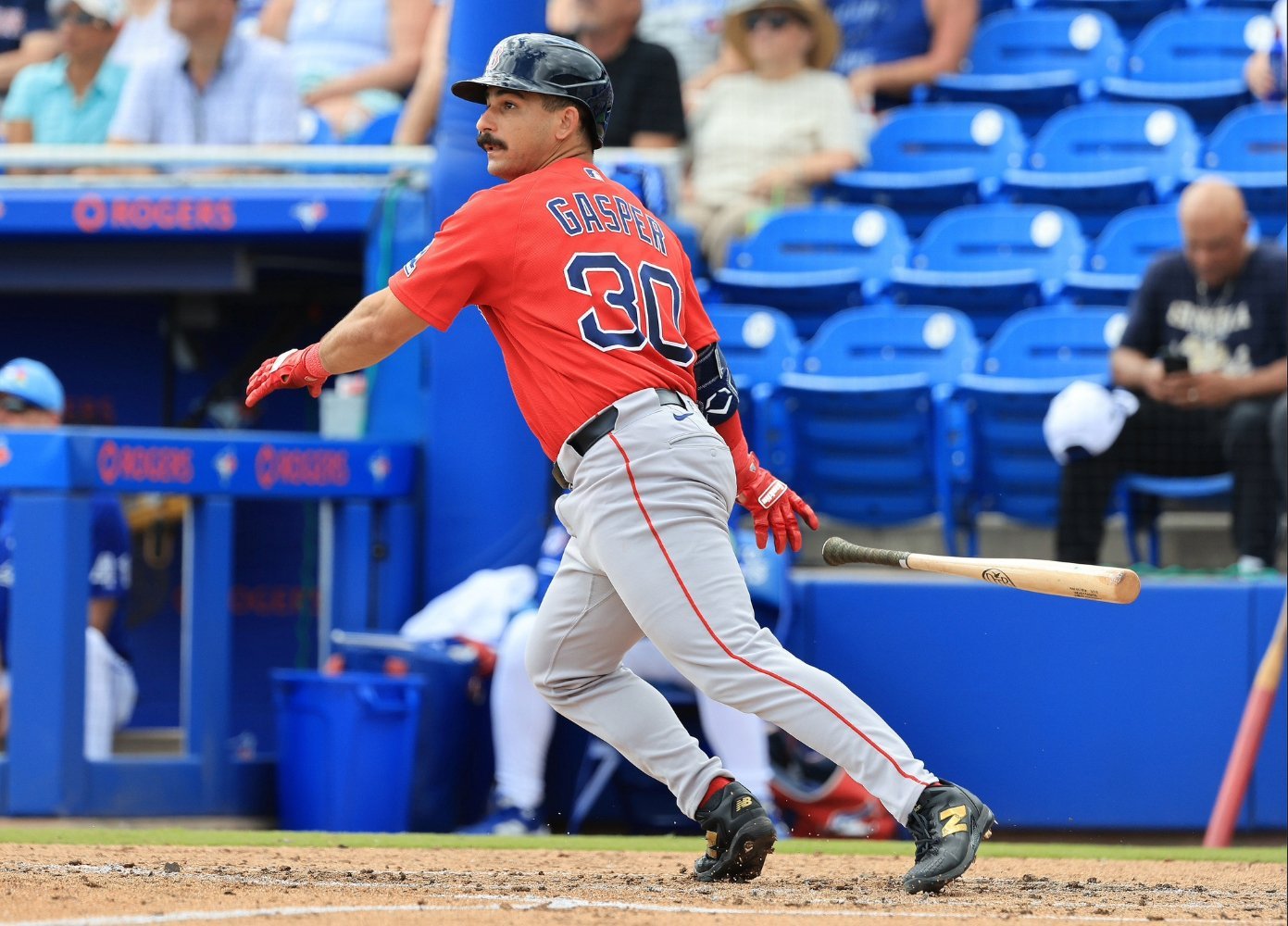 Worcester, Ma — Opening Day always brings about difficult roster decisions. For all the players who are beginning the season in the minor leagues, the fact they were cut is not always a negative one. Instead, the experience of just being in a major-league camp was a positive for them. Young players were fortunate to learn from guys who have had successful, long careers or just pick up little things they wouldn’t normally think of. Mikey Romero being a huge beneficiary of the overall experience. “There were a lot of things that AC [Alex Cora] helped me with. Turning the double play, fielding the ground ball then turning it. So a lot of little things I picked up on,” Romero (TalkSox’s 6th ranked prospect) explained when asked about his time at Red Sox camp. Getting to work with a former major league infielder who played the same positions he did, Romero was able to improve in areas of his game that often fly under the radar. The infielder admitted that during his time in major-league camp, he just wanted to be a sponge, soaking in as much information as he possibly could, especially when it came to defense. For Romero, he found himself with a great veteran to learn from during his time there. “My locker was right next to [Isiah] Kiner-Falefa, and I felt like talking to him just about defense helped. He’s got a Gold Glove, so it would be foolish of me not to talk to him and he helped me a bunch. Specifically on double plays from second base. Turning double plays and starting double plays, using my legs, securing the ball. It was great to pick his brain,” Romero reiterated. Previously a shortstop, he had to learn both second base and third base during his time with Portland, the process being assisted by the advice and guidance from both Cora and Kiner-Falefa while at Fort Myers. Of course, Romero wasn't the only one to benefit from the wisdom exuding from the Red Sox's spring training locker room. Worcester's roster is filled with players who got life-changing experiences. “It was awesome, from start to finish. To get to start from the beginning of spring training and go through the whole thing, or I guess as long as I could, I enjoyed all of it,” relief pitcher Noah Song explained. For Song, the experience may have been one he once thought would be impossible. After getting drafted, he’s dealt with a series of injuries, received orders to report to flight school by the Navy, and then taken by the Philadelphia Phillies in the 2022 Rule 5 draft. While his time with the Phillies led to him taking part in his first spring training, most of it was spent on the injured list. In contrast, his time with Boston allowed him to properly work on improving as a pitcher. For others, it was the friendships that formed through accomplishments, as speedy outfielder Braiden Ward became a favorite not just of the fans, but also the clubhouse as he approached the spring training stolen base record. The outfielder, who was acquired in an offseason trade with Colorado, didn’t realize he was close to the record until he had 14 stolen bases. “I think I got to the 14th [stolen base] and saw on Twitter someone mention it [the record]. Then AC mentioned it and then the entire clubhouse was telling me to go get it. It was an inside thing for us,” Ward explained on media day about his now-record 19 stolen bases. Since making his WooSox debut on March 27, Ward has showcased his dynamic speed with three stolen bases, including one that occurred when Syracuse attempted to pick him off of first base. While spring training records may not mean much in the long run, Ward’s race to the top of the stolen base ranks gave everyone something to root for when the repetitive days of spring training grew long. Another young player who managed to take advantage of his first spring training to was Tyler Uberstine, who really impressed Red Sox brass with his versatility on the mound. “I had [different] roles, whether it was coming out of the pen for an inning, two innings or three innings. Just kind of taken to what they give me,” Uberstine explained as he showcased the desire to go out and compete. He knew that he was one of the new guys in camp, and did whatever was asked of him. Pitching in four games during spring training, Uberstine learned more about what was expected from a pitcher at the top level off the field, as he spent time with veterans who have had long, quality careers. “The biggest thing for me, was just observing,” Uberstine explained when asked what the biggest thing he took from spring training was. Uberstine opened his season on March 28, pitching four innings and allowing just one run on two hits and a walk. He also struck out three. “You’re around guys that are super successful at the big league level for a long time. Sonny [Gray], Chap [Aroldis Chapman]. For me, it’s taking bits and pieces and chatting with them and figuring out or maybe learn something new from them for my routine. Just chatting with them, picking their brain and observing their routines.” It wasn’t just young guys making their spring training debuts either, as the Red Sox brought back veteran Mickey Gasper to the organization after he spent the 2025 season with the Minnesota Twins. Gasper, who first appeared in spring training in 2023, relished the opportunity to return to Boston and compete for a spot on the roster. “I got chills,” Gasper explained when asked about his reunion with the Red Sox. “I was thrilled. I loved playing for this organization. The development, the attention to detail, the finding to get one percent better and be a [better] big leaguer is the soul focus here. Trying to win games. It’s something I really appreciate in an organization.” Gasper put on a show in spring training, as he appeared in 16 games and hit .345/.441/.621 with a triple, two home runs, and seven RBIs. While he didn’t make the big-league roster, he put his name out there as someone who could help out at catcher or first base if needed. While the season is still young, Gasper has stayed hot at the plate as in three games with Worcester; he’s hitting .417/.500/.583 with two doubles and three RBIs. Defensively, the team has had him play both catcher and first base while also getting a turn at designated hitter during their opening weekend series against the Syracuse Mets Spring Training never goes how everyone wants it, but for those who grind through the daily workouts and routines in Fort Myers, fighting to make it to the majors, they won’t forget the memories and lessons taught to them by players and coaches who previously were in the same spot they are in. View the full article
 -
Is Freddy Peralta's Increased Slider Usage Here To Stay?
DiamondCentric posted an article in Grand Central Mets
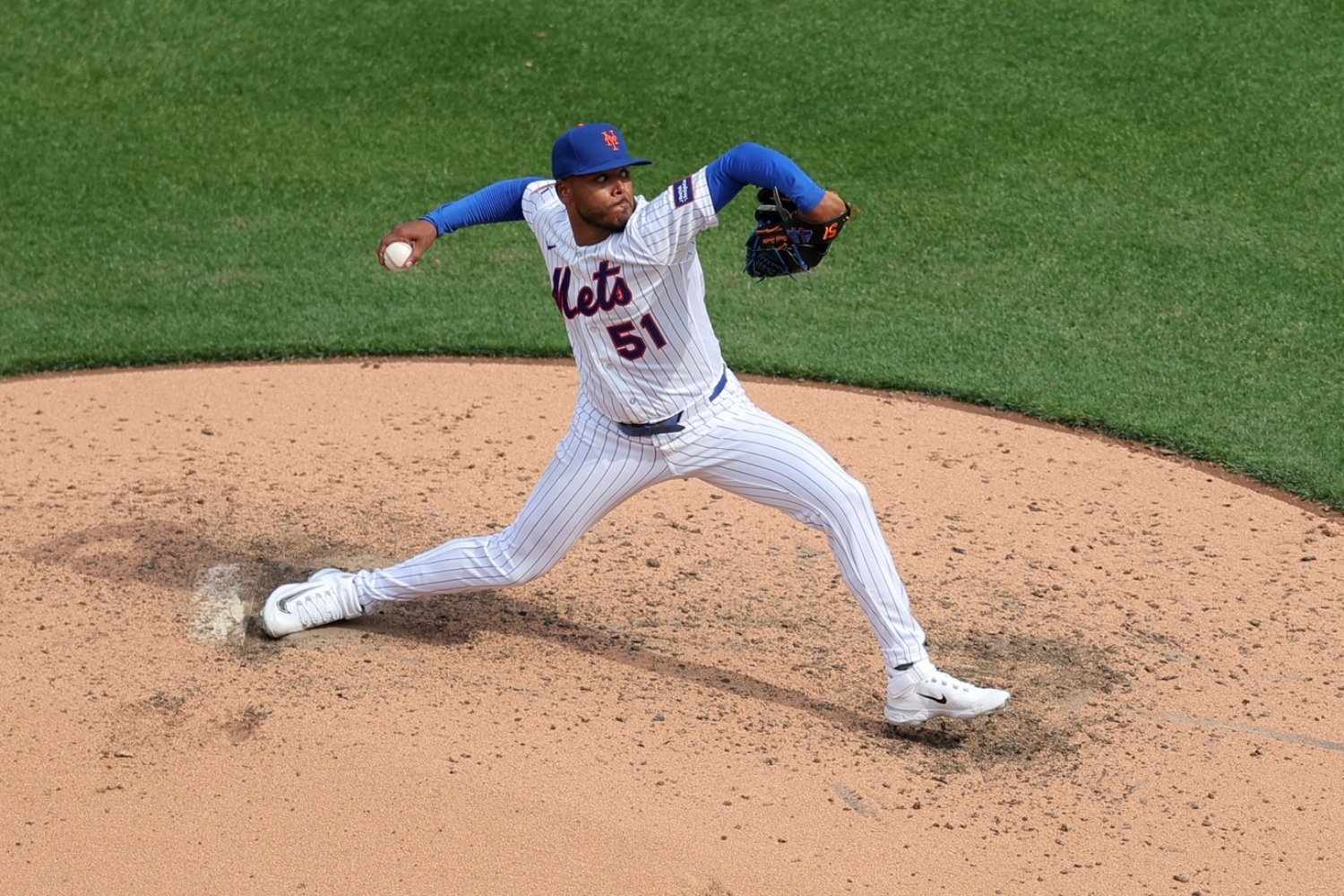 Freddy Peralta’s first turn in a New York Mets uniform wasn’t exactly a masterpiece if you only glance at the box score. Giving up four runs over five innings, including a pair of homers to Brandon Lowe, usually feels like a rocky start for a new ace. But box scores are a bit like looking at a finished painting from across the room: you see the colors, but you miss the brushwork. If you step a little closer, there was plenty to suggest that Peralta’s outing was far more calculated and promising than it appeared. The most striking part of his afternoon wasn’t the hits he surrendered, but the way he attacked. Peralta didn't walk a single batter while striking out seven, showing a level of aggression that keeps a defense on its toes. He leaned on his four-seam fastball about 49 percent of the time. That’s close to last year’s 53.5 percent mark. The real story, however, lived in his secondary pitches. A New Look for a New Team The slider suddenly became the guest of honor in Peralta’s repertoire. He threw it nearly 29 percent of the time against the Pirates, a massive jump from the 10.2 percent usage we saw in 2025. Last year, the slider was essentially the forgotten tool in his shed, buried behind his changeup and curveball. On Thursday, it was his primary weapon of choice. This shift wasn't a random roll of the dice, either. Statistically, Peralta’s slider is a nightmare for hitters, boasting a .161 xwOBA and a 52.8 percent whiff rate last year, both elite marks. Doubling down on your best pitch is rarely a bad strategy. Furthermore, the Pirates ranked 29th out of 30 teams in 2025 with -53.7 slider runs above average, or, in this case, well below average. Only the Colorado Rockies were worse against that specific pitch type. It was a classic case of a pitcher playing to his strengths while exploiting a known weakness in the opposition. We have established that Peralta did, in fact, favor his slider over his other secondaries in the opener. Was it good, though? Well, that depends on what you're looking for. The Double-Edged Sword When the slider worked, it was like a disappearing act. Peralta generated a 64 percent whiff rate with the pitch on Thursday, bamboozling lefties and righties alike. It was a swing-and-miss machine that looked nearly unhittable at times. However, baseball is a game of inches, and when the slider missed its spot, the Pirates made him pay: Despite the whiffs, the actual results on balls put in play were loud. One of Lowe's home runs and a double came off the slider, leading to a bloated 1.037 wOBA. The underlying numbers, specifically the xwOBA of .235, suggest that Peralta actually pitched much better than the results indicated. The issue wasn't the pitch itself, but the location. He missed his spot high a few too many times, a death sentence for a slider without huge sweeping tendencies. Refinement on the Edges Television broadcasts might have mislabeled the offering of that Lowe home run as a curveball, but the data, in this case Statcast, says it was the slider. The movement was there, the velocity was right, and the intent was clear. If Peralta can move that pitch from the middle of the plate to the edges, it transforms from a liability into a lethal weapon. As he settles into the rhythm of the season and grows more comfortable in New York, the command should follow the stuff. This debut wasn't a red flag; it was a blueprint for how dominant he can be once he stops finding the fat part of the bat with one of his best breaking pitches. View the full article
 -
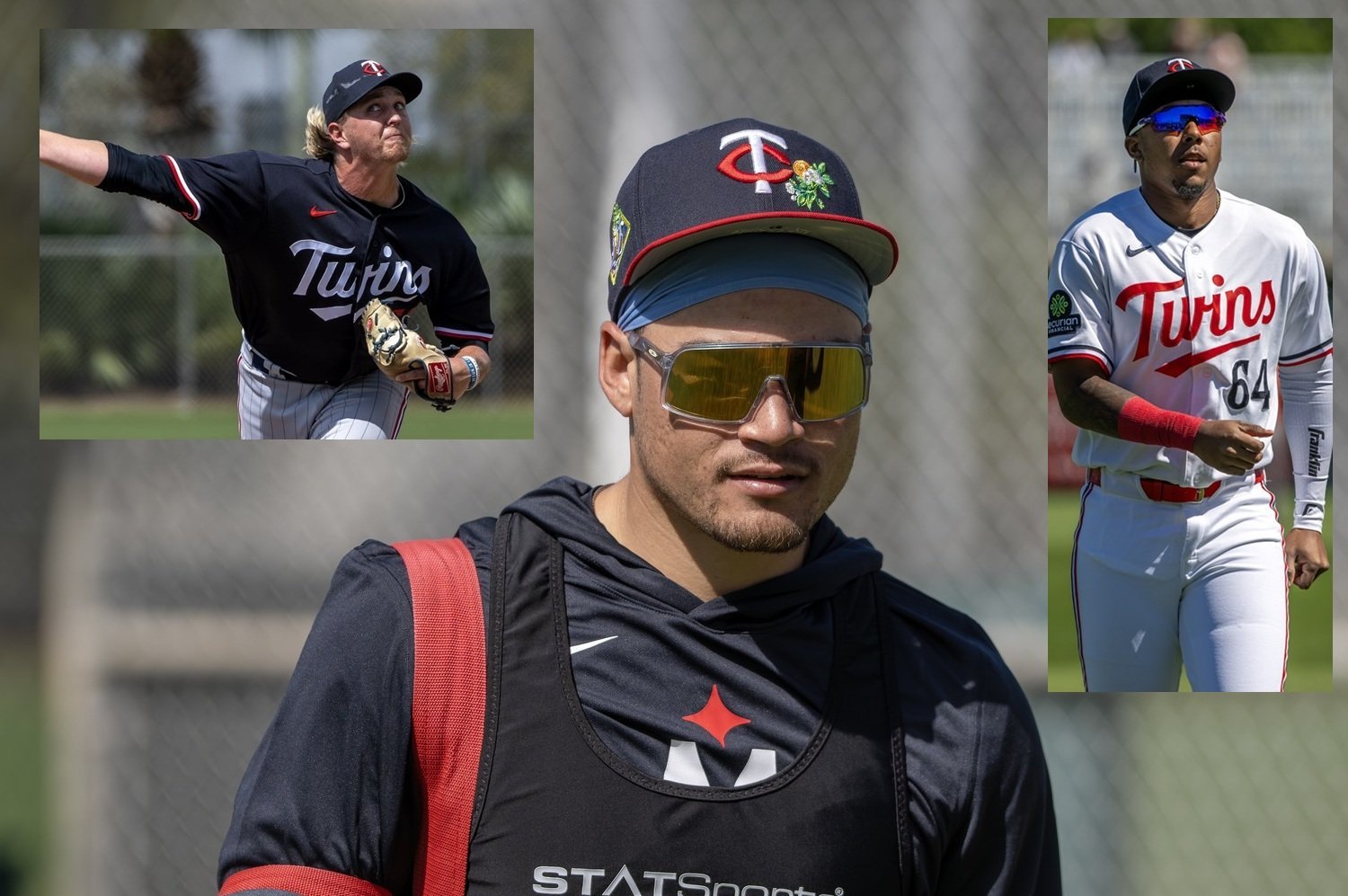 Starting the year at Double-A means a prospect has the opportunity to make an impact on the major league roster in the near future. While this year’s Wind Surge roster doesn’t have any of the top prospects in the Twins system, there is still an interesting list to see which of these players will take the next step forward and see if they are able to put themselves in the Twins future plans. When prospects get to Double-A, this can be the first time they struggle in their professional career. The Wind Surge roster this year doesn’t have a top 5 Twins prospect but does have three of Twins Daily’s top 20 prospects, including Hendry Mendez, Kyle DeBarge, and CJ Culpepper. Mendez is the one who is on the 40-man roster out of the three. Mendez was acquired at the 2025 trade deadline, along with pitching prospect Geremy Villoria, from the Philadelphia Phillies in exchange for outfielder Harrison Bader. Mendez hit well after being acquired, hitting for a .324/.461/.450 slash line after the trade. He has played in the corner outfield mostly but has been getting more work at first base recently. DeBarge is a former first round pick, that has steadily climbed the minor league ladder and will be playing his age-22 season in 2026. He has played most of his time at second base, but has also seen time at shortstop, and in left field and center field as well. Culpepper, when healthy, has looked very solid over the past few years. He pitched in 17 total games this past year and will look to have a healthy season after starting the 2025 season on the injured list with a pinched nerve. He throws up to seven or eight pitches, so he makes for a pitching prospect worth watching. Coaching Staff The coaching staff in the minor leagues are key in helping develop the future major leaguers in any organization. The Wind Surge had a number of new coaches in 2025, and will be returning the some, but have some new coaches as well. Nico Giarratano will be the new manager, after former Wichita manager Brian Dinkelman was promoted to manage the Twins Triple-A affiliate. Giarratano was the manager for the FCL Twins in 2025. Giarratano will be joined on the coaching staff by hitting coaches Andrew Cresci and Julian Gonzalez, pitching coaches Jesus Sanchez and Stephen Ridings. Meagan Vota will serve as the strength and conditioning coach, with Taylor Carpenter serving as the lead athletic trainer. Asja Morello will work closely with Carpenter as the Assistant Athletic Trainer, and to round out the staff, Chase Carder will serve as the Baseball Technology Coordinator. Pitchers RHP Sam Armstrong, RHP Spencer Bengard, RHP Kyle Bischoff, RHP Darren Bowen, RHP Ricky Castro, RHP CJ Culpepper, RHP Ryan Gallagher, RHP Ruddy Gomez, RHP Alejandro Hidalgo, RHP Ty Langenberg, LHP Jaylen Nowlin, RHP Jose Olivares, RHP Mike Paredes, RHP Luis Quinones, RHP Sam Ryan, RHP Logan Whitaker, RHP Jarret Whorff Culpepper and Gallagher are the two highest ranked pitching prospects on this roster, with Culpepper sitting 18th on Twins Daily’s top 20 prospects. Culpepper is a former 13th round selection by the Twins back in 2022. Gallagher and Armstrong were acquired from the Chicago Cubs in return for utility man Willi Castro. They are both intriguing arms and will be worth watching this year as well. Bowen’s name might be familiar, as he was part of the Jorge Polanco trade, along with Justin Topa. He pitched at Double-A this past year. Olivares is another name that is recognizable, as he was signed back in 2021 and is ranked the #26 prospect by MLB Pipeline to start this season. Hidalgo has shown the ability to strike batters out at a pretty solid clip, most recently having 99 strikeouts over 84 2/3 innings pitched in 2025 between High-A and Double-A. If he’s unable to develop as a starter, a move to the bullpen could provide a path to Target Field in the future. Quinones comes over from the Blue Jays organization, where he topped out at Triple-A in 2024, prior to missing the 2025 season with an injury. He’ll look to have a healthy and productive season this year. Catchers: Ricardo Olivar, Andrew Cossetti, Poncho Ruiz Olivar was a Twins Daily Top 20 prospect at this time last year and has been left unprotected in the Rule 5 draft the past two years. He has played positions other than catcher as well, so the defensive versatility makes him a prospect to watch. Andrew Cossetti will be returning to Double-A for his third straight year, and he is a bat-first catcher, who hit .226/.366/.432 in 2025, which was an improvement over his 2024 season numbers. Ruiz will be playing his age-24 season this year, after playing the 2025 season between Low-A and High-A. He also played in the Mexican Pacific Winter League this offseason, which allowed him to get some more experience. Infielders: Billy Amick, Hendry Mendez, Kyle DeBarge, Jake Rucker, Ben Ross, and Jose Salas Salas might be a familiar name, as he came over in the Pablo Lopez/Luis Arraez swap a few years ago. At the time, Salas was mostly a shortstop but has transitioned into playing center field more regularly in recent years. Rosario is a very intriguing prospect and has shown more promise recently after struggling early in his professional career. He’ll need to show he can be more consistent against right-handed pitchers, as he crushed lefties to a .954 OPS this past season, in comparison to a more modest .794 OPS against righties. Rucker has played the past three seasons at Double-A so he will need to start improving at the plate to not stall in the upper minors. Ross is a versatile defender, having played shortstop, third base, along with left field and centerfield as well, just this past year. He’s also played first base and right field in his minor league career as well. The big question for him is if his bat will develop to make him an option for the Twins in the future. Outfielders: Garrett Spain, Hendry Mendez, Kala’i Rosario, Maddux Houghton Mendez will likely see more time at first base this year after playing previously mostly as a corner outfielder. As previously mentioned, he is a prospect to keep an eye on and may move quickly depending on how he hits. He played the 2025 season at Double-A, and if he continues to hit, he will likely receive a call up to St. Paul this year, and we may even see him at Target Field before the end of the season. Spain was a minor league Rule 5 selection this past December out of the Milwaukee Brewers organization. A left-handed hitter, he will look to see if he can make adjustments with the Twins to break through in the upper minors. He showed more power in 2025, hitting 16 home runs. Rosario is an exciting prospect with a high ceiling. He was a 5th round selection in the shortened 2020 draft. He will play his second year with Wichita, where he hit 25 home runs this past season. Houghton is not a heralded prospect but did play at four levels across the minors this past year, getting his first taste at Triple-A St. Paul. He has shown the ability to steal bases and shown some power over the past year, hitting 12 home runs and stealing 26 bases. While the Wichita roster may not be as filled with high-end prospects, there are still plenty of intriguing players to keep an eye on and a few that Twins fans could see at Target Field in short order. Whether the players are playing at Double-A for the first time, or repeating the level, this season could be a springboard year to assert themselves as prospects and push themselves into the long-term plans for the big-league club. The Wind Surge will start their season on Thursday, April 2nd versus the Northwest Arkansas Naturals (Royals Double-A), with first pitch scheduled for 6:35 pm. View the full article
 -
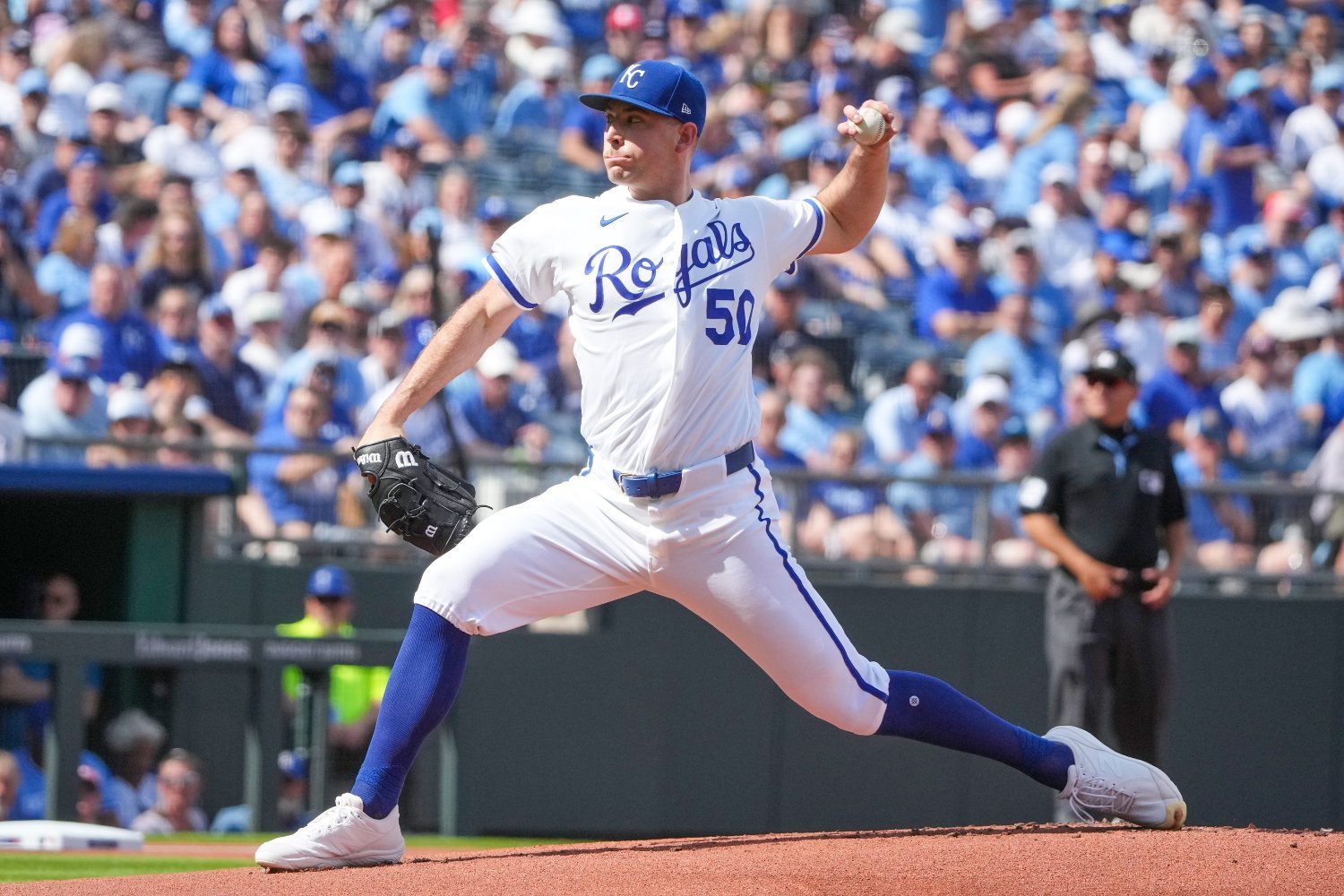 It was an eventful home opener for the Kansas City Royals on Monday, March 30th. Not only did the Royals win 3-1, but they also did so in front of a sold-out crowd at Kauffman Stadium on a beautiful afternoon. After a mediocre opening road trip in Atlanta, getting a good start on this homestand (which includes the Twins and the Milwaukee Brewers this weekend) was nice to see. Even if the Twins have lower expectations this year than the Royals, they are a division opponent and spoiled Kansas City's Opening Day at Kauffman Stadium back in 2023 and 2024. In the Royals' win on Monday, their first home-opening win since 2022 (when they beat the Cleveland Guardians 3-1), there were some things that Royals fans learned about the club both on and off the field. Those takeaways relate to the Royals' lineup, their bullpen, Kris Bubic in his first start of 2026, and the future of Kauffman, the Royals' home stadium since 1973. There Is Potential at the Bottom of the Lineup With Collins and Isbel With windy and sunny conditions on Monday, it was expected that the Royals would have a good shot to hit some home runs against Twins starter Simeon Woods Richardson. That said, Royals fans expected those home runs to come from big names like Maikel Garcia, Bobby Witt Jr., Salvador Perez, and Vinnie Pasquantino. Those four combined for three hits, with Garcia's double the only extra-base hit from the bunch (Witt and Pasquaintino went hitless). Instead, it was Kyle Isbel and Isaac Collins, the Royals' nine and eight hitters, respectively, who produced big flies in front of a sold-out Kauffman Stadium crowd. Isbel struck first for the Royals, as he launched a 403-foot home run on a slider from Woods Richardson in the second inning, not long after Minnesota's Matt Wallner launched a 424-foot home run into the fountains. Isbel's home run gave the Royals a 2-1 lead and would've been a home run in Kauffman's old dimensions. After collective struggles from both lineups for over four innings, Collins, who was hitless on the Atlanta road trip, came up big with a solo home run of his own against Twins reliever Kody Funderburk. Collins' home run traveled 400 feet, had an exit velocity of 103.9 MPH, and was a home run in all 30 MLB Ballparks (like Isbel's). The Royals haven't gotten off to the greatest start on the hitting end in 2026. According to Fangraphs, they rank 28th in batting average and OBP, and 29th in runs scored. Granted, it's only a four-game sample, but the offense needs more production from the bottom of the lineup to see an improvement from their 93 team wRC+ last year, which ranked 22nd in baseball. India got a base hit on Monday, which snapped his hitless streak as well (though it probably should've been caught, as Wallner got a late read on it). However, Carter Jensen and Jac Caglianone went 0-for-6 with three strikeouts. That was disappointing to see, especially considering the promise they showed in the Atlanta series. It is expected that the bottom of the Royals' lineup, like any MLB lineup, will go through ebbs and flows throughout a season. That said, Collins and Isbel hitting well would be a huge boost to this lineup and give more scoring opportunities for the top of the Kansas City batting order. Hopefully, their home runs on Monday were a spark in the right direction for Collins and Isbel. The Royals Have Bullpen Depth With Lynch IV, Mears, and Schreiber After a meltdown by Carlos Estevez in game two of the 2026 season, there were some questions about the Royals' bullpen and whether or not they could step up as the veteran closer figures it out. They showed they could on Sunday, as Lucas Erceg notched the save. On Monday, the result was the same, though a couple of different names were involved. Daniel Lynch IV and Nick Mears made their 2026 debuts and absolutely shut down a reeling Twins lineup. In two innings of work, Lynch IV and Mears gave up no runs, no walks, and only one hit. They also combined to throw only 17 pitches, a sign of efficiency on the mound. Lynch IV showed excellent efficiency on the mound, not just flooding the strike zone, but also generating a good amount of chase and whiff, as illustrated by his TJ Stats summary below. The TJ Stuff+ was slightly below average, with an overall score of 99. However, one can't argue with the results, especially with a 77.8% zone rate, 50% chase rate, and 28.6% whiff rate. His sinker and changeup velocity did play a little bit up from 2025, though both pitches saw slight declines in their TJ Stuff+ marks (-2 for the four-seamer and -4 for the changeup). It'll be interesting to see how Lynch fares in his next outing, especially against a better lineup. As for Mears, the TJ Stuff+ numbers were great, as was the chase and whiff, as illustrated in his summary below. Mears posted a 105 TJ Stuff+, and he also sported a 50% chase and 33.3% whiff. His zone and xwOBACON were about average at 50% and .354, respectively. What's interesting to see from his TJ Stuff+ is that it was down two points from a year ago. That said, this was his first outing of 2026. Hence, he could see some improvement in his TJ Stuff+ over the course of the year, which could further improve the results. With the Royals holding a two-run lead in the ninth, Matt Quatraro opted to go with Royals veteran John Schreiber in the ninth, especially with Matt Strahm and Lucas Erceg having pitched in back-to-back outings. Schreiber closed the door on the Twins hitters, allowing only one hit and getting the save on 15 pitches. Schreiber had pitched on Sunday in a setup role, but he didn't seem to miss a beat against Minnesota. Schreiber didn't generate a whole lot of chase (14.3%) or whiff (0.0%), and he gave up some hard contact, with Ryan Jeffers and Byron Buxton collecting hard hits (though only Jeffers' was a base hit). That explains why his .454 xwOBACON was so high. However, his 100 TJ Stuff+ was one point better than a year ago, and his sinker and sweeper velocity were up as well. The Royals have the depth to not only handle the Estevez situation but also allow him to take his time as he works to regain his velocity. The fact that the Royals can turn to someone like Schreiber in an emergency situation, and he's able to collect the save, shows that the bullpen could be a strength of this club in 2026. Bubic Will Be A Solid Starter Again (Even With Some Tough Spots) It was a brutal start for Bubic, initially. In the first inning, he allowed a single and a walk, but he got out of it thanks to a pickoff of Austin Martin, and two flyouts (though he was hit hard in the inning). Things didn't get much better at the start of the second inning, as he gave up a bomb to Wallner that made it into the fountains. However, after that Wallner homer, Bubic locked in and didn't give up a hit for the remainder of his outing, which spanned six innings. When looking at his TJ Stats summary, it wasn't Bubic's most impressive outing, stuff-wise. His TJ Stuff+ was down from a year ago, as was his four-seamer velocity. However, that didn't stop him from generating a good amount of chase and whiff, while still maximizing his zone rate and minimizing hard contact. All those things are reflected in his TJ Stats summary from today's quality start. His whiff rate was excellent at 35.3%, and his chase rate and xwOBACON were above-average at 30.8% and .339, respectively. His zone rate was a little below average at 48%, but that likely was due to his lackluster control on the changeup and slider, which had zone rates of 25% and 20%, respectively. Despite those paltry zone rates, he still did generate a 66.7% whiff rate on the changeup and a 100% whiff rate on the slider. It wasn't the prettiest start, but it was the kind of grind-it-out affair that Bubic was known for in 2025, when he made the AL All-Star team. I also wonder if there were some nerves for Bubic, especially with him starting in his first career home opener. He talked about how different it was for him, especially when comparing it to his first career start at Kauffman during the 2020 COVID season when fans weren't allowed. Even though he had some contract and arbitration issues, and his future beyond 2026 remains murky, Bubic seems poised to be another solid contributor to this Royals rotation in 2026. Royals Poised to Move on From the K by 2031, Even Without an Exact Location (Yet) Owner John Sherman did a press conference, per usual, on Opening Day before the Opening Day festivities began. As expected in every Sherman interview these days, the stadium situation came up. Per usual, Sherman was mum about the details of a location and where they were in those discussions, but did clarify that things were "picking up". That said, Sherman did seem to clarify that the Royals will be moving on from Kauffman and the Truman Sports Complex, even in the wake of the Kansas City Chiefs' planned move to Wyandotte County in Kansas. Here's what Sherman said to KCTV 5's Sarah Motter, regarding the Royals' lease at Kauffman, which is set to expire in 2031. Kauffman Stadium remains one of the more beloved and well-known ballparks among MLB fans. It is in its 53rd season of operation and is still well-regarded for its beautiful features, including the iconic fountains, and for the excellence of the "game-watching" experience. It has also improved its concession and beverage offerings since Sherman took over as owner, incorporating more local vendors and restaurants at the K. That said, any hope that the Royals would take the space at the Truman Sports Complex to be vacated by the Chiefs and Arrowhead seemed to be put to bed by Sherman before Monday's game against the Twins. At least the Royals will have five more seasons at the K, including this year. View the full article
 -
Marlins drop their first game of the year as Paddack struggles
DiamondCentric posted an article in Fish On First
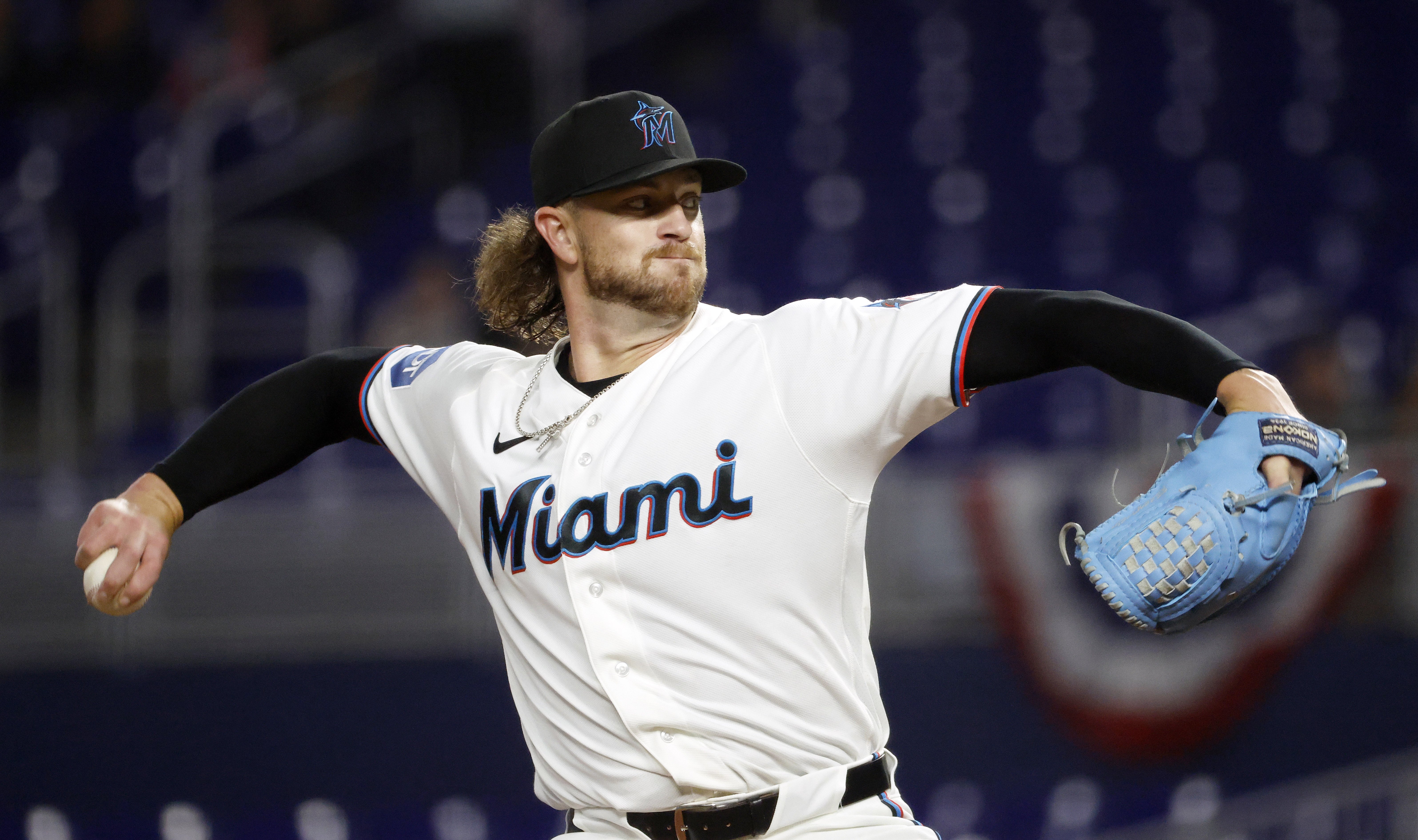 MIAMI — It had been 3,565 days since right-handed pitcher Chris Paddack last appeared in a game for the Marlins organization. A year after being selected in the eighth round of the 2015 MLB Draft, Paddack was infamously dealt to the San Diego Padres in exchange for All-Star closer Fernando Rodney, who was sporting an incredible 0.31 ERA at the time. The hope was that the move would help propel the Marlins to their first postseason berth since 2003. Instead, Rodney posted a 5.89 ERA with Miami, the team fell short and declined his option for the following season, while Paddack went on to become a top-100 prospect and established big leaguer. Fast-forward a little more than a decade, Paddack has made 110 MLB starts over his seven-year big league career, one filled with ups and downs. His official Marlins debut on Monday night featured more of the latter, as he surrendered eight earned runs in Miami’s 9-4, series-opening loss to the Chicago White Sox—Miami’s first loss of the season. Paddack got off to a fast start, tossing two perfect innings with three strikeouts to begin his night. In the third, he recorded two quick outs after allowing a leadoff double to Everson Pereira. Pitching coach Daniel Moskos then made an early mound visit. Immediately after, Miguel Vargas drove in Pereira with an RBI single, and two batters later, Austin Hays launched a three-run home run to make it 4-0. "He got off to a really great start, and then a two-out bloop, a swinging bunt, and then Hays got a ball and elevated it for a home run,” Marlins manager Clayton McCullough said postgame. Despite the damage, Paddack was a victim of some tough luck throughout the outing, finishing with a 2.41 expected FIP on the night. “In this game, I try not to think about good versus bad luck, because there are times when guys line out at 110 mph off the bat, and then there are those 65 mph swinging bunts, so it evens itself out over the course of the year,” Paddack said postgame. “I thought they put together some really good at-bats, and after I executed our game plan well early, they made some pretty good adjustments that caused me to not be as convicted with my changeup.” The knockout blow came in the fourth inning, when Vargas struck again—this time with a grand slam to extend the lead to 8-0. The eight earned runs tied a franchise record for the most ever allowed by a pitcher making his Marlins debut (also done by Elih Villanueva in 2011). Paddack's final line: 4 IP, 8 H, 8 ER, 6 SO, 0 BB. “Following a start like this, I usually write down all the negative thoughts—everything bad that happened—on a piece of paper, then I rip it up and throw it in the trash,” Paddack added. “The beauty of pitch design here with the Marlins is that I get to go compete against my guys again in three days.” Paddack's next start will come on Sunday in the Bronx against the New York Yankees. "If you let something like this affect the next four days, you think those guys in New York will feel sorry for me? No. so you have to get back on the saddle and stay within your routine," the $4 million free agent added. The right-hander also mentioned some positives from Monday's outing, referencing the swing-and-miss he generated on his new sweeper. He also didn't allow a walk. Offensively, Liam Hicks got Miami on the board with his second home run of the season. That gives the Marlins three total home runs so far, all coming from members of Team Canada’s World Baseball Classic roster. Hicks and Jakob Marsee later added RBI singles to keep things respectable, but it wasn’t enough, as Miami suffered its first loss of the 2026 season. Miami fell to 3-1 while the White Sox earned their first win of the season. Janson Junk will make his season debut on Tuesday against Erick Fedde. First pitch is scheduled for 6:40 pm. View the full article
 -
Chris Paddack allows 8 runs in Marlins debut: 'The loss is on me'
DiamondCentric posted an article in Fish On First
 Marlins right-hander Chris Paddack speaks with the media to assess his rough outing on Monday against the Chicago White Sox and how he expects to rebound from it.View the full article
 -
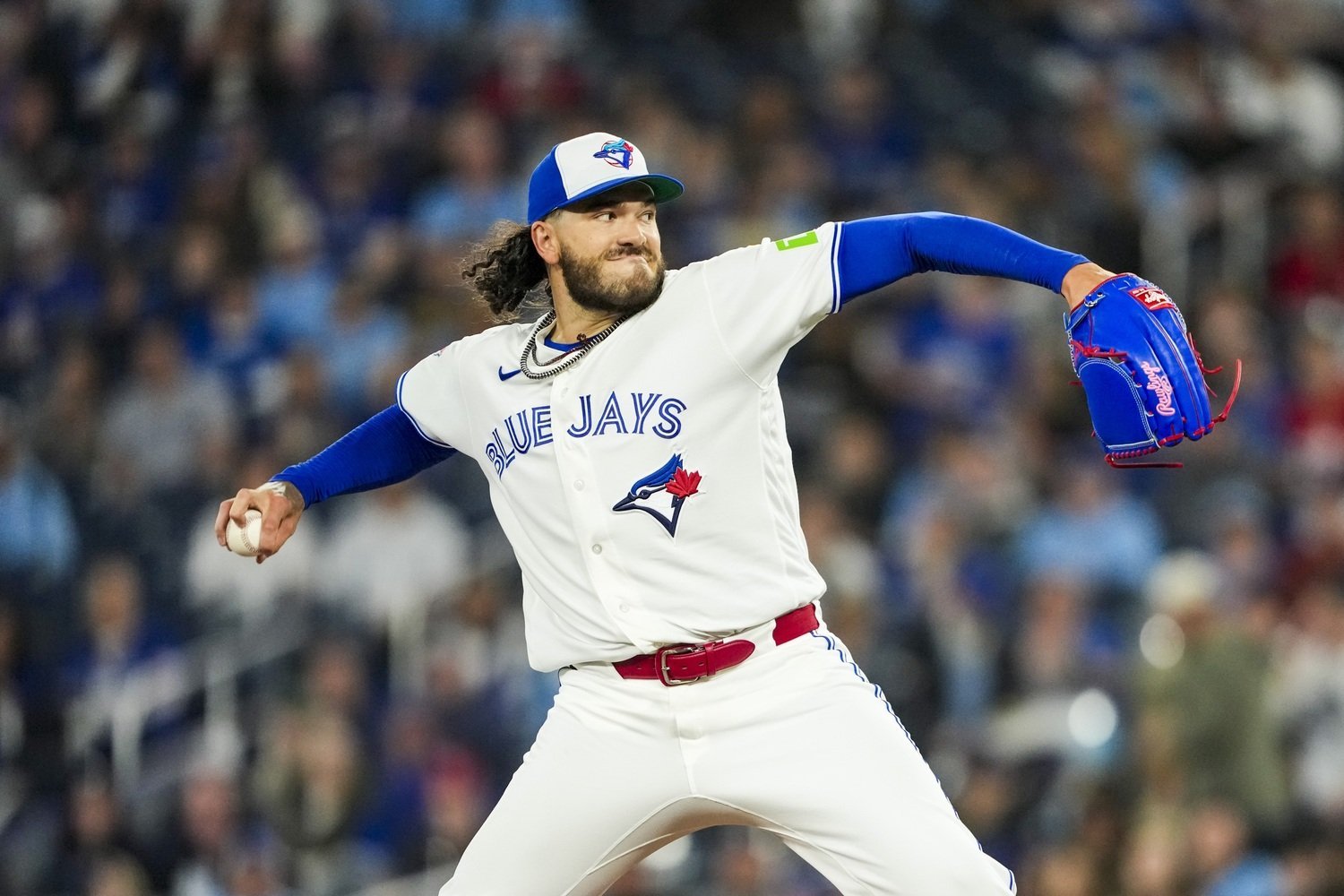 Cody Ponce had to be carted off the field on Monday night. The right-hander was less than three innings into his Blue Jays debut when he hurt his leg fielding an infield groundball. He fell to the ground and needed a medical cart to exit the field. Before he left, Ponce struck out three Rockies batters and generated 15 swings and misses. He averaged 95.9 mph on his four-seam fastball, topping out at 97.1 mph. His slider was his best weapon, earning eight whiffs on 10 swings. For now, the injury has been labelled right knee discomfort. While the Blue Jays likely won't have a more meaningful update until Ponce can go for imaging, an IL stint seems more than possible. Four of Toronto's starters – Trey Yesavage, Shane Bieber, José Berríos, and Bowden Francis – are already on the injured list. The next man up could be Adam Macko or Lazaro Estrada for a spot start, though the Jays can get by without a fifth starter until April 8. View the full article
 -
Brewers Acquire Outfielder Luis Matos From Giants
DiamondCentric posted an article in Brewer Fanatic
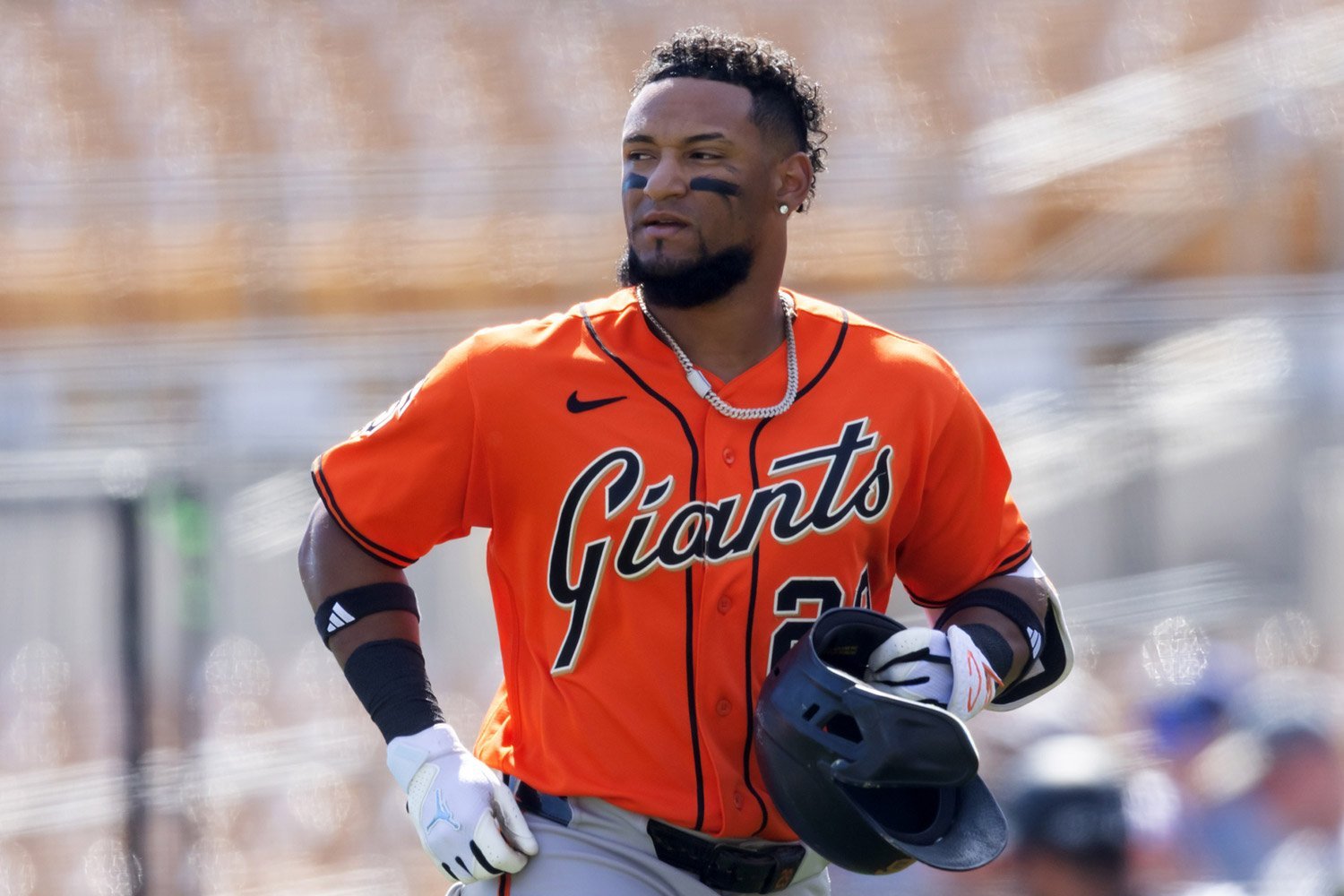 Not that the Milwaukee Brewers are hurting for outfield bodies, but that position just got a little deeper. The Brewers on Monday picked up outfielder Luis Matos from the San Francisco Giants in exchange for cash. Matos had been designated for assignment on Wednesday after not getting a spot on the Giants' Opening Day roster. To make room on the Brewers' 40-man roster, minor-league left-handed reliever Sammy Peralta was designated for assignment. Peralta will now hit the waiver wire and will either be claimed, traded, or outrighted to Triple-A Nashville. Matos is out of minor-league options, so a corresponding move to put him on the 26-man roster is needed. He is expected to join the Brewers on Tuesday. So, unless there is another injury, that could mean center fielder Blake Perkins returns to Nashville. Perkins was called up on Opening Day when star outfielder Jackson Chourio went on the 10-day injured list with a fractured left hand. Another option would be sending catcher Jeferson Quero back down after three days up for his MLB debut. The 24-year-old Matos, a native of Venezuela like Chourio, catcher William Contreras, and left-handed reliever Angel Zerpa, has played in 178 games with the Giants over the last three seasons and put up a .231/.281/.369 slash line with 15 homers, 61 RBIs, and seven steals. A right-handed hitter, Matos started 2025 on the Giants' Opening Day roster, but was on the plane to Triple-A three times and had an MLB slash line of .221/.266/.424 in 59 games, hitting eight homers, driving in 22 runs, and stealing four bases. In 36 games at Triple-A Sacramento last year, Matos slashed .293/.327/.510 with seven homers, 29 RBIs, and six stolen bases. Before the 2022 season, Matos was a consensus top-75 prospect. View the full article
 -
Mets Roster Central: Not Enough Room on the Bus
DiamondCentric posted an article in Grand Central Mets
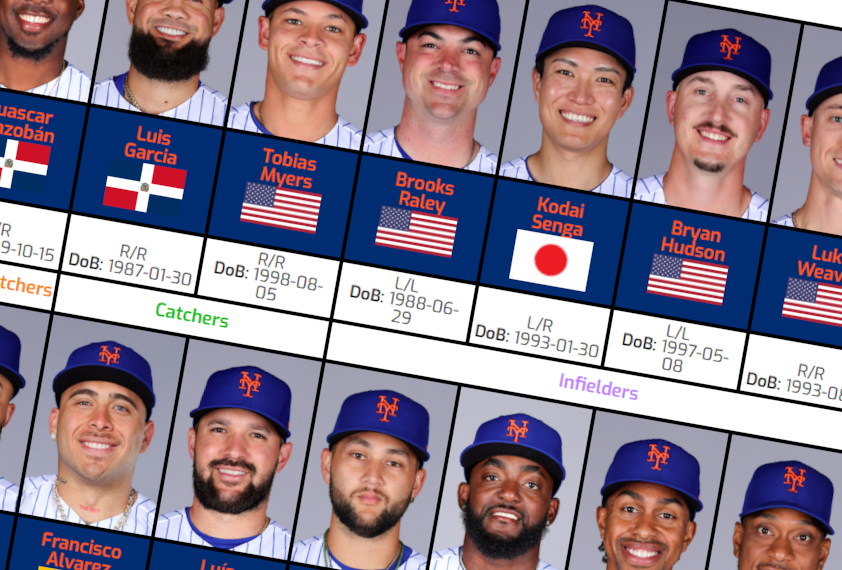 As the beginning of the season has unfolded, the Mets assembled their minor-league rosters, and realized perhaps that more guys made it through camp healthy than they need, and some late goodbyes had to go down. Transactions, 3/26/2026 GOING Released Released Released Released Relief Pitchers Relief Pitcher Relief Pitcher Relief Pitcher Colton Cosper Anthony Crespo Pablo Medina Jermayne Verdu L/L DoB: 37507 High Level: AAA (2025) R/R DoB: 38111 High Level: Rk (2025) L/L DoB: 39002 High Level: DSL (2025) R/R DoB: 0000-00-00 High Level: DSL (2025) Colton Cosper is clearly the highest profile of this batch of releaserinos, having briefly (but effectively) appeared in Syracuse in 2025. That's pretty impressive (if somewhat accidental) for a 22-year-old in his first year out of college. He was probably heading back to a much lower level of Brooklyn or St. Lucie, but now he doesn't even get that. The other three combine to demonstrate the Mets' non-discrimination policy among low-level Caribbean relievers, as they jettison one Dominican, one Venezuelan, and one Panamanian. There were varying degrees of effectiveness among them, but the common thread appears to be wildness. Throw strikes, young man. Transactions, 3/27/2026 GOING Released Released Relief Pitcher Relief Pitcher Jesüs Anton Colby Frieda R/R DoB: 38765 High Level: Rk (2025) R/R DoB: 37462 High Level: Div. I+ (2025) Jesus Anton was terrific, if you like a double-digit ERA. Three seasons (three!) should be enough to find some regression to the mean, but a total of only 21 2/3 innings and 12.60 (again, !!) mark suggests the Mets fell in love with something that never made it onto the field. On the other hand, when it came to Colby Frieda, absolutely no part of him made it onto the field. Signed last August, he collected a few minor-league paychecks, but checks out with a blank statistical line. Transactions, 3/28/2026 GOING Released Infielders Cole Fowler L/R DoB: 37600 High Level: Rk (2025) Also leaving the Mets organization without putting any statisctician to work is Cole Fowler. Being a veteran of The Frontier League and Division II may not be the most impressive calling card, but he has absolutely pummeled the ball wherever he has been. His shot at affiliate ball was short lived, however, with him signed March 12 and released little more than two weeks later. Crikey! The good news is that is all the news there is. Despite two extra-inning games the last two days, the Mets made no big-league transactions going into the Cardinal series. Mets Roster Central supports this, and rejects all calls to DFA Richard Lovelady. Let's give these guys a chance to show what they can do. View the full article
 -
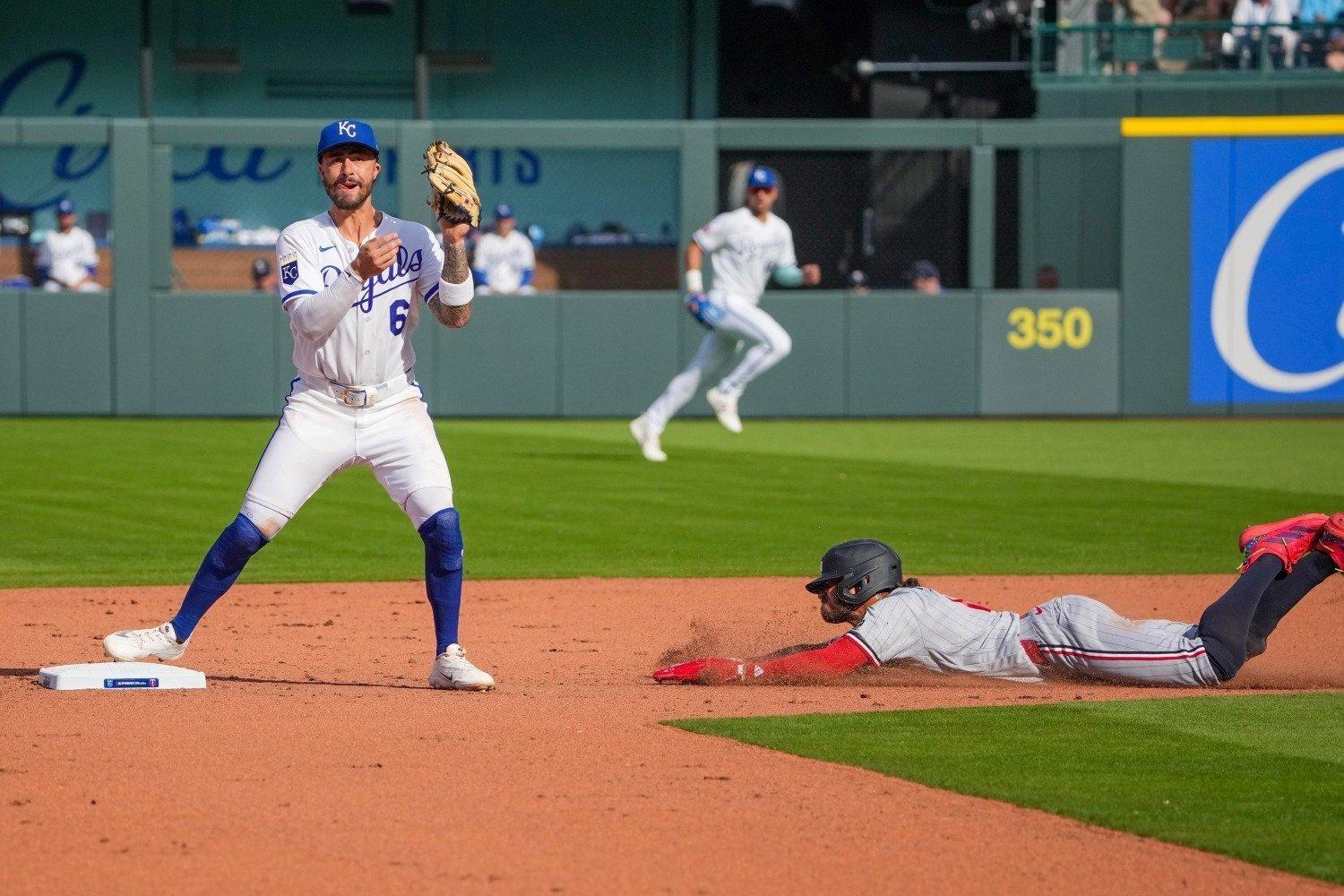 Box Score Starting Pitcher: Simeon Woods Richardson: 5 IP, 5 H, 2 ER, 1 BB, 2 K (83 pitches, 45 strikes) Home Runs: Matt Wallner (1) Bottom 3 WPA: Buxton -0.14, Jeffers -0.08, Larnach -0.08 Win Probability Chart (via FanGraphs): The Twins opened their first divisional series of the season looking to bounce back after dropping two of three to the Baltimore Orioles. Instead, it was more of the same frustrating formula as Minnesota fell to the Kansas City Royals at Kauffman Stadium in a game that felt all too familiar. Both teams entered the day at 1-2, with the Royals turning to left-hander Kris Bubic while the Twins handed the ball to Simeon Woods Richardson for his season debut. The right-hander delivered a strong outing, giving the Twins exactly what they needed on the mound. Woods Richardson worked five innings, allowing two earned runs on five hits and a walk while striking out two. He was efficient and limited damage, though he generated just six swings and misses on the night. The only real blemish came in the second inning when Kyle Isbel connected on a two-run home run that put Kansas City in front. Outside of that swing, Woods Richardson kept the Royals in check and gave Minnesota a chance to stay in the game. The Twins actually struck first in that same inning thanks to Matt Wallner, who launched a solo home run into the fountains in right-center field to lead things off. It was Wallner’s first home run of the season and just the eighth of his career against a left-handed pitcher. At the time, it looked like a sign that the Twins might be able to string together some early offense against Bubic. That hope didn’t last long. After Wallner’s blast, the Twins' offense went quiet for the remainder of the night. Minnesota managed just three more hits the rest of the way, all singles off the bats of Austin Martin, Brooks Lee, and Ryan Jeffers. The Twins had only one opportunity with a runner in scoring position and failed to capitalize, never seriously threatening again. In relief of Woods Richardson, Kyle Funderburk provided some swing and miss out of the bullpen. The left-hander struck out three over an inning and a third, but he also allowed a solo home run to Isaac Collins that extended the Royals lead to 3-1. That would be all the breathing room Kansas City needed. Justin Topa and Taylor Rogers followed with scoreless outings to keep things close, continuing what was an overall solid night from the pitching staff. The Twins allowed just three runs on seven hits across eight innings, more than enough to win on most days. This just wasn’t one of them. The game had the feel of the early 2025 Twins, with a quick burst of momentum early followed by long stretches of quiet at the plate. A quality start went to waste, and a winnable game slipped away without much resistance from the offense. What's Next Minnesota will have an off day to regroup before continuing the series on Wednesday. The Twins have yet to name a starter, while Kansas City is expected to send left-hander Noah Cameron to the mound. Postgame Interviews (Coming Soon) Bullpen Usage Chart THU FRI SAT SUN MON TOT Abel 0 0 0 81 0 81 Topa 18 0 12 0 10 30 Funderburk 17 0 13 0 26 30 Orze 0 0 21 0 0 21 Banda 0 0 15 3 0 18 Sands 0 0 16 0 0 16 Rogers 10 0 0 0 14 10 Laweryson 0 0 0 0 0 0 Kent 0 0 0 0 0 0 View the full article
 -
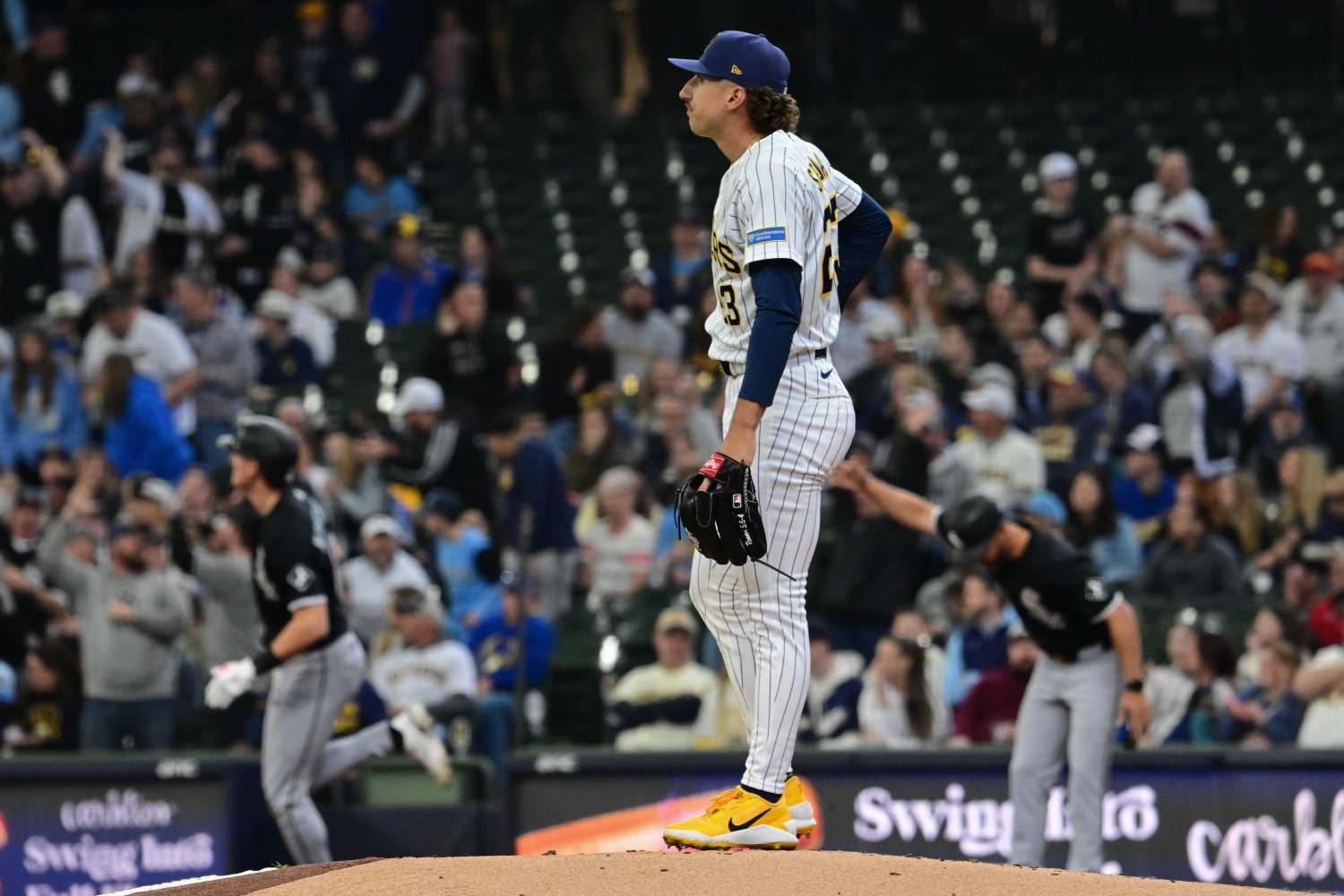 Brandon Sproat was a highly-touted prospect in the Mets organization for quite some time. He had lukewarm numbers across 121 innings in Triple-A last season, posting a 4.24 ERA and 4.18 FIP and causing his prospect ranking to dip from being No. 1 in the Mets system in 2025 to No. 5 in 2026. Nonetheless, the Brewers remained interested and acquired him as part of the Freddy Peralta trade. He made his Brewers debut Sunday, amid considerable hype, but he had a tough time of it. He needed 86 pitches to make it through just three innings of work, giving up six hits, four walks, and seven earned runs. Before that, the Brewers’ pitching staff had limited the White Sox to a total of just three runs in the first two games of the series. So what went wrong? The biggest issue seemed to be command. Sproat had a hard time finding the zone consistently, and when he missed, he missed big. For the most part, opposing hitters were laying off pitches outside of the zone and punishing anything that ended up right down the middle, which was far too frequent a problem. # of pitches Zone % Chase % Whiff % Sinker 36 66.7% 16.7% 30.0% Cutter 19 47.4% 10.0% 11.1% Sweeper 15 53.3% 42.9% 37.5% Curveball 11 27.3% 12.5% 0.0% Changeup 4 25.0% 33.3% 0.0% Every pitch had at least one glaring issue in this outing. The sweeper performed admirably on the surface, posting strong chase and whiff rates, but he did leave a few too many up in the zone. He got away with it for the most part, but also gave up a 403-foot home run to Everson Pereira. The cutter really struggled to do much of anything. Fewer than half ended up in the zone, and the ones that did were simply too juicy for the White Sox lineup. After loading the bases in the first inning, a cutter located middle-middle was the pitch that ended up in the seats for a grand slam. The curveball was simply all over the place, often starting way out of the zone and staying there. It didn’t generate a whiff because there was only one swing, a foul ball by Edgar Quero. Of the eight that landed outside of the zone, this was the only one tempting enough to chase; the rest were mostly waste pitches. To Sproat’s credit, the sinker did seem effective, and also landed in the zone two-thirds of the time. It seemed like the pitch over which he had the most command, and although it did give up three hits, none were for extra bases. A few were arguably defensive miscues, more than truly earned hits. Being a rookie starter is tough enough as it is, and the pressures of being a top prospect and newly acquired trade asset don’t exactly help. Throw in the implicit pressure of the home crowd being amped up for a potential sweep to kick off the season, and it’s easy to see why the 25-year-old Sproat may not have had the smoothest debut in the world. He was also working with rookie Jeferson Quero, who caught him in some bullpens this spring but never in game action. That could have contributed to some issues with pitch selection and/or receiving, which also cropped up. Aside from the confounding variables, a sample of one outing simply isn’t enough data to make a decision on whether he’s deserving of staying in the big-league rotation. His numbers in spring training were far more encouraging, particularly his 28.3% strikeout rate and his 29.6% whiff rate. It will take time for him to start looking like the prospect that has been promised. The Brewers don’t necessarily need him to be a front-line starter right away. However, command issues will continue to limit him if unaddressed, and moving forward, that should continue to be a priority for the young starter. View the full article
 -
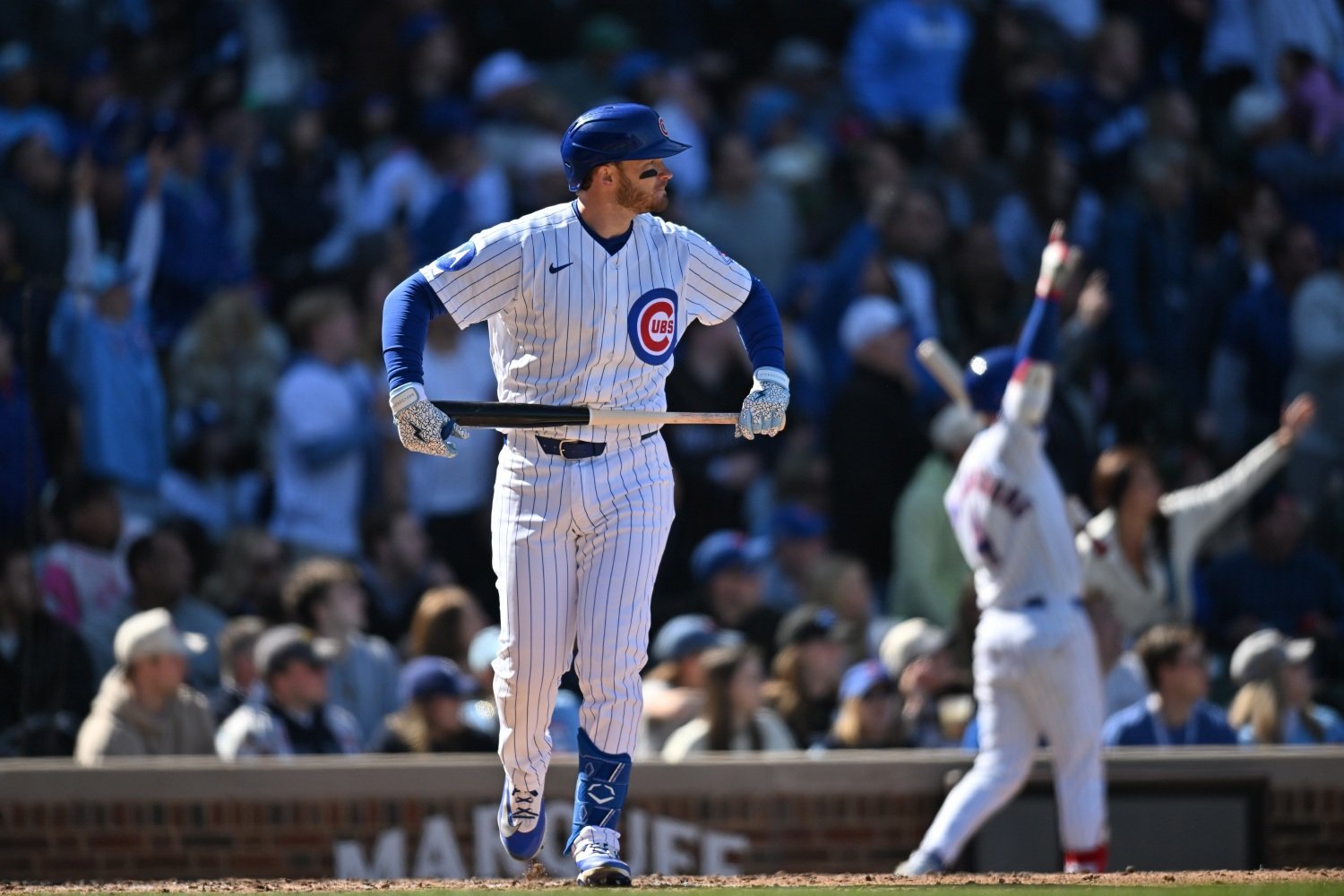 Ian Happ has been a much-maligned player over the course of his tenure with the Cubs. I've personally written about him a few times, including once this offseason, and once last fall. Happ doesn't deserve a lot of the animosity thrown his way; he's a really good baseball player. Even on Opening Day, a quick browsing of reddit had me finding posts complaining about him hitting in the 3-hole. The Cubs lost two of three over the weekend to the Washington Nationals. Between the disappointing results and the Pete Crow-Armstrong and Nico Hoerner extensions, Happ's big weekend kind of flew under the radar. The Cubs' left fielder hit two home runs, had three hits overall, and was one of the standouts offensively. In fact, he's probably owed a home run, as a flyout that he smashed in Thursday's Opening Day contest would have flown an estimated 113 feet farther had the wind not intervened. That was the largest weather-related difference tracked in the Statcast Era. Underlying his first weekend were some encouraging signs for the 31-year old, who will turn 32 later this summer. The age matters here. As we've gotten more and more data publicly available to us through Statcast and Baseball Savant, one thing has become clear: 32 is roughly the age when we begin to see a league wide trend of bat speed decline. This decline is then more pronounced after. Bat speed is an indicator of power and exit velocity, so dropping bat speed isn't particularly good. Despite standing right on that dreaded doorstep, Happ has seen a noticeable increase in bat speed so far in 2026, averaging 74.6 mph on his swings, up from 71.4mph last year. Not only is it up, but his current numbers would mark a career-best bat speed. Obviously, it's very early, but this is an encouraging sign. Diving deeper, there appear to be some small changes in how Happ has set up at the plate, particularly from the right side. While he's a little deeper in the box both left-handed and right-handed, the difference is more pronounced from his right-handed stance. Another change with his swing against left-handed pitching? He's a bit more open. The first image is of his 2025 data, while the second is from his 2026 so far. Any tweaks against lefties would be welcome for a hitter who hasn't been particularly great against them for the last few years. From 2023 through 2025 he's got a 102 wRC+ against southpaws. Compare this to his 125 wRC+ against righties, and you can begin to see the difference. A 102 isn't horrible, but it also isn't anywhere near as good as Happ has been against righties. Change is required, and it seems as though there may be a change that the outfielder has worked on. To see this change in practice, look below at that fly ball that he should have hit for a home run, wind not withstanding. Cionel Perez, a left-handed reliever with the Nationals, gets a 96-mph fastball in on the hands of Happ in the upper third of the zone. Happ is able to clear his front side and get his barrel to it. He can't control the wind, but because he's just a little more open, and a little off the plate, he's found the ability to get to this pitch and hit it with authority. Most days that lands on the street, not in a glove. Why does this matter? Traditionally, Happ doesn't do much damage on that pitch. Up-and-in fastballs are anything but his strength. Last season, he had essentially no success in this area of the strike zone against lefties. Below is this pitch from Thursday, superimposed onto a contour chart from 2025 of all Happ's batted balls with an exit velocity of 90+ MPH against lefties. Plainly, this is imperfect; the game feed Savant provides is not height-adjusted to the hitter, as the 2025 data is (you can see how much smaller the strike zone is in the image against Perez). Because of this, I suspect that this pitch is truly higher than it looks here, but even as displayed, it's outside Happ's "power zone" against lefties from last year. When we add in that likely adjustment, it's pretty apparent that this is something he didn't do last year. I can't say for certain that Happ was able to get to this pitch because he's a little farther back, a little farther off the plate, and a little more open, but all of these things would allow him to better get to that pitch and clear his front side. Add in the increase in bat speed, and the small tweaks would appear to give Happ a bit of a better platform to hit the ball with authority against whatever-sided arm he's facing. Happ has always been impressively consistent year-to-year. While he may fluctuate and go hot-and-cold within it, you always know what you're getting with him by the end; it's one of his best qualities. If Happ's indeed swinging a bit harder and his subtle adjustments are going to help him against lefties, than perhaps he won't be as predictable in 2026—not in a bad way, but in a good one. There's a long season to go, but this may very well be the best version of the switch-hitter the Cubs have ever seen. What do you think of these subtle changes? Do you think Happ can begin to produce better against LHP? View the full article
 -
 The New York Mets got minimal production from their center fielders in 2025: 30th in home runs and runs batted in, 29th in wRC+, batting average, and slugging percentage, and 27th in fWAR. Tyrone Taylor began the 2025 campaign as the primary center fielder, but his offensive results weren’t great. The Mets grabbed Cedric Mullins from the Orioles at the deadline, but he too didn’t provide much offensively. Both Taylor and Mullins were at least solid defenders, but neither moved the needle during a second-half collapse. Thus, the Mets went out and made a splash this offseason to address their dire need in center field. The long-awaited Luis Robert Jr. trade finally happened as the White Sox shipped him to New York in exchange for Luisangel Acuna, and minor-league pitcher Truman Pauley. Earlier in the winter, the White Sox had picked up Robert Jr.’s $20 million option for 2026. He has another $20 million club option for 2027 with a $2 million buyout. The Mets took over Robert's entire contract in the trade. The former All Star and Silver Slugger has a ton of potential, but has been inconsistent so far in his career. What are the Mets getting in Robert Jr., and will he be able to fulfill their center field needs? It was just three years ago that he finished 12th American League Most Valuable Player voting. Luis Robert Jr.'s Green & Red Flags Robert, 28, is already a veteran of seven major-league seasons. He’s hit for a career .260 batting average and a .769 OPS, while mashing 115 doubles and 103 home runs. During his 2023 All Star campaign, Robert did basically everything well, save for his poor plate discipline. That season, he played in 145 games, while totaling 595 plate appearances. He logged career highs in runs (90), hits (144), doubles (36), home runs (38), and runs batted in (80). The only problem is that he only did this in one of his six seasons with the Chicago White Sox. After unleashing a monster offensive season in 2023, he took a decline in production in the last two seasons since. He hit 14 home runs in both 2024 and 2025, but his batting average fell from .264 in 2023, to .224 and .223 in 2023 and 2024. This might not be all his fault since he landed on the injured list three times between 2023 and 2024 due to a right hip flexor strain and a left hamstring strain that accounted for two of those stints. Consistency has eluded him, though his plate discipline has never been a strong suit. He has a career 26.7% strikeout rate accompanied by a subpar 6.3% walk rate. Between the 2020 season and two games into the 2026 season, the MLB average chase% was 28.4%; Robert has a career mark of 38.5%, which ranks toward the bottom of the league in that time.. His problems with whiffing fall into the same bucket, as he has a career mark of 32.7%, while the league has been at 25%. The Mets have had good defensive center fielders in the last few years in Brandon Nimmo, Harrison Bader, Tyrone Taylor, and Cedric Mullins. Robert won a Gold Glove his rookie year in 2020 with the White Sox, and definitely has the ability to bring in more in the future. Even average offensive production from Robert would be a boost to the Mets center field position from last year. If he stays healthy, 20 home runs minimum should be the expectation, with the potential for a lot more. He’s already checked home run number one off the box, as he hit a walk-off home run against Pirates rookie pitcher Hunter Barco in the second game of the season. In fact, that whole opening series was a tantalizing appetizer, as Robert hit a robust .455/.571/.727 through his first three games with his new team. That kind of production is unsustainable, but it's a good reminder of the star talent Robert possesses. He may not be the heart and soul of this lineup, but when he's right, he can carry an offense. View the full article
 -
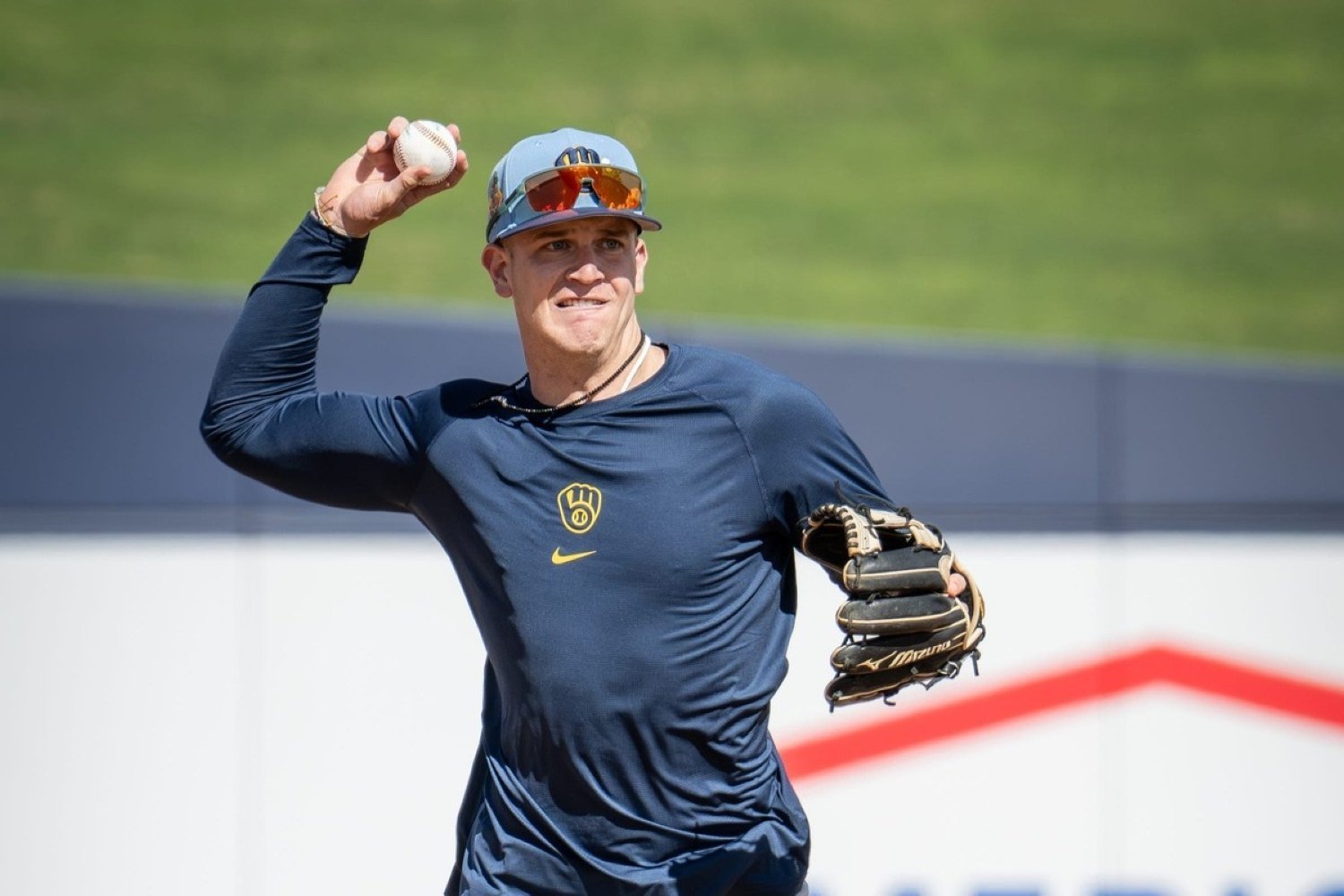 Proactively capturing value is the name of the game in Milwaukee. The Brewers excel at it in multiple areas, and for the second time in three years, they're flexing that muscle by locking up a very young position-player prospect to a long-term deal. The team and shortstop Cooper Pratt are in agreement on an eight-year contract worth over $50 million, with club options for 2034 and 2035, a source with knowledge of the negotiations confirmed to Brewer Fanatic. The source spoke on the condition of anonymity, as the team has not yet announced the deal. First with the news, on Twitter, was Bob Nightengale of USA Today. Pratt, 21, has begun this season in Triple-A, after spending all of 2025 with Double-A Nashville. He was the team's sixth-round pick in the 2023 MLB Draft, but signed for a significantly higher bonus ($1.35 million) than the slot value for that pick. After developing into one of the minor leagues' highest-regarded defensive shortstops and showing flashes of real offensive upside, he's now set to make many multiples of that—but the Brewers also gain control over the entirety of his prime. He only hit eight home runs in 527 plate appearances last year, but that was at a very young age for his level—and even then, he was an above-average hitter in the pitcher-friendly Southern League, with excellent plate discipline and good contact rates. More to come. View the full article
 -
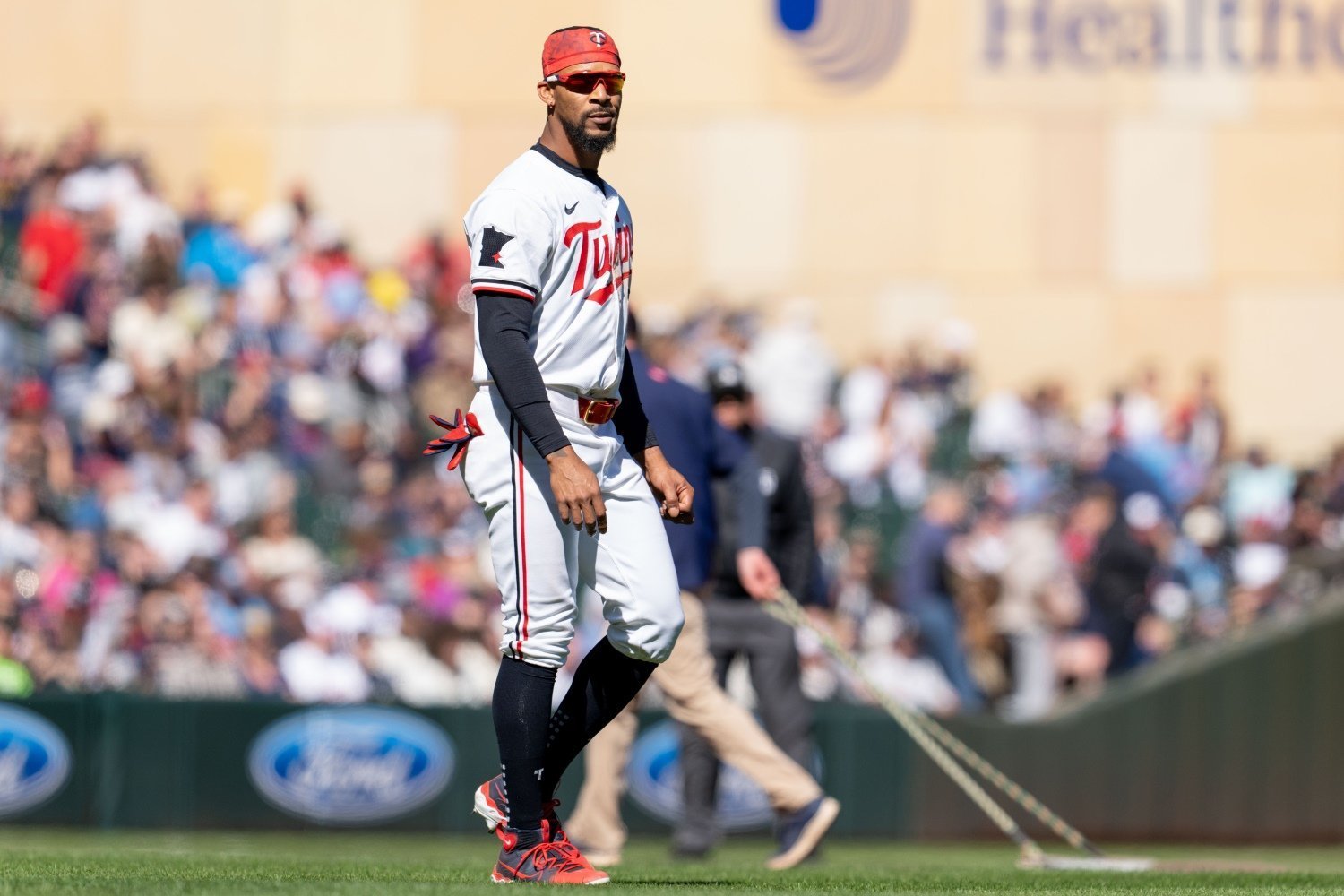 There was a time not long ago when optimism around the Minnesota Twins felt sustainable. Competitive rosters, postseason appearances, and a growing core gave fans reason to believe. Now, according to The Athletic’s annual Hope-O-Meter, that belief has all but vanished. The latest fan survey, which included more than 11,000 respondents, paints a fascinating picture of the sport’s emotional landscape. Across Major League Baseball, optimism is actually trending upward. A strong 72% of fans reported feeling hopeful about their favorite team, a notable jump from 66% a year ago. Baseball, broadly speaking, is in a good place when it comes to fan confidence. That makes what is happening in Minnesota stand out even more. At the top of the rankings sit perennial contenders and rising powers. The Los Angeles Dodgers lead the way at an eye-popping 99.8% optimism, followed by the Toronto Blue Jays, Seattle Mariners, Detroit Tigers, and Kansas City Royals. The presence of Detroit and Kansas City is particularly notable for Twins fans, as two division rivals have surged into the league’s emotional elite. Minnesota, meanwhile, sits alone at the bottom. The Twins posted a staggering 4.3% optimism rating, the lowest mark in all of baseball. The only team even within shouting distance is the Los Angeles Angels at 5.7%. After that, the gap widens significantly, with no other franchise falling below 24%. This is not just pessimism. It is a complete erosion of belief. What makes the drop more jarring is how recent the optimism once was. In 2022, the Twins checked in at 70.1 %, placing them squarely in the middle of the league. By 2023, that number jumped to 91.3%, good for 10th overall, and they remained near that level in 2024 at 86.3%. Even entering 2025, there was still a baseline level of confidence at 52%. Now, that foundation has collapsed, and the reasons are not difficult to identify. On the field, inconsistency and underperformance have chipped away at expectations. Off the field, uncertainty surrounding ownership has only deepened the frustration. There was a moment last winter when it seemed possible the Pohlad family might explore a sale of the team, offering a potential reset and renewed direction. That possibility has since faded, and with it, a significant portion of fan optimism. The result is a five-year trend line that looks less like a normal fluctuation and more like a free fall. The Twins Hope-O-Meter arc resembles a slow climb to a peak followed by a sudden and dramatic plunge. There were real highs, but the landing has been hard. Rebuilding that trust will not happen overnight. It will take more than a hot streak or a promising prospect. Fans are looking for a clear vision, a commitment to winning, and signs that the organization understands the weight of this moment. That responsibility falls on everyone, from the front office to the clubhouse to ownership itself. For now, the numbers tell the story. In a league where hope is rising, Minnesota has run out of it. The next chapter for the Twins will not just be about wins and losses. It will be about convincing a disillusioned fan base that there is something worth believing in again. View the full article
