


DiamondCentric
-
Posts
2,631 -
Joined
-
Last visited
Never
Content Type
Profiles
Forums
Events
News
Tutorials & Help
Major League Baseball Videos
Guides & Resources
Store
Downloads
Gallery
Everything posted by DiamondCentric
-
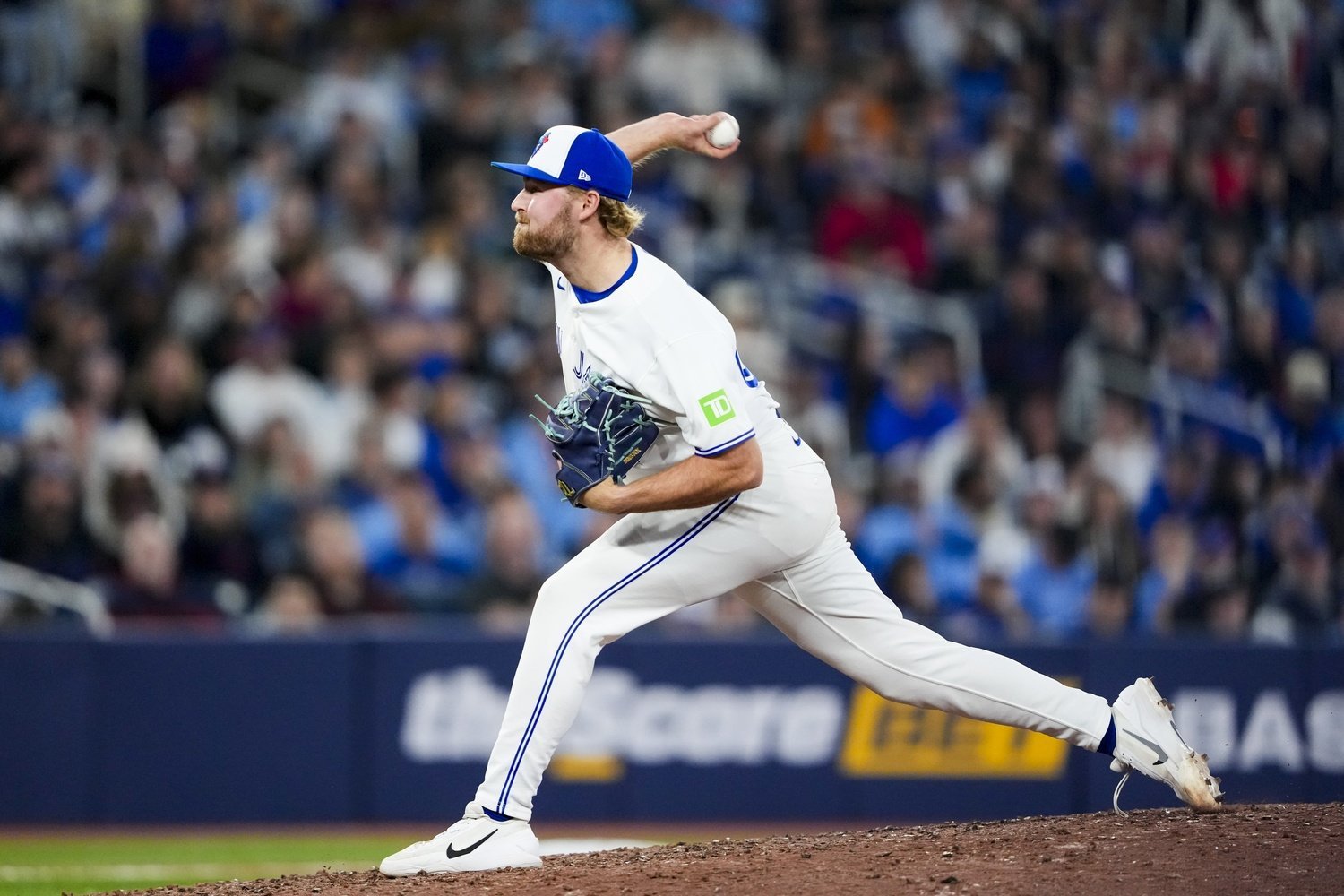 Welcome to the big leagues, Spencer Miles. As far as major league debuts go, the Blue Jays have had some memorable ones. J.P. Arencibia hit two home runs in a four-hit performance, Davis Schneider launched one over the Green Monster during an electric opening series, and while Kazuma Okamoto's didn't have the same flair, he reached base twice, recorded his first major league hit, and scored the game-winning run. Miles' debut was different. He made the team out of camp as a Rule 5 pick from the Giants system, meaning the Blue Jays must keep him on the roster for the whole season or risk losing him back to San Francisco. The plan was to ease him into low-leverage situations, let him get his feet wet, and introduce him to life in the big leagues in small doses. Baseball doesn’t always care about your plan. Game two of the season, and the Blue Jays' bullpen was already under pressure. After Dylan Cease left in the sixth inning, Toronto cycled through six relievers to reach the ninth, where Alejandro Kirk hit a game-tying home run to send the game to extras. John Schneider was then looking for options for the top of the 10th. The options were slim. He could have let Louis Varland work another inning, but he was already pitching on back-to-back days. Alternatively, he could have turned to Jeff Hoffman, who had also pitched the previous day, but Schneider had indicated he wanted to avoid overusing Hoffman and would only use him in a save situation, leaving just one option remaining. Enter Spencer Miles, who had thrown just 14.2 innings of affiliated baseball since being drafted in 2022. Injuries had limited his time on the field, leaving him with very little professional experience to draw from. But at this point, the Jays were desperate. They needed a win, and Spencer Miles was the one tasked with getting the job done. The inning began with the automatic runner on second, so the pressure was immediate. His first test was no easy one: two-time All-Star and former batting champion Jeff McNeil. After a first-pitch curveball missed outside for ball one, Miles left a sinker over the plate that McNeil sent right back at him. From there, baseball instinct took over. Without hesitation, he charged forward and immediately ran at Jacob Wilson, catching him in a rundown for the first out. A tremendous display of instincts for a pitcher with so little game experience. The next batter was Max Muncy. Miles opened with a slider just off the plate, then came back with another that Kirk framed perfectly for a strike. He followed it with a 98.3 mph sinker for another called strike, and two pitches later, he finished Muncy with a front-door slider that started off the plate and caught the zone, which Muncy swung over the top of for his first big league strikeout. A four-pitch walk and a flyout to right later, and Miles was out of the inning. He had inherited the automatic runner on second base and ended the inning without allowing the runner to score. He did exactly what the team needed: he gave them a chance to win. Sure enough, the Blue Jays did just that. After a Kirk strikeout and an intentional walk to Daulton Varsho, Ernie Clement delivered a line drive to left-center field, securing the win and ultimately, Miles’ first big league victory. “I blacked out a little bit. It's surreal; you dream of this as a kid,” Miles said postgame. “For them to even put me in that situation, I think it's just surreal.” John Schneider has to be encouraged by what he’s seen from the 25-year-old rookie, who has now passed his first big league test. On the whole, Miles threw 16 pitches – eight of them sliders – and generated two whiffs on just four swings. His fastball touched 98.2 mph, and his early Stuff+ numbers were impressive, including a 145 mark on his slider. Take the small sample with a grain of salt, but for a Blue Jays bullpen with early question marks, continued contributions like this could prove extremely valuable. For what it's worth, through two games (prior to the finale on Sunday), Spencer Miles was leading the pitching staff in Win Probability Added: via FanGraphs Whether this turns out to be a brief blip or the start of something bigger, Spencer Miles has already had his big league moment and, more importantly, helped the Blue Jays win a game in the process. If this outing is any indication, it may not be the last time he’s trusted in a big spot. View the full article
 -
 The first series of the season already gave us plenty to dig into, and not all of it was encouraging. While Joe Ryan and Royce Lewis showed why they matter, Bailey Ober and Mick Abel raised some early concerns that are worth watching closely. View the full article
 -
 Blue Jays first-rounder JoJo Parker not only impressed in his Spring Breakout game, but generated a lot of buzz on the backfields with his performance all spring. View the full article
 -

Three Possible Overreactions To Brewers Opening Day
DiamondCentric posted an article in Brewer Fanatic
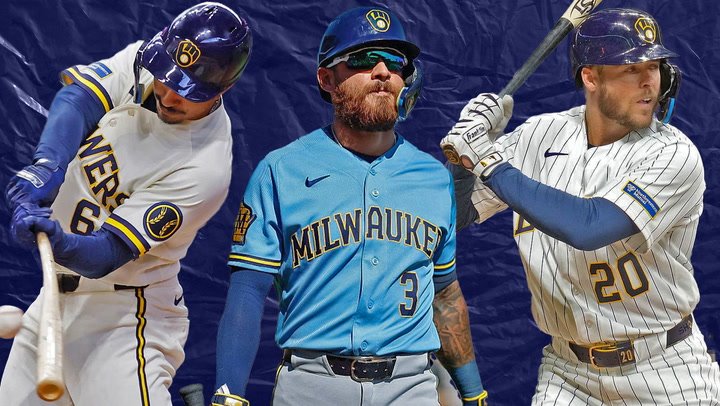 Are these overreactions or the truth? Joey Ortiz has completely changed his approach. Jett Williams and Cooper Pratt will be blocked by him. Brandon Lockridge is much more than just another spring training MVP. David Hamilton is the main third baseman, and he looks like he has already taken the quantum leap. View the full article
 -
Jake Bauers is Opening Up and Letting the Ball In. It's a Trap.
DiamondCentric posted an article in Brewer Fanatic
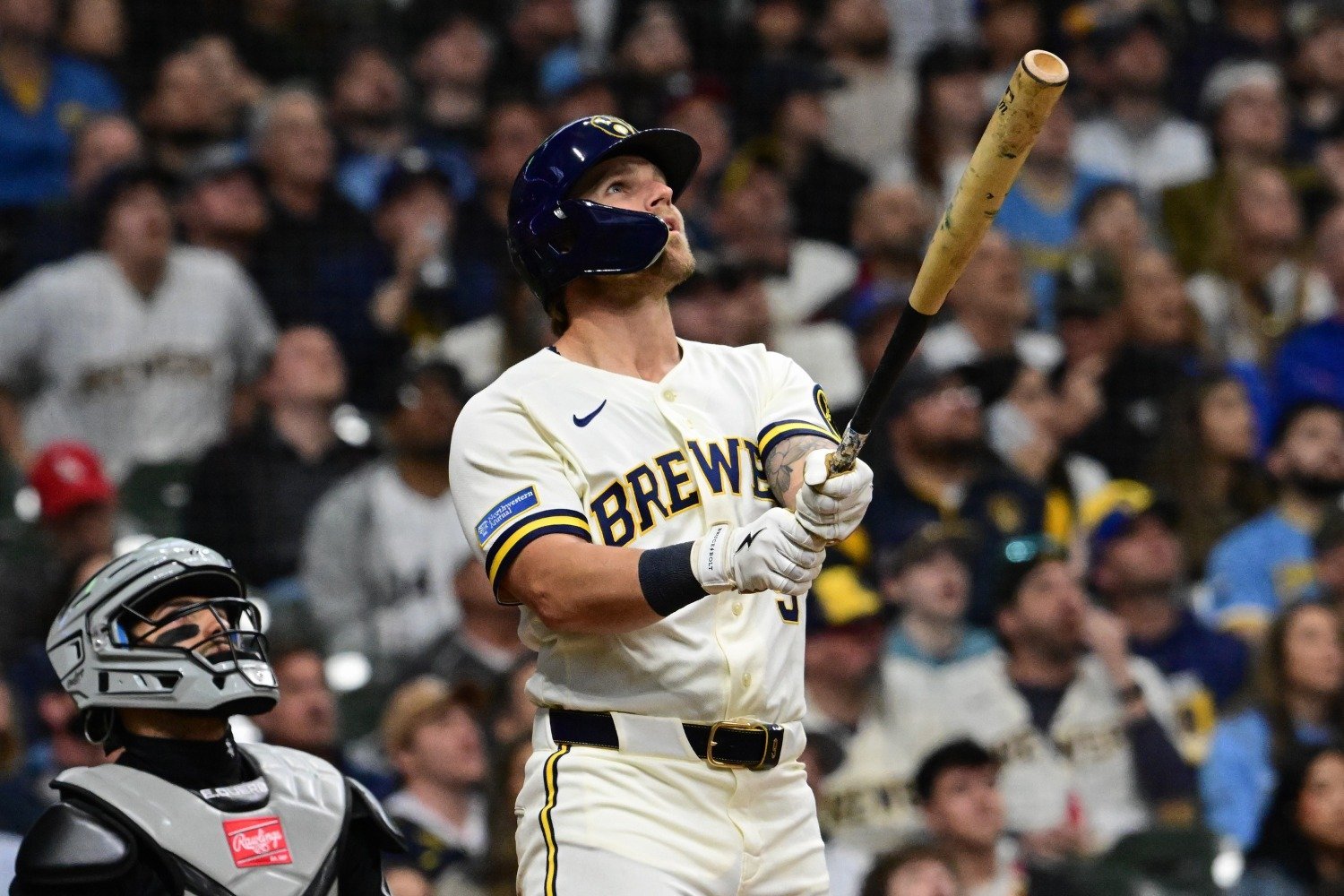 As we documented earlier this spring, Jake Bauers seized an opportunity last summer. A stint on the injured list gave him a chance to reset the way he thinks about preparation and functional strength, and he took it. He went into the winter with a more specialized training plan than in the past, and while his broad shoulders look slightly less bemuscled than they have in previous years, he's no less dangerous at the plate. In fact, every iota of available evidence says he's more dangerous than ever. With Andrew Vaughn out for at least a month due to a broken hamate, Bauers is the Brewers' new starting first baseman. Gary Sánchez will still spell him and shield him from left-handed starting pitchers, as he did on Sunday, but Bauers is slated for plenty of playing time until (at least) the returns of Jackson Chourio and Vaughn from the injured list. That's just fine, because since returning from the IL late last season, he's been a formidable slugger. It was easy to spot his numbers down the stretch and his postseason power last fall, and to clock his seven homers this spring, but don't neglect to notice that he also doubled six times in Cactus League play or that he walked eight times and struck out just seven times in the spring. For a guy who has always battled a high strikeout rate, punching out just seven times in 49 plate appearances was as eye-opening as the power he produced along the way. Nor was it new, even then. Bauers's whiff rate fell as 2025 went on; he's making steady progress in shoring up what has been his biggest offensive weakness. It's nice to be able to point to Bauers's excellent bat speed and his much-improved plate discipline, and with each passing day, he seems to have gotten better at not whiffing when he does swing. Even those are results, though, in a sense. Let's take a look at some things that drill all the way down to the level of process, to identify why Bauers might be blossoming into a genuinely excellent slugger with staying power. Here are visualizations of Bauers's stance and stride, via Statcast, for both September of last season and the early days of this year. First, the obvious thing: Bauers's stance is significantly more open this spring. He's standing a bit more upright in the box, with his feet closer together, but he's more open to the pitcher with his hips and shoulders. That's usually good for pitch recognition and power production, as long as one doesn't cut oneself off with the resulting stride. As you can see, though, Bauers's stride leaves him in no more closed a position at his contact point than he was in last year; those red footprints are farther from the plate and (if anything) a bit closer to neutral, in terms of alignment. Ah, but let's also talk about that contact point, because it's the other key thing of which to take note. Bauers is contacting the ball much, much deeper in the zone this year than at any point last season, as indicated by the purple circles in the images above. He's hitting it, on average, not even 24 inches in front of his center of mass, as compared to roughly 30 inches late last year (and farther out than that, at earlier junctures). A deeper contact point makes generating pull power harder. The reasons for that should be obvious. However, a hitter with plus bat speed (✅), above-average tilt in their bat path (✅), and good raw strength (✅, especially after his shift in focus this winter) can find lots of pop even while letting the ball travel. Naturally, too, letting it travel more means better swing decisions and a better contact rate, in almost all cases. It's probably too much to hope that Bauers will burgeon into some poor man's version of Nick Kurtz or Shohei Ohtani at this late stage of his career, but it's not an exaggeration to say that he's becoming comparable to those guys in the way he addresses the baseball. His stance adjustment breeds good choices. His newfound willingness to meet the ball deeper in the hitting zone makes him more well-rounded. And all that bat speed is still there, leading to sudden jolts like the long homer he hit on Opening Day. Bauers is legit, and though they'll miss Vaughn and Chourio for the balance of their stints on the injured list, the Brewers are very fortunate—not lucky, because they helped Bauers achieve all this, but certainly fortunate—to have Bauers on hand to soak up the extra at-bats. View the full article
 -
Derek Shelton is the First ABS-Related Ejection in MLB History
DiamondCentric posted an article in Twins Daily
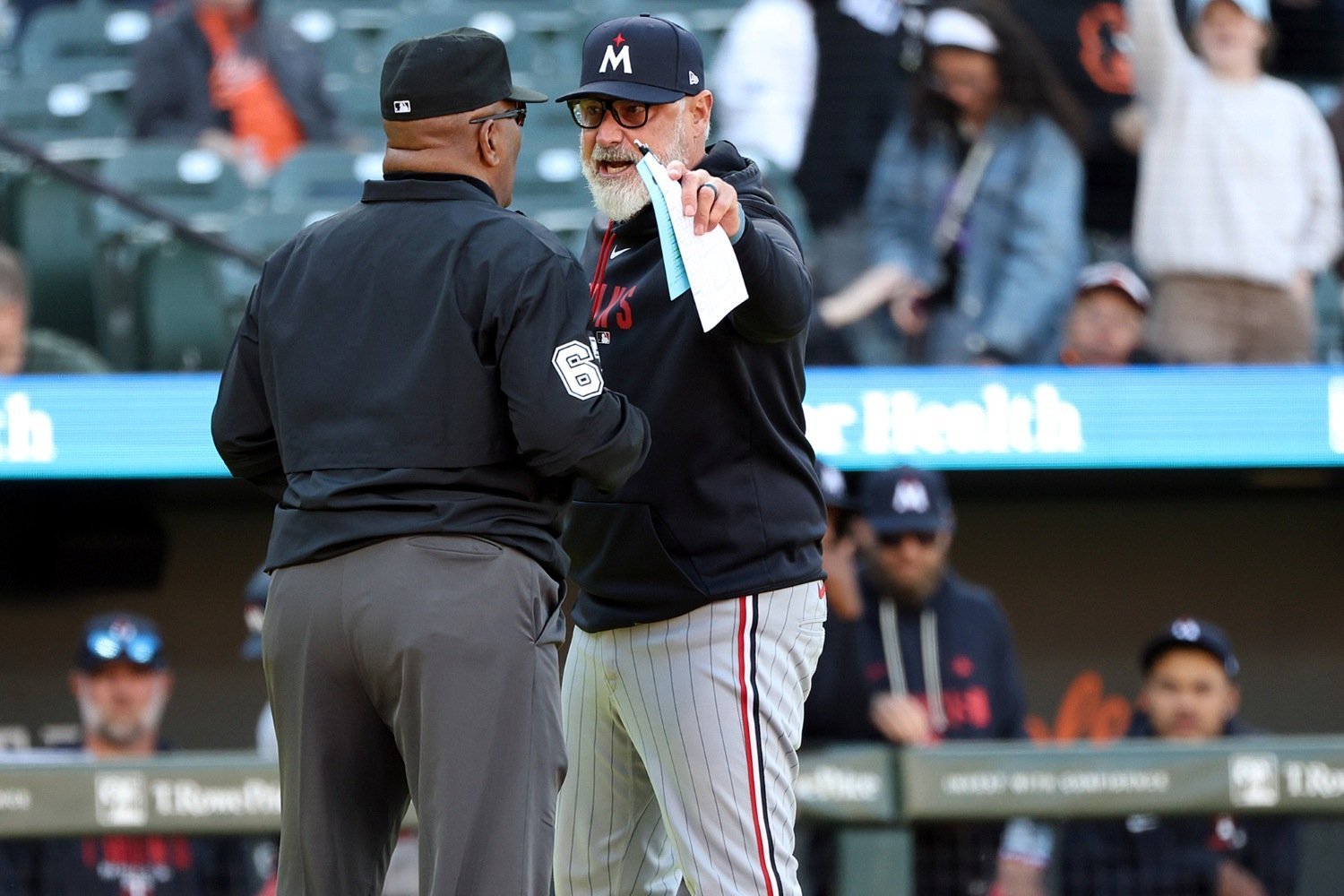 Major League Baseball spent years testing the automated ball strike system in the minors before finally rolling it out at the big league level in 2026. The early days of any new rule come with a learning curve, and on Sunday, that adjustment period produced a moment that will live in the record books. Twins manager Derek Shelton became the first manager to be ejected in Major League Baseball history over an ABS-related dispute. The moment came in the ninth inning of Minnesota’s 8-6 loss against Baltimore, and it unfolded in a way that perfectly captures both the promise and the confusion surrounding the league’s newest technology. With two outs and the Twins mounting a potential rally, Ryan Helsley appeared to issue a walk to Josh Bell. That would have brought the tying run aboard and shifted the pressure squarely onto Baltimore. Instead, Helsley signaled for a challenge, tapping his hat to trigger the ABS system. The call was overturned to a strikeout, abruptly ending Bell’s plate appearance and changing the complexion of the inning. Shelton immediately took issue, not necessarily with the result of the challenge, but with its timing. Under MLB’s ABS guidelines, players must initiate a challenge almost instantly after the umpire’s call. The unofficial benchmark has been about two seconds, leaving little room for hesitation. In real time, Helsley’s motion looked quick, but Shelton clearly saw it differently from the dugout. "I didn't think Helsley tapped his hat quick enough," Shelton said after the game. "Maybe he did, maybe he didn't. But I didn't feel he did. I feel it's gotta be something that's in the three seconds and I didn't think it was there. But the umpiring crew thought it was." The disagreement escalated quickly, and Shelton was tossed, cementing his place in MLB history as the first casualty of the ABS era. From Helsley’s perspective, the sequence was not as clear-cut either. "I understood where he was coming from, because I felt like the umpire didn't see me right away and so I was kind of confused," he said after the game. "(Home plate umpire Laz Díaz) behind me kind of took up for him. He was like, 'He did it right away,' which I know we're probably going to go through some growing pains with this since it's so new and I think we saw that today. And I can respect Shelton for trying to not get him to do it there, because it did seem like it was a little long in that moment." That last part might be the most important takeaway. MLB’s ABS system is designed to eliminate missed calls, but it introduces a new layer of subjectivity in how and when challenges are initiated. What feels immediate to one person may look delayed to another, especially in a high-leverage situation with the game on the line. The inning did not end quietly after the ejection. The next batter reached on an error, briefly extending Minnesota’s hopes, but Helsley regrouped and induced a game-ending flyout to shut the door. MLB and the ABS system will have some kinks in the season’s early weeks. Shelton’s ejection might be just the first step as the league and teams adjust to a new normal. View the full article
 -
 Despite the victory, the Sounds were still on the short end of their season-opening 3-game series. Transactions: N/A Game Action: Nashville Pre-Game Media Notes Final: Nashville 6, Norfolk 2 Box Score and Game Log Via the Sounds’ website, game details and we encourage readers to review affiliate write-ups as part of their Link Report routine: Sounds Secure First Win of Season 6-2 Over Norfolk Starting LHP Tate Kuehner may not yet be on MLB.com’s Top 30 Prospects list for the Brewers, but the 25-year old continues to make his case, posting a 2.77 ERA in 23 AA/AAA starts in 2025 and now commencing the 2026 season with a 2-hit, 1-run, 5-K outing to lead Nashville to victory (5 2/3 IP). Per the linked game report, Nashville led wire-to-wire in this contest, with 3B Jett Williams reaching base and scoring in each of the 1st (HBP), 5th (walk) and 6th (infield single) innings. 25-year old DH Eddys Leonard had a solid MLB Spring Training (.400 AVG, .926 OPS in 19 plate appearances) and has now commenced his Sounds’ career with a 3-for-4 Saturday effort and 2-for-5, 2-RBI Sunday contribution. His 4th inning single wasn’t capitalized on, but his 5th inning double the other way extended Nashville’s lead from 1-0 to 3-0. OF/1B Tyler Black (playing left field in this game) had a mixed performance, delivering a 2-out, 2-run single in the 6th inning to grow Nashville’s lead to 6-1. He also drew a walk, but struck out 3 times. 28-year old RHP Kaleb Bowman (2.76 ERA in 45 2/3 IP in AA in 2025) had a successful AAA debut, striking out two of four batters faced in a scoreless 8th inning before LHP Sammy Peralta set aside his wild Friday outing to toss a 3-up, 3-down final frame on Sunday. Sounds’ Extras: Four hit-by-pitches by Tides’ hurlers thankfully didn’t result in any early exits by Sounds’ batters, although the one Norfolk batter hit-by-pitch (by Kuehner in the 2nd inning) unfortunately exited. Three of those Nashville batters came around to score. After the sudden MLB call-up of Jeferson Quero, C Andrick Nava (150 AA/High-A plate appearances last year with a .529 OPS) was pressed into action to make his AAA debut, reaching via walk in the 3rd inning and HBP in the 5th inning. He scored twice and threw out Norfolk’s only attempted basestealer to end the 4th inning. OF Greg Jones followed up his 5-for-8 season start with an 0-for-3, 3-K performance, but did reach base via a hit-by-pitch and score a run. He also stole a base. OF Luis Lara (1-for-4) doubled, walked and went 1-for-2 on stolen base attempts, SS Cooper Pratt (1-for-5) had an infield single and stolen base, while 1B Luke Adams (0-for-3) walked. 3B Brock Wilken had the day off. Next week’s outlook: AAA Nashville (1-2) has a travel day on Monday, but returns to action with a 6-game homestand against Charlotte (3-0) commencing Tuesday evening. High-A Wisconsin kicks off their 2026 campaign at home against Beloit on Thursday, while Low-A Wilson and AA Biloxi commence their seasons on the road on Friday. We hope that you enjoy the Minor League Link Report. On Monday, Brewers’ fan can catch Milwaukee’s home opener against the Rays at 6:40pm CST while Minor League afficionados keep an eye out for possible roster announcements by Biloxi, Wisconsin and/or Wilson. Organizational Scoreboard including starting pitcher info, game times, MiLB TV links, and box scores Current Milwaukee Brewers Organization Batting Stats and Depth Current Milwaukee Brewers Organization Pitching Stats and Depth View the full article
 -
Twins Add Veteran Relief Depth with Pair of Minor League Signings
DiamondCentric posted an article in Twins Daily
 Organizational depth matters in March, even if it rarely grabs headlines. The Minnesota Twins made a pair of under-the-radar moves aimed at bolstering that depth, signing right-handers John Brebbia and Drew Smith to minor league deals. Both pitchers arrive with big-league experience and something to prove, offering the Twins low-risk options as the season begins. Brebbia, who will turn 36 next month, is the more established of the two. Not long ago, he looked like a steady late-inning option. From 2022 through 2023, he posted a 3.47 ERA and 3.54 FIP across 106 1/3 innings, leaning on a deep arsenal even as his strikeout rate dipped to 22.5%. That stretch with San Francisco positioned him well for a return to free agency. The right-hander cashed in with a one-year deal from Chicago ahead of the 2024 season, but things unraveled quickly. Brebbia was tagged for a 6.29 ERA across 54 appearances with the White Sox, and while his 26.9 K% and 7.7 BB% were respectable, he was undone by the long ball. Nine home runs allowed in just under 49 innings proved too much to overcome, and Chicago moved on. Last season, his opportunity came in Detroit, but injuries and ineffectiveness limited him to just 18 appearances. A triceps strain interrupted his season, and when he did take the mound, the results were rough. Brebbia posted a 7.71 ERA, continuing a downward trend that forced him into a minor league pact this offseason. He initially latched on with Colorado but did not make the club out of camp after a difficult spring (7.00 ERA in 9 IP). Now with Minnesota, Brebbia will look to rediscover the form that once made him a dependable bullpen piece. If he can limit the home run damage, there is still enough swing-and-miss in his profile to make him a viable option. Smith presents a different kind of upside. The 32-year-old has spent his entire major league career with the Mets, quietly building a track record as a useful middle reliever. His 2023 campaign marked a high point, as he set career bests in both innings and appearances while also recording his first three saves. He appeared to be building on that success early in 2024. Smith posted a career-best 29.1 K% and picked up a pair of saves before an elbow sprain in July derailed his season. That injury ultimately led to his second Tommy John surgery, wiping out his entire 2025 campaign and prompting New York to decline a club option for 2026. Despite the long layoff, Smith showed encouraging signs this spring with Washington. He tossed 5 1/3 scoreless innings and struck out 35% of the batters he faced, looking like a pitcher who could contribute sooner rather than later. Even so, the Nationals opted to move in a different direction, giving the Twins an opportunity to bring him into the fold. For Minnesota, both signings fit a familiar mold. These are experienced relievers with clear flaws but also identifiable paths back to usefulness. Brebbia needs to keep the ball in the yard. Smith needs to prove his health and durability after multiple elbow procedures. Neither move will define the Twins' season, but both could matter more than expected. Bullpens are fluid, and the line between Triple-A depth and meaningful innings at Target Field is often thin. If even one of these veterans finds his footing, this will look like a quietly effective bit of roster building. At this time of year, that is exactly the kind of gamble worth making. View the full article
 -
Cubs Week In Review: Opening Weekend Ends With A Dud
DiamondCentric posted an article in North Side Baseball
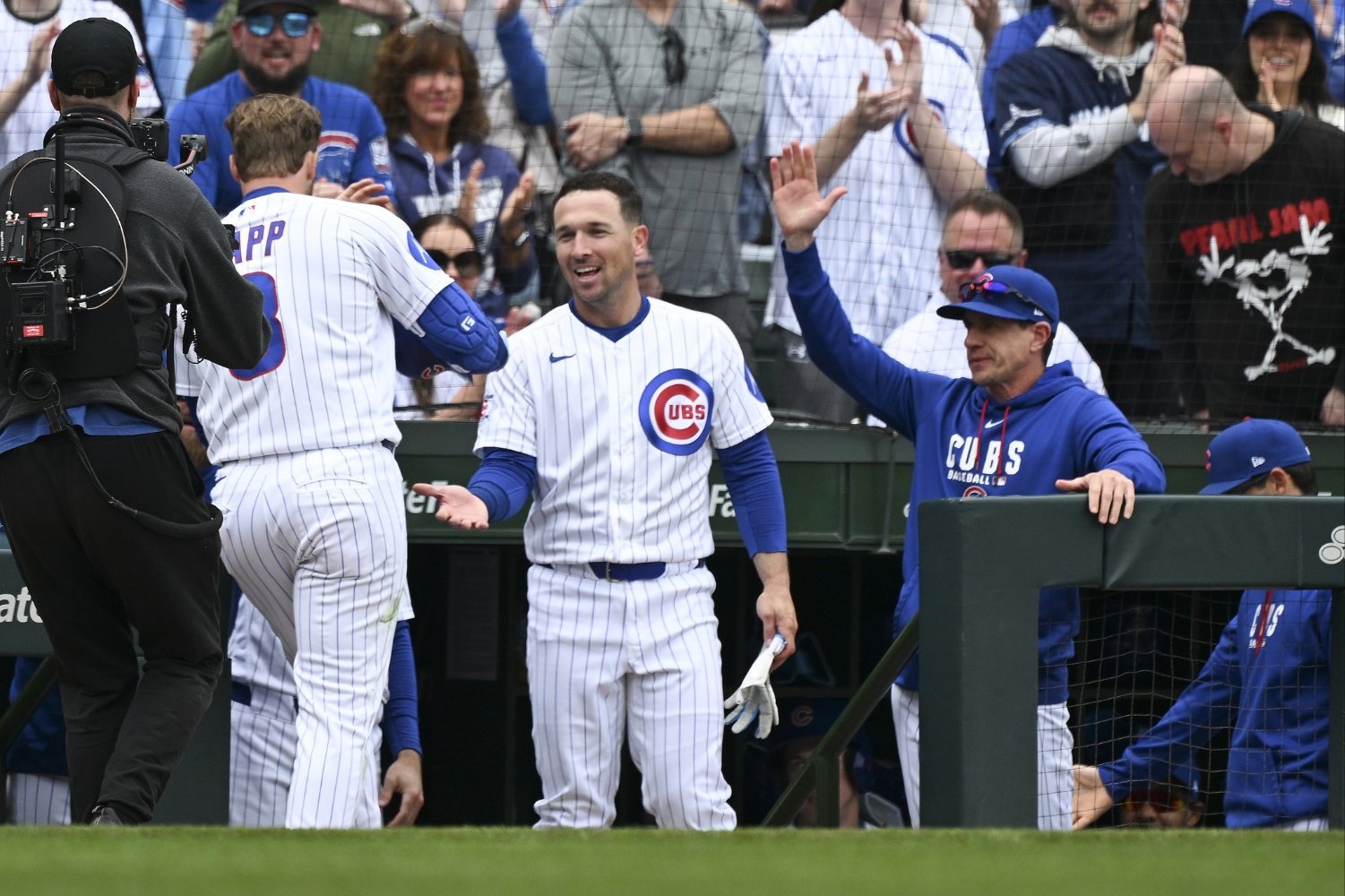 As scores of revelers lined the streets of Wrigleyville in celebration of the arrival of another highly anticipated Chicago Cubs Opening Day, members of the team showed up at the player arrival entry on Waveland Avenue, prepared to go to work. Now, you're right to point out that even the most beloved individuals on this squad, such as Ian Happ and Pete Crow-Armstrong, don't technically "go to work"; they play a game. But, if the club is to reach some of its loftier goals for the year, they're going to have to treat the game like the most important job they've ever had. This squad, when healthy, aims to be one of the most fearsome in the majors. Notably, they are not healthy at the moment; though he'll be starting his rehab assignment soon, slugging outfielder Seiya Suzuki is still nursing his knee injury suffered in the World Baseball Classic. With the type of depth this club has, one would think that'd be enough to thwart Blake Butera's Nationals squad, especially with 2025 All-Star Matthew Boyd toeing the rubber, but it was not. The North Siders scattered eight hits and scraped only four runs across the plate. The Nats used a six-run fourth inning to take control of a contest that featured all kinds of hard contact. Cade Horton, one of the top-three leading vote getters in the 2025 Rookie of the Year race, looked the part of a Cy Young in his first start of the campaign against Washington. Horton heard deafening cheers through the first few innings, using an electric mix of his four-seam fastball and changeup to keep Nats hitters off balance. He surrendered just four hits in his 6.1 innings of work. While Horton impressed, the Cubs' offense came to life, once again jumping all over starter Miles Mikolas. Crow-Armstrong and Nico Hoerner combined for three stolen bases, and the action was punctuated by homers from Ian Happ and Miguel Amaya, who continues his surprising ascent from last season. In the series' finales versus Washington, the Chicago Cubs collected four total hits, two of which were Alex Bregman's first and second home runs in the home pinstripes. Stop me if you've heard this one before, but after striking out the first two batters of the ball game, starter Shota Imanaga couldn't get out of the first inning, giving up a three-run blast to known Cub killer Joey Wiemer. Given both what Imanaga once was and due to the nature of his contract for this year, which will earn him $20 million, the North Siders must figure out a way to get Imanaga back to something resembling All-Star form. Up next, Craig Counsell's squad welcomes another mid-tier club, the Los Angeles Angels of Anaheim, into the Friendly Confines for a three-game set. All eyes will be on the opening contest of this series as it will feature Edward Cabrera's first start in a Cub uniform. He has the opportunity to not only use his introduction as a means of proving the front office right for signing him, but most importantly, get his squad a tally in the win column. View the full article
 -
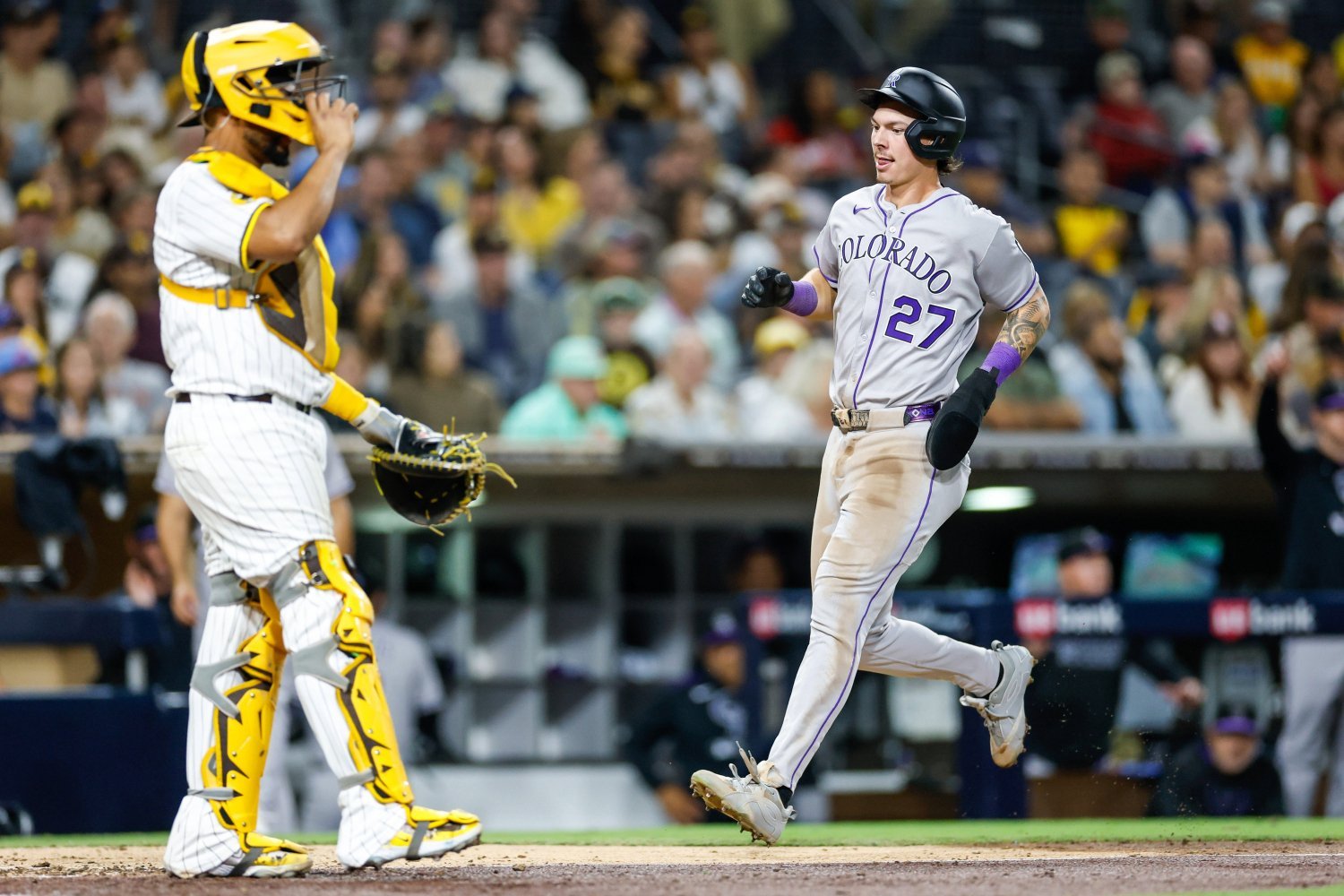 The 2025 Colorado Rockies came two losses short of joining the 2024 Chicago White Sox as the worst team in modern MLB history. That might be the nicest thing you can say about last year's team. Among the eye-gouging stats that include a 7-33 start: A minus-424 run differential, an MLB record. They were outscored by 2.6 runs per game—that includes the 43 games they won. The previous modern-day mark was minus-349 by the 1932 Boston Red Sox. The 2024 White Sox had a minus-306 run differential. But things are looking up, at least modestly in 2026, even though the Rockies will probably finish last in the NL West for the fifth year in a row. Rockies' Notable Offseason Moves The biggest move the Rockies made since the end of a disastrous 2025 was revamping the front office. After three straight 100-loss seasons and finishing fourth or fifth in the NL West in the last seven seasons, the Rox ditched general manager Bill Schmidt and brought in Paul DePodesta, who had spent the previous decade with the NFL's Cleveland Browns. It certainly brought some criticism, as the Browns have not exactly been a model franchise over that time, making the playoffs twice since 2002. DePodesta, who has plenty of MLB experience through his time with the "Moneyball" Oakland A's, has probably changed the perception of his hiring with what he has done this offseason. The front office has been brought into the modern ages and he hired Josh Byrnes, who had overseen the Los Angeles Dodgers' scouting and player development for the previous 11 years, as general manager. No star players were brought in, but there was a collection of moves that will at least help the Rockies put a competitive team on the field. The pitching staff now includes right-handers Michael Lorenzen and Tomoyuki Sugano and left-hander Jose Quintana, while outfielder Jake McCarthy (trade), utility man Willi Castro, infielder Edouard Julien and catcher Brett Sullivan were also brought in. Projected Rockies Lineup Jake McCarthy, LF Ezequiel Tovar, SS Hunter Goodman, C Mickey Moniak, DH Jordan Beck, RF Willi Castro, 3B Brenton Doyle, CF Troy Johnston, 1B Edouard Julien, 2B Goodman was stuck behind Jacob Stallings and Elias Diaz in 2024, but then stepped into the spotlight in 2025 with a .278/.323/.520 slash line with 31 homers and 91 RBIs, becoming an offensive centerpiece. Moniak finally realized some of the promise that made him the No. 1 overall pick in the 2016 draft, but it came after being released by his hometown Los Angeles Angels; he slashed .270/.306/.518 with 24 homers and 68 RBIs last year. Doyle had a rough season due to off-the-field issues, so he is looking to bounce back to the 23-homer performance of 2023, when he was put up 4.0 bWAR. Johnston will be someone to watch. He was waived by the Miami Marlins after a debut season in which he slashed .277/.331/.420 with four homers in 44 games. More consistent playing time in Coors Field could increase his value. Projected Rockies Rotation LH Kyle Freeland RH Michael Lorenzen LH Jose Quintana RH Tomoyuki Sugano RH Ryan Feltner As with the lineup, nothing truly stands out here. Freeland deserves a medal for sticking around with the Rockies for his 10th season. It could be his last, as there is a player option that vests at 170 innings for 2027. The front office convincing Lorenzen, Quintana and Sugano to pitch in Coors Field for a full season has to be considered a win. At worst, they should help eat some innings and keep the bullpen from working as much as it did in 2025, when it put up a 5.19 ERA. Feltner was the surprising winner over right-hander Chase Dollander for the last spot. Dollander, a highly touted prospect who made 21 starts in his debut season, had a 5.53 FIP, with an 11.1% walk rate contributing heavily to that. He will begin the season in the bullpen. The Verdict Warren Schaeffer managed the Rockies on an interim basis following Bud Black's surprising firing after going 7-33 (surprising in that Rockies ownership noticed the team wasn't doing well on the field). Shaeffer's Rockies went 36-86 and he was given the full-time job for this season. If Schaeffer can avoid a fourth straight 100-loss season, that would be considered a huge success in the first year of a new administration. Being better against the division would also help. The Rockies were 12-40 vs. the NL West in 2025. View the full article
 -
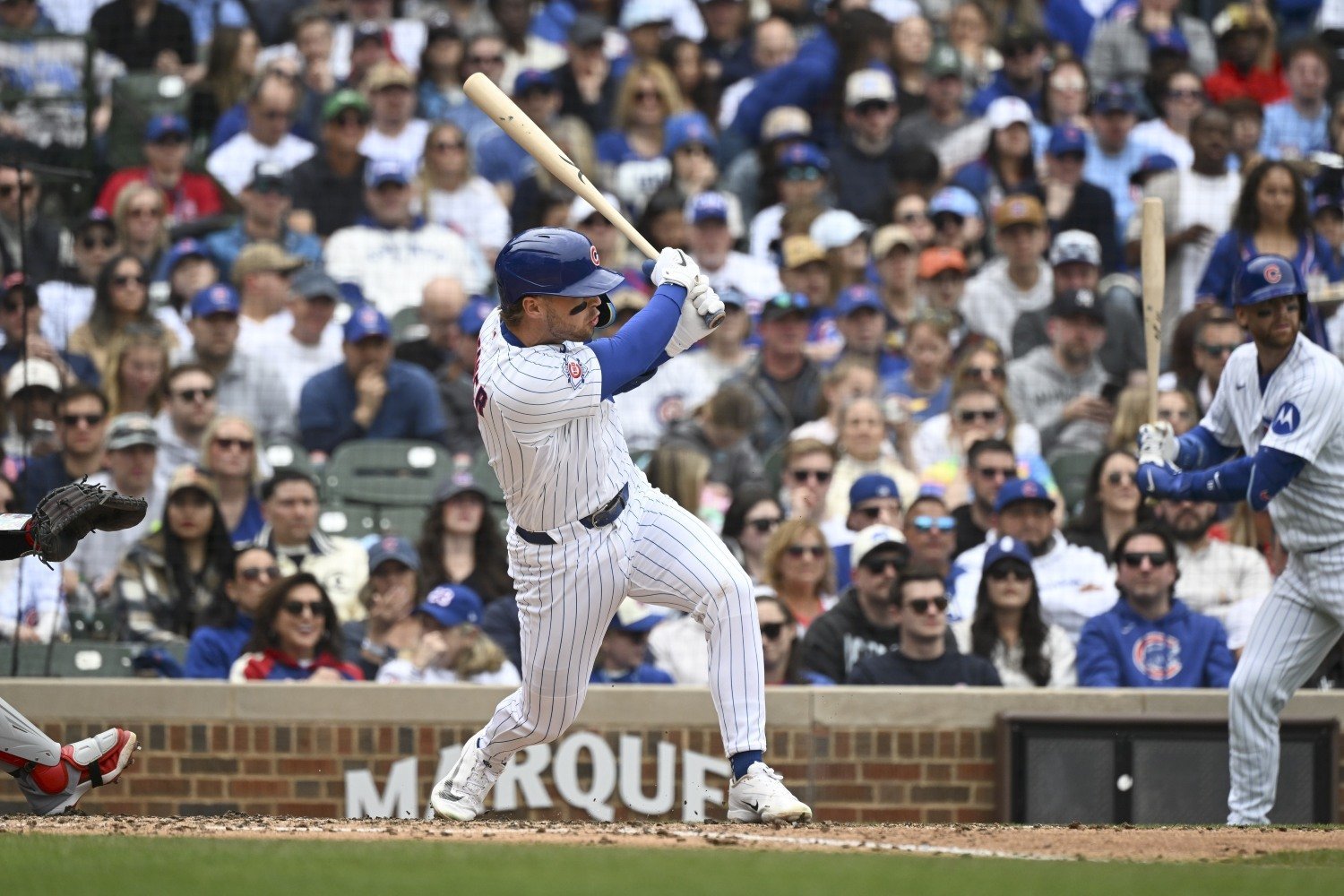 Maybe some apologies are due to Jed Hoyer. After 2021, fans rightfully doubted the team's willingness to spend. All of the franchise's pillars were gone, and the team had to rebuild from scratch. Clearly, the Cubs were going to behave like a mid-market franchise going forward. That skepticism turned out to be unwarranted. The Cubs and Tom Ricketts opened up their checkbooks, locking up Pete Crow-Armstrong and Nico Hoerner for the next six seasons. They're actively extending a window of contention. Who would have guessed that five years ago? Takeaway 1: The Cubs are Channeling the 1970s Dodgers. Steve Garvey. Ron Cey. Davey Lopes. Bill Russell. This group took the field for the Dodgers on Jun. 23, 1973 and went unchanged until after the World Series in 1981. It was eight and a half years of the same players. Michael Busch. Alex Bregman. Nico Hoerner. Dansby Swanson. The Cubs' group mirrors the Dodgers' era. Jed Hoyer has locked this group up through at least 2029. Cubs fans can look forward to an outstanding defensive infield for this time frame, and the front office moves forward with some cost certainty. In an era marked by roster churn, the Cubs are banking on continuity to maintain their playoff status. It's a bet on health and the infield aging gracefully, and if not, they have the financial wiggle room to pivot. Admittedly, it won't be quite the same as what the Dodgers did, or even as the glory days of Ron Santo, Ernie Banks and Billy Williams, who started over 1,300 games together for the Cubs. By modern standards, though, it's not that far off. Takeaway 2: The Bank is Open Fine, Tom. You've proved yourself. The Cubs spent at an insanely high level this offseason. In total, they splashed $30 million on the bullpen. They spent $22 million to bring back Shota Imanaga. They shelled out $175 million in guaranteed cash to Alex Bregman. Six-year extensions to Crow-Armstrong and Hoerner put the capstone on it all. This isn't just selective spending. This was a cash outlay to address specific needs. The roster is, on paper, a top-to-bottom contender. Hoyer identified what needed to be done, balanced the present with the future, and aggressively pursued his targets. In retrospect, there were signs. The Cubs have added major pieces every season since 2022, when Seiya Suzuki was brought into the fold. Based on this offseason and last (bringing in Kyle Tucker), Hoyer is well on his way to shedding his conservative reputation. What's Happ-ening next? The last time Hoerner signed an extension, Ian Happ was announced at around the same time. With his contract up at the end of the year, the switch-hitting left fielder is the next logical extension. Thanks to the Owen Caissie-for-Edward Cabrera trade, the Cubs don't have a replacement waiting in the minor leagues, and if Happ and fellow free agent-to-be Seiya Suzuki leave, the outfield is uncertain. Happ also fits the clubhouse ethos and in many ways is a leader of the team. The contract wouldn't require a six-year deal, and he's already taken a team-friendly approach to negotiations based on his ties to the area. Would another three-year deal satisfy him? If not, he's probably gone, but if so, something could be hammered out. If the Cubs are serious about maintaining this window, Happ is the next step to take. For now, though, we have to admit it: Hoyer did what we thought was beyond him. View the full article
 -
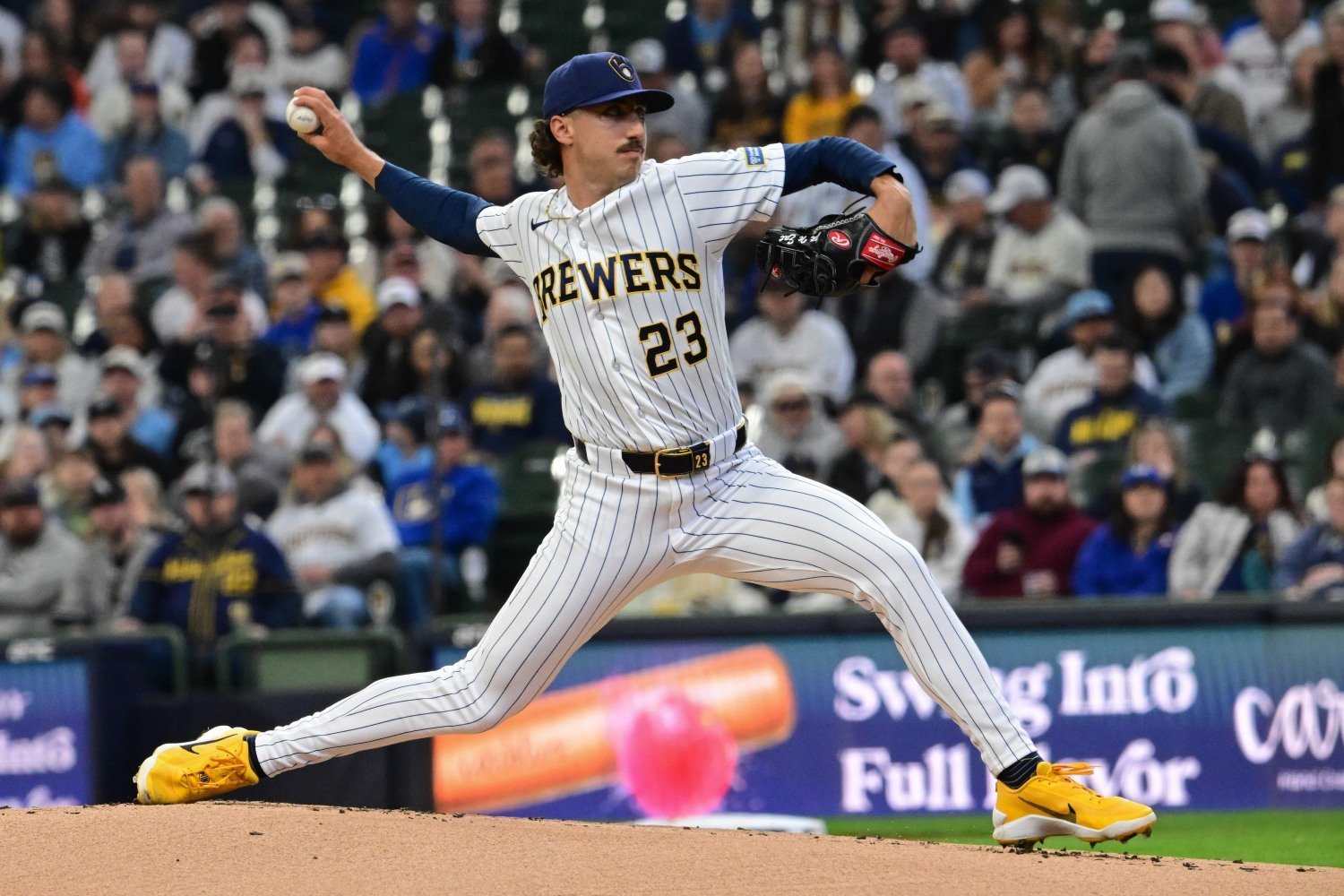 Baseball is here, and the Brewers look to continue their dominance of the NL Central. To do so, they may need some breakout performances. National baseball writers have released a slew of bold predictions, including Eno Sarris picking Jacob Misiorowski to win the Cy Young Award. Here’s a quartet of hot takes of my own for the Brewers. 1. Brandon Sproat will generate more WAR than Freddy Peralta this season. Now that Sproat has secured a spot in the rotation from day one, there's no reason he can’t be there all season. After throwing more than 140 innings last season, he should easily be good for a full season of 150+ this year. In his prospect writeup, Brewers Fanatic’s Spencer Michaelis highlighted Sproat’s deep six-pitch arsenal and the steep improvement he showed over the course of last season. Peralta will probably put up a typically strong season, but that’s what makes this a bold prediction. Sproat will have the benefit of the Brewers’ defense behind him, and as he said himself about the Brewers, “this team bets on themselves.” Here’s betting he has a Rookie of the Year-worthy season, even after a rough start. 2. Jake Bauers will lead the 2026 Brewers in home runs. Bauers raked all spring, leading the majors in homers (7), wRC+ (311), and OPS (1.725). Yes, every year players explode in spring training only to implode once the season starts, but Bauers’s transformation took place over the course of last season, peaking in September and the playoffs. Matt Trueblood highlighted how Bauers spent his offseason training to lock in the changes he made and build on his momentum. Christian Yelich led the 2025 Brewers with 29 home runs, and the team is much better off when Yelich is performing at a high level. To keep Yelich healthy and productive, the team might give him more rest this season and provide additional playing time for Bauers. Even before Jackson’s Chourio’s terribly-timed injury news (and Andrew Vaughn's even worse one), Tim Mura pointed out that Bauers could be slated for more playing time this season. It's unlikely that Bauers will face many left-handed pitchers, but if he gets close to 500 plate appearances, he could lead this team with 30 home runs. 3. Brice Turang will be the best second baseman in baseball. This is certainly less bold than the first two, but many national pundits and writers aren’t fully bought in on Turang’s August breakout last season. However, Turang represented his country with aplomb during the World Baseball Classic and looks primed to ascend to the top of the keystone position. Nico Hoerner and Ketel Marte led the league in fWAR by second basemen last season, but the majority of Hoerner’s value comes from his defense, while the opposite is true for Marte. Turang’s defense is often underrated by publicly available advanced defensive metrics, but it’s not hard to imagine he climbs back into the upper echelon of those rankings while maintaining the better part of his breakout at the plate. Elite defense combined with elite offense and durability should push Turang to post the top WAR at the position and fully stamp his arrival as a superstar. 4. Marco Dinges ascends to become the top catching prospect in baseball. Dinges is just a few years removed from surviving a life-threatening medical condition. After recovering, he spent one season playing Division I baseball at Florida State, where he crushed the ball but was mostly confined to DH duty. The Brewers drafted Dinges in the fourth round of the 2024 Draft and set about developing him as a catcher. Prospect gurus don’t have consistent rankings on Dinges, but they all agree his receiving and footwork behind the plate need work; he swings hard, with a solid approach; he has a strong arm; and he has “twitchy” athletic characteristics. 'Twitchy' is just about the best trait a baseball athlete can possess. Dinges wants to catch and is diving into the work. He has a lot to learn, but with ABS creeping into MLB, receiving skills are likely to become less important, and his strong arm and athletic traits should help him post strong caught stealing numbers in the future. Combine the middle-of-the-order offensive upside that Spencer Michaelis sees with Dinges’s athleticism, work ethic, and history of overcoming challenges most can’t imagine, and he is primed to become one of the best catching prospects in baseball. View the full article
 -
Toronto Blue Jays 2026 Top Prospect Rankings: No. 8 Victor Arias
DiamondCentric posted an article in Jays Centre
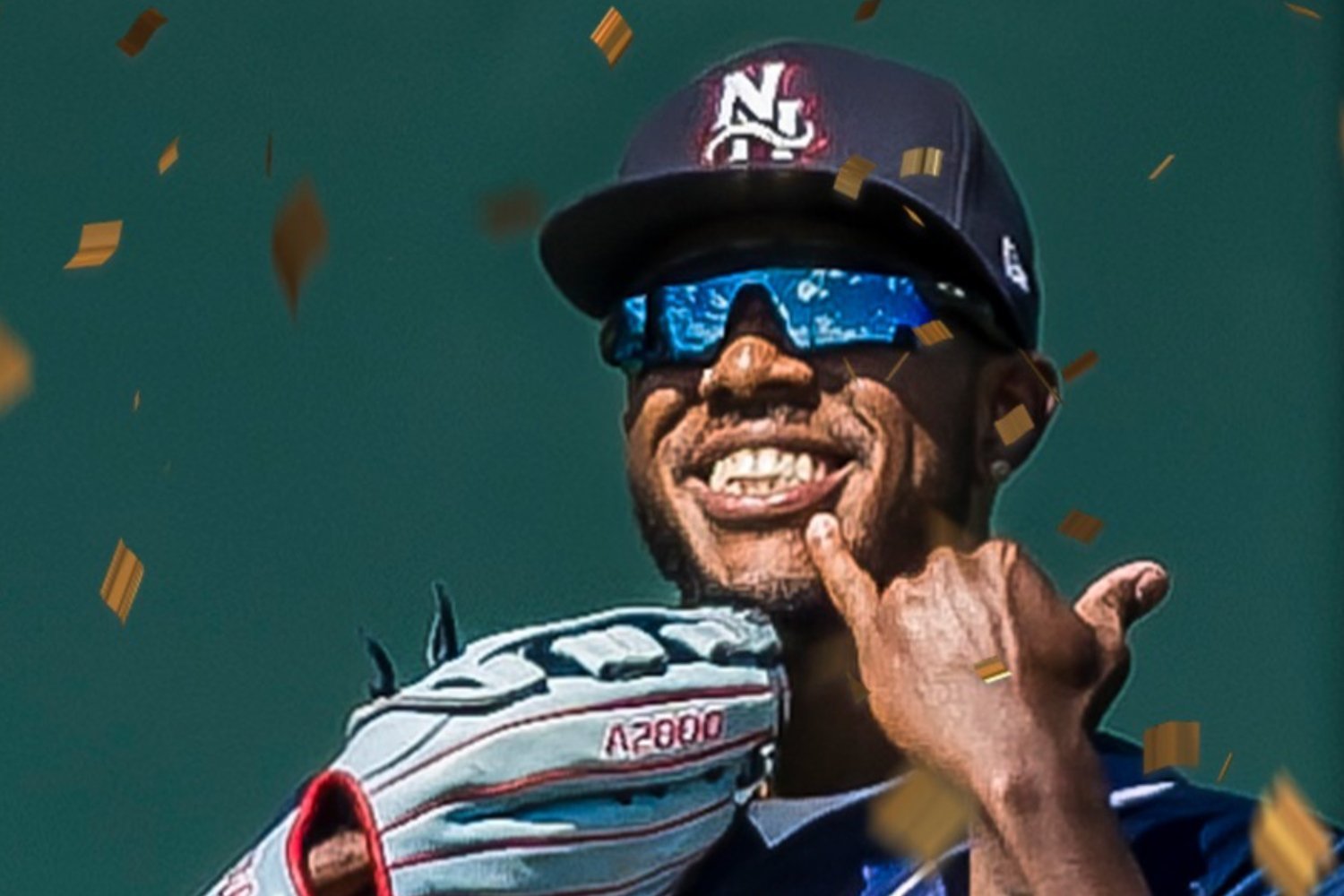 Jays Centre is counting down the top 20 prospects in the Toronto Blue Jays organization. Check out prior entries in the series here: No. 20 to 16 No. 15 to 11 No. 10 No. 9 With the Spring Breakout game in the rearview mirror, it's time to get further into Jays Center's Top 20 Prospects list. We have made it from 20-16, to 15-11, and began our top 10 journey with No. 10 Jake Bloss and No. 9 Yohendrick Pinango. Now we are setting our sights on another outfielder, Victor Arias, who comes in at No. 8 on our list. No. 8 OF Victor Arias (Vancouver, New Hampshire) table.stats { border-collapse: collapse; font-family: Arial, sans-serif; text-align: center; } table.stats th, table.stats td { border: 1px solid #333; padding: 8px 12px; } table.stats th { font-weight: bold; background-color: #f2f2f2; } PA H 2B 3B HR OPS wRC+ K% BB% 468 112 19 7 7 .755 114 21.8% 10.7% Victor Arias was signed by the Toronto Blue Jays out of Venezuela in 2019. It has been a long and winding path for him through the minor leagues, as he pushes toward the majors. It started with an above-average showing as a 17-year-old in the Dominican Summer League (DSL) in 2021. He had a 118 wRC+ to go with a slash line of .248/.388/.339, two home runs, and an elite walk rate of 17.9%. Sticking out as a negative would be his groundball rate of 52.1%, and that hasn't improved much over the years. In 2022, Arias repeated the DSL for a short 19-game stint. He got the ball in the air more, and his numbers jumped up, with him seeing his batting average rise to .315 and his on-base rate to .448. The next year saw a shortened season for him; he only played in 41 games at Rookie ball and three each at Single A and Double A. Despite being young, he still had a 109 wRC+ over those 47 games and a walk rate of 17.6%. 2024 would see Arias get a mostly full season, this time at Single A for 76 games. He really stepped up his game with a 146 wRC+ and earned a short 11-game stretch at High A to end the year. There, he stood out over the small sample, hitting .324/.425/.353 with a 150 wRC+. In 2025, he played the most games in one season of his minor league career, 102 between High-A Vancouver and Double-A New Hampshire. Combined, he would slash .272/.353/.403, with a 114 wRC+, launching seven home runs and seven triples and swiping 18 bags. What To Like Arias doesn't have a big frame, listed at 5-foot-9 and 150 pounds, but he puts everything he has into his swings. At one point in 2025, he was sporting a very good average exit velocity and 90th percentile exit velocity, 93 mph and 110.1 mph, respectively, according to Baseball America. His swing speeds are exceptional, and he transfers his weight well with his leg kick. This helped him to hit seven home runs, seven triples (98th percentile), and 19 doubles (80th percentile) last season. The young outfielder pairs his great exit velocities with above-average speed on the bases. He swiped 18 bags in 2025, which was good enough for the 80th percentile in the minor leagues. It appears he is well on his way to having an above-average profile with the bat, especially when it comes to extra-base hits, along with above-average potential on the bases. What To Work On The thing Arias needs to work on most is also the reason his elite raw power hasn't translated into more in-game power: his launch angles. He routinely has been a hitter who pounds the ball into the ground. He is also rather consistent with his groundball rates, hovering around 50-54% for his minor league career. Aside from his short sample in his second year at the DSL level, he has hit groundballs at a feverish pace (52%, 52%, 53%, 51%, 54%). If nothing changes, it will definitely be expected for those numbers to continue to climb as he moves up levels and faces tougher pitching. If he can drop that number down to the upper 30s or lower 40s, he would see a dramatic jump in his home run total. Pull-side power is how Arias will make a name for himself, if he can keep the ball in the air more than he has in the past, but he also needs to use the middle of the field more. He only hit 24.6% of his batted balls up the middle this past year. When he is facing tougher lefty-on-lefty matchups, he will need to hit the ball back up the middle or to the opposite field more. In 2025, he hit just .242/.301/.305 versus left-handed pitchers and didn't hit any home runs. As he continues to move up levels, he will need to improve those numbers against lefties, or he may ultimately fall into a utility role or drop back into a fourth outfielder type of potential outcome. What's Next? Arias will likely begin 2026 at Double-A New Hampshire and look to keep hitting his way up levels. If he can improve his groundball rates and keep the ball in the air more, he will see his raw power and elite swing speed translate to more home run power. This should see him unlock his true dual-threat potential as a hitter. The Blue Jays lack power/speed outfielders in the upper minors, so if Arias can keep improving and fix some of his launch angle issues, he may make it up to Triple-A Buffalo by the end of the season and push for some major league at-bats come 2027, when the Blue Jays' outfield should be less crowded. View the full article
 -
Luke Keaschall's Increased Bat Speed, and Why it Matters
DiamondCentric posted an article in Twins Daily
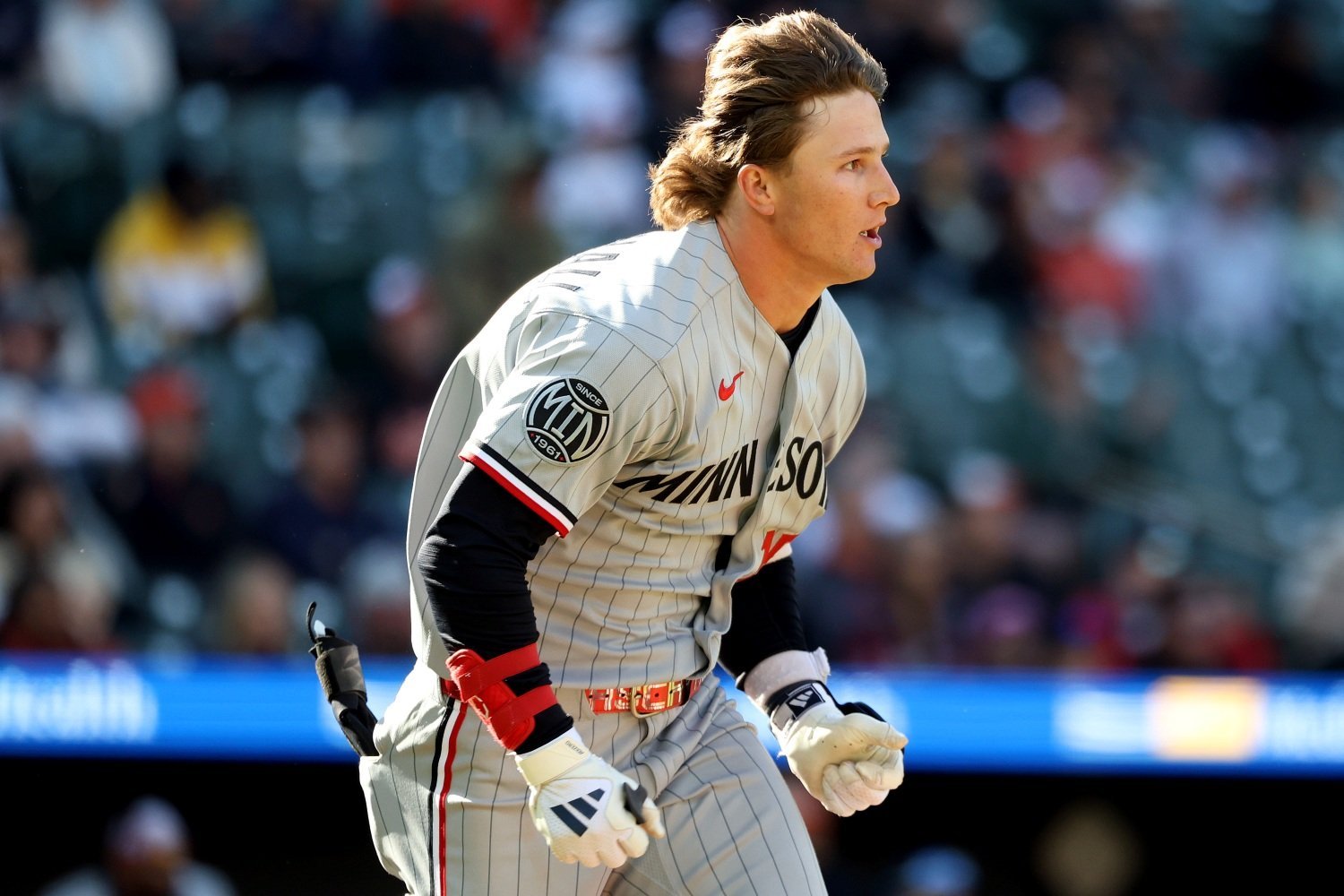 Power is not going to be the calling card for Luke Keaschall, no matter what. However, it doesn't look like defense will be, either, so the speedy and contact-savvy Twins second baseman might have to tap into a bit more pop in order to be as dynamic a player as the team needs him to be. Unfortunately, last season, he showed some of the lowest bat speed in baseball—which puts a frighteningly low ceiling on a player's power production. In his brief active stint (207 plate appearances, before and between a broken forearm and a thumb issue), Keaschall still slugged .529 on contact (SLGCON); the median hitter only had a .548 SLGCON last year. Some of that was good batted-ball luck, though, and some came from Keaschall's speed, as he had more than one hustle double. Though the hustle double is arguably the game's most delightful play, it's also one good defensive positioning often takes away—especially once the book on a given hitter gets out. Thus, coming into this season, the dearest hope for Keaschall boosters was that we would see an uptick in bat speed. That was certainly a reasonable thing for which to hope, too. Last spring, he was still technically recovering from Tommy John surgery he'd undergone in August 2024. He then broke his forearm when he was hit by a pitch, so even the longer stretch he got in the majors in August and September was marred (and his bat speed perhaps diminished) by a lingering issue in a body part essential to the swing. We only have one three-game series of data so far, but it looks like Keaschall has, indeed, found more bat speed this spring. He hasn't materially changed his stance, his bat path or his contact point, but he's swinging much faster. His average bat speed was just 66.9 MPH last year; it's up to 70.2 so far. Just as importantly, he's showing the ability to swing at a very high speed (north of, say, 74, MPH) that was missing last year. He only had 14 such swings in the big leagues in 2025; he had three this weekend in Baltimore. Now, not all swing speeds are created equal. A hitter can sometimes generate a whole lot of extra bat speed, but get no value from it, simply by cutting it loose for its own sake and disregarding making contact. We've all seen players swing from their heels and look theoretically dangerous, but not come especially near the baseball. In fact, Keaschall did do that once this weekend. eUxsQjhfVjBZQUhRPT1fVlZOWUJRZFJWUVVBRHdSUkJBQUhWVk5YQUFBQ1ZGWUFBUUFOQWdVR0J3cGRCUVVG.mp4 That was the first pitch he saw all season, and he seemed to think, "Wouldn't it be cool if I homered on the first pitch I saw?" It would have been, but he didn't come anywhere near doing it, and he exercised greater restraint the rest of the series. Still, he's also demonstrating higher functional bat speed, if you will. Consider his at-bat against Orioles closer Ryan Helsley Sunday afternoon. Keaschall was leading off the top of the ninth in a two-run game, so the goal was to get on base. With Helsley's intense stuff, though, that's no easy project—and no job for the weak or the meek. Keaschall took the first two pitches, to get ahead 2-0. Then, with Helelsy taking a bit off (the pitch was only 97 MPH), he fouled off the next offering. Here's what that looked like. bmJsMTlfVjBZQUhRPT1fQUZCVVZBSURWbEVBRDFNRkFnQUhWdzREQUZrQ1V3Y0FVMXdGVmdwUkIxWUFBd2NB.mp4 That swing was 74.9 MPH. Now, it also led to a foul ball to the right side, because Keaschall was late, so perhaps you're wondering why the bat speed matters. Wasn't he still beaten on the pitch? Yes, but in a greater sense, no. Raw bat speed is not how you hit high-velocity pitching. It matters, but (as the Statcast measurements confirm), the other guy can throw the little sphere in his hand faster than you can swing your big wooden club—especially because you have to react to him. Bat speed is often better applied in a situation like this, where a hitter anticipates a fastball, but doesn't want to start too early and end up chasing a pitch that wasn't really worth swinging at. Here, Keaschall wanted a heater, and geared up to hit one. But as the data and the result tell us, he wasn't getting antsy—not with nobody out and the tying run in the on-deck circle. It made much more sense to be patient unless he got a pitch right down the middle. He did, and he didn't do anything with it, but that doesn't make the swing a waste. This is a good example of how we can learn to use swing speed as a process stat—meaning not only that it's one input in the slow buildup to the actual result of a pitch or plate appearance, but that it tells us something about what the hitter was trying to do. In this spot, for Keaschall to swing fast but be late on a pitch in the lower range of Helsley's fastball velocity range, what we can learn is that he was laser-focused on not chasing. If he'd done everything perfectly, he still would have squared this ball up and driven it on a line somewhere, but he wasn't going to get himself out or freely give Helsley an advantage on this pitch. If he'd been one small click earlier, timing-wise, he would have gotten a hit on this pitch. If Helsley had thrown him a slider, instead of a fastball, but it had still been an in-zone pitch, Keaschall would have hit it over the wall in left field. That's the real benefit of bat speed, much of the time. It lets you start a hair later than you otherwise might, so if you guess wrong but see the ball well, you might be early in a good way. That's where a lot of extra-base hits come from. A hitter who makes a plan to take their 'A' swing on a pitch like this, or not to swing at all, is very unlikely to make the grievous mistake of (say) grounding out to shortstop on 2-0. On the next pitch, Keaschall modulated his plan a bit, knowing Helsley was back in the count. Again, though, Keaschall hadn't helped him; Helsley had just made the right pitch and gotten a bit less behind. This swing was only 68.2 MPH, but it worked gorgeously. bmJsMTlfVjBZQUhRPT1fQXdSUVhWRlhCd1VBQUFkV1VRQUhDUThDQUZoVVZ3UUFBMWRXQ1ZBRkNGSUFWQVJV.mp4 The thing not to take away from this is that swing speed isn't important. It is. It's just a complex number, disguised as a simple one. Keaschall got what could have been a rally-sparking hit Sunday on a slow swing, but it was made possible by a faster swing on the pitch before. Seeing Keaschall late on the 2-0 pitch, Helsley humped it up to 98.4 and came in on him on the next one, and Keaschall did have to shorten up to get the barrel to it. He did so, though, and he's very good at doing so. The lesson pitcher and catcher took from the previous offering was that they could beat Keaschall with velocity, but they were wrong. Keaschall had known what to look for and how hard to swing on the previous pitch, and he knew what to look for and how hard to swing on this one. The answer changed in between, but Keaschall was moving with it. Showing the ability to swing fast—especially early in counts or when ahead—is important. It forces pitchers to work differently to you. It gives you chances to unload on mistakes, even if power isn't the primary element of your game. Keaschall didn't really have that club in his bag last year, but in 2026, he looks more able to let it eat when the occasion calls for it. That will pay off, as long as he remains as adaptable and smart in the box as he's looked throughout his career to date. View the full article
 -
Padres Week in Review: Randy Vasquez Prevents Opening Sweep
DiamondCentric posted an article in Padres Mission
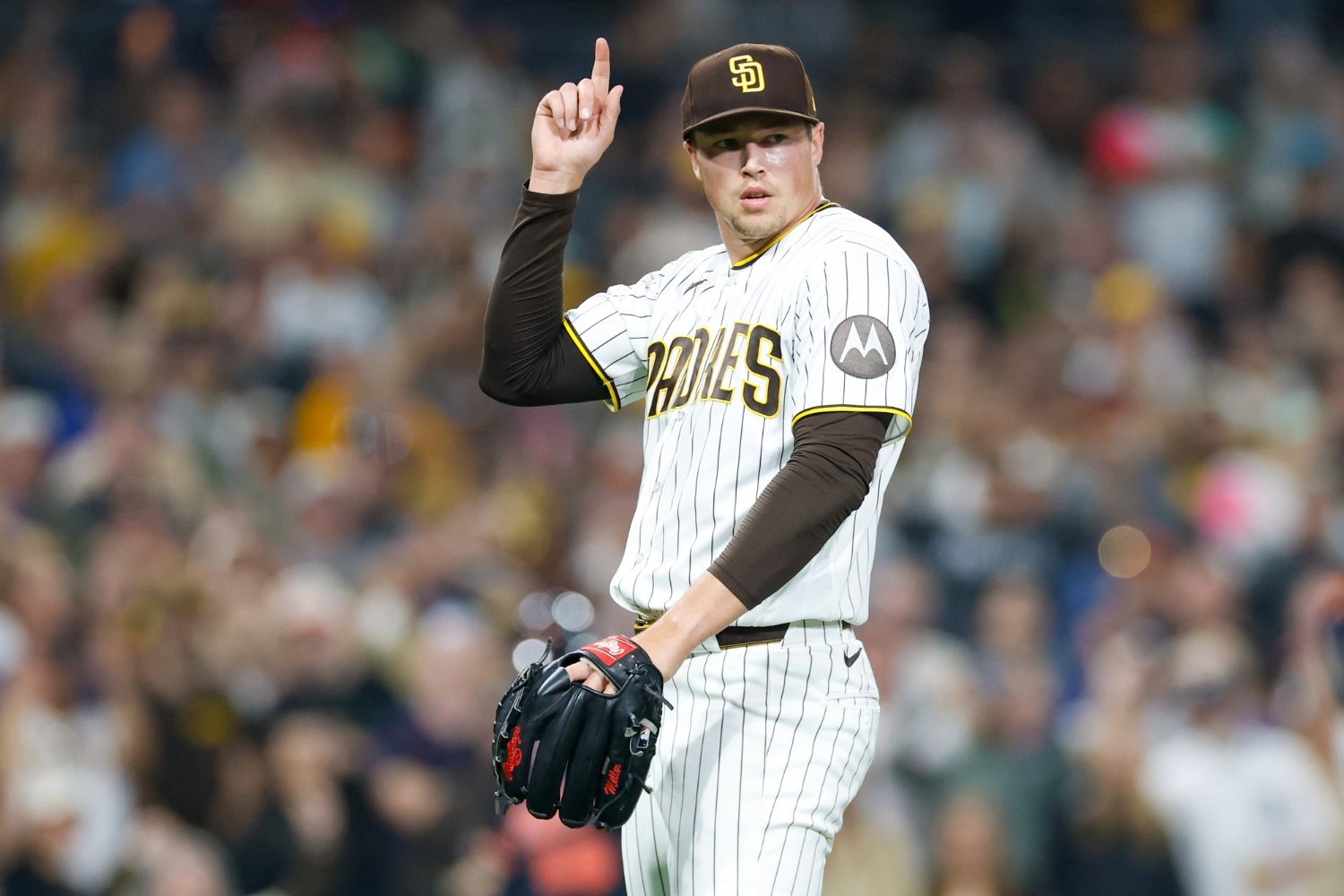 It wasn't the best week the San Diego Padres have ever had, but at least baseball is back. Weekly Snapshot Record last week: 1-2 Runs scored last week: 7 Runs allowed last week: 13 Standings Random Stats The Opening Day-record crowd of 45,673 at Petco Park was the fifth-largest in the stadium's history. In 47 starts for the Padres, Vasquez has gone at least five innings 27 times. He has a 2.26 ERA and is 20-7 in those outings. Tatis went 0-for-4 in Game 2 of the series to snap a nine-game hitting streak. He had a .353/.405/.618 slash line with three homers and six RBIs during that run. Backup catcher Luis Campusano went 2-for-3 in ball-strike challenges in the second game, the first challenges by the Padres this season. Cronenworth was the first Friars hitter to challenge, doing so successfully in the series finale. Saturday's win kept the Friars undefeated on March 28. They are now 4-0, having beaten Atlanta 4-3 last year, the San Francisco Giants 6-4 in 2024, and the Giants 2-0 in 2019. Website Highlights Cronenworth's Swing Adjustment Could Yield Massive Benefit for Padres — Randy Holt San Diego Padres 2026 Defensive Primer — Randy Holt Three reasons why the Padres will win the NL West and three reasons why they won't — Steve Drumwright Beverly Hills Billionaire Tom Gores Joins Bidders to Purchase Padres — Steve Drumwright Looking Ahead Monday: Giants (Landen Roupp) at Padres (Walker Buehler), 6:40 p.m. Tuesday: Giants (Logan Webb) at Padres (German Marquez), 6:40 p.m. Wednesday: Giants (Adrian Houser) at Padres (Nick Pivetta), 1:10 p.m. Thursday: Off. Friday: Padres (Michael King) at Red Sox, 11:10 a.m. Saturday: Padres (Randy Vasquez) at Red Sox, 1:10 p.m. Sunday: Padres (Walker Buehler) at Red Sox, 10:35 a.m. View the full article
 -
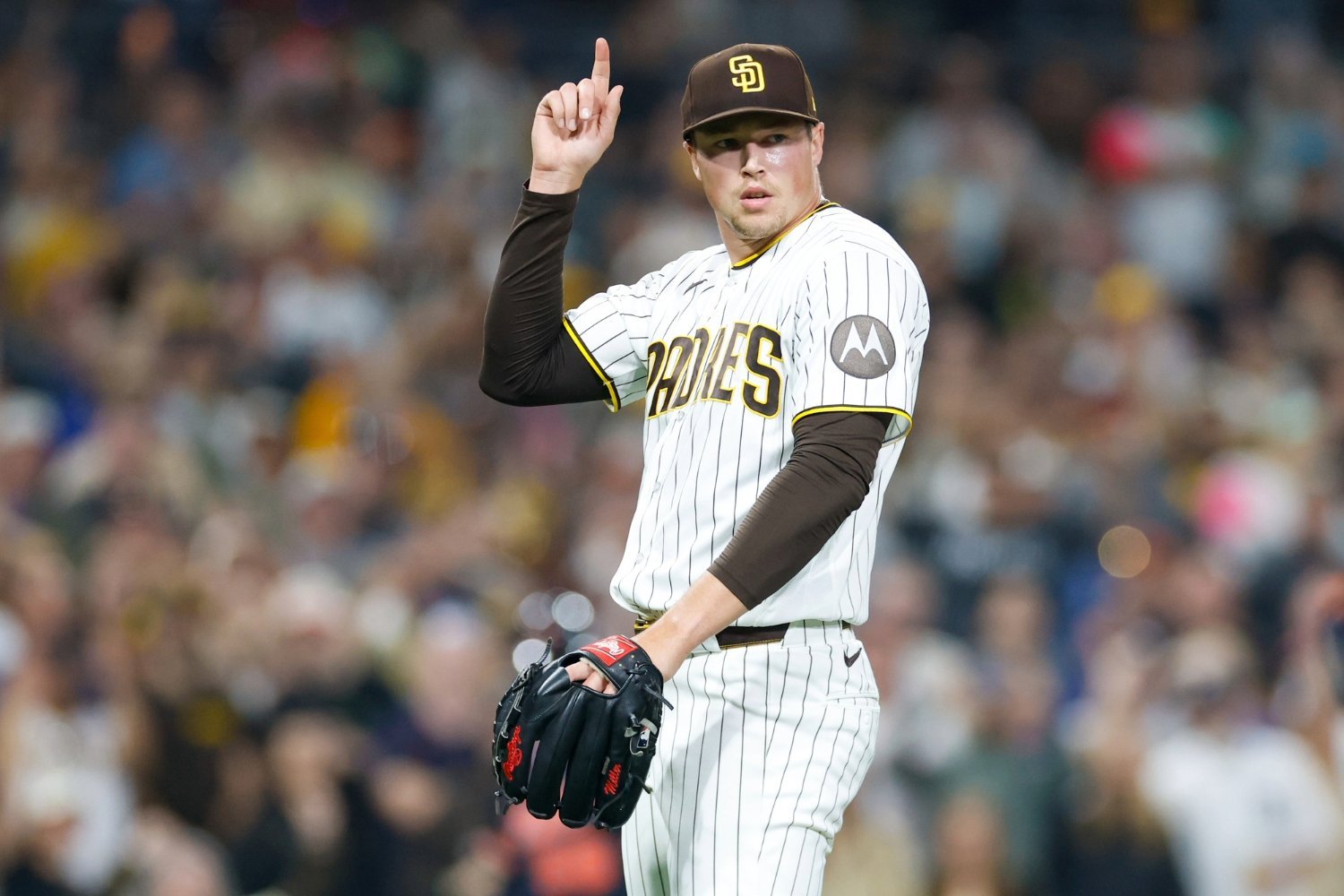 It wasn't the best week the San Diego Padres have ever had, but at least baseball is back. Weekly Snapshot Record last week: 1-2 Runs scored last week: 7 Runs allowed last week: 13 Standings Random Stats The Opening Day-record crowd of 45,673 at Petco Park was the fifth-largest in the stadium's history. In 47 starts for the Padres, Vasquez has gone at least five innings 27 times. He has a 2.26 ERA and is 20-7 in those outings. Tatis went 0-for-4 in Game 2 of the series to snap a nine-game hitting streak. He had a .353/.405/.618 slash line with three homers and six RBIs during that run. Backup catcher Luis Campusano went 2-for-3 in ball-strike challenges in the second game, the first challenges by the Padres this season. Cronenworth was the first Friars hitter to challenge, doing so successfully in the series finale. Saturday's win kept the Friars undefeated on March 28. They are now 4-0, having beaten Atlanta 4-3 last year, the San Francisco Giants 6-4 in 2024, and the Giants 2-0 in 2019. Website Highlights Cronenworth's Swing Adjustment Could Yield Massive Benefit for Padres — Randy Holt San Diego Padres 2026 Defensive Primer — Randy Holt Three reasons why the Padres will win the NL West and three reasons why they won't — Steve Drumwright Beverly Hills Billionaire Tom Gores Joins Bidders to Purchase Padres — Steve Drumwright Looking Ahead Monday: Giants (Landen Roupp) at Padres (Walker Buehler), 6:40 p.m. Tuesday: Giants (Logan Webb) at Padres (German Marquez), 6:40 p.m. Wednesday: Giants (Adrian Houser) at Padres (Nick Pivetta), 1:10 p.m. Thursday: Off. Friday: Padres (Michael King) at Red Sox, 11:10 a.m. Saturday: Padres (Randy Vasquez) at Red Sox, 1:10 p.m. Sunday: Padres (Walker Buehler) at Red Sox, 10:35 a.m. View the full article
 -
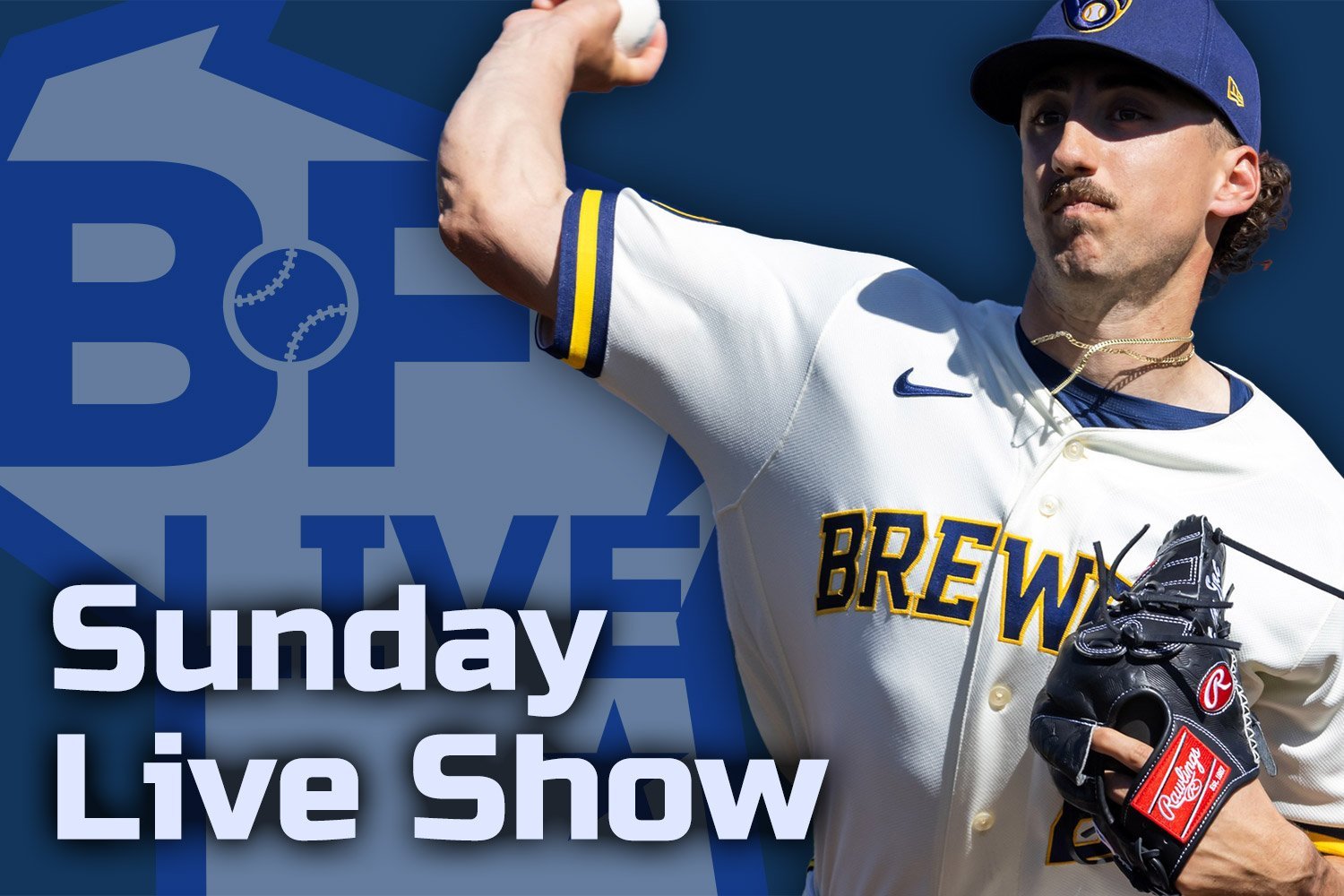 Jason and Jake settle in for the first show of the season, watching the final minutes of the Brewers' amazing comeback against the White Sox, completing their opening weekend sweep of the South Siders. Join us next Sunday at 4pm Central time! Apple Podcasts: https://podcasts.apple.com/us/podcast/the-brewer-fanatic-podcast/id1740648724 Spotify: https://open.spotify.com/show/5CY8mWsQayqjDXqw9OT2Td iHeartRadio: https://www.iheart.com/podcast/263-the-brewer-fanatic-podcast-166534588/ Pocket Casts: https://pca.st/ommzz627 Watch On YouTube: https://www.youtube.com/@brewerfanatic View the full article
 -
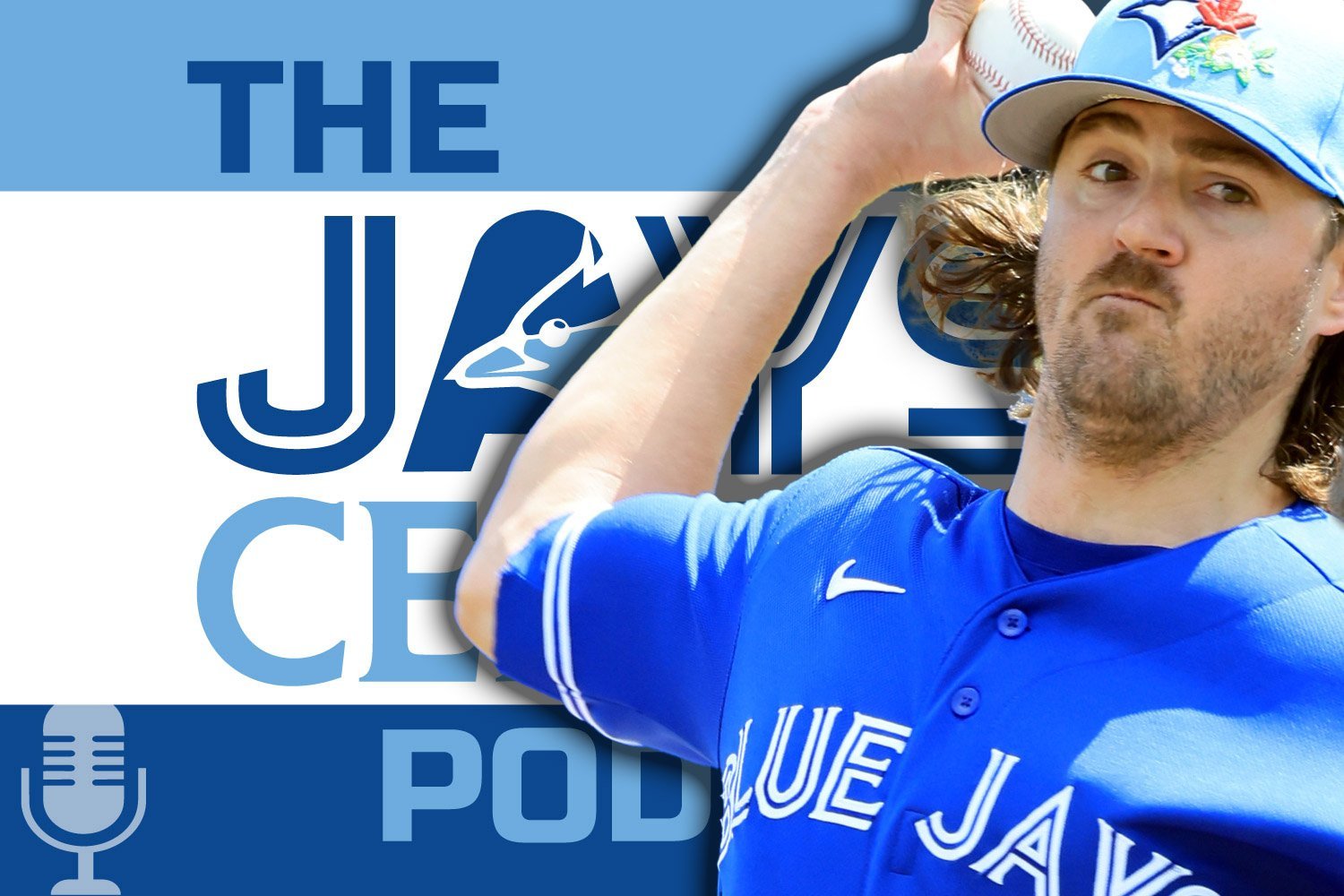 Owen and Jesse are back to talk about the Blue Jays' sweep of the Athletics on Opening Weekend. The guys talk about how similar the games were to 2025 before breaking down the first impressions of newcomers Kazuma Okamoto, Dylan Cease, Tyler Rogers, and Jesús Sánchez. They also get into Jeff Hoffman and Brendon Little's shaky starts to the season, debate the bullpen hierarchy, and discuss how Kevin Gausman and Eric Lauer had great starts. Listen on Apple Podcasts: https://podcasts.apple.com/us/podcast/the-jays-centre-podcast/id1846108462 Listen on Spotify: https://open.spotify.com/show/3Bi7SzfpcqMo5xYWnbCeoL Listen on iHeartRadio: https://www.iheart.com/podcast/263-the-jays-centre-podcast-300304824/ Listen on Pocket Casts: https://pca.st/2qk9wqxd Watch on YouTube: https://www.youtube.com/@jayscentre View the full article
 -
Walker Jenkins, John Klein Help Keep Saints Undefeated
DiamondCentric posted an article in Twins Daily
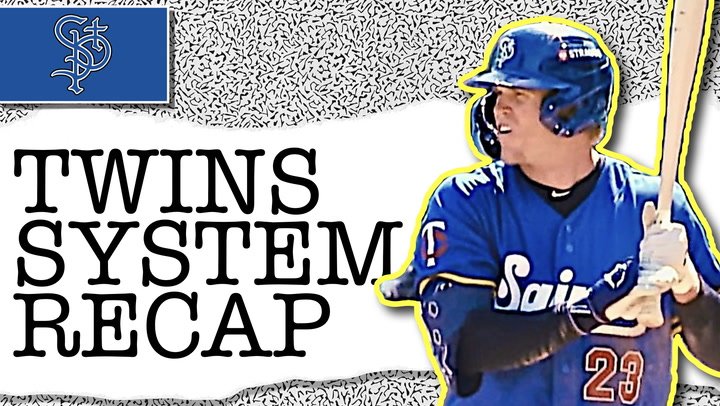 wins System Recap: The St. Paul Saints are still undefeated in 2026! The Saints won 4-1 on Sunday behind strong performances from John Klein, Walker Jenkins, and Ryan Kreidler. View the full article
 -
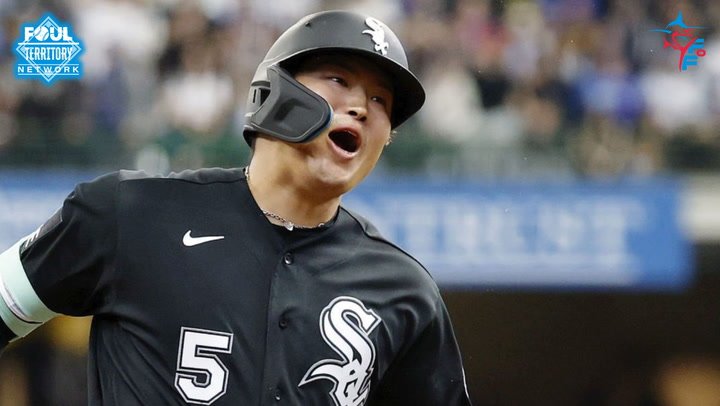 Fish On First LIVE discusses the keys to the Marlins winning another series as they host a Chicago White Sox team with an explosive offense, but leaky pitching staff.View the full article
 -
Can Twins Afford to Play Trevor Larnach Regularly in the Outfield?
DiamondCentric posted an article in Twins Daily
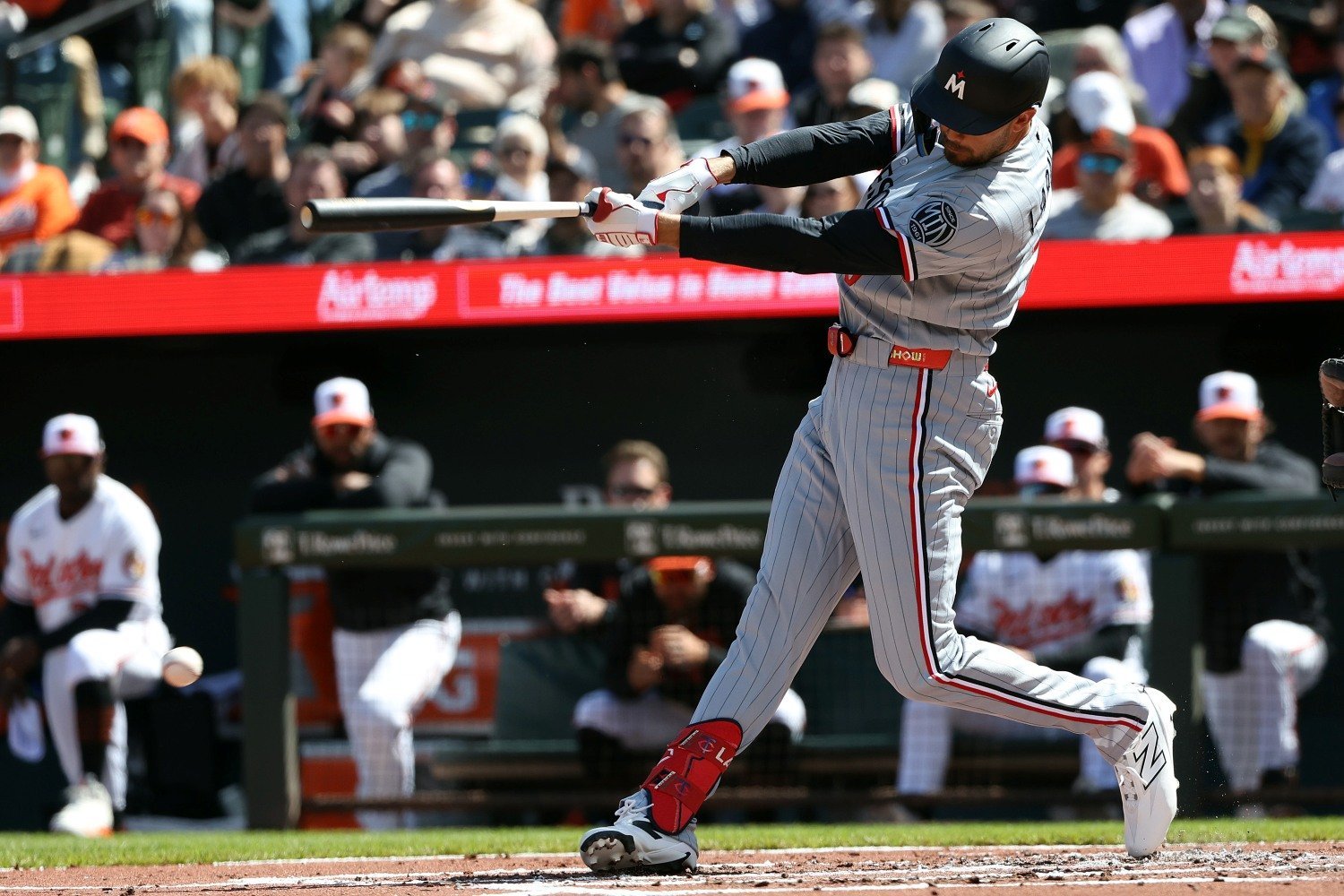 The season opened with the Twins on the road in Baltimore, and while the results were mixed, the early days of a new year often reveal more about process than outcome. There is a different voice in the dugout now, and with Derek Shelton taking over for Rocco Baldelli, every lineup card and late-inning decision is being examined through a new lens. Shelton’s arrival brings a natural curiosity. Baldelli’s tenure was defined by structure, matchup optimization, and an often deliberate deployment of players based on handedness and rest. Shelton, at least early on, appears more willing to lean into everyday roles, even if it means living with some of the trade-offs that come with them. That shift may not define every aspect of the 2026 Twins, but it's already surfacing in one of the more interesting roster decisions: how the team plans to use Trevor Larnach. A Spring Plan That Never Materialized For much of the spring, it seemed that the Twins would have a platoon in left field, with Austin Martin starting against left-handed pitchers and either James Outman or Alan Roden playing against right-handed pitchers. Outman beat out Roden for the backup outfielder job, but that might have been because Outman was out of options and Roden still had an option year remaining. One apparent consequence of that choice would be to put stronger defensive options in left and allow Larnach to DH more regularly. Instead, though, it looks like Larnach will get a good bit of time there more than Outman. “He’s going to have to play the outfield,” Shelton said of Larnach. “I know he DH’d 81 games last year and played the outfield early. The way the function of our roster is, he’s going to have to play the field. Because we do have [Josh Bell], we do have [Victor Caratini]. … And if you ask Trevor, he would prefer to play the outfield. So it’s just going to be trying to manage the volume and how long it actually happens in the game.” That quote does more than explain a single decision. It outlines a philosophical shift. The Twins aren't simply optimizing for defense late in games or protecting Larnach from exposure in the field. They're prioritizing getting as many bats into the lineup as possible, even if it creates defensive compromises along the way. A Roster Built Around Bats The reality of this roster is that Josh Bell and Victor Caratini are going to be in the lineup regularly, just like Ryan Jeffers and Kody Clemens. There are simply too many hitters the Twins want to play on a given night, and not enough defensive utility among them to make it all fit cleanly. As a result, the designated hitter spot becomes a rotation, rather than a fixed role. When that spot is occupied, it leaves Larnach without an easy landing place, forcing him back into left field more often than originally anticipated. That, in turn, shifts Outman into a more limited role that leans on late-game defense, pinch-hitting and pinch-running opportunities, and occasional work in center field. It's a domino effect that starts with roster construction. Under Baldelli, that may have resulted in more rigid platoons or defensive substitutions earlier in games. Under Shelton, at least for now, it looks like they're willing to stretch the defensive alignment to keep the offense intact. Larnach’s Defensive Issues During the 2025 season, Larnach didn’t play enough in the outfield to qualify for leaderboards, but his totals were poor even in limited action. He cost the team 7 runs, according to Statcast. His expected catch percentage was 91%; his actual catch percentage was 87%. Those gaps matter. They point to both range limitations and inefficiency in converting balls that should be outs. Over a full season, that kind of defensive profile can quietly cost a team many runs and potentially games. His arm strength has also become more of an issue in recent seasons. In 2021 and 2022, he was above the league average, including an 87.0 MPH mark in 2022. He's dropped to 84.0 MPH or less over the last three seasons, which ranks below average among outfielders. Put simply, Larnach isn't an average defender in left field. He's a bat-first player being asked to take on a role that exposes one of his weaknesses. Also, his bat hasn’t been strong enough in recent years to make up for his defensive flaws. The Trade-Off the Twins Are Willing to Make This is where Shelton’s approach becomes clear. The Twins are betting that Larnach’s offensive contributions outweigh the defensive cost. There's logic to that. Run prevention is critical, but so is run creation, and Minnesota’s roster leans heavily toward offense. If Larnach produces at the plate, the defensive shortcomings can be managed through positioning, late-game substitutions, and selective rest. The real question is not whether Larnach can survive in left field on a given night. It's whether the cumulative impact over a full season is something the Twins can absorb while still competing. So far, the plan seems to be to start Larnach against right-handed pitchers, but aggressively deploy Martin and Outman defensively. If Shelton continues down this path, it will mark one of the clearest differences from the Baldelli era. Less rigidity. More emphasis on everyday roles. And a greater willingness to live with imperfection in one area to maximize strength in another. Whether that balance holds could go a long way in defining the Twins’ 2026 season. Can the Twins continue to play Larnach regularly in left? Leave a comment and start the discussion. View the full article
 -
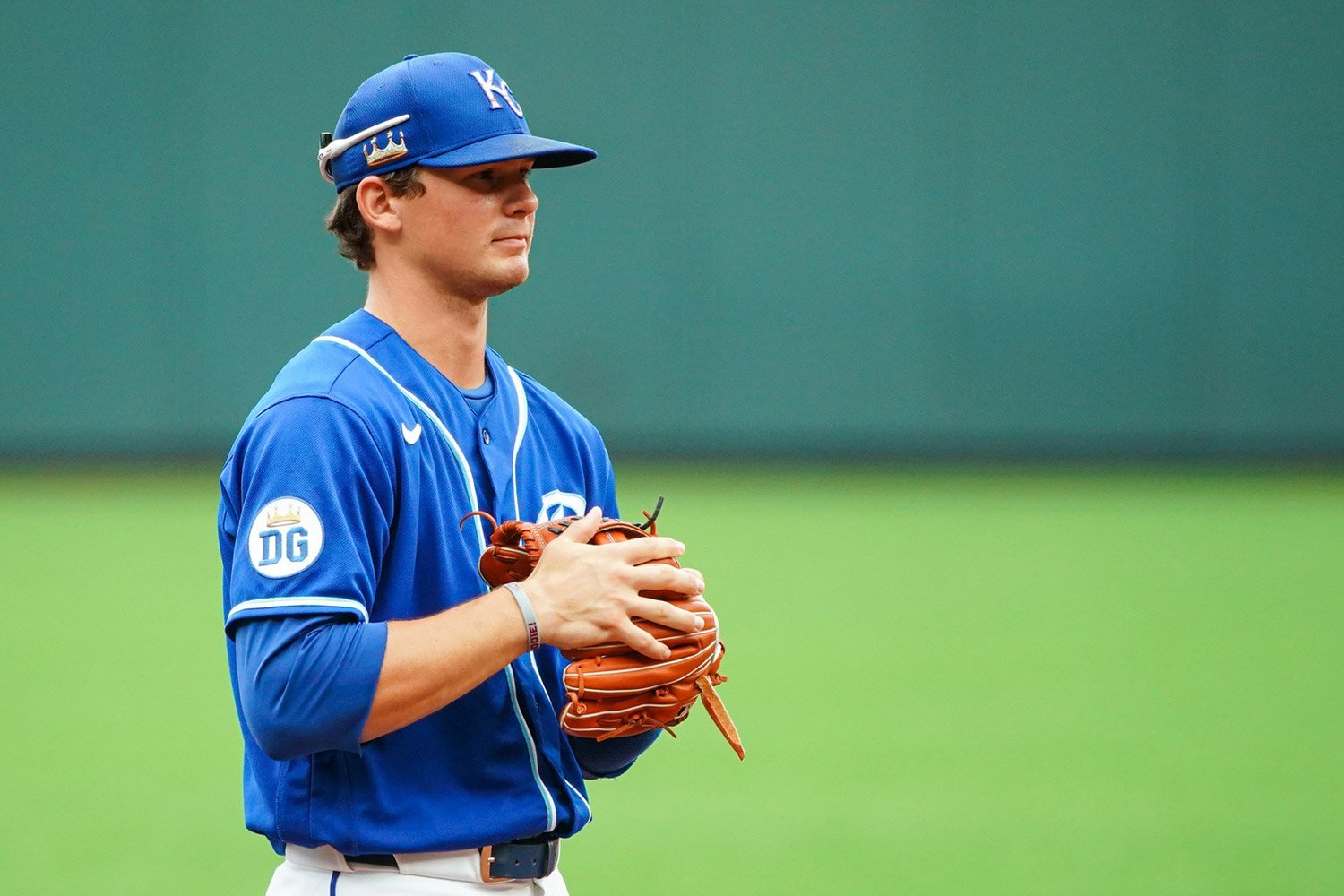 Growing up, my brother and I got called out of school each year for the Royals’ first home game. It was the coolest feeling to leave class and head to the K with our dad. Even as a little Royals fan, I always appreciated the pomp and circumstance associated with Opening Day: the bunting hanging from the upper deck, the Royals alumni lining the field before first pitch, and noticing the small updates made to the K each offseason. With that in mind, here are five notable Royals home openers since 2000, in chronological order: April 5, 2004 - Beltran Walks it Off Coming off a surprising 83-79 finish in 2003, dare I say expectations were raised for this mid-2000s Royals squad? A full house packed the K to see the Royals face the division rival White Sox. Five-year-old me was there! Can you name the Opening Day starter for the 2004 Royals? Lefty Brian Anderson took the mound for the Royals against Mark Buehrle, another southpaw who ended up with a 3.54 career ERA against the Royals over 366 innings. The White Sox raced out to a 4-1 lead thanks to a Paul Konerko double and Sandy Alomar's homer. Their lead ballooned to 7-2 by the bottom of the 7th, but the Royals weren’t finished. New acquisition Benito Santiago cracked an RBI double, and soon pinch-hitter Mendy Lopez stepped up to the plate. In fact, Lopez was a pinch-hitter for a pinch-hitter, as Matt Stairs was introduced but didn’t face lefty reliever, Damaso Marte. Lopez only played 18 games in 2004, the last of his career. However, his shining moment came when he slammed a game-tying three-run homer to left-center field. After Angel Berroa singled, Carlos Beltran stepped up and belted a walk-off homer to left field. Amidst all the fireworks, I’m pretty sure we left this game early. April 10, 2009 - Renovated Kauffman Stadium’s Debut A couple of years ago, I found this print at an antique mall. I didn’t have a George Brett shirsey, but this is the Kauffman Stadium I grew up with. However, the K didn’t look that way come 2009, because of a $250 million renovation that was fully unveiled against the mighty Yankees. This was the first game where Royals fans could experience the K’s iconic fountains from up close, thanks to the new Outfield Experience. Newly anchoring the outfield corners, Rivals sports bar and the Royals Hall of Fame building also made their debuts in 2009. The actual game itself was pretty ho-hum. Andy Pettitte dominated the Royals' lineup, going seven strong innings while allowing one run and striking out six. Sidney Ponson got the nod for the Royals and allowed four runs over six innings. Six months later, the Yankees would win the World Series, while Zack Greinke took home the American League Cy Young for the Royals. April 3, 2016 - Champs Debut New Threads This game felt big. How could it not? Sunday Night Baseball on ESPN, under the lights at the K. The Royals don’t often debut at night, but coming off their 2015 World Series victory over the New York Mets, they faced off against those same Mets to kick off the MLB slate in 2016. Adding to the shine of this game was the new uniforms sported by the new World Champions. The team sought permission from MLB, Majestic, and New Era to incorporate and then continue wearing their gold-trimmed home jerseys and hats for select games throughout the 2016 season, with this game as their debut. Just like Game 5 in 2015, the Royals got to Matt Harvey, chasing him in the sixth inning after scoring four runs on eight hits. Edinson Volquez continued his streak of clutch performances from the season prior and didn’t allow a run over six innings, and the bullpen survived a disastrous Joakim Soria outing to hang on for the 4-3 win. While the 2016 season was a letdown in general, this game was a fantastic start. July 31, 2020 - Pandemic Season at Empty K I had to include this game, even if very few people were there. In particular, BECAUSE very few people were there. The Royals started the COVID-abbreviated 2020 campaign on the road before returning to the K and an official attendance of “Not Given.” This highlight of Salvy’s RBI single shows the striking lack of fans, except for the goofy cardboard cutouts behind home plate. We’ll always know a 2020 season highlight upon first glance. Making his MLB debut on this night was Kris Bubic, part of the notable 2018 draft class that featured a bevy of college pitchers. Only Bubic and Daniel Lynch IV remain on the 2026 Royals, which is a little hard to believe given all the hype and promise of those arms. Bubic pitched fine for a rookie debuting under incredibly odd circumstances, going four innings before turning it over to relievers Tyler Zuber, Scott Barlow, Josh Staumont, Trevor Rosenthal, and Greg Holland. However, Dallas Keuchel scattered seven hits over 5.1 innings and held off the Royals for the 3-2 win. April 7, 2022 - Bobby Debuts in the Cold This was probably the coldest Royals game I’ve ever attended. My dad, brother, and I sat in the upper deck, with the wind swirling around and the temperature around 40 degrees. Perhaps that’s why the listed attendance was only 28,459. At least I got to wear my dad’s Royals coat from the 90s! Before the game, my brother was one of many in the Team Store at the K to buy a Bobby Witt Jr. jersey. I’d say that was a good investment! Bobby made his debut at third base and came up to the plate with the go-ahead run on second base in the eighth inning. “Bob-by, Bob-by, Bob-by” came out of our chilled lungs, hoping to see our 2019 first-round pick deliver in his debut. And he certainly did, knocking an RBI double down the left field line to score Michael A. Taylor. The starting pitcher for the Royals in this game? None other than Zack Greinke, who only allowed one run over 5 2/3 innings. His second stint with the Royals was a far cry from the peak of his powers in 2009, but it’s a sweet, fun fact that he was teammates with Bobby Witt Jr., the vanguard of this next Royals generation. View the full article
 -
Twins Daily Takes Over Smorgie’s for Home Opener Pregame
DiamondCentric posted an article in Twins Daily
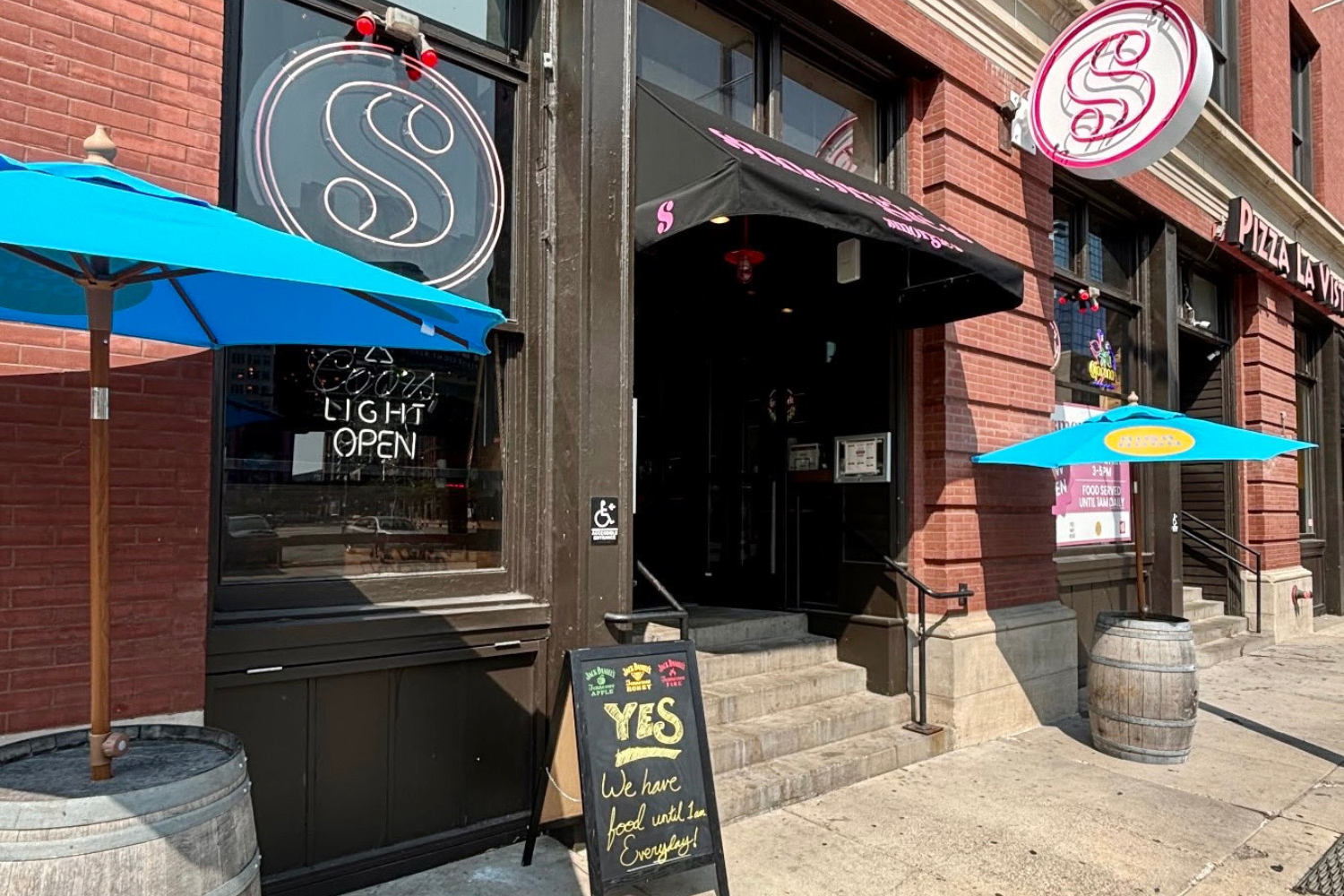 Before the Minnesota Twins take on the Tampa Bay Rays at Target Field on April 3, we’re heading to Smorgie's for a pregame party packed with giveaways, Twins spirit, and plenty of baseball talk. If you’re looking for a go-to game day spot, Smorgie’s checks every box. First, it's just a block from Target Field. Also, their menu is built for fans – easy to share, full of flavor, and perfect with a drink in hand. Start with snacks like crispy pickle fries, cheese curds, loaded “totchos,” or classic wings tossed in buffalo, sweet chili, or dry rub. From there, step up to hearty handhelds like the Smorgie’s Smash burger, fried chicken sandwiches, or even a walking taco served right in a bag of Doritos. It’s comfort food done right, fast, satisfying, and exactly what you want before heading into nine innings. The drink menu brings just as much energy. Expect a mix of fun cocktails like a hibiscus spritz, Minnesota mule, or a house old-fashioned, alongside buckets, pitchers, and a full lineup of beers, seltzers, and wines. And the real MVP for game day? Their daily happy hour features 2-for-1 deals on rail drinks, house wine, and all tap beers. That combination – great food, strong drinks, and unbeatable specials – makes Smorgie’s an ideal spot whether you’re rallying before first pitch or celebrating after the final out. Add in the Twins Daily crowd, Opening Day buzz, and the return of baseball to Minneapolis, and you’ve got the perfect start to the season. So grab your crew, throw on your Twins gear, and join us on April 3. Smorgie’s isn’t just a stop along the way; it’s where the Home Opener really begins. EVENT DETAILS What: Home Opener Pre-Game Party Cost: Free When: 12:30 - 2 pm, April 3, 2026 Where: Smorgie’s, 508 N 1st Ave, Mpls View the full article
 -
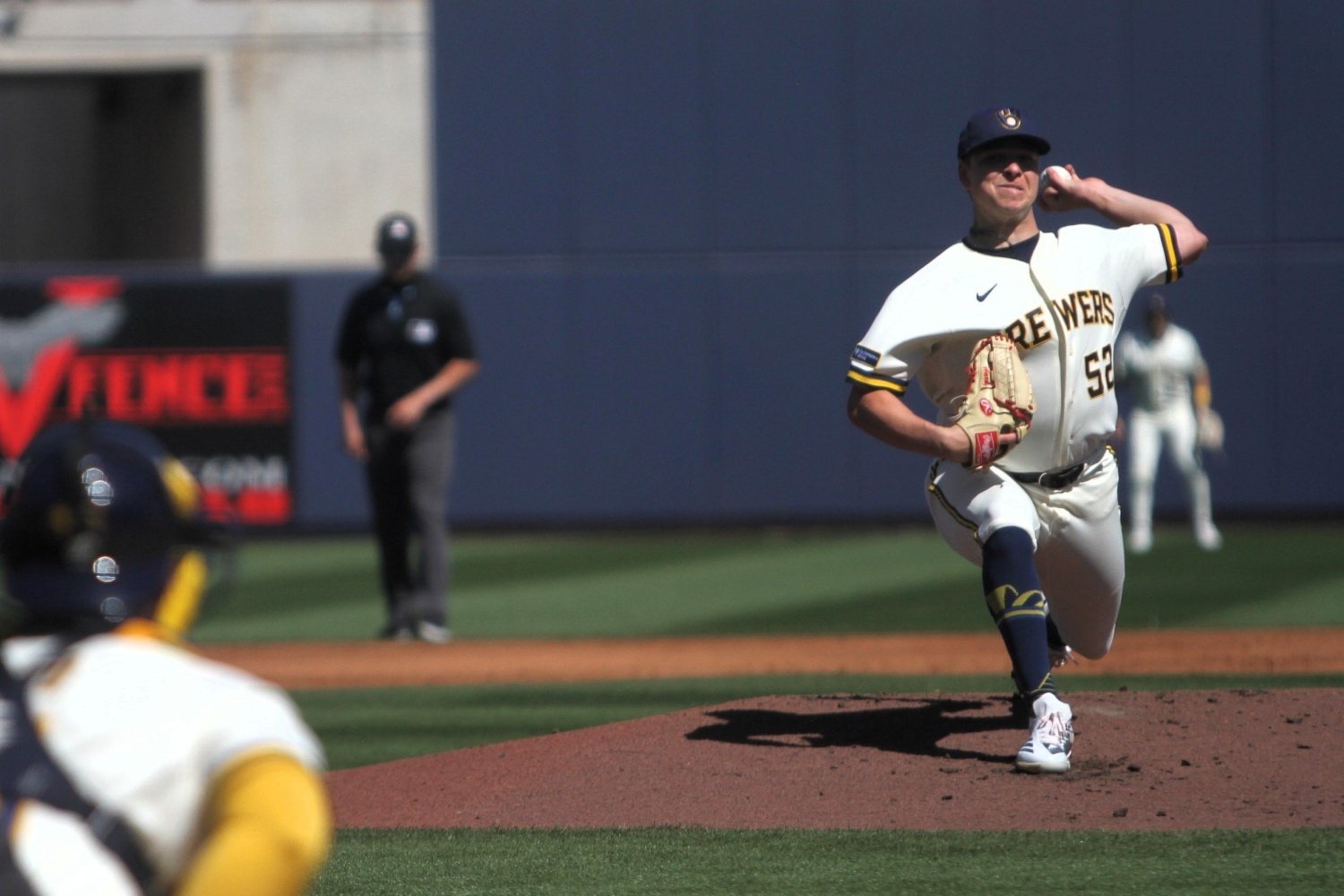 Kyle Harrison learned in unexciting fashion that he would start the Brewers' fourth game of the regular season. "Nothing, really," the left-hander said with a laugh last week, when asked if he received a personal heads-up before the club announced its rotation. "Just saw that I'm pitching Monday." The question was not whether Harrison had earned a spot in the Opening Day rotation, but whether he'd be ready to pitch after developing a blister on his left index finger, which stemmed from the new kick-changeup grip he brought into spring training. When his fingernail started cutting his thumb as he made a circle along the inside of the baseball, Harrison trimmed the nail, but it caused the finger to blister. "That started to build a little blister on the finger just because I cut the nail too short," he said. "So now I know I need to have a longer nail, drink my collagen, get the nail stronger, and let it grow. Just kind of an annoying thing to deal with, but I'm glad that I got to stop it early." Harrison is a full go for his official Brewers debut on Monday night, after extensive work with pitching coaches Chris Hook, Jim Henderson, and Juan Sandoval in spring training. Much of that work was geared toward maximizing his strengths, which is the club's framework for developing all of its pitchers. "That's what I really love about it here," Harrison said. "It's been like you're running the show, basically. What you want to do, you go out and do it. They're going to be supportive, and they're going to give their input, and we're going to settle on something that's just going to be best for me." For Harrison, that means working off his signature four-seam fastball. While his new changeup's outlier depth captured headlines during camp, his heater remains his best pitch. He's thrown it roughly 60% of the time in each of his three big-league seasons so far. "I love my fastball," he said. "I've always loved my fastball. That's something I want to throw, but throw it in the right counts and throw it in the right locations." The Brewers like Harrison's fastball, too, and for good reason. With a -0.6 StuffPro (meaning that it decreases expected run production by 0.6 runs for every 100 he throws), it graded out as one of the better four-seamers among starting pitchers based on its velocity, movement, and where he releases it from his low arm slot. It induced whiffs on 26.2% of swings last season, while holding opponents to a .281 xwOBA. "There's an instance I remember from San Francisco when he was pitching against us, I thought to myself, 'Oh, fastball must play up a little bit,' because he got swing and miss with the fastball," manager Pat Murphy said. Harrison's hand stays behind the baseball exceptionally well at release, which gives it true backspin from his 27-degree arm angle. According to Statcast, 98% of the spin on his four-seamer contributed to its movement last year. With an average of 12.4 inches of induced vertical break and 14.3 inches of arm-side break, it has a ride-run shape that is less common than the typical movement of the modern four-seamer. "It's unique," Hook said, before comparing Harrison's heater to one of the most effective fastballs in franchise history. "Josh [Hader's] obviously had a little bit more vert, but similar slot things. Obviously, it's just a touch different, but I think he can get the same kind of angle at times." Plenty of pitchers throw with true spin on their fastballs, but most who do so have much higher arm slots, which carries other implications for their secondary pitches. Compare Harrison's active spin profile (the percentage of the spin on each of his pitch types that contributes to movement) to those of Hader and Jacob Misiorowski, and the differences jump out. Misiorowski, who throws from a similar angle to both Harrison and Hader, is more typical of pitchers in that slot, with lower-than-average spin efficiency on his fastball but higher-than-average efficiency on his breaking balls. Harrison and Hader are the opposite, which makes their fastballs more natural cousins to high-slot guys like Jeff Hoffman, Casey Mize, or Jack Dreyer. The expectation is that Harrison will get plenty of mileage out of that fastball, but part of his remaining development will be finding the best way to supplement it. After a midseason trade to the Boston Red Sox last year, their pitching coaches encouraged him to add a two-seamer and cutter and replace his existing changeup with the kick-change. The Brewers felt that trying to refine all of those pitches at once was hurting his development. Moreover, with limited time in spring training to improve Harrison's breaking ball, clean up his delivery, and tweak his routine between starts, they wouldn't be able to perfect every pitch by Opening Day. "I think it's very difficult when you're working on four ******* pitches and trying to be on time and trying to stay through it, and you're like, 'Okay, this is new, and this is new,'" Hook said. "When I get into crunch time, all of this is new to me. It's too much." To simplify things, they scrapped the cutter, which graded out as his worst pitch in 2025. Harrison's low slot and natural tendency to stay behind the ball—the same traits that make his fastball so effective—make it challenging to throw a true cutter. He was either releasing it too early (causing it to back up), or releasing it too late, causing it to spin like a slider instead of a cut fastball. In both cases, it led to poor location of what was supposed to be an in-zone pitch that bridged his fastball and slider. "The struggle that I had with it was maintaining the vertical break," Harrison said. "I'd throw one good one at eight [inches of] vert, kind of trying to get similar [carry] to your heater, and I had some where I'd stay on it a little too long. I'm a low-slot guy, so I stay on the heater, and then it just ends up getting like 2 vert. So that's something I wouldn't really want to throw at the top of the zone." The Brewers frequently target pitchers who throw cutters and often encourage those who don't to add one to their arsenal. They rank third in cutter usage since 2024. Harrison, though, is different than many of their recent starters, who throw from a more traditional slot and slightly cut their normal fastballs. The plan is to reintroduce a cutter in the future, but only after he makes the improvements necessary for throwing an effective one from his unique release point and angle. "If you're not effectively rotating, if you're not getting through the baseball the correct way, the cutter could be a detriment," Hook said. "It's going to be big. It's going to be early. So I want to make sure he's getting through the ball properly first, before it's potentially added here in a little bit." For now, Harrison and the Brewers are riding with his four best pitches: fastball, slider, changeup, and the occasional two-seamer to use inside to left-handed batters. In their eyes, he's far from a finished product, but they're optimistic about his ceiling. He already has uncommon stuff from the left side, and their internal testing shows that he's gotten stronger since joining the club, which they believe will lead to a velocity bump. "There's a lot of upside there," Hook said. "Left-handers with that unique slot and that velo and that makeup don't come around that often. To me, the combination of all those things makes a pitching coach super excited." "I've liked him a lot," Murphy said. "He seems like really the right guy. He'll figure it out at some point." View the full article
 -
Alex Bregman is Making Himself at Home in Unexpected Ways
DiamondCentric posted an article in North Side Baseball
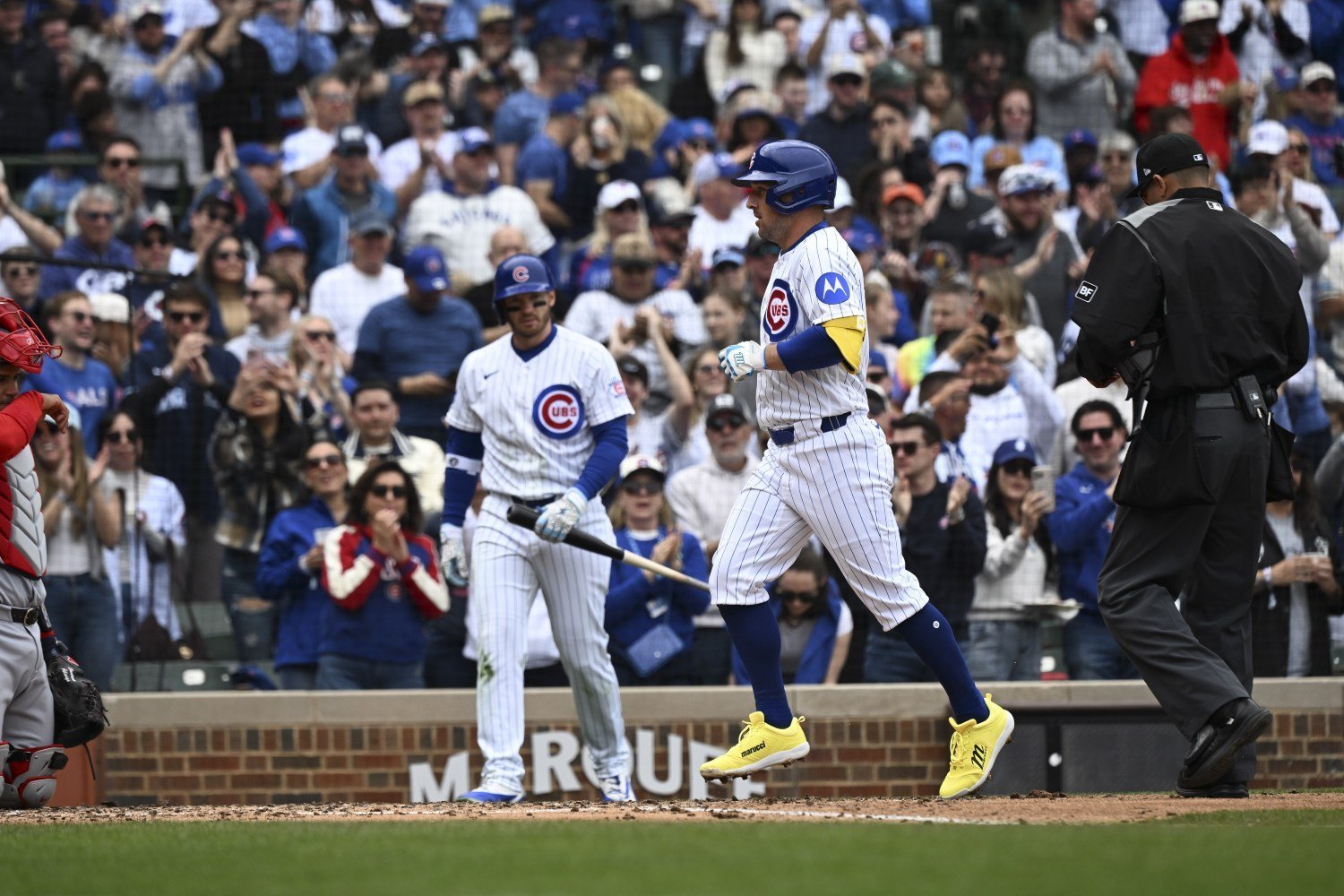 When the Cubs signed Alex Bregman in January, much was made about the way he typically gets to his power. The former Red Sox third baseman was famous for pulling fly balls barely over the left-field wall, where the fence—especially at his two former home parks, in Houston and Boston—is quite close. Wrigley Field, with the left-field fence sitting 355 feet away from home plate, has the deepest left-field corner in the majors. After the signing was announced, our own Randy Holt examined Bregman’s tendencies. Randy compared Bregman’s spray chart to that of Isaac Paredes, another third baseman whom the Cubs brought in who had a tendency to pull a lot of fly balls over the left field wall. He ultimately concluded that Bregman would fare just fine at the Friendly Confines. Paredes only hits the ball down the line, while Bregman can, and has, sprayed the ball from gap-to-gap. On Sunday, Alex Bregman hit his first home run in a Cubs uniform, and it basically proved Randy right: He hit a home run to (left-)center field! But I thought he never hit home runs there? Well, you’re not entirely wrong. Here's a spray chart of every home run that Bregman has hit since 2020: That grouping of five home runs that I circled, just to the left of the 400 marker, is where Bregman hit this homer. So, yes, he doesn’t hit many home runs to that area. Typically. Usually. The thing is, Bregman also didn’t typically play baseball games at Wrigley Field. While Wrigley has a very deep left-field corner, the distance to the left-center field wall is incredibly short. Here's every out that Bregman made last year, overlaid onto Wrigley Field’s dimensions: There’s a lot of dots there, but I count about eight fly balls that would have sailed into the bleachers. This doesn’t even take the wind into account. According to Statcast, it gave his home run on Sunday an extra 25 feet of distance. It’ll cost him some home runs, but it will also give a fly-ball hitter like him some cheapies. In his last plate appearance of the game, Bregman stepped to the plate and did it again, this time homering to right-center: This one just feels like an anomaly, but I will leave you with this: Before this season, 17 of Bregman’s 209 career homers were to the opposite field. From 2020-2024, he only hit three. He hit three last season alone, and now in 2026, he already has one. It might be an anomaly. Or maybe he's continuing to adapt. Regardless, I can say one thing with a little bit more confidence after Sunday’s game: Alex Bregman is going to be just fine hitting in Wrigley Field. View the full article
