


DiamondCentric
-
Posts
2,631 -
Joined
-
Last visited
Never
Content Type
Profiles
Forums
Events
News
Tutorials & Help
Major League Baseball Videos
Guides & Resources
Store
Downloads
Gallery
Everything posted by DiamondCentric
-
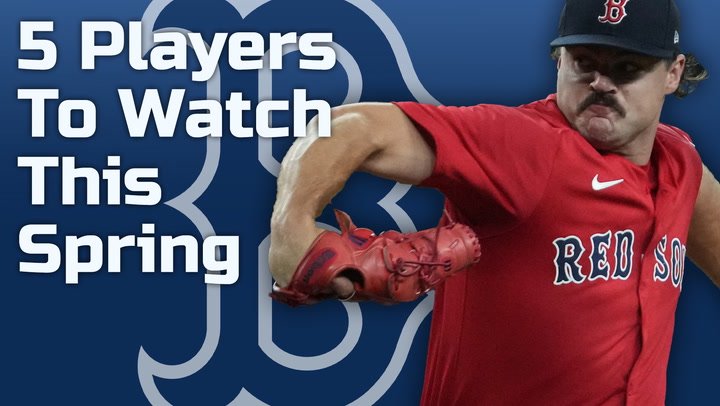 As spring training rolls on, there are a few names that Red Sox fans should be keeping an extra close eye on. Payton Tolle just made his latest case to be in the Sox rotation, Roman Anthony will enter his first full big league season since inking an eight-year extension, Seth Martinez is aiming to return to his 2024 form, Caleb Durbin has many eyes on him after Boston acquired him from the Brewers, and Vinny Capra is aiming to finally break through and shake his in-betweener reputation to this point. Enjoy! View the full article
 -
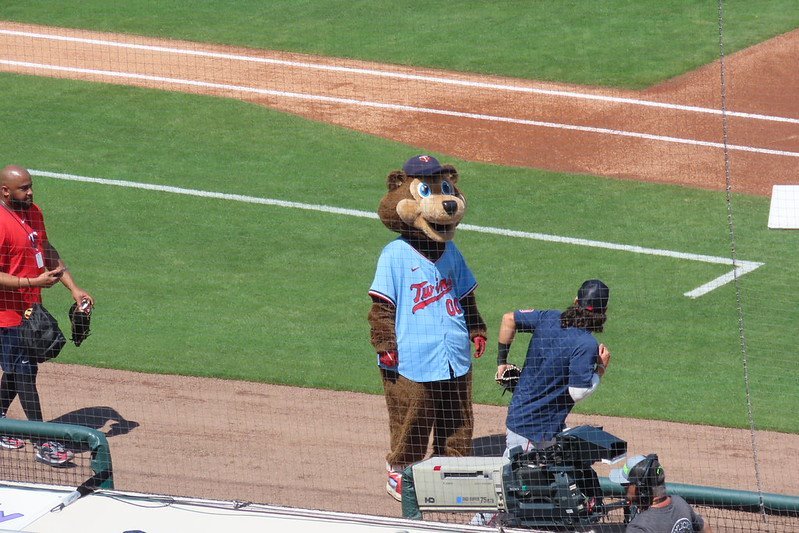 Apologies in advance for stepping out from behind my satirical remove. But the situation demands it. Guys, I think the Twins might be pretty bad this year. Prior to spring training, 75 wins seemed about right. That isn't good, by any stretch of the imagination. But they had enough starting pitching to get from here to respectability, especially in a bad division. Enough things break right, they could sniff .500, and if they finally get some breakout performances from the kids (I'm one of the TD writers old enough to remember when Kirby Puckett started hitting for power), one could dare to dream of a playoff berth. Dream in one hand and [REDACTED] in the other, and see which one fills up first. Pablo López is out. David Festa is hurt. Joe Ryan has back trouble. Bailey Ober already had to hit reset. That's 80% of the rotation! The good part of the team! The depth has gone from enviable to Andrew Morris and ten Hail Marys. The lineup is...man, I don't know. Can anyone but Byron Buxton play defense? And are Josh Bell and Victor Caratini enough to fix the inconsistent offense of last year? I desperately want to be wrong. I want Brooks Lee to live up to his potential. I want Royce Lewis to be Royce Lewis again. I think it's foolish to expect that to happen. To be honest, the least of my concerns is the bullpen. Yes, the completely decimated one from last year with three reclamation projects as the causes for quote-unquote "hope". I like how Aaron put it over at The Athletic: There is zero reason to expect the bullpen to be good (and to be clear, Aaron doesn't), but bullpens are weird like hockey goalies are weird. No one knows how they work or what makes them tick; you just hope you fall into a decent one. Of all the things I can muster optimism about today regarding Your Minnesota Twins, it's that the bullpen might be OK—because sometimes that just happens. In the name of Tony Fiore, let it be so. Finally, I know spring training records are meaningless. But the 4-8 record as of Thursday morning is earned. It seems about right for what they're putting out there every afternoon. And it doesn't look a whole lot different from what they're going to put out there when the games start counting. I want to be wrong. As I put this in the publication queue, they are beating the living hell out of the New York Yankees, of all teams. [Ed. note: They held on to win a nailbiter, 15-0.] I would love nothing more than to have everyone reading this throwing it in my face come September's pennant race. That said, if the worst comes to pass, tickets, hot dogs, and beers will be pretty cheap this summer. See you at the yard. Image license here. View the full article
 -

 On Fish Unfiltered, Ely previews Sandy Alcantara's WBC revenge match against Venezuela...and wonders if he'll pitch in the championship game should the Dominican Republic get there. View the full article
 -
Milwaukee Brewers 2026 Top Prospects, No. 4: Cooper Pratt
DiamondCentric posted an article in Brewer Fanatic
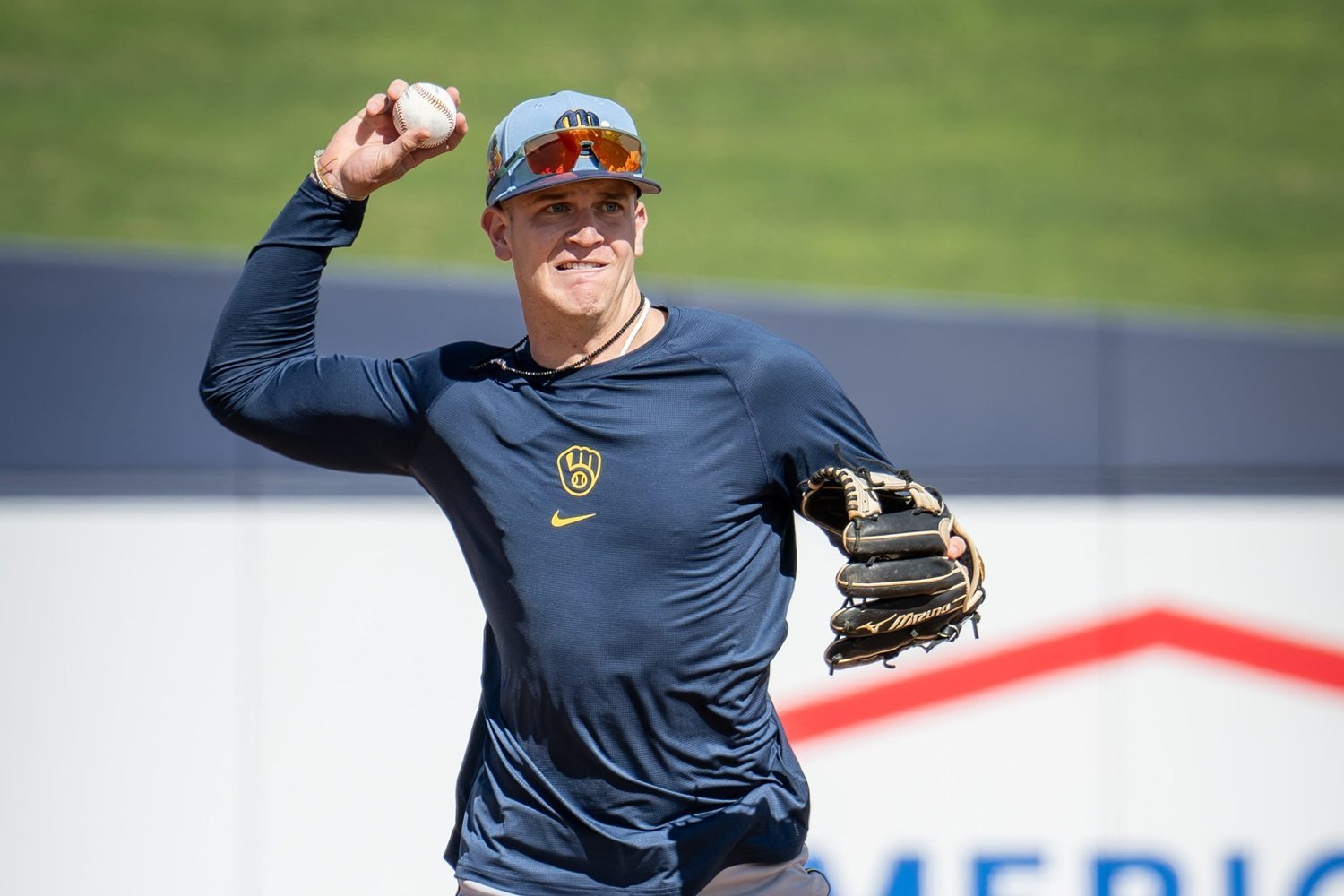 #4 Cooper Pratt (Biloxi Shuckers) Selected in the sixth round of the 2023 draft, Pratt has moved quickly through the system and finds himself on a lot of the national top 100 lists. He had a solid season in Double-A in 2025, and will look to build upon it in 2026. PA H 2B 3B HR OPS wRC+ wOBA K% BB% SwStr% Whiff% PULL% CENT% OPPO% LD% GB% FB% IFFB% SB CS SB% 90th EV 527 104 22 1 8 .691 108 .334 15.2% 12.7% 9.3% 22.3% 45.1% 24.5% 30.4% 22.6% 40.7% 36.8% 19.7% 31 5 86% 101.2 What to Like Pratt stands out as one of the more instinctive players in the Brewers system. His overall feel for the game shows up in multiple areas, especially in how he handles the defensive side and how he moves on the bases. He consistently makes strong reads, takes efficient routes, and shows strong baseball awareness in game situations. Despite possessing only average or slightly above-average speed, he is a very good baserunner; he went 31-for-36 on stolen base attempts in 2025. Offensively, Pratt put together a fine season in a difficult offensive environment. His .691 OPS may not immediately stand out, but that was 8 percent better than the average offensive output in the Southern League, and he did that while spending roughly 90 percent of the season as a 20-year-old. Producing at that level against older competition in one of the toughest hitting environments in the minors is a positive sign for his long-term outlook. His offensive profile is built around strong bat-to-ball ability and an above-average hit tool. Pratt shows consistent contact skills and can put the ball in play against a variety of pitch types. His swing is controlled and repeatable, allowing him to maintain steady at-bats and avoid extended slumps. If the hit tool continues to develop, it'll give him a strong foundation as an everyday contributor. Defensively, Pratt shows advanced ability at shortstop. He profiles as an above-average defender, with the potential to develop into a plus or better glove at the position. His range may not immediately stand out through raw speed alone, but his reads off the bat and first-step quickness allow him to cover significant ground. He positions himself well and shows strong instincts that help his athleticism play up. His arm strength is another clear asset. Pratt shows a plus arm and the ability to make throws from multiple angles, including off-platform throws from different spots on the infield. The combination of defensive instincts, range, and arm strength gives him a strong chance to remain at shortstop long-term. What to Work On The biggest area for improvement in Pratt’s profile is his power development. His raw power currently grades below average, as evidenced by his 101.2 MPH 90th-percentile exit velocity in 2025, and while his physical build suggests more strength could come with time, it has not yet consistently shown up in games. If he's going to profile as an everyday player at the major-league level, developing more extra-base impact will be important, and he’s most likely to do that through increasing his bat speed. His swing decisions also remain an area for growth. While his bat-to-ball skills are very strong, which helped him manage his strikeouts effectively, he does struggle with chasing out of the zone. Pitch recognition, particularly against breaking balls away from him, has shown to be a challenge for him at times. Improving his approach and becoming more selective in those situations would help him maximize his contact ability and overall offensive production. Because his profile currently leans heavily on contact ability and defensive impact, continued development with the bat will ultimately determine his ceiling. Without legitimate power growth, the offensive skill set will be more dependent on batting average and on-base ability, which could make it difficult for him to find a permanent home in the Milwaukee infield—especially if some of the other top prospects reach their ceilings. What’s Next Cooper Pratt’s combination of defensive ability, instincts, and contact skills gives him a strong foundation and makes him a relatively safe bet to reach the major leagues in some capacity. His long-term role will largely depend on how much the bat develops, and particularly whether he begins to show more consistent power production. He's likely to continue facing upper-level pitching, and strong offensive performance could position him for a move to Triple-A or even a major-league opportunity in the near future. If he performs well in Nashville, a debut in Milwaukee during the 2026 season is a realistic possibility. What are your thoughts on Pratt? What are you hoping to see from him in 2026? Let us know in the comments! View the full article
 -
Jaxon Wiggins's Developmental Checklist is on Full Display
DiamondCentric posted an article in North Side Baseball
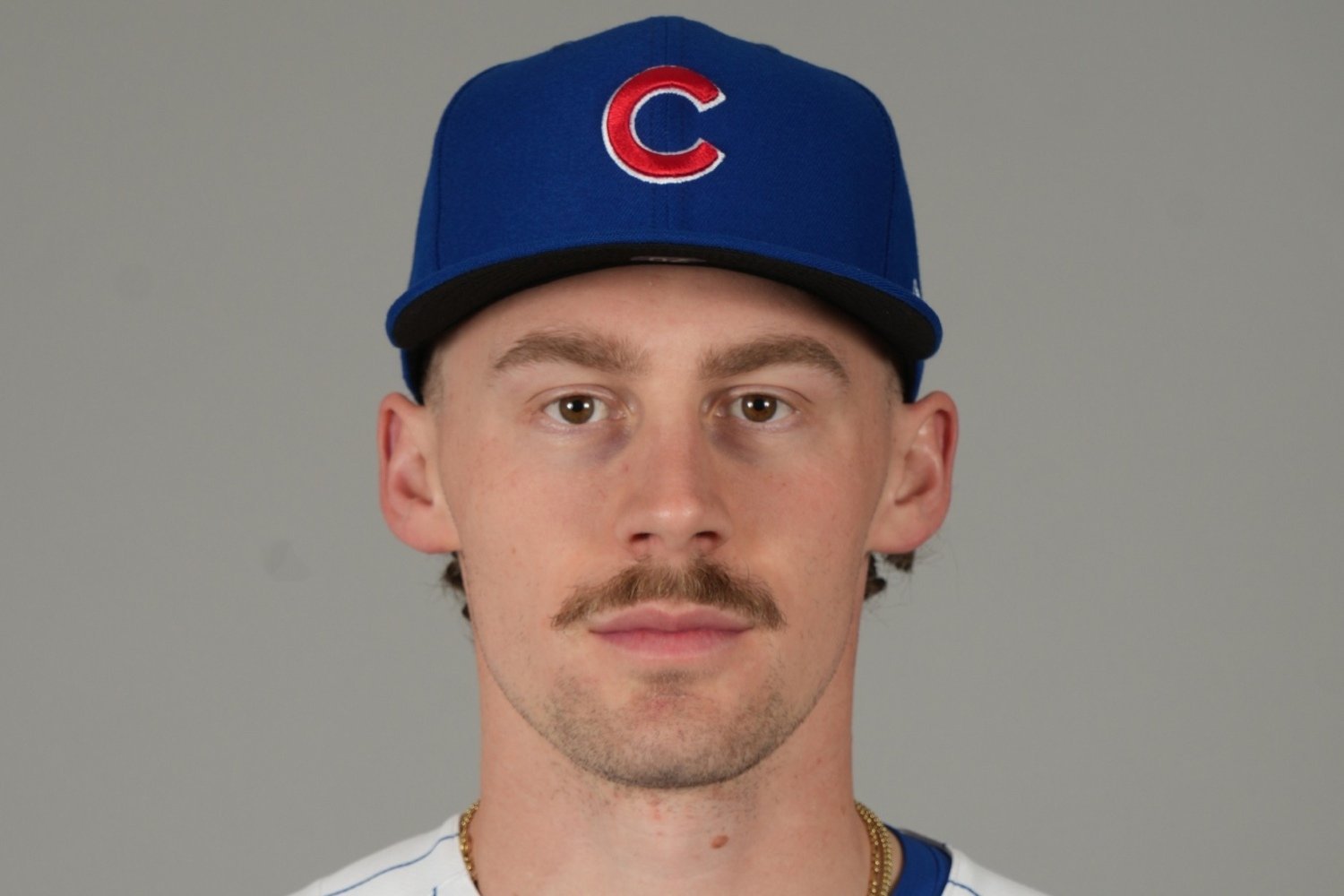 In his two innings of work Wednesday against the Brewers in Maryvale, Jaxon Wiggins looked like a big-leaguer with front-of-the-rotation upside. He allowed just one baserunner (a walk) and struck out two. His fastball sat at 98 miles per hour and nearly touched 100. His hard slider (or cutter, depending on whom you ask) looked good, and his curveball continued to flash depth that makes it scary. Perhaps most importantly, Wiggins showed the ability to fill up the strike zone with that fastball, which has not just velocity but plenty of carry and life on it. He got just three whiffs from a contact-oriented Brewers lineup, but he also delivered seven called strikes, including six on the heater. If he can throw enough strikes to limit walks and put hitters into two-strike counts, he'll rack up plenty of strikeouts, even against teams who specialize in the avoidance of them. Wiggins's easiest comp might be Nick Pivetta, of the Padres. Like Pivetta, he throws hard, with a high-rise heater, and like Pivetta, he has huge break on his curveball. To get a sense of how extreme Pivetta is in terms of pitch movement, consider this plot of pitchers who threw a qualifying number of four-seamers last year. Now, contrast that with a plot of the movements of curveballs thrown by pitchers who fired enough of them to qualify. Stretching the vertical movement differential that way is good. It creates the chance to miss bats. However, Pivetta loses a little bit of the theoretical, in-a-vacuum value of his high-rise heat and big-breaking curve because he works from an extreme over-the-top angle. That makes his pitches' vertical movement less deceptive—less unexpected—than it would be from even a slightly lower slot. As it happens, Wiggins pitches from that slightly lower slot. With just a hair less spine tilt and a slightly less exaggerated overhand action, Wiggins makes the interaction between his curveball and his fastball more deceptive than Pivetta's. However, that's not the only effect of that change in slot. There's a cost to it, in that Wiggins's fastball runs quite a bit more to his arm side than does Pivetta's. The latter is a cut-ride shape, which allows Pivetta to keep it over the plate and to attack both sides of the zone with it when his command is good. Wiggins will always struggle to execute his four-seamer to the glove side, which introduces a limitation. However, there are also benefits of that lower slot that go beyond the ride on the fastball being more surprising to the hitter. Wiggins's second pitch isn't the curve; that's his third or fourth option. Rather, he leans hard on his hard slider or cutter, and that pitch works better because he doesn't come so completely over the top that he's locked into only vertical movement separation. That changeup is also unlocked by not having such a high arm angle. Wiggins is never going to have Pivetta-caliber cut on his heater, let alone anything like what teammate Cade Horton does with his power cutter/four-seamer. However, like Horton (and unlike Pivetta), Wiggins has the makings of four good pitches that each hit one cardinal direction on the movement compass. His arm slot permits that vicious four-seamer to set up both breaking balls and the changeup. That's not to suggest, however, that he's ready to show up in the majors and have Horton-like success. To his credit, he's taken the critical first step in controlling his arsenal, by learning to throw his fastball for strikes. He can locate the slider/cutter well enough to get outs, too. However, both his change and his curve are wildly inconsistent. He doesn't know how to change his targets on those offerings, or even to consistently attack any one quadrant with them. He's at least two big developmental mile markers from Horton Territory: Throwing those two pitches for strikes with life, forcing hitters to honor them; and Learning to consistently throw strike-to-ball versions of them that induce chases for weak contact and whiffs, as well as the versions that land in the zone and compel the hitter to prepare themselves to swing. On a remarkably talented pitcher's developmental checklist, these items can get checked off surprisingly quickly. Wiggins might be doing all of this well enough to come up and dominate within a few months. Right now, though, he's merely tantalizing. The chance to rapidly become an ace is there, but the current reality is a long way from that hoped-for eventuality. Wednesday was a lovely glimpse of what's to come, but also a reminder that it's not yet here. View the full article
 -
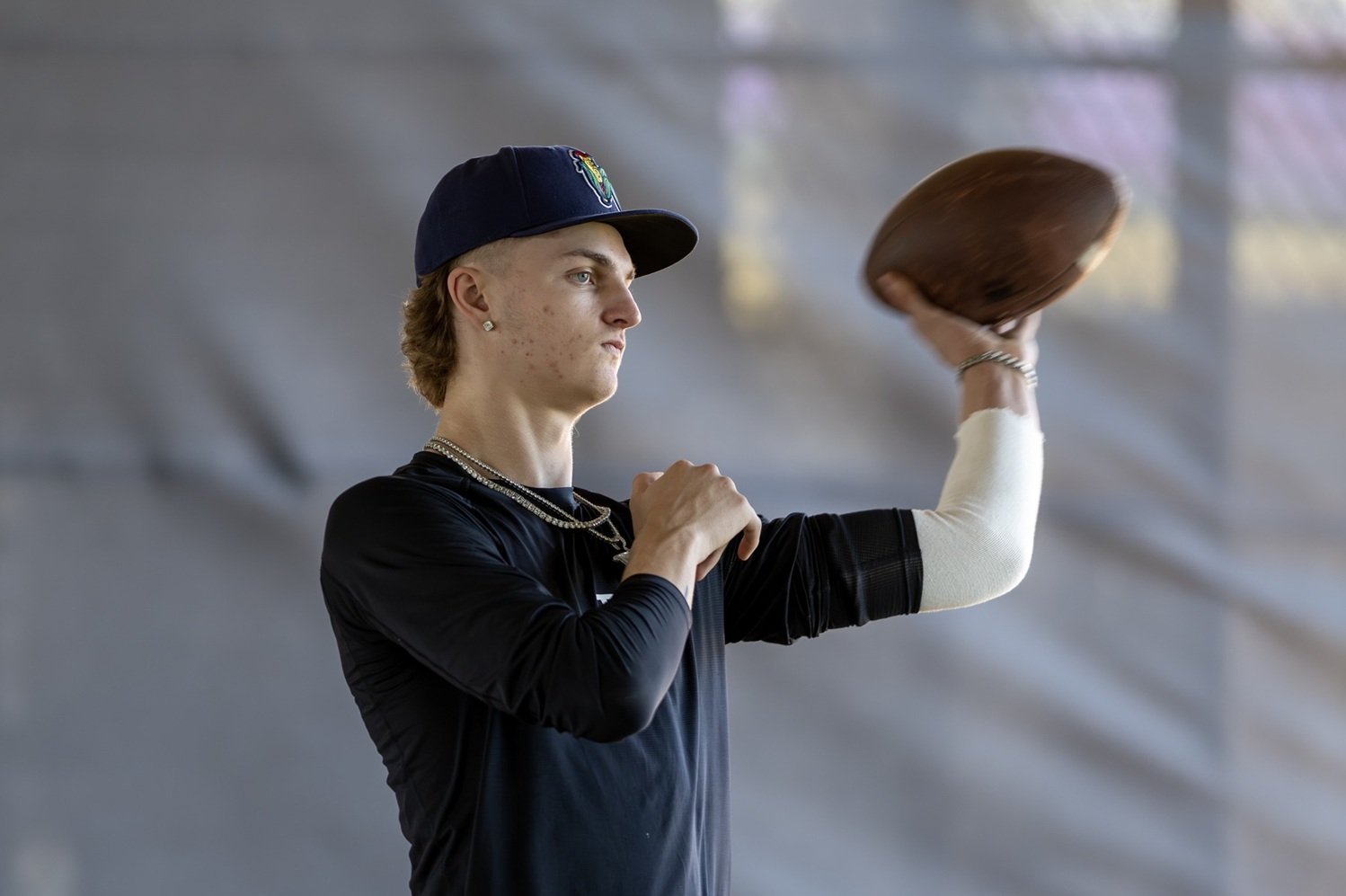 Dasan Hill Bats: R / Throws: L Age: 20 Stats in 2025: (Low-A, High-A) 62 IP 83 SO 3.19 ERA 1.35 WHIP Rule 5 Eligible: After 2028 Season ETA: 2028 2025 Ranking: 7 National Rankings: Just outside the Top 100 in several. What’s to Like "Intriguing" is the first word that comes to mind when I see Hill’s name and profile. Being 6-5 and lanky, left-handed, and hitting 97 mph with his fastball is just the start. Wait, what? Let's try that again. Dasan Hill is a 20-year-old left-hander who stands 6-5, has room to gain strength yet, and has already reached triple digits with his fastball. He also throws a curveball, change-up, and slider, all of which grade out as above average. Having four above-average pitches is a great profile as a starting pitcher prospect. Drafted in Competitive Balance Round B in the 2024 draft, Hill was signed for an over-slot deal of $2 million out of Grapevine High School in Texas, Hill was the only pitcher taken in the Twins' first eight picks of the 2024 draft. In 2025, he pitched with both Low-A Fort Myers and High-A Cedar Rapids. Across 19 starts and 62 innings, he had 83 strikeouts with a 3.19 ERA and 1.35 WHIP. At 20 years old, Hill is listed at 165 pounds, so one would think he could still fill out his frame some, which could help him as he continues to develop. Despite the lack of innings, Hill was named by Twins Daily as the Twins Minor League Starting Pitcher of the Year in 2025. What’s Left to Work On Like many young pitchers, Hill will need to reign in his command, as he had a 5.8 BB/9 rate this past season. Given his pitch mix, he projects to improve on those numbers, but it is something to keep an eye on and will be a part of taking a step forward. Another thing will be to stay healthy and continue working toward a starter’s workload, so pitching over 100 innings this year, would be a great accomplishment in doing this. What’s Next: Hill will be pitching his second professional season in 2026, so getting more innings and facing more hitters will be key in the next step of his development. He will likely start the year with High-A Cedar Rapids and pitch most of the year there, and as long as things go as planned, he may get his first taste of Double-A toward the end of the season, much like he did this past season, getting three starts at High-A after spending most of the year with Low-A Fort Myers. With plenty of upside, keep an eye on Hill and how he continues to grow and round out his approach in his second full season in the Twins organization. For more Twins Daily content on Dasan Hill, click here. View the full article
 -
 In the second Fish Unfiltered episode of the AJ Ramos era, the former Miami Marlins closer, Isaac Azout and Kevin Barral reflect on Tommy Hutton's brilliant broadcasting career. Recording live from loanDepot park, Kevin sets the stage for what to expect when Pool D action begins on Friday. AJ relives the invitations that he received to represent Mexico in past tournaments and the guys give an overview of which Marlins players are participating this time around. You can find Fish Unfiltered and Fish On First LIVE on the Fish On First YouTube channel, Apple Podcasts, Spotify or wherever else you get your pods. Catch up on more pod episodes from earlier this week: Which Marlins could win the World Baseball Classic? (Fish Unfiltered) Sandy and Snelling shove, plus Marlins Spring Breakout player pool (FOF LIVE) View the full article
 -
Giaconino Lasaracina, the Newest Blue Jays To Follow in the WBC
DiamondCentric posted an article in Jays Centre
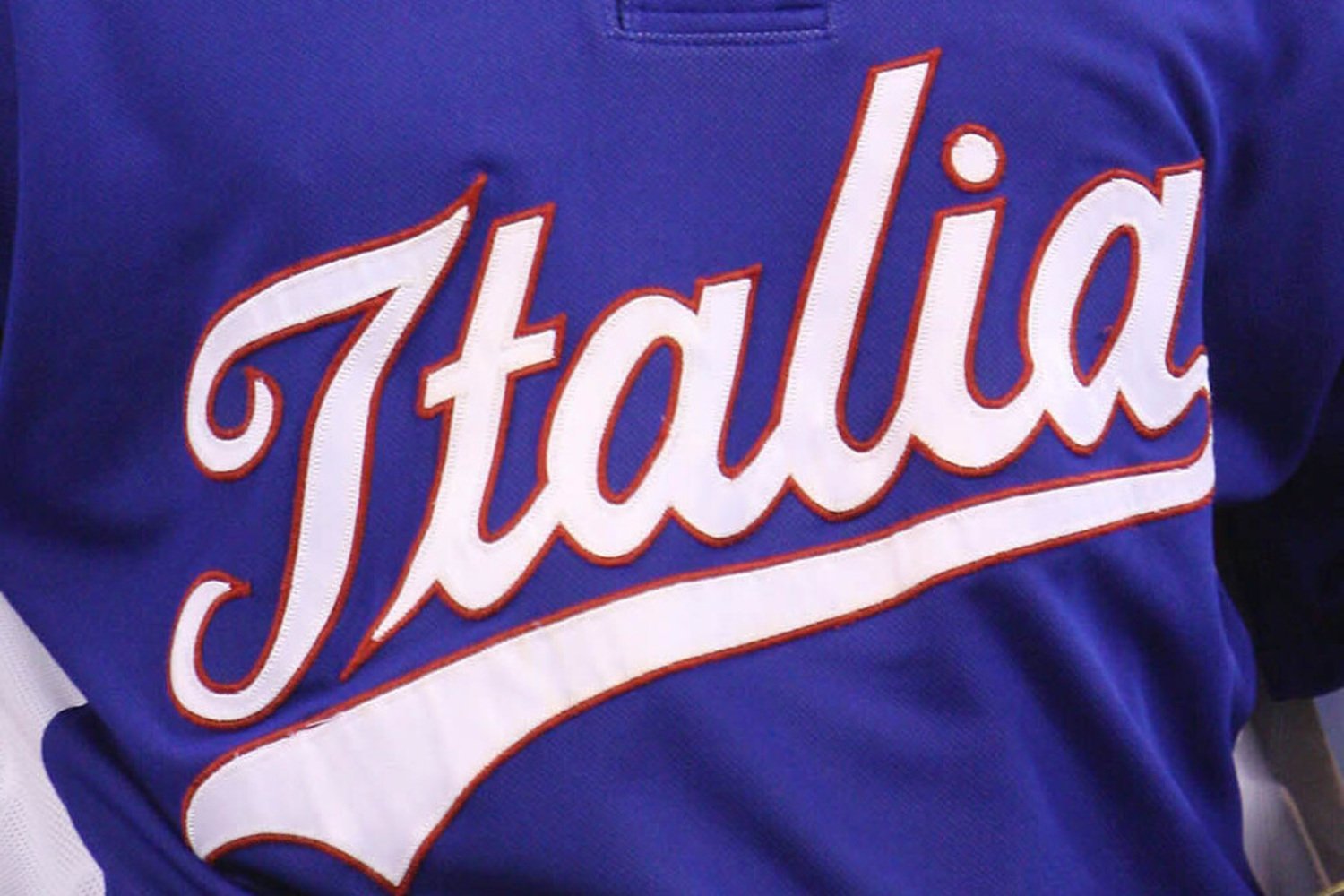 Make that 13 players from the Blue Jays organization participating in the World Baseball Classic. Giaconino Lasaracina has two transactions listed on his MLB.com player page. In February, he was named to Team Italy's roster for the World Baseball Classic. A month later, the Toronto Blue Jays signed him to a minor league contract. Lasaracina, 22, was born in Venezuela but evidently has Italian heritage. The righty batter played three seasons of Italian Serie A baseball from 2022-24, slashing .374/.451/.579 (1.030), excellent even by the much higher offensive standards of the Italian Baseball League. That is the extent of his professional experience, at least according to Baseball Reference. He did, however, play for Italy in the 2025 European Baseball Championship. Lasaracina appeared in all seven of Italy's games, leading the team with 13 hits, 15 RBI, and a 1.701 OPS. His dominant offensive showing helped the Italians beat Switzerland, Lithuania, Greece, France, Germany, and Czechia before they lost to the Netherlands (by one run) in the final. The loss, it should be said, came despite Lasaracina's best efforts. He hit six home runs in the tournament, more than any other player, with his last one coming against the Netherlands in the championship game. Lasaracina is listed as a catcher on MLB.com, but he is categorized as an infielder on Team Italy's roster. Meanwhile, the WBSC Europe website describes him as a catcher/infielder/outfielder. According to Baseball Reference, he was primarily a catcher and third baseman in the Italian League, though BR's fielding stats for Serie A are incomplete. He played at least 24 games at third, 23 behind the dish, eight at first base, and nine as a pitcher too, although that only accounts for about two-thirds of his total games played. (For what it's worth, he pitched to a 2.89 ERA with 11 strikeouts in 9.1 IP – though he also walked 13, hit four batters, threw three wild pitches, and gave up seven unearned runs on top of three earned. That’s not a pitching line you see very often!) All that to say, it's not yet clear what position Lasaracina will play in the Blue Jays organization. It would boost his value if he can catch on a regular basis, but based on the available evidence, all I can really say is that it seems like he's a bat-first player. Now, there's a high likelihood Lasaracina never makes the majors. You might never hear his name again. But it's for all the same reasons he's a wild card that his signing is so interesting. It's not every day the Blue Jays ink a 22-year-old international free agent with so little professional experience (and from Italy, no less). It's even more unusual that we get a chance to see such a player perform on one of the game's highest stages so soon after his signing. Lasaracina probably won't be in Team Italy's regular starting lineup, but hopefully, he'll make it into a few first-round games. Here's when and where you might be able to catch him play: Team Italy WBC Pool Play Schedule Date Opponent Start Time Where To Watch March 7 Brazil 1:00 pm ET Sportsnet+ March 8 Great Britain 1:00 pm ET Sportsnet+ March 10 USA 9:00 pm ET Sportsnet 360 March 11 Mexico 7:00 pm ET Sportsnet+ Italy is in Pool A with the USA, Mexico, Great Britain, and Brazil. While the Americans are the heavy favourites in the pool, an Italian team featuring Kyle Teel, Jac Caglianone, Vinnie Pasquantino, Aaron Nola, Michael Lorenzen, and, of course, Giaconino Lasaracina, is a dark horse to upset Mexico and advance to the quarterfinals for the second WBC in a row. It won't be easy, but if Lasaracina can hit anything like he did in last year's European Baseball Championship, it will certainly help the cause. Lasaracina will be even more of a dark horse once he starts his career in affiliated ball, but he, like Team Italy, will be an underdog worth watching. View the full article
 -
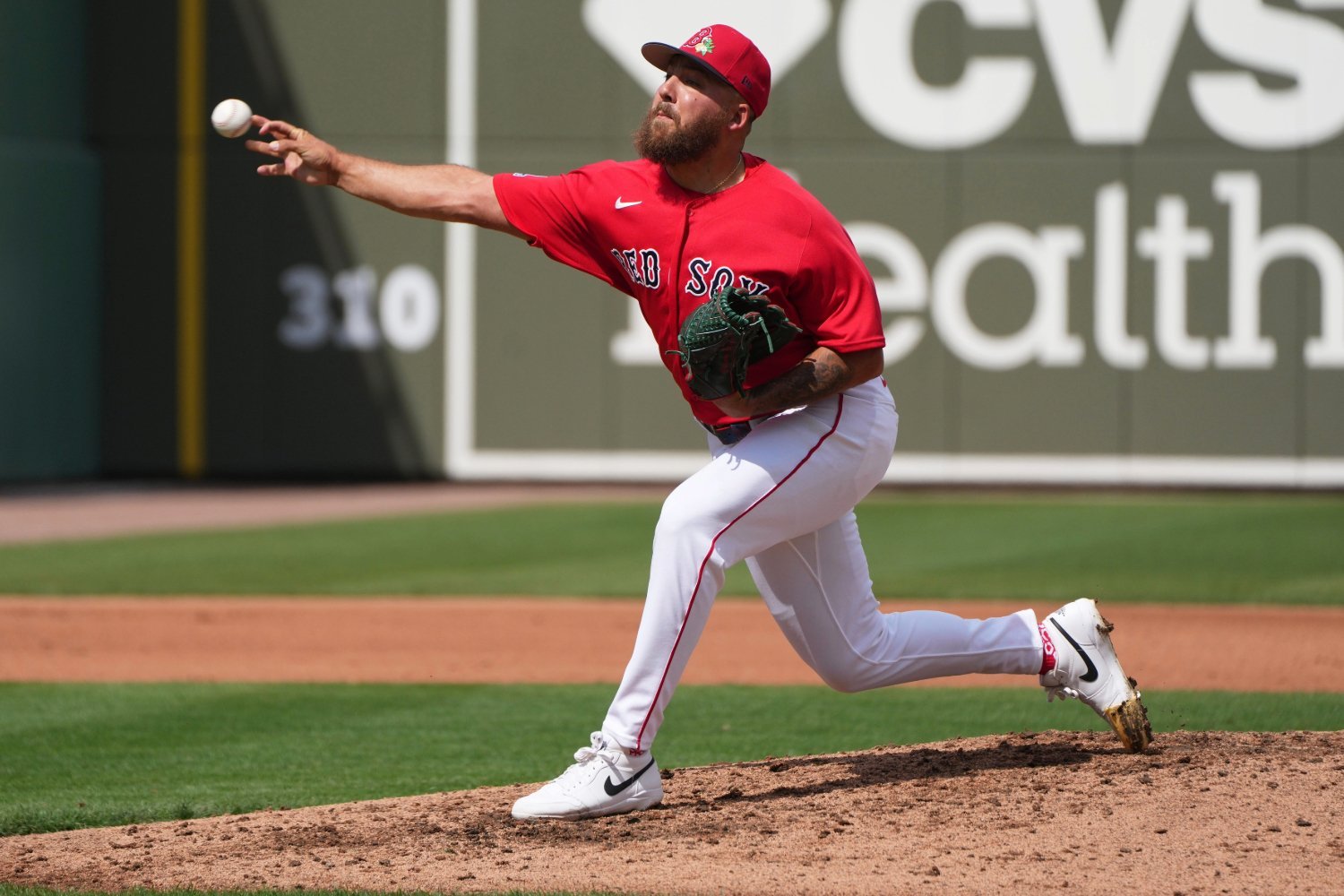 Greg Weissert has inserted himself into the conversation for a high-leverage role through his performance this spring as well as his 2025 season. Aroldis Chapman and Garrett Whitlock stand uncontested as the primary options for the eighth and ninth inning spots, but a lack of additions in the bullpen this offseason has left the door open for Weissert to emerge as the other set-up man. His spring outings thus far turned heads, going two innings, striking out two and not giving up a hit in either outing. Now, spring box score results are not worth spending much time on, as some fans might remember someone like Trayce Thompson dominating 2025 spring, hitting home runs seemingly every other at-bat, but not seeing any time with the big league club. For pitchers, looking at new movement profiles, new pitches, or an uptick (or decrease) in velocity can set the table for what to expect in the upcoming season. Pitchers will often over-utilize pitches to get feel for them in game, so while keeping hitters off balance is a plus in the spring, it is rarely an omen for how the season will go. Still, at least from the initial data, it appears Weissert has improved his movement profile on his primary pitches. Weissert's strongest offering his is frisbee-like sweeper, which was put him on the map after the Red Sox as part of the Alex Verdugo deal. His sweeper's -20.1 inches of horizontal break is the most among any qualified pitcher, moving 6.2 inches more than the average sweeper. As if it could get better, Weissert has shown up to Fort Myers, throwing a UFO sweeper with now 22.5 inches of horizontal movement. These two additional inches have moved the pitch from a 113 tjStuff+ to now a 118 mark, making it a pitch that moves 18% better than a league-average sweeper. One interesting note about the pitch is that he has made it his second offering after throwing it as his fourth-most used pitch last season. This could be some experimentation like I had mentioned previously or an indication of a slight change in approach. We can see thanks to the top right graphic that he used it primarily against righties, which makes sense for it's use as a chase pitch. Just look at the swing Javier Baez tried to get off against it. NHlneFBfWGw0TUFRPT1fVXdOWEIxQlhWQUVBRDFZS1hnQUhBZ1ZUQUFNRkFsTUFBMVFFVTFCUlZRc0FCd1ZX.mp4 Nasty. His primary pitch, as with most pitchers, is his fastball, which grades out as below average, mostly due to his low extension and below-average velocity (94.1). While his velocity has not improved thus far, the induced vertical break did, improving from 12.6 iVB to now 13.9, allowing it to stay up longer and fool hitters. To be fair, results wise, it was still a solid pitch last year, generating a minimal .296 xWOBA on contact and an above average 31 percent chase rate, but this tweak should make those results more sustainable. Finally, his changeup has shown massive improvement this spring, going from a 101 tjStuff+ to now a 106 thanks to an extra inch of horizontal break and far more distinct vertical movement. The effectiveness of a changeup is its ability to pair with a fastball for as long as it can before it drops off the table, getting hitters to swing over it for a whiff or beating into the dirt. His change was already effective at the latter, generating the second-highest groundball rate (82.4%) among pitchers who had thrown the pitch at least 75 times. It was not great at generating whiffs, though, sitting at only a 13.5 percent swinging strike rate. An additional inch downward won't hurt his prospects on whiffs, but it likely still won't be a big piece of his arsenal. An additional inch of horizontal run against lefties though, the side he would primarily throw it to, can and will create more problems. Here is perennial MVP candidate Corbin Carroll facing his 2025 changeup: NXkyZ0JfWGw0TUFRPT1fVWxCUVVGWU1BMUFBV3dZS1ZRQUhWQTRGQUFBQVVBQUFVUUZUVmdKUUFGRUJVbE1D.mp4 Weissert shoved last year for one of the quieter sub-3.00 ERA reliever seasons in 2025, posting a 2.82 mark. Improvements in the pitch mix should only help to build on that and hopefully create a three-headed monster starting in the seventh inning. He is largely platoon-proof as well, as neither left-handed nor right-handed hitters managed even a .300 wOBA against him. This Sox team is one that will thrive thanks to its defense and pitching. I expect plenty of close games in the seventh, and if Weissert can use this improved arsenal to set the table for Whitlock and Chapman, opposing teams are going to need to have a lead before they entered the final third of every game. View the full article
 -
 Enjoy new episodes of our Miami Marlins livestreams throughout 2026 spring training. Every week, Fish On First staffers answer your questions and provide in-depth analysis of the team leading up to Opening Day. Thursday's show was hosted by Jeremiah Geiger and featured panelists Ely Sussman, Daniel Rodriguez, Isaac Azout and Nate Karzmer. The following topics were covered: Awesome pitching performances by Sandy Alcantara and Robby Snelling Whether Snelling could force his way into the Marlins Opening Day rotation Prospects who could have the biggest MLB impact over the next 2-3 years The Marlins' Spring Breakout preliminary player pool What we're most looking forward to seeing in the World Baseball Classic You can find Fish Unfiltered and Fish On First LIVE on the Fish On First YouTube channel, Apple Podcasts, Spotify or wherever else you get your pods. Related reading from FOF: Kevin Barral's latest roster projection Nate's coverage of Thursday's game The ultimate fan guide to the World Baseball Classic View the full article
 -
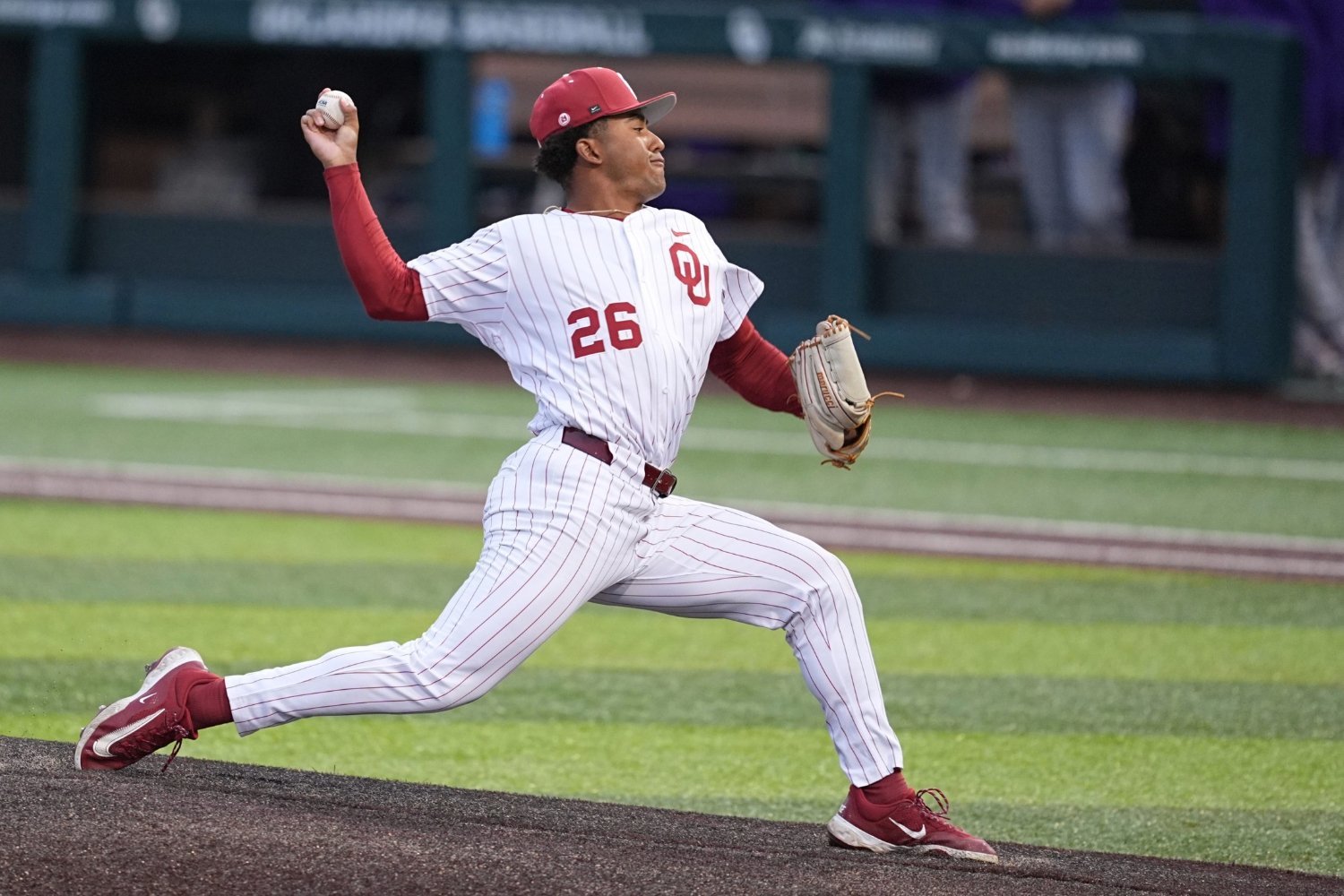 The Spring Breakout Event is back this year, featuring some of the best prospects in all of baseball. The Boston Red Sox's contingent will square off against the Baltimore Orioles on March 20 (6:05pm EST). The annual event has led to some memorable moments in recent iterations — it was just last year that Roman Anthony, Marcelo Mayer, and Kristian Campbell all homered in the Spring Breakout game — and this year's contest should be no different. Many of Talk Sox's top 20 Red Sox prospects in 2026 will be in attendance, as will a large swath of the team's top 2025 draft picks. Below you'll find the team's initial 40-man pool of players eligible for the game; due to the World Baseball Classic interrupting spring training, the Red Sox will finalize their roster (consisting of 23-27 total players) on March 18. PITCHERS (18) Cooper Adams, RHP Jake Bennett, LHP Alex Bouchard, RHP Sadbiel Delzine, RHP Austin Ehrlicher, RHP Anthony Eyanson, RHP Leighton Finley, RHP John Holobetz, RHP Jacob Mayers, RHP Hayden Mullins, LHP Marcus Phillips, RHP Eduardo Rivera, LHP Reidis Sena, RHP Brady Tygart, RHP Tyler Uberstine, RHP Juan Valera, RHP Kyson Witherspoon, RHP Gage Ziehl, RHP CATCHERS (4) Nate Baez Johanfran Garcia Franklin Primera Gerardo Rodriguez INFIELDERS (11) Marvin Alcantara Franklin Arias Josue Brito Yoeilin Cespedes Freili Encarnacion Henry Godbout Ahbram Liendo Hector Ramos Mikey Romero Dorian Soto Mason White OUTFIELDERS (7) Enddy Azocar Miguel Bleis Allan Castro Anderson Fermin Justin Gonzales Harold Rivas Nelly Taylor Spring Breakout Pitching Prospect To Watch: Kyson Witherspoon We still haven't actually seen the Red Sox's top draft pick from 2025 actually take the field with the team, but what a stage this would be for the former Oklahoma Sooner to make his pro baseball debut. There are concerns about his command, but Witherspoon has an electric fastball and dominant breaking pitches that would play really well in a short one- or two-inning stint that the Spring Breakout Game would afford him. It's possible he doesn't make the final roster once the Red Sox pare down their 40-man pool, but the point of this game is to highlight the best prospect talent in every team's farm system. As a consensus top-five prospect in the organization right now, Witherspoon certainly fits that distinction. Spring Breakout Hitting Prospect To Watch: Franklin Arias Someone who will definitely be on the final roster is Arias, who has already made some flashy plays in the field this spring. He's looked overmatched in his few trips to the plate, but he mustered a 109 wRC+ in 2205 while ascending to Double-A as a teenager. Now set for his age-20 season, the slick-fielding shortstop is arguably the best prospect in the system heading into 2026. After the memorable performance the Big 3 put forth last year, it'd be nice to see Arias get his own shining moment during the nationally broadcasted prospect-fest. View the full article
 -
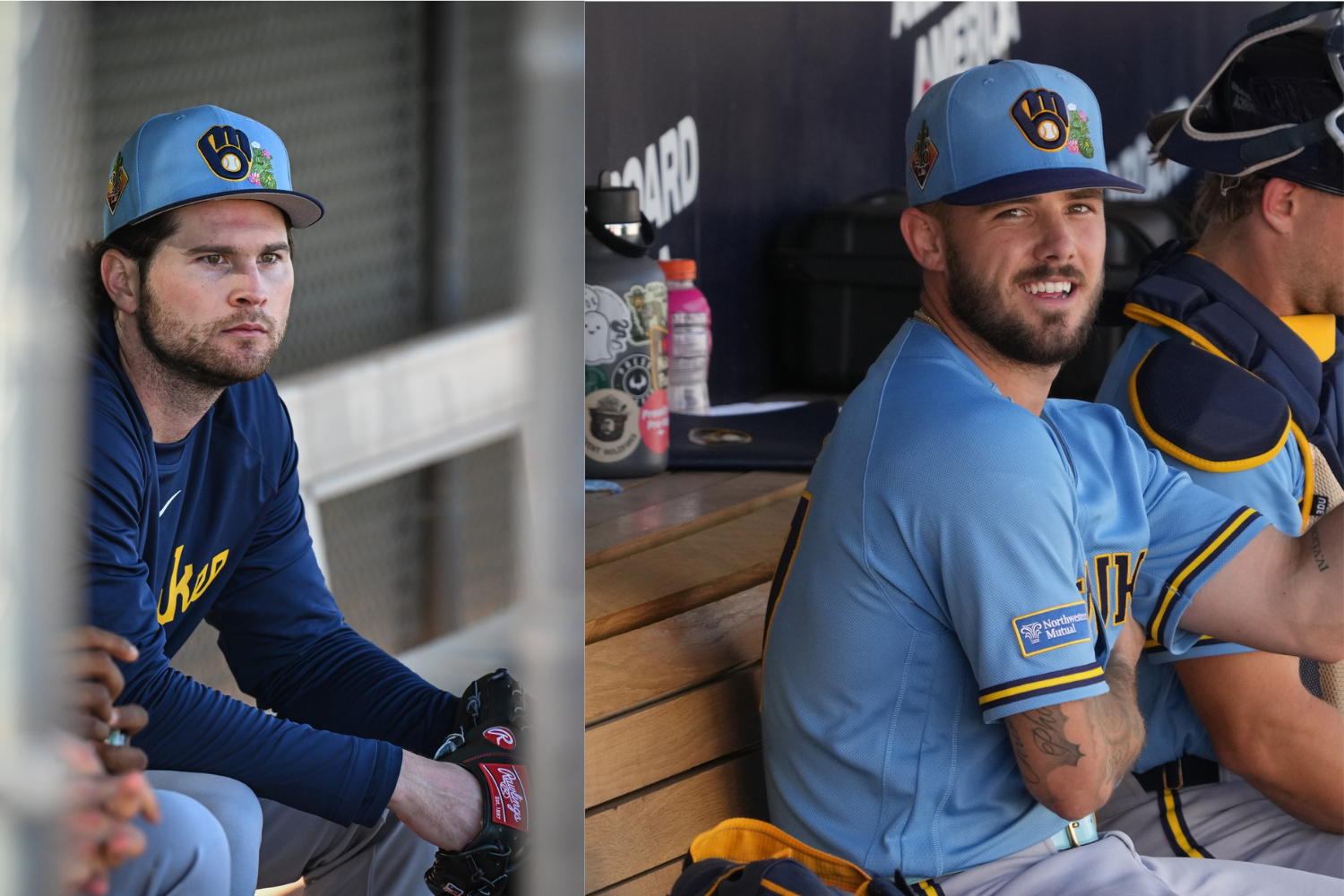 In matters of personality, DL Hall and Shane Drohan couldn't be much more different. Drohan is the player most likely to be found, during each morning's open clubhouse period, sitting quietly at his locker with his phone. He's happy to talk, but volunteers little to the team's ongoing patter. Assigned to the bank of three lockers set apart from any others (with an empty stall next to him and equally quiet prospect Luke Adams on the other side of that gap), Drohan is easy to see but hard to hear—sometimes, even when you talk to him. Hall, who has lockered next to Brandon Woodruff since his first spring with the Crew, could be found on his knees at one point this week, reenacting his inglorious role in some past baseball brawl for laughing teammates. His South Georgia drawl erupts from him, whereas Drohan's words seem to come only with effort and thought. Hall is the Brewers' resident sneakerhead; Drohan professes to love history documentaries. ("Amazon Prime; that's the spot for documentaries that I've found, so far." But: "You do have to kind of filter out, because there are some crazy documentaries that I'm like, 'I don't know how much truth there was to that one.'") Yet, in the context of this team and beyond, the two have a great deal in common, too. They were born just four months apart: Hall in September 1998, and Drohan in January 1999. Though it says '6-foot-3' on Drohan's Baseball Reference page, the Brewers measured him at 6-foot-2 this spring; he weighs 202 pounds. Hall is 6-foot-1, 209 pounds. The cultural distance between Hall's native Valdosta and Drohan's birthplace in Fort Lauderdale is large, but they're really only about 400 miles apart. Each has spent some time on the prospect radar, but both are now optionable arms entering their age-27 season, sidetracked by injuries and not yet having established themselves in the majors. Each has an arsenal too wide and too promising to make you feel good at collapsing their value down to that of a left-handed short reliever, but each has had enough trouble with durability and/or control to make you wary of trusting them with a starting gig. This spring, these equal opposites are in a quiet competition for priority position in the Brewers' pitching plans. For Hall, the big spring project is trying to get his velocity back. He still believes he can tap back into the upper-90s heat he showed before injuries shook him loose and dropped him out of the top prospect firmament. However, he knows much better than to sit and wait for that to happen. Instead, he spent the winter adding a sweeper to his arsenal, giving him up to seven pitches to which he can turn when the situation calls for it. Since the four-seamer still isn't doing what he needs it to do in order to dominate with it, he's also favoring his sinker more—especially to lefty batters. "It's just been a progressive thing over the last eight months," Hall said. "After coming off the injury last year, things change, your body starts moving differently and the four-seamer wasn't riding as much as I want it to, so let's try the sinker." So far, that pitch grades out well. Utilizing it against right-handed batters is more difficult, of course, but manager Pat Murphy chose Hall to pitch for Team Great Britain against a lefty-loaded Brewers lineup on Tuesday specifically to get him work in left-on-left matchups. While Murphy insists that any reliever in his bullpen have some way to get out both lefties and righties, that's not a huge problem for Hall. For one thing, his changeup flashes plus, and has enough separation to be useful even in tandem with the sinker, rather than the four-seamer. For another, Hall also has a cutter he can use to get in on the hands of righty batters. The cutter isn't as distinct from his four-seamer as Hall would prefer, but that's more because the four-seamer isn't showing the good carry it once did than because of the cutter's deficiencies. He has enough pitches he's comfortable with to gut his way through showdowns with righty batters, and the new sweeper (along with the newly prioritized sinker) can stand him in good stead against lefties. Drohan bears some similarities to Hall, but his stuff is much more oriented toward glove-side movement and manipulating the ball with spin. His four-seamer has the carry missing from Hall's, and his cutter has more separation from it. He has a true, tight, vertical slider and a curveball, such that he can focus on a simple set of what the Brewers call "start lines": the visual targets he uses for each pitch, letting the movement carry them to a different destination but ensuring consistent execution. The flip side of being so good at those glove-side offerings and having the carry on the heater is that Drohan's changeup is not as good as Hall's. To get righties out in the majors, he'll need to execute well with his other four offerings. Both pitchers are stretching out and trying to keep themselves available for starting roles. Hall worked the first three innings of the game on Tuesday; Drohan took the final three on Wednesday. Both hurlers said they'll adjust to relief work if needed, but that the team has kept them on plans consistent with starting. "I just wanna pitch in the big leagues," Hall said. He's ready to do whatever the team believes will help them win, but is "trying to win a spot in the rotation." Now, tell me if this sounds familiar. "I don't really have a mindset on it," Drohan said. "I wanna pitch in the big leagues, so whether that's starting or in the bullpen, I'm willing to do either." Drohan said he doesn't want to concede the chance to eventually start by turning away from it, and that there's probably no benefit for him or the team in his switching lanes mentally before the time comes. For now, he and the team are working not on the installation of any new offerings or on rediscovering velocity—Drohan throws a couple ticks harder than Hall right now, anyway—but on matters of pitch mix. The lefty said most of the suggestions he's gotten from Chris Hook and company have been along the lines of introducing pitches he would normally eschew in given situations, within an at-bat or an inning, rather than doing anything truly novel. That's in keeping with the Brewers' preference to let players who are new to the organization come in and familiarize themselves with the environment, before pushing any more significant changes. To open the season, both pitchers are likely to be on the outside of the rotation battle, looking in. One might make the team as a reliever, but it's also possible that both find themselves in Nashville, starting and awaiting an opening in Milwaukee. They're different in appearance and sensibility, but so similar in skill set and circumstance that they could be on the same track for much of this season. The Brewers have an almost redundant pair of southpaws with very different personalities—as good an illustration of their superb depth as any. View the full article
 -
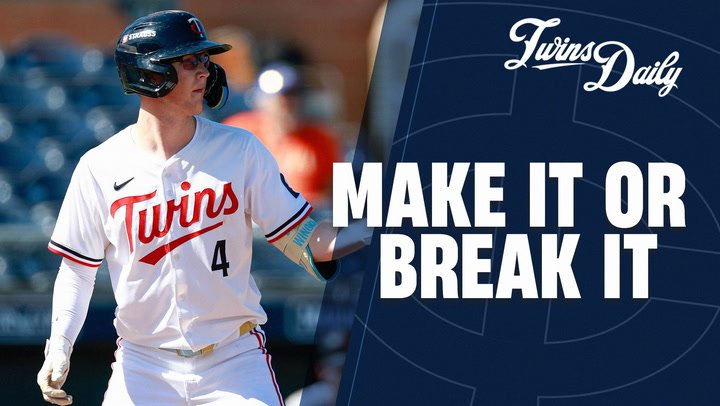 Brandon Winokur has shown some of his upside as a prospect, but has played much more consistently to his floor. Will 2026 be a make-or-break year for his status as a Twins' top 20 prospect? Jeremy, Jamie, and Theo evaluate his case. View the full article
 -
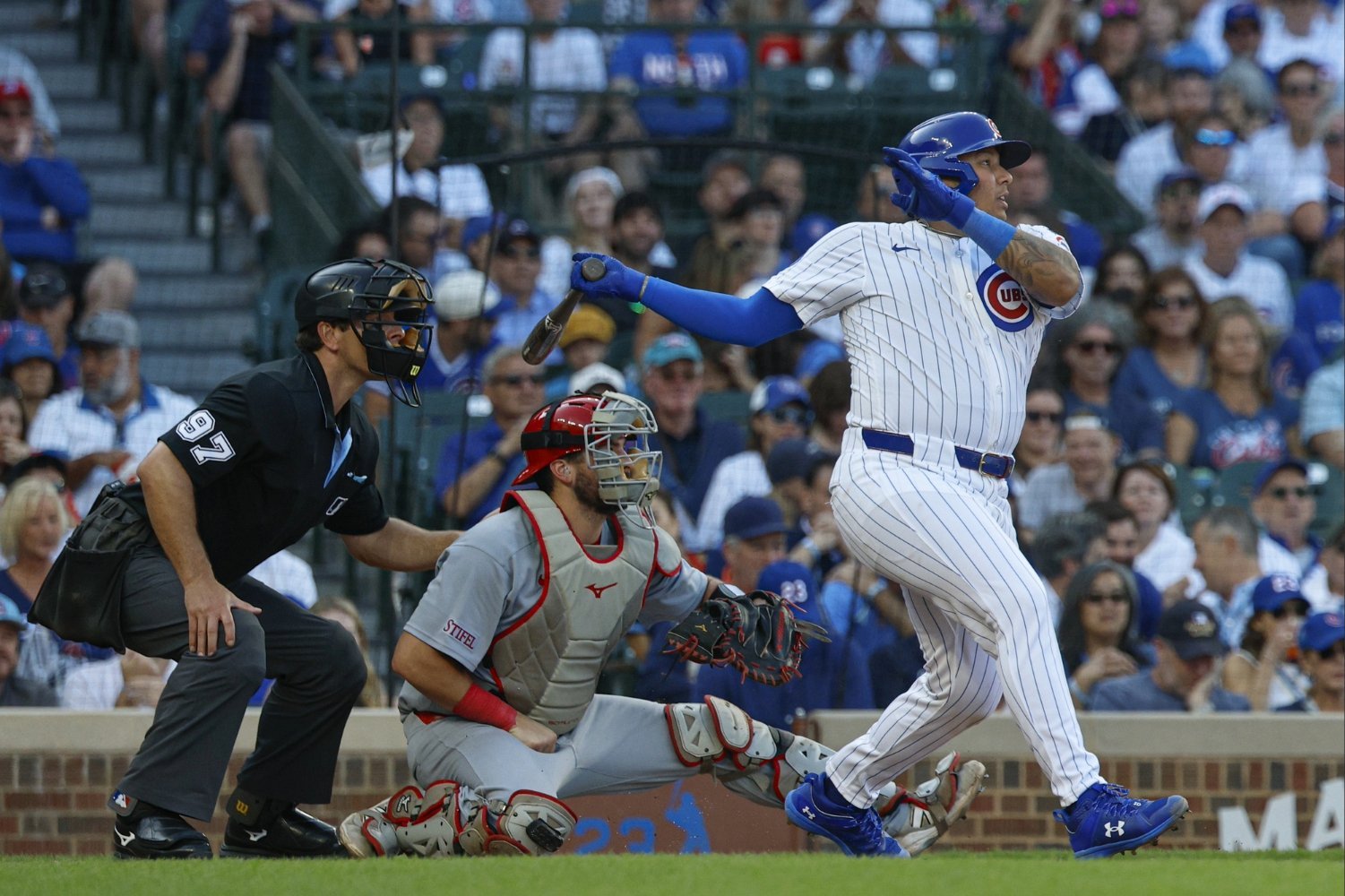 The Chicago Cubs have done their part in the grand reveal of their 2026 Spring Breakout Pool. Chicago has had players like NL Rookie of the Year candidate Cade Horton and Pete Crow-Armstrong on this squad in the past. The purpose of the Spring Breakout Series is to highlight each team’s top prospect talents by giving them another platform to prove themselves to the big league ball club. Think about it like the All-Star Futures Game, but with a couple of modifications. The Cubs joined the rest of Major League Baseball in submitting a preliminary list of 40 players who could appear on their breakout roster: PITCHERS (15) Brandon Birdsell, RHP, No. 17 Brooks Caple, RHP, NR Jostin Florentino, RHP, No. 18 Grant Kipp, RHP, No. 29 Jackson Kirkpatrick, RHP, NR Riley Martin, LHP, No. 28 Luis Martinez-Gomez, RHP, No. 24 Nazier Mulé, RHP, NR Dominick Reid, RHP, No. 16 Erian Rodriguez, RHP, No. 23 Yenrri Rojas, RHP, NR Will Sanders, RHP, NR JP Wheat, RHP, NR Jaxon Wiggins, RHP, No. 2/MLB No. 58 Kaleb Wing, RHP, No. 13 CATCHERS (4) Ariel Armas, C, No. 20 Owen Ayers, C, No. 11 Moisés Ballesteros, C, No. 1/MLB No. 55 Justin Stransky, C, NR INFIELDERS (11) Edgar Alvarez, 1B, NR Juan Cabada, 2B/OF, No. 12 Angel Cepeda, INF, No. 25 Fernando Cruz, SS/2B, No. 30 Jonathon Long, 1B, No. 7 Cole Mathis, 1B/3B, No. 15 Pedro Ramirez, 3B/2B, No. 9 Jefferson Rojas, SS/2B, No. 5 Ty Southisene, 2B, No. 26 Juan Tomas, SS, No. 14 James Triantos, 2B/OF, No. 10 OUTFIELDERS (10) Derik Alcantara, OF, NR Kevin Alcántara, OF, No. 4 Brett Bateman, OF, No. 21 Ethan Conrad, OF, No. 3 Josiah Hartshorn, OF, No. 8 Kane Kepley, OF, No. 6 Alexey Lumpuy, OF, NR Christian Olivo, OF, NR Kade Snell, OF, No. 27 Carter Trice, OF, NR With the roster being cut down in a couple of weeks and the regular season behind just around the corner, here are four notable players who could potentially make some noise in the Spring Breakout contest. Prospects To Watch: Jaxon Wiggins Wiggins is the Cubs’ shiny sports car at the moment. With Cade Horton graduating from prospect status last year, the former Arkansas Razorback has taken the reins as the team’s top pitching prospect. After an up-and-down first year in professional baseball in 2024 where Wiggins searched for his command at times, the hard-throwing righty turned up the temperature and found himself in Triple-A by the end of last season. Overall, his 70-grade fastball, wicked upper-80s slider and .176 career opponent batting average stand out as top metrics indicating his MLB debut could be just around the corner. Prospects To Watch: Jefferson Rojas Few players have stolen center stage like Rojas has for the Cubs in the last couple of weeks. Rojas has gone on his own Spring Breakout tour, logging a .318 batting average and a team-best 16 total bases across eight exhibition contests for the Cubs thus far. The organization’s No. 5 prospect topped out in Double-A Knoxville to conclude his 2025 campaign, but he took his lumps, failing to hit a home run and hitting .164 across 39 contests. The rising middle infielder is starting 2026 with confidence; let’s see if the performance can translate on the big stage come March 21. Prospects To Watch: Ethan Conrad As the Cubs’ first-round pick in 2025, all eyes will be watching if Conrad gets his first competitive at-bats with some of Chicago’s brightest young stars. The former Wake Forest Demon Deacon boasts five-tool upside, with all of his tools grading at 50 or higher. At 6-foot-2, 220 pounds, Conrad packs a punch with plus speed once he gets his gears turning. As an outfielder, there’s added appeal knowing that Seiya Suzuki and Ian Happ are on contract years and that the organization’s former top prospect, Owen Caissie, packed his backs for Miami in the Edward Cabrera trade. The 21-year-old has a long way to go before getting a call to the bigs, but it’s hard not to get excited knowing the North Siders have the NCAA triples leader (13) from just a couple of seasons ago. Prospects To Watch: Moises Ballesteros Last but certainly not least, we have a top-100 prospect who has already made his major-league debut. Ballesteros looked calm, cool and collected when he joined the North Siders down the stretch last year. The backstop made himself irresistible in Triple-A Iowa, hitting .316 with a superb .858 OPS across 114 games before carrying his momentum to Wrigley Field. Ballesteros’ OPS spiked to .868 in the majors, and he enjoyed two round-trippers with 11 runs batted in across 20 big-league contests. This showcase could be another opportunity to highlight the top prospect in the Cubs’ farm system. The Matchup The Cubs host the San Diego Padres’ Spring Breakout roster at Sloan Park on March 21. First pitch for the NL Wild Card rematch is set for 8:05 PM CT. View the full article
 -
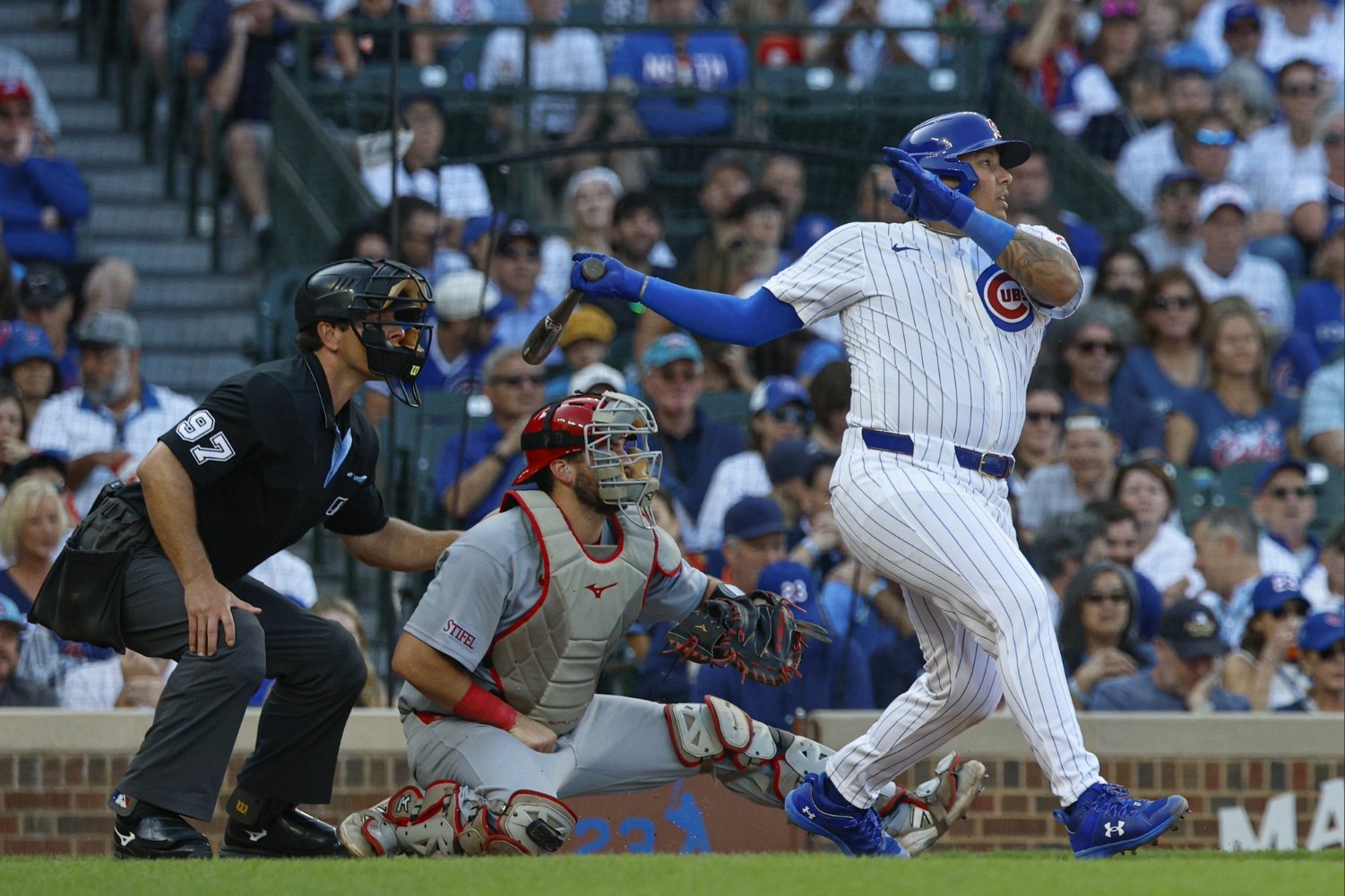 The Chicago Cubs have done their part in the grand reveal of their 2026 Spring Breakout Pool. Chicago has had players like NL Rookie of the Year candidate Cade Horton and Pete Crow-Armstrong on this squad in the past. The purpose of the Spring Breakout Series is to highlight each team’s top prospect talents by giving them another platform to prove themselves to the big league ball club. Think about it like the All-Star Futures Game, but with a couple of modifications. The Cubs joined the rest of Major League Baseball in submitting a preliminary list of 40 players who could appear on their breakout roster: PITCHERS (15) Brandon Birdsell, RHP, No. 17 Brooks Caple, RHP, NR Jostin Florentino, RHP, No. 18 Grant Kipp, RHP, No. 29 Jackson Kirkpatrick, RHP, NR Riley Martin, LHP, No. 28 Luis Martinez-Gomez, RHP, No. 24 Nazier Mulé, RHP, NR Dominick Reid, RHP, No. 16 Erian Rodriguez, RHP, No. 23 Yenrri Rojas, RHP, NR Will Sanders, RHP, NR JP Wheat, RHP, NR Jaxon Wiggins, RHP, No. 2/MLB No. 58 Kaleb Wing, RHP, No. 13 CATCHERS (4) Ariel Armas, C, No. 20 Owen Ayers, C, No. 11 Moisés Ballesteros, C, No. 1/MLB No. 55 Justin Stransky, C, NR INFIELDERS (11) Edgar Alvarez, 1B, NR Juan Cabada, 2B/OF, No. 12 Angel Cepeda, INF, No. 25 Fernando Cruz, SS/2B, No. 30 Jonathon Long, 1B, No. 7 Cole Mathis, 1B/3B, No. 15 Pedro Ramirez, 3B/2B, No. 9 Jefferson Rojas, SS/2B, No. 5 Ty Southisene, 2B, No. 26 Juan Tomas, SS, No. 14 James Triantos, 2B/OF, No. 10 OUTFIELDERS (10) Derik Alcantara, OF, NR Kevin Alcántara, OF, No. 4 Brett Bateman, OF, No. 21 Ethan Conrad, OF, No. 3 Josiah Hartshorn, OF, No. 8 Kane Kepley, OF, No. 6 Alexey Lumpuy, OF, NR Christian Olivo, OF, NR Kade Snell, OF, No. 27 Carter Trice, OF, NR With the roster being cut down in a couple of weeks and the regular season behind just around the corner, here are four notable players who could potentially make some noise in the Spring Breakout contest. Prospects To Watch: Jaxon Wiggins Wiggins is the Cubs’ shiny sports car at the moment. With Cade Horton graduating from prospect status last year, the former Arkansas Razorback has taken the reins as the team’s top pitching prospect. After an up-and-down first year in professional baseball in 2024 where Wiggins searched for his command at times, the hard-throwing righty turned up the temperature and found himself in Triple-A by the end of last season. Overall, his 70-grade fastball, wicked upper-80s slider and .176 career opponent batting average stand out as top metrics indicating his MLB debut could be just around the corner. Prospects To Watch: Jefferson Rojas Few players have stolen center stage like Rojas has for the Cubs in the last couple of weeks. Rojas has gone on his own Spring Breakout tour, logging a .318 batting average and a team-best 16 total bases across eight exhibition contests for the Cubs thus far. The organization’s No. 5 prospect topped out in Double-A Knoxville to conclude his 2025 campaign, but he took his lumps, failing to hit a home run and hitting .164 across 39 contests. The rising middle infielder is starting 2026 with confidence; let’s see if the performance can translate on the big stage come March 21. Prospects To Watch: Ethan Conrad As the Cubs’ first-round pick in 2025, all eyes will be watching if Conrad gets his first competitive at-bats with some of Chicago’s brightest young stars. The former Wake Forest Demon Deacon boasts five-tool upside, with all of his tools grading at 50 or higher. At 6-foot-2, 220 pounds, Conrad packs a punch with plus speed once he gets his gears turning. As an outfielder, there’s added appeal knowing that Seiya Suzuki and Ian Happ are on contract years and that the organization’s former top prospect, Owen Caissie, packed his backs for Miami in the Edward Cabrera trade. The 21-year-old has a long way to go before getting a call to the bigs, but it’s hard not to get excited knowing the North Siders have the NCAA triples leader (13) from just a couple of seasons ago. Prospects To Watch: Moises Ballesteros Last but certainly not least, we have a top-100 prospect who has already made his major-league debut. Ballesteros looked calm, cool and collected when he joined the North Siders down the stretch last year. The backstop made himself irresistible in Triple-A Iowa, hitting .316 with a superb .858 OPS across 114 games before carrying his momentum to Wrigley Field. Ballesteros’ OPS spiked to .868 in the majors, and he enjoyed two round-trippers with 11 runs batted in across 20 big-league contests. This showcase could be another opportunity to highlight the top prospect in the Cubs’ farm system. The Matchup The Cubs host the San Diego Padres’ Spring Breakout roster at Sloan Park on March 21. First pitch for the NL Wild Card rematch is set for 8:05 PM CT. View the full article
 -
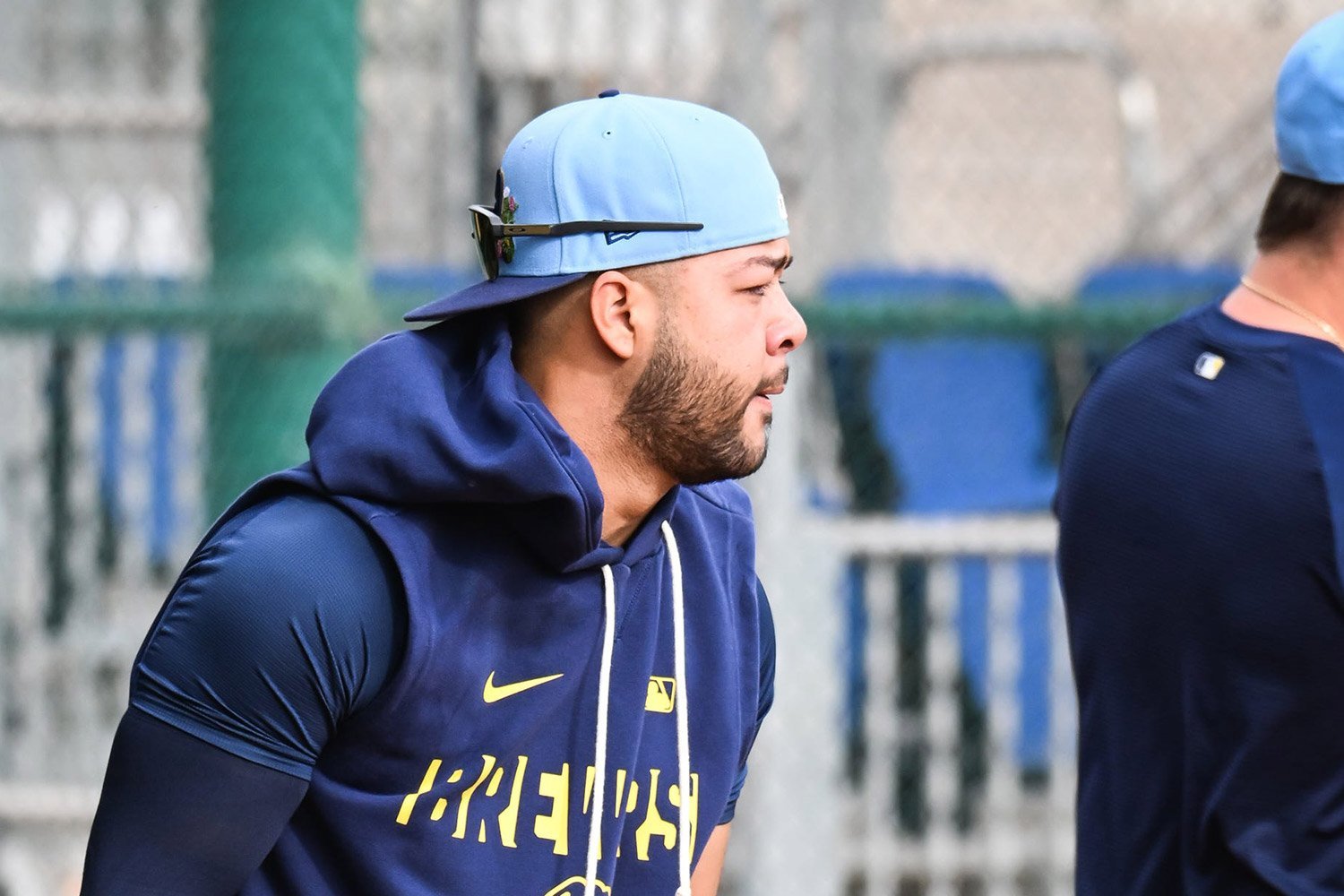 The Brewers have one of the deepest prospect pools in baseball and were ranked the number one farm system by ESPN at the end of January. These future members of the Brew Crew will once again get chances to showcase their skills in the third annual Spring Breakout Games, where each MLB club sends its top minor league prospects to compete against other future stars. The Brewers’ Spring Breakout Stars will get the chance to play two games this year: March 20th against the Mariners in Phoenix, Ariz., at 5:10 and March 22nd against the Athletics in Mesa, Ariz., at 4:05. Both games will be available to watch on MLB Network, with the March 22nd game also available on Amazon. Rosters were announced on Thursday, with an initial pool of 40 players. Game-day rosters are due March 18th, with anywhere from 23 to 27 players. This is a new change this year to address prospects playing in the World Baseball Classic, which runs until March 17th. The Brewers’ 40-player pool contains 23 of their top 30 prospects from the just-released MLB Pipeline rankings. These players range from being on the verge of making the big-league roster to just beginning their professional careers. Four shortstop prospects headline the group for Milwaukee. Jesús Made, Luis Peña, Jett Williams, and Cooper Pratt are the top four prospects in the Brewers’ system and are all skyrocketing towards the big leagues. Andrew Fischer is the next highest prospect on the list, coming in at number 6 for the Brewers. The Brewers’ first-round pick from last year will look to continue succeeding after a strong start with the Timber Rattlers in only 19 games last year. Jeferson Quero, the Brewers' No. 8 prospect, is one of three catchers selected to the roster as he looks to prove he can be a part of the team’s future behind the plate. Bishop Letson, the lone pitcher on this list in the Brewers’ top ten prospects, was very good for the Timber Rattlers last year but struggled in a lone game at Double-A Biloxi. The Brewers’ second-round pick in 2025 and No. 16 prospect in their farm system, JD Thompson, will look to turn heads as well. Here is the full 40-player Pool, with MLB Pipeline Ranking and Top 100 ranking if applicable: PITCHERS (20) Ryan Birchard, RHP, NR Jesús Broca, LHP, NR Will Childers, RHP, NR Coleman Crow, RHP, No. 27 Jaron DeBerry, RHP, NR Ethan Dorchies, RHP, No. 20 Brian Fitzpatrick, LHP, NR Michael Fowler, RHP, NR Tyson Hardin, RHP, No. 19 Blake Holub, RHP, NR Tate Kuehner, LHP, NR Bishop Letson, RHP, No. 9 Mark Manfredi, LHP, NR Bryce Meccage, RHP, No. 21 Jacob Morrison, RHP, NR Braylon Owens, RHP, NR J.D. Thompson, LHP, No. 16 Wande Torres, LHP, NR Brett Wichrowski, RHP, NR Craig Yoho, RHP, No. 29 CATCHERS (3) Marco Dinges, C, No. 10 Jeferson Quero, C, No. 8 Matt Wood, C, NR INFIELDERS (11) Luke Adams, 1B/3B, No. 13 Eric Bitonti, 1B, No. 26 Blake Burke, 1B, No. 18 Daniel Dickinson, 2B, No. 30 Brady Ebel, SS, No. 15 Andrew Fischer, 3B, No. 6 Jesús Made, SS/2B, No. 1/MLB No. 3 Luis Peña, INF, No. 2/MLB No. 26 Cooper Pratt, SS, No. 4/MLB No. 64 Brock Wilken, 3B, No. 22 Jett Williams, SS/2B, No. 3/MLB No. 51 OUTFIELDERS (6) Josh Adamczewski, OF, No. 11 José Anderson, OF, NR Handelfry Encarnacion, OF, NR Luis Lara, OF, No. 12 Braylon Payne, OF, No. 14 Josiah Ragsdale, OF, NR View the full article
 -
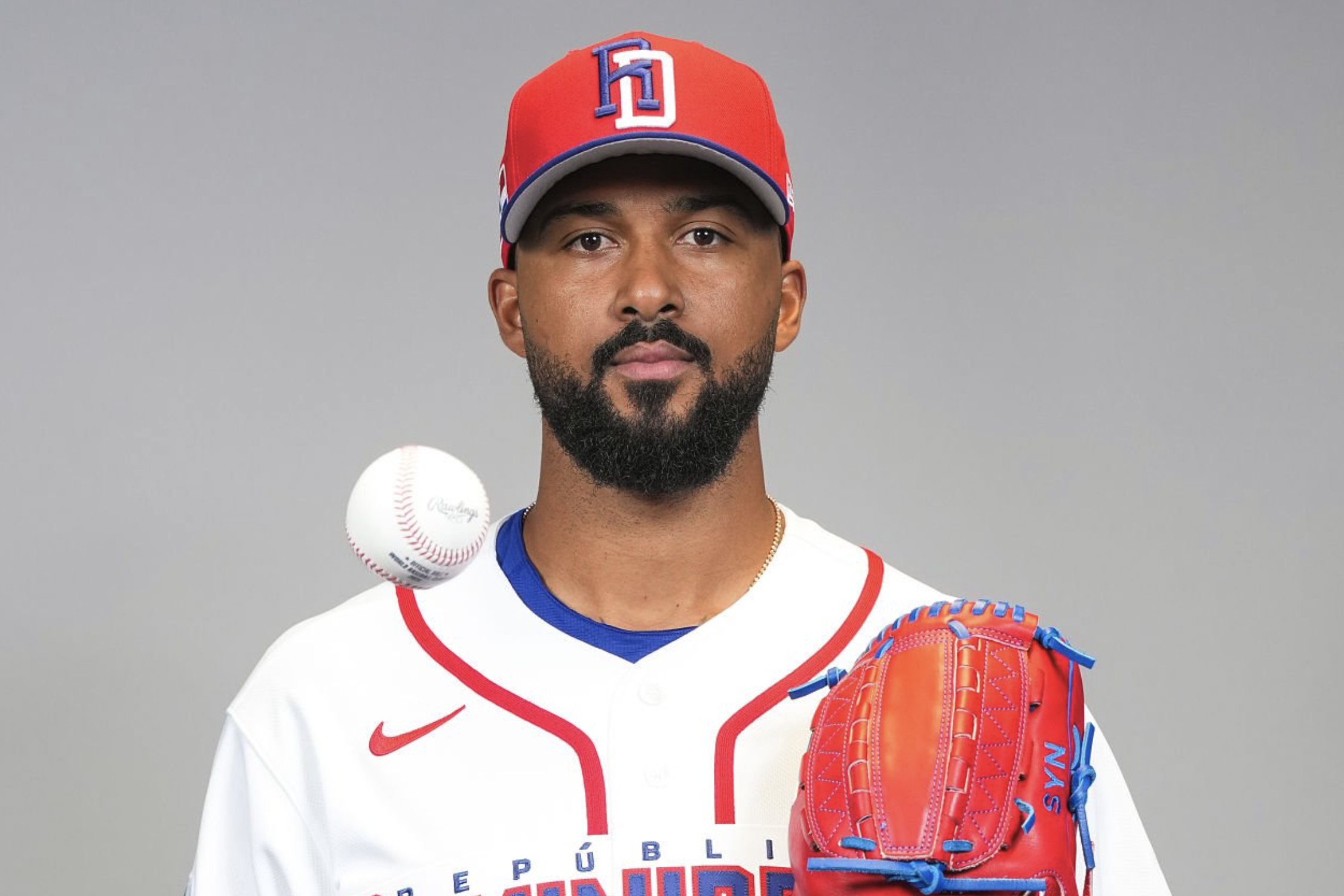 JUPITER—Flight, workout, game, game, flight, start. The week in the life of Sandy Alcantara has been a doozy. "I got here last night at midnight, so my daughter was kicking me out of my bed," Alcantara joked to the media on Thursday afternoon. "A little rest and just get here, go out there and do my best." Lack of sleep or not, Miami's rotation mainstay was certainly at his best in Miami's 2-0 win over Houston. Alcantara retired all nine Astros he faced in order, recording four strikeouts and four groundouts. Outside of a 14-pitch at-bat to Isaac Paredes in the first, Alcantara only threw 29 pitches. The 30-year-old diversified his pitch mix, throwing each of his six offerings at least four times, with the sinker and slider taking center stage with a combined four whiffs. Not to be lost in the fray was Alcantara's new toy, the sweeper, registering a single whiff on five pitches. "The movement—that's what (we've) been looking for since we started throwing it," said Alcantara of the sweeper. "The movement had to be first. Then you got to combine your location. So, I think today, the movement was the first important thing, and the command was good today. So I feel great about it, and just get on, keep getting better." Next for Alcantara—and the reason why his past five days had been so hectic—is the World Baseball Classic. It's his second opportunity to represent the Dominican Republic on such a stage after previously competing in 2023. "Very excited, just to be out there wearing my country's jersey, represent my country. It's (an) amazing opportunity for me. I can't wait to be out there." Alcantara left Marlins camp on Sunday to join Team DR at loanDepot park for workouts, and flew to his home country for two exhibition games against the Tigers. After bearing witness to possibly the most electric baseball one could see, a flight back late Wednesday night set up Alcantara to go on Thursday. "We had an amazing game over in the DR against Detroit," said Alcantara. "Incredible fans, a lot of kids enjoying those moments. Now it's time to work. I think the chemistry, the relationships that we've been creating the first day that we get together is amazing. Everybody seemed happy, happy to win. Tomorrow is the first game, so we're gonna be ready." Notes and Quotes - Robby Snelling did indeed "flush" his previous outing in Clearwater. The southpaw sat down six of his own after Alcantara's departure, including striking out the side of Jose Altuve, Yordan Alvarez and Paredes in his first inning of work. "Felt really good," said a visibly happy Snelling. "When you go out and you feel like all your stuff's working for you, you're gonna feel really good. I know that that is what I'm capable of doing every time that I go out, and even though that's not necessarily what's going to happen every time you go out, it's always nice when everything kind of meshes together. Huge bounce bounce back from last week." - Karson Milbrandt tossed another scoreless inning in the ninth, striking out Tommy Sacco Jr. to end the contest. - Xavier Edwards exited Thursday's game with left calf tightness. "I don't think it's anything major," said McCullough of his leadoff man's status. "But, I just felt like that was enough to get him out. Still thinking that he'll plan for him to come back and play tomorrow as part of the back-to-back. We'll just see how he feels after the day and how he comes in tomorrow." - Before his departure, Edwards recorded half of Miami's RBI with an excuse-me single down to the opposite field. The Fish added their second courtesy of an Esteury Ruiz single off of old friend Steven Okert. - Continuing a refreshing trend, Marlins baserunners swiped five bags on the day. "Craig Driver (Miami's new first base coach) has been working since we started spring training," said McCullough. "In the morning with guys and working on their technique and something that we feel like we have an athletic team, and the ability to run and to be aggressive is something that we feel is going to pay dividends for us offensively. No better time than now for players to put some work in on it in the morning, and then when you get chances in the game to go, try to figure out the timing and let your technique play out in a game setting." Up Next The first night game of Miami's spring circuit is on the horizon, as the Fish welcome the Mets to Roger Dean Chevrolet Stadium on Friday at 7:10. Max Meyer, with plenty hanging in the balance in 2026, takes the ball for his second appearance of the spring. View the full article
 -
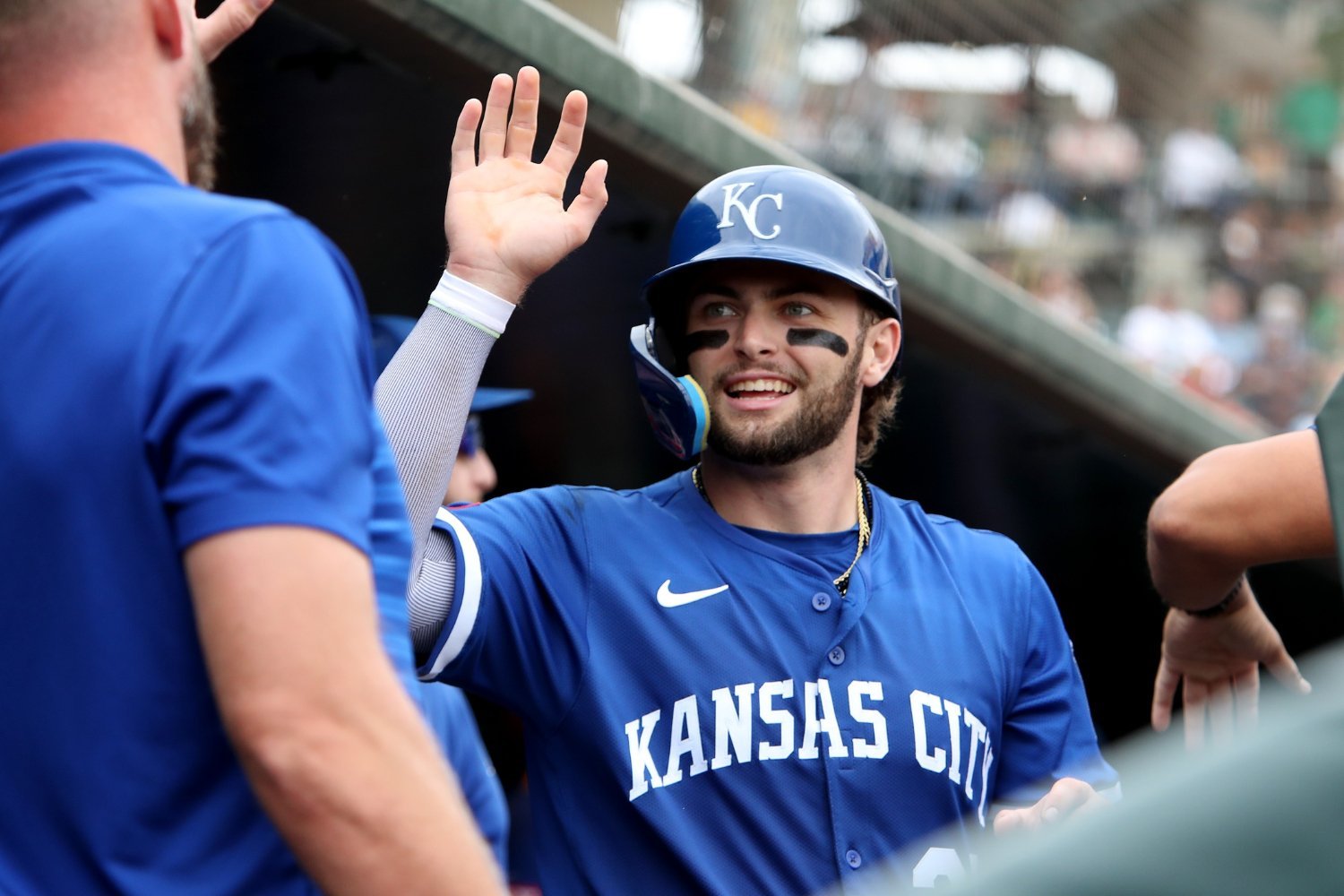 The Kansas City Royals' top prospects will be on display on March 20th in the third-annual Spring Breakout. They will play in Surprise against the Texas Rangers' top prospects (Kansas City and Texas share the same facility). This is an exciting event for Royals fans, especially those who crave seeing budding young stars in the Kansas City farm system. Many top Royals prospects have built on strong Spring Breakout performances to successful Minor League campaigns in the regular season. Rosters were announced on Thursday, March 5th, with a preliminary pool of players for each team. A final gameday roster will be due on March 18th and will consist of 23 to 27 players from the initial 40-man list. This is a change from previous years due to the World Baseball Classic, which runs until March 17th. All 30 prospects on the Royals' MLB Pipeline top prospects list were selected to the preliminary pool. An additional 10 prospects outside that list were also added. It will be interesting to see which of the 40 will be on that final Kansas City Spring Breakout roster in 13 days. The Royals' top prospect, Carter Jensen, headlines the 40-man group. The local Park Hill High School product hit .300 with a .403 wOBA and three home runs in 69 plate appearances at the MLB level last September. He likely will make the Opening Day active roster, so the Royals may opt for another prospect in his place so Jensen can focus on preparing with the MLB club. Other notable position player prospects include Blake Mitchell, the Royals' No. 2 prospect and 75th overall prospect in baseball, according to MLB Pipeline. Mitchell had a down year due to a broken hamate bone in his hand, which he suffered at the start of Spring Training. However, he had a strong Arizona Fall League campaign and has been turning heads in Royals camp in Surprise this spring. Also, 2025 draft picks Sean Gamble and Josh Hammond are on the 40-man player pool and will likely play in the game, barring injury. Gamble and Hammond are the 5th and 6th-best prospects in the Royals system, according to Pipeline. Catcher Ramon Ramirez is another Top-10 prospect who will likely play in the game and has been getting some experience this spring behind the plate in Big League camp as a non-roster invitee. Ramirez was the Royals' 2025 Columbia Player of the Year. On the pitching side, righty Kendry Chourio and lefty David Shields highlight the list. Chourio made a meteoric rise from the Dominican Summer League to Low-A Columbia ball last year. He posted a 3.51 ERA, 2.68 FIP, and 29.9% K% in 51.1 IP across the DSL, ACL, and Low-A levels in 2025. Shields was a 2024 MLB Draft pick by the Royals and dominated as a 19-year-old in the Carolina League. In 75.2 IP, he posted a 2.38 ERA, 2.75 FIP, and 28.5% K%. That performance earned him Carolina League Pitcher of the Year honors. The rest of the Royals Spring Breakout pool can be found below, courtesy of MLB.com Royals beat writer, Anne Rogers. PITCHERS (20) Felix Arronde, RHP, No. 14 Luinder Avila, RHP, No. 9 Drew Beam, RHP, No. 12 Chourio, RHP, No. 3 Dennis Colleran, RHP, No. 25 Josh Hansell, RHP, No. 28 Ben Kudrna, RHP, No. 10 Justin Lamkin, LHP, No. 15 L.P. Langevin, RHP, NR Michael Lombardi, RHP, No. 16 Cameron Millar, RHP, No. 23 Frank Mozzicato, LHP, No. 29 Hunter Owen, LHP, NR Shane Panzini, RHP, No. 21 Hunter Patteson, LHP, NR Yeri Perez, RHP, NR David Shields, LHP, No. 4 Blake Wolters, RHP, No. 24 Hiro Wyatt, RHP, NR Steven Zobac, RHP, No. 13 CATCHERS (5) Jensen, C, No. 1/MLB No. 18 Moises Marchan, C, NR Mitchell, C, No. 2/MLB No. 75 Ramon Ramirez, C, No. 8 Hyungchan Um, C, NR INFIELDERS (9) Austin Charles, INF, NR Jose Cerice, INF, NR Darison Garcia, INF, NR Hammond, SS, No. 6 Sam Kulasingam, UTIL, NR Ramcell Medina, SS, No. 19 Yandel Ricardo, SS, No. 11 Brett Squires, INF, NR Daniel Vazquez, SS, No. 26 OUTFIELDERS (6) Gavin Cross, OF, No. 27 Gamble, OF/2B, No. 5 Asbel Gonzalez, OF, No. 17 Spencer Nivens, OF, NR Carson Roccaforte, OF, No. 18 Nolan Sailors, OF, NR View the full article
 -
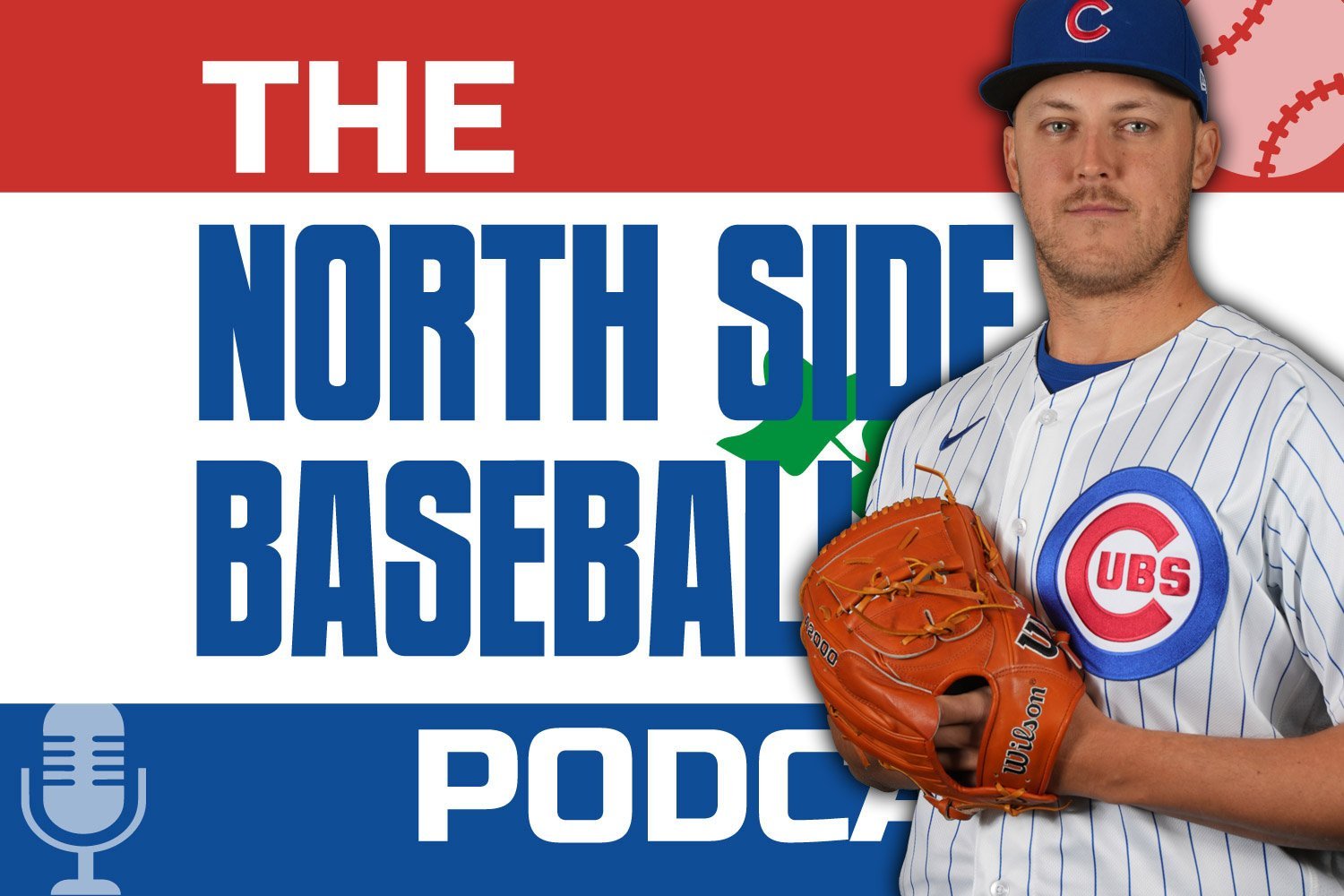 Spring training is off and running! What do we make of individual performances and tweaks so far with the Cubs roster? How much does it matter at this point? Listen on Apple Podcasts: https://podcasts.apple.com/us/podcast/the-north-side-baseball-podcast/id1798599313 Listen on Spotify: https://open.spotify.com/show/75wMGhBwlrDDYPt3kaF453 Listen on iHeartRadio: https://www.iheart.com/podcast/263-the-north-side-baseball-po-268998437/ Listen on Pocket Casts: https://pca.st/eey7h6ih Watch on YouTube: https://www.youtube.com/@northsidebaseball View the full article
 -
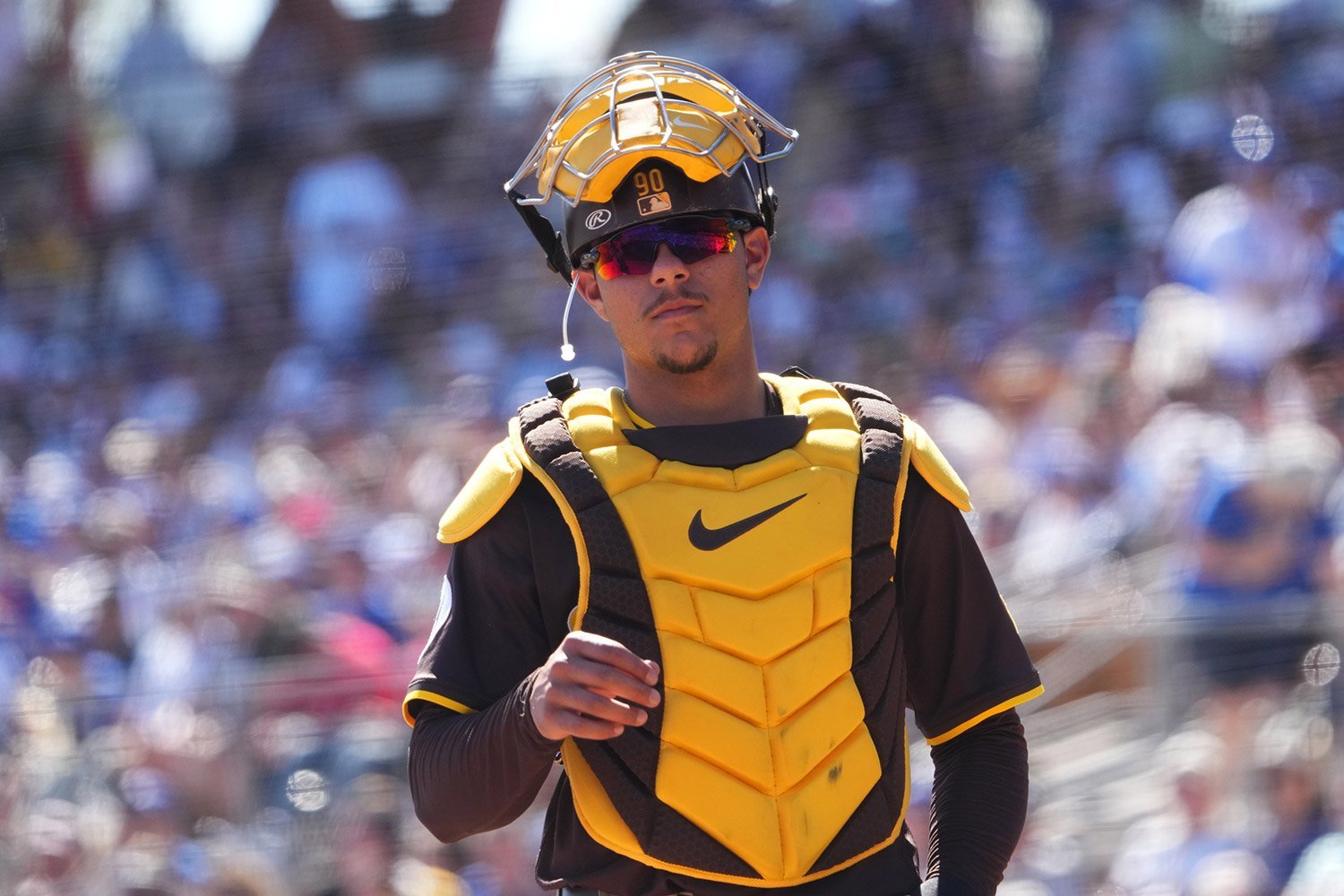 While the San Diego Padres might not have the quality of depth in the farm system that other MLB teams do, there are still several prospects to be excited about. Those future Friars will be on display in the third annual Spring Breakout event, which features top minor-league players for each of the 30 teams squaring off for their respective franchises. The Padres will face the Chicago Cubs in Mesa, Ariz., on March 21 at 6:05 p.m. Rosters were announced on Thursday, with a preliminary 40-man pool of players. Game-day rosters will be due March 18, with anywhere from 23 to 27 players. The player pool is a new wrinkle this year due to some prospects playing in the World Baseball Classic, which runs through March 17. Selected to the Padres' 40-player pool were the top 16 prospects in the just-released MLB Pipeline rankings. With the state of the Friars' system, most of these players are a couple of years away from potentially making their MLB debut. Leading the way is left-handed starter Kruz Schoolcraft, an 18-year-old who was the 25th overall pick in the 2025 draft and ranked No. 1 in the Padres' system by MLB Pipeline (No. 88 in baseball). Catcher Ethan Salas, the No. 1 international prospect in the 2023 class whose stock has slipped due to injuries, is still just 19 years old and is the team's No. 2 prospect. Right-hander Miguel Mendez, who is on the 40-man roster and made it to Double-A San Antonio in 2025, is the No. 3 prospect. Left-handed Kash Mayfield, a 2024 first-round draft choice, and right-handed starter Humberto Cruz, a 2024 international signing, are also pitchers to watch as the Friars' No. 4 and 5 prospects. No. 6 prospect Bradgley Rodriguez is in the mix to be on the Opening Day roster after being on the postseason roster last year. Here is the full 40-player pool with MLB Pipeline ranking: Pitchers (21) Bryan Balzer, RHP, No. 29 Manuel Castro, RHP, NR Humberto Cruz, RHP, No. 5 Jaxon Dalena, RHP, No. 30 Clay Edmondson, RHP, NR Harry Gustin, LHP, NR Luis Gutierrez, LHP, No. 20 Garrett Hawkins, RHP, No. 14 Jagger Haynes, LHP, No. 15 Kannon Kemp, RHP, No. 19 Josh Mallitz, RHP, NR Kash Mayfield, LHP, No. 4 Miguel Mendez, RHP, No. 3 Johan Moreno, RHP, NR Tucker Musgrove, RHP, No. 11 Kleiber Olmedo, RHP, NR Bradgley Rodriguez, RHP, No. 6 Michael Salina, RHP, No. 13 Kruz Schoolcraft, LHP, No. 1 Lan-Hong Su, RHP, No. 18 Jeferson Villabona, RHP, NR Catchers (5) Brendan Durfee, NR Ty Harvey, No. 8 Lamar King Jr., C-1B, No. 16 Truitt Madonna, No. 24 Ethan Salas, No. 2 Infielders (9) Marcos Castañon, 2B, NR Jhoan De La Cruz, SS-2B, No. 23 Kale Fountain, 1B-3B, No. 10 Dylan Grego, SS, NR Ryan Jackson, SS, NR Jorge Quintana, SS-3B, No. 7 Romeo Sanabria, 1B, No. 28 Jose Verdugo, SS, NR Rosman Verdugo, SS, NR Outfielders (5) Braedon Karpathios, OF, No. 12 Alex McCoy, OF, No. 21 Kavares Tears, OF, No. 27 Kasen Wells, OF, NR Ryan Wideman, OF, No. 9 View the full article
 -
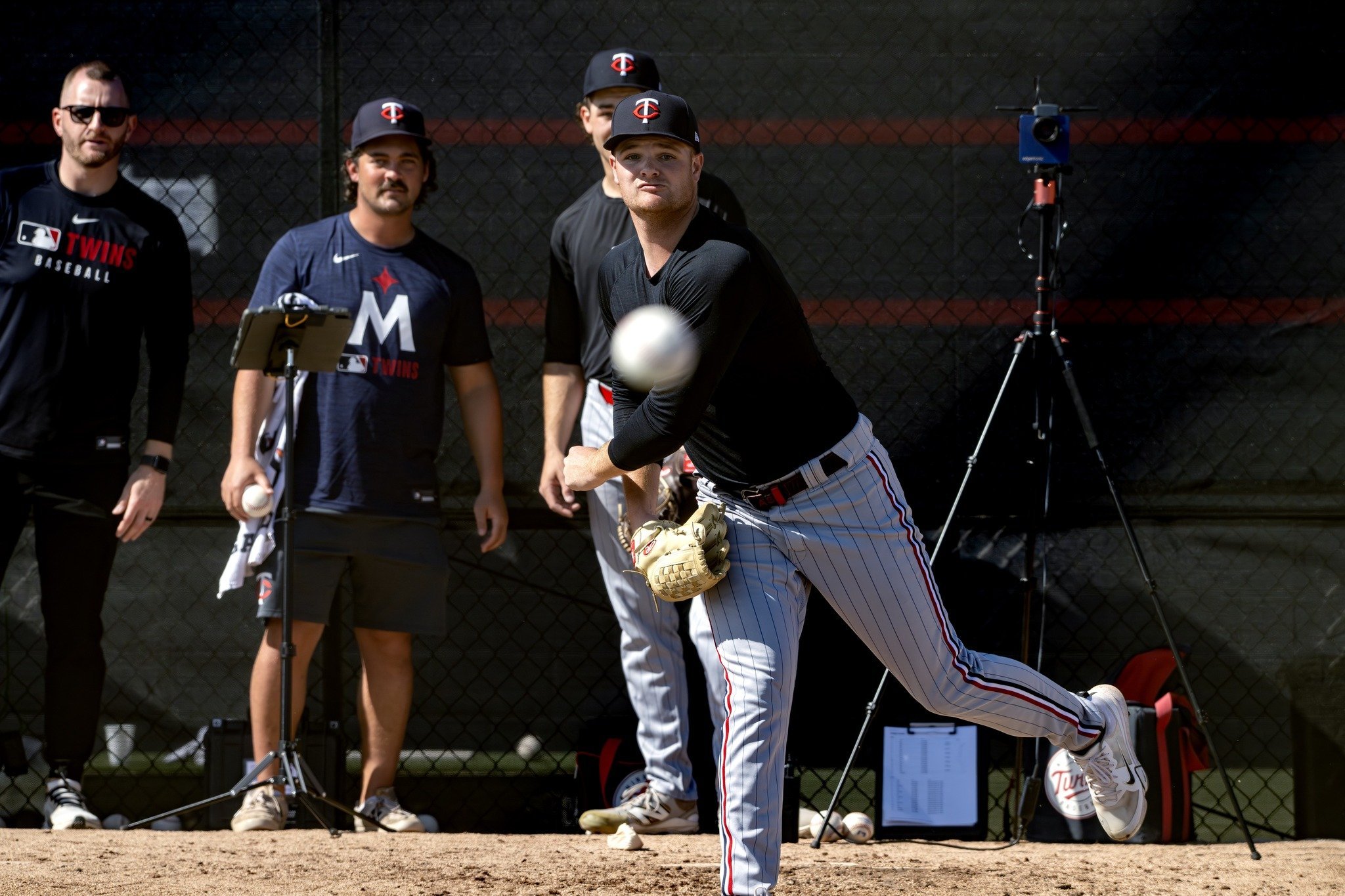 The Minnesota Twins will once again get a chance to showcase the future of their organization later this month. Major League Baseball’s third annual Spring Breakout event will take place from March 19 through March 22, highlighting the game’s top prospects in exhibition matchups during spring training. Minnesota will host the Philadelphia Phillies prospects on Thursday, March 19, at 12:05 p.m. CT. Fans will have several ways to watch the game. It will air on MLB Network and MNNT, and stream for free on MLB.TV, MLB.com, and the MLB app. For the Twins, this year’s game should feature several players who could eventually factor into the team’s long-term plans. The Twins were hoping to showcase outfielder Walker Jenkins, the club’s top-ranked prospect. However, his status for the event remains uncertain after he recently suffered a left hamstring injury. He is still included in the initial player pool listed below. Because pitchers must remain on their scheduled throwing days during spring training, it can be difficult to predict exactly who will appear in the game. Even so, Minnesota has no shortage of candidates who could take the mound during the showcase. How the roster works According to MLB.com, Spring Breakout rosters are created using MLB Pipeline’s Top 30 prospects for each organization as a foundation. Players who still maintain rookie eligibility for the 2026 season are eligible to be selected for the event. This year, the process includes two phases. Teams first submit a preliminary 40-player pool, then trim it down to a final roster of roughly 23 to 27 players shortly before the event. The larger pool allows teams to adjust for injuries, pitching schedules, and the player movement that can occur during spring training. It also accounts for prospects who may be unavailable because of assignments in the Dominican Summer League or other roster considerations. Minnesota’s preliminary group features a strong mix of highly ranked prospects and additional depth players. Even if a few names are unavailable by the time the final roster is set, the Twins should still field a group worth watching when they face the Phillies' prospects. Preliminary 40-man player pool Pitchers (24) Matt Barr, RHP Kyle Bischoff, RHP Miguelangel Boadas, RHP Adrian Bohorquez, RHP Santiago Castellanos, RHP C.J. Culpepper, RHP James Ellwanger, RHP Brent Francisco, RHP Ryan Gallagher, RHP Ruddy Gomez, RHP Alejandro Hidalgo, RHP Dasan Hill, LHP John Klein, RHP Andrew Morris, RHP Jose Olivares, RHP Connor Prielipp, LHP Kendry Rojas, LHP Riley Quick, RHP Marco Raya, RHP Jason Reitz, RHP Sam Rochard, RHP Sam Ryan, RHP Charlee Soto, RHP Jonathan Stevens, RHP Catchers (4) Khadim Diaw Enrique Jimenez Ricardo Olivar Eduardo Tait Infielders (7) Bruin Agbayani, SS/2B Billy Amick, 3B/1B Kaelen Culpepper, SS Kyle DeBarge, SS Marek Houston, SS Brandon Winokur, SS/3B Quentin Young, SS Outfielders (5) Gabriel Gonzalez Walker Jenkins Hendry Mendez Emmanuel Rodriguez Kala’i Rosario View the full article
 -
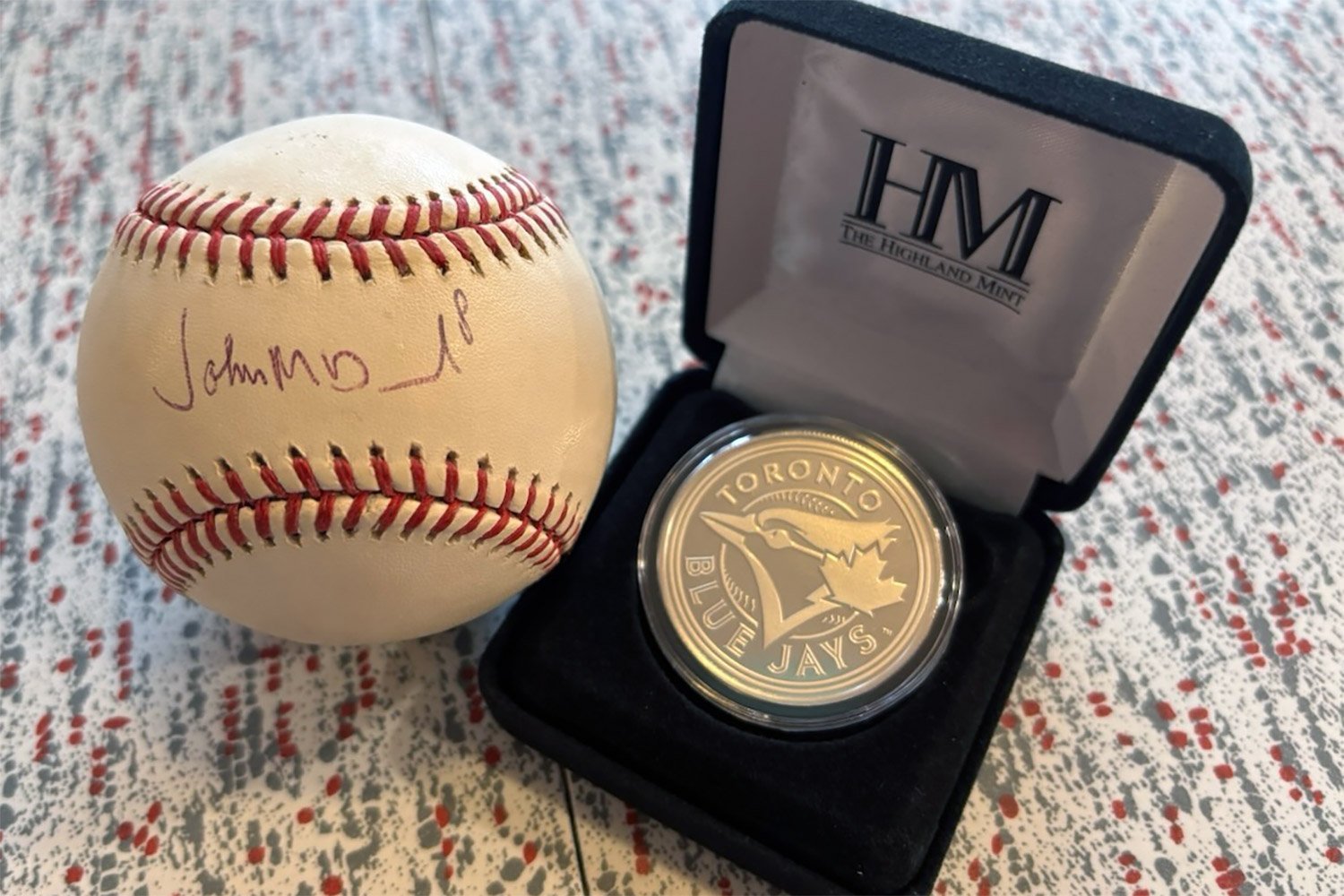 Hello again, Blue Jays fans! Twice a year, we sit down and find the most popular posts and blogs on Jays Centre, and their creators receive prizes for their contributions to this community. The Blue Jays had an exciting offseason, spending left and right in the wake of a heartbreaking Game 7 defeat in the World Series. We look at the most popular posts and most popular blogs created by our amazing community contributors. Most Popular Post Humor often leads these lists, and @ValiantJaysFan tapped into that with this post about Shapiro signing Tyler Rogers. Valiant, thanks for being one of the longest-running members of this site, and private message me with your name and address so I can send you this cool autographed ball from Blue Jays cult hero John McDonald! Most Popular Post Runner-Up Established communities establish their own culture, and personalities emerge over time. Grudges are formed, and hopefull it's all in good fun. The second-most-popular post was from @Terminator during a squabble in the offseason roster thread. Hey, we're all Jays fans here, right? Right? Most Prolific Poster Did you know that Terminator helped name this site? We appreciate all you do for the community here, Terminator, and you were the most popular poster over the 2025-2026 offseason. Most Popular Blog Entry One of the features of Jays Centre is that we offer the ability for any of our users to create a free blog that will be read by hundreds of like-minded Blue Jays fans. Over the winter, the most popular blog entry was this blog entry from @TheShow, handing out awards for the Blue Jays' performances during the ALDS. Yeah, I know it's not technically the offseason, but that's how these things shake out at times. TheShow, please private message me with your name and address so I can send you this cool Blue Jays commemorative coin! That's all for this winter, folks. Give a round of applause to all of those mentioned in this piece, and here's to a successful 2026 season for the Blue Jays! View the full article
 -
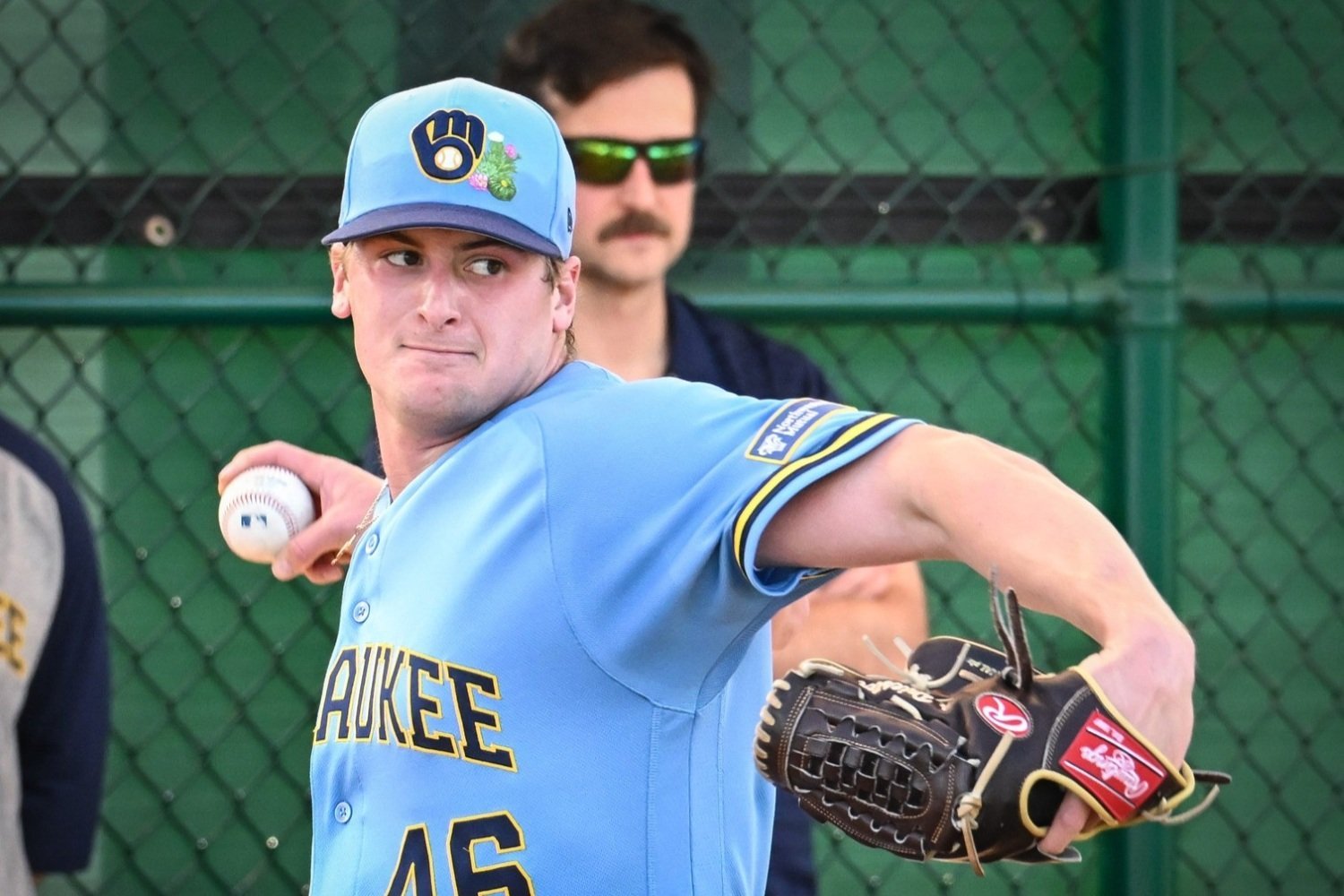 The Milwaukee Brewers are considering sending Quinn Priester to see a wrist specialist, manager Pat Murphy admitted Thursday. Priester, 25, is still feeling discomfort in his wrist, and Murphy acknowledged that some of that irritation is "moving up his arm." Already, the right-handed starter has undergone an MRI, which showed only inflammation in his wrist and no damage in his elbow. However, despite some good days, he has yet to successefully stack healthy days to the point where he and the team are ready to put him on a mound in a competitive setting. "Just not responding as quickly as we'd like it to," Priester said, though he tried to strike an optimistic tone overall in meeting with reporters about the delay in his preparation. He threw a live batting practice session early in camp, but hasn't been able to throw another one since—a layoff of roughly two weeks, so far. However, he's continued to play catch during that time, and said the most difficult part to navigate has been inconsistency. "I guess that's the part that's difficult, is some throws, I'll be able to feel it, and then some throws I don't," he said, admitting that the inability to ascertain exactly what's wrong has been a source of frustration. Because he's now likely to need another week or more to get back into competitive work, Priester is virtually guaranteed to start the season on the injured list. If his wrist responds better to treatment or the team gets an easily remediable diagnosis for the problem after a visit to a specialist, he could be back on a big-league mound by mid-April, but there's too much uncertainty around the situation to pin down that timeline right now. Priester said he first felt a similar issue last summer, during the Brewers' five-game series at Wrigley Field. That time, it responded relatively well to treatment, and he was able to pitch through it. When it recurred last month, though, the same interventions no longer seemed to work. "It kind of sucks, just taking it day by day trying to get past this, but, you know, [I'm] confident that it's nothing big, that it's just something that the body is probably reacting to after a really intense season last year," he said. He pitched an even 162 innings between the regular season and the playoffs, and noted that in addition to that being his heaviest sheer workload, there was added intensity (and thus, added stress) associated with pitching all of those innings in the majors. With Priester almost certain to be shelved, the door opens wider to Brandon Sproat, Kyle Harrison and Logan Henderson, (probably) in that order. After Jacob Misiorowski and Chad Patrick, those three are the top arms in line for starting rotation spots to begin the season, though Brandon Woodruff and Priester could return relatively quickly. Koenig, Murphy Unconcerned About Spring Struggles Jared Koenig lost 6-8 pounds this offseason, as part of a shift in the focus of his conditioning work. He stressed that it was not a plan to overhaul his body in any sense, and that it traced more to a long 2025 season and the changes it wrought in his offseason strength work. As someone who easily adds weight during the season (a rarity in the majors, but less so with relievers), he expects not to have any trouble getting back the bulk missing from his frame right now. He'll need, at some point, to put that restored weight behind his fastball, which has dipped from its usual home in the mid-90s to 92-93 MPH in his first two Cactus League outings of the year. That diminished velocity has led to ugly numbers, but Koenig was unconcerned about them—and even less fazed by the velocity, which he expects will rebound. In a camp that has featured several Brewers pitchers ramping up slowly outside the quasi-competitive arenas of the Cactus League, Koenig pushed the coaching staff to let him do his preparatory work in that very space—even if it came with some lumps. "I told them I just wanted to pitch in more games," he said. "I don't like sim games. I just don't like facing teammates. It's hard for me, especially, to want to throw what I want to throw [against fellow Brewers]." It's early enough that Koenig isn't sweating velocity at all, but he's especially unconcerned because he feels that he gets stronger—better able to push himself without danger—in June and July, rather than the spring. For now, he's focused on continuing to get into games and test himself against real opponents, even if it be with lower stakes than in the regular season. Koenig is working on a sweeper, but said he's only gotten to throw one in a competitive setting so far. After struggling with right-handed batters last year, he also dedicated himself to shoring up his cutter over the winter, with his longtime trainer Matt Rossignol, near Koenig's home in the Santa Cruz, Calif. area. Using Trackman data for feedback and lots of video work, he feels he's honed that pitch anew, leaning on his nearly decade-long relationship with Rossignol, who has become so close that he officiated Koenig's wedding. For his part, Murphy has lost no faith in Koenig at all. On the contrary, he continues to see him as a linchpin of the bullpen plan. Asked whether the combination of a left-leaning bullpen and better overall depth could push Koenig back into consideration to be optioned to Triple-A Nashville, Murphy said he thinks of the big southpaw as an unsung hero of the last two seasons, and that he views him as an indispensable high-leverage arm, right along with Abner Uribe, Trevor Megill and Aaron Ashby. It might not be full-throttle come Opening Day, but expect Koenig to be in the thick of the team's bullpen plan all year. Despite a slow start to the spring, neither Koenig nor the team is worried. View the full article
 -
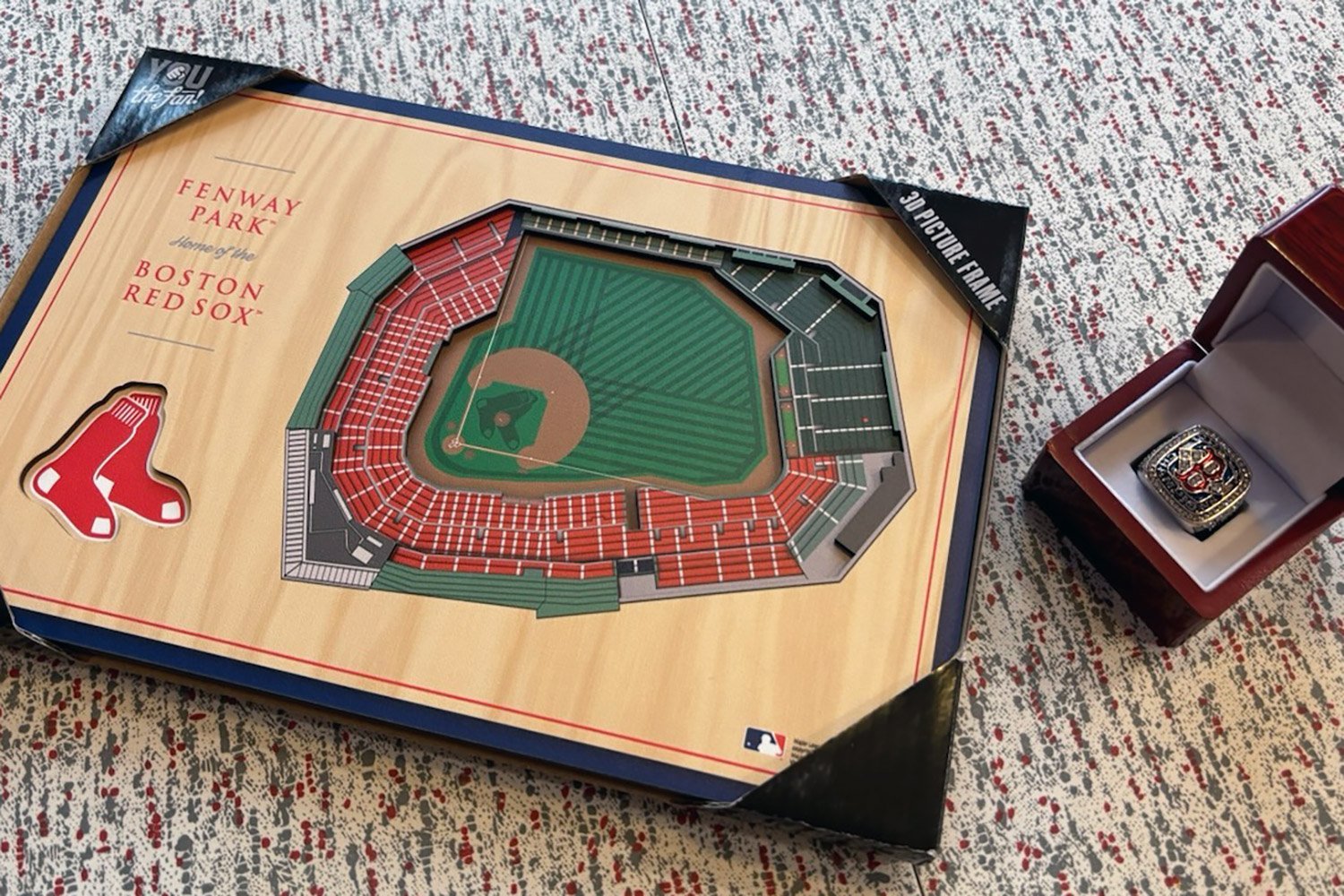 Hello again, Red Sox fans! Twice a year, we sit down and find the most popular posts and blogs on Talk Sox, and their creators receive prizes for their contributions to this community. The Red Sox had a wild offseason, with considerable roster shuffling in trades. We look at the most popular posts and most popular blogs created by our amazing community contributors. Most Popular Post One of our newest posters took the most popular post award this offseason, so congrats to @jonnylongfella for this post following the Red Sox's surprise signing of Ranger Suarez! Jonny, please private message me with your name and address so I can send you this cool replica Red Sox championship ring! Most Popular Post Runner-Up The Red Sox losing Alex Bregman to the Cubs at the eleventh hour angered many fans, including @5GoldGlovesOF,75 with the second-most-popular post of the offseason. He skewers the Red Sox brass for routinely coming up just short, and questioning their dedication to winning. Thanks for being one of the top contributors on Talk Sox every year, 5GG! Most Prolific Poster We like to tip our caps to the poster who earned the most reputation points, and over the winter, that was one of our long-term moderators, @mvp 78! Thanks for all you contribute to this site, mvp! Most Popular Blog Entry One of the features of Talk Sox is that we offer the ability for any of our users to create a free blog that will be read by hundreds of like-minded Red Sox fans. Over the winter, the most popular blog entry was from @Charlie Hoke, who wrote up this blog post about how losing out on Pete Alonso and Alex Bregman maybe wasn't the worst outcome imaginable. Charlie, please private message me so I can send you this cool 3D wall hanging of Fenway Park! That's all for this winter, folks. Give a round of applause to all of those mentioned in this piece, and here's to a successful 2026 season for the Red Sox! View the full article
 -
North Side Baseball's Community Awards: 2025-2026 Offseason
DiamondCentric posted an article in North Side Baseball
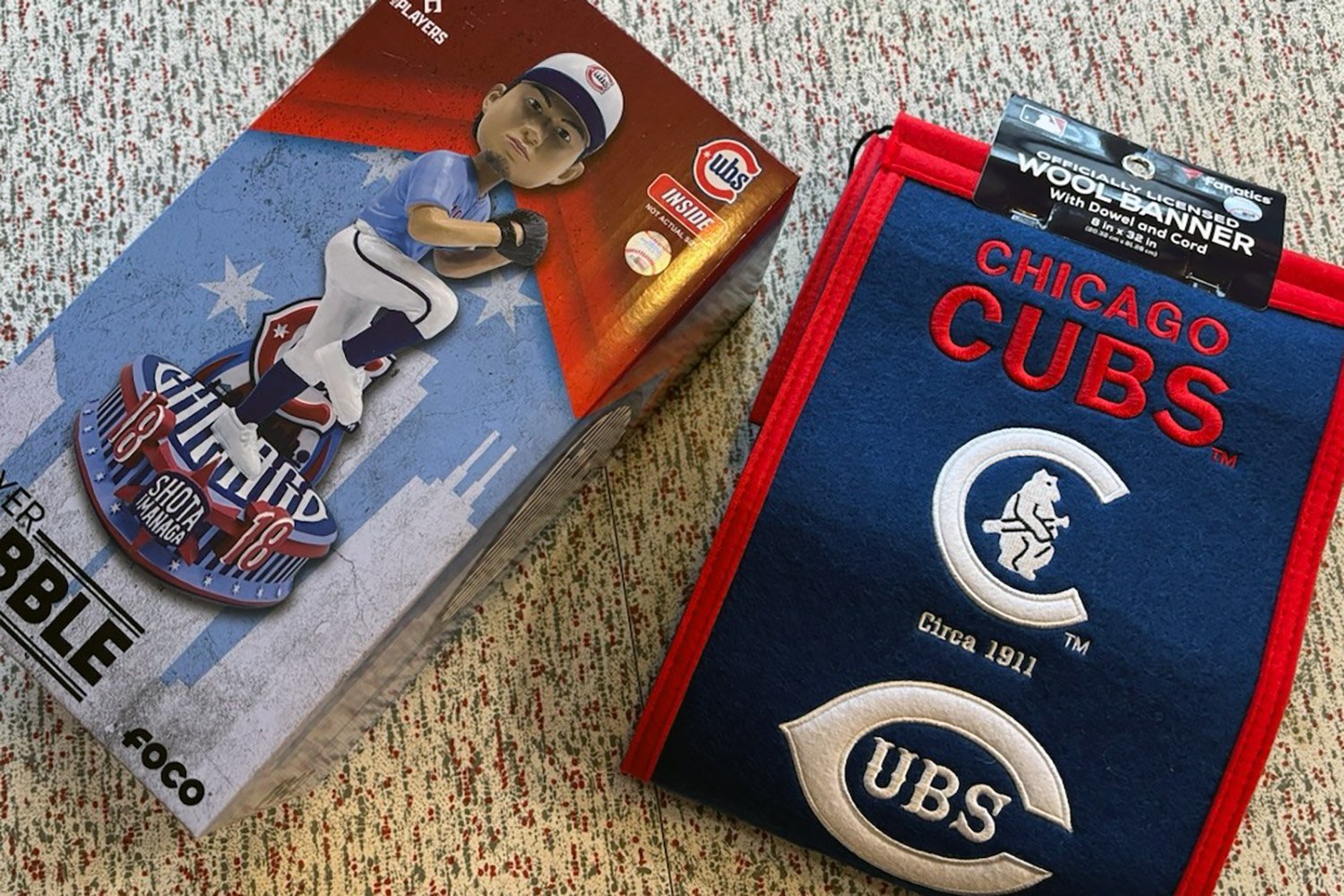 Hello again, Cubs fans! Twice a year, we sit down and find the most popular posts and blogs on North Side Baseball, and their creators receive prizes for their contributions to this community. The Cubs had a wild offseason. In an attempt to win the National League Central, they signed Alex Bregman and traded for Edward Cabrera. We look at the most popular posts and most popular blogs created by our amazing community contributors. Most Popular Post The subject That's all for this winter, folks. Give a round of applause to all of those mentioned in this piece, and here's to a successful 2026 season for the Cubs! View the full article
