


DiamondCentric
-
Posts
2,631 -
Joined
-
Last visited
Never
Content Type
Profiles
Forums
Events
News
Tutorials & Help
Major League Baseball Videos
Guides & Resources
Store
Downloads
Gallery
Everything posted by DiamondCentric
-
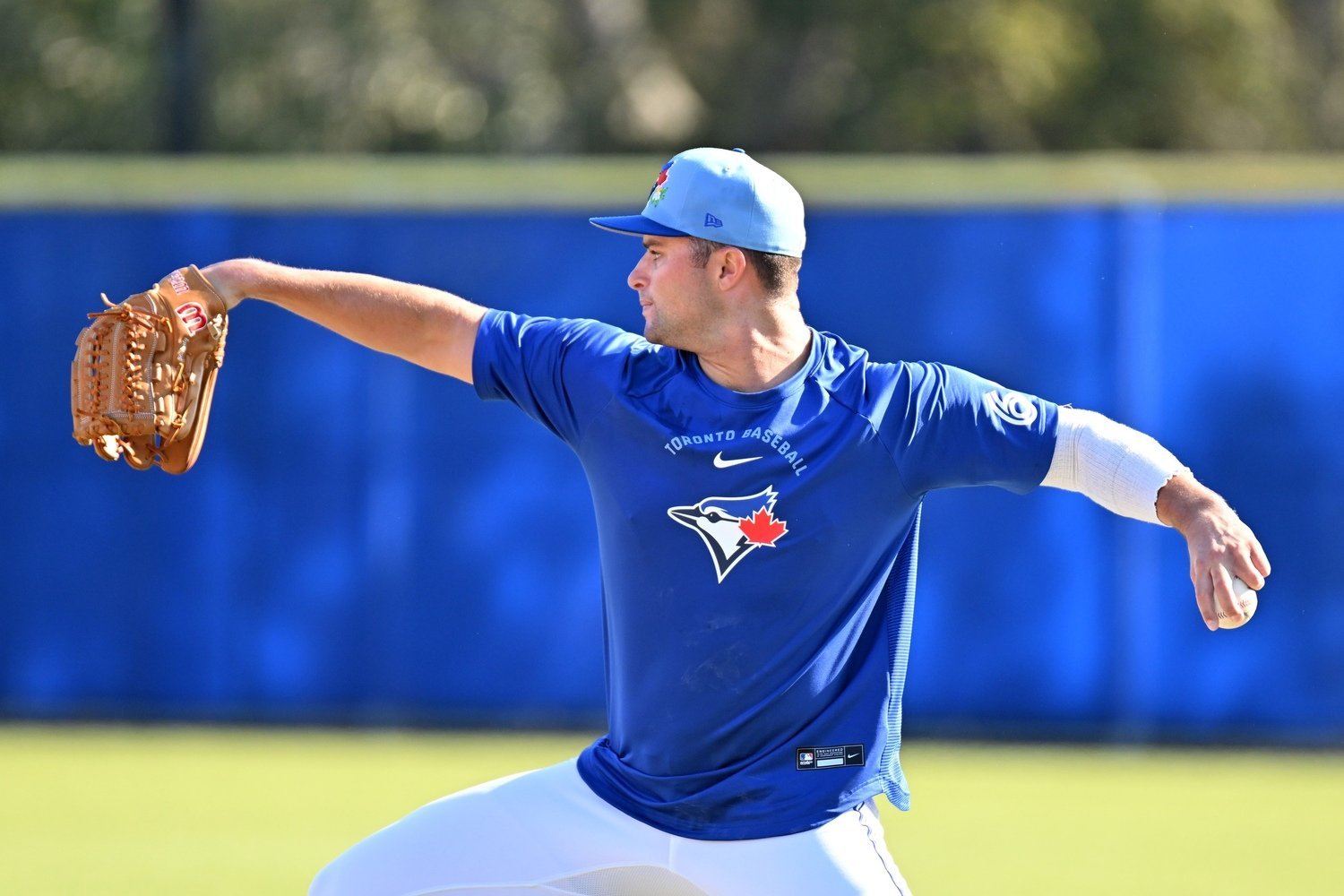 Mason Fluharty reported to camp 10 pounds heavier than last year, and prospect Arjun Nimmala added 15 pounds this offseason. They are just a small sample of a trend being seen across the Blue Jays organization. Maybe the big bodybuilders who sat behind the plate during the playoff run inspired the Jays, or perhaps it was Addison Barger adding some muscle prior to the 2023 season, but the Toronto Blue Jays are focused on high performance, and that means nutrition and strength are priorities. The organization has spent recent years reshaping its identity around a comprehensive, organization‑wide commitment to high performance, pursuing physical optimization as a competitive edge. Their modern approach emerged from a deliberate investment in sports science, including a staff of more than 40 specialists overseeing every athlete in the system from the low minors to the major league roster. This focus on individualized development can be seen under the stands at Rogers Centre, where the team has a massive weight room, which has tripled in size over the last few years and now features turf lanes, movement zones, and a cardio theatre. The amenities provide players with every resource needed to train effectively during the season as well as in the offseason. The transformation has spread throughout the organization, tying nutrition, strength training, biomechanics, durability planning, and mental performance into a coherent system that frames the Blue Jays not only as a skilled team but as one built for resilience over 162 games and beyond. Much of the public attention around the Jays’ physical evolution can be traced through player stories. The most well‑known is that of Barger, who openly detailed how his rise as a major league contributor started with a dramatic physical change. Barger gained 50 pounds prior to the 2023 season. The shift led to him becoming a legitimate power hitter. The intentional transformation of his frame from the ground up supported higher bat speed and harder contact, but also broadened his defensive range and versatility. Barger’s development has become a touchstone within the organization, an illustration of how the Jays want players to add strength that translates into repeatable, on‑field value rather than weight for its own sake. Fluharty’s progression offers another strong illustration of this philosophy. The left‑hander, who proved to be a crucial bullpen piece during the 2025 season, spent his 2026 offseason adding muscle with the explicit aim of improving durability and maintaining velocity deep into the year. His development plan was aimed at boosting his velocity, supporting the demands of high‑leverage outings, and helping him withstand the season‑long grind. What is striking this year, however, is how many players across the organization have joined the movement. While the Jays have not publicly stated organization‑wide numbers, the visible physical changes among players like Fluharty, Nimmala, Barger, and Ricky Tiedemann reflect how widely the club’s high‑performance model has taken hold. For Toronto, this widespread adoption reflects not just a trend but the maturation of an organizational identity rooted in high‑performance principles. The emphasis on strength is equally visible in how the Jays are handling prized pitching prospect Tiedemann. The left-hander’s rise through the minors was fueled in part by an offseason transformation that saw him pack on muscle and reach a listed weight of around 240 pounds heading into 2024, a physical leap that contributed to the upper‑90s fastball velocity that made him one of baseball’s most hyped young arms. However, Tiedemann’s story also reflects the delicate balance the Jays must manage. Heavy workloads and high-power deliveries carry risk. After undergoing Tommy John surgery in July 2024, Tiedemann missed all of last season. Since returning, Tiedemann is reported to be working through staged drills to restore strength in his legs and arm while avoiding premature intensity, with emphasis on hip mobility, trunk stability, and a return‑to‑throwing program individually designed for him. The Jays’ staff has become increasingly vocal about building athletes who are not just powerful but durable. The key is supporting players so they can maintain their mechanics and peak output from April to October. For pitchers like Tiedemann, this means prioritizing movement efficiency as much as velocity, ensuring that their growing strength actually reduces injury risk rather than amplifying it. It isn’t just about strength. The Jays, like most professional sports teams, are also emphasizing nutrition. That means players are encouraged to consume lean proteins, slow‑digesting carbohydrates, and whole‑food snacks. Inside Rogers Centre, nutrition stations are stocked with fruit, yogurt, proteins such as chicken and beans, and smoothie setups that encourage individualized fuelling timed around performance. Alongside strength and conditioning, the high‑performance staff preaches the importance of eating to sustain energy, recovery, and body composition goals tailored to their role and physical profile. While they might not play 19 innings every game, they need to be able to handle the grind of 162-plus games. In recent seasons, players have also begun working with performance chefs and dietitians year‑round rather than only during the season. Several prospects have described learning how to shop, prep meals, and manage hydration as part of their development. For a young player trying to add 10-20 pounds of lean mass, understanding daily fuelling needs can be just as important as lifting weights. Physical health is complemented by a thorough mental performance approach that might explain why the team’s chemistry, especially last year, was so strong. Prioritizing workload has also paid dividends for the team. From George Springer to Vladimir Guerrero Jr., the occasional off day or designated hitter assignment can make a big difference in helping a player stay healthy and effective. The Jays’ mental skills staff has emphasized routine, confidence, and communication. These are key ingredients that help players translate physical gains into competitive performance. A stronger body is only valuable if the mind can handle pressure, reset quickly, and maintain consistent habits. This alignment is often cited by players as the reason the 2025 clubhouse functioned at such a high level throughout the season. Apart from Nimmala and Tiedemann, the organization’s focus on physically empowered athletes can best be illustrated by the quick rise of Trey Yesavage. He was able to remain healthy and dominant in 2025, despite a huge workload. Building athletes who can withstand Yesavage’s climb has become a blueprint for how the Jays want their pitching prospects to develop. It hinges on building strength early, monitoring workload carefully, and then unleashing potential when the athlete is both physically and mentally mature enough to handle it. His durability during the playoff push reaffirmed the belief that strong bodies, supported by strong systems, create results. Seen in full, the Blue Jays of 2026 are the product of a decade‑long shift toward a total performance model. A model that treats players holistically, optimizes them systematically, and believes that building stronger, more resilient bodies unlocks not just individual potential but organizational stability. Bulk, in Toronto’s world, is not a fad but a foundational principle expressed through carefully planned individualized strength and nutrition alongside a culture that rewards continuous improvement. If anything, the clearest sign of progress is that physical development is no longer seen as optional. It is a shared responsibility embedded in the team’s identity. Veterans buy into it, prospects are raised in it, and coaches reinforce it. The result is a roster engineered to withstand the demands of a season, respond to adversity, and compete at the highest level. If the 2025 season demonstrated the power of this model, 2026 represents its continuation and an opportunity for the Jays to convert these strengths into wins. View the full article
 -

One Thing The Padres Need From Each Hitter In 2026
DiamondCentric posted an article in Padres Mission
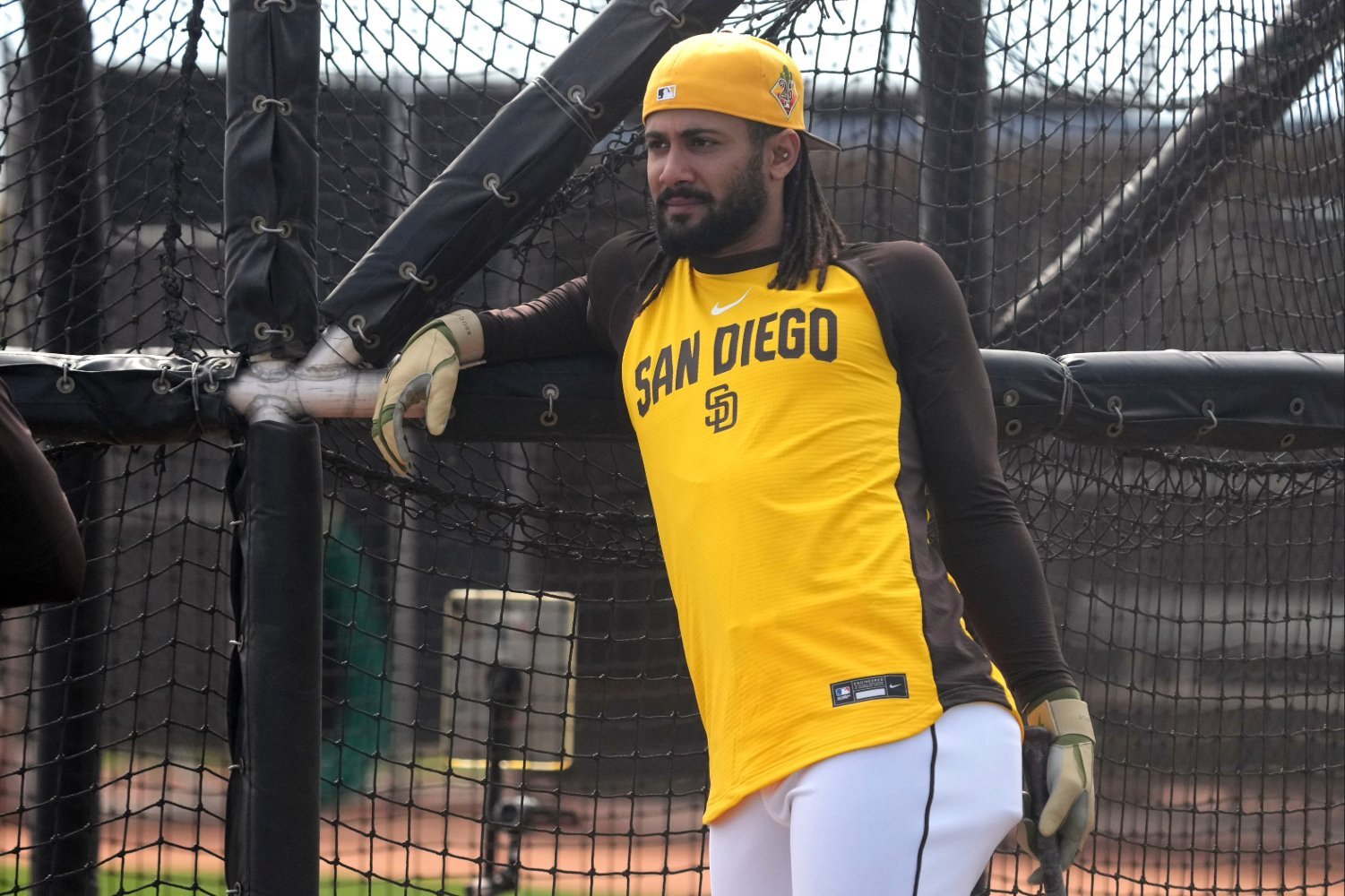 The range of outcomes that we could see from the 2026 San Diego Padres is vast. It’s a flawed roster, but one that isn’t short on upside. Despite the attention that the pitching staff has gotten throughout the offseason, it’s the offensive side of things that could have the most significant bearing on their fortunes in the upcoming year. The stars are still in place in Manny Machado, Fernando Tatis Jr., and Jackson Merrill. The secondary pieces are, too, in Jake Cronenworth, Xander Bogaerts, et al. Some new faces join the fray – most notably Sung Mun Song, Miguel Andujar, and Nick Castellanos – but it’s the holdover that will have the most to say about where this team can go this season. As such, let’s talk about what the team needs out of each hitter in order to maximize the offensive success that felt so fleeting a year ago. Freddy Fermin: Get on Base Freddy Fermin is not in San Diego to hit. He’s in San Diego as a competent, controllable catcher. Nevertheless, he’s going to have to find ways to stretch this lineup, and reaching base is the best way that he can do that. Despite limited upside, Fermin does have a keen awareness of the strike zone. What he doesn’t do, though, is walk. Despite quality strikeout numbers in the last two seasons – 17.9 and 18.7 percent, respectively – he’s more prone to swinging than walking, where he did so at a rate of just 5.5 percent in 2025. If he can start to work that patience to his advantage at a higher rate, it would be a boon for the top of the order given his likely presence toward the bottom of it. More on base for a catcher that has been close to an average baserunner in his career would beget more run production opportunities for the top bats when the lineup flips. Gavin Sheets: Consistency in Approach The 2025 iteration of Gavin Sheets lent plenty of validation to change-of-scenery as a concept. While the vibe shift itself likely played a role, Sheets was able to ascend on his own courtesy of chase and whiff rates that improved steadily as the season wore on. In August, Sheets posted by his highest in-zone swing rate (64.5 percent) and his lowest rate of chase-and-miss (22.2 percent) of any individual month. The result? Sheets slashed .412/.464/.745 with a 237 wRC+ in 56 plate appearances. It was a smaller sample due to injury (while also being entirely unsustainable), but there’s a foundation laid that speaks to what Sheets can do if he has the discipline reined in. If he wants to hold off Andujar and Castellanos for playing time, he’ll have to demonstrate some consistency in that regard. Jake Cronenworth: Find the Barrel As indicated by his 13.4 percent walk rate (94th percentile), Cronenworth is perhaps the most patient hitter the Padres have to offer. What he couldn’t do, however, was parlay that patience into positive outcomes when he actually swung the bat. His 6.2 percent barrel rate didn’t just live in the 25th percentile, but represented a rather notable drop from 2024, when he found it at a 7.8 percent clip. He swung the bat faster in 2025 than either of the previous years, getting him to roughly average after a pair of seasons on the slow end of the swing speed leaderboard. If he can utilize the approach toward creating more quality contact, the compounding of a keen eye and improved bat speed could have him trending back toward the power upside we saw from him early in his career. Xander Bogaerts: Be Aggressive In the first two months of 2025, there was plenty of talk of Bogaerts being a sunk cost and some hope that a team might be willing to take some of his contract off the Padres’ books. That shifted in June and July as Bogaerts posted wRC+ figures of 123 and 125, respectively, and brought his slugging percentage well back over the .400 threshold. The big change was in his aggression. While he walked at an abnormally high rate (based on his career number) in the first two months, the free passes dipped and the swing rate went up. We saw a glimpse of the same in an injury-shortened September (115 wRC+, .500 SLG), albeit in just 18 plate appearances. Bogaerts has the contact chops and an above-average swing speed that rose two percent from the previous season (72.2 MPH). Similar to Cronenworth – even if not as extreme – he can sacrifice a bit on the walk end if it means more impact when he swings the bat. Manny Machado: Find the Power Faster Manny Machado is one of the two or three most important hitters in the San Diego lineup. The last two seasons, however, it has taken him a while to get going. In 2024, he went three consecutive months with a sub-.200 ISO before exploding to .250, .283, and .237 in the last three months of the year. Last season, he started much the same before crossing the .200 threshold in June on his way to a .283 ISO in July. The difference is that in 2024, he was coming off an offseason surgery that likely contributed to his slow start. That same scenario didn’t exist last year. If the Padres want to continue their run of contention, though, the power is going to have to manifest out of Machado’s bat much earlier, especially in order to compensate for some of those stretches where it wanes as he ages. Ramón Laureano: Get Back to Baltimore Ways When the Padres acquired Laureano ahead of the trade deadline, the hope was that he’d continue the bounce back he’d demonstrated all year with the Orioles. Prior to the trade, he’d cut down the strikeout rate to a career best and had driven up the contact metrics above where they’d been in any year prior. With the Padres, though, things started to slide before a finger injury ended his season early. The swing rate rose, the whiff rate jumped five percent between August and September, and a rise in groundball contact led to his lowest BABIP outside of an abysmal April (.278). We know the skill set exists given the contact metrics, but the approach will have to resemble something closer to Baltimore if he’s going to serve as a regular contributor in 2026. Jackson Merrill: Get the Slug Back Merrill is somewhat unique on this list, as his top priority is to merely stay healthy. A hamstring strain, concussion, and ankle sprain limited him greatly over the course of 2025. His performance climbing back toward his rookie form from 2024 might just be a natural byproduct of being clear of those woes. Ultimately, though, the Padres need Merrill to regain some of his form on the power side above all. He came out hot in April (.297 ISO before the hamstring injury), but was unable to maintain that in the face of his other health issues as the year progressed. His ISO dropped and remained low in the subsequent months, going .143, .100, and .109, respectively, in the three months following his April tear. It did start to rebound in August, though, climbing to .214 before spiking to a gaudy .352 ISO in September. There’s some nuance in the approach that could yield the power outcomes, but the stroke is clearly there. As long as he’s healthy, he should be a dynamic presence in a lineup that needs all the power it can find. Fernando Tatis Jr.: Balance Approach & Power Tatis’ trajectory merits its own discussion in the coming weeks. But even as one of the most valuable players in the sport (6.1 fWAR in 2025), he hasn’t gotten back to the superstar level we saw prior to his various injuries and suspension quite yet. That’s largely due to the decline in power. Tatis’ .178 ISO in 2026 was a career low. At the same time, his strikeout and walk numbers were the best of his career. There’s a clear tradeoff happening in hopes of making more contact. While that may have its benefits, Tatis is a catalyst to this lineup that already suffers a bit in the power department. He may have to find a blend of the two to maximize his value to this group. View the full article
 -
 The Boston Red Sox certainly didn't sit on their laurels this offseason. As of this writing, they’ve completed over 20 different transactions in an effort to solidify and improve the big-league roster. There have been questionable moves, no doubt, but all in all. the team is stronger on paper than they were when they were eliminated from the postseason in October 2025. What has remained consistent during each offseason that Craig Breslow has been the president of baseball operations is that he’s going to work hard to both make trades and sign free agents to improve the organization as a whole. Since spring training is here and the deals are far less likely to happen between now and the trade deadline, let’s look at both the best and worst deal the Red Sox did, or didn’t, make this offseason. Best Red Sox Offseason Move: Trading Jordan Hicks Sometimes the low-hanging fruit is the best on the tree. Jordan Hicks was both a roster roadblock and a money pit for the Red Sox as they looked to improve ahead of 2026. His career in Boston was fairly short lived, only just over half a season after he was traded on Father’s Day, but it was memorable for all the wrong reasons. He sported an ERA of 8.20 with the Sox, working a 7.23 K/9 to go along with a 5.79 BB/9 and a -0.4 fWAR. He’s a flamethrower that has no idea where the ball is going once it leaves his hand and his blowups in Boston cost the team more games than they helped. He was loudly critical of both the pitching program and the signals the catchers were giving him, so it was fairly clear that he wasn’t long for Boston as the season drug on. He was placed on the injured list in September with right shoulder tendinitis and wasn’t seen again throughout the remainder of the season or the postseason run. Sure, the team had to attach David Sandlin just to eat $8 million of Hicks’ remaining salary to move him, but it was worth it. Sandlin was, at best, the tenth-ranked pitcher in the starting rotation and wasn't likely to factor into the team's plans this year. Sometimes you have to do addition by subtraction, and that’s exactly what the trade that sent Jordan Hicks to the White Sox was. Worst Red Sox Offseason Move: Not Adding a Power Bat When the offseason began, Craig Breslow hammered home that the biggest need for the team (outside of another ace) was adding a middle-of-the-order power bat. With spring training now upon us and the first lineups of the year getting rolled out, that clearly didn't happen. The Sox have made offensive additions, sure, and most of them are positive, but none of them are the big bopper the lineup is currently missing. The team made a non-competitive offer to Pete Alonso and, reportedly, didn’t offer Kyle Schwarber or Eugenio Suarez any type of contract. There was hope that a trade could be made for a star bat as the offseason wore on, but the big trade came in the form of Caleb Durbin. A welcome addition to play the infield for sure, but he lacks the power we were promised in late October. Willson Contreras could prove to be a power threat with a swing that seems to be made for Fenway Park, but it’s tough to count on just him to provide that offensive spark the team needs. The team seems to be waiting for Triston Casas to get healthy to provide that offensive pop, but that’s a tall ask for someone coming off a second season-ending injury. A power bat is the missing piece that would put the Red Sox over the top this season, and hopefully they can either find one closer to the trade deadline or Casas proves to be that missing piece whenever he returns. You could argue that other transactions deserve either the best or worst designation but these two stood out to me as the two that impacted the roster as a whole. The Ranger Suárez contract or Sonny Gray trade also stand out, seeing as they did fulfill Breslow's promise of adding top-of-the-rotation upside. What do you think were the best and worst moves the Red Sox made, or didn’t make, this offseason? Sound off in the comments below. View the full article
 -
Can Marek Houston Become More Than A Singles Hitter?
DiamondCentric posted an article in Twins Daily
 There's no question that Marek Houston is the best defensive infielder in the Twins organization right now, but the big question surrounding him in 2026 is whether he can develop any power in Cedar Rapids. He had a poor stretch of 12 games to end the year there, but will he find more to his swing than just being a singles hitter? View the full article
 -
Can Marek Houston Become More Than A Singles Hitter?
DiamondCentric posted an article in Twins Daily
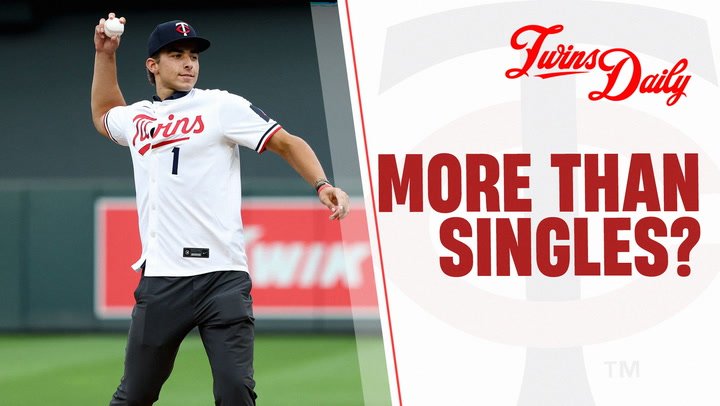 There's no question that Marek Houston is the best defensive infielder in the Twins organization right now, but the big question surrounding him in 2026 is whether he can develop any power in Cedar Rapids. He had a poor stretch of 12 games to end the year there, but will he find more to his swing than just being a singles hitter? View the full article
 -
Can Marek Houston Become More Than A Singles Hitter?
DiamondCentric posted an article in Twins Daily
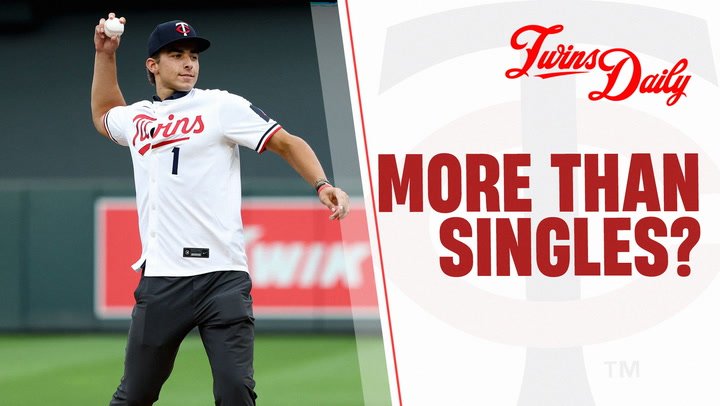 There's no question that Marek Houston is the best defensive infielder in the Twins organization right now, but the big question surrounding him in 2026 is whether he can develop any power in Cedar Rapids. He had a poor stretch of 12 games to end the year there, but will he find more to his swing than just being a singles hitter? View the full article
 -
Emmanuel Rodriguez Focused on Strength, Health, and the Next Step
DiamondCentric posted an article in Twins Daily
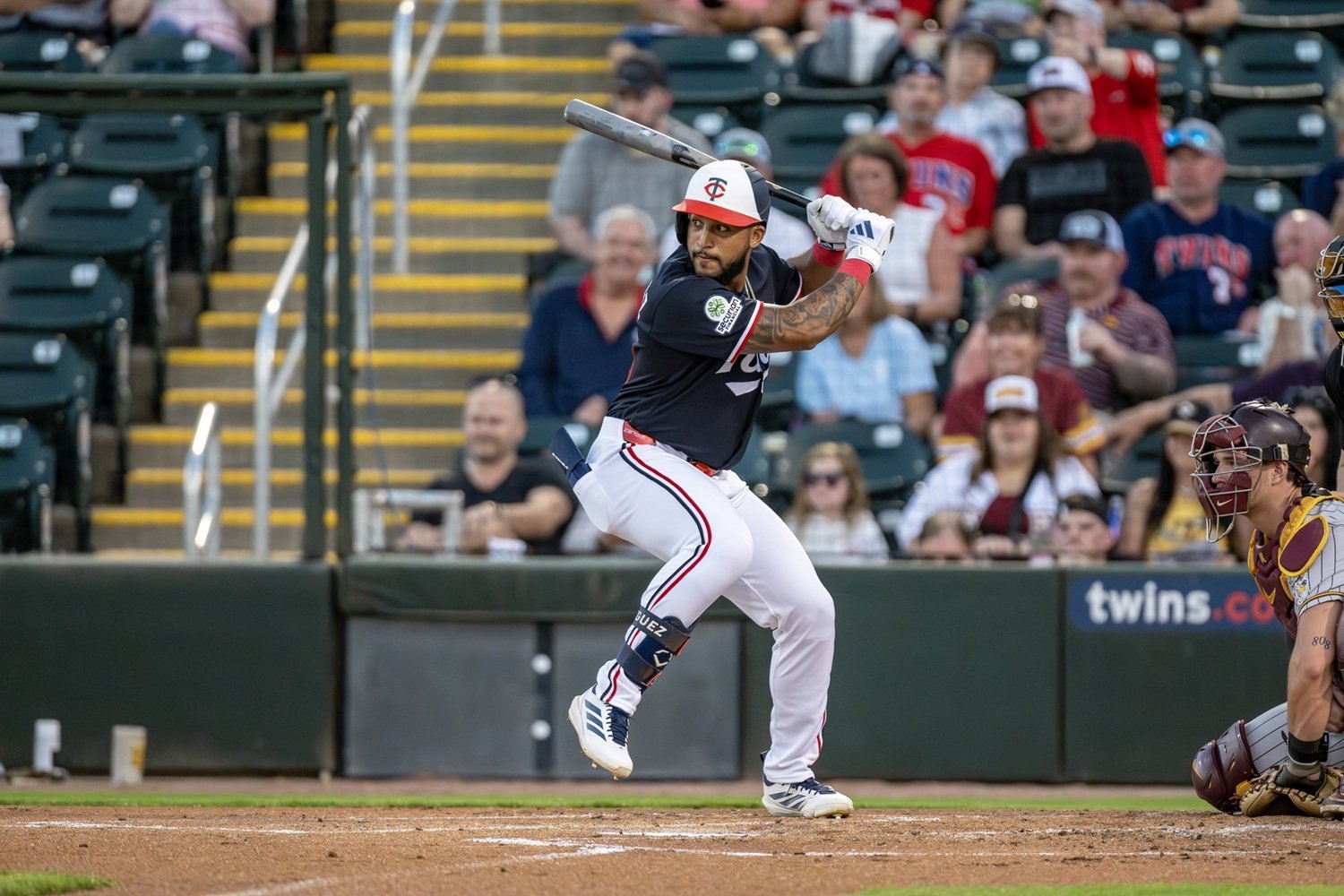 There's a different tone when Emmanuel Rodriguez talks this spring. The talent has never been in question. The production has been tantalizing, when he's been healthy enough to play. What has stood between him and a sustained run toward Minnesota Twins stardom has been availability. Rodriguez knows that as well as anyone. “I worked a lot this offseason, working on my body," he told reporters in Ft. Myers, through a team interpreter. "I feel extremely healthy right now. I feel really good. I worked on strengthening my body so that I can last a whole season.” That emphasis on durability comes from experience. Injuries have interrupted stretches of momentum in recent seasons, and for a player who thrives on competition, the mental toll can be just as real as the physical one. “Ultimately, it's frustrating. I like to play baseball. It's my favorite thing to do," Rodriguez said. "When I get off the field because of an injury, I see my teammates playing, and it gives me a little bit of an uncomfortable feeling. I want to be out there with them. It's something, it's frustrating. But I prepare and try to be my best and do what I can do going forward.” This offseason was not just about lifting more or adding bulk. Rodriguez split his time between winter ball in the Dominican Republic and training in Florida, building both experience and structure into his routine. “I loved winter ball. I learned a lot because of the veterans they have there," he reflected. "It helps you compete at a high level in the offseason in the DR. As far as my offseason training goes, not only did I train in the DR, but I came to Tampa to train with my trainer. I think that went really well, and I saw two different sides of training.” That blend of competition and conditioning is showing up in his approach at the plate. Rodriguez has always combined patience with power, but as he climbs the ladder, the game has adjusted back. “The levels as I move up, I notice the pitchers are more consistent with their pitches and hitting their spots. If I have a certain weakness, they try to attack my weakness, but they're more consistent attacking it at every level I go.” Recognizing that reality has led to a conscious tweak in his mindset. “I am focusing on my approach. This is the time to work on it," he said. "There's a lot of pitches I feel comfortable swinging at with two strikes, but just because I am doesn't mean I shouldn't swing at the first pitch strike if I see one. This is the time to work on it, and we're working on it right now.” The physical gifts are loud. The strike zone awareness is advanced. The question has simply been whether the full package can stay on the field long enough to force the organization’s hand. Rodriguez is not alone in that push. He has come up alongside fellow outfield prospects and can already picture what the future might look like in Minneapolis. “It's an incredible feeling. I've played with [Gabriel Gonzalez]. I've played with [Walker Jenkins]. We've talked about it ourselves. We all get along," Rodriguez said. "We feel like we have great vibes out there in the outfield. If it was to come true, it'd be an incredible experience for the three of us.” The possibility is real. So is the proximity. All three outfielders played together at Triple-A at the end of the 2026 campaign. “We know it's there. We know it, but we can only control what we can control. We're going to let the front office decide when it's our turn. We're going to keep playing hard and do our best every day. We want to win as much as we can. We see it. We know it's there.” For 2026, the expectations are straightforward, even if they are ambitious. Stay healthy. Log a full season. Continue refining the approach against upper-level pitching. Force the conversation. If Rodriguez does that, the timeline will not matter much. His bat will speak loudly enough. His glove and athleticism will fit naturally into a big league outfield. Most importantly, his body will allow the talent to show up every single day. The Twins do not need him to be a savior. They need him to be available. If this offseason work translates into 140-plus games for Emmanuel Rodriguez, the rest of the league will quickly remember why he is considered one of the most dynamic prospects in all of baseball. What should the expectations be for Rodriguez this season? Leave a comment and start the discussion. View the full article
 -
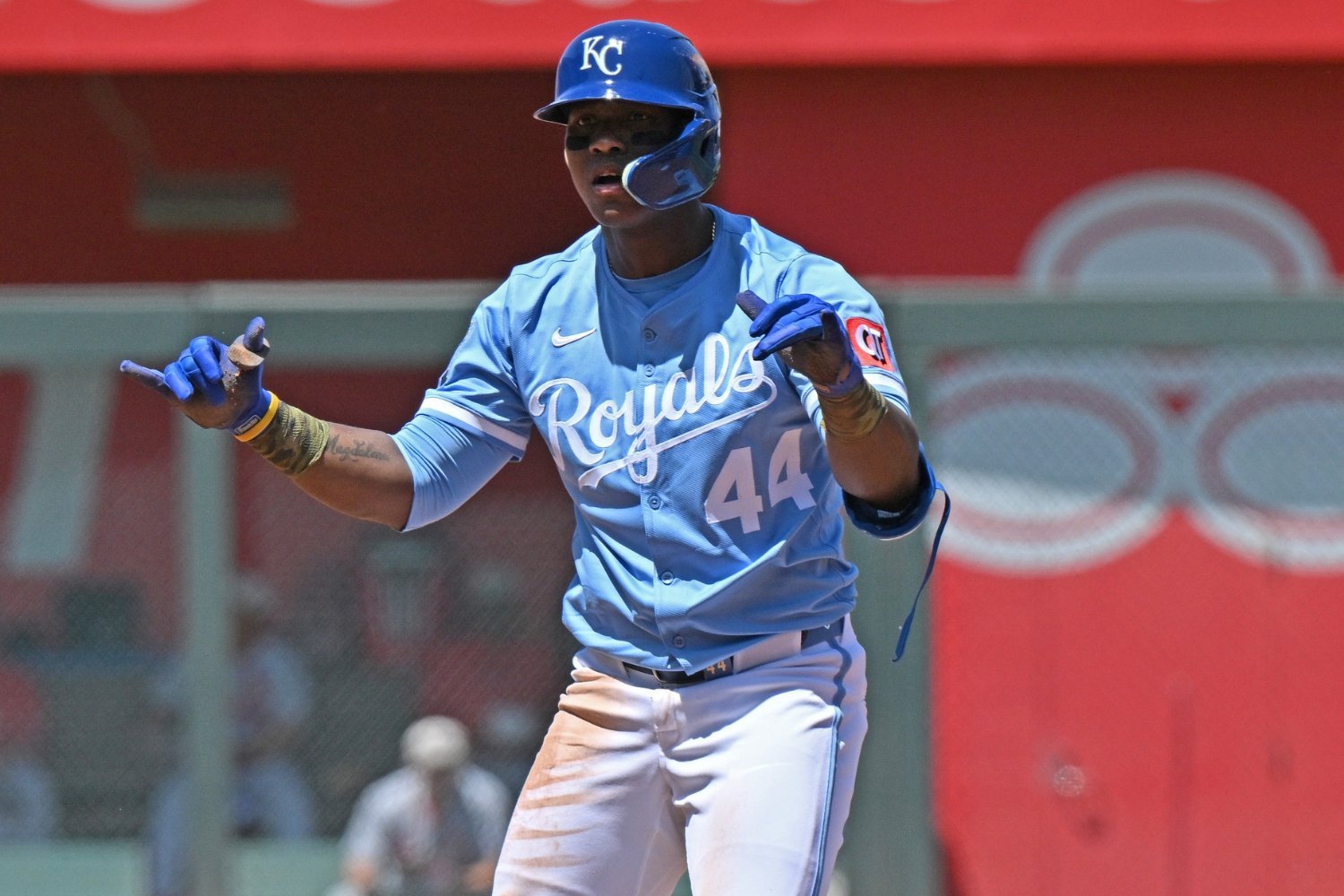 One player who should be coming into Royals Spring Training with a lot of motivation is outfielder Dairon Blanco. After playing in 157 games in 2023 and 2024 combined, he only played in nine games with the Royals last season. Part of that was due to an Achilles injury, which seemed to sap him of his one premium tool (his speed). However, it seemed like manager Matt Quatraro and the Royals preferred Tyler Tolbert in the role that Blanco served in during Quatraro's first two seasons as Royals manager. Tolbert is back with the Royals and seems like a favorite to make the Royals' Opening Day roster, according to Roster Resource projections. Not only was Tolbert a demon on the basepaths last year (21 stolen bases on 23 attempts), but the 2019 13th-round pick can also play the infield, something Blanco cannot do. That said, Royals fans shouldn't sleep on Blanco completely this Spring Training, especially after he has collected two hits in his first two games in Cactus League play (which includes a single and a double). While he doesn't have the defensive versatility of Tolbert, Blanco could be an interesting weapon for the Royals again if he's 100 percent healthy again. What Blanco Brings to the Royals From 2023 to 2024, Blanco served as Kansas City's primary baserunner off the bench. It was for good reason: he was adept on the basepaths, especially when it came to stolen bases. Even though he only had 270 plate appearances from 2023 to 2024, Blanco stole 55 bases for the Royals. Over that two-year period, only Bobby Witt Jr. (80) and Maikel Garcia (60) had more stolen bases than Blanco, according to Fangraphs. Furthermore, when it came to Statcast's baserunning "runner runs" metric, Blanco fared quite well. For those unfamiliar with Statcast's baserunning metrics, below is an outline of what they are and how to read them. From 2023 to 2024, much like the stolen base totals, only Witt and Garcia outperformed Blanco in terms of baserunning run value via Statcast. That is shown in the table below. Blanco created 7.7 total "runner runs" from 2023 to 2024, with 1.5 of those runs coming on extra bases taken on base hits and 6.2 coming from stolen bases. In fact, his 6.2 stolen base runs total was the highest of Royals players over that two-year span. His mark was 1.1 runs better than Garcia's and 2.4 runs higher than Witt's. While Blanco's strengths were primarily on the basepaths, he held his own at the plate as a bench outfielder who would get occasional playing time. In 138 plate appearances in 2023, he posted a .333 wOBA and 102 wRC+ with three home runs and a 1.2 fWAR. In 132 plate appearances in 2024, he regressed a bit, sporting a .306 wOBA, 96 wRC, and 0.5 fWAR. He also saw some regression defensively, as his outfield FRV went from +5 in 2023 to -1 in 2024. That said, when things were clicking, Blanco could get hot at the plate and collect hits and runs in bunches. That was the case on August 17th in 2024, when he had 7 RBI while using a "crayon" bat for Player's Weekend. Blanco's profile wasn't perfect by any means. His xwOBA underperformed his wOBA in 2023 and 2024 with .302 and .284 marks, respectively. Additionally, even during his respectable 2024 season, the Statcast percentiles were questionable, especially in the exit velocity, hard-hit, and LA sweet-spot percentage categories. Below is a look at his TJ Stats Statcast summary profile from that season. Still, when healthy, Blanco was a nice fourth outfielder who may not be able to play regularly, but gave the Royals some nice stretches at the plate from time to time. That ability from Blanco was a nice benefit of his profile, in addition to his strong baserunning. What Happened Last Year With Blanco? Blanco suffered an Achilles injury on March 31st last season and didn't get reinstated until mid-May. When he returned, his sprint speed went from 30.3 FT/S (feet per second) in 2024 to 29.6 FT/S in 2025. Furthermore, Tolbert emerged as a reasonable option off the bench in Blanco's absence. In 57 plate appearances, the former UAB product posted a .305 wOBA, 92 wRC+, and 0.3 fWAR. When it came to baserunning metrics via Statcast, Tolbert ranked among the best Royals when it came to total runner runs. However, the numbers weren't as impressive as Blanco's marks from 2023 to 2024, as seen in the 2025 table below. Last season, Tolbert was third in total runner runs with a 1.0 mark. He was 6.4 runner runs behind Witt and 0.3 runner runs behind Adam Frazier. Surprisingly, Garcia took a step back in the baserunning category last season. He had a -0.1 total runner runs mark thanks to -1.5 stolen base runner runs. As for Blanco, despite the small sample in 2025 (nine games), he still produced 0.2 total runner runs with 0.1 runs in both the extra base and stolen base categories. It's too small a sample to take anything major away from, but it still shows that Blanco's baserunning was still a positive for the Royals last year, despite his injury. Unfortunately, things didn't go great for Blanco in Omaha last season, where he primarily played. In 295 plate appearances, he hit eight home runs, stole 32 bases (on 35 attempts), posted a .334 wOBA, and 92 wRC+. Much like 2024 with the Royals, the Statcast percentiles weren't all that impressive either, as illustrated in his TJ Stats Statcast summary from a season ago. He pulled the ball better in Triple-A, as his Pull% ranked in the 68th percentile with the Storm Chasers (39.9%). Everything else, however? He only ranked in the 50th percentile or higher in two other categories (Z-Swing% and K%). That's a bit disappointing for a player who was primarily on the Major League squad in 2023 and 2024. Tolbert's Statcast percentiles last year with the Royals weren't much more impressive than Blanco's in 2024, especially in the exit velocity, barrel, and hard-hit categories. However, the 28-year-old utility player excelled in launch angle, which gives him a bit more upside, especially in Kauffman Stadium's spacious yard. It's hard to justify Blanco over Tolbert for now, especially since Tolbert stayed healthy and thrived in the "Blanco" role last season (Tolbert's stolen bases alone justify his roster spot). However, if Blanco can get his hitting approach back in check and recapture that 2024 sprint speed, then he could make a case for an Opening Day roster spot, especially if Tolbert doesn't look sharp in Cactus League play. What Needs to Happen This Spring for Blanco? It's been a bit of a mixed start for Blanco so far in Cactus League play. While he has two hits, he also made a defensive blunder in his first outing against the Padres, misplaying a ball in the sun, and got thrown out on a stolen base attempt (also against the Padres). Considering that those are two areas that Quatraro wants to clean up in 2026, those kinds of mistakes aren't encouraging, even if it's still early in Spring Training. Also, in Sunday's game against the Brewers, Blanco was hit in the head by a pitch and had to leave the game. His status going forward is uncertain. While it was promising to see Blanco leave under his own power, getting hit in the head can have devastating effects. Royals fans saw how Jonathan India wasn't the same after getting hit in the head by then Cleveland Guardians closer Emmanuel Clase during Opening Day weekend at Kauffman Stadium. Every game counts for Blanco this Spring Training, especially if he wants to be on the roster on Opening Day in Atlanta. For Blanco to make the team over Tolbert, he will have to show that his speed is back and that he can hit the ball harder and with more authority than Tolbert. Blanco saw a dramatic drop in xwOBA midway through the 2024 season after promising gains in 2023 and the start of 2024, which can be seen in the rolling chart data below, via Savant. Should Blanco get back to those more positive trends, it's plausible to think Quatraro could see him as a nice outfielder option off the bench who can fill in when needed. If he can do those two things, he could perhaps justify himself not just as the designated punch runner, but one who could play the corner outfield positions when they face a left-handed starter. The outfield is a bit deeper than it was last year, so the bar is a little bit higher for Blanco in terms of proving he can belong, especially on the offensive end. The Cuban outfielder isn't exactly young at 32 (he will be 33 in late April). However, he still remains a stellar athlete and may be the most explosive player on the 40-man roster beyond Witt. While the odds are against him making the Opening Day roster (especially with this latest hit-by-pitch incident), seeing Blanco return to his 2023 and 2024 form would be a nice (and much-needed) success story for the Royals, not just this spring, but in 2026 overall. View the full article
 -
Will Luis Rengifo Be Matt Erickson's Next Success Story?
DiamondCentric posted an article in Brewer Fanatic
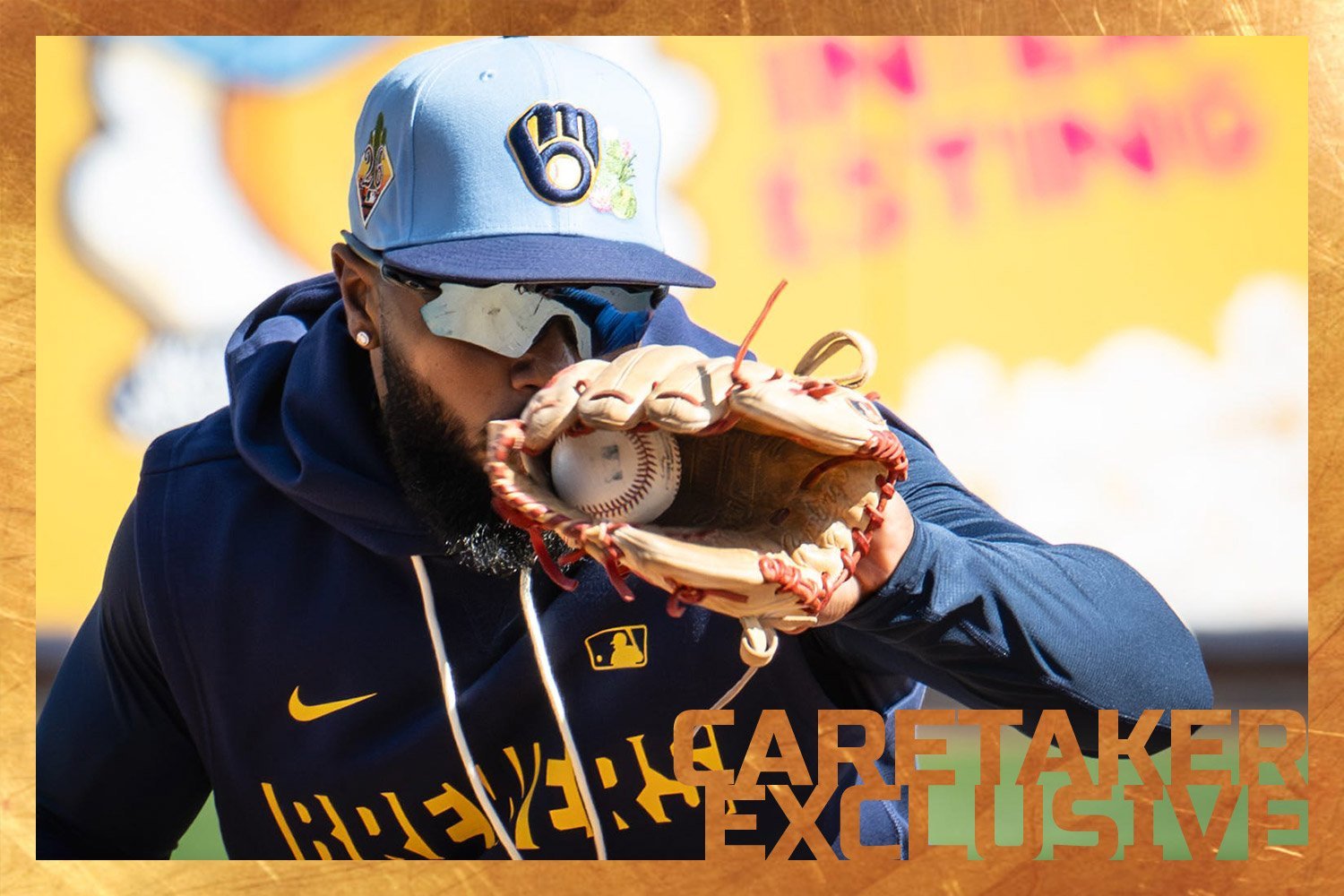 After trading Caleb Durbin, Anthony Seigler, and Andruw Monasterio to the Red Sox as part of a six-player trade days before spring training began, the Brewers needed more third base depth. Offensively, Luis Rengifo was a viable solution. Having posted a 111 wRC+ across three seasons from 2022 through 2024, the versatile 28-year-old was a reasonable bounceback candidate available on a cheap one-year deal. He has the profile to match Durbin's offense in 2026. At first glance, though, the fit on defense looks less clear. The Brewers prize above-average fielding. Throughout the past few seasons, they have frequently favored players who defend over those who hit more. Rengifo, however, has graded as a below-average defender at every position he's played. He's been especially poor at third base, amassing -6 Defensive Runs Saved and a -14 Fielding Run Value in just over 1,400 innings. However, president of baseball operations Matt Arnold told reporters shortly after signing Rengifo that the Brewers do not project him as the poor defender he's been to date. That's due to the presence of third base and infield coach Matt Erickson, who has helped several Milwaukee infielders improve their glovework. "Just knowing that Matt Erickson's here, and what he's been able to do with a lot of our infielders, was somebody we talked to a lot about before we acquired Rengifo," Arnold said. "Having those tools and ingredients, and having Matt as part of that evaluation process, saying, 'Hey, I've seen this guy, I think he has a chance to be really good here.'" View the full article
 -
Beers with the Beat Writers Returns Feb. 27 at Palm City Brewing
DiamondCentric posted an article in Twins Daily
 FORT MYERS — Twins fans: grab a stool, grab a pint, and come talk baseball in spring training. Twins Daily’s Beers with the Beat Writers returns Friday, February 27, at 7 PM at Palm City Brewing in Fort Myers. A quartet of spring training regulars will be on hand to chat Twins, answer questions, and break down what’s ahead after a long offseason: Twins Daily’s John Bonnes, The Athletic’s Dan Hayes, MLB.com’s Matthew Leach, and Star-Tribune’s Bobby Nightengale. We’ll also be unveiling their new pale ale Twins D-Ale-y, a New Zealand-styled pale ale that pairs perfectly with irrational optimism. And this year it’ll be canned, so you can take some home. Whether you’re looking for the latest camp buzz, roster and rotation guesses, or just a reason to hang out with other Twins fans in Fort Myers, this is the spot. Where: Palm City Brewing — 7887 Drew Circle, Suite 130, Fort Myers, FL 33967 When: Friday, Feb. 27 — 7:00–10:00 PM Come early, bring your best questions, and make a night of it. View the full article
 -
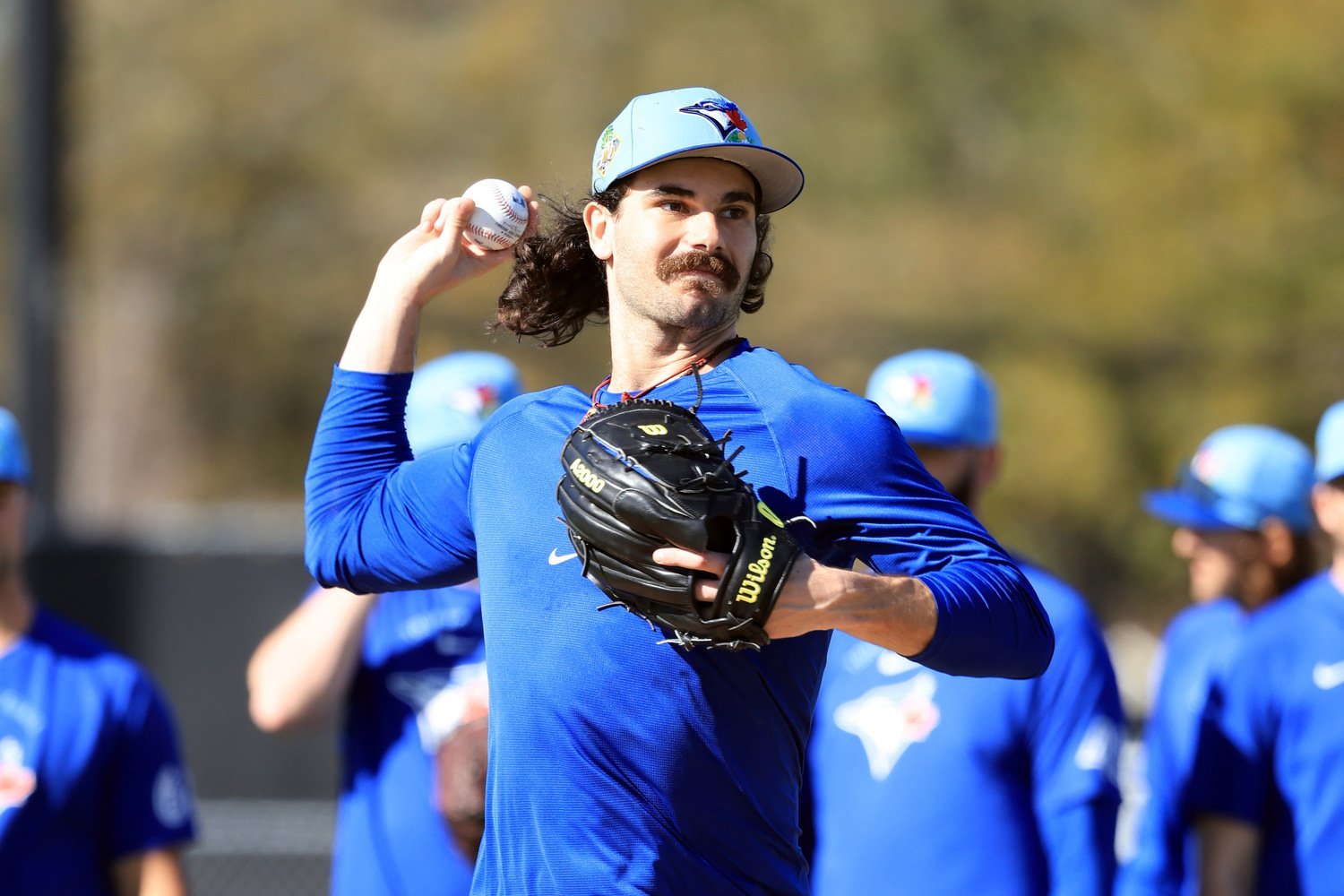 The Toronto Blue Jays rode their narrow World Series defeat into an aggressive offseason push. Their front office put the pedal to the metal and hasn't let up. Sadly, though, for a third straight year, they pursued the top free agent available, only to be outbid by a bigger-market foe. This time, it was Kyle Tucker; it seemed he was choosing between the Blue Jays and the New York Mets before the Los Angeles Dodgers swooped in. The Mets then quickly signed Bo Bichette before a reunion in Toronto could come together. Despite those two swings and misses, the Blue Jays still flexed their financial muscles over the offseason. They beefed up their pitching staff by signing Dylan Cease, Tyler Rogers, and Cody Ponce. Offensively, the Blue Jays needed power bats, so they went overseas to sign Kazuma Okamoto, then traded for Jesús Sánchez. These acquisitions bolster a team that was already strong, but the bullpen could have used an upgrade at the closer position. Jeff Hoffman struggled mightily in his first full season as the ninth-inning arm. He posted a 4.37 ERA and 1.19 WHIP over 68 innings. The righty also allowed 15 home runs, the second most in his 10-year career, as well as a one-out solo home run to Miguel Rojas in the top of the ninth to tie up Game 7 of the World Series. Hoffman will likely resume his duties as the closer, but things could change during spring training. The Blue Jays have shown a willingness to improve, but are they a better team than the one that was two outs away from ending its 32-year World Series drought? They may not have added the big name that fans desired, but yes, the Blue Jays are a better team. Grading Every Blue Jays Offseason Move Free Agent Signing: Dylan Cease for seven years, $210 million The Blue Jays quickly found their weapon to bolster their pitching staff. This signing is the largest free agent deal in Blue Jays history, surpassing George Springer's six-year, $150 million contract during the 2020-21 offseason. Of course, both contracts are modest compared to Vladimir Guerrero Jr.'s monstrous $500 million extension. The big question is, did the Blue Jays overpay for a 30-year-old pitcher with control issues? The righty brings a powerful arm that has been durable over his last five seasons. In each of those seasons, Cease has struck out more than 210 batters. Though he has the skills to strike out batters, he struggles with his control, averaging 3.68 walks per nine innings over this time span. Walks weren't the only issue, with his ERA fluctuating from 3.47 to 4.58 in four of the five seasons, excluding his 2022 campaign, in which he pitched like a genuine ace and posted a 2.20 ERA. Up-and-down surface-level performances mean the fireballer has never earned an MLB All-Star appearance. Yet, Cease was the best starting pitcher available this offseason, and to acquire him quickly, the Blue Jays had to pay him more than expected. His $30 million annual salary is more than Max Fried's ($27.25 million) and Garrett Crochet's ($28.33 million) annual salaries, both of whom signed their deals last offseason. This comparison makes Cease's contract look like an overpayment for a pitcher who has never won a postseason start (four appearances) with an 8.74 ERA in October. The Blue Jays already had a strong starting rotation returning, so adding Cease wasn't a priority. An arm was needed to allow Eric Lauer to return to a long-relief role, though. All season, the question will be: Could the team have acquired Tucker if they had saved some of the money Cease received by, say, adding someone like Ranger Suárez instead? Suárez signed a five-year contract worth $130 million ($26 million annually) and has posted extremely comparable numbers to Cease, though Suárez doesn't have the durability or the strikeout skills that Cease possesses. The Blue Jays acquired the better pitcher, but if their power numbers don't improve from last season (11th in home runs), fans will wonder what might have happened if Tucker had landed in Toronto. Signing Grade: B+ Free Agent Signing: Cody Ponce for three years, $30 million If Ponce can maintain the excellence that he displayed in Korea last season, then the Blue Jays hit a home run with this free agent signing. Last season, he won the KBO MVP Award after striking out 252 batters and posting a 1.89 ERA over 180 2/3 innings. The 31-year-old does come with some reason for hesitation, though. Ponce's last time pitching in MLB was in 2021 with the Pittsburgh Pirates, when he posted a 7.04 ERA and a 36:11 strikeout-to-walk ratio over 38 1/3 innings. In between his time in MLB and the KBO, Ponce tried his hand in Japan. He was solid in 2022 and '23, posting ERAs of 3.35 and 3.66, respectively, but in 2024 the wheels fell off. During that season, he posted a 6.72 ERA and only struck out 56 batters across 67 innings. The KBO is known for having great contact hitters, so for Ponce to post a 36 percent strikeout rate, a 0.94 WHIP, and hold batters to a .197 batting average against him was quite the feat. There's little pressure on Ponce in his return to MLB, as the Blue Jays just need him to be a quality back-of-the-rotation pitcher. Kevin Gausman, Cease, rookie phenom Trey Yesavage, and (hopefully) Shane Bieber should be the top-end arms. Signing Grade: B Rule 5 Draft Pick: Spencer Miles The Blue Jays selected Miles in the Rule 5 draft this offseason from the San Francisco Giants. Although he was drafted in 2022, the righty has only thrown 14 2/3 innings in the minor leagues. The injury bug has been the 25-year-old's worst nightmare. He missed the entire 2023 season, needing back surgery, and only pitched seven innings in 2024 before requiring Tommy John surgery. The injury situation makes selecting Miles a low-risk, high-reward move for the Blue Jays. This acquisition only cost the team $100,000 to have a look at a right-handed pitcher who can throw a mid-to-upper 90s fastball that sinks before reaching the plate, resulting in groundballs. The prospect returned last season to throw in the Arizona Fall League, where he struck out 12 batters in 8 2/3 innings. As a Rule 5 pick, Miles will need to be on the Blue Jays' active 26-man roster all season long or else be offered back to the Giants. He will face competition from Angel Bastardo, who is in the same situation as another Rule 5 pick in Blue Jays camp. They won't both make the Opening Day roster, making spring training a head-to-head battle for a roster spot. However, with the Blue Jays' bullpen depth, it's possible neither prospect makes the team out of camp. That said, the news that Yimi García will miss the beginning of the season may have opened the door for Miles or Bastardo to break camp with the Blue Jays. The pressure just intensified for the two prospects. Signing Grade: N/A (minor move) Trade: Chase Lee for Johan Simon Lee was acquired in a trade with the Detroit Tigers. The swap occurred because the Tigers needed to move Lee to open a spot on their 40-man roster after signing Kyle Finnegan. The 27-year-old reliever gives the Blue Jays another bullpen depth arm with MLB experience. Lee is a sidearmer who posted a 4.10 ERA and 36 strikeouts over 37 1/3 innings last season in his MLB debut. It's a good trade for the Blue Jays to acquire depth in the bullpen after they struggled in that department in 2025. Their bullpen finished 16th in ERA (3.98) and 14th in WHIP (1.28) among MLB teams. Simon is only three years younger than Lee, but he spent three seasons in Rookie ball before finally advancing to Single A, High A, and Double A last season. So, the Blue Jays didn't give up much value to acquire an MLB-ready bullpen arm with the potential to play a significant role. Signing Grade: N/A (minor move) Free Agent Signing: Tyler Rogers for three years, $37 million Acquiring Rogers may wind up being the most impactful offseason move during this upcoming campaign. The Blue Jays' bullpen's 2025 struggles that I mentioned above make the signing of Rogers monumental. He was consistently outstanding throughout his seven-year career with the San Francisco Giants, before being traded to the New York Mets at last season's trade deadline. He continued to shine in New York. In 2025, Rogers posted a 1.98 ERA, a 0.94 WHIP, and a 38:4 strikeout-to-walk ratio over 77 1/3 innings. His success is due to his insanely low release point (1.33 feet off the ground). The submarine pitcher will continue to pitch in the setup role in which he's been highly effective throughout his career. In his seven seasons, he's converted 154 of 168 hold opportunities. This is the kind of stability the Blue Jays desperately needed in their bullpen last season, especially late in games. Signing Grade: A+ (Is there a grade higher than A+?) Free Agent Signing: Kazuma Okamoto for four years, $60 million The Blue Jays' power numbers last season left much to be desired. They finished in the top five among MLB teams in most offensive categories; however, they tied for 11th in home runs (191). Before they traded for Sánchez, Okamoto was the only power bat the Blue Jays added this offseason. He does bring a big bat with him over from Japan, where he's hit more than 30 home runs in six out of the last eight seasons. He was on pace to exceed 30 long balls last season, with 15 halfway through the season, but injuries derailed that plan. Okamoto will be compared to Bichette all season long. Offensively, the former should provide more power, even if the latter is the better hitter overall. However, defensively, the Japanese slugger holds a massive edge. Bichette's glove was a liability; he was tied for the worst outs above average (-13) among all MLB shortstops last season. Okamoto will be handling third base, but he can also handle first base if Guerrero needs a day off or a DH day. The main question revolving around Okamoto is how quickly he will adjust to the American game and pitchers. Signing Grade: A- Trade: Jesús Sánchez for Joey Loperfido The Blue Jays desperately needed a power bat after Anthony Santander underwent surgery to repair a torn labrum in his left shoulder; he is expected to be out for five to six months. The trade cost the Blue Jays a promising player with future value, but it was a necessary move. Sánchez had played six seasons with the Miami Marlins before being sent to the Houston Astros at last season's trade deadline. He's not the biggest power bat to have in the lineup, with between 13 and 18 home runs in each of the last five seasons, but the potential he possesses is why the Blue Jays acquired the right-handed bat. Sánchez ranked in the 93rd percentile last season in average bat speed (75.9 mph). This metric shows he's not going to get cheated on a swing. History tells us he'll probably only hit 15 home runs, but there might not be anyone else on the roster (besides Guerrero) that offers this kind of power potential. Sánchez closely resembles Addison Barger at the plate. Losing the switch-hitting Santander does hurt the lineup's flexibility, but the Blue Jays gained another weapon against right-handed pitchers. Sánchez will platoon with Davis Schneider or Myles Straw, and with the Blue Jays wanting to keep their World Series momentum going, acquiring a bat like Sánchez was a smart move. Trade Grade: B Blue Jays Offseason Overall Grade: A- View the full article
 -
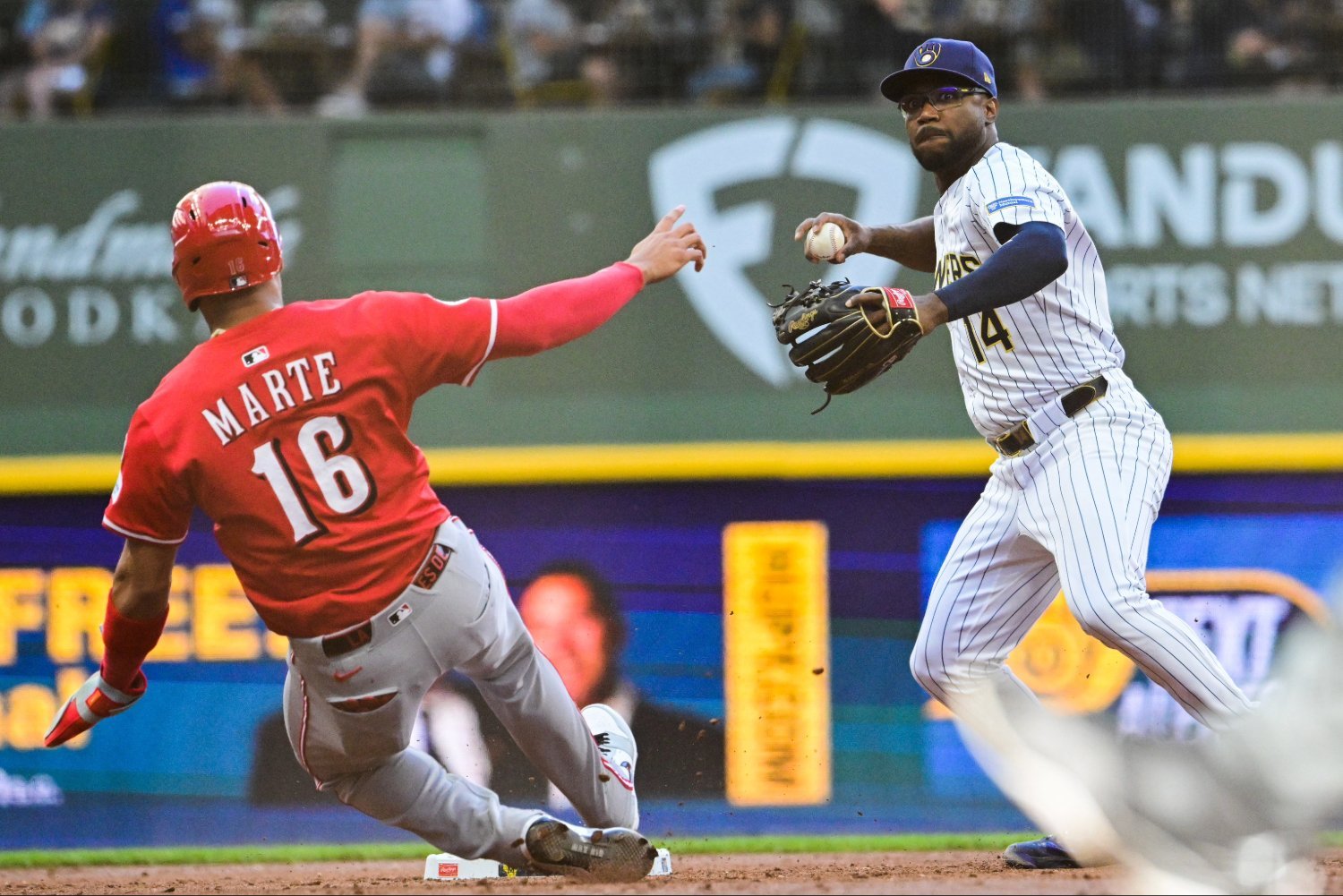 When the Boston Red Sox completed their trade with the Milwaukee Brewers, Caleb Durbin was the centerpiece. In return for a young, controllable pitcher like Kyle Harrison, a young, intriguing arm like Shane Drohan, and a speedy infielder in David Hamilton, the Red Sox acquired someone who should make an immediate impact at second or third base in 2026. However, they acquired more than just Durbin, as both Andruw Monasterio and Anthony Seigler along with a Competitive Balance Round B pick were sent to Boston to complete the trade. Durbin's place on this team has been discussed previously by our @Jack Lindsay, and now the remainder of the trade is going to be looked at to see how they might fit into the roster. When the pick was first announced, the exact spot in the draft was unknown. However, that has since changed. With the Arizona Diamondbacks bringing back Zac Gallen, it locks the pick in at No. 67 overall. This pick reasonably replaces the team’s second-round selection they lost for signing Ranger Suárez. In the 2025 draft, the value for the 67th pick was $1.28 million. For comparison, the Red Sox held the 75 overall pick last year and the team took Henry Godbout. The infielder signed for the slot value of just under $1.1 million. This pick brings the Red Sox to three picks in the top 100 after previously only having selections at Nos. 20 and 96. As for actual players, the team acquired two utility infielders in Monasterio and Seigler, one seemingly more valuable than the other. Monasterio, who won’t turn 29 until the end of May, played parts of three seasons with Milwaukee. Appearing in a total of 219 games, the infielder hit .250/.321/.351 with 28 doubles, one triple, eight home runs, and 59 RBIs. Monasterio has hit lefties rather well for his career, slashing .255/.352/.375 with 10 doubles, four home runs, and 24 RBIs in 109 games. With Romy González likely to open the season on the injured list after it was revealed there’s a slight tear in his injured shoulder, Monasterio should have a good chance at getting the first crack at handling his duties as a utility man/lefty masher. The original plan was to have González platoon with Marcelo Mayer. This would allow the young infielder to be protected against left-handed pitching and allow González the opportunity to continue his great hitting against southpaws. Now, it might be Monasterio who fills that role while González is out of commission. While his numbers against left-handed pitching are not as good as González’s, the utility infielder has shown himself to be capable against them. Add to it his ability to play multiple positions (appearing at every infield position at least eight times in 2025) and he seems destined for a utility role, even if his stay in Boston is only temporary. Monasterio has taken the opportunity for reps during spring training with the group that consists of starters and those likely to crack the Opening Day roster, as he’s caught the eye of Alex Cora early on in camp. The Red Sox manager has described him as a “great athlete” and has said “you see him from afar, whatever. But then you see him here, it’s like oh shoot he can move, he’s versatile, he can hit lefties, he’s got some pop,” according to Christopher Smith of MassLive. The final piece to come over from the Brewers, Seigler, seems to be the least impactful and will likely be in Triple-A as an emergency depth option. Drafted by the New York Yankees back in 2018, Seigler never made it to Triple-A with the Yankees and would join the Brewers organization in 2025. The infielder did have an impressive season with Triple-A Nashville, hitting .285/.414/.478 with 16 doubles, four triples, eight home runs, and 39 RBIs. He also displayed a great understanding of the strike zone, walking 52 times compared to striking out in 59 at-bats. That led to his MLB debut in Milwaukee, but he struggled badly in his cup of coffee; in 34 games, the infielder hit .194/.292/.210 with one double, and five RBIs. Seigler can play multiple positions, having been drafted as a catcher before being moved to second base in 2024. While with the Brewers organization, he appeared at second base, third base and catcher while in Triple-A but only at third base (excluding one inning at catcher and one inning as a pitcher) upon being called up. Even while playing winter ball. he split time at second base and third base. During the first week of spring training, the infielder did not work with catchers but remained with the infielders. Specifically with the second group, or the non-roster invites, as he took reps at second base and third base. With the team having someone like Nick Sogard on the 40-man already and someone like Brendan Rodgers in camp, Seigler is unlikely to crack the Opening Day roster. Likewise, due to the previously mentioned players, it would not come as a surprise if he were to be designated for assignment at some point (though the team would likely DFA Mickey Gasper or Tsung-Che Cheng first) if they needed a roster spot. For now, Seigler serves his role within the organization: A player who, if needed, could be called up and provide defensive versatility while the team awaits a starter to return from an injury. His bat at the major-league level has not proven capable of handling the best pitchers in he world. If that changes, Seigler's outlook will as well. Overall, the Red Sox did rather well in the trade. On top of Durbin, they were able to get another pick within the top 100 along with a serviceable infielder and a quality depth option, and all they really gave up was a starter who had no path to the rotation in Boston. View the full article
 -
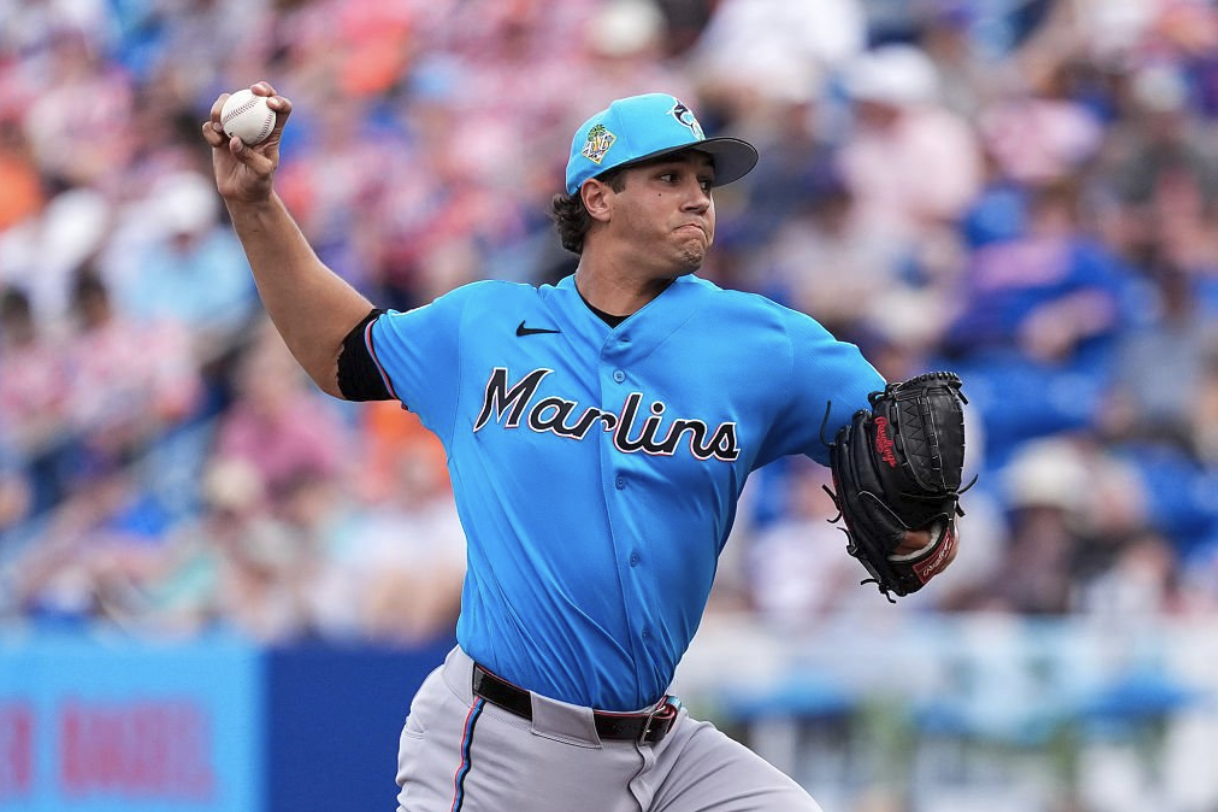 In the not-too-distant past, we tried to find statistical significance within the results of Miami Marlins spring training games. It simply isn't there. Regardless of whether somebody's wRC+ or FIP dips below zero, expectations for their regular season performance should be unaffected. It is premature to say that universal access to spring training Statcast data changes anything. However, in a world where players practically work year-round to maximize how hard they hit and throw the ball, maybe we could learn something from monitoring that. Every Marlins player will be added to the tables below once they appear in a Grapefruit League game (by spring's end, that could mean upwards of 100 players). The cells are shaded red for any player whose max exit/pitch velocity has exceeded their 2025 season-high in that category. I used "N/A" for players who had little or no playing time in Statcast-tracked environments last year. A baby emoji indicates that the player is assigned to minor league camp. These leaderboards will be updated daily. Max Exit Velocity (mph) Player 2026 Spring Training 2025 Regular Season Liam Hicks 106.4 108.5 Christopher Morel 104.0 115.4 Ethan O'Donnell 👶 103.3 N/A Colby Shade 👶 103.2 N/A Bennett Hostetler 102.4 106.1 Johnny Olmstead 101.2 108.0 Chris Arroyo 👶 101.0 109.1 Otto Lopez 99.2 111.2 Agustín Ramírez 99.2 116.9 Joe Mack 97.8 109.6 Jared Serna 97.8 N/A Andrew Pintar 97.1 110.0 Daniel Johnson 92.5 114.7 Brendan Jones 92.2 N/A Jacob Berry 92.1 109.5 Nathan Martorella 91.2 108.6 Deyvison De Los Santos 91.0 118.5 Heriberto Hernández 90.7 112.8 Jakob Marsee 90.7 111.1 Ian Lewis 👶 89.8 112.4 Xavier Edwards 86.9 109.0 Jay Beshears 👶 85.7 N/A Maximo Acosta 83.2 108.0 Griffin Conine 80.4 117.4 Connor Norby 78.6 109.0 Brian Navarreto 76.6 109.4 Kyle Stowers 75.1 113.7 Javier Sanoja 71.5 107.3 Dylan Jasso 54.4 N/A Owen Caissie N/A 113.3 Dillon Lewis N/A 113.9 Esteury Ruiz N/A 109.1 Michael Snyder 👶 N/A N/A Max Pitch Velocity (mph) Player 2026 Spring Training 2025 Regular Season Samuel Vásquez 99.3 N/A Josh Ekness 98.0 98.7 Tyler Phillips 97.8 97.5 Liomar Martínez 👶 97.5 96.0 Sandy Alcantara 97.4 100.3 Robby Snelling 96.9 98.0 Justin King 96.8 96.9 Jake Walkinshaw 👶 96.8 99.1 Tyler Zuber 96.1 96.8 Jack Ralston 95.5 95.9 Ryan Gusto 95.0 97.4 Lake Bachar 94.6 97.1 Stephen Jones 94.5 97.8 Nigel Belgrave 94.1 95.3 Dale Stanavich 94.0 97.9 Zach Brzykcy 93.7 96.6 Cade Gibson 93.6 95.0 RJ Shunck 👶 92.6 91.5 Brayan Mendoza 👶 92.1 N/A Evan McKendry 91.8 93.6 View the full article
 -
Cubs to Sign Outfielder and Lefty Bat Michael Conforto
DiamondCentric posted an article in North Side Baseball
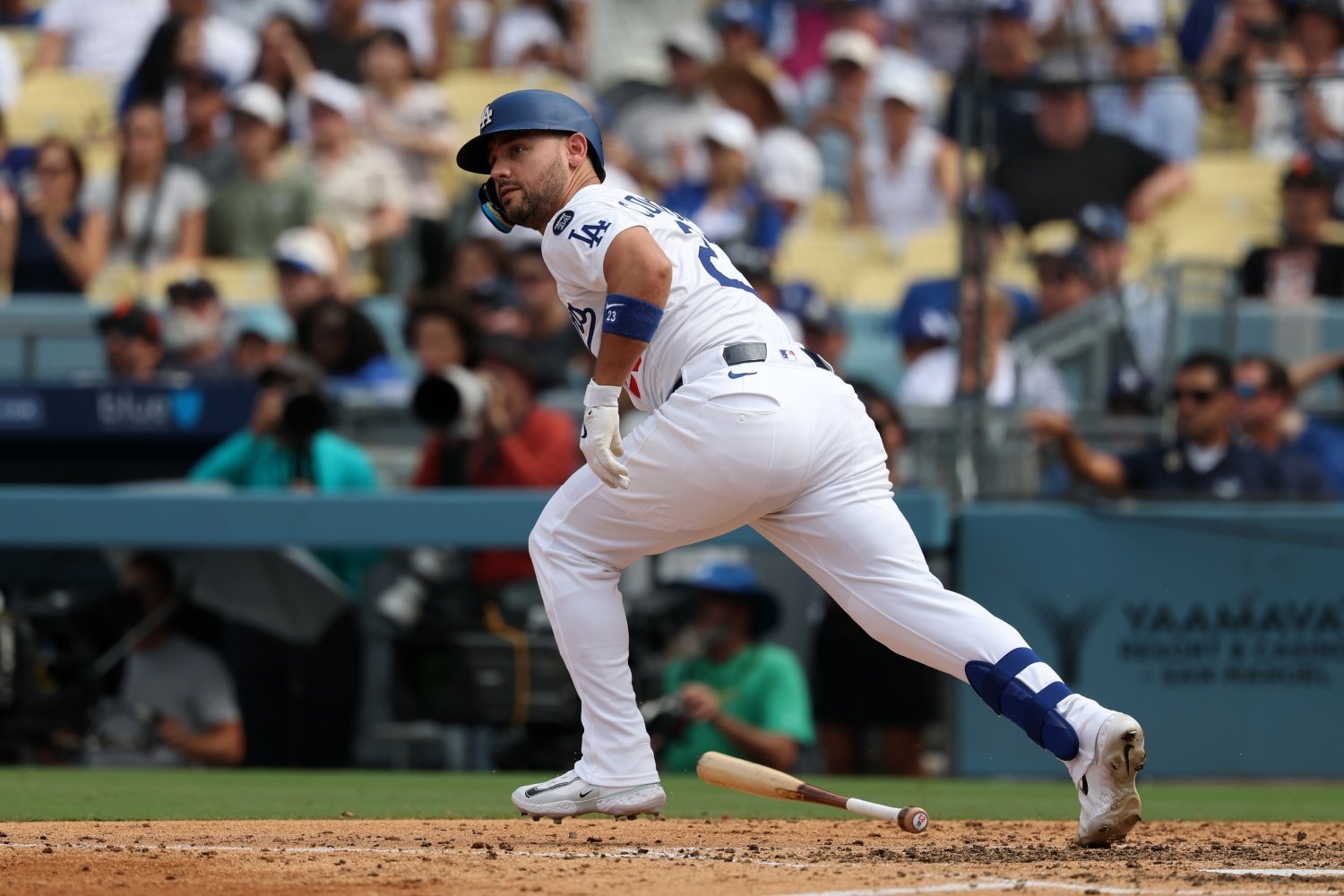 The Cubs need more depth in left-handed hitting, especially with prospective starting designated hitter Moisés Ballesteros delayed in his ramp-up due to visa issues this spring. Overnight, they agreed to sign veteran outfielder Michael Conforto to address that need, according to Jon Heyman of the New York Post. Conforto, 32, hit just .199/.305/.333 last season with the Dodgers, though he held onto a steady enough role to collect 486 plate appearances. Formerly an All-Star-caliber corner bat, he's been diminished by injuries and no longer gets to much of his raw power, but he still has high-end bat speed and a patient approach at the plate. He would be a major defensive downgrade in either outfield corner; expect him to serve only as a DH. Even then, the extent to which he's actually used will hinge somewhat on Ballesteros's readiness. View the full article
 -
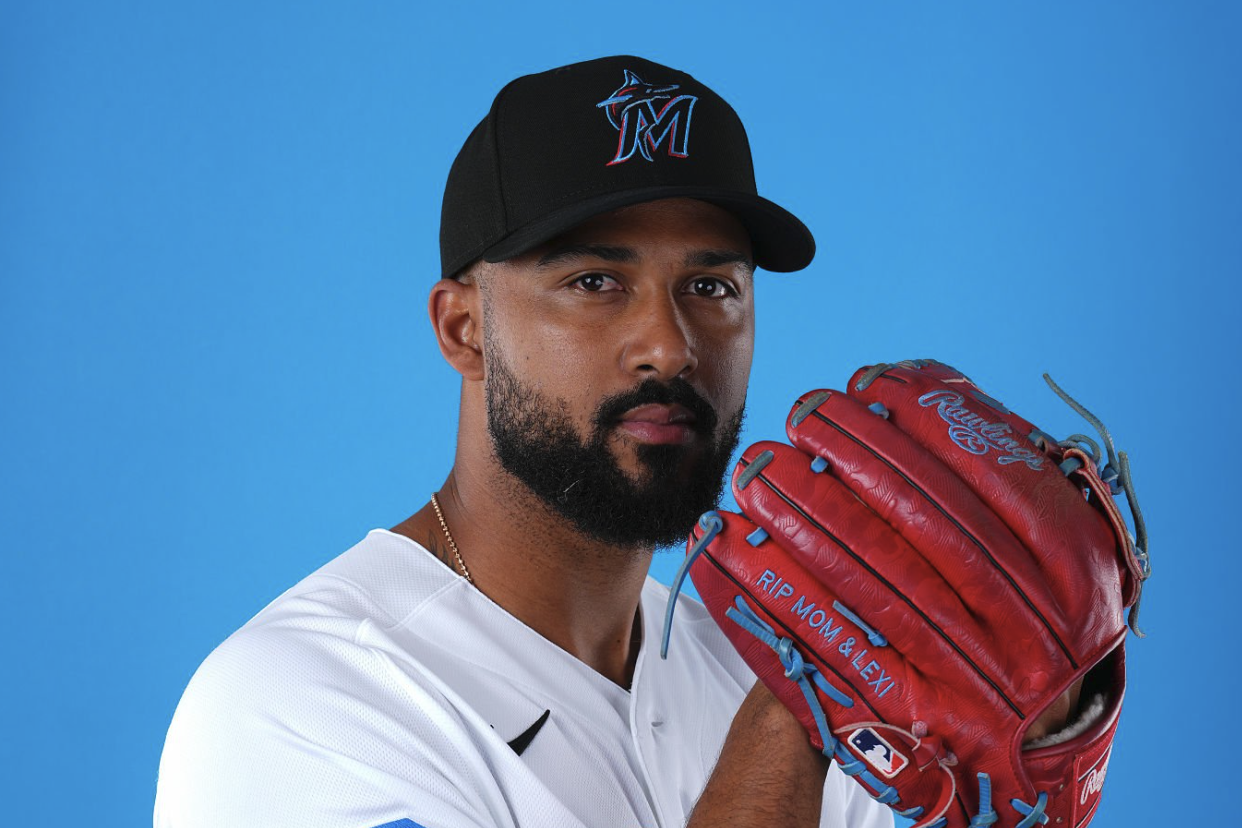 JUPITER, FL—On Sunday afternoon, Sandy Alcantara and the Miami Marlins took the field at Roger Dean Chevrolet Stadium for the first time in 2026. It would take three hours and 41 minutes for them to finally leave the field. In what should wind up being one of the longest and highest-scoring games of Marlins spring training, the Nationals defeated them by a final score of 16-8. Sandy Alcantara still working through new sweeper Alcantara cruised through the Grapefruit League in 2025, allowing zero earned runs through five starts. The process won't be as smooth this time around—in his lone inning of work against Washington, he threw 28 pitches, allowing three runs on two hits (one home run), walked one and struck out one. The right-hander called his first start "frustrating," saying he thought it would go much better. A big offseason development for him was adding a sweeper, but that pitch failed him on Sunday when Brady House took one deep for a three-run homer. "It was a two-strike count and I was trying to throw my best sweeper ever," Alcantara said following his start. "Just left it in the middle and when you miss, you pay." Although Alcantara has been throwing his sweeper for months in bullpen and pitch design sessions, that doesn't compare to a game environment. He admitted that he doesn't fully trust it. "I think it's about consistency, but I have to keep improving, throwing a couple more bullpens, but everything will be good." The Marlins used 10 pitchers in relief of Alcantara: Lake Bachar, Brayan Mendoza, Tyler Zuber, Evan McKendry, Liomar Martínez, Justin King, Samuel Vasquez, RJ Shunck, Dale Stanavich and Jake Walkinshaw. As a group, the pitching staff walked 13 hitters and threw eight wild pitches. New bats on the block The Marlins' starting outfield was comprised entirely of offseason acquisitions: Esteury Ruiz (acquired from Dodgers) in left, Dillon Lewis (Yankees) in center and Owen Caissie (Cubs) in right. In two plate appearances apiece, Caissie struck out twice and so did Lewis, while Ruiz worked two walks. In the bottom of the ninth inning, Brendan Jones (Yankees) hit the club's first home run of the spring. In that same inning, prospect Ethan O'Donnell (Reds) hit a grand slam. "I think that's the great part about spring training," said Marlins manager Clayton McCullough. "There are so many players in our camp that have come through the system or that we've acquired recently earn an opportunity and to have them in camp, give them some opportunity to run and play a little bit. Certainly, there are a lot of players in here that in the near future we're counting on to be able to come up and help us in Miami." "Different" Deyvison De Los Santos The lone Marlin to have a multi-hit performance thus far has been Fish On First's No. 28 prospect, Deyvison De Los Santos. He finished the day with two singles, the second driving in Liam Hicks. De Los Santos is coming off a disappointing season in Triple-A, slashing .240/.313/.359/.672 with 12 home runs, 54 RBI and an 85 wRC+. This was after a 40-homer season in 2024. This past offseason, De Los Santos went to the Dominican Winter League with the Gigantes del Cibao. In 44 games, he slashed .309/.365/.475/.840 with five home runs and 28 RBI. When FOF asked De Los Santos what he worked on this offseason, it wasn't anything mechanical or even baseball-related—it was on the mental side. “I’d say what I need to improve is my mindset and my maturity," De Los Santos said in Spanish. "I focused on that, I matured, and that’s what I’m applying here.” McCullough after the game spoke on how De Los Santos has carried himself and described it as "seeing a different Deyvison," noting he's the first one at the Jupiter Academy every day and he's "putting his hard hat on and going to work." Quick notes - Sandy Alcantara is expected to make just one more spring training start before he joins the Dominican Republic for the World Baseball Classic. - Free agent signings Chris Paddack and John King are expected to make their spring debuts this week. - The expectation is that Janson Junk (Grade 1 right ankle sprain) will work off a mound at some point this upcoming week. - On MLB Network Radio, McCullough said Marlins pitchers have NOT been given permission to challenge pitches. Only the catcher. What's next? The Marlins remain in Jupiter Monday afternoon as they play visitor to the St. Louis Cardinals with Eury Pérez starting the game and Max Meyer will follow him. They will throw just one inning each. First pitch is at 1:10 pm and this game will be televised on Cardinals.TV and MLB Network. You can listen to it on MLB.com. View the full article
 -
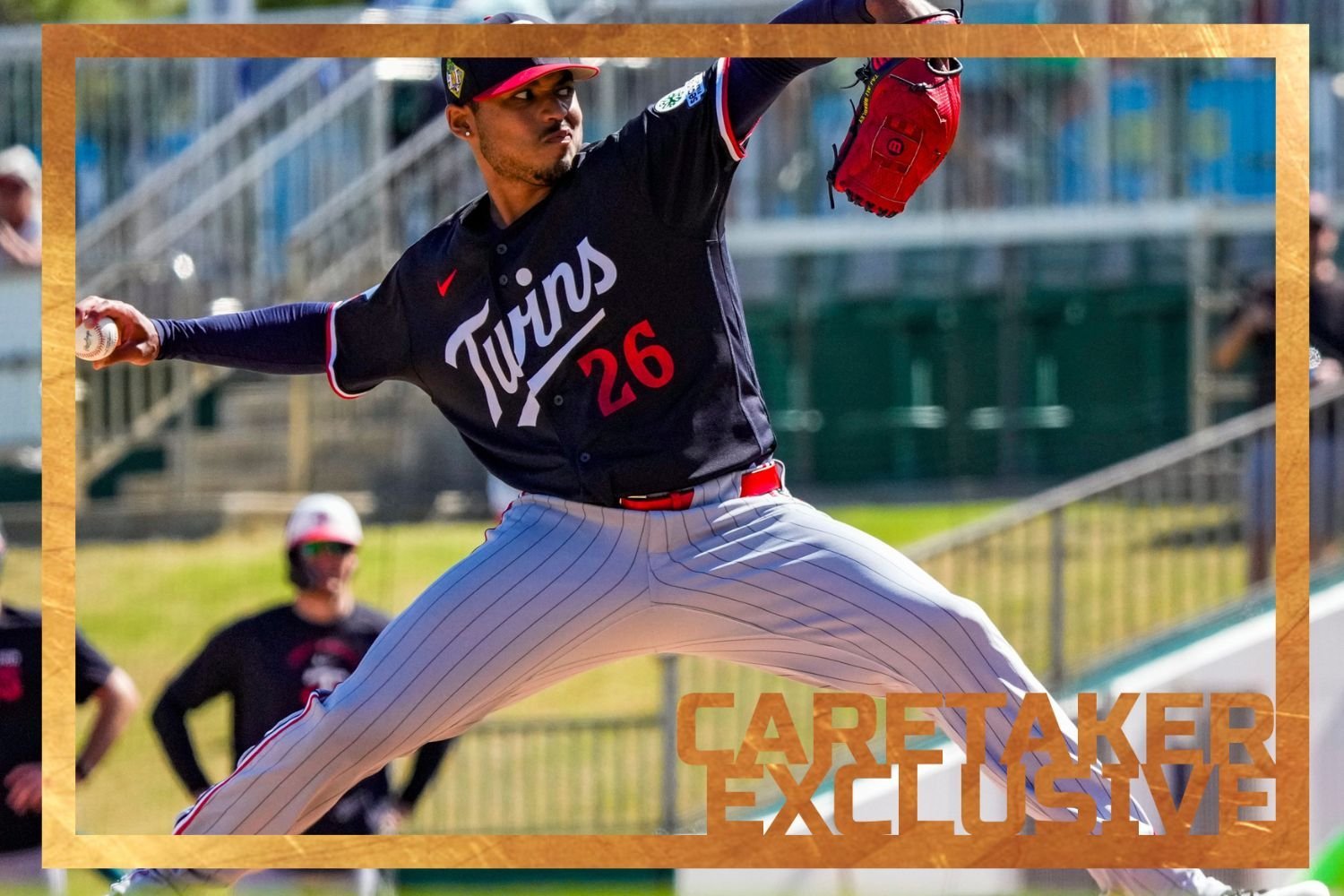 Sigh of Relief Joe Ryan, who was scratched from Saturday’s start, had an MRI and it found only inflammation. He’s day-to-day, and the Twins and Ryan will re-evaluate his participation in the World Baseball Classic (WBC) in a few days. “Overall, really good news,” said Twins Manager Derek Shielton. “I think we’re happy with how we’re going to move forward.” Taj Gets A Challenge Since Sunday’s game was Atlanta’s Grapefruit League season opener, Twins pitcher Taj Bradley faced the Braves' “A” lineup. He threw 42 pitches over three innings, giving up five hits, one home run, and striking out five. He is already at 42 pitches because he’s preparing to represent Mexico in the WBC. He was asked about his splitter, because it was a pitch that was not as successful last year. View the full article
 -
 Jamie is very high on Charlee Soto; Theo is lower than anyone ranking Twins prospects in 2026. They go over the wide range of outcomes for Soto's 2026 season after he made only three starts in 2025 before having his season shut down due to two different injuries. View the full article
 -
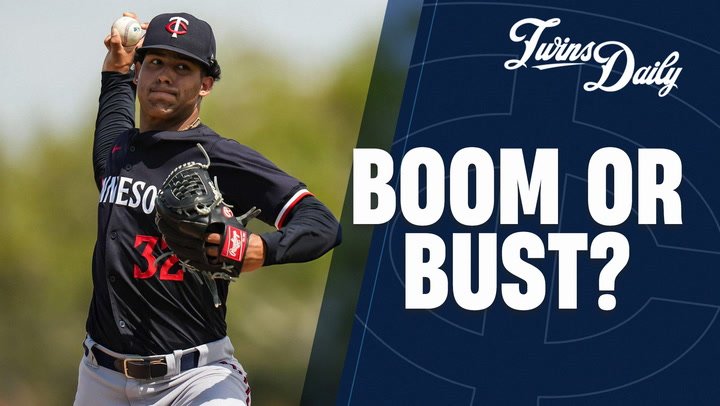 Jamie is very high on Charlee Soto; Theo is lower than anyone ranking Twins prospects in 2026. They go over the wide range of outcomes for Soto's 2026 season after he made only three starts in 2025 before having his season shut down due to two different injuries. View the full article
 -
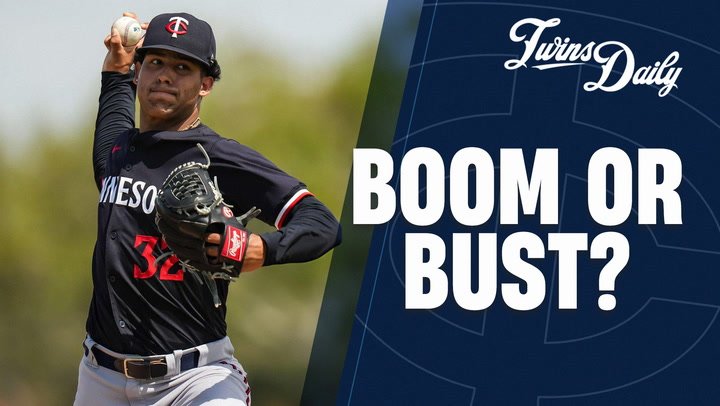 Jamie is very high on Charlee Soto; Theo is lower than anyone ranking Twins prospects in 2026. They go over the wide range of outcomes for Soto's 2026 season after he made only three starts in 2025 before having his season shut down due to two different injuries. View the full article
 -
Joe Ryan's MRI Result Brings Much-Needed Relief to Twins Rotation
DiamondCentric posted an article in Twins Daily
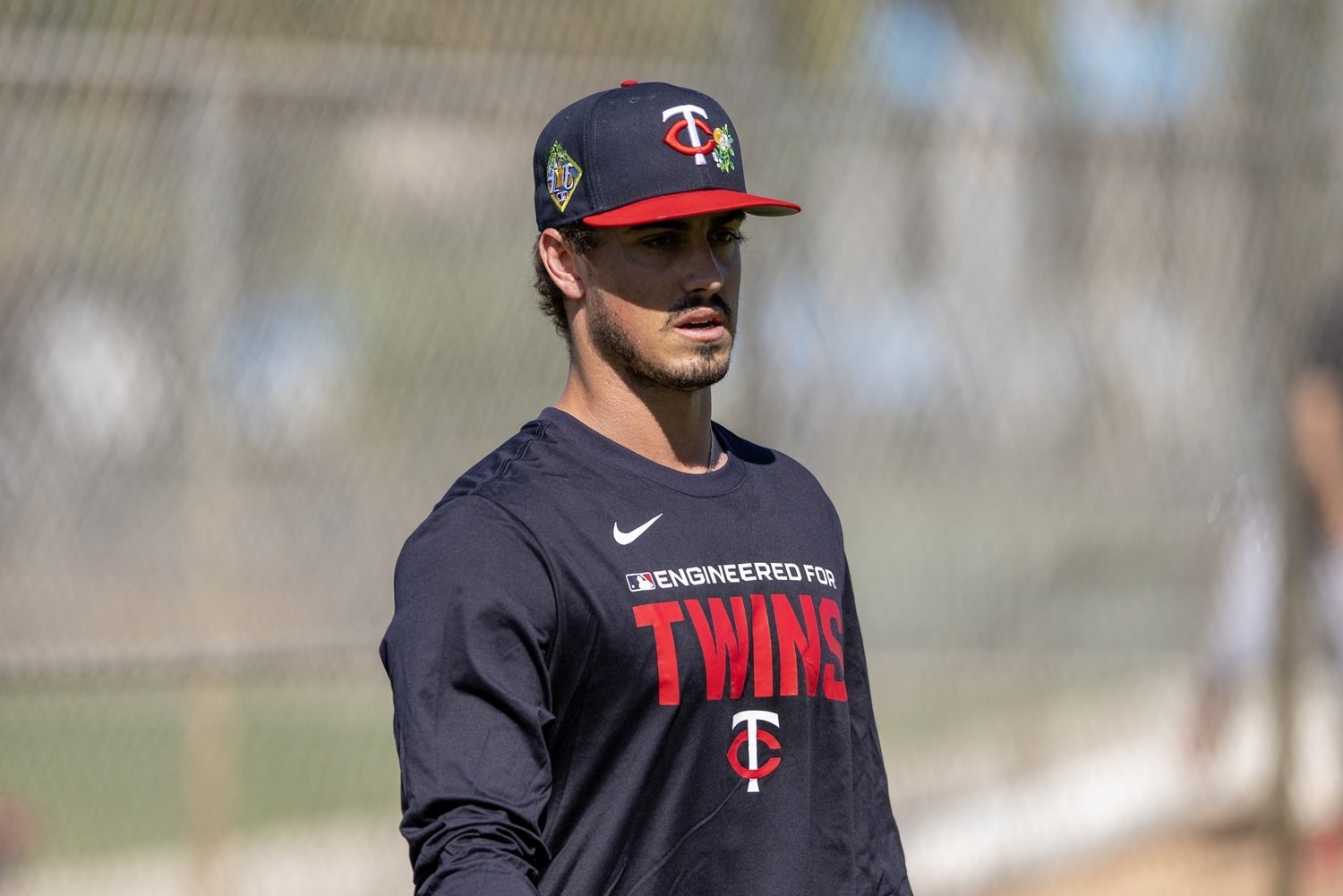 Twins Territory got some good news on Sunday morning after Joe Ryan underwent an MRI that revealed what can only be described as a best-case outcome. Scratched from his scheduled spring training start on Saturday due to lower back tightness, Ryan underwent imaging to determine the severity of the issue. According to Dan Hayes of The Athletic, the MRI showed only inflammation in Ryan’s lower back rather than anything structurally concerning. You could sense the relief felt by Twins general manager Jeremy Zoll when he addressed reporters Sunday morning. “He’ll be down for a few days here just to let things calm down,” Zoll said. “We’ll progress him as tolerated and don’t envision this impacting his readiness for Opening Day. As of now, we’re just going to take WBC readiness day by day here before we have anything definitive on that front. We’ll see how things go. But overall, this is about as good of news as you could have.” In Hayes’ words, this represents a best-case scenario for Ryan and one that should allow him to avoid a lengthy layoff. While the Twins’ exact plan as he works through the inflammation is not yet clear, there’s little reason to believe his availability for Opening Day will ultimately be affected. That’s critically important for Minnesota, considering Pablo López is already slated to miss the entire season as he prepares to undergo Tommy John surgery. Losing López from the front of the rotation was a difficult blow on its own. Losing Ryan as well would have been devastating for a pitching staff already leaning heavily on internal depth. Ryan figures to be joined in the rotation by Bailey Ober, with the remaining spots likely coming from some combination of Simeon Woods Richardson, Zebby Matthews, Taj Bradley, Mick Abel, and David Festa. Ryan’s importance is only magnified by the fact that he’s coming off the best season of his career. A first-time All-Star in 2025, the right-hander posted a 3.42 ERA across 171 innings while making 30 starts and striking out 28.2% of opposing hitters against just a 5.7% walk rate. While his availability for next month’s World Baseball Classic remains uncertain, Ryan made it clear he is focused on the immediate rehab process rather than any long-term decisions. “The WBC crossed my mind, but I’m not taking anything off the table,” Ryan said. “I’m not really jumping to any conclusions too quickly. I’m just focused on hitting this rehab process and getting through that. Feeling good and I’m excited. It’s all we could ask for.” In the shorter term, additional caution around insurance approval across the league could ultimately influence whether Ryan participates internationally. Even if he is unable to suit up, Team USA’s rotation options remain formidable with Paul Skenes, Tarik Skubal, Logan Webb, Nolan McLean, and Matthew Boyd among the available arms. For now, however, the most important takeaway for the Twins is simple. Two days after suffering what looked like a catastrophic loss to their rotation, Minnesota has avoided another one. Ryan may miss a handful of days, but barring any setbacks, the club’s Opening Day plans appear to remain firmly intact. View the full article
 -
Sandy Alcantara: I need to build more confidence in new sweeper
DiamondCentric posted an article in Fish On First
 Following his spring training debut on Sunday, Marlins ace Sandy Alcantara speaks with the media about his frustrating results against the Washington Nationals and the process of developing better command of his sweeper.View the full article
 -
Sandy Alcantara: I need to build more confidence in new sweeper
DiamondCentric posted an article in Fish On First
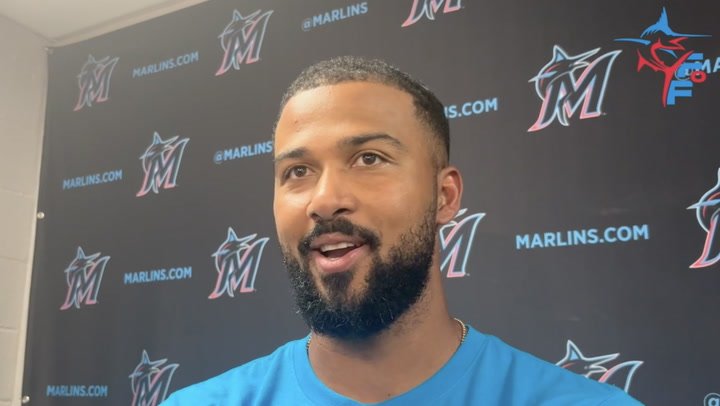 Following his spring training debut on Sunday, Marlins ace Sandy Alcantara speaks with the media about his frustrating results against the Washington Nationals and the process of developing better command of his sweeper.View the full article
 -
Blue Jays, John Schneider Still "Talking" About Extension
DiamondCentric posted an article in Jays Centre
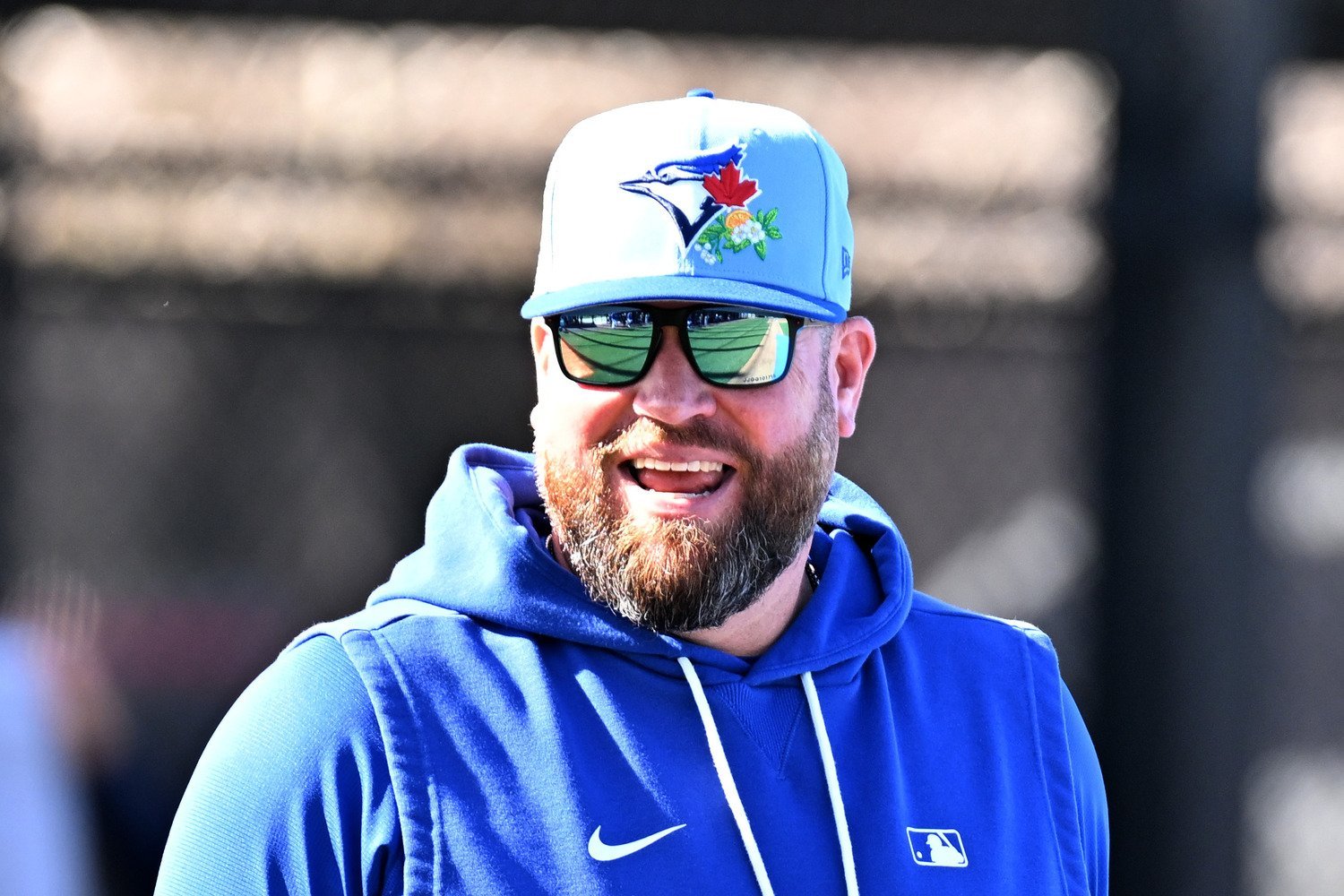 Speaking to Sportsnet's Shi Davidi at spring training, Blue Jays manager John Schneider addressed his contract status. The team exercised its option for his services in 2026 last spring, but he will become a free agent next winter without a new deal. “We're talking,” Schneider told Davidi, regarding the possibility of an extension. He went on to express that there is "nowhere else" he'd rather be – and the team knows how he feels. "We've had some discussions about it, and if there's a way to do it for both sides that makes sense, that'd be great...We'll continue to talk, and there's no place I'd rather be than with this group," said Schneider. After the World Series, general manager Ross Atkins told reporters he was discussing an extension with Schneider. Evidently, those conversations are still ongoing. As Davidi notes, Atkins is also in the final year of his contract, while president Mark Shapiro recently signed a five-year extension. Given the Blue Jays' success in 2025, and their aspirations for the coming year, it would be highly surprising if Shapiro lets his GM and manager go through the season in a lame duck position. However, Schneider said that he is currently "focused on right here, right now," rather than worrying about his status for 2027 and beyond. View the full article
 -
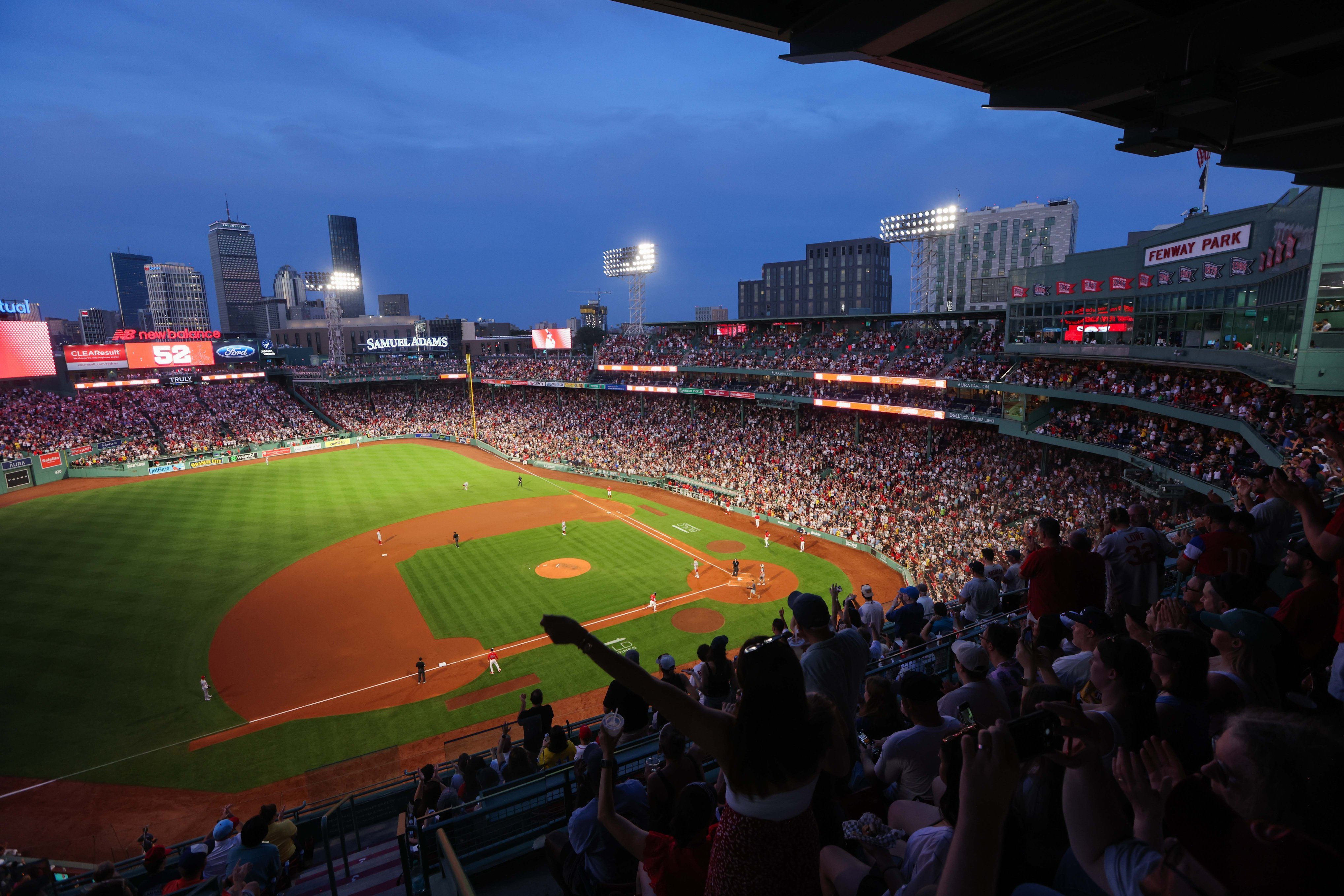 In the middle of 2022 I became hooked on a unique facet of Major League Baseball fandom: the road trip. After experiencing a Twins away series in Phoenix against the Diamondbacks, I discovered several unique perks to road game attendance: 1) You get to see your team participating in batting practice when the gates open. 2) If you wear your team's gear, you become a magnet for stray baseballs being tossed into the stands after an inning, or pre-game interactions and autographs. 3) If you play your cards right, you can score great seats at low, low prices due to an absolute lack of interest in Twins games at most ballparks! 4) If nothing else, win or lose, you get to experience another ballpark and all of its quirks and food and drink and amenities...along with memories and stories for a lifetime. As my road-tripping gained momentum into 2023 and 2024, some "glass is half empty" moments did begin to reveal themselves. For instance, the Twins (and all teams) typically lose the majority of their away games. 2023 was a boom year with a 40-41 record on the road, but 2025's 32-49 record is more typical. So if your heart is set on "best chance to see a Twins win" then the home game is still the way to go. But if you want a change of pace, and an excuse to observe how other teams operate so that you can see if your complaints about the Twins organization still resonate, or if you simply don't live anywhere near Target Field and want to watch your team live and in person – nothing beats a road trip. In past seasons I've presented all 13 road trips that the Twins take as individual articles. I honestly just have been so depressed about the offseason that 13 articles felt like torture for you and for me. Instead, I'm going to present the top trips for each two-month segment of the 2026 season based upon three main variables: 1) approximate off-market ticket price, 2) city ad stadium amenities, 3) chances of victory. The March/April/May stretch of the season takes the Twins to the following locations: March 26-29 - @ Baltimore March 30- April 2 - @ Kansas City April 10-12 - @ Toronto April 21-23 - @ New York Mets April 24-26 - @ Tampa Bay May 5-7 - @ Washington May 8-10 - @ Cleveland May 22-24 - @ Boston May 25-28 - @ Chicago White Sox May 29-31 - @ Pittsburgh So here's your Best Twins Road Trip options for the kickoff to the 2026 campaign! #3 - April 24-26 - @ Tampa Bay This season marks the return to Tropicana Field after a hurricane-induced season spent at the minor league Steinbrenner Field. While watching from the literal outfield wall at that little ballpark was fun, it was very much a minor-league stadium. Now is the Trop an actual big-league ballpark? Most people would argue that it isn't, but on the flip side, ticket prices due to increased seating and no increase in fan interest mean great seats for low prices! Amenities aren't great at the stadium, but it does bring back a "Metrodome" vibe, and the fast-paced turf should make for interesting ballgames. Tropicana Field boasts the notorious label of being “unattractive” and “nondescript.” A concrete dome, with Astroturf (that even the Astros stopped using…), optical illusions from the seating arrangement, and catwalks that giveth (Jason Kubel in 2010) and taketh away (Miguel Sano in 2015). Tropicana Field defines “quirky.” Will the Twins be able to emerge victorious in the series? Minnesota is 4-8 at the Trop since 2021, so the outlook is murky at best. #2 - May 22-24 - @ Boston I was tempted to consider either of the first two series, since they involve home openers for their respective clubs in Baltimore and Kansas City. The inflated price tags of those games, and the reality that this year's Twins team will most likely stumble out of the gates, led me to aim later in May. Memorial Day weekend takes place in Boston this year, and no greater baseball experience can be found on the road than at Fenway Park. What it lacks in variety and contemporary charms, it more than makes up for in nostalgia and ambience. The fans are there to watch baseball, and that makes a huge difference compared to most other road stadiums. Prices will be higher, because you will be most likely in a packed house. But you can still find Green Monster seats off-market the day of the game, and if you can...you must. Travel to and from Fenway will require more planning than a Tampa trip, with the train being the best door to door option probably. Will the Twins win while you are there? They've gone 7-9 at Fenway since 2021, and took the series from the Red Sox on their home turf last year! So there is hope that the squad performs up to the competition in such a historic setting, and that Royce Lewis can rip 10 doubles off of the Monster while he's at it. #1 - May 29-31 - @ Pittsburgh Word on the street is that PNC Park is one of the gems of Major League ballparks. While I personally haven't yet entered its gates, I plan to this season. Call it the Derek Shelton (or Josh Bell) revenge tour, or the Paul Skenes awesomeness tour, or the battle for the number one draft pick in 2027 tour...this series should matter more than most in late May. Twins fans in attendance should stand out well, and not have too many enemies (forgot to mention that factor in the Boston paragraph). Prices should be reasonable, with not a bad seat in the house. When it comes to competitive balance and chance for victory, the Twins don't have much to go by in way of previous meetings. Minnesota has only traveled to Pittsburgh once since 2021, and that was a 1-2 series loss in 2024. Outside of the Nationals, the Pirates look to be the weakest link on the early calendar, and since Twins fans only get a chance to travel to Pittsburgh to see their favorite squad every other year, this series gets my stamp of approval for the Best Road Trip in the first third of the season. Now its your turn Twins Daily faithful. Which road series do you plan on attending, or think ranks highest when factoring in cost, amenities, and chance for victory? Are there other factors in road trip planning that you would add to your calculations? View the full article
 -
 In a key at-bat last September, Nico Hoerner sat on a fastball and got one in his wheelhouse. He had the advantage of being ahead 2-0 on the Rays' Bryan Baker, and there were two outs and nobody on in the bottom of the eighth inning. The score was 4-4. Never have all the incentives been more aligned for a player to swing from his heels, and Hoerner did just that. The ball was a searing line drive into the left-field corner—a double, not a homer, but only because he hadn't lifted it enough. That was the hardest Hoerner had hit a ball all season, by a good margin. It jumped off his bat at 108.1 miles per hour; he hadn't hit any other ball even 106 miles per hour all season. Locked in, sitting on one pitch and one location and looking for extra-base juice, he set a new season high for batted-ball ferocity. akQ5NEFfWGw0TUFRPT1fVlFVSFYxQUdYMVFBQVFNS0JRQUhBZ0VEQUZsV0FsSUFCUU1CQkZCVUJBcGNBbFFB.mp4 Three days later, he nearly matched himself, although the result was much less impressive. Again, he was trying to ambush something—this time, a first-pitch splinker from Paul Skenes of the Pirates. Michael Busch had just hit a leadoff homer, and Hoerner was trying to catch Skenes reeling a bit. He nearly did it, too. The ball had more of the plate and stayed up more than Skenes probably would have liked. However, it had just enough run and dip to catch the underside of Hoerner's barrel. He rapped it sharply to shortstop, 107.3 miles per hour off the bat, but this time with no luck. NnkzN1dfWGw0TUFRPT1fQWdBQ1Z3RldWbE1BREFSV0JBQUhBRmRlQUZrRVZsWUFCVmNHVVZjRkNBSUVBQVJS (1).mp4 Maybe you're worried about me, right now. Maybe you're thinking I mistakenly headlined this Nico Hoerner article with something about Jefferson Rojas. Calm your fears, though. This is very much a Jefferson Rojas article. See, those two batted balls were the only ones Hoerner produced that topped 106 miles per hour last season. On Saturday, in the second game of Cactus League play, Jefferson Rojas matched that number. First, he scalded a line drive to center field to drive in a run, as clean a single as you'll ever see. It perfectly matched Hoerner's maximum exit velocity from 2025, at 108.1 MPH. Two innings later, he hit another rocket, this time at 106.2 MPH. It had too little air under it, and became a groundout, too, but it's a nifty match for the ball Hoerner hit against Skenes. In Friday's Cactus League opener, he'd also smashed a single at 100.3 MPH, against the White Sox. So far, Rojas only hits the ball hard, and all three of the pitchers against whom he made such solid contact (Kumar Rocker, Cal Quantrill, and Tyler Schweitzer) pitched in the majors last year. This is not meant, of course, to directly compare Rojas to Hoerner. They're very different players. Besides, Hoerner managed to pull a ball at 98 MPH from Baker for that double; that makes his hit more impressive than Rojas's. The young shortstop prospect has a lot left to learn. He hit .236/.343/.387 in High A and Double A last season for a reason. Still, this is a very pleasing proof of concept. Hoerner has 30-grade game power; it's his only weakness. Rojas, whom FanGraphs nonetheless ranked as the Cubs' top prospect entering this season, is only listed as having 30-grade game power at present. The prospect team at FanGraphs does give Rojas a 50 future grade on power, though, and having seen him step into the box two months shy of his 21st birthday and hit three balls the way he's hit them this weekend, it's fair to say that he's making progress toward that eventual ceiling. It's important not to get carried away with this kind of comp, but Rojas should remind you a bit of Starlin Castro. There's the same blend of quick hands and sinewy strength as Castro brought right to the big leagues in 2010, at age 20. Massive makeup issues (and, perhaps relatedly, an overly aggressive approach at the plate) stopped Castro from reaching his full potential, but the athleticism of Rojas is very similar, and so far, there are no reports of Rojas being similarly immature and dangerous off the field. Given the calamitous .164/.279/.205 line he put up in 39 games with Double-A Knoxville last summer, Rojas is surely slated to head back there this spring. However, his upside is beginning to shine against even big-league competition. He could well get back onto the fast track to the majors, with a strong start in Knoxville begetting a June promotion to Iowa. He'll be Rule 5-eligible this fall, so the Cubs have no reason not to let him force his way to the big leagues if this season goes the way he hopes. It's only been two spring games, but he's one of the most important players in the organization, and he's off to a great start in a pivotal season. Heck, since the infield picture in Chicago is crowded and Hoerner is a free agent this fall, maybe this is kind of a Nico Hoerner article, after all. If this keeps up, Rojas is coming for a spot that currently belongs to Hoerner, but showing he can match Hoerner on the veteran's weakest front is just the first small step toward supplanting him. View the full article
