


DiamondCentric
-
Posts
2,631 -
Joined
-
Last visited
Never
Content Type
Profiles
Forums
Events
News
Tutorials & Help
Major League Baseball Videos
Guides & Resources
Store
Downloads
Gallery
Everything posted by DiamondCentric
-
 Is Jameson Taillon underappreciated? The Cubs starter recently responded to a Twitter poll referring to Taillon giving up a home run to Alex Bregman as the former Pittsburgh Pirate being in midseason form. This got our wheels turning and gave our team a jolt of inspiration to highlight just how solid Taillon has been in Chicago's rotation over the last two years. In this video, we cover his durability, six-pitch mix, and pitch-to-contact tactics that make him a reliable fifth starter for this year's squad. View the full article
 -
 Is Jameson Taillon underappreciated? The Cubs starter recently responded to a Twitter poll referring to Taillon giving up a home run to Alex Bregman as the former Pittsburgh Pirate being in midseason form. This got our wheels turning and gave our team a jolt of inspiration to highlight just how solid Taillon has been in Chicago's rotation over the last two years. In this video, we cover his durability, six-pitch mix, and pitch-to-contact tactics that make him a reliable fifth starter for this year's squad. View the full article
 -
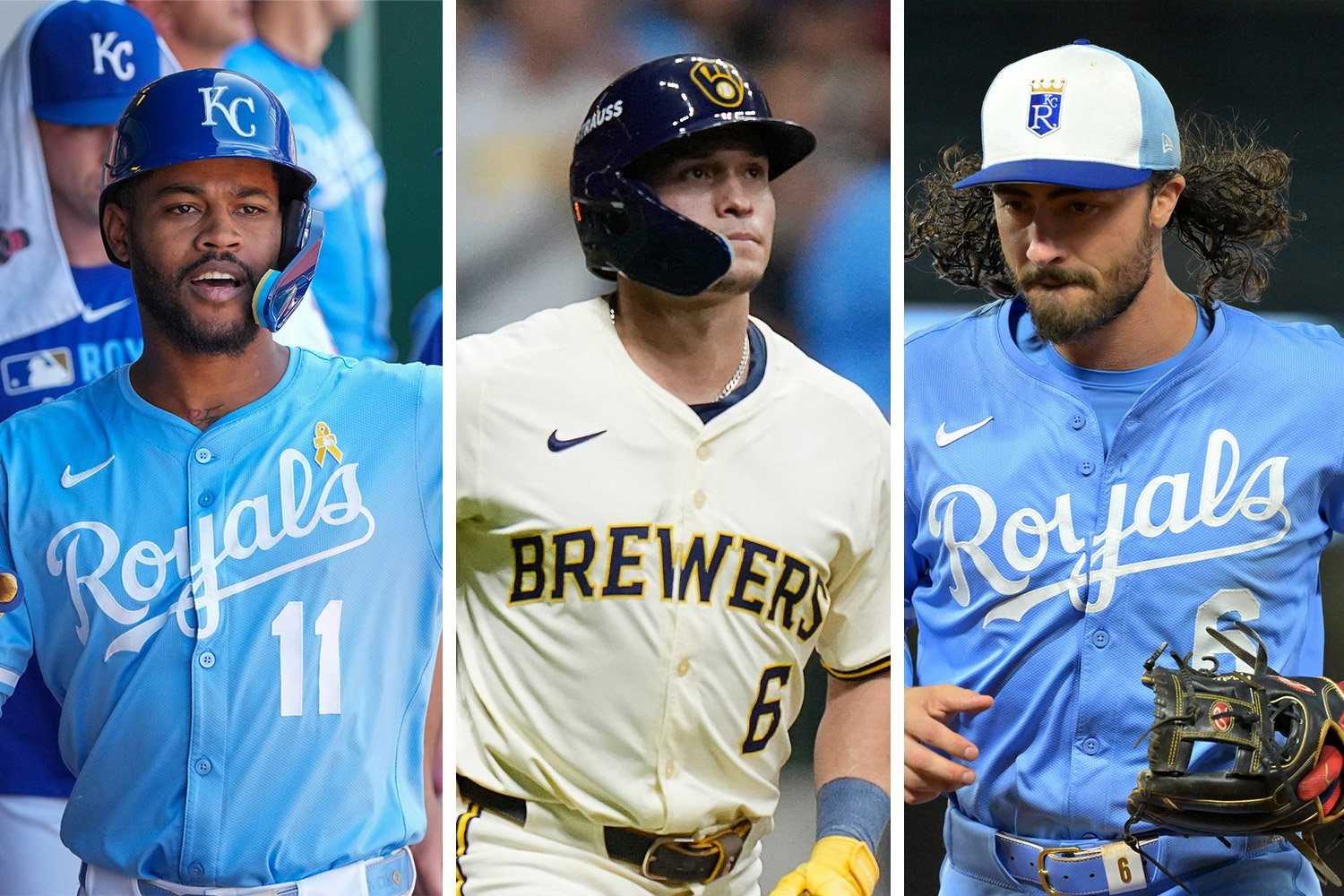 Last season, the Royals traded for Jonathan India with the plan of him being the leadoff man to hit ahead of Bobby Witt Jr. India held that role until early August due to his regression in on-base ability. Mike Yastrzemski and Maikel Garcia became the main leadoff hitters against right and left-handed pitchers, respectively, after India lost the job. Adam Frazier and Carter Jensen also got a few spot starts at leadoff. With Yastrzemski no longer an option, who should the Royals rely on to set the tone at the top of the order? A modern leadoff hitter is not necessarily the fastest player on the roster. A leadoff hitter should be able to excel at getting on base so that the middle of the order can get them home while also avoiding empty plate appearances by recording excess strikeouts. A leadoff hitter must also have the ability to excel on the basepaths and increase the chance of scoring by advancing extra bases and avoiding unnecessary outs. There are a few players who could leadoff for the Royals in 2026. India will likely get another opportunity to win the job in spring training, since that was the reason they traded for him a year ago. Garcia could continue with the job that he had at the end of last season. New acquisition Isaac Collins had one start in the leadoff spot and saw a lot of time batting second last season in Milwaukee. Though not projected to be a starter, Lane Thomas has experience in the leadoff spot and could challenge for a larger role with the Royals if he can have a bounce-back season. Jensen could be another candidate since he got a couple of starts last season, but since his sample size at the major league level is only 69 plate appearances, it will be hard to compare his metrics with the other options. Ideally, the leadoff man is an everyday player, which makes Jensen less likely to be a candidate as Salvador Perez’s backup. If he can continue his hot start in the major leagues, he might force himself into contention. Why not Bobby Witt Jr.? Witt is undoubtedly the best player in the Royals lineup and grades better than each of these players in almost every metric. Moving Witt to the top of the order will impede his ability to drive in runs and provide extra run-creating value. As the second batter in the order, his on-base ability will still lead to runs being driven in the middle of the order. As the second hitter, he could do the job of driving in runs and setting the table for the rest of the lineup. Let’s break down each of the candidates’ profiles to see how they stack up as leadoff candidates. Getting On Base Good leadoff hitters excel at getting on base, whether that be from walks or hits. A good way to measure this is Weighted On Base Average (wOBA). wOBA assigns weights to each on-base method based on their offensive value, rather than batting average or on-base percentage, which weighs each hit equally. Below is a chart with last season’s wOBA for each player in addition to their career average and 2026 projections according to THE BAT X model from Frangraphs. Last season, Garcia and Collins led with wOBAs just over .340, while Thomas and India underperformed their career averages. Projections see Collins as a regression candidate with his 2026 wOBA taking a hit and dropping to .309. This could be due to his expected wOBA being over 20 points below his production last year. Projections appear to be bullish on India making a comeback in 2026, similar to his production in Cincinnati. Hard Contact Hard contact is often more predictive of sustainable output than traditional metrics. Generally, it is more likely that a hard-hit ball will fall for a hit than a soft-hit ball. Hard contact is commonly measured by hard hit rate and barrel rate. Below are tables comparing each of the players’ hard contact Statcast metrics. Projections are not available for Statcast metrics. Garcia has the best career hard hit rate of 45.5%, but he pairs that with the lowest average barrel rate of the group despite his better performance in 2025. Of the four players, Thomas’s career averages present the highest combination of hard hits and barrels at 39.2% and 7.8%, respectively. Thomas’s regression and injury history, however, could be enough evidence to think those career numbers are less likely to return in 2026. If India is able to return to barreling the ball more than 7% of the time, that could bode well for its chances to lead off in 2026. Plate Discipline Avoiding strikeouts is ideal for a leadoff hitter. Striking out removes the opportunity to get on base. It is also key to not chase the ball out of the zone or whiff on strike in the zone. A player who doesn’t chase or whiff balls will also tend to increase the pitch counts for starting pitchers and get them out of the game sooner than later. High walk rates also show signs of good plate discipline and an increase in on-base percentage. These metrics are a little all over the place, but what stands out is that Thomas is lowest in this category with the worst whiff, strikeout, and chase rates of this group, and not a particularly good walk rate. Collins stands out with the best walk and chase rates, and Garcia stands out with the best strikeout and whiff rates. India is more steady across the board as it is not the worst in any of these metrics compared to the other players. Baserunning and Speed Modern leadoff hitters are not necessarily the speedsters that they once were required to be, but it certainly does help. Being fast can be the difference between scoring from first on a ball hit in the gap or staying on third and still needing to be driven in. Steals can also help by getting into scoring position after a single and increasing the odds of being driven in. While speed makes taking extra bases and stealing bases easier, that does not necessarily make a player a better baserunner. Being able to read a pitcher’s delivery on a steal and knowing when to advance an extra base based on the fielders’ decisions can increase the baserunning acumen of any player, regardless of speed. These skills are essential for increasing the odds for the middle of the order to drive in more runs. Baserunning value is measured in totalling extra runs via extra bases taken and runs via stolen bases. Below are the percentiles each player falls in for baserunning value and sprint speed in 2025. Player Baserunning Value Sprint Speed India 18th percentile 71st percentile Garcia 48th percentile 63rd percentile Collins 68th percentile 58th percentile Thomas DNQ 94th percentile All of these players are above average, with Thomas being the fastest in the 94th percentile of players in sprint speed. However, due to his limited playing time, he did not have enough of a body of work to qualify for the ranking. Over his career, his baserunning value has been close to average or slightly above average. Collins provided the highest baserunning value despite being the slower player in the group. If he can maintain his on-base abilities, his baserunning ability could be valuable to the Royals' offense. India did not have good output in baserunning last season despite being the second-fastest player here. He was caught stealing in all three of his attempts last season despite totaling double-digit steals in three of his four seasons in Cincinnati. Verdict Each player brings different strengths to the leadoff spot. India excels at plate discipline and at barreling the ball. Garcia excels in on-base ability and a high hard hit rate. Collins provides strong baserunning and plate discipline. Thomas provides speed and power potential. There is no clear-cut favorite for the everyday leadoff man. It will be important to see how these players perform in spring training to determine whether any can show production beyond their current skill sets to win the leadoff spot. View the full article
 -

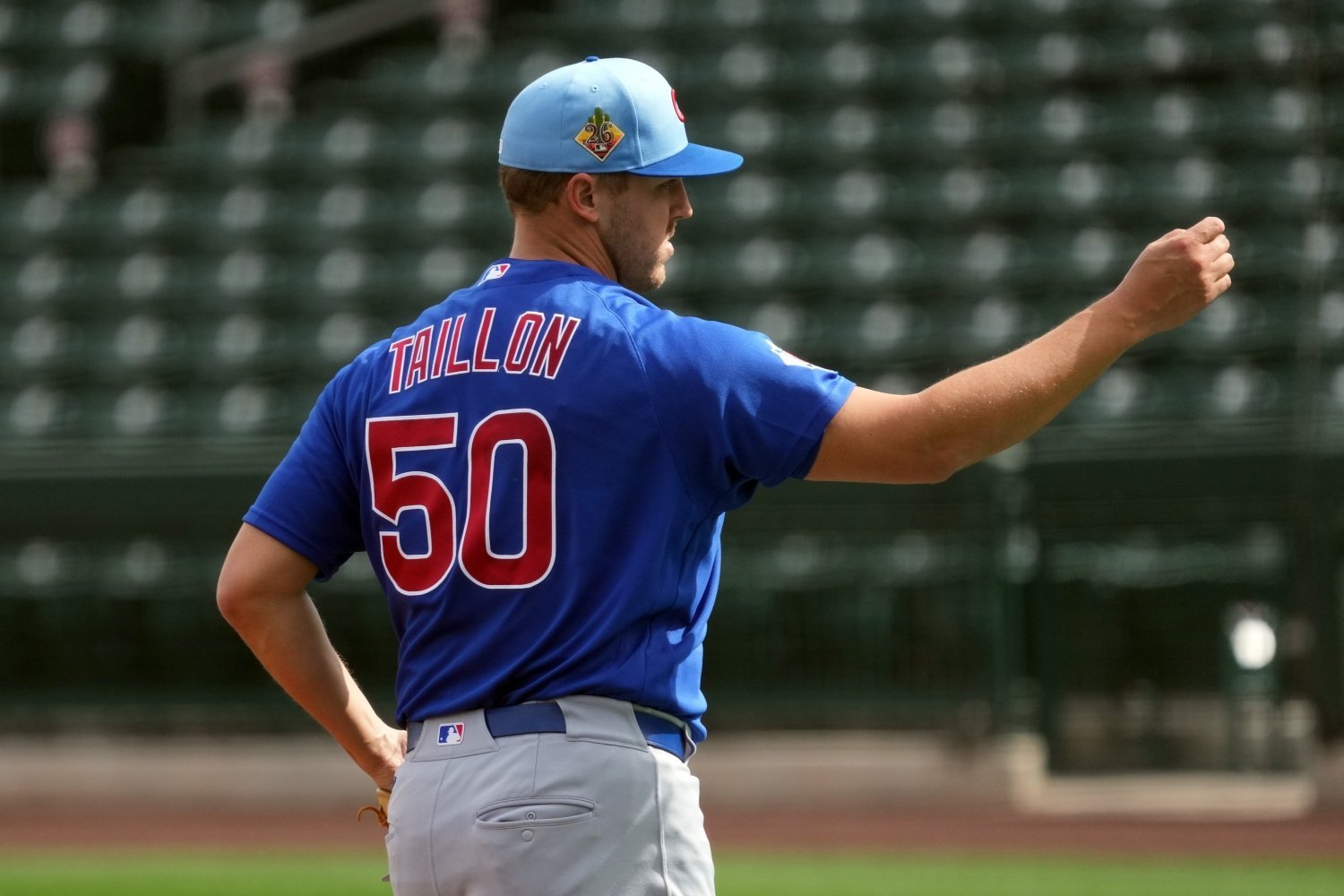 No starting pitcher has thrown more innings for the Chicago Cubs over the last three years than Jameson Taillon. In fact, his 445. 1/3 innings since 2023 lead the group by a healthy margin. The gap is due to a combination of injury and turnover, and while those mitigating forces constraining others' workloads is not ideal on its own, that it's led to such a high volume of work from Taillon also presents its share of issues. In general, Taillon's numbers look fine over that stretch. Since 2023, he's pitched to a 3.96 ERA (4.39 FIP) and a solid 5.5% walk rate. You can work with that. But that he doesn't lead the team in fWAR (despite making 22 more starts than the closest arm) speaks to some of the struggles we've begun to see within that timeframe. The 2025 season is indicative of how Taillon's game has regressed in certain respects in the last three years: Note the quality of the walk rate and the fact that his actual ERA fairly reflects his expected one. Each of those will work. Taillon also navigates his way around hard contact effectively. The issues lie in the fact that his fastball velocity has fallen from the 44th percentile in 2023 (93.7 MPH) to just the 20th in 2025 (92.3 MPH). When you combine waning velocity with a minuscule groundball rate, you get a home run rate that has become problematic. Taillon's homer rate on fly balls in 2025 was 13.6%. It was the highest of his career and, no doubt, the byproduct of allowing 23.4% of batted balls against him to be pulled in the air. That his fastball reliance was at its highest since 2021 might also have something to do with it: Taillon's four-seam heater is a fine pitch. It had a run value of 3, while his no. 2 pitch in usage (the sweeper) finished at -9. The four-seamer, though, is responsible for Taillon's highest rate of barrels allowed (10.8%) and his highest rate of flyballs (41.9%). You don't want your highest-volume arm to have a fastball that hittable. The good news is that Taillon's role is projected to shift quite a bit in 2026. Cade Horton emerged as the viable frontline arm that his upside indicated. Justin Steele is nearing his return from an internal brace procedure. The team acquired Edward Cabrera from Miami to fortify the front end of the rotation. If we're assuming full health (a risky proposition), Taillon is, at best, the team's no. 4 starter. In a No. 4—or even a No. 5 depending on the fortunes of Matthew Boyd and Shota Imanaga—you're not looking for the 2018 version of Taillon, when he posted his best ERA (3.20), his best strikeout rate (22.8%), and his highest fWAR (3.9). You're just looking for someone to eat innings while minimizing traffic on the basepaths and, subsequently, not making life difficult for your bullpen. Even with the recent home run issues, Taillon is very much that guy. Over this three-year stretch in Chicago, Taillon has averaged 5.6 innings per start. In 2025, that number was 5.8 innings. His walk rate topped out at 6.3% in 2023, before dropping to 4.9% and 5.2% in the last two years, respectively. He's also coming off a year in which he posted a career-best strand rate (80.3%). So while the fly balls do represent an issue, it's not as if the bases are packed when it's happening. If anything, his splits indicate that with runners on or in scoring, the usage shifts in a manner that stifles quality contact and balls over the fence. Whether that skill is sustainable, even with tailored usage, is a fair question, but he managed it last year. We can outline two important components of Taillon and his role in 2026. The first is that the homers may continue to be an issue, based on usage and underlying trends with his fastball. The second is that such a trend is mitigated, thanks to the fact that he's sitting closer to the back of the rotation than ever. An innings eater free of traffic and a normal transition from starter to reliever within the context of a typical start? The Cubs can work with that. View the full article
 -
Takeaways From Mark Attanasio's Spring Training Remarks
DiamondCentric posted an article in Brewer Fanatic
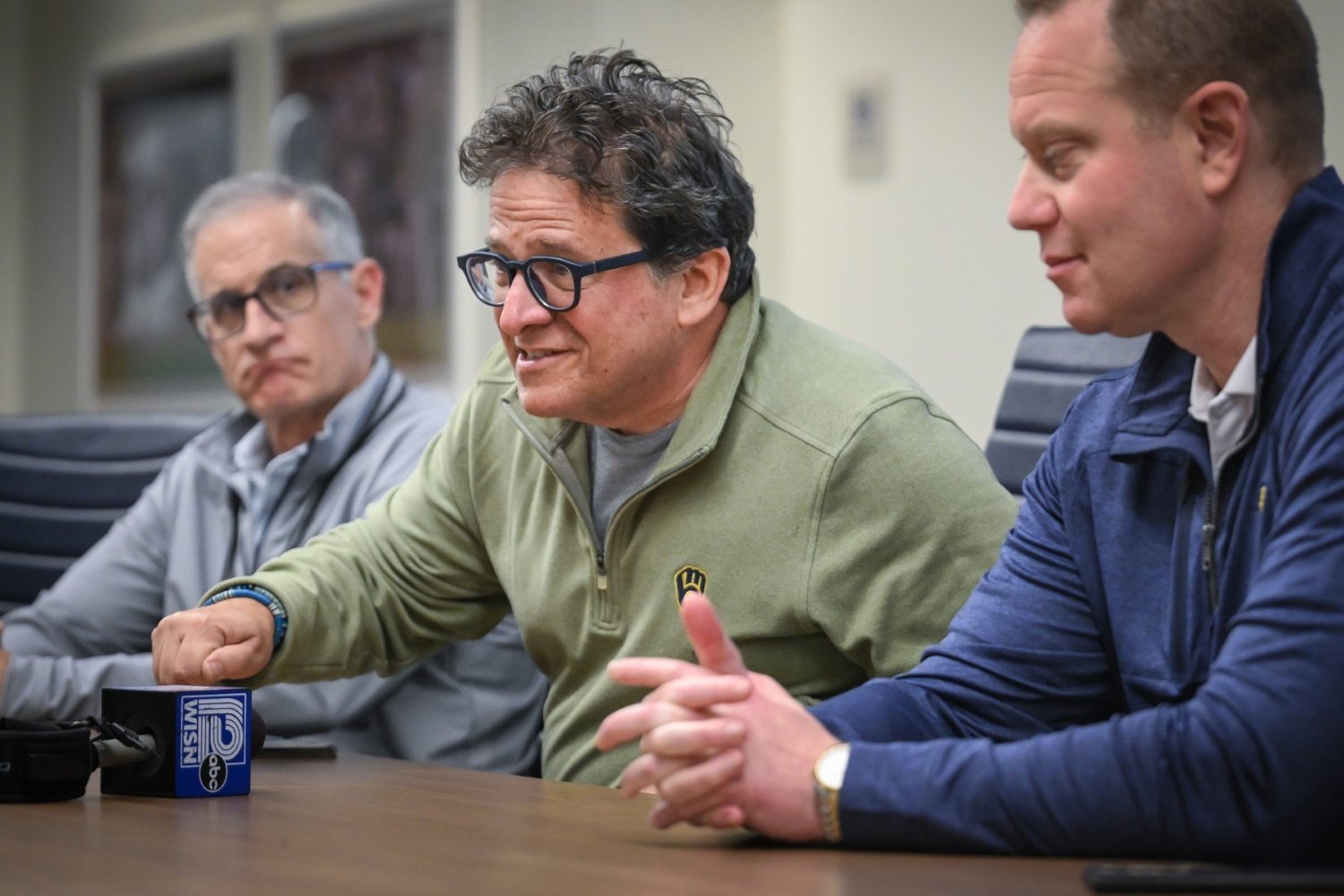 Brewers principal owner Mark Attanasio, flanked by president of baseball operations Matt Arnold and president of business operations Rick Schlesinger, addressed the media on Tuesday morning. Among other topics, Attanasio discussed the Brewers' current competitiveness, where they want to improve, and the organization's player development system. Here are a few key notes. After Last Year's NLCS Defeat, Brewers Are Still Learning From the Dodgers (and Others) The Brewers have been one of baseball's most forward-thinking front offices for the last decade, but Attanasio said they are constantly looking for shortcomings or flaws in their process. That includes looking at what other successful clubs do that they can emulate. "You somewhat stay in your lane, you're self-aware and know what you're good at, but you have to be open to what others are doing," Attanasio said. In making his point, Attanasio pointed to the Los Angeles Dodgers, who swept the Brewers in last year's NLCS and are again projected to have a luxury tax payroll of around $400 million. While the Dodgers' spending has been at the heart of a brewing labor dispute that figures to lead to a lockdown next offseason, Attanaio focused on a reality that isn't acknowledged as often: the Dodgers aren't just rich; they're rich and smart. Many of baseball's brightest executives work under Andrew Friedman. "Everybody talks about the Dodgers' payroll, but it's probably the smartest group that there is," Attanasio said. "Whatever we can add in players, they've got more. Whatever guys Matt can hire [in the front office]—and he hires the best and the brightest—they have more. And when we play them, we're smart enough to see they're doing some things maybe we're not. So Matt and his group think about that." Player Development Regulation Changes Could Become Another Obstacle to Navigate As a small-market team, the Brewers allocate much of their budget behind the scenes to player development. It's a key reason why they've remained competitive every season for nearly a decade, while developing one of baseball's best farm systems. "I think anyone will tell you we have a state-of-the-art facility here in Phoenix and a state-of-the-art facility in the Dominican," Attanasio said. "I can't hang a banner for Baseball America's top farm system, executives of the year across the board, and Grade-A facilities, but I'm saying it starts from this macro perspective. Because if you get that wrong, it doesn't matter." Part of that success stems from the Brewers tracking and applying the right analytics at those facilities. To this point, teams could determine which data was most valuable and choose which tracking systems to install at their facilities to collect it. This year, MLB is regulating the use of that technology. All 30 teams must use the same league-mandated devices across all levels, just as all 30 MLB ballparks use Hawk-Eye cameras for Statcast tracking. That change could help teams that are behind the times analytically, but it also forces those on the cutting edge to tear down their existing information systems and adopt what they consider inferior technology. Attanasio said the Brewers won't use it as an excuse. "We feel that whatever the system is, whenever it looks like the cards are stacked against us, we're going to compete," he said. "We've done that for 21 years." However, he also acknowledged that forcing the smartest teams to change how they operate could negatively affect competitive balance, even if the intent is to improve it. "We're trying to have competitive balance so the fans can come out and have hope for all 30 teams," Attanasio said. "If there are some advantages that certain teams have because of what they're doing, you've got to be careful about taking those advantages away, because then maybe you disrupt balance somewhat." No Public Updates on Pat Murphy's Future Murphy is entering the final season of the three-year contract he signed when the Brewers named him their new manager before the 2024 season. Most teams extend their current manager before their final contract year to avoid a lame duck situation, but there have been no updates about Murphy's future. Both sides have sidestepped the question, which Attanasio did again on Tuesday. "Everybody loves Murph, there's no doubt," Attanasio said. "But we don't talk about contracts. We do talk about stability. We've had a huge amount of stability here, and that's the goal." View the full article
 -
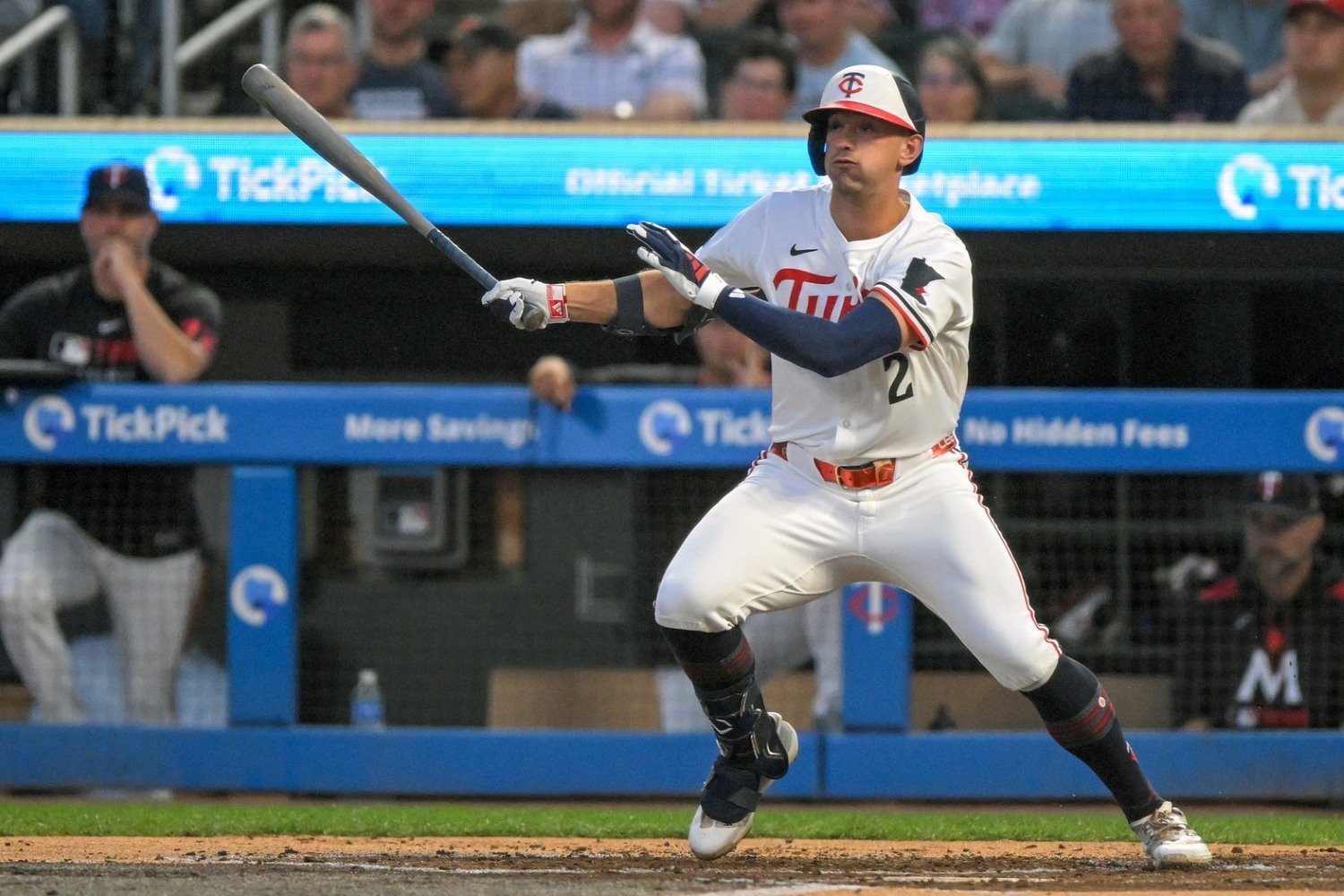 In his first two seasons with the Twins, Brooks Lee has hit .232/.279/.357 with 19 home runs and a 75 wRC+ over 712 plate appearances. He's struggled to reach base, often chasing pitches outside the zone, leading to weak contact and a high whiff rate. On the bright side, the 25-year-old generated plus power last season, while consistently posting a low strikeout rate. However, his poor swing decisions have led to him entering his third season at an early crossroads, straining to prove he belongs in the majors. Minnesota will afford him ample opportunity to accomplish that; he's penciled in as the club’s Opening Day starting shortstop. Yet, with ascending shortstop prospect Kaelen Culpepper expected to begin his 2026 campaign at Triple-A and 2025 first-round draft pick Marek Houston not too far behind them, time is running short. What did Lee do in an effort to break out at the plate in 2026, staving off Culpepper and Houston? Let’s take a look. Drafted as a switch-hitter, Lee had always performed better from the left side, in college at Cal Poly and in the minors. Unfortunately, that trend failed to continue with the parent club. He's put up a dreadful 68 wRC+ over a combined 482 plate appearances from the left side of the plate the past two seasons, compared to a 77 wRC+ over 230 combined plate appearances hitting right-handed. Obviously, both results are undesirable, but the majority of any switch-hitter's at-bats will come from the left side, and Lee felt confident he's better than his numbers in thos situations. That being the case, he prioritized improving as a hitter from the left side, while keeping his right-handed swing stable this offseason. “[I’m] just trying to find one swing that I could stick with left-handed, not make so many adjustments,” Lee said. “I felt like this offseason, I made the least amount of adjustments. Didn’t look at video that much. I felt good just trying to hit the ball the other way more. I didn’t really do that last year, left-handed. I feel like, right-handed, I did. I got a lot more hits, and so, yeah, that was kind of a big focus. See the ball deeper so I could hit it that way. And I think that’ll help with chasing.” Lee already made a slight adjustment to his contact point, according to Statcast. His average intercept point from the left side was 29.0 inches in front of his center of mass in 2025, nearly two inches deeper in the hitting zone than in 2024 (31.8 inches). Yet, as noted earlier, his adjustment didn’t yield a meaningful improvement in results. Interestingly, Lee stands a few inches closer to the plate and very slightly deeper in the box as a lefty than he does as a righty. That should produce deeper contact points, naturally, but there's plenty of room for (especially) him to set up even farther toward the catcher, changing the equation again. There is no evidence to suggest that Lee will actually do that. Yet, if he (in collaboration with new hitting coach Keith Beauregard) believes seeing the ball deeper would improve his chase rate, one way to do it could be to create a few more inches of space between himself and the pitcher. If he can continue mashing fastballs from both sides of the plate while chasing offspeed and breaking pitches less often, Lee could become the self-actualized switch-hitter Twins Territory has yearned for him to become since his electric 2024 debut, while producing 20+ home run power. If Lee undergoes only modest improvement early next season, he could still be usurped by Culpepper, effectively ending his chances of becoming the club’s long-term shortstop. A long-term role as a utility infielder who could bounce between second base, third, and short (and maybe potentially first base) is still in the cards with Lee. At the same time, a very disheartening reality exists: Lee could be demoted to Triple-A if his struggles continue in 2026. He's fast-tracked himself to make-or-break status, and his ability to improve as a left-handed hitter will be the deciding factor in his ability to remain in the majors. Twins Daily's John Bonnes contributed to the reporting in this piece. View the full article
 -
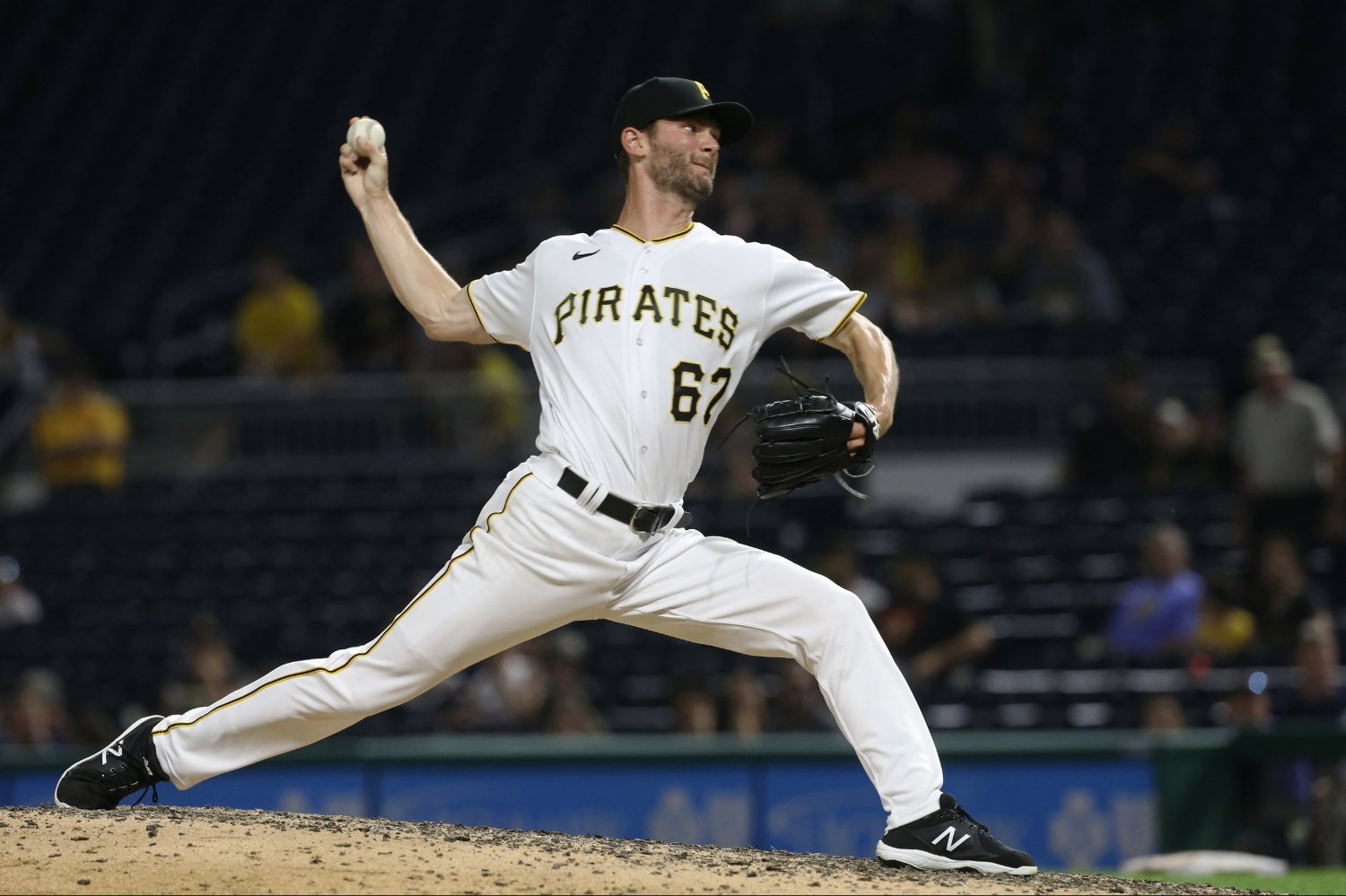 It flew way under the radar earlier in the month, but the Boston Red Sox did add another bullpen option to the mix in Kyle Keller. Unlike fellow offseason acquisition Ryan Watson, Keller isn't on the 40-man roster — he'll earn $1.9 million if he breaks camp with the team — meaning he'll have to displace someone to return to the majors. The good news is that, besides Watson and Tyler Samaniego, the Red Sox didn't add anyone else to the reliever mix this winter (save for a smattering of non-roster invitees). In other words, opportunities will be abundant in spring. That'll be important for Keller, who hasn't pitched in Major League Baseball since 2021. He's spent the past four years in the NPB, racking up some big strikeout numbers while allowing too many home runs and walks. The 32-year-old right-hander posted a 2.42 ERA across 152 1/3 innings in Japan, though his peripherals left something to be desired. One thing to note is that, while his mid-90s fastball velocity really played up in the NPB (where high-end velocity is much rarer than in MLB), Keller won't be able to get by so easily if he's missing his spots. However, as shared by Section 10's Tyler Milliken, that four-seamer did yield a 126 Stuff+ grade last year. It's easily his best pitch, though a 70% usage rate probably won't fly in the states without another tick or two on the radar gun. His other two pitches, a curveball and splitter, are generally reserved for specific batters, with the curve primarily used against righties and the splitter saved exclusively for lefties. The problem is the curveball, despite generating a decent whiff rate (26.8%), gets hit hard and doesn't grade out well in terms of shape or break. The split-finger did stifle left-handed batters in 2025 (.147 xwOBAcon), though that sample is comprised of only 40 pitches. Really, this is a bet on a unique fastball that Keller just dominates the upper-third of the zone with. The pitch has tremendous rise and ride, meaning hitters perceive it going up in the zone after it's released. Keller can run into some trouble when he leaves it down — it runs into the swing path of hitters, especially lefties, in that case — but there's a reason why the pitch only yielded a 30.0% ground-ball rate last year. He wins by throwing the pitch high and daring batters to catch up with it. Keller is a fascinating case of a one-trick pony whose trick is actually a lot more impressive and deceptive than it appears at first glance. His first assignment clause comes in mid-April, meaning the Red Sox will have a couple of months to evaluate him in spring training and Triple-A before he can seek a major-league deal with another team. Will that be enough time to win him a job in Boston's bullpen? Seeing as the team has lost so many relievers this offseason (Steven Matz, Jordan Hicks, Brennan Bernardino, Chris Murphy, Liam Hendriks, Josh Winckowski) without adding many options to replace them, the signing of Kyle Keller could prove to be monumental if everything breaks the right way. View the full article
 -
Brewers' Best- and Worst-Case Scenarios for 2026: Center Field
DiamondCentric posted an article in Brewer Fanatic
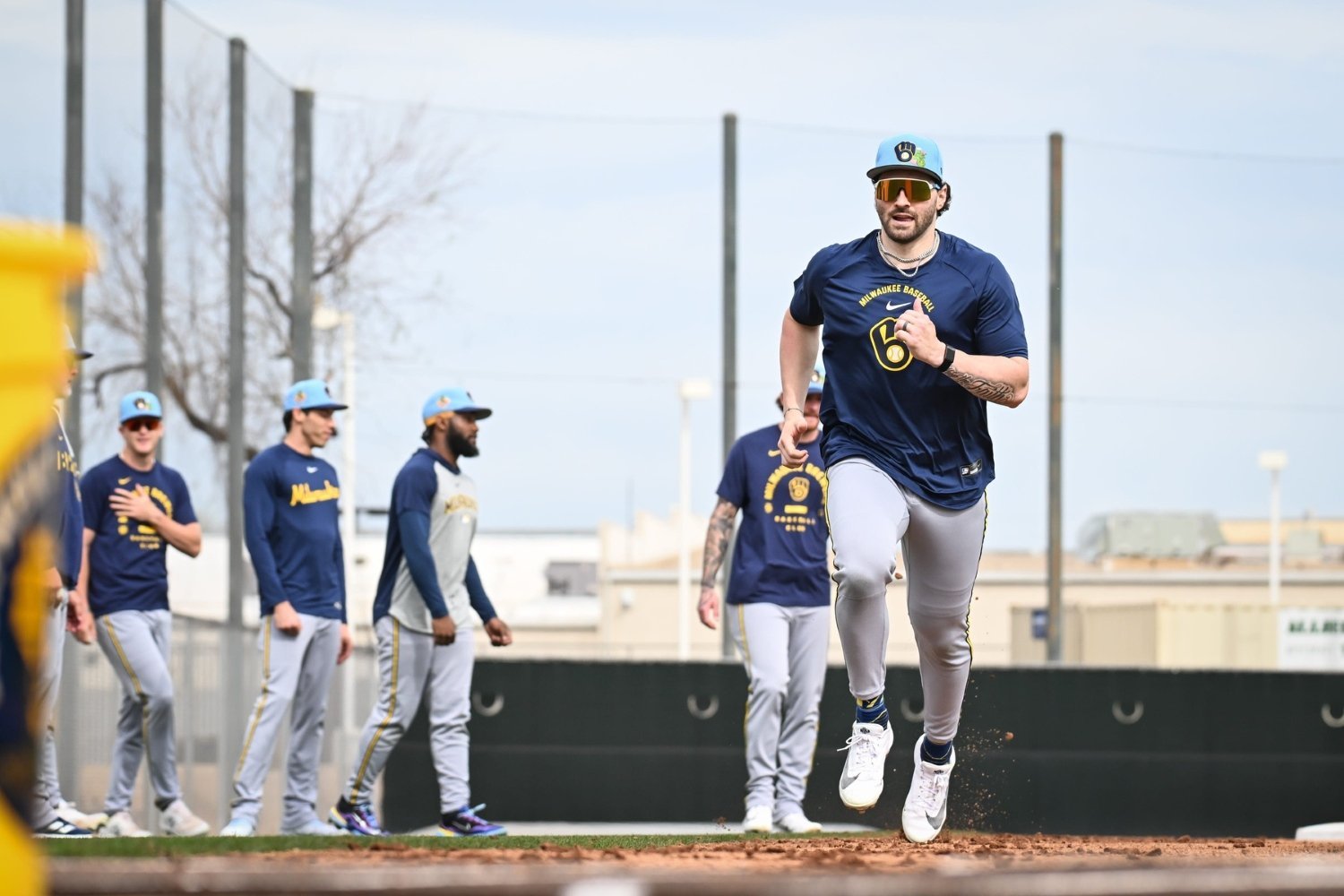 In 2025, the Brewers had a revolving door in center field, due to injuries to Garrett Mitchell and Blake Perkins early in the season. The result was that Jackson Chourio ended up spending most of his games being flanked on both sides in the outfield, and he acquitted himself fairly well. That said, could center field go much better for the Brewers? 2025 Review Blake Perkins’s broken leg late in spring training was just the start. Shortly into the season, Garrett Mitchell was lost for a while, and then for the season. Eventually, the Brewers settled on Chourio in center, keeping Gold Glover Sal Frelick in right. It worked out, mostly because Isaac Collins turned out to be a capable option in left with above-average offense and near-Gold Glove defense. But now, Collins is gone and Chourio appears to be headed back to left field. So, whom do the Brewers have slated for center? Current Roster Situation On the 40-man roster, the Brewers have Mitchell, Perkins, Chourio, and Frelick, all of whom are solid options for just about any major-league team. Akil Baddoo had some flashes of playing capably in center field during his time in Detroit, though he was quickly shifted to left and hasn't even been great in a corner the last two seasons. Brandon Lockridge and Steward Berroa will likely be at Triple-A Nashville, but did have appearances for the Brewers in center field last season. Recent free-agent signee Luis Rengifo also has seen MLB action in center field, while former top-100 prospect Tyler Black has played the position in the minor leagues. Realistically, neither Rengifo nor Black is a credible center fielder at this point, but they're behind the glass the team can break if a true emergency occurs. On the NRI side, Luis Lara is a top prospect, continuing to do more than his size suggests is possible. Jett Williams has a future as a regular for the Brewers, be it on the infield or in center, and Eduardo Garcia has proven a capable option when he isn’t playing on the left side of the infield. Minor-league free agent Greg Jones is deeper down the depth chart. Best-Case Scenario Garrett Mitchell starts at least 120 games in center field. Mitchell is a dynamic offensive player whose potential was just emerging. If he's healthy and undiminished by the injuries that have wrecked his last three years, he’s a legitimate 20-20 threat alongside Chourio. Mitchell may need some rest, with Blake Perkins being a Gold Glove finalist (and competent offensively), and it’s likely that Jett Williams will see time in center when he arrives at The Ueck. This is not the only good-news scenario for the Brewers in center field, but at this time, Mitchell is the player the Brewers would most like to see put together a healthy season, if for no other reason than the potential return in a trade (the Brewers dealt both Collins and Durbin) could be maximized, as opposed to seeing Mitchell designated for assignment or non-tendered after the season. Worst-Case Scenario Jackson Chourio is the primary starter in center field for the second straight season. As is the case when we covered this in 2025, there are 29 managers in MLB who would happily have him playing center field. In Milwaukee’s case, though, it means that Mitchell, Perkins and Williams, among others, are either on the injured list or slumping. The Brewers survived 2025, thanks to the emergence of Isaac Collins and contributions from Jake Bauers, who handled left field with an assist from Christian Yelich. They don’t want to have their outfield held together by duct tape and panic transactions in 2026. Overview As was the case in 2025, the Brewers have a lot of good options in center field—at least when you look at it on paper. The team prefers to get a lot of center fielders and to move some to the corner spots, depending on their individual skills, giving them a lot of capable players. But the games are played on dirt and grass, not paper. The 2025 season showed that. The team seemed to run out of gas in the playoffs, and the early-season injuries may have led manager Pat Murphy to lean heavily on the players who were healthy. As was the case in 2025, the real question of whether things go well or poorly in 2026 is how far down the depth chart the Brewers have to go. View the full article
 -
Minnesota Twins Starter Pablo Lopez Has A Significant Tear In Elbow
DiamondCentric posted an article in Twins Daily
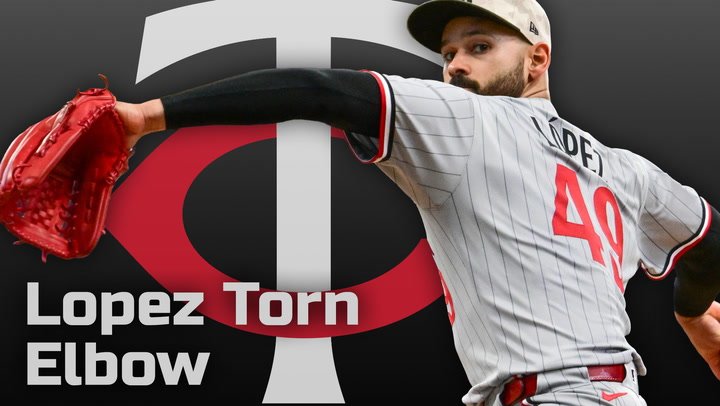 The Minnesota Twins announced that starting pitcher Pablo Lopez has a significant tear in his elbow that will likely require season-ending surgery. Will the Twins use the next-man-up philosophy or look to add someone like Lucas Giolito via free agency? View the full article
 -
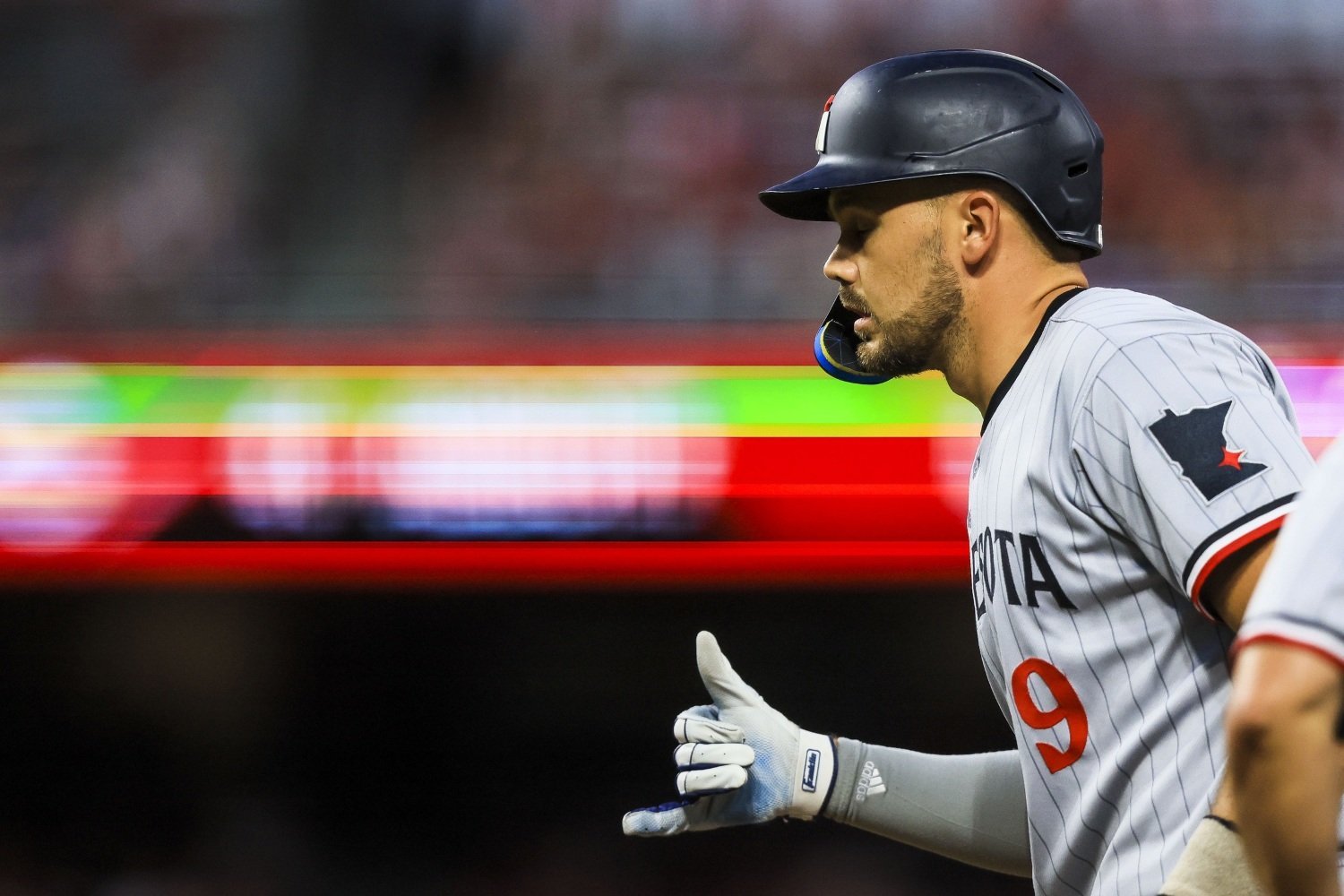 The Minnesota Twins are in a terrible predicament. With Pablo López likely to undergo Tommy John surgery before the end of the month, they're suddenly short a frontline starting pitcher, in a rotation mix that was meant to be the team's utmost strength heading into 2026. New chairman Tom Pohlad has issued a clear (though unfunded) mandate that the team be competitive this season, but it's hard to see how they can do so with the personnel on hand, given the staggering injury to their leader and ace. Compounding the loss of López is the fact that he is the highest-paid player on a team defined and constrained by its lack of payroll flexibility. López is due $21.5 million in 2026; the Twins won't pay any other player more than $15 million. López and Byron Buxton are the only guys making more than $6.7 million this year. It's possible that the team will recoup some of the lost salary via an insurance claim, but it's unlikely that they'll be given substantial money with which to recruit any representative replacement of their star righty. One way they could do so, however, would be to trade Trevor Larnach for pitching help. Larnach, soon to turn 29, is set to make nearly $4.5 million this year, but his role on the team has been obviated by the acquisitions of Josh Bell and Victor Caratini. He batted a respectable .254/.330/.428 against right-handed pitchers last season, but he has little defensive value and is not likely to be substantially better than Bell or Caratini as a DH in 2026. He has no place to play in the crowded (if underwhelming) Twins outfield mix, and is an injury risk even when he manages to lumber underneath a ball out in left field. With two years of team control remaining and coming off a season in which he made an apparently unconscious, ill-advised swing change, Larnach probably has some appeal to teams as a reclamation project. Until now, the Twins have been uninterested in trading him on those terms, holding out instead for a robust return that reflects the potential they saw in him when they made him a first-round pick and (over the years) a priority piece of the roster. If they come down on their asking price, though, they could match up with another team on a deal that would move them forward in the short term and the long term. Five teams stand out as having a surfeit of pitching depth and a need for left-handed help at DH or in left field. That doesn't mean they could find a perfect fit with the Twins on a trade, but these clubs make promising suitors if the team wants to offload Larnach. Moving him would need to bring back a pitcher who augments their depth, though it wouldn't bring anyone similar to López. The other, ancillary benefit of such a move would be freeing up a few million dollars to spend, perhaps on a last-second bullpen addition. Arizona Diamondbacks Somewhat shockingly, the Diamondbacks have brought back both Merrill Kelly and Zac Gallen in free agency. That leaves them with a bunch of good options in the starting rotation, especially once Corbin Burnes returns from the Tommy John surgery he underwent last spring. It wasn't really what the team initially planned to do, though. As a result, they'd already brought in Michael Soroka to round out a rotation that also includes compelling young arms Brandon Pfaadt and Ryne Nelson. Meanwhile, the team dealt away outfielder Jake McCarthy and utility option Blaze Alexander, leaving them with extremely shaky options for the corner outfield spots and at DH. They'll go with Pavin Smith as the DH against most righties, and defense-first youngster Jorge Barrosa in left field. If Corbin Carroll is at all delayed in his return from a broken hamate bone, the team's corner outfield outlook will get truly destitute. Earlier this winter, Minnesota had interest in right-handed journeyman Taylor Clarke, who ultimately signed with Arizona. The low-wattage version of a deal sending Larnach to Arizona would be to get Clarke in exchange, filling innings and giving the Twins a small amount of upside, plus the aforementioned monetary savings to put toward relief help. The alternative version would make the team more expensive, not less so, but it would be buzzier: Minnesota could take on some portion of the $46 million left on the contract of left-handed starter Eduardo Rodríguez. Rodríguez, who will turn 33 in April, has posted an ERA just over 5.00 in his first two seasons with Arizona, but when he's right, he can still be a solid mid-rotation starter. He'd be a sponge for innings, rather than a respectable candidate for a playoff rotation spot, but the Twins could find multiple ways to extract value from him, if they found the right unlocks for a misused arsenal. The Diamondbacks would have to eat much of the money owed to Rodríguez, but that's not out of the question. Chicago Cubs With a loaded rotation, the Cubs will send at least three intriguing starters to Triple-A Iowa this spring, barring a spate of injuries. If 2021 first-round pick Jordan Wicks were panning out as hoped, he'd be more in the thick of the battle for a rotation spot, but as it is, he's a sturdy lefty with a plus changeup whose velocity has ticked up into the mid-90s in recent stints. Lanky right-handed starter Ben Brown would form a perfect trio with Taj Bradley and Mick Abel: three hard-throwing righties with tantalizing starter ceilings but major risk of ending up as a reliever, instead. Kitchen-sink swingman Javier Assad is nearing age 30 and still hasn't gotten a proper chance to establish himself in Chicago, despite putting up good numbers every time the team gives him a shot. None of the three are making significant sums in 2026. All three can be optioned to the minors. Chicago projects to have an all-right-handed-hitting bench, and currently has no choice but to slot Moisés Ballesteros in as their regular DH—a daunting proposition not only because Ballesteros is young and inexperienced, but because the Venezuelan prospect hasn't yet made it to Cubs camp due to visa issues. Larnach for one of Brown, Wicks or Assad could work out perfectly for both sides. Cincinnati Reds How much are you missing Chase Petty these days? He's not looking like a future star, but he remains an optionable arm with upside. Like Wicks, he was a 2021 first-round pick but hasn't yet found his stride in the majors. Like Brown, though, he has real promise even if he needs to be converted to the bullpen. Cincinnati's top starters are too good for the Twins to snatch them up in exchange for Larnach, but in addition to Petty, they have some relief arms they could spare and who would be notable upgrades for Minnesota. Houston Astros Loaded though they are on the infield, the Astros have a sketchy outfield picture to deal with. If the season began today, they'd give lots of at-bats to the likes of Joey Loperfido and Zach Cole in the corner spots, especially when facing right-handed pitchers. Larnach is slightly better and slightly cheaper than Jesús Sánchez, whom Houston traded for Loperfido at the beginning of camp as they rearrange deck chairs. He'd be a good fit for their home park. Meanwhile, the Astros are awash in flawed but useful starting pitching. Jason Alexander, Spencer Arrighetti, AJ Blubaugh, Colton Gordon, Kai-Wei Teng and Miguel Ullola are all optionable, but none are in line for many starts in the majors with Houston. In varying degrees and ways, all six are worth a look for the Twins. Swapping Larnach for one of them would give the team more controllable pitching and that financial flexibility they might need to improve the bullpen. Washington Nationals This would be something akin to a challenge trade. The rebuilding Nationals aren't going to surrender good pitchers under long-term control for a player like Larnach. However, he would solve some problems for them in filling out the lineup on a day-to-day basis, and they have some post-hype arms who might appeal to the Twins. Former All-Star (even if it was largely an obligatory selection, based on the rule that every team must be represented) Josiah Gray hasn't recovered as hoped from an injury detour, and only has the same amount of team control left that Larnach has, but he's also set to make $1.35 million this year, so he'd bring the team substantial savings. Righty Jake Irvin comes with Minnesota connections and more team control than Gray, though he, too, has been rough lately. Larnach can't command an especially rich return in a trade. The Twins are past the point of deluding themselves on that front. However, he could still net the team some viable pitching depth, which has become a more salient and serious need in the wake of Tuesday's news about López. General manager Jeremy Zoll will have to do something to repair the rupture of his roster. Finally moving Larnach might be the best way to go about it. View the full article
 -
San Diego Padres Designate Tirso Ornelas for Assignment
DiamondCentric posted an article in Padres Mission
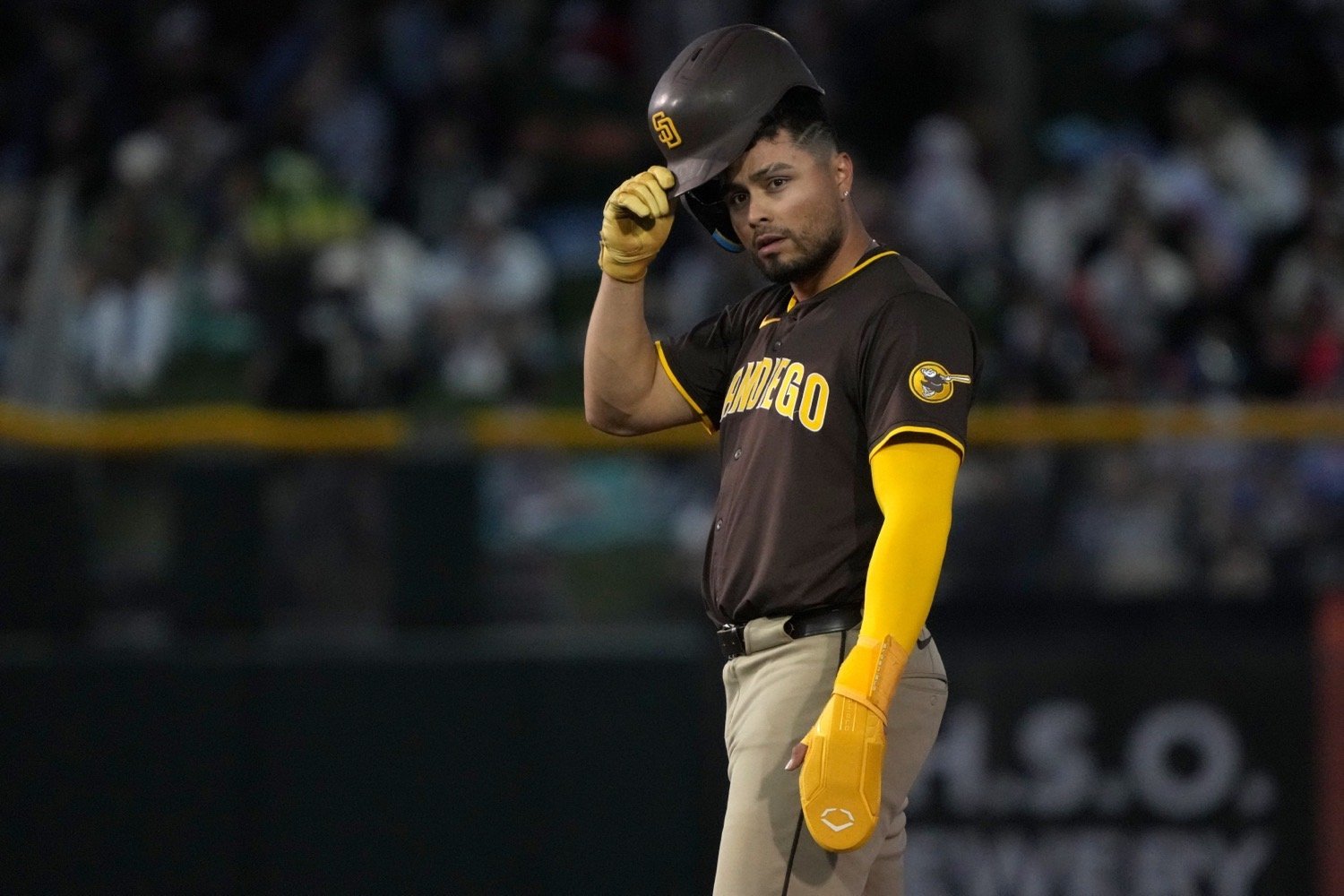 The San Diego Padres will have quite a bit of rostering shuffling to do after making multiple big league signings recently. Even more if they intend to add any of the players signed to speculative minor league contracts. As of Tuesday, the first domino has fallen. According to the San Diego Padres official X account, they have DFA'd outfielder Tirso Ornelas to make room for Griffin Canning. Ornelas' role was never guaranteed as it likely came down to him and fellow outfielder Bryce Johnson to battle for one of the last active roster spots. One of the two became even more expendable once it was announced that the Padres signed Nick Castellanos. After the first day of camp, Ornelas is the odd man out. In a cup of coffee last year, Ornelas posted a .256 OPS across 16 plate appearances. However, at Triple A El Paso he was an above average posting a 104 wRC+ with 10 home runs and seven stolen bases. His scouting report suggests that he can play an average, if not above average, corner outfield. Do you think Ornelas will make it through waivers? Let us know in the comments! View the full article
 -
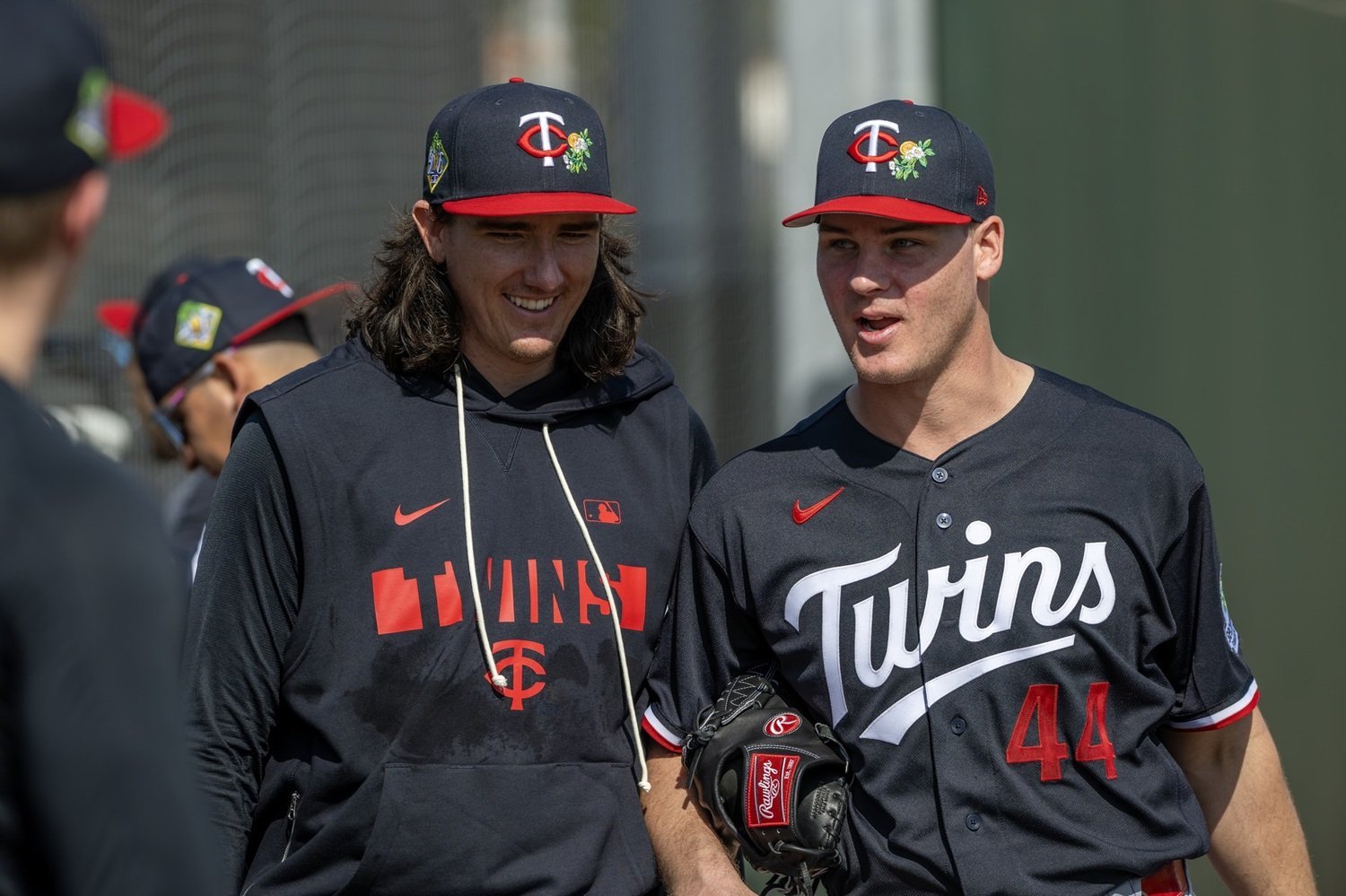 When the Minnesota Twins walked out of last year’s trade deadline having dealt away their entire late-inning infrastructure, the implication was clear. This bullpen was going to need a complete rebuild. Jhoan Duran was gone. Griffin Jax was gone. Louis Varland was gone. Brock Stewart was gone. Even depth arms who had soaked up meaningful innings were moved, as the front office pivoted toward future flexibility. By the time the dust settled, Minnesota was left with a relief corps that resembled more of a tryout list than a functional major-league unit. Fast-forward to the first official week of spring preparations, and the picture is beginning to sharpen. A handful of additions have quietly transformed what once looked like an organizational weakness into a group with at least some defined roles. Closer: Taylor Rogers It's a familiar face stepping back into the ninth-inning conversation. Rogers returns to Minnesota for the first time since being dealt away four seasons ago, and immediately becomes one of the most experienced late-inning options in the room. While he no longer features the consistent mid-90s velocity that earned him All-Star recognition earlier in his career, he still offers steady command from the left side and a track record of handling pressure situations. On a modest one-year commitment, he projects as the bullpen’s primary southpaw and the most logical candidate to handle save opportunities as the season begins, barring a healthy and thunderous spring by Liam Hendriks. Set Up Options: Cole Sands, Justin Topa, Anthony Banda Sands enters camp looking to rebound from a frustrating follow-up to his breakout 2024 campaign. His swing-and-miss ability dipped noticeably last season, while his walk rate trended in the wrong direction, resulting in more traffic and more damage. Even so, his pitch mix and prior success suggest there is still legitimate upside here. Minnesota will likely lean on him in meaningful innings, hoping the sharper version of his arsenal returns. Topa was able to stay on the mound more consistently in 2025, after injuries derailed the previous year. He logged one of the heavier workloads of his career. He doesn't overpower hitters, but keeps the ball on the ground (47.7% ground-ball rate) and limits loud contact when he's right. Asked to take on higher-leverage responsibilities late last season, he showed some volatility. With the current roster construction, however, he may again find himself pitching in key spots. Banda joined the organization shortly after camp opened, following a move that brought him over from the Los Angeles Dodgers. The veteran left-hander has quietly posted strong run prevention numbers over the past two seasons, thanks to improved fastball location and a willingness to challenge hitters inside. He is better suited for matchups against left-handed bats, but has proven capable of covering multiple innings when needed. He is due to make $1.6 million this season, so he is nearly guaranteed to break camp with the club. Middle Relief Mix: Eric Orze, Travis Adams, Kody Funderburk, Andrew Chafin Acquired from the Tampa Bay Rays earlier in the offseason, Orze brings a mid-90s fastball and a splitter that has generated strikeouts throughout his professional career. He translated that swing and miss ability into solid results during his first extended big-league look last season and could quickly climb the trust ladder if that continues. Adams appears ticketed for bullpen work full-time, after Minnesota shifted away from developing him as a starter in 2025. Last season, his results in relief were uneven, but there were encouraging signs late in the year. His velocity ticked up in shorter appearances. In his final eight appearances (8 1/3 innings), he had a 3.02 FIP and an 8-to-5 strikeout-to-walk ratio. The Twins will be watching closely to see if that version of Adams can show up more consistently over a full season. Funderburk made perhaps the strongest late-season impression of anyone remaining in house after the deadline teardown. In 24 innings following the trade deadline, he posted a 0.75 ERA with 28 strikeouts. That extended opportunity down the stretch forced him back into the club’s future plans. Entering spring, he looked like the clear secondary left-handed option, though Banda and Chafin’s arrivals add new competition to that role. Chafin enters his age-35 season and his 16th year in professional baseball. While the deal does not guarantee him a spot on the Opening Day roster, it immediately throws him into legitimate competition for a role. Last season, the veteran posted a 2.41 ERA across 33 2/3 innings. He struck out 36 hitters against 19 walks and limited left-handed batters to a .136 average. That type of platoon effectiveness remains especially valuable, even with other lefties on the roster. This list omits fellow non-roster signee Liam Hendriks, whose return to the organization reads like something out of a baseball time capsule. Originally signed by Minnesota as a teenager out of Australia, he later developed into one of the sport’s most dominant closers—after departing the system before the Twins gave him a chance to be a reliever. Now nearing 37 and working back from multiple health setbacks, he arrives on a minor-league deal as an upside play, but with serious questions about his utility. Taken together, this group lacks the established star power that defined Minnesota’s bullpen in recent seasons. There is no arm capable of dominating the ninth inning the way fans had grown accustomed to before last summer’s reset. What it does have is variety, flexibility, and multiple pitchers with something to prove. That reality may ultimately define the Twins' early season. Without a traditional late-inning hierarchy carved in stone, matchups and hot hands are likely to dictate usage patterns, as the coaching staff evaluates who can handle higher-leverage moments. It's not the most glamorous approach, but it's often how new bullpen cores are formed. If even two or three of these arms outperform expectations, Minnesota could find itself with legitimate trade chips or a surprisingly stable back end of the pen by midseason. For now, the bullpen remains a work in progress, but for the first time since the deadline fire sale, it at least resembles a group with direction, rather than one simply filling innings. What will change with this bullpen group before Opening Day? Leave a comment and start the discussion. View the full article
 -
Grading the Chicago Cubs' 2025-2026 Offseason
DiamondCentric posted an article in North Side Baseball
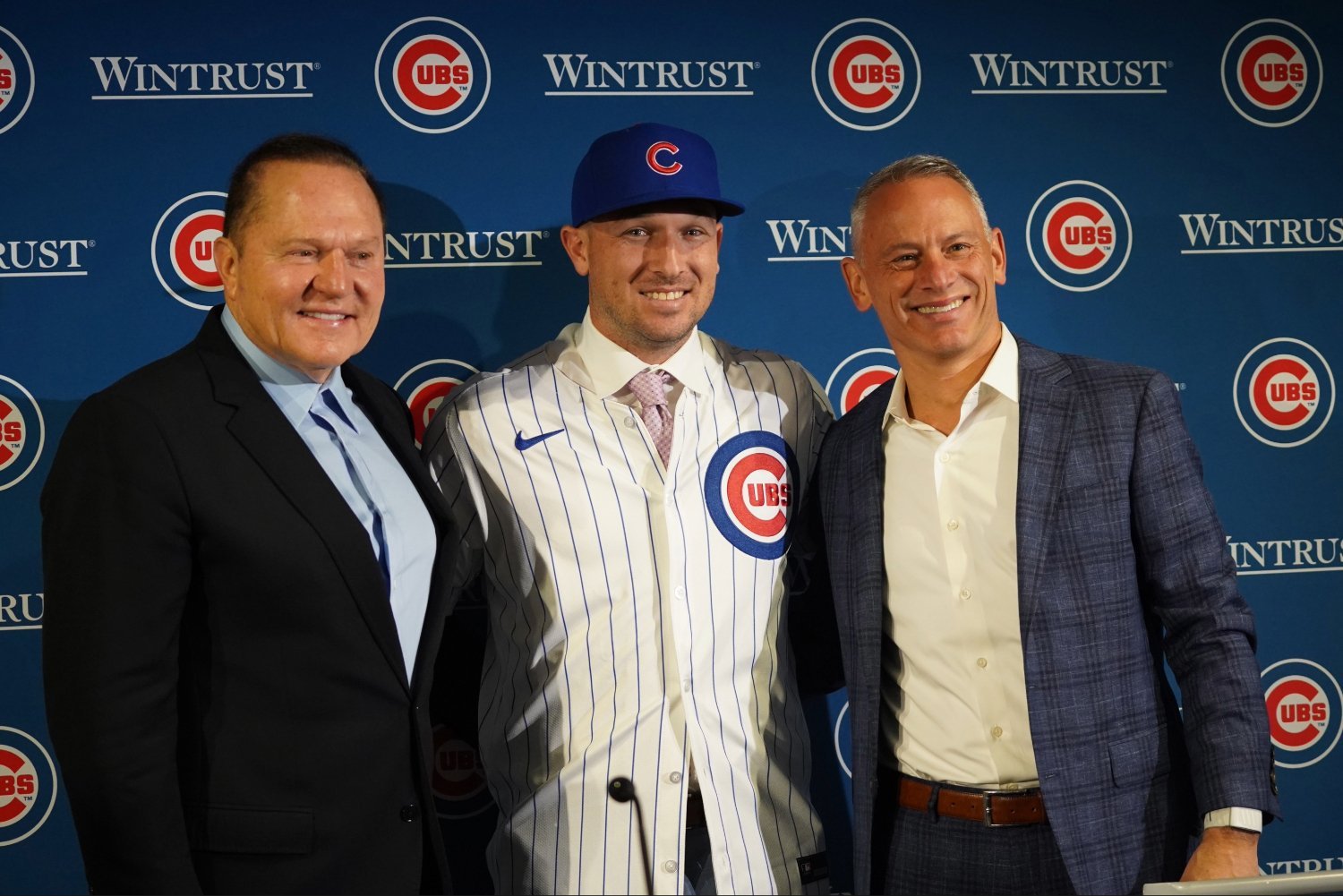 With spring training games mere days away, the 2026 season is officially underway for the Chicago Cubs. Last year's group carried plenty of intrigue with Kyle Tucker in the mix and the emergence of Pete Crow-Armstrong among the storylines, but it was always a team that felt incomplete. This winter, however, Jed Hoyer and company took measures to ensure that the 2026 roster would look a bit more robust than its immediate predecessor. It wasn't a perfect offseason, of course; it still feels like one or two more moves could have really solidified things from the jump. Nevertheless, it's a roster whose prospects in the upcoming season offer something a little more encouraging than what came before it. Cubs' Offseason Free Agent Signings RHP Phil Maton (two-year, $14.5 million) LHP Hoby Milner (one-year, $3.75 million) LHP Caleb Thielbar (one-year, $4.5 million) 1B/OF Tyler Austin (one-year, $1.25 million) RHP Jacob Webb (one-year, $1.5 million with 2027 club option) RHP Hunter Harvey (one-year, $6 million with 2027 mutual option) 3B Alex Bregman (five-year, $175 million) RHP Shelby Miller (two-year, $2.25 million) There was a certain onus on the front office to be extremely active this winter. For a while, though, much of the action took place almost exclusively in relief. Hoyer and general manager Carter Hawkins were tasked with replenishing a pitching staff that lost Brad Keller, Taylor Rogers, Aaron Civale, Michael Soroka, Drew Pomeranz, and Ryan Brasier to free agency and traded Andrew Kittredge back to Baltimore early this winter. Rather than undergo the more typical process of building the relief corps out of reclamation types, the focus was on veteran arms. Each of Maton, Milner, Webb, and Harvey bring a veteran dynamic from both sides of the mound while Thielbar continues to be a reliable presence set forth by a strong showing with the Cubs in 2025. Miller's deal, however, puts an eye on 2027 considering he's set to miss the upcoming season while he recovers from Tommy John surgery. This updated collection of relief arms comes in addition to the typical smattering of minor-league deals and waiver claims. This talk of relievers buries the lede, however. The most impactful move of the winter was the team's signing of Alex Bregman to a five-year contract. A team that lost Kyle Tucker in free agency — and never really had any ambition of retaining his services for the long term — needed to produce impact offense from somewhere. In Bregman, they get a gap-to-gap hitter who doesn't strike out. To say nothing of the veteran presence he is reported to add to any clubhouse environment. He was one of only two major-league signings the team made to fortify their lineup this winter, as Tyler Austin returns from a lengthy stint in Japan to serve as a right-handed compliment to Michael Busch and, perhaps, occasional designated hitter. While not true free agents, it also seems worth noting here that the team re-signed Colin Rea to a one-year deal with a club option for 2027 while Shota Imanaga returned on the qualifying offer after both sides declined their respective 2026 options. Cubs' Offseason Trades Acquired cash from the Orioles for RHP Andrew Kittredge Acquired RHP Edward Cabrera from the Marlins for OF Owen Caissie, SS Cristian Hernandez, and IF Edgardo De Leon As busy as things might've been on the free agent front, the trade circuit had nary a whisper as to the team's intentions this winter. The Kittredge move happened early, as the team wasn't inclined to pay the $9 million owed to him for 2026. In Cabrera, however, the Cubs made as impactful a move as they could have hoped for. Long-rumored to have interest in a starting pitcher with frontline stuff, the Cubs brought in Cabrera to sit toward the front of the team's rotation. They lost some of their medium-term stability in doing so by trading Caissie (considering the impending free agent status of each of both Ian Happ and Seiya Suzuki), but acquired exactly the profile for which they'd been searching for at least a couple of years. Cubs' Offseason Grade Similar to the 2024-2025 offseason, the Cubs did not have a lot of questions on their roster in need of answers. Save Tucker, much of last year's starting lineup remained intact, while the rotation carried over plenty of the volume from 2025 into the winter, especially once each of Rea and Imanaga were retained in their respective ways. Nevertheless, the Cubs remained a team starved for impact. They needed some on offense to replace Tucker, and perhaps beyond. They lacked the sort of dynamic presence in their rotation outside of Cade Horton. While there's an argument to be made that they could have gone further (especially on the offensive side), the fact that they were finally willing to open the payroll to an addition like Bregman and invest in an arm like Cabrera — in addition to the dramatic shift in process on the bullpen front — signals a shift in the somewhat stagnant modus operandi we've seen from the organization over the last few years. A B+ feels more than earned. Verdict: B+ View the full article
 -
 Lou Hennessy, Gregg Masterson, and Brock Beauchamp react to the devastating news that Pablo Lopez has torn his UCL and will miss the 2026 season. Listen using Apple Podcasts: https://podcasts.apple.com/us/podcast/the-twins-off-daily-podcast/id1741266056 Listen using Spotify: https://open.spotify.com/show/4tb78XlurcPTYYSsARdbD7 Listen using iHeartRadio: https://www.iheart.com/podcast/263-the-twins-off-daily-podcas-167548600/ Listen using Pocket Casts: https://pca.st/nvclbt0w Watch on YouTube: https://www.youtube.com/@twinsdaily View the full article
 -
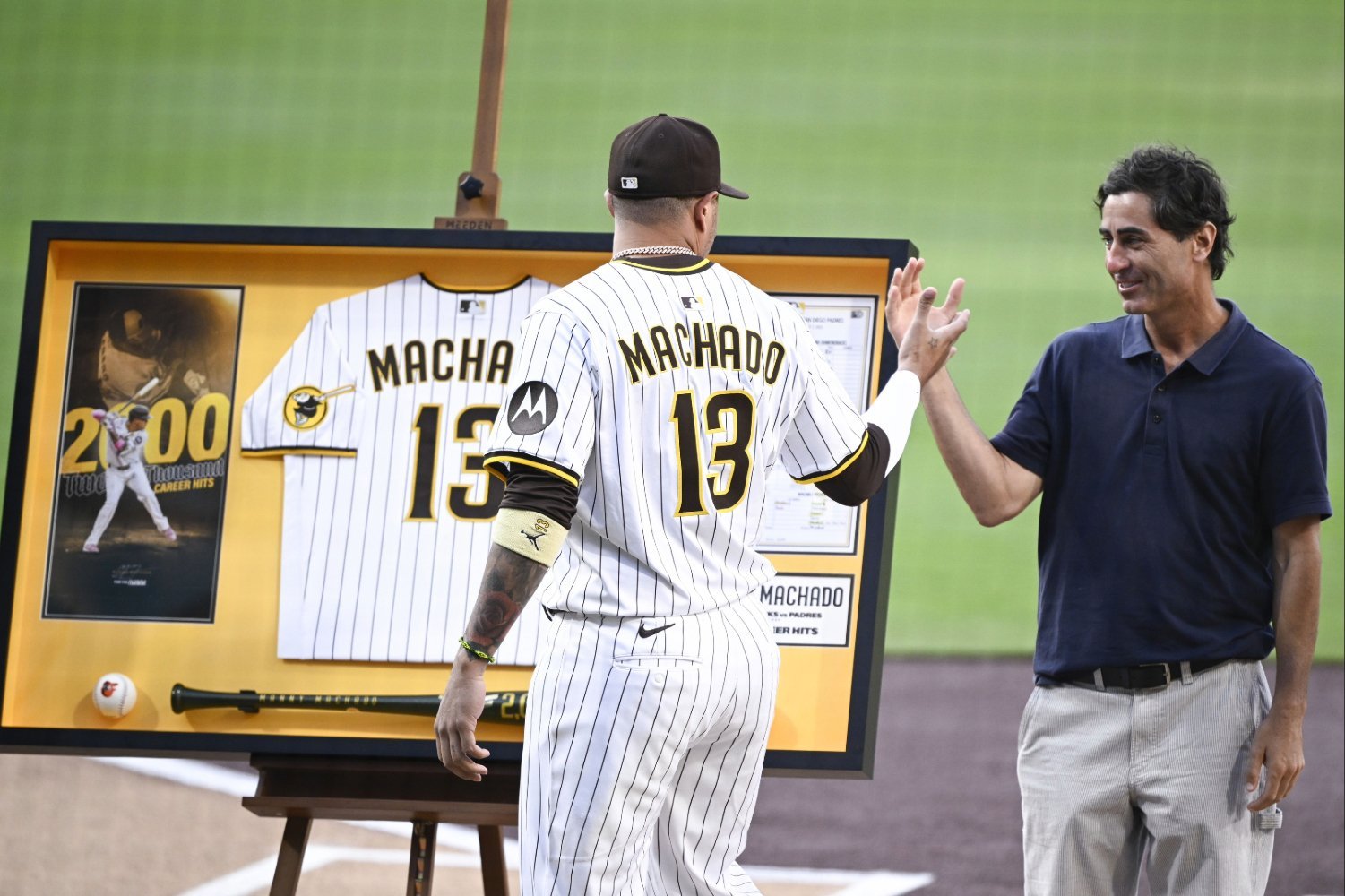 While addressing the contract extension for president of baseball operations A.J. Preller on Monday, San Diego Padres owner Peter Seidler was asked about the status of the sale of the MLB team. "We’ve had tremendous interest,” Seidler said at the team's spring training complex in Peoria, Ariz. “There has been interest, some parties that have been reported in the press, others have not. There are more parties interested than has been reported." The Seidler family announced it was pursuing a sale in mid-November, but some family quarrels prevented that from truly progressing. That was resolved a couple weeks ago, with the team expecting to start receiving bids by the end of the month. View the full article
 -
 Two days after the Phillies released veteran outfielder Nick Castellanos, the Padres scooped him up as they aim for a surge in 2026. The question becomes this: while Castellanos has had a remarkable career at the plate, what can he truly provide for San Diego this upcoming season? In this video, we dive into his strengths, weaknesses, and fair expectations for his role this summer. View the full article
 -
 Two days after the Phillies released veteran outfielder Nick Castellanos, the Padres scooped him up as they aim for a surge in 2026. The question becomes this: while Castellanos has had a remarkable career at the plate, what can he truly provide for San Diego this upcoming season? In this video, we dive into his strengths, weaknesses, and fair expectations for his role this summer. View the full article
 -
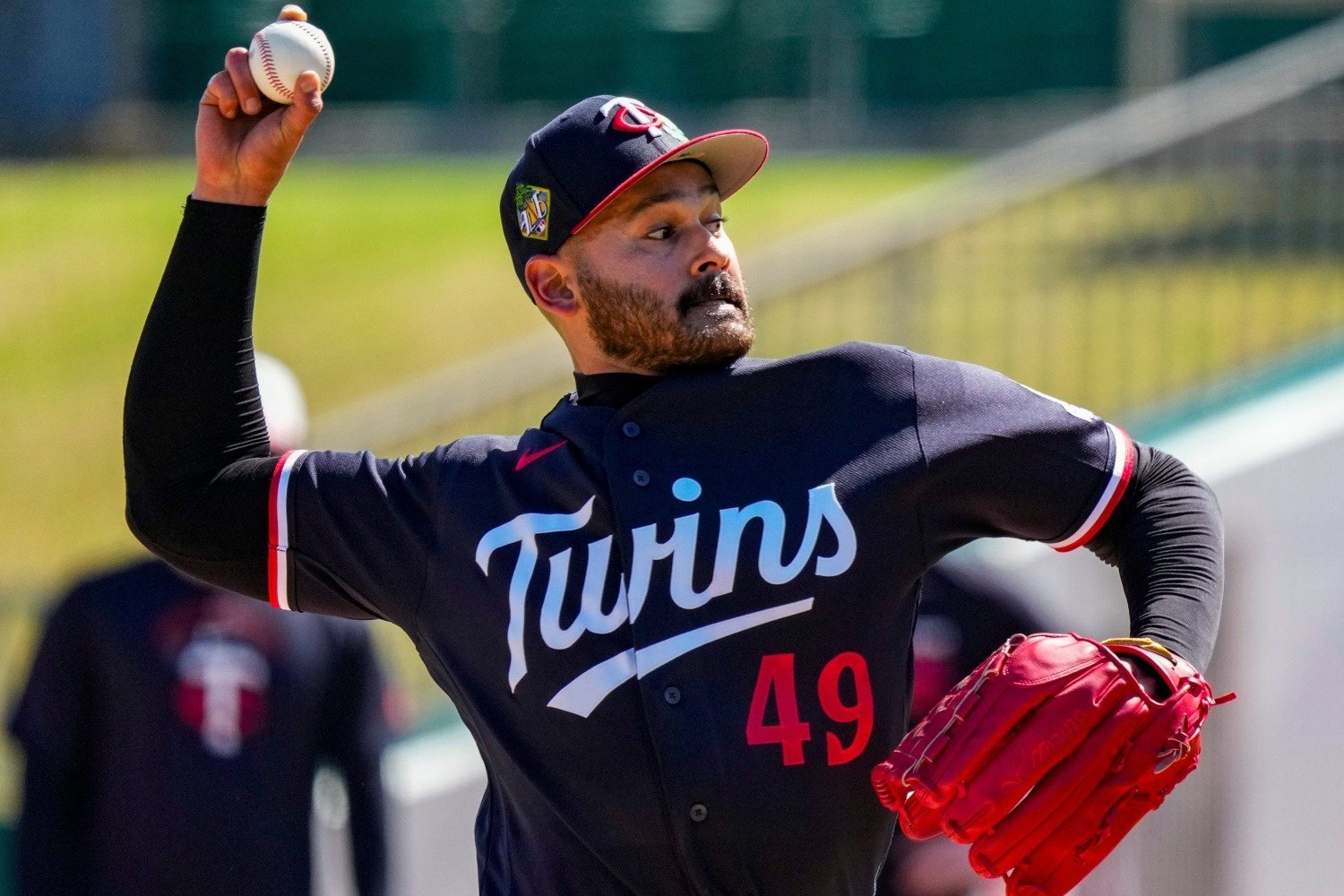 Pablo López eluded the Scalpel of Damocles last fall. He hurt his arm on an awkward dive in September, and he admitted afterward that he feared the worst. At the time, he escaped serious damage to his elbow, but spring is the reaping season for this kind of thing, and López was part of Jobe’s Harvest. He left the team’s first full-squad workout Monday with elbow soreness and underwent an MRI. On Tuesday, the team announced the bad news: López has a "significant tear" in his elbow and is likely to need season-ending (or, rather, season-thwarting) surgery. General manager Jeremy Zoll stressed that López, who will seek a second opinion before proceeding with the operation, suffered a new injury this spring. His MRIs from early 2023 and late 2025 looked identical; the damage to his ligament is new. López will get that second opinion from noted surgeon Dr. Keith Meister, but given the "significant tearing to his UCL in his elbow," even the best-case scenario would see him sidelined for a long time. López, who will turn 30 early next month, also missed time with strains of his hamstring and shoulder in 2025. He made just 14 starts, but posted a 2.74 ERA and continued to be the co-ace of a strong starting rotation. If he elects surgery, he’ll miss the third season of a four-year contract extension worth a total of $73.5 million, which he signed in April 2023. He’s owed $21.5 million this season, and the same amount in 2027, after which he’ll become a free agent. Without him, Minnesota will struggle to maintain the rotation depth needed to compete even in the weak AL Central. Last year, starting pitching was a strength, but not a strong enough one to keep the team afloat. That was partially due to the prolonged absence of López for the middle stretch of the season, but also to Bailey Ober having a season marred by high home-run rates and a massive decrease in strikeout rate. Perhaps foreseeing this possibility, the team attempted to bolster their starting rotation in the final stages of free agency, pursuing Framber Valdez. Instead, though, Valdez signed with the Tigers, and now, there’s no strong candidate to replace what the Twins had hoped they would get from López this year. The loss of López does create more room in the rotation for the team’s young hurlers. In addition to Ober and Joe Ryan, the team has Simeon Woods Richardson, Zebby Matthews, Mick Abel, Taj Bradley and David Festa in position to push for starting roles. That’s hollow consolation, though, since none of that group is likely to be as good as López, even if one or more stays healthy and pitches to the best of their ability all year. The Twins acquired López from the Marlins in exchange for Luis Arraez. Almost immediately, both López and the Twins made it clear that he was more than a short-term boost for the starting rotation. The aforementioned extension cemented López as a pillar of the organization’s pitching plans. Now, the final guaranteed year of that contract looms as both a financial commitment and a target date for the club’s hopes of a full return. On the field, López largely delivered on that investment in his first two seasons in Minnesota. In 2023, he posted a 3.66 ERA across 194 innings with 234 strikeouts, immediately pitching like a staff leader and earning All-Star recognition. In 2024, he again took the ball 32 times, going 15–10 with a 4.08 ERA, striking out 198 in 185 1/3 innings. The raw ERA uptick didn’t change the larger picture: Minnesota had the kind of dependable, high-end starter the franchise has long prized. But the path to Tuesday was paved by a frustrating, stop-and-start 2025 season—one that offered both a reminder of López’s ceiling and a warning about his health. Even in his limited, interrupted workload, López was effective. He was the biggest source of the hopeful “what could have been” feeling around a season defined by missed opportunities and disappointment. That was supposed to carry him into a bounce-back 2026 season. Alas, those hopes are now scuttled. Zoll acknowledged that López, who first had Tommy John surgery as a teenager in the Marlins system, had exceeded the window of protection from reinjury that the operation typically affords. "It's an unfortunate reality with, you know, him originally having Tommy John surgery 12 years ago, and the reality of those, the shelf life of those ligaments, you just never know when these things could happen," Zoll said. More to come. Twins Daily's John Bonnes is on site in Ft. Myers and provided reporting on this news. View the full article
 -
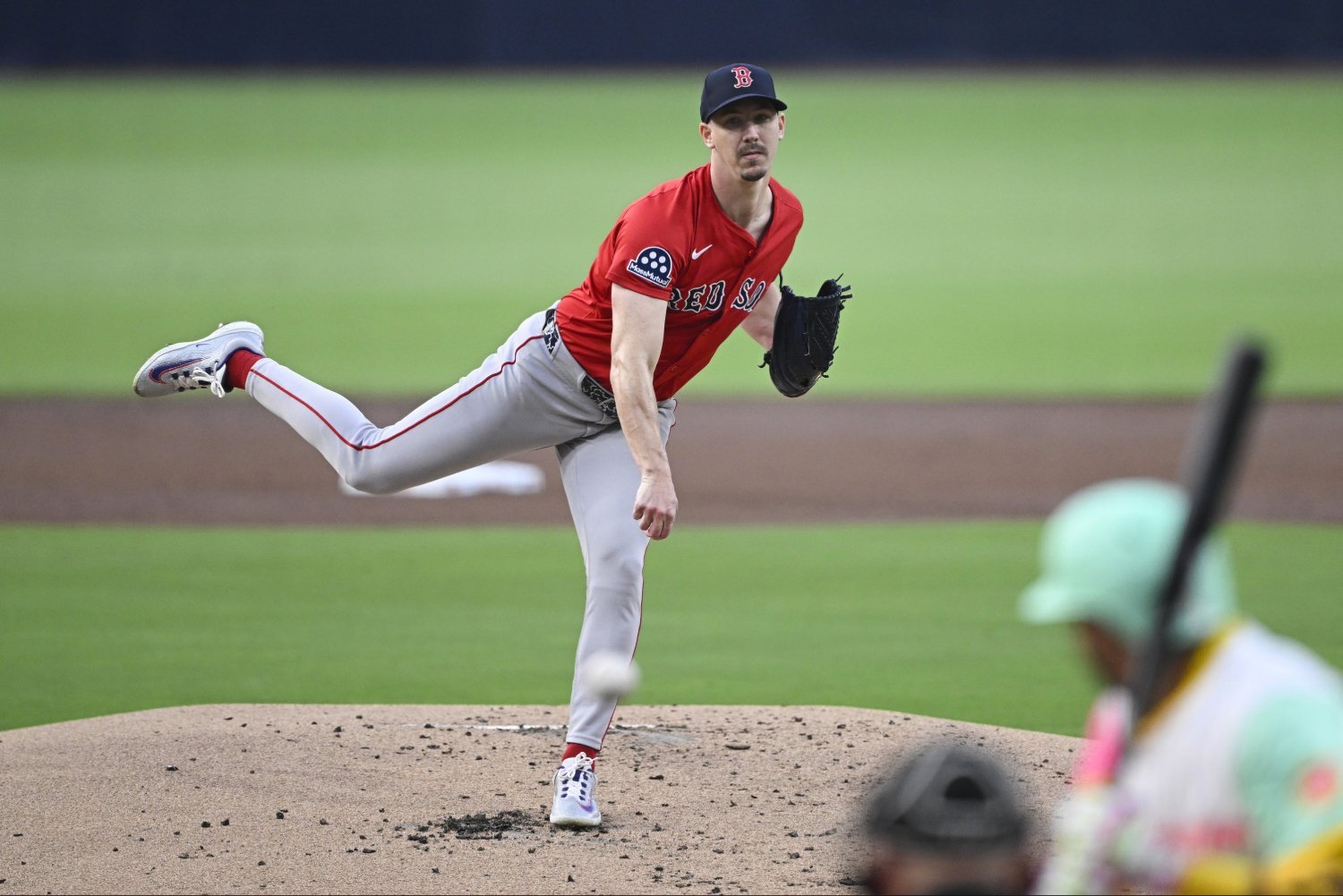 The San Diego Padres added yet another arm to the free-for-all competition for one of the last two spots in their 2026 starting rotation. Right-hander Walker Buehler, who recorded the final out of the 2024 World Series for the Los Angeles Dodgers, is joining the Friars on a minor-league deal, Kevin Acee of the San Diego Union-Tribune reported Monday. The 31-year-old Buehler pitched last season for the Boston Red Sox and Philadelphia Phillies, posting a combined 5.66 FIP (4.93 ERA) in 126 innings over 24 starts and two relief appearances. Buehler has struggled since having Tommy John surgery in August 2022. He returned to the Dodgers midway through the 2024 season, making 16 starts and compiling a 5.54 FIP over 75⅓ innings. Buehler was once one of the Dodgers' top starters, finishing fourth in the NL Cy Young Award balloting in 2021 and ninth in 2019. He also finished third in NL Rookie of the Year voting in 2018. He becomes the third low-cost addition in the last three days to the battle for the final two spots. Right-handers German Marquez and Griffin Canning agreed to major-league deals over the weekend, with the Padres formalizing Marquez's signing Monday of a one-year contract with a mutual option for 2027. Canning, coming back from an Achilles injury, has yet to formally sign his one-year deal with the Friars. Right-hander Jhony Brito (elbow surgery) was put on the 60-day injured list to make room on the 40-man roster. Another move, also likely involving the IL, must be made to add Canning. Those three along with right-hander Randy Vasquez, left-hander JP Sears and nonroster invitees Marco Gonzalez, a left-hander, and right-hander Triston McKenzie are the top contenders for the rotation behind right-handers Nick Pivetta, Michael King and Joe Musgrove. Musgrove is throwing in the early days of camp after coming back from Tommy John surgery. Buehler rejected the qualifying offer from the Dodgers following the 2024 season and became a free agent, signing with the Red Sox for $21.05 million, the same amount as the QO. View the full article
 -
How the Seattle Pilots Became the Milwaukee Brewers: Part 3
DiamondCentric posted an article in Brewer Fanatic
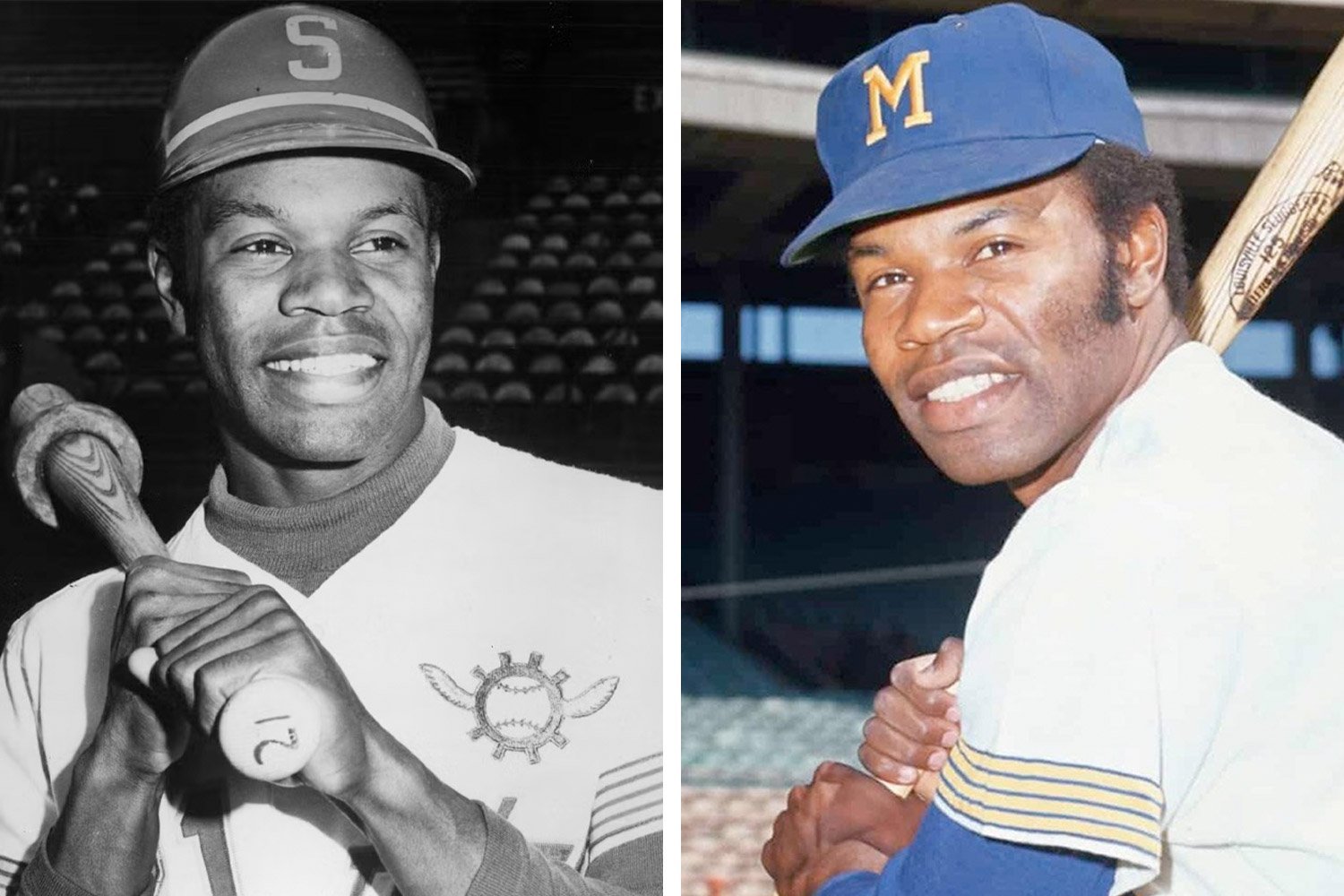 Before reading this part of the Brewers' voyage to Milwaukee, read part one of the series, "A Failed Launch". Also, part two of the three-part series, "Up For Grabs." PART 3 Charlie O. Finley got back into the headlines on Feb. 4, 1970. “I tried to be of help to Milwaukee. The next thing I see all over the papers is that my plan wasn’t good for baseball," Finley said to reporters at the time. "They made me look like a fool.” His plan had been to move the Pilots to Milwaukee on an interim basis. “If that group up there is trying to get major-league baseball, they haven’t shown me anything.” On Feb. 5, hotel magnate Edward Carlson lauded a fundraising effort that raised nearly $6 million toward a ‘cash and credit goal,’ in a last-ditch effort to get the necessary cash together for the Seattle group. “We hope and believe that this remarkable demonstration of civic pride and financial commitment will convince the American League to retain the Pilots franchise in Seattle on a permanent basis,” Carlson said. “I think we have a deal.” That statement sounded prescient on Feb. 10, when the American League owners voted to keep the franchise in Seattle. Several possibilities were discussed, including a trusteeship that would rescue the team. “This is a very serious problem,” AL president Joe Cronin said. “The American League is leaning over backwards to keep baseball in Seattle." The next day, the American League rejected an application for the Carlson/Danz Seattle group and voted to have the Daley/Soriano group keep the Pilots in Seattle. Carlson had wanted a non-profit organization to run the club for him, and this was a main concern of the American League. "We felt the non-profit factor in their plan could not fit into operation of a baseball club,” Cronin said. At that same meeting, the AL decided to advance the Pilots $650,000 for spring training expenses. On Valentine’s Day, the American League appointed Roy Hamey to oversee the operations of the Pilots. Hamey, you might remember, was a general manager for the New York Yankees in the early 1960s. He would take command of the team as it was just getting ready for spring training. On Feb. 24, 46 players began camp in Tempe, Arizona. Meanwhile, Tempe community leaders reported that they “have exceeded last year’s season ticket sale for the Pilots’ spring training schedule,” according to the Everett (Washington) Daily Herald. Back in Seattle, John Spellman was optimistic. “We still plan to let out bids in November, and construction [for the domed stadium] is still scheduled to start before the end of the year (1970)," he said. In early March, the Milwaukee Sentinel reported that owners were "contemplating moving the club before the regular season started.” The story went on to say that the group worried the Pilots would lose more money in 1970. Hamey’s reply? “Absolutely ridiculous.” Court chaos returned on March 16. The American League had been set to move the franchise to Milwaukee, having the nine necessary votes from owners that would approve the move. Just before the meeting was to begin, though, Circuit Court Judge James D. Bruton, Jr. issued a restraining order that would keep the league from moving the team from Seattle. The league’s response was that the teams could not afford to continue to support the Seattle franchise. The Bank of California sided with the AL in trying to remove legal hurdles that would keep the Pilots in Seattle. The lawsuit that Mayor Wes Uhlman filed at $25 million had been increased to $82 million. According to the Olympia (Washington) Olympian, William Dwyer, special assistant state attorney general, said that if the restraining order was dismissed, “the club will move and our $82 million antitrust damage suit goes into effect immediately.” Note: The lawsuit lasted until Feb. 1976, when it was dismissed on the condition that Seattle would receive an expansion team in 1977. After going from state court to federal court, and then back to Washington state court, and seeing two changes of venue from King County to Kitsap County to Snohomish County, the suit was officially dismissed in April 1977—when the Seattle Mariners made their debut in the new domed stadium called the Kingdome. On March 18, a petition was filed in U.S. District Court, asking that the franchise be sold to Milwaukee for $10.8 million under the Bankruptcy Act. In a hearing that took place on Friday, Mar. 21, Superior Court Judge James W. Mifflin heard arguments. He granted a continuance over the weekend, after which he would decide whether to grant the City of Seattle and State of Washington a temporary injunction to prevent the franchise from moving. Pacific Northwest Sports, Inc. (the ownership group) filed a petition of bankruptcy that sought a transfer of the franchise to Milwaukee so creditors could get paid. Sidney C. Volinn, a bankruptcy court referee, was scheduled to hear the petition on Tuesday, Mar. 24. Baseball Facilities, Inc., a developer of the Pilots' spring training site, filed suit saying the Pilots had failed (once again) to develop the facilities as promised. As the wheels of justice continued to move slowly along, Judge Mifflin's patience wore thin. Meanwhile, Volinn was set to decide the fate of the franchise on Mar. 30. Forgotten in all the litigation was the fact that the ownership group had signed a contract with the Milwaukee group earlier in March, which would expire on April 1. Time was of the essence. Back in Seattle, Dewey and Max Soriano were hung in effigy at a downtown mall. Max Soriano later explained that the club “was too embarrassed to ask a bank for additional funds.” It probably didn’t matter, though. “No banker in his right mind would loan the Pilots additional money," Campbell noted. In Milwaukee, a storm dumped four inches of snow on the ground and groundskeepers at County Stadium were hard at work to get the facility ready for a potential Opening Day contest against the California Angels on Apr. 7. Volinn listened to testimony on Mar. 30, but after a long day in court, decided to continue proceedings the following day. “I realize the onset of the baseball season is here and there is an atmosphere of haste,” Volinn said. “But the court will take all the time necessary in order to receive all the evidence that is necessary to make a decision in this case.” A couple of issues Volinn was considering: the Pilots couldn’t pay their debt of $8.13 million, and would not be able to survive a second season; and it would be unfair to make the league keep the franchise afloat. As spring training ended, the team’s equipment truck drove north from Tempe, Arizona to Provo, Utah and waited at a rest area along I-80 north of Provo. They were waiting to hear whether to head west to Seattle or turn east and make the long drive to Milwaukee. The following day, it became official: The Seattle Pilots would become the Milwaukee Brewers. The driver started his truck and turned east on I-80, starting the long 1,500-mile drive to Brew City. Milwaukee finally got its team! On Apr. 7, 1970, in front of a crowd of 36,107 fans at Milwaukee County Stadium, the Milwaukee Brewers era started with a 12-0 loss to the California Angels. Sources Wikipedia Everett (WA) Daily Herald Spokane (WA) Spokesman-Review Spokane (WA) Chronicle Minneapolis Star Tribune Madison (WI) Capital Times Green Bay (WI) Press-Gazette Appleton (WI) Post-Crescent New York Times Milwaukee Sentinel Olympia (WA) Olympian View the full article
 -
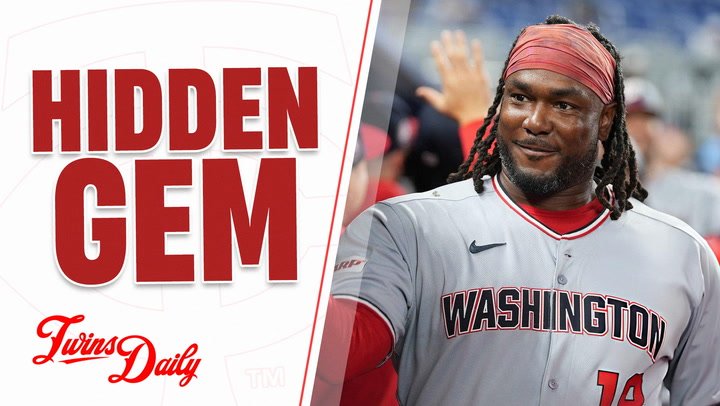 The Minnesota Twins may have made one of the more overlooked moves of the offseason when they signed Josh Bell. On the surface, it didn't make a huge splash. But the underlying numbers tell a much more intriguing story. In this video, we break down why Bell’s 2025 profile points to a hitter who could be far more impactful than headlines suggest. View the full article
 -
Ethan Conrad: What Will The Cubs' First Round Pick Bring?
DiamondCentric posted an article in North Side Baseball
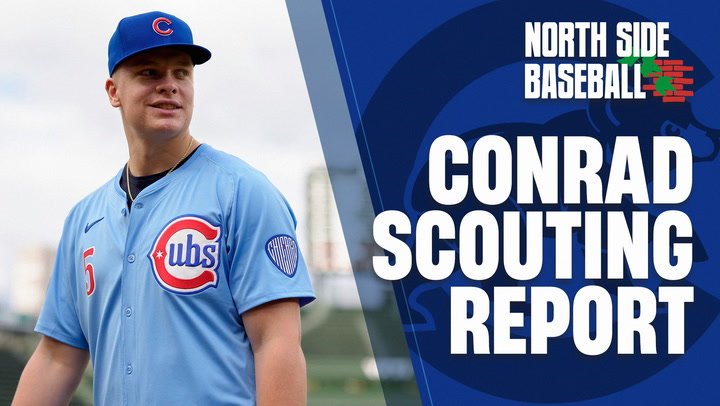 Ethan Conrad is the Cubs' first-round pick from the 2025 MLB Draft. The Marist/Wake Forest alum brings a well-rounded approach, as he flashed with 13 triples in his 2024 season. Already being rated as the no. 5 prospect in the Cubs system, Conrad projects to be the team's future outfielder in just a couple of years' time. Will he take Seiya Suzuki or Ian Happ's spot, and will either be around after their contracts expire after this season? We dive into it all here on North Side Baseball. View the full article
 -
Ethan Conrad: What Will The Cubs' First Round Pick Bring?
DiamondCentric posted an article in North Side Baseball
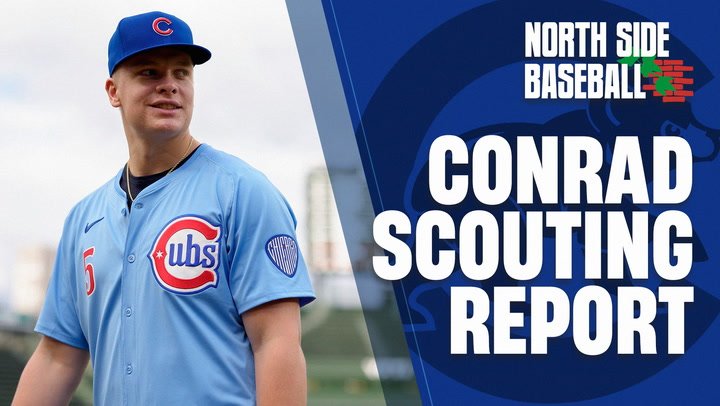 Ethan Conrad is the Cubs' first-round pick from the 2025 MLB Draft. The Marist/Wake Forest alum brings a well-rounded approach, as he flashed with 13 triples in his 2024 season. Already being rated as the no. 5 prospect in the Cubs system, Conrad projects to be the team's future outfielder in just a couple of years' time. Will he take Seiya Suzuki or Ian Happ's spot, and will either be around after their contracts expire after this season? We dive into it all here on North Side Baseball. View the full article
 -
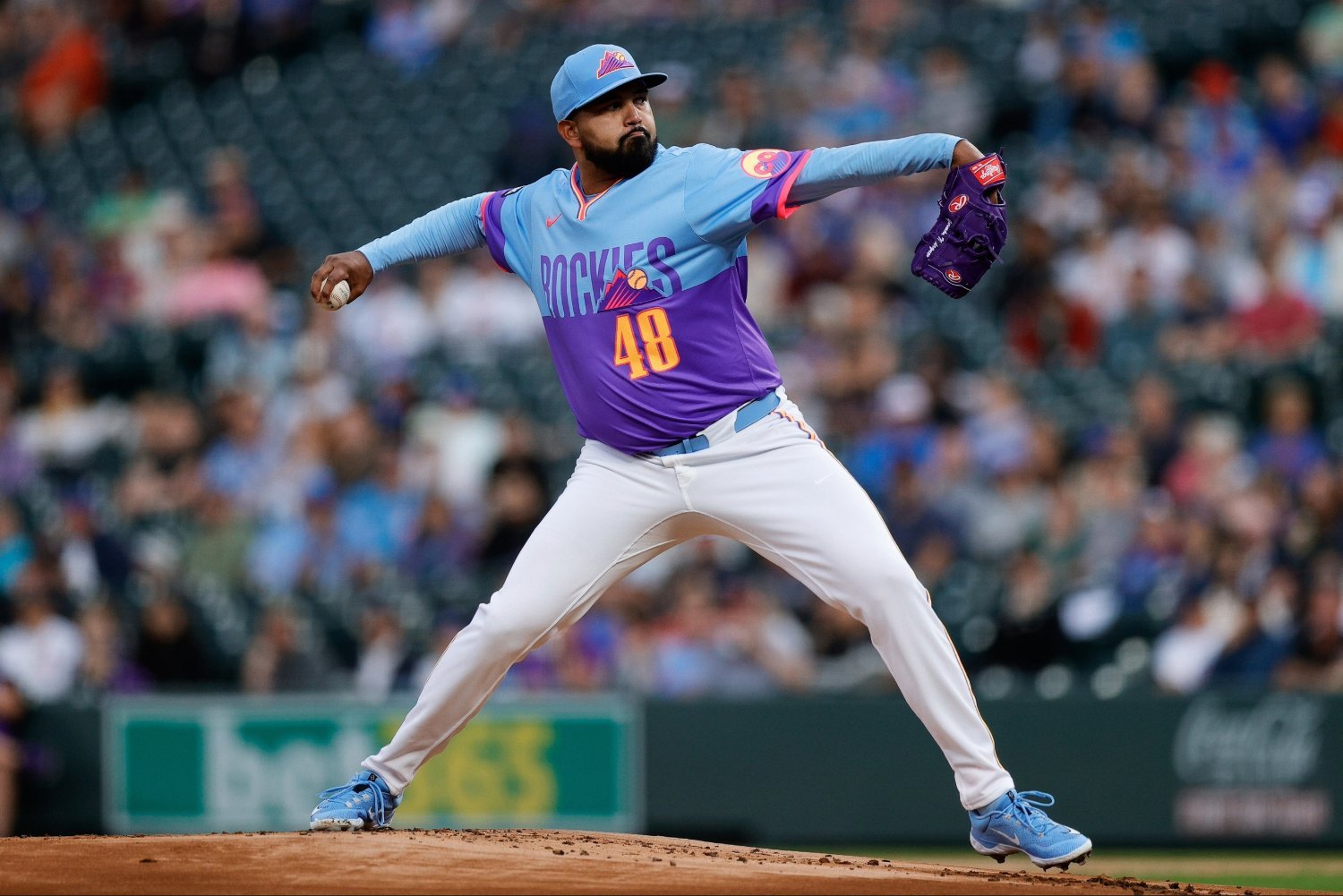 Thinner than a rail all offseason, the San Diego Padres' rotation now has a glut of options. The most recent addition is former Colorado Rockies ace German Marquez, who reportedly agreed to a one-year contract with a mutual option for 2027. He brings the number of pitchers in camp competing for the last two spots to at least eight. San Diego isn't getting anything near the All-Star version of Márquez. The 30-year-old was hit hard last year after missing close to two full seasons because of elbow problems. In 126 1/3 innings over 26 starts, he posted full-season career worsts across the board: a 6.70 ERA/5.47 FIP, 5.9 strikeouts per nine innings, a .545 slugging percentage against and a .923 OPS against. He allowed 168 hits and 23 home runs. Our series on rotation candidates continues with Marquez. Should he be in the Friars' rotation, work out of the bullpen, or go down to Triple-A El Paso to begin 2026? Germán Márquez's Stuff In terms of results, Márquez's best pitch last year was his knuckle curve. It was well below-average in both movement and drop, but it had above-average spin (64th percentile). It served as Marquez's out pitch: opponents batted .208 with a 33.9 percent K rate against it. Despite that, it produced a negative-6 run value. Marquez's fastball velocity was league-average -- 94.8 mph on his four-seamer, 94.2 mph on his sinker -- but both pitches were about one mile per hour slower than his fastballs in 2022 and continued to have below-average spin (24th percentile). The four-seamer did have above-average horizontal movement, with 10.9 inches of arm-side run (in to right-handed batters, away from left-handed batters). And yet, hitters feasted on it, slugging .642. The pitch had a negative-24 run value. Opponents punished the rest of the repertoire, too. Marquez's sinker, slider, and changeup produced respective SLG's of .545, .565, and .556. Each of those pitches flashed below-average movement. There were plenty more ugly peripherals to go around. Marquez's ground-ball rate plummeted to a career-low 36.6 percent and his air rate soared to a career-high 63.3 percent. His 91.7 mph average exit velocity was more than two miles per hour higher than his career norms. His 11.1 barrel rate was the second-worst of his career. He allowed a 1.057 OPS after falling behind 1-0 in the count. There is a Coors Effect in Marquez's career splits, but it shows up in hits allowed rather than home runs allowed. He has averaged 9.99 hits per nine at Coors, compared to 8.53 per nine outside Denver. That speaks to the fact that lots of hits fall in at Coors Field because of the park's spacious outfield. His home run rates are 3.44 percent at home and 3.29 percent on the road. For what it's worth, Petco Park has been a good place for him. His career numbers there are skewed by two poor outings last year -- 12 earned runs in seven innings. Prior to that, he had a 3.64 ERA and 68 strikeouts in 10 games (nine starts). German Marquez's Arsenal Márquez was essentially a three-pitch pitcher last season. He threw the four-seamer 35 percent of the time, a knuckle curve 32 percent of the time, and a sinker 20 percent of the time. He also made use of slider (11 percent) and changeup (2 percent), though they were seldom featured. Of note: He threw his slider 21 percent of the time in 2022, his last full season prior to 2025. His knuckle-curve made up that 10-point difference last year. As usual, there was a narrow gap between the fastballs and his secondary pitches: 9.3 mph between his fastest (four-seamer) and slowest (knuckle curve, 85.5 mph). That was in line with his career averages. His slider (88.8) and changeup (88.5) were thrown at almost the same speed. The use of his fourth and fifth pitches was based almost strictly on batter handedness. He threw 196 of his 226 sliders to right-handed batters and 49 of his 50 changeups to left-handed batters. What Should German Marquez's Role Be in 2026? Márquez's 2025 season says that he shouldn't be guaranteed anything, but his history and contract say that he will begin the year in the rotation. How long he stays in it will depend on performance. The Rockies kept running him out there last year to eat innings. The Padres will have a fraction of that patience in 2026. If Márquez is eventually moved to a long-man role, it would be his first relief work since 2016, when he was a rookie. Again, because he's signing a major-league deal, it's almost certain that the Padres would keep him around as the 13th man on the staff. El Paso feels very far away, despite the recent results. View the full article
 -
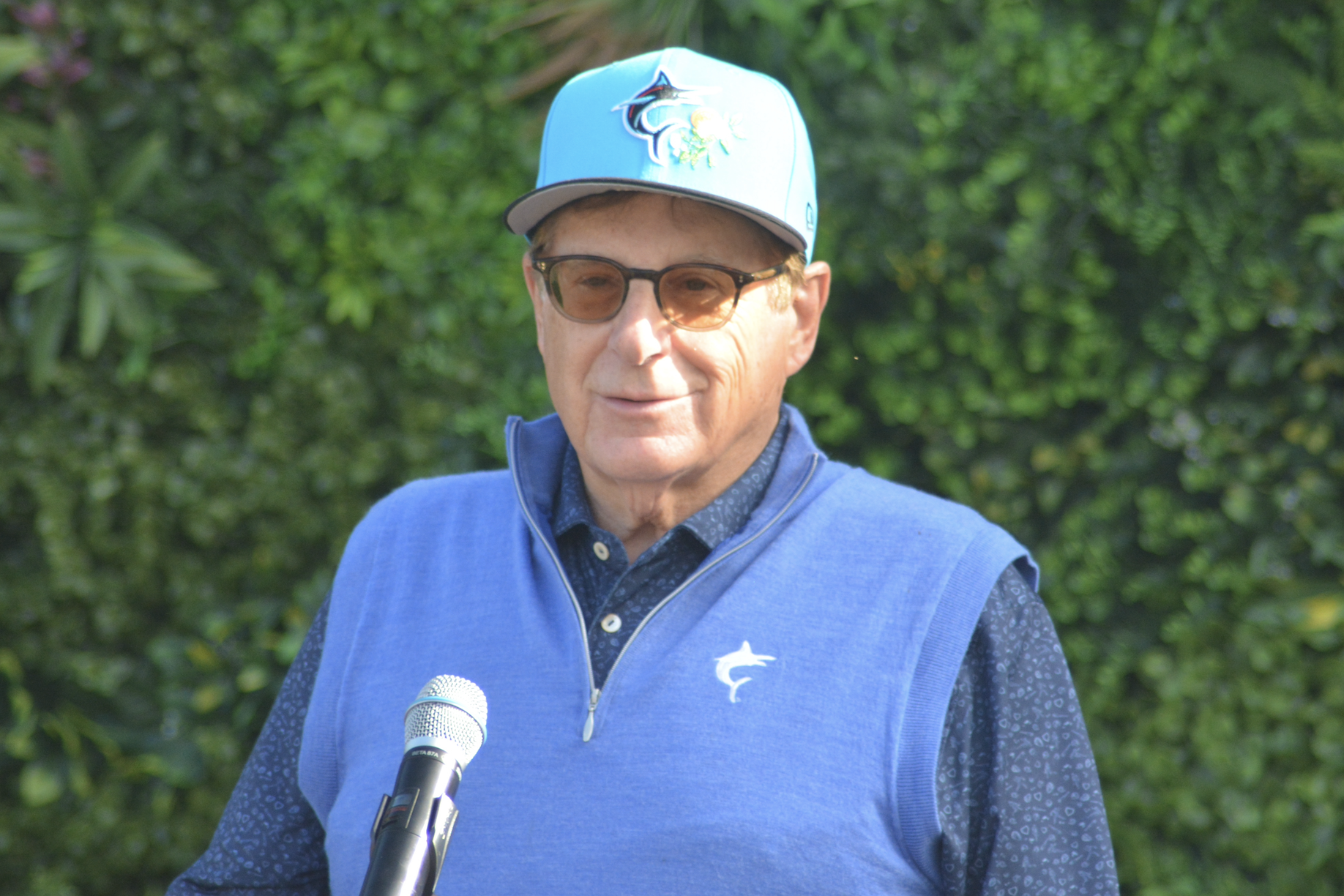 JUPITER, FL—On a beautiful Monday morning in Jupiter, 72 Miami Marlins players (32 non-roster invitees) reported to camp ready to make their mark and build on a very encouraging 2025 season in which the club won 79 games—a 17-win improvement from the year before. Principal owner and chairman Bruce Sherman, standing in front of the newly renovated Jupiter Academy, addressed the media prior to the team’s first full-squad workout. The 2026 season will be the ninth under Sherman’s ownership. “Our expectations are to be extremely competitive and to continue on this path of being successful every single year,” Sherman said. “We measure it by getting to the playoffs consistently, and that will be the standard for our organization and our front office. That’s what the Miami Marlins are going to be all about.” Ownership’s message to players early Monday morning differed from last spring, when patience and development were emphasized. As exciting as the 2025 season was for a team with limited big league experience and modest expectations, this year’s message was clear: it wasn’t enough, and expectations are higher following investments in both payroll and infrastructure. “This investment we made in free agency—four players and over $20 million—was done with extraordinary care by Peter Bendix and his entire staff,” Sherman said. For the first time since 2016–17, the Marlins signed at least four major league free agents in a single offseason. Despite those additions, Miami’s payroll for 2026, according to Roster Resource, is projected to be approximately $73 million, the lowest in Major League Baseball. Sherman feels that he's spending an appropriate percentage of the franchise's revenue, particularly when accounting for the aforementioned facility renovations. “I’m not in this for profit at all. We haven’t taken a nickel out of this in eight years; we just keep putting money in, and ownership is pleased to do that. We want to win. W-I-N. Period.” How do the Marlins plan to compete against division rivals such as the Phillies, Mets, and Braves, whose player payrolls are several times the size? “We don’t care what other teams are doing—we’re trying to beat them,” president of baseball operations Peter Bendix said. That message was reiterated to both established major leaguers and top prospects expected to contribute this season. “We were told to have faith in ourselves and in each other, and that we’re going to prove a lot of people wrong again,” No. 1 prospect Thomas White told Fish On First. “We’re not worried about what other teams are doing. We’re focused on what’s happening in our clubhouse and trying to do something none of us have done before—reach the playoffs.” When asked about the overall goal for the upcoming season, manager Clayton McCullough emphasized development and culture. “Seeing growth across the board from players and coaches,” McCullough said. “We want to create a culture here and a group that puts us in position every year to compete for a championship.” The 34th season of Marlins baseball begins March 27 at home against the Colorado Rockies. Before that, the club opens Grapefruit League play this Saturday in Port St. Lucie against the Mets. View the full article
