


DiamondCentric
-
Posts
2,631 -
Joined
-
Last visited
Never
Content Type
Profiles
Forums
Events
News
Tutorials & Help
Major League Baseball Videos
Guides & Resources
Store
Downloads
Gallery
Everything posted by DiamondCentric
-

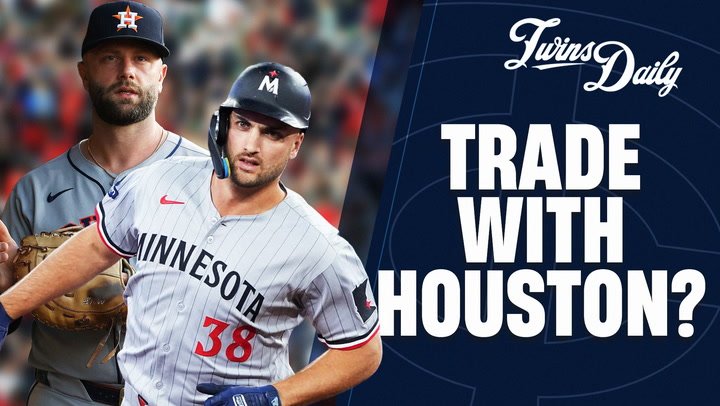 The Houston Astros are looking for a left-handed hitting outfielders and a backup catcher. The Minnesota Twins have both as expendable options in Trevor Larnach, Matt Wallner, and possibly Ryan Jeffers. Should they kick the tires on third base Isaac Paredes? If so, what does that mean for Royce Lewis? View the full article
 -
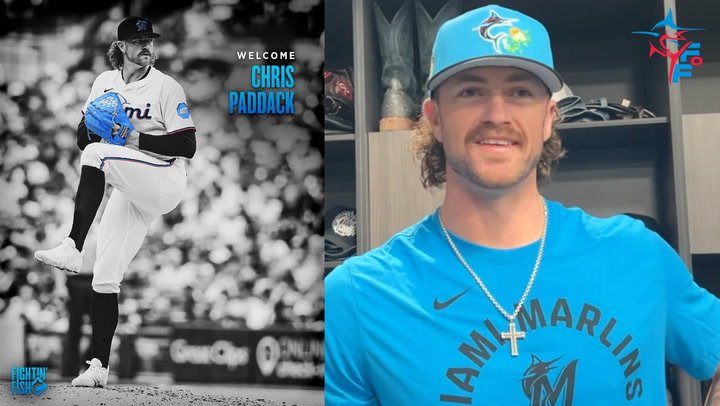 Marlins right-hander Chris Paddack speaks to the media following his first day of spring training workouts. Paddack hopes his new club can help with the missing parts of his game.View the full article
 -
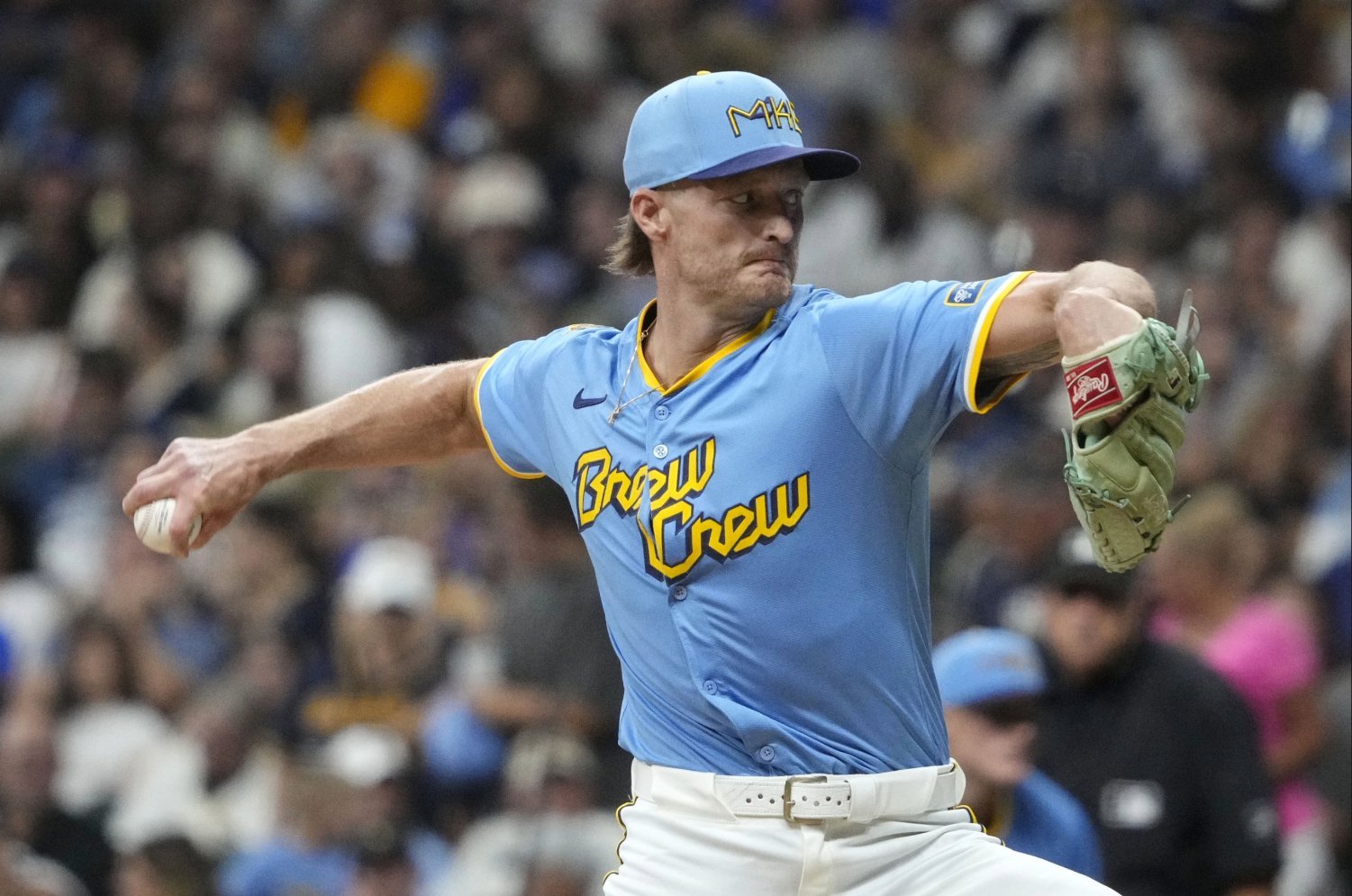 The Chicago Cubs have made yet another addition to their bullpen this offseason, this time bringing in veteran reliever Shelby Miller on a multi-year contract as reported by FanSided's Robert Murray. Miller, 35, is expected to miss most, if not all, of the 2026 season while recovering from Tommy John surgery. He pitched brilliantly for the Arizona Diamondbacks in the first half of last year (1.98 ERA in 36 1/3 innings) before being traded to the Milwaukee Brewers. He made just two appearances for the Crew before being shut down. The right-hander joins Phil Maton, Hunter Harvey, Jacob Webb, and Hoby Milner as new additions to the team's bullpen this winter. More to come... View the full article
 -
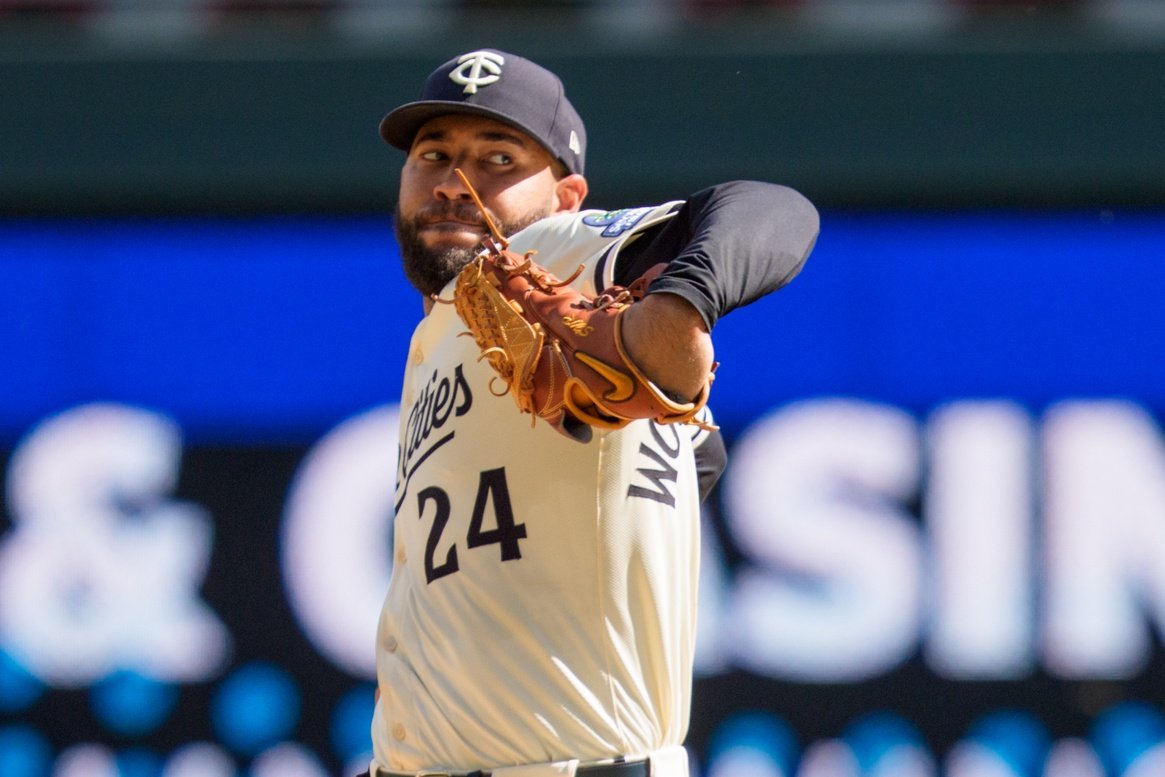 The Twins have no shortage of starting pitching depth. Behind Lopez, Ryan, and Ober, the last two rotation spots have yet to be determined. From inexperienced and high upside options like Mick Abel to experienced pitchers like Taj Bradley, who has made 75 starts in his career already, the Twins will have to choose who heads north with the two remaining rotation spots. Simeon Woods Richardson should already be penciled in for one of them. Simeon Woods Richardson's resume to this point in his career may not be that of a high-end starting pitcher, but it's more than good enough to have earned a spot at the back end of an MLB rotation. With a 4.21 ERA across 254 innings, Richardson has had his fair share of struggles but has also helped keep the Twins' pitching staff afloat at times. He's also shown an ability to adjust, most recently by adding a splitter to his arsenal, which became arguably his most effective pitch last season. He seemed to find something at the end of 2025, allowing two runs in his last three starts and striking out 23 hitters in his last 17 innings. He's already shown that he's a capable back-of-the-rotation starting pitcher. Though he lacks the excitement of Zebby Matthews or David Festa, Woods Richardson is only a few months older than these two despite a much longer track record of better performance. Roster flexibility has to be a major consideration, and Simeon Woods Richardson is out of minor league options. Assuming he isn't traded, he will make the Opening Day roster. Unlike many other rotation candidates, the Twins can't stash him in St. Paul to await a future opening in the rotation. He needs to break camp with the team either in the rotation or in the bullpen. The latter seems like an odd fit. While we've seen recent success with the Twins moving starting pitchers to the bullpen and turning them into impact relievers, it's worth wondering how well-suited Woods Richardson is to this path. He doesn't get outs in a way that would traditionally project a step-up in performance in shorter stints. The repertoire essentially became a four-pitch mix in 2025 as he scrapped his changeup for what was a dominant splitter. His new pitch drew whiffs at a 32.7% rate and was nearly unhittable with a .168 xwOBA allowed. His slider was his second-best pitch in terms of whiffs and quality of contact allowed. Unfortunately, it would take an enormous leap in fastball performance to see it all come together in a bullpen role. His heater graded out at 83 in the Stuff+ metric, where 100 is average. This is despite the pitch averaging a career-high 93.1 mph. The Twins have a long list of young pitchers who could profile as a much-needed high-leverage reliever. Simeon Woods Richardson is toward the bottom of that list without an intriguing fastball. We've seen the Twins choose to keep young, optionable pitchers in Triple-A to begin the season, instead trusting more experienced, known commodities. We should expect them to do so again. Instead of low ceiling, short-term fillers like J.A. Happ, Matt Shoemaker, etc., who we’ve seen them roll with in the past, they would be doing the same with 25-year-old Simeon Woods Richardson this time. With team control through 2030, what would be considered the “least exciting” option for the back end of the rotation would come with plenty of upside. It may be a different conversation if Zebby Matthews or David Festa had put together more success in their careers thus far, or if another pitcher with more perceived upside was also out of options. The truth is that Simeon Woods Richardson can easily be argued as the safest choice for an open rotation spot on a team that will need every win they can get. Awarding him the job allows the team to maintain maximum starting pitching depth, with his potential competition being stashed at St. Paul to be called up at a moment's notice. He's also performed better than anyone else in this group across a much larger sample size than most. While it's easy to get excited about some of the new or up-and-coming arms in the system, Simeon Woods Richardson remains the best option to fill one of the two remaining rotation spots. Do you agree? View the full article
 -
Sandy Alcantara named 2026 Marlins Opening Day starter
DiamondCentric posted an article in Fish On First
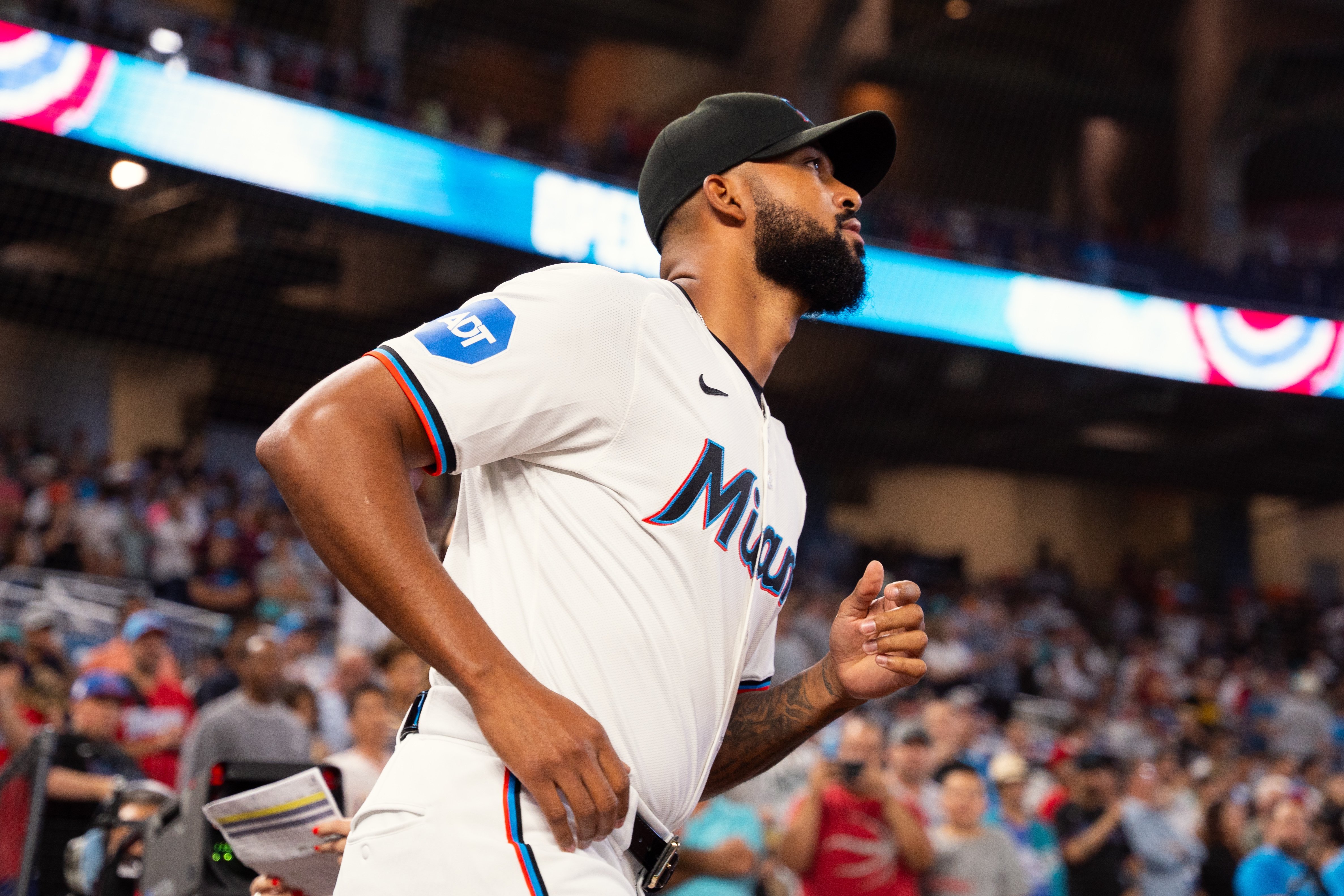 Miami Marlins manager Clayton McCullough informed right-hander Sandy Alcantara on Friday morning that he will be the club's Opening Day starter again in 2026. The Marlins will host the Colorado Rockies at loanDepot park on March 26. Alcantara has been on the mound for Opening Day in each of the last seven seasons with the exception of 2024, which he missed while rehabbing from Tommy John surgery. He already held the franchise record with five career Opening Day starts; health permitting, he will do it for the sixth time exactly six weeks from now. The Marlins released a video of McCullough in his Jupiter Academy office delivering the news to Alcantara. In response, the 30-year-old said he is "super excited about another opportunity to be on the mound for the Marlins. I'm very happy." n64CV1R5FHQK5u0i.mp4 The Marlins have a 2-3 record in Alcantara's previous Opening Day starts. Most recently against the Pittsburgh Pirates in 2025, he carried a shutout into the fifth inning and received a no-decision in what was ultimately a walk-off win. Player Date Team Opp Result IP H R ER UER HR BB IBB SO HBP BK WP BF Sandy Alcantara 2020-07-24 MIA @ PHI W, 5-2 6.2 3 2 1 1 1 2 0 7 0 0 0 24 Sandy Alcantara 2021-04-01 MIA TBR L, 0-1 6.0 2 0 0 0 0 2 0 7 1 0 0 23 Sandy Alcantara 2022-04-08 MIA @ SFG L, 5-6 (10) 5.0 3 3 2 1 1 5 0 4 0 0 0 21 Sandy Alcantara 2023-03-30 MIA NYM L, 3-5 5.2 3 3 3 0 0 4 0 2 0 0 0 23 Sandy Alcantara 2025-03-27 MIA PIT W, 5-4 4.2 2 2 2 0 0 4 0 7 0 0 0 20 Colorado's projected rotation consists of Kyle Freeland, Michael Lorenzen, José Quintana, Chase Dollander and Tomoyuki Sugano. Freeland, like Alcantara, is a longtime member of his organization who despite coming off an uneven 2025 season—4.98 ERA and 4.18 FIP in 162 ⅔ innings pitched—would be the logical candidate to start their season opener. The left-hander has handled that assignment four previous times in his career. View the full article
 -
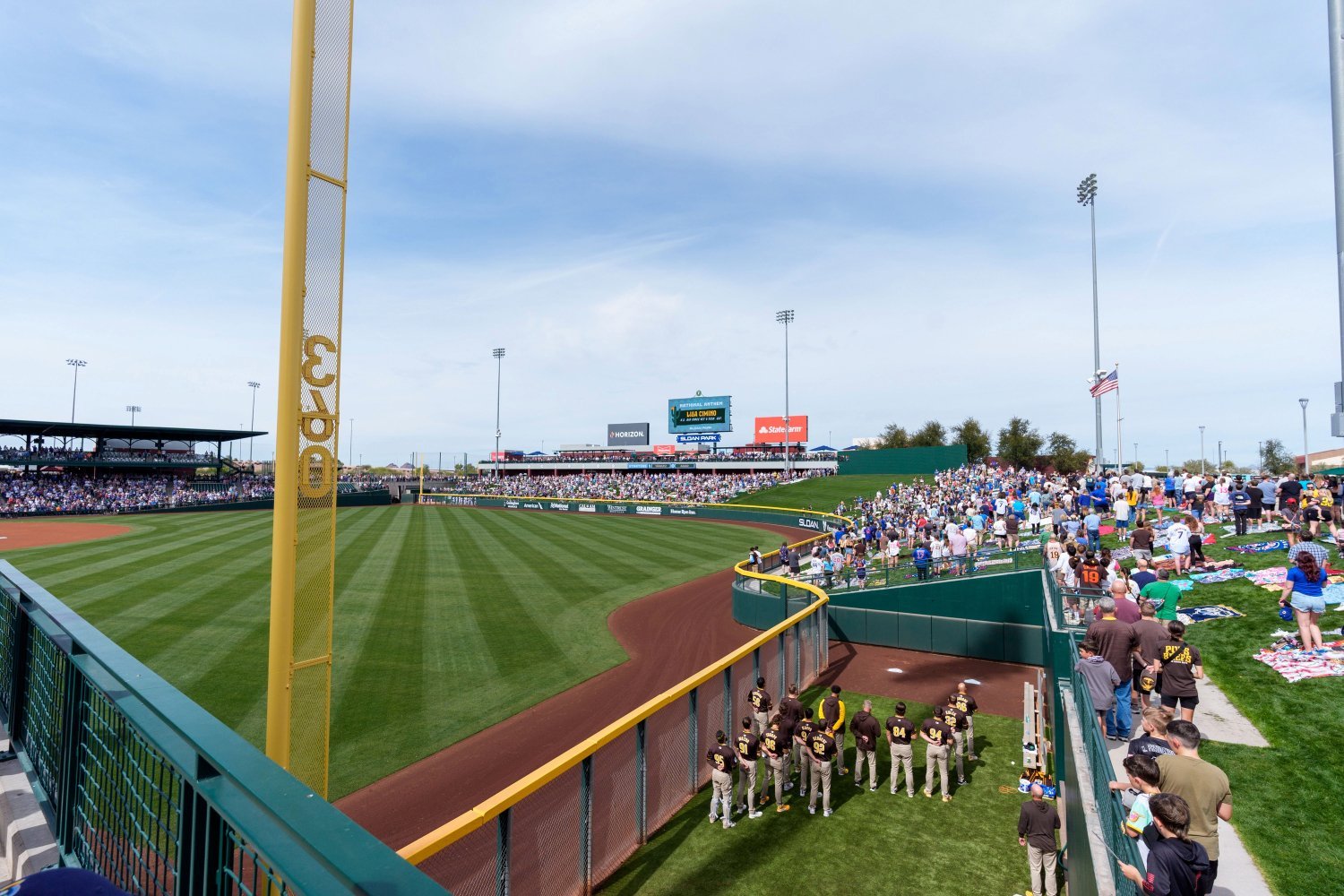 The San Diego Padres' bullpen should be one of the best units in MLB in 2026. If you are a fan of relievers, you should enjoy this group. Last year, while ranking 10th in innings pitched, the Friars finished first in opponent batting average (.209) and WHIP (1.15) and second in strikeouts. Walks were a bit of an issue as the Padres finished 19th, but this was a wholly dominant crew of late-inning firemen. Despite the loss of closer Robert Suarez to free agency, the Friars shouldn't miss a beat as Mason Miller, acquired at the trade deadline, takes over in that role. Relievers tend to be the difference-makers during a season. and the Padres will rely on their bullpen to again be the bedrock of the team. Breaking Down Every Reliever in Padres' Bullpen Who Was Scheduled to Come Back? Pretty much everyone, aside from Suarez, of course. The only subtraction was right-hander Sean Reynolds, who was non-tendered after a rough 19 appearances in 2025. Joining Miller in this year's bullpen are left-handers Adrian Morejon, Wandy Peralta and Yuki Matsui, as well as right-handers Jason Adam, Jeremiah Estrada, David Morgan, Bradgley Rodriguez, Jhony Brito and Ron Marinaccio. There is quality wherever you look, but the focus of this year's relievers will be Miller, the latest in a line of very good or great Padres closers. As Miller showed in the NL Wild Card Series versus the Cubs, he can unleash some of the most wicked stuff in all of MLB. Suarez was really good as the Friars' closer the last two years, converting 76 of 87 save chances. While not having as many opportunities with the A's, Miller has converted 50 of 57 in his brief career. He struck out an amazing 44..4% of hitters last season, including 54.2% with the Padres, more than twice the MLB average of 22.5%. But he also walked 12% of hitters, worse than the league average (8.4%). Combined with Morejon at the back end, the Friars will be just fine for any late-game situation. Two players to watch coming back from injury are Adam and Brito. Adam ruptured a quad tendon in September, which required surgery. At the time, it was expected he would start this season on the injured list, but with a potential April return. Brito had an internal brace procedure on his right elbow and a flexor tendon repair last April, so late May or perhaps early June is the earliest expectation for his return. Who Was Added? Without much need in the offseason, the Friars made two small 40-man moves, signing right-handers Daison Acosta and Ty Adcock. The 27-year-old Acosta has yet to make his MLB debut, spending the last two seasons in the Washington Nationals' organization, so he is likely to be a depth option who opens the season at Triple-A El Paso. That would be a similar scenario for Adcock, who just turned 29 but does have 18 games of MLB experience over the last three seasons, six with the New York Mets in 2024 and 2025 and 12 with the Seattle Mariners in 2023. Candidates to Join the Bullpen? Other relievers on the 40-man are right-handers Alek Jacob, Bryan Hoeing and Garrett Hawkins. Jacob was a 16th-round draft choice in 2021 who made his MLB debut in 2023 and made 29 appearances in 2025, yet posted a 5.90 FIP. Hoeing has been decent in 25 relief appearances for the Padres over the last two years after coming over from the Miami Marlins in the Tanner Scott trade. Hoeing does have 10 MLB starts with the Marlins, so you wonder if the Friars stretch him out this spring due to the lack of rotation depth. Hawkins was a ninth-round draft pick of the Padres in 2021 and made it up to Double-A San Antonio in 2025, appearing in 13 games. That was his first season back since Tommy John surgery in 2023. Among prospects, right-hander Francis Pena is the top candidate to make the team, having pitched all of 2025 at Triple-A El Paso, but struggling with control (34 walks in 52⅓ innings). The Bottom Line As mentioned at the beginning of this article, the Padres should have one of the best bullpens in all of MLB in 2026. There is depth and versatility. The depth could be very important as the thin starting rotation could lead to more innings for this group. That could lead to some opportunities for the depth pieces who will begin the season at El Paso. Should the rotation be somewhat stable, opponents will have a difficult time scoring against this relief corps. View the full article
 -
The Best Twins Outfield Prospect Nobody is Talking About
DiamondCentric posted an article in Twins Daily
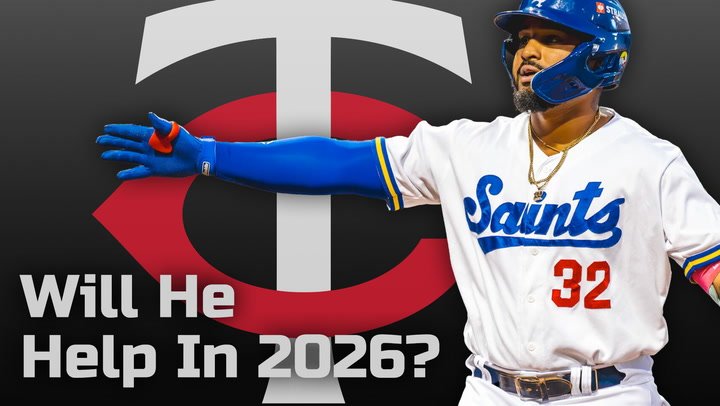 Gabriel Gonzalez was outstanding in 2025, but with how crowded the Twins outfield is, will he earn a promotion to the big leagues this year? In this video, we take a look at his skill set and what to expect in 2026. View the full article
 -
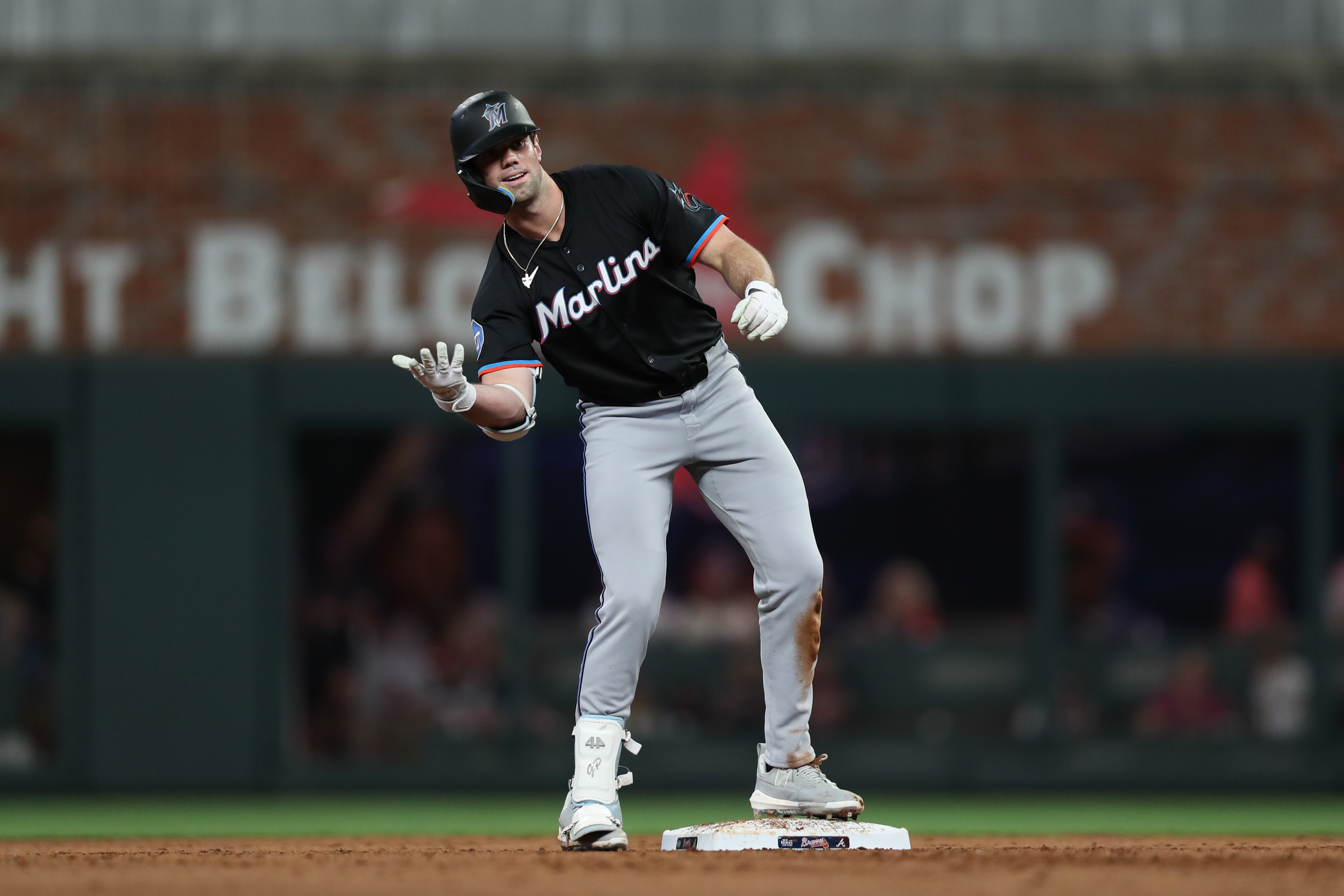 JUPITER, FL—Last spring, Graham Pauley was easy to overlook in Miami Marlins camp. Although he posted a solid slash line of .286/.355/.429/.784 in exhibition games and ultimately made the Opening Day roster, Pauley wasn't thought of as a key piece of the team's long-term plan. That perception change towards the end of the 2025 season. In his final 34 games, Pauley slashed .238/.358/.450/.808 with four home runs and six RBI. Throughout the season overall, he posted plus-six outs above average and plus-three defensive runs saved in 52 games at third base. "I think the defense took a big step from where I've been in the past," Pauley told Fish On First in an exclusive interview. "I think going into this spring, I was able to build up to some stuff in the offseason and continue to work at that. I think the defense is in a great spot and then offensively, I felt like I did a lot of good things to my swing. Just looking back at the second half of last year, I think I've worked on a lot of stuff and then continue to build on that and hopefully have success." Following the season, Pauley trained at Movement Performance and Sports Medicine in Atlanta and made plenty of changes, including in his setup where he is "starting the hands a bit lower." That leads to a more vertical swing, "allowing me to create more space and stay more towards the pitcher with all my force, instead of just turning off balls and being late." "Also just how my bat's going to the zone," said Pauley. "I feel like my bat is starting in the zone and also going a lot further, allowing me to get to more pitches and stay on pitches for longer. I think those are gonna help with time. I took some at-bats before coming here, and then we'll get a bunch here, so it'll be good to work on that kind of approach in spring training." Pitchers and catchers reported to the Jupiter Academy on Wednesday. Pauley is at camp early along with them as he has to compete for the third base job, but comes into camp with "a little more confidence." "Coming in this year, I feel a lot more ready to just compete early on in spring and really focusing in on those games, treating them just like a real game as much as possible and put good at-bats together and play good defense." Pauley received an extended opportunity at the major league level because Connor Norby was sidelined by various injuries. He will be fighting for the starting third base job as well. Pauley's attention is only on controlling what he can control. "Just come in here and work on the stuff I've been working on the offseason," Pauley said. "Did the work with some of the new hitting and infield coaches, so decided to work with those guys and not put too much pressure or anything on anything. Just go out there, compete, have fun, and continue to work on that stuff." Towards the end of the 2025 season, the Marlins experimented with Pauley by playing him at first base for five games (three starts). "I think I'm athletic enough that I can do that without focusing on those other positions," Pauley said. "I think I can just go over there in a pinch, but I think the goal right now is to just focus at third and to get better there." The Marlins' full-squad report date is set for Monday. Principal owner Bruce Sherman and president of baseball operations Peter Bendix will address the local media that morning. View the full article
 -
Blue Jays Acquire Jesús Sánchez From Astros for Joey Loperfido
DiamondCentric posted an article in Jays Centre
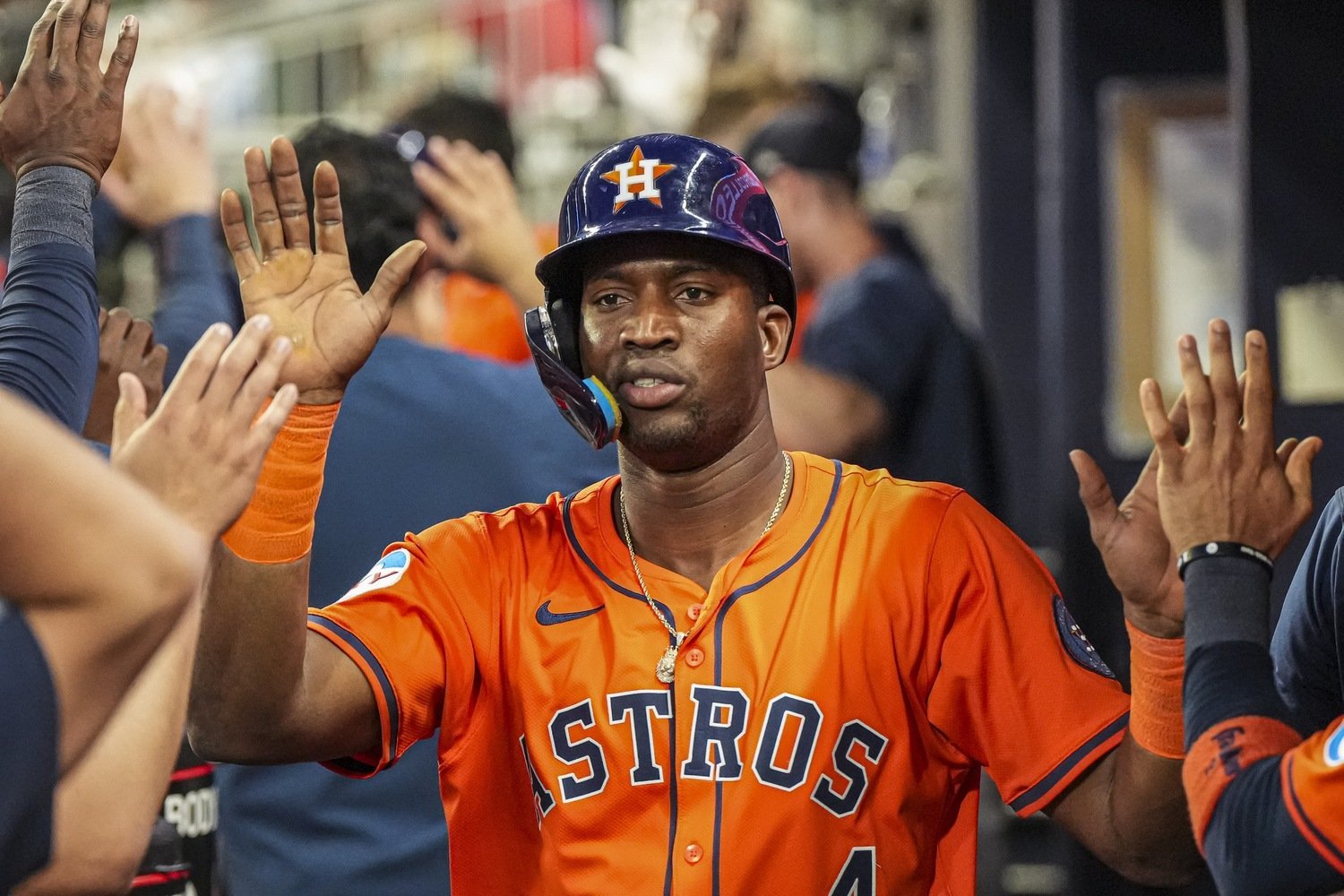 In the wake of the news that Anthony Santander will undergo shoulder surgery, the Toronto Blue Jays have added a new corner outfielder. The Jays announced this morning that they have traded for Jesús Sánchez, sending Joey Loperfido back to the Houston Astros in return. Sánchez, 28, owns a .727 OPS and 98 wRC+ in 580 career games. Really though, his career numbers don't tell the full story. The lefty-batting Sánchez is a platoon-only hitter who should only face same-handed pitching when there's no other choice. He has been consistently productive against right-handed pitchers, with a career 9.0% walk rate, 24.5% strikeout rate, .198 ISO, and 111 wRC+. As for his numbers against lefty pitching? I think his 41 wRC+ (59% worse than league average) tells you all you need to know. A fine baserunner and a capable defender in the corners, Sánchez has the skills to be Toronto's starting left fielder against right-handed pitching. With that said, he'll have competition from Nathan Lukes, barring another trade. Lukes is another left-handed-hitting corner outfielder, and after Santander's injury, manager John Schneider said he expected Lukes to platoon with the righty-batting Davis Schneider in left field. Lukes does not have nearly as much MLB experience as Sánchez, but his career 109 wRC+ against right-handed pitching is similar to Sánchez's 111 mark. Lukes is probably the stronger fielder, but he's three years older, and the sample his defensive metrics come from is small. Sánchez will make $6.8 million in 2026, and he'll be eligible for arbitration one more time in 2027. Loperfido, 26, came over from Houston at the 2024 trade deadline as part of the haul Toronto received for Yusei Kikuchi. Over his year and a half in the Blue Jays organization, the former top prospect flashed promise but failed to make a significant impact. He will now return to his former club, where he will have an easier path to regular playing time. View the full article
 -
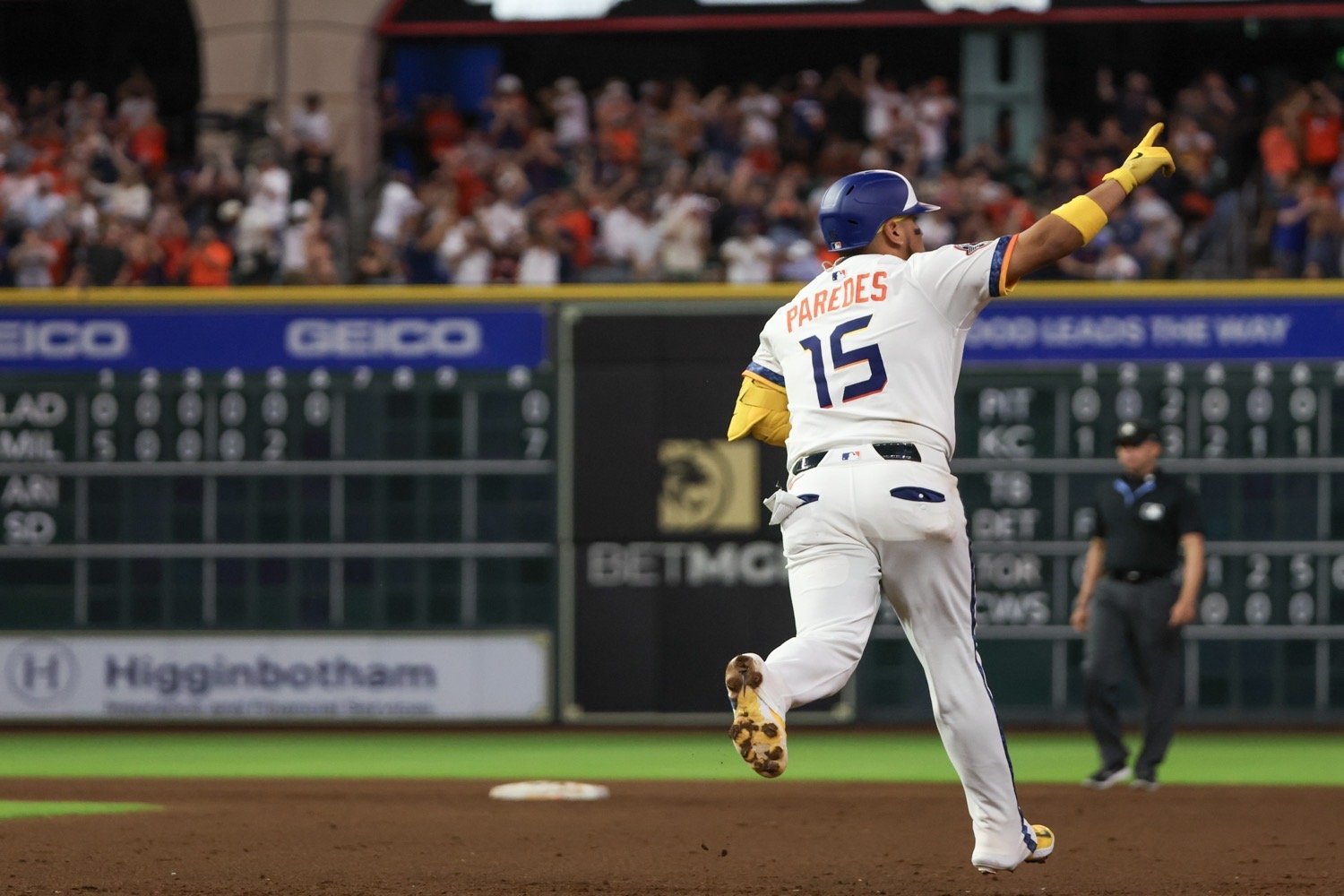 The Houston Astros have been in the rumor mill for the vast majority of the offseason, specifically as teams kick the tires on third baseman Isaac Paredes. Earlier this week, Chandler Rome of The Athletic reported that the team “is seeking an outfielder who hits from the left side in any potential package for Paredes.” Unless you've been buried under a rock since last year’s trade deadline, you're well aware that the Minnesota Twins have an excessive amount of left-handed hitting outfielders. They have high-value prospects like Walker Jenkins and Emmanuel Rodriguez who will likely debut in 2026. They have middle-of-the-road veterans like Matt Wallner and Trevor Larnach, who have some upside but also come with their fair share of warts. They also have lower-value options like James Outman, Alan Roden, and Hendry Mendez, of whom Outman and Roden are ready to compete at the big league level (Outman is actually out of options). Finally, right or wrong, the Twins have an owner who believes they'll be competitive in 2026. While the Twins have a plethora of options to meet the needs of the Astros, you now may be asking yourself, “But isn't Royce Lewis our everyday third baseman?” To which I’d say, “meh, I guess”. While Lewis is penciled in as the team’s primary third baseman in 2026, I simply think he no longer has the leverage to demand where he plays. Additionally, as a client of Scott Boras and someone who has made multiple questionable remarks publicly, I no longer care to try to keep him happy. He's under team control through the 2029 season, and I already think it's a long shot that he re-signs with the Twins without a dramatic turnaround within the clubhouse and organization as a whole. If we turn to the productivity on the field, his inconsistencies at the plate have led to a career .762 OPS and a 110 wRC+, both buoyed by a 2023 breakout. Since the start of 2024, those numbers have dropped to .705 and 94, respectively…I guess you can't call it a slump if that's what you typically produce. Moreover, he's played a passable third base, but not to the point where moving him to second (we’ll get to Luke Keaschall next) would make the infield meaningfully worse than it's already going to be. Simply put, adding Paredes bat to the lineup would more than make up for the downgrade in defense at the hot corner, and it would help Tom Pohlad meet his unrealistic expectations for the 2026 season. Of course, if Lewis shifts to the keystone, then Keaschall gets booted from his primary position. However, there are already questions on whether second base can be his long-term home. While he exploded on the scene at the plate in 2025, he finished T-14th among second basemen with at least 150 attempts with -2 Outs Above Average (OAA) in 2025 (he barely met this threshold with 156 attempts). So, then, where does he go, you ask? To the corner outfield. While his experience was limited to just 173 ⅔ innings across 20 games, Keaschall has patrolled centerfield for both the Double-A Wichita and High-A Cedar Rapids in 2024. In the long run, many baseball minds think he's destined to call the outfield grass his home, and a trade for Paredes could open a spot sooner rather than later. However, a left-handed hitting outfielder is not the only match the Twins have. The Astros have been tied to catchers Joey Bart, Christian Vazquez, and Victor Caratini this offseason to back up Yainer Diaz. While no reports have suggested the Twins are set on moving Ryan Jeffers, the signing of Caratini to a two-year, $14 million deal ahead of Jeffers final year of team control seems to suggest that's a distinct possibility. If they were to move Jeffers, that would make Caratini the primary backstop ahead of Alex Jackson. Paired with one of the mid or low value outfielders named earlier, the Astros could solve both of their needs while giving up Paredes and a mid-level prospect. Again, this is all under the assumption that Pohlad realizes this team, as-is, cannot truly compete in 2026. By acquiring Paredes, the Twins add a reliable bat to an offense that has been anything but. Do you think the Twins can compete in 2026? Do you think they should kick the tires on Paredes? Join the conversation in the comments! View the full article
 -
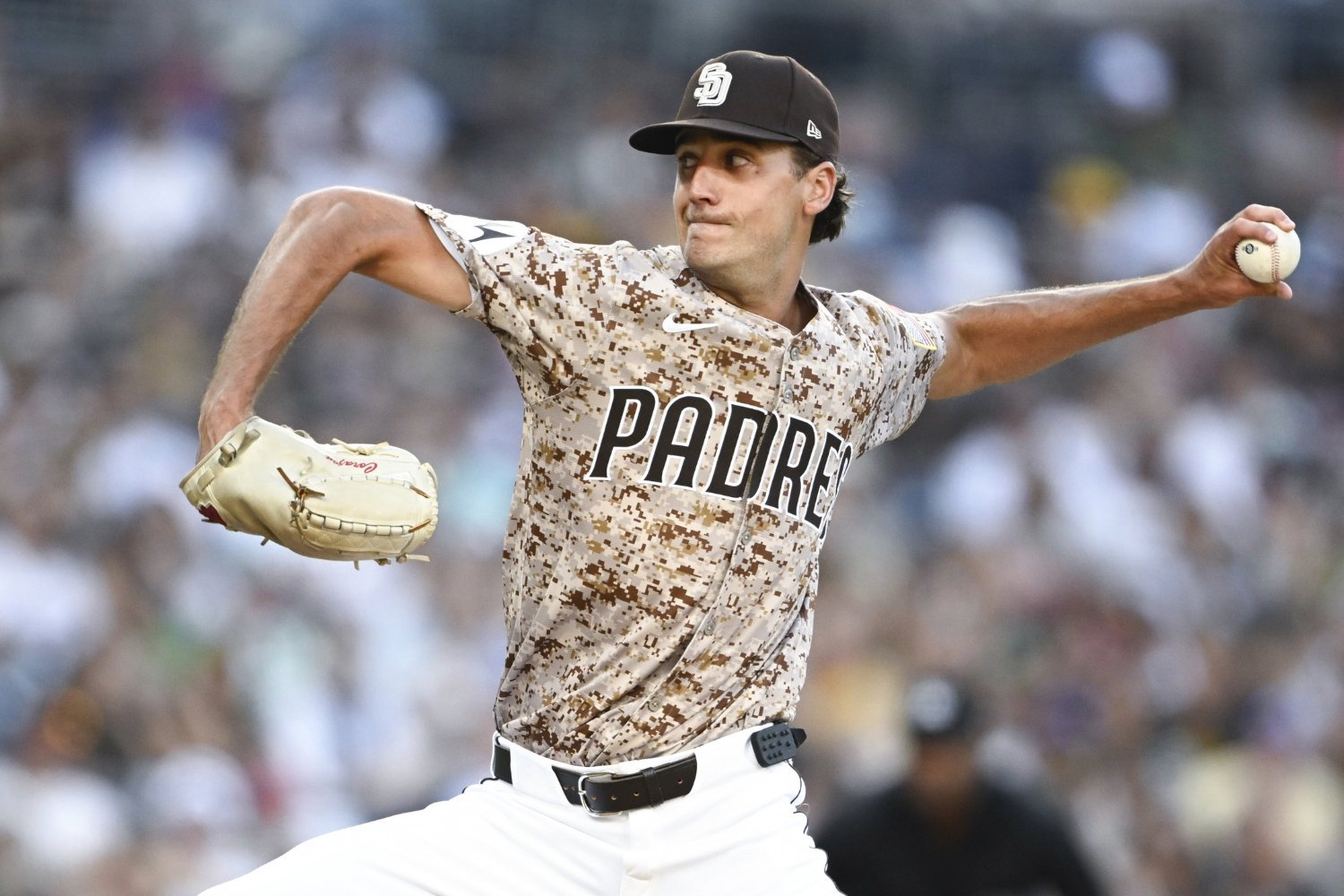 When the San Diego Padres signed Kyle Hart upon his return from the KBO ahead of 2025, it was a move that wasn’t met with a particular degree of fanfare. The former Boston Red Sox draftee had only appeared in 11 big league innings in the years since his 2016 selection, and the results were relatively uninspiring across his minor-league journey. Nevertheless, the team needed depth on the bump and it arrived in the form of Hart. It’s that very scenario that led to him being back in America’s Finest City ahead of 2026. Hart was able to earn a rotation spot out of camp last year. Save for a six-innings-no-runs-allowed performance against Colorado in April, however, he struggled to maintain his grip on such a role. Five of Hart’s six starts came before the end of the season’s first month, and he went on to make just 20 appearances overall. The results therein were not terrific. He finished with a 5.86 ERA and 5.18 FIP in a year that was indicative of negative value (-0.2 fWAR). He struggled to prevent home runs, with a 13.0 percent rate of flyballs that went over the outfield wall, while neither his strikeout or walk numbers – 20.7 and 7.3 percent, respectively – compensated for that effectively. Even amid such struggles, though, Hart earned a second contract in San Diego. He agreed to a one-year deal with a club option for 2027. The Padres knew they’d need depth, and Hart will provide it. How much time he actually logs at the top level, however, remains unclear. Kyle Hart’s Stuff Without much velocity of which to speak, Hart is a sweeper-driven pitcher; he threw it 33 percent of the time last season. The pitch was thrown far more to left-handed hitters (43 percent) than righties (29 percent), though. For the latter handedness, he incorporated a changeup at 20 percent of the time (a pitch he threw just a handful of times against lefties). There’s a sinker in the mix as well, with an even 22 percent being thrown to hitters standing in either box. The sweeper and sinker each have their benefits. The sweeper drew whiffs nearly 29 percent of the time last year, and both pitches pinned down opponents’ slugging to under .300. It’s when he begins to graduate outside of his two primary pitches that things start to become problematic. His change, in particular, was touched for a .625 slugging percentage in 2025. Part of Hart’s struggle is that, regardless of pitch, he works high: There’s decent horizontal movement on his two primary pitches. He gets 14.1 inches of horizontal break to his glove side with the sweeper and 16.7 inches of run to his arm side with the sinker. There’s very little vertical drop to speak of across the board, though, which represents a problem for a pitcher who doesn’t work with much velocity. Only his minimally used splitter garners anything in terms of vertical drop. In terms of run value, Hart does get positive results out of each of the sweeper (5) and sinker (2). There’s enough swing-and-miss with the former and effective groundball tendencies wrought by the latter to allow him to work within a framework that can find some success. The issue is when he starts to move outside of his comfort zone with the change and the rest of the crew. None of his other pitches bear a positive run value, with the changeup sitting at -4 on its own. Kyle Hart’s Arsenal There’s an argument to be made that Hart should shift his focus toward more of a two-pitch situation. The results are evident in the sweeper and sinker being effective pitches for him, somewhat courtesy of a lower arm angle. There’s a location factor that at least mildly explains his success as well. Not that Hart’s command is elite, but he’s at least able to utilize those pitches to seek the results that each pitch should, theoretically, see. Such is not the case with the others in his mix. With the changeup, there is an intriguing movement profile, but the results haven’t been remotely steady enough to consider it a factor quite yet. Such an argument exists in a world where Hart ends up as more of a one-inning reliever than even as a long man, let alone a starter. It’s very difficult to find success in volume with only two effective pitches. Unless we see some evolution in the arsenal, though, that may very well be the role for which he’s best-suited. What Should Kyle Hart’s Role Be In 2026? Even with a Padres rotation that sits as shallow as this group ahead of the upcoming season, it’d be really difficult to justify a rotation spot out of the gate for Kyle Hart. You’d even be hard-pressed to find an argument that he’s destined for the bullpen, considering where the rest of the group stands. The relief corps is where the Padres actually have some depth with which to work. Given that, it would appear that Hart’s best shot at regular work within the organization will, once again, come with El Paso. It would at least give him an opportunity to hone the arsenal and discover some command of the secondaries. If he can do that, then there is a path toward contributions at the top level as a backend starter. In the meantime, however, the floor remains simply too low to justify a spot in either the rotation or the bullpen, regardless of how thin the former looks. View the full article
 -
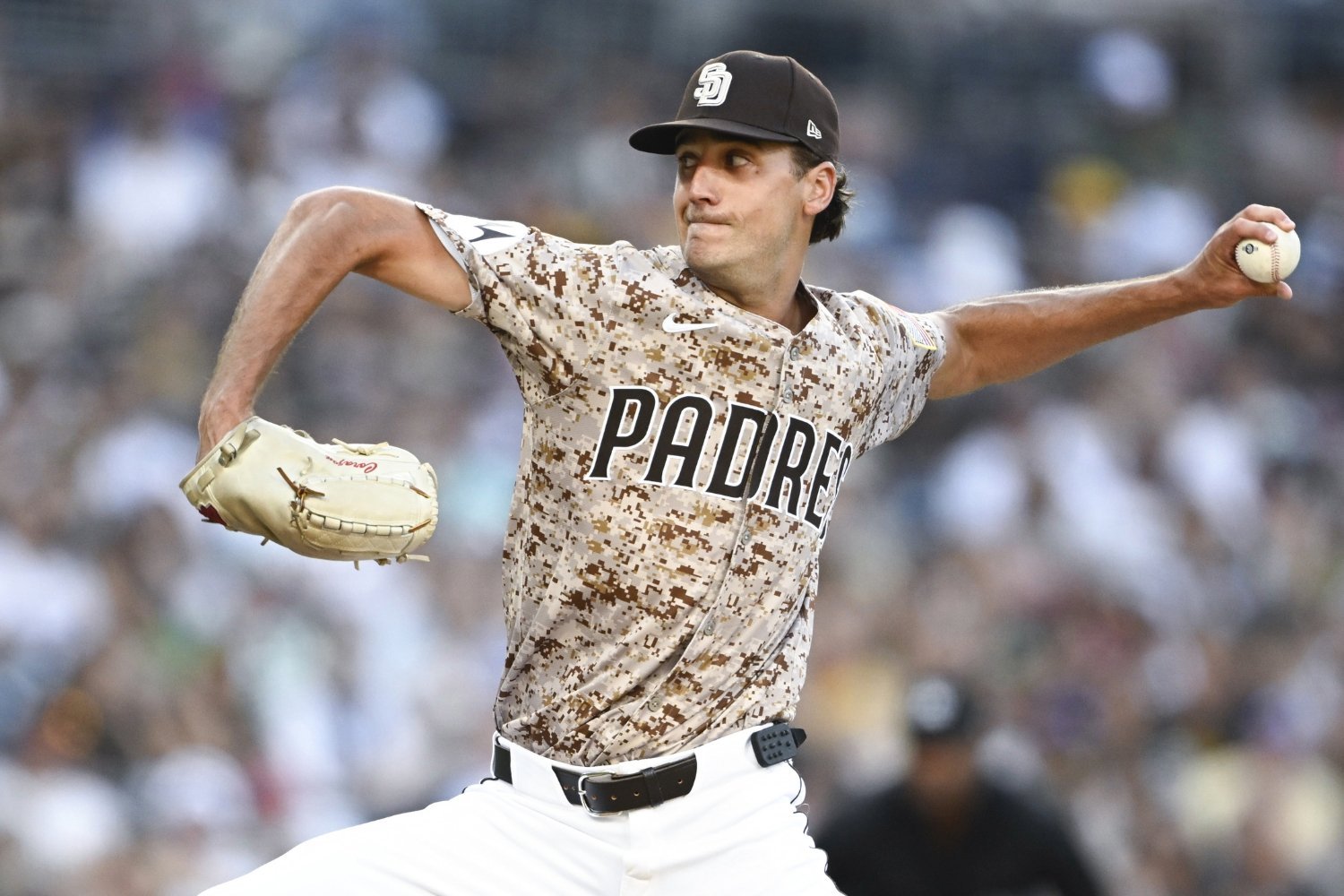 When the San Diego Padres signed Kyle Hart upon his return from the KBO ahead of 2025, it was a move that wasn’t met with a particular degree of fanfare. The former Boston Red Sox draftee had only appeared in 11 big league innings in the years since his 2016 selection, and the results were relatively uninspiring across his minor-league journey. Nevertheless, the team needed depth on the bump and it arrived in the form of Hart. It’s that very scenario that led to him being back in America’s Finest City ahead of 2026. Hart was able to earn a rotation spot out of camp last year. Save for a six-innings-no-runs-allowed performance against Colorado in April, however, he struggled to maintain his grip on such a role. Five of Hart’s six starts came before the end of the season’s first month, and he went on to make just 20 appearances overall. The results therein were not terrific. He finished with a 5.86 ERA and 5.18 FIP in a year that was indicative of negative value (-0.2 fWAR). He struggled to prevent home runs, with a 13.0 percent rate of flyballs that went over the outfield wall, while neither his strikeout or walk numbers – 20.7 and 7.3 percent, respectively – compensated for that effectively. Even amid such struggles, though, Hart earned a second contract in San Diego. He agreed to a one-year deal with a club option for 2027. The Padres knew they’d need depth, and Hart will provide it. How much time he actually logs at the top level, however, remains unclear. Kyle Hart’s Stuff Without much velocity of which to speak, Hart is a sweeper-driven pitcher; he threw it 33 percent of the time last season. The pitch was thrown far more to left-handed hitters (43 percent) than righties (29 percent), though. For the latter handedness, he incorporated a changeup at 20 percent of the time (a pitch he threw just a handful of times against lefties). There’s a sinker in the mix as well, with an even 22 percent being thrown to hitters standing in either box. The sweeper and sinker each have their benefits. The sweeper drew whiffs nearly 29 percent of the time last year, and both pitches pinned down opponents’ slugging to under .300. It’s when he begins to graduate outside of his two primary pitches that things start to become problematic. His change, in particular, was touched for a .625 slugging percentage in 2025. Part of Hart’s struggle is that, regardless of pitch, he works high: There’s decent horizontal movement on his two primary pitches. He gets 14.1 inches of horizontal break to his glove side with the sweeper and 16.7 inches of run to his arm side with the sinker. There’s very little vertical drop to speak of across the board, though, which represents a problem for a pitcher who doesn’t work with much velocity. Only his minimally used splitter garners anything in terms of vertical drop. In terms of run value, Hart does get positive results out of each of the sweeper (5) and sinker (2). There’s enough swing-and-miss with the former and effective groundball tendencies wrought by the latter to allow him to work within a framework that can find some success. The issue is when he starts to move outside of his comfort zone with the change and the rest of the crew. None of his other pitches bear a positive run value, with the changeup sitting at -4 on its own. Kyle Hart’s Arsenal There’s an argument to be made that Hart should shift his focus toward more of a two-pitch situation. The results are evident in the sweeper and sinker being effective pitches for him, somewhat courtesy of a lower arm angle. There’s a location factor that at least mildly explains his success as well. Not that Hart’s command is elite, but he’s at least able to utilize those pitches to seek the results that each pitch should, theoretically, see. Such is not the case with the others in his mix. With the changeup, there is an intriguing movement profile, but the results haven’t been remotely steady enough to consider it a factor quite yet. Such an argument exists in a world where Hart ends up as more of a one-inning reliever than even as a long man, let alone a starter. It’s very difficult to find success in volume with only two effective pitches. Unless we see some evolution in the arsenal, though, that may very well be the role for which he’s best-suited. What Should Kyle Hart’s Role Be In 2026? Even with a Padres rotation that sits as shallow as this group ahead of the upcoming season, it’d be really difficult to justify a rotation spot out of the gate for Kyle Hart. You’d even be hard-pressed to find an argument that he’s destined for the bullpen, considering where the rest of the group stands. The relief corps is where the Padres actually have some depth with which to work. Given that, it would appear that Hart’s best shot at regular work within the organization will, once again, come with El Paso. It would at least give him an opportunity to hone the arsenal and discover some command of the secondaries. If he can do that, then there is a path toward contributions at the top level as a backend starter. In the meantime, however, the floor remains simply too low to justify a spot in either the rotation or the bullpen, regardless of how thin the former looks. View the full article
 -
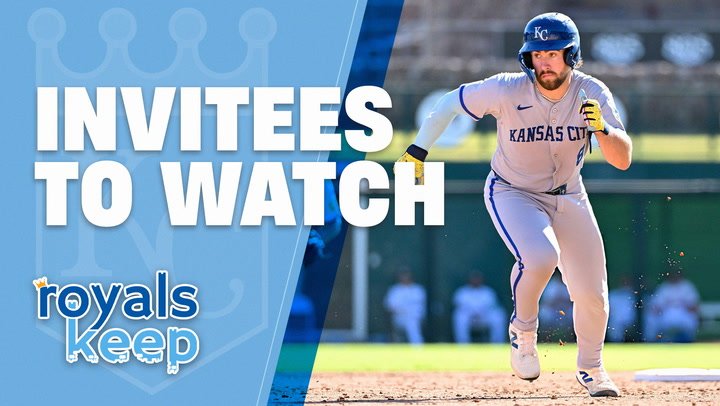 Which Royals non-roster invitees could make break out or return to a previous form? In this video, we discuss the upside and contributions of Blake Mitchell, former Royal Jose Cuas, Brandon Drury (who hit over 20 home runs in the big leagues just a couple of years ago), and Eli Morgan. If you enjoy breakdowns like this, make sure to subscribe to Royals Keep on YouTube! View the full article
 -
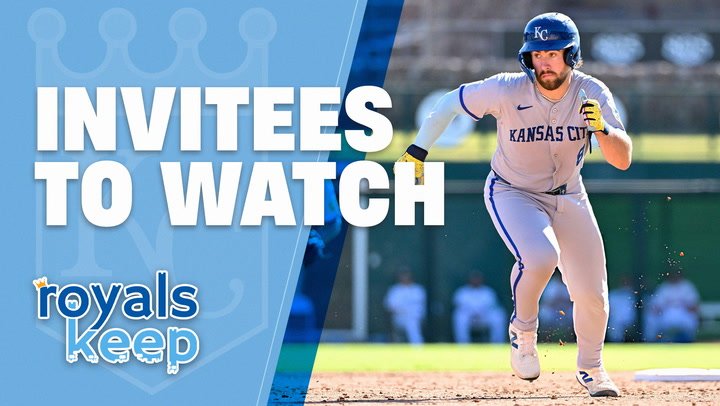 Which Royals non-roster invitees could make break out or return to a previous form? In this video, we discuss the upside and contributions of Blake Mitchell, former Royal Jose Cuas, Brandon Drury (who hit over 20 home runs in the big leagues just a couple of years ago), and Eli Morgan. If you enjoy breakdowns like this, make sure to subscribe to Royals Keep on YouTube! View the full article
 -
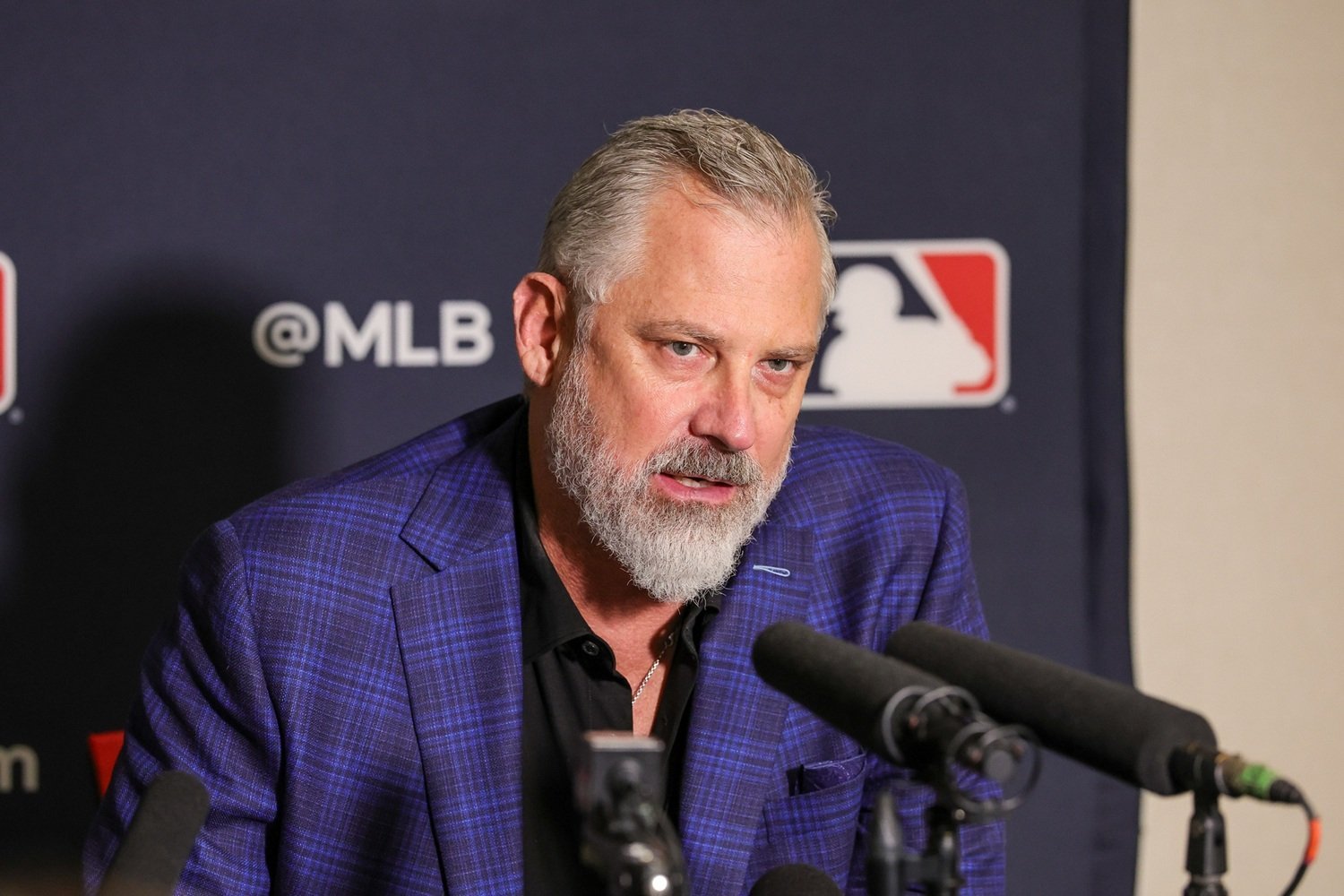 FORT MYERS—There’s a festivity to the day that pitchers and catchers report. It’s not just empty romanticism. The vast majority of the people who have dedicated their lives’ labor to baseball—players, coaches, staff, and yes, even beat writers—love the game, and its return lifts spirits. But it’s also an opportunity to set a tone. The tone new Twins manager Derek Shelton wanted to set was one of intentionality—specifically, intentionally doing the little things, because he’s seen them matter in the biggest moments. He demonstrated that to his players. “Shelton mainly focused on two plays that happened in the playoffs this past year: [pitching defensive plays] that didn’t get done,” pitcher Bailey Ober said when asked about Shelton’s message to the pitchers. “Basically said this can decide games. Here's two examples, on the highest stakes. We’re going to treat Day One and the days going forward like that’s what’s on the line when we’re out there getting outs and fielding our position.” If that sounds old-school, well, that was certainly part of the inspiration. “I had a very strong conversation with a guy whose number is retired at my press conference," said Shelton when asked why he chose to emphasize it on the first day. "It really impacted me. I’m talking about TK [former Twins manager Tom Kelly]. Making sure it was highlighted from the first meeting, the first conversation, the first practice—yeah, I think that kind of took me over the edge. Honestly, I’d be crazy not to take advice that was passionate and heartfelt from someone who loves the Twins, so I kind of took it to heart.” Shelton doesn’t come across as a fire-and-brimstone type. He’s more friendly uncle than drill sergeant. But he also has enough experience to know that over these next few weeks, he has a chance that may not come again: to establish a culture that can lead to success. “I think overall the way we want our culture to be set up—the intentionality—which goes back to the point of how we go about our work,” Shelton said. It’s clear he, at least, is being intentional about this opportunity and his work. New Bullpen Pieces All season long—really, since last season's trade deadline—fans have wondered what the Twins would do to supplement their bullpen. Over the last two days, the Twins have added two experienced veterans to their bullpen picture. On Wednesday, they signed Liam Hendriks, a former All-Star closer coming back from elbow issues, to a minor-league contract. He should arrive in a couple of days, and the Twins say he’s healthy and ready to go. “Everything’s been positive,” Shelton said. “He’s healthy, and he’s in a situation where he’s coming into camp to compete.” Hendriks is also part of Australia’s World Baseball Classic team. They also made a trade Thursday for veteran left-handed reliever Anthony Banda. He likely slots in as the second left-hander in the Twins bullpen, behind Taylor Rogers but ahead of Kody Funderburk. To make room for Banda, the Twins designated Jackson Kowar for assignment. Kowar spoke Thursday morning about how much he liked the situation in camp, especially because his spring-training locker sat next to Ober’s, a friend dating back to high school. Now, the Twins hope he’ll clear waivers and remain in the organization, giving them a chance to see whether a second year removed from Tommy John surgery helps him rediscover the feel for his changeup. Mick Abel’s Control Pitcher Mick Abel, whom the Twins acquired at last year’s trade deadline as part of the Jhoan Duran deal, reestablished himself as a prospect by tackling his biggest issue: command. In 2024, his walk rate was an ugly 5.2 BB/9. Last year, he cut that to 3.7—still a bit high, but playable with his electric stuff. As a result, his ERA dropped from 4.13 to 2.20 over the same span. So what adjustments did he make? Abel insists it was more about the adjustments he didn’t make. “I think a lot of it was confidence-based,” he said. “They just kind of let me loose, and they’re like, ‘Hey, do whatever you need to do. We’re not going to do anything mechanical. We’re not going to do anything with pitches.’ And being able to go through a full offseason of work and not having to think about where my arm is at in my arm motion—I’m like, ‘All right, screw that.’ That’s very gracious. Let me do that, and it’s how it should be.” His plan this year is similar. If he can consistently pitch like he did late last season, including a final start in which he threw six scoreless innings and struck out nine against those same Phillies. there’s at least one rotation spot in camp that is legitimately up for grabs. If You're Here.... If you're lucky and/or smart enough to be attending spring training, one of the Twins' better events is coming up on Monday. On President's Day every year, the Twins open up Hammond Stadium for fans the same day that the hitters show up for spring training. There is a health fair (i.e a chance to get a lot of swag), but it's also a chance to watch the team up close. Kids can play in the outfield in the afternoon. This year, the healthcare fair has a new offering: free EKGs for kids, because Florida now requires them for kids playing athletics. Of course, if you have read Twins Daily's Ultimate Spring Traiing Guide, you already know all about this, as well as the best time to visit, how to interact with the players, and the best breweries in town. Hope to see you here soon. View the full article
 -
 After an offseason of much-criticized inactivity, the Twins have spent the last couple weeks making a few more moves. A common thread in the transactions? They all used to play here. Taylor Rogers, Gio Urshela, and Liam Hendriks have all signed deals with the Twins recently. And it appears that might continue. “Basically, we have Minnesota’s Baseball Reference page pulled up, and we’re going season by season to check in on everyone who doesn’t have a current team,” said a front office source with knowledge of the team’s internet history. “We just got to 2018. You wouldn’t happen to have a forwarding address for Robbie Grossman, would you?” Sources say the team hopes to both fill roster gaps and curate some good feelings with an alienated fan base. “There’s someone out there who caught a Darin Mastroianni foul ball, and it was the best moment of his young life,” said a source in the season ticket office. “Now he’s older, he has disposable income, and maybe wants to go out to the yard to see if Darin still has a little gas left in the ol’ tank.” Mastroianni, 40, last played in the majors in 2016. Twins Daily was unable to confirm his current career, but Fangraphs projects him to be either in real estate, coaching, or liquor distribution. While adding position players is nice, the focus for both the team and the fanbase remains the bullpen. “Take a look at the 2013 bullpen,” said the latter source. “Caleb Thielbar is still playing. Ryan Pressly just hung it up. Michael Tonkin pitched for us last year! Glen Perkins works here, I bet he’s got all those guys’ numbers. Heck, I bet ol’ Glen could throw that fastball by a bunch of those young pups.” A spokesperson for Perkins says everything is sore all the time and that Stu should leave him out of his fun comedy bits. View the full article
 -
Minnesota Twins 2026 Spring Training Preview: Much to Sort Through
DiamondCentric posted an article in Twins Daily
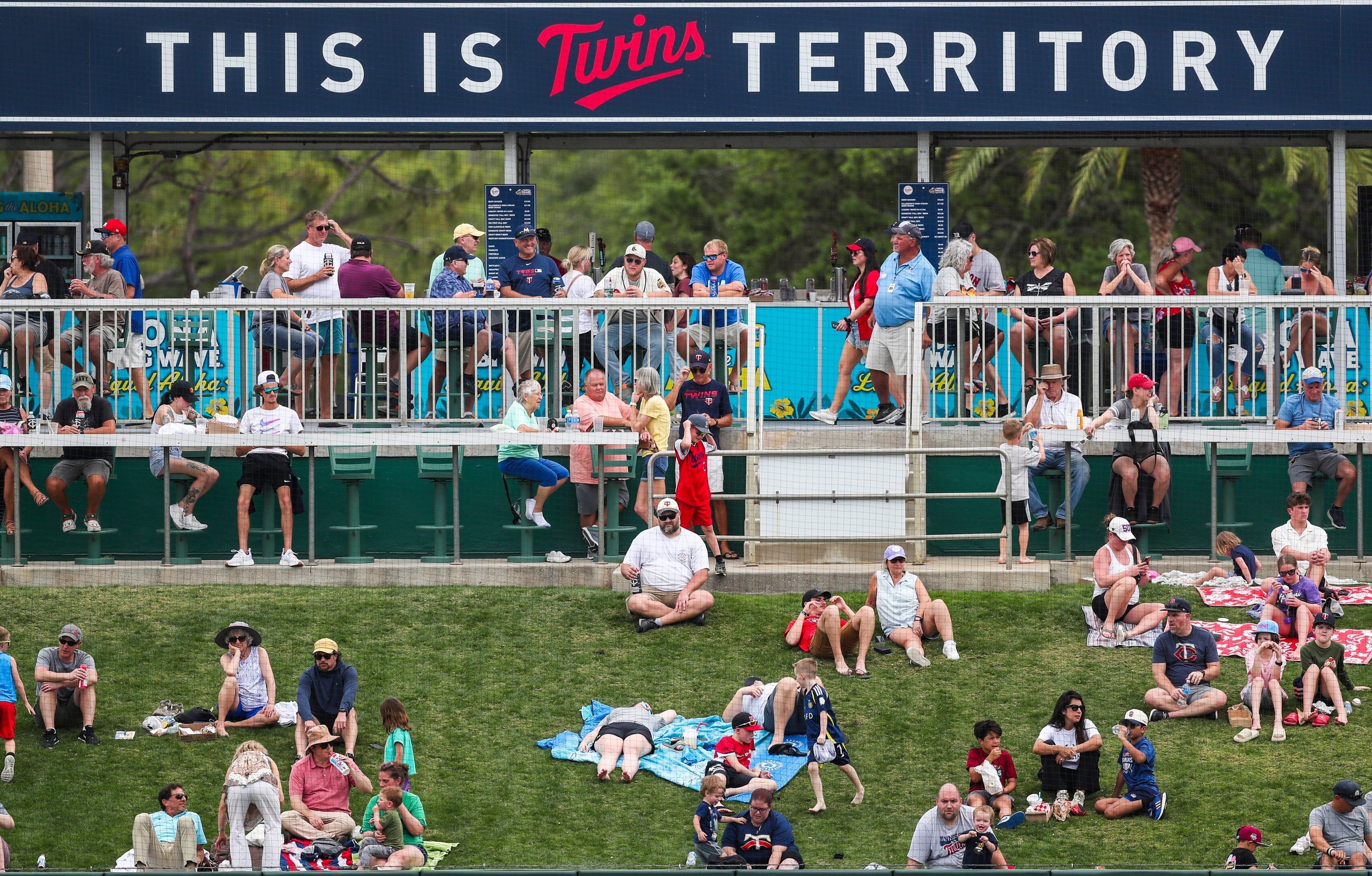 Minnesota Twins pitchers and catchers reported to camp on Thursday, so spring training is officially on. Position players will trickle in over the weekend leading up to the first full-squad workout next Monday. Exhibition action kicks off with a contest against the Gophers on Friday, February 20th, followed by the first Grapefruit League game against Boston the following day. Coming off a 92-loss season, and a chaotic winter that saw more change off the field than on, expectations are fairly low but uncertainty is running high. The Twins have much to figure out and many questions to answer in the six weeks leading up to Opening Day in Baltimore on March 26th. Key Position Battles Backup SS: Brooks Lee has not proven himself in terms of ability or durability, making this a critical piece of depth. The main contenders are Ryan Kreidler, Tristan Gray and Orlando Arcia, with the latter needing to earn a spot on the 40-man roster. 4th and 5th SP: The three proven veterans — Joe Ryan, Pablo Lopez, Bailey Ober — are locked into the top spots, leaving the bottom of the rotation open for competition. Presumably Simeon Woods Richardson and Taj Bradley are currently stopping the chart, since they've got significantly more experience than the rest of the pack, but guys like Zebby Matthews, David Festa and Mick Abel could shake things up with strong, healthy showings. 4th OF: As things currently stand, Trevor Larnach and Matt Wallner appear to be the starting corner outfielders, at least against right-handers. Byron Buxton will of course be in center. The Twins need a player who can back up all three outfield spots, and might have room for only one between Austin Martin, Alan Roden and James Outman. 6th, 7th, 8th RP: The following bullpen spots are more or less claimed, pending health: Cole Sands, Taylor Rogers, Justin Topa, Eric Orze, Anthony Blanda. These are all relatively proven MLB relievers. That leaves three spots up for grabs among a group that includes incumbents Kody Funderburk and Travis Adams, along with numerous NRIs and starters with conversion potential. It's going to be a free-for-all, but situational usage in spring games should give strong indication of who the team favors. Health Situations to Monitor Bailey Ober: His mechanics were a mess last year, which Ober admits was due in part to nagging injury issues. He spent the offseason trying to get right, but his velocity and overall quality of stuff in camp will tell the story. David Festa: His 2025 season ended with a scary diagnosis of thoracic outlet syndrome, but Festa avoided surgery and supposedly went through a fairly normal offseason. He's a really important part of their pitching plans, whether as starter or reliever, so hopefully the righty is able to quickly put last year's shoulder problems behind him. Cory Lewis: He's in camp as a non-roster invite and looking to put himself on the MLB relief radar, but Lewis and his intriguing knuckleball will be slowed out of the gate by a "moderate subscap" (shoulder) issue, keeping him down for at least the first two weeks. Matt Canterino: Recovering from shoulder surgery, Canterino is not expected to pitch this spring, but he's still in camp, soaking everything in. It's been a hell of a road for the right-hander, now 28 with just 85 professional innings thrown, but he's worth dreaming on because the raw stuff is amazing. Royce Lewis: No specific injury concerns, but it seems silly not to list Lewis as a health situation to monitor. Last year he suffered a hamstring injury in spring training that cost him the first month, adding to a string of misfortune that finally seemed to let up in the second half last year. How will Lewis look physically coming off an offseason spent building on his healthy finish? Top Twins Storylines to Follow in Camp Building a bullpen from scratch Sorting out the bullpen makeup and hierarchy feels like easily the most pressing challenge ahead of Derek Shelton and Co. this spring. They've got a lot of high-leverage gaps to fill and a lot of unknowns vying for opportunities. Exhibition games in March aren't always the best basis for informing important roster decisions, but that's the task at hand. Keep a close eye on who's getting put into games and when. WBC departures create veteran leadership void The Twins opted to build around their trio of veteran All-Star talents rather than trading one or more and committing to a full-on rebuild. They see value in staying relatively competitive, as well as keeping these respected voices in the clubhouse to guide a bunch of developing players. But for much of this spring camp, all three of Ryan, Lopez and Buxton will be away, representing their countries in the World Baseball Classic. That could create some tricky dynamics as Shelton looks to establish a new clubhouse culture, but the flip side is that there will be more innings and at-bats available for other auditioning players. "The one good thing about that this spring is because of the WBC, and we’re losing three starters to the WBC, we’re going to be able to evaluate guys in more meaningful innings. And what I mean by that is, the challenge with evaluating pitchers, especially starting pitchers, in the spring is who they face. Because all of a sudden they end up piggybacking or pitching innings 4-6 and then they get guys that may be in Double-A or Triple-A because Major League players have rotated out. This spring we’re going to have the ability to evaluate because three of our top guys are pitching for their country." - Derek Shelton to media including Twins Daily on Thursday Eyes on the shortstop position There's a reason I listed backup shortstop atop the list of key position battles above. The Twins have much to figure out at this all-important spot in the post-Carlos Correa era. FanGraphs has Minnesota ranked dead last in projected WAR at SS. We've got to see something from Lee this spring, or at the very least he needs to stay healthy and keep the back problems at bay. The notion of Tristan Gray or Ryan Kreidler as Opening Day starting shortstop is scarily plausible. Will Kaelen Culpepper make a statement and accelerate his timeline? Prospects showcase what they've got On that note, the biggest reason to feel optimistic and hopeful about the Twins — even if not in the short term — is the wave of talented, highly-regarded prospects who are on the doorstep of the major leagues. Many of them will be seeing plentiful action in Twins camp, including Culpepper, Walker Jenkins, Emmanuel Rodriguez, Connor Prielipp and Gabriel Gonzalez. Up-and-comers like these offer the most compelling reason to tune into some of Minnesota's 25 spring games available to stream. It's been a long, tumultuous offseason and I find myself feeling as low on the outlook of the Minnesota Twins as I have entering any spring in a long time. Still, I'm very happy baseball is back and there will no shortage of things drawing my interest over the next month and a half leading up to Opening Day. What's catching your attention as 2026 spring training gets rolling? View the full article
 -
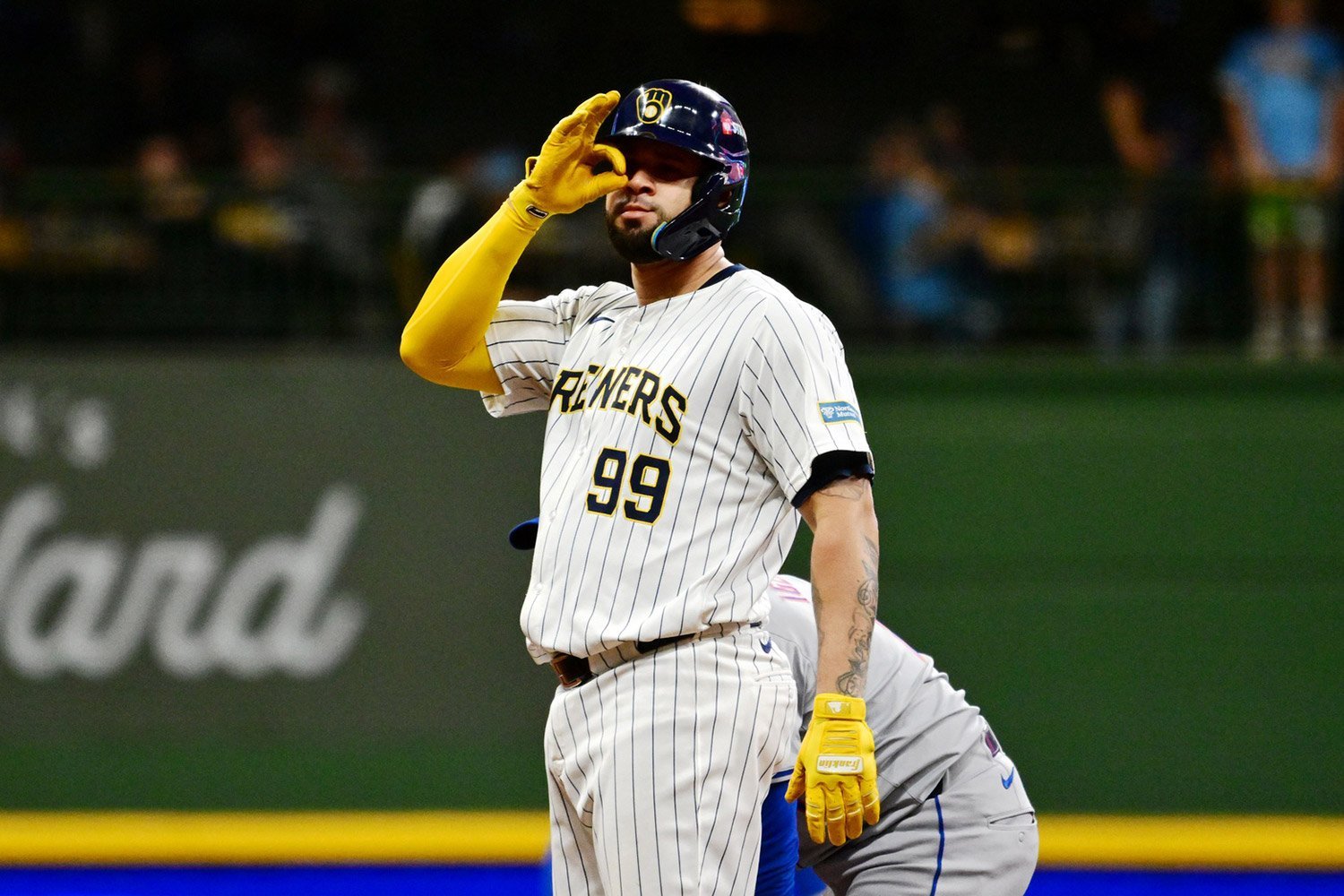 There was a time when Gary Sanchez was only valuable because of his ability to hit home runs. When you hit at least 30 homers twice for the New York Yankees, your hype train will be out of control. But Sanchez, who returned to the Milwaukee Brewers as a backup catcher on a one-year, $1.75 million contract, wasn't very good with the glove. In his last two seasons with the Yankees, he had a run value of -5 in the 60-game 2020 season and -11 in 2021, per Statcast. The Fielding Bible had Sanchez with a -4 defensive runs saved in 2020, which ranked 94th among 101 catchers, and -10 in 2021, which was 114th out of 116. He turned a corner when he went to the Minnesota Twins in 2022, where he had a +2 run value and a zero DRS. Splitting 2023 with the New York Mets, who cut him at the end of May, and the San Diego Padres, he had a +4 run value and +7 DRS. So maybe it was a Yankees problem? In only 28 games at catcher with the Brewers in 2024, Sanchez was at zero run value and -1 DRS. But it was noticeable how Sanchez was no longer a liability behind the plate. His framing numbers were horrible with the Yankees, registering a -5 each of his last three seasons there (2019-2021), then were at zero, +3, and zero from 2022-24. For some reason, Sanchez regressed in 2025 with the Baltimore Orioles. He had a -5 run value, -8 DRS, and -3 framing. Sanchez was limited to 29 games with the Orioles in 2025 due to a sprained right knee and inflammation in his right wrist after signing for $8.5 million. Sanchez made $3 million with the Crew in 2024. But now the 33-year-old is back for a second tour of duty with the Brewers, who have a reputation for fixing and developing catchers. So that is perhaps what drew him to return, getting back to what made him an OK defender. As the backup to William Contreras, Sanchez won't be needed that much behind the plate. The Crew's two backups in 2025, Eric Haase and Danny Jansen, had a combined 34 starts behind the plate. Sanchez had a .231/.297/.418 slash line with the Orioles in 2025 in 101 plate appearances, with five homers and 24 RBIs. That came after a .220/.307/.392 showing with the Crew in 2024. What the Brewers do need from Sanchez, a right-handed hitter, is his ability to hit the long ball. In 2024, he hit 11 homers in 280 plate appearances over 89 games. He had 27 starts at catcher, 40 starts as the designated hitter, and one at first base. As a pinch-hitter with the Crew, Sanchez had a .294/.368/.471 slash line (5-for-17) with one homer and three RBIs. Never known for his batting average, Sanchez had similar splits against right-handed pitchers as he did against left-handers. Against righties, he has a career mark of .228/.309/.459, while posting a .214/.309/.468 line when facing lefties. He has homered in 5.5% of his plate appearances vs. righties and 6.1% vs. lefties. How much time Sanchez gets at designated hitter will depend on how much regular DH Christian Yelich plays in left field, which, at the moment, doesn't appear very often (19 games in 2024). Injuries can change that scenario, however. So Sanchez will get about two dozen or so games starting in place of Contreras, who will DH on most days he isn't catching. That will leave Sanchez to be a pinch-hitter, although manager Pat Murphy will need to be careful as to when to deploy him in case of an injury to Contreras. Sanchez would be the best power option off a bench that is likely looking like first baseman-left fielder Jake Bauers, outfielder Brandon Lockridge, and one of either Garrett Mitchell or Blake Perkins, whoever isn't starting in center. Following the trade of Andruw Monasterio in the Caleb Durbin deal with the Boston Red Sox, there is one open bench spot for an infielder. View the full article
 -
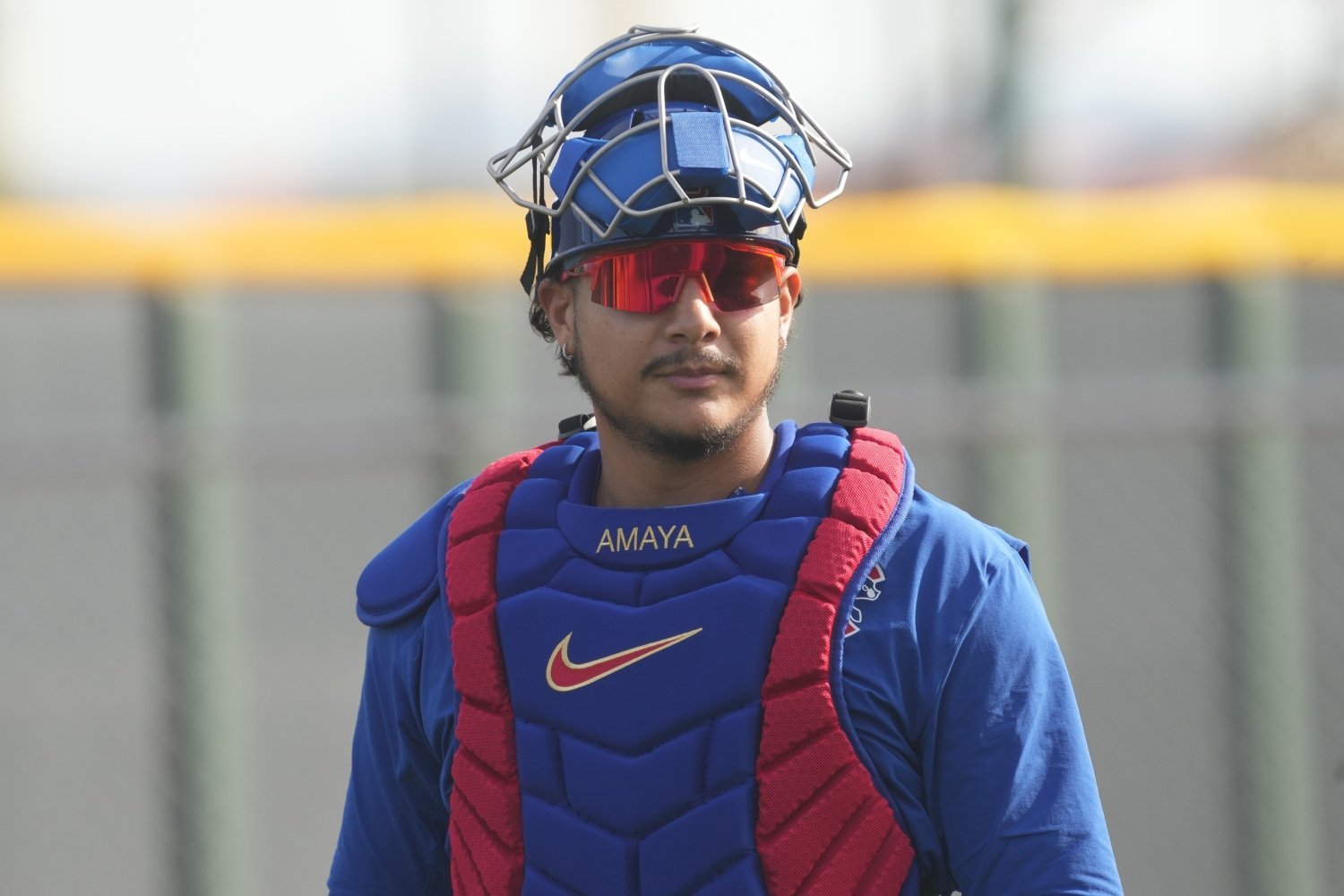 Through no fault of his own, Miguel Amaya was one of the Cubs' most disappointing stories of 2025. In theory, he showed some very encouraging things. In reality, it's hard to deliver much of anything across 28 games and 103 plate appearances. Injuries derailed his campaign. Amaya hit the injured list with an oblique strain in late May. He took a long time to get back to the active roster and, upon his return, was shut down for the year when he viciously sprained his ankle in mid-August. Such disappointment stems not only from a lost year, but the expectations that were set forth as a result of the second half of the 2024 campaign. Two years ago, Amaya got off to a brutal start. His first-half wRC+ was 59, while he hit just .211 and reached base at a paltry .266 clip. Somewhat famously, Amaya revamped his approach and his mechanics almost entirely. That yielded immediate results: a 112 wRC+, a .271 average, and a .316 OBP after the All-Star break. His slug came along with everything else; his slugging average leapt from .288 in that first half to .444 in the second. There was a great deal more elevated contact, and the overall quality of the contact improved. Given the small sample, though, the question persisted about whether the improvements Amaya demonstrated were sustainable. It turns out, they were, or at least might have been. Amaya's first 100 plate appearances bore a .280/.313/.505 line and a 125 wRC+. The catcher who was once considered an heir apparent to Willson Contreras behind the plate at Wrigley finally looked ready to do so, though he benefited from being in a true timeshare with Carson Kelly even while he was in the lineup. Amaya and Kelly are set to resume their duties as the team's catching tandem. The latter, however, was able to take advantage of Amaya's absence. Kelly (115 wRC+) turned in his first above-average offensive season since 2021, posting the highest average of his career (.249) and his best OBP (.333) and slugging (.428) since that 2021 campaign. Such an output from a position where offense is a secondary concern could impact the timeshare early in 2026. The assumption is that the total body of work will earn Kelly an early edge in playing time, despite the fact that he didn't sustain the numbers posted in a torrid April. It's a sentiment shared by FanGraphs & Baseball Prospectus, as each have Kelly at 55 percent of the playing time behind the plate and Amaya for 40 percent. FanGraphs threw each another 4 percent of the reps as the designated hitter, while BP offered percent for Kelly and none for Amaya in that role. Either way, the bigger piece of the work goes to Kelly. That feels somewhat logical. Kelly's coming off a fine season, even if the splits reveal that it was, perhaps, a career year. Amaya is off a pair of long-term injuries. For a couple of reasons, though, that might not turn out to be the case. Kelly is a free agent at season's end. Amaya is not under team control until 2030. Unless you believe in Moisés Ballesteros behind the plate, the Cubs don't have a long-term plan at the spot beyond Amaya. Craig Counsell and his staff would love to see Amaya win more playing time than third parties project in 2026. The offensive difference between the two players seems marginal. If the second half of 2024 and early 2025 are to be believed, Amaya may offer more consistency in the quality of contact. Kelly, meanwhile, has a more patient approach at the plate that begets a more consistent on-base presence. Both bring something to the context of the Cubs' lineup. The opportunity for Amaya to gain some traction in establishing himself as a viable option down the line likely lies in the glove work. The first thing we tend to look at with catchers is their ability to frame. Immediately, there's an advantage there, in Amaya's direction: Amaya grades as a better overall framer than Kelly over the last three seasons. Obviously, the rate of called strikes goes down the farther a pitch gets from the zone. But there's also an interesting quality to Amaya's game that Kelly lacks: Kelly can grab a strike that is, technically, already a strike more effectively than Amaya can. Amaya, however, is more adept at grabbing a few extra strikes that fail to hit the zone. That's the essence of framing, in a broad sense. The new ABS system could have a bearing on this, but the understanding has been that ABS will help to make good framers better and bad framers worse. The Cubs have a pair of average framers, but if we're to believe in that sentiment on a spectrum, it could play to Amaya's advantage. It's an advantage that Amaya carries into blocking, where his Blocks Above Average over the last three years totals 11 to Kelly's seven. Where Amaya does start to cede some ground, however, is in controlling the run game. Kelly not only boasts faster pop times, but features a Caught Stealing Above Average of 13 in that span, to Amaya's -4. Ultimately, though, this leads to a trend similar to the offensive side, where each does something well that compensates for the other's shortcomings. Each half of the Cubs' duo behind the plate complements the other. That just doesn't answer the question of how Amaya emerges as a long-term starter out of his time working with Kelly. The easy answer is that he might not have to. Kelly's an impending free agent. There may be an organic changing-of-the-guard at the end of 2026 that leads to Amaya's graduation into the bulk of the playing time, just by staying the course. In a logistical sense, that concept of "staying the course" might be the ticket for Amaya to start to shift the playing time distribution early. It's easy to forget about Kelly's struggles for the better part of last year's second half. It's easier still to forget what Amaya turned in on the stat sheet prior to his oblique injury. Factor in the areas where Amaya has the defensive advantages, and it isn't difficult to imagine a world where his own skill set does the work. Last year's volume for Kelly may play to his advantage early (as evidenced by the projections liking him for more playing time in 2026), but there's very much a path for Amaya to do the things he does well in a small sample early on, forcing his way into a more even distribution as it wears on. View the full article
 -
 The Minnesota Twins have eight players with at least 10 big-league starts under their belts (or at least piggyback bulk outings): Pablo López, Joe Ryan, Bailey Ober, Simeon Woods Richardson, Taj Bradley, Zebby Matthews, David Festa, and Mick Abel. There has been much handwringing this offseason about how that lot will be sifted and sorted. The team hasn't shown any openness to rolling with a six-man rotation on Opening Day, even when that meant leaving a good pitcher on the outside looking in, as was the case with Ober in 2023. In fact, they’ve been more likely to open the year with a four-man rotation, given the number of off days MLB schedules at the beginning of the year. In 2019, for instance, they used Martín Pérez out of the bullpen for the first couple of weeks. By contrast, in the bullpen, the Twins lack options. As opposed to the starting rotation, which has eight names for five spots, the bullpen is closer to having five spots for eight names. There are Anthony Banda, Cole Sands, Taylor Rogers, Justin Topa, Kody Funderburk, and Eric Orze, who seem earmarked for the pen, and Travis Adams threw a few dozen innings for the Twins last season. Veteran non-roster invitees to spring training—like Dan Altavilla, Liam Hendriks, or Julian Merryweather—could factor in as well. But it’s all still very up in the air. Those other two spots (or three, depending on your opinion on Orze) could also be taken by starting pitching prospects like Connor Prielipp, John Klein, or Marco Raya—or, maybe, some of that work can be taken by whoever of the top eight starters doesn’t make the rotation. There has been talk of starters being moved to short relief. Festa is probably the name most bandied about on this topic. But what if we aren’t talking about short relief? The Twins have, in the past, attempted to carry a designated long reliever. It’s almost become a hackneyed cliché to bring up how poorly that plan worked in 2021 with Randy Dobnak or how Cole Sands spent half the year in the majors in 2023 while only throwing 21 innings. But in 2025, they rolled out a new scheme. The long relievers were on a schedule, similar to the starting pitchers. They did this in the minor leagues with a handful of pitchers, such as Adams, Pierson Ohl, Cory Lewis, Trent Baker, and Darren McCaughan. Instead of starting every fifth or sixth day, these pitchers would pitch in relief every fourth day, on three days' rest, throwing about 60 pitches (if it was going well). It may well have been an experiment, or simply a way to keep arms on the farm stretched out when the minor-league teams had an abundance of starting pitchers on the roster. It should be noted that the premium pitchers were not asked to fill this bulk, piggyback role. Matthews, Festa, Abel, Bradley, and Kendry Rojas started in every one of their appearances at St. Paul, and Andrew Morris only relieved twice. But it was a strategy that the Twins seemed pleased with. After the trade deadline selloff, they introduced the pitching plan to the major leagues. Adams and Ohl both pitched piggyback bulk days, as did veteran Thomas Hatch, and Abel piggybacked twice. This wasn’t a long-term setup, as Adams and Ohl eventually settled into short-relief roles, but it may have been a proof of concept for the team. So, what if the solution to having too many starters and not enough relievers is solved with the same move? Instead of sending a starting pitcher to the minors to lie in wait, what if the Twins designated one of their younger arms as a scheduled bulk reliever? There are some real benefits to this. First, as stated, the Twins would be able to keep their best pitchers out of the minors. If everyone is healthy, they can only keep two of Woods Richardson, Bradley, Matthews, Festa, and Abel in the rotation. Even if someone like Festa were converted to short relief, that would still require two of those other names to be stashed in St. Paul—wasting bullets, as the kids say. And there are already plenty of starting arms in Triple-A, including Prielipp, Klein, Raya, Morris, Lewis, and Kendry Rojas. Second, it fills one of the eight bullpen spots—and with someone who will rack up innings. A designated piggyback pitcher throwing two to four innings every four days likely leads the bullpen in innings and would be one of the better performers on a rate basis as well. With a six-man rotation, the bullpen has to cover the same number of innings with fewer pitchers, but with a designated piggyback reliever, the other seven relievers are likely throwing fewer innings than they would otherwise. Third, it keeps the next line of defense stretched out. The sixth starter, if pushed into regular bulk relief, is always ready to step into the rotation should any injury occur. If they were instead throwing short relief, it may take time for them to prepare to throw five innings in a start—which is part of the reason the sixth arm often starts in Triple-A. If they are throwing 60 pitches every four days, though, they’re ready to step in immediately. Fourth, it also probably keeps the rotation a little fresher. The scheduled bulk reliever’s presence allows the regular starters to go a little shorter when they’re being piggybacked, reducing wear and tear. This is all well and good, and could be a perfectly viable way to keep someone like Matthews or Abel in the majors if they don’t make the rotation, but it’s not a sure bet to work. There are some practical issues—the biggest being in-game decision-making. If Ryan is rolling through five frames on a low pitch count, but it’s his scheduled bulk day, should manager Derek Shelton pull him to hand it off to Abel? If it’s a one-run game, should López be removed and the game be turned over to Matthews in the sixth? How long should he throw? Would it be better to turn the seventh inning over to a setup man, or would Woods Richardson pitch the fifth, sixth, and seventh innings, since that’s what the schedule said? It’d take some real commitment to the philosophy to see this play out in practice. A minor-league team or a team out of contention can more easily commit to such a plan, because its wins and losses are less meaningful. But what about a team that (at least by the claims of their owner) expects to be competitive? For decades, analysts have asked what the future of pitching structure is. In 2009, Dave Fleming suggested a three-three-three rotation in which three pitchers each pitch once through the lineup in each game, for a total of three innings each. (Tony La Russa even tried to implement a version of this in 1993, when he was managing the A's.) Bullpen games and openers are not as popular as they once were, but they have still altered the way we think about divvying up innings. The Rockies briefly tried to carry us back to the days of the four-man rotation (but with hard limits on pitch counts at around 75), in 2012. As we move ever closer to whatever the next age of pitchers is, the Twins seem primed to take one of the first steps toward truly shaking up the four-day rest paradigm, whether it works or not. Could we see them implement it this season, and become the next trailblazers? View the full article
 -
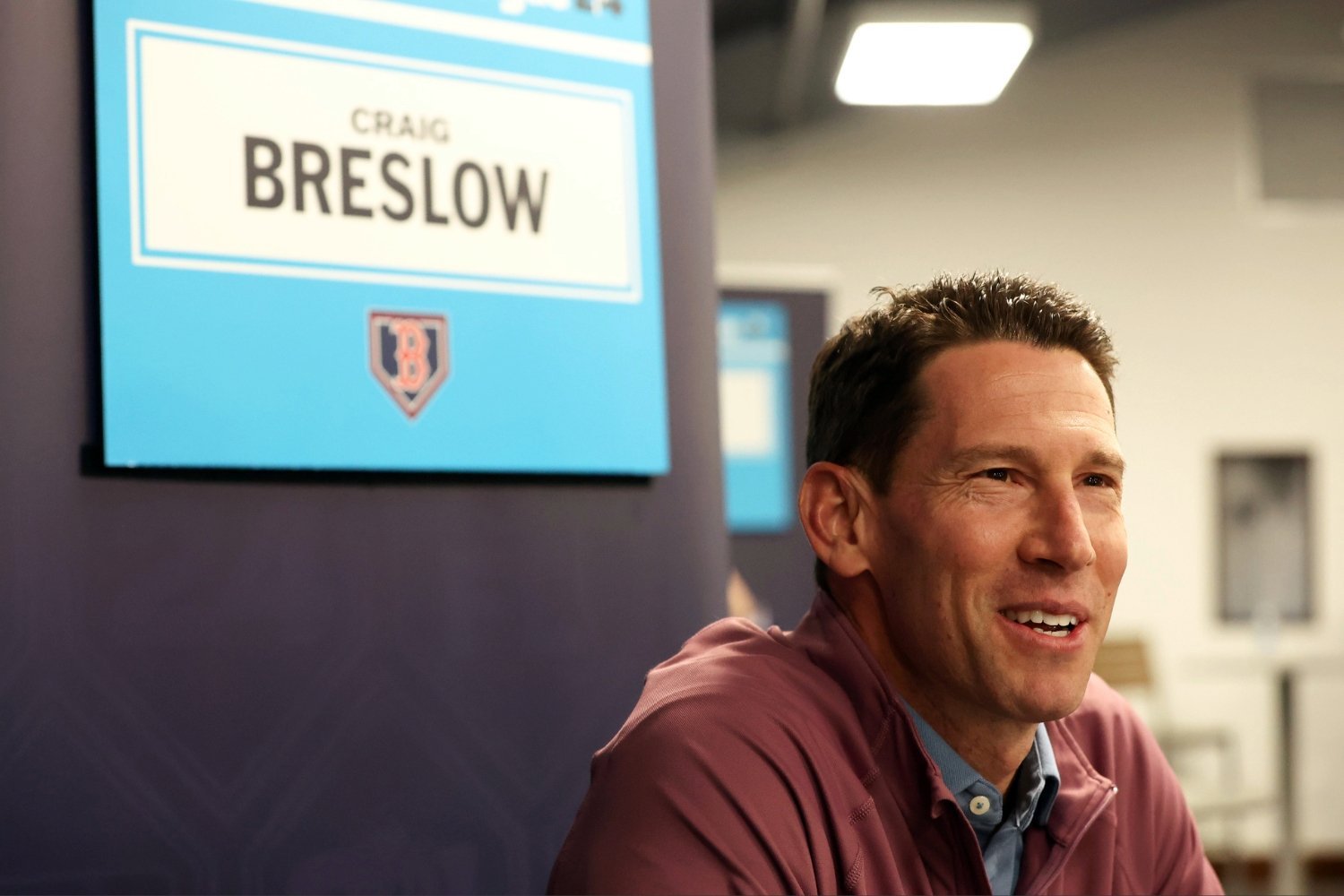 The Boston Red Sox offseason has been one of the more contentious among fans in recent memory. Promises of acquiring Pete Alonso and of retaining Alex Bregman went south as soon as the Winter Meetings began. Despite these letdowns, the Red Sox made substantial upgrades to their pitching staff, adding Sonny Gray, Johan Oviedo, and Ranger Suarez while also getting some much needed lineup support in the form of Willson Contreras and Caleb Durbin. Much of the frustration stems from the gap between expectations and reality. Boston failed to add a legitimate 30-plus home run bat, and for a team that finished 22nd in MLB in strikeouts last season, the offense saw little meaningful improvement. There is an argument to be made that swapping out Bregman for Contreras and Durbin is, at best, a lateral move. However, despite the narrative of being a "cheap" big-market ballclub, among their 14 transactions (12 trades, 2 MLB signings), the Red Sox spent roughly $161 million dollars thus far in the offseason, with potential moves still in the works. So, how did the Red Sox do this offseason? Are they a better team than the one that was eliminated by the Yankees in the Wild Card? The answer is unequivocally yes. Grading Every Red Sox Offseason Move Trade: Sonny Gray for Brandon Clarke, Richard Fitts, and PTBNL or cash The Red Sox's first major move of the offseason was acquiring what appeared to be, at the time, their second option in the rotation in Sonny Gray. A model of consistency despite his age, Gray continues to make batters uncomfortable, striking out at least 24% of opposing hitters since 2018, thanks to his deadly sweeper, which continues to grade out as one of the best in baseball. Fans might see his 4.26 ERA in 2025 and be frustrated with the return; his FIP and SIERA both indicate a bout of poor luck relative to his other seasons, but the Cardinals ate some money off his contract in this deal. That makes this deal represent minimal risk. He's one of the best third options in baseball and should thrive in his new environment. Regarding the return, Fitts was able to show what he had in the major leagues and never really excelled despite being an analytics darling. He returned a 12.3% K-BB% and recorded a 5.00 ERA. The real piece in this deal was trading away Brandon Clarke. Some may remember his hot start to the season, posting a 45% strikeout rate in April. After a blister in his hand, he was never really the same, and most prospect analysts tab him as a high-leverage reliever, which is useful in its own right but not someone worth clutching your pearls on if you're in the position the Red Sox are in. He was buried on the pitcher depth chart and had little chance of breaking into the majors in 2026. Trade Grade: B+ Trade: Johan Oviedo, Tyler Sameniego, and Adonys Guzman for Jhostynxon Garcia and Jesus Travieso Johan Oviedo is a classic Red Sox pitching lab play, plain and simple. While his numbers don't jump off the page, he was not acquired for his 2025 ERA, though his 3.57 mark in 40 innings of work is not a reason for discouragement. Oviedo will make his hay due to his unusual release point paired with elite extension. It is a combination that hitters have had a tough time gauging, causing whiffs on his fastball. Coming off Tommy John surgery, Oviedo lowered his release height, causing a new and more elite fastball shape, which clearly intrigued the Red Sox enough to trade one of their top five prospects in Garcia. Garcia also got a cup of coffee in the majors, not doing much with it, but the power is evident. In updated top-100 prospect lists, he appeared toward the bottom or not at all. This is largely due to his poor swing decisions, sporting a 26.1% chase rate and striking out 55% of the time while up with the big league club. While the raw power is real, the discourse all offseason has been about the logjam in the outfield for the Red Sox, and that includes Garcia, who was likely the fifth or sixth option behind the established major leaguers. Ultimately, he was expendable, particularly for a pitcher they believe they can optimize. Regarding the other three prospects, the jury is still out, though none of them cracked either team's top-30 prospect lists. By all accounts, Guzman is a warm body available to catch innings in the low minors. Trade Grade: B+ Trade: Willson Contreras for Hunter Dobbins, Blake Aita, and Yhoiker Fajardo Contreras filled a clear need at first base with Triston Casas' health an enigma, and the Red Sox did not want to force Nick Sogard and Romy Gonzalez to platoon at the position. Their infield defense was also bottom of the league last season. Contreras and his six Outs Above Average will provide a huge help on that front. Contreras, like his Cardinals teammate Sonny Gray, is remarkably consistent. Since 2021, he has hit 20 or more home runs in all but one season and has recorded 2.0 fWAR or more in every season since then. His move to first base last year will help keep him on the field, as he reached 135 games played, his most since 2018. Dobbins is a pitcher who had promise and a potential spot on the roster come Opening Day. He put together 61 solid innings of work in his rookie campaign with a 4.13 ERA and a 6.6% walk rate. The problem lay in his strikeout rate, which came in at a measly 17.6%, which works if you're able to keep the ball on the ground at an elite level. While 48.4% ground ball rate is not bad by any means, it's not enough to warrant full trust in the arm moving forward. I would have liked to see what his season would have looked like had he not torn his ACL in a freak accident while covering first, but that is the world we live in, and it's likely part of the reason the Red Sox felt okay with parting with him. Aita is not much of a loss, but Fajardo is a high-potential arm who profiles as a flamethrower at only 19. Trade Grade: B- Free Agent Signing: Ranger Suarez for 5 Years, $130M After reeling from the loss of Alex Bregman to the Cubs, the Red Sox responded with their first signing of the offseason, bringing in Ranger Suarez. He was not the typical arm the Red Sox targeted this offseason, as he offers minimal height, extension, and velocity. He instead found success forcing soft contact and controlling the strike zone. Suarez returned a 4.0 fWAR last year, a career-high, and a 3.20 ERA, his lowest since 2021. One note of concern is that his fastball velocity has been trending the wrong way over the last three years, starting at 93.4 mph, 92 mph, and then 91.2 mph. Based on results from the Red Sox aforementioned pitching lab, though, I believe that the Red Sox can reverse that trend and get it back up to around 93 mph or so. Nonetheless, the signing officially made the Red Sox one of the scariest rotations in baseball and moved them above everyone in the division except for the Blue Jays. Because of that, I consider this signing a huge success, though the lineup still leaves a lot to be desired. Signing Grade: A- Trade: Caleb Durbin, Andruw Monasterio, Anthony Seigler, and Comp Round B pick for Kyle Harrison, David Hamilton, and Shane Drohan In a wild six-player trade a day before pitchers and catchers reported to camp, the Red Sox got their middle infielder in Caleb Durbin, who can play both third and second base. Durbin does not provide crazy power, something the Red Sox still need. But he is a fantastic contributor in four of the other five tools necessary to be a successful position player. He rarely strikes out (9.9% K%), swiped 18 bags thanks to his 70th-percentile sprint speed, and is an above-average fielder at third (5 DRS, 2 OAA). Monasterio provides similar utility ability to Isiah Kiner-Falefa, playing 10-plus games at 2B, 1B, and SS, while also getting eight games at 3B in 68 games in the majors. He profiles as a platoon hitter against lefties, hitting southpaws to the tune of a 136 wRC+ with a .837 OPS, whereas against righties it was a 96 wRC+ and a .709 OPS. Monasterio's place on the team come Opening Day will be determined by his performance in the spring, but expect him to start in AAA and be one of the first options up. Seigler crushed Triple-A pitching last season, slashing .285/.414/.478 walking 16.9% of the time and stealing 23 bags. He didn't play catcher except for one game in MLB, being stuck behind William Contreras, but he is a potential option to catch this season. The biggest piece that the Red Sox gave up in this deal was Kyle Harrison, as another Devers trade piece was shipped off. Much like the rest of the high-profile pitchers that have been dealt, there was little room for Harrison in the Red Sox's future plans. The emergence of both Payton Tolle and Connelly Early held him back, as Harrison threw only 12 innings for Boston last season. The ceiling is there for Harrison, a former top-25 prospect, though it became clear as the 2025 season wore on that the Red Sox were no longer interested in finding that ceiling. Drohan projects as fringe rotation option/middle relief arm ranking around 15th on most lists on the Red Sox farm system. He sits mid-90s with his fastball and has multiple above-average offerings. His primary issue is the inability to stay healthy which saw his prospect stock drop over the years. Fans are plenty familiar with David Hamilton, a solid glove with plus speed. Beyond that, he mostly just caused headaches for Sox fans when he stepped into the box, hitting .198 in 2025 with a .590 OPS. Trade Grade: A The rest of these moves are not as significant, so I won't cover them as in-depth as the rest, though they still added to (or subtracted from) the future outlook of the 2026 team. Trade: Isaiah Jackson for Vaughn Grissom This was a necessary move as both parties were ready to move on from each other. With the plethora of injuries that decimated the infield over the past few years, one would have assumed that Grissom's time would come at some point, but it just never arrived. They clearly preferred other options over him, and the Kristian Campbell puzzle still needed solving. Lost in the Betts and Devers shuffle, Grissom was acquired for Chris Sale, who would go on to win a Cy Young the season immediately after. A disastrous move all around. Trade: Ryan Watson for Justin Reimer A Rule 5 trade that was largely ignored, Watson provides solid upside for a Triple-A arm, sporting a 28.1% strikeout rate and a 7.1% walk rate last season, which gave him a 21% K-BB% (99th percentile in Triple-A). Watson, standing at 6'5, provides seven feet of extension, making him an obvious fit for the pitching lab. Watson is a name to keep an eye out for if the Sox need some mid-season bullpen help. Trade: Jake Bennett for Luis Perales This was a rare prospect-for-prospect deal. Bennett, similar to Watson, stands at 6'6 with elite velocity and extension. Because he is in Double-A, we have little in the way of advanced metrics, but he fits the mold that the Red Sox sought out this offseason. He is a top-10 prospect in the Red Sox's farm system and cruised last year with a 2.27 ERA and 1.08 WHIP. Perales will be sorely missed, looking like he has the potential to be one of the league's top closers, sitting 97-98 mph and touching 100. Trade: Gage Ziehl and PTBNL for Jordan Hicks, David Sandlin, 2 PTBNL, cash This trade struck a chord with me. For one, the Wicked Witch is gone, as Hicks simply did not mesh with the Red Sox once he was acquired. On the other hand, we salary dumped our salary dump. It all comes back to Rafael Devers, who remains sorely missed on this Red Sox team. The trade is greater than Hicks, who I'm glad is gone, but never should have been on the team in the first place. David Sandlin has been an intriguing prospect for a while now, but he did not seem to cut it as a starter and did not take to his new role in the bullpen. A brutal 6.7% K-BB% won't fly at any level you're at, but sitting close to 97 mph certainly will. I'll be curious to see what the White Sox do with him as his career unfolds. Ziehl, a fourth-round draft pick in 2024, provides some upside, controlling the zone well with average stuff on all of his offerings. The real win here for the Red Sox was getting off the Hicks contract, not the prospect they got in the deal. Free Agent Signing: Isiah Kiner-Falefa for 1 Year, $6 million Not the middle infield signing fans wanted, but Kiner-Falefa fills a hole and opens up things in the lineup for the Red Sox. He is a clear glove-first signing, providing little in the way of power, but has above-average Defensive Runs Saved numbers at 2B, 3B, and SS. His versatility will allow Alex Cora to play more matchups or give guys some needed rest as the season moves forward. As I said in the linked article, regular playing time for Kiner-Falefa means something has gone terribly wrong in 2026. In an eventful offseason full of various moves, it's clear the Red Sox got better. The question is, how much? That will largely be determined as the season unfolds. If I had to give it an overall grade... Final Grade: A- View the full article
 -
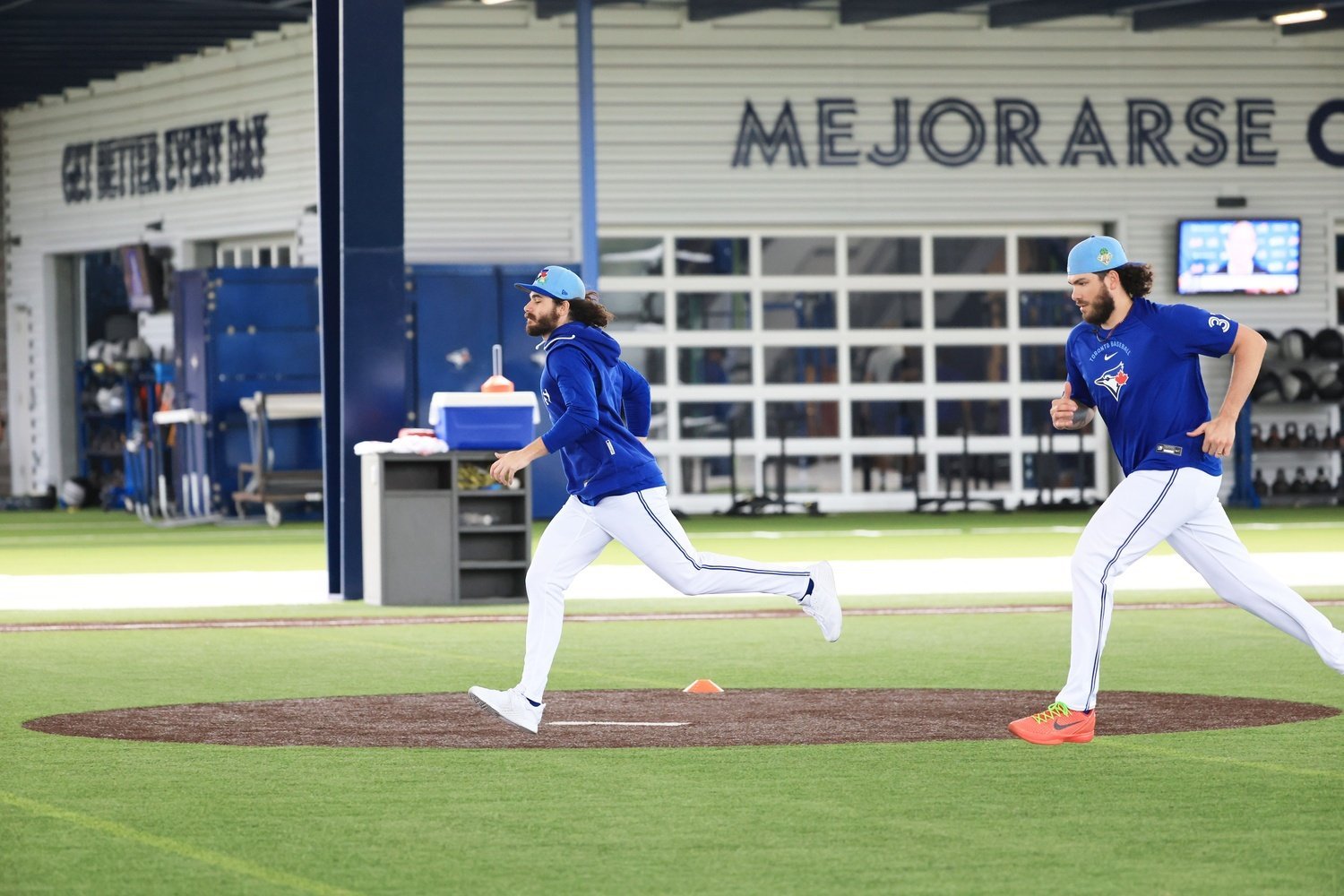 There’s a particular kind of silence at a spring complex when bad news drops. Gloves still pop, conditioning runs still hum, but everything feels a little heavier. The Blue Jays received plenty of reasons for such silences just a day before camp officially opened for pitchers and catchers. Anthony Santander needs shoulder surgery and will be out for five to six months. Bowden Francis will miss the entire season after UCL reconstruction. Shane Bieber’s forearm still needs some rest. The bottom line is the defending American League champions will begin their title defense with at least three holes to patch. The Santander news was unexpected and will cause the biggest ripples. The Jays didn’t sign him to a big deal a year ago as a gamble. They expected the 44‑homer version of Santander from Baltimore that used to cause the Jays grief, not the 2025 edition who limped to a .175/.271/.294 line over 54 games and 221 plate appearances while fighting injury in the very shoulder that now needs surgery. The new timeline points to a mid-July return at the earliest, erasing hundreds of plate appearances from a projected mid‑order bat. All three of Addison Barger, Nathan Lukes, and Davis Schneider will inevitably see more time in the corners. This could also mean that George Springer will be patrolling the outfield more than initially thought. Manager John Schneider highlighted during his pre-spring training media availability that the team is fortunate to have plug‑and‑play options that reduce the pressures of some of these holes. What wasn’t said is that Toronto's depth also gives the front office additional time to scour the market and consider alternatives through trades or free agency. The Jays don’t need to find a steady, power bat that lengthens the lineup and insulates slumps, but it wouldn’t hurt. Barger might be the answer, and so too might Kazuma Okamoto. However, the expectation that Barger can build upon last season puts an immense amount of pressure on the young player. Meanwhile, Okamoto has an impressive Japanese resumé, but how he adjusts to MLB pitching might be impacted by the building urgency for immediate production. On the pitching side, Francis’ absence might not be immediately noticed, since he was injured for much of 2025, but when healthy (and effective), he eats innings and cuts through lineups. His 2025 line, a 6.05 ERA with 19 homers in 64 innings, hardly screams “indispensable,” but that’s not the point. Depth is essential over the course of 162 regular season games. Bieber sits in the middle of this conversation. The decision to patiently and deliberately ensure his health is perfectly rational. An MRI clean of structural damage. Week‑to‑week progression. Playing catch from up to 90 feet. It's all just a slower ramp-up to protect a pitcher who carried more stress innings than expected barely a year removed from Tommy John. It likely costs the club five to seven early starts, so maybe 30 or 40 innings, in exchange for preserving Bieber for September and beyond. If those innings migrate to José Berríos or Eric Lauer rather than a replacement‑level arm, the math says the Jays might lose only a few tenths of a win by the time the weather turns. On the negative side, this probably means more action for a bullpen that may or may not have Yimi García, who is also working his way back from injury. The 2025 Jays were legitimate. Their 94 wins, +77 run differential and American League crown weren't the product of smoke and mirrors. They led MLB in hits, made consistent contact and rode a resurgent Springer, while Vladimir Guerrero Jr. was out of this world in October. The pitching wasn’t elite by the headline numbers, but it was good enough. The additions of Dylan Cease, Cody Ponce and Tyler Rogers should have a positive impact and reduce the need for the offense to outperform expectations. Even before the injuries, projection systems liked the Jays. FanGraphs gave Toronto the league's ninth-highest playoff odds, around 60 percent. MLB’s early‑January power rankings went even higher, slotting the Jays second on the board. On paper, a rotation fronted by Kevin Gausman and Cease, a strong catcher tandem in Alejandro Kirk and Tyler Heineman and a rebalanced infield alignment, and a lineup still anchored by Guerrero and Springer will be tough to beat. The injuries don’t erase that foundation, but they do reduce the cushion. In a division where four teams project to win close to 85 games, early losses in April could be the difference between a first‑round bye and a red‑eye flight to a three‑game Wild Card set. So, are the Jays in trouble? That depends on how you define it. If you mean existential “trouble,” then no. Vlad Jr. is forecast to hit like a top‑five bat again (.299/.385/.533, according to the Steamer model), Cease provides the team with more confidence this year than Chris Bassitt and Max Scherzer last year, and Kirk has matured at the plate and behind it. Yet, if “trouble” means thin margins between April and June, then yes, they’re in a tough spot. Santander’s surgery removes some of the balance in the lineup, both from his switch-hitting and power. Bieber’s delay forces the club to trust that the bridge pieces will hold long enough for him to be himself when it matters. Francis’ absence thins the stage crew that keeps the lights on. All of this is survivable, but concerning. Context sharpens the edges. The American League is better at the top than it was a year ago. The Mariners' run prevention and infield overhaul launched them into top‑three chatter; the Yankees, Red Sox and Orioles are all projected to win 84 to 88 games; and the Central division might see some improvement too. This outlook reflects public models and league‑wide previews that have repeatedly tagged the East as the most stacked division. For the Jays, that means April leverage is not simply a "nice to have." What can they do about it, besides wait for Bieber and Santander to return? The answer is the same one Schneider gave implicitly last October: lean into the things that age well. The bullpen can carry more of the run prevention burden, and the infield defense is built to turn hard contact into outs. Springer at DH more frequently keeps one of the league’s most dangerous bats fresher. It’s not glamorous, but it’s how you convert coin‑flip games in May into extra rest days for September. And if the internal corner outfield committee doesn’t deliver enough thump by June, the front office has preserved options for a measured trade, which is exactly why they’ve resisted the urge to overreact before the market settles. Still, the thin line is real. Lose one more middle‑of‑the‑order bat for a month, and the calculus changes from “patch and advance” to “rearrange the architecture.” But this is where the Jays find themselves. Many weren’t sure last year’s team would be successful. While the challenges may add pressure and stress, they can also turn into motivation for a team hungry to repeat. The Blue Jays didn’t win last year by fluke. They succeeded by doing all the little things right. They won by getting contributions from everyone. The 2026 season has already added some new wrinkles. From April through June, when the roster is thinnest and the AL field is deepest, the team will need to find ways to win. That’s where the line between contender and crisis is drawn. If Toronto can otherwise stay healthy and navigate these early challenges, the conversation we’ll be having in late summer won’t be about trouble. It will be about seeding. View the full article
 -
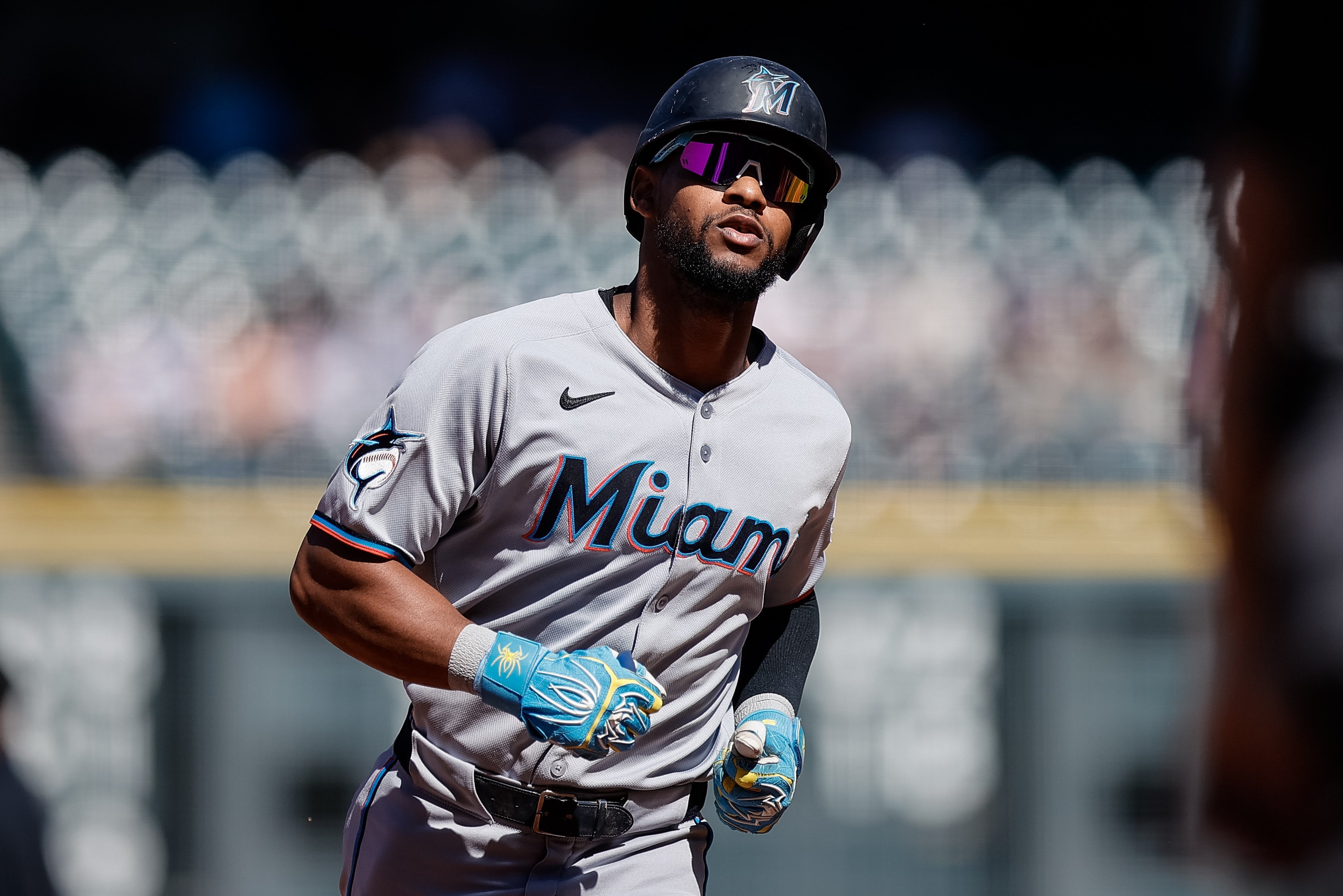 Otto López is already one of the better Miami Marlins waiver claims of the past decade, and certainly of the Peter Bendix era. In less than two full seasons since being acquired from the San Francisco Giants, he has posted 4.8 fWAR—that's tied with Xavier Edwards for the most total value of any Marlins player. Looking into Lopez further, I believe there is the potential for a breakout in 2026. The data shows his underlying skills are improving. From 2024 to 2025, Lopez increased his bat speed, expected slugging percentage, expected weighted on-base average, and barrel rate while decreasing his chase rate, whiff rate, and strikeout rate. The combination of hitting balls harder without compromising his approach is very encouraging. So why didn't this improvement translate to more production in 2025? Lopez's OPS actually dropped from the year before. That largely comes down to poor luck on balls in play, specifically at loanDepot park. In 2025 at home, Lopez posted a .627 OPS and 73 wRC+, compared to a .714 OPS and 98 wRC+ on the road, with a 31-point gap in BABIP. This was the opposite of 2024, when he performed better at home than on the road. Strange as well is that Lopez increased his pulled fly ball rate and FB% in general. All this points to him having sharply underperformed for reasons beyond his control. As an example, this hard contact of 108.2 mph off the bat of Lopez with a launch angle of 14 degrees had a 74% chance of being a hit. It's expected slugging percentage was north of 1.000 because of the high likelihood it would've been a double or triple had it found grass. A good read by Boston's Ceddanne Rafaela turned it into an out. TzBsMDBfWGw0TUFRPT1fRGxOVVV3RlhVZ0VBQ1ZvTEJRQUhVQWRTQUZoV0IxRUFVVjFVQmdWV1YxWmRVUVJR.mp4 Lopez underperformed his xSLG last season against every category of pitch (min. 100 pitches). The 27-year-old could benefit from lifting the ball more, as he still has a ground ball rate above league average. He also has a vulnerability to changeups, producing a .132 AVG .176 SLG, and .158 wOBA against the pitch. Lefties will continue attacking him with them until those results flip. SzRsV2pfWGw0TUFRPT1fVWdOUVVnZFdYMUFBV1FkWEF3QUhVZ0ZVQUZoV1ZnSUFVVjFVQ1ZWVVVBdFZBUXBm.mp4 Considering how well Lopez fairs vs. fastballs, I would wager the poor results vs. changeups are a byproduct of selling out for fastballs, rather than him not being able to read offspeed stuff. Besides the likely improvements on the hitting side, Lopez showed the Marlins organization he could stick at shortstop. After swapping positions with Xavier Edwards, he put up plus-four outs above average and plus-seven defensive runs saved. Speaking with Fish On First at Marlins Media Day last Friday, Lopez said that his first step and the accuracy of his throws were areas he focused on improving during his offseason training. Nnk5TW9fWGw0TUFRPT1fVXdoVFVGWlNYd1FBRGxWUVZ3QUhVZ0JlQUZsVFZ3UUFBVlZSVmdZTkJWZFVCUVlF.mp4 Otto Lopez already ranked 12th in fWAR out of all shortstops in 2025. If Lopez has luck on his side as I predict for 2026, with a full healthy season with great defense, he will easily find himself as a top-10 shortstop. View the full article
 -
Kansas Royals Add Mitch Spence After Trade With Athletics
DiamondCentric posted an article in Royals Keep
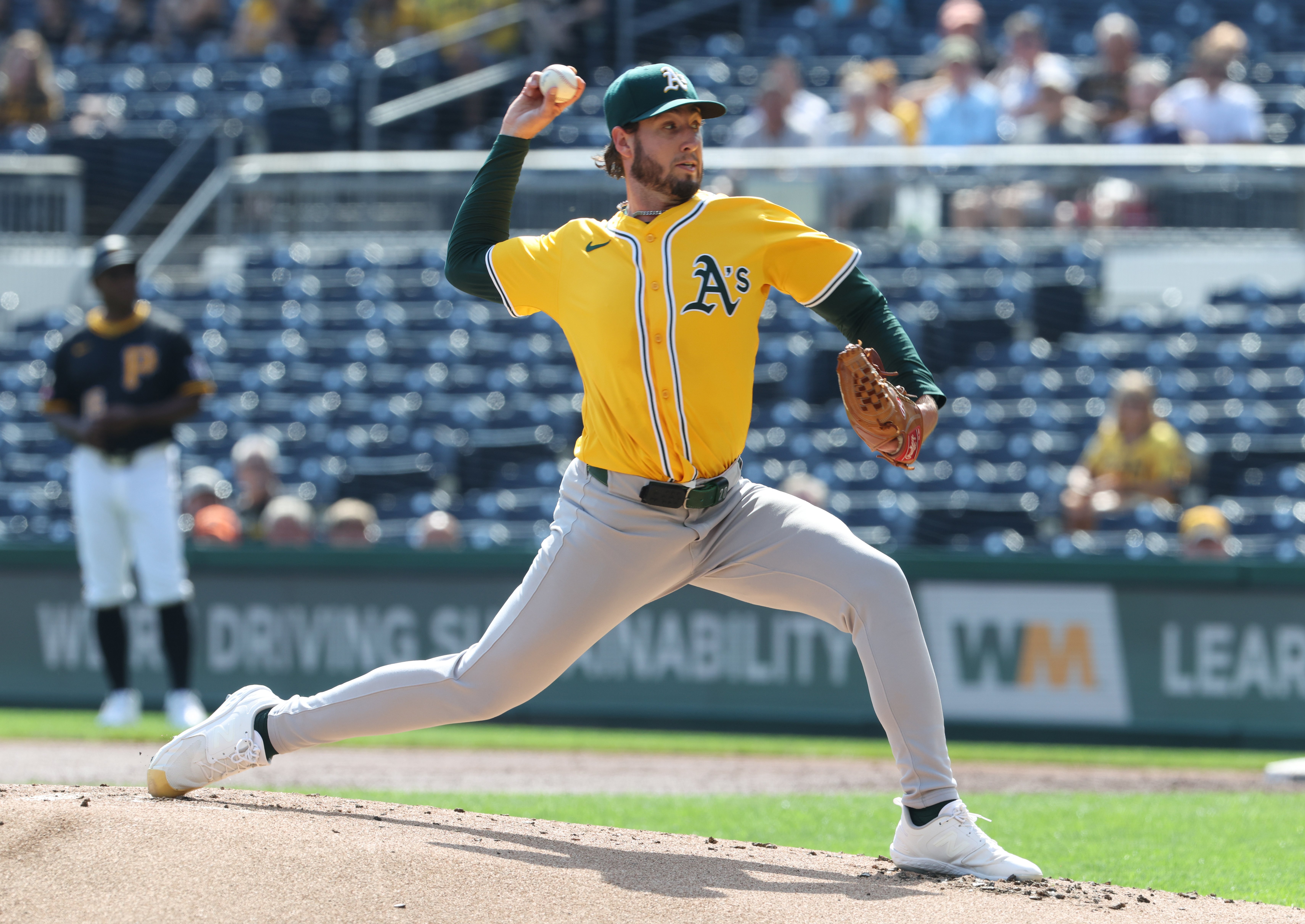 As spring training gets underway, the Kansas City Royals have made an addition to the club's pitching depth, a day after pitchers and catchers reported to open camp. The Royals acquired right-hander Mitch Spence from the Athletics in exchange for minor league right-hander A.J. Causey. Spence, a former 10th-round pick by the New York Yankees in 2019, was taken first overall by the then-Oakland Athletics during the 2023 Major League Baseball Rule 5 Draft. Spence spent the past two seasons in the Athletics’ organization, pitching to a record of 11-16, 4.77 ERA, 4.53 FIP, 1.40 WHIP, across 67 games and 236 career innings. Over the two years, Spence has shown an ability to be used both as a starting pitcher and in a relief role. Last season, Spence appeared in 32 games, with eight of those being starts, and went 3-6, with a 5.10 ERA, an identical 5.10 FIP, and 1.44 WHIP in 84 ⅔ innings. Spence’s hits allowed, home runs allowed, and walk rates all jumped from his rookie year, where Spence went 8-10 with a 4.58 ERA, a slightly better FIP of 4.21, and a WHIP of 1.38. The Royals’ rotation will likely consist of Cole Ragans, Seth Lugo, Michael Wacha, Noah Cameron, and Kris Bubic. Spence will likely slot into the depth group with Bailey Falter, Stephen Kolek, and Ryan Bergert as options in case injuries strike. As many Royals fans know, 2025 saw significant injuries to both Ragans and Bubic, so depth is vital across an 162 game season. Spence’s ability to pitch in multi-running roles could allow the 27-year-old to be called up when injuries strike, when the team is playing through a long stretch without a day off, or to help limit some innings on a taxed bullpen. Heading to the Athletics is Causey, who reached as high as Double-A last season with the Northwest Arkansas Naturals. Used solely as a reliever across both Single-A and Double-A, Causey appeared in 48 games, across 73 ⅓ innings, pitching to a 11-5 record, 1.72 ERA, and 0.90 WHIP, holding opposing batters to a .186 average against. The 23-year-old is a former fifth-round selection of the Royals during the 2024 MLB draft. The Royals begin their season in Atlanta on Friday, March 27, at 7:15 p.m. EST. View the full article
 -
Kansas City Royals Add Mitch Spence After Trade With Athletics
DiamondCentric posted an article in Royals Keep
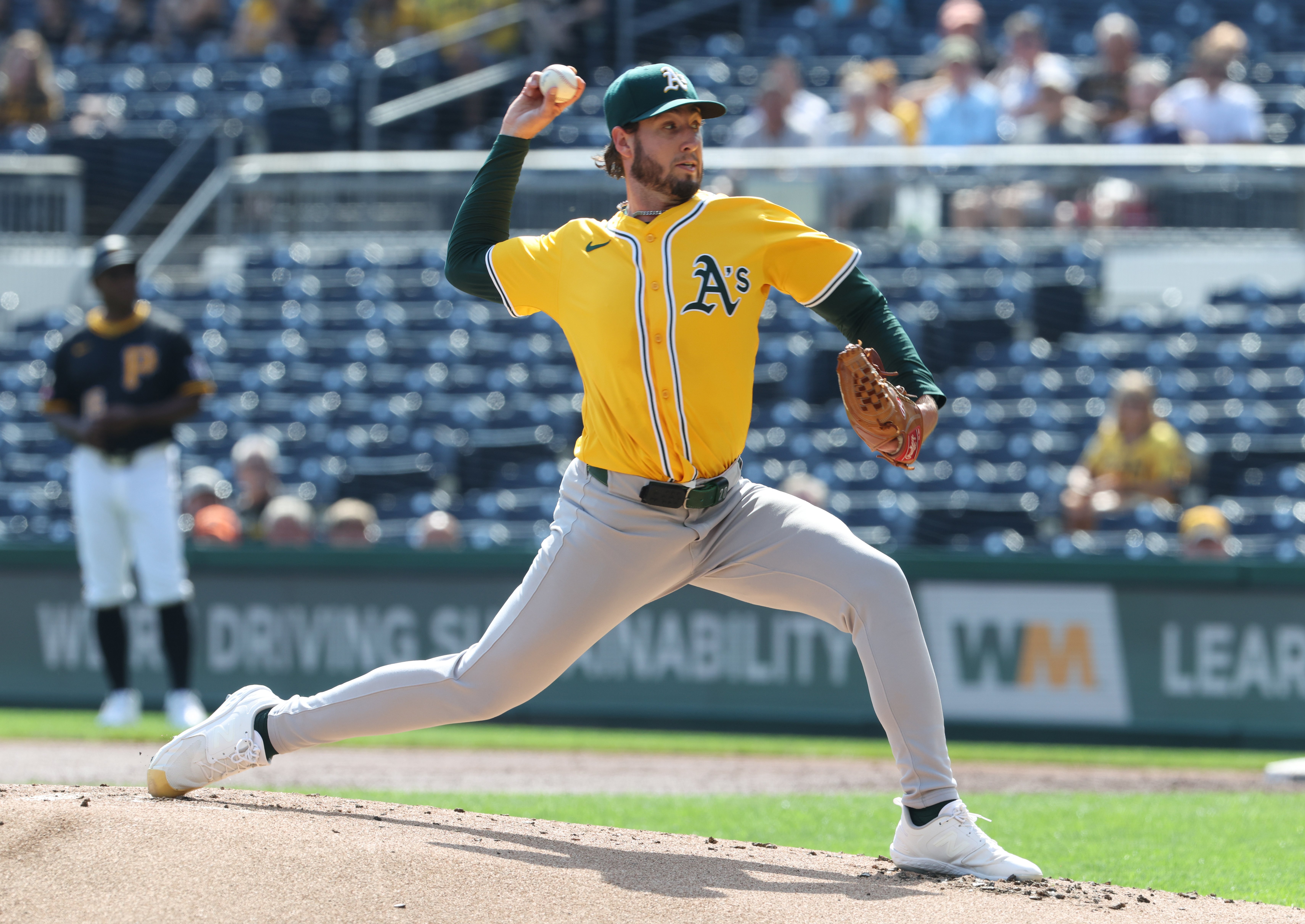 As spring training gets underway, the Kansas City Royals have made an addition to the club's pitching depth, a day after pitchers and catchers reported to open camp. The Royals acquired right-hander Mitch Spence from the Athletics in exchange for minor league right-hander A.J. Causey. Spence, a former 10th-round pick by the New York Yankees in 2019, was taken first overall by the then-Oakland Athletics during the 2023 Major League Baseball Rule 5 Draft. Spence spent the past two seasons in the Athletics’ organization, pitching to a record of 11-16, 4.77 ERA, 4.53 FIP, 1.40 WHIP, across 67 games and 236 career innings. Over the two years, Spence has shown an ability to be used both as a starting pitcher and in a relief role. Last season, Spence appeared in 32 games, with eight of those being starts, and went 3-6, with a 5.10 ERA, an identical 5.10 FIP, and 1.44 WHIP in 84 ⅔ innings. Spence’s hits allowed, home runs allowed, and walk rates all jumped from his rookie year, where Spence went 8-10 with a 4.58 ERA, a slightly better FIP of 4.21, and a WHIP of 1.38. The Royals’ rotation will likely consist of Cole Ragans, Seth Lugo, Michael Wacha, Noah Cameron, and Kris Bubic. Spence will likely slot into the depth group with Bailey Falter, Stephen Kolek, and Ryan Bergert as options in case injuries strike. As many Royals fans know, 2025 saw significant injuries to both Ragans and Bubic, so depth is vital across an 162 game season. Spence’s ability to pitch in multi-running roles could allow the 27-year-old to be called up when injuries strike, when the team is playing through a long stretch without a day off, or to help limit some innings on a taxed bullpen. Heading to the Athletics is Causey, who reached as high as Double-A last season with the Northwest Arkansas Naturals. Used solely as a reliever across both Single-A and Double-A, Causey appeared in 48 games, across 73 ⅓ innings, pitching to a 11-5 record, 1.72 ERA, and 0.90 WHIP, holding opposing batters to a .186 average against. The 23-year-old is a former fifth-round selection of the Royals during the 2024 MLB draft. The Royals begin their season in Atlanta on Friday, March 27, at 7:15 p.m. EST. View the full article
