


DiamondCentric
-
Posts
2,631 -
Joined
-
Last visited
Never
Content Type
Profiles
Forums
Events
News
Tutorials & Help
Major League Baseball Videos
Guides & Resources
Store
Downloads
Gallery
Everything posted by DiamondCentric
-
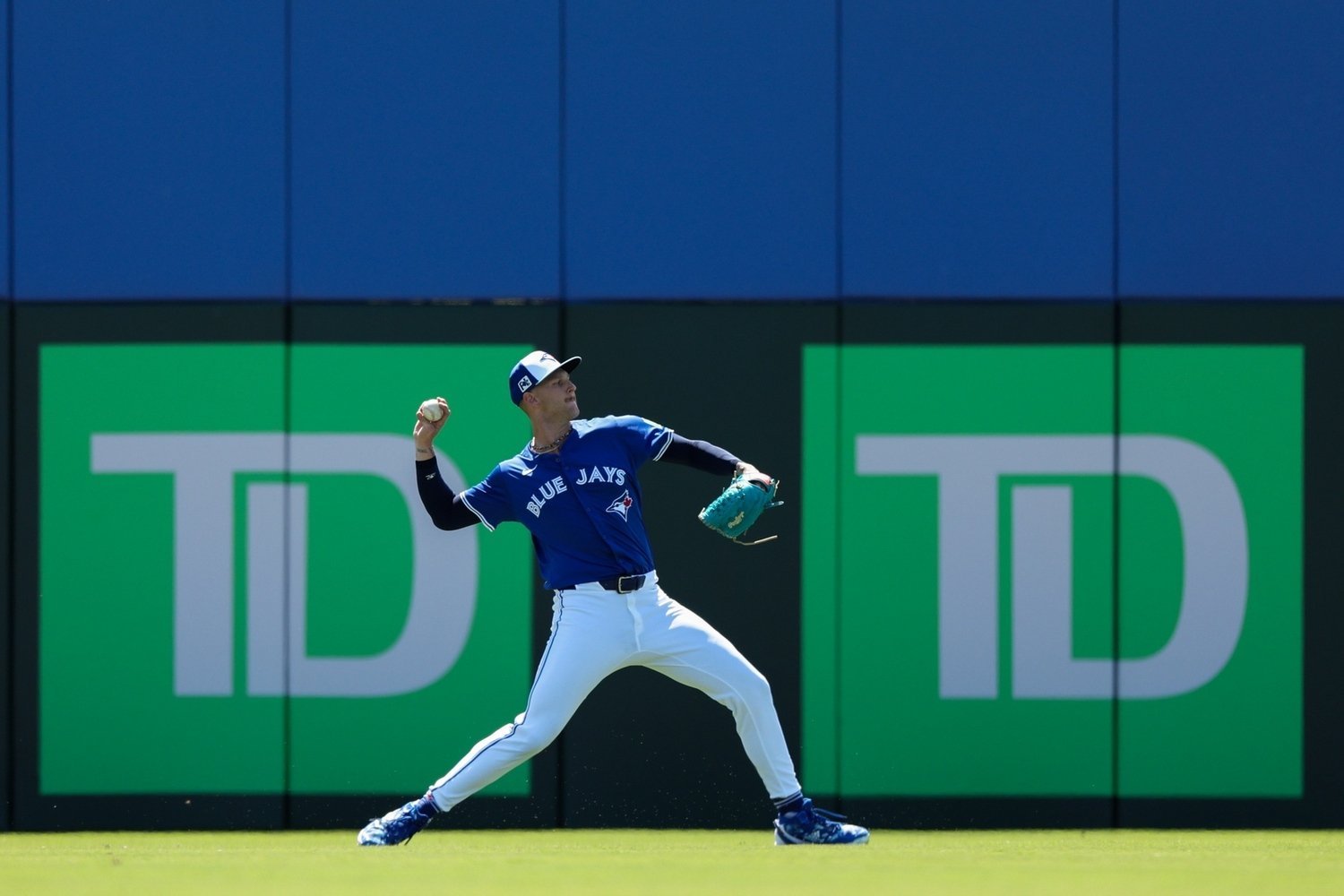 Nothing signals the start of spring training like a barrage of injury news. Pitchers and catchers report to camp today, and that means Blue Jays reporters started showing up to Dunedin earlier this week. Once they did, it wasn't long before injury updates were thrust upon us. The big news yesterday was that Anthony Santander could miss the next five to six months recovering from shoulder surgery. However, Santander isn't the only Blue Jay undergoing major surgery. Manager John Schneider revealed that right-hander Bowden Francis needs UCL reconstruction and will miss the 2026 season. It's not yet clear if he's going for Tommy John or the less invasive internal brace procedure, but either way, he's out for the year. Schneider also offered a concerning update regarding right-hander Shane Bieber. The 2020 AL Cy Young winner will begin the season on the injured list, as he's dealing with forearm fatigue right now. On the bright side, it doesn't seem as if he'll miss significant time; he hasn't been shut down from baseball activities, he just won't be able to ramp up in time for Opening Day. With that said, forearm issues are always worrisome, and especially so for a pitcher who only just returned from Tommy John surgery. Given Bieber's status, it's hardly surprising that Eric Lauer will be stretched out as a starter this spring. For as long as Bieber is out, Lauer will be the sixth man on Toronto's starting pitching depth chart – a depth chart that's also thinner without Francis as an emergency backup plan. John Schneider also spoke about Yimi García, whose 2025 season concluded before the All-Star break. While an ankle injury sent him to the shelf, it was ulnar nerve symptoms that stopped him from making a return. He had season-ending surgery to address the issue in August. On top of that, he also missed time with a shoulder injury earlier in the year. According to Schneider, García is on track to make the Opening Day roster, though the team is still exercising caution with the 35-year-old righty. Finally, Toronto's skipper spoke about the many injury issues George Springer played through in 2025. While we already knew about some of them, Schneider told Sportsnet's Ben Nicholson-Smith that right wrist discomfort became a problem for the veteran as the year went on. Apparently, the injury interfered with his throwing, therefore making it difficult for him to play the outfield. Now that he's feeling stronger, however, Springer could see time in the outfield again. Of course, with Santander on the shelf, it might make sense for Springer to be a full-time DH in 2026 anyway, but more flexibility is never a bad thing. View the full article
 -

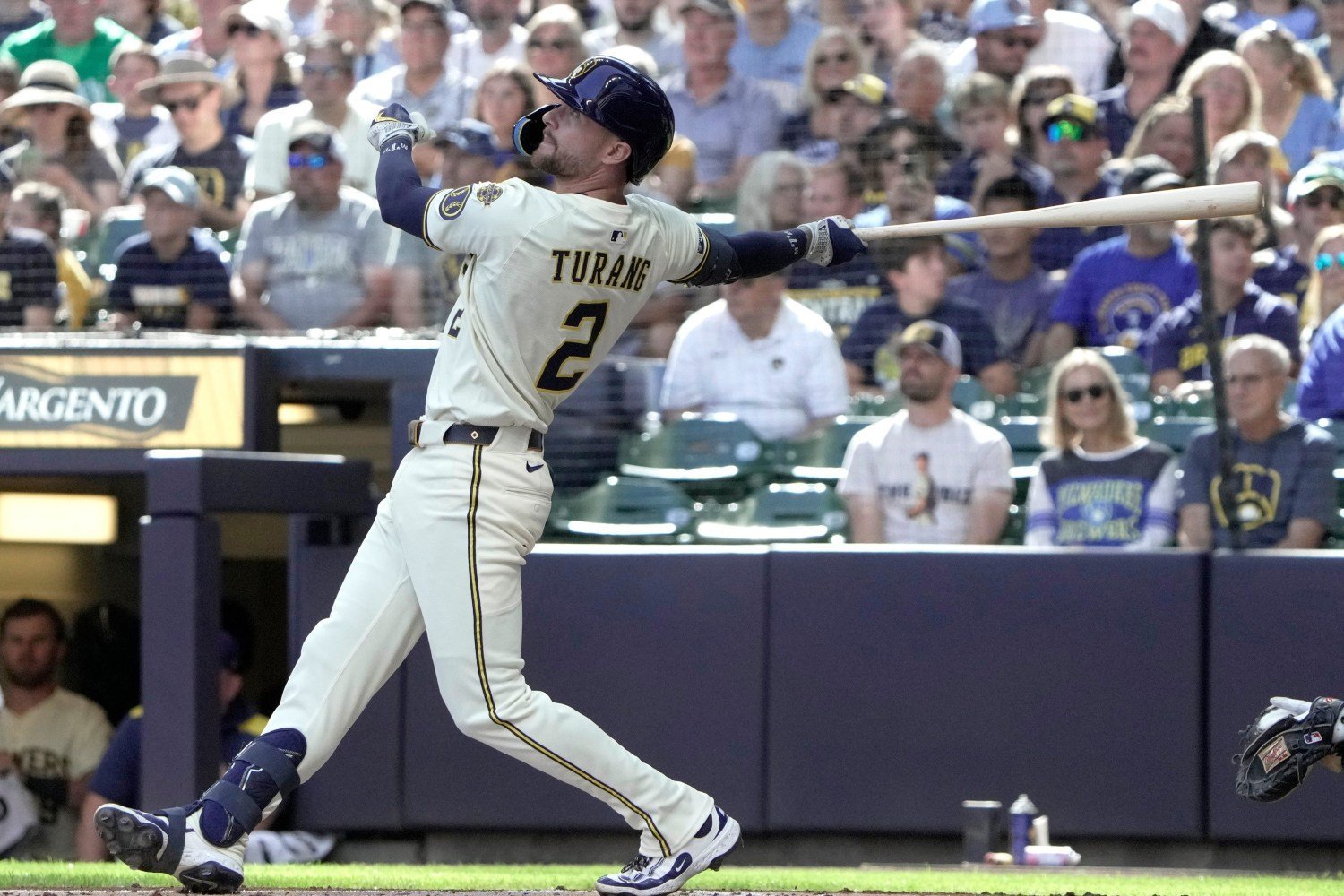 Baseball Prospectus posted their PECOTA projections for 2026 on Tuesday, including projected standings and playoff odds. For Brewers fans, the news is not good. The Cubs are not only favorites to win the division, but project for 90.5 wins—a full 10 games clear of the 80.5 victories for which the system pegs the Brewers. The system gives the Crew just a 10.5% chance to win their fourth straight NL Central crown, and only a 31.2% shot to make the playoffs at all. This feeling is familiar, but not fun, even though the story tends to end with Milwaukee far outstripping their projected win total. Last week, FanGraphs posted their own projections and playoff odds, which are (technically) more optimistic about the Brewers. It gives them an 82-win projection. However, in that version of the projected standings, the Cubs are still first (albeit at a more reachable win total) and the Pirates sneak in just ahead of Milwaukee, for second place. That's a jarring snapshot of where things stand as Brewers personnel gather in Maryvale. They're not only not the favorites, but very much the underdogs in the fight to sustain their regional dynasty. For PECOTA, at least, the problems the Brewers face lie in run production, rather than run prevention. The model expects Milwaukee pitchers to be better than average, and for them to be about 11 runs better than average when combining fielding and baserunning. However, the team's projected DRC+ is just 96, where 100 is average and higher is better. It's a dreary outlook, even for a team that prides itself more on good pitching and defense than on slugging. Two things about the projection stand out especially starkly. Firstly, PECOTA hates Brice Turang. I mean, it hates him. The model projects an 87 DRC+ and a .238/.311/.360 batting line for Turang. It sees him hitting 13 homers in 630 plate appearances, which would represent a small step backward after 2025, but the extent of the setback that overall line would be is much greater. Turang batted .288/.359/.435 in 2025. Admittedly, he hit just .254/.316/.349 in 2024, but even that line is essentially equal in value to the one he's forecasted to produce this season—and it ignores his breakout year altogether, despite that being the most recent and relevant data about what he'll do next. Systems can be designed for varying levels of sensitivity to sub-surface adjustments, like the way Turang increased his bat speed in 2025 and traded some contact for better power, but they can't be tweaked in specific cases; the risk of compromising the methodological integrity of the model is too great. Thus, PECOTA's wariness about Turang is understandable, and perhaps even a necessary evil. Nonetheless, to best predict what the Brewers will do in 2026, one should mentally adjust Turang's expected offensive output upward by about 10 runs. Secondly, the Brewers set themselves back Monday by trading Caleb Durbin, as far as PECOTA is concerned. Durbin, now with the Red Sox, is projected for a 104 DRC+, with a .254/.332/.377 line. If the system is to be believed, Milwaukee will sorely miss those on-base skills. Player AVG OBP SLG DRC+ Caleb Durbin .254 .332 .377 104 Andruw Monasterio .234 .306 .356 86 Joey Ortiz .248 .307 .392 96 Jett Williams .235 .314 .387 96 David Hamilton .223 .292 .357 77 Tyler Black .197 .296 .338 75 David Hamilton will bring more speed and better up-the-middle defense off the bench than did Andruw Monasterio, but Monasterio is projected to be the better hitter. Meanwhile, neither Joey Ortiz nor Jett Williams is expected to replace what Durbin (with his elite contact rate and knack for getting hit by pitches) brought to the Milwaukee lineup. Barring a move for an external solution at third base, the Brewers downgraded somewhat significantly by trading Durbin and Monasterio to Boston. It's nice to have better pitching depth than ever, but it might not be enough to justify having moved on so quickly from a player with long-term team control and such a high baseline for performance. Sharp-eyed readers will notice that both Ortiz and Williams are projected to outhit Turang, according to PECOTA. That just reinforces the jarring nature of Turang's projection. It feels indefensibly wrong, but it does highlight an important truth: using more than one year of data (where it's available) makes projections better. What happened last is not always what should be expected to happen next. Turang's projection probably is too low, but that doesn't mean that Ortiz's is unduly optimistic. The best-case scenario, then, is that the Brewers make some other addition to shore up the infield mix, but also get this version of Ortiz (one very much akin to the player he was in 2024) and the improved version of Turang. That still won't get them to 90 wins, but it'll start them on the journey there. The team will have to find other players who outdo their projections, too, but that's rarely a problem for the unassuming superpower of the NL Central. At least Pat Murphy won't be hurting for bulletin board material this spring, should he want some. View the full article
 -
 New Marlins right-hander Bradley Blalock speaks to the media on the first day of spring training about expanding his arsenal and coming to a more pitcher-friendly environment.View the full article
 -
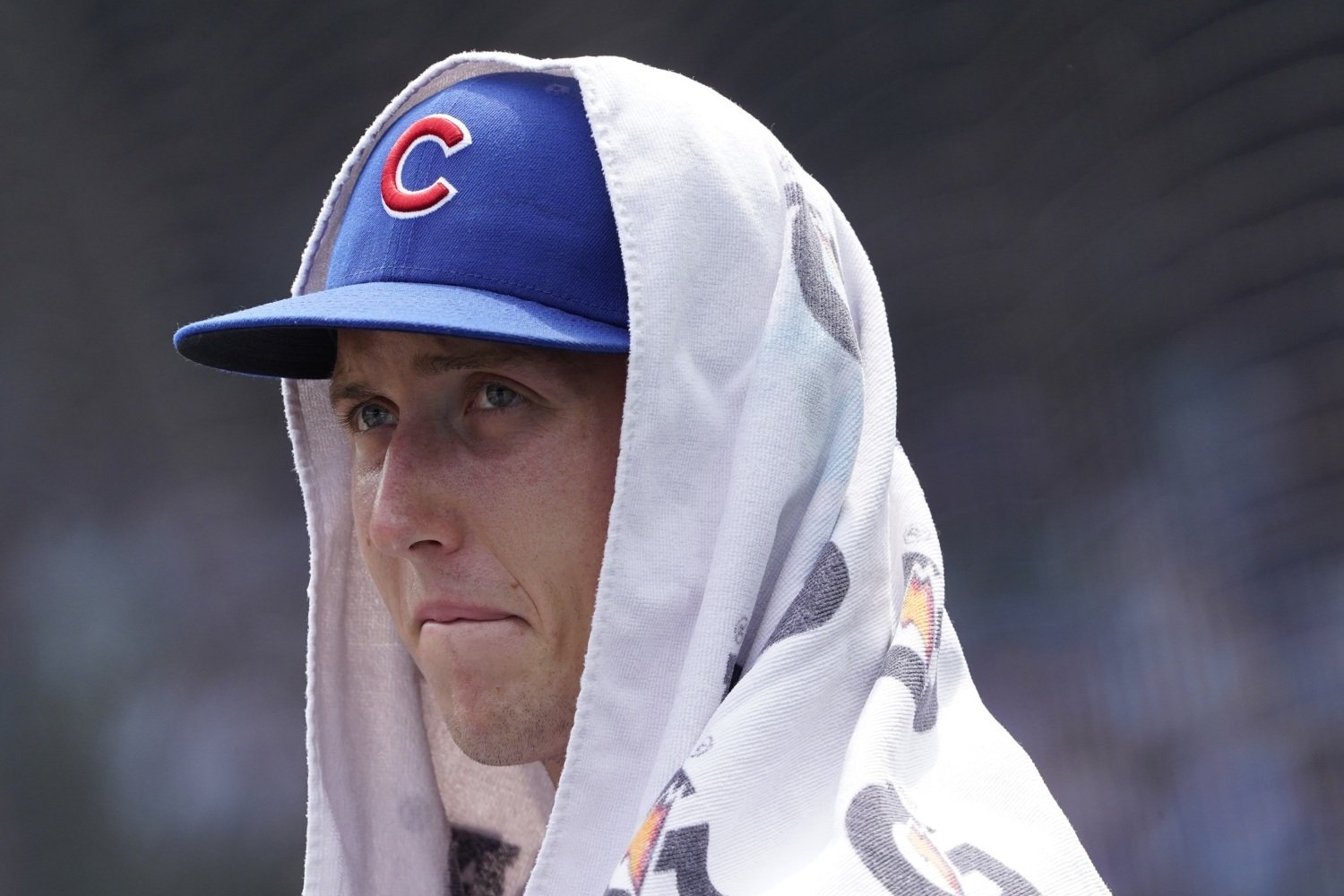 Despite his failure to thrive as one in 2025, the Chicago Cubs still see Ben Brown as a starting pitcher heading into 2026. That was the most important insight offered by pitching coach Tommy Hottovy when he appeared Saturday on 670 The Score's "Inside the Clubhouse" and was asked about the 26-year-old righthander. "I mean, Ben Brown should be an established big-league starter," Hottovy said. "In my mind, he's got the stuff there to be able to do it." Brown has, indeed, flashed plus stuff in the 40 games and 162 innings he's pitched in the majors. Since the Cubs acquired him from the Phillies in exchange for David Robertson in 2022, he's flashed huge upside, powered by a fastball that reaches the upper 90s and a sharp breaking ball. He struck out 25.6% of opposing batters in 2025 and walked just 6.8%. However, Brown's heater flattens out and becomes exceptionally hittable any time it sags below 97 miles per hour, because of the combination of its shape and his high arm slot. Working as a starter, he's struggled to keep his velocity that high, and has thus been hit hard. He had a 5.92 ERA last year, despite the strong strikeout and walk numbers. For most of his career, he's also utterly lacked a functional third pitch. He has a reliever's arsenal, and a reliever's need for sheer velocity. Hottovy's optimism about him in a starting role stems in large part from what he's seeing in the club's efforts to help Brown expand that arsenal. "Our goal is to get him stretched out, continue to develop the changeup, working on a few other pitches, and continue to build out his repertoire and let him go be a dominant pitcher for us," he said Saturday. Therein lies the upside, if he's to stay in the rotation. Brown must tap into a changeup that works, and/or widen his arsenal to include a sinker or a slider with more lateral movement. His efforts to do that over the last two seasons have yielded mixed results, but late last year, there was a breakthrough. That pale green offering is a kick-change, the same pitch that unlocked things for Jameson Taillon last spring. It's a pitch with a better chance to be consistently effective for Brown than his old changeup had, because he's more likely to be able to command it—not in terms of location, but in terms of execution and movement. Whether hitters will ever chase the pitch out of the zone often enough for it to play as well as it grades is an open question, but one that probably hinges more on his command of his other two offerings than on that one. Though he's coming up on two years of service time, Brown still has one minor-league option year remaining. The Cubs could choose to stash him in Iowa this spring and keep him stretched out as an emergency starter. That, however, feels like a waste of a high-powered, high-upside arm. To get the most out of Brown, the team needs to either help him turn the corner and become a useful big-league starter now; convert him to a relief role, where he could be a stellar setup man; or trade him. Hottovy's faith in Brown is admirable, but he hasn't yet earned that faith. The talent is there, but it also has limits of which we should take note. The fastball shape is a constraint on his upside. So is the lack of a breaking ball with more side-to-side movement. Most of all, he needs a changeup he trusts, so he can force hitters (especially lefties) to respect that pitch more. As pitchers and catchers officially report to camp, Brown might be the most interesting Cub on site. He could be hugely helpful to the team this year, either as a trade chip or by directly contributing to their pursuit of a division title. If he doesn't take a big step forward this year, though, he's unlikely ever to do so. View the full article
 -
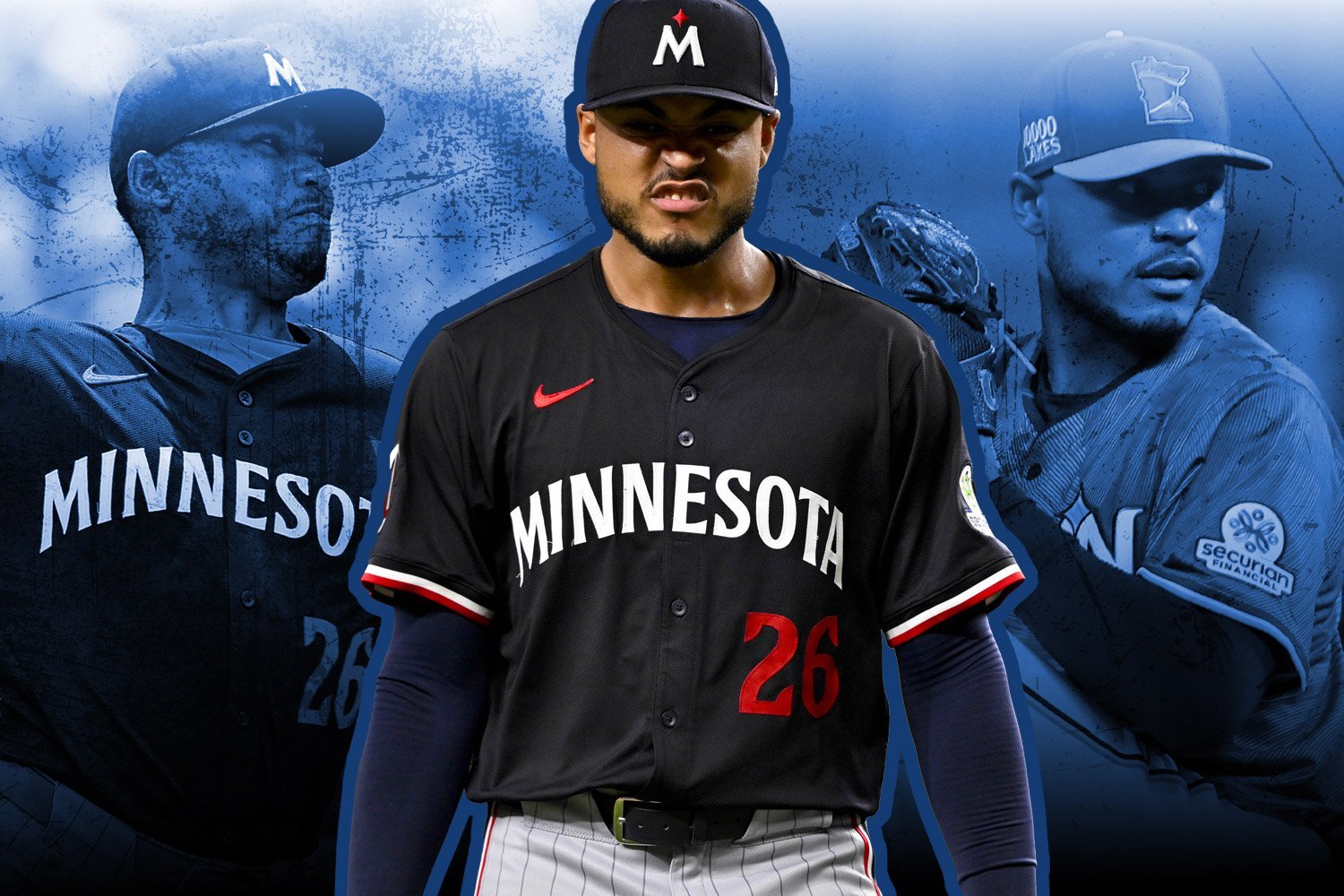 Taj Bradley might have been the best-known name acquired by the Minnesota Twins during the 2025 trade deadline fire sale. A former top 100 prospect, Bradley’s performance plateaued during his third season with the Tampa Bay Rays, who shipped him to the Twins in exchange for the highly coveted Griffin Jax. Bradley’s first run with the Twins was mediocre. He finished the 2025 campaign with a 5.05 ERA in a career-high 142 ⅔ innings, though, as has been consistent throughout his young career, his 4.37 xFIP suggested that he got a little unlucky. Entering his first full season with the Twins, the question of whether or not Bradley would be more effective as a reliever has been swirling through many minds. However, unlike my analysis of Zebby Matthews, I think there is sufficient data to suggest that Bradley’s role as a starter is clearer, at least in the short term. Read Previous Entries: David Festa's Arsenal Zebby Matthews' Arsenal Taj Bradley’s Stuff and Pitch Arsenal Bradley’s arsenal primarily consists of four pitches—a four-seamer, cutter, splitter, and curveball—though he occasionally throws a sinker (or at least some of his four-seamers get labeled as such). Like most pitchers, his offerings vary depending on the handedness of the hitter; in 2025, he primarily deployed his fastball, cutter, and curve against righties (515, 347, and 146 pitches, respectively) and his fastball, splitter, and curve against lefties (565, 246, and 189). (Of note: Baseball Savant labeled 192 of Bradley’s fastballs against righties in 2025 as sinkers compared to only 10 against lefties. This suggests that Bradley will alter his grip on occasion against same-handed hitters to induce more horizontal run into the batter.) On paper, Bradley’s fastball should play well. It sits in the mid-90s and can touch near 100 mph on occasion with 18.5 inches of induced vertical break (IVB) and 6.2 inches of horizontal break. His fastballs, categorized as sinkers, feature a similar velocity profile, though with 15.4 inches of IVB and 10.5 inches of arm-side run. His four-seamer’s IVB is well-above average, meaning it should fare well at the top of the zone, where its ability to create a rising illusion should cause it to induce whiffs. Notice how many “shoulds” are in the previous paragraph. In practice, Bradley’s fastball is arguably his worst pitch. In nearly 3,000 offerings across 385 ⅓ major league innings, the fastball has produced an .896 OPS. According to FanGraphs, since making his MLB debut in mid-April 2023, Bradley’s fastball ranks 371st out of 419 in OPS against, while throwing it with the 29th-highest volume (minimum of 500 pitches). (His sinker provides much too small a sample size to make any grand conclusions, but Pitch Info Solutions, which provides its pitch data to Savant, has Bradley producing a .756 OPS across 192 pitches.) What should—there’s that word again—be heartening to Twins fans, though, is that the rest of Bradley’s repertoire has performed quite well. Nearly 1,500 cutters have produced a .711 OPS (14th volume, 27th OPS, out of 103); his splitter has produced a .597 OPS (10th volume, 26th OPS, out of 171; 1,216 offerings); and his curveball, undeniably his best pitch, has produced a miniscule .454 OPS (39th volume, 6th OPS, out of 100; 844 offerings). Seemingly, the easiest fix to make Bradley a more effective pitcher is to alter his pitch mix, namely, throwing many more curveballs. Bradley’s curve features a significant vertical break (55.8 inches with gravity, four inches more than average) at 82 mph on average. It’s truly one of the best curves in the game and plays well off his high velocity, high IVB fastball. He’d also do well to throw more cutters. It features below average velo (89.6 mph) and a relatively poor movement profile (4.0 inches of glove side break is good but 5.6 inches of IVB is quite poor), but a .711 OPS is much better than a .896; even if it were to perform worse at higher volume (and it almost undoubtedly would based on its movement profile), it almost couldn’t perform worse than the fastball. Year Pitch Type # # RHB # LHB % MPH PA AB H 1B 2B 3B HR SO BBE BA XBA SLG XSLG WOBA XWOBA EV LA Spin Ext. Whiff% PutAway% 2025 Sweeper 34 17 17 33.3 82.0 10 8 0 0 0 0 0 2 6 .000 .078 .000 .087 .138 .197 86.1 14 2416 6.7 40.0 18.2 2025 Four Seamer 27 22 5 26.5 93.2 6 6 1 1 0 0 0 2 4 .167 .093 .167 .123 .147 .093 90.2 52 2247 6.8 27.3 22.2 2025 Sinker 27 8 19 26.5 92.9 9 6 2 2 0 0 0 1 5 .333 .277 .333 .455 .430 .442 85.2 32 2040 6.7 10.0 20.0 2025 Changeup 11 11 0 10.8 88.9 2 2 1 0 1 0 0 0 2 .500 .448 1.000 .633 .626 .456 98.1 5 1891 6.8 0.0 0.0 2025 Cutter 3 3 0 2.9 89.4 2 1 1 0 0 0 0 1 1 1.000 .889 4.000 3.536 1.380 1.257 107.1 29 2393 6.7 0.0 0.0 2024 Sweeper 128 95 33 32.1 80.6 25 21 4 3 0 0 1 8 15 .190 .135 .333 .232 .245 .190 86.0 21 2497 6.7 34.5 19.0 2024 Sinker 97 79 18 24.3 92.5 27 27 6 6 0 0 0 2 25 .222 .268 .222 .318 .196 .262 87.1 6 2043 6.7 17.6 11.8 2024 Four Seamer 80 70 10 20.1 93.3 35 33 7 7 0 0 0 4 29 .212 .250 .212 .298 .217 .268 83.1 20 2183 6.7 14.6 10.8 2024 Changeup 57 56 1 14.3 87.9 16 15 5 4 1 0 0 1 15 .333 .299 .400 .419 .319 .321 82.2 2 1985 6.7 17.2 20.0 2024 Cutter 37 32 5 9.3 88.4 11 10 6 5 0 0 0 1 10 .600 .379 .900 .607 .587 .411 93.3 17 2430 6.7 20.0 11.1 What Should Taj Bradley’s Role Be In 2026? From an aresenal standpoint, Bradley has enough juice to remain a starting pitcher. He possesses three pitches—the cutter, splitter, and curve—that have performed at an above-average to well-above-average clip throughout his three years in the bigs. Altering his pitch mix to feature fewer four-seamers and more curveballs and cutters against righties would be prudent (and would likely improve his rather poor career 15.2% K-BB% and .754 OPS against same-handed batters; for reference, lefties, who should be much better against the right-handed Bradley, have produced a 17.4% K-BB% and .730 OPS. That’s weird.) However, at a certain point, the results speak for themselves. Bradley has largely been an underwhelming starting pitcher, especially when you take into account his hype as a prospect. He has seen his strikeout rate drop from 28.0% as a rookie to 21.0% in 2025, while his walk rate has increased, from 8.5% (an already high number) to 9.3%. It’s possible that 2026 marks his last run at a starting pitching role, unless he improves his ability to miss bats and avoid freely placing runners on base. View the full article
 -
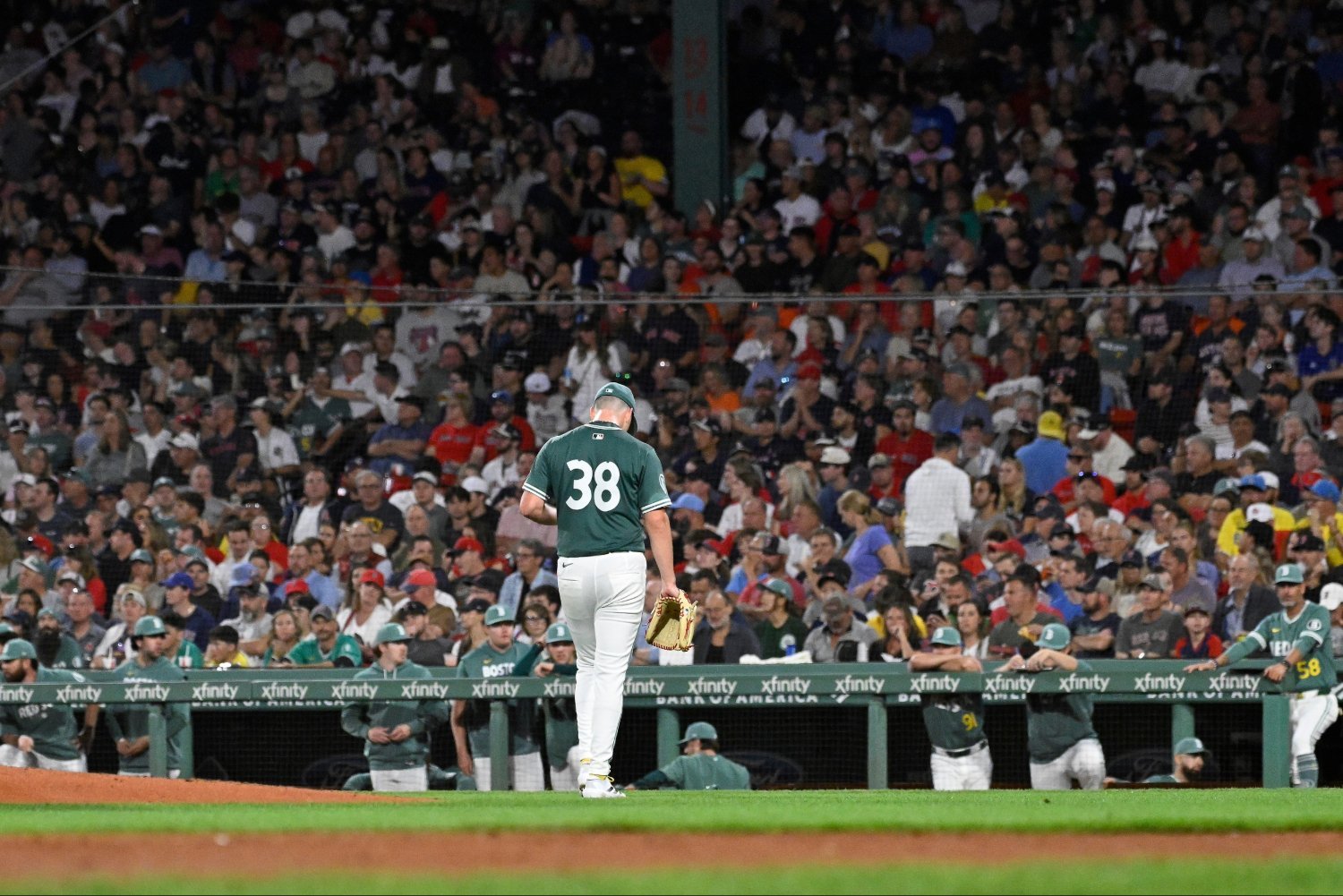 The Milwaukee Brewers' need for rotation depth certainly didn't portend a situation in which the team needed to remove a core piece of the roster, but that's exactly what happened when they struck a deal with the Boston Red Sox that landed left-handed starters Kyle Harrison and Shone Drohan (plus utility infielder David Hamilton) in Wisconsin. The price the Crew paid in exchange — Caleb Durbin, Andruw Monasterio, Anthony Seigler, and a top-75 draft pick — is hefty, particularly if you're not a believer in Harrison or his ability to rediscover the form that once made him one of the best prospects in all of baseball. The 24-year-old southpaw first emerged as a top-100 prospect in 2022 in the San Francisco Giants' system, and after dominating High-A and Double-A hitters that year to the tune of a 2.71 ERA, Harrison became a consensus top-50 prospect. He maintained that status through the end of the 2024 season, when he exceeded his rookie eligibility limits while handling 124 1/3 innings for the Giants. His results were good enough on the surface; he managed a 4.56 ERA (4.33 FIP), 22.2% strikeout rate, 7.9% walk rate, and reasonably limited home runs and extra-base hits. But the under-the-hood numbers were ugly, from a 10th-percentile hard-hit rate to a simple inability to induce chases from opposing batters. A three-pitch pitcher, Harrison found little success with any of his primary offerings, with his slurve in particular getting lit up to the tune of a .347 wOBA. A meager amount of playing time in the first half of 2025 led to Harrison getting shipped to Boston as part of the perplexing Rafael Devers trade. He mostly pitched for the Red Sox's Triple-A affiliate, Worcester, after the deal, though he did spend 12 successful innings in Beantown before the season was over. "Harrison has a funky delivery where the ball comes out of his hand at a 27° arm angle. The comparable pitchers with that slot are Andrew Heaney, JP Sears, and Kyle Freeland. These low slot pitchers who have a solid fastball typically struggle to develop reliable secondary pitches. Harrison falls into the same boat, as he has crazy high fastball usage at 65%, while he only throws the slurve 25% of the time, and the changeup 10% of the time." --Finley Rogan, Talk Sox, June 19, 2025 (Can the Red Sox Help Unlock Kyle Harrison?) One of Harrison's long-running failings has been his inability to locate a secondary offering that plays nicely with his fastball. He's got good (but not elite) velocity, which has led to some calls in the past for a move to the bullpen. Luckily, as our @Jake McKibbin explored following the trade, the Red Sox spent most of their limited time with Harrison tinkering with his arsenal. His fastball usage dropped dramatically, as he began to favor more cutters, sinkers, and slurves. The results were mixed (he generated fewer whiffs but was far better at mitigating hard contact), but the process is clear. The Brewers will need to find the right combination of pitches that'll keep Harrison effective multiple times through the order, but his primary red flag is already on its way to turning yellow. "His changeup grip has been altered significantly to alter its spin rate. In his final appearance with the Giants, the changeup had an average spin rate of 2065 rpms; compared to his latest start with the Red Sox, that number fell to an average of 1253 rpms... The cutter appears to be the most changed pitch, having such a sharp horizontal break (three inches on average in his last start). It seems to be a weapon to challenge right-handed batters in with, being tossed to a left-hander just five times since joining the Red Sox organization." --Nick John, Talk Sox, August 14, 2025 (Kyle Harrison's Tweaks Could Make Him A Key Figure in Red Sox's Rotation Down the Stretch) One of the primary directives the Red Sox instituted when working with Harrison was improving his effectiveness against righties. Such hitters got to him for a .263/.326/.439 (.331 wOBA) line in 2024, and the disparity in his effectiveness between left-handed hitters and right-handed ones only grew wider last year. The aforementioned cutter and changeup were routinely tinkered with by Boston's pitching lab, as they tried to change the shape on both to allow Harrison to work both sides of the plate more effectively against hitters with the handedness advantage. He'll always rely on his fastball, but a reliable cutter and whiff-inducing change would go a long way to making him efficient against righties. "One glaring positive from Harrison this season has been his command. He does not have enough innings to qualify, but Harrison’s 118 Location+ would rank in the top 20 among all pitchers in baseball. Yes, the sample size is small, and Harrison will likely see his command drop toward his career average Location+ (105), but good control paired with a high-spin fastball presents a more than viable profile to start games in 2025." --Finley Rogan, Talk Sox, June 19, 2025 (Can the Red Sox Help Unlock Kyle Harrison?) Command has long been one of Harrison's blue-chip skills. His career walk rate in the majors is just 8.0%, which is actually a notable improvement over his days as a prospect. There's been a trade-off, as his strikeout numbers have dwindled as well, but that feel for pitching (especially at such a young age) portends a bright future, even as he continues adding and reshaping pitches. And, unlike the Red Sox and Giants, the Brewers have an exemplary defense, especially in the infield. Even if he never gets back to a strikeout rate above 30%, pitching to weak contact should be a more-than-effective strategy in Milwaukee. "Harrison is still young — he won’t turn 25 until August — and the swingman role would be temporary until a permanent role in either the bullpen or the rotation is viewed as his final destination by the Red Sox. But for right now, it would be a waste to have him rotting away in Triple-A for the 2026 season when he could be providing support to both the rotation and bullpen by bouncing back and forth between the two." --Nick John, Talk Sox, January 8, 2026 (Does Kyle Harrison Still Fit the Red Sox's Long-Term Plans?) The Red Sox didn't surrender Harrison because they lost faith in his talent. After adding Sonny Gray, Johan Oviedo, and Ranger Suarez to a rotation highlighted by Garrett Crochet and Brayan Bello, they simply ran out of places to put the southpaw starter. He was superfluous in a system that also includes top left-handed pitching prospects Connelly Early and Payton Tolle, and the Brewers were wise to take advantage of that glut. The same issue now faces the Brewers. Their starting five — currently comprised of Brandon Woodruff, Jacob Misiorowski, Quinn Priester, Chad Patrick, and Logan Henderson/Brandon Sproat — is in need of a left-hander, but it'll be hard to Harrison to overcome the established group and win a job out of camp. Likewise, with such a lefty-heavy bullpen, Milwaukee has no real incentive to plant their newest acquisition in the relief corps. There's plenty of time to figure out how Harrison will factor into the mix, both for the 2026 season and beyond, but it's imperative that he doesn't get lost in the shuffle of so many other young starters if the Brewers hope to break even on this trade. View the full article
 -
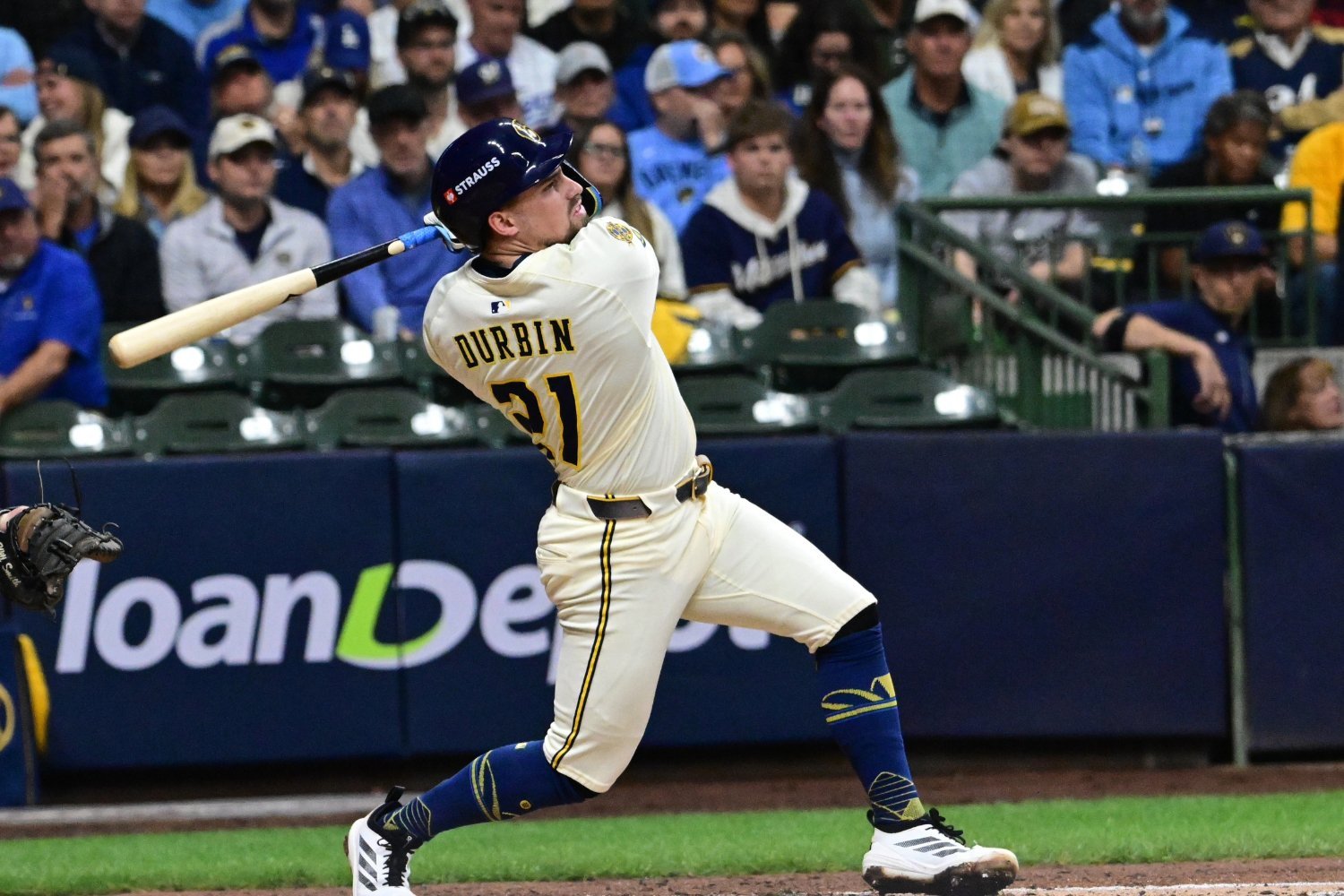 The Boston Red Sox found their middle infielder in Caleb Durbin, trading Kyle Harrison, Shane Drohan, and David Hamilton while also acquiring Andruw Monasterio and Anthony Seigler (plus a draft pick) in the process. This is not the flashiest trade by any means, but it is one of the better moves that could be made considering what the Red Sox gave up to get him. Compared to what the Astros wanted for Issac Paredes or the likely exorbitant price tag on Nico Hoerner, it's fair to say the Red Sox came out well on the other side of the quest for an Alex Bregman replacement. Durbin is only 25 years old and will be under club control until 2031. In a problem mostly of their own creation, there was little in the way of free agency help once the calendar hit 2026, and Craig Breslow had to find new ways to upgrade the roster. After months of rumors involving Paredes, Hoerner, Matt Shaw, and Ketel Marte, the Red Sox did what they set out to do after signing Ranger Suarez and bolstered the infield defense. Durbin stands at 5'7", 183 lbs, making him one of nine players in MLB in 2025 to take an at-bat standing at 5'7 or shorter. What he lacks in size and power, he makes up for in the other aspects of what it takes to stick in the majors. Durbin rarely misses when he swings, producing a ridiculous 93.5% Zone-Contact%, good for the 95th percentile among all major league hitters. Along a similar vein to Willson Contreras, Durbin produces a 15.7% PullAir%, which is a skill the Red Sox identified, clearly wanting to utilize the Monster more to their advantage. Alex Cora told Ian Browne of MLB.com, Despite not having the prototypical juice that teams want out of their lineup, the theme is finding more players who pull the ball in the air enough to add some points to their OPS. It's only 310 feet to left field, so while the home run numbers may stagnate or decrease, I expect an increase in doubles thanks to both the monster and his speed. The numbers show that Durbin can handle the inside pitch necessary for him to execute the plans the Red Sox seem to have for him. He finds the ideal launch angle on the inside pitch, but in those same inside zones, his xWOBA gets progressively worse the higher on the inner half you go. xWOBA is primarily a quality of contact metric, so the fact that the metric shows up as blue is no surprise. Durbin's max EV last season was 108.9 mph (14th percentile), and his 90th percentile EV was 100.1 mph (5th percentile), so a massive improvement upon his .312 xWOBA is unlikely. Thanks to his pull tendencies, though, his SLG should go up from its previous .387 number. At only age 25, his ability to put the ball in play is rare for someone so young. Only fellow Rookie of the Year nominee, Jacob Wilson, had a lower strikeout rate at age 25 or lower last season, and since 2010, Durbin had the seventh-lowest strikeout rate among rookies (min. 400 PA). Defensively, Durbin plays well at third base, producing two Outs Above Average and five Defensive Runs Saved. At second, he leaves some more to be desired, though it is not detrimental by any means, with only a -1 OAA and -1 DRS. Similar to Isiah Kiner-Falefa and Andruw Monasterio, Durbin's positional versatility gives the Red Sox even more lineup flexibility to mix and match with platoons and such. Roster Resource currently has Durbin slotted in the seven-hole against both sides, playing second base against righties and filling in for Marcelo Mayer against southpaws. Romy Gonzalez came out on Monday and said that he had a setback recovering from a shoulder injury sustained at the end of last season. He does anticipate being ready for Opening Day, but that's not the right foot to get off on day one of the new season. Gonzalez was one of the options considered as a platoon at second base, but with injury, things were up in the air. Durbin provides relief in that area. More than likely, this is the cherry on top of a busy offseason for the Red Sox. There is still the option to sign a left-handed reliever, but in terms of needle-moving deals, this should be the last one. Durbin fills a need on defense, positionally, and doesn't strike out, an ability the Red Sox sorely needed throughout 2025. MTZxTzNfWGw0TUFRPT1fQWxJQVhGRlFYZ0lBWGxGWFZ3QUhCZ1lEQUZnQ1ZWY0FCUWNEVWdCUUJ3QldBd3BW.mp4 Now all that's left to do is wait for Opening Day. The discussion of the ceiling and floor will begin to be answered in just over a month from now. The sound of cleats walking on concrete and balls smacking into gloves is back, and the Red Sox are the best they have looked top-to-bottom over the last five years. Durbin seems to be one of the final pieces of the 2025-26 offseason. It's wheels up from here on out. View the full article
 -
How Team Canada Can Have Its Best World Baseball Classic Yet
DiamondCentric posted an article in Jays Centre
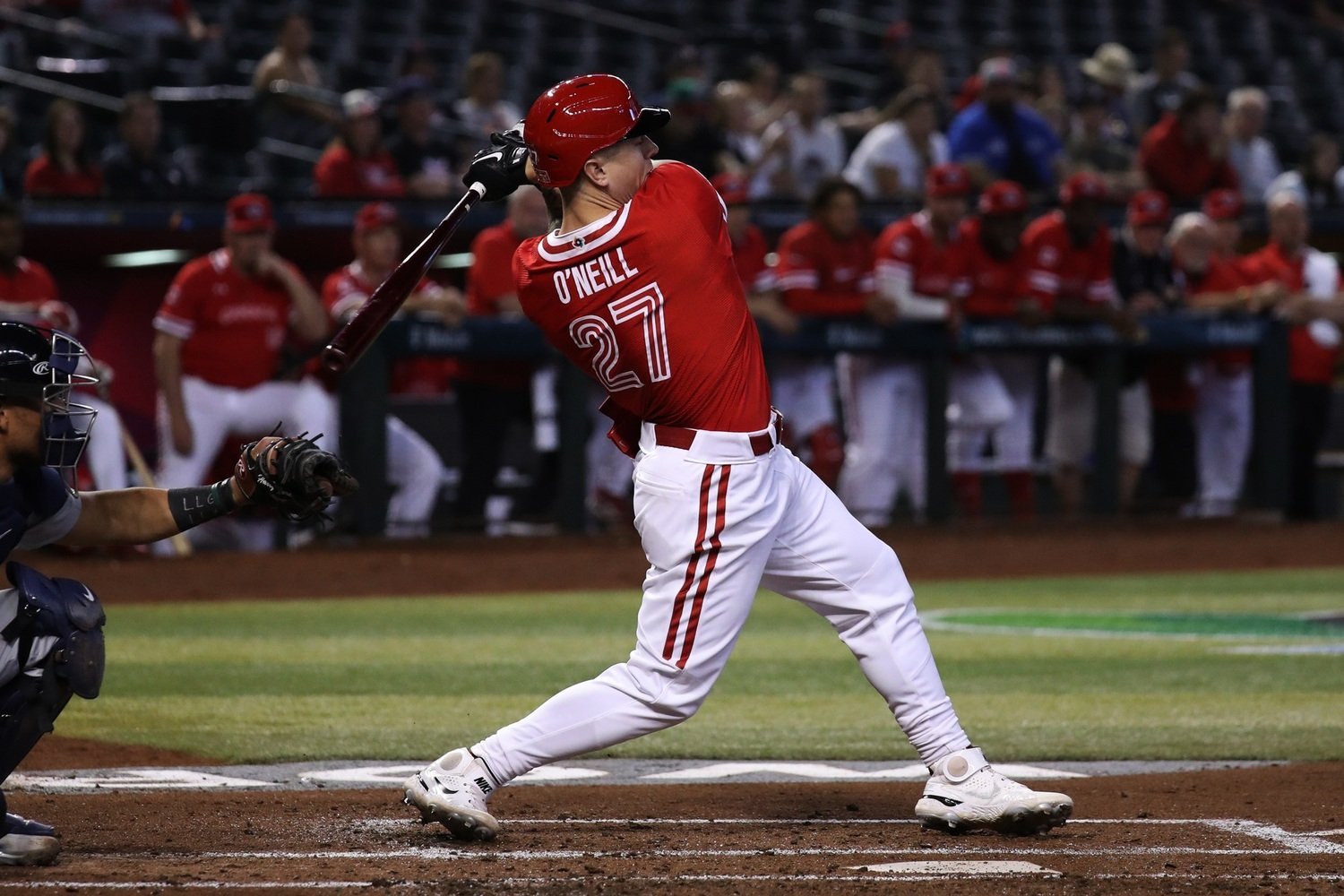 The rosters are finalized, the stadiums are prepped, and the stage is set for the biggest and brightest World Baseball Classic yet. On Thursday, MLB Network revealed the official rosters for all 20 teams, and the picture became more complete as to who would get the honour of representing their countries in the tournament. Although there were a few notable omissions from Team Canada (e.g., Freddie Freeman, Nick Pivetta, Matt Brash), on paper, the roster looks like one of the best the country has ever brought to the tournament. The squad is headlined by former All-Stars Josh Naylor and Michael Soroka, and it includes young players with exciting tools. It's a tantalizing mix. For Canadian baseball fans, the roster reveal confirmed something they had been quietly hoping for: the most balanced and competitive team Baseball Canada has ever assembled for the World Baseball Classic. However, advancing in the WBC won't be easy. In previous tournaments, Canada hasn't had much luck. In the five they’ve competed in, they’ve gone winless twice. While they came into a win-and-move-on situation the other three times, they lost each one. Canada has come close before, but now they have a path that doesn’t directly run through the United States or Mexico. Success for Canada doesn’t require perfection, but surviving the pool and getting past the first round would be a win for the program. Canada has been placed in Pool A, and that means they will face Colombia, Panama, Puerto Rico, and Cuba. Even though they won’t have to contend with the Americans, there is still a lot of talent on these teams, and Canada will still have to play well to advance. Canada’s schedule is front-loaded with opportunity and back-loaded with pressure. Here’s the schedule and days to know for Team Canada: Saturday, March 7th vs. Colombia 11:00 AM EST Sunday, March 8th vs. Panama 7:00 PM EDT Tuesday, March 10th vs. Puerto Rico 7:00 PM EDT Wednesday, March 11th vs. Cuba 3:00 PM EDT Canada will rely heavily on its depth and major league experience in the tournament, but in baseball, anything can happen. In a small tournament like this one, randomness and chaos are amplified even more, meaning every play, every swing, and every pitch matters exponentially. Canada will have to handle all the fundamentals, be smart on the bases, and cash in runs when the opportunity presents itself. With that context in mind, Canada’s path forward hinges on a few very specific things going right. Here are four roads that, if Canada travels, can lead them to World Baseball Classic glory. 1. Bank Early Wins Against Panama and Colombia This may seem obvious in any short round robin tournament, but the best way to advance is to win early and often. Team Canada should have a good chance to do that; they open their schedule against the two “softer” teams in the pool, Colombia and Panama. Taking care of business in those games will put immediate pressure on the rest of the group. Colombia has talent, particularly on the mound, with former MLB All-Star Jose Quintana anchoring their staff. However, an offence led by Donovan Solano, Gio Urshela, and Elias Díaz doesn't overwhelm. If Canada’s lineup can apply consistent pressure and avoid falling behind early, this is a game they should feel confident about controlling. Panama presents a slightly different challenge, with more pop in the lineup. Iván Herrera is coming off a 2.2 bWAR season for the Cardinals, and he is supported by other big leaguers like José Caballero and Edmundo Sosa. Cleveland Guardians pitcher Logan Allen will lead the staff, with former major leaguers Jaime Barria and Paolo Espino behind him. Canada’s pitchers will need to be sharp, but if the offence shows patience and capitalizes on mistakes, a 2-0 start is firmly in reach 2. Take Advantage of a Vulnerable Puerto Rico Team This will be Canada’s toughest opponent in the pool. Baseball in the Caribbean is electric, and when Team Canada takes the field on Tuesday, March 10, they’ll be stepping into a stadium fully aligned against them. Puerto Rico has dealt with some pre-tournament controversy due to several of their star players being denied insurance coverage. Francisco Lindor, Carlos Correa, and current Toronto Blue Jay, José Berríos, will not be competing in the WBC. At one point, this led to speculation that Team Puerto Rico would withdraw from the tournament entirely. Yet, even without Lindor, Correa, Berríos, and other omissions, Puerto Rico is still the favourite to win the pool. Eight-time All-Star Nolan Arenado will lead the team, along with major league regulars like MJ Melendez, Heliot Ramos, and Willi Castro. On the mound, former All-Star Seth Lugo will lead the rotation, while high-leverage bullpen options include Fernando Cruz, Jorge López, and one of the most dominant relievers in the world, Edwin Díaz. For Team Canada to have success in this game, managing the early innings will be paramount. A fast start can keep the Puerto Rican team (and fans) at bay and potentially keep Díaz out of the game entirely. Staying composed in a hostile environment and forcing Puerto Rico to play from behind could swing the game heavily in Canada’s favour. 3. Rely on the Coaching Staff In a tournament in which there are stricter pitching rules (a 65-pitch limit in the first round and a mandatory rest day after a pitcher throws 30+ pitches), having versatile arms in the bullpen will be key. Unlike some teams that are built around one or two frontline arms, Canada’s pitching staff is constructed to survive chaos. Multiple pitchers on this roster should be capable of throwing meaningful innings on short notice, and in a tournament with unpredictable game flow, that flexibility is a real advantage. That's where experience matters most. Ernie Whitt has managed Team Canada in all five of the country's WBC appearances. Knowing how long to let a pitcher throw, when to pull the plug, and how to navigate the bullpen within the rules can be the difference between winning a game and an early exit from the tournament. Beyond Whitt, the coaching staff contains some of Canada’s baseball legends. Former MVP Justin Morneau is the hitting coach, and all of Russell Martin, Stubby Clapp, and Paul Quantrill have worn the red and white in previous classics. For a team that has its share of young players, having these veterans to rely on can steady the group when the tournament begins. 4. Win Through Depth, Not Stars With no offence to Josh Naylor or Tyler O’Neill, Team Canada doesn’t have its own “superstar” on the roster, but that's perfectly fine; the team is built around balance, depth and adaptability, all of which are traits that have defined the Canadian international teams in any sport. Work long at-bats, get the opponent's pitch count up, and rely on your depth to outclass the other team. This can work extremely well against a team like Cuba, particularly with Canada and Cuba facing off on the last day of the round robin. Cuba has quality pitchers, but their depth doesn’t compare to Canada’s. If the final game against the Cubans turns into a winner-take-all matchup, Canada’s ability to spread responsibility across the entire roster could be the deciding factor in who moves on to the knockout round and who heads home early. Baseball is wild, and this year’s tournament is going to be more of the same. This sport is already built on small samples, and in a tournament so short, every pitch will matter that much more. Sometimes, chaos is going to be what it takes to win a tournament like this, and getting hot at the right time matters more than who has the most talent. If you're looking for an underdog story, then why can’t it be this scrappy, talented, hungry team? Oh, Canada indeed. View the full article
 -
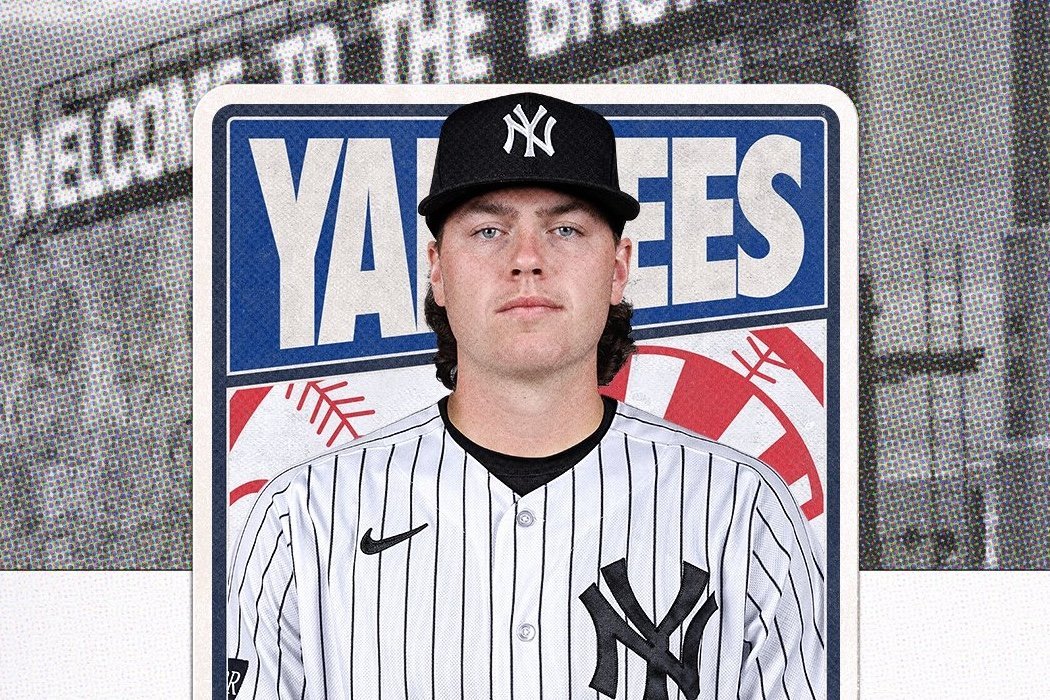 Even the most obsessive Miami Marlins fans would have a hard time remembering everybody who suited up for the team last season. Many of those individuals have since been traded, waived or released, but with few exceptions, their playing careers will continue into 2026. The Marlins used 56 different players in regular season games a year ago. Only 30 are still with the organization: Maximo Acosta, Sandy Alcantara, Lake Bachar, Anthony Bender, Griffin Conine, Xavier Edwards, Calvin Faucher, Cade Gibson, Ryan Gusto, Ronny Henriquez, Heriberto Hernández, Liam Hicks, Janson Junk, Otto Lopez, Jakob Marsee, Adam Mazur, Max Meyer, Patrick Monteverde, Brian Navarreto, Connor Norby, Graham Pauley, Eury Pérez, Michael Petersen, Tyler Phillips, Agustín Ramírez, Javier Sanoja, Josh Simpson, Kyle Stowers, Jesús Tinoco and Tyler Zuber. The following tracker will be updated regularly leading up to Opening Day. Found new homes These ex-Marlins have secured contracts for the 2026 season with new professional teams (parentheses denote a foreign pro league): Valente Bellozo—Colorado Rockies Jonah Bride—Texas Rangers Edward Cabrera—Chicago Cubs Nick Fortes—Tampa Bay Rays Derek Hill—Chicago White Sox Troy Johnston—Colorado Rockies Seth Martinez—Boston Red Sox Matt Mervis—Washington Nationals Victor Mesa Jr.—Tampa Bay Rays Dane Myers—Cincinnati Reds Cal Quantrill—Texas Rangers Christian Roa—Houston Astros Jesús Sánchez—Houston Astros Ronny Simon—Pittsburgh Pirates George Soriano—St. Louis Cardinals Freddy Tarnok—Hiroshima Carp (NPB) Anthony Veneziano—SSG Landers (KBO) Eric Wagaman—Minnesota Twins Ryan Weathers—New York Yankees Joey Wiemer—Washington Nationals Jack Winkler—Houston Astros Still searching That leaves five other players with unresolved job searches: Luarbert Arias, Rob Brantly, Xzavion Curry, Connor Gillispie and Robinson Piña. View the full article
 -
Blue Jays Pitchers and Catchers Report to Spring Training
DiamondCentric posted an article in Jays Centre
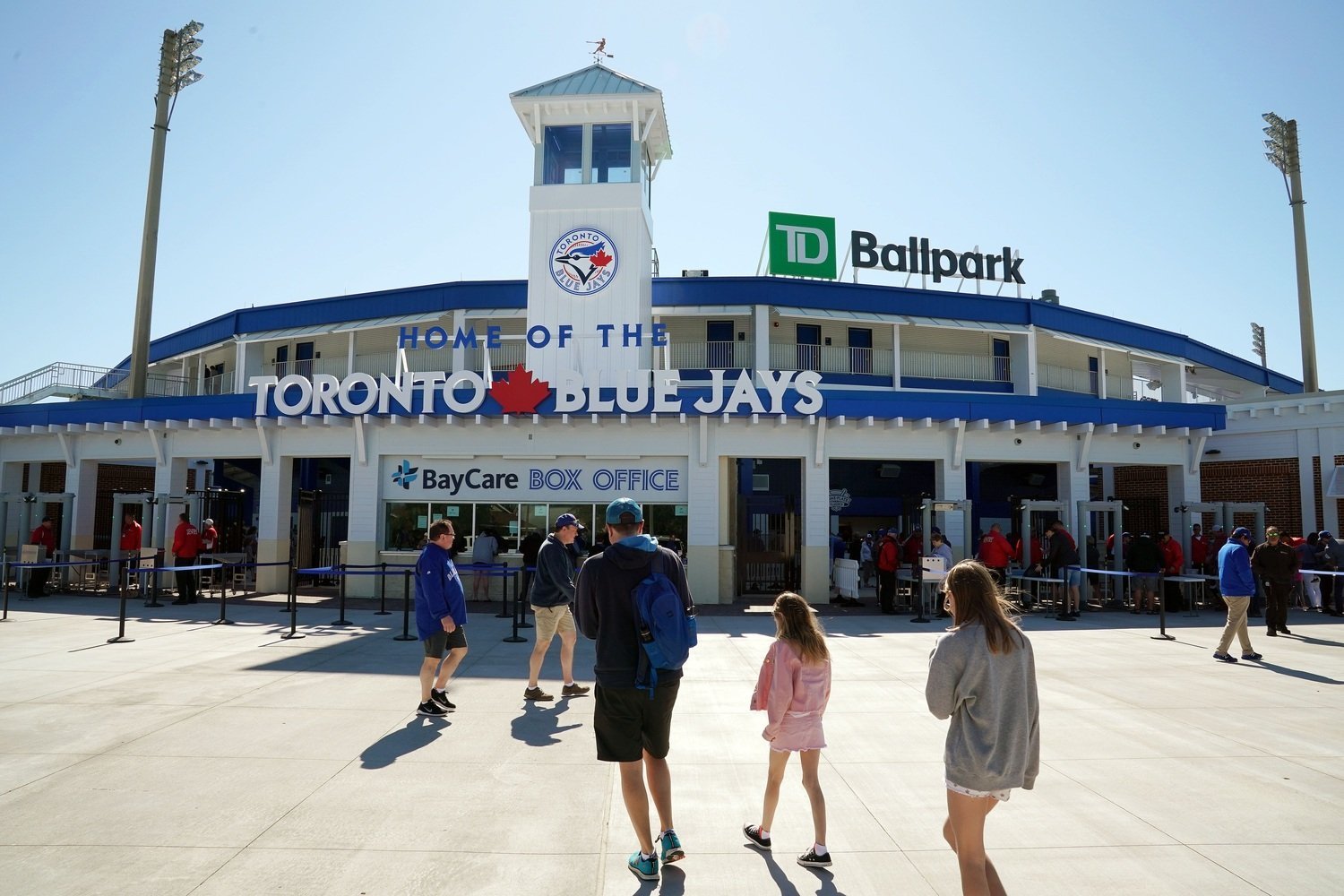 Spring training is here! Well, sort of. It's pitchers and catchers day at the Blue Jays' spring training complex in Dunedin, Florida. Injury updates have already started rolling in, and, on a more positive note, pictures and videos of real-life baseball activities are coming soon. All pitchers and catchers are expected to report to camp today, while any other position players participating in the World Baseball Classic will report tomorrow. The rest of the squad is expected to arrive no later than Monday, February 16. Blue Jays photo day is scheduled for Friday, February 20 (new headshots to use in our articles, yay!), and the following day, the Jays will welcome the Phillies for the first game of spring training on Saturday, February 21 at 1:07 pm. That kicks off a stretch of 11 Grapefruit League games in 10 days, leading up to an exhibition match against Team Canada at 1:07 pm on Tuesday, March 3. Another date to keep on your calendar is Saturday, March 21, when a team of Blue Jays prospects will take on a team of Phillies prospects as part of the Spring Breakout weekend. The Phillies will host that contest at 1:05 pm in Clearwater. Finally, spring training will come to a close at the end of March. While 24 teams will play their Opening Day matchups on March 25 or 26, the Blue Jays are one of a handful of clubs waiting until Friday, March 27 to begin their regular season. Their first game will also be their home opener, as they take on the Athletics at 7:07 pm in Toronto. View the full article
 -
Atkins: Blue Jays "Not Significantly" Involved in Outfield Market
DiamondCentric posted an article in Jays Centre
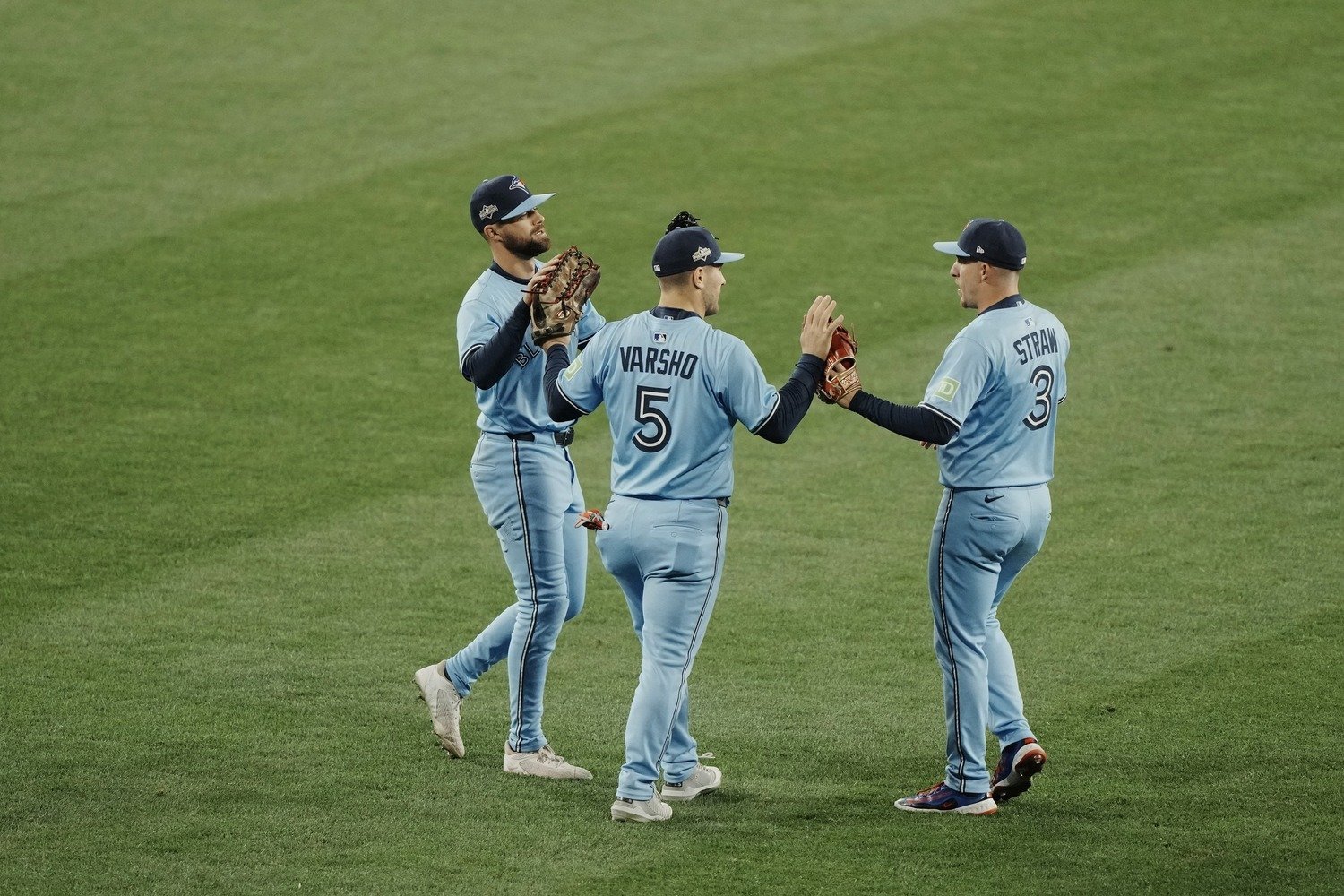 Speaking to Sportnet's Ben Nicholson-Smith, Toronto Blue Jays GM Ross Atkins said that the team is "not significantly" involved in the outfield market. This comes in light of the news that Anthony Santander could miss the next five to six months recovering from shoulder surgery. While Santander's injury news was a shock, this update from Atkins isn't altogether surprising. The Blue Jays have no shortage of healthy outfielders on their 40-man roster, including Daulton Varsho, Addison Barger, Nathan Lukes, Davis Schneider, and Myles Straw. Varsho will be the everyday center fielder, with Straw as his backup. Manager John Schneider told Nicholson-Smith today that he expects Barger to get the majority of the reps in right field, while Lukes and Davis Schneider will platoon in left. The skipper also suggested that George Springer will be an option for the outfield as needed. There will be a spot up for grabs on Toronto's bench, which could go to another outfielder (likely Joey Loperfido), but an infielder might make more sense. Leo Jiménez is already on the 40-man roster, while Josh Kasevich is another name to keep an eye on. One more player to follow will be outfielder RJ Schreck. He isn't on the 40-man, but Atkins told MLB.com's Keegan Matheson that he's particularly excited to watch Schreck in spring training. View the full article
 -
Anthony Santander To Miss Most of 2026 With Shoulder Injury
DiamondCentric posted an article in Jays Centre
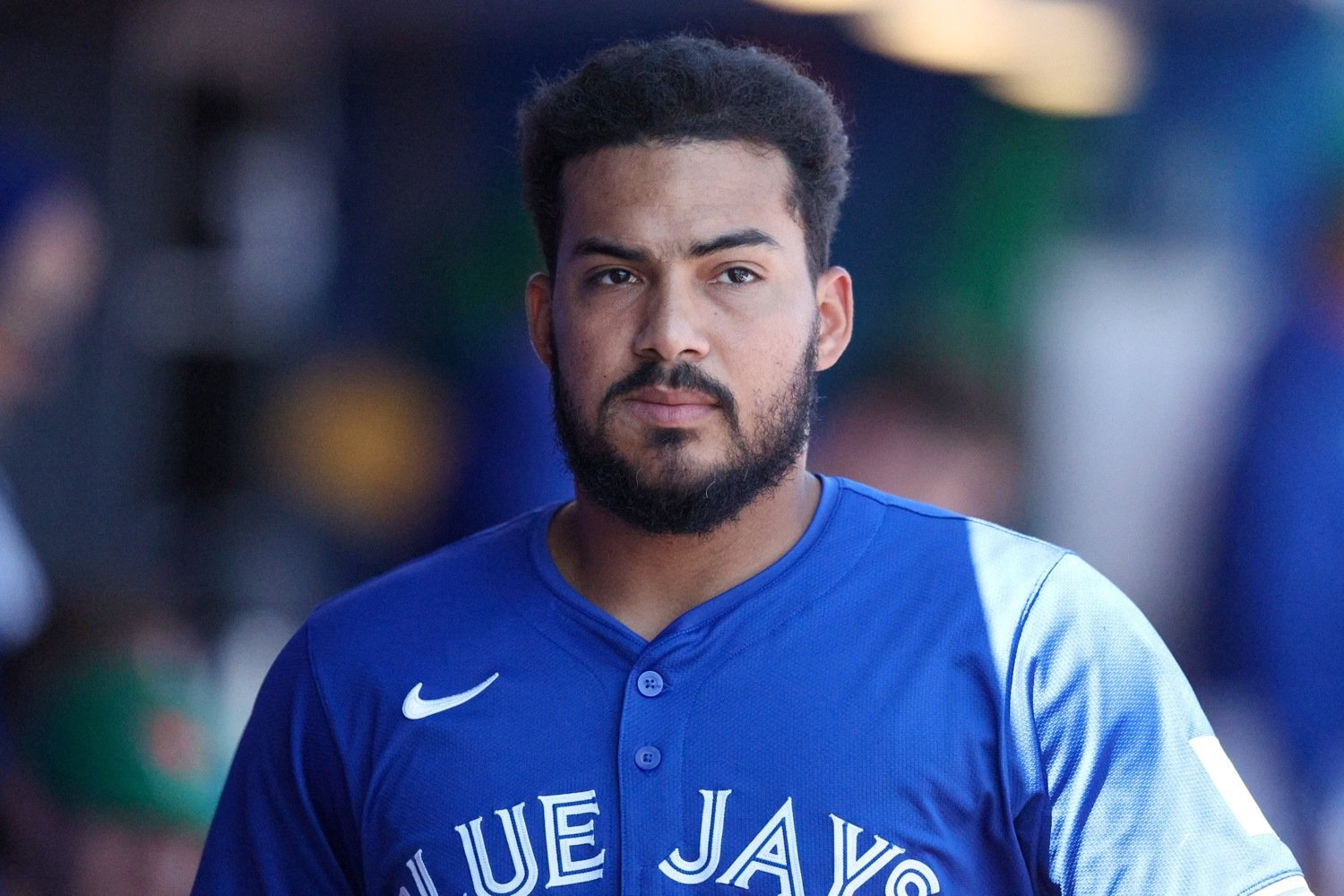 Anthony Santander was looking to have a redemption year after injuries derailed his 2025 season. He suffered a shoulder subluxation last May after crashing into the outfield wall. The injury kept him out until the last couple of weeks of the regular season. Santander made the postseason roster, but in the ALCS, he suffered a back injury and was replaced, ending his season. When the 31-year-old was on the field last season, he was a massive disappointment after his career-best 2024 campaign, in which he hit 44 home runs with 102 RBIs for the Baltimore Orioles. His success led him to sign a five-year, $92.5 million contract with the Toronto Blue Jays. However, in his 221 plate appearances last season, Santander hit just six home runs, scored 16 times, and drove in 18 runs. His underwhelming 61 wRC+ was his worst since his rookie cups of coffee in 2017 and '18. The Blue Jays were surely hoping that time to recover over the offseason would mean a bounce-back performance from Santander this year. However, the team just received devastating news about the left fielder. Mitch Bannon of The Athletic reports that Santander will need left labral surgery, likely keeping the switch-hitter out for five to six months. There's no way to sugarcoat it: This contract is turning into a massive bust for the Toronto Blue Jays organization. The Blue Jays finished 11th in home runs last season among MLB teams (191), making this injury news even more concerning. Bo Bichette left in free agency, and the Blue Jays struck out trying to add Kyle Tucker in free agency. Fans need to brace themselves for another year with less power than they'd like to see. Nathan Lukes looks to be the main recipient of the playing time that has opened up, and he's not exactly a big home run threat. Lukes has only hit 15 home runs in 560 career plate appearances, but he was a reliable top-of-the-order batter in 2025. He makes lots of contact and gets on base at an above-average rate. It will be interesting to see if the Blue Jays try to add another bat, though all of the big-name free agents have already signed. View the full article
 -
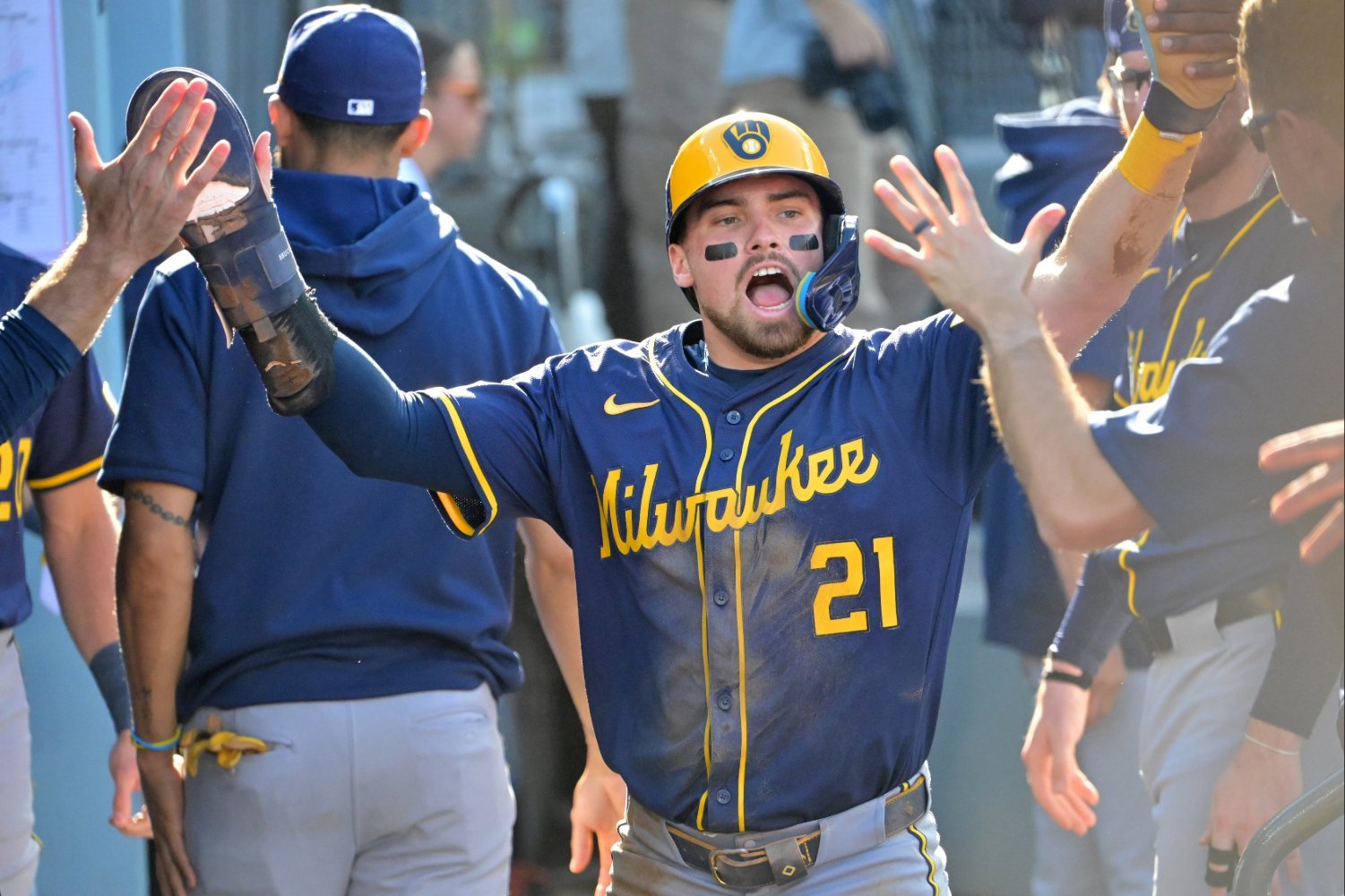 The New York Yankees got an early Christmas present in December 2024 when they traded pitcher Nestor Cortes and infielder Caleb Durbin for ace closer Devin Williams. The Yankees got one of the elite high-leverage relievers in baseball while giving up a middle-of-the-rotation starter and a top infield prospect who had already burned through two organizations and had only a half-season at Triple-A. The trade reviews were mixed, as Williams had been a two-time All-Star and Rookie of the Year winner in his six years in Milwaukee. What would the Brewers do without the ‘Airbender?’ But in return, they received a southpaw starter who was expected to plug into the rotation and an prospect who was expected to battle for a starting job in the infield. Sounds like a win-win. Early on, the pundits were speculating where Durbin would fit into the Brewers roster. Although he played a similar amount of innings at second and third in the minors, the only opening the Brewers had was at the hot corner. The Crew had three players in camp with major-league experience at third base in Andruw Monasterio, Oliver Dunn and Vinny Capra. Durbin would need to show his wares and show them well to win this battle. "Durbin is exciting as a fresh face in the Brewers camp: hard, gritty and with a variety of ways in which he can impact the game. Whether he's truly an everyday player over a long stretch remains to be seen." --Jake McKibbin, Brewer Fanatic, December 17, 2024 (Can Caleb Durbin and Oliver Dunn Man the Hot Corner for the 2025 Milwaukee Brewers?) Durbin did a nice job during the spring, batting .259/.339/.407 in 54 at-bats, but his competitors all posted superior stats. Dunn (.340/.400/.560), Capra (.292/.358/.729), and Monasterio (.382/.488/.647) all proved they were worthy of Opening Day roster spots. Unsurprisingly, Durbin started the season at Triple-A Nashville, along with Monasterio, while Capra and Dunn split the starts at third base for the Brewers as the season began. Capra and Dunn began the campaign a combined 9-for-67 (.134) and Dunn was sent down to Nashville in mid-April while Durbin was called up from the Music City after hitting .278/.316/.481 across 54 at-bats. Durbin made his MLB debut on April 18, going 2-for-4 in a 5-3 victory over the nomadic Athletics at Miller Park. The Caleb Durbin Era had begun. Three weeks later, Capra was claimed on waivers by the Chicago White Sox, but by that time Durbin had solidified his hold on the third base job. Unfortunately for the Brewers, Cortes didn't do as well on the mound, as he made only two starts before going on the IL with an elbow injury. He and Jose Quintana went to the San Diego Padres for Brandon Lockridge at the end of July. "The limits on his power potential are very real. There's a perceived risk that he'll have the bat knocked out of his hands. Light-hitting guys like him have to be patient, so they can force their way on base with the occasional walk even though pitchers are unafraid of them." --Matthew Trueblood, Brewer Fanatic, December 16, 2024 (Caleb Durbin Runs the Bases Like He's Being Chased, and It Rocks) Durbin homered in his 12th at-bat, going deep against fierce southpaw Robbie Ray on April 21 at Oracle Park in San Francisco. Little by little, Durbin got better at drawing walks in the middle of the season, taking free passes at a rate of 9.2% in June and July, which is considered average to above-average, according to FanGraphs. He was plunked 14 times by the All-Star break, making his OBP look a little bit better. "Caleb Durbin steals bases with a ferocious, fearless abandon. If he can stay healthy and get on base enough to matter, he might very well eclipse the 50 steals Turang amassed in 2024." --Matthew Trueblood, Brewer Fanatic, December 16, 2024 (Caleb Durbin Runs the Bases Like He's Being Chased, and It Rocks) The diminutive Durbin stole 11 of 17 bases in his first five months and then showed his speed and savvy when he pilfered seven bags without getting caught in September. With a year under his belt, that SB total of 18 could rise, but now he has to get acclimated to the pitchers and catchers in the American League. But the potential is there for him to join the running crew that includes Trevor Story, Jarren Duran, and Ceddanne Rafaela, all of whom stole at least 20 bases last season. "Durbin might be wise to get slightly more aggressive in his lower half. That's the only way he'll hit even for 10-homer power or rack up doubles and triples at the rate generally required of a modern hitter. For now, however, it's hard to argue with the way he's organized his swing. If he can keep drawing walks (two so far) and being plunked at a rate totaling three times that at which he strikes out, he doesn't have to hit for any power to have value." --Matthew Trueblood, Brewer Fanatic, April 30, 2025 (So Far, Caleb Durbin is Choosing Contact (Lots of It) Over Power (Like, Any at All)) Durbin hit exactly one home run in his first six weeks and finished the season with 11 jacks. He finished the season with 25 two-base hits and oddly enough for a speedy, line drive hitter, ended with zero triples. That 2B total should rise this year at Fenway, which according to Baseball Savant, is the best doubles park in baseball. The home run number could increase as well, with the Green Monster beckoning. "However, with his speed, contact and plate discipline, even 10 home runs would enable him to be a capable offensive threat—if his defense can remain up to scratch alongside that." --Jake McKibbin, Brewer Fanatic, December 17, 2024 (Can Caleb Durbin and Oliver Dunn Man the Hot Corner for the 2025 Milwaukee Brewers?) The scrappy Durbin came to the Brewers with two uncertainties: where he would play, and how well he would play there. After the Capra/Dunn experiment went up in flames, the Brewers put Durbin at third and told him to go to work. Although he wasn't always pretty playing in the dirt, the numbers say differently. Durbin ranked tied for fifth at third base with Matt Chapman--a five-time Gold Glove winner--with +5 Defensive Runs Saved (DRS). His +1 Statcast Fielding Run Value placed him seventh at the hot corner. His 2025 season wasn't perfect, but he performed well in nine postseason games, batting .276/.364/.414. Brewers fans will miss him, but we will all cheer him on while he plays for the Red Sox. Unless he is playing against Milwaukee, which will happen at Fenway from April 6-8. View the full article
 -
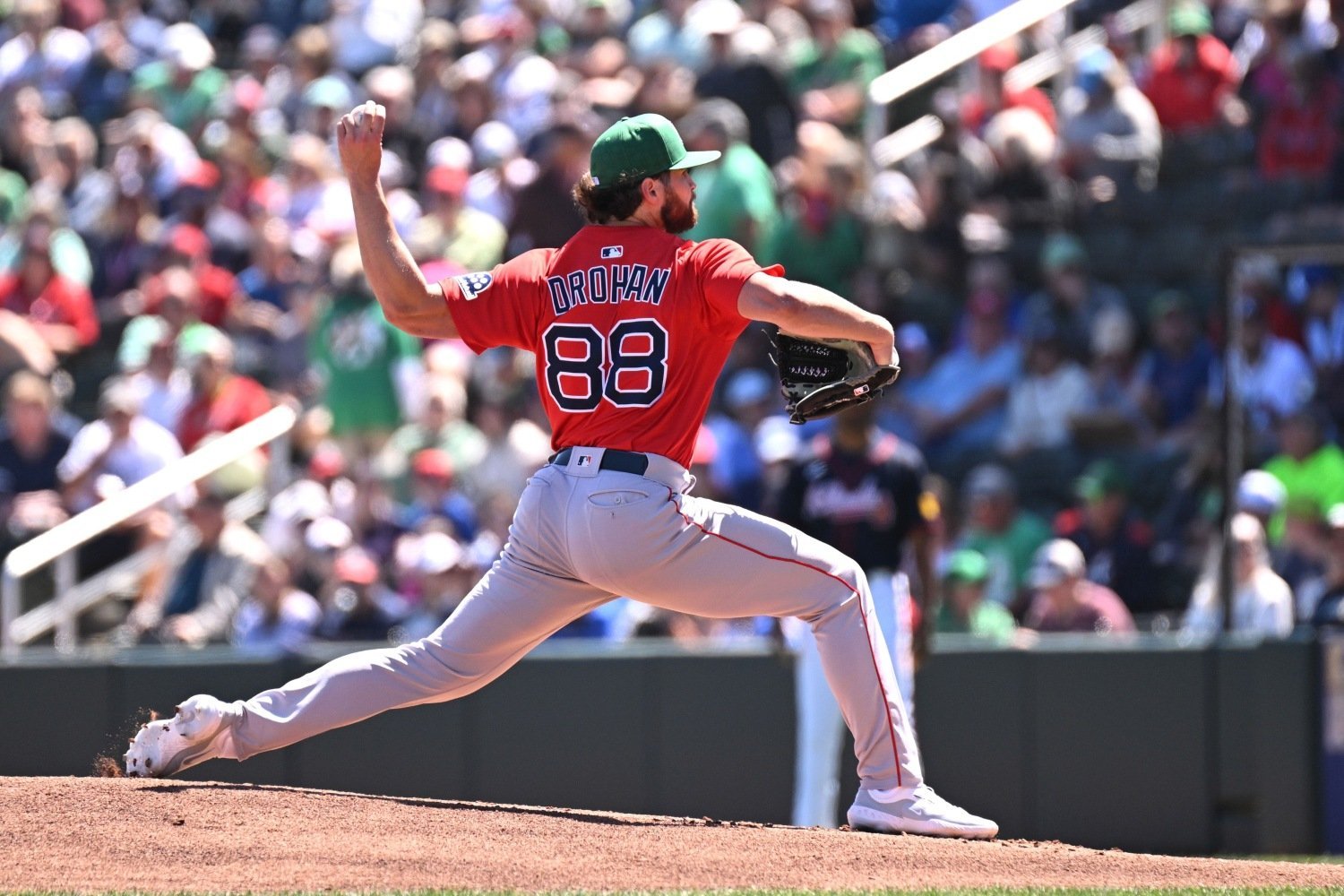 Suddenly, the Milwaukee Brewers have two more left-handed options for not only their starting rotation, but their pitching staff as a whole. That came with Monday's trade, in which the Crew shipped three infielders (led by starting third baseman Caleb Durbin) and a draft pick to the Boston Red Sox for left-handed starters Kyle Harrison and Shane Drohan, as well as infielder David Hamilton. As spring training begins this week in Phoenix, Harrison and Drohan will be in the mix to make the Opening Day roster. But where? Harrison was the No. 1 prospect with the San Francisco Giants in 2024, and was part of the return the Red Sox got in June 2025, in the Rafael Devers trade. Still just 24, the 2020 third-round draft choice has 42 games of big-league experience, with 37 starts. Of those, 24 came during the 2024 season, in which he had a 4.33 FIP with a 7.9% walk rate and 22.2% strikeout rate. After getting a bit of an overhaul with the Red Sox, Harrison joins a Brewers system well-known for getting the most out of pitchers, so there could be a little more to pull out of him. Harrison will compete for a rotation spot with fellow left-hander Robert Gasser, as well as right-handers Logan Henderson, Chad Patrick and Brandon Sproat. DL Hall, another left-hander, could be battling to be a starter. A second tier of prospects includes Carlos Rodriguez and Coleman Crow, if they each survive the 40-man roster crunch that could develop in camp. Being southpaws could lend Gasser and Harrison a leg up, as the top three of Brandon Woodruff, Quinn Priester and Jacob Misiorowski are all right-handers. Harrison also has minor-league options remaining, though. As recently as 2024, the Brewers worked without a left-handed starter for most of the season. Drohan, on the other hand, is a 27-year-old lefty who has yet to make his big-league debut. The Red Sox drafted him in the fifth round in 2020 out of Florida State. His potential was good enough for the Chicago White Sox to select him in the Rule 5 draft following the 2023 season, but he had nerve decompression surgery in his shoulder a few months later and was returned to the Red Sox in June 2024, after recovering but without cracking the active roster. In 2025, Drohan made 14 starts and one relief appearance, primarily at Triple-A Worcester. He posted a 2.27 ERA over 47⅔ innings in 12 Triple-A games. The Red Sox added him to the 40-man roster this offseason—one reason why he was available in the trade, as the Brewers shipped three 40-man players to the Red Sox and got three back. While likely to be stretched out as a starter this spring, Drohan could be an option as a long reliever. That could be his best path to the roster, given his age and skill set. The Brewers currently feature a wealth of left-handers in the bullpen with Hall, Aaron Ashby, Jared Koenig, Rob Zastryzny and Ángel Zerpa. That puts Drohan on a path to Triple-A Nashville to begin the season, but a top choice to come up if one of that group gets hurt. Unless there is another trade, whether it is to use this pitching depth to acquire a potential Durbin replacement or something else, Harrison and Drohan will be second-tier contributors to the 2026 Brewers. Harrison has five years of team control remaining, though, and Drohan has all six. Harrison can be optioned to the minors not only this year, but in another season, and Drohan has all three options left. They're incredibly flexible pieces, given their upside. They just might have to wait a while to have an impact. View the full article
 -
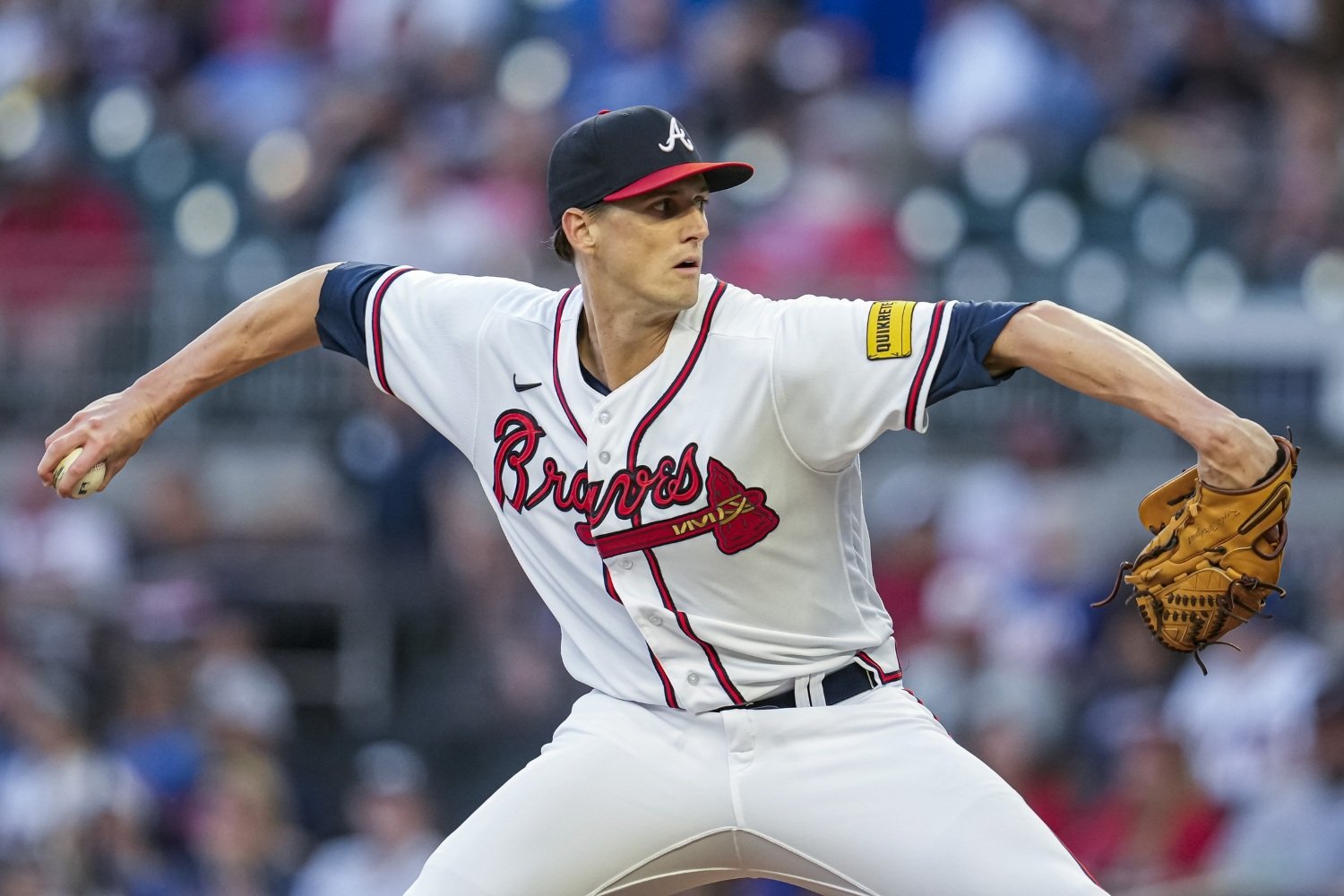 The Chicago Cubs and right-handed pitcher Kyle Wright are in agreement on a minor-league deal that includes an invitation to major-league spring training, a team source told North Side Baseball. Wright, 30, hasn't pitched in the majors since 2023. He missed the last two years after suffering a torn shoulder capsule that required a career-threatening surgery. After being a buzzy pitching prospect but then a modest disappointment early in his big-league career, Wright underwent a dramatic mechanical change in 2022 and broke out. That year, he pitched 180 1/3 innings over 30 starts and posted a 3.19 ERA, winning 21 games for a dominant Atlanta team. By going to a lower arm slot and emphasizing his sinker instead of his four-seam fastball, he tapped into an extremely effective five-pitch mix. In a handful of appearances in the Royals' farm system last season, Wright didn't show the same electric stuff. His fastball had pushed up to 95 miles per hour during his breakout campaign; it sat around 92 in 2025. Another year removed from the operation, though, he could well get some velocity back, and the pitch shapes that made him good four years ago appear to be intact. It's unlikely that Wright will reestablish himself as a big-league starter on this side of such a massive injury, but he comes to camp as another candidate to be a low-slot right-handed option out of the bullpen. He's out of minor-league options, but should he make the roster, he would be under team control through 2027. For the Cubs, it's yet another fine flier. For Wright, it's a chance to spend the spring with a highly respected pitching coach who knows what it takes to succeed from a low arm slot, in Tommy Hottovy. The Cubs will send a handful of pitchers out to pitch for their countries in the World Baseball Classic, so innings should be available in the early Cactus League games. Whereas some pitchers are likely to stick around and wait for the right chance with the Cubs even if they don't make the team, Wright will probably pursue the first big-league shot he gets. The Cubs have secured the privilege of being first to decide about him, but if he doesn't crack the roster, he'll leave, with no hard feelings. At this time of year, deals with injury cases like Wright are win-win moves for the parties involved. If he does get some velocity back on the fastball and sticks in the Opening Day bullpen, Wright will be a high-upside reclamation project. View the full article
 -
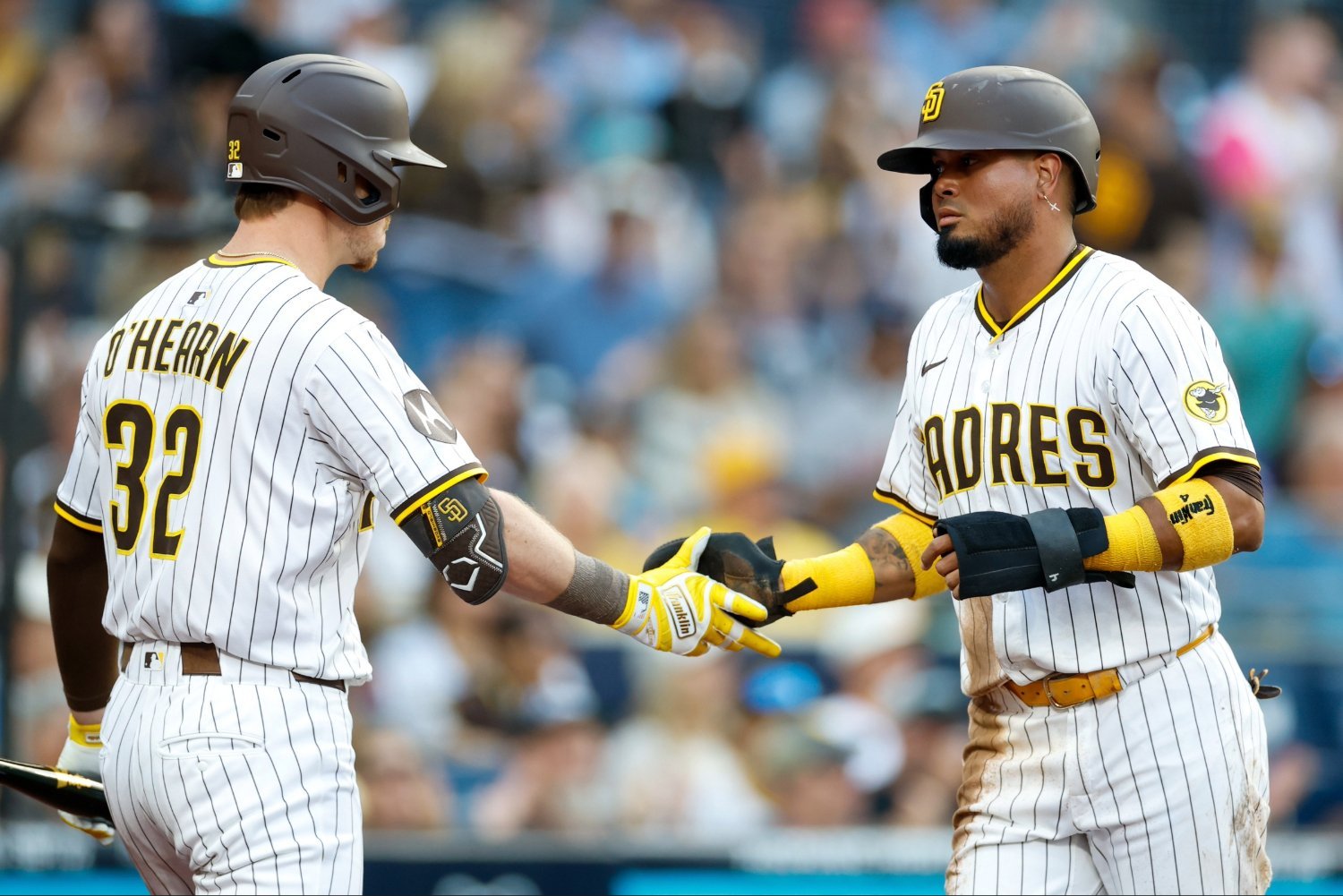 During the 2025-26 offseason, the San Diego Padres lost both Ryan O’Hearn and Luis Arraez to free agency. Since both are left-handed batters, the Fenton Curse merits being revisited. What was originally San Diego Stadium was the newest of the three major league ballparks in Southern California. Dodger Stadium opened in 1962, what was originally Anaheim Stadium opened in 1966, and San Diego Stadium opened with football in August 1967 before first hosting baseball in 1968. San Diego Stadium was also renovated in the early 1980s when the success of the Chargers football team warranted a seating expansion. The first Padres owner to express a desire for a new stadium was Tom Werner after attendance dropped during the fire sale years and Werner wanted a smaller stadium with fewer empty seats. After Werner’s ownership group sold the Padres, new owner John Moores originally didn’t ask for a new stadium. The 1990s renovations based on the Chargers’ demands included lease terms more favorable to the Chargers than to the Padres. The Friars actually needed a new lease rather than a new stadium, but the factors necessitated a new ballpark. The Fenton quarry just west of the stadium had been mined out by that time. Fenton offered the city the land for the new baseball stadium, which also would have allowed sharing of the old stadium’s parking lot. The city wanted the new baseball stadium to be part of Downtown redevelopment and turned down the Fenton offer. That was probably beneficial to city sales tax revenue since the land became the Fenton Marketplace mall which includes a Costco, an Ikea, and several restaurants with the city itself obtaining a presence with the Mission Valley library branch. Petco Park was built in the East Village area of Downtown San Diego. The allegedly blighted area razed to build the stadium wasn’t primarily the likes of bars and tattoo parlors but rather the Produce District where local growers sold their produce for resale to grocery stores and restaurants. Home plate is traditionally the southwest corner of the diamond for a reason: if the batter is facing east the sun will not be in his eyes. In order to have a skyline view of Downtown San Diego rather than Barrio Logan, home plate at Petco Park is due south. That means left-handed batters are looking into the sun during certain hours. The configuration seems to have been adverse for left-handed hitters. Ryan Klesko was the Padres’ top left-handed hitter when the team moved to Petco Park. In his four seasons with the Padres prior to the stadium change he batted .282. Klesko batted .270 for the Padres during the years they played home games at Petco Park. Adrian Gonzalez, who played for the Padres from 2006 to 2010, holds the club record for most career home runs by a left-handed batter. He hit 104 of those 161 home runs on the road. In all five of his seasons, he hit more home runs on the road than at home, and in all five of those years he also had a higher batting average in away games. His highest Petco Park batting average of .296 in 2006 gave him his only .300 overall season with the Padres and was slightly better than his worst road batting average of .295 in 2007, which was the only year he didn’t hit over .300 on the road. Wil Myers was a right-handed batter for the Padres from 2015 to 2022 and batted .254 with 134 home runs during those years. The 2016 All‑Star Game was held at Petco Park, and Myers was the host team representative in the Home Run Derby the day before. He lost in the first round as did all three of the Home Run Derby contestants who batted left-handed. That should have sent a message to free agents who batted left-handed that Petco Park will have adverse effects on production. A left-handed hitter who was offered a large salary for a significant number of years had the luxury of taking the money rather than the advice. In February 2018, Eric Hosmer signed an eight-year contract in which the Padres would pay him $144 million. Hosmer, who batted .284 with 127 home runs during his seven regular seasons with the Kansas City Royals, batted .265 with 69 home runs in just under five seasons with the Padres. In August 2022, the Padres sent Hosmer, two minor-league players, and cash to the Boston Red Sox for one minor-league player. Jackson Merrill was the runner-up for the National League’s Rookie of the Year award in 2024, so that season wasn’t a bust for him. He hit 24 home runs consisting of 12 in 79 home games and 12 in 77 away games. He batted .256 at home and .326 on the road. In 2025, Merrill had more home runs in Petco Park than on the road but batted .243 in home games and .284 in road at-bats. In 2025, O’Hearn batted .283 with 13 home runs in 94 games with the Baltimore Orioles while hitting .276 with four home runs during his 50 games with the Padres. Even his overall Padres batting average exceeds the .270 he hit at Petco Park. Arraez may be an exception to the Fenton Curse. During 2025, he batted .315 with six home runs at home and .270 with two home runs in away games. However, his only full season with the Padres produced a .292 overall batting average, which was the worst of his major-league career. His 2024 season consisted of 33 games with the Miami Marlins and 117 contests with the Padres, and he batted .268 at home and .359 in road games. Gavin Sheets played 72 home games and 73 road games with the Padres in 2025. His first year with the team included a .229 average with eight home runs at Petco Park and a .273 road average with 11 homers elsewhere. Excluding pitchers and players with fewer than 15 games with the Padres, the only other left-handed batter on the Padres’ 40-man roster as of Arraez’s signing with the San Francisco Giants is Jake Cronenworth. His 2025 season saw a .218 average with four homers in 67 Petco Park games and a .270 average with seven homers in 68 road contests. The loss of O’Hearn and Arraez indicates that free agents may be taking the Fenton Curse seriously. View the full article
 -
A Definitive Guide to the Ultimate Season of Blue Jays Giveaways
DiamondCentric posted an article in Jays Centre
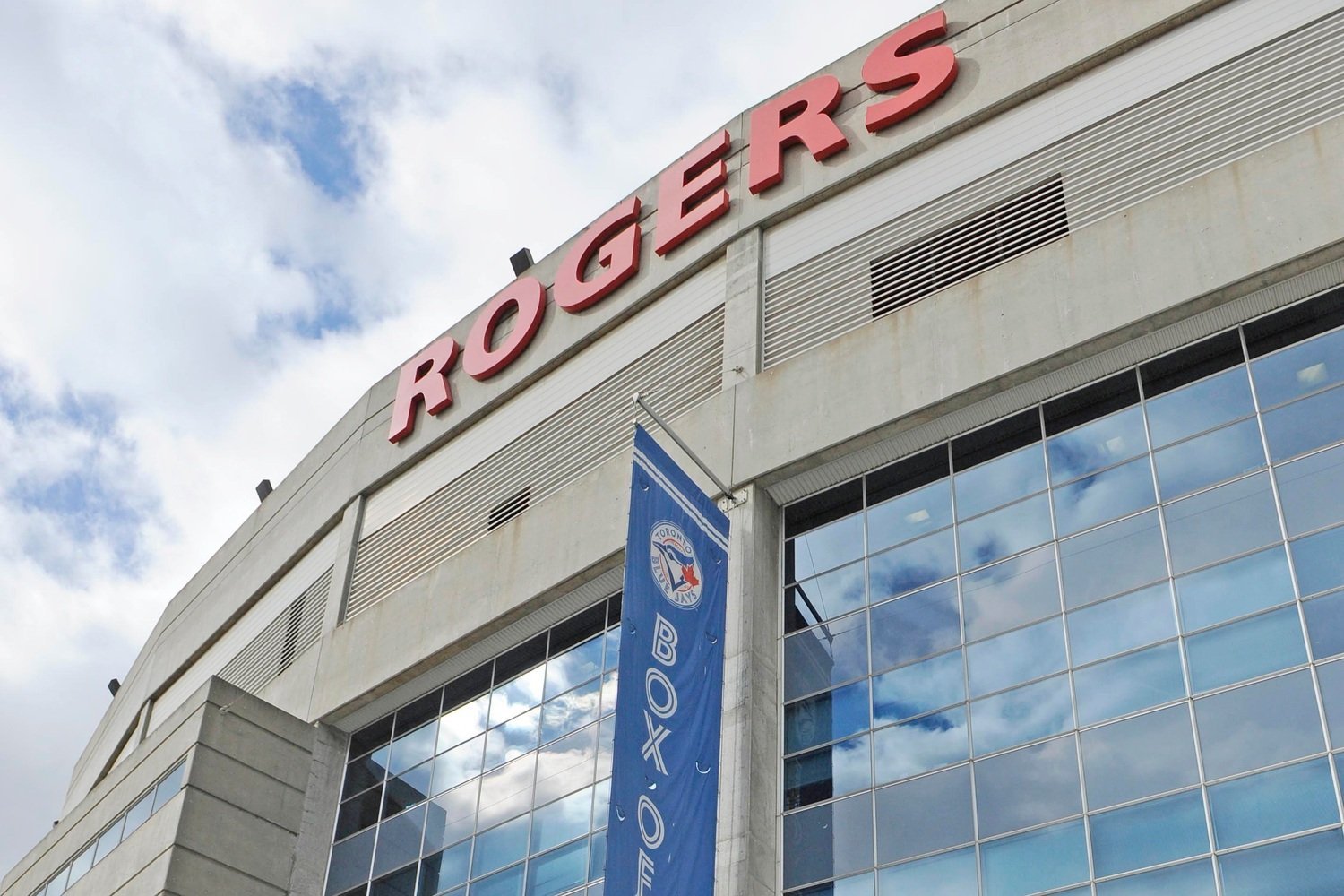 The Blue Jays released their 2026 promotional giveaway schedule last week. The assortment of items highlights last year’s magical run and the organization’s 50th anniversary. From jerseys and hats to collectibles and replica jewellery, here's a look at what’s worth lining up early for (to make sure you're one of the first 15,000 fans who can claim the giveaway). The full promotions and events schedule features 74 exciting giveaways, theme days, and specialty tickets. Basically, 90% of all home games have some sort of promotion or theme day, and that’s more than ever before. Who says good teams don’t need to focus on marketing? The eight specialty ticket giveaways include a SpongeBob SquarePants-themed Jays jersey (April 25), a Naruto-themed Jays jersey (May 13), a Gate 14 Podcast t-shirt (June 22), a Blue Jays Potato Head toy (June 25), a Stranger Things bobblehead (July 22), a youth baseball elbow guard (August 12), a Blue Jays plush Care Bear (August 15) and a Blue Jays cap co-branded with the logo of participating colleges and universities (September 14). There are limited numbers of specialty tickets available for those games, and those tickets guarantee a promotional item. The cheapest specialty tickets start at $56 in the 500s, and they are sold by the Jays directly, not Ticketmaster. Some promotions generate huge interest. Last season, all of the bomber jackets and the Barbie Hawaiian shirts were claimed within an hour of gates opening. For reference, gates open 90 minutes before first pitch. Technically, it isn’t the first 15,000 fans that will receive a promotional item, as the team distributes a certain number to each gate and then occasionally moves the inventory around if gates run out. There is one other way to get a promotional item if you are adamant about not missing out. If you book a pre-game stadium tour on a game day, the item is provided to you. Before first pitch on Opening Day, a ceremony will honour the 2025 AL Champions, and every fan in the building will receive a Blue Jays AL champions pennant on entry and a magnet schedule on exit. The celebration for last year continues in the days and weeks that follow, with an AL champions white‑panel hat giveaway (March 28) and an AL champions crewneck giveaway (March 30). If you love collectibles, then you won’t want to miss the “Jumpin’ George Springer” bobblehead (April 10). April onward, the focus of the giveaways shifts to celebrating the team’s 50th season. On April 7, the team will commemorate its very first game at Exhibition Stadium with a special 77-cent hot dog night. It is unlikely they’ll truck in any snow to mimic the actual first game conditions, so that's another positive. Fans at that game can receive a commemorative ticket. One fun social media post this week suggested the Jays should have given away an Exhibition Stadium snow globe. That would have been cool. The promotional team has sprinkled a bunch of retro items into this year’s giveaways: a "Y2K" hoodie (April 24); a Trey Yesavage “Angry Bird” replica jersey (May 8); a "legendary home runs" t‑shirt (May 11); a Roy Halladay retro replica jersey (June 8); a retro Domer hat (June 24); a set of replica World Series rings (July 18); a "Back‑to‑Back Statue" figurine (August 10); a classic retro bag (September 11); and a Carlos Delgado short‑sleeved retro windbreaker (September 25). Some other highlights are the Ernie Clement hockey jersey (April 27), the Shane Bieber Canada Day cut-off jersey (July 1) and the so-called "Addison Barger couch t-shirt" (April 11). Keep in mind that some fans complain that the team doesn’t offer multiple sizes (only adult XL). Other MLB teams do offer at least two sizes for their giveaways. Giveaways and specialty tickets are the equivalent of loss leaders for professional sports teams. A loss leader is a pricing strategy where businesses sell a popular item below market cost to attract customers and increase store traffic. The Jays and their partners underwrite a product with a fan‑perceived value far above its cost to build habit, fill the building and lift per‑fan spending. The economics are compelling when you look at what promotions do to behaviour. Consider Loonie Dogs Night. In 2025, fans consumed a staggering 826,308 one‑dollar hot dogs, according to mainstream reporting, a record‑shattering figure that the team plainly intends to top with another full slate of Tuesday promotions in 2026 – not to mention the 77‑cent special on April 7 to commemorate the franchise’s founding year. Those numbers don’t just make for fun scoreboards; they’re proof that the right promo turns an ordinary calendar date into an appointment. As for where ideas come from, 2026 is a masterclass in coordinated planning. The Blue Jays marketing and brand teams are focusing on two key themes: last season and the team’s anniversary. They have layered in clothing, bobbleheads, novelties and family experiences to keep things fresh every homestand. The question fans always ask next is, "What happens to leftovers?" Years ago, the team would sell leftover giveaway items like any other merchandise, but they no longer do so. In recent years, the Jays have sold surplus promotional items directly through the Jays Care Garage Sale or in‑stadium fundraising event, in which previous giveaways, team‑issued odds and ends, and discounted merchandise are put into fans’ hands with proceeds supporting community programs. These pop up during home stands and at season’s end and remain the most ethical and practical way for extras to find a home. If your goal is to leave Rogers Centre with something you’ll wear, frame, display or hand down, this is your season. Prioritize the ring set in July, the Halladay retro and the Domer hat in June, and the Delgado windbreaker that closes the loop in September. Plan your arrivals like you would a travel connection. Season 50 only happens once, and this schedule makes it clear the Blue Jays intend to make every night feel like a keepsake. View the full article
 -
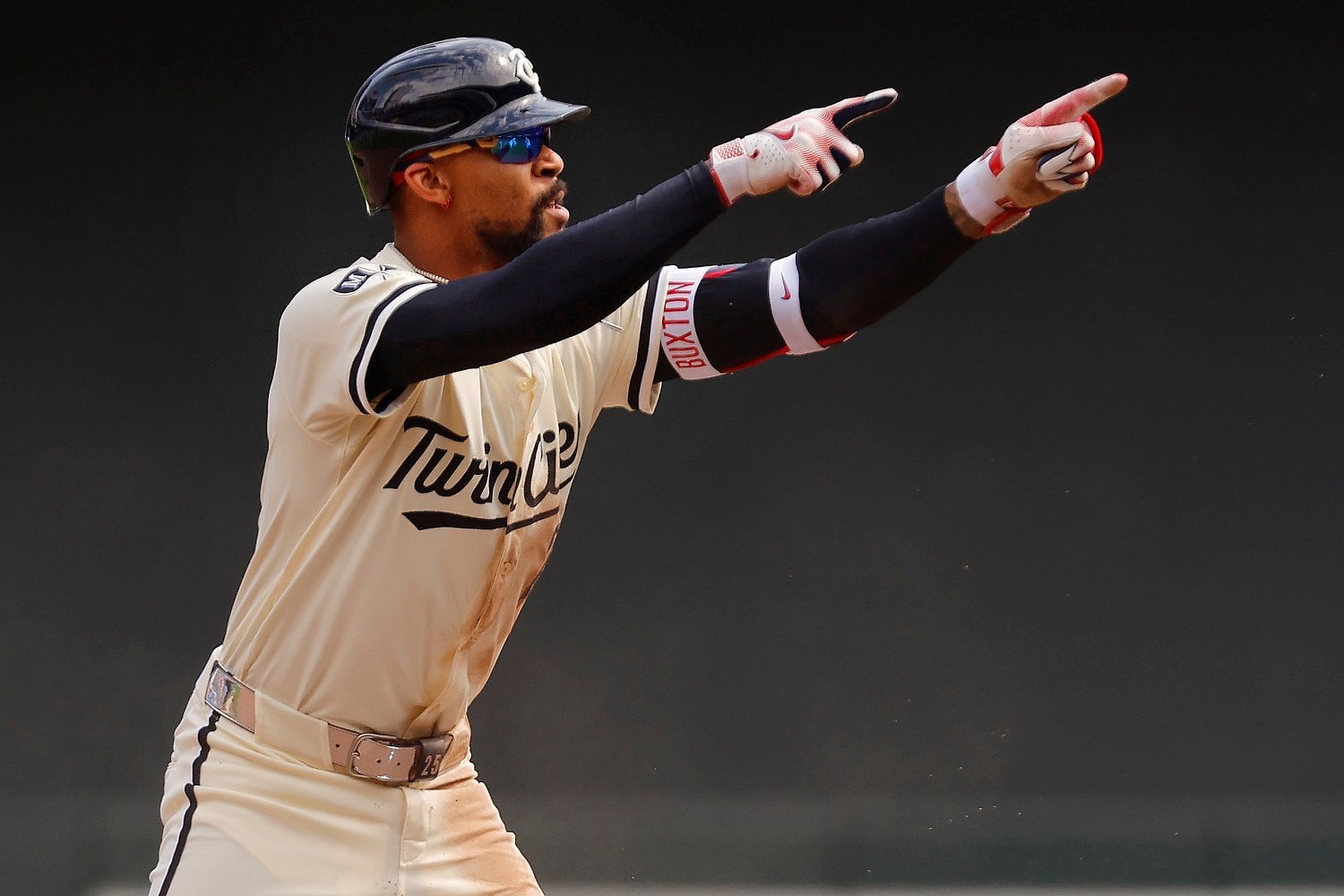 Baseball Prospectus released its full PECOTA projections for 2026 Tuesday morning, including projected standings and playoff odds. The Twins are, unsurprisingly, forecasted to be a mediocre team, with 79 projected wins, good for third place in the AL Central. The Guardians, who had an even more maddening winter than did the local nine, come in fourth in PECOTA's pecking order, with 75.8 wins. The Tigers are ahead of Minnesota, at 83.9 wins, and gallingly, the Royals are projected to win the division with just 84.4 victories. Kansas City's division-leading win total is 4.1 wins lower than that of the second-lowest division winner on the projected standings page. Every other division in the league has at least one team with a good chance to win 90 games; most of them have two. The AL Central, however, has shown no ambition, and is rewarded with tepid forecasts. Despite a projection that marks them as solidly below average, the Twins have a 12.7% chance to win the division and a 22.3% shot to make the playoffs, according to PECOTA. These are the just desserts of a team that chose not to tear things down this winter, but also opted not to make significant investments in winning more games in 2026. As you would guess, the system likes the core of this team just fine. It expects All-Star-caliber seasons from Joe Ryan and Pablo López. It's high on Luke Keaschall's bat. However, the only team in baseball with a worse projected Deserved Runs Prevented (DRP), Prospectus's flagship fielding metric, is the Angels. They have an average projected offense and a slightly above-average projected pitching staff. If they had even a neutral defense, they would be neck-and-neck with the Royals and Tigers. Defense isn't even an expensive skill to acquire. Yet, the team has left themselves worst in the league in this crucial facet. Part of the projection is PECOTA (and DRP itself) disliking Byron Buxton's defense in center field, as he ages. Buxton's DRP was -4.7 in 2024 and -7.4 in 2025. PECOTA foresees a further decline, at age 32, to -9.4, making Buxton almost half the defensive problem for a team projected to lose roughly 19 runs to poor fielding. That's hard for many Twins fans to accept, with good reason. Buxton has been a defensive hero throughout his career. Early on, when he was extremely inconsistent at the plate, his glove propped up his profile and made him a star. Even now, he makes semi-frequent highlight-reel plays. However, Buxton has always been inclined to freeze when the ball leaves the bat, then take off with his elite speed and make up whatever ground he lost by not getting a great jump. As he's aged, that has become harder, and his success rate has sagged. He still posts elite sprint speeds, as measured by Statcast, but most of those come on the bases, where he knows Point A and Point B and can accelerate smoothly. On fly balls, he's lost a step, and it's showed up in a big way at times over the last two years. Buxton being part of the problem highlights the challenge the team faced this winter. They have some young players to whom they're committed, but who have shown little sign that they're ready to be pluses as everyday big-leaguers. Starting Brooks Lee and Royce Lewis on the left side of the infield means giving up some defense for the hope of their bats coming together, but each struggled at the plate last year. Some of the places where one would most like to see the team make a defensive upgrade would come at prohibitive costs in terms of offensive production. Still, the latest projections highlight the extent to which Minnesota was in position to push for an AL Central title in 2026, and the way they appear to have let that opportunity pass them by. The offseason isn't over, but the Twins don't look like a smart bet to make up the five-game gap between themselves and the Royals by the time it is. View the full article
 -
 Minnesota Twins owner Tom Pohlad has made a poor first impression, but he's proven to be more self aware than his family members who were formerly front and center. He's admitted past mistakes and acknowledged they need to do better to win back fans. Some of the early ticket promotions and pricing are an encouraging sign that the organization realizes the hot water they're in with fans.View the full article
 -
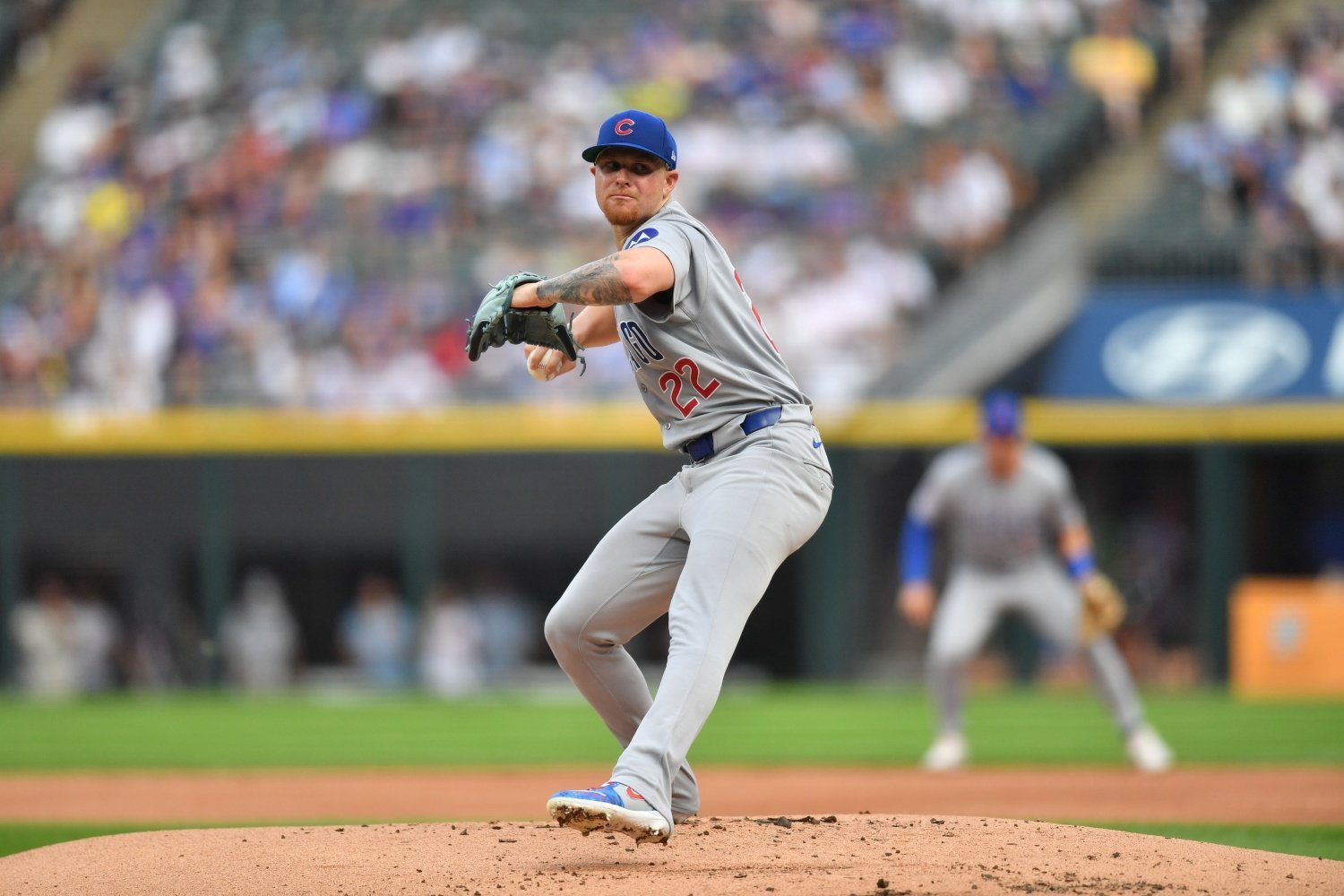 The Chicago Cubs had a good 2025 season, and they've built on that success this winter. On Tuesday, Baseball Prospectus rolled out their PECOTA projection system for 2026, complete with projected standings and playoff odds. The Cubs are the top dogs in the NL Central, and according to this model, they have no close competition. PECOTA predicts 90.5 wins for Chicago, which is technically fewer than the 92 they won last year—but which is a very strong number for any team to bring into spring training in projection systems, which are inherently conservative in that regard. It's not just the Cubs' forecasted win total that stands out, though. The Brewers are projected second-best in the division, and they're all the way back at 80.5 wins. Though we're still weeks away from a pitch being thrown toward this end, PECOTA already pegs the Cubs at 73.9% likely to win the Central and 87.7% likely to make the postseason. As the computer sees it, this will not just be the year the Cubs reclaim their primacy in the Central, but their easiest division win since 2016. Of course, they don't play the games inside the computers. It's not hard to see why the model likes the North Siders so much, though. It projects all six of their top starting pitchers (Cade Horton, Matthew Boyd, Edward Cabrera, Jameson Taillon, Shota Imanaga and Justin Steele) to be better than average, and thinks six of their key relievers to fall on the right side of that line, too. It forecasts above-average offense from six positions, and the only three where it sees them as below-average at the plate (catcher, shortstop and center field) are defense-first spots where they have solid defensive projections. FanGraphs published their own projected standings and playoff odds last week, and saw a muddier picture in the Central. They expect the Cubs to win 85.9 games, with the Pirates (82.8) and Brewers (82.0) much closer behind. That still leaves Chicago as a slight favorite, but with less than a coin flip's chance to win the division. In that model, they make the playoffs more like five times out of every eight simulations, instead of seven out of eight. It didn't hurt that the Brewers traded their starting third baseman Monday, in a move that bolstered their already considerable pitching depth but raises some big questions about their lineup. Still, based on sheer talent and projectable performance, the Cubs have ascended. They're the team to beat in the Central, for the first time since before the pandemic. With more than a month left before Opening Day, injuries could always shake up this picture—but so could further moves to reinforce the roster, to which the Cubs remain very much open. For now, they're in a very strong position. View the full article
 -
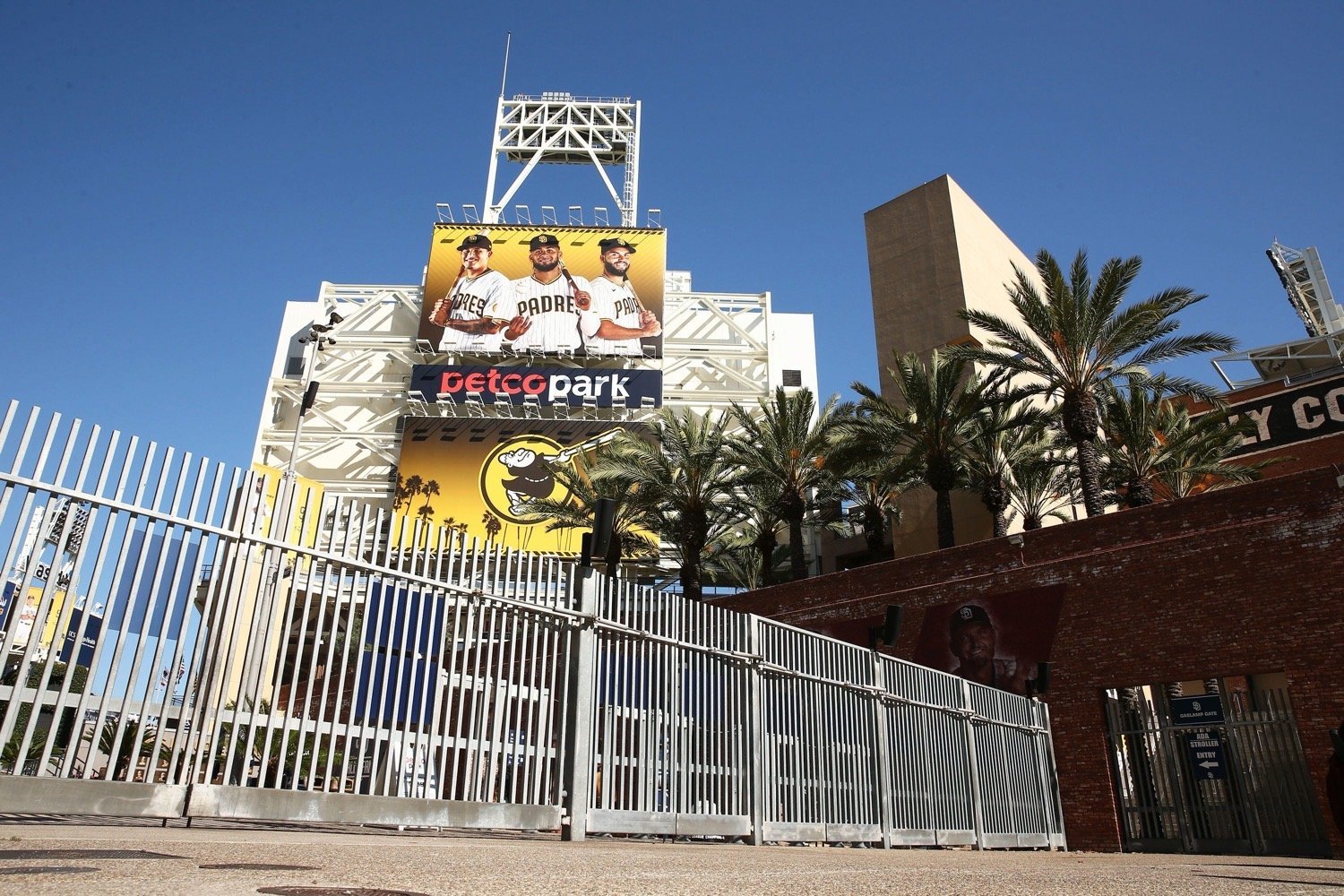 The San Diego Padres continue to add options to their pitching staff in the form of low-risk minor league deals. However, this time it's in the form of a former 1st overall pick in the Nippon Professional Baseball league. According to the team's transaction log, they have signed RHP Daichi Moriki to a minor league deal and have assigned him to the Arizona Complex League Padres. Moriki, 22, was drafted by the Hanshin Tigers in 2021 and made his professional debut in 2022. In four seasons, he pitched in 66 games (149 1/3 innings), posting a 6.87 ERA, striking out 126 hitters, and walking 108. After struggling last season, he was released by Hanshin in October. The Yahoo Sports articles embedded in the X post below suggest that Moriki has been working at a baseball facility here in the States since his release, though it doesn't identify which one. Do you think Moriki can make a name for himself in Major League Baseball? Let us know in the comments! View the full article
 -
 Welcome to your next real estate opportunity in the heart of downtown Minneapolis. After introducing a budget-friendly ticket package earlier this week to encourage fans to return to the ballpark, the Minnesota Twins have decided to think even bigger. If cheap tickets get people through the gates, selling the gates themselves might finally balance the books. Target Field is officially on the market. Not as a whole, of course. That would be drastic. Instead, the Twins are offering fans the chance to purchase individual sections, concourse corners, and possibly a bullpen bench, if the price is right. Think of it less as a baseball stadium and more as a sprawling mixed-use property with occasional professional sports interruptions. Property Overview This expansive outdoor venue features natural grass, skyline views, and a retractable sense of fiscal responsibility. With seating for over 38,000 and standing room for plenty more, the space offers endless customization options. Want to rename a section after your dog? Done. Interested in turning the third deck into a home office that overlooks left field? The Twins are listening. Buyers will enjoy access to exposed steel beams, limestone finishes, and a light rail stop that occasionally reminds you that you live in a city. The stadium has hosted playoff games, concerts, and several seasons of optimistic rebuilding. Comparable properties simply do not exist. Interior Highlights Each section comes fully furnished with fold-down seats, cup holders, and fans who may or may not agree with your life choices. Club-level ownership includes exclusive access to climate-controlled areas and the quiet satisfaction of knowing you paid extra to watch the same product as everyone else. Concourse ownership is ideal for buyers looking to dabble in a small business. Beer sales, helmet nachos, and passive-aggressive signage about standing in the aisles are all included. Plumbing is shared, which really brings the community together. Neighborhood and Amenities Located steps from downtown nightlife, Target Field offers walkable access to bars, restaurants, and people explaining how they would manage the bullpen better. The surrounding area is vibrant and lively, and several parking ramps are conveniently close, though they cost more than some ticket packages. Owners should be aware that the property is shared with 81 home games a year and a front office that still insists this is a competitive window. Noise levels may increase during fireworks nights and whenever the wave starts for no clear reason. Important Disclosures The Twins are only slightly concerned about new owners fully embracing the live-at-the-park lifestyle. While robes are not explicitly prohibited, management asks that owners at least pretend to wear real clothes while walking the concourse. This is a family-friendly environment, even if the payroll no longer suggests it. Security will gently remind robe-clad owners that wandering near the hot dog stands barefoot is frowned upon. Repeat offenses may result in a polite email and a strongly worded comment from someone named Dave on social media. Investment Potential With revenue streams shrinking and creativity expanding, Target Field represents a once-in-a-lifetime opportunity to own a piece of baseball history. Values may fluctuate depending on win totals, weather, and how often ownership reminds fans to be patient. Serious buyers only. Cash preferred. Emotional attachment to the Twins is optional but discouraged. Schedule a tour today. Even if buying doesn't turn out to be for you, consider an October rental. There's always plenty of space to enjoy the fall colors. View the full article
 -
Five Things to Watch at San Diego Padres Spring Training
DiamondCentric posted an article in Padres Mission
 Spring training is finally here. Pitchers and catchers have to report by Wednesday, with position players due Sunday. Already, players on both sides have reported to camp in Peoria, Ariz. That means all the work that president of baseball operations A.J. Preller and his crew have done thus far will come together to see how they fit. That begins, of course, with a new manager. Craig Stammen, the former Padres reliever, now becomes the daily face of the team in media interactions and how people perceive the team. Stammen was a surprising replacement for Mike Shildt, who abruptly resigned after the season with two years left on his contract. It is the second managerial change in the last three offseasons, so Stammen's history with the Friars should help with some of the continuity, although he will want to put his own touch on how things are run. Here is what to watch for from the Friars in Peoria: 1. Craig Stammen's Impact Stammen is one of three new MLB managers in 2026 who don't have any managerial experience, majors or minors, joining Kurt Suzuki of the Los Angeles Angels and Tony Vitello of the San Francisco Giants. Vitello has a feel for game management through his time as a college head coach. But Stammen is in the unique position of being a former relief pitcher who is now managing a roster of star players expected to compete for a playoff spot. A handful of those players — Manny Machado, Fernando Tatis Jr., Jake Cronenworth and Luis Campusano — called Stammen a teammate in his final season as a player in 2023, retiring due to injury. He was well-liked in the clubhouse and spent the last couple years in various roles, including being available to major-league and minor-league players in his role as an advisor to the front office. Now, he is expected to set the tone in the clubhouse and have players listen to his messaging. That part shouldn't be hard considering he had a prominent role in the clubhouse as a player, but his words mean more now. Like successful coaches from other MLB teams, it will be up to Stammen to create new bonds with all of his players and keep the lines of communication open. Shildt came off as more of a tough-but-fair manager, while Stammen's already-established relationships would lean into a player-friendly style. That does come with a front-office flair due to his time there. Perhaps the biggest impact will be how his coaches perform. While Ruben Niebla lost in his bid to replace Shildt as manager, he remained as pitching coach and added the title of associate manager. Stammen named Steven Souza Jr., a former MLB outfielder with no previous coaching experience, as his hitting coach after spending 2025 as a special assistant with the Tampa Bay Rays. There is no secret the offense could use a boost after finishing 16th in OPS last year, including 22nd in slugging percentage and 28th in homers. 2. Last Rotation Spot Starting pitching depth is tenuous at best, but the top three of right-handers Nick Pivetta, Michael King and Joe Musgrove are pretty decent. Randy Vasquez is currently slotted into the No. 4 spot. But the rotation took a hit with the loss of Dylan Cease via free agency. Without a lot in the minors to fill the void, there has been a lot of fretting by Friars fans, deservedly so, over the back end of the rotation. The Padres were in on this winter's top free-agent target, Framber Valdez, but didn't land the left-hander. It is very likely that this is addressed before Opening Day as several viable arms remain on the market. But until that happens, the Friars need to see what they have in the system. That includes left-handers JP Sears and Kyle Hart and right-hander Matt Waldron from the 40-man roster and non-roster invitees Marco Gonzales and Triston McKenzie, plus even perhaps wild card Riley Pint. That is a thin group. Sears probably enters camp in the No. 5 spot, but fellow left-handers Hart and Gonzales will get long looks this spring, as will Waldron. Sears came over to the Padres in the Mason Miller trade and made just five starts after being acquired. Hart had mixed results in 2025, with six starts among his 20 appearances, posting a 5.18 FIP, while also seeing time at Triple-A El Paso. A few long shots include right-hander Sean Boyle and left-hander Jackson Wolf. All in all, the depth is minimal and any injuries this spring will spell trouble. 3. What to Expect From Joe Musgrove That is a good lead-in for the status of Joe Musgrove. Java Joe had Tommy John surgery after injuring his right elbow in Game 2 of the NL Wild Card Series vs. Atlanta. The good news is that Musgrove recently said he had a "normal offseason." The timing mostly makes sense in that he was expected to be ready for spring training. But with TJ surgery usually being a 12-16 month recovery, it is doubtful the entirety of this offseason has been normal. And considering the Padres need Musgrove for the full season, it is likely that caution will win the day in the spring exhibition slate. That is something Stammen is surely to be asked about as pitchers and catchers report. If Musgrove suffers any setbacks, that will diminish the already-thin depth in the rotation. If Musgrove is ready for Opening Day following a full spring, his workload could be limited early in the season. That will be something to keep an eye on. 4. Sung Mun Song's Role Second base? First base? Utility? Where will Sung-mun Song play in 2026? The answer to that question could have a significant impact on how the Padres do this season. And part of the answer will depend on how his oblique injury is doing. When he sustained the injury, which was reported in mid-January, it wasn't known when it happened and that he would miss about a month. That timeframe brings us to right about now. The 29-year-old was primarily a third baseman in the Korea Baseball Organization, but that is Machado's home. So, Song will see time on the right side of the infield, with his focus likely to be on second base. Song has played 610 innings since 2021 at second base, the equivalent of half a season in MLB for a regular at the position. He has a solid .989 fielding percentage in that time at the keystone. If Song, a left-handed hitter, is healthy and gets his bat going in spring training, he could earn a few early-season starts. The would allow Jake Cronenworth, also a left-handed hitter, to be a versatile piece to play first base or the occasional start at short in addition to seeing time at second. But if Song doesn't hit the ground running in Peoria, that could render him into a utility role with Cronenworth starting at second. Song is also expected to see time in the outfield to make him more diverse defensively. 5. Final Bench Spot There are four bench spots, one of which goes to the backup catcher, in this case Campusano. Two of those three bench berths are pretty locked in with recent signee Miguel Andujar, a corner infielder-outfielder, and outfielder Bryce Johnson. For this exercise, we are putting Song, Cronenworth and Gavin Sheets in the starting lineup at second base, first base and designated hitter, however that works itself out. Which means the last spot on the roster is up for grabs. Candidates on the 40-man roster are infielders Will Wagner and Mason McCoy and outfielder Tirso Ornelas. Non-roster possibilities include Samad Taylor, Jose Miranda, Nick Solak and Pablo Reyes. Taylor and Reyes are very versatile, able to play second, third and the outfield, while Miranda is a corner infielder and Solak is an offense-first first baseman. With Cronenworth capable of playing shortstop — he started 10 games there in 2025 — the decision on who to pick could come down to the whether it is a right-handed or left-handed bat. With the number of left-handers in the lineup, including Song, Cronenworth, Sheets, and center fielder Jackson Merrill, a right-handed bat seems to be needed. Andujar is a righty bat, while Johnson is a switch-hitter. McCoy, Miranda, Solak and Reyes are all right-handed hitters. McCoy is the only true shortstop in the bunch, providing coverage for Xander Bogaerts. But like Wagner and Ornelas, McCoy has minor-league options remaining, so he'd be just a phone call away if he misses the Opening Day roster. View the full article
 -
Breaking Down The Brewers' Caleb Durbin Trade Return
DiamondCentric posted an article in Brewer Fanatic
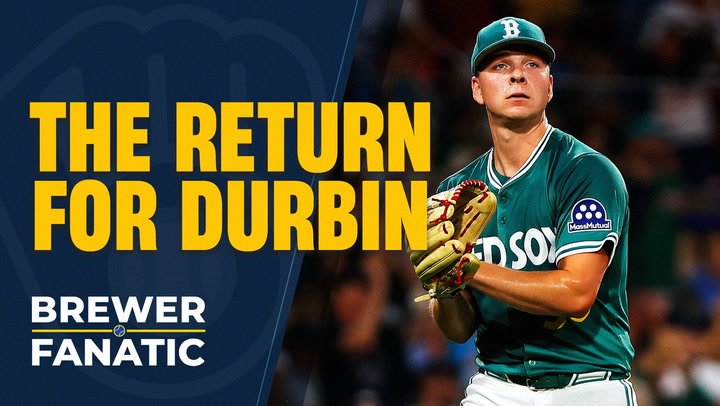 The Milwaukee Brewers made headlines this morning, sending NL Rookie of the Year candidate Caleb Durbin and his fellow hot corner mates, Anthony Seigler and Andruw Monasterio, out the door. Who did they get in return, and what role will these big leaguers play in the Brewers' future? We're here to break all of that down. Consider this your CliffsNotes rundown on Kyle Harrison, David Hamilton, and Shane Drohan. View the full article
 -
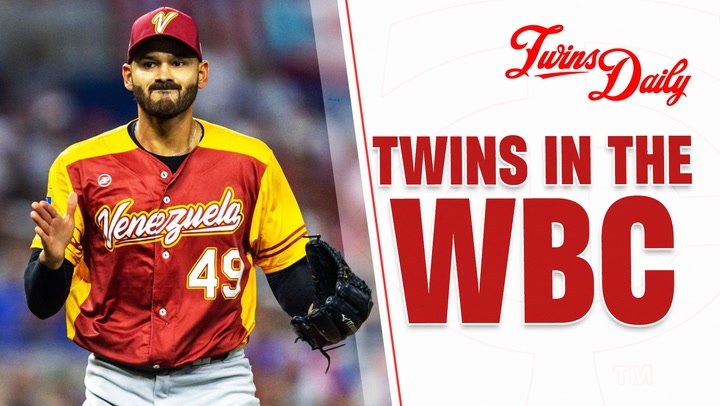 Seven Minnesota Twins are competing in the 2026 World Baseball Classic, including Byron Buxton, Joe Ryan, Taj Bradley, Pablo Lopez, Luis Quinones, Dan Altavilla, and Matt Bowman. Here's a guide covering who's competing and the countries they're representing! View the full article
