


DiamondCentric
-
Posts
2,631 -
Joined
-
Last visited
Never
Content Type
Profiles
Forums
Events
News
Tutorials & Help
Major League Baseball Videos
Guides & Resources
Store
Downloads
Gallery
Everything posted by DiamondCentric
-

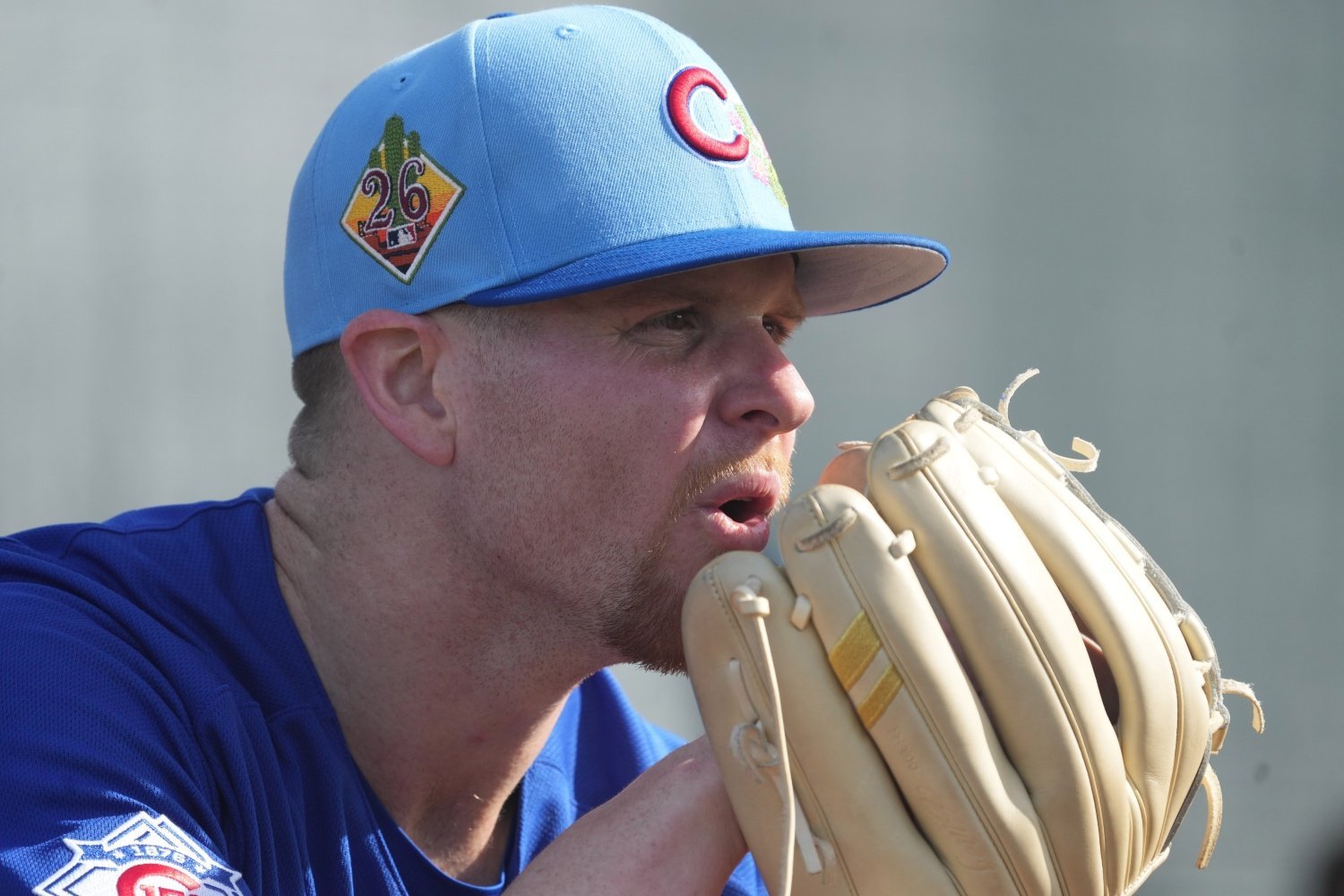 There's a certain tension between what Cade Horton throws and what he says (or thinks) he throws. Ask Horton, and he'll tell you he has a four-seam fastball, a changeup, a slider and a curveball, and that he worked in a sinker with some success in 2025. Baseball Savant reflects that. However, Baseball Prospectus has a wider array of potential tags for pitch types, and does a better job of classifying pitches—sometimes even contravening the identifications the hurler themselves assign to their offerings. For them, Horton throws a hard cutter (what he calls the fastball), a sweeper (what he calls his slider), a slider (what he calls his curve), and the changeup and sinker. Horton is such an extreme natural supinator that even though he doesn't consciously throw a cutter or a sweeper, those are the shapes his fastball and slider approach. Everything he throws moves to the glove side more than one would expect, based on his three-quarter arm slot. Only a handful of pitchers in the league are more unusual in this way, and most of them throw from lower slots, so Horton gives hitters a unique set of problems to solve. This should sound familiar. As we've discussed before, Horton is very much like fellow Cubs starter Justin Steele, who has thrived as one of the best pitchers in the National League for the last half-decade with a brace of pitches that won't stop moving toward right-handed batters. He, too, has what he calls a four-seam fastball but what acts like a cutter, and a slider that sweeps so much that Prospectus classifies it that way. There are three key differences, though: Steele is left-handed; Horton is a righty. Steele has largely kept his secondary breaking ball, a true curve, in his holster. He'll throw it, but it's not a major part of his approach to either right- or left-handed batters. Horton is much more comfortable with that power curve (or slider) than Steele is with his bigger breaker. Horton's changeup is a better pitch than any offspeed offering Steele has come up with to date. The first of those three things works in Steele's favor, when it comes to the other two. Left-handed batters are less used to facing lefty hurlers than right-handed batters are to facing righties. Thus, the natural platoon split for a southpaw is wider. When Steele starts, opposing managers tend to stack their lineups with right-handed bats. However, even without the platoon advantage, Steele finds an advantage based on handedness. His stuff profile bullies those hitters, steering everything in on their hands or toward their back knee. It's a set of pitch shapes a lefty batter would be much more comfortable seeing from a righty pitcher, because they have more reps against righties than even righty batters have against lefties—especially ones who pitch like Steele, A lack of familiarity or comfort makes Steele a tough matchup. Horton is unusual, too, but not in a way that stumps opponents quite as thoroughly as Steele can. Thus, whereas Steele can survive (and even dominate) by attacking hitters with that cutter-sweeper mix, Horton has to do more things well. Happily, he's already adjusted to that reality. He throws his curve/slider much more than his slider/sweeper to lefty batters, and he no sooner found this highly effective changeup than made it an important part of his repertoire against them. He has to be more well-rounded and versatile than Steele, but luckily, he's proving to be. It doesn't hurt that he throws about 4 miles per hour harder than Steele does. There's a question worth asking here, though. Horton has that second breaking ball, with more depth and just as much velocity as the sweepier one. He uses it against righties, because righties would (frankly) wreck the sweeper. But he only threw the curve/slider 18% of the time when facing lefties as a rookie. He threw the changeup a bit more, but that still left him going to the four-seamer/cutter 55% of the time. That might be too much. In his first whirlwind tour of the majors, lefties didn't really get to him, but they certainly had a better time of things than righties did. Horton v. RHH: 228 PA, .184/.260/.301, 51 K, 16 BB Horton v. LHH: 248 PA, .251/.302/.361, 46 K, 17 BB If he makes no significant adjustment, it seems fair to say that he's going to experience unpleasant regression against lefty batters in 2026. To avoid it, Horton needs to go to the curve/slider more. There's a minor problem with that plan, though, which we should also talk about: he needs to better understand his own fastball. Here, from a good approximation of a lefty batter's vantage point, are the average trajectories of Horton's three main pitches against them in 2025. You're not a professional hitter, and you're not seeing what those hitters would actually see, anyway, but you're seeing an animated representation thereof. You probably see the issue: The curve comes out of a slightly higher release point and then stays higher than the fastball. One thing Horton does not have, because of the slot he employs and the way his arm works within it, is carry on the fastball or that valuable flatness on the heater at the top of the strike zone. Without that, and with the curve/slider popping out high like that, hitters can distinguish the two offerings fairly early. That works fine if you execute perfectly, and if you've outsmarted the batter. If Horton catches a hitter looking for a fastball but throws them a curve/slider, they're very unlikely to swing. That's bad news if it's a strike-to-ball breaker, but if he throws one that's intended to drop right into the zone and earn a called strike, he'll succeed. If the opponent is sitting on that breaking ball and spots it out of the hand, it might still work, if Horton has thrown a really good strike-to-ball version of the pitch. That's how he can get chases and whiffs with that pitch. However, the fastball's lack of hop means that if a hitter is looking for that pitch and it's not in the zone, they can probably still lay off it. If they're looking for the curve/slider and they get the heater, they're likely to be late, but this is the other problem with his current mix: the fastball isn't always in the right location to properly punish a hitter for being late. For that (and, in general, with a heater that moves toward the glove side, at least relative to almost every other similar fastball), you want to attack the first-base side of the plate. The ball should be boring in on a lefty batter, the same way Steele's hard cutter does. Instead, not quite understanding that he throws a cutter and thinking of it as a four-seamer, Horton mostly keeps the pitch away from lefties. Even without good rising action on the heater, you want to elevate it more than this, to set up the changeup and the vertical breaking ball. You certainly want to attack the inner third with it, at least at times. Horton hasn't found either the right mechanics or the conviction to do that yet. More of that power curve or slider will be vital, for Horton to do as well against lefties as he did in 2025. It'll certainly be necessary, if he wants to improve upon his rookie campaign and prove himself to be the ace of a World Series-caliber team. To properly utilize it, though, he needs to better disguise it out of the hand. That might mean a small amount of specialized mechanical work, but it mostly means practicing attacking the glove side with that glove-side heat, and then having enough confidence to execute a multi-dimensional plan on the mound. He has all the makings of a Cy Young Award contender. If you're expecting him to scale those heights in 2026, though, spend the spring watching how he mixes and locates his stuff to lefty batters. View the full article
 -
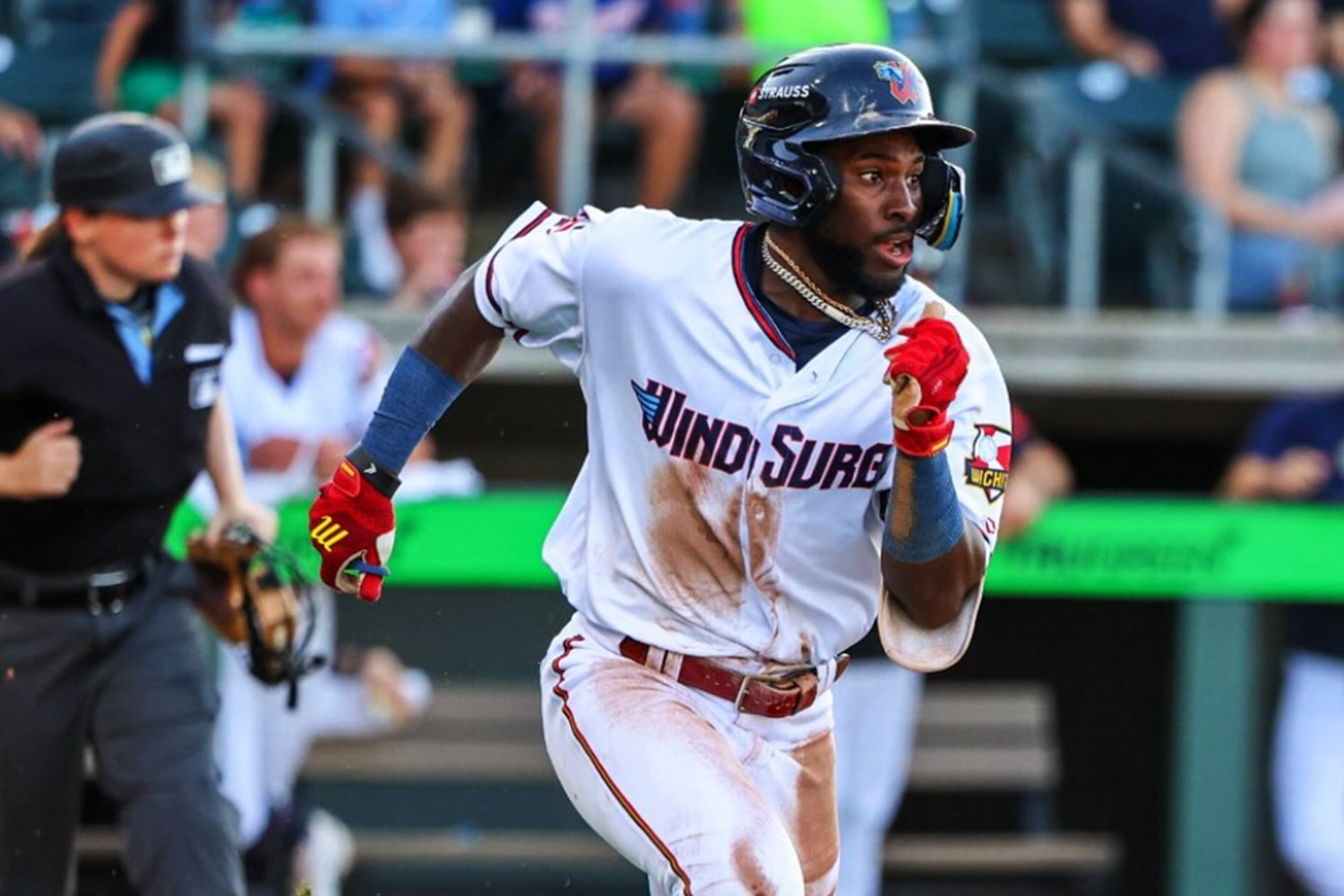 Projection systems are not in the business of hype. They are cold, calculating, and often conservative. That's what makes it so interesting when one of them plants a flag on a player who has barely cracked the upper minors. FanGraphs’s ZiPS has done exactly that with Kaelen Culpepper. The Twins likely don’t agree with ZiPS's plan to promote him aggressively in 2026. It seems more likely that they'll roll with Brooks Lee at shortstop. But after a dynamite first full professional season, the Twins' 2024 first-rounder has quickly become one of the system’s favorites, and that's no accident. A Massive Step Forward Culpepper took a massive step forward last season, showing he can impact the game with his bat while sticking at shortstop. In 113 games, he posted a 138 wRC+ with 25 steals, flashing both on-base ability and speed. The organization named him its Minor League Player of the Year, and he enters 2026 as a consensus top-100 prospect. ZiPS noticed. He was among MLB’s biggest ZiPS gainers for 2026, a list that includes Aaron Judge and Yordan Alvarez. A year ago, he was projected for just 0.3 fWAR. Now he sits at 1.9 fWAR, were he to get a full year's worth of playing time. That's a substantial jump for a player who has yet to play at Triple-A. To reach that 1.9 fWAR mark, ZiPS projects Culpepper for 510 plate appearances in 2026. Obviously, that's essentially a default number, to give a sense of what a full season would look like from him. He's unlikely to play that much at Target Field this year. If he did, though, the model thinks he'd be perfectly serviceable. The offensive line is modest on the surface. ZiPS projects a 94 wRC+ and a .376 slugging percentage, pointing to a lack of present power. But there is value baked in elsewhere. He's projected for a .305 wOBA, positive defensive value, and enough overall contribution to be an above-average regular. His player comparisons are not superstar names: Bill Spiers. Howard Freigau. Ricky Adams. Those comps speak to versatility and steady value, more than flash. ZiPS isn't projecting stardom right now. It just shows promise, with room to grow. That's where it gets interesting. The Defense Debate The Twins front office believes Culpepper improved his overall outlook with defensive gains last season. That belief is reflected in the positive defensive projection. “His makeup and his leadership on the field, the way he goes about his work, have all been exactly what we’ve been looking for,” Twins GM Jeremy Zoll said. The arm strength is there. The internal reviews are strong. But not everyone is convinced he sticks at shortstop long term. Baseball America’s JJ Cooper has expressed skepticism about Culpepper’s ability to remain at the position. While he has the arm, some evaluators question his range and actions. Many scouts believe he may ultimately slide to third base. That positional uncertainty matters, because the offensive bar changes depending on where he plays. A 90 OPS+ with solid defense is more palatable at shortstop than at third base. ZiPS, at least for now, is betting that the glove will be good enough. A Complicated Shortstop Picture The Twins' shortstop depth chart adds another wrinkle. Lee is expected to open the season as the starter. The team added a veteran backup option, Orlando Arcia, to provide depth and stability. On paper, there is no everyday job available for Culpepper. But depth charts have a way of unraveling. One injury to a significant player could change the equation quickly. If Lee misses time or struggles offensively, Culpepper could force the issue. Whether it's Lee, Royce Lewis or Luke Keaschall, a major injury to any of the injury-prone infielders slated to start could crack the door for Culpepper. For that matter, Lee is projected for a lousy 84 wRC+ and worse defense than Culpepper, so if you ask ZiPS, the Twins should simply escalate the young player past the incumbent right now. The Twins haven't been shy about promoting prospects who prove ready. Culpepper may not need much Triple-A seasoning. Minnesota saw this in 2025, with Luke Keaschall playing only 28 games at Triple-A before his promotion. The Offensive Ceiling Culpepper is not a finished product offensively. He can be prone to chasing off-speed pitches out of the zone. That approach will be tested at higher levels. But there were encouraging signs, too. He walked 50 times and struck out just 90 times, showing better swing decisions than some evaluators expected. He also reached the 20-home run mark, despite posting the system’s third-highest groundball rate. That's significant. If he can learn to elevate consistently, there's more power in the profile than the current projections imply. That's part of why ZiPS is optimistic. The system sees a player who already produces value and has room to grow if the batted-ball profile improves. Why You Can Love Him, Too Culpepper profiles as an above-average regular with All-Star upside at an infield spot still to be determined. That kind of player doesn't need to be a franchise cornerstone to be immensely valuable. He's played just 139 minor-league games and has yet to face Triple-A pitching. On the surface, it might feel aggressive to expect a big-league debut this season. It's not unrealistic, though. If Culpepper keeps hitting as he did in 2025, the Twins will have no choice but to give him a look at the major-league level. ZiPS already believes he can handle a near-everyday role. Now, it becomes a matter of timing. Projection systems don't often fall in love. When they do, it's worth paying attention. ZiPS loves Culpepper. You probably should, too. Do you believe in the ZiPS projection for Culpepper? If not, what are realistic expectations for him in 2026? Leave a comment and start the discussion. View the full article
 -
State of the Padres: A.J. Preller Knows Roster Still Has Holes
DiamondCentric posted an article in Padres Mission
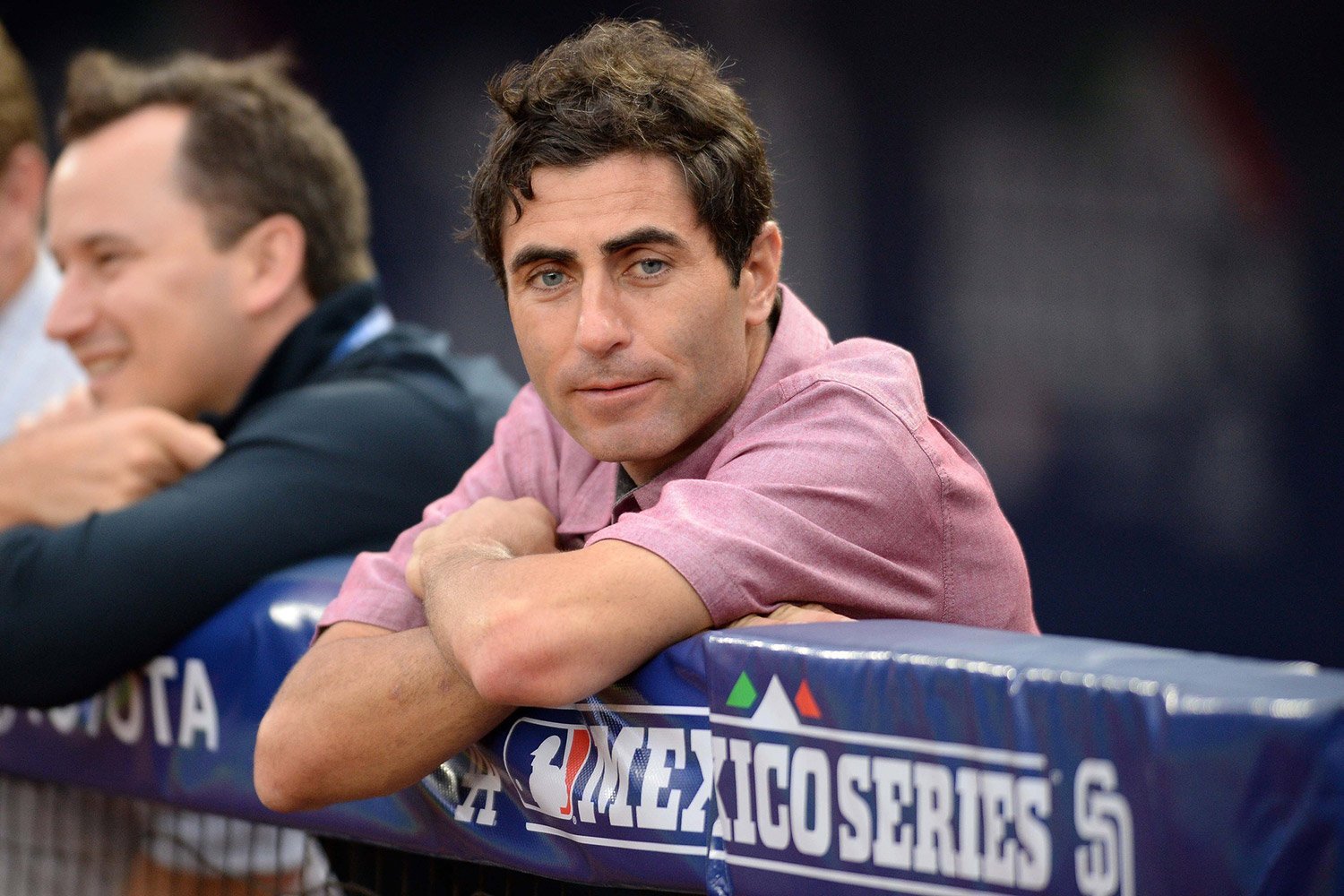 There is no question that A.J. Preller stays busy the entire offseason trying to improve the San Diego Padres' roster. The team's president of baseball operations has the reputation of being one of the most aggressive front-office executives in all of MLB. Even so, there haven't been a ton of moves by Preller this offseason. Sure, right-handed starter Michael King came back, he signed infielder Sung Mun Song from South Korea, and then added another bench bat in Miguel Andujar. Other than that, there haven't been any headline-grabbing moves. So, as the Friars are in the early days of spring training officially beginning, even with some players being in Peoria, Arizona, for weeks already, Preller met the media and gave some thoughts on where the roster stands just a week before Cactus League games begin. Padres Roster Status As most fans know, Preller understands the roster feels incomplete. That begins with the starting rotation. The rotation is pretty good at the top with Nick Pivetta, King, and Joe Musgrove. Randy Vasquez is the No. 4, but the last rotation spot is open with a handful of candidates vying to be on the Opening Day roster, but even those options come with questions. "Looking to add to the starting rotation," Preller said. "We've got some good competition, but I think always looking to fill out innings." View the full article
 -
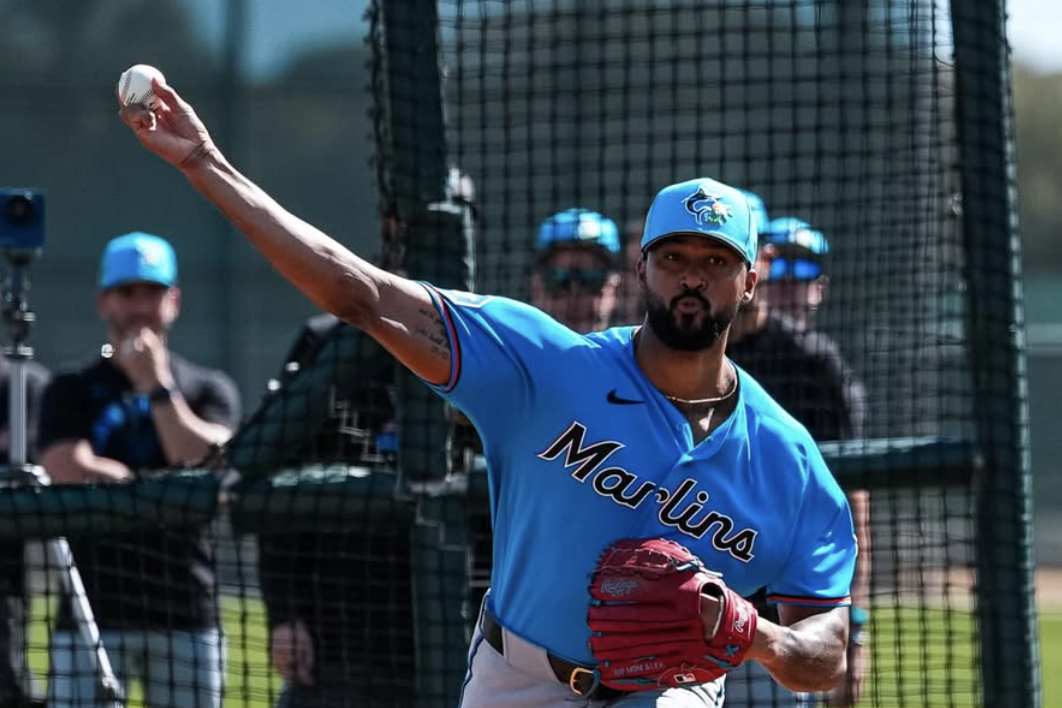 JUPITER, FL—Day two of Miami Marlins spring training from the Jupiter Academy featured Sandy Alcantara and Thomas White taking the mound and facing hitters. Alcantara, who is entering his ninth season with the organization, debuted his new sweeper in a pitch design session. He threw it about nine times. Why such an emphasis on the sweeper when he already has a deep arsenal to work with? "Because I throw hard, and everything I throw is hard," Alcantara said. "So me and (pitching coach Daniel) Moskos had a conversation last year about that. We needed a big break more and more slow, and finally we got it, so hopefully we do a good job throwing it." Following the pitch design, Alcantara went to hitters for feedback and they said the pitch looked "great." Likely to be named the Opening Day starter for the Marlins, Alcantara will first make his way back down to loanDepot park and represent the Dominican Republic in the World Baseball Classic. WBC participants have helped each other ramp up for the tournament by reporting to the Academy early. That includes Venezuela's Javier Sanoja, who faced Alcantara. "Before I took the mound today, I asked Moskos, 'Hey, is Sanoja here?' He said, 'No, but I can get him for you.' So okay, just put him out there. I know he's very aggressive. Maybe he can get an at-bat in the WBC, so let's see what happens." Midway through the at-bat, Moskos yelled "DR 1-0," and Alcantara threw his sweeper, which landed in for a strike. White is the consensus top prospect in the organization and a first-time non-roster invitee to big league camp at age 21. He faced four hitters. The goal for the talented left-hander is to put himself out there and talk to as many guys as he can and soak up information. "Any pitcher," said White when asked if there was anyone specifically he wanted to spend time with. "I also want to talk to some hitters about approach stuff. I threw some live BP's this offseason and Sal Frelick was one of the hitters, and I loved talking to him because he know the zone so well, and his approach is so good that it's good as a pitcher to know what hitters are taking, see if you can outsmart them or use them." White is spring training roommates with Robby Snelling, Fish On First's number three prospect. White describes him as a cheat sheet for his development because the 22-year-old Snelling has "done pretty much everything that I've done a year ahead of me." Making 21 starts across three minor league levels, White had an outstanding 2025 season overall, posting a 2.31 ERA and 2.27 FIP. However, battling through a back issue, his walk rate spiked to 17.6% over his final six starts (compared to 11.6% in all of his previous outings combined). "I just think I wasn't pitching like myself," White said. "My mechanics weren't really where I wanted them to be, not staying through the ball. It made the sweeper really good, but everything else—and especially the command—was affected a little bit." During the offseason, White made mechanical adjustments, increasing his stride length. In limited Triple-A action last September, he averaged only six feet of extension, but currently, he is around 6.8 feet and has maxed out at 7.1 feet. The key now for White in that aspect is consistency. Additional Notes - Manager Clayton McCullough said that Braxton Garrett touched 95 mph in his live BP session on Wednesday. "Yesterday was to try to mimic a little bit more of the first time of getting loose, sitting down and then go out there and kind of simulate what it would feel like to start a game," McCullough said. - On Monday, Andrew Nardi threw a pitch design, two sets of 15 pitches. "Sat 91 mph which is great for me, especially in a bullpen," said Nardi. "I sat down for five minutes and came back out. Was a little stiff, but kind of what everybody was expecting. Haven't done that in over a year." The next step for Nardi is to throw live BP at some point next week. - In addition to Alcantara and White, the following players threw pitch designs on Thursday: Janson Junk, Ryan Gusto, Robby Snelling, Lake Bachar, Tyler Zuber, Josh Simpson, Adam Mazur, Justin King, Karson Milbrandt and Garrett Acton. - Still no word from McCullough regarding which pitcher will start the spring opener on February 21. View the full article
 -
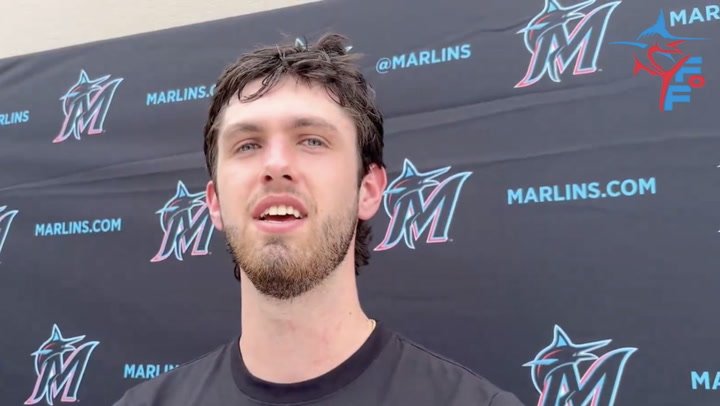 Top-ranked Marlins prospect left-hander Thomas White speaks with the media about learning from big leaguers in camp and the mechanical adjustments he's made entering 2026.View the full article
 -
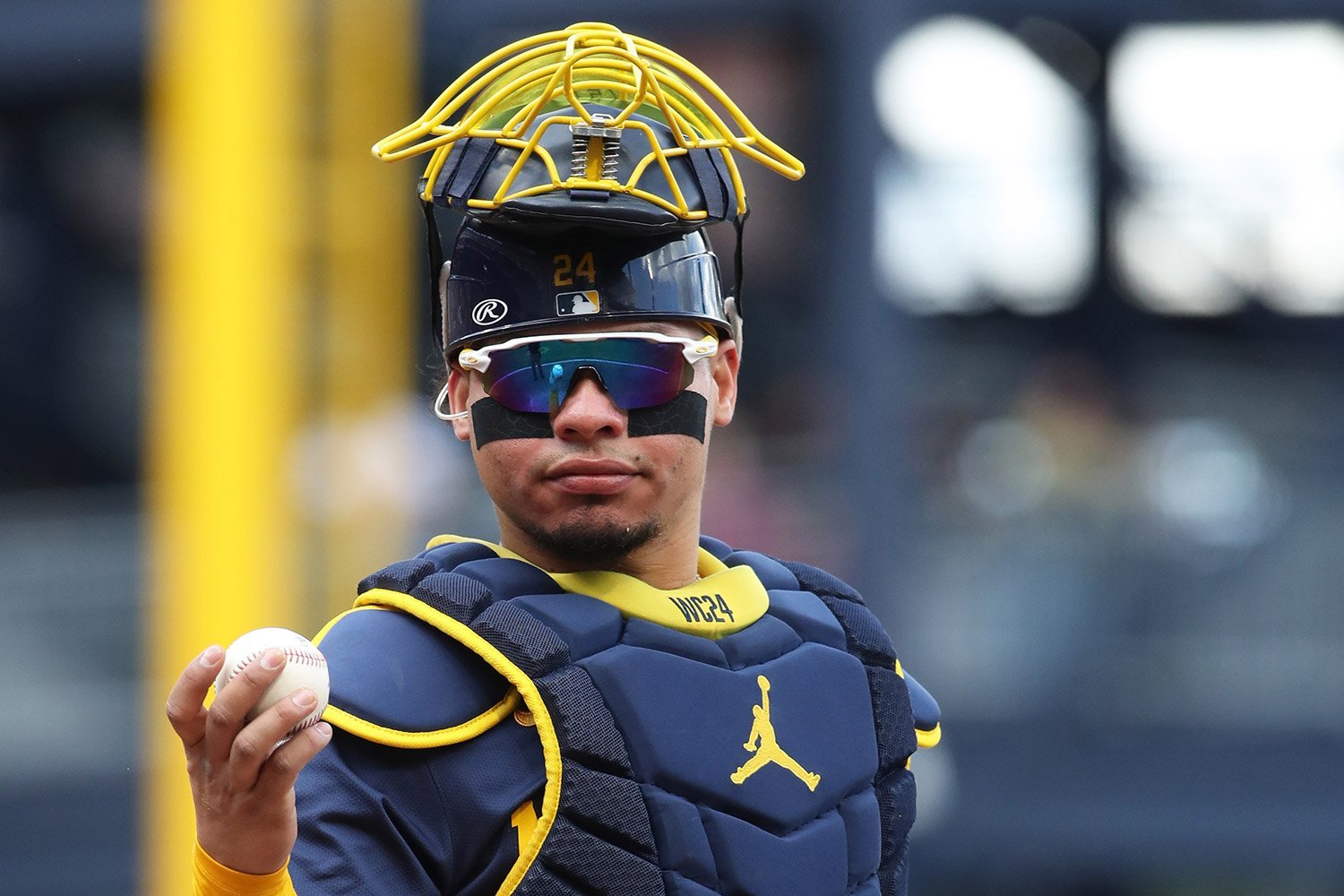 For the second year in a row, the catcher William Contreras and the Milwaukee Brewers came to a last-minute deal to avoid an arbitration hearing. Contreras and the Crew settled on a one-year, $9.4 million contract for 2026 with a $14,5 million club option for 2027. The Brewers were set to enter the hearing with an offer of $8.5 million, while Contreras was seeking $9.9 million, so Milwaukee definitely moved above the midpoint, which would have been $9.2 million. A three-person arbitration panel would have decided on one of the two figures and nothing else. Last year, the two sides settled at $6 million for 2025 with a $12 million club option for 2026. The Brewers declined that team option, setting up another arbitration battle. A third and final trip through this process looms next offseason. Contreras was the only player the Brewers didn't come to terms with before needing to exchange figures. Since being acquired from Atlanta in a three-team trade before the 2023 season, Contreras has won two Silver Sluggers (2023, 2024) and was a 2024 All-Star. He received down-ballot NL MVP votes in each of his first two seasons. His slash lines for each of his three seasons are .289/.367/.457 in 2023, .281/.365/.466 in 2024 and .260/.355/.399 in 2025. He hit a career-high 23 homers in 2024, with 17 each in 2023 and 2025, typically hitting in the No. 3 or cleanup spot in the batting order. Contreras' 2025 production was hindered by a broken left (catching hand) middle finger, an injury he sustained late in the 2024 season and carried over. It became a big issue early in 2025, but he played through it, starting 128 games at catcher and another 22 at designated hitter. Contreras is one of the top catchers in all of MLB due to his offensive prowess and strong defense. The Brewers' filing of $8.5 million matched the record for a second-time arbitration-eligible catcher, which was set by Will Smith of the Los Angeles Dodgers. Contracts with options are considered multiyear deals and can't be used as comps for other arbitration cases. It is likely that the Brewers will decline next year's club option. View the full article
 -
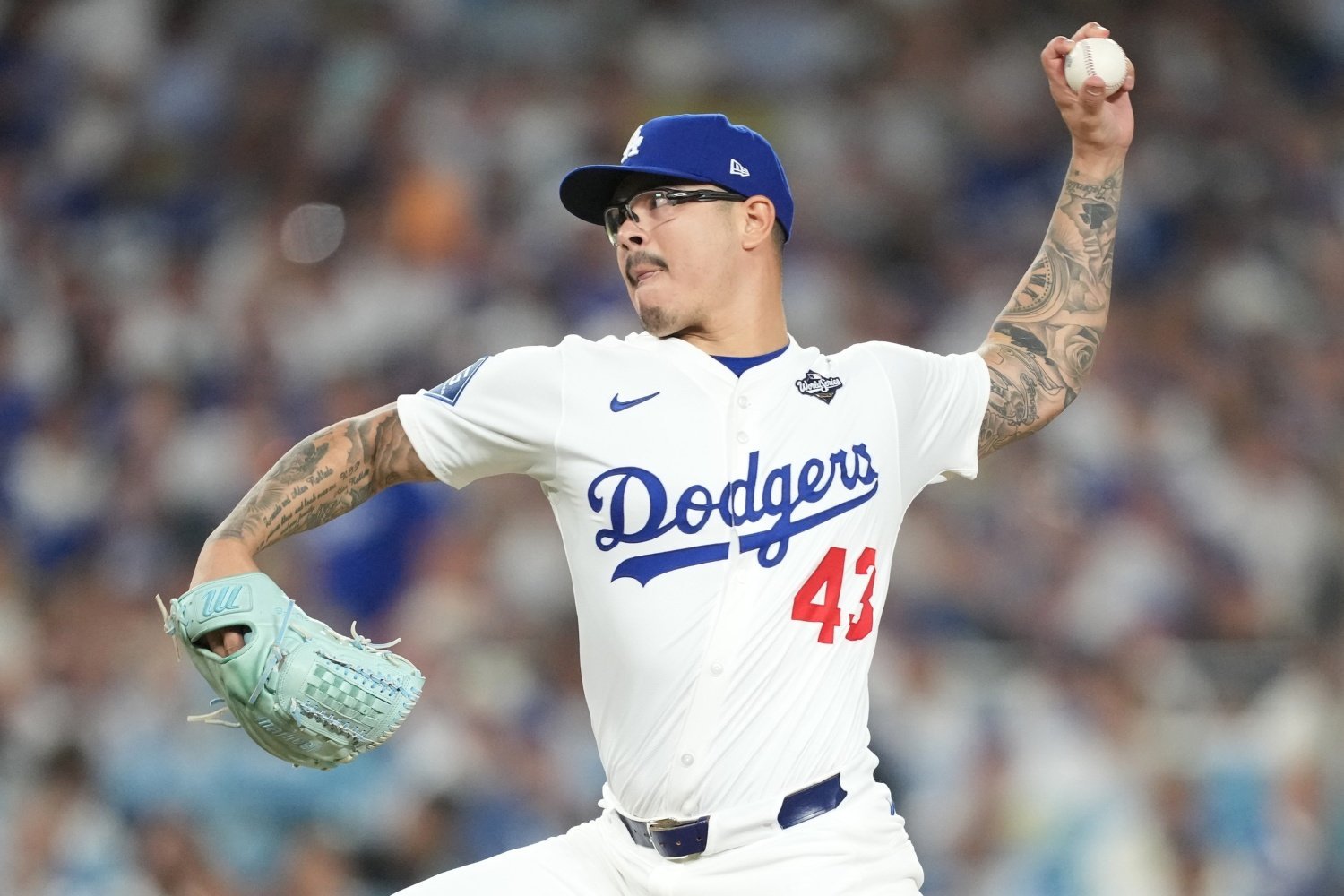 The Minnesota Twins traded international bonus pool allotments to the Los Angeles Dodgers in exchange for left-handed reliever Anthony Banda on Thursday, they announced. Twins Daily's John Bonnes was on site in Ft. Myers for the news. Banda, 32, has pitched in nine major-league seasons for eight different teams. He has an unimpressive 4.44 career ERA, but since the start of 2024, he's appeared in 119 games and has a 3.14 ERA. He pitched in 17 postseason games for the Dodgers during their back-to-back World Series championship runs. He struck out 23.3% of opposing batters over those two campaigns. Despite having pitched in each of the last nine big-league seasons, Banda has only amassed a bit over 4 years of major-league service time. The Dodgers agreed to a $1.625-million deal with Banda in early January, to avoid arbitration, but they designated him for assignment a month later. Now, the Twins have a chance to control Banda through 2027, at a low price. They designated right-handed journeyman Jackson Kowar for assignment to make room on the 40-man roster for Banda. View the full article
 -
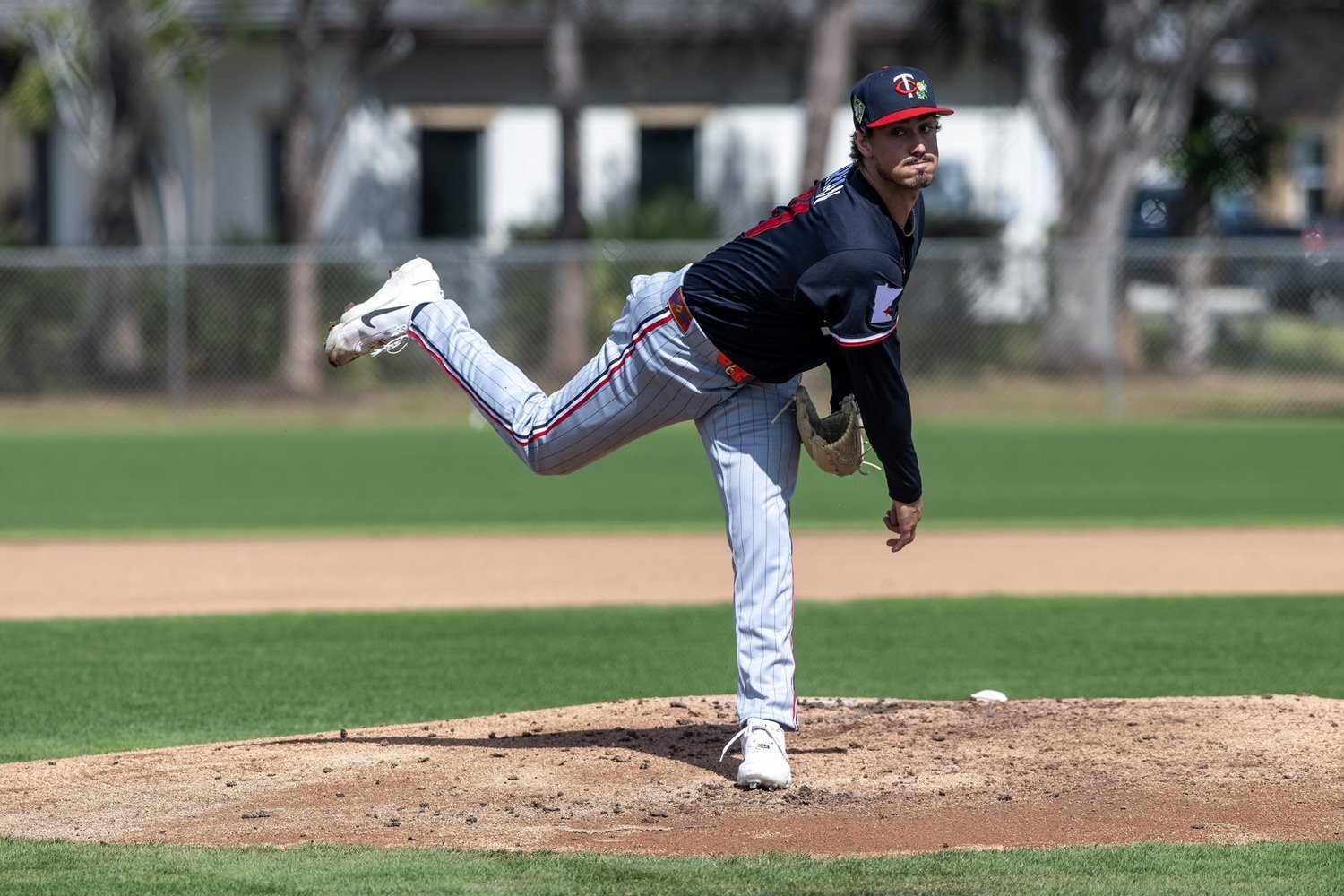 Joe Ryan did not sound bitter. He did not sound triumphant. Mostly, he sounded tired of the whole thing. “It is what it is—it’s done,” Ryan said, after he and the Minnesota Twins agreed to a one-year, $6.2-million contract on January 26 that includes a $13-million mutual option for 2027. The deal came together just hours before Ryan and team officials were scheduled to board flights to Phoenix for an arbitration hearing. In the end, cooler heads and simple math won out. The Twins and Ryan were just $500,000 apart when they filed figures ahead of the January 8 deadline. For a pitcher coming off a 13-10 season with a 3.42 ERA and 194 strikeouts in 171 innings, the gap was relatively minor. But the process is rarely about the gap. It's about the ritual, and the ritual remains as uncomfortable as ever. A Strong Season With Some Late Noise Ryan’s platform year was strong, by any reasonable measure. He worked 171 innings, missed bats at an elite clip (28.2% strikeout rate), and (for much of the season) was a steadying force in a rotation that needed one. Through his first 121 1/3 innings, he posted a 2.82 ERA and allowed just 14 home runs. He looked like the type of arm who could anchor a playoff series, and was named to his first All-Star team. Then the context changed, and so did his performance. Following a rough outing in Toronto on August 25, Ryan acknowledged that his energy dipped in the weeks after the August 1 trade deadline, when the Twins were no longer positioned to chase a postseason spot. Over his final 10 starts, he logged a 4.89 ERA and allowed 2.2 home runs per nine innings, across 49 2/3 frames. The sharpness faded. The fastball command wavered. The ball left the yard more frequently. In arbitration, those details matter. The late-season fade becomes an exhibit. The home run rate becomes a bullet point. The human context often gets stripped away. For teams and players, this can create wounds that are hard to heal. Ryan recently switched representation to VC Sports Group, but the figures for the filing had already been exchanged with his previous agency. When talks stalled, the numbers went in. When neither side blinked immediately, the hearing date loomed. Ryan admitted he was not a fan of the system and feels like baseball needs to find a new salary system for young players. “They’re trying to win, and that’s kind of their show,” Ryan said. “That’s their baseball game. … I think at the end of the day that process is pretty antiquated, and kind of stupid. No one in the league likes it. No team likes it. No one that works for a team likes it. No players like it. It doesn’t benefit anyone. It’s just a dumb system.” The Skubal Effect If there is any momentum for change, it may come from cases like Tarik Skubal’s. The Tigers ace recently secured a significant arbitration win, as he filed at $32 million and Detroit countered at $19 million. The ruling in favor of the two-time defending Cy Young Award winner broke the previous arbitration salary record of $31 million, set by Juan Soto in 2024. More importantly, it represented a raise of $21.85 million, more than double the previous record increase of $9.6 million set by Jacob deGrom in 2019. Skubal’s victory reinforced the fact that frontline starters with elite results are being rewarded aggressively by panels. When a Cy Young-caliber arm walks into a hearing with comparable stats and walks out with the number he filed, it shifts the landscape. For pitchers like Ryan, that matters. While Ryan is not coming off a complete and excellent season, he is part of a wave of arbitration-eligible starters who combine innings volume with swing-and-miss ability. As salaries for that tier climb through arbitration, teams will have a harder time suppressing numbers by leaning on selective splits or brief downturns. Panels have shown a willingness to reward impact and durability. Skubal’s case strengthens the argument that pitchers with high strikeout totals, strong run prevention, and meaningful innings loads deserve to be paid accordingly. It nudges the system slightly toward the players, even if the framework remains flawed. Business as Usual For the Twins, avoiding the hearing was the priority. Arbitration hearings can strain relationships. They force teams to highlight weaknesses. They require players to sit quietly while their value is dissected in an adversarial fashion. Minnesota has generally tried to avoid that outcome with its core pieces. Getting a deal done at $6.2 million keeps Ryan in the fold on reasonable terms and leaves open the possibility of a $13-million mutual option next season. From a roster-building standpoint, it's tidy. From a player relations standpoint, it avoids unnecessary scars. Still, Ryan’s blunt assessment lingers. The system is antiquated. It benefits both sides, but in somewhat brutal fashion. Both sides play their roles because the collective bargaining agreement requires it. In the end, the Twins and Ryan did what most teams (and players) eventually do. They compromised. They shook hands. They moved forward. The process may be dumb, as Ryan put it. But until something replaces it, this is the game within the game. Do you agree with Ryan that something needs to change? What system would be fair for both players and teams in the next CBA? Leave a comment and start the discussion. View the full article
 -
Why The Padres' Kruz Schoolcraft Could Be A Future ACE!
DiamondCentric posted an article in Padres Mission
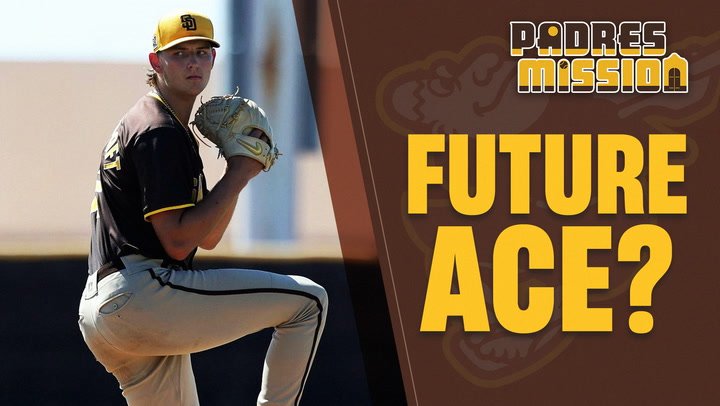 Kruz Schoolcraft, the Padres' no. 2 prospect, has all of the intangibles to be the team's next ace going forward. In this video, we give an overview of the 6-foot-8 southpaw, his strengths, and overall projection of when you can expect to see him in San Diego. View the full article
 -
Brewers’ Best- and Worst-Case Scenarios for 2026: Third Base
DiamondCentric posted an article in Brewer Fanatic
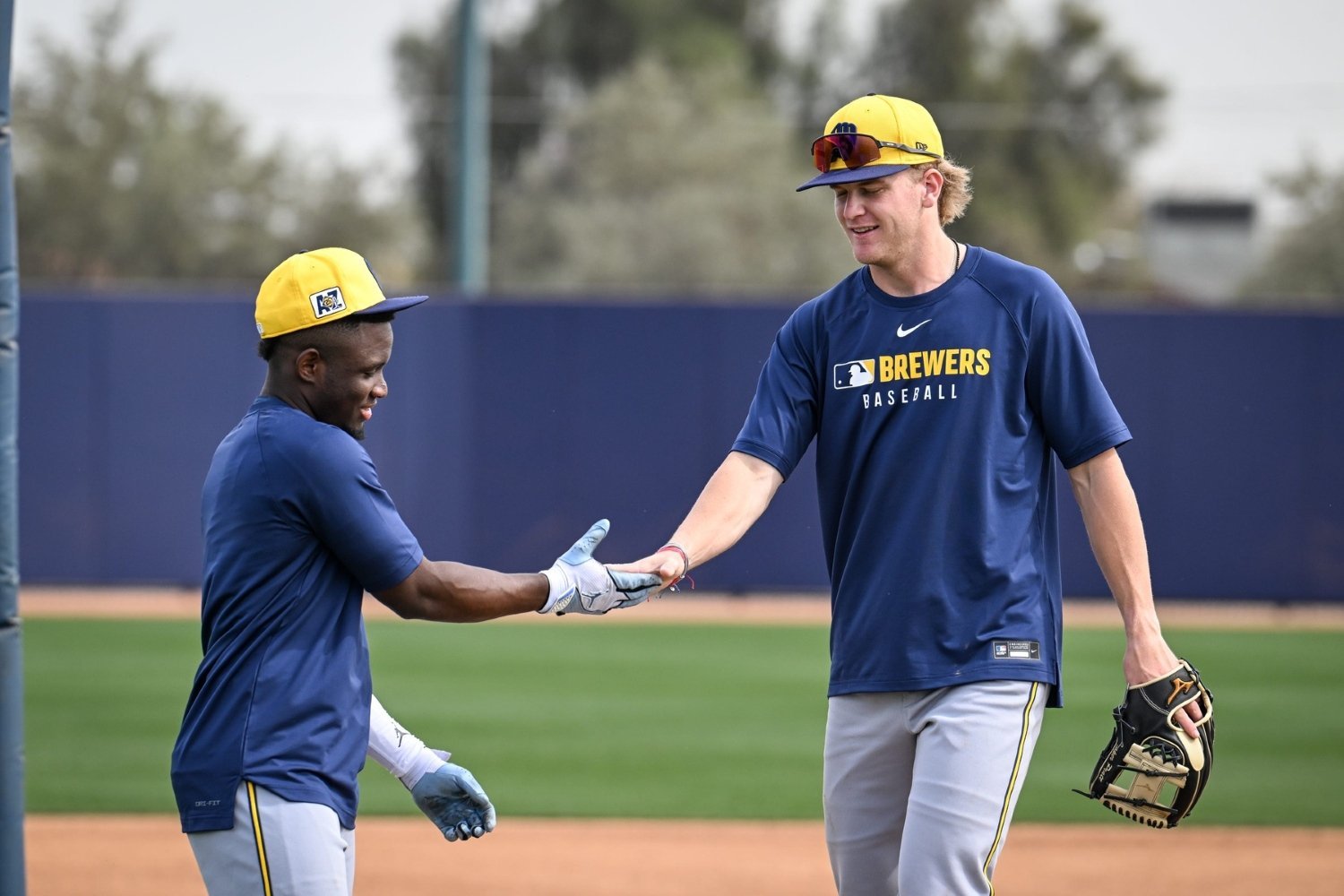 Caleb Durbin made the Devin Williams trade an easy win for the Brewers in 2025, eventually holding down the third base job and finishing third in the Rookie of the Year voting. Like fellow top-5 vote-getter Isaac Collins, Durbin is now gone. The Brewers included him in a trade, along with cult hero Andruw Monasterio and utility player Anthony Seigler. That still leaves a few internal options for the Brewers at the hot corner. How can that be? Let’s take a deeper dive. 2025 Review Durbin was called up in the second half of April, after Oliver Dunn and Vinny Capra couldn’t hack it at the plate while holding down the hot corner and Tyler Black (who isn't really a third baseman, anyway) on the injured list with a hamate injury that sapped what little pop he'd previously had. Durbin posted 2.8 Wins Above Replacement, according to Baseball Reference. That made him a solid starter. Durbin was sent to the Red Sox for left-handed pitchers Kyle Harrison and Shane Drohan, as well as infielder David Hamilton, who was part of the package Milwaukee sent Boston for Hunter Renfroe before the 2022 season. Current Roster Situation The question is: how will Durbin be replaced? On the 40-man roster and among the NRIs, Black, Cooper Pratt, and Jett Williams are all one-time or current top-100 prospects in MLB. They all have the potential to produce similarly, on the offensive side, to Durbin, though Black's prospect status is now much more suspect and the other two might not be ready just yet. This doesn’t include other contenders, like Eddys Leonard, Eduardo Garcia, Brock Wilken, Luke Adams, and Jesus Made, though of course, some of those guys aren't ready (or have very low ceilings) themselves. Hamilton has seen limited action at third base in the majors, but he has flashed some offensive upside in the past and might be the best defender in this group. Deeper in the minors, the Brewers have Andrew Fischer, Mike Boeve, Eric Bitonti, Juan Baez, Filippo di Turi, and Luis Pena as potential rapid risers. All have featured potent bats in one form or another during their professional careers. It's a deep position in a deep organization. It's just the immediate future about which there's tremendous uncertainty. Best-Case Scenario A Top 100 prospect replaces Durbin at third base out of spring training. This is not because Hamilton is a horrible player; he's probably better than Monasterio. But if Williams or (less likely) Pratt can keep Hamilton securely on the bench, the Brewers' offense probably ends up being much more potent, which could make a difference in October. Pratt is a minor-league Gold Glove winner who is a natural shortstop, but may not be long for that position due to the presence of Made. Pratt’s offensive profile offers OBP skills and a bit more natural pop than Durbin had. Williams, who is about Durbin’s size, brings a much more dynamic offensive profile, albeit at the price of more strikeouts and greater questions about the bat-to-ball skills. His versatility may make him a more viable super-sub option than starter. Worst-Case Scenario The team eschews an external upgrade to replace Durbin, but none of the above-mentioned cadre of guys pan out. In a panic, the team turns back to Joey Ortiz at third base, or is forced to disrupt the development of Williams or Pratt by pressing them into service before they're ready. The infield defense and the lineup suffer, leaving the front office to scramble for a trade to address the problem in June or July. Overview There are a number of ways for third base to go nightmarishly wrong, at this moment. Trading Durbin was a calculated but substantial risk, unless the team has another move up their sleeves. But the Brewers boast a lot of good options at third base for 2027 and beyond, and that’s a nice position to be in. If someone proves ready a year early or they go patch the position in the final weeks of the offseason, so much the better. View the full article
 -
San Diego Padres Spring Preview 2026: Starting Rotation
DiamondCentric posted an article in Padres Mission
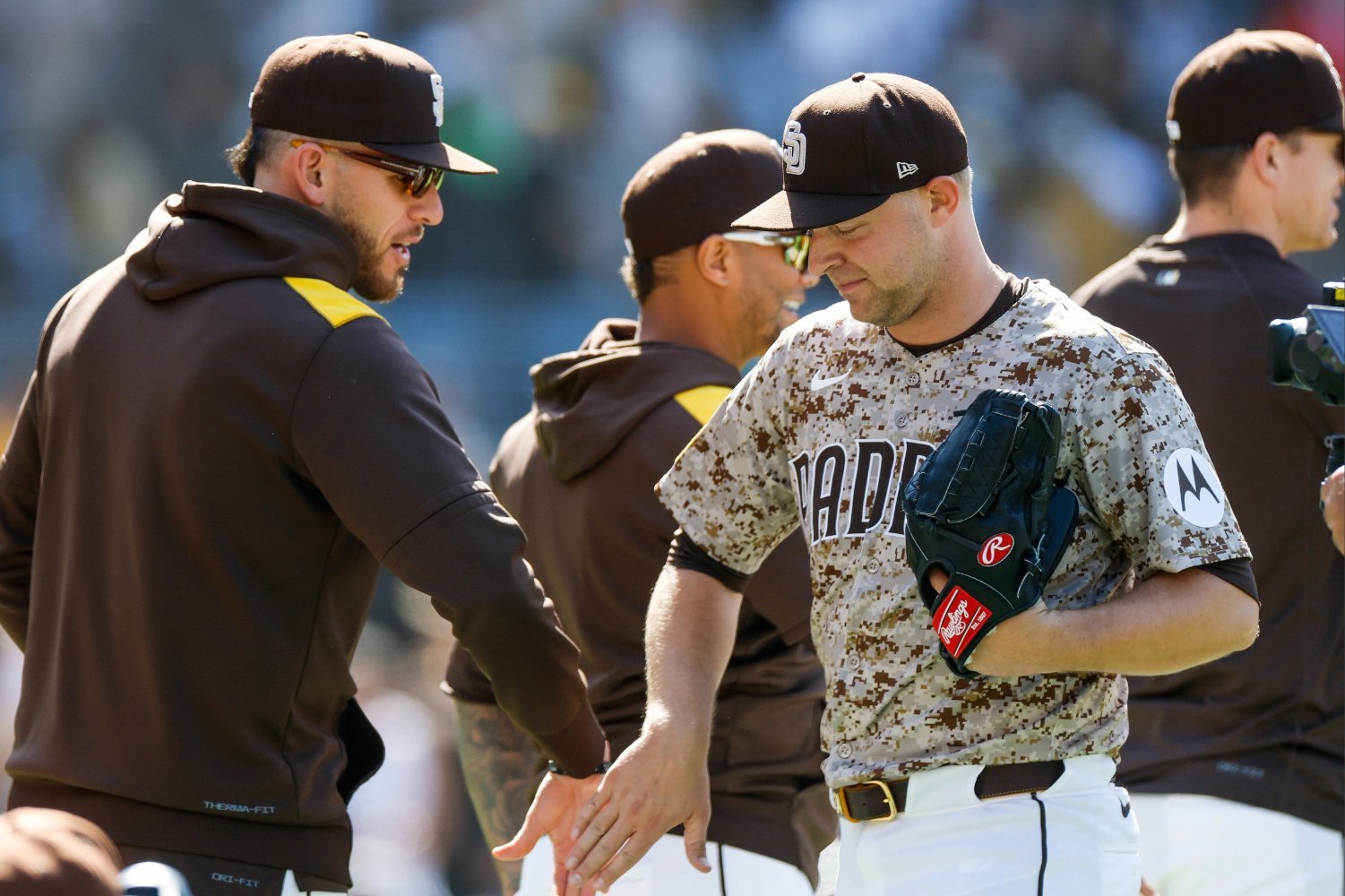 Since losing Game 3 of the NL Wild Card Series against the Chicago Cubs, San Diego Padres president of baseball operations A.J. Preller knew he had to retool the starting rotation. Dylan Cease and Michael King were about to become free agents and Yu Darvish wouldn't return following elbow surgery that would sideline for more than a year. Down went three major contributors to a Friars team that finished 90-72, second in the NL West. The good news was that Preller could expect to have Joe Musgrove back to join right-handers Nick Pivetta and Randy Vasquez as rotation returnees following his Tommy John surgery after the 2024 season. Even still, the rotation was in a precarious position entering the offseason. Let's break down what was done and where the rotation stands as spring training begins. Who Was Scheduled to Come Back? Pivetta, Darvish and Vasquez were in the postseason rotation, with left-handers Kyle Hart and JP Sears other regular starters from 2025 who would be counted on in 2026. Gone were Cease, King and left-hander Nestor Cortes, all free agents. Pivetta had a career year in his first season with the Friars, going 13-5 with a 3.49 FIP (2.87 ERA) with career bests of 190 strikeouts and 181⅔ innings. He had a 6.9% walk rate, improved from his 8.4% career mark, and 26.4% strikeout rate, right on line with the 26% for his career. In his 31 starts, he limited opposing batters to a career-best .583 OPS, including a .193 batting average, also his career low. That earned him a sixth-place finish in the NL Cy Young Award balloting. Darvish started Game 2 of the Wild Card Series vs. the Cubs, but had been experiencing elbow discomfort for much of the season. He made just 15 starts and had the internal brace procedure that reduces the recovery time by a couple months. Darvish, who had Tommy John surgery in 2015, entered the offseason as a 39-year-old, thus putting his future in doubt. With a report that retirement is a distinct possibility, Darvish's tenure as a Padres player seems over, although his legacy is strong. Vasquez had a solid season, though his 4.85 FIP suggests his 3.84 ERA was a little better than it should have been. Vasquez doesn't do anything special, so he's more or less expected to just eat innings. He could stand to use certain pitches more to be effective and overcome his lack of velocity and stuff. He already has a 39.4% groundball rate on balls in play, so leaning into that aspect could be a positive for him. The 33-year-old Hart made his MLB debut with the Boston Red Sox in 2020 and then didn't have another appearance in the bigs until making the Padres' Opening Day roster in 2025. He made five starts before being sent to Triple-A El Paso, then came back for a spot start in May before going back down. Hart stayed in the minors until coming up in late August to make 11 relief appearances. Sears was the other player the Friars picked up in the Mason Miller trade. He wasn't that good in 22 starts with the A's, playing in a minor-league stadium, and didn't improve in five starts with the Padres. In those combined 27 starts, he had a 5.21 FIP, posting 6.3% walk and 18% strikeout rates. Who Was Added? King was given the qualifying offer, but surprisingly returned to the Padres on a three-year, $75 million deal in which he could opt-out after 2026. That was a huge mid-December move that solidified the rotation, giving the Friars a top three of Pivetta, King and Musgrove. Injuries limited King to 15 starts, which likely dampened his value in free agency as well as the price for signing a player with a qualifying offer. He wasn't as good in 2025 as he was in 2024, his first year in San Diego after coming back in the Juan Soto trade with the New York Yankees. Still, he registered a 4.42 FIP with 8.4% walk and 24.7 strikeout rates. Candidates to Join the Rotation The only other true candidate on the 40-man roster is right-handed knuckleballer Matt Waldron, who made just one MLB start and 21 in the minors. That came after 26 starts (27 appearances) with the Friars in 2024 (4.26 FIP). The only other 40-man member listed as a starter is right-hander Miguel Mendez, who was rocked in six starts at Double-A San Antonio in 2025, so the 23-year-old is at least another year away. A few intriguing possibilities were given minor-league contracts with invites to spring training. Those include left-hander Marco Gonzales and right-hander Triston McKenzie. Gonzales didn't pitch in 2025 after having flexor tendon surgery in September 2024, a season in which he made seven starts for the Pittsburgh Pirates. He had a really good stretch from 2018-20 with the Seattle Mariners. McKenzie seemed to have a bright future after a really nice 2022 season, but injuries and ineffectiveness led to him being designated for assignment by the Cleveland Guardians early in 2025, then spending the rest of the season in the minors before becoming a free agent. Left-hander Omar Cruz is another possibility. The Bottom Line Preller is likely to add to this group in the near future. He needs to. Pitchers get hurt. This group is thin — very thin. The Friars used 11 starters in 2025 and right now it is tough to find depth that you can have any confidence in beyond maybe eight of the names mentioned. Pivetta, King and Musgrove at the top of the rotation is a pretty good trio. Vasquez as a No. 4 is solid without much more of an upside at the moment. That leaves the No. 5 spot up for grabs. With those four being right-handers, bringing in another left-hander would be prudent. But the top free agents still on the market are all right-handers: Zac Gallen, Lucas Giolito, Chris Bassitt and Zack Littell. No matter how he does it, adding another viable rotation member needs to be Preller's top priority before Opening Day. View the full article
 -
Why The Brewers Will Lead MLB In Stolen Bases This Year
DiamondCentric posted an article in Brewer Fanatic
 The Milwaukee Brewers were second in MLB in stolen bases this past season. This year, they're making the jump to the top. In this breakdown, we cover everything from routine contributors, like Brice Turang and Jackson Chourio, to new additions like Jett Williams and David Hamilton. With everything from depth to high on-base percentage and an aggressive on-base play style, Milwaukee is destined to be the league's best base-stealing squad in 2026. View the full article
 -
Tanner Houck "Hopes To Be Contributing" to Boston Red Sox in September
DiamondCentric posted an article in Talk Sox
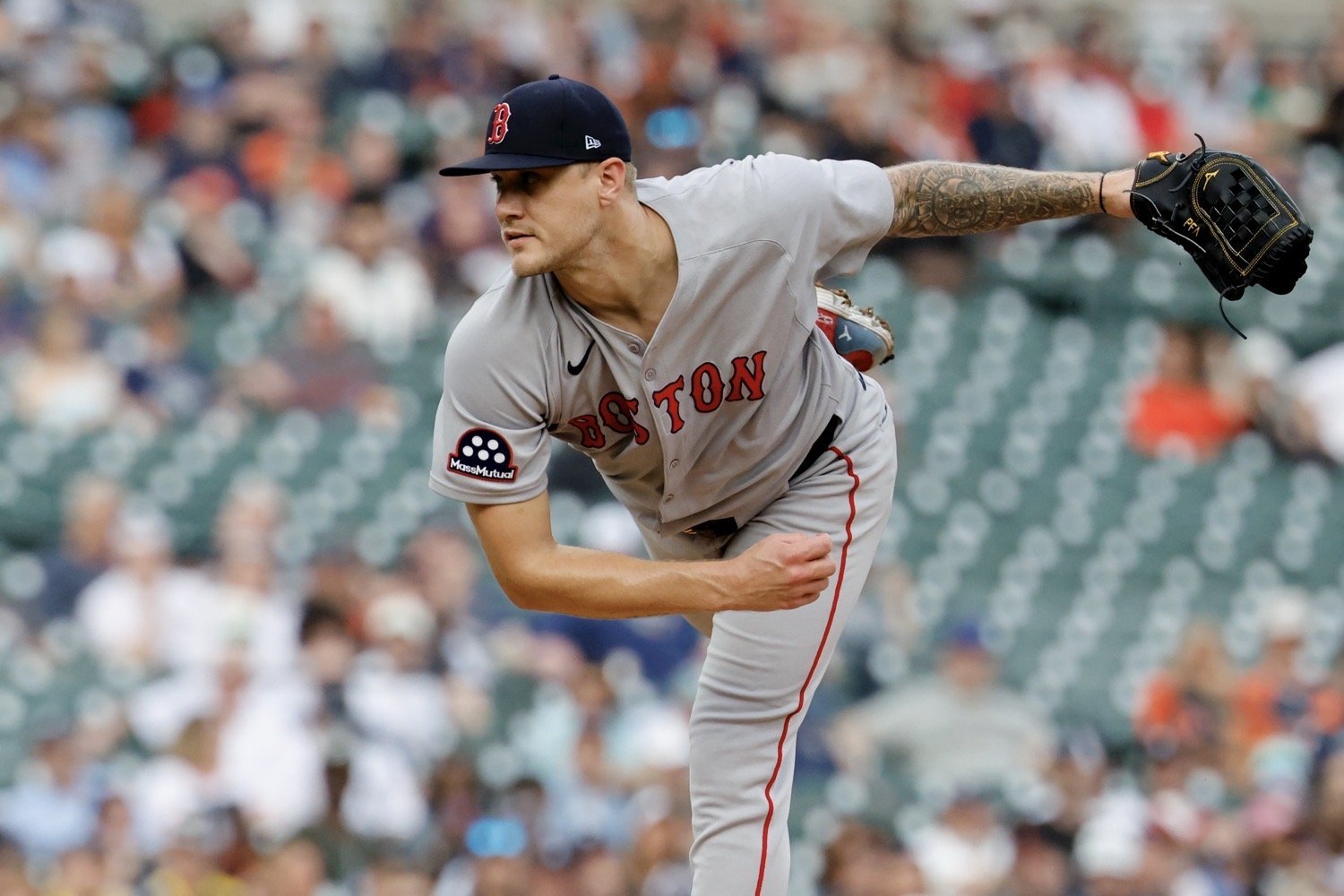 The Boston Red Sox are hoping to get a boost to their pitching staff late in the season, just in time for the playoffs. Whether that will be in the form of a starter or reliever remains to be seen; however, Gabrielle Starr of the Boston Herald provided an injury update on the former staff Ace. She reports that Tanner Houck "starts a throwing program next week and is hoping to contribute in September." Having received Tommy John surgery at the beginning of August 2025, that timeline would put him roughly 13 months removed from the procedure. However, even when pictures are cleared to return, it can typically take two to three months for them to fully recover. While returning in September 2026 is a reasonable goal, don't be surprised if we don't see Houck until 2027. Houck, 30, has two more years of team control before entering free agency. While there was some uncertainty whether the Red Sox would tender him a contract this offseason, the right-hander was once the ace of the rotation and looked to be one of the better pitchers in baseball after he broke out in 2024. Across 80 big league starts, Houck has a 4.13 ERA (3.79 FIP) and a passable 14.3% K-BB rate. This will be a storyline to follow, especially as the trade deadline approaches. Depending on the state of the team, will the Red Sox pursue pitching help, or will they be relying on Houck to contribute in September and in the playoffs? Let us know what you think in the comments! View the full article
 -
Padres Have Deal With 16-Year-Old Who Throws 100 MPH
DiamondCentric posted an article in Padres Mission
 The San Diego Padres have already landed a big fish in their 2027 international class. Right-hander Yoel King, a 16-year-old Dominican who is already lighting up radar guns with 100 mph fastballs, has a pre-agreement to join the Friars in next year's signing class. The Padres are set to give King a huge signing bonus. King would represent a huge building block as the Padres need to replenish their farm system following numerous trades that have left the cupboard barren. The Padres are at or near the bottom of many system rankings by various outlets. View the full article
 -
How Will the 2026 Blue Jays Offense Compare to the 2025 Version?
DiamondCentric posted an article in Jays Centre
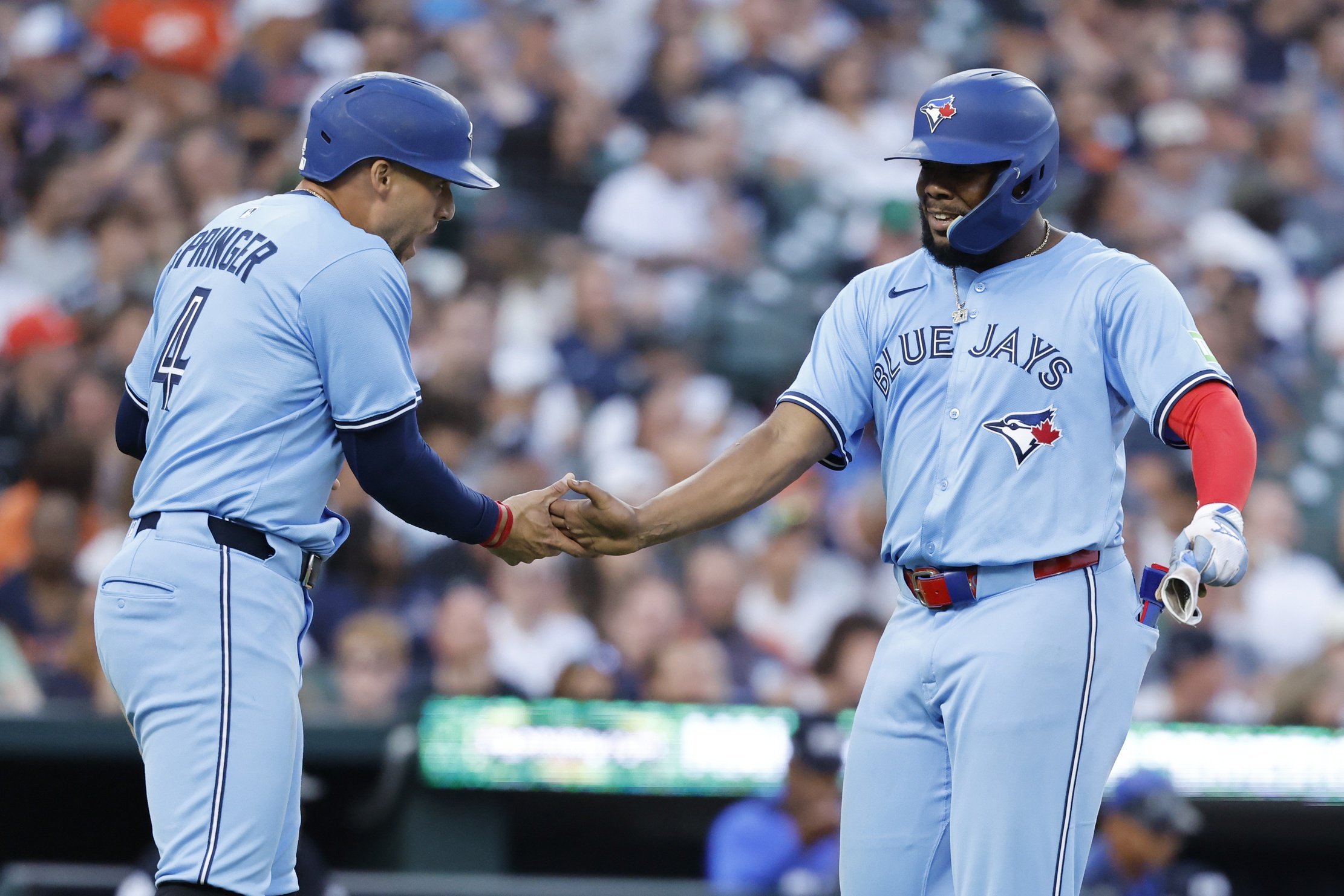 The 2025 Toronto Blue Jays went on a magical run that came within two outs of ending a 32-year World Series drought. The offense finished the season in the top five in most offensive categories while relying on a contact-heavy approach at the plate. The Jays hit more home runs than in 2024 (156), but their 191 long balls last season fell short of expectations, as they finished tied for 11th. Key hitters who were expected to be leaned on heavily in the power department struggled on the field and/or battled injuries all season long. Anthony Santander signed with the Blue Jays last offseason after hitting 44 home runs with the Baltimore Orioles in 2024. However, didn't have the same success in Toronto. He struggled at the plate at the beginning of the season and suffered a shoulder subluxation in May, which kept him out until the final week of the regular season. Fans and the organization were expecting far more than six home runs, 16 runs scored, and 18 driven in from Santander's bat, but he wasn't the only heavy-hitter to struggle staying on the field. Daulton Varsho was on pace to surpass his career-best statistics in many categories if it wasn't for his injury-plagued season. He started the year on the injury list, recovering from a shoulder injury. He returned towards the end of April, but a grade 2 hamstring strain forced him to miss all of June and July. Thanks to boosting his barrel percentage from 6.2 percent in 2024 to 15.9 percent in '25, Varsho hit 20 home runs in 271 plate appearances. That home run total was seven fewer than his career high in 2022; however, the center fielder had 321 fewer plate appearances this past season. He also had 19 fewer RBIs in 2025 (55) than in '22, when he hit 74. We could have witnessed an All-Star-caliber season out of the 29-year-old had he stayed healthy throughout the season. Vladimir Guerrero Jr. was also not in normal heavy-hitter form all year. With the question marks about his future looming over the superstar first baseman – and then the pressure of his massive contract – he wasn't his usual self out of the gate, not hitting his first home run until his 19th game. Overall, his average exit velocity dropped from 93.8 mph in 2024 to 92 mph in '25. Guerrero's hard-hit percentage also dropped from 54.9 percent to 50.7 percent. The Blue Jays' first baseman finished the season with 23 home runs and 84 runs driven in over 680 plate appearances. With how dominant he was in the playoffs, it can be easy to forget that his 2025 regular season was a step back from his 2024. The team will hope for a stronger regular season performance from him in 2026. Amid struggles from likely power sources, the Blue Jays received a power surge from an unlikely player. George Springer emerged as the heavy-hitter in the batting order, something he hasn't been referred to as since 2019 while with the Houston Astros. Last season, the 36-year-old set career-highs in barrel percentage (16.1 percent), average exit velocity (89.9 mph), and hard-hit percentage (47.6 percent). These impressive metrics helped the veteran hit 32 home runs and drive in 84 runs. Both were his highest totals since 2019. Despite inconsistent power production, the Blue Jays won the AL East and advanced to a deep postseason run. This success was boosted by inexperienced names like Nathan Lukes, Addison Barger, and Ernie Clement, who performed exceptionally in more meaningful roles than expected. Last season was Lukes's first full season in the big leagues, despite being 31. He posted a 103 wRC+ and a .730 OPS over 438 plate appearances. It was a steady performance the Blue Jays needed, as he was often hitting toward the top of the batting order. Barger has had a roller-coaster two-year MLB career. He was another much-needed power bat that broke out last season. He hit 21 home runs and posted a 107 wRC+ over 502 plate appearances. If he's going to continue being a power source, he needs to improve on his 22.9 flyball percentage (per Baseball Savant). Clement was a consistent contact hitter all season long. He posted a .296 BABIP, just below league average, but his excellence came in the postseason. The utility infielder set a single postseason record for hits (30). Clement will be called upon to maintain his contact success while hitting at the bottom of the batting order. How Will This Year's Offense Compare to Last Year's? After the magical 2025 season ended, fans were excited for an offseason of additions that could get the team back to the World Series. There's no doubt the pitching staff is better after several notable additions. However, the Blue Jays were once again outbid for the top free-agent bat, this time Kyle Tucker. The two-time World Series champion Los Angeles Dodgers swooped in late to sign the star outfielder. After Tucker signed, any chance of a reunion with Bo Bichette was quickly snuffed away by the New York Mets. The Blue Jays did add Kazuma Okamoto from Japan, but there's no guarantee he will adapt to MLB pitching quickly. He will be under pressure to fill the offensive void left by Bichette. Okamoto has the skills to hit the 20 home runs and record the 80 RBIs that Bichette would likely have contributed. The Japanese star hit 15 long balls last season but missed half the year with injuries. He hit 30 or more home runs in NPB every year from 2018 to 2023. All eyes will be on him throughout the season. Toronto's need for Okamoto's power has increased significantly with the latest news about Santander. The organization hoped a full offseason to get healthy would help the switch-hitter regain his power swing. However, he will now require left labral surgery, which will hold him out for five to six months. It's a devastating blow to the 2026 plans, especially with the Jays striking out on Tucker. The Blue Jays will likely turn to Lukes to take many of the left field opportunities that have opened up with Santander's injury. He will presumably play in a platoon with Davis Schneider, who will start against southpaws. Schneider didn't have a clear role before Santander's injury. However, now a platoon role makes sense for the 27-year-old. The righty-batting Schneider was not as effective against lefties last season, posting a .708 OPS compared to a .915 OPS against right-handers. That said, he was still able to produce offensively without the platoon advantage; his 106 wRC+ was six percent better than league average. While the Blue Jays have a band-aid they can use to patch up the loss of Santander for at least the first half of the season, it's also highly unlikely that Springer can repeat his monstrous power display. He's 36 now and dealt with several injuries in 2025. Hopefully, more playing time in the DH role (and less in the outfield) will help keep him healthy. Even when he hit 39 homers in 2019, Springer faced a slight regression in barrel and hard-hit percentages the following season. However, that season was the shortened 2020 campaign. Fans need to prepare themselves for Springer to still be productive at the top of the lineup, but there will likely be at least a slight regression in the power department. He could still finish in the mid-20s for home runs, which the Blue Jays will need since they are thin on heavy bats. The upcoming season will be when Guerrero needs to flex his muscles as the franchise player. The Blue Jays are counting on him to return to a mid-30s home run total. Just looking at the lineup on paper, he's the only name that will truly strike fear in opposing teams when it comes to hitting the long ball. Ultimately, health is the Blue Jays' primary concern right now. They can't afford another injury to a key player, or the offense will have to rely on inexperienced players again, as in 2025. That can work, as last proved, but it's risky. And while there's still a possibility the Blue Jays could add a bat, all the top-tier free agents are already on other teams. View the full article
 -
 FORT MYERS—Four little words make our hearts soar: Pitchers and catchers report We took last year's gut punch, but come back for more. Pitchers and catchers report The fire sale came; we watched stars depart Felt like someone was stealing our heart But hope’s a disease, and we'll do our part Pitchers and catchers report Debt was reduced, papers were filed Pitchers and catchers report New partners joined (The guy from the Wild?!) Pitchers and catchers report Minority owners now in the mix A new set of suits with their “synergies” tricks We’ll take it, if somehow this lineup they'll fix Pitchers and catchers report They added some bats, the offense to pump Pitchers and catchers report Caratini to catch, Josh Bell adds some thump Pitchers and catchers report Rogers returned, four years gone, now he's back We hope that his left arm has not lost its knack Now get us the closer we somehow still lack. Pitchers and catchers report Joe's out, Tom's in the Executive Chair Pitchers and catchers report Then the BIG change: “Mutual,” they swear Pitchers and catchers report Falvey walks out as the waters get rough "Relentless" Tom chants, as if that's enough Now prove it and fund a 'pen that's not fluff. Pitchers and catchers report Finally, you take your turn as poet Pitchers and catchers report Channel your winter frustration and show it Pitchers and catchers report The comments below are a great place to bleat Two tens and three ‘levens provide you the beat (But add words wherever, if, like me, you cheat). Pitchers and catchers report View the full article
 -
How Marlins should use, try to fix Chris Paddack and John King
DiamondCentric posted an article in Fish On First
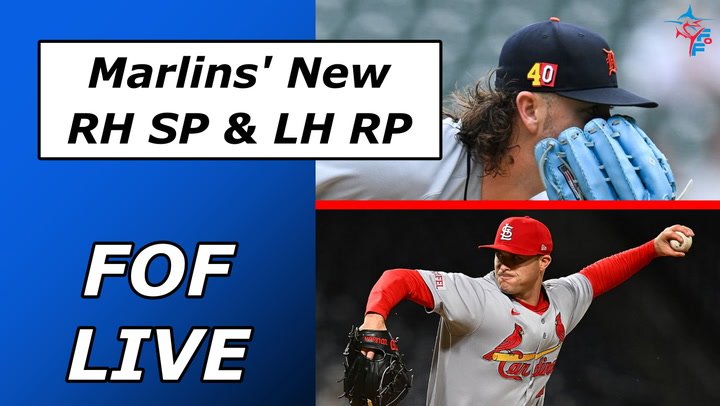 The Fish On First LIVE panel looks under the hood at what may have motivated the Marlins to spend on two veteran arms coming off disappointing 2025 campaigns. View the full article
 -
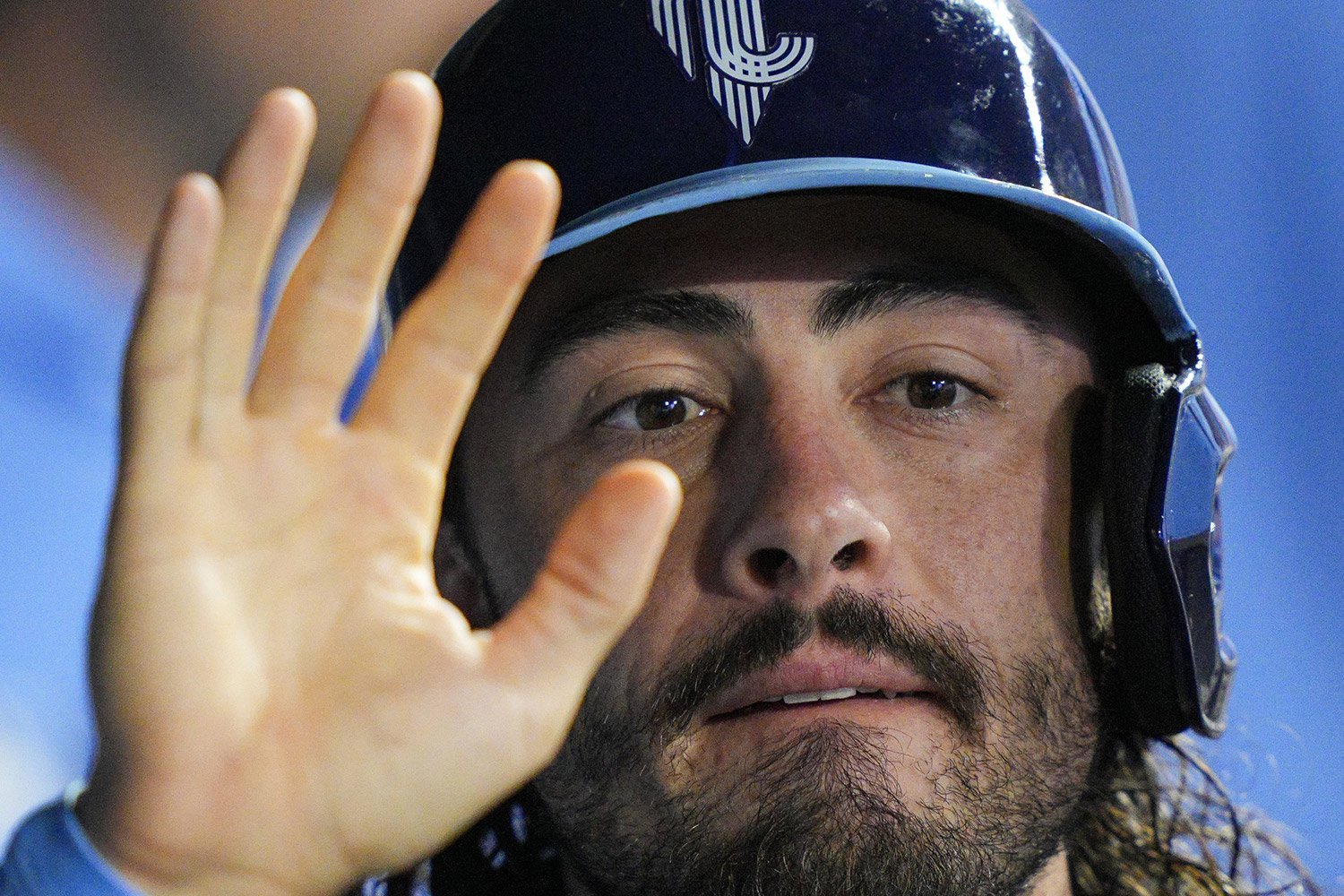 Royals players reported to spring training in Surprise, Arizona, on February 11. Most of the main roster spots are well defined, but the Royals have many decisions to make in the margins of the roster. Here are five storylines to watch as the Royals shape their roster for the 2026 season. Sorting Out the Opening Day Bullpen Top performers from 2025, Carlos Estevez, Lucas Erceg, and John Schreiber, along with recent trade acquisitions Matt Strahm and Nick Mears, are all likely locks to make the Opening Day roster. Alex Lange, Daniel Lynch IV, Eric Cerantola, and Steven Cruz are fighting for the final three bullpen spots along with non-roster invites Jose Cuas, Hector Neris, Helcris Olivarez, and Eli Morgan. Bailey Falter may also be in the mix despite being viewed as a starter because he has no more minor league options remaining. Beyond who makes the roster, bullpen roles are yet to be fully defined. Last year’s American League saves leader, Estevez, is locked into the closer role, but will Erceg or Strahm emerge as the primary setup guy or a middle-relief “fireman” role? With both Erceg and Strahm being lefties, does Lynch may face additional pressure to make an impression at spring training for the sake of bullpen balance. Balance at Catcher and Carter Jensen’s Progression After having a productive stint with the Royals at the end of last season, Jensen is projected to be Salvador Perez’s backup in the 2025 season. Manager Matt Quatraro will aim to strike the right balance of playing time for Jensen and Perez heading into 2026 to maximize offensive production and defensive stability. Jensen slashed .300/.391/.550 with a 161 OPS+ in his 69 plate appearances last season. While his production will likely not be sustainable at the major-league level, Jensen has proven that his bat can be a legitimate asset to the Royals’ offense. Perez, meanwhile, has also shown that his bat is still productive entering his age-36 season, and his home run total could go up since the Royals have decided to move in the left and right field fences this offseason. Perez will miss time in spring training to play for Venezuela in the World Baseball Classic, which will leave Jensen as the main catcher in his absence. This should give Jensen the opportunity to work more closely with the pitching staff and allow pitchers to become more comfortable with their new battery mate. Filling Out the Outfield The Royals added Isaac Collins and Lane Thomas this offseason to help with outfield production. As things currently stand, it would seem that Collins will be the starter in left field with Kyle Isbel in center and Jac Caglianone in right. However, Thomas is not necessarily a lock for the 4th outfield spot. His last two seasons have had struggles at the plate, and he missed a lot of time in 2025 on the injured list. In fact, the Royals have another five outfielders on their 40-man roster. Dairon Blanco, Nick Loftin, Kameron Misner, John Rave, and Drew Waters are all going to be challenging for a spot on the Opening Day roster. Jonathan India, Michael Massey, and Tyler Tolbert also spent time in the outfield last season but are not listed as primarily outfielders. Thomas, Rave, Tolbert, and Misner are all capable of filling in for Isbel in center field, while Tolbert can also serve as a utility man in the infield and a pinch runner. Tolbert stole 21 bases in 23 attempts in 2025 and can provide an impact on the bases in late innings. Among 40-man players, Waters is the only outfielder who is out of minor league options, which could come into play when deciding if he makes the final roster. Given the Royals' struggles in the outfield last season, including the presumed locks Isbel and Caglianone, any outfielder who has a hot spring could force his way onto the Opening Day roster. Managing a Surplus in the Rotation The Royals have a strong starting pitching rotation. Cole Ragans, Michael Wacha, and Seth Lugo are the locks at the top of the rotation, mostly because of their experience at the major-league level, and because the Royals are less likely to trade away any of them. The fourth and fifth spots are not necessarily up for grabs since both Noah Cameron and Kris Bubic had strong seasons in 2025. The Royals also have Stephen Kolek and Ryan Bergert on the roster, who performed well after being traded to the Royals at last year’s trade deadline. Luinder Avila (No. 13 prospect) is also viewed as a starter, and he could also factor into the conversation in Spring and into the season. Bubic, Cameron, and Lugo all finished the season on the injured list, raising questions as to how ready they will be to pitch this spring. Considering Lugo is set to pitch for Puerto Rico, he is more likely to be ready to pitch. The Royals have expressed a willingness to trade a starting pitcher in order to add a bat to the lineup, but have not yet done so. As free agents start coming off the board, teams may become more desperate to acquire an arm for their rotations, and there is no shortage of teams looking to add starting pitchers. Will the Royals finally find a trading partner? Finding the Answer at Second Base and Utility Infield Barring injury, Bobby Witt Jr., Maikel Garcia, and Vinnie Pasquantino will start almost all the games in the season. The starting spot at second base is less clear. Jonathan India, Michael Massey, Nick Loftin, and Tyler Tolbert will all be vying for the second base and bench utility spots. They also face tough competition from non-roster invites Brandon Drury, Connor Kaiser, Kevin Newman, Josh Rojas, Abraham Toro, Daniel Vazquez, and Peyton Wilson. With the large number of infielders invited to camp, the Royals are signaling that they are willing to be creative in finding a solution at second base. The Royals probably hope that India wins the starting job after tendering him an $8 million contract despite speculation that he could be a non-tender candidate this offseason. Whether his contract affects the Royals' patience with his production remains to be seen. Each of the non-roster invites also had their fair share of struggles last season. Will any of them be able to push for a spot on the roster? Massey, Loftin, and Tolbert can provide more flexibility with the ability to play in the outfield, which would give them an edge for a utility role. View the full article
 -
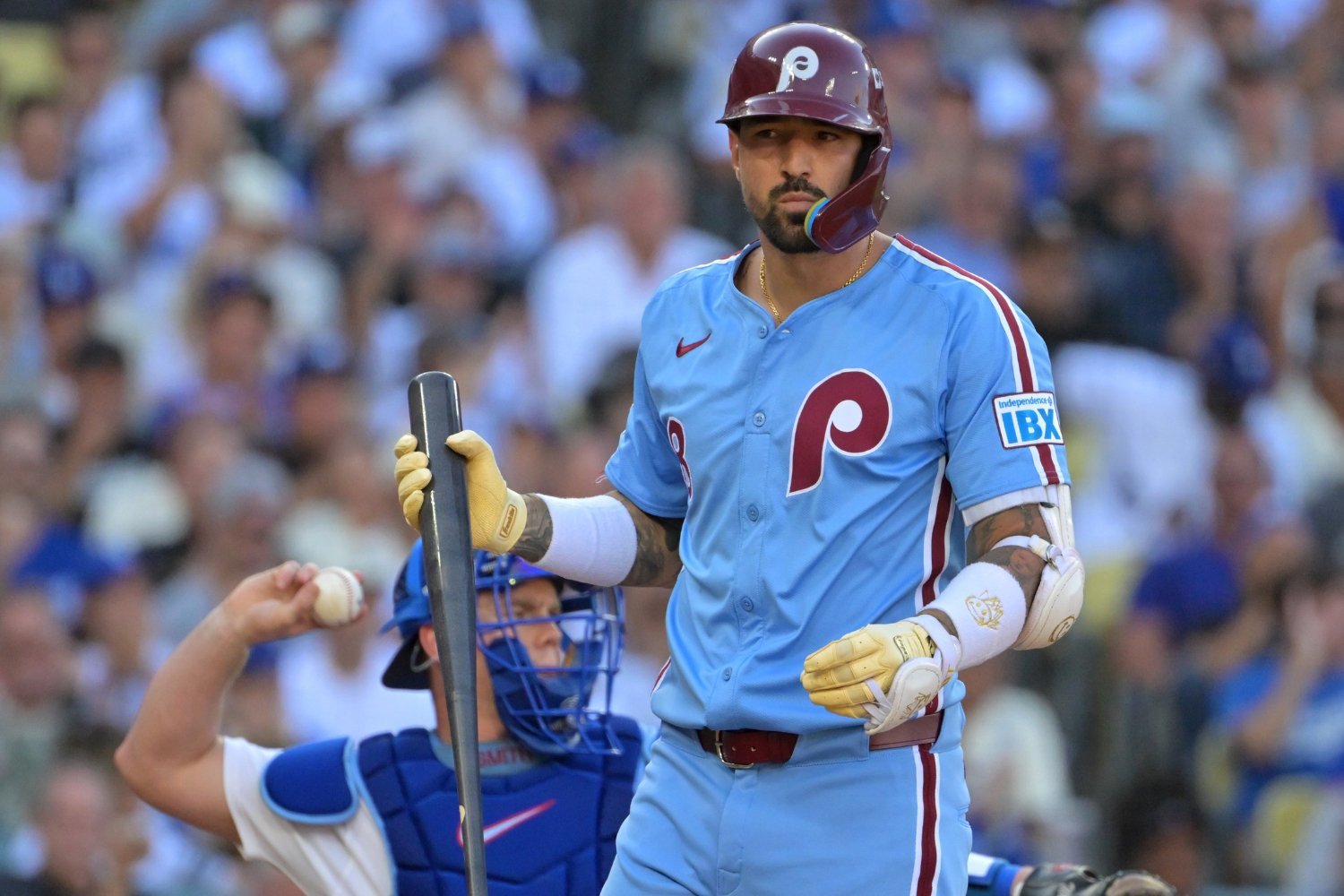 In some interesting news on Wednesday, with most teams beginning their first workouts with pitchers and catchers, the Philadelphia Phillies appear ready to move on from outfielder Nick Castellanos. In fact, Phillies beat writer Matt Gelb reported that they have essentially made it clear to Castellanos that he will not have a locker in Spring Training, thus signaling the end of his tenure in Philadelphia. Castellanos has had a polarizing career with the Phillies, marked by some poignant highs and lows. The former Tigers draft pick signed a five-year, $100 million deal with Philadelphia prior to the 2022 season and hit 82 home runs in his four seasons in the City of Brotherly Love. That said, he had only two seasons with wRC+ marks over 100 with the Phillies (2023 and 2024), and his accumulated fWAR was 0.7 in 602 games. Considering the money the Phillies had poured into him back in 2022, it's safe to say that his tenure with the club has been a major disappointment. Last year seemed to be the culmination of Castellanos' multi-year disappointment in Philadelphia. In 589 plate appearances, he hit 17 home runs, collected 72 RBI, posted a .300 wOBA, and -0.6 fWAR. Not only was his fWAR a career low, but his wOBA was his worst mark in that category since his 11-game rookie sample with the Tigers as a 21-year-old in 2013. To make matters worse, his Statcast profile was meager for a "power" hitter in 2025. As illustrated in his TJ Stats summary, many of his categories, especially exit velocity and barrel rate, were under the 40th percentile. That is a sign that Castellanos is near the end of his career, if not already there. Thus, does Castellanos make sense for any team right now, let alone the Royals? Well, let's look at his overall profile, especially from a batted-ball end, and what he could bring the Royals if GM JJ Picollo decides to take a flier on the former Tigers star. Declining Hard-Hit Rates and Bat Speed a Concern When it comes to Castellanos' value, all of it is pretty tied to the bat at this point in his career. Since 2017, he's been below league average by double digits in Fangraphs' Def every season with the exception of 2020 (and that was due to the 60-game COVID-shortened season). In terms of BsR, which measures baserunning runs, he's been 9.9 runs BELOW average since 2022. Unfortunately, the 33-year-old outfielder just doesn't do anything with the glove or on the bases, and it's unlikely that it's going to get better in 2024, wherever he should play. Castellanos' bat is so key to his value as an MLB player, but unfortunately, he's trending in the wrong direction in some key categories. Two of those categories are hard-hit rate and bat speed. In terms of hard-hit rate, he posted a 36.1% hard-hit rate last season, which ranked in the 16th percentile. That was worse than his average exit velocity (23rd percentile), max exit velocity (33rd percentile), and barrel percentage (36th percentile). While Castellanos did a good job of launching the ball (92nd percentile LA Sweet-Spot%) and swinging at pitches in the zone (99th percentile), his poor performance in other Statcast metrics weighed down his overall production. That is evident in his lackluster average (.250), OPS (.694), ISO (.150), and wRC+ (90) last season. Hard-hit rate sticks out the most, however, because if Castellanos isn't hitting the ball hard, it doesn't matter how well he launches the ball. Well-launched, but soft-hit balls will just become flyouts, especially at Kauffman Stadium, even with the new dimensions (which will still be more pitcher-friendly than Citizens Bank Ballpark, which was the fourth most HR-friendly ballpark in baseball last year, according to Statcast park factors). When looking at his rolling hard-hit chart over his career, he's not only performed poorly in hard-hit rate last year, but also showed that downward trend last year as well. After a brutal finish to 2022, where he hovered around the 30 percent mark in hard-hit rate, he did bounce back in 2023, touching the 50% mark at one point. However, since his 3,500th batted ball, he saw a gradual decline in his hard-hit rate through the 2024 season. There was a slight bump at the start of the 2025 season, but it dropped dramatically by the 4,200th batted ball. What is causing this decline in the hard-hit rate for Castellanos? His decline in bat speed could be the explanation. Though there isn't a ton of data on Statcast bat speed, his rolling chart in this category shows a stark regression from 2024 to 2025. For most of 2023 and 2024, Castellanos was demonstrating above-average bat speed. Unfortunately, in 2025, his bat speed stayed below the league average for most of the season. That bat speed could explain his lackluster hard-hit and squared-up rates (24th percentile in squared-up rate), and thus, underwhelming production in his final season in Philadelphia. To bring it all together, let's take a look at his rolling xwOBA chart via Statcast. The xwOBA metric tends to give a better predictor of future success than wOBA. Much like his hard-hit rate and bat speed, the xwOBA trend isn't good. Not only did he hit some bad lows in 2025, but he showed that "dip" trend in all four of his seasons in Philadelphia. He likely was able to overcome those poor xwOBA marks at times because of the hitter-friendly confines of Citizens Bank. That said, it's likely that those xwOBA valleys would only amplify Castellanos' struggles in Kansas City or another more pitcher-friendly ballpark. Why Would the Royals Consider Castellanos? Castellanos has limited defensive flexibility, and he chases a lot, as his 40.9% O-Swing% ranked in the bottom third percentile. Defensive versatility and plate discipline are two areas that the Royals have valued this offseason, based on their acquisitions (Isaac Collins and Lane Thomas). Thus, it doesn't seem like Castellanos would fit the Royals' philosophy for 2026. On the other hand, the 33-year-old has historically hit lefties well, and his spray-and-pray approach, despite the hard-hit issues, could translate to Kauffman Stadium for one season. In terms of splits, Castellanos has an .815 OPS, .215 ISO, and 127 wRC+ against lefties over his career. Against righties? He has a career .762 OPS, .185 ISO, and 103 wRC+. The Royals' projected right-handed bats off the bench are Thomas, Tyler Tolbert, and Nick Loftin. Thomas is a nice platoon outfielder for now, but he may get more regular playing time, especially if he gets off to a hot start and if Kyle Isbel and his bat stagnate in 2026. Loftin has plate discipline, but little else on the offensive end. Lastly, Tolbert may be more of a pinch-running option and late-inning defensive replacement than a real weapon at the plate. Thus, he could be a nice platoon player who could rotate between RF and DH against left-handed starters without hurting the lineup by playing every day. At this point in his career, any kind of playing time would be appreciated, and he could see more value in being a mentor to a young hitter like Jac Caglianone, whom he could platoon with in 2026. Another positive impact with Castellanos is that the spray chart didn't fare as badly at Kauffman as I initially imagined. Castellanos was able to pull a lot of balls in the air, and that profile fit the K well in the past, as illustrated in Castellanos' spray chart, applied to Kauffman Stadium dimensions. Only one of Castellanos' home runs would've not gone out last year at Kauffman, and he could've had two or three more as well. With the dimensions getting even friendlier at the K in 2026, Castellanos could see even more production, especially on the balls he's able to launch effectively. There's no question that Castellanos isn't quite the player that he used to be, and that was evident down the stretch in 2025 as he saw his playing time wane. That decrease in plate appearances seemed to strain the relationship between Castellanos and his manager, Rob Thomson. That tension could've contributed to his mediocre performance in 2025. My guess is that Castellanos will want a fresh start and be more willing to have a complementary role if it means he gets to be on a winner with playoff chances. The Royals fit that bill for Castellanos, especially with PECOTA projecting Kansas City to have the best record in the AL Central. Thus, the decision to acquire Castellanos, who likely won't cost much, whether it's through a trade or free agency, may rest on Picollo and how he sees this roster. Does Castellanos give the Royals a veteran presence and carry some power upside? Absolutely, and he's been known to mash at Kauffman, especially during his days with Detroit. Conversely, he's limited defensively, and he could cause some logjams in the outfield, especially in right field. Messing up Caglianone, who could be part of the Royals' long-term core along with Bobby Witt Jr., Maikel Garcia, Vinnie Pasquantino, and possibly, Carter Jensen, doesn't seem like the most prudent strategy. A decision on Castellanos will be made in the next day or so. I guess we will see if Picollo thinks Castellanos could be the boost they need, or passes on him for simply being another Hunter Renfroe who fails to see his skills translate in Kansas City (much to their chagrin). View the full article
 -
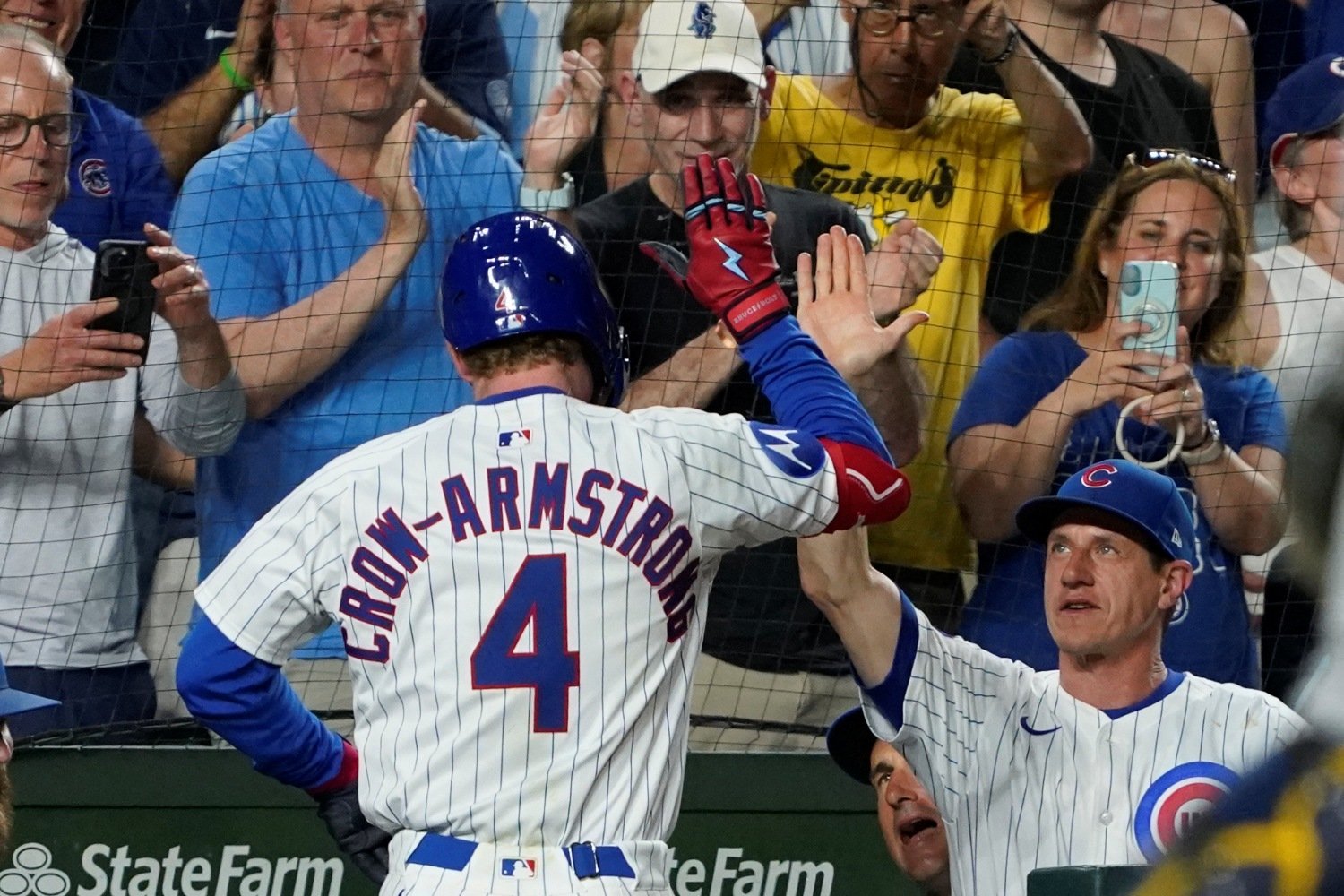 To hit for power in the major leagues, you have to be pretty strong. Baseball isn't a contact sport, but if you've ever faced competitive pitching, you know that it can feel like one in the batter's box. Making solid contact—let alone hard contact, which sounds like a synonym but really requires that solidity of contact to be combined with good bat speed, a hard thing to muster in the tiny amount of time a good pitch leaves you to accelerate—requires as fierce an explosive movement as getting by an offensive tackle or finishing through a foul at the rim. There's a baseline a hitter must clear to produce any meaningful pop, and it's higher than it looks on TV. However, once you're clear of that baseline, driving the ball comes down to some of the clever ways you can create more space or time to accelerate with the barrel. Not every hitter can top out at 80 miles an hour of swing speed, but each hitter can tweak their setup, timing mechanism and swing mechanics to pursue power by getting off their 'A' swing more often. Specifically, a hitter who wants to hit lots of homers but lacks elite bat speed can do two important things: Make sure to be working uphill at contact, as steeply as possible; and Catch the ball far out in front of their body. In fact, these two things are correlated to each other, anyway. Every swing starts with a hitter twisting their trunk and slashing their barrel down into the hitting zone, from its starting point behind their head. At some point, any big-league swing begins to work upward, instead of down, but that comes at a different point in every swing. The more steeply the hitter tilts their bat as they swing, the earlier the barrel starts to move uphill, and the faster their attack angle changes as they rotate. The greater your attack angle at the contact point, the more likely it is that the barrel is now well out in front of you. The further in front of you contact comes, the more awkwardly you would have to be waving at the ball not to be swinging upward. Pete Crow-Armstrong is a medium-height, slender lefty batter with good-not-great bat speed—although that number was closer to great from mid-May through the end of 2025 than it had been before that, so he's trending up. He hit 31 home runs last season, and was on pace for more like 40 before a late-summer slump. That caught the baseball world by surprise. It's not what you expect when you glance at Crow-Armstrong. He found all that power (not just the homers, but 37 doubles and four triples, to boot) by being extremely optimized for that outcome. He had a 15° average attack angle on swings in 2025, which put him in the 89th percentile of the league in that statistic. His contact point (a stat that captures both actual contact and the theoretical intercept point of the swing and the ball on swings that come up empty) was 35.6 inches in front of the center of his mass, a 95th-percentile number. He was in go-get-it mode, and when he got it, he was swinging upward steeply enough to produce clean, hard-hit, pulled fly balls. Only six qualifying hitters put a higher percentage of their batted balls in the air to the pull field than did Crow-Armstrong. He was a volume shooter, and it worked like a charm. As his disastrous late-season swoon proves, though, that kind of swing optimization includes some pretty hefty sacrifices. From the start of August through the end of the regular season, Crow-Armstrong hit just .188/.237/.295. The reason is pretty simple: when you swing with the dual goals of maximizing attack angle and catching the ball well in front of your frame, you're committing to everything early. To see what I mean, compare Crow-Armstrong's swing to that of Cardinals would-be slugger Nolan Gorman, another lefty who stands 6 feet tall and who has almost identical bat speed, average attack angles and swing tilt. Here are two visualizations of each of their swings at crucial moments. On the top, we have the moment at which each hitter's swing hits its nadir and starts to move upward. On the bottom, we have them each in the frame nearest their contact point. Crow-Armstrong is already a better hitter than Gorman, so don't think of this as an aspirational comparison for him. However, it highlights some of the extremes to which Crow-Armstrong pushes his approach, via his mechanics. Note how much farther Crow-Armstrong (again, the same height as Gorman) strides. Note, too, how his front shoulder and hip have rotated farther in both snapshots than Gorman's have at the same points. Gorman would be better if he could rotate a bit farther, to match Crow-Armstrong, but Crow-Armstrong's long stride and reaching swing mean he's committed to his swing extremely early. This swing optimization virtually forces Crow-Armstrong into the hyperaggressive approach that is often his undoing at the plate. It's why he had a low OBP (given his other numbers) even at his best, and why he was utterly lost at the plate once the good times ceased to roll. It's a double-edged sword. It makes him lethal in the box, when he gets things right, in a way that belies his frame and his reputation as a glove-first star. However, it also puts his barrel far from his body at the moment when he hopes to make contact. That means lots of whiffs, and even more importantly, it means deciding early and triggering the swing so as to get the barrel out there where he wants it. To tap into better consistent, overall production, Crow-Armstrong will have to rein in his reaching swing just a bit. Even if he and the Cubs were willing to tolerate the low OBP and embrace all that power, sustaining that production with such an aggressive approach and a contact point so far from his body is unlikely. He'll need to find ways to slightly modulate what he's doing, to make slightly more contact, chase slightly fewer bad pitches, and stay through the ball a bit longer. Crucially, though, he can't sacrifice all of that optimization. This is a tricky moment in the development of the could-be superstar. He enters 2026 looking to make an adjustment just big enough to unlock the next level of production and consistency—no bigger, but no smaller, either. View the full article
 -
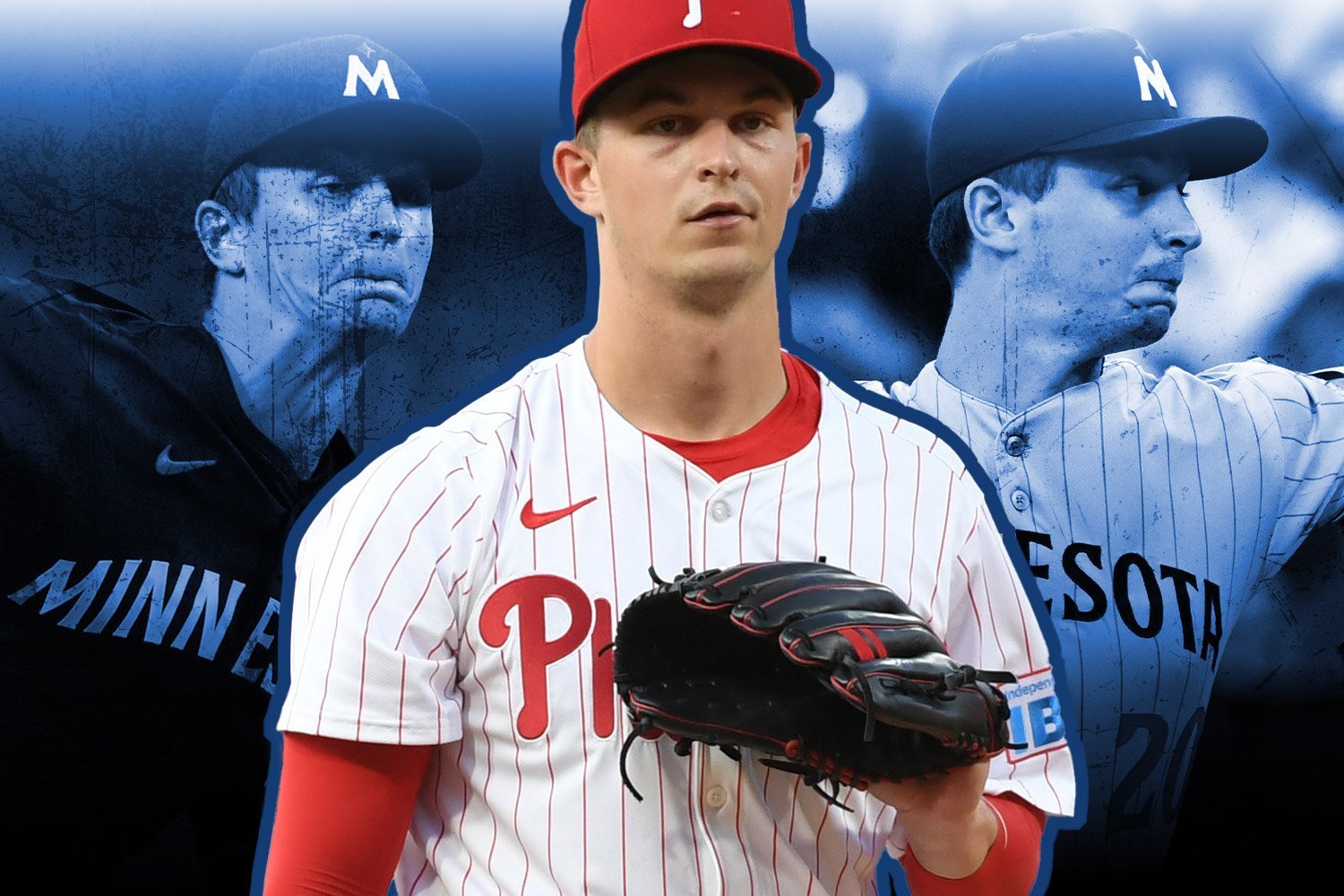 Acquired alongside top-100 prospect Eduardo Tait in the 2025 trade deadline deal that sent closer Jhoan Duran to the Philadelphia Phillies, Mick Abel made four appearances for the Minnesota Twins last season, generating an 8.36 ERA, 2.99 FIP, and an 18-to-7 strikeout to walk ratio over 14 innings. Abel’s struggles weren’t unique to his tenure in Minnesota, as he posted similarly disappointing numbers (5.04 ERA, 6.30 FIP, and 21-to-9 strikeout-to-walk ratio) over 25 innings with Philadelphia. Despite struggling during his first cup of coffee in the majors, the 24-year-old still projects to be a serviceable major-league starting pitcher in the near future, given his plus stuff and sustained success in the high minors. What should his role with the 2026 Twins be? Let’s take a look. This article is part of a series about the Twins pitchers with the most fluid set of possible roles, as spring training begins. Read previous entries: David Festa's Arsenal Zebby Matthews' Arsenal Taj Bradley's Arsenal Mick Abel's Stuff Abel relies on his four-seam fastball; he threw it 42% of the time last season. Hovering around 96 MPH, the righty’s four-seamer possesses above-average velocity but an average movement profile. With a high spin rate, the heater ate up minor-league hitters over the past four seasons. Unfortunately, he was unable to replicate those results with the pitch at the major-league level in 2025, surrendering a .610 slugging average on it. Somehow, attacking with a fastball this firm at the top of the zone should work. Philadelphia and Minnesota’s pitching coaches agree, evidently, as the young righty threw his four-seamer up in the zone 33.5% of the time last season, which would have been the highest rate in baseball if Abel pitched enough to qualify for that leaderboard. Again, Abel’s fastball shape and spin rate grade out better than average, especially once one adjusts for his low three-quarter arm slot. That pitch isn't disappearing from his arsenal any time soon. However, he'll need to locate it more efficiently and become less predictable if he wants to mirror the success he had with the pitch in the high minors. Mick Abel's Arsenal Abel’s best pitch is his curve, which he threw at a 21% rate in 2025. He reserces the offering almost exclusively for left-handed batters. As is true with a good changeup, right-handed pitchers are often able to get left-handed hitters to swing over curves low in or below the zone, generating whiffs or inducing weak choppers to the right side of the infield. The pitch was a darling of advanced metrics, with left-handed hitters generating a .296 expected slugging average (xSLG) and a .212 expected weighted on-base average (xwOBA) against the pitch last season. Though it pops out of his hand a bit, lefties have a hard time adjusting to the depth of the pitch's movement. The blue tracer below shows the average trajectory of Abel's curve. Hitters read that either hump, but struggle to bend their swing enough to respond to its two-plane break. His slider (thrown 12% of the time) was less impressive, generating a .449 xSLG while being thrown only 83 times. Abel throws his slider far more often to righties, hoping to pinpoint the pitch low and outside of the zone. Unfortunately, his slider control is spotty, with his heat map looking like a no-correlation scatter plot. Still, you can see how it's more deceptive to a righty than that curve. Horizontally, the slider and four-seamer stay in the same tunnel longer, before the slider breaks away and the fastball tails back toward the batter. The righty also throws a sinker and changeup, which combine for a 22% usage rate. Unsurprisingly, he utilizes his change (alongside his curve) to attack left-handed hitters. The pitch was hammered last season, though, with hitters turning into Ted Williams and posting a .417 batting average against it. Abel was slightly more effective throwing his sinker, with hitters instead turning into Tony Gwynn and running a .375 batting average against the pitch. Abel will need to continue refining his pitches with Minnesota’s pitching development. Luckily, being 24 years old and having thrown only 39 innings in the majors, Abel should still be treated with the grace of an unproven pitching prospect. Year Pitch Type # # RHB # LHB % MPH PA AB H 1B 2B 3B HR SO BBE BA XBA SLG XSLG WOBA XWOBA EV LA Spin Ext. Whiff% PutAway% 2025 Four Seamer 303 92 211 42.1 96.4 73 59 17 10 1 0 6 15 44 .288 .273 .610 .570 .439 .418 90.7 25 2544 6.8 25.9 18.3 2025 Curveball 154 31 123 21.4 82.7 35 35 6 2 1 1 2 16 19 .171 .198 .429 .296 .248 .212 89.4 12 2672 6.8 37.5 23.5 2025 Sinker 95 80 15 13.2 95.4 26 24 9 8 0 1 0 1 23 .375 .339 .458 .398 .386 .351 91.5 7 2469 6.7 12.2 6.3 2025 Slider 83 65 18 11.5 87.3 23 22 5 5 0 0 0 3 19 .227 .271 .227 .449 .222 .320 95.5 14 2419 6.7 16.3 9.4 2025 Changeup 63 4 59 8.8 89.1 12 12 5 5 0 0 0 2 10 .417 .333 .417 .538 .368 .375 90.2 1 1704 6.8 25.0 13.3 2025 Sweeper 22 22 0 3.1 84.5 5 5 1 1 0 0 0 2 3 .200 .228 .200 .313 .176 .237 87.4 34 2781 7.0 41.7 15.4 What Should Be Mick Abel's Role In 2026? While technically competing with Taj Bradley, Zebby Matthews, and David Festa for the fifth rotation spot, Abel has the fewest innings in the majors of that group and the most refinement needed to his arsenal. That being the case, Abel would be best suited to start his 2026 campaign in Triple-A, functioning as a still-developing starting pitching prospect. He still has two minor-league option years, so Minnesota has the luxury of being patient with Abel. He should figure into the rotation at some point in 2026. Yet, given that Pablo López, Joe Ryan, and/or Bailey Ober could no longer be part of the club’s rotation come next season, the team would be wise to continue developing Abel as a starting pitcher in Triple-A, with an eye toward him becoming a rotation stalwart in 2027 and beyond. View the full article
 -
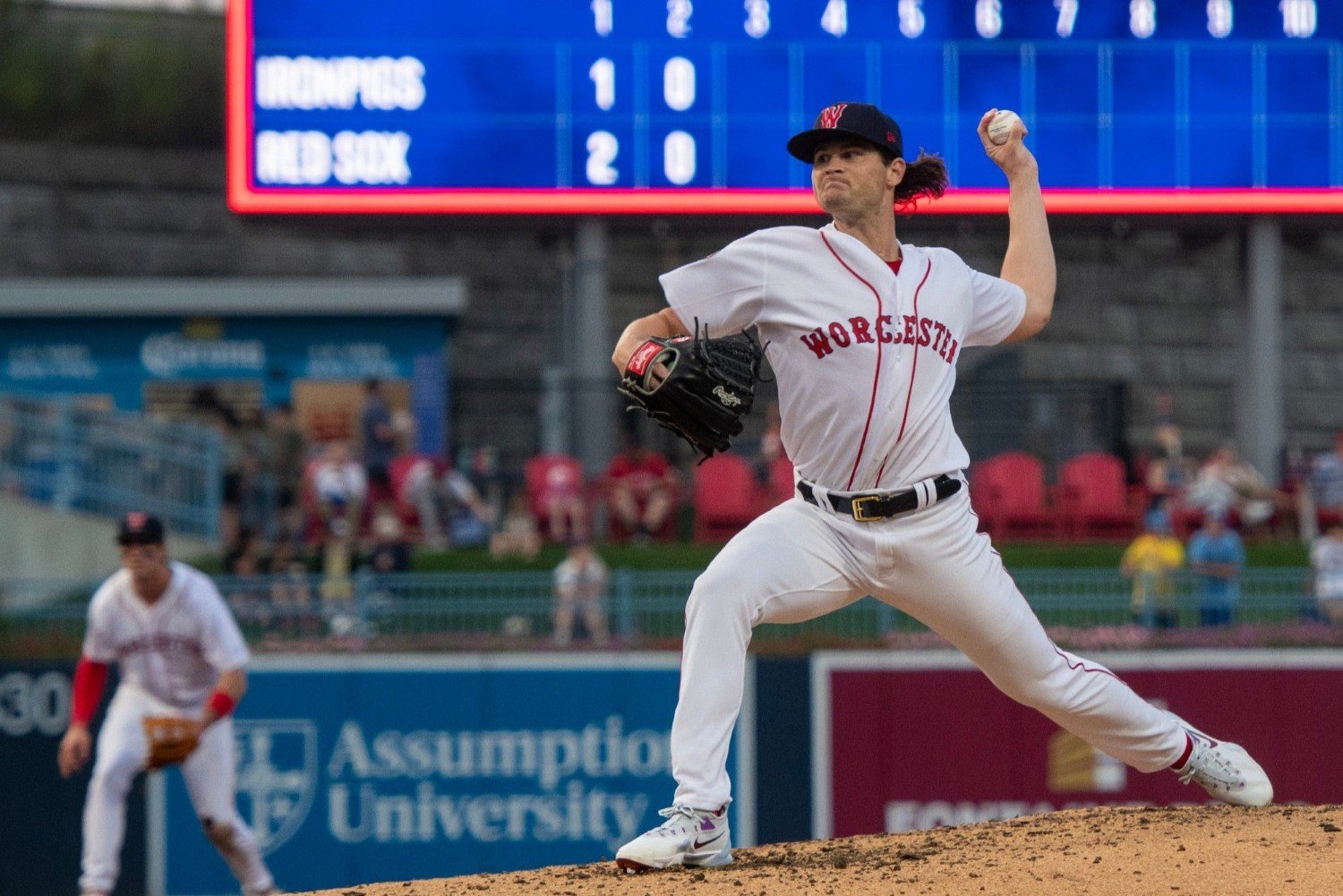 Kyle Harrison is the more recognizable of the two left-handed pitchers the Brewers acquired from the Red Sox in the Caleb Durbin trade earlier this week. However, president of baseball operations Matt Arnold stressed that the club also thinks highly of Shane Drohan, who owns an unassuming 4.29 ERA and 4.52 FIP across five minor-league seasons and has yet to make his big-league debut at age 27. “Our scouts really, really like this guy,” Arnold said on Monday. “He was a very big part of [the trade] for us as well.” After Boston made him its fifth-round pick out of Florida State in 2020, Drohan made it to Triple-A Worcester in 2023, but injuries and control issues stalled his progress there. Shoulder surgery wiped out most of his 2024 campaign (which included a brief stay in the Chicago White Sox organization as a Rule 5 pick), and he missed three months last year with forearm inflammation. When healthy, he has walked 11.4% of hitters over his minor-league career. Drohan’s ability to miss bats, however, has always been apparent. Thanks to a deceptive arsenal delivered from a low arm slot, he owns a career 26.3% strikeout rate as a professional. By cleaning up that five-pitch mix last year, the southpaw elevated his game to new heights, posting a 2.27 ERA, 68 DRA-, and 35.3% strikeout rate in 47 2/3 Triple-A innings. “He’s kind of flown under the radar a little bit more than Harrison, but this guy dominated in Triple-A last year,” Arnold said, adding that the club has no concerns related to that forearm injury. “I mean, he was very good. Strikes out a lot of guys and has really good stuff.” Visually, Drohan’s delivery looked more athletic. Here’s a comparison of the southpaw throwing a breaking pitch in his previous healthy season in 2023 and in 2025, both with the bases empty. drohan.mp4 Drohan moves quicker in the earlier clip, but his delivery is stiffer. Pitching out of a fuller windup in the 2025 clip, he takes longer to get to his release point, but he gets deeper into his back leg before rotating more explosively toward the plate. The result is a well-located, sharper slider that gets a chase low and away. With those changes, Drohan added a tick of velocity to each of his pitches, increased the backspin-induced carry of his four-seam fastball, and tightened his cutter and slider into more consistent and distinct shapes. His control also improved, as he cut his walk rate to 8.4% in Triple-A. Those developments turned Drohan into one of the top swing-and-miss pitchers in minor-league baseball. He generated whiffs on 37.3% of swings, which ranked in the 99th percentile of Triple-A pitchers. His riding cutter, which opponents tagged for a .504 xwOBA, was the only pitch not to produce a plus whiff rate. The rest of his arsenal was dominant. Drohan’s improved four-seamer played well at the top of the zone, and his fading changeup baffled hitters, thanks to nearly 10 mph of separation off the heater. His shortened gyro slider remained in the strike zone longer before its late movement took effect, leading to more chases and weak contact. His curveball, regarded by some evaluators as his best pitch before he refined his slider, offers bigger movement when necessary from a similar slot to the rest of his pitches. Drohan could scrap his cutter in a relief role, where his fastball-slider pairing would be enough to carve through most hitters. If he remains a starter, he and the Brewers must determine the best way to use the pitch. He found the most success when back-dooring it to right-handed hitters, which is how Quinn Priester began using his similarly shaped cutter to lefties throughout last summer. Drohan’s swing-and-miss upside has never been in question, and with improved control, he’s closer to missing big-league bats. The question is how consistently he’ll tap into that upside, and in what role. He figures to be further down the depth chart than the myriad bona fide starters in camp, but he has the arsenal to start. Don’t be surprised if he’s recording pivotal outs in Milwaukee by season’s end. View the full article
 -
 Pitchers and catchers have reported for the Chicago Cubs! We talk non-roster invitees, PECOTA projections, and some prospect chatter! Listen on Apple Podcasts: https://podcasts.apple.com/us/podcast/the-north-side-baseball-podcast/id1798599313 Listen on Spotify: https://open.spotify.com/show/75wMGhBwlrDDYPt3kaF453 Listen on iHeartRadio: https://www.iheart.com/podcast/263-the-north-side-baseball-po-268998437/ Listen on Pocket Casts: https://pca.st/eey7h6ih Watch on YouTube: https://www.youtube.com/@northsidebaseball View the full article
 -
 Spring training is officially here as pitchers and catchers have reported to Fort Myers. Along with those on the 40-man roster, the Red Sox have invited quite a few players to their spring training camp as non-roster invites. Every season, teams manage to find key contributors through this process, as many veterans try to catch on with a team by signing a minor-league deal with an invitation to spring training. Along with veterans, teams tend to bring prospects into big league camp in similar fashion. Last season the Red Sox saw contributions from a handful of non-roster invitees in the form of Nate Eaton, Abraham Toro, and Sean Newcomb. This season, the team has currently invited 24 players to spring training, though that number could increase in the days leading up to the first days of practice. Here is an overview of the players invited to camp: Red Sox Non-Roster Invitees: Pitchers RHP Osvaldo Berrios Berrios signed with the Red Sox on a minor-league deal back on November 18 while the team was making several trades prior to the Rule 5 protection deadline. Berrios, who was drafted in 2017 by the Athletics had previously been acquired by the St. Louis Cardinals in June of 2024 after playing in the Independent Frontier League. Berrios split the 2025 season between Double-A Springfield and Triple-A Memphis where he appeared in a total of 40 games, going 4-4 with a 5.12 ERA in 58 innings. He struck out 62 batters and walked 24. In seven minor league seasons, Berrios has appeared in 155 games with 56 of them being starts. Overall, he’s gone 23-34 with 16 saves and a career 5.44 ERA in 420 1/3 innings pitched. In 2025, the 26-year-old struck out 9.62 batters per nine innings and throws four pitches: a fastball that tops out at 94 mph, a 78 mph curveball, a low to mid-80s changeup and a mid-80s slider. LHP Alec Gamboa Gamboa is a former ninth-round pick by the Los Angeles Dodgers who played in their organization until getting released in early 2025. The left-handed pitcher mainly appeared out of the bullpen during his time with the Dodgers, making his way up to Triple-A by 2023 and spending parts of three seasons there before finishing 2025 in the Korean Baseball Organization with the Lotte Giants. During his time in Korea, Gamboa moved to the rotation where he pitched rather well in 19 starts. Going 7-8, he tossed 108 innings with a 3.58 ERA and struck out 117 batters. With the Dodgers’ organization, Gamboa appeared in 131 games and made 41 starts going 28-22 with a 4.23 ERA in 359 2/3 innings with 315 strikeouts. Gamboa’s biggest weakness is subpar control which limits his swing-and-miss potential, though he's good at keeping the ball on the ground. RHP Tayron Guerrero Guerrero is one of the older players coming into camp with the Red Sox as a non-roster invitee at the age of 35 years old. The reliever has had some experience in the majors though not with the best results. He made his debut in 2016, pitching one game with the San Diego Padres before being traded to the Miami Marlins near the trade deadline. Guerrero would see himself appear in 112 games between 2018 and 2019 with Miami to less-than-stellar results. During his time with the Marlins, the right-hander tossed 104 innings and struck out 111 batters while walking 67. He finished his time in Miami with a 5.80 ERA before being selected off waivers by the Chicago White Sox following the 2019 season. He would not play in the 2020 COVID shortened season and would then spend 2021 at the White Sox’s Triple-A team before heading overseas to play for the Chiba Lotte Marines in 2022. Guerrero would return state side in 2023 where he pitched for the Cincinnati Reds’ Triple-A team before finishing the season pitching in the Mexican League. 2024 was more of the same this time with the Los Angeles Angels’ Triple-A team before returning to Japan for the 2025 season where he rejoined the Chiba Lotte Marines. Overall, he pitched in 39 games with the Marines' main team and their farm team tossing 39 2/3 innings and striking out 37 batters. RHP Hobie Harris Harris spent the 2025 season in the Red Sox organization after being selected in the Triple-A portion of the Rule 5 Draft. The 32-year-old made 31 appearances with Triple-A Worcester, and one rehab start in the Florida Complex League despite not being active from the injured list until mid-June. In those 32 appearances, he went 1-3 with a 4.05 ERA across 40 innings where he struck out 45 batters. The right-hander was drafted back in the 31st round of the 2015 draft by the New York Yankees and pitched in their organization through the 2019 season. Starting in 2021, Harris bounced around pitching for the Triple-A teams of Toronto, Milwaukee, Washington and Minnesota before signing with the New York Mets. He never pitched a game for them as the Red Sox took him in the Rule 5 Draft as previously mentioned. Harris has made 16 appearances in the majors, all with the Nationals back in 2023. In those appearances, he tossed 19 1/3 innings and struck out nine. RHP Kyle Keller Keller was one of Boston’s later invites, signing with the team on February 3. The 32-year-old was drafted in the 18th round of the 2015 draft by the Miami Marlins and would make his debut with them in 2019. He would be traded after the season to the Los Angeles Angels though he would only pitch in two games before being purchased by the Pittsburgh Pirates in 2021. For his career, Keller has pitched in 44 games and tossed 46 1/3 innings with a career 5.83 ERA. He also struck out 48 batters while walking 32. Since the end of the 2021 season, Keller has pitched in the Nippon Professional Baseball league for the Hanshin Tigers and Yomiuri Giants, where he revitalized his career and generated interest by the Red Sox. In those four seasons, Keller was a key bullpen arm as he appeared in 186 games between the farm teams and parent organizations. In that span, he threw 179 1/3 innings with a 2.21 ERA while striking out 206 batters in the pitcher-friendly league. RHP Seth Martinez Martinez may be the pitcher with the best major league track record on the list, as he was once a key arm in Houston’s bullpen. Drafted by the Astros in the Rule 5 Draft back in 2020, Martinez appeared in just three games in 2021 before pitching in 108 games over the next three seasons. For his career with the Astros, he threw 137 1/3 innings with a 3.93 ERA and 122 strikeouts to 54 walks. Following the 2024 season, Martinez bounced around on waivers, being claimed by the Diamondbacks, then the Marlins, Mariners and Marlins once more before the start of the 2025 season. The right-hander spent most of 2025 with Triple-A Jacksonville where he appeared in 41 games and tossed 43 2/3 innings with a 3.71 ERA. He would also make six appearances with the Marlins where he struck out four in 6 2/3 innings. RHP Vinny Nittoli A 35-year-old pitcher who has made a total of 15 appearances across four seasons, Nittoli hasn’t pitched in the majors since 2024 and split the 2025 season between the Triple-A teams of Baltimore and Milwaukee. The Red Sox are now the 12th organization he’s been a part of in his career. In 37 games, Nittoli tossed 39 1/3 innings with a 4.58 ERA. He also struck out 46 batters while walking just 15. In his major league career, he’s tossed 18 2/3 innings with a 2.41 ERA and 13 strikeouts. Nittoli is an addition that continues Craig Breslow’s interest in big extension, as the right-hander’s extension last season was 7-foot-2 and also saw an increase after joining Milwaukee’s organization. The main difference being more usage for his cutter which went from a 35% usage rate all the way up to 53% upon joining Milwaukee. Across the entire 2025 season, the cutter generated a .172 expected batting average and had a 31% whiff rate. RHP Wyatt Olds Olds was drafted by the Red Sox in the seventh round of the 2021 draft and has split the past two seasons between Portland and Worcester, though he spent the majority of 2025 at Triple-A. The 25-year-old dominated in eight appearances early on with Portland, going 4-2 with a 2.50 ERA across 18 innings out of the bullpen. His promotion to Worcester saw some growing pains, as he appeared in 34 games and had an ERA of 5.91 across 53 1/3 innings. Currently, Olds is viewed as organizational depth due to his need to work on his command and control, though his fastball and slider look promising. Olds throws three pitches, the previously mentioned fastball (that tops out at 98 mph), the slider and a changeup that can touch 90 mph. LHP T.J. Sikkema Sikkema, who was a former New York Yankees draft pick, was traded by the team to the Kansas City Royals for Andrew Benintendi back in 2022 before being taken by the Cincinnati Reds in the Rule 5 Draft in 2023. A left-hander, Sikkema made it to Triple-A for the first time last season after 18 appearances at Double-A Chattanooga. Overall the left-hander went 8-4 in 23 appearances, 15 starts as he tossed a career high 86 2/3 innings. For his career, he’s made 100 appearances in the minors and thrown 311 innings with a 4.57 ERA. He doesn’t throw hard, his fastball averaging 88 to 91 mph but can hit mid-90s but not consistently. Along with that, he also throws a slider that is in the low to mid-80s and an average changeup. RHP Noah Song Song has been someone the Red Sox have liked for a long time, but various events have kept him from being able to reach his full potential. Drafted in the fourth round of the 2019 draft, Song showcased a strong start to his professional career by tossing 17 innings with a 1.06 ERA in 2019 before losing the 2020 season due to it being cancelled from COVID. That was followed by missing both the 2021 and 2022 seasons due to his petition to delay his active service with the Navy being denied. Following the 2022 season, Song was drafted in the Rule 5 Draft by the Philadelphia Phillies and the man who drafted him originally, Dave Dombrowski. He was granted his request to delay his active service time in February 2023 and finally reported to spring training with the Phillies. Back tightness sent him to the injured list in spring training before he made his first appearance in four years on June 28 with Single-A Clearwater. Song was eventually returned to the Red Sox after being designated for assignment and clearing waivers where he would finish the season with Greenville. He would go on to miss the 2024 season due to Tommy John surgery. 2025 saw him pitch in all five minor league levels (Complex League, Single-A, High-A, Double-A, Triple-A) with his longest stay being 23 appearances with Portland where he tossed 43 innings with a 4.19 ERA and struck out 44 batters. RHP Devin Sweet Sweet has been in professional baseball since 2018 as part of the Seattle Mariners’ organization. The right-hander pitched his way up to majors with Seattle in 2023, making two appearances with them before the Athletics selected him off waivers and he made five more appearances with them. Overall, he pitched in seven games with a 10.38 ERA and struck out six batters in 8 2/3 innings. Since then, Sweet spent the 2024 season with Detroit’s Triple-A team and the 2025 season with Philadelphia’s Triple-A team. Last year, he pitched in 46 games and tossed 51 1/3 innings with a 5.08 ERA. He also struck out 49 batters and walked 27. Sweet throws three pitches: a four-seam fastball, a slider and a changeup. RHP Jacob Webb Webb was drafted by the Red Sox in the 14th round of the 2021 draft. Last season, Webb split the year between Greenville, Portland and Worcester, making a total of 25 appearances. He would end up tossing 40 1/3 innings with a 3.57 ERA (though it was 6.35 in 11 1/3 innings with Worcester) and struck out 46 batters. This is the second consecutive spring training that Webb received an invitation to spring training from the Red Sox, having been invited in 2025 as well. He has a low release point and a high induced vertical break on his fastball. Webb tosses four pitches: a fastball that tops out at 96 mph, a slider that can vary in shape and velocity, a sweeper and a changeup that can touch 90 mph. LHP Jeremy Wu-Yelland Wu-Yelland was drafted back in the fourth round of the 2020 draft by Boston and has had a tough time staying on the field after his debut season in 2021. After making 23 starts between Salem and Greenville, Wu-Yelland would miss 2022 due to needing Tommy John surgery. Upon his return in 2023, he would only make three appearances in the Florida Complex League before another injury would shut him down for the rest of the season. 2024 saw a move to the bullpen for the left-hander but he still opened the season on the injured list due to stiffness. He would make 23 appearances out of the bullpen with a 5.67 ERA in 33 1/3 innings for Greenville. 2025 saw Wu-Yelland miss just under a month with lower back stiffness, but he still made 25 appearances between Greenville and Portland where he threw 45 2/3 innings with a 3.15 ERA and struck out 71 batters. Wu-Yelland throws four pitches: a fastball that tops out at 97 mph, a cutter which is his most thrown pitch, a sweeper that has a very high spin rate and a changeup that sits in the low-80s. Red Sox Non-Roster Invitees: Catchers Nate Baez Acquired from the Minnesota Twins for Tristan Gray, Baez split the 2025 season between High-A and Double-A where it was two different stories offensively for the catcher. Overall, he would play in 96 games and hit a combined .278/.371/.423 with 17 doubles, four triples, eight home runs, and 54 RBIs. Though, in Double-A his numbers were .237/.297/.400 with eight doubles, four triples, five home runs, and 31 RBIs. Despite that, Baez showed an ability to put the ball in play last season, striking out just 65 times in 338 at-bats and walking 45 times as well. Defensively, he split time between catcher, first base and designated hitter. While with Double-A, he threw out 23% of potential base stealers while allowing just two passed balls. Jason Delay Signed by Boston to be catching depth, Delay is a former fourth-round pick in 2017 by the Pittsburgh Pirates. Delay would go on to make his major league debut in 2022 and would play in the majors with the Pirates from 2022 until a short stint in 2024. In total he played 134 games, hitting .231/.295/.315 with 20 doubles, one triple, two home runs, and 35 RBIs. Offensively, there isn’t much power to his game, and he has a tendency to strike out (94 strikeouts in 337 at-bats) while not walking enough to offset it (26 career walks). 2025 saw Delay split the season between Atlanta’s Double-A and Triple-A teams where he hit a combined .200/.261/.257 in 68 games. He also had 10 doubles, one home run, and 14 RBIs. Ronald Rosario Rosario was signed as an international free agent by the Red Sox in July of 2019 as a 16-year-old, though he missed the 2020 season due to the minor league season being cancelled. The young catcher spent 2021 and 2022 in the Dominican Summer League and Florida Complex League respectively before playing for Salem and Greenville in 2023. 2024 saw Rosario begin the year with Greenville, playing 99 games before a promotion to Portland where he was placed on the development list. 2025 saw Rosario play 98 games with Portland where he hit .201/.278/.321 with 10 doubles, 11 home runs, and 56 RBIs. Offensively, he is viewed as having an average hit tool with average power but mostly as a doubles hitter. Defensively, he could be an average catcher depending on how he develops. He doesn’t have soft hands and in 2025 he made six errors and allowed 10 passed balls. Though, he has good, fluid motions and threw out 24% of potential base stealers and was part of seven double plays. Max Stassi Stassi has the most MLB experience out of the listed catchers, having been drafted way back in the fourth round of the 2009 draft by the Athletics. Stassi made it to the majors with the Astros in 2013 and played with them until being traded to the Angels in 2019. Stassi would remain with the Angels until the end of 2022. After not playing in 2023, Stassi has spent the last two seasons in Triple-A with the White Sox organization in 2024 and the Giants organization in 2025. For his career, Stassi played in 403 games at the major league level and hit .212/.295/.361 with 42 doubles, two triples, 41 home runs and 128 RBIs. For his career, he’s thrown out around 20% of potential base stealers and has allowed 31 passed balls. Red Sox Non-Roster Invitees: Infielders Nathan Hickey Originally drafted as a catcher in the 2021 draft, Hickey has primarily played first base or DH since mid-2024 and only appeared in four games as a catcher in 2025 after getting a non-roster invitation to spring training that year. Defensively, he struggled at catcher and was viewed as being below average when it came to receiving while also having trouble with blocking pitches in the dirt. He has looked better at first base than he did behind the plate, having made just four errors in 610 defensive chances. Offensively, Hickey is coming off of a decent season with Worcester, having appeared in 128 games where he hit .234/.325/.408 with 23 doubles, two triples, 17 home runs and 75 RBIs. He does strike out a lot as shown by his 141 punchouts last season. He also knows the strike zone well but often whiffs on pitches in the zone and struggles against left-handed pitching. Vinny Capra Capra is a four-year veteran who made his debut in 2022 after getting drafted by the Toronto Blue Jays back in 2018. Prior to 2025, he appeared in just 20 MLB games. Last year, he split the season between Milwaukee and the Chicago White Sox, appearing in a career high 47 games and struggling at the plate. He ended up hitting a combined .125/.157/.177 with two doubles, one home run, and six RBIs. Defensively, Capra has mainly played second base, shortstop and third base during his time in the majors but also has limited experience playing left field in the minors. In the minors, he’s hit well enough to keep getting chances, having played in 511 career minor league games and hitting .270/.355/.397 with 111 doubles, 10 triples, 33 home runs, and 240 RBIs. Max Ferguson Acquired from San Diego as part of the Eric Hosmer trade, Ferguson quickly became organizational depth as he jumped from Greenville all the way to Worcester when the Triple-A team needed bodies at the end of the 2023 season. Since then, he’s been shuttled back and forth between Portland and Worcester the past two seasons depending on which team needed him more. Offensively, there isn’t much to talk about. Little power and a high strikeout rate means Ferguson’s value will come from his glove. Though to at least partially make up for it, he tends to walk a decent amount. Last season, he played a career high 118 games between Portland and Worcester as he hit .205/.323/.313 with 13 doubles, one triple, nine home runs, and 42 RBIs. In 2025 Ferguson, played every position besides catcher and pitcher at least once. The majority of his playing time came between second base and left field, however, moving between positions as needed. Mikey Romero A former first-round pick by the Red Sox in 2022, Romero dealt with injuries early on in his career before finally appearing fully healthy in 2025. Drafted as a shortstop, Romero has mostly played second base and third base since early 2025 and seems likely to have his best fit be at second base due to his arm. Offensively, Romero has put together back-to-back decent seasons showcasing power in his game as he hit 16 home runs in 2024 and followed that up with 17 in 2025. Overall, he wound up hitting .245/.300/.452 in 111 games between Portland and Worcester in 2025. He also had 33 doubles, four triples, 17 home runs and 76 RBIs. Though, he does tend to strike out a lot as shown by 132 strikeouts. Romero impressed during spring training in 2025 and now in 2026 has a chance to showcase his skills even further. Tyler McDonough Drafted in the third round of the 2021 draft, McDonough quickly made his way through the system, making it to Triple-A Worcester by the end of the 2023 season. Since then, he’s split time between Portland and Worcester, as he’s provided upper-minors depth for the organization while playing multiple positions. Last year with Worcester, McDonough appeared in 79 games and hit .254/.328/.369 with 12 doubles, two triples, five home runs and 27 RBIs. He won’t hit for much power and is just average when it comes to zone contact and chasing but has good bat speed. Defensively, the utility player saw time at second base, shortstop, right field, left field and appeared in one game in center field. He’s viewed as an above average, all-around fielder. Red Sox Non-Roster Invitees: Outfielders Allan Castro Signed out of the Dominican Republic back in 2019, Castro was originally signed as an infielder before being moved to the outfield prior to his professional debut. Just 22 years old, Castro spent all of 2025 at Double-A where he played in 92 games and hit .268/.353/.400 with 20 doubles, two triples, seven home runs, and 37 RBIs. Offensively, he improved from his 2024 numbers and showed growth as a hitter, though the switch hitter still has room to grow. While he doesn’t chase and has shown an ability to make contact on pitches in the zone, he still struggles against off-speed pitches and can get too aggressive. Defensively, he split time between all three outfield positions, though the majority of his playing time came in center field where in 150 defensive chances he made just one error. With the Red Sox missing three outfielders due to the World Baseball Classic, Castro should see a lot of playing time early in camp. Braiden Ward Ward was acquired by the Red Sox in a Rule 5 Draft protection deadline trade, as they sent reliever Brennan Bernardino to the Rockies. Ward, who was drafted by the Rockies in 2021, split last season between Double-A and Triple-A where he appeared in 97 games. The utility player slashed .290/.395/.391 with 17 doubles, four triples, two home runs, 37 RBIs and he also stole 57 bases. Offensively, Ward does not have much power as he’s hit just 14 home runs in 414 minor league games, but he puts the ball in play and has shown an ability to earn a walk. He’s at his best when taking advantage of his speed and using it to either stretch a hit or to steal a base. Defensively, he mainly played center field and left field last year but got some action at both second and third base and will likely be used in a utility role. With Jarren Duran, Ceddanne Rafaela, and Wilyer Abreu all leaving camp to join the World Baseball Classic, Ward should see plenty of playing time. View the full article
 -
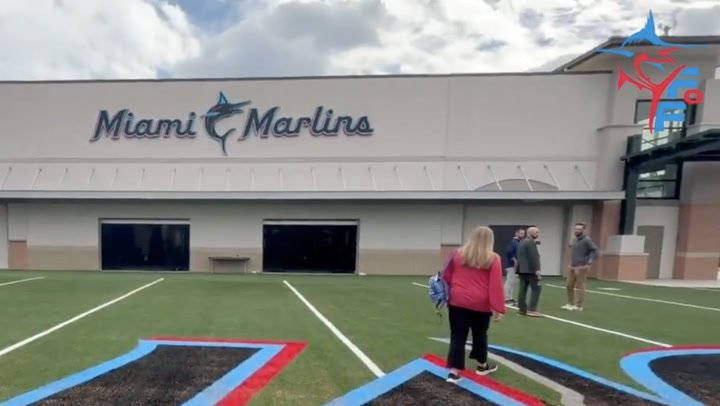 Fish On First shows you the dramatic transformation to the Marlins' side of the Roger Dean Chevrolet Stadium complex entering the 2026 season. View the full article
