


DiamondCentric
-
Posts
2,631 -
Joined
-
Last visited
Never
Content Type
Profiles
Forums
Events
News
Tutorials & Help
Major League Baseball Videos
Guides & Resources
Store
Downloads
Gallery
Everything posted by DiamondCentric
-
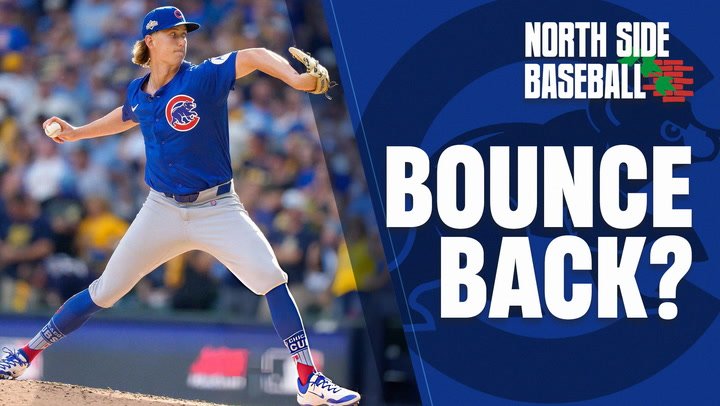 While Ben Brown was hit around and struggled to control at-bats with a two-pitch mix in 2025, there are a few signals pointing towards a bounce-back campaign in 2026. If all goes to plan, and Brown expands his arsenal, Tommy Hottovy eluded that Brown could be a pivotal part of the future of this Cubs rotation. View the full article
 -

The Twins’ Ultimate Swiss Army Knife Is Already Here
DiamondCentric posted an article in Twins Daily
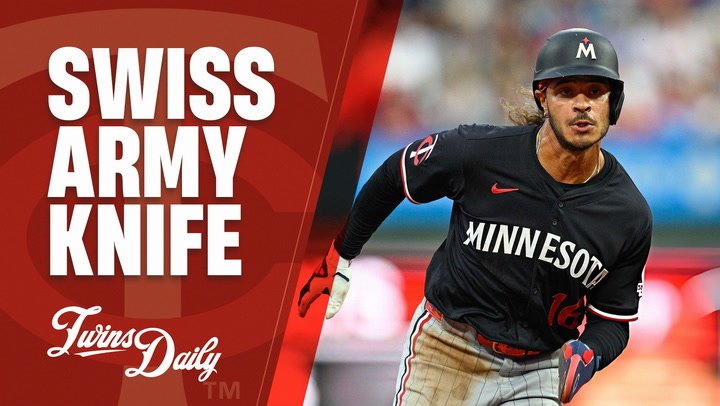 In 2026, the Twins could have a secret weapon in Austin Martin. He can play almost anywhere, he gets on base, and he gives the team flexibility that might just be invaluable over a long season. Think of him as Minnesota’s ultimate Swiss army knife. View the full article
 -
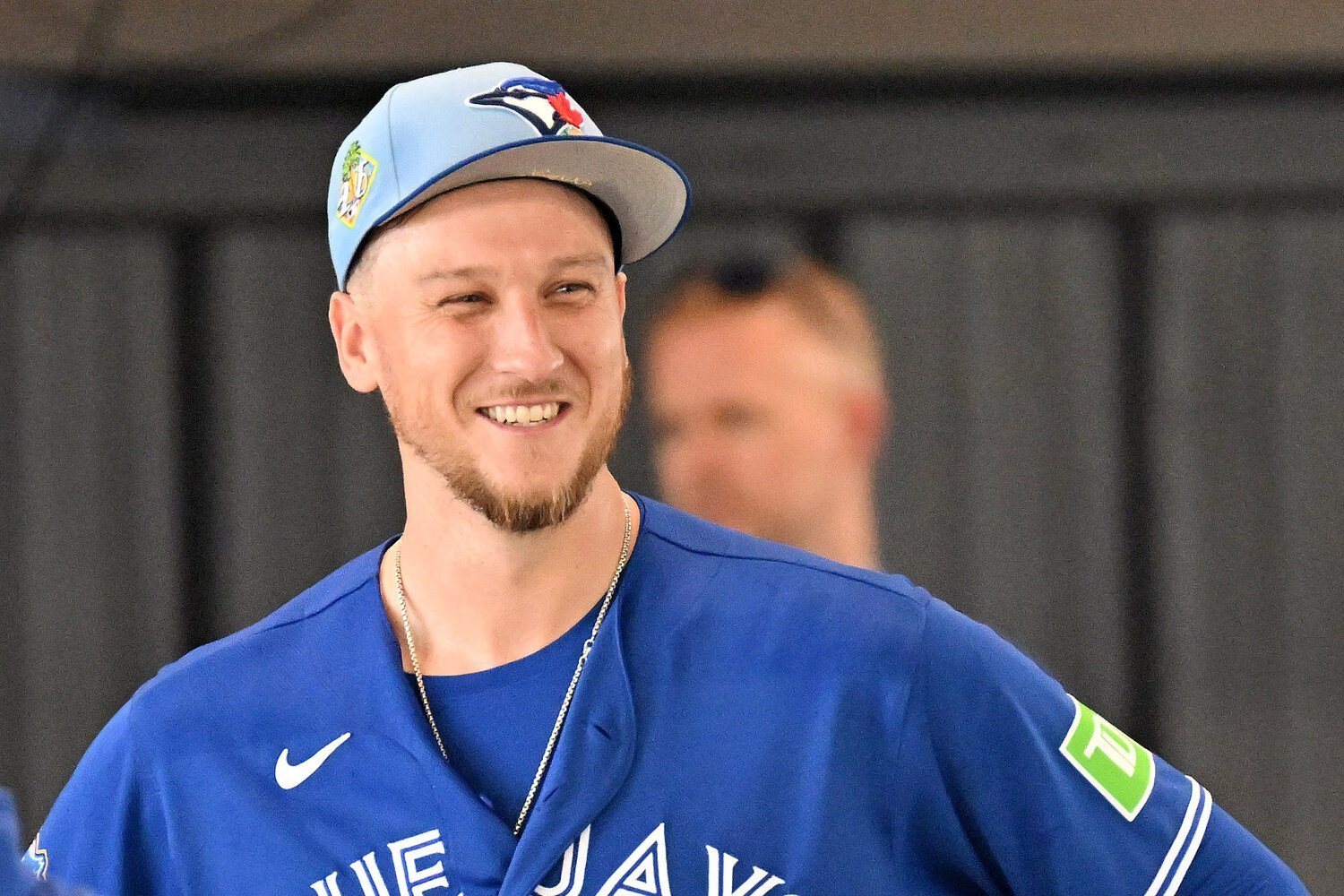 Spring training games start this weekend. I invite you to take a moment and think back to what the Blue Jays' roster looked like a year ago today. Some of the main characters are still around, but not even a trip to the World Series was enough to make this team immune to the winds of offseason change, least of all on the pitching side. There was considerable turnover in the rotation and the bullpen as the Jays try to stay ahead of the curve in a division that's only getting more hyper-competitive. At this point, all notable public player projection systems have given their two cents on how this season will unfold. Naturally, each forecasting model on sites like FanGraphs and Baseball Prospectus is built on slightly different foundations. Two models can come to entirely different conclusions on a given player's prognosis. On FanGraphs alone, there are a handful of algorithms dedicated to predicting every major leaguer's immediate future. ZiPS uses historical comps to estimate future performance. Steamer uses underlying numbers and regresses toward league average. FGDC averages ZiPS and Steamer with a more precise playing time projection. Similar to Steamer in nature are The Bat and The Bat X, with the latter incorporating more Statcast data. ATC is an elaborate aggregate of all those systems. OOPSY is more exploratory, considering pitch modelling and bat tracking more than its predecessors. What do these models think about the Blue Jays’ pitching staff in 2026? Which is most optimistic? Which is least optimistic? Who are the specific pitchers they find common ground on, and who has a wide range of outcomes? In Agreement It's always a comforting sign for a fanbase when the computers have a shared, positive consensus on their team's most expensive addition of the winter. Across the board, Dylan Cease is pegged for a mid-3.00s ERA and FIP by the FanGraphs projections roundtable. The proverbial crystal balls are quite confident he'll rebound from an inconsistent 2025 and become the team's best starting pitcher. Derek Carty's The Bat X provides the most glowing report, predicting a 3.37 ERA for Cease across 29 starts and 171 IP. Cease's reputation as a strikeout pitcher certainly precedes him, but Steamer is the most bullish on him suppressing the walks that have plagued him from time to time (proj. 8.7% BB rate). By contrast, ATC is on the low end with a 3.72 ERA estimate. A minuscule difference of 0.35 runs between the best and worst ERA projections is a ringing endorsement of Cease's ability to live up to the peripherals and be a true ace in Toronto. Setting expectations for rookies, especially after the run that Trey Yesavage went on to cap off 2025, can be a tough exercise. However, the models paint a pretty clear picture. Between FanGraphs' various models, Yesavage has the lowest standard deviation in FIP projections of anyone on this staff. Unsurprisingly, the stuff-based OOPSY likes him the most (3.39 ERA, 3.67 FIP), while The Bat thinks he'll be a little closer to average (3.86 ERA, 3.94 FIP). The alien release point, high-vert fastball, dizzying splitter, and reverse slider make for an enigmatic package. The most crucial task for Yesavage this year will be staying ahead of hitters; he had them perplexed for most of October, but baseball is a game of constant adjustment and readjustment. In any case, he's one of the more talented young pitchers the organization has seen in some time. As with prospects, it can be tough to put a finger on pitchers coming in from overseas. Yet, as with Yesavage, the models have conviction in their optimism for Cody Ponce in what'll be his second go-around at the MLB level. He isn't the same pitcher he was when we last saw him with the Pirates, and the FanGraphs projections are buying into his stellar showing in the KBO, with a composite 4.07 ERA/3.94 FIP outlook. Ponce has the tightest forecasted ERA window of any of his teammates, with Steamer more sold than the rest (3.94 ERA, 3.81 FIP) and ZiPS falling on the other end of the spectrum (4.20 ERA, 4.13 FIP). He looks like a perfectly capable back-of-the-rotation arm from that standpoint, something the Blue Jays would surely be happy with considering his relatively low free agent price tag. In Disagreement It was a strange first year back in the organization for Jeff Hoffman. There were pronounced highs and lows, and he underperformed some of his peripherals, but after some speculation that someone else would be the closer in 2026, it looks like it's his job to lose once again. Most of the classic "luck" indicators can't make heads or tails of what happened last year: His BABIP was low, his HR/FB% was very high, and his xERA was considerably lower than reality, albeit still higher than it was with the Phillies. The projections are thus conflicted as well; OOPSY (3.36 ERA, 3.61 FIP) and ZiPS (3.38 ERA, 3.74 FIP) are believers while The Bat is not (4.08 ERA, 4.06 FIP). It's important to note that despite the wide range of possibilities, Hoffman's forecast stands out relative to his colleagues. His 3.60 composite ERA projection is the third-lowest of the pitchers widely expected to break camp. There's also some contention regarding Louis Varland. The bullpen's chief workhorse has OOPSY convinced (3.20 ERA, 3.40 FIP), which, again, shouldn't be too surprising given how electric the stuff is. On the other hand, a fastball that regularly touches 100, coupled with the hardest knuckle curve in the sport and decent command, isn't enough to convince The Bat X (4.23 ERA, 4.00 FIP). Varland has the highest standard deviation in ERA and FIP projections of anyone who's likely guaranteed an Opening Day roster spot, but as with Hoffman, the averages paint a more reassuring picture. His 3.72 composite ERA projection slots right behind the closer as fourth-best on the team. Among those turning heads early in camp is Ricky Tiedemann, who's healthy for the first time in a while and inserting himself into that Opening Day roster conversation. The talent is undeniable for the former third-round pick, but considering the lack of clarity as to his role if he does make the team and his injury history, the computers are divided on him. OOPSY has him down for a 3.73 ERA and a 3.88 FIP, which would be an encouraging development but relatively inconsequential at the team level, given his playing time projection of 19 appearances and 32 innings. ZiPS thinks it'll be a slower climb (4.68 ERA, 4.74 FIP), but the fact that he's off the IL and ready to create some tough decisions for the coaching staff is a refreshing sign for everyone in the organization. The Verdict Out of the wealth of projection systems at FanGraphs, Steamer has the lowest team-wide ERA for the Blue Jays in 2026, while ZiPS has the highest. More Notes This season's forecast is strong for Brendon Little. On aggregate, he has the lowest ERA (3.46) and second-lowest FIP (3.70) projection on the staff. He burned out down the stretch and was not reliable in October, but he was one of the most effective lefty relievers in baseball during the first half and frequently got the ball in high-leverage spots. Finishing the season the way he starts and putting up a better fight against fatigue will be key. Thanks to the additions in the bullpen, Braydon Fisher is not guaranteed a big-league job right out of the gate. The projection systems think he should be, though, as he has the fifth-lowest composite ERA projection of the group (3.74). Fisher was acquired from the Dodgers for Cavan Biggio in 2024, and the Blue Jays have certainly gotten what they wanted so far out of that deal. Both on the surface and below, he has had a glowing start to his big league career. Eventually, the bullpen will welcome back Yimi García, who will start the year on the IL after he battled injury for most of last season. When the Blue Jays re-acquired him in free agency last winter, it was thought that he could compete with Hoffman for the closing job, and while it remains to be seen how his rehab will affect his stuff, most of the projection systems are confident. Garcia's aggregate ERA projection is 3.75, right behind Fisher’s, and hopefully a positive omen that he'll work his way back to high-leverage work sooner than later. View the full article
 -
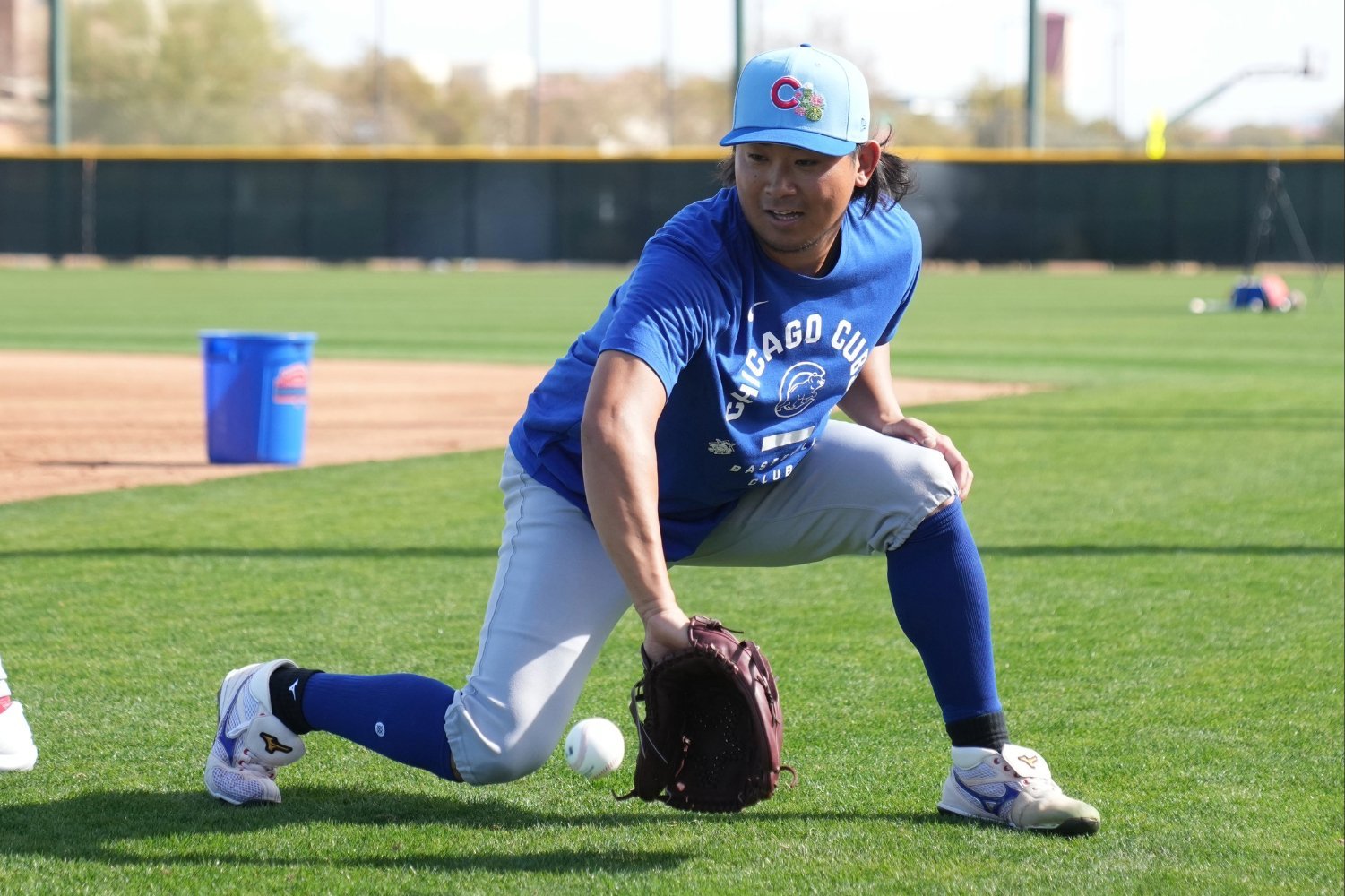 The moment Shota Imanaga first took the mound in Chicago, there was an electricity in the air. On a cold night, with the help of the Wrigley wind, against a hapless Colorado Rockies lineup, Imanaga carved up hitters left and right. Through his first 53 innings in Major League Baseball, the left-handed pitcher had a sub 1.00 ERA, and hadn't recorded a loss; a phenom was born, albeit, one that could never live up to that kind of hype. The rest of his debut season was good, but wasn't as good, as over his next 119 innings, Imanaga posted a 3.82 ERA, a 3.78 xFIP, to go along with a 23.9 K%. These are good, nearly very good, numbers, but short of "ace" territory — the kind of pitcher you want in your rotation but probably not good enough to lead your rotation. Heading into 2025, he was probably a bit overrated by the general populace. Then, 2025 happened. The narrative around Imanaga has shifted dramatically as a result. To put it lightly, last year was not a good one for the Cubs' left-handed pitcher. Right away, Imanaga struggled in the Tokyo Dome in front of a raucous crowd and against a tough Dodgers team. On May 4, Imanaga would suffer a hamstring injury that would hamper the rest of his season. The left-hander showed diminished velocity all year long, with a fastball down a few MPH. He never got fully right in 2025, struggling with (potentially) tipping pitches against the lowly White Sox and never really getting back to the guy we saw the year before. It looked like maybe he was bouncing back after the rough start, posted a 3.54 ERA (with a 3.61 xFIP) over his next 54 innings after facing the Pale Hose, but the wheels fell off in his last two regular season starts, then once again in the playoffs. Something was wrong and the Cubs decided to skip over their Opening Day starting pitcher in the do-or-die Game 5 of the NLDS. This led the team to difficult decisions when it came to his contract; eventually, both sides decided that playing out 2026 on the qualifying offer, a one-year, $22.025 million pact, would be best for everyone involved. For the pitcher, this represents a pay-increase over what he was expecting, but a loss of guaranteed years behind; for the team, it's a chance to evaluate the hurler before they commit to more seasons. It's an imperfect solution for both, however, the two probably need each other still and this allows that partnership to continue. Entering the 2026 season, it's hard to figure out what to make of Imanaga, however (and why the team was so hesitant to pick up his three-year option). Is he the 2024 guy, who, even when taking out his amazing start, was the kind of arm you'd slot into a top-three spot in your rotation? Is he the home-run-soft-tosser he looked like in 2025? A lot of this is going to come down to one thing: velocity. The worst part is we probably won't know the answer to that concern until the season truly begins. Chris Langin, a former Driveline instructor, expertly broke down the velocity cliff that Imanaga faced last year. His best pitch is his fastball and it's not particularly close. Because his fastball is so good, it allows his other stuff to play up despite mediocre shapes. But he's also living in a razor-thin land of velocity; at 92-93mph, his fastball has such unique outlier characteristics that allow it to front his arsenal. Hitters have to protect against the fastball, and thus, they swing at the sweeper and the splitter which generate a ton of chase. However, at 90-91mph, the fastball loses much of it's uniqueness, and now instead of protecting against the pitch hitters are hunting the fastball. And this is where he sat last year. It's a no-man's land and Imanaga suffered the consequences. This can be easily seen with a quick glance at Imanaga's Baseball Savant page, as well. He still generated a lot of chases, as outlined in the above tweet-thread by Langin, but his whiff and K% dropped significantly. Hitters made significantly better contact as well. Imanaga's fastball value plummeted, so while hitters still struggled against his off-speed offerings, his fastball was the clear issue. Diving into his individual offerings, the whiff% is also highlighted there. While Imanaga's whiff% on his fastball wasn't significantly lower year over year, the batted ball data against that pitch (especially his expected data) was much worse. But beyond jus the fastball, his whiff% against his split-finger is telling, as hitters simply weren't swinging and missing as much on that pitch or getting put away as often. Imanaga is a primary fastball-splitter guy, and if both pitches aren't getting the same results, it's not shocking that the overall results suffered. So, then, what's the fix? For the Cubs and Imanaga, the hope here is clear: health. Craig Counsell spoke before the Cubs' first spring training game and voiced that he believed that the hamstring injury took velocity out of Imanaga's game in 2025. And it would appear as though his velocity is up, at least from the team. This is all good news. As Langin outlined, if Imanaga gets back to the velocity shown in 2024, there's top-30 starter upside there. The fastball velocity tracking seems to support this to a degree. Before his hamstring injury, Shota was averaging 91.2 mph on his fastball, while after, it dipped to 90.7 mph. And while 91.2 mph is still down from Imanaga's 91.9 mph average in 2024, some of that may be attributed to throwing a bunch in a very cold Wrigley Field early in the season. The other good news is that the fastball velocity isn't the only thing that stands out in his data. Following his injury, his arm angle also dropped significantly. While this could have been designed to give him extra run on his sweeper, it could also be because of the injury to his left hamstring. Because he's left-handed, that hamstring is his anchor and where he's driving from to generate power. Not only could that cause velocity drop, but it could also create those bad mechanics that led to a homer binge at the end of the campaign. If you're following the Cubs this spring, we're in luck: Sloan Park, the home of the Cubs in Mesa, will have Statcast tracking this year for all of their spring training games (as will all spring stadiums)! There will be plenty of fun things to keep an eye on, but maybe none as important as the velocity that Imanaga shows. If he's hitting 92-93mph, there's probably a good reason to believe he's back, at least to some degree, to his 2024 self. The Cubs have done a good job of making sure they're not too invested in his fastball velocity. So, while the team will be significantly better if Imanaga is significantly better, they aren't counting on him in 2026 like they were last year. The team has Cade Horton, Matthew Boyd, Jameson Taillon, and Edward Cabrera slotting in ahead of the lefty in the rotational pecking order, while also rostering a returning Justin Steele. Rookie Jaxon Wiggins is also waiting in the wings, and swing starters such as Colin Rea, Javier Assad, Jordan Wicks and Ben Brown could slot in if Imanaga continues to falter. But the Cubs could also be in a situation in which they have an embarrassment of riches if Imanaga shows 2024-type-velocity on his fastball as well. It's a worthwhile gamble, and heading into this upcoming season, it likely means Shota Imanaga has once again become underrated by the fanbase to a degree, much like he was when he made his first fateful start in Chicago. What do you think about Shota Imanaga as we head into 2026? Do you think he will be an asset to the team? Or was it a mistake to give him a qualifying offer? Let us know in the comments below! View the full article
 -
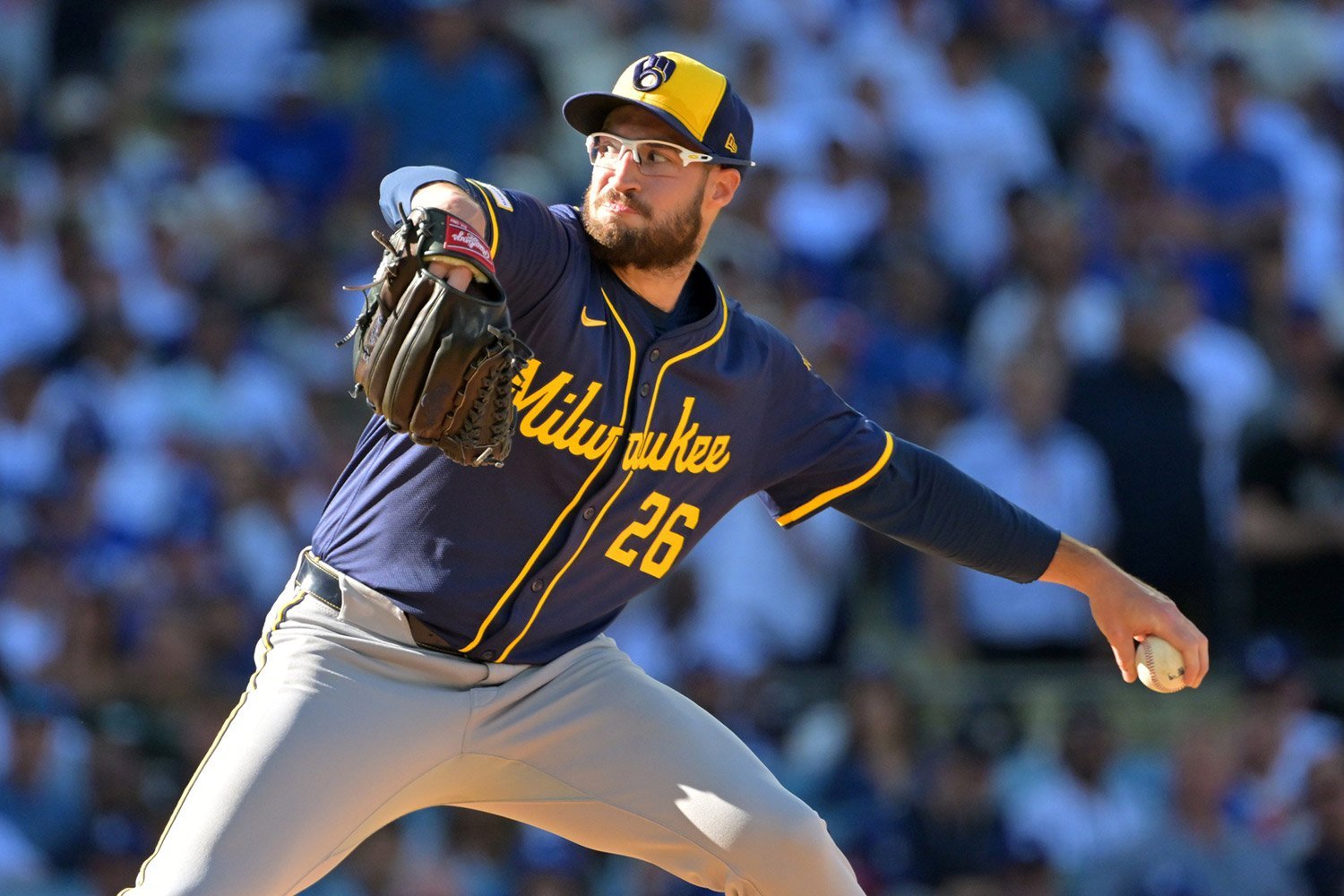 Aaron Ashby is entering his fifth year in Milwaukee and has been an above-average pitcher for the Brewers, posting career numbers of 114 ERA+ and a FIP of 3.46. Let’s say, for the sake of argument, that Nashville is not a realistic option, as in, ‘he’s too good to send down.’ Where will he fit into Milwaukee’s plans? Ashby was a fourth-round pick in the 2018 draft out of Crowder College in Neosho, Missouri, and made good progress through the Brewers chain, arriving in Milwaukee in just his third year, and has been a solid contributor ever since. The Brewers have two main questions with their pitching staff: who is going to start, and who is going to stay in Milwaukee? Let’s answer the first question. Currently, the Brewers have six southpaws that have the versatility to make the rotation or pitch out of the pen. Newcomers Kyle Harrison and Shane Drohan came over in the Caleb Durbin trade from Boston, joining Robert Gasser, Angel Zerpa, DL Hall, and Ashby. All these guys could potentially join the rotation, or they could reside in the pen. Back in 2022, Ashby made 19 starts for Milwaukee. He averaged nearly five innings per start, striking out at a high rate of 26.2%, but unfortunately, his 10.4% walk rate was pretty bad. Last year in 43 appearances (including one opener game) he whiffed 28.1% while improving a little on his walk rate, dropping it to 8.9%. Ashby began spring training last year as a starter but suffered an oblique injury and missed the first third of the season. When he came back, he was inserted into a regular bullpen role, pitching in all leverage situations. Realistically, Quinn Priester, Brandon Woodruff, Chad Patrick, and Jacob Misiorowski are front-runners for the first four starting spots. Logan Henderson and Brandon Sproat are on the periphery. They are all right-handers. Add to that Harrison, Gasser, Ashby, Zerpa, Hall, and Drohan, and you have nearly a baker’s dozen of arms to choose from. Some will get injured, some will underperform, and before you know it, the Brewers could be scrambling to cobble a rotation together. Let’s hope that doesn’t happen. Aaron Ashby's Stuff Ashby depends heavily on his sinker, which he throws over 50% of the time, and backs it up with his curveball, which he throws once every four pitches. His most effective pitch is his curveball, which has a 7.6" drop, more than the major league average. It produced 27 strikeouts for a K rate of 47%. His slider has big movement as well, 9" more than the major league average. Ashby has changed his arm angle over the years, going from high-three-quarters in 2022 when he was a starter to a more over-the-top guy last year with an arm angle of 51%. Aaron Ashby's Pitch Arsenal Ashby uses his sinker and curve three-quarters of the time overall, while using his changeup at a 12% rate, while the slider (8%) and four-seam (2%) are the lesser-used pitches in his repertoire. He relies more on the sinker to lefty hitters (58%) and doubles the slider offering up to 18%. When facing righties, the slider and the four-seam go in the back pocket (5% total) while the curve and slider come out half the time, along with the old reliable sinker at 47%. That sinker gets beat into the dirt more often than not (62%), and with an infield like the Brewers have, that is a good thing. Year Pitch Type # # RHB # LHB % MPH PA AB H 1B 2B 3B HR SO BBE BA xBA SLG xSLG wOBA xwOBA EV LA Spin Ext. Whiff% PutAway% 2025 Sinker 530 305 225 51.3 97.5 136 119 29 24 2 1 2 21 101 .244 .259 .328 .354 .291 .311 90.2 -1 2151 5.3 16.4 22.8 2025 Curveball 273 192 81 26.4 82.2 57 49 7 5 2 0 0 27 22 .143 .150 .184 .185 .219 .225 88.0 3 2737 5.3 43.9 34.6 2025 Changeup 122 120 2 11.8 91.4 38 35 10 6 3 1 0 9 26 .286 .250 .429 .353 .325 .282 89.2 4 1902 5.3 31.3 25.0 2025 Slider 84 14 70 8.1 84.2 31 28 6 5 0 0 1 17 11 .214 .140 .321 .242 .277 .218 76.2 0 2661 5.3 51.5 29.3 2025 Four Seamer 24 17 7 2.3 96.9 8 7 2 2 0 0 0 2 5 .286 .189 .286 .207 .307 .243 78.8 -12 2263 5.3 28.6 11.8 2024 Sinker 216 136 80 44.6 96.2 56 49 12 9 2 0 1 8 42 .245 .211 .347 .327 .297 .297 90.4 1 2120 5.2 12.6 15.1 2024 Changeup 99 91 8 20.5 88.8 27 23 5 1 3 0 1 4 20 .217 .252 .478 .422 .337 .339 86.5 6 1775 5.2 36.4 13.3 2024 Curveball 93 77 16 19.2 82.2 14 14 1 1 0 0 0 9 5 .071 .161 .071 .241 .063 .174 94.6 -5 2636 5.3 42.9 34.6 2024 Slider 66 26 40 13.6 83.2 19 18 2 1 1 0 0 12 6 .111 .138 .167 .277 .149 .201 85.6 9 2541 5.2 43.8 35.3 2024 Four Seamer 10 9 1 2.1 96.9 3 3 0 0 0 0 0 0 3 .000 .155 .000 .467 .000 .255 95.4 32 2214 5.3 0.0 0.0 What Should Aaron Ashby's Role Be in 2026? In his major league career, Ashby has appeared in 97 games, of which 26 were starts. He started 66 times in the minors among his 95 appearances, so he definitely has the chops to fit into the rotation. Given the heavy right-handed presence in the tentative rotation, manager Pat Murphy will probably be looking to insert one southpaw into that mix. The question is: which of the groups listed above will be that left-hander? I would put Harrison or Gasser at the top of that list, but given an underperformance and the likelihood of an injury or two, you might as well flip a coin or roll the dice to decide. No matter where he ends up, Ashby will play a huge role for the Brewers in 2026. View the full article
 -
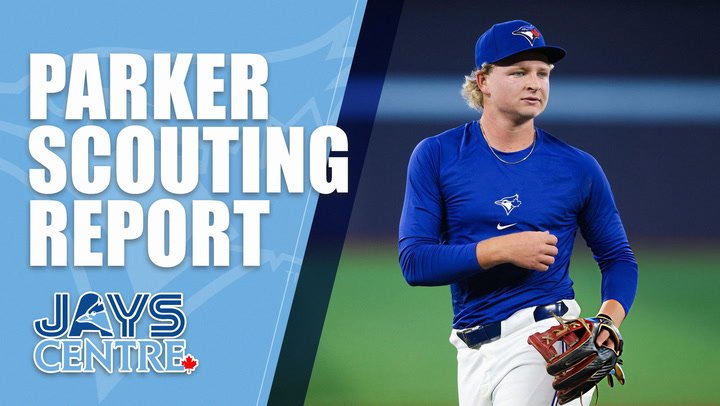 Outside of Trey Yesavage, who will be graduating from prospect status before long, JoJo Parker is the top-rated prospect in the Toronto Blue Jays system before even playing a game. Where did this guy come from, what does his skillset look like, and how long will it take for him to reach the show? We answer all of these questions. View the full article
 -
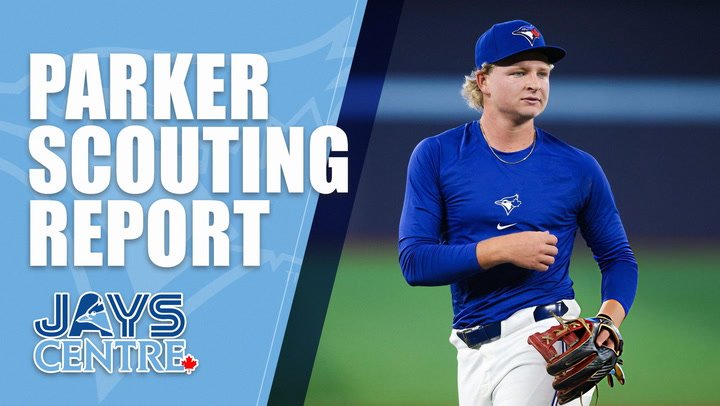 Outside of Trey Yesavage, who will be graduating from prospect status before long, JoJo Parker is the top-rated prospect in the Toronto Blue Jays system before even playing a game. Where did this guy come from, what does his skillset look like, and how long will it take for him to reach the show? We answer all of these questions. View the full article
 -
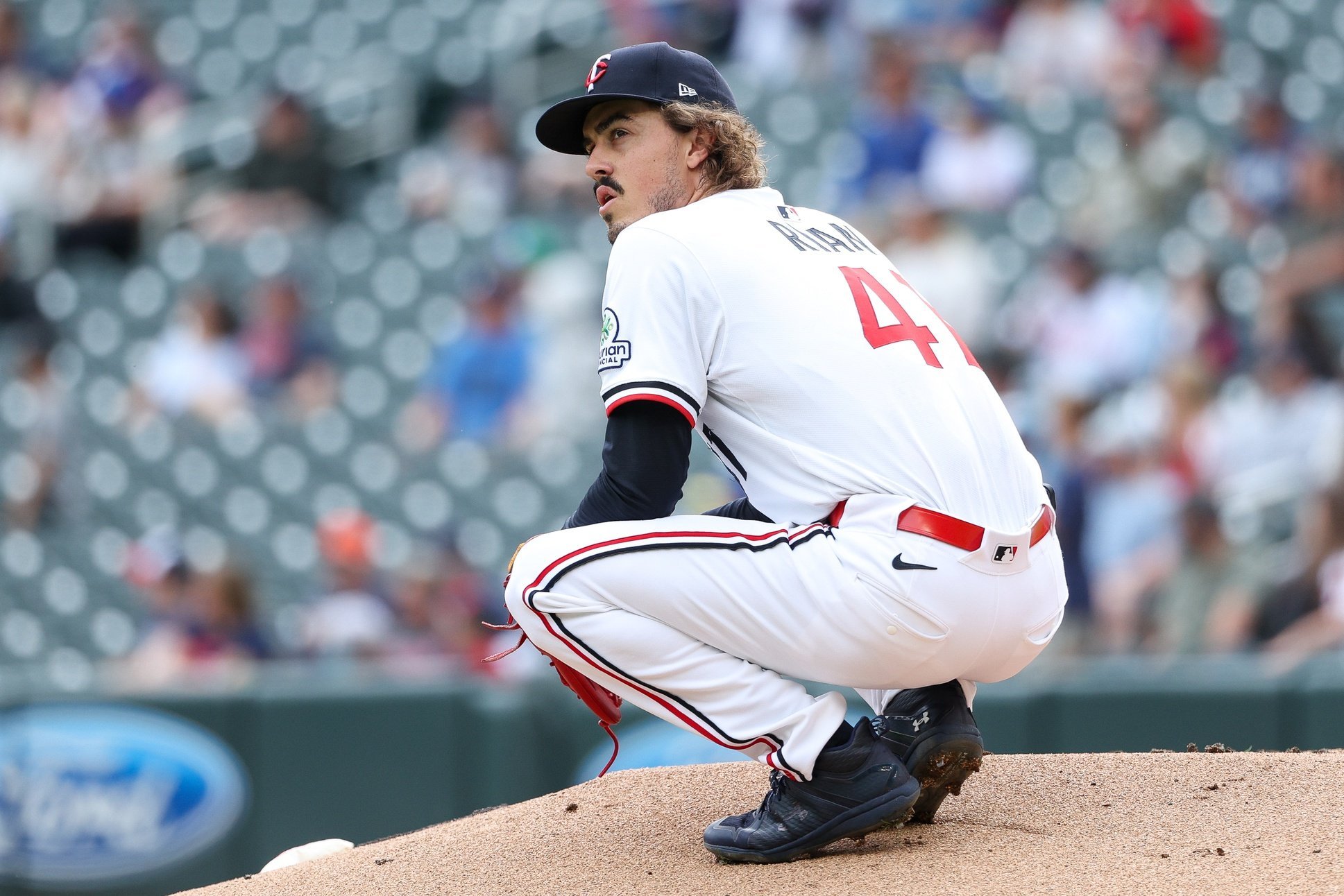 The 2026 Minnesota Twins entered spring training with a clear identity. If there was one area this roster could hang its hat on, it was starting pitching. That strength was supposed to give the Twins a path, however narrow, to relevance and possibly even a surprise playoff push. That plan lasted exactly one day. Twins ace Pablo López suffered a torn UCL on the first day of spring training, an injury expected to sideline him for the entirety of the 2026 season. In one moment, the Twins lost the pitcher they were most reliant on to anchor the rotation. In the wake of that injury, the Twins need to reassess their direction, and that reassessment should lead to one clear conclusion: It is time to trade Joe Ryan. Even before López went down, the Twins' margin for error was already slim. The idea was never that Minnesota could contend with a merely solid rotation. Their chances rested on starting pitching being outstanding in order to offset a lineup filled with question marks and a bullpen that lacked proven reliability. Without López, that scenario becomes increasingly difficult to envision. Every remaining starter is now pushed up a rung in responsibility. The first depth arm in St. Paul, whoever that would have been, is no longer a depth option but a necessary member of the rotation. Any flexibility the Twins may have had to deploy a starter in a hybrid bullpen role, similar to how Louie Varland had been used just last season, is now gone as well. Even if starting pitching remains the team’s relative strength, that says more about the rest of the roster than it does about the rotation’s ceiling. A good rotation is not enough for this team. The Twins needed an elite one, and without López it is hard to imagine a realistic scenario in which they reach that level. The projections reflect that reality. FanGraphs gave the Twins a 31% chance to make the playoffs before the injury. Following Lopez’s diagnosis, that number has dropped to 26.5%, with Vegas moving the Twins' win total to just 73.5 games. The odds were already low. Now they are even lower. That context makes Ryan’s situation impossible to ignore. He is 29 years old and firmly in the prime of his career, coming off a season in which he earned his first All-Star selection while posting a career-best 3.42 ERA. He also has two full seasons of team control remaining, which matters greatly in the current pitching market. That market has changed. The free agent pool of starting pitchers has largely dried up, leaving trades as the primary avenue for contenders to improve their rotations. There may not be a more attractive starter realistically available than Ryan, who is durable, effective, controllable, and producing at a peak level. The Twins already know the interest is real. At last season’s trade deadline, during the team’s fire sale in which 10 players were moved, Ryan nearly became the 11th. Advanced talks with the Boston Red Sox never materialized into a deal, but speculation followed Ryan into the offseason as many wondered whether the Twins would ultimately trade him, López, or both. The Twins chose to hold onto their starters with the belief that pitching could carry the 2026 roster. That bet didn't work out. Whether it means reopening discussions with Boston, a team that still enters the season with questions at the back of its rotation, or engaging another contender looking to stockpile pitching depth, the Twins should be aggressive. Injuries happen every spring. Another team could quickly find itself desperate for a starting pitcher, and Minnesota should be prepared to capitalize. It was arguable that the Twins should have traded Ryan during last year’s fire sale. It was arguable that they could have done it this offseason. After López’s injury, it is no longer debatable. Ryan would command a significant prospect return, the kind of capital that could help reset the organization’s timeline and better position the Twins for the future. With each passing month, his value declines as his remaining team control decreases. There is also an uncomfortable reality the Twins just experienced firsthand. Health is far from guaranteed, especially for starting pitchers. What happened to Lopez this spring could just as easily happen to Ryan. While no one could have predicted López’s injury, the decision not to trade him now looks like a missed opportunity in hindsight. The Twins cannot afford to risk another one. With a healthy Ryan who may never have more trade value than he does right now, the Twins should cash in. López’s injury did not just remove an ace from the rotation. It fundamentally altered the Twins competitive outlook for 2026. The path that once existed, however narrow, has become even smaller. In that context, holding onto Ryan no longer makes sense. Trading him now offers the Twins their best chance to extract meaningful value, mitigate risk, and begin charting a more realistic course forward. What do you think? Should the Twins move Joe Ryan now and lean into a reset, or is there still a case for holding onto him despite the long odds? Leave a comment below and start the conversation! View the full article
 -
Red Sox Underrated Offseason Acquisitions: T.J. Sikkema
DiamondCentric posted an article in Talk Sox
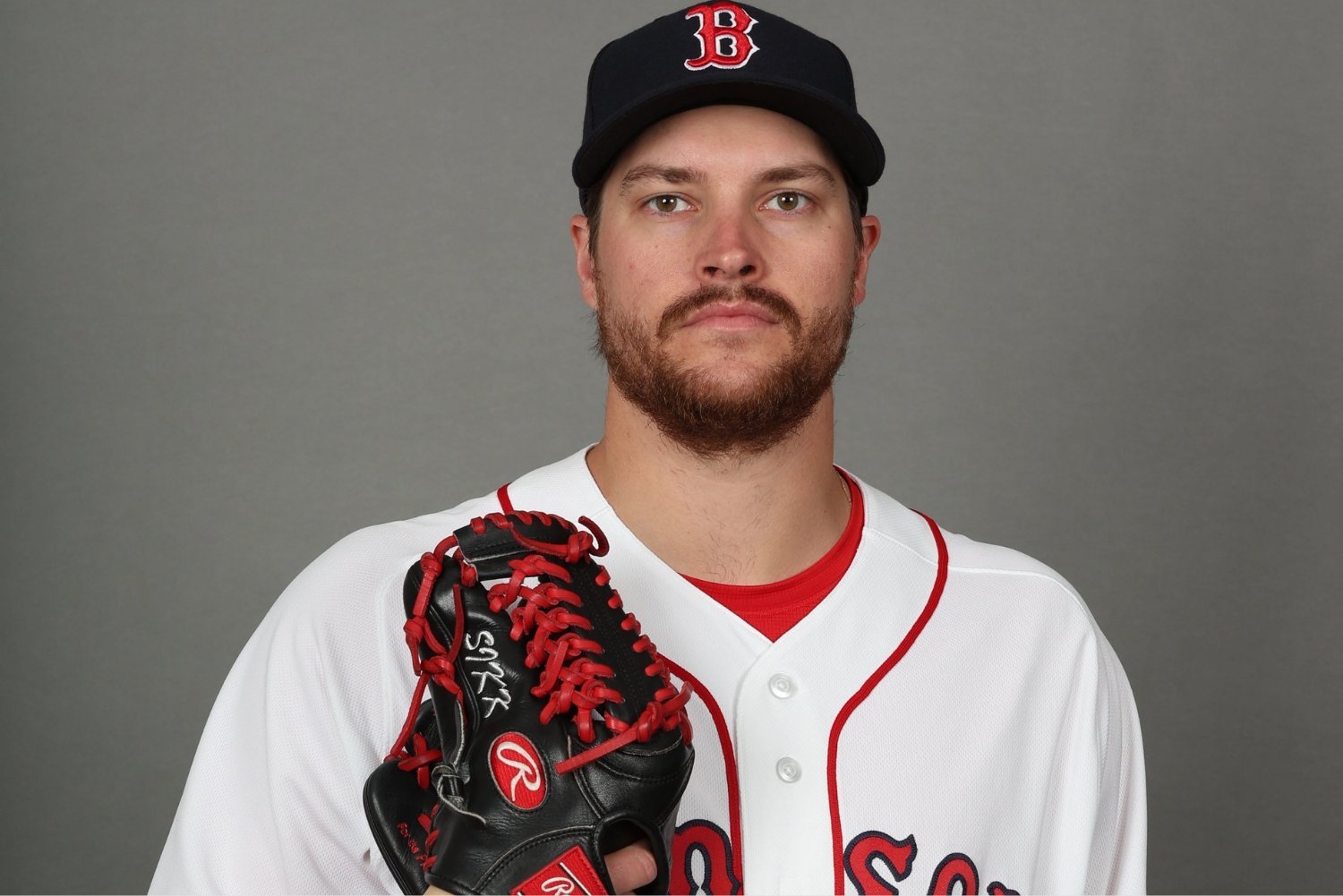 Baseball action is finally back, and the Boston Red Sox's roster looks largely complete. However, when you take a look at the bullpen, it's clear the team still has some moves to make prior to Opening Day. If the season were to start today, the only guaranteed left-handed reliever would be Aroldis Chapman. With Chapman slotted to be the closer once more after a historically great season in 2025, that would leave the Red Sox without a left-handed option for earlier in the game. Jovani Morán is a likely case to break camp with the team as he is out of minor-league options, though necessity doesn't always equal preference. It seems that the team would want a second left-handed option to pair with Morán for the middle innings. Earlier in the offseason, you could argue that the Red Sox had plenty of left-handed options in Brennan Bernardino and Chris Murphy also on the 40-man roster, but they were both traded. Shane Drohan could have been another option to be a reliever for the team but he too was shipped off. Thus, the team must turn to a dark horse candidate. Drafted by the New York Yankees in the first round of the 2019 Draft, T.J. Sikkema has spent a lot of time in the minor leagues since. After making four starts in 2019, he would not pitch again until 2022, where he would be part of a package by the Yankees sent to the Kansas City Royals for Andrew Benintendi. Sikkema would become a minor-league free agent after the 2023 season and would find himself pitching in the Cincinnati Reds’ organization; in 2025, he finally managed to make it to Triple-A. While it was only five appearances, he still garnered decent results, tossing 23 1/3 innings while walking just eight batters and striking out 16. Most impressively, he only allowed opposing batters to barrel up his pitches 1.4% of the time. For good measure, he walked batters at a reasonable 8.1% rate. Sikkema doesn’t come without his own issues, however. He isn’t a big strikeout guy, nor does he generate a ton of chases or whiffs. Again, it was during a small sample, but it demonstrated that Sikkema has never really been someone who overpowers or tricks batters. And yet, Sikkema threw a live bullpen in Sox camp on February 18, going up against Roman Anthony, Caleb Durbin, Nate Eaton, Masataka Yoshida and Tsung-Che Cheng. Of the five hitters, Sikkema managed to get Anthony out twice on weakly hit balls including a broken bat and struck out Yoshida. While spring is still early, it’s a positive sign of a pitcher who may just force his name into the bullpen conversation. Sikkema relies on a fastball-slider combination, though the slider is the better of the two pitches. Sikkema isn’t the hardest thrower as his fastball averages 88 to 91 mph, but he has managed to get it into the mid-90s on occasion. With an offseason of working in the Red Sox's pitching lab, it's not unreasonable to suggest that he could add some more punch to his heater, which would make him a far more intriguing candidate for the bullpen. At this point, whoever the Red Sox bring in as a left-handed reliever will lead to divisiveness, but the options are what they are. Sikkema may never reach the majors with Boston, but there's a reason the team signed him with a non-roster invite attached. He may be a longshot, but opportunity has come knocking. View the full article
 -
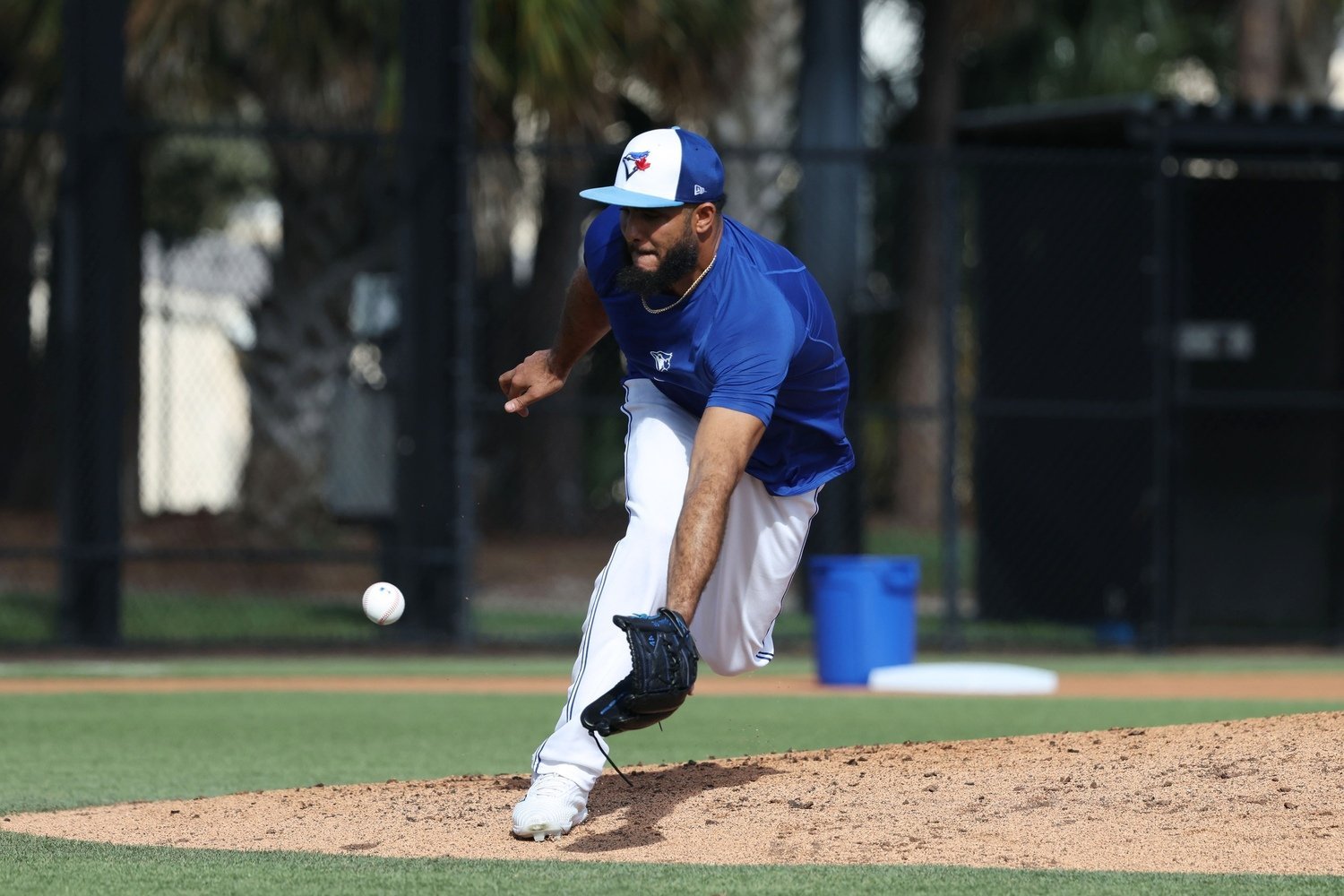 Speaking to Sportsnet's Shi Davidi, Blue Jays right-hander Yimi García confirmed that he will open the 2026 season on the injured list. García, 35, had elbow surgery last September. He has not suffered a setback, but the Blue Jays are simply taking things slow with the veteran reliever, who also dealt with elbow issues in 2024. The righty has not yet thrown off a mound this spring, though he's hoping to do so soon. While it once seemed as if the Blue Jays would have some tough decisions to make regarding their Opening Day bullpen, that might not be an issue anymore. Barring a particularly impressive spring training from Chase Lee or one of the Rule 5 guys (or a last-minute Max Scherzer signing), Toronto's Opening Day bullpen is likely to include Jeff Hoffman, Tyler Rogers, Louis Varland, Brendon Little, Eric Lauer, Tommy Nance, Braydon Fisher, and Mason Fluharty. View the full article
 -
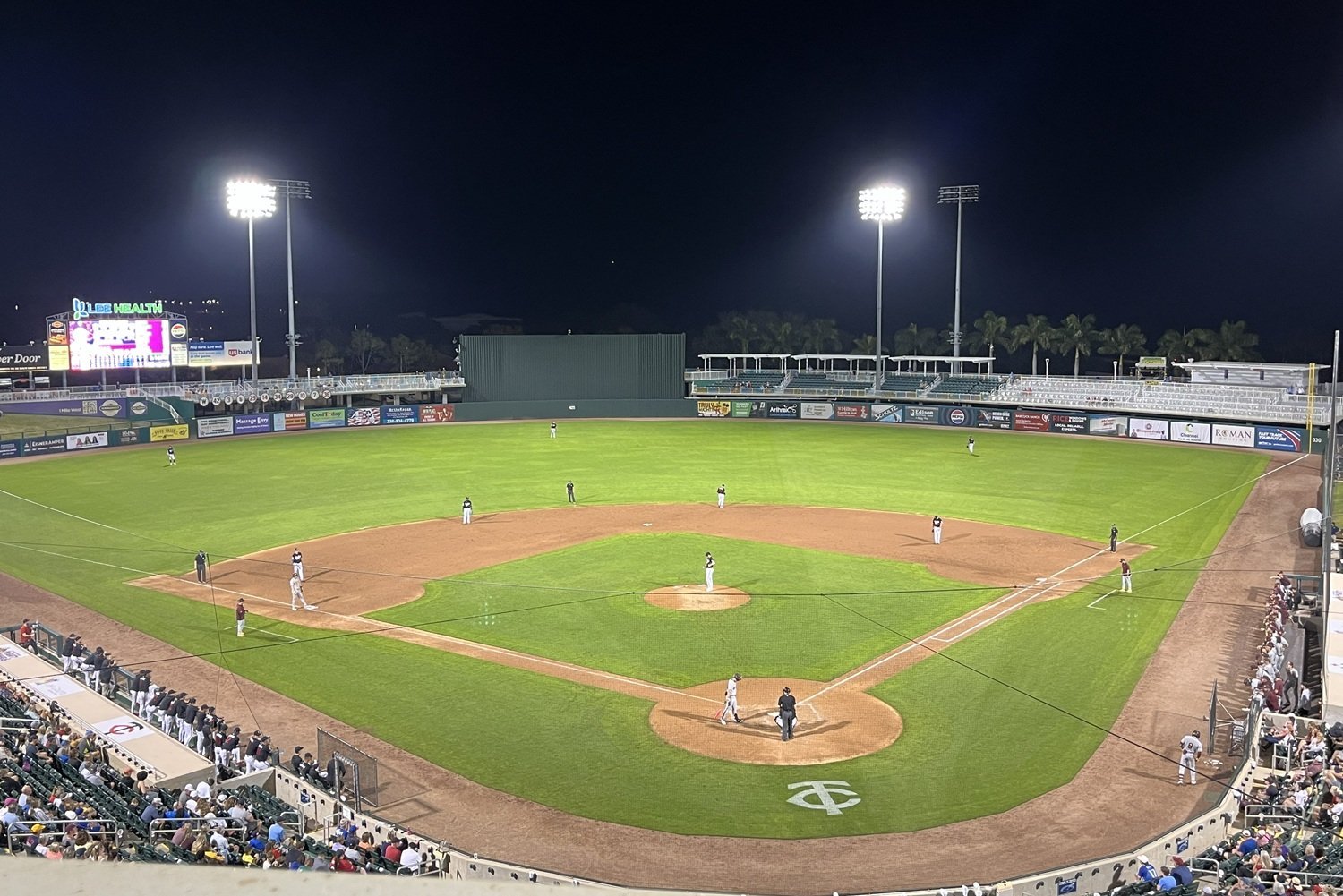 FORT MYERS - Minnesota Twins baseball returned on Friday night, though it won’t count even in spring training’s Grapefruit League standings. The Twins beat the University of Minnesota’s Golden Gophers baseball team, with Zebby Matthews starting and Cole Sands following him on the mound. Gophers pitchers faced a mix of veterans (Josh Bell - 1B, Kody Clemens - 2B, Gio Urshela - 3B) and top prospects (Emmanuel Rodriguez - CF, Henry Mendez - DH, Gabriel Gonzalez - RF; Walker Jenkins and Kaelen Culpepper subbed in midway). I’m not going to go over any of their stats, because it would create the false impression that any of it means anything. Instead, I’ll tell you that it was a beautiful night, included a great sunset, and was appreciated by an appropriately sized half-full Hammond stadium. Matthews threw hard and seemed to feel good, which is probably the most important takeaway. Tomorrow afternoon, the Grapefruit League schedule will start with a home game versus the crosstown rival Boston Red Sox, and with Joe Ryan starting the game. Ownership Thoughts New Twins executive chair Tom Pohlad has spent the week in Fort Myers with his family, the team, management, and even the media. The message has been consistent: he wants to be hands on, he wants to be aggressive, and he wants the team to win this year. The reaction, of course, has been skepticism, because the Twins have consistently spent less under the Pohlads than the average MLB team for at least the entirety of 21st century. View the full article
 -
 At the start of the off-season, it seemed pretty clear-cut that the Twins would promote their reigning Minor League Hitter of the Year, Kaelen Culpepper, to Triple-A at the start of 2026. Now, it's not quite clear with the additions of Orlando Arcia and Gio Urshela on minor league deals, both of whom will likely be platooning the left side of the Saints' infield to start 2026. View the full article
 -
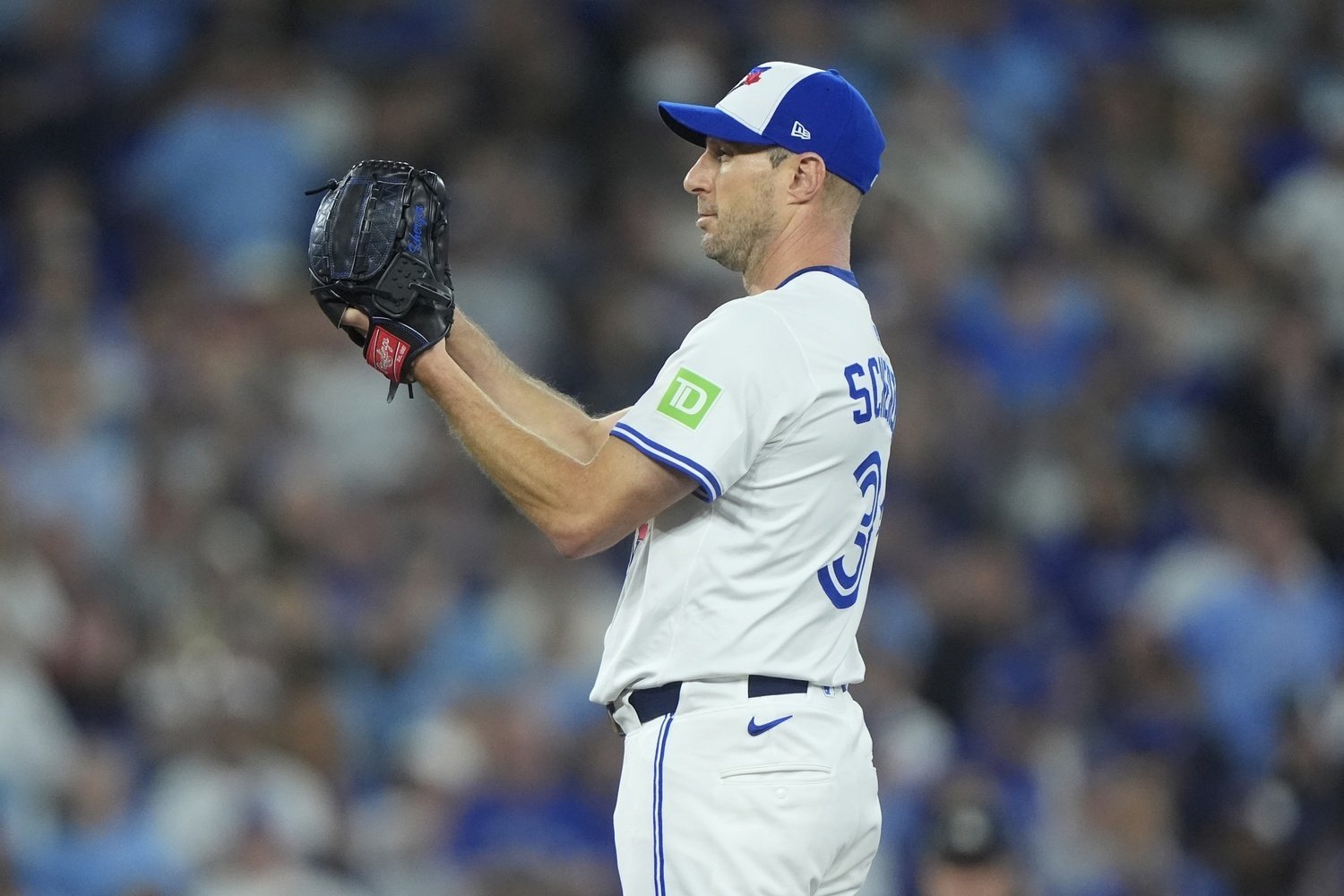 Max Scherzer has had an exceptional 18-year career, which includes three Cy Young Awards. However, his first season with the Toronto Blue Jays didn't live up to Mad Max's standards. He suffered a career-worst ERA (5.19) and his second-worst WHIP (1.29), and an injury was an issue. The 41-year-old made one start last season before going on the 60-day injury list with right thumb inflammation. Scherzer would return in late June, but he just wasn't his usual self. His up-and-down performance could have been due to the thumb injury or simply to the fact that he was 40. Despite the struggles, he still looked like his fiery self at times, including in a World Series Game 7 start, in which he threw 4 1/3 innings of one-run baseball against the Los Angeles Dodgers. News regarding Scherzer has been limited this offseason, as expected for a player of his age, but things may be heating up. Ben Nicholson-Smith of Sportsnet has reported, "The Blue Jays' talks with Max Scherzer have gotten more serious in the last week." This comes a day after the news that Shane Bieber, who will start the season on the injured list, is hoping to begin throwing off a mound in the next week or two. The Blue Jays have a loaded starting rotation, even with Bieber not throwing yet. Kevin Gausman, Dylan Cease, Trey Yesavage, José Berríos, and Cody Ponce currently form their starting five, with Eric Lauer available as depth. So, it will be interesting to see how the rotation works out if Scherzer is added. Will Ponce get moved to the bullpen, or will Berríos be traded? There are many different ways the Blue Jays could utilize Scherzer. View the full article
 -
 You can listen by downloading us from iTunes, Spotify, YouTube, iHeartRadio, Stitcher, GleemanAndTheGeek.com, click this link or you can listen to it or watch it below. View the full article
 -
 You can listen by downloading us from iTunes, Spotify, YouTube, iHeartRadio, Stitcher, GleemanAndTheGeek.com, click this link or you can listen to it or watch it below. View the full article
 -
How Marlins will be using their TV, radio announcers in 2026
DiamondCentric posted an article in Fish On First
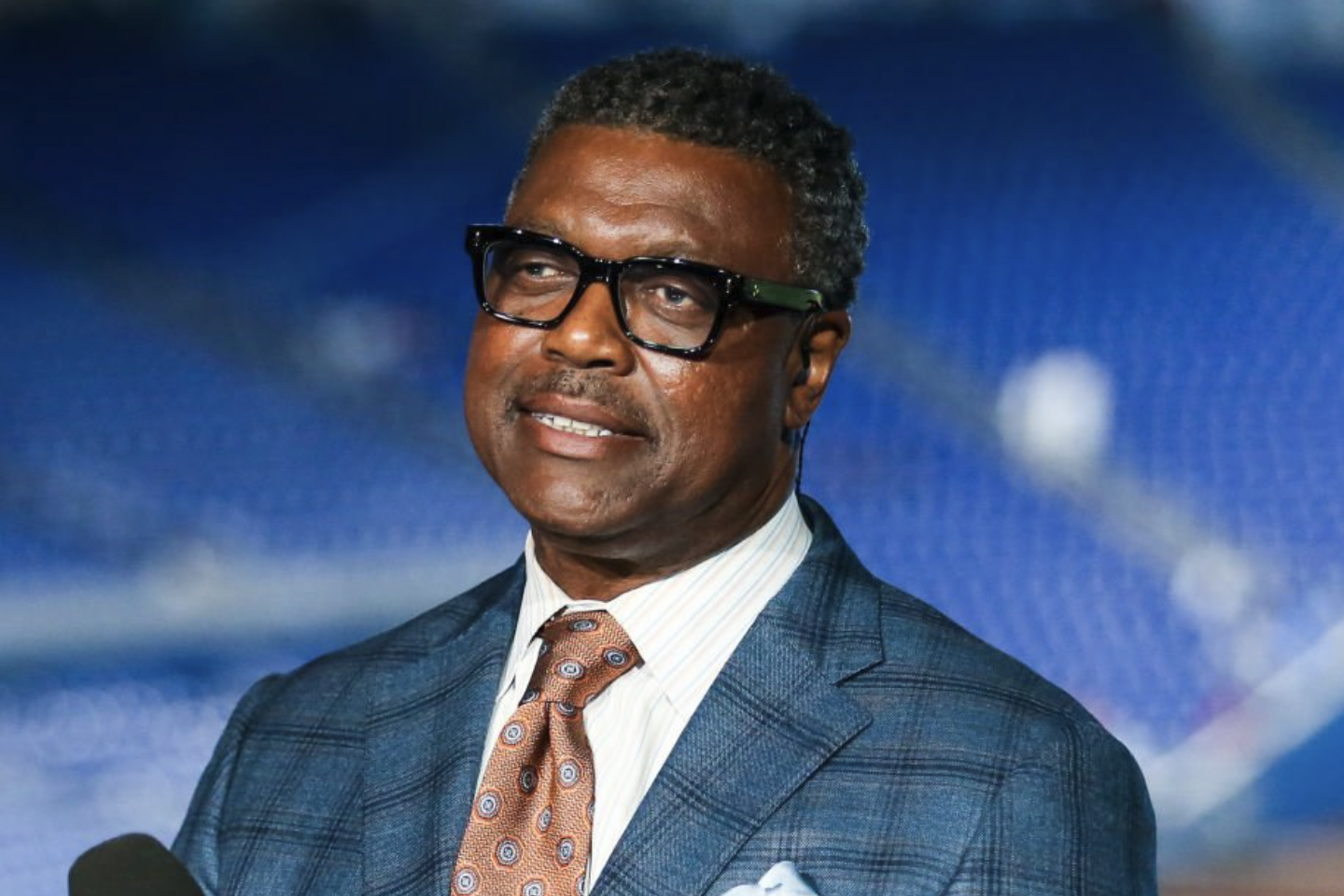 Beginning with the 2026 season, the Miami Marlins are making a major change by leaving the regional sports network model behind and partnering with Major League Baseball to produce their television game broadcasts. A source told Fish On First that all of the team's on-air talent will remain employed for the upcoming year, but with changes to some of their roles. While we await a formal announcement from the Marlins, Barry Jackson of the Miami Herald broke down many of the specifics Friday morning in this column. Marlins.TV Kyle Sielaff will be back as the Marlins play-by-play announcer. Sielaff called the vast majority of games on FanDuel Sports Network Florida in 2025 and his workload will increase even more moving forward, slated to do 154 of the 157 Marlins.TV games, according to Jackson. Craig Minervini will fill in for the other three. Former pitcher Jeff Nelson previously served as an analyst for both the Marlins and New York Yankees. Focused fully on the Fish in 2026, there are 70 games on his schedule (most among Marlins.TV analysts). Longtime analyst Tommy Hutton is doing 60 games, all of them at loanDepot park. The other 27 games will go to former Marlin Gaby Sanchez. Rod Allen, who was part of the game analyst rotation for the past four seasons, will no longer be in the booth. He'll work the pregame and postgame shows, alternating with Nelson and former Marlins closer AJ Ramos. However, the length of those shows is being reduced as part of this transition. There was previously 30 minutes of coverage before and after games, but that's going down to 15 minutes for home games, and on the road, there will be no pregame show and only a five-minute postgame show. Minervini and Marlins insider Craig Mish are each hosting half of the home games, and sometimes, Mish will be paired with Minervini and function as the analyst. Kelly Saco and Jeremy Taché will still serve as in-game reporters, but Mish and Minervini are in the fold for that as well. Saco will get the most amount of games, followed by Taché, then Minervini and finally Mish. Marlins Radio Network The Marlins are "close to finalizing an agreement" that would move their radio broadcasts from WINZ (940 AM) to WQAM (560 AM and 104.3 FM), per Jackson. WQAM was home to the inaugural Marlins season, but this would be the club's first time back with them since 2007. Due to those ongoing negotiations, fans trying to access the Marlins Radio Network during spring training should use MLB.com or the MLB app. Rod Allen and AJ Ramos will be the primary analysts alongside second-year play-by-play man Jack McMullen. Nelson, Saco and Marlins Radio pregame host Stephen Strom will handle the leftover games. Combining his assignments across both mediums, Ramos will have a much bigger role than he did last season. View the full article
 -
Pablo López To Undergo Tommy John Surgery On Wednesday
DiamondCentric posted an article in Twins Daily
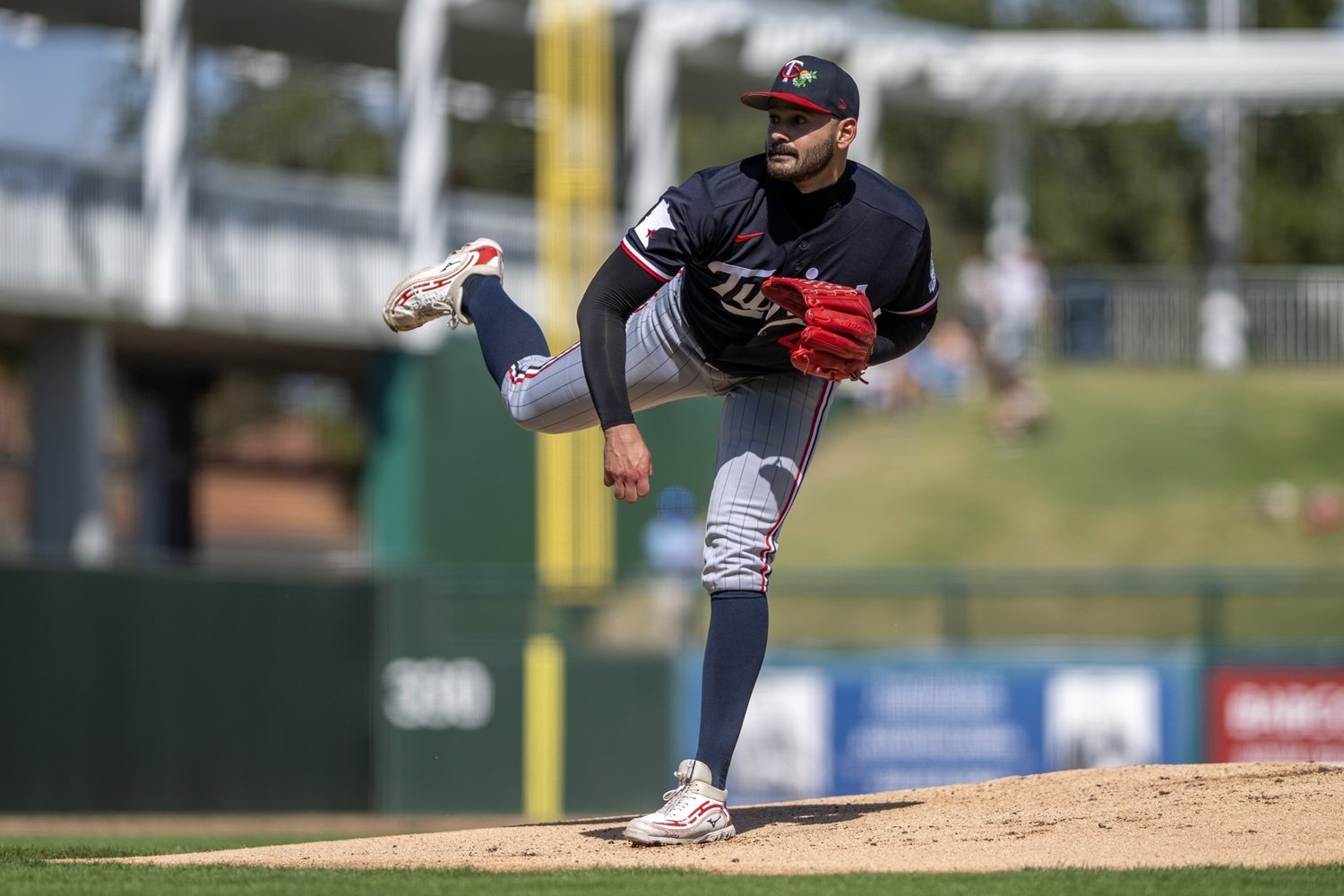 As expected, Minnesota Twins ace Pablo López will undergo Tommy John reconstructive surgery on Wednesday. A second opinion confirmed the initial diagnosis of significant tearing in the ulnar collateral ligament in López’s right elbow, leaving little doubt about the path forward. The procedure will take place in Texas under the care of noted orthopedic surgeon Dr. Keith Meister. It will be López’s second Tommy John surgery, and while the Twins are optimistic about a full recovery, he is expected to miss the entire 2026 season. The typical recovery timeline for pitchers following the procedure is roughly twelve months, which gives López a chance to return near the beginning of the 2027 campaign. That timeline would place his comeback in the final season of his four-year extension with Minnesota. Minnesota acquired López in one of the franchise’s most impactful trades in recent memory when they sent batting champion Luis Arraez to the Miami Marlins prior to the 2023 season. Since then, López has been everything the Twins hoped for at the top of their rotation. Across three seasons in Minnesota, he posted a combined 3.68 ERA while striking out 26.8% of opposing hitters and walking just 5.8%. He also helped the club end their playoff losing streak that had stretched into a second decade. López looked poised to deliver another excellent season in 2025 before injuries began to mount. He carried a 2.82 ERA through his first 11 starts before suffering a Grade 2 strain of his teres major in early June, an injury that ultimately sidelined him for roughly 3 months. He returned for three strong starts in September, allowing four runs across 15 innings, but ended the year back on the injured list due to a minor forearm strain that he suffered after diving for a ball. He entered the offseason with a clean bill of health, making the sudden UCL tear that surfaced all the more surprising. With López officially sidelined, the responsibility of leading the rotation will almost certainly fall to Joe Ryan on Opening Day. Bailey Ober and Simeon Woods Richardson should also slot into prominent roles, while younger arms such as Zebby Matthews and David Festa now find themselves with an opportunity to claim meaningful innings. Minnesota built its pitching staff around stability at the top of the rotation. Losing López for the entire season changes the outlook in a significant way and puts immediate pressure on the club’s depth to respond. The Twins still believe they can compete this season, but that task became considerably more difficult the moment their ace’s elbow gave way. View the full article
 -
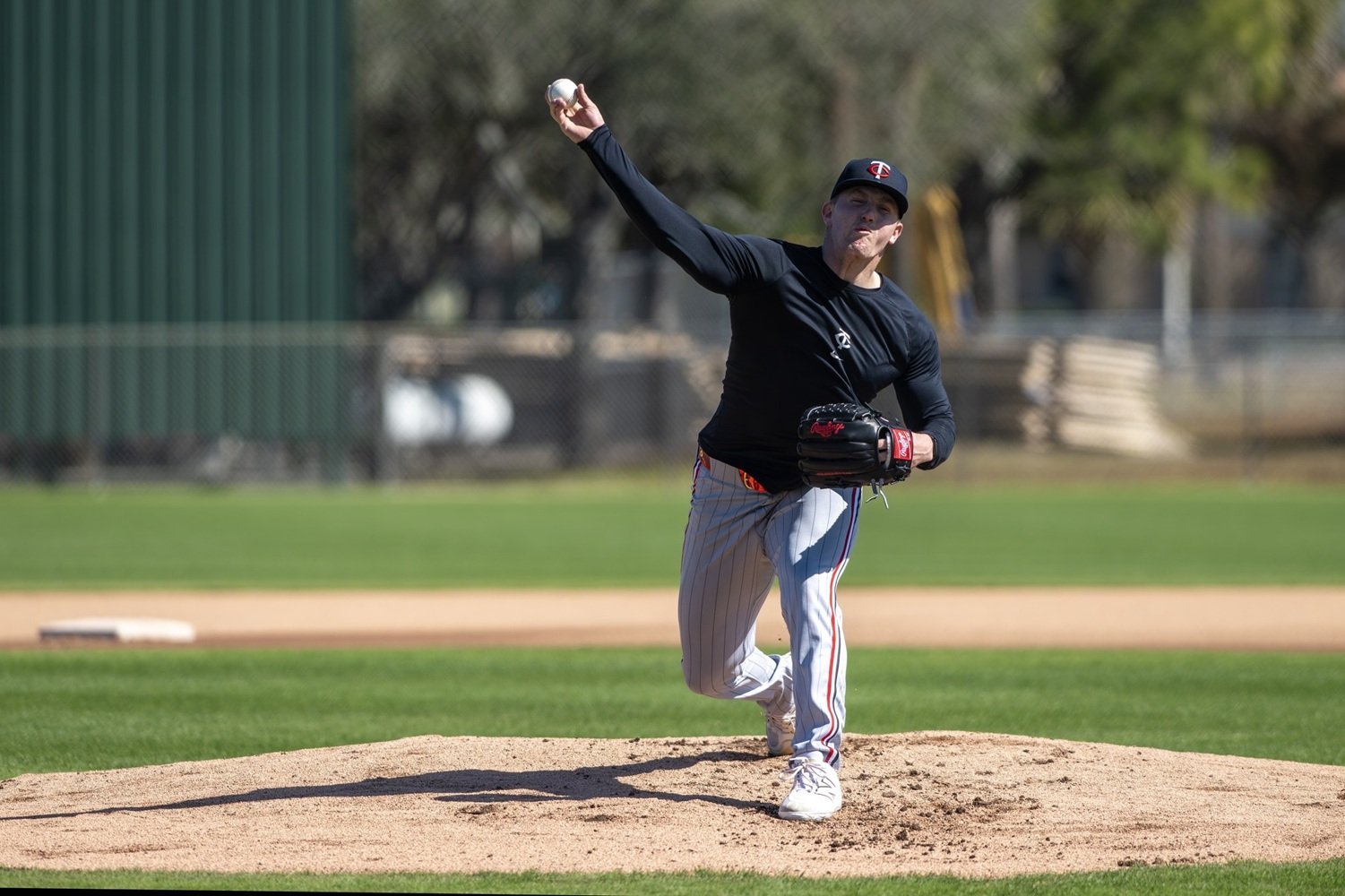 For a team that has spent the better part of the last calendar year trying to insulate itself from exactly this type of situation, the timing is less than ideal. The Minnesota Twins have quietly built legitimate starting pitching depth over the last year, particularly following last season’s trade deadline acquisitions that reshaped the upper levels of the organization. That group was supposed to supplement a rotation headlined by Pablo López, Joe Ryan, and Bailey Ober, a trio viewed internally as the foundation of what could be a contending club in 2026. Now, the load-bearing rotation will be put to the test after news that López will likely miss the 2026 season with a tear in his UCL. Twins Chairman Tom Pohlad has spoken openly this offseason about his belief that Minnesota can outperform outside expectations. Public projection systems have not been nearly as optimistic. FanGraphs currently forecasts the Twins for an 80-82 finish, while some betting markets have placed the club’s win total at just 73.5 victories. “That’s ridiculous,” Pohlad said at the start of camp. “I’ve been consistent from the beginning, saying that we feel confident in this team and that we think what you see, the talent we have, is stronger than maybe you guys or the fans are giving the roster credit for. We’re very confident in what this group of people can do together.” Those projected win totals were built with López firmly at the front of Minnesota’s rotation. His injury threatens to shift that math considerably. “Everything’s getting rolling and the expectations and stuff, and then just having him go down like that, it’s tough,” Ryan said. “It doesn’t feel real in a sense, it’s just a shock. We’ve got to make that adjustment.” Fortunately for Minnesota, making that adjustment was always part of the plan. Rotation Options Already in Camp Ryan now becomes the de facto leader of the staff. The All-Star right-hander continues to miss bats at an elite rate thanks to one of the most deceptive fastballs in baseball and has developed into a stabilizing presence capable of working deep into games. With López sidelined, his ability to anchor the rotation becomes even more critical. Ober remains one of the most underrated starters in the American League if he can return to his 2022-24 form. His extension-based approach and elite command allow him to limit hard contact despite below-average velocity. Now, Minnesota must trust that he is healthy and can consistently provide quality innings regardless of the matchup. Simeon Woods Richardson offers a different look with a deep pitch mix and an improving strike-throwing ability. He may not have the upside of some of the other arms in camp, but he’s been one of the most consistent young pitchers for the team over the last two seasons. The former top prospect took meaningful steps forward last season and appears poised to handle a full-time rotation role if needed. Acquired last July, Taj Bradley has over 380 innings at the big-league level, and there’s a reason the Twins targeted him in a trade. He finished the 2025 campaign with a 5.05 ERA in a career-high 142 ⅔ innings, but his 4.37 xFIP suggested that he got a little unlucky. His development has centered around improving command of his fastball and splitter, but the raw stuff is capable of overpowering opposing lineups when he is in rhythm. Zebby Matthews has impressed internally with his poise and ability to attack hitters in the zone. Matthews posted a 3.79 FIP and paired it with an 18.1 K-BB% that sat well above league average. He may not generate the same level of chase as others on this list, but his strike-throwing and efficiency give him a strong chance to contribute meaningful innings. There has been talk of moving David Festa to the bullpen, but that plan may need to be put on hold with the Lopez news. The primary reason behind Festa’s struggles in the majors is that his four-seam fastball has surrendered a .609 slugging percentage last season. Improving his secondary offerings could allow his fastball to perform better. Perhaps the most intriguing name in the mix is Mick Abel. Abel’s fastball shape and spin rate grade out better than average, especially once one adjusts for his low three-quarter arm slot. Abel can still refine his mechanics and improve his strike-throwing to put himself squarely in the conversation for early-season innings. Depth Waiting in St. Paul At Triple-A, additional reinforcements are expected to be available. Connor Prielipp remains one of the system’s highest upside arms when healthy and could factor into the major league picture at some point this season. Prielipp has told reporters he is building up as a starter this season, and that makes sense given teams' need for high-upside pitching depth. Andrew Morris has steadily climbed the organizational ladder with a polished repertoire that plays up due to his command. Meanwhile, Kendry Rojas offers another developmental arm with the type of stuff that could force the issue if he continues to progress against upper-level competition. Minnesota spoke very highly of Rojas after acquiring him from Toronto. The Twins entered camp believing their starting pitching depth was finally a strength rather than a question mark. López’s injury does not erase that progress, but it immediately places added pressure on the next wave of arms to prove they are ready for meaningful innings at the major league level. If Minnesota is going to surprise the sport in 2026 as Pohlad expects, the path likely runs through this group. The rotation depth built at last summer’s deadline was designed for moments like this. Now the Twins will find out just how prepared they really are. Can the Twins still outperform their projections even with López’s injury? Leave a comment and start the discussion. View the full article
 -
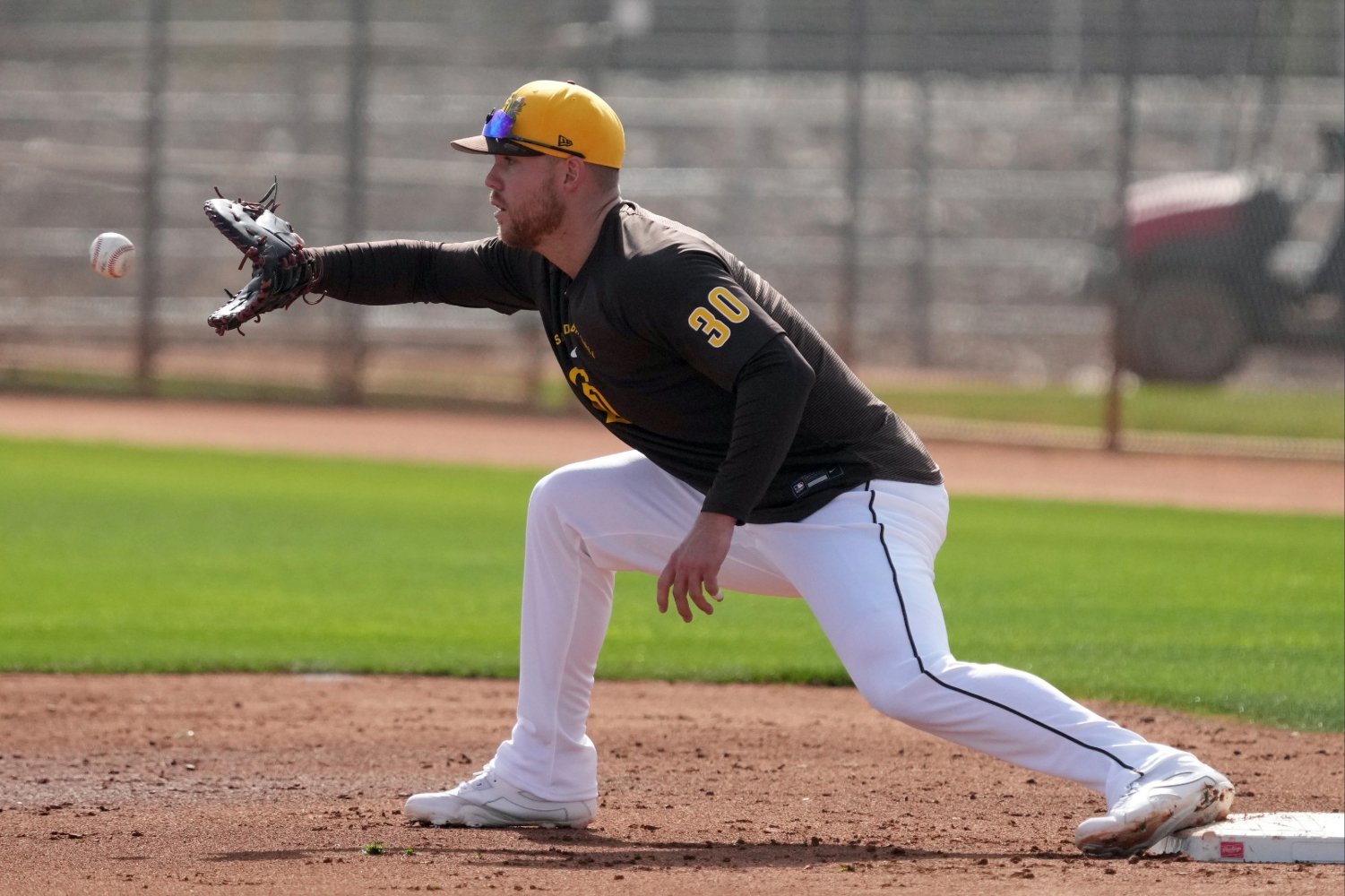 Cactus League play is finally here, with the San Diego Padres opening the exhibition season by playing the Seattle Mariners, with whom they cohabitate the Peoria Sports Complex in Peoria, Arizona. The wins and losses don't mean anything. For a handful of the dozens of players who will play in these games, neither does their performance. Their spot on the Opening Day roster is set. But there are others, whether they are on the 40-man roster or a spring training invitee, who are depending on these games to prove they belong among the 26 who will be in the Petco Park clubhouse come March 26 vs. the Detroit Tigers. With that in mind, here are three position battles to keep an eye on this spring. (Players listed in order of strongest candidacy.) No. 4 and No. 5 Starting Pitcher After feeling a good bit of unease when pitchers and catchers reported last week, Friars fans have to be feeling a bit more comfortable now that president of baseball operations A.J. Preller has added three more arms, all with plenty MLB experience, to the field battling for the last two spots in the five-man starting rotation. The top three is set with right-handers Nick Pivetta, Michael King and Joe Musgrove. RHP Walker Buehler: Relegated to a minor-league deal after a poor 2025 as a whole, the former Los Angeles Dodgers star will look to build on his final seven games (four with the Boston Red Sox, three with the Philadelphia Phillies) in which he posted a 2.53 ERA. RHP German Marquez: In his first season following Tommy John surgery, Marquez had a 5.47 FIP in 26 starts with the Colorado Rockies in 2025. Like a few others on this list, Marquez is a low-cost bounce-back option (one year, $1.75 million) who could become a stalwart at the back of the rotation. RHP Griffin Canning: Coming off a torn left Achilles, Canning (one year, $2.5 million) will begin the season on the injured list, but could be ready to join the rotation by the end of April at the earliest. The good news is Canning had the best 2025 of anyone in this this group before getting injured in late June, putting up a 4.04 FIP in 16 starts. RHP Randy Vasquez: The person whose stock suffered the most with the above additions, Vasquez went from securely being the No. 4 starter to now wondering where he fits in. Perhaps that will bring out the competitor in Vasquez and unlock a little more in his performance. LHP JP Sears: We enter the left-handed portion of this list. Any of these southpaws could have an advantage by virtue of simply being a lefty. That begins with Sears, who put up a 4.92 FIP in parts of four seasons (95 starts, one relief appearance) with the A's. He struggled in five starts after coming over at the trade deadline and could be a long reliever if he doesn't grab a rotation spot. LHP Kyle Hart: Often a forgotten figure in this discussion, Hart returned to the majors for the first time since 2020 to make 20 appearances (six starts) with the Padres in 2025. He figures to be an option only if injuries take their toll on the rotation. RHP Triston McKenzie: After emerging as breakout star in 2022 in Cleveland, McKenzie has had issues repeating that performance. Most of that has to do with choosing rehab over Tommy John surgery in 2023, a decision that has led to him pitching in just 24 games over the last three seasons. Starting at Triple-A El Paso could be a better situation for McKenzie, with an early call-up possible. LHP Marco Gonzales: Signed to a minor-league contract with a $1.2 million price tag in the majors, Gonzales had flexor tendon surgery late in 2024 and missed all of 2025. That scenario also makes him better-suited to start at Triple-A El Paso and come up when a starter is needed. First Base This position also changed dramatically in the last week due to a couple more free agents joining the mix. Jake Cronenworth will see time at first, though he is currently slated as the starting second baseman. Nick Castellanos: Following his well-publicized release from the Philadelphia Phillies last week, Castellanos became the front-runner to start at first base, a position he hasn't played in the majors. The former third baseman who has been playing right field almost exclusively since 2018 could bring some much-needed power to the lineup if he shows he can play first. Otherwise, he will be one of the primary designated hitters. Gavin Sheets: Entering spring training, Sheets was the favorite to start at first. This comes after just 13 games at the position and 64 games in left in 2025. Sheets' bat is his primary asset, having hit 19 homers and driven in 71 in 145 games last year while also seeing action in 64 games as the DH. With extra outfield depth acquired, Sheets will either be the first baseman or DH in 2026. Ty France: A 34th-round pick of the Padres in 2015, France returns to the organization on a minor-league deal after being traded to the Seattle Mariners in 2020. He was the AL Gold Glove winner at first base last season, in which he was traded from the Minnesota Twins to the Toronto Blue Jays at the deadline. Miguel Andjuar: The 2018 AL Rookie of the Year runner-up to Shohei Ohtani has lost much of the power that he showed that year (27 homers) following a rash of injuries. But he can still hit. Andujar had a slash line of .318/.352/.470 between the A's and Cincinnati Reds in 2025, with 10 homers and 44 RBIs. His 341 plate appearances were his most since his rookie year. Sung Mun Song: Signed to a four-year, $15 million contract to come over from the Korea Baseball Organization, Song is a long shot to start at first, but will see time at the position as he floats around the diamond as a super-utility option. Last Bench Spot This is where Preller and manager Craig Stammen face their biggest decision as to roster construction. While going with three catchers had been floated, that idea is no longer in play with the additions of Castellanos and others. With Luis Campusano set as the back to Freddy Fermin at catcher, there are three other bench spots to fill. For argument's sake, we will pencil Castellanos and Sheets in as the starters at first base and DH in some fashion. Song and Andujar are givens at the moment. Song will be the backup at second and third base and will try the outfield this spring, while Andjuar has the ability to play left field, third base and first base. If Song is tried in center and shows he can play the position, that could make for other interesting decisions. That leaves one bench vacancy. Bryce Johnson: His spot on the 26-man roster is in jeopardy if Song can play center. Otherwise, he is the only other pure outfielder on the 40-man roster now that Tirso Ornelas has been jettisoned. He was really good offensively in 2025, with a .342/.383/.434 slash line to pull his career mark up to .240/.298/.305. Mason McCoy: The only other player on the 40-man with shortstop experience besides McCoy is Cronenworth. Do the Friars choose to have Cronenworth as the backup to Xander Bogaerts or do they prefer McCoy? The benefits of having another shortstop on the 26-man roster may overshadow other shortcomings on the roster. Will Wagner: The son of Hall of Fame closer Billy Wagner hasn't established himself in the majors, though he's produced a .294/.394/.439 slash line in five minor-league seasons. In 55 games between the Toronto Blue Jays and Padres after coming over at the trade deadline, Wagner's slash line was .225/.324/.279. He has played second, third and first in the majors. If he expands to center field, that gives him a better shot. Ty France: Already with limited defenders in Castellanos and Sheets, do the Friars carry a third first baseman? As mentioned, France has a minor-league deal, but likely with an out by the end of camp to pursue a major-league job. Samad Taylor: A true wild card, but perhaps the only other non-roster position player to have a legit chance to make the Opening Day roster. Taylor brings the positional versatility needed from the last bench spot as he can play second, third and short on the infield and all three outfield spots. In addition to defense, he brings speed to the lineup, but has a slash line of .205/.272/.260 in 38 MLB games over the last three seasons. View the full article
 -
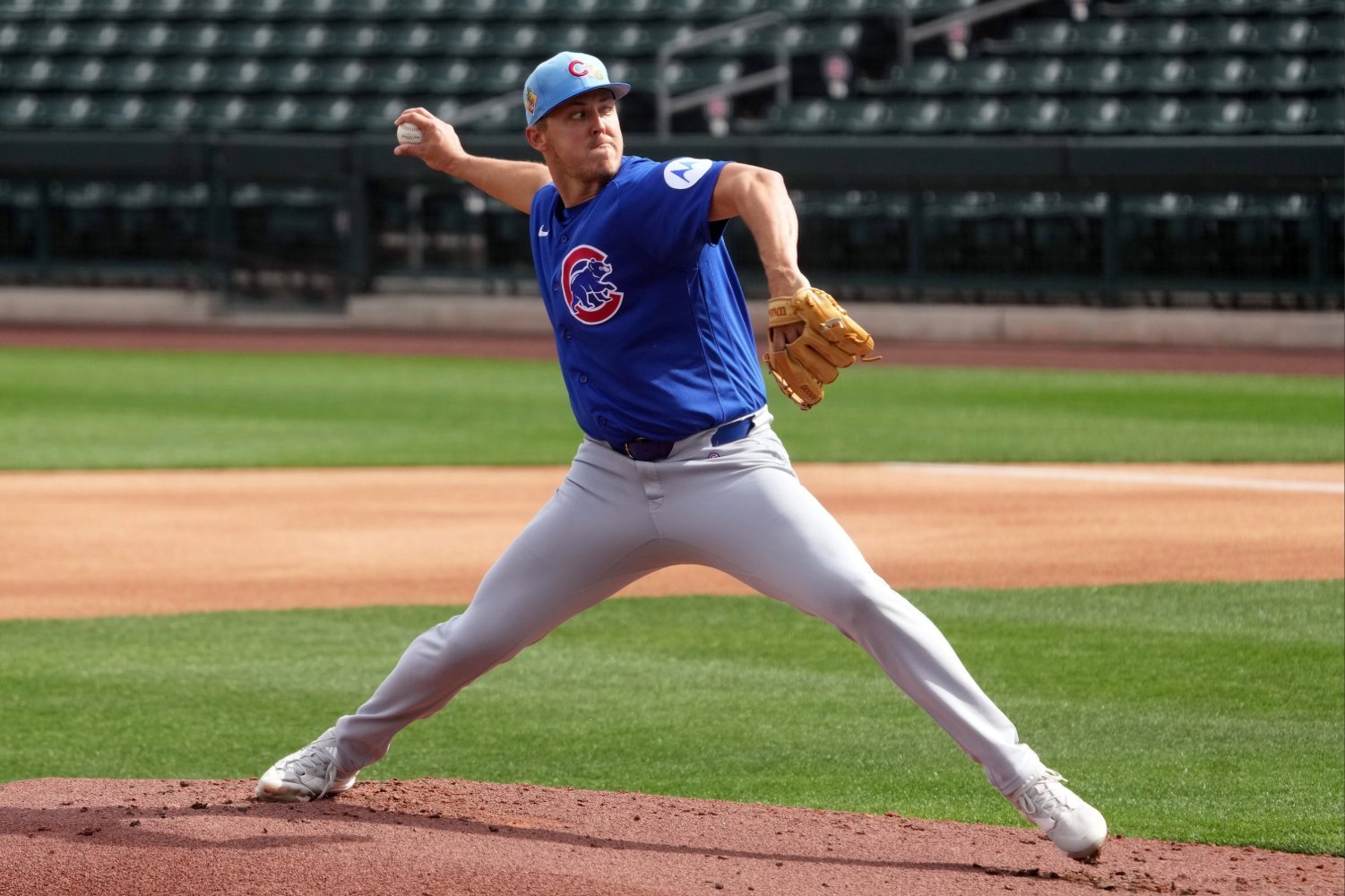 Seeing as the 2026 World Series will mark the 10-year anniversary of that championship, I don't feel it is a stretch to say that most of us would love to skip ahead to March 26 when the 150th version of this squad hosts the Washington Nationals on Opening Day. Lest one of you fine readers be Marty McFly, we are required to wait it out here in the present, but this past week alone, the club gave its faithful a lot to be excited about. Now, while fans of the city's North Side ball club don't need to line up for their Ben Zobrist bobbleheads quite yet, they certainly are recognizing both the work and the tone being set down in Mesa, Arizona. Since the outset of spring training, no one has put in more work than the Cubs' new superstar third baseman Alex Bregman. On three separate occasions recently, the veteran slugger sent cascading long flies into the dry Arizona skies during live batting practice. It was Bregman's signing in mid-January that created the most positive buzz around this club, and he's currently displaying that buzz was for good reason. He's settling in nicely and buying into the team culture as hoped. It's great to have him in the Cubs' pinstripes. This squad's pitching staff is heralded as being one of the most formidable in baseball, and a key piece of that staff, newly-acquired starter Edward Cabrera, gave his new team their first taste of what to expect from the young hurler. Cabrera established a rhythm and chemistry with catchers Carson Kelly and Miguel Amaya, looking to come back strong from an injury that sidelined him in the midst of a promising 2025 season. What this squad accomplishes on the mound this year will directly inform how much success they do, in fact, attain. Off the practice fields, all eyes were on team Chairman Tom Ricketts this past week, as he spoke candidly with the media on expectations for this specific club and the franchise as a whole. It turns out, he also wants to see some success, as Ricketts expressed an explicit desire to win the division, and ultimately, yes, the World Series. His candor wasn't necessarily a heel turn; he wants to win, but he received some praise for saying the quiet part out loud in his comments. Depending on when you've clicked on this article, the Cubbies have already gotten their spring training slate underway against their Crosstown rival, the Chicago White Sox. Toeing the rubber for the North Siders in their spring opener is the underrated Jameson Taillon. The versatile righty is set to get his first meaningful reps of the year against Chicago's Southside team. Taillon went 11-7 with a 3.68 ERA in 2025. Completely letting yourself bask in a good Cubs team can be a big ask, but at this point, the club has provided plenty of convincing evidence as to why it's ok to catch a good vibe, at least for now. View the full article
 -
 Despite projections in the 72-80 win range and a remarkably small payroll, Twins owner Tom Pohlad said he expected the team to be competitive in the AL Central. The lack of splashy free-agent signings or big trades led almost everyone in Twins territory to question this goal. Still, Pohlad expressed remarkable confidence in his team, going so far as to give an impassioned speech to the squad on the first day of spring training. In an unfortunate bit of timing, this was followed by staff ace Pablo López likely going out for the season with an elbow injury. Sources say adding insult to this particular injury was the flaw it exposed in Pohlad’s Top Secret Pennant Plan, or PTSPP, known to only a handful of front office employees. “The main tenet of PTSPP was ‘We’ll Be OK If Nobody Gets Hurt'," said a person with knowledge of the plan. “In fact, it was the only tenet. Lots of white space on the paper.” Pohlad was reportedly very disappointed when they learned the extent of the López injury, which is likely to result in a second Tommy John procedure for the All-Star hurler. “He was definitely upset,” said the source. “He repeatedly asked (new Twins general manager Jeremy) Zoll how often pitchers get hurt like this. Jeremy said quite often. I don’t think Tom liked that answer. “Then Jeremy told him this happens to every other team. It made him feel a little better, even though Jeremy couldn’t tell him when or to whom it would happen.” The source says Pohlad is calling an emergency meeting of team stakeholders to reveal PTSPP 2.0 on Friday. “I’m not at liberty to discuss the details, but I can reveal that there are two to three sentences.” Image license here. View the full article
 -
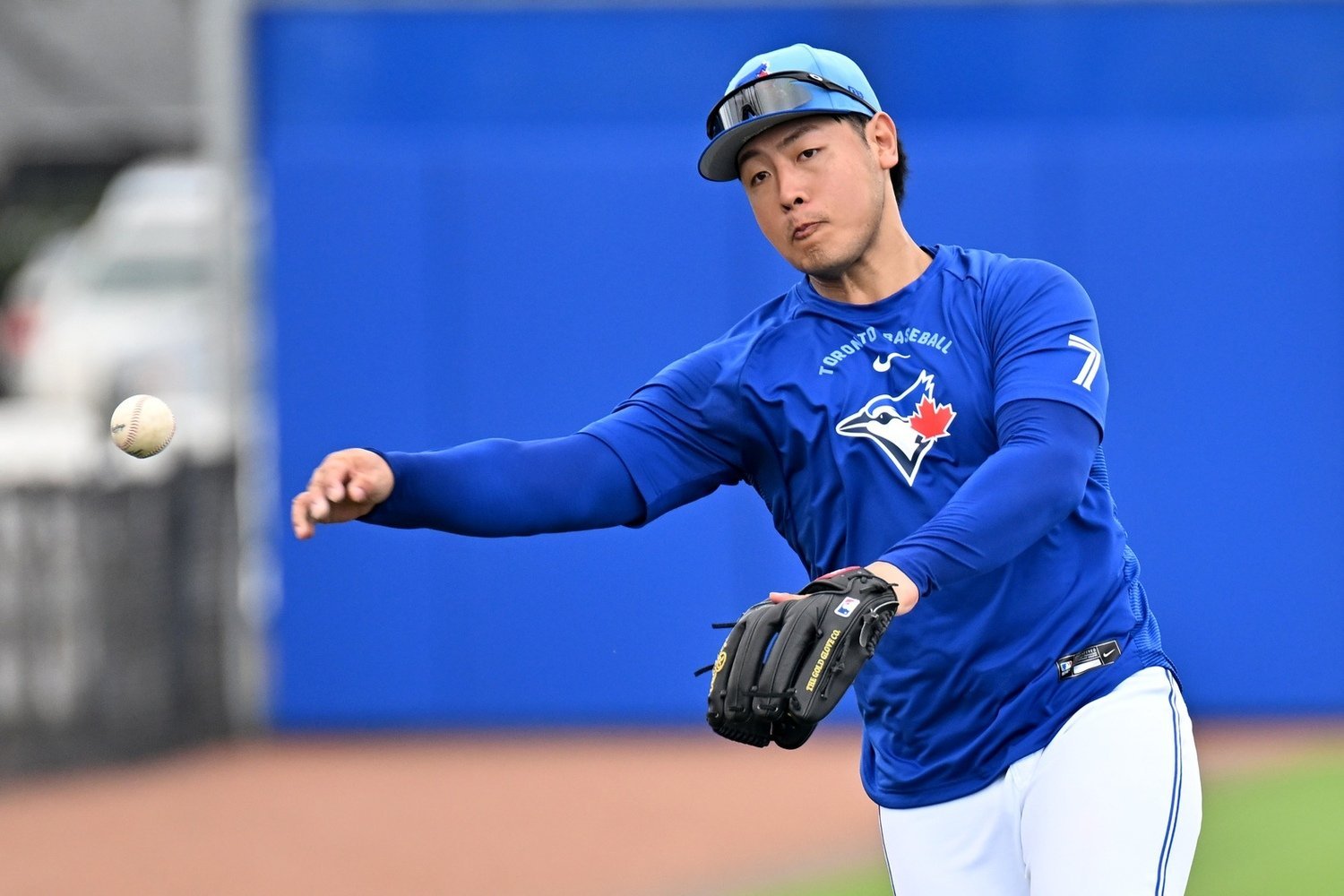 The Toronto Blue Jays' preseason is just around the corner, as players have reported to training camp and begun full workouts during the past week. With the club's official spring training schedule set to start on Saturday, Jays fans should get ready for another year of fun and excitement with their favourite team. So, how can viewers watch the Blue Jays in action this spring? We would like to let you all know that Sportsnet will be on tap for a whopping 23 of Toronto's 29 total preseason games in the coming weeks. The following listing shows which games will be covered by Sportsnet Ontario, with the exception of the March 6 game against the Pittsburgh Pirates, for which Sportsnet ONE will provide the coverage, as well as the March 11 game against the New York Yankees, for which Sportsnet 360 will be responsible. Saturday, Feb 21: vs. Philadelphia, 1 p.m. Sunday, Feb. 22: at Boston, 1 p.m. Monday, Feb. 23: vs. New York Mets, 1 p.m. Tuesday, Feb. 24: vs. New York Yankees 1 p.m. Thursday, Feb. 26: vs. Miami, 1 p.m. Friday, Feb. 27: at Tampa Bay, 1 p.m. Saturday, Feb. 28: vs. Philadelphia, 1 p.m. Sunday, March 1: at Detroit, 1 p.m. Monday, March 2: vs. Boston, 1 p.m. Tuesday, March 3: vs. Team Canada, 1 p.m. Friday, March 6: vs. Pittsburgh, 1 p.m. (Sportsnet ONE) Sunday, March 8: vs. Detroit, 1 p.m. Tuesday, March 10: vs. Atlanta, 1 p.m. Wednesday, March 11: at New York Yankees, 6:30 p.m. (Sportsnet 360) Friday, March 13: vs. Minnesota, 1 p.m. Saturday, March 14: vs. Detroit, 1 p.m. Sunday, March 15: at New York Mets, 1 p.m. Monday, March 16: at Miami, 1 p.m. Wednesday, March 18: vs. Baltimore, 1 p.m. Thursday, March 19: vs. New York Yankees, 1 p.m. Friday, March 20: at Minnesota, 1 p.m. Saturday, March 21: Spring Breakout at Philadelphia, 1 p.m. Sunday, March 22: vs. Tampa Bay, 1 p.m. In terms of the six games that won’t be televised, they include the following: Wednesday, February 25: at Detroit, 1 p.m. Saturday, February 28: split-squad game at New York Yankees, 1 p.m. Thursday, March 5: at Atlanta, 1 p.m. Saturday, March 7: at Philadelphia, 1 p.m. Sunday, March 8: split-squad game at Baltimore, 1 p.m. Thursday, March 12: at Philadelphia, 1 p.m. In addition to watching on TV, listeners can tune in to the Sportsnet Radio Network, the Sportsnet app or live audio on Sportsnet.ca to pick up live action of the Jays on air. Blue Jays fans will get their first chance to see the team's most exciting new additions – Dylan Cease, Cody Ponce, Tyler Rogers, Chase Lee, Kazuma Okamoto and Jesús Sánchez – in action. Of course, Toronto also has the bulk of its contending roster returning for another shot at a World Series title this coming season. So, let’s go Blue Jays, let’s play ball! View the full article
 -
 Jack and Spencer break down the Luis Rengifo signing, Pat Murphy's new contract, and other developments from the first week of spring training. Apple Podcasts: https://podcasts.apple.com/us/podcast/the-brewer-fanatic-podcast/id1740648724 Spotify: https://open.spotify.com/show/5CY8mWsQayqjDXqw9OT2Td iHeartRadio: https://www.iheart.com/podcast/263-the-brewer-fanatic-podcast-166534588/ Pocket Casts: https://pca.st/ommzz627 Watch On YouTube: https://www.youtube.com/@brewerfanatic View the full article
 -
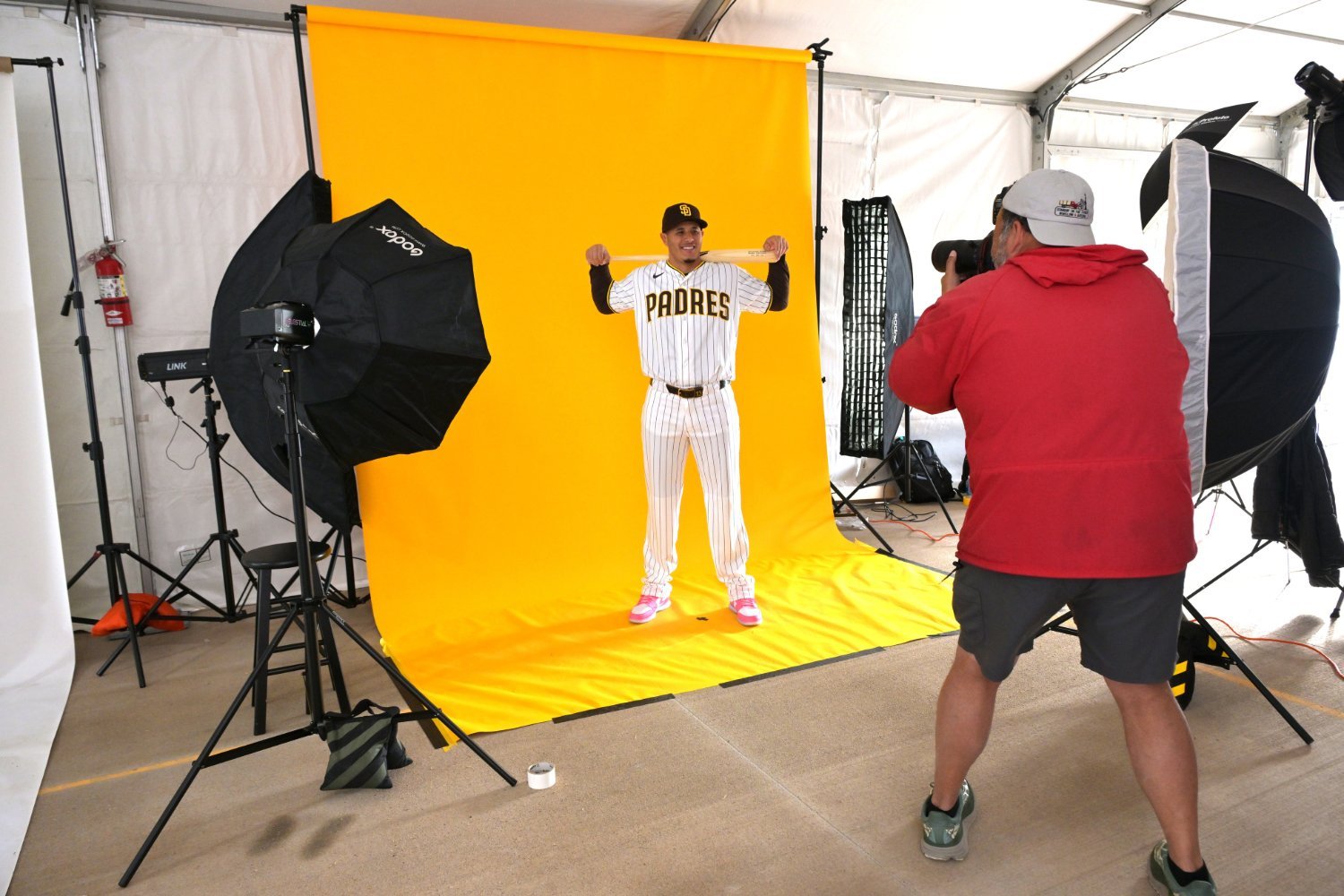 So much for the creative wheeler-dealer reputation A.J. Preller has built up. While Preller, the team's president of baseball operations, has acknowledged that he made preemptive moves at the 2025 trade deadline to fill anticipated holes on the 2026 roster, the Friars entered spring training in Peoria, Ariz., with a handful of areas still needing to be bolstered. (Cough, starting pitching, cough.) But that conversation is for another day. What it is time to do now is go over the moves Preller made before pitchers and catchers reported to camp. And these are only involving the MLB roster, not minor-league contracts with spring training invites, such as the deal given to left-hander Marco Gonzales, a candidate for the rotation. As a telling example, the Padres did not execute a trade, not even a minor one. Also, the fact that there are only five signings here could be a sign that Preller's hands have been tied due to the Friars' financial situation and the fact that they are currently up for sale. This also does not include the three deals made after pitchers and catchers reported to bring on first baseman-outfielder Nick Castellanos and right-handed starters Griffin Canning and German Marquez, nor does it include mention of the minor-league pacts Walker Buehler and Ty France inked. Grading Every Major Padres Move This Offseason Free-Agent Signing: RHP Michael King to 3-year, $75 million contract It took until mid-December for the Padres to make their first real move — and it involved a familiar face. After declining the $22.025 million qualifying offer, King returned to the place he spent the last two seasons as a key member of the starting rotation. The right-hander coming back was huge as the Padres were not only facing his loss, but the loss of right-handed starter Dylan Cease, another free agent who joined the Toronto Blue Jays. King had a combined 3.65 FIP (3.10 ERA) and an ERA+ of 134 (100 is an MLB-average pitcher) over those two seasons after being acquired in the Juan Soto trade. One of the reasons why King may have chosen to come back was he only made starts last year, first due to a nerve issue in his right shoulder, then inflammation in his left knee. He will likely slot in behind right-hander Nick Pivetta and ahead of right-hander Joe Musgrove in a strong top three in the rotation. The contract was a definite win for King, who gets paid $17 million in 2026, $28 million in 2027 and $30 million in 2028. King does have opt-outs after each of the first two years should he perform well enough to hit the free-agent market again, but also protecting himself if he gets hurt. The Padres are facing an even bigger rotation crisis next year if King and Pivetta opt out. Grade: A- Free-Agent Signing: INF Sung Mun Song to 4-year, $15 million contract Song is the most intriguing move of the offseason and could turn out to be a huge bargain. Coming over from the Korean Baseball Organization, Song has traditionally been a third baseman who has also spent time at second base and first base. But third base is superstar Manny Machado's position, so Song will see a majority of his time at the keystone, while filling in at third and occasionally at first. This spring, Song will learn to play the outfield, a place he never played in the KBO. He made himself an attractive candidate for MLB teams with his performance over the last two seasons. The 29-year-old had his best season in 2024, posting a .340/.409/.518 slash line with 19 homers and 104 RBIs. He also stole 46 steals in 48 attempts in that time. That brought his career line up to .283/.347/.431. The real value comes in the contract. If Song is just an average utility player, $2.8 million in 2026, $3.3 million in 2027 and $3.8 million in 2028 is really cheap by MLB standards. He has an opt-out after 2028, with $3.8 million scheduled for 2029. If there is a question, it is whether Song's last two seasons were the real deal, or whether he's actually something closer to what he did in his first seven seasons in the KBO. If he hits and defends well enough to become a starter at second base, this move will be a home run. Grade: B+ Free-Agent Signing: INF/OF Miguel Andujar to 1-year, $4 million contract Needing a right-handed bench bat, Andujar was a good addition for that price. Technically, Andujar makes $1.5 million in 2026 with a $2.5 million buyout for a mutual option for 2027. He split time pretty evenly at third base and left field last year, while seeing action in three games at first base between the A's and the Cincinnati Reds following a trade. He also played 28 of his 94 games at designated hitter. Andujar hits left-handed pitchers very well, with a .297/.332/.475 career slash line, compared with .275/.307/.427 vs. right-handers. Andujar is long past his peak power-hitting days, when he smacked 27 homers in 2018 for the New York Yankees en route to finishing second in AL Rookie of the Year voting to some guy named Shohei Ohtani. That is thanks to a number of injuries zapping his power. He did hit 10 homers in those 94 games last year, a season in which he had the most games, plate appearances and homers since that rookie campaign. He should be in the mix for at-bats at first base and left field, with some third base a possibility. He could also be a DH, particularly against southpaws given the number of lefty bats the Friars have. As long as he can stay healthy, this is a nice move to solidify the bench. Grade: B Free-Agent Signing: RHP Ty Adcock to 1-year, $850,000 contract Considering the MLB minimum salary in 2026 is $780,000, the 29-year-old is a low-risk addition and a safety net in case injuries decimate the bullpen. The right-handed reliever has 18 games of MLB experience, 12 coming in in 2023 with the Seattle Mariners and three in each of 2024 and 2025 with the New York Mets. In that brief MLB time, Adcock has a 7.18 FIP and a 5.48 ERA, which indicates he could have had a little luck on his side. He had a 14.3% walk rate and 35.7% strikeout rate, suggestive of someone with elite stuff who has yet to learn how to harness it. In four years in the minors, he has a career 4.40 ERA, including a 4.66 mark in 2025 at Triple-A. Grade: C Free-Agent Signing: RHP Daison Acosta to 1-year, $780,000 contract Similar to Adcock from a financial commitment perspective, Acosta has yet to make his MLB debut and has just 23 games at Triple-A over the last two seasons. The 27-year-old has spent eight of the last 10 years in the minors, with the 2020 minor-league season being wiped out by the pandemic and a lost 2021 campaign due to injury. Acosta allows 4.6 walks per nine innings and strikes out 10.1 batters in that same sample. The Friars had to see something in Acosta to give him a major-league contract and a spot on the 40-man roster, but he will be ticketed for Triple-A El Paso as bullpen insurance. Grade: C- Verdict If you were trying to come up with a book title for what Preller was able to do this offseason, it would be "Unfinished Business." Thus, what he accomplished between the final out of the NL Wild Card Series loss to the Chicago Cubs to the day pitchers and catchers reported is underwhelming. No starting pitchers and no starting position players were added. Even the bench feels like it needs another body. That isn't to say the moves that were made were bad ones. None is bad on face value. But as the leader of the front office of a contending team playing in a stadium that is filled to the brim by passionate fans on a nightly basis, Preller's job is to give the team every chance to win the NL West and contend for a World Series. He fell short of that goal this winter. Final grade: F Note: The three additions made over the weekend in Castellanos, Griffin and Marquez (plus France and Buehler) were smart and necessary signings. Since they came after pitchers and catchers reported to camp, they don't get factored into our grade here, but each of those fives players could have a significant impact on the team in 2026. If you believe that's the case, you can adjust the grade accordingly. View the full article
 -
Is Marek Houston the Twins’ Shortstop of the Future?
DiamondCentric posted an article in Twins Daily
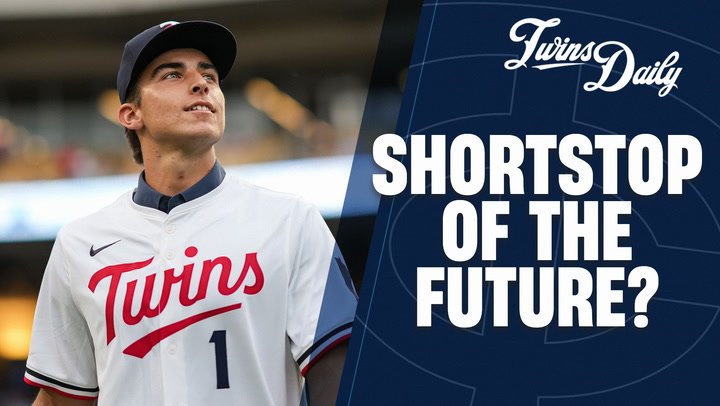 Marek Houston might not be the biggest name in the Twins’ farm system right now, but that could change quickly. In this video, we break down what he does well, why his skill set matters at shortstop, and how realistic his path to Minnesota actually is. View the full article
