


DiamondCentric
-
Posts
2,631 -
Joined
-
Last visited
Never
Content Type
Profiles
Forums
Events
MLB News, Rumors & Analysis
DiamondCentric Tutorials & Help
Major League Baseball Videos
MLB Fan Guides & Resources
Store
Downloads
Gallery
Everything posted by DiamondCentric
-

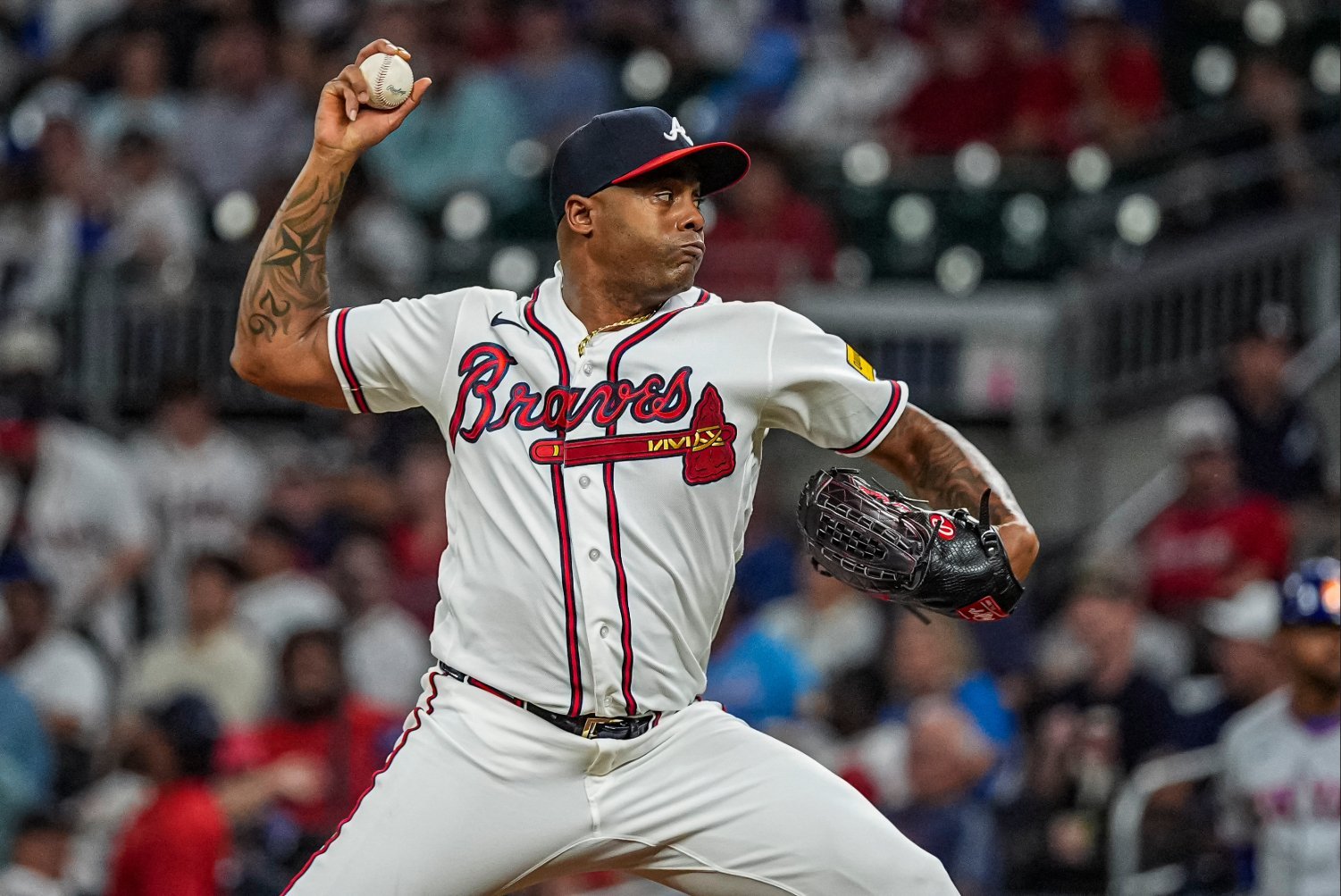 When it comes to consistency, Raisel Iglesias has been one of the best closers of his generation. He is not a reliever who impresses with powerful raw stuff—since 2021, he has not ranked above the 73rd percentile in fastball velocity—but he has a lethal combination of changeup, sinker, and slider that has allowed him to remain among the elite at generating swings and misses and strikeouts. Iglesias’ changeup ranked in the 80th percentile in the league in 2026 in run value, recovering from a drop to 29th place in 2025. This shows that, when his command remains consistent and his best weapon is in play, he can still be a reliable closer. In fact, no pitcher has recorded more saves than him since 2023, accumulating 130 in 146 opportunities (89.0%), a percentage that has only been surpassed by Josh Hader (92.4%) and Jhoan Duran (89.1%). Iglesias has accumulated at least 30 saves in six of his ten MLB seasons since becoming a closer with the Cincinnati Reds in 2017, including two of the last three in 2024 and 2026 as the closer for the Atlanta Braves. Part of that stability is precisely what the New York Mets bullpen needed in 2026. Although it was not as disastrous as in 2025, when they finished with the lowest save percentage of this decade (59.7%), the Mets clearly need some help in the late innings of games. Another key point that we cannot overlook is that New York recorded just 49 save opportunities throughout the 2026 season, the lowest mark for a full season since the 51 in 2002, when this statistic began being recorded in the official MLB databases. This can be interpreted in several ways, since there will not be many save opportunities if the collective does not function and, especially, the offense is not capable of providing enough leads. If you can't score and you can't prevent the opponent from scoring runs, it is very difficult for you to generate more save opportunities—which is exactly why the Mets need to make the most of the ones they get. These trends further reinforce the need for the Mets to be aggressive in free agency to try to solve their bullpen problems, which lost several impact arms when Luke Weaver, Huascar Brazoban, Brooks Raley, and A.J. Minter were traded at the deadline. Added to that loss is the inconsistency of Devin Williams, who has been another major disappointment, as he has not been able to return to the level he previously displayed with the Milwaukee Brewers. Although Williams was placed on the injured list on August 10 after suffering a right shoulder strain, which opened an opportunity for Kodai Senga as a closer, his season-ending stretch once again raised many doubts. He finished with a 5.11 ERA and four saves in six opportunities during his final 13 appearances of the season. So, for the Mets, Iglesias’ proven consistency could provide a boost to bring stability back to the bullpen. MLB Trade Rumors has his value pegged at $17 million over one year, which is the going rate for a high-quality closer. Paying him and Williams a combined $34 million next year is an unsavory concept, but as far as high-leverage relievers go, Iglesias is probably going to be the most affordable of the bunch. View the full article
-
Wish Lists Aplenty as the Offseason Rushes Towards the Unknown
DiamondCentric posted an article in Jays Centre
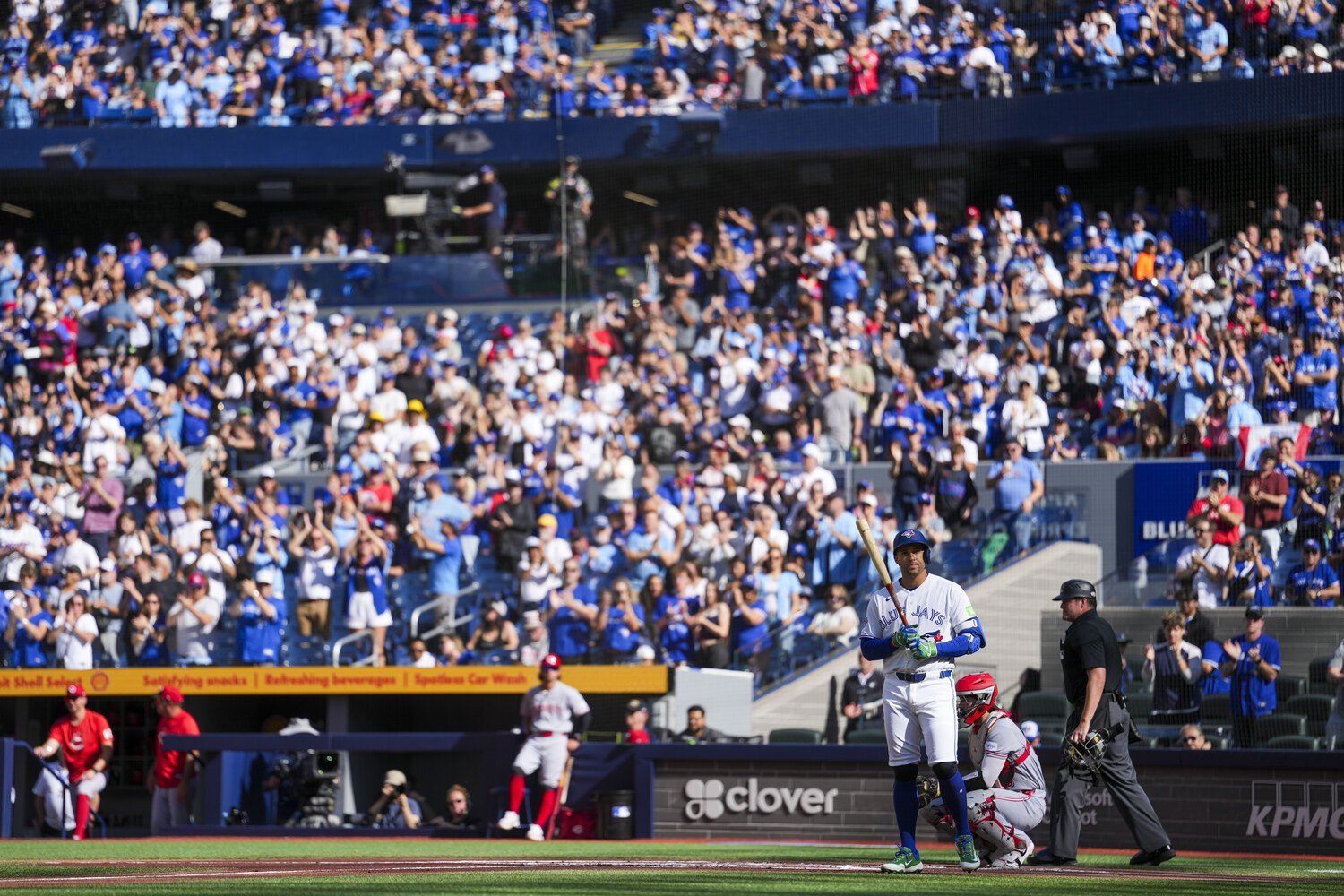 It isn't quite an empty slate to work with, but the Jays front office has plenty to consider this offseason. The club enters the winter with one of the American League's best defensive foundations, but another season of inconsistent offence means Ross Atkins and company still have several important holes to fill. Run prevention was never the issue last season. Their pitchers generated enough quality starts to remain competitive on most nights, and their defence consistently turned difficult balls into outs. The problem was that too often they needed to be nearly perfect to win games. Fresh off some expected roster moves, including opting out of the Myles Straw contract and activating a slew of players from the 60-day injured list, the front office is working the phones to fill some voids before an expected labour stoppage puts major transactions on hold. Shoring up the starting rotation, adding an infielder, adding an outfielder and deciding what to do at DH. It isn't a small list and, given the uncertainty surrounding a work stoppage, there may be some hesitation in aggressively assembling the 2027 roster right away. There has already been plenty of talk surrounding a reunion with Kevin Gausman. It would make sense if he's willing to accept a shorter-term deal, perhaps bolstered by performance bonuses. Something similar to the option Shane Bieber picked up last offseason, but with incentives resembling those Max Scherzer negotiated into his contract. During the 2026 season, Gausman threw 177.2 innings and struck out 184 batters while posting a 3.74 FIP, numbers that suggest he remains more effective than his traditional ERA might indicate. Gausman remains an effective workhorse who can comfortably slot into the middle of the rotation and ease some of the pressure on Trey Yesavage and the club's younger arms. Unlike many of last year's starters, he managed to avoid injury. He remains capable of dominant stretches, but would benefit from a little more offensive support. The talk of Tarik Skubal feels more like a pipe dream. The team's multi-year commitment to Dylan Cease all but removes the possibility of adding another marquee starter, barring a major move during a late-season playoff push. Even if the Jays add another starter, the larger challenge remains scoring runs. Regardless of who makes up the rotation, offensive production needs to improve. Some new blood in the infield and outfield will need to step up. A full season of Brett Bateman will be fun to watch, and the return of Addison Barger might help ignite the offence, but the infield still needs a sure-handed defender who can also contribute consistently at the plate. Kazuma Okamoto was really the only bright spot in the infield last season. Much of the criticism among fans was aimed at Vladimir Guerrero Jr., but Andrés Giménez continued to underperform offensively while Ernie Clement's bat went quiet during the second half. Josh Smith will most likely be given some opportunities after showing signs of a lively bat following his arrival from Texas. Luis Urías and Lenyn Sosa are both free agents, while Davis Schneider continued to slide down manager John Schneider's list of trusted hitters. Can Sean Keys or Charles McAdoo bring their minor league success to the major league level? Keep in mind the Jays won the American League Team Gold Glove Award for the best overall defence in the league in 2026, their third such honour in four seasons. Whoever gets added to the roster not only needs to improve the offence but also needs to fit the club's defensive identity. That balancing act may ultimately define this offseason more than any single player acquisition. Throughout the 2026 season, the Jays found themselves near the bottom of the league in several key offensive categories. Strong pitching performances were often wasted because the lineup simply couldn't generate enough support. Only eight players on the roster finished the season with a wRC+ at or above league average (100). The statistic is designed to measure a player's total value at the plate. That group included Luis Urías (122), Jonatan Clase (153), Kazuma Okamoto (133), Alejandro Kirk (114), Nathan Lukes (102), Brett Bateman (138) and George Springer (105). Jesús Sánchez posted a 105 wRC+ before his departure. Giménez smoothly transitioned to shortstop, but his offensive production remains inconsistent. The team needs more than a .244 batting average, .291 on-base percentage and .359 slugging percentage from an everyday player. According to Baseball Savant, he ranked near the bottom of MLB in average exit velocity, hard-hit percentage and several expected offensive metrics. The Jays took a risk when they acquired him and took on his sizable contract, and the move has only partially paid off so far. Giménez doesn't need to hit like Elly De La Cruz or Mookie Betts, but lifting his slugging percentage closer to .400 would go a long way toward making him a more impactful player. His contributions, along with Clement's, are vital, especially if Guerrero continues to fall short of the MVP-calibre standards he established earlier in his career. Delving into Diamondcentric's top 35 trade candidates, there are a few intriguing options for the Jays. If the front office can work out a deal for a player such as CJ Abrams, Jeremy Peña or Zach Neto, it could take some of the pressure off Giménez, Clement and potentially Guerrero as well. Those names feel considerably more realistic than a blockbuster pursuit of Gunnar Henderson, though the Orioles have shown they aren't entirely opposed to trading within the division. Meanwhile, a healthy Barger has the potential to become a difference-maker. The Blue Jays have long believed in his power potential and positional flexibility. If he can stay on the field for 140-plus games, he could effectively function as an external acquisition without Toronto spending a dollar in free agency. The same can be said for Bateman, who will hope to play his first full season in 2027. The Blue Jays would love to add a power bat. They already paid for one when they signed Anthony Santander. His injury-plagued tenure, combined with his recent activity on social media, might spell the end of his time in Toronto. Teams rarely eat contracts of that size, and there has been no public declaration either way from the organization, so perhaps the club will give him one more opportunity. An outfielder, who could serve as DH as well, with some pop would certainly be welcome next season. DiamondCentric lists Oneil Cruz and Garrett Mitchell as potential trade candidates. Their salaries would be easier to absorb than a reunion with Teoscar Hernández. Steven Kwan has also been rumoured as a possible fit. He doesn't provide much power, but he aligns well with the Jays' contact-first philosophy. The Blue Jays are closer to contention than many frustrated fans might realize. Their defence remains intact heading into next season. Their pitching foundation, both in the rotation and bullpen, is strong. Several young players also possess legitimate breakout potential. The challenge for the front office isn't rebuilding the roster. It's finding enough offence to support an already strong pitching staff and elite defence. If they can accomplish that, the Blue Jays may be much closer to contention than many people think. View the full article
-
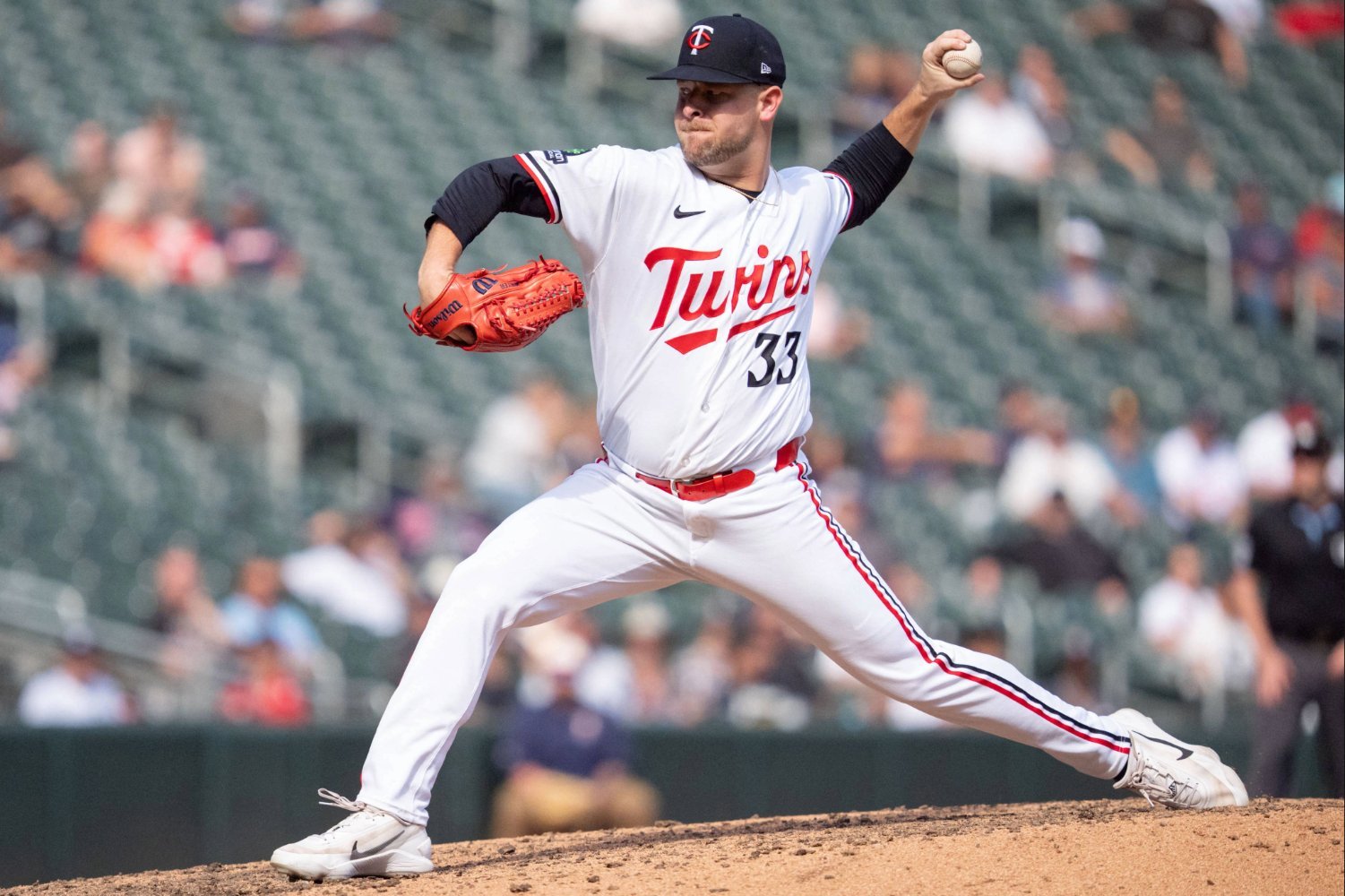 Now that the Boston Red Sox have the opportunity to strengthen their bullpen via free agency, acquiring left-hander Steven Okert would be one of my favorite moves this winter. That would further improve the bullpen’s left-handed profile alongside Erik Miller and Aroldis Chapman as its main pieces. Over the last two seasons, Okert recorded the fourth-highest fWAR (2.7) among left-handed relievers, surpassed only by Adrian Morejón (5.1), undoubtedly the top reliever available in free agency, Chapman (4.2) and Josh Hader (3.0). Recently, my colleague Nick John offered a look at how Okert would fit into the Red Sox bullpen, so I have been thinking about a second-hand alternative if the team cannot acquire him. In that hypothetical context, I think 32-year-old A.J. Minter would be an interesting option as a solid middle reliever, without standing out among the most expensive relievers on the free-agent market. Minter began the 2026 season with the New York Mets and then moved on to reinforce the Twins’ bullpen at the trade deadline, completing 48 relief appearances, his highest workload since making 70 relief appearances for the Atlanta Braves in 2023. Between 2024 and 2025, he missed a large part of both seasons due to injuries to his left hip, which required surgery in 2024, and his left latissimus dorsi muscle, a tear of which ended his 2025 season. So, his return this year was still limited by his recovery, but Minter managed to make adjustments and showed improvements, especially in his control, reducing his walk rate from 11.4% (2025) to 4.3% (2026). His streaks, sometimes prolonged, of losing command have followed him throughout his career, but in his most recent qualified seasons, between 2021 and 2023, he continued to demonstrate his ability to strike out batters, generate whiffs and avoid hard contact, finishing in at least the 89th, 96th and 85th percentiles in consecutive years. This season, Minter finished with the highest xFIP (4.08) of his career in seasons in which he has pitched at least 40 innings. The most concerning point in that regard is that his strikeouts have declined slightly: his whiff rate dropped from his historical average of 30.7% to 23.4%, while his home run-to-fly ball rate jumped to 13.6%, well above his historical mark of 8.7%. Despite Minter increasing his fastball’s average velocity from 92.9 to 94.0 mph when he moved to Minnesota, the home run rate also rose from 11.4% with the Mets to 16.1%. Of course, when inning samples are so short, any bad stretch can distort the results, and Minter was no exception. The southpaw began the season without allowing home runs to the first 50 batters he faced, an impressive stretch in which he also did not allow any runs in his first 14 innings with the Mets. Of the nine home runs he allowed all season, five came in a span of 12 relief appearances between July 3 and August 5, precisely when the trade deadline was approaching. In those 12 games, the Mets finished with a 2-10 record, while he recorded a 5.56 ERA and a puzzling 7.60 FIP in his matchups against 52 opponents. Fortunately for him, most of the home runs he allowed were solo shots and, after getting past that slump, he managed to stabilize a little more. Although he allowed another four home runs the rest of the way, he finished with a 1-0 record in his last 21 relief appearances, with one save in three opportunities, nine holds and a 2.70 ERA. The overall results were not bad, since in 37 of his 48 relief appearances Minter did not allow any runs and in 20 of them he held his opponents hitless. His 2.38 ERA was the the fourth-lowest among left-handed relievers with at least 50 innings pitched since 2025, and he prevented 73% of inherited runners from scoring in the 15 situations he faced. Therefore, there are still reasons that make me think he can be useful in a bullpen like the Red Sox’s, where he would not be the centerpiece or the pitcher expected to handle a high volume of work, but would instead be tasked with shutting down left-handed batters in key moments. View the full article
-
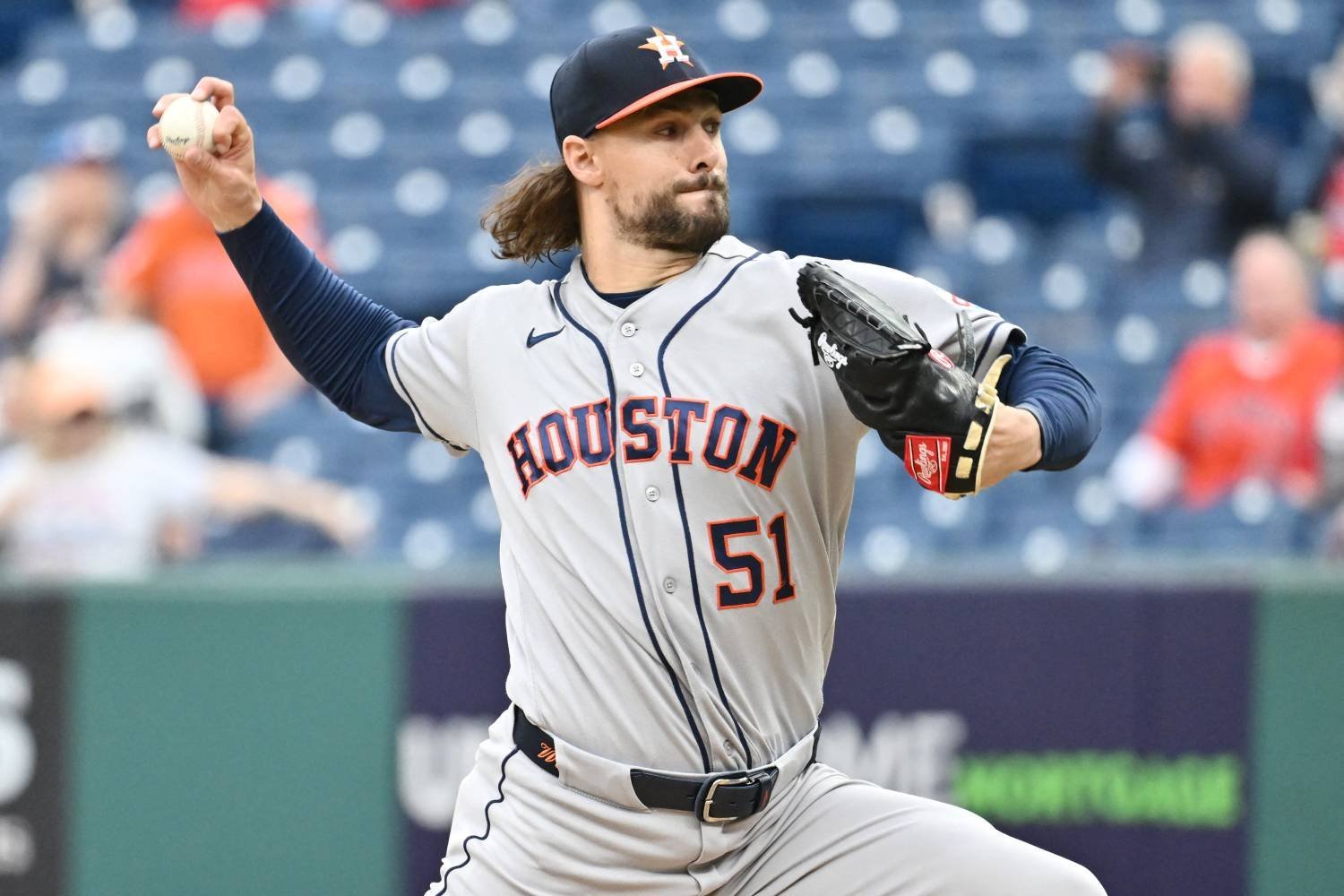 The San Diego Padres have their first addition of the offseason. Right-hander Ryan Weiss, who flopped in his first season back in the U.S. following a stint in the Korea Baseball Organization, has signed to a one-year contract with the Padres, who announced the deal. Financial terms were not available. The deal includes a club option for 2028. Whether he is a starter or reliever is yet to be determined. Weiss, who turns 30 next month, signed with the Houston Astros last offseason for one year and $2.6 million after 1½ seasons in the KBO with Hanwa. But his time with the Astros, while it began with high expectations, did not go well. Weiss made his MLB debut this year, pitching in nine games, including two starts. He posted a 7.10 FIP (7.62 ERA) with a 15.3% walk rate and 22.9% strikeout rate over 22 innings. He also allowed eight homers. Weiss was sent to Triple-A on May 5 to see if he could iron out his early issues, but then was designated for assignment on June 12. He remained in the organization after going unclaimed, likely due to the money on his contract combined with his performance. He wound up making 22 appearances, including 13 starts, at Triple-A, but had a 5.42 ERA with an 11% walk rate and 20.7% strikeout rate. The Padres are banking on having identified what Weiss was doing wrong and are confident they can make improvements for him to make the Opening Day roster either as a starter or reliever. He will likely be stretched out in spring training as a starter. Weiss had lasted pitched in affiliated ball in 2023 at Triple-A with the Kansas City Royals. View the full article
-
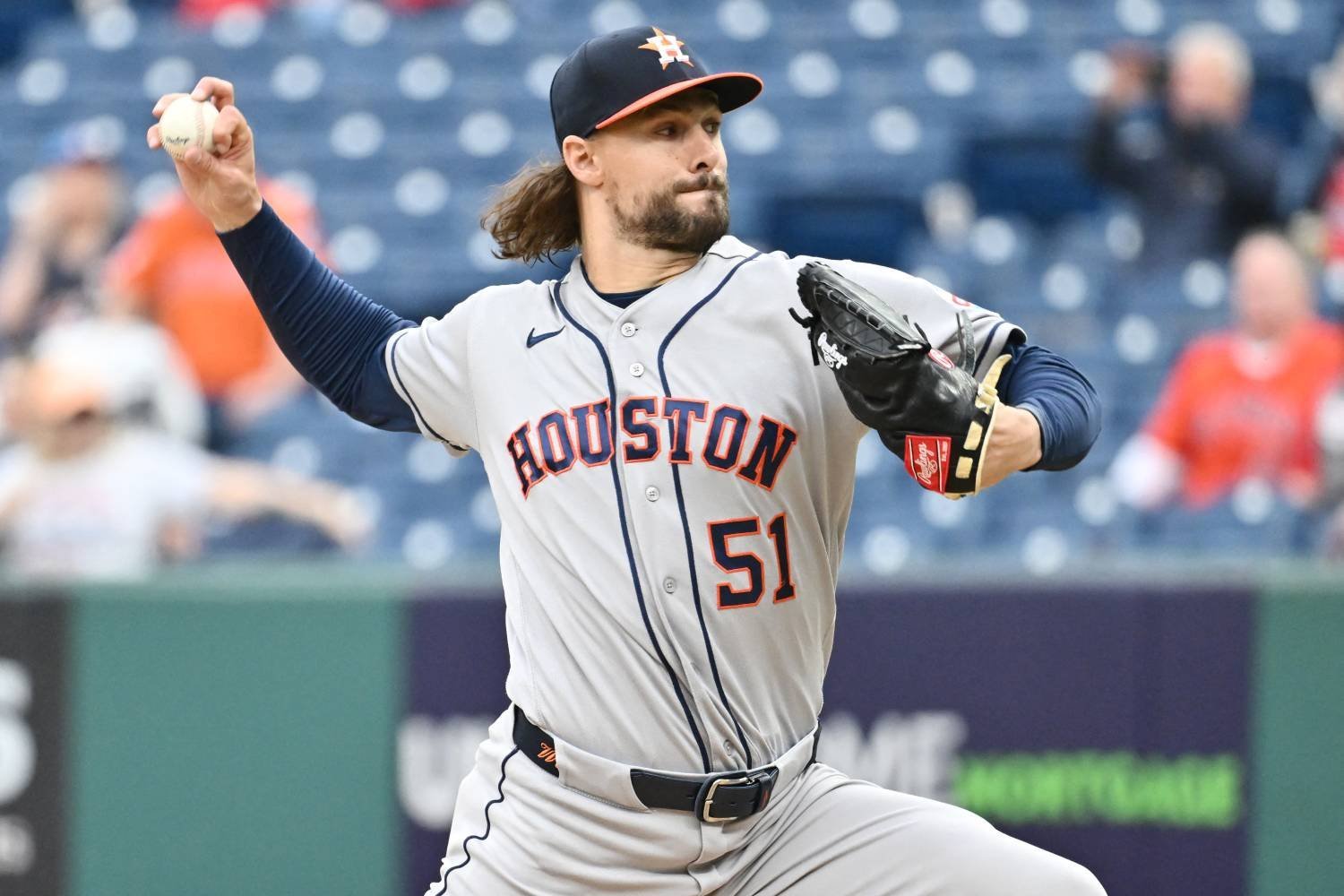 The San Diego Padres have their first addition of the offseason. Right-hander Ryan Weiss, who flopped in his first season back in the U.S. following a stint in the Korea Baseball Organization, has signed to a one-year contract with the Padres, who announced the deal. Financial terms were not available. The deal includes a club option for 2028. Whether he is a starter or reliever is yet to be determined. Weiss, who turns 30 next month, signed with the Houston Astros last offseason for one year and $2.6 million after 1½ seasons in the KBO with Hanwa. But his time with the Astros, while it began with high expectations, did not go well. Weiss made his MLB debut this year, pitching in nine games, including two starts. He posted a 7.10 FIP (7.62 ERA) with a 15.3% walk rate and 22.9% strikeout rate over 22 innings. He also allowed eight homers. Weiss was sent to Triple-A on May 5 to see if he could iron out his early issues, but then was designated for assignment on June 12. He remained in the organization after going unclaimed, likely due to the money on his contract combined with his performance. He wound up making 22 appearances, including 13 starts, at Triple-A, but had a 5.42 ERA with an 11% walk rate and 20.7% strikeout rate. The Padres are banking on having identified what Weiss was doing wrong and are confident they can make improvements for him to make the Opening Day roster either as a starter or reliever. He will likely be stretched out in spring training as a starter. Weiss had lasted pitched in affiliated ball in 2023 at Triple-A with the Kansas City Royals. View the full article
-
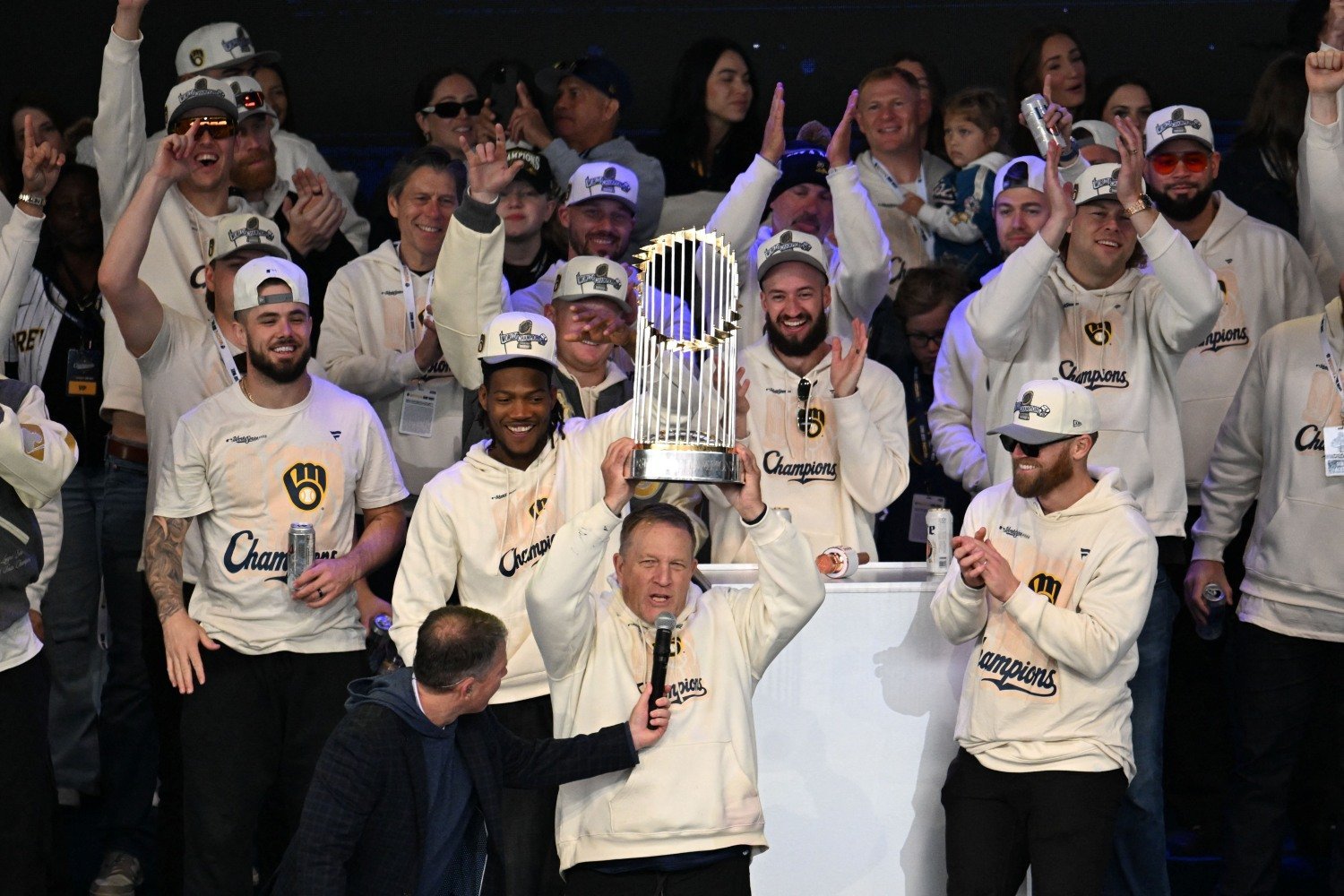 Brewers manager Pat Murphy won his third straight National League Manager of the Year Award, Major League Baseball announced on Tuesday night. Murphy's three seasons in Milwaukee are the only full campaigns he's spent at the top step of a big-league dugout, but already, he's made history. In October, he guided the team to its first-ever World Series triumph. Now, he's the first skipper ever to win this award three times in a row. Traditionally, the balloting for Manager of the Year responds to expectations, so once a team is established as a favorite, the person running that club becomes less likely to win. Even winning twice in a row has been vanishingly rare. Yet, this outcome is unsurprising. In a shockingly short time, Murphy has built a case not only as the best manager in baseball right now—there's very little doubt that he's that, by now—but as one of the best managers in recent memory, and perhaps a future Hall of Famer. After not getting a major-league managerial gig until his mid-60s, he's checked all the major boxes on a Cooperstown résumé, save the longevity. It will be very hard for him to check that final box, of course, but he might be able to sneak into the Hall without doing so. That's the degree of dominance he's shown in his short time in charge of baseball's Little Engine That Could. Beyond outperforming expectations, two major factors guide voters for this award in most years: Clear instances of overcoming adversity; and Personality Murphy excels in both aspects, which is how he's done the previously impossible. The Brewers' expectations remained modest even coming off a trip to the NLCS and a third straight NL Central title in 2025, largely because they traded ace starter Freddy Peralta over the winter and were running a lower-than-average payroll (as always). Murphy then had to navigate a last-second trade of Caleb Durbin (one of his personal favorites) on the eve of spring training and the loss of Quinn Priester for the whole season before it even began. Not long into the campaign, it was clear he'd also be without prized offseason bullpen addition Angel Zerpa (Tommy John surgery) and the very expensive Brandon Woodruff (repeated losses of velocity amid a recurrence of his major shoulder trouble, after he accepted a qualifying offer and a $22-million salary over the winter) most of the time. Early hand injuries to Jackson Chourio and Andrew Vaughn forced Murphy to mix and match with his lineup for the first six weeks of the season. Disappointing first halves for Sal Frelick and Joey Ortiz prompted the team to call up rookies Cooper Pratt and Luis Lara, but Murphy had to keep both of hsi slightly more veteran players engaged as he integrated the fresh blood. For most of the season, he had only two truly reliable starting pitchers. One was Jacob Misiorowski. The other was Kyle Harrison in the first half, but Logan Henderson in the second. Otherwise, again, he was left doing ample mixing and matching. Meanwhile, in addition to being a media darling famous both for his lengthy discussions of the finer points of the game and for his barbs directed at various reporters, Murphy proved a deft manager of the often-volatile personalities within a big-league clubhouse. His approach doesn't work for everyone, but he's shown more flexibility and a greater ability to extract the best from players than many expected when he got the job. After his first year on the job, the team lost Willy Adames and Devin Williams. After his second, they lost Peralta, Durbin and Isaac Collins. They've had to rewire and restructure the team each year, and the fact that they've remained so consistently excellent over that span is evidence that Murphy plays a greater role in their success than most managers do in that of their own clubs. It was enough to convince the voters, who gave him the edge over NL East skippers Don Mattingly and Walt Weiss. View the full article
-
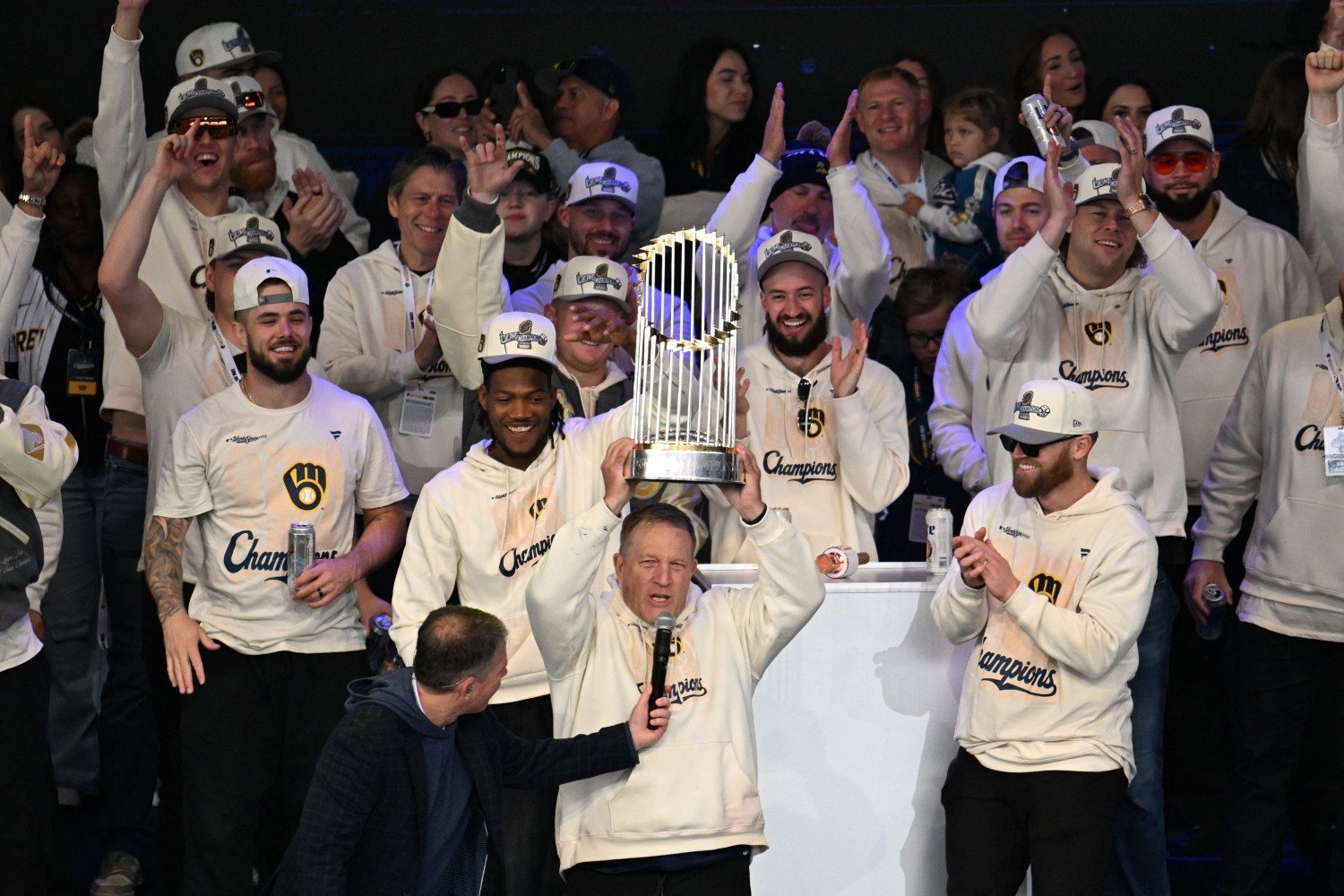 Brewers manager Pat Murphy won his third straight National League Manager of the Year Award, Major League Baseball announced on Tuesday night. Murphy's three seasons in Milwaukee are the only full campaigns he's spent at the top step of a big-league dugout, but already, he's made history. In October, he guided the team to its first-ever World Series triumph. Now, he's the first skipper ever to win this award three times in a row. Traditionally, the balloting for Manager of the Year responds to expectations, so once a team is established as a favorite, the person running that club becomes less likely to win. Even winning twice in a row has been vanishingly rare. Yet, this outcome is unsurprising. In a shockingly short time, Murphy has built a case not only as the best manager in baseball right now—there's very little doubt that he's that, by now—but as one of the best managers in recent memory, and perhaps a future Hall of Famer. After not getting a major-league managerial gig until his mid-60s, he's checked all the major boxes on a Cooperstown résumé, save the longevity. It will be very hard for him to check that final box, of course, but he might be able to sneak into the Hall without doing so. That's the degree of dominance he's shown in his short time in charge of baseball's Little Engine That Could. Beyond outperforming expectations, two major factors guide voters for this award in most years: Clear instances of overcoming adversity; and Personality Murphy excels in both aspects, which is how he's done the previously impossible. The Brewers' expectations remained modest even coming off a trip to the NLCS and a third straight NL Central title in 2025, largely because they traded ace starter Freddy Peralta over the winter and were running a lower-than-average payroll (as always). Murphy then had to navigate a last-second trade of Caleb Durbin (one of his personal favorites) on the eve of spring training and the loss of Quinn Priester for the whole season before it even began. Not long into the campaign, it was clear he'd also be without prized offseason bullpen addition Angel Zerpa (Tommy John surgery) and the very expensive Brandon Woodruff (repeated losses of velocity amid a recurrence of his major shoulder trouble, after he accepted a qualifying offer and a $22-million salary over the winter) most of the time. Early hand injuries to Jackson Chourio and Andrew Vaughn forced Murphy to mix and match with his lineup for the first six weeks of the season. Disappointing first halves for Sal Frelick and Joey Ortiz prompted the team to call up rookies Cooper Pratt and Luis Lara, but Murphy had to keep both of hsi slightly more veteran players engaged as he integrated the fresh blood. For most of the season, he had only two truly reliable starting pitchers. One was Jacob Misiorowski. The other was Kyle Harrison in the first half, but Logan Henderson in the second. Otherwise, again, he was left doing ample mixing and matching. Meanwhile, in addition to being a media darling famous both for his lengthy discussions of the finer points of the game and for his barbs directed at various reporters, Murphy proved a deft manager of the often-volatile personalities within a big-league clubhouse. His approach doesn't work for everyone, but he's shown more flexibility and a greater ability to extract the best from players than many expected when he got the job. After his first year on the job, the team lost Willy Adames and Devin Williams. After his second, they lost Peralta, Durbin and Isaac Collins. They've had to rewire and restructure the team each year, and the fact that they've remained so consistently excellent over that span is evidence that Murphy plays a greater role in their success than most managers do in that of their own clubs. It was enough to convince the voters, who gave him the edge over NL East skippers Don Mattingly and Walt Weiss. View the full article
-
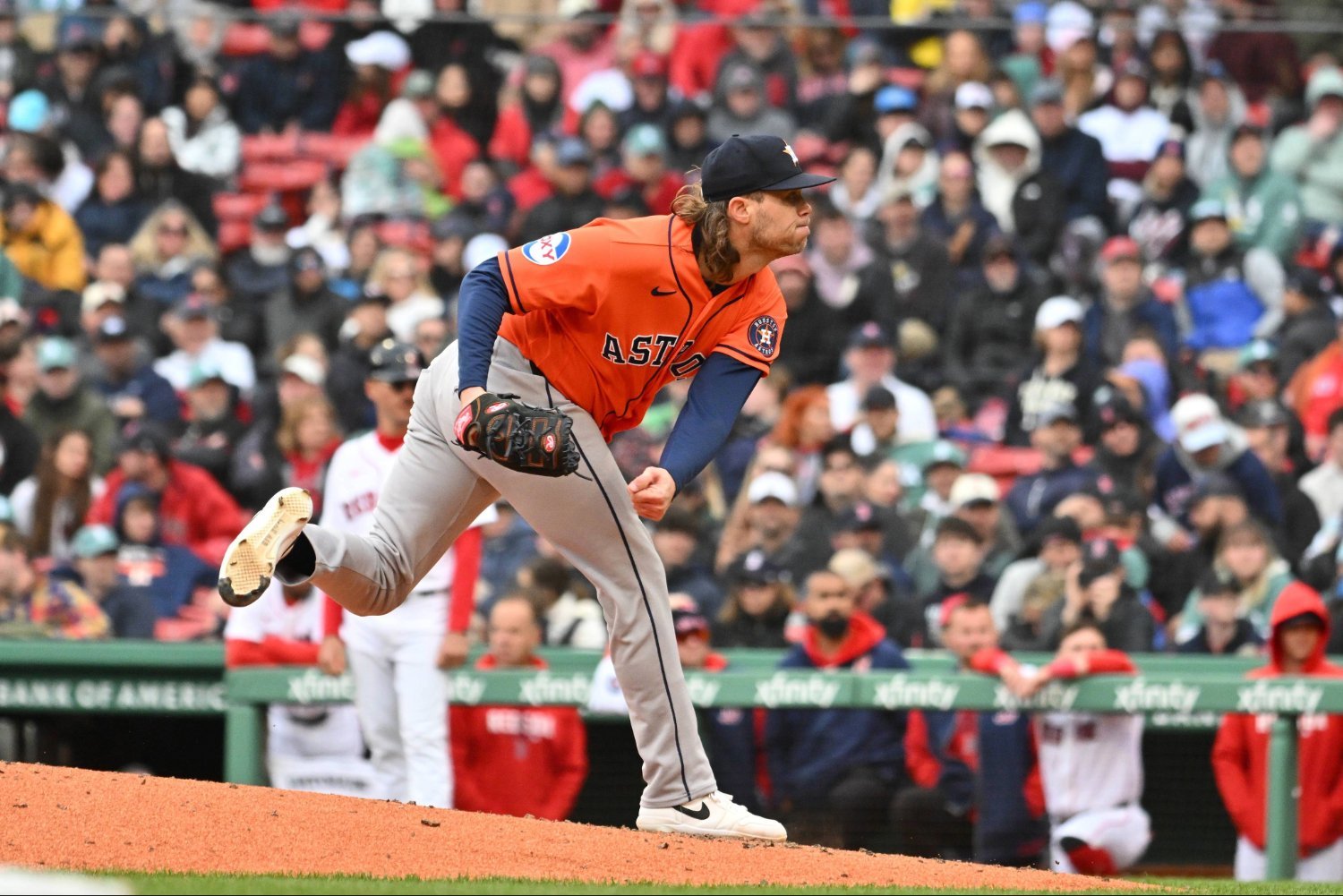 The Boston Red Sox relied heavily on their pitching staff all year long, whether that was the rotation or the bullpen. That reliance was also part of their downfall by the end of the season, as several players were either injured or exhausted from their usage. High-leverage arms like Justin Slaten and Tyron Guerrero missed the postseason entirely, while Erik Miller struggled mightily from September onward. As currently constructed, the Red Sox currently have five left-handed relievers on their 40-man roster when you include closer Aroldis Chapman. However, only he and Miller are equipped to handle late-game situations. One arm they could look to sign as another high-leverage option is Steven Okert, the 44th-ranked player on DiamondCentric’s Free Agency Ranker. The left-hander is coming off of a fantastic season with the Houston Astros, appearing in 68 games and tossing 67⅔ innings while sporting a 2.13 ERA and a 0.87 WHIP. The left-hander also had a strikeout-to-walk ratio of 4.86. For his entire career, he’s tossed 369 innings across 408 games with a 3.41 ERA. He's also got pristine control, with a walk rate hovering around 6% over the past two seasons combined. Okert is a three-pitch pitcher, relying on a slider, four-seam fastball and a sinker. The left-hander leads with the slider, using it around 69% of the time against left-handed batters and 65% of the time against right-handed batters. The mix has been successful for him despite a lack of velocity (his fastball averaged around 91 mph in 2026), as he was able to generate a high whiff percentage thanks to a sharp sweep on his slider that is set up by a fastball he tries to keep up in the zone. In 2026, opposing batters hit just .168 against his slider and slugged .307 while striking out 50 times against it. His fastball was just as efficient, being hit at a .205 clip and slugged at a .321 rate. Thus, it's no surprise that he finished 2026 with a hard-hit rate of 35.4% and an average exit velocity of 87.6 mph, both above the 70th percentile league-wide. Of course, Okert doesn’t fit the mold of pitcher that Craig Breslow fancies. He doesn’t have an elite fastball and his extension isn’t much to write home about (just 6.3 feet in 2026, a number that was in the bottom third of baseball). Despite that, Okert has improved as a pitcher since joining the Astros and has become a dominant left-handed arm out of the bullpen. He isn’t without some concern, however. He’ll be 36 years old in early July and there’s never been a pitcher who has beaten Father Time. While some have managed to pitch well into their later years, there’s always concern for a sudden fall-off. Relievers are also very volatile and it’s never a guarantee that success will carry over from season to season. Okert also has a red flag due to his high fly-ball rate. In 2026, batters hit the ball in the air at a 72% rate, up from his career rate of 68.9%. In Fenway Park, that could lead to some concerns, especially since he’s been one of the worst pitchers in baseball when it comes to pull-air rate in eight of his nine professional seasons. Facing an avalanche of righties at home could spell disaster for him in Boston. However, it's worth noting that he’s had success in Daikin Park with the Astros, a stadium known for its short porch in left field (the Crawford Boxes). He's held opponents to a slash line of .162/.217/.270 with six doubles, eight home runs and five RBIs at that stadium. There's no lack of evidence to suggest that Okert can work around unfavorable park dimensions; in fact, in a small sample size, batters are just 1-for-8 against him at Fenway Park, the lone hit being a double. Okert could be a valuable addition to the bullpen that not only helps take stress off of the quartet of Garrett Whitlock, Miller, Slaten and Guerrero, but also help shorten games for the entire roster. He would provide a reliable arm for manager Chad Tracy who can get both right-handed and left-handed batters out, bringing an entirely different look to a relief corps currently built on big velocity and swing-and-miss stuff. View the full article
-
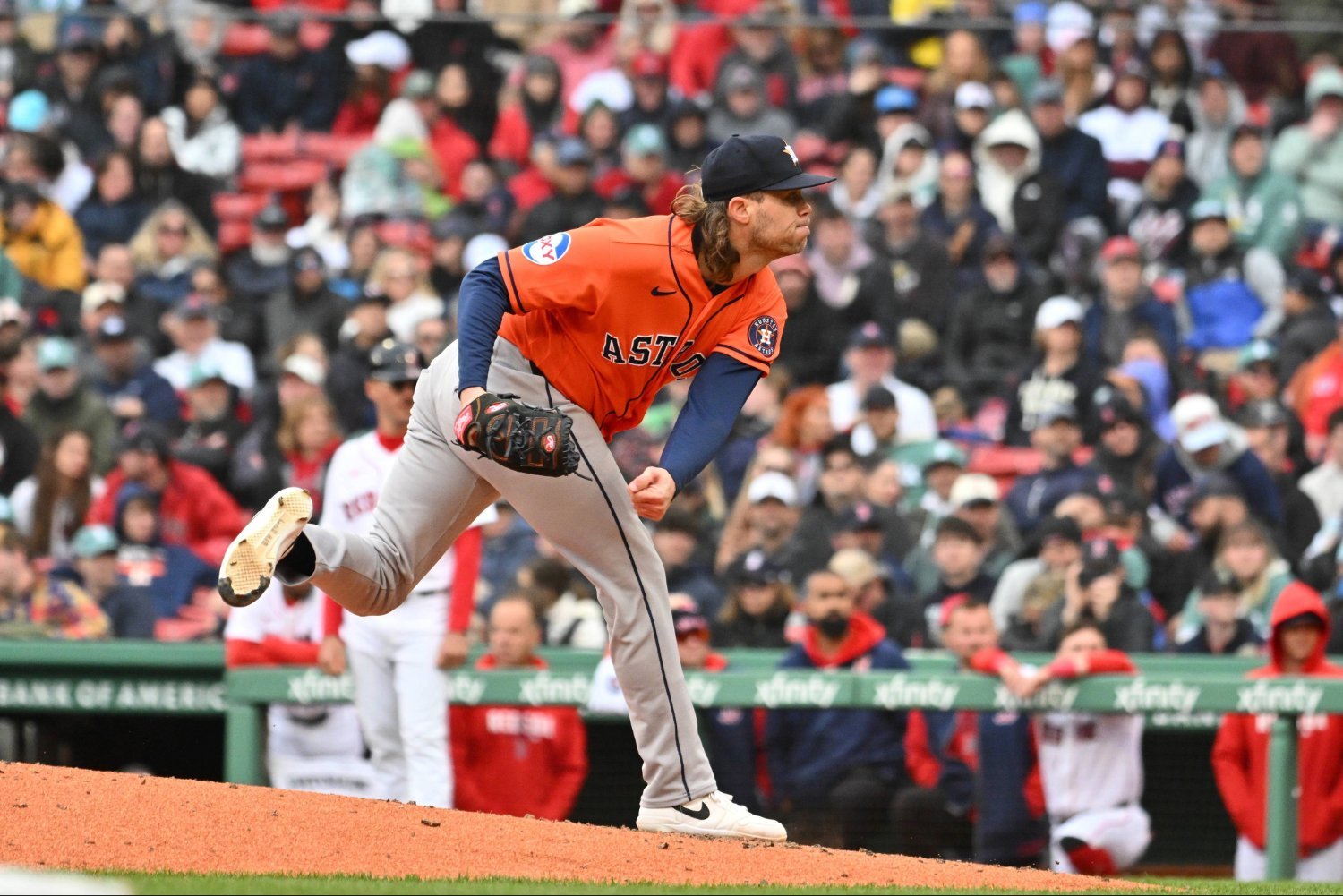 The Boston Red Sox relied heavily on their pitching staff all year long, whether that was the rotation or the bullpen. That reliance was also part of their downfall by the end of the season, as several players were either injured or exhausted from their usage. High-leverage arms like Justin Slaten and Tyron Guerrero missed the postseason entirely, while Erik Miller struggled mightily from September onward. As currently constructed, the Red Sox currently have five left-handed relievers on their 40-man roster when you include closer Aroldis Chapman. However, only he and Miller are equipped to handle late-game situations. One arm they could look to sign as another high-leverage option is Steven Okert, the 44th-ranked player on DiamondCentric’s Free Agency Ranker. The left-hander is coming off of a fantastic season with the Houston Astros, appearing in 68 games and tossing 67⅔ innings while sporting a 2.13 ERA and a 0.87 WHIP. The left-hander also had a strikeout-to-walk ratio of 4.86. For his entire career, he’s tossed 369 innings across 408 games with a 3.41 ERA. He's also got pristine control, with a walk rate hovering around 6% over the past two seasons combined. Okert is a three-pitch pitcher, relying on a slider, four-seam fastball and a sinker. The left-hander leads with the slider, using it around 69% of the time against left-handed batters and 65% of the time against right-handed batters. The mix has been successful for him despite a lack of velocity (his fastball averaged around 91 mph in 2026), as he was able to generate a high whiff percentage thanks to a sharp sweep on his slider that is set up by a fastball he tries to keep up in the zone. In 2026, opposing batters hit just .168 against his slider and slugged .307 while striking out 50 times against it. His fastball was just as efficient, being hit at a .205 clip and slugged at a .321 rate. Thus, it's no surprise that he finished 2026 with a hard-hit rate of 35.4% and an average exit velocity of 87.6 mph, both above the 70th percentile league-wide. Of course, Okert doesn’t fit the mold of pitcher that Craig Breslow fancies. He doesn’t have an elite fastball and his extension isn’t much to write home about (just 6.3 feet in 2026, a number that was in the bottom third of baseball). Despite that, Okert has improved as a pitcher since joining the Astros and has become a dominant left-handed arm out of the bullpen. He isn’t without some concern, however. He’ll be 36 years old in early July and there’s never been a pitcher who has beaten Father Time. While some have managed to pitch well into their later years, there’s always concern for a sudden fall-off. Relievers are also very volatile and it’s never a guarantee that success will carry over from season to season. Okert also has a red flag due to his high fly-ball rate. In 2026, batters hit the ball in the air at a 72% rate, up from his career rate of 68.9%. In Fenway Park, that could lead to some concerns, especially since he’s been one of the worst pitchers in baseball when it comes to pull-air rate in eight of his nine professional seasons. Facing an avalanche of righties at home could spell disaster for him in Boston. However, it's worth noting that he’s had success in Daikin Park with the Astros, a stadium known for its short porch in left field (the Crawford Boxes). He's held opponents to a slash line of .162/.217/.270 with six doubles, eight home runs and five RBIs at that stadium. There's no lack of evidence to suggest that Okert can work around unfavorable park dimensions; in fact, in a small sample size, batters are just 1-for-8 against him at Fenway Park, the lone hit being a double. Okert could be a valuable addition to the bullpen that not only helps take stress off of the quartet of Garrett Whitlock, Miller, Slaten and Guerrero, but also help shorten games for the entire roster. He would provide a reliable arm for manager Chad Tracy who can get both right-handed and left-handed batters out, bringing an entirely different look to a relief corps currently built on big velocity and swing-and-miss stuff. View the full article
-
 Sweet Lou, Comrade Cody, and Ol Gregg discuss the Twins' needs this offseason and compare offseason blueprints. Who would they target, where would the money go, how much will the Twins spend, and what lies in the Big Rock Candy Mountains? Build your offseason blueprint at TwinsDaily.com/payroll-blueprint. Listen using Apple Podcasts: https://podcasts.apple.com/us/podcast/the-twins-off-daily-podcast/id1741266056 Listen using Spotify: https://open.spotify.com/show/4tb78XlurcPTYYSsARdbD7 Listen using iHeartRadio: https://www.iheart.com/podcast/263-the-twins-off-daily-podcas-167548600/ Listen using Pocket Casts: https://pca.st/nvclbt0w Watch on YouTube: https://www.youtube.com/@twinsdaily View the full article
-
 Sweet Lou, Comrade Cody, and Ol Gregg discuss the Twins' needs this offseason and compare offseason blueprints. Who would they target, where would the money go, how much will the Twins spend, and what lies in the Big Rock Candy Mountains? Build your offseason blueprint at TwinsDaily.com/payroll-blueprint. Listen using Apple Podcasts: https://podcasts.apple.com/us/podcast/the-twins-off-daily-podcast/id1741266056 Listen using Spotify: https://open.spotify.com/show/4tb78XlurcPTYYSsARdbD7 Listen using iHeartRadio: https://www.iheart.com/podcast/263-the-twins-off-daily-podcas-167548600/ Listen using Pocket Casts: https://pca.st/nvclbt0w Watch on YouTube: https://www.youtube.com/@twinsdaily View the full article
-
Report: "Mutual Interest" Between Brandon Lowe and Blue Jays
DiamondCentric posted an article in Jays Centre
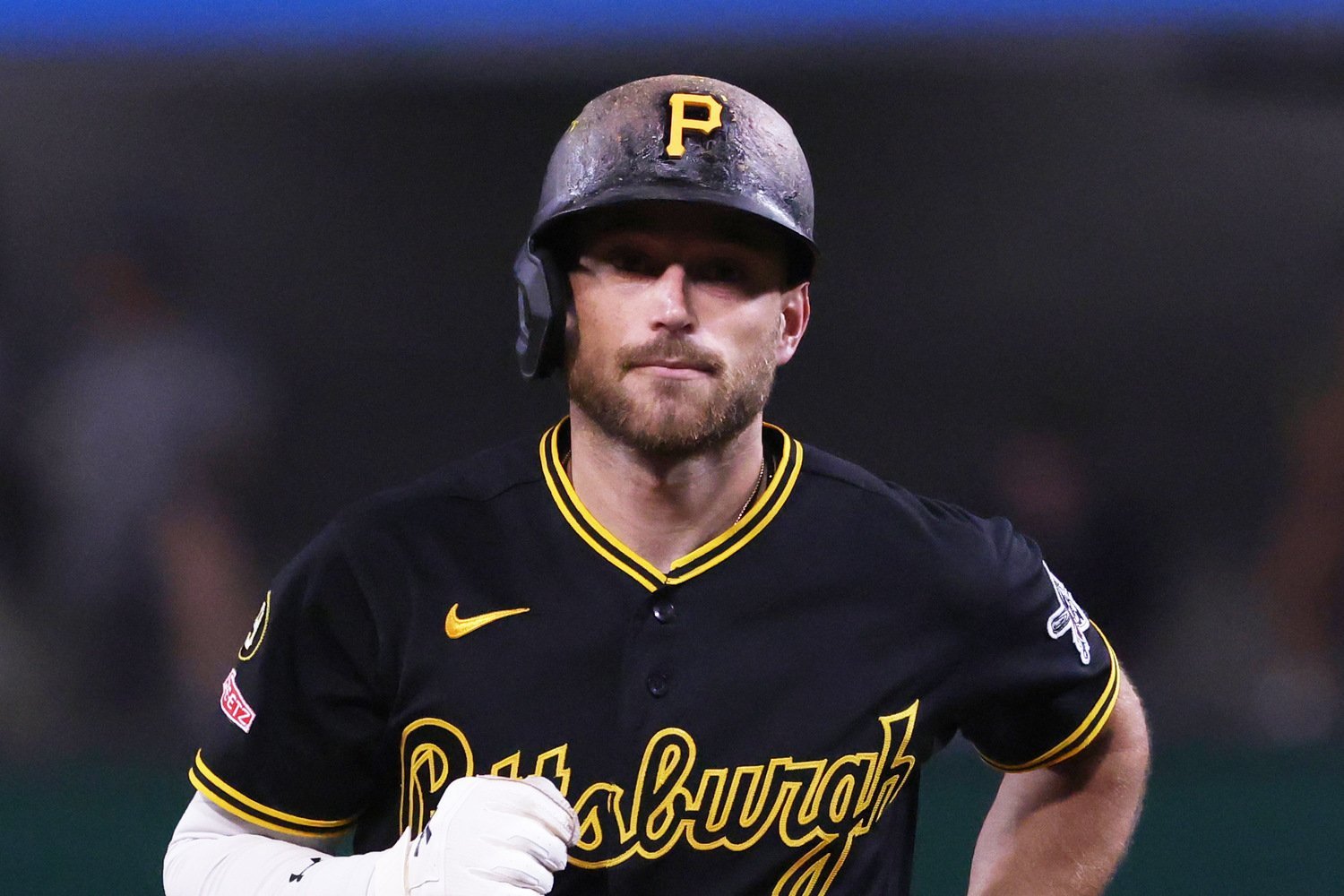 Reporting from the Aria Hotel in Las Vegas, Sportsnet's Shi Davidi and Ben Nicholson-Smith suggest there is "a little mutual interest" between the Toronto Blue Jays and Brandon Lowe. However, they note that any talks between the two sides are "still in their initial stages." The second baseman makes a lot of sense as a target for Toronto. His 35 home runs, 96 RBI, 121 wRC+, and 4.9 fWAR would have led all Blue Jays hitters in 2026. Even better, he hits from the left-hand side, while the team's top three projected hitters for 2027 (Vladimir Guerrero Jr., Alejandro Kirk, and Kazuma Okamoto) all bat righty. Defensively speaking, the Jays have room at the keystone. Ernie Clement started at second this past season, but he is best-suited for a utility role. The downside when it comes to Lowe is that he received a qualifying offer from the Pirates. The Blue Jays will likely sign one QO free agent this winter, but it's harder to imagine they'd sign two. That means adding Lowe could prevent them from pursuing any of the other seven players who received qualifying offers. View the full article
-
Report: "Mutual Interest" Between Brandon Lowe and Blue Jays
DiamondCentric posted an article in Jays Centre
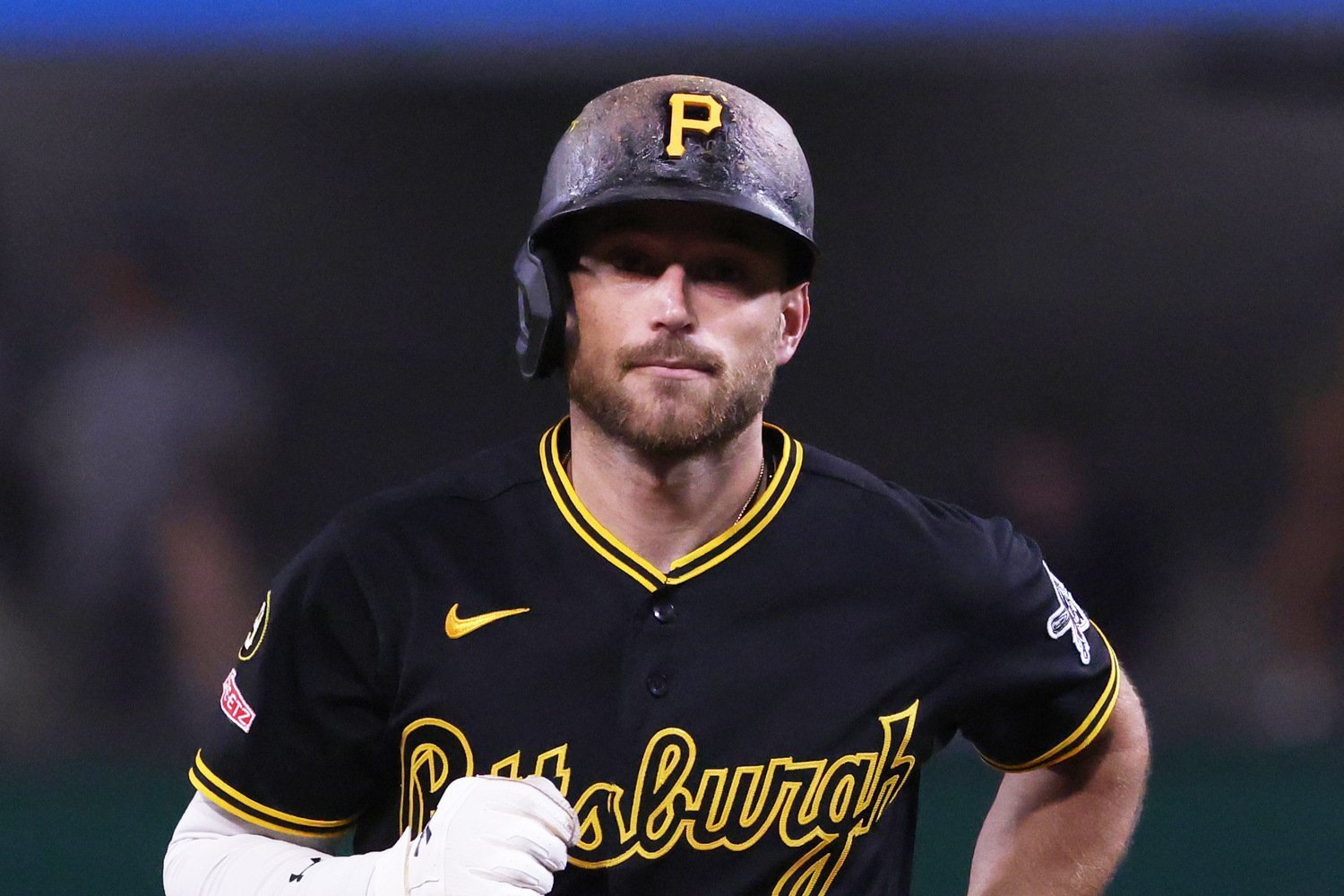 Reporting from the Aria Hotel in Las Vegas, Sportsnet's Shi Davidi and Ben Nicholson-Smith suggest there is "a little mutual interest" between the Toronto Blue Jays and Brandon Lowe. However, they note that any talks between the two sides are "still in their initial stages." The second baseman makes a lot of sense as a target for Toronto. His 35 home runs, 96 RBI, 121 wRC+, and 4.9 fWAR would have led all Blue Jays hitters in 2026. Even better, he hits from the left-hand side, while the team's top three projected hitters for 2027 (Vladimir Guerrero Jr., Alejandro Kirk, and Kazuma Okamoto) all bat righty. Defensively speaking, the Jays have room at the keystone. Ernie Clement started at second this past season, but he is best-suited for a utility role. The downside when it comes to Lowe is that he received a qualifying offer from the Pirates. The Blue Jays will likely sign one QO free agent this winter, but it's harder to imagine they'd sign two. That means adding Lowe could prevent them from pursuing any of the other seven players who received qualifying offers. View the full article
-
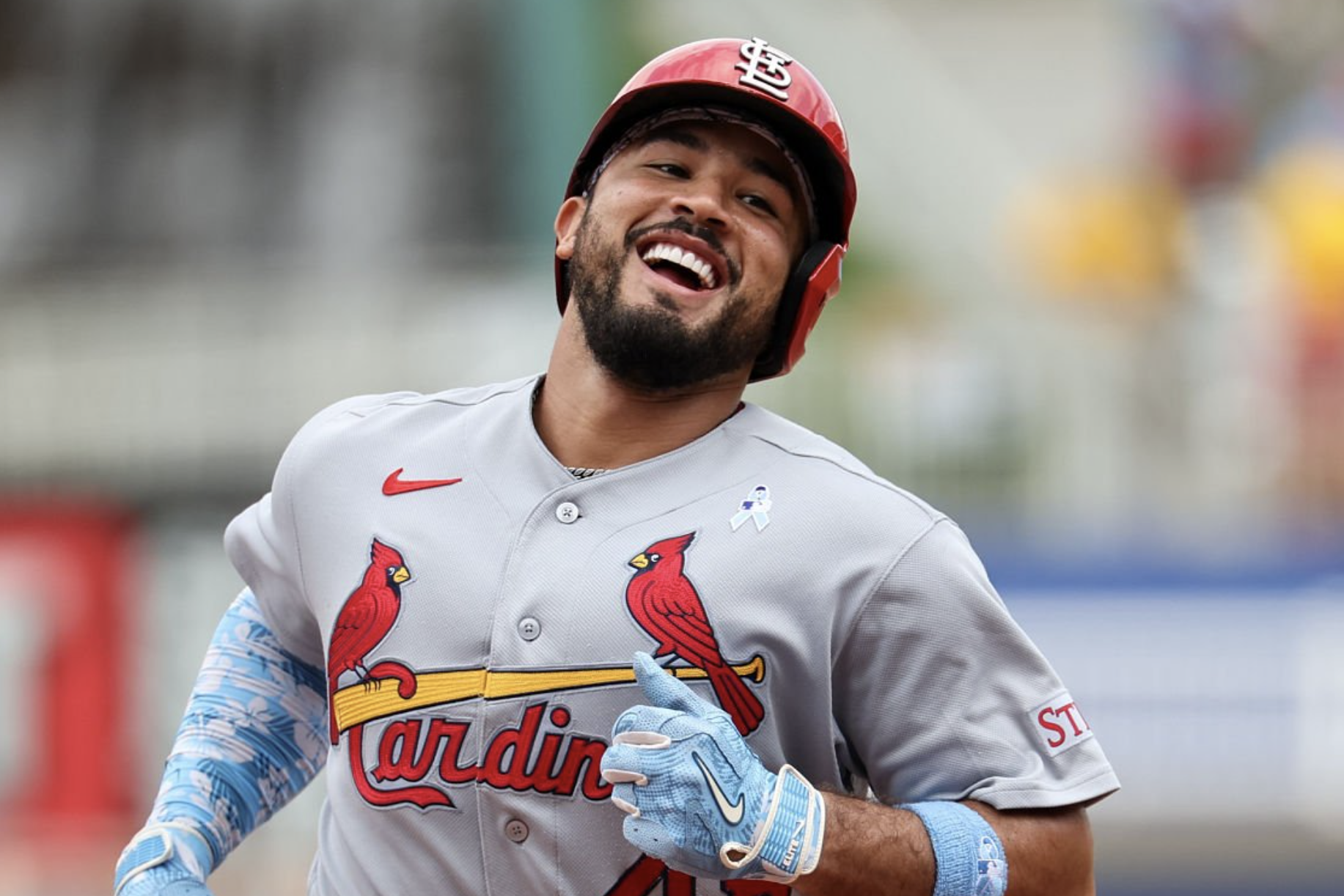 The tradition continues, even under unorthodox conditions. This is how I would navigate the MLB offseason if put in charge of the Miami Marlins front office. There is no new reporting in here, to be clear. I have devised a blueprint based on my understanding of the organization's roster construction philosophy, current strengths and weaknesses, minor league depth and broad goals moving forward. We are coming off a year in which the Marlins ranked dead last among MLB teams in payroll. I loosened the purse strings for this hypothetical, but not too much (I've kept the projected cash spending below $100 million). MLB owners will lock out the players on the evening of December 1 following the expiration of the league's collective bargaining agreement. Nobody knows for sure what will happen next in terms of the pace of negotiations and potential rule changes. For the sake of simplicity and good vibes, I made decisions that assume we'll have a resolution in time to proceed with a full 162-game season. 40-man roster selections Marlins select OF/1B Kemp Alderman, 1B/OF Jonathon Long and RHP Karson Milbrandt to 40-man roster The last time that an MLB offseason was interrupted by a lockout, the major league portion of the Rule 5 draft never took place. I expect it to be cancelled again this year. Even in a realistic best-case scenario, CBA negotiations will drag on deep into February, inevitably condensing spring training and create transactional chaos on the other side of the lockout. I think teams will agree to prioritize other business, in part because it's difficult to determine what you really have in a Rule 5 pick if there are limited opportunities to evaluate them in the preseason. Just to cover my ass, I'll protect Alderman, Long and Milbrandt with 40-man spots. All three spent considerable time at the Triple-A level last season. They are likely to debut in 2027 barring severe injuries. The Marlins' best Rule-5 eligible prospect is actually right-hander Eliazar Dishmey, but he requires a bit more developmental time. If a normal draft was likely to take place, I would protect him out of an abundance of caution. However, in this situation, I'll take the calculated risk, preserving all of his option years for 2028 and beyond. These 40-man moves would coincide with non-tendering Andrew Nardi. Free agency Marlins sign LHP Matthew Boyd (2 YR/$26M) Boyd earned $29 million over the course of his previous two-year deal with the Chicago Cubs and fully met expectations. But the combination of his age—he turns 36 in February—injured list stints during his walk year and below-average velocity should make him slightly cheaper this time around. Since completing his comeback from elbow surgery late in the 2024 season, Boyd has pitched to a 3.41 ERA (20% better than league average) and 3.81 FIP in 61 starts. There was an All-Star selection right in the middle of that stretch and he's been trusted to make starts in each of the last three postseasons. Boyd throws a four-seam fastball, changeup, slider, curveball and occasional sinker. The breaking balls combined to yield a .152 batting average against and only one home run in 109 plate appearances in 2026. Boyd is also brilliant at controlling the running game, tallying an MLB-best 11 pickoffs in 2025 and not allowing a single stolen base in 2026. He and Joe Mack would form a nearly impenetrable battery from that standpoint. There must be some kind of external starting rotation acquisition to fill the void until the likes of Thomas White and Robby Snelling are ready. I think Boyd is good enough to hold onto a starting spot even when they're back, giving the Marlins a deeper rotation than they've had in many years. Marlins sign LHP Sean Newcomb (2 YR/$16M) Our own Kevin Barral linked the Marlins to Newcomb earlier this week. Similar to Boyd, Newcomb has had an inconsistent career, but we now have nearly two full seasons of strong production from him out of the bullpen (2.69 ERA and 3.03 FIP since being removed from the Boston Red Sox rotation). He was used heavily in 2026, and just when it seemed like he was wearing down in early September, the 33-year-old locked back in. The Marlins would be able to go to Newcomb in high-leverage spots against imposing left-handed batters and stick with him for multiple innings at a time. Their pitching staff sorely missed having that sort of arm this past year. Marlins sign OF Myles Straw (1 YR/$3M with $4M club option for 2028) It's questionable whether Jakob Marsee will be ready for Opening Day. Even if he's on the active roster, expect some of his initial reps to come as a designated hitter while he rebuilds his arm strength following elbow surgery. Straw would be most useful to the Marlins early on in 2027. He should provide enough defense, speed and contact ability to continue being a complementary piece throughout the season. Marlins sign C Jake Rogers, 1B Rhys Hoskins, LHP Jeffrey Springs and RHP Albert Abreu to minor league deals Rogers, Hoskins and Springs are all buy-low veterans coming off ineffective seasons. Abreu was a sub-replacement level MLB reliever from 2020-23 who has since gone to Japan and is currently working as a starter in the Dominican Winter League. The right-hander's slider is looking pretty nasty and his fastball tops out at 97 mph, so worth a flier. Trades Marlins trade RHP Max Meyer to the St. Louis Cardinals for C/DH Iván Herrera and C Juan Rujano The Marlins faced this conundrum last offseason with Edward Cabrera, another former MLB Top 100 prospect who finally put together a great campaign after years of frustrating them. They haven't regretted selling high on Cabrera, and I won't lose any sleep over following suit with Meyer if it brings back a player with just as much club control and a more consistent track record. Fans outside of Miami and St. Louis may not realize that Meyer and Herrera were both All-Stars in 2026. It's hard to envision either returning to that stage given the former's durability issues and the latter's defensive limitations. Still, sexy trade given that context. Herrera owns a lifetime .265/.362/.410 slash line, including .276/.401/.462 against lefties. He would platoon with Joe Mack behind the plate and serve as the Marlins DH most of the time when Mack is catching. Meyer and Herrera are both in the midst of their arbitration years and on track to hit free agency after the 2029 season. The gap in their projected 2027 salaries is large enough that I believe the Cards would have to include Rujano as well—he'll enter his age-19 season with 57 games of solid rookie ball experience under his belt. The aforementioned Boyd signing is critical to offsetting the loss of Meyer. Marlins trade 2B Xavier Edwards to the Texas Rangers for RHP Jack Leiter, C Malcolm Moore and LHP Breyner Figuereo Edwards has been a nice floor-raiser for the Fish. While there's no urgency to part with him, this would be an efficient way to simultaneously address long-term rotation depth and catching depth. An ankle injury spoiled most of Leiter's 2026 season, but he's fully recovered now. He'll get every opportunity to win an Opening Day rotation spot and live up to his No. 2 overall draft pick pedigree. Although the bar is so low following Mack's graduation, Moore would immediately become the top catching prospect in the Marlins org. Splitting time between High-A and Double-A, he slashed .260/.352/.480 with 18 homers and a 113 wRC+ in 97 games. An outfielder-turned-pitcher, Figuereo struck out a whopping 40% of the batters he faced in the Dominican Summer League. Marlins trade LHP Nate Payne, OF Dillon Head and DH/C Agustín Ramírez to the San Francisco Giants for UTIL Casey Schmitt and LHP Jack Choate When composing the 2025-26 blueprint, I remember trying very hard to come up with a logical Casey Schmitt trade. He'll be pricier to acquire now, but I don't mind paying the premium for another impactful right-handed bat. It was a career year for Schmitt at age 27 (.271/.301/.483, 21 HR, 9 SB, 114 wRC+ and a 1.9 fWAR). That came while playing every infield position as well as left field. I like his defense best at third base. He missed the final two-plus months of the season due to a torn meniscus. Choate is a deceptive, 6'8" reliever who's ready to be tested at the Triple-A level. Payne is the main asset going back to the Giants as they gradually turn over their roster after losing 97 games. He ranked second among all Marlins minor leaguers in strikeouts and has plenty of starter traits. Head has shown elite speed...and not much else. Most concerningly, he slugged only .200 versus lefties at High-A. Displaced by Iván Herrera and out of options, Ramírez does not fit in Miami's plans anymore. His offensive potential remains tantalizing, but I've given up hope for him becoming serviceable with the glove. Marlins trade RHP Ryan Gusto to the Colorado Rockies for UTIL Willi Castro This is also a case of moving on from a player who couldn't really spread their wings with the Marlins. Gusto was a starter in 2026 only by the loosest possible definition, rarely completing five innings in an outing. What he lacks in pitch quality, he attempts to compensate for with pitch quantity. The rebuilding Rockies can take off his training wheels without worrying too much about the results. Castro has been almost precisely a league-average hitter dating back to 2023. A pending free agent, his $6.4 million salary is more than fair if he continues executing well with runners in scoring position and bouncing around the diamond based on the team's needs. With the Marlins, Castro would be pinch-hitting more often than he's used to. Marlins trade INF Carter Johnson to the New York Yankees for RHP Luis Gil This would have been a much bigger deal two years ago, when Johnson had just received a $2.8 million signing bonus out of the MLB Draft and Gil was the reigning American League Rookie of the Year. Now, it's hard to imagine Johnson becoming an MLB regular given his shaky hit tool and slide down the defensive spectrum. Gil still boasts a career 3.61 ERA, but he has a lot of difficulty throwing strikes. The mighty Yankees pitching staff wouldn't miss him. With the Marlins, Gil could at least audition for the fifth starter job. Realistically, he profiles as a low-leverage reliever. He's got the upside to eventually become more than that as he settles into the bullpen routine. Marlins trade OF Esteury Ruiz to the Cleveland Guardians for LHP Caden Favors Ruiz was a net positive for most of 2026, but he doesn't belong in center field and I'm discouraged by his high whiff rate. That's why I have replaced him with Myles Straw. Ultimately, the Marlins come away with a better pitching prospect than the one they originally traded away to acquire Ruiz (Adriano Marrero). The 25-year-old Favors has enjoyed an injury-free professional career to this point. He posted a 2.96 ERA in his last 10 Double-A appearances. Contract extensions Marlins extend RHP Sandy Alcantara (4 YR/$90M with $20M vesting option for 2032) $22.5M annually from 2028-2031 Option vests with at least 300 innings pitched from 2030-31 The Marlins have been allergic to continuity. Not on my watch. As the franchise's only Cy Young Award winner approaches the end of his contract, let's leave no doubt that he'll be staying put. There aren't many direct comps to use for Alcantara when arriving at fair terms for an extension. He was an above-average, incredibly durable starter (and emergency closer) in 2026, but did so with an extremely low strikeout rate. Even if we completely ignore his 2025 first-half catastrophe, he's far removed from being a true ace. My starting point was Madison Bumgarner's five-year, $85 million free agent deal from the 2019-20 offseason. Marlins extend OF Jakob Marsee (7 YR/$48M with $15M club option for 2034) $1M in 2027, $2.5M in 2028, $4M in 2029, $5.5M in 2030, $8M in 2031, $12M in 2032 and $12M in 2033 Club option comes with $3M buyout There are question marks with Marsee too, as his first and only full MLB season was the epitome of inconsistent. Although capable of sticking in center field, it might not take long for Miami's top hitting prospect, Cam Cannarella, to bump him off that premium position. I still see awesome value for the team here, paired with an appropriate payout to Marsee considering the risk he'd be taking by going year to year with his contract status. He would collect a total of $60 million if the option is exercised—not too many former sixth-round draft picks sniff that kind of fortune. Marsee's plate discipline and instincts make him so reliable over any extended period of time. His career upside resembles that of Brandon Nimmo, who's at 29.5 fWAR and counting. However, Ceddanne Rafaela's extension (8 YR/$50M) was the main comp I had in mind during the process. How the pieces fit together Here is a before-and-after look at the Marlins 40-man roster once the dust has settled on my offseason moves. Players no longer with the organization have been crossed off Outside additions to the 40-man roster are highlighted, underlined and italicized Up arrows denote players who were already with the organization, but now hold 40-man spots Overall, this isn't a dramatically different roster from 2026, but it didn't need to be in order to take a meaningful step forward. The Marlins should be improved defensively and match up better against both opposing left-handed pitchers and left-handed batters. The most likely Opening Day starting rotation would include Alcantara, Pérez, Boyd, Leiter and Junk. The trio of Sanoja, Schmitt and Castro would combine to handle second base and third base, with Sanoja receiving the largest share of playing time. Several of the 40-man roster guys are on short leashes entering 2027. If they slump early, the likes of Thomas White, Cam Cannarella and Brandon Compton will be breathing down their necks. View the full article
-
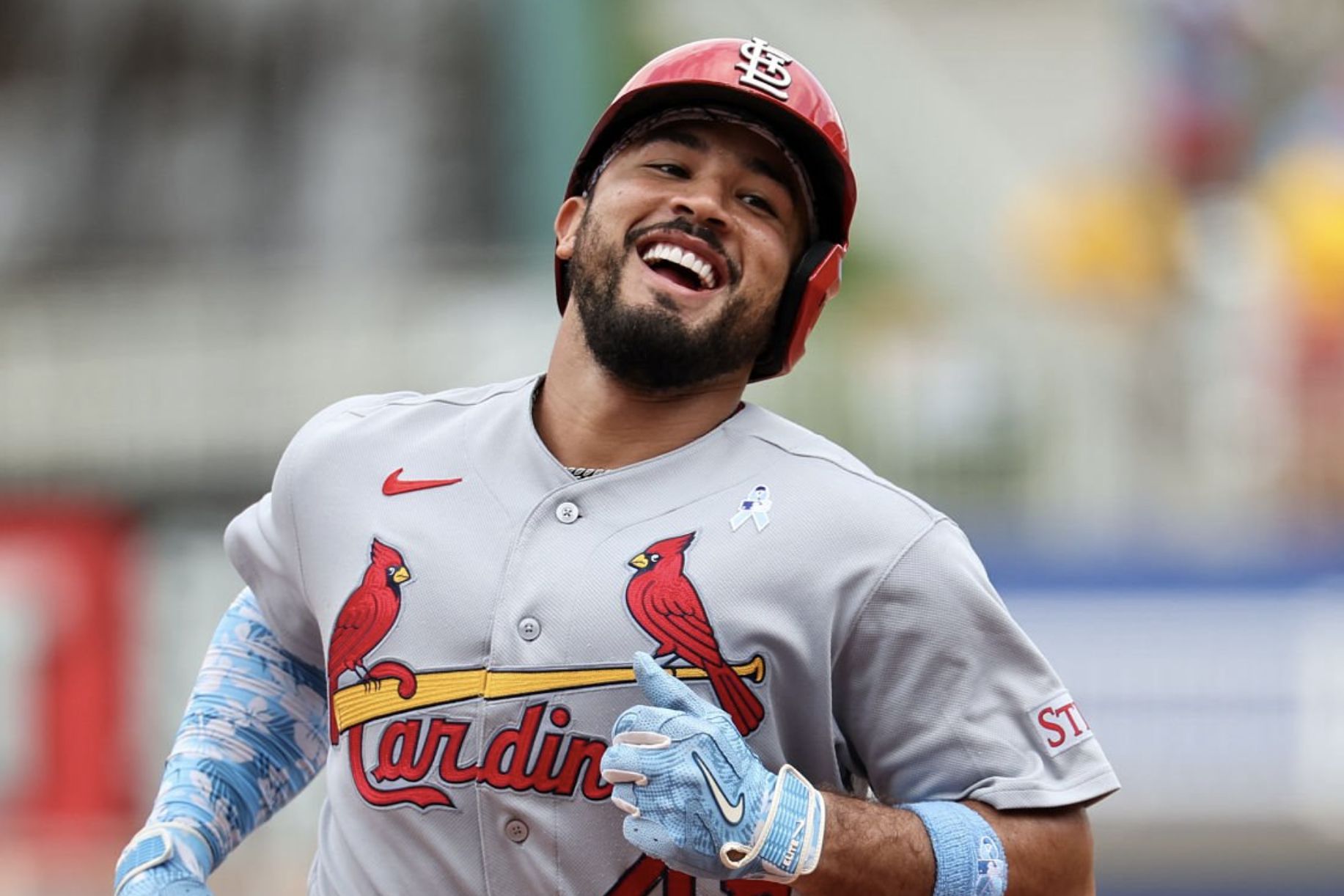 The tradition continues, even under unorthodox conditions. This is how I would navigate the MLB offseason if put in charge of the Miami Marlins front office. There is no new reporting in here, to be clear. I have devised a blueprint based on my understanding of the organization's roster construction philosophy, current strengths and weaknesses, minor league depth and broad goals moving forward. We are coming off a year in which the Marlins ranked dead last among MLB teams in payroll. I loosened the purse strings for this hypothetical, but not too much (I've kept the projected cash spending below $100 million). MLB owners will lock out the players on the evening of December 1 following the expiration of the league's collective bargaining agreement. Nobody knows for sure what will happen next in terms of the pace of negotiations and potential rule changes. For the sake of simplicity and good vibes, I made decisions that assume we'll have a resolution in time to proceed with a full 162-game season. 40-man roster selections Marlins select OF/1B Kemp Alderman, 1B/OF Jonathon Long and RHP Karson Milbrandt to 40-man roster The last time that an MLB offseason was interrupted by a lockout, the major league portion of the Rule 5 draft never took place. I expect it to be cancelled again this year. Even in a realistic best-case scenario, CBA negotiations will drag on deep into February, inevitably condensing spring training and create transactional chaos on the other side of the lockout. I think teams will agree to prioritize other business, in part because it's difficult to determine what you really have in a Rule 5 pick if there are limited opportunities to evaluate them in the preseason. Just to cover my ass, I'll protect Alderman, Long and Milbrandt with 40-man spots. All three spent considerable time at the Triple-A level last season. They are likely to debut in 2027 barring severe injuries. The Marlins' best Rule-5 eligible prospect is actually right-hander Eliazar Dishmey, but he requires a bit more developmental time. If a normal draft was likely to take place, I would protect him out of an abundance of caution. However, in this situation, I'll take the calculated risk, preserving all of his option years for 2028 and beyond. These 40-man moves would coincide with non-tendering Andrew Nardi. Free agency Marlins sign LHP Matthew Boyd (2 YR/$26M) Boyd earned $29 million over the course of his previous two-year deal with the Chicago Cubs and fully met expectations. But the combination of his age—he turns 36 in February—injured list stints during his walk year and below-average velocity should make him slightly cheaper this time around. Since completing his comeback from elbow surgery late in the 2024 season, Boyd has pitched to a 3.41 ERA (20% better than league average) and 3.81 FIP in 61 starts. There was an All-Star selection right in the middle of that stretch and he's been trusted to make starts in each of the last three postseasons. Boyd throws a four-seam fastball, changeup, slider, curveball and occasional sinker. The breaking balls combined to yield a .152 batting average against and only one home run in 109 plate appearances in 2026. Boyd is also brilliant at controlling the running game, tallying an MLB-best 11 pickoffs in 2025 and not allowing a single stolen base in 2026. He and Joe Mack would form a nearly impenetrable battery from that standpoint. There must be some kind of external starting rotation acquisition to fill the void until the likes of Thomas White and Robby Snelling are ready. I think Boyd is good enough to hold onto a starting spot even when they're back, giving the Marlins a deeper rotation than they've had in many years. Marlins sign LHP Sean Newcomb (2 YR/$16M) Our own Kevin Barral linked the Marlins to Newcomb earlier this week. Similar to Boyd, Newcomb has had an inconsistent career, but we now have nearly two full seasons of strong production from him out of the bullpen (2.69 ERA and 3.03 FIP since being removed from the Boston Red Sox rotation). He was used heavily in 2026, and just when it seemed like he was wearing down in early September, the 33-year-old locked back in. The Marlins would be able to go to Newcomb in high-leverage spots against imposing left-handed batters and stick with him for multiple innings at a time. Their pitching staff sorely missed having that sort of arm this past year. Marlins sign OF Myles Straw (1 YR/$3M with $4M club option for 2028) It's questionable whether Jakob Marsee will be ready for Opening Day. Even if he's on the active roster, expect some of his initial reps to come as a designated hitter while he rebuilds his arm strength following elbow surgery. Straw would be most useful to the Marlins early on in 2027. He should provide enough defense, speed and contact ability to continue being a complementary piece throughout the season. Marlins sign C Jake Rogers, 1B Rhys Hoskins, LHP Jeffrey Springs and RHP Albert Abreu to minor league deals Rogers, Hoskins and Springs are all buy-low veterans coming off ineffective seasons. Abreu was a sub-replacement level MLB reliever from 2020-23 who has since gone to Japan and is currently working as a starter in the Dominican Winter League. The right-hander's slider is looking pretty nasty and his fastball tops out at 97 mph, so worth a flier. Trades Marlins trade RHP Max Meyer to the St. Louis Cardinals for C/DH Iván Herrera and C Juan Rujano The Marlins faced this conundrum last offseason with Edward Cabrera, another former MLB Top 100 prospect who finally put together a great campaign after years of frustrating them. They haven't regretted selling high on Cabrera, and I won't lose any sleep over following suit with Meyer if it brings back a player with just as much club control and a more consistent track record. Fans outside of Miami and St. Louis may not realize that Meyer and Herrera were both All-Stars in 2026. It's hard to envision either returning to that stage given the former's durability issues and the latter's defensive limitations. Still, sexy trade given that context. Herrera owns a lifetime .265/.362/.410 slash line, including .276/.401/.462 against lefties. He would platoon with Joe Mack behind the plate and serve as the Marlins DH most of the time when Mack is catching. Meyer and Herrera are both in the midst of their arbitration years and on track to hit free agency after the 2029 season. The gap in their projected 2027 salaries is large enough that I believe the Cards would have to include Rujano as well—he'll enter his age-19 season with 57 games of solid rookie ball experience under his belt. The aforementioned Boyd signing is critical to offsetting the loss of Meyer. Marlins trade 2B Xavier Edwards to the Texas Rangers for RHP Jack Leiter, C Malcolm Moore and LHP Breyner Figuereo Edwards has been a nice floor-raiser for the Fish. While there's no urgency to part with him, this would be an efficient way to simultaneously address long-term rotation depth and catching depth. An ankle injury spoiled most of Leiter's 2026 season, but he's fully recovered now. He'll get every opportunity to win an Opening Day rotation spot and live up to his No. 2 overall draft pick pedigree. Although the bar is so low following Mack's graduation, Moore would immediately become the top catching prospect in the Marlins org. Splitting time between High-A and Double-A, he slashed .260/.352/.480 with 18 homers and a 113 wRC+ in 97 games. An outfielder-turned-pitcher, Figuereo struck out a whopping 40% of the batters he faced in the Dominican Summer League. Marlins trade LHP Nate Payne, OF Dillon Head and DH/C Agustín Ramírez to the San Francisco Giants for UTIL Casey Schmitt and LHP Jack Choate When composing the 2025-26 blueprint, I remember trying very hard to come up with a logical Casey Schmitt trade. He'll be pricier to acquire now, but I don't mind paying the premium for another impactful right-handed bat. It was a career year for Schmitt at age 27 (.271/.301/.483, 21 HR, 9 SB, 114 wRC+ and a 1.9 fWAR). That came while playing every infield position as well as left field. I like his defense best at third base. He missed the final two-plus months of the season due to a torn meniscus. Choate is a deceptive, 6'8" reliever who's ready to be tested at the Triple-A level. Payne is the main asset going back to the Giants as they gradually turn over their roster after losing 97 games. He ranked second among all Marlins minor leaguers in strikeouts and has plenty of starter traits. Head has shown elite speed...and not much else. Most concerningly, he slugged only .200 versus lefties at High-A. Displaced by Iván Herrera and out of options, Ramírez does not fit in Miami's plans anymore. His offensive potential remains tantalizing, but I've given up hope for him becoming serviceable with the glove. Marlins trade RHP Ryan Gusto to the Colorado Rockies for UTIL Willi Castro This is also a case of moving on from a player who couldn't really spread their wings with the Marlins. Gusto was a starter in 2026 only by the loosest possible definition, rarely completing five innings in an outing. What he lacks in pitch quality, he attempts to compensate for with pitch quantity. The rebuilding Rockies can take off his training wheels without worrying too much about the results. Castro has been almost precisely a league-average hitter dating back to 2023. A pending free agent, his $6.4 million salary is more than fair if he continues executing well with runners in scoring position and bouncing around the diamond based on the team's needs. With the Marlins, Castro would be pinch-hitting more often than he's used to. Marlins trade INF Carter Johnson to the New York Yankees for RHP Luis Gil This would have been a much bigger deal two years ago, when Johnson had just received a $2.8 million signing bonus out of the MLB Draft and Gil was the reigning American League Rookie of the Year. Now, it's hard to imagine Johnson becoming an MLB regular given his shaky hit tool and slide down the defensive spectrum. Gil still boasts a career 3.61 ERA, but he has a lot of difficulty throwing strikes. The mighty Yankees pitching staff wouldn't miss him. With the Marlins, Gil could at least audition for the fifth starter job. Realistically, he profiles as a low-leverage reliever. He's got the upside to eventually become more than that as he settles into the bullpen routine. Marlins trade OF Esteury Ruiz to the Cleveland Guardians for LHP Caden Favors Ruiz was a net positive for most of 2026, but he doesn't belong in center field and I'm discouraged by his high whiff rate. That's why I have replaced him with Myles Straw. Ultimately, the Marlins come away with a better pitching prospect than the one they originally traded away to acquire Ruiz (Adriano Marrero). The 25-year-old Favors has enjoyed an injury-free professional career to this point. He posted a 2.96 ERA in his last 10 Double-A appearances. Contract extensions Marlins extend RHP Sandy Alcantara (4 YR/$90M with $20M vesting option for 2032) $22.5M annually from 2028-2031 Option vests with at least 300 innings pitched from 2030-31 The Marlins have been allergic to continuity. Not on my watch. As the franchise's only Cy Young Award winner approaches the end of his contract, let's leave no doubt that he'll be staying put. There aren't many direct comps to use for Alcantara when arriving at fair terms for an extension. He was an above-average, incredibly durable starter (and emergency closer) in 2026, but did so with an extremely low strikeout rate. Even if we completely ignore his 2025 first-half catastrophe, he's far removed from being a true ace. My starting point was Madison Bumgarner's five-year, $85 million free agent deal from the 2019-20 offseason. Marlins extend OF Jakob Marsee (7 YR/$48M with $15M club option for 2034) $1M in 2027, $2.5M in 2028, $4M in 2029, $5.5M in 2030, $8M in 2031, $12M in 2032 and $12M in 2033 Club option comes with $3M buyout There are question marks with Marsee too, as his first and only full MLB season was the epitome of inconsistent. Although capable of sticking in center field, it might not take long for Miami's top hitting prospect, Cam Cannarella, to bump him off that premium position. I still see awesome value for the team here, paired with an appropriate payout to Marsee considering the risk he'd be taking by going year to year with his contract status. He would collect a total of $60 million if the option is exercised—not too many former sixth-round draft picks sniff that kind of fortune. Marsee's plate discipline and instincts make him so reliable over any extended period of time. His career upside resembles that of Brandon Nimmo, who's at 29.5 fWAR and counting. However, Ceddanne Rafaela's extension (8 YR/$50M) was the main comp I had in mind during the process. How the pieces fit together Here is a before-and-after look at the Marlins 40-man roster once the dust has settled on my offseason moves. Players no longer with the organization have been crossed off Outside additions to the 40-man roster are highlighted, underlined and italicized Up arrows denote players who were already with the organization, but now hold 40-man spots Overall, this isn't a dramatically different roster from 2026, but it didn't need to be in order to take a meaningful step forward. The Marlins should be improved defensively and match up better against both opposing left-handed pitchers and left-handed batters. The most likely Opening Day starting rotation would include Alcantara, Pérez, Boyd, Leiter and Junk. The trio of Sanoja, Schmitt and Castro would combine to handle second base and third base, with Sanoja receiving the largest share of playing time. Several of the 40-man roster guys are on short leashes entering 2027. If they slump early, the likes of Thomas White, Cam Cannarella and Brandon Compton will be breathing down their necks. View the full article
-
Twins "Engaged" with Ryan Jeffers, Promote 3 Staffers to New Roles
DiamondCentric posted an article in Twins Daily
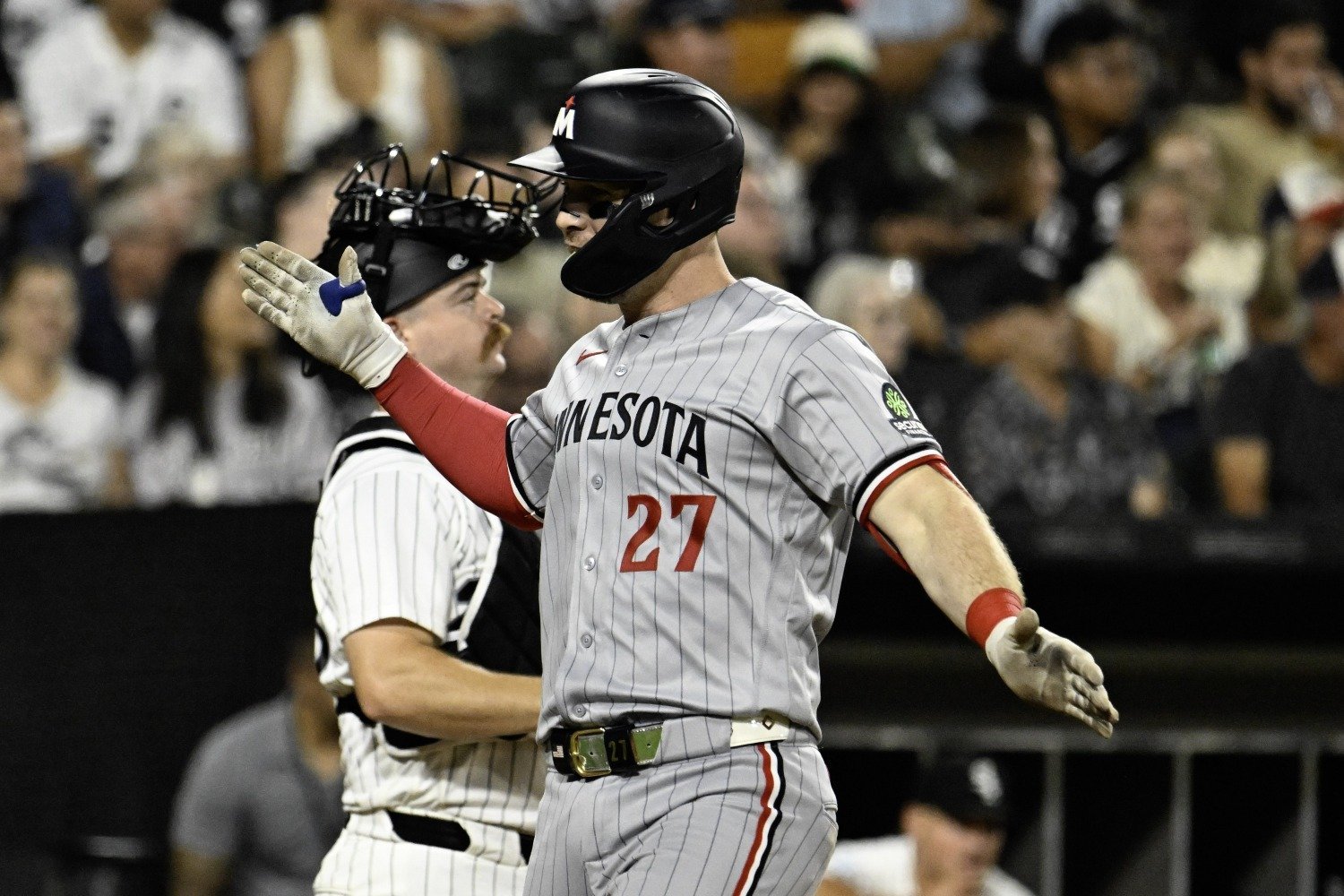
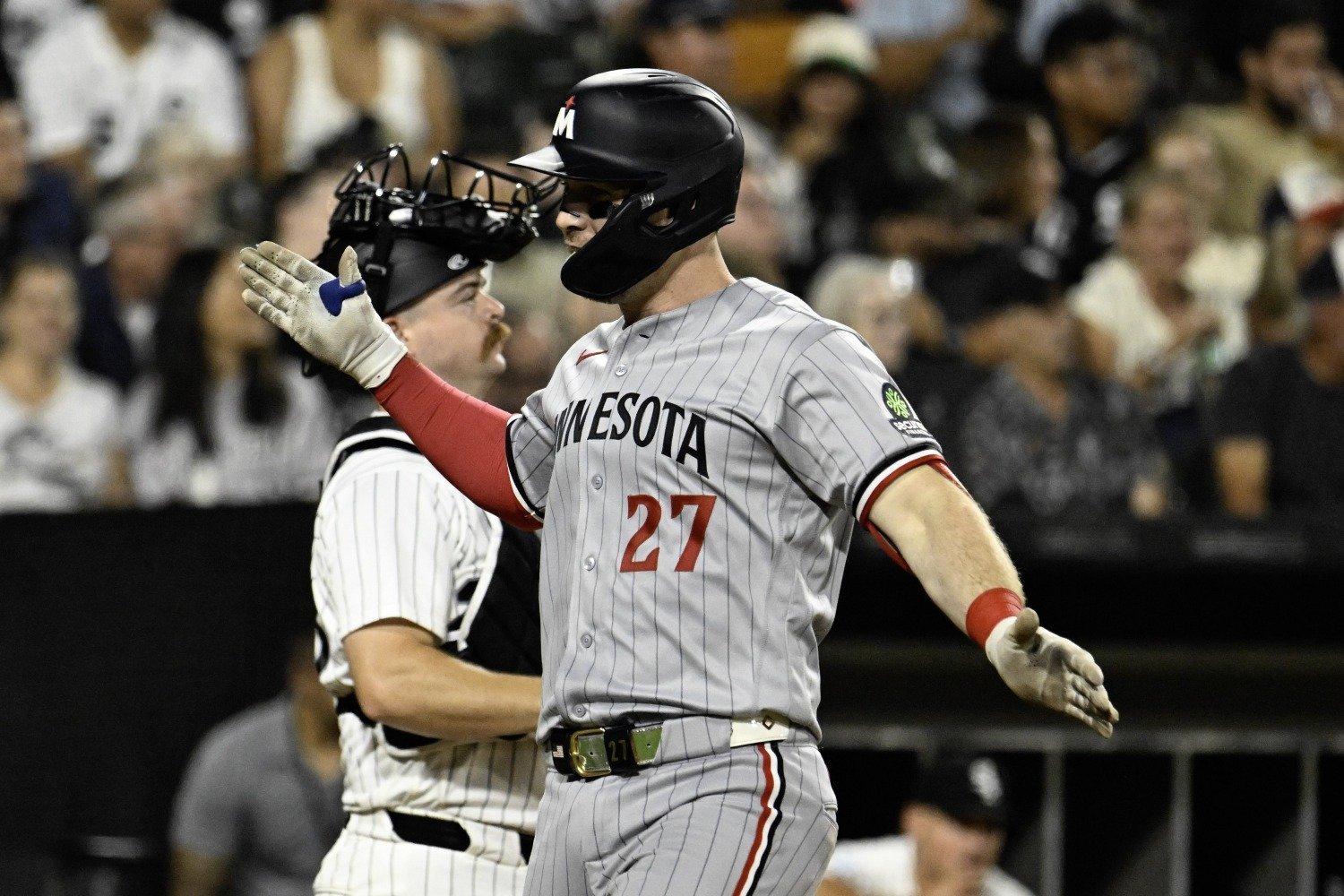 The Twins remain engaged with free-agent catcher Ryan Jeffers and have discussed other terms under which he might return, even as he ponders the qualifying offer the team extended to him earlier this month, general manager Jeremy Zoll told reporters Monday afternoon in Las Vegas. Teams have congregated at the Aria Resort this week for the annual GM Meetings, which has traditionally been a staging area for the offseason's bigger moves. "Ryan earned the right to become a free agent, explore the market, and I want to give him that respect," Zoll said. "[He's trying] to understand what is out there, but also, we're in touch there. We have made clear that we'd love to have him back, not just in a QO scenario, but in other scenarios, too." Zoll said the team doesn't feel the need to wait until Nov. 17 (when Jeffers must decide whether or not to accept the qualifying offer) to have those conversations with Jeffers. In theory, they could draw a hard line during that period, forcing Jeffers to either accept or decline the one-year offer on the table before talking about multi-year options. Instead, they've left the door wide-open for the backstop to return, should he choose to do so. At the same time, Zoll has to turn his attention to the wider world of the hot stove, which is just beginning to catch a light and isn't yet crackling the way most executives believe it will by the end of this month. "Not yet," Zoll said, when asked whether the early days of the offseason have felt tangibly different from past Novembers. "I don’t know. Maybe I’ll have a better answer for you by the end of the week, but right now, I’d say it feels closer to normal than not from a general operations perspective." That means that the Twins are laying groundwork through conversations with both representatives for free agents and other clubs, and that there are no clear roadblocks in the team's vision to making a particular move. So far, the urgency required to prompt those deals to happen just hasn't been there. The league is expected to lock out the players at the beginning of December, and Zoll acknowledged that "deadlines spur action," so a flurry of activity is still likely at the end of this month, but teams' conversations haven't yet been tinged heavily by the specter of that work stoppage. Jonas Lovin Joins Big-League Coaching Staff, Amid Other Promotions Zoll also announced Monday that Jonas Lovin would be promoted to serve as the major-league assistant pitching coach, after the team interviewed several candidates and ultimately decided to elevate the long-time organization functionary. Lovin most recently served as the assistant minor-league pitching coordinator. In his new gig, he'll work with new head pitching coach Brian Reith and incumbent bullpen coach LaTroy Hawkins. "Our hitting group this year did a really good job working as a team, and it felt like they could all kind of fill in for—you know, one person might float over here, the other person could fill in," Zoll said, when asked whether the goal of shaking up the pitching coaching group was an attempt to mirror their success on the hitting side. "Some players worked with just [Keith Beauregard] or just Trevor [Amicone], or Rayden [Sierra], and then some worked with all of them, and there wasn't as clear of a delineation on, ‘This person is only doing this set of responsibilities, and this person's only doing that set of responsibilities.’" While the team didn't elevate Reith to a director of pitching or similar higher role, the hope is that the communication between the former big-league righthanders Reith and Hawkins will be a bit more comprehensive than between Hawkins and the ousted Pete Maki. "You still need to create some level of roles there, but I think with the group we have for this year, we're hopeful that it creates a little bit of a more well-rounded nature and a little bit less redundancy in skill set and expertise," Zoll said. The team is also promoting Ross Seaton, who was already a member of their advance scouting group, to be the head of that department; he'll also have a role in working with the pitching coaches and pitchers in game preparation. Hailey Leviton, who had been an assistant director of baseball operations, also got a promotion. Leviton will now serve as the director of major-league operations, which Zoll characterized as an effort to have her "take on a more clear lead function." Leviton has had a wide remit within the team's front-office structure, but gained greater control of specific functions via this promotion. View the full article
-
Twins "Engaged" with Ryan Jeffers, Promote 3 Staffers to New Roles
DiamondCentric posted an article in Twins Daily
 The Twins remain engaged with free-agent catcher Ryan Jeffers and have discussed other terms under which he might return, even as he ponders the qualifying offer the team extended to him earlier this month, general manager Jeremy Zoll told reporters Monday afternoon in Las Vegas. Teams have congregated at the Aria Resort this week for the annual GM Meetings, which has traditionally been a staging area for the offseason's bigger moves. "Ryan earned the right to become a free agent, explore the market, and I want to give him that respect," Zoll said. "[He's trying] to understand what is out there, but also, we're in touch there. We have made clear that we'd love to have him back, not just in a QO scenario, but in other scenarios, too." Zoll said the team doesn't feel the need to wait until Nov. 17 (when Jeffers must decide whether or not to accept the qualifying offer) to have those conversations with Jeffers. In theory, they could draw a hard line during that period, forcing Jeffers to either accept or decline the one-year offer on the table before talking about multi-year options. Instead, they've left the door wide-open for the backstop to return, should he choose to do so. At the same time, Zoll has to turn his attention to the wider world of the hot stove, which is just beginning to catch a light and isn't yet crackling the way most executives believe it will by the end of this month. "Not yet," Zoll said, when asked whether the early days of the offseason have felt tangibly different from past Novembers. "I don’t know. Maybe I’ll have a better answer for you by the end of the week, but right now, I’d say it feels closer to normal than not from a general operations perspective." That means that the Twins are laying groundwork through conversations with both representatives for free agents and other clubs, and that there are no clear roadblocks in the team's vision to making a particular move. So far, the urgency required to prompt those deals to happen just hasn't been there. The league is expected to lock out the players at the beginning of December, and Zoll acknowledged that "deadlines spur action," so a flurry of activity is still likely at the end of this month, but teams' conversations haven't yet been tinged heavily by the specter of that work stoppage. Jonas Lovin Joins Big-League Coaching Staff, Amid Other Promotions Zoll also announced Monday that Jonas Lovin would be promoted to serve as the major-league assistant pitching coach, after the team interviewed several candidates and ultimately decided to elevate the long-time organization functionary. Lovin most recently served as the assistant minor-league pitching coordinator. In his new gig, he'll work with new head pitching coach Brian Reith and incumbent bullpen coach LaTroy Hawkins. "Our hitting group this year did a really good job working as a team, and it felt like they could all kind of fill in for—you know, one person might float over here, the other person could fill in," Zoll said, when asked whether the goal of shaking up the pitching coaching group was an attempt to mirror their success on the hitting side. "Some players worked with just [Keith Beauregard] or just Trevor [Amicone], or Rayden [Sierra], and then some worked with all of them, and there wasn't as clear of a delineation on, ‘This person is only doing this set of responsibilities, and this person's only doing that set of responsibilities.’" While the team didn't elevate Reith to a director of pitching or similar higher role, the hope is that the communication between the former big-league righthanders Reith and Hawkins will be a bit more comprehensive than between Hawkins and the ousted Pete Maki. "You still need to create some level of roles there, but I think with the group we have for this year, we're hopeful that it creates a little bit of a more well-rounded nature and a little bit less redundancy in skill set and expertise," Zoll said. The team is also promoting Ross Seaton, who was already a member of their advance scouting group, to be the head of that department; he'll also have a role in working with the pitching coaches and pitchers in game preparation. Hailey Leviton, who had been an assistant director of baseball operations, also got a promotion. Leviton will now serve as the director of major-league operations, which Zoll characterized as an effort to have her "take on a more clear lead function." Leviton has had a wide remit within the team's front-office structure, but gained greater control of specific functions via this promotion. View the full article
-
With the GM Meetings underway and a December lockout looming, the MLB offseason could move quickly over the next few weeks. USA Today’s Bob Nightengale suggests teams may be motivated to get deals done before the uncertainty surrounding the next collective bargaining agreement. For the Twins, Joe Ryan remains a name to watch. Nightengale notes that Minnesota could explore trade offers this offseason or hold onto the right-hander until next July, when his value could potentially increase. As we previously discussed in our coverage of Jon Morosi’s reporting, Ryan’s trade market could be complicated by the possibility of a shortened 2027 season. With just one year of team control remaining, teams may be reluctant to surrender significant prospect capital, potentially making a deal involving another impending free agent more realistic. While it stings to trade away an ace-level talent like Ryan, the Twins have rare depth at the starting pitching spot, and could use Ryan’s pedigree to potentially land a big bat, a back-end reliever, or some package featuring both. What do you think? Should the Twins look to trade Ryan this offseason, or hold onto him and revisit the market next summer? View the full article
-
How Do the Top Left-Handed Free Agent Hitters Fit on the Blue Jays?
DiamondCentric posted an article in Jays Centre
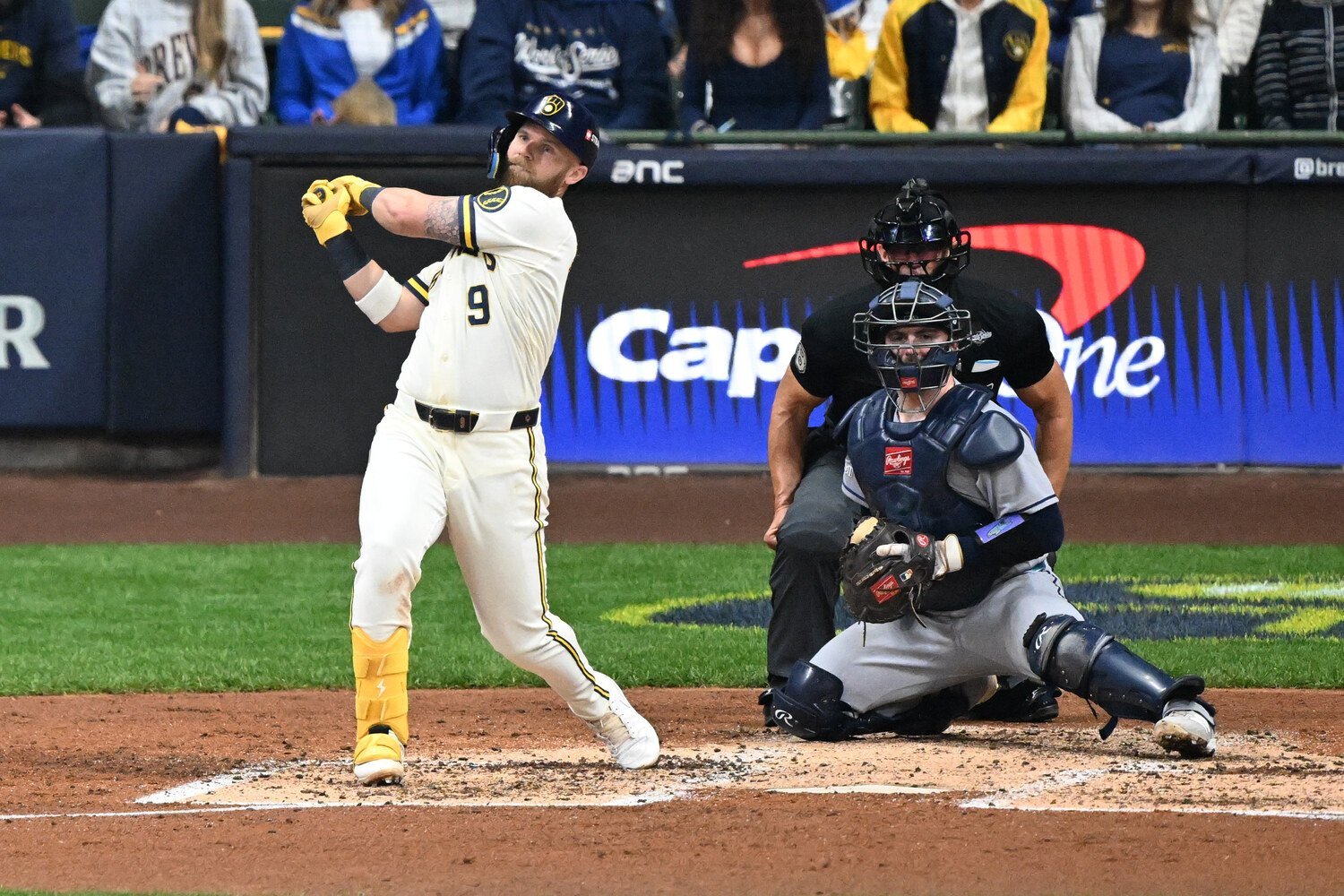 The Toronto Blue Jays enter the offseason with a few offensive holes to fill, with a corner outfielder being a top priority. Anthony Santander and Addison Barger should be healthy entering the season, but they struggled at the plate the last time we saw them. Staying healthy is another question mark, as Santander played only 54 games in 2025 and missed all of 2026. Because of his health issues over the last two seasons, he’ll likely spend much of next season as the designated hitter to ease the load on his body. Barger returns this season after elbow surgery. However, his biggest strength is his arm, so it’s unclear how he'll rebound once he starts ramping back up. The Blue Jays could also use an upgrade at second base over Ernie Clement. He was outstanding defensively in 2024 and 2025 but took a major step backward this past season. Offensively, he’s never been much of a threat, despite his historic 2025 postseason run. The Blue Jays offense needs a boost, which makes second base an obvious spot to improve. The offensive free agent market is pretty weak this offseason, but teams can target solid players, and Toronto has plenty of room to add payroll. DiamondCentric has compiled a list of the top right- and left-handed hitters available in free agency. I’m going to look at their list of the top eight lefties (sorted by 2026 OPS) and see how each would fit on the Blue Jays. 1. Teruaki Sato - 3B/1B/OF Offensively, Teruaki Sato would be an excellent addition, bringing much-needed pop to Toronto. He’s coming off a Triple Crown-winning season in Japan’s Nippon Professional Baseball, slashing .306/.383/.609 with 100 runs, 39 home runs, and 106 RBIs. However, that’s really the only way Sato fits in Toronto. Strikeouts are a massive concern for Sato, who posted 164 over 614 plate appearances this past season. That's a part of his game that doesn’t meet the Blue Jays’ standards. However, with a thin free agent market, especially in the power area, and Kazuma Okamoto’s success, I expect the team will likely do their due diligence and check in on Sato. Defensively, he has struggled, posting a .943 fielding percentage over his six seasons in the NPB. He played outfield early in his career but has primarily played third base since 2023. Many MLB scouts believe Sato will be best moving to first base. Either way, Vladimir Guerrero Jr. and Okamato occupy both corner infield spots. Also, if Santander is healthy, he'll be the Blue Jays' DH. The only way Sato makes sense with Toronto is if the organization doesn’t believe Santander will be healthy. 2. Jake Bauers - 1B/OF Jake Bauers didn't do much at the plate over his first six seasons. However, he turned it all around in 2026, posting his best statistics, slashing .266/.389/.484 with 93 runs, 26 homers, and 86 RBIs over 578 PAs. The consistent power was a surprise, as he posted only 58 home runs over his first six seasons. Bauers also played 144 games, marking the first time he played more than 120 in any season. The highlight of his season was earning the NLCS MVP after the Milwaukee Brewers swept the Los Angeles Dodgers. He slashed .286/.412/.571 and scored a run, hit a homer, and drove in six runs in the series. The question surrounding Bauers is whether this season was a fluke or a breakout. Some teams will pay to find out, but the Blue Jays shouldn't. They can’t afford to sign Bauers and be wrong. He could handle a corner outfield spot and give Guerrero a day off at first base, but his inconsistent bat is too big a risk. Bauers shouldn't be on the Blue Jays' radar. 3. Brandon Lowe - 2B Signing Brandon Lowe would be a massive upgrade for Toronto. However, he was given a qualifying offer, meaning if a team signs him, they’d have to give up a draft pick or two. In the Blue Jays' case, because they paid the competitive balance tax this season, they’d give up their second- and fifth-highest 2027 draft picks and $1 million from their international pool. This wouldn’t bother Toronto, but they also gave up draft picks during the last two offseasons when they signed Santander and Dylan Cease, who declined qualifying offers. They’re also likely going after either Seiya Suzuki or Randy Arozarena, both of whom have qualifying offers attached. They’d be the priority, and the Blue Jays can’t afford to pursue one of Suzuki or Arozarena and Lowe. If they signed a second player who declined a qualifying offer, they’d also have to give up their third- and sixth-highest picks. Although Lowe would fit in perfectly for the Blue Jays, it’s just not smart to give up four of your top six draft picks, assuming they sign Suzuki or Arozarena too. 4. Joc Pederson - DH Joc Pederson had a bounce-back campaign, hitting 26 home runs, his most since 2019. The key part of his season was staying healthy. He played in 136 games, which was his most since 2021. He’s been primarily a DH over the last three seasons, and the Blue Jays would play him there as well. This makes Pederson, like Sato, not a good fit unless the organization doesn’t think Santander will be healthy. 5. Michael Conforto - OF Michael Conforto has spent 11 seasons in MLB, but he’s been a typical platoon hitter. However, he can produce when he’s at the plate, posting double-digit home runs in nine of his campaigns. The Blue Jays already have several left-handed hitters who can play the outfield on the 40-man roster: Barger, Nathan Lukes, Brett Bateman, Josh Smith, Sean Keys, Jonatan Clase (switch-hitter), and Yohendrick Piñango. So if they’re all healthy, the Blue Jays wouldn’t add Conforto unless it was on a minor league contract, as he signed with the Cubs last offseason. However, it's unlikely he will have to settle for a non-guaranteed deal this time around. It would be nice to have an option who has some power, though. 6. Luis Arraez - 2B Luis Arraez could be a slight upgrade over Clement in terms of defense, but a big upgrade in contact. However, the Blue Jays don’t need another contact hitter in their lineup. They need someone who can drive in runs because they can’t repeat finishing last in RBIs. If Toronto wants an upgrade at second base, I’d prefer they go after a guy further down this list. 7. Nathaniel Lowe - 1B Despite the slight power surge Nathaniel Lowe could bring to the Blue Jays, he’s a platoon first baseman. Guerrero is an everyday starter at the same position. Like the other first basemen on this list, Toronto would pursue Lowe only if Santander isn’t going to be healthy enough next season. 8. Jazz Chisholm Jr. - 2B Jazz Chisholm Jr. wouldn’t necessarily be an upgrade over Clement in the field, but he’d be a massive boost at the plate. The former Yankee has had mixed results at second base over the years. In 2026, he produced a +8 FRV but a -6 DRS. His career .974 fielding percentage at second ranks last among active players (min. 1,500 innings) since his debut in 2020. However, Chisholm has hit 127 home runs and stolen 171 bases over his career. Power and speed are two things the Blue Jays could greatly benefit from more of, and he would cost about the same as Arraez. If they want to pay up for an upgrade at the position, Chisholm or Gleyber Torres would be ideal targets because they don’t have qualifying offers attached and will be cheaper than Lowe. View the full article
-
How Do the Top Left-Handed Free Agent Hitters Fit on the Blue Jays?
DiamondCentric posted an article in Jays Centre
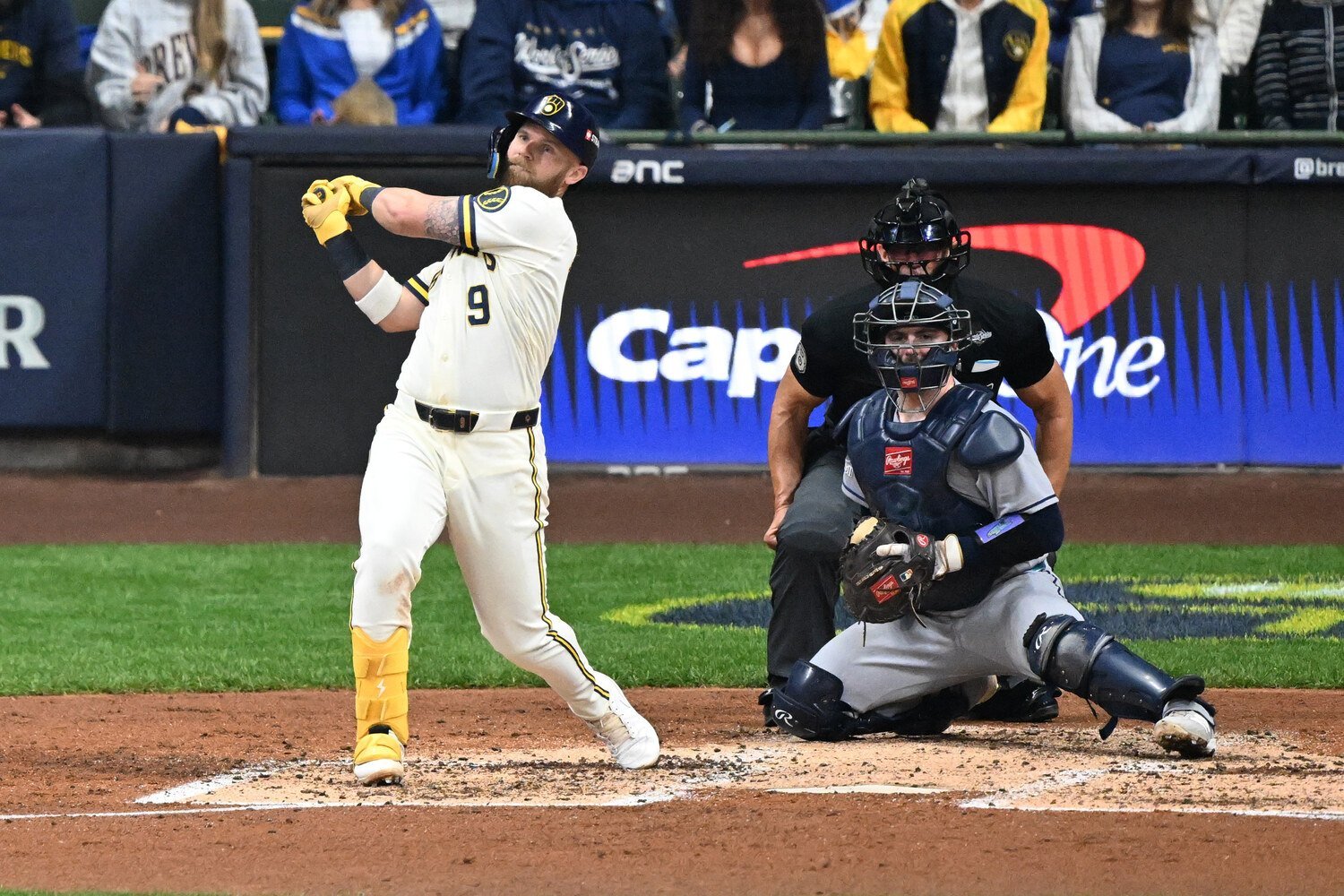 The Toronto Blue Jays enter the offseason with a few offensive holes to fill, with a corner outfielder being a top priority. Anthony Santander and Addison Barger should be healthy entering the season, but they struggled at the plate the last time we saw them. Staying healthy is another question mark, as Santander played only 54 games in 2025 and missed all of 2026. Because of his health issues over the last two seasons, he’ll likely spend much of next season as the designated hitter to ease the load on his body. Barger returns this season after elbow surgery. However, his biggest strength is his arm, so it’s unclear how he'll rebound once he starts ramping back up. The Blue Jays could also use an upgrade at second base over Ernie Clement. He was outstanding defensively in 2024 and 2025 but took a major step backward this past season. Offensively, he’s never been much of a threat, despite his historic 2025 postseason run. The Blue Jays offense needs a boost, which makes second base an obvious spot to improve. The offensive free agent market is pretty weak this offseason, but teams can target solid players, and Toronto has plenty of room to add payroll. DiamondCentric has compiled a list of the top right- and left-handed hitters available in free agency. I’m going to look at their list of the top eight lefties (sorted by 2026 OPS) and see how each would fit on the Blue Jays. 1. Teruaki Sato - 3B/1B/OF Offensively, Teruaki Sato would be an excellent addition, bringing much-needed pop to Toronto. He’s coming off a Triple Crown-winning season in Japan’s Nippon Professional Baseball, slashing .306/.383/.609 with 100 runs, 39 home runs, and 106 RBIs. However, that’s really the only way Sato fits in Toronto. Strikeouts are a massive concern for Sato, who posted 164 over 614 plate appearances this past season. That's a part of his game that doesn’t meet the Blue Jays’ standards. However, with a thin free agent market, especially in the power area, and Kazuma Okamoto’s success, I expect the team will likely do their due diligence and check in on Sato. Defensively, he has struggled, posting a .943 fielding percentage over his six seasons in the NPB. He played outfield early in his career but has primarily played third base since 2023. Many MLB scouts believe Sato will be best moving to first base. Either way, Vladimir Guerrero Jr. and Okamato occupy both corner infield spots. Also, if Santander is healthy, he'll be the Blue Jays' DH. The only way Sato makes sense with Toronto is if the organization doesn’t believe Santander will be healthy. 2. Jake Bauers - 1B/OF Jake Bauers didn't do much at the plate over his first six seasons. However, he turned it all around in 2026, posting his best statistics, slashing .266/.389/.484 with 93 runs, 26 homers, and 86 RBIs over 578 PAs. The consistent power was a surprise, as he posted only 58 home runs over his first six seasons. Bauers also played 144 games, marking the first time he played more than 120 in any season. The highlight of his season was earning the NLCS MVP after the Milwaukee Brewers swept the Los Angeles Dodgers. He slashed .286/.412/.571 and scored a run, hit a homer, and drove in six runs in the series. The question surrounding Bauers is whether this season was a fluke or a breakout. Some teams will pay to find out, but the Blue Jays shouldn't. They can’t afford to sign Bauers and be wrong. He could handle a corner outfield spot and give Guerrero a day off at first base, but his inconsistent bat is too big a risk. Bauers shouldn't be on the Blue Jays' radar. 3. Brandon Lowe - 2B Signing Brandon Lowe would be a massive upgrade for Toronto. However, he was given a qualifying offer, meaning if a team signs him, they’d have to give up a draft pick or two. In the Blue Jays' case, because they paid the competitive balance tax this season, they’d give up their second- and fifth-highest 2027 draft picks and $1 million from their international pool. This wouldn’t bother Toronto, but they also gave up draft picks during the last two offseasons when they signed Santander and Dylan Cease, who declined qualifying offers. They’re also likely going after either Seiya Suzuki or Randy Arozarena, both of whom have qualifying offers attached. They’d be the priority, and the Blue Jays can’t afford to pursue one of Suzuki or Arozarena and Lowe. If they signed a second player who declined a qualifying offer, they’d also have to give up their third- and sixth-highest picks. Although Lowe would fit in perfectly for the Blue Jays, it’s just not smart to give up four of your top six draft picks, assuming they sign Suzuki or Arozarena too. 4. Joc Pederson - DH Joc Pederson had a bounce-back campaign, hitting 26 home runs, his most since 2019. The key part of his season was staying healthy. He played in 136 games, which was his most since 2021. He’s been primarily a DH over the last three seasons, and the Blue Jays would play him there as well. This makes Pederson, like Sato, not a good fit unless the organization doesn’t think Santander will be healthy. 5. Michael Conforto - OF Michael Conforto has spent 11 seasons in MLB, but he’s been a typical platoon hitter. However, he can produce when he’s at the plate, posting double-digit home runs in nine of his campaigns. The Blue Jays already have several left-handed hitters who can play the outfield on the 40-man roster: Barger, Nathan Lukes, Brett Bateman, Josh Smith, Sean Keys, Jonatan Clase (switch-hitter), and Yohendrick Piñango. So if they’re all healthy, the Blue Jays wouldn’t add Conforto unless it was on a minor league contract, as he signed with the Cubs last offseason. However, it's unlikely he will have to settle for a non-guaranteed deal this time around. It would be nice to have an option who has some power, though. 6. Luis Arraez - 2B Luis Arraez could be a slight upgrade over Clement in terms of defense, but a big upgrade in contact. However, the Blue Jays don’t need another contact hitter in their lineup. They need someone who can drive in runs because they can’t repeat finishing last in RBIs. If Toronto wants an upgrade at second base, I’d prefer they go after a guy further down this list. 7. Nathaniel Lowe - 1B Despite the slight power surge Nathaniel Lowe could bring to the Blue Jays, he’s a platoon first baseman. Guerrero is an everyday starter at the same position. Like the other first basemen on this list, Toronto would pursue Lowe only if Santander isn’t going to be healthy enough next season. 8. Jazz Chisholm Jr. - 2B Jazz Chisholm Jr. wouldn’t necessarily be an upgrade over Clement in the field, but he’d be a massive boost at the plate. The former Yankee has had mixed results at second base over the years. In 2026, he produced a +8 FRV but a -6 DRS. His career .974 fielding percentage at second ranks last among active players (min. 1,500 innings) since his debut in 2020. However, Chisholm has hit 127 home runs and stolen 171 bases over his career. Power and speed are two things the Blue Jays could greatly benefit from more of, and he would cost about the same as Arraez. If they want to pay up for an upgrade at the position, Chisholm or Gleyber Torres would be ideal targets because they don’t have qualifying offers attached and will be cheaper than Lowe. View the full article
-
Could Cubs and Padres Link Up on Catcher Trade?
DiamondCentric posted an article in North Side Baseball
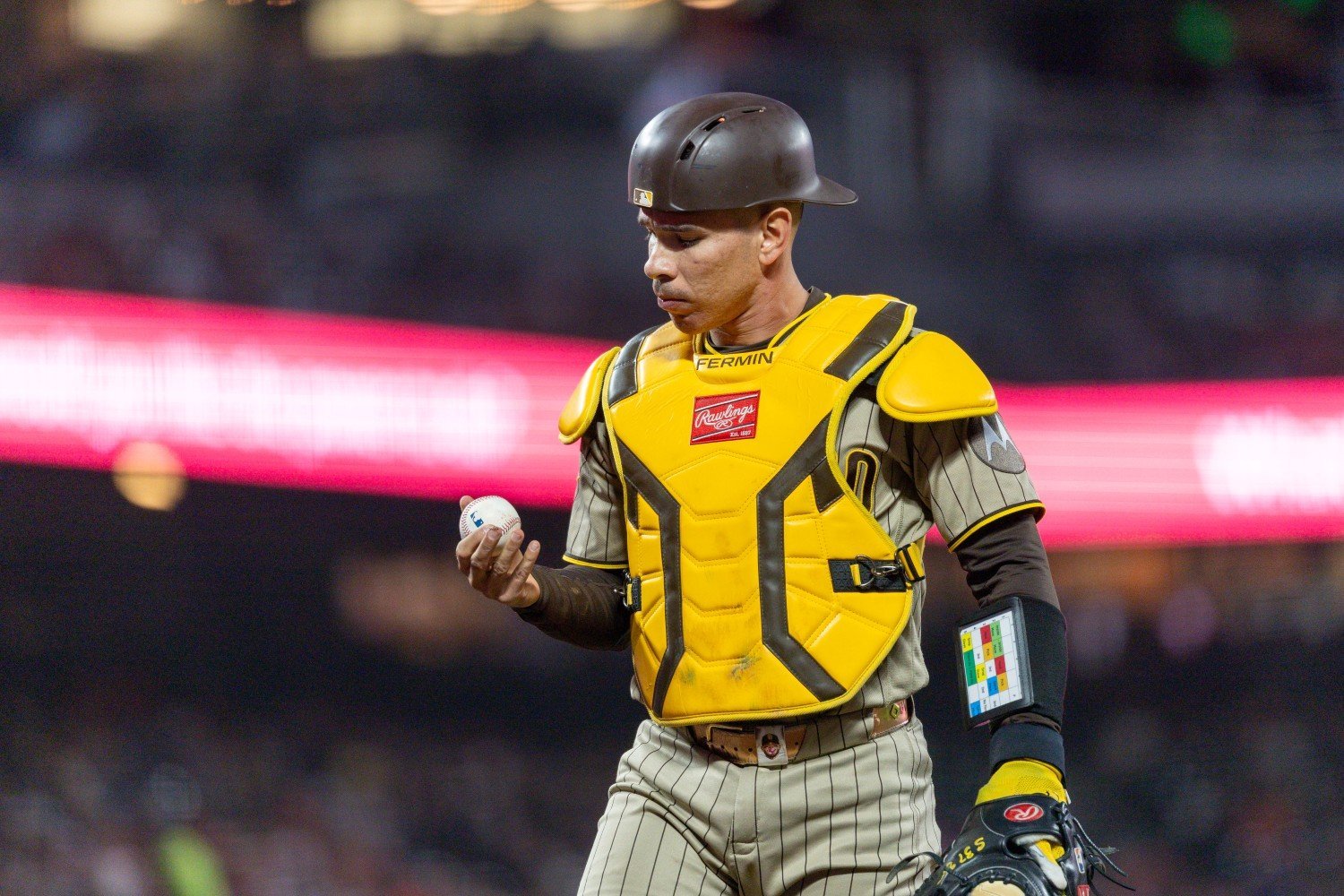 The Chicago Cubs enter the 2026-27 offseason with clear needs in the rotation and the outfield, but a quiet one also lurks behind the plate. While Miguel Amaya remains a part of the projected roster, the likely departure of Carson Kelly in free agency means that the team will have to cover roughly a starter's worth of innings at the position. There's an outside shot that they look internally to fill the void left by Kelly, with prospect Owen Ayers standing on the cusp of a big-league gig. A world exists in which the Cubs go with the Amaya-Ayers combination and address depth at the position, rather than acquiring an outside name to replace Kelly directly. However, despite his rapid ascent over the last year, it remains to be seen if the Cubs would let Ayers begin the season at the top level or if they'd rather him continue to refine his defense for a spell in Iowa to begin 2027. As such, it remains at least moderately more likely that the Cubs will address the position with someone capable of handling innings at the top level from the start for next season. Perhaps it's someone who can handle roughly 60 percent of the innings while Amaya covers the rest. Maybe it's vice-versa. The need exists, though. There's also a club out there with an obvious wealth at the position, in the San Diego Padres. The Padres ran their final month of the season with three catchers on their roster. Freddy Fermin was the team's starter for much of the year before losing his grip on a starting role to Luis Campusano as the year progressed. In the final month, top prospect Ethan Salas began making headway toward playing time, even logging heavy innings in their brief postseason run. It's unlikely that the Padres intend to carry all three again in 2027, especially when each brings a specific skill set that can be utilized in a trade to improve elsewhere on their own roster. Should they make a move to send a catcher elsewhere, the Cubs would certainly be a team to watch, given their need. However, caveats abound. The first is exactly what type of catcher the Cubs would be able to acquire. Salas is off the board. He turned 20 in June and possesses star-caliber upside. A trade would net you only one of Fermin or Campusano, and both come with certain questions. For Fermin, those questions are about his bat. He ranks as one of the better defensive catchers the game has to offer, finishing with a Fielding Run Value of 8 in 2026. However, there's virtually no offense to speak of. His wRC+ checked in at a mere 68, with his inability to contribute much of anything on offense a main reason he was ousted from the job in the first place. On the other end of the spectrum resides Luis Campusano. His wRC+ came in at 127, offering legitimate upside for a position that doesn't always have it. His shortcomings are on defense. Two years ago, he was virtually unplayable (-13 FRV). He has, though, shown significant growth in the time since. His FRV in 2026 got much closer to average (-2), and he controlled the running game extremely well (4 CS above average). The Cubs prioritize defense, though, so it's possible that growth may not be enough to interest them in the slugger. Regardless of the specific profile for which the Cubs may look, that the Padres have legitimate options clearly available does make the two a theoretical match in a trade. To make that match work, though, we also need to answer another question: What do the Padres need? San Diego's needs largely match the Cubs'. They need starting pitching as badly as the Cubs do. They need to add someone to take on regular work in left field. They'd also probably like some additional depth in the bullpen, in light of the presumed departures of multiple relievers in free agency. That the two sides have similar needs probably makes a deal less likely. From any angle, it becomes kind of a tough sell, but the Padres figure to be very active on a number of fronts under new ownership. If the Cubs are seeking a major-league caliber catcher in a trade, few organizations have the chance to be a better source than San Diego. View the full article
-
Could Cubs and Padres Link Up on Catcher Trade?
DiamondCentric posted an article in North Side Baseball
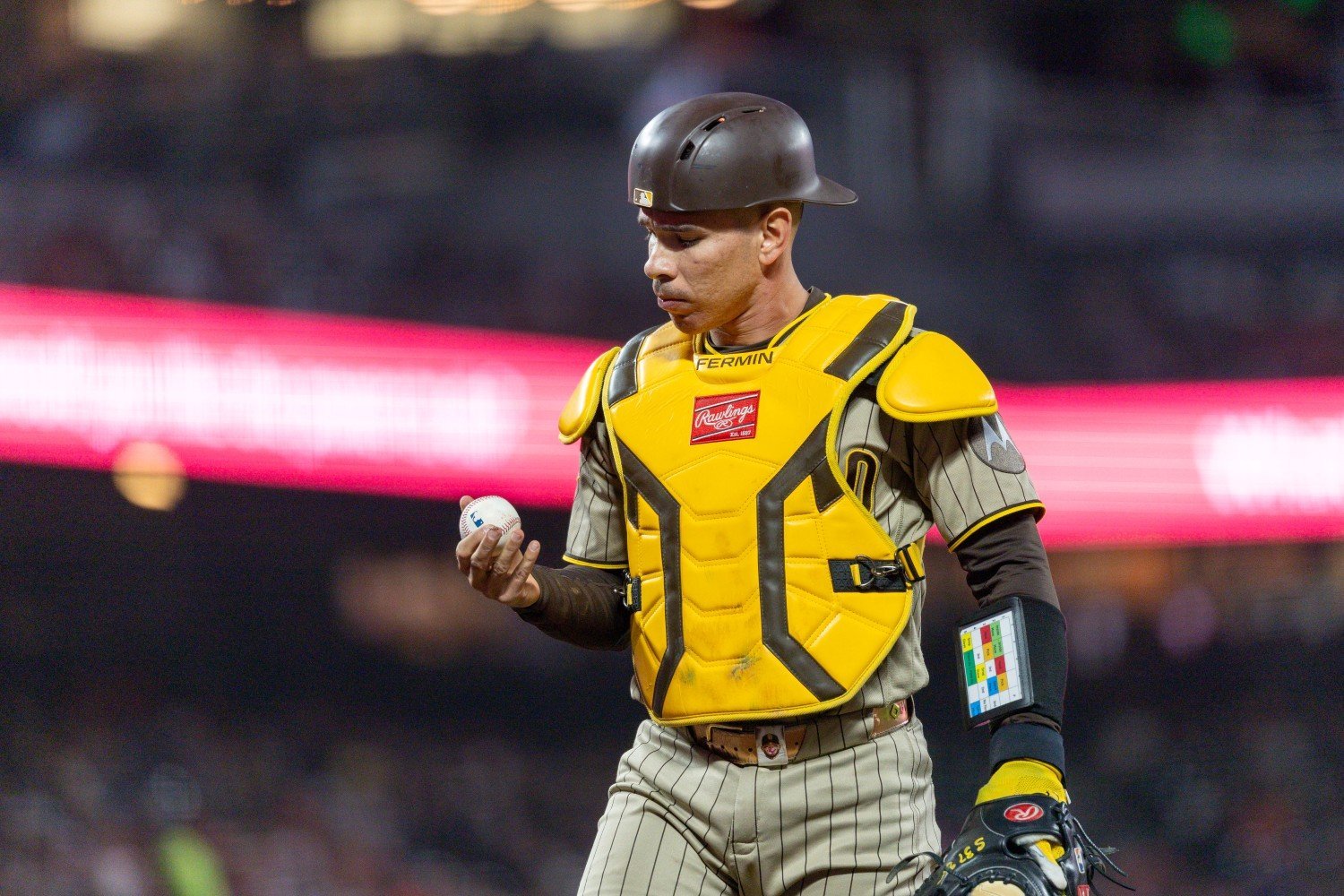 The Chicago Cubs enter the 2026-27 offseason with clear needs in the rotation and the outfield, but a quiet one also lurks behind the plate. While Miguel Amaya remains a part of the projected roster, the likely departure of Carson Kelly in free agency means that the team will have to cover roughly a starter's worth of innings at the position. There's an outside shot that they look internally to fill the void left by Kelly, with prospect Owen Ayers standing on the cusp of a big-league gig. A world exists in which the Cubs go with the Amaya-Ayers combination and address depth at the position, rather than acquiring an outside name to replace Kelly directly. However, despite his rapid ascent over the last year, it remains to be seen if the Cubs would let Ayers begin the season at the top level or if they'd rather him continue to refine his defense for a spell in Iowa to begin 2027. As such, it remains at least moderately more likely that the Cubs will address the position with someone capable of handling innings at the top level from the start for next season. Perhaps it's someone who can handle roughly 60 percent of the innings while Amaya covers the rest. Maybe it's vice-versa. The need exists, though. There's also a club out there with an obvious wealth at the position, in the San Diego Padres. The Padres ran their final month of the season with three catchers on their roster. Freddy Fermin was the team's starter for much of the year before losing his grip on a starting role to Luis Campusano as the year progressed. In the final month, top prospect Ethan Salas began making headway toward playing time, even logging heavy innings in their brief postseason run. It's unlikely that the Padres intend to carry all three again in 2027, especially when each brings a specific skill set that can be utilized in a trade to improve elsewhere on their own roster. Should they make a move to send a catcher elsewhere, the Cubs would certainly be a team to watch, given their need. However, caveats abound. The first is exactly what type of catcher the Cubs would be able to acquire. Salas is off the board. He turned 20 in June and possesses star-caliber upside. A trade would net you only one of Fermin or Campusano, and both come with certain questions. For Fermin, those questions are about his bat. He ranks as one of the better defensive catchers the game has to offer, finishing with a Fielding Run Value of 8 in 2026. However, there's virtually no offense to speak of. His wRC+ checked in at a mere 68, with his inability to contribute much of anything on offense a main reason he was ousted from the job in the first place. On the other end of the spectrum resides Luis Campusano. His wRC+ came in at 127, offering legitimate upside for a position that doesn't always have it. His shortcomings are on defense. Two years ago, he was virtually unplayable (-13 FRV). He has, though, shown significant growth in the time since. His FRV in 2026 got much closer to average (-2), and he controlled the running game extremely well (4 CS above average). The Cubs prioritize defense, though, so it's possible that growth may not be enough to interest them in the slugger. Regardless of the specific profile for which the Cubs may look, that the Padres have legitimate options clearly available does make the two a theoretical match in a trade. To make that match work, though, we also need to answer another question: What do the Padres need? San Diego's needs largely match the Cubs'. They need starting pitching as badly as the Cubs do. They need to add someone to take on regular work in left field. They'd also probably like some additional depth in the bullpen, in light of the presumed departures of multiple relievers in free agency. That the two sides have similar needs probably makes a deal less likely. From any angle, it becomes kind of a tough sell, but the Padres figure to be very active on a number of fronts under new ownership. If the Cubs are seeking a major-league caliber catcher in a trade, few organizations have the chance to be a better source than San Diego. View the full article
-
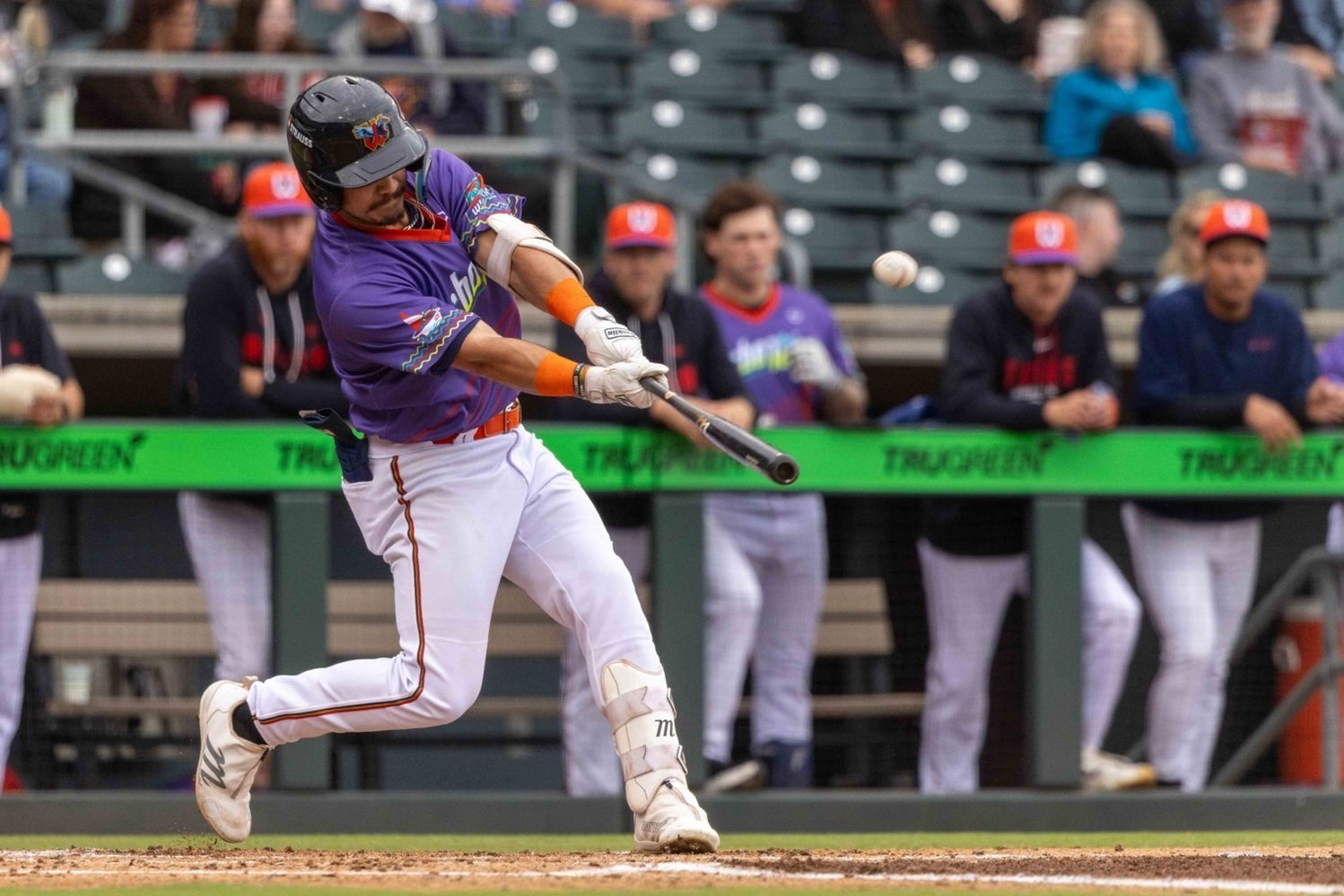 Game Results: Monday, 11/2 | Scottsdale 12, Salt River 10 Tuesday, 11/3 | Salt River 10, Peoria 11 (10 innings) Wednesday, 11/4 | Salt River 9, Scottsdale 8 Thursday, 11/5 | Salt River 3, Peoria 5 Friday, 11/6 | Salt River 7, Surprise 8 Sunday, 11/8, Fall Stars Game | AL Fall Stars 4, NL Fall Stars 7 The Salt River Rafters won only one of their five games during the week to fall below .500 on the season. The Fall Stars game also occurred on Sunday, with one of the Twins prospects standing out in the game. There again were no Twins players who received mention as a top performer for the week, and Yasser Mercedes did not play, but Kyle DeBarge continues to pace the Rafters roster. He leads the league in runs scored and carries an OPS above 1.000. OF Yasser Mercedes Week (did not play) Overall (through 11/9): .302/.389/.488 (.877 OPS) Mercedes only played in one game last week, and did not take the field at all during this one. Hopefully he is able to get back into games before the season is over, but if not he will still have made a good impression! IF Kyle DeBarge Week (5 games): 6-for-19, 7 R, 2 2B, 3B, HR (4), 5 RBI, 4 BB, 3 K, SB (8) Overall (through 11/9): .347/.473/.625 (1.098 OPS) DeBarge continues to be a force in the middle of the Rafters lineup. He played second base, third base, and centerfield during the week, batting leadoff three times, second once, and third once. He had multi-hit efforts in two games, clubbing a pair of doubles against the Scottsdale Scorpions on Monday, then a triple and his fourth home run against the Saguaros on Friday. In Sunday’s Fall Stars game, DeBarge started the game and batted third in the American League lineup. He finished 2-for-2 with two runs scored, a double, walk, and two stolen bases. While he didn’t take home the MVP award, he would have been a worthy candidate! LHP Cesar Lares Week (1 appearance): 1 IP, 0 H, 2 R (1 ER), 2 BB, 1 K Overall (through 11/9): 0-0, 12.91 ERA, 12 BB, 7 K, 2.87 WHIP, .313 BAA (7 2/3 IP) Lares pitched in Thursday’s loss to Peoria, coming into the game for the eighth inning with the score tied at three. He walked the first two hitters of the inning, and thanks to an error gave the Javelinas the lead and was saddled with the loss. He struck out one, but another run was able to score to make the final of 5-3. LHP Ross Dunn Week (1 start): 3 2/3 IP, 3 H, 2 ER, 2 BB, 6 K Overall (through 11/9): 0-2, 16.34 ERA, 11 BB, 15 K, 2.76 WHIP, .407 BAA (12 2/3 IP) The left-handed Dunn made the start in Thursday’s loss to Peoria. He gave up two runs in the first thanks to a pair of singles, a walk, and a hit batter, but recovered to complete nearly four innings. He struck out three in the second inning and two more in the fourth before being relieved. He left the game with the Rafters leading 3-2. LHP Cleiber Maldonado Week (1 appearances): 1 1/3 IP, 3 H, 2 R (1 ER), 0 BB, 1 K Overall (through 11/9): 0-1, 9.45 ERA, 3 BB, 9 K, 2.40 WHIP, .406 BAA (6 2/3 IP) Maldonado pitched in Tuesday’s extra-innings loss to Peoria, and was on the mound to end the game. He came into the game in the bottom of the ninth with the Rafters up by two and a runner on base after a leadoff walk. Maldonado proceeded to walk the first hitter he faced before getting the first out of the inning. He then threw a wild pitch that put both runners in scoring position, then gave up the game-tying single to send it to extra innings. The Rafters were able to score one in the top of the 10th, but Maldonado gave up a leadoff double and RBI single to end the game in the bottom half. He struck out one. LHP Jake Murray Week (1 appearance): 2/3 IP, 2 H, 2 ER, 2 BB, 1 K Overall (through 11/9): 1-0, 7.36 ERA, 8 BB, 4 K, 3.00 WHIP, .250 BAA (3 2/3 IP) Murray made his lone appearance of the week in the Rafters win over Scottsdale on Wednesday. He came into the game to begin the bottom of the sixth inning and walked the leadoff man. The next batter clubbed a double to make the score 7-5 Salt River. He picked up a strikeout but a single, another walk, and sac fly tied the game at seven and he was removed before he could finish a full inning. RHP Brian Zeldin Week (2 appearances): 1 2/3 IP, 1 H, 0 ER, 2 BB, 1 K Overall (through 11/9): 1-0, 1.69 ERA, 1.50 WHIP, .250 BAA, 2 BB, 4 K (5 1/3 IP) Zeldin appeared in another two games during the week, including Monday against the Scorpions and Thursday against the Javelinas. On Monday, his appearance was brief as he was called upon to get the final out of the top of the second inning. He walked one batter and got a groundout. On Thursday, he came into the game in the bottom of the fifth to get the final out, then also pitched the sixth inning, working around a walk and a one-out single to keep his outing scoreless. OF Jacob McCombs Week (did not play): McCombs has yet to see the field for the Salt River Rafters this season, but the hope is that he will be able to take the field soon with his fellow prospects! C Enrique Jimenez Week (1 game): 1-for-4, 1 R, 1 BB, 1 K Overall (through 11/9): .150/.320/.250 (.570 OPS) Jimenez played in Wednesday’s win over Scottsdale, serving as the DH and batting ninth in the lineup. He drew a walk leading off the top of the fifth inning, but would end up stranded on third base. In the top of the sixth, he added a single and came around to score on a triple that gave the Rafters a 7-5 lead. Please feel free to ask questions and discuss the Twins prospects playing in the AFL this week! View the full article
-
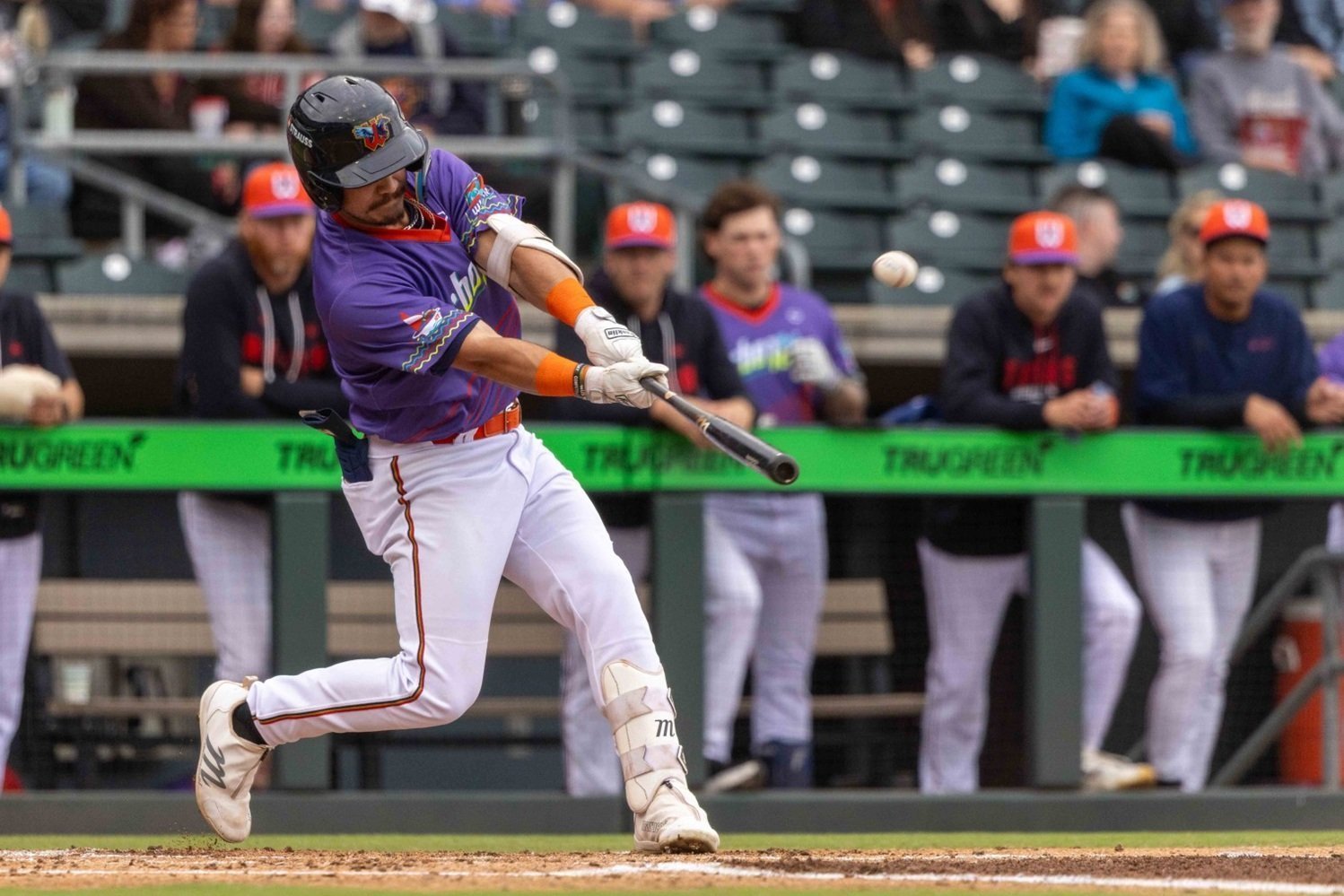 Game Results: Monday, 11/2 | Scottsdale 12, Salt River 10 Tuesday, 11/3 | Salt River 10, Peoria 11 (10 innings) Wednesday, 11/4 | Salt River 9, Scottsdale 8 Thursday, 11/5 | Salt River 3, Peoria 5 Friday, 11/6 | Salt River 7, Surprise 8 Sunday, 11/8, Fall Stars Game | AL Fall Stars 4, NL Fall Stars 7 The Salt River Rafters won only one of their five games during the week to fall below .500 on the season. The Fall Stars game also occurred on Sunday, with one of the Twins prospects standing out in the game. There again were no Twins players who received mention as a top performer for the week, and Yasser Mercedes did not play, but Kyle DeBarge continues to pace the Rafters roster. He leads the league in runs scored and carries an OPS above 1.000. OF Yasser Mercedes Week (did not play) Overall (through 11/9): .302/.389/.488 (.877 OPS) Mercedes only played in one game last week, and did not take the field at all during this one. Hopefully he is able to get back into games before the season is over, but if not he will still have made a good impression! IF Kyle DeBarge Week (5 games): 6-for-19, 7 R, 2 2B, 3B, HR (4), 5 RBI, 4 BB, 3 K, SB (8) Overall (through 11/9): .347/.473/.625 (1.098 OPS) DeBarge continues to be a force in the middle of the Rafters lineup. He played second base, third base, and centerfield during the week, batting leadoff three times, second once, and third once. He had multi-hit efforts in two games, clubbing a pair of doubles against the Scottsdale Scorpions on Monday, then a triple and his fourth home run against the Saguaros on Friday. In Sunday’s Fall Stars game, DeBarge started the game and batted third in the American League lineup. He finished 2-for-2 with two runs scored, a double, walk, and two stolen bases. While he didn’t take home the MVP award, he would have been a worthy candidate! LHP Cesar Lares Week (1 appearance): 1 IP, 0 H, 2 R (1 ER), 2 BB, 1 K Overall (through 11/9): 0-0, 12.91 ERA, 12 BB, 7 K, 2.87 WHIP, .313 BAA (7 2/3 IP) Lares pitched in Thursday’s loss to Peoria, coming into the game for the eighth inning with the score tied at three. He walked the first two hitters of the inning, and thanks to an error gave the Javelinas the lead and was saddled with the loss. He struck out one, but another run was able to score to make the final of 5-3. LHP Ross Dunn Week (1 start): 3 2/3 IP, 3 H, 2 ER, 2 BB, 6 K Overall (through 11/9): 0-2, 16.34 ERA, 11 BB, 15 K, 2.76 WHIP, .407 BAA (12 2/3 IP) The left-handed Dunn made the start in Thursday’s loss to Peoria. He gave up two runs in the first thanks to a pair of singles, a walk, and a hit batter, but recovered to complete nearly four innings. He struck out three in the second inning and two more in the fourth before being relieved. He left the game with the Rafters leading 3-2. LHP Cleiber Maldonado Week (1 appearances): 1 1/3 IP, 3 H, 2 R (1 ER), 0 BB, 1 K Overall (through 11/9): 0-1, 9.45 ERA, 3 BB, 9 K, 2.40 WHIP, .406 BAA (6 2/3 IP) Maldonado pitched in Tuesday’s extra-innings loss to Peoria, and was on the mound to end the game. He came into the game in the bottom of the ninth with the Rafters up by two and a runner on base after a leadoff walk. Maldonado proceeded to walk the first hitter he faced before getting the first out of the inning. He then threw a wild pitch that put both runners in scoring position, then gave up the game-tying single to send it to extra innings. The Rafters were able to score one in the top of the 10th, but Maldonado gave up a leadoff double and RBI single to end the game in the bottom half. He struck out one. LHP Jake Murray Week (1 appearance): 2/3 IP, 2 H, 2 ER, 2 BB, 1 K Overall (through 11/9): 1-0, 7.36 ERA, 8 BB, 4 K, 3.00 WHIP, .250 BAA (3 2/3 IP) Murray made his lone appearance of the week in the Rafters win over Scottsdale on Wednesday. He came into the game to begin the bottom of the sixth inning and walked the leadoff man. The next batter clubbed a double to make the score 7-5 Salt River. He picked up a strikeout but a single, another walk, and sac fly tied the game at seven and he was removed before he could finish a full inning. RHP Brian Zeldin Week (2 appearances): 1 2/3 IP, 1 H, 0 ER, 2 BB, 1 K Overall (through 11/9): 1-0, 1.69 ERA, 1.50 WHIP, .250 BAA, 2 BB, 4 K (5 1/3 IP) Zeldin appeared in another two games during the week, including Monday against the Scorpions and Thursday against the Javelinas. On Monday, his appearance was brief as he was called upon to get the final out of the top of the second inning. He walked one batter and got a groundout. On Thursday, he came into the game in the bottom of the fifth to get the final out, then also pitched the sixth inning, working around a walk and a one-out single to keep his outing scoreless. OF Jacob McCombs Week (did not play): McCombs has yet to see the field for the Salt River Rafters this season, but the hope is that he will be able to take the field soon with his fellow prospects! C Enrique Jimenez Week (1 game): 1-for-4, 1 R, 1 BB, 1 K Overall (through 11/9): .150/.320/.250 (.570 OPS) Jimenez played in Wednesday’s win over Scottsdale, serving as the DH and batting ninth in the lineup. He drew a walk leading off the top of the fifth inning, but would end up stranded on third base. In the top of the sixth, he added a single and came around to score on a triple that gave the Rafters a 7-5 lead. Please feel free to ask questions and discuss the Twins prospects playing in the AFL this week! View the full article
