


DiamondCentric
-
Posts
2,631 -
Joined
-
Last visited
Never
Content Type
Profiles
Forums
Events
MLB News, Rumors & Analysis
DiamondCentric Tutorials & Help
Major League Baseball Videos
MLB Fan Guides & Resources
Store
Downloads
Gallery
Everything posted by DiamondCentric
-
 Are you excited for the 2026 Brewers? YOU SHOULD BE.View the full article
-
 The surface numbers this spring look promising for Brooks Lee, but the underlying data tells a much different story. With 2026 shaping up as a make-or-break year, can he turn weak contact into real production before the Twins start looking elsewhere? View the full article
-
 The contributors at Talk Sox have ranked their top 20 prospects, and in this video, we look at the 16-20 ranked prospects. Will Tyler Uberstine crack the top 20? Where will Conrad Cason fall? Tune in to find out! Discussed in this video are Conrad Cason, Nelly Taylor, Tyler Uberstine, Yophery Rodriguez, and Yoeilin Cespedes. View the full article
-

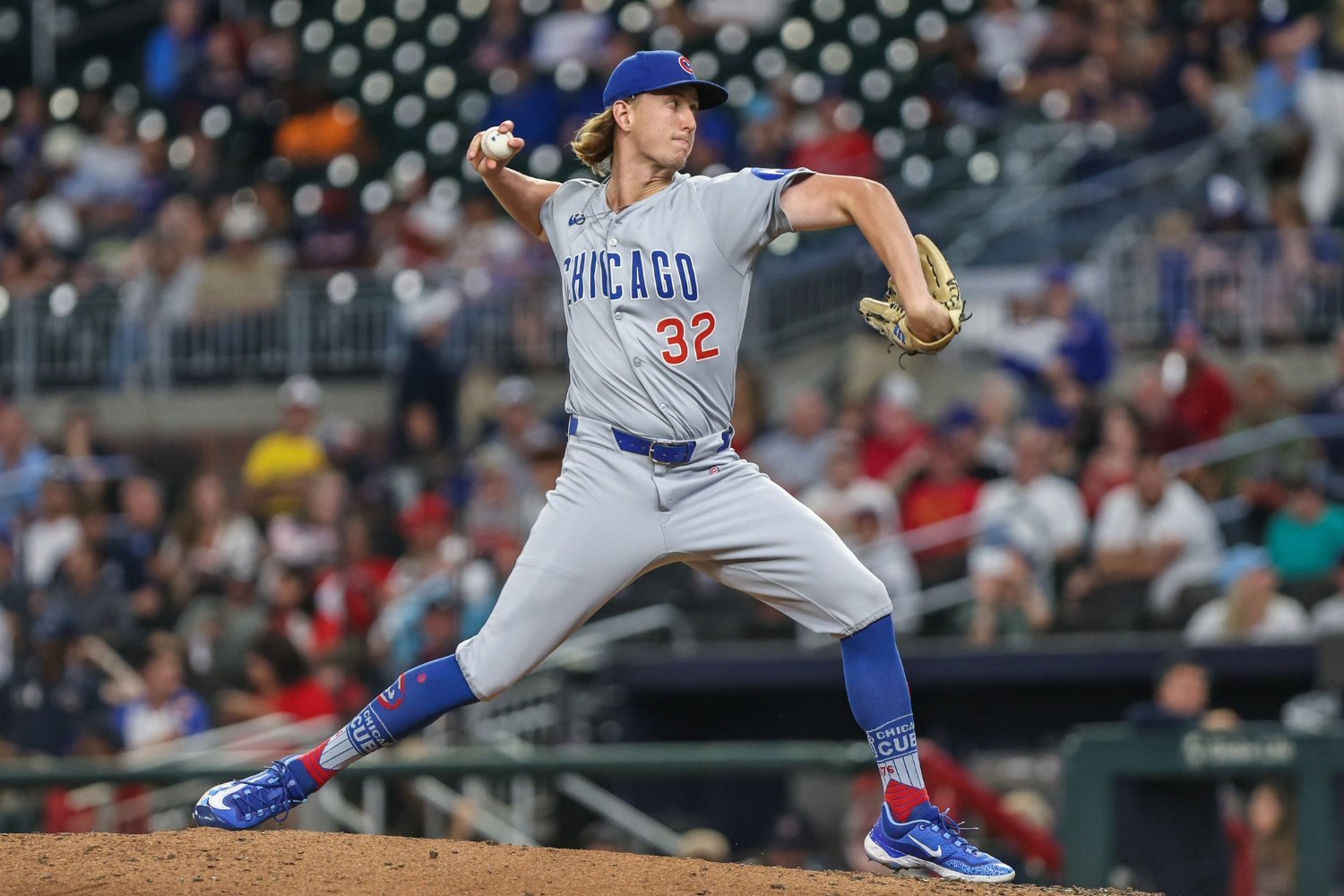 At times, Ben Brown looks like an impact starter with his high-octane four-seam fastball and wipeout breaking ball. He’s been held back by lacking an effective third pitch, especially against lefties. This spring, it appears that the Chicago Cubs' right-hander may have found an answer. Much of Brown's past struggles can be traced to his limited pitch mix. His .323 career BABIP allowed and 12.9% home-run-to-fly-ball rate may stem from being mainly a two-pitch pitcher. Allowing a .351 wOBA to lefties, compared to .291 to righties, shows the need for a third offering, particularly one that runs away from the former. After several years of wondering whether Ben Brown would add that third offering, it appears he's finally done it. He debuted a sinker this spring, and it might be just what he needs to take the next step. It's a legitimately different option to turn to, with six more inches of horizontal break than his four-seamer. Two starts ago, the sinker was Brown’s most used pitch. He used it comfortably against hitters on both sides. In his last start, he threw the sinker only to lefties, who have often overmatched him. The pitch posted a 33.3% whiff rate and allowed only weak contact. Sinkers are not traditionally the go-to option when it comes to retiring opposite-handed hitters in the MLB. For that reason, many had hoped Brown would integrate a change or a splitter into his repertoire, which is typically a great equalizer. That being said, sinkers performing better against same-handed hitters is not a universal truth in baseball. Plenty of pitchers have found great success with this strategy. Even though the sample size is small, it’s hard not to be encouraged with this new pitch, especially with how it was used and how it performed in Brown’s last start. If the sinker becomes an effective answer against left-handed hitters, the sky is the limit. The velocity and break are both flashing plus tendencies, and the pitch works tremendously off his best pitch, the knuckle curve. The Cubs boast ample starting pitching options. Ben Brown may have to wait for another rotation opportunity, as his remaining option allows the team to send him to Triple-A, but a return shouldn't be out of the question. His dominant arsenal finally has a complement, and after years of showing promise, Brown might be poised to put everything together. View the full article
-
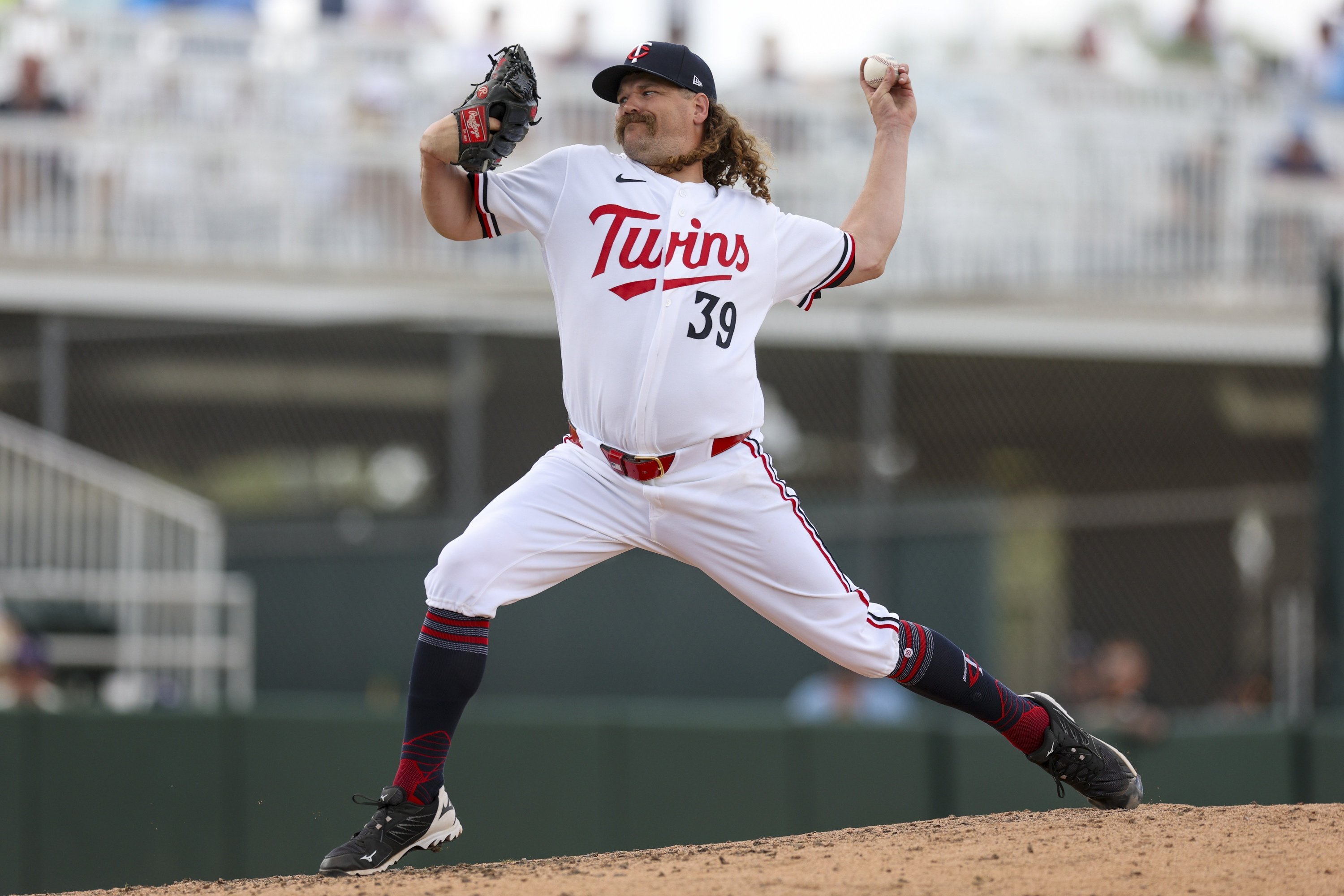 As the Minnesota Twins gear up for their season opener in Baltimore, the major-league roster continues to be trimmed down to its appropriate 26-player size. Friday, two recognizable veteran relievers, Andrew Chafin and Liam Hendriks, were granted their release after being informed they wouldn't make the team. Considering the depleted state of the Twins bullpen after the trade deadline sell-off, this seems like a strange move and one that should invoke panic. It may instead be the exact opposite: a move that signals a lesson learned from past roster mistakes. Hendriks, at the outset of camp, was a leading candidate to be the top right-hander at the back end of the bullpen, vying for save opportunities. Coming off injuries and a cancer battle, the Twins needed to see Hendriks regain form closer to his 2022 self. While Hendriks was able to ramp up to the mid-90s in velocity, general manager Jeremy Zoll stated they didn’t see the consistency they had hoped to from their reliever. The most recent of those inconsistencies was on display Thursday evening as the Twins visited the Red Sox. Hendriks, in his one inning of work, gave up two hits, two walks, threw a wild pitch, and allowed one run. Evidenced by his release the next day, it was not what the Twins and Zoll were looking for in the veteran. Chafin came to the Twins with a similar good veteran track record, offering continued hope for the rebuilding bullpen. When the left-hander was at his peak of success, he was able to throw 93 mph with his sinker. As Chafin worked through spring, he was never able to touch 90 mph and sat at only 86 mph in Monday’s outing. It's a continued negative trend from his 89 mph average in 2025. Moving on from those two veterans represents a shift from what we have traditionally seen from the Twins. The club is giving a chance to an unproven group that may have upside, rather than potentially watching some name-worthy veterans continue to trend in the wrong direction. This means that now the likes of Cole Sands, Zak Kent, Eric Orze, Dan Altavilla, Matt Bowman, Trent Baker, and Cody Laweryson will have a shot at being the arms that rebuild the Twins bullpen. It may be too early to call this a full-on change in philosophy, but it is a positive sign that there may be one in process. Twins fans have had to endure watching the Twins hang onto veterans of the likes of Joey Gallo way beyond their usefulness. Instead, we will get to see if one of these low-wattage additions can have the sort of success the team desperately needs for the sake of the bullpen. It should be a welcome change from the post-deadline stretch in 2025 when veteran placeholders got most of the innings rather than anyone with much future potential. It wasn’t too long ago that the Twins had both Danny Coulombe and Jeff Hoffman in camp and released them just before they had great success elsewhere. While Derek Falvey is gone, others like Zoll have been part of a leadership that has been able to identify good arms, but hasn't held onto them long enough. Just a fraction of that sort of success from one of the group of relievers still in camp would be great development for the 2026 roster. If this is a true signal of a renewed willingness to move on from veterans sooner rather than later, it could be a significant advantage on the positional side as well. Right now, the Twins will have an exciting group of outfield prospects in St. Paul to start the season, including Emmanuel Rodriguez, Carlos Gonzalez, and Walker Jenkins. If the likes of James Outman or Trevor Larnach struggle out of the gate, fans can be hopeful that a Zoll-led front office may be willing to move on with appropriate timing, paving the way for this exciting group of prospects ready to hit the majors. What do you think? Did the Twins make a grave mistake by letting go of two proven veterans, or do you have faith that this is a sign that the tide is turning in Minnesota in how the front office handles veterans? View the full article
-
Kansas City Royals 2026 Position Analysis: Center Field
DiamondCentric posted an article in Royals Keep
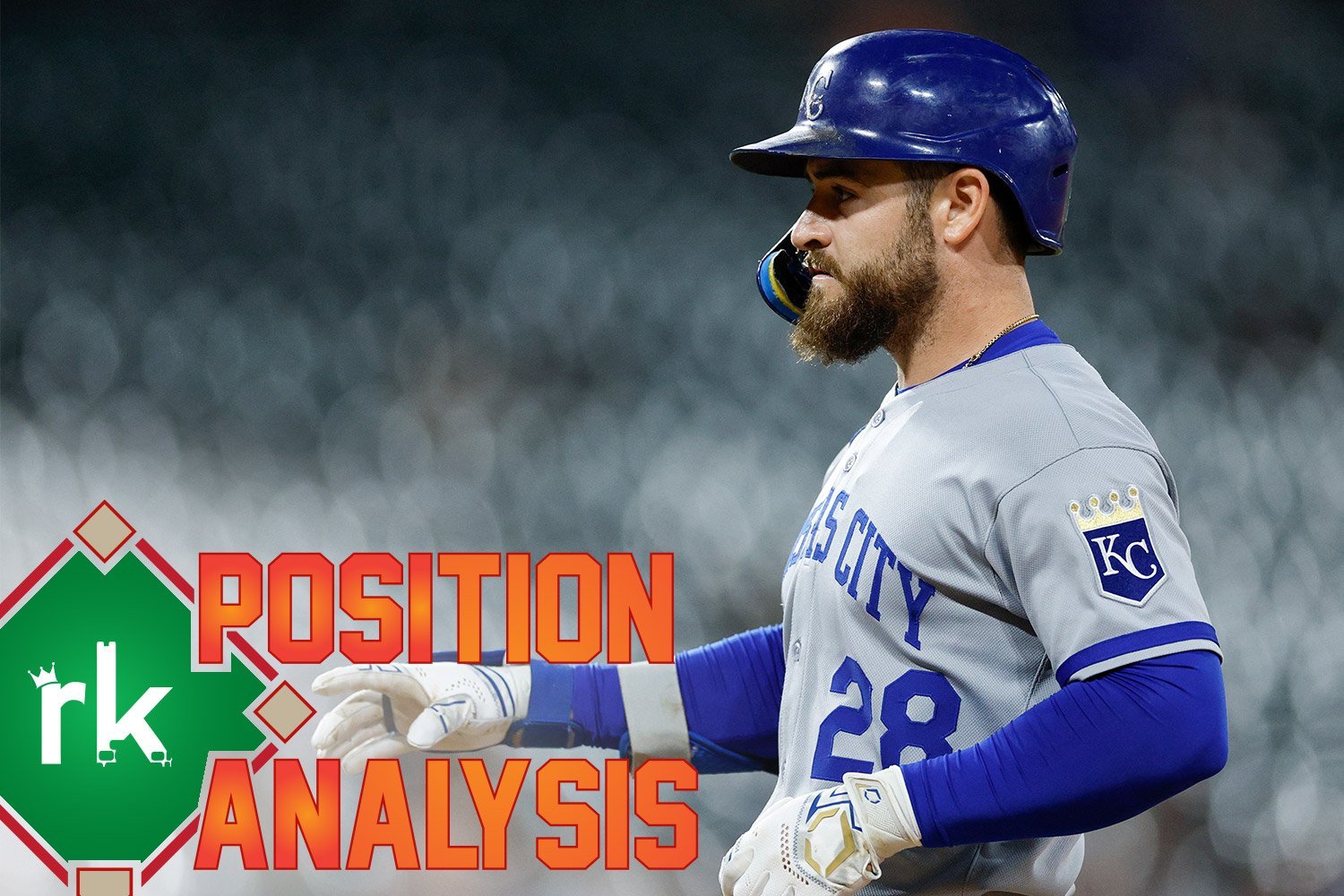 While the corner outfield had a lot of variance in the day-to-day starting lineup, center field was a position of relative stability. Kyle Isbel started 118 games in center field last season. When Isbel was not in the lineup, the Royals did not have a viable option to replace him, to the point that they even experimented with playing Maikel Garcia in center. Going into 2026, the Royals signed Lane Thomas to a one-year contract. The addition of Thomas gives the Royals a proven Major League depth option and the flexibility to platoon him with Isbel against left-handed pitching. Royals Second Basemen At a Glance Starter: Kyle Isbel Backups: Lane Thomas Depth: Tyler Tolbert, John Rave, Drew Waters Prospects: Gavin Cross, Carson Roccaforte Royals fWAR Ranking Last Year: 24th out of 30 Royals fWAR Projection This Year: 30th out of 30 The Good Kyle Isbel is an excellent defender. According to Statcast data via Baseball Savant, Isbel grades in the 93rd percentile in fielding run value. In 2025, he was worth 12 Outs Above Average (OAA) based on his range. The Royals know what they are getting with Isbel in the field, and they are willing to live with offensive deficiencies (we’ll get to that later) if he can continue to provide exceptional defense. Lane Thomas can help pick up the slack for Isbel’s lack of offensive production, particularly against left-handed pitching. From the 2021 through the 2024 seasons, Thomas provided above-average production against lefties, posting a wRC+ of at least 107. That will be a welcome improvement compared to the 56 wRC+ that Isbel had against lefties in 2025. Historically, Thomas has been graded close to average fielding run value with above-average arm value, arm strength, and spring speed. There shouldn’t be too big a defensive dropoff when Thomas starts against lefties. The Bad Isbel has not been good on offense, even against right-handed pitching. He has not posted an above-average wRC+ against righties since his rookie season in 2021. In 2025, Isbel graded in the 9th percentile in batting run value, along with 1st percentile marks in xwOBA, xSLG, and launch angle sweet spot. While Isbel is above average in whiff and strikeout rates, he rarely walks, doing so at just 5.6%. Ideally, Thomas would mitigate Isbel’s deficiencies, but Thomas dealt with multiple injury setbacks that limited him to just 39 games in 2025. He is only a couple of years removed from a season where he slashed .268/.315/.468, but Thomas will need to prove that he can both return to that level of production and stay healthy for a long stretch of the season. If the Royals only ask him to contribute on the short side of the centerfield platoon, that could help keep Thomas fresh and reduce the risk of additional time on the injured list in 2026. After Isbel and Thomas, there are prospects who have not yet been able to make a meaningful impact at the major-league level. Tyler Tolbert, John Rave, Kameron Misner, and Drew Waters all have struggled to impress in their limited time in the big leagues. Waters is also out of minor-league options and is more likely to be designated for assignment rather than make the Opening Day roster. While there is still time for any of them to grow into contributors in MLB, the Royals will hope that their services won’t be necessary in 2026. The Bottom Line The fWAR projection for Royals center fielders is concerning, and a majority of that production is expected to come from Kyle Isbel’s exceptional defense. While Lane Thomas is a major-league proven option, his injury history casts doubt on whether he can be a reliable option in 2026 for a full season. If Thomas can stay healthy, his offensive production could be a boon for the Royals in 2026 as a complement to Isbel’s strong defense. If his health remains an issue, however, the Royals may once again look to their minor-league depth for answers in center field. Previous Installments: Second Base Position Analysis Catcher Position Analysis First Base Position Analysis Corner Outfield Position Analysis View the full article
-
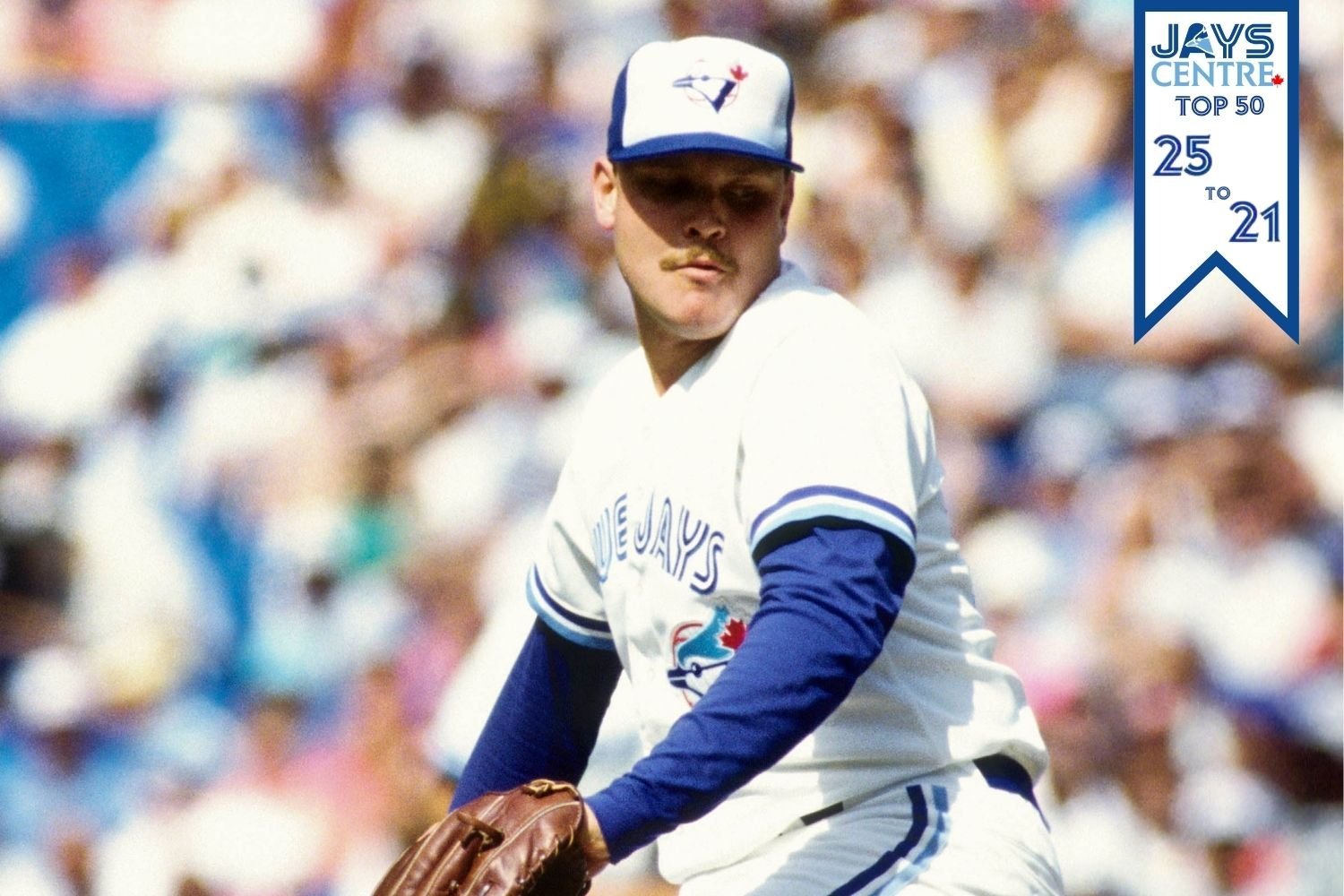 Jays Centre is counting down the top 50 Blue Jays in franchise history. Check out prior entries in the series here: Introduction 50 to 46 45 to 41 40 to 36 35 to 31 30 to 25 Baseball is a sport where you rarely ride off into the sunset, and even if the conditions are right for a cinematic exit, you might only be hitting .203. As we continue our countdown of the best Blue Jays of all time, we look back at some legends who didn’t end things in Toronto the way we wished. For the next player on our list, we can still dream of that storybook finish. No. 25: Kevin Gausman 11.2 bWAR (T-13th among Toronto pitchers) 48-41 over 125 starts 3.81 ERA 9.72 K/9 (2nd behind Tom Henke) Sometimes, you have to wait for the best things in life. Toronto tried to sign Kevin Gausman as a free agent before the 2020 and 2021 seasons, but both times, the right-hander returned to the Giants. After the Jays barely missed the playoffs in ‘21, general manager Ross Atkins finally got his guy – and let another find walk in the process. A few weeks before, Robbie Ray had become the fourth and most unlikely Blue Jays pitcher to win the Cy Young Award, but with the five-year, $110-million contract given to Gausman, it was clear Ray was out of the picture. The decision was not only the correct one, but with a year left on his contract, Gausman is arguably the best free agent signing in team history. Over four seasons, Gausman has given Toronto ace-level consistency not seen since Roy Halladay (and yes, David Price). His presence was never more apparent than during last year’s playoff run. Gausman pitches like an ace and acts like one. He is one of the coolest customers to ever pitch in a Blue Jays uniform and will take the ball on Opening Day this season, a season in which Gausman will continue to build, and maybe finalize, his Toronto legacy. No. 24: Shawn Green 13.3 bWAR (24th among Toronto position players) Gold Glove and Silver Slugger as an All-Star in 1999, hitting .309 with 42 HR and 123 RBI How quickly it came crashing down. Shawn Green was a first-round pick by Toronto in ‘91, and after destroying the minors, he earned six at-bats and a World Series ring in the ‘93 season. Green became an everyday player in ‘95 and improved each year before breaking out in ‘98 with 35 home runs. He called that year’s Blue Jays the best team he’d ever played on, but Toronto was unable to make the playoffs in a brutal AL East. Green’s following year remains one of the better individual seasons in franchise history. Behind the scenes, things had crumbled. On the final weekend of the regular season, manager Jim Fregosi and GM Gord Ash cleared out the coaching staff, firing five, including pitching coach Mel Queen and hitting coach Gary Matthews. Green was displeased, saying Queen knew more about baseball than “anyone I’ve ever met, hands down,” and he was even more befuddled when the team replaced Matthews with Cito Gaston, someone Green felt held him down in his previous job as Toronto's manager. Green would be a free agent at the end of 2000 and said the moves hadn’t impacted any extension talks with Ash. It wasn’t entirely inaccurate; negotiations just weren’t happening. A few weeks after he told the Blue Jays he wasn’t going to re-sign, Green was traded to the Dodgers for Raul Mondesi and Pedro Borbon. Green had given the fanbase a reason to be optimistic in Toronto’s post-World Series seasons; his departure marked the beginning of the end of hope for some time. No. 23: Devon Whyte 22.3 bWAR (T-10th among Toronto position players) 3.9 defensive bWAR in 1992 (highest single-season mark in team history) The first trip to Canada sucked. Devon Whyte was not supposed to be in Edmonton. No one ever is. He was an All-Star for the Angels in ‘89, but the all-world defender could not hit a lick at the start of the 1990 season and was sent up north to Triple A. Whyte was back in the majors at the end of the season, but after six years in California, he was washed out of the Angels' plans. Three days before making an even bigger trade with San Diego, GM Pat Gillick sent Junior Felix and some pocket change in a deal for Whyte, who he pictured gracefully locking down center field in the midst of a powerful lineup still being built. Gillick’s vision made Whyte's second trip to Canada a longer-lasting one. No one has looked smoother patrolling the dome's outfield turf, and Whyte rightfully won Gold Gloves in all five of his seasons with Toronto. His bat? It would do just fine. Whyte slashed a career best .282/.342/.455 in his debut season, and his All-Star campaign in ‘93 with 42 doubles and 34 steals helped Toronto repeat as World Champions. Unlike Green, Whyte played the best baseball of his career as a Blue Jay, and as a result, few are held in higher regard by fans of the World Series-era teams. No. 22: Duane Ward Second place in a few franchise pitching categories, including appearances (452), saves (121), and ERA (3.18) Best HR/9 rate (0.415) in team history. Operating as the burly consigliere to closer Tom Henke, Duane Ward logged over 100 innings out of Toronto’s bullpen in five straight seasons beginning in ‘88. When Henke left after the ‘92 title year, Ward recorded 45 saves in the closer’s role as the Jays repeated as champs. As good as he was during the regular season, Ward saved some of his best performances for when they mattered most in the World Series. He struck out half of the dozen Braves he faced in ‘92 and was vital against Philadelphia in ‘93, which culminated in a scoreless ninth inning of work preceding Joe Carter’s statue-worthy walkoff, earning the win in the series-clinching Game 6. It could be said that no one gave up more for Toronto’s successes than Ward. When he went to throw in the winter for the first time as a back-to-back champion, Ward felt pain in his shoulder. The enormous workload that got the Blue Jays to the top had taken its toll. He would miss the ‘94 season with a torn rotator cuff and would only pitch in four more games the following year. The accomplishments that earned him this spot among the franchise’s greats should never be forgotten. No. 21: Bo Bichette 21.0 bWAR (13th among Toronto position players) Sixth-highest batting average in team history (.294) It still doesn’t feel like the right time to write a postmortem about Bo Bichette. Long before Bo and Vladdy arrived in the majors in 2019, fans dreamed of the two second-generation players carrying the Blue Jays into new successes. Just as we seemingly arrived in that moment, Bo is gone. His impending departure was camouflaged in the excitement of last season’s playoff run, especially while Bichette remained out with an injury. When he returned, his offensive aura provided the World Series another star player, and he did everything one could ask and hope. Playing through knee pain, Bichette handled second base duties while going 8-for-23 with a home run in the final game we wish could be remembered more fondly. Bo never looked more like the player the Blue Jays needed than in those seven contests. A reunion then seemed plausible, but any time spent wondering about Bo coming back now seems wasted. The writing was on the wall long ago; this was an it couple from high school, unable to make it through their twenties together. You allowed yourself the thought because, well, who didn’t like Bo Bichette? Just make it work. Unfinished business and feelings aside, Bo coming back was never a likely scenario. We will see if this becomes another Robbie Ray moment, because how the next few years play out will impact how we remember Bichette’s time with Toronto and this era of Blue Jays baseball. View the full article
-
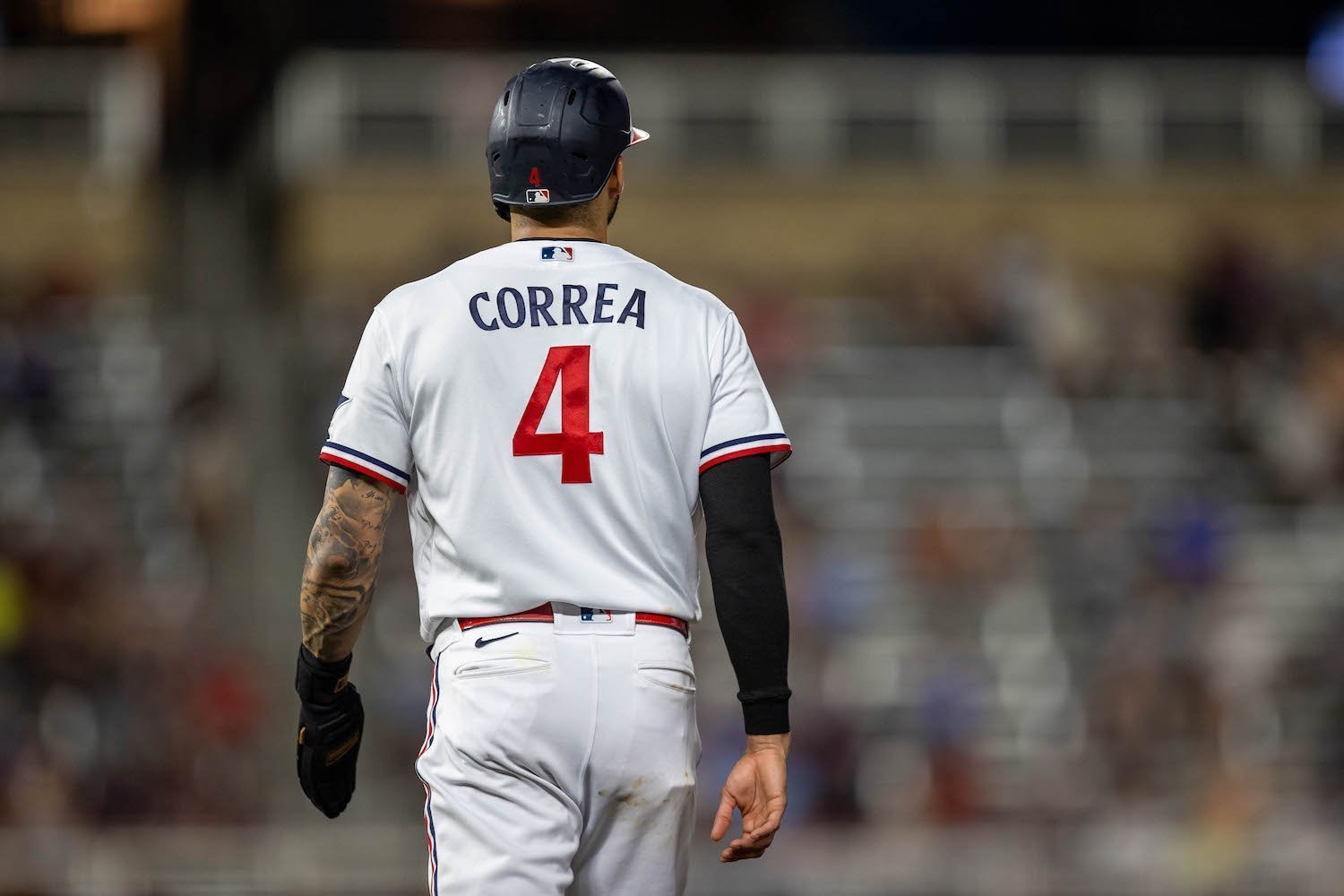 From start to finish, Carlos Correa’s time in Minnesota was a strange odyssey — one that, it turns out, nearly ended in tragedy. In a recent interview with MLB.com’s Brian McTaggart, Correa recounted a harrowing moment on Lake Minnetonka last July, when he found himself “fighting for survival.” During a family outing, he drifted far from both the boat and the shore, exhausted and struggling to stay afloat while carrying his 3-year-old son, Kylo. Correa wasn’t wearing a life jacket. Spotting a nearby buoy, he made for it, believing it was his only chance. Kylo, safely strapped into a life vest, sat on his shoulders, asking if they were going to be okay. Correa reached the buoy but slipped. He went under, grabbed the chain, and injured his left hand. With his son still on his shoulders, he alternated hands just to stay above water, shouting toward the boat for help. It was, by his account, his last gasp. His father-in-law eventually spotted him and swam out with a life jacket. Correa and his son made it out safely. As McTaggart notes, the experience sparked a religious reawakening, leading Correa to organize regular Bible study sessions during the offseason. I get that a lot of Twins fans are down on Correa. But, it’s difficult to hear a story like that and not feel a jolt of empathy. A situation like that — legitimately fearing for your life, trying to suppress panic while your child looks to you for reassurance — can leave lingering echoes of trauma. I know numerous people who've witnessed drowning incidents or had close calls themselves, and it haunts them. The exact date of the incident isn’t specified, but Correa was traded back to Houston two weeks later, suggesting it occurred around the All-Star break. He was in the lineup for the first game of the second half, showing no outward signs of what he’d just endured. You never really know what someone is dealing with. It's quite the bookend to Correa’s turbulent tenure in Minnesota. He arrived as a jilted free agent and experienced dramatic highs and lows over three and a half seasons. Injuries, including plantar fasciitis in both feet, disrupted his availability and hampered his performance. In 2024, that issue cut short an All-Star-caliber campaign and coincided with a team-wide collapse that carried through to 2025. I'm also not going to pretend everything was out of his control. Last season, Correa was healthy but repeatedly came up short in big moments, a stark contrast to his reputation. At times, he carried himself more like a hired mercenary than a foundational piece, and that perception only hardened on his way out. As McTaggart writes, “He never wanted to leave Houston in the first place.” Still, whatever frustration lingers is outweighed by something else. It’s disappointing that what once looked like a defining chapter for the Twins unraveled so completely. It’s disappointing that the franchise’s boldest free-agent move will be remembered more for what didn’t happen than what did. And it’s scary to realize that, near the end of it all, things came far closer to tragedy than anyone realized. View the full article
-
How Marlins will decide battle for Opening Day bullpen spots
DiamondCentric posted an article in Fish On First
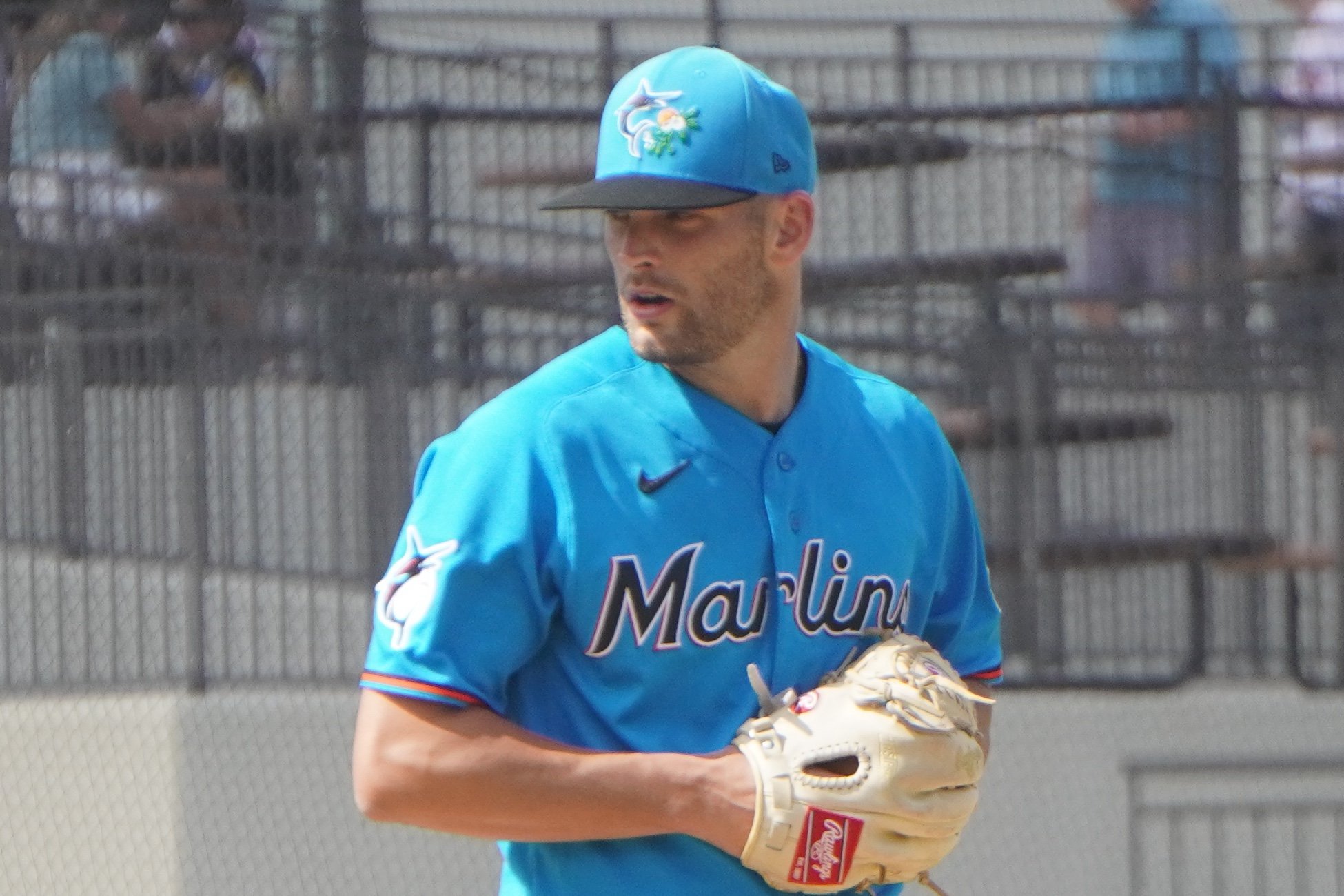 WEST PALM BEACH, FL — The Miami Marlins announced on Friday that their starting rotation will consist of right-handed pitchers Sandy Alcantara, Eury Pérez, Max Meyer, Chris Paddack and Janson Junk. Less than a week away from Opening Day, the bullpen situation is not as settled. The current locks are Pete Fairbanks, John King, Calvin Faucher, Anthony Bender and Tyler Phillips. Beyond those names, there are three open spots. The names in contention are left-handers Cade Gibson and Andrew Nardi along with right-handed pitchers Michael Petersen, Lake Bachar and Tyler Zuber (a non-roster invitee). The Marlins will wind up using all of them over the course of the 2026 season. Determining who breaks camp with the big league club will be influenced by who can be relied on most to provide quality length. "Trying to get as many members down in that bullpen that potentially would break with us into a spot where they can go multiple innings—they can go the 40-50 pitch range, if needed from them," said manager Clayton McCullough on Friday. "We feel like we're not there yet. We still have some decisions to be made here at the end with some, but we feel like that of those remaining in that mix for our 'pen, that we have a high number of them that are going to give us that type of ability to go multiple innings." Gibson, Bachar and Petersen all threw in West Palm Beach on Friday, while Nardi threw in Jupiter. Gibson struggled, unable to complete an inning, allowing two runs on three hits while recording one walk and one strikeout. Bachar, who followed Gibson, threw an inning, striking out two. The righty's fastball topped out at 96.0 mph and averaged 95.5 mph (both personal bests for him during spring training). Both strikeouts came on his slider, which generated two whiffs. Petersen struggled as well, going one inning, walking two and striking out one. "(Gibson) and (Petersen) ran into some traffic, but fought through it," said Marlins bench coach Carson Vitale following the game. "Thought they did a nice job. Lake was good tonight. It's kind of the best version we've seen of him this spring. The velo was up, the strike zone was up, the two-k execution was really good. All three of them did a nice job tonight, but Lake stood out for sure." As for Nardi in Jupiter, he went one scoreless inning, walking and striking out one. "Very encouraging," McCullough said. "I think we were optimistic coming into camp, not sure maybe what type of version we'd get. As the camp's gone along, he's handled everything that we've thrown at him. He's filled up the strike zone, breaking balls have been good and we're seeing the life of his fastball come back as he goes along." In 4 ⅓ innings of work this spring, Nardi has allowed just one hit in the process and struck out seven against two walks. He is making a strong case for the roster, but he was behind schedule compared to the other pitchers due to a blood blister issue. That may be used as a tiebreaker, giving the Marlins a reason to initially build him up in Triple-A Jacksonville. The Marlins' Grapefruit League finale will be Sunday afternoon against the New York Mets. However, they will have a series of team workouts at loanDepot park from March 24-26, allowing them to gather even more information about these relievers if necessary. View the full article
-
Mets Roster Central: Getting Caught Up in Our New Home
DiamondCentric posted an article in Grand Central Mets
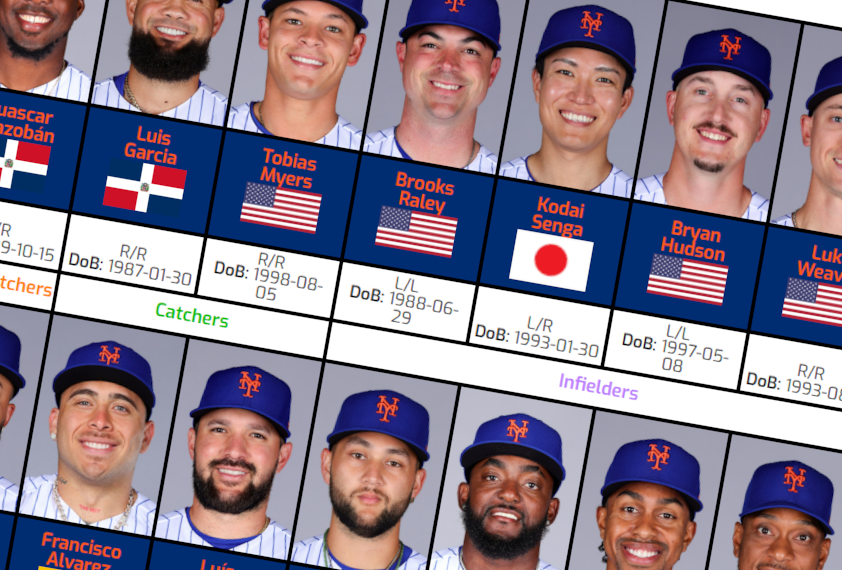 Long has our roster gone without updates while we sorted through the boxes and hauled the furniture over in moving vans from the old place to the new. This has necessitated reprogramming the Mets Roster Central database as well. We apologize if this means catching up, but we need not go into Opening Day without a less-than-up-to-date roster. Please note that Mets Roster Central Updates will no longer include endless scrolls through the entire Mets roster in the forum threads (Yay!). We'll just provide the updates and post the full roster in the news articles. Let's get caught up! Transactions, 8/4/2025 "table { margin: 2px; width: auto; border: 1px solid black;} th { padding: 2px; line-height: 1; max-width: 90px; border: 3px solid black; font-family: ""Arial"", sans-serif; font-size: 16px; font-weight: bold; color: #FFFFFF; text-align: right; vertical-align: top; background-color: #000000; } td { padding: 6px; line-height: 1; max-width: 90px; border: 3px solid black; font-family: ""Arial"", sans-serif; font-size: 12px; text-align: center; vertical-align: bottom;}" GOING Released Outfielders Willy Fanas S/R DoB: 1/23/2004 High Level: A (2025) We open, as too often happens, with an overlooked transaction from days gone by. These transactions, if nothing else, allow Mets Roster Central to update their database thumbnail photos of young prospects on the way out the door. Willy Fanas was signed as an 18-year-old and represented in the database by a grainy shot of him swinging the bat on the back field of a Dominican academy. In his three-plus years in the Mets system, he showed a promising walk/speed package, but made too little contact — and too little consequential contact — to get more than semi-regular work, or to advance past A ball. More interesting Fanas-fact is that the Mets only grabbed him after the Angels reneged on a deal — leading to a lawsuit filed by Willy and Keiderson Pavon, another prospect the Angels spurned. We don't know how that turned out, but it's always nice to see oft-exploited young Dominican ballplayers express their rights. But enough about guys released last summer. Transactions, 3/12/2026 "table { margin: 2px; width: auto; border: 1px solid black;} th { padding: 2px; line-height: 1; max-width: 90px; border: 3px solid black; font-family: ""Arial"", sans-serif; font-size: 16px; font-weight: bold; color: #FFFFFF; text-align: right; vertical-align: top; background-color: #000000; } td { padding: 6px; line-height: 1; max-width: 90px; border: 3px solid black; font-family: ""Arial"", sans-serif; font-size: 12px; text-align: center; vertical-align: bottom;}" COMING Purchased from Washington (Frontier League), Projected for St. Lucie Purchased from Lake Country (American Association), Projected for Brooklyn Infielders Outfielders Cole Fowler JT Benson L/R DoB: 2002-12-10 High Level: Frontier League (2025) R/R DoB: 2002-04-01 High Level: American Association (2024) March isn't too late to go scouting indie-league guys. Cole and JT were probably already in Florida working out with some indy squads. The two come to the Mets from very different college pedigrees. Cole Fowler plied his trade with Division II Lynn University in Boca Raton. While a handful of D-II players get pro contracts every year, and some even sneak into the draft, nobody touched young Cole, despite a senior year for the ages — going .438/.472 /.810 (!!) for a 1.281 OPS with the Fighting Knights. (Again, that's an .810 slugging percentage! By an infielder!) That was in a robust 230 plate appearances, but no MLB team would give him a tumble, until now. JT Benson went the more traditional route, playing with Louisville in the elite Atlantic Conference. Traditionally, when the draft was bigger, virtually all ACC players — even utility infielders and mop-up relievers- got a look on draft day. But JT, despite getting better every season and performing well in the wood-bat Northwoods Summer League, did not get a call. Until now. Best of luck to them both. Transactions, 3/14/2026 "table { margin: 2px; width: auto; border: 1px solid black;} th { padding: 2px; line-height: 1; max-width: 90px; border: 3px solid black; font-family: ""Arial"", sans-serif; font-size: 16px; font-weight: bold; color: #FFFFFF; text-align: right; vertical-align: top; background-color: #000000; } td { padding: 6px; line-height: 1; max-width: 90px; border: 3px solid black; font-family: ""Arial"", sans-serif; font-size: 12px; text-align: center; vertical-align: bottom;}" GOING COMING Placed on 60-Day Injured List with a Rib Fracture Claimed off Waivers from WAS, In Camp, Projected for Syracuse, Despite Being Out of Options Relief Pitchers Relief Pitchers Justin Hagenman Richard Lovelady R/R DoB: 35345 High Level: MLB (2025) L/L DoB: 34887 High Level: MLB (2025) Now, we move on to trannies that affect the current Mets roster directly. Justin Hagenman has been a swingman, but the Mets had been working him as a starter this spring, and they seemed serious about giving him a real look as a backup plan should one of their projected starters go down — and the nature of projected starters suggests they will. So this setback looks like a lost opportunity for Justin, but broken ribs heal, and there will be other opportunities down the road as the season unfolds. The rib injury went largely unreported until the Mets needed a roster spot to reclaim the celebrated Richard Lovelady. Richard — nee Dickey — has been the subject of a tug of war between the Mets and the Nats, each trying to sneak him through waivers when they need a roster spot, each failing as the other gets all grabby. Richard is out of options, though, so unless an injury (especially to fellow lefty relievers Brooks Raley or Bryan Hudson) comes calling, there is a good chance he will get yet another ticket on the DFA train before the spring is out. Dicky is a good pitcher, but it apparently takes more than one fractured rib to get him onto an MLB squad. Transactions, 3/16/2026 COMING Signed away from Sioux City (American Association) to Minor-League Contract, Projected for Brooklyn Signed away from TOR to Minor-League Contract, Projected for Syracuse Relief Pitchers Infielders Felix Cepeda Eddinson Paulino R/R DoB: 36722 High Level: AA (2024) L/R DoB: 37439 High Level: AA (2025) Just look at that smug smirk on the face of Felix Cepeda. With that cocky smile and that slash shaved through his eyebrow, you'd think he was coming with the Hall-of-Fame pedigree his name implies. But like Eddinson Paulino, he's a Dominican who has played out his six minor-league reserve years with a big-league organization — the Sox, in his case — without joining a big-league roster. Paulino is probably the better bet, coming with just enough of a profile to possibly edge Grae Kessinger off the Syracuse roster. (We're talking a hair's difference — a single decimal point — so who knows how such a comparison would break in real life?) Apart from bearing (a variation) on the name of a great inventor, he was a good average hitter in the low minors, but as he tried to add power to his profile. Eddie was the Jay's (supposedly) 23rd-best prospect as recently as mid-2025, so it looks like he still has some upside. And to judge from that thumbnail shot of him, he's an athletic-looking, serious dude. In fairness, that may just be an illusion of seeing him next to Felix Cepeda, who just looks like a jerk. Transactions, 3/17/2026 "table { margin: 2px; width: auto; border: 1px solid black;} th { padding: 2px; line-height: 1; max-width: 90px; border: 3px solid black; font-family: ""Arial"", sans-serif; font-size: 16px; font-weight: bold; color: #FFFFFF; text-align: right; vertical-align: top; background-color: #000000; } td { padding: 6px; line-height: 1; max-width: 90px; border: 3px solid black; font-family: ""Arial"", sans-serif; font-size: 12px; text-align: center; vertical-align: bottom;}" GOING Optioned to Minor-League Camp, Projected for Syracuse Reassigned to Minor-League Camp, Projected for Syracuse Reassigned to Minor-League Camp, Projected for Binghamton Reassigned to Minor-League Camp, Projected for Binghamton Reassigned to Minor-League Camp, Projected for Syracuse Starting Pitchers Relief Pitchers Relief Pitchers Relief Pitchers Infielders Christian Scott Adbert Alzolay Nick Burdi Daniel Duarte Christian Arroyo R/R DoB: 1999-06-15 High Level: AA (2024) R/R DoB: 1995-03-01 High Level: MLB (2024) R/R DoB: 1993-01-19 High Level: MLB (2025) R/R DoB: 1996-12-04 High Level: MLB (2024) R/R DoB: 1995-05-30 High Level: MLB (2023) GOING COMING Reassigned to Minor-League Camp, Projected for Syracuse Optioned to Minor-League Camp, Projected for Syracuse Added to Projected Roster Infielders Outfielders Outfielders José Rojas MJ Melendez Jared Young L/R DoB: 1993-02-24 High Level: MLB (2022) L/R DoB: 1993-11-29 High Level: AA (2025) L/R DoB: 1995-07-09 High Level: MLB (2025) The St. Patrick's Day Massacre was when the Mets camp really began to get cleaned out in earnest, as a group of players with meaningful MLB experience went down. Christian Scott and Adbert Alzolay, of course, both spent 2025 not pitching at all, so just getting through camp not hurt has to be at least some consolation. The real big news here is MJ Melendez getting shipped out when he had the strongest profile of all the competitors for the fifth outfield spot. Profile — which we use here as a shorter version of accumulated statistical profile — isn't everything, of course, and part of what camp is about is figuring out who is maturing into form and who is fading. While this is most immediately good news for the Jared Young Fan Club (they hold their meetings in taxis), that may well only be temporary. Jared gets the first look as he is on the roster, but still alive and seemingly coming on strong (.412 / .487 / .500 // .987 in 39 spring plate appearances) is Carson Benge. Evaluators will tell you that teams look beyond the numbers in such cases, but the numbers sure look good. Also hanging around in the corners of the picture are Mike Tauchman, who profiles nicely as a lefty pinch-hitter, as well as Dominican ballhawk Cristian Pache. Pache wasn't expected to be sticking to the camp roster anywhere near this long, but an absolutely torrid spring (.464 / .516 / .786 // 1.302 in 31 plate appearances) has made him awfully hard to send away. Transactions, 3/19/2026 "table { margin: 2px; width: auto; border: 1px solid black;} th { padding: 2px; line-height: 1; max-width: 90px; border: 3px solid black; font-family: ""Arial"", sans-serif; font-size: 16px; font-weight: bold; color: #FFFFFF; text-align: right; vertical-align: top; background-color: #000000; } td { padding: 6px; line-height: 1; max-width: 90px; border: 3px solid black; font-family: ""Arial"", sans-serif; font-size: 12px; text-align: center; vertical-align: bottom;}" GOING COMING Transferred to Minor-League Camp, Projected for Syracuse Optioned to Minor-League Camp, Projected for St. Lucie Transferred to Minor-League Camp, Projected for Syracuse Optioned to Minor-League Camp, Projected for Syracuse Added to Projected Roster Relief Pitchers Relief Pitchers Relief Pitchers Infielders Infielders Mike Baumann Joey Gerber Brandon Waddell Ronny Mauricio Francisco Lindor R/R DoB: 1995-09-10 High Level: MLB (2024) R/R DoB: 1997-05-03 High Level: MLB (2025) L/L DoB: 1994-06-03 High Level: MLB (2025) S/R DoB: 2001-04-04 High Level: MLB (2025) S/R DoB: 1993-11-14 High Level: MLB (202 We get brought up to date with the clearing out of Brandon Waddell — just needed an injury to make the team in what has turned out to be a surprising (knock wood) injury-free spring since the bad Francisco Lindor news that opened camp, along with fellow vets Mike Baumann and Joey Gerber (somehow not reported to be nicknamed "Baby," who the Mets were presumably surprised to find still hanging around after getting only one and two innings, respectively, this spring. But the real news that brings us up to date is the farming out of former top prospect Ronny Mauricio. Ronny still has upside, but his ticket to minor-league camp opens up a seat for the historically hard-to-keep-down Francisco Lindor, who is now all but guaranteed to be the Mets' Opening Day shortstop. As much as fate may still yet intervene, Francisco simply has a way of being master of his own fate. And that brings you all up to date. Here's to our new home, and future updates from the folks at Mets Roster Central being short and sweet. Your Mets Coaching Staff "table { margin: 2px; width: auto; border: 1px solid black;} th { padding: 1px; line-height: 1.1; max-width: 60px; border: 3px solid black; font-family: ""Arial"", sans-serif; font-size: 13px; font-weight: bold; color: #FFFFFF; text-align: right; vertical-align: top; background-color: #000000; } td { padding: 1px; line-height: 1; max-width: 60px; border: 3px solid black; font-family: ""Arial"", sans-serif; font-size: 9px; text-align: center; vertical-align: bottom; Manager Bench Coach Pitching Coach Hitting Coordinator Third Base Coach First Base Coach Bullpen Coach Ass't Pitching Coach Carlos Mendoza Kai Correa Justin Willard Jeff Albert Tim Leiper Gilbert Gomez José Rosado Dan McKinney DoB: 1979-11-27 DoB: 1989-07-14 DoB: 1990-09-09 DoB: 1992-08-16 DoB: 1996-07-19 DoB: 1992-03-08 DoB: 1974-11-09 DoB: 1989-06-06 Hitting Coach Strategy Coach Catching Coach Coaching Assistant Bat'g Practice Pitcher Equipment Manager Bullpen Catchers Bullpen Catchers Troy Snitker Danny Barnes J.P. Arencibia Rafael Fernandez Kevin Mahoney Kevin Kierst Eric Langill Dave Racaniello DoB: 1988-12-05 DoB: 1989-10021 DoB: 1986-01-05 DoB: 1988-08-03 DoB: 1987-05-11 DoB: 1964-07-09 DoB: 1979-04-09 DoB: 1978-06-03 Your Mets Training Staff "table { margin: 2px; width: auto; border: 1px solid black;} th { padding: 1px; line-height: 1; max-width: 60px; border: 3px solid black; font-family: ""Arial"", sans-serif; font-size: 13px; font-weight: bold; color: #FFFFFF; text-align: right; vertical-align: top; background-color: #000000; } td { padding: 1px; line-height: 1; max-width: 60px; border: 3px solid black; font-family: ""Arial"", sans-serif; font-size: 9px; text-align: center; vertical-align: bottom;} Director of Player Health Head Athletic Trainer Assistant Athletic Trainer Reconditioning Coordinator Reconditioning Therapist Head Performance Coach Assistant Performance Coach Performance Coordinator Brian Chicklo Joseph Golia Bryan Baca Sean Bardanett Josh Bickel Dustin Clarke Tanner Miracle Jeremy Chiang DoB: 1972-07-17 DoB: 1978-??-?? DoB: Circa 1980 DoB: 1988-06-23 DoB: 1996-??-?? DoB: 1987-??-?? DoB: 1991-??-?? DoB: ????-??-?? Your 2026 New York Mets "table { margin: 2px; width: auto; border: 1px solid black;} th { padding: 2px; line-height: 1; max-width: 90px; border: 3px solid black; font-family: ""Arial"", sans-serif; font-size: 16px; font-weight: bold; color: #FFFFFF; text-align: center; vertical-align: top; background-color: #000000; } td { padding: 6px; line-height: 1; max-width: 90px; border: 3px solid black; font-family: ""Arial"", sans-serif; font-size: 12px; text-align: center; vertical-align: bottom;} Starting Pitchers Clay Holmes Sean Manaea Nolan McLean Freddy Peralta David Peterson R/R DoB: 1993-03-27 R/L DoB: 1992-02-01 R/R DoB: 2001-07-24 R/R DoB: 2996-06-04 L/L DoB: 1995-09-03 Relief Pitchers Huascar Brazobán Luis Garcia Tobias Myers Brooks Raley Kodai Senga Bryan Hudson Luke Weaver R/R DoB: 1989-10-15 R/R DoB: 1987-01-30 R/R DoB: 1998-08-05 L/L DoB: 1988-06-29 L/R DoB: 1993-01-30 L/L DoB: 1997-05-08 R/R DoB: 1993-08-21 Relief Pitchers Catchers Infielders Devin Williams Francisco Alvarez Luís Torrens Bo Bichette Vidal Brujan Francisco Lindor Jorge Polanco R/R DoB: 1994-09-21 R/R DoB: 2001-11-01 R/R DoB: 1996-05-02 R/R DoB: 1998-03-05 S/R DoB: 1998-02-09 S/R DoB: 1993-11-14 S/R DoB: 1999-11-13 Infielders Outfielders Marcus Semien Mark Vientos Brett Baty Luis Robert, Jr. Juan Soto Tyrone Taylor Jared Young R/R DoB: 1990-09-17 R/R DoB: 1993-12-11 L/R DoB: 1999-11-13 R/R DoB: 1997-08-03 L/L DoB: 36093 R/R DoB: 34356 L/R DoB: 1995-07-09 Also on 40-Player Roster "table { margin: 2px; width: auto; border: 1px solid black;} th { padding: 2px; line-height: 1; max-width: 90px; border: 3px solid black; font-family: ""Arial"", sans-serif; font-size: 16px; font-weight: bold; color: #FFFFFF; text-align: center; vertical-align: top; background-color: #000000; } td { padding: 6px; line-height: 1; max-width: 90px; border: 3px solid black; font-family: ""Arial"", sans-serif; font-size: 12px; text-align: center; vertical-align: bottom;} Starting Pitchers Relief Pitchers Tylor Megill Christian Scott Jonah Tong Alex Carrillo Reed Garrett Joey Gerber Justin Hagenman R/R DoB: 1995-07-28 R/R DoB: 1999-06-15 R/R DoB: 2003-06-19 R/R DoB: 1997-06-06 R/R DoB: 1993-01-02 R/R DoB: 1997-05-03 R/R DoB: 1996-10-07 On 60-Day Injured List with torn right UCL. In minor-league camp. Projected for Syracuse. In minor-league camp. Projected for Syracuse. In minor-league camp. Projected for St. Lucie. On 60-Day Injured List — right UCL surgery and nerve relocation surgery. Projected for Brooklyn. On 60 Day Injured List with fractured rib. Relief Pitchers Catchers Richard Lovelady A.J. Minter Dedniel Núñez Jonathan Pintaro Dylan Ross Austin Warren Ben Rortvedt L/L DoB: 1995-07-07 L/L DoB: 1993-09-02 R/R DoB: 1996-06-05 R/R DoB: 1997-11-07 R/R DoB: 2000-09-01 R/R DoB: 1996-02-05 L/R DoB: 1997-09-25 Projected for Syracuse, despite being out of options. Expected to open season on Injured List — left UCL tear. On 60-Day Injured List — right UCL surgery. In minor-league camp. Projected for Binghamton. In minor-league camp. Projected for St. Lucie. Projected for Syracuse. Projected for Syracuse. Out of options. Catchers Infielders Outfielders Hayden Senger Ronny Mauricio MJ Melendez Nick Morabito R/R DoB: 1997-04-03 S/R DoB: 2001-04-04 L/R DoB: 1993-11-29 R/R DoB: 2003-05-07 Projected for Binghamton. In minor-league camp. Projected for Syracuse. In minor-league camp. Projected for Syracuse. In minor-league camp. Projected for Binghamton. Also in Camp "table { margin: 2px; width: auto; border: 1px solid black;} th { padding: 2px; line-height: 1; max-width: 90px; border: 3px solid black; font-family: ""Arial"", sans-serif; font-size: 16px; font-weight: bold; color: #FFFFFF; text-align: center; vertical-align: top; background-color: #000000; } td { padding: 6px; line-height: 1; max-width: 90px; border: 3px solid black; font-family: ""Arial"", sans-serif; font-size: 12px; text-align: center; vertical-align: bottom;} Relief Pitchers Catchers Outfielders Kevin Herget Craig Kimbrel Austin Barnes Carson Benge Cristian Pache " Mike Tauchman L/R DoB: 1991-04-03 R/R DoB: 1988-05-28 R/R DoB: 1989-12-28 L/R DoB: 2003-01-20 R/R DoB: 1998-11-19 L/L DoB: 1990-12-03 Projected for Syracuse Projected for Syracuse. Projected for Binghamton. Projected for Binghamton Projected for Binghamton Projected for Syracuse View the full article
-
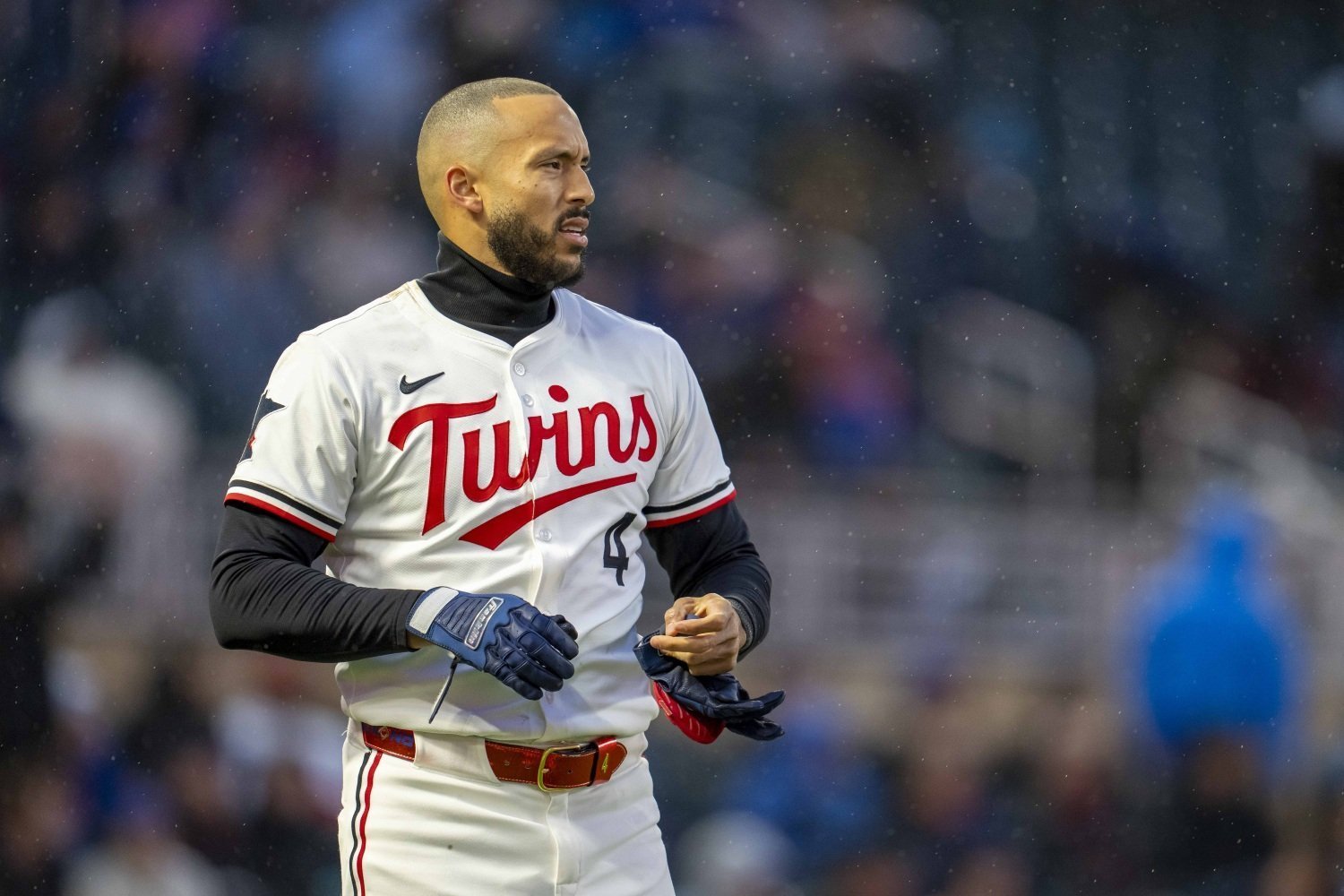 There are plenty of moments that define a player’s tenure with the Minnesota Twins, but for Carlos Correa, one of the most impactful experiences happened away from the field. In a recent conversation with MLB.com reporter Brian McTaggart, Correa shared details of a terrifying moment on Lake Minnetonka that nearly cost him and his young son their lives. The incident occurred in mid-July, while Correa was out on the water with family. At one point, he and his three-year-old son Kylo found themselves separated from their boat and struggling to stay afloat. Without a life jacket and with his son clinging to his back, Correa quickly realized the situation was more dangerous than it first appeared. As he fought to keep them both above water, severe cramping set in throughout his legs. The physical toll made it increasingly difficult to stay afloat, forcing Correa to search for anything nearby that could provide support. Eventually, he reached a buoy, but even that proved challenging. After initially losing his grip and slipping beneath the surface, Correa injured his left hand while grabbing onto the chain. With limited strength and fading energy, he alternated hands to maintain his hold while keeping his son secure. It was a desperate effort just to buy time. Correa was eventually able to call out for help, catching the attention of his father-in-law near the boat. He swam over and delivered a life jacket, bringing a frightening situation under control before it turned tragic. Looking back, Correa credited his faith for helping him endure the ordeal, describing it as a moment that tested both his body and mindset. The timing only adds another layer to the story. Correa indicated the scare occurred around the All-Star break, and within a couple of weeks, his time in Minnesota came to an abrupt end. The Twins moved on from Correa at the trade deadline in what amounted to a financial decision. The return was minimal, Matt Mikulski, a minor league player who did not factor into the organization’s long-term plans and was eventually released after the 2025 season. Correa’s tenure with Minnesota still carried significance. After signing one of the largest contracts in franchise history prior to the 2023 season, he provided stability at shortstop and delivered consistent production. Across three and a half seasons, he posted a 118 OPS+ with 61 home runs and earned an All-Star selection during his time in Minnesota. He also played a key role in the 2023 club that finally snapped the franchise’s lengthy postseason drought, helping the Twins secure their first playoff series victory in more than two decades. However, the momentum did not carry over. A reduction in payroll the following offseason limited the team’s ability to build on that success, and Minnesota was unable to return to the playoffs before ultimately parting ways with its star shortstop. After returning to the Houston Astros, where his career originally began, Correa found another gear at the plate. He combined for a 117 OPS+ over 51 games down the stretch, a noticeable jump from his .94 OPS+ in 93 games with Minnesota earlier in the 2025 season. In the end, Correa’s departure will be remembered for what it meant on the field and in the front office. But his story now carries something deeper. Before the trade, before the roster decisions, there was a moment on a Minnesota lake that nearly changed everything. View the full article
-
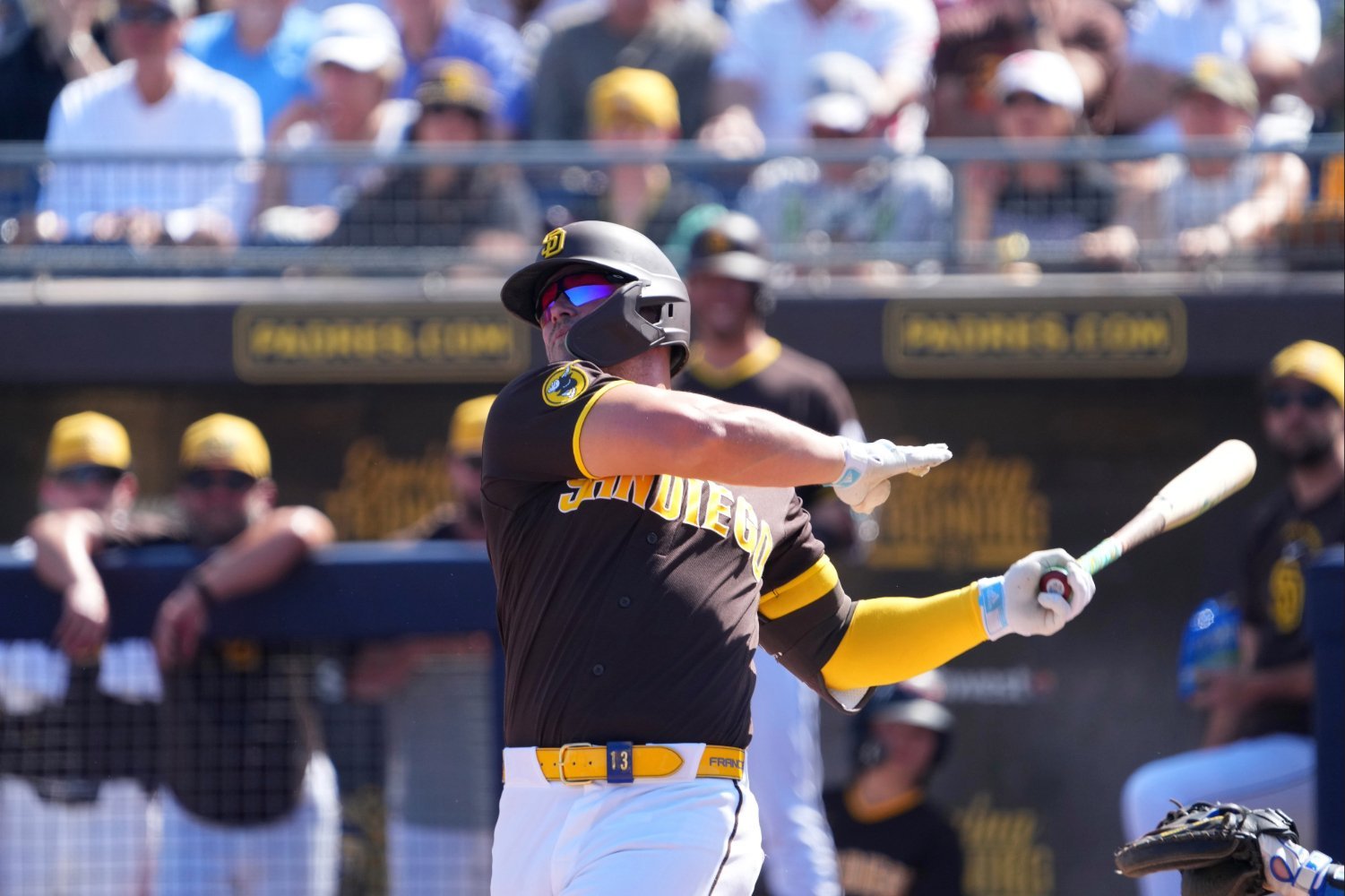 The San Diego Padres are bringing Ty France with them to Opening Day. The Friars told the former San Diego State standout that he will be on the roster to begin the season, Kevin Acee of the San Diego Union-Tribune reported Saturday. As a non-roster player in camp, the infielder will have to be added to the 40-man roster. The move comes a day after right-handed starter Walker Buehler was told he will be on the Opening Day roster. France signed a minor-league deal after camp began, which called for his salary to be $1.35 million once added to the Padres' roster. The Padres had faced a Saturday deadline to inform them of their decision or have him possibly opt-out of his contract. In winning the final spot on the bench, France has had a really good spring, putting up a .318/.367/.545 slash line with two homers with 12 RBIs in 44 at-bats. Last year's AL Gold Glove first baseman has displayed his positional versatility, playing second and third base this spring. France has played second base in an MLB game three times over the last four years and 55 times since his MLB debut with the Padres in 2019. He has not played third base since the 2022 season. But as a member of the Padres' bench for 2026, France is likely to see action at both spots early in the season, especially with Sung Mun Song expected to start the season on the injured list. Adding France means the four-person bench will likely include him, catcher Luis Campusano, outfielder-infielder Miguel Andujar, and outfielder Bryce Johnson. France started the 2025 season with the Minnesota Twins, but was traded at the deadline to the Toronto Blue Jays, where he played sparingly as the team made a run to the World Series. View the full article
-
Red Sox Trim Opening Day Roster, Option Kristian Campbell
DiamondCentric posted an article in Talk Sox
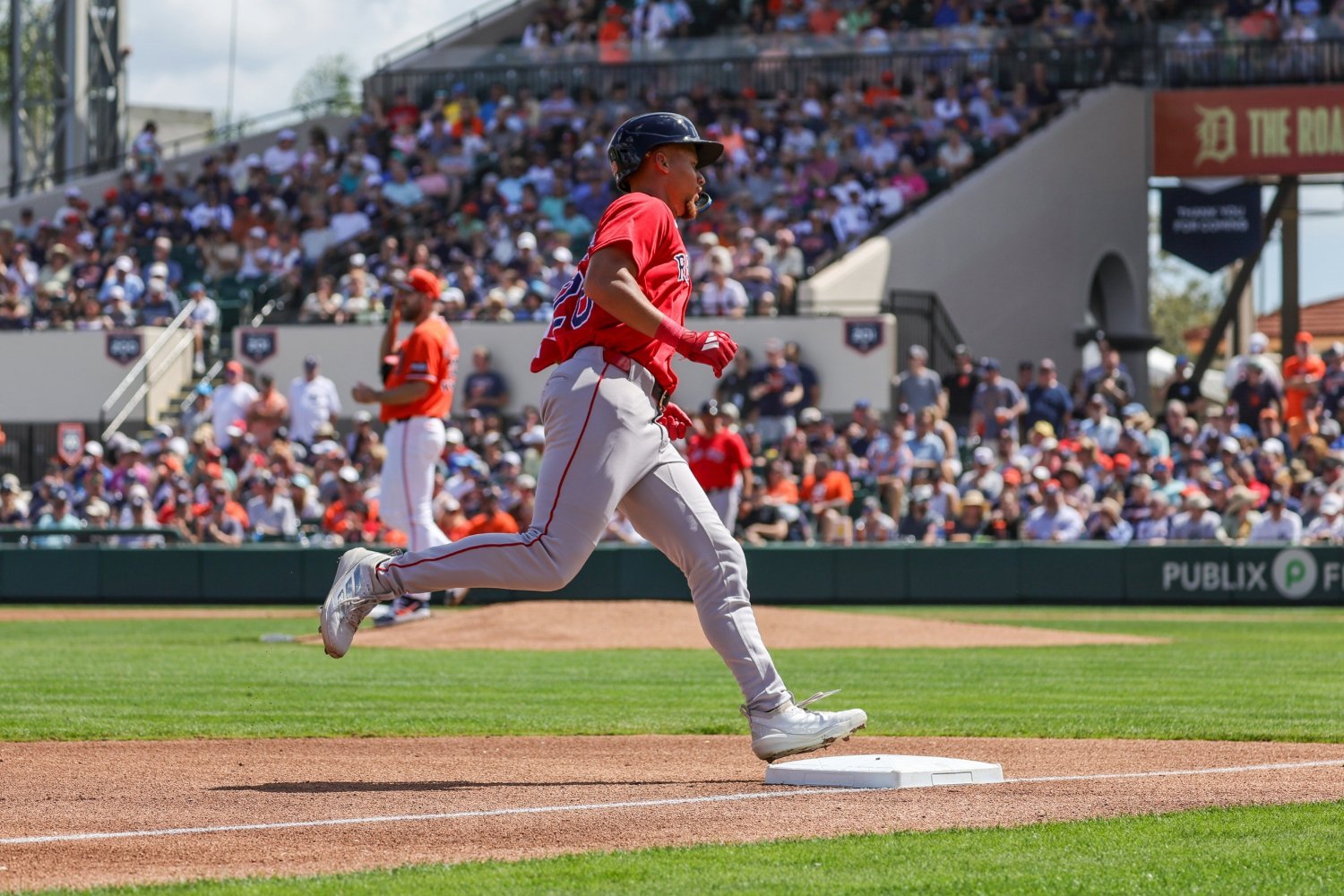 The Boston Red Sox made yet another round of cuts in camp, mere days away from Opening Day. Notably, OF/INF Kristian Campbell headlines the group reassigned to minor-league camp. Pitchers Alex Gamboa, Tayron Guerrero, and Kyle Keller were also reassigned. Catcher Jason Delay, infielder Vinny Capra, and outfielder Braiden Ward were also reassigned, but they are remaining in major league spring training for now. Obviously, Campbell headlines the reassignment group for this round. Campbell came into camp with more muscle and with new mechanics at the plate. While he had some promising moments, his performance left a bit to be desired. He appeared in 18 games for the Red Sox this spring, slashing .220/.304/.645 with one home run, two doubles, a 23.9 K%, and a 4.3 BB%. If you’ve tuned into any spring training games so far, you’ll have noticed that he seems far more comfortable at the plate now, but he’s still adjusting to his new swing. When it clicks, he should take a giant step forward to hopefully become the player the team envisioned when they extended him at the start of the 2025 season. Guerrero was impressive in camp but his reassignment seems to indicate that the Andrew Bailey-led pitching lab doesn’t think what he’s currently working with is sustainable at the big-league level, yet. He’s a flamethrower, but the rest of his game needs more refinement. Keller has looked overmatched for much of spring training so his reassignment isn’t surprising. Gamboa falls into the same category as Keller; both obviously need more work and aren't likely to see the big-league roster any time soon. Delay, Capra, and Ward being reassigned also isn’t surprising. but the decision to keep them in Major League spring training is an indicator how high the organization is on them as capable depth options. Ward is likely going to be a late season call up to give the team a boost off the bench in pinch running situations, so look for him to continue to shine on the basepaths with Worcester for the bulk of the season. Delay was in the mix for the backup catcher role but this likely means he’s out of that race for now. Capra proved to be more than capable at handling infield duties while guys were given days off for rest down the stretch of spring training. Watch for at least one more round of cuts as the front office gets the team down to the 26-man roster before Opening Day on March 26. View the full article
-
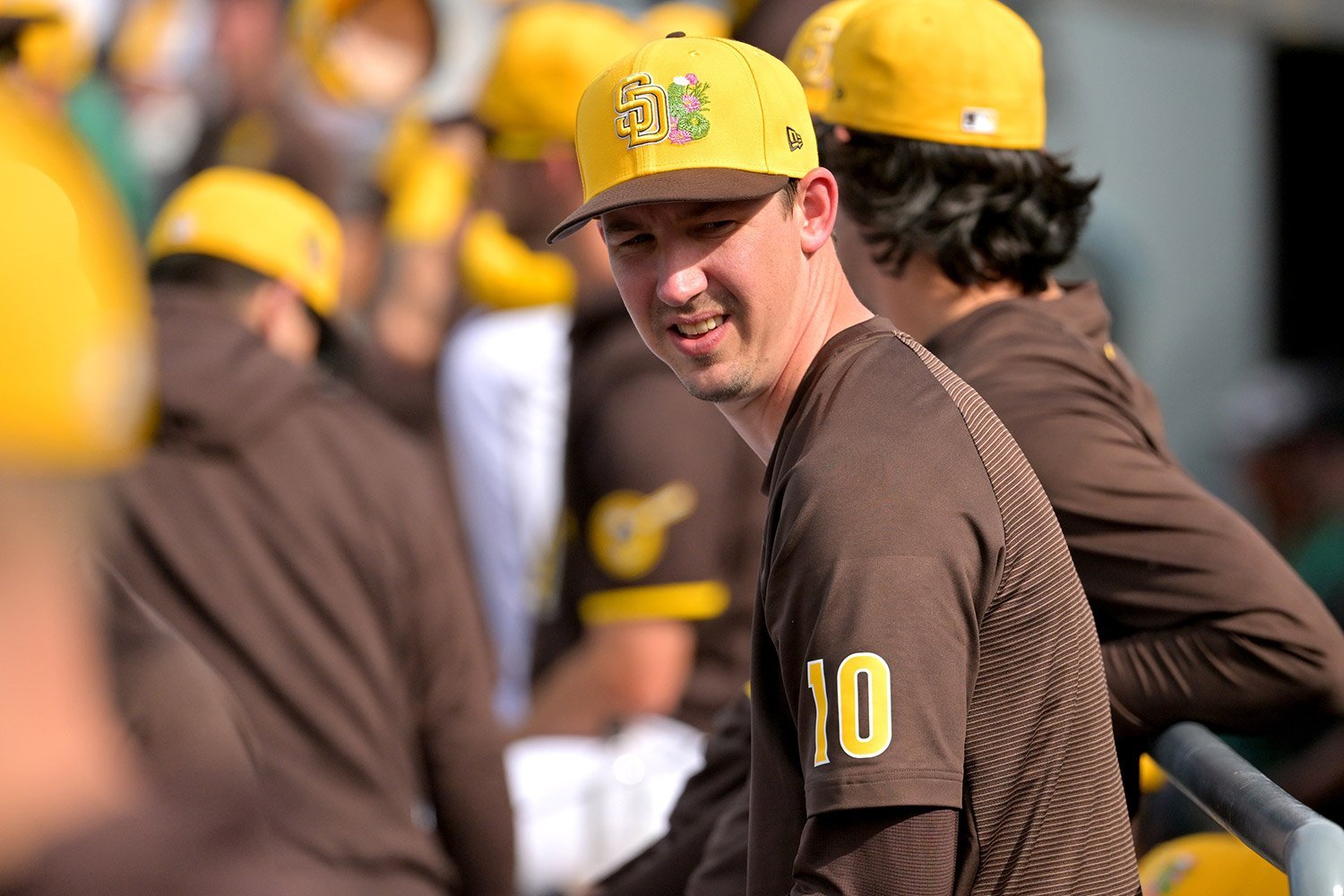 The journey for Walker Buehler will continue with the San Diego Padres. The right-handed starter, signed to a minor-league deal at the beginning of spring training, has been told he is making the Padres' Opening Day roster, Kevin Acee of the San Diego-Union Tribune reported Friday. Buehler was facing an opt-out decision Saturday if not assured of making the major-league roster. Buehler's original deal called for him to make $1.5 million when on the Padres' roster. The Friars currently have two openings on their 40-man roster, so adding Buehler will not necessitate another move. Buehler was a no-brainer. He has been very good this spring, posting a 3.39 ERA in 11⅔ innings, walking four and striking out 13. He struck out seven and allowed three hits in five shutout innings Monday vs. the San Francisco Giants in his most recent start. Buehler, a former Los Angeles Dodgers star, had a rocky 2025, mostly with the Boston Red Sox before being released and signing with the Philadelphia Phillies and having better results. He will join Nick Pivetta, Michael King, and Randy Vasquez in the rotation, with German Marquez likely the final piece of what will be an all-righty rotation. Infielder Ty France, like Buehler, a non-roster invite to camp, is also facing a Saturday deadline to be on the Padres' roster, according to the Union-Tribune. View the full article
-
 Entering the top 10 of Brewer Fanatic's top prospects for the Milwaukee Brewers, we look at players ranked six through 10. Jeferson Quero struggled to stay on the field in 2025, but how much will that impact his ranking? Discussed in this video are Marco Dinges, Bishop Letson, Andrew Fischer, Jeferson Quero, and Logan Henderson. View the full article
-
Toronto Blue Jays 2026 Position Analysis: Left Field
DiamondCentric posted an article in Jays Centre
 Jays Centre is taking a close look at every position on the Toronto Blue Jays heading into the 2026 season. Check out prior entries in the series here: Catcher First Base Second Base Third Base Toronto Blue Jays Left Fielders at a Glance Starter: Jesús Sánchez Backup: Davis Schneider Depth: Nathan Lukes, Myles Straw, George Springer, Eloy Jiménez, Jonatan Clase Prospects: Yohendrick Pinango, RJ Schreck Blue Jays LF fWAR in 2025: 13th out of 30 (2.6) Blue Jays LF FGDC Projection for 2026: 11th (2.4) This was an oft-told joke before MLB adopted the universal designated hitter: Young child: Dad, what do they call the player who can't field but hits? Dad: In the American League, that player is called the designated hitter. Young child: What do they call that player in the National League? Dad: The left fielder. For the 2021-2025 period, Toronto’s fWAR production from left fielders ranks 10th-highest (10.9 fWAR). The best fWAR during these seasons was Milwaukee’s 17.9. During those seasons, the Blue Jays' highest ranking was in 2021 (seventh), and their lowest was in 2023 (22nd). Overall, solid performance. So, what does 2026 look like for Toronto’s left fielders? The Good I have tables! The first is a summary of the FanGraphs Depth Charts’ 2026 projection for Toronto’s left and right fielders. 2026 Projected fWAR LF RF Corner Jesús Sánchez 1.2 0.2 1.4 Addison Barger 1.0 1.0 Davis Schneider 0.4 0.4 Nathan Lukes 0.6 0.4 1.0 George Springer 0.1 0.6 0.7 Myles Straw - - - Projected 2026 total 2.4 2.3 4.5 2025 total 2.6 1.9 4.5 Toronto's Projected Rank - 2026 11 12 13 Toronto's Rank - 2025 13 13 11 Source: Depth Charts courtesy of FanGraphs According to the FGDC estimate, Blue Jays left fielders will produce the 11th-highest fWAR among MLB teams. That projected performance for the Blue Jays lags three of Toronto’s American League East rivals: the Red Sox (3.6), Orioles (2.8), and Yankees (2.6). However, Toronto’s 2.4 fWAR estimate is in the ballpark of their division foes. The newest member of Toronto’s left field crew is Sánchez. Notably, of the 4,127 innings he has spent in an MLB outfield, only 14% of those innings were as a left fielder. Most of his innings have been in right field (67%), where he has posted career OAA/1200 and FRV/1200 marks of 5 and 4, respectively. Despite Sánchez’s above-average defence in right field, it is understandable why Toronto has slated Addison Barger to roam right field, given his projected 107 wRC+ and career +4 FRV/1200 as a right fielder. The second table shows the career and 2025 OAA and FRV values for each of Toronto's left fielders, including Sánchez. (Please note that for comparison purposes, I converted each player's OAA and FRV totals, regardless of the number of innings they've played in left field, into OAA and FRV per 1,200 innings.) The first matter to note is that none of these players has accumulated many MLB innings in left field. Accordingly, their OAA and FRV per 1200 scores are not reliably predictive of future performance. However, Straw’s record as a center fielder strongly suggests that he would excel in left field. Also, given his right field record, Sánchez should be at least average after he accumulates more left field innings under his belt. However, Schneider and Lukes are open questions. Schneider did not perform well as a left fielder last season (-2 FRV in 347 innings), but he was fine in his previous 650 innings stationed in left (+1 FRV). Given that he produced a +4 OAA and a +5 FRV in 446 innings in right last season, Lukes should be able to handle left field duties adequately. For the record, Jiménez has not played in an MLB left field since 2021. In 1,957 innings in left field, his career OAA and FRV per 1200 are -11 and -13, respectively. Not good. Lastly, I expect Springer will see limited innings in the outfield in 2026, most of them in right field. Left Field Innings Left Field OAA Per 1200 Left Field FRV Per 1200 Career 2025 Career 2025 Career 2025 Jesús Sánchez 583 191 2 0 2 6 Davis Schneider 997 347 2 -3 1 -7 Nathan Lukes 353 249 -3 -10 7 0 George Springer 88 85 0 0 -14 -14 Myles Straw 165 121 29 20 22 20 Source: FanGraphs The Bad In 2025, Toronto batters took 6,180 plate appearances, 1,680 (26%) of which were against left-handed pitchers. Blue Jays’ left fielders produced an 88 wRC+ (21st-highest) versus lefties. Overall, Toronto’s left fielders posted a 111 wRC+ (10th-best), including a 120 wRC+ when facing right-handers (MLB’s seventh-best). A final table for your reading pleasure. Because he has produced a 111 wRC+ in spring training, I included Jiménez's wRC+ in my analysis. Jiménez, who does not have an MLB contract, will presumably start the year at Triple A. Career Plate Appearances Career wRC+ LHP RHP Total LHP RHP Overall Jesús Sánchez 378 1,681 2,059 41 111 98 Addison Barger 126 601 727 53 104 95 Davis Schneider 320 502 822 105 112 109 Nathan Lukes 72 488 560 83 109 106 George Springer 1,672 4,702 6,374 134 128 130 Eloy Jiménez 527 1,599 2,126 99 116 112 Myles Straw 707 1,572 2,279 74 83 80 Source: FanGraphs When facing right-handed pitchers, the career wRC+ numbers of Sánchez, Schneider, Lukes, and Jiménez are solid. The concern is the performance of Toronto’s projected group of left fielders when facing left-handed pitchers. Only Schneider’s 105 wRC+ and Jiménez’s 99 are near or above average. The others (Sánchez, Lukes, and Straw) have been well-below-average hitters versus lefties, which is a concern, especially because Barger has a 53 wRC+ against left-handed pitchers. On days when opposing left-handers start, only when Schneider and Springer are the corner outfielders can the Blue Jays expect to have above-average bats in left and right field. If Hitting Master David Popkins and his band of hitting gurus can work their magic, career underperformers could improve their numbers when confronting left-handed pitchers. However, as of today, Toronto’s left fielders do not project to excel at the plate when a lefty is on the mound. The Last Word "It’s tough to make predictions, especially about the future." -Yogi Berra FanGraphs Depth Charts projects that Toronto’s left field crew will be solid in 2026. Manager John Schneider has many left field options to choose from when putting together his starting lineup or making an in-game change. The defence should be at least cromulent, and the bats above average when facing a right-handed pitcher. One concern is that, other than Springer, Toronto lacks a lefty masher who can play left field. View the full article
-
San Diego Padres 2026 Position Analysis: Second Base
DiamondCentric posted an article in Padres Mission
 There's no mystery surrounding second base in San Diego -- Jake Cronenworth is the Padres' everyday option there. He returned to full-time duty at the position in 2025 after getting a lot of work at first base in 2023 and 2024. He shouldn't be needed at the cold corner in 2026 because Gavin Sheets, Miguel Andujar, Nick Castellanos and others are all available. Cronenworth's name was attached to trade speculation in the offseason, but it would be difficult for the Padres to deal him. He's in the third year of a seven-year, $80 million contract extension and is entering his age-32 season. His 2.9 fWAR in 2025 represented a marked improvement from his previous two seasons, but it still was just starter-class production. Offseason signee Sung Mun Song will be the backup to begin the season, assuming he's healthy. He is primarily a third baseman, but he did play a fair amount of second in the KBO -- 194 games (149 starts) over nine seasons. Holdovers Mason McCoy and Will Wagner entered the final stages of spring training as the Triple-A reinforcements. Padres Second Basemen At A Glance Starter: Jake Cronenworth Backup: Sung Mun Song Depth: Mason McCoy, Will Wagner Prospect: Marcos Castanon Padres' fWAR Ranking Last Year: 13th out of 30 Padres' fWAR Projection This Year: 19th out of 30 The Good Cronenworth will contribute at the plate against all pitching. The lefty swinger's platoon splits last year were nearly identical: a 118 wRC+ and .334 wOBA against right-handers vs. a 116 wRC+ and .331 wOBA against left-handers. His strikeout rate against lefties was two points lower than his K rate vs. righties (19.4 percent to 21.4 percent). His plate discipline led to a career-high 13.4 percent walk rate. Song, 29, is coming off two huge offensive seasons in the KBO and has displayed some power in his first MLB spring training. Second base will be one of his positions as he fills a utility role. McCoy, 30, is a glove-first player who can bounce between second and shortstop. Wagner, who was acquired from the Toronto Blue Jays at last year's trade deadline, has youth on his side at 27. Castanon, 26, has shown pop in his minor-league career. He slugged three home runs in 16 games for Triple-A El Paso last year following a late-season promotion from Double-A San Antonio. He was a 12th-round selection by the Padres in the 2021 MLB Draft out of Cal Santa Barbara. The Bad Cronenworth's reputation for durability has taken a hit after his injuries in 2023 and 2025. Last year, he missed a month with a rib fracture. When he came back, the pop in his bat was lacking. His 32 extra-base hits, .377 slugging percentage and .130 ISO were all full-season career lows. His fielding was not inspiring, either. He was a below-average second baseman according to the advanced metrics: minus-8 defensive runs saved (DRS), by far a career-worst figure, and minus-1 outs above average (OAA). His fielding run value (FRV) clocked in at minus-2. Song's offensive potential is a big unknown. His KBO numbers in '24 and '25 were outliers, and now he'll be a part-time player trying to adjust to much tougher pitching. Likewise, he's got injury concerns of his own, as he's currently fighting a nagging oblique injury that could hold him off the Opening Day roster. McCoy has a career .494 OPS in 84 big-league plate appearances. Wagner spent most of his time at Triple-A after coming over from Toronto. He got just 17 PAs with the Padres. Castanon isn't on Padres Mission's list of the top 20 prospects in the organization, despite his power potential. In other words: Without Song, the depth in the middle infield is lacking. The Bottom Line The Padres need Cronenworth to stay healthy and make the majority of the starts at second. Song is unproven and the players behind him do not look like viable everyday options. View the full article
-
Twins Spring Battle: Orlando Arcia vs. Ryan Kreidler
DiamondCentric posted an article in Twins Daily
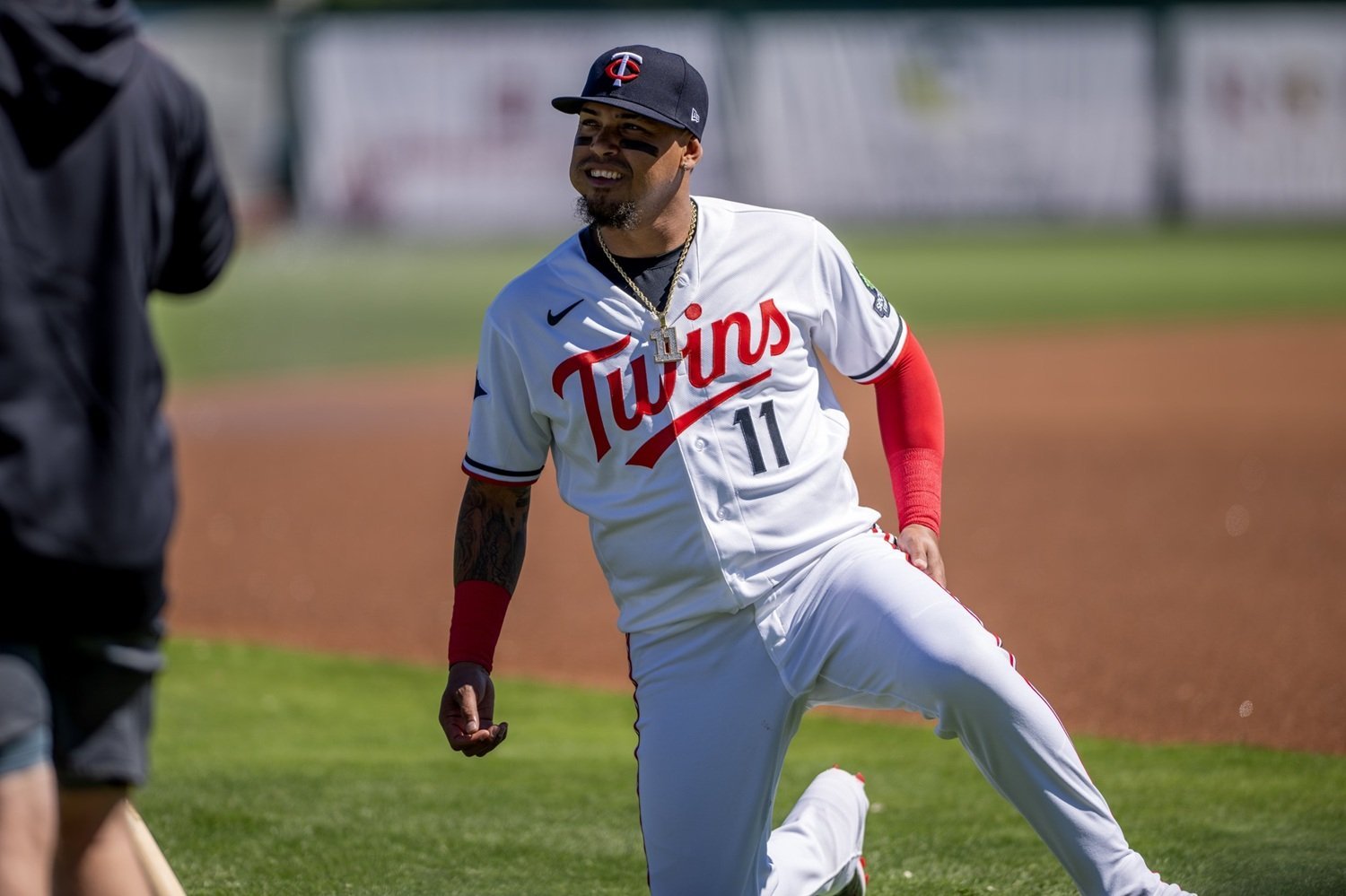 As spring training winds down, the competition for Minnesota’s final bench spot is one of the most intriguing roster questions. The Twins appear to have most of their position player group set, but the backup shortstop job is still unsettled. With Brooks Lee expected to be the team’s primary shortstop, Minnesota needs a reliable defensive option behind him. That competition currently centers on two players with very different profiles. Ryan Kreidler is already on the 40-man roster and offers defensive versatility, while Orlando Arcia brings a decade of big league experience and a past All-Star selection. Neither player is expected to contribute much with the bat, which places even greater pressure on Lee to produce at shortstop in his age-25 season. Why Kreidler Should Make the Roster Kreidler appears to have the inside track entering the final week of spring training. The biggest reason may have nothing to do with his on-field performance. He is already on the Twins’ 40- man roster, making the decision much simpler from a roster management perspective. Teams often prefer to keep depth options they already control, especially when the alternative requires adding a non-roster player. That factor alone could give Kreidler the edge. Defensively, Kreidler offers the type of versatility that managers value on the bench. He has experience at all three infield spots to the left of first base and has also logged time in both center field and left field. That ability to move around the diamond could make him a valuable late-inning defensive replacement. Kreidler has also flashed some offensive potential in the minor leagues. Across 1,963 career minor league plate appearances, he has posted a .236/.342/.401 slash line with a 106 wRC+. His most recent season produced a .238/.363/.389 line and a 109 wRC+ in 401 plate appearances. Those numbers suggest that if even a portion of his minor-league production translates to the majors, Kreidler could develop into a useful utility player. Why Kreidler Could Be Left Off the Roster While Kreidler’s minor league numbers offer some optimism, his major league track record has been extremely limited and largely unproductive. He has appeared in parts of four big league seasons but has accumulated just 211 plate appearances during that span. In those opportunities, Kreidler has struggled to make consistent contact, owning a slashline of .138/.208/.176. The strikeouts have been particularly concerning. Kreidler has struck out in 31.8 percent of his major league plate appearances, contributing to an overall .383 OPS. Even if the Twins primarily value his defense, it becomes difficult to justify a roster spot when the offensive production has been so minimal. If Minnesota decides they need even marginally better offense from the final bench spot, Kreidler could lose ground in the competition. Why Arcia Should Make the Roster Arcia represents the veteran alternative in this battle. The 31-year-old is entering his 10th major league season and brings a wealth of experience compared to Kreidler. At one point in his career, Arcia was a reliable everyday shortstop and even earned an All-Star selection with the Atlanta Braves. While that version of Arcia may be in the past, the Twins could value the presence of a seasoned player on their bench. He appeared in 76 games during the 2025 season, splitting time between the Atlanta Braves and the Colorado Rockies. After Atlanta released him in May, Colorado quickly signed him to a major league deal and used him in a variety of roles. Arcia’s versatility has grown in recent years. Once known strictly as a shortstop, he played all four infield positions in Colorado, including the first appearance of his career at first base. That expanded defensive role could make him an appealing utility option. If Arcia proves capable of handling multiple infield spots, he might provide more flexibility for manager Derek Shelton when constructing the bench. Why Arcia Could Be Left Off the Roster Despite his experience, Arcia faces significant challenges in earning the final roster spot. His offensive production has declined sharply over the past two seasons. In 214 plate appearances during the 2025 season, Arcia hit just .202/.238/.291. His 33 wRC+ ranked as the lowest mark of his career and the second-worst among players with at least 200 plate appearances last year. The decline has also extended to his defense. During his early years with the Milwaukee Brewers, Arcia was considered an excellent defensive shortstop. In recent seasons, however, his glovework has graded closer to average. Age and roster logistics could also work against him. As a non-roster invitee, Arcia would require the Twins to make a corresponding move to add him to the 40-man roster. In contrast, Kreidler already occupies a spot and can be added to the Opening Day roster without additional maneuvering. If the Twins prioritize roster flexibility and long-term depth, Arcia may ultimately fall short in this competition. The battle for the final bench spot reflects two different approaches to roster construction. On one side, Kreidler offers youth, defensive versatility, and the convenience of already being on the 40-man roster. Additionally, his glove could make him a useful late-inning option even if the bat never fully develops. Arcia brings experience and a track record, including years as a starting shortstop in the majors. Even if his best seasons are behind him, the Twins may believe the veteran still has something left in the tank. Regardless of who ultimately earns the job, the situation underscores the importance of Lee’s development. With limited offensive expectations from either backup, the Twins need their young shortstop to anchor the position throughout the 2026 season. Who will win the backup shortstop role for Opening Day? Leave a comment and start the discussion. View the full article
-
Kody Clemens Is Forcing His Way Into the Twins’ Lineup
DiamondCentric posted an article in Twins Daily
 Kody Clemens is putting together a really impressive spring, and it’s starting to raise some real questions for the Twins. If he keeps swinging it like this, it might be impossible to keep his bat out of the lineup. View the full article
-
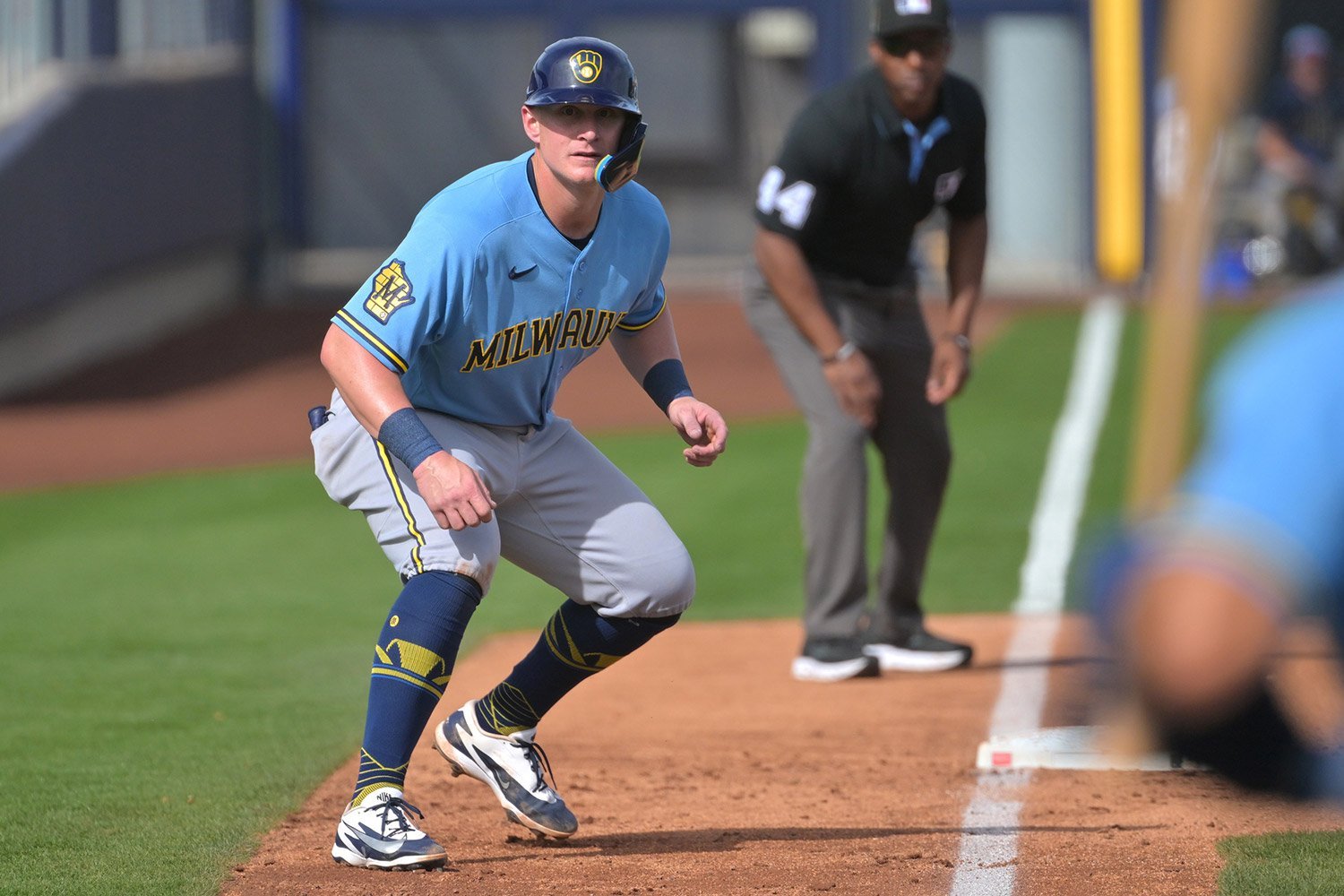 The clock is ticking down for the Milwaukee Brewers toward Opening Day. Some guys are in a groove, while others are still looking to get untracked. There are just three games left in Arizona before the Brewers host the Cincinnati Reds for two exhibition games at American Family Field on Monday and Tuesday. As a reminder: Don't take anything too seriously in this recap. It is only spring training, where exhibition games often devolve into minor-league scrimmages. The information below is meant as basic information, not necessarily hardcore analysis. The Brewers are 11-14 in Cactus League play after beating the Los Angeles Dodgers 24-9 Monday, then dropping a pair of split-squad games Wednesday to the Seattle Mariners 7-3 and the Los Angeles Angels before beating the Texas Rangers 11-4 Thursday. Who's Hot? 🔥 Brandon Lockridge In a game that may have locked up his spot on the Opening Day roster, the center fielder capped off a 10-run fifth inning against the Dodgers by hitting a grand slam. It was part of a 3-for-5 day with three runs scored. His fourth homer of the spring, a shot to center field, came off veteran reliever Blake Treinen. He followed that up with a 1-for-4 against the Mariners and a 1-for-2 with a double and two RBIs vs. the Rangers. The Rangers game came just hours after the Crew optioned fellow center fielder Blake Perkins to Triple-A, paving the way for Lockridge to be there on Opening Day. Andrew Vaughn The first baseman has been as consistent as any player this spring, which may be why he hasn't appeared in this feature until now. Vaughn went 4-for-7 with a pair of RBIs in the last two games. That put him at a nice .400/.478/.625 slash line with two homers and RBIs in Cactus League play. He leads the team with 16 hits to go along with five walks, while striking out only seven times. If the Crew can get anything close to what Vaughn produced last year after coming over in a trade from the Chicago White Sox, the offense should be just fine. Aaron Ashby It feels like the left-hander doesn't care what role he is in; he just wants to pitch. Could the Brewers be seriously thinking of Ashby in the rotation? He has pitched at least two innings in all three of his Cactus League appearances, allowing one run, while walking four and striking out six. The latest was a two-inning effort against the Angels in which he did not allow a hit in an efficient 22 pitches. Regardless of his role, Ashby will be a big part of the Crew's pitching staff in 2026. Who's Cold? 🧊 Brandon Woodruff The good news was the right-handed starter made his second appearance of the spring with a scheduled four-inning outing against the Rangers. The bad news was that Woodruff only made it through three batters in the fourth as velocity took a noticeable dip. He hit 93.7 mph with his four-seamer in the first inning and was routinely at 92 mph in the second and third innings. But in the fourth, his fastest pitch was 88.8 mph, and he gave up a pair of homers. It is possible Woodruff pitches the second of two exhibition games at American Family Field, but that also depends on how he bounces back from Thursday's outing. Getting three innings out of Woodruff to begin the season might be acceptable with the depth and length the Brewers have in their bullpen. Otherwise, the injured list could be where he begins Opening Day. Garrett Mitchell It may have been more surprising that it was Mitchell who was stuck in camp while Perkins was optioned. The talented center fielder has not gotten anything going this spring and just had back-to-back 0-for-4, three-strikeout games. Having endured a handful of injuries that have curtailed his playing time since making his MLB debut in 2022, Mitchell has now struck out a team-worst 18 times in just 29 at-bats. He has just two hits, one being a homer, that have resulted in a paltry slash line of .069/.206/.207. Mitchell could be a dynamic part of the Crew's offense if he gets going. Chad Patrick Locked into the starting rotation, perhaps as the No. 2, the right-hander struggled with his control against the Dodgers. Patrick walked four and allowed five hits while surrendering six runs to a lineup featuring a number of Dodgers regulars. He threw 83 pitches, which is good as he gets ready for the season, with just 48 strikes. There might not be anything to worry about, as you never know what the pitchers might be working on in any specific spring start. Patrick feels lined up to start the second game of the season, March 28, vs. the Chicago White Sox. View the full article
-
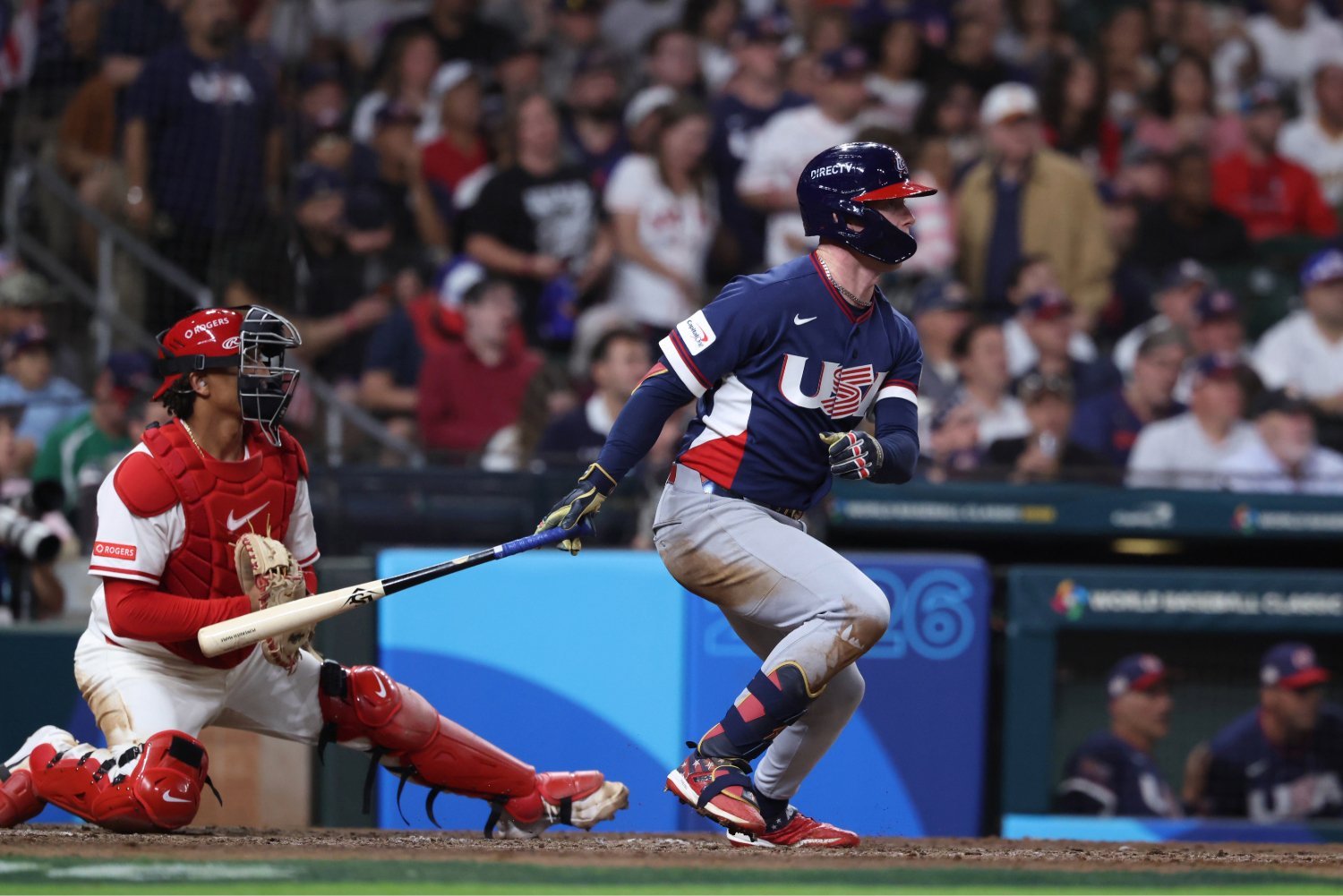 There’s no sense beating around the bush on this. We all know exactly what Pete Crow-Armstrong has to do in order to become a successful hitter. The man himself seems to know what he has to do in order to become a successful hitter. “It’s definitely the swing decisions. I know what I do well. I know what I don’t do well. I know that I chase. I know I can get away with hitting bad balls and doing damage on bad balls, but there is no consistency there. It’s very sporadic,” he told Sahadev Sharma of The Athletic last month. In fact, according to Baseball Savant, the young center fielder swung at 41.7 percent of pitches outside the strike zone last year, the fifth highest rate in baseball. That alone doesn’t make you an unsuccessful hitter. It just doesn’t give you a whole lot of room for error. What’s neat about this preseason, and the World Baseball Classic, is that we have a small set of meaningful games that we can point to in order to give us a basis of a guy’s improvement from the offseason. Crow-Armstrong, in particular, had a very successful tournament for Team USA. After starting pool play as a late-game defensive substitute, he injected the team with some sorely needed energy with a two home run performance against Team Italy, stealing the primary center field job from Byron Buxton in the process. The Cubs’ slugger ended up being one of eight core guys for Team USA that logged 20 plate appearances. He hit .263/.333/.632, and of those eight guys, his .402 wOBA trailed only Kyle Schwarber and Brice Turang. Was anything different under the hood? Of course, I wouldn’t be writing this article if it wasn’t! Crow-Armstrong saw 40 pitches outside of the strike zone in this tournament, and he swung at 13 of them. That is a chase rate of 32.5 percent. The league average last year, for what it’s worth, was 28.2 percent. So, we’re still not talking about Juan Soto here. Still, that is a meaningful decline, enough to pull him from fifth-worst among qualified hitters to 28th-worst, which is an area where plenty of successful hitters live. It’s the difference between Crow-Armstrong striking out on uncompetitive pitches routinely and working himself back into a few plate appearances. This backs up what we have seen in the less meaningful games, too. Per FanGraphs, he has swung at 30.8 percent of pitches outside of the strike zone in 14 Cactus League plate appearances. Whether all of this will continue into the season remains to be seen. A 162-game season is a long grind, and when you are in the middle of a slump, it’s hard to stick to a process like this. And after all, it should be noted, this is all based on small sample sizes. What is encouraging to me, though, is that the youngster has both acknowledged what needs to change, and has shown a willingness to change it. A more mature Pete Crow-Armstrong would be a terrifying threat against the rest of the league. View the full article
-
 Heading into the 2026 season, one could argue that the center field position for the Boston Red Sox is toward, if not at the top, of the list of positions the team and fans should have the fewest amount of questions about. Finally a Gold Glove winner after a phenomenal defensive campaign in 2025, Ceddanne Rafaela looks to not only repeat the success that earned him his well-deserved hardware, but also find some more consistency at the plate. Red Sox Centerfield At A Glance Starter: Ceddanne Rafaela Backup: Jarren Duran Depth: Nate Eaton, Kristian Campbell, Braiden Ward Red Sox fWAR Ranking Last Year: 13th out of 30 Red Sox fWAR Projection This Year: 8th out of 30 The Good It’s no secret the Red Sox’s outfield has been, and will continue to be, under the microscope as the season gets underway and Alex Cora tries to figure out how he’ll position the likes of Jarren Duran, Roman Anthony, Masataka Yoshida, and his reigning Gold Glove winners Wilyer Abreu and Ceddanne Rafaela across the outfield and at designated hitter. Perhaps no more than just two seasons ago, the light-hitting and overly aggressive Rafaela, who owned a 2.6 BB% and 46.4 Chase% in 2024, both of which were in the 1st percentile league-wide, may have found himself heading for a platoon/super-utility role if Cora had found himself in a similar predicament heading into the 2025 campaign. As we turn the page to 2026 however, there is no doubt in Cora’s mind or anyone else's in the Red Sox organization that anyone other than Rafaela should be their man in center. It may seem like an impossible task, but Rafaela will look to build off a phenomenal defensive season a year ago, one that saw him lead all American League centerfielders in Outs Above Average (21), which he would have led all of baseball in if it wasn’t for the Cubs young phenom Pete Crow-Armstrong. And if the World Baseball Classic and Spring Training has been anything to show for, including recently this past week in games against the Twins and Braves, Rafaela is picking up in his defensive prowess right where he left off a season ago. With Rafaela however, defense is never going to be lacking. His questions have always stemmed from his bat, and more specifically the inability to work counts and lay off pitches. The 2025 season saw Rafaela not only improve on those numbers, getting his BB% to 4.8 and Chase% to 42.2, but also drastically decreasing his K% from 26.4% (22nd percentile) in 2024 to 19.9, good to place himself in the 56th percentile. Red Sox fans also had the pleasure (and maybe displeasure, as we’ll get to in a moment) of finding out throughout last season that when Ceddanne gets hot, he gets REALLY hot. Those who follow the team will surely remember his stretch in June and July where he made NESN’s Jonathan Papelbon’s prediction of an MVP candidacy in Rafaela’s future not seem so farfetched, accumulating a .284/.312/.547/.859 slash line with 11 HRs and 29 RBIs across 49 games and 189 plate appearances. No moment was more impressive than his thunderous walk-off home run prior to the All-Star break off then Rays closer Pete Fairbanks, to which NESN’s Dave O’Brien appropriately described as “Rafaela killed it.” The Bad Unfortunately for Rafaela, the baseball season doesn’t just take place in just June and July, and for just as hot as he was in those two months, he was just as cold in April, March, and August. Those three months saw Rafaela finish with a line of just .210/.272/.318/.590 with 3 HRs and 22 RBI in 56 games and 213 plate appearances. Take it a step further and look at Rafaela’s first and second half splits, where he slashed .271/.314/.483/.796 in the first 92 games and .218/.268/.319/.587 in the final 64 of the regular season, and you’ll see the inconsistencies can still rear their ugly head for the 25-year-old. And while it was important to shed light on Rafaela’s improvements from 2024 to 2025 in terms of much-needed plate discipline, his numbers there still aren’t anything to write home about. That previously mentioned 4.8 BB% and 42.2 Chase% still only puts him in the seventh and second percentiles, respectively. While his defense will continue to be his calling card and almost certainly be what should have him in the lineup on a nightly basis, you can’t help but wonder what another cold streak would mean for his playing time given the logjam still clogging up the depth chart. The Bottom Line It is worth briefly touching on the possibility that could be on the table if Alex Cora wants to get completely crazy and keep Rafaela in the lineup while not having to sit anyone. When Jarren Duran was putting together his MVP-caliber season back in 2024, he manned the position 105 out of the 160 games he played that year, to the tune of a career-best 8.7 WAR. The reason for his abundance of play there was Trevor Story’s early season shoulder injury that saw Rafaela move into the infield and help stabilize the shortstop position, where he played 82 of his 152 games that season. While you could argue there is a slight chance of that happening, as Rafaela did appear at second base 24 times last year, one would think an absolute doomsday scenario of injuries combined with massive underperformances would have to occur for Cora to go back on his word when he met with the media early in Spring Training and said it would be unlikely that Rafaela played second base this season. We will obviously have our answers on how the Red Sox outfield situation will shape up once the first pitch is thrown in Cincinnati on March 26, but it doesn’t feel too outlandish to say the Red Sox’s most effective lineup will be the one that features the reigning Gold Glove winner staying put in center field and looking to build off a strong 2025 campaign. View the full article
-
Six Royals Prospects That Stood Out in the Spring Breakout
DiamondCentric posted an article in Royals Keep
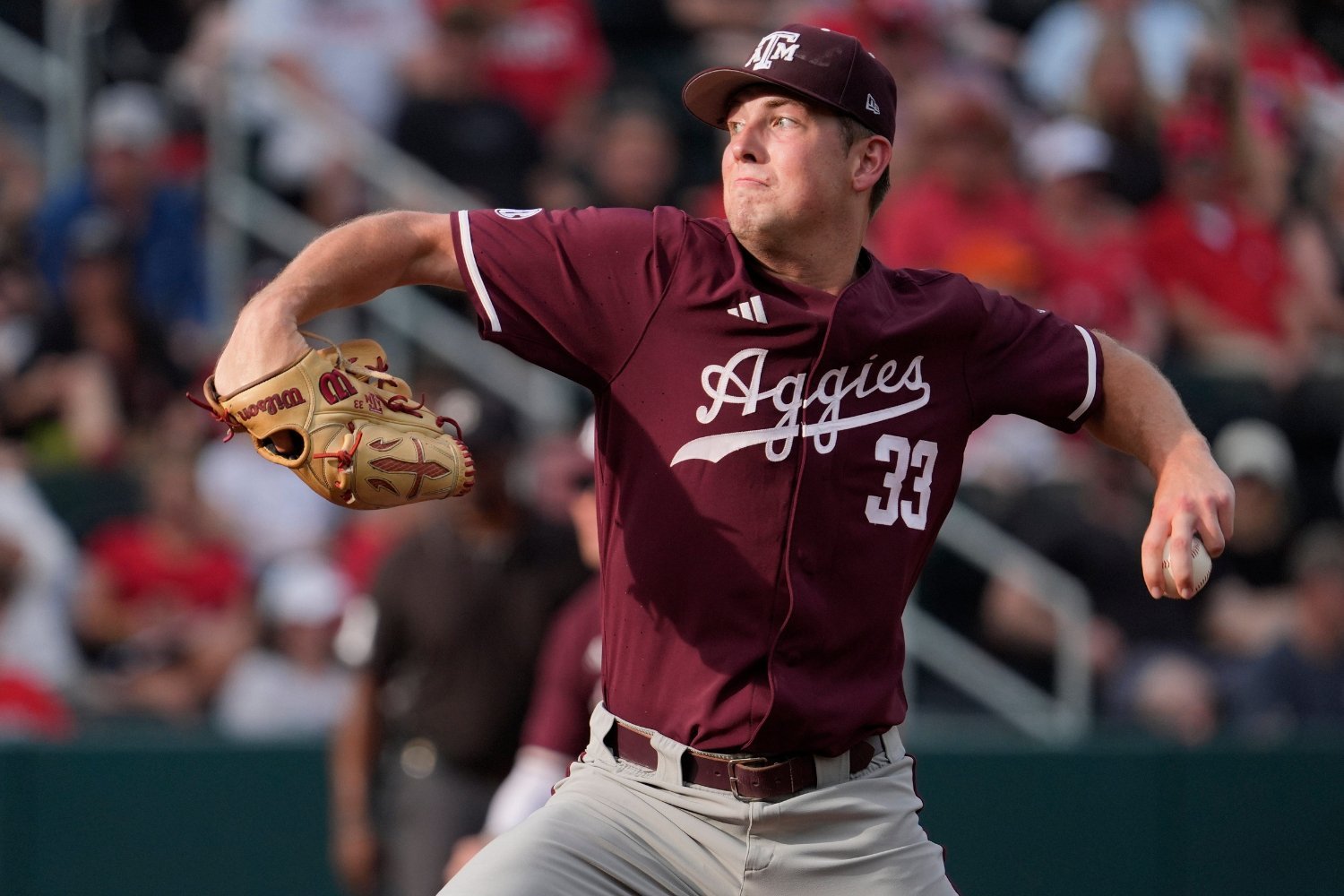 The Kansas City Royals' prospects dominated the 2026 Spring Breakout against the Texas Rangers' prospects on Friday in Surprise. The Royals won 9-2 and were never threatened after getting up 6-0 in the fifth inning. Carter Jensen didn't play, as expected, with him likely making the Opening Day roster and getting ready for the 2026 MLB season. Furthermore, pitchers David Shields and Frank Mozzicato, our No. 3 and 20 prospects, didn't pitch either. They may have already pitched in previous Minor League Spring Training contests, which explains their absence (those aren't as widely publicized as Major League ones). That said, many still participated and delivered solid performances in the Royals' win over the Rangers. Let's look at six Royals prospects (three pitchers and three position players) who stood out on Friday afternoon and what that could mean for the upcoming season. Justin Lamkin, LHP Lamkin was a competitive-B-round pick in the 2025 MLB Draft for the Royals out of Texas A&M. He didn't pitch at all in the Minors last year, but he was stellar in his final season with the Aggies. In 15 starts and 84.1 IP, the 21-year-old lefty posted a 3.24 ERA, 1.10 WHIP, and 3.41 FIP. He also had a 28% K% and a 22.6% K-BB% in his final season in College Station and posted a 15-strikeout complete-game shutout in Athens against the Georgia Bulldogs. Lamkin got the nod for the Royals on Friday afternoon, and he was efficient in his three innings of work. He allowed no hits, no runs, and only one run while striking out six on 47 pitches (31 strikes). Here's a look at what his TJ Stats summary looked like from his Royals debut. The TJ Stuff+ wasn't eye-popping at 97 overall. However, his four-seamer was excellent with a 104 TJ Stuff+ and a 59 grade. The pitch not only averaged 94 MPH, but also had a 17.6 iVB and generated a 33.3% whiff rate. His zone rate was a little inconsistent at 44.7%. That said, he generated a 34.6% chase rate, a 57.1% whiff rate, and a .247 xwOBACON. Safe to say, there wasn't much to complain about in Lamkin's first outing in a Kansas City uniform. He wasn't on our Top-20, and he went a bit under the radar last year because he didn't pitch professionally in 2025. However, he could be part of a really good Quad Cities rotation and make some major gains in the system this year. Gavin Cross, OF Cross missed out on our Top-20, mostly because he regressed in a repeat of Double-A Northwest Arkansas. After posting a 115 wRC+ in 436 plate appearances with the Naturals, he had a 92 wRC+ in 507 plate appearances in 2025. On a positive note, he still hit 17 home runs and stole 23 bases, and looked much better in the second half of the season. In the Spring Breakout, the former first-round pick went 1-for-2 with a three-run home run that helped the Royals pull away from the Rangers in this contest. His home run was hit 404 feet and had an exit velocity of 110.1 MPH. If that wasn't enough, the former Virginia Tech Hokie made a sensational play on a hard-hit ball at first base. Cross has taken some innings at first base this year, a sign that the Royals may be interested in him developing some defensive versatility to make him a more intriguing call-up candidate. After a disappointing 2025 season that saw him left off the 40-man roster this offseason (he went unselected in the Rule 5 Draft), he's been holding his own in Cactus League play. In 37 plate appearances, he is hitting .286 with a .810 OPS, and he has two home runs and seven RBI. He is still striking out a lot (14 strikeouts) and not walking much either (2 walks), but he's producing some intriguing exit velocity and hard-hit metrics this spring in Arizona. Cross is far from a "sure thing" by any means, and he may not make enough contact to be anything more than a fringe Major League player, at best (he has a 73.3% Z-Contact% this spring, which ranks in the 8th percentile). However, with his sudden positional flexibility and budding power, he may be a sleeper for a midseason call-up. Kendry Chourio, RHP Chourio was probably the most anticipated Royals prospect to play in Friday's game, especially with all the hype he's received this offseason from prospect experts. In his Spring Breakout debut, Chourio looked solid in two innings of work. He allowed no runs, one hit, no walks, and struck out three on 30 pitches (19 strikes). While those results were encouraging, the TJ Stuff+ metrics weren't as impressive, as illustrated below. There are some encouraging signs in the TJ Stats summary from Chourio's outing today. He flooded the strike zone with a 56.7% zone rate. He also limited hard contact with a .274 xwOBACON. Those are two mature tools that aren't typical for teenage pitchers. On the other hand, he only had a 15.4% chase rate and 9.1% whiff rate. He located more of his pitches down in the zone, especially his four-seamer. Additionally, the four-seamer, despite averaging 97.1 MPH, had only a 95 TJ Stuff+ with an 11.5 iVB. Those aren't exactly great metrics, especially for a prospect of Chourio's caliber. Granted, Chourio produced results, which is what one wants to see in a showcase like this. However, for those fans thinking that Chourio is knocking on the door of the Royals' rotation soon, they may need to cool their jets. Chourio still has a bit of work to do with the shape of his pitches, especially his four-seamer. Blake Mitchell, C Despite the Jensen hype, Mitchell is proving this spring that Royals fans and prospect experts shouldn't sleep on Mitchell's outlook for 2026. The 2023 first-round pick had a nice day on Friday at the plate. He went 1-for-3 with a walk and a three-run home run, which he launched in the top of the fifth off Rangers lefty Josh Trentadue. That kind of easy power, especially against a lefty and to the opposite field, is why the Royals drafted him eighth overall out of high school in 2023. In fact, his power has been a nice development this spring for the Royals in limited Spring Training action. In 11 plate appearances, he has a double and a home run and is posting an OPS of 1.031 and an ISO of .444. He still isn't hitting for a high average (.222), and he continues to show issues with contact and whiffs. That said, the exit velocity and hard-hit numbers have been off the charts for Mitchell this year in limited action. Mitchell knows what he is as a hitter, and he has done a good job this spring of not chasing (97th percentile O_Swing%) while generating walks and maintaining a powerful stroke. Will that approach hold in Double-A (his projected starting level), or will he get exposed? Royals fans will find out in 2026, but right now, it's looking more like the former. Blake Wolters, RHP Wolters didn't have a great performance in the Spring Breakout. In 1.1 IP, he allowed two runs on two hits and two walks and didn't strike out anyone. It was the typical Wolters performance: some intriguing stuff, but not many consistent results. Still, I was intrigued by his outing because one of his pitches really stood out on a TJ Stuff+ scale, as illustrated below. Yep, I'm sure you saw it too. That cutter. Wolters threw his cutter 14 times, good for a usage rate of 43.8%, his second-most thrown offering of the day. However, while he threw his four-seamer more (46.9% usage), his four-seamer only had a 93 TJ Stuff+ compared to the cutter's 110 TJ Stuff+. In terms of results, the cutter had a 33.3% whiff rate and .040 xwOBACON. That's much better than the zero percent whiff and .510 xwOBACON from his four-seamer. In terms of his other offerings, he didn't throw much else. He threw his sinker only twice and his changeup once. His changeup had a decent 99 TJ Stuff+ and 54 grade, but it was only thrown once, so not much could be taken away from that offering today. Wolters is definitely still a project who may be a reliever long-term unless something dramatic happens. He's a two-pitch pitcher, and he doesn't have much of a third offering, something critics have pointed out in the past. That said, Wolters is still 21, not Rule 5 eligible until December of 2027, and will be joining a loaded rotation in Quad Cities that will include Lamkin, Chourio, and Shields. I think Wolters could be in a situation where he could tap into his profile better, with the cutter being the pitch he builds around. Yandel Ricardo, 2B Ricardo was all the rage as a Royals prospect early in 2025, especially after he came out on fire in the Arizona Complex League. In 145 plate appearances, the Cuban-born teenager hit .342 with a 151 wRC+. He also had two home runs, scored 26 runs, collected 21 RBI, and stole 17 bases in 33 games. He also posted a 0.51 BB/K ratio, showing a mature approach for a hitter so young in the Complex League. As expected, the Royals promoted Ricardo to Low-A Columbia, and it was a more humbling experience. In 200 plate appearances with the Fireflies, he hit .212 with a 61 wRC+. He stole 14 bases and scored 24 runs in 50 games. However, he showed no power, with zero home runs and a .064 ISO. His plate discipline also waned a bit, as he only had a 0.32 BB/K ratio in Low-A ball. As a result, Ricardo went from a possible Top-10 or even Top-5 prospect midseason to No. 11 in our rankings. That said, Ricardo showed in the Spring Breakout that he may be bouncing back in 2026, likely in a repeat of Low-A ball. On Friday, the 19-year-old infielder went 1-for-1 with two walks and a double. He showed strong play in the field and had a mature approach at the plate. If that wasn't enough, he has also shown solid metrics in Spring Training, albeit in an extremely limited sample (three plate appearances). What can we tell from his TJ Stats Summary? Ricardo doesn't chase; he's selective with his swings, and he has power potential for a 180-pound teenager. Once he gains more experience and strength, he could be a monster, especially with his raw tools and athleticism. Royals fans shouldn't be surprised if he takes a step forward in Low-A ball and looks more like his Complex League version from 2025. View the full article
-
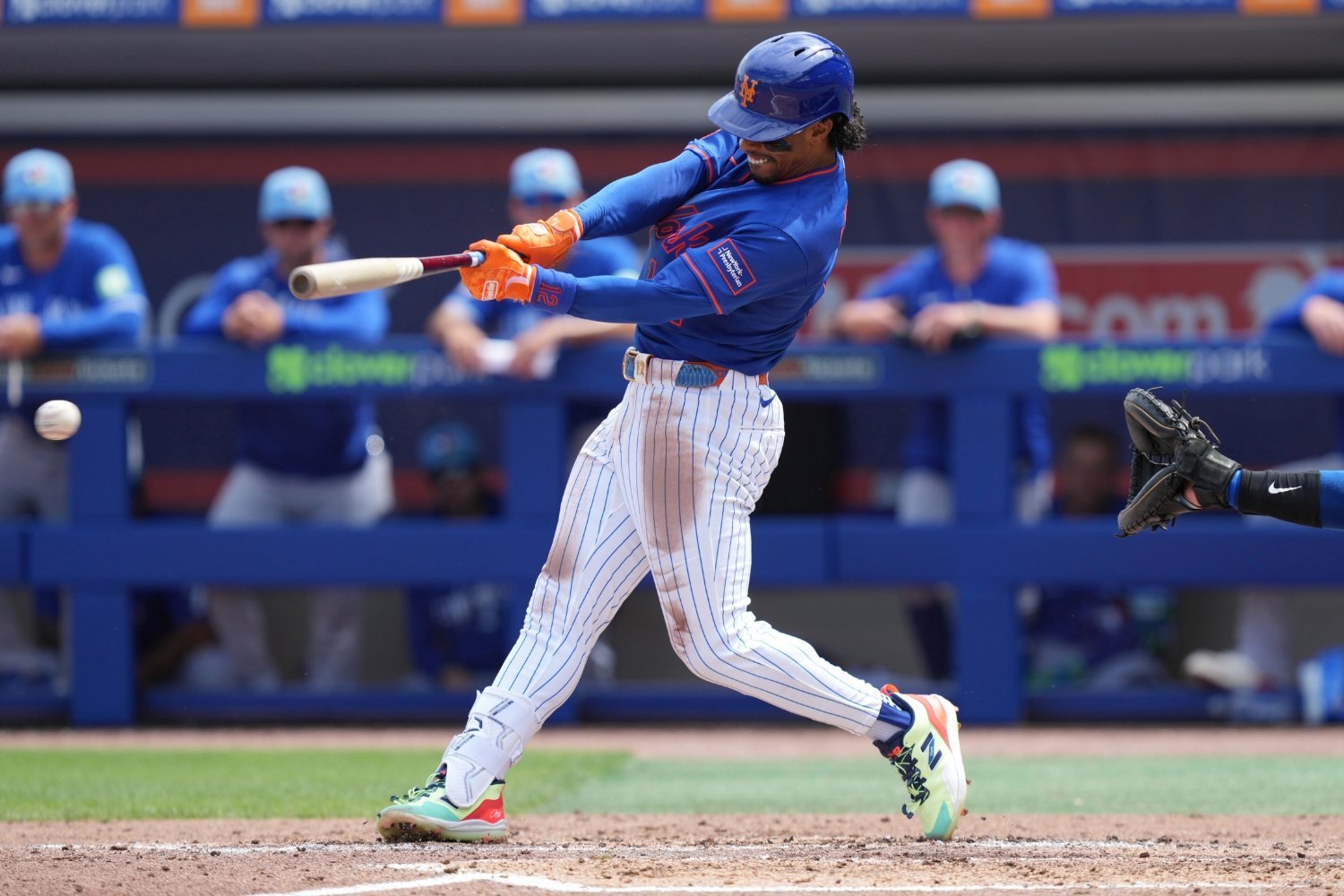 The story of Francisco Lindor in Queens has been one of high stakes and even higher production. Since arriving in 2021, he has evolved from a player meeting skeptical boos into the heartbeat of the Mets' roster. Over the last three seasons, he has turned into a statistical Swiss Army knife, slashing .265/.342/.479 with 95 home runs and 91 stolen bases. When you pair the resulting 129 wRC+ with his trademark Gold Glove-caliber defense, you aren't just looking at a good shortstop; you are looking at one of the premier anchors in the sport. He is a rare breed of consistency, missing just 15 games over those three years. Usually, predicting a 32-year-old superstar in his prime is a straightforward exercise. However, Lindor’s 2026 outlook hit a snag on February 11 when he underwent surgery for a hamate bone stress reaction in his left hand. It is a race against the clock to make the Opening Day lineup, and while he is already playing spring training games, the real question is how hard he can swing it. Hamate injuries are notorious for being the ultimate power thieves, often sapping a hitter’s ability to drive the ball long after they have been cleared to play. Even as he checks boxes in mid-March, the ghost of this injury tends to haunt the box scores for months. Mets Can Learn From Francisco Alvarez's Injury To understand the potential frustration ahead, we only need to look at the other side of the plate for the Mets; Francisco Alvarez dealt with a similar ordeal in 2025. While Alvarez suffered a clean break and Lindor a stress reaction, both required surgical intervention. Alvarez went under the knife in March and was back in the lineup by late April, even hitting a home run in his second game back. But that early blast was a bit of a mirage. The young catcher soon hit a wall, looking like a shell of himself as he struggled to a .236 average and a meager .333 slugging percentage over 35 games. The lack of pop eventually forced the team to send him to the minors in June just to find his rhythm again without the bright lights of New York magnifying every weak fly ball. It wasn't until July 21 that he earned his way back to the MLB roster. From that point until the end of the season, Alvarez hit a stellar .276/.360/.561 with a 157 wRC+ in 139 plate appearances. He was so good that he managed to be an above-average hitter over the course of the entire season, per his 124 wRC+. However, those early weeks were a stark reminder of how a hand injury can turn a powerhouse into a contact hitter. Think of a hamate recovery like trying to drive a car with a misaligned steering wheel. You can get from point A to point B, but you can’t really open it up on the highway without feeling the vibration. Lindor might be back on the field quickly, but his grip strength—the literal engine of his power—requires time and patience to recalibrate fully. The Mets’ shortstop is a fast healer and famously durable, but biology has its own schedule. History suggests that while these injuries aren't career-enders, they demand a mental toughness to handle the "gap year" in power numbers. Fans should temper their expectations for those first 150 plate appearances or so. If Lindor starts the season with too many singles and just a few extra-base hits, don't spend too much energy fretting over a supposed decline. Let the strength return naturally, and the star who has defined this era of Mets baseball will eventually find his stride again. View the full article
-
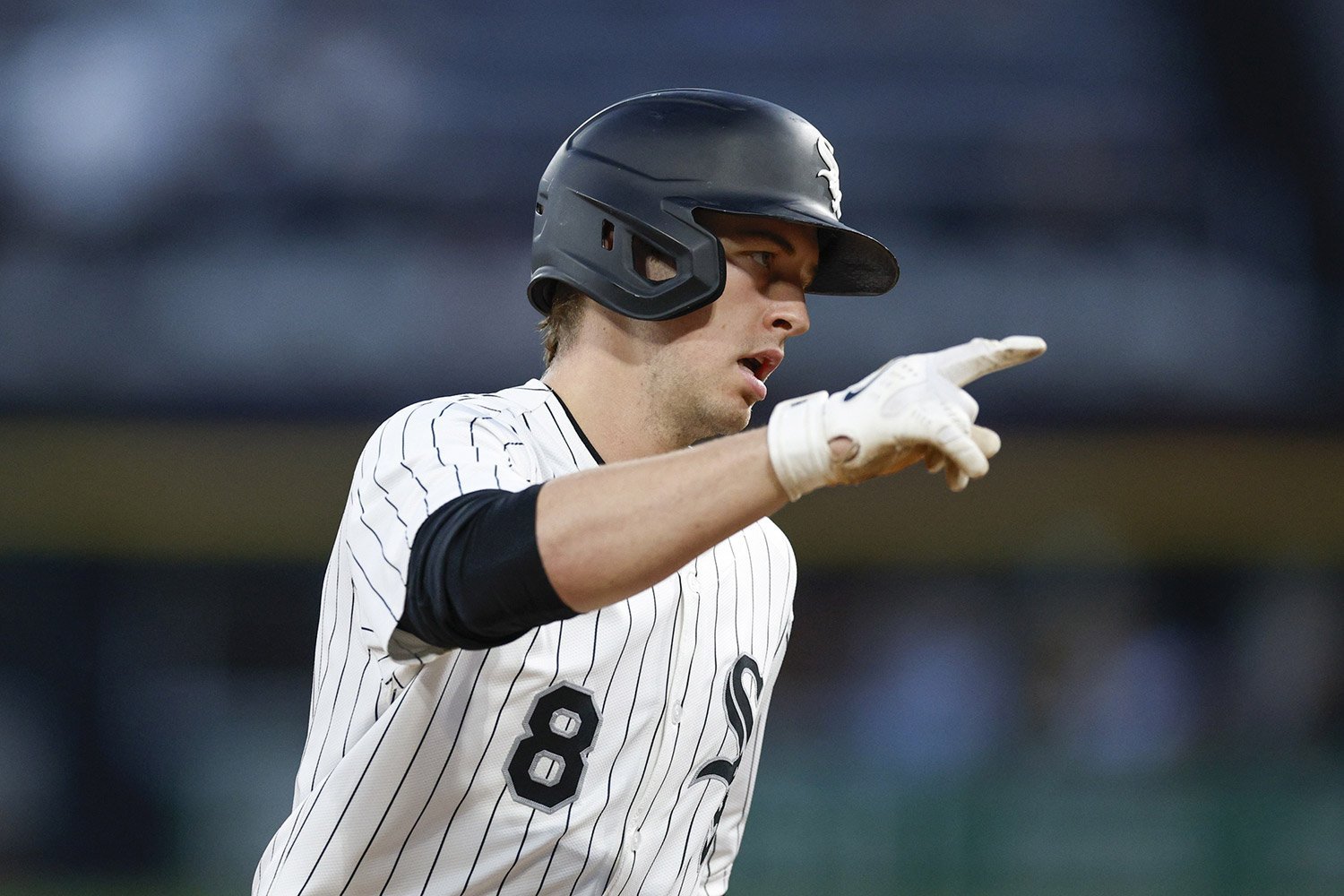 With the Royals looking to return to being competitive in the AL Central, we wanted to take a look around at the other teams in the division and what moves they made this offseason. This is a look at what to expect from the Chicago White Sox this season. The White Sox finished last in the division with a 60-102 record, marking their second straight season with over 100 losses after setting an MLB record with 121 in 2024. Here is a look at some notable additions and subtractions for the White Sox this offseason. White Sox Subtractions OF Luis Robert Jr. SP Martin Perez RP Tyler Alexander OF Michael A. Taylor RP Miguel Castro OF Mike Tauchman White Sox Additions INF Munetaka Murakami, 2 years, $34 million RP Seranthony Dominguez, 2 years, $20 million SP Anthony Kay, 2 years, $12 million, mutual option for 2028 SP/RP Jordan Hicks (trade w/Red Sox) OF Austin Hays 1 year, $6 million, mutual option for 2027 2B Luisangel Acuna (trade with Mets) SP/RP Sean Newcomb 1 year, $4.5 million OF Jarred Kelenic (minor league deal) P Erick Fedde, 1 year, $1.5 million Chicago made headlines this offseason with several notable changes. The addition of infielder Munetaka Murakami, signed from the NPB in Japan, is expected to bring significant power to the lineup despite a tendency for strikeouts. Seranthony Dominguez was signed as the new closer to help improve a bullpen that has struggled for the last couple of years. Just as notable as their signings, the White Sox made a major move by trading former All-Star and Silver Slugger OF Luis Robert Jr. to the New York Mets. In return, they acquired infielder Luisangel Acuna—brother of Atlanta Braves star Ronald Acuna Jr.—along with pitching prospect Truman Pauley. The White Sox also acquired veteran pitcher Jordan Hicks in a trade with the Red Sox. Hicks is expected to either join the starting rotation or be used as a high-leverage relief pitcher, depending on team needs. Although the additions seem to outweigh the subtractions for the South Siders, the overall impact will depend on how the team manages the new direction and whether young players can take a step toward being more consistently competitive. Here is a look at a few injuries and the players who should have the biggest impact on the White Sox's success in 2026. White Sox Injuries LHP Ky Bush, Tommy John surgery RHP Drew Thorpe, Tommy John surgery 1B Tim Elko - Torn ACL - expected return June/July RHP Prelander Berroa - Recovering from Tommy John surgery in March 2025 Losing two pitchers to Tommy John surgery—Ky Bush, a top thirty prospect, and Drew Thorpe—depletes pitching depth. Tim Elko and Prelander Berroa have gotten a cup of coffee, but they will be out to start the year, which will limit options in the lineup and out of the bullpen. Key White Sox Players SS Colson Montgomery - 3.3 bWAR SP Adrian Houser - 3.0 bWAR RP Mike Vasil - 2.9 bWAR SP Shane Smith - 2.3bWAR C Kyle Teel - 1.9 bWAR 3B Miguel Vargas - 1.9 bWAR Other players include starting pitcher Davis Martin, infielder Chase Meidroth, outfielder Andrew Benintendi, and utility player Lenyn Sosa (2B/OF). Notably, SS Colson Montgomery finished fifth in AL Rookie of the Year voting and led the team in bWAR in 2026. Starting pitchers Adrian Houser and Shane Smith will anchor the rotation, with Smith displaying front-line potential thus far in his career. Catcher Kyle Teel and third baseman Miguel Vargas are also young players aiming to build on strong 2025 campaigns and step into more prominent roles at their respective positions. With a team looking to return and become more competitive, there will be opportunities for several young players. Young players can help speed up a rebuild and quickly return a team to competitiveness if they are called up and succeed. The White Sox system boasts five prospects in MLB Pipeline’s top 100, led by OF Braden Montgomery, whose advanced approach and athleticism make him a potential everyday outfielder. LHP Noah Schultz, a power lefty, is expected to contribute to the major league rotation as early as 2026. LHP Hagen Smith projects as high-upside rotation depth. Both SS Billy Carlson and SS/3B Caleb Bonemer show promise but may need more seasoning in the minors before contending for roster spots. Spring White Sox Storylines (and beyond) Early in the year, attention will rest on how the team's catcher and designated hitter roles take shape. With three catchers—Teel, Edgar Quero, and Korey Lee—vying for playing time both behind the plate and at DH, and potential contributions from Murakami, Andrew Benintendi, and Lenyn Sosa in the DH role, this competition will be something worth keeping an eye on. Like many teams, the White Sox will hope their young players take a step forward and provide the next core to build around when they return to contention. Colson Montgomery and Shane Smith will headline the position players and pitchers as young players with high upside. Munetaka Murakami signing with the White Sox was a bit of a surprise, and it will be interesting to see how he adjusts to MLB. Transitioning leagues can present challenges, and the evaluation will focus on both his adjustment to Major League pitching and how opponents approach him. Murakami brings considerable potential, especially in the power department. With all of the additions shaping the roster for this year and into the future, here is a look at the projected lineup, rotation, and expected record for the White Sox in 2026. Projected White Sox Lineup Chase Meidroth - 2B Kyle Teel - C Colson Montgomery - SS Munetaka Murakami - 1B Miguel Vargas - 3B Austin Hays - RF Andrew Benintendi - LF Edgar Quero - DH Brooks Baldwin - CF Projected White Sox Rotation Shane Smith - RHP Davis Martin - RHP Anthony Kay - LHP Erick Fedde - RHP Sean Burke - RHP Projected White Sox Record PECOTA: 5th place, 69-93 FanGraphs: 5th place, 69-93 While the projections may temper White Sox fans' expectations, the roster features intriguing talent and some interesting storylines to keep an eye on this year. Both PECOTA and Fangraphs see improvement over last year, making it worth watching whether the team can surpass forecasts and build momentum throughout 2026 and beyond. While not projected as favorites, the White Sox are positioned to offer stronger competition in the AL Central this season than in recent seasons. Progress this year could spark renewed division rivalries and signify important steps toward contending for the division crown in the near future for the South Siders. View the full article
