


DiamondCentric
-
Posts
2,631 -
Joined
-
Last visited
Never
Content Type
Profiles
Forums
Events
News
Tutorials & Help
Major League Baseball Videos
Guides & Resources
Store
Downloads
Gallery
Everything posted by DiamondCentric
-

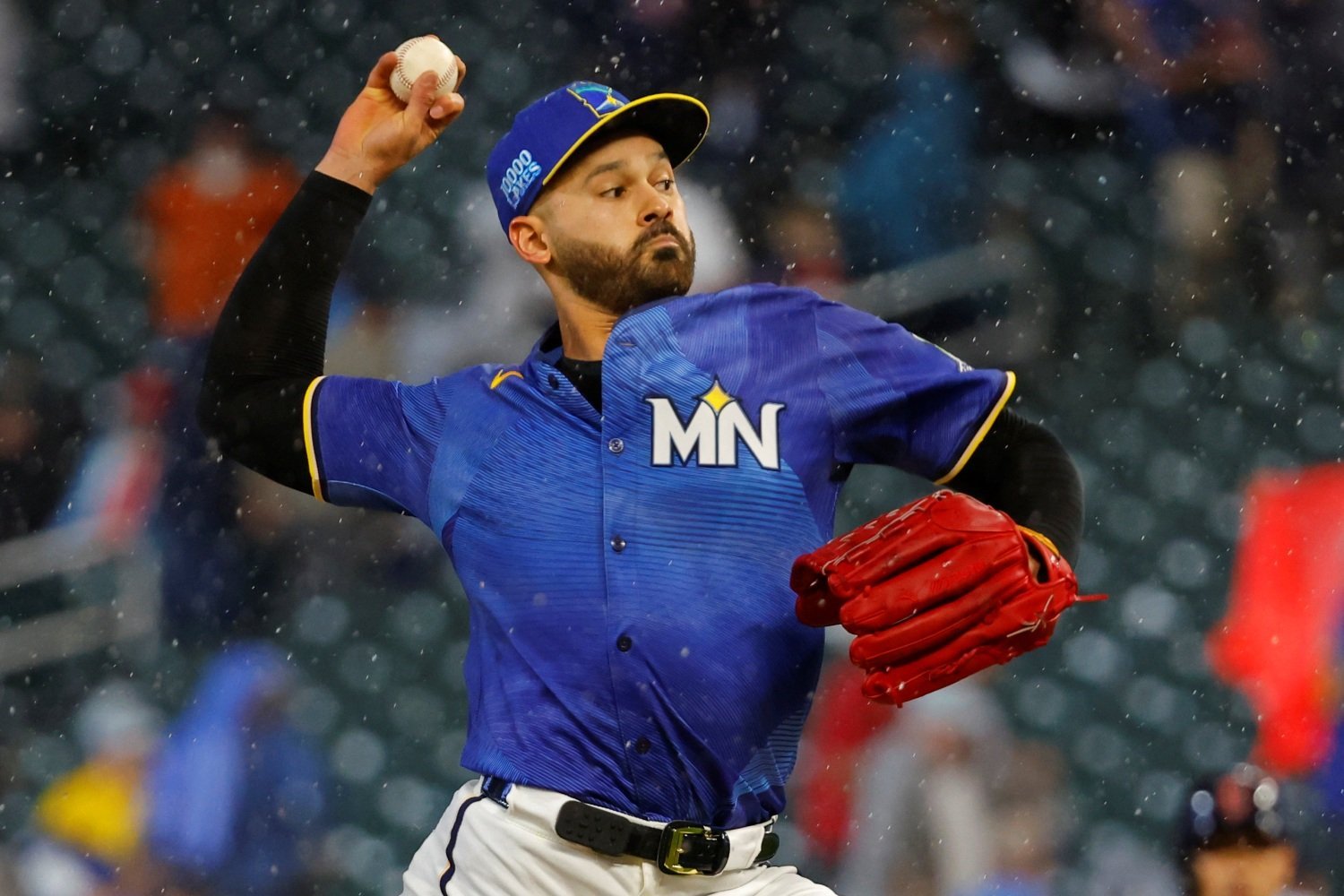 There has been one instance of Derek Falvey trading a veteran for prospect(s) over the offseason. Just one. Can you think of it? It was Gio Urshela, after 2022. Urshela was traded to the Angels for 19-year-old pitcher Alejandro Hidalgo, just hours before the non-tender deadline. This move suggests a high likelihood that Urshela would have been released, rather than the Twins paying him an estimated $8 million via arbitration. The trade was more about finding value than about getting worse in the present for future rewards. Falvey’s avoidance of selling present value for future value communicates an intention not to spend any year in a state of non-competitiveness. Sure, the team has gone through periods of non-competitiveness, but it’s never seemed to be part of an intentional plan. There hasn’t been a single offseason that has seemed like throwing in the towel on the following year. There have been trades of established players. But—except Urshela—they have all brought back big-league talent. There have been minor moves, like 2024’s trade of Nick Gordon for Steven Okert or 2021’s much-ballyhooed LaMonte Wade Jr.-for-Shaun Anderson swap, but most of the Twins’ most significant offseason moves have been these challenge trades, trading MLB talent for MLB talent. The Twins wanted to sell Josh Donaldson ahead of 2022, but instead of prospects, they received Urshela and Gary Sánchez, and they included Isiah Kiner-Falefa and Ben Rortvedt to facilitate the trade. Jorge Polanco was traded for prospects Gabriel Gonzalez and Darren Bowen, but the Twins also received Justin Topa and Anthony DeSclafani in the deal, filling holes on the big-league roster—you know, in theory. In both the Donaldson and Polanco trades, the primary motivation was to move salary, but the Twins used the trades to solve existing problems with their plans to contend immediately. Urshela took Donaldson’s spot, and Sánchez filled a backup catcher role after Mitch Garver was traded for Kiner-Falefa and prospect Ronny Henríquez, for example. The money was quickly reinvested. Carlos Correa signed shortly after the Donaldson trade, and within a week, the money saved in the Polanco trade was allocated to Carlos Santana and Jay Jackson. Even if Urshela was seen as a worse third baseman than Donaldson, the moves served a purpose: to build the team in the short-term and (often) in the long term. As a perfect example of this, the trade that sent Luis Arraez to Miami netted Pablo López, Jose Salas, and Byron Chourio. The Twins dealt from a perceived surplus of lefty corner bats for a badly-needed frontline starter, and they stocked the farm a bit in the process. Ahead of 2022, it was clear that they were ready to move on from Taylor Rogers, but instead of prospects, they brought in two experienced pitchers with more team control, in Emilio Pagán and Chris Paddack. Perceptions of the quality of these trades run the gamut, but it’s clear that the intent has never been to outright cut back on talent in the hopes that the trade would bear fruit three years later. Beyond trades, the Twins have tried to shop each offseason in free agency, sometimes getting creative (like ahead of 2024), sometimes biding their time and hoping talent falls through the cracks (like ahead of 2018, 2021, or 2025). The late signings of Addison Reed, Logan Morrison, and Lance Lynn before 2018 didn’t work, but they still trudged on, adding Nelson Cruz, Jonathan Schoop, C.J. Cron, and (late in the offseason), Marwin Gonzalez ahead of 2019. Even after a disastrous 2021, in an offseason in which they dumped the biggest free-agent contract the organization had ever signed, they still added Correa, because they weren’t throwing in the towel on 2022. I’m not sure that it’s the right tactic. At some point, a team has to cut its losses and stop taking half-measures. The reluctance to sell a player without getting commensurate MLB talent may have kept players around longer than they should have been with the Twins (Max Kepler, maybe?). But the Central has been open for the entirety of Falvey’s tenure—at least to win enough games to catch a Wild Card berth. If nothing else, it’s a noble pursuit. And if, as fans worry, the next step of the process begun on July 31, 2025 is to further hack away at this roster, Falvey will be in uncharted territory. We’ve never seen this team jpack it in ahead of the season. There’s no history to base it on or use as speculation. Falvey has been insistent that he still does not intend to rebuild, and that he does not intend to continue to sell. He's told the media that he wants to add to his group, not subtract, which is in line with his behavior in previous offseasons. Whether you believe him is up to you. View the full article
 -
 In episode 101 of Destination: The Show, Jeremy and Jamie discuss rumors that Byron Buxton would be willing to waive his no trade clause if the Twins continue their tear down. They go on to discuss Derek Shelton’s emerging MLB staff, talking through the focus on adding MLB experience. The guys then walk through the futures of the established big league starting pitchers still on the Twins roster. Do the Twins trade away any combination of Pablo Lopez, Joe Ryan, and Bailey Ober prior to 2026? 0:00 Intro/Housekeeping 1:30 Byron Buxton not a Twin for life? 8:55 Derek Shelton's Staff 21:36 Off-season roster decisions 49:25 News and Notes You can support the show by downloading it from wherever you get your podcasts, including iTunes and Spotify. If you enjoy the content, consider leaving us a five-star rating and review in addition to sharing or retweeting DTS-related content. You can follow us on Twitter @DTS_POD1, @Jeremynygaard, @J_D_Cameron, and @TheodoreTollef1. We’re now on Bluesky @destinationtheshow.bsky.social. You can also find full episodes and clips of our shows on our YouTube page @DestinationTheShow. View the full article
 -
Giants Hire Blue Jays Assistant Coach Hunter Mense as Hitting Coach
DiamondCentric posted an article in Jays Centre
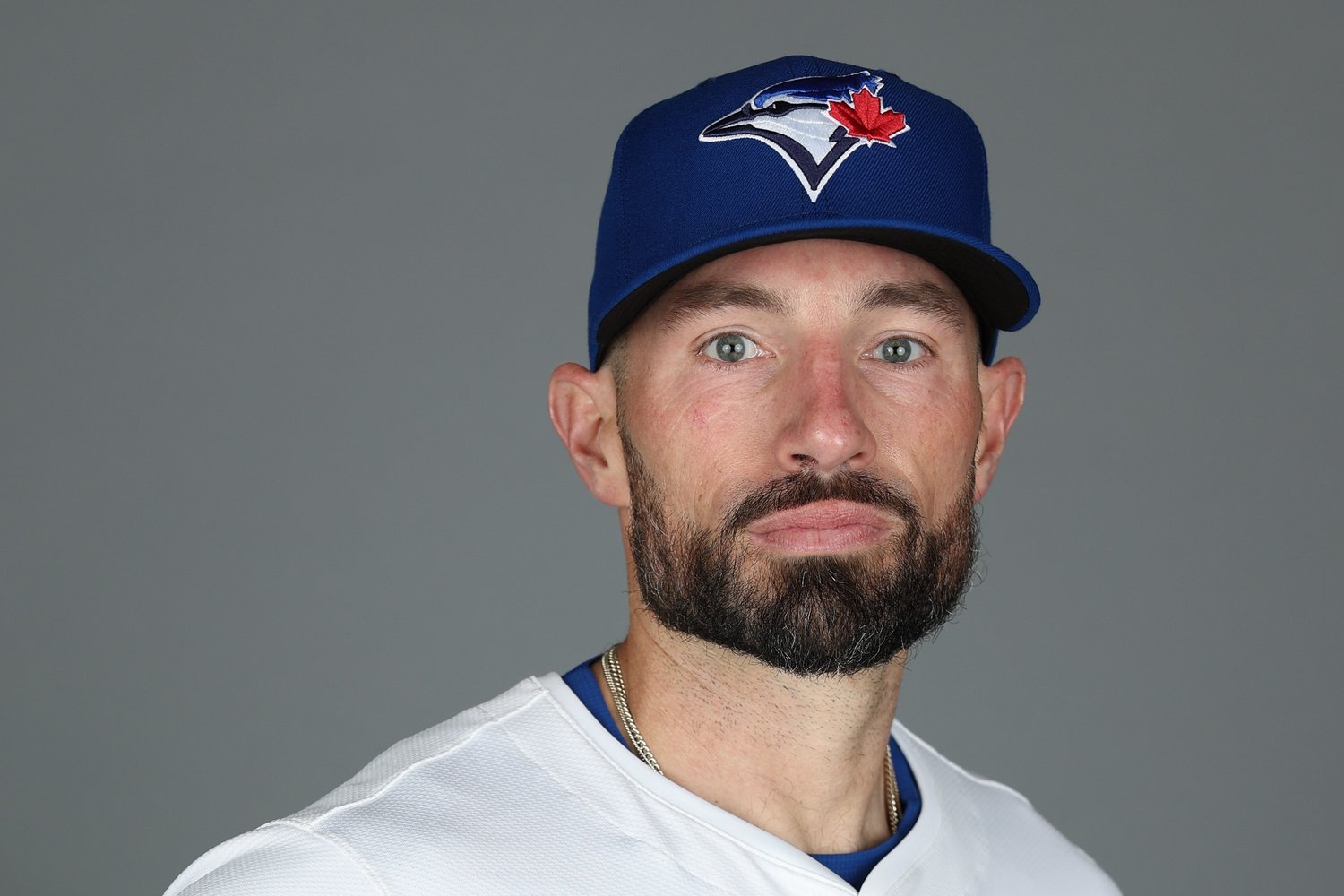 The Blue Jays coaching staff has already seen some changes this offseason. Mitch Bannon of The Athletic reports that Blue Jays assistant hitting coach Hunter Mense is leaving the team and will be joining the San Francisco Giants as their hitting coach. Mense had been with the Blue Jays since the 2022 season. Working with hitting coach David Popkins and fellow assistant coach Lou Iannotti, Mense coached the Blue Jays to a .330 wOBA in 2025, the third highest in baseball. In San Francisco, Mense will reunite with the Giants' new manager Tony Vitello, whom Mense previously played for at the University of Missouri. For the Blue Jays, this marks the second departure from the big league staff, as bench coach Don Mattingly stepped away from the team earlier this month. Featured image courtesy of Nathan Ray Seebeck, Imagn Images. View the full article
 -
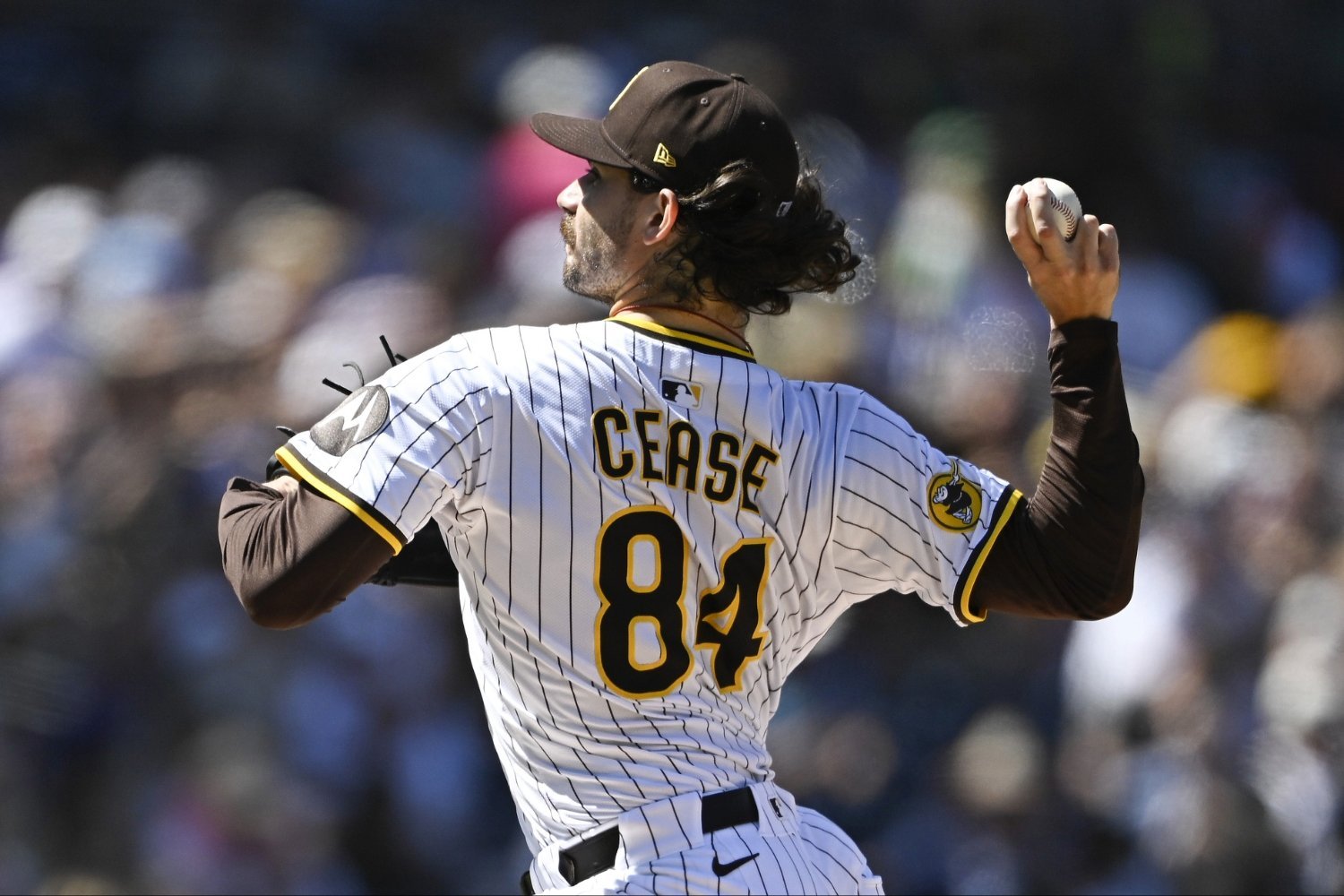
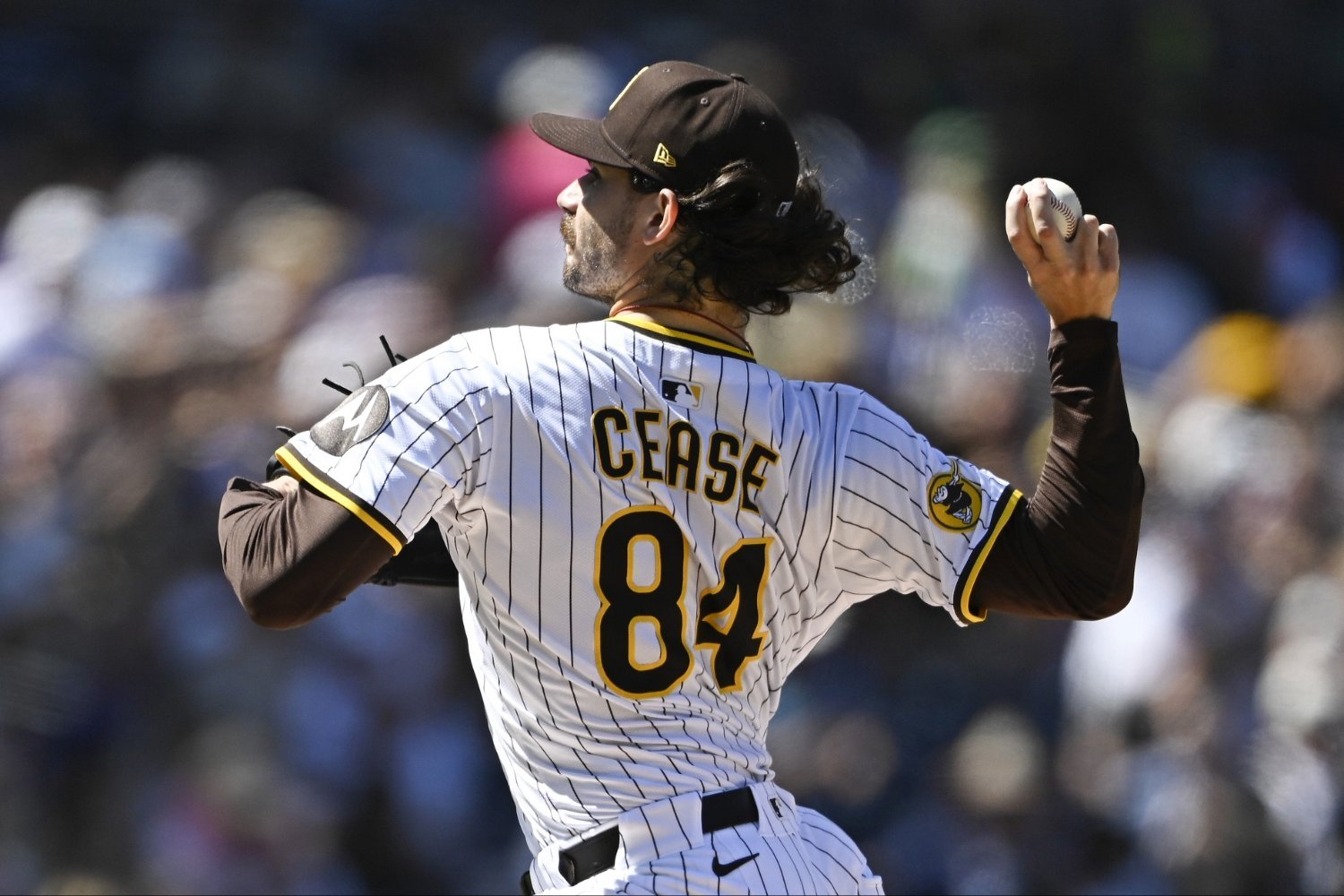 When a pitcher like Dylan Cease hits free agency, the real headache for his old team is figuring out how to fill that gap. The San Diego Padres’ main problem this winter isn’t Cease leaving; it’s that his unique skills, like missing bats and handling a solid workload, come with a hefty price tag. They don’t have anyone with a similar skill set coming up in their system, and the market has already set high prices for that type of talent. This limits how they can build their rotation for 2026 and the years after. The Dylan Cease Equation: Durability + Swing-and-Miss = Market Scarcity Cease's free-agent profile is a product of years of trends: teams now prefer to pay for inputs (like strikeout rates, pitch quality, and command) instead of outputs (like ERA and win totals). Following this reasoning, the right-hander's 2025 campaign does not cut his worth down, even though the lesser results do make him more of a risk to sign. No MLB starter has made more starts (174) since 2020 than Cease. He has had 200 strikeouts in five consecutive seasons, where he also was the league leader with the highest strikeouts per nine innings (11.5) this year. Even when his performance was inconsistent, his whiff rate on the slider and four-seam fastball were both well above average and both around the top quartile of MLB starters. He's got a lot of avenues to strike hitters out, and in today’s pitching economy, that’s a very safe investment. It is not his ERA that teams will buy. They'll pursue him because he gets rid of contact at a higher rate than nearly anyone in baseball and because he makes 32 starts every year without fail. You cannot find that internally unless you have drafted and developed a similar archetype, and the Padres haven’t done that. The Padres’ Structural Disadvantage The team has greatly reduced its payroll compared to the 2023-2024 levels, falling below the competitive balance tax. However, the rotation turnover created by Yu Darvish's surgery, Cease and Michael King's free agency, and the doubt about the organization's depth has left them with fewer arms to left cover innings in 2026. A team can’t replace 180 his innings with 180 innings from mid-tier arms and expect the same run prevention or strikeout leverage. Strikeout-heavy innings protect a defense, mitigate sequencing luck, and suppress contact quality. If the Padres opt for the route of signing several less expensive pitchers (think of second-tier pitchers who are good at getting weak contact) to take over Cease's innings, the club's run-prevention model will be entirely different. It might be the case that the total cost will be the same in a dollar sense, but the variance control will be lower and the performance delivered will also be lesser. It is easy to plan around 200 strikeouts per year; it's much harder to build around 170 innings of contact management. Why They’ll Pay Full Retail MLBTradeRumors projects Cease's next contract come in at seven years, worth $189 million; The Athletic’s Tim Britton slots him at six years for $174M. Adjusting for inflation and market scarcity, the difference is semantic—either number prices him as a top-10 pitcher by annual average value. That’s simply the going rate for a starter with elite “stuff” metrics (velocity, spin. whiff rate, etc.) and consistent availability. Front offices now align those data traits closely with future value and injury mitigation. If a team really wants to utilize a certain player’s talents, they will have to pay his market value, which could mean either signing him again or getting someone who is almost the same. The Padres can’t do anything to the established system unless they produce pitchers with similar characteristics through their own pipeline. However, at this moment in time, they do not have a pipeline like that. Lacking a developmental counterpart, they are confronted with nothing but a scarcity tax. It is through external acquisition that they get those skills, and every other team that bids will encounter the same lack. Even a “lower-tier” acquisition such as Aaron Civale or Jordan Montgomery is no longer inexpensive, as the demand for swing-and-miss profiles has increased along with the preference for stable workloads. Without elite infield defense or extreme run suppression on balls in play, the Padres can’t afford to lose strikeouts at scale. As such, the Padres’ decision tree looks straightforward but unforgiving. Either they: - Re-sign Cease and accept the payroll implications; - Buy a similar skillset elsewhere, likely at equivalent or higher cost; or - Degrade the rotation model, accepting lower strikeout density and higher performance volatility. None of these routes yield surplus value. The third might save dollars but risks undercutting the club’s run-prevention architecture. In effect, the team's best path forward is likely to foot the bill on a massive contract for Cease. It'll make future conversations uncomfortable, but for the sake of this competitive window, the Padres really don't have any other choice. View the full article
 -
 When a pitcher like Dylan Cease hits free agency, the real headache for his old team is figuring out how to fill that gap. The San Diego Padres’ main problem this winter isn’t Cease leaving; it’s that his unique skills, like missing bats and handling a solid workload, come with a hefty price tag. They don’t have anyone with a similar skill set coming up in their system, and the market has already set high prices for that type of talent. This limits how they can build their rotation for 2026 and the years after. The Dylan Cease Equation: Durability + Swing-and-Miss = Market Scarcity Cease's free-agent profile is a product of years of trends: teams now prefer to pay for inputs (like strikeout rates, pitch quality, and command) instead of outputs (like ERA and win totals). Following this reasoning, the right-hander's 2025 campaign does not cut his worth down, even though the lesser results do make him more of a risk to sign. No MLB starter has made more starts (174) since 2020 than Cease. He has had 200 strikeouts in five consecutive seasons, where he also was the league leader with the highest strikeouts per nine innings (11.5) this year. Even when his performance was inconsistent, his whiff rate on the slider and four-seam fastball were both well above average and both around the top quartile of MLB starters. He's got a lot of avenues to strike hitters out, and in today’s pitching economy, that’s a very safe investment. It is not his ERA that teams will buy. They'll pursue him because he gets rid of contact at a higher rate than nearly anyone in baseball and because he makes 32 starts every year without fail. You cannot find that internally unless you have drafted and developed a similar archetype, and the Padres haven’t done that. The Padres’ Structural Disadvantage The team has greatly reduced its payroll compared to the 2023-2024 levels, falling below the competitive balance tax. However, the rotation turnover created by Yu Darvish's surgery, Cease and Michael King's free agency, and the doubt about the organization's depth has left them with fewer arms to left cover innings in 2026. A team can’t replace 180 his innings with 180 innings from mid-tier arms and expect the same run prevention or strikeout leverage. Strikeout-heavy innings protect a defense, mitigate sequencing luck, and suppress contact quality. If the Padres opt for the route of signing several less expensive pitchers (think of second-tier pitchers who are good at getting weak contact) to take over Cease's innings, the club's run-prevention model will be entirely different. It might be the case that the total cost will be the same in a dollar sense, but the variance control will be lower and the performance delivered will also be lesser. It is easy to plan around 200 strikeouts per year; it's much harder to build around 170 innings of contact management. Why They’ll Pay Full Retail MLBTradeRumors projects Cease's next contract come in at seven years, worth $189 million; The Athletic’s Tim Britton slots him at six years for $174M. Adjusting for inflation and market scarcity, the difference is semantic—either number prices him as a top-10 pitcher by annual average value. That’s simply the going rate for a starter with elite “stuff” metrics (velocity, spin. whiff rate, etc.) and consistent availability. Front offices now align those data traits closely with future value and injury mitigation. If a team really wants to utilize a certain player’s talents, they will have to pay his market value, which could mean either signing him again or getting someone who is almost the same. The Padres can’t do anything to the established system unless they produce pitchers with similar characteristics through their own pipeline. However, at this moment in time, they do not have a pipeline like that. Lacking a developmental counterpart, they are confronted with nothing but a scarcity tax. It is through external acquisition that they get those skills, and every other team that bids will encounter the same lack. Even a “lower-tier” acquisition such as Aaron Civale or Jordan Montgomery is no longer inexpensive, as the demand for swing-and-miss profiles has increased along with the preference for stable workloads. Without elite infield defense or extreme run suppression on balls in play, the Padres can’t afford to lose strikeouts at scale. As such, the Padres’ decision tree looks straightforward but unforgiving. Either they: - Re-sign Cease and accept the payroll implications; - Buy a similar skillset elsewhere, likely at equivalent or higher cost; or - Degrade the rotation model, accepting lower strikeout density and higher performance volatility. None of these routes yield surplus value. The third might save dollars but risks undercutting the club’s run-prevention architecture. In effect, the team's best path forward is likely to foot the bill on a massive contract for Cease. It'll make future conversations uncomfortable, but for the sake of this competitive window, the Padres really don't have any other choice. View the full article
 -
Three Bench Bats Who Can Help Padres Add Power for Cheap in 2026
DiamondCentric posted an article in Padres Mission
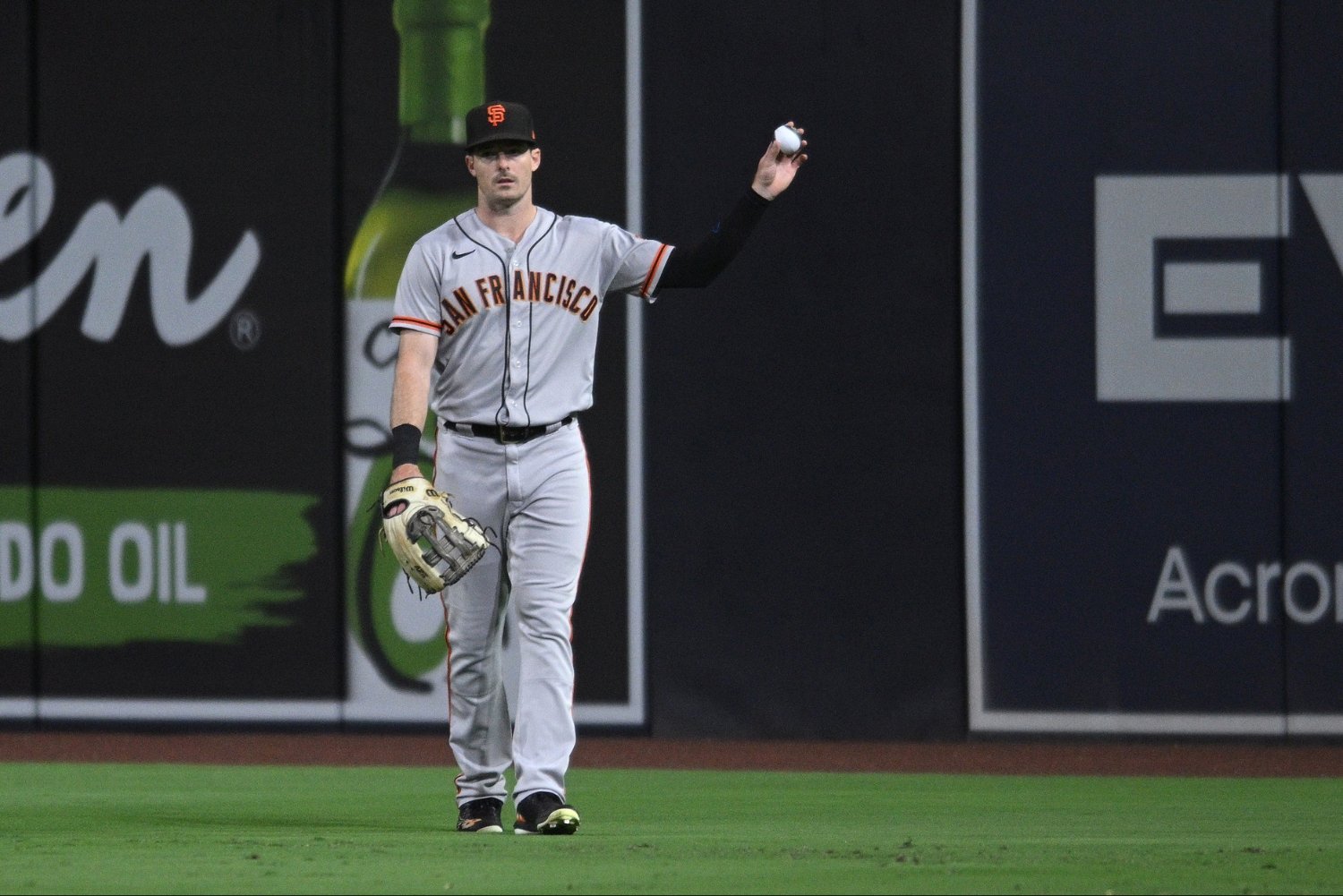 The San Diego Padres lacked power production this past season. They ranked 18th in the league in RBIs (663) and 28th in home runs (152). Only six players hit more than 10 home runs: Manny Machado (27), Fernando Tatis Jr. (25), Gavin Sheets (19), Jackson Merrill (16), Jake Cronenworth (11), and Xander Bogaerts (11). These numbers fall well short compared to their NL West counterparts who won the World Series; the Los Angeles Dodgers finished second in home runs (244). To compete for a World Series title next year, the Padres must add power to their lineup. The Padres face a budget limitation of $52 million in Competitive Balance Tax Space, so they must remain selective, as they have several needs to address. They could pursue a cheap power bat who would give them the needed boost and allow them to pursue other top-tier talent. Likewise, the Padres benefit from not requiring a starter; they can target a bench bat who could serve as a platoon or DH option for rookie manager Craig Stammen. Let's analyze three players who fit this archetype and what they could bring to San Diego next season. *All contract predictions are based on NBC Sports' Free Agent Rankings Rhys Hoskins Hoskins has reliably produced over his eight-year MLB career, excluding the 2023 season that he missed due to a torn ACL. He owns a career .820 OPS and 121 wRC+, but striking out remains an issue. Last season, he posted a 27 percent strikeout rate, slightly higher than his 25 percent career average. Staying healthy has recently become another problem, as he has played more than 110 games in only four seasons. However, in each of those four seasons, he hit more than 25 home runs. When healthy, he consistently demonstrates power at the plate. As a right-handed bat, Hoskins could platoon at first base with Sheets, since Ryan O'Hearn became a free agent. Sheets struggles against left-handed pitchers over his career, and though he improved his OPS against lefties to .669 in 2025, significantly above his career average of .557, he's still a below-average contributor in those situations. With an estimated one-year price tag of $5 million, Hoskins looks like an ideal addition for the Padres. Mike Yastrzemski Yastrzemski spent seven seasons with the San Francisco Giants before being traded to the Kansas City Royals this past trade deadline. His price tag is estimated to be a one-year deal worth around $11 million. This past season, Yastrzemski hit 17 home runs and drove in 68 runs over 558 plate appearances. He had trouble striking out over his career, with a strikeout rate of at least 24 percent in each of his first six seasons, but in 2025, he reduced that to 19 percent. The 35-year-old offers a left-handed bat off the bench who can occasionally play in the outfield. Yastrzemski could platoon with Ramón Laureano, who had a breakthrough offensive campaign in 2025. He had an .812 OPS and a 127 wRC+ after being acquired at the trade deadline with the Baltimore Orioles. However, he's had up-and-down results against right-handed pitchers; overall, in his career, he has a .747 OPS in 1,979 plate appearances against righties. Yastrzemski, meanwhile, posted an .809 OPS and 126 wRC+ against right-handed pitchers this season. As someone who can reliably fill in at all three outfield positions, he'd make a lot of sense as a fourth outfielder. Max Kepler Kepler stands out as another experienced outfielder who can platoon in left field with Laureano next season. In Kepler's 11-year career, he has produced roughly average overall results, but in seven different seasons, he has recorded more than 17 home runs. He hit 18 home runs last season and collected 90 hits in 474 plate appearances. That lack of overall production leads to an estimated $6 million price tag for a one-year deal. Kepler has alternated between single-digit and 17 or more home runs over his last six seasons—that trend is not ideal for a team that needs power production, but with the Padres facing budget restraints, Kepler's $6 million price tag appears enticing. It would allow them to spend on a higher-tier starting pitcher, especially with the latest news that Yu Darvish will miss the entire 2026 season. View the full article
 -
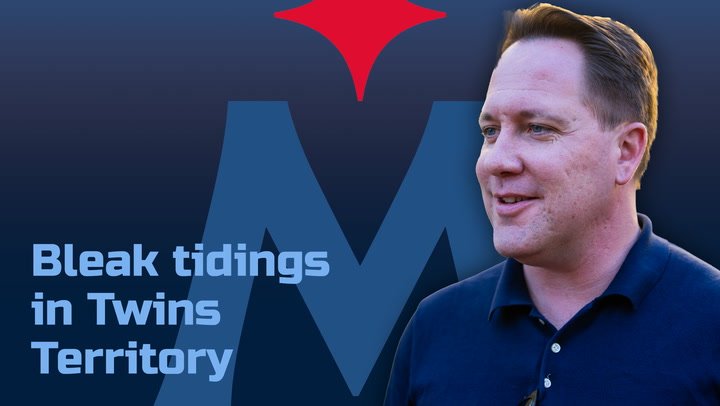 Following the Twins' introductory presser with Derek Shelton, media members held a scrum with Derek Falvey on what's ahead on their offseason agenda. Theo was a part of the scrum, and from what he heard from Falvey, it doesn't sound like much will be changing from the last two offseasons. View the full article
 -
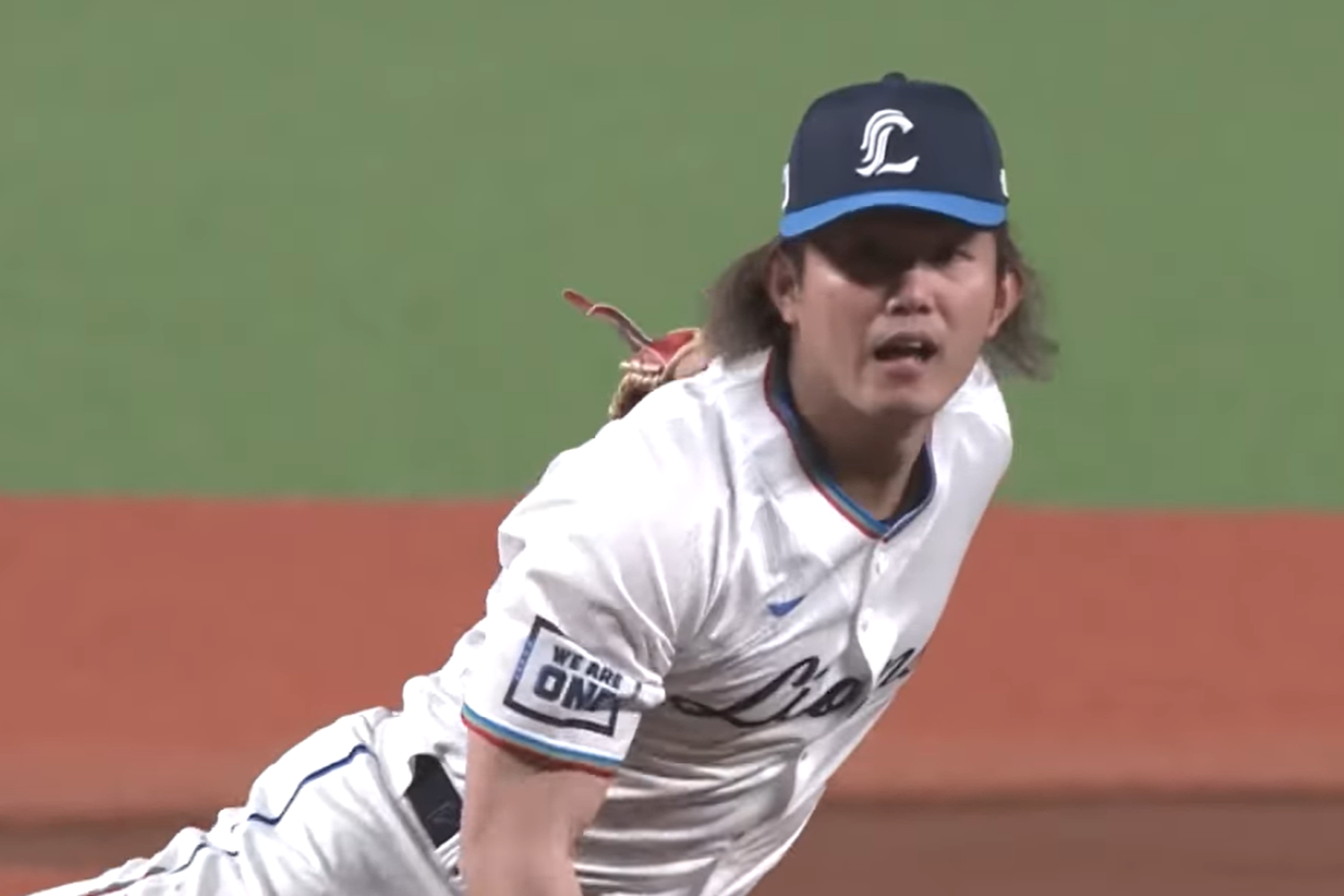 The Chicago Cubs ended their 2025 campaign with a game started by Drew Pomeranz. There was a time (before the Covid-19 pandemic) when that sentence wouldn't have seemed crazy, but that was also the last time that it wouldn't have. Since then, Pomeranz has transitioned from a starting pitcher to strictly a two-pitch reliever. Shota Imanaga, who was on regular rest, spent the entire game in the bullpen. There are many reasons the Cubs didn’t win the World Series in 2025, but their loss in Game 5 was truly a microcosm of what was wrong with the roster. They were one pitcher short, relying too much on a bullpen to hide the deficiencies of their rotation.. Jed Hoyer, in his end-of-year press conference, essentially admitted as much, speaking of how difficult it was for the team to make the additions they wished they could at the deadline. This will have change as the team looks to build on their 92-win season in 2026. Luckily for the Cubs, there are many options on the market. If they would like to attack the free-agent class, top-line arms such as Framber Valdez, Dylan Cease and Ranger Suárez are all available to be signed while surrendering draft-pick compensation. If they don't love any of these options, they could look to the trade market, hoping that the prices on Joe Ryan, MacKenzie Gore or Edward Cabrera have come down. Instead, though, the Cubs may look to a place they have looked multiple times in the last few seasons: across the Pacific Ocean, to Japan. Enter: Tatsuya Imai, a 27-year-old right-handed pitcher from Japan's top flight, Nippon Professional Baseball. Imai's club, the Seibu Lions, have confirmed their intentions to allow the pitcher to come to America this offseason. His agent, Scott Boras, said Wednesday that the hurler will officially be posted on November 19, which is next Wednesday. Imai is likely to have plenty of suitors, and his contract is expected to rival those in the top tier of free agency, with The Athletic predicting he will earn north of $140 million. The Cubs have not been a team we associate with big-time free-agent contracts in recent years, but I think the righty may be the type of player the Cubs will be willing to break the bank on. To understand why the Cubs may target Imai, we need to first understand what the Cubs rotation lacks: strikeouts. In terms of ERA, the Cubs finished in the top 10, but they were 23rd in strikeout rate. Chicago’s defense is excellent, but adding more swing-and-miss would give the team’s run prevention a needed boost, and the Japanese star would certainly do that. He struck out 27.8% of all hitters and over 31% of righties in 2025. Ben Brown is the only Cub who made more than five starts with the team and struck out even 25% of opposing hitters. There is a caveat. Imai's fastball isn't going to be nearly as special in terms of velocity when he comes over. However, I don't think this will scare off the Cubs. To put it in context, in NPB, Imai had the second-fastest fastball in the league, clocking in around the 95-mph mark and touching 99 on occasion. When he comes over, though, his fastball will be around average for a right-handed starter in Major League Baseball, which was 94.6 mph last year. The good news for Imai is that his arm angle is funky, which should allow him to create deception. While NPB does not make arm angle public on their tracking site, it's likely that his angle will put him around the flattest in baseball. Compare the above video of Imai to the below video of Seattle Mariners' starter Bryan Woo. Woo clocks in around a 23° arm angle, the 12th-flattest of any starter in 2025. I expect Imai to be in that range. Uk8yeU5fWGw0TUFRPT1fVUFVSFZGUUhYd2NBWEFSVUFBQUhBVkFFQUZrRFUxa0FVRlVNVWxJRlV3b0RVVkZR.mp4 While I hesitate to compare the two directly in terms of fastball value, Woo's fastball sat at 95.6 mph last year. And while the shape of Woo's fastball is good, grading out on FanGraphs's Stuff+ as a 105, on shape and velocity alone, it falls short of elite. Despite that, Woo's fastball performs among the best in the league. It's pretty well-known that the Cubs, who threw the most four-seam fastballs of any team in 2025, value the pitch highly. While we shouldn’t expect Imai to duplicate Woo’s success with the four-seam fastball, it also wouldn’t be surprising to see the Cubs attempt to use Woo as a template for what can be done. The Cubs have managed to squeeze extra velocity out of a few arms in their system over the years, and when you add year two of Tyler Zombro and everything Tread Athletics can do, it gives the Cubs a strong foundation to help get the most out of him. Imai may never dominate on velocity alone, but I think there’s potential for the pitch with a good fastball organization, like the Cubs. Imai’s most unique offering is his "slider". I'm going to be careful what I call it, though. It's not really a slider, at least in the traditional sense, because Imai throws his with arm-side run. This effectively makes it a “reverse” breaking ball, or screwball, running toward a right-handed batter instead of away from them (as most righties’ sliders do). I suspect that Stuff+ models will hate the pitch, but the results in Japan were stunning. The slider generated a 45.9% swing-and-miss rate, which would have placed it in the top 10 in whiff rate in MLB. It's fair to wonder how the pitch will play against American big-league hitters due to its unique nature, but if there's one thing I'm confident about, it’s that the Cubs aren't afraid of a funky pitch. Due to his slider-fastball combination, Imai has been absolutely deadly against right handed hitters. On the surface, this makes sense; both of these pitches play up against like-handed hitters before we factor in the funk factor of his delivery or slider profile. Beyond that, it would appear as though he added a sinker to his repertoire late in the season—yet another pitch that will help him navigate the best righty batters in the world. It’s great to have all of these offerings, but there’s a drawback; none of these pitches are great against left-handed hitters, and this has been a general Achilles heel for him over his career in NPB. One of the hallmarks of the Cubs pitching staff in 2025 was their on-the-fly development of changeups, a pitch often used to attack opposite-handed hitters. Both Cade Horton and Jameson Taillon, who badly needed an extra offering, developed very strong kick-changes before or during the 2025 season. It wouldn't appear as though Imai would be a direct candidate for the kick-change like the other two, as he tends to be more of a pronator to begin with. (The kick-change, which involves using the placement of the middle finger to "kick" the spin axis sideways as the ball comes off the fingers, has usually been a tool employed by pitchers who tend to supinate and specialize in glove-side movement.) Despite that, an organization who can continue to get the best ot his changeup is likely the organization willing to spend big on the pitcher to begin with. Before 2025, Imai had terrible walk issues with lefties, specifically, walking 11% of them in 2024. He developed a better changeup in 2025, which dropped his walk rate against lefties to 8.5% and allowed him to make major strides in terms of run prevention against them. The Cubs, an organization that excels at teaching the changeup, would continue to work with the pitcher to solve this issue. It's likely that this isn't entirely behind him, as the step up in competition will push him to his limits. I don't think that the overall package that Imai has today puts him in the same tier as Yoshinobu Yamamoto was when he came over from NPB two offseasons ago; I don't think anyone does. Even the priciest predictions have Imai making around half of the $325 million that Yamamoto got from the Dodgers. But he's also a clear step above what Shota Imanaga was when the Cubs signed him, and he's proven capable of being somewhere between a second starter and a fourth-best option. I wouldn't expect Imai to headline a rotation, but I do think there's more than enough clay to mold a front-line option. There are probably going to be some tweaks. Imai's fastball location leaves something to be desired; the changeup is just starting out and likely needs refinement; and it will take a good organization to best use Imai's funky reverse slider. Still, I think he fits into how the Cubs view pitchers. They love four-seam fastballs, lower arm slots, changeups and funk. Imai fits Chicago in other ways, too. The Cubs have been active in scouting Japanese players under Hoyer. They have signed both Seiya Suzuki and Imanaga. They have been major players, regardless of outcome, when it comes to Shohei Ohtani and Roki Sasaki. They have even reportedly offered a contract to 22-year-old, undrafted NPB outfielder Kotaru Tsunematsu (though we are unsure if he's accepted as of writing this article, and he seems as likely to become a force in their front office someday as to blossom on the field). He's also the right age for this kind of investment. Pitchers rarely hit the market at the age of 27. While the Cubs have shied away from big contracts, their two biggest signings of the last decade were offered to 26-year-old Jason Heyward and 29-year-old Dansby Swanson. Pitchers are aging better than hitters lately, too. Will Imai end up in Chicago? It’s no sure thing. The New York Mets are interested, and have recently signed Kodai Senga. The New York Yankees are always a premium destination and are looking for pitchers. There will be plenty of competition. But I also feel like this is a unique situation in which the pitcher's style aligns with much of what the Cubs like. Coming over from Japan, there is no draft-pick compensation attached, which is likely a factor for the Cubs. Taking all these factors in conjunction, I think the Cubs are going to put him very high on their offseason list. If the Cubs are going to spend $150 million on a player, Imai is probably the type they are willing to look at. View the full article
 -
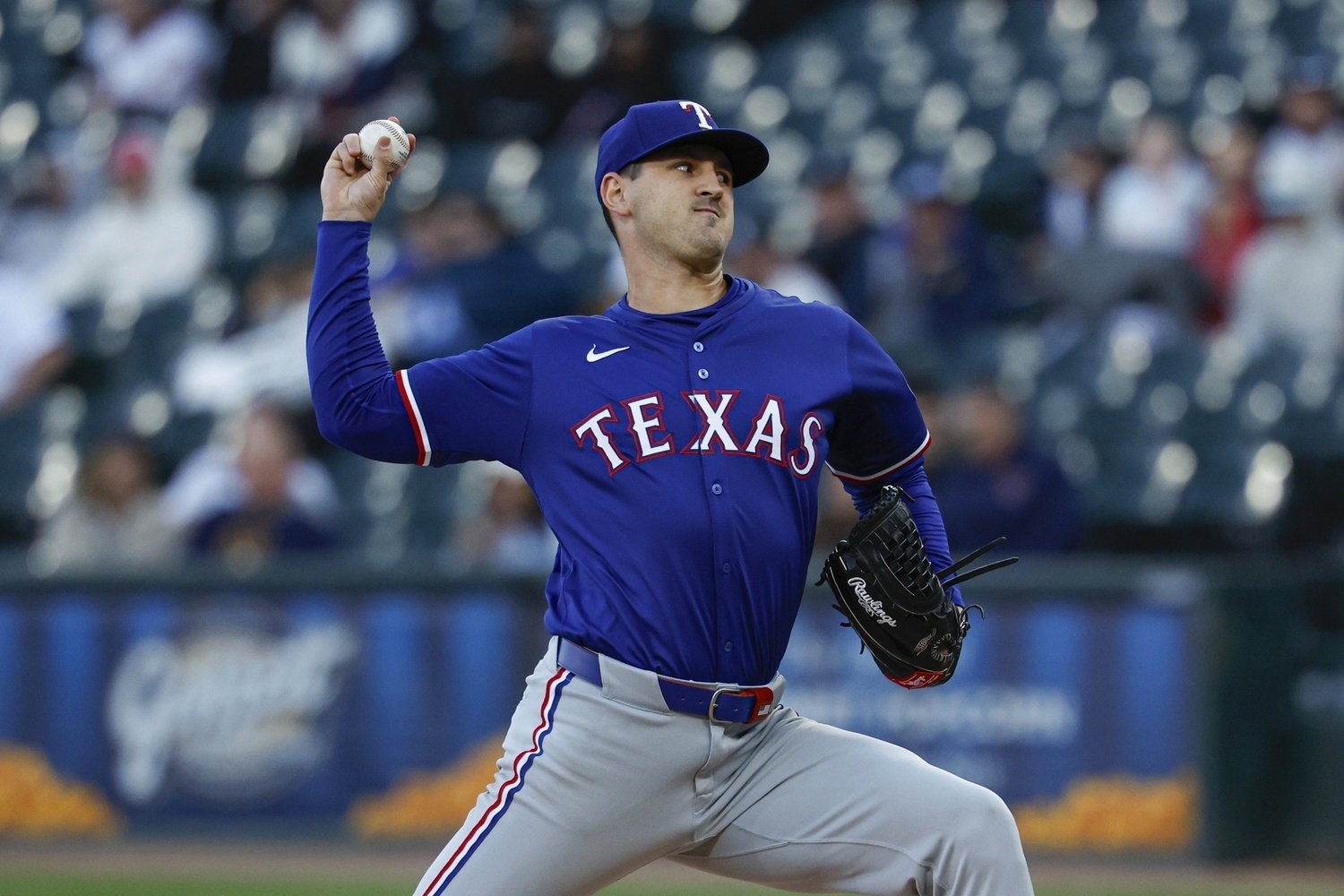 With Shane Bieber opting into his contract for the 2026 MLB season, the Toronto Blue Jays might have the front end of the rotation more or less set, with Kevin Gausman and Bieber leading the way. Bounce-back candidate José Berríos and promising rookie Trey Yesavage will presumably play roles in the middle of the rotation for the Jays this upcoming season. So, Toronto doesn't necessarily need to blow the bank to round out its starting rotation. Here, we will take a look at three free agent starting pitchers the Jays could pursue, all of whom will likely be available on shorter, less expensive deals than the arms at the very top of the market. Tyler Mahle Prior to 2025, Tyler Mahle would have been an under-the-radar candidate for contenders looking to fill out their rotations. That is because with a career ERA above 4.00, along with his injury woes in recent years, teams would have been more wary about his consistency and durability over an entire season. Yet, Mahle managed to put together the best season of his MLB career in 2025 with the Texas Rangers. He posted a 6-4 record with a tidy 2.18 ERA and 1.13 WHIP, while giving up only five home runs in 86 2/3 innings pitched over 16 starts. His ability to prevent the long ball in recent years could come in handy for the Blue Jays in the hitter-friendly confines of the Rogers Centre. Having also just turned 31, Mahle should have plenty of gas left in the tank in the coming seasons (presuming he can stay healthy) to help Toronto build sustainable winning success going forward. Lucas Giolito Lucas Giolito was a revelation for the Boston Red Sox after returning from UCL surgery that wiped out his 2024 season. To complement Red Sox ace Garrett Crochet, Giolito posted a strong 10-4 record with a 3.41 ERA and 1.29 WHIP, together with 121 strikeouts in 145 innings pitched over 26 starts. Unfortunately, the 31-year-old right-hander suffered a right elbow injury in late September that ended up keeping him out of action during the postseason. Without the services of Giolito, the Red Sox were eliminated by the New York Yankees in the AL Wild Card Series. Giolito would slot in nicely behind Gausman and Bieber to form a dominant trio for the Jays’ rotation in 2026. Given his past success pitching in the AL while playing for the Chicago White Sox, the Los Angeles Angels and the Red Sox, the nine-year veteran should transition in seamlessly playing for Toronto. Brandon Woodruff Another elite pitching option that performed well after coming off surgery that kept him out of action for 2024, Brandon Woodruff returned to form just in time for the Milwaukee Brewers during the latter half of the 2025 season. He would compile a stellar 7-2 record with a 3.20 ERA and 0.91 WHIP, giving up just 14 walks while striking out 83 batters in just 64 2/3 innings of work over 12 starts down the stretch. Yet, similar to Giolito above, Woodruff would also miss the 2025 postseason due to a right lat strain that he sustained towards the end of September. As a result, the Brewers were also disposed of during the playoffs at the hands of the eventual champions, the Los Angeles Dodgers. One advantage Woodruff has over the two other candidates above is that when he is on his game, he can actually be one of the best in the league. However, his durability has always been an issue, having made more than 22 starts only twice during the past six seasons. That limits his overall potential impact. But, if the Blue Jays can bet on a clean bill of health for the veteran 32-year-old pitcher, Woodruff could turn out to be a huge steal this offseason for Toronto. View the full article
 -
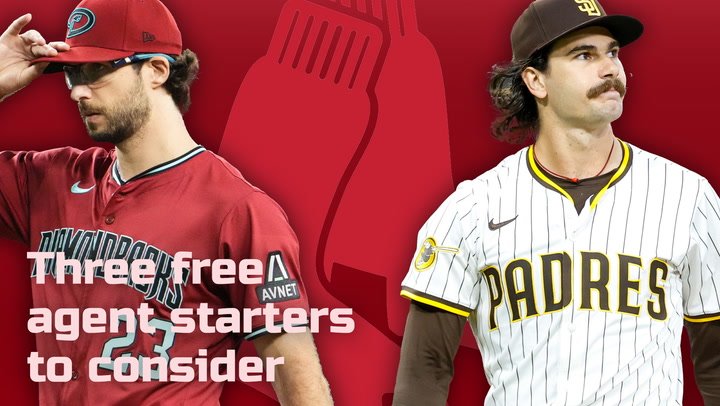 The Red Sox are in need of some starting pitching, and while there is some depth in the free agent market, Dylan Cease, Tatsuya Imai, and Zac Gallen are three of the more interesting names to consider. View the full article
 -
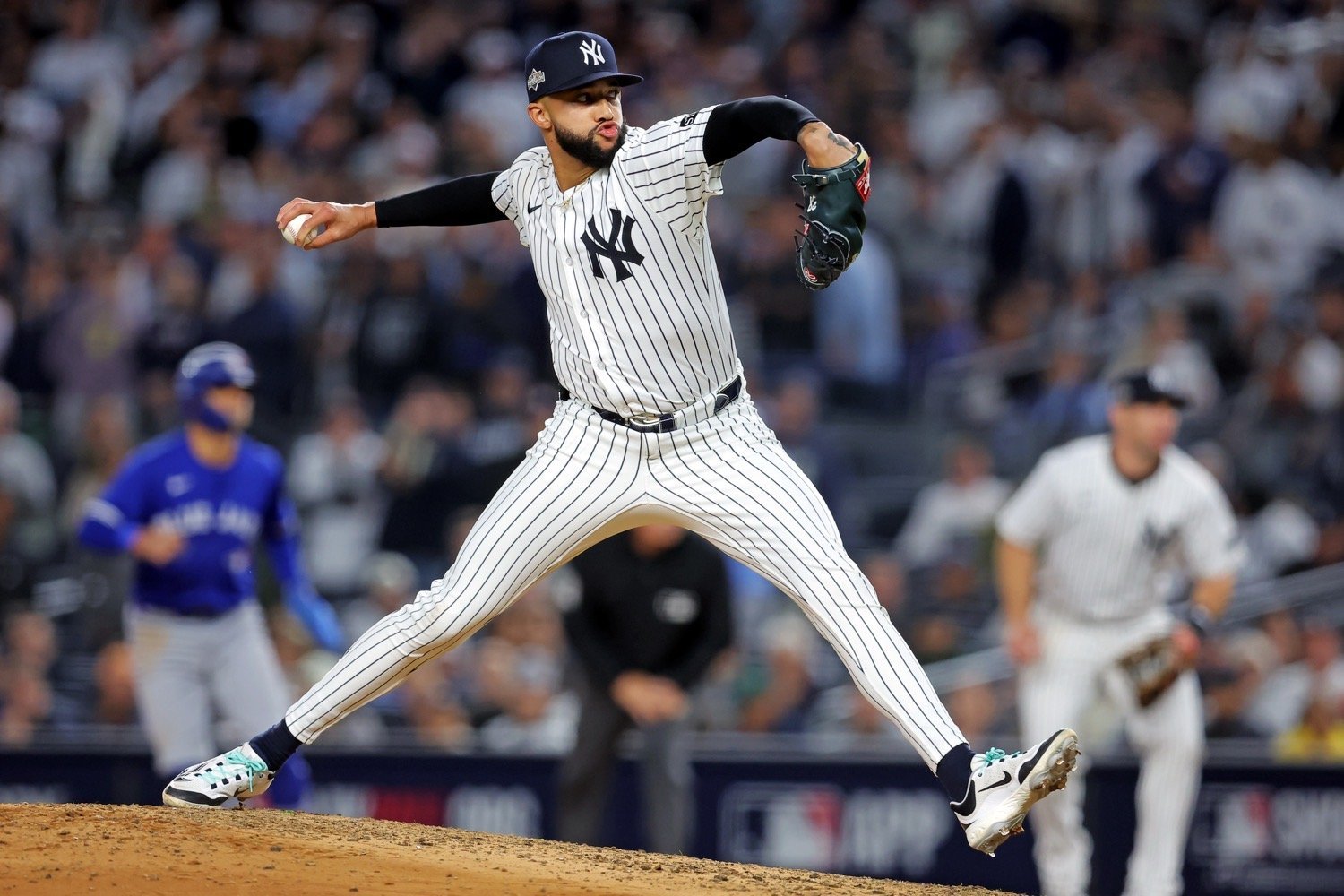 Yesterday, Ken Rosenthal reported that the Toronto Blue Jays are expected to be suitors for former Tampa Bay Rays closer Pete Fairbanks. Today, Mitch Bannon of The Athletic confirmed and expanded on that rumor. Bannon reported that the teams are targeting high-leverage relievers in free agency and identified Devin Williams, Phil Maton, and "other similar relievers" in addition to Fairbanks. Williams struggled through 67 appearances for the Bronx Bombers, logging 62 innings pitched in relief. Though he posted a career-high 4.79 ERA, his 2.68 FIP suggests he was better than the surface stat indicates. On the other hand, his K-BB rate of 25.0%, which would be considered low for most pitchers, was below his career average. If we can point to one thing as the reason for his struggles, it would be his league-worst 55.2% strand rate—a number roughly 20 points below his career norm and typically not predictive from one season to another. MLBTR projects him to net $68 million over four years. Maton appeared in 63 games between the St. Louis Cardinals and Texas Rangers in 2026. He recorded a strong 2.79 ERA backed by an even better 2.60 FIP. Additionally, he posted a solid 23.4% K-BB rate. MLBTR named him an honorable mention on their top 50 free agents list, but didn't provide a contract prediction. Who are other high-leverage relievers you'd like to see the Blue Jays pursue? Let us know in the comments! View the full article
 -
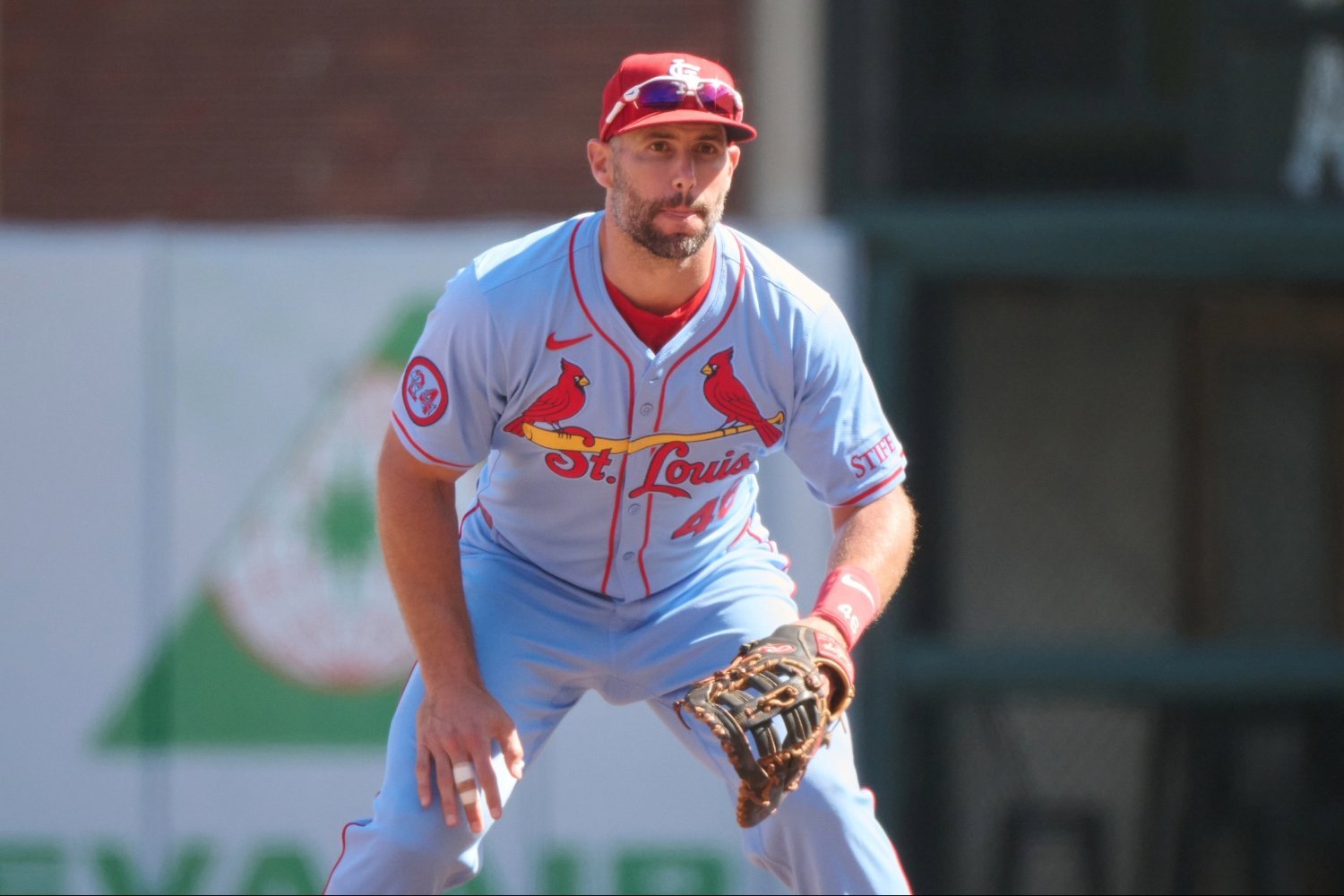 For the Chicago Cubs, when it comes to first base, Michael Busch will start for the next five years, health and skills permitting. After a tremendous 34-homer, 94-RBI season, we should expect him to man the position for the foreseeable future. The only nit to pick is his stats against left-handed pitching: a .207/.274/.368 batting line with only four home runs in 95 plate appearances. The recently-jettisoned clubhouse favorite Justin Turner sopped up some of those at-bats against southpaws in 2025 to varying degrees of effectiveness. With him now (likely) out of the picture, Cubs seem like a good fit for a right-handed bat who will be content playing on the short side of a platoon, but the opportunity to be creative is here if the Cubs want to upgrade in multiple areas. Note that we'll be using MLB Trade Rumors' expert predictions for each player's projected contract on this list. THE PERFECT FIT Paul Goldschmidt, Yankees: Projected contract of one-year, $8 million The 38-year-old veteran fits the lefty masher profile. He did, in fact, mash lefties last season to the tune of .336/.411/.570 line while a member of the Yankees. At his age, the market will not yield a major contract for him in years or dollars; he played last year on a one-year deal for just $12 million. After losing time to Ben Rice in New York, Goldschmidt reportedly wants a cleaner path to playing time in 2026 and is amenable to a short-term deal. The Cubs would be the perfect landing spot for him. There would be plenty of opportunities at the cold corner when Busch sits, as well as potential turns at DH from time to time. Goldschmidt would also be a perfect Justin Turner replacement in the clubhouse. All one has to do is Google the phrase "Paul Goldschmidt teammate" and page upon page of results pop up, all of them reflecting a positive impact. He would theoretically be the perfect fit for the Cubs roster on a one-year deal. Verdict: A perfect fit for what the Cubs would be looking for at this position in 2026. OTHER POSSIBLE FITS Kazuma Okamoto, Japan: Projected contract of four-years, $64 million Okamoto can play third or first and would be a theoretical fit that was already discussed on this fine website. His Cubs candidacy is tricky, especially because he'd be getting starter money for a utility or bench role. It's unclear is if he would be willing to come play in a non-full-time role; Matt Shaw seems established at third for now, and of course Busch is entrenched at first. Verdict: A great fit who would raise the talent in the lineup and add depth to the bench. Highly unlikely due to price tag and role questions. Josh Bell, Nationals: Projected contract of one-year, $5 million Bell is somewhat of a poor fit for the Cubs' needs. He only hit .151 against left-handed pitching this past season—at that number, Busch is a better option. Still only 33 years old, Bell may also be looking for a more consistent starting role like the one he had in Washington this year. If the Cubs are looking for Busch to get a breather and DH insurance for Moises Ballesteros, Bell could fit the bill. He's been known to have nuclear months at the plate as well. In September, for example, he slashed posted a 145 wRC+ with six home runs. He'd add another streaky layer to an already-streaky offense, but there's a lot of talent in his bat. Of course, streakiness can go both ways. In April 2025, Bell posted a .503 OPS. If such a stretch were to happen for the Cubs in, say, August of this year, the streak issue would be amplified. Defensively, Bell adds nothing of value. Verdict: Bell is the type of player Jed Hoyer signs only if the terms are in the Cubs' favor and other options fall flat. Not a likely player to target, but one that could fall to Chicago if the price is right. UNLIKELY OPTIONS Ryan O'Hearn, Padres: Projected contract of two-years, $26 million Historically a bat that is platooned against left-handed pitching, similar to Michael Busch. O'Hearn would be redundant, although he could fill in a corner outfield spot as well. Luis Arraez, Padres: Projected contract of two-years, $24 million Arraez simply doesn't fit the Cubs' analytic model on offense. It would be fun to watch him and Nico Hoerner in a home run derby though. THE SHOCKER Pete Alonso, Mets: Projected contract of four-years, $110 million Slugging from the right-hand side of the plate is a need. Extreme power is a need for every franchise. Pete Alonso fits both of these needs, but can only play first base. No, let's not start the Michael Busch to second base narrative again, but Alonso could make sense with some creativity. In 2025, Alonso hit for a higher average than the past two seasons, batting .278 after a few poor efforts prior seasons. The power has not fluctuated, though. Since 2021, he's totaled between 34 and 46 home runs every season. He's not a plate approach genius (53rd percentile walk rate), but not a whiff king either (40th percentile for strikeout rate). The Cubs do sorely need power, which Alonso would provide. The question is, of course, how they will value the profile of an aging first baseman. Alonso is represented by Scott Boras and is reported to be seeking a seven-year deal. With him entering his 30s, the question will be how hard the aging curve strikes. He's already a negative defender and baserunner; if the bat and power wanes over time, the decline phase would be a real burden at his proposed cost. It does not seem like the type of profile Hoyer tends to gamble on. Alonso would also make Michael Busch redundant and force one of them to DH more often than either would like, which is an issue with a roster that already has Seiya Suzuki and Moises Ballesteros. Verdict: Would be a fun, exciting signing, but unlikely given the risk and cost. Ultimately, Busch has earned the runway to start at first base. This front office, though, values optionality over pretty much anything else procedure wise. A veteran southpaw masher fits their needs. Anything more would be an interesting pivot for a team that has bigger holes to fill elsewhere on the roster. View the full article
 -
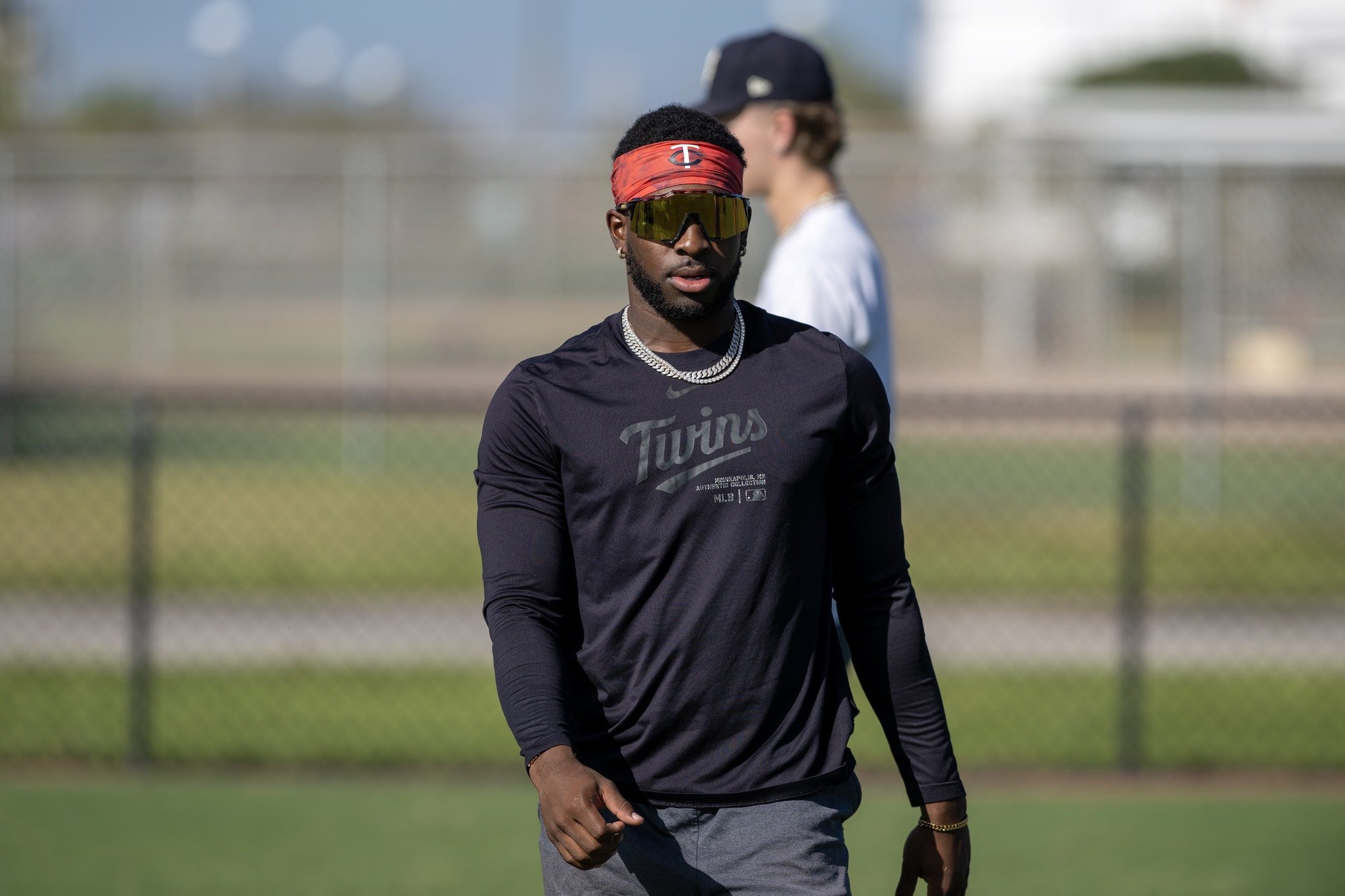 The Twins’ farm system continued to show its strength in 2025, with several top names taking significant steps forward while others refined their games against tougher competition. Each of Minnesota’s top five prospects provided new clues about what kind of player they could become at the next level. Two of those players joined the organization during last season’s trade deadline sell-off, when Minnesota moved veteran pieces to restock a thinning prospect pool. Those deals, combined with strong player development and recent draft success, have helped the Twins build one of baseball’s highest-ranked farm systems. The group is now deep, balanced, and full of players who project to make an impact in the near future, with the five names at the top standing out as the foundation for that success. Walker Jenkins: He’s The Best Twins Prospect Since… Jenkins entered the season with enormous expectations, and he somehow managed to exceed them. After dominating at Double A (154 wRC+), Jenkins was promoted to Triple-A St. Paul before his 21st birthday, a rare feat even for baseball’s best prospects. The Twins have been aggressive with him, despite injuries causing him to miss time in his first two pro seasons. Scouts have compared his combination of bat speed, plate discipline, and raw power to the early days of Joe Mauer or Byron Buxton, two of the best prospects in Twins history. Minnesota hasn’t had a prospect this complete in years, and his ceiling looks every bit as high as advertised. Kaelen Culpepper: He Can Stick at Shortstop When the Twins selected Culpepper out of Kansas State, there were questions about whether he would eventually move to third base. This season, he silenced those doubts. His footwork, range, and arm strength all took visible steps forward; he handled every defensive challenge thrown his way. Offensively, his consistent contact and improving gap power (138 wRC+) make him a valuable piece for the organization’s future infield plans. Jenkins gets a lot of the prospect love, but Culpepper has a chance to be an All-Star. For a team looking to build around athletic, versatile players, Culpepper’s progress was a significant win. Eduardo Tait: He’s the Organization’s Catcher of the Future It’s been a while since the Twins have had a catching prospect who looked like a long-term answer behind the plate, but Tait is quickly changing that narrative. Minnesota acquired him as the headliner in the Jhoan Duran trade. The young Panamanian backstop made a name for himself in 2025 with strong defensive skills and advanced pitch-framing ability for his age. Even more encouraging was his offensive consistency, showing power to all fields with a 103 wRC+, despite being one of the youngest players in the Midwest League. If his development continues on this trajectory, he could become the everyday catcher by the time the next core of Twins prospects reaches Target Field. Emmanuel Rodriguez: His OBP Is Still High, Even Against Advanced Pitching Rodriguez’s on-base skills have always been elite, and that remained true in 2025 despite facing more advanced competition. His walk rate has stayed above 21% over the last two seasons at Triple-A, while being over four years younger than the average age of the competition. Pitchers continued to challenge him with breaking balls and elevated fastballs, but his strike-zone judgment held firm. Even when his batting average dipped (down 11 points compared to 2024), Rodriguez found ways to get on base and impact games. While he still needs to cut down on swing-and-miss tendencies, his approach gives him a high floor as a future regular who can provide power and patience in the middle of the order. Mick Abel: He Has the Chance to Be the Next Joe Ryan Acquired from Philadelphia (along with Tait), Abel joined the Twins organization with high expectations. His fastball played well up in the zone, and his curveball showed the kind of late movement that generates weak contact and strikeouts (39.1 Whiff%). There were some rough patches during his first taste of the big leagues, but even future All-Stars can struggle early in their careers. The Twins’ player development staff will get an entire offseason to work with him to refine his pitch mix, with a chance for him to take the next step in 2026. Much like Joe Ryan before him, Abel combines competitiveness with plus stuff, and if he establishes better control, he could be the next pitcher to thrive under Minnesota’s pitching development model. The Twins’ top five prospects each progressed in meaningful ways in 2025, from flashing elite hitting potential to steady defensive growth and emerging leadership. Four of these players could impact the big-league roster next season. For a team looking to put the last two seasons in the rearview mirror, that's exciting. As the organization looks to sustain success at the major-league level, this group constitutes a strong foundation for the next wave of talent ready to make its mark in Minnesota. What stands out about Minnesota’s top five prospects and their 2025 performances? Leave a comment and start the discussion. View the full article
 -
Jon Morosi: Marlins 'engaged with the outfield market'
DiamondCentric posted an article in Fish On First
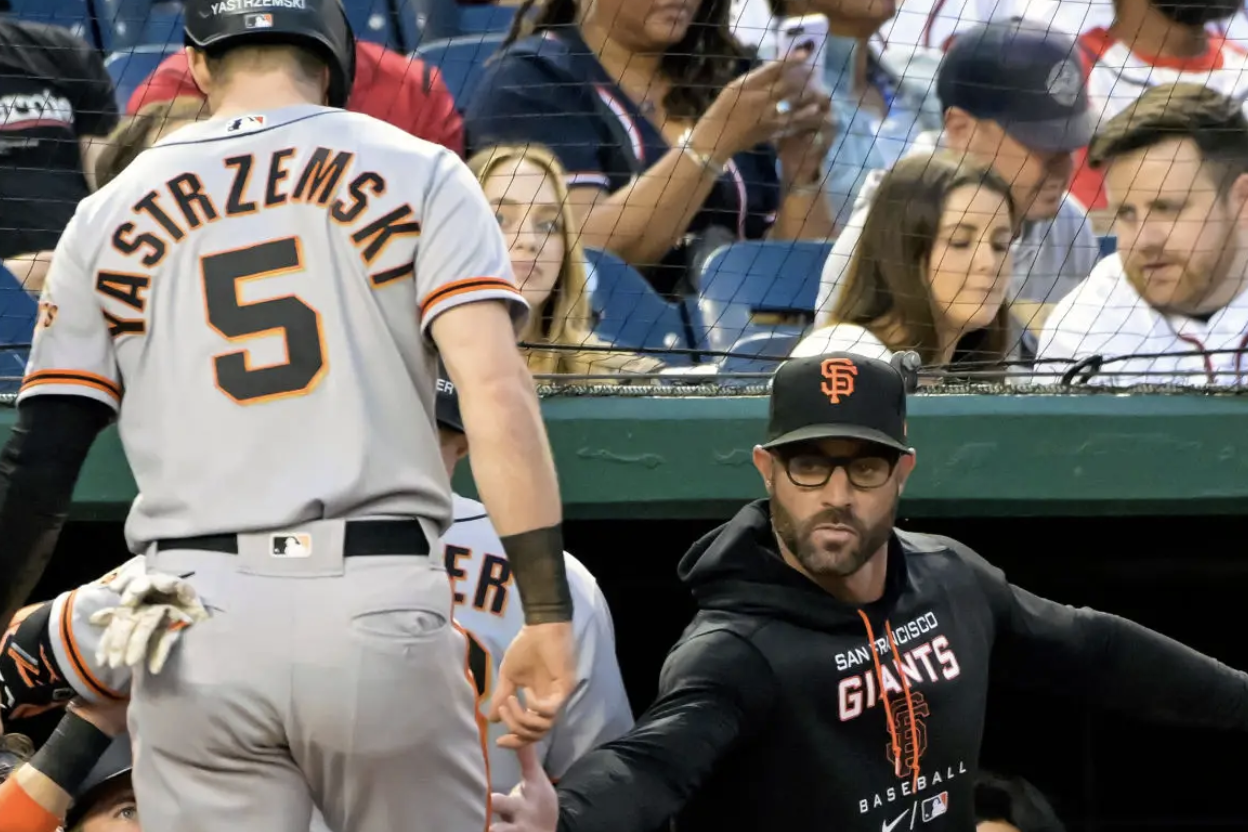 The last thing I expected to see this offseason was the Miami Marlins spending money on an old, left-handed-hitting outfielder. Although we are still many steps away from that coming to fruition, Mike Yastrzemski is "one possibility for them," Jon Morosi of MLB Network reports. Yastrzemski has been a consistently average-to-very-good player ever since he debuted in the majors in 2019. This past season was on track to be arguably the worst of his career, but a deadline deal sending Yaz to the Kansas City Royals rejuvenated his bat. In 146 total games in 2025, he slashed .233/.333/.403 with 17 home runs and seven stolen bases, accumulating 2.4 fWAR. He turned 35 in August. As Morosi noted in his report, Marlins general manager Gabe Kapler was the San Francisco Giants manager from 2020-2023. Yastrzemski was on the team throughout Kapler's tenure. It would still be a peculiar roster fit and use of resources. All-Star Kyle Stowers and standout rookie Jakob Marsee—both of whom also hit from the left side—are projected to be everyday starters for the Marlins. Griffin Conine and Heriberto Hernández could theoretically platoon to adequately fill the remaining corner outfield spot. Yastrzemski has generally rated well defensively, but his glove wouldn't be a clear upgrade over any of those names, particularly at this stage of his career. Starting Yastrzemski primarily as Miami's designated hitter would add some value. However, that implies Agustín Ramírez will continue catching on a regular basis, and his struggles there would negate a lot of the offensive boost. Maybe the Marlins intend to convert somebody to first base? That is their most glaring hole entering 2026. Yaz has no professional experience at the position, for what it's worth. View the full article
 -
 It seems as though the second base position has been cursed for the Boston Red Sox ever since Manny Machado slid spikes up into Dustin Pedroia’s knee, effectively ending his career. In the ensuing years, the position has been a revolving door for the team. There was some hope that Kristian Campbell would be able to step in and become the second baseman of the future after he broke camp with the big league club for the 2025 season, but that experiment lasted around a month before major league pitching caught up with him and he finished his season in Triple-A Worcester. Even if there's hope that his bat will turn around, his defense was so putrid that it's hard to rely on him to run away with the job in 2026. There’s some hope that Marcelo Mayer could be the person to solidify the position, but he’s better suited for shortstop or third base, and his struggles to stay healthy give a bit of pause for concern. Trevor Story could slide to second to play Mayer at his natural position, but would the team do that to a veteran player coming off such a strong season? Probably not, unless Story himself advocated for the position switch. On top of that, President of Baseball Operations Craig Breslow confirmed that Story would be the shortstop moving forward. That leaves us scouring the free-agent market to see just who could plug into second base for at least the 2026 season and offer more than just a warm body to the Red Sox. Get ready, because the second base market is about as shallow as the wading section at your local pool. Gleyber Torres (29, 2.6 fWAR) Projected Contract Analyst Length AAV Total Jim Bowden 4-years $13 million $52 million Kiley McDaniel 3-years $19 million $57 million Torres had a rebound season in Detroit after signing a one-year, prove-it contract before the 2025 season. He slashed .256/.358/.387 with 16 home runs, 74 RBIs, and a 113 wRC+. He played 134 games at second this season while committing five errors with a .990 fielding percentage. He’s earned a longer-term contract than he had going into the 2025 season, but he leaves a lot to be desired from a consistency standpoint. He's streaky, just a year removed from the worst season of his career where he was almost a walking strikeout. If this is the best the team can do, they may be better off hoping an internal option presents itself during spring training instead. He also has a qualifying offer attached to him, and that could keep the Red Sox from being interested in the former Yankee. Jorge Polanco (32, 2.6 fWAR) Projected Contract Analyst Length AAV Total Jim Bowden 2-years $13 million $26 million Kiley McDaniel 2-years $13 million $26 million Ben Clemens 2-years $15 million $30 million Much like Torres above, Polanco had his best statistical season in ages in 2025. He slashed .265/.326/.495 with 26 home runs, 78 RBIs, and posted a 132 wRC+. He had the potential to be a playoff hero for the Mariners until a cold spell slowed him down in the ALCS. The biggest issue here is that Polanco is 32 and he saw more time at DH (88 games) than second base (38 games). He can’t be trusted to take on a full season at second anymore and still produce those kinds of offensive numbers. He’s likely in line for a two-year deal and paying someone who is a bat-first second baseman doesn’t make sense for the Red Sox. who can turn to Kristian Campbell for the same purpose. It’s telling that the Mariners opted to not extend a qualifying offer to Polanco, as his age and lack of positional versatility are working against him in a weak market. Ha-Seong Kim (30, 0.3 fWAR) Projected Contract Analyst Length AAV Total Jim Bowden 3-years $13 million $39 million Kiley McDaniel 1-year $16 million $16 million Tim Britton 3-years $16.7 million $50 million Kim only played in 48 games this season, so take his stats with a grain of salt. He slashed .234/.304/.345 with five home runs, 17 RBIs, six stolen bases, and posted an 82 wRC+. He’s a shortstop first, so we have to get a bit creative here, but if he would shift to second it would take strain off his him throwing arm and hopefully allow him to get back to where he was pre-injury. I’m struggling to see a multi-year deal for Kim, though, and I think he’s going to have to sign a one-year, prove-it deal. He declined a player option with the Braves for $16 million, so he will likely be looking to get above that, but he may end up settling for less when push comes to shove. That’s a pretty thin market if you ask me. There are other names out there like Luis Rengifo, who has all the tools to be a successful second baseman now that he’s moved there full time, but he’s been unable to put it together so far. Luis Arraez is another second baseman that technically checks the boxes for the Red Sox, and he could be a buy-low candidate after a tough season, but it’s hard to see the team handing him a multi-year contract at this point in his career when he played just 14 games out of 154 at second base in 2025. He profiles as a first baseman now, but one without pop. Given the state of the market, the Red Sox are likely going to have to hope that an internal name breaks out as their next second baseman, or make a trade that no one sees coming to fill the glaring hole up the middle. Can I interest anyone in Ketel Marte? View the full article
 -
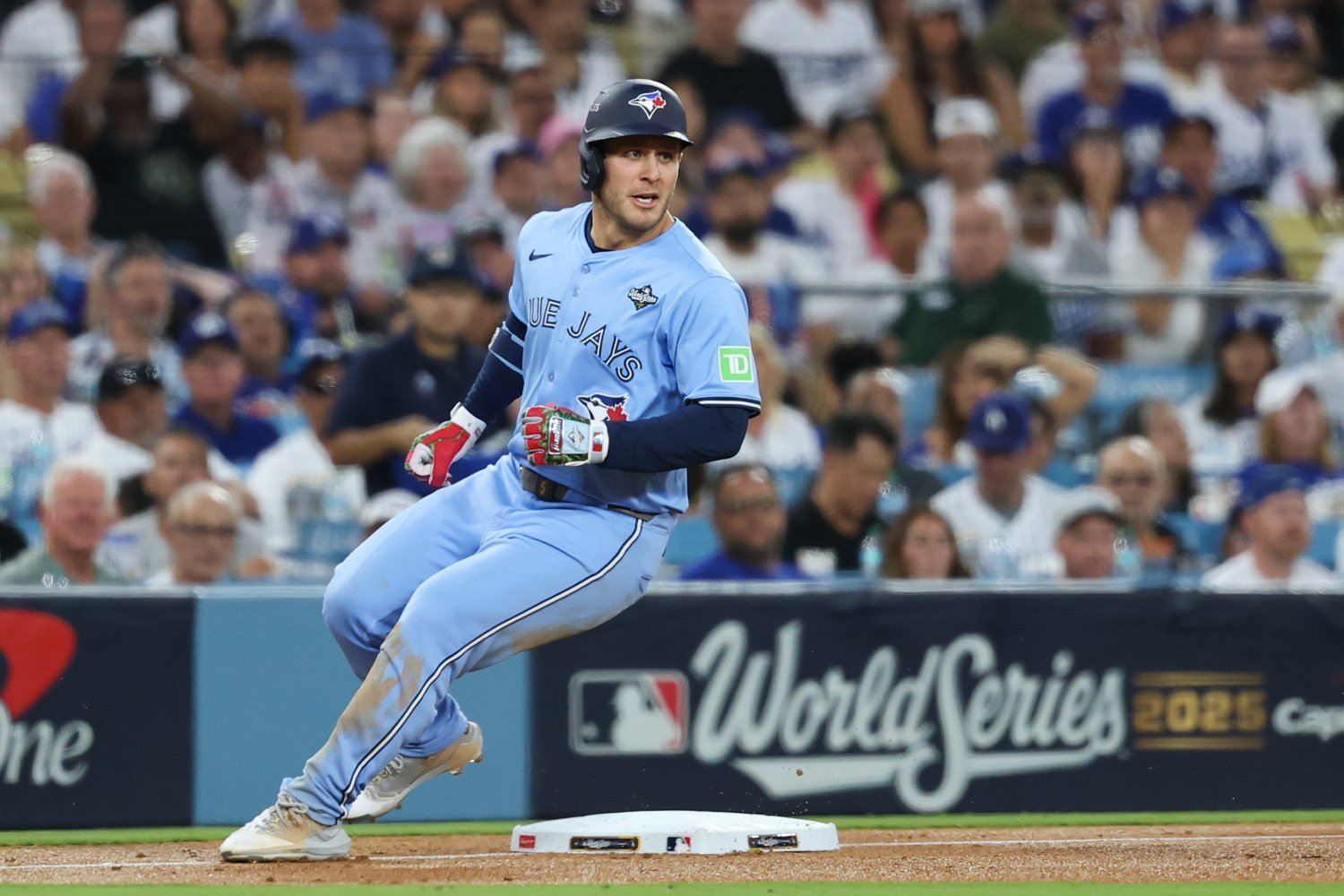 Speaking to DiamondCentric's John Bonnes at the GM Meetings on Wednesday, Blue Jays general manager Ross Atkins said the Jays "definitely, definitely have interest" in extending Daulton Varsho, who is entering his final season of arbitration eligibility. "The interest is definitely there," said Atkins. "I can't say enough about Daulton, the player, the person, the teammate. He checks all the boxes we're looking for." The GM did not want to speak about any potential negotiations, but from his tone, it certainly seems like an extension for Varsho will be one of the team's priorities this winter. Varsho, widely considered one of the best defensive outfielders in the league, is coming off an injury-shortened but highly promising 2025 campaign. Tapping into his power like never before, he hit 20 home runs in 71 contests, with a career-best .833 OPS, .341 xwOBA, and 123 wRC+. He finished with 2.2 fWAR and 2.8 bWAR in less than half a season of games. Featured image courtesy of Kiyoshi Mio, Imagn Images. View the full article
 -
Four Takeaways From JJ Picollo's Comments at the MLB GM Meetings
DiamondCentric posted an article in Royals Keep
 John Bonnes, covering for Diamondcentric, was at the MLB GM meetings today and spoke with Kansas City Royals general manager JJ Picollo for a few minutes. Picollo, in his fourth season as head front office honcho in Kansas City, had some interesting things to say about their latest coaching and roster additions, as well as what they may be looking to do this offseason. Thus, let's take a look at four takeaways from Picollo's comments at the GM meetings with John. Thames and Dawson Should Fit With Zumwalt's Philosophy The Royals have filled out their hitting staff by hiring Connor Dawson and Marcus Thames, who come over from the Brewers and White Sox, respectively. That said, while they will bring fresh perspectives to the Royals coaching staff, they seem to align with the philosophy and approach of lead hitting coach Alec Zumwalt, who was retained for another season. Here's what Picollo said about their two new coaching additions. Picollo's comments about building the coaching staff like a team were interesting and give credence to the Royals' decision to acquire two different kinds of coaches: Dawson, a younger, analytical type, and Thames, a more seasoned hitting coach with Major League experience. The Royals took a step forward in 2024 by creating a roster with the right mix of youth and veterans. It seems like Picollo was keen on doing that with his hitting team this offseason. Regardless, the Royals seem to have confidence in Zumwalt and believe in his philosophy and his ability as hitting coach. However, it looks like Picollo feels that Zumwalt has better people around him in Dawson and Thames who can help the Royals produce results on the hitting side in 2026 and hopefully, beyond. Black Likely Pitching in the Bullpen Picollo talked a bit about Mason Black, who was acquired by the Royals yesterday from San Francisco in exchange for pitching prospect Logan Martin, who pitched primarily in High-A Quad Cities last season. The former third-round pick rotated between the rotation and bullpen during his brief time in San Francisco. However, it seems like Picollo and the Royals are more focused on him starting in relief for now, heading into Spring Training. It doesn't seem like Picollo is ruling out the rotation completely for Black. That said, their newest pitcher will likely have a better shot of making the Opening Day roster as a reliever. Thus, how his stuff plays up in relief this spring could determine if he can find a role in the Royals' bullpen. A velocity increase or repertoire modification could help him find a place in a Royals bullpen that is looking for help in terms of strikeouts (they ranked 29th in K/9 as a bullpen last year). Don't Expect Any Extensions Soon After Bobby Witt Jr. earned an extension after the 2023 season, many Royals fans have wondered if another young Royals player may be getting an extension this offseason. After all, Maikel Garcia made the All-Star team and posted a 5.6 fWAR. Vinnie Pasquantino led the team with 32 home runs. Carter Jensen and Jac Caglianone both made the Major Leagues and showed flashes of promise in their rookie debuts. However, Picollo mentioned that an extension doesn't seem to be a priority just yet, based on Picollo's comments at the GM meetings. It was interesting that he mentioned Bubic as a higher priority because the lefty is in his last year of team control. Still, he didn't quite mention an extension specifically for him. Does that mean he's a trade candidate? Or is Picollo holding his cards close to the chest with a possible Bubic deal? There's still some time to go, but any Royals fan expecting a Garcia or Pasquantino extension this offseason may be in for a rude awakening this winter. Royals Look to Be Active in the Trade and Free Agent Markets Picollo was asked about the large number of arbitration-eligible candidates, and he didn't necessarily dismiss it as a bad thing. Thus, while some players like Jonathan India and Bailey Falter may command high salaries this offseason, Picollo didn't hint that they would be non-tender candidates (or not just yet, anyways). Furthermore, Picollo also mentioned that the Royals would need to pursue multiple bats this offseason to improve the offense. Hence, he seemed more in favor of utilizing the trade market this offseason (though he's not completely abandoning free agents who could be a good fit). Picollo will likely add to the offense through free agency and trades, as he has in each of his previous offseasons as GM. However, his comments suggest that if the Royals make a significant player acquisition this offseason, it will be via trade rather than free agency. Thus, those Royals fans hoping for a big signing like Alex Bregman or Cody Bellinger this offseason may be sorely disappointed. View the full article
 -
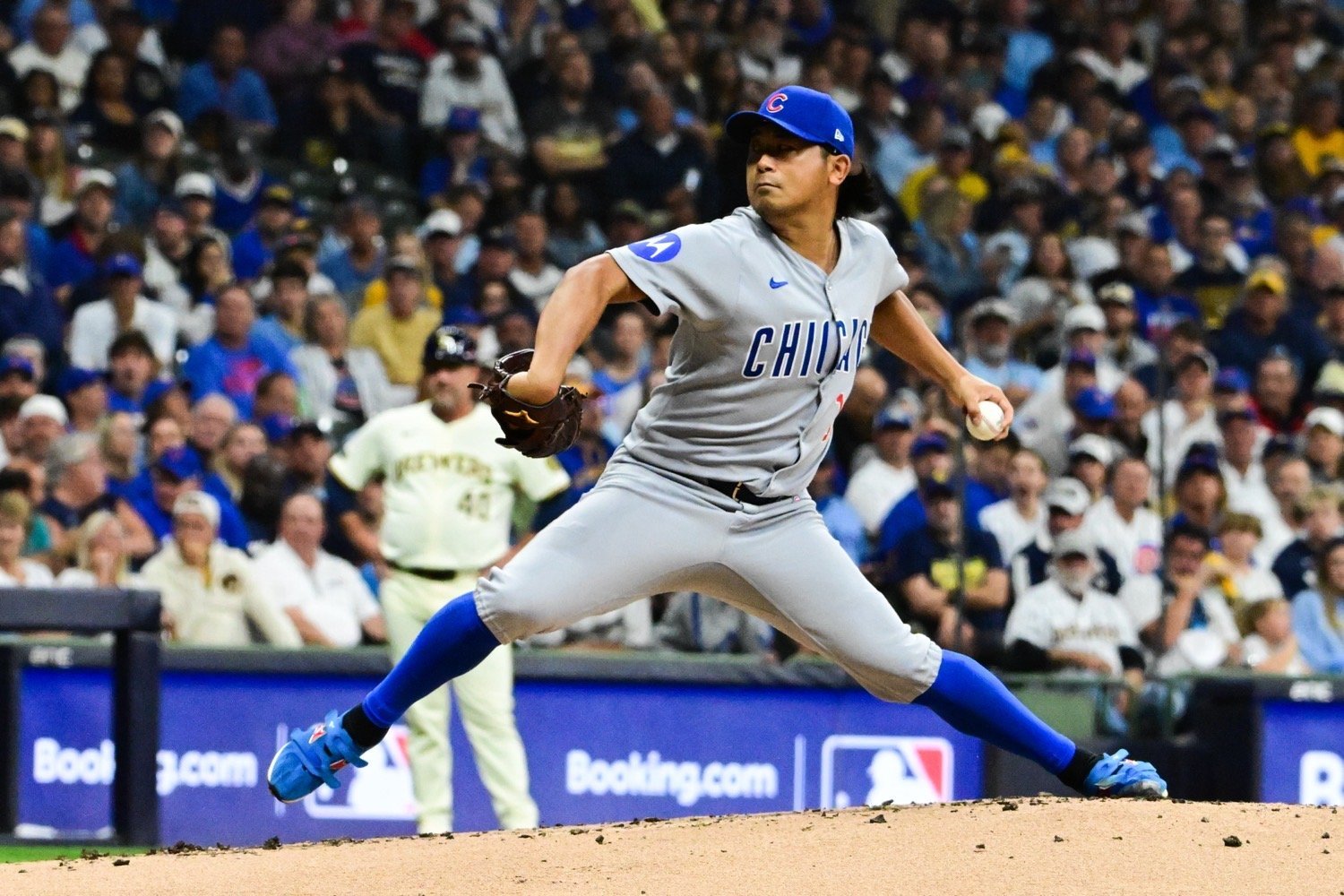 It sounds like the back-and-forth between the Chicago Cubs and starting pitcher Shota Imanaga and Naga will continue. After the team declined their option to extend Inaga for a fifth year, he declined the player's option that was triggered after that. While most thought that was the end of it, it was somewhat surprising to learn that the Cubs then tendered him a qualifying offer. Now, Jon Heyman of the NY Post is reporting that Shota Imanaga is expected to decline that qualifying offer. However, all is not lost, according to 670 The Score's Bruce Levine. Despite the back-and-forth that has resulted in Imanaga becoming a free agent, he cites the president of baseball operations, Jed Hoyer, in saying that there is no disconnect between the two sides. He adds that "a two-year deal of some kind could be worked out." Limited to 25 starts in 2025, Imanaga posted a 3.73 ERA (4.86 FIP) and a 16.% K-BB rate due to a low strikeout rate. He walked opposing hitters at an impressive 4.6% clip. His fastball accrued a Run Value (RV) of -10 in 2025, after an RV of +4 in 2024. While opponents hit just .227 off the pitch, they slugged .567 and had a .356 wOBA against the offering, including an astonishing 24 home runs. This was coupled with less effective secondary offerings, particularly his split finger, whose RV was cut in half from 2024 to 2025. MLBTR predicts Imanaga to get $45 million over three years. Do you think the Cubs should look to bring him back or pursue a higher-end starter? Let us know your comments! View the full article
 -
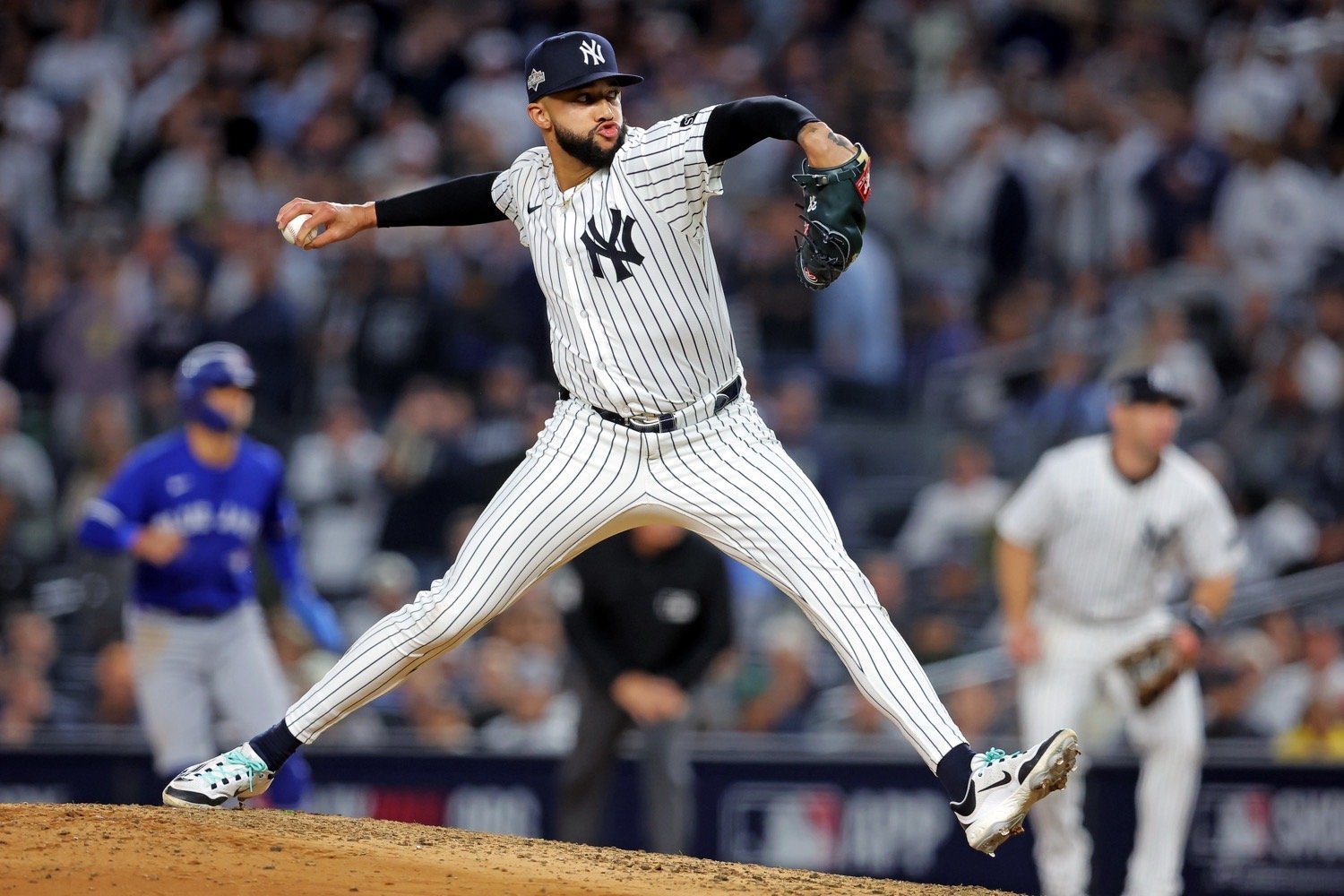 Earlier this week, chief baseball officer Craig Breslow said the Boston Red Sox's primary focus was on a front-line number two starter and a middle-of-the-order power bat. However, one report suggests they are interested in a high-end reliever. Will Sammon of The Athletic is reporting that the Boston Red Sox are interested in former Milwaukee Brewers and New York Yankees closer Devin Williams. Williams struggled through 67 appearances for the Bronx Bombers, logging 62 innings pitched in relief. Though he posted a career-high 4.79 ERA, his 2.68 FIP suggests he was better than the surface stat indicates. On the other hand, his K-BB rate of 25.0%, which would be considered low for most pitchers, was below his career average. If we can point to one thing as the reason for his struggles, it would be his league-worst 55.2% strand rate—a number roughly 20 points below his career norm and typically not predictive from one season to another. MLBTR projects him to net $68 million over four years. Do you think the Red Sox should pursue Williams in hopes of a rebound? Let us know in the comments! View the full article
 -
 Every offseason, we offer our You’re The GM! tool to build your ideal Brewers roster. This year, we’ve updated and streamlined the tool a bit to improve the experience. The idea behind this feature is to give fans a chance to play the role of General Manager (or CBO or PoBO… you get the idea) for their favorite team, the Milwaukee Brewers. It’s meant to give fans the opportunity to discuss (and, let’s be honest, argue) how they would approach the long, dark MLB offseason. This tool is intended to be informal and fun, so we’ve left it as open as possible. There is a payroll “budget” that loosely resembles the Brewers' 2025 payroll, but there is no penalty for going over that number. It’s a guideline, nothing more. Second, you can submit as many blueprints as you like throughout the offseason. As the offseason landscape changes, users often return multiple times over the winter and create new blueprints. Before we get into the breakdown of the tool, you can save your blueprint and come back to it at any time. The only restriction is that you must register an account on the site to create a blueprint (so we can save a draft for you and also post the blueprint for others to discuss). Let’s get into the tool itself. It has four quadrants that work best if addressed in a counter-clockwise order (this tool works much better on a desktop due to its complexity, but it will work on mobile devices if need be). Top Left: The 26-Man Roster We have created a rough guideline for the Brewers' 26-man roster today. The roster is flexible; you can add or remove players as you see fit. We’ve also included either guaranteed salaries or, in the case of arbitration and contract options, the recommendations of MLB Trade Rumors. This section is where you build your roster and make changes based on the following two sections. As you make changes to players and salaries, the total payroll number (right side of the screen) will change, allowing you to track your budget on the fly. The bottom field in both columns is for any dead money you assume during the course of your offseason. Acquiring dead money should be uncommon, but we want to give users the option to take on dead salary if it suits their purposes. Bottom Left: Arbitration & Trade Decisions Here, you will find a selection of arbitration options and internal options (usually from the 40-man roster or minor leagues) to assist in building your offseason roster. On the right-hand side of this column, you will see Trade Candidates, a list of the 40 players most likely to be traded this offseason, per MLB Trade Rumors. To help you get up to speed with these candidates, we offer a direct link to the MLBTR write-up on trade candidates. Bottom Right: Free Agents Here, you will find the top 50 free agents, again per MLB Trade Rumors. These are sorted by position to facilitate quickly finding your desired free agent and include the recommended salary for that player. Because this is a blueprint for a single year, we only include their projected salary for the coming season, not the number of years or anything else. To help you get up to speed with these free agents, we offer a direct link to the MLBTR write-up on the best 50 free agents available this winter. Top Right: Dead Money, Your Total Payroll, & Commentary The only unalterable field on the page is Dead Money; it is players to whom the team has committed money but has no reasonable way to get out of the contract. Below that, you will see the recommended budget, your current total, and the percentage you are over or under that budget. Again, keep in mind the budget is only a guideline, and you can go above it as much as you like… But defend your choices, coward! The following field is Title, which gives other users an idea of what to expect with your blueprint (e.g., Be Unreasonable, Sign Kyle Tucker!). When your blueprint posts for other users, it will read “Your Username’s 2025 Payroll Blueprint: Be Unreasonable, Sign Kyle Tucker!”. The following field is Your Comments & Explanation, a long-form field meant to type out the rationale behind your decisions. Here is the place to fully explain your trades (including which players are leaving the Brewers to bring in new players), why you targeted specific free agents, and any promotions from the minors you advocate or any options you declined to extend to a specific player. This is often multiple paragraphs; you can write up as much detail as you desire. That’s it, you’re done! At this point, you can either publish your blueprint to the forums or save it for later if you feel it’s incomplete. Thank you for joining us at Brewer Fanatic. I hope you enjoy playing the role of general manager, at least for a moment! Start Your Payroll Blueprint Now View the full article
 -
How Twins Ownership May Have Broken Byron Buxton’s Moral Code
DiamondCentric posted an article in Twins Daily
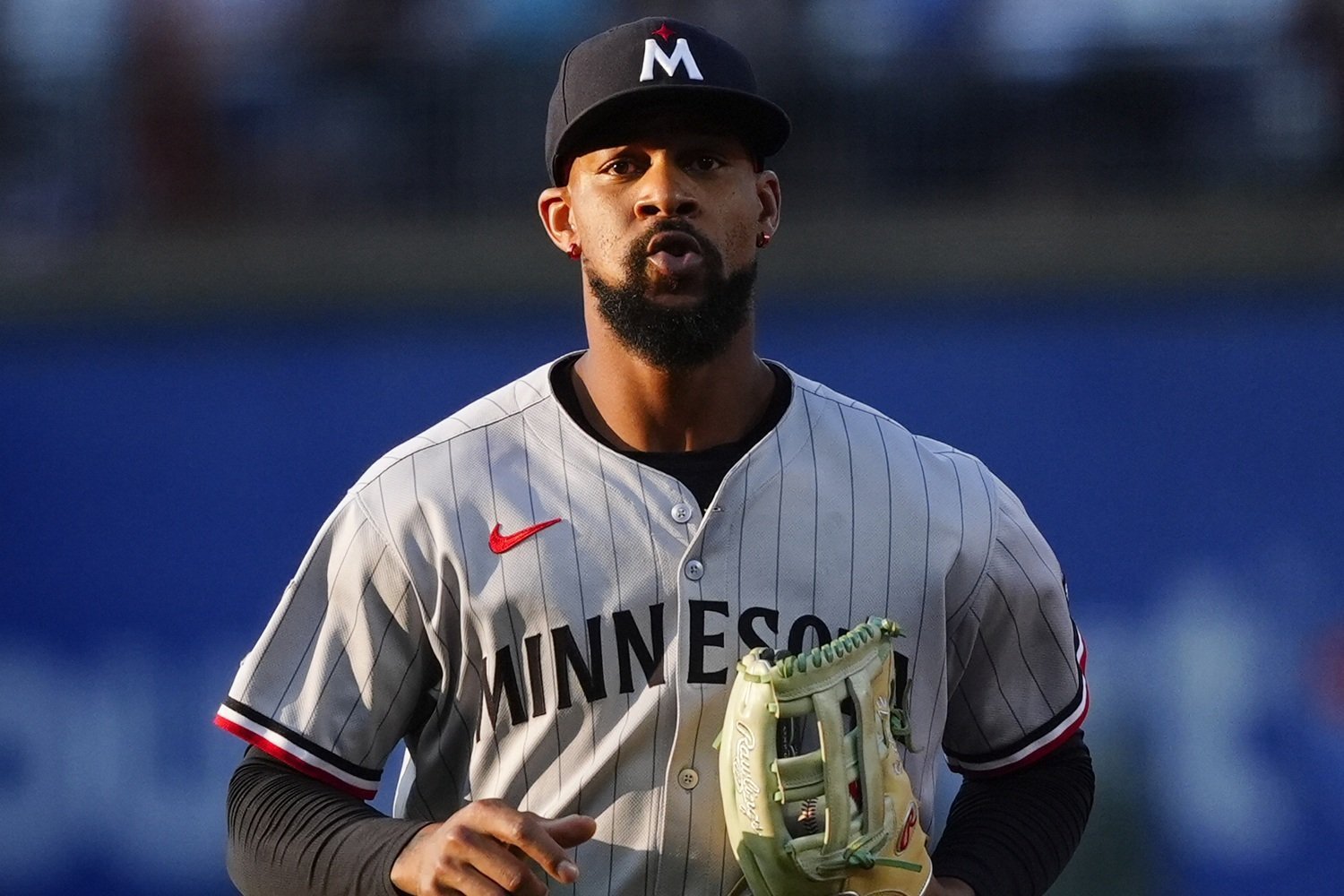 Byron Buxton has never wavered when it comes to his feelings about the Minnesota Twins. He was asked at the All-Star Game, following the trade deadline, and after the team struggled down the stretch. He told anyone who would listen that he was a Twin for life. He refused to entertain trade rumors, insisting that he wanted to win in Minnesota. Even after the club dealt 10 players at the trade deadline, including several teammates he had grown close to, Buxton publicly held firm. To him, the jersey matters as much as the name on the back. For the first time, that unshakable loyalty may be cracking. According to reporting from The Athletic’s Dan Hayes, a major-league source indicated that Buxton may be reconsidering his no-trade stance if the Twins continue breaking apart their core. “Buxton, who turns 32 next month, wants to play for a winner,” Hayes wrote, suggesting that even the two-time All-Star’s patience has limits. With three years and $45 million remaining on his contract, and full no-trade protection, the idea that he would even consider leaving speaks volumes about where the organization stands. Ironically, this moment of doubt comes just after Buxton turned in the best season of his career. After years of injuries and limited playing time, he finally stayed on the field long enough to remind everyone why he’s been considered one of the most dynamic players in baseball. In the last week, he won his first Silver Slugger, and on Thursday, he has a chance to receive down-ballot AL MVP consideration. With Buxton healthy and productive, his trade value may never be higher. There are front offices across baseball that would jump at the chance to add a player with his skill set and leadership qualities, especially if they believe his health has turned a corner. That makes the current situation even more complicated for Minnesota. Trading him now could bring back a significant return, but it would also signal that the Twins are ready to reset their identity completely. A Reflection of Ownership If Buxton is truly reconsidering his loyalty to the Twins, it is less an indictment of him and more a reflection on the organization that let things reach this point. The Twins have long marketed themselves as a team built on relationships, culture, and stability. But when ownership signals an unwillingness to sustain payroll or invest in a winning roster, even the most committed players begin to lose faith. Team president Derek Falvey recently spoke about his approach to communicating with players amid uncertainty. “My view is you always want to be transparent and open with your players about where you’re headed and what it looks like, just like we were after the deadline,” Falvey said. “I’ve talked to Byron and other players through this offseason already about ways we can get better as a team. With Shelty coming in, you can already tell there’s a little bit of fresh ideas brewing around how do we make the team the best it can be, no matter who’s on the roster at that moment in time? My focus will continue to be on ways we can put players around the players that are on our roster and not subtract from it.” It is a reassuring sentiment, but one that rings hollow after a summer defined by subtraction. The players who remain—especially veterans like Buxton—have seen firsthand how quickly things can change. When ownership decides that financial flexibility matters more than roster continuity, even the strongest bonds begin to fray. Buxton has spent his entire career representing what the Twins claim to value most: loyalty, effort, and belief in the team’s long-term vision. To make a player like that question his future says something profound about the current state of the franchise. It suggests that the front office’s decisions and ownership’s indifference have eroded the trust of their most loyal star. Buxton’s potential willingness to waive his no-trade clause is more than a transaction rumor. It is a warning sign. For years, he stood as the embodiment of what it meant to be a Minnesota Twin. If even Buxton is starting to look elsewhere for hope, then maybe the organization needs to take a hard look at what it has become and who it is pushing away in the process. Will the Twins consider trading Buxton this winter? Leave a comment and start the discussion. View the full article
 -
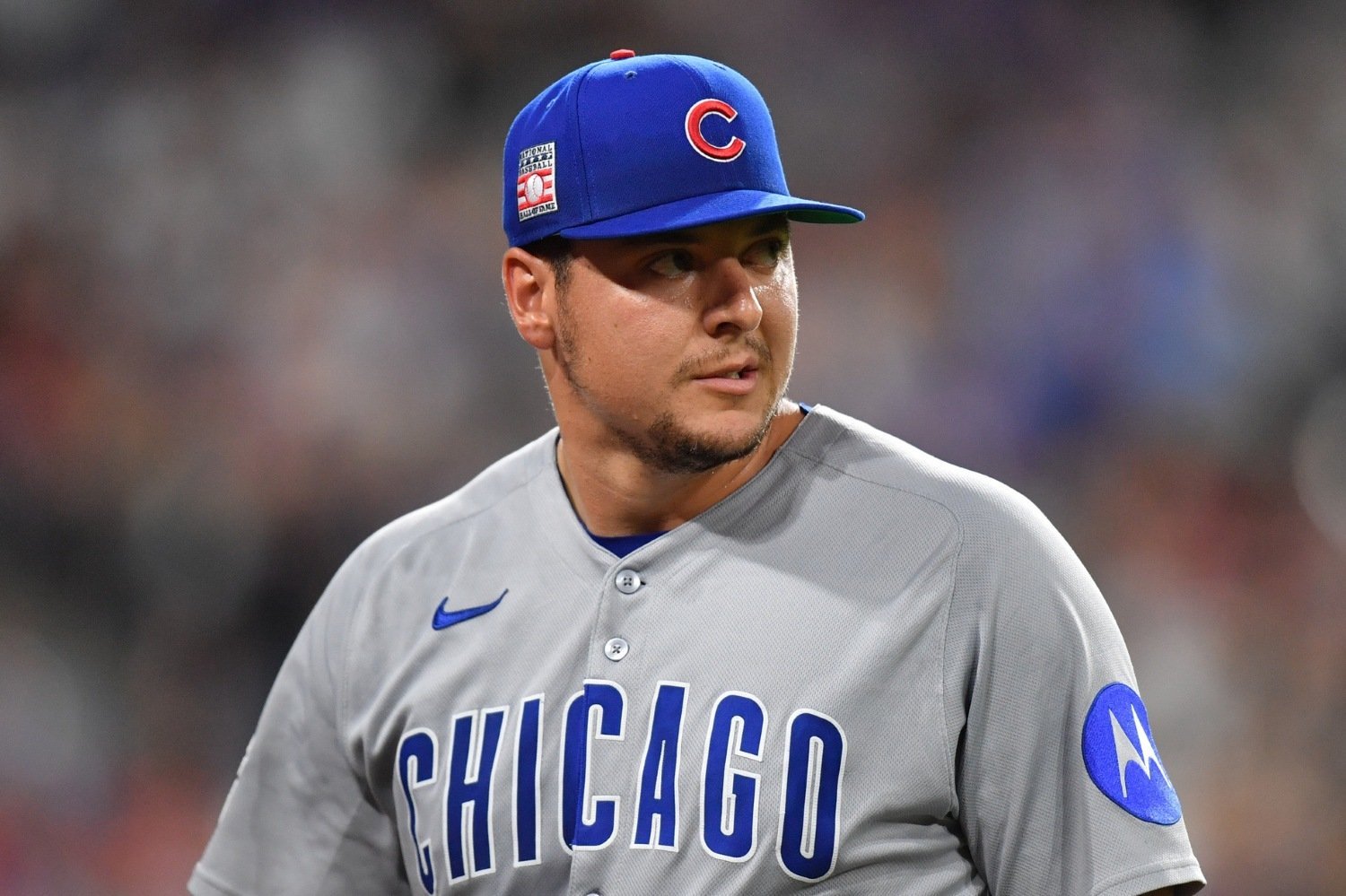 The Cubs enjoyed a major free-agent success in each department of their roster in 2025. They signed Matthew Boyd to a two-year deal in late November 2024, and watched him emerge as their co-ace for much of the season. They picked up Carson Kelly in mid-December, and enjoyed his best season as a big-leaguer. Crucially, though, they also hit on multiple minor pickups in the bullpen. Most important among those was righty Brad Keller, whom they signed to a minor-league deal as a starter and who ended the year as their de facto closer. Keller, 30, is a free agent again after earning $1.5 million in 2025. He'll get a much bigger payday this time, and as he enters the market, the big question is whether he'll land a two- or a three-year deal. FanGraphs, ESPN and MLB Trade Rumors agree that Keller is in line for an annual average value in the $11 million range, but whether that stretches for two years or three could make a big difference in the chances of a reunion between the Cubs and their unexpected relief ace. President of baseball operations Jed Hoyer is a hardliner when it comes to reliever contracts. He's willing to embrace a bit of risk, but that has to come in the form of a free-agent deal he feels is rational. Otherwise, he's equally happy to let that risk take the form of building a relief corps with some lower-cost bets and some upside plays. "We've offered some [long deals to free-agent relievers]." Hoyer said at the GM Meetings Wednesday in Las Vegas. "I haven't given one out. So, I mean, it's not my favorite thing to do. I think that I prefer, you know, shorter commitments in the bullpen. But I'd never say never, like I said, we offered some last year. We just didn't win the bidding. So it's not, it's not a hard and fast rule. But I think you can, you can guess that we're probably going to be more focused on shorter commitments." The big deals he alluded to offering last year were to Tanner Scott, on whom the Cubs were willing to go to four years and roughly $70 million; and Kirby Yates, on whom the Cubs were ready to offer a second year but who preferred the Dodgers even on a one-year pact. While even a two-year deal at an eight-figure salary for Keller would come with a bit of sticker shock, it would be a very palatable alternative to a Scott-level deal for someone like Robert Suarez, of the Padres. One source familiar with the Cubs' thinking said the team considers Keller a priority winter target, but that they're very unlikely to stretch beyond two guaranteed years. A mutual or vesting option could be a way to satisfy both sides, if Keller is open to coming back. By every indication, he enjoyed his season with the team and would be happy to return, but this is the best chance he's likely to get at a major payday, so money will be a major factor. It's possible the Cubs would go further on AAV to keep it to a two-year deal. They might guarantee $25 million over that term, but balk at $34-35 million over three years. Creative structures (like the aforementioned mutual option, which would come with a buyout) could keep the annual real cost of Keller down for them, and the team is unlikely to exceed the competitive-balance tax threshold in 2026, so his AAV doesn't matter as much as the real dollars. Spreading money across a longer term doesn't hold much appeal for the Cubs, when it comes to Keller. They would want to get a shorter-term deal done. If a team steps up with an offer that bakes in some hope for Keller returning to a starting role, the Cubs will surely be outbid. He does have five pitches, which worked in concert beautifully in 2025. He's started so much during his career that some faith in his ability to return to that role is rational. A brief survey of sources in other front offices, however, found no team currently considering Keller as a candidate for a conversion back to the rotation. He's likely to make about $12 million, over either two years or three. If it be the former, there's a good chance the Cubs will be the team who signs him. If not, the odds tilt toward the righty finding a new home—and Chicago being left to chase still more bullpen help. View the full article
 -
 We know that Joe Mack will be protected by the Miami Marlins prior to Tuesday's deadline for Rule 5 draft-eligible players. Nobody else in the organization should be considered a lock to receive the same treatment, but right-hander Josh White checks almost every box that a relief pitcher can. A fifth-round pick out of UC Berkeley in 2022, White has gradually gotten better and better and better. 2022 minor league stats (Rookie ball/Low-A): 6.55 ERA and 14.0 K-BB% in 11.0 IP 2023 MiLB stats (Low-A/High-A): 3.46 ERA and 11.2 K-BB% in 65.0 IP 2024 MiLB stats (High-A/Double-A): 3.02 ERA and 21.9 K-BB% in 59.2 IP 2025 MiLB stats (Double-A/Triple-A): 1.86 ERA and 32.1 K-BB% in 67.2 IP And those are only regular season stats—the Jacksonville Jumbo Shrimp won the Triple-A National Championship this year with the help of White's three scoreless innings in the playoffs. At various points during his professional career, White has struggled with his control and missing bats against left-handed opponents. In 2025, however, there were no holes in his game, as illustrated by Prospect Savant. White worked himself into favorable counts, induced chases outside the strike zone at an elite rate and rarely got barreled even when allowing contact. The 24-year-old dominated in all situations and was remarkably consistent—he recorded strikeouts in 42 of 45 appearances, and even on his worst days, he never allowed more than two runs. At 93.8 mph, White's four-seam fastball velocity is a couple ticks below the average for MLB righty relievers. He compensates for that with an outlier, over-the-top arm angle that would be higher than any other Marlins pitcher. About three-quarters of White's strikeouts in 2025 came via his slider. Due to his release point and the difficulty that batters have distinguishing it from his fastball, it was an ideal putaway pitch. According to the Marlins' propriety Stuff+ model, this slider was among the 20 best individual pitch types at any level of the organization. The Rule 5 draft was made for guys just like White who have demonstrated that they can pile up whiffs in the upper minors. Over the past three years, 80% of all selections during the draft's major league phase were pitchers, and most of them were deemed worthy of a pick despite being less effective and/or less durable than White. He has not been placed on the injured list since turning pro. I do not want to inflate expectations for Fish On First's No. 21 prospect. The correlation between MiLB reliever stats and MLB reliever stats isn't particularly strong. Also, big leaguers equipped with the most advanced technology and most experienced scouts may be able to quickly adjust to White's idiosyncrasies. He ought to get his feet wet in low-leverage situations and earn his manager's trust from there, just like a typical first-time call-up. But that's getting ahead of ourselves. The decision facing the Marlins next week is simply whether or not Josh White merits a 40-man roster spot. On a team with two current 40-man openings and the likes of Zach Brzykcy and Josh Simpson taking up space, White absolutely belongs. View the full article
 -
 With Kyle Tucker officially a free agent and little early indication that the Cubs intend to chase after him with $300 million in hand, the unrest has already begun to percolate. At the GM Meetings in Las Vegas, Jed Hoyer seemed to hint that his focus this winter would be on adding pitching—presumably, at the expense of signing a top-flight hitter like Tucker, Pete Alonso, or Bo Bichette. Understandably, some will view that as a needlessly cheap way to build upon a successful 2025 season. At some point, though, the Cubs need to put up or shut up, and not in financial terms. The story of their last half-decade has been a constant insistence that they are one of the top teams in the league at scouting and developing talent, in defiance of the balance of the evidence. They use that refrain, in part, as cover for a lack of appropriate investment from ownership, but they also seem to realize that they aren't as strong as they purport to be. Time after time, they put players in the way of ascending top prospects, and it's never a superstar who supersedes the youngster. Rather, Hoyer has repeatedly hedged. When the team was still building toward something (but not yet actually competitive), he signed Trey Mancini and Eric Hosmer to stand in the way of Matt Mervis at first base. Last winter, he traded for Ryan Pressly, rather than entrust the closer's role to Porter Hodge. Hoyer was right not to think Mervis or Hodge were up to the task, but because he still believes that his administration excels at player development, he brought in players who could be easily pushed aside if they did turn out well. Rather than acquire higher-caliber talents who would be locked into their positions for multiple seasons, Hoyer has sought out short-term solutions, hoping that by the end of a one- or two-year deal, the farm system of which he so often boasts will yield the star he really needs. It hasn't happened, save in a few cases, because the Cubs aren't actually excellent at scouting and development. They're in the middle of the pack in that regard, and they're below-average when it comes to developing pitching, specifically. Because league rules give extra draft picks to rivals and penalize big-market teams like the Cubs more heavily for signing elite free agents (and because the Cubs didn't ruthlessly bottom out during their recent rebuild, amassing high-end first-round picks for multiple seasons), the team never has an above-average capacity for acquiring young talent, either. The result is a farm system that isn't good enough to build a World Series contender without greater investment, either in finding and retaining top staffers, improved technology and player resources, or a much higher big-league payroll. Now, though, the team does have three young stars under long-term, low-cost team control. Cade Horton rebounded from an injury-ruined 2024 with a breakout campaign and runner-up Rookie of the Year finish in 2025. Michael Busch, whom the Cubs wisely snatched up after the Dodgers had done the lion's share of the developmental work, is the best hitter on the team. Pete Crow-Armstrong remains an enigma at the plate, but his first full season in the majors provided a tantalizing glimpse of his upside. At the very least, he's one of the game's most valuable defensive players. The team also did well in free agency last year, when they landed Matthew Boyd and Carson Kelly on two-year deals that now look like bargains. Those two players join Ian Happ, Seiya Suzuki, Dansby Swanson, Nico Hoerner, Jameson Taillon and Colin Rea as an expensive but extremely competent supporting cast for the youngsters who have become the loci of value on the roster. The question, at the outset of the winter, is how best to supplement that group. Hoyer sounds much more dedicated to upgrading his pitching staff than to finding a replacement for the departing Tucker, even though the team was hardly an offensive juggernaut in the second half of 2025. The temptation is to read that as a failure by the Ricketts family (and by Hoyer, whose job is just as much to manage up and make the case for more robust spending as it is to manage down) to make enough money available for the team to be great. Suspicion of the Rickettses and their motives is well-founded, to be sure. Still, this is the right time for an approach Hoyer eschewed for too long. Perhaps his (not-quite-earned, but that's a separate issue) contract extension in July has emboldened him, or perhaps he's finally tucking into the hard and vital work of turning this team into what he's been begging fans to believe they already are. Either way, he's taking the right tack. The Cubs should stick with Seiya Suzuki (in right field and at DH, with a fair number of days off against right-handed pitchers), Moisés Ballesteros (as a DH who hardly ever starts against lefties and grabs perhaps 10 starts at catcher), Owen Caissie (right field, swinging over to left sometimes but rarely playing against left-handed starters), and Kevin Alcántara (a platoon partner for Crow-Armstrong in center field, picking up the occasional start in left or right, as well) to supplement their existing group for 2026. Ian Happ can remain the regular left fielder, but have his playing time reduced by roughly 10%. Crow-Armstrong and Suzuki can yield time against same-handed hurlers. Ballesteros, Caissie and Alcántara all appear ready to play in the majors. Caissie, who will turn 24 next July, has 982 plate appearances with the Iowa Cubs already. He's put up elite exit velocities in the minors, and his plate discipline is strong: he swings and strikes and doesn't expand the zone. He will strike out a lot in the big leagues, but the team needs to be willing to accept that tradeoff and embrace the power he can add to the lineup. The biggest missing ingredient for him, in that regard, is a high pulled fly ball rate, but pulled fly balls aren't the way lefties get to their power best at Wrigley Field, anyway. Caissie's bat speed, swing path and resulting batted-ball profile tell us he can slug plenty well by hitting vicious line drives and lofting the occasional 7-iron into the bleachers in left-center field, where the ball carries much better and the dimensions are friendlier. Though the team might wish him to get more playing time at catcher in Triple A, Ballesteros is similarly ripe, having taken nearly 800 plate appearances for the I-Cubs over the last two seasons. He also proved that his swing plays in the majors when called upon late in 2025. It's hit-over-power with him, but again, that's a fine approach for a lefty who calls Wrigley Field home. Alcántara is the most interesting of the set, though the lowest-probability future regular. He's the same age as Caissie, and a better athlete and defensive player. He has to learn to lift the ball to become a star, and that might never happen—but even without doing it, he might be able to carve out a very good career as a slightly matchup-protected outfield piece. He's played a bit less at Triple A than the other two, but he's still at nearly 600 plate appearances there. It's time to let him test his skills against the best pitchers in the world. It's unlikely that all three of them succeed, of course. That would be the case even if they all played for the Dodgers, and we could therefore be more confident that they were well-scouted from the jump and better-instructed on their way up the chain in the minor leagues. However, these are three legitimate, high-end offensive prospects, and the sustainable excellence that has eluded the Cubs since World War II—the decade-plus of being a winning team every year, as they should be in this division if competently run—can't come without giving them real chances to prove their mettle. Hedging time is over. As much as their 2025 playoff push might have led some fans to feel that the Cubs are ascendant in the NL Central, they're unlikely to beat the Brewers and win the division in 2026—let alone to overcome the mighty Dodgers. This team has much hard work left to do, to close the gap between what it is and what it should be. Spending big on pitching this winter makes a world of sense for them, and Hoyer should be applauded for sounding fairly intent on doing so. When it comes to the offense, it's time to let the kids play. If they don't, they're going to end up back in purgatory far too soon. View the full article
 -
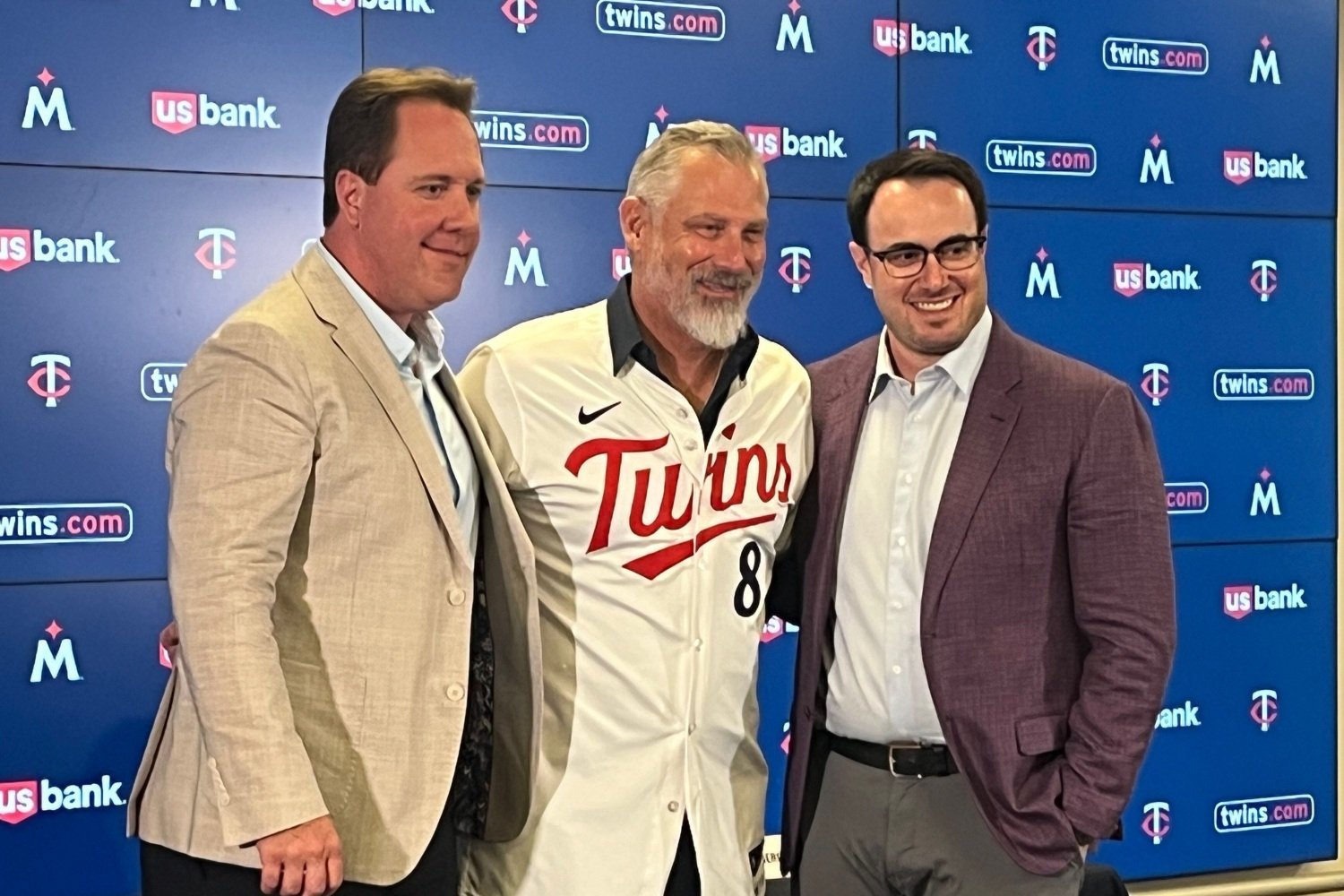 Charisma is timeless. Attractive personalities move mountains and change ballclubs. Of course, charisma is a subjective term. What charms one person can give another the ick. Yet, those who have that "it factor" (whatever “it” may be) tend to get what they strive for, regardless of controversy, affiliation, or moral compass (or lack thereof). Initially deemed an uninspiring hire by a stagnant front office, new Minnesota Twins manager Derek Shelton has shifted much of the fanbase's perception of him from negative or neutral to positive in less than two weeks since being hired as Rocco Baldelli's successor. The Twins' public relations team has played a role in maximizing Shelton's public appearances, assisting the former Pittsburgh Pirates skipper in building as much cultural cachet in Twins Territory as possible. Still, positive public perception can't be manufactured; it must be earned. Shelton has done just that, showcasing a sense of humor and personability that no Twins manager has possessed since Ron Gardenhire left the organization in 2014. Obviously, having a charismatic personality isn't an absolute prerequisite for finding success, especially as an MLB manager. Gardenhire's successor, Paul Molitor, led the club to the postseason in 2017. Baldelli and his milquetoast demeanor guided the club to three postseason appearances in seven seasons, ending the organization's 18-game postseason losing streak in 2023. However, despite their respective successes as managers, Molitor and (more specifically) Baldelli were never able to store much goodwill with large sections of Twins Territory. Molitor never earned it as a manager, as his tenure with the Twins was short-lived and largely unsuccessful. The driving factor behind Baldelli's inability to become a beloved figure was his being impersonal and unrelatable. Whether during times of success or despair, those who follow the Twins longed for Baldelli to exhibit any sense of personality. Unfortunately, the club's former skipper consistently failed to take advantage of opportunities to showcase his personality, even in controlled environments. Instead, he elected to act in a manner seemingly molded by a third-party organization's public relations department, rather than acting in a natural manner. The faults of Baldelli’s robotic demeanor reached a boiling point when he flubbed a farewell for Willi Castro (before being chastised by an enraged Griffin Jax) the day before this season’s trade deadline. It is vital to be honest with ourselves. Expecting corporate soldiers to display a profound sense of authenticity is a fool's errand. Still, if Baldelli possessed even an ounce of public-facing charm or allure, it should have oozed out at some point over his seven-year tenure as Twins manager. Unfortunately, it never did. The result of Baldelli failing to earn the affection of Twins Territory was a talented baseball mind (and overall good person) taking the brunt of anger from one of baseball's most disillusioned fan bases. He was the target of much of Twins fans' collective angst simply because he was an accessible figure whose face was seen during every game—unlike those of the Pohlad family. Still, he didn't do himself any favors by being a closed-off figure who answered questions as if he was managing a Facebook-operated multi-level marketing scheme, rather than a baseball club. Whether it be cracking jokes about Derek Falvey's job title, playfully bantering with Patrick Reusse about the color of his beard, or taking courtside photos with Falvey at a Minnesota Timberwolves game, Shelton has exuded more personality in his first two weeks as Twins manager than Baldelli did over seven seasons—seemingly without trying. Shelton is charismatic in a way that doesn’t feel manufactured. He's witty—a vital characteristic in hard, challenging times. Unfortunately, difficult times could be a common theme for the 2026 Twins. Still, given Shelton's disarming personality and strong sense of humor, Twins Territory could feel a sense of kinship to the club's manager it hasn't known since Gardenhire left the office. Hopefully, the same qualities that endear the fanbase to Shelton will resonate with the players, creating a sense of optimism about the club's on-field results that has been missing since the team's dramatic 2024 collapse. View the full article
