


DiamondCentric
-
Posts
2,631 -
Joined
-
Last visited
Never
Content Type
Profiles
Forums
Events
News
Tutorials & Help
Major League Baseball Videos
Guides & Resources
Store
Downloads
Gallery
Everything posted by DiamondCentric
-

Sources: Royals Hire Marcus Thames For Assistant Hitting Coach Role
DiamondCentric posted an article in Royals Keep
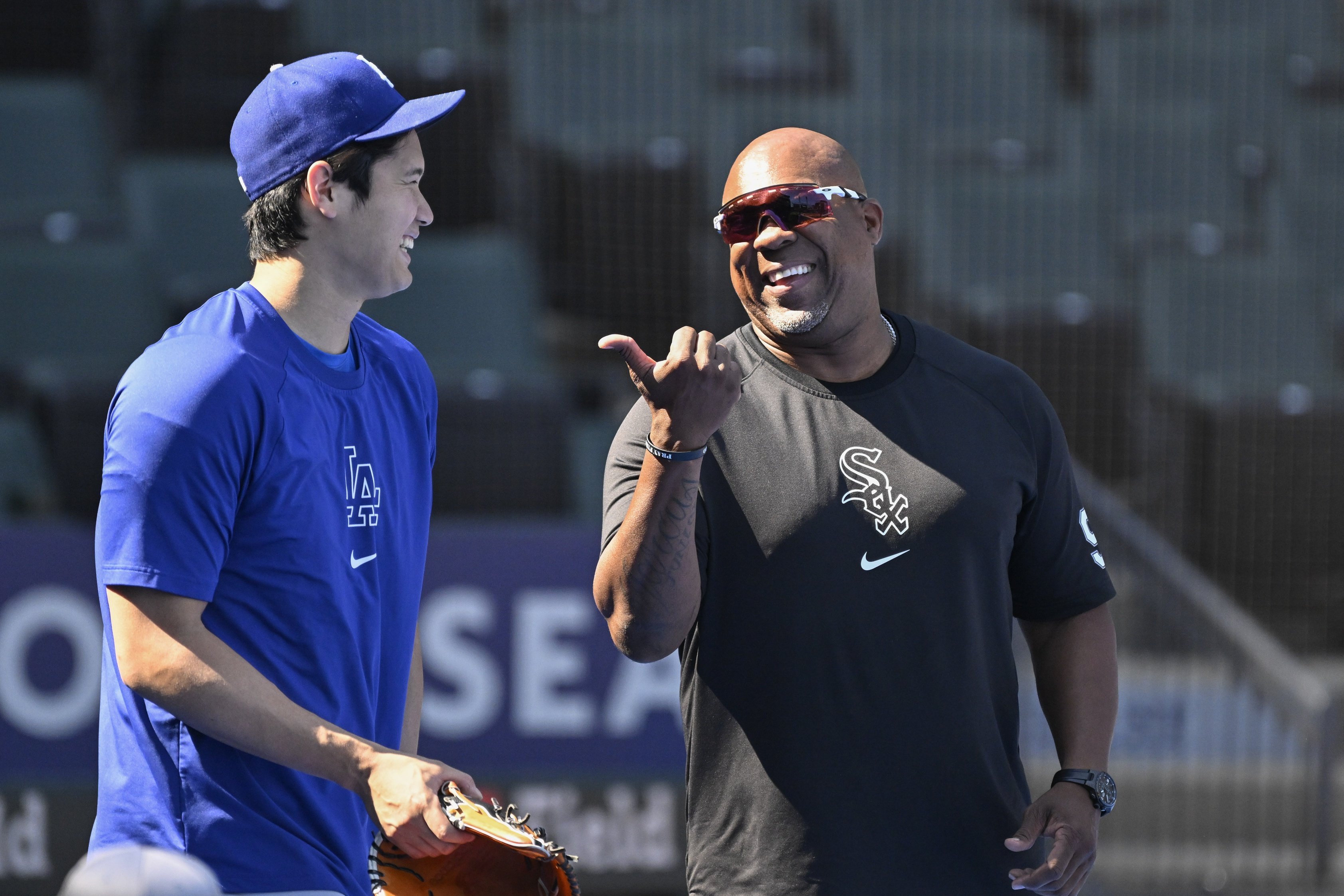 On Monday, MLB.com Royals writer Anne Rogers reported via her sources that the Royals would be filling out their hitting coaching staff by hiring Marcus Thames, who recently was the hitting coach for the Chicago White Sox. As Rogers pointed out on Bluesky, Thames has coaching experience with multiple MLB teams and has held the title of hitting coach with the Yankees, Marlins, Angels, and White Sox. Thames is a former MLB player who played in 640 games with the Tigers, Yankees, Rangers, and Dodgers from 2002 to 2011. He has hit 115 career home runs and has a career batting average of .246. Last season, Chicago struggled offensively under Thames, ranking 27th in OBP and runs scored, and 28th in OPS. However, the White Sox saw the growth of some young hitters under Thames' tutelage, including top prospect Colson Montgomery, who hit 21 home runs and posted an .840 OPS, Kyle Teel, who hit eight home runs and posted a .786 OPS, and Miguel Vargas, who hit 16 home runs and posted a .717 OPS. Thames will join Connor Dawson on the staff, who comes over from the Brewers organization. Dawson is a KC native who attended Olathe North High School and coached at St. Thomas Aquinas High School before matriculating to the Mariners organization and then the Brewers in 2021. Alec Zumwalt remains the Royals' lead hitting coach for 2026. Photo Credit: © Matt Marton-Imagn Images View the full article
 -
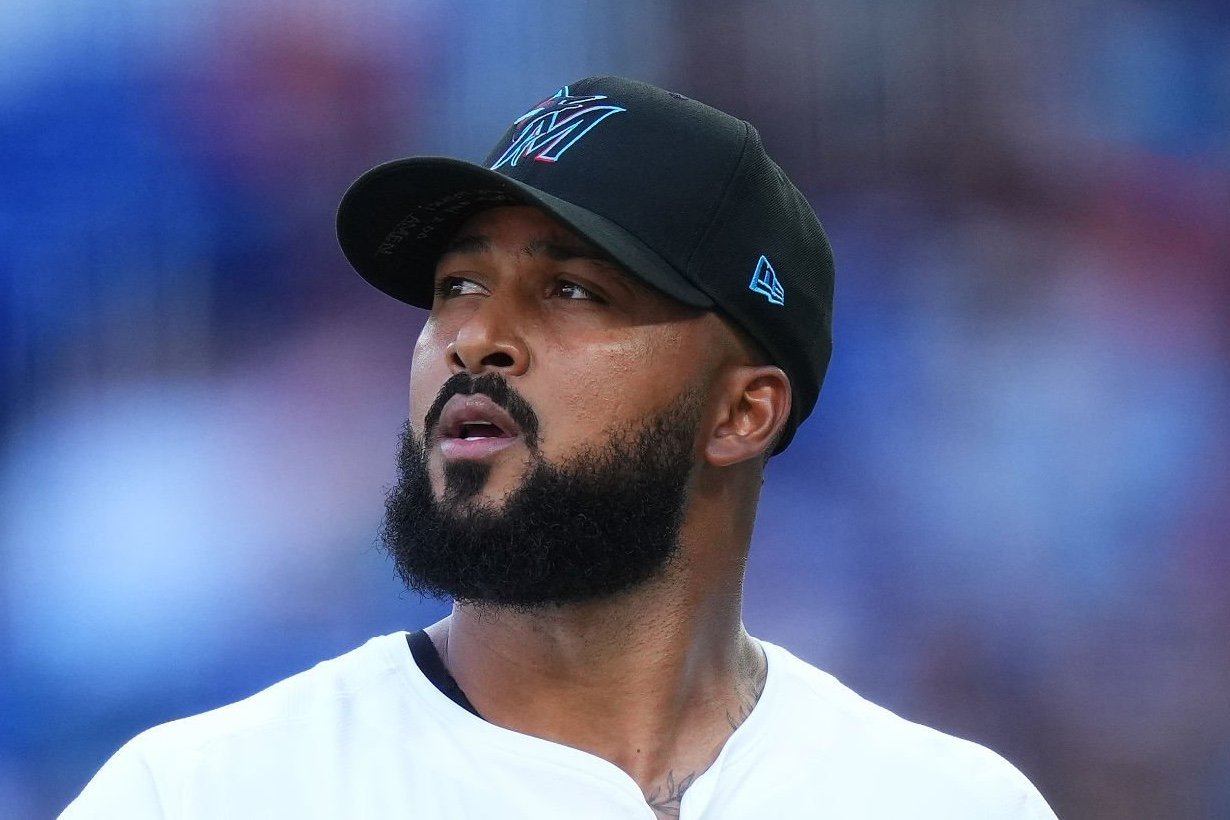 In his latest USA Today column, MLB insider Bob Nightengale insists that the Miami Marlins have modified their stance regarding veteran right-hander Sandy Alcantara. "The Marlins never got the offer they wanted to move their former Cy Young winner," Nightengale writes referring to trade talks that took place during the 2025 season, "but this winter, are set to accept the best offer they receive, believing now is the time." Nightengale continued by noting that Alcantara's salary will be a team-high $17.3 million in 2026 and that his contract includes a $21 million club option for the 2027 season, as if this would be a financially motivated trade. But that's preposterous—the Marlins carried the league's lowest payroll this past year and they're currently projected to so again. Miami's front office is actually weighing whether Alcantara's overall mediocrity coming off Tommy John surgery (5.36 ERA in 174.2 IP) is indicative of how he'll perform moving forward, or if his substantial improvement during the second half of the season is more relevant. Also, the Fish must factor in the potential that top pitching prospects Thomas White and Robby Snelling have to fill the 30-year-old's shoes. Snelling, in particular, should be making his major league debut by next June, if not sooner. Edward Cabrera "has never had more trade value than now," Nightengale adds in the same column. Cabrera overcame a late-season elbow injury scare to end 2025 on a high note. He is two and a half years younger than Alcantara and considerably cheaper (projected for $3.7 million in 2026). View the full article
 -
Two Free-Agent Fits for Minnesota Twins at Shortstop
DiamondCentric posted an article in Twins Daily
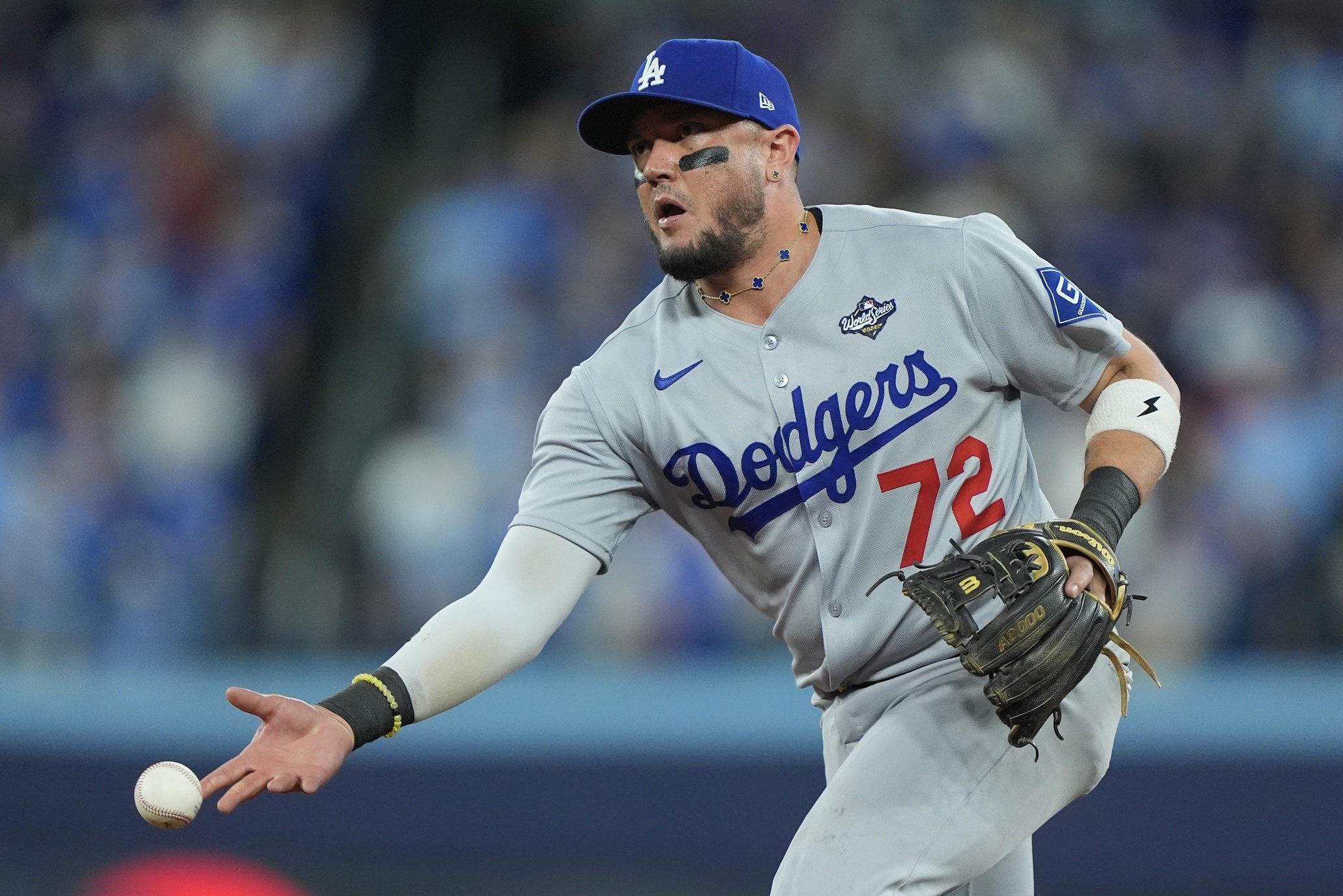 The Twins are (pardon the pun) short at the shortstop position. Brooks Lee is, frankly, the only player in the organization who has shown any indication that he may be a viable MLB shortstop in 2026, and even he has played at replacement level across 712 plate appearances in two seasons, slashing .232/.279/.357, with middling-at-best shortstop defense (-3 OAA across 803 innings, about 90 games’ worth). Behind him are a slew of semi-viable backup shortstops who have proved even less. Ryan Fitzgerald made his big-league debut late in 2025, posting an OPS 10% above league average (at .758) in 52 plate appearances. He plays shortstop, but he’s not great defensively. The Twins recently claimed Ryan Kreidler, a 28-year-old with a good glove but no bat, who has 211 plate appearances across four big-league seasons. Those 211 plate appearances are 211 more than Twins fans’ folk hero Payton Eeles has, and although many are clamoring for him to take a utility role in 2026, scouts are mixed on him at shortstop. There’s always Kaelen Culpepper, who rose quickly through the Twins’ farm system and is poised to open the 2026 season in Triple A, or at least reach that level early. Scouts see him as able to stick at shortstop, at least early in his career. His bat was impressive, with an .844 OPS across High A and Double A. He may be the Twins’ shortstop before long, but he doesn’t appear ready now. His late-season struggles could carry over into 2026, and he shouldn’t be counted on as depth yet. Thus, even in a year like this—when payroll room seems tight once again—the Twins would benefit from bringing in a veteran shortstop as a utility infielder, since there’s a reasonable chance that none of the four aforementioned names are even on the 40-man roster on Opening Day. Beyond that, though, are the questions about Lee. The Twins might not just need a utility infielder; they might need someone to play more like every day. If they have any genuine interest in competing in 2026, it would behoove the team to have someone else who wouldn’t be an outright disaster as a starting shortstop, even if they aren’t above average. Unfortunately, starting shortstops aren’t easily obtained in free agency. A player like Bo Bichette or even Ha-Seong Kim is priced out of the Twins’ market. And speaking of Bichette, many viable MLB players age out of shortstop viability by the time they hit free agency in their late 20s or early 30s. Free agents like Willi Castro, Luis Rengifo, Chris Taylor, Amed Rosario, or Kyle Farmer have their shortstop days in the rearview mirror. Those who can still play shortstop often don’t hit much. Did you know Farmer played more at first base than shortstop this season—and that he was the designated hitter twice as often as he was the shortstop? I learned that doing this research. Father Time comes for everyone. Here are the two names that fit in the happy medium space the Twins might be trawling. If it’s not one of these two guys, or someone acquired via trade, they’re going to have to roll with what they’ve got. Isiah Kiner-Falefa It’s the return of the king! The Twin-for-a-Day is probably the most reasonable candidate for this role. He’s getting older, but his performance really hasn’t changed much since the Twins originally acquired him ahead of 2022 to act as their placeholder shortstop. He was approximately the same caliber of fielder at shortstop as Lee in 2025, and both were roughly 25% worse than league-average hitters—though Lee’s profile was more dependent on slugging, while Kiner-Falefa’s was fueled by on-base ability. That Lee compares so closely to Kiner-Falefa is probably an indictment of Lee’s play early in his career, but it also puts into perspective the shallowness of the organization’s shortstop ranks. Kiner-Falefa is a known commodity whom the Twins have shown interest in before. He’s spent much of his career in a utility role and has played every position except first base in the majors. However, he’s going into his age-31 season, and his once dependable (if slightly below-average) defense at shortstop may be slipping. On the bright side, he’s looked fine at second and third. His ceiling has never been high, and once the floor is gone, it’s gone. Still, at the price the Twins would be willing to spend, he might be the best line of defense they can afford. Miguel Rojas No, seriously, that’s how thin this market is. After this point, the Twins will be sifting through a collection of sub-replacement-level players who appeared in fewer than 60 games this season, such as Jorge Mateo, Paul DeJong, Zack Short, or Orlando Arcia. MLB Trade Rumors lists 10 free-agent shortstops heading into 2026, and one of them is Tim Anderson. Tim Anderson had 17 hits this season and started 11 games at shortstop. Rojas was a Game 7 hero, and will be written into Dodgers lore forever. He was a part-time player this season. He managed to play a solid shortstop in limited action, but was an excellent second baseman. Depending on who you talk to, he’s either a great leader and beloved in the clubhouse or the worst teammate imaginable, but he could be a veteran presence. He intends to play in 2026 and then retire. Alas, he has made it clear he wants that 2026 season to be in Los Angeles. Jumping into a clubhouse of strangers on a team that might be rebuilding isn’t how most players envision their final year. So, yeah, even if the Twins wanted to, it seems like a long shot. So maybe it’s truly Kiner-Falefa or bust, if the Twins decide they need infield depth. But how many other teams are in the same position and don’t want to spend big on Bichette or Kim? Could Kiner-Falefa see a fairly robust market? I don’t know. This seemed like a more interesting topic when I signed up for it. I suppose it’s more “interesting” in the Minnesota vernacular. The trade market could be more interesting, but as Derek Falvey noted at last week's press event introducing Derek Shelton, trades for role players like these can be tricky, too. View the full article
 -
Who Is the No. 3 Hitter of the Future for the Minnesota Twins?
DiamondCentric posted an article in Twins Daily
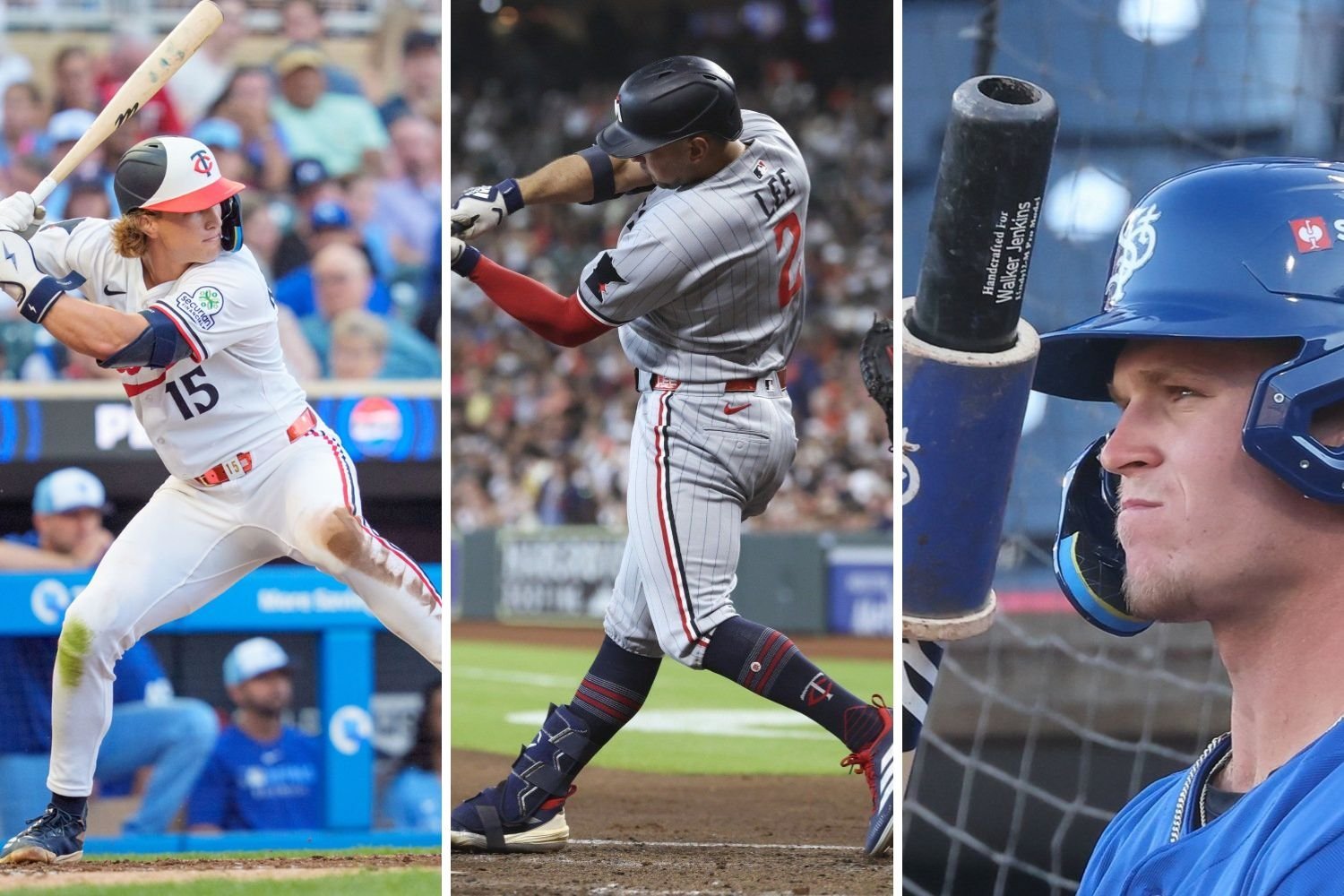 When you think of the great teams in Twins history, you quickly think of outstanding and iconic hitters who anchored the lineup from the three-hole: Tony Oliva in 1965. Kirby Puckett in 1987 and 1991. Joe Mauer in 2006. Nelson Cruz in 2019. In the modern MLB landscape, the distinction of a No. 3 hitter as beacon of the lineup has diminished, with managers increasingly plugging their best bats second or even leadoff (e.g. Byron Buxton). But across the league, the third spot in the order is still home to the game's best offensive players on balance. It produced the highest OPS of any lineup spot this past season, at .780, and that was true in 2024 as well. The lack of a standout No. 3 hitter has become a signature shortcoming for Minnesota. In 2025, the third spot in their order produced a lower OPS (.656) than any other, including ninth, which was typically occupied by the likes of Christian Vázquez, DaShawn Keirsey Jr. and James Outman. It's an astonishing stat that's almost hard to believe, but really gets to the root of how broken this lineup was. As Derek Shelton takes over the Twins, one of his first priorities will be sorting out the offense and figuring out who's actually going to carry this lineup forward. I'd be surprised if he messed around with Buxton's role as leadoff man, given how well that was working, and either way, Buxton is 32. Somebody needs to emerge and headline the next generation of the Twins offense. Who's it going to be? Here are five candidates for the short (and long?) term. Trevor Larnach I know, not the most exciting name. I lead with Larnach because he is the incumbent and de facto choice; he topped the 2025 Twins in three-hole appearances with 26. That's not a high number, and it reflects the constant churn of Rocco Baldelli's lineups — which I think says as much about his options as his managing style. Twelve different players appeared as No. 3 hitter. Larnach led the pack, and he also led the Twins in starts as No. 2 hitter, while ranking second in starts at leadoff and cleanup. No Minnesota hitter was written into the top four spots of the lineup more. Was this a big reason for the offense's letdown, given how Larnach languished? Yeah. But it does say something about his esteem as an offensive talent. With a new manager aboard and a directive for "fast-paced baseball" in place, the lumbering Larnach could be on his way out. But, the whole idea of this refresh in leadership is to wash away last season's disappointment, and rejuvenate the talent that's already in place. Why not him? A longtime hitting specialist like Shelton can surely see the raw ability of Larnach, who flashed impressively in 2024. If he does stick around, I could easily envision Larnach as the No. 3 hitter on Opening Day. He'd be one of the most experienced and highly paid hitters on the team. But I can't imagine he'll have a strong grip on the job. Luke Keaschall When you bat .302 with an .827 OPS through your first 207 plate appearances in the majors, at age 23, you're going to be in the conversation for batting third. He might be, at this moment, the odds-on favorite for most appearances as No. 3 hitter in 2026. Unfortunately, Twins fans know better than to assume a successful rookie season will carry forward. Keaschall's plate approach and speed are not in doubt, but his power is, and he's already had a hard time staying healthy. If he can't add more pop, he probably profiles better as a No. 1 or 2 hitter, which is hardly a knock. The question becomes: who's gonna drive him in? Royce Lewis Lewis has the power you want from a No. 3 hitter. The problem is, these days he offers little else. Eighteen doubles and 13 home runs in 403 plate appearances isn't bad, albeit not amazing, but Lewis's lack of patience and consistency led to a .237 average and .283 on-base percentage. He was well below average as a hitter, but everyone knows his track record. At his peak Lewis was the prototype for a No. 3 hitter, and he fulfilled the duty admirably in the 2023 playoffs when he lifted the Twins lineup in the ALDS. It's been a long time since we've seen that form but he's only 26, and surely more determined than ever to get his career back on track. The idea of Royce locking back in, batting third behind Buxton and Keaschall, is something you can really dream on for 2026. On September 28th, the final day of this past season, Lewis hit third for the Twins, his first appearance in that spot since May 21st. Maybe a statement of some kind? They know how important it is to hype him up and build his confidence. I'll be fascinated to see Shelton's approach with Lewis, assuming he's not traded. Brooks Lee The Twins would surely love for Lee to be occupying the No. 3 spot regularly. In theory, he's a switch-hitter who can make contact and slash the ball everywhere with 20-HR power, a born run producer and ignitor. In practice, though, he's been a light-hitting, replacement-level infielder prone to lengthy production slumps, and best suited for the bottom of the lineup. He's been unable to break through so far in 189 major-league games, but Lee turns just 25 in February and has plenty of time to figure things out, especially with the Twins taking a step back competitively. I would be surprised to see him hitting near the top of the lineup next April, barring an overwhelming spring, but he'll have a quick path to prime time if he can find what's missing in his offensive game. The vision for Lee as a multi-year lineup centerpiece is fading, but it's not gone. Walker Jenkins If all goes according to plan, Jenkins will be the guy. THE guy. He's one of the top hitting prospects in the minors, and he's on the precipice of major-league readiness after reaching Triple-A in 2025. I don't think it's out of the question that he's batting third for the Twins on Opening Day next year but that certainly isn't the expectation right now. More likely he'll start back with the Saints with a midseason ETA. Whenever he arrives, Jenkins will be angling to bat third. He's got all the tools to become a premier offensive player, and in many ways, the premise of a return to relevance for the Twins hinges on him being The One. He exhibited all the traits this past season, cruising through three levels while slashing .286/.399/.451 in 84 games. Not to jinx anything, but this has been a Mauer-esque ascent thus far. We'll see if Jenkins can unlock at least a fraction of the awesome potential he's shown. If not, the Twins will need some of the above players to lead the charge ... or, they'll perhaps have to pivot and pin their hopes on whichever player they take at the top of next year's draft. By and large, great teams have great No. 3 hitters. That's clearly been the case in this franchise's history. So, which hitter is going to catalyze the next great Twins team? As Shelton and the front office aim to steer the franchise back to a better place, it's one of the main questions they need to answer. Luckily, they do have some legitimate candidates to work with. Who'd I miss? Arguments can be made for Matt Wallner, Emmanuel Rodriguez, Gabriel Gonzalez, Kaelen Culpepper and others. Let us know who you think will be the star hitter on the next exceptional Minnesota Twins team. View the full article
 -
Four Free-Agent Fits For the Padres' Suddenly Empty Rotation
DiamondCentric posted an article in Padres Mission
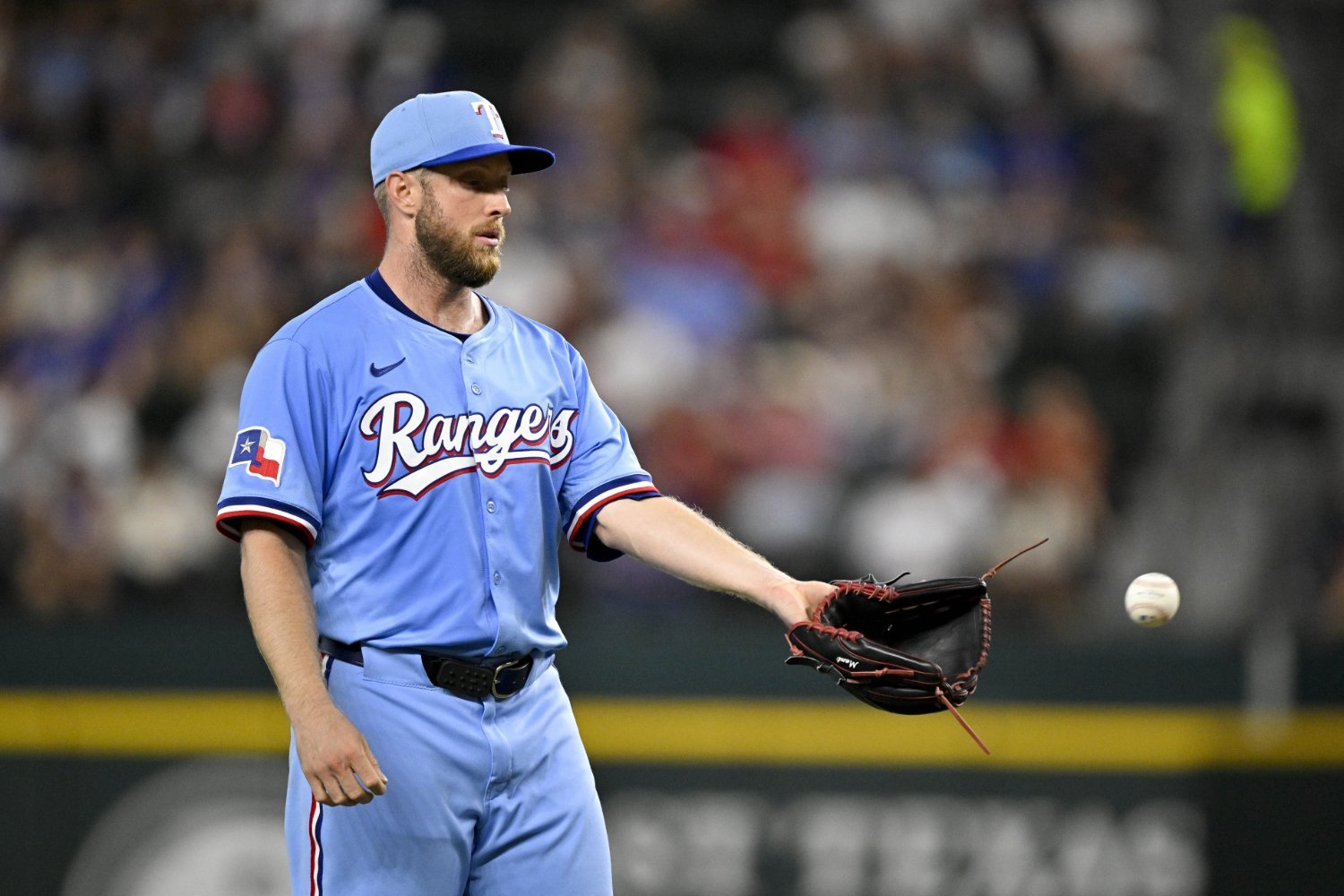 The Padres have a few needs to address this offseason, but a front-end starter is the top priority. Budget limitations leave around $52 million in Competitive Balance Tax Space (25th among MLB teams), so they must be selective in their free-agent signings. This offseason, the Padres lost Dylan Cease and Michael King (who opted out) to free agency. The current starting rotation consists of Nick Pivetta, Joe Musgrove, Yu Darvish (who will miss the 2026 season), Randy Vásquez, and JP Sears. Musgrove missed all of 2025 while rehabbing from Tommy John surgery, which he needed after an injury in the 2024 postseason. Darvish and Sears, meanwhile, struggled with ERAs above 5.00. The depth behind these pitchers is thin. Their inexperience and struggles make adding a reliable starter critical, especially given the team's financial constraints and Darvish's pending absence. So, where can the Friars turn to ensure their rotation stays attached through a 162-game grind in 2026? Re-signing Michael King or Dylan Cease Re-signing both pitchers is unlikely, but bringing back either is sensible. King, with ERAs of 2.95 and 3.44 over the past two seasons, has twice exceeded 100 innings in his seven-year career. There are durability concerns after injuries chopped him down in 2025 (and the fact that he was a reliever before joining the Padres). Still, when healthy, he's a frontline starter. Cease, despite a 4.55 ERA in 2025, has been consistent the last five seasons, logging at least 165 innings and 214 strikeouts each year. Both pitchers will be 30 years old in 2026 and are projected to cost around $24-30 million annually. Zac Gallen Gallen finished this past season far from his stellar 2022 and 2023 form, when he finished in the top five for the Cy Young Award. In 2025, he posted a 4.83 ERA and a 175:66 strikeout-to-walk ratio, allowing over 100 earned runs for the first time in his nine-year career, all with the Arizona Diamondbacks. At 30, his value is lower than Cease's or King's (likely in the $18-22 million per year range). Despite a rough season, his experience in the NL West could aid the Padres, and he may be the best chance for the team to add a frontline arm at a discount, if he can bounce back. Merrill Kelly Another former Diamondback is available in Kelly. He was traded to the Texas Rangers at the trade deadline, posting a 4.23 ERA while striking out 46 batters in 55 1/3 innings with his new team. Before the trade, he had a 3.22 ERA with 121 strikeouts over 128 2/3 innings. Over his seven-year career, he's failed to reach 150 innings only once (excluding the shortened 2020 season). Kelly is older than the three pitchers mentioned above (37), so he could serve as a one-year option that won't break the bank ($15-20 million). The one-year deal could be a smart gamble considering he also has experience within the NL West, and the fact that's made at least 30 starts in three of the past four campaigns. His ceiling is lower than everyone else here, but reliability is arguably more of a need than pure talent in San Diego's rotation. Ultimately, whichever arms the Padres pursue this winter, strategically adding a frontline starter who balances performance, durability, and budget will be key to their aspirations for 2026. Their offseason decisions at the top of their rotation may well determine how far this team goes next year. View the full article
 -
2026 Offseason Live Episode 1: Brewers Free Agent Targets
DiamondCentric posted an article in Brewer Fanatic
 Jason Wang and Jake McKibbin fire up our first Offseason Live pod, discussing which free agents on the 2026-2026 market are a good fit for the Milwaukee Brewers. Apple Podcasts: https://podcasts.apple.com/us/podcast/the-brewer-fanatic-podcast/id1740648724 Spotify: https://open.spotify.com/show/5CY8mWsQayqjDXqw9OT2Td iHeartRadio: https://www.iheart.com/podcast/263-the-brewer-fanatic-podcast-166534588/ Pocket Casts: https://pca.st/ommzz627 Watch On YouTube: https://www.youtube.com/@brewerfanatic View the full article
 -
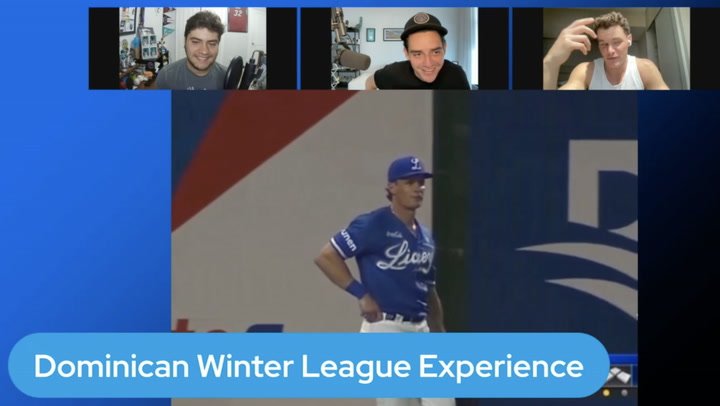 Entering the final week of his Dominican Winter League stint, Marlins outfielder Griffin Conine speaks with Kevin Barral and Isaac Azout about his unique experience playing with Tigres del Licey.View the full article
 -
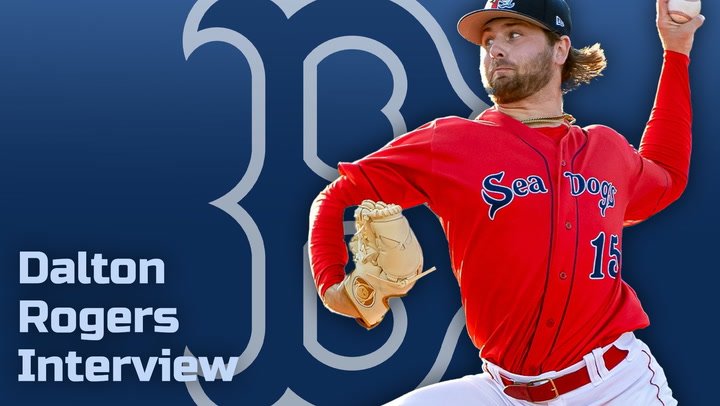 Red Sox pitching prospect Dalton Rogers talks about his time in college, going from a two-way player to strictly a pitcher, along with how his time in the Red Sox organization has been since getting drafted. Discussing the use of a piggyback system to allow the many starters in the organization to get their innings in, and also discussing how the Red Sox help work on developing pitches. View the full article
 -
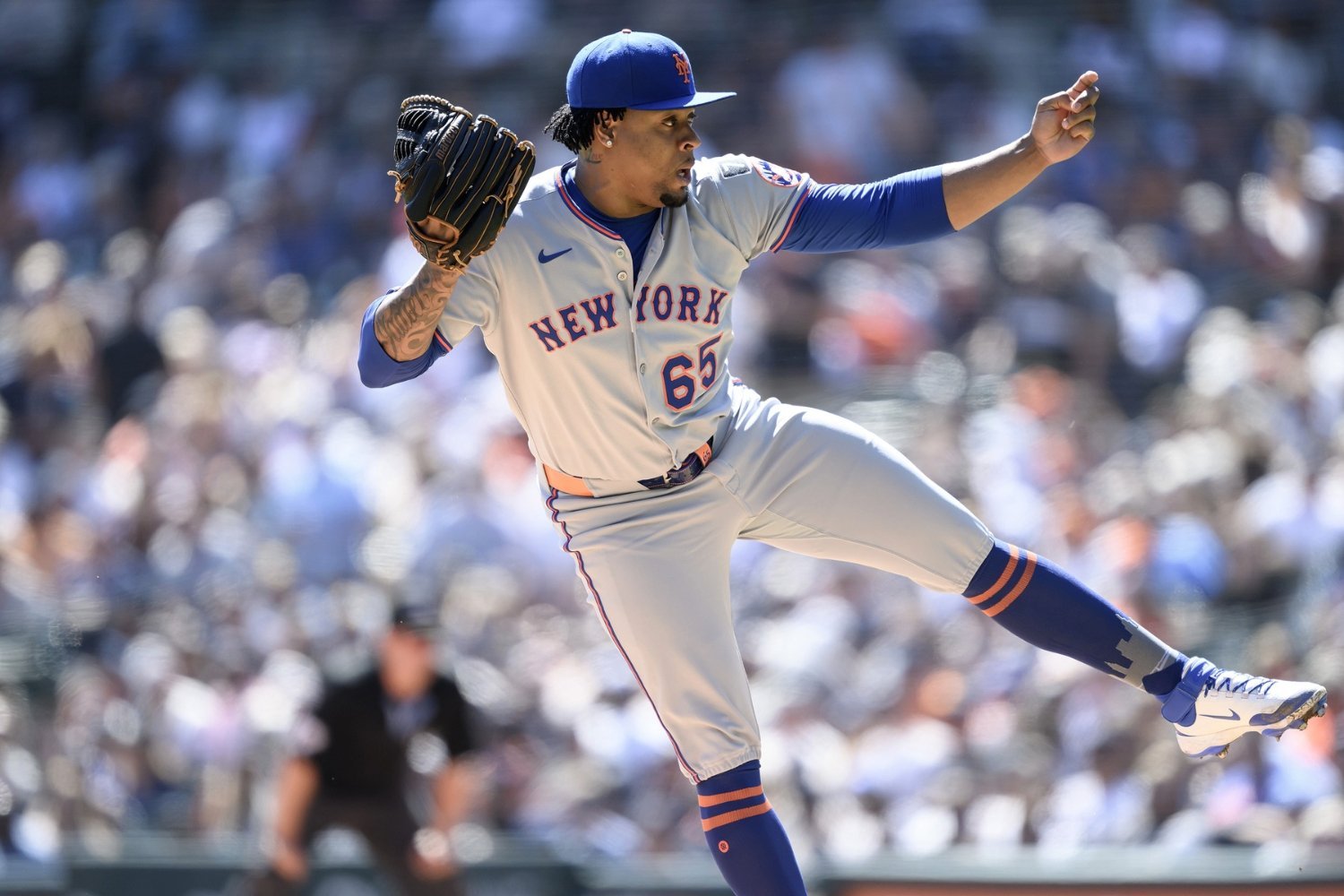 One of the strengths of the 2025 Chicago Cubs lied in their bullpen, despite it being entirely redone on the fly. Finishing with a top-five ERA after May 1, the unit provided a foundation for the Cubs and gave them a good chance to close out any early lead they could secure. However, by way of how the Cubs have built their bullpens in recent years, most of their pieces will not be returning in 2026. Andrew Kittredge has already been traded, instead of having his option picked up, while Caleb Thielbar, Brad Keller, Drew Pomeranz and others are all slated to hit free agency. As the Cubs enter free agency, they will need to replace these pitchers. Some will come through internal means; perhaps Porter Hodge rediscovers his 2024 magic, or someone like Luke Little or Ben Brown pulls a Daniel Palencia and discovers improved command and control. Regardless, they will need to shop outside of the organization as well, as they look to replicate their success. Our own Matt Trueblood outlined some of the biggest options on the market the other day, and while those players would really shore things up, recent reporting from The Athletic's Sahdev Sharma suggests they may not look to go big-game hunting. The Cubs are pretty savvy when it comes to reliever acquisitions, and below are four under-the-radar pickups that I think may interest the Cubs as they look to fill out their bullpen: 1. Gregory Soto, LHP Formerly of the New York Mets in 2025 The North Siders are losing both of their best left-handed options from the 'pen and will need to find a few options from that side. In addition, one thing the Cubs' bullpen last year lacked was swing and miss. Enter Gregory Soto, a left-handed reliever who struck out over 25% of hitters he faced last year. Coming off a season where his ERA sat a tick over four, he shouldn't break the bank for any team looking to sign him. Soto kills lefties, with a 3.53 xFIP against them and just a .232 wOBA against in the 2025 season, but he struggled more against right-handed hitters. The Cubs have taken pitchers such as Colin Rea and swapped out a sinker for a four-seam fastball, and I wonder if they would look to do that with Soto as well. The 2022 campaign was the last season his ERA sat under 4.00, and it was the highest his four-seam usage has been for a while. The Cubs have also had success splitting pitches like they did with Cade Horton, who throws cutter-change to lefties and sinker-slider to righties, and perhaps just getting Soto to throw the four-seam-fastball in on right-handers is the key. This feels like a buy-low candidate that the Cubs can turn into a "two-birds-one-stone" situation by solving both their lack of left-handed pitching in the bullpen and adding swing and miss. 2. Tim Mayza, LHP Formerly of the Pittsburgh Pirates and Philadelphia Phillies in 2025 If the Cubs choose to go "under the radar" with their bullpen choices, Tim Mayza feels like a pitcher they may think they can help. Mayza offers a 94mph fastball from the left side and has had success with Toronto in 2021 and 2022, where, over the course of 155 innings, he was able to put up a 2.67 ERA and a 2.94 xFIP. The wheels fell off for the lefty in 2024 and he had a pretty serious lat injury that cost him most of the season. The lefty came back and featured for the Phillies late in the season and the velocity looked most of the way back, but he clearly struggled with rust. His walk rate was way up (courtesy of a few bad outings) and he struggled to the tune of a near-five ERA in that month. If the Cubs feel like Mayza suffered from a lack of game action and that they can get him back to his previous self, he'd very much fit into their philosophy for building a bullpen of cheap, underrated reclamation projects. They have had success with Caleb Thielbar and Drew Pomeranz, two pitchers of the same mold, and they could find another success story here. 3. Luke Weaver, RHP Formerly of the New York Yankees in 2025 Luke Weaver would help add something the Cubs need more of: strikeouts. The righty struck out 27% of opposing hitters in 2025 and the Cubs really need some more swing and miss in their bullpen. Entering his age-32 season, Weaver has established himself as a useful reliever with the Yankees and is now looking for a new home. The righty uses his fastball a lot and the Cubs were a team who enjoy having pitchers throw their four-seam fastball, so it could be a match made in heaven. Weaver has two things in his profile that may scare teams off, the first being that the righty is an extreme fly-ball pitcher, giving up under 30% of batted balls last year as "groundballs" according to FanGraphs, but this could be something mitigated by Wrigley Field and how pitcher-friendly it has played in recent seasons. The second is that his fastball was almost a full mph down last year, however this seemed to be an early season issue—it tracked upwards as the season went along. You could do a lot worse than going with the former Yankee as a seventh or eighth +inning bridge in 2025 and once again, he's unlikely to break the bank. But if you're going to pass on the Edwin Diaz, Ryan Helsley, Devin Williams tier of relievers, Weaver offers an intriguing option further down the pecking order that could stabilize the backend of a bullpen. 4.Tyler Kinley, RHP Formerly of the Atlanta Braves in 2025 Tyler Kinley isn't going to be at the top of many reliever free agent lists, but there's a really good seventh-inning arm here that is quite reminiscent of Andrew Kittredge. The reliever features a slider that grades out as a 116 on FanGraphs Stuff+ shape rating, and was a +12 in terms of run value. The pitch also generated a 33.3% whiff rate. He probably isn't as good as Kittredge on paper, but there's enough here that you can find to get excited about. Hidden for most of his career in Colorado, and entering his age-35 season, Kinley probably isn't going to break anyone's bank this offseason. There's a pretty good chance that you can acquire Kinley for one year and for less than the $9m Andrew Kittredge is slated to make in 2026 with (now) Baltimore. He probably shouldn't be the best reliever added to the bullpen, but as a secondary addition, he would make a lot of sense and would fit in well with any contending bullpen. What do you think of these four options? Do you think any of them could make sense in the 2026 bullpen? Let us know in the comments below! View the full article
 -
Lucas Giolito "Would Love To Come Back" To The Boston Red Sox
DiamondCentric posted an article in Talk Sox
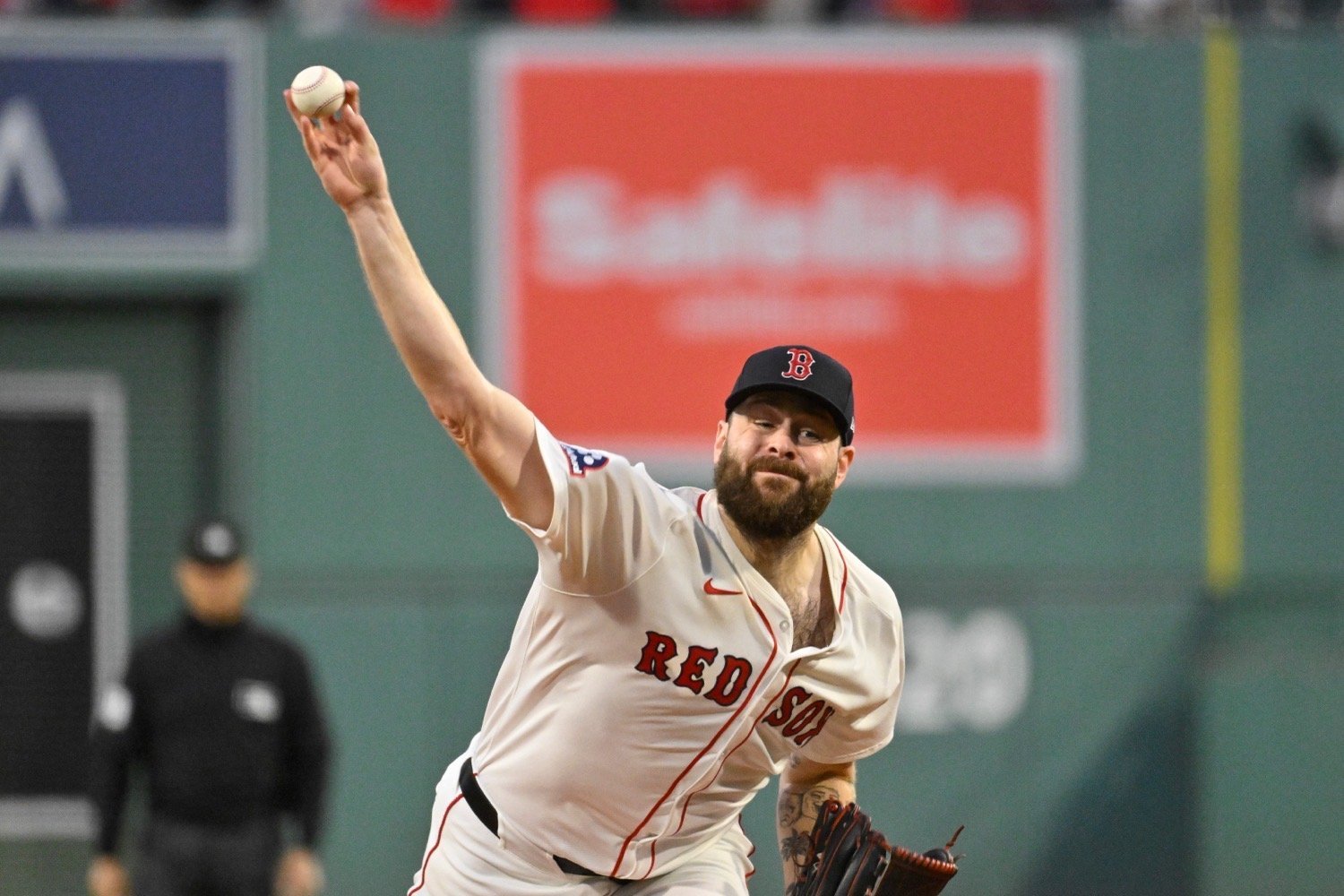 Lucas Giolito put together a strong season for the Boston Red Sox in 2025 - a year removed from UCL surgery. Given his productivity, he declined his side of a mutual option, and days later, he learned that the Red Sox would not tender him a qualifying offer, effectively making him a free agent. However, Giolito is very open to coming back. On Rob Bradford's 'Baseball Isn't Boring' podcast, Giolito stated, "I made it clear to everybody. I would love to come back here and continue to play for the Red Sox." Giolito pitched 145 innings during the regular season across 26 starts. He had an impressive 3.41 ERA, though his FIP was 4.17 and could indicate some negative regression. Additionally, his K-BB% settled at a lowly 10.6% due to an elevated walk rate of 9.1%. Giolito was sidelined late in the year due to an elbow injury, keeping him off the Red Sox postseason roster. Of the injury, Giolito said, "There’s no injury, or whatever injury there was is gone. It was a weird, freak thing that popped up at the worst possible time..." MLBTR projects him to make $32 million over two years on the open market. Do you think the Red Sox should look to bring him back? View the full article
 -
What Derek Shelton Saw While Watching Twins Hitters This Summer
DiamondCentric posted an article in Twins Daily
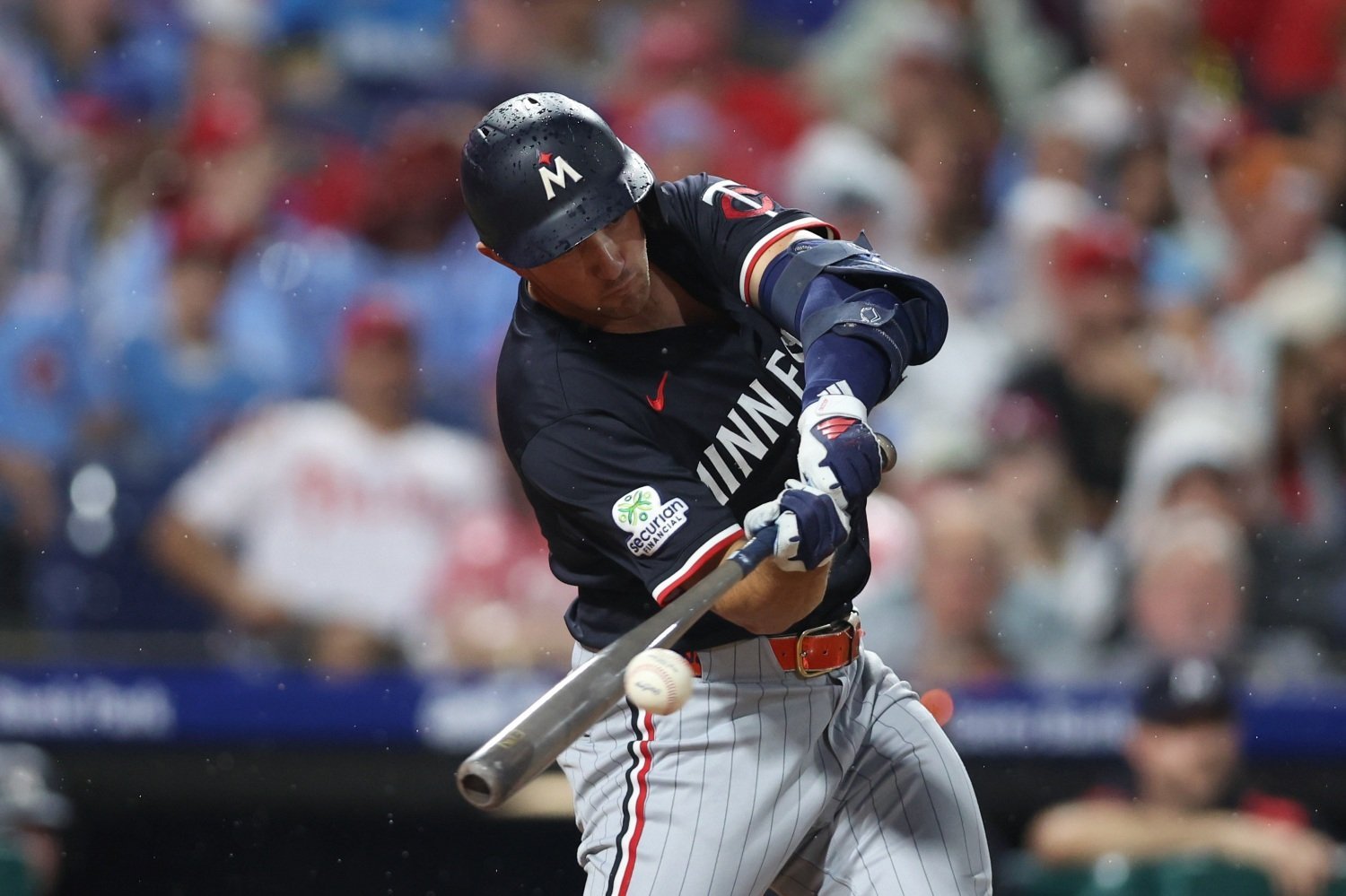 The downside of hiring Derek Shelton—a former organizational soldier who remains a close friend of the just-ousted Rocco Baldelli—was that the Minnesota Twins risked sending the message to their fans that the foregoing 15 months had been acceptable. Whatever differences of perspective Shelton might bring, he comes from the same philosophical lineage as the front office, which hired him once before, and his closeness to Baldelli will lead some fans to paint the two with the same brush. Derek Falvey knew that. Thus, entering the club's interview with Shelton for the managerial job, he and his staff ensured that they also realized the upside of engaging with him. "I think we were harder on [Shelton] than maybe we were on other candidates, because when you spend three rounds of interviews (6-8 hours each time among groups, there's a lot of time when you're interviewing somebody that you spend a lot of time getting to know the person," Falvey said at Shelton's introductory press conference Tuesday. "How's the fit? Can we work with this [person]? How do they feel about this organization? "With Shelty, it was easy to cut through all that. 'I know you. We know you.' We can talk about the challenges and what is similar to what you would do to what we've done historically, but how you'd do things differently." In other words, the very familiarity that made Shelton somewhat suspect in the eyes of many outsiders permitted a much-needed frankness between the once-and-future colleagues. Specifically, Shelton has a long track record as a hitting coach; that's the side of the runs ledger on which his greater expertise lies. He worked in the Cleveland organization at the same time as Falvey, before moving on to become the hitting coach for the Rays. When the time came for those harder questions, therefore, Falvey and the Twins front office asked Shelton the same thing so many Twins fans asked, starting in August 2024 and almost without stopping until the end of this September: What's going wrong with these hitters? The answer, as Shelton rendered it, will be maddening for some Twins fans, but it remains true. In brief: it's complicated. Falvey said that Shelton, who took a gig on SiriusXM MLB Network Radio over the summer and got more accustomed to watching the whole league again and asking objective questions. focused his analysis of Minnesota's long slumps at the plate on approach. "He said the most important thing is to understand what the player's intent was, right?" Falvey recalled. "To know a little bit of what they were trying to do. Because you can watch a game, you can watch an at-bat, and go, 'Man, why was he doing that?' I was like, 'I don't know what his game plan was. I don't know what his approach was. I could judge it because he was 0-3. But like, was he actually, did he actually have a good approach and a good plan, and it just didn't execute that night?' That happens too. So, he has said he wants to get to know how our people operate and what they do to better assess, is it a plan issue? Is it an execution issue?" Predictably, both Falvey and Shelton said they don't yet have those answers hammered out, in each individual case or at the broader team level. But Shelton was asked a specific question about Brooks Lee, who is hitting .232/.279/.357 over his first 712 career plate appearances, and he did have at least a partial (and perhaps a telling) answer for it. "I talked to Drew MacPhail a little bit about it, and we’ll continue to talk about it, but players get to the big leagues so fast these days," Shelton observed, "and then when players get to the big leagues the competition they go through in terms of amateur baseball is different, and they end up jumping from team to team, and it becomes almost more of a showcase than what’s actually going on in the game." That explanation widens the lens far beyond Lee, and it offloads the blame for his slow or uneven development to entities beyond the Twins. Shelton doesn't yet have a specific remedy in mind for his switch-hitting infielder, because he doesn't yet know Lee deeply enough to evaluate his process. However, the answer he gave Falvey still tells us something, because of what he didn't do: he didn't denigrate or question the fundamental moves of any of the hitters there. Shelton takes a holistic and intellectual tack to hitting, but he also has the eye of a coach who has to correct and adjust bad mechanics or essential failures of timing. That wasn't his focus in the meeting with Falvey, and it's not a crisis-level, organizational problem. In Shelton's view, the Twins do have talent, and their hitters are doing things he considers plausibly correct; he just didn't have the access to them to test those plausible options. As he looks ahead to the time when he will have more complete information, Shelton believes the first part of his work in reforming struggling hitters is done: they've failed. For most big-leaguers, it takes some failure to open the doors to change. From there, the question becomes one of information management—which sometimes means figuring out what voices the player is hearing, besides his own. "I think the second, and probably just as important, thing is you have to figure out where they are getting their information," Shelton said. "Players get their information from so many different people today that we all have to be working in the same direction. The communication lines—sometimes, that’s the manager. Sometimes that’s the pitching coach. It’s definitely a hitting coach in today’s world. I know. I lived it at one point. You have to find out where they’re getting their information and is it counterproductive? With today’s player, you have to prove to them this is why we’re doing it. I think that is important." Most hitters work with some private hitting instructor or trainer. Shelton was quick to say that that's often a good thing. The wrinkle comes in the form of whatever confusion it might cause, as the team and the player try to communicate clearly about the best way for that hitter to be their best self. "If you tell someone right away, 'Hey, we’re not going to allow you to do this,' and they have a feeling that it helps them, then we’re damaging the relationship from the get-go," he said. "The biggest part is making sure there are open relationships in terms of the information you’re getting. That may not directly be made to that other coach, but at least to the player, hey, if you’re getting that, can you give me a little bit of a glimpse into what you’re doing?" Every team strives for this, of course, but not every team achieves it. Baldelli took a delegatory approach to the job, and left any sorting out of messaging from coach to player between those parties. Shelton will take a more direct role, not only in those conversations about hitters' approaches, but in the follow-up and in the discovery of underlying theory in everything his hitters do. That could be the way he separates himself from Baldelli, and it could make him the right man for this job. If there's one thing the Twins must do better going forward than they've done over the last half-decade, it's develop and transition talented young batters to the majors. Falvey bought into Shelton's ability to do that. It's up to Shelton to prove (not merely to Falvey, but to Twins Territory) that that faith was warranted. View the full article
 -
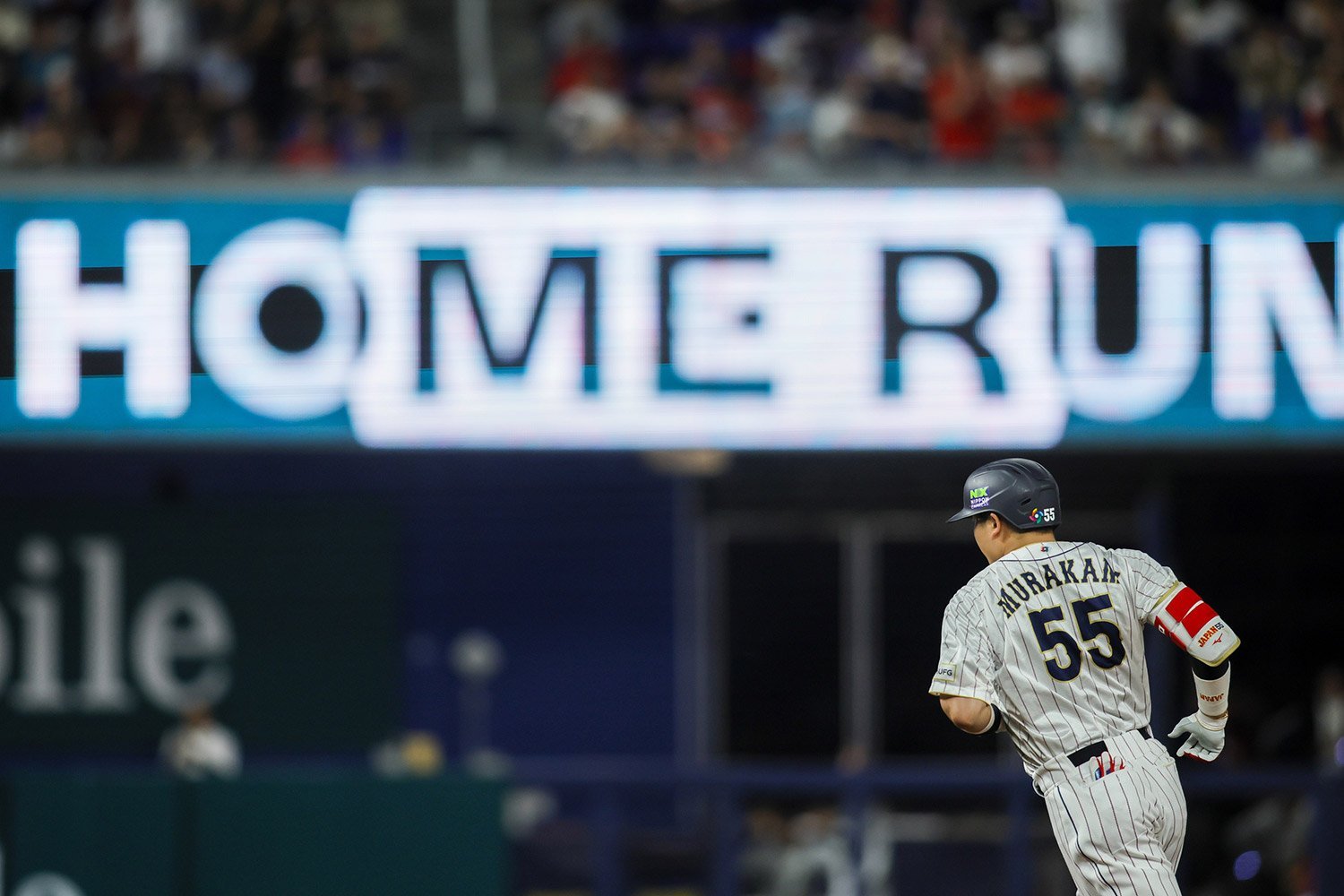 Munetaka Murakami is a powerhouse slugger who has broken homer records in a dead-ball era and was posted by his NPB team, the Tokyo Yakult Swallows, and will have 45 days to sign with an MLB team. Murakami will be 26 years old in the 2026 season, which makes it more likely he will get a longer-term deal, as he has not yet reached his physical prime. Murakami’s calling card is obvious; he absolutely demolishes baseballs. In seven NPB seasons, he hit 246 homers, including a shortened 2025 season where he was shelved early with an oblique injury in March. Murakami’s best season came in 2022, when he broke the record for most home runs by a Japanese-born player with 56, posting a 225 wRC+. He walked over 19% of the time and struck out a little over 20% of the time; however, it was below average, only within the 25th percentile, as NPB hitters typically strike out much less. After that season, a pressure-filled WBC tournament got the better of Murakami, where he notably struggled to live up to his vaunted 2022 season, which carried over into the next two seasons. The prodigious slugger’s low water mark for ISO (Isolated Power) was .228 in 2024, which was a “down” year for him as he “only” had a 156 wRC+. His strikeout rate ballooned from during that stretch to nearly 30%. On a rate basis, when healthy, Murakami was remarkably similar in 2025, but his strikeout rate continued to hover above 28% which was the bottom third percentile. Although he strikes out a ton, his plate discipline is firm, with an above-average chase rate and a 99th percentile walk rate. His strengths are glaring, but so are his weaknesses. As we saw, his strikeout rate was one of the worst in NPB, and that is more concerning given that he’s coming to MLB, where pitchers throw harder and have more advanced stuff overall. Murakami also struggled heavily with “velocity,” as James Schiano noted, “Murakami had a .095 batting average against pitches 93 MPH or harder last season in NPB.” Of course, that’s still a small sample, as NPB doesn't have many pitchers who throw that hard, but adding in Murakami’s contact issues and strikeout concerns will give teams pause in how they evaluate his ability to hit MLB pitchers, where the average fastball velocity clears 94 mph. His contact issues cannot be overblown either, as his contact rate of 63.9% and Swinging Strike Rate of 17.3% would be the worst among all qualified hitters in MLB. In addition to the concerns on the offensive end, Murakami also has significant concerns on the defensive end. He was a third baseman with the Swallows, but had a -8.4 Total Zone Rating (position adjusted), which was significantly below average. If the Jays were to sign him, his positional fit would immediately come into question, as the Blue Jays value defense quite highly, and Vladimir Guerrero Jr. also occupies first base for the next 13 years. George Springer and Anthony Santander are also more likely to fill the designated hitter role in 2026, which means that Murakami will be forced to play mostly at third base. The Jays will do their due diligence and check in on Murakami as a free-agent target. Still, concerns about his offensive game will be a significant problem for a team trying to compete for a World Series title, as they may not have the time to let him figure out major league pitching. Although he does have 70 grade power that most teams would love, the margins of error are very slim for him, as evidenced by Joey Gallo, who went from a solid above-average hitter to out of the league in just a few seasons. Given the youth and productivity in NPB, Murakami will most likely seek a longer-term contract, which may also be harder for the Jays to swallow in terms of risk mitigation. ZIPS projects Murakami to have a 126 wRC+ with a 3.4 fWAR, but the range of outcomes is going to be super-high, depending on whether he can adjust to velocity and if his strikeout rate can be managed. With the poor defensive fit, however, the Jays may look to other free-agent options to fill a defensive need. Still, they also have the defensive flexibility to hide Murakami’s shortcomings. The Blue Jays would love an injection of power, and the potential for Murakami's massive power is intriguing; however, the concerns may outweigh the benefits for the Jays' front office. The Jays prioritize defensive flexibility and strong bat-to-ball skills, which Murakami cannot fit into, but which may, in turn, allow them to handle Murakami’s shortcomings. The ultimate question is whether Murakami’s youth and potential will spark a bidding war or whether the Jays can get him on a reasonable contract if they choose to pursue him, thereby mitigating the risk. View the full article
 -
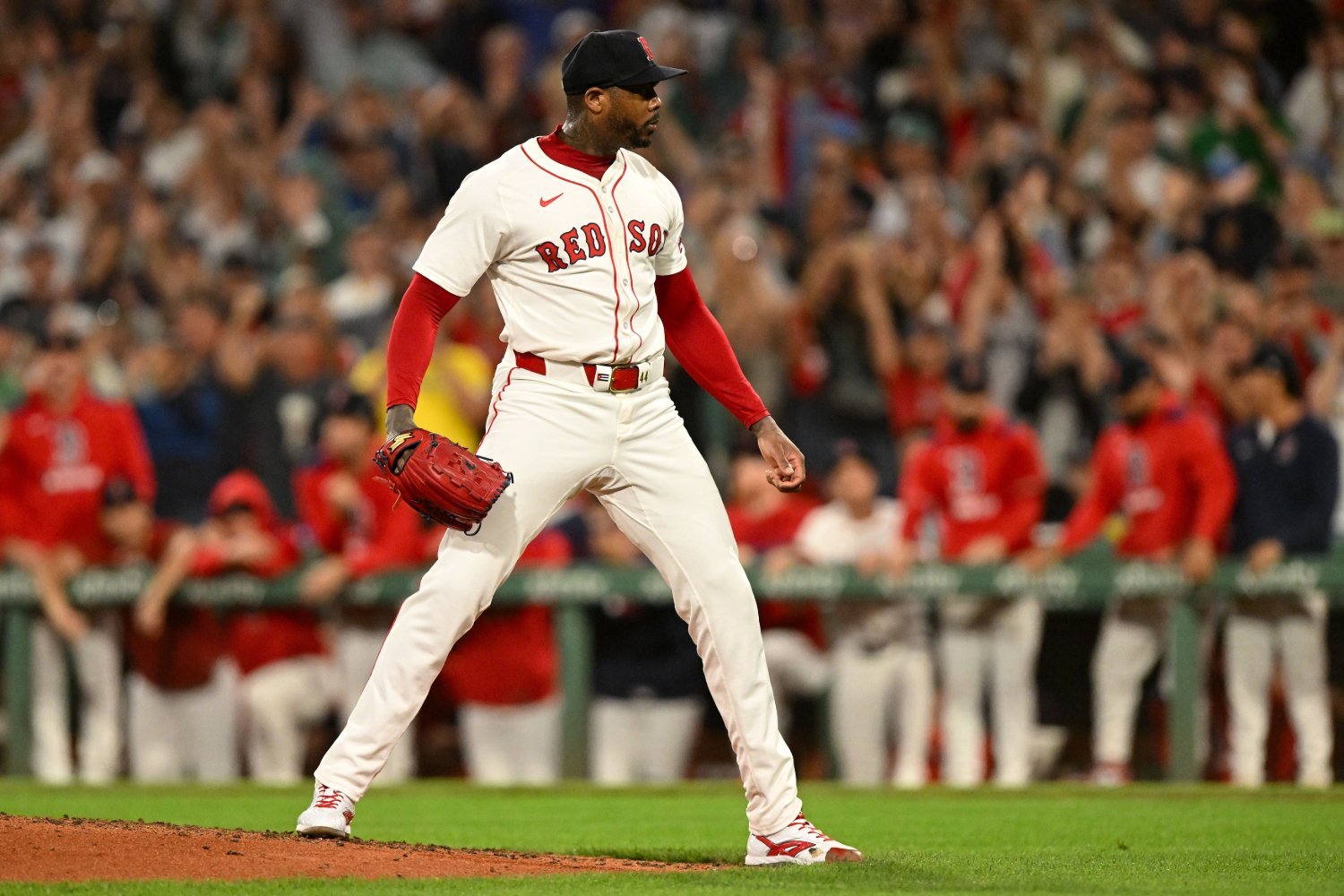 Aroldis Chapman is a historically good relief pitcher who delivered a historically good campaign in 2025, even relative to his own standards. So, even if he weren't a 37-year-old reliant on his four-seam fastball, there'd be reason to worry about potential regression for the Boston Red Sox's closer, especially considering he had recorded a 3.68 ERA in the three years prior to his legendary maiden campaign in Beantown. He was so good this past season that the front office saw it fit to give him an extension before the year even came to an end. It's a one-year deal that offers a slight raise over his $10 million salary in 2025, and it also comes with a $13 million vesting option if he throws enough innings in 2026. It's hardly a long-term commitment, but it is one that suggests the front office is content to continue rolling Chapman out there in the ninth. And, let's acknowledge something here: Nothing in Chapman's body of work in Boston necessarily suggests a drop-off is imminent. His expected ERA (2.09) was nearly a full run worse than his actual mark (1.17) and still ranked in the 100th percentile across the league. His fastball velocity, despite being a few ticks down from its peak, still averaged nearly 99 mph as opposing batters hit just .159 against it; his sinker was even better, producing a .115 batting average against while brushing up against triple digits on the radar gun. Tie it all together with elite chase (34.6%) and whiff rates (35.8%), and you have the profile of one of the best relievers in baseball. I'm not coming armed with any information to suggest that Red Sox fans should expect Chapman to revert back to his 2022-24 form. Instead, I'm merely here to remind everyone that said version of Chapman existed, and that, prior to 2025, it had been five seasons since the fireballing southpaw displayed anywhere close to this level of dominance. Set to turn 38 before Opening Day in 2026, the franchise can hope to rely on their closer once again, but planning on it may be more of a fool's errand. For some recent examples, the last two relievers to finish top-five in Cy Young voting (a feat Chapman should accomplish this year) were Emmanuel Clase (2024) and Zack Britton (2016). Clase followed up his historically dominant 2024 campaign with a 3.23 ERA in 47 1/3 innings this season (and may be permanently banned from the league for gambling); Britton's ERA jumped from 0.54 to 2.89 and he missed time with forearm and lower body issues. Now, Chapman hopefully won't caught in some illegal pitch-throwing scheme, but those two relievers were a decade younger than the Red Sox's closer at the times of their peak. Even though Clase's 2025 season (pre-suspension) and Britton's 2017 season were solid enough, they hardly approximated the dominance they showed just a year prior. Luckily, Chapman has always been better in the ninth inning — his career ERA in the final frame (2.33) is significantly lower than his work in the eighth (2.82) or seventh innings (4.56) — and barring injury, there isn't much need to acquire another closer. That's especially true since breakout set-up man Garrett Whitlock remains under contract for 2026, as is the case for Justin Slaten, who secured three saves in 2025 and has closing experience in the minor leagues. If track record is something you fancy (and you can look past significant struggles in the recent past), Jordan Hicks has 35 saves on his major league résumé. He's far less of a sure thing than Chapman, but he's the only one in the bullpen (and one of few arms in the league) who can approximate the lefty's velocity. Instead, the team needs to focus on bringing in a couple of high-leverage relief arms who can help bridge the gap to Chapman, or, if needed, fill in should injury arise. That is definitively not the class of reliever that players like Edwin Diaz or even Devin Williams fit in, but someone like Brad Keller (who just experienced a career resurgence in Chicago under Craig Breslow's old bosses) or Raisel Iglesias (who had a 1.25 ERA from mid-June until the end of the season) could insulate the late-inning group and help ensure Whitlock doesn't have to pitch 70+ innings again. If the budget is really tight, Gregory Soto brings big velocity from the left side like Chapman, and Emilio Pagán just locked down 32 saves for a playoff team. Those are older veterans with bigger flaws in their game than the elite relievers on the high-end side of the market, but the same was true for Chapman last year, and look how that worked out. It's not necessarily advisable to build your bullpen with a cache of arms with heavily mileage seeking to reclaim the glory days, but the Red Sox don't need a bullpen as good as the Padres or the Brewers. The rotation, with one more significant addition, is strong enough to carry the team for stretches, and the offense could be really good if Roman Anthony is healthy for a full season. This is simply about hedging your bets. Boston ranked second in the league in bullpen ERA (3.41) in 2025 and backed that up with top-five finishes in xERA (3.76, fifth) and FIP (3.69, fourth). Chapman did a lot of that heavy lifting — he and Whitlock combined for more than 70% of the team's reliever fWAR this past season — and at his age and with his recent, pre-2025 track record, banking on a repeat performance could prove perilous, even if the advanced metrics wholeheartedly support an encore. Insofar as your focus extends only to the 2026 season, the Red Sox should be fine in the backend of their bullpen thanks to the presence of Chapman. But, if doubt lingers in your mind about a 38-year-old who throws 100 miles per hour, perhaps you too think the team should be wary about entrusting so much of their success in one man. View the full article
 -
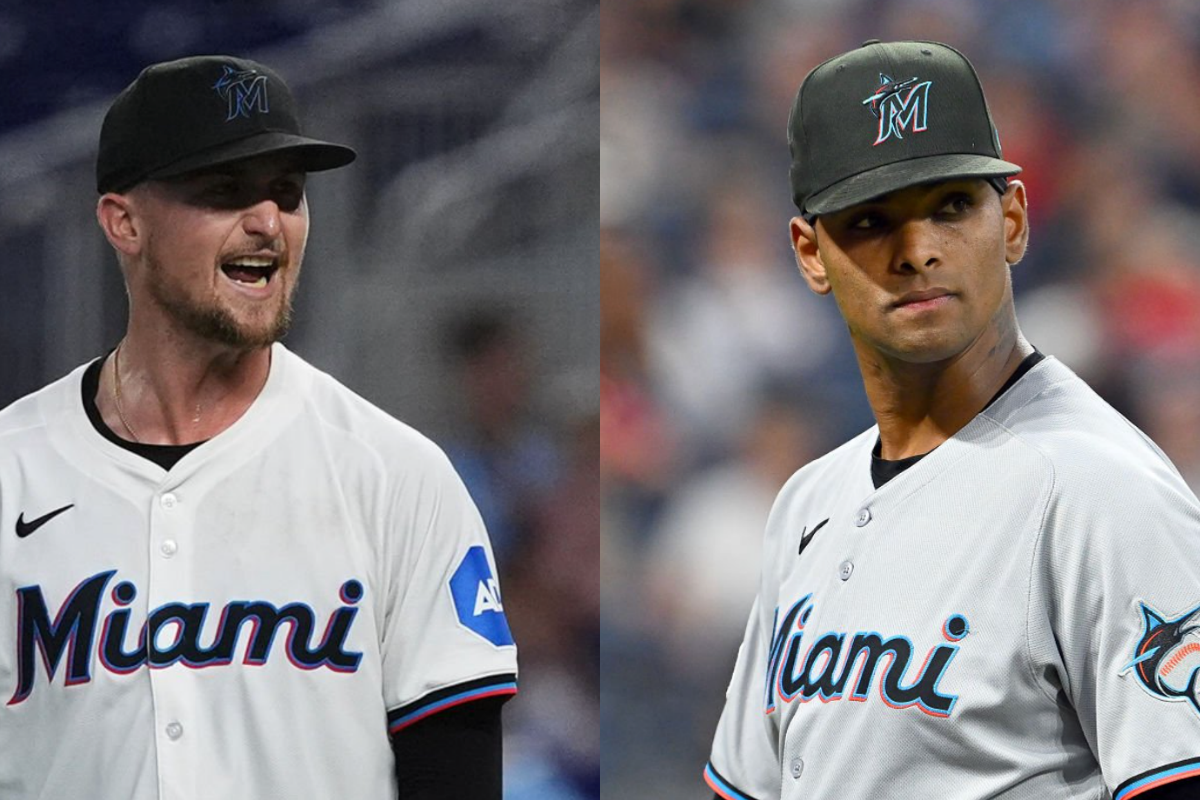 Last week, the Miami Marlins parted ways with former international amateur free agent signings George Soriano (2015), Luis Palacios (2016) and Dalvy Rosario (2016). The vast majority of you reading this are familiar with Soriano, who spent parts of three seasons in the Marlins bullpen. Palacios and Rosario both got tastes of the Triple-A level, but their progress stalled there due to a lack of velocity and hit tool, respectively. And then there were two. The only players acquired by the Marlins during Jeffrey Loria's ownership tenure who remain with the organization today are Edward Cabrera (2015 int'l signing) and Braxton Garrett (2016 draft pick). Despite obvious stylistic differences, their MLB production has been remarkably comparable—4.07 ERA in 431 ⅔ innings pitched for Cabrera and 4.03 ERA in 326 ⅓ innings pitched for Garrett. Neither are safe bets to stick with the Marlins for the start of the 2026 season as the front office contemplates potential trades. They may look to "sell high" on Cabrera coming off the best campaign of his career, or cut their losses with Garrett if they don't trust him to vigorously rebound from his second career Tommy John surgery. Both Cabrera and Garrett are entering their second year of arbitration eligibility with club control that extends through 2028. On Sunday in fall/winter ball, Karson Milbrandt pitched a scoreless inning as the National League starter for the AFL Fall Stars Game. Starlyn Caba went 1-for-2. The American League won, 5-4. Deyvison De Los Santos (Dominican Republic) went 0-for-3 with a walk. Maximo Acosta (Venezuela) went 3-for-3 with his fifth home run of the season. Through 21 games, Acosta has a slash line of .345/.417/.571 to go along with eight stolen bases. Jared Serna (Mexico) went 1-for-4 and scored the only run of the game. Serna played left field, the fifth different position he has started at during this winter ball season. Chris Arroyo (Puerto Rico) hit a two-run homer to propel Leones de Ponce to victory. Arroyo continues to make all of his starts in right field. Only 136 days until Marlins Opening Day. 🔷 M.J.S created his own Marlins offseason blueprint in a similar format to my own. Perhaps the most polarizing move? Trading Edward Cabrera and Calvin Faucher to the New York Yankees for Ben Rice. 🔷 Robby Snelling reflected on his awesome 2025 season, which included winning Minor League Baseball's Gold Glove Award for best defensive pitcher (via Christina De Nicola, MLB.com). 🔷 Roger Dean Chevrolet Stadium posted more details about the new Jupiter Medical Center Champions Club that's scheduled to open for spring training. Tickets for the field-level "Hot Corner" start at $30, while the upper-level club is a members-only area starting at $85 per ticket. 🔷 Inspired by next year's World Baseball Classic, Son Los Marlins constructed "Marlins Team USA," featuring 18 of the best American players to ever suit up for the Fish. 🔷 In his 2025 season takeaways, Cristian Crespo of Just Baseball wrote about the Marlins' surplus of starting rotation candidates and the need for an additional bat in the lineup. 🔷 Baseball America's Jacob Rudner ranked his top 10 Marlins prospects entering 2026. The list has a lot in common with our own Fish On First rankings, with the exception of outfielder Brandon Compton (#8), who doesn't even crack the FOF Top 30. "The Marlins bet on Compton’s power when they selected him in the second round," Rudner wrote. "For him to meet those expectations, continued refinement of his approach will be key." 🔷 Elsewhere around baseball, Cleveland Guardians pitchers Emmanuel Clase and Luis Ortiz were indicted on charges that they intentionally threw balls in certain counts to win prop bets. They face up to 65 years in prison if convicted on all charges. Regardless of how the legal process plays out, it seems inevitable that they'll receive lifetime bans from MLB. Japanese power hitter Munetaka Murakami was officially posted by the Tokyo Yakult Swallows, opening a 45-day negotiating window with MLB teams. View the full article
 -
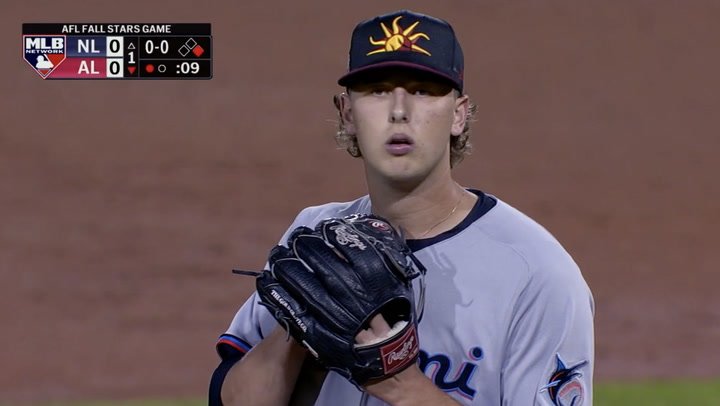 Marlins prospect Karson Milbrandt pitched a scoreless bottom of the first inning in Sunday's AFL Fall Stars Game. His fastball velocity peaked at 99.0 mph.View the full article
 -
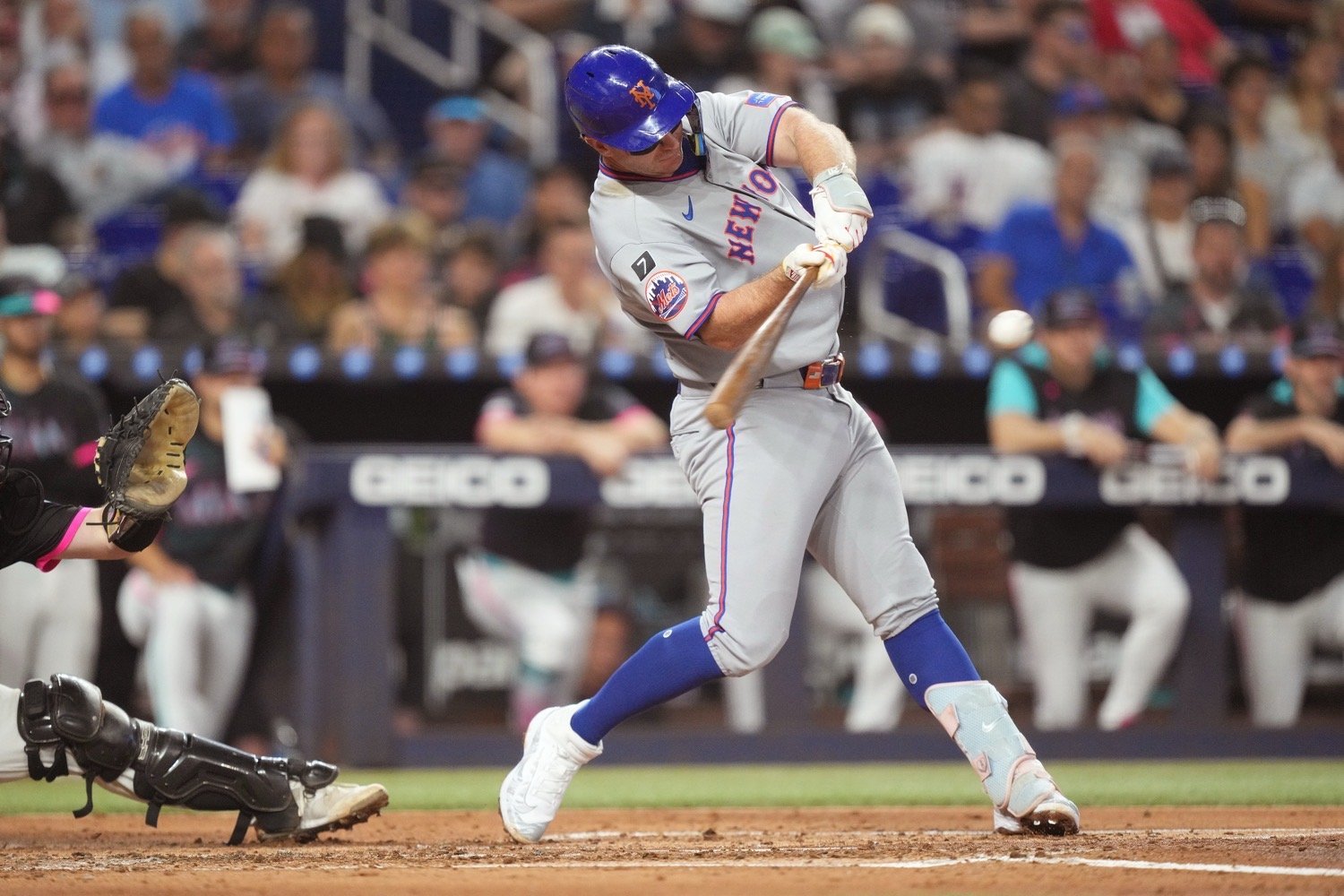 One way or another, the Boston Red Sox will be looking to spend a lot of money (again) this offseason. Who they spend the money on remains to be seen. Just a week into the 2025-2026 offseason, and they have been linked to top free agents Alex Bregman, Bo Bichette, Pete Alonso, and Kyle Schwarber. In fact, Ian Browne of MLB.com recently provided insight into the team's preferences. In an AMA thread on Reddit, Browne said the Boston Red Sox prefer Pete Alonso to Kyle Schwarber. Browne cited the fact that Schwarber was tendered a qualifying offer, meaning the Red Sox will lose a draft pick if they sign him. Additionally, they prefer Alonso's right-handed bat in Fenway Park. Alonso appeared in all 162 games for the New York Mets, recording 38 home runs and scoring 87 runs. He raised his OPS nearly 90 points from 2024 to 2025, finishing with a mark of .871 this season. Overall, he posted a wOBA of .368 and a wRC+ of 142. Defensively, Alonso recorded a -9 Outs Above Average (OAA) and a -9 Defensive Runs Saved (DRS) over the course of the season. MLBTR projects him to get a four-year, $110 million deal. Schwarber recorded 56 home runs, scored 111 runs, and added 10 stolen bases. His performance resulted in a .928 OPS, .391 wOBA, and a wRC+ of 153. He was primarily used as a designated hitter, appearing in left field for only eight games throughout the season. MLBTR projects him to get $135 million over five years. Do you think the Red Sox should target Alonso or Schwarber? View the full article
 -
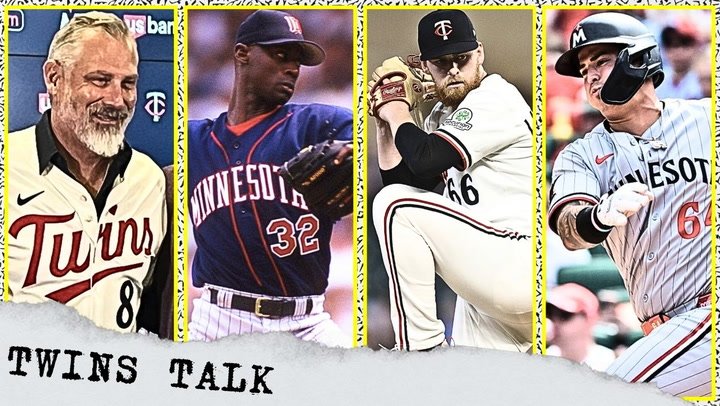 Twins 5: A rundown of a handful of recent Minnesota Twins news items. Among the topics discussed are what Derek Shelton's hiring as manager signals, celebrating LaTroy Hawkins' hiring as bullpen coach, the Twins moving on from Jose Miranda, losing Cody Laweryson to waivers, and how I see the bullpen shaping up.View the full article
 -
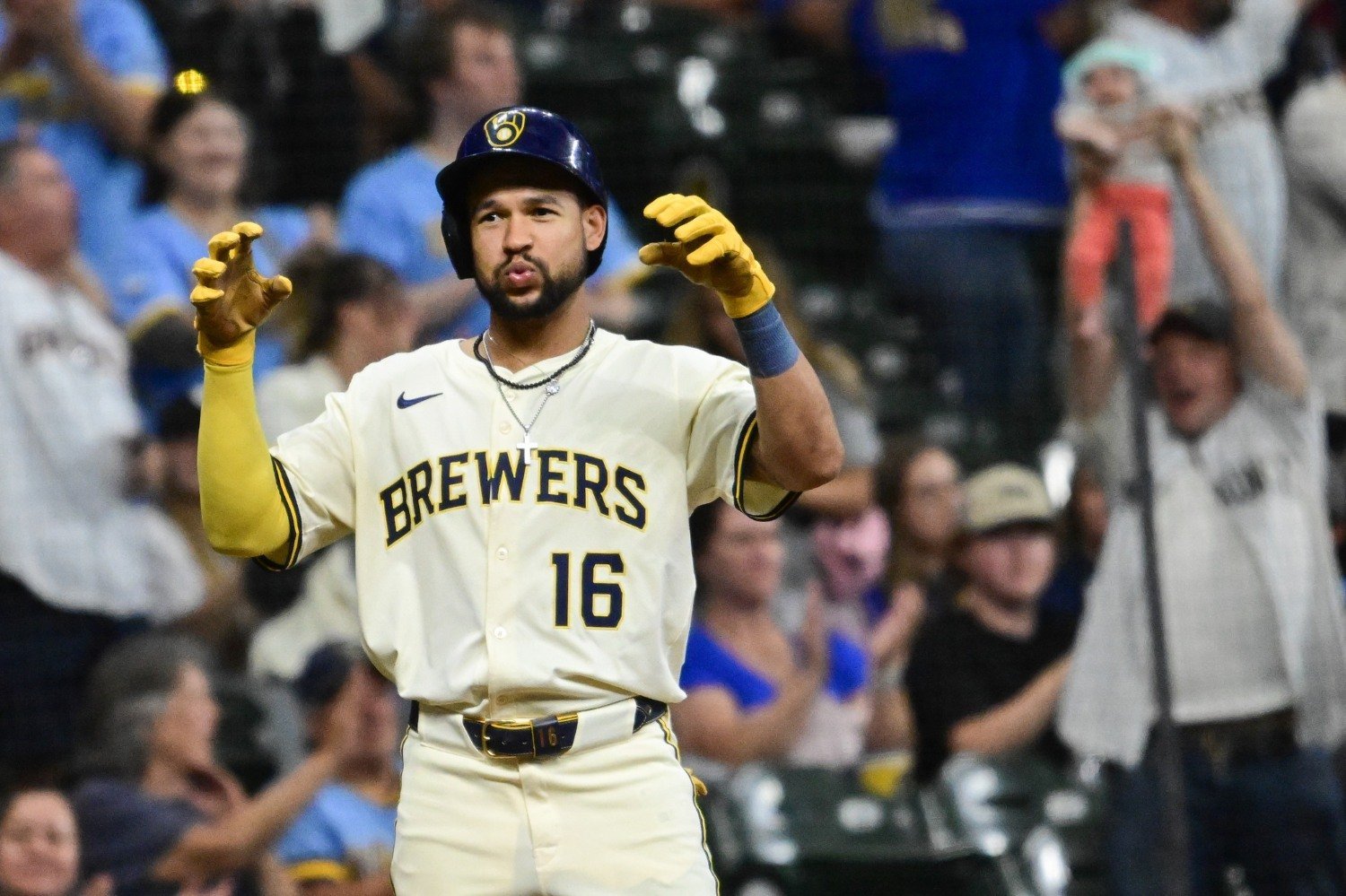 Traditionally, this is the time of year when the Brewers put on their work boots and their gloves. They bundle up against the first biting winds of November and they head to the dump, where the league leaves its scraps. There, they find treasure. Each November, the Brewers make some forays into minor-league free agency. It's not a place where stars can be found, but the occasional gem can be mined by taking the time to study what looks like a piece of ordinary rock from a new angle. Few teams in the league do this better than the Brewers, but traditionally, the Crew has also had some advantages in this regard. Timing is everything, when one is shopping in the minor-league free agent class. Whereas the top free agents in the game often wait a month or two to find their homes, the best minor-league free agents tend to sign right away. These are players with low ceilings and limited markets, who were left (or tossed) off their previous club's 40-man roster at the end of the season. They've been in professional baseball a long time, but no one believes in them. That's not quite true, of course. Someone believes in at least some of the 574 players who became minor-league free agents on Thursday. If you need evidence of that, consider Joe La Sorsa, a lefty reliever who ended the season on the fringes of the Mets roster but was jettisoned this week. He's already signed with the Pirates, on a minor-league deal that will pay him $800,000 for the season if he makes the Pittsburgh roster next spring. La Sorsa was one of a dozen or so priority names on my own early list of potential targets from this huge pool of players. He's a low-slot lefty with a sinker-sweeper combination that can be devastating, when it's right. The challenge will merely be to find a way to more consistently keep him right. Players like La Sorsa don't linger on the market until Christmas or beyond, though, because they're not waiting to see if someone will bid $10 million for their services. They know the drill. They live on the cliff's edge, barely in contact with the major leagues. La Sorsa is a fairly typical case. He's pitched 46 times for three different teams over the last three seasons, but ended the season in the minors—an insurance policy against all-out injury disaster for a team on the outskirts of the playoff race. Just as often, though, they're guys who have never played in the majors at all. Thus, getting a guaranteed roster spot—placement on the 40-man roster, with the relative security that brings and the higher salary level even if one is in the minor leagues—is like hitting the jackpot for these guys. When the Brewers targeted Blake Perkins in November 2022, they got him not by bidding any significant amount beyond the league-minimum salary, but by giving him a place on the 40-man roster. Those spots are precious, though. A team in a rebuild or a transition between competitive phases can sometimes offer one even to a fringy player, but the majority of the league has to guard those places closely. The Brewers are a bit more of an old-growth competitive forest right now, and they don't have a slot on their 40-man that will be easy to allocate to a player like this. Of course, La Sorsa (again, a relatively typical priority target) didn't get such a prize from the Pirates. What he did get is the open lane to an eventual roster spot, which comes with signing up with a team short on money, talent, or both. Jared Koenig signed with the Brewers as a non-roster invitee in November 2023, and although he spent most of spring training in the most anonymous corner of the Maryvale clubhouse, he was in big-league camp. (That is a much easier thing to offer than a roster spot, and it's usually the table stakes for any team trying to woo a hidden gem they like.) They sold Koenig on joining them partially by being themselves: players and agents know the team is both good at player development and unlikely to sign big-name free agents who will block their path to a job. They also had the luxury, then, of being viewed as somewhat thin and open to change in the bullpen. Those days are gone. To their credit, the Pirates landed a priority target last November, too, re-signing righty reliever Isaac Mattson a fortnight after they'd cast him into minor-league free agency. Mattson had been bad for them in 2024, but he knew they would have room for him if he could make the minor adjustments required. He did, and they did, and he pitched 47 innings with a 2.45 ERA for the Bucs in 2025. Signing in November is a sign that a minor-league free agent is among the subset of that group viewed as potentially valuable. Some team prioritized them; they got one of those coveted spring invites or an inside track in a race for the final spot on the roster. Players who linger on the market, if they come from this demographic, are doing so because they're holding out for a real shot—but haven't yet been offered one. The Brewers are in a tougher position to lure top minor-league free agents, because they don't have the roster spot to expend or the obvious playing time to offer. Nonetheless, keep an eye on them this month. Small moves they make now might pay off in medium-sized ways in 2026. Ismael Munguia, 27, is a speedy left-hitting outfielder who moved from the Giants farm system to that of the Yankees last offseason. He has very little power, but his bat-to-ball skills are elite, and his swing decisions show some promise. He's the kind of player the Crew might snap up, and while he could easily spend the whole season stashed at Triple-A Nashville, if he signs with Milwaukee this month, it will probably be because they made a case to him that he will have a role with them next season. Ditto for Ryder Ryan, a right-handed reliever out of the Pirates system who switched out his tight slider for a better sweeper and added a cutter as a bridge pitch in 2025. Those were promising changes; he has a chance to be a very late-blooming but usable big-league arm. If he scraps his sinker and leans more on his four-seamer (off which the sweeper and cutter play better, anyway), he could take another step forward next year. With players of his ilk, the key is to identify a player whom the development group firmly believes they can improve; make that case to the player and/or their agent; and be frank with them about the opportunity they would find in the organization. Lefty Parker Mushinski, recently of the Guardians, is another potential addition. Minor-league free agents move based on factors like reputation and soft promises. The key, from a team's perspective, is to be honest enough to maintain a reputation for treating players like these well. Guys at this stage of their career are carrying a precious candle in a high wind. They have, in most cases, just one more chance to make their big-league dream come true. It's bad form to deceive them, and smart teams know better than that. Without expending undue resources, the goal is to get a few players to believe that their best hope at keeping that flame from being extinguished is to take shelter with you. The Brewers already have a crowded roster, full of good players. That makes it harder for them to pitch themselves to players like these. Because they spend little in big-league free agency, though, they have to keep making minor moves. It's a delicate balancing act, but few teams in the league do it better. View the full article
 -
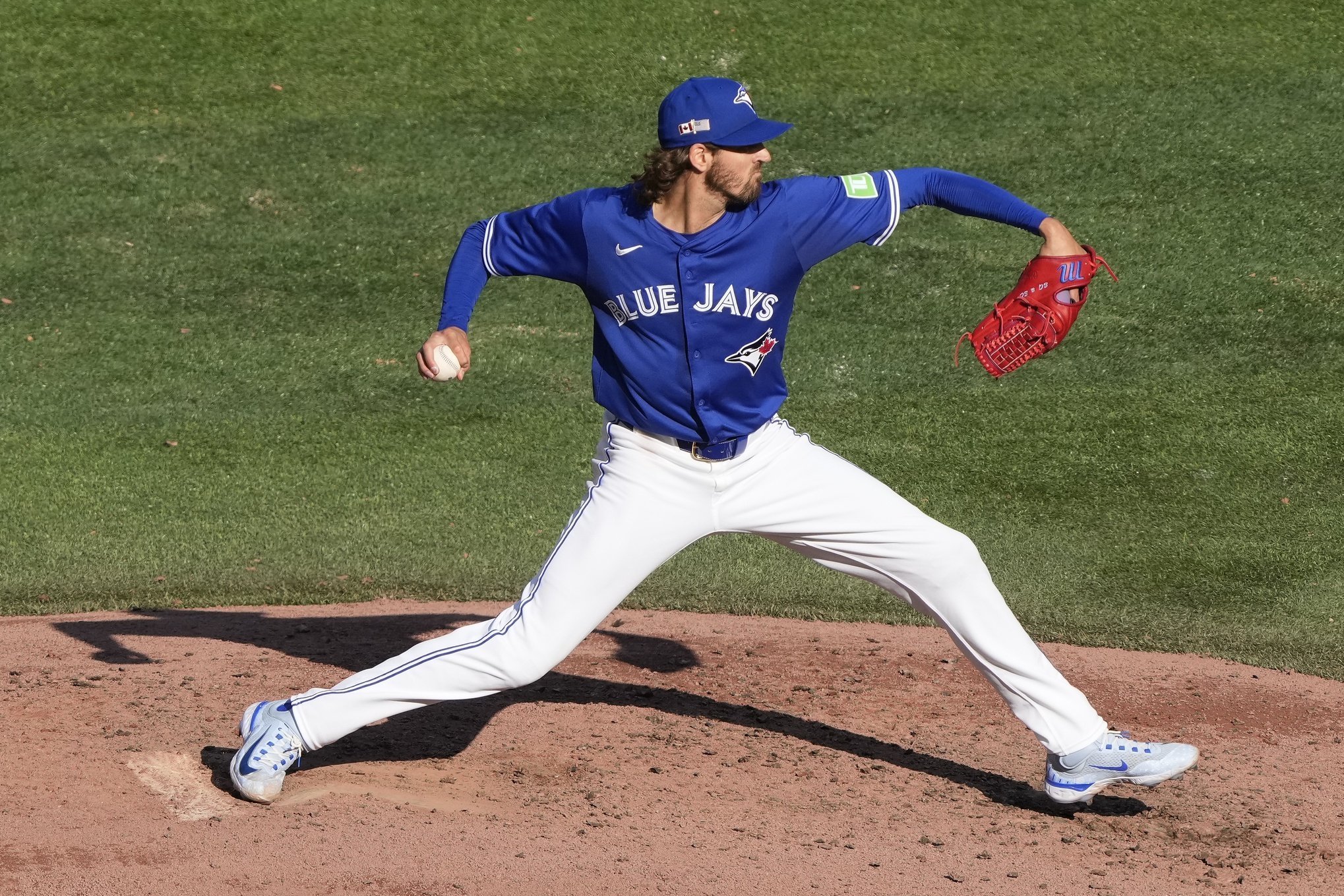 Let’s not pretend the split-finger fastball is anything new. It’s been part of baseball’s lexicon for decades, and it’s been a talking point seemingly every postseason for years now. But 2025 was different. Thanks to two World Series juggernauts making deep runs in the playoffs, the splitter was featured more in this year’s postseason (1,047 times) than in the last four combined (1,035). That’s bound to happen when splitter-heavy starting pitchers each make five-plus starts. Shohei Ohtani, Yoshinobu Yamamoto, Trey Yesavage, and Kevin Gausman combined to make 22 appearances on the mound, and the latter three each threw the splitter at least 25.4% of the time during the regular season. All four leaned on the pitch even more under the postseason lights. And it’s easy to see why. A good splitter can effectively miss bats when tunneled with a high-velocity fastball, and it can produce weak contact even when tracked by the hitter. Eno Sarris of The Athletic noted in a recent article that damage was limited in this year’s playoffs even when contact was made, and advancements in the pitch’s development have been significant in 2025. “While the slugging was up on the split-finger over the last few years, it was still only .250 for the postseason,” he said. “Our understanding of how the seams create movement took a step forward with Seam-Shifted Wake, and that's part of why Yesavage's splitter is so effective. So teams can create better splitters more effectively now than they could in past years.” With that in mind, teams should look to develop better splitters or add arms that already feature the pitch, as several clubs were lacking in that department in 2025. Minnesota Twins There are plenty of areas where the Twins need to improve as they head into 2026. While their pitching corps isn’t their most glaring need, it could benefit them to find arms that can throw an effective splitter. They’re known for developing significant velocity within their pitching pipeline—now they need to find a way to pair that heat with a true off-speed weapon. The best splitter on the 2025 team belonged to former closer Jhoan Duran before he was traded to the Philadelphia Phillies. Among likely returning pitchers, reliever Cole Sands owned the best version, throwing it 21.6% of the time and allowing only two extra-base hits all season. Simeon Woods Richardson added the split to his repertoire in 2025, throwing it 10% of the time and limiting opponents to a .137 batting average. He could increase its usage going forward in hopes of replacing his lackluster changeup. Joe Ryan was the team’s best overall pitcher this year, but his splitter results dipped; he threw it 11% of the time and allowed a .478 slugging percentage with a notable drop in whiff rate. San Diego Padres Yu Darvish will miss the 2026 season after undergoing elbow surgery this week. He was the only starting pitcher on the roster who featured a real splitter, and even he had mixed results with it. The good news is that Jeremiah Estrada and Yuki Matsui are both set to return to the bullpen, and each threw the splitter at least 23% of the time. Estrada, in particular, found great success with the pitch in 2025, holding hitters to a .127 batting average and just two extra-base hits while using it as his primary put-away offering. Matsui’s splitter was serviceable but led to four home runs and four doubles—far less effective than in his rookie season in 2024. The Padres will surely look to bolster their pitching staff if they hope to remain in contention behind the juggernaut Dodgers. There will be intriguing splitter-heavy arms on the free-agent market, led by Shota Imanaga, who could draw interest depending on price. Milwaukee Brewers The team with the best record in baseball did it without a standout splitter. Shelby Miller and his splitter came over at the trade deadline but failed to make a real impact, posting a 5.59 ERA across 11 appearances with the Brewers. He’s now a free agent and set to miss the entire 2026 season while recovering from UCL surgery. Tobias Myers added a splitter entering 2025 and found success, allowing just a .108 batting average and two doubles. He could have a shot at cracking the Opening Day bullpen. Rob Zastryzny also has a splitter in his arsenal, but he didn’t use it often. If the Brewers hope to build on their 2025 success, it would make sense for them to identify more arms capable of throwing split-finger fastballs—particularly in the starting rotation, where the club is stocked with young, high-octane pitchers. What do you think? Is splitter usage going to continue to grow league-wide? What else should these teams do to be proactive as these trends continue? Let us know your thoughts in the comment section, and as always, stay sweet. View the full article
 -
Inside Four Decades of Twins Prospects with Baseball America
DiamondCentric posted an article in Twins Daily
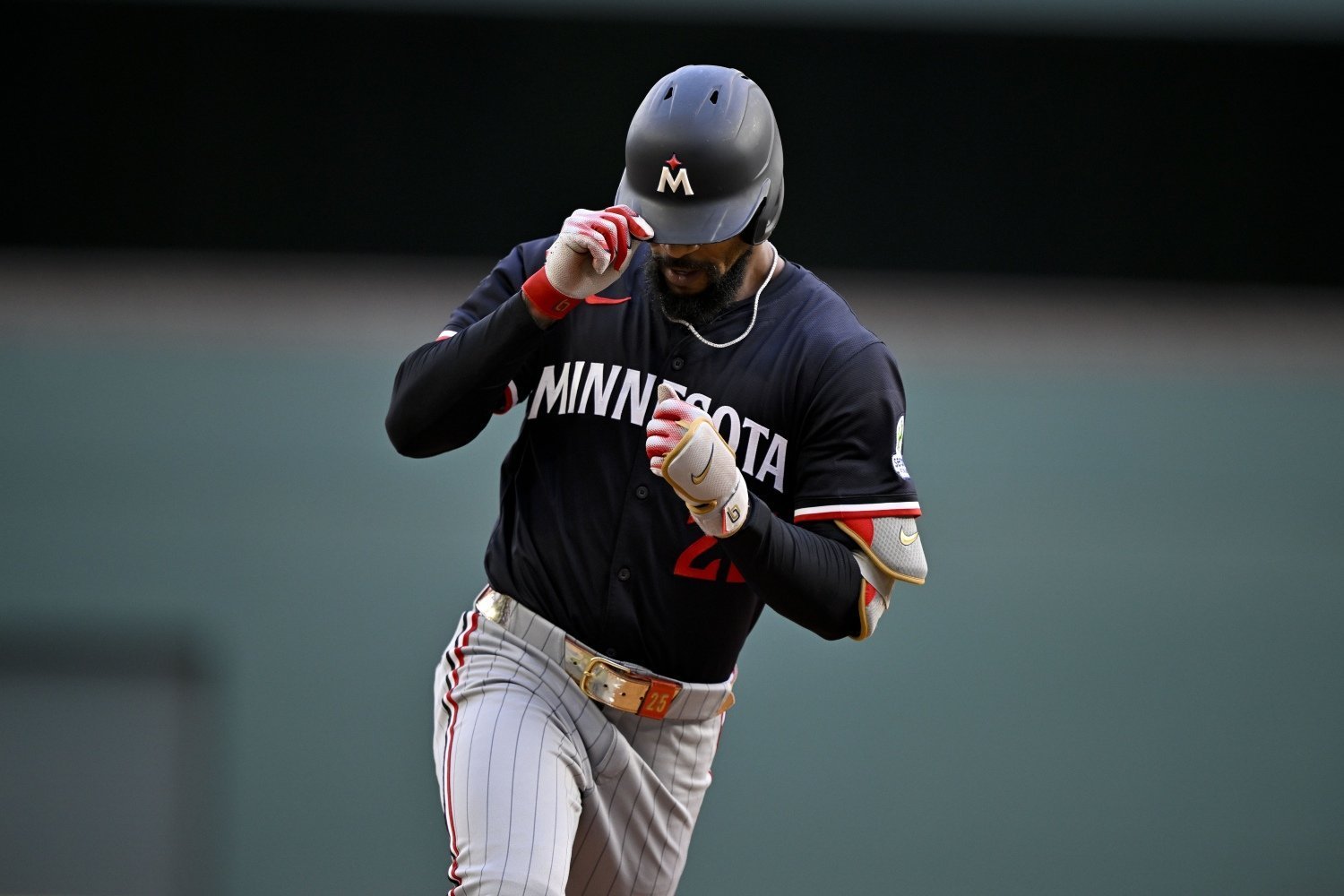 Baseball America recently released a comprehensive look back at every organization’s top prospects dating to 1983, the first year it began ranking talent across the league. For the Minnesota Twins, the list provides an opportunity to reflect on the organization’s long history of developing and scouting talent. Some names have become franchise legends, while others faded before ever reaching Target Field or the Metrodome. Together, they tell the story of how the Twins have developed talent for more than 40 years. Minnesota Twins' Best Prospects As part of the retrospective, Baseball America created a “Mount Rushmore of WAR” for each organization. These are players who ranked as top prospects for that team and went on to accumulate the highest career Wins Above Replacement in the major leagues, even if that success came elsewhere. For the Twins, that list included Joe Mauer, Kirby Puckett, Byron Buxton, and Jay Bell. Mauer is the most iconic homegrown player of his generation. The former number one overall pick in 2001 was a local legend before he even signed, and his career lived up to the hype. Mauer became the face of the franchise, winning three batting titles, an MVP award, and three Gold Gloves while transitioning from catcher to first base late in his career. His 55.2 fWAR with the Twins cements his status among the greatest players in team history. Puckett’s arrival in the mid-1980s helped shape a golden era for Minnesota baseball. He combined leadership, charisma, and elite performance at the plate and in center field. A six-time Silver Slugger and six-time Gold Glove winner, Puckett’s postseason heroics in 1987 and 1991 are the stuff of Twins legend. Before his career was tragically cut short, he was one of baseball’s true stars and one of the most successful top prospects the organization ever developed. Buxton represents the modern version of that elite homegrown talent. Once Baseball America’s number one overall prospect, he has flashed game-changing ability on both sides of the ball when healthy. Injuries have prevented him from reaching his full potential. Still, his combination of elite defense, power, and speed keeps him in the conversation as one of the most talented players to ever wear a Twins uniform. The fourth name on the list, Bell, might surprise some Twins fans. Bell was the eighth overall pick in the 1984 MLB Draft out of high school, and while he never played a game for Minnesota, his inclusion highlights the ripple effects of prospect development. In August 1985, Bell was traded to Cleveland as part of the deal that brought Bert Blyleven back to Minnesota. Blyleven, of course, played a pivotal role in the 1987 World Series championship. Bell went on to enjoy an impressive big-league career, finishing with 37.9 fWAR, two All-Star appearances, a Gold Glove, a Silver Slugger, and multiple seasons of down-ballot MVP consideration. Worst Big-League WAR While some prospects became franchise cornerstones, others failed to meet lofty expectations. Among the Twins’ former top prospects, Bryan Oelkers, Billy Beane, and Dave McCarty posted the lowest big-league WAR totals. Oelkers was Minnesota’s first-round pick in 1982, a left-handed pitcher out of the University of Illinois. He made his debut in 1983 but struggled with command and never established himself in the rotation, finishing his brief career with a -1.7 fWAR. Beane’s name will always be associated with his front office success more than his playing career. Drafted by the Mets in the first round of the 1980 draft, he was a highly touted outfielder who could not translate his tools into consistent big-league results. His -1.7 fWAR as a player is a far cry from the analytical revolution he later spearheaded as an executive with the Oakland Athletics. McCarty, the third overall pick in the 1991 draft, had the type of smooth right-handed swing scouts dream about. Unfortunately, it never translated into sustained major league success. He bounced around several organizations and ended his career with a -2.6 fWAR, the lowest among the Twins’ former top prospects. Names You Likely Forgot Scrolling through Baseball America’s list also unearths names that may only ring a faint bell for longtime Twins followers. Will Bankes, Adam Johnson, and Rich Garces all appeared as top prospects during their respective eras but never made the impact many expected. Johnson, in particular, was a notable case as the second overall pick in 2000, ahead of future stars like Chase Utley and Adam Wainwright. His career unraveled quickly due to injuries and inconsistency. Garces, meanwhile, eventually found success elsewhere as a reliever for the Boston Red Sox, and Bankes’ name has long since faded into minor league obscurity. Two former top Twins prospects, Steve Gasser and Johnny Ard, never reached the majors. Gasser, a right-handed pitcher, was a second-round pick in 1985 but struggled with injuries that derailed his path. Ard, a first-round selection in 1988, had a powerful arm but could not find the command needed to move through the system. Both serve as reminders of how unpredictable prospect development can be, even for highly regarded talents. Looking Back (and Forward) Baseball America’s retrospective offers a fascinating window into the Twins’ player development journey. For every Mauer or Puckett, there have been players who never realized their promise. Yet across four decades of rankings, one consistent thread emerges: Minnesota has a long history of identifying talent capable of becoming elite at the major league level. Whether those players wore a Twins uniform for one day or a decade, their stories all began in the same place, as prospects with big dreams and the potential to shape baseball history. Now the Twins hope Walker Jenkins becomes the next prospect to join their Mount Rushmore. What stands out about Baseball America’s list? Leave a comment and start the discussion. View the full article
 -
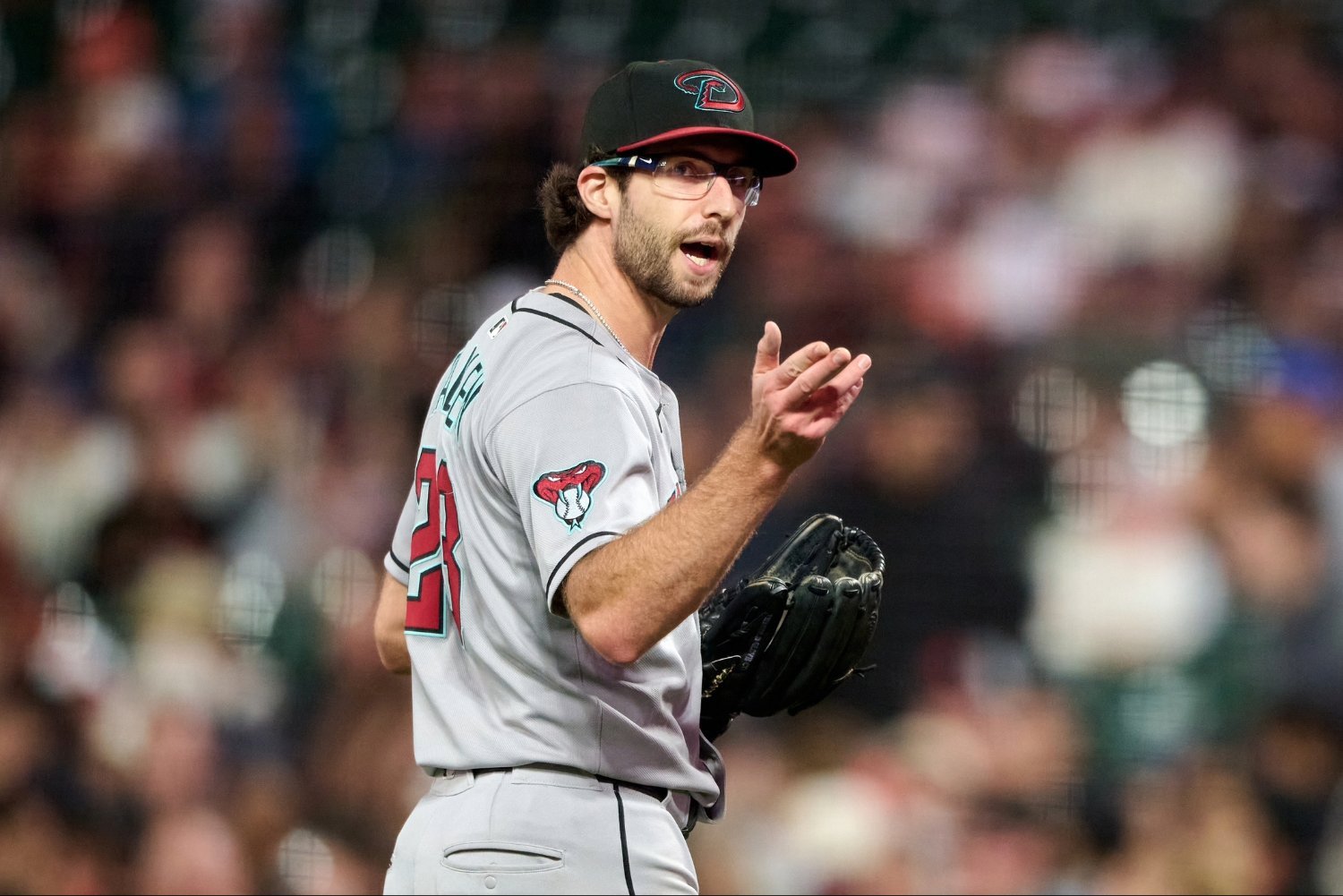 The Red Sox were able to make the playoffs in 2025 thanks in part to their deep carousel of starting pitchers. Despite losing quite a few to the injured list, the team was able to replace them with their depth right up to the end of the season. However, with the team likely needing to replace a few spots in the rotation for 2026, they may need to explore the free agent market to find a replacement. Last offseason, the Red Sox brought in three pitchers to join their rotation in the form of Garrett Crochet, Walker Buehler, and Patrick Sandoval. Of the three, only Sandoval failed to get into a game in 2025. Buehler did not make it through the season with the Red Sox, however, being released at the end of August due to poor performance. While the rotation will have Crochet and Brayan Bello in it to begin 2026, the three remaining spots are up for grabs, as it’s likely Lucas Giolito will leave in free agency, and it isn’t certain that young pitchers Payton Tolle or Connelly Early will be able to win a job out of spring training. Options like Kutter Crawford and Sandoval also remain, but there’s no guarantee when they could get into games that matter after their respective injuries. Because of that, the Red Sox may have to turn their attention to the free-agent market to bring in a veteran to replace the innings provided by Giolito. In the same way that they signed Giolito to a two-year deal after he struggled in 2023, the Red Sox could replicate that with another former All-Star and Cy Young contender in Zac Gallen. Gallen, 30, will be two years older than Giolito when the Red Sox originally signed the former White Sox pitcher. In his age-29 season, there is no debate that Gallen struggled mightily, as he went 13-15 with a 4.83 ERA in 33 starts. In that span, he threw 192 innings and allowed 31 home runs while striking out 175 batters. In Giolito’s age-28 season before coming to Boston, he went 8-15 with a 4.88 ERA in 33 starts. The right-hander tossed 184 1/3 innings while allowing 41 home runs. He did, however, strike out 204 batters. The similarities are there, and it could be an interesting discussion for the Red Sox to attempt to sign Gallen to a deal similar to Giolito’s. A two-year deal with a third-year mutual option might entice the right-hander after a rough 2025 may have lowered his value. With that, let’s look at how Gallen could be a fit for the Red Sox rotation in 2026. The Good: Right away, Gallen gives you innings. Since 2022, Gallen has tossed at least 184 innings every year except for his 2024 season where he missed starts. And in 2023, he crossed the 200-inning threshold. A former All-Star and Cy Young contender, Gallen could be the perfect number three or four in the rotation to go out and provide six to seven innings each night while affording the team a chance to win. When it comes to his pitch arsenal, Gallen meets a quality that @Brandon Glick mentioned in his article on the Freddy Peralta and the Red Sox. In it, he mentions about Andrew Bailey and Craig Breslow valuing pitch-tunneling (the ability to hide your pitch while having late movement to force a batter to change their eye level late during the pitch). This can also be created through shape and movement of pitches. Gallen himself has unique movement on all his pitches except for when it comes to his slider and cutter, two pitchers he uses sparingly. His three main pitches are his fastball, curveball and changeup, a similar smattering of offerings to Giolito, who relied on a fastball, slider and changeup. In Gallen’s case, his main three pitches force hitters to change eye level often in an at-bat, and it wouldn’t be a bad idea for the Red Sox to try and alter the shape of Gallen’s slider or cutter to take on a more sweeper shape to help create more horizontal movement. While 2025 was rough for Gallen, the right-hander previously was one of the best starters in the National League from 2022-2024, when he was a two-time top-5 Cy Young Award finisher and received MVP votes while leading the Arizona Diamondbacks to the World Series in 2023. Along with that, Gallen’s ERA and FIP were both higher than expected in 2025, showing that he may have gotten unlucky at times. His expected ERA was 4.39, nearly half a run lower than his 4.83 ERA, and his expected FIP was 4.12, a whole 0.38 lower than his 4.50 FIP. Should Gallen increase his ground-ball rate form 44.4% and lower the amount of home runs he allows, he could see a closer return to his previous performance. The Bad: Simply put, Gallen did not look like the pitcher he had been in prior years. He gave up a career high in home runs, earned runs and walks while having the lowest ERA+ of his career at 89, suggesting that he was a below-average pitcher in 2025. The 31 home runs may have been the worst aspect, as he had a 14.6% home run to fly ball rate (HR/FB) while allowing almost 38% of his batted balls to be fly balls. To get back to his old self, he would need to limit the long ball, especially in a stadium like Fenway Park. Fortunately, Giolito is a template for how the Sox managed to turn a pitcher who allowed a ton of home runs into a more modest amount, going from 41 home runs in 2023 to just 17 in 2025. In a league where velocity is also important, Gallen’s fastball averaged just 93.5 mph with batters slugging .413 off of it. The bigger issue is how his sinker and cutter were hit even harder, as batters hit .294 and .370 and slugged .529 and .761 against the two offerings, respectively. If the Red Sox were to bring him in to join the rotation, it would be important to rework those pitches in his arsenal or to even drop them completely. Beyond all that, Gallen just wasn’t very good at any one thing last season. His strikeout rate of 21.5% was the lowest of his career and led to a career-low strikeout-to-walk ratio of 13.4%. Likewise, he had the worst ERA- of his career at 114, a huge increase from 2024’s being just 88 (the lower the number the better when it comes to ERA-). Of all qualified pitchers on FanGraphs' rankings, Gallen ranked 45th in ERA-. Of all pitchers with at least 100 innings pitched, he would rank 98th. Again, it doesn’t tell the entire story, as Giolito also had an ERA- of 114 before rebounding with Boston in 2025 to the tune of an ERA- of 80. Gallen is someone who could benefit from the same coaching that Giolito went through in 2025. The Verdict: Gallen checks off a lot of boxes that the Red Sox would like to have in a veteran to help the backend of the rotation. He gives you innings, has been mostly healthy throughout his entire career and has postseason experience to help guide the young pitchers. It would be crazy to not check in with Gallen’s camp during the offseason, especially with the uncertainty surrounding Giolito’s return to Boston. The Red Sox do need a true number two to pair with Crochet and while Gallen may no longer fit that profile, signing him would allow the team to then turn its focus to the trade market. While the likes of Joe Ryan, Hunter Greene, and Freddy Peralta are more exciting names, Gallen is also someone who could provide a huge boost if he rebounds from a tough 2025 season. Currently, MLB Trade Rumors has Gallen's value pegged at four years and $80 million, with most experts expecting him to stay on the West Coast. I don’t think it makes much sense to sign Gallen to more than two (guaranteed) seasons given how his 2025 season looked. As mentioned previously, if you can get him on a contract similar to Giolito, it could turn into a steal. Given that he rejected a qualifying offer from the Diamondbacks, his market could drop to a level the Red Sox are comfortable with, especially if they are willing to offer him a short-term deal with a high AAV that would allow him to return to free agency if he bounces back from his recent struggles. View the full article
 -
 Shall we play a game? On Thursday, MLB Trade Rumors published their annual list of the top 50 free agents, which includes estimates of the contracts it will take to sign each player. So, it is once again time to invite you to put on your GM hat and play the shopping game! Here are the rules: Let's say the Jays have $50 million to spend on free agents. Assume, for the purposes of the game, that every FA on the MLBTR list can be had for their projected average annual value (AAV). You can also ignore contract length and any other factors (opt-outs, no-trade clauses, etc.). Now that Shane Bieber has opted in for 2026, the Jays are arguably not desperate at any position. But adding a frontline starter would push Eric Lauer back to a #6 role (the first time the Jays have had the luxury of such a solid #6 in some years!). Another top-of-the-bullpen arm (or even two) could give Toronto multiple late-inning options. That being said, internal options exist at most positions, and trades are entirely possible, so it does not follow that the Jays have to fill all of their needs on the free agent market. So, with your $50 million, you could sign one top-end free agent (Kyle Tucker is projected to earn $36 million) plus some supplementary pieces, or two $25 million players, or, say, a $24 million, an $18 million, and an $8 million player. It's entirely up to you, except that you cannot exceed $50 million in total spending. Here are the projected AAVs for some of the top players: Kyle Tucker - $36 million Bo Bichette - $26 million Dylan Cease - $27 million Munetaka Murakami - $23 million Alex Bregman - $27 million Framber Valdez - $30 million Tatsuya Imai - $25 million Cody Bellinger - $28 million Kyle Schwarber - $27 million Ranger Suárez - $23 million Pete Alonso - $28 million Josh Naylor - $18 million Edwin Díaz - $21 million Michael King - $20 million Zac Gallen - $20 million Other players of note include: Devin Williams ($17M), Brandon Woodruff ($22M), Trent Grisham ($17M), Kazuma Okamoto ($16M), Eugenio Suárez ($16M), Robert Suarez ($16M), Shota Imanaga ($15M), Chris Bassitt ($19M), Merrill Kelly ($18M), Brad Keller ($12M), Lucas Giolito ($16M), Raisel Iglesias ($13M), Luis Arraez ($12M), Zack Littell ($12M), Ryan Helsley ($12M), Justin Verlander ($22M), and Cody Ponce ($11M). Just for fun, let’s assume that the players who did not make the MLBTR top 50 (including Walker Buehler, Patrick Corbin, Zach Eflin, Paul Goldschmidt, Kenley Jansen and Steven Matz) could be had for $8 million each. So, what would you do? It is actually difficult to find a position at which the Jays need an upgrade, but Tucker in right field (moving Barger to third, and Springer to primary DH) would make an already strong offense even more formidable. If Bichette returns (perhaps playing second base full-time), his bat would look very good in front of the home run hitters in the middle of the lineup (remember, Anthony Santander should be back and healthy in 2026). Or – rather than splurging on a single uberstar – would you rather gamble on multiple upside plays at much lower prices? Some years back, Ross Atkins spoke about adding to this team "with talent that is condensed in one player and super high impact.” Should that still be the plan? Please post your thoughts in the comments section below. View the full article
 -
Milwaukee Brewers Hitting Coach Leaves For Kansas City Royals
DiamondCentric posted an article in Brewer Fanatic
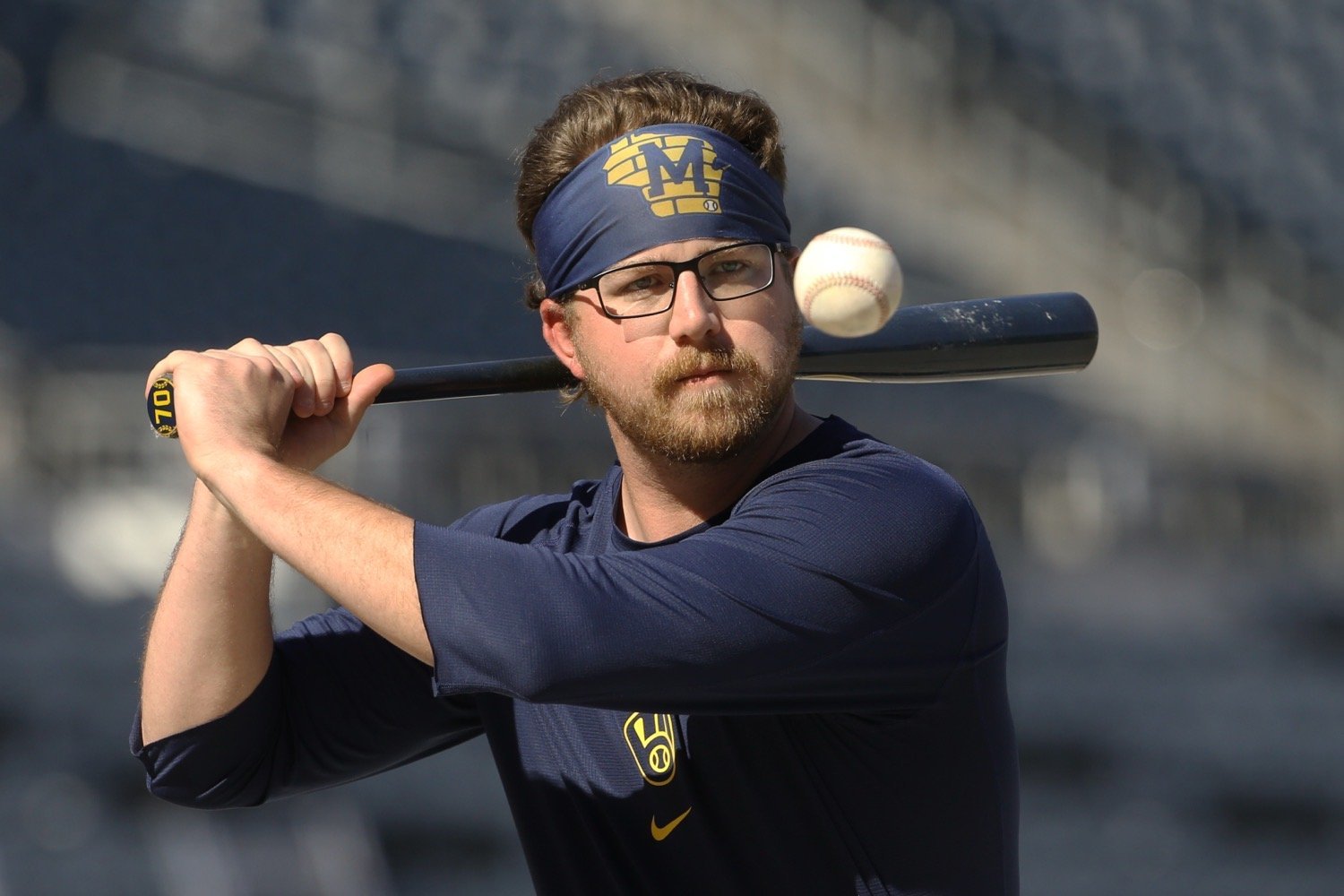 For the second time this week, the Milwaukee Brewers have lost a member of their coaching staff. The first move involved associate head coach Rickie Weeks shifting into a scouting role. The second announcement has the hitting coach leaving the organization. David Lesky of Inside The Crown is reporting that Connor Dawson is being hired as the Kansas City Royals' hitting coach. He had been with the Brewers for the previous four seasons. Dawson, who grew up near Kansas City, is making a lateral move to return to his hometown team. The Brewers' offense flourished under his watch, ranking among the best run-producing teams in the league despite limited standout performances. Especially in 2025, the offense had the second-best walk-to-strikeout ratio in baseball. In addition to being analytically minded, Dawson knows that life is bigger than baseball. Stringing together quotes from prior interviews, Dawson shared his philosophy, stating, "The thing I talked about the least with players and coaches is a swing. The thing I talked about the most is how we connect with players. That's what matters, the people matter." He brings that philosophy to a young team that was one of the lowest-scoring teams in baseball. How do you think the Brewers will react to his loss? View the full article
 -
López and Festa Give the Twins Reason for Optimism This Offseason
DiamondCentric posted an article in Twins Daily
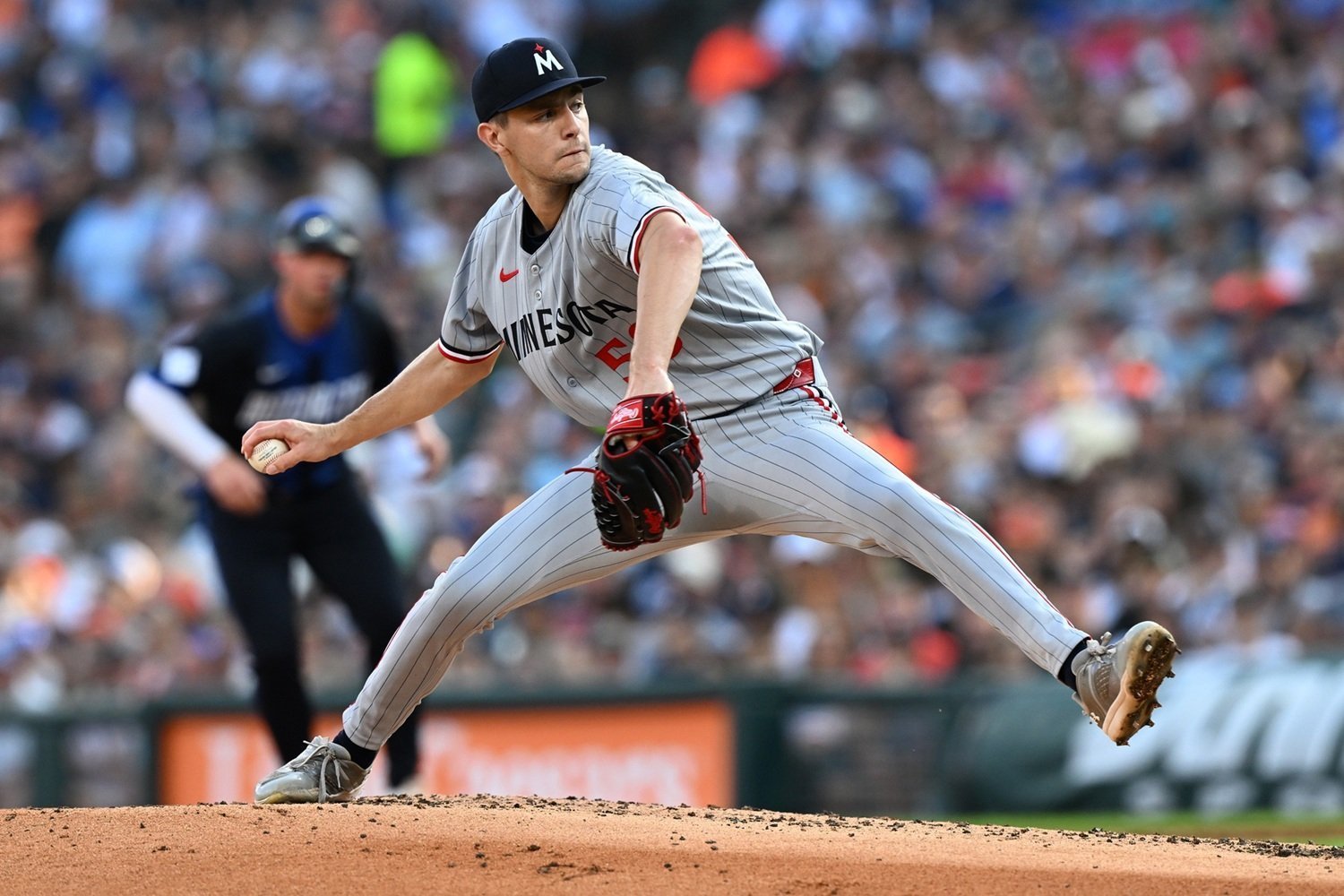 The Minnesota Twins entered the offseason with more questions than answers surrounding their starting rotation. However, the team received an early wave of good news that could help stabilize things moving forward. President of baseball operations Derek Falvey shared positive updates on both Pablo Lopez and David Festa, signaling that two key arms are on track to enter spring training in good health. Lopez is reportedly already fully recovered and preparing for a normal offseason routine, while Festa is expected to start throwing soon and should be ready for the start of camp. After an injury-filled 2025 season that forced both pitchers to miss significant time, their health will be a major storyline as the Twins plan for 2026. Pablo Lopez’s Rebound Opportunity When the Twins extended Lopez before the 2024 season, they envisioned him as a steady frontline starter to anchor the rotation for years to come. While multiple injuries disrupted his 2025 campaign, his performance when healthy reaffirmed Minnesota's optimism. Lopez’s year was bookended by health issues, beginning with a hamstring strain in April and ending with a minor right forearm strain in late September. In between, a shoulder injury cost him much of the summer and led to a stint on the 60-day injured list. When he was on the mound, though, he looked every bit like the ace the Twins hoped for by posting a 2.74 ERA (156 ERA+) across 75 2/3 innings. Some of his underlying metrics took a step back, including a career-low 93 Stuff+ rating and a drop in strikeout rate to 23.4% (down from 24.9% for his career). Those dips can be explained by the start-and-stop nature of his season, which disrupted his rhythm and mechanics. With a full, uninterrupted offseason ahead, the Twins expect Lopez to return to peak form and lead the rotation once again. The 29-year-old remains under contract for two more years at a team-friendly $43 million. That deal makes him both a valuable trade chip and a stabilizing force should the Twins decide to keep him. Falvey and his staff will surely field calls from pitching-needy contenders this winter, but Lopez’s strong recent track record makes him just as appealing as a cornerstone piece for 2026. Outlook for 2026: If Lopez stays healthy, he profiles as the leader of the pitching staff and a potential AL Cy Young contender. Expect him to handle 170-plus innings with strong command, high strikeout totals, and veteran leadership that will help guide a young pitching staff through a transitional year. David Festa’s Chance to Claim a Rotation Spot Festa’s first two seasons in the big leagues have been a mixed bag. The young right-hander has shown flashes of promise, including the ability to miss bats, but he’s also struggled with consistency. Through 117 2/3 innings at the major league level, he has posted a 5.12 ERA and a 4.27 FIP, numbers that reflect both his inexperience and his potential. Festa missed the final month of 2025 with a minor shoulder issue, but the Twins are confident he’ll be fully ready for the start of spring training. His ability to stay on the field and refine his secondary pitches could determine whether he begins 2026 in the rotation or in the minors to refine his arsenal. His overall numbers are likely affected by his attempts to pitch through shoulder issues last season. Festa was only recently removed from being one of the team’s top prospects and still represents one of the more intriguing young arms in the organization. His fastball velocity and developing changeup give him a foundation to build upon, while his competitive demeanor has impressed coaches throughout his rise in the system. With the Twins leaning toward a youth movement, Festa will get a legitimate chance to earn a starting spot in a rotation that could also include Zebby Matthews, Taj Bradley, and Mick Abel. Outlook for 2026: The Twins view 2026 as a key evaluation year for Festa. If he can translate his raw stuff into consistent command and efficiency, he has the potential to solidify himself as a potential playoff-caliber starter. Expect the team to give him a long look early in the season, even if growing pains continue to surface. Rotation Picture Coming into Focus The Twins’ pitching situation has been a puzzle for much of the past year, but healthy updates on Lopez and Festa help provide some clarity. If Lopez returns to form and Festa continues to develop, Minnesota could enter 2026 with a balanced mix of experience and youth on the mound. How the rotation ultimately looks will depend heavily on the club’s offseason strategy. The front office may explore trades involving veteran starters like Lopez or Joe Ryan to restock the system, or they could keep their core intact to remain competitive in the American League Central. Either way, having both Lopez and Festa trending in the right direction gives the Twins a much-needed foundation to build upon. As the offseason unfolds, optimism around the pitching staff feels justified. After a year of frustration and uncertainty, Minnesota’s rotation may finally be ready to turn the corner, one healthy arm at a time. Will Lopez and Festa both be part of the team’s starting rotation on Opening Day? Leave a comment and start the discussion. View the full article
 -
Toronto Blue Jays Linked To Japanese Infielder Munetaka Murakami
DiamondCentric posted an article in Jays Centre
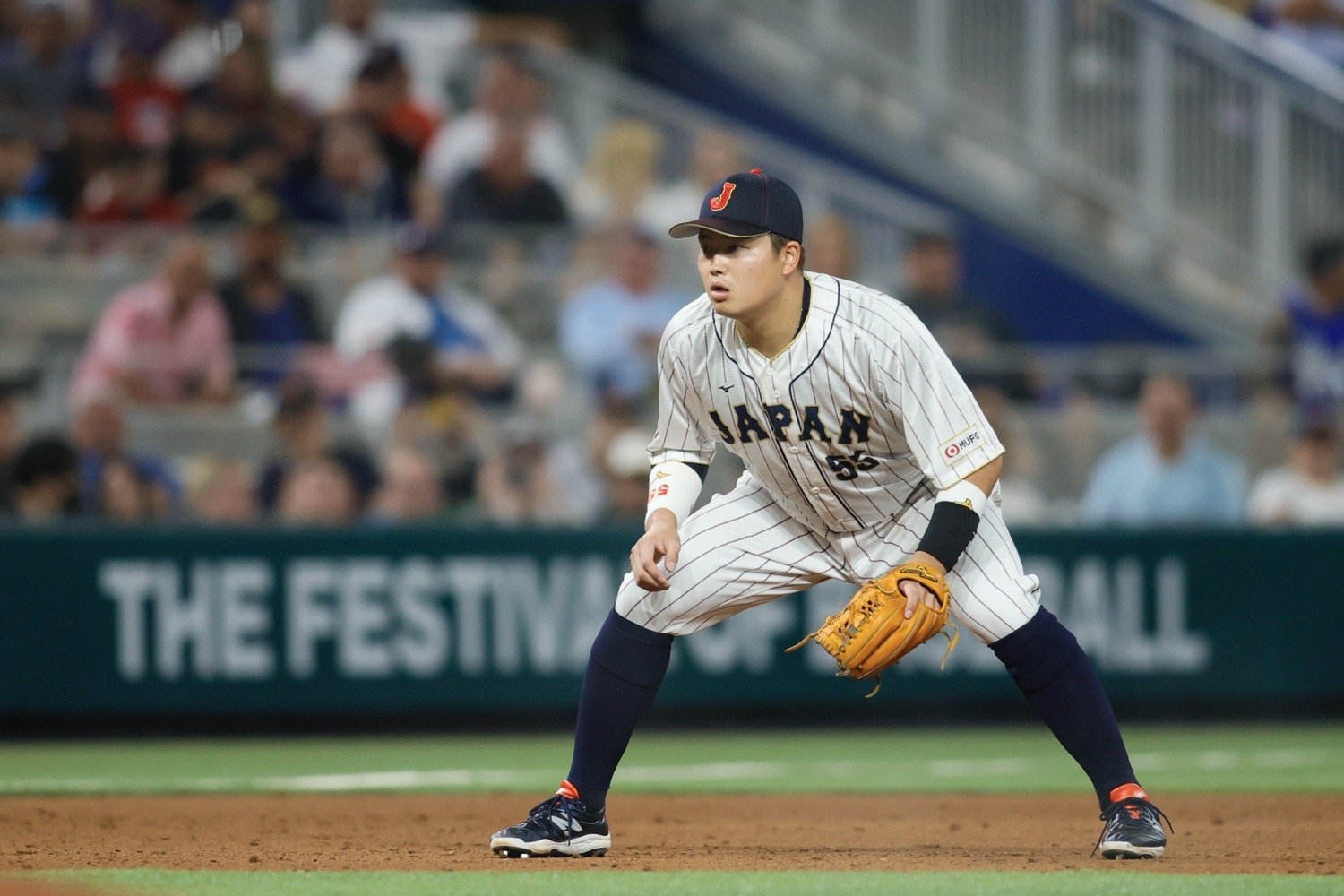 The Toronto Blue Jays will have money to spend this winter and have choices to make on how they spend it. The team will undoubtedly try to bring back infielder Bo Bichette while also targeting pitching. However, a Japanese infielder who was recently posted may also be in the fold. Ben Nicholson-Smith of Sportsnet has linked the Toronto Blue Jays to Japanese infielder Munetaka Murakami. As of the posting of this, teams will have 44 days to reach an agreement with the superstar from Japan. The 25-year-old Munetaka profiles as a big bat with a decent amount of swing-and-miss. Do you think the Blue Jays should target him? View the full article
