


DiamondCentric
-
Posts
2,631 -
Joined
-
Last visited
Never
Content Type
Profiles
Forums
Events
News
Tutorials & Help
Major League Baseball Videos
Guides & Resources
Store
Downloads
Gallery
Everything posted by DiamondCentric
-

 Every offseason, we offer our You’re The GM! tool to build your ideal Red Sox roster. This year, we’ve updated and streamlined the tool a bit to improve the experience. The idea behind this feature is to give fans a chance to play the role of General Manager (or CBO or PoBO… you get the idea) for their favorite team, the Boston Red Sox. It’s meant to give fans the opportunity to discuss (and, let’s be honest, argue) how they would approach the long, dark MLB offseason. This tool is intended to be informal and fun, so we’ve left it as open as possible. There is a payroll “budget” that loosely resembles the Red Sox's 2025 payroll, but there is no penalty for going over that number. It’s a guideline, nothing more. Second, you can submit as many blueprints as you like throughout the offseason. As the offseason landscape changes, users often return multiple times over the winter and create new blueprints. Before we get into the breakdown of the tool, you can save your blueprint and come back to it at any time. The only restriction is that you must register an account on the site to create a blueprint (so we can save a draft for you and also post the blueprint for others to discuss). Let’s get into the tool itself. It has four quadrants that work best if addressed in a counter-clockwise order (this tool works much better on a desktop due to its complexity, but it will work on mobile devices if need be). Top Left: The 26-Man Roster We have created a rough guideline for the Red Sox's 26-man roster today. The roster is flexible; you can add or remove players as you see fit. We’ve also included either guaranteed salaries or, in the case of arbitration and contract options, the recommendations of MLB Trade Rumors. This section is where you build your roster and make changes based on the following two sections. As you make changes to players and salaries, the total payroll number (right side of the screen) will change, allowing you to track your budget on the fly. The bottom field in both columns is for any dead money you assume during the course of your offseason. Acquiring dead money should be uncommon, but we want to give users the option to take on dead salary if it suits their purposes. Bottom Left: Arbitration & Trade Decisions Here, you will find a selection of arbitration options and internal options (usually from the 40-man roster or minor leagues) to assist in building your offseason roster. On the right-hand side of this column, you will see Trade Candidates, a list of the 40 players most likely to be traded this offseason, per MLB Trade Rumors. To help you get up to speed with these candidates, we offer a direct link to the MLBTR write-up on trade candidates. Bottom Right: Free Agents Here, you will find the top 50 free agents, again per MLB Trade Rumors. These are sorted by position to facilitate quickly finding your desired free agent and include the recommended salary for that player. Because this is a blueprint for a single year, we only include their projected salary for the coming season, not the number of years or anything else. To help you get up to speed with these free agents, we offer a direct link to the MLBTR write-up on the best 50 free agents available this winter. Top Right: Dead Money, Your Total Payroll, & Commentary The only unalterable field on the page is Dead Money; it is players to whom the team has committed money but has no reasonable way to get out of the contract. Below that, you will see the recommended budget, your current total, and the percentage you are over or under that budget. Again, keep in mind the budget is only a guideline, and you can go above it as much as you like… But defend your choices, coward! The following field is Title, which gives other users an idea of what to expect with your blueprint (e.g., Be Unreasonable, Sign Kyle Tucker!). When your blueprint posts for other users, it will read “Your Username’s 2025 Payroll Blueprint: Be Unreasonable, Sign Kyle Tucker!”. The following field is Your Comments & Explanation, a long-form field meant to type out the rationale behind your decisions. Here is the place to fully explain your trades (including which players are leaving the Red Sox to bring in new players), why you targeted specific free agents, and any promotions from the minors you advocate or any options you declined to extend to a specific player. This is often multiple paragraphs; you can write up as much detail as you desire. That’s it, you’re done! At this point, you can either publish your blueprint to the forums or save it for later if you feel it’s incomplete. Thank you for joining us at Talk Sox. I hope you enjoy playing the role of general manager, at least for a moment! Start Your Payroll Blueprint Now View the full article
 -
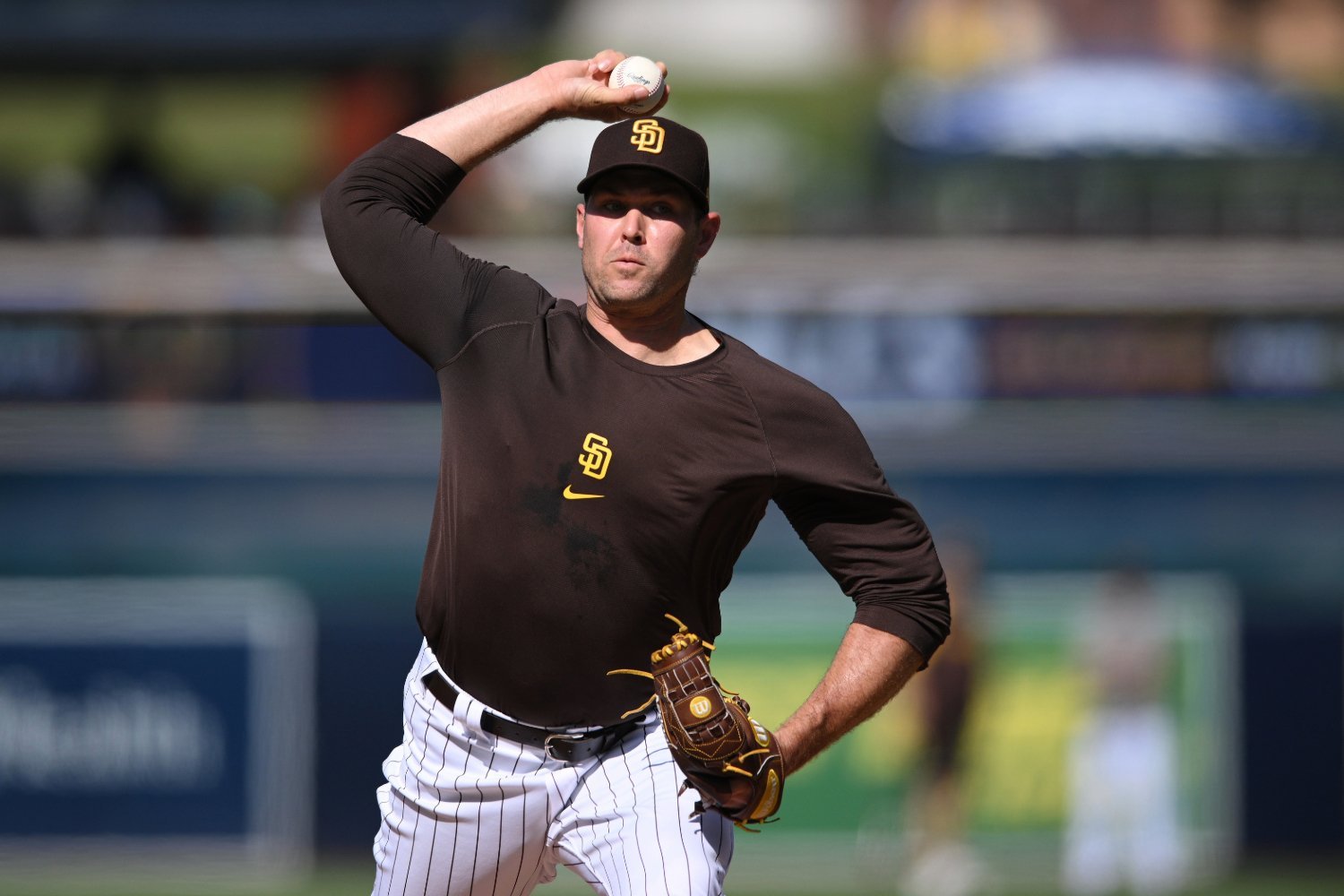 The most straightforward interpretation of the San Diego Padres' decision to hire Craig Stammen as manager is to focus on stability. Don't consider how MLB teams have traditionally hired managers; rather, think of the Padres' position today. They want to keep a high-value competitive window open by reducing organizational friction and maintaining the processes that led to back-to-back 90-win seasons. The proof for the hiring is quite simple: The team promoted a reliable, in-house operator who has deep connections with the players and the front office, with the intention of keeping the coaching continuity around him. What Stammen actually brings to the job The traditional criticism of Stammen is that he's a first-time manager. This is a fact when looking strictly at his track record, but it overlooks an important point: he already has a network of trust within the organization that can cut down the risk of turning front office plans into daily managerial decisions. In the capacity of a special assistant, Stammen performed three activities that contributed to the generation of operational capital: - He collaborated with minor league pitchers and player development staff. - He was a confidant for the present major league pitchers. - He took part in front-office decision-making meetings (such as draft and trade deadline conversations). Those functions produced two effects which can be quantified. First, there's an internalization of the Padres’ decision rules concerning pitcher workloads, roster flexibility and development priorities. Second, he's a noted communicator who can help harmonize the gaps between the analytics department and the clubhouse. The short-run volatility of new hires is one of the main differences between an outside hire and an internal one; internal hires manage to shorten feedback loops and reduce at least some of the costs of coordination during the first season of leadership. It is usually the case that with a roster built for immediate contention, stability and rapport are as important as any intangible an outside voice can bring to the fold. The Padres’ stated baseline was “maintain what’s working,” which makes short-run stability the dominant objective. How San Diego structurally mitigated the “inexperience” risk Promoting an insider without pre-existing managerial experience demands explicit risk-reduction strategies. The Padres have already suggested they would keep experienced pitching-room leadership in place. Pitching coach Ruben Niebla was a finalist for the position and is expected to remain as a prominent voice with pitchers, and Ben Fritz is being retained in the role of bullpen coach, so those jobs will be anchored by experienced deputies. This effectively minimizes the likelihood that Stammen's inexperience with the job will lead to catastrophic in-game mistakes. Stammen's previous job afforded him exposure to the decision-making processes that occur inside the front office (which metrics to use, how to weigh advanced metrics versus actual production, etc.). Since he already shares the front office's mental model, there shouldn't be too many periods of disagreement between himself and the team's top brass. The Padres may prefer continuity, but it's also important to remember that too much of it can lead to complacency and cause blind spots. Wins and losses are the ultimate judge of a manager, but there will be smaller, beyond-the-box-score hints at whether or not San Diego made the right call. Early indicators to watch in Stammen's Tenure If you want to test whether the Padres’ bet is paying off, watch a small set of high-signal metrics and decision behaviors rather than wins alone. First, early-season variance in pitcher usage relative to 2024–25 norms should prove fascinating. Will starters and relievers see abrupt changes to their workload? Or will Stammen, a former MLB pitcher in his own right, be willing to keep the status quo? In addition, the frequency and timing of front-office interventions (trade activity or clear mid-season role reassignment) will be a key tell. Preller likely didn't bring Stammen aboard just to steamroll him, but if the roster is constantly shuffling, that may point to so overcorrection for a rookie manager. Likewise, pay attention to in-game decision distributions (lineup stability, pinch-hitting frequency, bullpen leverage matching) relative to league medians; large deviations in either direction indicate whether Stammen is conservatively executing or over-correcting. These operational signals will reveal whether the hire reduced friction as intended, or whether it simply deferred hard choices until the club’s errors became more costly. Stammen’s value is not reducible to “he’s inexperienced” or “he’s a clubhouse leader”; it is the sum of his operational capital, the organization’s capacity to staff around him, and the need to maintain stability during a championship window. View the full article
 -
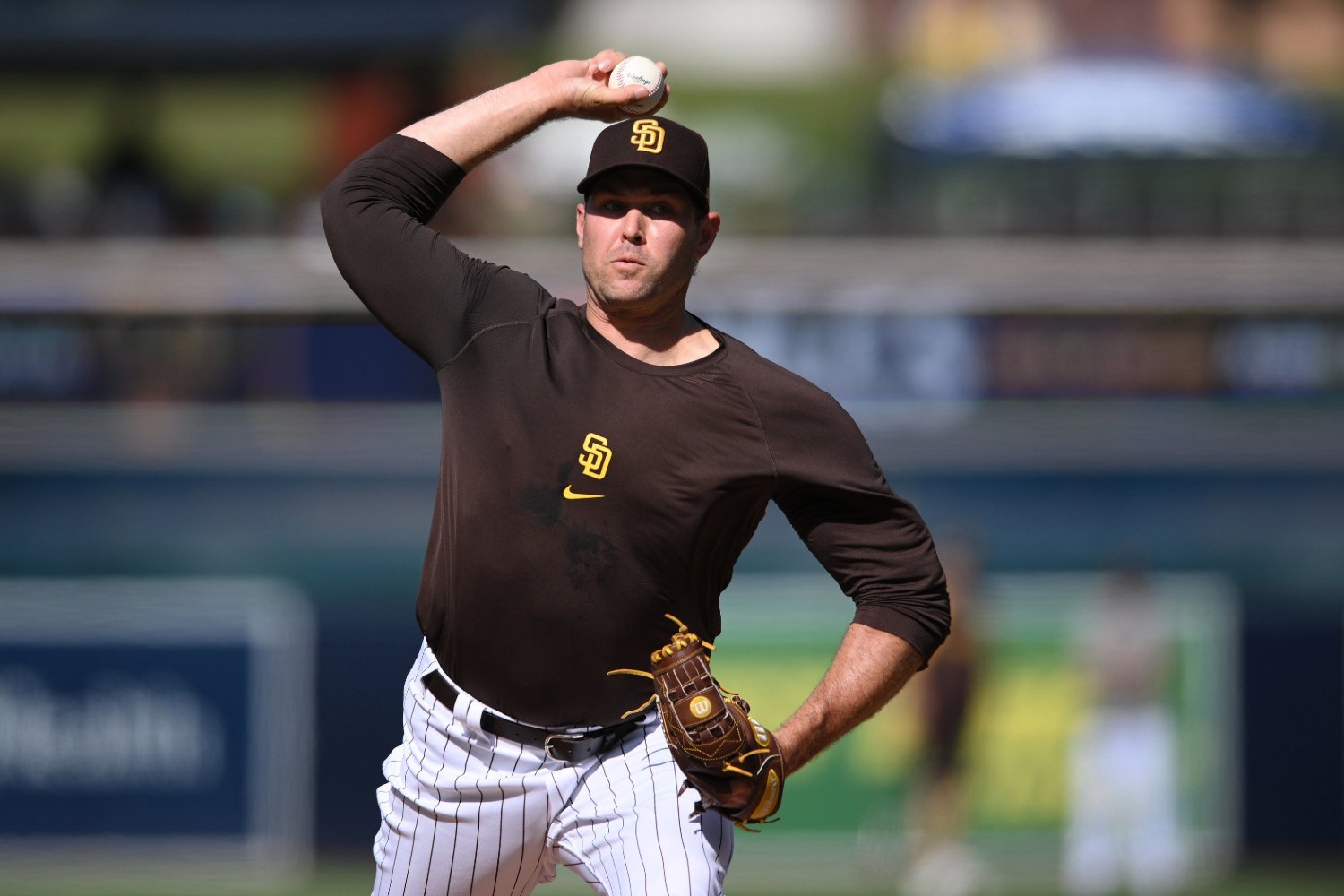 The most straightforward interpretation of the San Diego Padres' decision to hire Craig Stammen as manager is to focus on stability. Don't consider how MLB teams have traditionally hired managers; rather, think of the Padres' position today. They want to keep a high-value competitive window open by reducing organizational friction and maintaining the processes that led to back-to-back 90-win seasons. The proof for the hiring is quite simple: The team promoted a reliable, in-house operator who has deep connections with the players and the front office, with the intention of keeping the coaching continuity around him. What Stammen actually brings to the job The traditional criticism of Stammen is that he's a first-time manager. This is a fact when looking strictly at his track record, but it overlooks an important point: he already has a network of trust within the organization that can cut down the risk of turning front office plans into daily managerial decisions. In the capacity of a special assistant, Stammen performed three activities that contributed to the generation of operational capital: - He collaborated with minor league pitchers and player development staff. - He was a confidant for the present major league pitchers. - He took part in front-office decision-making meetings (such as draft and trade deadline conversations). Those functions produced two effects which can be quantified. First, there's an internalization of the Padres’ decision rules concerning pitcher workloads, roster flexibility and development priorities. Second, he's a noted communicator who can help harmonize the gaps between the analytics department and the clubhouse. The short-run volatility of new hires is one of the main differences between an outside hire and an internal one; internal hires manage to shorten feedback loops and reduce at least some of the costs of coordination during the first season of leadership. It is usually the case that with a roster built for immediate contention, stability and rapport are as important as any intangible an outside voice can bring to the fold. The Padres’ stated baseline was “maintain what’s working,” which makes short-run stability the dominant objective. How San Diego structurally mitigated the “inexperience” risk Promoting an insider without pre-existing managerial experience demands explicit risk-reduction strategies. The Padres have already suggested they would keep experienced pitching-room leadership in place. Pitching coach Ruben Niebla was a finalist for the position and is expected to remain as a prominent voice with pitchers, and Ben Fritz is being retained in the role of bullpen coach, so those jobs will be anchored by experienced deputies. This effectively minimizes the likelihood that Stammen's inexperience with the job will lead to catastrophic in-game mistakes. Stammen's previous job afforded him exposure to the decision-making processes that occur inside the front office (which metrics to use, how to weigh advanced metrics versus actual production, etc.). Since he already shares the front office's mental model, there shouldn't be too many periods of disagreement between himself and the team's top brass. The Padres may prefer continuity, but it's also important to remember that too much of it can lead to complacency and cause blind spots. Wins and losses are the ultimate judge of a manager, but there will be smaller, beyond-the-box-score hints at whether or not San Diego made the right call. Early indicators to watch in Stammen's Tenure If you want to test whether the Padres’ bet is paying off, watch a small set of high-signal metrics and decision behaviors rather than wins alone. First, early-season variance in pitcher usage relative to 2024–25 norms should prove fascinating. Will starters and relievers see abrupt changes to their workload? Or will Stammen, a former MLB pitcher in his own right, be willing to keep the status quo? In addition, the frequency and timing of front-office interventions (trade activity or clear mid-season role reassignment) will be a key tell. Preller likely didn't bring Stammen aboard just to steamroll him, but if the roster is constantly shuffling, that may point to so overcorrection for a rookie manager. Likewise, pay attention to in-game decision distributions (lineup stability, pinch-hitting frequency, bullpen leverage matching) relative to league medians; large deviations in either direction indicate whether Stammen is conservatively executing or over-correcting. These operational signals will reveal whether the hire reduced friction as intended, or whether it simply deferred hard choices until the club’s errors became more costly. Stammen’s value is not reducible to “he’s inexperienced” or “he’s a clubhouse leader”; it is the sum of his operational capital, the organization’s capacity to staff around him, and the need to maintain stability during a championship window. View the full article
 -
Seven Starts That Defined The Professor's Cubs Legacy
DiamondCentric posted an article in North Side Baseball
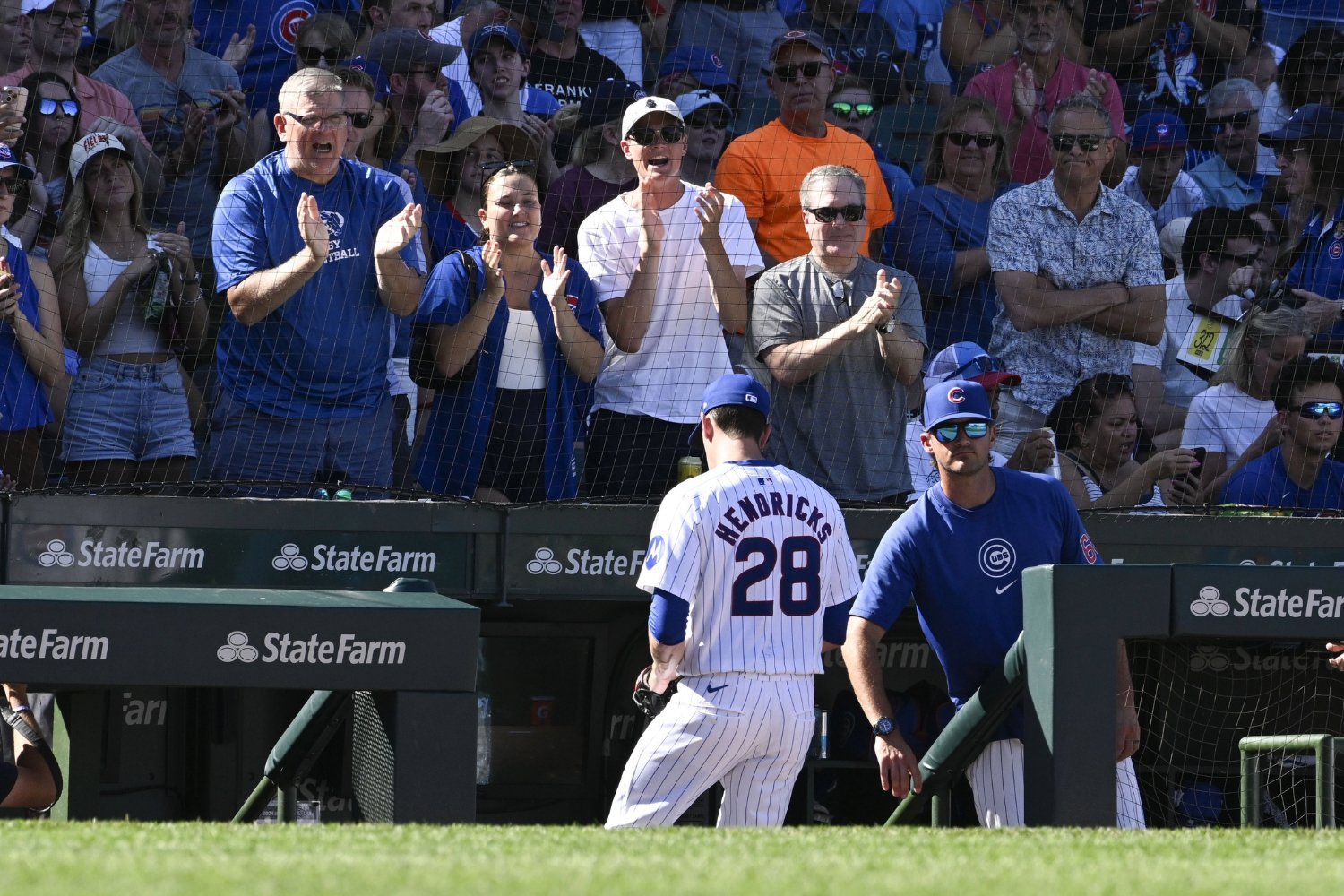 On Monday, another member of the Chicago Cubs’ 2016 championship team decided to hang it up. The Professor, Kyle Hendricks, will no longer be schooling hitters with his pinpoint accuracy and looping curveball. The 35-year-old pitched 12 seasons in the big leagues, 11 with the Cubs, accumulating 22.8 Career WAR, a 3.79 ERA, and 1373 strikeouts over 1,745.0 innings. In a generation where velocity is everything, Hendricks made quite the career by locating his pitches, pitching to contact, mixing up his repertoire, and attacking hitters head on. His career average speed on his fastball was approximately 87.7 mph, which is nearly seven miles per hour slower than the average fastball in 2025. Although his fastball lacked the whole “fast” aspect, he was still one of the most consistent pitchers in baseball throughout most of his career. Although he was never named to an All-Star team, he received Cy Young votes in two seasons (including a third-place finish in 2016) and was a staple in the front of the rotation for the Cubs from 2016-2020. Off the field, Hendricks made it known that he loved being a Cub, and his penchant for living up to big moments is the stuff of legend. Below are seven of the most memorable moments from Hendrick’s career, in no particular order. Sept. 28th, 2024- Hendrick's final start as a Cub at Wrigley Field Although he stuck around the league one more year with the Los Angeles Angels, this start marked the end of an era. Hendricks was the last remaining piece from the 2016 team, and he struggled mightily through most of the 2024 season. He accepted a brief demotion to the bullpen after a horrendous start to the season, but he still managed to pitch like his vintage self a few times. On his last start at Wrigley, he threw 7 1/3 shutout innings versus the Reds with only two strikeouts and two walks. July 24, 2020: Hendricks begins the Covid-shortened season with a shutout In a season in which we were lucky to even have 60 games of baseball, Hendricks started it off on an excellent note. He didn’t walk a single Brewer in a complete game shutout where he also struck out nine. He had a 2.88 ERA across 12 starts this season, and collected a few Cy Young votes along with teammate Yu Darvish. This marks the last time the Cubs won the division as well. May 3rd, 2019: Hendricks throws a Maddux against the Cardinals A Maddux is a complete game shutout achieved in fewer than 100 pitches thrown. Hendricks took it to a new level against the Cardinals, when he threw a complete game shutout on 81 pitches. Only a handful of players in MLB history have thrown a shutout on less pitches, including Greg Maddux himself. October 17th, 2017: Hendricks shuts down Nationals in Game 1 of the NLDS Hendricks fired seven shutout innings, striking out six in what feels like the last time the Cubs seemed like a “great” team in the playoffs. Hendricks accomplished this feat against one of the most powerful lineups in baseball that season. He used nothing but finesse to stifle a Nationals lineup featuring Bryce Harper, Ryan Zimmerman, Trea Turner, Anthony Rendon and Daniel Murphy. May 21st, 2015: Hendricks throws his first career shutout Although this one wasn’t a Maddux, Hendricks only needed 108 pitches to shut out the Padres in what was only his 22nd career appearance. This was one of the early moments in 2015 that was a sign of things to come for the Cubs as a whole, as well as marking Hendricks’ ascension into Cubs lore. November 2nd, 2016: Hendricks starts Game 7 of the World Series This one is less about Hendricks’ individual performance, and more about him being the starting pitcher of the game that broke a 108-year curse. Hendricks held the Cubs’ lead through 4 2/3 innings, allowing only one run, before the real drama started in the bullpen. There's no use questioning the decision-making since the Cubs won the game, but Hendricks clearly could have gone further (and maybe have reduced the general heart rate in Chicago that night by about 20 bpm). October 22nd, 2016: Hendricks’ 7.1 shutout innings in Game 6 of the NLCS propel Cubs to World Series The offense got going early off Clayton Kershaw, scoring at least one run in four out of the five first innings of the game. Hendricks allowed only two hits to a stacked Dodgers lineup featuring up-and-coming superstars Joc Pederson and Corey Seager, as well as perennial All-Stars like Adrian Gonzalez and Chase Utley. Joe Maddon gave the ball to Aroldis Chapman immediately after Hendricks to close out the remainder of the game. The Dodgers were no match for these two pitchers with polar opposite repertoires. There's no guarantee the Cubs even win this series without The Professor. If you want an in-depth write-up of this heroic start, check out Matt Trueblood's piece here. What's your favorite start from this list? Do you have a favorite Kyle Hendricks memory that isn't here? Let us know in the comments! View the full article
 -
Red Sox Arizona Fall League Week In Review: Nearing the End
DiamondCentric posted an article in Talk Sox
 The Arizona Fall League is reaching its annual conclusion, as the penultimate week was a shortened one. The Salt River Rafters played just four games as they began to wind their season down. While the season may not have ended in a championship (the Rafters being on the outside looking in at the playoffs at the time of this writing), there was still plenty to be proud of as the prospects sent by the Red Sox got plenty of work in. This was important, as most who were sent either missed a good portion of the season or the entire thing, giving them a chance to make up for lost time. In addition, two Red Sox prospects were named to the American League Fall-Stars team: Luis Perales and Stanley Tucker. The Rafters would go on to finish the week 1-3, good for fifth in the standings. But, as we’ve gotten used to hearing, you’re not here for that. Let's review how the Red Sox's prospects did. Perales made one start this week while also being named to the AFL Fall-Star team for the American League. While he didn’t get into the Fall-Star Game, he pitched sparingly in his lone start. Throwing just one inning, Perales allowed two runs on a walk and two hits while also striking out three batters. His fastball would top out at 100.4 mph in what was his final outing in Arizona. Jay Allmer managed to get into one game during the week, only going 1/3 of an inning as he was charged with a blown save. Allmer allowed the tying run to score in the sixth when he came on with two outs in the inning. Joining the list of pitchers who made one outing was Brandon Neely, the relief pitcher tossing 1 2/3 innings while allowing two runs on four hits and two walks. He also struck out a pair as he threw 48 pitches. Despite the four hits allowed, Neely managed to generate six whiffs in the outing. He was also charged with a blown save. Jojo Ingrassia managed to escape damage in his lone inning for the week. Making it through the outing without a run despite walking two batters, Ingrassia also got a strikeout as he threw 23 pitches but only eight for strikes. He generated two whiffs while struggling badly with his command. The final Red Sox pitcher in the AFL, Isaac Stebens, pitched well as he tossed one scoreless inning, needing just 14 pitches to get through the outing. Unfortunately, only six of them were for strikes as he got one groundout and two fly outs. Offensively, it was more of the same from the position players as Fall-Star Tucker went 4-for-15 as he continued to cool off after his scintillating start. Tucker also had three RBIs while striking out four times. He also had two more stolen bases bringing his total up to 12. Notably, he was the only player from the Red Sox to get into all four games this week, and he lso came in as a substitution in the Fall-Stars game, going 0-for-2 with a strikeout. Johanfran Garcia appeared in two games this week, getting a hit in both as he went 2-for 7 with a double, one walk, one RBI and two strikeouts. He split the two games between catcher and designated hitter as well. Garcia’s double came in the bottom of the second off of a 93.7 mph fastball at the top of the zone. Garcia drove it out to right with an exit velocity of 100.9 mph, bringing home the first run of that game. As has been the trend all season, Nelly Taylor appeared in just one game this week, playing center field and going 1-for-3 with two strikeouts. His lone hit came off of a 95.1 mph fastball right down the middle of the plate that he hit to right field. The ball had an exit velocity of 90.6 mph. Following the conclusion of this week, there are only three games remaining in the AFL regular season. As the last few games are played, it’ll be the end of organized professional baseball in the United States until February, when spring training arrives. View the full article
 -
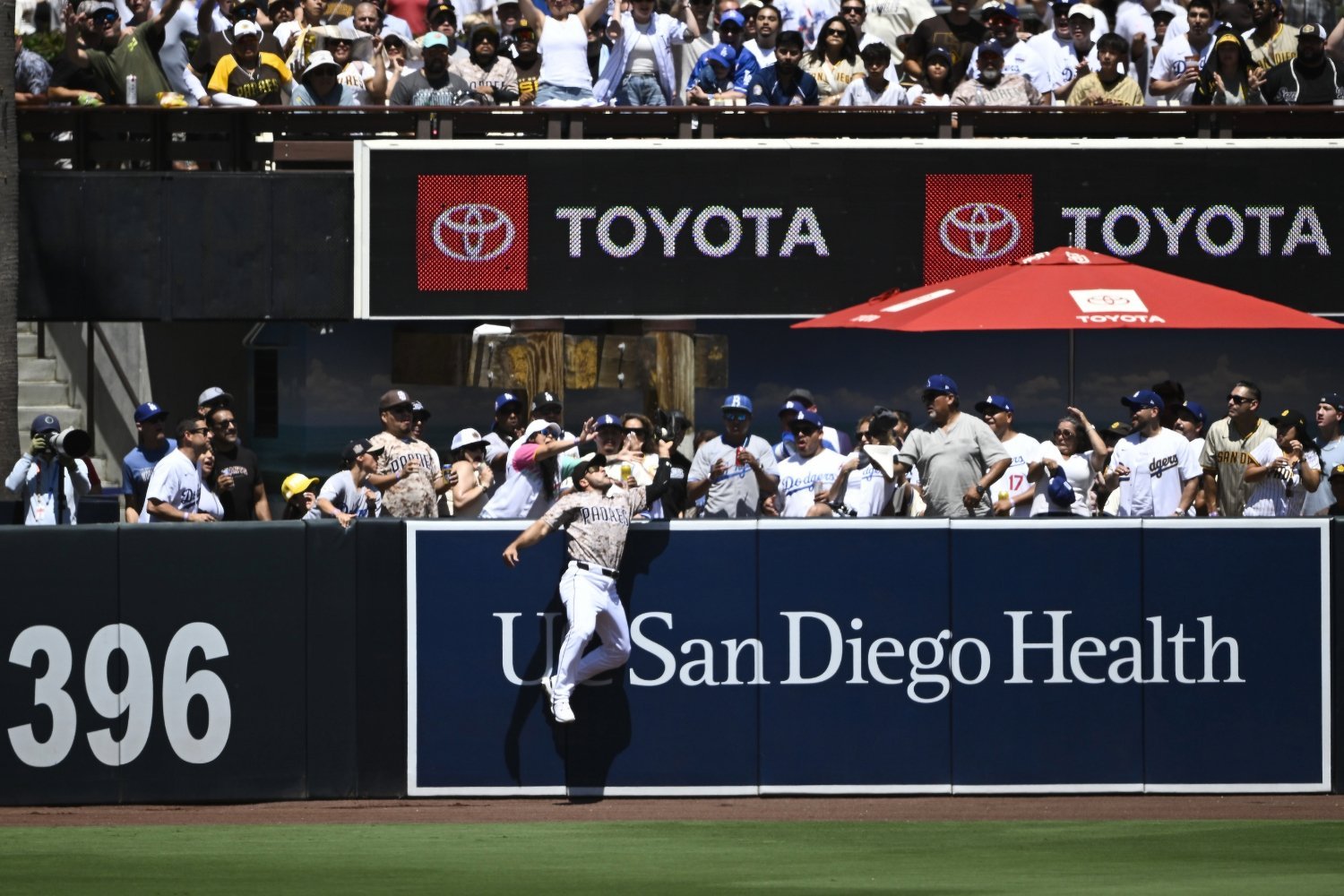 The San Diego Padres have made the playoffs in four of the past six seasons. In that time, they've finished no worse than third in the NL West, but also no better than second. They've firmly been the runner-up to the Los Angeles Dodgers in the division during that time, though that status is set to be called into question this offseason. Yes, the Dodgers won their second consecutive Commissioner's Trophy and have won every division title (besides 2022) since 2013. They are the favorites until proven otherwise. Instead, it's the Padres who need to defend their placement in the NL West hierarchy, as a shocking managerial change, significant personnel losses in the rotation, and an offense that went completely cold in the NL Wild Card Round do not portend another 90-win season in 2026. With ultra-agressive front office executive A.J. Preller leading the charge, the Friars are sure to add some talent to the roster this offseason, including a potential reunion with one of Dylan Cease or Michael King. No one can rule out another blockbuster trade, either, but after ransacking the farm system at the trade deadline, that could be difficult to pull off. Still, the Padres have the requisite talent to make another postseason push next year. Platinum Glover Fernando Tatis Jr. isn't going anywhere (no matter what the rumors say), and Manny Machado and Jackson Merrill round out a strong offensive core. With Nick Pivetta in the rotation and baseball's best bullpen (even sans closer Robert Suarez), there's room San Diego to make some ancillary moves and give the Dodgers a scare next season. Luckily, even if the team can't mount a serious challenge to the Dodgers' divisional supremacy, the rest of the NL West is in such a state of flux that the Padres will presumably be the second-best team heading into the 2026 campaign no matter what moves they make over the winter. Let's refresh where the "other" three teams in the division are at heading into the meat of the offseason. Colorado Rockies The Rockies have been irrelevant in the larger baseball picture for most of their existence, and they just had a franchise-worst season in 2025 when they lost 119 games. Thus, they finally cleaned house, dismissing manager Bud Black mid-season and firing general manager Bill Schmidt after the regular season came to a conclusion. They're still looking for a permanent replacement for Black, though they do have a new president of baseball operations: Paul DePodesta. Yes, you heard that right—Paul DePodesta of Moneyball fame is returning to Major League Baseball after a decade-long hiatus in the NFL with the Cleveland Browns. Prior to jumping ship for football, DePodesta served as the Padres' special assistant for baseball operations from 2006-08 before being promoted to executive vice president; that came after a failed stint as the Dodgers' general manager. It's hard to find a word for what the Rockies are as a franchise other than directionless. Their farm system remains a joke, they have precious little major-league talent to speak of, and ownership just appointed the guy who went 56-100-1 and made one of the most lopsided deals in NFL history as their chief decision maker. They won't just be also-rans in the division in 2026—they'll occupy the bottom rung of the entire MLB ladder for the foreseeable future. Arizona Diamondbacks After a shocking run to the World Series in 2023, the Diamondbacks were on top of the world. Just two years later, and their empire-that-wasn't is already collapsing. They still possess a load of talent, highlighted by a trio of Silver Sluggers: outfielder Corbin Carroll, shortstop Geraldo Perdomo, and second basemen Ketel Marte. Those three superstars combined for 18.2 fWAR in 2025. The rest of the entire roster combined (pitchers excluded)? They accumulated just 8.7 fWAR, hence why the Diamondbacks finished below .500 and in fourth place in the division. That's not entirely their fault, as the expected three-headed monster of Corbin Burnes, Zac Gallen, and Merrill Kelly simply never got off the ground. Burnes needed Tommy John surgery just 11 starts into his new mega-contract, Gallen produced a career-worst campaign on his way to free agency, and Kelly was shipped to the Texas Rangers at the trade deadline. With a bloated payroll and aging core, the Diamondbacks simply don't have the pitching infrastructure in place to compete for much more than a third-place finish. If rumors are true that the team is "motivated" to move Marte, the longest-tenured player on the club, the Diamondbacks could be on the verge of a full-scale rebuild. San Francisco Giants The most imposing challenger to the Padres' status as the second-best team in the division, the Giants are engaging in a pretty comprehensive makeover this offseason. The team replaced experienced skipper Bob Melvin with college coach Tony Vitello, a shocking jump in level that tends not to happen too often in baseball. The coaching staff has experienced a ton of turnover since, including adding former Padres manager Jayce Tingler as one of Vitello's assistants. They're also parting ways with assistant hitting coach Damon Minor and bullpen coach Garvin Alston, while pitching coach J.P. Martinez has already found a new home with the Atlanta Braves. Hitting coach Pat Burrell's future remains uncertain at this juncture. That's the kind wholesale turnover you expect of a rebuilding squad, not one that intends to compete as soon as next year. Vitello will have his work cut out for him jumping from the NCAA to the big leagues, and it'll take a while for the new coaching staff to mesh together. As for the roster, the team is retaining a remarkable amount of personnel. Justin Verlander and Wilmer Flores are the only major free agents the team is set to lose this offseason. That would be great news if this core had shown any signs of real success, but since their magical 2021 season, the Giants haven't won more than 81 games in a single year. There's a strong core of well-compensated veterans in San Francisco -- Willy Adames, Rafael Devers, Matt Chapman, and Logan Webb, to be specific -- but it could take a while before everything comes together in the Bay Area. What do you make of all the rumors and moves being made by the Padres' division rivals this offseason? Do you think San Diego can challenge Los Angeles for the division title in 2026? Let us know in the comments! View the full article
 -
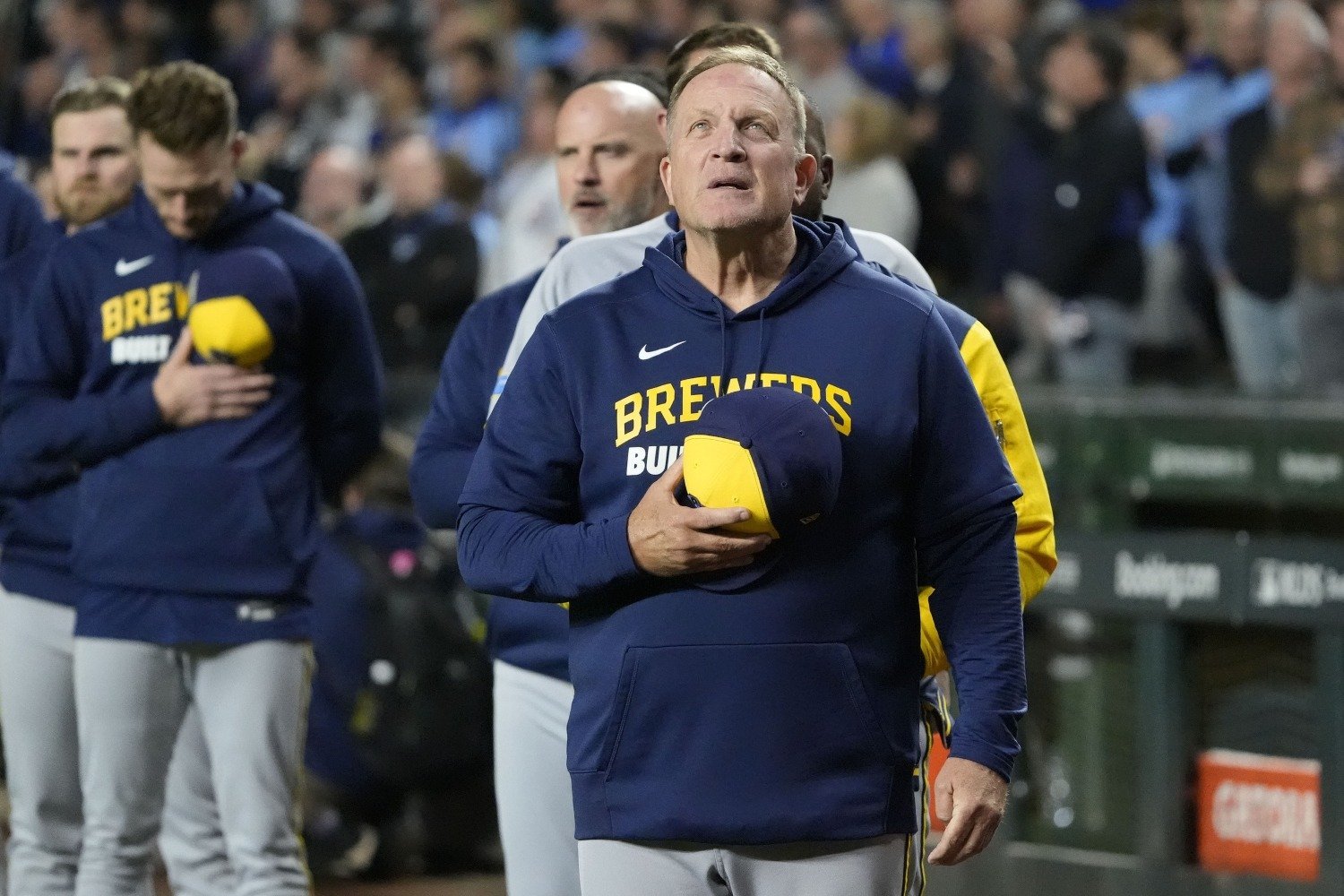 Pat Murphy has now taken home hardware in each of his first two campaigns leading the Brewers, as the Baseball Writers' Association of America named him the National League Manager of the Year for the second straight season on Tuesday night. Murphy received 27 of 30 first-place votes. The 66-year-old became the third manager to win the award in consecutive seasons in either league, joining former Atlanta Braves manager Bobby Cox and Tampa Bay Rays manager Kevin Cash. Stephen Vogt, a repeat winner in the American League, joined him a few minutes later as the fourth. Murphy downplayed the recognition a year ago, deferring praise to his players and coaching staff. He struck the same tone in a conference call on Tuesday night. "I think there's a lot of other coaches on our staff that do it better than I do," Murphy said. "I think I get far too much credit for things like this, you know what I mean? Players win games." Because it's impossible to accurately quantify a manager's role in his team's success, the award effectively credits club-wide efforts to one person. The skipper of a team that overcomes adversity or outperforms external projections is often in line for votes. The Brewers have checked those boxes the last two seasons, going 93-69 in 2024 and a franchise-best 97-65 this year, winning the NL Central over the much bigger-spending Chicago Cubs both years. "We had the right who," Murphy said. "We had guys that are aware and hungry, and that makes the manager look good at the end of the day." Even so, Murphy has been integral in setting the tone for those players with his handling of interpersonal relationships inside the clubhouse. From that standpoint, he may be even more deserving of the award this time around. The Brewers didn't just improve on their previous season; they did so after a 21-25 start that had them in fourth place in the division on May 17. Murphy, who has often applied elements of an aggressive management style from his college coaching days to the big leagues, benched players on a few occasions for poor fundamental play and called multiple team meetings. He also publicly stated that the group had "misplaced [its] edge" and challenged his players to perform more competitively. The turnaround did not come immediately, and Murphy's efforts to correct course could have alienated players if not executed properly. Ultimately, though, the Brewers responded. Milwaukee went 76-40 through the rest of the regular season, securing baseball's best record, winning the division by five games, and advancing to the NLCS for the first time since 2018. "I think this year, the way we started—as opposed to [2024], we started so hot, and things were clicking—[2025] didn't start like that," Murphy recalled. "There were so many injuries and so many question marks, and so many guys searching for their best self. I think what clicks is the resiliency they had and the desire they had to get on it as quickly as possible." The Brewers' run ended unceremoniously when they ran out of steam against the Los Angeles Dodgers in an NLCS sweep. That came, in part, because Murphy and the staff allowed players to assume heavy workloads during the regular season. That's the sometimes detrimental product of his "Win Tonight" mentality, which can be a double-edged sword for a scrappy roster. Striking the proper balance between managing for tonight and for future wins remains an area for improvement moving forward, but it's hard to quibble with the results under Murphy's leadership. View the full article
 -
These Twins Prospects Could Get Rookie of the Year Love In 2026
DiamondCentric posted an article in Twins Daily
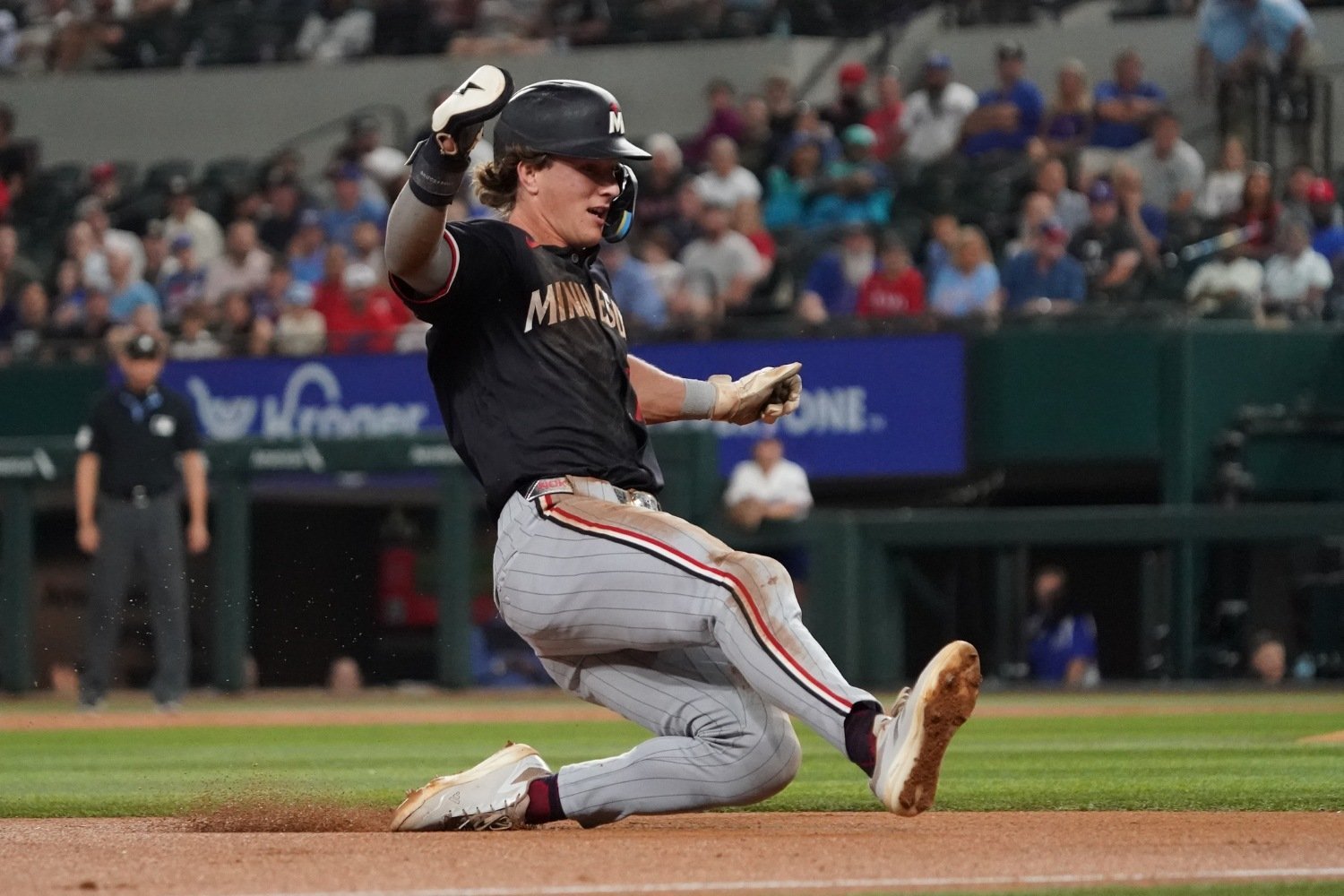 Luke Keaschall made a fantastic first impression in 2025—enough so that he placed in the top-10 in American League Rookie of the Year voting. He was never going to catch up to Nick Kurtz of the A’s, who won the award unanimously after having one of the all-time great rookie campaigns, but the young Twins infielder mustered an impressive .302/.382/.445 batting line. He also missed significant time while recovering from a shattered forearm that he suffered in April, and played through a continued recovery from Tommy John surgery in August 2024. In 49 games with the Twins, the 23-year-old firmly staked his claim as the club's best option at second base going forward. While his defense wasn't spotless, he showed that his athleticism was enough to handle the day-to-day responsibilites at that position, and his mix of on-base prowess and impressive speed make him an ideal option to pencil in near the top of the lineup. Keaschall was firmly among the top 100 prospects in baseball coming into last season, but he was in no way a favorite to secure top rookie honors. He seized his opportunity when the team needed him in April, and was able to return to his impressive form upon returning in August. All that is to say, anything can happen for an electric prospect when they run with their opportunity and turn some heads. Here are some names to keep an eye on for next season’s voting. Obvious Candidates Of course, we have to start with 20-year-old phenom Walker Jenkins (No.1 on Twins Daily’s top prospect rankings). He started 2025 as a top-15 global prospect on most lists, but his season got off to a late start due to a left ankle sprain. He returned to action in early June, and was quickly promoted to Double-A where he had a gaudy .913 OPS across 52 games. The Twins then sent him to Triple-A St. Paul, where he continued to show impressive signs—albeit with a lower .720 OPS in a small (23-game) sample against much older competition. Look for Jenkins to knock on the door to the big leagues in the early going of 2026. If all goes as expected, Twins fans could see him make his highly anticipated debut before the All-Star break. Emmanuel Rodriguez (No. 4) is another favorite to get some action for the Twins next season. He was limited to just 52 games for the St. Paul Saints in 2025, but in that time, he showed flashes of bieng an electric player with a very odd collection of tools. He’s going to play some high-quality defense in the outfield. It's most likely to be in the corners, but he has a ton of experience as a center fielder. Rodriguez will pair that with plus power at the plate. His passive approach contributed to a 32% strikeout rate. However, he somehow found a way to make up for all of that swing-and-miss by walking at an extremely high 21% clip. He also has the ability to swipe 15-20 bases, if he can stay healthy for the whole season. Like Jenkins, if Rodriguez gets the call in the early months of 2026, he would almost certainly get national attention. Outside Chance Casual fans may not realize it, but Mick Abel (No. 5) will still be a rookie in 2026. He only accumulated 39 innings pitched at the big-league level after debuting in 2025; you need 50 to graduate from rookie status. One of the returning pieces from the Jhoan Duran trade, Abel will need to display far better command than he had in 2025, wherein the 24-year-old routinely fell behind in counts, leading to a 10.1% walk rate and lots of hard contact on the way to a 8.36 ERA with his new club. However, he did show much more promise at Triple A, where he had a 2.20 ERA (with a strong 28.6% strikeout rate) across 98 ⅓ innings. There could be ample opportunity for Abel to get a shake in the rotation, and if he can finally evolve into the product that many thought he could be as a high-end draft prospect out of high school, he could realistically grab some ROY votes. Gabriel Gonzalez (No. 9), the centerpiece in the Jorge Polanco trade in January 2024, erupted across three levels of the minor leagues in 2025. He showed significantly more power than many expected, belting 15 home runs and 38 doubles in 123 games played. Upon reaching the highest level of the minors, he more than held his own for the Saints, where he had a .316/.358/.504 line. He doesn’t have much of a defensive home, but if his bat is legit, the Twins could give him plenty of reps as their designated hitter and rotate him into the corner outfield from time to time. Look for him to start the year at St. Paul, but anything can happen for the dynamic 22-year-old. Long Shots Kala’i Rosario (unranked) quietly had one of the better seasons at Wichita as a 22-year-old. He smacked 25 homers and stole 32 bags for the Wind Surge in 130 games. He could start the year at Triple A, but that’s starting to look like a very crowded depth chart, and his prospect pedigree is not as distinguished as that of Jenkins, Rodriguez or Gonzalez. Kyler Fedko (unranked) had a similarly flashy year split between Double A and Triple A, where he combined for 28 homers and 38 steals. He is 26 years old, and the Twins passed on giving him a look in September last year, which could give some indication about their faith in him. Perhaps they were trying to avoid putting him on the 40-man roster in a lost season, as they could’ve had to expose him to waivers at the end of the year had they given him a look. Noah Cardenas (unranked) is also on the older side for a prospect, but the 26-year-old catcher is the closest thing they have to a minor-league catcher who is ready to make their MLB debut in 2026. He had a solid year, with an .825 OPS between the two highest levels of the minor leagues. He may seem like an extremely dark horse, but Drake Baldwin—who just won the NL Rookie of the Year award for the Atlanta Braves—had a nearly identical Triple-A clip in 2024, and was a good but not elite prospect in their system. Anything can happen for a player who runs with their opportunity, and right now Cardenas has as good of a shot to get playing time as a backup catcher to Ryan Jeffers as anyone. That role could increase, depending on Jeffers’s performance or his presence on the roster at all. What do you think? Who excites you the most on this list? Did we forget anyone who could get Rookie of the Year consideration in 2026? Let us know your thoughts in the comments, and as always, stay sweet. View the full article
 -
Toronto Blue Jays Are "In Every (Free Agent) Market"
DiamondCentric posted an article in Jays Centre
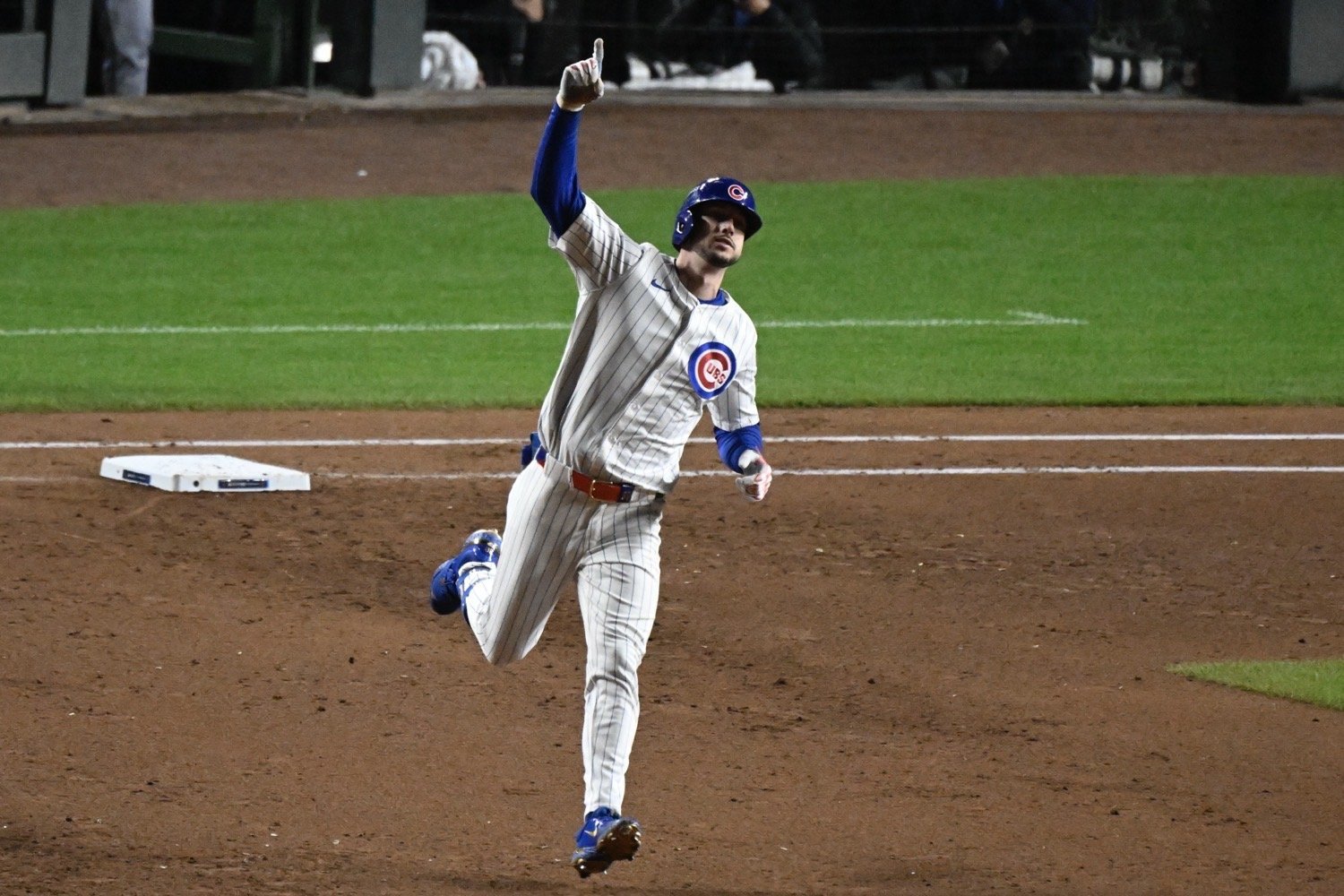 The Toronto Blue Jays aren't resting on their laurels after an exciting postseason run that saw them bring the superpower Los Angeles Dodgers to the brink. After Bo Bichette elected free agency and Shane Bieber opted in to a team-friendly deal, the Blue Jays are in a position to be aggressive this offseason. From the General Manager meetings in Las Vegas, NV, Shi Davidi and Ben Nicholson-Smith of Sportsnet are reporting that the Toronto Blue Jays are "in every market". Citing multiple player agents, it's expected for it to "be easier for them to get players", and that the organization is "hungry" and "acting like big boys". While no players are named in the report, the Blue Jays have already been linked to Bichette, Kyle Tucker, Munetaka Murakami, and Pete Fairbanks. Additionally, Chris Bassitt has expressed interest in returning to the club. Do you think the Blue Jays will be aggressive this offseason? Let us know what you think in the comments! View the full article
 -
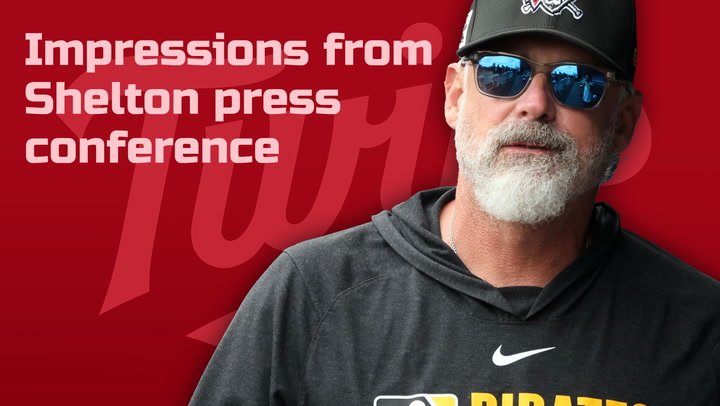 The Twins have introduced Derek Shelton as the 15th manager in franchise history. Jamie and Jeremy share their first impressions of Shelton's introduction to the fans and what they can expect from him before spring training. View the full article
 -
 Every offseason, we offer our You’re The GM! tool to build your ideal Royals roster. This year, we’ve updated and streamlined the tool a bit to improve the experience. The idea behind this feature is to give fans a chance to play the role of General Manager (or CBO or PoBO… you get the idea) for their favorite team, the Kansas City Royals. It’s meant to give fans the opportunity to discuss (and, let’s be honest, argue) how they would approach the long, dark MLB offseason. This tool is intended to be informal and fun, so we’ve left it as open as possible. There is a payroll “budget” that loosely resembles the Royals' 2025 payroll, but there is no penalty for going over that number. It’s a guideline, nothing more. Second, you can submit as many blueprints as you like throughout the offseason. As the offseason landscape changes, users often return multiple times over the winter and create new blueprints. Before we get into the breakdown of the tool, you can save your blueprint and come back to it at any time. The only restriction is that you must register an account on the site to create a blueprint (so we can save a draft for you and also post the blueprint for others to discuss). Let’s get into the tool itself. It has four quadrants that work best if addressed in a counter-clockwise order (this tool works much better on a desktop due to its complexity, but it will work on mobile devices if need be). Top Left: The 26-Man Roster We have created a rough guideline for the Royals' 26-man roster today. The roster is flexible; you can add or remove players as you see fit. We’ve also included either guaranteed salaries or, in the case of arbitration and contract options, the recommendations of MLB Trade Rumors. This section is where you build your roster and make changes based on the following two sections. As you make changes to players and salaries, the total payroll number (right side of the screen) will change, allowing you to track your budget on the fly. The bottom field in both columns is for any dead money you assume during the course of your offseason. Acquiring dead money should be uncommon, but we want to give users the option to take on dead salary if it suits their purposes. Bottom Left: Arbitration & Trade Decisions Here, you will find a selection of arbitration options and internal options (usually from the 40-man roster or minor leagues) to assist in building your offseason roster. On the right-hand side of this column, you will see Trade Candidates, a list of the 40 players most likely to be traded this offseason, per MLB Trade Rumors. To help you get up to speed with these candidates, we offer a direct link to the MLBTR write-up on trade candidates. Bottom Right: Free Agents Here, you will find the top 50 free agents, again per MLB Trade Rumors. These are sorted by position to facilitate quickly finding your desired free agent and include the recommended salary for that player. Because this is a blueprint for a single year, we only include their projected salary for the coming season, not the number of years or anything else. To help you get up to speed with these free agents, we offer a direct link to the MLBTR write-up on the best 50 free agents available this winter. Top Right: Dead Money, Your Total Payroll, & Commentary The only unalterable field on the page is Dead Money; it is players to whom the team has committed money but has no reasonable way to get out of the contract. Below that, you will see the recommended budget, your current total, and the percentage you are over or under that budget. Again, keep in mind the budget is only a guideline, and you can go above it as much as you like… But defend your choices, coward! The following field is Title, which gives other users an idea of what to expect with your blueprint (e.g., Be Unreasonable, Sign Kyle Tucker!). When your blueprint posts for other users, it will read “Your Username’s 2025 Payroll Blueprint: Be Unreasonable, Sign Kyle Tucker!”. The following field is Your Comments & Explanation, a long-form field meant to type out the rationale behind your decisions. Here is the place to fully explain your trades (including which players are leaving the Royals to bring in new players), why you targeted specific free agents, and any promotions from the minors you advocate or any options you declined to extend to a specific player. This is often multiple paragraphs; you can write up as much detail as you desire. That’s it, you’re done! At this point, you can either publish your blueprint to the forums or save it for later if you feel it’s incomplete. Thank you for joining us at Royals Keep. I hope you enjoy playing the role of general manager, at least for a moment! Start Your Payroll Blueprint Now View the full article
 -
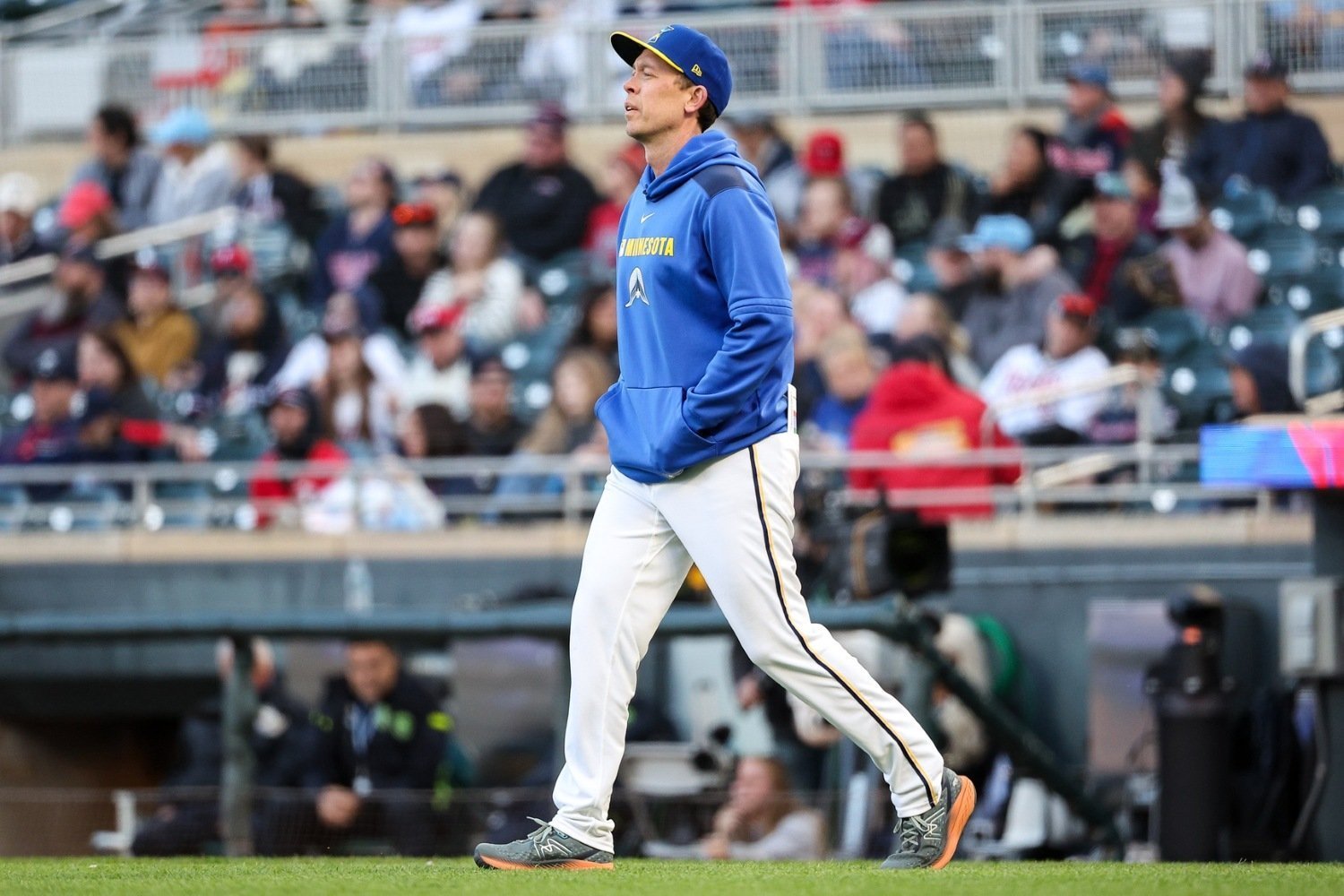 The Minnesota Twins are starting to piece together their coaching staff under new manager Derek Shelton, and familiar faces will play key roles in the dugout next season. According to multiple reports, Pete Maki will return as the team’s pitching coach while LaTroy Hawkins steps into the bullpen coach role. Hawkins’ addition comes after nearly a decade of work in the organization’s player development system and regular appearances on Bally Sports North broadcasts. His move back to the field adds an experienced, respected voice to a staff tasked with helping Minnesota rebuild one of baseball’s most dominant pitching groups from just a year ago. Maki’s return provides continuity for a pitching unit that was expected to be a strength in 2024 but stumbled due to injuries and underperformance. Pablo López and Bailey Ober both took steps back, and by the trade deadline, the bullpen had been stripped down as the team dealt Jhoan Duran, Danny Coulombe, Griffin Jax, Louis Varland, and Brock Stewart in a series of moves signaling a shift toward the future. One notable departure from the organization is longtime coach Tommy Watkins, who spent 27 years in the Twins system as a player, minor-league instructor, and coach. Watkins has accepted a position with the Atlanta Braves, closing a chapter that spanned nearly three decades in Minnesota baseball. With Maki and Hawkins in place, Shelton’s coaching staff is starting to form, though several other roles remain undecided as the Twins continue shaping the next phase of their clubhouse leadership. View the full article
 -
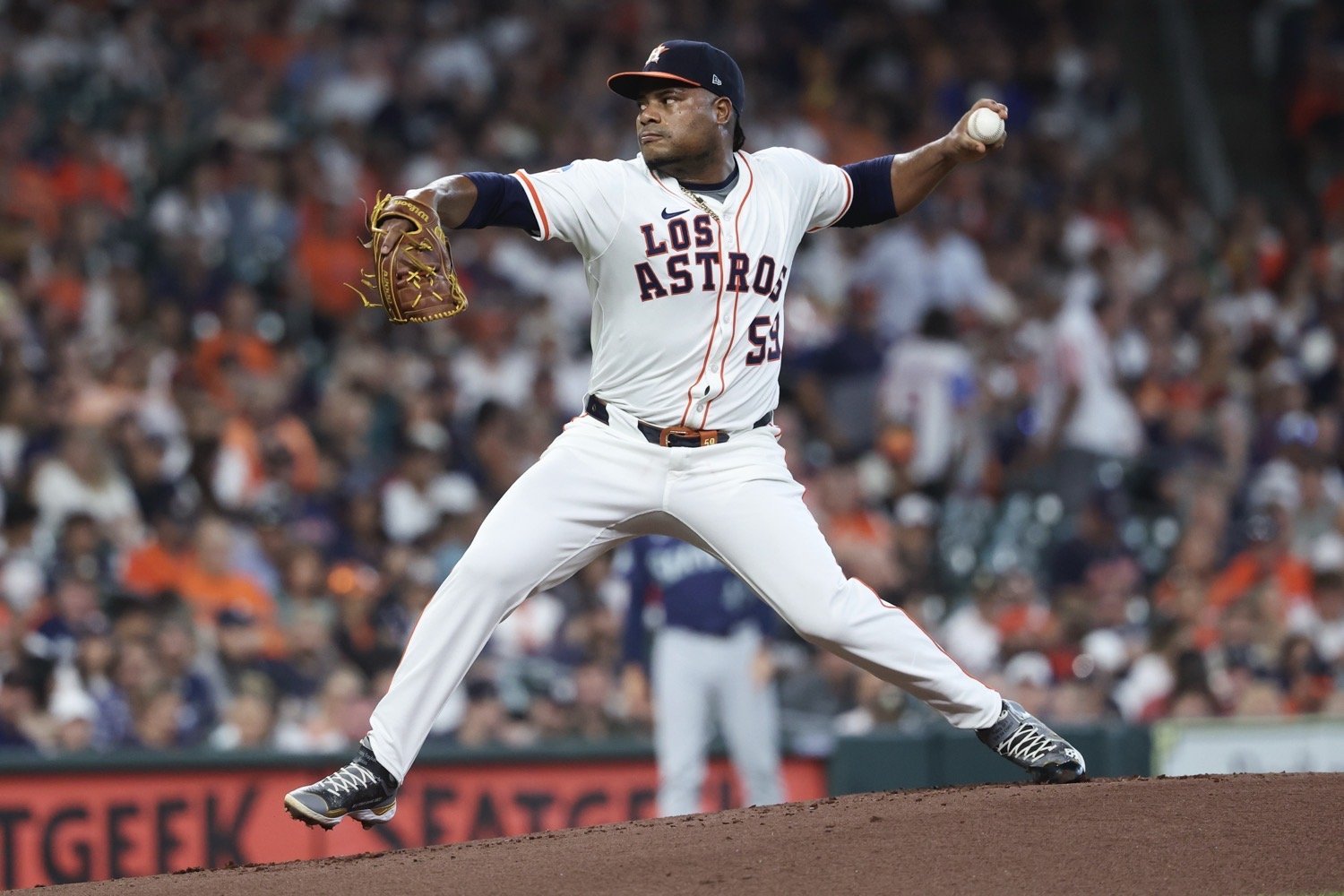 The Chicago Cubs finished a once-promising 2025 season below expectations. While the team has mostly disappointed fans in previous offseasons, that may not be the case this year. In a recent column, Bob Nightengale of USA Today named the Chicago Cubs the "hot stove's biggest sleeper" this offseason. Nightengale goes on to say, "They want another corner outfielder [after losing Kyle Tucker to free agency], and will be shopping in the expensive aisle for starting pitching, with fellow GMs predicting they could land Framber Valdez and/or Dylan Cease." It's worth noting that they have tendered a qualifying offer to Shota Imanaga, as well. While Nightengale didn't name any potential outfield fits, top names include Tucker, Cody Bellinger, Kyle Schwarber (who's primarily a DH at this point and was tendered a qualifying offer), Teoscar Hernandez, and Michael Conforto. They could look at making a trade as rumors swirl around the Boston Red Sox Jarren Duran and Wilyer Abreu, as well as the Los Angeles Angels Taylor Ward and Jo Adell, though none of those names would really be considered "expensive". Looking at the pitching market, Cease, a free-agent modern-day iron man making 32 starts in five consecutive seasons, is predicted to get a seven-year, $189 million contract by MLBTR. His productivity has alternated each season he's been with the club, receiving Cy Young votes in 2022 and 2024 while sporting ERAs north of 4.00 in 2023 and 2025. The San Diego Padres tendered him a qualifying offer. Valdez, another durable pitcher, made 31 starts for the Houston Astros in 2025. Across 192 innings, he posted a FIP of 3.37, supported by a so-so 14.8% K-BB rate. His high groundball rate (58.6%) would fit well within the windy confines of Wrigley Field. Valdez was tendered a qualifying offer and is predicted to net $150 million over five years by MLBTR. Do you think the Cubs will be aggressive this offseason after landing Tucker last year? Let us know what you think in the comments! View the full article
 -
Toronto Blue Jays "Expected to Be Suitors" for Pete Fairbanks
DiamondCentric posted an article in Jays Centre
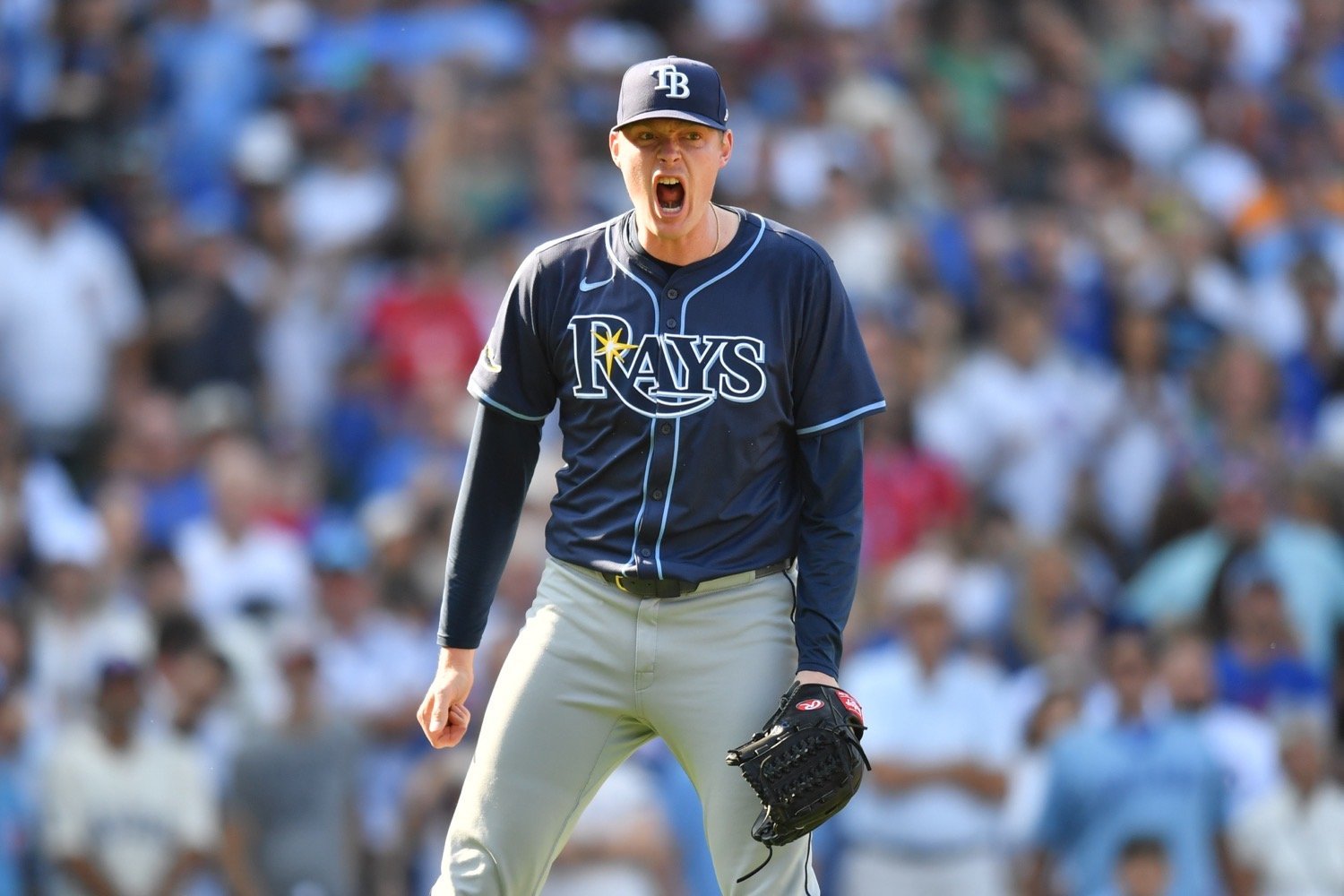 The Toronto Blue Jays will have a busy offseason as they've already been linked to a few of the biggest names on the market, including a reunion with infielder Bo Bichette. Now, we can add one more name to the list. Ken Rosenthal of The Athletic is reporting that the Blue Jays are "expected to be suitors" for reliever Pete Fairbanks. Fairbanks appeared in 61 games for the Tampa Bay Rays in 2025, logging 60 1/3 innings pitched. The reliever registered a 3.63 FIP and posted a 16.8% K-BB rate. Despite collecting 27 saves as the Rays' primary high-leverage reliever, he posted a miniscule WPA of 0.06. The Rays declined $11 million club option, paying him a $1 million buyout and making him a free agent. He's the 44th-ranked free agent according to MLBTR, and they predict he'll net $18 million over two years on the open market. Do you think the Blue Jays should pony up for a high-leverage reliever to bolster their bullpen? Let us know in the comments! View the full article
 -
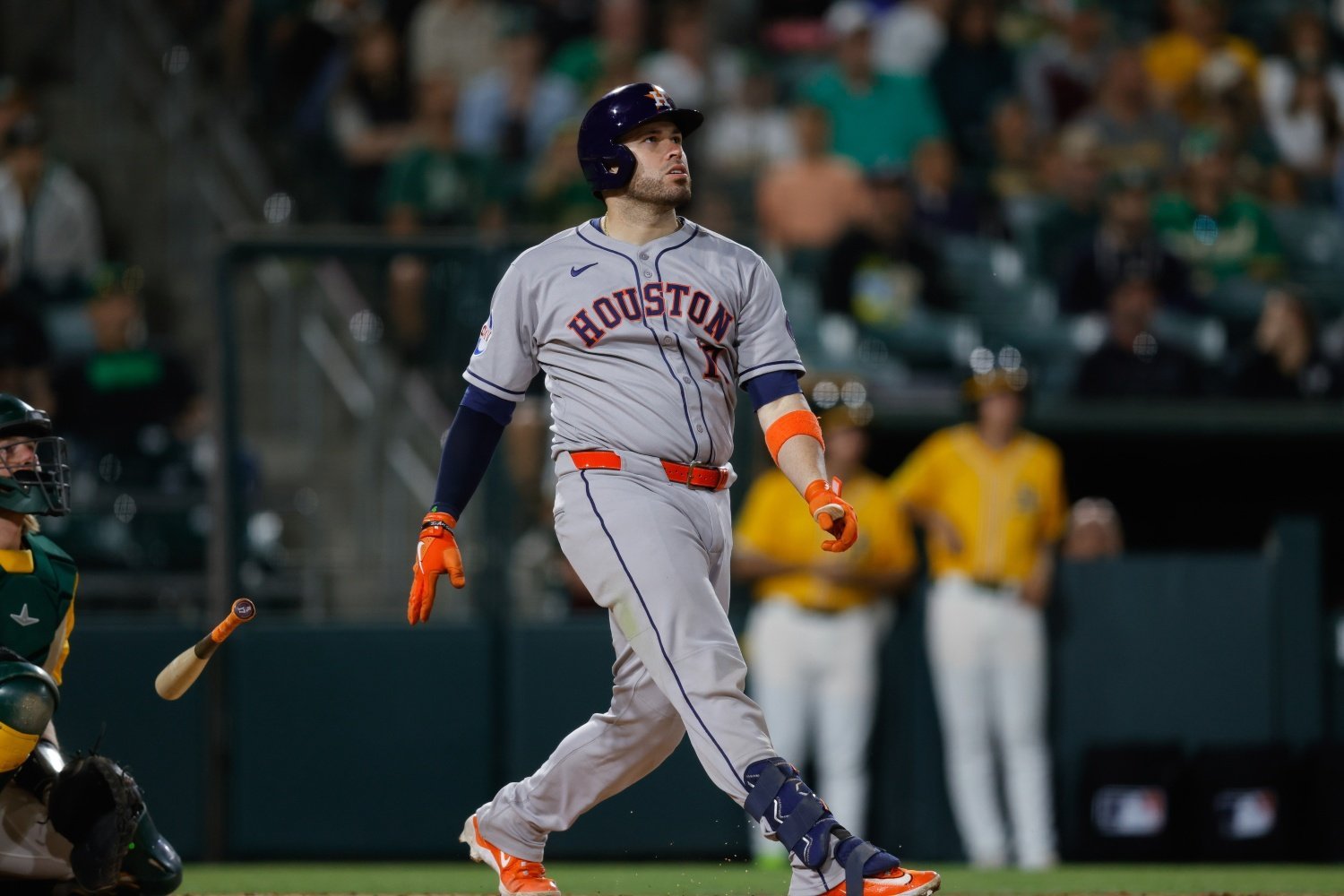 The Twins’ offseason outlook at catcher is more uncertain than it has been in recent years. Christian Vázquez is now a free agent, and Ryan Jeffers has been floated as a potential trade candidate. If both veterans are moved or one departs without a clear replacement, the front office will need to act quickly to find a reliable presence behind the plate. One name that makes a lot of sense is Victor Caratini. Caratini has spent the past two seasons with the Houston Astros, after signing a two-year, $12-million deal. He became a valuable part of Joe Espada’s roster, providing steady defense, switch-hitting versatility, and a dependable approach at the plate. He was often the first player called upon off the bench and started 103 games at catcher over the past two years. With Yainer Diaz locked in as the primary backstop for Houston, Caratini may look for a larger role elsewhere this winter. If that opportunity is what he’s seeking, Minnesota could be an ideal landing spot. Caratini has shown a willingness to move around the diamond, starting 32 games at designated hitter and 18 at first base over the last two seasons. That kind of flexibility would fit perfectly with the Twins' approach to mixing and matching. At the plate, he’s been quietly productive, posting a 105 OPS+ since the start of 2023. That’s the same mark Jeffers has produced over that stretch, making Caratini an intriguing option whether the Twins keep or trade their current catcher. Other offensive metrics also paint him in a positive light. He ranked in the 77th percentile or higher in strikeout, per-swing whiff and chase rates. His 30.6% rate of squaring up the ball on contact was in the 80th percentile. As a switch-hitter, the majority of his plate appearances came as a left-handed batter. In those, he posted a .726 OPS. His right-handed swing produced a .740 OPS in only 62 plate appearances. More regular at-bats (especially against righties) could help him prove he deserves to be a starter. From a defensive standpoint, Caratini is steady, if unspectacular. He manages pitching staffs well, controls the running game, and provides consistent framing and blocking. In 2024, Baseball Savant credited him with 5 catching runs (3 Framing, 2 Throwing/Blocking), but that total dipped to -3 in 2025. He also ranked in the 72nd percentile for Blocks Above Average. Last season saw the fewest innings he had caught since 2020, so sample size may have been a factor. For a team that values defensive reliability and game-calling, that combination has significant appeal. The Twins could utilize Caratini in several ways. If Jeffers stays, the two could form a natural timeshare, with Caratini giving Derek Shelton the added benefit of a switch-hitting option to balance lineups. If Jeffers is traded, Caratini could step in as the regular catcher, while also mentoring a younger option or keeping Jhonny Pereda in a backup role. Either way, he brings stability to a position that suddenly feels uncertain. With the market unlikely to be bullish for catchers this winter, a short-term deal in the same range as his last contract could make sense for both sides. However, there is no guarantee the Twins will have the payroll flexibility to add free agents without trading other pieces. From Caratini's perspective, the benefit of a deal would be more consistent playing time. For their part, the Twins would fill a significant need without a long-term commitment. As the offseason begins to take shape, Minnesota’s catching situation will be one of the most critical areas to monitor. Caratini may not be the flashiest name available. Still, his experience, switch-hitting ability, and steady play behind the plate could make him the perfect fit for the Twins heading into 2026. Should the Twins aggressively pursue Caratini? Would he be willing to come to the Twins for a more regular role than the Astros? Leave a comment and start the discussion. View the full article
 -
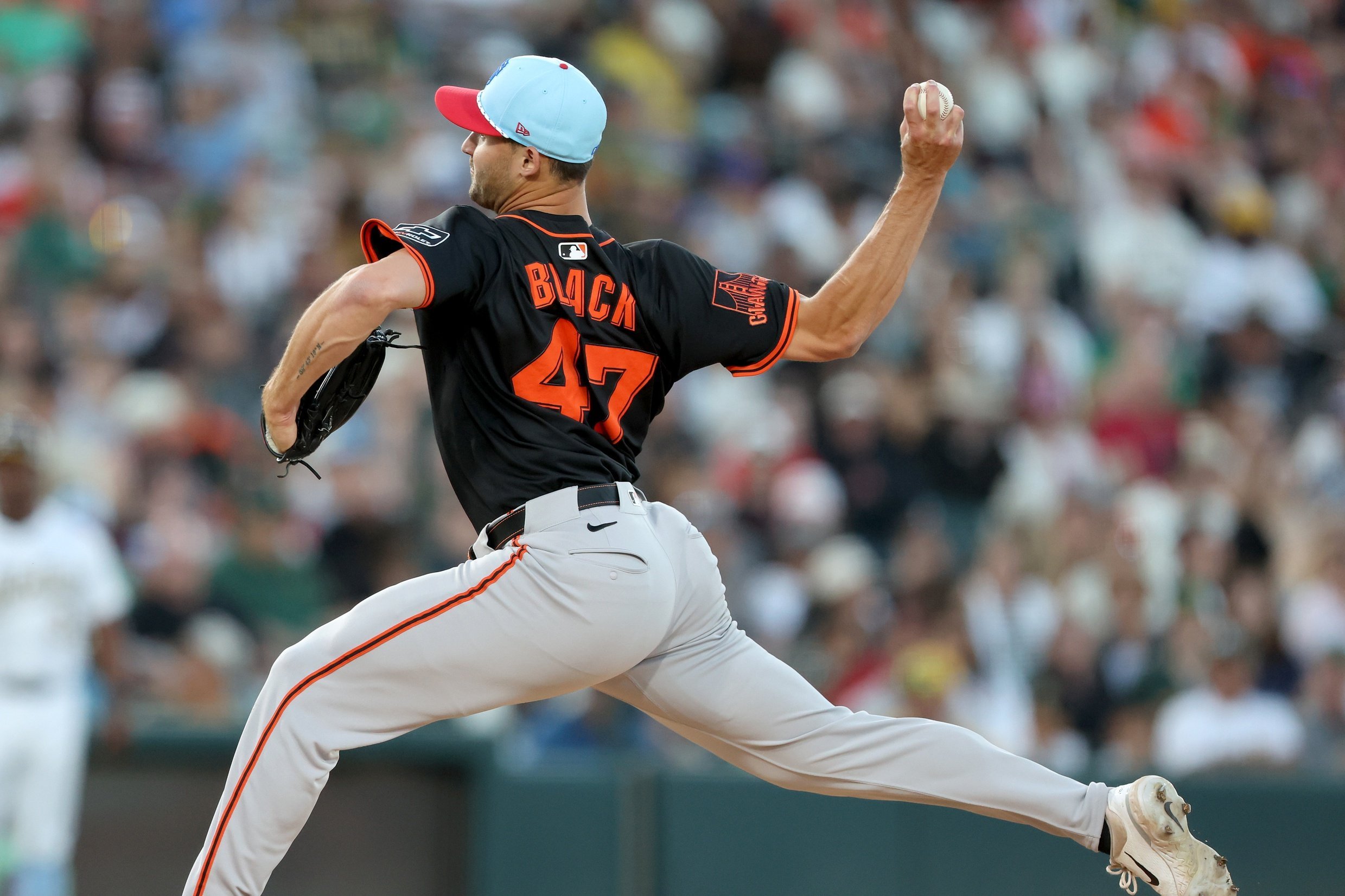 On Tuesday afternoon, the Royals announced on Bluesky that they would be acquiring right-handed pitcher Mason Black from the San Francisco Giants in exchange for right-handed pitcher Logan Martin. The move comes in the wake of the Giants designating Black for assignment on November 6th to make room for outfielder Justin Dean (formerly of the Dodgers) and left-handed pitcher Reiver Sanmartin (formerly of the Reds). Before Black could be a free agent, the Royals were able to pull off a trade for the talented but inconsistent righty. The move now puts the Royals' 40-man roster at 40, according to Roster Resource as of November 11th. They have three open roster spots, but more should open up this offseason. Kansas City GM JJ Picollo will likely non-tender more players before the November 21st Non-Tender deadline, with some candidates being Jonathan India and Bailey Falter, who are estimated to command $7.4 million and $3.3 million this offseason, respectively. The acquisition of Black gives the Royals some flexible pitching depth, especially with Black still holding a Minor League option for 2026. In return, the Giants receive Logan Martin, who posted a 3.45 ERA, 1.20 WHIP, and 11.1% K-BB% in 22 starts and 91.1 IP for the High-A Quad Cities River Bandits. Martin has pitched in the Arizona Fall League with Surprise, but has struggled with the Saguaros, posting a 9.82 ERA and 2.18 WHIP. Based on his pitching summary data from TJ Stats (utilizing his October 25th outing as an example), the former Kentucky Wildcat has shown good stuff, but struggled to generate chases and whiffs in Arizona. Even though it's not an "earth-shattering" move, Black is an intriguing arm with long-term potential who was once a top prospect in the San Francisco Giants system. Thus, can Brian Sweeney and the Royals' pitching coaches (sans Zach Bove, who is now with the White Sox) help tap into Black's full potential in Kansas City in 2026? A Look at Black's Time in San Francisco Hopes were certainly high among Giants fans for Black, a third-round pick in the 2021 MLB Draft out of Lehigh University, a Patriot League school. Black had an excellent Minor League season in 2023, posting a 3.71 ERA, 1.21 WHIP, and 20.1% K-BB% in 29 starts and 123.2 IP between Double-A and Triple-A. As a result, MLB Pipeline ranked Black the Giants' No. 8 prospect entering the 2024 season. Here's what Pipeline said in their scouting report. The combination of Black's diverse repertoire, solid command, and atypical delivery made him one of the Giants' better pitching prospects in the upper Minors, as seen below in this highlight film of him pitching with the Sacramento Rivercats, the Giants' Triple-A affiliate, in 2024. Black finally made his MLB debut in May of that season, but the results weren't great in his initial exposure to Major League hitters. In nine outings (eight starts) and 36.1 IP with the Giants that season, the right-hander posted a 6.44 ERA, 1.68 WHIP, and 9.5% K-BB%. His FIP was only nominally better at 5.45, and his -0.2 fWAR illustrated how mediocre his San Francisco debut was a couple of seasons ago. While Black did flash some strikeout stuff, he didn't generate enough whiffs and chases, and he also struggled with giving up a lot of hard hits and barrels. When looking at his TJ Stats season pitching summary profile, Black showcased slightly below-average stuff, with a 97 overall TJ Stuaff+. As a result, he struggled to generate consistent chases (27.4%) and whiffs (16.4%), and he also gave up a lot of hard and productive contact, as illustrated by his .428 xwOBACON. His four-seamer was perhaps his most intriguing pitch in 2024, which he threw 31.5% of the time (his most used offering). Even though it sported a 95 Tj Stuff+ and 46 grade, he did produce a 30.6% chase rate and 23.1% whiff rate on the pitch, both above-average marks. The only problem was that he gave up a xwOBACON of .601 on the fastball, the worst mark in his six-pitch repertoire. Things didn't seem to get better for Black in 2025. His ERA in Sacramento ballooned to 5.81 in 119.1 IP, and his 21.5% K rate was 2.2% lower than his Triple-A mark in 2024 and 6.4% lower than his mark with the Rivercats in 2023. His TJ Stats pitcher summary profile from Sacramento last year didn't look hot either, on both the stuff and results ends. With the Rivercats last season, his overall TJ Stuff+ was 96, and he only posted a chase rate of 25.4%, a whiff rate of 24.8%, and an xwOBACON of .365. The latter two marks are around average to slightly below, but considering it was his third stint in Triple-A, he was expected to produce more dominant results. Black only made one appearance in 2025 with the Giants, a four-inning relief appearance on the Fourth of July against the Athletics. He gave up five runs on five hits, including two home runs. However, he struck out five, walked zero, and showcased some intriguing development with his pitches from 2024, especially with the sweeper. Against the A's, Black's sweeper sported a 103 TJ Stuff+ and produced a 47.8% zone rate and 41.7% chase rate. The 30.8% whiff rate and .373 xwOBACON weren't impressive, but were still serviceable, especially for a pitch that he threw 31.1% of the time. In addition, he showed growth with his sweeper in nearly every category from the previous season with the Giants. He saw a `13.5% increase in chase, 14.8% increase in whiff, and a 59-point decrease in xwOBACON. It's a small sample (one game after all). However, it showed that Black made the necessary adjustments to his pitch mix and quality, leading to improvement from his rookie season. Why the Royals Would Want Black The one thing that sticks out about Black's history is that he is not just a student of the game, but an intelligent individual in general. Not only did he attend college at Lehigh, a pretty intense academic university, but he was also on the verge of entering medical school before getting drafted. Black's story and scientific approach to pitching were profiled in a short video segment from the San Francisco Giants back in 2023, when he was still a prospect in the Giants' farm system. The Royals have seemed to thrive with pitchers who not only study their craft but are willing to make the necessary adjustments to their pitch grips and repertoires. Seth Lugo finished second in the AL Cy Young race in 2024 thanks to the changes he made with the Royals. Cole Ragans went from questionable arm in Texas to Opening Day ace for the Royals. Lastly, Kris Bubic has thrived the most under Sweeney and the Royals' pitching development team, going from a mediocre starter to an AL All-Star last season. Black certainly has the mindset to rebound in Kansas City, and his tools aren't bad, if they can be adequately developed. Last year, his 6'8 average extension ranked in the 80th percentile. It was 6'7 this year (yes, get your laughs in, Gen Z folks), but that still ranked above average. That extension can make up for lackluster velocity, which Black sported last year (92.7 MPH fastball velocity). An example? Bubic, who utilized his 85th percentile (6'9) extension to produce a 76th percentile whiff rate (28.8%), despite an 18th percentile fastball velocity (92.1 MPH). Bubic also had an average arm angle of 38 degrees, not tremendously different from the 29-degree arm angle that Black showcased last season with the Giants. Thus, it's in the realm of possibility that a few minor tweaks from Sweeney and the Royals' pitching coaches could help Black solidify the bottom of the Royals' rotation. If he doesn't have the length to be a starter, Black could thrive in the bullpen, especially with a four-seamer and sweeper combo that can be effective when utilized properly. That was on display in this strikeout of A's catcher Shea Langeliers in Black's lone outing last season. Now, is Black going to be the next Bubic? That may be a little rash, especially since Black has proven far less at the MLB level than the former Stanford product. At the same time, Royals fans shouldn't sleep on or completely dismiss Black and his potential. He has the intelligence, the tools, and the repertoire to become a serviceable starter or reliever for the Royals as soon as next season. Furthermore, there is some long-term upside with Black if everything clicks in Kansas City, especially since he will be only 26 when pitchers and catchers report in February. View the full article
 -
 Next Tuesday is the 2025 Rule 5 draft protection deadline. In my career covering the Miami Marlins, there has never been a more obvious candidate to be protected than Joe Mack. That isn't to say that Mack's development journey has gone perfectly—if that were the case, he would already be in the major leagues. The 2021 MLB Draft pick was sidelined for the majority of the 2022 campaign due to hamstring injuries, then didn't hit a lick the following year despite being fully available (.218/.295/.287 slash line in 120 games at High-A). He briefly slipped off the Fish On First Top 30 prospects list during the 2023-24 offseason. Some highly regarded amateurs never recover from that kind of early-career adversity. Just look at the players selected by the Fish with top-50 overall picks in the 2018, 2019 and 2020 drafts (Mack was the 31st overall pick in his class). As a prep prospect who signed for $2.5 million, Mack was most comparable to Dax Fulton and Nasim Nuñez, both of whom were true borderline cases entering their respective Rule 5 deadlines. Drafted by Marlins with Top-50 Overall Picks, 2018-2020 Name Pick # Draft Year Rule 5 Year Protected? Max Meyer 3 2020 2023 Yes JJ Bleday 4 2019 2022 Yes Connor Scott 13 2018 2022 No Kameron Misner 35 2019 2022 No Dax Fulton 40 2020 2024 Yes Nasim Nuñez 46 2019 2023 No However, Mack sprung himself to prominence by the midpoint of the 2024 season. He hit 10 home runs during the month of June alone while being a 21-year-old at Double-A, and paired that power with MiLB Gold Glove Award-worthy defense behind the plate. It was apparent then that he had a rare skill set and exceptionally high floor. Mack's breakout coincided with dramatic changes to the Marlins front office. Inheriting such a talented catcher did not deter new president of baseball operations Peter Bendix from acquiring more candidates to fill the position long term. Bendix added Agustín Ramírez at the 2024 trade deadline and Liam Hicks during last year's Rule 5 draft. As rookies in 2025, they combined to start 120 MLB games at catcher, producing well enough that Mack wasn't called up to Miami despite excelling against Triple-A competition. But as the season progressed, Ramírez's receiving struggles and Hicks' limited power largely negated their redeeming qualities. Although both can meaningfully contribute to the Marlins in 2026 and beyond, neither of them profile as the primary catcher for a contending team. There is ample room for Mack in Miami. As of this writing, the Marlins 40-man roster consists of 38 players, with Ramírez and Hicks being the only catchers (and there being serious doubt about Ramírez's future at the position). Even if the Marlins don't intend to carry Mack on their Opening Day active roster, every other team with open 40-man spots happily would as part of the Rule 5 requirements. Whenever a consensus Top 100 MLB prospect like Mack winds up in this situation, you need to protect the asset. It is premature to anoint Mack as the Marlins' franchise catcher. Maybe severe injuries derail him, he fails to hit at the highest level or somebody else in the organization improves enough to surpass him on the depth chart. At least in those improbable scenarios, he could still be traded for talent that addresses other areas of the organization. That's preferable to a one-time $100,000 payment, which is all you get as compensation for losing a player in the major league phase of the Rule 5. There is a sizable gap in value between Mack and the rest of the Marlins' Rule 5-eligible players. Keep an eye out for articles analyzing the others who are worth considering for 40-man selections—they'll all be housed in FOF's Fish on the Farm section. View the full article
 -
Four Free Agent Fits for the Middle of the Red Sox's Rotation
DiamondCentric posted an article in Talk Sox
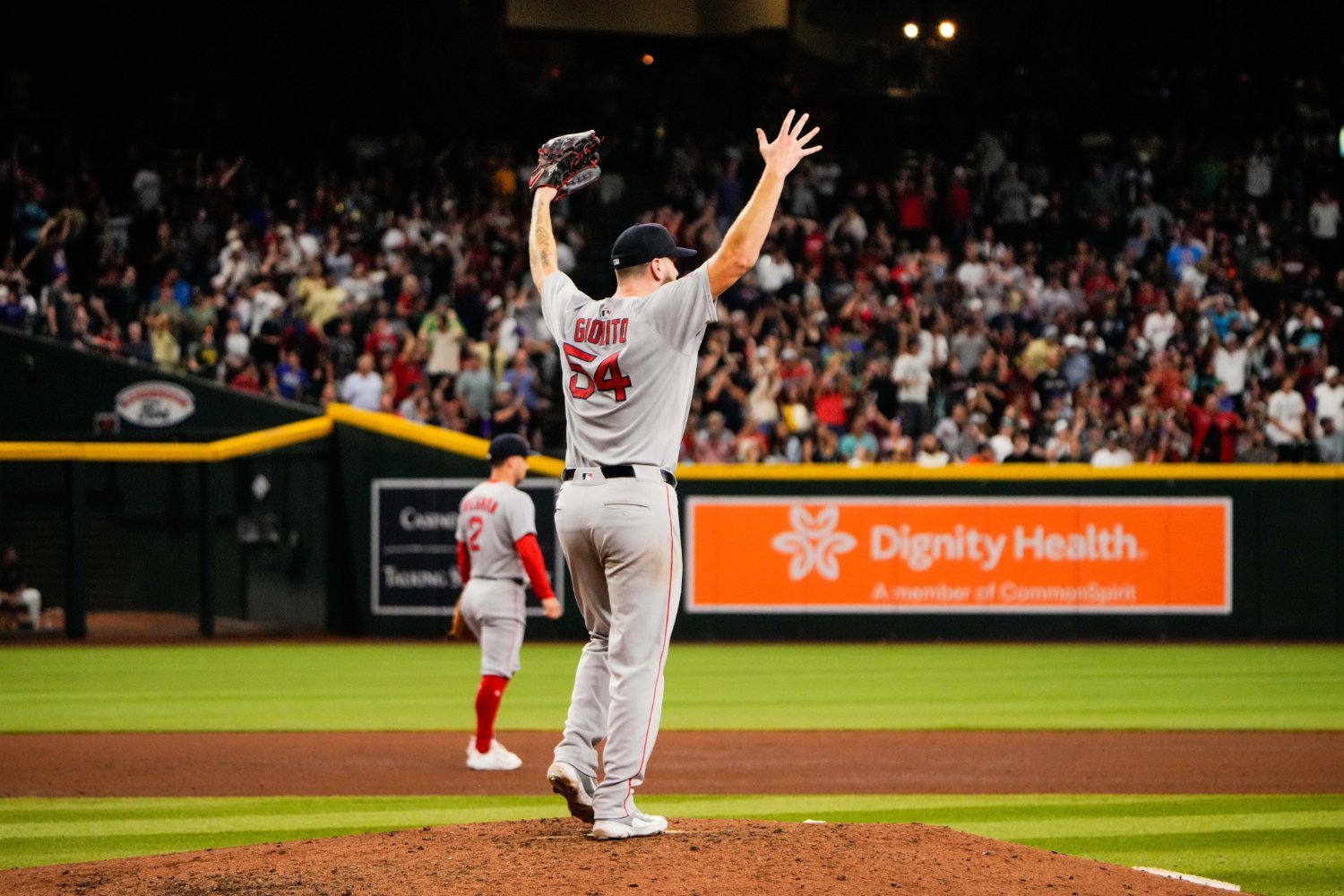 It's not sexy to talk about rotation depth, but it often proves just as conducive to winning as having top-shelf talent. The Boston Red Sox enter the 2025-26 offseason in a fascinating position: They already have a ton of organizational depth for the rotation. Looking at the youth on the precipice of big-league readiness, they have left-handers we saw briefly in Payton Tolle, Connelly Early, and Kyle Harrison, as well as right-handers Hunter Dobbins and Richard Fitts. They also have Luis Perales and David Sandlin residing in Triple-A Worcester, both of whom were at least discussed as potential break-glass-in-case-of-emergency options at the tail-end of the 2025 season. Then, you get into the veterans this team has coming back. Right-hander Kutter Crawford, who made 56 starts between 2023 and 2024, missed all of 2025 and is set to return next season. There's also left-hander Patrick Sandoval, who looked like a potential All-Star with the Angels as recently as 2022. With all of that in mind, one can argue the Red Sox have enough depth, but not enough elite-level talent behind ace left-hander Garrett Crochet. And it's true to a degree—the front of the rotation needs to be a priority. However, ignoring the middle of the rotation would be irresponsible for third-year Chief Baseball Officer Craig Breslow. While depending on Early, Dobbins, or Tolle isn't a bad strategy (depending on health), having them as Plan B would make the organization stronger. Not only that, but for the Red Sox to add someone at the top of the rotation, they may have to dip into all of this depth to acquire an ace on the trade market. So, if the Red Sox do pursue a lesser starting pitcher in free agency, who should they target? 1. RHP Lucas Giolito The obvious candidate here is to re-sign the right-hander who just spent two years in the organization. While the finish to his season was sub-optimal, there was a lot to like about Giolito's 2025 campaign. For starters, he pitched deep into games. In his 26 starts, he got at least one out into the sixth inning 16 times, the seventh inning seven times, and the eighth inning three times (completing eight twice). His strikeout-to-walk numbers left a bit to be desired, as did his under-the-hood metrics, but it's hard to argue against a 3.41 ERA in 145 innings. There's logic to letting the 31-year-old be one-and-done in Boston, similar to when the organization decided to make Michael Wacha a one-and-done project after 2022. However, Wacha went on to maintain success for the San Diego Padres and Kansas City Royals. While the logic was sound then, and would be now, that thought may linger on the minds of remaining Red Sox brass from that era. If they're going to add someone in this tier of starting pitcher, Giolito probably makes the most sense given the familiarity both parties have. 2. RHP Zach Eflin The Red Sox had Eflin on their radar ahead of the 2023 season, before he shockingly signed the richest free-agent contract in Tampa Bay Rays history. While the 2025 season was nothing short of disastrous for the right-hander, injuries played a major role. From 2023 to 2024, the 31-year-old posted a 3.54 ERA, a 3.37 FIP, and a 19.6% strikeout-minus-walk rate in 59 starts between the Rays and Baltimore Orioles. However, 2025 was a bad year for him; his ERA skyrocketed to 5.93 and his K/9 dropped to 6.31 across 14 starts before his season officially ended in August. He had a lumbar microdiscectomy in August, which people undergo to remove part, or all of, a bulging or herniated disc in the lower spine. According to reports, he expects to have a normal offseason after the standard eight to 12 weeks of recommended rest and rehab. Back injuries are no joke, though, especially for pitchers. It's hard to not at least expect that to linger more as he gets deeper into his 30s. That said, he's a talented arm and the injury and his 2025 performance should knock down the acquisition cost. Spotrac gives him a market value of $16.2 million, which is higher than I'd anticipate given early signs this market is showing, including Shane Bieber opting into his $16 million contract with the Toronto Blue Jays. Something in the range of $10 million over one year should feasibly get the job done. 3. RHP Chris Bassitt From one division rival to another, Bassitt is one of the highest floor guys in the sport. Since 2022, he's made at least 30 starts each year, pitched at least 170 innings, and posted at least 2.3 fWAR. He's not the same pitcher he was a half-decade ago for the Athletics, but he's the same pitcher in theory as Walker Buehler, except with less ceiling and a higher floor. In layman's terms: He's actively good at pitching, just nearing the end of his career. *ducks* Hear me out. He throws eight pitches, which is pretty darned impressive. While half of them registered at under six percent usage, all made up at least 2.7% of his total pitches. He also throws everything to both sides, even though there's a clear skew to one side of the platoon or the other. His cutter, curveball, four-seam, and splitter all kept hitters at bay in 2025, as all four had opponent batting averages of .220 or lower. He also comes in with a lot of institutional knowledge of the American League East, spending the last three years with Toronto, with whom he played a key role in getting them to a World Series Game 7. Bassitt isn't a big strikeout-getter, but he keeps the ball on the ground and generally avoids loud contact. His walks are also generally always in check, save for 2024 where his walk rate sat at a career-worst 9.2 percent. Now, adding him would make it even more imperative that Boston improve its infield defense, which should be a priority anyway, but they could do a lot worse on a one-year deal. 4. RHP Justin Verlander Despite being the ripe old age of 43 (in February), Verlander is coming off of a very solid season for the San Francisco Giants. In 29 starts, the right-hander posted a 3.85 ERA and 2.2 fWAR across 152 innings. After coming off the injured list in June, he was razor sharp to the tune of a 3.60 ERA and 3.34 FIP with 8.64 K/9. It feels like Verlander is becoming an Immaculate Grid legend by bouncing from team to team in the latter stages of his career, but he's still viable for a competitive rotation. While he gives up a lot of fly balls, he's fairly average at missing the barrel and above average at minimizing hard contact. Additionally, his changeup was a plus offering in 2025, while his slider performed worse than expected. His fastball is nowhere near the level it was in his Detroit days, but Andrew Bailey has no problem telling his starters to not throw the fastball (if it's ineffective). Lastly, one cannot overstate the institutional knowledge Verlander possesses. He's won rings, personal awards, and just about everything a MLB pitcher can achieve. He'd be the most decorated arm to don the Red Sox jersey since Pedro Martinez and Curt Schilling, even if signing him would give major John Smoltz vibes. View the full article
 -
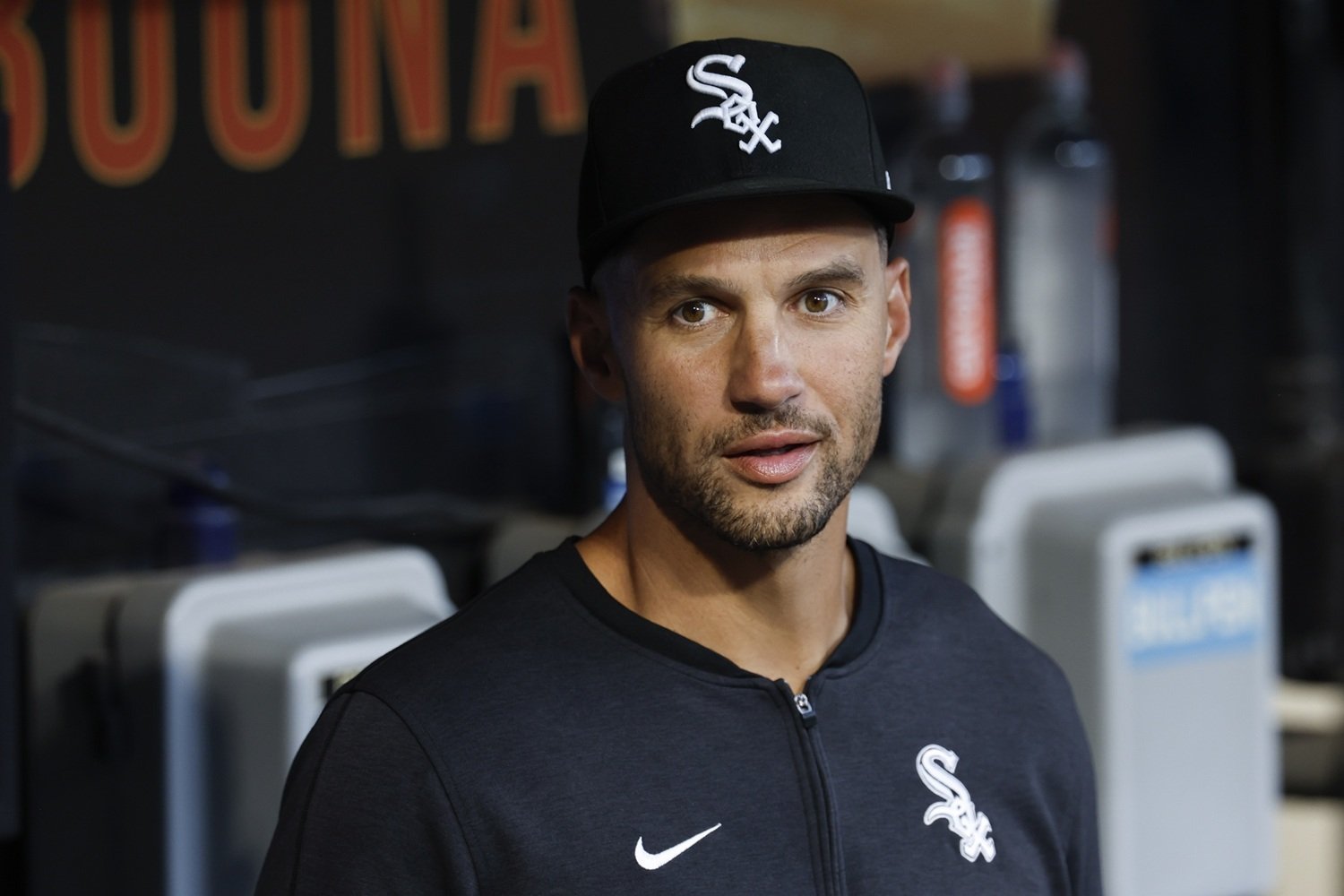 With more Twins Coaching news (some coming to the Twins, several former Twins coaches heading elsewhere), Bob NIghtengale reported on Tuesday night from the GM Meetings that the Twins have hired Grady Sizemore to their coaching staff. It isn't official, but we have heard that he will be the team's first base coach and also the outfield and base running coach. Ramon Borrego will shift from first base to third base coach in 2026. Sizemore was a big-time prospect in high school, and in 2000, the Montreal Expos made him their third-round draft pick. he became a three-time All-Star centerfielder. He was part of a couple of big trades. He earned two Gold Glove Awards and a Silver Slugger. He was a great all-around player with Cleveland. Unfortunately, he started fighting injuries in 2009, was very limited in 2010 and 2011, and then he missed the entire 2012 and 2013 seasons. He played for three times between 2014 and 2015, but he just was unable to return to his All-Star form. In 2017, he was given a special advisory role in Cleveland but soon after returned home and spent time with his young family. In 2023, he took an internship under the Diamondbacks GM Mike Hazen. In 2024, he went to the White Sox and joined their big-league coaching staff. When Pedro Grifol was fired, Sizemore became the interim manager to finish out the season. The White Sox went 13-32 with him leading the way. He remained with the White Sox in 2025 as the team's Offensive Coordinator. As you saw earlier, Pete Maki is returning to the Twins as their pitching coach. We still don't know about Derek Shelton's bench coach or the status of the team's three hitting coaches from 2024. Meanwhile, the Atlanta Braves sent out a press release on Tuesday night announcing their 2026 coaching staff. We had heard that former Twins bullpen coach Jeremy Hefner jumped into their pitching coach role and Tommy Watkins will be their third base coach. In addition, former Twins infield and bench coach Tony Diaz has joined the Braves coaching staff. Also, former Cedar Rapids Kernels pitching coach (and assistant minor league pitching coordinator) JP Martinez will be Atlanta's bullpen coach. He has been the Giants hitting coach for the past five or six years. View the full article
 -
 Game Results: Tuesday, 11/4 | Peoria 0, Glendale 7 Wednesday, 11/5 | Peoria 3, Salt River 4 Thursday, 11/6 | Glendale 11, Peoria 0 Friday, 11/7 | Mesa 0, Peoria 3 Sunday, 11/9 | Fall Stars Game: National League 4, American League 5 Minnesota Twins prospects and the Peoria Javelinas had a bit of a rough go in week 5, finishing 1-3 in their four games, and being shut out in two of them. That means they headed into the “Fall Stars” weekend with an 11-14 overall record, good for fourth in the standings. The all-star weekend in this circuit includes a home run derby, which Kala’i Rosario of the Twins has won in the past, as well as the NL vs. AL game for which the top prospects on lists get showcased along with some of the league’s best performers. Royce Lewis was also named the MVP of this game in the past, before taking home the same honor for the league as a whole all the way back in 2019. The Twins did have a participant in this year’s showcase game, but once again none of their players appeared amongst the top performers of the week. Twins prospects will have one more week to make their mark before the AFL playoffs commence next weekend. Unlike prior years, all six teams will be participating in the playoff tournament, with the top two teams receiving a first round bye week. OF Hendry Mendez Week (did not play) Overall: .300/.391/.500 (.891 OPS) Outfielder Hendry Mendez has not been playing in AFL games since week two due to a personal matter, and it is uncertain if he will be able to come back before the season is over. Mendez had appeared in five games for the Javelinas and had at least one hit in each of them, including a home run. IF Brandon Winokur Week (3 games): 1-for-9, 2B, RBI, BB, K, SB (2) Overall: .191/.273/.309 (.582 OPS) Winokur once again led the way for Twins prospects during the week, getting the start in three games. He played shortstop twice and third base once, batting seventh in the lineup each time. While being shutout by Glendale on Tuesday, Peoria managed just two hits and five walks as a team, finishing 0-for-4 with runners in scoring position. Winokur drew one of those walks after challenging a pitch, then also stole his second base of the season. A few batters later, he was forced out at home and the Javelinas wouldn’t get another chance the rest of the game. The lone hit of the week for the big right-hander came in Thursday’s second shutout of the Javelinas by the Desert Dogs on the week, as his double to lead off the fifth inning was his second of the season, and the last hit Peoria would muster on the day. Though he finished 0-for-4 on Friday, he drove in one of his team's runs with a groundout in the bottom of the sixth that made the 3-0 final in Peoria’s lone win. IF Billy Amick Week (1 game): 0-for-2, BB, 2 K Overall: .037/.316/.037 (.353 OPS) Amick served as the designated hitter in Thursday’s 11-0 loss to the Desert Dogs, batting ninth, and finished 0-for-2 with a pair of strikeouts. On the positive side, he drew one of the team’s four walks on the day after Winokur’s double in the sixth and would end up in scoring position, but got left stranded. RHP Miguelangel Boadas Week (1 appearance): 1 IP, BB, 2 K Overall: 1-0, 1.54 ERA, 1.29 WHIP, .158 BAA, 9 BB, 8 K (11 2/3 IP) Boadas’ lone appearance of the week came in the Fall Star’s game on Saturday. So while his outing won’t be included in his season long numbers shown above, he continued to perform admirably. With the score 4-1 in favor of the American League team, Boadas came on to pitch the top of the seventh inning. While he walked the leadoff man on just four pitches, he came right back and struck out the next hitter on a slider at the top of the zone. After four pitches were fouled back on the next hitter, including a 98.2 MPH fastball, he buried a slider away for a swing-and-miss and another strikeout. His catcher then threw a runner out a second to end the inning with a double-play. LHP Zander Sechrist Week (1 appearance): 1 IP, H, R (0 ER), BB, K Overall: 0-0, 2.57 ERA, 1.29 WHIP, .208 BAA, 4 BB, 6 K (7 IP) Sechrist got in one inning of work in Tuesday’s loss to Glendale, pitching the seventh inning in a game already out of reach for his team. An error from Winokur at shortstop put the leadoff man on base who would come around to score after a walk and a single. With two outs and runners on second and third, Sechrist got out of the inning without any further damage by picking up a swinging strikeout. RHP Dylan Questad Week (1 appearance): 2 IP, H, 3 BB, K Overall: 0-1, 15.19 ERA, 3.38 WHIP, .238 BAA, 13 BB, 5 K (5 1/3 IP) Questad was the first reliever summoned for the Javelinas in Friday’s 3-0 win over Mesa. He began the top of the third inning and worked around a two-out single and a walk for a scoreless inning. Back out for the fourth he again had a couple baserunners after issuing a pair of two-out walks, but recovered to finish his scoreless outing with a three-pitch strikeout. RHP Jakob Hall Week (1 appearance): 1 IP, 3 H, 2 ER Overall: 0-1, 8.53 ERA, 1.74 WHIP, .385 BAA, BB, 4 K (6 1/3 IP) After two scoreless innings from their starting pitching on Tuesday, Hall came on to start the third and ended up being charged with the loss as he gave up a pair of runs. His frame went groundout, single, single, double and also had a couple of wild pitches that lead to a 2-0 Desert Dogs lead. He got the final two hitters on a groundout and strikeout to end his appearance. RHP Hunter Hoopes Week (1 appearance): 1 IP, ER, 3 BB Overall: 0-2, 11.57 ERA, 2.43 WHIP, .300 BAA, 8 BB, 7 K (7 IP) Hoopes finished off the first of the Javelinas shutout losses on Tuesday, pitching the eighth inning. For Twins pitchers, it was again a “walks will haunt” scenario as his three free passes allowed a Glendale run to come home on a groundout to make the final score. Please feel free to ask questions and discuss the Twins prospects playing in the AFL this week! View the full article
 -
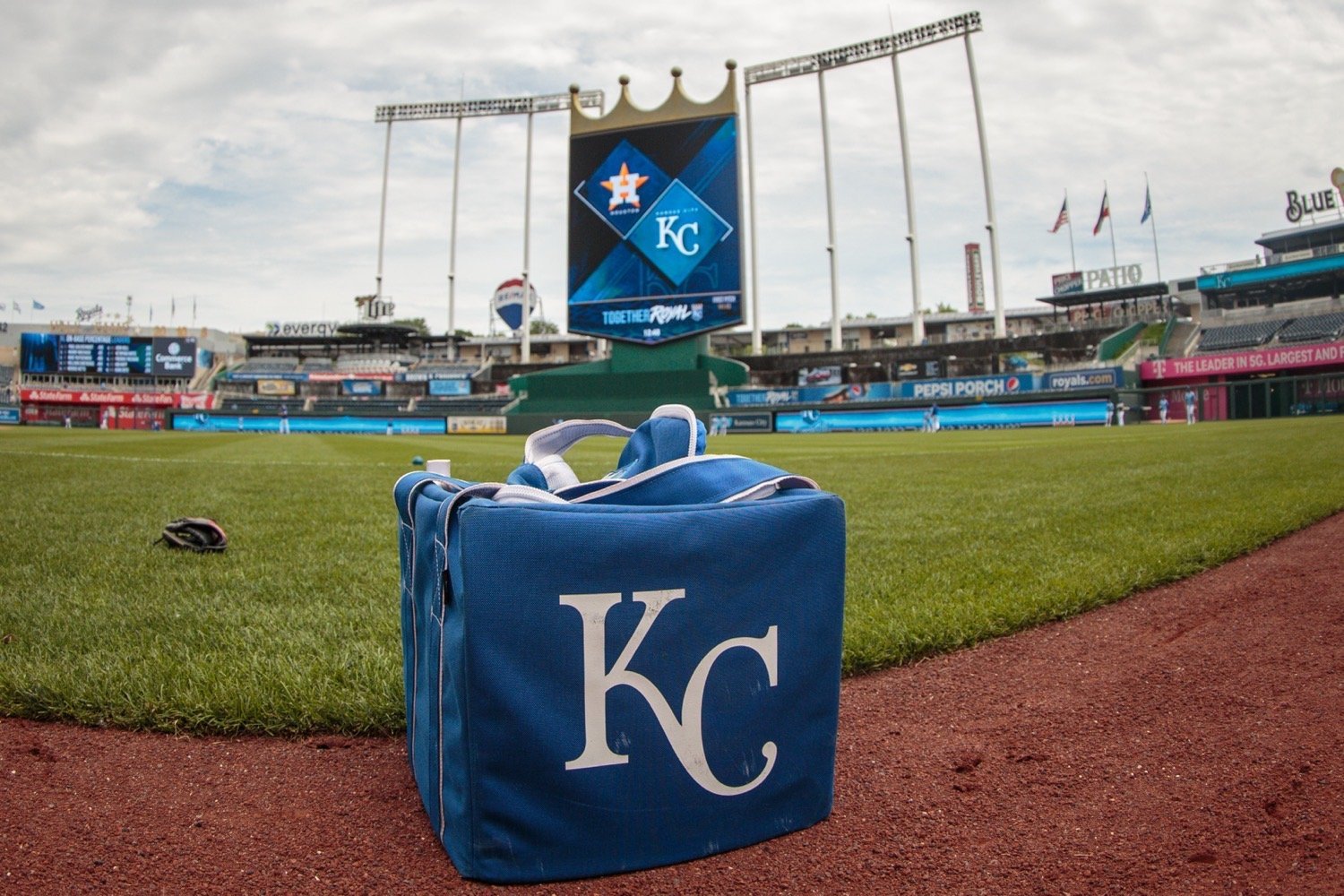 The Kansas City Royals are shifting titles and responsibilities in their front office. Brooks Sherman, formerly the president of business operations, is now president of real estate and development. His primary responsibility will be looking for a new ballpark location. In his place, Anne Rogers of MLB.com is reporting that the Kansas City Royals have named Cullen Maxey the President of Business Operations. In a statement, Royals chairman/CEO John Sherman said, "...this is a day that helps change our organization and prepares us for the future." Maxey was previously the Executive Vice President, Business Operations and Chief Revenue Officer with the Arizona Diamondbacks for 16 seasons. In Arizona, Maxey was part of the leadership team responsible for the planning and construction of the $200 million Salt River Fields Complex. He also led the team that transitioned the Diamondbacks' broadcast from the regional sports network model to a team-managed multi-platform distribution. Most notably for fans, he was one of the key figures behind "value item pricing" at the concession stand. His efforts led the D-backs to have the lowest Fan Cost Index in MLB for many consecutive years. While the impact of front office roles can be hard to measure, how do you think Maxey and Sherman's new roles will impact the Royals organization? Let us know in the comments! View the full article
 -
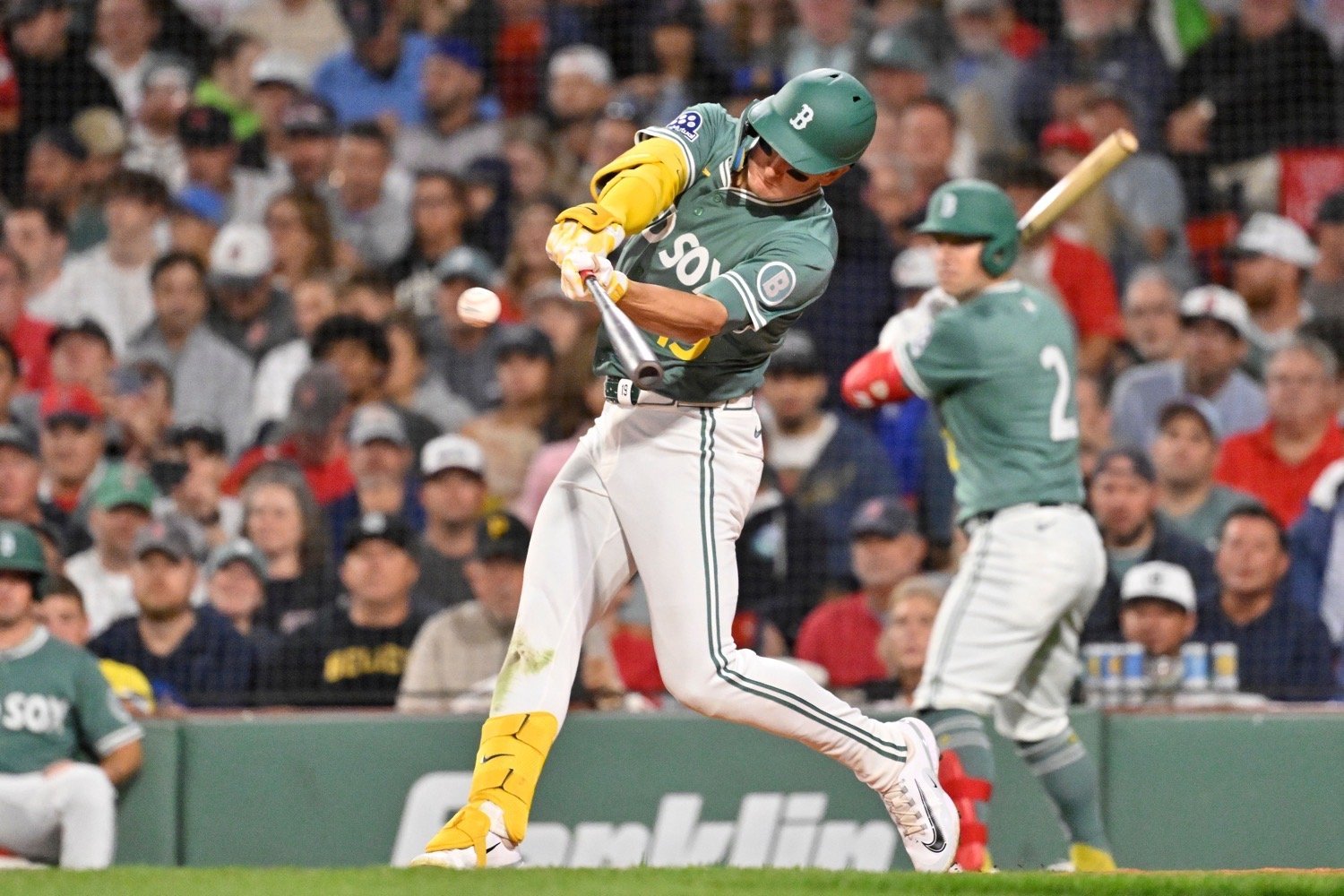 While the Boston Red Sox will be extremely busy this offseason revamping their roster via free agency and the trade market, they'll also be monitoring the progress of injuries across the organization. On Monday, Boston Red Sox chief baseball officer Craig Breslow provided offseason injury updates from the General Manager meetings in Las Vegas, NV. Roman Anthony, who finished 3rd in AL Rookie of the Year voting, is "completely asymptomatic" after missing the final 22 games of the season and playoffs with a left oblique strain. He added that it's business as usual for Anthony, who "should start swinging in a couple of weeks..." Triston Casas, who suffered a devastating knee injury in May, is rehabbing in Fort Myers, FL. Breslow was not willing to put a timeline on Casas, but added, "Triston is anticipating being ready for spring training." Injury aside, Casas has been the subject of trade speculation and was noncommittal when asked whether he would be the team's first baseman in 2026. This led Casas to make a very cryptic post on Instagram. Marcelo Mayer's "been making great progress to the point that he was pushing to get back in time if we had continued deeper into the postseason", said Breslow. Mayer had wrist surgery in August. He also provided updates on pitchers Richard Fitts and Hunter Dobbins. Fitts is throwing and is going into the offseason with no limitations", according to Breslow. Dobbins has begun a full throwing program after ACL surgery in August. He is expected to be ready by Spring Training. Mostly good news on the injury front for the Red Sox, but what do you think will happen with Casas? Do the Red Sox need a contingency plan in case he's not ready or is traded? Let us know in the comments! Note: this information was readily available across X, though most information was taken from Christopher Smith's article on MassLive. View the full article
 -
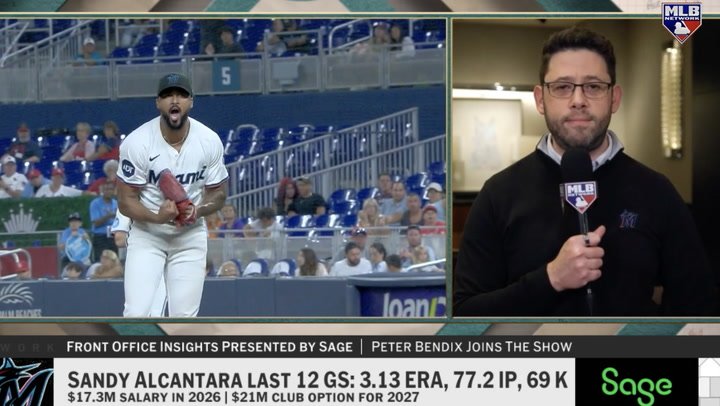 During the GM Meetings in Las Vegas, Marlins president of baseball operations Peter Bendix speaks with MLB Network's Brian Kenny about Gabe Kapler's promotion, Sandy Alcantara's future, Kyle Stowers' breakout and more.View the full article
 -
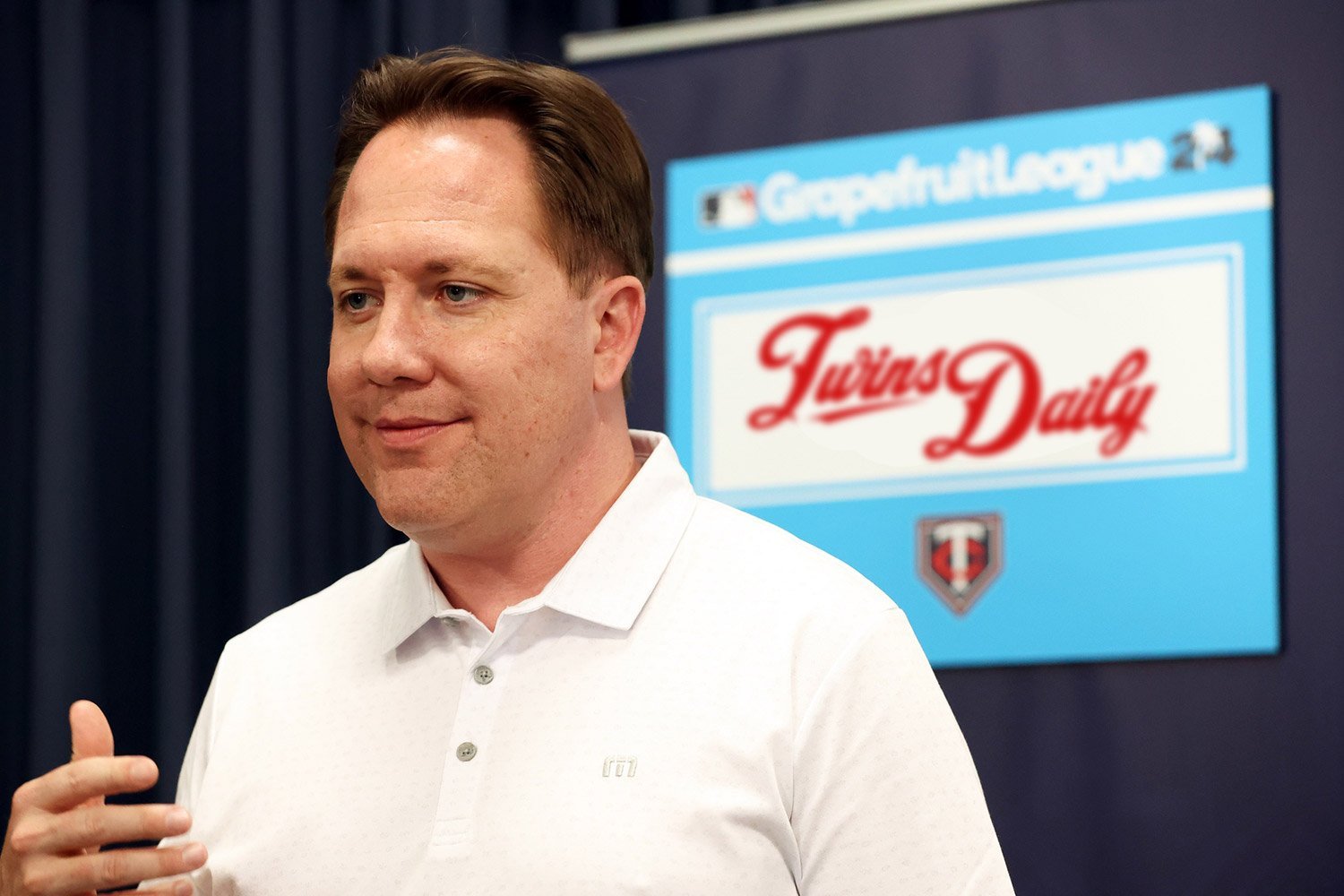 Every offseason, we offer our You’re The GM! tool to build your ideal Twins roster. This year, we’ve updated and streamlined the tool a bit to improve the experience. The idea behind this feature is to give fans a chance to play the role of General Manager (or CBO or PoBO… you get the idea) for their favorite team, the Minnesota Twins. It’s meant to give fans the opportunity to discuss (and, let’s be honest, argue) how they would approach the long, dark MLB offseason. This tool is intended to be informal and fun, so we’ve left it as open as possible. There is a payroll “budget” that loosely resembles the Twins' 2025 payroll, but there is no penalty for going over that number. It’s a guideline, nothing more. Second, you can submit as many blueprints as you like throughout the offseason. As the offseason landscape changes, users often return multiple times over the winter and create new blueprints. Before we get into the breakdown of the tool, you can save your blueprint and come back to it at any time. The only restriction is that you must register an account on the site to create a blueprint (so we can save a draft for you and also post the blueprint for others to discuss). Let’s get into the tool itself. It has four quadrants that work best if addressed in a counter-clockwise order (this tool works much better on a desktop due to its complexity, but it will work on mobile devices if need be). Top Left: The 26-Man Roster We have created a rough guideline for the Twins' 26-man roster today. The roster is flexible; you can add or remove players as you see fit. We’ve also included either guaranteed salaries or, in the case of arbitration and contract options, the recommendations of MLB Trade Rumors. This section is where you build your roster and make changes based on the following two sections. As you make changes to players and salaries, the total payroll number (right side of the screen) will change, allowing you to track your budget on the fly. The bottom field in both columns is for any dead money you assume during the course of your offseason. Acquiring dead money should be uncommon, but we want to give users the option to take on dead salary if it suits their purposes. Bottom Left: Arbitration & Trade Decisions Here, you will find a selection of arbitration options and internal options (usually from the 40-man roster or minor leagues) to assist in building your offseason roster. On the right-hand side of this column, you will see Trade Candidates, a list of the 40 players most likely to be traded this offseason, per MLB Trade Rumors. To help you get up to speed with these candidates, we offer a direct link to the MLBTR write-up on trade candidates. Bottom Right: Free Agents Here, you will find the top 50 free agents, again per MLB Trade Rumors. These are sorted by position to facilitate quickly finding your desired free agent and include the recommended salary for that player. Because this is a blueprint for a single year, we only include their projected salary for the coming season, not the number of years or anything else. To help you get up to speed with these free agents, we offer a direct link to the MLBTR write-up on the best 50 free agents available this winter. Top Right: Dead Money, Your Total Payroll, & Commentary The only unalterable field on the page is Dead Money; it is players to whom the team has committed money but has no reasonable way to get out of the contract. Below that, you will see the recommended budget, your current total, and the percentage you are over or under that budget. Again, keep in mind the budget is only a guideline, and you can go above it as much as you like… But defend your choices, coward! The following field is Title, which gives other users an idea of what to expect with your blueprint (e.g., Be Unreasonable, Sign Kyle Tucker!). When your blueprint posts for other users, it will read “Your Username’s 2025 Payroll Blueprint: Be Unreasonable, Sign Kyle Tucker!”. The following field is Your Comments & Explanation, a long-form field meant to type out the rationale behind your decisions. Here is the place to fully explain your trades (including which players are leaving the Twins to bring in new players), why you targeted specific free agents, and any promotions from the minors you advocate or any options you declined to extend to a specific player. This is often multiple paragraphs; you can write up as much detail as you desire. That’s it, you’re done! At this point, you can either publish your blueprint to the forums or save it for later if you feel it’s incomplete. Thank you for joining us at Twins Daily. I hope you enjoy playing the role of general manager, at least for a moment! Start Your Payroll Blueprint Now View the full article
 -
Will Andrew Vaughn Solve a 15-Year Problem for the Brewers?
DiamondCentric posted an article in Brewer Fanatic
 Last week, the Brewers declined their team option on first baseman Rhys Hoskins. They now enter another offseason needing to carefully evaluate their options at the position. They've been looking for a new first baseman almost every offseason, for a long time. Ever since Prince Fielder signed a nine-year, $214-million deal with the Detroit Tigers in January 2012, it’s been a revolving door at first base in Milwaukee. The issue may be larger than most realize. The Brewers have not had the same first baseman for 100 or more games in back-to-back seasons since Fielder was on the team, from 2005 to 2011. Fielder filled the lineup card’s first-base slot in 930 of his 998 games with Milwaukee and was the most consistent bat in their lineup over that time. Fielder helped the team end a streak of playing at or below .500 for 14 consecutive seasons in 2007, when he stepped into league-wide stardom by hitting a career-high 50 home runs. The next season, he, CC Sabathia, J.J. Hardy, Ben Sheets, and the 2008 squad dominated down the stretch to get the Brewers to their first postseason in 26 years. All told, Fielder put together an impressive seven-year stretch in Milwaukee. He accumulated 16.8 bWAR, 230 home runs, and 656 RBI, and posted a .282/.390/.540 slash line, a 13.4% walk rate, and an 18.5% strikeout rate. Those are hard numbers to come by for first basemen today. Since the beginning of the 2012 season, the Brewers have tried 16 different players as regulars at first, and no one has seemed to stick. Hoskins is just the latest example. The Brewers had hoped he could cure what has ailed them at the cold corner, but Hoskins only played 94 games at first in 2024 and 82 this season. At the plate, things didn’t hum as well as Hoskins or the Brewers had hoped. He put up decent power numbers in 2024, with 26 home runs and 82 RBI, but saw his slash line drop to career-low marks in all three categories: .214/.303/.419 and a 99 OPS+ in 131 games. This year, Hoskins played in only 90 games, as he battled recurring discomfort in his left thumb during the second half of the year. His numbers were only somewhat better, and Andrew Vaughn rendered him virtually obsolete during his stint on the shelf. So what gives? Is this just the curse of Fielder’s departure to play for the team with whom his father made his name, or is there something more to it? The most games any player has played at first in a single season since Fielder’s departure was Chris Carter in 2016, with 155. The most games they’ve gotten from any player at first in multiple seasons over the last 15 years is the 269 played by Jesós Aguilar, from 2017-2019. Here’s the full list of players with a minimum of 45 games at first for the Brewers since 2012, broken down by season. Corey Hart, 2012, 103 games Yuniesky Betancourt, 2013 - 68 games Juan Francisco, 2013 - 67 games Mark Reynolds, 2014 - 91 games Lyle Overbay, 2014 - 83 games Adam Lind, 2015 - 138 games Chris Carter, 2016 - 155 games Eric Thames, 2017 - 108 games Jesus Aguilar, 2017 - 77 games Jesus Aguilar, 2018 - 132 games Eric Thames, 2019 - 105 games Jesus Aguilar, 2019 - 60 games Justin Smoak, 2020 - 31 games Jedd Gyrko, 2020 - 30 games Daniel Vogelbauch, 2021 - 59 games Keston Hirua, 2021 - 49 games Rowdy Tellez, 2021 - 46 games Rowdy Tellez, 2022 - 139 games Rowdy Tellez, 2023 - 76 games Carlos Santana, 2023 - 50 games Rhys Hoskins, 2024 - 94 games Jake Bauers, 2024 - 76 games Rhys Hoskins, 2025 - 82 games Andrew Vaughn, 2025 - 64 games Jake Bauers, 2025 - 40 games The Brewers have tried several things to fill the gap left by Fielder. They’ve moved fan favorites like Hart from their original position in the outfield to first. They brought in successful journeymen on one-year deals (Reynolds, Gyorko, and Carter), only to let them walk again in free agency the next offseason. Aguilar ended up as one of the best waiver claims by the Brewers in the last decade, only to be traded when Thames resurged from a down 2018 season. Hiura looked to be holding down second base for a long time, only to flame out quickly at the plate and at first base, making room for Tellez. The only thing the Brewers haven’t tried is to sign a free-agent first baseman to a long-term deal to lock the position down for several years at once. As the roster currently stands, Vaughn and Bauers look to be penciled in as the solutions for 2026, in a modified platoon that gives Vaughn a bigger share than a typical righty in such an arrangement After seeing their first attempt at a two-year deal to fix their issue at first base fail, the Brewers will be unlikely to sign any similar veteran to a long-term deal. Vaughn and Bauers will be free agents after the 2027 season, so there is still plenty of time left for one of them to be the first Brewers first baseman to play 100 or more games at the position since Fielder. There are also corner infield prospects who may make a case further down the road. Andrew Fischer, ranked as the Brewers' 6th-best prospect by MLB Pipeline, joined the organization in the first round of the 2025 MLB Draft. Luke Adams, a 12th-round pick from 2022, ranks as their 8th-best prospect on the same list. First base is a position where most major-league teams see a revolving door from year to year. For example, since the division rival Cubs traded away their longtime first baseman, Anthony Rizzo, to the Yankees in 2021, they only had four players play 45 or more games at first before handing Michael Busch the full-time role in 2024. The Boston Red Sox, a team more willing to spend big on first basemen in free agency, have only had 12 players play 45 or more games in a season for them since 2012, with Mike Napoli (2013-2014) and Mitch Moreland (2017-2018) both having 100 or more games for them in consecutive seasons at first base. But the Brewers are in a unique position since Fielder’s departure. To go from one of the most consistent players at one position for seven years, then 15 consecutive seasons with a new face playing the most games there is unheard of. Maybe the player to end this streak is already on the parent club, coming up through the farm system, or a free agent they’ll take a chance on after all. But for now, it looks as though the player who will get the most starting time at first over the next few years is in the organization right now, and it’s just a matter of someone playing well enough to keep the starting role. View the full article
