


DiamondCentric
-
Posts
2,631 -
Joined
-
Last visited
Never
Content Type
Profiles
Forums
Events
News
Tutorials & Help
Major League Baseball Videos
Guides & Resources
Store
Downloads
Gallery
Everything posted by DiamondCentric
-

As MLB Free Agency Opens, Twins Make Flurry of Roster Moves
DiamondCentric posted an article in Twins Daily
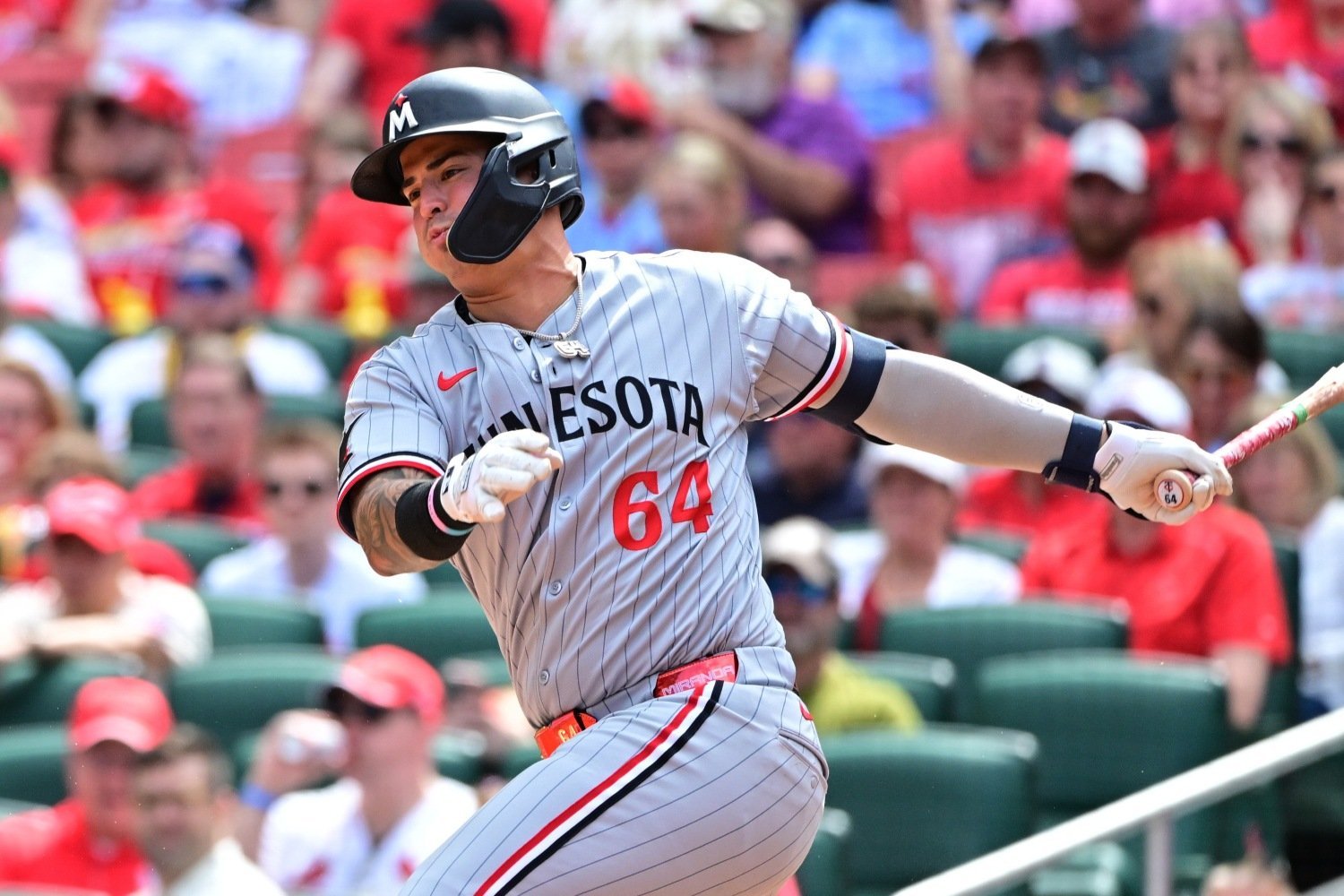 The MLB offseason reached its first interesting phase on Thursday. Qualifying offers were made, National League Silver Sluggers were announced, contract options were picked up or declined, and free agency officially got underway, as players who qualify for that right can now negotiate with all 30 teams. For the Twins, that meant some roster moves—seven of them, in fact. Some of these were expected, but there was at least one small surprise. I'll look at these moves in groups. The Formality For starters, Alan Roden was activated off the 60-day IL This move is really just a formality, as the 60-day IL doesn’t exist during the offseason. Roden is expected to be a full go for the 2026 season. That’s good news, because while he didn’t perform well with the Twins in limited action, he is a legitimate prospect and should be (at the very least) in the fourth outfielder mix. Topa’s Slight Pay Cut The Twins declined Justin Topa’s 2026 option. It was worth $2 million, and had a $225,000 buyout. His contract is a bit unique, in that he’s still under team control, but will head to arbitration for the final time. The interesting part here is that MLB Trade Rumors estimated his arbitration amount at $1.7 million. Assuming that’s close to correct, that gets his 2026 salary to $1.925 million, for a $75,000 savings. It's possible the Twins will lean on him to accept a bit less than that figure, or non-tender him when the deadline to decide about arbitration-eligible players arrives later this month. Four Fungible Relievers Cut Michael Tonkin, Génesis Cabrera, Anthony Misiewicz, and Thomas Hatch were all outrighted and became free agents. There really aren’t any surprises here, as none of the four were impact arms, and all lack upside at this point in their careers. Tonkin was estimated to make $1.4 million in arbitration, and is not an impact reliever. He was worth exactly 0.0 fWAR in 2025; the Twins can find someone similar within their own system and save $600,000 or so. In the past, Tonkin had durability to recommend him, even when his skills didn't stand out. After an injury-plagued campaign, that's out the window. Cabrera did not perform well for the Twins, or the other three organizations he played for in 2025. He allowed five home runs in 14 2/3 innings; opposing hitters hit .298 off of him; and he also walked nearly a batter an inning. Similarly projected to earn $1.4 million, he is four years removed from an average or better performance. Misiewicz signed with the Twins on a minor-league deal and is out of options. With below-average stuff and a 9.64 ERA, he presumably wouldn’t have remained on the roster this long, but for getting injured shortly after his July callup and only returning for one appearance on September 28. Thomas Hatch is a tinkerer, but unfortunately, his tinkering didn’t get results. His strikeout and walk rates were much worse than average, he gave up too much hard contact, and as a soft tosser, he didn’t bring enough to the table to justify even a league-minimum salary. As the Twins enter at least a soft rebuild, it will make more sense for these four roster spots to go to younger pitchers with more upside. The Twins will almost certainly need to convert some starters to relievers this offseason, as they have a glut of pitchers presumably fighting for just a couple of rotation spots, with more prospect depth on the way. Former Top-100 Prospect Outrighted Jose Miranda’s time as a part of the Twins organization has come to an end. He was one of the Twins' biggest failures in prospect development in recent seasons, as he was unable to find consistency or stay healthy. With elite contact skills, he demonstrated the capability to tie the major-league record for consecutive hits, and at one point, he looked like a building block. However, the formerly ascendant hitter failed to do that with any regularity, and throughout the 2025 season, he looked overmatched—even after being sent down to Triple-A St. Paul. Lacking defensive chops even at the bottom of the defensive spectrum, and frequently making mental mistakes while fielding or on the basepaths, the writing was on the wall when he failed to receive a call-up after the deadline selloff. It’s impossible to say how much of his struggles are health-related, as he has dealt with frequent injuries to his shoulder, back, and arm. The most unfortunate aspect of him being cut at this point is that the Twins failed to capitalize on his value while he had some. The Slightly Curious Move The one surprise, at least to me, was the Twins waiving Cody Laweryson. With the team needing to fill out almost an entirely new bullpen for 2026 after trading away all of the non-mop-up options aside from Cole Sands, I would have expected them to give him a longer look, particularly since he had six full seasons of team control remaining, and three minor-league options. He looked decent down the stretch, and the data bears this out. He didn’t walk anyone in 7 2/3 innings, had a roughly average strikeout rate, and FanGraphs rated his Stuff+ at 96, where 100 is average and higher numbers are better. They had his Location+ and Pitching+ as well above average, and he had the look of someone who Derek Shelton could send out in the fifth inning when a starter doesn’t go deep. Obviously, the Twins disagreed. The Angels claimed him, and he will have a chance to develop into a bullpen weapon for them. His slider, in particular, makes him worth watching. With these moves, the Twins' 40-man roster sits at 33, giving some room to add players to the roster ahead of the November 18 deadline to protect prospects from the Rule 5 Draft. Best wishes to the six players departing the organization on the next legs of their journeys. View the full article
 -
Brewers Extend Qualifying Offer to Brandon Woodruff
DiamondCentric posted an article in Brewer Fanatic
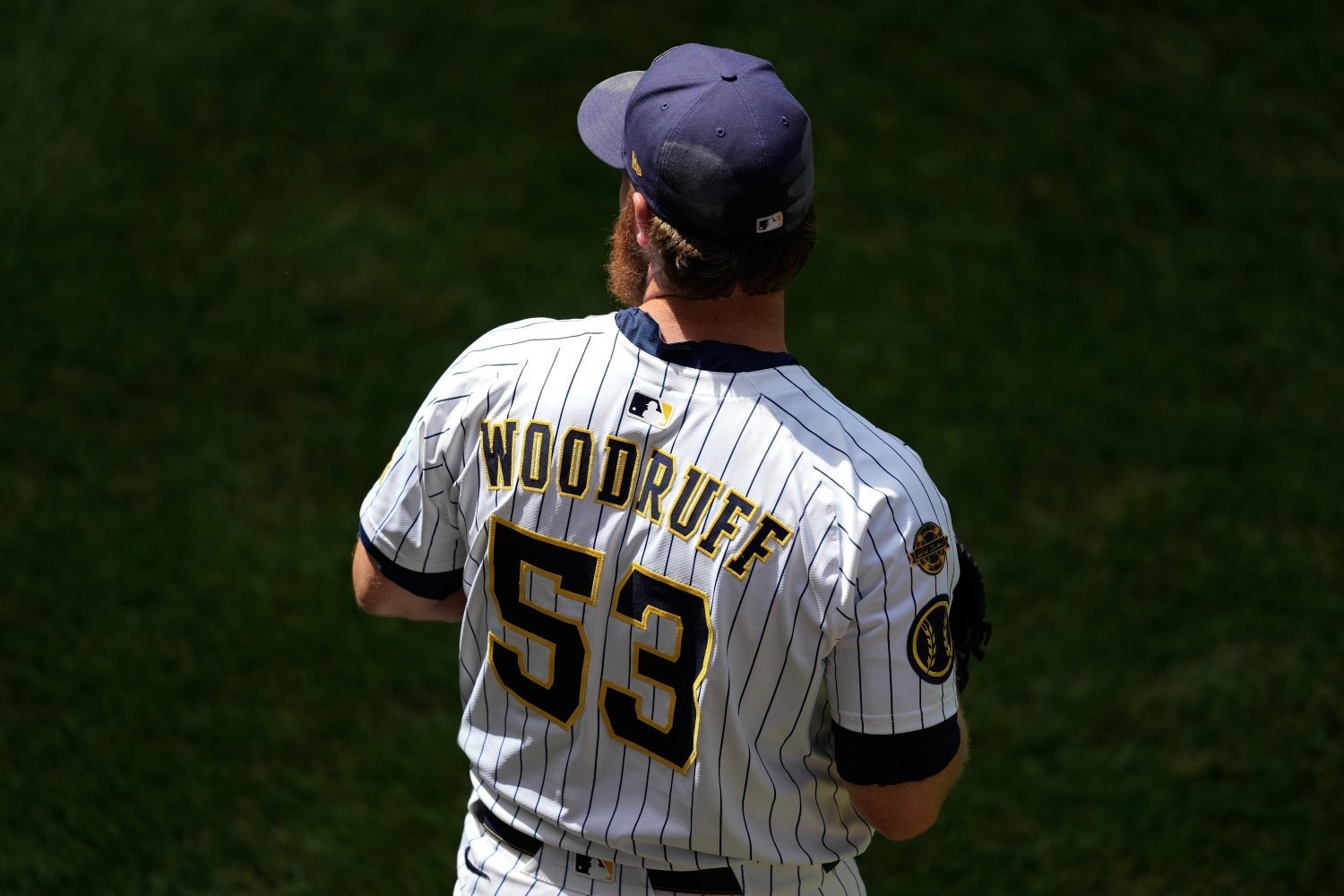 It has already been a busy offseason for the Brewers. After they recently declined options on William Contreras, Rhys Hoskins, and Jose Quintana, Brandon Woodruff declined his half of a $20 million mutual option, opting for a $10 million buyout and free agency. Not yet ready to let go (or at least not for free), though, Milwaukee decided to make a $22.025-million qualifying offer. Their desire to retain him is understandable. He has been on the team since 2017, longer than anyone else currently on the roster, and has been incredible over that span, pitching to a 3.10 ERA over his eight seasons. Recurring injuries threatened to derail his career, but despite a long layoff and seeing a meaningful decrease in fastball velocity upon his return this year, he still managed to make 12 starts and post a 3.20 ERA. His tangible pitching abilities aside, without him, Milwaukee has a severe shortage of veteran arms. Assuming no other additions to the rotation are made, Freddy Peralta is the only starter with more than 50 career games under his belt. The Brewers’ young pitching core undoubtedly has a bright future, with budding stars like Jacob Misiorowski and Quinn Priester, but Woodruff's experience and savvy are ingredients otherwise missing from the stew. This particular qualifying offer case is more nuanced than most. There’s a reason that, since this system was created in 2012, only 14 players have accepted qualifying offers. Because they represent opposite ends of the bargaining table, it’s rare that both players and organizations can agree upon a fixed value so easily. It’s the same reason mutual options are often declined, and why arbitration requires a neutral third party to be effective. Most of the time, a team won't extend a qualifying offer unless a player is worth markedly more than its value. Most of the time, a player won't accept such a deal once it's offered, because it's only for one year and their earning power is likely higher than that. In Woodruff’s case, if he had remained fully healthy for the past few years, he’d absolutely be in the running for a robust free-agent contract that would comfortably exceed the value of the one-year qualifying offer. But because his ability to stay on the field is so uncertain, taking the qualifying offer adds a guaranteed outcome to his future. For the Brewers, the risk behind the move is similar. They already accounted for injury risk when they signed him to a back-loaded two-year deal in 2024, acknowledging he would be recovering until some time in 2025 but betting on a strong return in the second half of the contract. In hindsight, 12 regular-season and zero postseason starts is hardly worth $17.5 million, but nonetheless, Milwaukee is ready to roll the dice again. After all, while his right lat strain sidelined him for the first two rounds of the playoffs, he’s projected to be fully healthy by Opening Day in 2026. If Woodruff declines the qualifying offer, the Brewers would receive a compensatory draft pick if he finds a way to maximize his earnings elsewhere. Should Woodruff get more than $50 million in guarantees from a new team, Milwaukee would collect a pick after the first round. If he signs with another team but for less than $50 million, they'll get a pick just before the start of the third round. Either way, for a team always looking to accumulate as much draft capital as possible, that would be a boost. If he accepts, Woodruff will be paid handsomely for at least the next year and has a chance to positively impact his stock heading into 2027. The Brewers, remember, are already due to pay him $10 million in 2026 (half in January and half in July), as the buyout on the mutual option Woodruff turned down. Another $22 million would hit their budget pretty hard, so even if he accepts the offer, he might become a trade candidate. Woodruff would have to approve any deal, in that circumstance, but he might be able to make more money by accepting the deal and signing an extension with a new team of his choosing than by heading into the market with the QO around his neck. Certainly, if he does accept the offer, the Brewers will look to move whichever of he and Peralta yields more value in return—be that in the form of young talent or added financial flexibility. Either way, this circumstance should give the front office some value to work with. Like many free agents who inevitably leave for bigger contracts and new horizons, Woodruff is by no means a must-have piece for next year’s roster—but he sure would make a dandy asset. View the full article
 -
Three Free Agent Fits for the Top of the Blue Jays' Rotation
DiamondCentric posted an article in Jays Centre
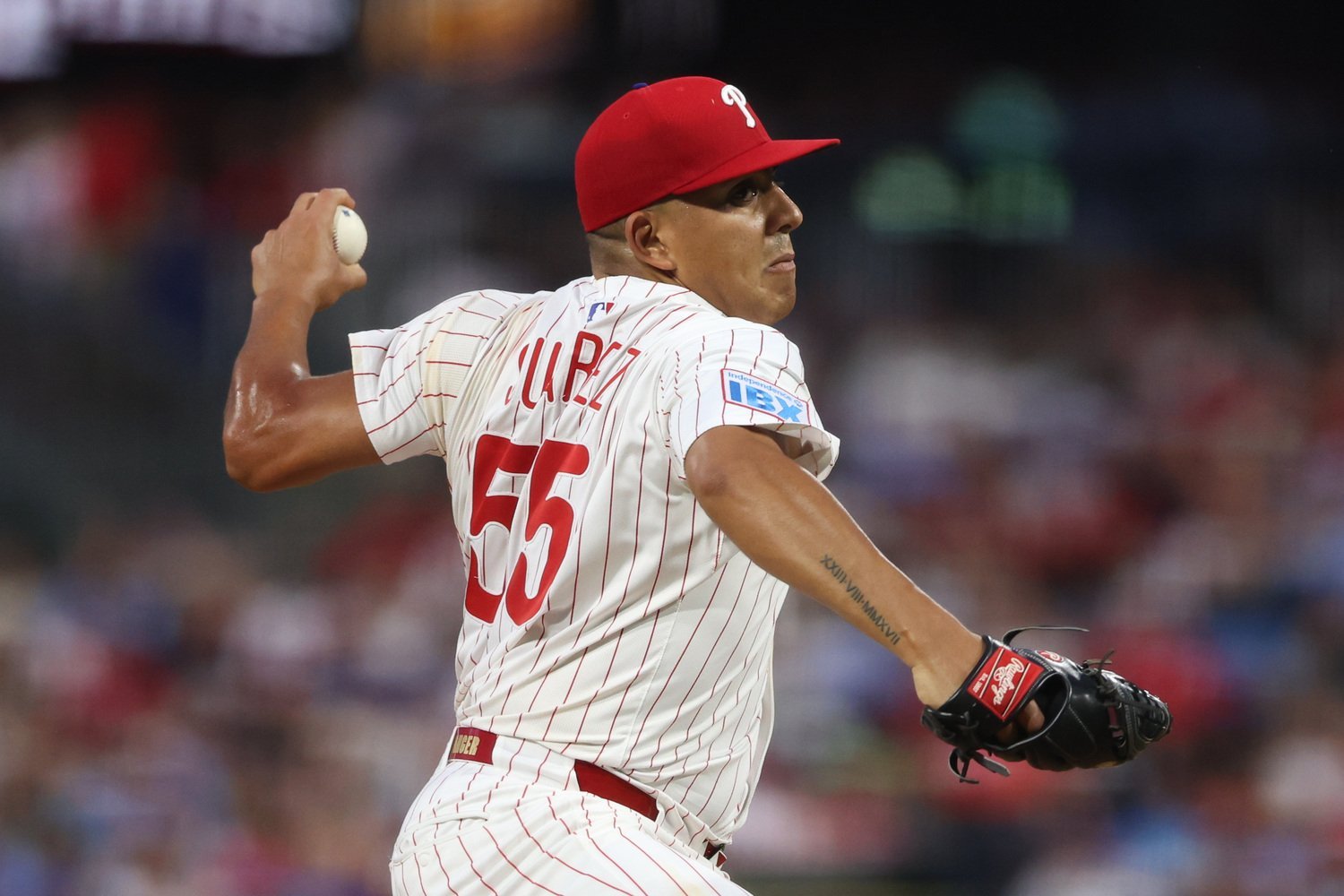 If there was one thing that the Toronto Blue Jays could learn from their trip to the World Series in 2025, it is that you can never have enough front-of-the-rotation starting pitching. The success the Los Angeles Dodgers had riding the backs of Blake Snell, Tyler Glasnow, Shohei Ohtani and, of course, Yoshinobu Yamamoto to their championship title is the perfect reason why you should never underestimate the impact a strong starting rotation can have for any contender. The Blue Jays managed to experience some of that themselves with Kevin Gausman, Shane Bieber, rookie Trey Yesavage and even Max Scherzer playing a hand in helping the team almost go all the way. As a result, with Scherzer and fellow starter Chris Bassitt heading into free agency this winter, the Jays need to find a way to add back an elite arm or two to round out their starting five for 2026. With that in mind, let’s take a look at three free agent front-end starters that would be ideal fits in Toronto going forward. Ranger Suárez During the past season, the Jays reaped the rewards of having former Philadelphia Phillies stalwarts Jeff Hoffman and Seranthony Domínguez both playing major roles in their bullpen. For this offseason, the Blue Jays should turn to another Phillies player in Ranger Suárez to help bolster their pitching staff going forward. Suárez may not have a plethora of accolades associated with his portfolio to date. Still, he has been far more consistent and reliable than one might realize since he was converted into a starter during the 2021 MLB season. Sporting a sparkling 53-37 record with a stellar 3.38 ERA and 1.27 WHIP over 187 career games in the majors, the promising 30-year-old former All-Star put together a strong 2025 campaign. He tied his career high in wins with 12, along with posting a 3.20 ERA and 1.22 WHIP while striking out 151 batters in 157 1/3 innings. More significantly, with the current Jays rotation made up primarily of right-handed arms, Suárez would complement the group perfectly, being the elite southpaw that he is. With Hoffman also returning for 2026, Suárez will be guaranteed to have at least one of his former teammates around to help him transition smoothly into his new team environment. Michael King Perhaps one of the more underrated pitchers in recent years, Michael King has quietly emerged as a prime front-end option on this year’s free agent market. Beforehand, King was most known for being a part of the trade package that the San Diego Padres received when they dealt superstar Juan Soto to the New York Yankees during the 2023-24 offseason. Primarily a swingman for the Yankees in his five seasons in New York, King finally had the chance to mature as a dominant starter with the Padres during the past couple of seasons. During that time frame, the 30-year-old right-hander produced a solid 18-12 record with a 3.10 ERA and 1.19 WHIP, along with 277 strikeouts in just 247 total innings in 45 starts. King was impressive enough in 2024 that he even finished seventh in NL Cy Young voting. A sore right shoulder, along with a knee injury, held him back a bit in 2025, as his ailments ended up putting him out of action for over three months. But now likely returning to full health for 2026, he becomes an elite option once again. The Blue Jays were identified as an ideal landing spot for King by MLB.com’s Mark Feinsand. Framber Valdez To really significantly bring the Jays' rotation mix to another level, the prime free agent target they should pursue is long-time Houston Astros ace Framber Valdez. Since he took on a full-time starting role in 2020, there was no looking back for Valdez, as he quickly became one of the top starting pitchers in the league. Sporting a strong 77-49 record, together with a 3.37 ERA, 1.19 WHIP, and 1002 strikeouts in 1026 2/3 total innings pitched as a starter for the Astros, he has been a yearly contender for the AL Cy Young Award. He was also named an All-Star twice in the last four seasons. More importantly, if the Jays can sign Valdez away from Houston, it would weaken the Astros' chances of returning to the postseason (after just missing the playoffs for the first time in nine years), while further enhancing Toronto’s likelihood of making it back to the World Series going forward. With Bieber having opted in to keep his salary at $16 million for 2026, the Blue Jays should have enough financial flexibility to land the big fish from Houston. As a result, Toronto could have one of the scariest rotations in all of baseball by the time the free agency dust settles. View the full article
 -
Four Free Agent Fits For the Top of the Red Sox’s Rotation
DiamondCentric posted an article in Talk Sox
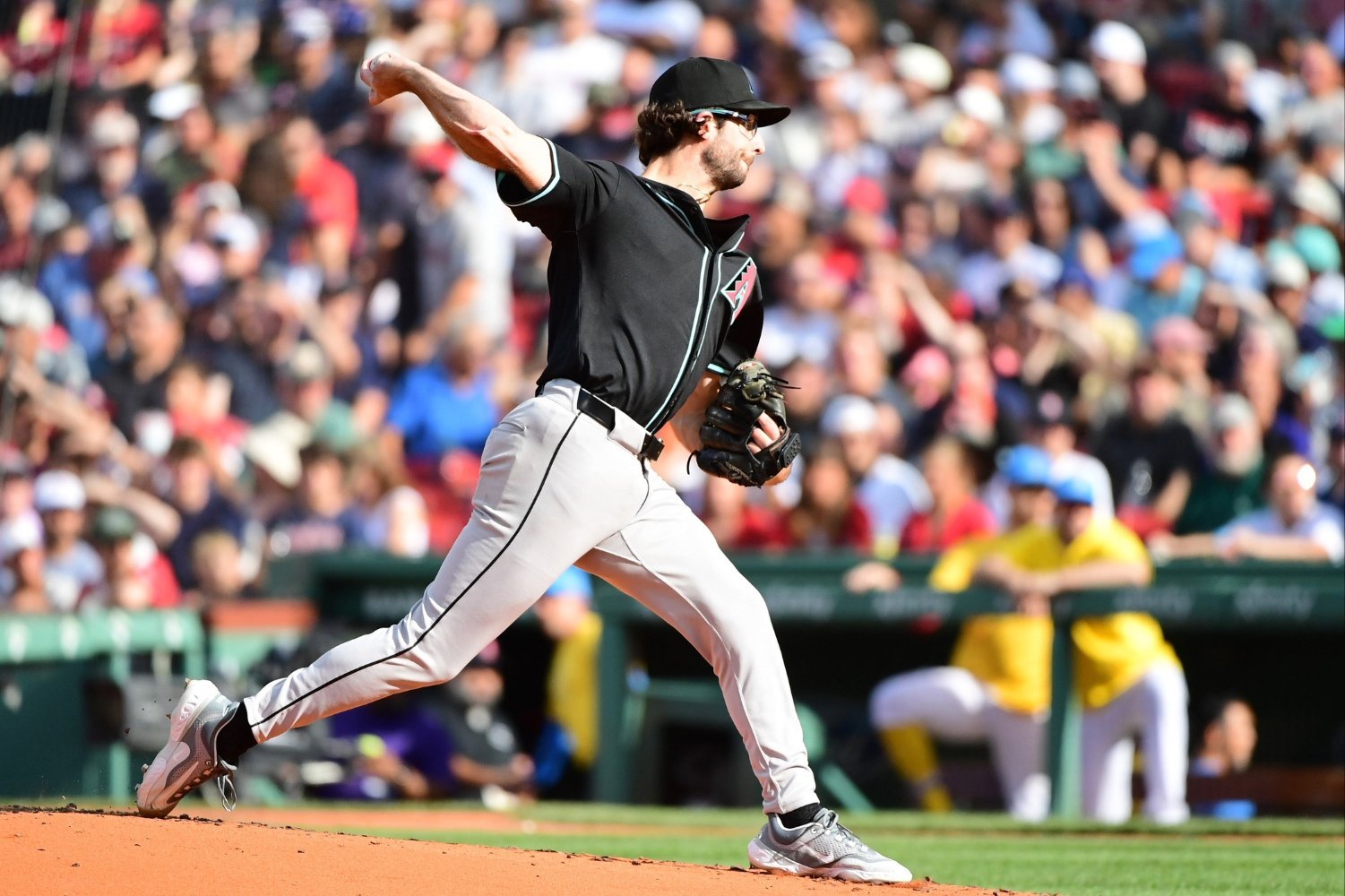 The Boston Red Sox’s rotation lacks a No. 2 starter. There are plenty of in-house candidates (Brayan Bello, Connelly Early, Kyle Harrison) to fill in at the back of the rotation, along with pitchers returning from injuries. Hunter Dobbins (torn ACL), Kutter Crawford (mysterious wrist injury), and Patrick Sandoval (torn UCL) are expected to pitch again at some point in the 2026 season. However, you can’t rely on recovering pitchers to immediately contribute like they would at full health. Effectively, the Red Sox need a pitcher to cement their rotation and fill the gap between Garrett Crochet and their backend starters. Fortunately, the team possesses the financial resources to allocate towards free-agent starters (or perhaps an expensive trade target). Which pitchers should they go after? Dylan Cease (30, 3.4 fWAR) Projected Contract Analyst Length AAV Total Jim Bowden 6-years $31.67 M $187.0 M Tim Britton 6-years $29.0 M $174.0 M Matthew Pouliot 7-years $30.0 M $210.0 M 2025 Stats IP ERA K-BB% HardHit% GB% FIP xFIP WAR 168.0 4.55 19.9% 37.4% 36.6% 3.56 3.56 3.4 Dylan Cease’s durability is his most valuable asset. Over the past four seasons, he’s pitched at least 150 innings, and the Red Sox’s rotation needs consistency behind Crochet. His slider is an authoritative pitch. In 2024, it posted the highest run value (25) among all pitch types. Cease’s 11.52 strikeouts per nine innings was the best in the majors this year. He's attached to a qualifying offer, so it'll be interesting to see where his market leads. In terms of complementing Crochet, it's hard to imagine Boston doing better than a right-hander with his raw stuff. Ranger Suárez (30, 4.0 fWAR) Projected Contract Analyst Length AAV Total Jim Bowden 6-years $27.33 M $164.0 M Tim Britton 6-years $25.5 M $153.0 M Matthew Pouliot 5-years $27.0 M $135.0 M 2025 Stats IP ERA K-BB% HardHit% GB% FIP xFIP WAR 157.1 3.20 17.4% 31.1% 46.8% 3.21 3.61 4.0 Ranger Suárez has been a cornerstone of the Phillies’ rotation over the past two seasons, but Zach Wheeler’s sheer dominance and the rise of Cristopher Sanchez pushed him down to the No. 3 spot. On any other team, he’d likely profile as a No. 2 starter. Read more about Ranger’s potential fit with the Red Sox in @Jordan Leandre's write-up. Zac Gallen (30, 1.1 fWAR) Projected Contract Analyst Length AAV Total Jim Bowden 5-years $27.0 M $135.0 M Tim Britton 2-years $21.0 M $42.0 M Matthew Pouliot 2-years $22.5 M $45.0 M 2025 Stats IP ERA K-BB% HardHit% GB% FIP xFIP WAR 192.0 4.83 13.4% 41.0% 43.6% 4.50 4.12 1.1 Going into the 2025 season, it seemed like Zac Gallen was primed to cash in on a large contract. Three years ago, Gallen finished third in the NL Cy Young race and has remained a consistent Cy Young candidate throughout his career. Unfortunately, for most of the 2025 season, Gallen appeared to be a shell of his former self. His performance was, as my fellow Gen Z-ers say, “mid”. With a 5.40 ERA in the first half, his potential trade value took a hit, and he remained with the Diamondbacks through the conclusion of the trade deadline. Gallen’s fastball is the staple of his arsenal. He’s thrown the pitch 47% of the time throughout his career. The pitch is the bridge to his secondaries (knuckle curve, cutter, changeup, slider, and sinker). When he paints his fastball on the outer edges of the strike zone, he creates a deadly combo with his secondaries. Between March and July, he struggled to command his fastball, and its velocity dropped (93.3 mph). Once the dog days of summer passed, he found better control and improved his velocity (94.0 mph). By the conclusion of the second half, he posted a 3.97 ERA. Like Dylan Cease, Gallen’s durability is a major asset, throwing an average of 183.5 innings per season since 2022. Given his subpar performance in his walk year, Gallen won’t fetch a lengthy, long-term contract. If Andrew Bailey’s pitching lab can help him rebound, he’s a high-ceiling reclamation project. Tatsuya Imai (28) Projected Contract Analyst Length AAV Total Jim Bowden 7-years $22.0 M $154.0 M Tim Britton 8-years $23.75 M $190.0 M 2025 Stats IP ERA K-BB% HardHit% GB% FIP xFIP 163.2 1.92 20.7% 16.5 48.3% 2.01 2.26 Freshly minted 2025 World Series MVP Yoshinobu Yamamoto has proved that smaller Japanese starters can succeed in MLB. Imai (5’11”) is the youngest free-agent starter this offseason, and I’d expect the Red Sox to be interested in him. For a deeper look into Imai, check out my piece from October. Improving the rotation is a priority for the Red Sox’s front office this offseason. A free-agent acquisition is a start (no pun intended), though this year's free agency class is weaker compared to previous seasons. That said, the organization boasts a strong pitching development program, and has a history of turning even questionable signings into consistent contributors (see: Aroldis Chapman). Through whatever means, expect the Sox to enter the 2026 season with another starter between Crochet and Bello in the pecking order. View the full article
 -
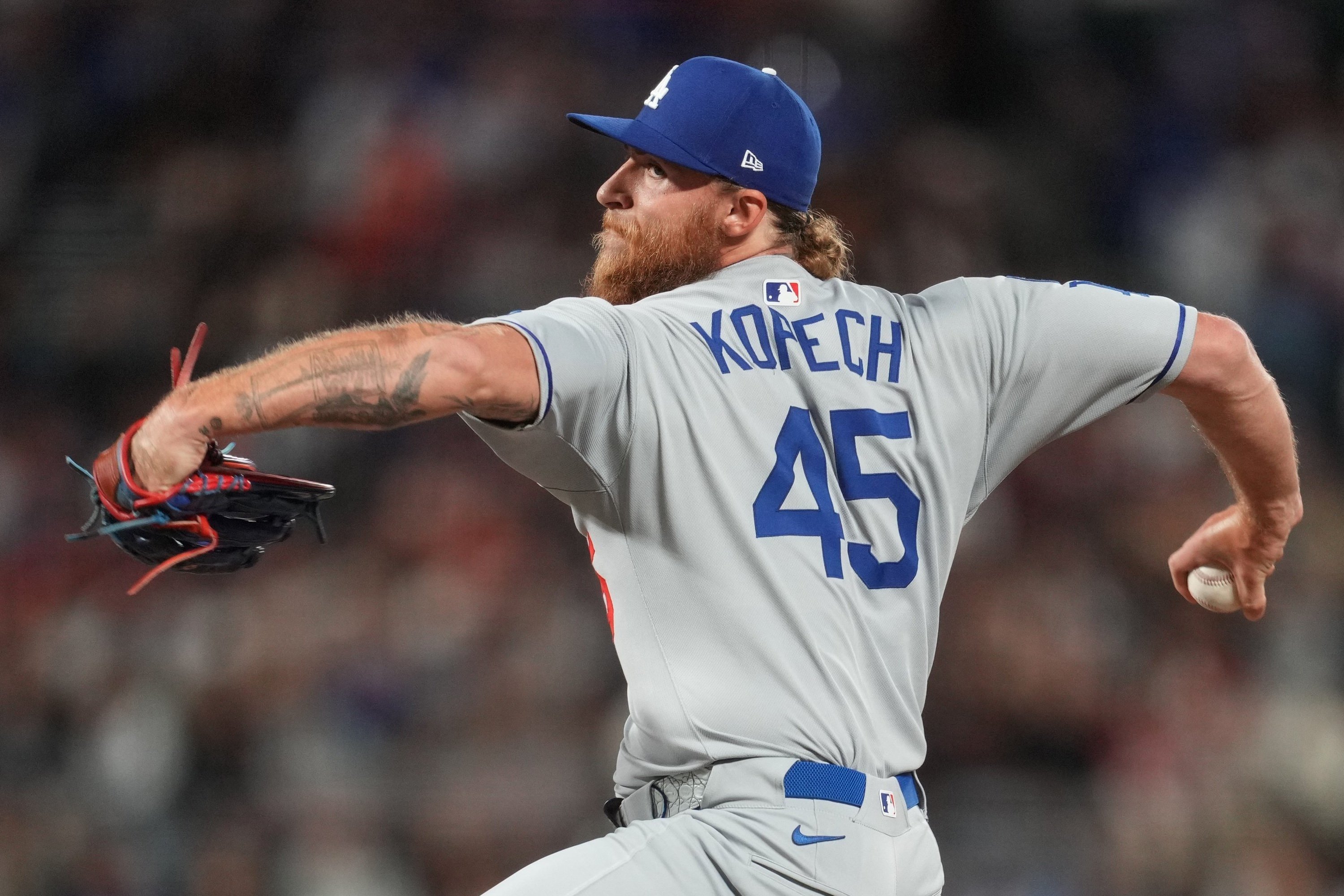 As the MLB offseason truly begins, rumors have circulated about the Miami Marlins showing interest in top-of-the-market relievers and other positions of need. Although I foresee them missing out on the big-time names such as Devin Williams, Eugenio Suárez and Josh Naylor, there will still be opportunities to piece together solid solutions with low-risk, short-term deals. In this article, I will briefly describe five free agents who I believe make sense for the Marlins. RHP Brad Keller Projected contract: 2 YR/$15M The most expensive potential addition that I have in this free agent group is Brad Keller. In 2025, he had a breakout season with the Cubs after moving into a bullpen role. Keller posted a 2.07 ERA and 2.93 FIP. Doing what he historically has done, Keller generated groundballs. The major difference-maker for the 30-year-old this season was an extreme fastball velocity increase from 93 mph to 97 mph—that coincided with a jump in spin rate on all his pitches. Carrying those pitch characteristics into 2026 should yield similar results. N3lkamtfV0ZRVkV3dEdEUT09X0JGVlpVVlFBVUZjQVhBTUtBd0FIQ1E4RUFBQU1CVmNBVUFRQVZWVlJCZ05UVVFwVQ==.mp4 RHP Michael Kopech Projected contract: 1 YR/$1M $250k incentive for reaching 50 innings pitched Kopech has suffered a plethora of injuries since his debut in 2018 with the White Sox. His 2025 season was impacted by health issues as well. The former first-round pick got off to a delayed start due to right knee surgery, and his knee flared up again in September, preventing him from contributing to their World Series run. As always, Kopech showed an elite fastball, but struggled to find the zone, walking 24.5% of batters he faced in 2025. He would be a dart throw for the Marlins. If they luck into a healthy season from him and are able to get him to command his fastball and offspeed, the upside is tremendous for the right-handed flamethrower. eHk5dnpfWGw0TUFRPT1fQUZCWVZWWUJVUVVBQVZvRFZRQUhCMVZmQUZnQ0FBTUFCMWNFVTFCV1ZGWlJBUXNF.mp4 LHP Ryan Yarbrough Projected contract:1 YR/$2M $250k incentive for reaching 115 innings pitched Best known for being a "bulk guy" with the Tampa Bay Rays during his 20s, Yarbrough has had an under-the-radar past two seasons. He adds depth, a veteran presence, adaptability to be a starter or bulk reliever, and a funky look for hitters. He also limits walks. Peter Bendix would have familiarity with Yarbrough dating back to his days in Tampa. The soft-throwing southpaw could play a meaningful role for the Marlins in 2026. bGJlWm9fWGw0TUFRPT1fQWdFQ0JsSUdBQU1BWEFZREJBQUhVQUJTQUFNTVZGa0FDbFJUQndzTVVnVlhCZ0VE.mp4 INF Amed Rosario Projected contract: 1 YR/$5.2M It may be curious to add to a seemingly packed infield for the Marlins, but I believe Amed Rosario could serve as valuable insurance behind Connor Norby and Graham Pauley in 2026, while being enough of an offensive threat to play DH vs. lefties. Rosario in 2025 saw a 2 mph increase in his bat speed which led to a career-high hard-hit rate of 45%. Perhaps even more importantly, the soon-to-be 30-year-old infielder had the highest pulled-air rate of his career—up to 17.9% from a career norm of 10%. This is why Rosario had the highest slug (.436) and average exit velo (91.2 mph) of his career. Perhaps a mini breakout season is on the horizon for the journeyman infielder. ZzZ2b1FfV0ZRVkV3dEdEUT09X0IxSUhVMVVDWGdZQVdRRUxBQUFIQUFjSEFGa0ZVUWNBQ2xNTVVnUUVCRkJSVVFwVQ==.mp4 C James McCann Projected contract: 1 YR/$1.5M $150k incentive for 95 games played After what many thought was the finale of a solid MLB career in 2024, McCann was released by the Braves near the end of 2025 spring training and picked up by the Diamondbacks in June. McCann went on to put up 0.7 fWAR for the Diamondbacks and hit .260/.324/.431 with five home runs and a 110 wRC+ in 42 games. McCann would add a veteran presence that Marlins catchers and pitchers haven't had since trading away Nick Fortes. There's only a clear fit for him if the Marlins have determined that it's time to move Agustín Ramírez to first base or DH. cU82azFfWGw0TUFRPT1fVWdaWUFsTURWZ0lBV3dZR0J3QUhBUVJXQUZrRVVGWUFCVlFNQ0ZkV0JnVlFCd1Jl.mp4 View the full article
 -
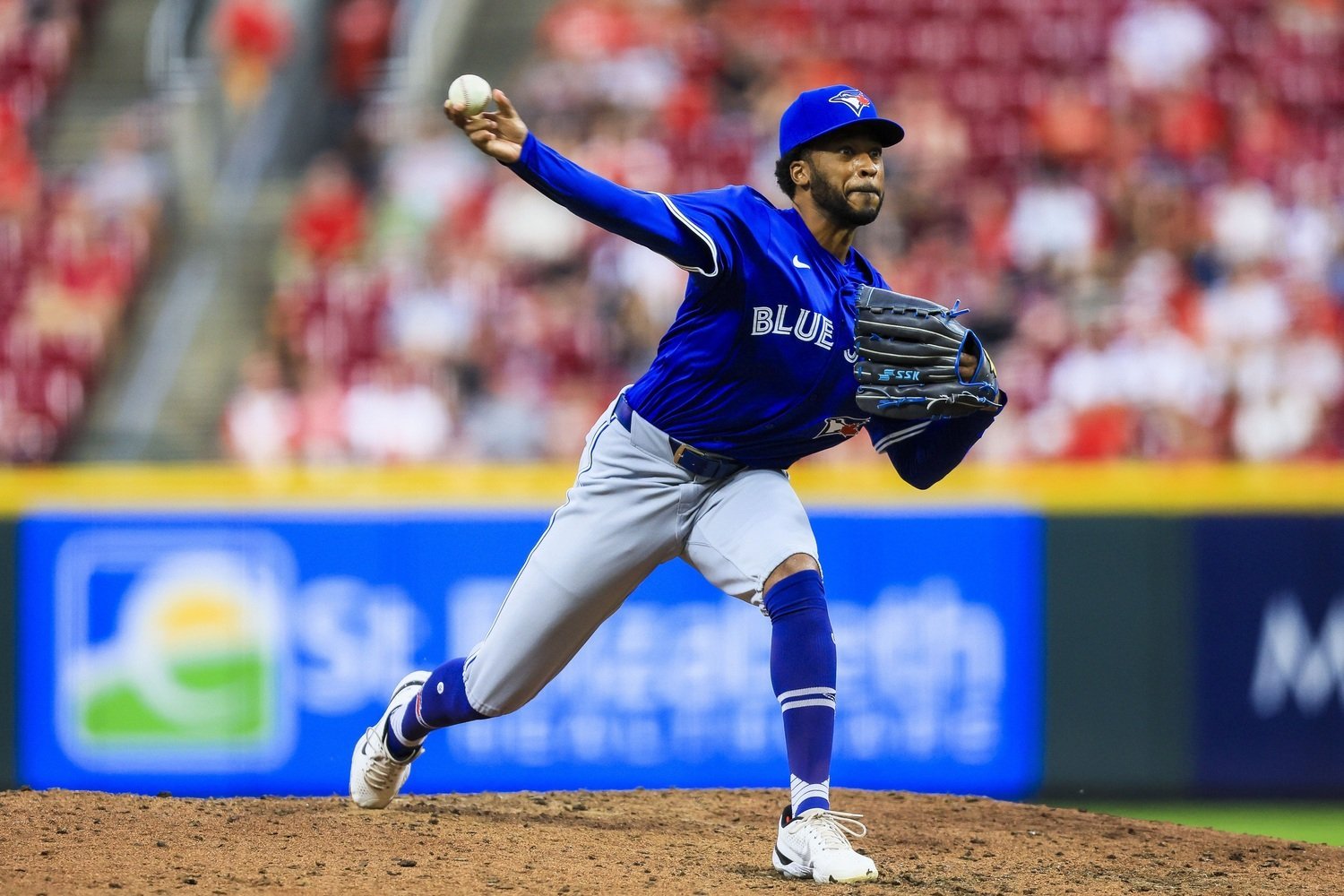 It may only be the start of MLB free agency season, but the Toronto Blue Jays have already begun to position themselves in preparation for the offseason ahead. On Thursday, the team executed a flurry of roster moves. The most notable being, of course, extending a qualifying offer to Bo Bichette. As for the slew of Jays players that saw significant time on the injured list this past season, Angel Bastardo, Bowden Francis, Yimi García and Nick Sandlin were all officially reinstated to the 40-man roster from the 60-day IL. Minor league catcher Brandon Valenzuela had his contract selected and added to the Jays' major league roster, while pitchers Ryan Burr, Dillon Tate and Robinson Piña all cleared waivers, with Burr and Tate electing free agency and Piña being sent outright to Triple-A Buffalo. Toronto had selected Bastardo in the Rule 5 draft this past winter due to his attractive strikeout ability. However, he missed the entire 2025 season recovering from Tommy John surgery. As for Francis, he was expected to be a key part of the back end of the Jays’ rotation this year after a sensational finish to his 2024 campaign with Toronto. Unfortunately, things didn’t go as planned, as Francis struggled with consistency and his command, leading to a miserable 2-8 record with a bloated 6.05 ERA and 1.53 WHIP in 14 starts. Things went from bad to worse when he suffered a right shoulder impingement that ultimately ended his 2025 season. As for García, he was amidst another strong season with the Jays. He managed to hold the opposition to zero earned runs in his first 14 relief appearances, a streak that lasted to the start of May. However, bad injury luck would befall him in the subsequent months, as first he would suffer a right shoulder impingement that held him out of action for over a month. Then, after returning from the IL for one game in July, García would miss the rest of the season after experiencing right elbow ulnar nerve symptoms before undergoing season-ending surgery to clean up scar tissue in his elbow. Sandlin looked to be another vital bullpen piece for the Jays after coming over with Andrés Giménez in a surprising trade with the Cleveland Guardians last offseason. However, his brilliant debut season for Toronto was also marred by injuries throughout. Despite posting a strong 2.20 ERA and 1.16 WHIP, along with 16 strikeouts in 16 1/3 innings of work, a right lat strain in late April and right elbow inflammation near the beginning of July would practically wipe out his first year with the Jays. Valenzuela was a trade deadline pickup by Toronto, acquired when the team sent rookie Will Wagner to the San Diego Padres to add valuable catching depth to the organization. Finally, Burr, Tate, and Piña all made brief appearances for the Blue Jays this season, with Burr having the most success, recording a win and three strikeouts over two innings of work. However, a right rotator cuff strain that required surgery would end his 2025 season and now his tenure with Toronto. As for Tate and Piña, their outings were less memorable, as they struggled to get outs for the Jays while up with the club. Jays fans can anticipate far more exciting moves as the offseason proceeds, as the front office aims to bolster the roster ahead of the 2026 season for a chance at another deep postseason run. View the full article
 -
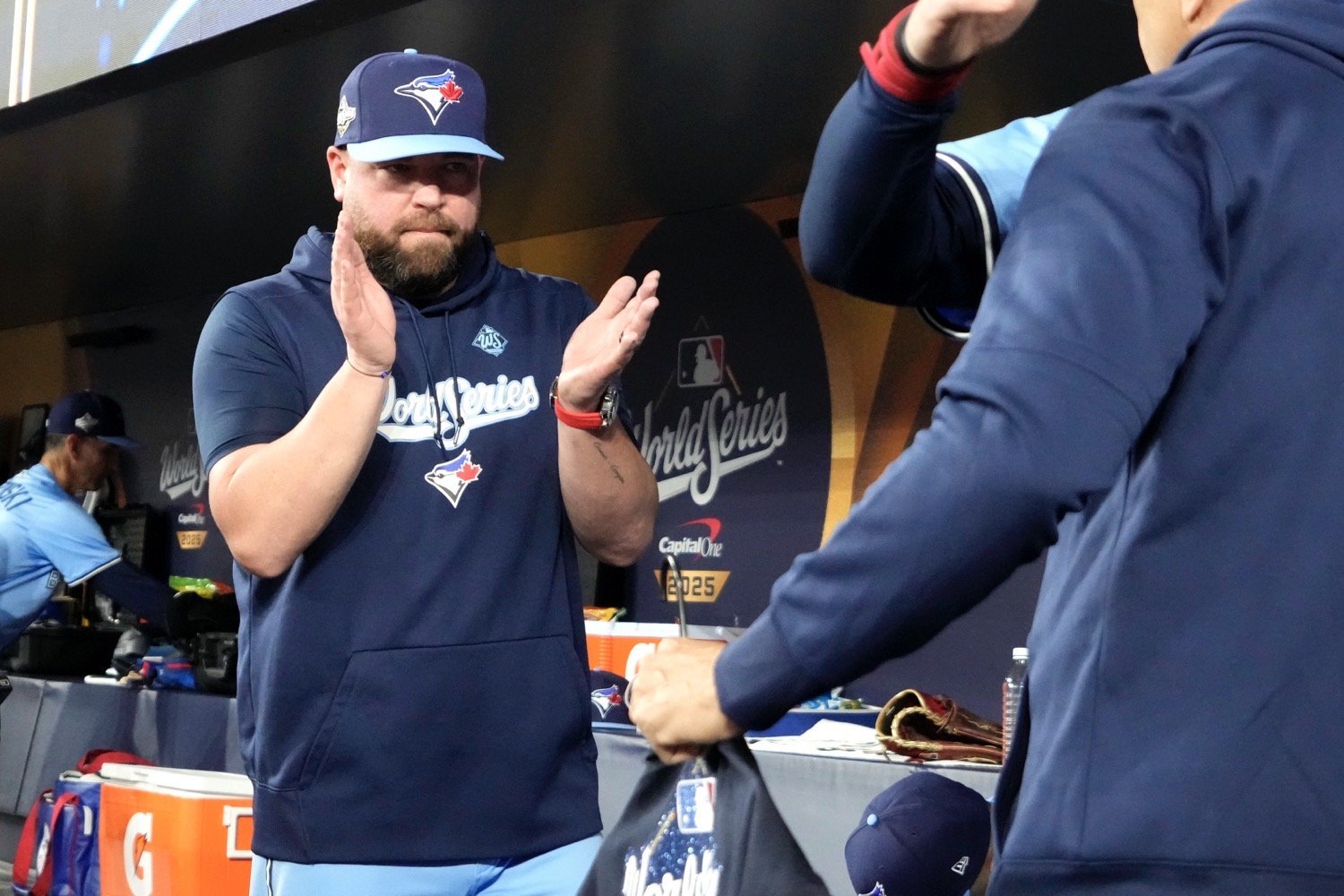 Turns out good things happen after you take the powerhouse Los Angeles Dodgers to the brink in the World Series. The Toronto Blue Jays are rewarding their manager following one of the best (and most-watched) Game 7s in decades. Ben Nicholson-Smith of Sportsnet is reporting that the Toronto Blue Jays have picked up manager John Schneider's 2026 option and are discussing an extension with their skipper. As is usually the case, the financial details of the option weren't made public. He was signed to a three-year contract after taking over for Charlie Montoyo in the middle of the 2022 season. Despite his recent success, many fans have been critical of Schneider's in-game decision-making. Even in the World Series, his use of pinch runners for some of the team's best hitters was heavily scrutinized. However, he's led the Blue Jays to a 303-257 (.541 win percentage), three playoff appearances, and the organization's first division title in a decade. His postseason record is 10-12. Picking up his option was a no-brainer, but do you think he's earned an extension? Let us know in the comments! Featured image courtesy of John E. Sokolowski, Imagn Images. View the full article
 -
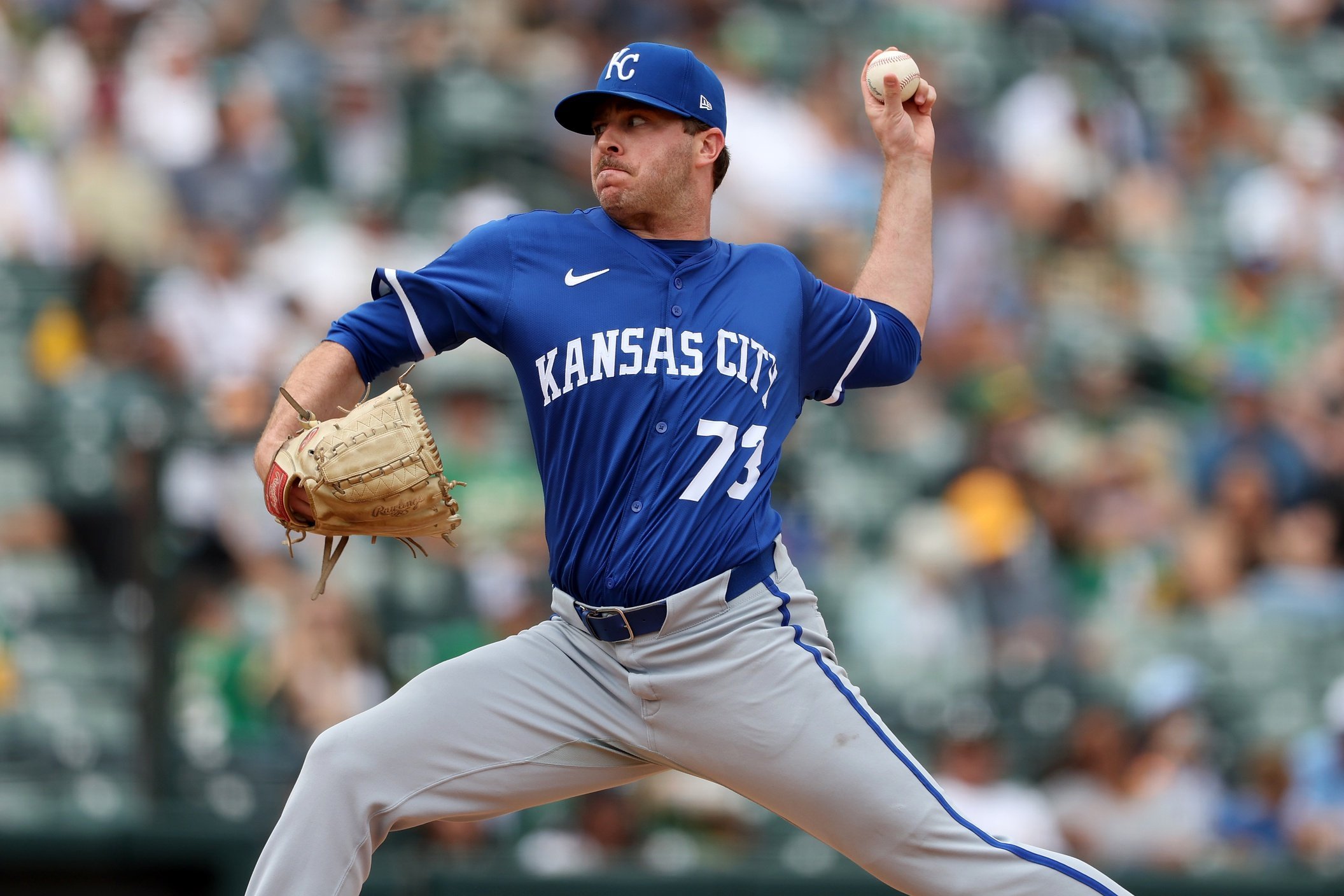 According to the Royals' official transaction sheet, left-handed reliever Sam Long was removed from the 40-man roster and outrighted to Triple-A Omaha on November 6th. It is unclear whether Long will remain in the Royals' organization with this latest move. However, to pitch for the Royals again in 2026, he would need to be added to the 40-man roster again at some point. Signed as a Minor League free agent in the spring of 2024, Long made the Royals roster and ended up being a key piece of the Royals bullpen during their 86-76 season. In his first season in Kansas City, he posted a 3.16 ERA, 1.20 WHIP, 3.89 FIP, and 2.59 K/BB ratio in 43 appearances and 42.2 IP. The Sacramento State product was a key left-handed reliever for manager Matt Quatraro, especially in high-leverage situations. Unfortunately, Long battled injuries and ineffectiveness in 2025. Over 39 appearances and 40.1 IP, the 30-year-old lefty posted a 5.36 ERA, 1.74 WHIP, 5.54 WHIP, and 1.50 K/BB ratio. Long struck out fewer batters (7.5% decrease in K rate), walked more (1.9% increase in BB rate), gave up more hard-hits (9.1% increase in hard-hit rate), and saw his called strikes plus whiff rate (CSW) go from 28% in 2024 to 23.5% in 2025. As a result, Long lost his setup position in the bullpen to other left-hander relievers like Angel Zerpa and Daniel Lynch IV last season. Long went on the IL on April 13th due to left elbow inflammation and didn't return to the Royals until June 20th. He struggled in the first half of the season with a 9.82 ERA and 1.98 WHIP in 14.2 IP before the All-Star Break. However, he was more effective in the second half, as he posted a 2.81 ERA and 1.60 WHIP in 25.2 IP. The Royals were in a tough dilemma with Long this offseason. Not only was he arbitration-eligible (MLBTR predicted his salary amount to be around $950K), but he was also out of Minor League options. With Lynch, Zerpa, and Bailey Falter, who was acquired from the Pittsburgh Pirates at the Trade Deadline, also on the 40-man roster, Long appeared to be the odd man out. Kyle Wright was also listed as an outright to Omaha after clearing waivers on the transactions sheet. On Tuesday, Jon Heyman of the NY Post reported that Wright was being put on waivers. Photo Credit: © Dennis Lee-Imagn Images View the full article
 -
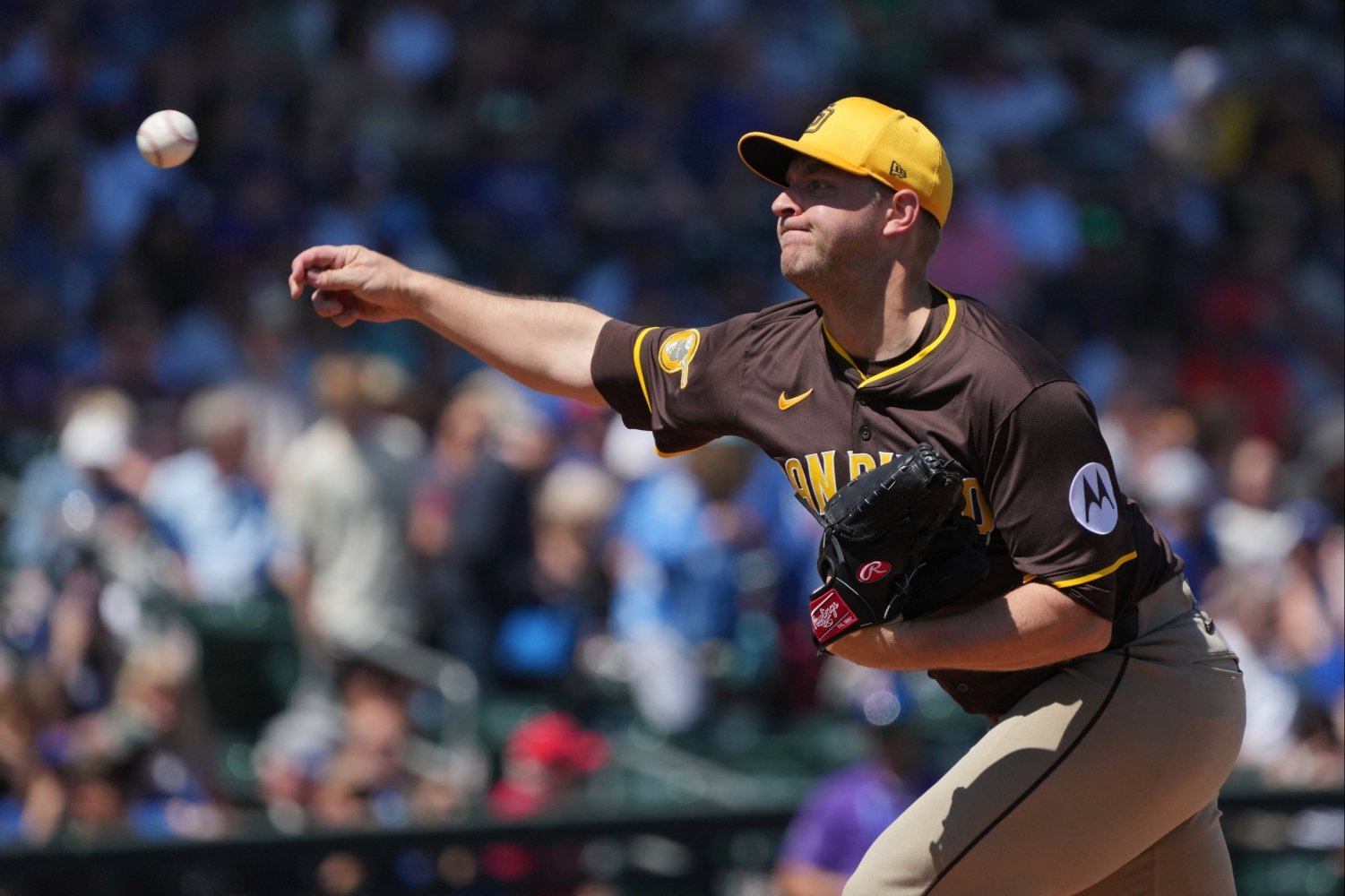 The dust has settled from the most enthralling World Series in ages, which has subsequently led to the outset of an offseason that, in many ways, figures to be just as intriguing as the play on the field. A great deal of speculation has been placed on how Jed Hoyer and his braintrust will build off of a successful 2025 campaign, which brought winning playoff baseball back to Wrigley Field for the first time since 2017. By now, you know that whatever plans the organization moves forward with will not include left-handed ace and sentimental fan-favorite Shota Imanaga. The 32-year-old hurler just finished his second full year of Major League Baseball in a Cubs uniform, a disappointing campaign for the starter in terms of not just a drop in velocity and victories, but in his club's confidence in him to go out and get the job done. The show must go on, but hopefully with the right performers to make this heartbreaking turn of events worthwhile. With a flurry of top-flight free-agent pitchers hitting the market as we speak, it's up to the front office to get this squad's momentum heading in the right direction. Might I humbly offer the three most suitable options the club must pursue to ensure that their next act is worthy of ovation. Michael King: Over his seven years as a major league pitcher, King has curated the kind of profile that makes him a perfect fit for the Chicago Cubs' rotation. Like Imanaga, he's teetering on the wrong side of 30, but he boasts a 3.24 career ERA with 559 punch outs since his debut. Though suffering a stark decline in strikeouts from 2024 to 2025, he features an impressive array of pitches. His go-to pitch, the sinker, pairs well with his other off-speed pitches, leading to a 66th-percentile whiff rate. Along with fellow Padres starter, Dylan Cease, King took an overall step back in 2025 on a team which the Cubs defeated in the Wild Card Round of the 2025 playoffs. A good amount of that can be chalked up to knee and shoulder issues, which may scare off potential suitors this winter. Even when taking those drawbacks into consideration, King makes sense as a priority target for the Cubs. Pitching coach Tommy Hottovy has a penchant for squeezing every last drop of potential from his pitching staff, and it was just last year that the right-hander looked the part of a staff ace. If he works out, King could be a royal pain for opposing batters to deal with. Joe Ryan; In his time wearing a Twins uniform, there's nothing about this 29-year-old righty's eye test that screams, "Get this guy to Wrigleyville!" But, the more you examine both his performances and pitch arsenal, he makes sense. The most tantalizing aspect of Ryan's game is that he's a certified strike-thrower. Employing his four-seam fastball over 50% of the time, Ryan ranks in the 84th percentile in strikeouts. Perhaps more importantly, he ranks in the 87th percentile in walk rate. If getting guys out by way of the K and not letting them reach base sounds good, Ryan is your man. Dylan Cease: When you clicked on this article, this was probably the first name you expected to see. Since the Cubs traded Cease to their Southside counterparts in 2017, he's been one of the game's premier hurlers. Though he's fallen on relatively hard times the past two seasons, he's still got the raw stuff the Cubs have been lacking in their rotation. Though he only won eight games in 2025 with a 4.55 ERA, he recorded a far more impressive fourth-place finish in Cy Young voting in 2024. And during both seasons, he gave the Padres a whole bunch of innings, spinning 189 1/3 in 2024, and 168.0 in 2025. As the Cubbies have recently done with starters such as elder statesman Matthew Boyd, Cease could experience a resurgence in effectiveness as a member of Craig Counsell's squad. Outside of his ties to the city, Cease also features a more balanced pitch selection than some of his fastball-heavy free-agent counterparts. I'm certain that if Cubs fans could prioritize one reunion, it would be with Kyle Schwarber, but, should fortunes allow, Dylan Cease is an individual the whole organization should hold in high regard when it comes to playing for the home team at Wrigley once more. This is simply a select few options the North Siders have at their disposal, though in my mind, they figure to be the best. The Chicago Cubs are coming off of a postseason appearance that thrilled us all, but still felt like it was too short. The alchemy of this team is changing, and with the departure of Shota Imanaga heralds the loss of the club's soul. If this front office seeks to quickly restore it, it had better make its response count. View the full article
 -
Few Fits for Frugal Minnesota Twins Among Top-50 Free Agent Lists
DiamondCentric posted an article in Twins Daily
 The 2025-26 MLB free agent market is heating up across baseball, and national outlets are rolling out their annual top 50 lists, complete with projected contracts and potential landing spots. For the Minnesota Twins, those lists highlight the financial constraints they may face this winter. After last year’s midseason sell-off, the Twins ended 2025 with a payroll well below their Opening Day estimate of around $136 million. If ownership directs the front office to cut even further (currently projected at $95 million), it could be difficult for the team to add meaningful talent from outside the organization. Instead, the Twins might once again need to get creative, much as they did in 2024 when they traded Jorge Polanco in January to clear salary and reallocate funds toward more minor free-agent signings. This offseason could bring more of the same. With significant money tied up in Pablo López, the team could explore trading him and the $43 million owed to him over the next two seasons. Other trade possibilities could include Joe Ryan or Ryan Jeffers, as the Twins look for ways to reshape the roster without inflating payroll. The Athletic recently released its top 50 free agents for this winter, and only two players were listed as potential fits for Minnesota. Both were ranked in the 40s and were absent from FanGraphs’s own top 50 list. Here’s a closer look at those two names and how they might fit the Twins’ plans for 2026. Dustin May, RHP The Athletic Rank: 42 Projected Contract: 2 years, $26 million May is the type of player who could intrigue the Twins front office, if the team decides to trade away established arms like López or Ryan. May’s upside has always been tantalizing, but constant interruptions have defined his career. It has been more than six years since his major-league debut, yet May has managed only 57 career starts. The 2025 campaign marked the first time he exceeded 56 innings in a season. Injuries have come in every variety: elbow, back, and even a bizarre esophagus injury that required emergency surgery in 2024 after a piece of salad became lodged in his throat. From 2019 to 2023, May posted a 3.10 ERA across 191 2/3 innings, flashing frontline potential whenever healthy. In 2025, he made 23 starts and recorded a 4.96 ERA, struggling after a midseason trade to Boston and eventually landing back on the injured list with right elbow neuritis. For the Twins, May’s appeal would center on his ceiling. If he stays healthy, his stuff could rival anyone in the rotation. However, with The Athletic projecting a two-year, $26-million deal, that price tag may prove too steep for a team prioritizing financial flexibility. (That projection, of course, is not gospel.) Rhys Hoskins, 1B The Athletic Rank: 43 Projected Contract: 1 year, $10 million Minnesota has recently found success with short-term, low-cost first-base signings. In 2024, the team used savings from the Polanco trade to sign Carlos Santana to a one-year, $6-million deal, and he rewarded them with elite defense that earned him a Gold Glove. Last season, Ty France joined on a one-year, $1 million non-guaranteed deal and followed in Santana’s footsteps by winning another Gold Glove. Given that pattern, it’s hard to imagine the Twins committing $10 million to Rhys Hoskins without first clearing significant payroll, possibly by trading López. Since missing all of 2023 with a torn ACL, Hoskins hasn’t fully recaptured his pre-injury form. He lost playing time late in 2025 as Milwaukee leaned on Andrew Vaughn, and his offensive output dipped. Over the past two seasons, he’s hit 38 home runs but batted just .223 with a 102 OPS+, production that’s solid overall but underwhelming for a first baseman. Still, Hoskins offers power potential that could lengthen Minnesota’s lineup. If he’s open to a one-year “prove-it” deal closer to the range the Twins have favored recently, he might be a realistic option. Outlook for 2026 The Twins are facing an offseason of financial restraint. That doesn’t mean they can’t improve the roster, but it does mean they’ll need to rely on shrewd trades, bounce-back candidates, and internal development rather than headline signings. If the front office can navigate those limitations effectively, Minnesota could remain competitive in the AL Central. But if payroll restrictions tighten even further, fans may have to brace for a quieter winter and hope that creativity and player development can make up the difference. Do Hoskins or May fit better into Minnesota’s 2026 blueprint? Are any other top free agents a fit for the Twins? Leave a comment and start the discussion. View the full article
 -
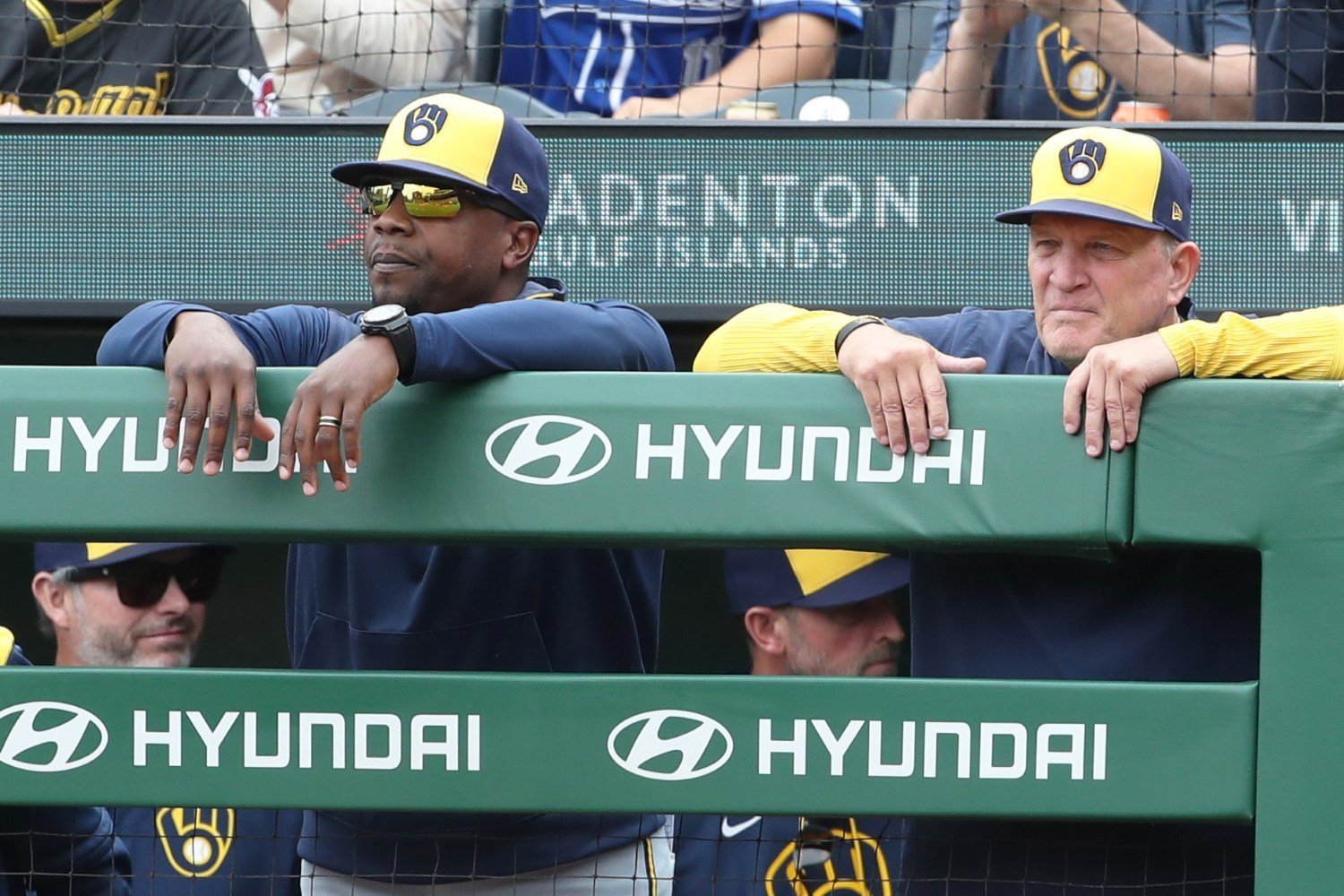 Some changes are coming to the Brewers' coaching staff. The club announced on Thursday afternoon that associate manager Rickie Weeks will transition out of the dugout, taking on a new role as special assistant in baseball operations and domestic/international scouting. The former Milwaukee second baseman returned to the organization in 2022 as part of the player development staff, and the club named him associate manager when it promoted Pat Murphy to manager after the 2023 season. At the time, those moves signaled that Weeks was the long-term successor of Craig Counsell, with former bench coach Murphy serving as a bridge while he learned the ropes of working on a big-league staff. That's not how things played out, though. Murphy will likely win his second consecutive National League Manager of the Year Award next week and should remain in his post for the duration of his original three-year contract. (In fact, an extension for Murphy this winter would be no surprise to anyone.) Weeks, meanwhile, will transition to the front office, where he'll be involved in player acquisition with an emphasis on scouting prospects for the amateur draft and international free agent market. The club notably announced that it will not hire a new associate manager to replace Weeks, instead reassigning his duties to other coaches. It's not the first time they've gone that route. After former run prevention coordinator Walker McKinven left for a gig with the Chicago White Sox, assistant pitching coach Jim Henderson and assistant coach Daniel de Mondesert assumed his responsibilities this year. Between de Mondesert, major league field coordinator and catching guru Nestor Corredor, infield coach Matt Erickson, and base coaches Julio Borbón and Jason Lane, the Brewers have ample in-house candidates to take on Weeks's responsibilities, assuming most of them remain with the team for 2026. Even so, it's notable that they will carry on without a traditional dugout deputy behind Murphy. Staffs are growing throughout baseball, though, particularly in Milwaukee, and the increased personnel has led to roles evolving beyond the longstanding coaching framework. Weeks's former title was a break from the norm, as was employing two pitching coaches and three hitting coaches. One of those hitting instructors is reportedly headed elsewhere, marking another change to Murphy's staff. Fansided's Robert Murray reported on Wednesday night that the Kansas City Royals are hiring Connor Dawson, who had been with the Brewers since the 2022 season. It's not yet clear whether Milwaukee will hire another coach to work with Eric Theisen under lead hitting coach Al LeBoeuf. View the full article
 -
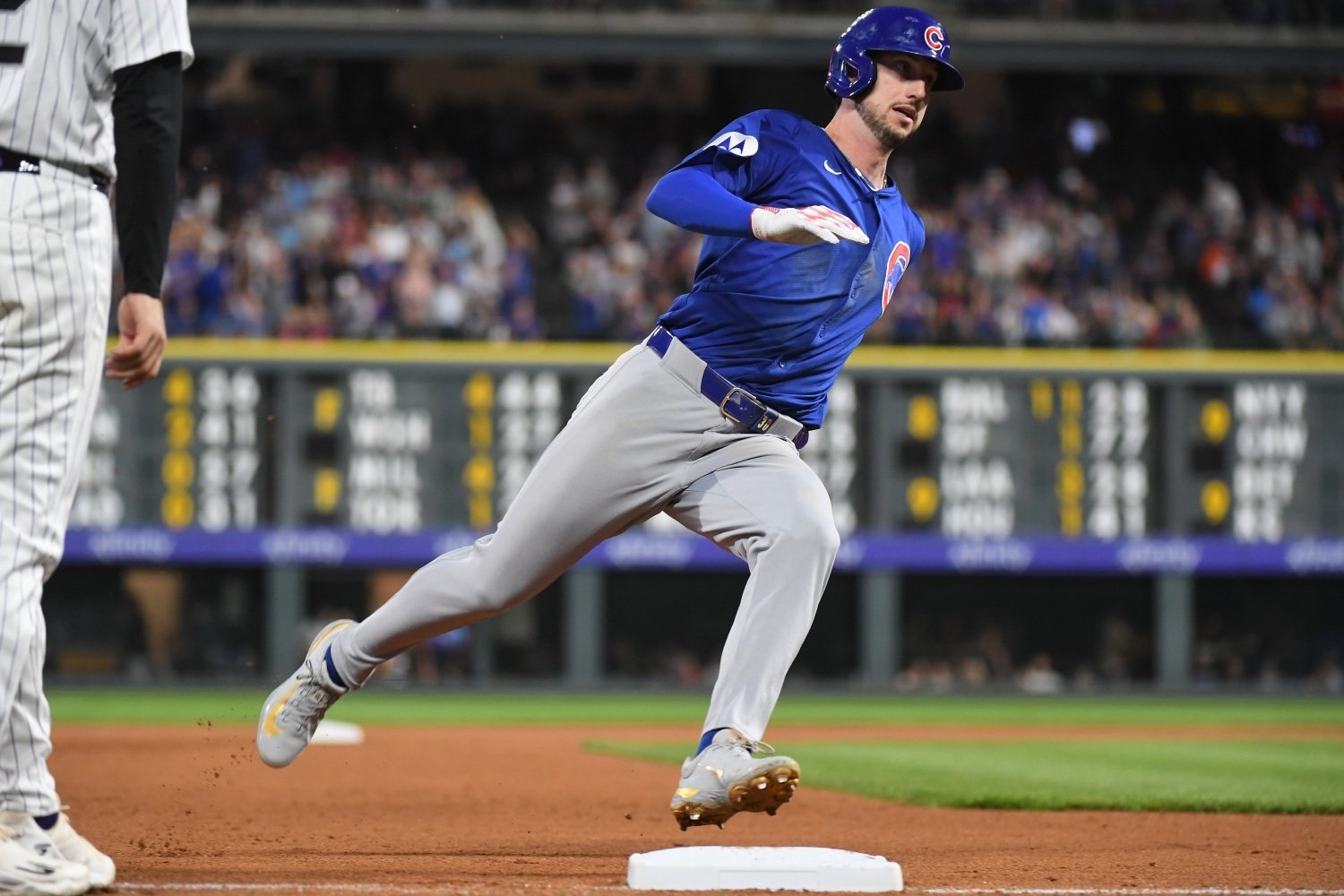 The Chicago Cubs extended the qualifying offer to outfielder Kyle Tucker and to left-handed pitcher Shota Imanaga, ahead of Thursday's deadline to make such decisions. Along with the earlier news that they extended right-hander Colin Rea and that Justin Turner's mutual option for 2026 was declined, the moves round out the team's set of roster machinations as true free agency begins in earnest. For Tucker, the offer was a mere formality. The Cubs were never going to let him go without making that offer, and Tucker will not seriously consider accepting it. This is, in a way, the completion of the trade between the Cubs and Astros last offseason. It becomes (barring the unexpected but still possible development of Tucker returning to Chicago) a trade of Cam Smith, Isaac Paredes and Hayden Wesneski for Tucker and a 2026 draft pick, between the second and third rounds. In 2025, Tucker was less than he or the Cubs hoped he would be—but that was still, on balance, quite good. He batted .266/.377/.464 in 597 plate appearances. He was worth roughly 30 runs more than an average hitter, and was great on the bases. Much of that value was concentrated in the first half of the season, though, and he was disappointingly subpar in right field. The Cubs hoped they were acquiring a player and forging a relationship that would last a decade beyond 2025, but now, they're likely to be happy to take the draft pick and find a replacement for Tucker's offense elsewhere. Issuing the offer to Imanaga is the far more interesting decision, for today. A few months ago, it still looked likely the team would pick up their three-year, $57-million option on him at the onset of the offseason, but after his brutal finish to the season, that went out the window. After Imanaga turned down his own player option, Chicago seriously considered not extending him the offer, sources familiar with the team's thinking said. They were deeply concerned by the problems that developed as he lowered his arm slot in 2025. His fastball's carry remained valuable, but the inability to hit the bottom of the zone with it or get his strike-to-ball splitter working for whiffs steadily eroded his effectiveness throughout the campaign. How the Cubs' winter goes from here might now hinge on whether Imanaga decides to accept the $22.025 million they're offering. That's a significant raise on his side of the equation, though he would have been guaranteed more if he had exercised his option, as he would also have had one after 2026. For the Cubs' part, the money is essentially a wash for 2026. If they'd exercised their own option, they'd be locked in to two extra years, and they'd also have had to make a supplemental posting fee payment to the Yokahoma Bay Stars, Imanaga's former team in NPB. They can easily justify this payment, then, but if Imanaga turns them down, they'll be especially heavy on impending draft compensation and will have lots of flexibility to spend on a replacement for him. They'll receive a draft pick for Tucker (and, if he declines the offer and finds a new home, Imanaga), so they might be more open to surrendering one for the right free-agent signing this winter—especially since, coming off a year of dipping back below the competitive-balance tax threshold, they would surrender only their second-highest pick in doing so. That would be their second-rounder, which is likely to be roughly a dozen picks ahead of the pick(s) they'll pick up. Chicago's projected payroll for 2026 is right around $144 million, but they have to replace a middle-of-the-order bat, supplement their bench, sign at least one starter and replenish their bullpen. If Imanaga accepts the offer, they might not make a splash in the starter market, but they'd then be near $170 million. They're also likely to engage at least one of Nico Hoerner, Pete Crow-Armstrong and Cade Horton about a long-term extension, which would raise their payroll for 2026, too. Now, the groundwork is laid in full, and the team knows what they will and won't have to do—and how much budgetary space they have in which to do it. View the full article
 -
 In episode 100 of Destination: The Show, Jeremy and Jamie discuss Derek Shelton’s introductory press conference. The guys walk through the Twins core of young hitters, analyzing their arbitration projections, 2025 performances, and likelihood of being returned to the 2026 roster. The crew talk through Justin Lebron and Jacob Lombard as high risk, high reward prospects at the top of the draft, before finishing up with some listener questions on defensive player development, Twins international signings, and the Twins comp picks ahead of the 2026 draft. 0:00 Intro 3:07 Housekeeping 3:46 Derek Shelton 11:00 Roster Preview 12:30 Ryan Jeffers 17:30 Trevor Larnach 24:30 Royce Lewis 28:55 Brooks Lee 35:00 Matt Wallner 40:00 News and notes 52:00 Listener Questions You can support the show by downloading it from wherever you get your podcasts, including iTunes and Spotify. If you enjoy the content, consider leaving us a five-star rating and review in addition to sharing or retweeting DTS-related content. You can follow us on Twitter @DTS_POD1, @Jeremynygaard, @J_D_Cameron, and @TheodoreTollef1. We’re now on Bluesky @destinationtheshow.bsky.social. You can also find full episodes and clips of our shows on our YouTube page @DestinationTheShow. View the full article
 -
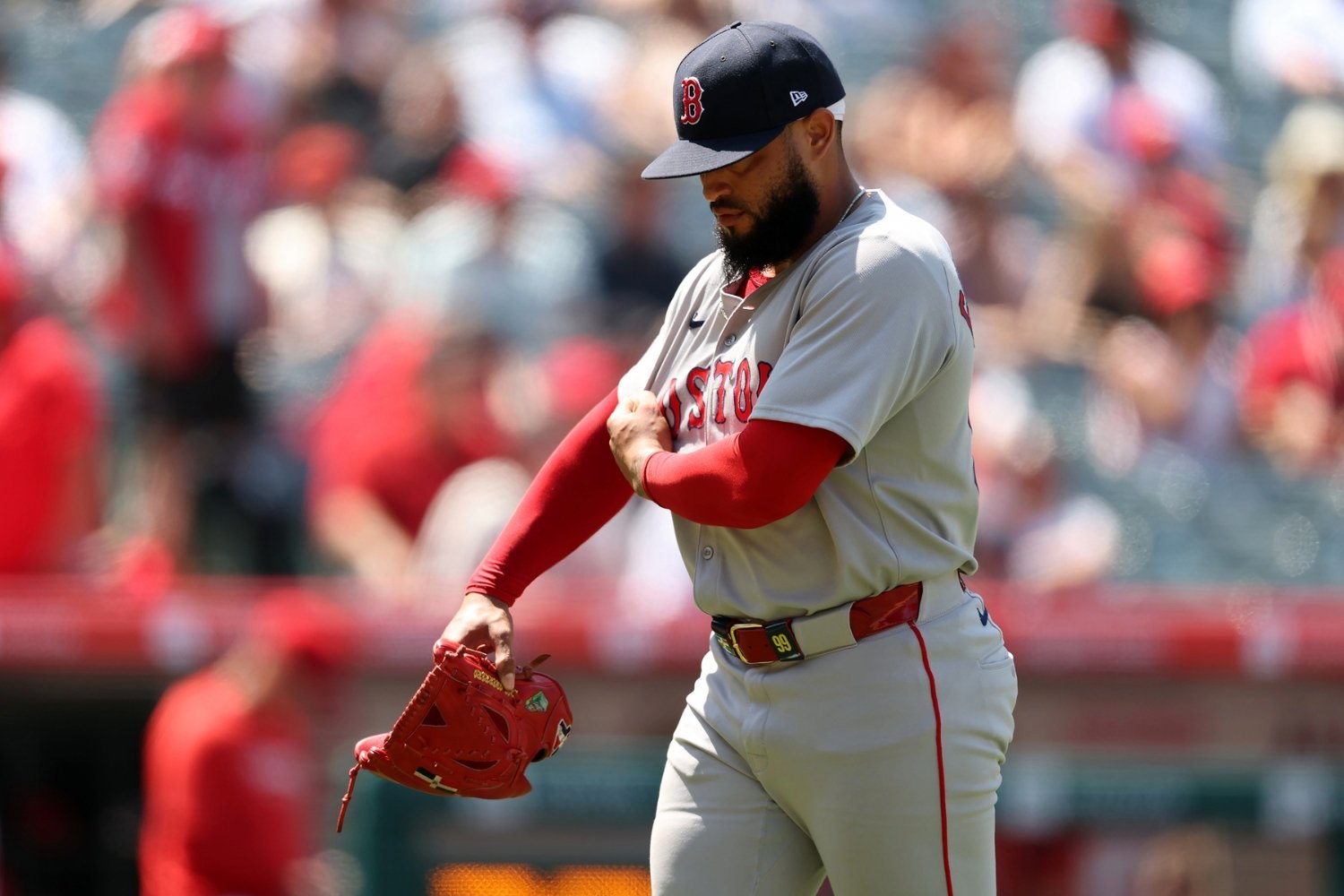 The Boston Red Sox made a move Thursday afternoon to clear a spot on the 40-man roster, as they needed to reinstate several players from the 60-day injured list. To open up room on the roster, the team designed right-handed pitcher Luis Guerrero for assignment, per MassLive's Chris Cotillo. Guerrero, a 17th-round draft pick in 2021, spent parts of two seasons in the majors with the Red Sox, appearing in 22 games and throwing 27 1/3 innings to a 2.63 ERA. Despite having some of the best raw stuff of anyone in the system, his command and control along with inconsistency held him back during his time in Boston. In his 27 1/3 innings pitched, Guerrero had allowed 16 walks. The 2025 season was when his inconsistency issues were at their worst, as he allowed 14 walks in 17 1/3 innings across 13 games. Guerrero last pitched for Boston on June 27 against Toronto, when he went 1/3 of an inning and allowed two runs on a walk and two hits. He would be placed on the 15-day injured list the next day for a right elbow strain before being transferred to the 60-day injured list on August 2. With the DFA of Guerrero along with previous cuts of Isaiah Campbell and José De León, the Red Sox 40-man roster currently sits at 40. View the full article
 -
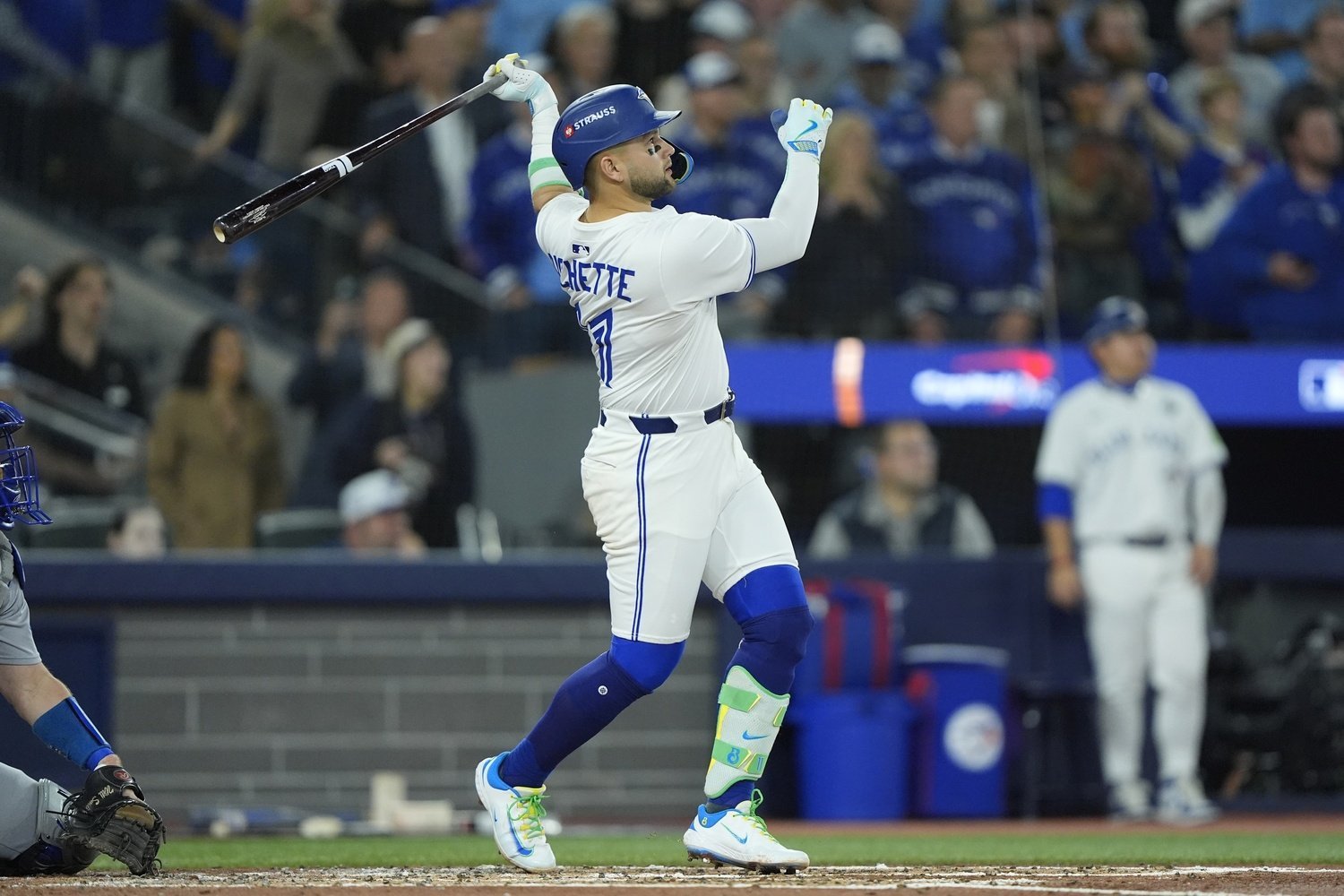 To no one's surprise, the Blue Jays have extended the $22.025 million qualifying offer to All-Star shortstop Bo Bichette. Bichette technically has until November 18 to decide whether or not to accept the offer, but it's all but a guarantee that he will reject it and seek a long-term contract in free agency. Once he rejects the offer, any team that signs Bichette – except for the Blue Jays – will have to forfeit a draft pick (and possibly also international bonus pool space). That could give Toronto a leg up on the competition for his services. Featured image courtesy of John E. Sokolowski, Imagn Images. View the full article
 -
 With the offseason underway and the Royals looking to build off their 82-80 season, they look to upgrade the roster through internal and external options before the start of spring training, but prospect development is still happening in the Arizona Fall League. The Royals sent eight prospects to the Surprise Saguaros, headed by MLB Pipeline's #46 prospect, catcher Blake Mitchell. Vazquez And Roccafarte Continue To Take Big Steps Leading the way was shortstop Daniel Vazquez. Vazquez, a 2021 internal free signing out of Venezuela, had a productive season in 2025. The agile defensive shortstop has a 40 overall scout rating, headed by 60s in arm and fielding, and a 55 in run. He started this season in rookie ball before immediately being promoted to the single-A Quad Cities River Bandits. In 404 at-bats with the River Bandits, he slashed a .260 batting average, smacking 29 extra base hits, 42 RBIs, and swiping 26 bases. He’s continued that success in Arizona with a team-leading .329 batting average, 24 hits, and 18 RBIs. Additionally, slashing a .922 OPS and .466 Slugging percentage with 10 stolen bases, and six extra base hits in 73 at-bats. #20 prospect, Carson Roccaforte, has continued to impress for Kansas City. The 66th overall pick and highest-drafted player from Louisiana-Lafayette since 1995 is a defensive specialist; he has a 40 overall rating, topped by 55 arm and 60 fielding ratings. He started his career hot in single-A, with a .257 average, 12 RBIs, and eight extra base hits. In 2025, after hitting 13 home runs, 33 extra-base hits, and driving in 45 runs in High-A, he was promoted to Arkansas, where he continued to show flashes with a .290 average, five homers, 29 RBIs, 22 XBH, and a .410 BABIP. Roccaforte has dominated in Arizona, smacking eight extra-base hits and putting together a .459 BABIP, .293 slash line. The #8 overall pick in the 2023 draft, Blake Mitchell, will head into 2026 as the team’s #2 prospect. Mitchell’s scouting report rates him at a 55 rating with a 70 arm, 55 fielding, 50 hit, and 60 power. Mitchell flashed his power in 2024, crushing 18 bombs with 50 RBIs with 79 walks. This season, in 169 at-bats in High-A, he hit .207 with two homers and 12 RBIs. He continued to display great plate discipline, recording 45 walks. As a Saguaro, he's shown incredible plate discipline, with a .237 walk percentage and .900 BB/K with a home run and five RBIs in 56 at-bats. Pitching Struggles In Limited Appearances The Royals sent four pitchers to Arizona, including the team’s #26 prospect, Hunter Owen. The former Commodore was selected in the third round of the 2023 draft as a versatile starter and reliever. This season in Double-A in 94 2/3 innings, he went 5-5 with a 3.8 ERA, 10.17 K/9, a save, and a 1.33 WHIP. He’s struggled in Arizona, allowing 11 hits and six runs in 4 1/3 innings and four punchouts. Reliever Dennis Colleran continued to shine out of the pen. The 7th round pick in 2024 out of Northeastern started his minor league career with the Columbus Fireflies with a 4.06 ERA, 1.32 WHIP, and 39 whiffs. He continued his success with the River Bandits, going 5-0 with a 0.82 WHIP and a 1.83 ERA, and 33 strikeouts in 34 1/3 innings. In 6 2/3 innings with Saguero, he has a 1.35 ERA, a hold, 4.5 K/BB, and 12.46 SO/9. And nine strikeouts. L.P. Langevin and A.J. Causey rounded out the group with a combined 15.1 innings pitched. Starting with Causey, registered a win and save in eight games with 12 strikeouts and a 7.27 ERA. In contrast, Langevin went 1-0 with a 6.75 ERA in six games with 11 punchouts and a .130 BAA. The future looks bright for the Royals, with great plate discipline in the minors and great versatility on the mound, as the team will keep tabs on them heading into next season. View the full article
 -
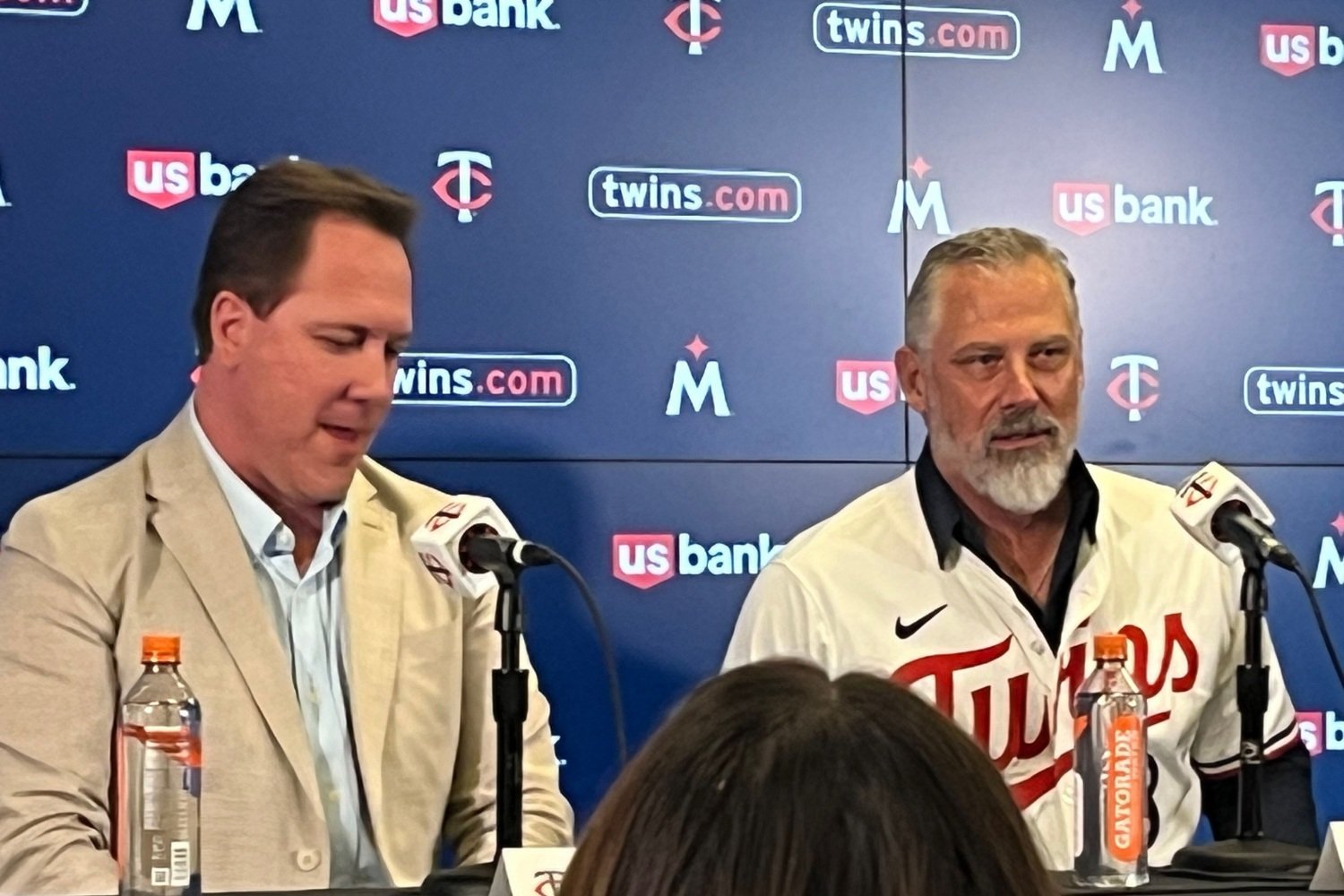 The Twins are going through a major rebuild after a dismal season on the field, which led to the dumping of 11 players at the July trade deadline. In a continuation of that exodus, manager Rocco Baldelli was fired at the end of the season. While fans speculated about an internal or familiar face during the search for Baldelli’s replacement, many were not shocked that it turned out to be a familiar face from another floundering team. Derek Shelton comes to the Twins after being fired in the middle of the 2025 season and leaves with a .410 win percentage for his five-plus years as manager of the Pirates. But the upside of this acquisition is that Shelton is used to a rebuild. In fact, from 2022 to 2024, his Pittsburgh clubs began making improvements, but they weren’t enough.While Shelton was with the Pirates, the talent shortfall led to a mediocre on-field product. Hopefully, with the Twins’ talent already in place, he can start with a solid team capable of producing immediate results. A deep dive into his statements about being a coach shows that his first concern is communication from the top down—something the Twins may have lacked in Baldelli’s latter days. Shelton’s approach has always centered on accountability and communication. Following a tough 5-1 loss to Oakland in August 2024, his message was blunt: “No, we shouldn’t be in better spirits afterwards. We’ve got to get better. This is a situation where we need to focus and we need to get better.” That was a few bruising years into the project. Right away, though, he made clear the nature of his expectations of players and their responsibilities to one another. “It is crucial for players to consider how their daily actions affect their teammates,” Shelton said during his first spring training with Pittsburgh in 2020. “The focus should be on helping teammates and thinking about what each individual needs to do to help the team win.” One major failure of his stint with the Pirates came in the form of trying but not always succeeding that very aspect. When asked Tuesday about what he learned from his sojourn to the Steel City, Shelton had a quick answer, and a plan for how to better execute the ideas he articulated in the past. “I think the first and probably most important thing is, you have to have conversations, and you have to have the follow-up conversations,” he said. “Because what is heard, what is said and how it’s retained sometimes loses its place, and because of that, you don’t end up getting the best out of the situation or the player.” Shelton comes across as direct, often unsatisfied, and focused on improvement. He wants players—and even the front office and coaches—to recognize that you can’t be a team unless individual actions impact everyone as a whole; everyone impacts the win or the loss. Shelton seems to recognize that a loss isn't about blame, as much as it is a chance to improve and reflect on being better. The Twins’ 2025 roster wasn’t short on talent. In fact, they have some of the best prospects in the league, but inconsistency has been a recurring theme. If Shelton's passion and sincerity about accountability are transferable and accepted by the team, could he turn that into success? In March 2025, after early-season defensive miscues, Shelton asserted (as relayed in an article by AP News’ Will Graves) that the players needed to be involved in the conversation for improvement to take root. “Fixing these issues will involve conversations with the players, as these are things the team worked on all spring that need to be cleaned up.” Shelton is no stranger to a rebuild. However, the Pirates under Shelton never had the luxury of depth. A front office still in transition left him trying to make progress with limited pieces. He can only work with what he’s got, and the Pirates didn’t give him much. The Twins have a stronger farm system, and in Byron Buxton, Pablo López and Joe Ryan, they arguably have more proven stars than Pittsburgh had. Shelton’s experience managing through chaos on the field in Pittsburgh may translate into more success in Minnesota. Shelton shows that he wants growth and recognizes there is humanity involved, but he is really focused on fundamentals—proper process and everyone being on the same page to achieve the goal. On Dec. 4, 2019, as he came into the Pirates organization, he said, “We’re going to be very process-driven,” he said. “The fact that we’re 100% aligned—front office, manager, and coaching staff—that’s where it starts.” If Shelton continues to talk about processes, alignment, and growth, one area the Twins need help with is on-field fundamentals, from situational hitting to aggressive gameplay. That certainly was the focus when he was introduced Tuesday, too. “There will be more attention to details, more to fundamentals—and that’s not talking about anything that happened before. It’s just talking about the lessons I’ve learned,” he said, when asked about his vision for the team’s play in 2026. “I think we saw in the World Series this year that three little plays and a matter of like three or four inches determined who was gonna win a World Series game, or who was gonna win the World Series. So the focus of that is going to be very important to me. And I think that’s something that I’ve learned over the course of years, that it’s really important—that there’s no detail that’s too small.” One place where the Twins lack is aggression, on the field, at the plate, on the bases, and from the mound. Shelton has talked a lot about being more aggressive in post-game interviews, and fans would love to see a coach who really breeds that desire and implements a hunger for players to be active in situational hitting and base running. That relentless push for improvement (sometimes to the point of frustration) may be the jolt Minnesota needs. The Twins don’t require a rebuild; they need refinement, aggression, and sharper execution. When Shelton said, “It’s time to win,” it was a message meant for Pittsburgh. But it fits Minnesota perfectly now. Shelton arrives in Minnesota not as a first-time manager, but as a leader shaped by mistakes, pressure, and growth. The Pirates never gave him the roster to showcase his full potential. The Twins might. If his communication, accountability, and culture-first mindset take root, Minnesota may finally see what Shelton can do when talent and vision align. View the full article
 -
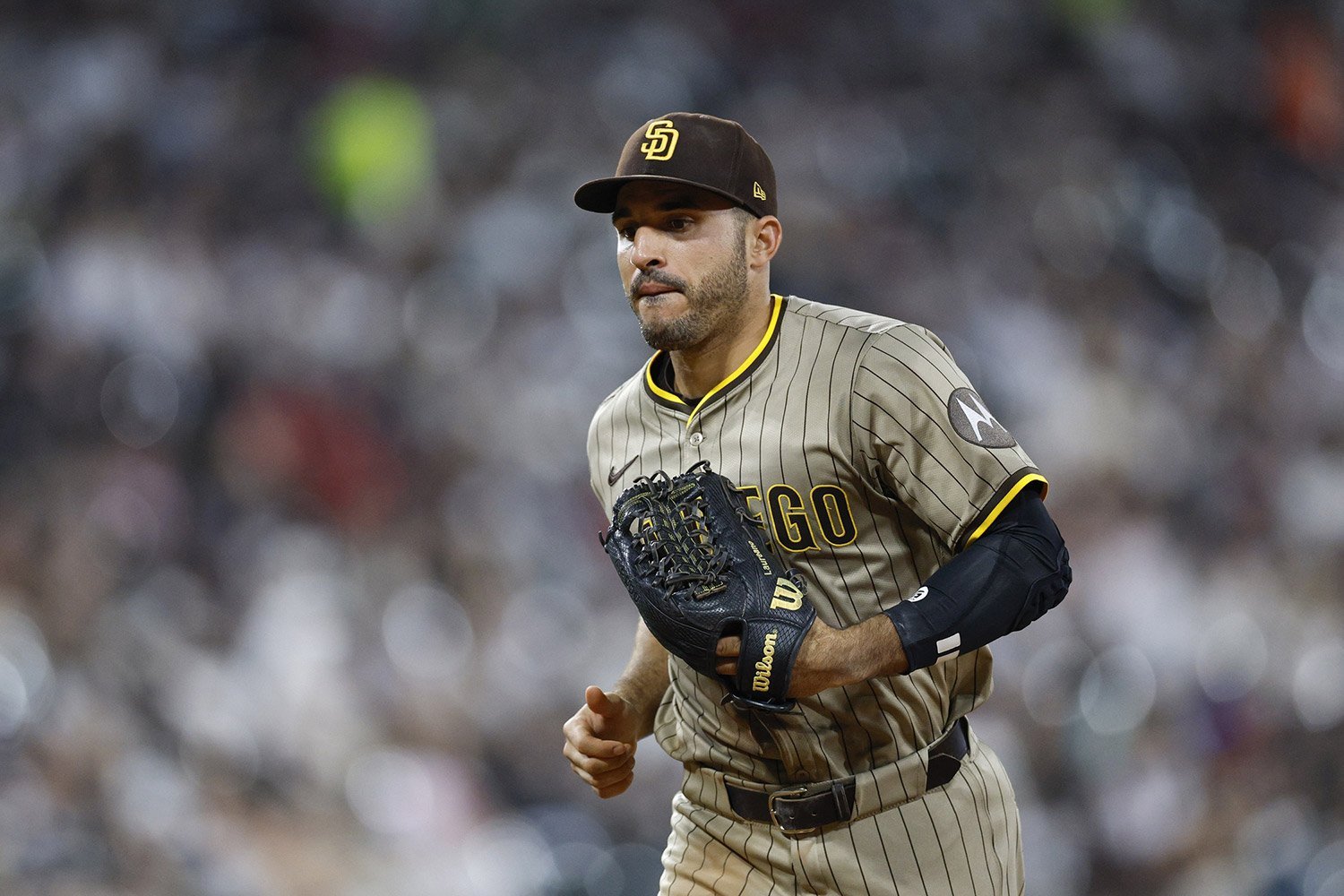 San Diego’s decision to exercise Ramón Laureano’s 2026 club option keeps a 2025 midseason addition rostered after one of the most productive years of his career. The option covers the 2026 season at $6.5 million. The 31-year-old Laureano split 2025 between Baltimore and San Diego, appearing in 132 games and accumulating 488 plate appearances. He finished the year with a .281/.342/.512 triple slash, along with 24 home runs and seven stolen bases. His overall offensive line translated to a .364 wOBA and 138 wRC+. With the Padres, Laureano appeared in 50 games after his July 31 trade from the Orioles. In 198 plate appearances for San Diego, he hit .269/.323/.489 with nine home runs and three stolen bases. In San Diego, he posted a .347 wOBA and 127 wRC+, with a 6.6 percent walk rate and 23.7 percent strikeout rate. Defensively, Laureano continued to work primarily in the outfield corners. Statcast’s Outs Above Average metric graded him at -5 OAA for his time in San Diego. Over his combined time with Baltimore and San Diego, one defensive-value framework credited him with -8.7 defensive runs, while his overall WAR was 3.0. Laureano’s season also included multiple injured-list stints. Baltimore placed him on the 10-day injured list on May 24 with a left ankle sprain and later activated him on June 6. After the trade, San Diego placed him on the 10-day injured list on September 27 with a right index finger fracture, before activating him again on October 3. View the full article
 -
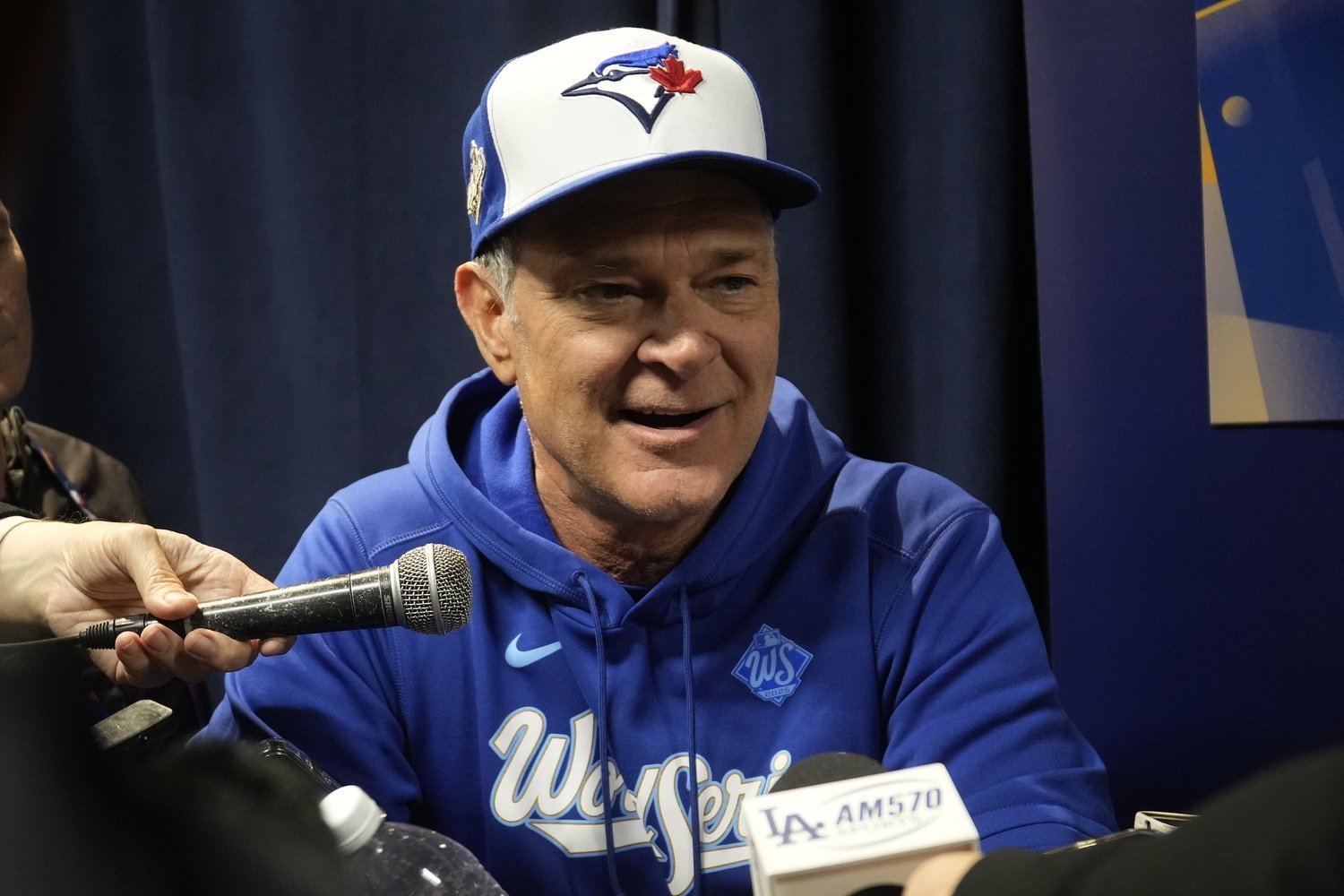 Don Mattingly is leaving the Blue Jays. As first reported by the New York Post's Jon Heyman, Mattingly, who served as Toronto's bench coach for the past three seasons, is stepping down from his role. However, he is not yet retiring and would consider taking on a role with a new team. To that point, Phillies insider Jim Salisbury reports that Philadelphia has had internal discussions about bringing Mattingly on as a bench coach. It's not yet clear if Mattingly would be willing to take on the same role with a new organization. Featured image courtesy of John E. Sokolowski, Imagn Images. View the full article
 -
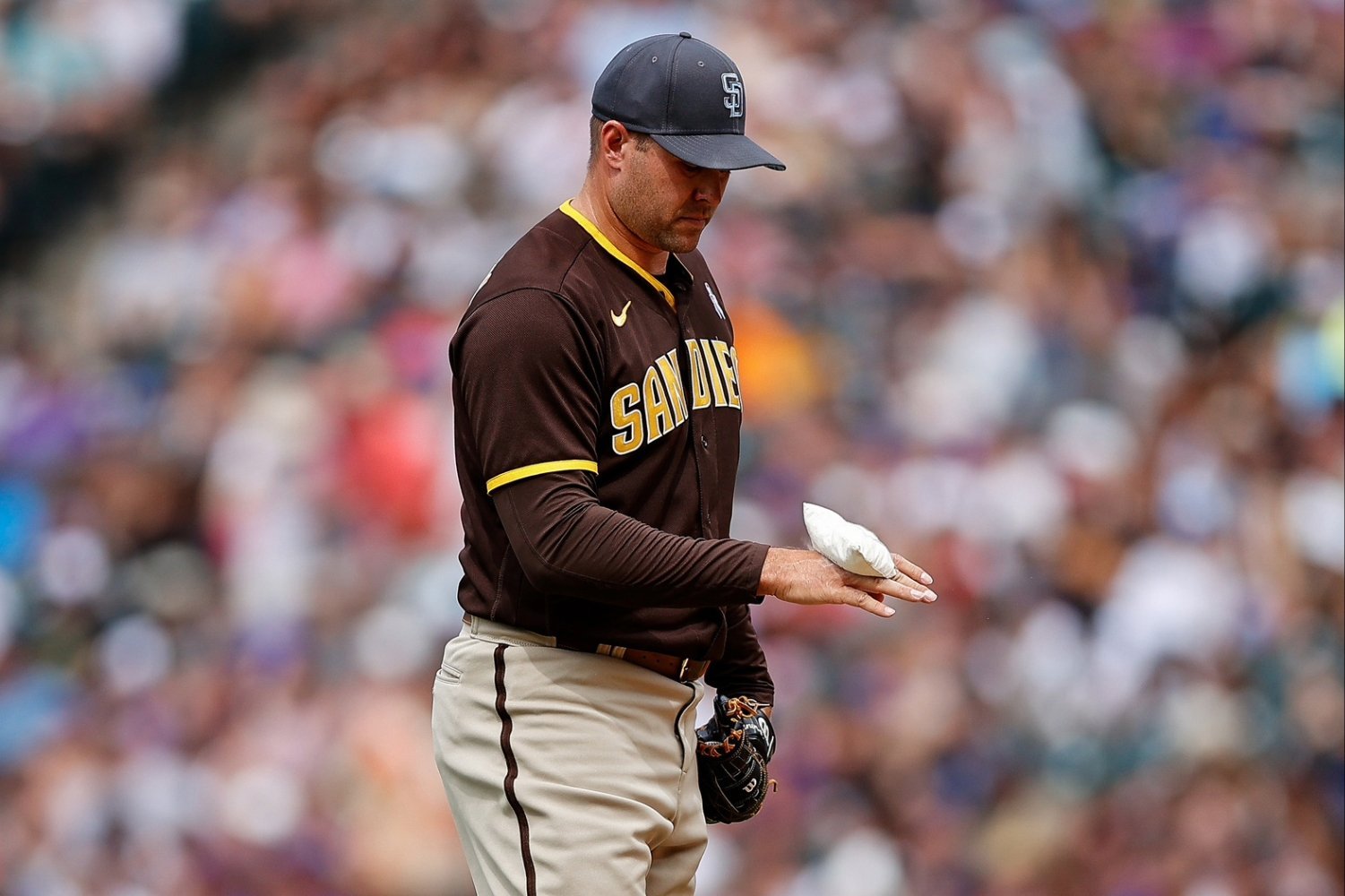 In a shocking bit of news, the San Diego Padres announced the Craig Stammen will take over as manager of the franchise in 2026. Kevin Acee of the San Diego Tribune was the first to break the news. The Friars had a managerial opening after Mike Shildt surprisingly stepped down following the team's loss in the NL Wild Card Round to the Chicago Cubs. Rumored candidates included Albert Pujols (the presumed favorite until this point), former Padres catcher Nick Hundley, and current pitching coach Ruben Niebla. Stammen hadn't been mentioned in any serious rumors until a few hours before the official announcement was made. Stammen pitched for 13 years in the big leagues, including the final six seasons of his career with the Padres. He accumulated a 3.36 ERA and 5.5 WAR with the team in nearly 400 innings as a middle reliever, and he notably spent the final season of his career (2022) under Niebla's watch. The 41-year-old also pitched for the Washington Nationals during his career. Since retiring, the former pitcher rejoined the organization as an assistant to the major league coaching staff and baseball operations department prior to the 2024 season. He clearly garnered the favor of A.J. Preller during that time, as he came out of nowhere to win this job. Many expected an experienced name with a long coaching history to replace Shildt, though the front office clearly wanted a younger, fresher voice in the locker room after they reportedly butted heads with the recently-retired manager. Notably, ever since the team fired Bud Black in the middle of the 2015 season, they've gone through seven managers (including interims), only one of whom (Bob Melvin in 2022) even got as far as the NLCS. For all the brilliant minds that have ran the dugout in San Diego over the past decade, none of have been able to last longer than Andy Green's four-year tenure. There has been a signifiant lack of postseason success under Preller's watch, which raises questions about how long Stammen's leash will be as a first-time manager. One interesting piece of fallout from this will be what happens to Niebla; he's been with the team for four years as pitching coach, and he's expressed interest of becoming a big league manager in the past. As a rumored finalist, might he want out after being passed over for a former disciple? Regardless, Stammen inherits a veteran-laden roster with a lot of talent but more questions than answers. The pitching staff is especially in flux; Joe Musgrove is returning from a year-long layoff, Yu Darvish is set to miss all of 2026 with an elbow injury, and Michael King and Dylan Cease may depart in free agency. Even the team's elite bullpen seems set to lose closer Robert Suarez after he opted out of his contract. Still, the Padres, who have made the playoffs four times in the past six seasons, won 90+ games in back-to-back seasons for the first time in franchise history under Shildt's watch. There will be immediate expectations placed on Stammen to get the most out of this group, even as an inexperienced skipper. View the full article
 -
How Bieber Opting In Could Help the Jays Retain Bichette
DiamondCentric posted an article in Jays Centre
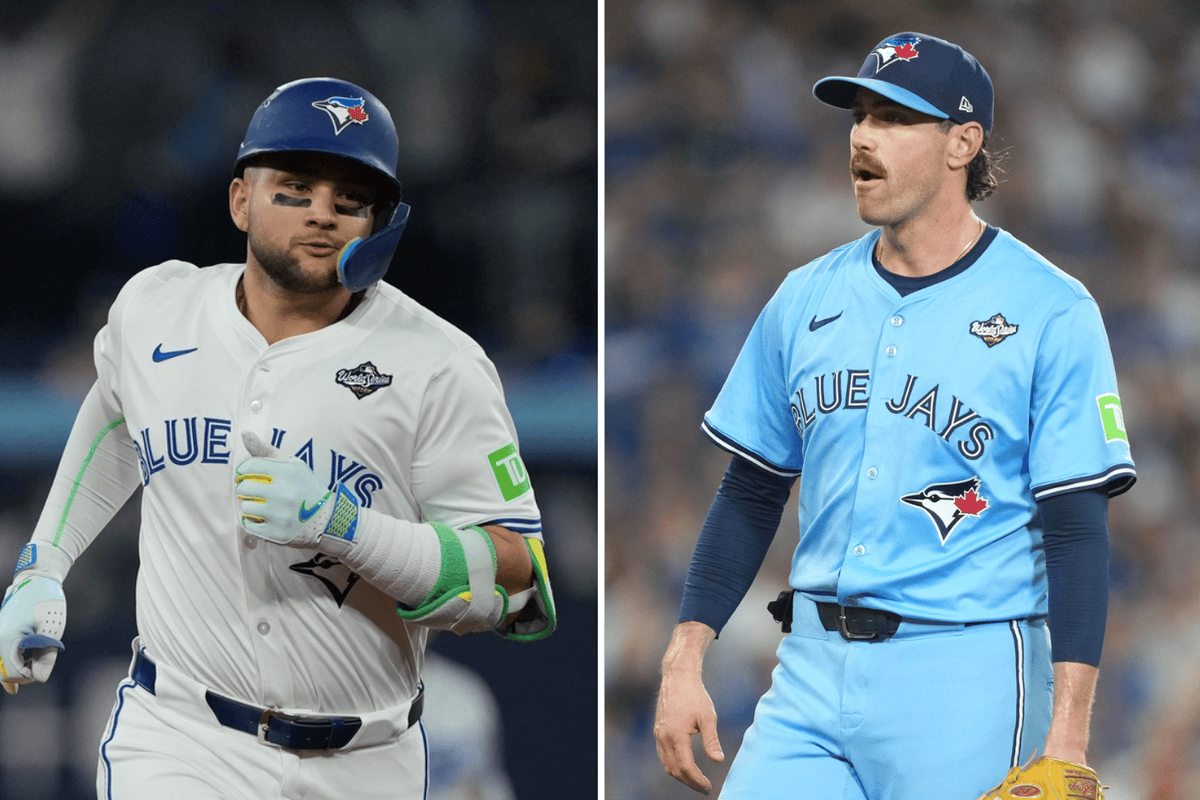 The offseason started off with some positive news for the Toronto Blue Jays. Shane Bieber’s decision to exercise his $16 million player option for 2026, foregoing his $4 million opt-out (and potentially a larger and longer-term deal), was a surprise for many and might open the door for Bo Bichette’s return. While Bieber’s move is a win, it may also have deeper implications. Particularly for Bichette, the star shortstop, and sure to be one of the most sought-after free agents this winter. Bieber’s commitment to Toronto could be a key domino in convincing Bichette to stay. Whether Bieber’s decision was related to stability, his connections in the clubhouse and front office, or his belief in the franchise making another run next year and finishing what they started, the result is that a key piece of the starting rotation is now in place. Next year’s starting rotation is lined up to include Kevin Gausman (in the final year of his contract), José Berríos (still recuperating from an injury, but with two more seasons left on his seven-year deal), Trey Yesavage (under club control and entering his first full season with the Jays) and Bieber. Eric Lauer and Bowden Francis could also be competing for a spot in the rotation, along with some minor leaguers. While the Jays will still need to fill out the bullpen, the pitching staff looks formidable. Bieber’s decision means that Toronto gets him at a relative bargain salary for a pitcher of his calibre, providing some flexibility for spending in other areas. The onus is now on the Jays’ front office and Bichette to find some middle ground in their negotiations. Both sides have expressed interest so far, but when other teams come knocking with cash in hand, that will be the true test. Bichette has been an important fixture of the Jays’ offence since his debut in 2019. While the team prioritized extending Vladimir Guerrero Jr. last offseason and into the regular season, negotiations with Bichette have not seemed to be a priority. Now, re-signing him (or finding a worthy replacement either at shortstop or second) is widely considered the organization’s top focus. Rumours have it that the Yankees, Tigers and Braves are all interested in Bichette. Each has a glaring deficiency at short and would dearly love to fill it with the two-time All-Star. Bichette’s willingness to be flexible when it came to his role in the World Series might not be the full story. His knee injury was obvious throughout the series, so his only real option in the field was second. There has long been talk of his desire to remain a shortstop, and once he's healthy, I'm not sure that will change. Does the Bieber opt-in, Bichette’s relationship with the Blue Jays organization, and his desire to win a championship with Vladdy and the current roster mean enough for him to potentially forego millions? The Jays have money, but as I discussed in a previous article, they must be diligent when it comes to spending. Locking up Guerrero was crucial in demonstrating that Toronto is a destination, not an afterthought. However, his salary will hamper the franchise as it navigates the luxury tax brackets in the years to come. The Athletic's Tim Britton recently predicted that Bichette is going to get a contract of eight years at $212 million. That would come out to roughly $27 million per season. If you factor in Guerrero’s $35.7 million AAV, that is more than $60 million between them. The 2025 payroll for the Jays was about $250 million, and slightly higher for luxury tax purposes. Are sentimentality and familiarity enough for Bichette and the Jays to find some common ground? And should the Jays make more than a passing attempt at re-signing Bichette? He is an exceptional hitter, and even on one leg, he was nearly a difference maker for the Jays in the World Series. Despite the Jays dropping the series, his Game 7 home run will be talked about for years to come. However, his fielding has never been better than average for a shortstop, and his OAA (Outs Above Average) has placed him below the league average in recent years. He has also been plagued with late-season injuries the past few years. The injuries have primarily been lower body related, including this season’s knee injury and last season’s calf injury. Those injuries often come with age. He hasn’t played more than 150 games in a season since 2022. By securing Bieber early, the Jays have created some momentum and goodwill not just with the fan base but with other players who have hit the free agent market. It also signals to other free agents, like Bichette, that the Jays are still focused on fielding a competitive team next season. Athletes don’t make decisions in isolation. They consider the culture of the clubhouse, the competitiveness of the roster and the vision of the front office. Bieber’s opt-in offers several cues that could influence Bichette’s decision-making process. It signals stability. Bieber’s choice to stay suggests that the clubhouse environment is strong and that the organization is aligned in its goals. For Bichette, who has spent his entire career in Toronto, that sense of continuity could be compelling. It reflects competitive intent instead of a passive approach. Bichette, who has expressed a desire to win, may see Bieber’s decision as the Jays reloading for another run at the title. And players talk. Bieber’s decision may reflect internal conversations about the team’s future. If Bichette sees Bieber betting on Toronto, he may be more inclined to do the same. Bieber’s decision to opt in with the Jays is more than a roster move; it’s a strategic signal to the team and the rest of the MLB. It reflects confidence in the organization, reinforces the team’s competitive identity, and creates the conditions for Bichette to re-sign. If Bichette does choose to stay, fans may look back at Bieber’s quiet November decision as the moment that set everything in motion. View the full article
 -
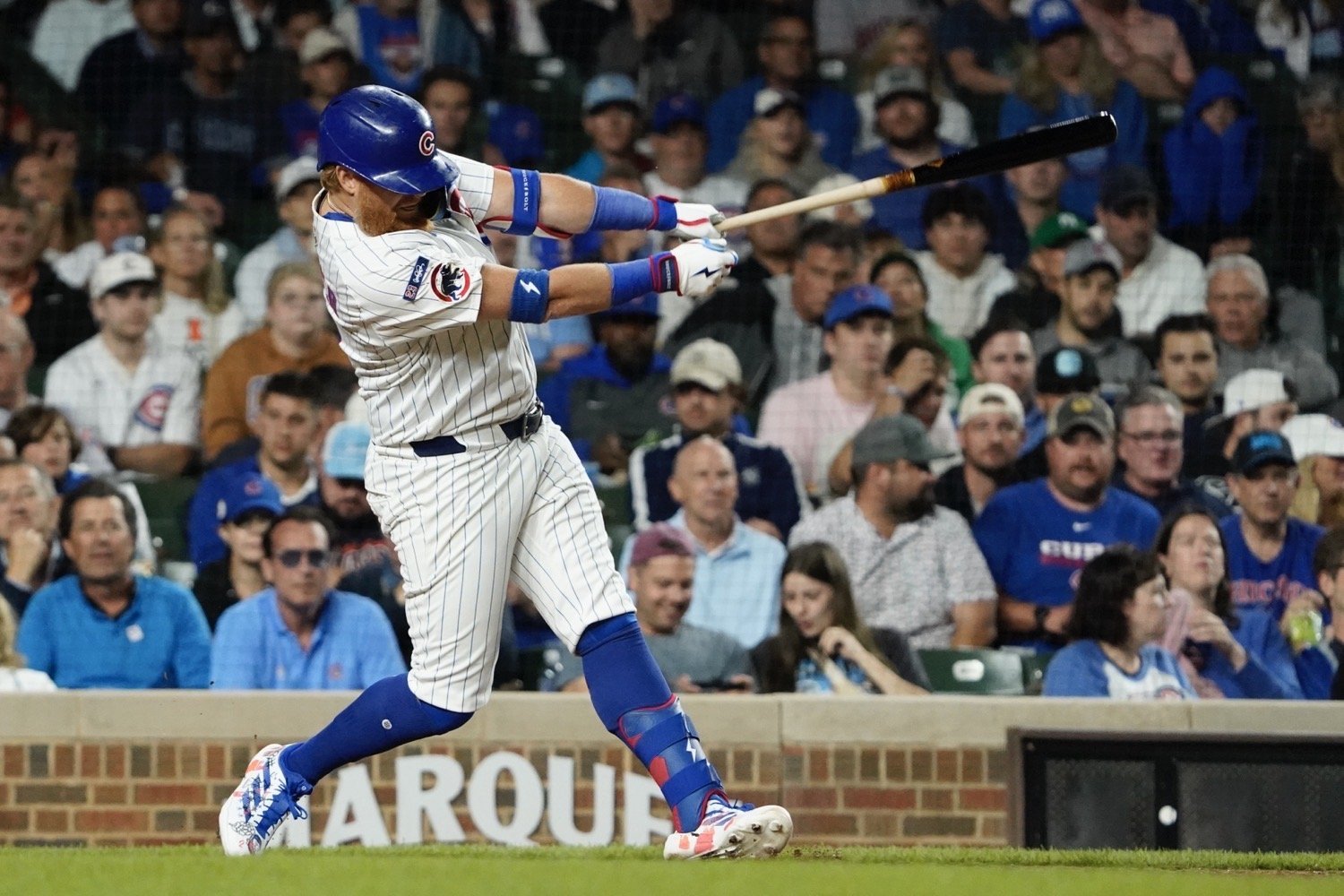 The Chicago Cubs have been busy in the first four-plus days of the offseason, with moves painting a picture of what might come over the next four months. They declined Shota Imanaga's option, extended Colin Rea, and now have lost an infielder. Via an official announcement from the MLBPA, Justin Turner has become a free agent. It's unclear which side declined the option, though it was nearly a given that the Cubs would be the party to do so. They will pay him a $2 million buyout instead of a $10 million salary in 2026. The 41-year-old struggled mightily in 2025, posting a .602 OPS with three home runs and two stolen bases. That production, or lack thereof, resulted in a .268 wOBA and 71 wRC+ across 191 plate appearances. Given his age and the 2025 season, he will likely hope for a minor league contract with an invitation to spring training if he doesn't choose to retire. Between this move and Imanaga's, the Cubs are opening up the budget for this offseason. Do you anticipate them spending? If so, where? Let us know in the comments! View the full article
 -
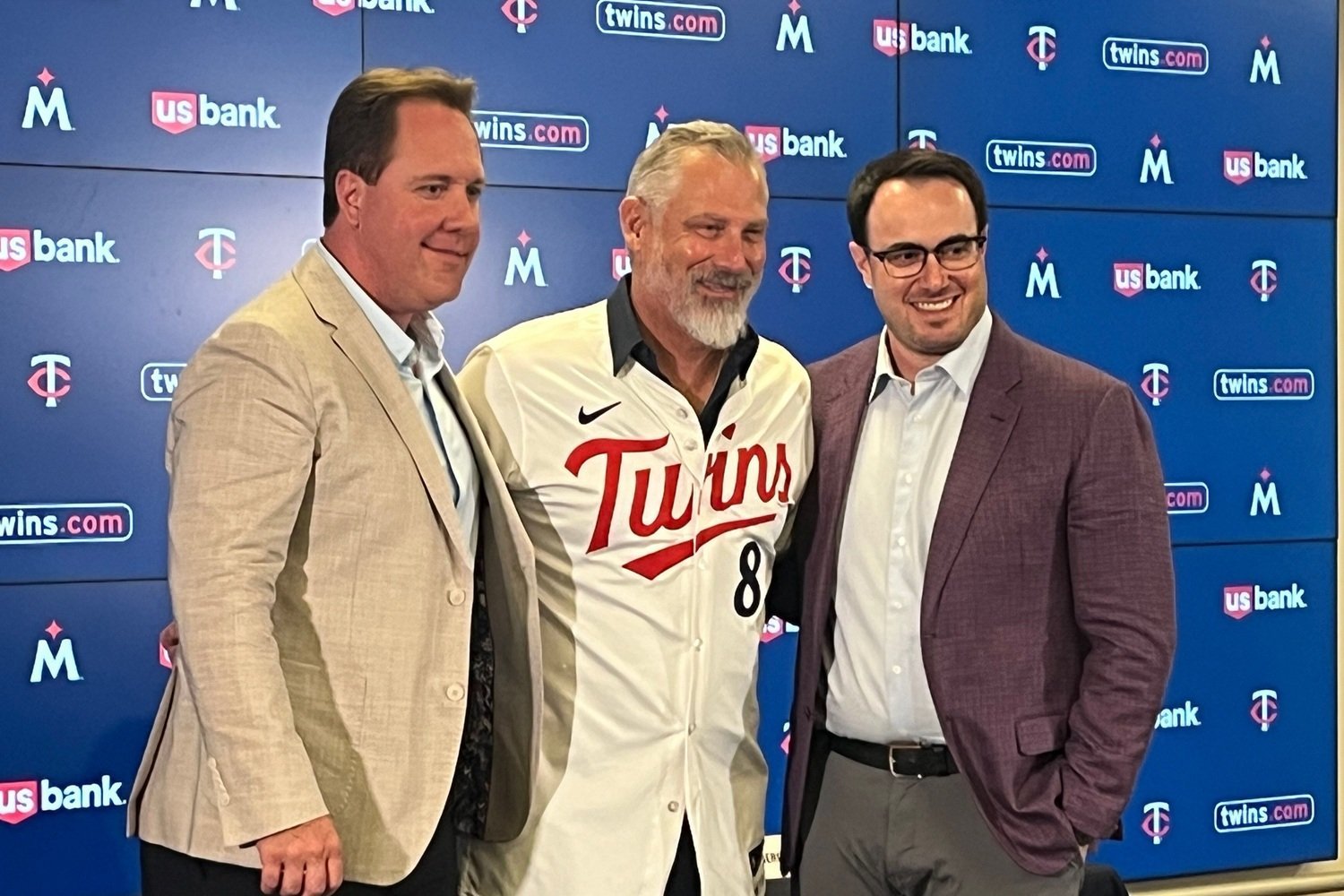 The Minnesota Twins believe Derek Shelton is ready for his second act as a big-league manager. After five-plus challenging seasons leading the Pittsburgh Pirates, he takes the reins in Minnesota with lessons learned, perspective gained, and a model to follow. One of the best modern examples of that kind of professional rebirth is Terry Francona. Before he became a two-time World Series champion with the Boston Red Sox, Francona failed in Philadelphia. Over four seasons with the Phillies, he posted a 285-363 record (a .440 winning percentage) and never won more than 77 games. The franchise was rebuilding, the roster was limited, and Francona was a young manager still learning how to navigate the daily grind of the major leagues. That failure, though, became foundational. Without the hard lessons in Philadelphia, Francona might never have become the calm, steady leader who helped break Boston’s 86-year curse. He won World Series titles in two of his first four seasons on the Red Sox bench. He went on to Cleveland and helped them win their first AL pennant since the late 1990s. Throughout his career, he has become one of the most respected managers of the modern era. Shelton hopes to travel a similar path. After his dismissal in Pittsburgh, he spent his first summer at home since his playing days reflecting on what went wrong and how he could approach things differently if given another chance. That process caught the attention of Twins president of baseball operations Derek Falvey, who has long admired Francona’s willingness to own his early missteps. “People that spend time reflecting on what they would do differently, I think, give themselves a much better chance to learn from that experience,” Falvey said Tuesday, after the team's introductory press conference for Shelton. “He gave very specific examples of things he would have done and would have handled differently, and I think that was a real strength of his in the process.” Falvey’s connection to Francona goes back to their years together in Cleveland. He saw firsthand how Francona’s lessons from Philadelphia shaped his leadership style with the Guardians. Francona often credited that difficult first job for giving him the humility and adaptability that defined his later success. It's no surprise that Falvey saw something similar in Shelton’s reflections. Shelton has already acknowledged that managing a big-league club is an entirely different challenge from any previous baseball role. “When I left here, I thought I was really prepared to manage because I’d been given a lot of responsibility,” Shelton said. “But you’re never ready until you sit in the chair. You’re never ready until different things come your way. I think those experiences are what help build you moving forward.” That mindset aligns perfectly with how Francona rebuilt his own career. He embraced his mistakes, surrounded himself with trusted voices, and developed a better understanding of how to manage both players and expectations. Shelton, too, will need to show growth in how he connects with his roster, handles bullpen decisions, and navigates the ups and downs of a long season. The Twins are betting that the man who once helped shape their hitters and culture as a bench coach can now lead a clubhouse that has failed to live up to expectations in recent seasons. It will not be easy, but history shows that baseball often rewards those who learn from failure. Francona’s career proves that the first opportunity does not define a manager. Derek Shelton’s second chance in Minnesota will be his shot to prove that the lessons from Pittsburgh can pave the way for long-term success. What do you think? Can Shelton follow Francona’s path and turn lessons from his first job into lasting success with the Twins? Leave a comment and start the discussion. View the full article
 -
 As the San Diego Padres have already announced a flurry of moves - most of which create voids on the 2026 roster - they now have a position to fill on their major league staff. Kevin Acee of the San Diego Union-Tribune is reporting that the Houston Astros have poached Padres hitting coach Victor Rodriguez for the same position. The announcement comes at a time when the Friars don't have a manager and don't see themselves particularly close to hiring one. Moreover, whoever is hired as the new manager could bring in their own staff, costing Rodriguez a job. It's that uncertainty that justifies the lateral move. He had one year remaining on his deal. In two years with the big league club, the Padres' offense posted two of the best team batting averages in the organization's history. However, their power production didn't follow suit. Notably, in 2025, the Padres finished with the third-fewest home runs in baseball after finishing with the 10th-most (ironically tied with the Astros) in 2024. It stands to reason that Rodriguez's hitting philosophy prioritizes putting the ball in play over power. How do you think this will impact the 2026 Padres? Let us know in the comments! View the full article
 -
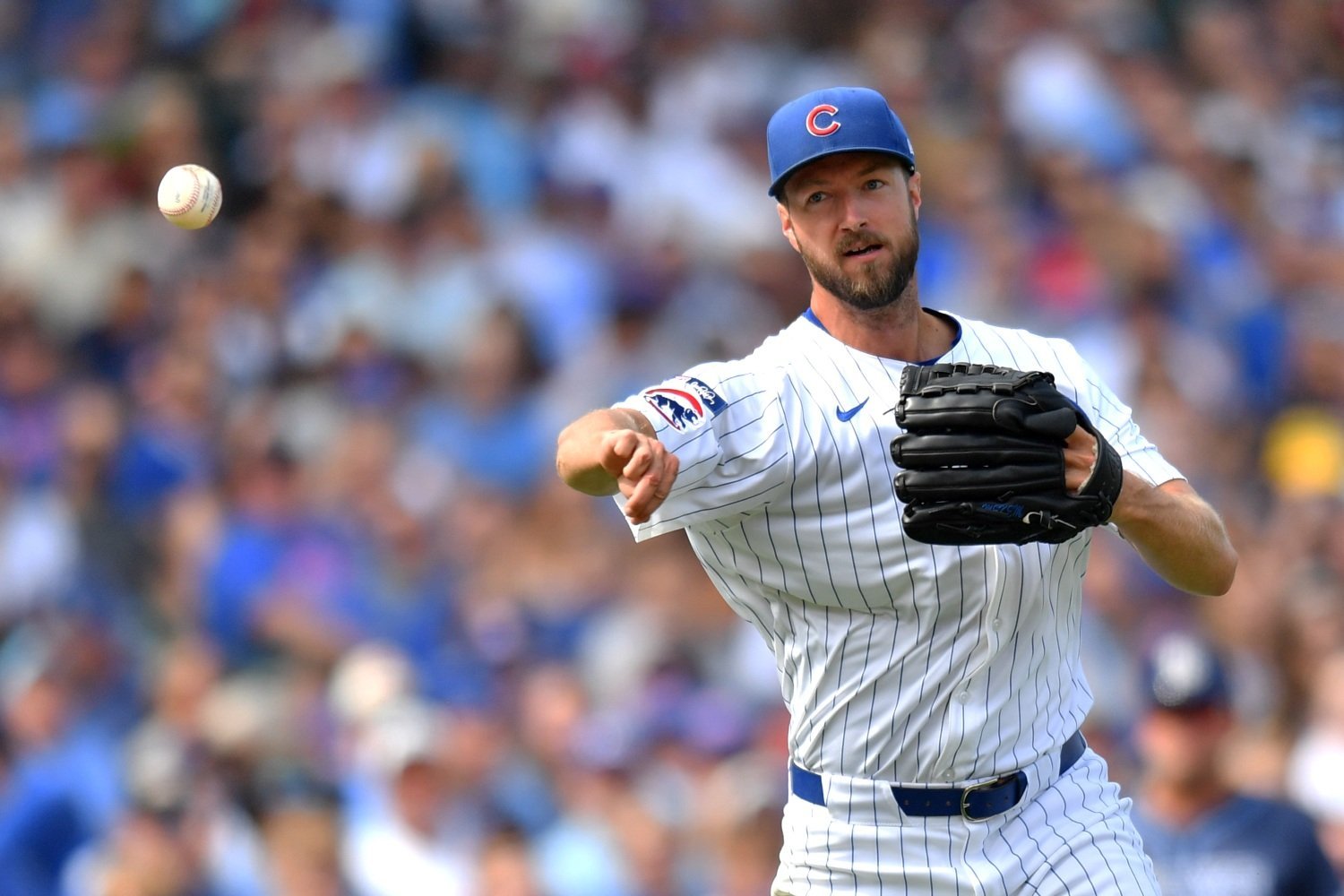 The Cubs and Colin Rea agreed to a one-year deal for 2026 with a club option for 2027 Thursday, a source confirmed to North Side Baseball. Steve Adams of MLB Trade Rumors was first to break the news. Rea, 35, will make at least $6.5 million in total, and can make up to $13 million if the Cubs exercise their option next winter. The pact comes just hours before the decision point on the team's would-be 2026 option. included in the contract Rea signed last winter. That deal would have paid him $6 million this year, and the alternative would have been paying a $750,000 buyout. The Cubs ponied up an extra $500,000 to guarantee themselves a chance to bring Rea back on affordable terms in 2027, if they so choose. For Rea, this deal offers shelter from a market that projects to be frigid. As has become their custom, the league's owners have tightened their purse strings as negotiations over the next collective bargaining agreement loom. One source indicated that the Cubs considered declining the option on Rea, and pressed for the extra year of team control in exchange for picking it up. At the same time, this structure benefits the Cubs. With the buyout on next winter's option expected to be slightly larger than the one they just circumvented, they'll pay fractionally less for Rea in 2026 than they otherwise would have, and they gain the flexibility that comes with that 2027 option. Bringing Rea back in some form became something close to a no-brainer, though, once Shota Imanaga declined his team option for 2026. In fact, though they didn't have equal terms on which to make the decision, this sequence of moves suggests the front office has more faith in Rea for next year than they have in Imanaga. Earlier this week, I wrote about the decision to decline Imanaga's three-year team option (and the fact that the team might yet decline to give Imanaga a qualifying offer) at Baseball Prospectus, through the lens of the new pitcher arsenal metrics on that site. Imanaga took an important step backward last year in his ability to get the ball down, and especially to bury his splitter; that became an increasingly lethal problem as the year wore on. Other pitchers might weather such a change better, but Imanaga's limited arsenal and difficulty with deceiving or surprising hitters made it hard for him to do so. By contrast, Rea has worse raw stuff than Imanaga—more velocity, but from the right side instead of the left, and with less lively movement; no single secondary pitch with the swing-and-miss potential of Imanaga's splitter—but an exceptionally deep arsenal and a good idea of how to use it to maximum effect. Hitters can accurately identify the pitch type early against Imanaga almost 82 percent of the time. That's both because he relies so heavily on his four-seamer and splitter, and because those two pitches have such disparate movement. Right away, the trajectory, spin and velocity of the offerings lets the hitter spot differences. Rea couldn't be more different. Hitters can accurately identify which pitch he's throwing just 55.5 percent of the time, which places him in the top decile of the league in disguising pitch type. Because he has so many offerings he trusts—four-seamer, sinker, cutter, curveball, slider, sweeper and changeup, the last of which he switched from a splitter to a kick-change this year—he can also use sequencing to surprise hitters better than most pitchers, and the breadth of movement and velocity bands within which he can work is huge. As he and I discussed in July, he made changes under the Cubs' guidance this year, moving the four-seamer to a place of greater primacy within his mix, but he still made great use of all his offerings. Fascinatingly, his move from the third-base side of the rubber to the first-base side made each of his pitches work better with his four-seamer, and the concomitant switch from being sinker-heavy to letting the four-seamer lead thus led his stuff to play up nicely. Here are the stuff ratings (StuffPro, where 0 is average and negative is better; it's expressed in runs against average per 100 pitches thrown), the pitch type detectabilities (the percentage of the time the hitter was estimated to accurately identify the pitch) and the best tunnel pair for each of Rea's offerings, for 2024 and 2025. Pitch Type 2024 SutffPro 2024 Pitch Type Prob. 2024 Tunnel Pair 2025 StuffPro 2025 Pitch Type Prob. 2025 Tunnel Pair Four-Seamer 0.9 35.8 Sinker 0.6 69.4 Kick-Change Sinker 0.1 63.2 Four-Seamer -0.1 45.2 Four-Seamer Cutter 0.3 42.8 Sweeper 0.2 55.8 Four-Seamer Slider - - - -0.4 28.4 Four-Seamer Sweeper 0 50.8 Cutter -0.8 55.8 Slider Curveball 0.1 49.4 Sweeper -0.1 73.4 Kick-Change Splitter 0.7 27.8 Sinker - - - Kick-Change - - - -0.3 47.9 Four-Seamer It was actually a bit easier to identify Rea's pitches in 2025, on balance, because of his move on the rubber and the fact that he threw his four-seamer more than he had thrown even his more prominent sinker in 2024. However, the StuffPro columns show how impressively his stuff played up thanks to alterations to his angles and his mechanics. His mix also widened, with the addition of the slider, and as you can see in the tunnel pair columns, four of Rea's other six pitches looked like his fastball at least a substantial share of the time for hitters last year. On almost every pitch he threw, hitters read four-seam fastball, but they were wrong often enough to produce a fair number of whiffs and plenty of weak contact. The drawback with Rea, as we discussed late in the 2025 season, is that he runs out of steam a bit near the end of most campaigns. On balance, though, he's a very useful arm. The Cubs will work hard to ensure he's not counted on for as many innings in 2026 as he was in 2025, but he's proved himself to be an average-plus big-league arm. Unlike Imanaga, he has ways to make up for it when his stuff or even his location is less than perfect; his arsenal depth and pitchability fill in the gaps. For now, Rea can be penciled in as the Cubs' fourth starter, behind Cade Horton, Matthew Boyd, and Jameson Taillon. By the middle of next season, the team will hope to have Justin Steele back from his April Tommy John surgery and be nearly ready to promote starting prospect Jaxon Wiggins. They also have Javier Assad, Jordan Wicks and Ben Brown as depth options who could start or relieve for them. A long winter lies ahead, and one or more of those younger players might be traded before Opening Day. Injuries have to be taken into account, too. The Cubs will aim to add a high-profile arm to the front end of their rotation, pushing Rea down the depth chart, but in the meantime, they acted to secure some high-quality depth for the back end of their rotation and the long relief segment of their bullpen. View the full article
